EP4265721A1 - Method for evaluating adapter ligation efficiency in sequence of dna sample - Google Patents
Method for evaluating adapter ligation efficiency in sequence of dna sample Download PDFInfo
- Publication number
- EP4265721A1 EP4265721A1 EP21906647.9A EP21906647A EP4265721A1 EP 4265721 A1 EP4265721 A1 EP 4265721A1 EP 21906647 A EP21906647 A EP 21906647A EP 4265721 A1 EP4265721 A1 EP 4265721A1
- Authority
- EP
- European Patent Office
- Prior art keywords
- dna
- ligation
- reaction
- adapters
- efficiency
- Prior art date
- Legal status (The legal status is an assumption and is not a legal conclusion. Google has not performed a legal analysis and makes no representation as to the accuracy of the status listed.)
- Withdrawn
Links
Images

Classifications
-
- C—CHEMISTRY; METALLURGY
- C12—BIOCHEMISTRY; BEER; SPIRITS; WINE; VINEGAR; MICROBIOLOGY; ENZYMOLOGY; MUTATION OR GENETIC ENGINEERING
- C12Q—MEASURING OR TESTING PROCESSES INVOLVING ENZYMES, NUCLEIC ACIDS OR MICROORGANISMS; COMPOSITIONS OR TEST PAPERS THEREFOR; PROCESSES OF PREPARING SUCH COMPOSITIONS; CONDITION-RESPONSIVE CONTROL IN MICROBIOLOGICAL OR ENZYMOLOGICAL PROCESSES
- C12Q1/00—Measuring or testing processes involving enzymes, nucleic acids or microorganisms; Compositions therefor; Processes of preparing such compositions
- C12Q1/68—Measuring or testing processes involving enzymes, nucleic acids or microorganisms; Compositions therefor; Processes of preparing such compositions involving nucleic acids
- C12Q1/6844—Nucleic acid amplification reactions
- C12Q1/6862—Ligase chain reaction [LCR]
-
- C—CHEMISTRY; METALLURGY
- C40—COMBINATORIAL TECHNOLOGY
- C40B—COMBINATORIAL CHEMISTRY; LIBRARIES, e.g. CHEMICAL LIBRARIES
- C40B40/00—Libraries per se, e.g. arrays, mixtures
- C40B40/04—Libraries containing only organic compounds
- C40B40/06—Libraries containing nucleotides or polynucleotides, or derivatives thereof
-
- C—CHEMISTRY; METALLURGY
- C12—BIOCHEMISTRY; BEER; SPIRITS; WINE; VINEGAR; MICROBIOLOGY; ENZYMOLOGY; MUTATION OR GENETIC ENGINEERING
- C12Q—MEASURING OR TESTING PROCESSES INVOLVING ENZYMES, NUCLEIC ACIDS OR MICROORGANISMS; COMPOSITIONS OR TEST PAPERS THEREFOR; PROCESSES OF PREPARING SUCH COMPOSITIONS; CONDITION-RESPONSIVE CONTROL IN MICROBIOLOGICAL OR ENZYMOLOGICAL PROCESSES
- C12Q1/00—Measuring or testing processes involving enzymes, nucleic acids or microorganisms; Compositions therefor; Processes of preparing such compositions
- C12Q1/68—Measuring or testing processes involving enzymes, nucleic acids or microorganisms; Compositions therefor; Processes of preparing such compositions involving nucleic acids
- C12Q1/6844—Nucleic acid amplification reactions
-
- C—CHEMISTRY; METALLURGY
- C12—BIOCHEMISTRY; BEER; SPIRITS; WINE; VINEGAR; MICROBIOLOGY; ENZYMOLOGY; MUTATION OR GENETIC ENGINEERING
- C12Q—MEASURING OR TESTING PROCESSES INVOLVING ENZYMES, NUCLEIC ACIDS OR MICROORGANISMS; COMPOSITIONS OR TEST PAPERS THEREFOR; PROCESSES OF PREPARING SUCH COMPOSITIONS; CONDITION-RESPONSIVE CONTROL IN MICROBIOLOGICAL OR ENZYMOLOGICAL PROCESSES
- C12Q1/00—Measuring or testing processes involving enzymes, nucleic acids or microorganisms; Compositions therefor; Processes of preparing such compositions
- C12Q1/68—Measuring or testing processes involving enzymes, nucleic acids or microorganisms; Compositions therefor; Processes of preparing such compositions involving nucleic acids
- C12Q1/6844—Nucleic acid amplification reactions
- C12Q1/6853—Nucleic acid amplification reactions using modified primers or templates
- C12Q1/6855—Ligating adaptors
-
- C—CHEMISTRY; METALLURGY
- C12—BIOCHEMISTRY; BEER; SPIRITS; WINE; VINEGAR; MICROBIOLOGY; ENZYMOLOGY; MUTATION OR GENETIC ENGINEERING
- C12Q—MEASURING OR TESTING PROCESSES INVOLVING ENZYMES, NUCLEIC ACIDS OR MICROORGANISMS; COMPOSITIONS OR TEST PAPERS THEREFOR; PROCESSES OF PREPARING SUCH COMPOSITIONS; CONDITION-RESPONSIVE CONTROL IN MICROBIOLOGICAL OR ENZYMOLOGICAL PROCESSES
- C12Q1/00—Measuring or testing processes involving enzymes, nucleic acids or microorganisms; Compositions therefor; Processes of preparing such compositions
- C12Q1/68—Measuring or testing processes involving enzymes, nucleic acids or microorganisms; Compositions therefor; Processes of preparing such compositions involving nucleic acids
- C12Q1/6869—Methods for sequencing
-
- C—CHEMISTRY; METALLURGY
- C12—BIOCHEMISTRY; BEER; SPIRITS; WINE; VINEGAR; MICROBIOLOGY; ENZYMOLOGY; MUTATION OR GENETIC ENGINEERING
- C12Q—MEASURING OR TESTING PROCESSES INVOLVING ENZYMES, NUCLEIC ACIDS OR MICROORGANISMS; COMPOSITIONS OR TEST PAPERS THEREFOR; PROCESSES OF PREPARING SUCH COMPOSITIONS; CONDITION-RESPONSIVE CONTROL IN MICROBIOLOGICAL OR ENZYMOLOGICAL PROCESSES
- C12Q2565/00—Nucleic acid analysis characterised by mode or means of detection
- C12Q2565/10—Detection mode being characterised by the assay principle
- C12Q2565/125—Electrophoretic separation
Definitions
- the present invention relates to a method for evaluating efficiency of an adapter ligation in order to optimize the condition for the adapter ligation in DNA sequencing using double-stranded barcode adapters.
- the method is especially useful for DNA sequencing of specimen that contains a scarce amount of DNA sample, such as the specimen used in a liquid biopsy.
- cfDNA cell-free DNA
- cfDNA derived from cancer cells contained in the peripheral blood of a cancer patient is sequenced using a so-called next-generation sequencer and presence or absence of mutations characteristic of cancer cells is detected, thereby enabling cancer diagnosis in a convenient and minimally invasive manner.
- 1 mL of blood either from a healthy person or a cancer patient, contains cfDNA corresponding to only about 1000 molecules of human genome.
- a cancer patient only a part of the cfDNA is derived from cancer cells. Sequencing by the use of such a scarce amount of DNA sample requires improvement in precision of the sequencing as much as possible.
- next-generation sequencer As a device to be used for sequencing a DNA sample, a next-generation sequencer (NGS) is generally used. However, the error rate of the next generation sequencer currently used is said to be about 0.1%.
- a method for improving the read precision in the next generation sequencer such as a massively parallel sequencer includes molecular barcode technology. In the molecular barcode technology, PCR amplification is performed on the target DNA to which a molecular barcode generating sequence was added in prior. Since nucleotide sequences having the same molecular barcode are derived from the same molecule, the read error can be eliminated by generating a consensus sequence thereof.
- Patent Document 1 it is described that a Y-shaped adapter containing a unique molecular index (UMI), i.e., a barcode generating sequence, was added to both ends of a double-stranded DNA fragment by ligation, and PCR amplification was performed, enabling sequencing with excellent accuracy and sensitivity, unaffected by errors and noises.
- UMI unique molecular index
- Patent Document 2 a new Y-type (fork-type) adapter with reduced error rate is proposed.
- the present invention is intended to provide a method for evaluating efficiency of the ligation conveniently and accurately.
- the present inventors created a model DNA fragment (double-stranded) and model Y-type adapters, and purposefully prepared a model ligation molecule with adapters ligated to one to four sites at the four ends of the model double-stranded DNA fragment. Furthermore, they verified for the first time that the prepared model ligation molecule can be classified (identified) according to the number of adapter ligations by electrophoresis. Based on these findings, the present inventors established a method for evaluating efficiency of binding (ligation) reaction between a DNA fragment to be analyzed in DNA sequencing and Y-type adapters by mobility of the produced ligation molecule in electrophoresis. The evaluation method can be used to optimize the condition for the ligation reaction using a DNA ligase.
- the present invention provides a method for evaluating efficiency of a ligation reaction that ligates Y-type adapters to both ends of DNA to be analyzed, in sequencing the DNA to be analyzed using the Y-type adapters, wherein the efficiency of the reaction is evaluated by electrophoresing a reaction mixture containing ligation molecules comprising the DNA and the Y-type adapters produced by the ligation reaction under a specified condition, and analyzing a band separated based on the number of adapters ligated to the DNA.
- the present invention provides a method for optimizing a condition for a ligation reaction, comprising the steps of: (1) performing the ligation reaction under a first specified condition and performing the evaluation method on the reaction mixture to evaluate a first reaction efficiency; then (2) performing the ligation reaction under a second specified condition which is at least partially modified from the first specified condition, and performing the method of evaluation on the reaction mixture to evaluate a second reaction efficiency; and (3) comparing the first reaction efficiency with the second reaction efficiency.
- the steps (2) and (3) repeatedly multiple times can be performed to find the optimal reaction condition.
- the reaction efficiency in the reaction that binds (ligates) the Y-type adapters to the DNA molecule to be analyzed can be evaluated by a simple operation. Therefore, by performing the evaluation method of the present invention while modifying the reaction condition, the condition for a highly efficient and complete ligation of the Y-type adapters to the DNA molecule can be found conveniently and accurately.
- the evaluation method of the present invention is effective in sequencing using a liquid biopsy. Also, in sequencing of genome and DNA in general, it is essential to create a library before performing the sequencing. Therefore, the technique for creating a library using the evaluation method of the present invention can be applied not only to a liquid biopsy but also to sequencing of genome and DNA in general, thus contributing to the improvement of efficiency, accuracy and precision of sequencing.
- next-generation sequencer NGS
- the Y-type adapters are bound (ligated) to both ends of the DNA to be analyzed (double strands), as shown in FIG. 1 .
- both strands will be amplified by PCR and sequence information of the relevant DNA strand can be obtained.
- sequence information can be obtained.
- a DNA strand to which the adapter molecules were not ligated properly will not allow the PCR reaction to proceed, making proper sequence information unavailable.
- the resultant molecules include: a DNA molecule to which no adapter is ligated at all (0), a DNA molecule to which one adapter molecule is ligated to only one end of one of DNA strands (1), DNA molecules to which adapter molecules are ligated to only one end of both of DNA strands (2-1 and 2-2), a DNA molecule to which adapter molecules are ligated to both ends of only one of DNA strands (2-3), a DNA molecule to which an adapter is not ligated to only one end of one of DNA strands (3) (all of these are also referred to as "incomplete adapter ligation molecules”), and a DNA molecule to which adapter molecules are ligated to both ends of both of DNA strands (4: also referred to as "complete adapter ligation molecule").
- sequence information can be obtained on only the DNA strands shown in dark color in FIG. 2 . Therefore, the production of incomplete adapter ligation molecules in the binding (ligation) reaction contributes to a decrease in
- the present inventors have produced model molecules corresponding to DNA molecules with complete ligation of the four adapters ((4) in FIG. 2 ; "complete adapter ligation molecule") and DNA molecules with incomplete adapter ligation ((0), (1), (2-1), (2-2), (2-3) and (3) in FIG. 2 ; "incomplete adapter ligation molecules”). Then, they have verified that separation and identification can be made based on the number of ligated adapters by using these model molecule groups to perform the method of the present invention.
- model DNA double strands and model Y-type adapters were created as shown in FIG. 3 .
- model DNA double strands having a different 5' overhang sequence at each end ( ⁇ and ⁇ in FIG. 3(A) ) and two types of Y-type adapters each having a 5' overhang sequence ( ⁇ ' and ⁇ ' in FIG. 3(B) ) compatible with each overhang sequence in the model DNA double strands.
- each overhang sequence an asymmetric sequence, an intermolecular ligation was limited to only predefined ligations.
- the ligation product that occurs in a solution containing model DNA double strands and 2 types of model Y-type adapters is limited to a ligation molecule in which either of the model Y-type adapters is ligated to each end of the model DNA double strands, and no ligation occurs between model DNA double strands nor between model Y-type adapters.
- a specific 5' overhang end as P or OH, it was made possible to prespecify presence or absence of the ligation at the 5' overhang end.
- Model DNA double strands were created by PCR. Any PCR strand length can be set, but it was set to 170 bp, the average strand length of cfDNA.
- a recognition sequence for Type IIS restriction enzymes such as BsaI and BbsI was added to a primer used in PCR. Therefore, it is possible to produce a predefined 5' overhang end by cleaving the PCR product with these enzymes.
- PCR product with a BsaI site at one end and a BbsI site at the other end was created, and as appropriate, either or both of the 5' overhang end generated by BsaI and the 5' overhang end generated by BbsI were converted to an OH end by post-cleavage treatment with dephosphorylation enzyme.
- the model DNA double strands created are a molecule (A1) having phosphate groups at the 5' ends of both the upper and lower strands of the model DNA molecule (A0), a molecule (A2) having a phosphate group only at the 5' end of the upper strand ( ⁇ portion), a molecule (A3) having a phosphate group only at the 5' end of the lower strand ( ⁇ portion), and a molecule (A4) having no phosphate group at the 5' end of the upper strand or lower strand.
- Model Y-type adapters with an adapter sequence for a sequencer by Illumina Inc. and the 5' overhang end phosphorylated were synthesized.
- the model Y-type adapter is a Y-type adapter comprising 2 DNA strands that are partially hybridizable to each other, with an overhang at the 5' end of a hybridizable portion.
- the overhang portion has a nucleotide sequence ( ⁇ ') complementary to the overhang portion ( ⁇ ) of the model DNA molecule or a nucleotide sequence ( ⁇ ') complementary to the overhang portion ( ⁇ ) of the model DNA molecule.
- Model Y-type adapters (B1-1 and B1-2) each having a phosphate group at the 5' end of the overhang portions ( ⁇ ' and ⁇ ', respectively) were also synthesized.
- model Y-type adapters can be created by synthesizing and annealing a single-stranded DNA.
- the presence or absence of a phosphodiester bond defined by the presence or absence of phosphate groups can also be defined by creating an adapter with a hydroxyl group at the 5' end, in addition to the dephosphorylation method after enzymatic cleavage described above.
- the model DNA double strands and the model Y-type adapters were combined, for example, as described in FIG. 4 , and by performing ligation reactions, ligation molecules with structures shown on the right side of FIG. 4 were obtained. These ligation molecules correspond to (4), (3), (2-2), (2-1), and (1), respectively, whose schematic structures are shown in FIG. 2 .
- a sample containing various ligation molecules described above were electrophoresed using an electrophoresis device, and the mobility (ease of movement) of each ligation molecule was compared.
- the mobility of these molecules in electrophoresis is affected by complex factors such as the molecular weight of each molecule, shapes of molecules, and electrophoresis conditions including properties of carriers for electrophoresis, and in general, predicting mobility of each molecule is thought to be difficult.
- a DNA double-strand/adapter ligation reaction was performed modeled after the actual NGS library preparation step, and the efficiency thereof was measured.
- the cfDNA of interest is primarily double strands of approximately 170 bp, and the ends thereof may be 5' overhang, 3' overhang, or blunt end since they result from a reaction by deoxyribonuclease in vivo.
- the end of Y-type adapter molecules for NGS library preparation is generally equipped with a protruding T at the 3' end. Therefore, a kit for NGS library preparation generally includes two modules: one module for repairing the ends of DNA double strands and adding dA to the 3' end, and another module for the adapter ligation.
- the Y-type adapters included in commercial kits (manufactured by Company A and Company B) that are actually used for NGS library preparation were used. Their structure is a "partially double-stranded Y-type" and basically each kit includes only one type of Y-type adapter, with a 3' overhang of a single dT nucleotide at the end of the double-stranded portion.
- Ligation reactions using the two types of Y-type adapters were performed under the condition recommended for each kit, the condition recommended for other company's kit, and the condition modified by the inventors on their own.
- the resulting ligation molecules were electrophoresed and the results are shown in FIG. 6 .
- a ligation reaction of Y-type adapters was performed under the following conditions.
Landscapes
- Chemical & Material Sciences (AREA)
- Life Sciences & Earth Sciences (AREA)
- Organic Chemistry (AREA)
- Proteomics, Peptides & Aminoacids (AREA)
- Health & Medical Sciences (AREA)
- Engineering & Computer Science (AREA)
- Zoology (AREA)
- Wood Science & Technology (AREA)
- Molecular Biology (AREA)
- Biochemistry (AREA)
- General Engineering & Computer Science (AREA)
- Bioinformatics & Cheminformatics (AREA)
- Biophysics (AREA)
- Analytical Chemistry (AREA)
- Physics & Mathematics (AREA)
- Genetics & Genomics (AREA)
- Immunology (AREA)
- Microbiology (AREA)
- Biotechnology (AREA)
- General Health & Medical Sciences (AREA)
- Chemical Kinetics & Catalysis (AREA)
- General Chemical & Material Sciences (AREA)
- Medicinal Chemistry (AREA)
- Measuring Or Testing Involving Enzymes Or Micro-Organisms (AREA)
Abstract
Description
- The present invention relates to a method for evaluating efficiency of an adapter ligation in order to optimize the condition for the adapter ligation in DNA sequencing using double-stranded barcode adapters. The method is especially useful for DNA sequencing of specimen that contains a scarce amount of DNA sample, such as the specimen used in a liquid biopsy.
- Conventionally, a cancer diagnosis has been made by surgically collecting tissue cells (specimen) from a patient with suspected cancer and examining the specimen (biopsy). However, since this examination method is invasive, there have been problems including that a timely follow-up is not possible considering the burden on the patient.
- On the other hand, free DNA (cell-free DNA (cfDNA)) released from tissue cells by processes such as apoptosis is present in the blood. In the case of a cancer patient, cfDNA derived from cancer cells is also contained in the blood. In recent years, researches have made progress on using the cfDNA derived from cancer cells for cancer diagnosis, attracting attention as a minimally invasive examination method known as "a liquid biopsy".
- In the examination method using a liquid biopsy, cfDNA derived from cancer cells contained in the peripheral blood of a cancer patient is sequenced using a so-called next-generation sequencer and presence or absence of mutations characteristic of cancer cells is detected, thereby enabling cancer diagnosis in a convenient and minimally invasive manner. However, it is said that 1 mL of blood, either from a healthy person or a cancer patient, contains cfDNA corresponding to only about 1000 molecules of human genome. In the case of a cancer patient, only a part of the cfDNA is derived from cancer cells. Sequencing by the use of such a scarce amount of DNA sample requires improvement in precision of the sequencing as much as possible.
- As a device to be used for sequencing a DNA sample, a next-generation sequencer (NGS) is generally used. However, the error rate of the next generation sequencer currently used is said to be about 0.1%. A method for improving the read precision in the next generation sequencer such as a massively parallel sequencer includes molecular barcode technology. In the molecular barcode technology, PCR amplification is performed on the target DNA to which a molecular barcode generating sequence was added in prior. Since nucleotide sequences having the same molecular barcode are derived from the same molecule, the read error can be eliminated by generating a consensus sequence thereof.
- For adding the barcode sequence to cfDNA, there is a method of using a primer and another method of attaching an adapter with a barcode generating sequence embedded therein by ligation.
- In
Patent Document 1, it is described that a Y-shaped adapter containing a unique molecular index (UMI), i.e., a barcode generating sequence, was added to both ends of a double-stranded DNA fragment by ligation, and PCR amplification was performed, enabling sequencing with excellent accuracy and sensitivity, unaffected by errors and noises. In addition, inPatent Document 2, a new Y-type (fork-type) adapter with reduced error rate is proposed. - However, according to the sequencing method as described in
Patent Document 1, accurate sequence information cannot be obtained unless two Y-type adapters are completely bound (ligated) to both ends of a double-stranded DNA fragment (sample) via phosphodiester bonds at four sites. In particular, in order to apply the "double-stranded nucleotide sequencing" (Duplex Sequencing), which is a UMI-based sequence reconstruction of each starting double-stranded source molecule, it is prerequisite to obtain sequence information for both strands, and it is essential that the adapter molecule ligation is complete. In general, the ligation of DNA fragments to adapters is performed using an enzyme called DNA ligase, but in most cases reaction conditions recommended by raw material (enzyme) suppliers are applied, and there is no method for conveniently measuring the reaction efficiency. - In particular, when sequencing based on a scarce amount of DNA sample such as cfDNA, it is necessary to minimize waste of the DNA sample as much as possible. Therefore, a method for evaluating efficiency of the adapter ligation conveniently and accurately is required to optimize the condition for the ligation reaction.
-
- Patent Document 1:
JP-B 6685324 - Patent Document 2:
JP-A 2019-504624 - In order to optimize the condition for binding (ligating) Y-type (Y-shaped) adapters to both ends of a double-stranded DNA fragment in sequencing a DNA sample, the present invention is intended to provide a method for evaluating efficiency of the ligation conveniently and accurately.
- The present inventors created a model DNA fragment (double-stranded) and model Y-type adapters, and purposefully prepared a model ligation molecule with adapters ligated to one to four sites at the four ends of the model double-stranded DNA fragment. Furthermore, they verified for the first time that the prepared model ligation molecule can be classified (identified) according to the number of adapter ligations by electrophoresis. Based on these findings, the present inventors established a method for evaluating efficiency of binding (ligation) reaction between a DNA fragment to be analyzed in DNA sequencing and Y-type adapters by mobility of the produced ligation molecule in electrophoresis. The evaluation method can be used to optimize the condition for the ligation reaction using a DNA ligase.
- That is, the present invention provides a method for evaluating efficiency of a ligation reaction that ligates Y-type adapters to both ends of DNA to be analyzed, in sequencing the DNA to be analyzed using the Y-type adapters, wherein the efficiency of the reaction is evaluated by electrophoresing a reaction mixture containing ligation molecules comprising the DNA and the Y-type adapters produced by the ligation reaction under a specified condition, and analyzing a band separated based on the number of adapters ligated to the DNA.
- In addition, the present invention provides a method for optimizing a condition for a ligation reaction, comprising the steps of: (1) performing the ligation reaction under a first specified condition and performing the evaluation method on the reaction mixture to evaluate a first reaction efficiency; then (2) performing the ligation reaction under a second specified condition which is at least partially modified from the first specified condition, and performing the method of evaluation on the reaction mixture to evaluate a second reaction efficiency; and (3) comparing the first reaction efficiency with the second reaction efficiency. In this method for optimization, the steps (2) and (3) repeatedly multiple times can be performed to find the optimal reaction condition.
- According to the method of the present invention, the reaction efficiency in the reaction that binds (ligates) the Y-type adapters to the DNA molecule to be analyzed can be evaluated by a simple operation. Therefore, by performing the evaluation method of the present invention while modifying the reaction condition, the condition for a highly efficient and complete ligation of the Y-type adapters to the DNA molecule can be found conveniently and accurately.
- The evaluation method of the present invention is effective in sequencing using a liquid biopsy. Also, in sequencing of genome and DNA in general, it is essential to create a library before performing the sequencing. Therefore, the technique for creating a library using the evaluation method of the present invention can be applied not only to a liquid biopsy but also to sequencing of genome and DNA in general, thus contributing to the improvement of efficiency, accuracy and precision of sequencing.
-
- [
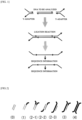
FIG. 1] FIG. 1 is a schematic diagram illustrating the step of sequencing DNA to be analyzed (double strands) using Y-type adapters. - [
FIG. 2] FIG. 2 is a schematic diagram showing structures of molecules that can be produced in the ligation reaction between DNA molecules and Y-type adapters. - [
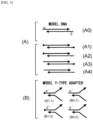
FIG. 3] FIG. 3 is a schematic diagram showing model molecules used to measure efficiency of the ligation reaction between DNA molecules and Y-type adapters. - [
FIG. 4] FIG. 4 is a schematic diagram showing combinations of DNA molecules and Y-type adapters, and structures of ligation molecules produced by the ligation reaction in these combinations. - [
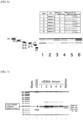
FIG. 5] FIG. 5 is a diagram showing the results of electrophoresis for separation based on the structures of ligation molecules (number of adapters ligated). - [
FIG. 6] FIG. 6 is a diagram showing the electrophoretic distribution of ligation molecules obtained from ligation reactions by changing the reaction conditions of the ligation reactions using commercially available kits. - [
FIG. 7] FIG. 7 is a diagram showing the distribution of ligation molecules obtained from ligation reactions using cfDNA samples. - The present invention is described in detail below.
- In large-scale sequencing using a next-generation sequencer (NGS), when sequencing DNA to be analyzed using Y-type adapters, the Y-type adapters are bound (ligated) to both ends of the DNA to be analyzed (double strands), as shown in
FIG. 1 . - If the adapter molecules corresponding to both ends of each DNA strand are properly bound (ligated) through phosphodiester bonds for the upper DNA strand and the lower DNA strand of the DNA to be analyzed, both strands will be amplified by PCR and sequence information of the relevant DNA strand can be obtained. However, a DNA strand to which the adapter molecules were not ligated properly will not allow the PCR reaction to proceed, making proper sequence information unavailable.
- However, there is no guarantee that the adapter ligation reaction is complete, and in principle, incomplete adapter ligation molecules may be produced in which (an) adapter molecule(s) is/are not ligated to one or both end(s) of each DNA strand. That is, it is expected that a sample after the binding (ligation) reaction contains both of incomplete and complete adapter ligation molecules as shown in
FIG. 2 . The numbers shown in parentheses inFIG. 2 (the first number in parentheses) are the number of adapter molecules ligated to the DNA molecule. That is, the resultant molecules include: a DNA molecule to which no adapter is ligated at all (0), a DNA molecule to which one adapter molecule is ligated to only one end of one of DNA strands (1), DNA molecules to which adapter molecules are ligated to only one end of both of DNA strands (2-1 and 2-2), a DNA molecule to which adapter molecules are ligated to both ends of only one of DNA strands (2-3), a DNA molecule to which an adapter is not ligated to only one end of one of DNA strands (3) (all of these are also referred to as "incomplete adapter ligation molecules"), and a DNA molecule to which adapter molecules are ligated to both ends of both of DNA strands (4: also referred to as "complete adapter ligation molecule"). Also, sequence information can be obtained on only the DNA strands shown in dark color inFIG. 2 . Therefore, the production of incomplete adapter ligation molecules in the binding (ligation) reaction contributes to a decrease in sequencing efficiency. - Therefore, it is extremely important to allow to efficiently produce "complete adapter ligation molecules" in the ligation reaction between DNA and adapters. However, at present, there is no convenient method to measure the efficiency of the adapter ligation with high precision, and in most cases, commercially available kits are used under the conditions recommended by the manufacturers of the kits. This invention found for the first time that the electrophoresis can be used for separation based on the number of adapters ligated to DNA, and that the efficiency of production of the "complete adapter ligation molecule" can be evaluated from the results of the electrophoresis.
- In order to demonstrate the effectiveness of the evaluation method of the present invention, the present inventors have produced model molecules corresponding to DNA molecules with complete ligation of the four adapters ((4) in
FIG. 2 ; "complete adapter ligation molecule") and DNA molecules with incomplete adapter ligation ((0), (1), (2-1), (2-2), (2-3) and (3) inFIG. 2 ; "incomplete adapter ligation molecules"). Then, they have verified that separation and identification can be made based on the number of ligated adapters by using these model molecule groups to perform the method of the present invention. - First, model DNA double strands and model Y-type adapters were created as shown in
FIG. 3 . - For each model molecule preparation, created were model DNA double strands having a different 5' overhang sequence at each end (α and β in
FIG. 3(A) ) and two types of Y-type adapters each having a 5' overhang sequence (α' and β' inFIG. 3(B) ) compatible with each overhang sequence in the model DNA double strands. In addition, by making each overhang sequence an asymmetric sequence, an intermolecular ligation was limited to only predefined ligations. Thus, the ligation product that occurs in a solution containing model DNA double strands and 2 types of model Y-type adapters is limited to a ligation molecule in which either of the model Y-type adapters is ligated to each end of the model DNA double strands, and no ligation occurs between model DNA double strands nor between model Y-type adapters. Furthermore, by designating a specific 5' overhang end as P or OH, it was made possible to prespecify presence or absence of the ligation at the 5' overhang end. - Model DNA double strands were created by PCR. Any PCR strand length can be set, but it was set to 170 bp, the average strand length of cfDNA. A recognition sequence for Type IIS restriction enzymes such as BsaI and BbsI was added to a primer used in PCR. Therefore, it is possible to produce a predefined 5' overhang end by cleaving the PCR product with these enzymes. Specifically, a PCR product with a BsaI site at one end and a BbsI site at the other end was created, and as appropriate, either or both of the 5' overhang end generated by BsaI and the 5' overhang end generated by BbsI were converted to an OH end by post-cleavage treatment with dephosphorylation enzyme.
- The model DNA double strands created are a molecule (A1) having phosphate groups at the 5' ends of both the upper and lower strands of the model DNA molecule (A0), a molecule (A2) having a phosphate group only at the 5' end of the upper strand (α portion), a molecule (A3) having a phosphate group only at the 5' end of the lower strand (β portion), and a molecule (A4) having no phosphate group at the 5' end of the upper strand or lower strand.
- Model Y-type adapters with an adapter sequence for a sequencer by Illumina Inc. and the 5' overhang end phosphorylated were synthesized.
- As outlined in
FIG. 3(B) , the model Y-type adapter is a Y-type adapter comprising 2 DNA strands that are partially hybridizable to each other, with an overhang at the 5' end of a hybridizable portion. The overhang portion has a nucleotide sequence (α') complementary to the overhang portion (α) of the model DNA molecule or a nucleotide sequence (β') complementary to the overhang portion (β) of the model DNA molecule. Model Y-type adapters (B1-1 and B1-2) each having a phosphate group at the 5' end of the overhang portions (α' and β', respectively) were also synthesized. These model Y-type adapters can be created by synthesizing and annealing a single-stranded DNA. The presence or absence of a phosphodiester bond defined by the presence or absence of phosphate groups can also be defined by creating an adapter with a hydroxyl group at the 5' end, in addition to the dephosphorylation method after enzymatic cleavage described above. - The model DNA double strands and the model Y-type adapters were combined, for example, as described in
FIG. 4 , and by performing ligation reactions, ligation molecules with structures shown on the right side ofFIG. 4 were obtained. These ligation molecules correspond to (4), (3), (2-2), (2-1), and (1), respectively, whose schematic structures are shown inFIG. 2 . - Next, a sample containing various ligation molecules described above were electrophoresed using an electrophoresis device, and the mobility (ease of movement) of each ligation molecule was compared. The mobility of these molecules in electrophoresis is affected by complex factors such as the molecular weight of each molecule, shapes of molecules, and electrophoresis conditions including properties of carriers for electrophoresis, and in general, predicting mobility of each molecule is thought to be difficult.
- However, when an electrophoresis was actually performed using Agilent Bioanalyzer (High Sensitivity DNA kit) on the reaction mixture containing ligation molecules produced using the model DNA double strands and model Y-type adapters, it was found that the mobility varied depending on the number and position of the ligated adapters, as shown in
FIG. 5 . That is, it was verified that separation can be made based on the difference in the type of ligation molecules produced by the ligation reaction (complete adapter ligation molecules and incomplete adapter ligation molecules), and in other words, it was verified that the efficiency of the ligation reaction of the Y-type adapters with the DNA molecule to be analyzed can be measured with high precision by electrophoresis. - A DNA double-strand/adapter ligation reaction was performed modeled after the actual NGS library preparation step, and the efficiency thereof was measured.
- The cfDNA of interest is primarily double strands of approximately 170 bp, and the ends thereof may be 5' overhang, 3' overhang, or blunt end since they result from a reaction by deoxyribonuclease in vivo. On the other hand, the end of Y-type adapter molecules for NGS library preparation is generally equipped with a protruding T at the 3' end. Therefore, a kit for NGS library preparation generally includes two modules: one module for repairing the ends of DNA double strands and adding dA to the 3' end, and another module for the adapter ligation. Since the efficiency of the ligation of DNA double strands to adapter molecules in each kit and under each reaction condition is the results of three types of reactions by both modules, as the model DNA double strands for the model ligation test of this Example, 170 bp DNA with a 4-nt 5' overhang at one end and a 4-nt 3' overhang at the other end was used. The model DNA double strands were created by a PCR reaction with a primer having a recognition sequence for a 4-nt 5' overhang restriction enzyme and a primer having a recognition sequence for a 4-nt 3' overhang restriction enzyme, followed by a treatment of the PCR product with restriction enzymes.
- As for the Y-type adapters, the Y-type adapters included in commercial kits (manufactured by Company A and Company B) that are actually used for NGS library preparation were used. Their structure is a "partially double-stranded Y-type" and basically each kit includes only one type of Y-type adapter, with a 3' overhang of a single dT nucleotide at the end of the double-stranded portion.
- Ligation reactions using the two types of Y-type adapters were performed under the condition recommended for each kit, the condition recommended for other company's kit, and the condition modified by the inventors on their own. The resulting ligation molecules were electrophoresed and the results are shown in
FIG. 6 . - For each of the conditions shown in
FIG. 6 , the percentage of the complete adapter ligation molecules in the produced ligation molecules was as follows.[Table 1] Lane 1 2 3 4 5 6 Percentage of complete ligation molecules (%) 40 56 49 44 52 38 - Using cfDNA included in a liquid biopsy, a ligation reaction of Y-type adapters was performed under the following conditions.
- cfDNA used: A DNA sample eluted in purified water using QIAamp Circulating Nucleic Acid kit by Qiagen Inc. from plasma separated within 48 hours after collecting blood in blood collection tubes by Streck Corporate.
- Reaction conditions (Reaction kit used was NEBNext Ultra II DNA Library Prep Kit for Illumina by New England Biolabs Inc.)
- 1. cfDNA: 50 ng was repaired in 30 microliters, and dT was added.
- 2. The above reaction product was mixed with 75 picomoles of Y-type adapters (Integrated DNA Technologies Inc.) and the ligation reaction was performed in a total of 52.5 microliters. The reaction temperature was 7°C and the reaction time was 12 hours.
- The results of the electrophoresis of the cfDNA-adaptor ligation products (referred to as "cfDNA Samples" in
FIG. 7 ) produced by the ligation reaction are shown inFIG. 7 . It was confirmed that the complete ligation of the adapters was achieved with high efficiency (70% or more) under the conditions describe above.
Claims (3)
- A method for evaluating efficiency of a ligation reaction that ligates Y-type adapters to both ends of DNA to be analyzed, in sequencing the DNA to be analyzed using the Y-type adapters,
wherein the efficiency of the reaction is evaluated by electrophoresing a reaction mixture containing ligation molecules comprising the DNA and the Y-type adapters produced by the ligation reaction under a specified condition, and analyzing a band separated based on the number of adapters ligated to the DNA. - A method for optimizing a condition for a ligation reaction, comprising the steps of:(1) performing the ligation reaction under a first specified condition and performing the evaluation method on the reaction mixture to evaluate a first reaction efficiency; then(2) performing the ligation reaction under a second specified condition which is at least partially modified from the first specified condition, and performing the evaluation method on the reaction mixture to evaluate a second reaction efficiency; and(3) comparing the first reaction efficiency with the second reaction efficiency.
- The method according to claim 2, comprising performing the steps (2) and (3) repeatedly multiple times.
Applications Claiming Priority (2)
| Application Number | Priority Date | Filing Date | Title |
|---|---|---|---|
| JP2020207319 | 2020-12-15 | ||
| PCT/JP2021/046211 WO2022131285A1 (en) | 2020-12-15 | 2021-12-15 | Method for evaluating adapter ligation efficiency in sequence of dna sample |
Publications (2)
| Publication Number | Publication Date |
|---|---|
| EP4265721A1 true EP4265721A1 (en) | 2023-10-25 |
| EP4265721A4 EP4265721A4 (en) | 2024-11-13 |
Family
ID=82057603
Family Applications (1)
| Application Number | Title | Priority Date | Filing Date |
|---|---|---|---|
| EP21906647.9A Withdrawn EP4265721A4 (en) | 2020-12-15 | 2021-12-15 | METHOD FOR ASSESSING ADAPTER LIGATION EFFICIENCY IN A DNA SAMPLE SEQUENCE |
Country Status (8)
| Country | Link |
|---|---|
| US (1) | US20240102089A1 (en) |
| EP (1) | EP4265721A4 (en) |
| JP (1) | JPWO2022131285A1 (en) |
| KR (1) | KR20230121076A (en) |
| CN (1) | CN116615537A (en) |
| AU (1) | AU2021401369A1 (en) |
| CA (1) | CA3201748A1 (en) |
| WO (1) | WO2022131285A1 (en) |
Families Citing this family (1)
| Publication number | Priority date | Publication date | Assignee | Title |
|---|---|---|---|---|
| WO2025117738A1 (en) * | 2023-11-28 | 2025-06-05 | Illumina, Inc. | Methods of improving unique molecular index ligation efficiency |
Family Cites Families (7)
| Publication number | Priority date | Publication date | Assignee | Title |
|---|---|---|---|---|
| US10844428B2 (en) | 2015-04-28 | 2020-11-24 | Illumina, Inc. | Error suppression in sequenced DNA fragments using redundant reads with unique molecular indices (UMIS) |
| CN108474026A (en) | 2016-01-29 | 2018-08-31 | 豪夫迈·罗氏有限公司 | New adapter and application method for nucleic acid sequencing |
| CN110382709A (en) * | 2016-09-12 | 2019-10-25 | 维尔道应用技术大学 | Transformable adapter |
| PL3885445T3 (en) * | 2017-04-14 | 2024-01-29 | Guardant Health, Inc. | Methods of attaching adapters to sample nucleic acids |
| US11447818B2 (en) * | 2017-09-15 | 2022-09-20 | Illumina, Inc. | Universal short adapters with variable length non-random unique molecular identifiers |
| EP3737774B1 (en) * | 2018-01-12 | 2024-12-25 | Claret Bioscience, LLC | Method for analyzing nucleic acid |
| WO2019217452A1 (en) * | 2018-05-08 | 2019-11-14 | Mgi Tech Co., Ltd. | Single tube bead-based dna co-barcoding for accurate and cost-effective sequencing, haplotyping, and assembly |
-
2021
- 2021-12-15 KR KR1020237021963A patent/KR20230121076A/en active Pending
- 2021-12-15 US US18/267,732 patent/US20240102089A1/en active Pending
- 2021-12-15 CA CA3201748A patent/CA3201748A1/en active Pending
- 2021-12-15 AU AU2021401369A patent/AU2021401369A1/en not_active Abandoned
- 2021-12-15 EP EP21906647.9A patent/EP4265721A4/en not_active Withdrawn
- 2021-12-15 JP JP2022570032A patent/JPWO2022131285A1/ja active Pending
- 2021-12-15 WO PCT/JP2021/046211 patent/WO2022131285A1/en not_active Ceased
- 2021-12-15 CN CN202180083883.5A patent/CN116615537A/en active Pending
Also Published As
| Publication number | Publication date |
|---|---|
| WO2022131285A1 (en) | 2022-06-23 |
| JPWO2022131285A1 (en) | 2022-06-23 |
| US20240102089A1 (en) | 2024-03-28 |
| AU2021401369A1 (en) | 2023-07-27 |
| EP4265721A4 (en) | 2024-11-13 |
| CA3201748A1 (en) | 2022-06-23 |
| KR20230121076A (en) | 2023-08-17 |
| CN116615537A (en) | 2023-08-18 |
Similar Documents
| Publication | Publication Date | Title |
|---|---|---|
| CA2294470C (en) | Method for quantitative measurement of gene expression using multiplex competitive reverse transcriptase-polymerase chain reaction | |
| US9404156B2 (en) | Varietal counting of nucleic acids for obtaining genomic copy number information | |
| HK1218318A1 (en) | Method for construction of sequencing library of variable regions and method for determining nucleic acid sequences of variable regions | |
| EP3607065B1 (en) | Method and kit for constructing nucleic acid library | |
| CN110541033B (en) | Composition and detection method for EGFR gene mutation detection | |
| CN110628880A (en) | Method for detecting gene variation by synchronously using messenger RNA and genome DNA template | |
| CN110878343A (en) | Cpf1 kit for quickly detecting genetic deafness pathogenic gene SLC26A4 mutation and detection method thereof | |
| CN111073961A (en) | High-throughput detection method for gene rare mutation | |
| CN110885883A (en) | DNA reference standard and application thereof | |
| KR20230146139A (en) | Next generation sequencing (ngs)-based hybrid diagnostic panel for analyzing variation of cancer gene and anticancer drug-related gene | |
| CN107012221A (en) | Enrichment system and its application based on blocker | |
| JP2019524122A (en) | DNA probe for chromosome in situ hybridization | |
| WO2019183582A9 (en) | Immune repertoire monitoring | |
| US20240102089A1 (en) | Method for Evaluating Adapter Ligation Efficiency in Sequencing of DNA Sample | |
| Crisan et al. | Polymerase chain reaction: amplification of DNA from fixed tissue | |
| CN112063690A (en) | Construction method and application of single-molecule probe multi-target capture library | |
| JP2022522221A (en) | Methods and systems for characterizing tumors and identifying tumor inhomogeneities | |
| CN116024308A (en) | Preparation method of high-throughput amplicon library of lung cancer-related genes, multiple PCR primer pairs and application | |
| CN114774553A (en) | Method for detecting multigene site mutation by using high-throughput sequencing technology | |
| US11639521B2 (en) | Method for determining the copy number of a tandem repeat sequence | |
| WO2018186687A1 (en) | Method for determining nucleic acid quality of biological sample | |
| KR20220164753A (en) | floating barcode | |
| WO2024050386A2 (en) | Methods and reagents for detection of circular dna molecules in biological samples | |
| KR20150017525A (en) | Method for Detection of Somatic Mutation Using Next Generation Sequencing | |
| EP3474168A2 (en) | Method for measuring mutation rate |
Legal Events
| Date | Code | Title | Description |
|---|---|---|---|
| STAA | Information on the status of an ep patent application or granted ep patent |
Free format text: STATUS: THE INTERNATIONAL PUBLICATION HAS BEEN MADE |
|
| PUAI | Public reference made under article 153(3) epc to a published international application that has entered the european phase |
Free format text: ORIGINAL CODE: 0009012 |
|
| STAA | Information on the status of an ep patent application or granted ep patent |
Free format text: STATUS: REQUEST FOR EXAMINATION WAS MADE |
|
| 17P | Request for examination filed |
Effective date: 20230704 |
|
| AK | Designated contracting states |
Kind code of ref document: A1 Designated state(s): AL AT BE BG CH CY CZ DE DK EE ES FI FR GB GR HR HU IE IS IT LI LT LU LV MC MK MT NL NO PL PT RO RS SE SI SK SM TR |
|
| DAV | Request for validation of the european patent (deleted) | ||
| DAX | Request for extension of the european patent (deleted) | ||
| REG | Reference to a national code |
Ref country code: DE Ref legal event code: R079 Free format text: PREVIOUS MAIN CLASS: C12N0015090000 Ipc: C12Q0001686900 |
|
| A4 | Supplementary search report drawn up and despatched |
Effective date: 20241014 |
|
| RIC1 | Information provided on ipc code assigned before grant |
Ipc: C40B 40/06 20060101ALI20241008BHEP Ipc: C12Q 1/6855 20180101ALI20241008BHEP Ipc: C12Q 1/6844 20180101ALI20241008BHEP Ipc: C12N 15/09 20060101ALI20241008BHEP Ipc: C12Q 1/6869 20180101AFI20241008BHEP |
|
| STAA | Information on the status of an ep patent application or granted ep patent |
Free format text: STATUS: THE APPLICATION HAS BEEN WITHDRAWN |
|
| 18W | Application withdrawn |
Effective date: 20251205 |