EP4265271A2 - Vakzinimmunogene - Google Patents
Vakzinimmunogene Download PDFInfo
- Publication number
- EP4265271A2 EP4265271A2 EP23184802.9A EP23184802A EP4265271A2 EP 4265271 A2 EP4265271 A2 EP 4265271A2 EP 23184802 A EP23184802 A EP 23184802A EP 4265271 A2 EP4265271 A2 EP 4265271A2
- Authority
- EP
- European Patent Office
- Prior art keywords
- protein
- peptide
- etramp
- fragment
- plasmodium
- Prior art date
- Legal status (The legal status is an assumption and is not a legal conclusion. Google has not performed a legal analysis and makes no representation as to the accuracy of the status listed.)
- Pending
Links
Images
















Classifications
-
- A—HUMAN NECESSITIES
- A61—MEDICAL OR VETERINARY SCIENCE; HYGIENE
- A61K—PREPARATIONS FOR MEDICAL, DENTAL OR TOILETRY PURPOSES
- A61K39/00—Medicinal preparations containing antigens or antibodies
- A61K39/002—Protozoa antigens
- A61K39/015—Hemosporidia antigens, e.g. Plasmodium antigens
-
- A—HUMAN NECESSITIES
- A61—MEDICAL OR VETERINARY SCIENCE; HYGIENE
- A61P—SPECIFIC THERAPEUTIC ACTIVITY OF CHEMICAL COMPOUNDS OR MEDICINAL PREPARATIONS
- A61P33/00—Antiparasitic agents
- A61P33/02—Antiprotozoals, e.g. for leishmaniasis, trichomoniasis, toxoplasmosis
- A61P33/06—Antimalarials
-
- C—CHEMISTRY; METALLURGY
- C12—BIOCHEMISTRY; BEER; SPIRITS; WINE; VINEGAR; MICROBIOLOGY; ENZYMOLOGY; MUTATION OR GENETIC ENGINEERING
- C12N—MICROORGANISMS OR ENZYMES; COMPOSITIONS THEREOF; PROPAGATING, PRESERVING, OR MAINTAINING MICROORGANISMS; MUTATION OR GENETIC ENGINEERING; CULTURE MEDIA
- C12N15/00—Mutation or genetic engineering; DNA or RNA concerning genetic engineering, vectors, e.g. plasmids, or their isolation, preparation or purification; Use of hosts therefor
- C12N15/09—Recombinant DNA-technology
- C12N15/63—Introduction of foreign genetic material using vectors; Vectors; Use of hosts therefor; Regulation of expression
- C12N15/79—Vectors or expression systems specially adapted for eukaryotic hosts
- C12N15/85—Vectors or expression systems specially adapted for eukaryotic hosts for animal cells
- C12N15/86—Viral vectors
- C12N15/861—Adenoviral vectors
-
- Y—GENERAL TAGGING OF NEW TECHNOLOGICAL DEVELOPMENTS; GENERAL TAGGING OF CROSS-SECTIONAL TECHNOLOGIES SPANNING OVER SEVERAL SECTIONS OF THE IPC; TECHNICAL SUBJECTS COVERED BY FORMER USPC CROSS-REFERENCE ART COLLECTIONS [XRACs] AND DIGESTS
- Y02—TECHNOLOGIES OR APPLICATIONS FOR MITIGATION OR ADAPTATION AGAINST CLIMATE CHANGE
- Y02A—TECHNOLOGIES FOR ADAPTATION TO CLIMATE CHANGE
- Y02A50/00—TECHNOLOGIES FOR ADAPTATION TO CLIMATE CHANGE in human health protection, e.g. against extreme weather
- Y02A50/30—Against vector-borne diseases, e.g. mosquito-borne, fly-borne, tick-borne or waterborne diseases whose impact is exacerbated by climate change
Definitions
- the invention relates to immunogenic proteins or fragments thereof derived from Plasmodium falciparum and/or Plasmodium vivax for use in the treatment or prevention of malaria.
- Malaria is a serious and life-threatening mosquito-borne infectious disease caused by parasitic protozoans of the genus Plasmodium.
- malaria mainly caused by Plasmodium falciparum.
- preventative small molecule based medicines exist to prevent malaria, such as chloroquine, they can be associated with significant side-effects, they are unsuitable for long-term use, and drug resistance is increasingly problematic.
- Vaccination programs have proven to be effective in the reduction and eradication of various diseases worldwide. The aim is to develop an effective malaria vaccine, which is urgently needed.
- current single-component vaccines lack sufficient efficacy for deployment in the field.
- the two leading malaria vaccine candidates, RTS,S and ChAd63-MVA ME-TRAP, are both sub-unit vaccines targeting the pre-erythrocytic phase of malaria. Whilst neither vaccine currently provides optimal protective efficacy for deployment in endemic countries, they both demonstrate the strength of targeting the pre-erythrocytic phase, as no blood-stage vaccine has progressed as far in clinical development.
- RTS,S/AS01 The most advanced vaccine in clinical development, has completed a phase III trial in African infants and children, where efficacy in young infants was ⁇ 20% and in 5 - 17 month olds was 35% .
- This vaccine is based on a platform in which RTS,S has four molecules of unfused HBsAg (Hepatitis B surface antigen) for each fusion protein containing HBsAg fused to the C-terminal half of the circumsporozoite protein (CSP).
- HBsAg Hepatitis B surface antigen
- CSP circumsporozoite protein
- the vaccine works by inducing production of a high titre of antibodies against the central four amino acid conserved repeat of the circumsporozoite protein (CSP) of the malaria sporozoites. But as antibody titres fall overtime, protection is reduced and then lost.
- Vaccination with irradiated sporozoites delivered by mosquito bite has been considered the 'gold-standard' of malaria vaccines, as whilst it is impractical for deployment, this regimen has repeatedly shown sterile protection in vaccinated volunteers.
- the increased efficacy of irradiated sporozoite immunization over sub-unit vaccines is likely because immune responses are induced to a broad range of antigenic targets.
- targets are needed to create an efficacious sub-unit vaccine, but also better targets than those traditionally focused on (e.g. CSP and TRAP).
- One such approach may be to target the pre-erythrocytic, liver stage of the life cycle of the parasite.
- This type of malaria vaccine unlike those described above, targets not the sporozoites themselves but the liver-stage parasite that grows in hepatocytes for approximately seven days after sporozoites successfully infect the liver.
- the second part of the pre-erythrocytic stage ends with the emergence of large numbers of merozoites from each hepatocyte seven days after infection of the hepatocyte. Typically about 20,000 parasites emerge from each hepatocyte and rapidly invade erythrocytes, to start the blood-stage of infection. If the blood-stage is not controlled rapidly, the infected individual develops malaria and may die from the disease.
- pre-erythrocytic vaccines have the potential advantage of stopping the malaria infection before any blood-stage infection occurs and when the number of potentially infected host cells is small.
- a particularly promising approach to malaria liver-stage vaccine development has been to use recombinant non-replication-competent viral vectors such as adenoviral vectors or attenuated vaccine vectors, for example simian or human adenoviruses and modified vaccinia Ankara (MVA).
- adenoviral vectors or attenuated vaccine vectors for example simian or human adenoviruses and modified vaccinia Ankara (MVA).
- Plasma DNA vectors and RNA-based vectors have also been tested but have yet to show clear clinical efficacy when used alone, but may usefully be used in heterologous prime boost regimens with viral vectors.
- Viral vectors appear to be particularly effective against the liver-stage because of their ability in inducing a cellular immune response, specifically malaria-specific CD8+ T cells that can target and kill malaria-infected hepatocytes.
- CD8+ T cells recognise peptide antigens that are displayed on the surface of major histocompatibility complex (MHC) class I molecules, also known as HLA class I molecules in humans, on the surface of infected cells.
- MHC major histocompatibility complex
- CD8+ T cells which are highly cytolytic, are strongly implicated in anti-malaria immunity at the liver stage.
- the number of vaccine-induced malaria-specific CD8+ T cells has been shown to correlate with liver stage vaccine efficacy in humans, consistent with many experimental animal vaccine studies which have demonstrated this protective mechanism.
- a so-called heterologous prime- boost vaccination regime is frequently used. This involves sequential immunisation with two different viral vectors encoding the same malaria antigen(s) or epitope(s).
- the vectors may be replication competent but preferentially are non-replication competent. This generates higher numbers of circulating CD8+ T cells compared to use of a single vector alone or with repeated administrations and leads to much higher vaccine efficacy in many clinical trials.
- a recent further development of liver-stage immunisation approaches has been to use a so-called prime- target immunisation regime.
- the inventors have identified proteins and peptides which are presented on HLA class I molecules of Plasmodium infected cells. Surprisingly, a large proportion (approx. 57%) are derived from ribosomal proteins or ribosomal associated proteins of the parasite, many of which are highly conserved between Plasmodium species.
- the peptides have been shown to be effective immunogens capable of producing a protective cellular response against the Plasmodium parasite, and provide a new class of immunogens useful in vaccines, in particular against malaria.
- the present invention provides novel immunogens which may be used in vaccine compositions; in particular the invention provides novel immunogens which may be used in vaccine compositions for use against malaria, preferably wherein the vaccine targets the CD8+T cell immunological response, both at liver and blood stage.
- one or more plasmodium-derived proteins or immunogenic fragments thereof for use in eliciting an immune response in a subject.
- the one or more plasmodium-derived protein or immunogenic fragment thereof may be, or may be derived from, a ribosomal protein or ribosomal associated protein.
- the one or more plasmodium-derived protein or immunogenic fragment thereof may be, or may be derived from, a malarial early transcribed membrane protein (ETRAMP) or a histone.
- ETRAMP malarial early transcribed membrane protein
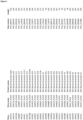
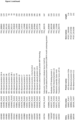
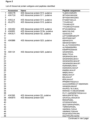
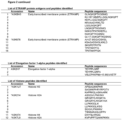
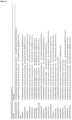
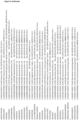
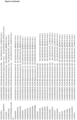
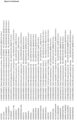
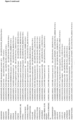
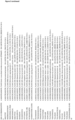
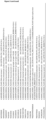
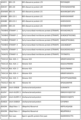
- the one or more plasmodium-derived protein or immunogenic fragment thereof may be, or may be derived from, a protein recited in Figure 1 , or a protein or a peptide recited in Figure 2 or Figure 3 .
- the one or more plasmodium-derived protein or immunogenic fragment thereof may be derived from Plasmodium falciparum and/or from Plasmodium vivax.
- the invention may provide one or more Plasmodium falciparum or Plasmodium vivax proteins or immunogenic fragments thereof for use in raising an immune response in a subject.
- the one or more plasmodium-derived protein or immunogenic fragment thereof may be, or may be derived from, a ribosomal protein or ribosome associated protein.
- the one or more plasmodium-derived protein or immunogenic fragment thereof may be, or may be derived from, a malarial early transcribed membrane protein (ETRAMP) or a histone.
- ETRAMP malarial early transcribed membrane protein
- the one or more plasmodium-derived protein or immunogenic fragment thereof may be, or may be derived from, a protein recited in Figure 1 , or a protein or a peptide recited in Figure 2 or Figure 3 .
- the immune response elicited may be to prevent or treat malaria.
- the invention provides an immunogenic composition comprising:
- the immunogenic composition may further comprise a pharmaceutically acceptable excipient or carrier.
- the one or more plasmodium-derived protein or immunogenic fragment thereof may be derived from Plasmodium falciparum and/or from Plasmodium vivax.
- the immunogenic composition may be used as a vaccine to treat or prevent malaria.
- the invention provides a method of eliciting an immune response in a subject, the method comprising the step of administering an immunogenic composition according to the invention to the subject.
- the immune response elicited is sufficient to treat or prevent malaria.
- an immunogenic composition according to the invention for use in treating or preventing malaria.
- an immunogenic composition according to the invention for use in the preparation of a medicament for treating or preventing malaria.
- the immune response elicited in a subject by a composition according to the invention may be against malaria.
- the immune response elicited may be sufficient to treat or prevent malaria caused by infection with Plasmodium falciparum and/or Plasmodium vivax.
- the malaria may comprise liver-stage malaria.
- the malaria may comprise pre-erythrocytic-stage malaria.
- the malaria may comprise erythrocytic-stage malaria.
- the immune response elicited by a composition of the invention may be a protective immune response.
- the protective immune response induces the activation of CD8+ T-cells.
- the immunogen is or is derived from a ribosomal protein or a ribosomal associated protein, or an ETRAMP, or a histone, or a protein recited in Figure 1 , or a protein or a peptide recited in Figure 2 or Figure 3 , or a fragment thereof derived from Plasmodium falciparum and/or from Plasmodium vivax
- the protective immune response elicited may treat or prevent malaria, in particular the immune response may activate CD8+ T-cells which may induce cytotoxicity of Plasmodium falciparum and/or Plasmodium vivax infected hepatocytes and infected reticulocytes.
- the term "protective immune response" used herein, may be understood to be a host immune response that can sterilise the Plasmodium infection in a subject or reduce the number of parasites emerging from the liver (so that they are more readily cleared by blood-stage immunity).
- the protective immune response may sterilise the Plasmodium infection in at least 20% of subjects treated.
- the protective immune response may sterilise the Plasmodium infection in at least 35% of subjects treated.
- the protective immune response may sterilise the Plasmodium infection in at least 40% of subjects treated.
- the protective immune response may sterilise the Plasmodium infection in at least 50% of subjects treated.
- the protective immune response may sterilise the Plasmodium infection in at least 60% of subjects treated.
- the protective immune response may provide clinical benefit in a subject by preventing the development of clinical malaria of a chronic parasitaemia.
- a protective immune response may comprise at least 0.1% of CD8+ T cells being antigen/immunogen-specific as determined, for example, by flow cytometry staining, and/or at least 500 spot forming cells (SFU) per million peripheral blood mononuclear cells (PBMC).
- a protective immune response may comprise at least 0.2% of CD8+ T cells being antigen/immunogen-specific.
- a protective immune response may comprise at least 0.4% of CD8+ T cells being antigen/immunogen-specific.
- a protective immune response may comprise at least 0.8% of CD8+ T cells being antigen/immunogen-specific.
- a protective immune response may comprise at least 1% of CD8+ T cells being antigen/immunogen-specific.
- a protective immune response may comprise at least 100 spot forming cells (SFU) per million peripheral blood mononuclear cells (PBMC).
- a protective immune response may comprise at least 300 spot forming cells (SFU) per million peripheral blood mononuclear cells (PBMC).
- a protective immune response may comprise at least 1000 spot forming cells (SFU) per million peripheral blood mononuclear cells (PBMC).
- a protective immune response may comprise at least 2000 spot forming cells (SFU) per million peripheral blood mononuclear cells (PBMC).
- the plasmodium-derived protein or immunogenic fragment thereof may have a sequence which is 80%, 85%, 90%, 95%, 98%, 99% or 100% identical to a protein or a fragment of a protein recited in Figure 1 , or a peptide recited in Figure 2 or Figure 3 .
- the plasmodium-derived protein or immunogenic fragment thereof may have a sequence which is 80%, 85%, 90%, 95%, 98%, 99% or 100% identical to a protein or a fragment of a protein recited in Figure 2 or Figure 3 .
- the plasmodium-derived protein or immunogenic fragment thereof may have a sequence which is 80%, 85%, 90%, 95%, 98%, 99% or 100% identical to a 40S ribosomal protein, preferably the 40S ribosomal protein S20e or a fragment of the 40S ribosomal protein S20e.
- the 40S ribosomal protein S20e may be derived from P. falciparum (Accession Q8IK02) or P . Vivax (Accession A5K757).
- the 40S ribosomal protein S20e is derived from P. falciparum (Accession Q8IK02).
- the plasmodium-derived protein or immunogenic fragment thereof may have a sequence which is 80%, 85%, 90%, 95%, 98%, 99% or 100% identical to an ETRAMP or a fragment of an ETRAMP.
- the ETRAMP may be derived from P. falciparum or P . Vivax.
- the ETRAMP is derived from P . vivax (Accession A5KBH5 and A5K676).
- the plasmodium-derived protein or immunogenic fragment thereof may have a sequence which is 80%, 85%, 90%, 95%, 98%, 99% or 100% identical to a protein or a fragment of a protein selected from:
- a plasmodium-derived protein or immunogenic fragment thereof such as a ribosomal protein or ribosomal associated protein, or an ETRAMP, or a histone, or a protein or peptide of Figure 1 , Figure 2 or Figure 3 , or an immunogenic fragment thereof, derived from either Plasmodium falciparum or Plasmodium vivax may therefore be cross-reactive in raising an immune response in a subject.
- a plasmodium-derived protein or immunogenic fragment thereof such as a ribosomal protein or ribosomal associated protein or an ETRAMP, or a histone, or a protein or peptide of Figure 1 , Figure 2 or Figure 3 , or an immunogenic fragment thereof derived from Plasmodium falciparum may be suitable for use in eliciting an immune response to treat or prevent malaria in a subject infected with either Plasmodium falciparum or Plasmodium vivax.
- a plasmodium-derived protein or immunogenic fragment thereof such as a ribosomal protein or ribosomal associated protein, or an ETRAMP, or a histone, or a protein or peptide of Figure 1 , Figure 2 or Figure 3 , or an immunogenic fragment thereof derived from Plasmodium vivax may be suitable for use in eliciting an immune response to treat or prevent malaria in a subject infected with either Plasmodium falciparum or Plasmodium vivax.
- fragment encompasses immunogenic and/or antigenic fragments of a plasmodium-derived protein or immunogenic fragment thereof, such as a ribosomal protein or ribosomal associated protein, or an ETRAMP, or a histone, or a protein or peptide of Figure 1 , Figure 2 or Figure 3 .
- a plasmodium-derived protein or immunogenic fragment thereof such as a ribosomal protein or ribosomal associated protein, or an ETRAMP, or a histone, or a protein or peptide of Figure 1 , Figure 2 or Figure 3 .
- the fragments elicit an immune response when administered to a subject sufficient to generate a protective immune response.
- the fragment may be derived from a ribosomal protein or ribosomal associated protein, or an ETRAMP, or histone, or a protein or peptide of Figure 1 , Figure 2 or Figure 3 , from Plasmodium falciparum and/or from Plasmodium vivax, and the protective immune response elicited may be sufficient to treat or prevent malaria.
- the fragment is preferably from about 5 to about 20 amino acids long, preferably from about 7 to about 15 amino acids long.
- the fragment may have a sequence which is 80%, 85%, 90%, 95%, 98%, 99% or 100% identical to a peptide recited in Figure 2 or Figure 3 .
- Percentage sequence identity is defined as the percentage of amino acids in a sequence that are identical with the amino acids in a provided sequence after aligning the sequences and introducing gaps if necessary to achieve the maximum percent sequence identity. Alignment for the purpose of determining percent sequence identity can be achieved in many ways that are well known to the man skilled in the art, and include, for example, using BLAST (National Center for Biotechnology Information Basic Local Alignment Search Tool).
- Variations in percent identity may be due, for example, to amino acid substitutions, insertions or deletions.
- the plasmodium-derived protein or immunogenic fragment thereof such as a ribosomal protein or ribosomal associated protein, or an ETRAMP, or a histone, or a protein or peptide of Figure 1 , Figure 2 or Figure 3 , or an immunogenic fragment thereof may include one or more conservative amino acid substitutions - the term "conservative substitution" embracing the act of replacing one or more amino acids of a protein or peptide with an alternate amino acid with similar properties and which does not substantially alter the physiochemical properties and/or structure or function of the native (or wild type) protein, for example the substitution of leucine with isoleucine is a conservative substitution.
- a polynucleotide encoding the plasmodium-derived protein or immunogenic fragment thereof such as a ribosomal protein or ribosomal associated protein, or an ETRAMP, or a histone, or a protein or peptide of Figure 1 , Figure 2 or Figure 3 , or an immunogenic fragment thereof may be codon optimised.
- the codon optimisation may be for optimal translation in a mammalian host cell, such as a human host cell.
- the polynucleotide in the immunogenic composition may be provided in a vector.
- the vector may be a viral vector.
- the polynucleotide may be provided in a plasmid DNA vector or as an RNA vector-based immunogen.
- the polynucleotide may be expressed as a protein in a variety of cells that are known in the field (Pichia, human cell lines, simian cell lines, insect cell lines, bacterial host etc.).
- the expressed protein encoded by the polynucleotide may be delivered as a vaccine, typically in combination with an adjuvant.
- Adjuvants and adjuvant formulations are well known, such as alum, AS01, matrix-M, MF59, GLA, Hiltonol and others.
- the invention may provide a vector comprising a polynucleotide encoding one or more plasmodium-derived protein or immunogenic fragment thereof, such as a ribosomal protein or ribosomal associated protein, or an ETRAMP, or a histone or a protein or peptide of Figure 1 , Figure 2 or Figure 3 , or an immunogenic fragment thereof as defined herein.
- the vector may be a live vector, such as a viral vector or a eukaryotic vector.
- the vector may be a viral vector, a DNA vector or an RNA vector.
- the invention may provide an immunogenic composition comprising a vector of the invention, and optionally a pharmaceutically acceptable carrier or excipient.
- the vector may be a viral vector.
- the invention may provide an immunogenic composition comprising a vector according to the invention and a pharmaceutically acceptable carrier for use as a vaccine.
- the vector may be a virus (viral vector) or a protozoa parasite capable of delivering a polynucleotide encoding one or more plasmodium-derived protein or immunogenic fragment thereof, such as a ribosomal protein or ribosomal associated protein, or an ETRAMP, or a histone, or a protein or peptide of Figure 1 , Figure 2 or Figure 3 , or an immunogenic fragment thereof into a host cell, such as a mammalian host cell, for example a liver cell such as a hepatocyte.
- the genetic material may be heterologous nucleic acid, which is not naturally encoded by the vector and/or the host cell.
- the vector may be modified by mutation to reduce its pathogenicity.
- the vector may be modified to encode an immunogenic protein or fragment thereof, in particular one or more ribosomal protein or ribosomal associated protein, or an ETRAMP, or a histone, or a protein or peptide of Figure 1 , Figure 2 or Figure 3 , or an immunogenic fragment thereof according to the invention.
- the vector may be a viral vector and may comprise an adenovirus.
- the vector is configured to express one or more immunogens, for example one or more plasmodium-derived protein or immunogenic fragment thereof, such as a ribosomal protein or ribosomal associated protein, or an ETRAMP, or a histone, or a protein or peptide of Figure 1 , Figure 2 or Figure 3 , or an immunogenic fragment thereof according to the invention.
- immunogens for example one or more plasmodium-derived protein or immunogenic fragment thereof, such as a ribosomal protein or ribosomal associated protein, or an ETRAMP, or a histone, or a protein or peptide of Figure 1 , Figure 2 or Figure 3 , or an immunogenic fragment thereof according to the invention.
- the viral vector may comprise a Modified Vaccinia Ankara (MVA) virus.
- the viral vector may be selected from any of the group comprising, a poxvirus, such as Modified Vaccinia Ankara (MVA) virus, or an adenovirus.
- the adenovirus may comprise a simian or human adenovirus.
- the adenovirus may comprise a Group E adenovirus.
- the adenovirus may comprise ChAd63 or ChAd3 or ChAdOx1or ChAdOx2 or gorilla-derived adenoviruses.
- the adenovirus may comprise ChAdOxl.
- the adenovirus may comprise a group A, B, C , D or E adenovirus.
- the adenovirus may comprise Ad35, Ad5, Ad6, Ad26, or Ad28.
- the adenovirus may be of simian (e.g. chimpanzee, gorilla or bonobo) origin.
- the adenovirus may comprise any of ChAd63, ChAdOxl, ChAdOx2, C6, C7, C9, PanAd3, or ChAd3.
- the protozoa vector may comprise a Trypanosoma cruzi.
- the viral vector may be selected from any of the group comprising, a Trypanosomatidae, such as Trypanosoma cruzi, or Leishmania.
- the Trypanosoma cruzi may comprise Trypanosoma cruzi CL-14.
- the composition may comprise two or more different vectors.
- One or more of the vectors may be live vectors.
- the plasmodium-derived protein or immunogenic fragment thereof such as a ribosomal protein or ribosomal associated protein, or an ETRAMP, or a histone, or a protein or peptide of Figure 1 , Figure 2 or Figure 3 , or an immunogenic fragment thereof may be administered to a subject as a vaccine in a single dose vaccination regime or as a multidose regimen, for example a prime-boost vaccination regime, or a prime-target vaccination regime.
- the plasmodium-derived protein or immunogenic fragment thereof such as a ribosomal protein or ribosomal associated protein, or an ETRAMP, or a histone, or a protein or peptide of Figure 1 , Figure 2 or Figure 3 , or an immunogenic fragment thereof, may be administered as a protein/peptide or via a polynucleotide which enables the one or more plasmodium-derived protein or immunogenic fragment thereof, such as a ribosomal protein or ribosomal associated protein, or an ETRAMP, or a histone, or a protein or peptide of Figure 1 , Figure 2 or Figure 3 , or an immunogenic fragment thereof to be expressed in a host subject after administration.
- a polynucleotide which enables the one or more plasmodium-derived protein or immunogenic fragment thereof, such as a ribosomal protein or ribosomal associated protein, or an ETRAMP, or a histone, or a protein or peptide of Figure 1
- the polynucleotide may be provided in a vector as described herein.
- the vector may be a live vector.
- the vector may be a viral vector.
- the administration may be a single dose vaccination regime using just the adenoviral vector, or the MVA vector, or a mixture of both.
- the administration may be a single dose vaccination regime using just Trypanosoma cruzi.
- the administration may be part of a prime-boost vaccination regime in a subject, where a first/prime administration of the immunogenic composition of the invention is followed by a second/boost administration of the immunogenic composition of the invention.
- the administration may be part of a prime-target vaccination regime in a subject, where a first/prime administration of the immunogenic composition of the invention is followed by a second/boost administration of the immunogenic composition of the invention, wherein the boost dose is administered by an intravenous route or other route that leads to antigen deposition in the liver.
- boost vaccinations may be provided.
- only one of the prime and boosts may comprise a composition of the invention.
- only a single dose of the vaccine may be required to induce protective immunity.
- the different administration may comprise identical or different immunogenic compositions or vaccines or pharmaceutical compositions.
- the prime composition may comprise the same or different viral vector as the boost composition.
- the same immunogenic composition may be used for both prime and boost administrations.
- a different immunogenic composition or vaccine may be used for the prime and boost administrations.
- the viral vector of the first/prime administration may comprise adenovirus.
- the viral vector of the second/boost administration may comprise poxvirus, such as MVA, or adenovirus.
- the second/boost administration may be between about 1 day and about 30 days after the first/prime administration.
- the second/boost administration may be about 14 days after the first/prime administration.
- Suitable doses of adenoviral vectors for immunising humans are about 1 ⁇ 10 8 to about 1 ⁇ 10 11 viral particles.
- Suitable doses of MVA for immunising humans are about 1 ⁇ 10 7 pfu to about 1 ⁇ 10 9 pfu.
- These vectors may be given by a range of immunisation routes, typically intramuscular and intravenous, but also for example subcutaneous, intradermal, intranasal and aerosol.
- the invention provides a host cell comprising a vector, preferably a viral vector, according to the invention.
- the host cell may be in vitro.
- the host cell may be infected with the viral vector of the invention, or may comprise and express a polynucleotide of the invention.
- Suitable vectors can be chosen or constructed, containing appropriate regulatory sequences, including promoter sequences, terminator sequences, polyadenylation sequences, enhancer sequences, invariant chain sequences, marker genes and other sequences as appropriate.
- appropriate regulatory sequences including promoter sequences, terminator sequences, polyadenylation sequences, enhancer sequences, invariant chain sequences, marker genes and other sequences as appropriate.
- a polynucleotide of the invention may be expressed using any suitable expression system, for example in a suitable host cell infected with a viral vector encoding a polynucleotide of the invention.
- a composition of the invention can be formulated using established methods of preparation ( Gennaro, A.L. and Gennaro, A.R. (2000) Remington: The Science and Practice of Pharmacy, 20th Ed., Lippincott Williams & Wilkins, Philadelphia, PA ).
- a composition of the invention may be administered via any parenteral or non-parenteral (enteral) route that is therapeutically effective.
- Parenteral application methods include, for example, intracutaneous, subcutaneous, intramuscular, intratracheal, intranasal, intravitreal or intravenous injection and infusion techniques, e.g. in the form of injection solutions, infusion solutions or mixtures, as well as aerosol installation and inhalation, e.g. in the form of aerosol mixtures, sprays or powders.
- a composition of the invention is administered intramuscularly or intravenously.
- a composition can be administered systemically in a formulation containing conventional non-toxic pharmaceutically acceptable excipients or carriers, additives and vehicles as desired.
- the composition may be an aqueous solution, an oil-in water emulsion or a water-in-oil emulsion.
- compositions pharmaceutically inert inorganic or organic excipients can be used.
- pills powders, gelatin capsules or suppositories, lactose, talc, stearic acid and its salts, fats, waxes, solid or liquid polyols, natural and hardened oils are examples of pharmaceutically acceptable excipients which can be used.
- Suitable excipients for the production of solutions, suspensions, emulsions, aerosol mixtures or powders for reconstitution into solutions or aerosol mixtures prior to use include water, alcohols, glycerol, polyols, and suitable mixtures thereof as well as vegetable oils.
- the active ingredient will be in the form of a parenterally acceptable aqueous solution which is pyrogen-free and has suitable pH, isotonicity and stability.
- a parenterally acceptable aqueous solution which is pyrogen-free and has suitable pH, isotonicity and stability.
- isotonic vehicles such as Sodium Chloride Injection, Ringer's Injection, Lactated Ringer's Injection.
- Preservatives, stabilisers, buffers, antioxidants and/or other additives may be included, as required.
- compositions are preferably administered to an individual in a "therapeutically effective amount", this being sufficient to show benefit to the individual.
- the optimal dosage will depend on, for example, the biodistribution of the active agent which induces immunogenicity, and the mode of administration.
- composition may also contain additives, such as, for example, fillers, binders, wetting agents, glidants, stabilizers, preservatives, emulsifiers, and furthermore solvents or solubilizers.
- additives such as, for example, fillers, binders, wetting agents, glidants, stabilizers, preservatives, emulsifiers, and furthermore solvents or solubilizers.
- a pharmaceutically acceptable carrier can contain physiologically acceptable agents that act, for example, to stabilize, increase solubility or to increase the absorption of a composition.
- physiologically acceptable agents include, for example, carbohydrates, such as glucose, sucrose or dextrans, antioxidants, such as ascorbic acid or glutathione, chelating agents, low molecular weight proteins or other stabilizers or excipients.
- the choice of a pharmaceutically acceptable carrier, including a physiologically acceptable agent depends, for example, on the route of administration of the composition.
- the compositions can be a self-emulsifying drug delivery system or a selfmicroemulsifying drug delivery system.
- the compositions can also be a liposome or other polymer matrix, which can have incorporated therein, for example, the compositions of the invention. Liposomes, for example, which comprise phospholipids or other lipids, are nontoxic, physiologically acceptable and metabolisable carriers that are relatively simple to make and administer.
- phrases "pharmaceutically acceptable” is employed herein to refer to those compounds, materials, and/or dosage forms which are, within the scope of sound medical judgment, suitable for use in contact with the tissues of human beings and animals without excessive toxicity, irritation, allergic response, or other problem or complication, commensurate with a reasonable benefit/risk ratio.
- a composition of the invention may further comprise, or be intended to be administered simultaneously, sequentially, or separately with an adjuvant.
- the adjuvant may comprise an oil emulsion.
- the adjuvant may be selected from any of the group comprising PEI; Alum; AS01 or AS02 (GlaxoSmithKline); inorganic compounds, such as aluminium hydroxide, aluminium phosphate, calcium phosphate hydroxide, or beryllium; mineral oil, such as paraffin oil; emulsions, such as MF59; bacterial products, such as killed bacteria Bordetella pertussis, or Mycobacterium bovis; toxoids; non-bacterial organics, such as squalene or thimerosal; the saponin adjuvant matrix M (Isconova / Novavax) or other ISCOM-type adjuvants; detergents, such as Quil A; cytokines, such as IL-1, IL-2, or IL-12; Freund's complete adjuvant; and Freund's incomplete
- a method of treatment or prevention of malaria comprising administering to a subject at risk of or suffering from malaria one or more plasmodium-derived protein or immunogenic fragment thereof, such as a ribosomal protein or ribosomal associated protein, or an ETRAMP, or a histone, or a protein or peptide of Figure 1 , Figure 2 or Figure 3 , or an immunogenic fragment thereof of the invention; one or more a polynucleotides encoding one or more plasmodium-derived protein or immunogenic fragment thereof, such as a ribosomal protein or ribosomal associated protein, or an ETRAMP, or a histone, or a protein or peptide of Figure 1 , Figure 2 or Figure 3 , or an immunogenic fragment thereof according to the invention; one or more vectors according to the invention; or one or more immunogenic compositions of the invention.
- plasmodium-derived protein or immunogenic fragment thereof such as a ribosomal protein or ribosomal associated protein, or an ETRAMP
- one or more plasmodium-derived protein or immunogenic fragment thereof such as a ribosomal protein or ribosomal associated protein, or an ETRAMP, or a histone, or a protein or peptide of Figure 1 , Figure 2 or Figure 3 , or an immunogenic fragment thereof, vectors, or immunogenic compositions of the invention for use in the manufacture of a medicament for the treatment or prevention of malaria.
- a method of prevention or treatment of malaria in a subject comprising:
- kit for a vaccination regime against malaria in a subject comprising:
- the kit may further comprise directions to administer the prime composition prior to the boost composition in a subject.
- the nucleic acid of the viral vector of the kit may further encode one or more other plasmodium-derived protein or immunogenic fragment thereof, such as a ribosomal protein or ribosomal associated protein, or an ETRAMP, or a histone, or a protein or peptide of Figure 1 , Figure 2 or Figure 3 , or an immunogenic fragment thereof.
- the one or more other plasmodium-derived protein or immunogenic fragment thereof such as a ribosomal protein or ribosomal associated protein, or an ETRAMP, or a histone, or a protein or peptide of Figure 1 , Figure 2 or Figure 3 , or an immunogenic fragment thereof may comprise Plasmodium immunogens capable of eliciting an immune response in a subject.
- kit, prime, and/or boost composition may further comprise an adjuvant.
- a method of manufacturing a viral vector of the invention comprising:
- Suitable cell lines for production of adenoviral vectors include HEK293 cells and Per.C6 cells.
- Suitable cells for production of MVA include chicken embryo fibroblast, DF1 cells, AGE1.CR.pIX and EB66.
- TK-NOG mice were transplanted/engrafted with human primary hepatocytes, which repopulate the damaged liver (repopulation (60-80%) as described in Soulard, V. et al. Nat Commun 6 (2015 ).
- This model allows the complete hepatic development of P. falciparum and the transition to erythrocytic stages, including the appearance of mature gametocytes.
- This mouse model closely mimics the physiological complexity and specificity of an in vivo infection in the human environment and is also a source of fresh human hepatocytes. Every mouse received hepatocytes from the same donor.
- the donor HLA alleles were HLA-A*03:01, HLA-A ⁇ 11:01, HLA-B*40:01, HLA-B*50:01, HLA-C ⁇ 03:02 and HLA-C*06:02.
- Thirteen TK-NOG mice were used in three independent experiments and infected with P. falciparum sporozoites in the tail vein as described in the Table 1.
- mice were infected sporozoites from P. falciparum, NF54 or NF135 strains, in the tail vein, and livers were harvested at discreet time points post-infection as described in Table 1 below.
- Table 1 Experimental details of humanised mice infected with P. falciparum Sample number Experiment number P. falciparum strain Number of P. falciparum sporozoites (10 ⁇ 6) Liver Harvest (days post-infection) 1 NF54 Non-Infected 1 None 2 3 3 3 3 5 4 NF54 Non-Infected 2 None 5 3 3 6 3 4 7 3 5 8, 9, 10, 11 NF135 Non-Infected 3 None 12 10 3 13 10 5
- the rate of infection was determined by staining the parasites with an anti-HSP70 antibody and by calculating the average of schizonts counted, divided by the total number of human hepatocytes in each liver. The total number of human hepatocytes infected (rate of infection multiplied by the total number of human hepatocytes) was also calculated. The rate of infection in these mice varied from 30,000 to 60,000 per liver.
- Parasitemia was determined at the site of sample collection following local clinical protocols.
- HLA complexes were immunoprecipitated using 1 mg monoclonal antibody W6/32 against HLA-ABC complexes (GE healthcare) cross-linked to Protein A Sepharose beads using dimethyl pimelimidate (DMP, Sigma). Lysates were incubated overnight. Beads were subsequently washed with 10 column volumes of 2x150 mM NaCl in 50 mM Tris, 1x450 mM NaCl in 50 mM Tris and 50 mM Tris buffer without salt.
- HLA-bound peptides were further purified from beta-2-microglobulin and alpha-chains by HPLC (Ultimate 3000) on a ProSwift RP-1S 4.6 ⁇ 50 mm column (Thermo Scientific) by applying a linear gradient of 2-35% (v/v) acetonitrile in 0.1% (v/v) formic acid in water over 10 min. Alternating fractions that did not contain beta-2-microglobulin or alpha-chains were pooled into two final fractions, concentrated and kept at -80°C prior to MS analysis.
- Peptides were suspended in 20 ⁇ l buffer A (1% acetonitrile, 0.1% TFA in water) and analyzed by nUPLC-MS/MS using an Ultimate 3000 RSLCnano System coupled with an Orbitrap Fusion Lumos Tribrid mass spectrometer (Thermo Scientific). 9 ⁇ l of each sample was injected and trapped onto a 3 ⁇ m particle size 0.075 mm ⁇ 150 mm Acclaim PepMap RSLC column at 8 ⁇ l/min flowrate.
- buffer A 1% acetonitrile, 0.1% TFA in water
- Peptide separation was performed at 40oC by applying a 1h linear gradient of 3-25% (v/v) acetonitrile in 0.1% (v/v) formic acid, 5% DMSO in water at a flow rate of 250 ⁇ l/min on a 2 ⁇ m particle size, 75 ⁇ m ⁇ 50 cm Acclaim PepMap RSLC column.
- a linear gradient of 5-30% (v/v) acetonitrile was applied.
- Peptides were introduced to a Fusion Lumos mass spectrometer (Thermo Scientific) via an Easy-Spray source at 2000 V. The ion transfer tube temperature was set to 305oC.
- MS data was analyzed with Peaks 8 ( Bioinformatics Solutions and Tran, N. H. et al. Nature methods 16, 63-66 (2019 )) for identification of peptide sequences.
- Spectra were matched to all reviewed human proteins combined with Plasmodium falciparum (isolate 3D7) or Plasmodium vivax (Salvador I), produced based on UniProt proteomes (UniProt, C. UniProt: a worldwide hub of protein knowledge. Nucleic acids research 47, (2019 )).
- the searches were performed with the following parameters: no enzyme specificity, no static and variable modifications, peptide tolerance: ⁇ 5ppm and fragment tolerance: ⁇ 0.03 Da.
- the amino acids leucine (L) and isoleucine (I) are isomers, which are indistinguishable from each other through the mass spectrometry protocol. All peptides were blasted for all possible combinations of I and L, and when a combination matched a human peptide, the sequence was excluded. Applying these four-step data analysis criteria, a list of plasmodium peptides were identified, see Figure 2 and Figure 3 .
- P. vivax infected patients were recruited in the Tropical Medicine Research Center (Porto Velho-Brazil) along with healthy donors from the same endemic region and from a non-endemic region (Belo Horizonte- Brazil). All participants provided written informed consent for participation in the study, which has a protocol approved by the Institutional Review Boards of the Oswaldo Cruz Foundation and National Ethical Council (CAAE: 59902816.7.0000.5091). Samples were collected at three different times. Firstly, 7 samples from P. vivax infected patients were obtained for the mass spec experiments. Twenty two samples from P. vivax infected patients, eighteen healthy donors from the endemic region and 6 from a non-endemic region posteriorly were collected for the Elispot assay.
- PBMC and P. vivax infected reticulocytes obtention 100mL of blood was collected from infected individuals and controls.
- PBMCs peripheral blood
- the blood was diluted in a 1: 1 ratio, was gently added to a tube containing 15 mL of Ficoll (GE Healthcare, USA).
- Red blood cell pellet resulting from PBMC purification was resuspended in RPMI culture medium in a 1:4 ratio. Diluted blood was added carefully into a 50mL tube containing Percoll 45% (GE Healthcare, USA), 5x the volume of the red blood cell pellet. Samples were centrifuged for 15 minutes at 2000 rpm. After centrifugation, the reticulocyte interface was collected. Reticulocyte purified samples had 99% purity.
- ELISPOT assay The ex vivo IFN-y ELISpot assays were performed using 5 ⁇ 10 5 fresh PBMCs from P. vivax infected patients, endemic and non-endemic healthy donors. Cells were plated in duplicates into 96-well ELISpot plates (Merck Millipore) precoated with 4 ⁇ g/ml anti-human-IFN- ⁇ (clone 1-D1K; Mabtech). Peptides of Table 3 ( Figure 9 ) were tested with stimulation of 10 ⁇ g/ml and stimulated for 18-20 hour at 37 °C under 5% CO 2 . Anti-CD3/anti-CD28 antibodies were used as positive control and medium alone as negative control (subtracted from all conditions).
- Synthetic peptides will be produced and compared to a selection of PSMs obtained from the experiments (the biological peptides). Synthetic peptides will be run in the same experimental conditions as biological peptides. The mass over charge [m/z] for each peptide, the charge state, the intensity and distribution of each peak within each peptide sequences, as well as the peptide specific retention time (RT) on the Liquid Chromatography will be compared between synthetic and biological peptides.
- peptides identified by immunopeptidomics Table 3
- IFN-gamma ELISpot IFN-gamma ELISpot.
- Several peptides, including ribosomal protein peptides were shown to be recognised in ex vivo ELISPOT assays. This demonstrated that peptides displayed on MHC-1 molecules on reticulocytes, including those derived from ribosomal proteins, are naturally immunogenic in human infections and thus are good immunogens for vaccination.
- the immunogens described here may be cloned into viral vectors for use as vaccines.
- the platform of subunit vaccines has proved to be very safe and is very powerful in inducing CD8+ T-cell responses against the antigen that is being expressed.
- Generation of ChAdOx1, AdHu5 and/or MVA expressing each antigen may be cloned using GeneArt Technology (ThermoFisher Scientific, UK).
- Subunit vaccines expressing liver stage antigens may be produced.
- Immunogens may be mammalian codon-optimized flanked by a Kozak consensus sequence, a tPA leader sequence and a GS linker at the 5'-end and at the 3' end, cloned into a GeneArt entry vector and then recombined into an ChAdOx1, AdHu5 and/or MVA destination plasmid as previously described in Dicks, M. D. et al. PloS one 7 (2012 ) and McConkey, S. J. et al. Nature medicine 9, 729-735 (2003 ). Efficacy and immunogenicity of the viral vectors will be evaluated in a malaria challenge mouse model.
- Plasmodium vivax is the most widespread cause of human malaria and the second most lethal after P. falciparum. Unusually, P. vivax preferentially infects reticulocytes and recently it has been demonstrated that P . vivax -infected patients have circulating CD8+ T cells that recognize and form immunological synapses with P. vivax -infected reticulocytes in an HLA-dependent manner, releasing their cytotoxic granules to kill both host cell and intracellular parasite, preventing reinvasion. 50 and 700 million reticulocytes per subject were obtained from seven Brazilian subjects infected with P. vivax, as described in section of the materials and methods.
- Ribosomal proteins are species-specific and between humans and Plasmodia, most ribosomal proteins share approximately 60% sequence identity on average. This divergence provides adequate differences for regions on non-identify between human/mammalian ribosomal and parasite ribosomal sequences to avoid self-tolerance and be suitably immunogenic. However, proteins with less homology to humans are preferred so as to potentially maximise immunogenicity. Furthermore proteins with identify or greater similarity between P. falciparum and P. vivax are preferred because they are more likely to provide a cross-species protective effect.
- ribosomes are required for protein production and their structure and mechanism of polypeptide generation are well understood.
- Cells and microbes that are rapidly dividing or very metabolically active may need a lot of ribosomes and ribosomal proteins to engage in the required protein synthesis. This is likely to be true of parasitized reticulocytes in which P. vivax grows very rapidly.
- malaria parasites generally grow very rapidly. For example, in the case of P. falciparum, one sporozoite infects a liver cell and seven days later 20,000 parasites with a largely different antigenic composition, malaria merozoites, emerge from the same liver cell. Therefore, the findings of the mass spectrometry analysis support the fact the parasite will need to generate a lot of ribosomal proteins intracellularly, which are capable of ending up on the HLA class I molecules in parasitized cells.
- ETRAMPs In addition to the vast majority of ribosomal proteins identified in the mass spectrometry analysis of peptides eluted from HLA-I expressed on infected reticulocytes, two Pv ETRAMPs peptides that are expressed both in hepatocyte and reticulocyte stages were also identified.
- the ETRAMPs compose a family of polymorphic, small, highly-charged transmembrane proteins unique to malaria parasites, they localize in the parasitophorous vacuole membrane (PVM) with the C-terminal region exposed to the RBC cytosol and are also exported to the host cell cytoplasm. Therefore, the ETRAMPs are accessible to the protein machinery that processes and presents endogenous antigens.
- PVM parasitophorous vacuole membrane
- ETRAMPs are expressed in the first hours of invasion and, thus, the infected reticulocytes may become targets to CTLs at the early stages of infection.
- the ETRAMPs are recognized by antibodies from Plasmodium falciparum and Plasmodium vivax malaria patients and CD4+ T cells from P. berghei -infected mice.
- the HLA-I binding and biology of ETRAMPs suggest that they could be key targets for protective CD8+ T cell-mediated immunity against malaria.
- ETRAMPs have not been employed or evaluated for CD8 + T cell mediated immunity.
- plasmodial ribosomal protein gene was selected and expressed to test the concept that plasmodial ribosomal proteins could be suitable immunogens for developing immunogenic, protective malaria vaccines.
- the P. falciparum 40S ribosomal protein S20e was selected, which is 118 amino acids in length (sequence: MSKLMKGAIDNEKYRLRRIRIALTSKNLRAIEKVCSDIMKG AKEKNLNVS GPVRLPVKTLRITTRK SPCGEGTNTWDRFELRIYKRLIDL YSQCE VVTQMTSINIDPVVEVEVIITDS, Uniprot accession: PF3D7_1003500.1).
- the protein was expressed in both a simian adenoviral vector ChAdOx1 and in MVA.
- BALB/c Mice were immunised with a single shot of 1 ⁇ 10 8 infectious units of the ChAd recombinant and boosted with the MVA three weeks later with a dose of 1 ⁇ 10 8 pfu and challenged intravenously three weeks later with 1000 P. berghei sporozoites transgenic for P. falciparum 40S ribosomal protein S20e (expressed under a Pbuis4 promoter).
- P 0. 0001 ( Figure 5 ).
- CD-1 mice were immunised with a single shot of 1 ⁇ 10 8 infectious units of the ChAd recombinant and boosted with the MVA eight weeks later with a dose of 1 ⁇ 10 8 pfu and challenged intravenously three weeks later with 1000 P. berghei sporozoites transgenic for P. falciparum 40S ribosomal protein S20e (expressed under a Pbuis4 promoter).
- P 0. 0001 ( Figure 6 ).
- ribosomal protein immunogens are a new class of antigens for malaria vaccination, especially to target the liver-stage of infection.
- TK-NOG mouse strain in which most of the mouse liver has been replaced by human hepatocytes was utilised (which unlike mouse hepatocytes will support invasion and growth of P . falciparum ) .
- the TK-NOG mice ( Soulard et al Nature Communications 2015 ) express the HSVtk transgene under the albumin promoter onto the NOD SCID IL2Rg/ background.
- the loss of endogenous hepatocytes is inducible by a brief exposure to a non-toxic dose of ganciclovir, a method that is rapid and temporally restricted, and routinely leads to substantial repopulation (60-80%) with human hepatocytes.
- the human herpes simplex virus thymidine kinase type 1 gene acts as a conditional lethal marker in mammalian cells.
- the HSVtk-encoded enzyme is able to phosphorylate certain nucleoside analogs (e.g. ganciclovir, an antiherpetic drug), thus converting them to toxic DNA replication inhibitors.
- nucleoside analogs e.g. ganciclovir, an antiherpetic drug
- the utility of HSVtk is a conditional negative-selection marker.
- TK-NOG mice were infected with 1 ⁇ 10 7 P. falciparum sporozoites of a rapidly growing strain (e.g. P. falciparum NF135) and livers were removed at 3 - 5 days post-infection.
- Table 4 was obtained.
- the peptide sequence VITDVGDSDIIKTNE that is part of the protein W4IGC0 form P. falciparum NF135 (Ribosomal_L7Ae domain-containing protein) ( Figure 2 and 3 ) was also found amongst the peptides eluted from P.
- vivax infected reticulocytes here designated as protein A5KCD7 (60S ribosomal protein L30) (Table 4).
- another peptide from the protein W4ID94 form P. falciparum NF135 was identified in this example (Table 4).
- Peptides from the corresponding homologous protein in P. vivax were also identified amongst the peptides eluted from P. vivax infected reticulocytes, here designated as protein A5K303 (60S ribosomal protein L23a) ( Figures 2 and 3 ).
- All ribosomal peptides were immunogenic in the P. vivax tested samples and twelve were positive in at least 70% of the patients ( Fig. 8a ).
- Peptide 40S S11 for example, was immunogenic in 86% of P. vivax samples, and 60S L4/L1-2, 60S L9, 60S L13-a, 60S L13-3 and 60S L29 were positive in 72%.
- P. falciparum samples were positive for nine ribosomal peptides. Among these peptides, three were immunogenic in more than half of P. falciparum samples, the 40S S8, 40S S11, 60S L13-1 and the 60S L32-2.
Landscapes
- Health & Medical Sciences (AREA)
- Life Sciences & Earth Sciences (AREA)
- Tropical Medicine & Parasitology (AREA)
- Chemical & Material Sciences (AREA)
- Veterinary Medicine (AREA)
- General Health & Medical Sciences (AREA)
- Genetics & Genomics (AREA)
- Organic Chemistry (AREA)
- Pharmacology & Pharmacy (AREA)
- Animal Behavior & Ethology (AREA)
- Public Health (AREA)
- Medicinal Chemistry (AREA)
- Engineering & Computer Science (AREA)
- Microbiology (AREA)
- Biotechnology (AREA)
- Bioinformatics & Cheminformatics (AREA)
- Zoology (AREA)
- Wood Science & Technology (AREA)
- Biomedical Technology (AREA)
- General Engineering & Computer Science (AREA)
- Nuclear Medicine, Radiotherapy & Molecular Imaging (AREA)
- Chemical Kinetics & Catalysis (AREA)
- Epidemiology (AREA)
- Mycology (AREA)
- General Chemical & Material Sciences (AREA)
- Immunology (AREA)
- Biophysics (AREA)
- Plant Pathology (AREA)
- Molecular Biology (AREA)
- Physics & Mathematics (AREA)
- Virology (AREA)
- Biochemistry (AREA)
- Medicines Containing Antibodies Or Antigens For Use As Internal Diagnostic Agents (AREA)
- Peptides Or Proteins (AREA)
Applications Claiming Priority (3)
| Application Number | Priority Date | Filing Date | Title |
|---|---|---|---|
| GBGB1906641.4A GB201906641D0 (en) | 2019-05-10 | 2019-05-10 | Vaccine immunogens |
| PCT/GB2020/051146 WO2020229805A1 (en) | 2019-05-10 | 2020-05-11 | Vaccine immunogens |
| EP20728129.6A EP3965809A1 (de) | 2019-05-10 | 2020-05-11 | Vakzinimmunogene |
Related Parent Applications (1)
| Application Number | Title | Priority Date | Filing Date |
|---|---|---|---|
| EP20728129.6A Division EP3965809A1 (de) | 2019-05-10 | 2020-05-11 | Vakzinimmunogene |
Publications (2)
| Publication Number | Publication Date |
|---|---|
| EP4265271A2 true EP4265271A2 (de) | 2023-10-25 |
| EP4265271A3 EP4265271A3 (de) | 2024-02-21 |
Family
ID=67384615
Family Applications (3)
| Application Number | Title | Priority Date | Filing Date |
|---|---|---|---|
| EP23184802.9A Pending EP4265271A3 (de) | 2019-05-10 | 2020-05-11 | Vakzinimmunogene |
| EP20728129.6A Pending EP3965809A1 (de) | 2019-05-10 | 2020-05-11 | Vakzinimmunogene |
| EP23184700.5A Pending EP4275700A3 (de) | 2019-05-10 | 2020-05-11 | Vakzinimmunogene |
Family Applications After (2)
| Application Number | Title | Priority Date | Filing Date |
|---|---|---|---|
| EP20728129.6A Pending EP3965809A1 (de) | 2019-05-10 | 2020-05-11 | Vakzinimmunogene |
| EP23184700.5A Pending EP4275700A3 (de) | 2019-05-10 | 2020-05-11 | Vakzinimmunogene |
Country Status (5)
| Country | Link |
|---|---|
| US (1) | US12502423B2 (de) |
| EP (3) | EP4265271A3 (de) |
| BR (1) | BR112021022592A2 (de) |
| GB (1) | GB201906641D0 (de) |
| WO (1) | WO2020229805A1 (de) |
Citations (1)
| Publication number | Priority date | Publication date | Assignee | Title |
|---|---|---|---|---|
| WO2017178809A1 (en) | 2016-04-12 | 2017-10-19 | Oxford University Innovation Limited | Prime target |
Family Cites Families (2)
| Publication number | Priority date | Publication date | Assignee | Title |
|---|---|---|---|---|
| PL212249B1 (pl) * | 2010-05-31 | 2012-09-28 | Univ M Curie Sklodowskiej | Kompleks rybosomalnych bialek P z zarodzca malarii Plasmodium falciparum jako antygen patogenu malarii oraz sposób otrzymania tego antygenu i kaseta ekspresyjna do tego sposobu |
| WO2018193467A1 (en) * | 2017-04-17 | 2018-10-25 | Prasad Thottethodi Subrahmanya Keshava | Novel peptides for developing anti-malaria vaccines and diagnostic kits |
-
2019
- 2019-05-10 GB GBGB1906641.4A patent/GB201906641D0/en not_active Ceased
-
2020
- 2020-05-11 WO PCT/GB2020/051146 patent/WO2020229805A1/en not_active Ceased
- 2020-05-11 EP EP23184802.9A patent/EP4265271A3/de active Pending
- 2020-05-11 US US17/610,380 patent/US12502423B2/en active Active
- 2020-05-11 EP EP20728129.6A patent/EP3965809A1/de active Pending
- 2020-05-11 EP EP23184700.5A patent/EP4275700A3/de active Pending
- 2020-05-11 BR BR112021022592A patent/BR112021022592A2/pt unknown
Patent Citations (1)
| Publication number | Priority date | Publication date | Assignee | Title |
|---|---|---|---|---|
| WO2017178809A1 (en) | 2016-04-12 | 2017-10-19 | Oxford University Innovation Limited | Prime target |
Non-Patent Citations (12)
| Title |
|---|
| "Uniprot", Database accession no. PF3D7 1003500.1 |
| BETTENCOURT, P. ET AL.: "Identification of antigens presented by MHC for vaccines against tuberculosis", VACCINES, vol. 5, 2020, pages 2 |
| DICKS, M. D. ET AL., PLOS ONE, vol. 7, 2012 |
| GENNARO, A.L.GENNARO, A.R.: "Remington: The Science and Practice of Pharmacy", 2000, GREENE PUBLISHING ASSOCIATION; WILEY-INTERSCIENCE |
| JUNQUEIRA, C. ET AL., NATURE MEDICINE, vol. 24, 2018, pages 1330 - 1336 |
| MCCONKEY, S. J. ET AL., NATURE MEDICINE, vol. 9, 2003, pages 729 - 735 |
| NUCLEIC ACIDS RES., vol. 43, 2015, pages D204 - D212 |
| NUCLEIC ACIDS RESEARCH, 2019 |
| SAMBROOK, J.E. F. FRITSCHT. MANIATIS: "Molecular cloning: a laboratory manual", 1989, COLD SPRING HARBOR LABORATORY |
| SOULARD ET AL., NATURE COMMUNICATIONS, 2015 |
| SOULARD, V. ET AL., NAT COMMUN, vol. 6, 2015 |
| TRAN, N. H. ET AL., NATURE METHODS, vol. 16, 2019, pages 63 - 66 |
Also Published As
| Publication number | Publication date |
|---|---|
| GB201906641D0 (en) | 2019-06-26 |
| US12502423B2 (en) | 2025-12-23 |
| WO2020229805A1 (en) | 2020-11-19 |
| BR112021022592A2 (pt) | 2022-01-04 |
| EP4275700A2 (de) | 2023-11-15 |
| EP4265271A3 (de) | 2024-02-21 |
| EP4275700A3 (de) | 2024-02-28 |
| US20230173050A1 (en) | 2023-06-08 |
| EP3965809A1 (de) | 2022-03-16 |
Similar Documents
| Publication | Publication Date | Title |
|---|---|---|
| Herrera et al. | Aotus monkeys: their great value for anti-malaria vaccines and drug testing | |
| JP5108521B2 (ja) | マラリア初回免疫/追加免疫ワクチン | |
| Duffy et al. | Pre-erythrocytic malaria vaccines: identifying the targets | |
| Hill | Pre-erythrocytic malaria vaccines: towards greater efficacy | |
| Doolan et al. | DNA-based vaccines against malaria: status and promise of the Multi-Stage Malaria DNA Vaccine Operation | |
| EP1573012B1 (de) | Rekombinanter virus-basierter malaria impfstoff | |
| US8232255B2 (en) | Methods for vaccinating against malaria | |
| Carvalho et al. | Malaria vaccine: candidate antigens, mechanisms, constraints and prospects | |
| Webster et al. | Progress with new malaria vaccines | |
| Alves et al. | Plasmodium falciparum merozoite surface protein 3 as a vaccine candidate: A brief review | |
| Gardner et al. | DNA vaccines against malaria: immunogenicity and protection in a rodent model | |
| US10213501B2 (en) | Three-component-multistage malaria vaccine | |
| US8128921B2 (en) | Use of conditional plasmodium strains lacking nutrient transporters in malaria vaccination | |
| Hollingdaleª et al. | Immune Responses to Liver-Stage Parasites: Implications for Vaccine ati | |
| US12502423B2 (en) | Vaccine immunogens | |
| US20060127413A1 (en) | Recombinant mva strains as potential vaccines against p. falciparum malaria | |
| OA20441A (en) | Vaccine immunogens. | |
| US7749519B2 (en) | Unique DNA and polypeptide sequences based on the circumsporozoite protein of Plasmodium vivax | |
| Dobaño et al. | Identification of minimal CD8+ and CD4+ T cell epitopes in the Plasmodium yoelii hepatocyte erythrocyte protein 17 kDa | |
| US20110229514A1 (en) | Vaccine and immunization method using plasmodium antigen 2 | |
| Scorza et al. | Vaccination with a Plasmodium chabaudi adami multivalent DNA vaccine cross-protects A/J mice against challenge with P. c. adami DK and virulent Plasmodium chabaudi chabaudi AS parasites | |
| Taylor-Robinson | Exoerythrocytic malaria vaccine development: understanding host–parasite immunobiology underscores strategic success | |
| Xu et al. | vaccine targeting plasmodium blood-stage antigens elicits immune response and protects against malaria with protein | |
| Grubb | A genomic approach to the identification of novel malaria vaccine antigens | |
| Kamai | Identification and preclinical immunological characterization of potential malaria vaccine antigens in a murine model of malaria |
Legal Events
| Date | Code | Title | Description |
|---|---|---|---|
| PUAI | Public reference made under article 153(3) epc to a published international application that has entered the european phase |
Free format text: ORIGINAL CODE: 0009012 |
|
| STAA | Information on the status of an ep patent application or granted ep patent |
Free format text: STATUS: THE APPLICATION HAS BEEN PUBLISHED |
|
| AC | Divisional application: reference to earlier application |
Ref document number: 3965809 Country of ref document: EP Kind code of ref document: P |
|
| AK | Designated contracting states |
Kind code of ref document: A2 Designated state(s): AL AT BE BG CH CY CZ DE DK EE ES FI FR GB GR HR HU IE IS IT LI LT LU LV MC MK MT NL NO PL PT RO RS SE SI SK SM TR |
|
| RIC1 | Information provided on ipc code assigned before grant |
Ipc: A61K 39/015 20060101AFI20231026BHEP |
|
| PUAL | Search report despatched |
Free format text: ORIGINAL CODE: 0009013 |
|
| AK | Designated contracting states |
Kind code of ref document: A3 Designated state(s): AL AT BE BG CH CY CZ DE DK EE ES FI FR GB GR HR HU IE IS IT LI LT LU LV MC MK MT NL NO PL PT RO RS SE SI SK SM TR |
|
| RIC1 | Information provided on ipc code assigned before grant |
Ipc: A61K 39/015 20060101AFI20240117BHEP |
|
| STAA | Information on the status of an ep patent application or granted ep patent |
Free format text: STATUS: REQUEST FOR EXAMINATION WAS MADE |
|
| 17P | Request for examination filed |
Effective date: 20240821 |
|
| RBV | Designated contracting states (corrected) |
Designated state(s): AL AT BE BG CH CY CZ DE DK EE ES FI FR GB GR HR HU IE IS IT LI LT LU LV MC MK MT NL NO PL PT RO RS SE SI SK SM TR |