EP4239083A2 - Rna-interagome-erfassungsprotokoll und damit entdeckte antivirale zusammensetzung - Google Patents
Rna-interagome-erfassungsprotokoll und damit entdeckte antivirale zusammensetzung Download PDFInfo
- Publication number
- EP4239083A2 EP4239083A2 EP21886987.3A EP21886987A EP4239083A2 EP 4239083 A2 EP4239083 A2 EP 4239083A2 EP 21886987 A EP21886987 A EP 21886987A EP 4239083 A2 EP4239083 A2 EP 4239083A2
- Authority
- EP
- European Patent Office
- Prior art keywords
- rna
- proteins
- cov
- sars
- protein
- Prior art date
- Legal status (The legal status is an assumption and is not a legal conclusion. Google has not performed a legal analysis and makes no representation as to the accuracy of the status listed.)
- Withdrawn
Links
Images
















Classifications
-
- C—CHEMISTRY; METALLURGY
- C12—BIOCHEMISTRY; BEER; SPIRITS; WINE; VINEGAR; MICROBIOLOGY; ENZYMOLOGY; MUTATION OR GENETIC ENGINEERING
- C12Q—MEASURING OR TESTING PROCESSES INVOLVING ENZYMES, NUCLEIC ACIDS OR MICROORGANISMS; COMPOSITIONS OR TEST PAPERS THEREFOR; PROCESSES OF PREPARING SUCH COMPOSITIONS; CONDITION-RESPONSIVE CONTROL IN MICROBIOLOGICAL OR ENZYMOLOGICAL PROCESSES
- C12Q1/00—Measuring or testing processes involving enzymes, nucleic acids or microorganisms; Compositions therefor; Processes of preparing such compositions
- C12Q1/68—Measuring or testing processes involving enzymes, nucleic acids or microorganisms; Compositions therefor; Processes of preparing such compositions involving nucleic acids
- C12Q1/6813—Hybridisation assays
- C12Q1/6816—Hybridisation assays characterised by the detection means
-
- A—HUMAN NECESSITIES
- A61—MEDICAL OR VETERINARY SCIENCE; HYGIENE
- A61K—PREPARATIONS FOR MEDICAL, DENTAL OR TOILETRY PURPOSES
- A61K31/00—Medicinal preparations containing organic active ingredients
- A61K31/70—Carbohydrates; Sugars; Derivatives thereof
- A61K31/7088—Compounds having three or more nucleosides or nucleotides
- A61K31/7105—Natural ribonucleic acids, i.e. containing only riboses attached to adenine, guanine, cytosine or uracil and having 3'-5' phosphodiester links
-
- A—HUMAN NECESSITIES
- A61—MEDICAL OR VETERINARY SCIENCE; HYGIENE
- A61K—PREPARATIONS FOR MEDICAL, DENTAL OR TOILETRY PURPOSES
- A61K31/00—Medicinal preparations containing organic active ingredients
- A61K31/70—Carbohydrates; Sugars; Derivatives thereof
- A61K31/7088—Compounds having three or more nucleosides or nucleotides
- A61K31/713—Double-stranded nucleic acids or oligonucleotides
-
- A—HUMAN NECESSITIES
- A61—MEDICAL OR VETERINARY SCIENCE; HYGIENE
- A61K—PREPARATIONS FOR MEDICAL, DENTAL OR TOILETRY PURPOSES
- A61K38/00—Medicinal preparations containing peptides
- A61K38/16—Peptides having more than 20 amino acids; Gastrins; Somatostatins; Melanotropins; Derivatives thereof
- A61K38/17—Peptides having more than 20 amino acids; Gastrins; Somatostatins; Melanotropins; Derivatives thereof from animals; from humans
- A61K38/1703—Peptides having more than 20 amino acids; Gastrins; Somatostatins; Melanotropins; Derivatives thereof from animals; from humans from vertebrates
- A61K38/1709—Peptides having more than 20 amino acids; Gastrins; Somatostatins; Melanotropins; Derivatives thereof from animals; from humans from vertebrates from mammals
-
- C—CHEMISTRY; METALLURGY
- C12—BIOCHEMISTRY; BEER; SPIRITS; WINE; VINEGAR; MICROBIOLOGY; ENZYMOLOGY; MUTATION OR GENETIC ENGINEERING
- C12N—MICROORGANISMS OR ENZYMES; COMPOSITIONS THEREOF; PROPAGATING, PRESERVING, OR MAINTAINING MICROORGANISMS; MUTATION OR GENETIC ENGINEERING; CULTURE MEDIA
- C12N15/00—Mutation or genetic engineering; DNA or RNA concerning genetic engineering, vectors, e.g. plasmids, or their isolation, preparation or purification; Use of hosts therefor
- C12N15/09—Recombinant DNA-technology
- C12N15/11—DNA or RNA fragments; Modified forms thereof; Non-coding nucleic acids having a biological activity
- C12N15/113—Non-coding nucleic acids modulating the expression of genes, e.g. antisense oligonucleotides; Antisense DNA or RNA; Triplex- forming oligonucleotides; Catalytic nucleic acids, e.g. ribozymes; Nucleic acids used in co-suppression or gene silencing
-
- C—CHEMISTRY; METALLURGY
- C12—BIOCHEMISTRY; BEER; SPIRITS; WINE; VINEGAR; MICROBIOLOGY; ENZYMOLOGY; MUTATION OR GENETIC ENGINEERING
- C12Q—MEASURING OR TESTING PROCESSES INVOLVING ENZYMES, NUCLEIC ACIDS OR MICROORGANISMS; COMPOSITIONS OR TEST PAPERS THEREFOR; PROCESSES OF PREPARING SUCH COMPOSITIONS; CONDITION-RESPONSIVE CONTROL IN MICROBIOLOGICAL OR ENZYMOLOGICAL PROCESSES
- C12Q1/00—Measuring or testing processes involving enzymes, nucleic acids or microorganisms; Compositions therefor; Processes of preparing such compositions
- C12Q1/68—Measuring or testing processes involving enzymes, nucleic acids or microorganisms; Compositions therefor; Processes of preparing such compositions involving nucleic acids
- C12Q1/6813—Hybridisation assays
- C12Q1/6816—Hybridisation assays characterised by the detection means
- C12Q1/6825—Nucleic acid detection involving sensors
-
- C—CHEMISTRY; METALLURGY
- C12—BIOCHEMISTRY; BEER; SPIRITS; WINE; VINEGAR; MICROBIOLOGY; ENZYMOLOGY; MUTATION OR GENETIC ENGINEERING
- C12Q—MEASURING OR TESTING PROCESSES INVOLVING ENZYMES, NUCLEIC ACIDS OR MICROORGANISMS; COMPOSITIONS OR TEST PAPERS THEREFOR; PROCESSES OF PREPARING SUCH COMPOSITIONS; CONDITION-RESPONSIVE CONTROL IN MICROBIOLOGICAL OR ENZYMOLOGICAL PROCESSES
- C12Q1/00—Measuring or testing processes involving enzymes, nucleic acids or microorganisms; Compositions therefor; Processes of preparing such compositions
- C12Q1/70—Measuring or testing processes involving enzymes, nucleic acids or microorganisms; Compositions therefor; Processes of preparing such compositions involving virus or bacteriophage
- C12Q1/701—Specific hybridization probes
-
- G—PHYSICS
- G01—MEASURING; TESTING
- G01N—INVESTIGATING OR ANALYSING MATERIALS BY DETERMINING THEIR CHEMICAL OR PHYSICAL PROPERTIES
- G01N33/00—Investigating or analysing materials by specific methods not covered by groups G01N1/00 - G01N31/00
- G01N33/48—Biological material, e.g. blood, urine; Haemocytometers
- G01N33/50—Chemical analysis of biological material, e.g. blood, urine; Testing involving biospecific ligand binding methods; Immunological testing
- G01N33/5005—Chemical analysis of biological material, e.g. blood, urine; Testing involving biospecific ligand binding methods; Immunological testing involving human or animal cells
- G01N33/5008—Chemical analysis of biological material, e.g. blood, urine; Testing involving biospecific ligand binding methods; Immunological testing involving human or animal cells for testing or evaluating the effect of chemical or biological compounds, e.g. drugs, cosmetics
- G01N33/502—Chemical analysis of biological material, e.g. blood, urine; Testing involving biospecific ligand binding methods; Immunological testing involving human or animal cells for testing or evaluating the effect of chemical or biological compounds, e.g. drugs, cosmetics for testing non-proliferative effects
- G01N33/5023—Chemical analysis of biological material, e.g. blood, urine; Testing involving biospecific ligand binding methods; Immunological testing involving human or animal cells for testing or evaluating the effect of chemical or biological compounds, e.g. drugs, cosmetics for testing non-proliferative effects on expression patterns
-
- C—CHEMISTRY; METALLURGY
- C12—BIOCHEMISTRY; BEER; SPIRITS; WINE; VINEGAR; MICROBIOLOGY; ENZYMOLOGY; MUTATION OR GENETIC ENGINEERING
- C12N—MICROORGANISMS OR ENZYMES; COMPOSITIONS THEREOF; PROPAGATING, PRESERVING, OR MAINTAINING MICROORGANISMS; MUTATION OR GENETIC ENGINEERING; CULTURE MEDIA
- C12N2310/00—Structure or type of the nucleic acid
- C12N2310/10—Type of nucleic acid
- C12N2310/14—Type of nucleic acid interfering nucleic acids [NA]
-
- C—CHEMISTRY; METALLURGY
- C12—BIOCHEMISTRY; BEER; SPIRITS; WINE; VINEGAR; MICROBIOLOGY; ENZYMOLOGY; MUTATION OR GENETIC ENGINEERING
- C12N—MICROORGANISMS OR ENZYMES; COMPOSITIONS THEREOF; PROPAGATING, PRESERVING, OR MAINTAINING MICROORGANISMS; MUTATION OR GENETIC ENGINEERING; CULTURE MEDIA
- C12N2320/00—Applications; Uses
- C12N2320/10—Applications; Uses in screening processes
- C12N2320/11—Applications; Uses in screening processes for the determination of target sites, i.e. of active nucleic acids
-
- C—CHEMISTRY; METALLURGY
- C12—BIOCHEMISTRY; BEER; SPIRITS; WINE; VINEGAR; MICROBIOLOGY; ENZYMOLOGY; MUTATION OR GENETIC ENGINEERING
- C12Q—MEASURING OR TESTING PROCESSES INVOLVING ENZYMES, NUCLEIC ACIDS OR MICROORGANISMS; COMPOSITIONS OR TEST PAPERS THEREFOR; PROCESSES OF PREPARING SUCH COMPOSITIONS; CONDITION-RESPONSIVE CONTROL IN MICROBIOLOGICAL OR ENZYMOLOGICAL PROCESSES
- C12Q2522/00—Reaction characterised by the use of non-enzymatic proteins
- C12Q2522/10—Nucleic acid binding proteins
-
- C—CHEMISTRY; METALLURGY
- C12—BIOCHEMISTRY; BEER; SPIRITS; WINE; VINEGAR; MICROBIOLOGY; ENZYMOLOGY; MUTATION OR GENETIC ENGINEERING
- C12Q—MEASURING OR TESTING PROCESSES INVOLVING ENZYMES, NUCLEIC ACIDS OR MICROORGANISMS; COMPOSITIONS OR TEST PAPERS THEREFOR; PROCESSES OF PREPARING SUCH COMPOSITIONS; CONDITION-RESPONSIVE CONTROL IN MICROBIOLOGICAL OR ENZYMOLOGICAL PROCESSES
- C12Q2600/00—Oligonucleotides characterized by their use
- C12Q2600/136—Screening for pharmacological compounds
-
- C—CHEMISTRY; METALLURGY
- C12—BIOCHEMISTRY; BEER; SPIRITS; WINE; VINEGAR; MICROBIOLOGY; ENZYMOLOGY; MUTATION OR GENETIC ENGINEERING
- C12Q—MEASURING OR TESTING PROCESSES INVOLVING ENZYMES, NUCLEIC ACIDS OR MICROORGANISMS; COMPOSITIONS OR TEST PAPERS THEREFOR; PROCESSES OF PREPARING SUCH COMPOSITIONS; CONDITION-RESPONSIVE CONTROL IN MICROBIOLOGICAL OR ENZYMOLOGICAL PROCESSES
- C12Q2600/00—Oligonucleotides characterized by their use
- C12Q2600/158—Expression markers
-
- C—CHEMISTRY; METALLURGY
- C12—BIOCHEMISTRY; BEER; SPIRITS; WINE; VINEGAR; MICROBIOLOGY; ENZYMOLOGY; MUTATION OR GENETIC ENGINEERING
- C12Y—ENZYMES
- C12Y304/00—Hydrolases acting on peptide bonds, i.e. peptidases (3.4)
- C12Y304/21—Serine endopeptidases (3.4.21)
- C12Y304/21004—Trypsin (3.4.21.4)
-
- G—PHYSICS
- G01—MEASURING; TESTING
- G01N—INVESTIGATING OR ANALYSING MATERIALS BY DETERMINING THEIR CHEMICAL OR PHYSICAL PROPERTIES
- G01N2333/00—Assays involving biological materials from specific organisms or of a specific nature
- G01N2333/005—Assays involving biological materials from specific organisms or of a specific nature from viruses
- G01N2333/08—RNA viruses
- G01N2333/165—Coronaviridae, e.g. avian infectious bronchitis virus
Definitions
- the present invention relates to an RNA interactome capture protocol and an antiviral composition discovered using the same.
- Coronaviruses are a group of enveloped viruses with nonsegmented, single-stranded, positive-sense (+) RNA genomes, which belong to order Nidovirales, family Coronaviridae, and subfamily Coronavirinae (Lai and Cavanagh, 1997). They are classified into four genera: Alphacoronavirus and Betacoronavirus which exclusively infect mammals and Gammacoronavirus and Deltacoronavirus which primarily infect birds (Woo et al., 2012). Human CoVs such as Alphacoronavirus HCoV-229E and Betacoronavirus HCoV-OC43 have been known since the 1960s (Hamre and Procknow, 1966) as etiologic agents of the common cold.
- SARS-CoV Severe acute respiratory syndrome coronavirus
- MERS-CoV Middle East respiratory syndrome coronavirus
- SARS-CoV-2 SARS-CoV-2 in 2019 (Zhou et al., 2020).
- the RNA genome is encapsulated in nucleocapsid (N) protein and surrounded by the viral membrane that contains spike (S) protein, membrane (M) protein, and envelope (E) protein (Lai and Cavanagh, 1997).
- the coronaviral RNA genome is ⁇ 30 kb which is the longest among RNA viruses and contains a 5'-cap structure and a 3' poly(A) tail (Bouvet et al., 2010; Lai and Stohlman, 1981).
- the genomic RNA acts as an mRNA to produce nonstructural proteins (nsps) that are required for viral RNA production (Perlman and Netland, 2009).
- the ORF1a encodes polypeptide 1a (ppla, 440-500 kDa) that is cleaved into 11 nsps.
- the -1 ribosomal frameshift occurs immediately upstream of the ORFla stop codon, allowing translation of downstream ORF1b, yielding a large polypeptide (pp1ab, 740-810 kDa) that is cleaved into 15 nsps.
- pp1ab, 740-810 kDa polypeptide
- 16 different nsp fragments are generated to construct double-membrane vesicles (DMV) and mediate subsequent steps of viral RNA synthesis.
- DMV double-membrane vesicles
- the gRNA is used as the template for the synthesis of negative-strand (-) RNA intermediates which in turn serve as the templates for positive-sense (+) RNA synthesis (Snijder et al., 2016; Sola et al., 2015).
- Ten different canonical (+) RNA species are produced from the SARS-CoV-2 genome, which include one full-length gRNA and nine subgenomic RNAs (sgRNAs) (Kim et al., 2020a). All canonical viral (+) RNAs share the common 5' end sequence called the leader sequence and the 3' end sequences.
- the sgRNAs are generated via discontinuous transcription which leads to the fusion between the 5' leader sequence and the "body” parts containing the downstream open reading frames (Sola et al., 2015) that encode structural proteins (S, E, M, and N) and accessory proteins (3a, 3c, 6, 7a, 7b, 8, and 9b) (Kim et al., 2020a).
- coronaviruses employ unique strategies to evade, modulate, and utilize the host machinery (Fung and Liu, 2019).
- the gRNA molecules must be kept in an intricate balance between translation, transcription, and encapsulation by recruiting the right host RNA-binding proteins (RBPs) and forming specific ribonucleoprotein (RNP) complexes.
- RBPs right host RNA-binding proteins
- RNP ribonucleoprotein
- RNA-centric methods for studying RNA-protein interactions have been developed (Ramanathan et al., 2019) with the advancement in protein-centric methods such as CLIP-seq (crosslinking immunoprecipitation followed by sequencing) (Ule et al., 2018).
- CLIP-seq crosslinking immunoprecipitation followed by sequencing
- RNP complexes are crosslinked by UV irradiation within cells to identify direct RNA-protein interactions.
- the protein of interest is immunoprecipitated to identify the associated RNAs (Lee and Ule, 2018; Van Nostrand et al., 2020).
- RNA-centric methods have also been developed to profile the mRNA interactome and RNP complexes (Roth and Diederichs, 2015).
- RNA of interest is purified with oligonucleotide probes and the crosslinked proteins are identified by mass spectrometry.
- RAP-MS exhibits compelling evidence of highly confident profiling of proteins that bind to a specific RNA owing to a combination of long hybridization probes and harsh denaturing condition (Engreitz et al., 2013; McHugh et al., 2015).
- an aspect of the present disclosure is to provide an antiviral composition.
- Another aspect of the present invention is to provide a pharmaceutical composition for preventing or treating coronavirus infection.
- Another aspect of the present invention is to provide a method for screening coronavirus inhibitors.
- Another aspect of the present invention is to provide a method for establishing an RNA interactome.
- the present disclosure provides an antiviral composition
- one or more proteins selected from the group consisting of LARP1, FUBP3, FUBP1, FAM120A, FAM120C, EIF4H, RPS3, RPS9, SND1, CELF1, RALY, CNBP, TRIM25, ZC3HAV1, PARP12, PPP1CA, HDLBP, CNBP, TIAL, UPF1, and SHFL as an active ingredient.
- the present inventors have made intensive research efforts to develop a process that facilitates analyzing the binding of RNA viruses, more specifically, the genomic RNA of coronaviruses to the virus itself and/or host proteins.
- RNA viruses more specifically, the genomic RNA of coronaviruses to the virus itself and/or host proteins.
- One embodiment of the RNP capture protocol designed to derive a component having antiviral activity and a component having proviral activity of the present invention includes the following steps: (a) inducing the RNA-protein cross-linking by irradiating a sample containing target RNA and protein with UV light; (b) performing Denaturation by DNase treatment; (c) capturing denatured RNP complexes in a sequence-specific manner using a biotinylated antisense oligonucleotide probe pool (wherein the biotinylated antisense oligonucleotides included in the probe pool are designed based on the target RNA sequence in a consecutive manner, and have the same length ranging from 45 to 135 nt, preferably from 60 to 120 nt, more preferably from 75 to 105 nt, or from 80 to 100 nt, or at 90 nt and their starting positions are spaced at regular intervals to induce partial overlap between the oligonucleotides; (d) performing Digestion
- interactome is a set of proteins that form crosslinks with the genomic RNA (gRNA) of the coronavirus.
- the term "interactome” in the present invention refers to the collective set of proteins that bind to a target RNA sequence, specifically to a genomic RNA sequence of the coronavirus. More specifically, for example, in the case of the "SARS-CoV-2 RNA interactome,” it refers to the set of 109 proteins that were discovered through the RNP capture protocol.
- the antiviral composition of the present disclosure comprises one or more proteins selected from the group consisting of LARP1, FUBP3, FUBP1, FAM120A, FAM120C, EIF4H, RPS3, RPS9, SND1, CELF1, RALY, CNBP, TRIM25, ZC3HAV1, PARP12, PPP1CA, HDLBP, CNBP, TIAL, UPF1, and SHFL as an active ingredient.
- the present inventors revealed through knock-down experiments that depletion of the above-described proteins leads to substantial upregulation of viral RNA, indicating that one or more proteins selected from the above-described protein group possess antiviral functions.
- LRP1 in the present disclosure is known to stabilizes 5' TOP mRNAs encoding ribosomal proteins and translation factors, which contain the 5' terminal oligopyrimidine (5' TOP) motif in the 5' UTR, and encodes ribosomal proteins and translation factors, and inhibits the translation of 5' TOP mRNA in response to metabolic stress in an mTORC1-dependent manner.
- FUBP3 in the present disclosure is known as a nuclear protein with four KH domains, which binds to the 3'UTR of cellular mRNAs regulating mRNA localization, while its connection to the lifecycle of coronavirus is unknown.
- FUBP1 in the present disclosure is a single-strnaded DNA-binding protein that binds to various DNA elements, including the FUSE (Far upstream element) located upstream of c-myc. However, its connection to the lifecycle of coronaviruses is not known.
- FAM120A in the present disclosure is known to be involved in mRNA transport in the cytoplasm, and acts as a scaffolding protein that activates src family kinases and allows src family kinases to phosphorylate and activate PI3-kinase.
- FAM120C in the present disclosure is a potential transmembrane protein, which is known to be encoded by a gene located in the region associated with intellectual disability and autism and functions.
- EIF4H of the present disclosure, it is known to act as a cofactor of RNA helicase EIF4A together with EIF4B, and its depletion is known to lead to the formation of RNA granules.
- RPS3 of the present disclosure is a component of the 40S ribosomal subunit in eukaryotes, and it is known to be a multifunctional protein involved in DNA repair, apoptosis, and regulation of innate immune response to bacterial infections. However, its connection to viral inhibition is not known.
- RPS9 in the present disclosure is known as a component of the 40S ribosomal subunit in eukaryotes, and its Various expressions have been reported in colorectal cancer, but the correlation between its expression levels and the severity of the disease has not been established. Additionally, its connection to viral inhibition is also not known.
- SND1 of the present disclosure is known to act as an oncogene in the progression of various carcinomas, and in particular, it is known to promote tumor angiogenesis in human hepatocellular carcinoma through a novel pathway including NF-kappaB and miR-221.
- CELF1 of the present disclosure is a protein known to enhance cell migration, invasion, and chemical resistance by targeting ETS2 in colon cancer, and corresponds to an RNA-binding protein, but its connection to virus inhibition is not known.
- RALY of the present disclosure is known as an RNA binding protein. Infectious mononucleosis produces anti-EBNA-1 antibodies that cross-react with several normal human proteins, and RALY is one such antigen and is known to be a member of the heterogeneous nuclear ribonucleoprotein gene family.
- CNBP CNBP of the present disclosure is found in many tissues of the body, and is the most abundant protein in the heart and muscle (skeletal muscle) used for exercise. It regulates the activity of other genes, and plays an essential role in normal development before birth, especially the normal development of muscles.
- TAM25 of the present disclosure is known as a protein that binds to the CARD domain of RIG-I.
- ZC3HAV1 (ZAP/PARP13) of the present disclosure is a protein that has been reported to degrade HIV RNA by recognizing CpG and recruiting decay factors.
- PARP12 of the present disclosure is a substance that belongs to the ADP-ribosyl transferase family, and its function is not been clearly identified.
- PPP1CA of the present disclosure is a protein that associates with over 200 regulatory proteins to form holoenzymes which dephosphorylate their biological targets with high specificity.
- HDLBP of the present disclosure is a conserved protein that contains 14 KH domains and has been implicated in viral translation of dengue virus.
- CNBP of the present disclosure is a CCHC-type zinc finger nucleic acid binding protein, and it is known to form bonds to DNA and RNA. It is known to functionally act in cap-dependent translation of ornithine decarboxylase mRNA, and it is known to function in the sterol-mediated transcriptional regulation.
- TIAL of the present disclosure is a type of RNA-binding protein that contains three RNA recognition motifs (RRMs). It is known to bind to adenine- and uridine-rich elements in mRNA and pre-mRNA.
- RRMs RNA recognition motifs
- UPF1 of the present disclosure is a protein that is part of a multiprotein complex after splicing as an exon junction complex involved in nuclear release of mRNA.
- SHFL of the present disclosure is a protein known to be associated to Dengue virus and autoimmune peripheral neuropathy.
- the present disclosure provides an antiviral composition
- nucleic acids comprising nucleic acids encoding one or more proteins selected from the group consisting of LARP1, FUBP3, FUBP1, FAM120A, FAM120C, EIF4H, RPS3, RPS9, SND1, CELF1, RALY, CNBP, TRIM25, ZC3HAV1, PARP12, PPP1CA, HDLBP, CNBP, TIAL, UPF1, and SHFL as an active ingredient.
- a nucleotide sequence of the above-mentioned nucleic acid molecule encoding the proteins of the present disclosure is understood to be the nucleotide sequence encoding the amino acid sequence constituting the fusion protein, and is not limited to any specific nucleotide sequence. This is evident to a person skilled in the art because even if variations occur in the nucleotide sequence, there are cases where the mutated nucleotide sequence, when expressed as a protein, does not result in changes in the protein sequence. This is known as codon degeneracy.
- the nucleotide sequence includes nucleotide sequences that encode functionally equivalent codons or the same amino acids (for example, due to codon degeneracy, there are six codons for arginine or serine), or codons that encode biologically equivalent amino acids.
- nucleic acid refers to comprehensively including DNA (gDNA and cDNA) and RNA molecules, and the nucleotide as a basic constituent unit in the nucleic acid molecule includes naturally occurring nucleotides, and analogues with modified sugars or bases ( Scheit, Nucleotide Analogs, John Wiley, New York (1980 ); and Uhlman & Peyman, Chemical Reviews, 90:543-584(1990 )).
- nucleic acid molecules of the present disclosure encoding the amino acid sequences constituting the fusion proteins also include sequences showing substantial identity therewith.
- the substantial identity refers to a sequence showing at least 60%, more preferably at least 70%, still more preferably at least 80%, still more preferably at least 90% nucleotide, and most specifically at least 95% identity when the sequence of the present invention and any other sequence are correspondingly aligned as much as possible and the aligned sequence is analyzed using algorithms commonly used in the art. Methods of alignment for sequence comparison are known in the art. Various methods and algorithms for alignment are disclosed in Smith and Waterman, Adv. Appl. Math.
- the virus is a coronavirus.
- coronavirus refers to a collective term for RNA viruses belonging to the subfamily Coronavirinae in the family Coronaviridae. They cause respiratory and gastrointestinal infections in humans and animals and are easily transmitted through mucosal and droplet transmission. Recently, they have emerged as a prominent virus causing severe infections in humans. Coronaviruses are known to be responsible for a significant portion of common colds in humans and can lead to direct viral pneumonia, secondary bacterial pneumonia, viral bronchitis, or secondary bacterial bronchitis.
- the coronavirus is selected from the group consisting of 229E, OC43, NL63, HKU1, MERS-CoV, SARS-CoV and SARS-CoV-2, but is not limited thereto.
- the coronaviruses correspond to variants of coronavirus that can infect humans and are known to share a significant portion of genetic information in their gRNA.
- replication of gRNA and protein synthesis of the coronaviruses can be inhibited, thereby suppressing virus proliferation and activation.
- an antiviral composition comprising a recombinant vector that contains nucleic acids encoding one or more proteins selected from the group consisting of LARP1, FUBP3, FUBP1, FAM120A, FAM120C, EIF4H, RPS3, RPS9, SND1, CELF1, RALY, CNBP, TRIM25, ZC3HAV1, PARP12, PPP1CA, HDLBP, CNBP, TIAL, UPF1, and SHFL as an active ingredient.
- a recombinant vector that contains nucleic acids encoding one or more proteins selected from the group consisting of LARP1, FUBP3, FUBP1, FAM120A, FAM120C, EIF4H, RPS3, RPS9, SND1, CELF1, RALY, CNBP, TRIM25, ZC3HAV1, PARP12, PPP1CA, HDLBP, CNBP, TIAL, UPF1, and SHFL as an active ingredient.
- vector refers to a means for expressing a gene of interest in a host cell, which comprising a plasmid vector; cosmid vector; and viral vectors such as bacteriophage vectors, adenoviral vectors, retroviral vectors, and adeno-associated viral vectors, and the like.
- the nucleic acid molecule encoding one or more proteins selected from the group consisting of LARP1, FUBP3, FUBP1, FAM120A, FAM120C, EIF4H, RPS3, RPS9, SND1, CELF1, RALY, CNBP, TRIM25, ZC3HAV1, PARP12, PPP1CA, HDLBP, CNBP, TIAL, UPF1 and SHFL is operatively linked to the promoter of the vector.
- operatively linked refers to a functional linkage between a nucleic acid expression regulatory sequence (e.g., promoters, signal sequences, or arrays of transcription factor binding sites) and another nucleic acid sequence, whereby Control sequences will control the transcription and/or translation of said other nucleic acid sequences.
- a nucleic acid expression regulatory sequence e.g., promoters, signal sequences, or arrays of transcription factor binding sites
- the recombinant vector system of the present invention can be constructed by various methods known in the art, and a specific method thereof is disclosed in Sambrook et al., Molecular Cloning, A Laboratory Manual, Cold Spring Harbor Laboratory Press (2001 ), which is incorporated herein by reference.
- the vector of the present invention may be typically constructed as a vector for cloning or a vector for expression.
- the vector of the present invention may be constructed by using a prokaryotic or eukaryotic cell as a host.
- a promoter derived from the genome of a mammalian cell e.g., metallothionein promoter, ⁇ -actin promoter, human hemoglobin promoter, and human muscle creatine promoter
- a promoter derived from mammalian viruses e.g., adenovirus late promoter, vaccinia virus 7.5K promoter, SV40 promoter, cytomegalovirus promoter, tk promoter of HSV, mouse mammary tumor virus (MMTV) promoter, LTR promoter of HIV, promoter of Moloney virus, Epstein-Barr virus (EBV), and Rous sarcoma virus (RSV)
- MMTV mouse mammary tumor virus
- LTR promoter of HIV promoter of Moloney virus
- EBV Epstein-Barr virus
- RSV Rous sarcoma virus
- the vector of the present invention may be fused with the other sequences to facilitate the purification of the antibody expressed therefrom.
- the fusion sequence include, for example, glutathione S-transferase (Pharmacia, USA), maltose binding protein (NEB, USA), FLAG TM (IBI, USA), and 6 ⁇ His (hexahistidine (SEQ ID NO: 23); QIAGEN TM , USA).
- the expression vector of the present invention includes, as a selective marker, an antibiotic agent-resistant gene that is ordinarily used in the art, and may include resistant genes against ampicillin, gentamycin, carbenicillin, chloramphenicol, streptomycin, kanamycin, geneticin, neomycin, and tetracycline.
- the present disclosure provides an antiviral composition
- EIF3A of the present disclosure is an RNA-binding component of the mammalian EIF3 complex and is an evolutionarily conserved protein along with EIF3B and EIF3C.
- EIF3D of the present disclosure is known to interact with the mRNA cap and corresponds to a protein required for initiation of translation.
- CSDE1(Unr) of the present disclosure is known to be required for IRES-dependent translation in human rhinovirus ( Picornaviridae ) and poliovirus ( Picornaviridae ) .
- HNRNPM of the present disclosure is a protein involved in the spliceosome mechanism through interaction with the CDC5L/PLRG1 spliceosome subcomplex, and the HNRNPM complex with nuclear IMP-3 is known to play an important role in efficient synthesis of CCND1, D3 and G1, and in the proliferation of human cancer cells.
- YBX3 of the present disclosure is known to inhibit influenza A virus by interacting with the viral ribonucleoprotein complex and impairing its function. However, its connection to coronavirus suppression is not identified.
- FMR1 of the present disclosure is a protein that binds to RNA and is associated with polysomes, and corresponds to a protein known to be associated with mRNA transport from the nucleus to the cytoplasm.
- the "RTCB” of the present disclosure is an RNA ligase component of the E.coli RNA repair operon, and is a protein known to be able to catalyze in vivo tRNA splicing and HAC1 mRNA splicing.
- NUFIP2 of the present disclosure is an RNA-binding protein that exhibits cell cycle-dependent intracellular localization.
- the expression inhibitor of the proteins is selected from the group consisting of miRNA, siRNA, shRNA, antisense oligonucleotide, CRISPRi, and combinations thereof that complementarily bind to the nucleic acid sequences encoding the proteins.
- siRNA, siRNA or shRNA refers to a nucleic acid molecule that binds to mRNA transcribed from a target gene and inhibits translation of the mRNA in order to mediate RNA interference or gene silencing. Since the siRNA or shRNA can inhibit the expression of a target gene, it can be used in an efficient gene knockdown method or gene therapy method, and for the purpose of the present invention, it can be used to inhibit the expression of any one or more proteins selected from the group consisting of EIF3A, EIF3D, CSDE1, HNRNPM, YBX3, FMR1, RTCB and NUFIP2.
- siRNAs for EIF3A, EIF3D, CSDE1, HNRNPM, YBX3, FMR1, RTCB, and NUFIP2 of the present invention are as follows, and one or more siRNAs selected from the following siRNA sequences can be used to inhibit protein expression:
- antisense oligonucleotide refers to DNA, RNA, or derivatives thereof containing a nucleic acid sequence complementary to a specific mRNA sequence, which binds to a complementary sequence in mRNA and inhibits translation of mRNA into protein.
- it can be used to inhibit the expression of any one or more proteins selected from the group consisting of EIF3A, EIF3D, CSDE1, HNRNPM, YBX3, FMR1, RTCB, and NUFIP2.
- CRISPRi Clustered regularly interspaced short palindromic repeats interference
- CRISPR a protein involved in the adaptive immune system in Eubacteria and Archaea, has been utilized as a gene editing tool that can easily and quickly create gene insertion and modification at the target site using Cas and sgRNA.
- CRISPRi CRISPR interference
- the activity inhibitor of the proteins is selected from the group consisting of antibodies, aptamers, small molecule compounds, and combinations thereof that specifically bind to the proteins.
- the term "antibody” in the present disclosure refers to a proteinaceous molecule capable of specifically binding to the antigenic epitope of a protein or peptide molecule.
- the antibodies can be prepared by cloning each gene into an expression vector according to a conventional method to obtain a protein encoded by the gene, and then using the obtained protein by a conventional method.
- the antibody can be utilized as a means capable of inhibiting the activity of the protein, by binding to the activated EIF3A, EIF3D, CSDE1, HNRNPM, YBX3, FMR1, RTCB, or NUFIP2 protein.
- the antibodies of the present invention may include polyclonal antibodies, monoclonal antibodies, or antigen-binding molecules that can specifically bind to EIF3A, EIF3D, CSDE1, HNRNPM, YBX3, FMR1, RTCB, or NUFIP2, and includes any portion thereof that possesses antigen-binding properties, and also encompasses specialized antibodies, including humanized antibodies and other special antibodies, in addition to including all immunoglobulin antibodies.
- the antibody may be a complete form having two full-length light chains and two full-length heavy chains, as well as a form including functional fragments of the antibody molecule.
- a functional fragment of an antibody molecule refers to a fragment having at least an antigen-binding function, and may include Fab, F(ab'), F(ab') 2 and Fv.
- the term "aptamer” of the present disclosure refers to a nucleic acid molecule having binding activity to a specific target molecule.
- the aptamer may be RNA, DNA, modified nucleic acid, or a mixture thereof, and may be linear or cyclic forms.
- the shorter the nucleotide sequence constituting the aptamer facilitates the easier the chemical synthesis and mass production, the better the cost advantage, the easier the chemical modification, the better the stability in vivo, and the lower the toxicity.
- the aptamer binds to the activated EIF3A, EIF3D, CSDE1, HNRNPM, YBX3, FMR1, RTCB, or NUFIP2 protein and can be utilized as a means to inhibit the activity of the protein.
- small molecules refers to organic compounds having a small molecular weight, which bind to and regulate the function of biological polymers such as proteins. It may be of natural origin or artificially synthesized, and may inhibit protein functions or interfere with protein-protein interactions, but is not limited thereto.
- the small molecule compound includes, without limitation, any molecule that inhibits the activity of the activated EIF3A, EIF3D, CSDE1, HNRNPM, YBX3, FMR1, RTCB, or NUFIP2 protein, and specifically includes a molecule that binds to and inhibits the activity of activated EIF3A, EIF3D, CSDE1, HNRNPM, YBX3, FMR1, RTCB, or NUFIP2, but is not limited thereto.
- the present disclosure provides a pharmaceutical composition for the prevention or treatment of coronavirus infection comprising the antiviral composition according to any one of the antiviral compositions mentioned above.
- coronavirus infection refers to a symptom or disease state caused by infection with a coronavirus selected from the group consisting of 229E, OC43, NL63, HKU1, MERS-CoV, SARS-CoV and SARS-CoV-2.
- a coronavirus selected from the group consisting of 229E, OC43, NL63, HKU1, MERS-CoV, SARS-CoV and SARS-CoV-2.
- infection with coronavirus is the cause of a significant portion of common colds in humans, and can cause direct viral pneumonia, secondary bacterial pneumonia, viral bronchitis, secondary bacterial bronchitis, and the like. It is known that there is, and by preventing coronavirus infection, the development of the above-mentioned diseases can be prevented.
- a cold, viral pneumonia, or viral bronchitis which is directly caused by a coronavirus, by suppressing viral growth, the above-mentioned diseases can be treated.
- prevention in the present specification refers to any activity that suppresses or delays viral infection itself or the onset of diseases associated with viral infection by administration of the pharmaceutical composition of the present invention.
- treatment refers to all activities that inhibit viral growth by administering the pharmaceutical composition of the present invention, thereby improving or beneficially altering symptoms and diseases caused by viral infection.
- compositions of the present disclosure comprise a pharmaceutically acceptable carrier in addition to the active ingredient.
- pharmaceutically acceptable carriers included in the pharmaceutical compositions of the disclosure are those commonly utilized in pharmaceutical formulations, such as lactose, dextrose, sucrose, sorbitol, mannitol, starch, acacia gum, calcium phosphate, alginate, gelatin, calcium silicate, microcrystalline cellulose, polyvinylpyrrolidone, cellulose, water, syrup, methyl cellulose, methylhydroxybenzoate, propylhydroxybenzoate, talc, magnesium stearate, and mineral oil.
- compositions of the present disclosure may further comprise lubricants, wetting agents, sweeteners, flavoring agents, emulsifiers, suspending agents, preservatives, and the like.
- lubricants wetting agents, sweeteners, flavoring agents, emulsifiers, suspending agents, preservatives, and the like.
- suitable pharmaceutically acceptable carriers and formulations are described in detail in Remington's Pharmaceutical Sciences (19th ed., 1995 ).
- a suitable dosage of the pharmaceutical composition of the present disclosure is variously prescribed by factors such as formulation method, administration method, patient's age, weight, sex, medical condition, food, administration time, administration route, excretion rate and response sensitivity.
- the dosage of the pharmaceutical composition of the present disclosure is preferably 0.001-1000 mg/kg (body weight) per day.
- the pharmaceutical composition of the present disclosure can be administered orally or parenterally, and in the case of parenteral administration, it can be administered by topical application to the skin, intravenous injection, subcutaneous injection, intramuscular injection, intraperitoneal injection, transdermal administration, etc..
- the pharmaceutical compositions of the present disclosure are preferably administered to a patient by topical application to mucosal sites, oral administration, intravenous injection, subcutaneous injection, and the like.
- the pharmaceutical composition of the present disclosure is prepared in unit dosage form by formulation using a pharmaceutically acceptable carrier and/or excipient according to a method that can be easily performed by those skilled in the art. or it may be prepared by incorporating into a multi-dose container.
- the formulation may be in the form of a solution, suspension or emulsion in an oil or aqueous medium, or may be in the form of an extract, powder, granule, tablet or capsule, and may additionally contain a dispersing agent or stabilizer.
- the present disclosure provides a screening method for a coronavirus inhibitor comprising the following steps:
- EIF3A, EIF3D, CSDE1, HNRNPM, YBX3, FMR1, RTCB and NUFIP2 proteins of the present disclosure have proviral activity, they can be targets of newly discovered pharmaceutical compositions and can be used as drug candidates in cells transfected with coronavirus. By processing, it is possible to discover a coronavirus inhibitor by confirming the expression level of any one or more of the above-mentioned proteins.
- the present disclosure provides a method for establishing an RNA interactome comprising the following steps:
- the probe pool comprises a first probe pool that specifically hybridizes with a gRNA molecule and a second probe pool that hybridizes with both gRNA and gsRNA.
- ASOs biotinylated antisense oligonucleotides
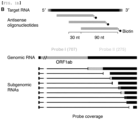
- ASOs We grouped ASOs into two sets for each viral genome: "Probe I” targets the unique region of genomic RNA ([265:21553] of NC_045512.2; [:21506] of AY391777.1) and “Probe II” aims at both genomic and subgenomic RNAs ([21562:] of NC_045512.2; [21506:] of AY391777.1) .
- the templates of four ASO groups have distinct PCR primer binding sites on both ends. Accordingly, each ASO set can be selectively amplified from a single mixture.
- the final ASO templates (167 nt) were prepared via the oligo pool synthesis service of Genscript and stored at -80°C.
- the ASO templates used in this study are listed in Table 2.
- ASO templates were amplified using KAPA HiFi HotStart ReadyMix (Roche) and PCR primers for an ASO pool. PCR products were purified by QIAquick PCR purification kit (QIAGEN). RNA intermediates were then transcribed using 5X MEGAscript T7 transcription kit (Invitrogen), and DNA templates were degraded by TURBO DNase (Invitrogen). To clean up enzymes and other reagents, 1.8 ⁇ reaction volume of AMPure XP (Beckman) was applied and polyethylene glycol was added to be final 20%. The size selection was carried out according to the manufacturer's protocol.
- Biotinylated ASOs were synthesized by RevertAid Reverse Transcriptase (Thermo Scientific) and 5' biotin-TEG primer. RNA intermediates were hydrolyzed at 0.1 M NaOH and neutralized with acetic acid. Finally, ASO purification was performed in the same manner as IVT RNA selection. The primer sequences used for PCR and reverse transcription are listed in Table 6.
- the Uniprot reference proteome sets for human UP000005640, canonical, SwissProt
- African green monkey Chocebus sabaeus; UP000029965, canonical, SwissProt and TrEMBL
- SARS-CoV-2 Severe acute respiratory syndrome coronavirus 2
- NC_045512.2 NCBI Reference Sequence
- other accessory proteins e.g. ORF3b, ORF9b and ORF9c
- the reference proteome set for the Human coronavirus OC43 was compiled based on the Uniprot Swiss-Prot proteins for HCoV-OC43 (taxonomy:31631) except for HCoV-OC43 Protein I which was separated into Protein Ia and Protein Ib (or N2) (Vijgen et al., 2005).
- Virus experiments were carried out in accordance with the biosafety guideline by the Korea Centers for Disease Control & Prevention (KCDC).
- KCDC Korea Centers for Disease Control & Prevention
- the Institutional Biosafety Committee of Seoul National University (SNUIBC) approved the protocols used in this study, including SNUIBC-R200331-1-1 for BL2 experiments and SNUIBC-200508-1 for BL3 experiments.
- Vero and HCT-8 cells were maintained in DMEM (Welgene) and RPMI 1640 (Welgene) respectively, both with 1X Antibiotic-Antimycotic (Gibco) and 10% FBS (Gibco) and cultured in CO2 incubator with 5% CO2 at 37 °C.
- Vero cells were plated in T-175 flasks 24 hours before infection. Cells were washed with serum-free media and incubated with 5 mL virus-diluted media for 30 minutes at 0.1 MOI, as determined by plaque assay. After infection, virus containing media was replaced with reduced-serum media (2% FBS) and cultured until the harvest. For HCoV-OC43 infection, a similar protocol was used except for incubation temperature lowered to 33 °C.
- siRNA transfection 3.5 ⁇ 10 5 Calu-3 cells, maintained in DMEM with 1X Antibiotic-Antimycotic and 10% FBS in CO2 incubator with 5% CO2 at 37 °C, were plated in 12 well plate and final 50 nM siRNAs were reverse-transfected using Lipofectamine RNAiMAX (Invitrogen) and ON-TARGETplus SMARTpool siRNAs (Horizon Discovery). Cell viability after siRNA knockdown was measured by splitting 1/100th of cells from uninfected cells, 48 hours after transfection into 96 well plates in triplicates and cell number was measured by MTT assay (Promega) at 4 hours after addition of tetrazolium dye.
- RNA purification from virus-infected cells 1 mL TRIzol LS (Invitorgen) were added to media-removed cell monolayers per single well of 12 well plates followed by on-column DNA digestion and purification (Zymo Research).
- RNA purification from RNP capture sample bead-captured RNAs were digested with 100 ng Proteinase K (PCR grade, Roche) and incubated at 37°C for 1 hour, followed by RNA isolation by TRIzol LS with GlycoBlue (Invitrogen). 1-5 ⁇ g RNA were reverse-transcribed using RevertAid transcriptase (Thermo Scientific) and random hexamer. qPCR was performed with primer pairs listed in Table S6 and PowerSYBR Green (Applied Biosystems) and analyzed with QuantStudio 5 (Thermo Scientific).
- Virus infected cells were detached from culture vessels by trypsin and cell pellets were resuspended with ice-cold PBS. 12 mL cell suspensions were dispersed in 150 mm dishes to irradiate 254 nm UV for 2.5 J/cm2 using BIO-LINK BLX-254 for SARS-CoV-2 or 0.8 J/cm2 using Spectrolinker XL-1500 for HCoV-OC43. UV-crosslinked cells were pelleted by centrifugation and resuspended in TURBO DNase solution (150 Units per flask) and incubated at 37°C for 30 minutes.
- TURBO DNase solution 150 Units per flask
- DNA digested cells were supplemented with equal volume of pre-heated 2X lysis buffer (40 mM Tris-Cl at pH 7.5, 1 M LiCl, 1% LDS, 2 mM EDTA, 10 mM DTT and 8 M urea) and denatured by incubating at 68°C for 30 minutes.
- 2X lysis buffer 40 mM Tris-Cl at pH 7.5, 1 M LiCl, 1% LDS, 2 mM EDTA, 10 mM DTT and 8 M urea
- cell lysate from 1 flask T-175
- Biotin-labeled RNP lysates were supplemented with streptavidin beads (1 mL per replicate, New England Biolabs) and captured by rotating at room temperature overnight.
- Probe-enriched RNP beads were washed with 1X lysis buffer twice and transferred to fresh tubes, followed by final wash with detergent-free wash buffer (20 mM Tris-Cl at pH 7.5, 0.5 M LiCl, 1 mM EDTA). 1/10th of beads were set aside for assessment of RNA contents by RT-qPCR and another 1/10th of beads were used for silver staining (KOMA biotech). The remaining 8/10th of beads were digested with 100 units of Benzonase nuclease (Millipore) at 37°C for 1 hour.
- nuclease treated beads were suspended to final 8 M urea and reduced with 10 mM dithiothreitol (DTT), alkylated with 40 mM iodoacetamide (IAA) for 1 hour each at 37°C, and diluted with 50 mM ammonium bicarbonate (ABC) to final 1 M urea.
- DTT dithiothreitol
- IAA mM iodoacetamide
- ABSC ammonium bicarbonate
- Peptide solutions were separated from magnetic beads and further processed with HiPPR detergent removal spin columns (Thermo Scientific) and desalted by reverse phase C18 ziptip (Millipore). After the clean up and dry down, the samples were reconstituted with 20 pL of 25 mM ammonium bicarbonate buffer for LC-MS/MS analysis.
- LC-MS/MS analysis was carried out using Orbitrap Fusion Lumos Tribrid MS (Thermo Fisher Scientific) coupled with nanoAcquity UPLC system (Waters). Both analytical capillary columns (100 cm ⁇ 75 um i.d.) and the trap columns (3 cm ⁇ 150 um i.d) were packed in-house with 3 um Jupiter C18 particles (Phenomenex, Torrance). The long analytical column was placed in a column heater (Analytical Sales and Services) regulated to a temperature of 45°C. The LC flow rate was 300 nL/min and the 100-min linear gradient ranged from 95% solvent A (H2O with 0.1% formic acid (Merck)) to 40% solvent B (100% acetonitrile with 0.1% formic acid).
- solvent A H2O with 0.1% formic acid (Merck)
- solvent B 100% acetonitrile with 0.1% formic acid
- Precursor ions were acquired at 120 K resolving power at m/z 200 and the isolation of precursor for MS/MS analysis was performed with a 1.4 Th.
- Higher-energy collisional dissociation (HCD) with 30% collision energy was used for sequencing with a target value of 1E5 ions determined by automatic gain control.
- Resolving power for acquired MS2 spectra was set to 30 K at m/z 200 with 120 ms maximum injection time.
- Mass spectrometric raw data files were processed for Label-Free Quantification with MaxQuant (version 1.6.15.0) (Cox and Mann, 2008) using the built-in Andromeda search engine (Cox et al., 2011) at default settings with a few exceptions.
- PSM peptide-spectrum match
- cysteine carbamidomethylation was set as fixed modifications, and methionine oxidation and N-terminal acetylation were set as variable modifications. Tolerance for the first and main PSM search were 20 and 4.5 ppm, respectively.
- Peptides from common contaminant proteins were identified by utilizing the contaminant database provided by MaxQuant. FDR threshold of 1% was used for both the peptide and protein level. The match-between-runs option was enabled with default parameters in the identification step.
- LFQ was performed for those with a minimum ratio count of 1.
- RNA species of interest e.g. sgRNA or gRNA
- probe I/II RNA species of interest
- Np the number of identified spectra counts for protein group p from the case experiment (e.g. Probe I experiment in infected cells)
- Mp the respective count number from the control experiment (e.g. noprobe experiment in infected cells).
- Taxon 9606 human
- Taxon 60711 green monkey
- Onesided Fisher's exact test was applied to estimate the statistical enrichment of a particular protein domain for the specific gene set (e.g. SARS-CoV-2 Probe I binding proteins).
- SARS-CoV-2 Probe I binding proteins We utilized the set of all proteins identified in the RNP capture experiments and all protein domains annotated to those proteins as the statistical background of the enrichment analysis.
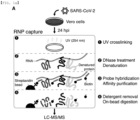
- RNA antisense purification coupled with mass spectrometry was developed to profile the interacting proteins of a particular RNA species ( FIG. 1a ).
- RNA-protein crosslink was first detached from culture vessels and then irradiated with 254 nm UV to induce RNA-protein crosslink while preserving RNA integrity.
- Crosslinked cells were treated with DNase and lysed with an optimized buffer condition to homogenize and denature the proteins in high concentration.
- Massive pools of biotinylated antisense 90-nt probes were used to capture the denatured RNP complexes in a sequence-specific manner. After stringent washing and detergent removal, the RNP complexes were released and digested by serial benzonase and on-bead trypsin treatment.
- the SARS-CoV-2 transcriptome consists of (1) a genomic RNA (gRNA) encoding 16 nonstructural proteins (nsps) and (2) multiple subgenomic RNAs (sgRNAs) that encode structural and accessory proteins (Sola et al., 2015).
- the sgRNAs are more abundant than the gRNA (Kim et al., 2020a).
- the first pool (“Probe I”) consists of 707 oligos tiles every 30 nucleotides across the ORF1ab region (266:21553, NC_045512.2) and thus hybridizes specifically with the gRNA molecules ( FIG. 1b ).
- the second pool of 275 oligos (“Probe II”) covers the remaining region (21563:29872, NC_045512.2) which is shared by both the gRNA and sgRNAs.
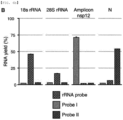
- SARS-CoV-2 RNAs were confirmed by RT-qPCR ( FIG. 6b ), suggesting that our protocol purfies specific RNP complexes. Note that SARS-CoV-2 gRNA was not enriched in the Probe II experiment, hinting at the excess amount of sgRNAs over gRNA in our culture condition.
- RNA binding domain enrichment analysis revealed that these proteins indeed harbor RNAbinding domains such as RNA recognition motif (RRM) domain and K Homology (KH) domain ( FIG. 6c ).
- RRM RNA recognition motif
- KH K Homology domain
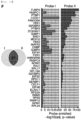
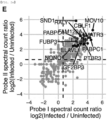
- the N protein was the most strongly enriched one, as expected ( FIG. 1d ).
- the nsp1 protein was also statistically enriched in both Probe I and Probe II experiments.
- Nsp12, S, M, and nsp9 were detected more with Probe I than with Probe II.
- Coronavirus nsp9 is a single-strand RNA binding protein (Egloff et al., 2004; Sutton et al., 2004) essential for viral replication (Miknis et al., 2009).
- Nsp1 is one of the major virulence factors that suppresses host translation by binding to the 40S ribosomal subunit (Thoms et al., 2020). While nsp1 is mostly studied in the context of host gene expression (Narayanan et al., 2008), our result hints at the direct role of nsp1 on the transcripts of SARS-CoV-2.
- SARS-CoV-2 RNA interactome 37 host proteins such as CSDE1 (Unr), EIF4H, FUBP3, G3BP2, PABPC1, ZC3HAV1 were enriched in both the Probe I and Probe II RNP capture experiments on infected cells, thus identifying a robust set of the "core SARS-CoV-2 RNA interactome.”
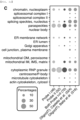
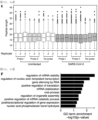
- Gene ontology (GO) term enrichment analysis revealed that these host factors are involved in RNA stability control, mRNA function, and viral process ( FIG. 6f ) .
- HCoV-OC43 that belongs to the lineage A of genus betacoronavirus.
- HCoV-OC43 shows 54.2% nucleotide homology to SARS-CoV-2 which belongs to lineage B.
- Two antisense probe sets i.e. OC43 Probe I and OC43 Probe II
- OC43 Probe I hybridizes only with the gRNA of HCoV-OC43, while Probe II captures both gRNA and sgRNA molecules.
- the no-probe control on infected cells and the probe control on uninfected cells were used and confirmed by silver staining ( FIG. 7c ).
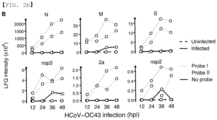
- HCoV-OC43 2a an accessory protein unique to betacoronavirus lineage A, was also detected and increased over time, indicating that this protein of unknown function may act as an RBP.
- the RdRP nsp12 and the papain-like protease nsp3 also increased along with the other nsps identified in this experiment. Only a marginal amount of the HCoV-OC43 nsp1 was detected ( FIG. 7e ), implying the functional divergence of nsp1 in betacoronavirus lineages A and B.
- the inventors compared the host factors that form the viral RNA interactome of HCoV-OC43 and SARS-CoV-2. All 107 proteins from the SARS-CoV-2 interactome were also detected in the HCoV-OC43 interactome throughout multiple infection timepoints, except for RBMS1 and DDX3Y ( FIG. 2c ), indicating that many of the same host proteins interact with RNAs of both HCoV-OC43 and SARS-CoV-2.
- the inventors identified 67 and 70 host proteins for the HCoV-OC43 Probe I and Probe II experiments, respectively (Table 5) .
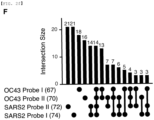
- 38 proteins were statistically enriched in both probe sets. GO term enrichment analysis revealed that these 38 host proteins are involved in transcriptional regulation, RNA processing, and RNA stability control ( FIG. 7f ). Of the 38 common proteins, 14 host proteins (CELF1, EIF4H, ELAVL1, FAM120A, FUBP3, IGF2BP3, MATR3, MOV10, NONO, PABPC1, PABPC4, PTBP3, RALY, SND1 and ZC3HAV1) were also found in the SARS-CoV-2 experiments ( FIG. 2f ), and thus are conserved host components of the betacoronavirus RNA interactome.
- CELF1, EIF4H, ELAVL1, FAM120A, FUBP3, IGF2BP3, MATR3, MOV10, NONO, PABPC1, PABPC4, PTBP3, RALY, SND1 and ZC3HAV1 14 host proteins (CELF1, EIF4H, ELAVL1, FAM120A, FUBP3, IGF2BP3,
- RNA interactome To achieve a more indepth functional perspective of the RNA interactome, we reconstructed the physical interaction network with the SARS-CoV-2 RNA interactome but excluding ribosomal proteins and EIF3 proteins ( FIG. 3a ). This analysis identified additional hub proteins such as TRIM25, SQSTM1, and KHDRBS1. GO term enrichment analysis revealed multiple steps of the mRNA life cycle such as mRNA splicing, mRNA export, mRNA stability, and stress granule assembly ( FIG. 3b ), suggesting these mRNA regulators are co-opted to assist the viral life cycle. Interestingly, we also found GO terms related to viral processes and innate immune response.
- the SARS-CoV-2 RNA interactome is enriched by proteins localized in the paraspeckle and cytoplasmic RNP granule (e.g. stress granule) compared to the cellular mRNA interactome ( FIG. 3c ) (Baltz et al., 2012; Castello et al., 2012).
- SARS-CoV-2 RNA interactome Another way to gauge the regulatory potential of the SARS-CoV-2 RNA interactome is to examine them in the context of the transcriptional response to viral infection. For example, infected cells recognize the non-cellular RNAs by a number of cytosolic sensors such as RIG-I (DDX58) and MDA5 (IFIH1) and ultimately induces interferons which in turn up-regulates interferon-stimulated genes (ISGs) through the JAK-STAT pathway (Sa Ribero et al., 2020).
- cytosolic sensors such as RIG-I (DDX58) and MDA5 (IFIH1)
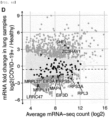
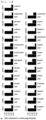
- RNA interactome To investigate the regulation of the SARS-CoV-2 RNA interactome, we utilized published transcriptome data of SARS-CoV-2-infected cells (Blanco-Melo et al., 2020). Transcriptome analysis of ACE2-expressing A549 cells revealed host factors of SARS-CoV-2 RNA interactome that are differentially expressed after infection ( FIG. 4a ). Specifically, PARP12, SHFL, CELF1, and TRIM25 are up-regulated upon infection. Treatment of ruxolitinib, a JAK1 and 2 inhibitor, in infected cells suppressed the expression of 5 host factors (MOV10, PARP12, SHFL, TRIM25, and ZC3HAV1) ( FIG. 4b ). TRIM25 and PARP12 are part of the 62 vertebrate core ISGs (Shaw et al., 2017).
- Interferon-beta (INF ⁇ ) treatment on normal human bronchial epithelial (NHBE) cells induces PARP12, SHFL, and TRIM25 ( FIG. 4c ). Consistently, proteome analysis of INF ⁇ -treated cells (Kerr et al., 2020) exhibited an upregulation of PARP12, TRIM25, and ZC3HAV1 ( FIG. 8c ), altogether indicating that JAK-STAT signaling pathway regulates part of the SARS-CoV-2 RNA interactome.
- Calu-3 cells are human lung epithelial cells and often used as a model system for coronavirus infection (Sims et al., 2008). Strategically, we selected a subset of the SARS-CoV-2 RNA interactome that covers a broad range of functional modules that we identified above: JAK-STAT signaling, mRNA transport, mRNA stability, and translation.
- ZC3HAV1 (ZAP/PARP13) is an ISG and known to restrict the replication of many RNA viruses such as HIV-1 (Retroviridae), Sindbis virus (Togaviridae), and Ebola (Filoviridae) (Goodier et al., 2015).
- ZC3HAV1 was previously reported to recognize CpG and recruits decay factors to degrade HIV RNAs (Takata et al., 2017).
- ZC3HAV1 acts as a cofactor for TRIM25, an E3 ubiquitin ligase that promotes antiviral signaling mainly through RIG-I (Choudhury et al., 2020; Gack et al., 2007).
- PARP12 a cytoplasmic mono-ADP-ribosylation (MARylation) enzyme
- MARylation cytoplasmic mono-ADP-ribosylation
- RNA viruses such as Venezuelan equine encephalitis virus (Togaviridae), vesicular stomatitis virus (Rhabdoviridae), Rift Valley fever virus (Phenuiviridae), encephalomyocarditis virus (Picornaviridae), and Zika virus (Flaviviridae) by multiple mechanisms including blocking cellular RNA translation (Atasheva et al., 2014; Welsby et al., 2014) or triggering proteasome-mediated destabilization of viral proteins (Li et al., 2018).
- ADP ribosyltransferases are evolutionarily ancient tools used for host-pathogen interactions (Fehr et al., 2020).
- coronavirus nsp3 carries a conserved macrodomain that can remove ADPribose to reverse the activity of PARP enzymes (Fehr et al., 2015).
- Knockdown of PARP12 and PARP14 was shown to increase the replication of the macrodomain-deficient mouse hepatitis virus (MHV) which belongs to the lineage A of genus betacoronavirus (Grunewald et al., 2019) which is consistent with our knockdown results ( FIG. 5c ).
- MHV mouse hepatitis virus
- FIG. 5c Based on our RNA interactome data, we hypothesize that the RNA-binding activity of PARP12 and its role in viral RNA recognition may explain the underlying molecular mechanism of its antiviral activity against SARS-CoV-2 transcripts.
- CELF1 CUGBP1 Elav-like protein family 1
- CELF1 is required for IFN ⁇ -mediated suppression of simian immunodeficiency virus (Retroviridae) (Dudaronek et al., 2007), but its involvement in other viral infections is unknown.
- SHFL Shiftless/RyDEN was induced prominently upon viral infection and interferon treatment, and suppressed by JAK inhibitor (FIG. 4s).
- SHFL suppresses the translation of diverse RNA viruses, including dengue virus (Flaviviridae) and HIV (Retroviridae) (Balinsky et al., 2017; Suzuki et al., 2016; Wang et al., 2019).
- upregulation of viral RNA was only modest in CELF1- and SHFL-depleted cells, but further examination is needed as the knockdown efficiency of ISGs were low in infected cells ( FIG. 9b ), likely because virus-induced interferon response compromised gene silencing.
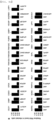
- LARP1 depletion resulted in a substantial upregulation of viral RNAs ( FIG. 5c ), suggesting that LARP1 may have an antiviral function.
- LARP1 stabilizes 5' TOP mRNAs encoding ribosomal proteins and translation factors, which contain the 5' terminal oligopyrimidine (5' TOP) motif in the 5' UTR (Philippe et al., 2018).
- LARP1 also represses the translation of 5' TOP mRNAs in response to metabolic stress in an mTORC1-dependent manner (Hong et al., 2017; Lahr et al., 2017).
- LARP1 While much is unknown regarding the role of LARP1 during viral infection, a recent proteomics study showed that SARS-CoV-2 N protein binds to LARP1 (Gordon et al., 2020). Based on our RNP capture and knockdown results, it is conceivable that LARP1 may interfere with viral translation directly via viral RNA interaction. The role of N protein in the context of LARP1-dependent viral suppression warrants further investigation. Of note, we cannot exclude the possibility that LARP1 indirectly regulates SARS-CoV-2 RNAs via the control of 5' TOP mRNAs encoding translation machinery.
- the SARS-CoV-2 RNA interactome includes specific components of the 40S and 60S ribosomal subunits and translational initiation factors ( FIG. 1f-h ). Knockdown experiments indicated that ribosomal proteins (RPS9 and RPS3) and translation initiation factor EIF4H may have antiviral activities ( FIG. 5c ). EIF4H along with EIF4B is a cofactor for RNA helicase EIF4A (Rogers et al., 2001) whose depletion results in RNA granule formation (Tauber et al., 2020). EIF4H and EIF4B were both identified as the core SARS-CoV-2 RNA interactome ( FIG. 1f ).
- EIF4H also interacts with SARS-CoV-2 nsp9 (Gordon et al., 2020), so it will be interesting to investigate the functional consequence of the EIF4H-nsp9 interaction. Together, our observations implicate that SARS-CoV-2 infection may be closely intertwined with the regulation of ribosome biogenesis, metabolic rewiring, and global translational control.
- EIF3A is the RNA-binding component of the mammalian EIF3 complex and evolutionarily conserved along with EIF3B and EIF3C (Masutani et al., 2007).
- EIF3D is known to interact with mRNA cap and is required for specialized translation initiation (Lee et al., 2016).
- CSDE1 Unr is required for IRES-dependent translation in human rhinovirus (Picornaviridae) and poliovirus (Picornaviridae) (Anderson et al., 2007; Boussadia et al., 2003).
- SARS-CoV-2 may recruit EIF3D and CSDE1 to respectively regulate cap-dependent and IRESdependent translation initiation (Lee et al., 2017) of SARS-CoV-2 gRNA and sgRNAs.
- RNA interactomes are enriched with RBPs with KH domains ( FIG. 6d and FIG. 7b ) unlike the mRNA interactome.
- HDLBP is a conserved protein that contains 14 KH domains and has been implicated in viral translation of dengue virus (Ooi et al., 2019) .
- FUBP3 was enriched in all four RNP capture experiments (i.e. SARS-CoV-2 Probe I/II and OC43 Probe I/II) ( FIG. 2d ).
- FUBP3 is a nuclear protein with 4 KH domains and binds to the 3' UTR of cellular mRNAs regulating mRNA localization (Blichenberg et al., 1999; Mukherjee et al., 2019). Its connection to the life cycle of coronavirus is unknown to our knowledge.
- RNA controls its interacting proteins Dengue virus, for example, uses its subgenomic RNA called sfRNA to sequester TRIM25 (Chapman et al., 2014).
- the sgRNA/gRNA ratio is a critical determinant of epidemic potential of dengue virus (Manokaran et al., 2015).
- coronaviruses including SARS-CoV-2 produces substantial amounts of noncanonical sgRNAs that may serve as noncoding decoys to interact with host RBPs to modulate host immune responses (Kim et al., 2020a).
Landscapes
- Life Sciences & Earth Sciences (AREA)
- Health & Medical Sciences (AREA)
- Chemical & Material Sciences (AREA)
- Engineering & Computer Science (AREA)
- Organic Chemistry (AREA)
- Zoology (AREA)
- Wood Science & Technology (AREA)
- Immunology (AREA)
- Proteomics, Peptides & Aminoacids (AREA)
- Molecular Biology (AREA)
- General Health & Medical Sciences (AREA)
- Bioinformatics & Cheminformatics (AREA)
- Biochemistry (AREA)
- Genetics & Genomics (AREA)
- Biotechnology (AREA)
- Analytical Chemistry (AREA)
- Microbiology (AREA)
- General Engineering & Computer Science (AREA)
- Physics & Mathematics (AREA)
- Biophysics (AREA)
- Biomedical Technology (AREA)
- Medicinal Chemistry (AREA)
- Virology (AREA)
- Pharmacology & Pharmacy (AREA)
- Epidemiology (AREA)
- Animal Behavior & Ethology (AREA)
- Public Health (AREA)
- Veterinary Medicine (AREA)
- Urology & Nephrology (AREA)
- Hematology (AREA)
- Cell Biology (AREA)
- Food Science & Technology (AREA)
- Tropical Medicine & Parasitology (AREA)
- General Physics & Mathematics (AREA)
- Pathology (AREA)
- Marine Sciences & Fisheries (AREA)
- Gastroenterology & Hepatology (AREA)
- Toxicology (AREA)
- Plant Pathology (AREA)
- Pharmaceuticals Containing Other Organic And Inorganic Compounds (AREA)
Applications Claiming Priority (2)
| Application Number | Priority Date | Filing Date | Title |
|---|---|---|---|
| KR20200144787 | 2020-11-02 | ||
| PCT/KR2021/015742 WO2022092995A2 (ko) | 2020-11-02 | 2021-11-02 | Rna 인터액톰 포획 프로토콜 및 이를 활용하여 발굴한 항바이러스용 조성물 |
Publications (1)
| Publication Number | Publication Date |
|---|---|
| EP4239083A2 true EP4239083A2 (de) | 2023-09-06 |
Family
ID=81383018
Family Applications (1)
| Application Number | Title | Priority Date | Filing Date |
|---|---|---|---|
| EP21886987.3A Withdrawn EP4239083A2 (de) | 2020-11-02 | 2021-11-02 | Rna-interagome-erfassungsprotokoll und damit entdeckte antivirale zusammensetzung |
Country Status (5)
| Country | Link |
|---|---|
| US (1) | US20230407373A1 (de) |
| EP (1) | EP4239083A2 (de) |
| KR (1) | KR20220059437A (de) |
| CN (1) | CN119731341A (de) |
| WO (1) | WO2022092995A2 (de) |
Families Citing this family (1)
| Publication number | Priority date | Publication date | Assignee | Title |
|---|---|---|---|---|
| US12251434B2 (en) * | 2021-11-04 | 2025-03-18 | Shanghai Public Health Clinical Center | Target sequence of RNA virus and use thereof |
Family Cites Families (2)
| Publication number | Priority date | Publication date | Assignee | Title |
|---|---|---|---|---|
| KR20130126243A (ko) * | 2012-05-11 | 2013-11-20 | 충북대학교 산학협력단 | Pak 억제제를 유효성분으로 포함하는 인플루엔자 바이러스 감염 질환의 예방 및 치료용 조성물 |
| KR102301018B1 (ko) | 2019-06-19 | 2021-09-09 | 황은순 | 피절단물의 유도 절입구조를 갖는 전동톱 장치 |
-
2021
- 2021-11-02 KR KR1020210149271A patent/KR20220059437A/ko active Pending
- 2021-11-02 EP EP21886987.3A patent/EP4239083A2/de not_active Withdrawn
- 2021-11-02 CN CN202180088770.4A patent/CN119731341A/zh not_active Withdrawn
- 2021-11-02 WO PCT/KR2021/015742 patent/WO2022092995A2/ko not_active Ceased
- 2021-11-02 US US18/034,908 patent/US20230407373A1/en active Pending
Also Published As
| Publication number | Publication date |
|---|---|
| WO2022092995A3 (ko) | 2022-06-23 |
| KR20220059437A (ko) | 2022-05-10 |
| CN119731341A (zh) | 2025-03-28 |
| WO2022092995A2 (ko) | 2022-05-05 |
| US20230407373A1 (en) | 2023-12-21 |
Similar Documents
| Publication | Publication Date | Title |
|---|---|---|
| Lee et al. | The SARS-CoV-2 RNA Interactome | |
| Sampaio et al. | The RNA sensor MDA5 detects SARS-CoV-2 infection | |
| Dominguez Andres et al. | SARS-CoV-2 ORF9c is a membrane-associated protein that suppresses antiviral responses in cells | |
| Sievers et al. | SARS-CoV-2 and innate immunity: the good, the bad, and the “goldilocks” | |
| Zhang et al. | Identification of host proteins involved in Japanese encephalitis virus infection by quantitative proteomics analysis | |
| Netzband et al. | Epitranscriptomic marks: emerging modulators of RNA virus gene expression | |
| Suzuki et al. | Characterization of RyDEN (C19orf66) as an interferon-stimulated cellular inhibitor against dengue virus replication | |
| Murigneux et al. | Proteomic analysis of SARS-CoV-2 particles unveils a key role of G3BP proteins in viral assembly | |
| Zheng et al. | TRAF3 activates STING-mediated suppression of EV-A71 and target of viral evasion | |
| Kroeker et al. | Influenza A infection of primary human airway epithelial cells up-regulates proteins related to purine metabolism and ubiquitin-related signaling | |
| Kovanich et al. | Analysis of the Zika and Japanese encephalitis virus NS5 interactomes | |
| Wu et al. | Subcellular proteomic analysis of human host cells infected with H3N2 swine influenza virus | |
| Ma et al. | Annexin A2 (ANXA2) interacts with nonstructural protein 1 and promotes the replication of highly pathogenic H5N1 avian influenza virus | |
| Ohlson et al. | Genome-scale CRISPR screening reveals host factors required for ribosome formation and viral replication | |
| Dong et al. | Identification of cellular proteins interacting with PEDV M protein through APEX2 labeling | |
| EP4239083A2 (de) | Rna-interagome-erfassungsprotokoll und damit entdeckte antivirale zusammensetzung | |
| Williams et al. | Harnessing host enhancers of SARS-CoV-2 entry as novel targets for antiviral therapy | |
| Balakrishnan et al. | Inhibition of coronaviral exonuclease activity by TRIM-mediated SUMOylation | |
| Ravenhill et al. | Spatial proteomics identifies a CRTC-dependent viral signaling pathway that stimulates production of interleukin-11 | |
| McFadden | Characterizing novel molecular regulators of antiviral gene expression | |
| Fritch | Leveraging Transcriptomics and Proteomics to Identify Novel Coronavirus Genomic Elements and Host Kinase Determinants of Replication | |
| Sebastián de la Cruz | IRF7ren erregulazioa m6A-bitarteko mekanismoen bidez: birus-infekzioen eta gaixotasun zeliakoaren arteko lotura | |
| Lin et al. | Involvement of L polymerase and heat shock proteins in the biogenesis of viral circular RNAs derived from respiratory syncytial virus | |
| Firpo | Elucidating the Underlying Mechanisms Polyamines Play on Coxsackievirus B3 Infection | |
| Yan et al. | The long non-coding RNA lncRNA-DRNR targets the JMJD6 to enhance replication of infectious bronchitis virus (IBV) by influencing the ISG expression pathway through the JAK-STAT signaling pathway |
Legal Events
| Date | Code | Title | Description |
|---|---|---|---|
| STAA | Information on the status of an ep patent application or granted ep patent |
Free format text: STATUS: THE INTERNATIONAL PUBLICATION HAS BEEN MADE |
|
| PUAI | Public reference made under article 153(3) epc to a published international application that has entered the european phase |
Free format text: ORIGINAL CODE: 0009012 |
|
| STAA | Information on the status of an ep patent application or granted ep patent |
Free format text: STATUS: REQUEST FOR EXAMINATION WAS MADE |
|
| 17P | Request for examination filed |
Effective date: 20230602 |
|
| AK | Designated contracting states |
Kind code of ref document: A2 Designated state(s): AL AT BE BG CH CY CZ DE DK EE ES FI FR GB GR HR HU IE IS IT LI LT LU LV MC MK MT NL NO PL PT RO RS SE SI SK SM TR |
|
| STAA | Information on the status of an ep patent application or granted ep patent |
Free format text: STATUS: THE APPLICATION HAS BEEN WITHDRAWN |
|
| 18W | Application withdrawn |
Effective date: 20231110 |