EP4236447B1 - Verfahren zur aktualisierung von parametern im zusammenhang mit einheitlicher zugriffskontrolle - Google Patents
Verfahren zur aktualisierung von parametern im zusammenhang mit einheitlicher zugriffskontrolle Download PDFInfo
- Publication number
- EP4236447B1 EP4236447B1 EP23177796.2A EP23177796A EP4236447B1 EP 4236447 B1 EP4236447 B1 EP 4236447B1 EP 23177796 A EP23177796 A EP 23177796A EP 4236447 B1 EP4236447 B1 EP 4236447B1
- Authority
- EP
- European Patent Office
- Prior art keywords
- operator
- access category
- defined access
- category definition
- registration
- Prior art date
- Legal status (The legal status is an assumption and is not a legal conclusion. Google has not performed a legal analysis and makes no representation as to the accuracy of the status listed.)
- Active
Links
Images



Classifications
-
- H—ELECTRICITY
- H04—ELECTRIC COMMUNICATION TECHNIQUE
- H04W—WIRELESS COMMUNICATION NETWORKS
- H04W60/00—Affiliation to network, e.g. registration; Terminating affiliation with the network, e.g. de-registration
-
- H—ELECTRICITY
- H04—ELECTRIC COMMUNICATION TECHNIQUE
- H04W—WIRELESS COMMUNICATION NETWORKS
- H04W60/00—Affiliation to network, e.g. registration; Terminating affiliation with the network, e.g. de-registration
- H04W60/005—Multiple registrations, e.g. multihoming
-
- H—ELECTRICITY
- H04—ELECTRIC COMMUNICATION TECHNIQUE
- H04L—TRANSMISSION OF DIGITAL INFORMATION, e.g. TELEGRAPHIC COMMUNICATION
- H04L1/00—Arrangements for detecting or preventing errors in the information received
- H04L1/004—Arrangements for detecting or preventing errors in the information received by using forward error control
- H04L1/0045—Arrangements at the receiver end
- H04L1/0055—MAP-decoding
-
- H—ELECTRICITY
- H04—ELECTRIC COMMUNICATION TECHNIQUE
- H04W—WIRELESS COMMUNICATION NETWORKS
- H04W4/00—Services specially adapted for wireless communication networks; Facilities therefor
- H04W4/12—Messaging; Mailboxes; Announcements
-
- H—ELECTRICITY
- H04—ELECTRIC COMMUNICATION TECHNIQUE
- H04W—WIRELESS COMMUNICATION NETWORKS
- H04W60/00—Affiliation to network, e.g. registration; Terminating affiliation with the network, e.g. de-registration
- H04W60/04—Affiliation to network, e.g. registration; Terminating affiliation with the network, e.g. de-registration using triggered events
-
- H—ELECTRICITY
- H04—ELECTRIC COMMUNICATION TECHNIQUE
- H04W—WIRELESS COMMUNICATION NETWORKS
- H04W76/00—Connection management
- H04W76/20—Manipulation of established connections
- H04W76/25—Maintenance of established connections
-
- H—ELECTRICITY
- H04—ELECTRIC COMMUNICATION TECHNIQUE
- H04W—WIRELESS COMMUNICATION NETWORKS
- H04W48/00—Access restriction; Network selection; Access point selection
- H04W48/02—Access restriction performed under specific conditions
- H04W48/06—Access restriction performed under specific conditions based on traffic conditions
Definitions
- the present disclosure relates to the procedure to update the parameters related to Unified Access Control.
- Unified Access Control is defined to perform the access control of the signalling from the UEs in various situation (e.g. congestion, network maintenance etc.).
- the UE is configured with access identity and the event that is categorized as access category.
- the access category is further categorized with as a standard access category and an operator defined access category.
- the operator defined access category is also denoted as "PLMN operator defined access category”.
- the PLMN operator defined access category is sent to the UE in a NAS message.
- the current operator defined access categories are 1) DNN, 2) 5G QoS ID, 3) OS ID + APP ID and 4) S-NSSAI.
- the operator defined access categories are per PLMN basis.
- the NAS layer of the UE determines an access type and the access category of the event.
- the NAS layer of the UE gives this parameter to the Access Stratum (e.g. RRC layer, SDAP layer, PDCP layer, RLC layer, MAC layer and PHY layer) of the UE for access control procedure.
- the access layer based on the access category and access type determines whether the access to the network is allowed or not. If the access to the network is allowed then the UE establishes the RRC connection and then sends initial NAS message. If the access to the network is not allowed for the event then the Access Stratum (AS) layer informs the NAS layer that access is not allowed for the event. In this case, the NAS layer neither establishes the NAS signalling connection nor sends the NAS message till the access to the network becomes allowed.
- the Access Stratum e.g. RRC layer, SDAP layer, PDCP layer, RLC layer, MAC layer and PHY layer
- NPL 1 3GPP TS 24.501 V15.0.0 (2018-6 )
- NPL 2 3GPP TR 24.890 v15.1.0 (2018-03 ) is the relevant standard to the presented subject-matter, which only shows straightforward implementation without the presented optimisation.
- the network transmits the Operator Defined Access Category Definition (ODACD) to the UE in a NAS message.
- ODACD Operator Defined Access Category Definition
- sending the ODACD in Configuration Update Command message as defined in NPL 1 is not efficient as the network needs to send ODACD in the Configuration Update Command message after the registration procedure is successfully completed. This will delay the configuration of the ODACD in the UE and hence the access control mechanism is not applied by the UE until the Configuration Update Command message arrives to the UE after the registration procedure complete.
- the 5GS has the feature so called follow-on request.
- the UE includes an active flag information element in the registration request message in order to establish the PDU session(s) right after the completion of the registration procedure.
- the UAC for limiting MO call under the Operator Defined Access Category does not function at all.
- the acknowledgement of successful reception of the ODACD is required at the network as the NAS message containing ODACD may not be received by the UE when the NAS message is lost (e.g. due to radio link failure between the UE and the NG-RAN before the NAS message is transferred to the UE).
- the network may not configure UEs with ODACD due to some network condition (e.g. Congestion). In such situation the network may not keep track which UEs are configured with ODACD and which UEs are not configured with ODACD. The network may not be able to configure the UE with ODACD. Such UE does not have the ODACD configured and will not apply the ODACD in the PLMN.
- some network condition e.g. Congestion
- network may not be able to know what the current ODACD of the UE is.
- the network needs to update the UE with ODACD
- the network does not know which UEs needs to be updated. This may lead network to update all the UEs with current ODACD even though the UE is already have latest ODACD configured. This will incur extra signalling.
- a method for core network node includes sending, to a User Equipment (UE), a REGISTRATION ACCEPT message containing at least one operator-defined access category definitions wherein the containing at least one operator-defined access category definitions causes the UE to send REGISTRATION COMPLETE message; receiving, from the UE, a REGISTRATION COMPLETE message indicating acknowledge reception of the at least one operator-defined access category definitions.
- UE User Equipment
- a core network node includes a memory storing instructions; and at least one hardware processor configured to process the instruction to: send, to a User Equipment (UE), a REGISTRATION ACCEPT message containing at least one operator-defined access category definitions wherein the containing at least one operator-defined access category definitions causes the UE to send REGISTRATION COMPLETE message; receive, from the UE, a REGISTRATION COMPLETE message indicating acknowledge reception of the at least one operator-defined access category definitions.
- UE User Equipment
- An User Equipment (UE) includes a memory storing instructions; and at least one hardware processor configured to process the instruction to: receive, from a core network node, a REGISTRATION ACCEPT message including at least one operator-defined access category definition; store the received at least one operator-defined access category definition; and send, to the core network node, a REGISTRATION COMPLETE message indicating acknowledge of the received at least one operator-defined access category definition.
- a REGISTRATION ACCEPT message including at least one operator-defined access category definition
- store the received at least one operator-defined access category definition and send, to the core network node, a REGISTRATION COMPLETE message indicating acknowledge of the received at least one operator-defined access category definition.
- a network transmits a first Non Access Stratum (NAS) message containing an Operator-Defined Access Category Definitions (ODACD) information element to a UE.
- the network starts a timer T1 after transmitting the first NAS message.
- NAS Non Access Stratum
- ODACD Operator-Defined Access Category Definitions
- the first NAS message contains ODACD and an Ack information element requesting the UE to send a Second NAS message as an acknowledgement of the reception of ODACD.
- the network starts the timer T1 only when the ACK information and ODACD are included in the first NAS message i.e. if it does not include ODACD and the ACK information element, then the network does not start the timer T1.
- the UE receives the first NAS message.
- the UE removes the previously received ODACD and stores the newly received ODACD in the first NAS message as the latest ODACD.
- the UE determines if the first NAS message contains ODACD information element. If the first NAS message contains the ODACD information element, the UE transmits the second NAS message containing current ODACD or current ODACD and ACK information element indicating successful reception of the ODACD in the first NAS message or just a NAS message.
- the UE transmits the second NAS message containing current ODACD or current ODACD and ACK information element indicating successful reception of the ODACD in the first NAS message or just a NAS message.
- the timer T1 expires and the network retransmits third NAS message.
- the third NAS message contains latest ODACD of the UE.
- the network follows the procedure as described in step 1. In one example the timer expiration in step 6 may occur in a situation where the first NAS message in step1 is lost.
- the network Upon receiving the forth NAS message containing an information element indicating the successful reception of the ODACD, the network stops the time T1. In one example the network stops the timer T1 when it receives ODACD or ODACD and an information element indicating successful reception of the ODACD. In one example the network will stop the timer T1 when it receives a forth NAS message indicating the successful reception of ODACD i.e. the forth NAS message does not include any acknowledgement of reception of ODACD or ODACD itself.
- the first NAS message and the third NAS message is Registration Accept message as defined in TS 24.501[4] and the second NAS message and forth NAS message is Registration complete message as defined in TS 24.501[4].
- the timer T1 unit may be millisecond, second, minutes or hour.
- the first NAS message or the third NAS message is DL NAS TRANSPORT as defined in TS 24.501[4] and the second NAS message or the forth NAS message is UL NAS TRANSPORT as defined in TS 24.501[4].
- the timer T1 is a new timer.
- the first NAS message or the third NAS message is a new NAS message or an existing NAS message other than Configuration Update Command and the second NAS message or the forth NAS message is an another new message or an existing NAS message other than Configuration Update Complete message.
- the timer T1 is a new timer.
- the network or 5GC in the solution 1 is the AMF.
- the network in the solution 1 is the MME.
- the ACK information element is always set together with the ODACD information element.
- the network can indicate the ACK information element to UE standalone in the first NAS message and third NAS message whenever the network requires a acknowledge message from the UE to make sure that all information in the first NAS message or third NAS message are properly received by the UE. If the UE receives the ACK information element in the first NAS message and third NAS message and UE has properly received the first NAS message or third NAS message, then the UE sends the second NAS message or forth NAS message to the network.
- the second NAS message and forth NAS message may include the ACK information element and an information element that is requested by the network in the first NAS message or third NAS message. This mechanism can be considered as a general mechanism to synchronize data setting between the UE and Network.
- the network does not include ACK information element.
- the UE receives the ODACD information element in a NAS message then the UE always transmits a NAS message indicating acknowledgement of the reception of ODACD.
- the UE transmits the second NAS message or the forth NAS message without containing any information element explicitly indicating the reception of the ODACD.
- the network determines that the ODACD is received successfully at the UE.
- UE may determine whether the transmission of the NAS message including the acknowledgement of the reception of ODACD is needed or not based on combination of a specific NAS massage and the ODACD IE.
- the specific NAS massage may be the Registration Accept message, the DL NAS TRANSPORT message or the existing NAS message other than Configuration Update Command.
- 3GPP technical standards may define that the UE shall transmit the NAS message including the acknowledgement of the reception of ODACD if the received specific NAS massage includes the ODACD IE and if the specific NAS massage is Registration Accept message. In this situation, if the UE have received the Registration Accept message including the ODACD IE, then the UE determines that the transmission of the NAS message including the acknowledgement of the reception of ODACD is needed.
- a UE indicating the current ODACD configuration to the network.
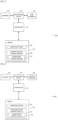
- Fig.2 shows steps of solution 2.
- the ODACD IE indicates that the ODACD is not configured in the UE.
- the ODACD IE may explicitly indicates that the ODACD is not configured in the UE.
- the ODACD IE may implicitly indicates that the ODACD is not configured in the UE by emptying a content of the ODACD IE.
- the UE when the UE is not configured with ODACD then the UE starts a timer T1 and executes step 1 when the timer T1 expires.
- the network determines if the received ODACD is the latest ODACD configured for the UE or the ODACD indicates that the UE is not configured with any ODACD. If the received ODACD is not the latest or the ODACD indicates that the UE is not configured with the ODACD then the network transmits a second NAS message containing the latest ODACD to the UE. The network starts a timer T1.
- the network includes an indicator requesting the UE to send a NAS message indicating reception of the NAS message containing ODACD.
- the UE Upon receiving the second NAS message the UE transmits the third NAS message containing an information element indicating the successful reception of the ODACD.
- the UE includes the ODACD received from the network in the third NAS message.
- the UE transmits the third NAS message when the second NAS message includes ODACD and the information element Ack requesting the UE to transmit a NAS message on reception of ODACD.
- the first NAS message is Registration Request message, Service Request message, UL NAS TRANSPORT message or an existing NAS message or a new NAS message.
- the second NAS message is Registration Accept message, DL NAS TRANSPORT as defined in TS 24.501, Configuration Update Command, any other existing NAS message or a new NAS message.
- the third NAS message is UL NAS TRANSPORT, Configuration Update Complete, an existing NAS message as defined in TS 24.501 or a new NAS message.
- the timer T1 is a new timer.
- the timer T1 unit may be millisecond, second, minute or hour.
- the network includes an information element requesting the UE to send acknowledgement of reception of the ODACD in the second NAS message.
- the UE on receiving the information element transmits the second NAS message containing an information element indicating that the UE received the ODACD.
- the UE includes in the third NAS message the ODACD Information Element as received in the Second NAS message.
- the UE transmits the second NAS message or the forth NAS message without containing any information element explicitly indicating the reception of the ODACD.
- the network determines that the ODACD is received successfully at the UE.
- the UE and the network will follow the steps 3 - 11 as captured in solution 1 of this document.
- the network or 5GC in the solution 2 is the AMF.
- the network in the solution 2 is the MME.
- the previously mentioned ODACD may include following parameters:
- each operator-defined access category definition may have a different precedence value.
- Several operator-defined access category definitions can have the same operator-defined access category number.
- the UE upon receiving a NAS signalling message with one or more operator-defined access category definitions, the UE shall store the operator-defined access category definitions for the registered PLMN.
- the UE upon receiving a NAS signalling message with zero operator-defined access category definitions, the UE shall delete the operator-defined access category definitions stored for the registered PLMN.
- the UE when the UE is switched off, the UE shall keep the operator-defined access category definitions so that the operator-defined access category definitions can be used after switch on.
- the UE when the UE selects a new PLMN which is not equivalent to the previously selected PLMN, the UE shall stop using the operator-defined access category definitions configured for the previously selected PLMN and should keep the operator-defined access category definitions configured for the previously selected PLMN.
- Any NAS messages mentioned above may be transmitted between the UE and AMF via a NGRAN node (i.e. gNB).
- a NGRAN node i.e. gNB
- the User Equipment (or "UE”, “mobile station”, “mobile device” or “wireless device”) in the present disclosure is an entity connected to a network via a wireless interface.
- the UE in this specification is not limited to a dedicated communication device, and can be applied to any device, having a communication function as a UE described in this specification, as explained in the following paragraphs.
- UE User Equipment
- mobile station mobile device
- wireless device wireless device
- UE and “wireless device” also encompass devices that remain stationary for a long period of time.
- a UE may, for example, be an item of equipment for production or manufacture and/ or an item of energy related machinery (for example equipment or machinery such as: boilers; engines; turbines; solar panels; wind turbines; hydroelectric generators; thermal power generators; nuclear electricity generators; batteries; nuclear systems and/or associated equipment; heavy electrical machinery; pumps including vacuum pumps; compressors; fans; blowers; oil hydraulic equipment; pneumatic equipment; metal working machinery; manipulators; robots and/or their application systems; tools; molds or dies; rolls; conveying equipment; elevating equipment; materials handling equipment; textile machinery; sewing machines; printing and/or related machinery; paper converting machinery; chemical machinery; mining and/or construction machinery and/or related equipment; machinery and/or implements for agriculture, forestry and/or fisheries; safety and/or environment preservation equipment; tractors; precision bearings; chains; gears; power transmission equipment; lubricating equipment; valves; pipe fittings; and/or application systems for any of the previously mentioned equipment or machinery etc.).
- equipment or machinery such as: boilers;
- a UE may, for example, be an item of transport equipment (for example transport equipment such as: rolling stocks; motor vehicles; motor cycles; bicycles; trains; buses; carts; rickshaws; ships and other watercraft; aircraft; rockets; satellites; drones; balloons etc.).
- transport equipment such as: rolling stocks; motor vehicles; motor cycles; bicycles; trains; buses; carts; rickshaws; ships and other watercraft; aircraft; rockets; satellites; drones; balloons etc.
- a UE may, for example, be an item of information and communication equipment (for example information and communication equipment such as: electronic computer and related equipment; communication and related equipment; electronic components etc.).
- information and communication equipment such as: electronic computer and related equipment; communication and related equipment; electronic components etc.
- a UE may, for example, be a refrigerating machine, a refrigerating machine applied product, an item of trade and/or service industry equipment, a vending machine, an automatic service machine, an office machine or equipment, a consumer electronic and electronic appliance (for example a consumer electronic appliance such as: audio equipment; video equipment; a loud speaker; a radio; a television; a microwave oven; a rice cooker; a coffee machine; a dishwasher; a washing machine; a dryer; an electronic fan or related appliance; a cleaner etc.).
- a consumer electronic appliance such as: audio equipment; video equipment; a loud speaker; a radio; a television; a microwave oven; a rice cooker; a coffee machine; a dishwasher; a washing machine; a dryer; an electronic fan or related appliance; a cleaner etc.
- a UE may, for example, be an electrical application system or equipment (for example an electrical application system or equipment such as: an x-ray system; a particle accelerator; radio isotope equipment; sonic equipment; electromagnetic application equipment; electronic power application equipment etc.).
- an electrical application system or equipment such as: an x-ray system; a particle accelerator; radio isotope equipment; sonic equipment; electromagnetic application equipment; electronic power application equipment etc.
- a UE may, for example, be an electronic lamp, a luminaire, a measuring instrument, an analyzer, a tester, or a surveying or sensing instrument (for example a surveying or sensing instrument such as: a smoke alarm; a human alarm sensor; a motion sensor; a wireless tag etc.), a watch or clock, a laboratory instrument, optical apparatus, medical equipment and/or system, a weapon, an item of cutlery, a hand tool, or the like.
- a surveying or sensing instrument such as: a smoke alarm; a human alarm sensor; a motion sensor; a wireless tag etc.
- a UE may, for example, be a wireless-equipped personal digital assistant or related equipment (such as a wireless card or module designed for attachment to or for insertion into another electronic device (for example a personal computer, electrical measuring machine)).
- a wireless-equipped personal digital assistant or related equipment such as a wireless card or module designed for attachment to or for insertion into another electronic device (for example a personal computer, electrical measuring machine)).
- a UE may be a device or a part of a system that provides applications, services, and solutions described below, as to "internet of things (IoT)", using a variety of wired and/or wireless communication technologies.
- IoT Internet of things
- IoT devices may be equipped with appropriate electronics, software, sensors, network connectivity, and/or the like, which enable these devices to collect and exchange data with each other and with other communication devices.
- IoT devices may comprise automated equipment that follow software instructions stored in an internal memory. IoT devices may operate without requiring human supervision or interaction. IoT devices might also remain stationary and/or inactive for a long period of time. IoT devices may be implemented as a part of a (generally) stationary apparatus. IoT devices may also be embedded in non-stationary apparatus (e.g. vehicles) or attached to animals or persons to be monitored/tracked.
- IoT technology can be implemented on any communication devices that can connect to a communications network for sending/receiving data, regardless of whether such communication devices are controlled by human input or software instructions stored in memory.
- IoT devices are sometimes also referred to as Machine-Type Communication (MTC) devices or Machine-to-Machine (M2M) communication devices or Narrow Band-IoT UE (NB-IoT UE).
- MTC Machine-Type Communication
- M2M Machine-to-Machine
- NB-IoT UE Narrow Band-IoT UE
- a UE may support one or more IoT or MTC applications.
- MTC applications are listed in the Table 1 (source: 3GPP TS 22.368 V14.0.1 (2017-08 ), Annex B. This list is not exhaustive and is intended to be indicative of some examples of machine-type communication applications.
- Table 1 Some examples of machine-type communication applications. Service Area MTC applications Security Surveillance systems Backup for landline Control of physical access (e.g.
- Applications, services, and solutions may be an MVNO (Mobile Virtual Network Operator) service, an emergency radio communication system, a PBX (Private Branch eXchange) system, a PHS/Digital Cordless Telecommunications system, a POS (Point of sale) system, an advertise calling system, an MBMS (Multimedia Broadcast and Multicast Service), a V2X (Vehicle to Everything) system, a train radio system, a location related service, a Disaster/Emergency Wireless Communication Service, a community service, a video streaming service, a femto cell application service, a VoLTE (Voice over LTE) service, a charging service, a radio on demand service, a roaming service, an activity monitoring service, a telecom carrier/communication NW selection service, a functional restriction service, a PoC (Proof of Concept) service, a personal information management service, an ad-hoc network/DTN (Delay Tolerant Networking) service, etc.
- MVNO Mobile Virtual Network Operator
- Fig. 3 is a block diagram illustrating the main components of the UE (300).
- the UE includes a transceiver circuit (304) which is operable to transmit signals to and to receive signals from the connected node(s) via one or more antenna (305).
- the UE will of course have all the usual functionality of a conventional mobile device (such as a user interface) and this may be provided by any one or any combination of hardware, software and firmware, as appropriate.
- Software may be pre-installed in the memory and/or may be downloaded via the telecommunication network or from a removable data storage device (RMD), for example.
- RMD removable data storage device
- a controller (301) controls the operation of the UE in accordance with software stored in a memory (302).
- the controller may be realized by Central Processing Unit (CPU).
- the software includes, among other things, an operating system and a communication control module (306) having at least a transceiver control module (307).
- the communication control module (306) (using its transceiver control sub-module) is responsible for handling (generating/sending/receiving) signalling and uplink/downlink data packets between the UE and other nodes, such as the base station / (R)AN node, a MME, the AMF (and other core network nodes).
- Such signalling may include, for example, appropriately formatted signalling messages relating to connection establishment and maintenance (e.g. RRC messages,), NAS messages such as periodic location update related messages (e.g. tracking area update, paging area updates, location area update) etc.
- Fig. 4 is a block diagram illustrating the main components of an exemplary (R)AN node (400), for example a base station ('eNB' in LTE, 'gNB' in 5G).
- the (R)AN node (400) includes a transceiver circuit (407) which is operable to transmit signals to and to receive signals from connected UE(s) via one or more antenna (408) and to transmit signals to and to receive signals from other network nodes (either directly or indirectly) via a network interface (406).
- a controller (401) controls the operation of the (R)AN node in accordance with software stored in a memory (402).
- the controller may be realized by Central Processing Unit (CPU).
- Software may be pre-installed in the memory and/or may be downloaded via the telecommunication network or from a removable data storage device (RMD), for example.
- the software includes, among other things, an operating system and a communication control module having at least a transceiver control module (404).
- the communication control module (403) (using its transceiver control sub-module) is responsible for handling (generating/sending/receiving) signalling between the (R)AN node and other nodes, such as the UE, the MME, the AMF(e.g. directly or indirectly).
- the signalling may include, for example, appropriately formatted signalling messages relating to a radio connection and location procedures (for a particular UE), and in particular, relating to connection establishment and maintenance (e.g. RRC connection establishment and other RRC messages), periodic location update related messages (e.g. tracking area update, paging area updates, location area update), S1 AP messages and NG AP messages (i.e. messages by N2 reference point), etc.
- Such signalling may also include, for example, broadcast information (e.g. Master Information and System information) in a sending case.
- the controller is also configured (by software or hardware) to handle related tasks such as, when implemented, UE mobility estimate and/or moving trajectory estimation.
- Fig. 5 is a block diagram illustrating the main components of the AMF (500).
- the AMF (500) is included in the 5GC.
- the AMF (500) includes a transceiver circuit (507) which is operable to transmit signals to and to receive signals from other nodes (including the UE) via a network interface (506).
- a controller (501) controls the operation of the AMF (500) in accordance with software stored in a memory.
- the controller may be realized by Central Processing Unit (CPU).
- Software may be pre-installed in the memory and/or may be downloaded via the telecommunication network or from a removable data storage device (RMD), for example.
- the software includes, among other things, an operating system and a communication control module (503) having at least a transceiver control module (504).
- the communication control module (using its transceiver control sub-module) is responsible for handling (generating/sending/ receiving) signalling between the AMF and other nodes, such as the UE, base station/(R)AN node (e.g. "gNB” or “eNB”) (directly or indirectly).
- signalling may include, for example, appropriately formatted signalling messages relating to the procedures described herein, for example, NG AP message (i.e. a message by N2 reference point) to convey an NAS message from and to the UE, etc.
- the present disclosure may be embodied as a method, and system. Accordingly, the present disclosure may take the form of an entirely hardware embodiment, a software embodiment or an embodiment combining software and hardware aspects.
- each block of the block diagrams can be implemented by computer program instructions.
- These computer program instructions may be provided to a processor of a general purpose computer, special purpose computer, or other programmable data processing apparatus to produce a machine, such that the instructions, which execute via the processor of the computer or other programmable data processing apparatus, create means for implementing the functions/acts specified in the flowchart and/or block diagram block or blocks.
- a general-purpose processor may be a microprocessor, but in the alternative, the processor may be any conventional processor, controller, microcontroller, or state machine.
- a processor may also be implemented as a combination of computing devices, e.g., a plurality of microprocessors, one or more microprocessors, or any other such configuration.
- a software module may reside in RAM memory, flash memory, ROM memory, EPROM memory, EEPROM memory, registers, hard disk, a removable disk, a CD-ROM, or any other form of storage medium known in the art.
- a storage medium may be coupled to the processor such that the processor can read information from, and write information to, the storage medium. In the alternative, the storage medium may be integral to the processor.
- the processor and the storage medium may reside in an ASIC.
Landscapes
- Engineering & Computer Science (AREA)
- Computer Networks & Wireless Communication (AREA)
- Signal Processing (AREA)
- Mobile Radio Communication Systems (AREA)
- Data Exchanges In Wide-Area Networks (AREA)
Claims (22)
- Verfahren für einen Kernnetzwerkknoten, das Verfahren aufweist:Übertragen einer Registrierungsannahmenachricht, die mindestens eine betreiberdefinierte Zugangskategoriedefinition, ODACD, enthält, an ein Benutzergerät, UE,Empfangen einer Registrierungsabschlussnachricht, die eine Bestätigung des Empfangs der mindestens einen betreiberdefinierten Zugangskategoriedefinition anzeigt, vom UE.
- Verfahren nach Anspruch 1, wobei die mindestens eine betreiberdefinierte Zugangskategoriedefinition umfasst:Datennetzwerkname, DNN; und/oderBetriebssystem-id, OS-id; und/oderOS-App-id; und/oderSingle Network Slice Selection Assistance Information, S-NSSAI.
- Verfahren nach Anspruch 2, das aufweist: Starten eines Zeitbegrenzers in einem Fall, in dem die mindestens eine betreiberdefinierte Zugangskategoriedefinition in der Registrierungsannahmenachricht enthalten ist.
- Verfahren nach Anspruch 3, das aufweist: Stoppen des Zeitbegrenzers bei Empfang der Registrierungsabschlussnachricht.
- Verfahren nach Anspruch 1, das aufweist:
erneutes Übertragen der Registrierungsannahmenachricht, wenn der Kernnetzwerkknoten die Registrierungsabschlussnachricht nicht vor dem Ablaufen des Zeitbegrenzers empfängt. - Kernnetzwerkknoten, der aufweist:Mittel zum Übertragen einer Registrierungsannahmenachricht, die mindestens eine betreiberdefinierte Zugangskategoriedefinition, ODACD, enthält, an ein Benutzergerät, UE,Mittel zum Empfangen einer Registrierungsabschlussnachricht, die eine Bestätigung des Empfangs der mindestens einen betreiberdefinierten Zugangskategoriedefinition anzeigt, vom UE.
- Kernnetzwerkknoten nach Anspruch 6, wobei die mindestens eine betreiberdefinierte Zugangskategoriedefinition umfasst: DNN und/oder OS-id + OS-App-id, und/oder S-NSSAI.
- Kernnetzwerkknoten nach Anspruch 7, der aufweist:
Mittel zum Starten eines Zeitbegrenzers in einem Fall, in dem die mindestens eine betreiberdefinierte Zugangskategoriedefinition in der Registrierungsannahmenachricht enthalten ist. - Kernnetzwerkknoten nach Anspruch 8, der aufweist:
Mittel zum Stoppen des Zeitbegrenzers bei Empfang der Registrierungsabschlussnachricht. - Kernnetzwerkknoten nach Anspruch 6, der aufweist:
Mittel zum erneuten Übertragen der Registrierungsannahmenachricht, wenn der Kernnetzwerkknoten die Registrierungsabschlussnachricht nicht vor dem Ablaufen des Zeitbegrenzers empfängt. - Verfahren für ein Benutzergerät, UE, wobei das Verfahren aufweist:Empfangen einer Registrierungsannahmenachricht, die mindestens eine erste betreiberdefinierte Zugangskategoriedefinition enthält, von einem Kernnetzwerkknoten;Speichern der mindestens einen ersten betreiberdefinierten Zugangskategoriedefinition; undÜbertragen einer Registrierungsabschlussnachricht, die eine Bestätigung des Empfangs der mindestens einen ersten betreiberdefinierten Zugangskategoriedefinition anzeigt, an den Kernnetzwerkknoten.
- Verfahren nach Anspruch 11, wobei die mindestens eine betreiberdefinierte erste Zugangskategoriedefinition umfasst: DNN und/oder OS-id + OS-App-id und/oder S-NSSAI.
- Verfahren nach Anspruch 11, das aufweist:
Löschen einer zweiten betreiberdefinierten Zugangskategoriedefinition, die vor dem Speichern der mindestens einen ersten betreiberdefinierten Zugangskategoriedefinition gespeichert wurde, in einem Fall, in dem das UE die zweite betreiberdefinierte Zugangskategoriedefinition gespeichert hat. - Verfahren nach Anspruch 11, das aufweist:
Empfangen einer zweiten Registrierungsannahmenachricht, die mindestens eine betreiberdefinierte Zugangskategoriedefinition enthält, vom Kernnetzwerk, in einem Fall, in dem der Kernnetzwerkknoten die Registrierungsabschlussnachricht nicht vor dem Ablaufen eines Zeitbegrenzers empfangen hat, wobei der Zählvorgang des Zeitbegrenzers beginnt, wenn der Kernnetzwerkknoten die Registrierungsannahmenachricht überträgt. - Verfahren nach Anspruch 11, das aufweist:Übertragen einer ersten Registrierungsanforderungsnachricht an den Kernnetzwerkknoten;Starten eines Zeitbegrenzers basierend auf der Übertragung der ersten Registrierungsanforderungsnachricht; undÜbertragen einer zweiten Registrierungsanforderungsnachricht basierend auf dem Ablaufen des Zeitbegrenzers.
- Verfahren nach Anspruch 15, wobei
die erste Registrierungsanforderungsnachricht anzeigt, dass das UE nicht mit einer betreiberdefinierten Zugangskategoriedefinition konfiguriert ist. - Benutzergerät, UE, das aufweist:Mittel zum Empfangen einer Registrierungsannahmenachricht, die mindestens eine erste betreiberdefinierte Zugangskategoriedefinition enthält, von einem Kernnetzwerkknoten;Mittel zum Speichern der mindestens einen ersten betreiberdefinierten Zugangskategoriedefinition; undMittel zum Übertragen einer Registrierungsabschlussnachricht, die eine Bestätigung des Empfangs der mindestens einen ersten betreiberdefinierten Zugangskategoriedefinition anzeigt, an den Kernnetzwerkknoten.
- UE nach Anspruch 17, wobei die mindestens eine erste betreiberdefinierte Zugangskategoriedefinition umfasst: DNN und/oder OS-id + OS-App-id und/oder S-NSSAI.
- UE nach Anspruch 17, das aufweist:
Löschen einer zweiten betreiberdefinierten Zugangskategoriedefinition, die vor dem Speichern der mindestens einen ersten betreiberdefinierten Zugangskategoriedefinition gespeichert wurde, in einem Fall, in dem das UE die zweite betreiberdefinierte Zugangskategoriedefinition gespeichert hat. - UE nach Anspruch 17, das aufweist:
Empfangen einer zweiten Registrierungsannahmenachricht, die mindestens eine betreiberdefinierte Zugangskategoriedefinition enthält, vom Kernnetzwerk, in einem Fall, in dem der Kernnetzwerkknoten die Registrierungsabschlussnachricht nicht vor dem Ablaufen eines Zeitbegrenzers empfangen hat, wobei der Zählvorgang des Zeitbegrenzers beginnt, wenn der Kernnetzwerkknoten die Registrierungsannahmenachricht überträgt. - UE nach Anspruch 17, das aufweist:Übertragen einer ersten Registrierungsanforderungsnachricht an den Kernnetzwerkknoten;Starten eines Zeitbegrenzers basierend auf der Übertragung der ersten Registrierungsanforderungsnachricht; undÜbertragen einer zweiten Registrierungsanforderungsnachricht basierend auf dem Ablaufen des Zeitbegrenzers.
- UE nach Anspruch 21, wobei
die erste Registrierungsanforderungsnachricht anzeigt, dass das UE nicht mit einer betreiberdefinierten Zugangskategoriedefinition konfiguriert ist.
Priority Applications (1)
| Application Number | Priority Date | Filing Date | Title |
|---|---|---|---|
| EP24185570.9A EP4436253A3 (de) | 2018-09-19 | 2019-08-22 | Verfahren zur aktualisierung von parametern im zusammenhang mit einheitlicher zugangskontrolle |
Applications Claiming Priority (3)
| Application Number | Priority Date | Filing Date | Title |
|---|---|---|---|
| IN201811035318 | 2018-09-19 | ||
| EP19863504.7A EP3679740B8 (de) | 2018-09-19 | 2019-08-22 | Verfahren zur aktualisierung von parmetern im zusammenhang mit einheitlicher zugriffskontrolle |
| PCT/JP2019/032899 WO2020059415A1 (en) | 2018-09-19 | 2019-08-22 | Pcocedure to update the parmeters related to unified access control |
Related Parent Applications (2)
| Application Number | Title | Priority Date | Filing Date |
|---|---|---|---|
| EP19863504.7A Division EP3679740B8 (de) | 2018-09-19 | 2019-08-22 | Verfahren zur aktualisierung von parmetern im zusammenhang mit einheitlicher zugriffskontrolle |
| EP19863504.7A Division-Into EP3679740B8 (de) | 2018-09-19 | 2019-08-22 | Verfahren zur aktualisierung von parmetern im zusammenhang mit einheitlicher zugriffskontrolle |
Related Child Applications (1)
| Application Number | Title | Priority Date | Filing Date |
|---|---|---|---|
| EP24185570.9A Division EP4436253A3 (de) | 2018-09-19 | 2019-08-22 | Verfahren zur aktualisierung von parametern im zusammenhang mit einheitlicher zugangskontrolle |
Publications (3)
| Publication Number | Publication Date |
|---|---|
| EP4236447A2 EP4236447A2 (de) | 2023-08-30 |
| EP4236447A3 EP4236447A3 (de) | 2023-10-11 |
| EP4236447B1 true EP4236447B1 (de) | 2024-07-31 |
Family
ID=69887069
Family Applications (3)
| Application Number | Title | Priority Date | Filing Date |
|---|---|---|---|
| EP19863504.7A Active EP3679740B8 (de) | 2018-09-19 | 2019-08-22 | Verfahren zur aktualisierung von parmetern im zusammenhang mit einheitlicher zugriffskontrolle |
| EP23177796.2A Active EP4236447B1 (de) | 2018-09-19 | 2019-08-22 | Verfahren zur aktualisierung von parametern im zusammenhang mit einheitlicher zugriffskontrolle |
| EP24185570.9A Pending EP4436253A3 (de) | 2018-09-19 | 2019-08-22 | Verfahren zur aktualisierung von parametern im zusammenhang mit einheitlicher zugangskontrolle |
Family Applications Before (1)
| Application Number | Title | Priority Date | Filing Date |
|---|---|---|---|
| EP19863504.7A Active EP3679740B8 (de) | 2018-09-19 | 2019-08-22 | Verfahren zur aktualisierung von parmetern im zusammenhang mit einheitlicher zugriffskontrolle |
Family Applications After (1)
| Application Number | Title | Priority Date | Filing Date |
|---|---|---|---|
| EP24185570.9A Pending EP4436253A3 (de) | 2018-09-19 | 2019-08-22 | Verfahren zur aktualisierung von parametern im zusammenhang mit einheitlicher zugangskontrolle |
Country Status (7)
| Country | Link |
|---|---|
| US (2) | US11496981B2 (de) |
| EP (3) | EP3679740B8 (de) |
| JP (3) | JP6825746B2 (de) |
| CN (2) | CN118354416A (de) |
| BR (1) | BR112020006939A2 (de) |
| DE (1) | DE112019000120T5 (de) |
| WO (1) | WO2020059415A1 (de) |
Families Citing this family (7)
| Publication number | Priority date | Publication date | Assignee | Title |
|---|---|---|---|---|
| CN118354416A (zh) * | 2018-09-19 | 2024-07-16 | 日本电气株式会社 | 用户设备、核心网节点及其所用的方法 |
| CN113613248B (zh) * | 2020-04-20 | 2023-06-16 | 华为技术有限公司 | 认证事件处理方法及装置、系统 |
| CN111786848B (zh) * | 2020-06-02 | 2022-03-04 | 北京电信技术发展产业协会 | 5g终端统一接入控制的协议一致性测试方法和系统 |
| WO2022006828A1 (zh) * | 2020-07-09 | 2022-01-13 | Oppo广东移动通信有限公司 | 无线通信方法和设备 |
| WO2022170573A1 (en) * | 2021-02-10 | 2022-08-18 | Qualcomm Incorporated | A rapid signaling release solution after paging response |
| WO2022216704A1 (en) * | 2021-04-05 | 2022-10-13 | Ofinno, Llc | Connection establishment |
| US12143870B2 (en) * | 2021-05-12 | 2024-11-12 | Qualcomm Incorporated | Security handling of 5GS to EPC reselection |
Family Cites Families (14)
| Publication number | Priority date | Publication date | Assignee | Title |
|---|---|---|---|---|
| US7366509B2 (en) | 2004-03-18 | 2008-04-29 | Utstarcom, Inc. | Method and system for identifying an access point into a wireless network |
| WO2017054118A1 (zh) | 2015-09-29 | 2017-04-06 | 华为技术有限公司 | 接入控制方法、用户设备和网络设备 |
| CN113905427A (zh) * | 2015-11-10 | 2022-01-07 | 日本电气株式会社 | 通信系统 |
| KR102172834B1 (ko) * | 2016-08-02 | 2020-11-02 | 엘지전자 주식회사 | 접속 시도 방법 및 사용자기기와, 접속 제어 방법 및 기지국 |
| CN106572516B (zh) | 2016-09-28 | 2021-02-12 | 华为技术有限公司 | 一种网络切片选择方法、终端设备及网络设备 |
| US10375665B2 (en) | 2017-02-06 | 2019-08-06 | Huawei Technologies Co., Ltd. | Method and apparatus for supporting access control and mobility management |
| US10397892B2 (en) | 2017-02-06 | 2019-08-27 | Huawei Technologies Co., Ltd. | Network registration and network slice selection system and method |
| WO2018145727A1 (en) | 2017-02-07 | 2018-08-16 | Nokia Technologies Oy | Control of user equipment initiated change of network slices in a mobile system using network slicing |
| US10986000B2 (en) * | 2017-05-07 | 2021-04-20 | Qualcomm Incorporated | Enabling new radio cellular quality of service for non-internet protocol data sessions |
| AU2017419197A1 (en) | 2017-06-19 | 2020-01-02 | Huawei Technologies Co., Ltd. | Registration method, session establishment method, terminal, and amf entity |
| US10986602B2 (en) | 2018-02-09 | 2021-04-20 | Intel Corporation | Technologies to authorize user equipment use of local area data network features and control the size of local area data network information in access and mobility management function |
| CN110366241B (zh) | 2018-04-09 | 2024-09-17 | 华为技术有限公司 | 通信方法、装置和系统 |
| CN110519775B (zh) * | 2018-05-22 | 2021-10-22 | 华为技术有限公司 | 会话管理方法、装置和系统 |
| CN118354416A (zh) * | 2018-09-19 | 2024-07-16 | 日本电气株式会社 | 用户设备、核心网节点及其所用的方法 |
-
2019
- 2019-08-22 CN CN202410371775.3A patent/CN118354416A/zh active Pending
- 2019-08-22 EP EP19863504.7A patent/EP3679740B8/de active Active
- 2019-08-22 JP JP2020518736A patent/JP6825746B2/ja active Active
- 2019-08-22 EP EP23177796.2A patent/EP4236447B1/de active Active
- 2019-08-22 CN CN201980004926.9A patent/CN111201809B/zh active Active
- 2019-08-22 EP EP24185570.9A patent/EP4436253A3/de active Pending
- 2019-08-22 DE DE112019000120.5T patent/DE112019000120T5/de active Pending
- 2019-08-22 BR BR112020006939-6A patent/BR112020006939A2/pt unknown
- 2019-08-22 WO PCT/JP2019/032899 patent/WO2020059415A1/en not_active Ceased
-
2020
- 2020-04-24 US US16/857,723 patent/US11496981B2/en active Active
-
2021
- 2021-01-13 JP JP2021003245A patent/JP7163980B2/ja active Active
-
2022
- 2022-10-20 JP JP2022168010A patent/JP7367834B2/ja active Active
- 2022-11-04 US US17/980,624 patent/US12058638B2/en active Active
Also Published As
| Publication number | Publication date |
|---|---|
| JP7163980B2 (ja) | 2022-11-01 |
| JP6825746B2 (ja) | 2021-02-03 |
| EP3679740A1 (de) | 2020-07-15 |
| JP2021061638A (ja) | 2021-04-15 |
| US12058638B2 (en) | 2024-08-06 |
| JP2020536442A (ja) | 2020-12-10 |
| US11496981B2 (en) | 2022-11-08 |
| JP7367834B2 (ja) | 2023-10-24 |
| EP3679740A4 (de) | 2020-09-23 |
| EP4436253A3 (de) | 2024-11-13 |
| EP4236447A2 (de) | 2023-08-30 |
| US20230051617A1 (en) | 2023-02-16 |
| CN111201809A (zh) | 2020-05-26 |
| EP4436253A2 (de) | 2024-09-25 |
| EP3679740B8 (de) | 2023-09-13 |
| EP3679740B1 (de) | 2023-07-12 |
| US20200337012A1 (en) | 2020-10-22 |
| CN118354416A (zh) | 2024-07-16 |
| EP4236447A3 (de) | 2023-10-11 |
| WO2020059415A1 (en) | 2020-03-26 |
| DE112019000120T5 (de) | 2020-06-10 |
| JP2023011683A (ja) | 2023-01-24 |
| BR112020006939A2 (pt) | 2020-10-06 |
| CN111201809B (zh) | 2024-04-12 |
Similar Documents
| Publication | Publication Date | Title |
|---|---|---|
| US12127151B2 (en) | Method and system for transmission of SUSI in the NAS procedure | |
| US12058638B2 (en) | Procedure to update the parameters related to Unified Access Control | |
| US11985584B2 (en) | UE behavior in an allowed area or a non-allowed area | |
| US20220078742A1 (en) | Procedure to handle services provided by a ue supporting multiple usim card | |
| US12101714B2 (en) | Procedure to update the parameters related to unified access control | |
| CN111434133A (zh) | 用于使通信网络中的ue的状况同步的方法 |
Legal Events
| Date | Code | Title | Description |
|---|---|---|---|
| PUAI | Public reference made under article 153(3) epc to a published international application that has entered the european phase |
Free format text: ORIGINAL CODE: 0009012 |
|
| STAA | Information on the status of an ep patent application or granted ep patent |
Free format text: STATUS: REQUEST FOR EXAMINATION WAS MADE |
|
| 17P | Request for examination filed |
Effective date: 20230606 |
|
| AC | Divisional application: reference to earlier application |
Ref document number: 3679740 Country of ref document: EP Kind code of ref document: P |
|
| AK | Designated contracting states |
Kind code of ref document: A2 Designated state(s): AL AT BE BG CH CY CZ DE DK EE ES FI FR GB GR HR HU IE IS IT LI LT LU LV MC MK MT NL NO PL PT RO RS SE SI SK SM TR |
|
| REG | Reference to a national code |
Ref country code: DE Ref legal event code: R079 Free format text: PREVIOUS MAIN CLASS: H04W0028240000 Ipc: H04W0060000000 Ref document number: 602019056424 Country of ref document: DE |
|
| PUAL | Search report despatched |
Free format text: ORIGINAL CODE: 0009013 |
|
| AK | Designated contracting states |
Kind code of ref document: A3 Designated state(s): AL AT BE BG CH CY CZ DE DK EE ES FI FR GB GR HR HU IE IS IT LI LT LU LV MC MK MT NL NO PL PT RO RS SE SI SK SM TR |
|
| RIC1 | Information provided on ipc code assigned before grant |
Ipc: H04W 28/24 20090101ALN20230904BHEP Ipc: H04W 48/06 20090101ALN20230904BHEP Ipc: H04W 60/00 20090101AFI20230904BHEP |
|
| RBV | Designated contracting states (corrected) |
Designated state(s): AL AT BE BG CH CY CZ DE DK EE ES FI FR GB GR HR HU IE IS IT LI LT LU LV MC MK MT NL NO PL PT RO RS SE SI SK SM TR |
|
| GRAP | Despatch of communication of intention to grant a patent |
Free format text: ORIGINAL CODE: EPIDOSNIGR1 |
|
| STAA | Information on the status of an ep patent application or granted ep patent |
Free format text: STATUS: GRANT OF PATENT IS INTENDED |
|
| RIC1 | Information provided on ipc code assigned before grant |
Ipc: H04W 28/24 20090101ALN20240213BHEP Ipc: H04W 48/06 20090101ALN20240213BHEP Ipc: H04W 60/00 20090101AFI20240213BHEP |
|
| INTG | Intention to grant announced |
Effective date: 20240226 |
|
| GRAS | Grant fee paid |
Free format text: ORIGINAL CODE: EPIDOSNIGR3 |
|
| GRAA | (expected) grant |
Free format text: ORIGINAL CODE: 0009210 |
|
| STAA | Information on the status of an ep patent application or granted ep patent |
Free format text: STATUS: THE PATENT HAS BEEN GRANTED |
|
| AC | Divisional application: reference to earlier application |
Ref document number: 3679740 Country of ref document: EP Kind code of ref document: P |
|
| AK | Designated contracting states |
Kind code of ref document: B1 Designated state(s): AL AT BE BG CH CY CZ DE DK EE ES FI FR GB GR HR HU IE IS IT LI LT LU LV MC MK MT NL NO PL PT RO RS SE SI SK SM TR |
|
| REG | Reference to a national code |
Ref country code: CH Ref legal event code: EP Ref country code: GB Ref legal event code: FG4D |
|
| REG | Reference to a national code |
Ref country code: DE Ref legal event code: R096 Ref document number: 602019056424 Country of ref document: DE |
|
| REG | Reference to a national code |
Ref country code: IE Ref legal event code: FG4D |
|
| REG | Reference to a national code |
Ref country code: NL Ref legal event code: FP |
|
| REG | Reference to a national code |
Ref country code: LT Ref legal event code: MG9D |
|
| PG25 | Lapsed in a contracting state [announced via postgrant information from national office to epo] |
Ref country code: PT Free format text: LAPSE BECAUSE OF FAILURE TO SUBMIT A TRANSLATION OF THE DESCRIPTION OR TO PAY THE FEE WITHIN THE PRESCRIBED TIME-LIMIT Effective date: 20241202 |
|
| REG | Reference to a national code |
Ref country code: AT Ref legal event code: MK05 Ref document number: 1709749 Country of ref document: AT Kind code of ref document: T Effective date: 20240731 |
|
| PG25 | Lapsed in a contracting state [announced via postgrant information from national office to epo] |
Ref country code: PT Free format text: LAPSE BECAUSE OF FAILURE TO SUBMIT A TRANSLATION OF THE DESCRIPTION OR TO PAY THE FEE WITHIN THE PRESCRIBED TIME-LIMIT Effective date: 20241202 |
|
| PG25 | Lapsed in a contracting state [announced via postgrant information from national office to epo] |
Ref country code: NO Free format text: LAPSE BECAUSE OF FAILURE TO SUBMIT A TRANSLATION OF THE DESCRIPTION OR TO PAY THE FEE WITHIN THE PRESCRIBED TIME-LIMIT Effective date: 20241031 |
|
| PG25 | Lapsed in a contracting state [announced via postgrant information from national office to epo] |
Ref country code: FI Free format text: LAPSE BECAUSE OF FAILURE TO SUBMIT A TRANSLATION OF THE DESCRIPTION OR TO PAY THE FEE WITHIN THE PRESCRIBED TIME-LIMIT Effective date: 20240731 Ref country code: GR Free format text: LAPSE BECAUSE OF FAILURE TO SUBMIT A TRANSLATION OF THE DESCRIPTION OR TO PAY THE FEE WITHIN THE PRESCRIBED TIME-LIMIT Effective date: 20241101 Ref country code: PL Free format text: LAPSE BECAUSE OF FAILURE TO SUBMIT A TRANSLATION OF THE DESCRIPTION OR TO PAY THE FEE WITHIN THE PRESCRIBED TIME-LIMIT Effective date: 20240731 |
|
| PG25 | Lapsed in a contracting state [announced via postgrant information from national office to epo] |
Ref country code: BG Free format text: LAPSE BECAUSE OF FAILURE TO SUBMIT A TRANSLATION OF THE DESCRIPTION OR TO PAY THE FEE WITHIN THE PRESCRIBED TIME-LIMIT Effective date: 20240731 |
|
| PG25 | Lapsed in a contracting state [announced via postgrant information from national office to epo] |
Ref country code: LV Free format text: LAPSE BECAUSE OF FAILURE TO SUBMIT A TRANSLATION OF THE DESCRIPTION OR TO PAY THE FEE WITHIN THE PRESCRIBED TIME-LIMIT Effective date: 20240731 |
|
| PG25 | Lapsed in a contracting state [announced via postgrant information from national office to epo] |
Ref country code: IS Free format text: LAPSE BECAUSE OF FAILURE TO SUBMIT A TRANSLATION OF THE DESCRIPTION OR TO PAY THE FEE WITHIN THE PRESCRIBED TIME-LIMIT Effective date: 20241130 Ref country code: AT Free format text: LAPSE BECAUSE OF FAILURE TO SUBMIT A TRANSLATION OF THE DESCRIPTION OR TO PAY THE FEE WITHIN THE PRESCRIBED TIME-LIMIT Effective date: 20240731 |
|
| PG25 | Lapsed in a contracting state [announced via postgrant information from national office to epo] |
Ref country code: HR Free format text: LAPSE BECAUSE OF FAILURE TO SUBMIT A TRANSLATION OF THE DESCRIPTION OR TO PAY THE FEE WITHIN THE PRESCRIBED TIME-LIMIT Effective date: 20240731 |
|
| PG25 | Lapsed in a contracting state [announced via postgrant information from national office to epo] |
Ref country code: RS Free format text: LAPSE BECAUSE OF FAILURE TO SUBMIT A TRANSLATION OF THE DESCRIPTION OR TO PAY THE FEE WITHIN THE PRESCRIBED TIME-LIMIT Effective date: 20241031 Ref country code: ES Free format text: LAPSE BECAUSE OF FAILURE TO SUBMIT A TRANSLATION OF THE DESCRIPTION OR TO PAY THE FEE WITHIN THE PRESCRIBED TIME-LIMIT Effective date: 20240731 |
|
| PG25 | Lapsed in a contracting state [announced via postgrant information from national office to epo] |
Ref country code: RS Free format text: LAPSE BECAUSE OF FAILURE TO SUBMIT A TRANSLATION OF THE DESCRIPTION OR TO PAY THE FEE WITHIN THE PRESCRIBED TIME-LIMIT Effective date: 20241031 Ref country code: PL Free format text: LAPSE BECAUSE OF FAILURE TO SUBMIT A TRANSLATION OF THE DESCRIPTION OR TO PAY THE FEE WITHIN THE PRESCRIBED TIME-LIMIT Effective date: 20240731 Ref country code: NO Free format text: LAPSE BECAUSE OF FAILURE TO SUBMIT A TRANSLATION OF THE DESCRIPTION OR TO PAY THE FEE WITHIN THE PRESCRIBED TIME-LIMIT Effective date: 20241031 Ref country code: LV Free format text: LAPSE BECAUSE OF FAILURE TO SUBMIT A TRANSLATION OF THE DESCRIPTION OR TO PAY THE FEE WITHIN THE PRESCRIBED TIME-LIMIT Effective date: 20240731 Ref country code: IS Free format text: LAPSE BECAUSE OF FAILURE TO SUBMIT A TRANSLATION OF THE DESCRIPTION OR TO PAY THE FEE WITHIN THE PRESCRIBED TIME-LIMIT Effective date: 20241130 Ref country code: HR Free format text: LAPSE BECAUSE OF FAILURE TO SUBMIT A TRANSLATION OF THE DESCRIPTION OR TO PAY THE FEE WITHIN THE PRESCRIBED TIME-LIMIT Effective date: 20240731 Ref country code: GR Free format text: LAPSE BECAUSE OF FAILURE TO SUBMIT A TRANSLATION OF THE DESCRIPTION OR TO PAY THE FEE WITHIN THE PRESCRIBED TIME-LIMIT Effective date: 20241101 Ref country code: FI Free format text: LAPSE BECAUSE OF FAILURE TO SUBMIT A TRANSLATION OF THE DESCRIPTION OR TO PAY THE FEE WITHIN THE PRESCRIBED TIME-LIMIT Effective date: 20240731 Ref country code: ES Free format text: LAPSE BECAUSE OF FAILURE TO SUBMIT A TRANSLATION OF THE DESCRIPTION OR TO PAY THE FEE WITHIN THE PRESCRIBED TIME-LIMIT Effective date: 20240731 Ref country code: BG Free format text: LAPSE BECAUSE OF FAILURE TO SUBMIT A TRANSLATION OF THE DESCRIPTION OR TO PAY THE FEE WITHIN THE PRESCRIBED TIME-LIMIT Effective date: 20240731 Ref country code: AT Free format text: LAPSE BECAUSE OF FAILURE TO SUBMIT A TRANSLATION OF THE DESCRIPTION OR TO PAY THE FEE WITHIN THE PRESCRIBED TIME-LIMIT Effective date: 20240731 |
|
| REG | Reference to a national code |
Ref country code: CH Ref legal event code: PL |
|
| PG25 | Lapsed in a contracting state [announced via postgrant information from national office to epo] |
Ref country code: RO Free format text: LAPSE BECAUSE OF FAILURE TO SUBMIT A TRANSLATION OF THE DESCRIPTION OR TO PAY THE FEE WITHIN THE PRESCRIBED TIME-LIMIT Effective date: 20240731 Ref country code: DK Free format text: LAPSE BECAUSE OF FAILURE TO SUBMIT A TRANSLATION OF THE DESCRIPTION OR TO PAY THE FEE WITHIN THE PRESCRIBED TIME-LIMIT Effective date: 20240731 Ref country code: SM Free format text: LAPSE BECAUSE OF FAILURE TO SUBMIT A TRANSLATION OF THE DESCRIPTION OR TO PAY THE FEE WITHIN THE PRESCRIBED TIME-LIMIT Effective date: 20240731 |
|
| PG25 | Lapsed in a contracting state [announced via postgrant information from national office to epo] |
Ref country code: LU Free format text: LAPSE BECAUSE OF NON-PAYMENT OF DUE FEES Effective date: 20240822 |
|
| PG25 | Lapsed in a contracting state [announced via postgrant information from national office to epo] |
Ref country code: MC Free format text: LAPSE BECAUSE OF FAILURE TO SUBMIT A TRANSLATION OF THE DESCRIPTION OR TO PAY THE FEE WITHIN THE PRESCRIBED TIME-LIMIT Effective date: 20240731 Ref country code: CH Free format text: LAPSE BECAUSE OF NON-PAYMENT OF DUE FEES Effective date: 20240831 Ref country code: EE Free format text: LAPSE BECAUSE OF FAILURE TO SUBMIT A TRANSLATION OF THE DESCRIPTION OR TO PAY THE FEE WITHIN THE PRESCRIBED TIME-LIMIT Effective date: 20240731 |
|
| PG25 | Lapsed in a contracting state [announced via postgrant information from national office to epo] |
Ref country code: CZ Free format text: LAPSE BECAUSE OF FAILURE TO SUBMIT A TRANSLATION OF THE DESCRIPTION OR TO PAY THE FEE WITHIN THE PRESCRIBED TIME-LIMIT Effective date: 20240731 |
|
| PG25 | Lapsed in a contracting state [announced via postgrant information from national office to epo] |
Ref country code: SK Free format text: LAPSE BECAUSE OF FAILURE TO SUBMIT A TRANSLATION OF THE DESCRIPTION OR TO PAY THE FEE WITHIN THE PRESCRIBED TIME-LIMIT Effective date: 20240731 Ref country code: IT Free format text: LAPSE BECAUSE OF FAILURE TO SUBMIT A TRANSLATION OF THE DESCRIPTION OR TO PAY THE FEE WITHIN THE PRESCRIBED TIME-LIMIT Effective date: 20240731 |
|
| REG | Reference to a national code |
Ref country code: DE Ref legal event code: R097 Ref document number: 602019056424 Country of ref document: DE |
|
| PLBE | No opposition filed within time limit |
Free format text: ORIGINAL CODE: 0009261 |
|
| STAA | Information on the status of an ep patent application or granted ep patent |
Free format text: STATUS: NO OPPOSITION FILED WITHIN TIME LIMIT |
|
| 26N | No opposition filed |
Effective date: 20250501 |
|
| PG25 | Lapsed in a contracting state [announced via postgrant information from national office to epo] |
Ref country code: IE Free format text: LAPSE BECAUSE OF NON-PAYMENT OF DUE FEES Effective date: 20240822 |
|
| PG25 | Lapsed in a contracting state [announced via postgrant information from national office to epo] |
Ref country code: SE Free format text: LAPSE BECAUSE OF FAILURE TO SUBMIT A TRANSLATION OF THE DESCRIPTION OR TO PAY THE FEE WITHIN THE PRESCRIBED TIME-LIMIT Effective date: 20240731 |
|
| PGFP | Annual fee paid to national office [announced via postgrant information from national office to epo] |
Ref country code: NL Payment date: 20250821 Year of fee payment: 7 |
|
| PGFP | Annual fee paid to national office [announced via postgrant information from national office to epo] |
Ref country code: DE Payment date: 20250820 Year of fee payment: 7 |
|
| PGFP | Annual fee paid to national office [announced via postgrant information from national office to epo] |
Ref country code: BE Payment date: 20250820 Year of fee payment: 7 Ref country code: GB Payment date: 20250821 Year of fee payment: 7 |
|
| PGFP | Annual fee paid to national office [announced via postgrant information from national office to epo] |
Ref country code: FR Payment date: 20250828 Year of fee payment: 7 |
|
| PG25 | Lapsed in a contracting state [announced via postgrant information from national office to epo] |
Ref country code: CY Free format text: LAPSE BECAUSE OF FAILURE TO SUBMIT A TRANSLATION OF THE DESCRIPTION OR TO PAY THE FEE WITHIN THE PRESCRIBED TIME-LIMIT; INVALID AB INITIO Effective date: 20190822 |