EP4192246B1 - Abwehrauslöser gegen pflanzenpathogene - Google Patents
Abwehrauslöser gegen pflanzenpathogene Download PDFInfo
- Publication number
- EP4192246B1 EP4192246B1 EP21746308.2A EP21746308A EP4192246B1 EP 4192246 B1 EP4192246 B1 EP 4192246B1 EP 21746308 A EP21746308 A EP 21746308A EP 4192246 B1 EP4192246 B1 EP 4192246B1
- Authority
- EP
- European Patent Office
- Prior art keywords
- oxidised
- cellodextrins
- plant
- cellodextrin
- lpmo
- Prior art date
- Legal status (The legal status is an assumption and is not a legal conclusion. Google has not performed a legal analysis and makes no representation as to the accuracy of the status listed.)
- Active
Links
Images






Classifications
-
- A—HUMAN NECESSITIES
- A01—AGRICULTURE; FORESTRY; ANIMAL HUSBANDRY; HUNTING; TRAPPING; FISHING
- A01N—PRESERVATION OF BODIES OF HUMANS OR ANIMALS OR PLANTS OR PARTS THEREOF; BIOCIDES, e.g. AS DISINFECTANTS, AS PESTICIDES OR AS HERBICIDES; PEST REPELLANTS OR ATTRACTANTS; PLANT GROWTH REGULATORS
- A01N43/00—Biocides, pest repellants or attractants, or plant growth regulators containing heterocyclic compounds
- A01N43/02—Biocides, pest repellants or attractants, or plant growth regulators containing heterocyclic compounds having rings with one or more oxygen or sulfur atoms as the only ring hetero atoms
- A01N43/04—Biocides, pest repellants or attractants, or plant growth regulators containing heterocyclic compounds having rings with one or more oxygen or sulfur atoms as the only ring hetero atoms with one hetero atom
- A01N43/14—Biocides, pest repellants or attractants, or plant growth regulators containing heterocyclic compounds having rings with one or more oxygen or sulfur atoms as the only ring hetero atoms with one hetero atom six-membered rings
- A01N43/16—Biocides, pest repellants or attractants, or plant growth regulators containing heterocyclic compounds having rings with one or more oxygen or sulfur atoms as the only ring hetero atoms with one hetero atom six-membered rings with oxygen as the ring hetero atom
-
- A—HUMAN NECESSITIES
- A01—AGRICULTURE; FORESTRY; ANIMAL HUSBANDRY; HUNTING; TRAPPING; FISHING
- A01P—BIOCIDAL, PEST REPELLANT, PEST ATTRACTANT OR PLANT GROWTH REGULATORY ACTIVITY OF CHEMICAL COMPOUNDS OR PREPARATIONS
- A01P1/00—Disinfectants; Antimicrobial compounds or mixtures thereof
-
- A—HUMAN NECESSITIES
- A01—AGRICULTURE; FORESTRY; ANIMAL HUSBANDRY; HUNTING; TRAPPING; FISHING
- A01P—BIOCIDAL, PEST REPELLANT, PEST ATTRACTANT OR PLANT GROWTH REGULATORY ACTIVITY OF CHEMICAL COMPOUNDS OR PREPARATIONS
- A01P3/00—Fungicides
Definitions
- the invention is broadly in the field of phytopharmaceutical compounds and compositions, and in particular relates to elicitors of natural plant defences (also commonly known as plant immune-system activator molecules, or ⁇ bio-pesticides' in layman's terms), a class of environmental-friendly molecules that retard the infection and propagation of microbial pathogens on plants, and uses thereof.
- natural plant defences also commonly known as plant immune-system activator molecules, or ⁇ bio-pesticides' in layman's terms
- ⁇ bio-pesticides' a class of environmental-friendly molecules that retard the infection and propagation of microbial pathogens on plants, and uses thereof.
- the plant cell wall is a dynamic structure made up mostly of high molecular weights polysaccharides, i.e. cellulose, hemicellulose, and pectin. This complex mixture confers structural integrity and physical protection at the plant cells. Plant pathogens, including pathogenic fungi and pathogenic bacteria, use a variety of strategies to colonise plants and derive nutrients from their hosts.
- CWDEs Cell Wall Degrading Enzymes
- CWDEs Cell Wall Degrading Enzymes
- LPMO Lytic Polysaccharide Monooxygenase
- LPMO are a class of copper-enzymes that catalyse the oxidative cleavage of glycosidic bonds of recalcitrant polysaccharides including cellulose and chitin, and are widely distributed across bacterial and fungal kingdoms. LPMO are presently classified into seven "auxiliary activity" (AA) families (AA9, AA10, AA11, AA13, AA14, AA15 and AA16) according to the carbohydrate-active enzymes (www.cazy.org) database.
- AA auxiliary activity
- the LPMO-driven oxidative cleavage of glucans can take place at either C1 or C4 position of pyranose ring, which can thus produce a mixtures of native and oxidised (C1-oxidised, C4-oxidised and/or C1- and C4-doubly oxidised) oligosaccharides of different degrees of polymerization.
- ETI confers a narrow strain-specific resistance as it is initiated following the recognition of virulence effectors (Avirulence-proteins) by cytoplasmic resistance genes (R-genes). This generally causes a strong site-specific accumulation of reactive oxygen species (ROS) leading to apoptosis.
- ROS reactive oxygen species
- PTI provide a broad-spectrum protection.
- PAMPs pathogen-associated molecular-pattern
- PRRs plasma membrane-anchored pattern-recognition receptors
- flagellin (FLG22) and chitin, two well-characterized PAMPs are perceived by leucine-rich repeat receptor like kinase (LRR-RLK), such as FLS2 and CERK1, respectively.
- LRR-RLK leucine-rich repeat receptor like kinase
- plants can self-trigger PTI by recognising damage-associated molecular patterns (DAMPs) (Boller and Felix.
- DAMPs may comprise certain cell wall-derived molecules as well as de novo synthesised stress-associated peptides.
- pectin fragments and oligogalacturonides are prominent DAMPs known to be recognised by cell wall-associated kinases (WAKs) receptors ( Kohorn et al. Cell Wall-Associated Kinases and Pectin Perception. J Exp Bot. 2016, vol. 67(2), 489-94 ; Ferrari et al.
- Oligogalacturonides plant damage-associated molecular patterns and regulators of growth and development. Front. Plant Sci. 2013, vol. 4, 49 ).
- Common signalling events underlying PTI involve Ca 2+ influx into cytoplasm, activation of mitogen-activated protein kinase (MAPK) cascades, apoplastic reactive oxygen species (ROS) accumulation and an extensive transcriptional reprogramming including transcription factors ( Yu et al. From Chaos to Harmony: Responses and Signaling upon Microbial Pattern Recognition. Annu Rev Phytopathol. 2017, vol. 55, 109-137 ).
- MAPK mitogen-activated protein kinase
- ROS apoplastic reactive oxygen species
- Cellulose-derived oligomers act as damage-associated molecular patterns and trigger defense-like responses.
- WO 2012/101106 relates to a composition for protecting plants against plant pathogens comprising: a) an elicitor comprising one or more oligo-galacturonan(s) with a degree of polymerization between 9 and 20 and one or more chito-oligosaccharide(s) with a degree of polymerization higher than 5 and a degree of acetylation lower than 50% in proportions ranging from 1:50 to 50:1, and b) a fungicide selected from the group comprising: phosphonates, benzamides, carbamates, dithiocarbamates, phtalimides, triazoles, quinolines, sulphur, and cyanoimidazoles.
- the document also relates to the use of these compositions in agricultural applications, more particularly to protect plants against (infection by) plant pathogens and the corresponding methods of, and uses in, the protection of plants and crops by application of these compositions.
- the inventors have shown strong plant elicitor activity for mixtures of native and oxidised cellodextrins produced by decomposition of cellulose by one or more lytic polysaccharide monooxygenase (LPMO)
- the present invention provides subject-matter as set forth in any one and all of the appended claims 1 to 15.
- an aspect of the invention provides use of cellobionic acid or a phytopharmaceutically acceptable salt thereof as plant pathogen defence elicitor.
- a related aspect concerns a method for activating plant defence against plant pathogens comprising contacting a plant with an effective amount of cellobionic acid or a phytopharmaceutically acceptable salt thereof.
- a further aspect provides a phytopharmaceutical composition comprising cellobionic acid or a phytopharmaceutically acceptable salt thereof, and a phytopharmaceutically acceptable carrier comprising or selected from one or more anionic, non-ionic, amphoteric, or cationic surfactant, or a combination thereof.
- a further aspect not according to the claimed invention provides use of (i) one or more cellodextrin (i.e., native or not oxidised cellodextrins) and (ii) one or more C1-oxidised cellodextrin (aldonic acids) or a phytopharmaceutically acceptable salt thereof, one or more C4-oxidised cellodextrin (4-ketoaldoses or gemdiols), and/or one or more C1- and C4-oxidised cellodextrin (4-keto-oligochaccharide-1-aldonic acids) or a phytopharmaceutically acceptable salt thereof, such as in a composition comprising these components, as plant pathogen defence elicitor.
- a related aspect not according to the claimed invention concerns a method for activating plant defence against plant pathogens comprising contacting a plant with an effective amount of the aforementioned components (i) and (ii).
- a further aspect not according to the claimed invention provides a phytopharmaceutical composition comprising the aforementioned components (i) and (ii), and a phytopharmaceutically acceptable carrier, such as a phytopharmaceutically acceptable carrier comprising one or more anionic, non-ionic, amphoteric, or cationic surfactant, or a combination thereof.
- a further aspect not according to the claimed invention provides use of one or more C4-oxidised cellodextrin (i.e., 4-ketoaldoses or gemdiols) as plant pathogen defence elicitor.
- a related aspect not according to the claimed invention concerns a method for activating plant defence against plant pathogens comprising contacting a plant with an effective amount of one or more C4-oxidised cellodextrin.
- a further aspect not according to the claimed invention provides a phytopharmaceutical composition
- a phytopharmaceutical composition comprising one or more C4-oxidised cellodextrin, and a phytopharmaceutically acceptable carrier, such as a phytopharmaceutically acceptable carrier comprising one or more anionic, non-ionic, amphoteric, or cationic surfactant, or a combination thereof.
- a further aspect not according to the claimed invention provides use of one or more C1- and C4-oxidised (i.e., doubly oxidised) cellodextrin (i.e., 4-keto-oligochaccharide-1-aldonic acids) or a phytopharmaceutically acceptable salt thereof, as plant pathogen defence elicitor.
- a related aspect not according to the claimed invention concerns a method for activating plant defence against plant pathogens comprising contacting a plant with an effective amount of one or more C1- and C4-oxidised cellodextrin or a phytopharmaceutically acceptable salt thereof.
- a further aspect not according to the claimed invention provides a phytopharmaceutical composition
- a phytopharmaceutical composition comprising one or more C1- and C4-oxidised cellodextrin or a phytopharmaceutically acceptable salt thereof, and a phytopharmaceutically acceptable carrier, such as a phytopharmaceutically acceptable carrier comprising one or more anionic, non-ionic, amphoteric, or cationic surfactant, or a combination thereof.
- one or more or “at least one”, such as one or more members or at least one member of a group of members, is clear per se, by means of further exemplification, the term encompasses inter alia a reference to any one of said members, or to any two or more of said members, such as, e.g., any ⁇ 3, ⁇ 4, ⁇ 5, ⁇ 6 or ⁇ 7 etc. of said members, and up to all said members.
- “one or more” or “at least one” may refer to 1, 2, 3, 4, 5, 6, 7 or more.
- aspects of the invention relate to use of cellobionic acid or a phytopharmaceutically acceptable salt thereof as plant pathogen defence elicitor.
- Corresponding methods for activating plant defence against plant pathogens comprising contacting a plant with an effective amount of such substances or compositions are also provided, and so are phytopharmaceutical compositions comprising said substances and a phytopharmaceutically acceptable carrier. Such methods may also be deemed as ones for obtaining a plant that is resistant to a pathogen.
- Cellobionic acid is a disaccharide consisting of beta-D-glucosyl and D-gluconic acid residues joined by a (1->4) linkage.
- Chemical names include 4- O - ⁇ -D-glucopyranosyl-D-gluconic acid, 4- O - ⁇ -D-glucosyl-D-gluconic acid, ⁇ -D-glucosyl-(1 ⁇ 4)-D-gluconic acid, and maltobionic acid.
- the compound is thus a disaccharide and a carbohydrate acid, displays the molecular formula C 12 H 22 O 12 , and can be illustrated by any one of the representative structural formulas (I) or (II):
- Cellobionic acid can thus also be seen as C1-oxidised form of cellobiose, or an aldonic acid counterpart of cellobiose.
- Cellobiose is a disaccharide consisting of two glucose units joined by a beta (1->4) linkage, i.e., ⁇ -D-glucopyranosyl(1 ⁇ 4)D-glucopyranose, with the molecular formula C 12 H 22 O 11 , and can be illustrated by any one of the representative structural formulas (III) or (IV):
- cellodextrin refers to any one of or to a population or mixture of two or more low-molecular-weight carbohydrates composed of two or more beta (1 ⁇ 4)-linked glucose monomers. Cellodextrins can thus be denoted as linear ⁇ -1,4-D-gluco-oligosaccharides. Cellodextrins may be typically produced via hydrolysis of cellulose, such as particularly via enzymatic hydrolysis of cellulose.
- cellobiose is a cellodextrin composed of two beta (1-4)-linked glucose monomers
- cellotriose, cellotetraose, and cellopentaose are cellodextrins composed to three, four, and five beta (1 ⁇ 4)-linked glucose monomers, respectively.
- the number of linked glucose monomers in a cellodextrin i.e., the degree of polymerisation (DP) of a cellodextrin, can be variable, such as without limitation from 2 to 20, or from 2 to 15, or from 2 to 10, such as for example 2, 3, 4, 5, 6, 7, 8, 9 or 10.
- a cellodextrin population or mixture may contain cellodextrins with a variety of degrees of polymerisation, such as cellodextrins with DP from 2 to 20, or from 2 to 15, or from 2 to 10, or from 2 to 8.
- the number-average or the weight-average degree of polymerisation of a population or mixture of cellodextrins may be between 2 and 10, such as between 3 and 7, such as for example about 3, about 4, about 5, about 6 or about 7.
- cellodextrin when used herein without further qualification particularly refers to native cellodextrins or populations or mixtures of native cellodextrins.
- Native in this context means that neither the free anomeric carbon atom at position 1 (C1) of the glucose moiety at the reducing end of the cellodextrin, nor the carbon at position 4 (C4) of the glucose moiety at the non-reducing end of the cellodextrin are further oxidised.
- the glucose moiety at the reducing end of the cellodextrin can be represented as follows (formula V), and the glucose moiety at the non-reducing end of the cellodextrin can be represented as follows (formula VI): wherein the dashed line indicates the point of attachment (via -O-) to the remainder of the cellodextrin molecule.
- oxidised cellodextrins encompass C1-oxidised cellodextrins (aldonic acids), C4-oxidised cellodextrins (4-ketoaldoses or gemdiols), as well as C1- and C4-oxidised cellodextrin (doubly oxidised cellodextrins, 4-keto-oligosaccharide-1-aldonic acids).
- the anomeric carbon atom at position 1 (C1) of the glucose moiety at the reducing end of the cellodextrin is oxidised to a carboxyl group, providing for a gluconic acid moiety, which can be represented as follows (formula VII): wherein the dashed line indicates the point of attachment (via -O-) to the remainder of the C1-oxidised cellodextrin molecule.
- Non-limiting examples of C1-oxidised cellodextrins include linear oligomers of the following structure: (D-glucosyl-(1 ⁇ 4)) n (1 ⁇ 4)-D-gluconic acid, in which n is degree of polymerisation minus 1, e.g., in which n is 1, 2, 3, 4, 5 or 6.
- Non-limiting examples of C4-oxidised cellodextrins include linear oligomers of the following structure: 4-dehydro- ⁇ -D-glucosyl-(1 ⁇ 4)( ⁇ -D-glucosyl-(1 ⁇ 4)) n , in which n is degree of polymerisation minus 1, e.g., in which n is 1, 2, 3, 4, 5 or 6.
- C1- and C4-oxidised cellodextrins include linear oligomers of the following structure: 4-dehydro- ⁇ -D-glucosyl-(1 ⁇ 4)( ⁇ -D-glucosyl-(1 ⁇ 4)) m (1 ⁇ 4)-D-gluconic acid, in which m is degree of polymerisation minus 2, e.g., in which m is 0, 1, 2, 3, 4 or 5.
- the oxidation states of the carbon atoms other than the C1 carbon of the gluconic acid moiety and/or the C4 carbon of the 4-ketoglucose moiety at the non-reducing end are preferably the same as in a native cyclodextrin.
- any compound as intended herein such as cellobionic acid or a native or oxidised cellodextrin, may encompass the given compound as well as any phytopharmaceutically acceptable forms of such compound, such as any addition salts, hydrates or solvates of the compound.
- phytopharmaceutically acceptable as used herein inter alia in connection with compound forms such as salts, hydrates, solvates, as well as in connection with carriers (such as vehicles, supports, solvents, etc.), is consistent with the art and means not deleterious to the recipient plant, such as not producing any adverse effects when applied to a plant or to an organ of the plant, and where applicable, compatible with any other ingredients of a phytopharmaceutical composition.
- Phytopharmaceutically acceptable acid and base addition salts are meant to comprise the phytopharmaceutically active non-toxic acid and base addition salt forms which the compound is able to form. Such salts can conveniently be obtained by treating the base form of a compound with an appropriate acid.
- Appropriate acids comprise, for example, inorganic acids such as hydrohalic acids, e.g. hydrochloric or hydrobromic acid, sulfuric, nitric, phosphoric and the like acids; or organic acids such as, for example, acetic, propanoic, ascorbic, gallic, hydroxyacetic, lactic, pyruvic, malonic, succinic (i.e.
- butanedioic acid maleic, fumaric, dehydroascorbic, malic, tartaric, citric, methanesulfonic, ethanesulfonic, benzenesulfonic, p-toluenesulfonic, cyclamic, salicylic, p-aminosalicylic, pamoic, coumaric, ferulic, caffeic, sinapic, cinnamic, resveratrol, catechin, 3-hydroxyl-antranilic, L-DOPA, melanin, eumelanin, lignols, vanillic, vanillin and the like acids.
- salt forms can be converted by treatment with an appropriate base into the free base form.
- a compound containing an acidic proton may also be converted into its non-toxic metal or amine addition salt forms by treatment with appropriate organic and inorganic bases.
- Appropriate base salt forms comprise, for example, the ammonium salts, the alkali and earth alkaline metal salts, e.g. the lithium, sodium, potassium, magnesium, calcium salts and the like, aluminum salts, zinc salts, salts with organic bases, e.g.
- primary, secondary and tertiary aliphatic and aromatic amines such as methylamine, ethylamine, propylamine, isopropylamine, the four butylamine isomers, dimethylamine, diethylamine, diethanolamine, dipropylamine, diisopropylamine, di- n -butylamine, pyrrolidine, piperidine, morpholine, trimethylamine, triethylamine, tripropylamine, quinuclidine, pyridine, quinoline and isoquinoline; the benzathine, N-methyl-D-glucamine, hydrabamine salts, and salts with amino acids such as, for example, arginine, lysine and the like.
- solvate comprises the hydrates and solvent addition forms which the compound is able to form, as well as the salts thereof. Examples of such forms are, e.g., hydrates, alcoholates and the like.
- composition generally refers to a thing composed of two or more components, and more specifically particularly denotes a mixture or a blend of two or more materials, such as elements, molecules, substances, biological molecules, or microbiological materials, as well as reaction products and decomposition products formed from the materials of the composition.
- a composition may comprise any compound as taught herein in combination with one or more other compounds or substances, be it one or more other compounds as taught herein or one or more other compounds or substances.
- a composition may be obtained by combining, such as admixing, a compound as taught herein with said one or more other compounds or substances.
- a composition may be obtained by decomposing a starting material, such as cellulose, into a mixture of a plurality of decomposition products.
- the present compositions may be configured as phytopharmaceutical compositions.
- Phytopharmaceutical compositions typically comprise one or more active ingredients (chemically and/or biologically active materials having one or more beneficial effects on plant health) and one or more phytopharmaceutically acceptable carriers.
- compositions as typically used herein may be liquid, semisolid (e.g., gel), solid, or volatile or vapour-based, and may include solutions or dispersions, such as for example suspensions, emulsions, oil-in-water emulsions, water-in-oil emulsions, gelified aqueous solution or dispersion, solutions comprising a volatile organic solvent, etc.
- solutions or dispersions such as for example suspensions, emulsions, oil-in-water emulsions, water-in-oil emulsions, gelified aqueous solution or dispersion, solutions comprising a volatile organic solvent, etc.
- solid forms include, without limitation, powder, granules, pellets, water dispersible powder, water dispersible granules or water dispersible pellets.
- the composition may be formulated as a concentrate to be diluted before use, such as, for example, a soluble concentrate, an emulsifiable concentrate, a liquid concentrate and
- carrier broadly includes any and all solvents, diluents, bulking agents, buffers for pH control, dispersant, solubilisers, surfactants, wetting agents, emulsifiers, tackifiers, thickeners, binders, preservatives, antioxidants, cuticle solubilising molecules, natural or regenerated mineral substances, and the like, and combinations thereof.
- solvents diluents, bulking agents, buffers for pH control, dispersant, solubilisers, surfactants, wetting agents, emulsifiers, tackifiers, thickeners, binders, preservatives, antioxidants, cuticle solubilising molecules, natural or regenerated mineral substances, and the like, and combinations thereof.
- solvents diluents, bulking agents, buffers for pH control, dispersant, solubilisers, surfactants, wetting agents, emulsifiers, tackifiers, thickeners, binders, preservative
- compositions as taught herein may comprise water, i.e., may be aqueous solutions or dispersions.
- suitable solvents include, but are not limited to, aromatic hydrocarbons, such as, for example, xylene mixtures or substituted naphthalenes; phthalates, such as, for example, dibutyl phthalate or dioctyl phthalate; aliphatic hydrocarbons, such as, for example, cyclohexane or paraffins; alcohols and glycols and their ethers and esters, such as, for example, ethanol, ethylene glycol, ethylene glycol mono methyl or monoethyl ether; ketones, such as, for example, cyclohexanone; strongly polar solvents, such as, for example, N-methyl- 2-pyrrolidone, dimethyl sulfoxide or dimethylformamide; vegetable oils or epoxidised vegetable oils, such as, for
- Non-limiting examples of solid carriers include, but are not limited to, natural mineral fillers, such as, for example, calcite, talcum, kaolin, montmorillonite or attapulgite; highly dispersed silicic acid or highly dispersed absorbent polymers; pumice, broken brick, sepiolite or bentonite; calcite or sand; dolomite or pulverized plant residues.
- natural mineral fillers such as, for example, calcite, talcum, kaolin, montmorillonite or attapulgite
- highly dispersed silicic acid or highly dispersed absorbent polymers pumice, broken brick, sepiolite or bentonite
- calcite or sand dolomite or pulverized plant residues.
- compositions according to the claimed invention comprise one or more anionic, non-ionic, amphoteric, or cationic surfactant, or a combination thereof, such as without limitation Triton X-100 (C 14 H 22 O(C 2 H 4 O) n , non-ionic surfactant that has a hydrophilic polyethylene oxide chain (such as on average 9.5 ethylene oxide units) and an aromatic hydrocarbon hydrophobic group, 4-(1,1,3,3-tetramethylbutyl)-phenyl); a polysorbate-type non-ionic surfactant such as polyoxyethylene (20) sorbitan monolaurate (Tween-20), polyoxyethylene (20) sorbitan monopalmitate (Tween-40); and/ or a non-ionic organosilicone surfactant such as Silwet ® L-77 (3-(2-methoxyethoxy)propyl-methyl-bis(trimethylsilyloxy)silane).
- Triton X-100 C 14 H 22 O(C 2
- the cellobionic acid or salt thereof may be comprised in a composition which further comprises one or more cellodextrin; one or more C1-oxidised cellodextrin, or a phytopharmaceutically acceptable salt thereof; one or more C4-oxidised cellodextrin; and/or one or more C1- and C4-oxidised cellodextrin, or a phytopharmaceutically acceptable salt thereof.
- the one or more C4-oxidised cellodextrin may be comprised in a composition which further comprises one or more cellodextrin; one or more C1-oxidised cellodextrin, or a phytopharmaceutically acceptable salt thereof; and/or one or more C1- and C4-oxidised cellodextrin, or a phytopharmaceutically acceptable salt thereof.
- the one or more C1- and C4-oxidised cellodextrin or salt thereof may be comprised in a composition which further comprises one or more cellodextrin; one or more C1-oxidised cellodextrin, or a phytopharmaceutically acceptable salt thereof; and/or one or more C4-oxidised cellodextrin.
- the composition may comprise the components as set forth in the following table, ⁇ +' indicating presence, '-' indicating absence, 'A' indicating cellobionic acid or a phytopharmaceutically acceptable salt thereof, 'B' indicating one or more native cellodextrin, 'C' indicating one or more C1-oxidised cellodextrin other than cellobionic acid or a phytopharmaceutically acceptable salt thereof, 'D' indicating one or more C4-oxidised cellodextrin, and 'E' indicating one or more C1- and C4-oxidised cellodextrin or a phytopharmaceutically acceptable salt thereof: Composition A B C D E 1 + - - - - 2 + + - - - 3 + - + - - - 4 + + + + - - - 5 + + + + + + + + + - 6 + + + + + + + + + + + + + + + + + + + + + - 6 + + + +
- the composition may comprise the components as set forth in the following table, ⁇ +' indicating presence, '-' indicating absence, 'A' indicating one or more native cellodextrin, 'B' indicating one or more C1-oxidised cellodextrin or a phytopharmaceutically acceptable salt thereof, 'C' indicating one or more C4-oxidised cellodextrin, and 'D' indicating one or more C1- and C4-oxidised cellodextrin or a phytopharmaceutically acceptable salt thereof: Composition A B C D 7 + + - - 8 + - + - 9 + - - + 10 + + + + + + + - 11 + + + - + 12 + - + + 13 + + + + + + + + +
- the composition may comprise the components as set forth in the following table, ⁇ +' indicating presence, '-' indicating absence, 'A' indicating one or more C4-oxidised cellodextrin, 'B' indicating one or more native cellodextrin, 'C' indicating one or more C1-oxidised cellodextrin or a phytopharmaceutically acceptable salt thereof, and 'D' indicating one or more C1- and C4-oxidised cellodextrin or a phytopharmaceutically acceptable salt thereof: Composition A B C D 14 + + - - 15 + - + - 16 + - - + 17 + + + + - 18 + + - + 19 + - + + + + + + + + + + + + + + + + + + + + + + + + + + + + + + + + + + + + + + + + + + + + + + + + + + + + + + + + + + + + + + + + + + + + + + + + +
- the composition may comprise the components as set forth in the following table, ⁇ +' indicating presence, '-' indicating absence, 'A' indicating one or more C1- and C4-oxidised cellodextrin or a phytopharmaceutically acceptable salt thereof, 'B' indicating one or more native cellodextrin, 'C' indicating one or more C 1-oxidised cellodextrin or a phytopharmaceutically acceptable salt thereof, and 'D' indicating one or more C4-oxidised cellodextrin: Composition A B C D 21 + + - - 22 + + - 23 + - - + 24 + + + + - 25 + + + - + 26 + - + + 27 + + + + + + + + + + + + + + + + + + + + + + + + + + + + + + + + + + + + + + + + 26 + - + + 27 + + + + + + + + + + + + + + + + + + + + + + + + +
- the degree of polymerization (DP) of any cellodextrin, C1-oxidised cellodextrin, C4-oxidised cellodextrin, and C1- and C4-oxidised cellodextrin as taught and employed herein may be each independently from 2 to 20, such as from 2 to 15, or from 2 to 10, or from 2 to 8, or from 2 to 5.
- the number-average or the weight-average degree of polymerisation of a population or mixture of the cellodextrins, C1-oxidised cellodextrins, C4-oxidised cellodextrins, and C1- and C4-oxidised cellodextrins as taught and employed herein may be each independently between 2 and 10, such as between 3 and 7, such as for example about 3, about 4, about 5, about 6 or about 7.
- the concentration of the cellobionic acid or salt thereof may be from 0.10 ⁇ M to 1000 ⁇ M, such as from 0.10 ⁇ M to 900 ⁇ M, from 0.10 ⁇ M to 800 ⁇ M, from 0.10 ⁇ M to 700 ⁇ M, or from 0.10 ⁇ M to 600 ⁇ M, preferably from 0.10 ⁇ M to 500 ⁇ M, such as from 0.10 ⁇ M to 400 ⁇ M, or from 0.10 ⁇ M to 300 ⁇ M, more preferably from 0.10 ⁇ M to 200 ⁇ M, even more preferably from 0.10 ⁇ M to 100 ⁇ M, such as about 0.10 ⁇ M, about 0.50 ⁇ M, about 1.0 ⁇ M, about 5.0 ⁇ M, about 10 ⁇ M, about 20 ⁇ M, about 30 ⁇ M, about 40 ⁇ M, about 50 ⁇ M, about 60 ⁇ M, about 70 ⁇ M, about 80 ⁇ M,
- the concentration of the one or more C1-oxidised cellodextrin or salt thereof (which may include cellobionic acid or salt thereof) (e.g., in a (phytopharmaceutical) composition as taught herein) may be from 0.10 ⁇ M to 1000 ⁇ M, such as from 0.10 ⁇ M to 900 ⁇ M, from 0.10 ⁇ M to 800 ⁇ M, from 0.10 ⁇ M to 700 ⁇ M, or from 0.10 ⁇ M to 600 ⁇ M, preferably from 0.10 ⁇ M to 500 ⁇ M, such as from 0.10 ⁇ M to 400 ⁇ M, or from 0.10 ⁇ M to 300 ⁇ M, more preferably from 0.10 ⁇ M to 200 ⁇ M, even more preferably from 0.10 ⁇ M to 100 ⁇ M, such as about 0.10 ⁇ M, about 0.50 ⁇ M, about 1.0 ⁇ M, about 5.0 ⁇ M, about 10 ⁇ M, about 20 ⁇ M, about 30 ⁇ M, about 40 ⁇ M, about 50
- the concentration of the one or more C4-oxidised cellodextrin may be from 0.10 ⁇ M to 1000 ⁇ M, such as from 0.10 ⁇ M to 900 ⁇ M, from 0.10 ⁇ M to 800 ⁇ M, from 0.10 ⁇ M to 700 ⁇ M, or from 0.10 ⁇ M to 600 ⁇ M, preferably from 0.10 ⁇ M to 500 ⁇ M, such as from 0.10 ⁇ M to 400 ⁇ M, or from 0.10 ⁇ M to 300 ⁇ M, more preferably from 0.10 ⁇ M to 200 ⁇ M, even more preferably from 0.10 ⁇ M to 100 ⁇ M, such as about 0.10 ⁇ M, about 0.50 ⁇ M, about 1.0 ⁇ M, about 5.0 ⁇ M, about 10 ⁇ M, about 20 ⁇ M, about 30 ⁇ M, about 40 ⁇ M, about 50 ⁇ M, about 60 ⁇ M, about 70 ⁇ M
- the concentration of the one or more C1- and C4-oxidised cellodextrin may be from 0.10 ⁇ M to 1000 ⁇ M, such as from 0.10 ⁇ M to 900 ⁇ M, from 0.10 ⁇ M to 800 ⁇ M, from 0.10 ⁇ M to 700 ⁇ M, or from 0.10 ⁇ M to 600 ⁇ M, preferably from 0.10 ⁇ M to 500 ⁇ M, such as from 0.10 ⁇ M to 400 ⁇ M, or from 0.10 ⁇ M to 300 ⁇ M, more preferably from 0.10 ⁇ M to 200 ⁇ M, even more preferably from 0.10 ⁇ M to 100 ⁇ M, such as about 0.10 ⁇ M, about 0.50 ⁇ M, about 1.0 ⁇ M, about 5.0 ⁇ M, about 10 ⁇ M, about 20 ⁇ M, about 30 ⁇ M, about 40 ⁇ M, about 50 ⁇ M, about 60 ⁇ M, about
- the total concentration of the cellodextrins, C1-oxidised cellodextrins including the cellobionic acid, C4-oxidised cellodextrins, and C1- and C4-oxidised cellodextrins may be from 0.10 ⁇ M to 1000 ⁇ M, such as from 0.10 ⁇ M to 900 ⁇ M, from 0.10 ⁇ M to 800 ⁇ M, from 0.10 ⁇ M to 700 ⁇ M, or from 0.10 ⁇ M to 600 ⁇ M, preferably from 0.10 ⁇ M to 500 ⁇ M, such as from 0.10 ⁇ M to 400 ⁇ M, or from 0.10 ⁇ M to 300 ⁇ M, more preferably from 0.10 ⁇ M to 200 ⁇ M, even more preferably from 0.10 ⁇ M to 100 ⁇ M, such as about 0.10 ⁇ M, about 0.50 ⁇ M, about 1.0 ⁇ M, about 5.0
- the inventors have found that combinations or mixtures of native cellodextrins, C1-oxidised cellodextrins, and C4-oxidised cellodextrins, and optionally C1- and C4-oxidised cellodextrins display advantageous plant elicitor activity when included at a large variety of relative molar proportions.
- strong elicitor effects are seen with combinations comprising molar ratios of native cellodextrins : C1-oxidised cellodextrins : C4-oxidised cellodextrins of about 4 : 5 : 1.
- C1- and C4-oxidised (i.e., doubly oxidised) cellodextrins are preferably not present.
- molar per parts amounts are operable in the present context, such as, without limitation about 6.5:3:0.5, about 3:6.5:0.5, about 4:3:3, about 4:1:5, about 0.5:9:0.5 (molar ratio native cellodextrins : C1-oxidised cellodextrins : C4-oxidised cellodextrins) or about 0.5:4:0.5:5, about 2.5:2.5:2.5:2.5 (molar ratio native cellodextrins : C1-oxidised cellodextrins : C4-oxidised cellodextrins : C1- and C4-oxidised cellodextrins).
- composition comprising native cellodextrins, C1-oxidised cellodextrins, and C4-oxidised cellodextrins:
- composition comprising native cellodextrins, C1-oxidised cellodextrins, C4-oxidised cellodextrins, and C1- and C4-oxidised cellodextrins:
- the cellobionic acid, cellodextrins, C1-oxidised cellodextrins, C4-oxidised cellodextrins, and/or C1- and C4-oxidised cellodextrins may be produced by decomposition of cellulose by one or more lytic polysaccharide monooxygenase (LPMO).
- the composition such as the phytopharmaceutical composition as taught herein, may comprise the decomposition product of cellulose by one or more LPMO, such decomposition product typically comprising a mixture of native, C1-oxidised, and C4-oxidised cellodextrins, and optionally C1- and C4-oxidised cellodextrins.
- Lytic polysaccharide monooxygenases broadly encompass a class of copper-containing enzymes which catalyse cleavage of cellulose in an oxidative manner. These include C1-hydroxylating LPMO (EC 1.14.99.54) which form cellulose fragments that contain a D-glucono-1,5-lactone residue at the reducing end, which hydrolyses quickly and spontaneously to the aldonic acid. These further include C4-dehydrogenating LPMO (EC 1.14.99.56) which form cellulose fragments that contain a 4-dehydro-D-glucose residue at the non-reducing end.
- C1-hydroxylating / C4-dehydrogenating LPMO (EC 1.14.99.54 and EC 1.14.99.56) which form cellulose fragments that contain a 4-dehydro-D-glucose residue at the non-reducing end and gluconic acid residue at the reducing end.
- LPMO LPMO are widely distributed across bacterial and fungal kingdoms, and are presently classified into seven "auxiliary activity" (AA) families (AA9 - formerly glycoside hydrolase (GH) family 61, AA10 - formerly carbohydrate-binding module (CBM) 33, AA11, AA13, AA14, AA15 and AA16) according to the carbohydrate-active enzymes (www.cazy.org) database.
- AA auxiliary activity
- the CAZY database entry for the AA9 family currently lists close to 600 GenBank (http://www.ncbi.nlm.nih.gov/) accession numbers for LPMO from microorganisms including inter alia Arthrobotrys oligospora, Aspergillus fumigatus, Aspergillus oryzae, Botrytis cinerea, Fusarium fujikuroi, Fusarium graminearum, Magnaporthe grisea, Neurospora crassa, and many others. While any suitable LPMO can be used to prepare the plant elicitor compounds and compound combinations as taught herein, in certain embodiments, at least one of the one or more LPMO may belong to auxiliary activity (AA) family 9.
- GenBank http://www.ncbi.nlm.nih.gov/
- accession numbers for LPMO from microorganisms including inter alia Arthrobotrys oligospora, Aspergillus fumigatus, As
- At least one of the one or more LPMO may be from Botrytis cinerea, Thielavia terrestris or Myceliophthora thermophila.
- Example LPMO enzymes of this type including GenBank assession numbers for their protein sequences, their isolation and modalities of their use in enzymatic reactions, are discussed in the experimental section and would be understood by the skilled person.
- the LPMO activity may be enhanced by the inclusion of one or more cellobiose dehydrogenase (CDH) in the reaction.
- CDH are Auxiliary Activity 3 enzymes (EC 1.1.99.18) which catalyses oxidation of to cellobiono-1,5-lactone, and also acts more slowly on cellodextrins other than cellobiose.
- the CAZY database entry for the AA3 family currently lists over 1300 GenBank accession numbers for CDH from many different sources.
- the CDH may be from Botrytis cinerea or Myceliophthora thermophila.
- Exemplary protein sequences of such enzymes include those annotated under GenBank accession number AF074951.1 (Myceliophthora thermophila ATCC 42464 cellobiose dehydrogenase (cdh) mRNA, complete cds).
- Such proteins may be, for example, isolated from microorganism sources endogenously expressing the same, or may be produced by recombinant expression as known in the art.
- LPMO enzymes and enzyme mixtures are also available commercially (NZYTech, Lisabon, Portugal, LPMO-AA9 product code CZ0959, "Lytic cellulose monooxygenase 9B” from Geotrichum candidum; Novozymes, Bagsvserd, Denmark, products Cellic ® CTec 2 and Cellic ® CTec 3).
- cellulose to be acted on by the LPMO enzyme(s) and optionally the CDH enzyme(s) may be from lignocellulosic waste or pulping paper.
- Lignocellulose or lignocellulosic biomass refers to plant biomass, mainly composed of carbohydrate polymers including primarily cellulose and hemicellulose, and the aromatic polymer lignin.
- Lignocellulosic biomass is an abundant raw material and is employed for example in bio-refinery applications to produce biofuels, such as mainly bio-ethanol.
- Another common use of lignocellulosic biomass is in the production of wood pulp and paper. Accordingly, lignocellulosic waste or pulping paper represent advantageously abundant sources of cellulose.
- the lignocellulosic waste may be lignocellulosic by-product from bio-refinery applications.
- production of bio-fuels involves enzymatic hydrolysis of lignocellulosic biomass using LPMO-containing cocktails to break down the cellulose for downstream fermentation. Consequently, the bio-waste product from such bio-refineries already contains a certain amount of cellobionic acid and/or of cellodextrins and oxidised cellodextrins (e.g., about 1-3 w/v % aldonic acids such as cellobionic acid), which can be employed as taught herein, optionally (but not necessarily) subsequently to some process of isolation or purification from the bio-waste.
- the (phytopharmaceutical) composition as taught herein may be prepared from LPMO-treated bio-refinery lignocellulosic by-product, or may comprise or consist essentially of LPMO-treated bio-refinery lignocellulosic by-product.
- one or more additional plant defence elicitor may be combined with the novel plant defence elicitors as taught herein.
- combination treatments are also envisaged.
- the administration of the distinct elicitors to plants may be simultaneous or sequential in any order, and they may be comprised in the same composition (e.g., admixed) or may be provided in a physically separated form, e.g., in different vials or packages, optionally forming a kit-of-parts.
- such one or more further plant defence elicitor may be selected from plant or fungal cell wall derived compounds.
- such one or more further plant defence elicitor may be selected from the group consisting of pectin fragments, oligogalacturonides, cellobiose, xyloglucan, non-branched ⁇ -1,3-glucan, chitin fragments, arabinose, arabinan, rhamnose, homogalacturonan, rhamnogalacturonan I and II, xylogalacturonan, starch, and combinations thereof.
- the compounds, and combinations of or composition comprising the compounds as taught herein, are according to the present disclosure put to use as plant pathogen defence elicitor.
- This term broadly encompasses any compounds or compositions that are capable of eliciting natural plant defences, of activating plant defence and resistance reactions against plant pathogen, of stimulating the production of plant defence molecules against plant pathogen and/or of preventing, controlling or treating a plant against infection by a plant pathogen, when administered to a plant, plant seed or an organ of a plant.
- an elicitor when perceived by a plant, can evoke molecular, biochemical and/or physiological defensive plant cell reactions, such as the synthesis, or increase of the synthesis, of plant defence molecule(s), for example ethylene and/or salicylic and jasmonic acid, the production of reactive oxygen species (ROS), and/or expression of specific defence-related genes and proteins, for example polygalacturonase inhibitor proteins (PGIP).
- ROS reactive oxygen species
- PGIP polygalacturonase inhibitor proteins
- the activation of signal transduction pathway(s) can subsequently lead to long-lasting defence gene expression and secondary metabolites production.
- a plant pathogen defence elicitor can enhance the ability of the plant to resist or battle a given pathogen.
- Plant defence elicitors are often subsumed by the group of agents colloquially known as biopesticides, which mainly include bioinsecticides, biofungicides, bionematicides, and others.
- a plant infection by a plant pathogen may be prevented, controlled or treated. While these terms are well-known as such, by means of further guidance, "preventing” may in particular mean avoiding occurrence of at least one adverse effect or symptom, preferably all adverse effects or symptoms induced by a plant pathogen infection; "controlling” may in particular mean stopping the progression of a plant pathogen infection, more precisely reducing or abolishing the plant pathogen spread across the healthy parts of a plant or of an organ of a plant, or from an infected plant to another plant, typically to a neighbouring plant; and “treating” may in particular mean ameliorating the symptom(s) of an infection, or completely curing an infection, typically by reducing or completely eliminating a phytopathogen (typically a fungus or bacterium), i.e., by eliminating any viable phytopathogen in the plant or in an organ or several or each organ(s) of the plant.
- preventing may in particular mean avoiding occurrence of at least one adverse effect or symptom, preferably all adverse effects or symptoms
- a plant may be contacted with an effective amount of the present compounds or compositions, such as contacted via an organ of the plant, preferably an organ selected from leaves, roots and/or fruits, or via seeds of the plant.
- the contacting step may be performed once or several times (for example regularly or periodically, for example on the appropriate season or at the appropriate plant development stage).
- an effective amount refers to an amount of the (active) compound or compounds as taught herein which induces or elicits plant natural defense, activate plant defense and resistance reaction against plant pathogen, and/or stimulates the production of plant defenses molecules against plant pathogen resulting in obtaining a plant that is resistant to pathogen(s).
- the effective amount is understood to be variable, as it may be affected by many factors, including but not limited to the type of plant treated, treatment dosages and application rates, method of contacting, weather and seasonal conditions experienced during the plant growing cycle, pathogen susceptibility, etc. Such variables are commonly encountered and understood by the skilled person, who may adjust the prophylactic or treatment regimen, e.g., application rate, application timings and/or frequencies, and application way. Particular suitable amounts or concentrations ranges are discussed and exemplified elsewhere in this specification.
- the terms "organ”, “organ of a plant” or “plant's organ” interchangeably refer to a part of a plant or to a plant propagation material.
- plant's organs include, but are not limited to, leaves, stems, fruits, seeds, cuttings, tubers, roots, bulbs, rhizomes, and the like.
- the contacting step with the plant or organ can be performed in various ways, for example by spraying, drenching, soaking, dipping, injection, through soil feeding, and any combination thereof.
- the compounds or compositions can be applied on a plant or organ by supplying a volatile or vapour-based form of the compounds or compositions in the vicinity of the plant tissue and allowing the diffusion to the plant or organ through the atmosphere. The skilled person knows how to adapt the manner of administration to the particular use.
- the term "plant” typically designates a plant infected by or presenting a susceptibility to infection by a plant pathogen.
- the plant may belong to the clade of Angiosperm.
- the plant may belong to the clade of dicots.
- plants from the dicots clade include, but are not limited to, the Solanaceae family, comprising Solanum lycopersicum (tomato), Solanum tuberosum (potatoes), Solanum melongena (eggplant), Capsicum genus (pepper) and Nicotiana tabacum (tobacco); the Vitaceae family comprising the Vitis genus (grapevines); the Brassicaceae family, comprising Brassica oleracea (cabbage), Brassica rapa (turnip and Chinese cabbage), mustard species and Arabidopsis thaliana; the Rosaceae family, comprising Malus pumila (apple), Pyrus species (pear), and Fragaria ananassa (strawberry); the Fabaceae family comprising legumes such as pea, bean and soybean; the Asteraceae family, comprising sunflower; Amaranthaceae family, comprising
- the plant may belong to the clade of monocots.
- An example of plants from the monocot clade includes, but is not limited to, the Gramineae or Poaceae family, such as maize, rice, barley, or wheat.
- the plant may be a dicot plant, preferably selected from Brassicaceae, Solanaceae or Rosacea families, such as Arabidopsis thaliana, cabbage, tomato, grapevine, soybean, apple, pear, or strawberries, or wherein the plant is a monocot plant, preferably selected from Gramineae family, such as maize, rice, barley, or wheat.
- Brassicaceae, Solanaceae or Rosacea families such as Arabidopsis thaliana, cabbage, tomato, grapevine, soybean, apple, pear, or strawberries
- the plant is a monocot plant, preferably selected from Gramineae family, such as maize, rice, barley, or wheat.
- the plant pathogen may be a fungus or a bacterium.
- the compositions as taught herein may also be conveniently denoted as antifungal and/or an antibacterial adjuvants, i.e., products that assist in the prevention or treatment of a plant disease typically caused by fungi or bacteria.
- the pathogen may be a necrotrophic fungus or bacterium, a hemibiotrophic fungus or bacterium, or a biotrophic fungus or bacterium.
- biotrophy in which nutrients are obtained from living host cells
- necrotrophy in which nutrients are obtained from host cells which have been previously killed by the fungus.
- a third mode of nutrition is hemibiotrophy, where the pathogen has an initial period of biotrophy followed by a period of necrotrophy.
- Phytopathogenic pathogens, in particular fungi can thus be distinguished depending on their mode of nutrition: necrotrophic (e.g., Botrytis cinerea), biotrophic (e.g., Ustilago maydis) or hemibiotrophic (e.g., Colletotrichum higginsianum).
- the plant pathogen may be a fungus, typically a phytopathogenic fungus.
- phytopathogen fungus refers to fungi pathogens that infect plant organs.
- phytopathogenic fungi include, but are not limited to, fungi belonging to the Ascomycetes and Basidiomycetes classes, such as, for example, fungi of the order of Helotiales, such as, for example, family Sclerotiniaceae, Botrytis / Botryotinia, such as species Botrytis cinerea; fungi of the order of Hypocreales, such as, for example, family Nectriaceae, genus Fusarium; fungi of the order of Uredinales, such as, for example, family Pucciniaceae, genus Puccinia; fungi of the order of Ustilaginales, such as, for example, family Ustilaginaceae, genus Ustilago); fungi of the
- the plant pathogen may be a bacterium, typically a phytopathogenic bacterium.
- the expression "phytopathogen bacterium” refers to bacterial pathogens that infect plant organs.
- phytopathogenic bacteria include, but are not limited to, bacteria of the order of Pseudomonadales, such as, for example, family Pseudomonadaceae, genus Pseudomonas, such as species Pseudomonas syringae; bacteria of the order of Burkholderiales, such as, for example, family Burkholderiaceae, genus Ralstonia, such as species Ralstonia solanacearum; bacteria of the order of Enterobacterales, such as, for example, family Erwiniaceae, genus Erwinia, such as species Erwinia amylovora, or family Pectobacteriaceae, genus Pectobacterium, such as species Pectobacterium carotovorum (
- the plant pathogen is a fungus or a bacterium, such as a necrotrophic fungus or bacterium, such as Botrytis cinerea, a hemibiotrophic fungus or bacterium, or a biotrophic fungus or bacterium, such as Pseudomonas syringae.
- the plant infection by a plant pathogen typically designates a plant infection by at least one phytopathogen.
- the infection can occur on any organ of the plant.
- the plant infection may be, e.g., a B. cinerea infection, for example a B. cinerea infection of A. thaliana, tomato, strawberry, sunflower, grapevine, or apple; a C. higginsianum infection, for example a C. higginsianum infection of turnip, Chinese cabbage, mustard, A. thaliana, or apple; a U . maydis infection, for example a U . maydis infection of maize; a R. solanacearum infection, for example a R.
- solanacearum infection of tomato, potatoes, eggplant, pepper, or tobacco a Pseudomonas syringae infection, for example a Pseudomonas syringae infection on apple or pear; or any combination thereof, such as a B. cinerea and/or C . higginsianum infection of A. thaliana, an apple infection by B. cinerea and/or C . higginsianum or a tomato infection by B. cinerea and/or R. solanacearum.
- Example 1 Materials and methods used in Example 2
- Arabidopsis thaliana Columbia (Col-0) was the accession used for all the experiments. Seeds were surface sterilised by subsequent treatment with 50 % v/v Et-OH and 3% bleach solution in agitation for 5 and 10 min, respectively. Seeds were then washed three times with distilled water and stratified for 3 days at 4 °C in the dark. For qPCR analysis and microarray experiments, seeds were sown on square petri dishes (13 ⁇ 13 mm) containing half strength Murashige and Skoog (MS) salt, 2.5 mM MES, 1% w/v sucrose and 0.8 % w/v plant agar.
- MS Murashige and Skoog
- the experiments were performed using 14-day old seedlings grown vertically in a controlled growth cabinet with short day conditions (8/16 h light/dark; 100 ⁇ mol photons m -2 s -1 ) at 22 ⁇ 0.5 °C. Treatments were performed by applying 40 - 50 ⁇ l of fresh-prepared and filtered solution per seedling.
- Botrytis cinerea (strain B05.10, from the INRA/IJPB Institute, Why, France) was grown on potato dextrose agar medium at 21°C, with a photoperiod of 12 h light/ 12 h dark. Leaves were inoculated with two 5- ⁇ L droplets of B. cinerea spores (5 ⁇ 10 5 spores ml -1 ). At the indicated time points, genomic DNA from whole leaves was extracted following the modified protocol of Edwards et al. (A simple and rapid method for the preparation of plant genomic DNA for PCR analysis. Nucl. Acid. Res. 1991, vol.
- RNA extraction 14-day old leaves from ten independent plants were collected at the indicated time point after treatments, pooled and frozen in liquid nitrogen. Total RNA was extracted from 100 mg of ground-frozen samples using the Maxwell ® LEV Plant RNA Kit (Promega, Madison, WI, USA) and the RNA integrity was determined through NanoDrop 2000 UV-Vis Spectrophotometer (Thermo Scientific, Loughborough, UK). First-strand cDNA was synthesized by using SOLIScript ® RT cDNA synthesis MIX (Solis Biodyne, Tartu, Estonia) and qPCRs were performed using SYBR ® Selected MasterMix 2x (Applied Biosystems, Thermo Fisher Scientific, Waltham, USA), following the manufacturers' protocols.
- the cycling conditions consisted of an initial 7 min at 95 °C, followed by 40 two-step cycles at 95 °C for 5 s and at 60 °C for 30 s. Melting curve analysis was performed after cycle completion to validate amplicon identity. Relative expression levels were calculated following the standard curve-based method ( Larionov et al. A standard curve based method for relative real time PCR data processing, BMC Bioinformatics. 2005, vol. 6, 1 ) by using ACTIN as reference. Gene-specific primers used in this work are indicated below.
- RNA sample preparation for microarray hybridization was carried out as described in the Applied Biosystems TM GeneChip TM Whole Transcript (WT) PLUS Reagent Kit User Guide (Thermo Fisher Scientific, Waltham, MA, USA). Briefly, 200 ng of total RNA was used to generate doublestranded cDNA. Twelve ⁇ g of subsequently synthesized cRNA were purified and reverse transcribed into single-stranded (ss)cDNA, where unnatural dUTP residues were incorporated.
- ss single-stranded
- sscDNAs were hybridised to Arabidopsis Gene 1.0 ST arrays (Affymetrix, Santa Clara, CA, USA) and the fluorescent signals were measured with an Applied Biosystems TM GeneChip Scanner 3000 7G System. Sample processing was performed at a Genomics Core Facility, "KFB - Center of Excellence for Fluorescent Bioanalytics” (Regensburg, Germany).
- Normalised probe set signals in log 2 scale were calculated by using the RMA algorithm. Average linkage hierarchical clusters of differentially expressed genes were generated by using Cluster 3.0 and visualized by java TreeView.
- Gene Ontology analysis related to biological process for cytoscape analysis was performed on up- and downregulated genes (log 2 fold change >1.5 or ⁇ -1.5, t-test p-value ⁇ 0.05) through gProfiler software using Benjamini and Hochberg FDR ( ⁇ 0.05) as filtering step and using only annotated genes accordingly to Reimand et al. (Pathway enrichment analysis and visualization of omics data using g:Profiler, GSEA, Cytoscape and EnrichmentMap. Nat Protoc. 14:482-517. 2019 ).
- Callose deposits quantification was performed essentially as described by Zarattini et al. (The bile acid deoxycholate elicits defences in Arabidopsis and reduces bacterial infection. Mol Plant Pathol. 2017, vol. 18(4), 540-554 ). Briefly, 5-weeks old Arabidopsis leaves were stained using 0.01% w/v aniline blue in 150 mm K 2 HPO 4 (pH 9.5) buffer for 30 min and then de-stained in a lactophenol clearance solution overnight. Leaves were examined by stereofluorescence microscopy with an Azio Zoom V.16 (Carl Zeiss Inc., Oberkochen, Germany) and callose spots were quantified using ImageJ software.
- Hydrogen peroxide was assayed in both in vitro -growth and in soil-growth Arabidopsis plants. In situ detection of H 2 O 2 was performed following the protocol described by Daudi and O'Brien (Detection of Hydrogen Peroxide by DAB Staining in Arabidopsis Leaves. Bio Protoc. 2012, vol. 2(18), e263 ). Briefly, 5-week-old Col-O plants leaves were droplet-treated (40 - 50 ⁇ l drops per leaf) with indicated compounds.
- Superoxide anion was assayed by performing nitro blue tetrazolium (NBT) assay. Briefly, 5-week-old Col-O were droplet-treated with the indicated compound. At 24 h after treatment, four leaves from five plants were cut and placed in tubes containing the NBT solution (3.5 mg ml -1 NBT, 50 mM sodium phosphate buffer, pH 7.5) and subjected to vacuum infiltration for 5 min. Then, leaves were incubated under dark conditions overnight. Chlorophyll was removed by several washing steps with 70% v/v ethanol and pictures were token with a stereomicroscope (Discovery V8, Zeiss).
- NBT nitro blue tetrazolium
- LPMO lytic polysaccharide monooxygenase
- AA9_COS auxiliary activity family-9
- TtAA9E from Thielavia terrestris (ACE10234.1) obtained synthetically from Eurofins Genomic (Ebersberg, Germany), gene sequence ATG TTA GCT AAT GGT GCA ATC GTT TTC CTT GCT GCC GCC TTG GGT GTG TCC GGA CAT TAC ACC TGG CCA CGT GTC AAT GAC GGT GCC GAC TGG CAG CAG GTA AGG AAG GCC GAT AAT TGG CAG GAT AAC GGT TAC GTT GGT GAT GTG ACG TCA CCA CAA ATC AGG TGC TTT CAA GCT ACC CCA AGT CCT GCT CCA AGT GTA CTT AAT ACT ACA GCT GGC TCT ACC GTC ACT TAC TGG GCC AAC CCA GAT GTG TAT CAT CCA GGT CCT GTT CAA TTT TAC ATG GCT AGG GTG CCT GAC GGC GAA GAT ATT AAC TAC TAC TGG
- the synthetic gene was cloned into a pPICZ ⁇ -A containing AOX1 methanol-induced promoter, ⁇ -factor secretion signal, C-terminal c-myc epitope and polyhistidine tag (6His-Tag).
- the resulting plasmids ( ⁇ 10 ⁇ g of pPICZT:: lpmo ) was inserted by transformation into P. pastoris X-33.
- Competent cells were prepared as following: yeast cells from 100 mL YPD (1% (w/v) yeast extract, 2% (w/v) peptone and 2% (w/v) dextrose) medium were grown to an OD 600 of 1 to 2 and pelleted by centrifugation at 1,500xg for 5 minutes.
- the cells were then washed twice with water and suspended at room temperature for 30 min in 8 mL of 0.1 M LiCl and 10 mM DTT, 0.6 M sorbitol and 10 mM Tris-HCl pH 7.5. The cells were then pelleted and resuspended in 1M sorbitol to a final concentration of about 10 10 cells/mL.
- the transformation method was performed as described by Invitrogen. The transformed P.
- yeast pastoris colonies were grown and selected in YPDS (1% (w/v) yeast extract, 2% (w/v) peptone, 2% (w/v) dextrose, 1 M sorbitol, and 2% (w/v) agar) medium containing 0.2 mg/mL zeocin at 30°C for 3 days (S. Wu, G.J. Letchworth, High efficiency transformation by electroporation of Pichia pastoris pretreated with lithium acetate and dithiothreitol, Biotechniques. 36:2004, 152-154, doi.org/102144/04361dd02).
- the protein expression was performed as follow: isolated zeocin-resistant transformants were submitted to a selection in YPD containing 0.2 mg/mL zeocin and incubated at 30°C and 200 rpms for 16 h. 50 ⁇ L of YPD pre-culture was inoculated in 5 ml of BMGY which contains glycerol as a carbon source (1% yeast extract, 2% (w/v) peptone, 1.34% (w/v) YNB, 4 ⁇ 10 -5 % biotin, 0.1 M potassium phosphate (pH 6.0) and 1% (w/v) glycerol) and then incubated at the same conditions for 16 h.
- the cells were pelleted and suspended in 1 ml BMMY, which contains methanol to induce protein expression and also used as a carbon source (1% (w/v) yeast extract, 2% (w/v) peptone, 1.34% (w/v) YNB, 4x10 -5 % biotin, 0.1 M potassium phosphate (pH 6.0) and 1% (v/v) methanol).
- the culture medium was then daily supplemented with 2% (v/v) methanol for 3 days.
- the enzyme expression was confirmed by SDS-PAGE analysis of the supernatant content ( M. Haon, S. Grisel, D. Navarro, A. Gruet, J.G. Berrin, C. Bignon, Recombinant protein production facility for fungal biomass-degrading enzymes using the yeast Pichia pastoris, Front Microbiol. 6:2015, 1002, doi.org/10.3389/fmicb.2015.01002 ).
- Mt AA9A gene MYCTH_112089
- Thermothelomyces thermophilus M77 (formerly Myceliophthora thermophila ), obtained from the Fungal Genetic Stock Center (University of Missouri, Kansas City, Missouri), PCR amplified from genomic DNA with the original signal peptide.
- the PCR product was amplified using the oligonucleotide primers forward (5'-AGCATCATTACACCTCAGCAATGAAGTCCTTCACCCTCAC-3'; SEQ ID NO: 2) and reverse (5'-TAAATCACTAGATATCTCTATTAGACGCACTGCGAGTAGT-3'; SEQ ID NO: 3) and was cloned into the pEXPYR vector ( Kadowaki et al. Functional characterization of a lytic polysaccharide monooxygenase from the thermophilic fungus Myceliophthora thermophila PlosOne 2018, vol. 13, e0202148 ) using the Ligation-Independent Cloning protocol (LIC). The clone was transformed in A.
- LIC Ligation-Independent Cloning protocol
- Proteins were concentrated 10 times by VivaFlow 200 tangential cross-flow concentrator (molecular mass cutoff, 10 kDa; Sartorius Stedim Biotech GmbH, Germany) and immediately applied to a 10 ml DEAE-Sepharose column (GE Healthcare) pre-equilibrated with 20 mM Tris/HCl buffer pH 8.0. The enzyme was collected in the flow through fraction and concentrated by ultrafiltration (10 kDa cutoff Centricon-Millipore, Billerica, MA, USA).
- the Mt AA9A was saturated with copper by incubating the protein solution in 50 mM Tris-HCl pH 8.0 with a 3-fold molar excess of Cu(II)SO 4 for 10 min at room temperature and further purified using size exclusion chromatography on a HiLoad 16/60 Sephadex75 column (GE Healthcare) with a running buffer consisting of 150 mM NaCl and 20 mM Tris-HCl pH 8.0. The total protein was quantified using the Bradford method ( Bradford. A Rapid and Sensitive Method for the Quantitation of Microgram Quantities of Protein Utilizing the Principle of Protein-Dye Binding. Anal. Biochem. 1976, vol. 72, 248-254 .).
- the protein purity was analysed by SDS-PAGE, stained with Coomassie blue G-250.
- the cellulosic substrate PASC-phosphoric acid swollen cellulose was prepared as following: 4 grams of Avicel cellulose (Sigma Aldrich Saint-Luis) was suspended into phosphoric acid, 100 mL (86% w/v) at room temperature and stirred for an hour. Then, the mixture was washed several times with 20 liters of ice-cold water to remove the H 3 PO 4 before adding 1% NaHCO 3 solution to neutralize any residual H 3 PO 4 .
- HPAEC high-performance anion exchange chromatography
- Dionex ICS6000 instrument equipped with pulsed amperometry detection (PAD) and a CarboPac PA1 column (2 ⁇ 250 mm) with a CarboPac PA1 guard column (2 ⁇ 50 mm).
- PAD pulsed amperometry detection
- CarboPac PA1 guard column 2 ⁇ 50 mm.
- the elution was performed as described by Westereng et al. (Efficient separation of oxidized cello-oligosaccharides generated by cellulose degrading lytic polysaccharide monooxygenases. J Chromatogr A. 2013, vol. 1271, 144-152 ).
- the peaks of the cellulose oligomers in the chromatograms were assigned according to Westereng et al. 2013 (supra).
- the native cellodextrines cellobiose, cellotriose and cellotetraose at 100 ⁇ M each, and C1-oxidized cellobionic acid, cellotrionic acid and cellotetraonic acid at 100 ⁇ M each, and the AA9_COS (100uM) mixture were all incubated individually with 1 ⁇ M of beta-glucosidases enzyme from Aspergillus niger (Megazymes, Ireland, product code: E-BGLUC) for 1 hour at 50 Celsius degree, using Na-acetate buffer 50 mM at pH 5.5.
- the volume of reaction was set at 500 ⁇ l and carried in 2 ml gas tight tubes, shacked constantly at 800 rpm, and the hydrolysis was sampled 100 ⁇ l after 5 minutes, 30 minutes and 60 minutes.
- the hydrolysates were analysed by HPAEC analytics according to Westereng et al. 2013 (vide supra).
- Example 2 Oxidised cellodextrins and mixtures of oxidised and native cellodextrins act as potent plant defence elicitors
- AA9 LPMO members of the AA9 LPMO family, namely TtAA9E, and MtAA9A were cloned from the fungi Thielavia terrestris and Myceliophthora thermophila, respectively, and the product of their activity on cellulose substrate was for the first time demonstrated and characterised as plant defence elicitor.
- AA9_COS LPMO-derived cello-oligosaccharides
- LPMO Botrytis cinerea lytic polysaccharide monooxygenase
- AA auxiliary activity family 9
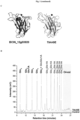
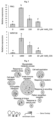
- Botrytis cinerea Auxiliary Activity 9 (BcAA9) gene family was measured 48 h after inoculation of Arabidopsis thaliana leaves.
- BCIN_05g08230, BCIN_06g00480, BCIN_06g07050 and BCIN_09g06730 were expressed at least three-fold with respect to BcTUB gene ( Fig 1a ), whereas the BCIN_12g03920 showed an even higher expression.
- TtAA9E enzyme as well as MtAA9A enzyme were chosen from our collection.
- HPAEC-PAD High-Performance Anion-Exchange Chromatography with Pulsed Amperometric Detection
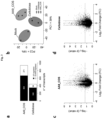
- the transcriptomic analysis was carried out by using Arabidopsis 1.0 ST microarray chip (Affymetrix, Santa Clara, CA, USA) and Differentially Expressed Genes (DEGs) were selected using two criteria: log 2 expression ratios ⁇ 1.5-fold or ⁇ -1.5-fold and Student's t-test p-value ⁇ 0.05. With these criteria we observed that exogenous application of AA9_COS exerted a powerful effect on Arabidopsis transcriptome.
- Fig. 3 shows a general overview about the statistical analysis of microarray data obtained following the treatments. This analysis highlighted changes in expression of 935 genes in AA9_COS treated plants, among them 664 genes were upregulated, and 271 genes were downregulated ( Fig 3a ). On the other hand, cellobiose treatment elicited transcriptional changes of 440 genes, of which 346 and 94 were up- or down-regulated, respectively ( Fig. 3a ). interesting, by plotting the gene expression ratios on log 10 -transformed p-value in a volcano plot we observed that the magnitude of expression and the level of significance of upregulated genes triggered by both treatments were higher as compared to the downregulated genes ( Fig 3c, d ). Moreover, principal component analysis also explained 73% of the combined variance and separate samples between treatments ( Fig.3b ).
- PC1 the first component
- PC2 the second principal component
- DEGs differentially expressed genes
- pathway enrichment analysis was performed as described by Reimand et al. (Pathway enrichment analysis and visualization of omics data using g: Profiler, GSEA, Cytoscape and EnrichmentMap. Nat Protoc. 2019, vol. 14, 482-517 ).
- enrichment maps incorporate clusters of similar GO terms to create networks of nodes and edges representing gene sets and overlapped genes between gene sets, respectively.
- the GO analysis was performed using g:Profiler software ( Raudvere et al. g:Profiler: A web server for functional enrichment analysis and conversions of gene lists. Nucl. Acids Res. 2019, vol.
- AA9_COS also activated genes involved in the JA-and SA-signalling pathways, callose deposition, and response to the fugal elicitor chitin.
- Hierarchical clustering revealed gene sets (clusters I and II) that were more intensely activated by AA9_COS than by cellobiose treatment, whereas comparable gene expression was detected in genes belonging to cluster III ( Fig. 5a , Table II).
- Table II Hierarchical clustering of differentially expressed genes following 100 ⁇ M AA9_COS or 100 ⁇ M cellobiose in Col-0 plants (cluster I). Values represent fold change gene expression compared to the control.
- clusters contained most of the core defensive marker genes such as FRK1, WRKY33, NAC055 , as well as several LRR-receptors and Wall Associated Receptors Kinase ( Fig. 5b and 5c , Table 1). Yet, cluster V for which opposite expression profiles were detected between cellobiose (downregulated) and AA9_COS (upregulated), contained WRKY40 which is known to be important in signalling immunity responses against biotrophic pathogens. This analysis shows that AA9_COS exerted a more powerful effect in triggering plant defence responses compared to cellobiose.
- Cluster IV which grouped genes upregulated only by cellobiose treatment ( Fig. 5a ), featured genes associated with cellulose and carbohydrate metabolism as well as cell growth GO terms, suggesting that cellobiose is likely to be more easily metabolised by plants than AA9_COS.
- the upregulated genes (22.1%, 184 genes) were almost four-fold more numerous compared to the downregulated genes (15.1%, 48 genes) ( Fig. 5d ).
- SA salicylic acid
- JA jasmonic acid
- genes upregulated by AA9_COS were much more enriched in defence response as indicated by the much higher -log 2 (FDR) values ( Fig. 5e ).
- Transcription Factors are regulatory elements acting upstream in signalling pathways. Transcriptomic analysis showed that AA9_COS activated specific defence-related TFs belonging to different families such as MYBs, NACs and WRKYs.
- WRKY TF genes act as essential regulators for pathogen-triggered responses in numerous plant species. Ten members of the WRKY TF family were significantly upregulated by AA9_COS, among which WRKY18 was the most expressed (Table I). Previously, it has been shown that WRKY18 acted in complex with WRKY40 and WRKY60, whereas WRKY18 , 33 and 40 were core players in signalling the early FLG22-depended defensive responses ( Birkenbihl et al. Induced Genome-Wide Binding of Three Arabidopsis WRKY Transcription Factors during Early MAMP-Triggered Immunity. Plant Cell. 2017, vol. 29(1), 20-38 ).
- NAC TF family Another class of TFs which plays important roles in regulating both biotic and abiotic stress responses is represented by the NAC TF family ( Nuruzzaman et al. Roles of NAC transcription factors in the regulation of biotic and abiotic stress responses in plants. Front Microbiol. 2013, vol. 4, 248 ).
- Five NAC genes were significantly upregulated by AA9_COS, three of which were significantly induced by cellobiose as well (Table I).
- the most AA9_COS-induced NAC gene namely NAC055 , has been previously shown to act as key regulator for JA-responsive genes ( Hickman et al. Architecture and dynamics of the jasmonic acid gene regulatory network. Plant Cell 2017, vol. 29, 2086-2105 ). This could also underlie the higher enrichment of JA-dependent responses observed in AA9_COS-treated than in cellobiose-treated plants ( Fig. 5e ).
- MYB51 is the main regulator of the MAMPs-dependent Indole Glucosinolate accumulation in Arabidopsis ( Frerigmann et al. Regulation of Pathogen-Triggered Tryptophan Metabolism in Arabidopsis thaliana by MYB Transcription Factors and Indole Glucosinolate Conversion Products. Mol Plant. 2016, vol.
- Table 51 list of genes used to correlate qPCR and microarray expression data
- AGI code Gene name Condition qPCR Microarray At1G21120 IGMT2 Cellobiosebiose vs mock -1,59 -1,14 AA9_COS vs mock 5,35 5,81 AT1G72520 LOX4 Cellobiose vs CTR 0,69 1,68 AA9_COS vs CTR 2,78 2,48 AT3G45640 MPK3 Cellobiose vs CTR 0,02 1,22 AA9_COS vs CTR 1,52 1,44 AT2G43790 MPK6 Cellobiose vs CTR 0,55 -1,06 AA9_COS vs CTR 1,32 1,13 AT3G26830 PAD3 Cellobiose vs CTR -1,06 -1,04 AA9_COS vs CTR 1,67 1,31 AT1G59870 PEN3 Cellobiose vs CTR 1,07 1,55
- ROS apoplastic reactive oxygen species
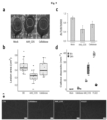
- Oxidised cellodextrins triggered plant basal defence and increased protection against B. cinerea differently from native cellodextrines
- Fig. 10c illustrates camalexin quantification in 14-day-old Col-0, sif2, and sif4 KO mutants 24 h after 100 ⁇ M AA9_COS, 100 ⁇ M cellobiose, or mock treatments.
- camalexin was extracted from a pool of 14-day-old Arabidopsis. Briefly, 100 mg of ground-frozen samples were soaked using 80% (v:v) methanol in 1:1 (m/v) ratio. After homogenization, the supernatant was recovered through centrifugation at 17,000 ⁇ g for 5 min and evaporated at 50 °C in nitrogen gas atmosphere.
- Fig. 10d illustrates early immunohistochemical quantification or Western-blot analysis of the MPK3/6 phosphorylation after the indicated treatments.
- Blocking was performed in TBST containing 5% non-fat dry milk, and blots were incubated overnight at 4 °C with specific antibodies (anti-AtMPK6 and anti-Phospho-p44/42 MPK (Thr202/Tyr204)), washed in TBST, and incubated with the secondary antibody anti-Rabbit IgG conjugated with horseradish peroxidase (HRP) enzyme diluted to 1/10,000.
- HRP horseradish peroxidase
- SIF2 and SIF4 two LRR RLKs, appear to be involved in defences activation driven by a mixture of oxidised cellodextrins and native cellodextrins
- LRR-RLK leucine-rich repeat receptor-like kinases
- SIF2 and SIF4 Stress Induced Factor 2 and 4
- Fig. 5d a leucine-rich repeat receptor-like kinases
- sij2-1 and sif4-1 loss-of-function mutants were droplet-treated with 100 ⁇ M AA9_COS and the expression of four marker-genes, FRK1, WRKY18 , WRKY22 and WRKY33, was evaluated 1h after treatment ( Fig.
- Fig. 14 Protection of tomatoes plant against pathogen Botrytis cinerea using several combinations of native cellodextrines, and C1-oxidised, C4-oxidised, and optionally C1- and C4-oxidised (double oxidised) cellodextrines was tested ( Fig. 14 ).
- the numerals in Fig. 14 represent mixtures with the following molar proportions of the respective cellodextrins components:
- molar per parts amounts of the components were adjusted using a combination of known techniques to isolate the respective components, and admixing thereof.
- 'CTR' represents negative control, water.
- Example 3 Obtaining of the AA9_COS from biorefinery waste or ad hoc designed waste bioprocessing using cellulosic substrates and AA9 enzymes
- Oxidised cellodextrins or mixtures of native and oxidised cellodextrins, or components thereof such as cellobionic can be obtained from several bio-resources, often waste of the bio-refinery industry based on lignocellulose, such as according to the following examples of existing bioprocesses that generate amount of waste containing or consisting entirely or partly of the AA9_COS.
- lignocellulosic bioethanol uses non-edible parts of wood or crop as source of cellulose to be converted into fermentable sugars via chemical-enzymatical reaction steps.
- the enzymes commercially and widely used contain considerable amount of AA9 or similar cellulose active family members of the AA family considered LPMO.
- the leftover lignocellulosic digested after the fermentation and ad distillation results in mixtures of phenols and undigested sugar derived molecules among which cellobionic acid is typically present at percentage from 0.1 to 2% of the total wet volume.
- these enzymatic cocktails are designed to maximize the monosaccharides isolation, they contain significant amounts of beta-glucosidase enzymes that convert majority of the oxidised cellodextrins into the non-fermentable C1 or C4 oxidized disaccharide version (cellobionic acid and 4-ketobiose), alongside the fermentable glucose molecule.
- beta-glucosidase enzymes that convert majority of the oxidised cellodextrins into the non-fermentable C1 or C4 oxidized disaccharide version (cellobionic acid and 4-ketobiose)
- Examples of such processes are the Poet-DSM plant in USA, the SEKAB technology in Sweden, the GranBio in Brazil, ST1 in Finland, all operated by Novozymes Cellic Ctec family, Metgen and Graanul biotech joint venture on the Sweetwoods technology in Estonia, using their proprietary enzymes containing AA9 enzymes.
- cellulases enzymes containing especially AA9 like the enzyme needed to initiate the fibers opening Similar to lignocellulosic bio-refineries, these processes are generating leftover stream of sugars.
- cellobionic acid is present in amount estimated to be in a range of 0.1 to 2% of the total wet volume of sugar waste stream.
- the tuneable composition of the enzymes to be used in this processes render possible to configure without the presence of beta-glucosidase as the fibers must be retained intact therefore possible longer oxidised cellodextrins or mixtures of longer native and oxidised cellodextrins are obtainable rather than primarily or only the disaccharide version as in the case of lignocellulose bio-refinery.
- New ad hoc bioprocesses are envisaged for the direct or maximized production of oxidised cellodextrins or mixtures of native and oxidised cellodextrins by using low cost cellulosic substrate like waste paper that could be pre-treated enzymatically with AA9 enzymes to obtained several of the oxidised cellodextrins or mixtures of native and oxidised cellodextrins, prior its normal recycling chain (pulping).
- So-obtained materials containing oxidised cellodextrins or mixtures of native and oxidised cellodextrins can be applied in agro-technology either directly or following optional enrichment or purification or formulation with suitable carriers.
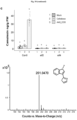
- Ethylene production was higher in Arabidopsis seedlings treated with AA9_COS or cellobionic acid than in mock-treated seedlings. This demonstrates that the oxidized oligosaccharides contained in the AA9_COS mixture, especially cellobionic acid, are responsible for the induction of the key defence-related plant phytohormone Ethylene.
Landscapes
- Life Sciences & Earth Sciences (AREA)
- Environmental Sciences (AREA)
- Pest Control & Pesticides (AREA)
- Plant Pathology (AREA)
- Engineering & Computer Science (AREA)
- Wood Science & Technology (AREA)
- Zoology (AREA)
- General Chemical & Material Sciences (AREA)
- Chemical Kinetics & Catalysis (AREA)
- Chemical & Material Sciences (AREA)
- Health & Medical Sciences (AREA)
- General Health & Medical Sciences (AREA)
- Dentistry (AREA)
- Agronomy & Crop Science (AREA)
- Microbiology (AREA)
- Mycology (AREA)
- Agricultural Chemicals And Associated Chemicals (AREA)
- Chemical And Physical Treatments For Wood And The Like (AREA)
- Pharmaceuticals Containing Other Organic And Inorganic Compounds (AREA)
Claims (15)
- Verwendung von Cellobionsäure oder einem phytopharmazeutisch unbedenklichen Salz davon als Abwehrauslöser von Pflanzenkrankheitserregern.
- Verfahren zur Aktivierung pflanzlicher Abwehr gegen Pflanzenkrankheitserreger, umfassend In-Kontakt-Bringen einer Pflanze mit einer wirksamen Menge von Cellobionsäure oder einem phytopharmazeutisch unbedenklichen Salz davon.
- Verwendung nach Anspruch 1 oder Verfahren nach Anspruch 2, wobei die Cellobionsäure bzw. das Salz davon in einer Zusammensetzung enthalten ist, die ferner ein oder mehrere Cellodextrine, ein oder mehrere C1-oxidierte Cellodextrine oder ein phytopharmazeutisch unbedenkliches Salz davon, ein oder mehrere C4-oxidierte Cellodextrine und/oder ein oder mehrere C1- und C4-oxidierte Cellodextrine oder ein phytopharmazeutisch unbedenkliches Salz davon umfasst.
- Verwendung nach Anspruch 1 oder 3 oder Verfahren nach Anspruch 2 oder 3, wobei die Cellobionsäure bzw. das Salz davon in einer Zusammensetzung enthalten ist, die ferner ein oder mehrere weitere Abwehrauslöser bei Pflanzen umfasst, wie einen pflanzlichen Auslöser, der aus aus Pflanzen- oder Pilzzellwänden gewonnenen Verbindungen ausgewählt ist, wie insbesondere einen pflanzlichen Auslöser, der aus der Gruppe bestehend aus Pektinfragmenten, Oligogalacturoniden, Cellobiose, Xyloglucan, unverzweigtem β-1,3-Glucan, Chitinfragmenten, Arabinose, Arabinan, Rhamnose, Homogalacturonan, Rhamnogalacturonan I und II, Xylogalacturonan, Stärke und Kombinationen davon ausgewählt ist.
- Verwendung oder Verfahren nach Anspruch 3 oder 4, wobei der Polymerisationsgrad (DP) der Cellodextrine, C1-oxidierten Cellodextrine, C4-oxidierten Cellodextrine und C1- und C4-oxidierten Cellodextrine jeweils unabhängig 2 bis 10, bevorzugt 2 bis 5 beträgt.
- Verwendung nach einem der Ansprüche 1 oder 3 bis 5 oder Verfahren nach einem der Ansprüche 2 bis 5, wobei die Cellobionsäure bzw. die Cellodextrine, C1-oxidierten Cellodextrine, C4-oxidierten Cellodextrine und C1- und C4-oxidierten Cellodextrine durch Abbau von Cellulose durch eine oder mehrere lytische Polysaccharid-Monooxygenasen (LPMO) erzeugt wird bzw. werden.
- Verwendung oder Verfahren nach Anspruch 6, wobeiwenigstens eine der einen oder mehreren LPMO zur AA(Auxiliary Activity)-Familie 9 gehört, wie eine LPMO-AA9 aus Botrytis cinerea, Thielavia terrestris oder Myceliophthora thermophila,eine oder mehrere Cellobiose-Dehydrogenasen (CDH), wie eine CDH aus Botrytis cinerea oder Myceliophthora thermophila, zum Erhöhen der LPMO-Aktivität verwendet werden; und/oderwobei die Cellulose aus lignocellulosehaltigem Abfall oder Zellstoffpapier stammt, wie wobei die Zusammensetzung ein mit LPMO behandeltes lignocellulosehaltiges Bioraffinerie-Nebenprodukt umfasst bzw. im Wesentlichen daraus besteht.
- Verwendung nach einem der Ansprüche 1 oder 3 bis 7 oder Verfahren nach einem der Ansprüche 2 bis 7, wobei die Konzentration der Cellobionsäure bzw. des Salzes davon 0,10 µM bis 1000 µM, wie 0,10 µM bis 500 µM, bevorzugt 0,10 µM bis 100 µM, wie 0,10 µM bis 10 µM, beträgt.
- Verwendung oder Verfahren nach einem der Ansprüche 3 bis 8, wobei die Gesamtkonzentration der Cellodextrine, C1-oxidierten Cellodextrine, einschließlich der Cellobionsäure, C4-oxidierten Cellodextrine und C1- und C4-oxidierten Cellodextrine 0,10 µM bis 1000 µM, wie 0,10 µM bis 500 µM, bevorzugt 0,10 µM bis 100 µM, wie 0,10 µM bis 10 µM, beträgt.
- Verwendung oder Verfahren nach einem der Ansprüche 3 bis 9, wobei die Zusammensetzung Cellodextrine, C1-oxidierte Cellodextrine und C4-oxidierte Cellodextrine in einem Molverhältnis von etwa 4:5:1 umfasst.
- Verwendung nach einem der Ansprüche 1 oder 3 bis 10 oder Verfahren nach einem der Ansprüche 2 bis 10, wobei:eine Infektion von Pflanzen durch einen Pflanzenkrankheitserreger verhindert, bekämpft oder behandelt wird;es sich bei dem Pflanzenkrankheitserreger um einen Pilz oder ein Bakterium, wie einen nekrotrophen Pilz bzw. ein nekrotrophes Bakterium, wie Botrytis cinerea, einen hemibiotrophen Pilz bzw. ein hemibiotrophes Bakterium oder einen biotrophen Pilz bzw. ein biotrophes Bakterium, wie Pseudomonas syringae, handelt;es sich bei der Pflanze um eine Dikotyle handelt, die bevorzugt aus der Familie Brassicaceae, Solanaceae oder Rosacea ausgewählt ist, wie Arabidopsis thaliana, Kohl, Tomate, Weinrebe, Sojabohne, Apfel, Birne oder Erdbeere, oder wobei es sich bei der Pflanze um eine Monokotyle handelt, die bevorzugt aus der Familie Gramineae ausgewählt ist, wie Mais, Reis, Gerste oder Weizen; und/oderdas In-Kontakt-Bringen der Pflanze über ein Organ der Pflanze, bevorzugt ein Organ, das aus Blättern, Wurzeln und/oder Früchten ausgewählt ist, oder über Samen der Pflanze erfolgt.
- Phytopharmazeutische Zusammensetzung, umfassend Cellobionsäure oder ein phytopharmazeutisch unbedenkliches Salz davon und einen phytopharmazeutisch unbedenklichen Träger, umfassend ein oder mehrere anionische, nichtionische, amphotere oder kationische Tenside oder eine Kombination davon.
- Phytopharmazeutische Zusammensetzung nach Anspruch 12, wobei die Zusammensetzung 0,10 µM bis 1000 µM, wie 0,10 µM bis 500 µM, bevorzugt 0,10 µM bis 100 µM, wie 0,10 µM bis 10 µM, Cellobionsäure oder Salz davon umfasst.
- Phytopharmazeutische Zusammensetzung nach Anspruch 12 oder 13, wobei:die Zusammensetzung ferner ein oder mehrere Cellodextrine, ein oder mehrere C1-oxidierte Cellodextrine oder ein phytopharmazeutisch unbedenkliches Salz davon, ein oder mehrere C4-oxidierte Cellodextrine und/oder ein oder mehrere C1- und C4-oxidierte Cellodextrine oder ein phytopharmazeutisch unbedenkliches Salz davon umfasst;die Zusammensetzung ferner ein oder mehrere weitere Abwehrauslöser bei Pflanzen umfasst, wie einen pflanzlichen Auslöser, der aus aus Pflanzen- oder Pilzzellwänden gewonnenen Verbindungen ausgewählt ist, wie insbesondere einen pflanzlichen Auslöser, der aus der Gruppe bestehend aus Pektinfragmenten, Oligogalacturoniden, Cellobiose, Xyloglucan, unverzweigtem β-1,3-Glucan, Chitinfragmenten, Arabinose, Arabinan, Rhamnose, Homogalacturonan, Rhamnogalacturonan I und II, Xylogalacturonan, Stärke und Kombinationen davon ausgewählt ist;der Polymerisationsgrad (DP) der Cellodextrine, C1-oxidierten Cellodextrine, C4-oxidierten Cellodextrine und C1- und C4-oxidierten Cellodextrine jeweils unabhängig 2 bis 10, bevorzugt 2 bis 5 beträgt;die Cellobionsäure bzw. die Cellodextrine, C1-oxidierten Cellodextrine, C4-oxidierten Cellodextrine und C1- und C4-oxidierten Cellodextrine durch Abbau von Cellulose durch eine oder mehrere lytische Polysaccharid-Monooxygenasen (LPMO) erzeugt wird bzw. werden, gegebenenfalls wobei: wenigstens eine der einen oder mehreren LPMO zur AA(Auxiliary Activity)-Familie 9 gehört, wie eine LPMO-AA9 aus Botrytis cinerea, Thielavia terrestris oder Myceliophthora thermophila;eine oder mehrere Cellobiose-Dehydrogenasen (CDH), wie eine CDH aus Botrytis cinerea oder Myceliophthora thermophila, zum Erhöhen der LPMO-Aktivität verwendet werden; und/oderdie Cellulose aus lignocellulosehaltigem Abfall oder Zellstoffpapier stammt, wie wobei die Zusammensetzung ein mit LPMO behandeltes lignocellulosehaltiges Bioraffinerie-Nebenprodukt umfasst bzw. im Wesentlichen daraus besteht;die Gesamtkonzentration der Cellodextrine, C1-oxidierten Cellodextrine, einschließlich der Cellobionsäure, C4-oxidierten Cellodextrine und C1- und C4-oxidierten Cellodextrine 0,10 µM bis 1000 µM, wie 0,10 µM bis 500 µM, bevorzugt 0,10 µM bis 100 µM, wie 0,10 µM bis 10 µM, beträgt; und/oderdie Zusammensetzung Cellodextrine, C1-oxidierte Cellodextrine und C4-oxidierte Cellodextrine in einem Molverhältnis von etwa 4:5:1 umfasst.
- Phytopharmazeutische Zusammensetzung nach einem der Ansprüche 12 bis 14, wobei es sich bei dem Tensid um ein nichtionisches Tensid (C14H22O(C2H4O)n, das eine hydrophile Polyethylenoxid-Kette mit im Mittel 9,5 Ethylenoxid-Einheiten und eine 4-(1,1,3,3-Tetramethylbutyl)phenyl-Gruppe aufweist, Polyoxyethylen(20)sorbitanmonolaurat, Polyoxyethylen(20)sorbitanmonopalmitat und/oder 3-(2-Methoxyethoxy)propylmethyl-bis(trimethylsilyloxy)silan handelt.
Applications Claiming Priority (2)
| Application Number | Priority Date | Filing Date | Title |
|---|---|---|---|
| EP20189578 | 2020-08-05 | ||
| PCT/EP2021/071800 WO2022029192A1 (en) | 2020-08-05 | 2021-08-04 | Plant pathogen defence elicitors |
Publications (3)
| Publication Number | Publication Date |
|---|---|
| EP4192246A1 EP4192246A1 (de) | 2023-06-14 |
| EP4192246B1 true EP4192246B1 (de) | 2025-01-08 |
| EP4192246C0 EP4192246C0 (de) | 2025-01-08 |
Family
ID=71950493
Family Applications (1)
| Application Number | Title | Priority Date | Filing Date |
|---|---|---|---|
| EP21746308.2A Active EP4192246B1 (de) | 2020-08-05 | 2021-08-04 | Abwehrauslöser gegen pflanzenpathogene |
Country Status (9)
| Country | Link |
|---|---|
| US (1) | US20230270110A1 (de) |
| EP (1) | EP4192246B1 (de) |
| CN (1) | CN115915940B (de) |
| AU (1) | AU2021322717A1 (de) |
| BR (1) | BR112023000120A2 (de) |
| ES (1) | ES3014534T3 (de) |
| MX (1) | MX2023001530A (de) |
| WO (1) | WO2022029192A1 (de) |
| ZA (1) | ZA202213212B (de) |
Families Citing this family (3)
| Publication number | Priority date | Publication date | Assignee | Title |
|---|---|---|---|---|
| WO2023183869A1 (en) * | 2022-03-24 | 2023-09-28 | Virginia Tech Intellectual Properties Inc. | Methods for preventing bacterial infection of plant seeds |
| CN115349528B (zh) * | 2022-09-22 | 2023-10-13 | 烟台固特丽生物科技股份有限公司 | 一种防治果树早期落叶的复合制剂及其制备方法和应用 |
| CN116210716B (zh) * | 2023-03-02 | 2024-03-12 | 中国农业大学 | 一种防治致病疫霉的多元纳米制剂及其制备方法 |
Family Cites Families (5)
| Publication number | Priority date | Publication date | Assignee | Title |
|---|---|---|---|---|
| CN108192909A (zh) * | 2007-03-29 | 2018-06-22 | 未来基因以色列有限公司 | 包含可溶性细胞壁多糖的转基因植物 |
| JP5922681B2 (ja) * | 2011-01-24 | 2016-05-24 | フィトフェンド エス アー | 植物免疫系エリシターを含有する組成物 |
| CN106460004A (zh) * | 2014-04-28 | 2017-02-22 | 加利福尼亚大学董事会 | 用于商业化学品生产的生物平台 |
| CN106460022B (zh) * | 2014-06-24 | 2018-06-05 | 加州大学董事会 | 木糖甙木糖醇寡聚物的生产方法 |
| CN109966173A (zh) * | 2019-04-25 | 2019-07-05 | 傅征澜 | 一种具有角质层修复功能的口红的制作方法 |
-
2021
- 2021-08-04 MX MX2023001530A patent/MX2023001530A/es unknown
- 2021-08-04 BR BR112023000120A patent/BR112023000120A2/pt unknown
- 2021-08-04 WO PCT/EP2021/071800 patent/WO2022029192A1/en not_active Ceased
- 2021-08-04 US US18/019,685 patent/US20230270110A1/en active Pending
- 2021-08-04 AU AU2021322717A patent/AU2021322717A1/en active Pending
- 2021-08-04 EP EP21746308.2A patent/EP4192246B1/de active Active
- 2021-08-04 ES ES21746308T patent/ES3014534T3/es active Active
- 2021-08-04 CN CN202180050037.3A patent/CN115915940B/zh active Active
-
2022
- 2022-12-06 ZA ZA2022/13212A patent/ZA202213212B/en unknown
Also Published As
| Publication number | Publication date |
|---|---|
| ES3014534T3 (en) | 2025-04-23 |
| AU2021322717A1 (en) | 2023-01-05 |
| EP4192246A1 (de) | 2023-06-14 |
| WO2022029192A1 (en) | 2022-02-10 |
| ZA202213212B (en) | 2024-05-30 |
| MX2023001530A (es) | 2023-03-08 |
| EP4192246C0 (de) | 2025-01-08 |
| BR112023000120A2 (pt) | 2023-02-14 |
| CN115915940A (zh) | 2023-04-04 |
| US20230270110A1 (en) | 2023-08-31 |
| CN115915940B (zh) | 2025-09-16 |
Similar Documents
| Publication | Publication Date | Title |
|---|---|---|
| US10750711B2 (en) | Streptomyces endophyte compositions and methods for improved agronomic traits in plants | |
| Hardham et al. | Phytophthora cinnamomi | |
| EP4192246B1 (de) | Abwehrauslöser gegen pflanzenpathogene | |
| Delaux et al. | Origin of strigolactones in the green lineage | |
| Di Pietro et al. | Cloning, expression, and role in pathogenicity of pg1 encoding the major extracellular endopolygalacturonase of the vascular wilt pathogen Fusarium oxysporum | |
| US20180213800A1 (en) | Penicillium endophyte compositions and methods for improved agronomic traits in plants | |
| Dahlin et al. | The impact of steroidal glycoalkaloids on the physiology of Phytophthora infestans, the causative agent of potato late blight | |
| Boudart et al. | Differential elicitation of defense responses by pectic fragments in bean seedlings | |
| Nafisi et al. | The endo-arabinanase BcAra1 is a novel host-specific virulence factor of the necrotic fungal phytopathogen Botrytis cinerea | |
| Santhanam et al. | Rhamnose synthase activity is required for pathogenicity of the vascular wilt fungus Verticillium dahliae | |
| Liu et al. | The key gluconeogenic gene PCK1 is crucial for virulence of Botrytis cinerea via initiating its conidial germination and host penetration | |
| Tundo et al. | Pyramiding PvPGIP2 and TAXI-III but not PvPGIP2 and PMEI enhances resistance against Fusarium graminearum | |
| Feng et al. | The LmSNF1 gene is required for pathogenicity in the canola blackleg pathogen Leptosphaeria maculans | |
| Sun et al. | Dual activation of soybean resistance against Phytophthora sojae by pectin lyase and degraded pectin oligosaccharides | |
| Zhao et al. | Sugarcane responses to two strains of Xanthomonas albilineans differing in pathogenicity through a differential modulation of salicylic acid and reactive oxygen species | |
| Li et al. | Insights into the antifungal properties of myxobacteria outer membrane β-1, 6-glucanase | |
| Ramakrishna et al. | Elicitation of defense response by transglycosylated chitooligosaccharides in rice seedlings | |
| Dautt-Castro et al. | New insights on the duality of Trichoderma as a phytopathogen killer and a plant protector based on an integrated multi-omics perspective | |
| Yu et al. | Efficacy of L‐arabinose in managing cucumber Fusarium wilt and the underlying mechanism of action | |
| Tian et al. | Responses of Soil Microbial Communities to the Invasion of Fusarium Oxysporum and Screening for Fusarium Antagonistic Microorganisms From Pathogenic Soil | |
| Vincent et al. | Adoption of evolving technologies to define cell wall biology in the grasses: a brief but unfinished history | |
| US20230416704A1 (en) | Lactonase and stabilized mutants thereof for treating fungal infections in plants | |
| Cofer | An investigation of the metabolic fate and possible evolutionary origin of green leaf volatiles | |
| Sánchez Elordi et al. | Defense proteins from sugarcane studied by convenaional biochemical techniques, genomics and proteomics: and overview | |
| Liu et al. | Functional Characterization of PCWDEs VdCut1 and VdPL16 Reveals Their Critical Roles in Verticillium dahliae Pathogenicity |
Legal Events
| Date | Code | Title | Description |
|---|---|---|---|
| STAA | Information on the status of an ep patent application or granted ep patent |
Free format text: STATUS: UNKNOWN |
|
| STAA | Information on the status of an ep patent application or granted ep patent |
Free format text: STATUS: THE INTERNATIONAL PUBLICATION HAS BEEN MADE |
|
| PUAI | Public reference made under article 153(3) epc to a published international application that has entered the european phase |
Free format text: ORIGINAL CODE: 0009012 |
|
| STAA | Information on the status of an ep patent application or granted ep patent |
Free format text: STATUS: REQUEST FOR EXAMINATION WAS MADE |
|
| 17P | Request for examination filed |
Effective date: 20230202 |
|
| AK | Designated contracting states |
Kind code of ref document: A1 Designated state(s): AL AT BE BG CH CY CZ DE DK EE ES FI FR GB GR HR HU IE IS IT LI LT LU LV MC MK MT NL NO PL PT RO RS SE SI SK SM TR |
|
| DAV | Request for validation of the european patent (deleted) | ||
| DAX | Request for extension of the european patent (deleted) | ||
| STAA | Information on the status of an ep patent application or granted ep patent |
Free format text: STATUS: EXAMINATION IS IN PROGRESS |
|
| 17Q | First examination report despatched |
Effective date: 20240220 |
|
| GRAP | Despatch of communication of intention to grant a patent |
Free format text: ORIGINAL CODE: EPIDOSNIGR1 |
|
| STAA | Information on the status of an ep patent application or granted ep patent |
Free format text: STATUS: GRANT OF PATENT IS INTENDED |
|
| INTG | Intention to grant announced |
Effective date: 20240826 |
|
| GRAS | Grant fee paid |
Free format text: ORIGINAL CODE: EPIDOSNIGR3 |
|
| GRAA | (expected) grant |
Free format text: ORIGINAL CODE: 0009210 |
|
| STAA | Information on the status of an ep patent application or granted ep patent |
Free format text: STATUS: THE PATENT HAS BEEN GRANTED |
|
| AK | Designated contracting states |
Kind code of ref document: B1 Designated state(s): AL AT BE BG CH CY CZ DE DK EE ES FI FR GB GR HR HU IE IS IT LI LT LU LV MC MK MT NL NO PL PT RO RS SE SI SK SM TR |
|
| REG | Reference to a national code |
Ref country code: GB Ref legal event code: FG4D |
|
| REG | Reference to a national code |
Ref country code: CH Ref legal event code: EP |
|
| REG | Reference to a national code |
Ref country code: DE Ref legal event code: R096 Ref document number: 602021024694 Country of ref document: DE |
|
| REG | Reference to a national code |
Ref country code: IE Ref legal event code: FG4D |
|
| U01 | Request for unitary effect filed |
Effective date: 20250127 |
|
| U07 | Unitary effect registered |
Designated state(s): AT BE BG DE DK EE FI FR IT LT LU LV MT NL PT RO SE SI Effective date: 20250131 |
|
| REG | Reference to a national code |
Ref country code: ES Ref legal event code: FG2A Ref document number: 3014534 Country of ref document: ES Kind code of ref document: T3 Effective date: 20250423 |
|
| PG25 | Lapsed in a contracting state [announced via postgrant information from national office to epo] |
Ref country code: RS Free format text: LAPSE BECAUSE OF FAILURE TO SUBMIT A TRANSLATION OF THE DESCRIPTION OR TO PAY THE FEE WITHIN THE PRESCRIBED TIME-LIMIT Effective date: 20250408 |
|
| PG25 | Lapsed in a contracting state [announced via postgrant information from national office to epo] |
Ref country code: PL Free format text: LAPSE BECAUSE OF FAILURE TO SUBMIT A TRANSLATION OF THE DESCRIPTION OR TO PAY THE FEE WITHIN THE PRESCRIBED TIME-LIMIT Effective date: 20250108 |
|
| PG25 | Lapsed in a contracting state [announced via postgrant information from national office to epo] |
Ref country code: NO Free format text: LAPSE BECAUSE OF FAILURE TO SUBMIT A TRANSLATION OF THE DESCRIPTION OR TO PAY THE FEE WITHIN THE PRESCRIBED TIME-LIMIT Effective date: 20250408 Ref country code: IS Free format text: LAPSE BECAUSE OF FAILURE TO SUBMIT A TRANSLATION OF THE DESCRIPTION OR TO PAY THE FEE WITHIN THE PRESCRIBED TIME-LIMIT Effective date: 20250508 |
|
| PG25 | Lapsed in a contracting state [announced via postgrant information from national office to epo] |
Ref country code: HR Free format text: LAPSE BECAUSE OF FAILURE TO SUBMIT A TRANSLATION OF THE DESCRIPTION OR TO PAY THE FEE WITHIN THE PRESCRIBED TIME-LIMIT Effective date: 20250108 |
|
| PG25 | Lapsed in a contracting state [announced via postgrant information from national office to epo] |
Ref country code: GR Free format text: LAPSE BECAUSE OF FAILURE TO SUBMIT A TRANSLATION OF THE DESCRIPTION OR TO PAY THE FEE WITHIN THE PRESCRIBED TIME-LIMIT Effective date: 20250409 |
|
| U20 | Renewal fee for the european patent with unitary effect paid |
Year of fee payment: 5 Effective date: 20250827 |
|
| PG25 | Lapsed in a contracting state [announced via postgrant information from national office to epo] |
Ref country code: SM Free format text: LAPSE BECAUSE OF FAILURE TO SUBMIT A TRANSLATION OF THE DESCRIPTION OR TO PAY THE FEE WITHIN THE PRESCRIBED TIME-LIMIT Effective date: 20250108 |
|
| PGFP | Annual fee paid to national office [announced via postgrant information from national office to epo] |
Ref country code: ES Payment date: 20250926 Year of fee payment: 5 |
|
| PGFP | Annual fee paid to national office [announced via postgrant information from national office to epo] |
Ref country code: GB Payment date: 20250820 Year of fee payment: 5 |
|
| PGFP | Annual fee paid to national office [announced via postgrant information from national office to epo] |
Ref country code: CH Payment date: 20250901 Year of fee payment: 5 |
|
| PG25 | Lapsed in a contracting state [announced via postgrant information from national office to epo] |
Ref country code: CZ Free format text: LAPSE BECAUSE OF FAILURE TO SUBMIT A TRANSLATION OF THE DESCRIPTION OR TO PAY THE FEE WITHIN THE PRESCRIBED TIME-LIMIT Effective date: 20250108 |
|
| PG25 | Lapsed in a contracting state [announced via postgrant information from national office to epo] |
Ref country code: SK Free format text: LAPSE BECAUSE OF FAILURE TO SUBMIT A TRANSLATION OF THE DESCRIPTION OR TO PAY THE FEE WITHIN THE PRESCRIBED TIME-LIMIT Effective date: 20250108 |
|
| PLBE | No opposition filed within time limit |
Free format text: ORIGINAL CODE: 0009261 |
|
| STAA | Information on the status of an ep patent application or granted ep patent |
Free format text: STATUS: NO OPPOSITION FILED WITHIN TIME LIMIT |
|
| 26N | No opposition filed |
Effective date: 20251009 |
|
| PG25 | Lapsed in a contracting state [announced via postgrant information from national office to epo] |
Ref country code: MC Free format text: LAPSE BECAUSE OF FAILURE TO SUBMIT A TRANSLATION OF THE DESCRIPTION OR TO PAY THE FEE WITHIN THE PRESCRIBED TIME-LIMIT Effective date: 20250108 |