EP4191031A1 - Three-way catalytic conversion system for engine exhaust purification treatment and application thereof - Google Patents
Three-way catalytic conversion system for engine exhaust purification treatment and application thereof Download PDFInfo
- Publication number
- EP4191031A1 EP4191031A1 EP21954417.8A EP21954417A EP4191031A1 EP 4191031 A1 EP4191031 A1 EP 4191031A1 EP 21954417 A EP21954417 A EP 21954417A EP 4191031 A1 EP4191031 A1 EP 4191031A1
- Authority
- EP
- European Patent Office
- Prior art keywords
- alumina
- oxidation
- way
- catalyst
- exhaust gas
- Prior art date
- Legal status (The legal status is an assumption and is not a legal conclusion. Google has not performed a legal analysis and makes no representation as to the accuracy of the status listed.)
- Granted
Links
Images


Classifications
-
- F—MECHANICAL ENGINEERING; LIGHTING; HEATING; WEAPONS; BLASTING
- F01—MACHINES OR ENGINES IN GENERAL; ENGINE PLANTS IN GENERAL; STEAM ENGINES
- F01N—GAS-FLOW SILENCERS OR EXHAUST APPARATUS FOR MACHINES OR ENGINES IN GENERAL; GAS-FLOW SILENCERS OR EXHAUST APPARATUS FOR INTERNAL-COMBUSTION ENGINES
- F01N13/00—Exhaust or silencing apparatus characterised by constructional features
- F01N13/009—Exhaust or silencing apparatus characterised by constructional features having two or more separate purifying devices arranged in series
- F01N13/0093—Exhaust or silencing apparatus characterised by constructional features having two or more separate purifying devices arranged in series the purifying devices are of the same type
-
- B—PERFORMING OPERATIONS; TRANSPORTING
- B01—PHYSICAL OR CHEMICAL PROCESSES OR APPARATUS IN GENERAL
- B01J—CHEMICAL OR PHYSICAL PROCESSES, e.g. CATALYSIS OR COLLOID CHEMISTRY; THEIR RELEVANT APPARATUS
- B01J23/00—Catalysts comprising metals or metal oxides or hydroxides, not provided for in group B01J21/00
- B01J23/38—Catalysts comprising metals or metal oxides or hydroxides, not provided for in group B01J21/00 of noble metals
- B01J23/54—Catalysts comprising metals or metal oxides or hydroxides, not provided for in group B01J21/00 of noble metals combined with metals, oxides or hydroxides provided for in groups B01J23/02 - B01J23/36
- B01J23/56—Platinum group metals
- B01J23/63—Platinum group metals with rare earths or actinides
-
- B—PERFORMING OPERATIONS; TRANSPORTING
- B01—PHYSICAL OR CHEMICAL PROCESSES OR APPARATUS IN GENERAL
- B01D—SEPARATION
- B01D53/00—Separation of gases or vapours; Recovering vapours of volatile solvents from gases; Chemical or biological purification of waste gases, e.g. engine exhaust gases, smoke, fumes, flue gases, aerosols
- B01D53/34—Chemical or biological purification of waste gases
- B01D53/92—Chemical or biological purification of waste gases of engine exhaust gases
- B01D53/94—Chemical or biological purification of waste gases of engine exhaust gases by catalytic processes
- B01D53/944—Simultaneously removing carbon monoxide, hydrocarbons or carbon making use of oxidation catalysts
-
- B—PERFORMING OPERATIONS; TRANSPORTING
- B01—PHYSICAL OR CHEMICAL PROCESSES OR APPARATUS IN GENERAL
- B01D—SEPARATION
- B01D53/00—Separation of gases or vapours; Recovering vapours of volatile solvents from gases; Chemical or biological purification of waste gases, e.g. engine exhaust gases, smoke, fumes, flue gases, aerosols
- B01D53/34—Chemical or biological purification of waste gases
- B01D53/92—Chemical or biological purification of waste gases of engine exhaust gases
- B01D53/94—Chemical or biological purification of waste gases of engine exhaust gases by catalytic processes
- B01D53/9445—Simultaneously removing carbon monoxide, hydrocarbons or nitrogen oxides making use of three-way catalysts [TWC] or four-way-catalysts [FWC]
- B01D53/945—Simultaneously removing carbon monoxide, hydrocarbons or nitrogen oxides making use of three-way catalysts [TWC] or four-way-catalysts [FWC] characterised by a specific catalyst
-
- B—PERFORMING OPERATIONS; TRANSPORTING
- B01—PHYSICAL OR CHEMICAL PROCESSES OR APPARATUS IN GENERAL
- B01D—SEPARATION
- B01D53/00—Separation of gases or vapours; Recovering vapours of volatile solvents from gases; Chemical or biological purification of waste gases, e.g. engine exhaust gases, smoke, fumes, flue gases, aerosols
- B01D53/34—Chemical or biological purification of waste gases
- B01D53/92—Chemical or biological purification of waste gases of engine exhaust gases
- B01D53/94—Chemical or biological purification of waste gases of engine exhaust gases by catalytic processes
- B01D53/9459—Removing one or more of nitrogen oxides, carbon monoxide, or hydrocarbons by multiple successive catalytic functions; systems with more than one different function, e.g. zone coated catalysts
- B01D53/9477—Removing one or more of nitrogen oxides, carbon monoxide, or hydrocarbons by multiple successive catalytic functions; systems with more than one different function, e.g. zone coated catalysts with catalysts positioned on separate bricks, e.g. exhaust systems
-
- B—PERFORMING OPERATIONS; TRANSPORTING
- B01—PHYSICAL OR CHEMICAL PROCESSES OR APPARATUS IN GENERAL
- B01J—CHEMICAL OR PHYSICAL PROCESSES, e.g. CATALYSIS OR COLLOID CHEMISTRY; THEIR RELEVANT APPARATUS
- B01J21/00—Catalysts comprising the elements, oxides, or hydroxides of magnesium, boron, aluminium, carbon, silicon, titanium, zirconium, or hafnium
- B01J21/12—Silica and alumina
-
- B—PERFORMING OPERATIONS; TRANSPORTING
- B01—PHYSICAL OR CHEMICAL PROCESSES OR APPARATUS IN GENERAL
- B01J—CHEMICAL OR PHYSICAL PROCESSES, e.g. CATALYSIS OR COLLOID CHEMISTRY; THEIR RELEVANT APPARATUS
- B01J23/00—Catalysts comprising metals or metal oxides or hydroxides, not provided for in group B01J21/00
- B01J23/38—Catalysts comprising metals or metal oxides or hydroxides, not provided for in group B01J21/00 of noble metals
- B01J23/40—Catalysts comprising metals or metal oxides or hydroxides, not provided for in group B01J21/00 of noble metals of the platinum group metals
- B01J23/44—Palladium
-
- B—PERFORMING OPERATIONS; TRANSPORTING
- B01—PHYSICAL OR CHEMICAL PROCESSES OR APPARATUS IN GENERAL
- B01J—CHEMICAL OR PHYSICAL PROCESSES, e.g. CATALYSIS OR COLLOID CHEMISTRY; THEIR RELEVANT APPARATUS
- B01J23/00—Catalysts comprising metals or metal oxides or hydroxides, not provided for in group B01J21/00
- B01J23/38—Catalysts comprising metals or metal oxides or hydroxides, not provided for in group B01J21/00 of noble metals
- B01J23/40—Catalysts comprising metals or metal oxides or hydroxides, not provided for in group B01J21/00 of noble metals of the platinum group metals
- B01J23/46—Ruthenium, rhodium, osmium or iridium
-
- B—PERFORMING OPERATIONS; TRANSPORTING
- B01—PHYSICAL OR CHEMICAL PROCESSES OR APPARATUS IN GENERAL
- B01J—CHEMICAL OR PHYSICAL PROCESSES, e.g. CATALYSIS OR COLLOID CHEMISTRY; THEIR RELEVANT APPARATUS
- B01J35/00—Catalysts, in general, characterised by their form or physical properties
- B01J35/19—Catalysts containing parts with different compositions
-
- B—PERFORMING OPERATIONS; TRANSPORTING
- B01—PHYSICAL OR CHEMICAL PROCESSES OR APPARATUS IN GENERAL
- B01J—CHEMICAL OR PHYSICAL PROCESSES, e.g. CATALYSIS OR COLLOID CHEMISTRY; THEIR RELEVANT APPARATUS
- B01J37/00—Processes, in general, for preparing catalysts; Processes, in general, for activation of catalysts
- B01J37/02—Impregnation, coating or precipitation
- B01J37/0215—Coating
-
- F—MECHANICAL ENGINEERING; LIGHTING; HEATING; WEAPONS; BLASTING
- F01—MACHINES OR ENGINES IN GENERAL; ENGINE PLANTS IN GENERAL; STEAM ENGINES
- F01N—GAS-FLOW SILENCERS OR EXHAUST APPARATUS FOR MACHINES OR ENGINES IN GENERAL; GAS-FLOW SILENCERS OR EXHAUST APPARATUS FOR INTERNAL-COMBUSTION ENGINES
- F01N13/00—Exhaust or silencing apparatus characterised by constructional features
- F01N13/009—Exhaust or silencing apparatus characterised by constructional features having two or more separate purifying devices arranged in series
-
- F—MECHANICAL ENGINEERING; LIGHTING; HEATING; WEAPONS; BLASTING
- F01—MACHINES OR ENGINES IN GENERAL; ENGINE PLANTS IN GENERAL; STEAM ENGINES
- F01N—GAS-FLOW SILENCERS OR EXHAUST APPARATUS FOR MACHINES OR ENGINES IN GENERAL; GAS-FLOW SILENCERS OR EXHAUST APPARATUS FOR INTERNAL-COMBUSTION ENGINES
- F01N3/00—Exhaust or silencing apparatus having means for purifying, rendering innocuous, or otherwise treating exhaust
- F01N3/08—Exhaust or silencing apparatus having means for purifying, rendering innocuous, or otherwise treating exhaust for rendering innocuous
- F01N3/10—Exhaust or silencing apparatus having means for purifying, rendering innocuous, or otherwise treating exhaust for rendering innocuous by thermal or catalytic conversion of noxious components of exhaust
- F01N3/101—Three-way catalysts
-
- F—MECHANICAL ENGINEERING; LIGHTING; HEATING; WEAPONS; BLASTING
- F01—MACHINES OR ENGINES IN GENERAL; ENGINE PLANTS IN GENERAL; STEAM ENGINES
- F01N—GAS-FLOW SILENCERS OR EXHAUST APPARATUS FOR MACHINES OR ENGINES IN GENERAL; GAS-FLOW SILENCERS OR EXHAUST APPARATUS FOR INTERNAL-COMBUSTION ENGINES
- F01N3/00—Exhaust or silencing apparatus having means for purifying, rendering innocuous, or otherwise treating exhaust
- F01N3/08—Exhaust or silencing apparatus having means for purifying, rendering innocuous, or otherwise treating exhaust for rendering innocuous
- F01N3/10—Exhaust or silencing apparatus having means for purifying, rendering innocuous, or otherwise treating exhaust for rendering innocuous by thermal or catalytic conversion of noxious components of exhaust
- F01N3/103—Oxidation catalysts for HC and CO only
-
- F—MECHANICAL ENGINEERING; LIGHTING; HEATING; WEAPONS; BLASTING
- F01—MACHINES OR ENGINES IN GENERAL; ENGINE PLANTS IN GENERAL; STEAM ENGINES
- F01N—GAS-FLOW SILENCERS OR EXHAUST APPARATUS FOR MACHINES OR ENGINES IN GENERAL; GAS-FLOW SILENCERS OR EXHAUST APPARATUS FOR INTERNAL-COMBUSTION ENGINES
- F01N3/00—Exhaust or silencing apparatus having means for purifying, rendering innocuous, or otherwise treating exhaust
- F01N3/08—Exhaust or silencing apparatus having means for purifying, rendering innocuous, or otherwise treating exhaust for rendering innocuous
- F01N3/10—Exhaust or silencing apparatus having means for purifying, rendering innocuous, or otherwise treating exhaust for rendering innocuous by thermal or catalytic conversion of noxious components of exhaust
- F01N3/105—General auxiliary catalysts, e.g. upstream or downstream of the main catalyst
- F01N3/106—Auxiliary oxidation catalysts
-
- F—MECHANICAL ENGINEERING; LIGHTING; HEATING; WEAPONS; BLASTING
- F01—MACHINES OR ENGINES IN GENERAL; ENGINE PLANTS IN GENERAL; STEAM ENGINES
- F01N—GAS-FLOW SILENCERS OR EXHAUST APPARATUS FOR MACHINES OR ENGINES IN GENERAL; GAS-FLOW SILENCERS OR EXHAUST APPARATUS FOR INTERNAL-COMBUSTION ENGINES
- F01N3/00—Exhaust or silencing apparatus having means for purifying, rendering innocuous, or otherwise treating exhaust
- F01N3/08—Exhaust or silencing apparatus having means for purifying, rendering innocuous, or otherwise treating exhaust for rendering innocuous
- F01N3/10—Exhaust or silencing apparatus having means for purifying, rendering innocuous, or otherwise treating exhaust for rendering innocuous by thermal or catalytic conversion of noxious components of exhaust
- F01N3/24—Exhaust or silencing apparatus having means for purifying, rendering innocuous, or otherwise treating exhaust for rendering innocuous by thermal or catalytic conversion of noxious components of exhaust characterised by constructional aspects of converting apparatus
- F01N3/28—Construction of catalytic reactors
-
- F—MECHANICAL ENGINEERING; LIGHTING; HEATING; WEAPONS; BLASTING
- F01—MACHINES OR ENGINES IN GENERAL; ENGINE PLANTS IN GENERAL; STEAM ENGINES
- F01N—GAS-FLOW SILENCERS OR EXHAUST APPARATUS FOR MACHINES OR ENGINES IN GENERAL; GAS-FLOW SILENCERS OR EXHAUST APPARATUS FOR INTERNAL-COMBUSTION ENGINES
- F01N3/00—Exhaust or silencing apparatus having means for purifying, rendering innocuous, or otherwise treating exhaust
- F01N3/08—Exhaust or silencing apparatus having means for purifying, rendering innocuous, or otherwise treating exhaust for rendering innocuous
- F01N3/10—Exhaust or silencing apparatus having means for purifying, rendering innocuous, or otherwise treating exhaust for rendering innocuous by thermal or catalytic conversion of noxious components of exhaust
- F01N3/24—Exhaust or silencing apparatus having means for purifying, rendering innocuous, or otherwise treating exhaust for rendering innocuous by thermal or catalytic conversion of noxious components of exhaust characterised by constructional aspects of converting apparatus
- F01N3/28—Construction of catalytic reactors
- F01N3/2803—Construction of catalytic reactors characterised by structure, by material or by manufacturing of catalyst support
-
- F—MECHANICAL ENGINEERING; LIGHTING; HEATING; WEAPONS; BLASTING
- F01—MACHINES OR ENGINES IN GENERAL; ENGINE PLANTS IN GENERAL; STEAM ENGINES
- F01N—GAS-FLOW SILENCERS OR EXHAUST APPARATUS FOR MACHINES OR ENGINES IN GENERAL; GAS-FLOW SILENCERS OR EXHAUST APPARATUS FOR INTERNAL-COMBUSTION ENGINES
- F01N3/00—Exhaust or silencing apparatus having means for purifying, rendering innocuous, or otherwise treating exhaust
- F01N3/08—Exhaust or silencing apparatus having means for purifying, rendering innocuous, or otherwise treating exhaust for rendering innocuous
- F01N3/10—Exhaust or silencing apparatus having means for purifying, rendering innocuous, or otherwise treating exhaust for rendering innocuous by thermal or catalytic conversion of noxious components of exhaust
- F01N3/24—Exhaust or silencing apparatus having means for purifying, rendering innocuous, or otherwise treating exhaust for rendering innocuous by thermal or catalytic conversion of noxious components of exhaust characterised by constructional aspects of converting apparatus
- F01N3/28—Construction of catalytic reactors
- F01N3/2803—Construction of catalytic reactors characterised by structure, by material or by manufacturing of catalyst support
- F01N3/2825—Ceramics
-
- B—PERFORMING OPERATIONS; TRANSPORTING
- B01—PHYSICAL OR CHEMICAL PROCESSES OR APPARATUS IN GENERAL
- B01D—SEPARATION
- B01D2255/00—Catalysts
- B01D2255/10—Noble metals or compounds thereof
- B01D2255/102—Platinum group metals
- B01D2255/1021—Platinum
-
- B—PERFORMING OPERATIONS; TRANSPORTING
- B01—PHYSICAL OR CHEMICAL PROCESSES OR APPARATUS IN GENERAL
- B01D—SEPARATION
- B01D2255/00—Catalysts
- B01D2255/10—Noble metals or compounds thereof
- B01D2255/102—Platinum group metals
- B01D2255/1023—Palladium
-
- B—PERFORMING OPERATIONS; TRANSPORTING
- B01—PHYSICAL OR CHEMICAL PROCESSES OR APPARATUS IN GENERAL
- B01D—SEPARATION
- B01D2255/00—Catalysts
- B01D2255/10—Noble metals or compounds thereof
- B01D2255/102—Platinum group metals
- B01D2255/1025—Rhodium
-
- B—PERFORMING OPERATIONS; TRANSPORTING
- B01—PHYSICAL OR CHEMICAL PROCESSES OR APPARATUS IN GENERAL
- B01D—SEPARATION
- B01D2255/00—Catalysts
- B01D2255/20—Metals or compounds thereof
- B01D2255/206—Rare earth metals
- B01D2255/2063—Lanthanum
-
- B—PERFORMING OPERATIONS; TRANSPORTING
- B01—PHYSICAL OR CHEMICAL PROCESSES OR APPARATUS IN GENERAL
- B01D—SEPARATION
- B01D2255/00—Catalysts
- B01D2255/20—Metals or compounds thereof
- B01D2255/209—Other metals
- B01D2255/2092—Aluminium
-
- B—PERFORMING OPERATIONS; TRANSPORTING
- B01—PHYSICAL OR CHEMICAL PROCESSES OR APPARATUS IN GENERAL
- B01D—SEPARATION
- B01D2255/00—Catalysts
- B01D2255/40—Mixed oxides
- B01D2255/407—Zr-Ce mixed oxides
-
- B—PERFORMING OPERATIONS; TRANSPORTING
- B01—PHYSICAL OR CHEMICAL PROCESSES OR APPARATUS IN GENERAL
- B01D—SEPARATION
- B01D2255/00—Catalysts
- B01D2255/90—Physical characteristics of catalysts
- B01D2255/903—Multi-zoned catalysts
- B01D2255/9032—Two zones
-
- B—PERFORMING OPERATIONS; TRANSPORTING
- B01—PHYSICAL OR CHEMICAL PROCESSES OR APPARATUS IN GENERAL
- B01D—SEPARATION
- B01D2255/00—Catalysts
- B01D2255/90—Physical characteristics of catalysts
- B01D2255/904—Multiple catalysts
-
- B—PERFORMING OPERATIONS; TRANSPORTING
- B01—PHYSICAL OR CHEMICAL PROCESSES OR APPARATUS IN GENERAL
- B01D—SEPARATION
- B01D2255/00—Catalysts
- B01D2255/90—Physical characteristics of catalysts
- B01D2255/908—O2-storage component incorporated in the catalyst
-
- B—PERFORMING OPERATIONS; TRANSPORTING
- B01—PHYSICAL OR CHEMICAL PROCESSES OR APPARATUS IN GENERAL
- B01D—SEPARATION
- B01D2255/00—Catalysts
- B01D2255/90—Physical characteristics of catalysts
- B01D2255/92—Dimensions
- B01D2255/9202—Linear dimensions
-
- B—PERFORMING OPERATIONS; TRANSPORTING
- B01—PHYSICAL OR CHEMICAL PROCESSES OR APPARATUS IN GENERAL
- B01D—SEPARATION
- B01D2255/00—Catalysts
- B01D2255/90—Physical characteristics of catalysts
- B01D2255/92—Dimensions
- B01D2255/9205—Porosity
-
- B—PERFORMING OPERATIONS; TRANSPORTING
- B01—PHYSICAL OR CHEMICAL PROCESSES OR APPARATUS IN GENERAL
- B01D—SEPARATION
- B01D2255/00—Catalysts
- B01D2255/90—Physical characteristics of catalysts
- B01D2255/92—Dimensions
- B01D2255/9207—Specific surface
-
- B—PERFORMING OPERATIONS; TRANSPORTING
- B01—PHYSICAL OR CHEMICAL PROCESSES OR APPARATUS IN GENERAL
- B01D—SEPARATION
- B01D2258/00—Sources of waste gases
- B01D2258/01—Engine exhaust gases
- B01D2258/014—Stoichiometric gasoline engines
-
- B—PERFORMING OPERATIONS; TRANSPORTING
- B01—PHYSICAL OR CHEMICAL PROCESSES OR APPARATUS IN GENERAL
- B01J—CHEMICAL OR PHYSICAL PROCESSES, e.g. CATALYSIS OR COLLOID CHEMISTRY; THEIR RELEVANT APPARATUS
- B01J35/00—Catalysts, in general, characterised by their form or physical properties
- B01J35/50—Catalysts, in general, characterised by their form or physical properties characterised by their shape or configuration
- B01J35/56—Foraminous structures having flow-through passages or channels, e.g. grids or three-dimensional [3D] monoliths
-
- F—MECHANICAL ENGINEERING; LIGHTING; HEATING; WEAPONS; BLASTING
- F01—MACHINES OR ENGINES IN GENERAL; ENGINE PLANTS IN GENERAL; STEAM ENGINES
- F01N—GAS-FLOW SILENCERS OR EXHAUST APPARATUS FOR MACHINES OR ENGINES IN GENERAL; GAS-FLOW SILENCERS OR EXHAUST APPARATUS FOR INTERNAL-COMBUSTION ENGINES
- F01N2370/00—Selection of materials for exhaust purification
- F01N2370/02—Selection of materials for exhaust purification used in catalytic reactors
-
- F—MECHANICAL ENGINEERING; LIGHTING; HEATING; WEAPONS; BLASTING
- F01—MACHINES OR ENGINES IN GENERAL; ENGINE PLANTS IN GENERAL; STEAM ENGINES
- F01N—GAS-FLOW SILENCERS OR EXHAUST APPARATUS FOR MACHINES OR ENGINES IN GENERAL; GAS-FLOW SILENCERS OR EXHAUST APPARATUS FOR INTERNAL-COMBUSTION ENGINES
- F01N2370/00—Selection of materials for exhaust purification
- F01N2370/02—Selection of materials for exhaust purification used in catalytic reactors
- F01N2370/04—Zeolitic material
-
- F—MECHANICAL ENGINEERING; LIGHTING; HEATING; WEAPONS; BLASTING
- F01—MACHINES OR ENGINES IN GENERAL; ENGINE PLANTS IN GENERAL; STEAM ENGINES
- F01N—GAS-FLOW SILENCERS OR EXHAUST APPARATUS FOR MACHINES OR ENGINES IN GENERAL; GAS-FLOW SILENCERS OR EXHAUST APPARATUS FOR INTERNAL-COMBUSTION ENGINES
- F01N2510/00—Surface coverings
- F01N2510/06—Surface coverings for exhaust purification, e.g. catalytic reaction
-
- F—MECHANICAL ENGINEERING; LIGHTING; HEATING; WEAPONS; BLASTING
- F01—MACHINES OR ENGINES IN GENERAL; ENGINE PLANTS IN GENERAL; STEAM ENGINES
- F01N—GAS-FLOW SILENCERS OR EXHAUST APPARATUS FOR MACHINES OR ENGINES IN GENERAL; GAS-FLOW SILENCERS OR EXHAUST APPARATUS FOR INTERNAL-COMBUSTION ENGINES
- F01N2510/00—Surface coverings
- F01N2510/06—Surface coverings for exhaust purification, e.g. catalytic reaction
- F01N2510/068—Surface coverings for exhaust purification, e.g. catalytic reaction characterised by the distribution of the catalytic coatings
- F01N2510/0684—Surface coverings for exhaust purification, e.g. catalytic reaction characterised by the distribution of the catalytic coatings having more than one coating layer, e.g. multi-layered coatings
-
- Y—GENERAL TAGGING OF NEW TECHNOLOGICAL DEVELOPMENTS; GENERAL TAGGING OF CROSS-SECTIONAL TECHNOLOGIES SPANNING OVER SEVERAL SECTIONS OF THE IPC; TECHNICAL SUBJECTS COVERED BY FORMER USPC CROSS-REFERENCE ART COLLECTIONS [XRACs] AND DIGESTS
- Y02—TECHNOLOGIES OR APPLICATIONS FOR MITIGATION OR ADAPTATION AGAINST CLIMATE CHANGE
- Y02T—CLIMATE CHANGE MITIGATION TECHNOLOGIES RELATED TO TRANSPORTATION
- Y02T10/00—Road transport of goods or passengers
- Y02T10/10—Internal combustion engine [ICE] based vehicles
- Y02T10/12—Improving ICE efficiencies
Definitions
- the present invention relates to the field of engine aftertreatment, and in particular, to a three-way catalytic conversion system for purification treatment of engine exhaust gas and use thereof.
- Exhaust gas (exhaust) from a stoichiometry operating automobile engine contains harmful gases such as HC, CO and NOx, which can usually be eliminated by the three-way catalytic conversion system (TWC system).
- the existing TWC system is based on a function of three-way catalytic conversion of a three-way catalyst (TWC), which converts HC, CO and NOx in the exhaust gas into carbon dioxide (CO 2 ), nitrogen (N 2 ) and water, realizing the elimination of HC, CO and NOx.
- Basic components of the three-way catalyst mainly are a porous matrix material, an oxygen storage material and a noble metal, where the noble metal mainly includes platinum (Pt), palladium (Pd) and rhodium (Rh), and is an active component of the TWC.
- Main functions of Pt and Pd are to accelerate the oxidation of hydrocarbon (HC) and carbon monoxide (CO) under a condition of lean exhaust gas (air-fuel ratio ⁇ > 1, the exhaust gas is rich in oxygen), and to catalyze steam reformation of HC and water-gas shift reaction of CO under a condition of rich exhaust gas ( ⁇ ⁇ 1, the exhaust gas is deficient in oxygen) to eliminate HC and CO.
- the oxygen storage material usually needs to be combined with a noble metal to exert its function effectively.
- the porous matrix material usually is a porous alumina (Al 2 O 3 )-based material with large specific surface area, is mainly used as a loading material to disperse a noble metal and ensure the activity and stability of catalyst and other property.
- Rh is easy to react with Al 2 O 3 at high temperature and thus fail, so usually Rh is loaded on the oxygen storage material in TWC catalyst, and the oxygen storage material is filled on a surface of an alumina-based material to achieve the purpose of separating Rh from Al 2 O 3 to avoid failure of the catalyst.
- oxygen reacts quickly with reductive components such as HC and CO during the working process of TWC, releasing a large amount of heat to raise the temperature of TWC sharply.
- the exhaust gas with high oxygen content such as the exhaust gas produced by the stoichiometry operating engine with oxygen volume content more than 1%, or even more than 2-3%) is subjected to three-way catalytic conversion, the reaction is more intense, and the TWC will rise to a higher temperature.
- a large number of combustion reactions will occupy most of a TWC space at an engine exhaust gas inlet end of TWC, while only back end of TWC can play the three-way conversion role (that is, most of TWC is used to burn reductive components such as HC and CO and consume oxygen, while only a small part of TWC plays a function of three-way conversion, converting NOx), and the function of TWC is limited.
- the high temperature produced by combustion can usually be higher than 950°C, which exceeds the TWC conversion temperature window (usually 350°C-700°C), is not conducive to the three-way conversion reaction and affects the conversion efficiency of harmful gases such as NOx.
- the high temperature produced on TWC by combustion makes TWC work at an ultra-high temperature (900-980°C), and working at an ultra-high temperature (e.g. 950°C) for a long time will accelerate the aging of TWC and seriously deteriorate the function of TWC, mainly manifested as follows: (1) pore collapse of porous matrix material and sharp decrease of surface area, affecting an overall structure and performance of TWC, especially burying some of noble metal and reducing the number of catalytic active sites; (2) aging of oxygen storage material weakening the binding with noble metal and regulation function of ⁇ , reducing water-gas shift reaction of CO and a function of steam reformation of HC, and decreasing protection function on Rh at the same time, which makes Rh easy to contact and react with Al 2 O 3 and thus failure, which seriously reduces the catalytic reduction capability of the catalyst on NOx; (3) continuous growth of noble metal particles weakens a three-way catalytic activity of TWC.
- the present invention provides a three-way catalytic conversion system for purification treatment of engine exhaust gas and use thereof, so as to at least solve the problems existing in the prior art, such as TWC long-time catalytic combustion of excessive reductive components such as HC and CO results in too high temperature and thus results in serious damage of catalyst performance, limited function exertion and other problems.
- the present invention provides a three-way catalytic conversion system for purification treatment of an engine exhaust gas
- the three-way catalytic conversion system includes an oxidation segment containing a high-temperature-resistant oxidation catalyst and a three-way conversion segment containing a three-way catalyst, where the oxidation catalyst is used to catalyze an oxidation reaction of reductive components in exhaust gas with oxygen, the oxidation segment is located downstream of an engine, and the three-way conversion segment is located downstream of the oxidation segment.
- the oxidation catalyst includes a first alumina-based material and palladium loaded on the first alumina-based material and satisfies at least one of the following features: pore volume of the first alumina-based material is 0.8cc/g-1.2cc/g; specific surface area of the first alumina-based material is 130-180m 2 /g; and specific surface area of the first alumina-based material after aging at 1200 ⁇ 100°C for 4 ⁇ 0.5h is not lower than 60m 2 /g.
- the first alumina-based material includes ⁇ -alumina.
- the first alumina-based material contains a rare earth element, and a mass content of the rare earth element in the first alumina-based material is 0-7%.
- a mass content of palladium in the oxidation catalyst is 0.06-1.0%.
- a distance between each two adjacent oxidation segments is not less than 150mm.
- the oxidation segment includes a first substrate and a first active layer located on a surface of the first substrate, and the oxidation catalyst is present in the first active layer.
- the first active layer further includes a binder and/or a modifying additive and satisfies at least one of the following features: the binder includes an aluminum gel and/or a silica gel; the modifying additive includes cerium material and/or zirconium material; a mass content of the oxidation catalyst in the first active layer is 85%-98%, and the remaining is the binder and/or the modifying additive.
- a material for forming the first substrate includes at least one of ceramics and metal.
- the oxidation catalyst includes a first alumina-based material and palladium loaded on the first alumina-based material, and a ratio of mass of palladium in the oxidation catalyst to the volume of the first substrate is (3-50) g: 1 ft 3 .
- a ratio of mass of the first active layer to volume of the first substrate is (100-200) g: 1 L.
- the three-way conversion segment further includes a second substrate and a second active layer located on a surface of the second substrate, and the three-way catalyst is present in the second active layer.
- the second active layer further includes a binder and/or a modifying additive and satisfies at least one of the following features: the binder includes an aluminum gel and/or a silica gel; the modifying additive includes cerium material and/or zirconium material; a mass content of the three-way catalyst in the second active layer is 85%-98%, and the remaining is the binder and/or the modifying additive.
- the three-way catalyst includes a porous matrix material, an oxygen storage material and noble metals, the noble metals including platinum, rhodium and palladium, the oxygen storage material is filled in the porous matrix material, the rhodium is loaded on the oxygen storage material, and the noble metals except for rhodium is loaded on the porous matrix material or on the oxygen storage material.
- the oxygen storage material includes CeZrO.
- the porous matrix material includes a second alumina-based material and satisfies at least one of the following features: pore volume of the second alumina-based material is less than 0.8cc/g; specific surface area of the second alumina-based material is 130-240m 2 /g; and specific surface area of the second alumina-based material after aging at 1200 ⁇ 100°C for 4 ⁇ 0.5h is not lower than 40m 2 /g.
- the pore volume of the second alumina-based material is 0.4cc/g-0.8cc/g.
- the second alumina-based material includes ⁇ -alumina and/or ⁇ -alumina.
- the second alumina-based material contains a rare earth element, and a mass content of rare earth element in the second alumina-based material is 3%-7%.
- a material for forming the second substrate includes at least one of ceramics and metal.
- the three-way conversion segment further includes a second substrate and a second active layer located on a surface of the second substrate, and the three-way catalyst is present in the second active layer; a ratio of mass of the noble metal in the three-way catalyst to the volume of the second substrate is (3-50) g: 1 ft 3 .
- the three-way catalyst further includes platinum, and a mass ratio of rhodium to platinum is 1:0-15; and/or a mass ratio of rhodium to palladium is 1:2-15.
- the present invention further provides the use of the above three-way catalytic conversion system in purification treatment of engine exhaust gas.
- the engine exhaust gas includes engine exhaust gas with high oxygen content, and volume content of oxygen in the engine exhaust gas with high oxygen content is not less than 1%.
- the engine exhaust gas includes stoichiometry operating engine exhaust gas.
- the three-way catalytic conversion system (TWC system) provided by the present invention is used for purification treatment of engine exhaust gas.
- the engine exhaust gas is first treated by the oxidation catalyst, so that oxygen and reductive components such as HC and CO are first burned under the catalysis of oxidation catalyst, eliminating oxygen, and reducing the combustion degree in the treatment process of using three-way catalyst, which avoids combustion occupying most of the space of the three-way catalyst and the high temperature produced by combustion to adversely affect the three-way conversion reaction and the structure and performance of the three-way catalyst, thereby ensuring the function exertion of the three-way catalyst and efficiently eliminating harmful components such as HC, CO and NOx in the exhaust gas.
- the exhaust gas treated by the TWC system of the present invention can reach a target emission standard.
- the TWC system provided by the present invention for purification treatment of engine exhaust gas includes an oxidation segment containing an oxidation catalyst and a three-way conversion segment containing a three-way catalyst, where the oxidation catalyst is used to catalyze an oxidation reaction of reductive components in the exhaust gas with oxygen, the oxidation segment is located downstream of the engine, and the three-way conversion segment is located downstream of the oxidation segment.
- the three-way conversion segment (three-way catalyst) is located at the downstream/back end of the oxidation segment (oxidation catalyst), that is, the exhaust gas outlet, the oxidation segment and the three-way conversion segment of the engine are arranged sequentially, and the oxidation segment is located between the exhaust gas outlet of the engine and the three-way conversion segment, so that the exhaust gas from the engine flows through the oxidation segment and the three-way conversion segment in sequence, being treated first by the oxidation catalyst of the oxidation segment and then being treated by the three-way catalyst of the three-way conversion segment, so as to realize the purification of the exhaust gas.
- the oxidation segment oxidation catalyst
- the oxidation catalyst is used to catalyze the reaction of oxygen with reductive components such as HC and CO, to consume most of the oxygen and also the reductive components such as HC and CO in the exhaust gas.
- the exhaust gas treated by the oxidation catalyst is further treated by the three-way catalyst at back end, and the three-way catalyst is used for the three-way conversion (mainly for the simultaneous conversion of HC, CO and NOx).
- the three-way catalyst During the treatment of using the three-way catalyst, there is less oxygen and reductive components such as HC and CO left in the exhaust gas, which can reduce the degree of combustion and prevent the three-way catalyst from being covered by combustion, thus ensuring the exertion of three-way conversion function thereof and avoiding too high temperature, so that the three-way catalyst carries out the three-way conversion reaction at a suitable reaction temperature (350-700°C) and at the same time, it can avoid the adverse effects of high temperature on the structure and performance of the three-way catalyst (such as pore collapse of porous matrix material, decreased activity of noble metal, functional attenuation of oxygen storage material, etc.), thereby improving the efficiency and durability of the three-way conversion reaction.
- a suitable reaction temperature 350-700°C
- conditions such as distances or relative position between the oxidation catalyst and the three-way catalyst can be adjusted according to the compositions of engine exhaust gas and other factors, so that the three-way catalyst at the back end of the oxidation catalyst may work at 350-700°C (that is, the temperature of the three-way catalyst treatment process is controlled to be about 350-700°C), while avoiding the three-way catalyst from being exposed to ultra-high temperature (850-950°C) for a long time.
- the exhaust gas is first treated by the oxidation catalyst, during which the reductive components such as HC and CO in the exhaust are catalyzed by the oxidation catalyst to react with oxygen.
- the source of the oxygen can be the oxygen contained in the exhaust gas produced by the engine (that is, the oxygen carried in the exhaust gas produced by the engine).
- oxygen can be introduced into the inlet of the oxidation catalyst as needed (secondary air injection in the combustion reductant to accelerate the heating of the catalyst in the cold start-up stage) to consume most of the reductive components such as HC and CO in the exhaust gas, avoid combustion and high temperature during the treatment of the three-way catalyst, so that the three-way catalyst carries out three-way conversion reaction at a suitable reaction temperature (350-700°C).
- it may further include an intake tube connecting with an exhaust inlet of the engine of the oxidation segment, and the exhaust generated by the engine enters the oxidation segment from the exhaust gas inlet of the oxidation segment.
- the intake tube is used to input air (oxygen) into the exhaust gas entering the oxidation segment, so that the exhaust gas entering the oxidation segment consumes most of the reductive components such as HC, CO after being treated by the oxidation catalyst;
- the intake tube is further provided with a valve, which can stop the input of air when it is not necessary to input oxygen into the exhaust gas entering the oxidation segment, and can input air when it is necessary to input oxygen into the exhaust gas entering the oxidation segment, where air (oxygen) can be input into the exhaust gas entering the oxidation segment through the intake tube.
- the temperature of oxidation catalyst is relatively high, but generally not more than 1000°C (the highest temperature to which the catalyst is exposed can be controlled by the combination of oxidation catalysts).
- the above oxidation catalyst can be an oxidation catalyst tolerant to high temperature, specifically can be an oxidation catalyst resistant to ultra-high temperature of 1000°C-1100°C, that is, the structure and performance of the oxidation catalyst are basically stable at about 1000°C-1100°C, for example, pore collapse phenomenon will basically not occur.
- the oxidation catalyst may include a first alumina-based material and a palladium loaded on the first alumina-based material, where the first alumina-based material has a pore volume of 0.8cc/g-1.2cc/g (i.e., cm 3 /g), such as 0.8cc/g, 0.9cc/g, 1cc/g, 1.1cc/g, 1.2cc/g or a range composed of any two of them, and a specific surface area of 130-180m 2 /g, for example, 130m 2 /g, 140m 2 /g, 150m 2 /g, 160m 2 /g, 170m 2 /g, 180m 2 /g or a range composed of any two of them, and after aging at 1200 ⁇ 100°C for 4 ⁇ 0.5h, the specific surface area of the first alumina-based material is not lower than 60m 2 /g.
- the use of the first alumina-based material can improve, for example, the high temperature
- the first alumina-based material may include ⁇ -alumina, which may be doped alumina and/or undoped alumina.
- the first alumina-based material contains a rare earth element, and based on the oxide of the rare earth element, a mass content of the rare earth element in the first alumina-based material is 0-7% (that is, the mass of the oxide of the rare earth element accounts for 0-7% of the first alumina-based material), for example, 0, 1%, 2%, 3%, 4%, 5%, 6%, 7%.
- the first alumina-based material When the mass content of the rare earth element is 0, the first alumina-based material is undoped alumina, and when the mass content of the rare earth element is not 0, the first alumina-based material is doped alumina (or called as rare earth alumina). Relatively speaking, use of the doped alumina is beneficial to further improve the high temperature tolerance of the alumina-based material.
- the rare earth element includes, for example, lanthanum (La).
- the first alumina-based material can be purchased or homemade.
- high temperature aging treatment on the alumina raw material may make the pores which are easy to collapse, collapse and thus a stable alumina-based material tolerant to high temperature can be obtained, so that the alumina-based material basically no longer have serious collapse phenomenon when applied at a high temperature condition, thereby improving the high temperature tolerance of the oxidation catalyst that uses the high temperature resistant alumina-based material as the matrix material.
- the first alumina-based material can be prepared according to a process including the following steps: treating the alumina raw material by aging at 1000°C-1500°C for at least 2 hours to obtain the first alumina-based material.
- the first alumina-based material prepared by the aging treatment has a good stability below 1000°C, thereby ensuring the high temperature resistance of the oxidation catalyst.
- the above alumina raw material is a alumina raw material without rare earth element
- the above alumina raw material is an alumina raw material doped with the rare earth element
- the alumina raw material used in the above process can be purchased or homemade, without particular restriction in the present invention.
- the oxidation catalyst can be obtained by loading palladium on the first alumina-based material via conventional methods in the art, such as impregnation (such as equal volume impregnation).
- a precursor of palladium may be dissolved in a first solvent to form a first impregnation solution; the first alumina-based material can be impregnated with the first impregnation solution, for example, the first alumina-based material may be immersed in the first impregnation solution, or the first impregnation solution may be sprayed on the first alumina-based material to perform impregnation, and after impregnation drying is performed, to remove the solvent, that is, achieving loading of palladium on the first alumina-based material to obtain the oxidation catalyst; where the first solvent may include water, and the precursor of palladium may include soluble salts of palladium, such as palladium nitrate.
- an element with the function of anchoring a noble metal such as barium (Ba) may be added to the oxidation catalyst (or the first coating layer below) to increase the stability of the noble metal.
- the oxidation segment may further include a first substrate for carrying the oxidation catalyst, that is, the oxidation catalyst is arranged on the first substrate, and in some preferred embodiments, the oxidation segment includes the first substrate and the first active layer located on a surface of the first substrate, and the oxidation catalyst is present in the first active layer (i.e., the first active layer contains the above oxidation catalyst).
- the first active layer further includes the binder and/or modifying additive, where the binder may include an aluminum gel and/or a silica gel, and the modifying additive may include cerium and/or zirconium materials to further improve performances such as stability of the oxidation segment.
- the mass percentage of the oxidation catalyst is 85%-98% (i.e., the mass content of the oxidation catalyst in the first active layer is 85%-98%), for example, 85%, 88%, 90%, 93%, 95%, 98% or a range composed of any two of them, and the remaining is the binder and/or the modifying additive.
- the oxidation catalyst, binder and/or modifying additive can be mixed with a fourth solvent to prepare a slurry, and then the slurry is coated on a surface of the first substrate, and the first active material layer is formed on the surface of the first substrate after drying and other treatment.
- the material of the first substrate may include at least one of such as ceramics (such as cordierite, etc.) and metal, that is, the first substrate may be one of ceramic materials, metals, etc. or a mixture of more thereof, the first substrate may be a gasoline particle filter (GPF), may be a honeycomb substrate, but is not limited thereto.
- ceramics such as cordierite, etc.
- metal such as aluminum, copper, copper, etc.
- the first substrate may be one of ceramic materials, metals, etc. or a mixture of more thereof
- the first substrate may be a gasoline particle filter (GPF), may be a honeycomb substrate, but is not limited thereto.
- GPF gasoline particle filter
- the content of palladium as an active metal component of a catalytic oxidation active material is an important factor affecting the performance of the oxidation catalyst.
- the mass percentage of palladium is 0.06-1.0% (i.e., the mass content of palladium in the oxidation catalyst is 0.06-1.0%).
- the number of the oxidation segment containing the oxidation catalyst is at least one, that is, the number of it may be one or at least two (that is, a combination of two or more oxidation catalysts).
- a distance between two adjacent oxidation segments is generally not less than 150mm (the distance is a distance along the flow direction of the engine exhaust gas).
- the content of palladium in the oxidation catalyst located in the upstream oxidation segment may be lower than or equal to or higher than the content of palladium in the oxidation catalyst located in the downstream of the oxidation segment, and can be set according to the needs in a specific implementation.
- the reductants in the exhaust gas can be partially oxidized (consuming part of oxygen) in each oxidation segment without raising a very high temperature, that is, the heat generated by combustion is dispersed to two oxidation catalysts with a certain distance between them, which can control the maximum temperatures to which the oxidation catalysts in the oxidation segments are exposed, so as to further improve the efficiency and durability of purification treatment of engine exhaust gas.
- a ratio of the mass of palladium in the oxidation catalyst to the volume of the first substrate is (3-50) g : 1 ft 3 , (i.e., (3-50) g/ft 3 ), such as 3 g : 1 ft 3 , 5 g : 1 ft 3 , 10 g : 1 ft 3 , 20 g : 1 ft 3 , 30 g :1 ft 3 , 40 g :1 ft 3 , 50 g : 1 ft 3 or a range composed of any two of them, which is beneficial to improve the treatment efficiency of the above oxidation catalyst.
- a ratio of the mass of the first active layer to the volume of the first substrate may be (100-200) g : 1 L (i.e., (100-200) g/L), such as 100 g : 1 L, 150 g : 1 L, 160 g :1 L, 170 g : 1 L, 180 g : 1 L, 190 g : 1 L, 200 g : 1 L or a range composed of any two of them.
- the present invention can adopt a conventional three-way catalyst (TWC) in the art.
- the three-way catalyst includes a porous matrix material, an oxygen storage material and a noble metal, where the noble metal includes palladium and rhodium, the oxygen storage material is filled in the porous matrix material, rhodium is loaded on the oxygen storage material, and the noble metal except rhodium may be loaded on the porous matrix material or on the oxygen storage material according to the need, and palladium may be loaded on the porous matrix material or on the oxygen storage material.
- rhodium is loaded on the oxygen storage material, rhodium may also be protected, reducing its contact reaction with other component such as the porous matrix material.
- palladium is loaded on the oxygen storage material, and more preferably, the above noble metals are loaded on the oxygen storage material.
- the present invention may load the above noble metal on the oxygen storage material or the porous matrix material by a conventional method in the art, for example impregnation method (such as equal volume impregnation method).
- impregnation method such as equal volume impregnation method
- the precursor of rhodium may be mixed with a second solvent to prepare a second impregnation solution, and then the second impregnation solution is used to impregnate the oxygen storage material, so as to load rhodium on the oxygen storage material.
- the second solvent may include water, the precursor of rhodium may be a soluble salt of rhodium, such as rhodium nitrate; a precursor of platinum may be mixed with a third solvent to prepare a third impregnation solution, and then the third impregnation solution is used to impregnate the porous matrix material, so that the platinum may be loaded on the porous matrix material.
- the third solvent may include water, and the precursor of platinum may be a soluble salt of platinum, such as platinum nitrate.
- the oxygen storage material may adjust an air-fuel ratio ( ⁇ ) of the engine exhaust gas on the surface of the catalyst, so that the three-way conversion reaction may be carried out under the condition of closing to stoichiometry, so as to ensure the efficiency of the three-way conversion reaction and ensure the function exertion of each component.
- the oxygen storage material may include CeZrO and may also include ZrO 2 , that is, it may include a combination of CeO 2 and ZrO 2 , but the present invention is not limited thereto.
- the porous matrix material is used to disperse components such as noble metal, thereby ensuring the dispersion and catalytic activity of the three-way catalyst.
- the porous matrix material may include a second alumina-based material, the second alumina-based material has a pore volume of less than 0.8cc/g and generally preferably 0.4cc/g-0.8cc/g, for example, 0.4cc/g, 0.5cc/g, 6cc/g, 7cc/g, 8cc/g, or a range composed of any two of them, and has a specific surface area of 130m 2 /g-240m 2 /g, such as 130m 2 /g, 140m 2 /g, 150m 2 /g, 160m 2 /g, 170m 2 /g, 180m 2 /g, 190m 2 /g, 200m 2 /g, 210m 2 /g, 220m 2 /g, 230m 2 /g, 240m 2 /g or a range composed of any two of them.
- the second alumina-based material has a pore volume of less than 0.8cc/g and generally
- the specific surface area of the second alumina-based material is generally not lower than 40m 2 /g after aging at 1200 ⁇ 100°C for 4 ⁇ 0.5h.
- the second alumina-based material may include ⁇ -alumina and/or ⁇ -alumina, which may be doped alumina and/or undoped alumina, and the doped alumina may generally be doped with a rare earth element.
- the second alumina-based material contains a rare earth element, and based on an oxide of the rare earth element, the mass content of the rare earth element in the second alumina-based material may be 3%-7% (that is, the mass of the oxide of the rare earth element accounts for 3%-7% of the second alumina-based material), for example, 3%, 4%, 5%, 6%, 7% or a range composed of any two of them.
- the rare earth element includes, for example, La.
- the second alumina-based material may be purchased or homemade, and the present invention does not have particular limitations on this.
- the three-way conversion segment may further include a second substrate for carrying the three-way catalyst, that is, the three-way catalyst is arranged on the second substrate, and the three-way catalyst may form coating layers on the second substrate, but is not limited thereto.
- the three-way conversion segment includes the second substrate and the second active layer located on a surface of the second substrate, and the three-way catalyst is present in the second active layer (i.e., the second active layer contains the three-way catalyst).
- the second active layer further contain the binder and/or the modifying additive, where the binder may include an aluminum gel and/or a silica gel, and the modifying additive may include cerium and/or zirconium materials to further improve the performance, such as stability, of the three-way conversion segment.
- the mass percentage of the three-way catalyst is 85%-98% (that is, the mass content of the three-way catalyst in the second active layer is 85%-98%), for example, 85%, 88%, 90%, 93%, 95%, 98% or a range composed of any two of them, and the remaining is the binder and/or the modifying additive.
- the three-way catalyst, the binder and/or the modifying additive may be mixed with a fifth solvent to prepare a slurry, and then the slurry is coated on the surface of the second substrate, and the second active material layer is formed on the surface of the second substrate after drying and other treatment.
- the material for forming the second substrate may include at least one of ceramics (such as cordierite), metal, etc.
- the second substrate may be a gasoline particle filter (GPF), or may be a honeycomb substrate, but not limited thereto, and the second substrate and the first substrate may be the same or different.
- GPF gasoline particle filter
- the above noble metal includes platinum, where the mass ratio of rhodium to platinum is 1:0-15, preferably 1:0.5-8, such as 1:0.5, 1:1, 1:2, 1:3, 1:4, 1:5, 1:6, 1:7, 1:8 or a range composed of any two of them, and the mass ratio of rhodium to palladium may be 1:2-15, for example, 1:2, 1:3, 1:4, 1:5, 1:6, 1:7, 1:8, 1:9, 1:10, 1:11, 1:12, 1:13, 1:14, 1:15 or a range composed of any two of them.
- platinum may be loaded on the porous matrix material or the oxygen storage material.
- the ratio of the mass of the noble metal in the three-way catalyst to the volume of the second substrate is (5-50) g : 1 ft 3 , such as 5 g : 1 ft 3 , 10 g : 1 ft 3 , 20 g : 1 ft 3 , 30 g :1 ft 3 , 40 g:1 ft 3 , 50 g:1 ft 3 , or a range composed of any two of them.
- the mass of the noble metal is the sum of the masses of all kinds of noble metals in the three-way catalyst, for example, the noble metals in the three-way catalyst are rhodium, platinum and palladium, then the mass of the noble metal refers to the sum of the masses of rhodium, platinum and palladium in the three-way catalyst.
- the present invention further provides use of the TWC system in purification treatment of engine exhaust gas.
- the engine of the present invention may specifically be an internal combustion engine, and its exhaust gas generally contains hydrocarbons (HC), carbon monoxide (CO), nitrogen oxides (NOx) and other components.
- HC hydrocarbons
- CO carbon monoxide
- NOx nitrogen oxides
- the exhaust gas produced by the engine is discharged from the exhaust gas outlet of the engine, then enters the oxidation segment through the exhaust gas inlet of the oxidation segment, and contacts with the oxidation catalyst in the oxidation segment; under the action of the oxidation catalyst, the reductive components such as HC and CO in the exhaust gas react with oxygen, and then is discharged from the exhaust gas outlet of the oxidation segment, and then enters the three-way conversion segment from the exhaust gas inlet of the three-way conversion segment.
- the three-way conversion section it is in contact with the three-way catalyst to conduct a three-way conversion, so that the HC, CO and NOx in the exhaust gas are converted into carbon dioxide (CO 2 ), nitrogen (N 2 ) and water, that is, the purified exhaust gas is obtained.
- the purified exhaust gas is discharged from the exhaust gas outlet of the three-way conversion segment.
- the TWC system of the present invention may be particularly used for the treatment of engine exhaust gas with high oxygen content.
- the engine exhaust gas includes an engine exhaust gas with high oxygen content, and the volume content of oxygen in the engine exhaust gas with high oxygen content is not less than 1%, for example, not less than 2%, 2.5%, 3%, 3.5%, etc.
- the exhaust gas (exhaust) from the stoichiometry operating engine with high oxygen content has oxidation components such as oxygen (O 2 ), NOx and reductive components such as HC and CO, and the reductive components have basically the equivalent content as O 2 (both have high contents).
- O 2 oxygen
- NOx oxidation components
- reductive components such as HC and CO
- the reductive components have basically the equivalent content as O 2 (both have high contents).
- the reaction of a large amount of O 2 with reductive components such as HC and CO on TWC will release a large amount of heat and produce a high temperature, affecting the three-way catalytic conversion efficiency and aging durability of TWC.
- the harmful components in the engine exhaust gas cannot meet the emission standards, while the three-way catalytic conversion system of the present invention can effectively solve such problems.
- the engine exhaust gas includes the stoichiometry operating engine exhaust gas, in particular, the stoichiometry operating engine exhaust gas with high oxygen content greater than
- the stoichiometry operating engine exhaust gas with high oxygen content has a high content of oxygen (O 2 ), and meanwhile the amount of the reductive components such as HC and CO are basically the equivalent to O 2 , and are easier to burn and produce high temperature (even higher than 850°C) in the process of conventional TWC treatment.
- Running at high temperature (> 850°C) for a long time will cause damage to the structure of TWC and affect the function exertion of TWC.
- the catalytic system of the present invention may solve the problem of ultra-high temperature of the catalyst caused by the stoichiometry operating exhaust gas with high oxygen content, and may be used in the aftertreatment system of engine exhaust gas exceeding the high temperature durability limitation of TWC.
- the three-way catalytic conversion system includes an oxidation segment containing an oxidation catalyst and a three-way conversion segment containing a three-way catalyst, where the oxidation catalyst is used to catalyze the oxidation reaction of reductive components such as HC and CO in exhaust gas with oxygen, the oxidation segment is located downstream of the engine, and the three-way conversion segment is located downstream of the oxidation segment;
- the exhaust gas from the engine flows through an oxidation segment and a three-way conversion segment in sequence, with the process being briefly described as follows: the exhaust gas produced by the engine is discharged from the exhaust gas outlet of the engine, then enters the oxidation segment through the exhaust gas inlet of the oxidation segment, and contacts with an oxidation catalyst in the oxidation segment, so that the oxygen of the exhaust gas conducts a redox reaction with the reductive components, and then the exhaust gas is discharged from the outlet of the oxidation segment, then enters the three-way conversion segment from the inlet of the three-way conversion segment, and contacts the three-way catalyst in the three-way conversion segment to perform a three-way conversion, and then is discharged from an exhaust gas outlet of the three-way conversion segment, to obtain a purified exhaust gas.
- the following experiments are carried out as follows: Experiment 1 to Experiment 3, Comparative Experiment 1 and Compar
- the conversion rate of NMHC ((amount of NMHC in simulated exhaust gas - amount of NMHC in exhaust gas discharged from exhaust gas outlet of oxidation segment after reaction in oxidation segment) / amount of NMHC in simulated exhaust gas) ⁇ 100%;
- conversion rate of CO ((amount of CO in simulated exhaust gas - amount of CO in exhaust gas discharged from exhaust gas outlet of oxidation segment after reaction in oxidation segment) / amount of CO in simulated exhaust gas) ⁇ 100%;
- the oxidation catalyst in the oxidation segment is a conventional TWC (which differs from the three-way catalyst in Example 1 in that a ratio of the mass of the noble metal to the volume of the second substrate is 40 g: 1 ft 3 , where the mass ratio of palladium to rhodium is 7:1), the reaction time (or aging time) of the oxidation catalyst of the oxidation segment is controlled, as shown in FIG. 3 .
- a variation curve of the conversion rates of NMHC and CO in this oxidation segment (measuring the change of gas concentration before and after the oxidation catalyst at 850°C) with aging time in the oxidation segment (at 950°C engine bench) (see FIG. 3 ) was measured.
- the conversion efficiency is decreased with the increase of aging time, and decreased significantly after 300 hours aging;
- Experiment 1 and Experiment 2 The difference from Experiment 1 and Experiment 2 is that there are two oxidation segments in Experiment 3, which are oxidation segment A and oxidation segment B, respectively.
- the oxidation segment B is located upstream of the oxidation segment A (that is, the engine exhaust gas is first treated by the oxidation catalyst in the oxidation segment B and then treated by the oxidation catalyst in the oxidation segment A).
- the oxidation segment A is the same as the oxidation segment in Experiment 1 or Experiment 2 above (that is, it is equivalent that an oxidation segment B is added upstream of the oxidation segment of Experiment 1 or Experiment 2).
- the ratio of the mass of palladium in the oxidation catalyst of oxidation segment B to the volume of the first substrate is 3 g: 1 ft 3 , and the other conditions are the same as those of the oxidation segment A; this experiment is conducted according to the process of Experiment 2, the variation curves of the temperature of the exhaust gas inlet of the oxidation segment B, the temperature of the oxidation catalyst in the oxidation segment B and the temperature of the exhaust gas outlet of the oxidation segment B with engine power are shown in FIG. 7 .
- the variation curves of oxygen concentration at the exhaust gas inlet of the oxidation segment B and oxygen concentration at the exhaust gas outlet of the oxidation segment B with engine power are shown in FIG. 8 .
- the oxidation catalyst of the oxidation segment B partially oxidizes the reductant in the exhaust gas and consumes part of the oxygen in the exhaust gas, so that the redox reaction of the exhaust gas on the oxidation catalyst of the oxidation segment A located downstream is effectively reduced, and the increase of the temperature of the catalyst due to heat produced by the redox reaction is reduced.
Landscapes
- Chemical & Material Sciences (AREA)
- Engineering & Computer Science (AREA)
- Chemical Kinetics & Catalysis (AREA)
- Combustion & Propulsion (AREA)
- Materials Engineering (AREA)
- Health & Medical Sciences (AREA)
- Organic Chemistry (AREA)
- Mechanical Engineering (AREA)
- General Engineering & Computer Science (AREA)
- Toxicology (AREA)
- Biomedical Technology (AREA)
- Environmental & Geological Engineering (AREA)
- Analytical Chemistry (AREA)
- General Chemical & Material Sciences (AREA)
- Oil, Petroleum & Natural Gas (AREA)
- Ceramic Engineering (AREA)
- Catalysts (AREA)
- Exhaust Gas After Treatment (AREA)
- Exhaust Gas Treatment By Means Of Catalyst (AREA)
Abstract
Description
- The present invention relates to the field of engine aftertreatment, and in particular, to a three-way catalytic conversion system for purification treatment of engine exhaust gas and use thereof.
- Exhaust gas (exhaust) from a stoichiometry operating automobile engine contains harmful gases such as HC, CO and NOx, which can usually be eliminated by the three-way catalytic conversion system (TWC system). The existing TWC system is based on a function of three-way catalytic conversion of a three-way catalyst (TWC), which converts HC, CO and NOx in the exhaust gas into carbon dioxide (CO2), nitrogen (N2) and water, realizing the elimination of HC, CO and NOx. Basic components of the three-way catalyst mainly are a porous matrix material, an oxygen storage material and a noble metal, where the noble metal mainly includes platinum (Pt), palladium (Pd) and rhodium (Rh), and is an active component of the TWC. Main functions of Pt and Pd are to accelerate the oxidation of hydrocarbon (HC) and carbon monoxide (CO) under a condition of lean exhaust gas (air-fuel ratio λ > 1, the exhaust gas is rich in oxygen), and to catalyze steam reformation of HC and water-gas shift reaction of CO under a condition of rich exhaust gas (λ < 1, the exhaust gas is deficient in oxygen) to eliminate HC and CO. A main function of Rh is to convert nitrogen oxides (NOx) under conditions of stoichiometry (λ = 1) and rich (λ < 1) exhaust gas, and a basic function of the oxygen storage material is to adjust the value of λ in a small range and reduce the degree of deviation from λ = 1, so as to maintain a three-way reaction under stoichiometry conditions. The oxygen storage material usually needs to be combined with a noble metal to exert its function effectively. The porous matrix material usually is a porous alumina (Al2O3)-based material with large specific surface area, is mainly used as a loading material to disperse a noble metal and ensure the activity and stability of catalyst and other property. Rh is easy to react with Al2O3 at high temperature and thus fail, so usually Rh is loaded on the oxygen storage material in TWC catalyst, and the oxygen storage material is filled on a surface of an alumina-based material to achieve the purpose of separating Rh from Al2O3 to avoid failure of the catalyst.
- In general, oxygen reacts quickly with reductive components such as HC and CO during the working process of TWC, releasing a large amount of heat to raise the temperature of TWC sharply. Especially when the exhaust gas with high oxygen content (such as the exhaust gas produced by the stoichiometry operating engine with oxygen volume content more than 1%, or even more than 2-3%) is subjected to three-way catalytic conversion, the reaction is more intense, and the TWC will rise to a higher temperature. On one hand, a large number of combustion reactions will occupy most of a TWC space at an engine exhaust gas inlet end of TWC, while only back end of TWC can play the three-way conversion role (that is, most of TWC is used to burn reductive components such as HC and CO and consume oxygen, while only a small part of TWC plays a function of three-way conversion, converting NOx), and the function of TWC is limited. On the other hand, the high temperature produced by combustion can usually be higher than 950°C, which exceeds the TWC conversion temperature window (usually 350°C-700°C), is not conducive to the three-way conversion reaction and affects the conversion efficiency of harmful gases such as NOx. In addition, the high temperature produced on TWC by combustion makes TWC work at an ultra-high temperature (900-980°C), and working at an ultra-high temperature (e.g. 950°C) for a long time will accelerate the aging of TWC and seriously deteriorate the function of TWC, mainly manifested as follows: (1) pore collapse of porous matrix material and sharp decrease of surface area, affecting an overall structure and performance of TWC, especially burying some of noble metal and reducing the number of catalytic active sites; (2) aging of oxygen storage material weakening the binding with noble metal and regulation function of λ, reducing water-gas shift reaction of CO and a function of steam reformation of HC, and decreasing protection function on Rh at the same time, which makes Rh easy to contact and react with Al2O3 and thus failure, which seriously reduces the catalytic reduction capability of the catalyst on NOx; (3) continuous growth of noble metal particles weakens a three-way catalytic activity of TWC.
- The present invention provides a three-way catalytic conversion system for purification treatment of engine exhaust gas and use thereof, so as to at least solve the problems existing in the prior art, such as TWC long-time catalytic combustion of excessive reductive components such as HC and CO results in too high temperature and thus results in serious damage of catalyst performance, limited function exertion and other problems.
- In one aspect, the present invention provides a three-way catalytic conversion system for purification treatment of an engine exhaust gas, the three-way catalytic conversion system includes an oxidation segment containing a high-temperature-resistant oxidation catalyst and a three-way conversion segment containing a three-way catalyst, where the oxidation catalyst is used to catalyze an oxidation reaction of reductive components in exhaust gas with oxygen, the oxidation segment is located downstream of an engine, and the three-way conversion segment is located downstream of the oxidation segment.
- According to an embodiment of the present invention, the oxidation catalyst includes a first alumina-based material and palladium loaded on the first alumina-based material and satisfies at least one of the following features: pore volume of the first alumina-based material is 0.8cc/g-1.2cc/g; specific surface area of the first alumina-based material is 130-180m2/g; and specific surface area of the first alumina-based material after aging at 1200±100°C for 4±0.5h is not lower than 60m2/g.
- According to an embodiment of the present invention, the first alumina-based material includes γ-alumina.
- According to an embodiment of the present invention, the first alumina-based material contains a rare earth element, and a mass content of the rare earth element in the first alumina-based material is 0-7%.
- According to an embodiment of the present invention, a mass content of palladium in the oxidation catalyst is 0.06-1.0%.
- According to an embodiment of the present invention, there are at least two oxidation segments, and a distance between each two adjacent oxidation segments is not less than 150mm.
- According to an embodiment of the present invention, the oxidation segment includes a first substrate and a first active layer located on a surface of the first substrate, and the oxidation catalyst is present in the first active layer.
- According to an embodiment of the present invention, the first active layer further includes a binder and/or a modifying additive and satisfies at least one of the following features: the binder includes an aluminum gel and/or a silica gel; the modifying additive includes cerium material and/or zirconium material; a mass content of the oxidation catalyst in the first active layer is 85%-98%, and the remaining is the binder and/or the modifying additive.
- According to an embodiment of the present invention, a material for forming the first substrate includes at least one of ceramics and metal.
- According to an embodiment of the present invention, the oxidation catalyst includes a first alumina-based material and palladium loaded on the first alumina-based material, and a ratio of mass of palladium in the oxidation catalyst to the volume of the first substrate is (3-50) g: 1 ft3.
- According to an embodiment of the present invention, a ratio of mass of the first active layer to volume of the first substrate is (100-200) g: 1 L.
- According to an embodiment of the present invention, the three-way conversion segment further includes a second substrate and a second active layer located on a surface of the second substrate, and the three-way catalyst is present in the second active layer.
- According to an embodiment of the present invention, the second active layer further includes a binder and/or a modifying additive and satisfies at least one of the following features: the binder includes an aluminum gel and/or a silica gel; the modifying additive includes cerium material and/or zirconium material; a mass content of the three-way catalyst in the second active layer is 85%-98%, and the remaining is the binder and/or the modifying additive.
- According to an embodiment of the present invention, the three-way catalyst includes a porous matrix material, an oxygen storage material and noble metals, the noble metals including platinum, rhodium and palladium, the oxygen storage material is filled in the porous matrix material, the rhodium is loaded on the oxygen storage material, and the noble metals except for rhodium is loaded on the porous matrix material or on the oxygen storage material.
- According to an embodiment of the present invention, the oxygen storage material includes CeZrO.
- According to an embodiment of the present invention, the porous matrix material includes a second alumina-based material and satisfies at least one of the following features: pore volume of the second alumina-based material is less than 0.8cc/g; specific surface area of the second alumina-based material is 130-240m2/g; and specific surface area of the second alumina-based material after aging at 1200±100°C for 4±0.5h is not lower than 40m2/g.
- According to an embodiment of the present invention, the pore volume of the second alumina-based material is 0.4cc/g-0.8cc/g.
- According to an embodiment of the present invention, the second alumina-based material includes γ-alumina and/or θ-alumina.
- According to an embodiment of the present invention, the second alumina-based material contains a rare earth element, and a mass content of rare earth element in the second alumina-based material is 3%-7%.
- According to an embodiment of the present invention, a material for forming the second substrate includes at least one of ceramics and metal.
- According to an embodiment of the present invention, the three-way conversion segment further includes a second substrate and a second active layer located on a surface of the second substrate, and the three-way catalyst is present in the second active layer; a ratio of mass of the noble metal in the three-way catalyst to the volume of the second substrate is (3-50) g: 1 ft3.
- According to an embodiment of the present invention, the three-way catalyst further includes platinum, and a mass ratio of rhodium to platinum is 1:0-15; and/or a mass ratio of rhodium to palladium is 1:2-15.
- In another aspect, the present invention further provides the use of the above three-way catalytic conversion system in purification treatment of engine exhaust gas.
- According to an embodiment of the present invention, the engine exhaust gas includes engine exhaust gas with high oxygen content, and volume content of oxygen in the engine exhaust gas with high oxygen content is not less than 1%.
- According to an embodiment of the present invention, the engine exhaust gas includes stoichiometry operating engine exhaust gas.
- The three-way catalytic conversion system (TWC system) provided by the present invention is used for purification treatment of engine exhaust gas. The engine exhaust gas is first treated by the oxidation catalyst, so that oxygen and reductive components such as HC and CO are first burned under the catalysis of oxidation catalyst, eliminating oxygen, and reducing the combustion degree in the treatment process of using three-way catalyst, which avoids combustion occupying most of the space of the three-way catalyst and the high temperature produced by combustion to adversely affect the three-way conversion reaction and the structure and performance of the three-way catalyst, thereby ensuring the function exertion of the three-way catalyst and efficiently eliminating harmful components such as HC, CO and NOx in the exhaust gas. The exhaust gas treated by the TWC system of the present invention can reach a target emission standard.
-
-
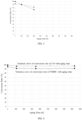
FIG. 1 is a variation curve diagram of oxygen concentration in exhaust gas with engine output power. -
FIG. 2 is variation curve diagrams of the temperature of exhaust gas inlet of oxidation segment and the temperature of catalyst in the oxidation segment with engine output power. -
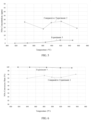
FIG. 3 is variation curve diagrams of the conversion rates of NMHC and CO with the aging time of catalyst in the oxidation segment. -
FIG. 4 is variation curve diagrams of conversion rates of NMHC and CO with the aging time. -
FIG. 5 is a variation curve diagram of NOx concentration in engine exhaust gas treated by catalyst system with the reaction temperature of catalyst in oxidation segment. -
FIG. 6 is a variation curve diagram of the conversion rate of NOx of catalyst system with the reaction temperature of catalyst in oxidation segment. -
FIG. 7 is variation curve diagrams of the temperature of exhaust gas inlet of oxidation segment B, the temperature of oxidation catalyst in the oxidation segment B and temperature of the exhaust gas outlet of the oxidation segment B with engine power, in an example of the present invention. -
FIG. 8 is variation curve diagrams of the oxygen concentration at exhaust gas inlet of oxidation segment B and oxygen concentration at exhaust gas outlet of the oxidation segment B with engine power, in an example of the present invention. - The present invention is further described in detail below to enable those skilled in the art to better understand the solution of the present invention.
- The TWC system provided by the present invention for purification treatment of engine exhaust gas includes an oxidation segment containing an oxidation catalyst and a three-way conversion segment containing a three-way catalyst, where the oxidation catalyst is used to catalyze an oxidation reaction of reductive components in the exhaust gas with oxygen, the oxidation segment is located downstream of the engine, and the three-way conversion segment is located downstream of the oxidation segment.
- In the present invention, the three-way conversion segment (three-way catalyst) is located at the downstream/back end of the oxidation segment (oxidation catalyst), that is, the exhaust gas outlet, the oxidation segment and the three-way conversion segment of the engine are arranged sequentially, and the oxidation segment is located between the exhaust gas outlet of the engine and the three-way conversion segment, so that the exhaust gas from the engine flows through the oxidation segment and the three-way conversion segment in sequence, being treated first by the oxidation catalyst of the oxidation segment and then being treated by the three-way catalyst of the three-way conversion segment, so as to realize the purification of the exhaust gas. Where, the oxidation catalyst is used to catalyze the reaction of oxygen with reductive components such as HC and CO, to consume most of the oxygen and also the reductive components such as HC and CO in the exhaust gas. The exhaust gas treated by the oxidation catalyst is further treated by the three-way catalyst at back end, and the three-way catalyst is used for the three-way conversion (mainly for the simultaneous conversion of HC, CO and NOx). During the treatment of using the three-way catalyst, there is less oxygen and reductive components such as HC and CO left in the exhaust gas, which can reduce the degree of combustion and prevent the three-way catalyst from being covered by combustion, thus ensuring the exertion of three-way conversion function thereof and avoiding too high temperature, so that the three-way catalyst carries out the three-way conversion reaction at a suitable reaction temperature (350-700°C) and at the same time, it can avoid the adverse effects of high temperature on the structure and performance of the three-way catalyst (such as pore collapse of porous matrix material, decreased activity of noble metal, functional attenuation of oxygen storage material, etc.), thereby improving the efficiency and durability of the three-way conversion reaction.
- In concrete implementation, conditions such as distances or relative position between the oxidation catalyst and the three-way catalyst can be adjusted according to the compositions of engine exhaust gas and other factors, so that the three-way catalyst at the back end of the oxidation catalyst may work at 350-700°C (that is, the temperature of the three-way catalyst treatment process is controlled to be about 350-700°C), while avoiding the three-way catalyst from being exposed to ultra-high temperature (850-950°C) for a long time.
- Besides, the exhaust gas is first treated by the oxidation catalyst, during which the reductive components such as HC and CO in the exhaust are catalyzed by the oxidation catalyst to react with oxygen. The source of the oxygen can be the oxygen contained in the exhaust gas produced by the engine (that is, the oxygen carried in the exhaust gas produced by the engine). Alternatively, oxygen can be introduced into the inlet of the oxidation catalyst as needed (secondary air injection in the combustion reductant to accelerate the heating of the catalyst in the cold start-up stage) to consume most of the reductive components such as HC and CO in the exhaust gas, avoid combustion and high temperature during the treatment of the three-way catalyst, so that the three-way catalyst carries out three-way conversion reaction at a suitable reaction temperature (350-700°C). Therefore, in some embodiments, it may further include an intake tube connecting with an exhaust inlet of the engine of the oxidation segment, and the exhaust generated by the engine enters the oxidation segment from the exhaust gas inlet of the oxidation segment. The intake tube is used to input air (oxygen) into the exhaust gas entering the oxidation segment, so that the exhaust gas entering the oxidation segment consumes most of the reductive components such as HC, CO after being treated by the oxidation catalyst; the intake tube is further provided with a valve, which can stop the input of air when it is not necessary to input oxygen into the exhaust gas entering the oxidation segment, and can input air when it is necessary to input oxygen into the exhaust gas entering the oxidation segment, where air (oxygen) can be input into the exhaust gas entering the oxidation segment through the intake tube.
- During the treatment, the temperature of oxidation catalyst is relatively high, but generally not more than 1000°C (the highest temperature to which the catalyst is exposed can be controlled by the combination of oxidation catalysts). The above oxidation catalyst can be an oxidation catalyst tolerant to high temperature, specifically can be an oxidation catalyst resistant to ultra-high temperature of 1000°C-1100°C, that is, the structure and performance of the oxidation catalyst are basically stable at about 1000°C-1100°C, for example, pore collapse phenomenon will basically not occur. Specifically, the oxidation catalyst may include a first alumina-based material and a palladium loaded on the first alumina-based material, where the first alumina-based material has a pore volume of 0.8cc/g-1.2cc/g (i.e., cm3/g), such as 0.8cc/g, 0.9cc/g, 1cc/g, 1.1cc/g, 1.2cc/g or a range composed of any two of them, and a specific surface area of 130-180m2/g, for example, 130m2/g, 140m2/g, 150m2/g, 160m2/g, 170m2/g, 180m2/g or a range composed of any two of them, and after aging at 1200±100°C for 4±0.5h, the specific surface area of the first alumina-based material is not lower than 60m2/g. The use of the first alumina-based material can improve, for example, the high temperature resistance and stability of the oxidation catalyst, and further ensure its catalytic activity and service life.
- Specifically, the first alumina-based material may include γ-alumina, which may be doped alumina and/or undoped alumina. In some embodiments, the first alumina-based material contains a rare earth element, and based on the oxide of the rare earth element, a mass content of the rare earth element in the first alumina-based material is 0-7% (that is, the mass of the oxide of the rare earth element accounts for 0-7% of the first alumina-based material), for example, 0, 1%, 2%, 3%, 4%, 5%, 6%, 7%. When the mass content of the rare earth element is 0, the first alumina-based material is undoped alumina, and when the mass content of the rare earth element is not 0, the first alumina-based material is doped alumina (or called as rare earth alumina). Relatively speaking, use of the doped alumina is beneficial to further improve the high temperature tolerance of the alumina-based material. Optionally, the rare earth element includes, for example, lanthanum (La).
- The first alumina-based material can be purchased or homemade. In general, when high temperature aging treatment on the alumina raw material may make the pores which are easy to collapse, collapse and thus a stable alumina-based material tolerant to high temperature can be obtained, so that the alumina-based material basically no longer have serious collapse phenomenon when applied at a high temperature condition, thereby improving the high temperature tolerance of the oxidation catalyst that uses the high temperature resistant alumina-based material as the matrix material. Specifically, in some embodiments, the first alumina-based material can be prepared according to a process including the following steps: treating the alumina raw material by aging at 1000°C-1500°C for at least 2 hours to obtain the first alumina-based material. The first alumina-based material prepared by the aging treatment has a good stability below 1000°C, thereby ensuring the high temperature resistance of the oxidation catalyst. When preparing the first alumina-based material without rare earth element, the above alumina raw material is a alumina raw material without rare earth element, and when preparing the first alumina-based material doped with a rare earth element, the above alumina raw material is an alumina raw material doped with the rare earth element, and the alumina raw material used in the above process can be purchased or homemade, without particular restriction in the present invention.
- After the alumina-based material is treated by aging at 1000°C-1500°C, the oxidation catalyst can be obtained by loading palladium on the first alumina-based material via conventional methods in the art, such as impregnation (such as equal volume impregnation). In a specific implementation, a precursor of palladium may be dissolved in a first solvent to form a first impregnation solution; the first alumina-based material can be impregnated with the first impregnation solution, for example, the first alumina-based material may be immersed in the first impregnation solution, or the first impregnation solution may be sprayed on the first alumina-based material to perform impregnation, and after impregnation drying is performed, to remove the solvent, that is, achieving loading of palladium on the first alumina-based material to obtain the oxidation catalyst; where the first solvent may include water, and the precursor of palladium may include soluble salts of palladium, such as palladium nitrate. In addition, an element with the function of anchoring a noble metal, such as barium (Ba), may be added to the oxidation catalyst (or the first coating layer below) to increase the stability of the noble metal.
- The oxidation segment may further include a first substrate for carrying the oxidation catalyst, that is, the oxidation catalyst is arranged on the first substrate, and in some preferred embodiments, the oxidation segment includes the first substrate and the first active layer located on a surface of the first substrate, and the oxidation catalyst is present in the first active layer (i.e., the first active layer contains the above oxidation catalyst).
- In general, the first active layer further includes the binder and/or modifying additive, where the binder may include an aluminum gel and/or a silica gel, and the modifying additive may include cerium and/or zirconium materials to further improve performances such as stability of the oxidation segment. In some embodiments, based on the total mass of the first active layer, the mass percentage of the oxidation catalyst is 85%-98% (i.e., the mass content of the oxidation catalyst in the first active layer is 85%-98%), for example, 85%, 88%, 90%, 93%, 95%, 98% or a range composed of any two of them, and the remaining is the binder and/or the modifying additive.
- In a specific implementation, the oxidation catalyst, binder and/or modifying additive can be mixed with a fourth solvent to prepare a slurry, and then the slurry is coated on a surface of the first substrate, and the first active material layer is formed on the surface of the first substrate after drying and other treatment.
- Optionally, the material of the first substrate may include at least one of such as ceramics (such as cordierite, etc.) and metal, that is, the first substrate may be one of ceramic materials, metals, etc. or a mixture of more thereof, the first substrate may be a gasoline particle filter (GPF), may be a honeycomb substrate, but is not limited thereto.
- According to the study of the present invention, the content of palladium as an active metal component of a catalytic oxidation active material (i.e., oxidation catalyst) is an important factor affecting the performance of the oxidation catalyst. In some preferred embodiments, based on the total mass of the oxidation catalyst, the mass percentage of palladium is 0.06-1.0% (i.e., the mass content of palladium in the oxidation catalyst is 0.06-1.0%).
- In the present invention, the number of the oxidation segment containing the oxidation catalyst is at least one, that is, the number of it may be one or at least two (that is, a combination of two or more oxidation catalysts). When the number of the oxidation segment is at least two, a distance between two adjacent oxidation segments is generally not less than 150mm (the distance is a distance along the flow direction of the engine exhaust gas). In two adjacent oxidation segments, the content of palladium in the oxidation catalyst located in the upstream oxidation segment may be lower than or equal to or higher than the content of palladium in the oxidation catalyst located in the downstream of the oxidation segment, and can be set according to the needs in a specific implementation. Through the combination of at least two oxidation segments, the reductants in the exhaust gas can be partially oxidized (consuming part of oxygen) in each oxidation segment without raising a very high temperature, that is, the heat generated by combustion is dispersed to two oxidation catalysts with a certain distance between them, which can control the maximum temperatures to which the oxidation catalysts in the oxidation segments are exposed, so as to further improve the efficiency and durability of purification treatment of engine exhaust gas.
- In addition, it can further be satisfied that: a ratio of the mass of palladium in the oxidation catalyst to the volume of the first substrate is (3-50) g : 1 ft3, (i.e., (3-50) g/ft3), such as 3 g : 1 ft3, 5 g : 1 ft3, 10 g : 1 ft3, 20 g : 1 ft3, 30 g :1 ft3, 40 g :1 ft3, 50 g : 1 ft3 or a range composed of any two of them, which is beneficial to improve the treatment efficiency of the above oxidation catalyst.
- Further, a ratio of the mass of the first active layer to the volume of the first substrate may be (100-200) g : 1 L (i.e., (100-200) g/L), such as 100 g : 1 L, 150 g : 1 L, 160 g :1 L, 170 g : 1 L, 180 g : 1 L, 190 g : 1 L, 200 g : 1 L or a range composed of any two of them.
- The present invention can adopt a conventional three-way catalyst (TWC) in the art. In some embodiments, the three-way catalyst includes a porous matrix material, an oxygen storage material and a noble metal, where the noble metal includes palladium and rhodium, the oxygen storage material is filled in the porous matrix material, rhodium is loaded on the oxygen storage material, and the noble metal except rhodium may be loaded on the porous matrix material or on the oxygen storage material according to the need, and palladium may be loaded on the porous matrix material or on the oxygen storage material. Where since rhodium is loaded on the oxygen storage material, rhodium may also be protected, reducing its contact reaction with other component such as the porous matrix material. Preferably, palladium is loaded on the oxygen storage material, and more preferably, the above noble metals are loaded on the oxygen storage material.
- The present invention may load the above noble metal on the oxygen storage material or the porous matrix material by a conventional method in the art, for example impregnation method (such as equal volume impregnation method). For example, the precursor of rhodium may be mixed with a second solvent to prepare a second impregnation solution, and then the second impregnation solution is used to impregnate the oxygen storage material, so as to load rhodium on the oxygen storage material. The second solvent may include water, the precursor of rhodium may be a soluble salt of rhodium, such as rhodium nitrate; a precursor of platinum may be mixed with a third solvent to prepare a third impregnation solution, and then the third impregnation solution is used to impregnate the porous matrix material, so that the platinum may be loaded on the porous matrix material. The third solvent may include water, and the precursor of platinum may be a soluble salt of platinum, such as platinum nitrate.
- The oxygen storage material may adjust an air-fuel ratio (λ) of the engine exhaust gas on the surface of the catalyst, so that the three-way conversion reaction may be carried out under the condition of closing to stoichiometry, so as to ensure the efficiency of the three-way conversion reaction and ensure the function exertion of each component. In some embodiments, the oxygen storage material may include CeZrO and may also include ZrO2, that is, it may include a combination of CeO2 and ZrO2, but the present invention is not limited thereto. The porous matrix material is used to disperse components such as noble metal, thereby ensuring the dispersion and catalytic activity of the three-way catalyst. In some embodiments, the porous matrix material may include a second alumina-based material, the second alumina-based material has a pore volume of less than 0.8cc/g and generally preferably 0.4cc/g-0.8cc/g, for example, 0.4cc/g, 0.5cc/g, 6cc/g, 7cc/g, 8cc/g, or a range composed of any two of them, and has a specific surface area of 130m2/g-240m2/g, such as 130m2/g, 140m2/g, 150m2/g, 160m2/g, 170m2/g, 180m2/g, 190m2/g, 200m2/g, 210m2/g, 220m2/g, 230m2/g, 240m2/g or a range composed of any two of them. This is beneficial to the dispersion of the noble metal and other components in porous matrix material and improvement of the performance of the three-way catalyst. In addition, the specific surface area of the second alumina-based material is generally not lower than 40m2/g after aging at 1200 ±100°C for 4 ±0.5h.
- Specifically, the second alumina-based material may include γ-alumina and/or θ-alumina, which may be doped alumina and/or undoped alumina, and the doped alumina may generally be doped with a rare earth element. In some embodiments, the second alumina-based material contains a rare earth element, and based on an oxide of the rare earth element, the mass content of the rare earth element in the second alumina-based material may be 3%-7% (that is, the mass of the oxide of the rare earth element accounts for 3%-7% of the second alumina-based material), for example, 3%, 4%, 5%, 6%, 7% or a range composed of any two of them. Optionally, the rare earth element includes, for example, La. The second alumina-based material may be purchased or homemade, and the present invention does not have particular limitations on this.
- The three-way conversion segment may further include a second substrate for carrying the three-way catalyst, that is, the three-way catalyst is arranged on the second substrate, and the three-way catalyst may form coating layers on the second substrate, but is not limited thereto. In some preferred embodiments, the three-way conversion segment includes the second substrate and the second active layer located on a surface of the second substrate, and the three-way catalyst is present in the second active layer (i.e., the second active layer contains the three-way catalyst).
- In general, the second active layer further contain the binder and/or the modifying additive, where the binder may include an aluminum gel and/or a silica gel, and the modifying additive may include cerium and/or zirconium materials to further improve the performance, such as stability, of the three-way conversion segment. In some embodiments, based on the total mass of the second active layer, the mass percentage of the three-way catalyst is 85%-98% (that is, the mass content of the three-way catalyst in the second active layer is 85%-98%), for example, 85%, 88%, 90%, 93%, 95%, 98% or a range composed of any two of them, and the remaining is the binder and/or the modifying additive.
- In a specific implementation, the three-way catalyst, the binder and/or the modifying additive may be mixed with a fifth solvent to prepare a slurry, and then the slurry is coated on the surface of the second substrate, and the second active material layer is formed on the surface of the second substrate after drying and other treatment.
- Optionally, the material for forming the second substrate may include at least one of ceramics (such as cordierite), metal, etc., the second substrate may be a gasoline particle filter (GPF), or may be a honeycomb substrate, but not limited thereto, and the second substrate and the first substrate may be the same or different.
- In some embodiments, the above noble metal includes platinum, where the mass ratio of rhodium to platinum is 1:0-15, preferably 1:0.5-8, such as 1:0.5, 1:1, 1:2, 1:3, 1:4, 1:5, 1:6, 1:7, 1:8 or a range composed of any two of them, and the mass ratio of rhodium to palladium may be 1:2-15, for example, 1:2, 1:3, 1:4, 1:5, 1:6, 1:7, 1:8, 1:9, 1:10, 1:11, 1:12, 1:13, 1:14, 1:15 or a range composed of any two of them. Where platinum may be loaded on the porous matrix material or the oxygen storage material.
- In some embodiments, the ratio of the mass of the noble metal in the three-way catalyst to the volume of the second substrate is (5-50) g : 1 ft3, such as 5 g : 1 ft3, 10 g : 1 ft3, 20 g : 1 ft3, 30 g :1 ft3, 40 g:1 ft3, 50 g:1 ft3, or a range composed of any two of them. Where the mass of the noble metal is the sum of the masses of all kinds of noble metals in the three-way catalyst, for example, the noble metals in the three-way catalyst are rhodium, platinum and palladium, then the mass of the noble metal refers to the sum of the masses of rhodium, platinum and palladium in the three-way catalyst.
- The present invention further provides use of the TWC system in purification treatment of engine exhaust gas. The engine of the present invention may specifically be an internal combustion engine, and its exhaust gas generally contains hydrocarbons (HC), carbon monoxide (CO), nitrogen oxides (NOx) and other components. In the process of application, the exhaust gas produced by the engine is discharged from the exhaust gas outlet of the engine, then enters the oxidation segment through the exhaust gas inlet of the oxidation segment, and contacts with the oxidation catalyst in the oxidation segment; under the action of the oxidation catalyst, the reductive components such as HC and CO in the exhaust gas react with oxygen, and then is discharged from the exhaust gas outlet of the oxidation segment, and then enters the three-way conversion segment from the exhaust gas inlet of the three-way conversion segment. In the three-way conversion section, it is in contact with the three-way catalyst to conduct a three-way conversion, so that the HC, CO and NOx in the exhaust gas are converted into carbon dioxide (CO2), nitrogen (N2) and water, that is, the purified exhaust gas is obtained. The purified exhaust gas is discharged from the exhaust gas outlet of the three-way conversion segment.
- The TWC system of the present invention may be particularly used for the treatment of engine exhaust gas with high oxygen content. In some embodiments, the engine exhaust gas includes an engine exhaust gas with high oxygen content, and the volume content of oxygen in the engine exhaust gas with high oxygen content is not less than 1%, for example, not less than 2%, 2.5%, 3%, 3.5%, etc.
- The exhaust gas (exhaust) from the stoichiometry operating engine with high oxygen content has oxidation components such as oxygen (O2), NOx and reductive components such as HC and CO, and the reductive components have basically the equivalent content as O2 (both have high contents). In a conventional TWC system, the reaction of a large amount of O2 with reductive components such as HC and CO on TWC will release a large amount of heat and produce a high temperature, affecting the three-way catalytic conversion efficiency and aging durability of TWC. As a result, the harmful components in the engine exhaust gas cannot meet the emission standards, while the three-way catalytic conversion system of the present invention can effectively solve such problems. In some embodiments, the engine exhaust gas includes the stoichiometry operating engine exhaust gas, in particular, the stoichiometry operating engine exhaust gas with high oxygen content greater than 1% by volume (including much greater than 1%).
- Specifically, the stoichiometry operating engine exhaust gas with high oxygen content has a high content of oxygen (O2), and meanwhile the amount of the reductive components such as HC and CO are basically the equivalent to O2, and are easier to burn and produce high temperature (even higher than 850°C) in the process of conventional TWC treatment. Running at high temperature (> 850°C) for a long time will cause damage to the structure of TWC and affect the function exertion of TWC. In particular, the catalytic system of the present invention may solve the problem of ultra-high temperature of the catalyst caused by the stoichiometry operating exhaust gas with high oxygen content, and may be used in the aftertreatment system of engine exhaust gas exceeding the high temperature durability limitation of TWC.
- In order to make the purpose, technical solution and advantages of the present invention clearer, the technical solution of the present invention will be described clearly and completely in combination with specific examples below. Obviously, the described examples are part of the examples of the present invention, not all examples. Based on the examples of the present invention, all other examples obtained by those skilled in the art without creative work fall within the scope of the protection of the present invention.
- In this example, the three-way catalytic conversion system includes an oxidation segment containing an oxidation catalyst and a three-way conversion segment containing a three-way catalyst, where the oxidation catalyst is used to catalyze the oxidation reaction of reductive components such as HC and CO in exhaust gas with oxygen, the oxidation segment is located downstream of the engine, and the three-way conversion segment is located downstream of the oxidation segment; where:
- the oxidation segment consists of the first substrate and the first active layer located on a surface of the first substrate, where the first active layer contains an oxidation catalyst and a binder, a mass content of the oxidation catalyst in the first active layer is 90-98% and the remaining is the binder, which is aluminum gel and silica gel, and the first substrate is cordierite; a ratio of the mass of the first active layer to the volume of the first substrate is 160 g: 1 L;
- the oxidation catalyst includes a first alumina-based material and palladium loaded on the first alumina-based material, the oxidation catalyst is prepared by impregnating palladium nitrate onto the first alumina-based material by an equal volume impregnation method, where the first alumina-based material is a rare earth alumina resistant to high temperature from Bai zhe Xing Energy Co., Ltd. (where the alumina is γ-alumina), the rare earth alumina has a pore volume (Pore Volume) of about 0.94cc/g and a specific surface area (Surface Area) of about 169.4m2/g, and the specific surface area thereof is about 61.23m2/g after aging at 1200°C for 4h; the rare earth element contained in the first alumina-based material is La, and the mass content of La in the first alumina-based material is about 4%, based on an oxide (La2O3) of La;
- the mass content of palladium in the oxidation catalyst is about 0.22% (about 0.353g palladium per liter of the oxidation catalyst), and in the oxidation segment, a ratio of the mass of palladium in the oxidation catalyst to the volume of the first substrate is 10g : 1ft3;
- the three-way catalyst consists of the second substrate and the second active layer located on the surface of the second substrate, where the second active layer contains a three-way catalyst and a binder, a mass content of the three-way catalyst in the second active layer is 90-98% and the remaining is the binder, which is aluminum gel and silica gel, and the second substrate is cordierite;
- the three-way catalyst consists of the second alumina-based material, CeZrO and a noble metal, the noble metal consists of rhodium and palladium, rhodium and palladium are loaded on CeZrO, which is filled in the second alumina-based material; the second alumina-based material is a rare earth alumina from Bai zhe Xing Energy Co., Ltd. (where alumina is γ-alumina), the rare earth alumina has a pore volume (Pore Volume) of about 0.49cc/g, and a specific surface area (Surface Area) of about 145m2/g, and the specific surface area thereof is about 110m2/g after aging at 1000°C for 4h; the rare earth element in the second alumina-based material is La, and a mass content of La2O3 in the second alumina-based material is about 4%, based on an oxide (La2O3) of La;
- in the three-way conversion segment, a ratio of the mass of the noble metal in the three-way catalyst to the volume of the second substrate is 10 g: 1 ft3, where a mass ratio of rhodium to palladium is 3:7.
- The performance of the above catalytic system is verified by the engine bench experiment below. During the experiment, the exhaust gas from the engine flows through an oxidation segment and a three-way conversion segment in sequence, with the process being briefly described as follows: the exhaust gas produced by the engine is discharged from the exhaust gas outlet of the engine, then enters the oxidation segment through the exhaust gas inlet of the oxidation segment, and contacts with an oxidation catalyst in the oxidation segment, so that the oxygen of the exhaust gas conducts a redox reaction with the reductive components, and then the exhaust gas is discharged from the outlet of the oxidation segment, then enters the three-way conversion segment from the inlet of the three-way conversion segment, and contacts the three-way catalyst in the three-way conversion segment to perform a three-way conversion, and then is discharged from an exhaust gas outlet of the three-way conversion segment, to obtain a purified exhaust gas. According to the above process, the following experiments are carried out as follows:
Experiment 1 toExperiment 3,Comparative Experiment 1 andComparative Experiment 2. - In the following experiments, the conversion rate of NMHC = ((amount of NMHC in simulated exhaust gas - amount of NMHC in exhaust gas discharged from exhaust gas outlet of oxidation segment after reaction in oxidation segment) / amount of NMHC in simulated exhaust gas) × 100%; conversion rate of CO = ((amount of CO in simulated exhaust gas - amount of CO in exhaust gas discharged from exhaust gas outlet of oxidation segment after reaction in oxidation segment) / amount of CO in simulated exhaust gas) × 100%;
- stoichiometry operating engine exhaust gas with high oxygen content is simulated (simulating exhaust gas), a variation curve of oxygen concentration (volume content) in the exhaust gas with engine output power is shown in
FIG. 1 , the contents of NMHC and CO are basically equivalent to oxygen; a variation curve of temperature of an exhaust gas inlet of the oxidation segment with engine output power, and a variation curve of the temperature in the oxidation segment with engine output power are shown inFIG. 2 (the temperature of the oxidation segment is 800°C or higher (between 800°C and 950°C), beyond a conversion temperature window of TWC (350°C-700°C). WhereFIG. 2 shows variation curves of the temperatures in the oxidation segments ofExperiment 1 andComparative Experiment 1 with the engine output power, and in the following other experiments, unless otherwise specified, the reaction temperature in the oxidation segment is similar to this. - Comparative Experiment 1: the oxidation catalyst in the oxidation segment is a conventional TWC (which differs from the three-way catalyst in Example 1 in that a ratio of the mass of the noble metal to the volume of the second substrate is 40 g: 1 ft3, where the mass ratio of palladium to rhodium is 7:1), the reaction time (or aging time) of the oxidation catalyst of the oxidation segment is controlled, as shown in
FIG. 3 . A variation curve of the conversion rates of NMHC and CO in this oxidation segment (measuring the change of gas concentration before and after the oxidation catalyst at 850°C) with aging time in the oxidation segment (at 950°C engine bench) (seeFIG. 3 ) was measured. The conversion efficiency is decreased with the increase of aging time, and decreased significantly after 300 hours aging; - Experiment 1: the oxidation catalyst in Example 1 was aged at 1050°C, and the aged catalyst was used as the oxidation catalyst in the oxidation segment; referring to the process of
Experiment 1, the effect of the oxidation catalyst on the conversion of NMHC and CO after the oxidation catalyst is aged at 1050°C for different time (from 110 to 830 hours) was measured, to obtain variation curve of the conversion rate of NMHC and CO (the change of gas concentration before and after oxidation catalyst was measured at 850°C) with aging time (seeFIG. 4 ). It can be seen that the conversion of NMHC and CO is high and tends to be stable with aging time, and the above oxidation catalyst has good aging tolerance; - Experiment 2: the oxidation catalyst in Example 1 was aged at 1050°C for 830hours, and then the aged catalyst was used as the oxidation catalyst in the oxidation segment; the reaction temperature of the oxidation catalyst in the oxidation segment was controlled as shown in
FIGS. 5 and 6 , variation curves of the concentration of NOx and the conversion rate of NOx (ratio of the amount of NOx in the purified exhaust gas to the amount of NOx in the simulated exhaust gas before entering the oxidation segment) with reaction temperature are measured in purification of the exhaust gas by the catalyst system (the catalyst in the oxidation segment + the catalyst in the three-way conversion segment), as shown inFIGS. 5 and 6 , respectively. The oxidation catalyst is stable after aging at 1050°C for 830 hours. The concentration of NOx in the exhaust gas purified by the catalyst system (the catalyst in the oxidation segment + the catalyst in the three-way conversion segment) is less than 5ppm, which meets the requirement of emission; - Comparative Experiment 2: the TWC of
Comparative Experiment 1 was aged at 950°C for 300 hours, and the aged TWC was used as the catalyst for the oxidation segment, and the reaction temperature of the oxidation segment was controlled as shown inFIGS. 5 and 6 , variation curves of the concentration of NOx and the conversion rate of NOx (ratio of the variation amount of NOx in the exhaust gas before and after treatment by the catalyst system to the amount of NOx in the simulated exhaust gas before entering the oxidation segment) with the reaction temperature were measured in purification of the exhaust gas by the system (the catalyst in the oxidation segment + the catalyst in the three-way conversion segment), as shown inFIGS. 5 and 6 respectively. The performance of TWC inComparative Experiment 1 is decreased obviously after aging at 950°C for 300 hours, and after purification by the catalyst system (catalyst in the oxidation segment + catalyst in the three-way conversion segment), the concentration of NOx is > 15ppm, which is higher than the emission requirements (< 5ppm). - The difference from
Experiment 1 andExperiment 2 is that there are two oxidation segments inExperiment 3, which are oxidation segment A and oxidation segment B, respectively. The oxidation segment B is located upstream of the oxidation segment A (that is, the engine exhaust gas is first treated by the oxidation catalyst in the oxidation segment B and then treated by the oxidation catalyst in the oxidation segment A). The oxidation segment A is the same as the oxidation segment inExperiment 1 orExperiment 2 above (that is, it is equivalent that an oxidation segment B is added upstream of the oxidation segment ofExperiment 1 or Experiment 2). The ratio of the mass of palladium in the oxidation catalyst of oxidation segment B to the volume of the first substrate is 3 g: 1 ft3, and the other conditions are the same as those of the oxidation segment A;
this experiment is conducted according to the process ofExperiment 2, the variation curves of the temperature of the exhaust gas inlet of the oxidation segment B, the temperature of the oxidation catalyst in the oxidation segment B and the temperature of the exhaust gas outlet of the oxidation segment B with engine power are shown inFIG. 7 . The variation curves of oxygen concentration at the exhaust gas inlet of the oxidation segment B and oxygen concentration at the exhaust gas outlet of the oxidation segment B with engine power are shown inFIG. 8 . The oxidation catalyst of the oxidation segment B partially oxidizes the reductant in the exhaust gas and consumes part of the oxygen in the exhaust gas, so that the redox reaction of the exhaust gas on the oxidation catalyst of the oxidation segment A located downstream is effectively reduced, and the increase of the temperature of the catalyst due to heat produced by the redox reaction is reduced. - In the above, the embodiments of the present invention are described. However, the present invention is not limited to the above embodiments. Any modification, equivalent replacement, improvement, etc. made within the spirit and principles of the present invention shall be included in the scope of protection of the present invention.
Claims (25)
- A three-way catalytic conversion system for purification treatment of an engine exhaust gas, comprising an oxidation segment containing a high-temperature-tolerant oxidation catalyst and a three-way conversion segment containing a three-way catalyst, wherein the oxidation catalyst is used to catalyze an oxidation reaction of reductive components in exhaust gas with oxygen, the oxidation segment is located downstream of an engine, and the three-way conversion segment is located downstream of the oxidation segment.
- The three-way catalytic conversion system according to claim 1, wherein the oxidation catalyst comprises a first alumina-based material and palladium loaded on the first alumina-based material and satisfies at least one of the following features:a pore volume of the first alumina-based material is 0.8cc/g-1.2cc/g;a specific surface area of the first alumina-based material is 130-180m2/g; andthe specific surface area of the first alumina-based material after aging at 1200±100°C for 4±0.5h is not less than 60m2/g.
- The three-way catalytic conversion system according to claim 2, wherein the first alumina-based material comprises γ-alumina.
- The three-way catalytic conversion system according to claim 2, wherein the first alumina-based material contains a rare earth element, and a mass content of the rare earth element in the first alumina-based material is 0-7%.
- The three-way catalytic conversion system according to claim 2, wherein a mass content of palladium in the oxidation catalyst is 0.06-1.0%.
- The three-way catalytic conversion system according to claim 2, wherein there are at least two oxidation segments, and a distance between each two adjacent oxidation segments is not less than 150mm.
- The three-way catalytic conversion system according to any one of claims 1 to 6, wherein the oxidation segment comprises a first substrate and a first active layer located on a surface of the first substrate, and the oxidation catalyst is present in the first active layer.
- The three-way catalytic conversion system according to claim 7, wherein the first active layer further comprises a binder and/or a modifying additive and satisfies at least one of the following features:the binder comprises an aluminum gel and/or a silica gel;the modifying additive comprises a cerium material and/or a zirconium material;a mass content of the oxidation catalyst in the first active layer is 85%-98%, and the remaining is the binder and/or the modifying additive.
- The three-way catalytic conversion system according to claim 7, wherein a material for forming the first substrate comprises at least one of ceramics and metals.
- The three-way catalytic conversion system according to claim 7, wherein the oxidation catalyst comprises a first alumina-based material and palladium loaded on the first alumina-based material, and a ratio of mass of palladium in the oxidation catalyst to volume of the first substrate is (3-50) g : 1 ft3.
- The three-way catalytic conversion system according to claim 7, wherein a ratio of mass of the first active layer to volume of the first substrate is (100-200) g : 1 L.
- The three-way catalytic conversion system according to claim 1, wherein the three-way conversion segment further comprises a second substrate and a second active layer located on a surface of the second substrate, and the three-way catalyst is present in the second active layer.
- The three-way catalytic conversion system according to claim 12, wherein the second active layer further comprises a binder and/or a modifying additive and satisfies at least one of the following features:the binder comprises an aluminum gel and/or a silica gel;the modifying additive comprises a cerium material and/or a zirconium material;a mass content of the three-way catalyst in the second active layer is 85%-98%, and the remaining is the binder and/or the modifying additive.
- The three-way catalytic conversion system according to claim 1 or 12, wherein the three-way catalyst comprises a porous matrix material, an oxygen storage material and a noble metal, wherein the noble metal comprises platinum, rhodium and palladium, the oxygen storage material is filled in the porous matrix material, the rhodium is loaded on the oxygen storage material, and the noble metal except for rhodium is loaded on the porous matrix material or on the oxygen storage material.
- The three-way catalytic conversion system according to claim 14, wherein the oxygen storage material comprises CeZrO.
- The three-way catalytic conversion system according to claim 14, wherein the porous matrix material comprises a second alumina-based material and satisfies at least one of the following features:a pore volume of the second alumina-based material is less than 0.8cc/g;a specific surface area of the second alumina-based material is 130-240m 2/g; andthe specific surface area of the second alumina-based material after aging at 1200±100°C for 4±0.5h is not less than 40m2/g.
- The three-way catalytic conversion system according to claim 16, wherein the pore volume of the second alumina-based material is 0.4cc/g-0.8cc/g.
- The three-way catalytic conversion system according to claim 16, wherein the second alumina-based material comprises γ-alumina and/or θ-alumina.
- The three-way catalytic conversion system according to claim 16, wherein the second alumina-based material contains a rare earth element, and a mass content of the rare earth element in the second alumina-based material is 3%-7%.
- The three-way catalytic conversion system according to claim 12, wherein a material for forming the second carrier comprises at least one of ceramics and metals.
- The three-way catalytic conversion system according to claim 14, wherein the three-way conversion segment further comprises a second substrate and a second active layer located on a surface of the second substrate, and the three-way catalyst is present in the second active layer; a ratio of mass of the noble metal in the three-way catalyst to volume of the second substrate is (3-50) g : 1 ft3.
- The three-way catalytic conversion system according to claim 14, wherein the three-way catalyst further comprises platinum, a mass ratio of rhodium to platinum is 1:0-15; and/or a mass ratio of rhodium to palladium is 1 : 2-15.
- Use of the three-way catalytic conversion system according to any one of claims 1 to 22 in purification treatment of an engine exhaust gas.
- The use according to claim 23, wherein the engine exhaust gas comprises an engine exhaust gas with high oxygen content, and a volume content of oxygen in the engine exhaust gas with high oxygen content is not less than 1%.
- The use according to claim 23 or 24, wherein the engine exhaust gas comprises an stoichiometry operating engine exhaust gas.
Applications Claiming Priority (1)
| Application Number | Priority Date | Filing Date | Title |
|---|---|---|---|
| PCT/CN2021/122422 WO2023050409A1 (en) | 2021-09-30 | 2021-09-30 | Three-way catalytic conversion system for engine exhaust purification treatment and application thereof |
Publications (5)
| Publication Number | Publication Date |
|---|---|
| EP4191031A1 true EP4191031A1 (en) | 2023-06-07 |
| EP4191031A8 EP4191031A8 (en) | 2023-08-09 |
| EP4191031A4 EP4191031A4 (en) | 2024-01-17 |
| EP4191031C0 EP4191031C0 (en) | 2024-09-11 |
| EP4191031B1 EP4191031B1 (en) | 2024-09-11 |
Family
ID=85781184
Family Applications (1)
| Application Number | Title | Priority Date | Filing Date |
|---|---|---|---|
| EP21954417.8A Active EP4191031B1 (en) | 2021-09-30 | 2021-09-30 | Three-way catalytic conversion system for engine exhaust purification treatment and application thereof |
Country Status (5)
| Country | Link |
|---|---|
| US (1) | US20230249158A1 (en) |
| EP (1) | EP4191031B1 (en) |
| JP (1) | JP7575577B2 (en) |
| CN (2) | CN115943249B (en) |
| WO (1) | WO2023050409A1 (en) |
Family Cites Families (21)
| Publication number | Priority date | Publication date | Assignee | Title |
|---|---|---|---|---|
| JP2006263582A (en) | 2005-03-24 | 2006-10-05 | Mazda Motor Corp | Exhaust gas purification catalyst |
| JP4633509B2 (en) | 2005-03-24 | 2011-02-16 | マツダ株式会社 | Exhaust gas purification catalyst |
| US7506504B2 (en) * | 2005-12-21 | 2009-03-24 | Basf Catalysts Llc | DOC and particulate control system for diesel engines |
| JP2009007942A (en) | 2007-06-26 | 2009-01-15 | Mazda Motor Corp | Exhaust gas purification catalyst device |
| JP5114219B2 (en) * | 2008-01-10 | 2013-01-09 | 東京濾器株式会社 | Exhaust gas purification device for internal combustion engine |
| US9440192B2 (en) * | 2009-01-16 | 2016-09-13 | Basf Corporation | Diesel oxidation catalyst and use thereof in diesel and advanced combustion diesel engine systems |
| JP5232072B2 (en) * | 2009-05-18 | 2013-07-10 | 大阪瓦斯株式会社 | Engine system |
| US8677734B2 (en) * | 2010-04-19 | 2014-03-25 | GM Global Technology Operations LLC | Method of producing ammonia effective to control aftertreatment conditions of NOx emissions |
| WO2012131913A1 (en) * | 2011-03-29 | 2012-10-04 | イビデン株式会社 | Exhaust gas purification system and exhaust gas purification method |
| DE102011050788A1 (en) * | 2011-06-01 | 2012-12-06 | Ford Global Technologies, Llc. | Exhaust gas aftertreatment device and method for a gasoline engine |
| US20130160429A1 (en) * | 2011-09-28 | 2013-06-27 | International Engine Intellectual Property Company, Llc | Limiting nox emissions |
| JP5954260B2 (en) | 2013-05-27 | 2016-07-20 | マツダ株式会社 | Exhaust gas purification catalyst and method for producing the same |
| WO2015066312A1 (en) * | 2013-10-30 | 2015-05-07 | Johnson Mathew Public Limited Comapny | Three-way catalyst comprising a silver-containing extruded zeolite substrate and its use in exhaust systems |
| EP2960454B1 (en) * | 2014-06-27 | 2018-08-08 | Volvo Car Corporation | Pressure differentiated exhaust gas aftertreatment device |
| EP3383518A1 (en) * | 2015-11-30 | 2018-10-10 | Corning Incorporated | Compound honeycomb body, exhaust gas treatment article, exhaust system, and methods of manufacturing same |
| DE102016201557B3 (en) * | 2016-02-02 | 2017-06-08 | Ford Global Technologies, Llc | Exhaust after-treatment device with catalyst and their arrangement in a motor vehicle |
| US20190105636A1 (en) * | 2016-04-22 | 2019-04-11 | Basf Corporation | Platinum group metal catalysts supported on large pore alumina support |
| DE102018201869B4 (en) * | 2018-02-07 | 2020-06-25 | Ford Global Technologies, Llc | Arrangement and method for treating an exhaust gas flow generated by an internal combustion engine and motor vehicle |
| KR102654452B1 (en) * | 2019-02-21 | 2024-04-03 | 현대자동차 주식회사 | Exhaust gas purification system for vehicle and method of controlling the same |
| DE102019133498B4 (en) * | 2019-12-09 | 2022-02-03 | Dr. Ing. H.C. F. Porsche Aktiengesellschaft | Method for reactivation of an exhaust aftertreatment component and propulsion device |
| FR3107729B1 (en) * | 2020-02-28 | 2022-11-04 | Faurecia Systemes Dechappement | Exhaust line |
-
2021
- 2021-09-30 CN CN202180039632.7A patent/CN115943249B/en active Active
- 2021-09-30 CN CN202410165795.5A patent/CN118030252A/en active Pending
- 2021-09-30 EP EP21954417.8A patent/EP4191031B1/en active Active
- 2021-09-30 WO PCT/CN2021/122422 patent/WO2023050409A1/en not_active Ceased
- 2021-09-30 JP JP2023514060A patent/JP7575577B2/en active Active
-
2023
- 2023-03-03 US US18/177,857 patent/US20230249158A1/en active Pending
Also Published As
| Publication number | Publication date |
|---|---|
| EP4191031C0 (en) | 2024-09-11 |
| CN118030252A (en) | 2024-05-14 |
| EP4191031A4 (en) | 2024-01-17 |
| WO2023050409A1 (en) | 2023-04-06 |
| JP2023547021A (en) | 2023-11-09 |
| EP4191031A8 (en) | 2023-08-09 |
| CN115943249A (en) | 2023-04-07 |
| CN115943249B (en) | 2023-12-29 |
| EP4191031B1 (en) | 2024-09-11 |
| JP7575577B2 (en) | 2024-10-29 |
| US20230249158A1 (en) | 2023-08-10 |
Similar Documents
| Publication | Publication Date | Title |
|---|---|---|
| JP5386121B2 (en) | Exhaust gas purification catalyst device and exhaust gas purification method | |
| EP2456554B1 (en) | Oxygen storage material with decreased ceria reduction temperature | |
| US8207078B2 (en) | Close coupled catalyst for purification of exhaust gas and the preparation thereof | |
| JP5322526B2 (en) | Honeycomb structure type catalyst for purifying exhaust gas discharged from automobile, method for manufacturing the same, and method for purifying exhaust gas using the catalyst | |
| KR101095405B1 (en) | Treatment method of compressed ignition engine exhaust | |
| CN102781544B (en) | The catalysis soot filter improved | |
| EP3097977B1 (en) | Exhaust-gas purifying catalyst for lean-burn engine | |
| JP3391878B2 (en) | Exhaust gas purification catalyst | |
| EP3632537A1 (en) | Exhaust gas purification catalyst device | |
| KR19980081167A (en) | Exhaust catalyst | |
| KR19990076641A (en) | Engine exhaust gas treatment device and method of use | |
| JP2015006660A (en) | Catalyst for exhaust gas purification and manufacturing method thereof | |
| EP3730203B1 (en) | Exhaust gas purification catalyst | |
| JP6748590B2 (en) | Exhaust gas purification catalyst | |
| WO2017203863A1 (en) | Gasoline engine exhaust gas purification three-way catalyst | |
| JP6997838B1 (en) | Exhaust gas purification catalyst | |
| US12036532B2 (en) | Exhaust gas purification catalyst and exhaust gas purification system using the exhaust gas purification catalyst | |
| EP4191031B1 (en) | Three-way catalytic conversion system for engine exhaust purification treatment and application thereof | |
| JP3800200B2 (en) | Exhaust gas purification method and exhaust gas purification catalyst | |
| JP3217602B2 (en) | Method for activating catalyst for purifying exhaust gas of internal combustion engine | |
| JP4225099B2 (en) | Exhaust gas purification catalyst, exhaust gas purification device, and exhaust gas purification method | |
| JP2021137714A (en) | Exhaust gas purification device | |
| US20230294078A1 (en) | Exhaust gas purification catalyst | |
| JP2003200061A (en) | Exhaust gas purification catalyst and exhaust gas purification device | |
| JP2018164896A (en) | Storage-reduction catalyst for purification of exhaust gas from lean-air combustion engine |
Legal Events
| Date | Code | Title | Description |
|---|---|---|---|
| STAA | Information on the status of an ep patent application or granted ep patent |
Free format text: STATUS: UNKNOWN |
|
| STAA | Information on the status of an ep patent application or granted ep patent |
Free format text: STATUS: THE INTERNATIONAL PUBLICATION HAS BEEN MADE |
|
| PUAI | Public reference made under article 153(3) epc to a published international application that has entered the european phase |
Free format text: ORIGINAL CODE: 0009012 |
|
| STAA | Information on the status of an ep patent application or granted ep patent |
Free format text: STATUS: REQUEST FOR EXAMINATION WAS MADE |
|
| 17P | Request for examination filed |
Effective date: 20230301 |
|
| AK | Designated contracting states |
Kind code of ref document: A1 Designated state(s): AL AT BE BG CH CY CZ DE DK EE ES FI FR GB GR HR HU IE IS IT LI LT LU LV MC MK MT NL NO PL PT RO RS SE SI SK SM TR |
|
| RAP3 | Party data changed (applicant data changed or rights of an application transferred) |
Owner name: ZHEJIANG GEELY HOLDING GROUP CO., LTD. Owner name: AUROBAY TECHNOLOGY CO., LTD. Owner name: NINGBO GEELY ROYAL ENGINE COMPONENTS CO., LTD. |
|
| A4 | Supplementary search report drawn up and despatched |
Effective date: 20231214 |
|
| RIC1 | Information provided on ipc code assigned before grant |
Ipc: B01J 37/02 20060101ALI20231208BHEP Ipc: B01J 35/00 20060101ALI20231208BHEP Ipc: B01J 23/63 20060101ALI20231208BHEP Ipc: B01D 53/94 20060101ALI20231208BHEP Ipc: F01N 3/28 20060101ALI20231208BHEP Ipc: F01N 13/00 20100101ALI20231208BHEP Ipc: F01N 3/10 20060101ALI20231208BHEP Ipc: F01N 3/08 20060101AFI20231208BHEP |
|
| GRAP | Despatch of communication of intention to grant a patent |
Free format text: ORIGINAL CODE: EPIDOSNIGR1 |
|
| STAA | Information on the status of an ep patent application or granted ep patent |
Free format text: STATUS: GRANT OF PATENT IS INTENDED |
|
| RIC1 | Information provided on ipc code assigned before grant |
Ipc: B01J 37/02 20060101ALI20240422BHEP Ipc: B01J 35/00 20060101ALI20240422BHEP Ipc: B01J 23/63 20060101ALI20240422BHEP Ipc: B01D 53/94 20060101ALI20240422BHEP Ipc: F01N 3/28 20060101ALI20240422BHEP Ipc: F01N 13/00 20100101ALI20240422BHEP Ipc: F01N 3/10 20060101ALI20240422BHEP Ipc: F01N 3/08 20060101AFI20240422BHEP |
|
| DAV | Request for validation of the european patent (deleted) | ||
| DAX | Request for extension of the european patent (deleted) | ||
| INTG | Intention to grant announced |
Effective date: 20240527 |
|
| GRAS | Grant fee paid |
Free format text: ORIGINAL CODE: EPIDOSNIGR3 |
|
| GRAA | (expected) grant |
Free format text: ORIGINAL CODE: 0009210 |
|
| STAA | Information on the status of an ep patent application or granted ep patent |
Free format text: STATUS: THE PATENT HAS BEEN GRANTED |
|
| AK | Designated contracting states |
Kind code of ref document: B1 Designated state(s): AL AT BE BG CH CY CZ DE DK EE ES FI FR GB GR HR HU IE IS IT LI LT LU LV MC MK MT NL NO PL PT RO RS SE SI SK SM TR |
|
| REG | Reference to a national code |
Ref country code: GB Ref legal event code: FG4D |
|
| REG | Reference to a national code |
Ref country code: CH Ref legal event code: EP |
|
| REG | Reference to a national code |
Ref country code: DE Ref legal event code: R096 Ref document number: 602021018808 Country of ref document: DE |
|
| REG | Reference to a national code |
Ref country code: IE Ref legal event code: FG4D |
|
| U01 | Request for unitary effect filed |
Effective date: 20240930 |
|
| U07 | Unitary effect registered |
Designated state(s): AT BE BG DE DK EE FI FR IT LT LU LV MT NL PT RO SE SI Effective date: 20241024 |
|
| U20 | Renewal fee for the european patent with unitary effect paid |
Year of fee payment: 4 Effective date: 20241023 |
|
| PG25 | Lapsed in a contracting state [announced via postgrant information from national office to epo] |
Ref country code: NO Free format text: LAPSE BECAUSE OF FAILURE TO SUBMIT A TRANSLATION OF THE DESCRIPTION OR TO PAY THE FEE WITHIN THE PRESCRIBED TIME-LIMIT Effective date: 20241211 |
|
| PG25 | Lapsed in a contracting state [announced via postgrant information from national office to epo] |
Ref country code: GR Free format text: LAPSE BECAUSE OF FAILURE TO SUBMIT A TRANSLATION OF THE DESCRIPTION OR TO PAY THE FEE WITHIN THE PRESCRIBED TIME-LIMIT Effective date: 20241212 |
|
| PG25 | Lapsed in a contracting state [announced via postgrant information from national office to epo] |
Ref country code: HR Free format text: LAPSE BECAUSE OF FAILURE TO SUBMIT A TRANSLATION OF THE DESCRIPTION OR TO PAY THE FEE WITHIN THE PRESCRIBED TIME-LIMIT Effective date: 20240911 |
|
| PG25 | Lapsed in a contracting state [announced via postgrant information from national office to epo] |
Ref country code: ES Free format text: LAPSE BECAUSE OF FAILURE TO SUBMIT A TRANSLATION OF THE DESCRIPTION OR TO PAY THE FEE WITHIN THE PRESCRIBED TIME-LIMIT Effective date: 20240911 Ref country code: RS Free format text: LAPSE BECAUSE OF FAILURE TO SUBMIT A TRANSLATION OF THE DESCRIPTION OR TO PAY THE FEE WITHIN THE PRESCRIBED TIME-LIMIT Effective date: 20241211 |
|
| PG25 | Lapsed in a contracting state [announced via postgrant information from national office to epo] |
Ref country code: RS Free format text: LAPSE BECAUSE OF FAILURE TO SUBMIT A TRANSLATION OF THE DESCRIPTION OR TO PAY THE FEE WITHIN THE PRESCRIBED TIME-LIMIT Effective date: 20241211 Ref country code: NO Free format text: LAPSE BECAUSE OF FAILURE TO SUBMIT A TRANSLATION OF THE DESCRIPTION OR TO PAY THE FEE WITHIN THE PRESCRIBED TIME-LIMIT Effective date: 20241211 Ref country code: HR Free format text: LAPSE BECAUSE OF FAILURE TO SUBMIT A TRANSLATION OF THE DESCRIPTION OR TO PAY THE FEE WITHIN THE PRESCRIBED TIME-LIMIT Effective date: 20240911 Ref country code: GR Free format text: LAPSE BECAUSE OF FAILURE TO SUBMIT A TRANSLATION OF THE DESCRIPTION OR TO PAY THE FEE WITHIN THE PRESCRIBED TIME-LIMIT Effective date: 20241212 Ref country code: ES Free format text: LAPSE BECAUSE OF FAILURE TO SUBMIT A TRANSLATION OF THE DESCRIPTION OR TO PAY THE FEE WITHIN THE PRESCRIBED TIME-LIMIT Effective date: 20240911 |
|
| PG25 | Lapsed in a contracting state [announced via postgrant information from national office to epo] |
Ref country code: IS Free format text: LAPSE BECAUSE OF FAILURE TO SUBMIT A TRANSLATION OF THE DESCRIPTION OR TO PAY THE FEE WITHIN THE PRESCRIBED TIME-LIMIT Effective date: 20250111 |
|
| PG25 | Lapsed in a contracting state [announced via postgrant information from national office to epo] |
Ref country code: SM Free format text: LAPSE BECAUSE OF FAILURE TO SUBMIT A TRANSLATION OF THE DESCRIPTION OR TO PAY THE FEE WITHIN THE PRESCRIBED TIME-LIMIT Effective date: 20240911 |
|
| PG25 | Lapsed in a contracting state [announced via postgrant information from national office to epo] |
Ref country code: CZ Free format text: LAPSE BECAUSE OF FAILURE TO SUBMIT A TRANSLATION OF THE DESCRIPTION OR TO PAY THE FEE WITHIN THE PRESCRIBED TIME-LIMIT Effective date: 20240911 Ref country code: PL Free format text: LAPSE BECAUSE OF FAILURE TO SUBMIT A TRANSLATION OF THE DESCRIPTION OR TO PAY THE FEE WITHIN THE PRESCRIBED TIME-LIMIT Effective date: 20240911 |
|
| PG25 | Lapsed in a contracting state [announced via postgrant information from national office to epo] |
Ref country code: SK Free format text: LAPSE BECAUSE OF FAILURE TO SUBMIT A TRANSLATION OF THE DESCRIPTION OR TO PAY THE FEE WITHIN THE PRESCRIBED TIME-LIMIT Effective date: 20240911 |
|
| REG | Reference to a national code |
Ref country code: CH Ref legal event code: PL |
|
| PG25 | Lapsed in a contracting state [announced via postgrant information from national office to epo] |
Ref country code: MC Free format text: LAPSE BECAUSE OF FAILURE TO SUBMIT A TRANSLATION OF THE DESCRIPTION OR TO PAY THE FEE WITHIN THE PRESCRIBED TIME-LIMIT Effective date: 20240911 |
|
| PLBE | No opposition filed within time limit |
Free format text: ORIGINAL CODE: 0009261 |
|
| STAA | Information on the status of an ep patent application or granted ep patent |
Free format text: STATUS: NO OPPOSITION FILED WITHIN TIME LIMIT |
|
| PG25 | Lapsed in a contracting state [announced via postgrant information from national office to epo] |
Ref country code: CH Free format text: LAPSE BECAUSE OF NON-PAYMENT OF DUE FEES Effective date: 20240930 |
|
| PG25 | Lapsed in a contracting state [announced via postgrant information from national office to epo] |
Ref country code: IE Free format text: LAPSE BECAUSE OF NON-PAYMENT OF DUE FEES Effective date: 20240930 |
|
| 26N | No opposition filed |
Effective date: 20250612 |
|
| U20 | Renewal fee for the european patent with unitary effect paid |
Year of fee payment: 5 Effective date: 20250826 |
|
| PG25 | Lapsed in a contracting state [announced via postgrant information from national office to epo] |
Ref country code: CY Free format text: LAPSE BECAUSE OF FAILURE TO SUBMIT A TRANSLATION OF THE DESCRIPTION OR TO PAY THE FEE WITHIN THE PRESCRIBED TIME-LIMIT; INVALID AB INITIO Effective date: 20210930 |
|
| PG25 | Lapsed in a contracting state [announced via postgrant information from national office to epo] |
Ref country code: HU Free format text: LAPSE BECAUSE OF FAILURE TO SUBMIT A TRANSLATION OF THE DESCRIPTION OR TO PAY THE FEE WITHIN THE PRESCRIBED TIME-LIMIT; INVALID AB INITIO Effective date: 20210930 |