EP4182919B1 - Interaktive sprachnavigation - Google Patents
Interaktive sprachnavigation Download PDFInfo
- Publication number
- EP4182919B1 EP4182919B1 EP20771654.9A EP20771654A EP4182919B1 EP 4182919 B1 EP4182919 B1 EP 4182919B1 EP 20771654 A EP20771654 A EP 20771654A EP 4182919 B1 EP4182919 B1 EP 4182919B1
- Authority
- EP
- European Patent Office
- Prior art keywords
- navigation
- user
- computing system
- audio
- audio data
- Prior art date
- Legal status (The legal status is an assumption and is not a legal conclusion. Google has not performed a legal analysis and makes no representation as to the accuracy of the status listed.)
- Active
Links
Images

Classifications
-
- G—PHYSICS
- G01—MEASURING; TESTING
- G01C—MEASURING DISTANCES, LEVELS OR BEARINGS; SURVEYING; NAVIGATION; GYROSCOPIC INSTRUMENTS; PHOTOGRAMMETRY OR VIDEOGRAMMETRY
- G01C21/00—Navigation; Navigational instruments not provided for in groups G01C1/00 - G01C19/00
- G01C21/26—Navigation; Navigational instruments not provided for in groups G01C1/00 - G01C19/00 specially adapted for navigation in a road network
- G01C21/34—Route searching; Route guidance
- G01C21/36—Input/output arrangements for on-board computers
- G01C21/3605—Destination input or retrieval
- G01C21/3608—Destination input or retrieval using speech input, e.g. using speech recognition
-
- G—PHYSICS
- G01—MEASURING; TESTING
- G01C—MEASURING DISTANCES, LEVELS OR BEARINGS; SURVEYING; NAVIGATION; GYROSCOPIC INSTRUMENTS; PHOTOGRAMMETRY OR VIDEOGRAMMETRY
- G01C21/00—Navigation; Navigational instruments not provided for in groups G01C1/00 - G01C19/00
- G01C21/26—Navigation; Navigational instruments not provided for in groups G01C1/00 - G01C19/00 specially adapted for navigation in a road network
- G01C21/34—Route searching; Route guidance
- G01C21/3407—Route searching; Route guidance specially adapted for specific applications
- G01C21/3415—Dynamic re-routing, e.g. recalculating the route when the user deviates from calculated route or after detecting real-time traffic data or accidents
-
- G—PHYSICS
- G06—COMPUTING OR CALCULATING; COUNTING
- G06F—ELECTRIC DIGITAL DATA PROCESSING
- G06F3/00—Input arrangements for transferring data to be processed into a form capable of being handled by the computer; Output arrangements for transferring data from processing unit to output unit, e.g. interface arrangements
- G06F3/16—Sound input; Sound output
- G06F3/165—Management of the audio stream, e.g. setting of volume, audio stream path
-
- G—PHYSICS
- G10—MUSICAL INSTRUMENTS; ACOUSTICS
- G10L—SPEECH ANALYSIS TECHNIQUES OR SPEECH SYNTHESIS; SPEECH RECOGNITION; SPEECH OR VOICE PROCESSING TECHNIQUES; SPEECH OR AUDIO CODING OR DECODING
- G10L15/00—Speech recognition
- G10L15/22—Procedures used during a speech recognition process, e.g. man-machine dialogue
-
- G—PHYSICS
- G10—MUSICAL INSTRUMENTS; ACOUSTICS
- G10L—SPEECH ANALYSIS TECHNIQUES OR SPEECH SYNTHESIS; SPEECH RECOGNITION; SPEECH OR VOICE PROCESSING TECHNIQUES; SPEECH OR AUDIO CODING OR DECODING
- G10L15/00—Speech recognition
- G10L15/28—Constructional details of speech recognition systems
- G10L15/30—Distributed recognition, e.g. in client-server systems, for mobile phones or network applications
-
- G—PHYSICS
- G10—MUSICAL INSTRUMENTS; ACOUSTICS
- G10L—SPEECH ANALYSIS TECHNIQUES OR SPEECH SYNTHESIS; SPEECH RECOGNITION; SPEECH OR VOICE PROCESSING TECHNIQUES; SPEECH OR AUDIO CODING OR DECODING
- G10L15/00—Speech recognition
- G10L15/22—Procedures used during a speech recognition process, e.g. man-machine dialogue
- G10L2015/223—Execution procedure of a spoken command
-
- G—PHYSICS
- G10—MUSICAL INSTRUMENTS; ACOUSTICS
- G10L—SPEECH ANALYSIS TECHNIQUES OR SPEECH SYNTHESIS; SPEECH RECOGNITION; SPEECH OR VOICE PROCESSING TECHNIQUES; SPEECH OR AUDIO CODING OR DECODING
- G10L15/00—Speech recognition
- G10L15/22—Procedures used during a speech recognition process, e.g. man-machine dialogue
- G10L2015/225—Feedback of the input speech
-
- G—PHYSICS
- G10—MUSICAL INSTRUMENTS; ACOUSTICS
- G10L—SPEECH ANALYSIS TECHNIQUES OR SPEECH SYNTHESIS; SPEECH RECOGNITION; SPEECH OR VOICE PROCESSING TECHNIQUES; SPEECH OR AUDIO CODING OR DECODING
- G10L15/00—Speech recognition
- G10L15/22—Procedures used during a speech recognition process, e.g. man-machine dialogue
- G10L2015/226—Procedures used during a speech recognition process, e.g. man-machine dialogue using non-speech characteristics
- G10L2015/228—Procedures used during a speech recognition process, e.g. man-machine dialogue using non-speech characteristics of application context
Definitions
- the present disclosure relates generally to navigation. More particularly, the present disclosure relates to improving navigation through voice interaction.
- Portable computing devices such as smartphones, allow users to assess navigation services while travelling. Specifically, users can request turn-by-turn directions from one location to another location, as demonstrated, for example, in US2009/150156A1 .
- the user can allow audio navigation information to be provided through a location information from their personal computing device to a remote server associated with the navigation service.
- the method can include providing, by a computing system including one or more processors, audio information including one or more navigation instructions to a user.
- the method can include activating, by the computing system, an audio sensor associated with the computing system.
- the method can include collecting, by the computing system using the audio sensor, audio data associated with the user.
- the method can include determining, by the computing system based on the audio data, whether the audio data is associated with the one or more navigation instructions.
- the method can include, in accordance with a determination that the audio data is associated with the one or more navigation instructions, determining, by the computing system, a context-appropriate audio response.
- the method can include providing, by the computing system, the context-appropriate audio response to the user.
- a navigation system can provide audio information that includes a navigation instruction to a user via a speaker or other device for providing audio information.
- the navigation system can communicate audio information that includes a navigation instruction to a user via a speaker or other device for communicating audio information.
- the navigation system can cause an audio sensor to be activated. This audio sensor can capture audio data from the user and the user's environment. This audio data can be analyzed by the navigation system or an associated system to determine whether the user is responding to the audio information.
- the navigation system can use natural language processing techniques to identify the content of the captured audio data and determine whether it is associated with the audio information.
- a user can respond to the audio information with a request to repeat the audio information or to clarify an aspect of the navigation instruction contained therein.
- the user can respond to a problem with the audio information itself (e.g., the user cannot't understand the spoken information) or with the navigation instruction contained therein (e.g., the user is unsure how to properly execute the navigation instruction)
- the navigation system can then determine a context-appropriate response to the user. In this manner, an interactive navigation system is provided that is enabled to help users to more effectively and more safely carry out the technical task of navigation.
- the response may provide the user with necessary information for navigation and thus the interaction with the user enables the relevant and correct information to be provided to the user, and because the user is able to interact with the navigation via audio communication.
- the response may be a repetition (for example if the user hasn't heard the information properly) or may be additional information associated with the navigation instruction (to help the user better understand the instruction).
- the provision of the context-appropriate response provides a technical effect of enabling a user to navigate more effectively and more safely. If the user requests a repetition of the audio information, the navigation system can replay the audio information and may do so at a higher volume level.
- the navigation system can determine appropriate additional information based on stored map and navigation data and provide it to the user via supplemental audio information. Therefore, the provision of the context-appropriate response is able to directly assist the user in performing the technical task of navigation and allows the user to navigate more effectively.
- the navigation system provides, via a speaker in a vehicle, audio information to a user that instructs the user to "turn left in 0.5 miles.” While the audio information is played, the navigation system can activate an audio sensor (or change an audio sensor from a passive listening mode to an active listening mode) and record audio data from the user and the user's environment for a predetermined amount of time.
- the record audio data can be used as described herein in order to determine the context-appropriate response, for example based on the user's spoken words or based on a volume level of the recorded audio data.
- the present disclosure therefore allows a system to provide an effective means for providing voice navigation to a user.
- the described system allows a navigation system to efficiently determine when a user requires additional assistance from the navigation system in order to allow the user to carry out a navigation effectively.
- the interactive voice navigation system enables the system to react to a user without the need for the user to access an input device, which allows the user to efficiently interact with the navigation system.
- This also enables the user to safely and in a hands-free manner interact with the navigation system.
- the user is not visually distracted by the disclosed navigation system and so the user can continue to operate a vehicle (e.g. drive a car) because the voice interaction removes the need for a user to manually input information into a navigation device or even to look down at the navigation device.
- the present disclosure therefore has a further technical advantage of improving safety when assisting a user in navigation.
- the interactive voice navigation system can be implemented on a computing system.
- the computing system can be a user's computing system such as a personal computer, a smartphone, a global positioning device, a computing device integrated into a vehicle, a wearable computing system, etc.
- the interactive voice navigation system can be implemented at a server remote from the user's computing system and the user's computing system can communicate with the remote server to access the interactive voice navigation service implemented by the server system.
- the user's computing system may have a dedicated navigation application or may use a general application as a web browser to access the remote server.
- the computing system that implements the interactive voice navigation system can include one or more processors and memory.
- the one or more processors can be used to implement instructions that describe how the interactive voice navigation system should function.
- the memory can store these instructions and can also store data necessary to perform the functions of an interactive voice navigation system.
- the memory can store map data that describes the geographic area through which the user is navigating.
- the computing system can include an interactive voice navigation system.
- the interactive voice navigation system can include one or more subsystems or modules.
- the interactive voice navigation system can include an instruction generation system, a context analysis system, an audio analysis system, and a response generation system.
- the instruction generation system can access a list of navigation instructions that make up a turn-by-turn navigation process from a first location to a second location.
- the list of instructions can represent or include a sequential list of turns and other maneuvers that a vehicle or person must perform to move from the first location to the second location.
- the instruction generation system can select a current navigation instruction from the list of instructions.
- the interactive voice navigation system can select each instruction in the list of navigation instructions in sequence as the user moves in accordance with the list of navigation instructions.
- the interactive voice system can determine the next navigation instruction in the list of navigation instructions based on the previously provided navigation instructions, the position of the user, and an assessment of which instructions have already been completed by the user.
- the interactive voice navigation system can generate an audio clip that simulates a human voice speaking the instructions associated with the selected instruction.
- the generated audio clip can be provided to the user via a speaker associated with the user's computing system (e.g., a smartphone or other computing device) or a speaker included in the user's vehicle (e.g., the vehicle the user is driving).
- a contextual analysis system can collect and analyze contextual information associated with the provided navigation instruction.
- Contextual information can include information about the audio environment in which the navigation instructions are presented, and/or information about the complexity of the navigation instructions and/or the complexity of the current navigation environment, and/or information about user activities while the navigation instruction is being presented.
- An audio analysis system can access audio data captured as a result of the context analysis system activating a microphone.
- the audio analysis system can, using speech recognition techniques and natural language processing techniques convert the audio data into a text representation and, if the audio data includes any spoken words, determine whether those spoken words are associated with the navigation instruction. For example, audio data that includes keywords associated with the navigation instruction or that directly ask a question that is relevant to navigation can be determined to be associated with the navigation instruction.
- the context analysis system may determine a background noise level in the captured audio data. This is particularly advantageous because a high background noise-level may indicate that the user did not hear the audio navigation instruction (and is thus unaware of the navigation instruction).
- the response generation system can determine a context-appropriate response based on the output of the context analysis system and the audio analysis system. For example, if the context analysis system determines that the background noise level in the vehicle is above a predetermined noise threshold, the response generating system can automatically repeat the audio information with a higher volume level. If the audio analysis system determines that the user has asked a clarifying question associated with the navigation instruction, the response generation system can determine one or more answers to the clarifying question and generate an audio clip that includes the relevant information for the user. This audio clip can then be provided to the user via a speaker accessible to the computing device.
- the navigation system uses feedback (either spoken words from the user or a background noise level) to provide further navigation instructions to the user. The further navigation instructions are based on the captured audio data, thereby providing a more effective navigation system for providing a user with navigation instructions.
- the interactive voice navigation system can be implemented at a server system.
- a user computing system e.g., a smartphone, etc.
- a user application e.g., a dedicated application or a general application such as a web browser
- the server system can include the interactive voice navigation system.
- the interactive voice navigation system can receive, from the user computing system, a request for turn-by-turn navigation from a first location to a second location.
- the interactive voice navigation system can generate a list of navigation instructions that represent a turn-by-turn navigation from the first location to the second location.
- the list of navigation instructions can be transmitted to the user computing system to be provided to the user.
- the user computing system can capture audio data from the environment around the user computing system (e.g., environmental background noise, audio spoken by the user, and so on).
- the analysis of the audio data can be performed partially on the user computing device and partially on the server system. In other examples, the analysis can be performed entirely on the server system.
- the audio data (or a processed version of the audio data) can be transmitted to the server system.
- the response generation system at the server system can finish the analysis of the audio data and select a context-appropriate response.
- the context analysis system can determine information as to the context associated with a particular navigation instruction.
- the context analysis system can include one or more of: a noise evaluation system, a complexity evaluation system, a conversation evaluation system, a navigation difficulty evaluation system, and a difficulty mitigation system.
- the noise evaluation system can passively or actively monitor the background noise associated with the current location of the user.
- the current location of the user is the interior of the vehicle in which the user is riding or driving.
- the user is not in a vehicle (e.g., they are walking) and the current location of the user includes the outdoor geographic space that they are passing through.
- the noise evaluation system can determine a volume level for the current environment and may determine whether there are any additional factors that may result in further consideration. For example, loud music playing in the background can be measured to determine a volume level associated with the environment the user is currently in. In addition or alternatively, specific sounds, such as the sound of a baby crying, may be flagged as particularly distracting to a user. In general, a volume level may be determined and any specific sounds that may be particularly loud and potentially distracting to the user may be identified. Based on the background volume level, and optionally any other considerations, the noise evaluation system can determine the level to which the current noise volume may affect the user's ability to hear the audio information and interpret it correctly.
- the noise evaluation system can reduce a metric indicating the likelihood that the user has heard and correctly interpreted the audio information that includes the navigation instruction. Determining a volume level for the current environment of the user is particularly advantageous as this indicates the likelihood that the user has heard and correctly interpreted a navigation instruction provided as audio information. This enables further action to be taken (e.g. repeating the audio information) to ensure the user does hear the audio instruction, such that the user is able to carry out the navigation correctly.
- a complexity evaluation system can generate a value that represents the degree to which the current navigation instruction is difficult to understand and the current environment is one through which it is difficult to navigate.
- the complexity evaluation system can access a map database for use in evaluating the complexity of particular environments and particular navigation instructions. For example, if the map data for the area around the user includes multiple different navigation options that are tightly spaced (e.g., a plurality of possible turns), the complexity evaluation system may generate an associated complexity value for the current navigation instruction that is higher than an environment in which only one turn is possible. Similarly, some instructions may be associated with higher complexity than others.
- navigation instructions that direct the user to take one of the four potential options may be determined to be more complex than an navigation instruction that direct the user to a highway exit with only a single exit option.
- the complexity evaluation system can access data representing the past performance of users in particular situations. Thus, if users frequently misunderstand a particular navigation instruction or have difficulty navigating a particular environment, the complexity evaluation system may assign a higher complexity value to that navigation instruction relative to another instruction that users do not frequently misunderstand.
- the conversation evaluation system can determine, prior to providing one or more instructions, whether a conversation is ongoing between the user and another person (e.g., either in their environment or via communication technology). In some examples, the presence of an ongoing conversation between the user and another person may result in the conversation evaluation system determining that the user is more likely to be distracted and therefore less likely to correctly interpret and respond to the audio information.
- the navigation difficulty evaluation system can access information from any one or more of the noise evaluation system, the complexity evaluation system, and the conversation evaluation system, to generate a difficulty value for the current navigation instruction that represents the degree to which the user may have difficulty understanding and responding to the audio information.
- the difficulty mitigation system determines whether the navigation difficulty value generated by the navigation difficulty evaluation system exceeds a predetermined threshold. If so, the difficulty mitigation system can determine an appropriate mitigation response. For example, the difficulty mitigation system can direct the computing system to repeat the audio information at a higher volume level. In another example, the difficulty mitigation system can delay provision of the audio information while noise levels remain high or while a conversation is currently ongoing.
- the interactive voice navigation system can determine, based on one or more factors including, but not limited to, the urgency of the audio information and the expected duration of the current noise level or conversation, how long such a delay may last.
- various different factors may be used to determine the difficulty of a navigation instruction and/or the likelihood that a user has heard and interpreted the instruction. Potential issues with a user hearing or understanding a navigation instruction can therefore be mitigated by the difficulty mitigation system, as instructions may automatically be repeated (without prompt from the user), or a user may be asked whether they heard/understood an instruction, or a specific unprompted input from the user ('can you repeat that') can be received and processed.
- These various techniques are used to ensure that a user is able to hear and understand navigation instructions that are difficult, or in a noisy environment, and so on. Therefore, an effective navigation system is provided that ensures a user is able to receive and understand navigation instructions, in order to effectively carry out the navigation.
- the audio analysis system may constantly be passively monitoring audio data in the environment of the user computing system and the microphone activation system only switches the system into a more active listening mode.
- the microphone activation system can activate the microphone prior to the audio information being provided to get contextual information (e.g., background noise, ongoing conversation data, etc.) for use in evaluating any user interaction with the navigation system.
- the microphone may be activated only for the duration of the time that the audio information is provided to the user.
- the associated determination system can determine whether the identified words or phrases are associated with the audio information or the navigation instruction contained therein. To do so, the association determination system can identify whether the identified words are associated with navigation generally (e.g., questions about streets, turns, landmarks, and so on) and if so, whether the words are associated with the specific audio information that was recently provided.
- the associated determination system can employ a trained machine-learned model to distinguish between questions and statements by the user that are appropriate for the interactive navigation system to respond to and those that are not appropriate for the interactive navigation system to respond to.
- the interactive voice navigation system can store the data associated with user feedback for use in future estimation of the difficulty of a particular navigation instruction.
- the complexity evaluation system can use such data as a signal that a particular instruction, intersection, or geographic area should be considered more complicated in future estimations.
- certain types of user feedback e.g., such as the user stating that "this turn was difficult" can be considered more indicative of complexity or difficulty than others (e.g., a user requesting that an instruction be repeated due to loud music).
- the proposed responses can be scored based on one or more scoring criteria by the response selection system.
- the scoring criteria can include user preferences, information about the current noise levels in the environment of the user, collected data on what users find generally useful in response, and any other criteria that can help the response selection system to identify an appropriate response.
- the transmission system can generate an audio clip including the selected response and cause it to be provided to the user through a speaker.
- the selected response is agnostic of user preferences or data on what users find generally useful in a response.
- the response provided to the user may be based on objective information, such as additional details regarding the navigation instruction that were not previously provided to the user, and/or information associated with a particular geographic area associated with the navigation instruction.
- the one or more navigation difficulty factors can include a map complexity value associated with the navigation instruction. In some examples, the one or more navigation difficulty factors can include a volume level of background noise. In some examples, the one or more navigation difficulty factors can include a determination of whether a conversation is currently ongoing in the area of the audio sensor.
- the interactive voice navigation system can automatically replay the audio information at an increased volume level. Additionally or alternatively, the interactive voice navigation system can automatically provide a query to prompt the user to report a difficulty in understanding the navigation instruction. Additionally or alternatively, the interactive voice navigation system can collect, using the activated audio sensor, audio data associated with the user. The interactive voice navigation system can determine, based on the audio data, whether the audio data is associated with the audio information.
- the interactive voice navigation system can determine that the collected audio data includes a request to alter the route associated with the audio instructions. For example, a user may state "alter the route to include a stop at the gas station coming up on the right.” Based on this request, the interactive voice navigation system can alter the planned route to include a stop. The list of turn-by-turn instructions can be updated to include the new stop and the user can be presented with any necessary changes to the current route.
- the systems and methods described herein produce a number of technical effects and benefits as discussed above. More particularly, the systems and methods of the present disclosure produce improved techniques for providing voice navigation to a user.
- the described system allows a navigation system to efficiently determine when a user requires additional assistance from the navigation system in order to carry out a navigation effectively.
- the interactive voice navigation system enables the system to react to a user without the need for the user to access an input device.
- the interactive voice navigation system also enables the user to quickly, efficiently, and in a hands-free manner interact with the navigation system.
- the interactive voice navigation system can more efficiently receive input or feedback and appropriately respond. This results in a reduction in the number of processing cycles necessary, reducing the amount of data storage needed, and reducing the amount of energy used by the system. Reducing energy consumption also increases the useful battery life of any battery systems included in the vehicle or user computing device.
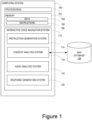
- memory 104 can store instructions for implementing the interactive voice navigation system 110.
- the computing system 100 can implement the interactive voice navigation system 110 to execute aspects of the present disclosure, including receiving audio-based interaction from a user while providing navigation services.
- system can refer to specialized hardware, computer logic that executes on a more general processor, or some combination thereof.
- a system can be implemented in hardware, application specific circuits, firmware and/or software controlling a general-purpose processor.
- the system can be implemented as program code files stored on the storage device, loaded into memory, and executed by a processor or can be provided from computer program products, for example computer executable instructions, that are stored in a tangible computer-readable storage medium such as RAM, hard disk or optical or magnetic media.
- Memory 104 can also include data 106 that can be retrieved, manipulated, created, or stored by the one or more processor(s) 102. In some example embodiments, such data can be accessed and used as input to the interactive voice navigation system 110. In some examples, the memory 104 can include data used to perform one or more processes and instructions that describe how those processes can be performed.
- the interactive voice navigation system 110 can include an instruction generation system 114, a context analysis system 116, an audio analysis system 118, and a response generation system 120. Each component included in the interactive voice navigation system 110 can be implemented as a distinct system or as one component of an overall system.
- the computing system 100 can be connected to a map database 134 that includes data describing a one or more characteristics of a plurality of geographic areas that can be used to generate navigation instructions.
- the instruction generation system 114 can access a list of navigation instructions that make up a turn-by-turn navigation process from a first location to a second location.
- the list of instructions can represent or include a sequential list of turns and other maneuvers that a vehicle or person must perform to move from the first location to the second location.
- the instruction generation system 114 can select a current navigation instruction from the list of instructions.
- the interactive voice navigation system 110 generally can select each instruction in the list of navigation instructions in sequence as the user moves in accordance with the list of navigation instructions.
- the interactive voice navigation system 110 can determine the next navigation instruction in the list of navigation instructions based on the previously provided navigation instructions, the position of the user, and an assessment of which instructions have already been completed by the user.
- a context analysis system 116 can collect and analyze contextual information associated with the provided navigation instruction.
- Contextual information can include information about the audio environment in which the navigation instructions are provided, information about the complexity of the navigation instructions and the complexity of the current navigation environment, and information about user activities while the navigation instruction is being provided.
- An audio analysis system 118 can access audio data captured as a result of the context analysis system activating a microphone.
- the audio analysis system 118 can, using natural language processing techniques, determine whether the audio includes any spoken words and if so, whether those spoken words are associated with the navigation instruction. For example, audio data that includes keywords associated with the navigation instruction or that directly ask a question that is relevant to navigation can be determined to be associated with the navigation instruction.
- the map database 134 can store a variety of map and navigation data.
- the map database 134 can include map data relevant to navigation.
- the map data can include a series of sub-maps, each sub-map including data for a geographic area including objects (e.g., buildings or other static features), paths of travel (e.g., roads, highways, public transportation lines, walking paths, and so on), and other features of interest.
- the map database can also include image data, the image data associated with one or more geographic areas.
- the map database 134 can also include satellite image data associated with one or more geographic areas.
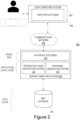
- FIG. 2 depicts an example client-server environment according to example embodiments of the present disclosure.
- the client-server system environment 200 includes one or more user computing systems 202 and the server computing system 230.
- One or more communication networks 220 can interconnect these components.
- the communication networks 220 may be any of a variety of network types, including local area networks (LANs), wide area networks (WANs), wireless networks, wired networks, the Internet, personal area networks (PANs), or a combination of such networks.
- LANs local area networks
- WANs wide area networks
- PANs personal area networks
- a user computing system 202 can be an electronic device, such as a personal computer (PC), a laptop, a smartphone, a tablet, a mobile phone, a wearable computing device, an electrical component of a vehicle or any other electronic device capable of communication with the communication network 220.
- a user computing system 202 can include one or more user application(s) 204 such as search applications, communication applications, navigation applications, productivity applications, game applications, word processing applications, or any other useful applications.
- the user application(s) 204 can include a web browser.
- the user computing system 202 can use a web browser (or other application) to send and receive requests to and from the server computing system 230.
- a user computing system 202 can include one or more sensors that can be used to determine the current location of the user computing system 202. This information can be transmitted, with the user's permission, the location of the user computing system 202 to the server computing system 230 in associated with providing a navigation service. This data can be used by the interactive voice navigation system 110 in coordination with data accessed from the map data 134. In some examples, one or more navigation instructions (e.g., the most recent navigation instruction or an upcoming navigation instruction) can be stored on the user computing system 202 temporarily.
- the server computing system 230 can generally be based on a three-tiered architecture, consisting of a front-end layer, application logic layer, and data layer.
- each component shown in FIG. 2 can represent a set of executable software instructions and the corresponding hardware (e.g., memory and processor) for executing the instructions.
- various components and engines that are not germane to conveying an understanding of the various examples have been omitted from FIG. 2 .
- a skilled artisan will readily recognize that various additional components and engines may be used with a server computing system 230, such as that illustrated in FIG. 2 , to facilitate additional functionality that is not specifically described herein.
- FIG. 2 may reside on a single server computer or may be distributed across several server computers in various arrangements.
- server computing system 230 is depicted in FIG. 2 as having a three-tiered architecture, the various example embodiments are by no means limited to this architecture.
- the application logic layer can include application data that can provide a broad range of other applications and services that allow users to access or receive geographic data for navigation or other purposes.
- the application logic layer can include an interactive voice navigation system 110 and response generation system 120.
- the interactive voice navigation system 110 can receive, from the user computing system 202, a request for turn-by-turn navigation from a first location to a second location.
- the interactive voice navigation system 110 can generate a list of navigation instructions that represents a turn-by-turn navigation from the first location to the second location.
- the list of navigation instructions can be transmitted to the user computing system 202 to be provided to the user.
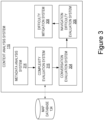
- FIG. 3 depicts a block diagram of a context analysis system 116 according to example embodiments of the present disclosure.
- the context analysis system 116 can determine information as to the context associated with a particular navigation instruction. To determine this context, the context analysis system 116 can include one or more of: metadata analysis system 314, a complexity evaluation system 316, a conversation evaluation system 304, a navigation difficulty evaluation system 306, and a difficulty mitigation system 308.
- the metadata analysis system 314 can receive, from the audio analysis system (e.g., audio analysis system 116 in FIG. 1 ), information about the current state of the user, any user response, and information about the current audio instructions.
- the metadata analysis system can receive information about the current noise level around the user (e.g., in the user's vehicle).
- the metadata can include a transcript of audio information received from a user for analysis.
- a complexity evaluation system 316 can generate a value that represents the degree to which the current navigation instruction is difficult to understand and the current environment is one through which it is difficult to navigate. For example, if the map data 134 for the area around the user includes multiple different navigation options that are tightly spaced (e.g., a plurality of possible turns), the complexity evaluation system 316 may generate an associated complexity value for the current navigation instruction that is higher than an environment in which only one turn is possible. Similarly, some instructions may be associated with higher complexity than others.
- navigation instructions that direct the user to take one of the four potential options may be determined to be more complex than an navigation instruction that direct the user to a highway exit with only a single exit option.
- the navigation difficulty evaluation system 306 can access information from the metadata analysis system 314, the complexity evaluation system 316, and the conversation evaluation system 304, to generate a difficulty value for the current navigation instruction that represents the degree to which the user may have difficulty understanding and responding to the audio information.
- the difficulty mitigation system 308 determines whether the navigation difficulty value generated by the navigation difficulty evaluation system 306 exceeds a predetermined threshold. If so, the difficulty mitigation system 308 can determine an appropriate mitigation response. For example, the difficulty mitigation system 308 can direct the computing system to repeat the audio information at a higher volume level.
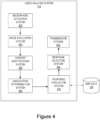
- FIG. 4 depicts a block diagram of an example audio analysis system 118 according to example embodiments of the present disclosure.
- the audio analysis system 118 can, based at least in part on the output of the context analysis system 116, determine an appropriate response to any user interaction with the navigation system.
- the audio analysis system includes one or more of: a microphone activation system 402, a noise evaluation system 403, a content evaluation system 404, an association determination system 406, a response evaluation system 410, a response selection system 408, and a transmission system 412.
- the microphone activation system 402 can activate a microphone associated with a user computing system (e.g., user computing system 202 in FIG. 2 ) in response to determining audio information is being, will be, or has been provided to the user.
- the audio analysis system 118 may constantly be passively monitoring audio data in the environment of the user computing system (e.g., user computing system 202 in FIG. 2 ) and the microphone activation system 402 only switches the system into a more active listening mode.
- the microphone activation system 402 can activate the microphone prior to the audio information being provided to get contextual information (e.g., background noise, ongoing conversation classification, etc.) for use in evaluating any user interaction with the navigation system.
- the microphone may be activated only for the duration of the time that the audio information is provided to the user.
- a passive listening mode can be a mode in which audio information is gathered but is only (or primarily) analyzed to identify signals as to whether the full capabilities of the audio analysis system (e.g., speech recognition and natural language processing) should be activated or engaged.
- the number of processing cycles (and therefore the amount of energy consumed) is significantly reduced when in a passive listening mode.
- a passive listening mode may be implemented to occur solely on a user computing system (e.g., user computing system 202 in FIG. 2 ).
- An actively listening mode can be implemented such that components at both the user computing system (e.g., user computing system 202 in FIG. 2 ) or the server computing system (e.g., server computing system 230 in FIG. 2 ) can be utilized.
- the noise evaluation system 403 can passively or actively monitor the background noise associated with the current location of the user.
- the current location of the user is the interior of the vehicle in which the user is riding or driving.
- the user is not in a vehicle (e.g., they are walking) and the current location of the user includes the outdoor geographic space that they are passing through.
- a volume level may be determined and any specific sounds that may be particularly loud and potentially distracting to the user may be identified.
- the noise evaluation system 403 can generate noise metadata for use by the content analysis system 116.
- the content identification system 404 can access audio data captured by the microphone associated with the user computing system (e.g., user computing system 202 in FIG. 2 ).
- the content identification system 404 can use one or more natural language processing techniques to identify any voices in the audio data and any words that may have been spoken. Any identified words and/or phrases can be output to the association determination system.
- the associated determination system 406 can determine whether the identified words or phrases are associated with the audio information or the navigation instruction contained therein. To do so, the association determination system 406 can identify whether the identified words are associated with navigation generally (e.g., questions about streets, turns, landmarks, and so on) and if so, whether the words are associated with the specific audio information that was recently provided. The associated determination system 406 can employ a trained machine-leamed model to distinguish between questions and statements by the user that are appropriate for the interactive voice navigation system (e.g., interactive voice navigation system 110 in FIG. 1 ) to respond to and those that are not appropriate for the interactive voice navigation system (e.g., interactive voice navigation system 110 in FIG. 1 ) to respond to.
- the interactive voice navigation system e.g., interactive voice navigation system 110 in FIG. 1
- the proposed responses can be scored based on one or more scoring criteria by the response selection system 408.
- the scoring criteria can include user preferences, information about the current noise levels in the environment of the user, collected data on what users find generally useful in response, and any other criteria that can help the response selection system 408 to identify an appropriate response.
- the transmission system 412 can generate an audio clip including the selected response and cause it to be provided to the user through a speaker.
- the selected response is agnostic of user preferences or data on what users find generally useful in a response
- FIG. 5 depicts a flow chart of an example method for interactive voice navigation according to example embodiments of the present disclosure.
- One or more portion(s) of the method can be implemented by one or more computing devices such as, for example, the computing devices described herein.
- one or more portion(s) of the method can be implemented as an algorithm on the hardware components of the device(s) described herein.
- FIG. 5 depicts elements performed in a particular order for purposes of illustration and discussion. Those of ordinary skill in the art, using the disclosures provided herein, will understand that the elements of any of the methods discussed herein can be adapted, rearranged, expanded, omitted, combined, and/or modified in various ways without deviating from the scope of the present disclosure.
- the method can be implemented by one or more computing devices, such as one or more of the computing devices depicted in FIGS. 1-2 .
- An interactive voice navigation system can provide, at 502, audio information including a navigation instruction from a list of tum-by-tum navigation instructions to a user. While providing the audio information to the user, the interactive voice navigation system can activate, at 506, an audio sensor associated with the computing system.
- the audio sensor can be a microphone.
- the microphone is activated in a passive listening mode before the audio information is provided. In some examples, the microphone is activated for listening for the duration of time in which the audio information is provided.
- the interactive voice navigation system can determine a navigation difficulty value based on one or more navigation difficulty factors associated with the navigation instruction.
- the interactive voice navigation system can determine whether the navigation difficulty value exceeds a predetermined threshold. In accordance with a determination that the navigation difficulty value exceeds a predetermined threshold value, the interactive voice navigation system can perform a mitigation action.
- the one or more navigation difficulty factors can include a navigation complexity value associated with the navigation instruction.
- the one or more navigation difficulty factors can include a map complexity value associated with the navigation instruction. In some examples, the one or more navigation difficulty factors can include a volume level of background noise. In some examples, the one or more navigation difficulty factors can include a determination of whether a conversation is currently ongoing in the area of the audio sensor.
- the interactive voice navigation system can determine that the collected audio data includes a request for repetition from the user.
- the context-appropriate response can be determined to be a repetition of the audio information.
- the interactive voice navigation system can determine that the collected audio data includes a request for additional information associated with the navigation instruction.
- the context-appropriate response includes clarifying information associated with the navigation instruction.
- the interactive voice navigation system can determine that the collected audio data includes feedback associated with the navigation instruction.
- the context-appropriate response can include a confirmation that the feedback has been recorded.
- the interactive voice navigation system can, in accordance with a determination that the audio data is associated with the navigation instruction, determine, at 512, a context-appropriate audio response.
- the interactive voice navigation system can provide, at 514, the context-appropriate audio response to the user through the user computing system associated with the user.
Landscapes
- Engineering & Computer Science (AREA)
- Remote Sensing (AREA)
- Radar, Positioning & Navigation (AREA)
- Physics & Mathematics (AREA)
- Health & Medical Sciences (AREA)
- Audiology, Speech & Language Pathology (AREA)
- Human Computer Interaction (AREA)
- General Physics & Mathematics (AREA)
- Acoustics & Sound (AREA)
- Multimedia (AREA)
- General Health & Medical Sciences (AREA)
- Theoretical Computer Science (AREA)
- Automation & Control Theory (AREA)
- Computational Linguistics (AREA)
- Artificial Intelligence (AREA)
- General Engineering & Computer Science (AREA)
- Navigation (AREA)
Claims (15)
- Computerimplementiertes Verfahren für interaktive Sprachnavigation, wobei das Verfahren Folgendes umfasst:Bereitstellen von Audioinformationen, die eine oder mehrere Navigationsanweisungen beinhalten, durch ein Computersystem, das einen oder mehrere Prozessoren beinhaltet, an einen Benutzer;Aktivieren eines Audiosensors, der mit dem Computersystem assoziiert ist, durch das Computersystem;Sammeln von Audiodaten, die mit dem Benutzer assoziiert sind, durch das Computersystem unter Verwendung des Audiosensors;Bestimmen durch das Computersystem basierend auf den Audiodaten, ob die Audiodaten mit der einen oder den mehreren Navigationsanweisungen assoziiert sind;gemäß einer Bestimmung, dass die Audiodaten mit der einen oder den mehreren Navigationsanweisungen assoziiert sind, Bestimmen einer kontextgerechten Audioantwort durch das Computersystem; undBereitstellen der kontextgerechten Audioantwort durch das Computersystem an den Benutzer.
- Computerimplementiertes Verfahren nach Anspruch 1, wobei das Bestimmen durch das Computersystem basierend auf den Audiodaten, ob die Audiodaten mit einer oder mehreren Navigationsanweisungen assoziiert sind, ferner Folgendes umfasst:
Bestimmen durch das Computersystem, dass die gesammelten Audiodaten eine Anforderung von dem Benutzer zur Wiederholung der einen oder der mehreren Navigationsanweisungen beinhalten. - Computerimplementiertes Verfahren nach Anspruch 1 oder 2, wobei bestimmt wird, dass die kontextgerechte Antwort eine Wiederholung der Audioinformationen ist, die die eine oder die mehreren Navigationsanweisungen beinhalten.
- Computerimplementiertes Verfahren nach einem der vorhergehenden Ansprüche, wobei das Bestimmen durch das Computersystem basierend auf den Audiodaten, ob die Audiodaten mit einer oder mehreren Navigationsanweisungen assoziiert sind, ferner Folgendes umfasst:
Bestimmen durch das Computersystem, dass die gesammelten Audiodaten eine Anforderung für zusätzliche Informationen beinhalten, die mit der einen oder den mehreren Navigationsanweisungen assoziiert sind; und wobei optional die kontextgerechte Antwort Klärungsinformationen beinhaltet, die mit der einen oder den mehreren Navigationsanweisungen assoziiert sind. - Computerimplementiertes Verfahren nach Anspruch 1, wobei das Bestimmen durch das Computersystem basierend auf den Audiodaten, ob die Audiodaten mit einer oder mehreren Navigationsanweisungen assoziiert sind, ferner Folgendes umfasst:
Bestimmen durch das Computersystem, dass die gesammelten Audiodaten eine Anforderung zum Ändern einer Route beinhalten, die mit der einen oder den mehreren Navigationsanweisungen assoziiert ist. - Computerimplementiertes Verfahren nach einem der vorhergehenden Ansprüche, wobei das Bestimmen durch das Computersystem basierend auf den Audiodaten, ob die Audiodaten mit der einen oder den mehreren Navigationsanweisungen assoziiert sind, ferner Folgendes umfasst:Bestimmen durch das Computersystem, dass die gesammelten Audiodaten Rückmeldungsinformationen beinhalten, die mit der einen oder den mehreren Navigationsanweisungen assoziiert sind;und wobei optional die kontextgerechte Antwort eine Bestätigung beinhaltet, dass die Rückmeldungsinformationen aufgezeichnet wurden.
- Computerimplementiertes Verfahren nach einem der vorstehenden Ansprüche, ferner umfassend:Bestimmen eines Navigationsschwierigkeitswerts, der mit der einen oder den mehreren Navigationsanweisungen assoziiert ist, durch das Computersystem basierend auf einem oder mehreren Navigationsschwierigkeitsfaktoren;Bestimmen durch das Computersystem, ob der Navigationsschwierigkeitswert einen vorbestimmten Schwellenwert überschreitet; undgemäß einer Bestimmung, dass der Navigationsschwierigkeitswert einen vorbestimmten Schwellenwert überschreitet, Durchführen einer Minderungsmaßnahme durch das Computersystem; und wobei:optional der eine oder die mehreren Navigationsschwierigkeitsfaktoren einen Navigationskomplexitätswert beinhalten, der mit der einen oder den mehreren Navigationsanweisungen assoziiert ist; undoptional der eine oder die mehreren Navigationsschwierigkeitsfaktoren einen Kartenkomplexitätswert beinhalten, der mit der einen oder den mehreren Navigationsanweisungen assoziiert ist.
- Computerimplementiertes Verfahren nach einem der Ansprüche 7, wobei der eine oder die mehreren Navigationsschwierigkeitsfaktoren einen Lautstärkepegel von Hintergrundrauschen beinhalten.
- Computerimplementiertes Verfahren nach Anspruch 7 oder 8, wobei der eine oder die mehreren Navigationsschwierigkeitsfaktoren eine Bestimmung beinhalten, ob in einem Bereich um den Audiosensor herum gerade ein Gespräch stattfindet.
- Computerimplementiertes Verfahren nach einem der Ansprüche 7 bis 9, wobei das Durchführen einer Minderungsmaßnahme durch das Computersystem Folgendes umfasst:
automatisches Abspielen der Audioinformationen, die die eine oder die mehreren Navigationsanweisungen beinhalten, durch das Computersystem auf einem erhöhten Lautstärkepegel. - Computerimplementiertes Verfahren nach einem der Ansprüche 7 bis 10, wobei das Durchführen einer Minderungsmaßnahme durch das Computersystem Folgendes umfasst:
automatisches Bereitstellen einer Abfrage durch das Computersystem, um den Benutzer aufzufordern, eine Schwierigkeit beim Verstehen der einen oder mehreren Navigationsanweisungen zu melden. - Computerimplementiertes Verfahren nach einem der vorhergehenden Ansprüche, wobei die Audiodaten Audiodaten umfassen, die von einer Umgebung um den Benutzer herum erfasst werden.
- Computerimplementiertes Verfahren nach einem der vorhergehenden Ansprüche, wobei der Audiosensor in einem passiven Hörmodus aktiviert wird, bevor die eine oder die mehreren Navigationsanweisungen bereitgestellt werden.
- Computersystem zum Durchführen interaktiver Sprachnavigation, wobei das System Folgendes umfasst:einen oder mehrere Prozessoren und einen oder mehrere computerlesbare Speicher;wobei der eine oder die mehreren computerlesbaren Speicher Anweisungen speichern, die, wenn sie von dem einen oder den mehreren Prozessoren ausgeführt werden, das Computersystem dazu veranlassen, das Verfahren nach einem der vorhergehenden Ansprüche durchzuführen.
- Computerlesbares Medium, das Anweisungen speichert, die, wenn sie von einer oder mehreren Computervorrichtungen ausgeführt werden, die eine oder die mehreren Computervorrichtungen dazu veranlassen, das Verfahren nach einem der Ansprüche 1 bis 13 durchzuführen.
Applications Claiming Priority (1)
| Application Number | Priority Date | Filing Date | Title |
|---|---|---|---|
| PCT/US2020/045909 WO2022035428A1 (en) | 2020-08-12 | 2020-08-12 | Interactive voice navigation |
Publications (2)
| Publication Number | Publication Date |
|---|---|
| EP4182919A1 EP4182919A1 (de) | 2023-05-24 |
| EP4182919B1 true EP4182919B1 (de) | 2025-03-19 |
Family
ID=72473945
Family Applications (1)
| Application Number | Title | Priority Date | Filing Date |
|---|---|---|---|
| EP20771654.9A Active EP4182919B1 (de) | 2020-08-12 | 2020-08-12 | Interaktive sprachnavigation |
Country Status (4)
| Country | Link |
|---|---|
| US (2) | US11946762B2 (de) |
| EP (1) | EP4182919B1 (de) |
| CN (1) | CN116034426A (de) |
| WO (1) | WO2022035428A1 (de) |
Family Cites Families (23)
| Publication number | Priority date | Publication date | Assignee | Title |
|---|---|---|---|---|
| DE102007002736A1 (de) * | 2007-01-18 | 2008-07-24 | Robert Bosch Gmbh | Verfahren zur Ausgaben von Abbiegehinweisen und Navigationsvorrichtung |
| US8140335B2 (en) | 2007-12-11 | 2012-03-20 | Voicebox Technologies, Inc. | System and method for providing a natural language voice user interface in an integrated voice navigation services environment |
| CN101957214B (zh) * | 2010-06-03 | 2014-09-24 | 宇龙计算机通信科技(深圳)有限公司 | 一种导航提示方法及导航装置 |
| US9638537B2 (en) * | 2012-06-21 | 2017-05-02 | Cellepathy Inc. | Interface selection in navigation guidance systems |
| US8862387B2 (en) * | 2013-01-08 | 2014-10-14 | Apple Inc. | Dynamic presentation of navigation instructions |
| US10748529B1 (en) * | 2013-03-15 | 2020-08-18 | Apple Inc. | Voice activated device for use with a voice-based digital assistant |
| US9736650B2 (en) * | 2014-03-27 | 2017-08-15 | Here Global B.V. | Method and apparatus for adapting navigation notifications based on compliance information |
| JP6526049B2 (ja) * | 2014-04-09 | 2019-06-05 | エックスモス インコーポレイテッド | 源信号分離における改良された測定、エンティティ及びパラメータ推定、及び経路伝播効果測定及び軽減のための方法及びシステム |
| US9541415B2 (en) * | 2014-08-28 | 2017-01-10 | Telenav, Inc. | Navigation system with touchless command mechanism and method of operation thereof |
| US10310808B2 (en) * | 2014-09-08 | 2019-06-04 | Google Llc | Systems and methods for simultaneously receiving voice instructions on onboard and offboard devices |
| CN105570940B (zh) | 2016-02-23 | 2017-06-06 | 美的集团股份有限公司 | 微波炉语音控制方法及微波炉 |
| US10451430B2 (en) * | 2016-07-26 | 2019-10-22 | International Business Machines Corporation | Navigation alerting using conversation analysis |
| DE102016219764A1 (de) * | 2016-10-11 | 2018-04-12 | Audi Ag | Verfahren zum Steuern einer Benutzerführung, Navigationsgerät und Kraftfahrzeug mit einem Navigationsgerät |
| JP6741387B2 (ja) * | 2016-11-28 | 2020-08-19 | アルパイン株式会社 | 音声出力装置 |
| US10788332B2 (en) * | 2017-12-07 | 2020-09-29 | International Business Machines Corporation | Route navigation based on user feedback |
| CN108827328A (zh) * | 2018-04-24 | 2018-11-16 | 联想(北京)有限公司 | 语音交互方法、装置、系统和计算机可读介质 |
| CN108806360A (zh) * | 2018-05-31 | 2018-11-13 | 北京智能管家科技有限公司 | 伴读方法、装置、设备和存储介质 |
| KR20210013726A (ko) | 2018-11-02 | 2021-02-05 | 구글 엘엘씨 | 컨텍스트 인식 내비게이션 음성 어시스턴트 |
| CN109686360A (zh) * | 2019-01-08 | 2019-04-26 | 哈尔滨理工大学 | 一种语音订餐机器人 |
| JP2020118913A (ja) * | 2019-01-28 | 2020-08-06 | オンキヨー株式会社 | 電子機器 |
| CN110047479A (zh) * | 2019-04-18 | 2019-07-23 | 深圳市三宝创新智能有限公司 | 一种用于智能机器人的语音交互装置 |
| CN111121814A (zh) * | 2020-01-08 | 2020-05-08 | 百度在线网络技术(北京)有限公司 | 导航方法、装置、电子设备及计算机可读存储介质 |
| CN111369994B (zh) * | 2020-03-16 | 2023-08-29 | 维沃移动通信有限公司 | 语音处理方法及电子设备 |
-
2020
- 2020-08-12 EP EP20771654.9A patent/EP4182919B1/de active Active
- 2020-08-12 US US17/251,244 patent/US11946762B2/en active Active
- 2020-08-12 CN CN202080104969.7A patent/CN116034426A/zh active Pending
- 2020-08-12 WO PCT/US2020/045909 patent/WO2022035428A1/en not_active Ceased
-
2024
- 2024-02-29 US US18/592,261 patent/US12504292B2/en active Active
Also Published As
| Publication number | Publication date |
|---|---|
| EP4182919A1 (de) | 2023-05-24 |
| CN116034426A (zh) | 2023-04-28 |
| US12504292B2 (en) | 2025-12-23 |
| US11946762B2 (en) | 2024-04-02 |
| US20230160710A1 (en) | 2023-05-25 |
| US20240318971A1 (en) | 2024-09-26 |
| WO2022035428A1 (en) | 2022-02-17 |
Similar Documents
| Publication | Publication Date | Title |
|---|---|---|
| US11003414B2 (en) | Acoustic control system, apparatus and method | |
| US10875525B2 (en) | Ability enhancement | |
| US10970899B2 (en) | Augmented reality display for a vehicle | |
| KR102655342B1 (ko) | 컨텍스트 인식 내비게이션 음성 어시스턴트 | |
| KR102403355B1 (ko) | 차량, 그와 통신하는 모바일 기기 및 차량의 제어 방법 | |
| CN111402879A (zh) | 车辆导航提示语音控制方法、装置、设备及介质 | |
| KR20210073461A (ko) | 에이전트 관리 장치, 프로그램, 및 에이전트 관리 방법 | |
| JP2006317573A (ja) | 情報端末 | |
| US9803991B2 (en) | Route guide device and route guide method | |
| US12504292B2 (en) | Interactive voice navigation | |
| JP6387287B2 (ja) | 不明事項解消処理システム | |
| US11333518B2 (en) | Vehicle virtual assistant systems and methods for storing and utilizing data associated with vehicle stops | |
| CN118626846A (zh) | 风险提示方法、车辆、设备及程序产品 | |
| WO2010073406A1 (ja) | 情報提供装置、通信端末、情報提供システム、情報提供方法、情報出力方法、情報提供プログラム、情報出力プログラムおよび記録媒体 | |
| US11763831B2 (en) | Output apparatus, output method and non-transitory computer-readable recording medium | |
| KR20240001244A (ko) | 메시지 기반 내비게이션 지원 | |
| CN115631550B (zh) | 一种用户反馈的方法和系统 | |
| WO2023163047A1 (ja) | 端末装置、情報提供システム、情報処理方法、プログラム及び記憶媒体 | |
| JP6786018B2 (ja) | 音声認識装置、車載用ナビゲーション装置、自動音声対話装置、及び音声認識方法 | |
| CN120260552A (zh) | 语音处理方法、装置、电子设备及存储介质 | |
| JP2024174172A (ja) | コンテンツ出力装置、コンテンツ出力方法、プログラム及び記憶媒体 | |
| JP2025177570A (ja) | 通知装置、情報処理装置およびプログラム | |
| JP2025116203A (ja) | 情報提供装置、情報提供方法及び情報提供用プログラム | |
| TWI439667B (zh) | 以個人導航裝置提供在地娛樂服務的方法 | |
| JP2023162857A (ja) | 音声対話装置及び音声対話方法 |
Legal Events
| Date | Code | Title | Description |
|---|---|---|---|
| STAA | Information on the status of an ep patent application or granted ep patent |
Free format text: STATUS: UNKNOWN |
|
| STAA | Information on the status of an ep patent application or granted ep patent |
Free format text: STATUS: THE INTERNATIONAL PUBLICATION HAS BEEN MADE |
|
| PUAI | Public reference made under article 153(3) epc to a published international application that has entered the european phase |
Free format text: ORIGINAL CODE: 0009012 |
|
| STAA | Information on the status of an ep patent application or granted ep patent |
Free format text: STATUS: REQUEST FOR EXAMINATION WAS MADE |
|
| 17P | Request for examination filed |
Effective date: 20230215 |
|
| AK | Designated contracting states |
Kind code of ref document: A1 Designated state(s): AL AT BE BG CH CY CZ DE DK EE ES FI FR GB GR HR HU IE IS IT LI LT LU LV MC MK MT NL NO PL PT RO RS SE SI SK SM TR |
|
| DAV | Request for validation of the european patent (deleted) | ||
| DAX | Request for extension of the european patent (deleted) | ||
| GRAP | Despatch of communication of intention to grant a patent |
Free format text: ORIGINAL CODE: EPIDOSNIGR1 |
|
| STAA | Information on the status of an ep patent application or granted ep patent |
Free format text: STATUS: GRANT OF PATENT IS INTENDED |
|
| INTG | Intention to grant announced |
Effective date: 20240819 |
|
| GRAS | Grant fee paid |
Free format text: ORIGINAL CODE: EPIDOSNIGR3 |
|
| GRAA | (expected) grant |
Free format text: ORIGINAL CODE: 0009210 |
|
| STAA | Information on the status of an ep patent application or granted ep patent |
Free format text: STATUS: THE PATENT HAS BEEN GRANTED |
|
| AK | Designated contracting states |
Kind code of ref document: B1 Designated state(s): AL AT BE BG CH CY CZ DE DK EE ES FI FR GB GR HR HU IE IS IT LI LT LU LV MC MK MT NL NO PL PT RO RS SE SI SK SM TR |
|
| P01 | Opt-out of the competence of the unified patent court (upc) registered |
Free format text: CASE NUMBER: APP_6297/2025 Effective date: 20250206 |
|
| REG | Reference to a national code |
Ref country code: GB Ref legal event code: FG4D |
|
| REG | Reference to a national code |
Ref country code: CH Ref legal event code: EP |
|
| REG | Reference to a national code |
Ref country code: DE Ref legal event code: R096 Ref document number: 602020047961 Country of ref document: DE |
|
| REG | Reference to a national code |
Ref country code: IE Ref legal event code: FG4D |
|
| PG25 | Lapsed in a contracting state [announced via postgrant information from national office to epo] |
Ref country code: RS Free format text: LAPSE BECAUSE OF FAILURE TO SUBMIT A TRANSLATION OF THE DESCRIPTION OR TO PAY THE FEE WITHIN THE PRESCRIBED TIME-LIMIT Effective date: 20250619 |
|
| PG25 | Lapsed in a contracting state [announced via postgrant information from national office to epo] |
Ref country code: FI Free format text: LAPSE BECAUSE OF FAILURE TO SUBMIT A TRANSLATION OF THE DESCRIPTION OR TO PAY THE FEE WITHIN THE PRESCRIBED TIME-LIMIT Effective date: 20250319 |
|
| REG | Reference to a national code |
Ref country code: LT Ref legal event code: MG9D |
|
| PG25 | Lapsed in a contracting state [announced via postgrant information from national office to epo] |
Ref country code: NO Free format text: LAPSE BECAUSE OF FAILURE TO SUBMIT A TRANSLATION OF THE DESCRIPTION OR TO PAY THE FEE WITHIN THE PRESCRIBED TIME-LIMIT Effective date: 20250619 |
|
| PG25 | Lapsed in a contracting state [announced via postgrant information from national office to epo] |
Ref country code: HR Free format text: LAPSE BECAUSE OF FAILURE TO SUBMIT A TRANSLATION OF THE DESCRIPTION OR TO PAY THE FEE WITHIN THE PRESCRIBED TIME-LIMIT Effective date: 20250319 |
|
| PG25 | Lapsed in a contracting state [announced via postgrant information from national office to epo] |
Ref country code: LV Free format text: LAPSE BECAUSE OF FAILURE TO SUBMIT A TRANSLATION OF THE DESCRIPTION OR TO PAY THE FEE WITHIN THE PRESCRIBED TIME-LIMIT Effective date: 20250319 |
|
| PG25 | Lapsed in a contracting state [announced via postgrant information from national office to epo] |
Ref country code: BG Free format text: LAPSE BECAUSE OF FAILURE TO SUBMIT A TRANSLATION OF THE DESCRIPTION OR TO PAY THE FEE WITHIN THE PRESCRIBED TIME-LIMIT Effective date: 20250319 Ref country code: GR Free format text: LAPSE BECAUSE OF FAILURE TO SUBMIT A TRANSLATION OF THE DESCRIPTION OR TO PAY THE FEE WITHIN THE PRESCRIBED TIME-LIMIT Effective date: 20250620 |
|
| REG | Reference to a national code |
Ref country code: NL Ref legal event code: MP Effective date: 20250319 |
|
| REG | Reference to a national code |
Ref country code: AT Ref legal event code: MK05 Ref document number: 1777653 Country of ref document: AT Kind code of ref document: T Effective date: 20250319 |
|
| PG25 | Lapsed in a contracting state [announced via postgrant information from national office to epo] |
Ref country code: NL Free format text: LAPSE BECAUSE OF FAILURE TO SUBMIT A TRANSLATION OF THE DESCRIPTION OR TO PAY THE FEE WITHIN THE PRESCRIBED TIME-LIMIT Effective date: 20250319 |
|
| PG25 | Lapsed in a contracting state [announced via postgrant information from national office to epo] |
Ref country code: SE Free format text: LAPSE BECAUSE OF FAILURE TO SUBMIT A TRANSLATION OF THE DESCRIPTION OR TO PAY THE FEE WITHIN THE PRESCRIBED TIME-LIMIT Effective date: 20250319 |
|
| PG25 | Lapsed in a contracting state [announced via postgrant information from national office to epo] |
Ref country code: SM Free format text: LAPSE BECAUSE OF FAILURE TO SUBMIT A TRANSLATION OF THE DESCRIPTION OR TO PAY THE FEE WITHIN THE PRESCRIBED TIME-LIMIT Effective date: 20250319 |
|
| PG25 | Lapsed in a contracting state [announced via postgrant information from national office to epo] |
Ref country code: PT Free format text: LAPSE BECAUSE OF FAILURE TO SUBMIT A TRANSLATION OF THE DESCRIPTION OR TO PAY THE FEE WITHIN THE PRESCRIBED TIME-LIMIT Effective date: 20250721 Ref country code: ES Free format text: LAPSE BECAUSE OF FAILURE TO SUBMIT A TRANSLATION OF THE DESCRIPTION OR TO PAY THE FEE WITHIN THE PRESCRIBED TIME-LIMIT Effective date: 20250319 |
|
| PGFP | Annual fee paid to national office [announced via postgrant information from national office to epo] |
Ref country code: DE Payment date: 20250827 Year of fee payment: 6 |
|
| PG25 | Lapsed in a contracting state [announced via postgrant information from national office to epo] |
Ref country code: IT Free format text: LAPSE BECAUSE OF FAILURE TO SUBMIT A TRANSLATION OF THE DESCRIPTION OR TO PAY THE FEE WITHIN THE PRESCRIBED TIME-LIMIT Effective date: 20250319 Ref country code: PL Free format text: LAPSE BECAUSE OF FAILURE TO SUBMIT A TRANSLATION OF THE DESCRIPTION OR TO PAY THE FEE WITHIN THE PRESCRIBED TIME-LIMIT Effective date: 20250319 |
|
| PGFP | Annual fee paid to national office [announced via postgrant information from national office to epo] |
Ref country code: GB Payment date: 20250827 Year of fee payment: 6 |
|
| PG25 | Lapsed in a contracting state [announced via postgrant information from national office to epo] |
Ref country code: AT Free format text: LAPSE BECAUSE OF FAILURE TO SUBMIT A TRANSLATION OF THE DESCRIPTION OR TO PAY THE FEE WITHIN THE PRESCRIBED TIME-LIMIT Effective date: 20250319 |
|
| PGFP | Annual fee paid to national office [announced via postgrant information from national office to epo] |
Ref country code: FR Payment date: 20250825 Year of fee payment: 6 |
|
| PG25 | Lapsed in a contracting state [announced via postgrant information from national office to epo] |
Ref country code: EE Free format text: LAPSE BECAUSE OF FAILURE TO SUBMIT A TRANSLATION OF THE DESCRIPTION OR TO PAY THE FEE WITHIN THE PRESCRIBED TIME-LIMIT Effective date: 20250319 Ref country code: CZ Free format text: LAPSE BECAUSE OF FAILURE TO SUBMIT A TRANSLATION OF THE DESCRIPTION OR TO PAY THE FEE WITHIN THE PRESCRIBED TIME-LIMIT Effective date: 20250319 |
|
| PG25 | Lapsed in a contracting state [announced via postgrant information from national office to epo] |
Ref country code: RO Free format text: LAPSE BECAUSE OF FAILURE TO SUBMIT A TRANSLATION OF THE DESCRIPTION OR TO PAY THE FEE WITHIN THE PRESCRIBED TIME-LIMIT Effective date: 20250319 |
|
| PG25 | Lapsed in a contracting state [announced via postgrant information from national office to epo] |
Ref country code: SK Free format text: LAPSE BECAUSE OF FAILURE TO SUBMIT A TRANSLATION OF THE DESCRIPTION OR TO PAY THE FEE WITHIN THE PRESCRIBED TIME-LIMIT Effective date: 20250319 |
|
| PG25 | Lapsed in a contracting state [announced via postgrant information from national office to epo] |
Ref country code: IS Free format text: LAPSE BECAUSE OF FAILURE TO SUBMIT A TRANSLATION OF THE DESCRIPTION OR TO PAY THE FEE WITHIN THE PRESCRIBED TIME-LIMIT Effective date: 20250719 |
|
| REG | Reference to a national code |
Ref country code: DE Ref legal event code: R097 Ref document number: 602020047961 Country of ref document: DE |
|
| PG25 | Lapsed in a contracting state [announced via postgrant information from national office to epo] |
Ref country code: DK Free format text: LAPSE BECAUSE OF FAILURE TO SUBMIT A TRANSLATION OF THE DESCRIPTION OR TO PAY THE FEE WITHIN THE PRESCRIBED TIME-LIMIT Effective date: 20250319 |
|
| PLBE | No opposition filed within time limit |
Free format text: ORIGINAL CODE: 0009261 |
|
| STAA | Information on the status of an ep patent application or granted ep patent |
Free format text: STATUS: NO OPPOSITION FILED WITHIN TIME LIMIT |
|
| REG | Reference to a national code |
Ref country code: CH Ref legal event code: L10 Free format text: ST27 STATUS EVENT CODE: U-0-0-L10-L00 (AS PROVIDED BY THE NATIONAL OFFICE) Effective date: 20260128 |
|
| 26N | No opposition filed |
Effective date: 20251222 |
|
| REG | Reference to a national code |
Ref country code: CH Ref legal event code: H13 Free format text: ST27 STATUS EVENT CODE: U-0-0-H10-H13 (AS PROVIDED BY THE NATIONAL OFFICE) Effective date: 20260324 |
|
| PG25 | Lapsed in a contracting state [announced via postgrant information from national office to epo] |
Ref country code: MC Free format text: LAPSE BECAUSE OF FAILURE TO SUBMIT A TRANSLATION OF THE DESCRIPTION OR TO PAY THE FEE WITHIN THE PRESCRIBED TIME-LIMIT Effective date: 20250319 |
|
| PG25 | Lapsed in a contracting state [announced via postgrant information from national office to epo] |
Ref country code: LU Free format text: LAPSE BECAUSE OF NON-PAYMENT OF DUE FEES Effective date: 20250812 |