EP4163010A1 - Photocatalyst and application thereof in photocatalytic environmentally-friendly treatment of power batteries - Google Patents
Photocatalyst and application thereof in photocatalytic environmentally-friendly treatment of power batteries Download PDFInfo
- Publication number
- EP4163010A1 EP4163010A1 EP21830124.0A EP21830124A EP4163010A1 EP 4163010 A1 EP4163010 A1 EP 4163010A1 EP 21830124 A EP21830124 A EP 21830124A EP 4163010 A1 EP4163010 A1 EP 4163010A1
- Authority
- EP
- European Patent Office
- Prior art keywords
- taon
- gas
- photocatalyst
- temperature
- hollow glass
- Prior art date
- Legal status (The legal status is an assumption and is not a legal conclusion. Google has not performed a legal analysis and makes no representation as to the accuracy of the status listed.)
- Granted
Links
Images

Classifications
-
- B—PERFORMING OPERATIONS; TRANSPORTING
- B01—PHYSICAL OR CHEMICAL PROCESSES OR APPARATUS IN GENERAL
- B01D—SEPARATION
- B01D53/00—Separation of gases or vapours; Recovering vapours of volatile solvents from gases; Chemical or biological purification of waste gases, e.g. engine exhaust gases, smoke, fumes, flue gases, aerosols
- B01D53/34—Chemical or biological purification of waste gases
- B01D53/46—Removing components of defined structure
- B01D53/72—Organic compounds not provided for in groups B01D53/48 - B01D53/70, e.g. hydrocarbons
-
- B—PERFORMING OPERATIONS; TRANSPORTING
- B01—PHYSICAL OR CHEMICAL PROCESSES OR APPARATUS IN GENERAL
- B01D—SEPARATION
- B01D53/00—Separation of gases or vapours; Recovering vapours of volatile solvents from gases; Chemical or biological purification of waste gases, e.g. engine exhaust gases, smoke, fumes, flue gases, aerosols
- B01D53/34—Chemical or biological purification of waste gases
- B01D53/74—General processes for purification of waste gases; Apparatus or devices specially adapted therefor
- B01D53/86—Catalytic processes
- B01D53/88—Handling or mounting catalysts
- B01D53/885—Devices in general for catalytic purification of waste gases
-
- B—PERFORMING OPERATIONS; TRANSPORTING
- B01—PHYSICAL OR CHEMICAL PROCESSES OR APPARATUS IN GENERAL
- B01J—CHEMICAL OR PHYSICAL PROCESSES, e.g. CATALYSIS OR COLLOID CHEMISTRY; THEIR RELEVANT APPARATUS
- B01J23/00—Catalysts comprising metals or metal oxides or hydroxides, not provided for in group B01J21/00
- B01J23/38—Catalysts comprising metals or metal oxides or hydroxides, not provided for in group B01J21/00 of noble metals
- B01J23/48—Silver or gold
- B01J23/50—Silver
-
- B—PERFORMING OPERATIONS; TRANSPORTING
- B01—PHYSICAL OR CHEMICAL PROCESSES OR APPARATUS IN GENERAL
- B01J—CHEMICAL OR PHYSICAL PROCESSES, e.g. CATALYSIS OR COLLOID CHEMISTRY; THEIR RELEVANT APPARATUS
- B01J35/00—Catalysts, in general, characterised by their form or physical properties
- B01J35/30—Catalysts, in general, characterised by their form or physical properties characterised by their physical properties
- B01J35/39—Photocatalytic properties
-
- B—PERFORMING OPERATIONS; TRANSPORTING
- B01—PHYSICAL OR CHEMICAL PROCESSES OR APPARATUS IN GENERAL
- B01D—SEPARATION
- B01D53/00—Separation of gases or vapours; Recovering vapours of volatile solvents from gases; Chemical or biological purification of waste gases, e.g. engine exhaust gases, smoke, fumes, flue gases, aerosols
- B01D53/007—Separation of gases or vapours; Recovering vapours of volatile solvents from gases; Chemical or biological purification of waste gases, e.g. engine exhaust gases, smoke, fumes, flue gases, aerosols by irradiation
-
- B—PERFORMING OPERATIONS; TRANSPORTING
- B01—PHYSICAL OR CHEMICAL PROCESSES OR APPARATUS IN GENERAL
- B01D—SEPARATION
- B01D53/00—Separation of gases or vapours; Recovering vapours of volatile solvents from gases; Chemical or biological purification of waste gases, e.g. engine exhaust gases, smoke, fumes, flue gases, aerosols
- B01D53/34—Chemical or biological purification of waste gases
- B01D53/74—General processes for purification of waste gases; Apparatus or devices specially adapted therefor
- B01D53/86—Catalytic processes
-
- B—PERFORMING OPERATIONS; TRANSPORTING
- B01—PHYSICAL OR CHEMICAL PROCESSES OR APPARATUS IN GENERAL
- B01D—SEPARATION
- B01D53/00—Separation of gases or vapours; Recovering vapours of volatile solvents from gases; Chemical or biological purification of waste gases, e.g. engine exhaust gases, smoke, fumes, flue gases, aerosols
- B01D53/34—Chemical or biological purification of waste gases
- B01D53/74—General processes for purification of waste gases; Apparatus or devices specially adapted therefor
- B01D53/86—Catalytic processes
- B01D53/8668—Removing organic compounds not provided for in B01D53/8603 - B01D53/8665
-
- B—PERFORMING OPERATIONS; TRANSPORTING
- B01—PHYSICAL OR CHEMICAL PROCESSES OR APPARATUS IN GENERAL
- B01J—CHEMICAL OR PHYSICAL PROCESSES, e.g. CATALYSIS OR COLLOID CHEMISTRY; THEIR RELEVANT APPARATUS
- B01J21/00—Catalysts comprising the elements, oxides, or hydroxides of magnesium, boron, aluminium, carbon, silicon, titanium, zirconium, or hafnium
- B01J21/06—Silicon, titanium, zirconium or hafnium; Oxides or hydroxides thereof
- B01J21/08—Silica
-
- B—PERFORMING OPERATIONS; TRANSPORTING
- B01—PHYSICAL OR CHEMICAL PROCESSES OR APPARATUS IN GENERAL
- B01J—CHEMICAL OR PHYSICAL PROCESSES, e.g. CATALYSIS OR COLLOID CHEMISTRY; THEIR RELEVANT APPARATUS
- B01J27/00—Catalysts comprising the elements or compounds of halogens, sulfur, selenium, tellurium, phosphorus or nitrogen; Catalysts comprising carbon compounds
- B01J27/24—Nitrogen compounds
-
- B—PERFORMING OPERATIONS; TRANSPORTING
- B01—PHYSICAL OR CHEMICAL PROCESSES OR APPARATUS IN GENERAL
- B01J—CHEMICAL OR PHYSICAL PROCESSES, e.g. CATALYSIS OR COLLOID CHEMISTRY; THEIR RELEVANT APPARATUS
- B01J35/00—Catalysts, in general, characterised by their form or physical properties
- B01J35/30—Catalysts, in general, characterised by their form or physical properties characterised by their physical properties
- B01J35/391—Physical properties of the active metal ingredient
- B01J35/394—Metal dispersion value, e.g. percentage or fraction
-
- B—PERFORMING OPERATIONS; TRANSPORTING
- B01—PHYSICAL OR CHEMICAL PROCESSES OR APPARATUS IN GENERAL
- B01J—CHEMICAL OR PHYSICAL PROCESSES, e.g. CATALYSIS OR COLLOID CHEMISTRY; THEIR RELEVANT APPARATUS
- B01J35/00—Catalysts, in general, characterised by their form or physical properties
- B01J35/40—Catalysts, in general, characterised by their form or physical properties characterised by dimensions, e.g. grain size
-
- B—PERFORMING OPERATIONS; TRANSPORTING
- B01—PHYSICAL OR CHEMICAL PROCESSES OR APPARATUS IN GENERAL
- B01J—CHEMICAL OR PHYSICAL PROCESSES, e.g. CATALYSIS OR COLLOID CHEMISTRY; THEIR RELEVANT APPARATUS
- B01J35/00—Catalysts, in general, characterised by their form or physical properties
- B01J35/50—Catalysts, in general, characterised by their form or physical properties characterised by their shape or configuration
- B01J35/51—Spheres
- B01J35/52—Hollow spheres
-
- B—PERFORMING OPERATIONS; TRANSPORTING
- B01—PHYSICAL OR CHEMICAL PROCESSES OR APPARATUS IN GENERAL
- B01J—CHEMICAL OR PHYSICAL PROCESSES, e.g. CATALYSIS OR COLLOID CHEMISTRY; THEIR RELEVANT APPARATUS
- B01J37/00—Processes, in general, for preparing catalysts; Processes, in general, for activation of catalysts
- B01J37/0009—Use of binding agents; Moulding; Pressing; Powdering; Granulating; Addition of materials ameliorating the mechanical properties of the product catalyst
- B01J37/0027—Powdering
- B01J37/0036—Grinding
-
- B—PERFORMING OPERATIONS; TRANSPORTING
- B01—PHYSICAL OR CHEMICAL PROCESSES OR APPARATUS IN GENERAL
- B01J—CHEMICAL OR PHYSICAL PROCESSES, e.g. CATALYSIS OR COLLOID CHEMISTRY; THEIR RELEVANT APPARATUS
- B01J37/00—Processes, in general, for preparing catalysts; Processes, in general, for activation of catalysts
- B01J37/02—Impregnation, coating or precipitation
- B01J37/0215—Coating
-
- B—PERFORMING OPERATIONS; TRANSPORTING
- B01—PHYSICAL OR CHEMICAL PROCESSES OR APPARATUS IN GENERAL
- B01J—CHEMICAL OR PHYSICAL PROCESSES, e.g. CATALYSIS OR COLLOID CHEMISTRY; THEIR RELEVANT APPARATUS
- B01J37/00—Processes, in general, for preparing catalysts; Processes, in general, for activation of catalysts
- B01J37/02—Impregnation, coating or precipitation
- B01J37/0215—Coating
- B01J37/0221—Coating of particles
-
- B—PERFORMING OPERATIONS; TRANSPORTING
- B01—PHYSICAL OR CHEMICAL PROCESSES OR APPARATUS IN GENERAL
- B01J—CHEMICAL OR PHYSICAL PROCESSES, e.g. CATALYSIS OR COLLOID CHEMISTRY; THEIR RELEVANT APPARATUS
- B01J37/00—Processes, in general, for preparing catalysts; Processes, in general, for activation of catalysts
- B01J37/02—Impregnation, coating or precipitation
- B01J37/0215—Coating
- B01J37/0228—Coating in several steps
-
- B—PERFORMING OPERATIONS; TRANSPORTING
- B01—PHYSICAL OR CHEMICAL PROCESSES OR APPARATUS IN GENERAL
- B01J—CHEMICAL OR PHYSICAL PROCESSES, e.g. CATALYSIS OR COLLOID CHEMISTRY; THEIR RELEVANT APPARATUS
- B01J37/00—Processes, in general, for preparing catalysts; Processes, in general, for activation of catalysts
- B01J37/02—Impregnation, coating or precipitation
- B01J37/024—Multiple impregnation or coating
-
- B—PERFORMING OPERATIONS; TRANSPORTING
- B01—PHYSICAL OR CHEMICAL PROCESSES OR APPARATUS IN GENERAL
- B01J—CHEMICAL OR PHYSICAL PROCESSES, e.g. CATALYSIS OR COLLOID CHEMISTRY; THEIR RELEVANT APPARATUS
- B01J37/00—Processes, in general, for preparing catalysts; Processes, in general, for activation of catalysts
- B01J37/04—Mixing
-
- B—PERFORMING OPERATIONS; TRANSPORTING
- B01—PHYSICAL OR CHEMICAL PROCESSES OR APPARATUS IN GENERAL
- B01J—CHEMICAL OR PHYSICAL PROCESSES, e.g. CATALYSIS OR COLLOID CHEMISTRY; THEIR RELEVANT APPARATUS
- B01J37/00—Processes, in general, for preparing catalysts; Processes, in general, for activation of catalysts
- B01J37/08—Heat treatment
-
- B—PERFORMING OPERATIONS; TRANSPORTING
- B01—PHYSICAL OR CHEMICAL PROCESSES OR APPARATUS IN GENERAL
- B01J—CHEMICAL OR PHYSICAL PROCESSES, e.g. CATALYSIS OR COLLOID CHEMISTRY; THEIR RELEVANT APPARATUS
- B01J37/00—Processes, in general, for preparing catalysts; Processes, in general, for activation of catalysts
- B01J37/12—Oxidising
- B01J37/14—Oxidising with gases containing free oxygen
-
- B—PERFORMING OPERATIONS; TRANSPORTING
- B01—PHYSICAL OR CHEMICAL PROCESSES OR APPARATUS IN GENERAL
- B01J—CHEMICAL OR PHYSICAL PROCESSES, e.g. CATALYSIS OR COLLOID CHEMISTRY; THEIR RELEVANT APPARATUS
- B01J37/00—Processes, in general, for preparing catalysts; Processes, in general, for activation of catalysts
- B01J37/34—Irradiation by, or application of, electric, magnetic or wave energy, e.g. ultrasonic waves ; Ionic sputtering; Flame or plasma spraying; Particle radiation
-
- B—PERFORMING OPERATIONS; TRANSPORTING
- B01—PHYSICAL OR CHEMICAL PROCESSES OR APPARATUS IN GENERAL
- B01J—CHEMICAL OR PHYSICAL PROCESSES, e.g. CATALYSIS OR COLLOID CHEMISTRY; THEIR RELEVANT APPARATUS
- B01J37/00—Processes, in general, for preparing catalysts; Processes, in general, for activation of catalysts
- B01J37/34—Irradiation by, or application of, electric, magnetic or wave energy, e.g. ultrasonic waves ; Ionic sputtering; Flame or plasma spraying; Particle radiation
- B01J37/341—Irradiation by, or application of, electric, magnetic or wave energy, e.g. ultrasonic waves ; Ionic sputtering; Flame or plasma spraying; Particle radiation making use of electric or magnetic fields, wave energy or particle radiation
-
- B—PERFORMING OPERATIONS; TRANSPORTING
- B01—PHYSICAL OR CHEMICAL PROCESSES OR APPARATUS IN GENERAL
- B01J—CHEMICAL OR PHYSICAL PROCESSES, e.g. CATALYSIS OR COLLOID CHEMISTRY; THEIR RELEVANT APPARATUS
- B01J37/00—Processes, in general, for preparing catalysts; Processes, in general, for activation of catalysts
- B01J37/34—Irradiation by, or application of, electric, magnetic or wave energy, e.g. ultrasonic waves ; Ionic sputtering; Flame or plasma spraying; Particle radiation
- B01J37/341—Irradiation by, or application of, electric, magnetic or wave energy, e.g. ultrasonic waves ; Ionic sputtering; Flame or plasma spraying; Particle radiation making use of electric or magnetic fields, wave energy or particle radiation
- B01J37/344—Irradiation by, or application of, electric, magnetic or wave energy, e.g. ultrasonic waves ; Ionic sputtering; Flame or plasma spraying; Particle radiation making use of electric or magnetic fields, wave energy or particle radiation of electromagnetic wave energy
-
- H—ELECTRICITY
- H01—ELECTRIC ELEMENTS
- H01M—PROCESSES OR MEANS, e.g. BATTERIES, FOR THE DIRECT CONVERSION OF CHEMICAL ENERGY INTO ELECTRICAL ENERGY
- H01M10/00—Secondary cells; Manufacture thereof
- H01M10/54—Reclaiming serviceable parts of waste accumulators
-
- B—PERFORMING OPERATIONS; TRANSPORTING
- B01—PHYSICAL OR CHEMICAL PROCESSES OR APPARATUS IN GENERAL
- B01D—SEPARATION
- B01D2255/00—Catalysts
- B01D2255/10—Noble metals or compounds thereof
- B01D2255/104—Silver
-
- B—PERFORMING OPERATIONS; TRANSPORTING
- B01—PHYSICAL OR CHEMICAL PROCESSES OR APPARATUS IN GENERAL
- B01D—SEPARATION
- B01D2255/00—Catalysts
- B01D2255/20—Metals or compounds thereof
- B01D2255/207—Transition metals
-
- B—PERFORMING OPERATIONS; TRANSPORTING
- B01—PHYSICAL OR CHEMICAL PROCESSES OR APPARATUS IN GENERAL
- B01D—SEPARATION
- B01D2255/00—Catalysts
- B01D2255/70—Non-metallic catalysts, additives or dopants
-
- B—PERFORMING OPERATIONS; TRANSPORTING
- B01—PHYSICAL OR CHEMICAL PROCESSES OR APPARATUS IN GENERAL
- B01D—SEPARATION
- B01D2259/00—Type of treatment
- B01D2259/80—Employing electric, magnetic, electromagnetic or wave energy, or particle radiation
- B01D2259/804—UV light
-
- B—PERFORMING OPERATIONS; TRANSPORTING
- B01—PHYSICAL OR CHEMICAL PROCESSES OR APPARATUS IN GENERAL
- B01J—CHEMICAL OR PHYSICAL PROCESSES, e.g. CATALYSIS OR COLLOID CHEMISTRY; THEIR RELEVANT APPARATUS
- B01J2235/00—Indexing scheme associated with group B01J35/00, related to the analysis techniques used to determine the catalysts form or properties
- B01J2235/15—X-ray diffraction
-
- B—PERFORMING OPERATIONS; TRANSPORTING
- B01—PHYSICAL OR CHEMICAL PROCESSES OR APPARATUS IN GENERAL
- B01J—CHEMICAL OR PHYSICAL PROCESSES, e.g. CATALYSIS OR COLLOID CHEMISTRY; THEIR RELEVANT APPARATUS
- B01J2235/00—Indexing scheme associated with group B01J35/00, related to the analysis techniques used to determine the catalysts form or properties
- B01J2235/30—Scanning electron microscopy; Transmission electron microscopy
Definitions
- the present invention relates to the field of catalysts, and more particularly, to a photocatalyst and application thereof in an environmentally friendly photocatalytic treatment of a power battery.
- the electrolyte of a lithium battery is a carrier of ion transport in the battery.
- the electrolyte generally consists of lithium and an organic solvent.
- the electrolyte plays a role of conducting ions between a cathode and an anode of the lithium battery.
- the electrolyte is prepared from high-purity organic solvent, electrolyte lithium, and necessary additives in a certain proportion under certain conditions.
- the electrolyte of the lithium battery is a liquid in which electrolytes are dissolved in the organic solvent.
- the electrolytes are usually lithium perchlorate, lithium hexafluorophosphate, and the like.
- the organic solvent usually refers to carbonate liquid organic matters.
- the electrolyte is an organic volatile liquid and has obvious corrosivity, which will cause serious damage to the respiratory tract if it is inhaled for a long term. Lithium ion batteries should be collected and properly treated during recycling, and the volatilization and dissipation of the electrolyte should be strictly controlled to avoid harm to human health and the ecological environment.
- the traditional method of treating the electrolyte is to put the lithium ion battery in a pyrolysis oven so that the electrolyte and other organic matters are pyrolyzed at the same time.
- the traditional recovery methods such as "Anaerobic Cracking Recovery and Sorting Process of Lithium Battery” ( CN201810712762.2 )
- the diaphragm is also removed by pyrolysis during pyrolysis, which leads to the ineffective recovery of the diaphragm, low resource recovery rate and obvious limitations.
- There are still some problems such as low catalytic conversion efficiency, high catalyst cost, and low degradation rate when using the current catalyst to catalytically degrade the electrolyte.
- the objective of the present invention is to provide a photocatalyst and application thereof in the environmentally friendly photocatalytic treatment of a power battery.
- TaON and the hollow glass microsphere are compounded, the hollow glass microsphere has better light permeability, which avoids mutual shielding between catalysts, such that the photocatalyst filled in a reactor is fully excited, which is capable of effectively improving a light utilization rate, thereby improving the catalytic conversion efficiency of the photocatalyst.
- the present invention employs the following technical solutions.
- a photocatalyst is obtained by loading Ag-TaON on a hollow glass microsphere; and a mass ratio of the Ag-TaON to the hollow glass microsphere is 1: (5 to 10).
- the hollow glass microsphere has a particle size ranging from 10 ⁇ m to 10 mm.
- chemical compositions of the hollow glass microsphere by mass are as follows: 45% to 90% of SiO 2 , 5% to 50% of Al 2 O 3 , 4% to 10% of K 2 O, 1% to 10% of CaO, and 0% to 12% of B 2 O 3 .
- a preparation method of a photocatalyst includes steps of
- the solvent is water and methanol; and a mass ratio of the TaON to the water to the methanol is 1: 20 to 60: 15 to 40.
- the soluble silver salt is a AgNO 3 solution.
- the AgNO 3 solution has a concentration of 0.5 mol ⁇ L -1 to 1 mol ⁇ L -1 .
- the irradiating is carried out by a high-pressure mercury lamp in a nitrogen atmosphere and lasts for 10 minutes to 30 minutes.
- the sodium tripolyphosphate solution has a concentration of 0.1 mol ⁇ L -1 to 1 mol-L -1 .
- step (2) the stirring is carried out at a speed of revolution ranging from 400 r/min to 800 r/min and lasts for 20 minutes to 60 minutes.
- step (2) the sintering is carried out at a temperature of 200°C to 300°C in a nitrogen atmosphere and lasts for 1 hour to 2 hours.
- the TaON is prepared by the following steps:
- the pretreating of step (1) includes: pushing a corundum porcelain boat containing the tantalum foil into a middle heating section of a tube furnace, sealing with a flange, and introducing an inert gas at a flow rate of 2 mL ⁇ min -1 to 30 mL ⁇ min -1 for 20 minutes to 120 minutes at ambient temperature; and then, switching to another gas channel to introduce a pretreatment gas at a flow rate of 2 mL ⁇ min -1 to 30 mL ⁇ min -1 , then raising the temperature to 250°C to 350°C at a rate of 2°C ⁇ min -1 to 8°C ⁇ min -1 , and keeping the temperature for 30 minutes to 150 minutes.
- the pretreatment gas is a mixed gas of H 2 and N 2 , and the H 2 has a concentration of 5% to 10%.
- the cooling is reducing the temperature to ambient temperature.
- the inert gas is at least one selected from the group consisting of pure N 2 , Ar, and He.
- step (2) and step (3) the introducing the inert gas is carried out at a flow rate of 2 mL ⁇ min -1 to 30 mL ⁇ min -1 , and lasts for 20 minutes to 120 minutes.
- the O 2 has a concentration of 5% to 10%.
- step (2) the introducing the reaction gas A is carried out at a flow rate of 2 mL ⁇ min -1 to 30 mL ⁇ min -1 .
- step (2) the temperature is raised to 500°C to 600°C at a rate of 2°C ⁇ min -1 to 8°C ⁇ min -1 .
- the temperature is kept for 30 minutes to 150 minutes.
- the NH 3 has a concentration of 5% to 10%.
- step (3) the introducing the reaction gas A is carried out at a flow rate of 2 mL ⁇ min -1 to 30 mL ⁇ min -1 .
- the temperature is raised to 800°C to 900°C at a rate of 2°C ⁇ min -1 to 8°C ⁇ min -1 .
- the temperature is kept for 180 minutes to 300 minutes.
- An environmentally friendly photocatalytic treatment method of a power battery includes steps of
- the cleaning liquid is at least one selected from the group consisting of NaOH, Ca(OH) 2 , and KOH.
- the cleaning liquid has a concentration of 0.1 mol ⁇ L -1 to 1 mol ⁇ L -1 .
- the light source is ultraviolet light.
- the reactor filled with the photocatalyst is installed on a roof of a factory building for daylighting, and the solar energy excites the photocatalyst to generate photogenerated electric charges, thus carrying out catalytic oxidation and cracking polyethylene and polypropylene into micromolecules.
- the reactor has a loading rate of 30% to 100%.
- the raw materials, reagents or devices used in the following embodiments can be obtained from conventional commercial sources or by existing known methods.
- a photocatalyst was obtained by loading Ag-TaON on a hollow glass microsphere; and a mass ratio of the Ag-TaON to the hollow glass microsphere was 1: 5.
- a preparation method of a power battery photocatalyst includes steps of:
- An environmentally friendly photocatalytic treatment method of a power battery includes steps of:
- a photocatalyst was obtained by loading Ag-TaON on a hollow glass microsphere; and a mass ratio of the Ag-TaON to the hollow glass microsphere was 1: 8.
- a preparation method of a photocatalyst includes steps of:
- An environmentally friendly photocatalytic treatment method of a power battery includes steps of:
- a photocatalyst was obtained by loading Ag-TaON on a hollow glass microsphere; and a mass ratio of the Ag-TaON to the hollow glass microsphere was 1: 8.
- a preparation method of a photocatalyst includes steps of:
- An environmentally friendly photocatalytic treatment method of a power battery includes steps of:
- a method for catalyzing an electrolyte of a TaON catalyst includes steps of:
- a method for catalyzing an electrolyte of a Ag-TaON catalyst includes steps of:
- the Ag-TaON catalyst is obtained by reducing the catalyst in Comparative Example 2 with sodium borohydride and the Ag-TaON catalyst is obtained by photodeposition in Embodiment 2.Although the contents of the catalyst Ag in Comparative Example 2 and Embodiment 2 are the same, the conversion rate of Comparative Example 2 is only 85.3% with the same amount of Ag, and after 300 cycle tests, the conversion rate is only 67.7%, so the property of Comparative Example 2 is far lower than that of Embodiment 2. In this way, it is indicated that the property of the catalyst obtained by the reduction method of the present invention is superior to that of the traditional method.
Landscapes
- Chemical & Material Sciences (AREA)
- Engineering & Computer Science (AREA)
- Chemical Kinetics & Catalysis (AREA)
- Materials Engineering (AREA)
- Organic Chemistry (AREA)
- Physics & Mathematics (AREA)
- Health & Medical Sciences (AREA)
- Environmental & Geological Engineering (AREA)
- General Chemical & Material Sciences (AREA)
- Analytical Chemistry (AREA)
- Oil, Petroleum & Natural Gas (AREA)
- Toxicology (AREA)
- Biomedical Technology (AREA)
- Plasma & Fusion (AREA)
- Thermal Sciences (AREA)
- Optics & Photonics (AREA)
- Manufacturing & Machinery (AREA)
- Electrochemistry (AREA)
- Electromagnetism (AREA)
- Catalysts (AREA)
- Hybrid Cells (AREA)
Abstract
Description
- The present invention relates to the field of catalysts, and more particularly, to a photocatalyst and application thereof in an environmentally friendly photocatalytic treatment of a power battery.
- The electrolyte of a lithium battery is a carrier of ion transport in the battery. The electrolyte generally consists of lithium and an organic solvent. The electrolyte plays a role of conducting ions between a cathode and an anode of the lithium battery. The electrolyte is prepared from high-purity organic solvent, electrolyte lithium, and necessary additives in a certain proportion under certain conditions.
- The electrolyte of the lithium battery is a liquid in which electrolytes are dissolved in the organic solvent. The electrolytes are usually lithium perchlorate, lithium hexafluorophosphate, and the like. The organic solvent usually refers to carbonate liquid organic matters. The electrolyte is an organic volatile liquid and has obvious corrosivity, which will cause serious damage to the respiratory tract if it is inhaled for a long term. Lithium ion batteries should be collected and properly treated during recycling, and the volatilization and dissipation of the electrolyte should be strictly controlled to avoid harm to human health and the ecological environment.
- The traditional method of treating the electrolyte is to put the lithium ion battery in a pyrolysis oven so that the electrolyte and other organic matters are pyrolyzed at the same time. However, the traditional recovery methods, such as "Anaerobic Cracking Recovery and Sorting Process of Lithium Battery" (
CN201810712762.2 - The objective of the present invention is to provide a photocatalyst and application thereof in the environmentally friendly photocatalytic treatment of a power battery. According to the power battery photocatalyst of the present invention, TaON and the hollow glass microsphere are compounded, the hollow glass microsphere has better light permeability, which avoids mutual shielding between catalysts, such that the photocatalyst filled in a reactor is fully excited, which is capable of effectively improving a light utilization rate, thereby improving the catalytic conversion efficiency of the photocatalyst.
- To implement the foregoing objective, the present invention employs the following technical solutions.
- A photocatalyst is obtained by loading Ag-TaON on a hollow glass microsphere; and a mass ratio of the Ag-TaON to the hollow glass microsphere is 1: (5 to 10).
- Preferably, the hollow glass microsphere has a particle size ranging from 10 µm to 10 mm.
- Preferably, chemical compositions of the hollow glass microsphere by mass are as follows: 45% to 90% of SiO2, 5% to 50% of Al2O3, 4% to 10% of K2O, 1% to 10% of CaO, and 0% to 12% of B2O3.
- A preparation method of a photocatalyst includes steps of
- (1) grinding TaON into powder, dispersing the powder in a solvent, adding a soluble silver salt, stirring, irradiating, centrifuging, and washing to obtain a Ag-TaON catalyst; and
- (2) dispersing the Ag-TaON catalyst in a sodium tripolyphosphate solution, adding a hollow glass microsphere, stirring, drying, and sintering to obtain the photocatalyst with Ag-TaON loaded on surfaces of the hollow glass microsphere.
- Preferably, in step (1), the solvent is water and methanol; and a mass ratio of the TaON to the water to the methanol is 1: 20 to 60: 15 to 40.
- Preferably, in step (1), the soluble silver salt is a AgNO3 solution.
- More preferably, the AgNO3 solution has a concentration of 0.5 mol·L-1 to 1 mol·L-1.
- Preferably, in step (1), the irradiating is carried out by a high-pressure mercury lamp in a nitrogen atmosphere and lasts for 10 minutes to 30 minutes.
- Preferably, in step (2), the sodium tripolyphosphate solution has a concentration of 0.1 mol·L-1 to 1 mol-L-1.
- Preferably, in step (2), the stirring is carried out at a speed of revolution ranging from 400 r/min to 800 r/min and lasts for 20 minutes to 60 minutes.
- Preferably, in step (2), the sintering is carried out at a temperature of 200°C to 300°C in a nitrogen atmosphere and lasts for 1 hour to 2 hours.
- Preferably, the TaON is prepared by the following steps:
- (1) pretreating a tantalum foil;
- (2) cooling, introducing an inert gas, then introducing reaction gas A, raising a temperature, keeping the temperature and reacting to obtain TazOs; and
- (3) cooling, introducing an inert gas, then introducing reaction gas B, raising the temperature, keeping the temperature and reacting to obtain TaON, wherein, in step (2), the reaction gas A is a mixed gas of O2 and N2; and in step (3), the reaction gas B is a mixed gas of NH3 and N2.
- Preferably, the pretreating of step (1) includes: pushing a corundum porcelain boat containing the tantalum foil into a middle heating section of a tube furnace, sealing with a flange, and introducing an inert gas at a flow rate of 2 mL·min-1 to 30 mL·min-1 for 20 minutes to 120 minutes at ambient temperature; and then, switching to another gas channel to introduce a pretreatment gas at a flow rate of 2 mL·min-1 to 30 mL·min-1, then raising the temperature to 250°C to 350°C at a rate of 2°C·min-1 to 8°C·min-1, and keeping the temperature for 30 minutes to 150 minutes.
- More preferably, the pretreatment gas is a mixed gas of H2 and N2, and the H2 has a concentration of 5% to 10%.
- Preferably, in step (2) and step (3), the cooling is reducing the temperature to ambient temperature.
- Preferably, in step (2) and step (3), the inert gas is at least one selected from the group consisting of pure N2, Ar, and He.
- Preferably, in step (2) and step (3), the introducing the inert gas is carried out at a flow rate of 2 mL·min-1 to 30 mL·min-1, and lasts for 20 minutes to 120 minutes.
- Preferably, the O2 has a concentration of 5% to 10%.
- Preferably, in step (2), the introducing the reaction gas A is carried out at a flow rate of 2 mL·min-1 to 30 mL·min-1.
- Preferably, in step (2), the temperature is raised to 500°C to 600°C at a rate of 2°C·min-1 to 8°C·min-1.
- Preferably, in step (2), the temperature is kept for 30 minutes to 150 minutes.
- Preferably, the NH3 has a concentration of 5% to 10%.
- Preferably, in step (3), the introducing the reaction gas A is carried out at a flow rate of 2 mL·min-1 to 30 mL·min-1.
- Preferably, in step (3), the temperature is raised to 800°C to 900°C at a rate of 2°C·min-1 to 8°C·min-1.
- Preferably, in step (3), the temperature is kept for 180 minutes to 300 minutes.
- An environmentally friendly photocatalytic treatment method of a power battery includes steps of
- (1) disassembling and pyrolyzing a waste lithium battery to obtain a gas mixed with an electrolyte; and
- (2) introducing the gas mixed with the electrolyte into a cleaning liquid, then introducing the gas mixed with the electrolyte into a reactor filled with the photocatalyst, and irradiating with a light source for photocatalysis to degrade the electrolyte into CO2 and H2O.
- Preferably, in step (2), the cleaning liquid is at least one selected from the group consisting of NaOH, Ca(OH)2, and KOH.
- Preferably, in step (2), the cleaning liquid has a concentration of 0.1 mol·L-1 to 1 mol·L-1.
- Preferably, in step (2), the light source is ultraviolet light.
- The reactor filled with the photocatalyst is installed on a roof of a factory building for daylighting, and the solar energy excites the photocatalyst to generate photogenerated electric charges, thus carrying out catalytic oxidation and cracking polyethylene and polypropylene into micromolecules.
- Preferably, in step (2), the reactor has a loading rate of 30% to 100%.
-
- 1. According to the present invention, the Ag-TaON and the hollow glass microsphere are compounded, the hollow glass microsphere has better light permeability, which avoids mutual shielding between catalysts, such that the photocatalyst filled in the reactor is fully excited, which is capable of effectively improving a light utilization rate, thus improving the catalytic conversion efficiency of the photocatalyst.
- 2. Compared with the traditional chemical reduction method, the catalyst of the present invention is combined with Ag in a light deposition mode, which can obtain smaller Ag granules, so that the dispersion degree of Ag is larger, the atomic utilization rate is improved, the consumption of Ag is reduced, and the catalyst cost is lower.
- 3. According to the present invention, Ag-TaON is employed as the photocatalyst, and a light response range of TaON can cover part of visible light, the introduction of Ag can enrich electrons, and the Ag-TaON catalyst can carry out photocatalytic reaction under the action of the visible light.
- 4. According to the present invention, Ag-TaON is employed as the photocatalyst, and the photocatalysis technology is employed to degrade the electrolyte. After removing fluoride from the electrolyte by alkali liquor, the electrolyte is introduced into a photocatalytic reactor, and the organic matters in the electrolyte are catalytically oxidized into CO2 and H2O directly under the action of photocatalysis. The treatment process needs no additional chemicals, and the treatment process is environment-friendly, safe and low-cost. The treated tail gas is nontoxic and harmless, and can be directly discharged.
-
-
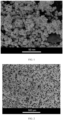
FIG. 1 is an SEM graph of Ag-TaON powder in Embodiment 2 of the present invention; -
FIG. 2 is an SEM graph of a photocatalyst prepared in Embodiment 2 of the present invention; and -
FIG. 3 is an XRD graph of the Ag-TaON powder in Embodiment 2 of the present invention. - In order to make the technical solutions of the present invention clearer to those skilled in the art, the following embodiments are listed for explanation. It should be noted that the following embodiments do not limit the scope of protection claimed by the present invention.
- Unless otherwise specified, the raw materials, reagents or devices used in the following embodiments can be obtained from conventional commercial sources or by existing known methods.
- A photocatalyst was obtained by loading Ag-TaON on a hollow glass microsphere; and a mass ratio of the Ag-TaON to the hollow glass microsphere was 1: 5.
- A preparation method of a power battery photocatalyst includes steps of:
- (1) pushing a corundum porcelain boat containing a tantalum foil into a middle heating section of a tube furnace, sealing with a flange, introducing pure N2 at a flow rate of 2 mL·min-1 for 20 minutes at ambient temperature, switching to another gas channel to introduce a mixed gas of H2 and N2 at a flow rate of 2 mL·min-1, the H2 having a concentration of 5%, and meanwhile, starting a temperature control program to raise the temperature to 250°C at a rate of 2°C·min-1, and keeping the temperature for 30 minutes;
- (2) reducing the temperature to ambient temperature, switching to another gas channel to introduce pure N2 at a flow rate of 2 mL·min-1 for 20 minutes, then switching to another gas channel to introduce a mixed gas of O2 and N2 at a flow rate of 2 mL·min-1, the O2 having a concentration of 5%, and meanwhile, starting the temperature control program to raise the temperature to 500°C at a rate of 2°C·min-1, and keeping the temperature for 30 minutes to obtain Ta2O5;
- (3) reducing the temperature to ambient temperature, switching to another gas channel to introduce pure N2 at a flow rate of 2 mL·min-1 for 20 minutes, then switching to another gas channel to introduce a mixed gas of NH3 and N2 at a flow rate of 2 mL·min-1, the NH3 having a concentration of 5%, and meanwhile, starting the temperature control program to raise the temperature to 800°C at a rate of 2°C·min-1, and keeping the temperature for 180 minutes to obtain TaON;
- (4) reducing the temperature to ambient temperature, taking the TaON out, grinding the TaON into powder, adding magnetons according to a proportion of 1 g: 20 mL: 15 mL (TaON: water: methanol) to form a disperse system under vigorously magnetic stirring (a speed of revolution of 800 r/min), placing the disperse system in nitrogen atmosphere, then adding a AgNO3 solution with a concentration of 0.5 mol·L-1 according to the load of 0.5%, and then stirring for 5 minutes, irradiating the mixture with a high-pressure mercury lamp for 10 minutes, centrifuging and washing the mixture to obtain a Ag-TaON catalyst; and
- (5) dispersing the Ag-TaON catalyst in a sodium tripolyphosphate solution with a concentration of 0.1 mol·L-1, adding 200 mesh hollow glass microsphere according to a weight ratio of 1:5 (Ag-TaON: hollow glass microsphere), stirring the mixture (a speed of revolution of 400 r/min) for 20 minutes, drying the mixture, and then sintering the same at 200°C for 1 hour under nitrogen atmosphere to obtain the photocatalyst loaded on the surfaces of the hollow glass microsphere.
- An environmentally friendly photocatalytic treatment method of a power battery includes steps of:
- (1) disassembling and pyrolyzing a waste lithium battery to obtain a gas mixed with an electrolyte; and
- (2) introducing the gas mixed with the electrolyte into a NaOH solution with a concentration of 0.1 mol·L-1, then introducing the gas mixed with the electrolyte into a reactor filled with the photocatalyst, and irradiating with an ultraviolet lamp for photocatalysis to degrade the electrolyte to obtain CO2 and H2O.
- A photocatalyst was obtained by loading Ag-TaON on a hollow glass microsphere; and a mass ratio of the Ag-TaON to the hollow glass microsphere was 1: 8.
- A preparation method of a photocatalyst includes steps of:
- (1) pushing a corundum porcelain boat containing a tantalum foil into a middle heating section of a tube furnace, sealing with a flange, introducing pure Ar at a flow rate of 15 mL·min-1 for 70 minutes at ambient temperature, switching to another gas channel to introduce a mixed gas of H2 and N2 at a flow rate of 15 mL·min-1, the H2 having a concentration of 8%, and meanwhile, starting a temperature control program to raise the temperature to 300°C at a rate of 5°C·min-1, and keeping the temperature for 90 minutes;
- (2) reducing the temperature to ambient temperature, switching to another gas channel to introduce pure Ar at a flow rate of 15 mL·min-1 within 70 minutes, then switching to another gas channel to introduce a mixed gas of O2 and N2 at a flow rate of 15 mL·min-1, the O2 having a concentration of 8%, and meanwhile, starting the temperature control program to raise the temperature to 550°C at a rate of 5°C·min-1, and keeping the temperature for 90 minutes to obtain Ta2O5;
- (3) reducing the temperature to ambient temperature, switching to another gas channel to introduce pure Ar at a flow rate of 15 mL·min-1 within 70 minutes, then switching to another gas channel to introduce a mixed gas of NH3 and N2 at a flow rate of 15 mL·min-1, the NH3 having a concentration of 8%, and meanwhile, starting the temperature control program to raise the temperature to 850°C at a rate of 5°C·min-1, and keeping the temperature for 240 minutes to obtain TaON;
- (4) reducing the temperature to ambient temperature, taking the TaON out, grinding the TaON into powder, adding magnetons according to a proportion of 1 g: 40 mL: 25 mL (TaON: water: methanol) to form a disperse system under vigorously magnetic stirring (a speed of revolution of 1,200 r/min), placing the disperse system in nitrogen atmosphere, then adding AgNO3 solution with a concentration of 0.8 mol·L-1 according to the load of 0.7%, and then stirring for 5 minutes, irradiating the mixture with a high-pressure mercury lamp for 20 minutes, centrifuging and washing the mixture to obtain a Ag-TaON catalyst; and
- (5) dispersing the Ag-TaON catalyst in a sodium tripolyphosphate solution with a concentration of 0.5 mol·L-1, adding 300 mesh hollow glass microsphere according to a weight ratio of 1:8 (Ag-TaON: hollow glass microsphere), stirring the mixture (a speed of revolution of 600 r/min) for 40 minutes, drying the mixture, and then sintering the same at 250°C for 1.5 hours under nitrogen atmosphere to obtain the power battery photocatalyst loaded on the hollow glass microsphere.
- An environmentally friendly photocatalytic treatment method of a power battery includes steps of:
- (1) disassembling and pyrolyzing a waste lithium battery to obtain a gas mixed with an electrolyte; and
- (2) introducing the gas mixed with the electrolyte into a NaOH solution with a concentration of 0.2 mol·L-1, then introducing the gas mixed with the electrolyte into a reactor filled with the photocatalyst, and irradiating with an ultraviolet lamp for photocatalysis to degrade the electrolyte to obtain CO2 and H2O.
- A photocatalyst was obtained by loading Ag-TaON on a hollow glass microsphere; and a mass ratio of the Ag-TaON to the hollow glass microsphere was 1: 8.
- A preparation method of a photocatalyst includes steps of:
- (1) pushing a corundum porcelain boat containing a tantalum foil into a middle heating section of a tube furnace, sealing with a flange, introducing pure Ar at a flow rate of 15 mL·min-1 for 70 minutes at ambient temperature, switching to another gas channel to introduce a mixed gas of H2 and N2 at a flow rate of 15 mL·min-1, the H2 having a concentration of 8%, and meanwhile, starting a temperature control program to raise the temperature to 300°C at a rate of 5°C • min-1, and keeping the temperature for 90 minutes;
- (2) reducing the temperature to ambient temperature, switching to another gas channel to introduce pure Ar at a flow rate of 15 mL·min-1 within 70 minutes, then switching to another gas channel to introduce a mixed gas of O2 and N2 at a flow rate of 15 mL·min-1, the O2 having a concentration of 8%, and meanwhile, starting the temperature control program to raise the temperature to 550°C at a rate of 5°C • min-1, and keeping the temperature for 90 minutes to obtain Ta2O5;
- (3) reducing the temperature to ambient temperature, switching to another gas channel to introduce pure Ar at a flow rate of 15 mL·min-1 within 70 minutes, then switching to another gas channel to introduce a mixed gas of NH3 and N2 at a flow rate of 15 mL·min-1, the NH3 having a concentration of 8%, and meanwhile, starting the temperature control program to raise the temperature to 850°C at a rate of 5°C • min-1, and keeping the temperature for 240 minutes to obtain TaON;
- (4) reducing the temperature to ambient temperature, taking the TaON out, grinding the TaON into powder, adding magnetons according to a proportion of 1 g: 40 mL: 25 mL (TaON: water: methanol) to form a disperse system under vigorously magnetic stirring (a speed of revolution of 1,200 r/min), placing the disperse system in nitrogen atmosphere, then adding AgNO3 solution with a concentration of 0.8 mol·L-1 according to the load of 0.7%, and then stirring for 5 minutes, irradiating the mixture with a high-pressure mercury lamp for 20 minutes, centrifuging and washing the mixture to obtain a Ag-TaON catalyst; and
- (5) dispersing the Ag-TaON catalyst in a sodium tripolyphosphate solution with a concentration 0.5 mol·L-1, adding 300 mesh hollow glass microsphere according to a weight ratio of 1:8 (Ag-TaON: hollow glass microsphere), stirring the mixture (a speed of revolution of 600 r/min) for 40 minutes, drying the mixture, and then sintering the same at 250°C for 1.5 hours under nitrogen atmosphere to obtain the power battery photocatalyst loaded on the surfaces of the hollow glass microsphere.
- An environmentally friendly photocatalytic treatment method of a power battery includes steps of:
- (1) disassembling and pyrolyzing a waste lithium battery to obtain a gas mixed with an electrolyte; and
- (2) introducing the gas mixed with the electrolyte into a NaOH solution with a concentration of 0.2 mol·L-1, then introducing the gas mixed with the electrolyte into a reactor filled with the photocatalyst, and irradiating with an ultraviolet lamp for photocatalysis to degrade the electrolyte to obtain CO2 and H2O.
- A method for catalyzing an electrolyte of a TaON catalyst includes steps of:
- (1) placing TazOs in a tube furnace, keeping the temperature at 800°C for 4 hours in an ammonia atmosphere to obtain TaON, and grinding the TaON into powder to obtain a TaON catalyst; and
- (2) adding the TaON and a hollow glass microsphere into a sodium tripolyphosphate solution, stirring, dispersing and drying the mixture, and sintering the mixture at 200°C, and using the obtained catalyst for photocatalytic degradation of the electrolyte in a quartz reactor.
- A method for catalyzing an electrolyte of a Ag-TaON catalyst includes steps of:
- (1) placing Ta2O5 in a tube furnace, keeping the temperature at 800°C for 4 hours in an ammonia atmosphere to obtain TaON, grinding the TaON into powder, adding the power into a silver nitrate solution with a load of 0.7%, and reducing with sodium borohydride to obtain Ag-TaON; and
- (2) adding the Ag-TaON and a hollow glass microsphere into a sodium tripolyphosphate solution, stirring, dispersing and drying the mixture, and sintering the mixture at 200°C, and using the obtained catalyst for photocatalytic degradation of the electrolyte in a quartz reactor.
- The products obtained by carrying out photodegradation of electrolyte according to Embodiment 2 and Comparative Examples 1 and 2 were detected by gas chromatography respectively. The yield results are shown in
FIG. 1 . It can be seen from Table 1 that the catalyst in Comparative Example 1 has no Ag, and the electrolyte conversion rate is 73.2%, while the electrolyte conversion rate in Embodiment 2 is 96.2%. The electrolyte conversion rate in Embodiment 2 is higher than that in Comparative Example 1, indicating that the catalytic property of Embodiment 2 is higher than that of the catalyst in Comparative Example 1. After 300 cycle tests, the electrolyte conversion rate in Comparative Example 1 remains at 62.3%, while the electrolyte conversion rate in Embodiment 2 is 95.6%, indicating that the stability of the catalyst in Embodiment 2 is better than that in Comparative Example 1. This fully reflects the effect of Ag in improving the catalytic efficiency. The Ag-TaON catalyst is obtained by reducing the catalyst in Comparative Example 2 with sodium borohydride and the Ag-TaON catalyst is obtained by photodeposition in Embodiment 2.Although the contents of the catalyst Ag in Comparative Example 2 and Embodiment 2 are the same, the conversion rate of Comparative Example 2 is only 85.3% with the same amount of Ag, and after 300 cycle tests, the conversion rate is only 67.7%, so the property of Comparative Example 2 is far lower than that of Embodiment 2. In this way, it is indicated that the property of the catalyst obtained by the reduction method of the present invention is superior to that of the traditional method.Table 1 Comparison of photodegradation properties of electrolytes in Example 2 with that of Comparative Examples 1 and 2 Degradation rate Cycle property (conversion rate after 300 cycles) Comparative Example 1 73.2% 62.3% Comparative Example 2 85.3% 67.7% Embodiment 2 96.2% 95.6% - The photocatalyst and the application thereof in the environmentally friendly photocatalytic treatment of the power battery provided by the present invention have been introduced in detail above, and the principle and implementation of the present invention have been illustrated with specific embodiments. The explanation of the above embodiments is only used to help understand the method and the core idea of the present invention, including the best mode, and also enables any person skilled in the art to practice the present invention, including manufacturing and using any device or system, and implementing any combined method. It should be pointed out that for those of ordinary skills in the art, several improvements and modifications can be made to the present invention without departing from the principle of the present invention, and these improvements and modifications also fall within the protection scope of the claims of the present invention. The protection scope of the present invention is defined by the claims, and may include other embodiments that can be thought of by those skilled in the art. If these other embodiments have structural elements that are not different from the literal expression of the claims, or if they include equivalent structural elements that are not materially different from the literal expression of the claims, these other embodiments should also be included in the scope of the claims.
Claims (10)
- A photocatalyst, wherein the photocatalyst is obtained by loading Ag-TaON on a hollow glass microsphere; and a mass ratio of the Ag-TaON to the hollow glass microsphere is 1: (5 to 10).
- The photocatalyst of claim 1, wherein the hollow glass microsphere has a particle size ranging from 10 µm to 10 mm.
- A preparation method of the photocatalyst of claim 1 or 2, comprising steps of(1) grinding TaON into powder, dispersing the powder in a solvent, adding a soluble silver salt, stirring, irradiating, centrifuging and washing to obtain a Ag-TaON catalyst; and(2) dispersing the Ag-TaON catalyst in a sodium tripolyphosphate solution, adding a hollow glass microsphere, stirring and sintering to obtain the photocatalyst with Ag-TaON loaded on the hollow glass microsphere.
- The preparation method of claim 3, wherein in step (1), the solvent is water and methanol; a mass ratio of the TaON to the water to the methanol is 1: (20 to 60): (15 to 40); and the soluble silver salt is a AgNO3 solution.
- The preparation method of claim 3, wherein in step (2), the sintering is carried out at a temperature of 200°C to 300°C in a nitrogen atmosphere, and lasts for 1 hour to 2 hours.
- The preparation method of claim 3, wherein the TaON is prepared by the following steps:(1) pretreating a tantalum foil;(2) cooling, introducing an inert gas, then introducing reaction gas A, raising a temperature, keeping the temperature and reacting to obtain TazOs; and(3) cooling, introducing an inert gas, then introducing reaction gas B, raising the temperature, keeping the temperature and reacting to obtain TaON, wherein in step (2), the reaction gas A is a mixed gas of O2 and N2; and the reaction gas B in step (3) is a mixed gas of NH3 and N2.
- The preparation method of claim 6, wherein the pretreating of step (1) comprises pushing a corundum porcelain boat containing the tantalum foil into a middle heating section of a tube furnace, sealing with a flange, and introducing an inert gas at a flow rate of 2 mL·min-1 to 30 mL·min-1 for 20 minutes to 120 minutes at ambient temperature; and then, switching to another gas channel to introduce a pretreatment gas at a flow rate of 2 mL·min-1 to 30 mL·min-1, then raising the temperature to 250°C to 350°C at a rate of 2°C·min-1 to 8°C·min-1, and keeping the temperature for 30 minutes to 150 minutes, wherein the pretreatment gas is a mixed gas of H2 and N2.
- The preparation method of claim 6, wherein in step (2) and step (3), the inert gas is at least one selected from the group consisting of pure N2, Ar, and He.
- An environmentally friendly photocatalytic treatment method of a power battery, comprising:(1) disassembling and pyrolyzing a waste lithium battery to obtain a gas mixed with an electrolyte; and(2) introducing the gas mixed with the electrolyte into a cleaning liquid, then introducing the gas mixed with the electrolyte into a reactor filled with the photocatalyst according to claim 1 or 2, and irradiating with a light source for photocatalysis to degrade the electrolyte into CO2 and H2O.
- The environmentally friendly photocatalytic treatment method of the power battery of claim 9, wherein the cleaning liquid is at least one selected from the group consisting of NaOH, Ca(OH)2, and KOH.
Priority Applications (1)
| Application Number | Priority Date | Filing Date | Title |
|---|---|---|---|
| MA59919A MA59919B1 (en) | 2020-06-24 | 2021-04-30 | PHOTOCATALYST AND ITS APPLICATION IN THE ECOLOGICALLY FRIENDLY PHOTOCATALYTIC TREATMENT OF ELECTRIC BATTERIES |
Applications Claiming Priority (2)
| Application Number | Priority Date | Filing Date | Title |
|---|---|---|---|
| CN202010589960.1A CN111804323B (en) | 2020-06-24 | 2020-06-24 | Photocatalyst and application thereof in photocatalytic environment-friendly treatment of power battery |
| PCT/CN2021/091554 WO2021258856A1 (en) | 2020-06-24 | 2021-04-30 | Photocatalyst and application thereof in photocatalytic environmentally-friendly treatment of power batteries |
Publications (3)
| Publication Number | Publication Date |
|---|---|
| EP4163010A1 true EP4163010A1 (en) | 2023-04-12 |
| EP4163010A4 EP4163010A4 (en) | 2023-12-20 |
| EP4163010B1 EP4163010B1 (en) | 2024-11-06 |
Family
ID=72855155
Family Applications (1)
| Application Number | Title | Priority Date | Filing Date |
|---|---|---|---|
| EP21830124.0A Active EP4163010B1 (en) | 2020-06-24 | 2021-04-30 | Photocatalyst and application thereof in photocatalytic environmentally-friendly treatment of power batteries |
Country Status (8)
| Country | Link |
|---|---|
| US (1) | US11826729B2 (en) |
| EP (1) | EP4163010B1 (en) |
| CN (1) | CN111804323B (en) |
| CL (1) | CL2022003735A1 (en) |
| ES (1) | ES3000390T3 (en) |
| HU (2) | HUE070325T2 (en) |
| MA (1) | MA59919B1 (en) |
| WO (1) | WO2021258856A1 (en) |
Families Citing this family (2)
| Publication number | Priority date | Publication date | Assignee | Title |
|---|---|---|---|---|
| CN111804323B (en) | 2020-06-24 | 2022-03-15 | 广东邦普循环科技有限公司 | Photocatalyst and application thereof in photocatalytic environment-friendly treatment of power battery |
| CN113540605B (en) * | 2021-07-16 | 2022-07-12 | 南昌航空大学 | A method for harmless treatment of pyrolysis exhaust gas of decommissioned old lithium batteries |
Family Cites Families (11)
| Publication number | Priority date | Publication date | Assignee | Title |
|---|---|---|---|---|
| US5632863A (en) * | 1994-11-22 | 1997-05-27 | Meador; W. R. | Battery pyrolysis process |
| JP2015200016A (en) * | 2014-03-31 | 2015-11-12 | 富士フイルム株式会社 | Photoelectrode for water decomposition and water decomposition apparatus |
| CN103990488B (en) * | 2014-06-11 | 2015-12-02 | 哈尔滨工业大学 | Two-step method prepares Cu 2the method of O/TaON composite photocatalyst material |
| US9590278B2 (en) * | 2014-08-08 | 2017-03-07 | Massachusetts Institute Of Technology | Recycling car batteries for perovskite solar cells |
| CN106794459B (en) * | 2014-11-21 | 2021-07-27 | 三菱化学株式会社 | Method for producing composite photocatalyst and composite photocatalyst |
| JP2016203031A (en) * | 2015-04-15 | 2016-12-08 | 国立大学法人 東京大学 | Photocatalyst and production method thereof |
| CN108927401B (en) | 2018-06-14 | 2022-08-19 | 河南巨峰环保科技有限公司 | Crushing and recycling process after anaerobic cracking of lithium battery |
| CN108940249A (en) * | 2018-06-29 | 2018-12-07 | 西安建筑科技大学 | A kind of composite photo-catalyst, preparation method and applications |
| CN209133644U (en) * | 2018-12-25 | 2019-07-19 | 哈尔滨巴特瑞资源再生科技有限公司 | A kind of lithium battery electrolytes eliminating equipment |
| CN111804323B (en) | 2020-06-24 | 2022-03-15 | 广东邦普循环科技有限公司 | Photocatalyst and application thereof in photocatalytic environment-friendly treatment of power battery |
| KR20250066990A (en) * | 2021-05-06 | 2025-05-14 | 글로벌 어드밴스드 메탈스 유에스에이, 아이엔씨. | Tantalum nitride doped with one or more metals, catalyst, water splitting method using catalyst, and method for producing same |
-
2020
- 2020-06-24 CN CN202010589960.1A patent/CN111804323B/en active Active
-
2021
- 2021-04-30 ES ES21830124T patent/ES3000390T3/en active Active
- 2021-04-30 US US18/003,314 patent/US11826729B2/en active Active
- 2021-04-30 MA MA59919A patent/MA59919B1/en unknown
- 2021-04-30 HU HUE21830124A patent/HUE070325T2/en unknown
- 2021-04-30 HU HUP2200204A patent/HU231606B1/en unknown
- 2021-04-30 WO PCT/CN2021/091554 patent/WO2021258856A1/en not_active Ceased
- 2021-04-30 EP EP21830124.0A patent/EP4163010B1/en active Active
-
2022
- 2022-12-23 CL CL2022003735A patent/CL2022003735A1/en unknown
Also Published As
| Publication number | Publication date |
|---|---|
| HUE070325T2 (en) | 2025-05-28 |
| EP4163010B1 (en) | 2024-11-06 |
| CN111804323B (en) | 2022-03-15 |
| US11826729B2 (en) | 2023-11-28 |
| US20230191371A1 (en) | 2023-06-22 |
| WO2021258856A1 (en) | 2021-12-30 |
| CN111804323A (en) | 2020-10-23 |
| HUP2200204A1 (en) | 2022-08-28 |
| CL2022003735A1 (en) | 2023-04-28 |
| ES3000390T3 (en) | 2025-02-28 |
| HU231606B1 (en) | 2025-03-28 |
| EP4163010A4 (en) | 2023-12-20 |
| MA59919B1 (en) | 2024-12-31 |
Similar Documents
| Publication | Publication Date | Title |
|---|---|---|
| CN110252410B (en) | A kind of ternary composite photocatalyst, its preparation method and application | |
| EP4163010B1 (en) | Photocatalyst and application thereof in photocatalytic environmentally-friendly treatment of power batteries | |
| CN108465465A (en) | A kind of semiconductive thin film and preparation method thereof | |
| CN113145158B (en) | Stripped tubular carbon nitride photocatalyst and preparation method and application thereof | |
| CN108745400A (en) | The preparation and application of the porous silicon nanowires of nucleocapsid-cadmiumsulfide quantum dot composite photocatalyst material | |
| CN112495400B (en) | SnS with S vacancy2Preparation of nanosheet and application thereof in photodegradation of Cr (VI) | |
| CN116809107A (en) | ZnWO (zinc-oxygen) device 4 /g-C 3 N 4 Heterostructure nanofiber catalyst and preparation method and application thereof | |
| CN108786813A (en) | A kind of nucleocapsid silicon nanowires-cobaltosic oxide composite photocatalyst material and its preparation and application | |
| CN119857498B (en) | nNi/Rh(x)-La2O3Preparation method and application of catalyst | |
| CN104709961B (en) | A kind of Fe2O3-Bi2O3/NF-TiO2Combination electrode and its preparation method and application | |
| CN104772151B (en) | A kind of preparation method of ternary co-crystallization ozone oxidation catalyst for wastewater treatment | |
| CN103894178B (en) | Bi 0.5na 0.5tiO 3preparation method and application in photocatalysis | |
| CN108558084B (en) | Treatment method and device for electrolytic catalysis coupling advanced oxidation of organic matters in high-salt wastewater | |
| CN118771742A (en) | A method for preparing a photoanode heterojunction | |
| CN114573086B (en) | Method for catalytically degrading low-concentration antibiotics in water body by SEP @ CTFs composite material under visible light | |
| CN108993501A (en) | A kind of silver-silver oxide-zinc oxide photocatalysis material preparation method | |
| CN117861699A (en) | A kind of Al-Srtio3/Ti3C2 MXene photocatalyst and its preparation method and application | |
| CN108187652A (en) | A kind of preparation method of visible-light photocatalyst material | |
| CN102513118A (en) | Catalyst for decomposing ammonia gas at low temperature and preparation method thereof | |
| KR20190067637A (en) | Manufacturing Method of Visible Ray Photocatalyst | |
| CN113955800B (en) | Preparation method of self-assembled zinc antimonate bismuth nanorod with self-curling structure, product and application thereof | |
| CN115501887B (en) | Catalyst and preparation method and application thereof | |
| CN113293392A (en) | Iron oxide/cobalt oxyhydroxide composite photoelectrode and preparation method and application thereof | |
| CN113797910A (en) | Defect-containing nano-microspherical perovskite catalyst, preparation method and application thereof | |
| CN118079910B (en) | KNbO₃/Ag@WO₃ composite photocatalyst and its preparation method and application |
Legal Events
| Date | Code | Title | Description |
|---|---|---|---|
| STAA | Information on the status of an ep patent application or granted ep patent |
Free format text: STATUS: THE INTERNATIONAL PUBLICATION HAS BEEN MADE |
|
| PUAI | Public reference made under article 153(3) epc to a published international application that has entered the european phase |
Free format text: ORIGINAL CODE: 0009012 |
|
| STAA | Information on the status of an ep patent application or granted ep patent |
Free format text: STATUS: REQUEST FOR EXAMINATION WAS MADE |
|
| 17P | Request for examination filed |
Effective date: 20230105 |
|
| AK | Designated contracting states |
Kind code of ref document: A1 Designated state(s): AL AT BE BG CH CY CZ DE DK EE ES FI FR GB GR HR HU IE IS IT LI LT LU LV MC MK MT NL NO PL PT RO RS SE SI SK SM TR |
|
| DAX | Request for extension of the european patent (deleted) | ||
| RAV | Requested validation state of the european patent: fee paid |
Extension state: MA Effective date: 20230105 |
|
| A4 | Supplementary search report drawn up and despatched |
Effective date: 20231121 |
|
| RIC1 | Information provided on ipc code assigned before grant |
Ipc: B01J 23/50 20060101ALI20231115BHEP Ipc: B01D 53/72 20060101ALI20231115BHEP Ipc: B01D 53/86 20060101ALI20231115BHEP Ipc: B01J 37/34 20060101ALI20231115BHEP Ipc: B01J 35/00 20060101ALI20231115BHEP Ipc: B01J 27/24 20060101AFI20231115BHEP |
|
| GRAP | Despatch of communication of intention to grant a patent |
Free format text: ORIGINAL CODE: EPIDOSNIGR1 |
|
| STAA | Information on the status of an ep patent application or granted ep patent |
Free format text: STATUS: GRANT OF PATENT IS INTENDED |
|
| INTG | Intention to grant announced |
Effective date: 20240812 |
|
| GRAS | Grant fee paid |
Free format text: ORIGINAL CODE: EPIDOSNIGR3 |
|
| GRAA | (expected) grant |
Free format text: ORIGINAL CODE: 0009210 |
|
| STAA | Information on the status of an ep patent application or granted ep patent |
Free format text: STATUS: THE PATENT HAS BEEN GRANTED |
|
| RAP3 | Party data changed (applicant data changed or rights of an application transferred) |
Owner name: HUNAN BRUNP EV RECYCLING CO., LTD. Owner name: HUNAN BRUNP RECYCLING TECHNOLOGY CO., LTD. Owner name: GUANGDONG BRUNP RECYCLING TECHNOLOGY CO., LTD. |
|
| AK | Designated contracting states |
Kind code of ref document: B1 Designated state(s): AL AT BE BG CH CY CZ DE DK EE ES FI FR GB GR HR HU IE IS IT LI LT LU LV MC MK MT NL NO PL PT RO RS SE SI SK SM TR |
|
| REG | Reference to a national code |
Ref country code: GB Ref legal event code: FG4D |
|
| REG | Reference to a national code |
Ref country code: CH Ref legal event code: EP |
|
| REG | Reference to a national code |
Ref country code: DE Ref legal event code: R096 Ref document number: 602021021581 Country of ref document: DE |
|
| REG | Reference to a national code |
Ref country code: IE Ref legal event code: FG4D |
|
| REG | Reference to a national code |
Ref country code: MA Ref legal event code: VAGR Ref document number: 59919 Country of ref document: MA Kind code of ref document: B1 |
|
| REG | Reference to a national code |
Ref country code: ES Ref legal event code: FG2A Ref document number: 3000390 Country of ref document: ES Kind code of ref document: T3 Effective date: 20250228 |
|
| REG | Reference to a national code |
Ref country code: LT Ref legal event code: MG9D |
|
| REG | Reference to a national code |
Ref country code: NL Ref legal event code: MP Effective date: 20241106 |
|
| PG25 | Lapsed in a contracting state [announced via postgrant information from national office to epo] |
Ref country code: IS Free format text: LAPSE BECAUSE OF FAILURE TO SUBMIT A TRANSLATION OF THE DESCRIPTION OR TO PAY THE FEE WITHIN THE PRESCRIBED TIME-LIMIT Effective date: 20250306 Ref country code: PT Free format text: LAPSE BECAUSE OF FAILURE TO SUBMIT A TRANSLATION OF THE DESCRIPTION OR TO PAY THE FEE WITHIN THE PRESCRIBED TIME-LIMIT Effective date: 20250306 Ref country code: HR Free format text: LAPSE BECAUSE OF FAILURE TO SUBMIT A TRANSLATION OF THE DESCRIPTION OR TO PAY THE FEE WITHIN THE PRESCRIBED TIME-LIMIT Effective date: 20241106 |
|
| PG25 | Lapsed in a contracting state [announced via postgrant information from national office to epo] |
Ref country code: FI Free format text: LAPSE BECAUSE OF FAILURE TO SUBMIT A TRANSLATION OF THE DESCRIPTION OR TO PAY THE FEE WITHIN THE PRESCRIBED TIME-LIMIT Effective date: 20241106 Ref country code: NL Free format text: LAPSE BECAUSE OF FAILURE TO SUBMIT A TRANSLATION OF THE DESCRIPTION OR TO PAY THE FEE WITHIN THE PRESCRIBED TIME-LIMIT Effective date: 20241106 |
|
| REG | Reference to a national code |
Ref country code: AT Ref legal event code: MK05 Ref document number: 1738774 Country of ref document: AT Kind code of ref document: T Effective date: 20241106 |
|
| PG25 | Lapsed in a contracting state [announced via postgrant information from national office to epo] |
Ref country code: BG Free format text: LAPSE BECAUSE OF FAILURE TO SUBMIT A TRANSLATION OF THE DESCRIPTION OR TO PAY THE FEE WITHIN THE PRESCRIBED TIME-LIMIT Effective date: 20241106 |
|
| PG25 | Lapsed in a contracting state [announced via postgrant information from national office to epo] |
Ref country code: NO Free format text: LAPSE BECAUSE OF FAILURE TO SUBMIT A TRANSLATION OF THE DESCRIPTION OR TO PAY THE FEE WITHIN THE PRESCRIBED TIME-LIMIT Effective date: 20250206 |
|
| PG25 | Lapsed in a contracting state [announced via postgrant information from national office to epo] |
Ref country code: AT Free format text: LAPSE BECAUSE OF FAILURE TO SUBMIT A TRANSLATION OF THE DESCRIPTION OR TO PAY THE FEE WITHIN THE PRESCRIBED TIME-LIMIT Effective date: 20241106 Ref country code: LV Free format text: LAPSE BECAUSE OF FAILURE TO SUBMIT A TRANSLATION OF THE DESCRIPTION OR TO PAY THE FEE WITHIN THE PRESCRIBED TIME-LIMIT Effective date: 20241106 Ref country code: GR Free format text: LAPSE BECAUSE OF FAILURE TO SUBMIT A TRANSLATION OF THE DESCRIPTION OR TO PAY THE FEE WITHIN THE PRESCRIBED TIME-LIMIT Effective date: 20250207 |
|
| PG25 | Lapsed in a contracting state [announced via postgrant information from national office to epo] |
Ref country code: PL Free format text: LAPSE BECAUSE OF FAILURE TO SUBMIT A TRANSLATION OF THE DESCRIPTION OR TO PAY THE FEE WITHIN THE PRESCRIBED TIME-LIMIT Effective date: 20241106 |
|
| PG25 | Lapsed in a contracting state [announced via postgrant information from national office to epo] |
Ref country code: RS Free format text: LAPSE BECAUSE OF FAILURE TO SUBMIT A TRANSLATION OF THE DESCRIPTION OR TO PAY THE FEE WITHIN THE PRESCRIBED TIME-LIMIT Effective date: 20250206 |
|
| REG | Reference to a national code |
Ref country code: HU Ref legal event code: AG4A Ref document number: E070325 Country of ref document: HU |
|
| PG25 | Lapsed in a contracting state [announced via postgrant information from national office to epo] |
Ref country code: SM Free format text: LAPSE BECAUSE OF FAILURE TO SUBMIT A TRANSLATION OF THE DESCRIPTION OR TO PAY THE FEE WITHIN THE PRESCRIBED TIME-LIMIT Effective date: 20241106 |
|
| PGFP | Annual fee paid to national office [announced via postgrant information from national office to epo] |
Ref country code: DE Payment date: 20250514 Year of fee payment: 5 |
|
| PG25 | Lapsed in a contracting state [announced via postgrant information from national office to epo] |
Ref country code: DK Free format text: LAPSE BECAUSE OF FAILURE TO SUBMIT A TRANSLATION OF THE DESCRIPTION OR TO PAY THE FEE WITHIN THE PRESCRIBED TIME-LIMIT Effective date: 20241106 |
|
| PGFP | Annual fee paid to national office [announced via postgrant information from national office to epo] |
Ref country code: GB Payment date: 20250515 Year of fee payment: 5 Ref country code: ES Payment date: 20250528 Year of fee payment: 5 |
|
| PG25 | Lapsed in a contracting state [announced via postgrant information from national office to epo] |
Ref country code: EE Free format text: LAPSE BECAUSE OF FAILURE TO SUBMIT A TRANSLATION OF THE DESCRIPTION OR TO PAY THE FEE WITHIN THE PRESCRIBED TIME-LIMIT Effective date: 20241106 |
|
| PGFP | Annual fee paid to national office [announced via postgrant information from national office to epo] |
Ref country code: FR Payment date: 20250530 Year of fee payment: 5 |
|
| PG25 | Lapsed in a contracting state [announced via postgrant information from national office to epo] |
Ref country code: RO Free format text: LAPSE BECAUSE OF FAILURE TO SUBMIT A TRANSLATION OF THE DESCRIPTION OR TO PAY THE FEE WITHIN THE PRESCRIBED TIME-LIMIT Effective date: 20241106 |
|
| PG25 | Lapsed in a contracting state [announced via postgrant information from national office to epo] |
Ref country code: SK Free format text: LAPSE BECAUSE OF FAILURE TO SUBMIT A TRANSLATION OF THE DESCRIPTION OR TO PAY THE FEE WITHIN THE PRESCRIBED TIME-LIMIT Effective date: 20241106 |
|
| PG25 | Lapsed in a contracting state [announced via postgrant information from national office to epo] |
Ref country code: CZ Free format text: LAPSE BECAUSE OF FAILURE TO SUBMIT A TRANSLATION OF THE DESCRIPTION OR TO PAY THE FEE WITHIN THE PRESCRIBED TIME-LIMIT Effective date: 20241106 |
|
| PG25 | Lapsed in a contracting state [announced via postgrant information from national office to epo] |
Ref country code: IT Free format text: LAPSE BECAUSE OF FAILURE TO SUBMIT A TRANSLATION OF THE DESCRIPTION OR TO PAY THE FEE WITHIN THE PRESCRIBED TIME-LIMIT Effective date: 20241106 |
|
| REG | Reference to a national code |
Ref country code: DE Ref legal event code: R097 Ref document number: 602021021581 Country of ref document: DE |
|
| PG25 | Lapsed in a contracting state [announced via postgrant information from national office to epo] |
Ref country code: SE Free format text: LAPSE BECAUSE OF FAILURE TO SUBMIT A TRANSLATION OF THE DESCRIPTION OR TO PAY THE FEE WITHIN THE PRESCRIBED TIME-LIMIT Effective date: 20241106 |
|
| PLBE | No opposition filed within time limit |
Free format text: ORIGINAL CODE: 0009261 |
|
| STAA | Information on the status of an ep patent application or granted ep patent |
Free format text: STATUS: NO OPPOSITION FILED WITHIN TIME LIMIT |
|
| 26N | No opposition filed |
Effective date: 20250807 |
|
| VSFP | Annual fee paid to validation state [announced via postgrant information from national office to epo] |
Ref country code: MA Payment date: 20250521 Year of fee payment: 5 |
|
| REG | Reference to a national code |
Ref country code: CH Ref legal event code: H13 Free format text: ST27 STATUS EVENT CODE: U-0-0-H10-H13 (AS PROVIDED BY THE NATIONAL OFFICE) Effective date: 20251125 |
|
| PG25 | Lapsed in a contracting state [announced via postgrant information from national office to epo] |
Ref country code: HU Free format text: LAPSE BECAUSE OF NON-PAYMENT OF DUE FEES Effective date: 20250501 |
|
| PG25 | Lapsed in a contracting state [announced via postgrant information from national office to epo] |
Ref country code: LU Free format text: LAPSE BECAUSE OF NON-PAYMENT OF DUE FEES Effective date: 20250430 |
|
| PG25 | Lapsed in a contracting state [announced via postgrant information from national office to epo] |
Ref country code: MC Free format text: LAPSE BECAUSE OF FAILURE TO SUBMIT A TRANSLATION OF THE DESCRIPTION OR TO PAY THE FEE WITHIN THE PRESCRIBED TIME-LIMIT Effective date: 20241106 |
|
| REG | Reference to a national code |
Ref country code: BE Ref legal event code: MM Effective date: 20250430 |
|
| PG25 | Lapsed in a contracting state [announced via postgrant information from national office to epo] |
Ref country code: BE Free format text: LAPSE BECAUSE OF NON-PAYMENT OF DUE FEES Effective date: 20250430 |
|
| PG25 | Lapsed in a contracting state [announced via postgrant information from national office to epo] |
Ref country code: CH Free format text: LAPSE BECAUSE OF NON-PAYMENT OF DUE FEES Effective date: 20250430 |
|
| PG25 | Lapsed in a contracting state [announced via postgrant information from national office to epo] |
Ref country code: IE Free format text: LAPSE BECAUSE OF NON-PAYMENT OF DUE FEES Effective date: 20250430 |
|
| VSFP | Annual fee paid to validation state [announced via postgrant information from national office to epo] |
Ref country code: MA Payment date: 20260413 Year of fee payment: 6 |