EP4160991B1 - Communication method and apparatus based on dual channel and rssp-i, and electronic device and storage medium - Google Patents
Communication method and apparatus based on dual channel and rssp-i, and electronic device and storage medium Download PDFInfo
- Publication number
- EP4160991B1 EP4160991B1 EP21938934.3A EP21938934A EP4160991B1 EP 4160991 B1 EP4160991 B1 EP 4160991B1 EP 21938934 A EP21938934 A EP 21938934A EP 4160991 B1 EP4160991 B1 EP 4160991B1
- Authority
- EP
- European Patent Office
- Prior art keywords
- rssp
- data
- channel
- message
- protocol
- Prior art date
- Legal status (The legal status is an assumption and is not a legal conclusion. Google has not performed a legal analysis and makes no representation as to the accuracy of the status listed.)
- Active
Links
Images

Classifications
-
- H—ELECTRICITY
- H04—ELECTRIC COMMUNICATION TECHNIQUE
- H04L—TRANSMISSION OF DIGITAL INFORMATION, e.g. TELEGRAPHIC COMMUNICATION
- H04L41/00—Arrangements for maintenance, administration or management of data switching networks, e.g. of packet switching networks
- H04L41/08—Configuration management of networks or network elements
- H04L41/0803—Configuration setting
- H04L41/0823—Configuration setting characterised by the purposes of a change of settings, e.g. optimising configuration for enhancing reliability
- H04L41/0836—Configuration setting characterised by the purposes of a change of settings, e.g. optimising configuration for enhancing reliability to enhance reliability, e.g. reduce downtime
-
- G—PHYSICS
- G06—COMPUTING OR CALCULATING; COUNTING
- G06F—ELECTRIC DIGITAL DATA PROCESSING
- G06F13/00—Interconnection of, or transfer of information or other signals between, memories, input/output devices or central processing units
- G06F13/38—Information transfer, e.g. on bus
- G06F13/42—Bus transfer protocol, e.g. handshake; Synchronisation
- G06F13/4282—Bus transfer protocol, e.g. handshake; Synchronisation on a serial bus, e.g. I2C bus, SPI bus
-
- H—ELECTRICITY
- H04—ELECTRIC COMMUNICATION TECHNIQUE
- H04L—TRANSMISSION OF DIGITAL INFORMATION, e.g. TELEGRAPHIC COMMUNICATION
- H04L63/00—Network architectures or network communication protocols for network security
- H04L63/12—Applying verification of the received information
-
- H—ELECTRICITY
- H04—ELECTRIC COMMUNICATION TECHNIQUE
- H04L—TRANSMISSION OF DIGITAL INFORMATION, e.g. TELEGRAPHIC COMMUNICATION
- H04L63/00—Network architectures or network communication protocols for network security
- H04L63/16—Implementing security features at a particular protocol layer
-
- H—ELECTRICITY
- H04—ELECTRIC COMMUNICATION TECHNIQUE
- H04L—TRANSMISSION OF DIGITAL INFORMATION, e.g. TELEGRAPHIC COMMUNICATION
- H04L67/00—Network arrangements or protocols for supporting network services or applications
- H04L67/01—Protocols
- H04L67/12—Protocols specially adapted for proprietary or special-purpose networking environments, e.g. medical networks, sensor networks, networks in vehicles or remote metering networks
-
- H—ELECTRICITY
- H04—ELECTRIC COMMUNICATION TECHNIQUE
- H04L—TRANSMISSION OF DIGITAL INFORMATION, e.g. TELEGRAPHIC COMMUNICATION
- H04L69/00—Network arrangements, protocols or services independent of the application payload and not provided for in the other groups of this subclass
- H04L69/26—Special purpose or proprietary protocols or architectures
-
- H—ELECTRICITY
- H04—ELECTRIC COMMUNICATION TECHNIQUE
- H04L—TRANSMISSION OF DIGITAL INFORMATION, e.g. TELEGRAPHIC COMMUNICATION
- H04L69/00—Network arrangements, protocols or services independent of the application payload and not provided for in the other groups of this subclass
- H04L69/30—Definitions, standards or architectural aspects of layered protocol stacks
- H04L69/32—Architecture of open systems interconnection [OSI] 7-layer type protocol stacks, e.g. the interfaces between the data link level and the physical level
- H04L69/322—Intralayer communication protocols among peer entities or protocol data unit [PDU] definitions
-
- H—ELECTRICITY
- H04—ELECTRIC COMMUNICATION TECHNIQUE
- H04L—TRANSMISSION OF DIGITAL INFORMATION, e.g. TELEGRAPHIC COMMUNICATION
- H04L43/00—Arrangements for monitoring or testing data switching networks
- H04L43/02—Capturing of monitoring data
- H04L43/026—Capturing of monitoring data using flow identification
-
- H—ELECTRICITY
- H04—ELECTRIC COMMUNICATION TECHNIQUE
- H04L—TRANSMISSION OF DIGITAL INFORMATION, e.g. TELEGRAPHIC COMMUNICATION
- H04L63/00—Network architectures or network communication protocols for network security
- H04L63/12—Applying verification of the received information
- H04L63/123—Applying verification of the received information received data contents, e.g. message integrity
-
- H—ELECTRICITY
- H04—ELECTRIC COMMUNICATION TECHNIQUE
- H04L—TRANSMISSION OF DIGITAL INFORMATION, e.g. TELEGRAPHIC COMMUNICATION
- H04L63/00—Network architectures or network communication protocols for network security
- H04L63/12—Applying verification of the received information
- H04L63/126—Applying verification of the received information the source of the received data
Definitions
- the invention relates to rail transit signal systems, in particular to a communication method based on dual channels and RSSP-I.
- RSSP-I protocol is a communication protocol suitable for a closed transmission system, which is used to ensure the security of data in a closed transmission network and the authenticity, timeliness, orderliness and integrity of data transmission between security-related products.
- EP3713194 A1 relates to safety communication using Railway Signal Safety Communication Protocol I (RSSP-I) based on dual-system synchronization.
- RSSP-I Railway Signal Safety Communication Protocol I
- the invention provides a communication method according to claim 1.
- the configuration information in step 1 comprises a CRC32 generator polynomial, an SCW constant and a timestamp generator polynomial.
- the step (202) of calculating different security codes for different types of data to be sent specifically comprises:
- the step 3 specifically comprises:
- step (302) the following is to be checked in the step (302):
- the step 303) specifically comprises:
- processing correspondingly according to different results in the step (304) specifically comprises:
- an apparatus adopted by the communication method based on dual channels and RSSP-I which comprises:
- an electronic device which comprises a memory and a processor, a computer program is stored on the memory, and the processor implements the method when executing the program.
- a computer-readable storage medium on which a computer program is stored is provided, and the program, when executed by a processor, implements the method.
- the invention has the following advantages.
- the invention discloses a communication method based on dual channels and RSSP-I, which adopts a security design framework based on RSSP-I dual-channel logic combined with XooX, and has the advantages of being capable of saving resources, optimizing system performance and the like.
- Table 1 Message structure Field name Size Value Notes Message Protocol interaction 1 byte 0x01 or 0x02 Suitable for real-time header category periodic transmission interaction
- Message type 1 byte 0x80 or 0x81 0x80 indicates sending by machine A; 0x81 indicates sending by machine B; Source address 2 bytes Unique address of communication node 0x0000 reserved Destination address 2 bytes Unique address of communication node 0xFFFF reserved Security verification domain
- Serial number 4 bytes Sequence number Secure data length 2 bytes Total byte number of user data packet +8 Security verification channel 1 SVC_1 4 bytes CRC_1 ⁇ SID_1 ⁇ T_1(N) ⁇ SCW_1 CRC_1 only calculates CRC32 for user data packet Security verification channel 2
- SVC_2 4 bytes CRC_2 ⁇ SID_2 ⁇ T_2(N) ⁇ SCW_2 CRC_2 only calculates CRC32 for user data packet
- Table 1 shows the RSD message format
- Table 2 shows the SSE message format
- Table 3 shows the SSR message format.
- RSSP-I protocol comprises dual-channel security codes: RSD (SVC_1 ⁇ SVC_2), SSE (SEQENQ_1 ⁇ SEQENQ_2) and SSR (SEQINI_1 ⁇ SEQINI_2).
- CPUA is responsible for calculating SVC_1, SEQUENQ _ 1 and SEQUINI _ 1, while CPUB is responsible for calculating SVC_2, SEQUENQ _ 2 and SEQUINI _ 2.
- the invention specifically comprises:
- the invention is still based on the RSSP-I standard protocol. If an RSD message cannot be received correctly, an SSE application message is sent, and after a corresponding SSR confirmation message packet is received, the validity of an RSD message packet is verified and confirmed.
- the overall principle of sending and receiving messages is shown in Fig. 2 .
- the main principle is that a single CPU processes single-channel logic, and final input and output carry dual-channel processing information.
- Fig. 3 The processing flow of sending messages by a device is shown in Fig. 3 , specifically comprising:
- Fig. 4 The processing flow of receiving messages by a device is shown in Fig. 4 , specifically comprising:
Landscapes
- Engineering & Computer Science (AREA)
- Computer Security & Cryptography (AREA)
- Computer Networks & Wireless Communication (AREA)
- Signal Processing (AREA)
- Computing Systems (AREA)
- General Engineering & Computer Science (AREA)
- Computer Hardware Design (AREA)
- Medical Informatics (AREA)
- General Health & Medical Sciences (AREA)
- Health & Medical Sciences (AREA)
- Theoretical Computer Science (AREA)
- Physics & Mathematics (AREA)
- General Physics & Mathematics (AREA)
- Communication Control (AREA)
Description
- The invention relates to rail transit signal systems, in particular to a communication method based on dual channels and RSSP-I.
- RSSP-I protocol is a communication protocol suitable for a closed transmission system, which is used to ensure the security of data in a closed transmission network and the authenticity, timeliness, orderliness and integrity of data transmission between security-related products.
- In a railway secure transmission communication system, besides considering the above network transmission risks, it is also necessary to guard against the random and systematic failure of a computer system itself and ensure the correctness of software functions, so as to ensure the security of system output. According to the current security design standards, manufacturers mostly adopt a redundant architecture design of two times two out of two. Input/output messages need to be subjected to multi-channel consistency comparison through security verification words or third-party arbitration to control the security of data.
- An existing redundant architecture requires high accuracy of multi-channel timing synchronization, and consumes additional system resources or third-party security hardware to ensure the correctness of consistency. However, in view of the rapid development of the current railway system and the automation trend, data scale and timeliness requirements are increasing day by day, which can only be met by hardware upgrading or software optimization currently.
- The prior art document
EP3713194 A1 relates to safety communication using Railway Signal Safety Communication Protocol I (RSSP-I) based on dual-system synchronization. - In order to overcome the defects in the prior art, the invention provides a communication method according to claim 1.
- As a preferred technical scheme, the configuration information in step 1 comprises a CRC32 generator polynomial, an SCW constant and a timestamp generator polynomial.
- As a preferred technical scheme, the step (202) of calculating different security codes for different types of data to be sent specifically comprises:
- (202a) if there are user data to be sent, calculating, by each channel, CRC_32 according to the generator polynomial, and calculating SVC according to the requirements of the RSSP-I protocol in combination with the configuration information;
- (202b) if there is an SSE request to be sent, calculating, by each channel, SEQENQ according to the requirements of the RSSP-I protocol in combination with the configuration information; and
- (202c) if there is an RSD acknowledgement to be sent, calculating, by each channel, SEQINI according to the requirements of the RSSP-I protocol in combination with the configuration information.
- As a preferred technical scheme, the step 3 specifically comprises:
- (301) acquiring, by each channel, a message to be parsed through a function interface and other forms;
- (302) for all RSSP-I messages, checking by each channel first according to the RSSP-I standard protocol, discarding a data packet if any check fails, and then sending a check result to another channel and then waiting;
- (303) adopting different processing logics for different message types;
- (304) after dual channels receive each other's results, conducting consistency checking with their own verification, and processing correspondingly according to different results; and
- (305) if there are multiple received data, returning to the step (301) to start parsing all over again, otherwise, finishing data processing of this round.
- As a preferred technical scheme, the following is to be checked in the step (302):
- (302a) correctness of a source address and a destination address; and
- (302b) validity of a packet sequence number, which should be greater than a latest valid packet.
- As a preferred technical scheme, the step 303) specifically comprises:
- (303a) if the message type is SSE, determining whether to send SSR according to the requirements of the RSSP-I protocol, and sending a result to another channel and waiting;
- (303b) if the message type is SSR, determining whether the data are valid according to the requirements of the RSSP-I protocol, and in the case of a valid result, calculating corresponding SINITM and caching, and sending the result to another channel and waiting; and
- (303c) if the message type is RSD, performing security verification according to the requirements of the RSSP-I protocol, and sending a result to another channel and waiting.
- As a preferred technical scheme, processing correspondingly according to different results in the step (304) specifically comprises:
- (304a) if the result is consistent, conducting the following according to different types:
- i. if the message packet is RSD, submitting the security data to an upper application and updating SINITM according to standard requirements; and
- ii. otherwise, admitting a calculated cache value as a formal security code for recording, receiving an SINIT initial value calculated after SSR or receiving time information correspondingly; and
- (304b) if the result is inconsistent, conducting the following according to different types:
- i. if the message packet is RSD, applying to send SSE, application results needing to be sent to each other, and then executing from the step (304) according to the conditions;
- ii. otherwise, determining that the data do not exist, and discarding the message content.
- According to a second aspect of the invention, an apparatus adopted by the communication method based on dual channels and RSSP-I is provided, which comprises:
- a data configuration module configured to initialize configuration data, and load independent configuration information on dual CPUs;
- a message sending module configured to send a message according to the RSSP-I communication protocol; and
- a message receiving module configured to receive the message according to the RSSP-I communication protocol.
- According to a third aspect of the invention, an electronic device is provided, which comprises a memory and a processor, a computer program is stored on the memory, and the processor implements the method when executing the program.
- According to a fourth aspect of the invention, a computer-readable storage medium on which a computer program is stored is provided, and the program, when executed by a processor, implements the method.
- Compared with the prior art, the invention has the following advantages.
- (1) The invention allows the security information of dual channels to be independent of each other through configuration, thus ensuring the security and reliability of data processing.
- (2) The invention adopts a single CPU independent operation single-channel instead of the original multiple out of multiple design scheme (e. g., 2oo2, 3oo2) where each CPU repeatedly calculates the same data, and the dual channel repeated calculation part in receiving and sending processing is omitted, so that CPU resource consumption is reduced.
- (3) The final data formed by the dual-channel combination mode of the invention not only meet the standard protocol requirements, but also carry the logical attribute of whether dual CPU processing is correct: even if a single point abnormal failure exists and is output, the data will be directed to a security side and the security thereof will be checked by a receiver.
- (4) The invention can reduce the dependence on the original multi-channel consistency check security algorithm, and a third-party hardware arbitration control data output unit is removed.
-
-
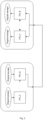
Fig. 1 is a message timing diagram of the invention; -
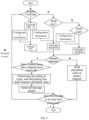
Fig. 2 is a description of the overall principle of sending and receiving messages; -
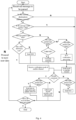
Fig. 3 is a flowchart of master channel processing of sending messages according to the invention; -
Fig. 4 is a flowchart of single channel processing of receiving messages according to the invention; and -
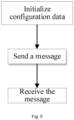
Fig. 5 is a main flowchart of a method of the invention. - Hereinafter, the technical scheme in the embodiments of the invention will be described clearly and completely with reference to the drawings in the embodiments of the invention. Obviously, the described embodiments are only part of the embodiments of the invention, not all of the embodiments. Based on the embodiments of the invention, all other embodiments obtained by those of ordinary skill in the art without creative labor are within the scope of the invention.
- The invention discloses a communication method based on dual channels and RSSP-I, which adopts a security design framework based on RSSP-I dual-channel logic combined with XooX, and has the advantages of being capable of saving resources, optimizing system performance and the like.
- The key of design is to ensure single channel independent calculation.
Table 1 Message structure Field name Size Value Notes Message Protocol interaction 1 byte 0x01 or 0x02 Suitable for real-time header category periodic transmission interaction Message type 1 byte 0x80 or 0x81 0x80 indicates sending by machine A; 0x81 indicates sending by machine B; Source address 2 bytes Unique address of communication node 0x0000 reserved Destination address 2 bytes Unique address of communication node 0xFFFF reserved Security verification domain Serial number 4 bytes Sequence number Secure data length 2 bytes Total byte number of user data packet +8 Security verification channel 1 SVC_1 4 bytes CRC_1^SID_1^T_1(N)^SCW_1 CRC_1 only calculates CRC32 for user data packet Security verification channel 2 SVC_2 4 bytes CRC_2^SID_2^T_2(N)^SCW_2 CRC_2 only calculates CRC32 for user data packet User data packet Secure application data Total byte number 480 Content of application data to be transmitted See specific application layer interface specification End of message CRC16 CRC16 2 bytes See 4.1.1.3 Table 2 Message structure Field name Size Value Notes Message header Protocol interaction category 1 byte 0x01 Message type 1 byte 0x90 Source address 2 bytes See Table 1 Destination address 2 bytes See Table 1 Security verification domain Serial number 4 bytes Ne Requester' s timing correction request channel 1 SEQENQ_1 4 bytes SID_1^T_1(Ne) Timing correction request channel 2 SEQENQ_2 4 bytes SID_2^T2(Ne) End of message CRC16 Frame CRC16 2 bytes See 4.1.1.3 Table 3 Message structure Field name Size Value Notes Message header Protocol interaction category 1 byte 0x01 Message type 1 byte 0x91 Source address 2 bytes See Table 1 Destination address 2 bytes See Table 1 Security verificatio n domain Serial number of responder 4 bytes Nr Requester' s serial number 4 bytes Ne of requester, that is, Ne value in SSE Timing initialization channel 1 SEQINI_1 4 bytes SEQENQ_1^SID_ 1^T_1(Nr)^ DATAVER_1 SEQENQ_1 is the median value of SSE Timing initialization channel 2 SEQINI_2 4 bytes SEQENQ_2^SID_ 2^T_2(Nr)^ DATAVER_2 SEQENQ_2 is the median value of SSE Data version number 1 byte 0x01 Reserved fixed value End of message Frame CRC16 2 bytes See 4.1.1.3 CRC16 - Table 1 shows the RSD message format, Table 2 shows the SSE message format, and Table 3 shows the SSR message format.
- As can be seen from the above tables, data types in the RSSP-I protocol comprise dual-channel security codes: RSD (SVC_1\SVC_2), SSE (SEQENQ_1\SEQENQ_2) and SSR (SEQINI_1\ SEQINI_2).
- According to an existing 2-out-of-2 architecture, a security code is calculated separately through independent CPU operation. CPUA is responsible for calculating SVC_1, SEQUENQ _ 1 and SEQUINI _ 1, while CPUB is responsible for calculating SVC_2, SEQUENQ _ 2 and SEQUINI _ 2.
- As shown in
Fig. 5 , the invention specifically comprises: - 1. initializing configuration data;
- wherein independent configuration information (including CRC32 generator polynomial, SCW constant and timestamp generator polynomial) are loaded on dual CPUs, and the configuration on the CPU_A only contains channel 1 related information, while CPU_B only contains channel 2 related information; and
- in the initialization process, the CPU_A and the CPU_B are respectively designated as "master" and "slave" channel roles according to the configuration;
- 2. sending a message;
specifically comprising:- (1) acquiring the application data of a current user UserData from an application interface; (this activity requires an application to ensure the consistency of data on dual CPUs)
- (2) calculating, by the dual CPUs, CRC according to UserData, acquiring CRC_1 and CRC_2 respectively, and obtaining SVC_1 and SVC_2 according to the requirements of the RSSP-I protocol in combination with the configuration;
- (3) forwarding SVC generated from the slave channel to the master channel;
- (4) packetizing, by the master channel, data packets according to the inherent RSSP-I protocol, and adding data fields such as master/standby identification, source/destination address, and double SVC and CRC; and
- (5) sending the data message; and
- 3. receiving the message;
wherein after receiving the data message, a system distributes the same data to CPU_A and CPU_B, and the following specific steps are as follows:- (1) completing the detection of a data header (source address and destination address) and an end of message (CRC16) respectively;
- (2) completing data verification of the corresponding channel by each channel respectively, the detailed algorithm being consistent with the standard, which is not described in detail here;
- (3) exchanging, by the CPUs, detection results (non-Boolean variables) with each other;
- (4) taking, by each CPU, a final value obtained through XOR operation of a local verification result and a received second verification result as a check result, and if the result is 0, it means that reception is normal, submitting the data to an upper layer; and
- (5) in the case of inconsistency, discarding the current data.
- As shown in
Fig. 1 , the invention is still based on the RSSP-I standard protocol. If an RSD message cannot be received correctly, an SSE application message is sent, and after a corresponding SSR confirmation message packet is received, the validity of an RSD message packet is verified and confirmed. - The overall principle of sending and receiving messages is shown in
Fig. 2 . The main principle is that a single CPU processes single-channel logic, and final input and output carry dual-channel processing information. - The processing flow of sending messages by a device is shown in
Fig. 3 , specifically comprising: - (1) acquiring, by each channel, data to be sent by a user UserData through a function interface and other forms;
- (2) calculating different security codes for different types of data to be sent:
- (a) if there are user data to be sent, calculating, by each channel, CRC_32 according to the generator polynomial, and calculating SVC according to the requirements of the RSSP-I protocol in combination with the configuration information;
- (b) if there is an SSE request to be sent, calculating, by each channel, SEQENQ according to the requirements of the RSSP-I protocol in combination with the configuration information; and
- (c) if there is an RSD acknowledgement to be sent, calculating, by each channel, SEQINI according to the requirements of the RSSP-I protocol in combination with the configuration information;
- (3) if the channel role is "slave", sending a corresponding calculation result to the "master" role at the other end;
- (4) packetizing by the master channel according to the requirements of the RSSP-I protocol and a corresponding message type after the master channel receives a security code value of the slave, wherein two-channel information in a data packet adopts the security code values of "master" and "slave" respectively;
- (5) sending out a complete message packet; and
- (6) finishing single packet data processing, and if there are multiple data, starting from step (1) again until all the data are processed.
- The processing flow of receiving messages by a device is shown in
Fig. 4 , specifically comprising: - (1) acquiring, by each channel, a message to be parsed through a function interface and other forms;
- (2) for all RSSP-I messages, checking by each channel first according to the RSSP-I standard protocol, discarding a data packet if any check fails, and then sending a check result to another channel and then waiting:
- (a) correctness of a source address and a destination address; and
- (b) validity of a packet sequence number, which should be greater than a latest valid packet;
- (3) adopting different processing logics for different message types;
- (a) if the message type is SSE, determining whether to send SSR according to the requirements of the RSSP-I protocol, and sending a result to another channel and waiting;
- (b) if the message type is SSR, determining whether the data are valid according to the requirements of the RSSP-I protocol, and in the case of a valid result, calculating corresponding SINITM and caching, and sending the result to another channel and waiting; and
- (c) if the message type is RSD, performing security verification according to the requirements of the RSSP-I protocol, and sending a result to another channel and waiting;
- (4) after dual channels receive each other's results through (2) or (3), conducting consistency checking with their own verification, and processing correspondingly according to different results:
- (a) if the result is consistent, conducting the following according to different types:
- i. if the message packet is RSD, submitting the security data to an upper application and updating SINITM according to standard requirements; and
- ii. otherwise, admitting a calculated cache value as a formal security code for recording, receiving an SINIT initial value calculated after SSR or receiving time information correspondingly; and
- (b) if the result is inconsistent, conducting the following according to different types:
- i. if the message packet is RSD, applying to send SSE, application results needing to be sent to each other, and then executing from the step (4) according to the conditions;
- ii. otherwise, determining that the data do not exist, and discarding the message content; and
- (a) if the result is consistent, conducting the following according to different types:
- (5) if there are multiple received data, returning to the step (1) to start parsing all over again, otherwise, finishing data processing of this round.
- The above are only specific embodiments of the invention, but the protection scope of the invention is not limited thereto. Any person familiar with the technical field can easily think of various equivalent modifications or substitutions within the technical scope disclosed by the invention, and these modifications or substitutions should fall within the protection scope of the invention. Therefore, the protection scope of the invention shall be subject to the protection scope of the claims.
Claims (10)
- A communication method based on dual channels and RSSP-I, comprising:(1) initializing configuration data, and loading independent configuration information on dual CPUs;(2) sending a message according to the RSSP-I communication protocol; and(3) receiving the message according to the RSSP-I communication protocolwherein the dual CPUs comprise a CPU_A and a CPU_B, only channel 1 related information is configured on the CPU_A, and only channel 2 related information is configured on the CPU_B,wherein in the initialization process, the CPU_A and the CPU_B are respectively designated as master and slave channel roles according to the configuration,wherein the step of sending the message specifically comprises:(201) acquiring the application data of a current user UserData from an application interface;(202) calculating different security codes for different types of data to be sent;(203) if the channel role is slave, weV sending a corresponding calculation result to the master role at the other end;(204) packetizing by the master channel according to the requirements of the RSSP-I protocol and a corresponding message type after the master channel receives a security code value of the slave, wherein after packetization two-channel information in a data packet adopts the security code values of respectively;(205) sending out a complete message packet; and(206) finishing single packet data processing, and if there are multiple data, starting from step (201) again until all the data are processed.
- The communication method based on dual channels and RSSP-I according to claim 1, wherein the configuration information in step 1 comprises a CRC32 generator polynomial, an SCW constant and a timestamp generator polynomial.
- The communication method based on dual channels and RSSP-I according to claim 1, wherein the step (202) of calculating different security codes for different types of data to be sent specifically comprises:(202a) if there are user data to be sent, calculating, by each channel, CRC_32 according to the generator polynomial, and calculating SVC according to the requirements of the RSSP-I protocol in combination with the configuration information;(202b) if there is an SSE request to be sent, calculating, by each channel, SEQENQ according to the requirements of the RSSP-I protocol in combination with the configuration information; and(202c) if there is an RSD acknowledgement to be sent, calculating, by each channel, SEQINI according to the requirements of the RSSP-I protocol in combination with the configuration information.
- The communication method based on dual channels and RSSP-I according to claim 1, wherein the step 3 specifically comprises:(301) acquiring, by each channel, a message to be parsed through a function interface and other forms;(302) for all RSSP-I messages, checking by each channel first according to the RSSP-I standard protocol, discarding a data packet if any check fails, and then sending a check result to another channel and then waiting;(303) adopting different processing logics for different message types;(304) after dual channels receive each other's results, conducting consistency checking with their own verification, and processing correspondingly according to different results; and(305) if there are multiple received data, returning to the step (301) to start parsing all over again, otherwise, finishing data processing of this round.
- The communication method based on dual channels and RSSP-I according to claim 4, wherein the following is to be checked in the step (302):(302a) correctness of a source address and a destination address; and(302b) validity of a packet sequence number, which should be greater than a latest valid packet.
- The communication method based on dual channels and RSSP-I according to claim 4, wherein the step (303) specifically comprises:(303a) if the message type is SSE, determining whether to send SSR according to the requirements of the RSSP-I protocol, and sending a result to another channel and waiting;(303b) if the message type is SSR, determining whether the data are valid according to the requirements of the RSSP-I protocol, and in the case of a valid result, calculating corresponding SINITM and caching, and sending the result to another channel and waiting; and(303c) if the message type is RSD, performing security verification according to the requirements of the RSSP-I protocol, and sending a result to another channel and waiting.
- The communication method based on dual channels and RSSP-I according to claim 4, wherein processing correspondingly according to different results in the step (304) specifically comprises:(304a) if the result is consistent, conducting the following according to different types:i. if the message packet is RSD, submitting the security data to an upper application and updating SINITM according to standard requirements; andii. otherwise, admitting a calculated cache value as a formal security code for recording, receiving an SINIT initial value calculated after SSR or receiving time information correspondingly; and(304b) if the result is inconsistent, conducting the following according to different types:i. if the message packet is RSD, applying to send SSE, application results needing to be sent to each other, and then executing from the step (304) according to the conditions;ii. otherwise, determining that the data do not exist, and discarding the message content.
- An apparatus adopted by the communication method based on dual channels and RSSP-I according to claim 1, wherein the apparatus comprises:a data configuration module configured to initialize configuration data, and load independent configuration information on dual CPUs;a message sending module configured to send a message according to the RSSP-I communication protocol; anda message receiving module configured to receive the message according to the RSSP-I communication protocol.
- An electronic device, comprising a memory and a processor, wherein the memory stores a computer program, and the processor, when executing the program, implements the method of any one of claims 1-7.
- A computer-readable storage medium on which a computer program is stored, wherein the program, when executed by a processor, implements the method of any one of claims 1-7.
Applications Claiming Priority (2)
| Application Number | Priority Date | Filing Date | Title |
|---|---|---|---|
| CN202110473775.0A CN113411198B (en) | 2021-04-29 | 2021-04-29 | Communication method, device, electronic device and storage medium based on dual channel and RSSP-I |
| PCT/CN2021/128582 WO2022227472A1 (en) | 2021-04-29 | 2021-11-04 | Communication method and apparatus based on dual channel and rssp-i, and electronic device and storage medium |
Publications (3)
| Publication Number | Publication Date |
|---|---|
| EP4160991A1 EP4160991A1 (en) | 2023-04-05 |
| EP4160991A4 EP4160991A4 (en) | 2024-01-03 |
| EP4160991B1 true EP4160991B1 (en) | 2024-12-25 |
Family
ID=77677718
Family Applications (1)
| Application Number | Title | Priority Date | Filing Date |
|---|---|---|---|
| EP21938934.3A Active EP4160991B1 (en) | 2021-04-29 | 2021-11-04 | Communication method and apparatus based on dual channel and rssp-i, and electronic device and storage medium |
Country Status (4)
| Country | Link |
|---|---|
| US (1) | US12309170B2 (en) |
| EP (1) | EP4160991B1 (en) |
| CN (1) | CN113411198B (en) |
| WO (1) | WO2022227472A1 (en) |
Families Citing this family (2)
| Publication number | Priority date | Publication date | Assignee | Title |
|---|---|---|---|---|
| CN113411198B (en) * | 2021-04-29 | 2022-07-15 | 卡斯柯信号有限公司 | Communication method, device, electronic device and storage medium based on dual channel and RSSP-I |
| CN116708239A (en) * | 2022-02-25 | 2023-09-05 | 北京罗克维尔斯科技有限公司 | Verification method, device, equipment and medium for message transmission |
Family Cites Families (23)
| Publication number | Priority date | Publication date | Assignee | Title |
|---|---|---|---|---|
| JP4142924B2 (en) * | 2002-09-18 | 2008-09-03 | 東日本旅客鉄道株式会社 | Railway signal security system interlocking device |
| CN101376393A (en) * | 2008-09-25 | 2009-03-04 | 卡斯柯信号有限公司 | Fault tolerant safety processor in railway signaling system |
| KR102104493B1 (en) * | 2013-05-10 | 2020-05-04 | 주식회사 팬택 | Method and apparatus of transmitting data in wireless communication system supporting dual connectivity |
| CN104268037A (en) * | 2014-09-10 | 2015-01-07 | 上海自仪泰雷兹交通自动化系统有限公司 | Hot redundancy interlocking subsystem and main and standby switching method thereof |
| CN104890701B (en) * | 2015-06-26 | 2017-01-18 | 杭州路信科技有限公司 | Railway station communication linkage system |
| JP6851112B2 (en) * | 2017-03-30 | 2021-03-31 | 大同信号株式会社 | Railway signal equipment monitoring support program |
| CN109240974A (en) * | 2017-07-10 | 2019-01-18 | 比亚迪股份有限公司 | Double 2-vote-2 system synchronous method and computer equipment |
| CN109246056A (en) * | 2017-07-10 | 2019-01-18 | 比亚迪股份有限公司 | Data safe transmission method and its device |
| CN108082219B (en) * | 2017-11-10 | 2021-01-22 | 北京全路通信信号研究设计院集团有限公司 | 2-by-2-out-of-2 redundant structure data processing method |
| CN108011698B (en) * | 2017-11-13 | 2020-05-22 | 北京全路通信信号研究设计院集团有限公司 | RSSP-I secure communication method based on dual-system synchronization |
| CN107835066A (en) * | 2017-11-13 | 2018-03-23 | 北京全路通信信号研究设计院集团有限公司 | A kind of RSSP‑I secure communication method |
| CN107911198B (en) * | 2017-11-15 | 2020-09-18 | 卡斯柯信号有限公司 | Interface Implementation Method Based on Security Code and Railway Signal Security Protocol RSSP-II |
| CN108933788B (en) * | 2018-07-03 | 2020-11-06 | 西南交通大学 | A Fast Verification Device of RSSP-II Protocol MAC Code Based on FPGA |
| CN110008022A (en) * | 2019-03-25 | 2019-07-12 | 北京和利时系统工程有限公司 | A kind of fail-safe computer module and fail-safe computer |
| CN110648535B (en) * | 2019-09-26 | 2021-04-16 | 国家计算机网络与信息安全管理中心 | A method and device for reporting rail transit data based on flow bypass collection |
| CN111010258B (en) * | 2019-12-23 | 2022-01-28 | 卡斯柯信号有限公司 | Computer interlocking system communication method based on coding |
| CN110941520B (en) * | 2019-12-28 | 2023-09-08 | 卡斯柯信号有限公司 | Hardware function testing system and method based on 2-out-2 safety control unit |
| CN111262686A (en) * | 2020-01-17 | 2020-06-09 | 通号万全信号设备有限公司 | Security verification method for RSSP-I secure communication |
| CN111885004B (en) * | 2020-06-28 | 2023-07-18 | 通号城市轨道交通技术有限公司 | Application layer message transmission method and communication interface platform |
| CN111866113A (en) * | 2020-07-14 | 2020-10-30 | 杭州微联京泰科技有限公司 | Communication system and method based on RSSP railway signal safety communication protocol |
| CN112202797B (en) * | 2020-10-09 | 2022-07-26 | 卡斯柯信号有限公司 | Protocol conversion device and method for track system |
| CN113411198B (en) * | 2021-04-29 | 2022-07-15 | 卡斯柯信号有限公司 | Communication method, device, electronic device and storage medium based on dual channel and RSSP-I |
| CN113132496B (en) * | 2021-06-17 | 2021-09-07 | 北京全路通信信号研究设计院集团有限公司 | Double-system data synchronization method, device and system of RSSP-I protocol |
-
2021
- 2021-04-29 CN CN202110473775.0A patent/CN113411198B/en active Active
- 2021-11-04 WO PCT/CN2021/128582 patent/WO2022227472A1/en not_active Ceased
- 2021-11-04 EP EP21938934.3A patent/EP4160991B1/en active Active
- 2021-11-04 US US18/013,253 patent/US12309170B2/en active Active
Also Published As
| Publication number | Publication date |
|---|---|
| EP4160991A4 (en) | 2024-01-03 |
| CN113411198B (en) | 2022-07-15 |
| US20230188536A1 (en) | 2023-06-15 |
| US12309170B2 (en) | 2025-05-20 |
| EP4160991A1 (en) | 2023-04-05 |
| WO2022227472A1 (en) | 2022-11-03 |
| CN113411198A (en) | 2021-09-17 |
Similar Documents
| Publication | Publication Date | Title |
|---|---|---|
| US11108499B2 (en) | System and method for transferring data and a data check field | |
| CA2952045C (en) | System, method, and apparatus for generating vital messages on an on-board system of a vehicle | |
| JP5684514B2 (en) | Redundant control system and calculation data transmission method thereof | |
| US11991022B2 (en) | Monitoring controller area network (CAN) XL nodes | |
| EP4160991A1 (en) | Communication method and apparatus based on dual channel and rssp-i, and electronic device and storage medium | |
| JP2003229875A (en) | Error recognition method in data transmission inside CAN-controller, CAN-controller, program, recording medium, and control device | |
| US10574392B2 (en) | System. methods and devices for transmitting and/or receiving data using an inter communication link | |
| CN107306185A (en) | Method and apparatus for avoiding the manipulation to data transfer | |
| CN114531289A (en) | System interaction method based on artificial intelligence and related equipment | |
| US7020809B2 (en) | System and method for utilizing spare bandwidth to provide data integrity over a bus | |
| CN105827362B (en) | Provides long packet CRC for improved functionally safe sensor interface | |
| CN114500323B (en) | Communication state detection method, master station, slave station, and readable storage medium | |
| US20150220755A1 (en) | Solution for security, safe and time integrity communications in automotive environments | |
| Juan et al. | FPGA implementation of hamming code for increasing the frame rate of CAN communication | |
| JP7082084B2 (en) | Information transmission / reception system, information transmission / reception method, program, interlocking logic processing device, and electronic terminal | |
| CN113722770B (en) | End-to-end protection method and system based on hierarchical data integrity | |
| US9641287B2 (en) | Methods and apparatus for high-integrity data transfer with preemptive blocking | |
| JP7863030B2 (en) | Electronic control device and inter-core communication method | |
| JP5322433B2 (en) | Error detection method and control system during data processing in processing system | |
| KR102629768B1 (en) | Bit stream processor and can controller comprising the same, method for processing error of can communication | |
| CN110928955A (en) | Data interaction method and device, computer equipment and storage medium | |
| CN104579593B (en) | Data monitoring system and method | |
| CN121664581A (en) | Communication method, device, equipment and storage medium based on RS-485 | |
| CN121727801A (en) | Redundancy code bit protection method, medium and equipment based on CRC and timestamp | |
| CN113282353A (en) | Data verification method, electronic equipment and storage medium |
Legal Events
| Date | Code | Title | Description |
|---|---|---|---|
| STAA | Information on the status of an ep patent application or granted ep patent |
Free format text: STATUS: THE INTERNATIONAL PUBLICATION HAS BEEN MADE |
|
| PUAI | Public reference made under article 153(3) epc to a published international application that has entered the european phase |
Free format text: ORIGINAL CODE: 0009012 |
|
| STAA | Information on the status of an ep patent application or granted ep patent |
Free format text: STATUS: REQUEST FOR EXAMINATION WAS MADE |
|
| 17P | Request for examination filed |
Effective date: 20221227 |
|
| AK | Designated contracting states |
Kind code of ref document: A1 Designated state(s): AL AT BE BG CH CY CZ DE DK EE ES FI FR GB GR HR HU IE IS IT LI LT LU LV MC MK MT NL NO PL PT RO RS SE SI SK SM TR |
|
| REG | Reference to a national code |
Ref country code: DE Ref legal event code: R079 Free format text: PREVIOUS MAIN CLASS: H04L0012020000 Ipc: H04L0067120000 Ref document number: 602021024061 Country of ref document: DE |
|
| A4 | Supplementary search report drawn up and despatched |
Effective date: 20231206 |
|
| RIC1 | Information provided on ipc code assigned before grant |
Ipc: H04L 9/40 20220101ALN20231130BHEP Ipc: H04L 43/026 20220101ALN20231130BHEP Ipc: H04L 69/322 20220101ALI20231130BHEP Ipc: H04L 69/00 20220101ALI20231130BHEP Ipc: G06F 15/163 20060101ALI20231130BHEP Ipc: H04L 67/12 20220101AFI20231130BHEP |
|
| DAV | Request for validation of the european patent (deleted) | ||
| DAX | Request for extension of the european patent (deleted) | ||
| GRAP | Despatch of communication of intention to grant a patent |
Free format text: ORIGINAL CODE: EPIDOSNIGR1 |
|
| STAA | Information on the status of an ep patent application or granted ep patent |
Free format text: STATUS: GRANT OF PATENT IS INTENDED |
|
| RIC1 | Information provided on ipc code assigned before grant |
Ipc: H04L 9/40 20220101ALN20240808BHEP Ipc: H04L 43/026 20220101ALN20240808BHEP Ipc: H04L 69/322 20220101ALI20240808BHEP Ipc: H04L 69/00 20220101ALI20240808BHEP Ipc: H04L 67/12 20220101AFI20240808BHEP |
|
| INTG | Intention to grant announced |
Effective date: 20240904 |
|
| GRAS | Grant fee paid |
Free format text: ORIGINAL CODE: EPIDOSNIGR3 |
|
| GRAA | (expected) grant |
Free format text: ORIGINAL CODE: 0009210 |
|
| STAA | Information on the status of an ep patent application or granted ep patent |
Free format text: STATUS: THE PATENT HAS BEEN GRANTED |
|
| AK | Designated contracting states |
Kind code of ref document: B1 Designated state(s): AL AT BE BG CH CY CZ DE DK EE ES FI FR GB GR HR HU IE IS IT LI LT LU LV MC MK MT NL NO PL PT RO RS SE SI SK SM TR |
|
| REG | Reference to a national code |
Ref country code: GB Ref legal event code: FG4D |
|
| REG | Reference to a national code |
Ref country code: CH Ref legal event code: EP |
|
| REG | Reference to a national code |
Ref country code: DE Ref legal event code: R096 Ref document number: 602021024061 Country of ref document: DE |
|
| REG | Reference to a national code |
Ref country code: IE Ref legal event code: FG4D |
|
| REG | Reference to a national code |
Ref country code: GB Ref legal event code: S117 Free format text: REQUEST FILED; REQUEST FOR CORRECTION UNDER SECTION 117 FILED ON 26 FEBRUARY 2025 |
|
| REG | Reference to a national code |
Ref country code: LT Ref legal event code: MG9D |
|
| PG25 | Lapsed in a contracting state [announced via postgrant information from national office to epo] |
Ref country code: HR Free format text: LAPSE BECAUSE OF FAILURE TO SUBMIT A TRANSLATION OF THE DESCRIPTION OR TO PAY THE FEE WITHIN THE PRESCRIBED TIME-LIMIT Effective date: 20241225 |
|
| PG25 | Lapsed in a contracting state [announced via postgrant information from national office to epo] |
Ref country code: FI Free format text: LAPSE BECAUSE OF FAILURE TO SUBMIT A TRANSLATION OF THE DESCRIPTION OR TO PAY THE FEE WITHIN THE PRESCRIBED TIME-LIMIT Effective date: 20241225 |
|
| PG25 | Lapsed in a contracting state [announced via postgrant information from national office to epo] |
Ref country code: BG Free format text: LAPSE BECAUSE OF FAILURE TO SUBMIT A TRANSLATION OF THE DESCRIPTION OR TO PAY THE FEE WITHIN THE PRESCRIBED TIME-LIMIT Effective date: 20241225 |
|
| REG | Reference to a national code |
Ref country code: GB Ref legal event code: S117 Free format text: CORRECTIONS ALLOWED; REQUEST FOR CORRECTION UNDER SECTION 117 FILED ON 26 FEBRUARY 2025 ALLOWED ON 18 MARCH 2025 |
|
| PG25 | Lapsed in a contracting state [announced via postgrant information from national office to epo] |
Ref country code: NO Free format text: LAPSE BECAUSE OF FAILURE TO SUBMIT A TRANSLATION OF THE DESCRIPTION OR TO PAY THE FEE WITHIN THE PRESCRIBED TIME-LIMIT Effective date: 20250325 |
|
| PG25 | Lapsed in a contracting state [announced via postgrant information from national office to epo] |
Ref country code: GR Free format text: LAPSE BECAUSE OF FAILURE TO SUBMIT A TRANSLATION OF THE DESCRIPTION OR TO PAY THE FEE WITHIN THE PRESCRIBED TIME-LIMIT Effective date: 20250326 Ref country code: LV Free format text: LAPSE BECAUSE OF FAILURE TO SUBMIT A TRANSLATION OF THE DESCRIPTION OR TO PAY THE FEE WITHIN THE PRESCRIBED TIME-LIMIT Effective date: 20241225 |
|
| PG25 | Lapsed in a contracting state [announced via postgrant information from national office to epo] |
Ref country code: RS Free format text: LAPSE BECAUSE OF FAILURE TO SUBMIT A TRANSLATION OF THE DESCRIPTION OR TO PAY THE FEE WITHIN THE PRESCRIBED TIME-LIMIT Effective date: 20250325 |
|
| REG | Reference to a national code |
Ref country code: NL Ref legal event code: MP Effective date: 20241225 |
|
| PG25 | Lapsed in a contracting state [announced via postgrant information from national office to epo] |
Ref country code: NL Free format text: LAPSE BECAUSE OF FAILURE TO SUBMIT A TRANSLATION OF THE DESCRIPTION OR TO PAY THE FEE WITHIN THE PRESCRIBED TIME-LIMIT Effective date: 20241225 |
|
| REG | Reference to a national code |
Ref country code: AT Ref legal event code: MK05 Ref document number: 1755124 Country of ref document: AT Kind code of ref document: T Effective date: 20241225 |
|
| PG25 | Lapsed in a contracting state [announced via postgrant information from national office to epo] |
Ref country code: SM Free format text: LAPSE BECAUSE OF FAILURE TO SUBMIT A TRANSLATION OF THE DESCRIPTION OR TO PAY THE FEE WITHIN THE PRESCRIBED TIME-LIMIT Effective date: 20241225 |
|
| PG25 | Lapsed in a contracting state [announced via postgrant information from national office to epo] |
Ref country code: PL Free format text: LAPSE BECAUSE OF FAILURE TO SUBMIT A TRANSLATION OF THE DESCRIPTION OR TO PAY THE FEE WITHIN THE PRESCRIBED TIME-LIMIT Effective date: 20241225 |
|
| PG25 | Lapsed in a contracting state [announced via postgrant information from national office to epo] |
Ref country code: ES Free format text: LAPSE BECAUSE OF FAILURE TO SUBMIT A TRANSLATION OF THE DESCRIPTION OR TO PAY THE FEE WITHIN THE PRESCRIBED TIME-LIMIT Effective date: 20241225 |
|
| PG25 | Lapsed in a contracting state [announced via postgrant information from national office to epo] |
Ref country code: IS Free format text: LAPSE BECAUSE OF FAILURE TO SUBMIT A TRANSLATION OF THE DESCRIPTION OR TO PAY THE FEE WITHIN THE PRESCRIBED TIME-LIMIT Effective date: 20250425 |
|
| PG25 | Lapsed in a contracting state [announced via postgrant information from national office to epo] |
Ref country code: PT Free format text: LAPSE BECAUSE OF FAILURE TO SUBMIT A TRANSLATION OF THE DESCRIPTION OR TO PAY THE FEE WITHIN THE PRESCRIBED TIME-LIMIT Effective date: 20250428 |
|
| PG25 | Lapsed in a contracting state [announced via postgrant information from national office to epo] |
Ref country code: EE Free format text: LAPSE BECAUSE OF FAILURE TO SUBMIT A TRANSLATION OF THE DESCRIPTION OR TO PAY THE FEE WITHIN THE PRESCRIBED TIME-LIMIT Effective date: 20241225 |
|
| PG25 | Lapsed in a contracting state [announced via postgrant information from national office to epo] |
Ref country code: AT Free format text: LAPSE BECAUSE OF FAILURE TO SUBMIT A TRANSLATION OF THE DESCRIPTION OR TO PAY THE FEE WITHIN THE PRESCRIBED TIME-LIMIT Effective date: 20241225 Ref country code: RO Free format text: LAPSE BECAUSE OF FAILURE TO SUBMIT A TRANSLATION OF THE DESCRIPTION OR TO PAY THE FEE WITHIN THE PRESCRIBED TIME-LIMIT Effective date: 20241225 |
|
| PG25 | Lapsed in a contracting state [announced via postgrant information from national office to epo] |
Ref country code: SK Free format text: LAPSE BECAUSE OF FAILURE TO SUBMIT A TRANSLATION OF THE DESCRIPTION OR TO PAY THE FEE WITHIN THE PRESCRIBED TIME-LIMIT Effective date: 20241225 |
|
| PG25 | Lapsed in a contracting state [announced via postgrant information from national office to epo] |
Ref country code: CZ Free format text: LAPSE BECAUSE OF FAILURE TO SUBMIT A TRANSLATION OF THE DESCRIPTION OR TO PAY THE FEE WITHIN THE PRESCRIBED TIME-LIMIT Effective date: 20241225 |
|
| PG25 | Lapsed in a contracting state [announced via postgrant information from national office to epo] |
Ref country code: IT Free format text: LAPSE BECAUSE OF FAILURE TO SUBMIT A TRANSLATION OF THE DESCRIPTION OR TO PAY THE FEE WITHIN THE PRESCRIBED TIME-LIMIT Effective date: 20241225 |
|
| PG25 | Lapsed in a contracting state [announced via postgrant information from national office to epo] |
Ref country code: SE Free format text: LAPSE BECAUSE OF FAILURE TO SUBMIT A TRANSLATION OF THE DESCRIPTION OR TO PAY THE FEE WITHIN THE PRESCRIBED TIME-LIMIT Effective date: 20241225 |
|
| REG | Reference to a national code |
Ref country code: DE Ref legal event code: R097 Ref document number: 602021024061 Country of ref document: DE |
|
| PG25 | Lapsed in a contracting state [announced via postgrant information from national office to epo] |
Ref country code: DK Free format text: LAPSE BECAUSE OF FAILURE TO SUBMIT A TRANSLATION OF THE DESCRIPTION OR TO PAY THE FEE WITHIN THE PRESCRIBED TIME-LIMIT Effective date: 20241225 |
|
| PLBE | No opposition filed within time limit |
Free format text: ORIGINAL CODE: 0009261 |
|
| STAA | Information on the status of an ep patent application or granted ep patent |
Free format text: STATUS: NO OPPOSITION FILED WITHIN TIME LIMIT |
|
| 26N | No opposition filed |
Effective date: 20250926 |
|
| PGFP | Annual fee paid to national office [announced via postgrant information from national office to epo] |
Ref country code: DE Payment date: 20251028 Year of fee payment: 5 |
|
| PGFP | Annual fee paid to national office [announced via postgrant information from national office to epo] |
Ref country code: GB Payment date: 20251023 Year of fee payment: 5 |
|
| PGFP | Annual fee paid to national office [announced via postgrant information from national office to epo] |
Ref country code: FR Payment date: 20251110 Year of fee payment: 5 |