EP4132931B1 - Kristalline formen von 3-cyano-1-[4-[(6-(1-methyl-1h-pyrazol-4-yl)pyrazolo[1,5-a!pyrazin-4-yl!-1h-pyrazol-1-yl!cyclobutanacetonitril und verwendung davon - Google Patents
Kristalline formen von 3-cyano-1-[4-[(6-(1-methyl-1h-pyrazol-4-yl)pyrazolo[1,5-a!pyrazin-4-yl!-1h-pyrazol-1-yl!cyclobutanacetonitril und verwendung davon Download PDFInfo
- Publication number
- EP4132931B1 EP4132931B1 EP21718219.5A EP21718219A EP4132931B1 EP 4132931 B1 EP4132931 B1 EP 4132931B1 EP 21718219 A EP21718219 A EP 21718219A EP 4132931 B1 EP4132931 B1 EP 4132931B1
- Authority
- EP
- European Patent Office
- Prior art keywords
- pyrazol
- monohydrate
- pyrazolo
- methyl
- mixture
- Prior art date
- Legal status (The legal status is an assumption and is not a legal conclusion. Google has not performed a legal analysis and makes no representation as to the accuracy of the status listed.)
- Active
Links
Images


Classifications
-
- C—CHEMISTRY; METALLURGY
- C07—ORGANIC CHEMISTRY
- C07D—HETEROCYCLIC COMPOUNDS
- C07D487/00—Heterocyclic compounds containing nitrogen atoms as the only ring hetero atoms in the condensed system, not provided for by groups C07D451/00 - C07D477/00
- C07D487/02—Heterocyclic compounds containing nitrogen atoms as the only ring hetero atoms in the condensed system, not provided for by groups C07D451/00 - C07D477/00 in which the condensed system contains two hetero rings
- C07D487/04—Ortho-condensed systems
-
- A—HUMAN NECESSITIES
- A61—MEDICAL OR VETERINARY SCIENCE; HYGIENE
- A61P—SPECIFIC THERAPEUTIC ACTIVITY OF CHEMICAL COMPOUNDS OR MEDICINAL PREPARATIONS
- A61P37/00—Drugs for immunological or allergic disorders
- A61P37/02—Immunomodulators
- A61P37/06—Immunosuppressants, e.g. drugs for graft rejection
-
- C—CHEMISTRY; METALLURGY
- C07—ORGANIC CHEMISTRY
- C07B—GENERAL METHODS OF ORGANIC CHEMISTRY; APPARATUS THEREFOR
- C07B2200/00—Indexing scheme relating to specific properties of organic compounds
- C07B2200/13—Crystalline forms, e.g. polymorphs
Definitions
- the present invention relates to a method of making a crystalline form of (1R,3R)-3-(cyanomethyl)-3-(4-(6-(1-methyl-1H-pyrazol-4-yl)pyrazolo[1,5-a]pyrazin-4-yl)-1H-pyrazol-1-yl)cyclobut-ane-1-carbonitrile, Form 1 anhydrous free base.
- the present invention also relates to methods of making a crystalline form of (1R,3R)-3-(cyanomethyl)-3-(4-(6-(1-methyl-1H-pyrazol-4-yl)pyrazolo[1 ,5-a]pyrazin-4-yl)-1H-pyrazol-1-yl)cyclobutane-1-carbonitrile, Form 2 monohydrate.
- pharmaceutical compositions comprising either said crystalline form, and methods for preparing them. Further disclosed herein is the use of either said crystalline forms in the treatment of various diseases.
- the present invention relates to methods of making the anhydrous free base and monohydrate of (1R,3R)-3-(cyanomethyl)-3-(4-(6-(1-methyl-1H-pyrazol-4-yl)pyrazolo[1,5-a]pyrazin-4-yl)-1H-pyrazol-1-yl)cyclobutane-1-carbonitrile that possess improved material properties for use in the manufacture of a pharmaceutical dosage form.
- any crystalline drug is the polymorphic behavior of such a material.
- crystalline forms of drugs are preferred over noncrystalline forms of drugs and drug intermediates, in part, because of their superior stability. For example, in many situations, a noncrystalline drug is observed to convert to a crystalline drug form upon storage. Because noncrystalline and crystalline forms of a drug typically have differing physical properties and chemical properties, such interconversion may be undesirable for safety reasons in pharmaceutical usage.
- the different physical properties exhibited by different solid forms of a pharmaceutical compound can affect important pharmaceutical parameters such as storage, stability, compressibility, density (important in formulation and product manufacturing), and dissolution rates (important in determining bioavailability). Stability differences may result from changes in chemical reactivity (e.g., differential hydrolysis or oxidation, such that a dosage form comprising a certain polymorph can discolor more rapidly than a dosage form comprising a different polymorph), mechanical changes (e.g., tablets can crumble on storage as a kinetically favored crystalline form converts to thermodynamically more stable crystalline form), or both (e.g., tablets of one polymorph can be more susceptible to breakdown at high humidity).
- chemical reactivity e.g., differential hydrolysis or oxidation, such that a dosage form comprising a certain polymorph can discolor more rapidly than a dosage form comprising a different polymorph
- mechanical changes e.g., tablets can crumble on storage as a kinetically favored crystalline form converts to thermodynamically more stable
- Solubility differences between polymorphs may, in extreme situations, result in transitions to crystalline forms that lack potency or result in overexposure.
- the physical properties of a crystalline form may also be important in pharmaceutical processing. For example, a particular crystalline form may form solvates more readily or may be more difficult to filter and wash free of impurities than other crystalline forms (i.e., particle shape and size distribution might be different between one crystalline form relative to other forms).
- Different crystalline solid forms of the same compound often possess different solid-state properties such as melting point, solubility, dissolution rate, hygroscopicity, powder flow, mechanical properties, chemical stability and physical stability. These solid-state properties may offer advantages in filtration, drying, and dosage form manufacturing unit operations. Thus, once different crystalline solid forms of the same compound have been identified, the optimum crystalline solid form under any given set of processing and manufacturing conditions may be determined as well as the different solid-state properties of each crystalline solid form.
- Polymorphs of a molecule can be obtained by a number of methods known in the art. Such methods include, but are not limited to, melt recrystallization, melt cooling, solvent recrystallization, desolvation, rapid evaporation, rapid cooling, slow cooling, vapor diffusion and sublimation. Polymorphs can be detected, identified, classified and characterized using well-known techniques such as, but not limited to, differential scanning calorimetry (DSC), thermogravimetry (TGA), X-ray powder diffractometry (XRPD), single crystal X-ray diffractometry, solid state nuclear magnetic resonance (NMR), infrared (IR) spectroscopy, Raman spectroscopy, and hot-stage optical microscopy.
- DSC differential scanning calorimetry
- TGA thermogravimetry
- XRPD X-ray powder diffractometry
- NMR nuclear magnetic resonance
- IR infrared
- the present invention is directed to a method of making a crystalline form of (1R,3R)-3-(cyanomethyl)-3-(4-(6-(1-methyl-1H-pyrazol-4-yl)pyrazolo[1,5-a]pyrazin-4-yl)-1H-pyrazol-1-yl)cyclobutane-1-carbonitrile, Form 1 anhydrous free base.
- the present invention also relates to methods of making a crystalline form of (1R,3R)-3-(cyanomethyl)-3-(4-(6-(1-methyl-1H-pyrazol-4-yl)pyrazolo[1,5-a]pyrazin-4-yl)-1H-pyrazol-1-yl)cyclobutane-1-carbonitrile, Form 2 monohydrate.
- compositions including pharmaceutical compositions, containing crystalline (1R,3R)-3-(cyanomethyl)-3-(4-(6-(1-methyl-1H-pyrazol-4-yl)pyrazolo[1,5-a]pyrazin-4-yl)-1H-pyrazol-1-yl)cyclobutane-1-carbonitrile, either Form 1 anhydrous free base, or Form 2 monohydrate.
- the present invention provides a method of making (1R,3R)-3-(cyanomethyl)-3-(4-(6-(1-methyl-1H-pyrazol-4-yl)pyrazolo[1,5-a]pyrazin-4-yl)-1H-pyrazol-1-yl)cyclobutane-1-carbonitrile, Form 1 anhydrous free base (Form 1 anhydrous free base), comprising:
- the present invention provides a method of making (1R,3R)-3-(cyanomethyl)-3-(4-(6-(1-methyl-1H-pyrazol-4-yl)pyrazolo[1 ,5-a]pyrazin-4-yl)-1H-pyrazol-1-yl)cyclobutane-1-carbonitrile, Form 2 monohydrate (Form 2 monohydrate), comprising:
- the present invention provides a method of making (1R,3R)-3-(cyanomethyl)-3-(4-(6-(1-methyl-1H-pyrazol-4-yl)pyrazolo[1 ,5-a]pyrazin-4-yl)-1H-pyrazol-1-yl)cyclobutane-1-carbonitrile, Form 2 monohydrate (Form 2 monohydrate), comprising:
- the present invention comprises the method for making a crystalline form of (1R,3R)-3-(cyanomethyl)-3-(4-(6-(1-methyl-1H-pyrazol-4-yl)pyrazolo[1,5-a]pyrazin-4-yl)-1H-pyrazol-1-yl)cyclobutane-1-carbonitrile Form 1 anhydrous free base, wherein the Form 1 anhydrous free base has one or more characteristics selected from the group consisting of:
- the present invention comprises a method for making a crystalline form of (1R,3R)-3-(cyanomethyl)-3-(4-(6-(1-methyl-1H-pyrazol-4-yl)pyrazolo[1,5-a]pyrazin-4-yl)-1H-pyrazol-1-yl)cyclobutane-1-carbonitrile Form 2 monohydrate, wherein the Form 2 monohydrate has one or more characteristics selected from the group consisting of:
- compositions comprising crystalline (1R,3R)-3-(cyanomethyl)-3-(4-(6-(1-methyl-1H-pyrazol-4-yl)pyrazolo[1,5-a]pyrazin-4-yl)-1H-pyrazol-1-yl)cyclobutane-1-carbonitrile Form 1, anhydrous free base and a pharmaceutically acceptable carrier.
- Form 1 anhydrous free base, or a pharmaceutically acceptable salt thereof or a pharmaceutical composition according to any of the embodiments described herein, for use in the treatment of a disease being selected from rheumatoid arthritis, lupus, psoriasis, psoriatic arthritis, atopic dermatitis, and inflammatory bowel disease.
- compositions comprising crystalline (1R,3R)-3-(cyanomethyl)-3-(4-(6-(1-methyl-1H-pyrazol-4-yl)pyrazolo[1,5-a]pyrazin-4-yl)-1H-pyrazol-1-yl)cyclobutane-1-carbonitrile Form 2 monohydrate and a pharmaceutically acceptable carrier.
- the present invention is directed to methods of making crystalline forms of (1R,3R)-3-(cyanomethyl)-3-(4-(6-(1-methyl-1H-pyrazol-4-yl)pyrazolo[1,5-a]pyrazin-4-yl)-1H-pyrazol-1-yl)cyclobutane-1-carbonitrile including Form 1 anhydrous free base and Form 2 monohydrate. Also disclosed herein are pharmaceutical compositions comprising each crystalline form, and to methods for preparing such forms. Further disclosed herein is the use of the crystalline forms in the treatment of various diseases.
- powder X-ray diffraction is a suitable technique for differentiating amorphous solid forms from crystalline solid forms and for characterizing and identifying crystalline solid forms of a compound.
- Powder X-ray diffraction is also suitable for quantifying the amount of a crystalline solid form (or forms) in a mixture.
- X-rays are directed onto a crystalline powder and the intensity of the diffracted X-rays is measured as a function of the angle between the X-ray source and the beam diffracted by the sample.
- the intensity of these diffracted X-rays can be plotted on a graph as peaks with the x-axis being the angle (this is known as the "20" angle) between the X-ray source and the diffracted X-rays and with the y-axis being the intensity of the diffracted X-rays.
- This graph is called a powder X-ray diffraction pattern or powder pattern.
- Different crystalline solid forms exhibit different powder patterns because the location of the peaks on the x-axis is a property of the solid-state structure of the crystal.
- Such powder patterns, or portions thereof, can be used as an identifying fingerprint for a crystalline solid form.
- a powder pattern of an unknown sample and compare that powder pattern with a reference powder pattern.
- a positive match would mean that the unknown sample is of the same crystalline solid form as that of the reference.
- peaks in a powder pattern to characterize a crystalline solid form or when using a reference powder pattern to identify a form one identifies a peak or collection of peaks in one form that are not present in the other solid forms.
- characterize means to select an appropriate set of data capable of distinguishing one solid form from another. That set of data in powder X-ray diffraction is the position of one or more peaks. Selecting which powder X-ray diffraction peaks define a particular form is said to characterize that form.
- identify means taking a selection of characteristic data for a solid form and using those data to determine whether that form is present in a sample.
- those data are the x-axis positions of the one or more peaks characterizing the form in question as discussed above. For example, once one determines that a select number of X-ray diffraction peaks characterize a particular solid form, one can use those peaks to determine whether that form is present in a sample.
- Powder X-ray diffraction is just one of several analytical techniques one may use to characterize and/or identify crystalline solid forms.
- Spectroscopic techniques such as Raman (including microscopic Raman), infrared, and solid state NMR spectroscopies may be used to characterize and/or identify crystalline solid forms. These techniques may also be used to quantify the amount of one or more crystalline solid forms in a mixture and peak values can also be reported with the modifier "about" in front of the peak values .
- a typical variability for a peak value associated with an FT-Raman and FT-Infrared measurement is on the order of plus or minus 2 cm -1 .
- a typical variability for a peak value associated with a 13 C or 19 F chemical shift is on the order of plus or minus 0.2 ppm for crystalline material.
- a typical variability for a value associated with a differential scanning calorimetry onset temperature is on the order of plus or minus 5° C.
- room temperature refers to the temperature range of 20 °C to 23 °C.
- the present invention comprises a method of making a crystalline form of (1 R,3R)-3-(cyanomethyl)-3-(4-(6-(1-methyl-1 H-pyrazol-4-yl)pyrazolo[1 ,5-a]pyrazin-4-yl)-1 H-pyrazol-1-yl)cyclobutane-1-carbonitrile Form 1 anhydrous free base having one or more characteristics selected from the group consisting of:
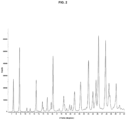
- the invention provides a method of making a crystalline form of (1R,3R)-3-(cyanomethyl)-3-(4-(6-(1-methyl-1H-pyrazol-4-yl)pyrazolo[1,5-a]pyrazin-4-yl)-1H-pyrazol-1-yl)cyclobutane-1-carbonitrile, having a powder X-ray diffraction pattern comprising peaks, in terms of 2 ⁇ , at 20.6°, 22.8° and 27.0° 2 ⁇ ⁇ 0.2° 2 ⁇ .
- the invention also provides a method of making a crystalline form of (1R,3R)-3-(cyanomethyl)-3-(4-(6-(1-methyl-1H-pyrazol-4-yl)pyrazolo[1,5-a]pyrazin-4-yl)-1H-pyrazol-1-yl)cyclobutane-1-carbonitrile, having a powder X-ray diffraction pattern comprising peaks, at 18.0°, 20.6°, 22.8° and 27.0° 2 ⁇ ⁇ 0.2 ° 2 ⁇ .
- the invention further provides a method of making a crystalline form of (1R,3R)-3-(cyanomethyl)-3-(4-(6-(1-methyl-1H-pyrazol-4-yl)pyrazolo[1,5-a]pyrazin-4-yl)-1H-pyrazol-1-yl)cyclobutane-1-carbonitrile, having a powder X-ray diffraction pattern comprising peaks at 8.1°, 18.0°, 20.6°, 22.8° and 27.0° 2 ⁇ ⁇ 0.2° 2 ⁇ .
- compositions comprising a crystalline form of (1R,3R)-3-(cyanomethyl)-3-(4-(6-(1-methyl-1H-pyrazol-4-yl)pyrazolo[1,5-a]pyrazin-4-yl)-1H-pyrazol-1-yl)cyclobutane-1-carbonitrile Form 1 anhydrous free base; and, a pharmaceutically acceptable carrier.
- said pharmaceutical composition wherein said crystalline form has a powder X-ray diffraction pattern comprising peaks at 20.6°, 22.8° and 27.0° 20 ⁇ 0.2° 2 ⁇ ; or wherein said crystalline form has a powder X-ray diffraction pattern comprising peaks at 18.0°, 20.6°, 22.8° and 27.0° 20 ⁇ 0.2° 2 ⁇ ; or wherein said crystalline form has a powder X-ray diffraction pattern comprising peaks at 8.1°, 18.0°, 20.6°, 22.8° and 27.0° 2 ⁇ ⁇ 0.2° 2 ⁇ .
- the present invention comprises a method for making a crystalline form of (1R,3R)-3-(cyanomethyl)-3-(4-(6-(1-methyl-1H-pyrazol-4-yl)pyrazolo[1,5-a]pyrazin-4-yl)-1H-pyrazol-1-yl)cyclobutane-1-carbonitrile monohydrate (Form 2) having one or more characteristics selected from the group consisting of:
- the invention provides a method for making a crystalline form of (1R,3R)-3-(cyanomethyl)-3-(4-(6-(1-methyl-1H-pyrazol-4-yl)pyrazolo[1,5-a]pyrazin-4-yl)-1H-pyrazol-1-yl)cyclobutane-1-carbonitrile monohydrate, having a powder X-ray diffraction pattern comprising peaks, in terms of 2 ⁇ , at 7.4°, 26.2°, 28.5° 2 ⁇ ⁇ 0.2° 2 ⁇ .
- the invention also provides a method for making a crystalline form of (1R,3R)-3-(cyanomethyl)-3-(4-(6-(1-methyl-1H-pyrazol-4-yl)pyrazolo[1,5-a]pyrazin-4-yl)-1H-pyrazol-1-yl)cyclobutane-1-carbonitrile monohydrate, having a powder X-ray diffraction pattern comprising peaks, at 7.4°, 15.7°, 26.2°, 28.5° 2 ⁇ ⁇ 0.2° 2 ⁇ .
- the invention further provides a method for making a crystalline form of (1R,3R)-3-(cyanomethyl)-3-(4-(6-(1-methyl-1H-pyrazol-4-yl)pyrazolo[1 ,5-a]pyrazin-4-yl)-1H-pyrazol-1-yl)cyclobutane-1-carbonitrile monohydrate, having a powder X-ray diffraction pattern comprising peaks at 7.4°, 10.4°, 15.7°, 26.2°, 28.5° 2 ⁇ ⁇ 0.2° 2 ⁇ .
- compositions comprising a crystalline form of (1R,3R)-3-(cyanomethyl)-3-(4-(6-(1-methyl-1H-pyrazol-4-yl)pyrazolo[1 ,5-a]pyrazin-4-yl)-1H-pyrazol-1-yl)cyclobutane-1-carbonitrile monohydrate; and, a pharmaceutically acceptable carrier.
- said pharmaceutical composition wherein said crystalline form has a powder X-ray diffraction pattern comprising peaks at 7.4°, 26.2°, 28.5° 2 ⁇ ⁇ 0.2° 2 ⁇ ; or wherein said crystalline form has a powder X-ray diffraction pattern comprising peaks at 7.4°, 15.7°, 26.2°, 28.5° 2 ⁇ ⁇ 0.2° 2 ⁇ ; or wherein said crystalline form has a powder X-ray diffraction pattern comprising peaks at 7.4°, 10.4°, 15.7°, 26.2°, 28.5° 2 ⁇ ⁇ 0.2 ° 2 ⁇ .
- a pharmaceutical composition of said crystalline form comprising a topical formulation selected from a cream, transdermal patch, ointment, ophthalmic drops, lotion and gel. Further disclosed herein is said pharmaceutical composition wherein the topical formulation contains from about 0.1% to about 5.0% (w/v) crystalline (1R,3R)-3-(cyanomethyl)-3-(4-(6-(1-methyl-1H-pyrazol-4-yl)pyrazolo[1,5-a]pyrazin-4-yl)-1H-pyrazol-1-yl)cyclobutane-1-carbonitrile, Form 1 anhydrous free base or Form 2 monohydrate.
- a disease selected from the group consisting of lupus, rheumatoid arthritis, IBD, ulcerative colitis, Crohn's Disease, vitiligo, alopecia, psoriasis and atopic dermatitis.
- said crystalline form has a powder X-ray diffraction pattern comprising peaks at 20.6°, 22.8° and 27.0° 20 ⁇ 0.2° 2 ⁇ ; or wherein said crystalline form has a powder X-ray diffraction pattern comprising peaks at 18.0°, 20.6°, 22.8° and 27.0° 2 ⁇ ⁇ 0.2° 2 ⁇ ; or wherein said crystalline form has a powder X-ray diffraction pattern comprising peaks, in terms of 8.1°, 18.0°, 20.6°, 22.8° and 27.0° 2 ⁇ ⁇ 0.2° 2 ⁇ .
- a disease selected from the group consisting of lupus, rheumatoid arthritis, IBD, ulcerative colitis, Crohn's Disease, vitiligo, alopecia, psoriasis and atopic dermatitis.
- said crystalline form has a powder X-ray diffraction pattern comprising peaks at 7.4°, 26.2°, 28.5° 2 ⁇ ⁇ 0.2° 2 ⁇ ; or wherein said crystalline form has a powder X-ray diffraction pattern comprising peaks at 7.4°, 15.7°, 26.2°, 28.5° 20 ⁇ 0.2° 2 ⁇ ; or wherein said crystalline form has a powder X-ray diffraction pattern comprising peaks, in terms of 7.4°, 10.4°, 15.7°, 26.2°, 28.5° 2 ⁇ ⁇ 0.2° 2 ⁇ .
- said crystalline form has a powder X-ray diffraction pattern comprising peaks at 20.6°, 22.8° and 27.0° 2 ⁇ ⁇ 0.2° 2 ⁇ ; or said use where the crystalline form has a powder X-ray diffraction pattern comprising peaks at 18.0°, 20.6°, 22.8° and 27.0° 2 ⁇ ⁇ 0.2° 2 ⁇ ; or said use where the crystalline form has a powder X-ray diffraction pattern comprising peaks, in terms of 8.1°, 18.0°, 20.6°, 22.8° and 27.0° 2 ⁇ ⁇ 0.2° 2 ⁇ .
- said crystalline form has a powder X-ray diffraction pattern comprising peaks at 7.4°, 26.2°, 28.5° 2 ⁇ ⁇ 0.2° 2 ⁇ ; or said use where the crystalline form has a powder X-ray diffraction pattern comprising peaks at 7.4°, 15.7°, 26.2°, 28.5° 20 ⁇ 0.2° 2 ⁇ ; or said use where the crystalline form has a powder X-ray diffraction pattern comprising peaks, in terms of 7.4°, 10.4°, 15.7°, 26.2°, 28.5° 2 ⁇ ⁇ 0.2° 2 ⁇ .
- compositions comprising a crystalline form disclosed herein, and methods for preparing such forms, as well as pharmaceutical compositions for use in medicine and for use in treating such diseases as lupus, rheumatoid arthritis, IBD, ulcerative colitis, Crohn's Disease, vitiligo, alopecia, psoriasis, psoriatic arthritis, and atopic dermatitis. Further disclosed herein is the use of such pharmaceutical compositions in the manufacture of a medicament for treating such diseases as lupus, rheumatoid arthritis, IBD, ulcerative colitis, Crohn's Disease, vitiligo, alopecia, psoriasis and atopic dermatitis.
- Also disclosed herein is a crystalline form of (1R,3R)-3-(cyanomethyl)-3-(4-(6-(1-methyl-1H-pyrazol-4-yl)pyrazolo[1,5-a]pyrazin-4-yl)-1H-pyrazol-1-yl)cyclobutane-1-carbonitrile, prepared by re-crystallizing (1R,3R)-3-(cyanomethyl)-3-(4-(6-(1-methyl-1H-pyrazol-4-yl)pyrazolo[1,5-a]pyrazin-4-yl)-1H-pyrazol-1-yl)cyclobut-ane-1-carbonitrile, Form 1 anhydrous free base, from a suitable solvent.
- Methods of treating the diseases and syndromes listed herein are understood to involve administering to an individual in need of such treatment a therapeutically effective amount of the polymorph of the invention, or a composition containing the same.
- treating in reference to a disease is meant to refer to preventing, inhibiting and/or ameliorating the disease.
- the phrase "therapeutically effective amount” refers to the amount of active compound or pharmaceutical agent that elicits the biological or medicinal response in a tissue, system, animal, individual or human that is being sought by a researcher, veterinarian, medical doctor or other clinician, which includes one or more of the following:
- compositions utilizing one or more of the present crystalline forms along with one or more pharmaceutically acceptable carriers, excipients, vehicles, etc.
- the crystalline form is administered in an amount effective to treat a condition as described herein, and can be administered as crystalline compound per se , or alternatively, as a pharmaceutically acceptable salt.
- the crystalline compound made by the claimed methods per se or pharmaceutically acceptable salt thereof will simply be referred to as the compounds of the invention.
- the compounds of the invention are administered by any suitable route in the form of a pharmaceutical composition adapted to such a route, and in a dose effective for the treatment intended.
- the compounds of the invention may be administered orally, rectally, vaginally, parenterally, or topically.
- the compounds of the invention may also be administered directly into the bloodstream, into muscle, or into an internal organ.
- Suitable means for parenteral administration include intravenous, intraarterial, intraperitoneal, intrathecal, intraventricular, intraurethral, intrasternal, intracranial, intramuscular and subcutaneous.
- Suitable devices for parenteral administration include needle (including microneedle) injectors, needle-free injectors and infusion techniques.
- the compounds of the invention may also be administered topically to the skin or mucosa, that is, dermally or transdermally.
- the compounds of the invention can also be administered intranasally or by inhalation.
- the compounds of the invention may be administered rectally or vaginally.
- the compounds of the invention may also be administered directly to the eye or ear.
- the dosage regimen for the compounds of the invention and/or compositions containing said compounds is based on a variety of factors, including the type, age, weight, sex and medical condition of the patient; the severity of the condition; the route of administration; and the activity of the particular compound employed. Thus, the dosage regimen may vary widely.
- the total daily dose of a compound of the invention is typically from about 0.01 to about 100 mg/kg (i.e., mg compound of the invention per kg body weight) for the treatment of the indicated conditions discussed herein, such as from about 0.1 to about 50 mg/kg, such as from about 0.5 to about 30 mg/kg.
- compositions may be provided in the form of tablets containing 0.01, 0.05, 0.1, 0.5, 1.0, 2.5, 5.0, 10.0, 15.0, 25.0, 50.0, 75.0, 100, 125, 150, 175, 200, 250 and 500 milligrams of the active ingredient for the symptomatic adjustment of the dosage to the patient.
- a medicament typically contains from about 0.01 mg to about 500 mg of the active ingredient, or from about 1 mg to about 100 mg of active ingredient.
- doses may range from about 0.01 to about 10 mg/kg/minute during a constant rate infusion.
- Suitable subjects according to the invention include mammalian subjects. Mammals according to the invention include canine, feline, bovine, caprine, equine, ovine, porcine, rodents, lagomorphs, primates, and the like, and encompass mammals in utero. Humans are suitable subjects. Human subjects may be of either gender and at any stage of development.
- compositions comprise a compound of the invention presented with a pharmaceutically acceptable carrier.
- pharmaceutically acceptable carrier includes any and all solvents, dispersion media, coatings, antibacterial and antifungal agents, isotonic and absorption delaying agents, and the like that are physiologically compatible.
- Examples of pharmaceutically acceptable carriers include one or more of water, saline, phosphate buffered saline, dextrose, glycerol, ethanol and the like, as well as combinations thereof, and may include isotonic agents, for example, sugars, sodium chloride, or polyalcohols such as mannitol, or sorbitol in the composition.
- Pharmaceutically acceptable substances such as wetting agents or minor amounts of auxiliary substances such as wetting or emulsifying agents, preservatives or buffers, which enhance the shelf life or effectiveness of the antibody or antibody portion.
- compositions as described above may be in a variety of forms. These include, for example, liquid, semi-solid and solid dosage forms, such as liquid solutions (e.g., injectable and infusible solutions), dispersions or suspensions, tablets, pills, powders, liposomes and suppositories.
- liquid solutions e.g., injectable and infusible solutions
- dispersions or suspensions tablets, pills, powders, liposomes and suppositories.
- the form depends on the intended mode of administration and therapeutic application.
- compositions are in the form of injectable or infusible solutions, such as compositions similar to those used for passive immunization of humans with antibodies in general.
- One mode of administration is parenteral (e.g., intravenous, subcutaneous, intraperitoneal, intramuscular), such as administration by intravenous infusion or injection, or administration by intramuscular or subcutaneous injection.
- Oral administration of a solid dose form may be, for example, presented in discrete units, such as hard or soft capsules, pills, cachets, lozenges, or tablets, each containing a predetermined amount of at least one compound of the invention.
- the oral administration may be in a powder or granule form.
- the oral dose form may be sub-lingual, such as, for example, a lozenge.
- the crystalline compound is ordinarily combined with one or more adjuvants.
- Such capsules or tablets may contain a controlled release formulation.
- the dosage forms also may comprise buffering agents or may be prepared with enteric coatings.
- Oral administration may be in a liquid dose form.
- Liquid dosage forms for oral administration include, for example, pharmaceutically acceptable emulsions, solutions, suspensions, syrups, and elixirs containing inert diluents commonly used in the art (e.g., water).
- Such compositions also may comprise adjuvants, such as wetting, emulsifying, suspending, flavoring (e.g., sweetening), and/or perfuming agents.
- parenteral administration includes, for example, subcutaneous injections, intravenous injections, intraperitoneally, intramuscular injections, intrasternal injections, and infusion.
- injectable preparations i.e., sterile injectable aqueous or oleaginous suspensions
- suitable dispersing, wetting agents, and/or suspending agents may be formulated according to the known art using suitable dispersing, wetting agents, and/or suspending agents.
- Topical administration includes, for example, transdermal administration, such as via transdermal patches or iontophoresis devices, intraocular administration, or intranasal or inhalation administration.
- Compositions for topical administration also include, for example, topical gels, sprays, ointments, and creams.
- a topical formulation may include a crystalline compound which enhances absorption or penetration of the active ingredient through the skin or other affected areas. When the crystalline compound of this invention is administered by a transdermal device, administration will be accomplished using a patch either of the reservoir and porous membrane type or of a solid matrix variety.
- Typical formulations for this purpose include gels, hydrogels, lotions, solutions, creams, ointments, dusting powders, dressings, foams, films, skin patches, wafers, implants, sponges, fibers, bandages and microemulsions. Liposomes may also be used.
- Typical carriers include alcohol, water, mineral oil, liquid petrolatum, white petrolatum, glycerin, polyethylene glycol and propylene glycol.
- Penetration enhancers may be incorporated - see, for example, B. C. Finnin and T. M. Morgan, J. Pharm. Sci., vol. 88, pp. 955-958, 1999 .
- topical formulations of the presently disclosed crystalline form of (1R,3R)-3-(cyanomethyl)-3-(4-(6-(1-methyl-1H-pyrazol-4-yl)pyrazolo[1,5-a]pyrazin-4-yl)-1H-pyrazol-1-yl)cyclobutane-1-carbonitrile may be administered using such preparations encompassing all conventional methods of administration across the surface of the body and the inner linings of body passages including epithelial and mucosal tissues, including transdermal, epidermal, buccal, pulmonary, ophthalmic, intranasal, vaginal and rectal modes of administration..
- Typical carriers include alcohol, water, mineral oil, liquid petrolatum, white petrolatum, glycerin, polyethylene glycol and propylene glycol.
- Such topical formulations may be prepared in combination with additional pharmaceutically acceptable excipients.
- An excipient which may be essential to clinical efficacy is one or more penetration enhancer such as be one or more saturated or cis-unsaturated C10-C18 fatty alcohols.
- Such fatty alcohols include C16-C18 fatty alcohols, and most preferably, are a C18 fatty alcohol.
- Examples of cis-unsaturated C16-C18 fatty alcohols include oleyl alcohol, linoleyl alcohol, ⁇ -linolenyl alcohol and linolenyl alcohol.
- Saturated C10-C18 fatty alcohols useful as penetration enhancers include decyl alcohol, lauryl alcohol, myristyl alcohol, cetyl alcohol and stearyl alcohol.
- other penetration enhancers which may be used to prepare the topical formulations include C10-C18 fatty acids, which when saturated may include capric acid, lauric acid, myristic acid, palmitic acid, stearic acid and arachidic acid.
- the penetration enhancer may usefully be a cis-unsaturated fatty acid, such as palmitoleic acid (cis-9-hexadecenoic acid), oleic acid (cis-9-octadecenoic acid), cis-vaccenic acid (cis-11-octadecenoic acid), linoleic acid (cis-9,12-octadecadienoic acid), ⁇ -linolenic acid (cis-6,9,12-octadecatrienoic acid), linolenic acid (cis-9,12,15-octadecatrienoic acid) and arachidonic acid (cis-5,8,11,14-eicosatetraenoic acid).
- a cis-unsaturated fatty acid such as palmitoleic acid (cis-9-hexadecenoic acid), oleic acid (cis-9-octadecenoic acid), cis
- the penetration enhancers for example, one selected from C10-C18 fatty alcohols, are used in amounts ranging from about 0.1 to about 5% (w/v), more preferably, from 1 to about 4%, more preferably still, 1 to about 3% (w/v).
- Topical formulations contain (1R,3R)-3-(cyanomethyl)-3-(4-(6-(1-methyl-1H-pyrazol-4-yl)pyrazolo[1,5-a]pyrazin-4-yl)-1H-pyrazol-1-yl)cyclobutane-1-carbonitrile in therapeutically effective amounts that can be given in daily or twice daily doses to patients in need. These amounts range from about 0.1% to about 5.0% (w/v), more preferably, from about 0.1% to about 3.0% (w/v).
- excipients which enhance the stability of these formulations include aldehyde scavengers, such as glycerine and propylene glycol, and antioxidants, such as butyl hydroxyanisole (BHA), butyl hydroxytoluene (BHT), propyl gallate, ascorbic acid (Vitamin C), polyphenols, tocopherols (Vitamin E), and their derivatives.
- aldehyde scavengers such as glycerine and propylene glycol
- antioxidants such as butyl hydroxyanisole (BHA), butyl hydroxytoluene (BHT), propyl gallate, ascorbic acid (Vitamin C), polyphenols, tocopherols (Vitamin E), and their derivatives.
- Formulations suitable for topical administration to the eye include, for example, eye drops wherein the compound of this invention is dissolved or suspended in a suitable carrier.
- a typical formulation suitable for ocular or aural administration may be in the form of drops of a micronized suspension or solution in isotonic, pH-adjusted, sterile saline.
- Other formulations suitable for ocular and aural administration include ointments, biodegradable (i.e., absorbable gel sponges, collagen) and non-biodegradable (i.e., silicone) implants, wafers, lenses and particulate or vesicular systems, such as niosomes or liposomes.
- a polymer such as crossed linked polyacrylic acid, polyvinyl alcohol, hyaluronic acid, a cellulosic polymer, for example, hydroxypropylmethylcellulose, hydroxyethylcellulose, or methylcellulose, or a heteropolysaccharide polymer, for example, gelan gum, may be incorporated together with a preservative, such as benzalkonium chloride.
- a preservative such as benzalkonium chloride.
- Such formulations may also be delivered by iontophoresis.
- the crystalline compound of the invention is conveniently delivered in the form of a solution or suspension from a pump spray container that is squeezed or pumped by the patient or as an aerosol spray presentation from a pressurized container or a nebulizer, with the use of a suitable propellant.
- Formulations suitable for intranasal administration are typically administered in the form of a dry powder (either alone, as a mixture, for example, in a dry blend with lactose, or as a mixed component particle, for example, mixed with phospholipids, such as phosphatidylcholine) from a dry powder inhaler or as an aerosol spray from a pressurized container, pump, spray, atomizer (preferably an atomizer using electrohydrodynamics to produce a fine mist), or nebulizer, with or without the use of a suitable propellant, such as 1,1,1,2-tetrafluoroethane or 1,1,1,2,3,3,3-heptafluoropropane.
- the powder may comprise a bioadhesive agent, for example, chitosan or cyclodextrin.
- rectal dose form may be in the form of, for example, a suppository. Cocoa butter is a traditional suppository base, but various alternatives may be used as appropriate.
- compositions as described above may be prepared by any of the well-known techniques of pharmacy, such as effective formulation and administration procedures.
- effective formulations and administration procedures are well known in the art and are described in standard textbooks.
- Formulation of drugs is discussed in, for example, Hoover, John E., Remington's Pharmaceutical Sciences, Mack Publishing Co., Easton, Pennsylvania, 1975 ; Liberman et al., Eds., Pharmaceutical Dosage Forms, Marcel Decker, New York, N.Y., 1980 ; and Kibbe et al., Eds., Handbook of Pharmaceutical Excipients (3rd Ed.), American Pharmaceutical Association, Washington, 1999 .
- the crystalline compound of the invention can be used alone, or in combination with other therapeutic agents. Also disclosed herein are any of the uses, methods or compositions as defined herein wherein the crystalline compound herein, or pharmaceutically acceptable solvate of said compound, is used in combination with one or more other therapeutic agent discussed herein.
- the administration of two or more compounds "in combination" means that all of the compounds are administered closely enough in time that the presence of one alters the biological effects of any other compound(s).
- the two or more compounds may be administered simultaneously, concurrently or sequentially. Additionally, simultaneous administration may be carried out by mixing the compounds prior to administration or by administering the compounds at the same point in time but as separate dosage forms at the same or different site of administration.
- crystalline compound of the invention for use in treatment methods in combination with one or more other pharmaceutical agents, wherein the one or more other pharmaceutical agents may be selected from the agents discussed herein.
- These agents and the crystalline compound of the invention can be combined with pharmaceutically acceptable vehicles such as saline, Ringer's solution, dextrose solution, and the like.
- pharmaceutically acceptable vehicles such as saline, Ringer's solution, dextrose solution, and the like.
- the particular dosage regimen, i.e., dose, timing and repetition, will depend on the particular individual and that individual's medical history.
- Acceptable carriers, excipients, or stabilizers are nontoxic to recipients at the dosages and concentrations employed, and may comprise buffers such as phosphate, citrate, and other organic acids; salts such as sodium chloride; antioxidants including ascorbic acid and methionine; preservatives (such as octadecyldimethylbenzyl ammonium chloride; hexamethonium chloride; benzalkonium chloride, benzethonium chloride; phenol, butyl or benzyl alcohol; alkyl parabens, such as methyl or propyl paraben; catechol; resorcinol; cyclohexanol; 3-pentanol; and m-cresol); low molecular weight (less than about 10 residues) polypeptides; proteins, such as serum albumin, gelatin, or Igs; hydrophilic polymers such as polyvinylpyrrolidone; amino acids such as glycine, glutamine, aspara
- Liposomes containing these agents and/or compounds of the invention are prepared by methods known in the art, such as described in U.S. Pat. Nos. 4,485,045 and 4,544,545 . Liposomes with enhanced circulation time are disclosed in U.S. Patent No. 5,013,556 . Particularly useful liposomes can be generated by the reverse phase evaporation method with a lipid composition comprising phosphatidylcholine, cholesterol and PEG-derivatized phosphatidylethanolamine (PEG-PE). Liposomes are extruded through filters of defined pore size to yield liposomes with the desired diameter.
- PEG-PE PEG-derivatized phosphatidylethanolamine
- agents and/or the compounds of the invention may also be entrapped in microcapsules prepared, for example, by coacervation techniques or by interfacial polymerization, for example, hydroxymethylcellulose or gelatin-microcapsules and poly-(methylmethacrylate) microcapsules, respectively, in colloidal drug delivery systems (for example, liposomes, albumin microspheres, microemulsions, nano-particles and nanocapsules) or in macroemulsions.
- colloidal drug delivery systems for example, liposomes, albumin microspheres, microemulsions, nano-particles and nanocapsules
- sustained-release preparations may be used. Suitable examples of sustained-release preparations include semi-permeable matrices of solid hydrophobic polymers containing the antibody/compound of the invention, which matrices are in the form of shaped articles, e.g., films, or microcapsules. Examples of sustained-release matrices include polyesters, hydrogels (for example, poly(2-hydroxyethyl-methacrylate), or 'poly(vinylalcohol)), polylactides ( U.S. Pat. No.
- copolymers of L-glutamic acid and 7 ethyl-L-glutamate copolymers of L-glutamic acid and 7 ethyl-L-glutamate, non-degradable ethylene-vinyl acetate, degradable lactic acid-glycolic acid copolymers such as those used in LUPRON DEPOT TM (injectable microspheres composed of lactic acid-glycolic acid copolymer and leuprolide acetate), sucrose acetate isobutyrate, and poly-D-(-)-3-hydroxybutyric acid.
- Crystalline compound of the invention is generally placed into a container having a sterile access port, for example, an intravenous solution bag or vial having a stopper pierceable by a hypodermic injection needle.
- Suitable emulsions may be prepared using commercially available fat emulsions, such as Intralipid TM , Liposyn TM , Infonutrol TM , Lipofundin TM and Lipiphysan TM .
- the active ingredient may be either dissolved in a pre-mixed emulsion composition or alternatively it may be dissolved in an oil (e.g., soybean oil, safflower oil, cottonseed oil, sesame oil, corn oil or almond oil) and an emulsion formed upon mixing with a phospholipid (e.g., egg phospholipids, soybean phospholipids or soybean lecithin) and water.
- an oil e.g., soybean oil, safflower oil, cottonseed oil, sesame oil, corn oil or almond oil
- a phospholipid e.g., egg phospholipids, soybean phospholipids or soybean lecithin
- Suitable emulsions will typically contain up to 20% oil, for example, between 5 and 20%.
- the fat emulsion can comprise fat droplets between 0.1 and 1.0 ⁇ m, particularly 0.1 and 0.5 ⁇ m, and have a pH in the range of 5.5 to 8.0.
- the compounds of these teachings can be prepared by methods known in the art.
- the reagents used in the preparation of the compounds of these teachings can be either commercially obtained or can be prepared by standard procedures described in the literature.
- compounds of the present invention can be prepared according to the methods illustrated in the following examples.
- Recrystallization was effected by suspending the anhydrous (1R,3R)-3-(cyanomethyl)-3-(4-(6-(1-methyl-1H-pyrazol-4-yl)pyrazolo[1,5-a]pyrazin-4-yl)-1H-pyrazol-1-yl)cyclobutane-1-carbonitrile Form 1 (20 g) in THF (595 mL), methanol (70 mL) and water (35 mL) at 20 to 30 °C. The mixture was heated under reflux for 30 min.
- the resulting solution was transferred to a preheated (65 °C) vessel through a HALAR ® filter followed by a wash with preheated THF-methanol-water (85-10-05 % v/v/v) mixture (spec free operation).
- the sample was stirred for 30 min before the mixture was cooled to 5 °C for 4.5 h before being transferred to a filter drier and washed with cold (5 °C) THF-water mixture 95-05% v/v.
- the precipitate was dried at room temperature (under humidified conditions) until the THF residue was ⁇ 0.02%, affording Form 2 monohydrate as a white, free flowing powder.
- Recrystallization was effected by suspending the (1R,3R)-3-(cyanomethyl)-3-(4-(6-(1-methyl-1H-pyrazol-4-yl)pyrazolo[1 ,5-a]pyrazin-4-yl)-1H-pyrazol-1-yl)cyclobut-ane-1-carbonitrile Form 2 monohydrate (20 g) in THF (595 mL), methanol (70 mL) and water (35 mL) at 20 to 30 °C. The mixture was heated under reflux for 30 min.
- the resulting solution was transferred to a preheated (65 °C) vessel through a HALAR ® filter and followed by a wash with preheated THF-methanol-Water (85-10-05 % v/v/v) mixture (spec free operation).
- the sample was stirred for 30 minutes before cooling back to 50 °C.
- the sample was then distilled under partial vacuum by controlling the jacket temperature between 50 °C to 70 °C).
- the final volume of ⁇ 15 mL/g was achieved by distillation.
- To the sample was added 15 mL/g of ethyl acetate (300 mL). The sample was again distilled to match the final volume to 15 mL/g after distillation.
- chloro(2-dicyclohexylphosphino-2',4',6'-triisopropyl-1,1'-biphenyl)[2-(2'-amino-1,1'-biphenyl)]palladium(II) 14 mg, 0.01744 mmol, 98 mass%) was charged and degassed using nitrogen followed by the catalyst charge in THF. The catalyst solution was then added to the reaction mixture at 35 °C, which was then heated to 65 °C for 2 hours.
- 1,2-bis(Diphenylphosphino)ethane (20 mg, 0.05020 mmol, 100 mass%) in 1 mL of tetrahydrofuran was added, and the reaction mixture was stirred for 60 minutes at 65 °C. The sample was then cooled to 20 °C and stirred for 90 minutes. Solids were filtered, and the filter cake was then again placed in the reactor and re-slurried in water. The slurry was transferred to a filter drier and washed with water. The solids were dried at room temperature (under humidified conditions) until the THF residue was ⁇ 0.02% to afford Form 2 monohydrate as a white, free flowing powder.
- PXRD patterns of the API were collected on a Bruker D8 Endeavour powder X-ray diffractometer fitted with an automatic sample changer, a theta-2theta goniometer and a Lynxeye XE-T detector with a PSD window size of 4.00°.
- Primary motorized slits set at constant illumination of 11.0mm, anti-scattering slits set at constant distance of 2.20mm.
- the X-ray tube voltage and amperage were set to 40 kV and 40 mA respectively.
- Data was collected at the Cu wavelength using a step size of 0.019 degrees and scan time of 10 minutes scanning from 2.0 to 55.0 degrees 2 ⁇ .
- the sample was prepared by placing the powder in a Si low background cavity holder.
- the sample powder was pressed by a glass slide to ensure that a proper sample height was achieved.
- Data were collected using Bruker DIFFRAC software and analysis was performed by DIFFRAC EVA software.
- the PXRD patterns collected were imported into Bruker DIFFRAC EVA software.
- the peak selection was carried out utilizing the software's "peak search function" and then was carefully checked and corrected to ensure that all peak positions had been accurately assigned. Peaks were catalogued between 2 and 32° 2 ⁇ . A typical error of ⁇ 0.2° 2 ⁇ in peak positions applies to this data.
- the minor error associated with this measurement can occur because of a variety of factors including: (a) sample preparation (e.g., sample height), (b) instrument, (c) calibration, (d) operator (including those errors present when determining the peak locations), and (e) the nature of the material (e.g., preferred orientation and transparency errors). Therefore, peaks are considered to have a typical associated error of ⁇ 0.2° 2 ⁇ . When two peaks, in the list, are considered to overlap the less intense peak has been removed from the listing. Peaks existing as shoulders, on a higher intensity adjacent peak, have also been removed from the peak list. While the shoulders may be > 0.2° 2 ⁇ from the position of the adjacent peak, they are not considered as discernible from the adjacent peak.
- the powder pattern should be aligned against a reference.
- Simulated powder patterns of (1R,3R)-3-(cyanomethyl)-3-(4-(6-(1-methyl-1H-pyrazol-4-ylpyrazolo[1,5-a]pyrazin-4-yl)-1H-pyrazol-1-yl)cyclobutane-1-carbonitrile Form 1 and Form 2 were obtained from single crystal structures.
- a simulated powder pattern from the single crystal structure was obtained via a calculation using Mercury 4.1.0 which is part of the CCDC 5.40 Software Suite.
- Table 1 PXRD peak list for (1R,3R)-3-(cyanomethyl)-3-(4-(6-(1-methyl-1H-pyrazol-4-yl)pyrazolo[1,5-a]pyrazin-4-yl)-1H-pyrazol-1-yl)cyclobutane-1-carbonitrile, Form 1 anhydrous free base. Asterisked peaks are characteristic for Form 1, anhydrous free base.
- Table 2 PXRD peak list for (1R,3R)-3-(cyanomethyl)-3-(4-(6-(1-methyl-1H-pyrazol-4-yl)pyrazolo[1,5-a]pyrazin-4-yl)-1H-pyrazol-1-yl)cyclobutane-1-carbonitrile, Form 2 Monohydrate.
- Solid State NMR Solid state NMR (ssNMR) analysis was conducted on a CPMAS probe positioned into a Bruker-BioSpin Avance III TM 500 MHz ( 1 H frequency) NMR spectrometer. Material was packed into a 4mm rotor sealed with a standard drive cap. A magic angle spinning rate of 15.0 kHz was used. A phase modulated proton decoupling field of 80-90 kHz was applied during spectral acquisition. 13 C ssNMR spectrum was collected using a proton decoupled cross-polarization magic angle spinning (CPMAS) experiment. The cross-polarization contact time was set to 3 ms and the recycle delay to 60 seconds.
- CPMAS proton decoupled cross-polarization magic angle spinning
- the number of scans was adjusted to obtain an adequate signal to noise ratio, with 768 scans being collected for the API and more scans, typically ⁇ 4096, being collected for a drug product.
- the 13 C chemical shift scale was referenced using a 13 C CPMAS experiment on an external standard of crystalline adamantane, setting its up-field resonance to 29.5 ppm.
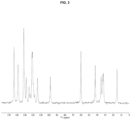
- Table 3 13 C solid state NMR peak list for (1R,3R)-3-(cyanomethyl)-3-(4-(6-(1-methyl-1H-pyrazol-4-ylpyrazolo[1,5-a]pyrazin-4-yl)-1H-pyrazol-1-yl)cyclobutane-1-carbonitrile, Form 1 anhydrous. ⁇ /ppm Rel.
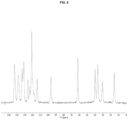
- Table 4 13 C solid state NMR peak list for (1R,3R)-3-(cyanomethyl)-3-(4-(6-(1-methyl-1H-pyrazol-4-yl)pyrazolo[1,5-a]pyrazin-4-yl)-1H-pyrazol-1-yl)cyclobutane-1-carbonitrile, Form 2 monohydrate. ⁇ /ppm Rel.
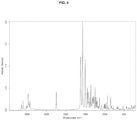
- Raman spectra were collected using a RAM II FT-Raman module attached to a Vertex 70 FTIR spectrometer (Bruker Optik GmbH). The instrument is equipped with a 1064 nm solid-state (Nd:YAG) laser and a liquid nitrogen cooled germanium detector. Prior to data acquisition, instrument performance and calibration verifications were conducted using a white light source, and polystyrene and naphthalene references. Raman spectral peaks for the crystalline form are shown in Table 2. Samples were prepared and analyzed in truncated NMR tubes. A sample rotator (Ventacon, UK) was used during measurement to maximize the volume of material exposed to the laser during data collection.
- the backscattered Raman signal from the sample was optimized and data were collected at a spectral resolution of 2 cm-1 using a laser power of 500 mW.
- a Blackmann-Harris 4-term apodization function was applied to minimize spectral aberrations.
- Spectra were generated between 3500 and 50 cm-1 with the number of scans adjusted accordingly to ensure adequate signal to noise.
- Spectra were normalized by setting the intensity of the most intense peak to 2.00. Peaks were then identified using the automatic peak picking function in the OPUS v8.2 software (Bruker Optik GmbH) with the sensitivity set to 2%. Peak positions and relative peak intensities were extracted and tabulated. The variability in the peak positions with this experimental configuration is within ⁇ 2 cm -1 .
- Table 6 Full Raman peak list for (1R,3R)-3-(cyanomethyl)-3-(4-(6-(1-methyl-1H-pyrazol-4-yl)pyrazolo[1,5-a]pyrazin-4-yl)-1H-pyrazol-1-yl)cyclobutane-1-carbonitrile, Form 2.
Landscapes
- Organic Chemistry (AREA)
- Chemical & Material Sciences (AREA)
- Health & Medical Sciences (AREA)
- Immunology (AREA)
- Engineering & Computer Science (AREA)
- Bioinformatics & Cheminformatics (AREA)
- Pharmacology & Pharmacy (AREA)
- Animal Behavior & Ethology (AREA)
- Medicinal Chemistry (AREA)
- Nuclear Medicine, Radiotherapy & Molecular Imaging (AREA)
- Chemical Kinetics & Catalysis (AREA)
- Life Sciences & Earth Sciences (AREA)
- Transplantation (AREA)
- General Chemical & Material Sciences (AREA)
- General Health & Medical Sciences (AREA)
- Public Health (AREA)
- Veterinary Medicine (AREA)
- Pharmaceuticals Containing Other Organic And Inorganic Compounds (AREA)
- Nitrogen Condensed Heterocyclic Rings (AREA)
- Developing Agents For Electrophotography (AREA)
- Plural Heterocyclic Compounds (AREA)
Claims (13)
- Verfahren zur Herstellung von (1R,3R)-3-(Cyanomethyl)-3-(4-(6-(1-methyl-1H-pyrazol-4-yl)pyrazolo[1,5-a]pyrazin-4-yl)-1H-pyrazol-1-yl)cyclobutan-1-carbonitril, Form 1 als wasserfreie, freie Base (Form 1 als wasserfreie, freie Base), umfassend:Suspendieren von (1R,3R)-3-(Cyanomethyl)-3-(4-(6-(1-methyl-1H-pyrazol-4-yl)pyrazolo[1,5-a]pyrazin-4-yl)-1H-pyrazol-1-yl)cyclobutan-1-carbonitril, Form 2 als Monohydrat, in einem Gemisch, das Tetrahydrofuran (THF), Methanol und Wasser umfasst, bei 20 °C bis 30 °C;Erhitzen des Gemisches unter Rückfluss;Filtrieren des Gemisches in ein auf 65 °C vorerhitztes Gefäß;Waschen des Gemisches mit einer vorerhitzten Lösung, die THF, Methanol und Wasser umfasst;Abkühlen des Gemisches auf 50 °C;Destillieren des Gemisches bei einer Temperatur zwischen 50 °C und 70 °C, um ein destilliertes Probenvolumen von ungefähr 15 ml/g zu erhalten;Zugeben von Ethylacetat zu dem destillierten Probenvolumen und erneutes Destillieren der Probe, wobei die Zugabe von Ethylacetat und die Destillation wiederholt wird, bis nicht mehr als 2 Gew.-% THF und Methanol und nicht mehr als 0,5 Gew.-% Wasser vorhanden sind;Abkühlen der Probe;Isolieren der Form 1 als wasserfreie, freie Base aus der Probe unter Verwendung von Filtration und gegebenenfalls Waschen der Form 1 als wasserfreie, freie Base mit Ethylacetat; undTrocknen der Form 1 als wasserfreie, freie Base, bis sie einen Ethylacetat-Rückstand von ≤ 0,02 % umfasst,wobei die Form 1 als wasserfreie, freie Base durch ein Pulver-Röntgenbeugungsmuster gekennzeichnet ist, das charakteristische Peaks, ausgedrückt in 2θ, bei 20,6°, 22,8° und 27,0° 2θ ± 0,2° 2θ umfasst.
- Verfahren nach Anspruch 1, wobei die Form 1 als wasserfreie, freie Base durch ein Pulver-Röntgenbeugungsmuster gekennzeichnet ist, das charakteristische Peaks, ausgedrückt in 2θ, bei 8,1°, 18,0°, 20,6°, 22,8° und 27,0° 2θ ± 0,2° 2θ umfasst.
- Verfahren nach irgendeinem der Ansprüche 1 oder 2, wobei die Form 1 als wasserfreie, freie Base nicht hygroskopisch ist.
- Verfahren nach irgendeinem der Ansprüche 1 bis 3, wobei die Form 1 als wasserfreie, freie Base durch eine chemische Verschiebung der 13C-Kernspinresonanz im festen Zustand gekennzeichnet ist, die ausgewählt ist aus der Gruppe bestehend aus 60,2, 131,4 und 143,5 ppm ± 0,2 ppm.
- Verfahren nach irgendeinem der Ansprüche 1 bis 4, wobei die Form 1 der wasserfreien, freien Base durch einen Satz von Raman-Banden bei 1246, 1498 und 2923 cm-1 ± 2 cm-1 gekennzeichnet ist.
- Verfahren zur Herstellung von (1R,3R)-3-(Cyanomethyl)-3-(4-(6-(1-methyl-1H-pyrazol-4-yl)pyrazolo[1,5-a]pyrazin-4-yl)-1H-pyrazol-1-yl)cyclobutan-1-carbonitril, Form 2 als Monohydrat (Form 2 als Monohydrat), umfassend:Zusammenführen von 4-Chlor-6-(1-methyl-1H-pyrazol-4-yl)pyrazolo[1,5-a]pyrazin und (1R,3R)-3-(Cyanomethyl)-3-(4-(4,4,5,5-tetramethyl-1,3,2-dioxaborolan-2-yl)-1H-pyrazol-1-yl)cyclobutan-1-carbonitril mit Natriumbicarbonat, Tetrahydrofuran (THF) und Wasser, um ein Reaktionsgemisch zu produzieren;Erhitzen des Reaktionsgemisches auf 35 °C;Entgasen von Chlor(2-dicyclohexylphosphino-2',4',6'-triisopropyl-1,1'-biphenyl)[2-(2'-amino-1,1'-biphenyl)]palladium(II) in Stickstoff in einem separaten Behälter;Laden von Chlor(2-dicyclohexylphosphino-2',4',6'-triisopropyl-1,1'-biphenyl)[2-(2'-amino-1,1'-biphenyl)]palladium(II) in THF, um eine Katalysatorlösung zu produzieren;Zugeben der Katalysatorlösung zu dem Reaktionsgemisch;Zugeben von 1,2-bis(Diphenylphosphino)ethan in THF zu dem Reaktionsgemisch und Erhitzen auf 65 °C;Abkühlen des Reaktionsgemisches auf 20 °C;Isolieren der Form 2 als Monohydrat durch Filtration; undTrocknen der Form 2 als Monohydrat, bis sie einen THF-Rückstand von ≤ 0,02 % umfasst,wobei die Form 2 als Monohydrat durch ein Pulver-Röntgenbeugungsmuster gekennzeichnet ist, das charakteristische Peaks, ausgedrückt in 2θ, bei 7,4°, 26,2°, 28,5° 2θ ± 0,2° 2θ umfasst.
- Verfahren nach Anspruch 6, wobei die Form 2 als Monohydrat durch ein Pulver-Röntgenbeugungsmuster gekennzeichnet ist, das charakteristische Peaks, ausgedrückt in 2θ, bei 7,4°, 10,4°, 15,7°, 26,2°, 28,5° 2θ ± 0,2° 2θ umfasst.
- Verfahren nach Anspruch 6 oder 7, wobei die Form 2 als Monohydrat durch eine chemische Verschiebung der 13C-Kernspinresonanz im festen Zustand gekennzeichnet ist, die ausgewählt ist aus der Gruppe bestehend aus 40,0, 61,8, 120,8, 130,9, 142,8 ppm ± 0,2 ppm.
- Verfahren nach irgendeinem der Ansprüche 6 bis 8, wobei die Form 2 als Monohydrat durch einen Satz von Raman-Banden bei 1255, 1330, 1507, 2934, 3122 cm-1 ± 2 cm-1 gekennzeichnet ist.
- Verfahren zur Herstellung von (1R,3R)-3-(Cyanomethyl)-3-(4-(6-(1-methyl-1H-pyrazol-4-yl)pyrazolo[1,5-a]pyrazin-4-yl)-1H-pyrazol-1-yl)cyclobutan-1-carbonitril, Form 2 als Monohydrat (Form 2 als Monohydrat), umfassend:Suspendieren von (1R,3R)-3-(Cyanomethyl)-3-(4-(6-(1-methyl-1H-pyrazol-4-yl)pyrazolo[1,5-a]pyrazin-4-yl)-1H-pyrazol-1-yl)cyclobutan-1-carbonitril, Form 1 als wasserfreie, freie Base, in einem Gemisch, das Tetrahydrofuran (THF), Methanol und Wasser umfasst;Erhitzen des Gemisches unter Rückfluss;Filtrieren des Gemisches in ein auf 65 °C vorerhitztes Gefäß;Waschen des Gemisches mit einer vorerhitzten Lösung, die THF, Methanol und Wasser umfasst;Abkühlen des Gemisches auf 5 °C;Isolieren der Form 2 als Monohydrat unter Verwendung von Filtration und Waschen mit einem THF-Wasser-Gemisch; undTrocknen der Form 2 als Monohydrat, bis sie einen THF-Rückstand von ≤ 0,02 % umfasst,wobei die Form 2 als Monohydrat durch ein Pulver-Röntgenbeugungsmuster gekennzeichnet ist, das charakteristische Peaks, ausgedrückt in 2θ, bei 7,4°, 26,2°, 28,5° 2θ ± 0,2° 2θ umfasst.
- Verfahren nach Anspruch 10, wobei die Form 2 als Monohydrat durch ein Pulver-Röntgenbeugungsmuster gekennzeichnet ist, das charakteristische Peaks, ausgedrückt in 2θ, bei 7,4°, 10,4°, 15,7°, 26,2°, 28,5° 2θ ± 0,2° 2θ umfasst.
- Verfahren nach Anspruch 10 oder 11, wobei die Form 2 als Monohydrat durch eine chemische Verschiebung der 13C-Kernspinresonanz im festen Zustand gekennzeichnet ist, die ausgewählt ist aus der Gruppe bestehend aus 40,0, 61,8, 120,8, 130,9, 142,8 ppm ± 0,2 ppm.
- Verfahren nach irgendeinem der Ansprüche 10 bis 12, wobei die Form 2 als Monohydrat durch einen Satz von Raman-Banden bei 1255, 1330, 1507, 2934, 3122 cm-1 ± 2 cm-1 gekennzeichnet ist.
Applications Claiming Priority (3)
| Application Number | Priority Date | Filing Date | Title |
|---|---|---|---|
| US202063007095P | 2020-04-08 | 2020-04-08 | |
| US202163133567P | 2021-01-04 | 2021-01-04 | |
| PCT/IB2021/052812 WO2021205322A1 (en) | 2020-04-08 | 2021-04-05 | Crystalline forms of 3-cyano-1-[4-[6-(1-methyl-1h-pyrazol-4-yl)pyrazolo[1,5-a]pyrazin-4-yl]-1h-pyrazol-1-yl]cyclobutaneacetonitrile, and use thereof |
Publications (3)
| Publication Number | Publication Date |
|---|---|
| EP4132931A1 EP4132931A1 (de) | 2023-02-15 |
| EP4132931B1 true EP4132931B1 (de) | 2025-06-18 |
| EP4132931C0 EP4132931C0 (de) | 2025-06-18 |
Family
ID=75478112
Family Applications (1)
| Application Number | Title | Priority Date | Filing Date |
|---|---|---|---|
| EP21718219.5A Active EP4132931B1 (de) | 2020-04-08 | 2021-04-05 | Kristalline formen von 3-cyano-1-[4-[(6-(1-methyl-1h-pyrazol-4-yl)pyrazolo[1,5-a!pyrazin-4-yl!-1h-pyrazol-1-yl!cyclobutanacetonitril und verwendung davon |
Country Status (8)
| Country | Link |
|---|---|
| US (1) | US12410172B2 (de) |
| EP (1) | EP4132931B1 (de) |
| JP (1) | JP2021167302A (de) |
| AU (1) | AU2021252213A1 (de) |
| CA (1) | CA3179566A1 (de) |
| ES (1) | ES3038166T3 (de) |
| TW (1) | TWI873326B (de) |
| WO (1) | WO2021205322A1 (de) |
Family Cites Families (7)
| Publication number | Priority date | Publication date | Assignee | Title |
|---|---|---|---|---|
| US3773919A (en) | 1969-10-23 | 1973-11-20 | Du Pont | Polylactide-drug mixtures |
| US4485045A (en) | 1981-07-06 | 1984-11-27 | Research Corporation | Synthetic phosphatidyl cholines useful in forming liposomes |
| US4544545A (en) | 1983-06-20 | 1985-10-01 | Trustees University Of Massachusetts | Liposomes containing modified cholesterol for organ targeting |
| US5013556A (en) | 1989-10-20 | 1991-05-07 | Liposome Technology, Inc. | Liposomes with enhanced circulation time |
| SG193245A1 (en) * | 2011-04-08 | 2013-10-30 | Pfizer | Crystalline and non- crystalline forms of tofacitinib, and a pharmaceutical composition comprising tofacitinib and a penetration enhancer |
| MD3419978T2 (ro) | 2016-02-24 | 2020-07-31 | Pfizer | Derivaţi de pirazolo[1,5-a]pirazin-4-il |
| CA3069990A1 (en) * | 2017-08-01 | 2019-02-07 | Theravance Biopharma R&D Ip, Llc | Pyrazolo and triazolo bicyclic compounds as jak kinase inhibitors |
-
2021
- 2021-04-05 EP EP21718219.5A patent/EP4132931B1/de active Active
- 2021-04-05 ES ES21718219T patent/ES3038166T3/es active Active
- 2021-04-05 CA CA3179566A patent/CA3179566A1/en active Pending
- 2021-04-05 AU AU2021252213A patent/AU2021252213A1/en active Pending
- 2021-04-05 US US17/917,160 patent/US12410172B2/en active Active
- 2021-04-05 WO PCT/IB2021/052812 patent/WO2021205322A1/en not_active Ceased
- 2021-04-06 JP JP2021064509A patent/JP2021167302A/ja active Pending
- 2021-04-07 TW TW110112518A patent/TWI873326B/zh active
Also Published As
| Publication number | Publication date |
|---|---|
| AU2021252213A1 (en) | 2022-11-03 |
| TW202202503A (zh) | 2022-01-16 |
| JP2021167302A (ja) | 2021-10-21 |
| EP4132931C0 (de) | 2025-06-18 |
| US12410172B2 (en) | 2025-09-09 |
| EP4132931A1 (de) | 2023-02-15 |
| US20230159539A1 (en) | 2023-05-25 |
| TWI873326B (zh) | 2025-02-21 |
| WO2021205322A1 (en) | 2021-10-14 |
| ES3038166T3 (en) | 2025-10-09 |
| CA3179566A1 (en) | 2021-10-14 |
Similar Documents
| Publication | Publication Date | Title |
|---|---|---|
| US20250282789A1 (en) | Crystalline pyrimidinyl-3,8-diazabicyclo[3.2.1]octanylmethanone compound and use thereof | |
| EP3817810B1 (de) | Herstellungsverfahren und zwischenprodukte für eine pyrrolo[2,3-d]pyrimidin-verbindung und verwendung davon | |
| EP4132931B1 (de) | Kristalline formen von 3-cyano-1-[4-[(6-(1-methyl-1h-pyrazol-4-yl)pyrazolo[1,5-a!pyrazin-4-yl!-1h-pyrazol-1-yl!cyclobutanacetonitril und verwendung davon | |
| HK40088917B (en) | Crystalline forms of 3-cyano-1-[4-[6-(1-methyl-1h-pyrazol-4-yl)pyrazolo[1,5-a]pyrazin-4-yl]-1h-pyrazol-1-yl]cyclobutaneacetonitrile, and use thereof | |
| HK40088917A (en) | Crystalline forms of 3-cyano-1-[4-[6-(1-methyl-1h-pyrazol-4-yl)pyrazolo[1,5-a]pyrazin-4-yl]-1h-pyrazol-1-yl]cyclobutaneacetonitrile, and use thereof | |
| RU2803145C2 (ru) | Кристаллический пиримидинил-3,8-диазабицикло[3.2.1]октанилметанон и его применение | |
| RU2780482C2 (ru) | СПОСОБ ПОЛУЧЕНИЯ И ПРОМЕЖУТОЧНЫЕ ПРОДУКТЫ ДЛЯ ПОЛУЧЕНИЯ ПИРРОЛО[2,3-d]ПИРИМИДИНА И ЕГО ПРИМЕНЕНИЕ | |
| HK40059389A (en) | Crystalline pyrimidinyl-3,8-diazabicyclo[3.2.1] octanylmethanone compound and use thereof |
Legal Events
| Date | Code | Title | Description |
|---|---|---|---|
| STAA | Information on the status of an ep patent application or granted ep patent |
Free format text: STATUS: UNKNOWN |
|
| STAA | Information on the status of an ep patent application or granted ep patent |
Free format text: STATUS: THE INTERNATIONAL PUBLICATION HAS BEEN MADE |
|
| PUAI | Public reference made under article 153(3) epc to a published international application that has entered the european phase |
Free format text: ORIGINAL CODE: 0009012 |
|
| STAA | Information on the status of an ep patent application or granted ep patent |
Free format text: STATUS: REQUEST FOR EXAMINATION WAS MADE |
|
| 17P | Request for examination filed |
Effective date: 20221006 |
|
| AK | Designated contracting states |
Kind code of ref document: A1 Designated state(s): AL AT BE BG CH CY CZ DE DK EE ES FI FR GB GR HR HU IE IS IT LI LT LU LV MC MK MT NL NO PL PT RO RS SE SI SK SM TR |
|
| DAV | Request for validation of the european patent (deleted) | ||
| DAX | Request for extension of the european patent (deleted) | ||
| REG | Reference to a national code |
Ref country code: HK Ref legal event code: DE Ref document number: 40088917 Country of ref document: HK |
|
| STAA | Information on the status of an ep patent application or granted ep patent |
Free format text: STATUS: EXAMINATION IS IN PROGRESS |
|
| 17Q | First examination report despatched |
Effective date: 20231018 |
|
| GRAP | Despatch of communication of intention to grant a patent |
Free format text: ORIGINAL CODE: EPIDOSNIGR1 |
|
| STAA | Information on the status of an ep patent application or granted ep patent |
Free format text: STATUS: GRANT OF PATENT IS INTENDED |
|
| INTG | Intention to grant announced |
Effective date: 20250115 |
|
| GRAS | Grant fee paid |
Free format text: ORIGINAL CODE: EPIDOSNIGR3 |
|
| GRAA | (expected) grant |
Free format text: ORIGINAL CODE: 0009210 |
|
| STAA | Information on the status of an ep patent application or granted ep patent |
Free format text: STATUS: THE PATENT HAS BEEN GRANTED |
|
| AK | Designated contracting states |
Kind code of ref document: B1 Designated state(s): AL AT BE BG CH CY CZ DE DK EE ES FI FR GB GR HR HU IE IS IT LI LT LU LV MC MK MT NL NO PL PT RO RS SE SI SK SM TR |
|
| REG | Reference to a national code |
Ref country code: GB Ref legal event code: FG4D |
|
| REG | Reference to a national code |
Ref country code: CH Ref legal event code: EP |
|
| REG | Reference to a national code |
Ref country code: DE Ref legal event code: R096 Ref document number: 602021032448 Country of ref document: DE |
|
| REG | Reference to a national code |
Ref country code: CH Ref legal event code: EP |
|
| REG | Reference to a national code |
Ref country code: IE Ref legal event code: FG4D |
|
| U01 | Request for unitary effect filed |
Effective date: 20250716 |
|
| U07 | Unitary effect registered |
Designated state(s): AT BE BG DE DK EE FI FR IT LT LU LV MT NL PT RO SE SI Effective date: 20250722 |
|
| REG | Reference to a national code |
Ref country code: ES Ref legal event code: FG2A Ref document number: 3038166 Country of ref document: ES Kind code of ref document: T3 Effective date: 20251009 |
|
| PG25 | Lapsed in a contracting state [announced via postgrant information from national office to epo] |
Ref country code: NO Free format text: LAPSE BECAUSE OF FAILURE TO SUBMIT A TRANSLATION OF THE DESCRIPTION OR TO PAY THE FEE WITHIN THE PRESCRIBED TIME-LIMIT Effective date: 20250918 Ref country code: GR Free format text: LAPSE BECAUSE OF FAILURE TO SUBMIT A TRANSLATION OF THE DESCRIPTION OR TO PAY THE FEE WITHIN THE PRESCRIBED TIME-LIMIT Effective date: 20250919 |
|
| PG25 | Lapsed in a contracting state [announced via postgrant information from national office to epo] |
Ref country code: HR Free format text: LAPSE BECAUSE OF FAILURE TO SUBMIT A TRANSLATION OF THE DESCRIPTION OR TO PAY THE FEE WITHIN THE PRESCRIBED TIME-LIMIT Effective date: 20250618 |
|
| PG25 | Lapsed in a contracting state [announced via postgrant information from national office to epo] |
Ref country code: RS Free format text: LAPSE BECAUSE OF FAILURE TO SUBMIT A TRANSLATION OF THE DESCRIPTION OR TO PAY THE FEE WITHIN THE PRESCRIBED TIME-LIMIT Effective date: 20250918 |
|
| PG25 | Lapsed in a contracting state [announced via postgrant information from national office to epo] |
Ref country code: IS Free format text: LAPSE BECAUSE OF FAILURE TO SUBMIT A TRANSLATION OF THE DESCRIPTION OR TO PAY THE FEE WITHIN THE PRESCRIBED TIME-LIMIT Effective date: 20251018 |
|
| PG25 | Lapsed in a contracting state [announced via postgrant information from national office to epo] |
Ref country code: SM Free format text: LAPSE BECAUSE OF FAILURE TO SUBMIT A TRANSLATION OF THE DESCRIPTION OR TO PAY THE FEE WITHIN THE PRESCRIBED TIME-LIMIT Effective date: 20250618 |
|
| PG25 | Lapsed in a contracting state [announced via postgrant information from national office to epo] |
Ref country code: CZ Free format text: LAPSE BECAUSE OF FAILURE TO SUBMIT A TRANSLATION OF THE DESCRIPTION OR TO PAY THE FEE WITHIN THE PRESCRIBED TIME-LIMIT Effective date: 20250618 |
|
| PG25 | Lapsed in a contracting state [announced via postgrant information from national office to epo] |
Ref country code: PL Free format text: LAPSE BECAUSE OF FAILURE TO SUBMIT A TRANSLATION OF THE DESCRIPTION OR TO PAY THE FEE WITHIN THE PRESCRIBED TIME-LIMIT Effective date: 20250618 |
|
| PG25 | Lapsed in a contracting state [announced via postgrant information from national office to epo] |
Ref country code: SK Free format text: LAPSE BECAUSE OF FAILURE TO SUBMIT A TRANSLATION OF THE DESCRIPTION OR TO PAY THE FEE WITHIN THE PRESCRIBED TIME-LIMIT Effective date: 20250618 |