EP4116333A1 - Method for preparing cellulose-branched fluorinated acid esters - Google Patents
Method for preparing cellulose-branched fluorinated acid esters Download PDFInfo
- Publication number
- EP4116333A1 EP4116333A1 EP21382618.3A EP21382618A EP4116333A1 EP 4116333 A1 EP4116333 A1 EP 4116333A1 EP 21382618 A EP21382618 A EP 21382618A EP 4116333 A1 EP4116333 A1 EP 4116333A1
- Authority
- EP
- European Patent Office
- Prior art keywords
- brfa
- cellulose
- acid esters
- branched fluorinated
- water
- Prior art date
- Legal status (The legal status is an assumption and is not a legal conclusion. Google has not performed a legal analysis and makes no representation as to the accuracy of the status listed.)
- Withdrawn
Links
- 238000000034 method Methods 0.000 title claims abstract description 21
- 239000002253 acid Substances 0.000 title claims abstract description 16
- 150000002148 esters Chemical class 0.000 title claims abstract description 15
- 229920002678 cellulose Polymers 0.000 claims abstract description 48
- 239000001913 cellulose Substances 0.000 claims abstract description 42
- QAEDZJGFFMLHHQ-UHFFFAOYSA-N trifluoroacetic anhydride Chemical compound FC(F)(F)C(=O)OC(=O)C(F)(F)F QAEDZJGFFMLHHQ-UHFFFAOYSA-N 0.000 claims abstract description 21
- DTQVDTLACAAQTR-UHFFFAOYSA-N Trifluoroacetic acid Chemical compound OC(=O)C(F)(F)F DTQVDTLACAAQTR-UHFFFAOYSA-N 0.000 claims abstract description 20
- 239000004753 textile Substances 0.000 claims abstract description 8
- 238000000576 coating method Methods 0.000 claims abstract description 7
- 238000006243 chemical reaction Methods 0.000 claims abstract description 6
- 238000002360 preparation method Methods 0.000 claims abstract description 6
- 150000008064 anhydrides Chemical class 0.000 claims abstract description 5
- 235000013305 food Nutrition 0.000 claims abstract description 4
- 238000004806 packaging method and process Methods 0.000 claims abstract description 4
- 150000001735 carboxylic acids Chemical class 0.000 claims abstract 2
- 235000010980 cellulose Nutrition 0.000 claims description 41
- XLYOFNOQVPJJNP-UHFFFAOYSA-N water Substances O XLYOFNOQVPJJNP-UHFFFAOYSA-N 0.000 claims description 27
- OKKJLVBELUTLKV-UHFFFAOYSA-N Methanol Chemical compound OC OKKJLVBELUTLKV-UHFFFAOYSA-N 0.000 claims description 21
- LFQSCWFLJHTTHZ-UHFFFAOYSA-N Ethanol Chemical compound CCO LFQSCWFLJHTTHZ-UHFFFAOYSA-N 0.000 claims description 16
- HEDRZPFGACZZDS-UHFFFAOYSA-N Chloroform Chemical compound ClC(Cl)Cl HEDRZPFGACZZDS-UHFFFAOYSA-N 0.000 claims description 14
- 229920000642 polymer Polymers 0.000 claims description 14
- 239000000203 mixture Substances 0.000 claims description 10
- 238000005406 washing Methods 0.000 claims description 7
- 238000001035 drying Methods 0.000 claims description 5
- 229920000168 Microcrystalline cellulose Polymers 0.000 claims description 4
- 229940016286 microcrystalline cellulose Drugs 0.000 claims description 4
- 235000019813 microcrystalline cellulose Nutrition 0.000 claims description 4
- 239000008108 microcrystalline cellulose Substances 0.000 claims description 4
- 238000000935 solvent evaporation Methods 0.000 claims description 4
- 238000001816 cooling Methods 0.000 claims description 3
- 239000013078 crystal Substances 0.000 claims description 3
- FGUUSXIOTUKUDN-IBGZPJMESA-N C1(=CC=CC=C1)N1C2=C(NC([C@H](C1)NC=1OC(=NN=1)C1=CC=CC=C1)=O)C=CC=C2 Chemical compound C1(=CC=CC=C1)N1C2=C(NC([C@H](C1)NC=1OC(=NN=1)C1=CC=CC=C1)=O)C=CC=C2 FGUUSXIOTUKUDN-IBGZPJMESA-N 0.000 claims description 2
- 239000002244 precipitate Substances 0.000 claims description 2
- 238000001556 precipitation Methods 0.000 claims description 2
- 239000000463 material Substances 0.000 description 13
- 229920002301 cellulose acetate Polymers 0.000 description 9
- 229920002313 fluoropolymer Polymers 0.000 description 9
- 238000012512 characterization method Methods 0.000 description 8
- 238000001542 size-exclusion chromatography Methods 0.000 description 8
- 239000004811 fluoropolymer Substances 0.000 description 7
- 238000005259 measurement Methods 0.000 description 7
- 230000003247 decreasing effect Effects 0.000 description 6
- 125000002887 hydroxy group Chemical group [H]O* 0.000 description 6
- 230000001965 increasing effect Effects 0.000 description 6
- 229920001343 polytetrafluoroethylene Polymers 0.000 description 6
- 239000004810 polytetrafluoroethylene Substances 0.000 description 6
- 239000000126 substance Substances 0.000 description 6
- 238000006467 substitution reaction Methods 0.000 description 6
- 238000004483 ATR-FTIR spectroscopy Methods 0.000 description 5
- 239000001856 Ethyl cellulose Substances 0.000 description 5
- ZZSNKZQZMQGXPY-UHFFFAOYSA-N Ethyl cellulose Chemical compound CCOCC1OC(OC)C(OCC)C(OCC)C1OC1C(O)C(O)C(OC)C(CO)O1 ZZSNKZQZMQGXPY-UHFFFAOYSA-N 0.000 description 5
- 238000005481 NMR spectroscopy Methods 0.000 description 5
- 229920001249 ethyl cellulose Polymers 0.000 description 5
- 235000019325 ethyl cellulose Nutrition 0.000 description 5
- -1 pentafluorobenzoyl Chemical group 0.000 description 5
- 238000000425 proton nuclear magnetic resonance spectrum Methods 0.000 description 5
- KWGKDLIKAYFUFQ-UHFFFAOYSA-M lithium chloride Chemical compound [Li+].[Cl-] KWGKDLIKAYFUFQ-UHFFFAOYSA-M 0.000 description 4
- 239000000123 paper Substances 0.000 description 4
- 238000012360 testing method Methods 0.000 description 4
- 229920008347 Cellulose acetate propionate Polymers 0.000 description 3
- 238000005033 Fourier transform infrared spectroscopy Methods 0.000 description 3
- 239000002033 PVDF binder Substances 0.000 description 3
- 238000005102 attenuated total reflection Methods 0.000 description 3
- 230000015572 biosynthetic process Effects 0.000 description 3
- 125000003178 carboxy group Chemical group [H]OC(*)=O 0.000 description 3
- 230000000694 effects Effects 0.000 description 3
- 238000005886 esterification reaction Methods 0.000 description 3
- 229920002981 polyvinylidene fluoride Polymers 0.000 description 3
- 230000008569 process Effects 0.000 description 3
- 238000001228 spectrum Methods 0.000 description 3
- 239000000758 substrate Substances 0.000 description 3
- YFSUTJLHUFNCNZ-UHFFFAOYSA-M 1,1,2,2,3,3,4,4,5,5,6,6,7,7,8,8,8-heptadecafluorooctane-1-sulfonate Chemical compound [O-]S(=O)(=O)C(F)(F)C(F)(F)C(F)(F)C(F)(F)C(F)(F)C(F)(F)C(F)(F)C(F)(F)F YFSUTJLHUFNCNZ-UHFFFAOYSA-M 0.000 description 2
- IJGRMHOSHXDMSA-UHFFFAOYSA-N Atomic nitrogen Chemical compound N#N IJGRMHOSHXDMSA-UHFFFAOYSA-N 0.000 description 2
- YCKRFDGAMUMZLT-UHFFFAOYSA-N Fluorine atom Chemical compound [F] YCKRFDGAMUMZLT-UHFFFAOYSA-N 0.000 description 2
- FXHOOIRPVKKKFG-UHFFFAOYSA-N N,N-Dimethylacetamide Chemical compound CN(C)C(C)=O FXHOOIRPVKKKFG-UHFFFAOYSA-N 0.000 description 2
- KQNSPSCVNXCGHK-UHFFFAOYSA-N [3-(4-tert-butylphenoxy)phenyl]methanamine Chemical compound C1=CC(C(C)(C)C)=CC=C1OC1=CC=CC(CN)=C1 KQNSPSCVNXCGHK-UHFFFAOYSA-N 0.000 description 2
- 238000002835 absorbance Methods 0.000 description 2
- 238000004458 analytical method Methods 0.000 description 2
- 238000005452 bending Methods 0.000 description 2
- 231100000693 bioaccumulation Toxicity 0.000 description 2
- 230000005540 biological transmission Effects 0.000 description 2
- 150000001732 carboxylic acid derivatives Chemical class 0.000 description 2
- HKQOBOMRSSHSTC-UHFFFAOYSA-N cellulose acetate Chemical compound OC1C(O)C(O)C(CO)OC1OC1C(CO)OC(O)C(O)C1O.CC(=O)OCC1OC(OC(C)=O)C(OC(C)=O)C(OC(C)=O)C1OC1C(OC(C)=O)C(OC(C)=O)C(OC(C)=O)C(COC(C)=O)O1.CCC(=O)OCC1OC(OC(=O)CC)C(OC(=O)CC)C(OC(=O)CC)C1OC1C(OC(=O)CC)C(OC(=O)CC)C(OC(=O)CC)C(COC(=O)CC)O1 HKQOBOMRSSHSTC-UHFFFAOYSA-N 0.000 description 2
- 229920006217 cellulose acetate butyrate Polymers 0.000 description 2
- 230000008859 change Effects 0.000 description 2
- 238000000113 differential scanning calorimetry Methods 0.000 description 2
- 238000009826 distribution Methods 0.000 description 2
- 239000003480 eluent Substances 0.000 description 2
- 230000032050 esterification Effects 0.000 description 2
- 229910052731 fluorine Inorganic materials 0.000 description 2
- 239000011737 fluorine Substances 0.000 description 2
- 230000004927 fusion Effects 0.000 description 2
- 230000009477 glass transition Effects 0.000 description 2
- PCHJSUWPFVWCPO-UHFFFAOYSA-N gold Chemical compound [Au] PCHJSUWPFVWCPO-UHFFFAOYSA-N 0.000 description 2
- 239000010931 gold Substances 0.000 description 2
- 229910052737 gold Inorganic materials 0.000 description 2
- 230000002209 hydrophobic effect Effects 0.000 description 2
- 238000002329 infrared spectrum Methods 0.000 description 2
- 230000010354 integration Effects 0.000 description 2
- TWNIBLMWSKIRAT-VFUOTHLCSA-N levoglucosan Chemical group O[C@@H]1[C@@H](O)[C@H](O)[C@H]2CO[C@@H]1O2 TWNIBLMWSKIRAT-VFUOTHLCSA-N 0.000 description 2
- 238000004519 manufacturing process Methods 0.000 description 2
- 125000000325 methylidene group Chemical group [H]C([H])=* 0.000 description 2
- 125000005010 perfluoroalkyl group Chemical group 0.000 description 2
- SNGREZUHAYWORS-UHFFFAOYSA-N perfluorooctanoic acid Chemical compound OC(=O)C(F)(F)C(F)(F)C(F)(F)C(F)(F)C(F)(F)C(F)(F)C(F)(F)F SNGREZUHAYWORS-UHFFFAOYSA-N 0.000 description 2
- 238000006116 polymerization reaction Methods 0.000 description 2
- 239000007858 starting material Substances 0.000 description 2
- 230000003075 superhydrophobic effect Effects 0.000 description 2
- 238000009864 tensile test Methods 0.000 description 2
- 238000001757 thermogravimetry curve Methods 0.000 description 2
- 239000012901 Milli-Q water Substances 0.000 description 1
- 239000004677 Nylon Substances 0.000 description 1
- VYPSYNLAJGMNEJ-UHFFFAOYSA-N Silicium dioxide Chemical compound O=[Si]=O VYPSYNLAJGMNEJ-UHFFFAOYSA-N 0.000 description 1
- 241000656145 Thyrsites atun Species 0.000 description 1
- 238000005411 Van der Waals force Methods 0.000 description 1
- 230000009102 absorption Effects 0.000 description 1
- 238000010521 absorption reaction Methods 0.000 description 1
- 230000001133 acceleration Effects 0.000 description 1
- DPXJVFZANSGRMM-UHFFFAOYSA-N acetic acid;2,3,4,5,6-pentahydroxyhexanal;sodium Chemical compound [Na].CC(O)=O.OCC(O)C(O)C(O)C(O)C=O DPXJVFZANSGRMM-UHFFFAOYSA-N 0.000 description 1
- 230000010933 acylation Effects 0.000 description 1
- 238000005917 acylation reaction Methods 0.000 description 1
- 239000000654 additive Substances 0.000 description 1
- 230000002776 aggregation Effects 0.000 description 1
- 238000004220 aggregation Methods 0.000 description 1
- 229910052782 aluminium Inorganic materials 0.000 description 1
- XAGFODPZIPBFFR-UHFFFAOYSA-N aluminium Chemical compound [Al] XAGFODPZIPBFFR-UHFFFAOYSA-N 0.000 description 1
- 230000004888 barrier function Effects 0.000 description 1
- 230000008901 benefit Effects 0.000 description 1
- 229920001222 biopolymer Polymers 0.000 description 1
- 238000004364 calculation method Methods 0.000 description 1
- 230000000711 cancerogenic effect Effects 0.000 description 1
- 239000001768 carboxy methyl cellulose Substances 0.000 description 1
- 231100000315 carcinogenic Toxicity 0.000 description 1
- 238000005266 casting Methods 0.000 description 1
- 230000015556 catabolic process Effects 0.000 description 1
- 239000003153 chemical reaction reagent Substances 0.000 description 1
- 239000003795 chemical substances by application Substances 0.000 description 1
- 238000003776 cleavage reaction Methods 0.000 description 1
- 239000011248 coating agent Substances 0.000 description 1
- 150000001875 compounds Chemical class 0.000 description 1
- 230000008878 coupling Effects 0.000 description 1
- 238000010168 coupling process Methods 0.000 description 1
- 238000005859 coupling reaction Methods 0.000 description 1
- 238000006731 degradation reaction Methods 0.000 description 1
- 239000008367 deionised water Substances 0.000 description 1
- 229910021641 deionized water Inorganic materials 0.000 description 1
- 230000008021 deposition Effects 0.000 description 1
- 239000002274 desiccant Substances 0.000 description 1
- 229910003460 diamond Inorganic materials 0.000 description 1
- 239000010432 diamond Substances 0.000 description 1
- 235000014113 dietary fatty acids Nutrition 0.000 description 1
- 238000001938 differential scanning calorimetry curve Methods 0.000 description 1
- 239000006185 dispersion Substances 0.000 description 1
- 230000009977 dual effect Effects 0.000 description 1
- 229920001971 elastomer Polymers 0.000 description 1
- 238000003379 elimination reaction Methods 0.000 description 1
- 238000010828 elution Methods 0.000 description 1
- 238000005516 engineering process Methods 0.000 description 1
- 230000007613 environmental effect Effects 0.000 description 1
- 125000004185 ester group Chemical group 0.000 description 1
- RTZKZFJDLAIYFH-UHFFFAOYSA-N ether Substances CCOCC RTZKZFJDLAIYFH-UHFFFAOYSA-N 0.000 description 1
- 125000001495 ethyl group Chemical group [H]C([H])([H])C([H])([H])* 0.000 description 1
- 239000004744 fabric Substances 0.000 description 1
- 239000000194 fatty acid Substances 0.000 description 1
- 229930195729 fatty acid Natural products 0.000 description 1
- 150000004665 fatty acids Chemical class 0.000 description 1
- 239000000835 fiber Substances 0.000 description 1
- 238000002124 flame ionisation detection Methods 0.000 description 1
- 239000003063 flame retardant Substances 0.000 description 1
- 238000007306 functionalization reaction Methods 0.000 description 1
- 239000011521 glass Substances 0.000 description 1
- 239000012761 high-performance material Substances 0.000 description 1
- 238000003384 imaging method Methods 0.000 description 1
- 230000001939 inductive effect Effects 0.000 description 1
- 230000009878 intermolecular interaction Effects 0.000 description 1
- 230000000670 limiting effect Effects 0.000 description 1
- 238000012417 linear regression Methods 0.000 description 1
- 238000002844 melting Methods 0.000 description 1
- 230000008018 melting Effects 0.000 description 1
- 239000012528 membrane Substances 0.000 description 1
- 229910052751 metal Inorganic materials 0.000 description 1
- 239000002184 metal Substances 0.000 description 1
- 150000002739 metals Chemical class 0.000 description 1
- 230000000813 microbial effect Effects 0.000 description 1
- 230000004048 modification Effects 0.000 description 1
- 238000012986 modification Methods 0.000 description 1
- 239000000178 monomer Substances 0.000 description 1
- 230000000877 morphologic effect Effects 0.000 description 1
- 229910052757 nitrogen Inorganic materials 0.000 description 1
- 238000000655 nuclear magnetic resonance spectrum Methods 0.000 description 1
- 229920001778 nylon Polymers 0.000 description 1
- 239000003921 oil Substances 0.000 description 1
- 229940049964 oleate Drugs 0.000 description 1
- ZQPPMHVWECSIRJ-KTKRTIGZSA-N oleic acid Chemical compound CCCCCCCC\C=C/CCCCCCCC(O)=O ZQPPMHVWECSIRJ-KTKRTIGZSA-N 0.000 description 1
- 230000003287 optical effect Effects 0.000 description 1
- 238000012856 packing Methods 0.000 description 1
- 239000002245 particle Substances 0.000 description 1
- 230000035699 permeability Effects 0.000 description 1
- 239000002957 persistent organic pollutant Substances 0.000 description 1
- 230000000704 physical effect Effects 0.000 description 1
- 230000004962 physiological condition Effects 0.000 description 1
- 239000004033 plastic Substances 0.000 description 1
- 229920003023 plastic Polymers 0.000 description 1
- 239000004014 plasticizer Substances 0.000 description 1
- 229920001223 polyethylene glycol Polymers 0.000 description 1
- 238000012667 polymer degradation Methods 0.000 description 1
- 229920002635 polyurethane Polymers 0.000 description 1
- 239000004814 polyurethane Substances 0.000 description 1
- 238000012545 processing Methods 0.000 description 1
- 239000000047 product Substances 0.000 description 1
- 230000009467 reduction Effects 0.000 description 1
- 230000002829 reductive effect Effects 0.000 description 1
- 230000002940 repellent Effects 0.000 description 1
- 239000005871 repellent Substances 0.000 description 1
- 150000004671 saturated fatty acids Chemical class 0.000 description 1
- 235000003441 saturated fatty acids Nutrition 0.000 description 1
- 238000001878 scanning electron micrograph Methods 0.000 description 1
- 230000007017 scission Effects 0.000 description 1
- 239000013545 self-assembled monolayer Substances 0.000 description 1
- 238000007086 side reaction Methods 0.000 description 1
- 239000000741 silica gel Substances 0.000 description 1
- 229910002027 silica gel Inorganic materials 0.000 description 1
- 235000019812 sodium carboxymethyl cellulose Nutrition 0.000 description 1
- 229920001027 sodium carboxymethylcellulose Polymers 0.000 description 1
- 239000002904 solvent Substances 0.000 description 1
- 230000003595 spectral effect Effects 0.000 description 1
- 238000010561 standard procedure Methods 0.000 description 1
- 238000007655 standard test method Methods 0.000 description 1
- 230000003068 static effect Effects 0.000 description 1
- 238000003786 synthesis reaction Methods 0.000 description 1
- 150000003573 thiols Chemical class 0.000 description 1
- 230000009466 transformation Effects 0.000 description 1
- DTQVDTLACAAQTR-DYCDLGHISA-N trifluoroacetic acid-d1 Chemical compound [2H]OC(=O)C(F)(F)F DTQVDTLACAAQTR-DYCDLGHISA-N 0.000 description 1
- 238000004078 waterproofing Methods 0.000 description 1
- 230000003313 weakening effect Effects 0.000 description 1
- 238000005303 weighing Methods 0.000 description 1
Images








Classifications
-
- C—CHEMISTRY; METALLURGY
- C08—ORGANIC MACROMOLECULAR COMPOUNDS; THEIR PREPARATION OR CHEMICAL WORKING-UP; COMPOSITIONS BASED THEREON
- C08B—POLYSACCHARIDES; DERIVATIVES THEREOF
- C08B3/00—Preparation of cellulose esters of organic acids
- C08B3/14—Preparation of cellulose esters of organic acids in which the organic acid residue contains substituents, e.g. NH2, Cl
-
- C—CHEMISTRY; METALLURGY
- C08—ORGANIC MACROMOLECULAR COMPOUNDS; THEIR PREPARATION OR CHEMICAL WORKING-UP; COMPOSITIONS BASED THEREON
- C08L—COMPOSITIONS OF MACROMOLECULAR COMPOUNDS
- C08L1/00—Compositions of cellulose, modified cellulose or cellulose derivatives
- C08L1/08—Cellulose derivatives
- C08L1/10—Esters of organic acids, i.e. acylates
Definitions
- the present invention relates to a method for preparing cellulose-branched fluorinated acid esters (C-BRFA) by reaction of cellulose with a multibranched fluorinated carboxylic acid in presence of a mixed anhydride system trifluoroacetic acid/trifluoroacetic acid anhydride and cellulose-branched fluorinated acid esters obtained therewith, which can be useful for the preparation of waterproof-breathable films, coatings in textiles and food packaging.
- C-BRFA cellulose-branched fluorinated acid esters
- Fluorine-containing polymers are versatile high-performance materials made up of partially or fully fluorinated (viz., perfluorinated) monomers. Fluoropolymers show many valuable properties, including chemical inertness, high dielectric constant, flame retardancy, low friction, non-stick behavior, exceptional weatherability, and excellent barrier properties. All these properties make fluoropolymers useful for a wide range of applications such as textiles, automotive and aircraft components, flame-retardants, cookware and cable coatings, linings of piping and chemical tanks, packing for batteries, biomedical devices, etc.
- fluoropolymers with C6 or shorter linear fluorinated side chains although with lower performances in terms of wettability, are being currently used, since they decompose into more environmentally friendly perfluorohexanoic acid (PFHA) that shows high rates of bio-elimination.
- PFHA perfluorohexanoic acid
- fluoropolymers with C6 side chains have been successfully applied to textiles and coatings for metals as well as for rubber tires demolding process and to produce fibers that are able to encapsulate water and oils, just to mention a few examples.
- cellulose esters have been investigated where fluorinated side chains (e.g., 1H,1H,2H,2H-heptadecafluorodecyl, 2H,2H,3H,3H-pefluorononanoyl, pentafluorobenzoyl, and 1H,1H,2H,2H-perfluorooctyltriethoxysilane substituents) are grafted to cellulose.
- fluorinated side chains e.g., 1H,1H,2H,2H-heptadecafluorodecyl, 2H,2H,3H,3H-pefluorononanoyl, pentafluorobenzoyl, and 1H,1H,2H,2H-perfluorooctyltriethoxysilane substituents
- Cellulose is the most common biopolymer in nature, easily accessible, and has a large presence of hydroxyl groups that can be functionalized by a vast number of chemical reactions.
- cellulose-based materials are considered biodegradable and economic, combining functionality with structural performances.
- the introduction of fluorinated side chains on cellulose allows to obtain omniphobic materials with excellent microbial resistance.
- fluorinated chains longer than C6 raises again some environmental concerns. Therefore, the key challenge is to elaborate omniphobic cellulose-based materials by using fluorinated chains shorter than C6.
- the use of new short-chain branched fluorinated substances as a valuable substitute for long-chain linear perfluoroalkyl molecules for more sustainable fabrication is a smart strategy.
- This peculiar structure affords a high fluorine content while the presence of four ether bonds in the core is expected to hasten the molecule's degradation in the environment thanks to the cleavage of such bonds in physiological conditions, thus overcoming bioaccumulation issues.
- the objective of the invention is, therefore, to exploit the inherent properties of biocompatible, biodegradable multi-branched fluorocompounds, increasing their biodegradability and applicability at large scale, by their grafting to cellulose to obtain the corresponding multi-branched fluorinated cellulose esters.
- the first aspect of the present invention relates to a novel method for preparing cellulose-branched fluorinated acid esters (C-BRFA) by reaction of cellulose with a multibranched fluorinated carboxylic acid in presence of a mixed anhydride system trifluoroacetic acid/trifluoroacetic acid anhydride.
- C-BRFA cellulose-branched fluorinated acid esters
- the C-BRFA proportions in step (a) are selected from 1:0, 10:1, 5:1 and 1:1.
- the mixture TFA:TFAA:CHCl 3 in steps (a) and/or d) is in a molar ratio of 2:1:1.
- the precipitate in step (c) is washed with ethanol three times.
- the solvent evaporation in step e) takes 2 days.
- the washing solution in step f) is water:methanol.
- the invention refers to cellulose-branched fluorinated acid esters obtained by the method of the invention as previously described.
- the C-BRFA proportions are 1:0, 10:1, 5:1 and 1:1.
- the invention relates to the use the cellulose-branched fluorinated acid esters as described above for the preparation of waterproof-breathable films, coatings in textiles and/or food packaging.
- cellulose-BRFA esters were carried out following a methodology used for saturated fatty acids (Morooka, Norimoto, Yamada, & Shiraishi, 1984), as summarized in Figure 1A .
- Microcrystalline cellulose (C, 375 mg) and different amounts of BRFA (0, 125, 360, and 1970 mg) corresponding to C:BRFA ratios of 1:0, 10:1, 5:1, and 1:1 were dissolved in 25 mL of a mixture of TFA:TFAA:CHCl 3 (2:1:1, v:v:v) in a 50 mL closed flask and stirred at 50°C for 24 h, followed by cooling at room temperature for few hours.
- Table 1 Labels of the samples and initial moles, mole fractions, and weights % of cellulose and 170 BRFA. Label Anhydroglucose unit (mole) BRFA (mole) Cellulose (mole fraction) BRFA (mole fraction) Cellulose (wt. %) BRFA (wt.%) C-BRFA 1:1 1 1 0.50 0.50 16 84 C-BRFA 5:1 5 1 0.83 0.17 51 49 C-BRFA 10:1 10 1 0.91 0.09 66 34
- NMR Nuclear Magnetic Resonance
- spectra were processed by using MestReNova software (MestReNova 11.0.3) that uses the peak deconvolution for integration.
- the degree of substitution was inferred from the 1H spectrum by the ratio between the integrated peak intensity of all 1H signals of cellulose (from 3.60 to 5.15 ppm, 7H) and the broad signal labeled as 3 (from 2.60 to 3.00 ppm, 2H) of the BRFA moiety each normalized to the number of protons generating the signal.
- MestReNova software was used to remove the contribution of unreacted BRFA from the integral calculation.
- the integration was performed by means of integrated peak intensity deconvolution that separates the signal into components, fitting to the shape of each peak and allowing to delete the undesired component (peak) contributions (such as those of the unreacted free BRFA) from the total integral value.
- the amount of unreacted BRFA was determined from the difference in integral value before and after the undesired peak (i.e., free BRFA) contribution removal.
- Cellulose functionalization was determined by high-resolution NMR spectroscopy by comparing 1H NMR spectra of pure cellulose (C-BRFA 1:0) and BRFA molecule to those of the fluorinated cellulose products obtained upon reaction at different molar ratios ( Figure 2 ).
- the sharp singlet at 4.12 ppm can instead be attributed to the three methylenes attached to the perfluoro- t -butoxy group labelled 1.
- the degree of substitution (DS) of BRFA-containing C-BRFA samples is reported in Table 2. As observed, experimental DS values were close to the 50% of the theoretical ones (calculated as the ratio between the added moles of BRFA and AHG). In any case, higher DS values were observed as the initial molar ratio of BRFA was increased. Table 2. Degrees of substitution of C-BRFA 10:1, C-BRFA 5:1, and C-BRFA 1:1. 315 Sample Degree of substitution (theoretical) Degree of substitution (experimental) C-BRFA 10:1 0.1 0.06 C-BRFA 5:1 0.2 0.09 C-BRFA 1:1 0.5 0.23
- SEC Size Exclusion Chromatography
- the SEC curves indicate an almost monomodal molar mass distribution.
- the influence of the degree of substitution has been considered and the curves shown here are normalized to the non-functionalized cellulose backbone.
- Sample C-BRFA 5:1 has a shoulder towards the lower molar mass fraction at around 10,000 g/mol, which could be caused by the higher reagent amounts and, hence, slightly pronounced side reactions.
- the molar mass is higher compared with the less functionalized sample C-BRFA 10:1, which could be caused by aggregation effects.
- ATR-FTIR spectroscopy ( Figures 3A-C ). Infrared spectra were obtained with a single-reflection attenuated total reflection (ATR) accessory (MIRacle ATR, PIKE Technologies) with a diamond crystal coupled to a Fourier Transform Infrared (FTIR) spectrometer (Equinox 70 FT-IR, Bruker). All spectra were recorded in the range from 3800 to 600 cm-1 with a resolution of 4 cm-1 accumulating 128 scans.
- ATR single-reflection attenuated total reflection
- FTIR Fourier Transform Infrared
- FIG. 3A shows the ATR-FTIR of the different C-BRFA samples and pure BRFA acid.
- C-BRFA 1:0 displayed the infrared spectrum of cellulose whose main absorptions were: OH stretching mode (3356 cm -1 ), CH stretching mode (2893 cm -1 ), adsorbed water (1645 cm -1 ), asymmetric C-C stretching mode (1155 cm -1 ), and C-O stretching mode (1018 cm -1 ).
- C-BRFA 10:1, C-BRFA 5:1 and C-BRFA 1:1 showed bands of both components, proportionally to the corresponding percentages of the initial components.
- a shift in the position of the cellulose OH stretching was observed ( Figure 3B ).
- the wavenumber of this vibration was linearly increased from ⁇ 3355 cm -1 for C-BRFA 1:0 to ⁇ 3452 cm -1 for C-BRFA 1:1 ( i.e., a blue shift of 97 cm -1 ).
- DSC Differential Scanning Calorimetry thermograms were acquired with a DSC Q20 (TA Instruments) from RT to 100 °C under nitrogen flow (50 mL/min) at 20 °C/min using non-hermetic aluminum pans. About 4 mg (weighted with 0.00001 g precision) of sample were used. Specimens were first heated to 100 °C to release moisture, cooled to -75 °C and finally ramped to 100 °C. The glass transition temperature (Tg) was calculated using the inflection method.
- Figure 3D shows the thermograms of BRFA, C-BRFA 1:1, C-BRFA 5:1, and C-BRFA 10:1.
- Pure BRFA displayed a single thermal event: a melting point at ⁇ 64 °C with an associated enthalpy of fusion of -30.3 J/g. This value is lower than those of acetic (192 J/g), formic (276 J/g), and, in general, fatty acids (160-200 J/g).
- the lower enthalpy of fusion can be a consequence of the lower number of intermolecular interactions (e.g., H-bonds and van der Waals forces) caused by the steric hindrance and the little propensity of CF3 groups to be involved in dispersion and dipole forces.
- cellulose-BRFA samples showed a glass transition close to -11 °C whose intensity increased with the number of BRFA groups in the polymer. This low value can be very useful for the processability of the material.
- the high Tg of other cellulose derivatives such as cellulose acetate (205 °C), ethyl cellulose (143 °C), and sodium carboxymethylcellulose (55 °C) is typically decreased by addition of plasticizers before processing.
- Figure 5A shows the typical stress-strain curves for C-BRFA 1:0, C-BRFA 10:1, C-BRFA 5:1, and C-BRFA 1:1.
- C-BRFA films are less rigid and more ductile, with lower Young's modulus and stress at break and higher elongation at break, as a function of the mole fraction of BRFA ( Figure 5B ).
- C-BRFA 10:1 presented characteristics similar to those of other cellulose derivatives such as ethyl cellulose or cellulose acetate, whereas C-BRFA 5:1 was similar in rigidity, and of the same order of magnitude in strength, to PTFE.
- C-BRFA 1:1 showed very low Young's modulus and strength, therefore its application as a self-standing material is not recommended, although it could be better exploited in application as a coating over substrate materials, even flexible ones: the elongation, above 12%, guarantees good conformability for relatively small bending radii.
- Scanning electron microscope (SEM) images were acquired using a JEOL JSM-6490OLA, operating at 10 kV acceleration voltage. The samples were coated with a 10 nm thick film of gold. To analyse the top-view and cross-section morphologies of the samples, imaging operation was carried out with secondary electrons. Opacity was determined by measuring the film absorbance at 600 nm using a UV spectrophotometer Varian Cary 6000i. Films were cut into a rectangle pieces and directly placed in the spectrophotometer test cell. An empty test cell was used as the reference.
- Insets of Figure 4A show photographs of cellulose-BRFA samples. C-BRFA 1:1 was a translucent, whitish film, while C-BRFA 5:1 and C-BRFA 10:1 were fully transparent and colorless, similar to amorphous cellulose films obtained from TFA solutions. The changes in the transparency were evaluated by determination of the opacity ( Figure 4A ).
- the opacity value of C-BRFA 1:1 was -10.0 a.u./mm typical of semitransparent materials such as thin paper substrates and ethyl cellulose-PDMS composites.
- C-BRFA 1:0 cellulose with no BRFA contribution
- C-BRFA 5:1 cellulose with no BRFA contribution
- C-BRFA 10:1 values of opacity were -0.2 a.u./mm, indicating a high transparency.
- C-BRFA 1:1, C-BRFA 5:1, and C-BRFA 10:1 were characterized by SEM ( Figure 4B ). As observed, the surface of C-BRFA 1:1 was rough with -5 ⁇ m width flake-like particles, whereas flat and homogeneous surface were detected for C-BRFA 5:1 and C-BRFA 10:1. These morphologies may be associated with the opacity and related to the tendency of BRFA to crystallize. Thus, the rough surface of C-BRFA 1:1 can induce a high scattering of visible light, hence, decreasing the transparency, an effect that was not observed for smooth C-BRFA 5:1 and C-BRFA 400 10:1 samples.
- W-CA static water contact angles
- WVP Water vapor permeability
- the water transferred through the film was determined from the weight change of the permeation chamber every hour during a period of 8 h using an electronic balance (0.0001 g accuracy) to record mass loss over time.
- the mass loss of the permeation chambers was plotted as a function of time. The slope of each line was calculated by linear regression. Then, the water vapor transmission rate (WVTR) was determined.
- Figure 6A shows the relationship between the water contact angle (W-CA) and the mole fraction of BRFA.
- the WCA of C-BRFA 1:0 was ⁇ 55°, typical of hydrophilic materials and similar to the value reported for amorphous cellulose films obtained by drop-casting of TFA solutions.
- values increased up to -87, -104, and 127°, respectively, becoming more hydrophobic as the percentage of BRFA groups was higher due to the presence of water repellent CF3 groups and the lower amount of hydrophilic OH groups, insets of Figure 6A .
- C-BRFA 5:1 and C-BRFA 1:1 can also be ascribed to the rough surface of the latter, as observed in Figure 4B .
- Figure 6B compares water contact angle data of C-BRFA 10:1, C-BRFA 5:1, and C-BRFA 1:1 with cellulose, ethyl cellulose (EC), cellulose acetate (CA), polyvinylidene fluoride (PVDF), polytetrafluoroethylene (PTFE), and superhydrophobic paper from nanostructured fluorinated cellulose esters.
- EC ethyl cellulose
- CA cellulose acetate
- PVDF polyvinylidene fluoride
- PTFE polytetrafluoroethylene
- superhydrophobic paper from nanostructured fluorinated cellulose esters.
- values of C-BRFA samples were much higher than those of cellulose materials and comparable to common fluoropolymers.
- C-BRFA 1:1 showed the highest water contact angle.
- C-BRFA 1:1 showed a WVTR value similar to relatively low breathable CAO and CAP.
- water uptakes at 100% RH decreased from -29% for C-BRFA 1:0 to -9% for C-BRFA 1:1, indicating that BRFA groups increase the water proofing characteristics of cellulose.
Landscapes
- Chemical & Material Sciences (AREA)
- Health & Medical Sciences (AREA)
- Chemical Kinetics & Catalysis (AREA)
- Medicinal Chemistry (AREA)
- Polymers & Plastics (AREA)
- Organic Chemistry (AREA)
- Life Sciences & Earth Sciences (AREA)
- Engineering & Computer Science (AREA)
- Biochemistry (AREA)
- Materials Engineering (AREA)
- Polysaccharides And Polysaccharide Derivatives (AREA)
Abstract
The present invention relates to a method for preparing cellulose-branched fluorinated acid esters (C-BRFA) by reaction of cellulose with a multibranched fluorinated carboxylic acid in presence of a mixed anhydride system trifluoroacetic acid/trifluoroacetic acid anhydride and cellulose-branched fluorinated acid esters obtained therewith, which can be useful for the preparation of waterproof-breathable films, coatings in textiles and food packaging.
Description
- The present invention relates to a method for preparing cellulose-branched fluorinated acid esters (C-BRFA) by reaction of cellulose with a multibranched fluorinated carboxylic acid in presence of a mixed anhydride system trifluoroacetic acid/trifluoroacetic acid anhydride and cellulose-branched fluorinated acid esters obtained therewith, which can be useful for the preparation of waterproof-breathable films, coatings in textiles and food packaging.
- Fluorine-containing polymers, usually termed as fluoropolymers, are versatile high-performance materials made up of partially or fully fluorinated (viz., perfluorinated) monomers. Fluoropolymers show many valuable properties, including chemical inertness, high dielectric constant, flame retardancy, low friction, non-stick behavior, exceptional weatherability, and excellent barrier properties. All these properties make fluoropolymers useful for a wide range of applications such as textiles, automotive and aircraft components, flame-retardants, cookware and cable coatings, linings of piping and chemical tanks, packing for batteries, biomedical devices, etc.
- However, despite their outstanding properties, the use of fluoropolymers with C8 or longer linear perfluorinated side chains, typically used in industry, is becoming restricted as recommended by different agencies and public bodies. In fact, such polymers can degrade in the environment producing persistent organic pollutants such us perfluorooctanoic acid (PFOA) of perfluorooctane sulfonate (PFOS), both of great concern for their bio-accumulative and probably carcinogenic potentials.
- As an alternative, fluoropolymers with C6 or shorter linear fluorinated side chains, although with lower performances in terms of wettability, are being currently used, since they decompose into more environmentally friendly perfluorohexanoic acid (PFHA) that shows high rates of bio-elimination. For instance, fluoropolymers with C6 side chains have been successfully applied to textiles and coatings for metals as well as for rubber tires demolding process and to produce fibers that are able to encapsulate water and oils, just to mention a few examples.
- Recently, to exploit the inherent inertness and omniphobicity of fluorocompounds, increasing their biodegradability and applicability at industrial scale (for instance, for the fabrication of superhydrophobic papers, textiles, and membranes), cellulose esters have been investigated where fluorinated side chains (e.g., 1H,1H,2H,2H-heptadecafluorodecyl, 2H,2H,3H,3H-pefluorononanoyl, pentafluorobenzoyl, and 1H,1H,2H,2H-perfluorooctyltriethoxysilane substituents) are grafted to cellulose. Cellulose is the most common biopolymer in nature, easily accessible, and has a large presence of hydroxyl groups that can be functionalized by a vast number of chemical reactions. In general, cellulose-based materials are considered biodegradable and economic, combining functionality with structural performances. The introduction of fluorinated side chains on cellulose allows to obtain omniphobic materials with excellent microbial resistance. However, the presence of fluorinated chains longer than C6 raises again some environmental concerns. Therefore, the key challenge is to elaborate omniphobic cellulose-based materials by using fluorinated chains shorter than C6. In this sense, the use of new short-chain branched fluorinated substances as a valuable substitute for long-chain linear perfluoroalkyl molecules for more sustainable fabrication is a smart strategy. This peculiar structure affords a high fluorine content while the presence of four ether bonds in the core is expected to hasten the molecule's degradation in the environment thanks to the cleavage of such bonds in physiological conditions, thus overcoming bioaccumulation issues.
- The objective of the invention is, therefore, to exploit the inherent properties of biocompatible, biodegradable multi-branched fluorocompounds, increasing their biodegradability and applicability at large scale, by their grafting to cellulose to obtain the corresponding multi-branched fluorinated cellulose esters.
- The first aspect of the present invention relates to a novel method for preparing cellulose-branched fluorinated acid esters (C-BRFA) by reaction of cellulose with a multibranched fluorinated carboxylic acid in presence of a mixed anhydride system trifluoroacetic acid/trifluoroacetic acid anhydride.
- In a preferred embodiment the method comprises the following steps:
- a) solving BRFA crystals with microcrystalline cellulose (C) in proportions C:BRFA ranging from molar ratio 10:0 to 1:1 in a mixture of TFA:TFAA:CHCl3 in a molar ratio of X:1:Y wherein X ranges from 1 to 2, and Y ranges from 0 to 2;
- b) cooling at temperature from 20 to 30 °C;
- c) precipitation of the polymer with cold ethanol and washing with ethanol for one to four times;
- d) drying at room temperature for 24 h under vacuum and re-dissolving the polymer in a mixture of TFA:TFAA:CHCl3 in a molar ratio of X:1:Y wherein X ranges from 1 to 2, and Y ranges from 0 to 2;
- e) solvent evaporation for 12h to 3 days;
- f) washing the obtained C-BRFA films from step (h) with water, methanol, or a mixture water:methanol for one to four times;
- g) drying at room temperature for 24 h under vacuum.
- In a particularly preferred embodiment, the C-BRFA proportions in step (a) are selected from 1:0, 10:1, 5:1 and 1:1.
- In another preferred embodiment, the mixture TFA:TFAA:CHCl3 in steps (a) and/or d) is in a molar ratio of 2:1:1.
- In another preferred embodiment, the precipitate in step (c) is washed with ethanol three times.
- In another preferred embodiment, the solvent evaporation in step e) takes 2 days.
- In another preferred embodiment, the washing solution in step f) is water:methanol.
- In a second aspect, the invention refers to cellulose-branched fluorinated acid esters obtained by the method of the invention as previously described.
- In a preferred embodiment, the C-BRFA proportions are 1:0, 10:1, 5:1 and 1:1.
- In a third aspect, the invention relates to the use the cellulose-branched fluorinated acid esters as described above for the preparation of waterproof-breathable films, coatings in textiles and/or food packaging.
- Unless otherwise defined, all technical and scientific terms used herein have the same meaning as commonly understood by one of ordinary skilled in the art to which this invention belongs. Methods and materials similar or equivalent to those described herein can be used in the practice of the present invention. Throughout the description and claims the word "comprise" and its variations are not intended to exclude other technical features, additives, components, or steps. Additional objects, advantages and features of the invention will become apparent to those skilled in the art upon examination of the description or may be learned by practice of the invention. The following examples and drawings are provided by way of illustration and are not intended to be limiting of the present invention.
-
-
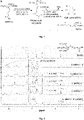
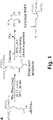
Fig 1. A) Acylation of cellulose with BRFA via a trifluoroacetic acid/trifluroacetic anhydride (TFA/TFAA) mixed anhydride system. -
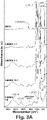
Fig 2. 1 H NMR spectra of pure BRFA, C-BRFA 1:0, C-BRFA 10:1, C-BRFA 5:1, and C-BRFA 299 1:1. -
Fig 3. A) ATR-FTIR spectra of the different C-BRFA samples and the BRFA acid; B) Shift of the OH stretching mode with the mole fraction of BRFA; C) Variation of the energy of the H-bonds (EH) with the mole fraction of BRFA; D) DSC thermograms of C-BRFA 1:1, C-BRFA 5:1, C-BRFA 10:1, and BRFA. -
Fig 4. A) Opacity measurements of the different C-BRFA samples; B) top-view SEM images of C-BRFA 1:1, C-BRFA 5:1, and C-BRFA 10:1 samples. Scale bar = 10 µm. -
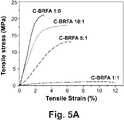
Fig 5. A) Typical tensile stress-strain curves C-BRFA 1:0, C-BRFA 10:1, C-BRFA 5:1, and C-427 BRFA 1:1 films; B) Mechanical parameters (i.e., Young's modulus, stress and elongation at break) calculated from the stress-strain curves of the C-BRFA samples as a function of the mole fraction of BRFA. The inset shows a photograph of C-BRFA 1:1 during the tensile test. -
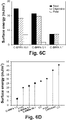
Fig 6. A) Relationship of the water contact angle with the mole fraction of BRFA. Asterisk denotes the water adsorbing character of C-BRFA 1:0. The insets display molecular schemes for C-BRFA 1:0 474 and C-BRFA 5:1; B) Water contact angles of C-BRFA 10:1, C-BRFA 5:1, and C-BRFA 1:1 (squares) in comparison with other conventional fluorinated polymers and cellulose derivatives (circles).; C) Surface energies of C-BRFA 10:1, C-BRFA 5:1, and C-BRFA 1:1, including the polar and dispersive contributions; D) Surface energies of C-BRFA 10:1, C-BRFA 5:1, and C-BRFA 1:1 (red) in comparison with other conventional fluorinated polymers and cellulose derivatives (black);E) and F) WVTR and water uptake, respectively, as a function of the mole fraction of BRFA. The inset in E shows WVTR values of C-BRFA 1:0 and C-BRFA 1:1 (squares) in comparison to other cellulose materials (circles). - The synthesis of cellulose-BRFA esters was carried out following a methodology used for saturated fatty acids (Morooka, Norimoto, Yamada, & Shiraishi, 1984), as summarized in
Figure 1A . Microcrystalline cellulose (C, 375 mg) and different amounts of BRFA (0, 125, 360, and 1970 mg) corresponding to C:BRFA ratios of 1:0, 10:1, 5:1, and 1:1 were dissolved in 25 mL of a mixture of TFA:TFAA:CHCl3 (2:1:1, v:v:v) in a 50 mL closed flask and stirred at 50°C for 24 h, followed by cooling at room temperature for few hours. After that, the polymer was precipitated with cold ethanol (~4°C), washed several times with ethanol and dried at room temperature for 24 h under vacuum. The obtained polymers were re-dissolved in a mixture of TFA:TFAA:CHCl3 (2:1:1, v:v:v). The corresponding solutions were then cast into glass Petri dishes and kept in a chemical hood for 2 days allowing solvent to evaporate. At the end of this process, free-standing films were obtained labeled as C-BRFA 1:0, C-BRFA 10:1, C-BRFA 5:1, and C-BRFA 1:1, respectively. This step was followed by washing the films with water and methanol (50 mL per gram of film) for three times and drying at room temperature for 24 h under vacuum. - The different samples and their labels are summarized in Table 1.
Table 1. Labels of the samples and initial moles, mole fractions, and weights % of cellulose and 170 BRFA. Label Anhydroglucose unit (mole) BRFA (mole) Cellulose (mole fraction) BRFA (mole fraction) Cellulose (wt. %) BRFA (wt.%) C-BRFA 1:1 1 1 0.50 0.50 16 84 C-BRFA 5:1 5 1 0.83 0.17 51 49 C-BRFA 10:1 10 1 0.91 0.09 66 34 - For the Nuclear Magnetic Resonance (NMR) characterization, typically 15 mg of compound were dissolved in 0.5 mL of a mixture TFA-d / CD2CI2 (1:1). The NMR spectra were recorded at 298K on a Bruker Avance III 600 MHz spectrometer equipped with 5 mm QCI cryoprobe. In the 1H NMR spectra, after applying a 90° pulse, 164 transients were accumulated over a spectral width of 20.55 ppm (offset centered at 9.00 ppm), with an acquisition time of 2.66 s and an inter-pulses delay of 30 s. An apodization exponential function equivalent to 0.1 Hz was applied to FIDs before Fourier transformation. For integral measurements, spectra were processed by using MestReNova software (MestReNova 11.0.3) that uses the peak deconvolution for integration. The degree of substitution was inferred from the 1H spectrum by the ratio between the integrated peak intensity of all 1H signals of cellulose (from 3.60 to 5.15 ppm, 7H) and the broad signal labeled as 3 (from 2.60 to 3.00 ppm, 2H) of the BRFA moiety each normalized to the number of protons generating the signal. MestReNova software was used to remove the contribution of unreacted BRFA from the integral calculation. Briefly, the integration was performed by means of integrated peak intensity deconvolution that separates the signal into components, fitting to the shape of each peak and allowing to delete the undesired component (peak) contributions (such as those of the unreacted free BRFA) from the total integral value. On the other hand, the amount of unreacted BRFA was determined from the difference in integral value before and after the undesired peak (i.e., free BRFA) contribution removal.
- Cellulose functionalization was determined by high-resolution NMR spectroscopy by comparing 1H NMR spectra of pure cellulose (C-BRFA 1:0) and BRFA molecule to those of the fluorinated cellulose products obtained upon reaction at different molar ratios (
Figure 2 ). In the 1H spectrum of pure BRFA, the CH2 resonances labelled with 2 and 3 showed signals at 3.77 and 2.73 ppm, respectively, with a characteristic fine structure (triplets) due to the J CH coupling (J CH = 5.95 Hz) with the two adjacent protons. The sharp singlet at 4.12 ppm, can instead be attributed to the three methylenes attached to the perfluoro-t-butoxy group labelled 1. - For C-BRFA 10:1, C-BRFA 5:1, and C-BRFA 1:1, broad unresolved multiple signals between 2.60 and 3.00 ppm appeared, proving the occurrence of esterification between cellulose and BRFA. Such peaks were slightly shifted to lower fields (high frequencies) compared to that of free BRFA and broadened as a consequence of the reduced T2 time (the spin-spin relaxation time) due to the bond with the polymeric structure of cellulose. The presence of a triplet at 2.73 ppm can be associated with low amounts of unreacted residual BRFA calculated to be in all cases ≤ 10 molar% respect to esterified BRFA. It is expected that such low amount of residual BRFA has a little effect in the physical properties of the cellulose esters. The presence of multiple broad signals (instead of only one signal) was attributed to the formation of esters at different positions within the anhydroglucose unit (AHG).
- The degree of substitution (DS) of BRFA-containing C-BRFA samples is reported in Table 2. As observed, experimental DS values were close to the 50% of the theoretical ones (calculated as the ratio between the added moles of BRFA and AHG). In any case, higher DS values were observed as the initial molar ratio of BRFA was increased.
Table 2. Degrees of substitution of C-BRFA 10:1, C-BRFA 5:1, and C-BRFA 1:1. 315 Sample Degree of substitution (theoretical) Degree of substitution (experimental) C-BRFA 10:1 0.1 0.06 C-BRFA 5:1 0.2 0.09 C-BRFA 1:1 0.5 0.23 - Size Exclusion Chromatography (SEC) has been used to measure the molecular weight and molecular weight distribution of the samples. A SEC system from Agilent was used including a degasser, pump, autosampler, column oven, and a refractive index detector. N,N-dimethylacetamide containing 0.21 % LiCl was used as an eluent at 30 °C. The columns GRAM guard/30/100 Å were purchased from Polymer Standards Service GmbH (PSS, Mainz, Germany). Calibration of the elution curves is based on poly(ethylene glycol) standards.
- C-BRFA 1:1 dissolved well in N,N-dimethylacetamide/LiCl used as eluent for the SEC measurements. However, no polymer had been eluted from the column despite good filterability. In contrast, samples C-BRFA 10:1 and C-BRFA 5:1 could be dissolved only when using LiCI amounts up to 0.21%. Results of SEC measurements can be found in Table 3. A microcrystalline cellulose with number average molar mass (Mn) of 16,000 g/mol, hence number average degree of polymerization (DPn) of 99 had been used as starting material. The DPn values calculated from the SEC results are comparable with those of the starting material. It can be concluded that polymer degradation during esterification reaction is negligible, but formation of aggregates must be taken into account as well.
Table 3. Molar mass and polydispersity (Ð) of C-BRFA 10:1, C-BRFA 5:1, and C-BRFA 1:1 326 measured by SEC. Sample Number average molar mass (g/mol) Weight average molar mass (g/mol) Ð DPn a DPw a C-BRFA 10:1 19,675 38,273 1.9453 92 180 C-BRFA 5:1 32,753 75,798 2.3142 137 318 C-BRFA 1:1 -b - b - b - b - b a Number (DPn) and weight average degree of polymerization (DPw).
b No polymer eluted. - The SEC curves indicate an almost monomodal molar mass distribution. The influence of the degree of substitution has been considered and the curves shown here are normalized to the non-functionalized cellulose backbone. Sample C-BRFA 5:1 has a shoulder towards the lower molar mass fraction at around 10,000 g/mol, which could be caused by the higher reagent amounts and, hence, slightly pronounced side reactions. However, the molar mass is higher compared with the less functionalized sample C-BRFA 10:1, which could be caused by aggregation effects.
- Further chemical characterization was carried out by ATR-FTIR spectroscopy (
Figures 3A-C ). Infrared spectra were obtained with a single-reflection attenuated total reflection (ATR) accessory (MIRacle ATR, PIKE Technologies) with a diamond crystal coupled to a Fourier Transform Infrared (FTIR) spectrometer (Equinox 70 FT-IR, Bruker). All spectra were recorded in the range from 3800 to 600 cm-1 with a resolution of 4 cm-1 accumulating 128 scans. -
Figure 3A shows the ATR-FTIR of the different C-BRFA samples and pure BRFA acid. C-BRFA 1:0 displayed the infrared spectrum of cellulose whose main absorptions were: OH stretching mode (3356 cm-1), CH stretching mode (2893 cm-1), adsorbed water (1645 cm-1), asymmetric C-C stretching mode (1155 cm-1), and C-O stretching mode (1018 cm-1). Main bands of BRFA were assigned to carboxyl (C=O stretching mode of free COOH groups at 1720 cm-1) and CF3 (asymmetric and symmetric CF3 stretching modes at 1243 and 1152 cm-1, respectively, and a CF3 bending mode at 726 cm-1) groups. C-BRFA 10:1, C-BRFA 5:1 and C-BRFA 1:1 showed bands of both components, proportionally to the corresponding percentages of the initial components. However, the band of BRFA assigned to C=O stretching of free COOH groups at 1720 cm-1 shifted to 1738 cm-1 that is ascribed to C=O stretching vibration of ester groups, confirming NMR results. Moreover, a shift in the position of the cellulose OH stretching was observed (Figure 3B ). In fact, the wavenumber of this vibration was linearly increased from ≈3355 cm-1 for C-BRFA 1:0 to ≈3452 cm-1 for C-BRFA 1:1 (i.e., a blue shift of 97 cm-1). - As plotted in
Figure 3C , EH decreased, with respect to the mole fraction of BRFA, from ∼4.3 kcal for C-BRFA 1:0 to -2.6 kcal for C-BRFA 1:1 (i.e., a decrease of -40%). Based on ATR-FTIR and NMR results, a simple molecular model is proposed, insets ofFigure 3C . For pure cellulose with no BRFA contribution, polymer chains interact strongly by numerous H-bonds (left inset ofFigure 3C ). For BRFA-rich samples (right inset ofFigure 3C ), the probability of finding two hydroxyl groups to form an H-bond is lower due to the consumption of OH groups during esterification. In addition, the steric hindrance produced by voluminous BRFA can effectively separate cellulose chains, inducing longer and weaker H-bonds. - Differential Scanning Calorimetry (DSC) thermograms were acquired with a DSC Q20 (TA Instruments) from RT to 100 °C under nitrogen flow (50 mL/min) at 20 °C/min using non-hermetic aluminum pans. About 4 mg (weighted with 0.00001 g precision) of sample were used. Specimens were first heated to 100 °C to release moisture, cooled to -75 °C and finally ramped to 100 °C. The glass transition temperature (Tg) was calculated using the inflection method.
-
Figure 3D shows the thermograms of BRFA, C-BRFA 1:1, C-BRFA 5:1, and C-BRFA 10:1. Pure BRFA displayed a single thermal event: a melting point at ~64 °C with an associated enthalpy of fusion of -30.3 J/g. This value is lower than those of acetic (192 J/g), formic (276 J/g), and, in general, fatty acids (160-200 J/g). Most likely, despite the high molecular weight of the fluorinated molecule (850.26 g/mol), the lower enthalpy of fusion can be a consequence of the lower number of intermolecular interactions (e.g., H-bonds and van der Waals forces) caused by the steric hindrance and the little propensity of CF3 groups to be involved in dispersion and dipole forces. On the other hand, cellulose-BRFA samples showed a glass transition close to -11 °C whose intensity increased with the number of BRFA groups in the polymer. This low value can be very useful for the processability of the material. In fact, the high Tg of other cellulose derivatives such as cellulose acetate (205 °C), ethyl cellulose (143 °C), and sodium carboxymethylcellulose (55 °C) is typically decreased by addition of plasticizers before processing. - Mechanical properties of samples were studied by uniaxial tensile tests on a dual column Instron 3365 universal testing machine equipped with a 500 N load cell. Dogbone shaped samples (25 mm length, 4 mm width) were stretched at a rate of 2 mm/min. All the stress-strain curves were recorded at 25°C and 44% RH. The tensile measurements were conducted according to ASTM D 882 Standard Test Methods for Tensile Properties of Thin Plastic Sheeting. Seven measurements were carried out for each sample and the results were averaged to obtain a mean value. The values of Young's modulus, stress and elongation at break were calculated from the stress-strain curves.
-
Figure 5A shows the typical stress-strain curves for C-BRFA 1:0, C-BRFA 10:1, C-BRFA 5:1, and C-BRFA 1:1. Compared to pure cellulose produced with the same process, C-BRFA films are less rigid and more ductile, with lower Young's modulus and stress at break and higher elongation at break, as a function of the mole fraction of BRFA (Figure 5B ). In detail, C-BRFA 10:1 presented characteristics similar to those of other cellulose derivatives such as ethyl cellulose or cellulose acetate, whereas C-BRFA 5:1 was similar in rigidity, and of the same order of magnitude in strength, to PTFE. On the other hand, C-BRFA 1:1 showed very low Young's modulus and strength, therefore its application as a self-standing material is not recommended, although it could be better exploited in application as a coating over substrate materials, even flexible ones: the elongation, above 12%, guarantees good conformability for relatively small bending radii. - The above-mentioned change from rigid to ductile (or even soft in the case of C-BRFA 1:1) can be related to the modifications of the H-bonding network characterized by ATR-FTIR spectroscopy. Thus, cellulose is very rigid due to the numerous and strong H-bonds. However, as BRFA groups reduce the effective number of hydroxyl groups and separate cellulose chains, weakening H-bonds, the polymer becomes ductile. C-BRFA 1:1 represents a limit of this situation, being, hence, its mechanical properties very poor.
- Scanning electron microscope (SEM) images were acquired using a JEOL JSM-6490OLA, operating at 10 kV acceleration voltage. The samples were coated with a 10 nm thick film of gold. To analyse the top-view and cross-section morphologies of the samples, imaging operation was carried out with secondary electrons.
Opacity was determined by measuring the film absorbance at 600 nm using a UV spectrophotometer Varian Cary 6000i. Films were cut into a rectangle pieces and directly placed in the spectrophotometer test cell. An empty test cell was used as the reference. The opacity of the films was calculated by the following equation as previously reported
Figure 4A show photographs of cellulose-BRFA samples. C-BRFA 1:1 was a translucent, whitish film, while C-BRFA 5:1 and C-BRFA 10:1 were fully transparent and colorless, similar to amorphous cellulose films obtained from TFA solutions. The changes in the transparency were evaluated by determination of the opacity (Figure 4A ). On one hand, the opacity value of C-BRFA 1:1 was -10.0 a.u./mm typical of semitransparent materials such as thin paper substrates and ethyl cellulose-PDMS composites. On the other hand, for C-BRFA 1:0 (cellulose with no BRFA contribution), C-BRFA 5:1, and C-BRFA 10:1, values of opacity were -0.2 a.u./mm, indicating a high transparency. - The micromorphology of C-BRFA 1:1, C-BRFA 5:1, and C-BRFA 10:1 was characterized by SEM (
Figure 4B ). As observed, the surface of C-BRFA 1:1 was rough with -5 µm width flake-like particles, whereas flat and homogeneous surface were detected for C-BRFA 5:1 and C-BRFA 10:1. These morphologies may be associated with the opacity and related to the tendency of BRFA to crystallize. Thus, the rough surface of C-BRFA 1:1 can induce a high scattering of visible light, hence, decreasing the transparency, an effect that was not observed for smooth C-BRFA 5:1 and C-BRFA 400 10:1 samples. - To characterize the surface wettability of the samples, static water contact angles (W-CA) were measured with the sessile drop method at room temperature at five different locations on each surface using a contact angle goniometer (DataPhysiC-BRFA OCAH 200). 5 µL droplets of milli-Q water were deposited on the surfaces and side view images of the drops were captured. W-CAs were automatically calculated by fitting the captured drop shape and after 2 minutes from the drop deposition on the surface in order to consider values at equilibrium.
- Water uptake measurements of C-BRFA samples were also carried out. Dry samples were weighed on a sensitive electronic balance (0.0001 g accuracy) and placed in different humidity chambers. The different humidity conditions were changed before each weighing and were set, respectively, at: 0 and 100%. After remaining in humidity chambers for one day each sample was weighed and the amount of adsorbed water was calculated based on the initial dry weight as the difference.
- Water vapor permeability (WVP) of the samples was determined at 25 °C and under 100% relative humidity gradient (ΔRH%) according to the ASTM E96 standard method. In this test, a permeation chamber with inside diameter of 7 mm and 10 mm inner depth was used that was filled with 400 µL of deionized water (which generates 100% RH inside permeation cell). The samples were cut into circles and mounted on the top of the permeation chambers. The permeation chambers were placed in 0% RH desiccator with anhydrous silica gel, which was used as a desiccant agent to maintain 0% RH in desiccator. The water transferred through the film was determined from the weight change of the permeation chamber every hour during a period of 8 h using an electronic balance (0.0001 g accuracy) to record mass loss over time. The mass loss of the permeation chambers was plotted as a function of time. The slope of each line was calculated by linear regression. Then, the water vapor transmission rate (WVTR) was determined.
- The analysis of the wettability is displayed in
Figures 6A-D .Figure 6A shows the relationship between the water contact angle (W-CA) and the mole fraction of BRFA. The WCA of C-BRFA 1:0 was ~55°, typical of hydrophilic materials and similar to the value reported for amorphous cellulose films obtained by drop-casting of TFA solutions. For C-BRFA 10:1, C-BRFA 5:1, and C-BRFA 1:1, values increased up to -87, -104, and 127°, respectively, becoming more hydrophobic as the percentage of BRFA groups was higher due to the presence of water repellent CF3 groups and the lower amount of hydrophilic OH groups, insets ofFigure 6A . The differences between C-BRFA 5:1 and C-BRFA 1:1 can also be ascribed to the rough surface of the latter, as observed inFigure 4B .Figure 6B compares water contact angle data of C-BRFA 10:1, C-BRFA 5:1, and C-BRFA 1:1 with cellulose, ethyl cellulose (EC), cellulose acetate (CA), polyvinylidene fluoride (PVDF), polytetrafluoroethylene (PTFE), and superhydrophobic paper from nanostructured fluorinated cellulose esters. In general, values of C-BRFA samples were much higher than those of cellulose materials and comparable to common fluoropolymers. In particular, C-BRFA 1:1 showed the highest water contact angle. Surface energies and their dispersive and polar contributions of C-BRFA 10:1, C-BRFA 5:1, and C-BRFA 1:1 are shown inFigure 6C . In general, the values are low and decreased with the amount of BRFA groups, being the dispersive contribution higher than the polar one. Indeed, self-assembled monolayers of a thiol analogous to BRFA acid on gold substrates have been characterized by low surface free energy with similar hydrophobic performances than standard linear perfluoroalkyl molecules. Interestingly, the polar contribution of C-BRFA 1:1 is practically zero, indicating that the high CF3 density in BRFA groups prevent the participation of remaining surface hydroxyl groups of cellulose chains in the wettability phenomena. Surface energies of C-BRFA samples were compared to those of cellulose, CA, EC, PVDF, and PTFE (Figure 6D ). As observed, surface energies of C-BRFA samples are much lower than cellulose and cellulose acetate and closer to PTFE. - Finally, the breathability (characterized by the Water Vapor Transmission Rate or WVTR) and the water uptake of the C-BRFA samples were determined (
Figures 6E-F ). Both parameters were linearly decreased with the mole fraction of BRFA. The WVTR ranged from -8981 g m-2 d-1 for C-BRFA 1:0 to -860 g m-2 d-1 for C-BRFA 1:1 (i.e., a reduction of -90%). These values were typical of moderately breathable materials used in textiles such as those made from conventional waterproof-breathable fabrics (e.g., nylon, PTFE, polyurethane, etc.). - In addition, when compared to other cellulose esters and materials such as cellulose acetate oleate (CAO), cellulose acetate butyrate (CAB), cellulose acetate propionate (CAP), cellulose acetate (CA), and paper, C-BRFA 1:1 showed a WVTR value similar to relatively low breathable CAO and CAP. On the other hand, water uptakes at 100% RH decreased from -29% for C-BRFA 1:0 to -9% for C-BRFA 1:1, indicating that BRFA groups increase the water proofing characteristics of cellulose.
Claims (10)
- A method for preparing cellulose-branched fluorinated acid esters (C-BRFA) by reaction of cellulose with a multibranched fluorinated carboxylic acid in presence of a mixed anhydride system trifluoroacetic acid/trifluoroacetic acid anhydride.
- The method according to claim 1, wherein the method comprises the following steps:a) solving BRFA crystals with microcrystalline cellulose (C) in proportions C:BRFA ranging from molar ratio 10:0 to 1:1 in a mixture of TFA:TFAA:CHCl3 in a molar ratio of X:1:Y wherein X ranges from 1 to 2, and Y ranges from 0 to 2;b) cooling at temperature from 20 to 30 °C;c) precipitation of the polymer with cold ethanol and washing with ethanol for one to four times;d) drying at room temperature for 24 h under vacuum and re-dissolving the polymer in a mixture of TFA:TFAA:CHCl3 in a molar ratio of X:1:Y wherein X ranges from 1 to 2, and Y ranges from 0 to 2;e) solvent evaporation for 12h to 3 days;f) washing the obtained C-BRFA films from step (h) with water, methanol, or a mixture water:methanol for one to four times;g) drying at room temperature for 24 h under vacuum.
- The method according to claim 2, wherein the C-BRFA proportion in step (a) and/or (d) is selected from 1:0, 10:1, 5:1 and 1:1.
- The method according to any preceding claim, wherein the precipitate in step (c) is washed with ethanol three times.
- The method according to any preceding claim, wherein the solvent evaporation in step e) takes 2 days.
- The method according to any preceding claim, wherein the washing solution in step f) is water:methanol.
- A Cellulose-branched fluorinated acid esters obtained by a method as defined in claims 1 to 6.
- Use of the cellulose-branched fluorinated acid esters as defined in claim 7 for the preparation of waterproof-breathable films.
- Use of the cellulose-branched fluorinated acid esters as defined in claim 7 for the preparation of coatings in textiles.
- Use of the cellulose-branched fluorinated acid esters as defined in claim 7 for food packaging.
Priority Applications (1)
| Application Number | Priority Date | Filing Date | Title |
|---|---|---|---|
| EP21382618.3A EP4116333A1 (en) | 2021-07-08 | 2021-07-08 | Method for preparing cellulose-branched fluorinated acid esters |
Applications Claiming Priority (1)
| Application Number | Priority Date | Filing Date | Title |
|---|---|---|---|
| EP21382618.3A EP4116333A1 (en) | 2021-07-08 | 2021-07-08 | Method for preparing cellulose-branched fluorinated acid esters |
Publications (1)
| Publication Number | Publication Date |
|---|---|
| EP4116333A1 true EP4116333A1 (en) | 2023-01-11 |
Family
ID=76890996
Family Applications (1)
| Application Number | Title | Priority Date | Filing Date |
|---|---|---|---|
| EP21382618.3A Withdrawn EP4116333A1 (en) | 2021-07-08 | 2021-07-08 | Method for preparing cellulose-branched fluorinated acid esters |
Country Status (1)
| Country | Link |
|---|---|
| EP (1) | EP4116333A1 (en) |
-
2021
- 2021-07-08 EP EP21382618.3A patent/EP4116333A1/en not_active Withdrawn
Non-Patent Citations (1)
| Title |
|---|
| TEDESCHI GIACOMO ET AL: "Waterproof-breathable films from multi-branched fluorinated cellulose esters", CARBOHYDRATE POLYMERS, APPLIED SCIENCE PUBLISHERS , LTD BARKING, GB, vol. 271, 7 July 2021 (2021-07-07), XP086720554, ISSN: 0144-8617, [retrieved on 20210707], DOI: 10.1016/J.CARBPOL.2021.118031 * |
Similar Documents
| Publication | Publication Date | Title |
|---|---|---|
| Tedeschi et al. | Waterproof-breathable films from multi-branched fluorinated cellulose esters | |
| Guzman-Puyol et al. | Greaseproof, hydrophobic, and biodegradable food packaging bioplastics from C6-fluorinated cellulose esters | |
| Gordobil et al. | Xylan–cellulose films: Improvement of hydrophobicity, thermal and mechanical properties | |
| KR102047236B1 (en) | Conductive cellulose-based resin composition | |
| Liu et al. | Preparation and properties of waterborne polyurethanes with natural dimer fatty acids based polyester polyol as soft segment | |
| Tawfik et al. | Thermal and mechanical behaviour of flexible poly (vinyl chloride) mixed with some saturated polyesters | |
| Heredia-Guerrero et al. | Cellulose-polyhydroxylated fatty acid ester-based bioplastics with tuning properties: Acylation via a mixed anhydride system | |
| CN101027323A (en) | Cellulose ester and its production method | |
| KR102391365B1 (en) | Polyimide film | |
| Fishman et al. | Pectin/starch/glycerol films: blends or composites? | |
| Wu et al. | Pickering emulsion approach: A novel strategy to fabricate waterborne polyurethane with enhanced abradability and water-resistance comparable to that of solvent-based coating | |
| Tagliaro et al. | Chitosan-based coatings with tunable transparency and superhydrophobicity: A solvent-free and fluorine-free approach by stearoyl derivatization | |
| Bozdoğan et al. | Prestretching effect and recovery process of polyvinyl alcohol film crosslinked with tartaric acid | |
| Ourique et al. | Synthesis, properties, and applications of hybrid polyurethane–urea obtained from air-oxidized soybean oil | |
| Tai et al. | Starch-polyurethane films synthesized using polyethylene glycol-isocyanate (PEG-iso): Effects of molecular weight, crystallinity, and composition of PEG-iso on physiochemical characteristics and hydrophobicity of the films | |
| Banerjee et al. | Towards new strategies for the synthesis of functional vinylidene fluoride-based copolymers with tunable wettability | |
| Yao et al. | Enhanced physical properties and water resistance of films using modified starch blend with poly (vinyl alcohol) | |
| Wang et al. | Mild condition lignin modification enabled high-performance anticorrosive polyurethane coating | |
| Zhang et al. | Preparation and characterization of regenerated cellulose blend films containing high amount of poly (vinyl alcohol)(PVA) in ionic liquid | |
| JP2012177111A (en) | Fluorinated copolymer consisting of acrylate for high solid content coating as base material | |
| JP4681245B2 (en) | Cellulose ester and film thereof | |
| KR102075739B1 (en) | Polyamideimide copolymers and polyamideimide film comprising the same | |
| Yin et al. | Preparation and properties of biomass castor oil polyurethane films | |
| JPH02502832A (en) | Fluorinated copolymer, film thereof, and method for producing the copolymer | |
| WO2010001898A1 (en) | Method for producing hyperbranched polyester, method for producing polyurethane, and polyurethane |
Legal Events
| Date | Code | Title | Description |
|---|---|---|---|
| PUAI | Public reference made under article 153(3) epc to a published international application that has entered the european phase |
Free format text: ORIGINAL CODE: 0009012 |
|
| STAA | Information on the status of an ep patent application or granted ep patent |
Free format text: STATUS: THE APPLICATION HAS BEEN PUBLISHED |
|
| AK | Designated contracting states |
Kind code of ref document: A1 Designated state(s): AL AT BE BG CH CY CZ DE DK EE ES FI FR GB GR HR HU IE IS IT LI LT LU LV MC MK MT NL NO PL PT RO RS SE SI SK SM TR |
|
| STAA | Information on the status of an ep patent application or granted ep patent |
Free format text: STATUS: THE APPLICATION IS DEEMED TO BE WITHDRAWN |
|
| 18D | Application deemed to be withdrawn |
Effective date: 20230712 |