EP4113390A2 - Verfahren zur datenverarbeitung, und elektronische vorrichtung - Google Patents
Verfahren zur datenverarbeitung, und elektronische vorrichtung Download PDFInfo
- Publication number
- EP4113390A2 EP4113390A2 EP22208202.6A EP22208202A EP4113390A2 EP 4113390 A2 EP4113390 A2 EP 4113390A2 EP 22208202 A EP22208202 A EP 22208202A EP 4113390 A2 EP4113390 A2 EP 4113390A2
- Authority
- EP
- European Patent Office
- Prior art keywords
- operator
- attribute information
- performance evaluation
- target
- input data
- Prior art date
- Legal status (The legal status is an assumption and is not a legal conclusion. Google has not performed a legal analysis and makes no representation as to the accuracy of the status listed.)
- Granted
Links
Images





Classifications
-
- G—PHYSICS
- G06—COMPUTING OR CALCULATING; COUNTING
- G06F—ELECTRIC DIGITAL DATA PROCESSING
- G06F11/00—Error detection; Error correction; Monitoring
- G06F11/30—Monitoring
- G06F11/3003—Monitoring arrangements specially adapted to the computing system or computing system component being monitored
- G06F11/302—Monitoring arrangements specially adapted to the computing system or computing system component being monitored where the computing system component is a software system
-
- G—PHYSICS
- G06—COMPUTING OR CALCULATING; COUNTING
- G06N—COMPUTING ARRANGEMENTS BASED ON SPECIFIC COMPUTATIONAL MODELS
- G06N3/00—Computing arrangements based on biological models
- G06N3/02—Neural networks
- G06N3/04—Architecture, e.g. interconnection topology
- G06N3/045—Combinations of networks
-
- G—PHYSICS
- G06—COMPUTING OR CALCULATING; COUNTING
- G06F—ELECTRIC DIGITAL DATA PROCESSING
- G06F11/00—Error detection; Error correction; Monitoring
- G06F11/22—Detection or location of defective computer hardware by testing during standby operation or during idle time, e.g. start-up testing
- G06F11/2263—Detection or location of defective computer hardware by testing during standby operation or during idle time, e.g. start-up testing using neural networks
-
- G—PHYSICS
- G06—COMPUTING OR CALCULATING; COUNTING
- G06F—ELECTRIC DIGITAL DATA PROCESSING
- G06F11/00—Error detection; Error correction; Monitoring
- G06F11/22—Detection or location of defective computer hardware by testing during standby operation or during idle time, e.g. start-up testing
- G06F11/26—Functional testing
- G06F11/263—Generation of test inputs, e.g. test vectors, patterns or sequences ; with adaptation of the tested hardware for testability with external testers
-
- G—PHYSICS
- G06—COMPUTING OR CALCULATING; COUNTING
- G06F—ELECTRIC DIGITAL DATA PROCESSING
- G06F11/00—Error detection; Error correction; Monitoring
- G06F11/30—Monitoring
- G06F11/3058—Monitoring arrangements for monitoring environmental properties or parameters of the computing system or of the computing system component, e.g. monitoring of power, currents, temperature, humidity, position, vibrations
- G06F11/3062—Monitoring arrangements for monitoring environmental properties or parameters of the computing system or of the computing system component, e.g. monitoring of power, currents, temperature, humidity, position, vibrations where the monitored property is the power consumption
-
- G—PHYSICS
- G06—COMPUTING OR CALCULATING; COUNTING
- G06F—ELECTRIC DIGITAL DATA PROCESSING
- G06F11/00—Error detection; Error correction; Monitoring
- G06F11/30—Monitoring
- G06F11/34—Recording or statistical evaluation of computer activity, e.g. of down time, of input/output operation ; Recording or statistical evaluation of user activity, e.g. usability assessment
- G06F11/3409—Recording or statistical evaluation of computer activity, e.g. of down time, of input/output operation ; Recording or statistical evaluation of user activity, e.g. usability assessment for performance assessment
-
- G—PHYSICS
- G06—COMPUTING OR CALCULATING; COUNTING
- G06F—ELECTRIC DIGITAL DATA PROCESSING
- G06F17/00—Digital computing or data processing equipment or methods, specially adapted for specific functions
- G06F17/10—Complex mathematical operations
- G06F17/18—Complex mathematical operations for evaluating statistical data, e.g. average values, frequency distributions, probability functions, regression analysis
-
- G—PHYSICS
- G06—COMPUTING OR CALCULATING; COUNTING
- G06N—COMPUTING ARRANGEMENTS BASED ON SPECIFIC COMPUTATIONAL MODELS
- G06N3/00—Computing arrangements based on biological models
- G06N3/02—Neural networks
- G06N3/04—Architecture, e.g. interconnection topology
- G06N3/0464—Convolutional networks [CNN, ConvNet]
-
- G—PHYSICS
- G06—COMPUTING OR CALCULATING; COUNTING
- G06N—COMPUTING ARRANGEMENTS BASED ON SPECIFIC COMPUTATIONAL MODELS
- G06N3/00—Computing arrangements based on biological models
- G06N3/02—Neural networks
- G06N3/06—Physical realisation, i.e. hardware implementation of neural networks, neurons or parts of neurons
- G06N3/063—Physical realisation, i.e. hardware implementation of neural networks, neurons or parts of neurons using electronic means
-
- G—PHYSICS
- G06—COMPUTING OR CALCULATING; COUNTING
- G06N—COMPUTING ARRANGEMENTS BASED ON SPECIFIC COMPUTATIONAL MODELS
- G06N3/00—Computing arrangements based on biological models
- G06N3/02—Neural networks
- G06N3/08—Learning methods
-
- G—PHYSICS
- G06—COMPUTING OR CALCULATING; COUNTING
- G06N—COMPUTING ARRANGEMENTS BASED ON SPECIFIC COMPUTATIONAL MODELS
- G06N3/00—Computing arrangements based on biological models
- G06N3/02—Neural networks
- G06N3/10—Interfaces, programming languages or software development kits, e.g. for simulating neural networks
-
- G—PHYSICS
- G06—COMPUTING OR CALCULATING; COUNTING
- G06F—ELECTRIC DIGITAL DATA PROCESSING
- G06F2201/00—Indexing scheme relating to error detection, to error correction, and to monitoring
- G06F2201/865—Monitoring of software
-
- G—PHYSICS
- G06—COMPUTING OR CALCULATING; COUNTING
- G06N—COMPUTING ARRANGEMENTS BASED ON SPECIFIC COMPUTATIONAL MODELS
- G06N3/00—Computing arrangements based on biological models
- G06N3/02—Neural networks
- G06N3/04—Architecture, e.g. interconnection topology
- G06N3/044—Recurrent networks, e.g. Hopfield networks
Definitions
- the disclosure relates to the field of data processing technology, specifically the field of artificial intelligence technologies such as big data, cloud computing and deep learning, and particularly provides a method for processing data, an apparatus for processing data, an electronic device, a storage medium and a program product.
- Deep learning framework is a basic software tool for research and development of deep learning technologies, for supporting applications and hardware devices, which improves the efficiency of the research and development of deep learning task.
- the deep learning framework is used to shield hardware differences and provide a unified interface for application development.
- the deep learning framework contains a large number of operators.
- Embodiments of the disclosure provide a method for processing data, an apparatus for processing data, an electronic device, a storage medium and a program product.
- a method for processing data includes: obtaining first attribute information of input data and second attribute information of a computing device corresponding to the input data; selecting a target operator implementation mode from a plurality of candidate operator implementation modes based on the first attribute information and the second attribute information; determining a plurality of sub-operators included in an operator required for the input data from an operator library based on the target operator implementation mode, to generate the operator; and obtaining an operation result by performing an operation on the input data by the computing device based on the operator.
- an apparatus for processing data includes: an obtaining module, a selecting module, a generating module and an operating module.
- the obtaining module is configured to obtain first attribute information of input data and second attribute information of a computing device corresponding to the input data.
- the selecting module is configured to select a target operator implementation mode from a plurality of candidate operator implementation modes based on the first attribute information and the second attribute information.
- the generating module is configured to determine a plurality of sub-operators included in an operator required for the input data from an operator library based on the target operator implementation mode, to generate the operator.
- the operating module is configured to obtain an operation result by performing an operation on the input data by the computing device based on the operator.
- an electronic device includes: at least one processor and a memory communicatively coupled to the at least one processor.
- the memory stores instructions executable by the at least one processor, and when the instructions are executed by the at least one processor, the at least one processor is caused to implement the method for processing data according to the first aspect of the disclosure.
- a non-transitory computer-readable storage medium having computer instructions stored thereon is provided.
- the computer instructions are configured to cause a computer to implement the method according to the first aspect of the disclosure.
- a computer program product including computer programs is provided.
- the computer programs are executed by a processor, the method according to the first aspect of the disclosure is implemented.
- Data processing includes processes of data, such as collection, storage, retrieval, processing, change and transmission, with the purpose of extracting and deducing data that is valuable and meaningful to certain users from large amounts of data that may be disorganized and difficult to understand.
- Big data or massive data refers to that the amount of data involved is so large that it cannot be captured, managed, processed and collated within a reasonable duration by mainstream software tools for more positive purposes in business decision-making.
- Cloud computing as a type of distributed computing, refers to the use of the network "Cloud” to decompose a large data processing program into an infinite number of small programs, and then process and analyze these small programs through a multi-server system to obtain a result and return the result to the user.
- AI Artificial Intelligence
- Deep Learning is a new research direction in the field of Machine Learning (ML), to learn internal laws and representation levels of sample data.
- the information obtained in the learning process is of great help to interpretation of data such as text, images and sounds.
- the ultimate goal of DL is to enable machines to have an ability to analyze and learn like humans, and have an ability to recognize data such as text, images and sounds.
- DL mainly consists of neural network systems based on convolution operations, i.e., convolutional neural network, and auto encoder based on multilayer neurons.
- the multi-layer auto encoder is used for pre-training, and then in combination with identification information, the deep belief network of neural network weights is optimized.
- DL has yielded results in technologies, such as search technology, data mining, machine learning, machine translation, natural language processing, multimedia learning, voice, recommendation and personalization, and other relevant fields.
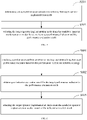
- FIG. 1 is a flowchart of a method for processing data according to the first embodiment of the disclosure.
- the executive body of the method for processing data of this embodiment is an apparatus for processing data.
- the apparatus for processing data may specifically be a hardware device, or software in a hardware device.
- the hardware device is, for example, a terminal device or a server.
- the method for processing data of the disclosure may include the following steps.
- step S101 first attribute information of input data and second attribute information of a computing device corresponding to the input data are obtained.
- the operator refers to a mapping from a function space to another function space.
- the input data refers to the data that need to be operated, which mainly includes tensor.
- the tensor may include type of data, shape of data, and storage location of data.
- the type of data may be float32, float64, int32 or int64.
- the shape of data may be big data, small data, wide data or deep data.
- the storage location of data may be memory of Graphics Processing Unit (GPU), video memory of Deep Computing Unit (DCU) and memory of Application Specific Integrated Circuit (ASIC).
- GPU Graphics Processing Unit
- DCU Deep Computing Unit
- ASIC Application Specific Integrated Circuit
- the source of input data may be images, audios and files.
- the input data may correspond to one or more operator. It should be noted that each operator corresponding to the input data may be generated according to the method provided by the embodiments of the disclosure.
- the computing device refers to the device that performs the operation on the input data.
- the computing device may include a GPU, a Central Processing Unit (CPU), and a specialized AI chip, such as, a Deep Computing Unit (DCU).
- CPU Central Processing Unit
- DCU Deep Computing Unit
- the scheduling rules for the operator implementation modes are simple, and cannot give full play to the performance of the hardware.
- the shapes and types of the input data are not considered when scheduling the operator implementation modes, and the same operator implementation mode is adopted for different shapes and types, but given different shapes and types of the input data, the performances of different operator implementation modes are different.
- the specific model of the computing device is not distinguished when scheduling the operator implementation modes. For example, when different operator implementation modes are implemented on different graphics card models, such as V100, A100 and 3090, different performances may be achieved.
- the models of GPU acceleration library (CUDNN) of the computing device are not considered when scheduling the operator implementation modes.
- the performances of different versions of cuDNN may be different.
- the computing environment of the computing device is not considered when scheduling the operator implementation modes. For example, for the same graphic card on the GPU, it may perform differently on different mainboards and CPUs.
- the information of the scheduling rules of the operator implementation modes i.e., the first attribute information of the input data and the second attribute information of the computing device
- the information of the scheduling rules of the operator implementation modes can be obtained for scheduling the operator implementation modes, to give full play to the performance of the hardware.
- the first attribute information of the input data may include the shape of the data and the type of the data.
- the shape of data may include big, small, wide and deep, namely, big data, small data, wide data and deep data.
- the type of the data may include floating-point data and fixed-point data.
- the size of the floating-point data may be 32 bits or 64 bits.
- the size of the fixed-point data may be 32 bits or 64 bits.
- the second attribute information of the computing device may include the model of the computing device, the version of the CPU acceleration library of the computing device, and the environment of the computing device.
- a target operator implementation mode is selected from a plurality of candidate operator implementation modes based on the first attribute information and the second attribute information.
- the candidate operator implementation modes may include two or more operator implementation modes, such as, operator combination implementation mode, and operator compiler implementation mode.
- the above modes are only examples, and other operator implementation modes may also be candidate operator implementation modes.
- the operator combination implementation mode is simpler and more flexible because it can be computed using a combination of small operators.
- the operator compiler implementation mode has a high implementation performance because it can be implemented without increasing the number of operators.
- the operator combination implementation mode refers to form complex operators by combining smaller operators.
- the operator compiler implementation mode also refers to form complex operators by combining smaller operators, but with tuning the smaller operators.
- the first attribute information and the second attribute information can be used to obtain the user's requirement information, and then the target operator implementation mode can be selected from the candidate operator implementation modes.
- the operator combination implementation mode and the operator compiler implementation mode exist in the same system. That is, the operator combination implementation mode and the operator compiler implementation mode both exist in the operator library, thereby forming complementary advantages.
- a plurality of sub-operators included in an operator required for the input data are determined from an operator library based on the target operator implementation mode, to generate the operator.
- the operator library is a collection of all operators.
- the operators in the collection of operators may include complex operators, and may also include sub-operators, in which the sub-operators can be used to generate the complex operators.
- the collection of operators includes normalized exponential (softmax).
- the sub-operators may include exponential (exp), summation (sum) and divide.
- the operator (a complex operator) required for input data may be determined from the operator library based on the target operator implementation mode, and then the sub-operators may be obtained based on the operator, to generate the operator based on the sub-operators.
- the sub-operators can be combined to generate the operator.
- the operator may be split and automatically tuned to generate an execution code, so that the tuned sub-operators may be obtained and the operator may be generated.
- the operator may be split and tuned according to the preset tuning rules or tuning templates to generate the execution code, so that the operator may be generated.
- the sub-operators possibly involved in the operator corresponding to the input data may be determined.
- the sub-operator is an operator involved in the operator library.
- a piece of input data may correspond to one or more operators.
- an operation result is obtained by performing an operation on the input data by the computing device based on the operator.
- the operator may be loaded or published to the computing device, so that the computing device may perform the operation on the input data according to the operator to obtain the operation result.
- the computing device can be used as a carrier of the operator, the input data is input into the operator to carry out relevant function operations, to obtain the operation result.
- the first attribute information of input data and the second attribute information of the computing device corresponding to the input data are obtained, the target operator implementation mode is selected from the plurality of candidate operator implementation modes based on the first attribute information and the second attribute information, and then the plurality of sub-operators included in the operator required for the input data are determined from the operator library based on the target operator implementation mode, to generate the operator, and finally, the operation result is obtained by performing the operation on the input data by the computing device based on the operator.
- the automatic scheduling of the operator implementation mode can be carried out based on the first attribute information of the input data and the second attribute information of the operation device, so that for different combinations of the input data and the computing devices, the optimal operator implementation mode can be scheduled, to improve the computing performance of the computing device and the computing efficiency of the input data. Since different operator implementation modes have their own advantages, through the above automatic scheduling strategy, the optimal operator corresponding to the input data can be generated by making full use of each operator implementation mode, and further the hardware performance of the computing device can be fully utilized.
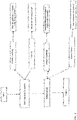
- FIG. 2 is a flowchart of a method for processing data according to the second embodiment of the disclosure. As illustrated in FIG. 2 , based on the above embodiments, the method for processing data of embodiments of the disclosure may include the following steps.
- step S201 first attribute information of input data and second attribute information of a computing device corresponding to the input data are obtained.
- Step S201 may be implemented in any of implementations in various embodiments of the disclosure and will not be repeated here.
- a performance evaluation is performed on the plurality of candidate operator implementation modes based on the first attribute information and the second attribute information, to obtain corresponding performance evaluation results.
- the first attribute information and the second attribute information may be input into a performance evaluation model to output the corresponding evaluation results.
- the specific way in which the performances of the candidate operator implementation modes are evaluated based on the first attribute information and the second attribute information is not limited in the disclosure, and may be selected according to the actual situation.
- the target operator implementation mode is selected from the plurality of candidate operator implementation modes based on the performance evaluation results.
- the performance evaluation result may include a plurality of performance indicators, such as the computing time consumption, and the operation resource consumption. Therefore, after obtaining the performance evaluation results, one target operator implementation mode may be selected from the candidate operator implementation modes based on one or more of the performance indicators. For example, in order to obtain the operator implementation mode having the minimum computing time consumption, the performance evaluation result with the minimum computing time consumption may be determined by comparing the computing time consumptions with each other, and then the candidate operator implementation mode corresponding to the performance evaluation result with the minimum computing time consumption is determined as the target operator implementation mode.
- a plurality of sub-operators included in an operator required for the input data are determined from an operator library based on the target operator implementation mode, to generate the operator.
- an operation result is obtained by performing an operation on the input data by the computing device based on the operator.
- the performance evaluation is performed on the plurality of candidate operator implementation modes based on the first attribute information and the second attribute information, to obtain the corresponding performance evaluation results, and the target operator implementation mode is selected from the plurality of candidate operator implementation modes based on the performance evaluation results. Therefore, the target operator implementation mode can be selected correspondingly for a different performance evaluation result, which reduces the workload of operator development during hardware interfacing while the operator implementation mode can be automatically scheduled, thereby improving the efficiency of obtaining the operator operation result.
- performing the performance evaluation on the plurality of candidate operator implementation modes based on the first attribute information and the second attribute information, to obtain the corresponding performance evaluation results may include the following steps.
- step S301 historical performance evaluation results corresponding to the candidate operator implementation mode of the operator are obtained.
- the historical performance evaluation results of the candidate operator implementation mode include the historical performance evaluation results corresponding to the operator combination implementation mode or the historical performance evaluation results corresponding to the operator compiler implementation mode.
- the operator combination implementation mode or the operator compiler implementation mode can be executed, to obtain the historical performance evaluation results corresponding to the candidate operator implementation mode.
- the historical performance evaluation result includes a plurality of indicators corresponding to the candidate operator implementation mode and indicator evaluation results.
- the historical performance evaluation result includes indicators such as a time indicator, a power indicator, and a video memory indicator.
- the indicator evaluation results included in the historical performance evaluation result may be time consumption, power consumption, and video memory occupation.
- the historical performance evaluation results may be obtained by querying the cache or querying the server.
- the historical performance evaluation results may be obtained by theoretical estimation or performance evaluation model prediction.
- a target performance evaluation result is selected from the historical performance evaluation results as the performance evaluation result based on the first attribute information and the second attribute information.
- the historical performance evaluation results correspond to the first attribute information and the second attribute information one-to-one. Therefore, according to the first attribute information and the second attribute information, the target performance evaluation result may be selected from the historical performance evaluation results as the performance evaluation result.
- the target performance evaluation result may be selected from the historical performance evaluation results as the performance evaluation result according to the actual needs of the user. For example, if the user's requirement is short time consumption, the performance evaluation result with the shortest time consumption may be selected from the historical performance evaluation results as the performance evaluation result. For example, if the user's requirement is low power consumption, the performance evaluation result with the minimum power consumption may be selected from the historical performance evaluation results as the performance evaluation result.
- the historical performance evaluation results corresponding to the candidate operator implementation mode of the operator may be obtained, and according to the first attribute information and the second attribute information, the target performance evaluation result is selected from the historical performance evaluation results as the performance evaluation result. Therefore, the first attribute information and the second attribute information can be used to select the performance evaluation result, which improves the accuracy and reliability of the obtained performance evaluation result.
- the target performance evaluation result can be selected from the historical performance evaluation results as the performance evaluation result, so that the performance evaluation result is obtained.
- the method includes the following steps.
- step S401 historical input data and historical computing devices are obtained based on the historical performance evaluation results.
- information on the historical input data and historical computing devices are recorded in the historical performance evaluation results.
- the historical input data and the historical computing devices corresponding to the historical performance evaluation results can be determined.
- a target performance evaluation result is selected from the historical performance evaluation results as the performance evaluation result based on first attribute information of the historical input data in the historical performance evaluation results and the first attribute information of the input data, and second attribute information of the historical computing devices and the second attribute information of the computing device.
- the target performance evaluation result is selected from the historical performance evaluation results as the performance evaluation result based on the first attribute information of the historical input data in the historical performance evaluation results and the first attribute information of the input data, and the second attribute information of the historical computing devices and the second attribute information of the computing device.
- the first attribute information of the historical input data is compared with the first attribute information of the input data to determine whether there is historical input data having the attribute information consistent with the current input data.
- the second attribute information of the historical computing devices is compared with the second attribute information of the computing device to determine whether there is a historical computing device having the attribute information consistent with the current computing device.
- the target performance evaluation result that is consistent with the first attribute information of the input data and the second attribute information of the computing device is selected from the historical performance evaluation results as the performance evaluation result.
- the corresponding historical performance evaluation result can be directly determined as the performance evaluation result.
- the candidate operator implementation mode corresponding to the target performance evaluation result may be determined as the target operator implementation mode.
- the candidate operator implementation mode corresponding to the performance evaluation result a3 is an operator combination implementation mode, then the operator combination implementation mode adopted by a3 can be directly determined as the target operator implementation mode.
- the loss information of the candidate operator implementation modes is obtained based on the first attribute information, the second attribute information and the operator required for the input data, and the performance evaluation results of the candidate operator implementation modes are generated based on the loss information.
- a performance evaluation model may be built in advance and trained, then the first attribute information, the second attribute information and the operator required for the input data may be input into the performance evaluation model, so that the performance evaluation results of the candidate operator implementation modes may be output.
- the target operator implementation mode is output from the candidate operator implementation modes based on the performance evaluation result.
- the performance evaluation result of the determined target operator implementation mode may be bonded with the first attribute information of the current input data and the second attribute information of the current computing device and stored as a new historical performance evaluation result, to update the database, which improves the integrality of the database, and improves the scheduling efficiency of the operator implementation modes.
- the performance evaluation result can be obtained in various ways.
- the performance evaluation result when in the historical performance evaluation results, there is one result whose first attribute information of the historical input data is consistent with the first attribute information of the input data, and second attribute information of the historical computing device is consistent with the second attribute information of the computing device, the performance evaluation result can be obtained directly.
- the loss information of the candidate operator implementation mode may be obtained, the performance evaluation result of the candidate operator implementation mode is generated based on the loss information, and the performance evaluation result is stored as a new historical performance evaluation result. Therefore, in the disclosure, the performance evaluation results can be obtained in various ways, which improves the accuracy and reliability of the performance evaluation results. Further, the operator implementation mode can be selected based on the performance evaluation results. This further reduces the workload of operator development.
- the specific process of selecting the target operator implementation mode from the plurality of candidate operator implementation modes based on the performance evaluation results includes the following steps.
- a target performance indicator for selecting the target operator implementation mode is determined.
- the target performance indicator may be at least one of power consumption, video memory occupation and time consumption. Based on the computing requirement of the data, the target performance indicator may be identified from multiple performance indicators.
- the target operator implementation mode is selected from the candidate operator implementation modes based on the target performance indicator and the performance evaluation results.
- the performance evaluation result includes evaluation results of one or more performance indicators.
- indicator evaluation results of the target performance indicator in the performance evaluation results may be determined, and based on the indicator evaluation results of the target performance indicator, the target operator implementation mode may be selected from the candidate operator implementation modes. For example, if the target performance indicator is time consumption, the candidate operator implementation mode corresponding to the performance evaluation result with the minimum time consumption in the indicator evaluation results may be selected as the target operator implementation mode. For another example, if the target performance indicator is video memory occupation, the candidate operator implementation mode corresponding to the performance evaluation result with the smallest video memory occupation may be determined as the target operator implementation mode.
- the candidate operator implementation mode A may be directly selected as the target operator implementation mode.
- the specific process of selecting the target operator implementation mode from the plurality of candidate operator implementation modes based on the target performance indicator and the performance evaluation results includes the following steps.
- a performance preference selection strategy is obtained and the target performance indicator is determined based on the performance preference selection strategy.
- the performance preference selection strategy refers to the strategy of selecting the target operator implementation mode according to the operation requirement.
- one or more target performance indicators for selecting the performance evaluation result can be determined according to the performance preference selection strategy.
- step S602 indicator evaluation results for the target performance indicator are obtained from the performance evaluation results.
- the performance evaluation result includes results of one or more performance indicators, for example, one or more of power consumption, video memory occupation and time consumption. After the target performance indicator is obtained, the indicator evaluation results matching the target performance indicator can be determined from the performance evaluation results.
- the evaluation results for power consumption indicator can be selected from the performance evaluation results.
- the target operator implementation mode is selected from the candidate operator implementation modes based on the indicator evaluation results.
- the target operator implementation mode can be selected from the candidate operator implementation modes according to the indicator evaluation results after the indicator evaluation results are obtained.
- the operator combination implementation mode is determined as the target implementation mode even if the time consumption of the operator combination implementation mode is greater than that of the operator compiler implementation mode.
- the performance preference selection strategy is obtained, and the target performance indicator is determined based on the performance preference selection strategy, and the indicator evaluation results for the target performance indicator are selected in the performance evaluation results, and then the target operator implementation mode is selected from the candidate operator implementation modes based on the indicator evaluation results. Therefore, the performance preference selection strategy can be obtained in advance according to the operation requirement, and the target operator implementation mode can be selected according to the indicator evaluation results, and the operator implementation modes can be uniformly scheduled, which makes the operator implementation process have the advantages of lower power consumption, less time consumption and less resource consumption.
- the process of generating the operator based on the sub-operators included in the operator required for the input data includes the following steps.
- target operator implementation mode as the operator combination implementation mode or the operator compiler implementation mode are descried below respectively.
- the target operator implementation mode is the operator combination implementation mode.
- a step S701 in response to the target operator implementation mode being the operator combination implementation mode, at least one first sub-operator included in the required operator and a combination sequence of the first sub-operators are obtained based on the first attribute information of the input data.
- the operator combination implementation mode refers to combine sub-operators in a certain combination sequence to generate a complex operator.
- the attribute information of different input data is often different, and different attribute information can reflect the operation requirement of the input data, and then the operator corresponding to the input data can be determined.
- the operation requirement of the input data can be determined based on the first attribute information of the input data, and an operator of the input data can be determined based on the operation requirement.
- the first sub-operators included in the operator and the combination sequence of first sub-operators can be determined based on the operator combination implementation mode.
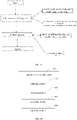
- the first sub-operators obtained are sub-operator 1, sub-operator 2, sub-operator 3, sub-operator 4 and sub-operator 5, and the combination sequence of the obtained first sub-operators is: sub-operator 4, sub-operator 5, sub-operator 2, sub-operator 3 and sub-operator 1.
- a step S702 the at least one first sub-operator are combined sequentially into the operator based on the combination sequence.
- the target operator implementation mode is the operator combination implementation mode
- the first sub-operators can be sequentially combined based on the combination sequence to obtain the operator corresponding to the input data.
- the at least one first sub-operator included in the required operator and the combination sequence of the first sub-operators are obtained based on the first attribute information of the input data, and the first sub-operators are combined sequentially into the operator based on the combination sequence.
- the sub-operators can be combined sequentially to generate the operator corresponding to the input data, thereby reducing the hardware docking work level.
- the computing device After the operator corresponding to the input data is obtained, when the computing device operates on the input data according to the operator, it needs to execute the first sub-operators included in the operator according to the combination sequence, i.e., sub-operator 4, sub-operator 5, sub-operator 2, sub-operator 3, and sub-operator 1, to output the final operation result.
- the first sub-operators included in the operator i.e., sub-operator 4, sub-operator 5, sub-operator 2, sub-operator 3, and sub-operator 1, to output the final operation result.
- the target operator implementation mode is the operator compiler implementation mode.
- step S801 in response to the target operator implementation mode being the operator compiler implementation mode, the required operator, at least one second sub-operator included in the required operator and a compilation sequence of the second sub-operators are obtained based on the first attribute information of the input data.
- the operator compiler implementation mode refers to compile the sub-operators according to a certain compilation sequence, to generate a complex operator.
- the attribute information of different input data is often different, and different attribute information can reflect the operation requirement of the input data, and then the operator corresponding to the input data can be determined.
- the operation requirement of the input data can be determined based on the first attribute information of the input data, and an operator of the input data can be determined based on the operation requirement.
- the second sub-operators included in the operator and the compilation sequence of the second sub-operators can be determined based on the operator compiler implementation mode.
- the second sub-operators obtained are sub-operator 6, sub-operator 7, sub-operator 8, sub-operator 9, and sub-operator 10, and the compilation sequence of obtained second sub-operators is: sub-operator 9, sub-operator 10, sub-operator 7, sub-operator 6, and sub-operator 8.
- a tuning process is performed on the at least one second sub-operator, to obtain target second sub-operators after the tuning.
- a target tuning strategy is obtained.
- the target tuning strategy includes a fusion strategy for the second sub-operators, and further, all the second sub-operators are tuned according to the target tuning strategy.
- the data shape of the input data may be determined according to the first attribute information, and the corresponding target tuning strategy can be obtained according to the data shape.
- the specific way of determining the data shape of the input data according to the first attribute information is not limited and can be selected according to the actual situation.
- the mapping relation between the input data input1 and the first attribute information may be queried to determine the shape of the input data.
- a corresponding target tuning strategy can be obtained.
- the operators may be compiled and optimized into an overall device-executable code.
- all the second sub-operators may be tuned automatically or manually, that is, all the second sub-operators may be tuned according to a pre-set tuning rule or tuning template, to obtain the target second operators after tuning.
- the target tuning strategy may include the fusion strategy for the second sub-operators, so that all the second sub-operators can be fused. Further, after obtaining the corresponding target tuning strategy, the fused sub-operator can be obtained by fusing all the second sub-operators according to the target tuning strategy.
- operator grouping and operator scheduling are performed on the fused sub-operator to obtain the target second sub-operators.
- the target second sub-operators may be obtained by grouping and operator scheduling according to the shape of the input data and the operating device corresponding to the second operator.
- step S803 a sequential compilation is performed on the target second sub-operators based on the compilation sequence, to generate the operator corresponding to the input data.
- the operator combination implementation mode or the operator compiler implementation mode is selected according to the performance preference selection strategy, and according to the operator combination implementation mode or the operator compiler implementation mode, the operation is performed on the input data by the operating device according to the operator. Therefore, the target second sub-operators can be compiled sequentially based on the compilation sequence of target second sub-operators, to generate the operator corresponding to the input data, which can avoid the overhead of the operator starting the device to execute the command.
- the computing device can carry on the operation to the input data according to the operator and obtain the operation result.
- the specific process of obtaining the operation result by performing the operation on the input data by the computing device based on the operator includes the following steps.
- a collection of operators of a deep neural network corresponding to the input data is generated based on the operator of the input data.
- DNN Deep Neural Networks
- the input data can be extracted from the data processing task.
- the input data also has diversity, the operator corresponding to the input data may be various, so the collection of operators of the DNN corresponding to the input data is generated based on the operator of the input data.
- step S902 the collection of operators is distributed to the computing device to build the DNN, and the operation result is obtained by performing the operation on the input data by the DNN.
- the collection of operators can be distributed to the computing device to build the DNN.
- the input data may be image data, and local convolution-normalization-nonlinearized network (Conv-IN-Relu) may be built; the input data may be audio data, and Wavelet Neural Network (WNN) may be built; the input data may be text data, and Convolutional Recurrent Neural Network (CRNN) may be built.
- Conv-IN-Relu local convolution-normalization-nonlinearized network
- WNN Wavelet Neural Network
- CRNN Convolutional Recurrent Neural Network
- the input data can be operated by the DNN to obtain the operation result.
- Different DNNs can obtain different operation results by calculating the input data.
- the DNN may be built as a neural network for object detection and image segmentation.
- the operation result may be output target detection box, image segmentation result, and detected target type.
- the input data is audio data
- the DNN built may be the neural network used for speaker type recognition, audio recognition or the like.
- the operation result may be the type of speaker, and text corresponding to the audio.
- the input data may be text data
- the DNN built may be the text extraction network and text generation network.
- the operation result may be extracted entity information and articles generated based on the input data.
- the operation process is monitored, and the operation is stopped and an error log is generated in response to detecting abnormality during the operation.
- the error log may be used to reschedule the operator.
- a new first computing device may be scheduled based on the second attribute information of the computing device, and the input data may be operated by the new first computing device according to the operator, to obtain the operation result.
- a new second computing device may be scheduled based on the first attribute information of the input data, and the second attribute information of the second computing device may be obtained.
- the target operator implementation mode is selected from the candidate operator implementation modes and the following steps are executed.
- the collection of operators of the DNN corresponding to the input data is generated based on the operator of the input data, and the collection of operators is distributed to the computing device to build the DNN, and the operation result is obtained by performing the operation on the input data by the DNN Meanwhile, the operation can be monitored, and in response to detecting abnormality during the operation, the new first computing device can operate on the input data according to the operator to obtain the operation result, or the new second computing device can be scheduled based on the first attribute information of the input data. Therefore, the DNN can be generated on the computing device, and the input data can be calculated to obtain the operation result, which can improve the efficiency and accuracy of the operation process of the input data.
- the data processing framework in the disclosure includes an apparatus for processing data.
- the apparatus for processing data can perform the method for processing data in above embodiments, that is, schedule one target operator implementation mode from an operator implementation mode library according to the first attribute information of the input data and the second attribute information of the computing device, in which the operator implementation mode library includes at least the operator combination implementation mode and the operator compiler implementation mode, and for any operator corresponding to the input data, the scheduled target operator implementation mode is one of the operator combination implementation mode and the operator compiler implementation mode.
- the corresponding operator of the input data includes a plurality of sub-operators.
- the sub-operators corresponding to the operator need to be selected from the operator library and then processed according to the target operator implementation mode, to generate the operator corresponding to the input data. Further, after the operator implementation mode is obtained, the operator implementation mode can be loaded into the computing device, so that the computing device performs the operation on the input data according to the operator.
- the accelerator library version of the computing device is selected as CUDNN, where the corresponding operators of input1 include a fully connection (FC) operator and a normalization (Softmax) operator.
- the performance test result can be obtained locally or remotely.
- the target operator implementation mode is directly scheduled, and then the FC operator and Softmax operator are generated, and the computing device outputs the operation result output1 on the input1 according to these two operators.
- the operator implementation mode needs to be re-scheduled.
- the accelerator library version of the computing device is selected CUDA.
- the corresponding operators of input2 include a FC operator and a Softmax operator.
- the performance test result can be obtained locally or remotely. When the performance test result is optional, the computing device outputs the operation result output2 directly.
- the accelerator library version of the computing device is selected CUDA.
- the corresponding operators of input3 include a FC operator and a Softmax operator.
- the performance test result can be obtained locally or remotely.
- the performance test result is optional, the same operator implementation mode as input1 can be obtained directly, and the operation result output3 is output directly by the computing device.
- FIG. 14 shows an apparatus1400 for processing data according to the disclosure.
- the apparatus includes: an obtaining module 1401, a selecting module 1402, a generating module 1403 and an operating module 1404.
- the obtaining module 1401 is configured to obtain first attribute information of input data and second attribute information of a computing device corresponding to the input data.
- the selecting module 1402 is configured to select a target operator implementation mode from a plurality of candidate operator implementation modes based on the first attribute information and the second attribute information.
- the generating module 1403 is configured to determine a plurality of sub-operators included in an operator required for the input data from an operator library based on the target operator implementation mode, to generate the operator.
- the operating module 1404 is configured to obtain an operation result by performing an operation on the input data by the computing device based on the operator.
- the selecting module 1402 is further configured to:
- the selecting module 1402 is further configured to:
- the selecting module 1402 is further configured to:
- the selecting module 1402 is further configured to:
- the selecting module 1402 is further configured to: determine a candidate operator implementation mode corresponding to the performance evaluation result as the target operator implementation mode.
- the selecting module 1402 is further configured to: bond the performance evaluation result corresponding to the target operator implementation mode with the first attribute information and the second attribute information, and store as a new historical performance evaluation result.
- the selecting module 1402 is further configured to:
- the generating module 1403 is further configured to:
- the generating module 1403 is further configured to:
- the generating module 1403 is further configured to:
- the generating module 1403 is further configured to:
- the operating module 1404 is further configured to:
- the operating module 1404 is further configured to: monitor the operation, and stop the operation and generate an error log in response to detecting abnormality during the operation.
- the operating module 1404 is further configured to: schedule a new first computing device based on the second attribute information of the computing device, and obtain the operation result by performing the operation on the input data by the new first computing device based on the operator.
- the operating module 1404 is further configured to: schedule a new second computing device based on the first attribute information of the input data, obtain the second attribute information of the second computing device, and return to the step of selecting the target operator implementation mode from the candidate operator implementation modes based on the first attribute information and the second attribute information and subsequent steps.
- the obtaining module 1401 is further configured to: receive a data processing task and extract the input data from the data processing task, wherein the input data is one of image data, audio data or text data.
- the first attribute information of input data and the second attribute information of the computing device corresponding to the input data are obtained, the target operator implementation mode is selected from the plurality of candidate operator implementation modes based on the first attribute information and the second attribute information, and then the plurality of sub-operators included in the operator required for the input data are determined from the operator library based on the target operator implementation mode, to generate the operator, and finally, the operation result is obtained by performing the operation on the input data by the computing device based on the operator.
- the automatic scheduling of the operator implementation mode can be carried out based on the first attribute information of the input data and the second attribute information of the operation device, to give full play to the performance of the hardware by making full use of each operator implementation mode.
- the disclosure provides an electronic device, a readable storage medium and a computer program product.
- FIG. 15 is a block diagram of an example electronic device 1500 used to implement the embodiments of the disclosure.
- Electronic devices are intended to represent various forms of digital computers, such as laptop computers, desktop computers, workbenches, personal digital assistants, servers, blade servers, mainframe computers, and other suitable computers.
- Electronic devices may also represent various forms of mobile devices, such as personal digital processing, cellular phones, smart phones, wearable devices, and other similar computing devices.
- the components shown here, their connections and relations, and their functions are merely examples, and are not intended to limit the implementation of the disclosure described and/or required herein.
- the electronic device 1500 includes: a computing unit 1501 performing various appropriate actions and processes based on computer programs stored in a Read-Only Memory (ROM) 1502 or computer programs loaded from a storage unit 1508 to a Random Access Memory (RAM) 1503.
- ROM Read-Only Memory
- RAM Random Access Memory
- various programs and data required for the operation of the device 1500 are stored.
- the computing unit 1501, the ROM 1502, and the RAM 1503 are connected to each other through a bus 1504.
- An input/output (I/O) interface 1505 is also connected to the bus 1504.
- Components in the device 1500 are connected to the I/O interface 1505, including: an inputting unit 1506, such as a keyboard, a mouse; an outputting unit 1507, such as various types of displays, speakers; a storage unit 1508, such as a disk, an optical disk; and a communication unit 1509, such as network cards, modems, and wireless communication transceivers.
- the communication unit 1509 allows the device 1500 to exchange information/data with other devices through a computer network such as the Internet and/or various telecommunication networks.
- the computing unit 1501 may be various general-purpose and/or dedicated processing components with processing and computing capabilities. Some examples of computing unit 1501 include, but are not limited to, a CPU, a GPU, various dedicated AI computing chips, various computing units that run machine learning model algorithms, and a Digital Signal Processor (DSP), and any appropriate processor, controller and microcontroller.
- the computing unit 1501 executes the various methods and processes described above, such as the method for processing data in FIG. 1 to FIG. 13 .
- the above method may be implemented as a computer software program, which is tangibly contained in a machine-readable medium, such as the storage unit 1508.
- part or all of the computer program may be loaded and/or installed on the device 1500 via the ROM 1502 and/or the communication unit 1509.
- the computer program When the computer program is loaded on the RAM 1503 and executed by the computing unit 1501, one or more steps of the method described above may be executed.
- the computing unit 1501 may be configured to perform the method in any other suitable manner (for example, by means of firmware).
- Various implementations of the systems and techniques described above may be implemented by a digital electronic circuit system, an integrated circuit system, Field Programmable Gate Arrays (FPGAs), Application Specific Integrated Circuits (ASICs), Application Specific Standard Products (ASSPs), System on Chip (SOCs), Complex Programmable Logic Devices (CPLDs), computer hardware, firmware, software, and/or a combination thereof.
- FPGAs Field Programmable Gate Arrays
- ASICs Application Specific Integrated Circuits
- ASSPs Application Specific Standard Products
- SOCs System on Chip
- CPLDs Complex Programmable Logic Devices
- programmable system including at least one programmable processor, which may be a dedicated or general programmable processor for receiving data and instructions from the storage system, at least one input device and at least one output device, and transmitting the data and instructions to the storage system, the at least one input device and the at least one output device.
- programmable processor which may be a dedicated or general programmable processor for receiving data and instructions from the storage system, at least one input device and at least one output device, and transmitting the data and instructions to the storage system, the at least one input device and the at least one output device.
- the program code configured to implement the method of the disclosure may be written in any combination of one or more programming languages. These program codes may be provided to the processors or controllers of general-purpose computers, dedicated computers, or other programmable data processing devices, so that the program codes, when executed by the processors or controllers, enable the functions/operations specified in the flowchart and/or block diagram to be implemented.
- the program code may be executed entirely on the machine, partly executed on the machine, partly executed on the machine and partly executed on the remote machine as an independent software package, or entirely executed on the remote machine or server.
- a machine-readable medium may be a tangible medium that may contain or store a program for use by or in combination with an instruction execution system, apparatus, or device.
- the machine-readable medium may be a machine-readable signal medium or a machine-readable storage medium.
- a machine-readable medium may include, but is not limited to, an electronic, magnetic, optical, electromagnetic, infrared, or semiconductor system, apparatus, or device, or any suitable combination of the foregoing.
- machine-readable storage medium include electrical connections based on one or more wires, portable computer disks, hard disks, RAM, ROM, Electrically Programmable Read-Only-Memory (EPROM), flash memory, fiber optics, Compact Disc Read-Only Memories (CD-ROM), optical storage devices, magnetic storage devices, or any suitable combination of the foregoing.
- EPROM Electrically Programmable Read-Only-Memory
- CD-ROM Compact Disc Read-Only Memories
- magnetic storage devices or any suitable combination of the foregoing.
- the systems and techniques described herein may be implemented on a computer having a display device (e.g., a Cathode Ray Tube (CRT) or a Liquid Crystal Display (LCD) monitor for displaying information to a user); and a keyboard and pointing device (such as a mouse or trackball) through which the user can provide input to the computer.
- a display device e.g., a Cathode Ray Tube (CRT) or a Liquid Crystal Display (LCD) monitor for displaying information to a user
- LCD Liquid Crystal Display
- keyboard and pointing device such as a mouse or trackball
- Other kinds of devices may also be used to provide interaction with the user.
- the feedback provided to the user may be any form of sensory feedback (e.g., visual feedback, auditory feedback, or haptic feedback), and the input from the user may be received in any form (including acoustic input, voice input, or tactile input).
- the systems and technologies described herein can be implemented in a computing system that includes background components (for example, a data server), or a computing system that includes middleware components (for example, an application server), or a computing system that includes front-end components (for example, a user computer with a graphical user interface or a web browser, through which the user can interact with the implementation of the systems and technologies described herein), or include such background components, intermediate computing components, or any combination of front-end components.
- the components of the system may be interconnected by any form or medium of digital data communication (e.g., a communication network). Examples of communication networks include: Local Area Network (LAN), Wide Area Network (WAN), the Internet and the block-chain network.
- the computer system may include a client and a server.
- the client and server are generally remote from each other and interacting through a communication network.
- the client-server relation is generated by computer programs running on the respective computers and having a client-server relation with each other.
- the server may be a cloud server, a server of a distributed system, or a server combined with a block-chain.
- the disclosure provides a computer program product including computer programs.
- the computer programs are executed by a processor, the method for processing data according to the above-described embodiments of the disclosure is implemented.
Landscapes
- Engineering & Computer Science (AREA)
- Theoretical Computer Science (AREA)
- Physics & Mathematics (AREA)
- General Engineering & Computer Science (AREA)
- General Physics & Mathematics (AREA)
- Computing Systems (AREA)
- Mathematical Physics (AREA)
- Data Mining & Analysis (AREA)
- Software Systems (AREA)
- Life Sciences & Earth Sciences (AREA)
- Biomedical Technology (AREA)
- Biophysics (AREA)
- Health & Medical Sciences (AREA)
- Artificial Intelligence (AREA)
- Evolutionary Computation (AREA)
- Quality & Reliability (AREA)
- Computational Linguistics (AREA)
- General Health & Medical Sciences (AREA)
- Molecular Biology (AREA)
- Computer Hardware Design (AREA)
- Computational Mathematics (AREA)
- Mathematical Analysis (AREA)
- Pure & Applied Mathematics (AREA)
- Mathematical Optimization (AREA)
- Algebra (AREA)
- Evolutionary Biology (AREA)
- Operations Research (AREA)
- Probability & Statistics with Applications (AREA)
- Bioinformatics & Cheminformatics (AREA)
- Bioinformatics & Computational Biology (AREA)
- Databases & Information Systems (AREA)
- Neurology (AREA)
- Stored Programmes (AREA)
- Complex Calculations (AREA)
- Information Retrieval, Db Structures And Fs Structures Therefor (AREA)
- Input From Keyboards Or The Like (AREA)
- User Interface Of Digital Computer (AREA)
Applications Claiming Priority (1)
| Application Number | Priority Date | Filing Date | Title |
|---|---|---|---|
| CN202111659099.2A CN114492737B (zh) | 2021-12-31 | 2021-12-31 | 数据处理方法、装置及电子设备、存储介质及程序产品 |
Publications (3)
| Publication Number | Publication Date |
|---|---|
| EP4113390A2 true EP4113390A2 (de) | 2023-01-04 |
| EP4113390A3 EP4113390A3 (de) | 2023-05-03 |
| EP4113390B1 EP4113390B1 (de) | 2025-04-09 |
Family
ID=81497195
Family Applications (1)
| Application Number | Title | Priority Date | Filing Date |
|---|---|---|---|
| EP22208202.6A Active EP4113390B1 (de) | 2021-12-31 | 2022-11-18 | Verfahren zur datenverarbeitung, und elektronische vorrichtung |
Country Status (5)
| Country | Link |
|---|---|
| US (1) | US11983086B2 (de) |
| EP (1) | EP4113390B1 (de) |
| JP (1) | JP7545461B2 (de) |
| KR (1) | KR20220166241A (de) |
| CN (1) | CN114492737B (de) |
Families Citing this family (7)
| Publication number | Priority date | Publication date | Assignee | Title |
|---|---|---|---|---|
| CN114492737B (zh) | 2021-12-31 | 2022-12-09 | 北京百度网讯科技有限公司 | 数据处理方法、装置及电子设备、存储介质及程序产品 |
| CN115145965B (zh) * | 2022-09-01 | 2022-11-22 | 浙江大华技术股份有限公司 | 数据流的生成方法、电子设备及计算机可读存储介质 |
| CN116483482B (zh) * | 2023-05-19 | 2024-03-01 | 北京百度网讯科技有限公司 | 深度学习任务处理方法、系统、装置、设备及介质 |
| CN116701423B (zh) * | 2023-06-21 | 2025-07-18 | 建信金融科技有限责任公司 | 操作逻辑库更新方法、装置、设备及存储介质 |
| CN117455005B (zh) * | 2023-10-17 | 2025-06-03 | 北京百度网讯科技有限公司 | 模型算子的处理方法、装置、电子设备及存储介质 |
| CN117194991B (zh) * | 2023-11-03 | 2024-02-13 | 四川并济科技有限公司 | 基于gpu集群的高维数据推荐系统及方法 |
| CN119201130B (zh) * | 2024-09-13 | 2026-02-17 | 中国科学院计算技术研究所 | 一种针对动态形状算子的编译优化方法 |
Family Cites Families (37)
| Publication number | Priority date | Publication date | Assignee | Title |
|---|---|---|---|---|
| US9632858B2 (en) * | 2013-07-28 | 2017-04-25 | OpsClarity Inc. | Organizing network performance metrics into historical anomaly dependency data |
| CN105787619A (zh) * | 2014-12-25 | 2016-07-20 | 阿里巴巴集团控股有限公司 | 一种数据处理方法、装置及系统 |
| JP6978174B2 (ja) * | 2017-10-11 | 2021-12-08 | アルパイン株式会社 | 評価情報生成システムおよび車載装置 |
| CN108764487B (zh) * | 2018-05-29 | 2022-07-08 | 北京百度网讯科技有限公司 | 用于生成模型的方法和装置、用于识别信息的方法和装置 |
| US11841854B2 (en) * | 2018-07-24 | 2023-12-12 | MachEye, Inc. | Differentiation of search results for accurate query output |
| CN110766147B (zh) * | 2018-07-25 | 2022-10-11 | 赛灵思公司 | 神经网络编译器架构及编译方法 |
| CN110968404B (zh) * | 2018-09-30 | 2023-04-28 | 阿里巴巴集团控股有限公司 | 一种设备数据处理方法及装置 |
| CN110210605B (zh) * | 2019-05-31 | 2023-04-07 | Oppo广东移动通信有限公司 | 硬件算子匹配方法及相关产品 |
| CN110458294B (zh) * | 2019-08-19 | 2022-02-25 | Oppo广东移动通信有限公司 | 模型运行方法、装置、终端及存储介质 |
| CN110689121A (zh) | 2019-09-24 | 2020-01-14 | 上海寒武纪信息科技有限公司 | 一种用多核处理器实现神经网络模型拆分方法及相关产品 |
| CN110956272B (zh) * | 2019-11-01 | 2023-08-08 | 第四范式(北京)技术有限公司 | 实现数据处理的方法和系统 |
| US20210174214A1 (en) * | 2019-12-10 | 2021-06-10 | The Mathworks, Inc. | Systems and methods for quantizing a neural network |
| CN111210005B (zh) * | 2019-12-31 | 2023-07-18 | Oppo广东移动通信有限公司 | 设备运行方法、装置、存储介质及电子设备 |
| CN113128678B (zh) * | 2020-01-15 | 2025-05-09 | 华为技术有限公司 | 神经网络的自适应搜索方法及装置 |
| CN111340237B (zh) * | 2020-03-05 | 2024-04-26 | 腾讯科技(深圳)有限公司 | 数据处理和模型运行方法、装置和计算机设备 |
| CN111783952B (zh) * | 2020-06-30 | 2023-07-14 | 北京百度网讯科技有限公司 | 配置方法、装置、系统、电子设备以及存储介质 |
| CN111899149B (zh) * | 2020-07-09 | 2024-07-02 | 浙江大华技术股份有限公司 | 基于算子融合的图像处理方法和装置、存储介质 |
| CN111782402B (zh) * | 2020-07-17 | 2024-08-13 | Oppo广东移动通信有限公司 | 数据处理方法、装置以及电子设备 |
| CN112200310B (zh) * | 2020-08-28 | 2023-11-24 | 星宸科技股份有限公司 | 智能处理器、数据处理方法及存储介质 |
| CN112084210B (zh) * | 2020-09-28 | 2024-08-20 | 中国建设银行股份有限公司 | 数据处理方法、装置、电子设备及存储介质 |
| CN112069204B (zh) * | 2020-09-30 | 2024-10-29 | 北京百度网讯科技有限公司 | 用于算子服务的处理方法、装置、智能工作站和电子设备 |
| CN112269723B (zh) * | 2020-10-16 | 2023-01-10 | 苏州浪潮智能科技有限公司 | 存储设备的性能分析方法、装置及可读存储介质 |
| CN112270413B (zh) * | 2020-10-22 | 2024-02-27 | 北京百度网讯科技有限公司 | 算子合并方法、装置、电子设备及存储介质 |
| CN112328378B (zh) * | 2020-11-05 | 2023-03-24 | 南京星环智能科技有限公司 | 任务调度方法、计算机设备及存储介质 |
| CN112560985B (zh) * | 2020-12-25 | 2024-01-12 | 北京百度网讯科技有限公司 | 神经网络的搜索方法、装置及电子设备 |
| CN112799642B (zh) * | 2021-01-18 | 2022-04-05 | 北京百度网讯科技有限公司 | 用于处理数据的方法、装置、设备以及存储介质 |
| CN113159091B (zh) * | 2021-01-20 | 2023-06-20 | 北京百度网讯科技有限公司 | 数据处理方法、装置、电子设备及存储介质 |
| CN112948079B (zh) * | 2021-02-18 | 2022-06-28 | 北京百度网讯科技有限公司 | 任务调度方法、装置、设备和计算机存储介质 |
| CN113065639B (zh) * | 2021-03-08 | 2023-06-13 | 深圳云天励飞技术股份有限公司 | 算子融合方法、系统、设备及存储介质 |
| CN112860534B (zh) * | 2021-03-17 | 2022-10-25 | 上海壁仞智能科技有限公司 | 硬件架构性能评估和性能优化方法及装置 |
| CN113128702B (zh) * | 2021-04-15 | 2024-11-19 | 杭州电子科技大学 | 一种基于强化学习的神经网络自适应分布式并行训练方法 |
| CN113312175B (zh) * | 2021-04-27 | 2024-09-06 | 北京迈格威科技有限公司 | 一种算子确定、运行方法及装置 |
| CN113031966B (zh) * | 2021-05-20 | 2021-09-21 | 之江实验室 | 一种智能选择编译加速库的深度学习编译优化方法 |
| CN113378093B (zh) * | 2021-06-25 | 2024-07-26 | 北京百度网讯科技有限公司 | 资源发布策略的确定方法、装置、电子设备及存储介质 |
| CN115599356A (zh) * | 2021-07-12 | 2023-01-13 | 华为云计算技术有限公司(Cn) | 一种数据处理方法、装置及相关设备 |
| CN113703741B (zh) * | 2021-10-29 | 2022-02-22 | 深圳思谋信息科技有限公司 | 神经网络编译器配置方法、装置、计算机设备和存储介质 |
| CN114492737B (zh) * | 2021-12-31 | 2022-12-09 | 北京百度网讯科技有限公司 | 数据处理方法、装置及电子设备、存储介质及程序产品 |
-
2021
- 2021-12-31 CN CN202111659099.2A patent/CN114492737B/zh active Active
-
2022
- 2022-11-17 US US17/989,644 patent/US11983086B2/en active Active
- 2022-11-18 EP EP22208202.6A patent/EP4113390B1/de active Active
- 2022-11-29 KR KR1020220162525A patent/KR20220166241A/ko not_active Ceased
- 2022-12-20 JP JP2022203468A patent/JP7545461B2/ja active Active
Also Published As
| Publication number | Publication date |
|---|---|
| US20230115163A1 (en) | 2023-04-13 |
| EP4113390B1 (de) | 2025-04-09 |
| JP2023036773A (ja) | 2023-03-14 |
| KR20220166241A (ko) | 2022-12-16 |
| JP7545461B2 (ja) | 2024-09-04 |
| CN114492737B (zh) | 2022-12-09 |
| CN114492737A (zh) | 2022-05-13 |
| US11983086B2 (en) | 2024-05-14 |
| EP4113390A3 (de) | 2023-05-03 |
Similar Documents
| Publication | Publication Date | Title |
|---|---|---|
| EP4113390A2 (de) | Verfahren zur datenverarbeitung, und elektronische vorrichtung | |
| US11915123B2 (en) | Fusing multimodal data using recurrent neural networks | |
| US11544604B2 (en) | Adaptive model insights visualization engine for complex machine learning models | |
| JP7157154B2 (ja) | 性能予測ニューラルネットワークを使用したニューラルアーキテクチャ探索 | |
| CN115668129A (zh) | 流水线工件选择的动态自动化 | |
| KR20200098378A (ko) | 설명 정보 확정 방법, 장치, 전자 기기 및 컴퓨터 저장 매체 | |
| US20220004914A1 (en) | Code generation for auto-ai | |
| EP3701403B1 (de) | Beschleunigter simulationseinstellungsprozess mit vorauswissensteuerung zum zusammenpassen von problems | |
| US20220391672A1 (en) | Multi-task deployment method and electronic device | |
| CN110706147B (zh) | 图像处理的环境确定方法、装置、电子设备和存储介质 | |
| US20230169408A1 (en) | Annotation of a Machine Learning Pipeline with Operational Semantics | |
| WO2025106544A1 (en) | Generative artificial intelligence (ai) construction specification interface | |
| CN119940552A (zh) | 基于智能体的数据处理方法、装置、电子设备及存储介质 | |
| CN118734571B (zh) | 仿真计算app应用流程推荐方法、装置及系统 | |
| CN118114771B (zh) | 可信执行环境中的函数工具调用方法及装置、介质、设备 | |
| US12555029B2 (en) | Pipeline ranking with model-based dynamic data allocation | |
| US20220122038A1 (en) | Process Version Control for Business Process Management | |
| KR20230006601A (ko) | 정렬 방법, 정렬 모델의 트레이닝 방법, 장치, 전자 기기 및 매체 | |
| CN117455416B (zh) | 应用于建筑项目管理的数据分析方法及系统 | |
| CN119539784A (zh) | 一种用于电力运维的大模型微调方法、系统、设备及介质 | |
| CN114942961A (zh) | 一种基于ai和数字孪生技术的素材可视化调取方法及系统 | |
| US20260087414A1 (en) | Task execution method, large model training method, device, and storage medium | |
| US20260093545A1 (en) | Task planning using machine learning models | |
| US12455910B1 (en) | Controlled probabilistic sentence space expansion | |
| US20250138850A1 (en) | Method and system for implementing task assistant |
Legal Events
| Date | Code | Title | Description |
|---|---|---|---|
| PUAI | Public reference made under article 153(3) epc to a published international application that has entered the european phase |
Free format text: ORIGINAL CODE: 0009012 |
|
| STAA | Information on the status of an ep patent application or granted ep patent |
Free format text: STATUS: THE APPLICATION HAS BEEN PUBLISHED |
|
| AK | Designated contracting states |
Kind code of ref document: A2 Designated state(s): AL AT BE BG CH CY CZ DE DK EE ES FI FR GB GR HR HU IE IS IT LI LT LU LV MC ME MK MT NL NO PL PT RO RS SE SI SK SM TR |
|
| PUAL | Search report despatched |
Free format text: ORIGINAL CODE: 0009013 |
|
| AK | Designated contracting states |
Kind code of ref document: A3 Designated state(s): AL AT BE BG CH CY CZ DE DK EE ES FI FR GB GR HR HU IE IS IT LI LT LU LV MC ME MK MT NL NO PL PT RO RS SE SI SK SM TR |
|
| RIC1 | Information provided on ipc code assigned before grant |
Ipc: G06F 17/10 20060101ALI20230328BHEP Ipc: G06F 11/34 20060101ALI20230328BHEP Ipc: G06N 3/04 20230101ALI20230328BHEP Ipc: G06N 3/063 20230101AFI20230328BHEP Ipc: G06F 11/30 20060101ALI20230328BHEP Ipc: G06F 8/20 20180101ALI20230328BHEP |
|
| STAA | Information on the status of an ep patent application or granted ep patent |
Free format text: STATUS: REQUEST FOR EXAMINATION WAS MADE |
|
| 17P | Request for examination filed |
Effective date: 20231024 |
|
| RBV | Designated contracting states (corrected) |
Designated state(s): AL AT BE BG CH CY CZ DE DK EE ES FI FR GB GR HR HU IE IS IT LI LT LU LV MC ME MK MT NL NO PL PT RO RS SE SI SK SM TR |
|
| STAA | Information on the status of an ep patent application or granted ep patent |
Free format text: STATUS: EXAMINATION IS IN PROGRESS |
|
| 17Q | First examination report despatched |
Effective date: 20240201 |
|
| REG | Reference to a national code |
Ref country code: DE Ref legal event code: R079 Free format text: PREVIOUS MAIN CLASS: G06N0003063000 Ipc: G06F0017100000 Ref document number: 602022012856 Country of ref document: DE |
|
| GRAP | Despatch of communication of intention to grant a patent |
Free format text: ORIGINAL CODE: EPIDOSNIGR1 |
|
| STAA | Information on the status of an ep patent application or granted ep patent |
Free format text: STATUS: GRANT OF PATENT IS INTENDED |
|
| RIC1 | Information provided on ipc code assigned before grant |
Ipc: G06N 3/0464 20230101ALN20241031BHEP Ipc: G06N 3/044 20230101ALN20241031BHEP Ipc: G06N 3/10 20060101ALI20241031BHEP Ipc: G06F 17/18 20060101ALI20241031BHEP Ipc: G06F 11/34 20060101ALI20241031BHEP Ipc: G06F 11/30 20060101ALI20241031BHEP Ipc: G06F 17/10 20060101AFI20241031BHEP |
|
| RIC1 | Information provided on ipc code assigned before grant |
Ipc: G06N 3/0464 20230101ALN20241107BHEP Ipc: G06N 3/044 20230101ALN20241107BHEP Ipc: G06N 3/10 20060101ALI20241107BHEP Ipc: G06F 17/18 20060101ALI20241107BHEP Ipc: G06F 11/34 20060101ALI20241107BHEP Ipc: G06F 11/30 20060101ALI20241107BHEP Ipc: G06F 17/10 20060101AFI20241107BHEP |
|
| INTG | Intention to grant announced |
Effective date: 20241114 |
|
| GRAS | Grant fee paid |
Free format text: ORIGINAL CODE: EPIDOSNIGR3 |
|
| GRAA | (expected) grant |
Free format text: ORIGINAL CODE: 0009210 |
|
| STAA | Information on the status of an ep patent application or granted ep patent |
Free format text: STATUS: THE PATENT HAS BEEN GRANTED |
|
| AK | Designated contracting states |
Kind code of ref document: B1 Designated state(s): AL AT BE BG CH CY CZ DE DK EE ES FI FR GB GR HR HU IE IS IT LI LT LU LV MC ME MK MT NL NO PL PT RO RS SE SI SK SM TR |
|
| REG | Reference to a national code |
Ref country code: GB Ref legal event code: FG4D |
|
| REG | Reference to a national code |
Ref country code: CH Ref legal event code: EP |
|
| REG | Reference to a national code |
Ref country code: DE Ref legal event code: R096 Ref document number: 602022012856 Country of ref document: DE |
|
| REG | Reference to a national code |
Ref country code: IE Ref legal event code: FG4D |
|
| P01 | Opt-out of the competence of the unified patent court (upc) registered |
Free format text: CASE NUMBER: APP_16733/2025 Effective date: 20250407 |
|
| REG | Reference to a national code |
Ref country code: NL Ref legal event code: MP Effective date: 20250409 |
|
| PG25 | Lapsed in a contracting state [announced via postgrant information from national office to epo] |
Ref country code: NL Free format text: LAPSE BECAUSE OF FAILURE TO SUBMIT A TRANSLATION OF THE DESCRIPTION OR TO PAY THE FEE WITHIN THE PRESCRIBED TIME-LIMIT Effective date: 20250409 |
|
| REG | Reference to a national code |
Ref country code: AT Ref legal event code: MK05 Ref document number: 1784172 Country of ref document: AT Kind code of ref document: T Effective date: 20250409 |
|
| PG25 | Lapsed in a contracting state [announced via postgrant information from national office to epo] |
Ref country code: FI Free format text: LAPSE BECAUSE OF FAILURE TO SUBMIT A TRANSLATION OF THE DESCRIPTION OR TO PAY THE FEE WITHIN THE PRESCRIBED TIME-LIMIT Effective date: 20250409 Ref country code: ES Free format text: LAPSE BECAUSE OF FAILURE TO SUBMIT A TRANSLATION OF THE DESCRIPTION OR TO PAY THE FEE WITHIN THE PRESCRIBED TIME-LIMIT Effective date: 20250409 Ref country code: PT Free format text: LAPSE BECAUSE OF FAILURE TO SUBMIT A TRANSLATION OF THE DESCRIPTION OR TO PAY THE FEE WITHIN THE PRESCRIBED TIME-LIMIT Effective date: 20250811 |
|
| REG | Reference to a national code |
Ref country code: LT Ref legal event code: MG9D |
|
| PG25 | Lapsed in a contracting state [announced via postgrant information from national office to epo] |
Ref country code: GR Free format text: LAPSE BECAUSE OF FAILURE TO SUBMIT A TRANSLATION OF THE DESCRIPTION OR TO PAY THE FEE WITHIN THE PRESCRIBED TIME-LIMIT Effective date: 20250710 Ref country code: NO Free format text: LAPSE BECAUSE OF FAILURE TO SUBMIT A TRANSLATION OF THE DESCRIPTION OR TO PAY THE FEE WITHIN THE PRESCRIBED TIME-LIMIT Effective date: 20250709 |
|
| PG25 | Lapsed in a contracting state [announced via postgrant information from national office to epo] |
Ref country code: PL Free format text: LAPSE BECAUSE OF FAILURE TO SUBMIT A TRANSLATION OF THE DESCRIPTION OR TO PAY THE FEE WITHIN THE PRESCRIBED TIME-LIMIT Effective date: 20250409 |
|
| PG25 | Lapsed in a contracting state [announced via postgrant information from national office to epo] |
Ref country code: BG Free format text: LAPSE BECAUSE OF FAILURE TO SUBMIT A TRANSLATION OF THE DESCRIPTION OR TO PAY THE FEE WITHIN THE PRESCRIBED TIME-LIMIT Effective date: 20250409 |
|
| PG25 | Lapsed in a contracting state [announced via postgrant information from national office to epo] |
Ref country code: HR Free format text: LAPSE BECAUSE OF FAILURE TO SUBMIT A TRANSLATION OF THE DESCRIPTION OR TO PAY THE FEE WITHIN THE PRESCRIBED TIME-LIMIT Effective date: 20250409 |
|
| PG25 | Lapsed in a contracting state [announced via postgrant information from national office to epo] |
Ref country code: AT Free format text: LAPSE BECAUSE OF FAILURE TO SUBMIT A TRANSLATION OF THE DESCRIPTION OR TO PAY THE FEE WITHIN THE PRESCRIBED TIME-LIMIT Effective date: 20250409 |
|
| PG25 | Lapsed in a contracting state [announced via postgrant information from national office to epo] |
Ref country code: RS Free format text: LAPSE BECAUSE OF FAILURE TO SUBMIT A TRANSLATION OF THE DESCRIPTION OR TO PAY THE FEE WITHIN THE PRESCRIBED TIME-LIMIT Effective date: 20250709 |
|
| PG25 | Lapsed in a contracting state [announced via postgrant information from national office to epo] |
Ref country code: IS Free format text: LAPSE BECAUSE OF FAILURE TO SUBMIT A TRANSLATION OF THE DESCRIPTION OR TO PAY THE FEE WITHIN THE PRESCRIBED TIME-LIMIT Effective date: 20250809 |
|
| PG25 | Lapsed in a contracting state [announced via postgrant information from national office to epo] |
Ref country code: LV Free format text: LAPSE BECAUSE OF FAILURE TO SUBMIT A TRANSLATION OF THE DESCRIPTION OR TO PAY THE FEE WITHIN THE PRESCRIBED TIME-LIMIT Effective date: 20250409 |
|
| PGFP | Annual fee paid to national office [announced via postgrant information from national office to epo] |
Ref country code: DE Payment date: 20251104 Year of fee payment: 4 |
|
| REG | Reference to a national code |
Ref country code: DE Ref legal event code: R097 Ref document number: 602022012856 Country of ref document: DE |
|
| PG25 | Lapsed in a contracting state [announced via postgrant information from national office to epo] |
Ref country code: DK Free format text: LAPSE BECAUSE OF FAILURE TO SUBMIT A TRANSLATION OF THE DESCRIPTION OR TO PAY THE FEE WITHIN THE PRESCRIBED TIME-LIMIT Effective date: 20250409 Ref country code: SM Free format text: LAPSE BECAUSE OF FAILURE TO SUBMIT A TRANSLATION OF THE DESCRIPTION OR TO PAY THE FEE WITHIN THE PRESCRIBED TIME-LIMIT Effective date: 20250409 |
|
| PGFP | Annual fee paid to national office [announced via postgrant information from national office to epo] |
Ref country code: IT Payment date: 20251201 Year of fee payment: 4 |
|
| PGFP | Annual fee paid to national office [announced via postgrant information from national office to epo] |
Ref country code: FR Payment date: 20251110 Year of fee payment: 4 |
|
| PG25 | Lapsed in a contracting state [announced via postgrant information from national office to epo] |
Ref country code: CZ Free format text: LAPSE BECAUSE OF FAILURE TO SUBMIT A TRANSLATION OF THE DESCRIPTION OR TO PAY THE FEE WITHIN THE PRESCRIBED TIME-LIMIT Effective date: 20250409 |
|
| PG25 | Lapsed in a contracting state [announced via postgrant information from national office to epo] |
Ref country code: EE Free format text: LAPSE BECAUSE OF FAILURE TO SUBMIT A TRANSLATION OF THE DESCRIPTION OR TO PAY THE FEE WITHIN THE PRESCRIBED TIME-LIMIT Effective date: 20250409 |
|
| PG25 | Lapsed in a contracting state [announced via postgrant information from national office to epo] |
Ref country code: SK Free format text: LAPSE BECAUSE OF FAILURE TO SUBMIT A TRANSLATION OF THE DESCRIPTION OR TO PAY THE FEE WITHIN THE PRESCRIBED TIME-LIMIT Effective date: 20250409 |
|
| PG25 | Lapsed in a contracting state [announced via postgrant information from national office to epo] |
Ref country code: RO Free format text: LAPSE BECAUSE OF FAILURE TO SUBMIT A TRANSLATION OF THE DESCRIPTION OR TO PAY THE FEE WITHIN THE PRESCRIBED TIME-LIMIT Effective date: 20250409 |
|
| PLBE | No opposition filed within time limit |
Free format text: ORIGINAL CODE: 0009261 |
|
| STAA | Information on the status of an ep patent application or granted ep patent |
Free format text: STATUS: NO OPPOSITION FILED WITHIN TIME LIMIT |
|
| REG | Reference to a national code |
Ref country code: CH Ref legal event code: L10 Free format text: ST27 STATUS EVENT CODE: U-0-0-L10-L00 (AS PROVIDED BY THE NATIONAL OFFICE) Effective date: 20260218 |
|
| 26N | No opposition filed |
Effective date: 20260112 |