EP4105906A2 - Vehicle door, vehicle and driving training system - Google Patents
Vehicle door, vehicle and driving training system Download PDFInfo
- Publication number
- EP4105906A2 EP4105906A2 EP22165371.0A EP22165371A EP4105906A2 EP 4105906 A2 EP4105906 A2 EP 4105906A2 EP 22165371 A EP22165371 A EP 22165371A EP 4105906 A2 EP4105906 A2 EP 4105906A2
- Authority
- EP
- European Patent Office
- Prior art keywords
- vehicle
- door
- target object
- vehicle door
- detection apparatus
- Prior art date
- Legal status (The legal status is an assumption and is not a legal conclusion. Google has not performed a legal analysis and makes no representation as to the accuracy of the status listed.)
- Granted
Links
Images

Classifications
-
- B—PERFORMING OPERATIONS; TRANSPORTING
- B60—VEHICLES IN GENERAL
- B60J—WINDOWS, WINDSCREENS, NON-FIXED ROOFS, DOORS, OR SIMILAR DEVICES FOR VEHICLES; REMOVABLE EXTERNAL PROTECTIVE COVERINGS SPECIALLY ADAPTED FOR VEHICLES
- B60J5/00—Doors
- B60J5/04—Doors arranged at the vehicle sides
- B60J5/0493—Appurtenances
-
- B—PERFORMING OPERATIONS; TRANSPORTING
- B60—VEHICLES IN GENERAL
- B60J—WINDOWS, WINDSCREENS, NON-FIXED ROOFS, DOORS, OR SIMILAR DEVICES FOR VEHICLES; REMOVABLE EXTERNAL PROTECTIVE COVERINGS SPECIALLY ADAPTED FOR VEHICLES
- B60J5/00—Doors
- B60J5/04—Doors arranged at the vehicle sides
-
- B—PERFORMING OPERATIONS; TRANSPORTING
- B60—VEHICLES IN GENERAL
- B60R—VEHICLES, VEHICLE FITTINGS, OR VEHICLE PARTS, NOT OTHERWISE PROVIDED FOR
- B60R25/00—Fittings or systems for preventing or indicating unauthorised use or theft of vehicles
- B60R25/01—Fittings or systems for preventing or indicating unauthorised use or theft of vehicles operating on vehicle systems or fittings, e.g. on doors, seats or windscreens
-
- B—PERFORMING OPERATIONS; TRANSPORTING
- B60—VEHICLES IN GENERAL
- B60Q—ARRANGEMENT OF SIGNALLING OR LIGHTING DEVICES, THE MOUNTING OR SUPPORTING THEREOF OR CIRCUITS THEREFOR, FOR VEHICLES IN GENERAL
- B60Q9/00—Arrangement or adaptation of signal devices not provided for in one of main groups B60Q1/00 - B60Q7/00, e.g. haptic signalling
- B60Q9/008—Arrangement or adaptation of signal devices not provided for in one of main groups B60Q1/00 - B60Q7/00, e.g. haptic signalling for anti-collision purposes
-
- B—PERFORMING OPERATIONS; TRANSPORTING
- B60—VEHICLES IN GENERAL
- B60R—VEHICLES, VEHICLE FITTINGS, OR VEHICLE PARTS, NOT OTHERWISE PROVIDED FOR
- B60R13/00—Elements for body-finishing, identifying, or decorating; Arrangements or adaptations for advertising purposes
- B60R13/02—Internal Trim mouldings ; Internal Ledges; Wall liners for passenger compartments; Roof liners
- B60R13/0237—Side or rear panels
- B60R13/0243—Doors
-
- B—PERFORMING OPERATIONS; TRANSPORTING
- B60—VEHICLES IN GENERAL
- B60R—VEHICLES, VEHICLE FITTINGS, OR VEHICLE PARTS, NOT OTHERWISE PROVIDED FOR
- B60R21/00—Arrangements or fittings on vehicles for protecting or preventing injuries to occupants or pedestrians in case of accidents or other traffic risks
-
- G—PHYSICS
- G01—MEASURING; TESTING
- G01S—RADIO DIRECTION-FINDING; RADIO NAVIGATION; DETERMINING DISTANCE OR VELOCITY BY USE OF RADIO WAVES; LOCATING OR PRESENCE-DETECTING BY USE OF THE REFLECTION OR RERADIATION OF RADIO WAVES; ANALOGOUS ARRANGEMENTS USING OTHER WAVES
- G01S17/00—Systems using the reflection or reradiation of electromagnetic waves other than radio waves, e.g. lidar systems
- G01S17/02—Systems using the reflection of electromagnetic waves other than radio waves
- G01S17/04—Systems determining the presence of a target
-
- G—PHYSICS
- G08—SIGNALLING
- G08B—SIGNALLING SYSTEMS, e.g. PERSONAL CALLING SYSTEMS; ORDER TELEGRAPHS; ALARM SYSTEMS
- G08B21/00—Alarms responsive to a single specified undesired or abnormal condition and not otherwise provided for
- G08B21/02—Alarms for ensuring the safety of persons
-
- G—PHYSICS
- G08—SIGNALLING
- G08B—SIGNALLING SYSTEMS, e.g. PERSONAL CALLING SYSTEMS; ORDER TELEGRAPHS; ALARM SYSTEMS
- G08B21/00—Alarms responsive to a single specified undesired or abnormal condition and not otherwise provided for
- G08B21/18—Status alarms
- G08B21/24—Reminder alarms, e.g. anti-loss alarms
-
- G—PHYSICS
- G09—EDUCATION; CRYPTOGRAPHY; DISPLAY; ADVERTISING; SEALS
- G09B—EDUCATIONAL OR DEMONSTRATION APPLIANCES; APPLIANCES FOR TEACHING, OR COMMUNICATING WITH, THE BLIND, DEAF OR MUTE; MODELS; PLANETARIA; GLOBES; MAPS; DIAGRAMS
- G09B9/00—Simulators for teaching or training purposes
- G09B9/02—Simulators for teaching or training purposes for teaching control of vehicles or other craft
- G09B9/04—Simulators for teaching or training purposes for teaching control of vehicles or other craft for teaching control of land vehicles
- G09B9/042—Simulators for teaching or training purposes for teaching control of vehicles or other craft for teaching control of land vehicles providing simulation in a real vehicle
Definitions
- the present disclosure relates to the technical field of driving training, and in particular to the technical field of vehicle doors.
- Dutch Reach is a way for a student in the Netherlands to open a vehicle door, that is, he/she always uses a hand farther from the vehicle door when opening the vehicle door, thus reducing the blind area.
- a left-hand driver opens the vehicle door with his/her right hand
- a right-hand driver opens the vehicle door with his/her left hand.
- his/her upper body also inertially rotates, and his/her head and shoulders also naturally rotate.
- his/her eyes will first observe the situation behind a vehicle through a rearview mirror, and after turning around, his/her eyes will naturally look outward and rearward.
- the present disclosure provides a vehicle door, a vehicle and a driving training system.
- a vehicle door including:
- a vehicle including the vehicle door according to the above embodiment of the present disclosure.
- a driving training system including:
- a user's door opening action can be detected in the opening process of the vehicle door, especially in the training scene for opening the vehicle door using the Dutch Reach, it can be supervised whether the user uses one hand to open the vehicle door and at the same time puts the other hand at the target area of the door body in accordance with the requirements of the Dutch Reach, so as to achieve the purpose of supervising the use's door opening action, thereby improving the training effect and helping the user develop a good door opening habit.
- a vehicle door 1 according to an embodiment of the present disclosure will be described below with reference to FIGs. 1 and 2 .
- the vehicle door 1 includes a door body 10 and a target object detection apparatus 20.
- a door handle 11 is provided on an inner side of the door body 10.
- the target object detection apparatus 20 is provided on the inner side of the door body 10.
- the target object detection apparatus 20 is configured for detecting whether there is a target object at a target area 12 under a preset condition.
- the target area 12 is formed on the inner side of the door body 10 and spaced apart from the door handle 11 by a preset distance.
- the inner side of the door body 10 refers to a side of the door body 10 facing an interior space of the vehicle.
- the door handle 11 is in transmission connection with a door lock apparatus of the vehicle door 1. A user can unlock the door lock apparatus by manipulating the door handle 11 with his/her hand, to open the vehicle door 1 in a closed state.
- the target object can be a hand of a driver or an occupant, that is, the target object detection apparatus 20 is configured for detecting whether there is the hand of the user or the occupant at the target area 12 under the preset condition.
- the preset condition is that the vehicle door 1 is about to be opened or is being opened. More specifically, the preset condition can be that the target object detection apparatus 20 receives a vehicle door 1 opening signal or that the target object detection apparatus 20 receives a detection instruction from a control apparatus of the vehicle.
- the vehicle door 1 opening signal can be generated by a vehicle door state detection apparatus when detecting that the door lock apparatus of the vehicle door 1 is unlocked, or can be generated by the vehicle door state detection apparatus when detecting that the working state of the vehicle door 1 is changed to an open state.
- a detection signal can be directly generated by the control apparatus of the vehicle.
- the student in a case where the student is in a left-hand driving cab, the student needs to put his/her left hand at the target area 12 and at the same time manipulate the door handle 11 with his/her right hand to open the vehicle door; in a case where the student is in a right-hand driving cab, the student needs to put his/her right hand at the target area 12 and at the same time manipulate the door handle 11 with his/her left hand to open the vehicle door.
- the upper body of the student also inertially rotates with the vehicle door 1, and the head and shoulders also naturally rotate.
- the eyes will first observe the situation behind the vehicle through a rearview mirror, and after turning around, the eyes will naturally look outward and rearward, so as to achieve the action essentials of the Dutch Reach.
- the target object detection apparatus 20 detects whether there is the other hand of the student at the target area 12. More specifically, in a case where it is detected that there is the other hand of the student at the target area 12, a first detection signal is generated; in a case where it is detected that there is no the other hand of the student at the target area 12, a second detection signal is generated. Thus, it may be detected whether the student's door opening action conforms to the Dutch Reach, so as to achieve the purpose of supervising the student on the training of the Dutch Reach.
- the preset distance between the target area 12 and the door handle 11 can be greater than a maximum distance that the student can reach while manipulating the door handle 11 with one hand.
- the embodiment of the present disclosure does not define a specific form of the target object detection apparatus 20, as long as the purpose of detecting whether there is the target object at the target area 12 can be achieved.
- the target object detection apparatus 20 can specifically be a pressure sensor, a capacitance sensor or a mechanical button structure.
- a specific disposed position of the target object detection apparatus 20 on the vehicle door 1 is not defined as well, as long as the detection range of the target object detection apparatus 20 covers the target area 12.
- the target object detection apparatus 20 can be specifically disposed at the target area 12.
- the vehicle door 1 can be the vehicle door 1 at the side of the main driver or the vehicle door 1 at the side of the co-driver.
- the vehicle door 1 can be the vehicle door 1 at the side of the main driver.
- the target object detection apparatus 20 configured for detecting whether there is the target object at the target area 12 spaced apart from the door handle 11 under the preset condition
- the door opening action of the user during the opening process of the vehicle door can detected, especially in the training scene for opening the vehicle door 1 using the Dutch Reach, it can be supervised whether the user uses one hand to open the vehicle door 1 and at the same time puts the other hand at the target area 12 of the door body 10 in accordance with the requirements of the Dutch Reach, so as to achieve the purpose of supervising the user's door opening action, thereby improving the training effect and helping the user to develop a good door opening habit.
- the door body 10 is provided with a groove 13 for accommodating a target object, an interior of the groove 13 defines the target area 12, and the target object detection apparatus 20 is provided at the target area 12.
- an inner side door panel of the door body 10 is provided with a boss structure 14 protruding toward the interior of the vehicle body, and an upper surface of the boss structure 14 forms a relatively flat plane.
- the upper surface of the boss structure 14 is located below the door handle 11, and a part of the upper surface of the boss structure 14 is recessed downward to form the groove 13.
- An upper end of the groove 13 is set to be open, so that student can put his/her hand into the groove 13 to manipulate the vehicle door 1.
- the target object detection apparatus 20 is also disposed in the groove 13, so that the detection range of the target object detection apparatus 20 covers the target area 12 inside the groove 13.
- the student can manipulate the door handle 11 with one hand and at the same time reach into the groove 13 with the other hand to manipulate the door body 10, which is beneficial to improve the convenience of the student to open the vehicle door 1 in accordance with the Dutch Reach, so that the student can adapt to the opening action of the Dutch Reach more quickly.
- an armrest is provided on the inner side of the vehicle door 1, and the armrest is spaced apart from the door handle 11 by a preset distance.
- a semi-enclosed area is defined between the armrest and the inner surface of the vehicle door 1, and the semi-enclosed area is the target area 12.
- the target object detection apparatus 20 can be disposed on the armrest, or at a position, corresponding to the armrest, of the door body 10, so that the detection range of the target object detection apparatus 20 covers the target area 12.
- the target area 12 is located in front of the door handle 11 in a front-rear direction of the door body 10.
- the groove 13 defining the target area 12 or the armrest is spaced apart from the door handle 11, and the groove 13 or the armrest is located behind the door handle 11, so that the target area 12 is formed behind the door handle 11.
- the vehicle door 1 further includes a vehicle door state detection apparatus, configured for detecting the working state of the vehicle door 1, and sending a vehicle door 1 opening signal to the target object detection apparatus 20 in a case where the vehicle door 1 is in an open state.
- the target object detection apparatus 20 is in communication with the vehicle door state detection apparatus, and the target object detection apparatus 20 is configured for detecting whether there is a target object at the target area 12 under a condition that the vehicle door 1 opening signal is received.
- the vehicle door state detection apparatus can be in electrical communication with the control apparatus of the vehicle.
- the control apparatus controls the vehicle door state detection apparatus to generate a vehicle door 1 opening signal and send the vehicle door 1 opening signal to the target object detection apparatus 20.
- the target object detection apparatus 20 detects whether there is the target object at the target area 12.
- the vehicle door state detection apparatus can also be a sensor disposed on the vehicle door 1 or the vehicle body, and configured for detecting the position of the vehicle door 1.
- a vehicle door 1 opening signal is generated in a case where that vehicle door 1 is no long in a closed position and the vehicle door 1 opening signal is sent to the target object detection apparatus 20.
- the vehicle door state detection apparatus By disposing the vehicle door state detection apparatus, it is possible to send the vehicle door 1 opening signal to the target object detection apparatus 20 in a case where the working state of the vehicle door 1 is about to be switched to the open state or has been switched to the open state, so that the target object detection apparatus 20 can detect the target area 12 according to the vehicle door 1 opening signal.
- the target object detection apparatus 20 is configured for detecting the target area 12 in response to the vehicle door 1 opening signal, and generating a first detection signal in a case where it is detected that there is a target object at the target area 12.
- the target object detection apparatus 20 is in communication with the control apparatus of the vehicle. After detecting the target area 12, the target object detection apparatus 20 generates a detection signal and then sends the detection signal to the control apparatus. The control apparatus generates a corresponding detection result based on the detection signal and sends the detection result to a vehicle-mounted terminal device, which generates training data based on the detection result and prompts the student or coach through screen display or voice broadcast.
- control apparatus generates a first detection result based on the first detection signal and sends the first detection result to the vehicle-mounted terminal device, and the vehicle-mounted terminal device broadcasts a voice prompt that "the student has completed the door opening action in accordance with the Dutch Reach" based on the first detection result.
- the target object detection apparatus 20 is further configured for detecting the target area 12 in response to the vehicle door 1 opening signal, and generating a second detection signal in a case where it is detected that there is no target object at the target area 12.
- control apparatus generates a second detection result based on the second detection signal and sends the second detection result to the vehicle-mounted terminal device, and the vehicle-mounted terminal device broadcasts a voice prompt that "the student has failed to complete the door opening action in accordance with the Dutch Reach" based on the second detection result.
- the target object detection apparatus 20 is configured for generating a corresponding detection signal according to the detection condition of the target object, and then the control apparatus of the vehicle and the vehicle-mounted terminal device can generate a corresponding detection result for correspondingly display and broadcast a voice prompt to feed back the student's training situation to the student or coach.
- the target object detection apparatus 20 is a photoelectric sensor, which includes a transmitting module and a receiving module oppositely disposed at the target area 12.
- the transmitting module is aligned with the receiving module to transmit a light beam, wherein the transmitting module can adopt a light emitting diode, a laser diode or an infrared emitting diode, and the receiving module can adopt a photodiode.
- the photodiode When the photodiode is under the condition of no light, the reverse current thereof is very small, which is called the dark current of the photodiode; when the photodiode is under the condition of light, the carriers are excited to generate electron-holes, which are called photo-carriers. Under the action of an external electric field, the photo-carriers participate in conduction and form a reverse current much larger than the dark current. This reverse current is called photocurrent.
- the magnitude of the photocurrent is proportional to the light intensity, so an electrical signal that changes with the light intensity can be obtained on a load resistor.
- the transmitting module and the receiving module can be disposed oppositely and spaced apart in the target area 12, and whether the student's hand is put at the target area 12 will affect the magnitude of the luminous flux of the light beam received by the receiving module. Based on this, a corresponding electrical signal can be generated according to the magnitude of the current generated by the receiving module, so as to reflect whether there is a target object at the target area 12.
- the detection function of the target object detection apparatus 20 for the target object can be realized, and the sensitivity is high, so that it can be timely and effectively determined whether the student puts his/her hand at the target area 12 in the process of opening the vehicle door 1.
- the target object detection apparatus 20 is a pressure sensor located at the target area 12.
- the target object detection apparatus 20 can adopt a capacitive pressure sensor.
- the capacitive pressure sensor can be provided at the groove 13 defining the target area 12 or the armrest, to detect the force applied by the target object at the target area 12, so as to detect whether there is a target object at the target area 12.
- the pressure sensor detects a pressure signal
- the pressure sensor outputs a low-level signal
- the pressure sensor does not detect a pressure signal
- the pressure sensor outputs a high-level signal. Based on this, according to different signals output by the pressure sensor, it can be determined whether there is a target object at the target area 12, that is, whether the student puts his/her hand at the target area 12 in the process of opening the vehicle door 1, so as to detect the student's door opening action.
- a vehicle is also provided.
- the vehicle according to the embodiment of the present disclosure includes the vehicle door according to the above embodiment of the present disclosure.
- the vehicle door can be disposed at the side of the main driver seat of the vehicle.
- the door opening action of the user in the opening process of the vehicle door can detected, especially in the training scene for opening the vehicle door using the Dutch Reach, it can be supervised whether the user opens the vehicle door with one hand while putting the other hand at the target area of the door body according to the requirements of the Dutch Reach, so as to achieve the purpose of supervising the student's door opening action, thereby improving the training effect and helping the student to develop a good door opening habit.
- the vehicle further includes a control apparatus.
- the control apparatus is in communication with the target object detection apparatus.
- the control apparatus is configured for sending a detection instruction to the target object detection apparatus, and the target object detection apparatus is configured for detecting whether there is a target object at the target area under a condition that the detection instruction is received.
- a detection instruction can be sent to the target object detection apparatus by the control apparatus, so that the target object detection apparatus can be started and can detect whether there is a target object in the target area.
- control apparatus is further configured for receiving a detection signal from the target object detection apparatus, and generating a detection result indicating whether a violation has occurred or not according to the detection signal.
- the vehicle of the embodiment of the present disclosure can be a teaching vehicle applied to a driving training scene.
- the control apparatus is in communication with the target object detection apparatus, so that the control apparatus receives a detection signal from the target object detection apparatus, and generates a corresponding detection result according to the detection signal.
- a first detection signal is generated.
- the control apparatus receives the first detection signal and generates a first detection result, which indicates the student's door opening action does not violate a rule.
- a second detection signal is generated.
- the control apparatus receives the second detection signal and generates a second detection result, which indicates the student's door opening action violates a rule.
- the detection result indicating whether the student's door opening action violates a rule or not can be obtained according to the detection signal sent by the target object detection apparatus, so as to achieve the purpose of supervising whether the student's door opening action meets the requirements of the Dutch Reach.
- the vehicle further includes a vehicle-mounted terminal device.
- the vehicle-mounted terminal device is in communication with the control apparatus to receive the detection result from the control apparatus.
- the control apparatus generates a first detection result based on the first detection signal and sends the first detection result to the vehicle-mounted terminal device.
- the vehicle-mounted terminal device generates corresponding training data based on the first detection result, and prompts the student or coach by means of screen display or voice broadcast. For example, the voice prompt that "the student has completed the door opening action in accordance with the Dutch Reach" can be broadcast.
- the control apparatus generates a second detection result based on the second detection signal and sends the second detection result to the vehicle-mounted terminal device.
- the vehicle-mounted terminal device generates corresponding training data based on the second detection result, and prompts the student or coach by means of screen display or voice broadcast. For example, the voice prompt that "the student has failed to complete the door opening action in accordance with the Dutch Reach" can be broadcast.
- a driving training system is also provided.
- the driving training system includes the vehicle according to the above embodiment of the present disclosure and a teaching terminal device.
- the teaching terminal device is in communication with the target object detection apparatus of the vehicle and/or the control apparatus of the vehicle.
- the driving training system includes a server end, a teaching terminal device and a vehicle.
- the server end includes a server and a switch
- the teaching terminal device is in communication with the server through the switch
- the vehicle's routing device is in communication with the server through the switch.
- the teaching terminal device may include a central control end and a mobile device end, wherein the central control terminal can be a central control screen integrated with a management operating system.
- the target object detection apparatus of the vehicle is in communication with a school server through the routing device and the switch, so that the target object detection apparatus sends a detection signal to the school server, which generates corresponding training data according to the detection signal, and sends the training data to the teaching terminal device, to show the student's training situation on the teaching terminal device.
- control apparatus of the vehicle generates a corresponding detection result based on the detection signal sent by the target object detection apparatus, and then sends the detection result to the teaching terminal device through the routing device and the switch, to show the student's training situation on the teaching terminal device.
- the purpose of supervising the student's door opening action can achieved by utilizing the vehicle according to the above embodiment of the disclosure, and the coach is caused to master the student's training situation in real time through the teaching terminal device, and the special training for the Dutch Reach is beneficial to improve the training effect and helping the student to develop a good door opening habit.
- first and second are only used for descriptive purposes, and are not to be construed as indicating or suggesting relative importance or implicitly indicating the number of indicated technical features.
- the features defined with “first” and “second” may explicitly or implicitly include one or more of these features.
- "a plurality of' means two or more, unless otherwise expressively and specifically defined.
- the terms “mount”, “link”, “connect”, “fix”, etc. should be understood in the broad senses, for example, may be a fixed connection, a detachable connection or integration; may be a mechanical connection, an electrical connection or communication; and may be a direction connection, an indirect connection through an intermediate medium, or internal communication between two elements or an interaction therebetween.
- the specific meanings of the above terms in the present disclosure may be understood according to specific circumstances.
- a first feature being “on” or “under” a second feature may indicate a direct contact between the first and second features, or an indirect contact therebetween via another feature. Further, the first feature being “on”, “above”, or “over” the second feature may indicate that the first feature is directly or obliquely above the second feature, or merely indicate that the level of the first feature is higher than that of the second feature. The first feature being “under”, “below”, or “beneath” the second feature may indicate that the first feature is directly or obliquely below the second feature, or merely indicate that the level of the first feature is lower than that of the second feature.
Landscapes
- Engineering & Computer Science (AREA)
- Physics & Mathematics (AREA)
- Mechanical Engineering (AREA)
- General Physics & Mathematics (AREA)
- Theoretical Computer Science (AREA)
- Business, Economics & Management (AREA)
- Electromagnetism (AREA)
- Educational Technology (AREA)
- Educational Administration (AREA)
- Aviation & Aerospace Engineering (AREA)
- Emergency Management (AREA)
- Human Computer Interaction (AREA)
- Computer Networks & Wireless Communication (AREA)
- Radar, Positioning & Navigation (AREA)
- Remote Sensing (AREA)
- Power-Operated Mechanisms For Wings (AREA)
- Lock And Its Accessories (AREA)
Abstract
Description
- The present disclosure relates to the technical field of driving training, and in particular to the technical field of vehicle doors.
- Dutch Reach is a way for a student in the Netherlands to open a vehicle door, that is, he/she always uses a hand farther from the vehicle door when opening the vehicle door, thus reducing the blind area. Simply put, a left-hand driver opens the vehicle door with his/her right hand, while a right-hand driver opens the vehicle door with his/her left hand. In this way, his/her upper body also inertially rotates, and his/her head and shoulders also naturally rotate. In the process of rotation, his/her eyes will first observe the situation behind a vehicle through a rearview mirror, and after turning around, his/her eyes will naturally look outward and rearward. This complete action makes it possible to better see whether there is a pedestrian or a moving vehicle behind the vehicle, thereby avoiding many unnecessary accidents. On the contrary, when opening the vehicle door with a hand closer to the vehicle door, if the student pays no special attention to the rear situation, he/she will naturally push the vehicle door directly outward, and has no time to observe the rear situation, which may easily lead to accidents.
- In the motor vehicle driving training scene, a coach usually trains a student in the Dutch Reach by oral teaching. There is a situation where supervision is not in place. Therefore, the training effect of the Dutch Reach on the student is poor.
- The present disclosure provides a vehicle door, a vehicle and a driving training system.
- According to an aspect of the present disclosure, there is provided a vehicle door, including:
- a door body, wherein a door handle is provided on an inner side of the door body; and
- a target object detection apparatus, provided on the inner side of the door body, wherein the target object detection apparatus is configured for detecting whether there is a target object at a target area under a preset condition, and the target area is formed on the inner side of the door body and spaced apart from the door handle by a preset distance.
- According to another aspect of the present disclosure, there is also provided a vehicle, including the vehicle door according to the above embodiment of the present disclosure.
- According to another aspect of the present disclosure, there is also provided a driving training system, including:
- the vehicle according to the above embodiment of the present disclosure;
- a teaching terminal device, in communication with the target object detection apparatus of the vehicle and/or the control apparatus of the vehicle.
- According to the technology of the embodiment of the present disclosure, a user's door opening action can be detected in the opening process of the vehicle door, especially in the training scene for opening the vehicle door using the Dutch Reach, it can be supervised whether the user uses one hand to open the vehicle door and at the same time puts the other hand at the target area of the door body in accordance with the requirements of the Dutch Reach, so as to achieve the purpose of supervising the use's door opening action, thereby improving the training effect and helping the user develop a good door opening habit.
- It should be understood that the content described in this section is neither intended to limit the key or important features of the embodiments of the present disclosure, nor intended to limit the scope of the present disclosure. Other features of the present disclosure will be readily understood through the following description.
- The above and other features, advantages and aspects of various embodiments of the present disclosure will become more apparent when taken in conjunction with the accompanying drawings and with reference to the following detailed description. The same or similar reference numerals refer to the same or similar elements throughout the drawings, wherein:
-
FIG. 1 shows a structural schematic diagram of a vehicle door according to an embodiment of the present disclosure; -
FIG. 2 shows a schematic diagram of the installation of a target object detection apparatus of a vehicle door in a groove according to an embodiment of the present disclosure; -
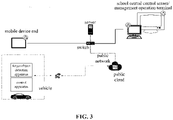
FIG. 3 shows a driving training system according to an embodiment of the present disclosure. - Description of reference numerals:
- vehicle door 1;
-
door body 10; doorhandle 11;target area 12;groove 13;boss structure 14; - target
object detection apparatus 20. - Exemplary embodiments of the present disclosure are described below in combination with the drawings, including various details of the embodiments of the present disclosure to facilitate understanding, which should be considered as exemplary only. Thus, those of ordinary skill in the art should realize that various changes and modifications can be made to the embodiments described here without departing from the scope and spirit of the present disclosure. Likewise, descriptions of well-known functions and structures are omitted in the following description for clarity and conciseness.
- A
vehicle door 1 according to an embodiment of the present disclosure will be described below with reference toFIGs. 1 and 2 . - As shown in
FIG. 1 , thevehicle door 1 according to the embodiment of the present disclosure includes adoor body 10 and a targetobject detection apparatus 20. - Specifically, a
door handle 11 is provided on an inner side of thedoor body 10. The targetobject detection apparatus 20 is provided on the inner side of thedoor body 10. The targetobject detection apparatus 20 is configured for detecting whether there is a target object at atarget area 12 under a preset condition. Thetarget area 12 is formed on the inner side of thedoor body 10 and spaced apart from thedoor handle 11 by a preset distance. - It can be understood that the inner side of the
door body 10 refers to a side of thedoor body 10 facing an interior space of the vehicle. Thedoor handle 11 is in transmission connection with a door lock apparatus of thevehicle door 1. A user can unlock the door lock apparatus by manipulating thedoor handle 11 with his/her hand, to open thevehicle door 1 in a closed state. - Illustratively, the target object can be a hand of a driver or an occupant, that is, the target
object detection apparatus 20 is configured for detecting whether there is the hand of the user or the occupant at thetarget area 12 under the preset condition. - Herein, the preset condition is that the
vehicle door 1 is about to be opened or is being opened. More specifically, the preset condition can be that the targetobject detection apparatus 20 receives avehicle door 1 opening signal or that the targetobject detection apparatus 20 receives a detection instruction from a control apparatus of the vehicle. - More specifically, the
vehicle door 1 opening signal can be generated by a vehicle door state detection apparatus when detecting that the door lock apparatus of thevehicle door 1 is unlocked, or can be generated by the vehicle door state detection apparatus when detecting that the working state of thevehicle door 1 is changed to an open state. A detection signal can be directly generated by the control apparatus of the vehicle. - In one specific application example, for the training scene about the Dutch Reach in the driving training, when opening the
vehicle door 1, a student needs to put one hand near a side of thevehicle door 1 at thetarget area 12, and at the same time use the other hand far away from the side of thevehicle door 1 to manipulate thedoor handle 11 to open thevehicle door 1, in accordance with the requirements of the Dutch Reach. In short, in a case where the student is in a left-hand driving cab, the student needs to put his/her left hand at thetarget area 12 and at the same time manipulate thedoor handle 11 with his/her right hand to open the vehicle door; in a case where the student is in a right-hand driving cab, the student needs to put his/her right hand at thetarget area 12 and at the same time manipulate thedoor handle 11 with his/her left hand to open the vehicle door. Thus, in the process of opening thevehicle door 1, the upper body of the student also inertially rotates with thevehicle door 1, and the head and shoulders also naturally rotate. In the process of rotation, the eyes will first observe the situation behind the vehicle through a rearview mirror, and after turning around, the eyes will naturally look outward and rearward, so as to achieve the action essentials of the Dutch Reach. - In the process of manipulating the
door handle 11 and opening thevehicle door 1 by the student with one hand, in response to thevehicle door 1 opening signal or the detection instruction, the targetobject detection apparatus 20 detects whether there is the other hand of the student at thetarget area 12. More specifically, in a case where it is detected that there is the other hand of the student at thetarget area 12, a first detection signal is generated; in a case where it is detected that there is no the other hand of the student at thetarget area 12, a second detection signal is generated. Thus, it may be detected whether the student's door opening action conforms to the Dutch Reach, so as to achieve the purpose of supervising the student on the training of the Dutch Reach. - Preferably, for the purpose of improving the accuracy of supervision on the Dutch Reach, and preventing the student from triggering the target
object detection apparatus 20 while manipulating thedoor handle 11 with one hand to bypass the detection of the targetobject detection apparatus 20, the preset distance between thetarget area 12 and thedoor handle 11 can be greater than a maximum distance that the student can reach while manipulating thedoor handle 11 with one hand. - It should be noted that the embodiment of the present disclosure does not define a specific form of the target
object detection apparatus 20, as long as the purpose of detecting whether there is the target object at thetarget area 12 can be achieved. For example, the targetobject detection apparatus 20 can specifically be a pressure sensor, a capacitance sensor or a mechanical button structure. - Also, a specific disposed position of the target
object detection apparatus 20 on thevehicle door 1 is not defined as well, as long as the detection range of the targetobject detection apparatus 20 covers thetarget area 12. For example, the targetobject detection apparatus 20 can be specifically disposed at thetarget area 12. - In addition, in the embodiment of the present disclosure, the
vehicle door 1 can be thevehicle door 1 at the side of the main driver or thevehicle door 1 at the side of the co-driver. For the driving training scene, preferably, thevehicle door 1 can be thevehicle door 1 at the side of the main driver. - According to the
vehicle door 1 of the embodiment of the present disclosure, by disposing, on the inner side of thedoor body 10, the targetobject detection apparatus 20 configured for detecting whether there is the target object at thetarget area 12 spaced apart from thedoor handle 11 under the preset condition, the door opening action of the user during the opening process of the vehicle door can detected, especially in the training scene for opening thevehicle door 1 using the Dutch Reach, it can be supervised whether the user uses one hand to open thevehicle door 1 and at the same time puts the other hand at thetarget area 12 of thedoor body 10 in accordance with the requirements of the Dutch Reach, so as to achieve the purpose of supervising the user's door opening action, thereby improving the training effect and helping the user to develop a good door opening habit. - As shown in
FIG. 2 , in one implementation, thedoor body 10 is provided with agroove 13 for accommodating a target object, an interior of thegroove 13 defines thetarget area 12, and the targetobject detection apparatus 20 is provided at thetarget area 12. - Illustratively, an inner side door panel of the
door body 10 is provided with aboss structure 14 protruding toward the interior of the vehicle body, and an upper surface of theboss structure 14 forms a relatively flat plane. Herein, the upper surface of theboss structure 14 is located below thedoor handle 11, and a part of the upper surface of theboss structure 14 is recessed downward to form thegroove 13. An upper end of thegroove 13 is set to be open, so that student can put his/her hand into thegroove 13 to manipulate thevehicle door 1. Accordingly, the targetobject detection apparatus 20 is also disposed in thegroove 13, so that the detection range of the targetobject detection apparatus 20 covers thetarget area 12 inside thegroove 13. - Thus, in the process of opening the
vehicle door 1 by the student in accordance with the Dutch Reach, the student can manipulate thedoor handle 11 with one hand and at the same time reach into thegroove 13 with the other hand to manipulate thedoor body 10, which is beneficial to improve the convenience of the student to open thevehicle door 1 in accordance with the Dutch Reach, so that the student can adapt to the opening action of the Dutch Reach more quickly. - In another example of the present disclosure, an armrest is provided on the inner side of the
vehicle door 1, and the armrest is spaced apart from thedoor handle 11 by a preset distance. Herein, a semi-enclosed area is defined between the armrest and the inner surface of thevehicle door 1, and the semi-enclosed area is thetarget area 12. The targetobject detection apparatus 20 can be disposed on the armrest, or at a position, corresponding to the armrest, of thedoor body 10, so that the detection range of the targetobject detection apparatus 20 covers thetarget area 12. - In one implementation, the
target area 12 is located in front of thedoor handle 11 in a front-rear direction of thedoor body 10. - For example, in the front-rear direction of the
door body 10, thegroove 13 defining thetarget area 12 or the armrest is spaced apart from thedoor handle 11, and thegroove 13 or the armrest is located behind thedoor handle 11, so that thetarget area 12 is formed behind thedoor handle 11. - It can be understood that, in accordance with the action requirements of Dutch Reach, the student needs to put one hand far away from the
vehicle door 1 at thetarget area 12 while manipulating thedoor handle 11 with the other hand near thevehicle door 1 to open thevehicle door 1. By disposing thetarget area 12 in front of thedoor handle 11, it is possible to make one hand of the student far away from thevehicle door 1 behind the other hand near thevehicle door 1 during the opening process of the vehicle door. Therefore, it is possible to increase the turning range of the student in a direction toward the rear side of the vehicle, which is beneficial for the student to observe the situation behind the vehicle as much as possible in the process of opening thevehicle door 1. - In one implementation, the
vehicle door 1 further includes a vehicle door state detection apparatus, configured for detecting the working state of thevehicle door 1, and sending avehicle door 1 opening signal to the targetobject detection apparatus 20 in a case where thevehicle door 1 is in an open state. The targetobject detection apparatus 20 is in communication with the vehicle door state detection apparatus, and the targetobject detection apparatus 20 is configured for detecting whether there is a target object at thetarget area 12 under a condition that thevehicle door 1 opening signal is received. - Illustratively, the vehicle door state detection apparatus can be in electrical communication with the control apparatus of the vehicle. In a case where the door lock apparatus is unlocked, the control apparatus controls the vehicle door state detection apparatus to generate a
vehicle door 1 opening signal and send thevehicle door 1 opening signal to the targetobject detection apparatus 20. In response to thevehicle door 1 opening signal, the targetobject detection apparatus 20 detects whether there is the target object at thetarget area 12. - In another example of the present disclosure, the vehicle door state detection apparatus can also be a sensor disposed on the
vehicle door 1 or the vehicle body, and configured for detecting the position of thevehicle door 1. Avehicle door 1 opening signal is generated in a case where thatvehicle door 1 is no long in a closed position and thevehicle door 1 opening signal is sent to the targetobject detection apparatus 20. - By disposing the vehicle door state detection apparatus, it is possible to send the
vehicle door 1 opening signal to the targetobject detection apparatus 20 in a case where the working state of thevehicle door 1 is about to be switched to the open state or has been switched to the open state, so that the targetobject detection apparatus 20 can detect thetarget area 12 according to thevehicle door 1 opening signal. - In one implementation, the target
object detection apparatus 20 is configured for detecting thetarget area 12 in response to thevehicle door 1 opening signal, and generating a first detection signal in a case where it is detected that there is a target object at thetarget area 12. - Illustratively, the target
object detection apparatus 20 is in communication with the control apparatus of the vehicle. After detecting thetarget area 12, the targetobject detection apparatus 20 generates a detection signal and then sends the detection signal to the control apparatus. The control apparatus generates a corresponding detection result based on the detection signal and sends the detection result to a vehicle-mounted terminal device, which generates training data based on the detection result and prompts the student or coach through screen display or voice broadcast. - In one specific example, the control apparatus generates a first detection result based on the first detection signal and sends the first detection result to the vehicle-mounted terminal device, and the vehicle-mounted terminal device broadcasts a voice prompt that "the student has completed the door opening action in accordance with the Dutch Reach" based on the first detection result.
- In another embodiment, the target
object detection apparatus 20 is further configured for detecting thetarget area 12 in response to thevehicle door 1 opening signal, and generating a second detection signal in a case where it is detected that there is no target object at thetarget area 12. - In one specific example, the control apparatus generates a second detection result based on the second detection signal and sends the second detection result to the vehicle-mounted terminal device, and the vehicle-mounted terminal device broadcasts a voice prompt that "the student has failed to complete the door opening action in accordance with the Dutch Reach" based on the second detection result.
- Through the above implementations, the target
object detection apparatus 20 is configured for generating a corresponding detection signal according to the detection condition of the target object, and then the control apparatus of the vehicle and the vehicle-mounted terminal device can generate a corresponding detection result for correspondingly display and broadcast a voice prompt to feed back the student's training situation to the student or coach. - In one implementation, the target
object detection apparatus 20 is a photoelectric sensor, which includes a transmitting module and a receiving module oppositely disposed at thetarget area 12. - In one specific example, the transmitting module is aligned with the receiving module to transmit a light beam, wherein the transmitting module can adopt a light emitting diode, a laser diode or an infrared emitting diode, and the receiving module can adopt a photodiode. When the photodiode is under the condition of no light, the reverse current thereof is very small, which is called the dark current of the photodiode; when the photodiode is under the condition of light, the carriers are excited to generate electron-holes, which are called photo-carriers. Under the action of an external electric field, the photo-carriers participate in conduction and form a reverse current much larger than the dark current. This reverse current is called photocurrent. The magnitude of the photocurrent is proportional to the light intensity, so an electrical signal that changes with the light intensity can be obtained on a load resistor.
- It can be understood that the transmitting module and the receiving module can be disposed oppositely and spaced apart in the
target area 12, and whether the student's hand is put at thetarget area 12 will affect the magnitude of the luminous flux of the light beam received by the receiving module. Based on this, a corresponding electrical signal can be generated according to the magnitude of the current generated by the receiving module, so as to reflect whether there is a target object at thetarget area 12. - Through the above implementation, the detection function of the target
object detection apparatus 20 for the target object can be realized, and the sensitivity is high, so that it can be timely and effectively determined whether the student puts his/her hand at thetarget area 12 in the process of opening thevehicle door 1. - In one implementation, the target
object detection apparatus 20 is a pressure sensor located at thetarget area 12. - Illustratively, the target
object detection apparatus 20 can adopt a capacitive pressure sensor. The capacitive pressure sensor can be provided at thegroove 13 defining thetarget area 12 or the armrest, to detect the force applied by the target object at thetarget area 12, so as to detect whether there is a target object at thetarget area 12. - It can be understood that in a case where the pressure sensor detects a pressure signal, the pressure sensor outputs a low-level signal, and in a case where the pressure sensor does not detect a pressure signal, the pressure sensor outputs a high-level signal. Based on this, according to different signals output by the pressure sensor, it can be determined whether there is a target object at the
target area 12, that is, whether the student puts his/her hand at thetarget area 12 in the process of opening thevehicle door 1, so as to detect the student's door opening action. - As another aspect of the embodiment of the present disclosure, a vehicle is also provided.
- The vehicle according to the embodiment of the present disclosure includes the vehicle door according to the above embodiment of the present disclosure.
- Illustratively, the vehicle door can be disposed at the side of the main driver seat of the vehicle.
- According to the vehicle of the embodiment of the present disclosure, by using the vehicle door according to the above embodiment of the present disclosure, the door opening action of the user in the opening process of the vehicle door can detected, especially in the training scene for opening the vehicle door using the Dutch Reach, it can be supervised whether the user opens the vehicle door with one hand while putting the other hand at the target area of the door body according to the requirements of the Dutch Reach, so as to achieve the purpose of supervising the student's door opening action, thereby improving the training effect and helping the student to develop a good door opening habit.
- In one implementation, the vehicle further includes a control apparatus. The control apparatus is in communication with the target object detection apparatus. The control apparatus is configured for sending a detection instruction to the target object detection apparatus, and the target object detection apparatus is configured for detecting whether there is a target object at the target area under a condition that the detection instruction is received.
- Illustratively, in the driving training scene, in a special practice about whether the student's door opening action meets the action requirements of the Dutch Reach, a detection instruction can be sent to the target object detection apparatus by the control apparatus, so that the target object detection apparatus can be started and can detect whether there is a target object in the target area.
- Thus, the special practice for the student's door opening action may be realized, to develop the student's good door opening habit.
- In one implementation, the control apparatus is further configured for receiving a detection signal from the target object detection apparatus, and generating a detection result indicating whether a violation has occurred or not according to the detection signal.
- In one specific application example, the vehicle of the embodiment of the present disclosure can be a teaching vehicle applied to a driving training scene. The control apparatus is in communication with the target object detection apparatus, so that the control apparatus receives a detection signal from the target object detection apparatus, and generates a corresponding detection result according to the detection signal.
- For example, in the process of opening the vehicle door by the student, in a case where the target object detection apparatus detects that there is the student's hand at the target area, a first detection signal is generated. The control apparatus receives the first detection signal and generates a first detection result, which indicates the student's door opening action does not violate a rule. In a case where the target object detection apparatus detects that there is not the student's hand at the target area, a second detection signal is generated. The control apparatus receives the second detection signal and generates a second detection result, which indicates the student's door opening action violates a rule.
- Through the above implementation, the detection result indicating whether the student's door opening action violates a rule or not can be obtained according to the detection signal sent by the target object detection apparatus, so as to achieve the purpose of supervising whether the student's door opening action meets the requirements of the Dutch Reach.
- In one implementation, the vehicle further includes a vehicle-mounted terminal device. The vehicle-mounted terminal device is in communication with the control apparatus to receive the detection result from the control apparatus.
- In one specific example, the control apparatus generates a first detection result based on the first detection signal and sends the first detection result to the vehicle-mounted terminal device. The vehicle-mounted terminal device generates corresponding training data based on the first detection result, and prompts the student or coach by means of screen display or voice broadcast. For example, the voice prompt that "the student has completed the door opening action in accordance with the Dutch Reach" can be broadcast. The control apparatus generates a second detection result based on the second detection signal and sends the second detection result to the vehicle-mounted terminal device. The vehicle-mounted terminal device generates corresponding training data based on the second detection result, and prompts the student or coach by means of screen display or voice broadcast. For example, the voice prompt that "the student has failed to complete the door opening action in accordance with the Dutch Reach" can be broadcast.
- According to the above implementation, it is possible to broadcast to the student or coach in real time whether the student's door opening action meets the action requirements of the Dutch Reach, so as to evaluate the student's door opening action in real time.
- As another aspect of the embodiment of the present disclosure, a driving training system is also provided.
- As shown in
FIG. 3 , the driving training system according to the embodiment of the present disclosure includes the vehicle according to the above embodiment of the present disclosure and a teaching terminal device. The teaching terminal device is in communication with the target object detection apparatus of the vehicle and/or the control apparatus of the vehicle. - Illustratively, the driving training system includes a server end, a teaching terminal device and a vehicle. The server end includes a server and a switch, the teaching terminal device is in communication with the server through the switch, and the vehicle's routing device is in communication with the server through the switch. More specifically, the teaching terminal device may include a central control end and a mobile device end, wherein the central control terminal can be a central control screen integrated with a management operating system.
- In one specific example, the target object detection apparatus of the vehicle is in communication with a school server through the routing device and the switch, so that the target object detection apparatus sends a detection signal to the school server, which generates corresponding training data according to the detection signal, and sends the training data to the teaching terminal device, to show the student's training situation on the teaching terminal device.
- In another specific example, the control apparatus of the vehicle generates a corresponding detection result based on the detection signal sent by the target object detection apparatus, and then sends the detection result to the teaching terminal device through the routing device and the switch, to show the student's training situation on the teaching terminal device.
- According to the driving training system of the embodiment of the disclosure, the purpose of supervising the student's door opening action can achieved by utilizing the vehicle according to the above embodiment of the disclosure, and the coach is caused to master the student's training situation in real time through the teaching terminal device, and the special training for the Dutch Reach is beneficial to improve the training effect and helping the student to develop a good door opening habit.
- In the description of this specification, it is to be appreciated that the orientation or positional relationships indicated by the terms "central", "longitudinal", "transverse", "length", "width", "thickness", "upper", "lower", "front" ", "rear", "left", "right", "vertical", "horizontal", "top", "bottom", "inner", "outer", "clockwise", "counterclockwise", "axial", "radial", "circumferential", etc. are based on orientation or positional relationships shown based on the drawings, and they are only for the convenience of describing the present disclosure and simplifying the description, rather than indicating or implying that the apparatus or element must have a specific orientation, or must be constructed and operated in a specific orientation, and therefore they shall not be understood as a limitation to the present disclosure.
- In addition, the terms "first" and "second" are only used for descriptive purposes, and are not to be construed as indicating or suggesting relative importance or implicitly indicating the number of indicated technical features. Thus, the features defined with "first" and "second" may explicitly or implicitly include one or more of these features. In the description of the present disclosure, "a plurality of' means two or more, unless otherwise expressively and specifically defined.
- In the present disclosure, unless otherwise expressively specified or defined, the terms "mount", "link", "connect", "fix", etc. should be understood in the broad senses, for example, may be a fixed connection, a detachable connection or integration; may be a mechanical connection, an electrical connection or communication; and may be a direction connection, an indirect connection through an intermediate medium, or internal communication between two elements or an interaction therebetween. For those of ordinary skill in the art, the specific meanings of the above terms in the present disclosure may be understood according to specific circumstances.
- In the present disclosure, unless otherwise expressively specified or defined, a first feature being "on" or "under" a second feature may indicate a direct contact between the first and second features, or an indirect contact therebetween via another feature. Further, the first feature being "on", "above", or "over" the second feature may indicate that the first feature is directly or obliquely above the second feature, or merely indicate that the level of the first feature is higher than that of the second feature. The first feature being "under", "below", or "beneath" the second feature may indicate that the first feature is directly or obliquely below the second feature, or merely indicate that the level of the first feature is lower than that of the second feature.
- The above disclosure provides many different implementations or examples for implementing different structures of the present disclosure. In order to simplify the disclosure of the present disclosure, components and arrangements of specific examples have been described above. Of course, they are only examples and are not intended to limit the present disclosure. In addition, the present disclosure may repeat reference numerals and/or reference letters in different examples, and this repetition is for the purpose of simplification and clarity, and itself does not indicate the relationship between the various implementations and/or arrangements discussed.
- The above implementations are not to be construed as limiting the scope of the present disclosure. It will be apparent to those skilled in the art that various modifications, combinations, sub-combinations and substitutions are possible, depending on design requirements and other factors. Any modifications, equivalent substitutions and improvements, and the like within the spirit and principle of the present disclosure are intended to be included within the scope of the present disclosure.
Claims (13)
- A vehicle door (1), comprising:a door body (10), wherein a door handle (11) is provided on an inner side of the door body (10); anda target object detection apparatus (20), provided on the inner side of the door body (10), wherein the target object detection apparatus (20) is configured for detecting whether there is a target object at a target area (12) under a preset condition, and the target area (12) is formed on the inner side of the door body (10) and spaced apart from the door handle (11) by a preset distance.
- The vehicle door (1) of claim 1, wherein the door body (10) is provided with a groove (13) for accommodating the target object, an interior of the groove (13) defines the target area (12), and the target object detection apparatus (20) is provided at the target area (12).
- The vehicle door (1) of claim 1 or 2, wherein the target area (12) is located in front of the door handle (11) in a front-rear direction of the door body (10).
- The vehicle door (1) of any one of claims 1 to 3, further comprising:
a vehicle door state detection apparatus, configured for sending a vehicle door opening signal to the target object detection apparatus (20) in a case where the vehicle door (1) is in an open state, wherein the target object detection apparatus (20) is configured for detecting whether there is the target object at the target area (12) under a condition that the vehicle door opening signal is received. - The vehicle door (1) of claim 4, wherein the target object detection apparatus (20) is configured for detecting the target area (12) in response to the vehicle door opening signal, and generating a first detection signal in a case where it is detected that there is the target object at the target area (12).
- The vehicle door (1) of claim 4, wherein the target object detection apparatus (20) is configured for detecting the target area (12) in response to the vehicle door opening signal, and generating a second detection signal in a case where it is detected that there is no target object at the target area (12).
- The vehicle door (1) of any one of claims 1 to 6, wherein the target object detection apparatus (20) is a photoelectric sensor, which comprises a transmitting module and a receiving module oppositely disposed at the target area (12).
- The vehicle door (1) of any one of claims 1 to 6, wherein the target object detection apparatus (20) is a pressure sensor located at the target area (12).
- A vehicle, comprising the vehicle door (1) of any one of claims 1 to 8.
- The vehicle of claim 9, further comprising:
a control apparatus, in communication with the target object detection apparatus (20), wherein the control apparatus is configured for sending a detection instruction to the target object detection apparatus (20), and the target object detection apparatus (20) is configured for detecting whether there is the target object at the target area (12) under a condition that the detection instruction is received. - The vehicle of claim 10, wherein the control apparatus is further configured for receiving a detection signal from the target object detection apparatus (20), and generating a detection result indicating whether a violation has occurred or not according to the detection signal.
- The vehicle of claim 11, further comprising:
a vehicle-mounted terminal device, in communication with the control apparatus, to receive the detection result from the control apparatus. - A driving training system, comprising:the vehicle of any one of claims 9 to 12; anda teaching terminal device, in communication with the target object detection apparatus (20) of the vehicle and/or the control apparatus of the vehicle.
Applications Claiming Priority (1)
| Application Number | Priority Date | Filing Date | Title |
|---|---|---|---|
| CN202110680300.9A CN113400909A (en) | 2021-06-18 | 2021-06-18 | Vehicle door, vehicle and driving training system |
Publications (3)
| Publication Number | Publication Date |
|---|---|
| EP4105906A2 true EP4105906A2 (en) | 2022-12-21 |
| EP4105906A3 EP4105906A3 (en) | 2023-01-18 |
| EP4105906B1 EP4105906B1 (en) | 2024-03-13 |
Family
ID=77681588
Family Applications (1)
| Application Number | Title | Priority Date | Filing Date |
|---|---|---|---|
| EP22165371.0A Active EP4105906B1 (en) | 2021-06-18 | 2022-03-30 | Vehicle door, vehicle and driving training system |
Country Status (5)
| Country | Link |
|---|---|
| US (1) | US20220305992A1 (en) |
| EP (1) | EP4105906B1 (en) |
| JP (1) | JP7391118B2 (en) |
| KR (1) | KR20220091439A (en) |
| CN (1) | CN113400909A (en) |
Family Cites Families (23)
| Publication number | Priority date | Publication date | Assignee | Title |
|---|---|---|---|---|
| JP4260137B2 (en) * | 2005-05-19 | 2009-04-30 | 小島プレス工業株式会社 | Control method for storage container and lighting in storage container |
| US7794009B2 (en) | 2007-11-28 | 2010-09-14 | Ford Global Technologies, Llc | Side impact door trim buckle initiatory design in armrest and grab handle region |
| JP2010077714A (en) | 2008-09-26 | 2010-04-08 | Toyota Motor Corp | Door opening system and door opening control method |
| JP5748144B2 (en) * | 2011-10-28 | 2015-07-15 | ホシデン株式会社 | Proximity sensor |
| JP2017020275A (en) | 2015-07-13 | 2017-01-26 | 株式会社東海理化電機製作所 | Door lock controller |
| US20170028907A1 (en) | 2015-07-29 | 2017-02-02 | Yin-Wen Chen | Door opening warning device for car |
| CN105654808A (en) * | 2016-02-03 | 2016-06-08 | 北京易驾佳信息科技有限公司 | Intelligent training system for vehicle driver based on actual vehicle |
| TWI628099B (en) * | 2016-10-28 | 2018-07-01 | 致伸科技股份有限公司 | Pre-detecting system for car door opening |
| CN108116290A (en) * | 2016-11-29 | 2018-06-05 | 福特环球技术公司 | Door armrest assembly |
| JP2018095038A (en) | 2016-12-12 | 2018-06-21 | トヨタ紡織株式会社 | Illumination structure for vehicle |
| JP6909960B2 (en) * | 2017-03-31 | 2021-07-28 | パナソニックIpマネジメント株式会社 | Detection device, detection method and detection program |
| DE112017007427T5 (en) * | 2017-05-05 | 2020-01-16 | Ford Global Technologies, Llc | PREVENTING A LOST OBJECT IN A VEHICLE |
| JP2019019451A (en) | 2017-07-11 | 2019-02-07 | アイシン精機株式会社 | Door device for vehicle |
| CN109505470B (en) * | 2017-09-14 | 2025-03-14 | 福特环球技术公司 | Vehicle door opening system and method |
| TWM554859U (en) * | 2017-10-13 | 2018-02-01 | 高苑科技大學 | Vehicle door |
| JP7107735B2 (en) * | 2018-05-11 | 2022-07-27 | 株式会社アルファ | Vehicle door control device |
| US10515535B1 (en) * | 2018-08-24 | 2019-12-24 | General Motors Llc | System and method to provide a misplacement notification |
| US10676045B1 (en) | 2018-11-30 | 2020-06-09 | Nissan North America, Inc. | Vehicle assembly |
| KR102162635B1 (en) * | 2018-11-30 | 2020-10-07 | 한국몰드 | Ramp system |
| US10796174B2 (en) * | 2018-12-21 | 2020-10-06 | Nissan North America, Inc. | Distance and object based external notification system for automated hailing service |
| US11267401B2 (en) * | 2019-09-27 | 2022-03-08 | GM Cruise Holdings, LLC | Safe passenger disembarking for autonomous vehicles via audible signals |
| TWM616674U (en) * | 2020-12-14 | 2021-09-11 | 簡友明 | Vehicle door opening reminder system |
| CN113153036A (en) * | 2021-04-01 | 2021-07-23 | 江西昌河汽车有限责任公司 | Automobile door based on Holter door opening method and door opening method thereof |
-
2021
- 2021-06-18 CN CN202110680300.9A patent/CN113400909A/en active Pending
-
2022
- 2022-01-21 JP JP2022007520A patent/JP7391118B2/en active Active
- 2022-03-30 EP EP22165371.0A patent/EP4105906B1/en active Active
- 2022-06-13 KR KR1020220071343A patent/KR20220091439A/en not_active Ceased
- 2022-06-16 US US17/842,153 patent/US20220305992A1/en not_active Abandoned
Also Published As
| Publication number | Publication date |
|---|---|
| US20220305992A1 (en) | 2022-09-29 |
| KR20220091439A (en) | 2022-06-30 |
| JP7391118B2 (en) | 2023-12-04 |
| CN113400909A (en) | 2021-09-17 |
| EP4105906A3 (en) | 2023-01-18 |
| JP2022040380A (en) | 2022-03-10 |
| EP4105906B1 (en) | 2024-03-13 |
Similar Documents
| Publication | Publication Date | Title |
|---|---|---|
| EP3153373B1 (en) | Method of providing stopped-vehicle movement mode, driver assistance apparatus providing the same, and vehicle including driver assistance apparatus | |
| US6320612B1 (en) | Vehicular camera system with plural perspectives | |
| US7097226B2 (en) | Safety system for a compartment of a vehicle | |
| US6485081B1 (en) | Safety system for a closed compartment of a vehicle | |
| US7063379B2 (en) | Roof module for vehicles | |
| US6480103B1 (en) | Compartment sensing system | |
| WO2022135495A1 (en) | Vehicle door control system and method, and vehicle | |
| US20110298924A1 (en) | System and method for detecting the location of a communication device in a vehicle based on camera detection | |
| US20140015637A1 (en) | Virtual vehicle entry keypad and method of use thereof | |
| US20180201138A1 (en) | Self-destruct zone and autonomous vehicle navigation | |
| CN105730342B (en) | The mobile phone docking facilities of inside rear view mirror | |
| WO2015051461A1 (en) | Control of display for vehicle window | |
| US20200324703A1 (en) | Interior rearview mirror with gdo module | |
| JP2013086552A (en) | Display device for vehicle | |
| CN107554475A (en) | A kind of automobile intelligent door lock control system and method | |
| EP4105906B1 (en) | Vehicle door, vehicle and driving training system | |
| CN117864035A (en) | Control system of vehicle and implementation method thereof | |
| CN108216115A (en) | For controlling the system and method for vehicle door lock system | |
| KR102151196B1 (en) | Passenger detecting system and method using photo sensor | |
| KR102585734B1 (en) | Side mirror for vehicles | |
| US20230093927A1 (en) | Modular device to alert drivers and vehicle occupants to prevent loss of valuable and injury in hot vehicles | |
| JP2019156237A (en) | Alert system | |
| US20080186159A1 (en) | Enabling Vision Systems in Automobiles | |
| CN207633911U (en) | Vehicle lockset | |
| JPH0813874A (en) | Remote control device for lock section of car |
Legal Events
| Date | Code | Title | Description |
|---|---|---|---|
| PUAI | Public reference made under article 153(3) epc to a published international application that has entered the european phase |
Free format text: ORIGINAL CODE: 0009012 |
|
| STAA | Information on the status of an ep patent application or granted ep patent |
Free format text: STATUS: REQUEST FOR EXAMINATION WAS MADE |
|
| PUAL | Search report despatched |
Free format text: ORIGINAL CODE: 0009013 |
|
| 17P | Request for examination filed |
Effective date: 20220330 |
|
| AK | Designated contracting states |
Kind code of ref document: A2 Designated state(s): AL AT BE BG CH CY CZ DE DK EE ES FI FR GB GR HR HU IE IS IT LI LT LU LV MC MK MT NL NO PL PT RO RS SE SI SK SM TR |
|
| AK | Designated contracting states |
Kind code of ref document: A3 Designated state(s): AL AT BE BG CH CY CZ DE DK EE ES FI FR GB GR HR HU IE IS IT LI LT LU LV MC MK MT NL NO PL PT RO RS SE SI SK SM TR |
|
| RIC1 | Information provided on ipc code assigned before grant |
Ipc: B60R 25/01 20130101ALI20221214BHEP Ipc: B60R 7/04 20060101ALI20221214BHEP Ipc: B60J 5/04 20060101ALI20221214BHEP Ipc: G06V 20/59 20220101ALI20221214BHEP Ipc: G08B 21/24 20060101AFI20221214BHEP |
|
| GRAP | Despatch of communication of intention to grant a patent |
Free format text: ORIGINAL CODE: EPIDOSNIGR1 |
|
| STAA | Information on the status of an ep patent application or granted ep patent |
Free format text: STATUS: GRANT OF PATENT IS INTENDED |
|
| INTG | Intention to grant announced |
Effective date: 20231011 |
|
| RIN1 | Information on inventor provided before grant (corrected) |
Inventor name: WU, YI Inventor name: WU, FUCHUANG Inventor name: CAO, XIAOCHEN Inventor name: WANG, TAO Inventor name: FENG, YUNCHAN Inventor name: WANG, LIFENG Inventor name: LUO, QIONGHUA Inventor name: ZHAO, SHUAISHUAI Inventor name: YANG, WENTAO Inventor name: SONG, SHUQING Inventor name: XING, LIANG |
|
| P01 | Opt-out of the competence of the unified patent court (upc) registered |
Effective date: 20231215 |
|
| GRAS | Grant fee paid |
Free format text: ORIGINAL CODE: EPIDOSNIGR3 |
|
| GRAA | (expected) grant |
Free format text: ORIGINAL CODE: 0009210 |
|
| STAA | Information on the status of an ep patent application or granted ep patent |
Free format text: STATUS: THE PATENT HAS BEEN GRANTED |
|
| AK | Designated contracting states |
Kind code of ref document: B1 Designated state(s): AL AT BE BG CH CY CZ DE DK EE ES FI FR GB GR HR HU IE IS IT LI LT LU LV MC MK MT NL NO PL PT RO RS SE SI SK SM TR |
|
| REG | Reference to a national code |
Ref country code: GB Ref legal event code: FG4D |
|
| REG | Reference to a national code |
Ref country code: CH Ref legal event code: EP |
|
| REG | Reference to a national code |
Ref country code: DE Ref legal event code: R096 Ref document number: 602022002306 Country of ref document: DE |
|
| REG | Reference to a national code |
Ref country code: IE Ref legal event code: FG4D |
|
| PG25 | Lapsed in a contracting state [announced via postgrant information from national office to epo] |
Ref country code: LT Free format text: LAPSE BECAUSE OF FAILURE TO SUBMIT A TRANSLATION OF THE DESCRIPTION OR TO PAY THE FEE WITHIN THE PRESCRIBED TIME-LIMIT Effective date: 20240313 |
|
| REG | Reference to a national code |
Ref country code: LT Ref legal event code: MG9D |
|
| PG25 | Lapsed in a contracting state [announced via postgrant information from national office to epo] |
Ref country code: GR Free format text: LAPSE BECAUSE OF FAILURE TO SUBMIT A TRANSLATION OF THE DESCRIPTION OR TO PAY THE FEE WITHIN THE PRESCRIBED TIME-LIMIT Effective date: 20240614 |
|
| REG | Reference to a national code |
Ref country code: NL Ref legal event code: MP Effective date: 20240313 |
|
| PG25 | Lapsed in a contracting state [announced via postgrant information from national office to epo] |
Ref country code: RS Free format text: LAPSE BECAUSE OF FAILURE TO SUBMIT A TRANSLATION OF THE DESCRIPTION OR TO PAY THE FEE WITHIN THE PRESCRIBED TIME-LIMIT Effective date: 20240613 Ref country code: HR Free format text: LAPSE BECAUSE OF FAILURE TO SUBMIT A TRANSLATION OF THE DESCRIPTION OR TO PAY THE FEE WITHIN THE PRESCRIBED TIME-LIMIT Effective date: 20240313 |
|
| PG25 | Lapsed in a contracting state [announced via postgrant information from national office to epo] |
Ref country code: ES Free format text: LAPSE BECAUSE OF FAILURE TO SUBMIT A TRANSLATION OF THE DESCRIPTION OR TO PAY THE FEE WITHIN THE PRESCRIBED TIME-LIMIT Effective date: 20240313 |
|
| PG25 | Lapsed in a contracting state [announced via postgrant information from national office to epo] |
Ref country code: RS Free format text: LAPSE BECAUSE OF FAILURE TO SUBMIT A TRANSLATION OF THE DESCRIPTION OR TO PAY THE FEE WITHIN THE PRESCRIBED TIME-LIMIT Effective date: 20240613 Ref country code: LT Free format text: LAPSE BECAUSE OF FAILURE TO SUBMIT A TRANSLATION OF THE DESCRIPTION OR TO PAY THE FEE WITHIN THE PRESCRIBED TIME-LIMIT Effective date: 20240313 Ref country code: HR Free format text: LAPSE BECAUSE OF FAILURE TO SUBMIT A TRANSLATION OF THE DESCRIPTION OR TO PAY THE FEE WITHIN THE PRESCRIBED TIME-LIMIT Effective date: 20240313 Ref country code: GR Free format text: LAPSE BECAUSE OF FAILURE TO SUBMIT A TRANSLATION OF THE DESCRIPTION OR TO PAY THE FEE WITHIN THE PRESCRIBED TIME-LIMIT Effective date: 20240614 Ref country code: FI Free format text: LAPSE BECAUSE OF FAILURE TO SUBMIT A TRANSLATION OF THE DESCRIPTION OR TO PAY THE FEE WITHIN THE PRESCRIBED TIME-LIMIT Effective date: 20240313 Ref country code: ES Free format text: LAPSE BECAUSE OF FAILURE TO SUBMIT A TRANSLATION OF THE DESCRIPTION OR TO PAY THE FEE WITHIN THE PRESCRIBED TIME-LIMIT Effective date: 20240313 Ref country code: BG Free format text: LAPSE BECAUSE OF FAILURE TO SUBMIT A TRANSLATION OF THE DESCRIPTION OR TO PAY THE FEE WITHIN THE PRESCRIBED TIME-LIMIT Effective date: 20240313 |
|
| REG | Reference to a national code |
Ref country code: AT Ref legal event code: MK05 Ref document number: 1666508 Country of ref document: AT Kind code of ref document: T Effective date: 20240313 |
|
| PG25 | Lapsed in a contracting state [announced via postgrant information from national office to epo] |
Ref country code: SE Free format text: LAPSE BECAUSE OF FAILURE TO SUBMIT A TRANSLATION OF THE DESCRIPTION OR TO PAY THE FEE WITHIN THE PRESCRIBED TIME-LIMIT Effective date: 20240313 Ref country code: LV Free format text: LAPSE BECAUSE OF FAILURE TO SUBMIT A TRANSLATION OF THE DESCRIPTION OR TO PAY THE FEE WITHIN THE PRESCRIBED TIME-LIMIT Effective date: 20240313 |
|
| PG25 | Lapsed in a contracting state [announced via postgrant information from national office to epo] |
Ref country code: NL Free format text: LAPSE BECAUSE OF FAILURE TO SUBMIT A TRANSLATION OF THE DESCRIPTION OR TO PAY THE FEE WITHIN THE PRESCRIBED TIME-LIMIT Effective date: 20240313 |
|
| PG25 | Lapsed in a contracting state [announced via postgrant information from national office to epo] |
Ref country code: NL Free format text: LAPSE BECAUSE OF FAILURE TO SUBMIT A TRANSLATION OF THE DESCRIPTION OR TO PAY THE FEE WITHIN THE PRESCRIBED TIME-LIMIT Effective date: 20240313 |
|
| PG25 | Lapsed in a contracting state [announced via postgrant information from national office to epo] |
Ref country code: IS Free format text: LAPSE BECAUSE OF FAILURE TO SUBMIT A TRANSLATION OF THE DESCRIPTION OR TO PAY THE FEE WITHIN THE PRESCRIBED TIME-LIMIT Effective date: 20240713 |
|
| PG25 | Lapsed in a contracting state [announced via postgrant information from national office to epo] |
Ref country code: PT Free format text: LAPSE BECAUSE OF FAILURE TO SUBMIT A TRANSLATION OF THE DESCRIPTION OR TO PAY THE FEE WITHIN THE PRESCRIBED TIME-LIMIT Effective date: 20240715 Ref country code: SM Free format text: LAPSE BECAUSE OF FAILURE TO SUBMIT A TRANSLATION OF THE DESCRIPTION OR TO PAY THE FEE WITHIN THE PRESCRIBED TIME-LIMIT Effective date: 20240313 |
|
| PG25 | Lapsed in a contracting state [announced via postgrant information from national office to epo] |
Ref country code: EE Free format text: LAPSE BECAUSE OF FAILURE TO SUBMIT A TRANSLATION OF THE DESCRIPTION OR TO PAY THE FEE WITHIN THE PRESCRIBED TIME-LIMIT Effective date: 20240313 Ref country code: CZ Free format text: LAPSE BECAUSE OF FAILURE TO SUBMIT A TRANSLATION OF THE DESCRIPTION OR TO PAY THE FEE WITHIN THE PRESCRIBED TIME-LIMIT Effective date: 20240313 |
|
| PG25 | Lapsed in a contracting state [announced via postgrant information from national office to epo] |
Ref country code: AT Free format text: LAPSE BECAUSE OF FAILURE TO SUBMIT A TRANSLATION OF THE DESCRIPTION OR TO PAY THE FEE WITHIN THE PRESCRIBED TIME-LIMIT Effective date: 20240313 |
|
| PG25 | Lapsed in a contracting state [announced via postgrant information from national office to epo] |
Ref country code: PL Free format text: LAPSE BECAUSE OF FAILURE TO SUBMIT A TRANSLATION OF THE DESCRIPTION OR TO PAY THE FEE WITHIN THE PRESCRIBED TIME-LIMIT Effective date: 20240313 |
|
| PG25 | Lapsed in a contracting state [announced via postgrant information from national office to epo] |
Ref country code: SK Free format text: LAPSE BECAUSE OF FAILURE TO SUBMIT A TRANSLATION OF THE DESCRIPTION OR TO PAY THE FEE WITHIN THE PRESCRIBED TIME-LIMIT Effective date: 20240313 |
|
| PG25 | Lapsed in a contracting state [announced via postgrant information from national office to epo] |
Ref country code: SM Free format text: LAPSE BECAUSE OF FAILURE TO SUBMIT A TRANSLATION OF THE DESCRIPTION OR TO PAY THE FEE WITHIN THE PRESCRIBED TIME-LIMIT Effective date: 20240313 Ref country code: SK Free format text: LAPSE BECAUSE OF FAILURE TO SUBMIT A TRANSLATION OF THE DESCRIPTION OR TO PAY THE FEE WITHIN THE PRESCRIBED TIME-LIMIT Effective date: 20240313 Ref country code: RO Free format text: LAPSE BECAUSE OF FAILURE TO SUBMIT A TRANSLATION OF THE DESCRIPTION OR TO PAY THE FEE WITHIN THE PRESCRIBED TIME-LIMIT Effective date: 20240313 Ref country code: PT Free format text: LAPSE BECAUSE OF FAILURE TO SUBMIT A TRANSLATION OF THE DESCRIPTION OR TO PAY THE FEE WITHIN THE PRESCRIBED TIME-LIMIT Effective date: 20240715 Ref country code: PL Free format text: LAPSE BECAUSE OF FAILURE TO SUBMIT A TRANSLATION OF THE DESCRIPTION OR TO PAY THE FEE WITHIN THE PRESCRIBED TIME-LIMIT Effective date: 20240313 Ref country code: IS Free format text: LAPSE BECAUSE OF FAILURE TO SUBMIT A TRANSLATION OF THE DESCRIPTION OR TO PAY THE FEE WITHIN THE PRESCRIBED TIME-LIMIT Effective date: 20240713 Ref country code: EE Free format text: LAPSE BECAUSE OF FAILURE TO SUBMIT A TRANSLATION OF THE DESCRIPTION OR TO PAY THE FEE WITHIN THE PRESCRIBED TIME-LIMIT Effective date: 20240313 Ref country code: CZ Free format text: LAPSE BECAUSE OF FAILURE TO SUBMIT A TRANSLATION OF THE DESCRIPTION OR TO PAY THE FEE WITHIN THE PRESCRIBED TIME-LIMIT Effective date: 20240313 Ref country code: AT Free format text: LAPSE BECAUSE OF FAILURE TO SUBMIT A TRANSLATION OF THE DESCRIPTION OR TO PAY THE FEE WITHIN THE PRESCRIBED TIME-LIMIT Effective date: 20240313 |
|
| PG25 | Lapsed in a contracting state [announced via postgrant information from national office to epo] |
Ref country code: LU Free format text: LAPSE BECAUSE OF NON-PAYMENT OF DUE FEES Effective date: 20240330 |
|
| PG25 | Lapsed in a contracting state [announced via postgrant information from national office to epo] |
Ref country code: LU Free format text: LAPSE BECAUSE OF NON-PAYMENT OF DUE FEES Effective date: 20240330 |
|
| PG25 | Lapsed in a contracting state [announced via postgrant information from national office to epo] |
Ref country code: IT Free format text: LAPSE BECAUSE OF FAILURE TO SUBMIT A TRANSLATION OF THE DESCRIPTION OR TO PAY THE FEE WITHIN THE PRESCRIBED TIME-LIMIT Effective date: 20240313 |
|
| REG | Reference to a national code |
Ref country code: DE Ref legal event code: R097 Ref document number: 602022002306 Country of ref document: DE Ref country code: BE Ref legal event code: MM Effective date: 20240331 |
|
| PG25 | Lapsed in a contracting state [announced via postgrant information from national office to epo] |
Ref country code: IT Free format text: LAPSE BECAUSE OF FAILURE TO SUBMIT A TRANSLATION OF THE DESCRIPTION OR TO PAY THE FEE WITHIN THE PRESCRIBED TIME-LIMIT Effective date: 20240313 |
|
| PG25 | Lapsed in a contracting state [announced via postgrant information from national office to epo] |
Ref country code: MC Free format text: LAPSE BECAUSE OF FAILURE TO SUBMIT A TRANSLATION OF THE DESCRIPTION OR TO PAY THE FEE WITHIN THE PRESCRIBED TIME-LIMIT Effective date: 20240313 |
|
| PG25 | Lapsed in a contracting state [announced via postgrant information from national office to epo] |
Ref country code: DK Free format text: LAPSE BECAUSE OF FAILURE TO SUBMIT A TRANSLATION OF THE DESCRIPTION OR TO PAY THE FEE WITHIN THE PRESCRIBED TIME-LIMIT Effective date: 20240313 |
|
| PG25 | Lapsed in a contracting state [announced via postgrant information from national office to epo] |
Ref country code: BE Free format text: LAPSE BECAUSE OF NON-PAYMENT OF DUE FEES Effective date: 20240331 |
|
| PLBE | No opposition filed within time limit |
Free format text: ORIGINAL CODE: 0009261 |
|
| STAA | Information on the status of an ep patent application or granted ep patent |
Free format text: STATUS: NO OPPOSITION FILED WITHIN TIME LIMIT |
|
| PG25 | Lapsed in a contracting state [announced via postgrant information from national office to epo] |
Ref country code: IE Free format text: LAPSE BECAUSE OF NON-PAYMENT OF DUE FEES Effective date: 20240330 |
|
| PG25 | Lapsed in a contracting state [announced via postgrant information from national office to epo] |
Ref country code: MC Free format text: LAPSE BECAUSE OF FAILURE TO SUBMIT A TRANSLATION OF THE DESCRIPTION OR TO PAY THE FEE WITHIN THE PRESCRIBED TIME-LIMIT Effective date: 20240313 Ref country code: IE Free format text: LAPSE BECAUSE OF NON-PAYMENT OF DUE FEES Effective date: 20240330 Ref country code: DK Free format text: LAPSE BECAUSE OF FAILURE TO SUBMIT A TRANSLATION OF THE DESCRIPTION OR TO PAY THE FEE WITHIN THE PRESCRIBED TIME-LIMIT Effective date: 20240313 Ref country code: BE Free format text: LAPSE BECAUSE OF NON-PAYMENT OF DUE FEES Effective date: 20240331 |
|
| 26N | No opposition filed |
Effective date: 20241216 |
|
| PG25 | Lapsed in a contracting state [announced via postgrant information from national office to epo] |
Ref country code: SI Free format text: LAPSE BECAUSE OF FAILURE TO SUBMIT A TRANSLATION OF THE DESCRIPTION OR TO PAY THE FEE WITHIN THE PRESCRIBED TIME-LIMIT Effective date: 20240313 |
|
| PG25 | Lapsed in a contracting state [announced via postgrant information from national office to epo] |
Ref country code: CY Free format text: LAPSE BECAUSE OF FAILURE TO SUBMIT A TRANSLATION OF THE DESCRIPTION OR TO PAY THE FEE WITHIN THE PRESCRIBED TIME-LIMIT; INVALID AB INITIO Effective date: 20220330 |
|
| REG | Reference to a national code |
Ref country code: CH Ref legal event code: H13 Free format text: ST27 STATUS EVENT CODE: U-0-0-H10-H13 (AS PROVIDED BY THE NATIONAL OFFICE) Effective date: 20251023 |
|
| PG25 | Lapsed in a contracting state [announced via postgrant information from national office to epo] |
Ref country code: TR Free format text: LAPSE BECAUSE OF FAILURE TO SUBMIT A TRANSLATION OF THE DESCRIPTION OR TO PAY THE FEE WITHIN THE PRESCRIBED TIME-LIMIT Effective date: 20240313 |
|
| PG25 | Lapsed in a contracting state [announced via postgrant information from national office to epo] |
Ref country code: CH Free format text: LAPSE BECAUSE OF NON-PAYMENT OF DUE FEES Effective date: 20250331 |
|
| PGFP | Annual fee paid to national office [announced via postgrant information from national office to epo] |
Ref country code: NO Payment date: 20260206 Year of fee payment: 5 Ref country code: DE Payment date: 20260320 Year of fee payment: 5 |
|
| PGFP | Annual fee paid to national office [announced via postgrant information from national office to epo] |
Ref country code: FR Payment date: 20260213 Year of fee payment: 5 |