EP4101795A1 - Verfahren zum bestimmen der materialkorbstapelung und rechnervorrichtung - Google Patents
Verfahren zum bestimmen der materialkorbstapelung und rechnervorrichtung Download PDFInfo
- Publication number
- EP4101795A1 EP4101795A1 EP22177559.6A EP22177559A EP4101795A1 EP 4101795 A1 EP4101795 A1 EP 4101795A1 EP 22177559 A EP22177559 A EP 22177559A EP 4101795 A1 EP4101795 A1 EP 4101795A1
- Authority
- EP
- European Patent Office
- Prior art keywords
- cage
- stacking
- image
- stacking apparatus
- material cage
- Prior art date
- Legal status (The legal status is an assumption and is not a legal conclusion. Google has not performed a legal analysis and makes no representation as to the accuracy of the status listed.)
- Granted
Links
Images



Classifications
-
- G—PHYSICS
- G06—COMPUTING OR CALCULATING; COUNTING
- G06T—IMAGE DATA PROCESSING OR GENERATION, IN GENERAL
- G06T7/00—Image analysis
- G06T7/10—Segmentation; Edge detection
- G06T7/11—Region-based segmentation
-
- B—PERFORMING OPERATIONS; TRANSPORTING
- B65—CONVEYING; PACKING; STORING; HANDLING THIN OR FILAMENTARY MATERIAL
- B65G—TRANSPORT OR STORAGE DEVICES, e.g. CONVEYORS FOR LOADING OR TIPPING, SHOP CONVEYOR SYSTEMS OR PNEUMATIC TUBE CONVEYORS
- B65G43/00—Control devices, e.g. for safety, warning or fault-correcting
- B65G43/08—Control devices operated by article or material being fed, conveyed or discharged
-
- B—PERFORMING OPERATIONS; TRANSPORTING
- B66—HOISTING; LIFTING; HAULING
- B66F—HOISTING, LIFTING, HAULING OR PUSHING, NOT OTHERWISE PROVIDED FOR, e.g. DEVICES WHICH APPLY A LIFTING OR PUSHING FORCE DIRECTLY TO THE SURFACE OF A LOAD
- B66F9/00—Devices for lifting or lowering bulky or heavy goods for loading or unloading purposes
- B66F9/06—Devices for lifting or lowering bulky or heavy goods for loading or unloading purposes movable, with their loads, on wheels or the like, e.g. fork-lift trucks
- B66F9/07—Floor-to-roof stacking devices, e.g. "stacker cranes", "retrievers"
-
- B—PERFORMING OPERATIONS; TRANSPORTING
- B65—CONVEYING; PACKING; STORING; HANDLING THIN OR FILAMENTARY MATERIAL
- B65G—TRANSPORT OR STORAGE DEVICES, e.g. CONVEYORS FOR LOADING OR TIPPING, SHOP CONVEYOR SYSTEMS OR PNEUMATIC TUBE CONVEYORS
- B65G57/00—Stacking of articles
- B65G57/02—Stacking of articles by adding to the top of the stack
- B65G57/16—Stacking of articles of particular shape
- B65G57/20—Stacking of articles of particular shape three-dimensional [3D], e.g. cubiform or cylindrical
-
- B—PERFORMING OPERATIONS; TRANSPORTING
- B66—HOISTING; LIFTING; HAULING
- B66F—HOISTING, LIFTING, HAULING OR PUSHING, NOT OTHERWISE PROVIDED FOR, e.g. DEVICES WHICH APPLY A LIFTING OR PUSHING FORCE DIRECTLY TO THE SURFACE OF A LOAD
- B66F9/00—Devices for lifting or lowering bulky or heavy goods for loading or unloading purposes
- B66F9/06—Devices for lifting or lowering bulky or heavy goods for loading or unloading purposes movable, with their loads, on wheels or the like, e.g. fork-lift trucks
- B66F9/063—Automatically guided
-
- B—PERFORMING OPERATIONS; TRANSPORTING
- B66—HOISTING; LIFTING; HAULING
- B66F—HOISTING, LIFTING, HAULING OR PUSHING, NOT OTHERWISE PROVIDED FOR, e.g. DEVICES WHICH APPLY A LIFTING OR PUSHING FORCE DIRECTLY TO THE SURFACE OF A LOAD
- B66F9/00—Devices for lifting or lowering bulky or heavy goods for loading or unloading purposes
- B66F9/06—Devices for lifting or lowering bulky or heavy goods for loading or unloading purposes movable, with their loads, on wheels or the like, e.g. fork-lift trucks
- B66F9/075—Constructional features or details
- B66F9/0755—Position control; Position detectors
-
- G—PHYSICS
- G06—COMPUTING OR CALCULATING; COUNTING
- G06T—IMAGE DATA PROCESSING OR GENERATION, IN GENERAL
- G06T7/00—Image analysis
- G06T7/60—Analysis of geometric attributes
-
- G—PHYSICS
- G06—COMPUTING OR CALCULATING; COUNTING
- G06T—IMAGE DATA PROCESSING OR GENERATION, IN GENERAL
- G06T7/00—Image analysis
- G06T7/70—Determining position or orientation of objects or cameras
-
- G—PHYSICS
- G06—COMPUTING OR CALCULATING; COUNTING
- G06V—IMAGE OR VIDEO RECOGNITION OR UNDERSTANDING
- G06V10/00—Arrangements for image or video recognition or understanding
- G06V10/10—Image acquisition
-
- B—PERFORMING OPERATIONS; TRANSPORTING
- B65—CONVEYING; PACKING; STORING; HANDLING THIN OR FILAMENTARY MATERIAL
- B65G—TRANSPORT OR STORAGE DEVICES, e.g. CONVEYORS FOR LOADING OR TIPPING, SHOP CONVEYOR SYSTEMS OR PNEUMATIC TUBE CONVEYORS
- B65G2203/00—Indexing code relating to control or detection of the articles or the load carriers during conveying
- B65G2203/02—Control or detection
- B65G2203/0208—Control or detection relating to the transported articles
- B65G2203/0233—Position of the article
-
- B—PERFORMING OPERATIONS; TRANSPORTING
- B65—CONVEYING; PACKING; STORING; HANDLING THIN OR FILAMENTARY MATERIAL
- B65G—TRANSPORT OR STORAGE DEVICES, e.g. CONVEYORS FOR LOADING OR TIPPING, SHOP CONVEYOR SYSTEMS OR PNEUMATIC TUBE CONVEYORS
- B65G2203/00—Indexing code relating to control or detection of the articles or the load carriers during conveying
- B65G2203/04—Detection means
- B65G2203/041—Camera
-
- B—PERFORMING OPERATIONS; TRANSPORTING
- B65—CONVEYING; PACKING; STORING; HANDLING THIN OR FILAMENTARY MATERIAL
- B65G—TRANSPORT OR STORAGE DEVICES, e.g. CONVEYORS FOR LOADING OR TIPPING, SHOP CONVEYOR SYSTEMS OR PNEUMATIC TUBE CONVEYORS
- B65G2814/00—Indexing codes relating to loading or unloading articles or bulk materials
- B65G2814/03—Loading or unloading means
- B65G2814/0301—General arrangements
- B65G2814/0304—Stacking devices
- B65G2814/0305—Adding to the top
Definitions
- This disclosure relates to the technical field of warehousing and logistics, and in particular to a method for determining material-cage stacking and a computer device.
- a driver needs to extend his head out of a forklift to check a status of material cages whenever the driver drives the forklift to stack the material cages, so as to determine whether the material cages can be stacked.
- the driver needs to manually determine whether stacking is possible, which reduces efficiency of material-cage stacking.
- a method for determining material-cage stacking includes the following.
- a material-cage image is obtained by photographing a first stacking apparatus of a first material cage and a second stacking apparatus of a second material cage.
- First target detection is performed on the material-cage image with a first detection model to recognize the first stacking apparatus of the first material cage and the second stacking apparatus of the second material cage.
- First location information of the first stacking apparatus and second location information of the second stacking apparatus are determined, and a first stacking result is determined based on the first location information and the second location information.
- Second target detection is performed on the material-cage image with a second detection model to extract feature information of the material-cage image, and a second stacking result is obtained based on the feature information. Whether the first material cage can be stacked on the second material cage is determined based on the first stacking result and the second stacking result.
- a computer device includes a processor and a memory.
- the memory is configured to store computer instructions which, when executed by the processor, enable the processor to execute the following.
- a material-cage image is obtained by photographing a first stacking apparatus of a first material cage and a second stacking apparatus of a second material cage with an image obtaining device.
- First target detection is performed on the material-cage image with a first detection model to recognize the first stacking apparatus of the first material cage and the second stacking apparatus of the second material cage.
- First location information of the first stacking apparatus and second location information of the second stacking apparatus are determined, and a first stacking result is determined based on the first location information and the second location information.
- Second target detection is performed on the material-cage image with a second detection model to extract feature information of the material-cage image, and a second stacking result is obtained based on the feature information. Whether the first material cage can be stacked on the second material cage is determined based on the first stacking result and the second stacking result.
- a non-volatile computer-readable storage medium is provided.
- the non-volatile computer-readable storage medium is configured to store computer programs which, when executed by a computer, enable the computer to execute the following.
- a material-cage image is obtained by photographing a first stacking apparatus of a first material cage and a second stacking apparatus of a second material cage.
- First target detection is performed on the material-cage image with a first detection model to recognize the first stacking apparatus of the first material cage and the second stacking apparatus of the second material cage.
- First location information of the first stacking apparatus and second location information of the second stacking apparatus are determined, and a first stacking result is determined based on the first location information and the second location information.
- Second target detection is performed on the material-cage image with a second detection model to extract feature information of the material-cage image, and a second stacking result is obtained based on feature information. Whether the first material cage can be stacked on the second material cage is determined based on the first stacking result and the second stacking result.
- the corresponding material-cage image is obtained by photographing the stacking apparatuses of the first material cage and the second material cage.
- the stacking apparatuses of the two material cages in the material-cage image can be recognized respectively with two detection models.
- the first stacking result is obtained by determining the location information of the stacking apparatuses of the two material cages with the first detection model, and the second stacking result corresponding to the stacking apparatuses of the two material cages is obtained with the second detection model.
- Whether the first material cage can be stacked on the second material cage can be determined based on the stacking results that are obtained with the two detection models in different manners. As such, with the two detection models and without manual determination, it is possible to determine quickly and accurately whether the two material cages can be stacked, thereby greatly increasing determining efficiency of material-cage stacking.
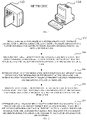
- a method for determining material-cage stacking can be applied to an environment illustrated in FIG. 1 .
- an image obtaining device 102 communicates with a computer device 104 via a network.
- the image obtaining device 102 obtains a material-cage image by photographing a first stacking apparatus of the first material cage and a second stacking apparatus of the second material cage, and then transmits the material-cage image to the computer device 104.
- the computer device 104 performs first target detection on the material-cage image with a first detection model to recognize the first stacking apparatus of the first material cage and the second stacking apparatus of the second material cage.
- the computer device 104 determines first location information of the first stacking apparatus and second location information of the second stacking apparatus, and determines a first stacking result based on the first location information and the second location information.
- the computer device 104 performs second target detection on the material-cage image with a second detection model to extract feature information of the material-cage image, and obtains a second stacking result based on the feature information.
- the computer device 104 determines a final stacking result, i.e., the final stacking result is whether the first material cage can be stacked on the second material cage, based on the first stacking result and the second stacking result. Trigger operations of stacking the first material cage on the second material cage if it is determined that the first material cage can be stacked on the second material cage.
- the image obtaining device 102 may be but is not limited to various image photographing apparatuses, e.g., a high definition (HD) camera, an HD in-vehicle camera, a charge coupled device (CCD) camera, a scanner, or a mobile phone with a camera function.
- a high definition (HD) camera e.g., an HD in-vehicle camera, a charge coupled device (CCD) camera, a scanner, or a mobile phone with a camera function.
- CCD charge coupled device
- the computer device 104 may specifically be a terminal or a server, where the terminal may be but is not limited to various personal computers, notebook computers, smart phones, tablet computers, portable wearable devices, or industrial personal computers (IPCs) on warehousing and transportation tools, and the server may be implemented by an independent server or a server cluster composed of multiple servers.
- the terminal may be but is not limited to various personal computers, notebook computers, smart phones, tablet computers, portable wearable devices, or industrial personal computers (IPCs) on warehousing and transportation tools
- the server may be implemented by an independent server or a server cluster composed of multiple servers.
- the above feature information may be profile information, e.g., profile information of the first stacking apparatus and the second stacking apparatus.
- profile information e.g., profile information of the first stacking apparatus and the second stacking apparatus.
- the profile information includes profile information of the foot cups and profile information of the piers, and thus whether objects in the material-cage image are foot cups and piers can be determined according to the profile information.
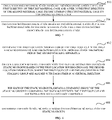
- a method for determining material-cage stacking is provided.
- the method applied to the computer device in FIG. 1 is taken as an example for illustration.
- the method includes the following operations.
- a material-cage image is obtained by photographing a first stacking apparatus of a first material cage and a second stacking apparatus of a second material cage. The operation at 202 is performed before stacking the first material cage on the second material cage.
- first, second, and the like herein are only used for ease of description and not intended to limit orders or structures of material cages.
- the first material cage and the second material cage may have a same structure, and the first stacking apparatus and the second stacking apparatus may also have a same structure.
- the first material cage and the second material cage are collectively called material cages, and the first stacking apparatus and the second stacking apparatus are collectively called stacking apparatuses.
- the material cages are generally of logistics containers composed of metal and steel raw materials welded and are used to store goods.
- the material cages may also be made of other materials, e.g., wood, plastics, or other metals. It is possible to improve effective utilization of warehousing space by material-cage stacking.
- the stacking apparatuses are a foot cup and a pier on a same material cage, and in the same material cage, the foot cup is located under the pier when the material cage is to be stacked on another material cage or is stacked on another material cage, referring to FIG. 3A and FIG. 3B , which are schematic structural diagrams illustrating material cages.
- a material cage includes a material-cage body for carrying goods, a foot cup disposed on a first surface of the material-cage body, and a pier disposed on a second surface of the material-cage body, where a pier of one material cage can be matched with a foot cup of the other material cage to-be-stacked, to realize stacking between the two material cages.
- N foot cups and N piers are included, preferably 4 ⁇ N .
- N 4 ⁇ N .
- N 4, referring to FIG. 3A and FIG. 3B , which are schematic structural diagrams illustrating material cages.
- a foot cup located at a first surface of the first material cage is matched with a pier located at a second surface of the second material cage when the two material cages need to be stacked.
- the matched foot cup and the pier are aligned with each other in a vertical direction, forming a stacking group.
- the two stacked material cages totally have 4 stacking groups when each material cage includes 4 foot cups and 4 piers.
- a material cage may further include more or less foot cups and piers, e.g., each material cage has 6 foot cups and 6 piers, which is not limited herein.
- a material cage further includes limit baffles, where the limit baffles are disposed on opposite sides of the second surface of the material-cage body and used to prevent goods from falling from the material-cage body.
- a warehousing unmanned forklift includes an IPC and an image obtaining device, where the IPC and the image obtaining device are in a same internal network, referring to a FIG. 4 , which is a schematic structural diagram illustrating a warehousing unmanned forklift. Specifically, before stacking the first material cage on the second material cage, the warehousing unmanned forklift photographs the first stacking apparatus of the first material cage and the second stacking apparatus of the second material cage with the image obtaining device, and the IPC of the warehousing unmanned forklift obtains the material-cage image photographed with the image obtaining device.
- the image obtaining device of the warehousing unmanned forklift photographs the first stacking apparatus of the first material cage and the second stacking apparatus of the second material cage and obtains the photographed material-cage image with the IPC of the warehousing unmanned forklift.
- the image obtaining device may be but is not limited to various image photographing apparatuses, e.g., an HD camera, an HD in-vehicle camera, a CCD camera, a scanner, a mobile phone with a camera function, a tablet computer, or other devices, and the warehousing unmanned forklift may be but is not limited to various unmanned devices, e.g., unmanned vehicles, unmanned aerial vehicles (UAVs), or the like.
- various image photographing apparatuses e.g., an HD camera, an HD in-vehicle camera, a CCD camera, a scanner, a mobile phone with a camera function, a tablet computer, or other devices
- the warehousing unmanned forklift may be but is not limited to various unmanned devices, e.g., unmanned vehicles, unmanned aerial vehicles (UAVs), or the like.
- first target detection is performed on the material-cage image with a first detection model to recognize the first stacking apparatus of the first material cage and the second stacking apparatus of the second material cage.
- the first detection model is a detection model of the computer device, e.g., a detection model you only look once v5 (Yolov5) deployed on the IPC of the warehousing unmanned forklift through open visual inference & neural network optimization (OpenVINO), where the detection model is run through programs set by the IPC.
- Open VINO is a comprehensive toolkit for rapid development of applications and solutions.
- the Yolov5 algorithm belongs to a Yolo algorithm series and is a deep neural network-based object recognition and positioning algorithm for quick and efficient target detection.
- the computer device performs the first target detection by inputting the obtained material-cage image to the first detection model, to recognize the first stacking apparatus of the first material cage and the second stacking apparatus of the second material cage according to the material-cage image.
- the IPC of the warehousing unmanned forklift performs the first target detection by inputting the material-cage image to the first detection model Yolov5 deployed through the OpenVINO, to recognize the first stacking apparatus of the first material cage and the second stacking apparatus of the second material cage through the target detection.
- first location information of the first stacking apparatus and second location information of the second stacking apparatus are determined, and a first stacking result is determined based on the first location information and the second location information.
- the first location information is coordinate information of the first stacking apparatus
- the second location information is coordinate information of the second stacking apparatus.
- the first stacking result is whether the first material cage can be stacked on the second material cage. If the first material cage can be stacked on the second material cage, the first stacking result is "success” and can be recorded as 1. If the first material cage cannot be stacked on the second material cage, the first stacking result is "fail" and can be recorded as 0.
- the computer device determines first coordinate information of the first stacking apparatus and second coordinate information of the second stacking apparatus based on the first stacking apparatus and the second stacking apparatus recognized with the first detection model, and determines the first stacking result based on the first coordinate information and the second coordinate information.
- the IPC of the warehousing unmanned forklift obtains the first coordinate information of the first stacking apparatus and the second coordinate information of the second stacking apparatus based on the first stacking apparatus and the second stacking apparatus recognized with the first detection model, and determines the first stacking result based on the first coordinate information and the second coordinate information.
- the first stacking result is "success" and can be recorded as 1.
- the first stacking result is "fail" and can be recorded as 0.
- second target detection is performed on the material-cage image with a second detection model to extract feature information of the material-cage image, and a second stacking result is obtained based on the feature information.
- the second detection model is a detection model Yolov5 deployed on the IPC through the OpenVINO and run through programs set by the IPC.
- the Open VINO is a comprehensive toolkit for rapid development of applications and solutions.
- the Yolov5 is used for quick and efficient target detection.
- the second detection model can directly obtain a detection result according to an inputted image.
- the second stacking result is whether the first material cage can be stacked on the second material cage. If the first material cage can be stacked on the second material cage, the second stacking result is "success" and can be recorded as 1. If the first material cage cannot be stacked on the second material cage, the second stacking result is "fail" and can be recorded as 0.
- the computer device performs the second target detection by inputting the obtained material-cage image to the second detection model to extract the feature information of the material-cage image, and obtains the second stacking result based on the feature information.
- the feature information for example may be an image feature.
- the IPC of the warehousing unmanned forklift performs the second target detection by inputting the material-cage image to the second detection model Yolov5 deployed through the Open VINO to extract an image feature of the material-cage image, and the second detection model directly obtains the second stacking result based on the image feature.
- the second stacking result is "success" and can be recorded as 1.
- the second stacking result is "fail" and can be recorded as 0.
- a final stacking result i.e., whether the first material cage can be stacked on the second material cage, is determined based on the first stacking result and the second stacking result. If the first material cage can be stacked on the second material cage, operations of stacking the first material cage on the second material cage can be triggered. Otherwise, if the first material cage cannot be stacked on the second material cage, operations of preventing the first material cage from being stacked on the second material cage can be triggered.
- the computer device determines the final stacking result of the first material cage and the second material cage based on the first stacking result and the second stacking result.
- the final stacking result may be a result that the IPC of the warehousing unmanned forklift triggers the operations of stacking the first material cage on the second material cage or a result that the warehousing unmanned forklift prevents the first material cage from being stacked on the second material cage, where the preventing operations may be indication information or operations of directly forbidding the warehousing unmanned forklift from stacking the first material cage on the second material cage.
- the material-cage image is obtained by photographing the stacking apparatuses of the first material cage and the second material cage.
- the stacking apparatuses of the two material cages in the material-cage image can be recognized respectively with the two detection models.
- the first stacking result is obtained by obtaining the location information of the stacking apparatuses of the two material cages with the first detection model, and the second stacking result is obtained with the second detection model.
- the final stacking result can be obtained based on the stacking results that are obtained with the two detection models in different manners. As such, it is possible to determine with the two detection models whether the material cages can be stacked quickly and accurately, greatly increasing determining efficiency of material-cage stacking compared with manual determination of whether the two material cages can be stacked in the related art.
- the material-cage image includes a first material-cage image and a second material-cage image.
- the material-cage image is obtained by photographing the first stacking apparatus of the first material cage and the second stacking apparatus of the second material cage as follows.
- the first material-cage image is obtained by photographing the first stacking apparatus in a first direction of the first material cage and the second stacking apparatus in the first direction of the second material cage.
- the second material-cage image is obtained by photographing the first stacking apparatus in a second direction of the first material cage and the second stacking apparatus in the second direction of the second material cage, where the first direction is different from the second direction.
- the image obtaining device is placed at two sides of the warehousing unmanned forklift, i.e., the image obtaining device includes a first image obtaining device and a second image obtaining device, referring to FIG. 4 , which illustrates locations of image obtaining devices installed on the warehousing unmanned forklift.
- the first direction and the second direction are the two sides of the warehousing unmanned forklift.
- the first image obtaining device is used to obtain an image in the second direction
- the second image obtaining device is used to obtain an image in the first direction, where the first direction may be a left side of the warehousing unmanned forklift, and the second direction may be a right side of the warehousing unmanned forklift.
- the second image obtaining device obtains the first material-cage image by photographing the first stacking apparatus in the first direction of the first material cage and the second stacking apparatus in the first direction of the second material cage, and the first image obtaining device obtains the second material-cage image by photographing the first stacking apparatus in the second direction of the first material cage and the second stacking apparatus in the second direction of the second material cage.
- the second image obtaining device at the left side of the warehousing unmanned forklift obtains the first material-cage image by photographing stacking apparatuses at a right side of the first material cage and the second material cage
- the first image obtaining device at the right side of the warehousing unmanned forklift obtains the second material-cage image by photographing stacking apparatuses at a left side of the first material cage and the second material cage.
- the first material-cage image is obtained by photographing the first stacking apparatus in the first direction of the first material cage and the second stacking apparatus in the first direction of the second material cage
- the second material-cage image is obtained by photographing the first stacking apparatus in the second direction of the first material cage and the second stacking apparatus in the second direction of the second material cage.
- the stacking apparatuses each include foot cups and piers matched with the foot cups.
- the first material-cage image is obtained by photographing the first stacking apparatus in the first direction of the first material cage and the second stacking apparatus in the first direction of the second material cage
- the second material-cage image is obtained by photographing the first stacking apparatus in the second direction of the first material cage and the second stacking apparatus in the second direction of the second material cage as follows.
- the first material-cage image is obtained by photographing a foot cup in the first direction of the first material cage and a pier in the first direction of the second material cage.
- the second image obtaining device of the warehousing unmanned forklift obtains the first material-cage image by photographing the foot cup in the first direction of the first material cage and the pier in the first direction of the second material cage.
- the second image obtaining device at the left side of the warehousing unmanned forklift obtains the first material-cage image by photographing a foot cup at the right side of the first material cage and a pier at the right side of the second material cage.
- the second material-cage image is obtained by photographing a foot cup in the second direction of the first material cage and a pier in the second direction of the second material cage.
- the first image obtaining device of the warehousing unmanned forklift obtains the second material-cage image by photographing the foot cup in the second direction of the first material cage and the pier in the second direction of the second material cage.
- the first image obtaining device at the right side of the warehousing unmanned forklift obtains the second material-cage image by photographing a foot cup at the left side of the first material cage and a pier at the left side of the second material cage.
- the first material-cage image is obtained by photographing the foot cup in the first direction of the first material cage and the pier in the first direction of the second material cage
- the second material-cage image is obtained by photographing the foot cup in the second direction of the first material cage and the pier in the second direction of the second material cage.
- the first target detection is performed on the material-cage image with the first detection model to recognize the first stacking apparatus of the first material cage and the second stacking apparatus of the second material cage as follows.
- the feature information of the material-cage image is obtained with the first detection model, and the first stacking apparatus of the first material cage and the second stacking apparatus of the second material cage are recognized according to the feature information.
- the first detection model is a detection model Yolov5 deployed on the IPC through the OpenVINO and run through programs set by the IPC.
- the OpenVINO is a comprehensive toolkit for rapid development of applications and solutions.
- the Yolov5 is for quick and efficient target detection.
- the computer device obtains feature information of an object in the material-cage image in real time with the aid of the first detection model by inputting the obtained material-cage image to the first detection model, and recognizes the first stacking apparatus of the first material cage and the second stacking apparatus of the second material cage by classifying the object based on the feature information of the object.
- the IPC of the warehousing unmanned forklift inputs the material-cage image to the first detection model Yolov5 deployed through the OpenVINO
- the first detection model obtains feature information of an object in the material-cage image in real time, and recognizes the first stacking apparatus of the first material cage and the second stacking apparatus of the second material cage by classifying the object based on the feature information of the object.
- the implementation by obtaining the feature information of the material-cage image with the first detection model, and recognizing the first stacking apparatus of the first material cage and the second stacking apparatus of the second material cage according to the feature information, information of the first stacking apparatus and the second stacking apparatus that are obtained with the first detection model can be obtained in real time, which is beneficial to determining the final stacking result of material-cage stacking and further improving reliability and accuracy of the final stacking result.
- the first material cage has first surface B and second surface A opposite to the first surface B, where the first surface B may be a bottom surface of the first material cage, and the second surface A may be a top surface of the first material cage.
- the first surface B refers to a surface of the first material cage close to or in contact with the second material cage when the first material cage is stacked on the second material cage.
- the first surface B of the first material cage has first foot cup D, and the second surface A has first pier C.
- First surface B' of the second material cage has second foot cup D', and second surface A' has second pier C'.
- the first foot cup D and the second pier C' compose a stacking group when the first material cage is stacked on the second material cage.
- the first location information of the first stacking apparatus and the second location information of the second stacking apparatus are determined, and the first stacking result is determined based on the first location information and the second location information as follows.
- the first location information of the first foot cup in the first stacking apparatus and the second location information of the second pier in the second stacking apparatus are determined.
- the first location information of the first foot cup in the first stacking apparatus is first coordinate information of the first foot cup in the first surface of the first material cage
- the second location information of the second pier in the second stacking apparatus is second coordinate information of the second pier in the second surface of the second material cage.
- the computer device assigns a midpoint of a rectangular frame defined by the first foot cup and the second pier as a positioning point of the first foot cup and the second pier, and obtains the first location information of the first foot cup in the first stacking apparatus and the second location information of the second pier in the second stacking apparatus in real time according to internal and external parameters of an image obtaining device (e.g., a camera) and an equation of ground in a coordinate system of the image obtaining device.
- an image obtaining device e.g., a camera
- a distance between the first foot cup and the second pier in each of stacking groups is obtained based on the first location information and the second location information, where the first foot cup and the second pier in the stacking group are aligned with each other in a vertical direction when the first material cage is stacked on the second material cage.
- a material cage includes 4 piers and 4 foot cups.
- a pier and a foot cup aligned with each other in a vertical direction compose a stacking group when the first material cage is stacked on the second material cage, therefore there can be 4 stacking groups.
- the computer device obtains the distance between the first foot cup and the second pier in each of the stacking groups based on the first location information and the second location information obtained in real time.
- the computer device performs subtraction on the first coordinate information of the first foot cup in the first stacking device and the second coordinate information of the second pier in the second stacking device, and a result of the subtraction represents the distance between the first foot cup and the second pier in each stacking group.
- a comparing result of the stacking group is obtained by comparing the distance between the first foot cup and the second pier with a distance threshold.
- the computer device obtains the comparing result of the stacking group by comparing the distance between the first foot cup and the second pier in the stacking group with the distance threshold.
- the comparing result of the stacking group represents that the stacking group can be stacked when the distance between the first foot cup and the second pier in the stacking group is less than the distance threshold.
- the comparing result of the stacking group represents that the stacking group cannot be stacked when the distance between the first foot cup and the second pier in the stacking group is greater than or equal to the distance threshold.
- the distance threshold can be modified according to a shape of an actual material cage on site, which generally can be set to 1cm.
- the first stacking result is determined based on the comparing results of the stacking groups.
- the computer device determines the first stacking result based on the comparing results of the stacking groups.
- the first stacking result is determined to be each of the comparing results of the stacking groups.
- the computer device can directly determine the first stacking result to be the comparing results of the stacking groups.
- the first stacking result includes results of whether each stacking group can be stacked.
- the computer device determines the first stacking result based on the comparing results of the stacking groups.
- the first stacking result is that the first material cage can be stacked on the second material cage when the comparing results each indicate that the first material cage can be stacked on the second material cage.
- the first stacking result is that the first material cage can be stacked on the second material cage when all comparing results of all stacking groups each represent that the first material cage can be stacked on the second material cage.
- the first stacking result is that the first material cage cannot be stacked on the second material cage when any one comparing result indicates that the first material cage cannot be stacked on the second material cage.
- the first location information of the first foot cup in the first stacking apparatus and the second location information of the second pier in the second stacking apparatus are determined first.
- the distance between the first foot cup and the second pier in each of the stacking groups is obtained based on the first location information and the second location information.
- the comparing result of the stacking group is obtained by comparing the distance between the first foot cup and the second pier in the stacking group with the distance threshold.
- the first stacking result is determined based on the comparing results of the stacking groups. As such, it is beneficial to subsequently determining the final stacking result further in combination with the second stacking result, thereby improving efficiency of material-cage stacking.
- the method before performing the second target detection on the material-cage image with the second detection model to extract the feature information of the material-cage image and obtaining the second stacking result based on the feature information, the method further includes the following.
- a material-cage image sample is obtained, where the material-cage image sample includes a first material-cage sample image of two material cages which can be stacked and a second material-cage sample image of two material cages which cannot be stacked.
- the computer device obtains one or more material-cage image samples with the image obtaining device of the warehousing unmanned forklift, where the material-cage image sample includes the first material-cage sample image of two material cages which can be stacked and the second material-cage sample image of two material cages which cannot be stacked.
- the second detection model is trained with the material-cage image sample and a label corresponding to the material-cage image sample and indicating whether two material cages can be stacked, to obtain a trained second detection model.
- the computer device trains the Yolov5-based second detection model with the material-cage image sample and the label corresponding to the material-cage image sample and indicating whether two material cages can be stacked, to obtain the trained second detection model, where the second detection model can directly obtain a material-cage stacking result according to the material-cage image sample.
- the material-cage image sample is obtained, where the material-cage image sample includes the first material-cage sample image of two material cages which can be stacked and the second material-cage sample image of two material cages which cannot be stacked.
- the second detection model is trained with the material-cage image sample and the label corresponding to the material-cage image sample and indicating whether two material cages can be stacked, to obtain the trained second detection model. Therefore, in a real scenario, the second stacking result can be directly obtained by inputting the obtained material-cage image to the trained second detection model, which is beneficial to subsequently determining the final stacking result further in combination with the first stacking result, thereby improving efficiency of material-cage stacking.
- whether the first material cage can be stacked on the second material cage is determined based on the first stacking result and the second stacking result as follows.
- stacking data is obtained by weighting and summing the first stacking result and the second stacking result with a stacking determining model.
- the stacking determining model is a trained classifier. A weight of the first stacking result and a weight of the second stacking result can be obtained with the trained classifier and a stacking threshold can be determined.
- the computer device inputs the first stacking result and the second stacking result to the stacking determining model, and obtains the stacking data by weighting and summing the first stacking result and the second stacking result according to the weight of the first stacking result and the weight of the second stacking result in the stacking determining model.
- the stacking determining model is the trained classifier.
- the computer device inputs a comparing result of a stacking group in the first stacking result and a comparing result of a stacking group in the second stacking result to the classifier. Then based on a weight distribution of the two stacking results in the classifier, first stacking data is obtained by multiplying the first stacking result and the weight of the first stacking result, and second stacking data is obtained by multiplying the second stacking result and the weight of the second stacking result.
- the stacking data is obtained by adding the first stacking data to the second stacking data.
- whether the first material cage can be stacked on the second material cage is determined by comparing the stacking data with the stacking threshold.
- the computer device determines whether the first material cage can be stacked on the second material cage by comparing the stacking data with the stacking threshold. It is determined that the first material cage can be stacked on the second material cage when the stacking results each indicate that the first material cage can be stacked on the second material cage.
- a perception program outputs the final stacking result of the two material cages to a main program of the warehousing unmanned forklift based on javascript object notation remote procedure call (JSONRPC) communication, where the JSONRPC is a JSON-based cross-language remote call transfer protocol.
- JSONRPC javascript object notation remote procedure call
- the warehousing unmanned forklift triggers the operations of stacking the first material cage on the second material cage to directly stack the first material cage on the second material cage.
- the warehousing unmanned forklift triggers the operations of preventing the first material cage from being stacked on the second material cage, reports an error, and stops a current action.
- the stacking data is obtained by weighting and summing the first stacking result and the second stacking result with the stacking determining model first. Whether the first material cage can be stacked on the second material cage is determined by comparing the stacking data with the stacking threshold. Therefore, whether the two material cages can be stacked can be determined quickly and accurately by comprehensively considering the two stacking results with the stacking determining model, thereby improving efficiency of material-cage stacking.
- FIG. 2 and FIGS. 5-8 are shown in sequence according to the arrows, these steps are not necessarily executed in the sequence shown by the arrows. Unless explicitly stated herein, the execution of these steps is not strictly limited to the order, and the steps may be executed in other orders. Moreover, at least a part of the steps in FIG. 2 and FIGS. 5-8 may include multiple steps or multiple stages, and these steps or stages are not necessarily executed at the same time, but may be executed at different times, and the execution sequence of these steps or stages is also It does not have to be performed sequentially, but may be performed alternately or alternately with other steps or at least a portion of the steps or stages within the other steps.
- An apparatus 900 includes an obtaining module 902, a first processing module 904, a first determining module 906, a second processing module 908, and a second determining module 910.
- the obtaining module 902 is configured to obtain a material-cage image by photographing a first stacking apparatus of a first material cage and a second stacking apparatus of a second material cage.
- the obtaining module may be an apparatus with an image obtaining function such as a camera, a camcorder, a webcam, or the like.
- the first processing module 904 is configured to perform first target detection on the material-cage image with a first detection model to recognize the first stacking apparatus of the first material cage and the second stacking apparatus of the second material cage.
- the first determining module 906 is configured to determine a first stacking result based on first location information of the first stacking apparatus and second location information of the second stacking apparatus.
- the second processing module 908 is configured to perform second target detection on the material-cage image with a second detection model to extract feature information of the material-cage image, and obtain a second stacking result based on the feature information.
- the second determining module 910 is configured to determine a final stacking result, i.e., the final stacking result is whether the first material cage can be stacked on the second material cage, based on the first stacking result and the second stacking result. Trigger operations of stacking the first material cage on the second material cage if it is determined determining that the first material cage can be stacked on the second material cage. Trigger operations of preventing the first material cage from being stacked on the second material cage if it is determined determining that the first material cage cannot be stacked on the second material cage.
- the obtaining module 902 before stacking the first material cage on the second material cage, is configured to obtain the first material-cage image by photographing the first stacking apparatus in a first direction of the first material cage and the second stacking apparatus in the first direction of the second material cage.
- the obtaining module 902 is further configured to obtain the second material-cage image by photographing the first stacking apparatus in a second direction of the first material cage and the second stacking apparatus in the second direction of the second material cage, where the first direction is different from the second direction.
- the obtaining module 902 before stacking the first material cage on the second material cage, is configured to obtain the first material-cage image by photographing a foot cup in the first direction of the first material cage and a pier in the first direction of the second material cage.
- the obtaining module 902 is further configured to obtain the second material-cage image by photographing a foot cup in the second direction of the first material cage and a pier in the second direction of the second material cage.
- the first processing module 904 is configured to obtain the feature information of the material-cage image with the first detection model, and recognize the first stacking apparatus of the first material cage and the second stacking apparatus of the second material cage according to the feature information.
- the first determining module 906 is configured to determine the first location information of the first foot cup in the first stacking apparatus and the second location information of the second pier in the second stacking apparatus.
- the first determining module 906 is further configured to obtain a distance between the first foot cup and the second pier in each of stacking groups based on the first location information and the second location information, where the first foot cup and the second pier in a same stacking group are aligned with each other in a vertical direction when the first material cage is stacked on the second material cage; for each of the stacking groups.
- the first determining module 906 is further configured to obtain a comparing result of the stacking group by comparing the distance between the first foot cup and the second pier with a distance threshold, and determine the first stacking result based on the comparing results of the stacking groups.
- the apparatus further includes a training module 912.
- the training module 912 is configured to obtain a material-cage image sample, where the material-cage image sample includes a first material-cage sample image of two material cages which can be stacked and a second material-cage sample image of two material cages which cannot be stacked.
- the training module 912 is further configured to train the second detection model with the material-cage image sample and a label corresponding to the material-cage image sample and indicating whether two material cages can be stacked, to obtain a trained second detection model.
- the second determining module is configured to obtain stacking data by weighting and summing the first stacking result and the second stacking result with a stacking determining model, and determine whether the first material cage can be stacked on the second material cage by comparing the stacking data with a stacking threshold.
- each module in the above-mentioned apparatus for determining material-cage stacking can be implemented in whole or in part by software, hardware, and combinations thereof.
- the above modules can be embedded in or independent of a processor in the computer device in the form of hardware, or stored in a memory in the computer device in the form of software, so that the processor can invoke and execute the operations corresponding to the above modules.
- a computer device is provided.
- the computer device may be a server, and an internal structural diagram thereof is illustrated in FIG. 11 .
- the computer device includes a processor coupled via a system bus, a memory, and a network interface.
- the processor of the computer device is configured to provide computing and control functions.
- the memory of the computer device includes a non-volatile storage medium or an internal memory.
- the non-volatile storage medium is configured to store an operating system, a computer program, and a data base.
- the internal memory is configured to provide an environment for running of the operating system and the computer program in the non-volatile storage medium.
- the data base of the computer device is configured to store determining data of material-cage stacking.
- the network interface of the computer device is configured to communicate with an external terminal through network connection.
- the computer program is executed by the processor to implement a method for determining material-cage stacking.
- the processor is coupled with an image obtaining apparatus such as a camera, to obtain the above-mentioned material-cage image with the image obtaining apparatus.
- the image obtaining apparatus may be a component or an external component of the computer device.
- FIG. 11 is only a block diagram of a part of the structure related to the solution of the present disclosure, and does not constitute a limitation on the computer device to which the solution of the present disclosure is applied. Include more or fewer components than illustrated in the figures, or combine certain components, or have a different arrangement of components.
- a computer device includes a memory and a processor.
- the memory is configured to store computer programs which, when executed by a processor, enable the processor to execute the following.
- a material-cage image is obtained by photographing a first stacking apparatus of a first material cage and a second stacking apparatus of a second material cage with an image obtaining device.
- First target detection is performed on the material-cage image with a first detection model to recognize the first stacking apparatus of the first material cage and the second stacking apparatus of the second material cage.
- First location information of the first stacking apparatus and second location information of the second stacking apparatus are determined, and a first stacking result is determined based on the first location information and the second location information.
- Second target detection is performed on the material-cage image with a second detection model to extract feature information of the material-cage image, and obtain a second stacking result based on the feature information. Whether the first material cage can be stacked on the second material cage is determined, based on the first stacking result and the second stacking result. Trigger operations of stacking the first material cage on the second material cage if it is determined determining that the first material cage can be stacked on the second material cage. Trigger operations of preventing the first material cage from being stacked on the second material cage if it is determined determining that the first material cage cannot be stacked on the second material cage.
- the processor further implements the following when executing the computer programs.
- the first material-cage image is obtained by photographing the first stacking apparatus in a first direction of the first material cage and the second stacking apparatus in the first direction of the second material cage
- the second material-cage image is obtained by photographing the first stacking apparatus in a second direction of the first material cage and the second stacking apparatus in the second direction of the second material cage with the image obtaining device, where the first direction is different from the second direction.
- the processor further implements the following when executing the computer programs.
- the first material-cage image is obtained by photographing a foot cup in the first direction of the first material cage and a pier in the first direction of the second material cage
- the second material-cage image is obtained by photographing a foot cup in the second direction of the first material cage and a pier in the second direction of the second material cage with the image obtaining device.
- the processor further implements the following when executing the computer programs.
- the feature information of the material-cage image is obtained with the first detection model, and the first stacking apparatus of the first material cage and the second stacking apparatus of the second material cage are recognized according to the feature information.
- the processor further implements the following when executing the computer programs.
- the first location information of the first foot cup in the first stacking apparatus and the second location information of the second pier in the second stacking apparatus are determined.
- a distance between the first foot cup and the second pier in each of stacking groups is obtained based on the first location information and the second location information, where the first foot cup and the second pier in a same stacking group are aligned with each other in a vertical direction when the first material cage is stacked on the second material cage.
- a comparing result of the stacking group is obtained by comparing the distance between the first foot cup and the second pier with a distance threshold.
- the first stacking result is determined based on the comparing results of the stacking groups.
- the processor further implements the following when executing the computer programs.
- a material-cage image sample is obtained, where the material-cage image sample includes a first material-cage sample image of two material cages which can be stacked and a second material-cage sample image of two material cages which cannot be stacked.
- the second detection model is trained with the material-cage image sample and a label corresponding to the material-cage image sample and indicating whether two material cages can be stacked, to obtain a trained second detection model.
- the processor further implements the following when executing the computer programs.
- Stacking data is obtained by weighting and summing the first stacking result and the second stacking result with a stacking determining model. Whether the first material cage can be stacked on the second material cage is determined by comparing the stacking data with a stacking threshold.
- a non-volatile computer-readable storage medium configured to store computer programs which, when executed by a computer, enable the computer to execute the following.
- a material-cage image is obtained by photographing a first stacking apparatus of a first material cage and a second stacking apparatus of a second material cage.
- First target detection is performed on the material-cage image with a first detection model to recognize the first stacking apparatus of the first material cage and the second stacking apparatus of the second material cage.
- First location information of the first stacking apparatus and second location information of the second stacking apparatus are determined, and a first stacking result is determined based on the first location information and the second location information.
- Second target detection is performed on the material-cage image with a second detection model to extract feature information of the material-cage image, and obtain a second stacking result based on the feature information. Whether the first material cage can be stacked on the second material cage is determined, based on the first stacking result and the second stacking result.
- the computer further implements the following when executing the computer programs.
- the first material-cage image is obtained by photographing the first stacking apparatus in a first direction of the first material cage and the second stacking apparatus in the first direction of the second material cage with the image obtaining apparatus
- the second material-cage image is obtained by photographing the first stacking apparatus in a second direction of the first material cage and the second stacking apparatus in the second direction of the second material cage with the image obtaining device, where the first direction is different from the second direction.
- the computer further implements the following when executing the computer programs.
- the first material-cage image is obtained by photographing a foot cup in the first direction of the first material cage and a pier in the first direction of the second material cage with the image obtaining apparatus
- the second material-cage image is obtained by photographing a foot cup in the second direction of the first material cage and a pier in the second direction of the second material cage with the image obtaining device.
- the computer further implements the following when executing the computer programs.
- the feature information of the material-cage image is obtained with the first detection model, and the first stacking apparatus of the first material cage and the second stacking apparatus of the second material cage are recognized according to the feature information.
- the computer further implements the following when executing the computer programs.
- the first location information of the first foot cup in the first stacking apparatus and the second location information of the second pier in the second stacking apparatus are determined.
- a distance between the first foot cup and the second pier in each of stacking groups is obtained based on the first location information and the second location information, where the first foot cup and the second pier in a same stacking group are aligned with each other in a vertical direction when the first material cage is stacked on the second material cage.
- a comparing result of the stacking group is obtained by comparing the distance between the first foot cup and the second pier with a distance threshold.
- the first stacking result is determined based on the comparing results of the stacking groups.
- the computer further implements the following when executing the computer programs.
- a material-cage image sample is obtained, where the material-cage image sample includes a first material-cage sample image of two material cages which can be stacked and a second material-cage sample image of two material cages which cannot be stacked.
- the second detection model is trained with the material-cage image sample and a label corresponding to the material-cage image sample and indicating whether two material cages can be stacked, to obtain a trained second detection model.
- the computer further implements the following when executing the computer programs.
- Stacking data is obtained by weighting and summing the first stacking result and the second stacking result with a stacking determining model. Whether the first material cage can be stacked on the second material cage is determined by comparing the stacking data with a stacking threshold.
- the computer program can be stored in a non-volatile computer-readable storage medium, the computer program, when executed, may include the processes of the above-mentioned method implementations.
- Any reference to memory, storage, data base or other media used in the various implementations provided in this disclosure may include at least one of a non-volatile memory or a volatile memory.
- the non-volatile memory may include a read-only memory (ROM), a magnetic tape, a floppy disk, a flash memory, an optical memory, or the like.
- the volatile memory may include a random access memory (RAM) or external cache memory.
- the RAM may be in various forms, such as a static random access memory (SRAM), a dynamic random access memory (DRAM), or the like.
Landscapes
- Engineering & Computer Science (AREA)
- Transportation (AREA)
- Structural Engineering (AREA)
- Physics & Mathematics (AREA)
- Theoretical Computer Science (AREA)
- General Physics & Mathematics (AREA)
- Mechanical Engineering (AREA)
- Computer Vision & Pattern Recognition (AREA)
- Life Sciences & Earth Sciences (AREA)
- Geology (AREA)
- Civil Engineering (AREA)
- Geometry (AREA)
- Multimedia (AREA)
- Image Analysis (AREA)
- Image Processing (AREA)
- Warehouses Or Storage Devices (AREA)
- Length Measuring Devices By Optical Means (AREA)
Applications Claiming Priority (1)
| Application Number | Priority Date | Filing Date | Title |
|---|---|---|---|
| CN202110648779.8A CN115471730B (zh) | 2021-06-10 | 2021-06-10 | 料笼堆叠的确认方法、装置、计算机设备和存储介质 |
Publications (3)
| Publication Number | Publication Date |
|---|---|
| EP4101795A1 true EP4101795A1 (de) | 2022-12-14 |
| EP4101795C0 EP4101795C0 (de) | 2025-12-03 |
| EP4101795B1 EP4101795B1 (de) | 2025-12-03 |
Family
ID=81975400
Family Applications (1)
| Application Number | Title | Priority Date | Filing Date |
|---|---|---|---|
| EP22177559.6A Active EP4101795B1 (de) | 2021-06-10 | 2022-06-07 | Verfahren zum bestimmen der materialkorbstapelung und rechnervorrichtung |
Country Status (6)
| Country | Link |
|---|---|
| US (3) | US12084290B2 (de) |
| EP (1) | EP4101795B1 (de) |
| JP (1) | JP7366195B2 (de) |
| KR (1) | KR102888752B1 (de) |
| CN (1) | CN115471730B (de) |
| ES (1) | ES3056181T3 (de) |
Families Citing this family (3)
| Publication number | Priority date | Publication date | Assignee | Title |
|---|---|---|---|---|
| CN116188767B (zh) * | 2023-01-13 | 2023-09-08 | 湖北普罗格科技股份有限公司 | 一种基于神经网络的堆叠木板计数方法及系统 |
| CN120107344A (zh) | 2025-01-27 | 2025-06-06 | 未来机器人(深圳)有限公司 | 一种对齐状态确认方法、控制系统及搬运设备 |
| CN120122727A (zh) * | 2025-01-27 | 2025-06-10 | 未来机器人(深圳)有限公司 | 一种堆叠状态的确认方法、系统及设备 |
Citations (2)
| Publication number | Priority date | Publication date | Assignee | Title |
|---|---|---|---|---|
| CN112327320A (zh) * | 2020-10-19 | 2021-02-05 | 未来机器人(深圳)有限公司 | 料笼插孔位姿检测方法及料笼搬运堆叠方法 |
| CN112660686A (zh) * | 2021-03-17 | 2021-04-16 | 杭州蓝芯科技有限公司 | 基于深度相机的料笼堆叠方法及装置、电子设备、系统 |
Family Cites Families (15)
| Publication number | Priority date | Publication date | Assignee | Title |
|---|---|---|---|---|
| JP6267175B2 (ja) * | 2015-11-20 | 2018-01-24 | ファナック株式会社 | 物品を積む位置を設定する積み付けパターン計算装置 |
| KR101772294B1 (ko) * | 2015-12-18 | 2017-08-29 | 주식회사 지에스리테일 | 배송박스 적재 자동화 장치 |
| JP6455681B2 (ja) * | 2016-01-12 | 2019-01-23 | 株式会社ダイフク | 段積みコンテナの異常検出装置 |
| DE102016109017B4 (de) * | 2016-05-17 | 2018-06-14 | Wincor Nixdorf International Gmbh | Kistenstapelsystem und Kistenstapelvorrichtung |
| JP6680732B2 (ja) * | 2017-08-23 | 2020-04-15 | ファナック株式会社 | 物品積み付け装置及び機械学習装置 |
| JP7218521B2 (ja) * | 2018-09-12 | 2023-02-07 | 富士電機株式会社 | ピッキングシステム |
| US11046519B2 (en) * | 2019-02-25 | 2021-06-29 | Rehrig Pacific Company | Delivery system |
| US10647528B1 (en) * | 2019-05-31 | 2020-05-12 | Mujin, Inc. | Robotic system for palletizing packages using real-time placement simulation |
| US11389965B2 (en) * | 2019-07-26 | 2022-07-19 | Mujin, Inc. | Post-detection refinement based on edges and multi-dimensional corners |
| CN110606305A (zh) * | 2019-07-31 | 2019-12-24 | 深圳市海柔创新科技有限公司 | 一种智能分拣系统、方法、仓储机器人及处理终端 |
| PL3782933T3 (pl) * | 2019-08-23 | 2023-09-18 | Jungheinrich Aktiengesellschaft | Wózek załadowczy do układania pojemników w stosy w magazynie piętrowym |
| CN111553951B (zh) * | 2020-04-30 | 2023-10-24 | 山东新北洋信息技术股份有限公司 | 包裹处理设备和包裹处理方法 |
| CN111814936B (zh) * | 2020-08-27 | 2025-07-25 | 上海西井科技股份有限公司 | 基于空间扫描的集装箱识别方法、系统、设备及存储介质 |
| KR20220040118A (ko) * | 2020-09-23 | 2022-03-30 | 현대자동차주식회사 | 라이다를 이용한 팔레트 적재 장치 및 그 방법 |
| CN114920034B (zh) * | 2022-06-21 | 2023-11-14 | 安徽省矿业机电装备有限责任公司 | 一种车载式货物装车装置 |
-
2021
- 2021-06-10 CN CN202110648779.8A patent/CN115471730B/zh active Active
-
2022
- 2022-06-06 US US17/832,951 patent/US12084290B2/en active Active
- 2022-06-07 KR KR1020220068720A patent/KR102888752B1/ko active Active
- 2022-06-07 EP EP22177559.6A patent/EP4101795B1/de active Active
- 2022-06-07 ES ES22177559T patent/ES3056181T3/es active Active
- 2022-06-07 JP JP2022091950A patent/JP7366195B2/ja active Active
-
2024
- 2024-06-07 US US18/737,361 patent/US20240327132A1/en active Pending
- 2024-07-30 US US18/788,608 patent/US20240383695A1/en active Pending
Patent Citations (2)
| Publication number | Priority date | Publication date | Assignee | Title |
|---|---|---|---|---|
| CN112327320A (zh) * | 2020-10-19 | 2021-02-05 | 未来机器人(深圳)有限公司 | 料笼插孔位姿检测方法及料笼搬运堆叠方法 |
| CN112660686A (zh) * | 2021-03-17 | 2021-04-16 | 杭州蓝芯科技有限公司 | 基于深度相机的料笼堆叠方法及装置、电子设备、系统 |
Also Published As
| Publication number | Publication date |
|---|---|
| CN115471730A (zh) | 2022-12-13 |
| US20220396431A1 (en) | 2022-12-15 |
| US12084290B2 (en) | 2024-09-10 |
| ES3056181T3 (en) | 2026-02-18 |
| EP4101795C0 (de) | 2025-12-03 |
| US20240327132A1 (en) | 2024-10-03 |
| KR102888752B1 (ko) | 2025-11-21 |
| EP4101795B1 (de) | 2025-12-03 |
| KR20220166732A (ko) | 2022-12-19 |
| CN115471730B (zh) | 2026-04-24 |
| JP2022189761A (ja) | 2022-12-22 |
| US20240383695A1 (en) | 2024-11-21 |
| JP7366195B2 (ja) | 2023-10-20 |
Similar Documents
| Publication | Publication Date | Title |
|---|---|---|
| US20240327132A1 (en) | Method for determining material-cage stacking, computer device, and storage medium | |
| US12254636B2 (en) | Instance segmentation method and apparatus | |
| US11205276B2 (en) | Object tracking method, object tracking device, electronic device and storage medium | |
| EP3549102B1 (de) | Bestimmung der struktur und der bewegung in bildern unter verwendung neuronaler netze | |
| EP3644236A1 (de) | Cnn-basiertes lernverfahren, lernvorrichtung zur auswahl nützlicher trainingsdaten und testverfahren, testvorrichtung damit | |
| CN112288770A (zh) | 基于深度学习的视频实时多目标检测与跟踪方法和装置 | |
| US10346996B2 (en) | Image depth inference from semantic labels | |
| EP3844669A1 (de) | Verfahren und system zur erleichterung der erkennung von fahrzeugteilen auf der basis eines neuronalen netzes | |
| CN109101602A (zh) | 图像检索模型训练方法、图像检索方法、设备及存储介质 | |
| CN111798518B (zh) | 机械臂姿态检测方法、装置和设备及计算机存储介质 | |
| CN112036400A (zh) | 构建用于目标检测的网络的方法和目标检测方法及系统 | |
| EP4131176A1 (de) | Verfahren und vorrichtung zur detektion eines objekts in einem bild | |
| CN113592876B (zh) | 分割网络的训练方法、装置、计算机设备和存储介质 | |
| CN118503685A (zh) | 基于设备属性和被动流量特征的设备指纹提取方法和系统 | |
| US12524896B2 (en) | Method and apparatus for estimating depth of image | |
| López-Alfaro et al. | Mobile robot for object detection using an iot system | |
| CN112215840B (zh) | 图像检测、行驶控制方法、装置、电子设备及存储介质 | |
| US11153710B2 (en) | Method for determining a geofence parameter of a geofence area related to a point of interest and related electronic device | |
| CN111967290B (zh) | 物体识别方法、装置及车辆 | |
| CN110852988A (zh) | 一种绝缘子串自爆的检测方法、装置、设备及存储介质 | |
| Yu | On combining deep features and machine learning for automatic edge pedestrian detection task | |
| US20250292419A1 (en) | Systems and methods for asset monitoring using monocular depth estimation | |
| Li et al. | RSNet-Lite: A Lightweight Perception Subnetwork for Remote Sensing Object Detection | |
| CN120599233B (zh) | 一种基于显著性预测的视觉slam方法、系统及存储介质 | |
| CN116563701B (zh) | 目标对象检测方法、装置、设备及存储介质 |
Legal Events
| Date | Code | Title | Description |
|---|---|---|---|
| PUAI | Public reference made under article 153(3) epc to a published international application that has entered the european phase |
Free format text: ORIGINAL CODE: 0009012 |
|
| STAA | Information on the status of an ep patent application or granted ep patent |
Free format text: STATUS: REQUEST FOR EXAMINATION WAS MADE |
|
| 17P | Request for examination filed |
Effective date: 20220609 |
|
| AK | Designated contracting states |
Kind code of ref document: A1 Designated state(s): AL AT BE BG CH CY CZ DE DK EE ES FI FR GB GR HR HU IE IS IT LI LT LU LV MC MK MT NL NO PL PT RO RS SE SI SK SM TR |
|
| RIN1 | Information on inventor provided before grant (corrected) |
Inventor name: YANG, BINGCHUAN Inventor name: LU, YUJIE Inventor name: FANG, MU Inventor name: CHEN, PENG |
|
| REG | Reference to a national code |
Ref country code: DE Free format text: PREVIOUS MAIN CLASS: B65G0057000000 Ref country code: DE Ref legal event code: R079 Ref document number: 602022025979 Country of ref document: DE Free format text: PREVIOUS MAIN CLASS: B65G0057000000 Ipc: B66F0009070000 |
|
| RAP1 | Party data changed (applicant data changed or rights of an application transferred) |
Owner name: VISIONNAV ROBOTICS USA INC. |
|
| GRAP | Despatch of communication of intention to grant a patent |
Free format text: ORIGINAL CODE: EPIDOSNIGR1 |
|
| STAA | Information on the status of an ep patent application or granted ep patent |
Free format text: STATUS: GRANT OF PATENT IS INTENDED |
|
| RIC1 | Information provided on ipc code assigned before grant |
Ipc: B66F 9/07 20060101AFI20250616BHEP |
|
| INTG | Intention to grant announced |
Effective date: 20250710 |
|
| GRAS | Grant fee paid |
Free format text: ORIGINAL CODE: EPIDOSNIGR3 |
|
| GRAA | (expected) grant |
Free format text: ORIGINAL CODE: 0009210 |
|
| STAA | Information on the status of an ep patent application or granted ep patent |
Free format text: STATUS: THE PATENT HAS BEEN GRANTED |
|
| AK | Designated contracting states |
Kind code of ref document: B1 Designated state(s): AL AT BE BG CH CY CZ DE DK EE ES FI FR GB GR HR HU IE IS IT LI LT LU LV MC MK MT NL NO PL PT RO RS SE SI SK SM TR |
|
| REG | Reference to a national code |
Ref country code: CH Ref legal event code: F10 Free format text: ST27 STATUS EVENT CODE: U-0-0-F10-F00 (AS PROVIDED BY THE NATIONAL OFFICE) Effective date: 20251203 Ref country code: GB Ref legal event code: FG4D |
|
| REG | Reference to a national code |
Ref country code: DE Ref legal event code: R096 Ref document number: 602022025979 Country of ref document: DE |
|
| REG | Reference to a national code |
Ref country code: IE Ref legal event code: FG4D |
|
| U01 | Request for unitary effect filed |
Effective date: 20251212 |
|
| U07 | Unitary effect registered |
Designated state(s): AT BE BG DE DK EE FI FR IT LT LU LV MT NL PT RO SE SI Effective date: 20251219 |
|
| REG | Reference to a national code |
Ref country code: ES Ref legal event code: FG2A Ref document number: 3056181 Country of ref document: ES Kind code of ref document: T3 Effective date: 20260218 |
|
| PG25 | Lapsed in a contracting state [announced via postgrant information from national office to epo] |
Ref country code: NO Free format text: LAPSE BECAUSE OF FAILURE TO SUBMIT A TRANSLATION OF THE DESCRIPTION OR TO PAY THE FEE WITHIN THE PRESCRIBED TIME-LIMIT Effective date: 20260303 |
|
| PG25 | Lapsed in a contracting state [announced via postgrant information from national office to epo] |
Ref country code: HR Free format text: LAPSE BECAUSE OF FAILURE TO SUBMIT A TRANSLATION OF THE DESCRIPTION OR TO PAY THE FEE WITHIN THE PRESCRIBED TIME-LIMIT Effective date: 20251203 |
|
| PG25 | Lapsed in a contracting state [announced via postgrant information from national office to epo] |
Ref country code: RS Free format text: LAPSE BECAUSE OF FAILURE TO SUBMIT A TRANSLATION OF THE DESCRIPTION OR TO PAY THE FEE WITHIN THE PRESCRIBED TIME-LIMIT Effective date: 20260303 |