EP4101482A1 - Exercise safety prediction based on physiological conditions - Google Patents
Exercise safety prediction based on physiological conditions Download PDFInfo
- Publication number
- EP4101482A1 EP4101482A1 EP22177549.7A EP22177549A EP4101482A1 EP 4101482 A1 EP4101482 A1 EP 4101482A1 EP 22177549 A EP22177549 A EP 22177549A EP 4101482 A1 EP4101482 A1 EP 4101482A1
- Authority
- EP
- European Patent Office
- Prior art keywords
- exercise
- wearer
- processor
- data
- drug delivery
- Prior art date
- Legal status (The legal status is an assumption and is not a legal conclusion. Google has not performed a legal analysis and makes no representation as to the accuracy of the status listed.)
- Pending
Links
Images



Classifications
-
- G—PHYSICS
- G16—INFORMATION AND COMMUNICATION TECHNOLOGY [ICT] SPECIALLY ADAPTED FOR SPECIFIC APPLICATION FIELDS
- G16H—HEALTHCARE INFORMATICS, i.e. INFORMATION AND COMMUNICATION TECHNOLOGY [ICT] SPECIALLY ADAPTED FOR THE HANDLING OR PROCESSING OF MEDICAL OR HEALTHCARE DATA
- G16H20/00—ICT specially adapted for therapies or health-improving plans, e.g. for handling prescriptions, for steering therapy or for monitoring patient compliance
- G16H20/30—ICT specially adapted for therapies or health-improving plans, e.g. for handling prescriptions, for steering therapy or for monitoring patient compliance relating to physical therapies or activities, e.g. physiotherapy, acupressure or exercising
-
- A—HUMAN NECESSITIES
- A61—MEDICAL OR VETERINARY SCIENCE; HYGIENE
- A61M—DEVICES FOR INTRODUCING MEDIA INTO, OR ONTO, THE BODY; DEVICES FOR TRANSDUCING BODY MEDIA OR FOR TAKING MEDIA FROM THE BODY; DEVICES FOR PRODUCING OR ENDING SLEEP OR STUPOR
- A61M5/00—Devices for bringing media into the body in a subcutaneous, intra-vascular or intramuscular way; Accessories therefor, e.g. filling or cleaning devices, arm-rests
- A61M5/14—Infusion devices, e.g. infusing by gravity; Blood infusion; Accessories therefor
- A61M5/142—Pressure infusion, e.g. using pumps
- A61M5/14244—Pressure infusion, e.g. using pumps adapted to be carried by the patient, e.g. portable on the body
- A61M5/14248—Pressure infusion, e.g. using pumps adapted to be carried by the patient, e.g. portable on the body of the skin patch type
-
- A—HUMAN NECESSITIES
- A61—MEDICAL OR VETERINARY SCIENCE; HYGIENE
- A61B—DIAGNOSIS; SURGERY; IDENTIFICATION
- A61B5/00—Measuring for diagnostic purposes; Identification of persons
- A61B5/0002—Remote monitoring of patients using telemetry, e.g. transmission of vital signals via a communication network
- A61B5/0004—Remote monitoring of patients using telemetry, e.g. transmission of vital signals via a communication network characterised by the type of physiological signal transmitted
-
- A—HUMAN NECESSITIES
- A61—MEDICAL OR VETERINARY SCIENCE; HYGIENE
- A61B—DIAGNOSIS; SURGERY; IDENTIFICATION
- A61B5/00—Measuring for diagnostic purposes; Identification of persons
- A61B5/0002—Remote monitoring of patients using telemetry, e.g. transmission of vital signals via a communication network
- A61B5/0015—Remote monitoring of patients using telemetry, e.g. transmission of vital signals via a communication network characterised by features of the telemetry system
- A61B5/0022—Monitoring a patient using a global network, e.g. telephone networks, internet
-
- A—HUMAN NECESSITIES
- A61—MEDICAL OR VETERINARY SCIENCE; HYGIENE
- A61B—DIAGNOSIS; SURGERY; IDENTIFICATION
- A61B5/00—Measuring for diagnostic purposes; Identification of persons
- A61B5/103—Measuring devices for testing the shape, pattern, colour, size or movement of the body or parts thereof, for diagnostic purposes
- A61B5/11—Measuring movement of the entire body or parts thereof, e.g. head or hand tremor or mobility of a limb
- A61B5/1118—Determining activity level
-
- A—HUMAN NECESSITIES
- A61—MEDICAL OR VETERINARY SCIENCE; HYGIENE
- A61B—DIAGNOSIS; SURGERY; IDENTIFICATION
- A61B5/00—Measuring for diagnostic purposes; Identification of persons
- A61B5/145—Measuring characteristics of blood in vivo, e.g. gas concentration or pH-value ; Measuring characteristics of body fluids or tissues, e.g. interstitial fluid or cerebral tissue
- A61B5/14532—Measuring characteristics of blood in vivo, e.g. gas concentration or pH-value ; Measuring characteristics of body fluids or tissues, e.g. interstitial fluid or cerebral tissue for measuring glucose, e.g. by tissue impedance measurement
-
- A—HUMAN NECESSITIES
- A61—MEDICAL OR VETERINARY SCIENCE; HYGIENE
- A61B—DIAGNOSIS; SURGERY; IDENTIFICATION
- A61B5/00—Measuring for diagnostic purposes; Identification of persons
- A61B5/72—Signal processing specially adapted for physiological signals or for diagnostic purposes
- A61B5/7235—Details of waveform analysis
- A61B5/7264—Classification of physiological signals or data, e.g. using neural networks, statistical classifiers, expert systems or fuzzy systems
- A61B5/7267—Classification of physiological signals or data, e.g. using neural networks, statistical classifiers, expert systems or fuzzy systems involving training the classification device
-
- A—HUMAN NECESSITIES
- A61—MEDICAL OR VETERINARY SCIENCE; HYGIENE
- A61B—DIAGNOSIS; SURGERY; IDENTIFICATION
- A61B5/00—Measuring for diagnostic purposes; Identification of persons
- A61B5/72—Signal processing specially adapted for physiological signals or for diagnostic purposes
- A61B5/7271—Specific aspects of physiological measurement analysis
- A61B5/7275—Determining trends in physiological measurement data; Predicting development of a medical condition based on physiological measurements, e.g. determining a risk factor
-
- A—HUMAN NECESSITIES
- A61—MEDICAL OR VETERINARY SCIENCE; HYGIENE
- A61B—DIAGNOSIS; SURGERY; IDENTIFICATION
- A61B5/00—Measuring for diagnostic purposes; Identification of persons
- A61B5/74—Details of notification to user or communication with user or patient; User input means
- A61B5/742—Details of notification to user or communication with user or patient; User input means using visual displays
- A61B5/743—Displaying an image simultaneously with additional graphical information, e.g. symbols, charts, function plots
-
- A—HUMAN NECESSITIES
- A61—MEDICAL OR VETERINARY SCIENCE; HYGIENE
- A61B—DIAGNOSIS; SURGERY; IDENTIFICATION
- A61B5/00—Measuring for diagnostic purposes; Identification of persons
- A61B5/74—Details of notification to user or communication with user or patient; User input means
- A61B5/7475—User input or interface means, e.g. keyboard, pointing device, joystick
-
- A—HUMAN NECESSITIES
- A61—MEDICAL OR VETERINARY SCIENCE; HYGIENE
- A61M—DEVICES FOR INTRODUCING MEDIA INTO, OR ONTO, THE BODY; DEVICES FOR TRANSDUCING BODY MEDIA OR FOR TAKING MEDIA FROM THE BODY; DEVICES FOR PRODUCING OR ENDING SLEEP OR STUPOR
- A61M5/00—Devices for bringing media into the body in a subcutaneous, intra-vascular or intramuscular way; Accessories therefor, e.g. filling or cleaning devices, arm-rests
- A61M5/14—Infusion devices, e.g. infusing by gravity; Blood infusion; Accessories therefor
- A61M5/168—Means for controlling media flow to the body or for metering media to the body, e.g. drip meters, counters ; Monitoring media flow to the body
- A61M5/172—Means for controlling media flow to the body or for metering media to the body, e.g. drip meters, counters ; Monitoring media flow to the body electrical or electronic
- A61M5/1723—Means for controlling media flow to the body or for metering media to the body, e.g. drip meters, counters ; Monitoring media flow to the body electrical or electronic using feedback of body parameters, e.g. blood-sugar, pressure
-
- G—PHYSICS
- G16—INFORMATION AND COMMUNICATION TECHNOLOGY [ICT] SPECIALLY ADAPTED FOR SPECIFIC APPLICATION FIELDS
- G16H—HEALTHCARE INFORMATICS, i.e. INFORMATION AND COMMUNICATION TECHNOLOGY [ICT] SPECIALLY ADAPTED FOR THE HANDLING OR PROCESSING OF MEDICAL OR HEALTHCARE DATA
- G16H20/00—ICT specially adapted for therapies or health-improving plans, e.g. for handling prescriptions, for steering therapy or for monitoring patient compliance
- G16H20/10—ICT specially adapted for therapies or health-improving plans, e.g. for handling prescriptions, for steering therapy or for monitoring patient compliance relating to drugs or medications, e.g. for ensuring correct administration to patients
- G16H20/17—ICT specially adapted for therapies or health-improving plans, e.g. for handling prescriptions, for steering therapy or for monitoring patient compliance relating to drugs or medications, e.g. for ensuring correct administration to patients delivered via infusion or injection
-
- G—PHYSICS
- G16—INFORMATION AND COMMUNICATION TECHNOLOGY [ICT] SPECIALLY ADAPTED FOR SPECIFIC APPLICATION FIELDS
- G16H—HEALTHCARE INFORMATICS, i.e. INFORMATION AND COMMUNICATION TECHNOLOGY [ICT] SPECIALLY ADAPTED FOR THE HANDLING OR PROCESSING OF MEDICAL OR HEALTHCARE DATA
- G16H40/00—ICT specially adapted for the management or administration of healthcare resources or facilities; ICT specially adapted for the management or operation of medical equipment or devices
- G16H40/60—ICT specially adapted for the management or administration of healthcare resources or facilities; ICT specially adapted for the management or operation of medical equipment or devices for the operation of medical equipment or devices
- G16H40/63—ICT specially adapted for the management or administration of healthcare resources or facilities; ICT specially adapted for the management or operation of medical equipment or devices for the operation of medical equipment or devices for local operation
-
- G—PHYSICS
- G16—INFORMATION AND COMMUNICATION TECHNOLOGY [ICT] SPECIALLY ADAPTED FOR SPECIFIC APPLICATION FIELDS
- G16H—HEALTHCARE INFORMATICS, i.e. INFORMATION AND COMMUNICATION TECHNOLOGY [ICT] SPECIALLY ADAPTED FOR THE HANDLING OR PROCESSING OF MEDICAL OR HEALTHCARE DATA
- G16H50/00—ICT specially adapted for medical diagnosis, medical simulation or medical data mining; ICT specially adapted for detecting, monitoring or modelling epidemics or pandemics
- G16H50/20—ICT specially adapted for medical diagnosis, medical simulation or medical data mining; ICT specially adapted for detecting, monitoring or modelling epidemics or pandemics for computer-aided diagnosis, e.g. based on medical expert systems
-
- A—HUMAN NECESSITIES
- A61—MEDICAL OR VETERINARY SCIENCE; HYGIENE
- A61B—DIAGNOSIS; SURGERY; IDENTIFICATION
- A61B5/00—Measuring for diagnostic purposes; Identification of persons
- A61B5/103—Measuring devices for testing the shape, pattern, colour, size or movement of the body or parts thereof, for diagnostic purposes
- A61B5/11—Measuring movement of the entire body or parts thereof, e.g. head or hand tremor or mobility of a limb
-
- A—HUMAN NECESSITIES
- A61—MEDICAL OR VETERINARY SCIENCE; HYGIENE
- A61B—DIAGNOSIS; SURGERY; IDENTIFICATION
- A61B5/00—Measuring for diagnostic purposes; Identification of persons
- A61B5/48—Other medical applications
- A61B5/4836—Diagnosis combined with treatment in closed-loop systems or methods
- A61B5/4839—Diagnosis combined with treatment in closed-loop systems or methods combined with drug delivery
-
- A—HUMAN NECESSITIES
- A61—MEDICAL OR VETERINARY SCIENCE; HYGIENE
- A61M—DEVICES FOR INTRODUCING MEDIA INTO, OR ONTO, THE BODY; DEVICES FOR TRANSDUCING BODY MEDIA OR FOR TAKING MEDIA FROM THE BODY; DEVICES FOR PRODUCING OR ENDING SLEEP OR STUPOR
- A61M5/00—Devices for bringing media into the body in a subcutaneous, intra-vascular or intramuscular way; Accessories therefor, e.g. filling or cleaning devices, arm-rests
- A61M5/14—Infusion devices, e.g. infusing by gravity; Blood infusion; Accessories therefor
- A61M5/142—Pressure infusion, e.g. using pumps
- A61M2005/14208—Pressure infusion, e.g. using pumps with a programmable infusion control system, characterised by the infusion program
-
- A—HUMAN NECESSITIES
- A61—MEDICAL OR VETERINARY SCIENCE; HYGIENE
- A61M—DEVICES FOR INTRODUCING MEDIA INTO, OR ONTO, THE BODY; DEVICES FOR TRANSDUCING BODY MEDIA OR FOR TAKING MEDIA FROM THE BODY; DEVICES FOR PRODUCING OR ENDING SLEEP OR STUPOR
- A61M2205/00—General characteristics of the apparatus
- A61M2205/35—Communication
- A61M2205/3546—Range
- A61M2205/3561—Range local, e.g. within room or hospital
-
- A—HUMAN NECESSITIES
- A61—MEDICAL OR VETERINARY SCIENCE; HYGIENE
- A61M—DEVICES FOR INTRODUCING MEDIA INTO, OR ONTO, THE BODY; DEVICES FOR TRANSDUCING BODY MEDIA OR FOR TAKING MEDIA FROM THE BODY; DEVICES FOR PRODUCING OR ENDING SLEEP OR STUPOR
- A61M2205/00—General characteristics of the apparatus
- A61M2205/50—General characteristics of the apparatus with microprocessors or computers
- A61M2205/52—General characteristics of the apparatus with microprocessors or computers with memories providing a history of measured variating parameters of apparatus or patient
-
- A—HUMAN NECESSITIES
- A61—MEDICAL OR VETERINARY SCIENCE; HYGIENE
- A61M—DEVICES FOR INTRODUCING MEDIA INTO, OR ONTO, THE BODY; DEVICES FOR TRANSDUCING BODY MEDIA OR FOR TAKING MEDIA FROM THE BODY; DEVICES FOR PRODUCING OR ENDING SLEEP OR STUPOR
- A61M2205/00—General characteristics of the apparatus
- A61M2205/58—Means for facilitating use, e.g. by people with impaired vision
- A61M2205/581—Means for facilitating use, e.g. by people with impaired vision by audible feedback
-
- A—HUMAN NECESSITIES
- A61—MEDICAL OR VETERINARY SCIENCE; HYGIENE
- A61M—DEVICES FOR INTRODUCING MEDIA INTO, OR ONTO, THE BODY; DEVICES FOR TRANSDUCING BODY MEDIA OR FOR TAKING MEDIA FROM THE BODY; DEVICES FOR PRODUCING OR ENDING SLEEP OR STUPOR
- A61M2205/00—General characteristics of the apparatus
- A61M2205/58—Means for facilitating use, e.g. by people with impaired vision
- A61M2205/582—Means for facilitating use, e.g. by people with impaired vision by tactile feedback
-
- A—HUMAN NECESSITIES
- A61—MEDICAL OR VETERINARY SCIENCE; HYGIENE
- A61M—DEVICES FOR INTRODUCING MEDIA INTO, OR ONTO, THE BODY; DEVICES FOR TRANSDUCING BODY MEDIA OR FOR TAKING MEDIA FROM THE BODY; DEVICES FOR PRODUCING OR ENDING SLEEP OR STUPOR
- A61M2205/00—General characteristics of the apparatus
- A61M2205/58—Means for facilitating use, e.g. by people with impaired vision
- A61M2205/583—Means for facilitating use, e.g. by people with impaired vision by visual feedback
-
- A—HUMAN NECESSITIES
- A61—MEDICAL OR VETERINARY SCIENCE; HYGIENE
- A61M—DEVICES FOR INTRODUCING MEDIA INTO, OR ONTO, THE BODY; DEVICES FOR TRANSDUCING BODY MEDIA OR FOR TAKING MEDIA FROM THE BODY; DEVICES FOR PRODUCING OR ENDING SLEEP OR STUPOR
- A61M2230/00—Measuring parameters of the user
- A61M2230/20—Blood composition characteristics
- A61M2230/201—Glucose concentration
Definitions
- Maintaining healthy lifestyle is both critically important to patients with Type 1 diabetes and challenging at the same time. Many patients have a challenge to maintain their blood glucose level at an appropriate level during or after exercise and may have to take rescue snacks if there is a concern of hypoglycemia.
- Exercise increases insulin sensitivity and muscle cells are better able to use any available insulin to take up glucose during and after activity. Moreover, during exercise, muscle cells absorb glucose for energy, whether insulin is available or not. As a result, glucose in the blood decreases, leading to potential hypoglycemic events, and causing diabetics to feel fearful of exercise and hypoglycemia due to the over delivery of insulin during or after exercise.
- a wearable drug delivery device includes a processor, a pump mechanism, a memory, and a reservoir.
- the reservoir may contain a liquid drug.
- the pump mechanism may be communicatively coupled to the processor and fluidically coupled to the reservoir.
- the memory may be coupled to the processor and operable to store programming code that, when executed by the processor, causes the processor to be operable to receive data indicating physiological conditions of a wearer of the wearable drug delivery device, and evaluate the obtained data with relation to the wearer participating in exercise.
- the processor may determine whether it is safe for the wearer to participate in exercise based on a result of the evaluation and output an exercise safety signal indicating a result of the determination of whether it is safe or unsafe for the wearer to participate in exercise.
- an automatic, wearable drug delivery system may include a drug delivery device and a controller.
- the drug delivery device may include logic circuitry operable to control the drug delivery device, a reservoir configured to contain a liquid drug, a communication device coupled to the logic circuitry and a pump mechanism responsive to the logic circuitry and fluidically coupled to the reservoir.
- the controller may include a processor and a memory.
- the memory may be coupled to the processor and configured to store a medication delivery application, an exercise safety application, and programming code. When the exercise safety application is executed by the processor, the processor is operable to receive an input from the wearer related to a physiological condition of a wearer.
- the processor may evaluate data parameters related to physiological conditions of a wearer and the received input related to the physiological condition of a wearer and determine whether the wearer has participated in exercise.
- the processor in response to a determination that the wearer has participated in exercise and a result of the evaluation of the data parameters, may generate an exercise safety signal, and present an indication of a result of an interpretation the exercise safety signal at a user interface.
- the indication is a safe or unsafe indicator.
- the processor may modify a medication treatment plan.
- a non-transitory computer-readable storage medium may include instructions that, when executed by a processor, cause the processor to determine that a wearer of a wearable drug delivery device is participating in exercise.
- the instructions may cause the processor to modify an insulin onboard curve in response to the determination that a wearer is participating in exercise and use the modified insulin onboard curve to calculate a next dosage of insulin to be delivered to the wearer and calculate a time to deliver the next dosage.
- the instructions may trigger the processor to cause the next dosage of insulin to be delivered at the calculated time to the wearer.
- a method includes obtaining by a processor data from a dataset including physiological data related to physiological conditions of a user, splitting data in the dataset into training data and validation data, training a machine learning model using the training data, using the validation data to validate an output of the machine learning model, based on a result of the validation of the output of the machine learning model, performing hyperparameter tuning to improve an accuracy of the machine learning model, retrieving current data related to current physiological conditions of the wearer, inputting the retrieved current data into the machine learning model for evaluation, based on a value of output data from the machine learning model, labeling the output data as either indicating an unsafe condition for exercise or a safe condition for exercise, and generating an exercise safety signal based on any label indicating the unsafe condition for exercise.
- a method may include in response to a determination that a wearer of a wearable drug delivery device is participating in exercise, a processor may determine a current insulin onboard of the wearer, comparing the determined current insulin onboard to a threshold value set for the wearer. In response to the current insulin onboard being above the threshold value set for the wearer, the processor may generate an exercise safety signal indicating an unsafe exercise condition, and based on the generated exercise safety signal, suspending delivery of insulin for a period of time and/or reducing all manual bolus dosage amounts by a preset percentage.
- Various examples provide a method, a system, a device and a computer-readable medium for responding to inputs provided by sensors, such as an analyte sensor, and wearers (i.e., users) of an automatic drug delivery system.
- sensors such as an analyte sensor, and wearers (i.e., users) of an automatic drug delivery system.
- Analyte sensor may refer to a wearable device that includes sensing and measurement devices configured to detect different analytes in a wearer's body and particularly in the user's blood, such as blood glucose levels, and/or other analytes as described herein.
- the various devices and sensors that may be used to implement some specific examples may also be used to implement different therapeutic regimens using different drugs than those described in the specific examples.
- the disclosed examples provide techniques related to the safety of a wearer to participate in exercise that may be used with any additional algorithms or computer applications that manage blood glucose levels and insulin therapy.
- These algorithms and computer applications may be collectively referred to as “medication delivery algorithms” or “medication delivery applications” and may be operable to deliver different categories of drugs (or medications), such as chemotherapy drugs, pain relief drugs, diabetes treatment drugs (e.g., insulin, glucagon and/or glucagon-like peptides), blood pressure medication, or the like.
- a type of medication delivery algorithm may include an "artificial pancreas" algorithm-based system, or more generally, an artificial pancreas (AP) application.
- AP artificial pancreas
- An AP application may be configured to provide automatic delivery of insulin based on an analyte sensor input, such as signals received from an analyte sensor, such as a continuous blood glucose monitor, or the like.
- the signals from the analyte sensor may be blood glucose measurement values, or the like.
- a wearable drug delivery device may be operable to determine whether it is safe for a wearer of the drug delivery device to participate in exercise at a present time or future time.
- the wearable drug delivery device may include, for example, a processor, a reservoir, a pump mechanism, a communication device, and a memory.
- the reservoir may be configured to contain a liquid drug.
- the pump mechanism may be communicatively coupled to the processor and fluidically coupled to the reservoir.
- the memory may be coupled to the processor and configured to store programming code that, when executed by the processor, is operable to perform different functions.
- the wearable drug delivery device may be communicatively coupled to a controller device.
- the controller device may have a processor and memory as well as communication devices that enable communication with the wearable drug delivery device and also external devices and systems, such as cloud-based services.
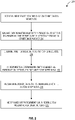
- FIG. 1 is a flowchart of an example process implemented according to an aspect of the disclosed subject matter.
- the process 100 may be executed by the processor of the controller as the controller processor may have greater computational power than a processor of the wearable drug delivery device.
- the controller memory may maintain a greater amount of historical data than the memory of the wearable drug delivery device.
- the processor when executing the programming code that implements process 100 may receive data that indicates physiological conditions of a wearer of the wearable drug delivery device.
- the received data may include a current blood glucose measurement value or data indicative thereof, a total daily insulin value, an amount of a requested bolus, a time at which the bolus was requested, a current insulin onboard value, or an amount of insulin delivered within a past evaluation period.
- a past evaluation period may be a previous cycle, such as 5 minutes, or another period of time such as a past 15-minute period, a 30-minute period, a 60-minute period, a 120 minute period of time, or a set time period such as when a wearer may most likely exercise, such as between 5 am and 7 am, 12 pm to 1 pm, or the like.
- the processor when executing the stored programming code, may be further operable to retrieve physiological data from the memory, where the physiological data may contain a number of days of data related to the wearer's participation in exercise.
- the processor may use the received data, the retrieved physiological data or both to update an exercise model.
- the process 100 may evaluate the obtained data with relation to the wearer participating in exercise.
- the processor when evaluating the obtained data with relation to the wearer participating in exercise, may be operable to input values obtained from the received data into an exercise model (which may be the updated exercise model), and analyze an output of the exercise model with reference to threshold values related to exercise safety for the wearer.
- the threshold values related to exercise safety may be parameters that are weighted differently for each wearer according to wearer demographics, disease progression (e.g., type 2 diabetes versus type 1 diabetes), or the like.
- the processor implementing process 100 may, based on a result of the evaluation, determine whether it is safe for the wearer to participate in exercise. For example, the processor may be further operable to determine whether the result of the evaluation indicates a presence of one or more conditions and based on the determination of the presence of the one or more conditions. For example, the output of the exercise model may indicate whether it is safe or unsafe for the wearer to exercise and the processor may use the output from the exercise model to make the determination.
- the processor when determining whether it is safe for the wearer to participate in exercise, may be further operable to determine whether the result of the evaluation indicates that a trajectory of blood glucose measurement values of the wearer is trending downward. Based on the determination that the trajectory of the glucose measurement values of the wearer are trending downward, the processor may generate an indication that exercise is unsafe.
- the downward trend may be a rate of change of (-) 100 mg/dL per hour for the trajectory of blood glucose measurement values of the wearer.
- a downward trend may also be referred to as a negative rate of change or a negative (or downward) trajectory of blood glucose measurement values.
- rates of change other than (-) 100 mg/dL may be used, such as (-) 10 mg/dL, (-) 50 mg/dL, (-) 75 mg/dL, (-) 90 mg/dL, or the like.
- the output of the exercise model may indicate whether it is safe or unsafe for the wearer to exercise based on a current or future predicted value of the user's blood glucose level.
- the exercise model may make a prediction based on current blood glucose trends where the user's blood glucose measurement value will be in 30 minutes or 1 hour, and if this predicted value is less than X mg/dL (e.g., where X is approximately 70, 80, 90, 100, or 110 mg/dL), the processor may output an indication that it is unsafe to exercise, or an indication that it is unsafe to exercise for the next Y minutes (for example, where Y is approximately 30 or 60 minutes), or an indication that it is unsafe to exercise unless the user consumes food or carbohydrates, or an indication that it is safe to exercise, or a combination of these potential outputs.
- X mg/dL e.g., where X is approximately 70, 80, 90, 100, or 110 mg/dL
- the processor may output an indication that it is unsafe to exercise, or an indication that it is unsafe to exercise for the next Y minutes (for example, where Y is approximately 30 or 60 minutes), or an indication that it is unsafe to exercise unless the user consumes food or carbohydrates, or an indication
- process 100 may cause output of an exercise safety signal indicating a result of the determination of whether it is safe for the wearer to participate in exercise.
- the processor may generate an indication that exercise is unsafe.
- the processor may generate that exercise is safe.
- the wearable drug delivery device may also include an output device coupled to the processor.
- the processor may be further operable to interpret the outputted exercise safety signal. Based on the interpretation, the processor may provide an output signal to the output device based on the outputted exercise safety signal.
- the processor may interpret the outputted exercise safety signal as indicating that it is unsafe for the user to exercise.
- the processor may output command signals that cause the output device to make outputs that are indications of unsafe exercise situations, such as vibrating in a particular pattern of vibrations (e.g., Morse code for distress - S-O-S), make a sound (e.g., a particular beeping sound or number of beeps), change color (e.g., turn from "green” to "yellow” or “red” depending upon the level of urgency (i.e., the degree of unsafety)), or the like.
- a particular pattern of vibrations e.g., Morse code for distress - S-O-S
- make a sound e.g., a particular beeping sound or number of beeps
- change color e.g., turn from "green” to "yellow” or “red” depending upon the level of urgency (i.e., the degree of unsafety)
- the processor may output command signals that cause the output device to make outputs that are indications of safe exercise situations, such as vibrating in a particular pattern of vibrations (e.g., 2 vibrations, or the like), make a sound (e.g., a different beeping sound or number of beeps as compared with an unsafe signal), change color (e.g., turn from no lights to a "green” light or from "yellow” to "green”), or the like.
- the processor may not generate any output signals.
- the processor may be further operable to modify a medication treatment plan based on the outputted exercise safety signal. For example, if the processor outputs an exercise safety signal indicating it is unsafe to exercise, but the wearer is determined to participate in exercise, the processor may cause all delivery of insulin to cease for a period of time or reduce an amount of insulin that may be delivered to the user for period of time, included in manual bolus dosages. The cessation or reduction may vary from wearer to wearer.
- the determination that the wearer is participating in exercise may be made according to various techniques.
- the wearer may self-report the participation in exercise by inputting exercise participation in a graphical user interface (provided via an exercise detection application or the AP application) presented on a display of a controller.
- the controller and/or wearable drug delivery device may have sensors, such as an accelerometer, global positioning system (GPS) signals, Wi-Fi signals, gyroscopes, or the like, that output signals in response to movement by the wearer, a change in location, or an indication of location.
- GPS global positioning system
- the processor when evaluating the information may determine that the information has previously indicated participation in exercise or a location where exercise takes place (e.g., a gym, a ballpark, soccer field, or the like).
- the processor may execute an exercise detection application or algorithm that is operable to evaluate inputs from the sensors as well as location information based on the GPS or Wi-Fi signals, information obtained from other mobile computer applications, such as fitness applications, calendar applications (e.g., fitness class schedules, athletic team schedules, or the like).
- the processor may determine above a preset probability that the wearer is participating in exercise.
- a wearable drug delivery system may include a drug delivery device, an analyte sensor, and a controller as well as other devices described with reference to other examples.
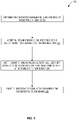
- FIG. 2 is a flowchart of another example process implemented according to a further aspect of the disclosed subject matter.
- the process 200 may be executed by a processor such as the processor of a controller (shown in other examples).
- the controller may be a smartphone or a dedicated mobile computing device.
- the processor of the controller may be operable to execute many computer applications including a calendar application, a fitness application, a medication delivery application that utilizes an exercise safety algorithm, such as process 200, and the like.
- the processor may receive an input related to a physiological condition of a wearer.
- the input may, for example, be from the wearer or from an exercise safety algorithm.
- the wearer may request a bolus, use a hypoglycemia protect mode, or indicate that they are about to participate in exercise, or schedule a time at which they will participate in exercise.
- the process 200 may evaluate data parameters related to one or more physiological conditions of a wearer.
- the data parameters related to physiological conditions of a wearer may, for example, include a blood glucose measurement value, a total daily insulin amount, a current calculation of an amount of insulin onboard, and an amount of insulin delivered in a past evaluation period.
- the processor when evaluating the data parameters, may be further operable to input data parameters including a blood glucose measurement value, a total daily insulin value, a time and an amount of a requested bolus, an amount of insulin onboard value, or an amount of insulin delivered within a past evaluation period, into an exercise model.
- the result of the evaluation of the data parameters at block 204 may be an indication that exercise is unsafe or safe at the time of the evaluation.
- the data parameters may be evaluated utilizing a machine-learning, exercise model that outputs a value indicating whether participation in exercise by a user or wearer is safe or unsafe.
- the processor determines whether the wearer has participated in exercise. Participation in exercise may be determined as mentioned above with reference to the exercise determination in FIG. 1 . In addition, or alternatively, the determination of exercise participation may be made based on an analysis of different attributes and factors, such as the user's calendar application on the controller, an exercise input entered through a user interface of the controller, an exercise detection application executing on the controller, based on outputs from other sensors on the controller, such as an accelerometer, gyroscope, camera or microphone, or the like. The factors or attributes may be inputs into an exercise model that is operable to determine whether exercise is safe or unsafe based on physiological conditions of a wearer.
- the processor may generate an exercise safety signal. For example, the processor may use the result of the evaluation of the data parameters obtained in block 204 when generating the exercise safety signal. For example, after participating in exercise, the wearer may indicate that they are feeling "dizzy" or "lightheaded," and, as a result, the processor can identify (e.g., label) physiological data (e.g., data parameters such as blood glucose measurement values, a total daily insulin amount, a current calculation of an amount of insulin onboard, and an amount of insulin delivered in a past evaluation period) that correspond to the indicated feeling of dizziness or lightheadedness.
- physiological data e.g., data parameters such as blood glucose measurement values, a total daily insulin amount, a current calculation of an amount of insulin onboard, and an amount of insulin delivered in a past evaluation period
- the processor may be operable to control a communication device to establish a wireless communication connection with an external device, where the external device is a data network device (shown in another example) or a cloud-based service (also shown in another example) to access external devices or services, and retrieve physiological data from a memory source (such as cloud-based storage or the like), where the physiological data contains a number of days of data related to the wearer's participation in exercise.
- the wearable drug delivery device may also include updates to an exercise model using the retrieved physiological data.
- process 200 when executed may cause the processor to present an indication of a result of an interpretation of the exercise safety signal, wherein the indication is a safe or unsafe indicator for exercise participation.
- the presentation of the safe or unsafe indicator may be on a display of a controller, such as a touchscreen display, or a user interface of a drug delivery device, or the like.
- the processor may suggest the best suitable times for the wearer to participate in exercise.
- the presented indication may suggest to the wearer to wait 15 minutes, 30 minutes or the like before participating, suggest alternative exercises to perform (e.g., weightlifting (short bursts) versus a long run (an extended high heart rate), or recommend ingesting carbohydrates (e.g., consuming a snack or the like) before exercising.
- the exercise model may be further trained to predict a class of probabilities that may be used as threshold values related to exercise safety.
- the model may predict which intensity of the exercise may be unsafe. For example, for given physiological conditions of a wearer, high intensity training may not be suitable at this time for the wearer, but a brisk walk or yoga might be acceptable.
- the recommendations for the type of exercise to participate in and/or to avoid may be presented to the wearer via a user interface of a controller or other device.
- a class of probabilities may be selected such that the model favors false positives over false negatives because the consequences of false negatives are higher. This is similar to screening tests where further investigation is needed.
- the model may favor a conservative approach where a signal indicating that it is unsafe to exercise is better than the converse.
- the probabilities could be constructed by retrospect of past glucose distributions under the same activities. For example, if a current blood glucose measurement value is below the 10th percentile of the blood glucose measurement values during past training activities, then the processor executing an exercise safety algorithm may determine that it is not safe for the wearer to do the same activity as in the past training activities at this time.
- the processor when executing process 200 may cause a medication delivery application to modify a medication treatment plan in response to a presentation of unsafe indicator. For example, if the processor determines it is unsafe to exercise the processor may withhold delivery of insulin for a period of time. Alternatively, if the processor determines it is safe to proceed with exercise, the processor may cause a modification of a dosage of insulin but continue with the presently set delivery schedule for the next dose.
- Either of the steps in block 210 or 212 may be optional depending upon user preference settings or clinician settings or other settings (e.g., default settings). For example, a user preference may be set to notify the user only when exercise is unsafe and no notification when exercise is safe. Other user preference settings may be, for example, to receive notifications whether exercise is safe or unsafe, or receive a notification only when exercise is determined to be safe. It may be helpful to have a couple of exemplary physiological conditions of a wearer as well as other factors that are evaluated by the exercise model.
- Each row of Table 1 below may represent a different day for a particular wearer or a group of different wearers.
- the exercise model may evaluate the physiological data related to the physiological conditions of a wearer, such as one or more blood glucose measurement values provided by a continuous glucose monitor (CGM), an indication of whether any blood glucose measurement values were missed, a number of boluses delivered, an amount of insulin (in Units) delivered within the last 30 minutes, whether the wearer's blood glucose measurement value was within the hypoglycemic range (for the wearer, such as, for example, 60 mg/dL or lower), a calculated amount of insulin onboard (IOB) for the wearer, the wearer's target blood glucose setting, and the wearer's TDI.
- CGM continuous glucose monitor
- IOB insulin onboard
- Table 1 CGM Missed count bolus Insulin in last 30 min intensity of exercise IOB setpoint TDI label 160 0 0 0 1 0.421 110 45 0 159 0 0 4 1 0.374 110 100 0 158 1 0 10 2 4.332 110 21 1 153 0 2 0 1 0.257 110 25 0 152 1 0 0 1 0.225 110 32 0 151 1 0 4 1 0.196 110 5 0 206 5 0 5 1 0.456 110 40 0 200 0 0 6 2 1.444 110 10 1 192 0 0 0 0 0.430 110 30 0 149 0 0 0 0 0.321 110 65 0 80 0 5 3 0 1.301 110 40 1 132 0 0 0 0 0 0.280 110 21 0 126 0 0 0 0.260 110 21 0 72 0 2 10 0 3.
- the basis for the exercise model indicating that the physiological data indicates may be based for example on a low TDI of 21 Units (U), the 10 U insulin in past 30 minutes, and a current IOB of approximately 4.332 Units. Together, these parameters, when combined with the user's performance of intense exercise, or perhaps even mild exercise (given the particular user of a wearable drug delivery device), and when evaluated by the exercise model, may indicate that participation in exercise by the user is either safe or unsafe.
- the other rows of data that resulted in being labeled unsafe were based on various factors.
- the row in which the CGM value is 200 the data that generated the unsafe to exercise indication was based on the low TDI (10), the 6 U of insulin in the past 30 mins, current IOB of approximately 1.444 U.
- the third indication of unsafe to participate in exercise is in the CGM reading of 80, the data that generated the unsafe to exercise indication was based on a low CGM reading (80), a medium range TDI of approximately 40, the medium range IOB of approximately 1.301, and the 5 U requested bolus.
- the fourth indication of unsafe to participate in exercise is in the CGM reading of 72, the data that generated the unsafe to exercise indication was based on a low CGM reading (72), a medium range TDI of approximately 50, the higher IOB of approximately 3.703, the 10 U of insulin in the last 30 minutes, and the 2 U requested bolus.
- the fifth indication of unsafe to participate in exercise is in the CGM reading of -1, which suggests that CGM readings have been missed past a threshold amount (for example, for the past 30 minutes), and in this case, for past 90 minutes (5 minutes times 18 missed readings), the medium range of IOB of approximately 1.031, the 5 U of insulin in past 30 mins, a requested bolus of 4 U and the TDI of 90.
- the programming code may cause the processor to generate an exercise safety signal indicating whether exercise is safe or unsafe.
- the processor may respond to the generated exercise safety signal as discussed above.
- the exercise model may be a machine learning model, such as a linear regression model, a logistic regression model, a decision tree model, a support vector machine, a naive Bayes classifier, or the like.
- the exercise model may be generated by a processor in a server, such as a cloud-based server, or the like.
- a processor may be further configured to obtain data from a dataset including physiological data indicating physiological conditions of the wearer.
- the processor may split data in the dataset into training data and validation data.
- a logistic regression model may be trained.
- the validation data may be used to validate an output of the logistic regression model.
- the processor may perform hyperparameter tuning to improve the accuracy of the logistic regression model.
- the processor may retrieve the received data related to physiological conditions of the wearer and input the retrieved current data into the logistic regression model for evaluation.
- the processor may, for example, label the output data as either indicating an unsafe condition for exercise or a safe condition for exercise based on a value of output data from the logistic regression model.
- the processor may generate an exercise safety signal based on any label indicating an unsafe condition for exercise.
- the classifier may provide a probability related to whether it is safe to exercise.
- a threshold based on past history may be established, and everything above threshold would be true, everything below would be false. Boolean value of true or 1 would be unsafe to exercise.
- FIG. 3 is a flowchart of a further example process implemented according to another aspect of the disclosed subject matter.
- a processor or logic circuitry may be operable to execute programming code stored in a memory coupled to the respective processor or logic circuitry.
- a processor executing process 300 may be operable to determine that a wearer of a wearable drug delivery device is participating in exercise. It is noted that exercise can have both short- and long-term physiological effects.
- the system can implement a long-term lengthening of the IOB curves over a period of 12-24 hours following exercise to account for the long-term effects of exercise.
- the process 300 modifies an insulin onboard curve in response to the determination that a wearer is participating in exercise.
- the processor when executing process 300 may modify the insulin onboard (IOB) curve by extending a length of the insulin onboard curve. Extending the length of the IOB curve slows decay of a calculated amount of insulin onboard and the extension remains in place for a preset period of time.
- IOB insulin onboard
- the modification of the IOB curve makes the processor evaluate the effect of exercise based on changing the effective IOB (i.e., the amount of insulin onboard that will be metabolized by the wearer's body over time), while the wearer's sensitivity to insulin remains unchanged because a change to sensitivity would be a direct change to the exercise model. Instead, the modification of the length of the IOB curve makes a change to the perceived length of time the insulin is acting in the wearer's body.
- the processor may modify constraints that are applied to the insulin doses (e.g., limits on the maximum amount of insulin that is included in a bolus, delivered within X number of hours of the determined participation in exercise, or the like, where X is approximately 3.5 to approximately 4.5) but the medication delivery algorithm continues making insulin delivery decisions based on threshold values related to exercise safety and the modified constraints.
- constraints that are applied to the insulin doses e.g., limits on the maximum amount of insulin that is included in a bolus, delivered within X number of hours of the determined participation in exercise, or the like, where X is approximately 3.5 to approximately 4.5
- the medication delivery algorithm continues making insulin delivery decisions based on threshold values related to exercise safety and the modified constraints.
- the assumed 3-hour and 4-hour IOB decay curves may be lengthened to 3.5 hours and 4.5 hours following detection of significant exercise, to incorporate the impact of relatively longer-lasting increased insulin sensitivity.
- other values of X may be 1.5, 2, 6, 12 or the like. This is illustrated in the example IOB curves of FIG
- the processor implementing process 300 may use the modified insulin onboard curve to calculate a next dosage of insulin to be delivered to the wearer and calculate a time to deliver the next dosage.
- the process 300 may cause the next dosage of insulin to be delivered at the calculated time to the wearer.
- FIG. 4 illustrates a process 400 in accordance with an embodiment of the disclosed subject matter.
- a processor executing process 400 may be operable to, in response to the determination that the wearer of a wearable drug delivery device is participating in exercise, determine a current insulin onboard of the wearer.
- process 400 compares the determined current insulin onboard (IOB) to a threshold value set for the wearer.
- the threshold value for insulin onboard may be one of the threshold values related to exercise safety that is evaluated by the processor.
- the current IOB may be a primary factor used in the determination of whether participation in exercise is safe or unsafe for the wearer of the wearable drug delivery device. For example, an IOB of 3 U or greater may indicate that the artificial pancreas application is overcompensating or overdelivering insulin, and hence it is unsafe for the user to exercise.
- the processor may also determine whether the wearer's total daily insulin (TDI) is going to reach a threshold TDI value, such as, for example, 4 times, 5 times, or 9 times the expected total daily insulin delivery in a 3-hour period of time or another period of time, such as 2-hour period of time, and hence make a determination that it is unsafe to exercise.
- a threshold TDI value such as, for example, 4 times, 5 times, or 9 times the expected total daily insulin delivery in a 3-hour period of time or another period of time, such as 2-hour period of time, and hence make a determination that it is unsafe to exercise.
- another threshold may be one in which the total insulin delivered over the last 3 hours, including manual boluses and system automated deliveries, in not permitted to exceed 15 times the number of basal hours, or 31% of TDI.
- other TDI thresholds that indicate overcompensation or over delivery may be used.
- process 400 in response to the current insulin onboard being above the threshold value set for the wearer, generates an exercise safety signal indicating an unsafe exercise condition.
- process 400 based on the generated exercise safety signal, suspends delivery of insulin for a period of time and/or reducing all manual bolus dosage amounts by a preset percentage, such as 25%, 50%, 75%, or in some cases 100%.
- FIG. 5 is a modified insulin onboard decay curve that illustrates an example usable in an embodiment of the disclosed subject matter.
- modified insulin onboard decay curve 500 of FIG. 5 the solid line represents the original 3-hour curve, the dashed line represents the 3-hour insulin decay curve that has been extended by 30 minutes (i.e., the 3.5-hour insulin delay curve), the 4-hour insulin delay curve is shown as dash-dot-dash, and the dashed-dot-dot-dashed line represents the respective 4-hour insulin decay curve extended by 30 minutes (i.e., the 4.5-hour insulin delay curve).
- the remaining insulin action is approximately 36% with the 3-hour insulin delay curve, but approximately 46% with the 3.5-hour insulin delay curve, resulting in increased estimated remaining insulin on board and thus potentially a more conservative insulin delivery by the algorithm. If IOB is higher, the insulin delivery algorithm will tend to deliver less insulin.
- the modifications of the IOB curves may vary based on the system's original IOB curves that are utilized.
- the original IOB curves may be based on anonymized, clinical data gathered from hundreds or thousands of patients or based on a specific wearer's history.
- FIG. 6 illustrates an example of a process for generating an exercise model usable with the aspects of the disclosed subject matter.
- the generation of the exercise model may occur in a server, such as a server provided by cloud-based services or the like, that is also communicatively coupled to the controller as described with reference to a later example.
- the exercise model may be a machine learning model that is capable of modifying its output based on the values input into the model and a closeness of the output value to a result produced from a validation data set.
- the exercise model is implemented as a logistic regression model.
- a server executing routine 600 may obtain data from a dataset that includes physiological data indicating physiological conditions of the wearer.
- the controller may be operable to upload anonymized physiological data indicating the physiological conditions of the wearer to the cloud-based services.
- the data uploaded from the controller may be combined with similar anonymized data that is uploaded from other controllers.
- the controller may be operable to obtain and process the data.
- the controller may obtain the data from a memory coupled to the controller or from a server or data storage accessible through cloud-based services.
- the obtained data may be an entire data set or part of a data set, such as a past evaluation period which may be three, six, nine days, or the like.
- the server or the controller may split data in the dataset into training data and validation data.
- a logistic regression model may be trained by the server or the controller using the training data.
- the server or the controller may use the validation data to validate an output of the logistic regression model.
- the controller or server may in block 610 perform hyperparameter tuning to improve the accuracy of the logistic regression model.
- the controller may begin executing the exercise model to determine whether it is safe or unsafe for the wearer to participate in exercise based on the wearer's physiological conditions.
- the controller may in block 612 be operable to utilize the exercise model in the determination of whether it is safe or unsafe for a wearer of a wearable drug delivery device to participate in exercise.
- a controller may input data related to the physiological conditions of the wearer into the exercise model and obtain an exercise safety signal.
- the data related to the physiological condition of the wearer may be blood glucose measurement values, IOB, total daily insulin (TDI), and similar data as described above with reference to other examples.
- FIG. 7 illustrates a functional block diagram of a system example suitable for implementing the example processes and techniques described herein.
- the automatic wearable drug delivery system 700 may implement (and/or provide functionality for) a medication delivery algorithm (MDA), such as an artificial pancreas (AP) application, to govern or control automated delivery of a drug, a therapeutic, or a medication, such as insulin, to a user (e.g., to maintain euglycemia - a normal level of glucose in the blood).
- MDA medication delivery algorithm
- AP artificial pancreas
- the automatic wearable drug delivery system 700 may, for example, include an analyte sensor 704, a controller 706, a wearable drug delivery device 708, and an optional smart accessory device 702.
- the controller 706 may be remote from the wearable drug delivery device 708 and may include a user interface 716, a communication device 722, a memory 712, and a processor 714.
- the user interface 716 is coupled to the processor 714 and operable to receive inputs related to a physiological condition of a wearer and provide the input to the processor 714.
- the input may be a request for a bolus dosage.
- the controller 706 may include a user interface 716, which may be a keypad, a touchscreen display, levers, light-emitting diodes, buttons on the controller 706, a microphone, a camera, a speaker, a display, or the like, that is configured to allow a user to enter information and allow the controller 706 to output information for presentation to the user (e.g., alarm signals, exercise recommendations (e.g., exercise times and/or exercise intensity, and the like).
- the user interface 716 may provide inputs, such as a voice input, a gesture (e.g., hand or facial) input to a camera, swipes to a touchscreen, or the like, to processor 714 which the programming code interprets.
- the controller 706 may be a computing device such as a smart phone, a tablet, a personal diabetes controller, a dedicated diabetes therapy controller, or the like.
- the controller 706 may include a processor 551, a controller memory 553, a user interface 558, and a communication device 554.
- the controller 706 may contain analog and/or digital circuitry that may be implemented as a processor 714 for executing processes based on programming code stored in the controller memory 712, such as the medication delivery algorithm or application (MDA) 710 and/or the exercise model 782 and related programming code as well as threshold values related to exercise safety.
- MDA medication delivery algorithm or application
- the memory 712 may store programming code to manage a user's blood glucose levels and for controlling the delivery of the drug, medication, or therapeutic agent to the user as well as programming code that determines via the exercise model 782 whether it is safe or unsafe for a wearer (or user) to participate in exercise and cause the execution of different actions in response to the determination, as discussed above.
- the controller 706 may be used to program, adjust settings, and/or control operation of the wearable drug delivery device 708 and/or the analyte sensor 704 as well as the optional smart accessory device 702.
- the one or more transceivers, transceiver A 718 and transceiver B 720 may operate according to one or more radio-frequency protocols.
- the transceivers 718 and 720 may be a cellular transceiver and a Bluetooth ® transceiver, respectively.
- the transceiver A 718 or transceiver B 720 may be configured to receive and transmit signals containing information usable in the exercise model 782 by the MDA 710, such as physiological conditions of a wearer, other physiological data, IOB curves and the like.
- the wearable drug delivery device 708 may include logic circuitry 748, a reservoir 738, a communication device 742, a power source 740, a memory 712, user interface (UI) 750, and a pump mechanism 744.
- the logic circuitry 748 may be operable to control the drug delivery device.
- the reservoir 738 may be configured to contain a liquid drug.
- the communication device 742 may be coupled to the logic circuitry 748.
- the pump mechanism 744 may be responsive to the logic circuitry 748 and fluidically coupled to the reservoir 738.
- the memory 712 may store programming code executable by the processor 714.
- the programming code may enable the processor 714 to control expelling insulin from the reservoir 738 in response to control signals from the controller 706 and MDA 710 or based on signals from the optional MDA 780.
- the communication device 742 which may be a receiver, a transmitter, or a transceiver that operates according to one or more radio-frequency protocols, such as Bluetooth, Wi-Fi, a near-field communication standard, a cellular standard, or the like.
- the communication device 764 may enable the logic circuitry 748 to communicate with the controller 706 and the analyte sensor 704.
- the wearable drug delivery device 708 may be attached to the body of a user, such as a patient or diabetic, at an attachment location and may deliver any therapeutic substance to a user at or around the attachment location.
- a bottom surface of the wearable drug delivery device 708 may include an adhesive to facilitate attachment to the skin of a wearer.
- the reservoir 738 may store drugs, medications or therapeutic agents suitable for automated delivery, such as diabetes treatment drugs (e.g., insulin, glucagon, glucagon-like peptides), pain relief drugs (e.g., morphine), hormones, blood pressure medicines, chemotherapy drugs, or the like.
- the wearable drug delivery device 708 may include a needle or cannula (not shown in this example) coupled to the reservoir 738 and extending into the body of the wearer for delivering the drug into the wearer's body of the user (which may be done subcutaneously, intraperitoneally, or intravenously), and a pump mechanism 744 under control of the logic circuitry 748 transfers the drug from the reservoir 738 through the needle or cannula and into the wearer.
- the power source 740 such as a battery, a piezoelectric device, other forms of energy harvesting devices, or the like, for supplying electrical power to the pump mechanism 744 and/or other components of the wearable drug delivery device 708.
- the wearable drug delivery device 708 may include a user interface 750, which may be a keypad, a touchscreen display, levers, light-emitting diodes, buttons on a housing of the drug delivery device 708, a microphone, a camera, a speaker, a display, or the like, that is configured to allow a user to enter information and allow the drug delivery device 708 to output information for presentation to the user (e.g., audio, visual or vibrational alarm signals or the like).
- the user interface 750 may provide inputs, such as a voice input, a gesture (e.g., hand or facial) input to an optical sensor, swipes to a touchscreen, or the like, to processor 521 which the programming code interprets.
- the wearable drug delivery device 708 may optionally include a device sensor 754 that may include an accelerometer, a gyroscope, a skin conductance measuring device (e.g., to measure perspiration due to exercise), or the like. Signals from the device sensor 754 may be provided to the controller 706 for use in determining whether a wearer is participating in exercise.
- a device sensor 754 may include an accelerometer, a gyroscope, a skin conductance measuring device (e.g., to measure perspiration due to exercise), or the like. Signals from the device sensor 754 may be provided to the controller 706 for use in determining whether a wearer is participating in exercise.
- the smart accessory device 702 may be a smart watch, another wearable smart device, including eyeglasses, provided by other manufacturers, a global positioning system-enabled wearable device, a wearable fitness device, smart clothing, or the like, and may be operable to communicate with the other components of system 700 via wireless communication links 774, 776, or 778.
- the smart accessory device 702 may include a communication device 736, a processor 734, a user interface 732 and a memory 730.
- the user interface 732 may be a graphical user interface presented on a touchscreen display of the smart accessory device 702.
- the memory 730 may store programming code to operate different functions of the smart accessory device 702 as well as an instance of the MDA 728.
- the processor 734 that may execute programming code, such as MDA 728 for controlling the wearable drug delivery device 708 to implement the processes and techniques of FIGs. 1-6 described herein.
- the analyte sensor 704 may include a processor 758, a memory 762, a sensing/measuring device 766, a user interface 756, a power source 752, and a communication device 766.
- the analyte sensor 704 may, for example, be a blood glucose monitor removably attachable via adhesive, for example, to a body of the wearer.
- the analyte sensor 704 is operable to measure a blood glucose measurement value of the wearer (not shown) and communicate with the controller 706 and the drug delivery device 708 via the communication device 764 under the control of the processor 758.
- the memory 730 may be configured to store information and programming code, such as an instance of the MDA 760.
- the analyte sensor 704 may be configured to detect one or more different analytes, such as lactate, ketones, uric acid, sodium, potassium, alcohol levels, blood glucose, proteins, hormones, or the like, and output results of the detections, such as measurement values or the like, for receipt by one or more of 702, 706 or 708.
- the analyte sensor 704 may, in an example, be configured to measure the blood glucose value at a predetermined time interval, such as every 5 minutes, or the like.
- the communication device 764 of analyte sensor 704 may have circuitry that operates as a transceiver for communicating the measured blood glucose values to the controller 706 over a wireless link 768 or with the wearable drug delivery device 708 over the wireless communication link 772. While called an analyte sensor 704, the sensing/measuring device 533 of the analyte sensor 704 may include one or more additional sensing elements, such as a heart rate monitor, a pressure sensor, or the like.
- the processor 758 of the analyte sensor 704 may be operable to perform many functions.
- the programming code stored in the memory 762 may enable the processor 758 to manage the collection and analysis of data detected by the sensing and measuring device 766, such as blood glucose measurement values, providing trend information and the like.
- the processor 758 may include discrete, specialized logic and/or components, an application-specific integrated circuit, a microcontroller or processor that executes software instructions, firmware, programming instructions stored in memory (such as memory 762), or any combination thereof.
- Services provided by cloud-based services 724 may include data storage that stores anonymized data, such as blood glucose measurement values, historical IOB or TDI, maximum and minimum boundary values, therapeutic exogenous substance concentration values, substance sensitivity values, and other forms of data.
- the cloud-based services 724 may process the anonymized data from multiple users to provide generalized information related to TDI, insulin sensitivity, IOB, and the like.
- the cloud-based services 724 may be accessed via data network device 786, which may be a Wi-Fi device, a cellular communication tower, a local area network, a campus wide network or the like.
- the wireless communication links 726, 768, 770, 772, 774, and 776 may be any type of wireless link operating using known wireless communication standards or proprietary standards.
- the wireless communication links communication links 726, 768, 770, 772, 774, and 776 may provide communication links based on Bluetooth ® , Zigbee ® , Wi-Fi, a near-field communication standard, a cellular standard, or any other wireless protocol via the respective communication devices communication links 726, 768, 770, 772, 774, and 776.
- Software related implementations of the techniques described herein may include, but are not limited to, firmware, application specific software, or any other type of computer readable instructions that may be executed by one or more processors.
- the computer readable instructions may be provided via non-transitory computer-readable media.
- Hardware related implementations of the techniques described herein may include, but are not limited to, integrated circuits (ICs), application specific ICs (ASICs), field programmable arrays (FPGAs), and/or programmable logic devices (PLDs).
- ICs integrated circuits
- ASICs application specific ICs
- FPGAs field programmable arrays
- PLDs programmable logic devices
- the techniques described herein, and/or any system or constituent component described herein may be implemented with a processor executing computer readable instructions stored on one or more memory components.
- the examples may have been described with reference to a closed loop algorithmic implementation, variations of the disclosed examples may be implemented to enable open loop use.
- the open loop implementations allow for use of different modalities of delivery of insulin such as smart pen, syringe or the like.
- the disclosed AP application and algorithms may be operable to perform various functions related to open loop operations, such as the generation of prompts requesting the input of information such as weight or age.
- a dosage amount of insulin may be received by the AP application or algorithm from a user via a user interface.
- Other open-loop actions may also be implemented by adjusting user settings or the like in an AP application or algorithm.
- Some examples of the disclosed device or processes may be implemented, for example, using a storage medium, a computer-readable medium, or an article of manufacture which may store an instruction or a set of instructions that, if executed by a machine (i.e., processor or controller), may cause the machine to perform a method and/or operation in accordance with examples of the disclosure.
- a machine i.e., processor or controller
- Such a machine may include, for example, any suitable processing platform, computing platform, computing device, processing device, computing system, processing system, computer, processor, or the like, and may be implemented using any suitable combination of hardware and/or software.
- the computer-readable medium or article may include, for example, any suitable type of memory unit, memory, memory article, memory medium, storage device, storage article, storage medium and/or storage unit, for example, memory (including non-transitory memory), removable or non-removable media, erasable or non-erasable media, writeable or re-writeable media, digital or analog media, hard disk, floppy disk, Compact Disk Read Only Memory (CD-ROM), Compact Disk Recordable (CD-R), Compact Disk Rewriteable (CD-RW), optical disk, magnetic media, magneto-optical media, removable memory cards or disks, various types of Digital Versatile Disk (DVD), a tape, a cassette, or the like.
- memory including non-transitory memory
- removable or non-removable media erasable or non-erasable media, writeable or re-writeable media, digital or analog media
- hard disk floppy disk
- CD-ROM Compact Disk Read Only Memory
- CD-R Compact Disk Recordable
- the instructions may include any suitable type of code, such as source code, compiled code, interpreted code, executable code, static code, dynamic code, encrypted code, programming code, and the like, implemented using any suitable high-level, low-level, object-oriented, visual, compiled and/or interpreted programming language.
- the non-transitory computer readable medium embodied programming code may cause a processor when executing the programming code to perform functions, such as those described herein.
- Storage type media include any or all the tangible memory of the computers, processors or the like, or associated modules thereof, such as various semiconductor memories, tape drives, disk drives and the like, which may provide non-transitory storage at any time for the software programming.
Landscapes
- Health & Medical Sciences (AREA)
- Life Sciences & Earth Sciences (AREA)
- Engineering & Computer Science (AREA)
- Public Health (AREA)
- General Health & Medical Sciences (AREA)
- Biomedical Technology (AREA)
- Medical Informatics (AREA)
- Physics & Mathematics (AREA)
- Veterinary Medicine (AREA)
- Heart & Thoracic Surgery (AREA)
- Animal Behavior & Ethology (AREA)
- Biophysics (AREA)
- Pathology (AREA)
- Molecular Biology (AREA)
- Surgery (AREA)
- Artificial Intelligence (AREA)
- Epidemiology (AREA)
- Primary Health Care (AREA)
- Physiology (AREA)
- Hematology (AREA)
- Anesthesiology (AREA)
- Vascular Medicine (AREA)
- Computer Networks & Wireless Communication (AREA)
- Signal Processing (AREA)
- Psychiatry (AREA)
- Computer Vision & Pattern Recognition (AREA)
- Medicinal Chemistry (AREA)
- Bioinformatics & Cheminformatics (AREA)
- Diabetes (AREA)
- Chemical & Material Sciences (AREA)
- Optics & Photonics (AREA)
- Emergency Medicine (AREA)
- Fuzzy Systems (AREA)
- Physical Education & Sports Medicine (AREA)
- Evolutionary Computation (AREA)
- Radiology & Medical Imaging (AREA)
- Mathematical Physics (AREA)
- Nuclear Medicine, Radiotherapy & Molecular Imaging (AREA)
- Oral & Maxillofacial Surgery (AREA)
- Dentistry (AREA)
Abstract
Described are techniques, processes, devices, computer-readable media that enable provision of an indication of whether it is safe for a person with diabetes to participate in exercise while using a wearable drug delivery system. A processor may receive or obtain physiological data related to a condition of a wearer of the wearable drug delivery system and by evaluating an exercise model that uses inputs related to the physiological data to make the determination of whether it is safe to exercise and output an exercise safety signal. Modifications to the wearer's medication treatment plan and other actions may be based on an outputted exercise safety signal.
Description
- Maintaining healthy lifestyle is both critically important to patients with Type 1 diabetes and challenging at the same time. Many patients have a challenge to maintain their blood glucose level at an appropriate level during or after exercise and may have to take rescue snacks if there is a concern of hypoglycemia. Exercise increases insulin sensitivity and muscle cells are better able to use any available insulin to take up glucose during and after activity. Moreover, during exercise, muscle cells absorb glucose for energy, whether insulin is available or not. As a result, glucose in the blood decreases, leading to potential hypoglycemic events, and causing diabetics to feel fearful of exercise and hypoglycemia due to the over delivery of insulin during or after exercise.
- These situations can become more difficult to manage if the patient has a high amount of insulin onboard (IOB) or just had either a post-prandial bolus or a correction bolus. The excess insulin followed by exercise activity may further increase the risk of hypoglycemia as insulin absorption increases from exercise, the exercise itself causes the body to metabolize glucose more quickly, and the additional insulin further acts to reduce blood glucose.
- In one aspect, a wearable drug delivery device includes a processor, a pump mechanism, a memory, and a reservoir. The reservoir may contain a liquid drug. The pump mechanism may be communicatively coupled to the processor and fluidically coupled to the reservoir. The memory may be coupled to the processor and operable to store programming code that, when executed by the processor, causes the processor to be operable to receive data indicating physiological conditions of a wearer of the wearable drug delivery device, and evaluate the obtained data with relation to the wearer participating in exercise. The processor may determine whether it is safe for the wearer to participate in exercise based on a result of the evaluation and output an exercise safety signal indicating a result of the determination of whether it is safe or unsafe for the wearer to participate in exercise.
- In another aspect, an automatic, wearable drug delivery system may include a drug delivery device and a controller. The drug delivery device may include logic circuitry operable to control the drug delivery device, a reservoir configured to contain a liquid drug, a communication device coupled to the logic circuitry and a pump mechanism responsive to the logic circuitry and fluidically coupled to the reservoir. The controller may include a processor and a memory. The memory may be coupled to the processor and configured to store a medication delivery application, an exercise safety application, and programming code. When the exercise safety application is executed by the processor, the processor is operable to receive an input from the wearer related to a physiological condition of a wearer. The processor may evaluate data parameters related to physiological conditions of a wearer and the received input related to the physiological condition of a wearer and determine whether the wearer has participated in exercise. The processor, in response to a determination that the wearer has participated in exercise and a result of the evaluation of the data parameters, may generate an exercise safety signal, and present an indication of a result of an interpretation the exercise safety signal at a user interface. The indication is a safe or unsafe indicator. In response to the generation of the exercise safety signal, the processor may modify a medication treatment plan.
- In a further aspect, a non-transitory computer-readable storage medium is provided that may include instructions that, when executed by a processor, cause the processor to determine that a wearer of a wearable drug delivery device is participating in exercise. The instructions may cause the processor to modify an insulin onboard curve in response to the determination that a wearer is participating in exercise and use the modified insulin onboard curve to calculate a next dosage of insulin to be delivered to the wearer and calculate a time to deliver the next dosage. The instructions may trigger the processor to cause the next dosage of insulin to be delivered at the calculated time to the wearer.
- In yet another aspect, a method includes obtaining by a processor data from a dataset including physiological data related to physiological conditions of a user, splitting data in the dataset into training data and validation data, training a machine learning model using the training data, using the validation data to validate an output of the machine learning model, based on a result of the validation of the output of the machine learning model, performing hyperparameter tuning to improve an accuracy of the machine learning model, retrieving current data related to current physiological conditions of the wearer, inputting the retrieved current data into the machine learning model for evaluation, based on a value of output data from the machine learning model, labeling the output data as either indicating an unsafe condition for exercise or a safe condition for exercise, and generating an exercise safety signal based on any label indicating the unsafe condition for exercise.
- In yet a further aspect, a method may include in response to a determination that a wearer of a wearable drug delivery device is participating in exercise, a processor may determine a current insulin onboard of the wearer, comparing the determined current insulin onboard to a threshold value set for the wearer. In response to the current insulin onboard being above the threshold value set for the wearer, the processor may generate an exercise safety signal indicating an unsafe exercise condition, and based on the generated exercise safety signal, suspending delivery of insulin for a period of time and/or reducing all manual bolus dosage amounts by a preset percentage.
-
-
FIG. 1 is a flowchart of an example process implemented according to an aspect of the disclosed subject matter. -
FIG. 2 is a flowchart of another example process implemented according to a further aspect of the disclosed subject matter. -
FIG. 3 is a flowchart of a further example process implemented according to another aspect of the disclosed subject matter. -
FIG. 4 illustrates in a flowchart a process in accordance with an embodiment of the disclosed subject matter. -
FIG. 5 is a modified insulin onboard decay curve that illustrates an example usable in an embodiment of the disclosed subject matter. -
FIG. 6 illustrates an example of a process for generating an exercise model usable with the aspects of the disclosed subject matter. -
FIG. 7 illustrates a functional block diagram of a system example suitable for implementing the example processes and techniques described herein. - Systems, devices, computer-readable medium and methods in accordance with the present disclosure are now described more fully hereinafter with reference to the accompanying drawings, where one or more embodiments are shown. The systems, devices, and methods may be embodied in many different forms and are not to be construed as being limited to the embodiments set forth herein. Instead, these embodiments are provided so the disclosure is thorough and complete, and may fully convey the scope of methods and devices to those skilled in the art. Each of the systems, devices, and methods disclosed herein provides one or more advantages over conventional systems, components, and methods.
- Various examples provide a method, a system, a device and a computer-readable medium for responding to inputs provided by sensors, such as an analyte sensor, and wearers (i.e., users) of an automatic drug delivery system. "Analyte sensor" may refer to a wearable device that includes sensing and measurement devices configured to detect different analytes in a wearer's body and particularly in the user's blood, such as blood glucose levels, and/or other analytes as described herein. The various devices and sensors that may be used to implement some specific examples may also be used to implement different therapeutic regimens using different drugs than those described in the specific examples.
- The disclosed examples provide techniques related to the safety of a wearer to participate in exercise that may be used with any additional algorithms or computer applications that manage blood glucose levels and insulin therapy. These algorithms and computer applications may be collectively referred to as "medication delivery algorithms" or "medication delivery applications" and may be operable to deliver different categories of drugs (or medications), such as chemotherapy drugs, pain relief drugs, diabetes treatment drugs (e.g., insulin, glucagon and/or glucagon-like peptides), blood pressure medication, or the like.
- A type of medication delivery algorithm (MDA) may include an "artificial pancreas" algorithm-based system, or more generally, an artificial pancreas (AP) application. For ease of discussion, the computer programs and computer applications that implement the medication delivery algorithms or applications may be referred to herein as an "AP application." An AP application may be configured to provide automatic delivery of insulin based on an analyte sensor input, such as signals received from an analyte sensor, such as a continuous blood glucose monitor, or the like. The signals from the analyte sensor may be blood glucose measurement values, or the like.
- In one aspect, a wearable drug delivery device may be operable to determine whether it is safe for a wearer of the drug delivery device to participate in exercise at a present time or future time. The wearable drug delivery device may include, for example, a processor, a reservoir, a pump mechanism, a communication device, and a memory. The reservoir may be configured to contain a liquid drug. The pump mechanism may be communicatively coupled to the processor and fluidically coupled to the reservoir. The memory may be coupled to the processor and configured to store programming code that, when executed by the processor, is operable to perform different functions. The wearable drug delivery device may be communicatively coupled to a controller device. The controller device may have a processor and memory as well as communication devices that enable communication with the wearable drug delivery device and also external devices and systems, such as cloud-based services.
FIG. 1 is a flowchart of an example process implemented according to an aspect of the disclosed subject matter. - The
process 100 may be executed by the processor of the controller as the controller processor may have greater computational power than a processor of the wearable drug delivery device. In addition, the controller memory may maintain a greater amount of historical data than the memory of the wearable drug delivery device. - In
block 102, the processor when executing the programming code that implementsprocess 100 may receive data that indicates physiological conditions of a wearer of the wearable drug delivery device. The received data may include a current blood glucose measurement value or data indicative thereof, a total daily insulin value, an amount of a requested bolus, a time at which the bolus was requested, a current insulin onboard value, or an amount of insulin delivered within a past evaluation period. A past evaluation period may be a previous cycle, such as 5 minutes, or another period of time such as a past 15-minute period, a 30-minute period, a 60-minute period, a 120 minute period of time, or a set time period such as when a wearer may most likely exercise, such as between 5 am and 7 am, 12 pm to 1 pm, or the like. - In addition, or alternatively, the processor, when executing the stored programming code, may be further operable to retrieve physiological data from the memory, where the physiological data may contain a number of days of data related to the wearer's participation in exercise. The processor may use the received data, the retrieved physiological data or both to update an exercise model.
- In
block 104, theprocess 100 may evaluate the obtained data with relation to the wearer participating in exercise. For example, the processor, when evaluating the obtained data with relation to the wearer participating in exercise, may be operable to input values obtained from the received data into an exercise model (which may be the updated exercise model), and analyze an output of the exercise model with reference to threshold values related to exercise safety for the wearer. The threshold values related to exercise safety may be parameters that are weighted differently for each wearer according to wearer demographics, disease progression (e.g., type 2 diabetes versus type 1 diabetes), or the like. - In
block 106, theprocessor implementing process 100 may, based on a result of the evaluation, determine whether it is safe for the wearer to participate in exercise. For example, the processor may be further operable to determine whether the result of the evaluation indicates a presence of one or more conditions and based on the determination of the presence of the one or more conditions. For example, the output of the exercise model may indicate whether it is safe or unsafe for the wearer to exercise and the processor may use the output from the exercise model to make the determination. - In addition, or alternatively, the processor, when determining whether it is safe for the wearer to participate in exercise, may be further operable to determine whether the result of the evaluation indicates that a trajectory of blood glucose measurement values of the wearer is trending downward. Based on the determination that the trajectory of the glucose measurement values of the wearer are trending downward, the processor may generate an indication that exercise is unsafe. For example, the downward trend may be a rate of change of (-) 100 mg/dL per hour for the trajectory of blood glucose measurement values of the wearer. A downward trend may also be referred to as a negative rate of change or a negative (or downward) trajectory of blood glucose measurement values. Of course, rates of change other than (-) 100 mg/dL may be used, such as (-) 10 mg/dL, (-) 50 mg/dL, (-) 75 mg/dL, (-) 90 mg/dL, or the like. Additionally, or alternatively, the output of the exercise model may indicate whether it is safe or unsafe for the wearer to exercise based on a current or future predicted value of the user's blood glucose level. For example, the exercise model may make a prediction based on current blood glucose trends where the user's blood glucose measurement value will be in 30 minutes or 1 hour, and if this predicted value is less than X mg/dL (e.g., where X is approximately 70, 80, 90, 100, or 110 mg/dL), the processor may output an indication that it is unsafe to exercise, or an indication that it is unsafe to exercise for the next Y minutes (for example, where Y is approximately 30 or 60 minutes), or an indication that it is unsafe to exercise unless the user consumes food or carbohydrates, or an indication that it is safe to exercise, or a combination of these potential outputs.
- In
block 108,process 100 may cause output of an exercise safety signal indicating a result of the determination of whether it is safe for the wearer to participate in exercise. Based on the determination of whether it safe or unsafe for the wearer to participate in exercise, the processor may generate an indication that exercise is unsafe. Alternatively, the processor may generate that exercise is safe. For example, as described in more detail with reference to other figures, the wearable drug delivery device may also include an output device coupled to the processor. The processor may be further operable to interpret the outputted exercise safety signal. Based on the interpretation, the processor may provide an output signal to the output device based on the outputted exercise safety signal. - For example, the processor may interpret the outputted exercise safety signal as indicating that it is unsafe for the user to exercise. The processor may output command signals that cause the output device to make outputs that are indications of unsafe exercise situations, such as vibrating in a particular pattern of vibrations (e.g., Morse code for distress - S-O-S), make a sound (e.g., a particular beeping sound or number of beeps), change color (e.g., turn from "green" to "yellow" or "red" depending upon the level of urgency (i.e., the degree of unsafety)), or the like. Alternatively, in response to the processor interpreting the outputted exercise safety signal as indicating it is safe to exercise, the processor may output command signals that cause the output device to make outputs that are indications of safe exercise situations, such as vibrating in a particular pattern of vibrations (e.g., 2 vibrations, or the like), make a sound (e.g., a different beeping sound or number of beeps as compared with an unsafe signal), change color (e.g., turn from no lights to a "green" light or from "yellow" to "green"), or the like. Alternatively, if the processor interprets the exercise safety signal as indicating it is safe to exercise, the processor may not generate any output signals.
- In addition, or alternatively, the processor may be further operable to modify a medication treatment plan based on the outputted exercise safety signal. For example, if the processor outputs an exercise safety signal indicating it is unsafe to exercise, but the wearer is determined to participate in exercise, the processor may cause all delivery of insulin to cease for a period of time or reduce an amount of insulin that may be delivered to the user for period of time, included in manual bolus dosages. The cessation or reduction may vary from wearer to wearer.
- The determination that the wearer is participating in exercise may be made according to various techniques. For example, the wearer may self-report the participation in exercise by inputting exercise participation in a graphical user interface (provided via an exercise detection application or the AP application) presented on a display of a controller. Alternatively, the controller and/or wearable drug delivery device may have sensors, such as an accelerometer, global positioning system (GPS) signals, Wi-Fi signals, gyroscopes, or the like, that output signals in response to movement by the wearer, a change in location, or an indication of location. Using the information provided by one or more of the respective sensors, the processor when evaluating the information may determine that the information has previously indicated participation in exercise or a location where exercise takes place (e.g., a gym, a ballpark, soccer field, or the like). In addition, or alternatively, the processor may execute an exercise detection application or algorithm that is operable to evaluate inputs from the sensors as well as location information based on the GPS or Wi-Fi signals, information obtained from other mobile computer applications, such as fitness applications, calendar applications (e.g., fitness class schedules, athletic team schedules, or the like). Based on the evaluated inputs, such as high acceleration values for an extended period of time (duration threshold) or a certain number of high acceleration values within another set threshold period of time, a calendar entry indicating the current time as a scheduled time of a fitness class, the processor may determine above a preset probability that the wearer is participating in exercise.
- Other technical features may be readily apparent to one skilled in the art from the following figures, descriptions, and claims.
- In another aspect, a wearable drug delivery system may include a drug delivery device, an analyte sensor, and a controller as well as other devices described with reference to other examples.
FIG. 2 is a flowchart of another example process implemented according to a further aspect of the disclosed subject matter. Theprocess 200 may be executed by a processor such as the processor of a controller (shown in other examples). For example, the controller may be a smartphone or a dedicated mobile computing device. The processor of the controller may be operable to execute many computer applications including a calendar application, a fitness application, a medication delivery application that utilizes an exercise safety algorithm, such asprocess 200, and the like. - In
block 202, the processor may receive an input related to a physiological condition of a wearer. The input may, for example, be from the wearer or from an exercise safety algorithm. In an example, the wearer may request a bolus, use a hypoglycemia protect mode, or indicate that they are about to participate in exercise, or schedule a time at which they will participate in exercise. - In
block 204, in response to the received input related to a physiological condition of a wearer, theprocess 200 may evaluate data parameters related to one or more physiological conditions of a wearer. The data parameters related to physiological conditions of a wearer may, for example, include a blood glucose measurement value, a total daily insulin amount, a current calculation of an amount of insulin onboard, and an amount of insulin delivered in a past evaluation period. - For example, the processor, when evaluating the data parameters, may be further operable to input data parameters including a blood glucose measurement value, a total daily insulin value, a time and an amount of a requested bolus, an amount of insulin onboard value, or an amount of insulin delivered within a past evaluation period, into an exercise model. The result of the evaluation of the data parameters at
block 204 may be an indication that exercise is unsafe or safe at the time of the evaluation. For example, the data parameters may be evaluated utilizing a machine-learning, exercise model that outputs a value indicating whether participation in exercise by a user or wearer is safe or unsafe. - In
block 206, the processor determines whether the wearer has participated in exercise. Participation in exercise may be determined as mentioned above with reference to the exercise determination inFIG. 1 . In addition, or alternatively, the determination of exercise participation may be made based on an analysis of different attributes and factors, such as the user's calendar application on the controller, an exercise input entered through a user interface of the controller, an exercise detection application executing on the controller, based on outputs from other sensors on the controller, such as an accelerometer, gyroscope, camera or microphone, or the like. The factors or attributes may be inputs into an exercise model that is operable to determine whether exercise is safe or unsafe based on physiological conditions of a wearer. - In
block 208, in response to a determination that the wearer has participated, or is participating, or will participate in exercise, the processor may generate an exercise safety signal. For example, the processor may use the result of the evaluation of the data parameters obtained inblock 204 when generating the exercise safety signal. For example, after participating in exercise, the wearer may indicate that they are feeling "dizzy" or "lightheaded," and, as a result, the processor can identify (e.g., label) physiological data (e.g., data parameters such as blood glucose measurement values, a total daily insulin amount, a current calculation of an amount of insulin onboard, and an amount of insulin delivered in a past evaluation period) that correspond to the indicated feeling of dizziness or lightheadedness. - Additionally, the processor may be operable to control a communication device to establish a wireless communication connection with an external device, where the external device is a data network device (shown in another example) or a cloud-based service (also shown in another example) to access external devices or services, and retrieve physiological data from a memory source (such as cloud-based storage or the like), where the physiological data contains a number of days of data related to the wearer's participation in exercise. The wearable drug delivery device may also include updates to an exercise model using the retrieved physiological data.
- In
block 210,process 200 when executed may cause the processor to present an indication of a result of an interpretation of the exercise safety signal, wherein the indication is a safe or unsafe indicator for exercise participation. For example, the presentation of the safe or unsafe indicator may be on a display of a controller, such as a touchscreen display, or a user interface of a drug delivery device, or the like. - Alternatively, in a further embodiment, based upon the construction of the exercise model, personalized data and daily blood glucose measurement value trend averages, the processor may suggest the best suitable times for the wearer to participate in exercise. As such, the presented indication may suggest to the wearer to wait 15 minutes, 30 minutes or the like before participating, suggest alternative exercises to perform (e.g., weightlifting (short bursts) versus a long run (an extended high heart rate), or recommend ingesting carbohydrates (e.g., consuming a snack or the like) before exercising.
- In addition to predicting safe or unsafe conditions, the exercise model may be further trained to predict a class of probabilities that may be used as threshold values related to exercise safety. In this case, the model may predict which intensity of the exercise may be unsafe. For example, for given physiological conditions of a wearer, high intensity training may not be suitable at this time for the wearer, but a brisk walk or yoga might be acceptable. The recommendations for the type of exercise to participate in and/or to avoid may be presented to the wearer via a user interface of a controller or other device. In addition, or alternatively, a class of probabilities may be selected such that the model favors false positives over false negatives because the consequences of false negatives are higher. This is similar to screening tests where further investigation is needed. In this example, the model may favor a conservative approach where a signal indicating that it is unsafe to exercise is better than the converse. The probabilities could be constructed by retrospect of past glucose distributions under the same activities. For example, if a current blood glucose measurement value is below the 10th percentile of the blood glucose measurement values during past training activities, then the processor executing an exercise safety algorithm may determine that it is not safe for the wearer to do the same activity as in the past training activities at this time.
- In
block 212, the processor when executingprocess 200 may cause a medication delivery application to modify a medication treatment plan in response to a presentation of unsafe indicator. For example, if the processor determines it is unsafe to exercise the processor may withhold delivery of insulin for a period of time. Alternatively, if the processor determines it is safe to proceed with exercise, the processor may cause a modification of a dosage of insulin but continue with the presently set delivery schedule for the next dose. - Either of the steps in
block - Each row of Table 1 below may represent a different day for a particular wearer or a group of different wearers. In the table below, the exercise model may evaluate the physiological data related to the physiological conditions of a wearer, such as one or more blood glucose measurement values provided by a continuous glucose monitor (CGM), an indication of whether any blood glucose measurement values were missed, a number of boluses delivered, an amount of insulin (in Units) delivered within the last 30 minutes, whether the wearer's blood glucose measurement value was within the hypoglycemic range (for the wearer, such as, for example, 60 mg/dL or lower), a calculated amount of insulin onboard (IOB) for the wearer, the wearer's target blood glucose setting, and the wearer's TDI. The label is the binary indication of safe to exercise (Label = 0) or unsafe to exercise (Label = 1).
Table 1 CGM Missed count bolus Insulin in last 30 min intensity of exercise IOB setpoint TDI label 160 0 0 0 1 0.421 110 45 0 159 0 0 4 1 0.374 110 100 0 158 1 0 10 2 4.332 110 21 1 153 0 2 0 1 0.257 110 25 0 152 1 0 0 1 0.225 110 32 0 151 1 0 4 1 0.196 110 5 0 206 5 0 5 1 0.456 110 40 0 200 0 0 6 2 1.444 110 10 1 192 0 0 0 0 0.430 110 30 0 149 0 0 0 0 0.321 110 65 0 80 0 5 3 0 1.301 110 40 1 132 0 0 0 0 0.280 110 21 0 126 0 0 0 0 0.260 110 21 0 72 0 2 10 0 3.073 110 50 1 71 0 0 2 0 0.064 110 21 0 -1 18 4 5 2 1.031 110 90 1 70 1 0 2 0 0.026 110 100 0 - The "intensity of the exercise" data point indicates how intense the exercise is to the user, for example, intensity values may be: 1= normal (e.g. normal walk, etc.), 2 = moderate (brisk walk, biking, etc.), and 3 = intense (high intensity interval training (HIIT), running, etc.)
- In an example using the third row of Table 1 above, the exercise model may indicate that the physiological data in the third row triggers an unsafe exercise response as indicated by the label = 1. The basis for the exercise model indicating that the physiological data indicates may be based for example on a low TDI of 21 Units (U), the 10 U insulin in past 30 minutes, and a current IOB of approximately 4.332 Units. Together, these parameters, when combined with the user's performance of intense exercise, or perhaps even mild exercise (given the particular user of a wearable drug delivery device), and when evaluated by the exercise model, may indicate that participation in exercise by the user is either safe or unsafe.
- The other rows of data that resulted in being labeled unsafe were based on various factors. For example, the row in which the CGM value is 200, the data that generated the unsafe to exercise indication was based on the low TDI (10), the 6 U of insulin in the past 30 mins, current IOB of approximately 1.444 U. Similarly, the third indication of unsafe to participate in exercise is in the CGM reading of 80, the data that generated the unsafe to exercise indication was based on a low CGM reading (80), a medium range TDI of approximately 40, the medium range IOB of approximately 1.301, and the 5 U requested bolus. The fourth indication of unsafe to participate in exercise is in the CGM reading of 72, the data that generated the unsafe to exercise indication was based on a low CGM reading (72), a medium range TDI of approximately 50, the higher IOB of approximately 3.703, the 10 U of insulin in the last 30 minutes, and the 2 U requested bolus. The fifth indication of unsafe to participate in exercise is in the CGM reading of -1, which suggests that CGM readings have been missed past a threshold amount (for example, for the past 30 minutes), and in this case, for past 90 minutes (5 minutes times 18 missed readings), the medium range of IOB of approximately 1.031, the 5 U of insulin in past 30 mins, a requested bolus of 4 U and the TDI of 90.
- Based on the label, the programming code may cause the processor to generate an exercise safety signal indicating whether exercise is safe or unsafe. The processor may respond to the generated exercise safety signal as discussed above. The exercise model may be a machine learning model, such as a linear regression model, a logistic regression model, a decision tree model, a support vector machine, a naive Bayes classifier, or the like.
- It may be helpful to describe at a high level, details related to the exercise model, which in the example below is a logistic regression model, and, in particular, how the exercise model may be built, trained, and modified, if necessary. The exercise model may be generated by a processor in a server, such as a cloud-based server, or the like.
- In an operational example of how the logistic regression exercise model is built; a processor may be further configured to obtain data from a dataset including physiological data indicating physiological conditions of the wearer. The processor may split data in the dataset into training data and validation data. Using the training data, a logistic regression model may be trained. The validation data may be used to validate an output of the logistic regression model. Based on a result of the validation of the output of the logistic regression model, the processor may perform hyperparameter tuning to improve the accuracy of the logistic regression model. The processor may retrieve the received data related to physiological conditions of the wearer and input the retrieved current data into the logistic regression model for evaluation. The processor may, for example, label the output data as either indicating an unsafe condition for exercise or a safe condition for exercise based on a value of output data from the logistic regression model. The processor may generate an exercise safety signal based on any label indicating an unsafe condition for exercise.
- Once you build a classifier and enable a Boolean output, the classifier may provide a probability related to whether it is safe to exercise. A threshold based on past history (whether it was safe to exercise in the past) may be established, and everything above threshold would be true, everything below would be false. Boolean value of true or 1 would be unsafe to exercise.
- Other technical features may be readily apparent to one skilled in the art from the following figures, descriptions, and claims.
-
FIG. 3 is a flowchart of a further example process implemented according to another aspect of the disclosed subject matter. - A processor or logic circuitry may be operable to execute programming code stored in a memory coupled to the respective processor or logic circuitry. In
block 302, aprocessor executing process 300 may be operable to determine that a wearer of a wearable drug delivery device is participating in exercise. It is noted that exercise can have both short- and long-term physiological effects. - Once participation in exercise is detected, the system can implement a long-term lengthening of the IOB curves over a period of 12-24 hours following exercise to account for the long-term effects of exercise. For example, as shown in
block 304, theprocess 300 modifies an insulin onboard curve in response to the determination that a wearer is participating in exercise. The processor when executingprocess 300 may modify the insulin onboard (IOB) curve by extending a length of the insulin onboard curve. Extending the length of the IOB curve slows decay of a calculated amount of insulin onboard and the extension remains in place for a preset period of time. - The modification of the IOB curve makes the processor evaluate the effect of exercise based on changing the effective IOB (i.e., the amount of insulin onboard that will be metabolized by the wearer's body over time), while the wearer's sensitivity to insulin remains unchanged because a change to sensitivity would be a direct change to the exercise model. Instead, the modification of the length of the IOB curve makes a change to the perceived length of time the insulin is acting in the wearer's body. Based on the extended IOB curve, the processor may modify constraints that are applied to the insulin doses (e.g., limits on the maximum amount of insulin that is included in a bolus, delivered within X number of hours of the determined participation in exercise, or the like, where X is approximately 3.5 to approximately 4.5) but the medication delivery algorithm continues making insulin delivery decisions based on threshold values related to exercise safety and the modified constraints. For instance, the assumed 3-hour and 4-hour IOB decay curves may be lengthened to 3.5 hours and 4.5 hours following detection of significant exercise, to incorporate the impact of relatively longer-lasting increased insulin sensitivity. Of course, other values of X may be 1.5, 2, 6, 12 or the like. This is illustrated in the example IOB curves of
FIG. 5 . - In block 306, the
processor implementing process 300 may use the modified insulin onboard curve to calculate a next dosage of insulin to be delivered to the wearer and calculate a time to deliver the next dosage. - In block 308, the
process 300 may cause the next dosage of insulin to be delivered at the calculated time to the wearer. - Other technical features may be readily apparent to one skilled in the art from the following figures, descriptions, and claims.
-
FIG. 4 illustrates aprocess 400 in accordance with an embodiment of the disclosed subject matter. - In
block 402, aprocessor executing process 400 may be operable to, in response to the determination that the wearer of a wearable drug delivery device is participating in exercise, determine a current insulin onboard of the wearer. - In
block 404,process 400 compares the determined current insulin onboard (IOB) to a threshold value set for the wearer. The threshold value for insulin onboard may be one of the threshold values related to exercise safety that is evaluated by the processor. In this example, the current IOB may be a primary factor used in the determination of whether participation in exercise is safe or unsafe for the wearer of the wearable drug delivery device. For example, an IOB of 3 U or greater may indicate that the artificial pancreas application is overcompensating or overdelivering insulin, and hence it is unsafe for the user to exercise. Further, the processor may also determine whether the wearer's total daily insulin (TDI) is going to reach a threshold TDI value, such as, for example, 4 times, 5 times, or 9 times the expected total daily insulin delivery in a 3-hour period of time or another period of time, such as 2-hour period of time, and hence make a determination that it is unsafe to exercise. Alternatively, another threshold may be one in which the total insulin delivered over the last 3 hours, including manual boluses and system automated deliveries, in not permitted to exceed 15 times the number of basal hours, or 31% of TDI. Of course, other TDI thresholds that indicate overcompensation or over delivery may be used. - In
block 406,process 400 in response to the current insulin onboard being above the threshold value set for the wearer, generates an exercise safety signal indicating an unsafe exercise condition. In block 408,process 400 based on the generated exercise safety signal, suspends delivery of insulin for a period of time and/or reducing all manual bolus dosage amounts by a preset percentage, such as 25%, 50%, 75%, or in somecases 100%. -
FIG. 5 is a modified insulin onboard decay curve that illustrates an example usable in an embodiment of the disclosed subject matter. - In modified insulin
onboard decay curve 500 ofFIG. 5 , the solid line represents the original 3-hour curve, the dashed line represents the 3-hour insulin decay curve that has been extended by 30 minutes (i.e., the 3.5-hour insulin delay curve), the 4-hour insulin delay curve is shown as dash-dot-dash, and the dashed-dot-dot-dashed line represents the respective 4-hour insulin decay curve extended by 30 minutes (i.e., the 4.5-hour insulin delay curve). As can be seen in the curves, for example, at the 100th minute mark, the remaining insulin action is approximately 36% with the 3-hour insulin delay curve, but approximately 46% with the 3.5-hour insulin delay curve, resulting in increased estimated remaining insulin on board and thus potentially a more conservative insulin delivery by the algorithm. If IOB is higher, the insulin delivery algorithm will tend to deliver less insulin. - The modifications of the IOB curves may vary based on the system's original IOB curves that are utilized. The original IOB curves may be based on anonymized, clinical data gathered from hundreds or thousands of patients or based on a specific wearer's history.
-
FIG. 6 illustrates an example of a process for generating an exercise model usable with the aspects of the disclosed subject matter. The generation of the exercise model may occur in a server, such as a server provided by cloud-based services or the like, that is also communicatively coupled to the controller as described with reference to a later example. - As previously mentioned, the exercise model may be a machine learning model that is capable of modifying its output based on the values input into the model and a closeness of the output value to a result produced from a validation data set. In the following discussion of routine 600, the exercise model is implemented as a logistic regression model.
- In
block 602, a server executing routine 600 may obtain data from a dataset that includes physiological data indicating physiological conditions of the wearer. For example, the controller may be operable to upload anonymized physiological data indicating the physiological conditions of the wearer to the cloud-based services. The data uploaded from the controller may be combined with similar anonymized data that is uploaded from other controllers. Alternatively, the controller may be operable to obtain and process the data. For example, the controller may obtain the data from a memory coupled to the controller or from a server or data storage accessible through cloud-based services. The obtained data may be an entire data set or part of a data set, such as a past evaluation period which may be three, six, nine days, or the like. - In
block 604, the server or the controller may split data in the dataset into training data and validation data. - In block 606, a logistic regression model may be trained by the server or the controller using the training data.
- In
block 608, the server or the controller may use the validation data to validate an output of the logistic regression model. - Based on a result of the validation of the output of the logistic regression model, the controller or server may in
block 610 perform hyperparameter tuning to improve the accuracy of the logistic regression model. Once the exercise model is appropriately trained, the controller may begin executing the exercise model to determine whether it is safe or unsafe for the wearer to participate in exercise based on the wearer's physiological conditions. - For example, the controller may in
block 612 be operable to utilize the exercise model in the determination of whether it is safe or unsafe for a wearer of a wearable drug delivery device to participate in exercise. - In the examples described with reference to
FIGs. 1-6 , a controller may input data related to the physiological conditions of the wearer into the exercise model and obtain an exercise safety signal. The data related to the physiological condition of the wearer may be blood glucose measurement values, IOB, total daily insulin (TDI), and similar data as described above with reference to other examples. -
FIG. 7 illustrates a functional block diagram of a system example suitable for implementing the example processes and techniques described herein. - The automatic wearable
drug delivery system 700 may implement (and/or provide functionality for) a medication delivery algorithm (MDA), such as an artificial pancreas (AP) application, to govern or control automated delivery of a drug, a therapeutic, or a medication, such as insulin, to a user (e.g., to maintain euglycemia - a normal level of glucose in the blood). The automatic wearabledrug delivery system 700 may, for example, include ananalyte sensor 704, acontroller 706, a wearabledrug delivery device 708, and an optional smartaccessory device 702. - The
controller 706 may be remote from the wearabledrug delivery device 708 and may include a user interface 716, acommunication device 722, amemory 712, and aprocessor 714. The user interface 716 is coupled to theprocessor 714 and operable to receive inputs related to a physiological condition of a wearer and provide the input to theprocessor 714. In an example, the input may be a request for a bolus dosage. Thecontroller 706 may include a user interface 716, which may be a keypad, a touchscreen display, levers, light-emitting diodes, buttons on thecontroller 706, a microphone, a camera, a speaker, a display, or the like, that is configured to allow a user to enter information and allow thecontroller 706 to output information for presentation to the user (e.g., alarm signals, exercise recommendations (e.g., exercise times and/or exercise intensity, and the like). The user interface 716 may provide inputs, such as a voice input, a gesture (e.g., hand or facial) input to a camera, swipes to a touchscreen, or the like, toprocessor 714 which the programming code interprets. - The
controller 706 may be a computing device such as a smart phone, a tablet, a personal diabetes controller, a dedicated diabetes therapy controller, or the like. In an example, thecontroller 706 may include a processor 551, a controller memory 553, a user interface 558, and a communication device 554. Thecontroller 706 may contain analog and/or digital circuitry that may be implemented as aprocessor 714 for executing processes based on programming code stored in thecontroller memory 712, such as the medication delivery algorithm or application (MDA) 710 and/or theexercise model 782 and related programming code as well as threshold values related to exercise safety. In addition, thememory 712 may store programming code to manage a user's blood glucose levels and for controlling the delivery of the drug, medication, or therapeutic agent to the user as well as programming code that determines via theexercise model 782 whether it is safe or unsafe for a wearer (or user) to participate in exercise and cause the execution of different actions in response to the determination, as discussed above. Thecontroller 706 may be used to program, adjust settings, and/or control operation of the wearabledrug delivery device 708 and/or theanalyte sensor 704 as well as the optional smartaccessory device 702. - The one or more transceivers,
transceiver A 718 andtransceiver B 720 may operate according to one or more radio-frequency protocols. In the example, thetransceivers transceiver A 718 ortransceiver B 720 may be configured to receive and transmit signals containing information usable in theexercise model 782 by theMDA 710, such as physiological conditions of a wearer, other physiological data, IOB curves and the like. - The wearable
drug delivery device 708 may includelogic circuitry 748, areservoir 738, acommunication device 742, apower source 740, amemory 712, user interface (UI) 750, and apump mechanism 744. Thelogic circuitry 748 may be operable to control the drug delivery device. Thereservoir 738 may be configured to contain a liquid drug. Thecommunication device 742 may be coupled to thelogic circuitry 748. Thepump mechanism 744 may be responsive to thelogic circuitry 748 and fluidically coupled to thereservoir 738. - The
memory 712 may store programming code executable by theprocessor 714. The programming code, for example, may enable theprocessor 714 to control expelling insulin from thereservoir 738 in response to control signals from thecontroller 706 andMDA 710 or based on signals from theoptional MDA 780. - In the example, the
communication device 742, which may be a receiver, a transmitter, or a transceiver that operates according to one or more radio-frequency protocols, such as Bluetooth, Wi-Fi, a near-field communication standard, a cellular standard, or the like. Thecommunication device 764 may enable thelogic circuitry 748 to communicate with thecontroller 706 and theanalyte sensor 704. - The wearable
drug delivery device 708 may be attached to the body of a user, such as a patient or diabetic, at an attachment location and may deliver any therapeutic substance to a user at or around the attachment location. For example, a bottom surface of the wearabledrug delivery device 708 may include an adhesive to facilitate attachment to the skin of a wearer. - The
reservoir 738 may store drugs, medications or therapeutic agents suitable for automated delivery, such as diabetes treatment drugs (e.g., insulin, glucagon, glucagon-like peptides), pain relief drugs (e.g., morphine), hormones, blood pressure medicines, chemotherapy drugs, or the like. The wearabledrug delivery device 708 may include a needle or cannula (not shown in this example) coupled to thereservoir 738 and extending into the body of the wearer for delivering the drug into the wearer's body of the user (which may be done subcutaneously, intraperitoneally, or intravenously), and apump mechanism 744 under control of thelogic circuitry 748 transfers the drug from thereservoir 738 through the needle or cannula and into the wearer. - The
power source 740, such as a battery, a piezoelectric device, other forms of energy harvesting devices, or the like, for supplying electrical power to thepump mechanism 744 and/or other components of the wearabledrug delivery device 708. - In some examples, the wearable
drug delivery device 708 may include auser interface 750, which may be a keypad, a touchscreen display, levers, light-emitting diodes, buttons on a housing of thedrug delivery device 708, a microphone, a camera, a speaker, a display, or the like, that is configured to allow a user to enter information and allow thedrug delivery device 708 to output information for presentation to the user (e.g., audio, visual or vibrational alarm signals or the like). Theuser interface 750 may provide inputs, such as a voice input, a gesture (e.g., hand or facial) input to an optical sensor, swipes to a touchscreen, or the like, to processor 521 which the programming code interprets. - The wearable
drug delivery device 708 may optionally include adevice sensor 754 that may include an accelerometer, a gyroscope, a skin conductance measuring device (e.g., to measure perspiration due to exercise), or the like. Signals from thedevice sensor 754 may be provided to thecontroller 706 for use in determining whether a wearer is participating in exercise. - The
smart accessory device 702 may be a smart watch, another wearable smart device, including eyeglasses, provided by other manufacturers, a global positioning system-enabled wearable device, a wearable fitness device, smart clothing, or the like, and may be operable to communicate with the other components ofsystem 700 viawireless communication links - For example, the
smart accessory device 702 may include acommunication device 736, aprocessor 734, auser interface 732 and amemory 730. Theuser interface 732 may be a graphical user interface presented on a touchscreen display of thesmart accessory device 702. Thememory 730 may store programming code to operate different functions of thesmart accessory device 702 as well as an instance of theMDA 728. Theprocessor 734 that may execute programming code, such asMDA 728 for controlling the wearabledrug delivery device 708 to implement the processes and techniques ofFIGs. 1-6 described herein. - The
analyte sensor 704 may include aprocessor 758, amemory 762, a sensing/measuring device 766, auser interface 756, apower source 752, and acommunication device 766. Theanalyte sensor 704 may, for example, be a blood glucose monitor removably attachable via adhesive, for example, to a body of the wearer. In such an example, theanalyte sensor 704 is operable to measure a blood glucose measurement value of the wearer (not shown) and communicate with thecontroller 706 and thedrug delivery device 708 via thecommunication device 764 under the control of theprocessor 758. Thememory 730 may be configured to store information and programming code, such as an instance of theMDA 760. - The
analyte sensor 704 may be configured to detect one or more different analytes, such as lactate, ketones, uric acid, sodium, potassium, alcohol levels, blood glucose, proteins, hormones, or the like, and output results of the detections, such as measurement values or the like, for receipt by one or more of 702, 706 or 708. Theanalyte sensor 704 may, in an example, be configured to measure the blood glucose value at a predetermined time interval, such as every 5 minutes, or the like. Thecommunication device 764 ofanalyte sensor 704 may have circuitry that operates as a transceiver for communicating the measured blood glucose values to thecontroller 706 over awireless link 768 or with the wearabledrug delivery device 708 over thewireless communication link 772. While called ananalyte sensor 704, the sensing/measuring device 533 of theanalyte sensor 704 may include one or more additional sensing elements, such as a heart rate monitor, a pressure sensor, or the like. - The
processor 758 of theanalyte sensor 704 may be operable to perform many functions. For example, the programming code stored in thememory 762 may enable theprocessor 758 to manage the collection and analysis of data detected by the sensing and measuringdevice 766, such as blood glucose measurement values, providing trend information and the like. Theprocessor 758 may include discrete, specialized logic and/or components, an application-specific integrated circuit, a microcontroller or processor that executes software instructions, firmware, programming instructions stored in memory (such as memory 762), or any combination thereof. - Services provided by cloud-based
services 724 may include data storage that stores anonymized data, such as blood glucose measurement values, historical IOB or TDI, maximum and minimum boundary values, therapeutic exogenous substance concentration values, substance sensitivity values, and other forms of data. In addition, the cloud-basedservices 724 may process the anonymized data from multiple users to provide generalized information related to TDI, insulin sensitivity, IOB, and the like. The cloud-basedservices 724 may be accessed viadata network device 786, which may be a Wi-Fi device, a cellular communication tower, a local area network, a campus wide network or the like. - The
wireless communication links links communication links devices communication links - Software related implementations of the techniques described herein, such as the processes examples described with reference to
FIGs. 1-6 may include, but are not limited to, firmware, application specific software, or any other type of computer readable instructions that may be executed by one or more processors. The computer readable instructions may be provided via non-transitory computer-readable media. Hardware related implementations of the techniques described herein may include, but are not limited to, integrated circuits (ICs), application specific ICs (ASICs), field programmable arrays (FPGAs), and/or programmable logic devices (PLDs). In some examples, the techniques described herein, and/or any system or constituent component described herein may be implemented with a processor executing computer readable instructions stored on one or more memory components. - In addition, or alternatively, while the examples may have been described with reference to a closed loop algorithmic implementation, variations of the disclosed examples may be implemented to enable open loop use. The open loop implementations allow for use of different modalities of delivery of insulin such as smart pen, syringe or the like. For example, the disclosed AP application and algorithms may be operable to perform various functions related to open loop operations, such as the generation of prompts requesting the input of information such as weight or age. Similarly, a dosage amount of insulin may be received by the AP application or algorithm from a user via a user interface. Other open-loop actions may also be implemented by adjusting user settings or the like in an AP application or algorithm.
- Some examples of the disclosed device or processes may be implemented, for example, using a storage medium, a computer-readable medium, or an article of manufacture which may store an instruction or a set of instructions that, if executed by a machine (i.e., processor or controller), may cause the machine to perform a method and/or operation in accordance with examples of the disclosure. Such a machine may include, for example, any suitable processing platform, computing platform, computing device, processing device, computing system, processing system, computer, processor, or the like, and may be implemented using any suitable combination of hardware and/or software. The computer-readable medium or article may include, for example, any suitable type of memory unit, memory, memory article, memory medium, storage device, storage article, storage medium and/or storage unit, for example, memory (including non-transitory memory), removable or non-removable media, erasable or non-erasable media, writeable or re-writeable media, digital or analog media, hard disk, floppy disk, Compact Disk Read Only Memory (CD-ROM), Compact Disk Recordable (CD-R), Compact Disk Rewriteable (CD-RW), optical disk, magnetic media, magneto-optical media, removable memory cards or disks, various types of Digital Versatile Disk (DVD), a tape, a cassette, or the like. The instructions may include any suitable type of code, such as source code, compiled code, interpreted code, executable code, static code, dynamic code, encrypted code, programming code, and the like, implemented using any suitable high-level, low-level, object-oriented, visual, compiled and/or interpreted programming language. The non-transitory computer readable medium embodied programming code may cause a processor when executing the programming code to perform functions, such as those described herein.
- Certain examples of the present disclosure were described above. It is, however, expressly noted that the present disclosure is not limited to those examples, but rather the intention is that additions and modifications to what was expressly described herein are also included within the scope of the disclosed examples. Moreover, it is to be understood that the features of the various examples described herein were not mutually exclusive and may exist in various combinations and permutations, even if such combinations or permutations were not made express herein, without departing from the spirit and scope of the disclosed examples. In fact, variations, modifications, and other implementations of what was described herein will occur to those of ordinary skill in the art without departing from the spirit and the scope of the disclosed examples. As such, the disclosed examples are not to be defined only by the preceding illustrative description.
- Program aspects of the technology may be thought of as "products" or "articles of manufacture" typically in the form of executable code and/or associated data that is carried on or embodied in a type of non-transitory, machine readable medium. Storage type media include any or all the tangible memory of the computers, processors or the like, or associated modules thereof, such as various semiconductor memories, tape drives, disk drives and the like, which may provide non-transitory storage at any time for the software programming. It is emphasized that the Abstract of the Disclosure is provided to allow a reader to quickly ascertain the nature of the technical disclosure. It is submitted with the understanding that it will not be used to interpret or limit the scope or meaning of the claims. In addition, in the foregoing Detailed Description, various features are grouped together in a single example for streamlining the disclosure. This method of disclosure is not to be interpreted as reflecting an intention that the claimed examples require more features than are expressly recited in each claim. Rather, as the following claims reflect, inventive subject matter lies in less than all features of a single disclosed example. Thus, the following claims are hereby incorporated into the Detailed Description, with each claim standing on its own as a separate example. In the appended claims, the terms "including" and "in which" are used as the plain-English equivalents of the respective terms "comprising" and "wherein," respectively. Moreover, the terms "first," "second," "third," and so forth, are used merely as labels and are not intended to impose numerical requirements on their objects.
- The foregoing description of examples has been presented for the purposes of illustration and description. It is not intended to be exhaustive or to limit the present disclosure to the precise forms disclosed. Many modifications and variations are possible considering this disclosure. It is intended that the scope of the present disclosure be limited not by this detailed description, but rather by the claims appended hereto. Future filed applications claiming priority to this application may claim the disclosed subject matter in a different manner and may generally include any set of one or more limitations as variously disclosed or otherwise demonstrated herein.
- Although the present invention is defined in the attached claims, it should be understood that the present invention can also (alternatively) be defined in accordance with the following embodiments:
- 1. A wearable drug delivery device, comprising:
- a processor,
- a reservoir configured to contain a liquid drug;
- a pump mechanism communicatively coupled to the processor and fluidically coupled to the reservoir; and
- a memory coupled to the processor and operable to store programming code that, when executed by the processor, causes the processor to:
- receive data indicative of a physiological condition of a wearer of the wearable drug delivery device;
- evaluate the obtained data with relation to the wearer participating in exercise;
- based on a result of the evaluation, determine whether it is safe for the wearer to participate in exercise; and
- output an exercise safety signal indicating a result of the determination of whether it is safe or unsafe for the wearer to participate in exercise.
- 2. The wearable drug delivery device of embodiment 1, wherein the processor, when determining whether it is safe for the wearer to participate in exercise, is further operable to:
- determine whether the result of the evaluation indicates a presence of one or more conditions; and
- based on the determination of the presence of the one or more conditions, generate an indication that exercise is unsafe.
- 3. The wearable drug delivery device of embodiment 2, wherein the one or more conditions include a blood glucose measurement value, a total daily insulin amount, a request for a bolus or a request to use a hypoglycemia protect mode, a current calculation of an amount of insulin onboard, or an amount of insulin delivered in a past evaluation period.
- 4. The wearable drug delivery device of one of the preceding embodiments, wherein the processor, when determining whether it is safe for the wearer to participate in exercise, is further operable to:
- determine whether the result of the evaluation indicates that a trajectory of blood glucose measurement values of the wearer is trending downward; and
- based on the determination that the trajectory of the glucose measurement values of the wearer are trending downward, generate an indication that exercise is unsafe.
- 5. The wearable drug delivery device of one of the preceding embodiments, wherein the processor, when executing the stored programming code, is further operable to:
- retrieve physiological data from the memory, wherein the physiological data contains a number of days of data related to the wearer's participation in exercise; and
- update an exercise model using the retrieved physiological data.
- 6. The wearable drug delivery device of one of the preceding embodiments, wherein the processor, when evaluating the obtained data related to the wearer participating in exercise, is further operable to:
- input values obtained from the received data in the exercise model; and
- analyze an output of the exercise model with reference to threshold values related to exercise safety for the wearer.
- 7. The wearable drug delivery device of one of the preceding embodiments, wherein the received data includes a current blood glucose measurement value, a total daily insulin value, a time and amount of a requested bolus, a current insulin onboard value, or an amount of insulin delivered within a past evaluation period.
- 8. The wearable drug delivery device of embodiment 7, wherein the past evaluation period is a 15 minute period, a 30 minute period, a 60 minute period or a 120 minute period of time.
- 9. The wearable drug delivery device of one of the preceding embodiments, further comprising:
- a communication device, wherein the communication device is operable to provide a wireless communication connection with an external device; and
- the processor is further operable to:
- control the communication device;
- establish the wireless communication connection with the external device,
- wherein the external device is a data network device; and
- retrieve physiological data from a memory source, wherein the physiological data contains a number of days of data related to the wearer's participation in exercise; and
- update an exercise model using the retrieved physiological data.
- 10. The wearable drug delivery device of one of the preceding embodiments, wherein the processor is further configured to:
- obtain data from a dataset including physiological data related to physiological conditions of the wearer;
- split data in the dataset into training data and validation data;
- train a logistic regression model using the training data;
- use the validation data to validate an output of the logistic regression model;
- based on a result of the validation of the output of the logistic regression model, perform hyperparameter tuning to improve accuracy of the logistic regression model;
- retrieve the obtained data related to the physiological conditions of the wearer;
- input the retrieved data into the logistic regression model for evaluation;
- based on a value of output data from the logistic regression model, label the output data as either indicating an unsafe condition for exercise or a safe condition for exercise; and
- generate the exercise safety signal based on any label indicating the unsafe condition for exercise.
- 11. The wearable drug delivery device of one of the preceding embodiments, further comprising:
an output device coupled to the processor, wherein the processor is further operable to:- interpret the outputted exercise safety signal; and
- provide an output signal to the output device based on the outputted exercise safety signal.
- 12. The wearable drug delivery device of one of the preceding embodiments, wherein the processor is further operable to:
modify a medication treatment plan based on the outputted exercise safety signal. - 13. A wearable drug delivery system, comprising:
- a drug delivery device, including:
- logic circuitry operable to control the drug delivery device;
- a reservoir configured to contain a liquid drug;
- a communication device coupled to the logic circuitry; and
- a pump mechanism responsive to the logic circuitry and fluidically coupled to the reservoir; and
- a controller, including:
- a processor;
- a memory coupled to the processor and configured to store a medication delivery application, an exercise safety application, and programming code that, when the exercise safety application is executed by the processor, the processor is operable to:
- receive an input related to a physiological condition of a wearer, wherein the input is from the wearer;
- evaluate data parameters related to physiological conditions of a wearer and the received input related to the physiological condition of a wearer;
- determine whether the wearer has participated in exercise;
- in response to a determination that the wearer has participated in exercise and a result of the evaluation of the data parameters, generate an exercise safety signal;
- present an indication of a result of an interpretation the exercise safety signal, wherein the indication is a safe or unsafe indicator; and
- modify a medication treatment plan in response to the generation of the exercise safety signal.
- a drug delivery device, including:
- 14. The wearable drug delivery system of embodiment 13, wherein the data parameters related to physiological conditions of a wearer include one or more of:
- a blood glucose measurement value,
- a total daily insulin amount,
- a request for a bolus,
- a request to use a hypoglycemia protect mode,
- a current calculation of an amount of insulin onboard, or
- an amount of insulin delivered in a past evaluation period.
- 15. The wearable drug delivery system of one of embodiments 13 to 14, wherein the controller is a device separate from the drug delivery device.
- 16. The wearable drug delivery system of one of embodiments 13 to 15, wherein the controller further comprises:
a user interface communicatively coupled to the processor and operable to receive the input related to a physiological condition of a wearer and provide the input to the processor, wherein the input is a request for a bolus dosage. - 17. The wearable drug delivery system of one of embodiments 13 to 16, further comprising:
an analyte sensor configured to be attached to a body of the wearer, and including an analyte processor and an analyte communication device, wherein the analyte sensor is operable to:- measure a blood glucose measurement value of the wearer, and
- communicate with the controller and the drug delivery device via the analyte communication device under control of the analyte processor.
- 18. The wearable drug delivery system of one of embodiments 13 to 17, wherein the processor, when evaluating the data parameters, is further operable to:
- input data parameters including a blood glucose measurement value, a total daily insulin value, a time and an amount of a requested bolus, an amount of insulin onboard value, or an amount of insulin delivered within a past evaluation period into an exercise model; and
- based on a result of an output from the exercise model, generate the exercise safety signal.
- 19. A non-transitory computer-readable storage medium, the computer-readable storage medium including instructions that when executed by a processor, cause the processor to:
- determine that wearer of a wearable drug delivery device is participating in exercise;
- modify an insulin onboard curve in response to the determination that a wearer is participating in exercise;
- use the modified insulin onboard curve to calculate a next dosage of insulin to be delivered to the wearer and calculate a time to deliver the next dosage; and
- cause the next dosage of insulin to be delivered at the calculated time to the wearer.
- 20. The non-transitory computer-readable storage medium of embodiment 19, further including instructions that when executed by the processor, cause the processor, when modifying the insulin onboard curve, to:
extend a length of the insulin onboard curve, wherein the extended length indicates a slowing of decay of a calculated insulin onboard and the extended length remains in place for a preset period of time. - 21. The non-transitory computer-readable storage medium of one of embodiments 19 to 20, further including instructions that when executed by the processor, cause the processor to:
- in response to the determination that the wearer of a wearable drug delivery device is participating in exercise, determine a current insulin onboard of the wearer;
- compare the determined current insulin onboard to a threshold value set for the wearer;
- in response to the current insulin onboard being above the threshold value set for the wearer, generate an exercise safety signal indicating an unsafe exercise condition; and
- based on the generated exercise safety signal, suspend delivery of insulin for a period of time.
- 22. The non-transitory computer-readable storage medium of one of embodiments 19 to 21, further including instructions that when executed by the processor, cause the processor to further:
in response to the generated exercise safety signal, reduce all manual bolus dosage amounts by a preset percentage. - 23. A method comprising:
- obtaining, by a processor, data from a dataset including physiological data related to physiological conditions of a user;
- splitting data in the dataset into training data and validation data;
- training a machine model using the training data;
- using the validation data to validate an output of the machine learning model;
- based on a result of the validation of the output of the machine learning model, performing hyperparameter tuning to improve an accuracy of the machine learning model;
- retrieving current data related to current physiological conditions of the wearer;
- inputting the retrieved current data into the machine learning model for evaluation;
- based on a value of output data from the machine learning model, labeling the output data as either indicating an unsafe condition for exercise or a safe condition for exercise; and
- generating an exercise safety signal based on any label indicating the unsafe condition for exercise.
- 24. A method, comprising:
- in response to a determination that a wearer of a wearable drug delivery device is participating in exercise, determining a current insulin onboard of the wearer;
- comparing the determined current insulin onboard to a threshold value set for the wearer,
- in response to the current insulin onboard being above the threshold value set for the wearer, generating an exercise safety signal indicating an unsafe exercise condition, and
- based on the generated exercise safety signal, suspending delivery of insulin for a period of time and/or reducing all manual bolus dosage amounts by a preset percentage.
Claims (15)
- A wearable drug delivery device, comprising:a processor,a reservoir configured to contain a liquid drug;a pump mechanism communicatively coupled to the processor and fluidically coupled to the reservoir; anda memory coupled to the processor and operable to store programming code that, when executed by the processor, causes the processor to:receive data indicative of a physiological condition of a wearer of the wearable drug delivery device;evaluate the obtained data with relation to the wearer participating in exercise;based on a result of the evaluation, determine whether it is safe for the wearer to participate in exercise; andoutput an exercise safety signal indicating a result of the determination of whether it is safe or unsafe for the wearer to participate in exercise.
- The wearable drug delivery device of claim 1, wherein the processor, when determining whether it is safe for the wearer to participate in exercise, is further operable to:determine whether the result of the evaluation indicates a presence of one or more conditions; andbased on the determination of the presence of the one or more conditions, generate an indication that exercise is unsafe.
- The wearable drug delivery device of claim 1 or 2, wherein the one or more conditions include a blood glucose measurement value, a total daily insulin amount, a request for a bolus or a request to use a hypoglycemia protect mode, a current calculation of an amount of insulin onboard, or an amount of insulin delivered in a past evaluation period.
- The wearable drug delivery device of one of the preceding claims, wherein the processor, when determining whether it is safe for the wearer to participate in exercise, is further operable to:determine whether the result of the evaluation indicates that a trajectory of blood glucose measurement values of the wearer is trending downward; andbased on the determination that the trajectory of the glucose measurement values of the wearer are trending downward, generate an indication that exercise is unsafe.
- The wearable drug delivery device of one of the preceding claims, wherein the processor, when executing the stored programming code, is further operable to:retrieve physiological data from the memory, wherein the physiological data contains a number of days of data related to the wearer's participation in exercise; andupdate an exercise model using the retrieved physiological data.
- The wearable drug delivery device of one of the preceding claims, wherein the processor, when evaluating the obtained data related to the wearer participating in exercise, is further operable to:input values obtained from the received data in the exercise model; andanalyze an output of the exercise model with reference to threshold values related to exercise safety for the wearer.
- The wearable drug delivery device of one of the preceding claims, wherein the received data includes a current blood glucose measurement value, a total daily insulin value, a time and amount of a requested bolus, a current insulin onboard value, or an amount of insulin delivered within a past evaluation period.
- The wearable drug delivery device of claim 7, wherein the past evaluation period is a 15 minute period, a 30 minute period, a 60 minute period or a 120 minute period of time.
- The wearable drug delivery device of one of the preceding claims, further comprising:a communication device, wherein the communication device is operable to provide a wireless communication connection with an external device; andthe processor is further operable to:control the communication device;establish the wireless communication connection with the external device,wherein the external device is a data network device; andretrieve physiological data from a memory source, wherein the physiological data contains a number of days of data related to the wearer's participation in exercise; andupdate an exercise model using the retrieved physiological data.
- The wearable drug delivery device of one of the preceding claims, wherein the processor is further configured to:obtain data from a dataset including physiological data related to physiological conditions of the wearer;split data in the dataset into training data and validation data;train a logistic regression model using the training data;use the validation data to validate an output of the logistic regression model;based on a result of the validation of the output of the logistic regression model, perform hyperparameter tuning to improve accuracy of the logistic regression model;retrieve the obtained data related to the physiological conditions of the wearer;input the retrieved data into the logistic regression model for evaluation;based on a value of output data from the logistic regression model, label the output data as either indicating an unsafe condition for exercise or a safe condition for exercise; andgenerate the exercise safety signal based on any label indicating the unsafe condition for exercise.
- The wearable drug delivery device of one of the preceding claims, further comprising:
an output device coupled to the processor, wherein the processor is further operable to:interpret the outputted exercise safety signal; andprovide an output signal to the output device based on the outputted exercise safety signal. - The wearable drug delivery device of one of the preceding claims, wherein the processor is further operable to:
modify a medication treatment plan based on the outputted exercise safety signal. - A wearable drug delivery system, comprising:a drug delivery device, including:logic circuitry operable to control the drug delivery device;a reservoir configured to contain a liquid drug;a communication device coupled to the logic circuitry; anda pump mechanism responsive to the logic circuitry and fluidically coupled to the reservoir; anda controller, including:a processor;a memory coupled to the processor and configured to store a medication delivery application, an exercise safety application, and programming code that, when the exercise safety application is executed by the processor, the processor is operable to:receive an input related to a physiological condition of a wearer, wherein the input is from the wearer;evaluate data parameters related to physiological conditions of a wearer and the received input related to the physiological condition of a wearer;determine whether the wearer has participated in exercise;in response to a determination that the wearer has participated in exercise and a result of the evaluation of the data parameters, generate an exercise safety signal;present an indication of a result of an interpretation the exercise safety signal, wherein the indication is a safe or unsafe indicator; andmodify a medication treatment plan in response to the generation of the exercise safety signal.
- The wearable drug delivery system of claim 13, wherein the data parameters related to physiological conditions of a wearer include one or more of:a blood glucose measurement value,a total daily insulin amount,a request for a bolus,a request to use a hypoglycemia protect mode,a current calculation of an amount of insulin onboard, oran amount of insulin delivered in a past evaluation period.
- The wearable drug delivery system of claim 13 or 14, wherein the controller is a device separate from the drug delivery device.
Applications Claiming Priority (1)
| Application Number | Priority Date | Filing Date | Title |
|---|---|---|---|
| US202163197613P | 2021-06-07 | 2021-06-07 |
Publications (1)
| Publication Number | Publication Date |
|---|---|
| EP4101482A1 true EP4101482A1 (en) | 2022-12-14 |
Family
ID=81975048
Family Applications (1)
| Application Number | Title | Priority Date | Filing Date |
|---|---|---|---|
| EP22177549.7A Pending EP4101482A1 (en) | 2021-06-07 | 2022-06-07 | Exercise safety prediction based on physiological conditions |
Country Status (2)
| Country | Link |
|---|---|
| US (1) | US12406760B2 (en) |
| EP (1) | EP4101482A1 (en) |
Families Citing this family (2)
| Publication number | Priority date | Publication date | Assignee | Title |
|---|---|---|---|---|
| WO2024137888A1 (en) * | 2022-12-20 | 2024-06-27 | Rlin, Llc | Remote monitoring, engagement, scoring, and real-time feedback for therapy, exercise, and activities |
| CN116861150A (en) * | 2023-09-05 | 2023-10-10 | 北京中科心研科技有限公司 | Method and device for detecting relationship quality among users and wearable equipment |
Citations (3)
| Publication number | Priority date | Publication date | Assignee | Title |
|---|---|---|---|---|
| US20160354543A1 (en) * | 2015-06-02 | 2016-12-08 | Ali Cinar | Multivariable artificial pancreas method and system |
| US20180055452A1 (en) * | 2016-08-31 | 2018-03-01 | University Of Virginia Patent Foundation | Method, System and Computer Readable Medium for Predictive Hypoglycemia Detection for Mild to Moderate Exercise |
| US20180169334A1 (en) * | 2016-12-21 | 2018-06-21 | Medtronic Minimed, Inc. | Infusion systems and related personalized bolusing methods |
Family Cites Families (798)
| Publication number | Priority date | Publication date | Assignee | Title |
|---|---|---|---|---|
| US441663A (en) | 1890-12-02 | Meat-cutter | ||
| US303013A (en) | 1884-08-05 | Pen-holder | ||
| US5935099A (en) | 1992-09-09 | 1999-08-10 | Sims Deltec, Inc. | Drug pump systems and methods |
| US5338157B1 (en) | 1992-09-09 | 1999-11-02 | Sims Deltec Inc | Systems and methods for communicating with ambulat |
| US955911A (en) | 1909-12-13 | 1910-04-26 | Bausch & Lomb | Leveling mechanism for engineering and surveying instruments. |
| US1441508A (en) | 1921-12-06 | 1923-01-09 | Jensen Anton Marius | Cylindrical slide valve |
| GB357139A (en) | 1929-06-14 | 1931-09-14 | Paul Von Vago | |
| US2797149A (en) | 1953-01-08 | 1957-06-25 | Technicon International Ltd | Methods of and apparatus for analyzing liquids containing crystalloid and non-crystalloid constituents |
| GB810488A (en) | 1955-03-01 | 1959-03-18 | Eduard Woydt | Liquid pressure piston-engine or reciprocating pump |
| US2987214A (en) | 1960-02-02 | 1961-06-06 | Circle F Mfg Co | Weatherproof, protective covering for electrical wiring devices |
| US3631847A (en) | 1966-03-04 | 1972-01-04 | James C Hobbs | Method and apparatus for injecting fluid into the vascular system |
| US3579805A (en) | 1968-07-05 | 1971-05-25 | Gen Electric | Method of forming interference fits by heat treatment |
| US3634039A (en) | 1969-12-22 | 1972-01-11 | Thomas L Brondy | Blood testing machine |
| DE7121836U (en) | 1970-06-13 | 1972-01-27 | Ismatec Sa | DOSING PISTON PUMP |
| US3841328A (en) | 1972-08-04 | 1974-10-15 | J Jensen | Airplane hijacking injector |
| ZA738364B (en) | 1972-12-04 | 1974-09-25 | Rit Rech Ind Therapeut | Piglet colibacillosis vaccines and process for their preparation |
| US3812843A (en) | 1973-03-12 | 1974-05-28 | Lear Siegler Inc | Method and apparatus for injecting contrast media into the vascular system |
| US4146029A (en) | 1974-04-23 | 1979-03-27 | Ellinwood Jr Everett H | Self-powered implanted programmable medication system and method |
| US3963380A (en) | 1975-01-06 | 1976-06-15 | Thomas Jr Lyell J | Micro pump powered by piezoelectric disk benders |
| US4245634A (en) | 1975-01-22 | 1981-01-20 | Hospital For Sick Children | Artificial beta cell |
| CA1040271A (en) | 1975-01-22 | 1978-10-10 | Anthony M. Albisser | Artificial beta cell |
| US4055175A (en) | 1976-05-07 | 1977-10-25 | Miles Laboratories, Inc. | Blood glucose control apparatus |
| CH614042A5 (en) | 1977-04-20 | 1979-10-31 | Hans Ulrich Meyer | |
| US4151845A (en) | 1977-11-25 | 1979-05-01 | Miles Laboratories, Inc. | Blood glucose control apparatus |
| US4559037A (en) | 1977-12-28 | 1985-12-17 | Siemens Aktiengesellschaft | Device for the pre-programmable infusion of liquids |
| US4277226A (en) | 1979-03-09 | 1981-07-07 | Avi, Inc. | IV Pump with empty supply reservoir and occlusion detector |
| US4373527B1 (en) | 1979-04-27 | 1995-06-27 | Univ Johns Hopkins | Implantable programmable medication infusion system |
| DE3023211A1 (en) | 1979-06-28 | 1981-01-22 | Ti Fords Ltd | METHOD AND DEVICE FOR DETERMINING AN AQUEOUS LIQUID IN BOTTLES AND CONTAINERS |
| US4403984A (en) | 1979-12-28 | 1983-09-13 | Biotek, Inc. | System for demand-based adminstration of insulin |
| US4307713A (en) | 1980-02-13 | 1981-12-29 | Thomas Jefferson University | Syringe shields and methods for using same |
| AU546785B2 (en) | 1980-07-23 | 1985-09-19 | Commonwealth Of Australia, The | Open-loop controlled infusion of diabetics |
| US4559033A (en) | 1980-10-27 | 1985-12-17 | University Of Utah Research Foundation | Apparatus and methods for minimizing peritoneal injection catheter obstruction |
| US4398542A (en) | 1980-12-15 | 1983-08-16 | Ivac Corporation | Pressure diaphragm |
| JPS57211361A (en) | 1981-06-23 | 1982-12-25 | Terumo Corp | Liquid injecting apparatus |
| IT1142930B (en) | 1981-11-04 | 1986-10-15 | Luigi Bernardi | PORTABLE APPARATUS THAT INFUSES INSULIN ON THE BASIS OF GLYCEMIC DETECTION |
| US4529401A (en) | 1982-01-11 | 1985-07-16 | Cardiac Pacemakers, Inc. | Ambulatory infusion pump having programmable parameters |
| US4526568A (en) | 1982-09-29 | 1985-07-02 | Miles Laboratories, Inc. | Diagnostic method and apparatus for clamping blood glucose concentration |
| US4464170A (en) | 1982-09-29 | 1984-08-07 | Miles Laboratories, Inc. | Blood glucose control apparatus and method |
| US4624661A (en) | 1982-11-16 | 1986-11-25 | Surgidev Corp. | Drug dispensing system |
| IT1170375B (en) | 1983-04-19 | 1987-06-03 | Giuseppe Bombardieri | APPARATUS THAT INFUSES INSULIN OR GLUCOSE IN THE DIABETIC SUBJECT ON THE BASIS OF DETERMINATIONS OF GLUCOSE CONCENTRATIONS OBTAINED WITHOUT THE NEED FOR PATIENT BLOOD COLLECTION |
| DE3314664C2 (en) | 1983-04-22 | 1985-02-21 | B. Braun Melsungen Ag, 3508 Melsungen | Procedure for triggering a pre-alarm in a pressure infusion apparatus |
| US4573968A (en) | 1983-08-16 | 1986-03-04 | Ivac Corporation | Infusion and blood chemistry monitoring system |
| US4781693A (en) | 1983-09-02 | 1988-11-01 | Minntech Corporation | Insulin dispenser for peritoneal cavity |
| ES8502782A1 (en) | 1983-09-24 | 1985-01-16 | Boge Gmbh | Arrangement for determining the travel of a piston |
| US4743243A (en) | 1984-01-03 | 1988-05-10 | Vaillancourt Vincent L | Needle with vent filter assembly |
| US4685903A (en) | 1984-01-06 | 1987-08-11 | Pacesetter Infusion, Ltd. | External infusion pump apparatus |
| WO1986000231A1 (en) | 1984-06-29 | 1986-01-16 | Hemascience Laboratories, Inc. | Blood extraction and reinfusion flow control system and method |
| GB2176595A (en) | 1985-06-05 | 1986-12-31 | Warner Lambert Co | Pressure sensing device |
| FR2587219B1 (en) | 1985-09-16 | 1987-12-18 | Charvin Guy | CONNECTION DEVICE FOR EXTRA-BODY CIRCULATION CIRCUIT |
| US4755173A (en) | 1986-02-25 | 1988-07-05 | Pacesetter Infusion, Ltd. | Soft cannula subcutaneous injection set |
| US4778451A (en) | 1986-03-04 | 1988-10-18 | Kamen Dean L | Flow control system using boyle's law |
| US5349852A (en) | 1986-03-04 | 1994-09-27 | Deka Products Limited Partnership | Pump controller using acoustic spectral analysis |
| AT384737B (en) | 1986-04-04 | 1987-12-28 | Thoma Dipl Ing Dr Techn Herwig | DEVICE FOR CONTINUOUSLY DELIVERING LIQUID MEDICINAL PRODUCTS |
| US4731726A (en) | 1986-05-19 | 1988-03-15 | Healthware Corporation | Patient-operated glucose monitor and diabetes management system |
| US4981140A (en) | 1986-09-12 | 1991-01-01 | Philip Wyatt | Method and apparatus for arterial and venous blood sampling |
| US4886499A (en) | 1986-12-18 | 1989-12-12 | Hoffmann-La Roche Inc. | Portable injection appliance |
| US4976720A (en) | 1987-01-06 | 1990-12-11 | Advanced Cardiovascular Systems, Inc. | Vascular catheters |
| AT391998B (en) | 1987-02-02 | 1990-12-27 | Falko Dr Skrabal | Device for determining the concentration of at least one medicinal substance in living organisms |
| GB8710610D0 (en) | 1987-05-05 | 1987-06-10 | British Res Agricult Eng | Rotor assemblies |
| US4940527A (en) | 1987-06-01 | 1990-07-10 | Abbott Laboratories | Two-part test cartridge for centrifuge |
| US4925444A (en) | 1987-08-07 | 1990-05-15 | Baxter Travenol Laboratories, Inc. | Closed multi-fluid delivery system and method |
| US5207642A (en) | 1987-08-07 | 1993-05-04 | Baxter International Inc. | Closed multi-fluid delivery system and method |
| US4833088A (en) | 1987-09-25 | 1989-05-23 | Miles Inc. | Reagent strip handling mechanism |
| US4836752A (en) | 1987-11-02 | 1989-06-06 | Fisher Scientific Company | Partial restriction detector |
| US4919596A (en) | 1987-12-04 | 1990-04-24 | Pacesetter Infusion, Ltd. | Fluid delivery control and monitoring apparatus for a medication infusion system |
| US4801957A (en) | 1988-02-18 | 1989-01-31 | Eastman Kodak Company | Disposable single-use camera and accessory re-usable electronic flash unit |
| US4994047A (en) | 1988-05-06 | 1991-02-19 | Menlo Care, Inc. | Multi-layer cannula structure |
| JP2755654B2 (en) | 1988-07-07 | 1998-05-20 | 住友ベークライト株式会社 | Glucose concentration responsive insulin release device |
| US4854170A (en) | 1988-10-12 | 1989-08-08 | Separation Technology, Inc. | Apparatus and method for using ultrasound to determine hematocrit |
| US4961055A (en) | 1989-01-04 | 1990-10-02 | Vickers, Incorporated | Linear capacitance displacement transducer |
| US5153827A (en) | 1989-01-30 | 1992-10-06 | Omni-Flow, Inc. | An infusion management and pumping system having an alarm handling system |
| US6262798B1 (en) | 1992-09-29 | 2001-07-17 | Board Of Regents, The University Of Texas System | Method and apparatus for direct spectrophotometric measurements in unaltered whole blood |
| IE72466B1 (en) | 1989-03-17 | 1997-04-09 | Baxter Int | Blunt-ended cannula device |
| CA1328359C (en) | 1989-03-27 | 1994-04-12 | Michael D. Mintz | Fluid sample collection and delivery system and methods particularly adapted for body fluid sampling |
| US5134079A (en) | 1989-03-27 | 1992-07-28 | International Technidyne Corp. | Fluid sample collection and delivery system and methods particularly adapted for body fluid sampling |
| US4882600A (en) | 1989-04-07 | 1989-11-21 | Eastman Kodak Company | Underwater disposable single-use camera |
| US5102406A (en) | 1989-06-02 | 1992-04-07 | Arnold Victor A | Device and method for avoiding contamination of multi-dose medicament vials |
| US5716343A (en) | 1989-06-16 | 1998-02-10 | Science Incorporated | Fluid delivery apparatus |
| US4975581A (en) | 1989-06-21 | 1990-12-04 | University Of New Mexico | Method of and apparatus for determining the similarity of a biological analyte from a model constructed from known biological fluids |
| US5045871A (en) | 1989-06-30 | 1991-09-03 | Reinholdson Mark R | Disposable camera |
| US5007286A (en) | 1989-08-03 | 1991-04-16 | Malcolm Robert G | Solid-state transducer based dynamic fluid flow sensing system |
| US4973998A (en) | 1990-01-16 | 1990-11-27 | Eastman Kodak Company | Disposable single-use camera and accessory re-usable electronic flash unit |
| US5109850A (en) | 1990-02-09 | 1992-05-05 | Massachusetts Institute Of Technology | Automatic blood monitoring for medication delivery method and apparatus |
| JPH0451966A (en) | 1990-06-19 | 1992-02-20 | Toichi Ishikawa | Medical fluid continuous injector |
| US5125415A (en) | 1990-06-19 | 1992-06-30 | Smiths Industries Medical Systems, Inc. | Syringe tip cap with self-sealing filter |
| US5176662A (en) | 1990-08-23 | 1993-01-05 | Minimed Technologies, Ltd. | Subcutaneous injection set with improved cannula mounting arrangement |
| US5165406A (en) | 1990-09-13 | 1992-11-24 | Via Medical Corporation | Electrochemical sensor apparatus and method |
| TW279133B (en) | 1990-12-13 | 1996-06-21 | Elan Med Tech | |
| US5468727A (en) | 1990-12-13 | 1995-11-21 | Board Of Regents, The University Of Texas System | Methods of normalizing metabolic parameters in diabetics |
| US5061424A (en) | 1991-01-22 | 1991-10-29 | Becton, Dickinson And Company | Method for applying a lubricious coating to an article |
| US5232668A (en) | 1991-02-27 | 1993-08-03 | Boehringer Mannheim Corporation | Test strip holding and reading mechanism for a meter |
| US5273517A (en) | 1991-07-09 | 1993-12-28 | Haemonetics Corporation | Blood processing method and apparatus with disposable cassette |
| US5239326A (en) | 1991-08-07 | 1993-08-24 | Kabushiki Kaisha Senshukai | Film-loaded disposable camera |
| EP0535700B1 (en) | 1991-10-04 | 1997-03-26 | The Perkin-Elmer Corporation | Method and apparatus for comparing spectra |
| US5244463A (en) | 1991-12-06 | 1993-09-14 | Block Medical, Inc. | Programmable infusion pump |
| DE4141944C2 (en) | 1991-12-19 | 1995-06-08 | Hansa Metallwerke Ag | Device for the contactless control of a sanitary fitting |
| EP0549341A1 (en) | 1991-12-24 | 1993-06-30 | W.R. Grace & Co.-Conn. | Hollow fiber plasma sampler |
| US5244459A (en) | 1992-01-28 | 1993-09-14 | Hill Raymond R | Suction irrigator endoscope |
| US5421812A (en) | 1992-03-04 | 1995-06-06 | Cobe Laboratories, Inc. | Method and apparatus for controlling concentrations in tubing system |
| US5377674A (en) | 1992-05-08 | 1995-01-03 | Kuestner; J. Todd | Method for non-invasive and in-vitro hemoglobin concentration measurement |
| US5385539A (en) | 1992-06-30 | 1995-01-31 | Advanced Haemotechnologies | Apparatus for monitoring hematocrit levels of blood |
| US5342298A (en) | 1992-07-31 | 1994-08-30 | Advanced Cardiovascular Systems, Inc. | Automated fluid pressure control system |
| US5330634A (en) | 1992-08-28 | 1994-07-19 | Via Medical Corporation | Calibration solutions useful for analyses of biological fluids and methods employing same |
| US5585733A (en) | 1992-09-10 | 1996-12-17 | David Sarnoff Research Center | Capacitive sensor and method of measuring changes in capacitance |
| US5232439A (en) | 1992-11-02 | 1993-08-03 | Infusion Technologies Corporation | Method for pumping fluid from a flexible, variable geometry reservoir |
| US5956501A (en) | 1997-01-10 | 1999-09-21 | Health Hero Network, Inc. | Disease simulation system and method |
| DE4336336A1 (en) | 1992-11-23 | 1994-05-26 | Lang Volker | Cassette infusion system |
| US5299571A (en) | 1993-01-22 | 1994-04-05 | Eli Lilly And Company | Apparatus and method for implantation of sensors |
| US5257980A (en) | 1993-04-05 | 1993-11-02 | Minimed Technologies, Ltd. | Subcutaneous injection set with crimp-free soft cannula |
| EP0631137B1 (en) | 1993-06-25 | 2002-03-20 | Edward W. Stark | Glucose related measurement method and apparatus |
| US5868678A (en) | 1993-06-30 | 1999-02-09 | Medex, Inc. | Two-part medical pressure transducer with diaphragm stand-offs |
| DK88893D0 (en) | 1993-07-30 | 1993-07-30 | Radiometer As | A METHOD AND APPARATUS FOR DETERMINING THE CONTENT OF A CONSTITUENT OF BLOOD OF AN INDIVIDUAL |
| US5389078A (en) | 1993-10-06 | 1995-02-14 | Sims Deltec, Inc. | Programmable infusion pump for administering medication to patients |
| US5582184A (en) | 1993-10-13 | 1996-12-10 | Integ Incorporated | Interstitial fluid collection and constituent measurement |
| US5563584A (en) | 1993-11-15 | 1996-10-08 | The Johns Hopkins University | Liquid level sensing and monitoring system for medical fluid infusion systems |
| US5885211A (en) | 1993-11-15 | 1999-03-23 | Spectrix, Inc. | Microporation of human skin for monitoring the concentration of an analyte |
| US5458140A (en) | 1993-11-15 | 1995-10-17 | Non-Invasive Monitoring Company (Nimco) | Enhancement of transdermal monitoring applications with ultrasound and chemical enhancers |
| US5997501A (en) | 1993-11-18 | 1999-12-07 | Elan Corporation, Plc | Intradermal drug delivery device |
| US5497772A (en) | 1993-11-19 | 1996-03-12 | Alfred E. Mann Foundation For Scientific Research | Glucose monitoring system |
| US5411889A (en) | 1994-02-14 | 1995-05-02 | Nalco Chemical Company | Regulating water treatment agent dosage based on operational system stresses |
| US5867688A (en) | 1994-02-14 | 1999-02-02 | Reliable Transaction Processing, Inc. | Data acquisition and retrieval system with wireless handheld user interface |
| EP0672427A1 (en) | 1994-03-17 | 1995-09-20 | Siemens-Elema AB | System for infusion of medicine into the body of a patient |
| US5569186A (en) | 1994-04-25 | 1996-10-29 | Minimed Inc. | Closed loop infusion pump system with removable glucose sensor |
| DE4415896A1 (en) | 1994-05-05 | 1995-11-09 | Boehringer Mannheim Gmbh | Analysis system for monitoring the concentration of an analyte in the blood of a patient |
| US5576781A (en) | 1994-05-16 | 1996-11-19 | Deleeuw; Paul | Disposable camera |
| US5685859A (en) | 1994-06-02 | 1997-11-11 | Nikomed Aps | Device for fixating a drainage tube and a drainage tube assembly |
| US5452033A (en) | 1994-06-06 | 1995-09-19 | Eastman Kodak Company | Single use photographic film package and camera |
| US5700695A (en) | 1994-06-30 | 1997-12-23 | Zia Yassinzadeh | Sample collection and manipulation method |
| US5505709A (en) | 1994-09-15 | 1996-04-09 | Minimed, Inc., A Delaware Corporation | Mated infusion pump and syringe |
| US5899882A (en) | 1994-10-27 | 1999-05-04 | Novoste Corporation | Catheter apparatus for radiation treatment of a desired area in the vascular system of a patient |
| CA2159052C (en) | 1994-10-28 | 2007-03-06 | Rainer Alex | Injection device |
| IE72524B1 (en) | 1994-11-04 | 1997-04-23 | Elan Med Tech | Analyte-controlled liquid delivery device and analyte monitor |
| US5685844A (en) | 1995-01-06 | 1997-11-11 | Abbott Laboratories | Medicinal fluid pump having multiple stored protocols |
| DE19500529C5 (en) | 1995-01-11 | 2007-11-22 | Dräger Medical AG & Co. KG | Control unit for a ventilator |
| US5830999A (en) | 1995-01-26 | 1998-11-03 | Regents Of The University Of California | Stabilization of insulin through ligand binding interations |
| AU4967596A (en) | 1995-02-07 | 1996-09-04 | Gensia, Inc. | Feedback controlled drug delivery system |
| US5697899A (en) | 1995-02-07 | 1997-12-16 | Gensia | Feedback controlled drug delivery system |
| US5586553A (en) | 1995-02-16 | 1996-12-24 | Minimed Inc. | Transcutaneous sensor insertion set |
| US5741228A (en) | 1995-02-17 | 1998-04-21 | Strato/Infusaid | Implantable access device |
| US5647853A (en) | 1995-03-03 | 1997-07-15 | Minimed Inc. | Rapid response occlusion detector for a medication infusion pump |
| US5665065A (en) | 1995-05-26 | 1997-09-09 | Minimed Inc. | Medication infusion device with blood glucose data input |
| US5584813A (en) | 1995-06-07 | 1996-12-17 | Minimed Inc. | Subcutaneous injection set |
| US7016713B2 (en) | 1995-08-09 | 2006-03-21 | Inlight Solutions, Inc. | Non-invasive determination of direction and rate of change of an analyte |
| US6240306B1 (en) | 1995-08-09 | 2001-05-29 | Rio Grande Medical Technologies, Inc. | Method and apparatus for non-invasive blood analyte measurement with fluid compartment equilibration |
| US5655530A (en) | 1995-08-09 | 1997-08-12 | Rio Grande Medical Technologies, Inc. | Method for non-invasive blood analyte measurement with improved optical interface |
| US5879310A (en) | 1995-09-08 | 1999-03-09 | Integ, Inc. | Body fluid sampler |
| US5726751A (en) | 1995-09-27 | 1998-03-10 | University Of Washington | Silicon microchannel optical flow cytometer |
| US5693018A (en) | 1995-10-11 | 1997-12-02 | Science Incorporated | Subdermal delivery device |
| US6072180A (en) | 1995-10-17 | 2000-06-06 | Optiscan Biomedical Corporation | Non-invasive infrared absorption spectrometer for the generation and capture of thermal gradient spectra from living tissue |
| US6058934A (en) | 1995-11-02 | 2000-05-09 | Chiron Diagnostics Corporation | Planar hematocrit sensor incorporating a seven-electrode conductivity measurement cell |
| US5800405A (en) | 1995-12-01 | 1998-09-01 | I-Flow Corporation | Syringe actuation device |
| JP2000504239A (en) | 1995-12-19 | 2000-04-11 | アボツト・ラボラトリーズ | Apparatus for analyte detection and management of therapeutic substances |
| US6040578A (en) | 1996-02-02 | 2000-03-21 | Instrumentation Metrics, Inc. | Method and apparatus for multi-spectral analysis of organic blood analytes in noninvasive infrared spectroscopy |
| FI118509B (en) | 1996-02-12 | 2007-12-14 | Nokia Oyj | Method and apparatus for predicting glucose levels in the blood of a patient |
| US5703364A (en) | 1996-02-15 | 1997-12-30 | Futrex, Inc. | Method and apparatus for near-infrared quantitative analysis |
| US5801057A (en) | 1996-03-22 | 1998-09-01 | Smart; Wilson H. | Microsampling device and method of construction |
| US5865806A (en) | 1996-04-04 | 1999-02-02 | Becton Dickinson And Company | One step catheter advancement automatic needle retraction system |
| US5726404A (en) | 1996-05-31 | 1998-03-10 | University Of Washington | Valveless liquid microswitch |
| SE9602298D0 (en) | 1996-06-11 | 1996-06-11 | Siemens Elema Ab | Arrangement for analyzing body fluids |
| ES2200187T3 (en) | 1996-07-03 | 2004-03-01 | Altea Therapeutics Corporation | MULTIPLE MECHANICAL MICROPORATION OF THE SKIN OR MUCOSA. |
| AU3596597A (en) | 1996-07-08 | 1998-02-02 | Animas Corporation | Implantable sensor and system for in vivo measurement and control of fluid constituent levels |
| US5758643A (en) | 1996-07-29 | 1998-06-02 | Via Medical Corporation | Method and apparatus for monitoring blood chemistry |
| US5755682A (en) | 1996-08-13 | 1998-05-26 | Heartstent Corporation | Method and apparatus for performing coronary artery bypass surgery |
| US5804048A (en) | 1996-08-15 | 1998-09-08 | Via Medical Corporation | Electrode assembly for assaying glucose |
| US5932175A (en) | 1996-09-25 | 1999-08-03 | Via Medical Corporation | Sensor apparatus for use in measuring a parameter of a fluid sample |
| US5714123A (en) | 1996-09-30 | 1998-02-03 | Lifescan, Inc. | Protective shield for a blood glucose strip |
| US5753820A (en) | 1996-10-25 | 1998-05-19 | Arthur D. Little, Inc. | Fluid pressure sensing unit incorporating diaphragm deflection sensing array |
| JP3970331B2 (en) | 1996-11-22 | 2007-09-05 | セラコス・インコーポレイテッド | Integrated cassette for valving, pumping and controlling fluid movement |
| US6071251A (en) | 1996-12-06 | 2000-06-06 | Abbott Laboratories | Method and apparatus for obtaining blood for diagnostic tests |
| US5947911A (en) | 1997-01-09 | 1999-09-07 | Via Medical Corporation | Method and apparatus for reducing purge volume in a blood chemistry monitoring system |
| EP0958499B1 (en) | 1997-01-17 | 2002-08-07 | Metracor Technologies Inc | Method for calibrating sensors used in diagnostic testing |
| US5851197A (en) | 1997-02-05 | 1998-12-22 | Minimed Inc. | Injector for a subcutaneous infusion set |
| AU6157898A (en) | 1997-02-06 | 1998-08-26 | E. Heller & Company | Small volume (in vitro) analyte sensor |
| US6979309B2 (en) | 1997-02-14 | 2005-12-27 | Nxstage Medical Inc. | Systems and methods for performing blood processing and/or fluid exchange procedures |
| US5785681A (en) | 1997-02-25 | 1998-07-28 | Minimed Inc. | Flow rate controller for a medication infusion pump |
| ATE306844T1 (en) | 1997-02-27 | 2005-11-15 | Terumo Cardiovascular Sys | CASSETTE FOR MEASURING BLOOD PARAMETERS |
| US6741877B1 (en) | 1997-03-04 | 2004-05-25 | Dexcom, Inc. | Device and method for determining analyte levels |
| US6161028A (en) | 1999-03-10 | 2000-12-12 | Optiscan Biomedical Corporation | Method for determining analyte concentration using periodic temperature modulation and phase detection |
| US6024089A (en) | 1997-03-14 | 2000-02-15 | Nelcor Puritan Bennett Incorporated | System and method for setting and displaying ventilator alarms |
| US6270455B1 (en) | 1997-03-28 | 2001-08-07 | Health Hero Network, Inc. | Networked system for interactive communications and remote monitoring of drug delivery |
| US5871470A (en) | 1997-04-18 | 1999-02-16 | Becton Dickinson And Company | Combined spinal epidural needle set |
| US6285448B1 (en) | 1997-05-05 | 2001-09-04 | J. Todd Kuenstner | Clinical analyte determination by infrared spectroscopy |
| US6050978A (en) | 1997-05-09 | 2000-04-18 | Becton Dickinson And Company | Needleless valve connector |
| US6558351B1 (en) | 1999-06-03 | 2003-05-06 | Medtronic Minimed, Inc. | Closed loop system for controlling insulin infusion |
| US5954643A (en) | 1997-06-09 | 1999-09-21 | Minimid Inc. | Insertion set for a transcutaneous sensor |
| US7267665B2 (en) | 1999-06-03 | 2007-09-11 | Medtronic Minimed, Inc. | Closed loop system for controlling insulin infusion |
| US6500150B1 (en) | 1997-06-16 | 2002-12-31 | Elan Pharma International Limited | Pre-filled drug-delivery device and method of manufacture and assembly of same |
| US5948695A (en) | 1997-06-17 | 1999-09-07 | Mercury Diagnostics, Inc. | Device for determination of an analyte in a body fluid |
| US6071292A (en) | 1997-06-28 | 2000-06-06 | Transvascular, Inc. | Transluminal methods and devices for closing, forming attachments to, and/or forming anastomotic junctions in, luminal anatomical structures |
| US6115673A (en) | 1997-08-14 | 2000-09-05 | Instrumentation Metrics, Inc. | Method and apparatus for generating basis sets for use in spectroscopic analysis |
| US7010336B2 (en) | 1997-08-14 | 2006-03-07 | Sensys Medical, Inc. | Measurement site dependent data preprocessing method for robust calibration and prediction |
| US6200293B1 (en) | 1997-08-27 | 2001-03-13 | Science Incorporated | Fluid delivery device with temperature controlled energy source |
| US5858005A (en) | 1997-08-27 | 1999-01-12 | Science Incorporated | Subcutaneous infusion set with dynamic needle |
| US6200287B1 (en) | 1997-09-05 | 2001-03-13 | Gambro, Inc. | Extracorporeal blood processing methods and apparatus |
| US6102872A (en) | 1997-11-03 | 2000-08-15 | Pacific Biometrics, Inc. | Glucose detector and method |
| US5964718A (en) | 1997-11-21 | 1999-10-12 | Mercury Diagnostics, Inc. | Body fluid sampling device |
| US6019750A (en) | 1997-12-04 | 2000-02-01 | Baxter International Inc. | Sliding reconstitution device with seal |
| US5971941A (en) | 1997-12-04 | 1999-10-26 | Hewlett-Packard Company | Integrated system and method for sampling blood and analysis |
| US6036924A (en) | 1997-12-04 | 2000-03-14 | Hewlett-Packard Company | Cassette of lancet cartridges for sampling blood |
| US6579690B1 (en) | 1997-12-05 | 2003-06-17 | Therasense, Inc. | Blood analyte monitoring through subcutaneous measurement |
| AU2005399A (en) | 1997-12-19 | 1999-07-12 | Amira Medical | Embossed test strip system |
| DE19756872B4 (en) | 1997-12-19 | 2005-06-02 | Siemens Ag | Device for administering an infusion and / or perfusion to a patient |
| US6244776B1 (en) | 1998-01-05 | 2001-06-12 | Lien J. Wiley | Applicators for health and beauty products |
| SE523080C2 (en) | 1998-01-08 | 2004-03-23 | Electrolux Ab | Docking system for self-propelled work tools |
| DE69838526T2 (en) | 1998-02-05 | 2008-07-03 | Biosense Webster, Inc., Diamond Bar | Device for releasing a drug in the heart |
| DE19805478C2 (en) | 1998-02-11 | 2001-06-21 | Daimler Chrysler Ag | 3/3-way valve |
| US6721582B2 (en) | 1999-04-06 | 2004-04-13 | Argose, Inc. | Non-invasive tissue glucose level monitoring |
| US6728560B2 (en) | 1998-04-06 | 2004-04-27 | The General Hospital Corporation | Non-invasive tissue glucose level monitoring |
| US5995236A (en) | 1998-04-13 | 1999-11-30 | Mit Development Corporation | Blood fluid characteristics analysis instrument |
| US6126637A (en) | 1998-04-15 | 2000-10-03 | Science Incorporated | Fluid delivery device with collapsible needle cover |
| US7647237B2 (en) | 1998-04-29 | 2010-01-12 | Minimed, Inc. | Communication station and software for interfacing with an infusion pump, analyte monitor, analyte meter, or the like |
| US6283944B1 (en) | 1998-04-30 | 2001-09-04 | Medtronic, Inc. | Infusion systems with patient-controlled dosage features |
| US6175752B1 (en) | 1998-04-30 | 2001-01-16 | Therasense, Inc. | Analyte monitoring device and methods of use |
| EP1078258B1 (en) | 1998-05-13 | 2003-07-30 | Cygnus, Inc. | Device for predicting physiological values |
| US6171264B1 (en) | 1998-05-15 | 2001-01-09 | Biosys Ab | Medical measuring system |
| US6662030B2 (en) | 1998-05-18 | 2003-12-09 | Abbott Laboratories | Non-invasive sensor having controllable temperature feature |
| US6312888B1 (en) | 1998-06-10 | 2001-11-06 | Abbott Laboratories | Diagnostic assay for a sample of biological fluid |
| US6226082B1 (en) | 1998-06-25 | 2001-05-01 | Amira Medical | Method and apparatus for the quantitative analysis of a liquid sample with surface enhanced spectroscopy |
| US6214629B1 (en) | 1998-08-06 | 2001-04-10 | Spectral Diagnostics, Inc. | Analytical test device and method for use in medical diagnoses |
| US5993423A (en) | 1998-08-18 | 1999-11-30 | Choi; Soo Bong | Portable automatic syringe device and injection needle unit thereof |
| US6554798B1 (en) | 1998-08-18 | 2003-04-29 | Medtronic Minimed, Inc. | External infusion device with remote programming, bolus estimator and/or vibration alarm capabilities |
| US6949081B1 (en) | 1998-08-26 | 2005-09-27 | Non-Invasive Technology, Inc. | Sensing and interactive drug delivery |
| US6087182A (en) | 1998-08-27 | 2000-07-11 | Abbott Laboratories | Reagentless analysis of biological samples |
| DE19840965A1 (en) | 1998-09-08 | 2000-03-09 | Disetronic Licensing Ag | Device for self-administration of a product fluid |
| AU6142799A (en) | 1998-09-11 | 2000-03-27 | Amira Medical | Device for determination of an analyte in a body fluid intergrated with an insulin pump |
| US6402689B1 (en) | 1998-09-30 | 2002-06-11 | Sicel Technologies, Inc. | Methods, systems, and associated implantable devices for dynamic monitoring of physiological and biological properties of tumors |
| EP1102559B1 (en) | 1998-09-30 | 2003-06-04 | Cygnus, Inc. | Method and device for predicting physiological values |
| JP4469504B2 (en) | 1998-10-08 | 2010-05-26 | メドトロニック ミニメド インコーポレイテッド | Remote trait monitor system |
| US6157041A (en) | 1998-10-13 | 2000-12-05 | Rio Grande Medical Technologies, Inc. | Methods and apparatus for tailoring spectroscopic calibration models |
| US7766873B2 (en) | 1998-10-29 | 2010-08-03 | Medtronic Minimed, Inc. | Method and apparatus for detecting occlusions in an ambulatory infusion pump |
| US7193521B2 (en) | 1998-10-29 | 2007-03-20 | Medtronic Minimed, Inc. | Method and apparatus for detecting errors, fluid pressure, and occlusions in an ambulatory infusion pump |
| JP2002530162A (en) | 1998-11-20 | 2002-09-17 | ノボ ノルディスク アクティーゼルスカブ | Injection needle |
| US6540672B1 (en) | 1998-12-09 | 2003-04-01 | Novo Nordisk A/S | Medical system and a method of controlling the system for use by a patient for medical self treatment |
| EP1437674B2 (en) | 1998-11-30 | 2011-11-23 | Novo Nordisk A/S | A method for assisting a user in a medical self treatment |
| US6077055A (en) | 1998-12-03 | 2000-06-20 | Sims Deltec, Inc. | Pump system including cassette sensor and occlusion sensor |
| US6128519A (en) | 1998-12-16 | 2000-10-03 | Pepex Biomedical, Llc | System and method for measuring a bioanalyte such as lactate |
| US6381029B1 (en) | 1998-12-23 | 2002-04-30 | Etrauma, Llc | Systems and methods for remote viewing of patient images |
| US6200338B1 (en) | 1998-12-31 | 2001-03-13 | Ethicon, Inc. | Enhanced radiopacity of peripheral and central catheter tubing |
| US6280381B1 (en) | 1999-07-22 | 2001-08-28 | Instrumentation Metrics, Inc. | Intelligent system for noninvasive blood analyte prediction |
| US6531095B2 (en) | 1999-02-11 | 2003-03-11 | Careside, Inc. | Cartridge-based analytical instrument with optical detector |
| EP1135052A1 (en) | 1999-02-12 | 2001-09-26 | Cygnus, Inc. | Devices and methods for frequent measurement of an analyte present in a biological system |
| AU3245500A (en) | 1999-02-25 | 2000-09-14 | Minimed, Inc. | Test plug and cable for a glucose monitor |
| US6349740B1 (en) | 1999-04-08 | 2002-02-26 | Abbott Laboratories | Monolithic high performance miniature flow control unit |
| US20010034023A1 (en) | 1999-04-26 | 2001-10-25 | Stanton Vincent P. | Gene sequence variations with utility in determining the treatment of disease, in genes relating to drug processing |
| US6669663B1 (en) | 1999-04-30 | 2003-12-30 | Medtronic, Inc. | Closed loop medicament pump |
| JP3594534B2 (en) | 1999-04-30 | 2004-12-02 | ヘルマン ファウ、リリエンフェルトアル | Equipment for detecting substances |
| US6334851B1 (en) | 1999-05-10 | 2002-01-01 | Microfab Technologies, Inc. | Method for collecting interstitial fluid from the skin |
| US6835553B2 (en) | 1999-05-11 | 2004-12-28 | M-Biotech, Inc. | Photometric glucose measurement system using glucose-sensitive hydrogel |
| US6546268B1 (en) | 1999-06-02 | 2003-04-08 | Ball Semiconductor, Inc. | Glucose sensor |
| US7806886B2 (en) | 1999-06-03 | 2010-10-05 | Medtronic Minimed, Inc. | Apparatus and method for controlling insulin infusion with state variable feedback |
| AU5623100A (en) | 1999-06-17 | 2001-01-09 | Minimed, Inc. | Characteristic monitor system for use with analyte sensor |
| EP1194069B1 (en) | 1999-07-08 | 2006-03-22 | Steffen Dr.-Ing. Leonhardt | Device for measuring the blood-sugar level in humans |
| US6512937B2 (en) | 1999-07-22 | 2003-01-28 | Sensys Medical, Inc. | Multi-tier method of developing localized calibration models for non-invasive blood analyte prediction |
| US6697654B2 (en) | 1999-07-22 | 2004-02-24 | Sensys Medical, Inc. | Targeted interference subtraction applied to near-infrared measurement of analytes |
| US6514460B1 (en) | 1999-07-28 | 2003-02-04 | Abbott Laboratories | Luminous glucose monitoring device |
| US6196046B1 (en) | 1999-08-25 | 2001-03-06 | Optiscan Biomedical Corporation | Devices and methods for calibration of a thermal gradient spectrometer |
| US6261065B1 (en) | 1999-09-03 | 2001-07-17 | Baxter International Inc. | System and methods for control of pumps employing electrical field sensing |
| KR20010051373A (en) | 1999-11-19 | 2001-06-25 | 에섹 트레이딩 에스에이 | Sensor for the detection of a predetermined filling level of a container |
| US6470279B1 (en) | 1999-11-23 | 2002-10-22 | James Samsoondar | Method for calibrating spectrophotometric apparatus with synthetic fluids to measure plasma and serum analytes |
| CA2394171A1 (en) | 1999-12-16 | 2001-06-21 | Alza Corporation | Device for enhancing transdermal flux of sampled agents |
| US6477901B1 (en) | 1999-12-21 | 2002-11-12 | Integrated Sensing Systems, Inc. | Micromachined fluidic apparatus |
| JP2001190659A (en) | 2000-01-07 | 2001-07-17 | Seiko Instruments Inc | Portable information processing apparatus, information processing method, and computer-readable recording medium storing a program for causing a computer to execute the method |
| US6813519B2 (en) | 2000-01-21 | 2004-11-02 | Medtronic Minimed, Inc. | Ambulatory medical apparatus and method using a robust communication protocol |
| US7003336B2 (en) | 2000-02-10 | 2006-02-21 | Medtronic Minimed, Inc. | Analyte sensor method of making the same |
| US6895263B2 (en) | 2000-02-23 | 2005-05-17 | Medtronic Minimed, Inc. | Real time self-adjusting calibration algorithm |
| US6751490B2 (en) | 2000-03-01 | 2004-06-15 | The Board Of Regents Of The University Of Texas System | Continuous optoacoustic monitoring of hemoglobin concentration and hematocrit |
| US6375627B1 (en) | 2000-03-02 | 2002-04-23 | Agilent Technologies, Inc. | Physiological fluid extraction with rapid analysis |
| US6572542B1 (en) | 2000-03-03 | 2003-06-03 | Medtronic, Inc. | System and method for monitoring and controlling the glycemic state of a patient |
| EP1267961A2 (en) | 2000-03-28 | 2003-01-02 | Elan Pharma International Limited | Device for measuring a volume of drug |
| US6485465B2 (en) | 2000-03-29 | 2002-11-26 | Medtronic Minimed, Inc. | Methods, apparatuses, and uses for infusion pump fluid pressure and force detection |
| IT1314759B1 (en) | 2000-05-08 | 2003-01-03 | Menarini Farma Ind | INSTRUMENTATION FOR MEASUREMENT AND CONTROL OF THE CONTENT OF GLUCOSIOLACTATE OR OTHER METABOLITES IN BIOLOGICAL FLUIDS |
| WO2001088510A2 (en) | 2000-05-18 | 2001-11-22 | Argose, Inc. | Pre-and post-processing of spectral data for calibration using multivariate analysis techniques |
| US6699221B2 (en) | 2000-06-15 | 2004-03-02 | Vincent L. Vaillancourt | Bloodless catheter |
| WO2002017210A2 (en) | 2000-08-18 | 2002-02-28 | Cygnus, Inc. | Formulation and manipulation of databases of analyte and associated values |
| US6475196B1 (en) | 2000-08-18 | 2002-11-05 | Minimed Inc. | Subcutaneous infusion cannula |
| IL138073A0 (en) | 2000-08-24 | 2001-10-31 | Glucon Inc | Photoacoustic assay and imaging system |
| CA2771723C (en) | 2000-09-08 | 2016-03-29 | Insulet Corporation | Devices, systems and methods for patient infusion |
| US6669669B2 (en) | 2001-10-12 | 2003-12-30 | Insulet Corporation | Laminated patient infusion device |
| US6575905B2 (en) | 2000-09-22 | 2003-06-10 | Knobbe, Lim & Buckingham | Method and apparatus for real-time estimation of physiological parameters |
| US6553841B1 (en) | 2000-09-26 | 2003-04-29 | Helix Technology Corporation | Pressure transducer assembly |
| AU2001292946A1 (en) | 2000-09-26 | 2002-04-08 | Advantage 3D Llc | Method and system for generation, storage and distribution of omni-directional object views |
| JP2004524869A (en) | 2000-10-04 | 2004-08-19 | インシュレット コーポレイション | Data collection assembly for patient infusion system |
| US8715177B2 (en) | 2000-10-06 | 2014-05-06 | Ip Holdings, Inc. | Intelligent drug delivery appliance |
| DK1695727T3 (en) | 2000-11-09 | 2008-12-01 | Insulet Corp | Device for transcutaneous administration |
| FR2816926B1 (en) | 2000-11-20 | 2003-02-14 | Becton Dickinson France | MULTIFUNCTIONAL PACKAGING, AND MORE PARTICULARLY PACKAGING INTENDED TO TRANSPORT STERILIZED OR PRODUCTS INTENDED TO BE STERILIZED |
| US6645142B2 (en) | 2000-12-01 | 2003-11-11 | Optiscan Biomedical Corporation | Glucose monitoring instrument having network connectivity |
| AU2002219979A1 (en) | 2000-12-01 | 2002-06-11 | Burstein Technologies, Inc. | Apparatus and methods for separating components of particulate suspension |
| JP2004532664A (en) | 2000-12-21 | 2004-10-28 | インシュレット コーポレイション | Medical device remote control device and method |
| US6560471B1 (en) | 2001-01-02 | 2003-05-06 | Therasense, Inc. | Analyte monitoring device and methods of use |
| JP4996015B2 (en) | 2001-03-12 | 2012-08-08 | メディキット株式会社 | Indwelling catheter |
| US6766189B2 (en) | 2001-03-30 | 2004-07-20 | Cardiac Pacemakers, Inc. | Method and apparatus for predicting acute response to cardiac resynchronization therapy |
| AU2002309528A1 (en) | 2001-04-02 | 2002-10-15 | Therasense, Inc. | Blood glucose tracking apparatus and methods |
| US6865408B1 (en) | 2001-04-11 | 2005-03-08 | Inlight Solutions, Inc. | System for non-invasive measurement of glucose in humans |
| US7756558B2 (en) | 2004-05-24 | 2010-07-13 | Trutouch Technologies, Inc. | Apparatus and methods for mitigating the effects of foreign interferents on analyte measurements in spectroscopy |
| US7043288B2 (en) | 2002-04-04 | 2006-05-09 | Inlight Solutions, Inc. | Apparatus and method for spectroscopic analysis of tissue to detect diabetes in an individual |
| US6574490B2 (en) | 2001-04-11 | 2003-06-03 | Rio Grande Medical Technologies, Inc. | System for non-invasive measurement of glucose in humans |
| US7139598B2 (en) | 2002-04-04 | 2006-11-21 | Veralight, Inc. | Determination of a measure of a glycation end-product or disease state using tissue fluorescence |
| US6685452B2 (en) | 2001-04-26 | 2004-02-03 | Chris C. Christiansen | Implantable drug delivery pump with desiccant humidity protection |
| US6748250B1 (en) | 2001-04-27 | 2004-06-08 | Medoptix, Inc. | Method and system of monitoring a patient |
| US6837988B2 (en) | 2001-06-12 | 2005-01-04 | Lifescan, Inc. | Biological fluid sampling and analyte measurement devices and methods |
| WO2002100480A2 (en) | 2001-06-13 | 2002-12-19 | Apple Marc G | Brachytherapy device and method |
| US6890291B2 (en) | 2001-06-25 | 2005-05-10 | Mission Medical, Inc. | Integrated automatic blood collection and processing unit |
| US20030208113A1 (en) | 2001-07-18 | 2003-11-06 | Mault James R | Closed loop glycemic index system |
| US6544212B2 (en) | 2001-07-31 | 2003-04-08 | Roche Diagnostics Corporation | Diabetes management system |
| US6687620B1 (en) | 2001-08-01 | 2004-02-03 | Sandia Corporation | Augmented classical least squares multivariate spectral analysis |
| US6788965B2 (en) | 2001-08-03 | 2004-09-07 | Sensys Medical, Inc. | Intelligent system for detecting errors and determining failure modes in noninvasive measurement of blood and tissue analytes |
| US20040147034A1 (en) | 2001-08-14 | 2004-07-29 | Gore Jay Prabhakar | Method and apparatus for measuring a substance in a biological sample |
| EP1428013A4 (en) | 2001-08-14 | 2007-10-31 | Purdue Research Foundation | MEASURING A SUBSTANCE IN A BIOLOGICAL SAMPLE |
| US6678542B2 (en) | 2001-08-16 | 2004-01-13 | Optiscan Biomedical Corp. | Calibrator configured for use with noninvasive analyte-concentration monitor and employing traditional measurements |
| AU2002332915A1 (en) | 2001-09-07 | 2003-03-24 | Argose, Inc. | Portable non-invasive glucose monitor |
| US6740072B2 (en) | 2001-09-07 | 2004-05-25 | Medtronic Minimed, Inc. | System and method for providing closed loop infusion formulation delivery |
| US8152789B2 (en) | 2001-10-23 | 2012-04-10 | Medtronic Minimed, Inc. | System and method for providing closed loop infusion formulation delivery |
| US6827702B2 (en) | 2001-09-07 | 2004-12-07 | Medtronic Minimed, Inc. | Safety limits for closed-loop infusion pump control |
| FI20011918A0 (en) | 2001-10-01 | 2001-10-01 | Mirhava Ltd | Automatic vascular connection control device |
| EP1436591A2 (en) | 2001-10-09 | 2004-07-14 | Glucon Inc. | Method and apparatus for determining absorption of electromagnetic radiation by a material |
| US6988094B2 (en) | 2001-10-25 | 2006-01-17 | Bea Systems, Inc. | Multi-part looked-up table field and its use to in data processing operations involving multiple tables of a relational database |
| US7061593B2 (en) | 2001-11-08 | 2006-06-13 | Optiscan Biomedical Corp. | Device and method for in vitro determination of analyte concentrations within body fluids |
| US6989891B2 (en) | 2001-11-08 | 2006-01-24 | Optiscan Biomedical Corporation | Device and method for in vitro determination of analyte concentrations within body fluids |
| US7050157B2 (en) | 2001-11-08 | 2006-05-23 | Optiscan Biomedical Corp. | Reagent-less whole-blood glucose meter |
| US6958809B2 (en) | 2001-11-08 | 2005-10-25 | Optiscan Biomedical Corporation | Reagent-less whole-blood glucose meter |
| AU2002346484A1 (en) | 2001-11-21 | 2003-06-10 | Optiscan Biomedical Corporation | Method and apparatus for improving the accuracy of alternative site analyte concentration measurements |
| JP2003154190A (en) | 2001-11-26 | 2003-05-27 | Matsushita Electric Ind Co Ltd | Washing machine |
| US7009180B2 (en) | 2001-12-14 | 2006-03-07 | Optiscan Biomedical Corp. | Pathlength-independent methods for optically determining material composition |
| US7139593B2 (en) | 2001-12-14 | 2006-11-21 | Samsung Electronics Co., Ltd. | System and method for improving performance of an adaptive antenna array in a vehicular environment |
| US6862534B2 (en) | 2001-12-14 | 2005-03-01 | Optiscan Biomedical Corporation | Method of determining an analyte concentration in a sample from an absorption spectrum |
| US7204823B2 (en) | 2001-12-19 | 2007-04-17 | Medtronic Minimed, Inc. | Medication delivery system and monitor |
| US20080255438A1 (en) | 2001-12-27 | 2008-10-16 | Medtronic Minimed, Inc. | System for monitoring physiological characteristics |
| US6985870B2 (en) | 2002-01-11 | 2006-01-10 | Baxter International Inc. | Medication delivery system |
| EP1335199A1 (en) | 2002-02-11 | 2003-08-13 | Bayer Corporation | Non-invasive system for the determination of analytes in body fluids |
| US20030212379A1 (en) | 2002-02-26 | 2003-11-13 | Bylund Adam David | Systems and methods for remotely controlling medication infusion and analyte monitoring |
| US6878136B2 (en) | 2002-02-28 | 2005-04-12 | Medical Product Specialists | Huber needle with anti-rebound safety mechanism |
| US20080172026A1 (en) | 2006-10-17 | 2008-07-17 | Blomquist Michael L | Insulin pump having a suspension bolus |
| US7500949B2 (en) | 2002-03-01 | 2009-03-10 | Medtronic Minimed, Inc. | Multilumen catheter |
| US6830558B2 (en) | 2002-03-01 | 2004-12-14 | Insulet Corporation | Flow condition sensor assembly for patient infusion device |
| US7627534B2 (en) | 2002-03-19 | 2009-12-01 | Gomed Llc | System and method for storing information for a wireless device |
| GB0206792D0 (en) | 2002-03-22 | 2002-05-01 | Leuven K U Res & Dev | Normoglycemia |
| US7027848B2 (en) | 2002-04-04 | 2006-04-11 | Inlight Solutions, Inc. | Apparatus and method for non-invasive spectroscopic measurement of analytes in tissue using a matched reference analyte |
| FR2838721B1 (en) | 2002-04-22 | 2004-12-03 | Becton Dickinson France | PACKAGE FOR USE IN CONVEYING OR STERILIZING OBJECTS |
| US6960192B1 (en) | 2002-04-23 | 2005-11-01 | Insulet Corporation | Transcutaneous fluid delivery system |
| US20050238507A1 (en) | 2002-04-23 | 2005-10-27 | Insulet Corporation | Fluid delivery device |
| US20050055242A1 (en) | 2002-04-30 | 2005-03-10 | Bryan Bello | System and method for medical data tracking, analysis and reporting for healthcare system |
| US6758835B2 (en) | 2002-05-01 | 2004-07-06 | Medtg, Llc | Disposable needle assembly having sensors formed therein permitting the simultaneous drawing and administering of fluids and method of forming the same |
| US7175606B2 (en) | 2002-05-24 | 2007-02-13 | Baxter International Inc. | Disposable medical fluid unit having rigid frame |
| US6768319B2 (en) | 2002-07-10 | 2004-07-27 | Rosemount Inc. | Adaptive compensation of measurement error for industrial process control transmitters |
| US20040010207A1 (en) | 2002-07-15 | 2004-01-15 | Flaherty J. Christopher | Self-contained, automatic transcutaneous physiologic sensing system |
| US7018360B2 (en) | 2002-07-16 | 2006-03-28 | Insulet Corporation | Flow restriction system and method for patient infusion device |
| US7278983B2 (en) | 2002-07-24 | 2007-10-09 | Medtronic Minimed, Inc. | Physiological monitoring device for controlling a medication infusion device |
| US8512276B2 (en) | 2002-07-24 | 2013-08-20 | Medtronic Minimed, Inc. | System for providing blood glucose measurements to an infusion device |
| US7404796B2 (en) | 2004-03-01 | 2008-07-29 | Becton Dickinson And Company | System for determining insulin dose using carbohydrate to insulin ratio and insulin sensitivity factor |
| AU2003278798A1 (en) | 2002-09-12 | 2004-04-30 | Children's Hospital Medical Center | Method and device for painless injection of medication |
| US20040051368A1 (en) | 2002-09-17 | 2004-03-18 | Jimmy Caputo | Systems and methods for programming pumps |
| US7144384B2 (en) | 2002-09-30 | 2006-12-05 | Insulet Corporation | Dispenser components and methods for patient infusion device |
| US7128727B2 (en) | 2002-09-30 | 2006-10-31 | Flaherty J Christopher | Components and methods for patient infusion device |
| US7025744B2 (en) | 2002-10-04 | 2006-04-11 | Dsu Medical Corporation | Injection site for male luer or other tubular connector |
| WO2005061041A1 (en) | 2002-10-11 | 2005-07-07 | Becton, Dickinson And Company | Insulin delivery system with sensor |
| US7029443B2 (en) | 2002-10-21 | 2006-04-18 | Pacesetter, Inc. | System and method for monitoring blood glucose levels using an implantable medical device |
| US7248912B2 (en) | 2002-10-31 | 2007-07-24 | The Regents Of The University Of California | Tissue implantable sensors for measurement of blood solutes |
| US20060264926A1 (en) | 2002-11-08 | 2006-11-23 | Kochamba Gary S | Cutaneous stabilization by vacuum for delivery of micro-needle array |
| US6931328B2 (en) | 2002-11-08 | 2005-08-16 | Optiscan Biomedical Corp. | Analyte detection system with software download capabilities |
| US20040133166A1 (en) | 2002-11-22 | 2004-07-08 | Minimed Inc. | Methods, apparatuses, and uses for infusion pump fluid pressure and force detection |
| US7731900B2 (en) | 2002-11-26 | 2010-06-08 | Roche Diagnostics Operations, Inc. | Body fluid testing device |
| US7142814B2 (en) | 2002-12-11 | 2006-11-28 | Shary Nassimi | Automatic Bluetooth inquiry mode headset |
| US20040122353A1 (en) | 2002-12-19 | 2004-06-24 | Medtronic Minimed, Inc. | Relay device for transferring information between a sensor system and a fluid delivery system |
| US7582258B2 (en) | 2002-12-23 | 2009-09-01 | Roche Diagnostics Operations, Inc. | Body fluid testing device |
| AU2003303597A1 (en) | 2002-12-31 | 2004-07-29 | Therasense, Inc. | Continuous glucose monitoring system and methods of use |
| US8771183B2 (en) | 2004-02-17 | 2014-07-08 | Abbott Diabetes Care Inc. | Method and system for providing data communication in continuous glucose monitoring and management system |
| KR100521855B1 (en) | 2003-01-30 | 2005-10-14 | 최수봉 | Control method of insulin pump by bluetooth protocol |
| US8016798B2 (en) | 2003-02-24 | 2011-09-13 | Integrated Sensing Systems, Inc. | Fluid delivery system and sensing unit therefor |
| US7354429B2 (en) | 2003-05-27 | 2008-04-08 | Integrated Sensing Systems, Inc. | Device and method for detecting and treating chemical and biological agents |
| US9872890B2 (en) | 2003-03-19 | 2018-01-23 | Paul C. Davidson | Determining insulin dosing schedules and carbohydrate-to-insulin ratios in diabetic patients |
| JP4091865B2 (en) | 2003-03-24 | 2008-05-28 | 日機装株式会社 | Drug injection device |
| JP2006522658A (en) | 2003-04-08 | 2006-10-05 | メドラッド インコーポレーテッド | Fluid transport system, fluid transport device, and method for transporting hazardous fluid |
| US20040204868A1 (en) | 2003-04-09 | 2004-10-14 | Maynard John D. | Reduction of errors in non-invasive tissue sampling |
| US7271912B2 (en) | 2003-04-15 | 2007-09-18 | Optiscan Biomedical Corporation | Method of determining analyte concentration in a sample using infrared transmission data |
| EP1620715A1 (en) | 2003-04-15 | 2006-02-01 | Optiscan Biomedical Corporation | Sample element for use in material analysis |
| JP2007525241A (en) | 2003-04-18 | 2007-09-06 | インシュレット コーポレイション | User interface for infusion pump remote control and method of use thereof |
| US20040241736A1 (en) | 2003-05-21 | 2004-12-02 | Hendee Shonn P. | Analyte determinations |
| US7258673B2 (en) | 2003-06-06 | 2007-08-21 | Lifescan, Inc | Devices, systems and methods for extracting bodily fluid and monitoring an analyte therein |
| US20050020980A1 (en) | 2003-06-09 | 2005-01-27 | Yoshio Inoue | Coupling system for an infusion pump |
| US8066639B2 (en) | 2003-06-10 | 2011-11-29 | Abbott Diabetes Care Inc. | Glucose measuring device for use in personal area network |
| US8071028B2 (en) | 2003-06-12 | 2011-12-06 | Abbott Diabetes Care Inc. | Method and apparatus for providing power management in data communication systems |
| WO2005007223A2 (en) | 2003-07-16 | 2005-01-27 | Sasha John | Programmable medical drug delivery systems and methods for delivery of multiple fluids and concentrations |
| US7519408B2 (en) | 2003-11-19 | 2009-04-14 | Dexcom, Inc. | Integrated receiver for continuous analyte sensor |
| US7591801B2 (en) | 2004-02-26 | 2009-09-22 | Dexcom, Inc. | Integrated delivery device for continuous glucose sensor |
| KR20140134338A (en) | 2003-09-11 | 2014-11-21 | 테라노스, 인코포레이티드 | Medical device for analyte monitoring and drug delivery |
| US20050108057A1 (en) | 2003-09-24 | 2005-05-19 | Michal Cohen | Medical device management system including a clinical system interface |
| DE10346167A1 (en) | 2003-10-01 | 2005-05-25 | Merck Patent Gmbh | Shiny black interference pigments |
| US7320676B2 (en) | 2003-10-02 | 2008-01-22 | Medtronic, Inc. | Pressure sensing in implantable medical devices |
| KR100567837B1 (en) | 2003-10-24 | 2006-04-05 | 케이제이헬스케어 주식회사 | Insulin pump combined with mobile which detects a blood glucose, network system for transmitting control imformation of the insulin pump |
| WO2006053007A2 (en) | 2004-11-09 | 2006-05-18 | Angiotech Biocoatings Corp. | Antimicrobial needle coating for extended infusion |
| US20050125162A1 (en) | 2003-12-03 | 2005-06-09 | Kiamars Hajizadeh | Multi-sensor device for motorized meter and methods thereof |
| EP2316331B1 (en) | 2003-12-09 | 2016-06-29 | Dexcom, Inc. | Signal processing for continuous analyte sensor |
| US20050137573A1 (en) | 2003-12-19 | 2005-06-23 | Animas Corporation | System, method, and communication hub for controlling external infusion device |
| NZ585119A (en) | 2004-03-08 | 2011-08-26 | Ichor Medical Systems Inc | Medical injector with surrounding electrical field generating penetrating electrodes |
| JP2007535974A (en) | 2004-03-26 | 2007-12-13 | ノボ・ノルデイスク・エー/エス | Display device for related data of diabetic patients |
| US20060009727A1 (en) | 2004-04-08 | 2006-01-12 | Chf Solutions Inc. | Method and apparatus for an extracorporeal control of blood glucose |
| US20080051764A1 (en) | 2004-04-19 | 2008-02-28 | Board Of Regents, The University Of Texas System | Physiological Monitoring With Continuous Treatment |
| WO2005110601A1 (en) | 2004-05-07 | 2005-11-24 | Optiscan Biomedical Corporation | Sample element with separator |
| WO2005113036A1 (en) | 2004-05-13 | 2005-12-01 | The Regents Of The University Of California | Method and apparatus for glucose control and insulin dosing for diabetics |
| US20050261660A1 (en) | 2004-05-24 | 2005-11-24 | Choi Soo B | Method for controlling insulin pump using Bluetooth protocol |
| GB2433792B (en) | 2004-07-13 | 2008-09-10 | Waters Investments Ltd | High pressure pump controller |
| WO2006127694A2 (en) | 2004-07-13 | 2006-11-30 | Dexcom, Inc. | Analyte sensor |
| US8048035B2 (en) | 2004-08-06 | 2011-11-01 | Meridian Medical Technologies, Inc. | Automatic injector with needle cover |
| US7291107B2 (en) | 2004-08-26 | 2007-11-06 | Roche Diagnostics Operations, Inc. | Insulin bolus recommendation system |
| US20070191716A1 (en) | 2004-09-29 | 2007-08-16 | Daniel Goldberger | Blood monitoring system |
| US7608042B2 (en) | 2004-09-29 | 2009-10-27 | Intellidx, Inc. | Blood monitoring system |
| US20060229531A1 (en) | 2005-02-01 | 2006-10-12 | Daniel Goldberger | Blood monitoring system |
| CA2584162C (en) | 2004-10-21 | 2017-11-28 | Optiscan Biomedical Corporation | Method and apparatus for determining an analyte concentration in a sample having interferents |
| US7312465B2 (en) | 2004-10-25 | 2007-12-25 | Vulcan Global Manufacturing Solutions, Inc. | Radiation shielding syringe container with anti-stick barrier |
| US7508628B2 (en) | 2004-10-29 | 2009-03-24 | Hitachi Global Storage Technologies Netherlands B.V. | Winged pole and shield structure for reducing stray field in a perpendicular write head |
| US8374693B2 (en) | 2004-12-03 | 2013-02-12 | Cardiac Pacemakers, Inc. | Systems and methods for timing-based communication between implantable medical devices |
| EP1831730A1 (en) | 2004-12-21 | 2007-09-12 | E.I. Dupont De Nemours And Company | Process for forming a patterned fluoropolymer film on a substrate |
| CA2601078C (en) | 2005-01-07 | 2012-07-03 | Sekisui Chemical Co., Ltd. | Detection apparatus using cartridge |
| US20060167350A1 (en) | 2005-01-27 | 2006-07-27 | Monfre Stephen L | Multi-tier method of developing localized calibration models for non-invasive blood analyte prediction |
| US7547281B2 (en) | 2005-02-01 | 2009-06-16 | Medtronic Minimed, Inc. | Algorithm sensor augmented bolus estimator for semi-closed loop infusion system |
| US8251907B2 (en) | 2005-02-14 | 2012-08-28 | Optiscan Biomedical Corporation | System and method for determining a treatment dose for a patient |
| US20060189926A1 (en) | 2005-02-14 | 2006-08-24 | Hall W D | Apparatus and methods for analyzing body fluid samples |
| US20060194325A1 (en) | 2005-02-14 | 2006-08-31 | Gable Jennifer H | Fluid handling cassette with a fluid control interface |
| US20070083160A1 (en) | 2005-10-06 | 2007-04-12 | Hall W D | System and method for assessing measurements made by a body fluid analyzing device |
| US7785258B2 (en) | 2005-10-06 | 2010-08-31 | Optiscan Biomedical Corporation | System and method for determining a treatment dose for a patient |
| US20060200070A1 (en) | 2005-02-14 | 2006-09-07 | Callicoat David N | Method and apparatus for calibrating an analyte detection system with a calibration sample |
| US20060204535A1 (en) | 2005-02-25 | 2006-09-14 | Johnson Johnnie M | Cell-friendly cannula and needle |
| US20090076360A1 (en) | 2007-09-13 | 2009-03-19 | Dexcom, Inc. | Transcutaneous analyte sensor |
| WO2006104806A2 (en) | 2005-03-28 | 2006-10-05 | Insulet Corporation | Fluid delivery device |
| US20090054753A1 (en) | 2007-08-21 | 2009-02-26 | Mark Ries Robinson | Variable Sampling Interval for Blood Analyte Determinations |
| WO2006113476A2 (en) | 2005-04-15 | 2006-10-26 | Bayer Healthcare Llc | Non-invasive system for measuring glucose in the body |
| US7905868B2 (en) | 2006-08-23 | 2011-03-15 | Medtronic Minimed, Inc. | Infusion medium delivery device and method with drive device for driving plunger in reservoir |
| US20060253085A1 (en) | 2005-05-06 | 2006-11-09 | Medtronic Minimed, Inc. | Dual insertion set |
| EP1881786B1 (en) | 2005-05-13 | 2017-11-15 | Trustees of Boston University | Fully automated control system for type 1 diabetes |
| US7509156B2 (en) | 2005-05-18 | 2009-03-24 | Clarian Health Partners, Inc. | System for managing glucose levels in patients with diabetes or hyperglycemia |
| US8002747B2 (en) | 2005-05-26 | 2011-08-23 | The Alfred E. Mann Foundation For Scientific Research | Implantable infusion device with multiple controllable fluid outlets |
| EP1728468A1 (en) | 2005-06-04 | 2006-12-06 | Roche Diagnostics GmbH | Evaluation of blood glucose concentration values for adaptation of insulin dosage |
| US20060276771A1 (en) | 2005-06-06 | 2006-12-07 | Galley Paul J | System and method providing for user intervention in a diabetes control arrangement |
| US20070060869A1 (en) | 2005-08-16 | 2007-03-15 | Tolle Mike C V | Controller device for an infusion pump |
| EP1762263A1 (en) | 2005-09-08 | 2007-03-14 | Hoffman-La Roche AG | Bubble detector, occlusion detector or leak detector for a device for the administration of a liquid product |
| JP5148857B2 (en) | 2005-10-25 | 2013-02-20 | テルモ株式会社 | Biological information collection system |
| US7766829B2 (en) | 2005-11-04 | 2010-08-03 | Abbott Diabetes Care Inc. | Method and system for providing basal profile modification in analyte monitoring and management systems |
| CA2630094A1 (en) | 2005-11-15 | 2007-05-24 | Luminous Medical, Inc. | Blood analyte determinations |
| US7704457B2 (en) | 2005-11-18 | 2010-04-27 | Patton Charles J | Automatic, field portable analyzer using discrete sample aliquots |
| US20080200838A1 (en) | 2005-11-28 | 2008-08-21 | Daniel Goldberger | Wearable, programmable automated blood testing system |
| US20070129690A1 (en) | 2005-12-02 | 2007-06-07 | Joel Rosenblatt | Catheter with polymeric coating |
| US8666760B2 (en) | 2005-12-30 | 2014-03-04 | Carefusion 303, Inc. | Medication order processing and reconciliation |
| US8753308B2 (en) | 2006-01-06 | 2014-06-17 | Acelrx Pharmaceuticals, Inc. | Methods for administering small volume oral transmucosal dosage forms using a dispensing device |
| US7637279B2 (en) | 2006-01-20 | 2009-12-29 | Smiths Medical Asd, Inc. | Shuttle valve |
| US20070173974A1 (en) | 2006-01-25 | 2007-07-26 | Chyi-Yeu Lin | Device and method for interacting with autonomous robot |
| EP1979864A1 (en) | 2006-01-30 | 2008-10-15 | CPNI Inc. | A system and method for authorizing a funds transfer or payment using a phone number |
| MX2008010341A (en) | 2006-02-09 | 2008-11-18 | Deka Products Lp | Peripheral systems. |
| US7922701B2 (en) | 2006-02-17 | 2011-04-12 | Buchman Alan L | Catheter cleaning devices |
| US20070197163A1 (en) | 2006-02-23 | 2007-08-23 | Research In Motion Limited | Combination modes for network connection management |
| EP2529784B1 (en) | 2006-03-23 | 2019-05-01 | Becton, Dickinson and Company | Method for improved diabetes data management and use employing wireless connectivity between patients and healthcare providers and repository of diabetes management information |
| US8478557B2 (en) | 2009-07-31 | 2013-07-02 | Abbott Diabetes Care Inc. | Method and apparatus for providing analyte monitoring system calibration accuracy |
| US20070233051A1 (en) | 2006-03-31 | 2007-10-04 | David Hohl | Drug delivery systems and methods |
| WO2007124448A2 (en) | 2006-04-20 | 2007-11-01 | Rosero Spencer Z | Method and apparatus for the management of diabetes |
| EP2024730A4 (en) | 2006-05-09 | 2014-07-16 | Axela Inc | Automated analyzer using light diffraction |
| US20070282269A1 (en) | 2006-05-31 | 2007-12-06 | Seattle Medical Technologies | Cannula delivery apparatus and method for a disposable infusion device |
| US8034287B2 (en) | 2006-06-01 | 2011-10-11 | Abbott Cardiovascular Systems Inc. | Radiation sterilization of medical devices |
| US9399094B2 (en) | 2006-06-06 | 2016-07-26 | Novo Nordisk A/S | Assembly comprising skin-mountable device and packaging therefore |
| US20080071158A1 (en) | 2006-06-07 | 2008-03-20 | Abbott Diabetes Care, Inc. | Analyte monitoring system and method |
| PL1873521T3 (en) | 2006-06-27 | 2012-02-29 | Hoffmann La Roche | Diagnostic test band cassette |
| US7857565B2 (en) | 2006-06-29 | 2010-12-28 | The Boeing Company | Compensator bushing assembly for fasteners with location variability |
| CN101489603A (en) | 2006-06-30 | 2009-07-22 | 诺沃-诺迪斯克有限公司 | Perfusion device with compensation of medical infusion during wear-time |
| US9119582B2 (en) | 2006-06-30 | 2015-09-01 | Abbott Diabetes Care, Inc. | Integrated analyte sensor and infusion device and methods therefor |
| WO2008013913A2 (en) | 2006-07-26 | 2008-01-31 | Aciont, Inc. | Method and device for minimally invasive site specific ocular drug delivery |
| ES2442249T3 (en) | 2006-08-02 | 2014-02-10 | Air Products And Chemicals, Inc. | Method and apparatus for controlling fluid pressure |
| JP2008242502A (en) | 2006-08-14 | 2008-10-09 | Kunio Aso | Comprehensive medical support system |
| US7682338B2 (en) | 2006-08-23 | 2010-03-23 | Medtronic Minimed, Inc. | Infusion medium delivery system, device and method with needle inserter and needle inserter device and method |
| EP2063762A1 (en) | 2006-09-06 | 2009-06-03 | Medingo Ltd. | Fluid delivery system with optical sensing of analyte concentration levels |
| US9056165B2 (en) | 2006-09-06 | 2015-06-16 | Medtronic Minimed, Inc. | Intelligent therapy recommendation algorithm and method of using the same |
| US8561614B2 (en) | 2006-09-28 | 2013-10-22 | Covidien Lp | Multi-layer cuffs for medical devices |
| US20090112769A1 (en) | 2007-10-24 | 2009-04-30 | Kent Dicks | Systems and methods for remote patient monitoring |
| GB2456681B (en) | 2006-10-26 | 2009-11-11 | Starbridge Systems Ltd | Pump |
| GB2443260C (en) | 2006-10-26 | 2017-11-29 | Cellnovo Ltd | Micro-valve |
| US8377040B2 (en) | 2006-11-06 | 2013-02-19 | Becton, Dickinson And Company | Extravascular system venting |
| US20140163664A1 (en) | 2006-11-21 | 2014-06-12 | David S. Goldsmith | Integrated system for the ballistic and nonballistic infixion and retrieval of implants with or without drug targeting |
| WO2008065646A1 (en) | 2006-11-28 | 2008-06-05 | Medingo Ltd. | An insertion device and method for inserting a subcutaneously insertable element into a body |
| EP2097744A2 (en) | 2006-12-26 | 2009-09-09 | Abbott Diabetes Care Inc. | Analyte meter protectors and methods |
| US20080214919A1 (en) | 2006-12-26 | 2008-09-04 | Lifescan, Inc. | System and method for implementation of glycemic control protocols |
| US7946985B2 (en) | 2006-12-29 | 2011-05-24 | Medtronic Minimed, Inc. | Method and system for providing sensor redundancy |
| US7734323B2 (en) | 2007-01-24 | 2010-06-08 | Smiths Medical Asd, Inc. | Correction factor testing using frequent blood glucose input |
| US20080228056A1 (en) | 2007-03-13 | 2008-09-18 | Michael Blomquist | Basal rate testing using frequent blood glucose input |
| WO2008124478A1 (en) | 2007-04-04 | 2008-10-16 | Pronia Medical Systems, Llc | Systems, methods, and computer program product for improved management of medical procedures for patients on medical protocols |
| US20080269714A1 (en) | 2007-04-25 | 2008-10-30 | Medtronic Minimed, Inc. | Closed loop/semi-closed loop therapy modification system |
| US20080269723A1 (en) | 2007-04-25 | 2008-10-30 | Medtronic Minimed, Inc. | Closed loop/semi-closed loop therapy modification system |
| US20100152674A1 (en) | 2007-04-30 | 2010-06-17 | Medtronic Minimed, Inc | Needle inserting and fluid flow connection for infusion medium delivery system |
| US8814822B2 (en) | 2007-05-07 | 2014-08-26 | Roche Diagnostics Operations, Inc. | Reciprocating delivery of fluids to the body with analyte concentration monitoring |
| US8417311B2 (en) | 2008-09-12 | 2013-04-09 | Optiscan Biomedical Corporation | Fluid component analysis system and method for glucose monitoring and control |
| US8221345B2 (en) | 2007-05-30 | 2012-07-17 | Smiths Medical Asd, Inc. | Insulin pump based expert system |
| ES2576639T3 (en) | 2007-06-20 | 2016-07-08 | F.Hoffmann-La Roche Ag | Method and device to assess the ratio of carbohydrates to insulin |
| ES2767265T3 (en) | 2007-06-21 | 2020-06-17 | Hoffmann La Roche | Device and procedure to prevent hypoglycemia |
| US8078787B2 (en) | 2007-06-22 | 2011-12-13 | Apple Inc. | Communication between a host device and an accessory via an intermediate device |
| JP5209714B2 (en) | 2007-06-27 | 2013-06-12 | エフ ホフマン−ラ ロッシュ アクチェン ゲゼルシャフト | System and method for creating treatments specific to each patient based on patient physiology modeling |
| US8105282B2 (en) | 2007-07-13 | 2012-01-31 | Iradimed Corporation | System and method for communication with an infusion device |
| US20090036753A1 (en) | 2007-07-31 | 2009-02-05 | King Allen B | Continuous glucose monitoring-directed adjustments in basal insulin rate and insulin bolus dosing formulas |
| US20090150484A1 (en) | 2007-08-10 | 2009-06-11 | Smiths Medical Md | Medical device metadata |
| EP2178598A4 (en) | 2007-08-17 | 2012-08-15 | Isis Biopolymer Llc | Iontophoretic drug delivery system |
| US9968742B2 (en) | 2007-08-29 | 2018-05-15 | Medtronic Minimed, Inc. | Combined sensor and infusion set using separated sites |
| US7828528B2 (en) | 2007-09-06 | 2010-11-09 | Asante Solutions, Inc. | Occlusion sensing system for infusion pumps |
| US7717903B2 (en) | 2007-09-06 | 2010-05-18 | M2 Group Holdings, Inc. | Operating an infusion pump system |
| US7935076B2 (en) | 2007-09-07 | 2011-05-03 | Asante Solutions, Inc. | Activity sensing techniques for an infusion pump system |
| EP2197350A2 (en) | 2007-09-11 | 2010-06-23 | Baxter International Inc. | Infusion therapy sensor system |
| WO2009039203A2 (en) | 2007-09-17 | 2009-03-26 | Satish Sundar | High precision infusion pump controller |
| CN102155387A (en) | 2007-10-02 | 2011-08-17 | 艾默生环境优化技术有限公司 | Compressor having improved valve plate |
| EP3868284A1 (en) | 2007-10-10 | 2021-08-25 | Optiscan Biomedical Corporation | Fluid component analysis system and method for glucose monitoring and control |
| DE102007049446A1 (en) | 2007-10-16 | 2009-04-23 | Cequr Aps | Catheter introducer |
| US7695434B2 (en) | 2007-10-19 | 2010-04-13 | Lifescan Scotland, Ltd. | Medical device for predicting a user's future glycemic state |
| US20100262117A1 (en) | 2007-11-02 | 2010-10-14 | University Of Virginia Patent Foundation | Predictive control based system and method for control of insulin delivery in diabetes using glucose sensing |
| WO2009066287A2 (en) | 2007-11-21 | 2009-05-28 | Medingo Ltd. | Hypodermic optical monitoring of bodily analyte |
| JP2011504129A (en) | 2007-11-21 | 2011-02-03 | メディンゴ・リミテッド | Analyte monitoring and fluid dispensing system |
| US7918825B2 (en) | 2007-11-29 | 2011-04-05 | Insulet Corporation | Interfacing a prefilled syringe with an infusion pump to fill the infusion pump |
| WO2009075925A1 (en) | 2007-12-13 | 2009-06-18 | Shaya Steven A | Method and apparatus to calculate diabetic sensitivity factors affecting blood glucose |
| US9839395B2 (en) | 2007-12-17 | 2017-12-12 | Dexcom, Inc. | Systems and methods for processing sensor data |
| CN201134101Y (en) | 2007-12-27 | 2008-10-15 | 卫生部医院管理研究所 | Portable medical information search and prescription system |
| US20090177142A1 (en) | 2008-01-09 | 2009-07-09 | Smiths Medical Md, Inc | Insulin pump with add-on modules |
| US8185217B2 (en) | 2008-01-31 | 2012-05-22 | Fisher-Rosemount Systems, Inc. | Robust adaptive model predictive controller with tuning to compensate for model mismatch |
| WO2009098648A2 (en) | 2008-02-04 | 2009-08-13 | Nilimedix Ltd. | Drug delivery system with wireless monitor |
| US20090204078A1 (en) | 2008-02-13 | 2009-08-13 | Boston Scientific Scimed, Inc. | Manifold and Valve Seal for Use with a Medical Device |
| US20090221890A1 (en) | 2008-02-28 | 2009-09-03 | Daniel Saffer | Diabetes Management System |
| DK2252956T3 (en) | 2008-03-03 | 2019-03-25 | Hoffmann La Roche | INSULIN PUMP WITH REPLACEMENT OPPORTUNITIES |
| JP5597555B2 (en) | 2008-03-12 | 2014-10-01 | ユニバーシティー・オブ・マイアミ | Use of compounds that stimulate glucagon release in the manufacture of a medicament for the treatment of hypoglycemia |
| EP3639869A1 (en) | 2008-04-09 | 2020-04-22 | Roche Diabetes Care GmbH | Systems, devices and methods for fluid delivery |
| TWI394580B (en) | 2008-04-28 | 2013-05-01 | Halozyme Inc | Super fast-acting insulin compositions |
| US7939795B2 (en) | 2008-05-13 | 2011-05-10 | Heidenhain Corporation | Encoder device and gapping and centering device for an encoder device |
| EP2286361A2 (en) | 2008-05-16 | 2011-02-23 | Medingo Ltd. | Device and method for alleviating postprandial hyperglycemia |
| GB2461086B (en) | 2008-06-19 | 2012-12-05 | Cilag Gmbh Int | Injection device |
| US8140275B2 (en) | 2008-07-18 | 2012-03-20 | Insulet Corporation | Calculating insulin on board for extended bolus being delivered by an insulin delivery device |
| US8465977B2 (en) | 2008-07-22 | 2013-06-18 | Roche Diagnostics Operations, Inc. | Method and apparatus for lighted test strip |
| US20100076275A1 (en) | 2008-07-24 | 2010-03-25 | Edmond Chu | System and Method for Remote Healthcare Monitoring |
| US8622988B2 (en) | 2008-08-31 | 2014-01-07 | Abbott Diabetes Care Inc. | Variable rate closed loop control and methods |
| US8734422B2 (en) | 2008-08-31 | 2014-05-27 | Abbott Diabetes Care Inc. | Closed loop control with improved alarm functions |
| EP2323720A4 (en) | 2008-09-09 | 2013-04-10 | Pulmonx Corp | Systems and methods for inhibiting secretion flow into a functional assessment catheter |
| US8784364B2 (en) | 2008-09-15 | 2014-07-22 | Deka Products Limited Partnership | Systems and methods for fluid delivery |
| GB2464114B (en) | 2008-10-02 | 2012-06-13 | Cellnovo Ltd | Linear capacitive displacement sensor |
| US9409052B2 (en) | 2008-10-03 | 2016-08-09 | Adidas Ag | Program products, methods, and systems for providing location-aware fitness monitoring services |
| US8632497B2 (en) | 2008-10-09 | 2014-01-21 | Roche Diagnostics Operations Inc. | Skin securable drug delivery device with a shock absorbing protective shield |
| US8287487B2 (en) | 2008-10-15 | 2012-10-16 | Asante Solutions, Inc. | Infusion pump system and methods |
| RU2484851C2 (en) | 2008-10-22 | 2013-06-20 | Дебиотех С.А. | Mems fluid pump with integrated pressure sensor for malfunction detection |
| US20100174228A1 (en) | 2008-10-24 | 2010-07-08 | Bruce Buckingham | Hypoglycemia prediction and control |
| US8613719B2 (en) | 2008-11-03 | 2013-12-24 | Calibra Medical, Inc. | Dosage sensing unit with tactile feedback |
| US8352290B2 (en) | 2008-11-07 | 2013-01-08 | Curlin Medical Inc. | Method of automatically programming an infusion pump |
| US9370621B2 (en) | 2008-12-16 | 2016-06-21 | Medtronic Minimed, Inc. | Needle insertion systems and methods |
| US8152779B2 (en) | 2008-12-30 | 2012-04-10 | Medimop Medical Projects Ltd. | Needle assembly for drug pump |
| WO2010078207A1 (en) | 2008-12-31 | 2010-07-08 | Deka Products Limited Partnership | Split ring resonator antenna adapted for use in wirelessly controlled medical device |
| US9375529B2 (en) | 2009-09-02 | 2016-06-28 | Becton, Dickinson And Company | Extended use medical device |
| EP2400882B8 (en) | 2009-02-26 | 2017-08-30 | DreaMed Diabetes Ltd | Method and system for automatic monitoring of diabetes related treatments |
| GR1007310B (en) | 2009-03-09 | 2011-06-10 | Αχιλλεας Τσουκαλης | Implantable biosensor with automatic calibration |
| WO2010113159A1 (en) | 2009-03-30 | 2010-10-07 | Medingo Ltd. | Devices and methods for enhancing drug absorption rate |
| US8412539B2 (en) | 2009-04-09 | 2013-04-02 | Rajagopal Srinivasan | Handheld medical information management device |
| US8172798B2 (en) | 2009-05-12 | 2012-05-08 | Sigma International General Medical Apparatus LLC | System and method for managing infusion therapies |
| WO2010135638A2 (en) | 2009-05-22 | 2010-11-25 | Abbott Diabetes Care Inc. | Methods for reducing false hypoglycemia alarm occurrence |
| US8597274B2 (en) | 2009-05-22 | 2013-12-03 | Abbott Diabetes Care Inc. | Usability features for integrated insulin delivery system |
| WO2010135654A2 (en) | 2009-05-22 | 2010-11-25 | Abbott Diabetes Care Inc. | Safety features for integrated insulin delivery system |
| EP4224483A1 (en) | 2009-05-29 | 2023-08-09 | University Of Virginia Patent Foundation | System coordinator and modular architecture for open-loop and closed-loop control of diabetes |
| US8501093B2 (en) | 2009-06-11 | 2013-08-06 | Roche Diagnostics Operations, Inc. | Portable handheld medical diagnostic devices with color-changing indicatior |
| WO2010146579A1 (en) | 2009-06-14 | 2010-12-23 | Medingo Ltd. | Devices and methods for malfunctions recognition in a therapeutic dispensing device |
| US9687194B2 (en) | 2009-06-17 | 2017-06-27 | Medtronic Minimed, Inc. | Closed-loop glucose and/or insulin control system |
| RU2012107433A (en) | 2009-07-30 | 2013-09-10 | Уномедикал А/С | HORIZONTAL MOVING PART INTRODUCTION DEVICE |
| EP2724739B1 (en) | 2009-07-30 | 2015-07-01 | Tandem Diabetes Care, Inc. | Portable infusion pump system |
| US9533092B2 (en) | 2009-08-07 | 2017-01-03 | Unomedical A/S | Base part for a medication delivery device |
| US8547239B2 (en) | 2009-08-18 | 2013-10-01 | Cequr Sa | Methods for detecting failure states in a medicine delivery device |
| ES3031591T3 (en) | 2009-08-31 | 2025-07-09 | Abbott Diabetes Care Inc | Displays for a medical device |
| US8900190B2 (en) | 2009-09-02 | 2014-12-02 | Medtronic Minimed, Inc. | Insertion device systems and methods |
| US10369281B2 (en) | 2009-09-08 | 2019-08-06 | Roche Diagnostics Operations, Inc. | Devices, systems and methods for adjusting fluid delivery parameters |
| US8157769B2 (en) | 2009-09-15 | 2012-04-17 | Medimop Medical Projects Ltd. | Cartridge insertion assembly for drug delivery system |
| US20110099507A1 (en) | 2009-10-28 | 2011-04-28 | Google Inc. | Displaying a collection of interactive elements that trigger actions directed to an item |
| US9858386B2 (en) | 2009-11-02 | 2018-01-02 | Universita Degli Studi Di Padova | Method to recalibrate continuous glucose monitoring data on-line |
| JP5595513B2 (en) | 2009-11-12 | 2014-09-24 | アカシア ファーマ リミテッド | Use of bethanechol for the treatment of xerostomia |
| US20110124996A1 (en) | 2009-11-20 | 2011-05-26 | Roche Diagnostics Operations, Inc. | Diabetes health management systems and methods |
| AU2010325518A1 (en) | 2009-11-30 | 2012-06-14 | F.Hoffmann-La Roche Ag | Analyte monitoring and fluid dispensing system |
| US20110152658A1 (en) | 2009-12-17 | 2011-06-23 | Glumetrics, Inc. | Identification of aberrant measurements of in vivo glucose concentration using temperature |
| US9421321B2 (en) | 2009-12-30 | 2016-08-23 | Medtronic Minimed, Inc. | Connection and alignment systems and methods |
| WO2011082272A2 (en) | 2009-12-31 | 2011-07-07 | Deka Products Limited Partnership | Infusion pump assembley |
| US8348898B2 (en) | 2010-01-19 | 2013-01-08 | Medimop Medical Projects Ltd. | Automatic needle for drug pump |
| EP2525863B1 (en) | 2010-01-20 | 2018-12-05 | Roche Diabetes Care GmbH | A method and device for improving glycemic control |
| US10911515B2 (en) | 2012-05-24 | 2021-02-02 | Deka Products Limited Partnership | System, method, and apparatus for electronic patient care |
| DK2353628T3 (en) | 2010-01-28 | 2021-04-19 | Hoffmann La Roche | Modular infusion set with integrated electrically driven functional component |
| US9662438B2 (en) | 2010-02-05 | 2017-05-30 | Deka Products Limited Partnership | Devices, methods and systems for wireless control of medical devices |
| EP2531237A1 (en) | 2010-02-05 | 2012-12-12 | Sanofi-Aventis Deutschland GmbH | Medicated module with time lock |
| US20110225024A1 (en) | 2010-03-15 | 2011-09-15 | Ribbit Corporation | Voting communicating system |
| IL211800A (en) | 2010-03-21 | 2014-03-31 | Isaac Zukier | Device for injecting fluids or gels |
| US10956867B2 (en) | 2010-03-31 | 2021-03-23 | Airstrip Ip Holdings, Llc | Multi-factor authentication for remote access of patient data |
| US8810394B2 (en) | 2010-04-16 | 2014-08-19 | Medtronic, Inc. | Reservoir monitoring for implantable fluid delivery devices |
| KR101850687B1 (en) | 2010-04-21 | 2018-04-20 | 애브비 바이오테크놀로지 리미티드 | Wearable automatic injection device for controlled delivery of therapeutic agents |
| US8726266B2 (en) | 2010-05-24 | 2014-05-13 | Abbott Diabetes Care Inc. | Method and system for updating a medical device |
| ES2545411T5 (en) | 2010-06-07 | 2024-04-05 | Amgen Inc | drug delivery device |
| EP2397181B1 (en) | 2010-06-18 | 2014-01-15 | F. Hoffmann-La Roche AG | Insertion device having a permanently locking rotating needle cover |
| US20110313680A1 (en) | 2010-06-22 | 2011-12-22 | Doyle Iii Francis J | Health Monitoring System |
| US8676600B2 (en) | 2010-08-12 | 2014-03-18 | Fenwal, Inc | Mobile applications for blood centers |
| US9950112B2 (en) | 2010-08-17 | 2018-04-24 | University Of Florida Research Foundation, Incorporated | Intelligent drug and/or fluid delivery system to optimizing medical treatment or therapy using pharmacodynamic and/or pharamacokinetic data |
| US8898759B2 (en) | 2010-08-24 | 2014-11-25 | Verizon Patent And Licensing Inc. | Application registration, authorization, and verification |
| US9132233B2 (en) | 2010-08-26 | 2015-09-15 | B. Braun Melsungen Ag | Infusion control device |
| US20120050046A1 (en) | 2010-09-01 | 2012-03-01 | Harris Corporation | Systems and methods for monitoring physical, biological and chemical characteristics of a person, animal, object and/or surrounding environment |
| US9498573B2 (en) | 2010-09-24 | 2016-11-22 | Perqflo, Llc | Infusion pumps |
| EP2436412A1 (en) | 2010-10-04 | 2012-04-04 | Unomedical A/S | A sprinkler cannula |
| CA2816388C (en) | 2010-10-12 | 2016-12-06 | The Regents Of The University Of California | Maintaining multiple defined physiological zones using model predictive control |
| US8431408B2 (en) | 2010-10-15 | 2013-04-30 | Roche Diagnostics Operations, Inc. | Handheld diabetes managing device with light pipe for enhanced illumination |
| US8707392B2 (en) | 2010-10-15 | 2014-04-22 | Roche Diagnostics Operations, Inc. | Systems and methods for disease management |
| US9211378B2 (en) | 2010-10-22 | 2015-12-15 | Cequr Sa | Methods and systems for dosing a medicament |
| EP2633310A4 (en) | 2010-10-26 | 2016-02-24 | Abbott Diabetes Care Inc | Analyte measurement devices and systems, and components and methods related thereto |
| US9013175B2 (en) | 2010-11-26 | 2015-04-21 | Stmicroelectronics S.R.L. | Reading circuit for a magnetic field sensor with sensitivity calibration, and related reading method |
| US20120182939A1 (en) | 2011-01-14 | 2012-07-19 | Qualcomm Incorporated | Telehealth wireless communication hub and service platform system |
| US9071676B2 (en) | 2011-02-03 | 2015-06-30 | Bayer Healthcare Llc | Component illumination apparatus, systems, and electronic devices and methods of manufacturing and using same |
| US10105484B2 (en) | 2011-02-09 | 2018-10-23 | Becton, Dickinson And Company | Insulin infusion set |
| WO2012108959A1 (en) | 2011-02-09 | 2012-08-16 | Becton, Dickinson And Company | Folding inserter for drug delivery infusion set |
| CA2828873C (en) | 2011-02-09 | 2020-07-14 | Becton, Dickinson And Company | Infusion device with automatic insertion and introducer needle retraction |
| US8852152B2 (en) | 2011-02-09 | 2014-10-07 | Asante Solutions, Inc. | Infusion pump systems and methods |
| US10136845B2 (en) | 2011-02-28 | 2018-11-27 | Abbott Diabetes Care Inc. | Devices, systems, and methods associated with analyte monitoring devices and devices incorporating the same |
| ES2927800T3 (en) | 2011-03-01 | 2022-11-11 | Nutrition 21 Llc | Insulin and chromium composition for the treatment and prevention of diabetes, hypoglycemia and related disorders |
| WO2012122520A1 (en) | 2011-03-10 | 2012-09-13 | Abbott Diabetes Care Inc. | Multi-function analyte monitor device and methods of use |
| US8844007B2 (en) | 2011-04-08 | 2014-09-23 | Dexcom, Inc. | Systems and methods for processing and transmitting sensor data |
| US20120271655A1 (en) | 2011-04-19 | 2012-10-25 | Yishai Knobel | Methods and Systems for Enabling Applications on a Mobile Computing Device to Access Data Associated with a Peripheral Medical Device |
| CN103619378B (en) | 2011-04-21 | 2017-03-01 | 艾伯维公司 | wearable automatic injection device |
| US8308680B1 (en) | 2011-04-26 | 2012-11-13 | Medtronic Minimed, Inc. | Selective alarms for an infusion device |
| CA2834555A1 (en) | 2011-05-05 | 2012-11-08 | Eksigent Technologies, Llc | System and method of differential pressure control of a reciprocating electrokinetic pump |
| US9075900B2 (en) | 2011-05-18 | 2015-07-07 | Exco Intouch | Systems, methods and computer program products for providing compliant delivery of content, applications and/or solutions |
| US9492616B2 (en) | 2011-05-25 | 2016-11-15 | Sanofi-Aventis Deutschland Gmbh | Medicament delivery device with dispense interface sensor and method controlling the device |
| CN103889317B (en) | 2011-06-23 | 2017-12-29 | 弗吉尼亚大学专利基金会 | A Unified Platform for Monitoring and Controlling Blood Glucose Levels in Diabetics |
| US8447732B2 (en) | 2011-08-02 | 2013-05-21 | International Business Machines Corporation | Deduplication in network storage with data residence compliance |
| US9707335B2 (en) | 2011-09-02 | 2017-07-18 | Unitract Syringe Pty Ltd | Drive mechanism for drug delivery pumps with integrated status indication |
| US9814832B2 (en) | 2011-09-02 | 2017-11-14 | Unl Holdings Llc | Drive mechanism for drug delivery pumps with integrated status indication |
| US8808230B2 (en) | 2011-09-07 | 2014-08-19 | Asante Solutions, Inc. | Occlusion detection for an infusion pump system |
| EP2572740A1 (en) | 2011-09-20 | 2013-03-27 | Roche Diagnostics GmbH | Drug injection devices and systems with an analyte measurement module |
| US9489488B2 (en) | 2011-09-23 | 2016-11-08 | Roche Diabetes Care, Inc. | Protocol independent interface supporting general communications interface debugging and testing tool |
| WO2013078200A1 (en) | 2011-11-22 | 2013-05-30 | Becton, Dickinson And Company | Drug delivery system with a delay mechanism |
| CA3066835C (en) | 2011-12-07 | 2021-09-14 | Becton, Dickinson And Company | Needle shielding assemblies and infusion devices for use therewith |
| US20130173473A1 (en) | 2011-12-28 | 2013-07-04 | Roche Diagnostics Operations Inc. | Data sychronization systems and methods |
| US20130178791A1 (en) | 2012-01-09 | 2013-07-11 | Jonathan C. Javitt | Method and system for detecting and treating biological and chemical warfare agents |
| EP2623142A1 (en) | 2012-02-01 | 2013-08-07 | Debiotech S.A. | Medical liquid injection device having improved emptying detection features |
| US9265877B2 (en) | 2012-02-03 | 2016-02-23 | Merit Medical Systems, Inc. | Devices, systems and methods for carbon dioxide angiography |
| CA2866624C (en) | 2012-03-07 | 2022-06-28 | Deka Products Limited Partnership | Infusion pump assembly |
| US9463280B2 (en) | 2012-03-26 | 2016-10-11 | Medimop Medical Projects Ltd. | Motion activated septum puncturing drug delivery device |
| RS65875B1 (en) | 2012-03-30 | 2024-09-30 | Insulet Corp | Fluid delivery device with transcutaneous access tool, insertion mechanism and blood glucose monitoring for use therewith |
| US9883834B2 (en) | 2012-04-16 | 2018-02-06 | Farid Amirouche | Medication delivery device with multi-reservoir cartridge system and related methods of use |
| AU346291S (en) | 2012-05-15 | 2013-01-09 | Smith & Nephew | Medical dressing |
| WO2013177565A1 (en) | 2012-05-25 | 2013-11-28 | Amylin Pharmaceuticals, Llc | Insulin-pramlintide compositions and methods for making and using them |
| US20140012119A1 (en) | 2012-06-07 | 2014-01-09 | Chris Geaghan | Skin adhesive template |
| WO2013182321A1 (en) | 2012-06-09 | 2013-12-12 | Roche Diagnostics Gmbh | Disposable inserter for use with a medical device |
| US20130338576A1 (en) | 2012-06-15 | 2013-12-19 | Wayne C. Jaeschke, Jr. | Portable infusion pump with pressure and temperature compensation |
| ES2869202T3 (en) | 2012-06-18 | 2021-10-25 | Fresenius Kabi Deutschland Gmbh | Cannula line system for the puncture of central subcutaneous access lines |
| US9757510B2 (en) | 2012-06-29 | 2017-09-12 | Animas Corporation | Method and system to handle manual boluses or meal events for closed-loop controllers |
| US8727117B2 (en) | 2012-07-16 | 2014-05-20 | Becton, Dickinson And Company | Package for syringe |
| US8454557B1 (en) | 2012-07-19 | 2013-06-04 | Asante Solutions, Inc. | Infusion pump system and method |
| GB2497617B (en) | 2012-08-03 | 2015-06-10 | Polar Electro Oy | Transfer of measurement data related to physical exercise |
| KR102054540B1 (en) | 2012-08-30 | 2019-12-10 | 메드트로닉 미니메드 인코포레이티드 | Safeguarding techniques for a closed-loop insulin infusion system |
| AU2015200834B2 (en) | 2012-08-30 | 2016-07-14 | Medtronic Minimed, Inc. | Safeguarding techniques for a closed-loop insulin infusion system |
| US10130767B2 (en) | 2012-08-30 | 2018-11-20 | Medtronic Minimed, Inc. | Sensor model supervisor for a closed-loop insulin infusion system |
| US9878096B2 (en) | 2012-08-30 | 2018-01-30 | Medtronic Minimed, Inc. | Generation of target glucose values for a closed-loop operating mode of an insulin infusion system |
| US9171343B1 (en) | 2012-09-11 | 2015-10-27 | Aseko, Inc. | Means and method for improved glycemic control for diabetic patients |
| US20150213217A1 (en) | 2012-09-13 | 2015-07-30 | Parkland Center For Clinical Innovation | Holistic hospital patient care and management system and method for telemedicine |
| US9898829B2 (en) | 2012-09-18 | 2018-02-20 | Hanwha Techwin Co., Ltd. | Monitoring apparatus and system using 3D information of images and monitoring method using the same |
| US9144688B2 (en) | 2012-11-12 | 2015-09-29 | Empi, Inc. | Systems and methods for wireless pairing and communication for electro-stimulation |
| US9253433B2 (en) | 2012-11-27 | 2016-02-02 | International Business Machines Corporation | Method and apparatus for tagging media with identity of creator or scene |
| TWM452390U (en) | 2012-12-11 | 2013-05-01 | Dongguan Masstop Liquid Crystal Display Co Ltd | Active capacitive stylus |
| US20140276536A1 (en) | 2013-03-14 | 2014-09-18 | Asante Solutions, Inc. | Infusion Pump System and Methods |
| US9907909B2 (en) | 2012-12-20 | 2018-03-06 | Animas Corporation | Method and system for a hybrid control-to-target and control-to-range model predictive control of an artificial pancreas |
| JP6118348B2 (en) | 2013-01-09 | 2017-04-19 | テルモ株式会社 | Medical device storage container |
| WO2014109898A1 (en) | 2013-01-14 | 2014-07-17 | The Regents Of University Of California | Model-based personalization scheme of an artificial pancreas for type i diabetes applications |
| CA2897925C (en) | 2013-01-14 | 2017-05-30 | The Regents Of The University Of California | Daily periodic target-zone modulation in the model predictive control problem for artificial pancreas for type 1 diabetes applications |
| EP2945643A4 (en) | 2013-01-15 | 2017-04-26 | Phasebio Pharmaceuticals, Inc. | Therapeutic agents, compositions, and methods for glycemic control |
| WO2014136105A1 (en) | 2013-03-05 | 2014-09-12 | Insuline Medical Ltd. | Device, system and method for subcutaneous drug delivery |
| US8894262B2 (en) | 2013-03-11 | 2014-11-25 | Roche Diagnostic Operations, Inc. | Blood glucose test strip illumination device and method |
| US10573413B2 (en) | 2013-03-14 | 2020-02-25 | Roche Diabetes Care, Inc. | Method for the detection and handling of hypoglycemia |
| ES2695158T3 (en) | 2013-03-14 | 2019-01-02 | Fresenius Kabi Deutschland Gmbh | Packaging system for oxygen-sensitive drugs |
| US9795737B2 (en) | 2013-03-15 | 2017-10-24 | Animas Corporation | Method and system for closed-loop control of an artificial pancreas |
| US9427710B2 (en) | 2013-03-15 | 2016-08-30 | Bemis Company, Inc. | Radial filtration vent and medical device packaging |
| US9349286B2 (en) | 2013-03-15 | 2016-05-24 | Acyclica Inc. | Traffic analysis system using wireless networking devices |
| US10016561B2 (en) | 2013-03-15 | 2018-07-10 | Tandem Diabetes Care, Inc. | Clinical variable determination |
| EP2973095B1 (en) | 2013-03-15 | 2018-05-09 | Animas Corporation | Insulin time-action model |
| CN105142695B (en) | 2013-03-15 | 2020-06-02 | 安进公司 | Body contour adaptable autoinjector device |
| WO2014172467A1 (en) | 2013-04-16 | 2014-10-23 | Smartloop Llc | Discretionary insulin delivery systems and methods |
| US10003545B2 (en) | 2013-04-26 | 2018-06-19 | Roche Diabetes Care, Inc. | Mobile phone application for diabetes care with medical feature activation |
| JP6491195B2 (en) | 2013-05-03 | 2019-03-27 | ベクトン・ディキンソン・アンド・カンパニーBecton, Dickinson And Company | Fluid path subassembly |
| WO2014194183A2 (en) | 2013-05-31 | 2014-12-04 | Valeritas, Inc. | A fluid delivery device having an insertable prefilled cartridge |
| CN105339943B (en) | 2013-06-21 | 2019-01-01 | 费森尤斯维尔公司 | Method and control device for controlling insulin administration to a patient |
| CA2918332C (en) | 2013-07-18 | 2023-08-08 | Parkland Center For Clinical Innovation | Patient care surveillance system and method |
| EP3786968A1 (en) | 2013-07-19 | 2021-03-03 | Dexcom, Inc. | Time averaged basal rate optimizer |
| KR102235689B1 (en) | 2013-07-30 | 2021-04-02 | 삼성전자주식회사 | Liquid occlusion detection apparatus and method |
| WO2015056259A1 (en) | 2013-10-14 | 2015-04-23 | Dreamed-Diabetes Ltd. | System and method for improved artificial pancreas management |
| ES2895520T3 (en) | 2013-10-21 | 2022-02-21 | Hoffmann La Roche | Control unit for infusion pump units, including a controlled intervention unit |
| US10517892B2 (en) | 2013-10-22 | 2019-12-31 | Medtronic Minimed, Inc. | Methods and systems for inhibiting foreign-body responses in diabetic patients |
| JP6855244B2 (en) | 2013-10-31 | 2021-04-07 | デックスコム・インコーポレーテッド | Adaptive interface for continuous monitoring devices |
| DE102013112167A1 (en) | 2013-11-05 | 2015-05-07 | Schott Ag | Support structure for simultaneously holding a plurality of containers for substances for medical, pharmaceutical or cosmetic applications as well as transport and packaging containers with self and method |
| US10311972B2 (en) | 2013-11-11 | 2019-06-04 | Icu Medical, Inc. | Medical device system performance index |
| WO2015073211A1 (en) | 2013-11-14 | 2015-05-21 | Regents Of The University Of California | Glucose rate increase detector: a meal detection module for the health monitoring system |
| CN109758667B (en) | 2013-12-01 | 2021-07-06 | 贝克顿·迪金森公司 | Medicament device |
| US9849240B2 (en) | 2013-12-12 | 2017-12-26 | Medtronic Minimed, Inc. | Data modification for predictive operations and devices incorporating same |
| WO2015095639A1 (en) | 2013-12-20 | 2015-06-25 | Becton, Dickinson And Company | Infusion set adhesive systems |
| US20150173674A1 (en) | 2013-12-20 | 2015-06-25 | Diabetes Sentry Products Inc. | Detecting and communicating health conditions |
| JP6137338B2 (en) | 2013-12-25 | 2017-05-31 | 富士通株式会社 | Pairing processing device, pairing processing method, and pairing processing program |
| EP3087548A4 (en) | 2013-12-26 | 2017-09-13 | Tandem Diabetes Care, Inc. | Safety processor for wireless control of a drug delivery device |
| WO2015100439A1 (en) | 2013-12-26 | 2015-07-02 | Tandem Diabetes Care, Inc. | Integration of infusion pump with remote electronic device |
| DE102013114896B4 (en) | 2013-12-27 | 2015-08-27 | Schott Ag | Packaging structure and method for the sterile packaging of containers for substances for medical, pharmaceutical or cosmetic applications, as well as methods for the further processing of containers using the packaging structure |
| WO2015103543A1 (en) | 2014-01-03 | 2015-07-09 | University Of Virginia Patent Foundation | Central data exchange node for system monitoring and control of blood glucose levels in diabetic patients |
| GB2525149A (en) | 2014-01-30 | 2015-10-21 | Cellnovo Ltd | Therapeutic product delivery device |
| GB2524717A (en) | 2014-01-30 | 2015-10-07 | Cellnovo Ltd | Managing communications to and from a handset device controlling a therapeutic product delivery device |
| US9233204B2 (en) | 2014-01-31 | 2016-01-12 | Aseko, Inc. | Insulin management |
| US9486580B2 (en) | 2014-01-31 | 2016-11-08 | Aseko, Inc. | Insulin management |
| US9399096B2 (en) | 2014-02-06 | 2016-07-26 | Medtronic Minimed, Inc. | Automatic closed-loop control adjustments and infusion systems incorporating same |
| CN106456884A (en) | 2014-03-14 | 2017-02-22 | 卡贝欧洲有限公司 | monitoring device |
| US9610402B2 (en) | 2014-03-24 | 2017-04-04 | Medtronic Minimed, Inc. | Transcutaneous conduit insertion mechanism with a living hinge for use with a fluid infusion patch pump device |
| US20150283335A1 (en) | 2014-04-07 | 2015-10-08 | Medtronic Minimed, Inc. | Waterproof indicator and method of use thereof |
| US10441717B2 (en) | 2014-04-15 | 2019-10-15 | Insulet Corporation | Monitoring a physiological parameter associated with tissue of a host to confirm delivery of medication |
| US10036709B2 (en) | 2014-05-20 | 2018-07-31 | Roche Diabetes Care, Inc. | BG meter illuminated test strip |
| CN112237662B (en) | 2014-06-03 | 2022-10-21 | 安姆根有限公司 | Drug delivery system and method of use |
| US10238323B2 (en) | 2014-06-06 | 2019-03-26 | Dexcom, Inc. | Fault discrimination and responsive processing based on data and context |
| WO2015196174A1 (en) | 2014-06-20 | 2015-12-23 | Greene Howard E | Infusion delivery devices and methods |
| ES2969432T3 (en) | 2014-06-30 | 2024-05-20 | Icu Medical Inc | Infusion pump error screen |
| US10252002B2 (en) | 2014-08-01 | 2019-04-09 | Becton, Dickinson And Company | Continuous glucose monitoring injection device |
| AU2015301146B2 (en) | 2014-08-06 | 2020-06-25 | Regents Of The University Of California | Moving-horizon state-initializer for control applications |
| US9717845B2 (en) | 2014-08-19 | 2017-08-01 | Medtronic Minimed, Inc. | Geofencing for medical devices |
| JP2017525507A (en) | 2014-08-28 | 2017-09-07 | ユニトラクト シリンジ プロプライエタリイ リミテッドUnitract Syringe Pty Ltd | Skin detection system for drug delivery devices |
| JP6734262B2 (en) | 2014-09-15 | 2020-08-05 | サノフイSanofi | Skin-wearable drug delivery device including contact sensor |
| US20160082187A1 (en) | 2014-09-23 | 2016-03-24 | Animas Corporation | Decisions support for patients with diabetes |
| US9872633B2 (en) | 2014-09-29 | 2018-01-23 | Becton, Dickinson And Company | Cannula insertion detection |
| WO2016055844A2 (en) | 2014-10-06 | 2016-04-14 | Red Bend Software | Method and apparatus for controlling devices in a personal environment using a portable computing device |
| US10529454B2 (en) | 2014-10-17 | 2020-01-07 | Bradley E. Kahlbaugh | Human metabolic condition management |
| EP3020328B1 (en) | 2014-11-14 | 2024-01-03 | Roche Diabetes Care GmbH | Skin-mountable medical device |
| US9943645B2 (en) | 2014-12-04 | 2018-04-17 | Medtronic Minimed, Inc. | Methods for operating mode transitions and related infusion devices and systems |
| US9636453B2 (en) | 2014-12-04 | 2017-05-02 | Medtronic Minimed, Inc. | Advance diagnosis of infusion device operating mode viability |
| US10307535B2 (en) | 2014-12-19 | 2019-06-04 | Medtronic Minimed, Inc. | Infusion devices and related methods and systems for preemptive alerting |
| RU2714926C2 (en) | 2015-01-09 | 2020-02-21 | БАЙЕР ХелсКер ЛЛСи | Multiple fluid delivery system with multi-use disposable set and features thereof |
| US9775957B2 (en) | 2015-01-16 | 2017-10-03 | Becton, Dickinson And Company | Smart module for injection devices |
| US10737024B2 (en) | 2015-02-18 | 2020-08-11 | Insulet Corporation | Fluid delivery and infusion devices, and methods of use thereof |
| EP3834863A1 (en) | 2015-03-02 | 2021-06-16 | Amgen, Inc | Device and method for making aseptic connections |
| US10617363B2 (en) | 2015-04-02 | 2020-04-14 | Roche Diabetes Care, Inc. | Methods and systems for analyzing glucose data measured from a person having diabetes |
| CN110013577A (en) | 2015-05-08 | 2019-07-16 | 以色列三级跳远有限责任公司 | For to the systems, devices and methods being infused in vivo |
| US9993595B2 (en) | 2015-05-18 | 2018-06-12 | Tandem Diabetes Care, Inc. | Patch pump cartridge attachment |
| US10046114B1 (en) | 2015-05-22 | 2018-08-14 | Verily Life Sciences Llc | Control of a peripheral device with a bandage-type analyte sensor |
| CN107851224B (en) | 2015-06-28 | 2022-07-08 | 加利福尼亚大学董事会 | Velocity-weighted model predictive control of artificial pancreas for type 1 diabetes applications |
| US10463297B2 (en) | 2015-08-21 | 2019-11-05 | Medtronic Minimed, Inc. | Personalized event detection methods and related devices and systems |
| EP3135965A1 (en) | 2015-08-31 | 2017-03-01 | bNovate Technologies SA | Pump system with rotary valve |
| CA3003869A1 (en) | 2015-11-04 | 2017-05-11 | Bayer Healthcare Llc | Barcode database and software update system |
| US10716896B2 (en) | 2015-11-24 | 2020-07-21 | Insulet Corporation | Wearable automated medication delivery system |
| US10413665B2 (en) | 2015-11-25 | 2019-09-17 | Insulet Corporation | Wearable medication delivery device |
| EP3380140B1 (en) | 2015-11-27 | 2024-05-15 | Sanofi-Aventis Deutschland GmbH | Auto-injector |
| US10248839B2 (en) | 2015-11-30 | 2019-04-02 | Intel Corporation | Locating objects within depth images |
| EP3389491B1 (en) | 2015-12-18 | 2024-05-22 | Dexcom, Inc. | Data backfilling for continuous glucose monitoring |
| EP3187201B2 (en) | 2015-12-30 | 2022-07-20 | Paul Hartmann AG | Portable medical device |
| US10661012B2 (en) | 2016-01-04 | 2020-05-26 | Insulet Corporation | Filling assist mechanisms and keyed interfaces for drug delivery devices |
| HK1257215A1 (en) | 2016-01-05 | 2019-10-18 | Bigfoot Biomedical, Inc. | Operating multi-modal medicine delivery systems |
| CN108135746A (en) | 2016-01-14 | 2018-06-08 | 泰尔茂株式会社 | Affixed component and medical instrument |
| US10436773B2 (en) | 2016-01-18 | 2019-10-08 | Jana Care, Inc. | Mobile device based multi-analyte testing analyzer for use in medical diagnostic monitoring and screening |
| WO2017132384A1 (en) | 2016-01-27 | 2017-08-03 | Starry, Inc. | Premises networking device and method of operation |
| US9980140B1 (en) | 2016-02-11 | 2018-05-22 | Bigfoot Biomedical, Inc. | Secure communication architecture for medical devices |
| US10792423B2 (en) | 2016-04-13 | 2020-10-06 | The Trustees Of The University Of Pennsylvania | Methods, systems, and computer readable media for physiology parameter-invariant meal detection |
| US20200268968A1 (en) | 2016-04-22 | 2020-08-27 | Children`S Medical Center Corporation | Methods and systems for managing diabetes |
| US10052073B2 (en) | 2016-05-02 | 2018-08-21 | Dexcom, Inc. | System and method for providing alerts optimized for a user |
| WO2017205816A1 (en) | 2016-05-26 | 2017-11-30 | Insulet Corporation | Single dose drug delivery device |
| US10332632B2 (en) | 2016-06-01 | 2019-06-25 | Roche Diabetes Care, Inc. | Control-to-range failsafes |
| US20170348479A1 (en) | 2016-06-03 | 2017-12-07 | Bryan Choate | Adhesive system for drug delivery device |
| US10751476B2 (en) | 2016-06-09 | 2020-08-25 | Becton, Dickinson And Company | Actuator assembly for drug delivery system |
| EP3260147A1 (en) | 2016-06-23 | 2017-12-27 | TecPharma Licensing AG | A segmented piston rod for a medication delivery device |
| WO2018009614A1 (en) | 2016-07-06 | 2018-01-11 | President And Fellows Of Harvard College | Event-triggered model predictive control for embedded artificial pancreas systems |
| US10052441B2 (en) | 2016-08-02 | 2018-08-21 | Becton, Dickinson And Company | System and method for measuring delivered dose |
| US11202579B2 (en) | 2016-08-08 | 2021-12-21 | Zoll Medical Corporation | Wrist-worn device for coordinating patient care |
| AU2017308792B2 (en) | 2016-08-08 | 2022-09-15 | Unl Holdings Llc | Drug delivery device and method for connecting a fluid flowpath |
| JP7442316B2 (en) | 2016-09-09 | 2024-03-04 | デックスコム・インコーポレーテッド | Systems and methods for CGM-based bolus calculators for display and provision to drug delivery devices |
| US10987032B2 (en) | 2016-10-05 | 2021-04-27 | Cláudio Afonso Ambrósio | Method, system, and apparatus for remotely controlling and monitoring an electronic device |
| US10561788B2 (en) | 2016-10-06 | 2020-02-18 | Medtronic Minimed, Inc. | Infusion systems and methods for automated exercise mitigation |
| US20200261643A1 (en) | 2016-10-25 | 2020-08-20 | Amgen Inc. | On-body injector |
| US11097051B2 (en) | 2016-11-04 | 2021-08-24 | Medtronic Minimed, Inc. | Methods and apparatus for detecting and reacting to insufficient hypoglycemia response |
| EP3562395A4 (en) | 2016-12-30 | 2020-07-22 | Medtrum Technologies Inc. | SYSTEM AND METHOD FOR A CLOSED CONTROL CIRCUIT IN AN ARTIFICIAL LEAKAGE |
| EP3568862B1 (en) | 2017-01-13 | 2026-03-18 | Insulet Corporation | System and method for adjusting insulin delivery |
| WO2018132765A1 (en) | 2017-01-13 | 2018-07-19 | Mazlish Bryan | Insulin delivery methods, systems and devices |
| US10583250B2 (en) | 2017-01-13 | 2020-03-10 | Bigfoot Biomedical, Inc. | System and method for adjusting insulin delivery |
| WO2018136413A2 (en) | 2017-01-17 | 2018-07-26 | Kaleo, Inc. | Medicament delivery devices with wireless connectivity and event detection |
| US11197949B2 (en) | 2017-01-19 | 2021-12-14 | Medtronic Minimed, Inc. | Medication infusion components and systems |
| CA3053502A1 (en) | 2017-02-15 | 2018-08-23 | University of Virginia Patent Foundation, d/b/a University of Virginia Licensing & Ventures Group | System, method, and computer readable medium for a basal rate profile adaptation algorithm for closed-loop artificial pancreas systems |
| US11045603B2 (en) | 2017-02-22 | 2021-06-29 | Insulet Corporation | Needle insertion mechanisms for drug containers |
| US10695485B2 (en) | 2017-03-07 | 2020-06-30 | Insulet Corporation | Very high volume user filled drug delivery device |
| JP6929673B2 (en) | 2017-03-21 | 2021-09-01 | テルモ株式会社 | Calculator, liquid dispenser, and insulin administration system |
| US10729849B2 (en) | 2017-04-07 | 2020-08-04 | LifeSpan IP Holdings, LLC | Insulin-on-board accounting in an artificial pancreas system |
| US11147920B2 (en) | 2017-04-18 | 2021-10-19 | Lifescan Ip Holdings, Llc | Diabetes management system with automatic basal and manual bolus insulin control |
| CA3059985C (en) | 2017-05-05 | 2023-08-08 | Eli Lilly And Company | Closed loop control of physiological glucose |
| WO2019005686A1 (en) | 2017-06-26 | 2019-01-03 | Abbott Diabetes Care Inc. | Artificial pancreas integrated cgm architectures and designs |
| WO2019018516A1 (en) | 2017-07-18 | 2019-01-24 | Becton, Dickinson And Company | Administration system, delivery device, and notification device for communicating status of a medical device |
| CN111032120A (en) | 2017-08-28 | 2020-04-17 | 以色列三级跳远有限责任公司 | Systems, methods, devices and devices for drug or substance delivery |
| WO2019060839A1 (en) | 2017-09-25 | 2019-03-28 | Insulet Corporation | Pre-filled cartridge-based drug delivery device |
| WO2019077482A1 (en) | 2017-10-19 | 2019-04-25 | Mor Research Applications Ltd. | A system and method for use in disease treatment management |
| AU2018362257B2 (en) | 2017-10-30 | 2023-01-12 | Dexcom, Inc. | Diabetes management partner interface for wireless communication of analyte data |
| EP3707820A4 (en) | 2017-11-08 | 2021-08-11 | General Vibration Corporation | Coherent phase switching and modulation of a linear actuator array |
| US11197964B2 (en) | 2017-12-12 | 2021-12-14 | Bigfoot Biomedical, Inc. | Pen cap for medication injection pen having temperature sensor |
| CA3085930A1 (en) | 2017-12-21 | 2019-06-27 | Eli Lilly And Company | Closed loop control of physiological glucose |
| US20210161720A1 (en) | 2018-04-04 | 2021-06-03 | Cardiac Assist Holdings | Medical dressing removable adhesive strips |
| CN118750687A (en) | 2018-05-04 | 2024-10-11 | 英赛罗公司 | Safety constraints for drug delivery systems based on control algorithms |
| JP2021528758A (en) | 2018-06-22 | 2021-10-21 | イーライ リリー アンド カンパニー | Insulin and pramlintide delivery systems, methods, and devices |
| US10335464B1 (en) | 2018-06-26 | 2019-07-02 | Novo Nordisk A/S | Device for titrating basal insulin |
| TWI682766B (en) | 2018-07-27 | 2020-01-21 | 華廣生技股份有限公司 | Elastic physiological patch |
| AU2018264051B2 (en) | 2018-08-09 | 2020-03-26 | Final Bell Brand Co. | A vaporization device, method of using the device, a charging case, a kit, and a vibration assembly |
| US10894126B2 (en) | 2018-09-28 | 2021-01-19 | Medtronic Minimed, Inc. | Fluid infusion system that automatically determines and delivers a correction bolus |
| JP2022501139A (en) | 2018-09-28 | 2022-01-06 | インスレット コーポレイション | Activity mode for artificial pancreas system |
| US11097052B2 (en) | 2018-09-28 | 2021-08-24 | Medtronic Minimed, Inc. | Insulin infusion device with configurable target blood glucose value for automatic basal insulin delivery operation |
| WO2020081393A1 (en) | 2018-10-15 | 2020-04-23 | President And Fellows Of Harvard College | Control model for artificial pancreas |
| EP3893965A4 (en) | 2018-12-15 | 2022-08-31 | Biolark, Inc. | KINDLESS INFUSION SET FOR MEDICAL USE |
| DE112020003392T5 (en) | 2019-07-16 | 2022-05-19 | Beta Bionics, Inc. | BLOOD SUGAR CONTROL SYSTEM |
| CN114206207B (en) | 2019-08-02 | 2026-02-03 | 雅培糖尿病护理公司 | Systems, devices, and methods related to medication dose guidance |
| US11935637B2 (en) | 2019-09-27 | 2024-03-19 | Insulet Corporation | Onboarding and total daily insulin adaptivity |
| WO2021165747A1 (en) * | 2020-02-17 | 2021-08-26 | GlucoGear Tecnologia LTDA | Devices, systems, and methods for predicting blood glucose levels based on a personalized blood glucose regulation model |
| US12121700B2 (en) | 2020-07-22 | 2024-10-22 | Insulet Corporation | Open-loop insulin delivery basal parameters based on insulin delivery records |
-
2022
- 2022-06-07 US US17/834,332 patent/US12406760B2/en active Active
- 2022-06-07 EP EP22177549.7A patent/EP4101482A1/en active Pending
Patent Citations (3)
| Publication number | Priority date | Publication date | Assignee | Title |
|---|---|---|---|---|
| US20160354543A1 (en) * | 2015-06-02 | 2016-12-08 | Ali Cinar | Multivariable artificial pancreas method and system |
| US20180055452A1 (en) * | 2016-08-31 | 2018-03-01 | University Of Virginia Patent Foundation | Method, System and Computer Readable Medium for Predictive Hypoglycemia Detection for Mild to Moderate Exercise |
| US20180169334A1 (en) * | 2016-12-21 | 2018-06-21 | Medtronic Minimed, Inc. | Infusion systems and related personalized bolusing methods |
Also Published As
| Publication number | Publication date |
|---|---|
| US12406760B2 (en) | 2025-09-02 |
| US20220392603A1 (en) | 2022-12-08 |
Similar Documents
| Publication | Publication Date | Title |
|---|---|---|
| US12433998B2 (en) | Activity mode for artificial pancreas system | |
| US20240009393A1 (en) | Blood glucose rate of change modulation of meal and correction insulin bolus quantity | |
| US12257420B2 (en) | Initial total daily insulin setting for user onboarding | |
| US20260069781A1 (en) | Dual hormone delivery system for reducing impending hypoglycemia and/or hyperglycemia risk | |
| US20240252753A1 (en) | Techniques and devices providing adaptivity and personalization in diabetes treatment | |
| US20220062548A1 (en) | Post meal compensation for automatic insulin delivery systems | |
| US12406760B2 (en) | Exercise safety prediction based on physiological conditions | |
| US20220168505A1 (en) | Device and methods for a simple meal announcement for automatic drug delivery system | |
| US20210228804A1 (en) | Meal insulin determination for improved post prandial response | |
| US20210313037A1 (en) | Early exercise detection for diabetes management | |
| US20230032033A1 (en) | Adaptation of medicament delivery in response to user stress load | |
| US20220249773A1 (en) | Techniques and devices for adaptation of maximum drug delivery limits | |
| US20230011699A1 (en) | Techniques for recommending rescue carbohydrate ingestion in automatic medication delivery systems | |
| EP4080516A1 (en) | Improved automatic drug delivery system for individuals with type-2 diabetes | |
| JP2025523786A (en) | Position-assisted glycemic control |
Legal Events
| Date | Code | Title | Description |
|---|---|---|---|
| PUAI | Public reference made under article 153(3) epc to a published international application that has entered the european phase |
Free format text: ORIGINAL CODE: 0009012 |
|
| STAA | Information on the status of an ep patent application or granted ep patent |
Free format text: STATUS: REQUEST FOR EXAMINATION WAS MADE |
|
| 17P | Request for examination filed |
Effective date: 20220607 |
|
| AK | Designated contracting states |
Kind code of ref document: A1 Designated state(s): AL AT BE BG CH CY CZ DE DK EE ES FI FR GB GR HR HU IE IS IT LI LT LU LV MC MK MT NL NO PL PT RO RS SE SI SK SM TR |
|
| STAA | Information on the status of an ep patent application or granted ep patent |
Free format text: STATUS: EXAMINATION IS IN PROGRESS |
|
| 17Q | First examination report despatched |
Effective date: 20250217 |