EP4098910B1 - Fine pitch adjuster - Google Patents
Fine pitch adjuster Download PDFInfo
- Publication number
- EP4098910B1 EP4098910B1 EP22175871.7A EP22175871A EP4098910B1 EP 4098910 B1 EP4098910 B1 EP 4098910B1 EP 22175871 A EP22175871 A EP 22175871A EP 4098910 B1 EP4098910 B1 EP 4098910B1
- Authority
- EP
- European Patent Office
- Prior art keywords
- sleeve
- worm gear
- housing
- engagement
- fine pitch
- Prior art date
- Legal status (The legal status is an assumption and is not a legal conclusion. Google has not performed a legal analysis and makes no representation as to the accuracy of the status listed.)
- Active
Links
Images


Classifications
-
- F—MECHANICAL ENGINEERING; LIGHTING; HEATING; WEAPONS; BLASTING
- F16—ENGINEERING ELEMENTS AND UNITS; GENERAL MEASURES FOR PRODUCING AND MAINTAINING EFFECTIVE FUNCTIONING OF MACHINES OR INSTALLATIONS; THERMAL INSULATION IN GENERAL
- F16H—GEARING
- F16H1/00—Toothed gearings for conveying rotary motion
- F16H1/02—Toothed gearings for conveying rotary motion without gears having orbital motion
- F16H1/04—Toothed gearings for conveying rotary motion without gears having orbital motion involving only two intermeshing members
- F16H1/12—Toothed gearings for conveying rotary motion without gears having orbital motion involving only two intermeshing members with non-parallel axes
- F16H1/16—Toothed gearings for conveying rotary motion without gears having orbital motion involving only two intermeshing members with non-parallel axes comprising worm and worm-wheel
- F16H1/163—Toothed gearings for conveying rotary motion without gears having orbital motion involving only two intermeshing members with non-parallel axes comprising worm and worm-wheel with balls between the co-operating parts
-
- B—PERFORMING OPERATIONS; TRANSPORTING
- B60—VEHICLES IN GENERAL
- B60Q—ARRANGEMENT OF SIGNALLING OR LIGHTING DEVICES, THE MOUNTING OR SUPPORTING THEREOF OR CIRCUITS THEREFOR, FOR VEHICLES IN GENERAL
- B60Q1/00—Arrangement of optical signalling or lighting devices, the mounting or supporting thereof or circuits therefor
- B60Q1/02—Arrangement of optical signalling or lighting devices, the mounting or supporting thereof or circuits therefor the devices being primarily intended to illuminate the way ahead or to illuminate other areas of way or environments
- B60Q1/04—Arrangement of optical signalling or lighting devices, the mounting or supporting thereof or circuits therefor the devices being primarily intended to illuminate the way ahead or to illuminate other areas of way or environments the devices being headlights
- B60Q1/06—Arrangement of optical signalling or lighting devices, the mounting or supporting thereof or circuits therefor the devices being primarily intended to illuminate the way ahead or to illuminate other areas of way or environments the devices being headlights adjustable, e.g. remotely-controlled from inside vehicle
- B60Q1/068—Arrangement of optical signalling or lighting devices, the mounting or supporting thereof or circuits therefor the devices being primarily intended to illuminate the way ahead or to illuminate other areas of way or environments the devices being headlights adjustable, e.g. remotely-controlled from inside vehicle by mechanical means
-
- F—MECHANICAL ENGINEERING; LIGHTING; HEATING; WEAPONS; BLASTING
- F16—ENGINEERING ELEMENTS AND UNITS; GENERAL MEASURES FOR PRODUCING AND MAINTAINING EFFECTIVE FUNCTIONING OF MACHINES OR INSTALLATIONS; THERMAL INSULATION IN GENERAL
- F16D—COUPLINGS FOR TRANSMITTING ROTATION; CLUTCHES; BRAKES
- F16D7/00—Slip couplings, e.g. slipping on overload, for absorbing shock
- F16D7/02—Slip couplings, e.g. slipping on overload, for absorbing shock of the friction type
- F16D7/021—Slip couplings, e.g. slipping on overload, for absorbing shock of the friction type with radially applied torque-limiting friction surfaces
-
- F—MECHANICAL ENGINEERING; LIGHTING; HEATING; WEAPONS; BLASTING
- F16—ENGINEERING ELEMENTS AND UNITS; GENERAL MEASURES FOR PRODUCING AND MAINTAINING EFFECTIVE FUNCTIONING OF MACHINES OR INSTALLATIONS; THERMAL INSULATION IN GENERAL
- F16D—COUPLINGS FOR TRANSMITTING ROTATION; CLUTCHES; BRAKES
- F16D7/00—Slip couplings, e.g. slipping on overload, for absorbing shock
- F16D7/04—Slip couplings, e.g. slipping on overload, for absorbing shock of the ratchet type
- F16D7/048—Slip couplings, e.g. slipping on overload, for absorbing shock of the ratchet type with parts moving radially between engagement and disengagement
-
- F—MECHANICAL ENGINEERING; LIGHTING; HEATING; WEAPONS; BLASTING
- F16—ENGINEERING ELEMENTS AND UNITS; GENERAL MEASURES FOR PRODUCING AND MAINTAINING EFFECTIVE FUNCTIONING OF MACHINES OR INSTALLATIONS; THERMAL INSULATION IN GENERAL
- F16H—GEARING
- F16H1/00—Toothed gearings for conveying rotary motion
- F16H1/02—Toothed gearings for conveying rotary motion without gears having orbital motion
- F16H1/04—Toothed gearings for conveying rotary motion without gears having orbital motion involving only two intermeshing members
- F16H1/12—Toothed gearings for conveying rotary motion without gears having orbital motion involving only two intermeshing members with non-parallel axes
- F16H1/16—Toothed gearings for conveying rotary motion without gears having orbital motion involving only two intermeshing members with non-parallel axes comprising worm and worm-wheel
-
- F—MECHANICAL ENGINEERING; LIGHTING; HEATING; WEAPONS; BLASTING
- F16—ENGINEERING ELEMENTS AND UNITS; GENERAL MEASURES FOR PRODUCING AND MAINTAINING EFFECTIVE FUNCTIONING OF MACHINES OR INSTALLATIONS; THERMAL INSULATION IN GENERAL
- F16H—GEARING
- F16H35/00—Gearings or mechanisms with other special functional features
- F16H35/10—Arrangements or devices for absorbing overload or preventing damage by overload
-
- F—MECHANICAL ENGINEERING; LIGHTING; HEATING; WEAPONS; BLASTING
- F16—ENGINEERING ELEMENTS AND UNITS; GENERAL MEASURES FOR PRODUCING AND MAINTAINING EFFECTIVE FUNCTIONING OF MACHINES OR INSTALLATIONS; THERMAL INSULATION IN GENERAL
- F16H—GEARING
- F16H55/00—Elements with teeth or friction surfaces for conveying motion; Worms, pulleys or sheaves for gearing mechanisms
- F16H55/02—Toothed members; Worms
- F16H55/22—Toothed members; Worms for transmissions with crossing shafts, especially worms, worm-gears
-
- F—MECHANICAL ENGINEERING; LIGHTING; HEATING; WEAPONS; BLASTING
- F16—ENGINEERING ELEMENTS AND UNITS; GENERAL MEASURES FOR PRODUCING AND MAINTAINING EFFECTIVE FUNCTIONING OF MACHINES OR INSTALLATIONS; THERMAL INSULATION IN GENERAL
- F16H—GEARING
- F16H57/00—General details of gearing
- F16H57/0018—Shaft assemblies for gearings
- F16H57/0025—Shaft assemblies for gearings with gearing elements rigidly connected to a shaft, e.g. securing gears or pulleys by specially adapted splines, keys or methods
-
- F—MECHANICAL ENGINEERING; LIGHTING; HEATING; WEAPONS; BLASTING
- F21—LIGHTING
- F21V—FUNCTIONAL FEATURES OR DETAILS OF LIGHTING DEVICES OR SYSTEMS THEREOF; STRUCTURAL COMBINATIONS OF LIGHTING DEVICES WITH OTHER ARTICLES, NOT OTHERWISE PROVIDED FOR
- F21V21/00—Supporting, suspending, or attaching arrangements for lighting devices; Hand grips
- F21V21/14—Adjustable mountings
-
- B—PERFORMING OPERATIONS; TRANSPORTING
- B60—VEHICLES IN GENERAL
- B60Q—ARRANGEMENT OF SIGNALLING OR LIGHTING DEVICES, THE MOUNTING OR SUPPORTING THEREOF OR CIRCUITS THEREFOR, FOR VEHICLES IN GENERAL
- B60Q1/00—Arrangement of optical signalling or lighting devices, the mounting or supporting thereof or circuits therefor
- B60Q1/02—Arrangement of optical signalling or lighting devices, the mounting or supporting thereof or circuits therefor the devices being primarily intended to illuminate the way ahead or to illuminate other areas of way or environments
- B60Q1/04—Arrangement of optical signalling or lighting devices, the mounting or supporting thereof or circuits therefor the devices being primarily intended to illuminate the way ahead or to illuminate other areas of way or environments the devices being headlights
- B60Q1/06—Arrangement of optical signalling or lighting devices, the mounting or supporting thereof or circuits therefor the devices being primarily intended to illuminate the way ahead or to illuminate other areas of way or environments the devices being headlights adjustable, e.g. remotely-controlled from inside vehicle
- B60Q1/068—Arrangement of optical signalling or lighting devices, the mounting or supporting thereof or circuits therefor the devices being primarily intended to illuminate the way ahead or to illuminate other areas of way or environments the devices being headlights adjustable, e.g. remotely-controlled from inside vehicle by mechanical means
- B60Q1/0683—Adjustable by rotation of a screw
-
- F—MECHANICAL ENGINEERING; LIGHTING; HEATING; WEAPONS; BLASTING
- F16—ENGINEERING ELEMENTS AND UNITS; GENERAL MEASURES FOR PRODUCING AND MAINTAINING EFFECTIVE FUNCTIONING OF MACHINES OR INSTALLATIONS; THERMAL INSULATION IN GENERAL
- F16H—GEARING
- F16H25/00—Gearings comprising primarily only cams, cam-followers and screw-and-nut mechanisms
- F16H25/18—Gearings comprising primarily only cams, cam-followers and screw-and-nut mechanisms for conveying or interconverting oscillating or reciprocating motions
- F16H25/20—Screw mechanisms
- F16H2025/2046—Screw mechanisms with gears arranged perpendicular to screw shaft axis, e.g. helical gears engaging tangentially the screw shaft
-
- F—MECHANICAL ENGINEERING; LIGHTING; HEATING; WEAPONS; BLASTING
- F16—ENGINEERING ELEMENTS AND UNITS; GENERAL MEASURES FOR PRODUCING AND MAINTAINING EFFECTIVE FUNCTIONING OF MACHINES OR INSTALLATIONS; THERMAL INSULATION IN GENERAL
- F16H—GEARING
- F16H25/00—Gearings comprising primarily only cams, cam-followers and screw-and-nut mechanisms
- F16H25/18—Gearings comprising primarily only cams, cam-followers and screw-and-nut mechanisms for conveying or interconverting oscillating or reciprocating motions
- F16H25/20—Screw mechanisms
- F16H2025/2062—Arrangements for driving the actuator
- F16H2025/209—Arrangements for driving the actuator using worm gears
-
- F—MECHANICAL ENGINEERING; LIGHTING; HEATING; WEAPONS; BLASTING
- F16—ENGINEERING ELEMENTS AND UNITS; GENERAL MEASURES FOR PRODUCING AND MAINTAINING EFFECTIVE FUNCTIONING OF MACHINES OR INSTALLATIONS; THERMAL INSULATION IN GENERAL
- F16H—GEARING
- F16H35/00—Gearings or mechanisms with other special functional features
- F16H35/10—Arrangements or devices for absorbing overload or preventing damage by overload
- F16H2035/103—Arrangements or devices for absorbing overload or preventing damage by overload with drive interruption by structural failure of overload preventing means, e.g. using shear pins
-
- F—MECHANICAL ENGINEERING; LIGHTING; HEATING; WEAPONS; BLASTING
- F16—ENGINEERING ELEMENTS AND UNITS; GENERAL MEASURES FOR PRODUCING AND MAINTAINING EFFECTIVE FUNCTIONING OF MACHINES OR INSTALLATIONS; THERMAL INSULATION IN GENERAL
- F16H—GEARING
- F16H25/00—Gearings comprising primarily only cams, cam-followers and screw-and-nut mechanisms
- F16H25/18—Gearings comprising primarily only cams, cam-followers and screw-and-nut mechanisms for conveying or interconverting oscillating or reciprocating motions
- F16H25/20—Screw mechanisms
- F16H25/2021—Screw mechanisms with means for avoiding overloading
-
- F—MECHANICAL ENGINEERING; LIGHTING; HEATING; WEAPONS; BLASTING
- F16—ENGINEERING ELEMENTS AND UNITS; GENERAL MEASURES FOR PRODUCING AND MAINTAINING EFFECTIVE FUNCTIONING OF MACHINES OR INSTALLATIONS; THERMAL INSULATION IN GENERAL
- F16H—GEARING
- F16H57/00—General details of gearing
- F16H57/02—Gearboxes; Mounting gearing therein
- F16H57/039—Gearboxes for accommodating worm gears
Definitions
- the invention relates generally to adjusters and more particularly to a fine pitch adjuster and a clutching worm input drive for a fine pitch adjuster.
- Vehicles such as automobiles typically have several lamps that can be fixed in a housing supporting a reflector and a lens which are often securely fit into mounting brackets attached to the vehicle. Together, a lamp (or lamps) and a mounting bracket form a complete lamp assembly. Once the lamp assembly has been manufactured and installed into a vehicle, the lamp must be adjusted to the proper aim. Typically, the adjustment is in both the vertical and horizontal directions although, depending on the type of lamp and applicable regulations, adjustment in only one direction may be required.
- One method of adjusting the aim of the lamp involves using an adjuster.
- the adjuster can be formed as part of the mounting bracket, part of the housing, or can be a separate part between the housing and the mounting bracket (or the reflector directly if no separate mounting bracket is used).
- One known type of adjuster includes a housing and a ball stud extending therefrom. The ball stud is engaged to the reflector directly or to a mounting bracket on which the reflector is positioned. Actuation or operation of the adjuster causes the ball stud to move. Such movement causes the mounting bracket and/or reflector to pivot or otherwise move with respect to the housing, thereby adjusting the aim of the lamp.
- This type of adjuster is disclosed in U.S. Patent No. 6,773,153 to Burton .
- Various automotive headlight and headlight assembly designs use LED and/or high intensity discharge (HID) light sources for primary illumination.
- HID high intensity discharge
- the importance of proper aiming of these very bright vehicle headlights to avoid glare that can blind oncoming drivers is known.
- headlight aiming is performed by the manufacturer of the vehicle during assembly using desired criteria.
- Typical headlamp adjusters have low gear ratios that provide a faster, albeit coarse, adjustment. These adjusters allow for quick adjustment during assembly, but unfortunately these coarse adjustments do not allow for a high degree of fine adjustment, as one might desire with a precise and bright light source, such as provided by LEDs.
- US 4,075,870 A discloses a radially shiftable gear for a speed-changing mechanism, wherein a transfer gear on one of two coaxial main shafts providing the output and input of a variable-speed-ratio transmission is in permanent mesh with a plurality of coacting gears on respective ancillary shafts paralleling the main shafts.
- US 2,069,433 A discloses a gear drive comprising a pair of inter-meshing gears having teeth inclined to the direction of their respective axes, at least one of said gears having teeth of changing axial lead so as to receive different axial thrust components per unit of torque transmitted at different points lengthwise of a tooth.
- US 2010/213310 A1 discloses a shuttle stop force limiter, in which a shuttle is movable axially relative to a rotary input member by continued rotation of the rotary input member so that a stop on the shuttle moves from an ambush position allowing free rotation of the rotary input member to a blocking position preventing further rotation of the rotary input member.
- EP 0472784 A1 discloses a mechanism for the conversion of a linear motion of a first element to a rotary motion of a second element, using a flexible pulling element such as a chain or cord as the first element and a shaft to be adjusted as the second element, said pulling element mating with the outer periphery of a roller connected to the shaft to be adjusted.
- WO2020/086182 A1 discloses a transmission device including an external transmission device, an internal transmission device, and a spacer ring.
- the external transmission device is cylindrical and has an outer wall and an inner wall.
- the inner wall has a plurality of inwardly extending arc-shaped protrusions.
- the internal transmission device is disposed in the inner wall and has an outer circumferential surface including a plurality of outwardly extending arc-shaped protrusions.
- the spacer ring is located between and contacts the arc-shaped protrusions of the external transmission device and the arc-shaped protrusions of the internal transmission device.
- a fine pitch adjuster that includes: a housing; a wheel gear positioned within the housing and coupled to a ball stud, wherein rotation of the wheel gear provides inward and outward longitudinal translation of the ball stud relative to the housing; and a clutching worm input drive including: an inner drive sleeve having a shaft portion and a head portion, the shaft portion including a plurality of sleeve slots formed therein and a plurality of engagement ribs extending longitudinally and radially therefrom; and an outer worm gear sleeve rotationally mounted at least partially in the housing and having worm gear threads extending radially therefrom, the worm gear threads coupled at least indirectly to the wheel gear, and an inner chamber for receiving the shaft portion therein, the outer worm gear sleeve including a plurality of grooves extending longitudinally along the inner chamber for mating engagement with the plurality of engagement ribs, wherein rotation
- a clutching worm input drive for a fine pitch adjuster that includes: an inner drive sleeve having a shaft portion and a head portion, the shaft portion including a plurality of sleeve slots formed therein and a plurality of engagement ribs extending longitudinally and radially therefrom; and an outer worm gear sleeve having worm gear threads extending radially therefrom and couplable at least indirectly to a wheel gear of the fine pitch adjuster, and an inner chamber for receiving the shaft portion therein, the outer worm gear sleeve including a plurality of grooves extending longitudinally along the inner chamber for mating engagement with the engagement ribs, wherein the inner drive sleeve is in clutchable engagement with the outer worm gear sleeve, wherein the plurality of engagement ribs are movable radially inward by a partial collapse of the shaft portion of the inner drive sleeve to provide clutching between the inner drive sleeve and the
- the fine pitch adjuster 10 is used in vehicle applications to allow for fine aiming adjustments of vehicle lamps and lamp assemblies.
- the fine pitch adjuster 10 includes a housing 12, which in at least some embodiments, can be a multipart housing including a front portion 14 securable to a rear portion 16, with the front portion 14 including a nose 17.
- the housing 12 a least partially encloses a ball stud 20 coupled with a helical ball stud wheel gear 22.
- the ball stud 20 includes a ball head 24 and threaded section 26, in at least some embodiments, the threaded section further including a pair of longitudinal guide slots 28 on opposite sides of the threaded section 26.
- the ball stud wheel gear 22 includes a cylindrical body 30 with beveled ball stud gear teeth 32 extending radially therearound a portion thereof and a pair of internal guide ribs 34 (see FIG. 6 ).
- One or more O-rings 33 can be provided around the body 30 to provide sealing.
- the threaded section 26 of the ball stud 22 is threadingly engaged with threads 36 in the nose 17, and the guide slots 28 are slidingly engaged with the guide ribs 34.
- the ball stud 20 When the ball stud wheel gear 22 is rotated withing the housing 12 the ball stud 20 is also rotated via the engagement of the guide slots 28 with the guide ribs 34 and translates into or out of the nose 17 via the threaded engagement causing the ball head 24 to be less or more linearly displaced from the housing 12, this displacement results in movement of the coupled vehicle lamps or lamp assemblies to provide an alignment adjustment.
- an exemplary worm input drive 40 is shown, which in at least some embodiments, is rotationally mounted at least partially in the housing 12.
- the worm input drive 40 includes an inner drive sleeve 42 having a shaft portion 44 and a head portion 46, the shaft portion 44 including a plurality of sleeve slots 48 formed therein and a plurality of engagement ribs 50 extending radially therefrom and longitudinally along the shaft portion 44.
- the worm input drive 40 further including an outer worm gear sleeve 52 having an inner chamber 54 for receiving the shaft portion 44 of the inner drive sleeve 42 therein.
- the outer worm gear sleeve 52 also includes a plurality of engagement grooves 56 extending longitudinally along the inner chamber 54 for mating engagement with the engagement ribs 50.
- the outer worm gear sleeve 52 further includes worm gear threads 58 extending radially therefrom.
- the worm gear threads 58 are sized and shaped to matingly engage with the ball stud gear teeth 32 such that rotation of the outer worm gear sleeve 52 around a worm input drive central longitudinal axis 60 causes rotation of the ball stud wheel gear 22 and effectively longitudinal translation of the ball stud 20.
- the size and pitch of the worm gear threads 58 can be selected to provide the desired level of rotation to the ball stud wheel gear 22 and resultant translation of the ball stud 20.
- the worm gear threads 58 can be configured to engage any of numerous gear configurations found in various types of adjuster configurations.
- the outer worm gear sleeve 52 further includes a top flange portion 59 and a bottom flange portion 61, wherein the top flange portion 59 and the bottom flange portion 61 are situated outside of the housing 12 to rotatably secure the outer worm gear sleeve 52 in position.
- the top flange portion 59 and/or bottom flange portion 61 is cylindrical having a flat bottom.
- the head portion 46 of the inner drive sleeve 42 can include a tool engaging portion 62, such as a hex depression or protrusion, configured to engage a tool, such as a hex driver, for selectively rotating the inner drive sleeve 42.
- Rotation of the inner drive sleeve 42 causes the outer worm gear sleeve 52 to rotate due to the engagement of the engagement ribs 50 with the engagement grooves 56.
- rotation of the head portion 46 in a first direction causes the ball stud 20 to translate longitudinally (linearly) into the nose 17, and rotation of the head portion 46 in a second direction causes the ball stud 20 to translate longitudinally out of the nose 17.
- worm gear threads 58 allows for a notable reduction in ball stud wheel gear 22 rotation relative to the rotation of the head portion 46 (high gear ratio), while allowing the adjuster 10 to maintain a compact size.
- a 360-degree rotation of the head portion 46 provides a ball stud linear translation of about 0.05 millimeters relative to the housing 12, while in other embodiments, more or less translation can be provided.
- the aiming adjustment can be maintained even when subject to vibrations, without requiring a prohibitively high adjustment torque.
- the positive rotational engagement between the inner drive sleeve 42 and the outer worm gear sleeve 52 is desirable to cause translation of the ball stud 20, except when the rotational force applied to the head portion 46 exceeds a desired limit, with the limit being less than an applied rotational force that could damage one or more components of the adjuster 10. For example, where the components coupled to the ball stud 20, or the ball stud 20 itself, have reached a mechanical limit, such that continued applied rotational force would cause undesirable mechanical slippage/stripping/damage to occur to components between the outer worm gear sleeve 52 and the ball stud 20.
- the worm input drive 40 is clutchable. More particularly, when rotation of the inner drive sleeve 42 does not cause the desired rotation of the outer worm gear sleeve 52, such as due to binding of other components coupled to the outer worm gear sleeve 52, the engagement ribs 50 are pushed radially inward and if enough pressure is applied, will move out of their respective engagement grooves 56. The engagement ribs 50 are allowed to move radially inward due to the sleeve slots 48 that provide room for the shaft portion 44 to at least partially collapse under the engagement ribs 50. Continued applied rotational force in the same direction will result in continued clutching, preventing damage to adjuster components.
- Various shapes and sizes of sleeve slots 48, engagement ribs 50, and engagement grooves 56 can be utilized, with the shape, size, and/or material hardness determining the desired clutching force limits.
- the worm input drive 40 has been shown with the tool engaging portion 62 in the head portion 46 of the inner drive sleeve 42, although in at least some embodiments, the inner drive sleeve 42 can be coupled to additional components (e.g., other rods, gears, extenders, etc.) to allow for an alternate, or additional, tool engaging portion that is displaced from and indirectly coupled to the inner drive sleeve 42.
- additional components e.g., other rods, gears, extenders, etc.
Landscapes
- Engineering & Computer Science (AREA)
- General Engineering & Computer Science (AREA)
- Mechanical Engineering (AREA)
- Gear Transmission (AREA)
Description
- The invention relates generally to adjusters and more particularly to a fine pitch adjuster and a clutching worm input drive for a fine pitch adjuster.
- Vehicles such as automobiles typically have several lamps that can be fixed in a housing supporting a reflector and a lens which are often securely fit into mounting brackets attached to the vehicle. Together, a lamp (or lamps) and a mounting bracket form a complete lamp assembly. Once the lamp assembly has been manufactured and installed into a vehicle, the lamp must be adjusted to the proper aim. Typically, the adjustment is in both the vertical and horizontal directions although, depending on the type of lamp and applicable regulations, adjustment in only one direction may be required.
- One method of adjusting the aim of the lamp involves using an adjuster. The adjuster can be formed as part of the mounting bracket, part of the housing, or can be a separate part between the housing and the mounting bracket (or the reflector directly if no separate mounting bracket is used). One known type of adjuster includes a housing and a ball stud extending therefrom. The ball stud is engaged to the reflector directly or to a mounting bracket on which the reflector is positioned. Actuation or operation of the adjuster causes the ball stud to move. Such movement causes the mounting bracket and/or reflector to pivot or otherwise move with respect to the housing, thereby adjusting the aim of the lamp. One example of this type of adjuster is disclosed in
U.S. Patent No. 6,773,153 to Burton . The housing of the adjuster in this Burton design has an opening and a gear positioned inside the housing. The gear is functionally engaged to a ball stud. An input shaft is positioned in the opening and interacts with the gear. Actuation of the input shaft results in rotation of the gear and engaged ball stud. The gear translates actuation of the input shaft into axial movement of the ball stud and its ball stud end. Numerous variations exist on this general concept. - Various automotive headlight and headlight assembly designs use LED and/or high intensity discharge (HID) light sources for primary illumination. The importance of proper aiming of these very bright vehicle headlights to avoid glare that can blind oncoming drivers is known. As optimal nighttime visibility with minimal impact of glare is the main purpose for headlights, the proper aiming of headlights will be of increased importance to the automotive market. Generally, headlight aiming is performed by the manufacturer of the vehicle during assembly using desired criteria. Typical headlamp adjusters have low gear ratios that provide a faster, albeit coarse, adjustment. These adjusters allow for quick adjustment during assembly, but unfortunately these coarse adjustments do not allow for a high degree of fine adjustment, as one might desire with a precise and bright light source, such as provided by LEDs.
- Although various right angle headlamp adjusters are known, such as disclosed in
U.S. Pat. Nos. 7,354,183 ;5,707,133 ; and5,214,971 to Burton et al. , as well asU.S. Pat. No. 5,483,426 to Lewis et al. ,U.S. Pat. No. 4,796,494 to Eckenrode et al. , andU.S. Pat. No. 4,703,399 to Van Duyn et al. , these mechanisms only provide a coarse adjustment resulting in a relatively large linear movement of an associated ball stud component. -
US 4,075,870 A discloses a radially shiftable gear for a speed-changing mechanism, wherein a transfer gear on one of two coaxial main shafts providing the output and input of a variable-speed-ratio transmission is in permanent mesh with a plurality of coacting gears on respective ancillary shafts paralleling the main shafts. -
US 2,069,433 A discloses a gear drive comprising a pair of inter-meshing gears having teeth inclined to the direction of their respective axes, at least one of said gears having teeth of changing axial lead so as to receive different axial thrust components per unit of torque transmitted at different points lengthwise of a tooth. -
US 2010/213310 A1 discloses a shuttle stop force limiter, in which a shuttle is movable axially relative to a rotary input member by continued rotation of the rotary input member so that a stop on the shuttle moves from an ambush position allowing free rotation of the rotary input member to a blocking position preventing further rotation of the rotary input member. -
EP 0472784 A1 discloses a mechanism for the conversion of a linear motion of a first element to a rotary motion of a second element, using a flexible pulling element such as a chain or cord as the first element and a shaft to be adjusted as the second element, said pulling element mating with the outer periphery of a roller connected to the shaft to be adjusted. -
WO2020/086182 A1 discloses a transmission device including an external transmission device, an internal transmission device, and a spacer ring. The external transmission device is cylindrical and has an outer wall and an inner wall. The inner wall has a plurality of inwardly extending arc-shaped protrusions. The internal transmission device is disposed in the inner wall and has an outer circumferential surface including a plurality of outwardly extending arc-shaped protrusions. The spacer ring is located between and contacts the arc-shaped protrusions of the external transmission device and the arc-shaped protrusions of the internal transmission device. - The aforementioned drawbacks of the prior art are overcome by the present invention. According to the invention there is provided a fine pitch adjuster that includes: a housing; a wheel gear positioned within the housing and coupled to a ball stud, wherein rotation of the wheel gear provides inward and outward longitudinal translation of the ball stud relative to the housing; and a clutching worm input drive including: an inner drive sleeve having a shaft portion and a head portion, the shaft portion including a plurality of sleeve slots formed therein and a plurality of engagement ribs extending longitudinally and radially therefrom; and an outer worm gear sleeve rotationally mounted at least partially in the housing and having worm gear threads extending radially therefrom, the worm gear threads coupled at least indirectly to the wheel gear, and an inner chamber for receiving the shaft portion therein, the outer worm gear sleeve including a plurality of grooves extending longitudinally along the inner chamber for mating engagement with the plurality of engagement ribs, wherein rotation of the inner drive sleeve provides clutchable engagement with the outer worm gear sleeve to rotate the wheel gear, wherein clutching of the clutchable engagement includes the plurality of engagement ribs moving radially inward by a partial collapse of the shaft portion of the inner drive sleeve.
- Furthermore according to the invention there is provided a clutching worm input drive for a fine pitch adjuster that includes: an inner drive sleeve having a shaft portion and a head portion, the shaft portion including a plurality of sleeve slots formed therein and a plurality of engagement ribs extending longitudinally and radially therefrom; and an outer worm gear sleeve having worm gear threads extending radially therefrom and couplable at least indirectly to a wheel gear of the fine pitch adjuster, and an inner chamber for receiving the shaft portion therein, the outer worm gear sleeve including a plurality of grooves extending longitudinally along the inner chamber for mating engagement with the engagement ribs, wherein the inner drive sleeve is in clutchable engagement with the outer worm gear sleeve, wherein the plurality of engagement ribs are movable radially inward by a partial collapse of the shaft portion of the inner drive sleeve to provide clutching between the inner drive sleeve and the outer worm gear sleeve. Embodiments of the invention are laid down in the dependent claims.
- Embodiments aspects, and features of the invention will be understood and appreciated upon a full reading of the detailed description and the claims that follow.
- Embodiments of the invention are disclosed with reference to the accompanying drawings and are for illustrative purposes only. In the drawings:
-
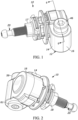
FIG. 1 is a top perspective view of an exemplary fine pitch adjuster; -
FIG. 2 is a bottom perspective view of the adjuster ofFIG. 1 ; -
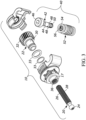
FIG. 3 is a front exploded view of the adjuster ofFIG. 1 ; -
FIG. 4 is a rear exploded view of the adjuster ofFIG. 1 ; -
FIG. 5 is a front perspective view of the adjuster ofFIG. 1 with a front portion of the housing removed; -
FIG. 6 is cross-sectional rear view of the adjuster taken along line 6-6 ofFIG. 1 ; -
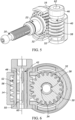
FIG. 7 is a side view of the worm input drive of the adjuster ofFIG. 1 ; -
FIG. 8 is an exploded view of the worm input drive ofFIG. 7 ; and -
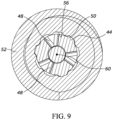
FIG. 9 is a cross-sectional view of the worm input drive taken along line 9-9 ofFIG. 7 . - Referring to
FIGS. 1 and 2 , an exemplaryfine pitch adjuster 10 is shown in front and rear perspective views. Thefine pitch adjuster 10 is used in vehicle applications to allow for fine aiming adjustments of vehicle lamps and lamp assemblies. Thefine pitch adjuster 10 includes ahousing 12, which in at least some embodiments, can be a multipart housing including afront portion 14 securable to arear portion 16, with thefront portion 14 including anose 17. Further referring toFIGS. 3 and4 providing exploded front and rear perspective views of the fine pitch adjuster 10, the housing 12 a least partially encloses aball stud 20 coupled with a helical ballstud wheel gear 22. Theball stud 20 includes aball head 24 and threadedsection 26, in at least some embodiments, the threaded section further including a pair oflongitudinal guide slots 28 on opposite sides of the threadedsection 26. - The ball
stud wheel gear 22 includes acylindrical body 30 with beveled ballstud gear teeth 32 extending radially therearound a portion thereof and a pair of internal guide ribs 34 (seeFIG. 6 ). One or more O-rings 33 can be provided around thebody 30 to provide sealing. The threadedsection 26 of theball stud 22 is threadingly engaged withthreads 36 in thenose 17, and theguide slots 28 are slidingly engaged with theguide ribs 34. When the ballstud wheel gear 22 is rotated withing thehousing 12 theball stud 20 is also rotated via the engagement of theguide slots 28 with theguide ribs 34 and translates into or out of thenose 17 via the threaded engagement causing theball head 24 to be less or more linearly displaced from thehousing 12, this displacement results in movement of the coupled vehicle lamps or lamp assemblies to provide an alignment adjustment. - Referring generally to
FIGS. 1-4 , as well asFIGS. 5-7 , an exemplaryworm input drive 40 is shown, which in at least some embodiments, is rotationally mounted at least partially in thehousing 12. In at least some embodiments, theworm input drive 40 includes aninner drive sleeve 42 having ashaft portion 44 and ahead portion 46, theshaft portion 44 including a plurality ofsleeve slots 48 formed therein and a plurality ofengagement ribs 50 extending radially therefrom and longitudinally along theshaft portion 44. The worm input drive 40 further including an outerworm gear sleeve 52 having aninner chamber 54 for receiving theshaft portion 44 of theinner drive sleeve 42 therein. The outerworm gear sleeve 52 also includes a plurality ofengagement grooves 56 extending longitudinally along theinner chamber 54 for mating engagement with theengagement ribs 50. The outerworm gear sleeve 52 further includesworm gear threads 58 extending radially therefrom. Theworm gear threads 58 are sized and shaped to matingly engage with the ballstud gear teeth 32 such that rotation of the outerworm gear sleeve 52 around a worm input drive centrallongitudinal axis 60 causes rotation of the ballstud wheel gear 22 and effectively longitudinal translation of theball stud 20. The size and pitch of theworm gear threads 58 can be selected to provide the desired level of rotation to the ballstud wheel gear 22 and resultant translation of theball stud 20. Theworm gear threads 58 can be configured to engage any of numerous gear configurations found in various types of adjuster configurations. In at least some embodiments, the outerworm gear sleeve 52 further includes atop flange portion 59 and abottom flange portion 61, wherein thetop flange portion 59 and thebottom flange portion 61 are situated outside of thehousing 12 to rotatably secure the outerworm gear sleeve 52 in position. In at least some embodiments, thetop flange portion 59 and/orbottom flange portion 61 is cylindrical having a flat bottom. - The
head portion 46 of theinner drive sleeve 42 can include atool engaging portion 62, such as a hex depression or protrusion, configured to engage a tool, such as a hex driver, for selectively rotating theinner drive sleeve 42. Rotation of theinner drive sleeve 42 causes the outerworm gear sleeve 52 to rotate due to the engagement of theengagement ribs 50 with theengagement grooves 56. As such, due to the various aforementioned engagements, rotation of thehead portion 46 in a first direction causes theball stud 20 to translate longitudinally (linearly) into thenose 17, and rotation of thehead portion 46 in a second direction causes theball stud 20 to translate longitudinally out of thenose 17. - The use of
worm gear threads 58, as opposed to a bevel gear (which would need to be prohibitively large), allows for a notable reduction in ballstud wheel gear 22 rotation relative to the rotation of the head portion 46 (high gear ratio), while allowing theadjuster 10 to maintain a compact size. For example, in at least some embodiments, a 360-degree rotation of thehead portion 46 provides a ball stud linear translation of about 0.05 millimeters relative to thehousing 12, while in other embodiments, more or less translation can be provided. In addition, as theworm gear threads 58 of the worm input drive 40 tend to provide a self-locking engagement with the beveled ballstud gear teeth 32, the aiming adjustment can be maintained even when subject to vibrations, without requiring a prohibitively high adjustment torque. - The positive rotational engagement between the
inner drive sleeve 42 and the outerworm gear sleeve 52 is desirable to cause translation of theball stud 20, except when the rotational force applied to thehead portion 46 exceeds a desired limit, with the limit being less than an applied rotational force that could damage one or more components of theadjuster 10. For example, where the components coupled to theball stud 20, or theball stud 20 itself, have reached a mechanical limit, such that continued applied rotational force would cause undesirable mechanical slippage/stripping/damage to occur to components between the outerworm gear sleeve 52 and theball stud 20. - To prevent such potential damage the
worm input drive 40 is clutchable. More particularly, when rotation of theinner drive sleeve 42 does not cause the desired rotation of the outerworm gear sleeve 52, such as due to binding of other components coupled to the outerworm gear sleeve 52, theengagement ribs 50 are pushed radially inward and if enough pressure is applied, will move out of theirrespective engagement grooves 56. Theengagement ribs 50 are allowed to move radially inward due to thesleeve slots 48 that provide room for theshaft portion 44 to at least partially collapse under theengagement ribs 50. Continued applied rotational force in the same direction will result in continued clutching, preventing damage to adjuster components. Various shapes and sizes ofsleeve slots 48,engagement ribs 50, andengagement grooves 56 can be utilized, with the shape, size, and/or material hardness determining the desired clutching force limits. - The
worm input drive 40 has been shown with thetool engaging portion 62 in thehead portion 46 of theinner drive sleeve 42, although in at least some embodiments, theinner drive sleeve 42 can be coupled to additional components (e.g., other rods, gears, extenders, etc.) to allow for an alternate, or additional, tool engaging portion that is displaced from and indirectly coupled to theinner drive sleeve 42. - Although the invention has been herein described in what is perceived to be the most practical and preferred embodiments, it is to be understood that the invention is not intended to be limited to the specific embodiments set forth above, but include modified forms of those embodiments including portions of the embodiments and combinations of elements of different embodiments as come within the scope of the following claims.
Claims (12)
- A fine pitch adjuster (10) comprising:a housing (12);a wheel gear (22) positioned within the housing (12) and coupled to a ball stud (20), wherein rotation of the wheel gear (22) provides inward and outward longitudinal translation of the ball stud (20) relative to the housing (12); anda clutching worm input drive (40) comprising:an inner drive sleeve (42) having a shaft portion (44) and a head portion (46), the shaft portion (44) including a plurality of sleeve slots (48) formed therein and a plurality of engagement ribs (50) extending longitudinally and radially therefrom; andan outer worm gear sleeve (52) rotationally mounted at least partially in the housing (12) and having worm gear threads (58) extending radially therefrom, the worm gear threads (58) coupled at least indirectly to the wheel gear (22), and an inner chamber (54) for receiving the shaft portion (44) therein, the outer worm gear sleeve (52) including a plurality of grooves (56) extending longitudinally along the inner chamber (54) for mating engagement with the plurality of engagement ribs (50), wherein rotation of the inner drive sleeve (42) provides clutchable engagement with the outer worm gear sleeve (52) to rotate the wheel gear (22),wherein clutching of the clutchable engagement includes the plurality of engagement ribs (50) moving radially inward by a partial collapse of the shaft portion (44) of the inner drive sleeve (42).
- The fine pitch adjuster (10) of claim 1, wherein the head portion (46) of the inner drive sleeve (42) includes a tool engaging portion (62) for receiving a tool to apply rotational force to the inner drive sleeve (42).
- The fine pitch adjuster (10) of claim 2, wherein the outer worm gear sleeve (52) further includes a top flange portion (59) and a bottom flange portion (61), and wherein the top flange portion (59) and the bottom flange portion (61) are situated outside of the housing (12) to rotatably secure the outer worm gear sleeve (52) relative to the housing (12).
- The fine pitch adjuster (10) of claim 1, wherein the wheel gear (22) includes a cylindrical body (30) with gear teeth (32) extending radially therearound a portion thereof for engagement with the worm gear threads (58).
- The fine pitch adjuster (10) of claim 4, wherein the wheel gear (22) includes one or more internal guide ribs (34).
- The fine pitch adjuster (10) of claim 5, wherein the ball stud (20) includes a threaded portion (26) and a head portion (24), and wherein the threaded portion (26) further includes one or more longitudinally extending grooves (28) slidingly engaged with the internal guide ribs (34) of the wheel gear (22).
- The fine pitch adjuster (10) of claim 6, wherein the housing (12) includes a threaded nose (17) engaged with the threaded portion (26) of the ball stud (20), wherein rotation of the ball stud (20) provides longitudinal translation of the ball stud (20) relative to the housing (12).
- The fine pitch adjuster (10) of claim 7, wherein the housing (12) includes a front portion (14) secured to a rear portion (16).
- A clutching worm input drive (40) for a fine pitch adjuster, comprising:an inner drive sleeve (42) having a shaft portion (44) and a head portion (46), the shaft portion (44) including a plurality of sleeve slots (48) formed therein and a plurality of engagement ribs (50) extending longitudinally and radially therefrom; and
an outer worm gear sleeve (52) having worm gear threads (58) extending radially therefrom and couplable at least indirectly to a wheel gear (22) of the fine pitch adjuster, and an inner chamber (54) for receiving the shaft portion (44) therein, the outer worm gear sleeve (52) including a plurality of grooves (56) extending longitudinally along the inner chamber (54) for mating engagement with the engagement ribs (50),wherein the inner drive sleeve (42) is in clutchable engagement with the outer worm gear sleeve (52),wherein the plurality of engagement ribs (50) are movable radially inward by a partial collapse of the shaft portion (44) of the inner drive sleeve (42) to provide clutching between the inner drive sleeve (42) and the outer worm gear sleeve (52). - The clutching worm input drive (40) of claim 9, wherein the head portion (46) of the inner drive sleeve (42) includes a tool engaging portion (62) for receiving a tool to apply rotational force to the inner drive sleeve (42).
- The clutching worm input drive (40) of claim 10, wherein the outer worm gear sleeve (52) further includes a top flange portion (59) and a bottom flange portion (61), and preferably wherein the outer worm gear sleeve (52) is rotatably mountable at least partially in a housing (12), and wherein the top flange portion (59) and the bottom flange portion (61) are situated outside of the housing (12) to rotatably secure the outer worm gear sleeve (52) relative to the housing (12).
- The clutching worm input drive (40) of claim 11, wherein the worm gear threads (58) of the outer worm gear sleeve (52) are engageable with a wheel gear (22) situated in the housing (12), wherein the wheel gear (22) is at least indirectly coupled with a ball stud (20) that is at least partially situated in the housing (12), and wherein rotation of the wheel gear (22) via the outer worm gear sleeve (52) provides translation of the ball stud (20) longitudinally from and to the housing (12).
Applications Claiming Priority (2)
| Application Number | Priority Date | Filing Date | Title |
|---|---|---|---|
| US202163202212P | 2021-06-01 | 2021-06-01 | |
| US17/664,515 US11585416B2 (en) | 2021-06-01 | 2022-05-23 | Fine pitch adjuster |
Publications (2)
| Publication Number | Publication Date |
|---|---|
| EP4098910A1 EP4098910A1 (en) | 2022-12-07 |
| EP4098910B1 true EP4098910B1 (en) | 2024-10-09 |
Family
ID=82100295
Family Applications (1)
| Application Number | Title | Priority Date | Filing Date |
|---|---|---|---|
| EP22175871.7A Active EP4098910B1 (en) | 2021-06-01 | 2022-05-27 | Fine pitch adjuster |
Country Status (4)
| Country | Link |
|---|---|
| US (1) | US11585416B2 (en) |
| EP (1) | EP4098910B1 (en) |
| CN (1) | CN115435049A (en) |
| ES (1) | ES3000957T3 (en) |
Family Cites Families (32)
| Publication number | Priority date | Publication date | Assignee | Title |
|---|---|---|---|---|
| US2069433A (en) | 1933-10-05 | 1937-02-02 | Wildhaber Ernest | Gear drive |
| DE2447582B2 (en) | 1974-10-05 | 1977-02-24 | COUPLING | |
| US4703399A (en) | 1986-07-16 | 1987-10-27 | General Motors Corporation | Vehicle headlamp assembly |
| US4796494A (en) | 1987-03-30 | 1989-01-10 | Eaton Corporation | Headlight position adjustment assembly |
| US4896562A (en) * | 1988-03-24 | 1990-01-30 | Limitorque Corporation | Valve actuator differential worm planetary gear drive |
| NL9001738A (en) | 1990-08-01 | 1992-03-02 | Allpac Int Bv | MECHANISM FOR MOTION TRANSFORMATION. |
| US5186068A (en) * | 1991-06-20 | 1993-02-16 | Peerless-Winsmith, Inc. | Gear reducer with backlash eliminator |
| US5214971A (en) | 1992-03-19 | 1993-06-01 | Accurate Threaded Fasteners, Inc. | Angular adjustment mechanism |
| US5483426A (en) | 1994-12-27 | 1996-01-09 | General Motors Corporation | Aimable vehicle headlamp assembly |
| US5707133A (en) | 1996-01-11 | 1998-01-13 | Burton Technologies | Automobile headlamp adjuster |
| US6257747B1 (en) | 1999-06-10 | 2001-07-10 | John E. Burton | Headlamp adjuster |
| US6810985B1 (en) * | 1999-12-17 | 2004-11-02 | Zf Lenksysteme Gmbh | Steering device for a vehicle |
| US6568837B2 (en) | 2000-04-21 | 2003-05-27 | Elco Textron Inc. | Motorized headlamp adjuster |
| AU9368201A (en) * | 2000-10-03 | 2002-04-15 | Linak As | A linear actuator |
| US6773153B2 (en) | 2001-08-28 | 2004-08-10 | Burton Technologies, Llc | Adjuster for headlamp assembly |
| US7118259B2 (en) | 2004-01-07 | 2006-10-10 | Asyst Technologies, Llc | Adjuster and adjuster assembly |
| US20050160846A1 (en) * | 2004-01-20 | 2005-07-28 | Yi-Chung Chiang | Linear actuator |
| KR101376465B1 (en) * | 2006-03-27 | 2014-03-19 | 존슨 컨트롤스 테크놀러지 컴퍼니 | Transmission device for seat adjuster |
| US7762686B2 (en) | 2007-01-18 | 2010-07-27 | Asyst Technologies, Llc | Lamp adjuster |
| TWM356733U (en) * | 2008-12-05 | 2009-05-11 | Moteck Electric Corp | Push rod structure |
| US8616080B2 (en) | 2009-02-23 | 2013-12-31 | Parker-Hannifin Corporation | Shuttle stop force limiter |
| DE102012105077A1 (en) * | 2012-06-12 | 2013-12-12 | Kokinetics Gmbh | adjustment |
| TWI503496B (en) * | 2013-05-23 | 2015-10-11 | Timotion Technology Co Ltd | Actuator with position detecting mechanism |
| CN105889444A (en) * | 2015-10-27 | 2016-08-24 | 深圳市兆威机电有限公司 | Gear speed reducer and gear linkage mechanism thereof |
| US10023101B2 (en) | 2016-07-07 | 2018-07-17 | Burton Technologies, Llc | Complete travel length clutching adjuster |
| US10266107B2 (en) * | 2016-12-21 | 2019-04-23 | Burton Technologies, Llc | Clutch force adjuster mechanism |
| CN110192046B (en) * | 2016-12-30 | 2022-05-27 | 赛峰电子与防务公司 | Actuator with passive locking |
| CN208529152U (en) * | 2018-07-12 | 2019-02-22 | 深圳市优必选科技有限公司 | Robot and its steering gear, overload protection structure |
| CN111089153B (en) | 2018-10-22 | 2025-02-28 | 伊利诺斯工具制品有限公司 | Transmission |
| DE202019103359U1 (en) * | 2019-06-14 | 2020-09-15 | Dewertokin Gmbh | Linear drive with coupling |
| CN110445298B (en) * | 2019-08-23 | 2020-12-22 | 浙江欧托电气有限公司 | A centrifugal protection electromagnetic adsorption type electrorheological glass lifter motor |
| CN212775246U (en) * | 2020-01-17 | 2021-03-23 | 东莞市伟创动力科技有限公司 | Overload protection structure of gear box |
-
2022
- 2022-05-23 US US17/664,515 patent/US11585416B2/en active Active
- 2022-05-27 ES ES22175871T patent/ES3000957T3/en active Active
- 2022-05-27 EP EP22175871.7A patent/EP4098910B1/en active Active
- 2022-05-31 CN CN202210614818.7A patent/CN115435049A/en active Pending
Also Published As
| Publication number | Publication date |
|---|---|
| US20220381324A1 (en) | 2022-12-01 |
| CN115435049A (en) | 2022-12-06 |
| US11585416B2 (en) | 2023-02-21 |
| EP4098910A1 (en) | 2022-12-07 |
| ES3000957T3 (en) | 2025-03-04 |
Similar Documents
| Publication | Publication Date | Title |
|---|---|---|
| JP4592706B2 (en) | Electric lamp adjustment device | |
| US20060230852A1 (en) | Adjuster for headlamp assembly | |
| US7824087B2 (en) | Headlamp adjuster | |
| US20140153268A1 (en) | Gear screw adjuster | |
| CN107107810B (en) | Lighting corrector for a motor vehicle headlight with an improved stop | |
| GB2285501A (en) | An automobile headlamp | |
| CN101526116A (en) | Automatic adjusting arm of automobile | |
| US7198392B2 (en) | Torque limiting adjuster | |
| US20230048664A1 (en) | Vehicle Headlight Aiming Device | |
| EP4098910B1 (en) | Fine pitch adjuster | |
| EP3339093B1 (en) | Vehicle headlamp adjuster mechanism with clutch | |
| US7438457B2 (en) | Input shaft for a lamp adjuster | |
| US10351046B2 (en) | Lamp adjuster device and method of use | |
| CN216408836U (en) | Calibration device for vehicle lamp | |
| CN205535483U (en) | Two -way mechanism that adjusts luminance of front fog lamp | |
| US7572042B2 (en) | Leveling device for vehicular headlamp | |
| KR100398130B1 (en) | Gearing-device of aiming gear of head lamp being made up of 4-lamp for automobile | |
| CN210688092U (en) | Manual shunting lamp adjusting device | |
| CN220355229U (en) | Structure for preventing excessive dimming mode | |
| KR0125512Y1 (en) | Headlamp aiming device | |
| JP2024158743A (en) | Vehicle headlights | |
| JP2517581Y2 (en) | Optical axis adjustment device for vehicle lighting |
Legal Events
| Date | Code | Title | Description |
|---|---|---|---|
| PUAI | Public reference made under article 153(3) epc to a published international application that has entered the european phase |
Free format text: ORIGINAL CODE: 0009012 |
|
| STAA | Information on the status of an ep patent application or granted ep patent |
Free format text: STATUS: THE APPLICATION HAS BEEN PUBLISHED |
|
| AK | Designated contracting states |
Kind code of ref document: A1 Designated state(s): AL AT BE BG CH CY CZ DE DK EE ES FI FR GB GR HR HU IE IS IT LI LT LU LV MC MK MT NL NO PL PT RO RS SE SI SK SM TR |
|
| STAA | Information on the status of an ep patent application or granted ep patent |
Free format text: STATUS: REQUEST FOR EXAMINATION WAS MADE |
|
| 17P | Request for examination filed |
Effective date: 20230411 |
|
| RBV | Designated contracting states (corrected) |
Designated state(s): AL AT BE BG CH CY CZ DE DK EE ES FI FR GB GR HR HU IE IS IT LI LT LU LV MC MK MT NL NO PL PT RO RS SE SI SK SM TR |
|
| RAP3 | Party data changed (applicant data changed or rights of an application transferred) |
Owner name: ASYST TECHNOLOGIES L.P. |
|
| GRAP | Despatch of communication of intention to grant a patent |
Free format text: ORIGINAL CODE: EPIDOSNIGR1 |
|
| STAA | Information on the status of an ep patent application or granted ep patent |
Free format text: STATUS: GRANT OF PATENT IS INTENDED |
|
| INTG | Intention to grant announced |
Effective date: 20240705 |
|
| GRAS | Grant fee paid |
Free format text: ORIGINAL CODE: EPIDOSNIGR3 |
|
| GRAA | (expected) grant |
Free format text: ORIGINAL CODE: 0009210 |
|
| STAA | Information on the status of an ep patent application or granted ep patent |
Free format text: STATUS: THE PATENT HAS BEEN GRANTED |
|
| AK | Designated contracting states |
Kind code of ref document: B1 Designated state(s): AL AT BE BG CH CY CZ DE DK EE ES FI FR GB GR HR HU IE IS IT LI LT LU LV MC MK MT NL NO PL PT RO RS SE SI SK SM TR |
|
| REG | Reference to a national code |
Ref country code: CH Ref legal event code: EP |
|
| P01 | Opt-out of the competence of the unified patent court (upc) registered |
Free format text: CASE NUMBER: APP_51252/2024 Effective date: 20240910 |
|
| REG | Reference to a national code |
Ref country code: DE Ref legal event code: R096 Ref document number: 602022006613 Country of ref document: DE |
|
| REG | Reference to a national code |
Ref country code: IE Ref legal event code: FG4D |
|
| REG | Reference to a national code |
Ref country code: LT Ref legal event code: MG9D |
|
| REG | Reference to a national code |
Ref country code: NL Ref legal event code: MP Effective date: 20241009 |
|
| REG | Reference to a national code |
Ref country code: ES Ref legal event code: FG2A Ref document number: 3000957 Country of ref document: ES Kind code of ref document: T3 Effective date: 20250304 |
|
| REG | Reference to a national code |
Ref country code: AT Ref legal event code: MK05 Ref document number: 1730906 Country of ref document: AT Kind code of ref document: T Effective date: 20241009 |
|
| PG25 | Lapsed in a contracting state [announced via postgrant information from national office to epo] |
Ref country code: NL Free format text: LAPSE BECAUSE OF FAILURE TO SUBMIT A TRANSLATION OF THE DESCRIPTION OR TO PAY THE FEE WITHIN THE PRESCRIBED TIME-LIMIT Effective date: 20241009 |
|
| PG25 | Lapsed in a contracting state [announced via postgrant information from national office to epo] |
Ref country code: NL Free format text: LAPSE BECAUSE OF FAILURE TO SUBMIT A TRANSLATION OF THE DESCRIPTION OR TO PAY THE FEE WITHIN THE PRESCRIBED TIME-LIMIT Effective date: 20241009 |
|
| PG25 | Lapsed in a contracting state [announced via postgrant information from national office to epo] |
Ref country code: HR Free format text: LAPSE BECAUSE OF FAILURE TO SUBMIT A TRANSLATION OF THE DESCRIPTION OR TO PAY THE FEE WITHIN THE PRESCRIBED TIME-LIMIT Effective date: 20241009 Ref country code: IS Free format text: LAPSE BECAUSE OF FAILURE TO SUBMIT A TRANSLATION OF THE DESCRIPTION OR TO PAY THE FEE WITHIN THE PRESCRIBED TIME-LIMIT Effective date: 20250209 Ref country code: PT Free format text: LAPSE BECAUSE OF FAILURE TO SUBMIT A TRANSLATION OF THE DESCRIPTION OR TO PAY THE FEE WITHIN THE PRESCRIBED TIME-LIMIT Effective date: 20250210 |
|
| PG25 | Lapsed in a contracting state [announced via postgrant information from national office to epo] |
Ref country code: FI Free format text: LAPSE BECAUSE OF FAILURE TO SUBMIT A TRANSLATION OF THE DESCRIPTION OR TO PAY THE FEE WITHIN THE PRESCRIBED TIME-LIMIT Effective date: 20241009 |
|
| PG25 | Lapsed in a contracting state [announced via postgrant information from national office to epo] |
Ref country code: BG Free format text: LAPSE BECAUSE OF FAILURE TO SUBMIT A TRANSLATION OF THE DESCRIPTION OR TO PAY THE FEE WITHIN THE PRESCRIBED TIME-LIMIT Effective date: 20241009 |
|
| PG25 | Lapsed in a contracting state [announced via postgrant information from national office to epo] |
Ref country code: NO Free format text: LAPSE BECAUSE OF FAILURE TO SUBMIT A TRANSLATION OF THE DESCRIPTION OR TO PAY THE FEE WITHIN THE PRESCRIBED TIME-LIMIT Effective date: 20250109 |
|
| PG25 | Lapsed in a contracting state [announced via postgrant information from national office to epo] |
Ref country code: AT Free format text: LAPSE BECAUSE OF FAILURE TO SUBMIT A TRANSLATION OF THE DESCRIPTION OR TO PAY THE FEE WITHIN THE PRESCRIBED TIME-LIMIT Effective date: 20241009 Ref country code: LV Free format text: LAPSE BECAUSE OF FAILURE TO SUBMIT A TRANSLATION OF THE DESCRIPTION OR TO PAY THE FEE WITHIN THE PRESCRIBED TIME-LIMIT Effective date: 20241009 Ref country code: GR Free format text: LAPSE BECAUSE OF FAILURE TO SUBMIT A TRANSLATION OF THE DESCRIPTION OR TO PAY THE FEE WITHIN THE PRESCRIBED TIME-LIMIT Effective date: 20250110 |
|
| PG25 | Lapsed in a contracting state [announced via postgrant information from national office to epo] |
Ref country code: PL Free format text: LAPSE BECAUSE OF FAILURE TO SUBMIT A TRANSLATION OF THE DESCRIPTION OR TO PAY THE FEE WITHIN THE PRESCRIBED TIME-LIMIT Effective date: 20241009 |
|
| PG25 | Lapsed in a contracting state [announced via postgrant information from national office to epo] |
Ref country code: RS Free format text: LAPSE BECAUSE OF FAILURE TO SUBMIT A TRANSLATION OF THE DESCRIPTION OR TO PAY THE FEE WITHIN THE PRESCRIBED TIME-LIMIT Effective date: 20250109 |
|
| PG25 | Lapsed in a contracting state [announced via postgrant information from national office to epo] |
Ref country code: SM Free format text: LAPSE BECAUSE OF FAILURE TO SUBMIT A TRANSLATION OF THE DESCRIPTION OR TO PAY THE FEE WITHIN THE PRESCRIBED TIME-LIMIT Effective date: 20241009 |
|
| PGFP | Annual fee paid to national office [announced via postgrant information from national office to epo] |
Ref country code: DE Payment date: 20250528 Year of fee payment: 4 |
|
| PG25 | Lapsed in a contracting state [announced via postgrant information from national office to epo] |
Ref country code: DK Free format text: LAPSE BECAUSE OF FAILURE TO SUBMIT A TRANSLATION OF THE DESCRIPTION OR TO PAY THE FEE WITHIN THE PRESCRIBED TIME-LIMIT Effective date: 20241009 |
|
| PGFP | Annual fee paid to national office [announced via postgrant information from national office to epo] |
Ref country code: ES Payment date: 20250611 Year of fee payment: 4 |
|
| REG | Reference to a national code |
Ref country code: DE Ref legal event code: R097 Ref document number: 602022006613 Country of ref document: DE |
|
| PG25 | Lapsed in a contracting state [announced via postgrant information from national office to epo] |
Ref country code: EE Free format text: LAPSE BECAUSE OF FAILURE TO SUBMIT A TRANSLATION OF THE DESCRIPTION OR TO PAY THE FEE WITHIN THE PRESCRIBED TIME-LIMIT Effective date: 20241009 |
|
| PGFP | Annual fee paid to national office [announced via postgrant information from national office to epo] |
Ref country code: FR Payment date: 20250526 Year of fee payment: 4 |
|
| PG25 | Lapsed in a contracting state [announced via postgrant information from national office to epo] |
Ref country code: RO Free format text: LAPSE BECAUSE OF FAILURE TO SUBMIT A TRANSLATION OF THE DESCRIPTION OR TO PAY THE FEE WITHIN THE PRESCRIBED TIME-LIMIT Effective date: 20241009 |
|
| PG25 | Lapsed in a contracting state [announced via postgrant information from national office to epo] |
Ref country code: SK Free format text: LAPSE BECAUSE OF FAILURE TO SUBMIT A TRANSLATION OF THE DESCRIPTION OR TO PAY THE FEE WITHIN THE PRESCRIBED TIME-LIMIT Effective date: 20241009 |
|
| PG25 | Lapsed in a contracting state [announced via postgrant information from national office to epo] |
Ref country code: CZ Free format text: LAPSE BECAUSE OF FAILURE TO SUBMIT A TRANSLATION OF THE DESCRIPTION OR TO PAY THE FEE WITHIN THE PRESCRIBED TIME-LIMIT Effective date: 20241009 |
|
| PG25 | Lapsed in a contracting state [announced via postgrant information from national office to epo] |
Ref country code: IT Free format text: LAPSE BECAUSE OF FAILURE TO SUBMIT A TRANSLATION OF THE DESCRIPTION OR TO PAY THE FEE WITHIN THE PRESCRIBED TIME-LIMIT Effective date: 20241009 |
|
| PLBE | No opposition filed within time limit |
Free format text: ORIGINAL CODE: 0009261 |
|
| STAA | Information on the status of an ep patent application or granted ep patent |
Free format text: STATUS: NO OPPOSITION FILED WITHIN TIME LIMIT |
|
| PG25 | Lapsed in a contracting state [announced via postgrant information from national office to epo] |
Ref country code: SE Free format text: LAPSE BECAUSE OF FAILURE TO SUBMIT A TRANSLATION OF THE DESCRIPTION OR TO PAY THE FEE WITHIN THE PRESCRIBED TIME-LIMIT Effective date: 20241009 |
|
| 26N | No opposition filed |
Effective date: 20250710 |
|
| REG | Reference to a national code |
Ref country code: CH Ref legal event code: H13 Free format text: ST27 STATUS EVENT CODE: U-0-0-H10-H13 (AS PROVIDED BY THE NATIONAL OFFICE) Effective date: 20251223 |
|
| PG25 | Lapsed in a contracting state [announced via postgrant information from national office to epo] |
Ref country code: LU Free format text: LAPSE BECAUSE OF NON-PAYMENT OF DUE FEES Effective date: 20250527 |
|
| PG25 | Lapsed in a contracting state [announced via postgrant information from national office to epo] |
Ref country code: CH Free format text: LAPSE BECAUSE OF NON-PAYMENT OF DUE FEES Effective date: 20250531 |
|
| REG | Reference to a national code |
Ref country code: BE Ref legal event code: MM Effective date: 20250531 |
|
| PG25 | Lapsed in a contracting state [announced via postgrant information from national office to epo] |
Ref country code: MC Free format text: LAPSE BECAUSE OF FAILURE TO SUBMIT A TRANSLATION OF THE DESCRIPTION OR TO PAY THE FEE WITHIN THE PRESCRIBED TIME-LIMIT Effective date: 20241009 |
|
| PGFP | Annual fee paid to national office [announced via postgrant information from national office to epo] |
Ref country code: GB Payment date: 20260331 Year of fee payment: 5 |
|
| PG25 | Lapsed in a contracting state [announced via postgrant information from national office to epo] |
Ref country code: IE Free format text: LAPSE BECAUSE OF NON-PAYMENT OF DUE FEES Effective date: 20250527 |
|
| PG25 | Lapsed in a contracting state [announced via postgrant information from national office to epo] |
Ref country code: BE Free format text: LAPSE BECAUSE OF NON-PAYMENT OF DUE FEES Effective date: 20250531 |