EP4089680B1 - Verfahren, vorrichtung und system zur echtzeitoptimierung einer vorrichtung auf molekularniveau und speichermedium - Google Patents
Verfahren, vorrichtung und system zur echtzeitoptimierung einer vorrichtung auf molekularniveau und speichermedium Download PDFInfo
- Publication number
- EP4089680B1 EP4089680B1 EP21822840.1A EP21822840A EP4089680B1 EP 4089680 B1 EP4089680 B1 EP 4089680B1 EP 21822840 A EP21822840 A EP 21822840A EP 4089680 B1 EP4089680 B1 EP 4089680B1
- Authority
- EP
- European Patent Office
- Prior art keywords
- product
- single molecule
- group
- predicted
- preset
- Prior art date
- Legal status (The legal status is an assumption and is not a legal conclusion. Google has not performed a legal analysis and makes no representation as to the accuracy of the status listed.)
- Active
Links
Images

Classifications
-
- C—CHEMISTRY; METALLURGY
- C10—PETROLEUM, GAS OR COKE INDUSTRIES; TECHNICAL GASES CONTAINING CARBON MONOXIDE; FUELS; LUBRICANTS; PEAT
- C10G—CRACKING HYDROCARBON OILS; PRODUCTION OF LIQUID HYDROCARBON MIXTURES, e.g. BY DESTRUCTIVE HYDROGENATION, OLIGOMERISATION, POLYMERISATION; RECOVERY OF HYDROCARBON OILS FROM OIL-SHALE, OIL-SAND, OR GASES; REFINING MIXTURES MAINLY CONSISTING OF HYDROCARBONS; REFORMING OF NAPHTHA; MINERAL WAXES
- C10G11/00—Catalytic cracking, in the absence of hydrogen, of hydrocarbon oils
- C10G11/14—Catalytic cracking, in the absence of hydrogen, of hydrocarbon oils with preheated moving solid catalysts
- C10G11/18—Catalytic cracking, in the absence of hydrogen, of hydrocarbon oils with preheated moving solid catalysts according to the "fluidised-bed" technique
- C10G11/187—Controlling or regulating
-
- G—PHYSICS
- G16—INFORMATION AND COMMUNICATION TECHNOLOGY [ICT] SPECIALLY ADAPTED FOR SPECIFIC APPLICATION FIELDS
- G16C—COMPUTATIONAL CHEMISTRY; CHEMOINFORMATICS; COMPUTATIONAL MATERIALS SCIENCE
- G16C10/00—Computational theoretical chemistry, i.e. ICT specially adapted for theoretical aspects of quantum chemistry, molecular mechanics, molecular dynamics or the like
-
- C—CHEMISTRY; METALLURGY
- C10—PETROLEUM, GAS OR COKE INDUSTRIES; TECHNICAL GASES CONTAINING CARBON MONOXIDE; FUELS; LUBRICANTS; PEAT
- C10G—CRACKING HYDROCARBON OILS; PRODUCTION OF LIQUID HYDROCARBON MIXTURES, e.g. BY DESTRUCTIVE HYDROGENATION, OLIGOMERISATION, POLYMERISATION; RECOVERY OF HYDROCARBON OILS FROM OIL-SHALE, OIL-SAND, OR GASES; REFINING MIXTURES MAINLY CONSISTING OF HYDROCARBONS; REFORMING OF NAPHTHA; MINERAL WAXES
- C10G35/00—Reforming naphtha
- C10G35/24—Controlling or regulating of reforming operations
-
- C—CHEMISTRY; METALLURGY
- C10—PETROLEUM, GAS OR COKE INDUSTRIES; TECHNICAL GASES CONTAINING CARBON MONOXIDE; FUELS; LUBRICANTS; PEAT
- C10G—CRACKING HYDROCARBON OILS; PRODUCTION OF LIQUID HYDROCARBON MIXTURES, e.g. BY DESTRUCTIVE HYDROGENATION, OLIGOMERISATION, POLYMERISATION; RECOVERY OF HYDROCARBON OILS FROM OIL-SHALE, OIL-SAND, OR GASES; REFINING MIXTURES MAINLY CONSISTING OF HYDROCARBONS; REFORMING OF NAPHTHA; MINERAL WAXES
- C10G45/00—Refining of hydrocarbon oils using hydrogen or hydrogen-generating compounds
- C10G45/72—Controlling or regulating
-
- C—CHEMISTRY; METALLURGY
- C10—PETROLEUM, GAS OR COKE INDUSTRIES; TECHNICAL GASES CONTAINING CARBON MONOXIDE; FUELS; LUBRICANTS; PEAT
- C10G—CRACKING HYDROCARBON OILS; PRODUCTION OF LIQUID HYDROCARBON MIXTURES, e.g. BY DESTRUCTIVE HYDROGENATION, OLIGOMERISATION, POLYMERISATION; RECOVERY OF HYDROCARBON OILS FROM OIL-SHALE, OIL-SAND, OR GASES; REFINING MIXTURES MAINLY CONSISTING OF HYDROCARBONS; REFORMING OF NAPHTHA; MINERAL WAXES
- C10G47/00—Cracking of hydrocarbon oils, in the presence of hydrogen or hydrogen- generating compounds, to obtain lower boiling fractions
- C10G47/36—Controlling or regulating
-
- C—CHEMISTRY; METALLURGY
- C10—PETROLEUM, GAS OR COKE INDUSTRIES; TECHNICAL GASES CONTAINING CARBON MONOXIDE; FUELS; LUBRICANTS; PEAT
- C10G—CRACKING HYDROCARBON OILS; PRODUCTION OF LIQUID HYDROCARBON MIXTURES, e.g. BY DESTRUCTIVE HYDROGENATION, OLIGOMERISATION, POLYMERISATION; RECOVERY OF HYDROCARBON OILS FROM OIL-SHALE, OIL-SAND, OR GASES; REFINING MIXTURES MAINLY CONSISTING OF HYDROCARBONS; REFORMING OF NAPHTHA; MINERAL WAXES
- C10G9/00—Thermal non-catalytic cracking, in the absence of hydrogen, of hydrocarbon oils
- C10G9/005—Coking (in order to produce liquid products mainly)
-
- G—PHYSICS
- G16—INFORMATION AND COMMUNICATION TECHNOLOGY [ICT] SPECIALLY ADAPTED FOR SPECIFIC APPLICATION FIELDS
- G16C—COMPUTATIONAL CHEMISTRY; CHEMOINFORMATICS; COMPUTATIONAL MATERIALS SCIENCE
- G16C20/00—Chemoinformatics, i.e. ICT specially adapted for the handling of physicochemical or structural data of chemical particles, elements, compounds or mixtures
- G16C20/10—Analysis or design of chemical reactions, syntheses or processes
-
- G—PHYSICS
- G16—INFORMATION AND COMMUNICATION TECHNOLOGY [ICT] SPECIALLY ADAPTED FOR SPECIFIC APPLICATION FIELDS
- G16C—COMPUTATIONAL CHEMISTRY; CHEMOINFORMATICS; COMPUTATIONAL MATERIALS SCIENCE
- G16C20/00—Chemoinformatics, i.e. ICT specially adapted for the handling of physicochemical or structural data of chemical particles, elements, compounds or mixtures
- G16C20/20—Identification of molecular entities, parts thereof or of chemical compositions
-
- G—PHYSICS
- G16—INFORMATION AND COMMUNICATION TECHNOLOGY [ICT] SPECIALLY ADAPTED FOR SPECIFIC APPLICATION FIELDS
- G16C—COMPUTATIONAL CHEMISTRY; CHEMOINFORMATICS; COMPUTATIONAL MATERIALS SCIENCE
- G16C20/00—Chemoinformatics, i.e. ICT specially adapted for the handling of physicochemical or structural data of chemical particles, elements, compounds or mixtures
- G16C20/30—Prediction of properties of chemical compounds, compositions or mixtures
-
- G—PHYSICS
- G16—INFORMATION AND COMMUNICATION TECHNOLOGY [ICT] SPECIALLY ADAPTED FOR SPECIFIC APPLICATION FIELDS
- G16C—COMPUTATIONAL CHEMISTRY; CHEMOINFORMATICS; COMPUTATIONAL MATERIALS SCIENCE
- G16C20/00—Chemoinformatics, i.e. ICT specially adapted for the handling of physicochemical or structural data of chemical particles, elements, compounds or mixtures
- G16C20/90—Programming languages; Computing architectures; Database systems; Data warehousing
-
- G—PHYSICS
- G16—INFORMATION AND COMMUNICATION TECHNOLOGY [ICT] SPECIALLY ADAPTED FOR SPECIFIC APPLICATION FIELDS
- G16C—COMPUTATIONAL CHEMISTRY; CHEMOINFORMATICS; COMPUTATIONAL MATERIALS SCIENCE
- G16C60/00—Computational materials science, i.e. ICT specially adapted for investigating the physical or chemical properties of materials or phenomena associated with their design, synthesis, processing, characterisation or utilisation
-
- G—PHYSICS
- G16—INFORMATION AND COMMUNICATION TECHNOLOGY [ICT] SPECIALLY ADAPTED FOR SPECIFIC APPLICATION FIELDS
- G16C—COMPUTATIONAL CHEMISTRY; CHEMOINFORMATICS; COMPUTATIONAL MATERIALS SCIENCE
- G16C20/00—Chemoinformatics, i.e. ICT specially adapted for the handling of physicochemical or structural data of chemical particles, elements, compounds or mixtures
- G16C20/70—Machine learning, data mining or chemometrics
Definitions
- the present disclosure relates to the technical field of petroleum processing and, in particularly to a method, an apparatus and a system for real-time optimization of a molecular-level device, and a storage medium.
- the present disclosure provides a method, an apparatus and a system for real-time optimization of a molecular level device, and a storage medium.
- the present disclosure provides a method for the real-time optimization of a molecular level device, the method comprising the following steps:
- the method preferably further includes:
- a subsequent step may be carried out, to perform the step of obtaining predicted molecular composition of a corresponding predicted product and predicted molecular content of each single molecule in the predicted molecular composition.
- the determining whether the predicted product meets a preset standard for a target product corresponding to the predicted product in the preset standard set preferably includes:
- a subsequent step may be carried out, to determine that the predicted product meets the preset standard for the target product corresponding to the predicted product in the preset standard set, and to perform the step of obtaining predicted molecular composition of a corresponding predicted product and predicted molecular content of each single molecule in the predicted molecular composition.
- the method preferably further includes:
- the determining whether the predicted product meets a preset standard for a target product corresponding to the predicted product in the preset standard set preferably includes:
- the obtaining a target parameter according to all of the mixed products and determining whether the target parameter meets a preset condition preferably includes:
- the operation parameter includes a temperature of an environment where a reaction path in the pre-trained product prediction model is located, and the adjusting an operation parameter in the pre-trained product prediction model preferably includes:
- the operation parameter includes a pressure of an environment where a reaction path in the pre-trained product prediction model is located, and the adjusting an operation parameter in the pre-trained product prediction model preferably includes:
- the respectively calculating product property of each of the mixed products according to the molecular composition of each of the mixed products and the content of each single molecule in each of the mixed products preferably includes:
- the calculating a physical property of each single molecule preferably includes:
- the method preferably further includes:
- the acquiring the number of groups of each group constituting a single molecule includes:
- the physical property of the single molecule preferably includes a density of a single molecule
- the pre-trained property calculation model preferably determines the density of the single molecule in the following manner:
- D SOL ⁇ GROUP 21 SOL ⁇ GROUP 22 + ... ... + SOL ⁇ GROUP 2 N ⁇ e ;
- D is the density of the single molecule
- SOL is a single molecule vector converted according to the number of groups of each group constituting the single molecule
- GROUP 21 is an N+1-th contribution value vector converted according to a contribution value of the primary group to the density
- GROUP 22 is an N+2-th contribution value vector converted according to a contribution value of the secondary group to the density
- GROUP 2N is a 2N-th contribution value vector converted according to a contribution value of the N-stage group to the density
- e is the fourth preset constant
- N is a positive integer greater than or equal to 2.
- the physical property of the single molecule preferably includes an octane number of a single molecule
- the pre-trained property calculation model preferably determines the octane number of the single molecule in the following manner:
- X SOL ⁇ GROUP 31 + SOL ⁇ GROUP 32 + ... ... + SOL ⁇ GROUP 3 N + h ;
- X is the octane number of the single molecule
- SOL is a single molecule vector converted according to the number of groups of each group constituting the single molecule
- GROUP 31 is a 2N+1-th contribution value vector converted according to a contribution value of the primary group to the octane number
- GROUP 32 is a 2N+2-th contribution value vector converted according to a contribution value of the secondary group to the octane number
- GROUP 3N is a 3N-ty contribution value vector converted according to a contribution value of the N-stage group to the octane number
- N is a positive integer greater than or equal to 2
- h is the fifth preset constant.
- the product property of the mixed products includes a density, a cloud point, a pour point, an aniline point, and an octane number.
- calculating the product property of each of the mixed products preferably includes: calculating the density of each of the mixed products in the following manner:
- density ⁇ ( D i ⁇ x i _ volume ); where, density is the density of the mixed product, D i is the density of the i -th single molecule, and x i _ volume is second component content of the i -th single molecule.
- calculating the product property of each of the mixed products preferably includes:
- calculating the product property of each of the mixed products preferably includes:
- calculating the product property of each of the mixed products preferably includes:
- calculating the product property of each of the mixed products preferably includes:
- a step of training the product prediction model preferably includes:
- the sample feedstock information of the sample feedstock preferably includes: molecular composition of the sample feedstock, molecular content of each molecule in the sample feedstock, molecular composition of an actual product corresponding to the sample feedstock, and actual content of each molecule in the actual product.
- the training the set of reaction rules by using the sample feedstock information preferably includes:
- the calculating a first relative deviation according to the first molecular composition of the device output product and second molecular composition of the actual product preferably includes:
- x 1 card M ⁇ M 1 ⁇ M 2 ⁇ M 3 card M ⁇ M 1 ⁇ M 2 ;
- x 1 is the first relative deviation
- M is the first set
- M 1 is a set of species of single molecules in the molecular composition of the sample feedstock
- M 2 is a set of species of single molecules in the molecular composition of the intermediate product
- M 3 is the second set
- card is the number of elements in the sets.
- the training the reaction rate algorithm by using the sample feedstock information preferably includes:
- the acquiring molecular composition of various fractions obtained by distillation of the crude oil preferably includes:
- Types of the petroleum processing devices include: a catalytic cracking unit, a delayed coking unit, a residue hydrotreating unit, a hydrocracking unit, a diesel hydro-upgrading unit, a diesel hydro-refining unit, a gasoline hydro-refining unit, a catalytic reforming unit and an alkylation unit; wherein each petroleum processing device corresponds to a set of reaction rules.
- the present disclosure provides an apparatus for real-time optimization of a molecular level device, the apparatus for real-time optimization comprising:
- the apparatus further includes: a flow control unit configured to acquire an input flow of petroleum processing feedstocks input to each of the petroleum processing devices, determine whether each of the input flows meets a preset input flow range of the respective petroleum processing device, adjust the preset feedstock ratio if any one of the input flows does not meet the preset input flow range of the respective petroleum processing device, and respectively re-input, according to the adjusted preset feedstock ratio, the corresponding fractions into the pre-trained product prediction model of the respective petroleum processing device as petroleum processing feedstocks, until each of the input flows meets the preset input flow range of the respective petroleum processing device.
- a flow control unit configured to acquire an input flow of petroleum processing feedstocks input to each of the petroleum processing devices, determine whether each of the input flows meets a preset input flow range of the respective petroleum processing device, adjust the preset feedstock ratio if any one of the input flows does not meet the preset input flow range of the respective petroleum processing device, and respectively re-input, according to the adjusted preset feedstock ratio, the corresponding fractions into
- the third processing unit is configured to calculate a physical property of each single molecule in the predicted molecular composition according to the predicted molecular composition of the predicted product and the predicted molecular content of each single molecule in the predicted molecular composition, calculate a predicted physical property of the predicted product according to the physical property of each single molecule in the predicted molecular composition and the predicted molecular content of each single molecule in the predicted molecular composition, and determine whether the predicted physical property of each of the predicted products meets a preset physical property restriction interval of the corresponding target product in the preset standard set.
- the apparatus further includes: a product blending unit configured to blend each of the predicted products which is used as a product blending feedstock according to a preset rule set, to obtain molecular composition of a plurality of mixed products and content of each single molecule in each of the mixed products, and respectively calculate product property of each of the mixed products according to the molecular composition of each of the mixed products and the content of each single molecule in each of the mixed products.
- a product blending unit configured to blend each of the predicted products which is used as a product blending feedstock according to a preset rule set, to obtain molecular composition of a plurality of mixed products and content of each single molecule in each of the mixed products, and respectively calculate product property of each of the mixed products according to the molecular composition of each of the mixed products and the content of each single molecule in each of the mixed products.
- the third processing unit is configured to determine whether the product property of each of the mixed products meets a preset product property of a target mixed product obtained by blending corresponding each target product in the preset standard set;
- the third processing unit is configured to acquire a product price of each of mixed products and a yield of each of mixed products, calculate a product benefit of each of mixed products according to the yield of each of mixed products and the product price of each of mixed products, accumulate the product benefit of each of mixed products to obtain a cumulative benefit, acquire a feedstock price of each group of the petroleum processing feedstocks and an operating cost of each of the petroleum processing devices, subtract feedstock prices of all of the petroleum processing feedstocks and operating costs of all of the petroleum processing devices from the cumulative benefit to obtain a comprehensive benefit, serve the comprehensive benefit as the target parameter, determine whether the comprehensive benefit reaches a maximum value, determine that the target parameter meets the preset condition if the comprehensive benefit reaches the maximum value; and determine that the target parameter does not meet the preset condition if the comprehensive benefit does not reach the maximum value.
- the third processing unit is configured to adjust a temperature of an environment where a reaction path corresponding to the predicted product in the pre-trained product prediction model is located, and re-obtain the predicted molecular composition of the predicted product and the predicted molecular content of each single molecule in each of the predicted products according to the adjusted temperature until the predicted product meets the preset standard for the target product corresponding to the predicted product in the preset standard set.
- the third processing unit is configured to adjust a pressure of an environment where a reaction path corresponding to the predicted product in the pre-trained product prediction model is located, and re-obtain the predicted molecular composition of the predicted product and the predicted molecular content of each single molecule in each of the predicted products according to the adjusted pressure until the predicted product meets the preset standard for the target product corresponding to the predicted product in the preset standard set.
- the product blending unit is configured to acquire first molecular composition of each group of the product blending feedstocks and first component content of each single molecule in each group of the product blending feedstocks, based on the preset rule set, obtain second molecular composition of each of mixed products and second component content of each single molecule in each of mixed products according to the first molecular composition of each group of the product blending feedstocks and the first component content of each single molecule in each group of the product blending feedstocks, calculate a physical property of each single molecule in each of the mixed products according to the number of groups of each group contained in each single molecule in each of the mixed products and a contribution value of each group to the physical property, and calculate a product property of each of the mixed products according to the physical property and the second component content of each single molecule in each of the mixed products.
- the product blending unit is configured to, for each single molecule, acquire the number of groups of each group constituting the single molecule and a contribution value of each group to the physical property, and input the number of groups of each group constituting the single molecule and the contribution value of each group to the physical property into a pre-trained property calculation model, to acquire the physical property of the single molecule outputted by the pre-trained property calculation model; wherein the pre-trained property calculation model is used to calculate the physical property of the single molecule according to the number of groups of each group contained in a single molecule and a contribution value of each group to the physical property.
- the apparatus further includes: a single molecule property template matching unit configured to compare the number of groups of each group constituting the single molecule with molecular information of a template single molecule with known physical properties pre-stored in a database, the molecular information comprising the number of groups of each group constituting the template single molecule, determine whether there is a same template single molecule as the single molecule, if there is a same template single molecule as the single molecule, output the physical properties of the template single molecule as a physical property of the single molecule, and if there is not a same template single molecule as the single molecule, then, by the product blending unit, perform the step of the inputting the number of groups of each group constituting the single molecule and the contribution value of each group to the physical property into a pre-trained property calculation model.
- a single molecule property template matching unit configured to compare the number of groups of each group constituting the single molecule with molecular information of a template single molecule with known physical properties pre-stored in a database,
- the apparatus further includes: a model training unit configured to construct a property calculation model of a single molecule, acquire the number of groups of each group constituting a sample single molecule; wherein the physical property of the sample single molecule is known, input the number of groups of each group constituting the sample single molecule into the property calculation model, acquire a predicted physical property of the sample single molecule output by the property calculation model, if a deviation value between the predicted physical property and the physical property which is known is less than a preset deviation threshold, determine that the property calculation model converges, acquire a contribution value of each group to the physical property in the property calculation model which is converged, and store the contribution value of the group to the physical property, and if the deviation value between the predicted physical property and the physical property which is known is greater than or equal to the deviation threshold, adjust a contribution value of each group to the physical property in the property calculation model until the property calculation model converges.
- a model training unit configured to construct a property calculation model of a single molecule, acquire the number of groups of each group
- the model training unit is configured to determine a primary group, the number of groups of the primary group, a multi-stage group, and the number of groups of the multi-stage group in all groups of the single molecule, take all groups constituting the single molecule as the primary group, and take various groups which coexist and contribute to a same physical property in common as the multi-stage group, and take the number of the various groups as a level of the multi-stage group.
- the product blending unit in particular, is configured to determine a primary group, the number of groups of the primary group, a multi-stage group, and the number of groups of the multi-stage group in all groups of the single molecule, take all groups constituting the single molecule as the primary group, and take various groups which coexist and contribute to a same physical property in common as the multi-stage group, and take the number of the various groups as a level of the multi-stage group.
- the product property of the mixed products includes a density, a cloud point, a pour point, an aniline point, and an octane number.
- the product blending unit is configured to, for each mixed product, calculate a cloud point contribution value of each single molecule according to the density and the boiling point of each single molecule in the mixed product, and calculate the cloud point of the mixed product according to cloud point contribution values of all of the single molecules and content of each single molecule in the mixed product.
- the product blending unit is configured to, for each mixed product, calculate a pour point contribution value of each single molecule according to the density and molecular weight of each single molecule in the mixed product, and calculate the pour point of the mixed product according to pour point contribution values of all of the single molecules and content of each single molecule in the mixed product.
- the product blending unit is configured to, for each mixed product, calculate an aniline point contribution value of each single molecule according to the density and the boiling point of each single molecule in the mixed product, and calculate the aniline point of the mixed product according to aniline point contribution values of all of the single molecules and content of each single molecule in the mixed product.
- the apparatus further includes: a model training unit configure to establish a product prediction model; wherein the product prediction model includes: a set of reaction rules comprising a plurality of reaction rules and a reaction rate algorithm, acquire sample feedstock information for a sample feedstock, train the set of reaction rules by using the sample feedstock information, and fix the set of reaction rules that has been trained, and train the reaction rate algorithm by using the sample feedstock information, and fix the reaction rate algorithm that has been trained, to obtain the product prediction model that has been trained.
- the product prediction model includes: a set of reaction rules comprising a plurality of reaction rules and a reaction rate algorithm, acquire sample feedstock information for a sample feedstock, train the set of reaction rules by using the sample feedstock information, and fix the set of reaction rules that has been trained, and train the reaction rate algorithm by using the sample feedstock information, and fix the reaction rate algorithm that has been trained, to obtain the product prediction model that has been trained.
- the sample feedstock information of the sample feedstock includes: molecular composition of the sample feedstock, molecular content of each molecule in the sample feedstock, molecular composition of an actual product corresponding to the sample feedstock, and actual content of each molecule in the actual product.
- the model training unit is configured to process the molecular composition of the sample feedstock according to a preset set of reaction rules, to obtain a reaction pathway corresponding to each molecule in the molecular composition of the sample feedstock, obtain first molecule composition of a device output product comprising the sample feedstock, an intermediate product, and a predicted product according to the reaction path corresponding to each molecule in the molecular composition of the sample feedstock; in the device output product, comprising: the sample feedstock, the intermediate product, and the predicted product, calculate a first relative deviation according to the first molecular composition of the device output product and second molecular composition of the actual product, if the first relative deviation meets a preset condition, fix the set of reaction rules, and if the first relative deviation does not meet the preset condition, adjust a reaction rule in the set of reaction rules, and recalculate the first relative deviation according to the adjusted set of reaction rules until the first relative deviation meets the preset condition.
- the model training unit is configured to calculate a reaction rate of a reaction path corresponding to each molecule in the molecular composition of the sample feedstock, respectively, according to the reaction rate algorithm, obtain predicted content of each molecule in the predicted product corresponding to the sample feedstock according to molecular content of each molecule in the sample feedstock and the reaction rate of the reaction path corresponding to the molecule, calculate a second relative deviation according to the predicted content of each molecule in the predicted product and the actual content of each molecule in the actual product, if the second relative deviation meets a preset condition, fix the reaction rate algorithm, and if the second relative deviation does not meet the preset condition, adjust a parameter in the reaction rate algorithm, and recalculate the second relative deviation according to the adjusted reaction rate algorithm until the second relative deviation meets the preset condition.
- the model training unit is configured to calculate a reaction rate of each reaction path according to a reaction rate constant in the reaction rate algorithm
- Types of the petroleum processing devices include: a catalytic cracking unit, a delayed coking unit, a residue hydrotreating unit, a hydrocracking unit, a diesel hydro-upgrading unit, a diesel hydro-refining unit, a gasoline hydro-refining unit, a catalytic reforming unit and an alkylation unit; wherein each petroleum processing device corresponds to a set of reaction rules.
- the present disclosure provides a system for real-time optimization of a molecular level device
- the system for real-time optimization of a molecular level device includes a processor and a memory, wherein the processor is configured to execute a real-time optimization program of the molecular level device stored in the memory, to implement a method for real-time optimization of the molecular level device described in the first aspect.
- the present disclosure provides a computer-readable storage medium, wherein the computer-readable storage medium has stored therein one or more programs, the one or more programs being executable by one or more processors, to implement a method for real-time optimization of the molecular level device described in the first aspect.
- the method provided in the present disclosure is performed by acquiring molecular composition of crude oil; acquiring molecular composition of various fractions obtained by distillation of the crude oil according to physical properties of various single molecules in the molecular composition of the crude oil; respectively inputting, according to a preset feedstock ratio, the corresponding fractions into a pre-trained product prediction model corresponding to a petroleum processing device as petroleum processing feedstocks, to obtain predicted molecular composition of a corresponding predicted product output by the pre-trained product prediction model and predicted molecular content of each single molecule in the predicted molecular composition; acquiring a preset standard setfor a preset target product; determining whether the predicted product meets a preset standard for a target product corresponding to the predicted product in the preset standard set according to the predicted molecular composition of the predicted product and the predicted molecular content of each single molecule in the predicted molecular composition; and if the predicted product does not meet any
- An embodiment of the present disclosure provides a method of the real-time optimization of a molecular level device, as shown in FIG. 1 , which may include the following steps: S101, molecular composition of petroleum processing feedstocks is determined.
- the molecular composition of petroleum processing feedstocks namely is information of the various molecules (single molecule) included in the petroleum processing feedstocks, such as species of various single molecules, content of various single molecules, and concentration of various single molecules.
- the molecular composition of petroleum processing feedstocks is SOL-based molecular composition.
- the species of the single molecule include, but are not limited to, olefins, alkanes, cycloalkanes, and aromatic hydrocarbons.
- the molecular composition of petroleum processing feedstocks is inputted into a pre-trained product prediction model corresponding to a petroleum processing device, to obtain predicted molecular composition of a corresponding predicted product output by the pre-trained product prediction model and predicted molecular content of each single molecule in the predicted molecular composition.
- the types of petroleum processing device include: a catalytic cracking unit, a delayed coking unit, a residue hydrotreating unit, a hydrocracking unit, a diesel hydro-upgrading unit, a diesel hydro-refining unit, a gasoline hydro-refining unit, a catalytic reforming unit and an alkylation unit; wherein each petroleum processing device corresponds to a set of reaction rules.
- step S104 it is determined whether the predicted product meets a preset standard for a target product corresponding to the predicted product in the preset standard set according to the predicted molecular composition of the predicted product and the predicted molecular content of each single molecule in the predicted molecular composition, and if yes, step S105 is performed; if the predicted product does not meet any preset standard for a target product corresponding to the predicted product in the preset standard set , step S106 is performed.
- an operation parameter in the pre-trained product prediction model is adjusted, to re-obtain predicted molecular composition of the predicted product and predicted molecular content of each single molecule in the predicted molecular composition, until the predicted product meets the preset standard for the target product corresponding to the predicted product in the preset standard set.
- the operation parameter includes a temperature of an environment where a reaction path in the pre-trained product prediction model is located and a pressure of an environment where a reaction path in the pre-trained product prediction model is located. Adjustments for the operating parameters will be described later, and are not described herein redundantly.
- the method further includes:
- the molecular composition of the petroleum processing feedstocks may be determined by one or more of a comprehensive two-dimensional gas chromatography method, a quaternary rod gas chromatography-mass spectrometer detection method, a gas chromatography/field ionization-time-of-flight mass spectrometry detection method, a gas chromatography method, a near-infrared spectroscopy method, a nuclear magnetic resonance spectroscopy method, a Raman spectroscopy method, a Fourier transform ion cyclotron resonance mass spectrometry method, an electrostatic field rail trap mass spectrometry method, and an ion mobility mass spectrometry method.
- the molecular composition of the petroleum processing feedstocks may also be determined in other ways, such as ASTM D2425, SH/T 0606, and ASTM D8144-18.
- the molecular detection method described above may detect the structure of the molecule and thereby obtaining the species of the molecule.
- the structure-oriented lumped molecular characterization method namely is the SOL molecular characterization method, which uses 24 structural increment fragments to characterize the basic structure of complex hydrocarbon molecules. Any single petroleum molecule may be represented by a specific set of structural increment fragments.
- the SOL molecular characterization method is lumped at the molecular scale, reducing the number of molecules in the actual system from millions to thousands, greatly reducing the complexity of the simulation.
- This characterization method may represent not only alkanes, cycloalkanes, up to complex aromatic structures containing 50-60 carbon atoms, but also olefins or cycloolefins as intermediate products or secondary reaction products, and also consider sulfur, nitrogen, oxygen and other heteroatom compounds.
- the molecular composition of crude oil is information of various molecules (single molecules) in crude oil, such as single molecules contained in the feedstock, a species of a single molecule, a volume and content of each single molecule.
- each group of petroleum processing devices has a corresponding processing capacity, to avoid the situation where the processing time of the feedstocks in the petroleum processing device is too short and the feedstocks do not react completely due to the input of the feedstocks exceeding the processing capacity of the petroleum processing unit, and the worse situation may cause damage to the petroleum processing device.
- a preset input flow range is set, and the maximum value of the range can be between 80% and 95% of the maximum processing capacity of the petroleum processing device, and thus by limiting the amount of feedstocks entering the petroleum processing device, damage to the petroleum processing device is avoided.
- the preset feedstock ratio is adjusted and the amount of petroleum processing feedstocks input to the petroleum processing device is re-planed, such that the input flow of the feedstocks of each petroleum processing device meets the preset input flow rate range of the respective petroleum processing device.
- the determining whether the predicted product meets a preset standard for a target product corresponding to the predicted product in the preset standard set in the step S104 further includes:
- the method further includes:
- the predicted products inputted by each petroleum processing device are blended as a product blending feedstock, wherein each set of preset rules in the preset rule set includes the type and amount of the predicted product used.
- Corresponding mixed products are obtained by mixing the predicted products output by different petroleum processing devices, wherein the mixed products include but are not limited to gasoline products such as automotive oil, lubricating oil, hydraulic oil, gear oil, cutting oil and so on for vehicles.
- the production planning may be completed by blending the product blending feedstocks so that the obtained mixed products meet the national standards of the corresponding products.
- the molecular composition of the predicted product and the content of each single molecule in the predicted product combined with the preset rule set, the molecular composition of the different mixed products and the content of each single molecule in the different mixed products are obtained.
- the determining whether the predicted product meets a preset standard for a target product corresponding to the predicted product in the preset standard set in step S104 further includes:
- the product property of each of mixed products is calculated separately.
- the various single molecules included in each of mixed products are determined, that is, the molecular composition of the mixed product is determined, the physical property of each single molecule in the mixed product is calculated separately, then the physical property of the mixed gasoline product is calculated according to the physical property and content of each single molecule in the mixed gasoline product.
- the physical property of single molecule includes, but not limited to, a density, a boiling point, a density, and an octane number.
- the physical property of single molecule may also include viscosity, solubility parameters, cetane number, degree of unsaturation, etc.
- the product property of each of mixed products meets a preset product property, it means that each of the mixed products blended at this time is an eligible product.
- the relevant target parameters are obtained according to the mixed products, and it is determined whether the target parameters meet the preset conditions.
- the target parameters may be the economic benefits of the product, the content of substances in the product that will cause harm to the environment, and the proportion of products, which meet a preset standard, in all mixed products to all of the mixed products. In this step, the ultimate goal of the refinery's refining is to pursue benefits.
- a gross profit value may be calculated according to the price of each mixed product and the amount of the mixed product, and the gross profit value may be used to confirm whether the final benefit has reached the maximum, so as to confirm whether the target parameters meet the preset conditions, among which, confirming whether the final benefit has reached the maximum may be calculated by random algorithm.
- the price of No. 98 motor gasoline is higher than the price of No. 95 motor gasoline, but the consumption of No. 95 motor gasoline is larger, and if the refinery produces a large amount of No. 98 motor gasoline, the market will take longer to digest it, resulting in a backlog of No. 98 motor gasoline inventory, resulting in more labor and other costs, resulting in the final benefits are not as good as that of No. 95 motor gasoline. Therefore, in this step, the proportion of the production volume of mixed products that meet a certain preset standard in all mixed products may be calculated to avoid product backlog.
- the determining whether the predicted product meets a preset standard for a target product corresponding to the predicted product in the preset standard set in step S104 further includes:
- the comprehensive benefit is taken as the target parameter to ensure the production benefit, which may be determined whether the comprehensive benefit reaches the maximum value through a global optimization algorithm of random search with multiple starting points.
- the target parameter when the target parameter also meets the corresponding preset condition, it means that the overall production process has met the production requirements at this time, and sustainable production may be carried out.
- the preset feedstock ratios for different fractions input into different petroleum processing devices in the output scheme, the pre-trained product prediction model used to calculate the molecular composition of the predicted product produced by each petroleum processing device and the content of each single molecule, and the preset rule set for blending predicted products output from petroleum processing devices are taken as a production and processing scheme.
- the production and processing scheme is used for production, and the real-time optimization of the device is realized at the molecular level.
- the target parameter when the target parameter does not meet the preset condition, it means that the economic benefits of the final blended mixed product may not reach the maximum value, or that the amount of substances with environmental impact in the mixed product exceeds the set value, or that the proportion of mixed products that meet a preset standard in all mixed products does not reach the set value.
- the operation parameter in the pre-trained product prediction model and the preset rule in the preset rule set a plurality of mixed products in another situation may be obtained, until the product property of each of mixed products output in this scheme meets the preset rule and the target parameters in all mixed products meet the preset conditions, that is, the real-time optimization of the molecular-level device is completed.
- the operation parameter includes a temperature of an environment where a reaction path in the pre-trained product prediction model is located, and the adjusting an operation parameter in the pre-trained product prediction model in the step S106 further includes:
- the operation parameter includes a pressure of an environment where a reaction path in the pre-trained product prediction model is located, and the adjusting an operation parameter in the pre-trained product prediction model further includes:
- the respectively calculating product property of each of the mixed products according to the molecular composition of each of the mixed products and the content of each single molecule in each of the mixed products includes: first molecular composition of each group of the product blending feedstocks and first component content of each single molecule in each group of the product blending feedstock are acquired; Since the product blending feedstocks are the predicted product of each group of petroleum processing devices, the first molecular composition of the product blending feedstocks and the first component content of each single molecule may be obtained based on the predicted product.
- second molecular composition of each of mixed products and second component content of each single molecule in each of mixed products are obtained according to the first molecular composition of each group of the product blending feedstocks and the first component content of each single molecule in each group of the product blending feedstocks; in this embodiment, the preset rules in the preset rule set set the type and quantity of the required product blending feedstocks, therefore, according to the molecular composition and the first component content of each single molecule in the product blending feedstocks, the second molecular composition of the mixed product and the second component content of each single molecule may be obtained.
- a physical property of each single molecule is calculated according to the number of groups of each group contained in each single molecule in each of the mixed products and a contribution value of each group to the physical property; in this embodiment, for each single molecule, the number of groups of each group constituting the single molecule and a contribution value of each group to the physical property are acquired, and the number of groups of each group constituting the single molecule and the contribution value of each group to the physical property are inputted into a pre-trained property calculation model, to acquire the physical property of the single molecule outputted by the pre-trained property calculation model.
- a physical property of each of the mixed products is calculated according to the physical property and the second component content of each single molecule in each of the mixed products.
- the properties of the mixed gasoline product include: Research Octane Number, Motor Octane Number, Reid vapor pressure, Enn's distillation range, density, benzene volume fraction, aromatics volume fraction, olefin volume fraction, oxygen mass fraction, and sulfur quality fraction.
- Calculation of the physical property of each single molecule includes: for each single molecule, acquiring the number of groups of each group constituting the single molecule and a contribution value of each group to the physical property; and
- the method before the inputting the number of groups of each group constituting the single molecule and the contribution value of each group to the physical property into a pre-trained property calculation model, the method further includes:
- a step of training the property calculation model includes:
- a contribution value of each group to physical properties is included.
- the contribution value is an adjustable value, and the contribution value is the initial value during the first training. Further, in the property calculation model, a contribution value of each group to each physical property is included.
- a training sample set is preset.
- a plurality of sample single molecule information is included in the training sample set.
- the sample single molecule information includes, but not limited to, the number of groups of each group constituting a sample single molecule, as well as the physical property of the sample single molecule.
- the contribution value of each group to each physical property may be obtained from the converged property calculation model.
- the contribution value of the group to each physical property is stored, so that when the physical property of the single molecule is subsequently calculated, the contribution value of each group in the single molecule to the physical property that needs to be known may be obtained, and the number of groups of each group in the single molecule and the contribution value of each group to the physical properties that need to be known are used as the input of the property calculation model.
- the property calculation model takes the number of groups of each group in the single molecule as the model variable, and the contribution value of each group to the physical property that needs to be known as the model parameter (replace the adjustable contribution value of each group in the property calculation model to the physical property), and calculate the physical properties that need to be known.
- the predicted physical property of the sample single molecule output by the property calculation model will also be multiple.
- the deviation value between each predicted physical property and the corresponding physical property which is known is calculated, it is determined if the deviation values between all the predicted physical property and the corresponding physical property which is known are less than the preset deviation threshold, and if so, it is determined that the property calculation model converges, and the contribution value of each group corresponding to the physical property may be obtained according to the property calculation model which is converged.
- the contribution value of each group to different physical properties may be obtained through the above scheme.
- 24 groups are present as a primary group; among the 24 groups, one or more of N6, N5, N4, N3, me, AA, NN, RN, NO, RO, and KO also contribute to the boiling point, while for different physical properties, the contribution value of the group to the physical property is inconsistent, but the contribution value of the same group in different molecules to the same physical property is consistent.
- the above-mentioned property calculation model is established in this embodiment, and by training the established property calculation model, it makes the property calculation model convergent, that is, the contribution value of each group in the model to the physical property is trained, and the contribution value of each group to the physical property is finally obtained.
- the group may be further divided into multi- stage groups.
- a primary group and a multi-stage group are determined in all groups of a single molecule; wherein all groups constituting the single molecule are taken as the primary group, and various groups which coexist and contribute to the same physical property in common are taken as the multi-stage group, and the number of the various groups is taken as a level of the multi-stage group; it can be used as a multi-stage group according to the simultaneous existence of multiple groups that will act together on the same physical property.
- N6 and N4 groups when they exist separately in different molecules, they will have a certain impact on the physical properties, and when they exist in one molecule at the same time, on the basis of the original contribution to the physical properties, they make the contribution value of the physical properties fluctuated to a certain extent.
- the method of dividing the above-mentioned multi-stage groups may also be divided according to the chemical bond force between the groups according to the preset bond force interval.
- the various chemical bond forces have different effects, which can be divided according to the impact of molecular stability on physical properties.
- the acquiring the number of groups of each group constituting a sample single molecule includes:
- the acquiring the number of groups of each group constituting a single molecule includes:
- a property calculation model may be established for each property, respectively, depending on the type of property.
- T is the boiling point of the single molecule
- SOL is a single molecule vector converted according to the number of groups of each group constituting the single molecule
- GROUP 11 is a first contribution value vector converted according to a contribution value of the primary group to the boiling point
- GROUP 12 is a second contribution value vector converted according to a contribution value of the secondary group to the boiling point
- GROUP 1N is an N-th contribution value vector converted according to a contribution value of the N-stage group to the boiling point
- N umh is the number of atoms other than the hydrogen atom in the single molecule
- d is a first preset constant
- b is a second preset constant
- c is a third preset constant
- Converting the single molecule vector according to the number of groups of each group constituting the single molecule includes: taking the number of species of all groups constituting a single molecule as a dimension of the single molecule vector; and taking the number of groups of each group as an element value of the corresponding dimension in the single molecule vector.
- Converting the first contribution value vector according to a contribution value of each primary group of the single molecule to the boiling point includes: taking the number of types of primary groups as a dimension of the first contribution value vector; and taking the contribution value of each primary group to the boiling point as an element value of the corresponding dimension in the first contribution value vector.
- Converting the second contribution value vector according to a contribution value of each secondary group of the single molecule to the boiling point includes: taking the number of types of secondary groups as a dimension of the second contribution value vector; and taking the contribution value of each secondary group to the boiling point as an element value of the corresponding dimension in the second contribution value vector.
- converting the N-th contribution value vector according to a contribution value of each N-stage group of the single molecule to the boiling point includes: taking the number of types of N-stage groups as a dimension of the N-th contribution value vector; and taking the contribution value of each N-stage group to the boiling point as an element value of the corresponding dimension in the N-th contribution value vector.
- Converting the single molecule vector converted according to the number of groups of each group constituting the single molecule includes: taking the number of species of all groups constituting a single molecule as a dimension of the single molecule vector; and taking the number of groups of each group as an element value of the corresponding dimension in the single molecule vector.
- Converting the N+1-th contribution value vector according to a contribution value of each primary group of the single molecule to the density includes: taking the number of types of primary groups as a dimension of the N+1-th contribution value vector; and taking the contribution value of each primary group to the density as an element value of the corresponding dimension in the N+1-th contribution value vector.
- Converting the N+2-th contribution value vector according to a contribution value of each secondary group of the single molecule to the density includes: taking the number of types of secondary groups as a dimension of the N+2-th contribution value vector; and taking the contribution value of each secondary group to the density as an element value of the corresponding dimension in the N+2-th contribution value vector.
- converting the 2N-th contribution value vector according to a contribution value of each N-stage group of the single molecule to the density includes: taking the number of types of N-stage groups as a dimension of the 2N contribution value vector; and taking the contribution value of each N-stage group to the density as an element value of the corresponding dimension in the 2N contribution value vector.
- Converting the single molecule vector according to the number of groups of each group constituting the single molecule includes: taking the number of species of all groups constituting a single molecule as a dimension of the single molecule vector; and taking the number of groups of each group as an element value of the corresponding dimension in the single molecule vector.
- Converting the 2N+1-th contribution value vector according to a contribution value of each primary group of the single molecule to the octane number includes: taking the number of types of primary groups as a dimension of the 2N+1-th contribution value vector; and taking the contribution value of each primary group to the octane number as an element value of the corresponding dimension in the 2N+1-th contribution value vector.
- Converting the 2N+2-th contribution value vector according to a contribution value of each secondary group of the single molecule to the octane number includes: taking the number of types of secondary groups as a dimension of the 2N+2-th contribution value vector; and taking the contribution value of each secondary group to the octane number as an element value of the corresponding dimension in the 2N+2-th contribution value vector.
- converting the 3N contribution value vector according to a contribution value of each N-stage group of the single molecule to the octane number includes: taking the number of types of N-stage groups as a dimension of the 3N contribution value vector; and taking the contribution value of each N-stage group to the octane number as an element value of the corresponding dimension in the 3N contribution value vector.
- the single molecule is taken as a template single molecule, and the number of groups and corresponding physical properties of each group constituting a single molecule are stored into the database.
- the product property of the mixed product includes: Research Octane Number, Motor Octane Number, Reid vapor pressure, Enn's distillation range, density, benzene volume fraction, aromatics volume fraction, olefin volume fraction, oxygen mass fraction, and sulfur quality fraction.
- Method two when a product property of the mixed product is the cloud point, calculating the product property of the mixed product includes:
- Method three when a product property of the mixed product is the pour point, calculating the product property of the mixed product includes:
- Method four when a product property of the mixed product is the aniline point, calculating the product property of the mixed product includes:
- Method five when a product property of the mixed product is the octane number, a calculation method includes:
- a corresponding product prediction model is established according to the type of petroleum processing devices.
- the product prediction model corresponding to the petroleum processing device includes: a set of reaction rules and a reaction rate algorithm corresponding to the petroleum processing device.
- the set of reaction rules includes: a plurality of reaction rules corresponding to the petroleum processing devices.
- the sample feedstock information of the sample feedstock includes: molecular composition of the sample feedstock, molecular content of each molecule in the sample feedstock, molecular composition of an actual product corresponding to the sample feedstock, and actual content of each molecule in the actual product.
- the actual product refers to the product obtained after the sample feedstock is processed by the petroleum processing device.
- the molecular composition of the sample feedstock according to a preset set of reaction rules, to obtain a reaction pathway corresponding to each molecule in the molecular composition of the sample feedstock; when the reaction pathway is firstly calculated, the molecular composition of the sample feedstock is processed in a set of preset reaction rules, to obtain a reaction pathway corresponding to each molecule in the molecular composition of the sample feedstock.
- Each molecule in the sample feedstock is reacted according to reaction rules in a set of reaction rules, to obtain a reaction path corresponding to each molecule.
- First molecule composition of a device output product comprising the sample feedstock, an intermediate product, and a predicted product are obtained according to the reaction path corresponding to each molecule in the molecular composition of the sample feedstock, in the device output product, comprising: the sample feedstock, the intermediate product, and the predicted product.
- a first relative deviation is calculated according to the first molecular composition of the device output product and second molecular composition of the actual product.
- the set of reaction rules is fixed.
- a reaction rule in the set of reaction rules is adjusted, and the first relative deviation is recalculated according to the adjusted set of reaction rules until the first relative deviation meets the preset condition.
- the calculating a first relative deviation according to the first molecular composition of the device output product and second molecular composition of the actual product specifically includes:
- a reaction rate of each reaction path is calculated according to a reaction rate constant in the reaction rate algorithm.
- the reaction rate of the reaction path is obtained according to the reaction rate constant and the reaction concentration corresponding to the reaction path.
- the reaction rate constant the larger the space velocity, the shorter the contact time between the feedstocks and the catalyst, the shorter the reaction time of the feedstocks, the higher the concentration of the reactant in the feedstocks, and the higher the reaction rate of the reaction path; on the contrary, the smaller the space velocity, the longer the contact time between the feedstocks and the catalyst, the longer the reaction time of the feedstocks, the lower the concentration of reactants in the feedstocks, and the lower the reaction rate of this reaction path.
- the reaction rate corresponding to each reaction path is calculated by the reaction rate calculation method in the pre-trained product prediction model, in combination with the single molecule content of each single molecule in the feedstock, the predicted content of each single molecule in the predicted product.
- the single molecule A in the feedstock it is assumed that the single molecule A corresponds to three reaction paths, and the reaction rates corresponding to the three reaction paths are known; as the reaction proceeds, the concentration of the single molecule A decreases, and the reaction rates corresponding to the three reaction paths will decrease in proportion to the decrease in concentration, and thus single molecule A will generate products in proportion to the reaction rates of the three paths.
- the product obtained by the reaction of each molecule may be obtained, and the predicted product may be obtained.
- the single molecule content of each single molecule in the catalytic reforming feedstock is known, the content of each single molecule in the predicted product may be obtained.
- the method provided in the present disclosure is performed by acquiring molecular composition of crude oil; acquiring molecular composition of various fractions obtained by distillation of the crude oil according to physical properties of various single molecules in the molecular composition of the crude oil; respectively inputting, according to a preset feedstock ratio, the corresponding fractions into a pre-trained product prediction model corresponding to a petroleum processing device as petroleum processing feedstocks, to obtain predicted molecular composition of a corresponding predicted product output by the pre-trained product prediction model and predicted molecular content of each single molecule in the predicted molecular composition; acquiring a preset standard set for a preset target product; determining whether the predicted product meets a preset standard for a target product corresponding to the predicted product in the preset standard set according to the predicted molecular composition of the predicted product and the predicted molecular content of each single molecule in the predicted molecular composition; and if the predicted product does not meet any preset standard for a target product corresponding to the predicted product in the preset standard set, adjusting
- the embodiments of the present disclosure also provide an apparatus for real-time optimization of a molecular level device.
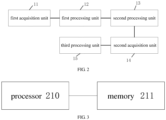
- FIG. 2 it is a schematic structural diagram of an apparatus for real-time optimization of a molecular level device according to an embodiment of the present disclosure.
- the apparatus for real-time optimization includes a first acquisition unit 11, a first processing unit 12, a second processing unit 13, a second acquisition unit 14 and a third processing unit 15.
- the first processing unit 12 is configured to acquire molecular composition of various fractions obtained by distillation of the crude oil according to physical properties of the various single molecules in the molecular composition of crude oil.
- the second processing unit 13 is configured to respectively input, according to a preset feedstock ratio, the corresponding fractions into a pre-trained product prediction model corresponding to a petroleum processing device as petroleum processing feedstocks, to obtain predicted molecular composition of a corresponding predicted product output by the pre-trained product prediction model and predicted molecular content of each single molecule in the predicted molecular composition.
- the second acquisition unit 14 is configured to acquire a preset standard set for a preset target product.
- the third processing unit 15 is configured to determine whether the predicted product meets a preset standard for a target product corresponding to the predicted product in the preset standard set according to the predicted molecular composition of the predicted product and the predicted molecular content of each single molecule in the predicted molecular composition, and if the predicted product does not meet any preset standard for a target product corresponding to the predicted product in the preset standard set, adjust an operation parameter in the pre-trained product prediction model, to re-obtain predicted molecular composition of the predicted product and predicted molecular content of each single molecule in the predicted molecular composition, until the predicted product meets the preset standard for the target product corresponding to the predicted product in the preset standard set.
- the apparatus further includes: a flow control unit.
- the flow control unit is configured to acquire an input flow of petroleum processing feedstocks input to each of the petroleum processing devices, determine whether each of the input flows meets a preset input flow range of the respective petroleum processing device, adjust the preset feedstock ratio if any one of the input flows does not meet the preset input flow range of the respective petroleum processing device, and respectively re-input, according to the adjusted preset feedstock ratio, the corresponding fractions into the pre-trained product prediction model of the respective petroleum processing device as petroleum processing feedstocks, until each of the input flows meets the preset input flow range of the respective petroleum processing device.
- the third processing unit 15 is configured to calculate a physical property of each single molecule in the predicted molecular composition according to the predicted molecular composition of the predicted product and the predicted molecular content of each single molecule in the predicted molecular composition, calculate a predicted physical property of the predicted product according to the physical property of each single molecule in the predicted molecular composition and the predicted molecular content of each single molecule in the predicted molecular composition, and determine whether the predicted physical property of each of the predicted products meet a preset physical property restriction interval of the corresponding target product in the preset standard set.
- the apparatus further includes a product blending unit.
- the product blending unit is configured to blend each of the predicted products which is used as a product blending feedstock according to a preset rule set, to obtain molecular composition of a plurality of mixed products and content of each single molecule in each of the mixed products, and respectively calculate product property of each of the mixed products according to the molecular composition of each of the mixed products and the content of each single molecule in each of the mixed products.
- the third processing unit 15 is configured to determine whether the product property of each of the mixed products meets a preset product property of a target mixed product obtained by blending corresponding each target product in the preset standard set; if the preset product property is met, obtain a target parameter according to all of the mixed products and determining whether the target parameter meets a preset condition; if the target parameter meets the preset condition, determine that the predicted product meets a preset standard for a target product corresponding to the predicted product in the preset standard set, and output the preset feedstock ratio, the pre-trained product prediction model and the preset rule set as a production and processing scheme; and if the target parameter does not meet the preset condition, adjust the operation parameter in the pre-trained product prediction model and a preset rule in the preset rule set, to re-obtain a plurality of mixed products, until the product property of each of the mixed products meets the preset product property and the target parameters in all of the mixed products meet the preset condition.
- the third processing unit 15 is configured to acquire a product price of each of mixed products and a yield of each of mixed products, calculate a product benefit of each of mixed products according to the yield of each of mixed products and the product price of each of mixed products, accumulate the product benefit of each of mixed products to obtain a cumulative benefit, acquire a feedstock price of each group of the petroleum processing feedstocks and an operating cost of each of the petroleum processing devices, subtract feedstock prices of all of the petroleum processing feedstocks and operating costs of all of the petroleum processing devices from the cumulative benefit to obtain a comprehensive benefit, serve the comprehensive benefit as the target parameter, determine whether the comprehensive benefit reaches a maximum value, determine that the target parameter meets the preset condition if the comprehensive benefit reaches the maximum value; and determine that the target parameter does not meet the preset condition if the comprehensive benefit does not reach the maximum value.
- the third processing unit 15 is configured to adjust a temperature of an environment where a reaction path corresponding to the predicted product in the pre-trained product prediction model is located, and re-obtain the predicted molecular composition of the predicted product and the predicted molecular content of each single molecule in each of the predicted products according to the adjusted temperature until the predicted product meets the preset standard for the target product corresponding to the predicted product in the preset standard set.
- the third processing unit 15 is configured to adjust a pressure of an environment where a reaction path corresponding to the predicted product in the pre-trained product prediction model is located, and re-obtain the predicted molecular composition of the predicted product and the predicted molecular content of each single molecule in each of the predicted products according to the adjusted pressure until the predicted product meets the preset standard for the target product corresponding to the predicted product in the preset standard set.
- a product blending unit in particular, is configured to acquire first molecular composition of each group of the product blending feedstocks and first component content of each single molecule in each group of the product blending feedstocks, based on the preset rule set, obtain second molecular composition of each of mixed products and second component content of each single molecule in each of mixed products according to the first molecular composition of each group of the product blending feedstocks and the first component content of each single molecule in each group of the product blending feedstocks, calculate a physical property of each single molecule in each of the mixed products according to the number of groups of each group contained in each single molecule in each of the mixed products and a contribution value of each group to the physical property, and calculate a product property of each of the mixed products according to the physical property and the second component content of each single molecule in each of the mixed products.
- the product blending unit in particular, is configured to, for each single molecule, acquire the number of groups of each group constituting the single molecule and a contribution value of each group to the physical property, and input the number of groups of each group constituting the single molecule and the contribution value of each group to the physical property into a pre-trained property calculation model, to acquire the physical property of the single molecule outputted by the pre-trained property calculation model; wherein the pre-trained property calculation model is used to calculate the physical property of the single molecule according to the number of groups of each group contained in a single molecule and a contribution value of each group to the physical property.
- the apparatus further includes: a single molecule property template matching unit configured to compare the number of groups of each group constituting the single molecule with molecular information of a template single molecule with known physical properties pre-stored in a database, the molecular information comprising the number of groups of each group constituting the template single molecule, determine whether there is a same template single molecule as the single molecule, if there is a same template single molecule as the single molecule, output the physical properties of the template single molecule as a physical property of the single molecule, and if there is not a same template single molecule as the single molecule, then, by the product blending unit, perform the step of the inputting the number of groups of each group constituting the single molecule and the contribution value of each group to the physical property into a pre-trained property calculation model.
- a single molecule property template matching unit configured to compare the number of groups of each group constituting the single molecule with molecular information of a template single molecule with known physical properties pre-stored in a database,
- the apparatus further includes: a model training unit.
- the model training unit is configured to construct a property calculation model of a single molecule, acquire the number of groups of each group constituting a sample single molecule; wherein the physical property of the sample single molecule is known, input the number of groups of each group constituting the sample single molecule into the property calculation model, acquire a predicted physical property of the sample single molecule output by the property calculation model, if a deviation value between the predicted physical property and the physical property which is known is less than a preset deviation threshold, determine that the property calculation model converges, acquire a contribution value of each group to the physical property in the property calculation model which is converged, and store the contribution value of the group to the physical property, and if the deviation value between the predicted physical property and the physical property which is known is greater than or equal to the deviation threshold, adjust a contribution value of each group to the physical property in the property calculation model until the property calculation model converges.
- the model training unit in particular, is configured to determine a primary group, the number of groups of the primary group, a multi-stage group, and the number of groups of the multi-stage group in all groups of the single molecule, take all groups constituting the single molecule as the primary group, and take various groups which coexist and contribute to a same physical property in common as the multi-stage group, and taking the number of the various groups as a level of the multi-stage group.
- the product blending unit in particular, is configured to determine a primary group, the number of groups of the primary group, a multi-stage group, and the number of groups of the multi-stage group in all groups of the single molecule, take all groups constituting the single molecule as the primary group, and take various groups which coexist and contribute to a same physical property in common as the multi-stage group, and taking the number of the various groups as a level of the multi-stage group.
- the product property of the mixed products includes a density, a cloud point, a pour point, an aniline point, and an octane number, and also includes other product property, and the other product property is not described herein redundantly.
- the product blending unit in particular, is configured to, for each mixed product, calculate a cloud point contribution value of each single molecule according to the density and the boiling point of each single molecule in the mixed product, and calculate the cloud point of the mixed product according to cloud point contribution values of all of the single molecules and content of each single molecule in the mixed product.
- a product blending unit in particular, is configured to, for each mixed product, calculate a pour point contribution value of each single molecule according to the density and molecular weight of each single molecule in the mixed product, and calculate the pour point of the mixed product according to pour point contribution values of all of the single molecules and content of each single molecule in the mixed product.
- the product blending unit in particular, is configured to, for each mixed product, calculate an aniline point contribution value of each single molecule according to the density and the boiling point of each single molecule in the mixed product, and calculate the aniline point of the mixed product according to aniline point contribution values of all of the single molecules and content of each single molecule in the mixed product.
- the apparatus further includes: a model training unit.
- the model training unit is configure to establish a product prediction model; wherein the product prediction model includes: a set of reaction rules comprising a plurality of reaction rules and a reaction rate algorithm, acquire sample feedstock information for a sample feedstock, train the set of reaction rules by using the sample feedstock information, and fix the set of reaction rules that has been trained, and train the reaction rate algorithm by using the sample feedstock information, and fix the reaction rate algorithm that has been trained, to obtain the product prediction model that has been trained.
- the product prediction model includes: a set of reaction rules comprising a plurality of reaction rules and a reaction rate algorithm, acquire sample feedstock information for a sample feedstock, train the set of reaction rules by using the sample feedstock information, and fix the set of reaction rules that has been trained, and train the reaction rate algorithm by using the sample feedstock information, and fix the reaction rate algorithm that has been trained, to obtain the product prediction model that has been trained.
- the sample feedstock information of the sample feedstock includes: molecular composition of the sample feedstock, molecular content of each molecule in the sample feedstock, molecular composition of an actual product corresponding to the sample feedstock, and actual content of each molecule in the actual product.
- the model training unit in particular, is configured to process the molecular composition of the sample feedstock according to a preset set of reaction rules, to obtain a reaction pathway corresponding to each molecule in the molecular composition of the sample feedstock, obtain first molecule composition of a device output product comprising the sample feedstock, an intermediate product, and a predicted product according to the reaction path corresponding to each molecule in the molecular composition of the sample feedstock; in the device output product, comprising: the sample feedstock, the intermediate product, and the predicted product, calculate a first relative deviation according to the first molecular composition of the device output product and second molecular composition of the actual product, if the first relative deviation meets a preset condition, fix the set of reaction rules, and if the first relative deviation does not meet the preset condition, adjust a reaction rule in the set of reaction rules, and recalculate the first relative deviation according to the adjusted set of reaction rules until the first relative deviation meets the preset condition.
- the model training unit in particular, is configured to calculate a reaction rate of a reaction path corresponding to each molecule in the molecular composition of the sample feedstock, respectively, according to the reaction rate algorithm, obtain predicted content of each molecule in the predicted product corresponding to the sample feedstock according to molecular content of each molecule in the sample feedstock and the reaction rate of the reaction path corresponding to the molecule, calculate a second relative deviation according to the predicted content of each molecule in the predicted product and the actual content of each molecule in the actual product, if the second relative deviation meets a preset condition, fix the reaction rate algorithm, and if the second relative deviation does not meet the preset condition, adjust a parameter in the reaction rate algorithm, and recalculate the second relative deviation according to the adjusted reaction rate algorithm until the second relative deviation meets the preset condition.
- the model training unit in particular, is configured to calculate a reaction rate of each reaction path according to a reaction rate constant in the reaction rate algorithm;
- types of the petroleum processing devices include: a catalytic cracking unit, a delayed coking unit, a residue hydrotreating unit, a hydrocracking unit, a diesel hydro-upgrading unit, a diesel hydro-refining unit, a gasoline hydro-refining unit, a catalytic reforming unit and an alkylation unit; wherein each petroleum processing device corresponds to a set of reaction rules.
- the embodiments of the present disclosure also provide a system for real-time optimization of a molecular level device.
- FIG. 3 it is a structural diagram of a system for real-time optimization of a molecular level device according to another embodiment of the present disclosure.
- the system for real-time optimization of the molecular level device includes a processor 210 and a memory 211, wherein the processor 210 is configured to execute a real-time optimization program of the molecular level device stored in the memory 211 to implement a method for real-time optimization of the molecular level device described in method embodiments; for example, the method includes the following steps: acquiring molecular composition of crude oil; acquiring molecular composition of various fractions obtained by distillation of the crude oil according to physical properties of various single molecules in the molecular composition of the crude oil; respectively inputting, according to a preset feedstock ratio, the corresponding fractions into a pre-trained product prediction model corresponding to a petroleum processing device as petroleum processing feedstocks, to obtain predicted molecular composition of a corresponding predicted product output by the pre-trained product prediction model and predicted molecular content of each single molecule in the predicted molecular composition; acquiring a preset standard set for a preset target product; determining whether the predicted product meets
- the embodiments of the present disclosure also provide a computer-readable storage medium having stored thereon one or more programs, wherein the storage medium may include volatile memory, such as random access memory; the memory may also include non-volatile memory, such as read-only memory, flash memory, hard disk, or solid-state memory; the memory may also include a combination of the above types of memory.
- volatile memory such as random access memory
- non-volatile memory such as read-only memory, flash memory, hard disk, or solid-state memory
- the memory may also include a combination of the above types of memory.
- the method includes the following steps: acquiring molecular composition of crude oil; acquiring molecular composition of various fractions obtained by distillation of the crude oil according to physical properties of various single molecules in the molecular composition of the crude oil; respectively inputting, according to a preset feedstock ratio, the corresponding fractions into a pre-trained product prediction model corresponding to a petroleum processing device as petroleum processing feedstocks, to obtain predicted molecular composition of a corresponding predicted product output by the pre-trained product prediction model and predicted molecular content of each single molecule in the predicted molecular composition; acquiring a preset standard for a preset target product; determining whether the predicted product meets a preset standard for a target product corresponding to the predicted product in the preset standard set according to the predicted molecular composition of the predicted product and the predicted molecular content of each single
Landscapes
- Chemical & Material Sciences (AREA)
- Engineering & Computer Science (AREA)
- Computing Systems (AREA)
- Theoretical Computer Science (AREA)
- Life Sciences & Earth Sciences (AREA)
- Bioinformatics & Cheminformatics (AREA)
- Bioinformatics & Computational Biology (AREA)
- Oil, Petroleum & Natural Gas (AREA)
- Crystallography & Structural Chemistry (AREA)
- Chemical Kinetics & Catalysis (AREA)
- Physics & Mathematics (AREA)
- General Chemical & Material Sciences (AREA)
- Organic Chemistry (AREA)
- Spectroscopy & Molecular Physics (AREA)
- General Health & Medical Sciences (AREA)
- Health & Medical Sciences (AREA)
- Analytical Chemistry (AREA)
- Databases & Information Systems (AREA)
- Thermal Sciences (AREA)
- Software Systems (AREA)
- Computer Vision & Pattern Recognition (AREA)
- Evolutionary Computation (AREA)
- Medical Informatics (AREA)
- Data Mining & Analysis (AREA)
- Artificial Intelligence (AREA)
- Management, Administration, Business Operations System, And Electronic Commerce (AREA)
- Production Of Liquid Hydrocarbon Mixture For Refining Petroleum (AREA)
Claims (31)
- Computerimplementiertes Verfahren für ein Erhalten eines Produktions- und Verarbeitungsschemas der Erdölverarbeitung, das Verfahren umfassend:Erfassen einer molekularen Zusammensetzung von Rohöl;Erfassen einer molekularen Zusammensetzung verschiedener Fraktionen, die durch Destillation des Rohöls erhalten werden, entsprechend den physikalischen Eigenschaften verschiedener Einzelmoleküle in der molekularen Zusammensetzung des Rohöls;Bereitstellen der entsprechenden Fraktionen als Erdölverarbeitungs-Einsatzstoffe und jeweiliges Eingeben der molekularen Zusammensetzung der entsprechenden Fraktionen gemäß einem voreingestellten Einsatzstoffverhältnis in ein vortrainiertes Produktvorhersagemodell, das einer Erdölverarbeitungsvorrichtung entspricht, um eine vorhergesagte molekulare Zusammensetzung eines entsprechenden vorhergesagten Produkts, das von dem vortrainierten Produktvorhersagemodell ausgegeben wird, und einen vorhergesagten molekularen Gehalt jedes Einzelmoleküls in der vorhergesagten molekularen Zusammensetzung zu erhalten;Mischen jedes der vorhergesagten Produkte, das als Produktvermischungseinsatzstoff gemäß einem voreingestellten Regelsatz verwendet wird, um eine molekulare Zusammensetzung einer Mehrzahl von Mischprodukten und den Gehalt jedes Einzelmoleküls in jedem der Mischprodukte zu erhalten, wobei jeder Satz von voreingestellten Regeln in dem voreingestellten Regelsatz die Art und die Menge des verwendeten vorhergesagten Produkts umfasst;jeweiliges Berechnen einer Produkteigenschaft jedes der Mischprodukte gemäß der molekularen Zusammensetzung jedes der Mischprodukte und dem Gehalt jedes Einzelmoleküls in jedem der Mischprodukte;Erfassen eines voreingestellten Standardsatzes für ein voreingestelltes Zielprodukt;Bestimmen, ob die Produkteigenschaft jedes der Mischprodukte eine voreingestellte Produkteigenschaft eines Zielmischprodukts erfüllt, das durch Vermischen jedes entsprechenden Zielprodukts in dem voreingestellten Standardsatz erhalten wird;wenn die voreingestellte Produkteigenschaft erfüllt ist:Erhalten eines Zielparameters gemäß allen Mischprodukten und Bestimmen, ob der Zielparameter eine voreingestellte Bedingung erfüllt, wobei der Zielparameter repräsentiert: einen Gehalt an Substanzen in dem Produkt, die die Umwelt schädigen; oder einen Anteil von Produkten, die einen voreingestellten Standard erfüllen, in allen Mischprodukten zu allen Mischprodukten;wenn der Zielparameter die voreingestellte Bedingung erfüllt, Bestimmen, dass das vorhergesagte Produkt einen voreingestellten Standard für ein Zielprodukt erfüllt, das dem vorhergesagten Produkt in dem voreingestellten Standardsatz entspricht, und Ausgeben des voreingestellten Einsatzstoffverhältnisses, des vortrainierten Produktvorhersagemodells und des voreingestellten Regelsatzes als ein Produktions- und Verarbeitungsschema, und Verwenden des Produktions- und Verarbeitungsschemas, um die Erdölverarbeitung in einem tatsächlichen Produktionsprozess durchzuführen; undwenn der Zielparameter die voreingestellte Bedingung nicht erfüllt, Anpassen eines Betriebsparameters in dem vortrainierten Produktvorhersagemodell und einer voreingestellten Regel in dem voreingestellten Regelsatz, um eine Mehrzahl von Mischprodukten erneut zu erhalten, bis die Produkteigenschaft von jedem der Mischprodukte die voreingestellte Produkteigenschaft erfüllt und die Zielparameter in allen Mischprodukten die voreingestellte Bedingung erfüllen;wobei der Betriebsparameter in dem vortrainierten Produktvorhersagemodell umfasst: eine Temperatur einer Umgebung, in der ein Reaktionsweg in dem vortrainierten Produktvorhersagemodell angeordnet ist, einen Druck einer Umgebung, in der ein Reaktionsweg in dem vortrainierten Produktvorhersagemodell angeordnet ist, und eine Raumgeschwindigkeit.
- Verfahren nach Anspruch 1, wobei das Verfahren ferner umfasst:Erfassen eines Eingangsstroms von Erdölverarbeitungs-Einsatzstoffen, die in jede der Erdölverarbeitungsvorrichtungen eingegeben werden;Bestimmen, ob jeder der Eingangsströme einem voreingestellten Eingangsstrombereich der jeweiligen Erdölverarbeitungsvorrichtung entspricht; undAnpassen des voreingestellten Einsatzstoffverhältnisses, wenn einer der Eingangsströme nicht dem voreingestellten Eingangsstrombereich der jeweiligen Erdölverarbeitungsvorrichtung entspricht, und jeweiliges erneutes Eingeben, gemäß dem angepassten voreingestellten Einsatzstoffverhältnis, der entsprechenden Fraktionen in das vortrainierte Produktvorhersagemodell der jeweiligen Erdölverarbeitungsvorrichtung als Erdölverarbeitungs-Einsatzstoffe, bis jeder der Eingangsströme dem voreingestellten Eingangsstrombereich der jeweiligen Erdölverarbeitungsvorrichtung entspricht.
- Verfahren nach Anspruch 1, wobei das Anpassen eines Betriebsparameters in dem vortrainierten Produktvorhersagemodell umfasst:Anpassen einer Temperatur einer Umgebung, in der ein Reaktionsweg angeordnet ist, der dem vorhergesagten Produkt in dem vortrainierten Produktvorhersagemodell entspricht; underneutes Erhalten der vorhergesagten molekularen Zusammensetzung des vorhergesagten Produkts und des vorhergesagten molekularen Gehalts jedes Einzelmoleküls in jedem der vorhergesagten Produkte gemäß der angepassten Temperatur.
- Verfahren nach Anspruch 1, wobei das Anpassen eines Betriebsparameters in dem vortrainierten Produktvorhersagemodell umfasst:Anpassen eines Drucks einer Umgebung, in der ein Reaktionsweg angeordnet ist, der dem vorhergesagten Produkt in dem vortrainierten Produktvorhersagemodell entspricht; underneutes Erhalten der vorhergesagten molekularen Zusammensetzung des vorhergesagten Produkts und des vorhergesagten molekularen Gehalts jedes Einzelmoleküls in jedem der vorhergesagten Produkte gemäß dem angepassten Druck.
- Verfahren nach Anspruch 1, wobei das jeweilige Berechnen der Produkteigenschaft jedes der Mischprodukte gemäß der molekularen Zusammensetzung jedes der Mischprodukte und dem Gehalt jedes Einzelmoleküls in jedem der Mischprodukte umfasst:Erfassen der ersten molekularen Zusammensetzung jedes Satzes der Produktvermischungseinsatzstoffe und des ersten Bestandteilgehalts jedes Einzelmoleküls in jedem Satz der Produktvermischungseinsatzstoffe;basierend auf dem voreingestellten Regelsatz, Erhalten der zweiten molekularen Zusammensetzung jedes Mischprodukts und des zweiten Bestandteilgehalts jedes Einzelmoleküls in jedem Mischprodukt gemäß der ersten molekularen Zusammensetzung jedes Satzes der Produktvermischungseinsatzstoffe und des ersten Bestandteilgehalts jedes Einzelmoleküls in jedem Satz der Produktvermischungseinsatzstoffe;Berechnen einer physikalischen Eigenschaft jedes Einzelmoleküls in jedem der Mischprodukte gemäß der Anzahl der Gruppen jeder Gruppe, die in jedem Einzelmolekül in jedem der Mischprodukte umfasst ist, und eines Beitragswertes jeder Gruppe zu der physikalischen Eigenschaft; undBerechnen einer Produkteigenschaft für jedes der Mischprodukte gemäß der physikalischen Eigenschaft und des Bestandteilgehalts jedes Einzelmoleküls in jedem der Mischprodukte.
- Verfahren nach Anspruch 5, wobei ein Berechnen der physikalischen Eigenschaft jedes Einzelmoleküls umfasst:für jedes Einzelmolekül, Erfassen der Anzahl der Gruppen jeder Gruppe, die das Einzelmolekül bilden, und eines Beitragswertes jeder Gruppe zu der physikalischen Eigenschaft; undEingeben der Anzahl der Gruppen jeder Gruppe, die das Einzelmolekül bilden, und des Beitragswertes jeder Gruppe zu der physikalischen Eigenschaft in ein vortrainiertes Eigenschaftsberechnungsmodell, um die physikalische Eigenschaft des Einzelmoleküls zu erfassen, die durch das vortrainierte Eigenschaftsberechnungsmodell ausgegeben wird;wobei das vortrainierte Eigenschaftsberechnungsmodell verwendet wird, um die physikalische Eigenschaft des Einzelmoleküls gemäß der Anzahl der Gruppen jeder Gruppe, die in einem Einzelmolekül umfasst ist, und einem Beitragswert jeder Gruppe zu der physikalischen Eigenschaft zu berechnen.
- Verfahren nach Anspruch 6, wobei das Verfahren vor dem Eingeben der Anzahl der Gruppen jeder Gruppe, die das Einzelmolekül bilden, und des Beitragswertes jeder Gruppe zu der physikalischen Eigenschaft in ein vortrainiertes Eigenschaftsberechnungsmodell ferner umfasst:Vergleich der Anzahl der Gruppen jeder Gruppe, die das Einzelmolekül bilden, mit molekularen Informationen eines Vorlage-Einzelmoleküls mit bekannten physikalischen Eigenschaften, die zuvor in einer Datenbank gespeichert wurden, wobei die molekularen Informationen die Anzahl der Gruppen jeder Gruppe umfassen, die das Vorlage-Einzelmolekül bilden;Bestimmen, ob es ein gleiches Vorlage-Einzelmolekül wie das Einzelmolekül gibt;wenn es ein gleiches Vorlage-Einzelmolekül wie das Einzelmolekül gibt, Ausgeben der physikalischen Eigenschaften des Vorlage-Einzelmoleküls als eine physikalische Eigenschaft des Einzelmoleküls; undwenn es kein gleiches Vorlage-Einzelmolekül wie das Einzelmolekül gibt, dann Durchführung des Schritts des Eingebens der Anzahl von Gruppen jeder Gruppe, die das Einzelmolekül bilden, und des Beitragswerts jeder Gruppe zu der physikalischen Eigenschaft in ein vortrainiertes Eigenschaftsberechnungsmodell.
- Verfahren nach Anspruch 6 oder 7, wobei ein Schritt des Trainierens des Eigenschaftsberechnungsmodells umfasst:Konstruieren eines Eigenschaftsberechnungsmodells eines Einzelmoleküls;Erfassen der Anzahl der Gruppen jeder Gruppe, die ein Probeneinzelmolekül bilden; wobei die physikalische Eigenschaft des Probeneinzelmoleküls bekannt ist;Eingeben der Anzahl von Gruppen jeder Gruppe, die das Probeneinzelmolekül bilden, in das Eigenschaftsberechnungsmodell;Erfassen einer vorhergesagten physikalischen Eigenschaft des Probeneinzelmoleküls, die von dem Eigenschaftsberechnungsmodell ausgegeben wird;wenn ein Abweichungswert zwischen der vorhergesagten physikalischen Eigenschaft und der bekannten physikalischen Eigenschaft kleiner als ein voreingestellter Abweichungsschwellenwert ist, Bestimmen, dass das Eigenschaftsberechnungsmodell konvergiert, Erfassen eines Beitragswerts jeder Gruppe zu der physikalischen Eigenschaft in dem konvergierten Eigenschaftsberechnungsmodell, und Speichern des Beitragswerts der Gruppe zu der physikalischen Eigenschaft; undwenn der Abweichungswert zwischen der vorhergesagten physikalischen Eigenschaft und der bekannten physikalischen Eigenschaft größer als oder gleich dem Abweichungsschwellenwert ist, Anpassen eines Beitragswerts jeder Gruppe zu der physikalischen Eigenschaft in dem Eigenschaftsberechnungsmodell, bis das Eigenschaftsberechnungsmodell konvergiert.
- Verfahren nach Anspruch 8, wobei das Eigenschaftsberechnungsmodell wie nachstehend dargestellt aufgebaut ist:

- Verfahren nach Anspruch 8, wobei das Erfassen der Anzahl der Gruppen jeder Gruppe, die ein Probeneinzelmolekül bilden, umfasst:Bestimmen einer Primärgruppe, der Anzahl der Gruppen der Primärgruppe, einer Mehrstufengruppe und der Anzahl der Gruppen der Mehrstufengruppe in allen Gruppen des Einzelmoleküls;Verwenden aller das Einzelmolekül bildenden Gruppen als Primärgruppe; undVerwendend verschiedene Gruppen, die koexistieren und zu einer gleichen physikalischen Eigenschaft gemeinsam beitragen, als die Mehrstufengruppe, und Verwenden der Anzahl der verschiedenen Gruppen als eine Ebene der Mehrstufengruppe.
- Verfahren nach Anspruch 10, wobeidas Eigenschaftsberechnungsmodell ist wie nachstehend dargestellt aufgebaut ist:
 wobei f die physikalische Eigenschaft des Einzelmoleküls ist, m 1i die Anzahl der Gruppen der i -ten Gruppe in der Primärgruppe ist, Δ f 1i der Beitragswert der i -ten Gruppe in der Primärgruppe zu der physikalischen Eigenschaft ist, m 2j die Anzahl der Gruppen der j -ten Gruppe in einer Sekundärgruppe ist, Δ f 2j der Beitragswert der j -ten Gruppe in der sekundären Gruppe zu der physikalischen Eigenschaft ist, mNl die Anzahl der Gruppen der l -ten Gruppe in einer N-Stufengruppe ist, ΔfNl der Beitragswert der l -ten Gruppe in der N-Stufengruppe zu der physikalischen Eigenschaft ist, a eine zugehörige Konstante ist und N eine positive ganze Zahl größer oder gleich 2 ist.
 - Verfahren nach Anspruch 7, wobei das Erfassen der Anzahl der Gruppen jeder Gruppe, die das Einzelmolekül bilden, umfasst:Bestimmen einer Primärgruppe, der Anzahl der Gruppen der Primärgruppe, einer Mehrstufengruppe und der Anzahl der Gruppen der Mehrstufengruppe in allen Gruppen des Einzelmoleküls;Verwenden aller das Einzelmolekül bildenden Gruppen als Primärgruppe; undVerwendend verschiedene Gruppen, die koexistieren und zu einer gleichen physikalischen Eigenschaft gemeinsam beitragen, als die Mehrstufengruppe, und Verwenden der Anzahl der verschiedenen Gruppen als eine Ebene der Mehrstufengruppe.
- Verfahren nach Anspruch 12, wobeidie physikalische Eigenschaft des Einzelmoleküls einen Siedepunkt eines Einzelmoleküls umfasst;das Berechnen der physikalischen Eigenschaft des Einzelmoleküls umfasst: Berechnen des Siedepunkts des Einzelmoleküls gemäß einem Eigenschaftsberechnungsmodell wie folgt:
 wobei T der Siedepunkt des Einzelmoleküls ist, SOL ein Einzelmolekülvektor ist, der gemäß der Anzahl der Gruppen jeder das Einzelmolekül bildenden Gruppe umgewandelt ist, GRUPPE 11 ein erster Beitragswertvektor ist, der gemäß einem Beitragswert der Primärgruppe zu dem Siedepunkt umgewandelt ist, GRUPPE 12 ein zweiter Beitragswertvektor ist, der gemäß einem Beitragswert der Sekundärgruppe zu dem Siedepunkt umgewandelt ist, GRUPPE 1N ein N-ter Beitragswertvektor ist, der gemäß einem Beitragswert der N-Stufengruppe zu dem Siedepunkt umgewandelt ist, Numh die Anzahl der Atome außer dem Wasserstoffatom in dem Einzelmolekül ist, d eine erste voreingestellte Konstante ist, b eine zweite voreingestellte Konstante ist, c eine dritte voreingestellte Konstante ist und N eine positive ganze Zahl größer oder gleich 2 ist.
 - Verfahren nach Anspruch 12, wobeidie physikalische Eigenschaft des Einzelmoleküls eine Dichte eines Einzelmoleküls umfasst;das Berechnen der physikalischen Eigenschaft des Einzelmoleküls umfasst:Berechnen der Dichte des Einzelmoleküls gemäß einem Eigenschaftsberechnungsmodell wie folgt:
 wobei D die Dichte des Einzelmoleküls ist, SOL ein Einzelmolekülvektor ist, der gemäß der Anzahl der Gruppen jeder das Einzelmolekül bildenden Gruppe umgewandelt ist, GRUPPE 21 ein N+1-ter Beitragswertvektor ist, der gemäß einem Beitragswert der Primärgruppe in die Dichte umgewandelt ist, GRUPPE 22 ein N+2-ter Beitragswertvektor ist, der gemäß einem Beitragswert der Sekundärgruppe in die Dichte umgewandelt ist, GRUPPE 2N ein 2N-ter Beitragswertvektor ist, der gemäß einem Beitragswert der N-Stufengruppe in die Dichte umgewandelt ist, e die vierte voreingestellte Konstante ist; und N eine positive ganze Zahl größer oder gleich 2 ist.
 - Verfahren nach Anspruch 12, wobeidie physikalische Eigenschaft des Einzelmoleküls eine Oktanzahl eines Einzelmoleküls umfasst;das Berechnen der physikalischen Eigenschaft des Einzelmoleküls umfasst:Berechnen der Oktanzahl des Einzelmoleküls gemäß einem Eigenschaftsberechnungsmodell wie folgt:
 wobei X die Oktanzahl des Einzelmoleküls ist, SOL ein Einzelmolekülvektor ist, der gemäß der Anzahl der Gruppen jeder das Einzelmolekül bildenden Gruppe umgewandelt ist, GRUPPE 31 ein 2N+1-ter Beitragswertvektor ist, der gemäß einem Beitragswert der Primärgruppe zu der Oktanzahl umgewandelt ist, GRUPPE 32 ein 2N+2-ter Beitragswertvektor ist, der gemäß einem Beitragswert der Sekundärgruppe zu der Oktanzahl umgewandelt ist, GRUPPE 3N ein 3N-ter Beitragswertvektor ist, der gemäß einem Beitragswert der N-Stufengruppe zu der Oktanzahl umgewandelt ist; N ist eine positive ganze Zahl größer oder gleich 2; und h die fünfte voreingestellte Konstante ist.
 - Verfahren nach Anspruch 1, wobei
die Produkteigenschaft der Mischprodukte eine Dichte, einen Trübungspunkt, einen Stockpunkt, einen Anilinpunkt und eine Oktanzahl umfasst. - Verfahren nach Anspruch 16, wobei, wenn eine Produkteigenschaft des Mischprodukts die Dichte ist, ein Berechnen der Produkteigenschaft eines jeden der Mischprodukte umfasst:Berechnen der Dichte jedes der Mischprodukte gemäß einer Berechnungsformel wie folgt:
 wobei Dichte die Dichte des Mischprodukts ist, Di die Dichte des i -ten Einzelmoleküls ist und xi_Volumen der zweite Bestandteilgehalt des i -ten Einzelmoleküls ist.
 - Verfahren nach Anspruch 16, wobei, wenn eine Produkteigenschaft des Mischprodukts der Trübungspunkt ist, ein Berechnen der Produkteigenschaft jedes der Mischprodukte umfasst:für jedes Mischprodukt, Berechnen eines Trübungspunkt-Beitragswertes jedes Einzelmoleküls gemäß der Dichte und dem Siedepunkt jedes Einzelmoleküls in dem Mischprodukt; undBerechnen des Trübungspunkts des Mischprodukts gemäß den Trübungspunkt-Beitragswerten aller Einzelmoleküle und dem Gehalt jedes Einzelmoleküls in dem Mischprodukt.
- Verfahren nach Anspruch 16, wobei, wenn eine Produkteigenschaft des Mischprodukts der Stockpunkt ist, ein Berechnen der Produkteigenschaft jedes der Mischprodukte umfasst:für jedes Mischprodukt, Berechnen eines Stockpunkt-Beitragswertes jedes Einzelmoleküls gemäß der Dichte und dem Molekulargewicht jedes Einzelmoleküls in dem Mischprodukt; undBerechnen des Stockpunkts des Mischprodukts gemäß den Stockpunkt-Beitragswerten aller Einzelmoleküle und dem Gehalt jedes Einzelmoleküls in dem Mischprodukt.
- Verfahren nach Anspruch 16, wobei, wenn eine Produkteigenschaft des Mischprodukts der Anilinpunkt ist, ein Berechnen der Produkteigenschaft jedes der Mischprodukte umfasst:für jedes Mischprodukt, Berechnen eines Anilinpunkt-Beitragswertes jedes Einzelmoleküls gemäß der Dichte und dem Siedepunkt jedes Einzelmoleküls in dem Mischprodukt; undBerechnen des Anilinpunkts des Mischprodukts gemäß den Anilinpunkt-Beitragswerten aller Einzelmoleküle und dem Gehalt jedes Einzelmoleküls in dem Mischprodukt.
- Verfahren nach Anspruch 16, wobei, wenn eine Produkteigenschaft des Mischprodukts die Oktanzahl ist, ein Berechnen der Produkteigenschaft jedes der Mischprodukte umfasst:für jedes Mischprodukt, Erfassen der Oktanzahl jedes Einzelmoleküls und des Gehalts jedes Einzelmoleküls in dem Mischprodukt; undBerechnen der Oktanzahl der Mischprodukte gemäß einer Berechnungsformel wie folgt:
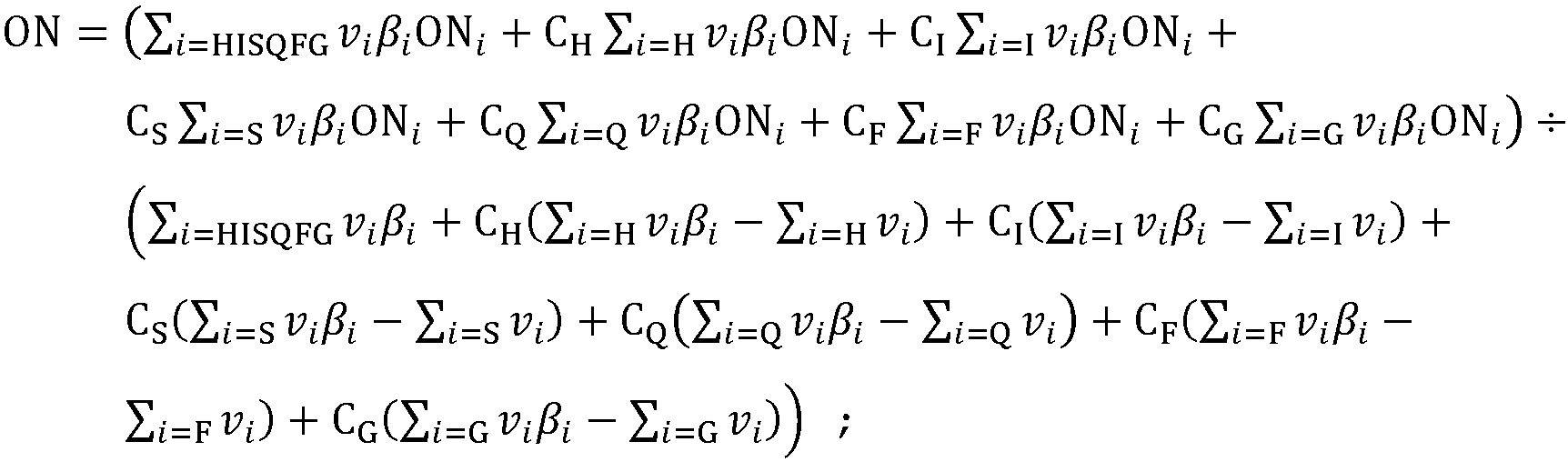




 wobei ON die Oktanzahl des Mischprodukts ist, HISQFG eine Molekülsammlung ist, H ein Molekülsatz von n-Alkanen ist, I ein Molekülsatz von Isoalkanen ist, S ein Molekülsatz von Cycloalkanen ist, Q ein Molekülsatz von Olefinen ist, F ein Molekülsatz von aromatischen Kohlenwasserstoffen ist, G ein Molekülsatz von sauerstoffhaltigen Verbindungen ist, vi der Gehalt jedes Moleküls in dem Mischprodukt ist, v H, v I, v S, v Q, v F und v G der Gesamtgehalt an n-Alkanen, der Gesamtgehalt an Isoalkanen, der Gesamtgehalt an Cycloalkanen, der Gesamtgehalt an Olefinen, der Gesamtgehalt an aromatischen Kohlenwasserstoffen und/oder der Gesamtgehalt an sauerstoffhaltigen Verbindungen in dem Mischprodukt ist, βi ein Regressionsparameter jedes Moleküls in dem Mischprodukt ist, ONi eine Oktanzahl jedes Moleküls in dem Mischprodukt ist, C H ein Wechselwirkungskoeffizient von n-Alkanen mit anderen Molekülen ist, C I ein Wechselwirkungskoeffizient von Isoalkanen mit anderen Molekülen ist; C S ein Wechselwirkungskoeffizient von Cycloalkanen mit anderen Molekülen ist; C Q ein Wechselwirkungskoeffizient von Olefinen mit anderen Molekülen ist, C F ein Wechselwirkungskoeffizient von aromatischen Kohlenwasserstoffen mit anderen Molekülen ist, C G ein Wechselwirkungskoeffizient von sauerstoffhaltigen Verbindungen mit anderen Molekülen ist,

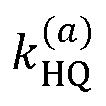


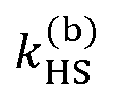


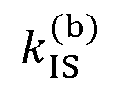


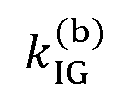


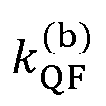


- Verfahren nach Anspruch 1, wobei ein Schritt des Trainierens des Produktvorhersagemodells umfasst:Erstellen eines Produktvorhersagemodells; wobei das Produktvorhersagemodell umfasst: einen Satz von Reaktionsregeln, der eine Mehrzahl von Reaktionsregeln und einen Reaktionsgeschwindigkeitsalgorithmus umfasst;Erfassen von Probeneinsatzstoffinformationen für einen Probeneinsatzstoff;Trainieren des Satzes von Reaktionsregeln unter Verwendung der Probeneinsatzstoffinformationen und Festlegen des Satzes von Reaktionsregeln, der trainiert wurde; undTrainieren des Reaktionsgeschwindigkeitsalgorithmus unter Verwendung der Probeneinsatzstoffinformationen und Festlegen des trainierten Reaktionsgeschwindigkeitsalgorithmus, um das trainierte Produktvorhersagemodell zu erhalten.
- Verfahren nach Anspruch 22, wobei die Probeneinsatzstoffinformationen des Probeneinsatzstoffs umfassen: molekulare Zusammensetzung des Probeneinsatzstoffs, molekularer Gehalt jedes Moleküls in dem Probeneinsatzstoff, molekulare Zusammensetzung eines tatsächlichen Produkts, das dem Probeneinsatzstoff entspricht, und tatsächlicher Gehalt jedes Moleküls in dem tatsächlichen Produkt.
- Verfahren nach Anspruch 23, wobei das Trainieren des Satzes von Reaktionsregeln unter Verwendung der Probeneinsatzstoffinformationen umfasst:Verarbeiten der molekularen Zusammensetzung des Probeneinsatzstoffs gemäß einem voreingestellten Satz von Reaktionsregeln, um einen Reaktionsweg zu erhalten, der jedem Molekül in der molekularen Zusammensetzung des Probeneinsatzstoffs entspricht;Erhalten einer ersten molekularen Zusammensetzung eines den Probeneinsatzstoff, ein Zwischenprodukt und ein vorhergesagtes Produkt umfassenden Vorrichtungsausgangsprodukts gemäß dem Reaktionsweg, der jedem Molekül in der molekularen Zusammensetzung des Probeneinsatzstoffs entspricht; in dem Vorrichtungsausgabeprodukt, umfassend: den Probeneinsatzstoff, das Zwischenprodukt und das vorhergesagte Produkt;Berechnen einer ersten relativen Abweichung gemäß der ersten molekularen Zusammensetzung des Vorrichtungsausgabeprodukts und der zweiten molekularen Zusammensetzung des tatsächlichen Produkts;wenn die erste relative Abweichung eine voreingestellte Bedingung erfüllt, Festlegen des Satzes von Reaktionsregeln; undwenn die erste relative Abweichung die voreingestellte Bedingung nicht erfüllt, Anpassen einer Reaktionsregel in dem Satz von Reaktionsregeln, und Neuberechnen der ersten relativen Abweichung gemäß dem angepassten Satz von Reaktionsregeln, bis die erste relative Abweichung die voreingestellte Bedingung erfüllt.
- Verfahren nach Anspruch 24, wobei das Berechnen einer ersten relativen Abweichung gemäß der ersten molekularen Zusammensetzung des Vorrichtungsausgabeprodukts und der zweiten molekularen Zusammensetzung des tatsächlichen Produkts umfasst:Erfassen von Spezies von Einzelmolekülen in der ersten molekularen Zusammensetzung, um einen ersten Satz zu bilden;Erfassen von Spezies von Einzelmolekülen in der zweiten molekularen Zusammensetzung, um eine zweite Gruppe zu bilden;Bestimmen, ob der zweite Satz eine Teilmenge des ersten Satzes ist;wenn der zweite Satz keine Teilmenge des ersten Satzes ist, Erhalten eines vorgespeicherten relativen Abweichungswertes, der die voreingestellte Bedingung nicht erfüllt, als die erste relative Abweichung; undwenn der zweite Satz eine Teilmenge des ersten Satzes ist, Berechnen der ersten relativen Abweichung durch eine Berechnungsformel wie folgt:
 wobei x 1 die erste relative Abweichung ist, M der erste Satz ist, M 1 ein Satz von Spezies von Einzelmolekülen in der molekularen Zusammensetzung des Probeneinsatzstoffs ist, M 2 ein Satz von Spezies von Einzelmolekülen in der molekularen Zusammensetzung des Zwischenprodukts ist, M 3 der zweite Satz ist und card die Anzahl der Elemente in den Sätzen ist.
 - Verfahren nach Anspruch 23, wobei das Training des Reaktionsgeschwindigkeitsalgorithmus unter Verwendung der Probeneinsatzstoffinformationen umfasst:Berechnen einer Reaktionsgeschwindigkeit eines Reaktionswegs entsprechend jedem Molekül in der molekularen Zusammensetzung des Probeneinsatzstoffs, jeweils gemäß dem Reaktionsgeschwindigkeitsalgorithmus;Erhalten eines vorhergesagten Gehalts jedes Moleküls in einem vorhergesagten Produkt, das dem Probeneinsatzstoff entspricht, gemäß dem molekularen Gehalt jedes Moleküls in dem Probeneinsatzstoff und der Reaktionsgeschwindigkeit des dem Molekül entsprechenden Reaktionswegs;Berechnen einer zweiten relativen Abweichung gemäß dem vorhergesagten Gehalt jedes Moleküls in dem vorhergesagten Produkt und dem tatsächlichen Gehalt jedes Moleküls in dem tatsächlichen Produkt;wenn die zweite relative Abweichung eine voreingestellte Bedingung erfüllt, Festlegen des Reaktionsgeschwindigkeitsalgorithmus; undwenn die zweite relative Abweichung die voreingestellte Bedingung nicht erfüllt, Anpassen eines Parameters in dem Reaktionsgeschwindigkeitsalgorithmus und Neuberechnen der zweiten relativen Abweichung gemäß dem angepassten Reaktionsgeschwindigkeitsalgorithmus, bis die zweite relative Abweichung die voreingestellte Bedingung erfüllt.
- Verfahren nach Anspruch 26, wobei das Berechnen einer Reaktionsgeschwindigkeit eines Reaktionswegs, der jedem Molekül in der molekularen Zusammensetzung des Probeneinsatzstoffs entspricht, gemäß dem Reaktionsgeschwindigkeitsalgorithmus umfasst:Berechnen einer Reaktionsgeschwindigkeit für jeden Reaktionsweg gemäß einer Reaktionsgeschwindigkeitskonstante in dem Reaktionsgeschwindigkeitsalgorithmus;wobei die Reaktionsgeschwindigkeitskonstante gemäß einer Berechnungsformel wie folgt bestimmt wird:
 wobei k die Reaktionsgeschwindigkeitskonstante ist, kB die Boltzmann-Konstante ist, h die Planck-Konstante ist, R eine ideale Gaskonstante ist, E ein Temperaturwert der Umgebung ist, in der der Reaktionsweg angeordnet ist, exp eine Exponentialfunktion mit Basis Naturkonstante ist, ΔS eine Entropieänderung vor und nach der Reaktion entsprechend der dem Reaktionsweg entsprechenden Reaktionsregel ist, ΔE eine Reaktionsenergiebarriere entsprechend der dem Reaktionsweg entsprechenden Reaktionsregel ist, ϕ ein Katalysatoraktivitätsfaktor ist, P ein Druckwert der Umgebung ist, in der der Reaktionsweg angeordnet ist, und α ein Druckeinflussfaktor entsprechend der dem Reaktionsweg entsprechenden Reaktionsregel ist.
 - Verfahren nach einem der Ansprüche 1 bis 27, wobei die Arten des vortrainierten Produktvorhersagemodells, die einer Erdölverarbeitungsvorrichtung entsprechen, umfassen:
ein vortrainiertes Produktvorhersagemodell, das einer katalytischen Krackanlage entspricht, ein vortrainiertes Produktvorhersagemodell, das einer verzögerten Verkokungsanlage entspricht, ein vortrainiertes Produktvorhersagemodell, das einer Rückstandshydrobehandlungsanlage entspricht, ein vortrainiertes Produktvorhersagemodell, das einer Hydrokrackanlage entspricht, ein vortrainiertes Produktvorhersagemodell, das einer Diesel-Hydro-Upgrading-Einheit entspricht, ein vortrainiertes Produktvorhersagemodell, das einer Diesel-Hydroraffinierungseinheit entspricht, ein vortrainiertes Produktvorhersagemodell, das einer Benzin-Hydroraffinierungseinheit entspricht, ein vortrainiertes Produktvorhersagemodell, das einer katalytischen Reformierungseinheit und einer Alkylierungseinheit entspricht ein vortrainiertes Produktvorhersagemodell, wobei jede Erdölverarbeitungsvorrichtung einem Satz von Reaktionsregeln entspricht. - Vorrichtung für ein Erhalten eines Produktions- und Verarbeitungsschemas der Erdölverarbeitung, wobei die Vorrichtung umfasst:eine erste Erfassungseinheit, die dazu eingerichtet ist, die molekulare Zusammensetzung des Rohöls zu erfassen;eine erste Verarbeitungseinheit, die dazu eingerichtet ist, die molekulare Zusammensetzung verschiedener durch Destillation des Rohöls erhaltener Fraktionen gemäß den physikalischen Eigenschaften verschiedener Einzelmoleküle in der molekularen Zusammensetzung des Rohöls zu erfassen;eine zweite Verarbeitungseinheit, die dazu eingerichtet ist, die entsprechenden Fraktionen als Erdölverarbeitungs-Einsatzstoffe bereitzustellen und jeweils gemäß einem voreingestellten Einsatzstoffverhältnis die molekulare Zusammensetzung der entsprechenden Fraktionen in ein vortrainiertes Produktvorhersagemodell einzugeben, das einer Erdölverarbeitungsvorrichtung entspricht, um eine vorhergesagte molekulare Zusammensetzung eines entsprechenden vorhergesagten Produkts, das von dem vortrainierten Produktvorhersagemodell ausgegeben wird, und einen vorhergesagten molekularen Gehalt jedes Einzelmoleküls in der vorhergesagten molekularen Zusammensetzung zu erhalten;eine Produktvermischungseinheit, die dazu eingerichtet ist, jedes der vorhergesagten Produkte, das als Produktvermischungseinsatzstoff verwendet wird, gemäß einem voreingestellten Regelsatz zu vermischen, um die molekulare Zusammensetzung einer Mehrzahl von Mischprodukten und den Gehalt jedes Einzelmoleküls in jedem der Mischprodukte zu erhalten, und jeweils eine Produkteigenschaft jedes der Mischprodukte gemäß der molekularen Zusammensetzung jedes der Mischprodukte und des Gehalts jedes Einzelmoleküls in jedem der Mischprodukte zu berechnen, wobei jeder Satz von voreingestellten Regeln in dem voreingestellten Regelsatz die Art und Menge des verwendeten vorhergesagten Produkts umfasst;eine zweite Erfassungseinheit, die dazu eingerichtet ist, einen voreingestellten Standardsatz für ein voreingestelltes Zielprodukt zu erfassen; undeine dritte Verarbeitungseinheit, die dazu eingerichtet, zu bestimmen, ob die Produkteigenschaft jedes der Mischprodukte einer voreingestellten Produkteigenschaft eines Zielmischprodukts entspricht, das durch Vermischen jedes Zielprodukts in dem voreingestellten Standardsatz erhalten wird, und, wenn die voreingestellte Produkteigenschaft erfüllt ist:Ermitteln eines Zielparameters gemäß aller Mischprodukte und Bestimmen, ob der Zielparameter eine voreingestellte Bedingung erfüllt;wenn der Zielparameter die voreingestellte Bedingung erfüllt, Bestimmen, dass das vorhergesagte Produkt einen voreingestellten Standard für ein Zielprodukt erfüllt, das dem vorhergesagten Produkt in dem voreingestellten Standardsatz entspricht, und Ausgeben des voreingestellten Einsatzstoffverhältnisses, des vortrainierten Produktvorhersagemodells und des voreingestellten Regelsatzes als ein Produktions- und Verarbeitungsschema, und Verwenden des Produktions- und Verarbeitungsschemas, um die Erdölverarbeitung in dem tatsächlichen Produktionsprozess durchzuführen;wenn der Zielparameter die voreingestellte Bedingung nicht erfüllt, Anpassen des Betriebsparameters in dem vortrainierten Produktvorhersagemodell und einer voreingestellten Regel in dem voreingestellten Regelsatz, um erneut eine Mehrzahl von Mischprodukten zu erhalten, bis die Produkteigenschaft jedes der Mischprodukte die voreingestellte Produkteigenschaft erfüllt und die Zielparameter in allen Mischprodukten die voreingestellte Bedingung erfüllen, wobei der Zielparameter repräsentiert: oder einen Gehalt an Substanzen in dem Produkt, die die Umwelt schädigen; oder einen Anteil von Produkten, die einen voreingestellten Standard erfüllen, in allen Mischprodukten zu allen Mischprodukten, wobei der Betriebsparameter in dem vortrainierten Produktvorhersagemodell eine Temperatur einer Umgebung, in der ein Reaktionsweg in dem vortrainierten Produktvorhersagemodell angeordnet ist, einen Druck einer Umgebung, in der ein Reaktionsweg in dem vortrainierten Produktvorhersagemodell angeordnet ist und die Raumgeschwindigkeit umfasst.
- System für ein Erhalten eines Produktions- und Verarbeitungsschemas der Erdölverarbeitung, wobei das System zum Erhalten eines Produktions- und Verarbeitungsschemas der Erdölverarbeitung einen Prozessor und einen Speicher umfasst, wobei der Prozessor dazu eingerichtet ist, ein Echtzeit-Optimierungsprogramm der Vorrichtung auf molekularer Ebene auszuführen, das in dem Speicher gespeichert ist, um ein computerimplementiertes Verfahren für ein Erhalten eines Produktions- und Verarbeitungsschemas der Erdölverarbeitung nach einem der Ansprüche 1 bis 28 zu implementieren.
- Computerlesbares Speichermedium, wobei in dem computerlesbaren Speichermedium ein oder mehrere Programme gespeichert sind, das eine oder die mehreren Programme von einem oder mehreren Prozessoren ausführbar sind, um ein computerimplementiertes Verfahren für ein Erhalten eines Produktions- und Verarbeitungsschemas der Erdölverarbeitung nach einem der Ansprüche 1 bis 28 zu implementieren.
Applications Claiming Priority (2)
| Application Number | Priority Date | Filing Date | Title |
|---|---|---|---|
| CN202010533480.3A CN111899793B (zh) | 2020-06-12 | 2020-06-12 | 一种分子级装置的实时优化方法、装置、系统及存储介质 |
| PCT/CN2021/098570 WO2021249329A1 (zh) | 2020-06-12 | 2021-06-07 | 一种分子级装置的实时优化方法、装置、系统及存储介质 |
Publications (3)
| Publication Number | Publication Date |
|---|---|
| EP4089680A1 EP4089680A1 (de) | 2022-11-16 |
| EP4089680A4 EP4089680A4 (de) | 2023-08-09 |
| EP4089680B1 true EP4089680B1 (de) | 2025-03-12 |
Family
ID=73206275
Family Applications (1)
| Application Number | Title | Priority Date | Filing Date |
|---|---|---|---|
| EP21822840.1A Active EP4089680B1 (de) | 2020-06-12 | 2021-06-07 | Verfahren, vorrichtung und system zur echtzeitoptimierung einer vorrichtung auf molekularniveau und speichermedium |
Country Status (5)
| Country | Link |
|---|---|
| US (1) | US20230110441A1 (de) |
| EP (1) | EP4089680B1 (de) |
| CN (1) | CN111899793B (de) |
| BR (1) | BR112022017194A2 (de) |
| WO (1) | WO2021249329A1 (de) |
Families Citing this family (19)
| Publication number | Priority date | Publication date | Assignee | Title |
|---|---|---|---|---|
| CN111899793B (zh) * | 2020-06-12 | 2024-04-30 | 中国石油天然气股份有限公司 | 一种分子级装置的实时优化方法、装置、系统及存储介质 |
| CN113378332B (zh) * | 2021-08-16 | 2021-11-02 | 成都数联云算科技有限公司 | 生产设备组分析方法、装置、电子设备及计算机可读存储介质 |
| JP7756105B2 (ja) * | 2021-12-23 | 2025-10-17 | 千代田化工建設株式会社 | プログラム、情報処理装置、及び方法 |
| WO2023128828A1 (ru) * | 2021-12-29 | 2023-07-06 | Публичное акционерное общество "Газпром нефть" | Прогнозирование изменения активности катализатора в установке гидроочистки дизельного топлива |
| CN116434853A (zh) * | 2021-12-31 | 2023-07-14 | 中国石油天然气股份有限公司 | 一种催化裂化过程生产优化方法、装置、设备及存储介质 |
| CN116410771B (zh) * | 2021-12-31 | 2024-03-01 | 中国石油天然气股份有限公司 | 一种原油调合优化方法、装置、设备及存储介质 |
| CN116417081A (zh) * | 2021-12-31 | 2023-07-11 | 中国石油天然气股份有限公司 | 用于确定油品分子组成数据的解析方法和装置 |
| CN116434852A (zh) * | 2021-12-31 | 2023-07-14 | 中国石油天然气股份有限公司 | 润滑油生产反应条件确定方法、装置、设备及存储介质和应用 |
| CN116410772B (zh) * | 2021-12-31 | 2024-04-26 | 中国石油天然气股份有限公司 | 一种原油蒸馏切割方法、装置、设备及存储介质 |
| CN116449691B (zh) * | 2022-01-10 | 2025-09-05 | 中国石油化工股份有限公司 | 原料油加工控制方法和装置 |
| CN114708930B (zh) * | 2022-04-19 | 2025-01-17 | 泉州装备制造研究所 | 一种基于层次基团构建的纯组分炼化性质的预测方法 |
| CN115938499B (zh) * | 2023-02-20 | 2023-06-06 | 新疆独山子石油化工有限公司 | 加氢裂化模型的优化方法、装置、电子设备及存储介质 |
| CN115862759B (zh) * | 2023-02-20 | 2023-06-06 | 新疆独山子石油化工有限公司 | 一种延迟焦化反应优化方法及装置、存储介质及设备 |
| CN116013425B (zh) * | 2023-02-20 | 2023-07-14 | 新疆独山子石油化工有限公司 | 一种分子水平炼化过程模型构建方法及装置、存储介质 |
| CN115831250B (zh) * | 2023-02-20 | 2023-06-06 | 新疆独山子石油化工有限公司 | 一种延迟焦化反应模型构建方法及装置、存储介质及设备 |
| CN115860267B (zh) * | 2023-02-20 | 2023-06-06 | 新疆独山子石油化工有限公司 | 一种炼厂物流价值估算方法及装置、设备及存储介质 |
| CN115841851B (zh) * | 2023-02-20 | 2023-06-06 | 新疆独山子石油化工有限公司 | 一种加氢裂化分子级反应规则的构建方法和装置 |
| CN119875684A (zh) * | 2023-10-24 | 2025-04-25 | 中国石油化工股份有限公司 | 渣油加氢操作条件优化方法、装置、电子设备及存储介质 |
| CN118817935B (zh) * | 2024-09-14 | 2025-01-28 | 苏州博纳化学科技有限公司 | 水性聚丙烯酸酯和聚氨酯乳液在线反应监测方法及装置 |
Family Cites Families (15)
| Publication number | Priority date | Publication date | Assignee | Title |
|---|---|---|---|---|
| US20070050154A1 (en) * | 2005-09-01 | 2007-03-01 | Albahri Tareq A | Method and apparatus for measuring the properties of petroleum fuels by distillation |
| JP6240091B2 (ja) * | 2012-01-13 | 2017-11-29 | アスペン テクノロジー インコーポレイテッド | 石油精製のために原油の化学組成をキャラクタリゼーションする方法 |
| US8992770B2 (en) * | 2013-03-15 | 2015-03-31 | Exxonmobil Research And Engineering Company | Evaluation of distillate composition of a crude |
| CN104484714B (zh) * | 2014-11-26 | 2018-05-11 | 华东理工大学 | 一种催化重整装置收率的实时预测方法 |
| FR3030756B1 (fr) * | 2014-12-22 | 2017-01-13 | P Plus I | Procede de determination de proprietes de coupes petrolieres et des procedes de raffinage pour l’optimisation de raffineries petrolieres. |
| US10497464B2 (en) * | 2015-10-28 | 2019-12-03 | Samsung Electronics Co., Ltd. | Method and device for in silico prediction of chemical pathway |
| CN106444672A (zh) * | 2016-10-12 | 2017-02-22 | 杭州辛孚能源科技有限公司 | 针对炼油和石化装置的分子水平的实时优化方法 |
| CN109726844A (zh) * | 2017-10-31 | 2019-05-07 | 中国石油化工股份有限公司 | 加氢裂化装置的产品收率自动调控方法、系统和存储设备 |
| CN108279251B (zh) * | 2018-01-26 | 2019-08-02 | 中国石油大学(北京) | 一种石油分子层次分离过程模拟的方法及其装置 |
| CN109698014B (zh) * | 2018-09-25 | 2021-01-01 | 中国石油天然气股份有限公司 | 催化重整产物的预测方法 |
| CN109960235B (zh) * | 2018-11-29 | 2022-08-26 | 中国石油化工股份有限公司 | 基于机理模型的炼化装置实时优化方法和设备 |
| CN109949870B (zh) * | 2019-03-07 | 2020-12-29 | 广东辛孚科技有限公司 | 一种分子级基础油调和优化方法 |
| CN109859805B (zh) * | 2019-03-22 | 2021-01-15 | 广东辛孚科技有限公司 | 一种基于分子组成的汽油调和优化方法 |
| CN110187635B (zh) * | 2019-04-10 | 2022-08-02 | 浙江中控软件技术有限公司 | 用于连续重整装置的实时优化方法和设备 |
| CN111899793B (zh) * | 2020-06-12 | 2024-04-30 | 中国石油天然气股份有限公司 | 一种分子级装置的实时优化方法、装置、系统及存储介质 |
-
2020
- 2020-06-12 CN CN202010533480.3A patent/CN111899793B/zh active Active
-
2021
- 2021-06-07 BR BR112022017194A patent/BR112022017194A2/pt unknown
- 2021-06-07 WO PCT/CN2021/098570 patent/WO2021249329A1/zh not_active Ceased
- 2021-06-07 EP EP21822840.1A patent/EP4089680B1/de active Active
-
2022
- 2022-10-17 US US18/047,036 patent/US20230110441A1/en active Pending
Also Published As
| Publication number | Publication date |
|---|---|
| EP4089680A4 (de) | 2023-08-09 |
| WO2021249329A1 (zh) | 2021-12-16 |
| BR112022017194A2 (pt) | 2022-12-20 |
| CN111899793B (zh) | 2024-04-30 |
| EP4089680A1 (de) | 2022-11-16 |
| CN111899793A (zh) | 2020-11-06 |
| US20230110441A1 (en) | 2023-04-13 |
Similar Documents
| Publication | Publication Date | Title |
|---|---|---|
| EP4089680B1 (de) | Verfahren, vorrichtung und system zur echtzeitoptimierung einer vorrichtung auf molekularniveau und speichermedium | |
| EP4089681B1 (de) | Verfahren, vorrichtung und system zur optimierung von ganzen prozessen der molekularen erdölraffinationsverarbeitung und speichermedium | |
| Singh et al. | Model-based real-time optimization of automotive gasoline blending operations | |
| Menezes et al. | Improved swing-cut modeling for planning and scheduling of oil-refinery distillation units | |
| Alattas et al. | Integration of nonlinear crude distillation unit models in refinery planning optimization | |
| Song et al. | Modeling the hydrocracking process with deep neural networks | |
| Al-Qahtani et al. | Multisite refinery and petrochemical network design: optimal integration and coordination | |
| Gholami et al. | Understanding bitumen partial upgrading through process modelling and simulation | |
| Zhao et al. | Effective solution approach for integrated optimization models of refinery production and utility system | |
| Menezes et al. | Nonlinear production planning of oil-refinery units for the future fuel market in Brazil: Process design scenario-based model | |
| US10794821B2 (en) | Characterization of crude oil by ultraviolet visible spectroscopy | |
| Al Jamri et al. | Molecular characterisation of biomass pyrolysis oil and petroleum fraction blends | |
| Wu et al. | Molecular characterization of gasoline and diesel streams | |
| Boukouvala et al. | Data-driven modeling and global optimization of industrial-scale petrochemical planning operations | |
| Guan et al. | Diesel molecular composition and blending modeling based on SU-BEM framework | |
| CN107250787A (zh) | 石脑油料流的相对评价方法 | |
| CN115860267B (zh) | 一种炼厂物流价值估算方法及装置、设备及存储介质 | |
| Mohd Fadzil et al. | Machine Learning-Based Modeling and Optimization Analysis for an Integrated Industrial Base Oil Production Complex | |
| Xue et al. | Asymmetric probability distribution function-based distillation curve reconstruction and feature extraction for industrial oil-refining processes | |
| Albahri et al. | Grassroots petroleum refinery configuration for heavy oil processing | |
| CN116013425A (zh) | 一种分子水平炼化过程模型构建方法及装置、存储介质 | |
| Chang et al. | Predictive modeling of large-scale integrated refinery reaction and fractionation systems from plant data. Part 1: hydrocracking processes | |
| CN107592882A (zh) | 最佳加氢脱硫性能的原油板岩优化方法 | |
| Amhammed | Applications of lumping kinetics methodology to complex reactive mixtures | |
| Song et al. | Database Integrated Molecular Characterization Framework for Full-Range Petroleum Fractions |
Legal Events
| Date | Code | Title | Description |
|---|---|---|---|
| STAA | Information on the status of an ep patent application or granted ep patent |
Free format text: STATUS: THE INTERNATIONAL PUBLICATION HAS BEEN MADE |
|
| PUAI | Public reference made under article 153(3) epc to a published international application that has entered the european phase |
Free format text: ORIGINAL CODE: 0009012 |
|
| STAA | Information on the status of an ep patent application or granted ep patent |
Free format text: STATUS: REQUEST FOR EXAMINATION WAS MADE |
|
| 17P | Request for examination filed |
Effective date: 20220809 |
|
| AK | Designated contracting states |
Kind code of ref document: A1 Designated state(s): AL AT BE BG CH CY CZ DE DK EE ES FI FR GB GR HR HU IE IS IT LI LT LU LV MC MK MT NL NO PL PT RO RS SE SI SK SM TR |
|
| REG | Reference to a national code |
Ref country code: DE Ref legal event code: R079 Free format text: PREVIOUS MAIN CLASS: G16C0010000000 Ipc: G16C0060000000 Ref document number: 602021027600 Country of ref document: DE |
|
| A4 | Supplementary search report drawn up and despatched |
Effective date: 20230707 |
|
| RIC1 | Information provided on ipc code assigned before grant |
Ipc: G16C 20/70 20190101ALN20230703BHEP Ipc: G16C 20/30 20190101ALN20230703BHEP Ipc: G16C 20/10 20190101ALN20230703BHEP Ipc: C10G 47/36 20060101ALI20230703BHEP Ipc: C10G 45/72 20060101ALI20230703BHEP Ipc: C10G 35/24 20060101ALI20230703BHEP Ipc: C10G 11/18 20060101ALI20230703BHEP Ipc: C10G 9/00 20060101ALI20230703BHEP Ipc: G16C 60/00 20190101AFI20230703BHEP |
|
| DAV | Request for validation of the european patent (deleted) | ||
| DAX | Request for extension of the european patent (deleted) | ||
| STAA | Information on the status of an ep patent application or granted ep patent |
Free format text: STATUS: EXAMINATION IS IN PROGRESS |
|
| 17Q | First examination report despatched |
Effective date: 20240328 |
|
| GRAP | Despatch of communication of intention to grant a patent |
Free format text: ORIGINAL CODE: EPIDOSNIGR1 |
|
| STAA | Information on the status of an ep patent application or granted ep patent |
Free format text: STATUS: GRANT OF PATENT IS INTENDED |
|
| RIC1 | Information provided on ipc code assigned before grant |
Ipc: G16C 20/70 20190101ALN20240925BHEP Ipc: G16C 20/30 20190101ALN20240925BHEP Ipc: G16C 20/10 20190101ALN20240925BHEP Ipc: C10G 47/36 20060101ALI20240925BHEP Ipc: C10G 45/72 20060101ALI20240925BHEP Ipc: C10G 35/24 20060101ALI20240925BHEP Ipc: C10G 11/18 20060101ALI20240925BHEP Ipc: C10G 9/00 20060101ALI20240925BHEP Ipc: G16C 60/00 20190101AFI20240925BHEP |
|
| INTG | Intention to grant announced |
Effective date: 20241008 |
|
| GRAS | Grant fee paid |
Free format text: ORIGINAL CODE: EPIDOSNIGR3 |
|
| GRAA | (expected) grant |
Free format text: ORIGINAL CODE: 0009210 |
|
| STAA | Information on the status of an ep patent application or granted ep patent |
Free format text: STATUS: THE PATENT HAS BEEN GRANTED |
|
| AK | Designated contracting states |
Kind code of ref document: B1 Designated state(s): AL AT BE BG CH CY CZ DE DK EE ES FI FR GB GR HR HU IE IS IT LI LT LU LV MC MK MT NL NO PL PT RO RS SE SI SK SM TR |
|
| REG | Reference to a national code |
Ref country code: GB Ref legal event code: FG4D |
|
| REG | Reference to a national code |
Ref country code: CH Ref legal event code: EP |
|
| REG | Reference to a national code |
Ref country code: DE Ref legal event code: R096 Ref document number: 602021027600 Country of ref document: DE |
|
| REG | Reference to a national code |
Ref country code: IE Ref legal event code: FG4D |
|
| PG25 | Lapsed in a contracting state [announced via postgrant information from national office to epo] |
Ref country code: RS Free format text: LAPSE BECAUSE OF FAILURE TO SUBMIT A TRANSLATION OF THE DESCRIPTION OR TO PAY THE FEE WITHIN THE PRESCRIBED TIME-LIMIT Effective date: 20250612 |
|
| PG25 | Lapsed in a contracting state [announced via postgrant information from national office to epo] |
Ref country code: FI Free format text: LAPSE BECAUSE OF FAILURE TO SUBMIT A TRANSLATION OF THE DESCRIPTION OR TO PAY THE FEE WITHIN THE PRESCRIBED TIME-LIMIT Effective date: 20250312 |
|
| PG25 | Lapsed in a contracting state [announced via postgrant information from national office to epo] |
Ref country code: ES Free format text: LAPSE BECAUSE OF FAILURE TO SUBMIT A TRANSLATION OF THE DESCRIPTION OR TO PAY THE FEE WITHIN THE PRESCRIBED TIME-LIMIT Effective date: 20250312 |
|
| REG | Reference to a national code |
Ref country code: LT Ref legal event code: MG9D |
|
| PG25 | Lapsed in a contracting state [announced via postgrant information from national office to epo] |
Ref country code: NO Free format text: LAPSE BECAUSE OF FAILURE TO SUBMIT A TRANSLATION OF THE DESCRIPTION OR TO PAY THE FEE WITHIN THE PRESCRIBED TIME-LIMIT Effective date: 20250612 |
|
| PG25 | Lapsed in a contracting state [announced via postgrant information from national office to epo] |
Ref country code: HR Free format text: LAPSE BECAUSE OF FAILURE TO SUBMIT A TRANSLATION OF THE DESCRIPTION OR TO PAY THE FEE WITHIN THE PRESCRIBED TIME-LIMIT Effective date: 20250312 |
|
| REG | Reference to a national code |
Ref country code: NL Ref legal event code: MP Effective date: 20250312 |
|
| PG25 | Lapsed in a contracting state [announced via postgrant information from national office to epo] |
Ref country code: LV Free format text: LAPSE BECAUSE OF FAILURE TO SUBMIT A TRANSLATION OF THE DESCRIPTION OR TO PAY THE FEE WITHIN THE PRESCRIBED TIME-LIMIT Effective date: 20250312 |
|
| PGFP | Annual fee paid to national office [announced via postgrant information from national office to epo] |
Ref country code: FR Payment date: 20250401 Year of fee payment: 5 |
|
| PG25 | Lapsed in a contracting state [announced via postgrant information from national office to epo] |
Ref country code: BG Free format text: LAPSE BECAUSE OF FAILURE TO SUBMIT A TRANSLATION OF THE DESCRIPTION OR TO PAY THE FEE WITHIN THE PRESCRIBED TIME-LIMIT Effective date: 20250312 Ref country code: GR Free format text: LAPSE BECAUSE OF FAILURE TO SUBMIT A TRANSLATION OF THE DESCRIPTION OR TO PAY THE FEE WITHIN THE PRESCRIBED TIME-LIMIT Effective date: 20250613 |
|
| REG | Reference to a national code |
Ref country code: AT Ref legal event code: MK05 Ref document number: 1775729 Country of ref document: AT Kind code of ref document: T Effective date: 20250312 |
|
| PG25 | Lapsed in a contracting state [announced via postgrant information from national office to epo] |
Ref country code: NL Free format text: LAPSE BECAUSE OF FAILURE TO SUBMIT A TRANSLATION OF THE DESCRIPTION OR TO PAY THE FEE WITHIN THE PRESCRIBED TIME-LIMIT Effective date: 20250312 |
|
| PG25 | Lapsed in a contracting state [announced via postgrant information from national office to epo] |
Ref country code: SE Free format text: LAPSE BECAUSE OF FAILURE TO SUBMIT A TRANSLATION OF THE DESCRIPTION OR TO PAY THE FEE WITHIN THE PRESCRIBED TIME-LIMIT Effective date: 20250312 |
|
| PG25 | Lapsed in a contracting state [announced via postgrant information from national office to epo] |
Ref country code: SM Free format text: LAPSE BECAUSE OF FAILURE TO SUBMIT A TRANSLATION OF THE DESCRIPTION OR TO PAY THE FEE WITHIN THE PRESCRIBED TIME-LIMIT Effective date: 20250312 |
|
| PG25 | Lapsed in a contracting state [announced via postgrant information from national office to epo] |
Ref country code: PT Free format text: LAPSE BECAUSE OF FAILURE TO SUBMIT A TRANSLATION OF THE DESCRIPTION OR TO PAY THE FEE WITHIN THE PRESCRIBED TIME-LIMIT Effective date: 20250714 |
|
| PG25 | Lapsed in a contracting state [announced via postgrant information from national office to epo] |
Ref country code: PL Free format text: LAPSE BECAUSE OF FAILURE TO SUBMIT A TRANSLATION OF THE DESCRIPTION OR TO PAY THE FEE WITHIN THE PRESCRIBED TIME-LIMIT Effective date: 20250312 Ref country code: IT Free format text: LAPSE BECAUSE OF FAILURE TO SUBMIT A TRANSLATION OF THE DESCRIPTION OR TO PAY THE FEE WITHIN THE PRESCRIBED TIME-LIMIT Effective date: 20250312 |
|
| PG25 | Lapsed in a contracting state [announced via postgrant information from national office to epo] |
Ref country code: AT Free format text: LAPSE BECAUSE OF FAILURE TO SUBMIT A TRANSLATION OF THE DESCRIPTION OR TO PAY THE FEE WITHIN THE PRESCRIBED TIME-LIMIT Effective date: 20250312 |
|
| PG25 | Lapsed in a contracting state [announced via postgrant information from national office to epo] |
Ref country code: CZ Free format text: LAPSE BECAUSE OF FAILURE TO SUBMIT A TRANSLATION OF THE DESCRIPTION OR TO PAY THE FEE WITHIN THE PRESCRIBED TIME-LIMIT Effective date: 20250312 Ref country code: EE Free format text: LAPSE BECAUSE OF FAILURE TO SUBMIT A TRANSLATION OF THE DESCRIPTION OR TO PAY THE FEE WITHIN THE PRESCRIBED TIME-LIMIT Effective date: 20250312 |
|
| PG25 | Lapsed in a contracting state [announced via postgrant information from national office to epo] |
Ref country code: RO Free format text: LAPSE BECAUSE OF FAILURE TO SUBMIT A TRANSLATION OF THE DESCRIPTION OR TO PAY THE FEE WITHIN THE PRESCRIBED TIME-LIMIT Effective date: 20250312 |
|
| PG25 | Lapsed in a contracting state [announced via postgrant information from national office to epo] |
Ref country code: SK Free format text: LAPSE BECAUSE OF FAILURE TO SUBMIT A TRANSLATION OF THE DESCRIPTION OR TO PAY THE FEE WITHIN THE PRESCRIBED TIME-LIMIT Effective date: 20250312 |
|
| PG25 | Lapsed in a contracting state [announced via postgrant information from national office to epo] |
Ref country code: IS Free format text: LAPSE BECAUSE OF FAILURE TO SUBMIT A TRANSLATION OF THE DESCRIPTION OR TO PAY THE FEE WITHIN THE PRESCRIBED TIME-LIMIT Effective date: 20250712 |