EP4089026A1 - Packed roof window products - Google Patents
Packed roof window products Download PDFInfo
- Publication number
- EP4089026A1 EP4089026A1 EP22173005.4A EP22173005A EP4089026A1 EP 4089026 A1 EP4089026 A1 EP 4089026A1 EP 22173005 A EP22173005 A EP 22173005A EP 4089026 A1 EP4089026 A1 EP 4089026A1
- Authority
- EP
- European Patent Office
- Prior art keywords
- components
- roof window
- paper bag
- collection
- packed
- Prior art date
- Legal status (The legal status is an assumption and is not a legal conclusion. Google has not performed a legal analysis and makes no representation as to the accuracy of the status listed.)
- Granted
Links
Images



Classifications
-
- B—PERFORMING OPERATIONS; TRANSPORTING
- B65—CONVEYING; PACKING; STORING; HANDLING THIN OR FILAMENTARY MATERIAL
- B65D—CONTAINERS FOR STORAGE OR TRANSPORT OF ARTICLES OR MATERIALS, e.g. BAGS, BARRELS, BOTTLES, BOXES, CANS, CARTONS, CRATES, DRUMS, JARS, TANKS, HOPPERS, FORWARDING CONTAINERS; ACCESSORIES, CLOSURES, OR FITTINGS THEREFOR; PACKAGING ELEMENTS; PACKAGES
- B65D5/00—Rigid or semi-rigid containers of polygonal cross-section, e.g. boxes, cartons or trays, formed by folding or erecting one or more blanks made of paper
- B65D5/42—Details of containers or of foldable or erectable container blanks
- B65D5/44—Integral, inserted or attached portions forming internal or external fittings
- B65D5/50—Internal supporting or protecting elements for contents
-
- B—PERFORMING OPERATIONS; TRANSPORTING
- B65—CONVEYING; PACKING; STORING; HANDLING THIN OR FILAMENTARY MATERIAL
- B65D—CONTAINERS FOR STORAGE OR TRANSPORT OF ARTICLES OR MATERIALS, e.g. BAGS, BARRELS, BOTTLES, BOXES, CANS, CARTONS, CRATES, DRUMS, JARS, TANKS, HOPPERS, FORWARDING CONTAINERS; ACCESSORIES, CLOSURES, OR FITTINGS THEREFOR; PACKAGING ELEMENTS; PACKAGES
- B65D85/00—Containers, packaging elements or packages, specially adapted for particular articles or materials
- B65D85/30—Containers, packaging elements or packages, specially adapted for particular articles or materials for articles particularly sensitive to damage by shock or pressure
- B65D85/48—Containers, packaging elements or packages, specially adapted for particular articles or materials for articles particularly sensitive to damage by shock or pressure for glass sheets
-
- B—PERFORMING OPERATIONS; TRANSPORTING
- B65—CONVEYING; PACKING; STORING; HANDLING THIN OR FILAMENTARY MATERIAL
- B65D—CONTAINERS FOR STORAGE OR TRANSPORT OF ARTICLES OR MATERIALS, e.g. BAGS, BARRELS, BOTTLES, BOXES, CANS, CARTONS, CRATES, DRUMS, JARS, TANKS, HOPPERS, FORWARDING CONTAINERS; ACCESSORIES, CLOSURES, OR FITTINGS THEREFOR; PACKAGING ELEMENTS; PACKAGES
- B65D5/00—Rigid or semi-rigid containers of polygonal cross-section, e.g. boxes, cartons or trays, formed by folding or erecting one or more blanks made of paper
- B65D5/42—Details of containers or of foldable or erectable container blanks
- B65D5/44—Integral, inserted or attached portions forming internal or external fittings
- B65D5/50—Internal supporting or protecting elements for contents
- B65D5/5028—Elements formed separately from the container body
-
- B—PERFORMING OPERATIONS; TRANSPORTING
- B65—CONVEYING; PACKING; STORING; HANDLING THIN OR FILAMENTARY MATERIAL
- B65D—CONTAINERS FOR STORAGE OR TRANSPORT OF ARTICLES OR MATERIALS, e.g. BAGS, BARRELS, BOTTLES, BOXES, CANS, CARTONS, CRATES, DRUMS, JARS, TANKS, HOPPERS, FORWARDING CONTAINERS; ACCESSORIES, CLOSURES, OR FITTINGS THEREFOR; PACKAGING ELEMENTS; PACKAGES
- B65D81/00—Containers, packaging elements, or packages, for contents presenting particular transport or storage problems, or adapted to be used for non-packaging purposes after removal of contents
- B65D81/02—Containers, packaging elements, or packages, for contents presenting particular transport or storage problems, or adapted to be used for non-packaging purposes after removal of contents specially adapted to protect contents from mechanical damage
- B65D81/05—Containers, packaging elements, or packages, for contents presenting particular transport or storage problems, or adapted to be used for non-packaging purposes after removal of contents specially adapted to protect contents from mechanical damage maintaining contents at spaced relation from package walls, or from other contents
- B65D81/051—Containers, packaging elements, or packages, for contents presenting particular transport or storage problems, or adapted to be used for non-packaging purposes after removal of contents specially adapted to protect contents from mechanical damage maintaining contents at spaced relation from package walls, or from other contents using pillow-like elements filled with cushioning material, e.g. elastic foam, fabric
- B65D81/052—Containers, packaging elements, or packages, for contents presenting particular transport or storage problems, or adapted to be used for non-packaging purposes after removal of contents specially adapted to protect contents from mechanical damage maintaining contents at spaced relation from package walls, or from other contents using pillow-like elements filled with cushioning material, e.g. elastic foam, fabric filled with fluid, e.g. inflatable elements
-
- B—PERFORMING OPERATIONS; TRANSPORTING
- B65—CONVEYING; PACKING; STORING; HANDLING THIN OR FILAMENTARY MATERIAL
- B65D—CONTAINERS FOR STORAGE OR TRANSPORT OF ARTICLES OR MATERIALS, e.g. BAGS, BARRELS, BOTTLES, BOXES, CANS, CARTONS, CRATES, DRUMS, JARS, TANKS, HOPPERS, FORWARDING CONTAINERS; ACCESSORIES, CLOSURES, OR FITTINGS THEREFOR; PACKAGING ELEMENTS; PACKAGES
- B65D81/00—Containers, packaging elements, or packages, for contents presenting particular transport or storage problems, or adapted to be used for non-packaging purposes after removal of contents
- B65D81/02—Containers, packaging elements, or packages, for contents presenting particular transport or storage problems, or adapted to be used for non-packaging purposes after removal of contents specially adapted to protect contents from mechanical damage
- B65D81/05—Containers, packaging elements, or packages, for contents presenting particular transport or storage problems, or adapted to be used for non-packaging purposes after removal of contents specially adapted to protect contents from mechanical damage maintaining contents at spaced relation from package walls, or from other contents
- B65D81/107—Containers, packaging elements, or packages, for contents presenting particular transport or storage problems, or adapted to be used for non-packaging purposes after removal of contents specially adapted to protect contents from mechanical damage maintaining contents at spaced relation from package walls, or from other contents using blocks of shock-absorbing material
-
- B—PERFORMING OPERATIONS; TRANSPORTING
- B65—CONVEYING; PACKING; STORING; HANDLING THIN OR FILAMENTARY MATERIAL
- B65D—CONTAINERS FOR STORAGE OR TRANSPORT OF ARTICLES OR MATERIALS, e.g. BAGS, BARRELS, BOTTLES, BOXES, CANS, CARTONS, CRATES, DRUMS, JARS, TANKS, HOPPERS, FORWARDING CONTAINERS; ACCESSORIES, CLOSURES, OR FITTINGS THEREFOR; PACKAGING ELEMENTS; PACKAGES
- B65D81/00—Containers, packaging elements, or packages, for contents presenting particular transport or storage problems, or adapted to be used for non-packaging purposes after removal of contents
- B65D81/02—Containers, packaging elements, or packages, for contents presenting particular transport or storage problems, or adapted to be used for non-packaging purposes after removal of contents specially adapted to protect contents from mechanical damage
- B65D81/05—Containers, packaging elements, or packages, for contents presenting particular transport or storage problems, or adapted to be used for non-packaging purposes after removal of contents specially adapted to protect contents from mechanical damage maintaining contents at spaced relation from package walls, or from other contents
- B65D81/127—Containers, packaging elements, or packages, for contents presenting particular transport or storage problems, or adapted to be used for non-packaging purposes after removal of contents specially adapted to protect contents from mechanical damage maintaining contents at spaced relation from package walls, or from other contents using rigid or semi-rigid sheets of shock-absorbing material
-
- B—PERFORMING OPERATIONS; TRANSPORTING
- B65—CONVEYING; PACKING; STORING; HANDLING THIN OR FILAMENTARY MATERIAL
- B65D—CONTAINERS FOR STORAGE OR TRANSPORT OF ARTICLES OR MATERIALS, e.g. BAGS, BARRELS, BOTTLES, BOXES, CANS, CARTONS, CRATES, DRUMS, JARS, TANKS, HOPPERS, FORWARDING CONTAINERS; ACCESSORIES, CLOSURES, OR FITTINGS THEREFOR; PACKAGING ELEMENTS; PACKAGES
- B65D85/00—Containers, packaging elements or packages, specially adapted for particular articles or materials
- B65D85/30—Containers, packaging elements or packages, specially adapted for particular articles or materials for articles particularly sensitive to damage by shock or pressure
Definitions
- the present invention relates to a packed roof window product comprising a plurality of differently sized roof window related product components contained in a cardboard box.
- roof window products such as the roof window itself or a flashing assembly for a roof window
- the components are typically arranged in the box in an intended order of use and small components, such as screws, are kept in plastic bags.
- blocks of expanded polystyrene or similar shock absorbing material are used for protecting the product and/or for keeping the components in the intended position within the box.
- An example of a packed roof window, where these principles are used, is known from EP2748071B1 and an example of a packed flashing assembly for a roof window is known from EP1710163B1 .
- roof window product is intended to cover not only a roof window, but also products associated with the installation of a roof window, such as flashing assemblies, and products intended for being installed on a roof window, such as shutters.
- a packed roof window product of the kind mentioned in the introduction which is furthermore characterised in that a collection of components is contained in a paper bag and that information about the collection of components is provided on an exterior side of the paper bag.
- a paper bag may be biologically degradable.
- Light-weight packaging items such as plastic wrappings, films, and EPS, are easily caught by wind when installing a roof window product on a roof of building and may easily end up in nature or other places where it cannot be collected by the installer. While it is of course not the intention to leave packaging material behind, a biodegradable paper bag does little harm.
- a still further potential advantage of using a paper bag is that the bag may at the same time retain items and prevent scratching. Thereby one bag may potentially replace both an EPS block and a protective film, thus potentially reducing either the total material consumption or the number of separate pieces of packaging material to be manufactured and recycled. A reduction of the number of separate pieces of packaging material may in turn reduce the risk of them being lost or forgotten.
- Providing information about the collection of components on an exterior side of the paper bag not only mitigates the potential disadvantage that it is not possible to see what is inside a paper bag, it may also provide information useful when packing the roof window product or when using the product.
- machine readable information may allow automated packaging systems to recognize the paper bag and handle it correctly.
- bags containing small and difficultly distinguishable items may show where they are to be used. This may increase the likelihood of such items actually being used, and/or prevent erroneous use, for example preventing the use of screws of a wrong length if the product includes several bags containing different sizes of screws.
- the information may for example be provided by printing on the paper bag or by applying a sticker to it.
- This information will usually only be visible when the paper bag has been opened and may for example provide information to the installer about an intended use of the product, about maintenance of the product, or about a warranty.
- a collection of components contained in a paper bag comprises small flashing or covering components.
- Flashing or covering components are typically made of sheet metal, such as aluminium and copper, and flashing or covering components made from aluminium are typically painted and lacquered.
- flashing or covering components will be at least partially visible in the installed state of the roof window product, it is important that they are not scratched or deformed. And even more importantly, a deformation is to be avoided as it may influence negatively on the weather proofing function of the flashing or covering components.
- the flashing or covering components are prevented from moving too much around in the box, thus reducing the risk of them being jammed between other component, and the possibility for contact with other components, which might result in scratches, is also reduced.
- Another advantage of arranging flashing or covering components in a paper bag is that the need for blocks of material attached to the box for retaining them may be reduced.
- a collection of components contained in a paper bag comprises mounting brackets.
- Mounting brackets are typically made of metal and may damage other components if provided loose in the box. This is avoided by providing them in a paper bag.
- a collection of components contained in a paper bag comprises sealing and/or insulating components.
- One or more of these components may be provided in a compressed state, thereby reducing their size and the packed state and potentially allowing the use of a smaller cardboard box.
- the compression may be achieved by wrapping and tightening a sheet of paper around the components. Sides of this sheet of paper may subsequently be interconnected so that a paper bag is formed, or the compressed component(s) including the sheet of paper may be arranged in a paper bag, possibly together with other non-compressed components.
- a collection of components contained in a paper bag comprises electronic components, such as wires, photovoltaic elements, sensors, batteries, or remote controls.
- Electronic components typically comprises parts, which are easily damaged. By providing them in a paper back they are protected from being scratched and may be kept in place so that the risk of them becoming displaced in the packaging is reduced.
- a shock absorbing material may be provided inside the bag or arranged on the electronic components before they are arranged in the bag. Such a shock absorbing material is preferably also made from paper or other plant fibres.
- an electronic component may be arranged in its own paper bag before being put in the paper bag with the other components of the collection.
- a collection of components contained in a paper bag comprises fasteners, such as screws, nails, or clamps.
- Fasteners typically have sharp ends, which may scratch other components, and easily lost if provided loose. This is avoided by providing them in a paper bag.
- Fasteners intended for different purposes may be provided in separate bags.
- a collection of components may comprise components of different types.
- mounting brackets and the fasteners intended for attaching them to a roof window and/or a roof structure may be provided as a collection of components.
- insulating components and flashing components to be arranged in parallel with each other along a side of a roof window may be provided as a collection of components.
- two or more paper bags each containing a collection of components are interconnected. This may help maintain the intended position of each paper bag inside the cardboard box during handling and transportation.
- the interconnection of the bags may be established as a part of the creation of the bag, or by a subsequent interconnection of separate bags.
- the bags may be filled independently, possibly at different locations. Ones interconnected they will act as one bag, helping retain the components in an intended position inside the cardboard box. It is also possible to connect one or more bags to the cardboard box thereby achieving similar advantages.
- a first paper bag containing a collection of components is provided inside a second paper bag containing a collection of components. This may provide an additional protection of the components, and/or may reduce the risk of error in the installation of the roof window product by preventing access to the collection of components inside the first bag until the second bag has been opened and emptied.
- the paper bag or bags may be closed by folding, by means of mechanical fasteners, such as stables, or by means of glue or an adhesive.
- a paper bag may be made wholly or partially of a heat-sealable paper, so that the bag can be closed by heating the paper, for example by welding.
- paper and cardboard are usually made from wood-fibres, other plant fibres including fibres originating from straw, bamboo, bagasse, esparto, other grasses, hemp, flax, and cotton may also be used, including combinations of different types of fibres.
- alternative materials such as the glue or adhesive, is acceptable, but a maximum of 3% is recommended.
- a cardboard box 1 for containing a roof window product comprising a plurality of differently sized roof window related product components is shown.
- the cardboard box is of a rectangular configuration having two major sides 11 and four minor sides 13, 14 extending between of the two major sides (only one of the major sides and two of the minor sides being visible in this view).
- the shorter of the minor sides 13 is here shown in a partially assembled state. In the assembled state the side sections 13' will extend perpendicular to the major side 11.
- the cardboard box is configured for being opened as illustrated by the arrows P. This type of cardboard box is typically used for heavy products such as roof windows with glass panes.
- the cardboard box 1 shown in Fig. 1 is merely an example, and that the cardboard box may have another shape to better fit the shape and dimensions of the roof window product.
- Figs 2 and 3 show how blocks 42-47 of shock absorbing material are arranged around and on a roof window 5 before being arranged in a cardboard box as the one shown in Fig. 1 .
- Rectangular blocks 42, 43 of shock absorbing material extend along side frame members 51 and a top frame member of the window frame of the roof window 5, and liners 61 made from cardboard compensate for irregularities in the shape of the sides of the window.
- the block 43 may also represent a component of a roof window product, such as a top covering element, or a collection of components, for example a collection of smaller components arranged inside a cavity of a top covering element.
- a block 44 of a more complex shape extends along a bottom frame member 52 and makes room for a paper bag 70a containing a collection of components.
- These four blocks 42-44 of shock absorbing material will be arranged at the four minor sides of the cardboard box 1 in the packed state of the roof window 5.
- the pane 53 is protected by two elongate blocks 45 of shock absorbing material, which are arranged on the pane, so that they will be located between the roof window 5 and the major side 11 of the cardboard box 1 in the packed state.
- a paper liner (not shown) may be provided between the elongate blocks 45 and the pane 53 to protect the pane from scratching.
- Fig. 3 the pane has been shown as transparent so that additional blocks 46, 47 of shock absorbing material arranged on a handlebar 54 of the roof window product are seen.
- the paper bag 70a is accommodated by the block 44.
- the paper bag 70a may suitably contain a collection of relatively fragile components such as electronic components, such as wires, photovoltaic elements, sensors, batteries, or remote controls.
- a collection of metal components such as mounting brackets could also be provided in paper bag 70a, as such components may cause damage to other components if not kept in place in the cardboard box.
- FIG. 4 an additional block 48 of shock absorbing material is seen between the handlebar 54 and a top frame member 55 of the roof window 5.
- This block supports a top sash member 56 of the roof window.
- FIG. 4 Also visible in Fig. 4 are the cross-sections of blocks 44, 45 at the bottom frame member 52, but the blocks 43, 45, 46 of shock absorbing material at the top frame member 55 shown in Figs 2 and 3 have been replaced by paper bags 70b, 70c, 70d respectively.
- Each of the paper bags 70b-d contain a collection of components.
- the paper bag 70b is arranged to extend at least partly along an outwardly facing surface of the top frame member 55 and can suitably comprise insulating components and flashing components.
- the paper bag 70b can further comprise shock-absorbing paper material, whereby the paper bag 70b can provide some protection for the window.
- Paper bags similar to paper bag 70b may replace shock absorbing blocks 42 of Fig 3 . They could also replace only part of the shock absorbing blocks 42.
- the paper bag 70c arranged on the window pane may also comprise shock absorbing paper material to provide some protection for the window, similarly to the block 45.
- the paper bag 70d is seen to have been attached to the handlebar 54 to keep the paper bag from sliding around with the roof window during transport and handling of the packed roof window.
- This bag could for example contain a vapour barrier, which is to be used for sealing the joint between the window and the roof structure, in which it is mounted, on the interior side.
- Figs 5 and 6 show another cardboard box 2 packed with a roof window product in the form of a flashing assembly 3, which is typically less heavy than a roof window and consists of a large number of components.
- this cardboard box 2 is also of a rectangular configuration having two major sides 21, 22 and four minor sides 23, 24 extending between the two major sides.
- FIG. 5 four collections of components of the flashing assembly are packed in four paper bags 71a, 71b, 72a, 72b, which are interconnected, i.e. attached, to each other in pairs.
- Two blocks 41 of a shock absorbing material are arranged between component 31 of the roof window product and the pair of major paper bags 71a, 72b to keep them apart and protect them from damage, which might result from component 31 or the bags moving violently around in the cardboard box during handling or transportation.
- Flashing assemblies are particularly sensitive to damages caused by deformation but are also protected from scratching by being packed in paper bags which could otherwise make the product aesthetically unacceptable.
- attaching the paper bags to each other By attaching the paper bags to each other, their movement in the box is restricted compared to unattached paper bags, which reduces the need for separate means for keeping the components from moving. Further, attaching the paper bags to each other can organize related components, such as a paper bag containing mounting brackets having a paper bag containing fasteners attached to it.
- Fig. 6 the collections of components are packed in two larger paper bags 73b, 73a rather than four paper bags as shown in Fig. 5 .
- Such large paper bags are suitably used for collections of large components but can alternatively or additionally also comprise collections of smaller components, which can in turn be packed in paper bags.
- Such nested paper bags may be used to organize related collections of components, while providing a larger overall paper bag, which is more easily kept in place in the cardboard box and may also be used for indicating an intended order of use.
- the paper bag 74 contains screws, and a printed pattern 77 shows the type and size of the screws.
- the pattern is here a continuous pattern allowing paper bags to be formed from a continuous roll of paper, hence the outermost screw shown have been cut off when closing the bag.
- the pattern could, however, also indicate the number of screws in the bag.
- the paper bag 75 in Fig. 8 corresponds essentially to the one in Fig. 7 but is further provided with a product number and a machine-readable code. This additional information is intended for used in a wholly or partially automated packing process.
- Fig. 9 shows an alternative paper bag 76 formed as an envelope and provided with a sticker 78.
- the information on the sticker includes an image of the product inside, a product number, and an indication of the intended use of the product.
- Figs 7-9 all show smaller items, it is to be understood that larger paper bags as those described above will carry corresponding information, and that larger bags allow the provision of even more information.
- a large paper bag may thus be provided with information about the use of product components, which are contained in other paper bags or which are placed in the cardboard box without additional packaging.
- a paper bag containing mounting brackets may be provided with detailed information about the use of screws provided in a separate paper bag.
- a paper bag containing flashing components such as 71b in Fig. 5 may be provided with information about the installation of other flashing components such as 31 in Fig. 5 .
Landscapes
- Engineering & Computer Science (AREA)
- Mechanical Engineering (AREA)
- Packages (AREA)
- Cartons (AREA)
- Buffer Packaging (AREA)
- Bag Frames (AREA)
- Packaging Of Special Articles (AREA)
Abstract
Description
- The present invention relates to a packed roof window product comprising a plurality of differently sized roof window related product components contained in a cardboard box.
- When installing windows in a roof it is vital to ensure that the roof window itself is securely attached to the roof structure and that the joint between the roof window and the roof structure is properly weather proofed. It is therefore important that all components of roof window products, such as the roof window itself or a flashing assembly for a roof window, are used and are used in the right way. To facilitate this, the components are typically arranged in the box in an intended order of use and small components, such as screws, are kept in plastic bags. Furthermore, blocks of expanded polystyrene or similar shock absorbing material are used for protecting the product and/or for keeping the components in the intended position within the box. An example of a packed roof window, where these principles are used, is known from
EP2748071B1 and an example of a packed flashing assembly for a roof window is known fromEP1710163B1 . - While these packaging have worked very well, there is an ever-increasing demand for delivering products that are more environmentally friendly.
- With this background, it is an object of the invention to provide a packed roof window product, which has a smaller climate footprint, without increasing the risk of errors in the installation of the product and maintaining a good protection of the product during transportation. It is noted that "roof window product" is intended to cover not only a roof window, but also products associated with the installation of a roof window, such as flashing assemblies, and products intended for being installed on a roof window, such as shutters.
- This and further objects are achieved with a packed roof window product of the kind mentioned in the introduction, which is furthermore characterised in that a collection of components is contained in a paper bag and that information about the collection of components is provided on an exterior side of the paper bag.
- Traditionally small components have been attached to the cardboard box or to larger components, for example by means of an adhesive, to prevent them from becoming displaced or lost, either inside the box or when removed from the box, and/or they have been wrapped in plastic, thereby also preventing them from scratching or otherwise damaging other components. Larger components have traditionally been kept in place in the box by being attached to the box by means of an adhesive or by being fixated between blocks of expanded polystyrene (EPS), and some have been covered by a protective plastic film to prevent them from being scratched. The use of adhesives, plastic, and EPS, however, requires that the packaging material will have to be separated in different fractions for recycling. The paper bag on the other hand belongs to the same fraction as the cardboard box, which considerably increases the likelihood of the packaging material being recycled instead of just being disposed of as combustible waste and reduces the risk of recycled material being polluted by other materials.
- Another potential advantage of using a paper bag is that it may be biologically degradable. Light-weight packaging items, such as plastic wrappings, films, and EPS, are easily caught by wind when installing a roof window product on a roof of building and may easily end up in nature or other places where it cannot be collected by the installer. While it is of course not the intention to leave packaging material behind, a biodegradable paper bag does little harm.
- A still further potential advantage of using a paper bag is that the bag may at the same time retain items and prevent scratching. Thereby one bag may potentially replace both an EPS block and a protective film, thus potentially reducing either the total material consumption or the number of separate pieces of packaging material to be manufactured and recycled. A reduction of the number of separate pieces of packaging material may in turn reduce the risk of them being lost or forgotten.
- Providing information about the collection of components on an exterior side of the paper bag not only mitigates the potential disadvantage that it is not possible to see what is inside a paper bag, it may also provide information useful when packing the roof window product or when using the product. As one example, machine readable information may allow automated packaging systems to recognize the paper bag and handle it correctly. As another example bags containing small and difficultly distinguishable items may show where they are to be used. This may increase the likelihood of such items actually being used, and/or prevent erroneous use, for example preventing the use of screws of a wrong length if the product includes several bags containing different sizes of screws.
- The information may for example be provided by printing on the paper bag or by applying a sticker to it.
- Large paper bags may carry large amounts of information, and general installation guides may thus be printed on paper bags containing large product components. This potentially allows the roof window product to be delivered without separate printed installation guides. General information about recycling or the like may also be printed on such bags.
- It is also possible to provide information on the interior side of the paper bag. This information will usually only be visible when the paper bag has been opened and may for example provide information to the installer about an intended use of the product, about maintenance of the product, or about a warranty.
- In one embodiment a collection of components contained in a paper bag comprises small flashing or covering components. Flashing or covering components are typically made of sheet metal, such as aluminium and copper, and flashing or covering components made from aluminium are typically painted and lacquered. As flashing or covering components will be at least partially visible in the installed state of the roof window product, it is important that they are not scratched or deformed. And even more importantly, a deformation is to be avoided as it may influence negatively on the weather proofing function of the flashing or covering components. By providing them in a paper bag, the flashing or covering components are prevented from moving too much around in the box, thus reducing the risk of them being jammed between other component, and the possibility for contact with other components, which might result in scratches, is also reduced. Another advantage of arranging flashing or covering components in a paper bag is that the need for blocks of material attached to the box for retaining them may be reduced.
- In one embodiment a collection of components contained in a paper bag comprises mounting brackets. Mounting brackets are typically made of metal and may damage other components if provided loose in the box. This is avoided by providing them in a paper bag.
- In one embodiment a collection of components contained in a paper bag comprises sealing and/or insulating components. One or more of these components may be provided in a compressed state, thereby reducing their size and the packed state and potentially allowing the use of a smaller cardboard box. The compression may be achieved by wrapping and tightening a sheet of paper around the components. Sides of this sheet of paper may subsequently be interconnected so that a paper bag is formed, or the compressed component(s) including the sheet of paper may be arranged in a paper bag, possibly together with other non-compressed components.
- In one embodiment a collection of components contained in a paper bag comprises electronic components, such as wires, photovoltaic elements, sensors, batteries, or remote controls. Electronic components typically comprises parts, which are easily damaged. By providing them in a paper back they are protected from being scratched and may be kept in place so that the risk of them becoming displaced in the packaging is reduced. A shock absorbing material may be provided inside the bag or arranged on the electronic components before they are arranged in the bag. Such a shock absorbing material is preferably also made from paper or other plant fibres. For further protection, an electronic component may be arranged in its own paper bag before being put in the paper bag with the other components of the collection.
- In one embodiment a collection of components contained in a paper bag comprises fasteners, such as screws, nails, or clamps. Fasteners typically have sharp ends, which may scratch other components, and easily lost if provided loose. This is avoided by providing them in a paper bag. Fasteners intended for different purposes may be provided in separate bags.
- While in the above embodiments the collections of components have been described as comprising components of a particular type made from the same or like materials, it is to be understood that a collection of components may comprise components of different types. As an example, mounting brackets and the fasteners intended for attaching them to a roof window and/or a roof structure may be provided as a collection of components. As another example, insulating components and flashing components to be arranged in parallel with each other along a side of a roof window may be provided as a collection of components.
- In one embodiment two or more paper bags each containing a collection of components are interconnected. This may help maintain the intended position of each paper bag inside the cardboard box during handling and transportation. The interconnection of the bags may be established as a part of the creation of the bag, or by a subsequent interconnection of separate bags. By arranging separate bags in an open cardboard box and interconnecting them before closing the box, the bags may be filled independently, possibly at different locations. Ones interconnected they will act as one bag, helping retain the components in an intended position inside the cardboard box. It is also possible to connect one or more bags to the cardboard box thereby achieving similar advantages.
- In one embodiment a first paper bag containing a collection of components is provided inside a second paper bag containing a collection of components. This may provide an additional protection of the components, and/or may reduce the risk of error in the installation of the roof window product by preventing access to the collection of components inside the first bag until the second bag has been opened and emptied.
- The paper bag or bags may be closed by folding, by means of mechanical fasteners, such as stables, or by means of glue or an adhesive. Also, or alternatively, a paper bag may be made wholly or partially of a heat-sealable paper, so that the bag can be closed by heating the paper, for example by welding.
- It is to be understood that while paper and cardboard are usually made from wood-fibres, other plant fibres including fibres originating from straw, bamboo, bagasse, esparto, other grasses, hemp, flax, and cotton may also be used, including combinations of different types of fibres. In Europe, up to 5% of alternative materials, such as the glue or adhesive, is acceptable, but a maximum of 3% is recommended.
- In the following description embodiments of the invention will be described with reference to the schematic drawings, in which
-
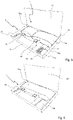
Fig. 1 is a perspective view of a cardboard box containing a packed roof window product, -
Fig. 2 is a perspective exploded view of a roof window with packaging material and a collection of components in a paper bag, -
Fig. 3 corresponds toFig. 2 but showing the packaging material and the paper bag in the positions, in which the will be located when inside a cardboard box as the one inFig. 1 , and where elements underneath the pane of the window are also seen, -
Fig. 4 is a cross-section along the line A-A inFig. 2 , but where prior art packaging material has been replaced with paper bags each containing a collection of components, -
Fig. 5 is a perspective view of a cardboard box containing a packed roof window product in the form of a flashing assembly, where four collections of components of the flashing assembly are contained in paper bags, each of said paper bags being connected to another of the paper bags, -
Fig. 6 corresponds toFig. 5 but where two collections of components of the flashing assembly are contained in paper bags, -
Fig. 7-8 are front views of paper bags with printed information on the exterior side, -
Fig. 9 is a front view of a paper bag with a sticker on the exterior side. - Referring initially to
Fig. 1 , acardboard box 1 for containing a roof window product comprising a plurality of differently sized roof window related product components is shown. In this embodiment the cardboard box is of a rectangular configuration having twomajor sides 11 and fourminor sides minor sides 13 is here shown in a partially assembled state. In the assembled state the side sections 13' will extend perpendicular to themajor side 11. In this embodiment the cardboard box is configured for being opened as illustrated by the arrows P. This type of cardboard box is typically used for heavy products such as roof windows with glass panes. - It is to be understood that the
cardboard box 1 shown inFig. 1 is merely an example, and that the cardboard box may have another shape to better fit the shape and dimensions of the roof window product. - Likewise, it is to be understood that in the following the same reference numbers will be used for elements having substantially the same function, even if not identical.
-
Figs 2 and3 show how blocks 42-47 of shock absorbing material are arranged around and on aroof window 5 before being arranged in a cardboard box as the one shown inFig. 1 . - Rectangular blocks 42, 43 of shock absorbing material extend along
side frame members 51 and a top frame member of the window frame of theroof window 5, andliners 61 made from cardboard compensate for irregularities in the shape of the sides of the window. Theblock 43 may also represent a component of a roof window product, such as a top covering element, or a collection of components, for example a collection of smaller components arranged inside a cavity of a top covering element. - A
block 44 of a more complex shape extends along abottom frame member 52 and makes room for apaper bag 70a containing a collection of components. These four blocks 42-44 of shock absorbing material will be arranged at the four minor sides of thecardboard box 1 in the packed state of theroof window 5. - The
pane 53 is protected by twoelongate blocks 45 of shock absorbing material, which are arranged on the pane, so that they will be located between theroof window 5 and themajor side 11 of thecardboard box 1 in the packed state. A paper liner (not shown) may be provided between theelongate blocks 45 and thepane 53 to protect the pane from scratching. - In
Fig. 3 the pane has been shown as transparent so thatadditional blocks handlebar 54 of the roof window product are seen. Thepaper bag 70a is accommodated by theblock 44. As thepaper bag 70a is kept securely in place in theblock 44, it may suitably contain a collection of relatively fragile components such as electronic components, such as wires, photovoltaic elements, sensors, batteries, or remote controls. A collection of metal components such as mounting brackets could also be provided inpaper bag 70a, as such components may cause damage to other components if not kept in place in the cardboard box. - Turning now to
Fig. 4 anadditional block 48 of shock absorbing material is seen between thehandlebar 54 and atop frame member 55 of theroof window 5. This block supports atop sash member 56 of the roof window. Also visible inFig. 4 are the cross-sections ofblocks bottom frame member 52, but theblocks top frame member 55 shown inFigs 2 and3 have been replaced bypaper bags paper bags 70b-d contain a collection of components. Thepaper bag 70b is arranged to extend at least partly along an outwardly facing surface of thetop frame member 55 and can suitably comprise insulating components and flashing components. Thepaper bag 70b can further comprise shock-absorbing paper material, whereby thepaper bag 70b can provide some protection for the window. Paper bags similar topaper bag 70b may replaceshock absorbing blocks 42 ofFig 3 . They could also replace only part of the shock absorbing blocks 42. Similarly, thepaper bag 70c arranged on the window pane may also comprise shock absorbing paper material to provide some protection for the window, similarly to theblock 45. Thepaper bag 70d is seen to have been attached to thehandlebar 54 to keep the paper bag from sliding around with the roof window during transport and handling of the packed roof window. This bag could for example contain a vapour barrier, which is to be used for sealing the joint between the window and the roof structure, in which it is mounted, on the interior side. -
Figs 5 and 6 show anothercardboard box 2 packed with a roof window product in the form of a flashingassembly 3, which is typically less heavy than a roof window and consists of a large number of components. Similarly, to the cardboard box ofFig. 1 , thiscardboard box 2 is also of a rectangular configuration having twomajor sides minor sides - In
Fig. 5 four collections of components of the flashing assembly are packed in fourpaper bags blocks 41 of a shock absorbing material are arranged betweencomponent 31 of the roof window product and the pair ofmajor paper bags component 31 or the bags moving violently around in the cardboard box during handling or transportation. Flashing assemblies are particularly sensitive to damages caused by deformation but are also protected from scratching by being packed in paper bags which could otherwise make the product aesthetically unacceptable. By attaching the paper bags to each other, their movement in the box is restricted compared to unattached paper bags, which reduces the need for separate means for keeping the components from moving. Further, attaching the paper bags to each other can organize related components, such as a paper bag containing mounting brackets having a paper bag containing fasteners attached to it. - In
Fig. 6 the collections of components are packed in twolarger paper bags Fig. 5 . As the paper bag are large, their movement in the cardboard box are hindered. Such large paper bags are suitably used for collections of large components but can alternatively or additionally also comprise collections of smaller components, which can in turn be packed in paper bags. Such nested paper bags may be used to organize related collections of components, while providing a larger overall paper bag, which is more easily kept in place in the cardboard box and may also be used for indicating an intended order of use. - Examples of the information provided on the exterior side of the paper bag is shown in
Figs 7-9 . - In
Fig. 7 , thepaper bag 74 contains screws, and a printedpattern 77 shows the type and size of the screws. The pattern is here a continuous pattern allowing paper bags to be formed from a continuous roll of paper, hence the outermost screw shown have been cut off when closing the bag. The pattern could, however, also indicate the number of screws in the bag. - The
paper bag 75 inFig. 8 corresponds essentially to the one inFig. 7 but is further provided with a product number and a machine-readable code. This additional information is intended for used in a wholly or partially automated packing process. -
Fig. 9 shows analternative paper bag 76 formed as an envelope and provided with asticker 78. The information on the sticker includes an image of the product inside, a product number, and an indication of the intended use of the product. - While
Figs 7-9 all show smaller items, it is to be understood that larger paper bags as those described above will carry corresponding information, and that larger bags allow the provision of even more information. A large paper bag may thus be provided with information about the use of product components, which are contained in other paper bags or which are placed in the cardboard box without additional packaging. As an example, a paper bag containing mounting brackets may be provided with detailed information about the use of screws provided in a separate paper bag. As another example a paper bag containing flashing components such as 71b inFig. 5 may be provided with information about the installation of other flashing components such as 31 inFig. 5 . -
- 1
- Cardboard box
- 11
- Major side
- 13
- Minor side
- 13'
- Section of minor side
- 14
- Minor side
- 2
- Cardboard box
- 21
- Major side
- 22
- Major side
- 23
- Minor side
- 24
- Minor side
- 3
- Flashing assembly
- 31
- Component
- 32
- Component
- 41-49
- Blocks of a shock absorbing material
- 5
- Roof window
- 51
- Side frame member
- 52
- Bottom frame member
- 53
- Pane
- 54
- Handle bar
- 55
- Top frame member
- 56
- Top sash member
- 61
- Side liner
- 62
- Carton
- 70a-d
- Paper bag
- 71a-b
- Paper bag
- 72a-b
- Paper bag
- 73a-b
- Paper bag
- 74
- Paper bag
- 75
- Paper bag
- 76
- Paper bag
- 77
- Printed information
- 77a
- Printed information
- 78
- Sticker
- P
- Opening of box
Claims (8)
- A packed roof window product comprising a plurality of differently sized roof window related product components contained in a cardboard box,
characterised in that
a collection of components is contained in a paper bag, and that information about the collection of components is provided on an exterior side of the paper bag. - A packed roof window product according to claim 1, wherein a collection of components contained in a paper bag comprises small flashing or covering components.
- A packed roof window product according to claim 1 or 2, wherein a collection of components contained in a paper bag comprises mounting brackets.
- A packed roof window product according to one or more of the preceding claims, wherein a collection of components contained in a paper bag comprises sealing and/or insulating components.
- A packed roof window product according to one or more of the preceding claims, wherein a collection of components contained in a paper bag comprises electronic components, such as wires, photovoltaic elements, sensors, batteries, or remote controls.
- A packed roof window product according to one or more of the preceding claims, wherein a collection of components contained in a paper bag comprises fasteners, such as screws, nails, or clamps.
- A packed roof window product according to one or more of the preceding claims, wherein two or more paper bags each containing a collection of components are interconnected.
- A packed roof window product according to one or more of the preceding claims, wherein a first paper bag containing a collection of components is provided inside a second paper bag containing a collection of components.
Applications Claiming Priority (1)
| Application Number | Priority Date | Filing Date | Title |
|---|---|---|---|
| DKPA202170237A DK181311B1 (en) | 2021-05-12 | 2021-05-12 | Packed roof window products |
Publications (2)
| Publication Number | Publication Date |
|---|---|
| EP4089026A1 true EP4089026A1 (en) | 2022-11-16 |
| EP4089026B1 EP4089026B1 (en) | 2025-12-24 |
Family
ID=81878137
Family Applications (1)
| Application Number | Title | Priority Date | Filing Date |
|---|---|---|---|
| EP22173005.4A Active EP4089026B1 (en) | 2021-05-12 | 2022-05-12 | Packed roof window products |
Country Status (4)
| Country | Link |
|---|---|
| EP (1) | EP4089026B1 (en) |
| DE (4) | DE202022003009U1 (en) |
| DK (2) | DK181311B1 (en) |
| PL (1) | PL4089026T3 (en) |
Cited By (1)
| Publication number | Priority date | Publication date | Assignee | Title |
|---|---|---|---|---|
| DK202470204A1 (en) * | 2024-07-31 | 2026-02-03 | Vkr Holding As | A packaging for components of a roof window product |
Citations (4)
| Publication number | Priority date | Publication date | Assignee | Title |
|---|---|---|---|---|
| JP2001206441A (en) * | 2000-01-28 | 2001-07-31 | Oorisu Kk | Parts packaging such as assembled furniture |
| WO2008051556A2 (en) * | 2006-10-25 | 2008-05-02 | Staples The Office Superstore, Llc | Parts kit |
| EP1710163B1 (en) | 2005-04-08 | 2009-06-03 | VKR Holding A/S | Process, package and protecting elements for the packaging of a product having multiple components |
| EP2748071B1 (en) | 2011-10-04 | 2016-11-23 | VKR Holding A/S | A packaging for a window and a method for packing |
Family Cites Families (1)
| Publication number | Priority date | Publication date | Assignee | Title |
|---|---|---|---|---|
| US20080197033A1 (en) * | 2007-02-16 | 2008-08-21 | Rfc Container Company, Inc. | Device for use in a carton or container holding a flanged window frame |
-
2021
- 2021-05-12 DK DKPA202170237A patent/DK181311B1/en active IP Right Grant
-
2022
- 2022-05-12 DE DE202022003009.6U patent/DE202022003009U1/en active Active
- 2022-05-12 PL PL22173005.4T patent/PL4089026T3/en unknown
- 2022-05-12 EP EP22173005.4A patent/EP4089026B1/en active Active
- 2022-05-12 DE DE202022003008.8U patent/DE202022003008U1/en active Active
- 2022-05-12 DE DE202022003281.1U patent/DE202022003281U1/en active Active
- 2022-05-12 DE DE202022003014.2U patent/DE202022003014U1/en active Active
-
2023
- 2023-05-11 DK DKPA202370230A patent/DK181669B1/en active IP Right Grant
Patent Citations (4)
| Publication number | Priority date | Publication date | Assignee | Title |
|---|---|---|---|---|
| JP2001206441A (en) * | 2000-01-28 | 2001-07-31 | Oorisu Kk | Parts packaging such as assembled furniture |
| EP1710163B1 (en) | 2005-04-08 | 2009-06-03 | VKR Holding A/S | Process, package and protecting elements for the packaging of a product having multiple components |
| WO2008051556A2 (en) * | 2006-10-25 | 2008-05-02 | Staples The Office Superstore, Llc | Parts kit |
| EP2748071B1 (en) | 2011-10-04 | 2016-11-23 | VKR Holding A/S | A packaging for a window and a method for packing |
Cited By (2)
| Publication number | Priority date | Publication date | Assignee | Title |
|---|---|---|---|---|
| DK202470204A1 (en) * | 2024-07-31 | 2026-02-03 | Vkr Holding As | A packaging for components of a roof window product |
| DK182276B1 (en) * | 2024-07-31 | 2026-02-03 | Vkr Holding As | A packaging for components of a roof window product |
Also Published As
| Publication number | Publication date |
|---|---|
| PL4089026T3 (en) | 2026-04-20 |
| DE202022003281U1 (en) | 2025-10-27 |
| DE202022003009U1 (en) | 2024-07-01 |
| EP4089026B1 (en) | 2025-12-24 |
| DK181669B1 (en) | 2024-09-17 |
| DE202022003008U1 (en) | 2024-07-01 |
| DK202170237A1 (en) | 2022-11-21 |
| DK181311B1 (en) | 2023-08-08 |
| DK202370230A1 (en) | 2023-05-26 |
| DE202022003014U1 (en) | 2024-07-04 |
Similar Documents
| Publication | Publication Date | Title |
|---|---|---|
| EP4089025B1 (en) | A packed roof window | |
| CA2849337C (en) | A packaging for a window and a method for packing | |
| EP4089026B1 (en) | Packed roof window products | |
| EP4091958A1 (en) | A packed roof window, a ventilation flap retainer, and use of a ventilation flap retainer | |
| EP4089022A2 (en) | Packed roof window product | |
| CZ37830U1 (en) | A carton assembly containing a carton containing a sunroof and packaging components to protect and hold the sunroof components | |
| EP4332020A1 (en) | A packed kit of flashing and/or covering members for a roof window and a method for packing a kit of flashing and/or covering members | |
| EP4324758A1 (en) | A packed roof window product and a method for packing a roof window product | |
| DK181313B1 (en) | Packed roof window products | |
| EP4089034B1 (en) | Packed installation kit comprising installation assemblies for a roof window system | |
| EP4412913B1 (en) | Packed roof window product | |
| EP4089023A2 (en) | A packed roof window product | |
| EP4368530A1 (en) | A method for packaging a roof window and a packed roof window | |
| EP4089031A2 (en) | Packed installation kit comprising an installation assembly with support beams as components | |
| CN222474669U (en) | Packing box packing work platform | |
| CA2268296A1 (en) | Article protector and method of use and manufacture |
Legal Events
| Date | Code | Title | Description |
|---|---|---|---|
| REG | Reference to a national code |
Ref country code: DE Ref legal event code: R138 Ref document number: 202022003009 Country of ref document: DE Free format text: GERMAN DOCUMENT NUMBER IS 602022027286 Ref country code: DE Ref legal event code: R138 Ref document number: 202022003008 Country of ref document: DE Free format text: GERMAN DOCUMENT NUMBER IS 602022027286 Ref country code: DE Ref legal event code: R138 Ref document number: 202022003014 Country of ref document: DE Free format text: GERMAN DOCUMENT NUMBER IS 602022027286 Ref country code: DE Ref legal event code: R138 Ref document number: 202022003281 Country of ref document: DE Free format text: GERMAN DOCUMENT NUMBER IS 602022027286 |
|
| PUAI | Public reference made under article 153(3) epc to a published international application that has entered the european phase |
Free format text: ORIGINAL CODE: 0009012 |
|
| STAA | Information on the status of an ep patent application or granted ep patent |
Free format text: STATUS: THE APPLICATION HAS BEEN PUBLISHED |
|
| AK | Designated contracting states |
Kind code of ref document: A1 Designated state(s): AL AT BE BG CH CY CZ DE DK EE ES FI FR GB GR HR HU IE IS IT LI LT LU LV MC MK MT NL NO PL PT RO RS SE SI SK SM TR |
|
| STAA | Information on the status of an ep patent application or granted ep patent |
Free format text: STATUS: REQUEST FOR EXAMINATION WAS MADE |
|
| 17P | Request for examination filed |
Effective date: 20230516 |
|
| RBV | Designated contracting states (corrected) |
Designated state(s): AL AT BE BG CH CY CZ DE DK EE ES FI FR GB GR HR HU IE IS IT LI LT LU LV MC MK MT NL NO PL PT RO RS SE SI SK SM TR |
|
| STAA | Information on the status of an ep patent application or granted ep patent |
Free format text: STATUS: EXAMINATION IS IN PROGRESS |
|
| RIC1 | Information provided on ipc code assigned before grant |
Ipc: B65D 85/48 20060101ALI20230609BHEP Ipc: B65D 81/107 20060101ALI20230609BHEP Ipc: B65D 81/05 20060101ALI20230609BHEP Ipc: B65D 5/50 20060101AFI20230609BHEP |
|
| 17Q | First examination report despatched |
Effective date: 20230627 |
|
| GRAP | Despatch of communication of intention to grant a patent |
Free format text: ORIGINAL CODE: EPIDOSNIGR1 |
|
| STAA | Information on the status of an ep patent application or granted ep patent |
Free format text: STATUS: GRANT OF PATENT IS INTENDED |
|
| INTG | Intention to grant announced |
Effective date: 20250909 |
|
| GRAS | Grant fee paid |
Free format text: ORIGINAL CODE: EPIDOSNIGR3 |
|
| GRAA | (expected) grant |
Free format text: ORIGINAL CODE: 0009210 |
|
| STAA | Information on the status of an ep patent application or granted ep patent |
Free format text: STATUS: THE PATENT HAS BEEN GRANTED |
|
| AK | Designated contracting states |
Kind code of ref document: B1 Designated state(s): AL AT BE BG CH CY CZ DE DK EE ES FI FR GB GR HR HU IE IS IT LI LT LU LV MC MK MT NL NO PL PT RO RS SE SI SK SM TR |
|
| REG | Reference to a national code |
Ref country code: CH Ref legal event code: F10 Free format text: ST27 STATUS EVENT CODE: U-0-0-F10-F00 (AS PROVIDED BY THE NATIONAL OFFICE) Effective date: 20251224 Ref country code: GB Ref legal event code: FG4D |
|
| REG | Reference to a national code |
Ref country code: DE Ref legal event code: R096 Ref document number: 602022027286 Country of ref document: DE |
|
| PGFP | Annual fee paid to national office [announced via postgrant information from national office to epo] |
Ref country code: GB Payment date: 20260312 Year of fee payment: 5 |
|
| REG | Reference to a national code |
Ref country code: LT Ref legal event code: MG9D |
|
| PG25 | Lapsed in a contracting state [announced via postgrant information from national office to epo] |
Ref country code: NO Free format text: LAPSE BECAUSE OF FAILURE TO SUBMIT A TRANSLATION OF THE DESCRIPTION OR TO PAY THE FEE WITHIN THE PRESCRIBED TIME-LIMIT Effective date: 20260324 |
|
| PG25 | Lapsed in a contracting state [announced via postgrant information from national office to epo] |
Ref country code: FI Free format text: LAPSE BECAUSE OF FAILURE TO SUBMIT A TRANSLATION OF THE DESCRIPTION OR TO PAY THE FEE WITHIN THE PRESCRIBED TIME-LIMIT Effective date: 20251224 Ref country code: HR Free format text: LAPSE BECAUSE OF FAILURE TO SUBMIT A TRANSLATION OF THE DESCRIPTION OR TO PAY THE FEE WITHIN THE PRESCRIBED TIME-LIMIT Effective date: 20251224 |
|
| PG25 | Lapsed in a contracting state [announced via postgrant information from national office to epo] |
Ref country code: RS Free format text: LAPSE BECAUSE OF FAILURE TO SUBMIT A TRANSLATION OF THE DESCRIPTION OR TO PAY THE FEE WITHIN THE PRESCRIBED TIME-LIMIT Effective date: 20260324 |
|
| PG25 | Lapsed in a contracting state [announced via postgrant information from national office to epo] |
Ref country code: LV Free format text: LAPSE BECAUSE OF FAILURE TO SUBMIT A TRANSLATION OF THE DESCRIPTION OR TO PAY THE FEE WITHIN THE PRESCRIBED TIME-LIMIT Effective date: 20251224 |
|
| REG | Reference to a national code |
Ref country code: NL Ref legal event code: MP Effective date: 20251224 |
|
| PG25 | Lapsed in a contracting state [announced via postgrant information from national office to epo] |
Ref country code: BG Free format text: LAPSE BECAUSE OF FAILURE TO SUBMIT A TRANSLATION OF THE DESCRIPTION OR TO PAY THE FEE WITHIN THE PRESCRIBED TIME-LIMIT Effective date: 20251224 |
|
| REG | Reference to a national code |
Ref country code: AT Ref legal event code: MK05 Ref document number: 1870597 Country of ref document: AT Kind code of ref document: T Effective date: 20251224 |
|
| PG25 | Lapsed in a contracting state [announced via postgrant information from national office to epo] |
Ref country code: NL Free format text: LAPSE BECAUSE OF FAILURE TO SUBMIT A TRANSLATION OF THE DESCRIPTION OR TO PAY THE FEE WITHIN THE PRESCRIBED TIME-LIMIT Effective date: 20251224 |
|
| PG25 | Lapsed in a contracting state [announced via postgrant information from national office to epo] |
Ref country code: LT Free format text: LAPSE BECAUSE OF FAILURE TO SUBMIT A TRANSLATION OF THE DESCRIPTION OR TO PAY THE FEE WITHIN THE PRESCRIBED TIME-LIMIT Effective date: 20251224 |
|
| PG25 | Lapsed in a contracting state [announced via postgrant information from national office to epo] |
Ref country code: SM Free format text: LAPSE BECAUSE OF FAILURE TO SUBMIT A TRANSLATION OF THE DESCRIPTION OR TO PAY THE FEE WITHIN THE PRESCRIBED TIME-LIMIT Effective date: 20251224 |
|
| PG25 | Lapsed in a contracting state [announced via postgrant information from national office to epo] |
Ref country code: ES Free format text: LAPSE BECAUSE OF FAILURE TO SUBMIT A TRANSLATION OF THE DESCRIPTION OR TO PAY THE FEE WITHIN THE PRESCRIBED TIME-LIMIT Effective date: 20251224 |
|
| PGFP | Annual fee paid to national office [announced via postgrant information from national office to epo] |
Ref country code: PL Payment date: 20260415 Year of fee payment: 5 |
|
| PG25 | Lapsed in a contracting state [announced via postgrant information from national office to epo] |
Ref country code: IT Free format text: LAPSE BECAUSE OF FAILURE TO SUBMIT A TRANSLATION OF THE DESCRIPTION OR TO PAY THE FEE WITHIN THE PRESCRIBED TIME-LIMIT Effective date: 20251224 |
|
| PGFP | Annual fee paid to national office [announced via postgrant information from national office to epo] |
Ref country code: DE Payment date: 20260331 Year of fee payment: 5 |
|
| PG25 | Lapsed in a contracting state [announced via postgrant information from national office to epo] |
Ref country code: AT Free format text: LAPSE BECAUSE OF FAILURE TO SUBMIT A TRANSLATION OF THE DESCRIPTION OR TO PAY THE FEE WITHIN THE PRESCRIBED TIME-LIMIT Effective date: 20251224 |
|
| PG25 | Lapsed in a contracting state [announced via postgrant information from national office to epo] |
Ref country code: EE Free format text: LAPSE BECAUSE OF FAILURE TO SUBMIT A TRANSLATION OF THE DESCRIPTION OR TO PAY THE FEE WITHIN THE PRESCRIBED TIME-LIMIT Effective date: 20251224 |
|
| PG25 | Lapsed in a contracting state [announced via postgrant information from national office to epo] |
Ref country code: PT Free format text: LAPSE BECAUSE OF FAILURE TO SUBMIT A TRANSLATION OF THE DESCRIPTION OR TO PAY THE FEE WITHIN THE PRESCRIBED TIME-LIMIT Effective date: 20260424 Ref country code: IS Free format text: LAPSE BECAUSE OF FAILURE TO SUBMIT A TRANSLATION OF THE DESCRIPTION OR TO PAY THE FEE WITHIN THE PRESCRIBED TIME-LIMIT Effective date: 20260424 |
|
| PG25 | Lapsed in a contracting state [announced via postgrant information from national office to epo] |
Ref country code: CZ Free format text: LAPSE BECAUSE OF FAILURE TO SUBMIT A TRANSLATION OF THE DESCRIPTION OR TO PAY THE FEE WITHIN THE PRESCRIBED TIME-LIMIT Effective date: 20251224 |
|
| PGFP | Annual fee paid to national office [announced via postgrant information from national office to epo] |
Ref country code: FR Payment date: 20260401 Year of fee payment: 5 |
|
| PG25 | Lapsed in a contracting state [announced via postgrant information from national office to epo] |
Ref country code: SK Free format text: LAPSE BECAUSE OF FAILURE TO SUBMIT A TRANSLATION OF THE DESCRIPTION OR TO PAY THE FEE WITHIN THE PRESCRIBED TIME-LIMIT Effective date: 20251224 |
|
| PG25 | Lapsed in a contracting state [announced via postgrant information from national office to epo] |
Ref country code: SE Free format text: LAPSE BECAUSE OF FAILURE TO SUBMIT A TRANSLATION OF THE DESCRIPTION OR TO PAY THE FEE WITHIN THE PRESCRIBED TIME-LIMIT Effective date: 20251224 |