EP4075994B1 - Verfahren zur umwandlung von insekten in insektenpulpe und nährstoffströme, mit diesem verfahren erhältliche insektenpulpe - Google Patents
Verfahren zur umwandlung von insekten in insektenpulpe und nährstoffströme, mit diesem verfahren erhältliche insektenpulpe Download PDFInfo
- Publication number
- EP4075994B1 EP4075994B1 EP20828568.4A EP20828568A EP4075994B1 EP 4075994 B1 EP4075994 B1 EP 4075994B1 EP 20828568 A EP20828568 A EP 20828568A EP 4075994 B1 EP4075994 B1 EP 4075994B1
- Authority
- EP
- European Patent Office
- Prior art keywords
- pulp
- black soldier
- soldier fly
- larvae
- bsf
- Prior art date
- Legal status (The legal status is an assumption and is not a legal conclusion. Google has not performed a legal analysis and makes no representation as to the accuracy of the status listed.)
- Active
Links
Images




Classifications
-
- A—HUMAN NECESSITIES
- A23—FOODS OR FOODSTUFFS; TREATMENT THEREOF, NOT COVERED BY OTHER CLASSES
- A23D—EDIBLE OILS OR FATS, e.g. MARGARINES, SHORTENINGS OR COOKING OILS
- A23D9/00—Other edible oils or fats, e.g. shortenings or cooking oils
- A23D9/02—Other edible oils or fats, e.g. shortenings or cooking oils characterised by the production or working-up
-
- A—HUMAN NECESSITIES
- A23—FOODS OR FOODSTUFFS; TREATMENT THEREOF, NOT COVERED BY OTHER CLASSES
- A23J—PROTEIN COMPOSITIONS FOR FOODSTUFFS; WORKING-UP PROTEINS FOR FOODSTUFFS; PHOSPHATIDE COMPOSITIONS FOR FOODSTUFFS
- A23J1/00—Obtaining protein compositions for foodstuffs; Bulk opening of eggs and separation of yolks from whites
-
- A—HUMAN NECESSITIES
- A23—FOODS OR FOODSTUFFS; TREATMENT THEREOF, NOT COVERED BY OTHER CLASSES
- A23J—PROTEIN COMPOSITIONS FOR FOODSTUFFS; WORKING-UP PROTEINS FOR FOODSTUFFS; PHOSPHATIDE COMPOSITIONS FOR FOODSTUFFS
- A23J1/00—Obtaining protein compositions for foodstuffs; Bulk opening of eggs and separation of yolks from whites
- A23J1/009—Obtaining protein compositions for foodstuffs; Bulk opening of eggs and separation of yolks from whites from unicellular algae
-
- A—HUMAN NECESSITIES
- A23—FOODS OR FOODSTUFFS; TREATMENT THEREOF, NOT COVERED BY OTHER CLASSES
- A23J—PROTEIN COMPOSITIONS FOR FOODSTUFFS; WORKING-UP PROTEINS FOR FOODSTUFFS; PHOSPHATIDE COMPOSITIONS FOR FOODSTUFFS
- A23J1/00—Obtaining protein compositions for foodstuffs; Bulk opening of eggs and separation of yolks from whites
- A23J1/04—Obtaining protein compositions for foodstuffs; Bulk opening of eggs and separation of yolks from whites from fish or other sea animals
-
- A—HUMAN NECESSITIES
- A23—FOODS OR FOODSTUFFS; TREATMENT THEREOF, NOT COVERED BY OTHER CLASSES
- A23J—PROTEIN COMPOSITIONS FOR FOODSTUFFS; WORKING-UP PROTEINS FOR FOODSTUFFS; PHOSPHATIDE COMPOSITIONS FOR FOODSTUFFS
- A23J3/00—Working-up of proteins for foodstuffs
- A23J3/04—Animal proteins
-
- A—HUMAN NECESSITIES
- A23—FOODS OR FOODSTUFFS; TREATMENT THEREOF, NOT COVERED BY OTHER CLASSES
- A23J—PROTEIN COMPOSITIONS FOR FOODSTUFFS; WORKING-UP PROTEINS FOR FOODSTUFFS; PHOSPHATIDE COMPOSITIONS FOR FOODSTUFFS
- A23J3/00—Working-up of proteins for foodstuffs
- A23J3/30—Working-up of proteins for foodstuffs by hydrolysis
- A23J3/32—Working-up of proteins for foodstuffs by hydrolysis using chemical agents
- A23J3/34—Working-up of proteins for foodstuffs by hydrolysis using chemical agents using enzymes
- A23J3/341—Working-up of proteins for foodstuffs by hydrolysis using chemical agents using enzymes of animal proteins
-
- A—HUMAN NECESSITIES
- A23—FOODS OR FOODSTUFFS; TREATMENT THEREOF, NOT COVERED BY OTHER CLASSES
- A23K—FODDER
- A23K10/00—Animal feeding-stuffs
- A23K10/10—Animal feeding-stuffs obtained by microbiological or biochemical processes
- A23K10/14—Pretreatment of feeding-stuffs with enzymes
-
- A—HUMAN NECESSITIES
- A23—FOODS OR FOODSTUFFS; TREATMENT THEREOF, NOT COVERED BY OTHER CLASSES
- A23K—FODDER
- A23K10/00—Animal feeding-stuffs
- A23K10/20—Animal feeding-stuffs from material of animal origin
-
- A—HUMAN NECESSITIES
- A23—FOODS OR FOODSTUFFS; TREATMENT THEREOF, NOT COVERED BY OTHER CLASSES
- A23K—FODDER
- A23K20/00—Accessory food factors for animal feeding-stuffs
- A23K20/10—Organic substances
- A23K20/142—Amino acids; Derivatives thereof
-
- A—HUMAN NECESSITIES
- A23—FOODS OR FOODSTUFFS; TREATMENT THEREOF, NOT COVERED BY OTHER CLASSES
- A23K—FODDER
- A23K20/00—Accessory food factors for animal feeding-stuffs
- A23K20/10—Organic substances
- A23K20/142—Amino acids; Derivatives thereof
- A23K20/147—Polymeric derivatives, e.g. peptides or proteins
-
- A—HUMAN NECESSITIES
- A23—FOODS OR FOODSTUFFS; TREATMENT THEREOF, NOT COVERED BY OTHER CLASSES
- A23K—FODDER
- A23K20/00—Accessory food factors for animal feeding-stuffs
- A23K20/10—Organic substances
- A23K20/158—Fatty acids; Fats; Products containing oils or fats
-
- A—HUMAN NECESSITIES
- A23—FOODS OR FOODSTUFFS; TREATMENT THEREOF, NOT COVERED BY OTHER CLASSES
- A23L—FOODS, FOODSTUFFS OR NON-ALCOHOLIC BEVERAGES, NOT OTHERWISE PROVIDED FOR; PREPARATION OR TREATMENT THEREOF
- A23L33/00—Modifying nutritive qualities of foods; Dietetic products; Preparation or treatment thereof
- A23L33/10—Modifying nutritive qualities of foods; Dietetic products; Preparation or treatment thereof using additives
- A23L33/17—Amino acids, peptides or proteins
-
- C—CHEMISTRY; METALLURGY
- C07—ORGANIC CHEMISTRY
- C07K—PEPTIDES
- C07K14/00—Peptides having more than 20 amino acids; Gastrins; Somatostatins; Melanotropins; Derivatives thereof
- C07K14/435—Peptides having more than 20 amino acids; Gastrins; Somatostatins; Melanotropins; Derivatives thereof from animals; from humans
- C07K14/43504—Peptides having more than 20 amino acids; Gastrins; Somatostatins; Melanotropins; Derivatives thereof from animals; from humans from invertebrates
- C07K14/43563—Peptides having more than 20 amino acids; Gastrins; Somatostatins; Melanotropins; Derivatives thereof from animals; from humans from invertebrates from insects
-
- C—CHEMISTRY; METALLURGY
- C11—ANIMAL OR VEGETABLE OILS, FATS, FATTY SUBSTANCES OR WAXES; FATTY ACIDS THEREFROM; DETERGENTS; CANDLES
- C11B—PRODUCING, e.g. BY PRESSING RAW MATERIALS OR BY EXTRACTION FROM WASTE MATERIALS, REFINING OR PRESERVING FATS, FATTY SUBSTANCES, e.g. LANOLIN, FATTY OILS OR WAXES; ESSENTIAL OILS; PERFUMES
- C11B1/00—Production of fats or fatty oils from raw materials
- C11B1/02—Pretreatment
- C11B1/025—Pretreatment by enzymes or microorganisms, living or dead
-
- C—CHEMISTRY; METALLURGY
- C11—ANIMAL OR VEGETABLE OILS, FATS, FATTY SUBSTANCES OR WAXES; FATTY ACIDS THEREFROM; DETERGENTS; CANDLES
- C11B—PRODUCING, e.g. BY PRESSING RAW MATERIALS OR BY EXTRACTION FROM WASTE MATERIALS, REFINING OR PRESERVING FATS, FATTY SUBSTANCES, e.g. LANOLIN, FATTY OILS OR WAXES; ESSENTIAL OILS; PERFUMES
- C11B1/00—Production of fats or fatty oils from raw materials
- C11B1/06—Production of fats or fatty oils from raw materials by pressing
-
- A—HUMAN NECESSITIES
- A23—FOODS OR FOODSTUFFS; TREATMENT THEREOF, NOT COVERED BY OTHER CLASSES
- A23K—FODDER
- A23K50/00—Feeding-stuffs specially adapted for particular animals
- A23K50/80—Feeding-stuffs specially adapted for particular animals for aquatic animals, e.g. fish, crustaceans or molluscs
-
- A—HUMAN NECESSITIES
- A23—FOODS OR FOODSTUFFS; TREATMENT THEREOF, NOT COVERED BY OTHER CLASSES
- A23V—INDEXING SCHEME RELATING TO FOODS, FOODSTUFFS OR NON-ALCOHOLIC BEVERAGES AND LACTIC OR PROPIONIC ACID BACTERIA USED IN FOODSTUFFS OR FOOD PREPARATION
- A23V2002/00—Food compositions, function of food ingredients or processes for food or foodstuffs
-
- A—HUMAN NECESSITIES
- A23—FOODS OR FOODSTUFFS; TREATMENT THEREOF, NOT COVERED BY OTHER CLASSES
- A23V—INDEXING SCHEME RELATING TO FOODS, FOODSTUFFS OR NON-ALCOHOLIC BEVERAGES AND LACTIC OR PROPIONIC ACID BACTERIA USED IN FOODSTUFFS OR FOOD PREPARATION
- A23V2300/00—Processes
- A23V2300/10—Drying, dehydrating
-
- A—HUMAN NECESSITIES
- A23—FOODS OR FOODSTUFFS; TREATMENT THEREOF, NOT COVERED BY OTHER CLASSES
- A23V—INDEXING SCHEME RELATING TO FOODS, FOODSTUFFS OR NON-ALCOHOLIC BEVERAGES AND LACTIC OR PROPIONIC ACID BACTERIA USED IN FOODSTUFFS OR FOOD PREPARATION
- A23V2300/00—Processes
- A23V2300/20—Freezing
-
- A—HUMAN NECESSITIES
- A23—FOODS OR FOODSTUFFS; TREATMENT THEREOF, NOT COVERED BY OTHER CLASSES
- A23V—INDEXING SCHEME RELATING TO FOODS, FOODSTUFFS OR NON-ALCOHOLIC BEVERAGES AND LACTIC OR PROPIONIC ACID BACTERIA USED IN FOODSTUFFS OR FOOD PREPARATION
- A23V2300/00—Processes
- A23V2300/24—Heat, thermal treatment
-
- A—HUMAN NECESSITIES
- A23—FOODS OR FOODSTUFFS; TREATMENT THEREOF, NOT COVERED BY OTHER CLASSES
- A23V—INDEXING SCHEME RELATING TO FOODS, FOODSTUFFS OR NON-ALCOHOLIC BEVERAGES AND LACTIC OR PROPIONIC ACID BACTERIA USED IN FOODSTUFFS OR FOOD PREPARATION
- A23V2300/00—Processes
- A23V2300/31—Mechanical treatment
-
- Y—GENERAL TAGGING OF NEW TECHNOLOGICAL DEVELOPMENTS; GENERAL TAGGING OF CROSS-SECTIONAL TECHNOLOGIES SPANNING OVER SEVERAL SECTIONS OF THE IPC; TECHNICAL SUBJECTS COVERED BY FORMER USPC CROSS-REFERENCE ART COLLECTIONS [XRACs] AND DIGESTS
- Y02—TECHNOLOGIES OR APPLICATIONS FOR MITIGATION OR ADAPTATION AGAINST CLIMATE CHANGE
- Y02P—CLIMATE CHANGE MITIGATION TECHNOLOGIES IN THE PRODUCTION OR PROCESSING OF GOODS
- Y02P60/00—Technologies relating to agriculture, livestock or agroalimentary industries
- Y02P60/80—Food processing, e.g. use of renewable energies or variable speed drives in handling, conveying or stacking
- Y02P60/87—Re-use of by-products of food processing for fodder production
Definitions
- the present invention relates to a method for converting black soldier fly larvae into nutrient streams, such as a puree or black soldier fly larvae pulp.
- the invention further relates to the puree obtainable by said methods and to their use as a food or feed product.
- the invention also relates to a method for converting black soldier fly larvae into a composition with anti-oxidant properties.
- the invention relates to a feed, food, food ingredient or feed ingredient for use in a method for the prevention and/or suppression of cellular oxidative damage.
- a fairly novel approach to bio-waste conversion is by insect larvae, using for example the black soldier fly ( Hermetia illucens ), the house fly ( Musca domestica ), and the meal worm ( Tenebrio molitor L .).
- Their popularity links to the promising opportunities of using the harvested larvae as a source of protein and fat for animal feed or food products, thus providing a valuable alternative to other (animal) sources of protein and fat.
- insects Even though many people dislike the consumption of whole insects, the use of insects as a source for separated fats and proteins, which are subsequently used in the preparation of food and feed is more acceptable. However, in order for insects to become a commercially viable nutrient source their production and processing should be carried out on a large scale and the nutrient streams obtained should be free from unwanted flavours and discolorations.
- Insects are commonly consumed as food in many cultures around the world.
- insect proteins are gaining rapid acceptance as high value protein ingredients in animal diets.
- the European Union has already approved the inclusion of insect proteins in pet food and aquaculture feed formulations.
- Chicken meal and fish meal are common ingredients in pet food and aquaculture feed preparations, respectively.
- Insect proteins are increasingly being viewed as an alternative to chicken meal and fish meal in these markets.
- black soldier fly ( Hermetia illucens ) larvae has gained special attention due to its ability to grow on wide range of organic residues and unique nutritional composition.
- the nutritional suitability of black soldier fly larvae (BSF) proteins in aquaculture and pet diets is well established.
- Neutrophils white blood cells
- neutrophils Upon receiving the signal, neutrophils rush to the site of intrusion by pathogenic microbes. Neutrophils then inactivate the pathogens by phagocytosis and release of reactive oxygen species (ROS). Production of ROS is crucial for the host defense.
- ROS reactive oxygen species
- the present invention aims to further improve the yield and quality of the nutrient streams obtained from insects over methods known in the prior art.
- the invention is further aimed at the nutrient streams obtained with such methods.
- An aspect of the present invention relates to a method according to claim 1 to convert insects into nutrient streams, comprising or consisting of the steps of:
- the method comprises a further step c2) after step c): subjecting the pulp to a physical separation step thereby obtaining a fat fraction, an aqueous protein fraction and a solid-containing fraction. Drying of the protein fraction reveals protein meal obtained from BSF larvae.
- the method to convert BSF larvae into nutrient streams comprises or consists of the steps of:
- the pulp might be treated by the enzyme for 0.5 - 3 hours such as 1 to 2 hours at a temperature of 40°C to 70°C, preferably at 45°C to 65°C, more preferably at a temperature of 50°C ⁇ 2°C or about 50°C.
- the enzyme might be a protease such as a peptidase, preferably the enzyme is Flavourzyme. It has been found out that this enzyme treatment step a1) prior to the heating step b) increases the free amino acid content and digestibility of the obtained BSF larvae puree and improves the fat separation from the pulp and from the protein fraction in the following separation step c2) (Protein with less fat / lipids is obtained). Moreover, it has been established that the heated pulp obtained after step b) and c) of the method and the heated enzymatically hydrolysed pulp obtained after step a1) and step b) and step c2) both have anti-oxidant properties.
- An aspect of the present invention relates to heated BSF larvae puree, obtained with the method of the invention.
- Such heated BSF larvae puree surprisingly has anti-oxidant properties and is suitable for use as an anti-oxidant feed or food or ingredient thereof.
- An aspect of the present invention relates to heated BSF larvae puree, obtained with the method of the invention.
- heated insect puree surprisingly has anti-oxidant properties and is suitable for use as a health promoting feed or food or ingredient thereof.
- An aspect of the present invention relates to the use of said black soldier fly larvae puree (pulp) as a food or feed product, or as an ingredient thereof.
- An aspect of the invention relates to the use of the insect pulp as a food ingredient or as a feed ingredient, wherein the pulp is obtainable with the method of the invention, the method either or not involving the enzymatic hydrolysis step a1) prior to step b) of the method.
- An aspect of the invention relates to the insect pulp according to the invention for use as feed or feed ingredient, in particular pet food.
- the insects are for example fresh insects, preferably fresh insects.
- Fresh insects are to be understood as living insects or insects that have been killed shortly before being provided in step a) of the method of the invention, such as killed within 1 minute - 3 hours before being subjected to step a).
- Fresh insects for example differ from stored insects that have been killed at a certain moment and stored at for example room temperature, 0°C - 8°C or at a temperature below 0°C for over 3 hours such as for days to weeks to months to years, before such stored insects are processed.
- One of the benefits of using fresh insects is that the risk and chance for (further) microbial outgrowth in a batch of fresh insects is absent compared to a batch of stored insects.
- the heated insect pulp is also referred to as puree or insect puree.
- the puree consists of heated pulp, without any other components such as a liquid such as water, added. Such pulp can be used as such, e.g. as a food or feed, or the pulp can be applied as a constituent of for example a feed product such as dog feed.
- the pulp can be applied as provided with the method of the invention, or the pulp can be subjected to subsequent method steps such as drying to a certain extent, providing dried pulp.
- Such dried pulp is for example used as a feed product or as a food or feed ingredient. Since whole insects are subjecting to pulping, without any further components such as water added, the method provides for the provision of a product, i.e. insect pulp or puree, with a high degree of freedom and possibilities when the choice of subsequent processing steps or subsequent uses is considered.
- the nutrient stream can be subjected to extraction of a component from the pulp, dilution in a liquid such as water, separation in further fractions, etc.
- the nutrient stream can for example be dried, when for example application as an ingredient in dry feed or dry food products is considered.
- the water holding capacity ('WHC') of the nutrient stream provided with the method of the invention i.e. the puree, is increased when compared to insect pulp obtained with methods known in the art in which the pulp of step a) is heated for 5 minutes - 30 minutes or even longer (see for example the method in WO2014123420 ).
- WHC of heated insect pulp obtained with the current method of the invention is 1.06 to 1.11 times higher such as about 1.09 times the WHC of heated insect pulp obtained with the method according to WO2014123420 , wherein pulp of step a) is heated at least 5 minutes, and up to 30 minutes or longer.
- the WHC is determined as the weight of water that is lost by the insect pulp after heating the insect pulp for 80 minutes at 121°C.
- the insect pulp obtained with the conventional method loses as much as 17% or more such as 18% or more of its weight due to water loss, during the heat treatment at 121°C for 80 minutes, based on the weight of the insect pulp before being subjected to the assessment of the WHC.
- the insect pulp obtained with the method of the invention only loses as little as 9% - 13% of its weight due to water loss, during the heat treatment at 121°C for 80 minutes, based on the weight of the insect pulp before being subjected to the assessment of the WHC. That is to say, the insect pulp obtained with the conventional method retains typically about 82% of its weight due to water loss, whereas the insect pulp obtained with the method of the invention retains up to even over 90% or over 88% such as up to or over 89% of its weight due to minimal water loss, which proves that the insect pulp of the invention has an improved and higher WHC than the WHC that was obtainable by applying a conventional method known in the art.
- the moisture content of the insect pulp obtained with the method of the invention is essentially the same as the moisture content of insect pulp obtained via the conventional method known in the art (See Example 1B, here below), i.e. about 70.6% - 71.7% based on the total weight of the insect pulp.
- Such a high WHC for the nutrient stream provided with the method of the invention is for example beneficial when the heated pulp is applied as feed or as a feed ingredient in animal feed applications.
- the insect pulp is applied as a meat replacer or as a partial meat replacer in animal feed such as cat or dog feed.
- a meat replacer with a relatively high WHC such as the insect pulp provided by the method of the invention, is preferred for feed applications compared to a further product with a lower WHC, such as the insect pulp obtainable with conventional methods known in the art.
- the same or similar considerations apply for the use of the insect pulp provided with the method of the invention, when food applications for human use are considered.
- a higher WHC that is to say, an improved WHC
- an improved WHC is for example related to products consisting of or comprising the insect pulp of the invention, which have better processing yields, better cooking yields, more juiciness of the product consisting of or comprising the meat replacer, i.e. at least partially the insect pulp according to the invention, a better protein functionality, an improved color (less pale lean color), firmer structure, less purge in the shelved product, less drip loss from the product consisting of or comprising the insect pulp of the invention, compared to products consisting of or comprising insect pulp obtained with a conventional method known in the art.
- the method after step b) comprises step c): c) cooling the heated insect pulp of step b)to a temperature of 0°C - 25°C, preferably 2°C - 23°C, most preferably 4°C - 21°C, therewith providing the nutrient stream consisting of cooled heated insect pulp, wherein the insect is BSF larvae. Cooling of the heated puree results in a stable product, when the macroscopic appearance is considered.
- shelf life of cooled pulp at for example 4°C or at room temperature (17°C - 23°C) or at ambient temperature is sufficiently high for allowing storage for 1-3 days, until the nutrient stream is subjected to further use such as consumption as a food or feed or as a food ingredient or feed ingredient, or further process steps such as a physical separation step.
- storing and handling such cooled pulp is more convenient when compared to pulp at higher temperature.
- step c) comprises step c2): c2) subjecting the pulp to a physical separation step, thereby obtaining a nutrient stream consisting of a fat fraction, an aqueous protein fraction and a solid-containing fraction.
- the short time period of heating the pulp or puree in step b) allows for improved efficiency of the physical separation step c2) compared to methods known in the art wherein the pulp is heated up to 30 minutes.
- Such a short heating time according to the method of the invention indeed results in improved separation of protein and fat in the heated pulp.
- step b) time consumption is largely improved, which contributes to increasing the turn-over when live insects conversion to a nutrient stream is considered in the context of a large-scale production process.
- more batches of nutrient stream from fresh insects can be provided using the method of the invention, compared to current methods.
- step b) of the method energy consumption by the method of the invention is significantly reduced when compared to methods known in the art, which require for example a heating time of 5 minutes to 30 minutes or longer.
- the short heating time still the microbial load in the pulp of step a) is sufficiently reduced in step b) of the method of the invention.
- step b) of the method of the invention separation of the pulp in the fat fraction, the aqueous protein fraction and the solid-containing fraction is improved after subjecting the shortly heated pulp of step b) of the method of the invention to the physical separation step.
- fat separation from the insect pulp is optimally efficient when the insect pulp is heated for 100 seconds or less at 90°C, when compared to obtainable fat separation when longer heating times are applied in step b) of the method (See Figure 1 ), while such highly efficient fat separation is now accompanied by a large time gain when the time required for pasteurizing the insect pulp is considered, and is accompanied by saving energy required to obtain insect pulp with the method of the invention, since the insect pulp is only heated for 100 seconds or less in step b) of the method.
- the insect pulp is heated for example for 5 minutes, 30 minutes or even up to 1 hour.
- the inventors now established that optimal fat separation is achieved when applying shorter heating times, therewith improving the pace of insect pulp production when an industrial scale process is considered, and therewith improving the volume of insect pulp production per time unit, as well as the volume of fat fraction production per time unit, for example.
- insects are black soldier fly larvae.
- the black soldier fly larvae are between 5 and 30 days of age, preferably between 6 and 28 days, more preferably 7-26 days, most preferably 10 hours-4 days before the larvae transform into prepupae, such as 0.5-3.5 days before transformation.
- the black soldier fly larvae are between 12 and 30 days of age, preferably between 14 and 28 days, more preferably 14-26 days, most preferably 12 hours-3 days before the larvae transform into prepupae, such as 1-2 days before transformation.
- the black soldier fly larvae are between 12 and 30 days of age, preferably between 14 and 28 days, more preferably 14-26 days, most preferably 12 hours-3 days before the larvae transform into prepupae, such as 1-2 days before transformation.
- the larvae are 12, 13, 14, 15, 16, 17, 18, 19, 20, 21, 22, 23, 24 or 25 days of age, such as 13, 14, 15, 16 or 17 days of age, preferably about 14 days of age.
- the method of the present invention also saves energy as considerably less time is needed to heat the pulp as has previously been suggested in the prior art. Furthermore, the inventors found that the heated insect pulp and the heated hydrolysed insect pulp have anti-oxidant properties. Moreover, the water holding capacity of the heated insect pulp obtained with step b) of the method of the invention is higher than the WHC achieved when applying methods known in the art such as the method of WO2014123420 , wherein after step a) pulp is heated for 5-30 minutes or longer, resulting in a WHC that is about 6-13% higher than the WHC for the heated insect pulp obtained with the method of the invention.
- the insect pulp obtained with the method of the invention retains its water upon for example heating for 80 minutes at 121°C better (residual weight after the treatment is at least 87%, such as 87%-91%, based on the weight of the insect pulp before the heating according to the assessment of the WHC).
- residual weight after the treatment is at least 87%, such as 87%-91%, based on the weight of the insect pulp before the heating according to the assessment of the WHC.
- insect pulp obtained with a method known in the art loses over 18% of its weight due to water loss, compared to the weight of such a product before being subjected to the WHC determination.
- the insect pulp is not enzymatically treated prior to heating in step b).
- Non-hydrolyzed heated insect puree is a nutrient stream provided by the method of the invention that is suitable for use as a feed product without further processing steps.
- the non-hydrolyzed heated insect puree is a nutrient stream provided by step b) of the method of the invention, that is a semi-product suitable as an ingredient for preparing a feed product such as dog feed.
- the method further comprises a step a1) of treating the insect pulp by an enzyme prior to the step b).
- the method of the invention further comprises a step a1) of treating the insect pulp by an enzyme prior to the step b), the pulp is treated by the enzyme for 0.5 to 3 hours, preferably 1 to 2 hours at a temperature of 40°C to 70°C, preferably at 45°C to 65°C, more preferably at a temperature of 50°C ⁇ 2°C.
- the method of the invention further comprises a step a1) of treating the insect pulp by an enzyme prior to the step b),
- the enzyme is a protease such as a peptidase, preferably a mixture of at least one protease and at least one peptidase, such as Flavourzyme, and preferably, the pulp is treated by the enzyme for 0.5 to 3 hours, preferably 1 to 2 hours at a temperature of 40°C to 70°C, preferably at 45°C to 65°C, more preferably at a temperature of 50°C ⁇ 2°C.
- the black soldier fly larvae such as fresh black soldier fly larvae such as living black soldier fly larvae
- the black soldier fly larvae provided in step a) of the method are reduced in size in order to provide the insect pulp, also referred to as puree or insect puree.
- a suitable step of providing the insect pulp or puree in step a) of the method is by mincing the fresh insects.
- a pulp or puree is prepared by mincing the fresh insects provided in step a), preferably fresh insects that are washed in water before being provided in step a).
- the insects provided in step a) of the method are for example washed in water shortly before being subjected to the method of the invention, for example washed with water within one hour before being subjected to step a) of the method of the invention.
- Such washed black soldier fly larvae are preferably live black soldier fly larvae.
- Mincing the fresh insects has several benefits. Mincing is relatively easily controllable when the desired average particle size of the remains of the insects in the pulp or puree is considered. In addition, mincing is a fast method of reducing insects in size, which contributes to a relatively short time period consumed by the method up till the provision of the nutrient stream. Moreover, mincing is a very efficient and fast method step of killing the larvae of black soldier fly.
- Mincing is therefore also preferred from the animal welfare perspective. Washing the insects before subjecting the insects to the method of the invention is for example preferred when releasing and discarding of for example feed remains adhered to insects is considered. Using washed insects in the method of the invention further improves the quality of the nutrient stream obtainable with the method. May for example feed being stuck to the insects, washing the insects before being provided in step a) of the method prevents the feed from being included in the solid fraction or in the insect pulp.
- a nutrient stream such as heated insect pulp or fractions obtained therefrom in the step c2) of the method of the invention have in particular desired beneficial characteristics when in step a) the insects are reduced to an average particle size of the remains of the insects in the pulp in the range between 10 and 500 micron. Insect particles of this size range have a sufficiently low microbial load after being subjected to step b) of the method, and after step b) the heated pulp is physically separated in the three nutrient streams to an improved extent. Therefore, it is preferred that in the method the average particle size of the remains of the insects in the pulp of step a) range between 10 and 500 micron.
- the insect pulp of step a) can be heated for such a short time period such that still the reduction in microbial load in the puree is sufficient and enough, while at the same time the WHC is reduced compared to insect pulp heated according to conventional methods, and while at the same time the heated insect pulp has an improved quality when the subsequent extent of separation of the pulp in a fat fraction, an aqueous protein fraction and a solid-containing fraction is considered.
- the method of the invention contributes to saving energy and saving time when the energy consumption and the time consumption involved when providing a certain amount of nutrient stream with the method of the invention is compared to the provision of the same amount of a nutrient stream provided with a conventional method such as the method of WO2014123420 is considered.
- the method of the invention saves time and energy by applying the step b) of the method for at least 45 seconds in order to reach the desired level of reduction in microbial load, such as at least 50 seconds, 55 seconds, 60 seconds, 70 seconds, 80 seconds, 90 seconds.
- Methods currently known in the art require heating the pulp for at least 5 minutes and longer such as 30 minutes and longer.
- the heating time in step b) can be shortened with a factor 2 to 30 or even higher, while maintaining the extent of reduced microbial load and while improving on the extent to which protein and fat can be subsequently separated and while improving on obtaining heated insect puree with increased WHC.
- a heating time of as low as 80 seconds. Energy saving is high, time saving is high, product quality is improved, to name a few advantages when compared to methods known in the art.
- Preferred is the method according to the invention, wherein in step b) the insect pulp is heated particularly for 75-85 seconds at a temperature of 90°C ⁇ 2°C.
- step b) the insect pulp is heated at a temperature of 85°C-90°C.
- the insect pulp is heated for 60-95 seconds, particularly for 70-90 seconds, preferably 75-85 seconds such as 78 - 82 seconds.
- the insect pulp is heated for 80 seconds ⁇ 3 seconds at a heating temperature of 90°C ⁇ 3°C, and even more preferred for 80 seconds ⁇ 2 seconds and/or at a heating temperature of 90°C ⁇ 2°C.
- the method comprises the step c2) of subjecting the heated insect pulp of step b) to a physical separation step, thereby obtaining a nutrient stream consisting of a fat fraction, an aqueous protein fraction and a solid-containing fraction
- the physical separation step comprises decanting and/or centrifugation.
- An aspect of the invention is the black soldier fly larvae pulp obtainable by the method according to the invention.
- the inventors established that the heated black soldier fly larvae pulp, cooled in step c) after heating, such as to 2°C-6°C or 16°C-22°C, or any temperature therein between, has a higher WHC than pulp obtained with methods known in the art such as the method outlined in WO2014123420 , wherein in a step b) the pulp is heated for 5 minutes or longer such as for 30 minutes or even 1 hr.
- the WHC expressed as water loss, of the black soldier fly larvae puree obtained with the method of the invention is 45% - 75% such as 50% - 65% of the WHC of the puree obtained with convention methods such as the method in WO2014123420 . That is to say, the method of the invention provides a nutrient stream, i.e. black soldier fly larvae pulp, having a WHC of 9% - 11% while the pulp provided with the conventional method has a WHC of higher than 11% such as higher than 12% and even up to 17% or higher.
- the percentage water loss is based on the weight of the black soldier fly larvae pulp before being subjected to a heat treatment for 80 minutes at 121°C.
- Such a nutrient stream of the invention i.e .
- cooled heated insect puree with an increased WHC provides several advantages compared to insect puree which has a lower WHC.
- the pulp is incorporated as an ingredient (meat component as a 100% meat replacer, or in part as a meat replacer to a certain extent) in an animal feed composition, which composition is a meat-comprising composition
- the higher WHC of the puree of the invention contributes to improved characteristics of the feed or feed product.
- a product comprising the insect pulp of the invention will have, due to its higher and improved WHC, any one or more of: better processing yields, better cooking yields, more juiciness of the product consisting of or comprising the meat replacer, i.e. at least partially the insect pulp according to the invention, a better protein functionality, an improved color (less pale lean color), firmer structure, less purge in the shelved product, less drip loss from the product consisting of or comprising the insect pulp of the invention, to name a few advantages of the insect pulp according to the invention relating to the improved WHC.
- insect pulp of the invention wherein the insect pulp has a WHC in the range 9% by weight - less than 18% by weight, based on the total weight of the insect pulp, wherein the WHC is expressed as the weight percentage of water that is released from the insect pulp during a heating step subjected to the insect pulp at a temperature of 121°C for 80 minutes, based on the total weight of the insect pulp before being subjected to this heating step.
- WHC is expressed as the weight percentage of water that is released from the insect pulp during a heating step subjected to the insect pulp at a temperature of 121°C for 80 minutes, based on the total weight of the insect pulp before being subjected to this heating step.
- Such insect pulp has a WHC that is improved and higher (less loss of water when the pulp is heated) than insect pulp obtained with conventional methods (water loss of 18% or more when the pulp is subjected to heat such as 80 minutes at 121°C; see Example 1B here below.).
- insect pulp of the invention wherein the insect pulp has a WHC in the range 9% by weight - less than 16% by weight, based on the total weight of the insect pulp, wherein the WHC is expressed as the weight percentage of water that is released from the insect pulp during a heating step subjected to the insect pulp at a temperature of 121°C for 80 minutes, based on the total weight of the insect pulp before being subjected to this heating step, preferably 9% by weight - less than 14% by weight, more preferably 10% by weight - less than 13% by weight, most preferably 10% by weight - less than 12% by weight.
- An aspect of the invention relates to a black soldier fly larvae pulp according to the invention for use as food, feed, food ingredient or feed ingredient, in particular pet feed such as dog feed for example dry dog feed (e.g. kibbles).
- pet feed such as dog feed for example dry dog feed (e.g. kibbles).
- the product has a higher WHC compared to a product in which insect pulp is applied that is provided using a method for providing insect pulp according to established methods such as outlined in WO2014123420 .
- insect pulp with a higher WHC is in particular beneficial when the food or feed product is a product comprising or consisting of a meat replacer.
- the higher WHC contributes to a higher tendency to remain moisturized and juicy when exposed to dry air or moisturized air, and the higher WHC contributes to more and improved water absorption when the product is contacted with water.
- Such a product will shrink less when compared to a product that comprises or consists of insect puree with a lower WHC, when the product is subjected to heating, cooking, drying, etc.
- An aspect of the invention relates to a food product or feed product comprising or consisting of the black soldier fly larvae pulp obtainable with the method of the invention, wherein the method comprises step a1) or wherein the method does not comprise step a1).
- An aspect of the invention relates to a composition comprising the black soldier fly larvae pulp of the invention or a derivative thereof, for use in a method for the prevention and/or suppression of cellular oxidative damage.
- the insect pulp is either or not subjected to the step a1) of the method, involving the enzymatic treatment of the pulp provided with step a).
- composition for use in a method for the prevention and/or suppression of cellular oxidative damage according to the invention wherein the composition is a feed ingredient or a feed product.
- the composition for use is a fish feed or a dog feed.
- insects refers to insects in any development stage, such as adult insects, insect larvae, insect prepupae and pupae.
- fresh insects as used herein has its conventional meaning and refers to living insects or insects that have been killed shortly before being provided in step a) of the method of the invention, such as killed within 1 minute - 3 hours before being subjected to step a).
- Fresh insects for example differ from stored insects that have been killed at a certain moment and stored at for example room temperature, 0°C - 8°C or at a temperature below 0°C for over 3 hours such as for days to weeks to months to years, before such stored insects are processed.
- fresh insects are living black soldier fly larvae.
- hatching as used herein has its conventional meaning and refers to the process of young larvae emerging from the egg.
- larvae as used herein has its conventional meaning and refers to the juvenile stadium of holometabolous insects, such as black soldier flies larvae.
- hatchling or " neonate” as used herein has its conventional meaning and refers to larvae that have just hatched from the eggs.
- prepupae refers to the last larval stage wherein the chitin content of the larvae has increased significantly.
- pupae as used herein has its conventional meaning and refers to the stage of the insects life wherein the metamorphosis from larva to adult insect, such as black soldier flies
- pulp or " i nsect pulp” or " puree” or “ larvae puree” or “ insect puree” as used herein all have the same meaning and refers to the product obtained after mechanical size reduction of the insects to a size of less than 0.5 mm.
- nutrient stream as used herein has its conventional meaning and refers to streams that contain nutrients, such as fats, protein and protein-derived material, carbohydrates, minerals and/or chitin.
- nutrients such as fats, protein and protein-derived material, carbohydrates, minerals and/or chitin.
- chitin is also considered a nutrient.
- insect puree or insect pulp obtained with the method of the invention is also considered a nutrient.
- anti-oxidant property has its regular scientific meaning and here refers to a compound or a composition, such as the puree and the hydrolysed puree of the invention and obtainable with the method of the invention, that consists of or comprises an antioxidant with antioxidant activity, such as an anti-inflammatory response.
- an anti-inflammatory response is a response to the inflammatory response induced by for example reactive oxygen species, e.g . in the cells of a mammal such as a pet or a human subject, or in the cells of a fish.
- An anti-oxidant is a compound with anti-oxidant activity or a composition with anti-oxidant activity or a composition comprising a compound with anti-oxidant activity, such as activity against the oxidative damage resulting from host immune response.
- An anti-oxidant for example inhibits oxidation. Oxidation, e.g . reactive oxygen species, in a subject for example induces cellular (oxidative) damage.
- health promoting such as in 'health promoting food', 'health promoting activity', 'health promoting property', and 'health promoting potential', has its regular scientific meaning and here refers to the effect of a compound or a composition, such as the hydrolysed puree or the puree of the invention or obtainable with the method of the invention, on the health of an animal such as a mammal such as a pet animal or a human subject, when such compound or composition is consumed by the animal. Consumption of the compound or composition with health promoting potential contributes to or supports or promotes or increases or maintains the health status of the animal such as a mammal such as a pet animal or a human subject.
- drying or “dried” in the context of the invention, it is meant that the product obtained upon the drying and the dried product have a moisture content that is 20% or less based on the total weight of the product obtained upon the drying or the dried product, preferably 15% or less, more preferably 10% or less, most preferably 5% or less, such as 0.5% - 20%, 1% - 18%, 2% - 16%, 3% - 14%, 4% - 12% or 6% - 8%.
- the product that is dried e.g.
- the insect pulp, the aqueous protein fraction, the combination of the solid containing fraction and the aqueous protein fraction has a moisture content before drying of at least 20% based on the total weight of the product before drying, such as at least 25%, at least 30%, at least 40% or at least 45%.
- An aspect of the present invention relates to a method to convert insects into nutrient streams, comprising or consisting of the steps of:
- the BSF larvae provided in step a) of the method are preferably fresh BSF larvae, e.g . (washed) living BSF larvae such as living black soldier fly larvae.
- the method after step b) comprises step c): c) cooling the heated insect pulp of step b) to a temperature of 0°C - 25°C, more preferably 2°C - 23°C, most preferably 4°C - 21°C, therewith providing the nutrient stream consisting of cooled heated insect pulp.
- the insect is black soldier fly larvae.
- step c) comprises step c2): c2) subjecting the heated insect pulp to a physical separation step, thereby obtaining a nutrient stream consisting of a fat fraction, an aqueous protein fraction and a solid-containing fraction.
- the enzyme-treated insect pulp such as minced larvae, and (control) insect pulp without enzyme treatment (e.g . minced larvae that were not enzymatically hydrolysed), are for example heated to 90°C and the pulp is for example kept at this temperature for 80 seconds.
- the obtained insect puree can be subjected to tests for measuring free amino acid content and digestibility.
- Protein meal can be obtained from the heated BSF larvae pulp, and from the heated pulp after enzyme treatment before the heating step. For example, protein meal is obtained when batches of heated BSF larvae pulp that was first subjected to enzymatic hydrolysis of proteins using either 0.1 wt%, or 0.5 wt% Flavourzyme prior to the heating step at 90°C, e.g .
- fat is separated from the protein fraction to a higher extent when prior to heating the BSF larvae puree is enzymatically treated, compared to BSF larvae puree that is not enzymatically treated prior to heating.
- a dose dependent extent of fat separation from protein is obtained, when the amount of applied enzyme is considered.
- minced BSF larvae using Flavourzyme prior to the heating step increases the free amino acid content and increases pepsin digestibility of the obtained hydrolysed larvae puree, and as a result, the obtained puree comprising hydrolysed protein has a better taste (free amino-acid content relates to attractive, appealable taste when animals and humans consume a product comprising free amino-acids), is highly digestible and has anti-oxidant properties (see test results, here below), according to the invention.
- enzymatic treatment of BSF larvae pulp improves the fat separation in the following separation step after enzymatic hydrolysis and heat-treatment of the enzymatically digested pulp, which increases the fat extraction from the protein meal, when compared to fat separation from the protein fraction obtained with larvae puree that was not subjected to an enzymatic hydrolysis step prior to heating at 90°C, according to the invention.
- a further surprising advantage of the present method is that the fat fraction obtained from the BSF larvae pulp is less rancid than fat fractions obtained with methods known in the art. Moreover, the yield of fat from the processed insects is also considerably higher. Without wishing to be bound by any theory it is assumed that when using known methods a considerable part of fat is entrapped within denaturated proteins. By using milder treatment conditions this entrapment of fat can be avoided, resulting in a higher yield of fat from the insect pulp. Moreover, Maillard reactions with the proteins is occurring to a lesser extent due to the short heating time at mild temperature.
- the black soldier fly larvae are between 12 and 30 days of age, preferably between 14 and 28 days, more preferably 14-26 days, most preferably 12 hours-3 days before the larvae transform into prepupae, such as 1-2 days before transformation.
- the method further comprises a step a1) of treating the pulp by an enzyme prior to the step b) and wherein the pulp is treated by the enzyme for 0.5 to 3 hours, preferably 1 to 2 hours at a temperature of 40°C to 70°C, preferably at 45°C to 65°C, more preferably at a temperature of 50°C ⁇ 2°C.
- the method further comprises a step a1) of treating the pulp by an enzyme prior to the step b) and wherein the enzyme is a protease such as a peptidase, preferably a mixture of at least one protease and at least one peptidase, such as Flavourzyme.
- a protease such as a peptidase, preferably a mixture of at least one protease and at least one peptidase, such as Flavourzyme.
- step a) a pulp is prepared by mincing the insects.
- step b) the pulp is heated particularly for 75-85 seconds at a temperature of 90°C ⁇ 2°C.
- the physical separation step comprises decanting and/or centrifugation.
- step (c) Preferred is the method according to the invention, wherein the aqueous protein fraction and the solid containing fraction are dried together after step (c), preferably by spray-drying, more preferably fluidized bed drying.
- aqueous protein fraction and the solid-containing fraction are dried separately after step c2), wherein the aqueous protein fraction is preferably dried by spray drying, fluidized bed drying, lyophilisation or refractive drying, or a combination thereof.
- step c2 As a result of the separation step, i.e. step c2), a fat fraction, an aqueous protein fraction and a solid containing fraction are obtained. In this way, the method results directly in several nutrient streams.
- separation of the different fractions is usually the end-goal of the present invention, there are also application wherein it is advantageous to use the insect pulp obtained after step b).
- the present invention also relates to a method as described above, but only involving steps a) and b). Thereafter the pulp may be stored, packaged and possibly used as such as a food or feed ingredient.
- the present invention thus also relates to the insect pulp obtainable by or obtained by steps a) and b) of said method.
- insects used for preparing the insect pulp are preferably insect larvae, preferably larvae of holometabolous insects.
- the larvae are preferably made into an insect pulp before they become prepupae.
- prepupae for preparing insect pulp their chitin content is relatively high compared to 'normal' larvae before their transformation into prepupae, making them less suitable as a nutrient source for human or animal consumption.
- Larvae of the Black Soldier Fly are used, and most preferably the larvae have been cultivated but have not yet reached the prepupa stage. Typically they have been allowed to grow under normal growth conditions for 10-30 days, preferably 12-28 days, more preferably 14-24 days after hatching such as 14, 16, 18, 20, 22 days.
- the larvae are subjected to the method of the invention shortly before the transformation of the larvae into the prepupae phase.
- larvae it is advantageous to subject larvae to the method of the invention 12 hours to 3 days before the larvae start to transform into prepupae, preferably 1 day to 2 days before transformation into prepupae.
- Black soldier fly larvae are at their largest size, containing maximum amounts of protein and fat compared to earlier and later stages in the larvae life cycle, when shortly before the transformation phase into prepupae.
- larvae that start to transform intro prepupae discolour from light-yellow into gray/brown when larvae of Black soldier fly are considered, which is not desired when lightly coloured white/yellow protein is desired.
- Insect pulp and protein derived therefrom which has a darker, brownish/grayish colour due to application of prepupae in the method of the invention, is perceived as a product with inferior quality when compared to a lighter coloured product with a white/yellow appearance.
- the options and preferences mentioned below are carried out with insect pulp derived from such Black Soldier Fly larvae.
- the preparation of a pulp from the insects - as referred to in step a) of the method of the present invention - may be done in different ways.
- One option is to squash the insects to obtain a pulp.
- mincing, cutting or milling is used for preparing the pulp. This results in a homogeneous starting material of viscous consistency.
- the reducing in size can conveniently be done in a micro-cutter mill, although other suitable techniques may also be used.
- the particle size of the insects, preferably larvae, remaining in the pulp is preferably less than 500 micron, preferably between 10 and 500 micron (largest size determined by using a microscope).
- the particle size can be controlled by the selection of specific knife and plate combination and rotating speed in case of a micro-cutter mill.
- the particle size is preferably larger than 10 micron.
- the average particle size (d 32 ; volume/average) ranges between 10 and 500 micron.
- step b) the pulp is heated to a temperature of 80°C-93°C.
- the heating assures that the majority of fats is liquefied in order to prepare a suitable mixture for the following separation step.
- the heating is effectuated under mixing conditions to promote separation of different phases, such as the watery phase and fat phase.
- the pulp is only heated at said temperature for a relatively short time, i.e. for 50 to 100 seconds.
- the pulp is heated particularly for 75-85 seconds at a temperature of 90°C ⁇ 2°C.
- the pulp is preferably subjected to a physical separation step, i.e. step c2) of the method of the present invention.
- step c2 the various nutrient streams (such as fat and protein) are at least partly separated from each other.
- the yield of fat is considerably higher with the method of the present invention as with methods known in the art.
- the quality of the nutrient streams has improved.
- the nutrient streams obtained are a fat containing fraction, an aqueous protein containing fraction and a solids containing fraction.
- the physical separation preferably encompasses decanting, centrifugation, or a combination of these methods.
- the physical separation is performed at a normal (atmospheric) pressure.
- the fat may be separated by means of decanting, and the remaining mixture is further separated into an aqueous protein fraction and a solid-containing fraction by decanting or centrifugation.
- An advantage of such a simultaneous method is that the three nutrient streams are obtained with a minimum of steps and thus with minimal losses of the product. Reducing the number of separation steps has also advantages when used in a continuous process.
- a fat fraction is separated first, e.g . by decanting, and the remaining mixture is not further separated but subjected to drying.
- the remaining mixture therefore combines both the solid fraction and the aqueous protein fraction.
- the non-fat phases are preferably further dried to produce dried material.
- the dried material is protein rich and contains both the protein-rich material from the aqueous protein fraction and solid-containing fraction. Since it is possible with the method of the present invention to better separate the fat from the protein a higher quality product is obtained. Furthermore, with the method of the present invention discolouration (of protein) due to Maillard reactions is largely avoided, thereby improving the quality of the product obtained. Drying can be effected by different methods, such as air drying, fluidized bed drying, drum drying, disc drying, flash drying, lyophilisation, refractive drying or preferably by means of spray drying.
- the aqueous protein fraction and the solid-containing fraction are dried separately after step c2). Due to the relatively mild heating conditions at least a part of the proteins present in the aqueous protein fraction will have retained their functionality. It would be beneficial not to lose such functionality during subsequent drying. Hence, fluidized bed drying or spray drying or freeze drying or refractive drying is preferred in such circumstances.
- An aspect of the present invention relates to heated BSF larvae puree, obtained with the method of the invention.
- heated insect puree surprisingly has anti-oxidant properties and is suitable for use as an anti-oxidant feed or food or ingredient thereof.
- An aspect of the present invention relates to heated BSF larvae puree, obtained with the method of the invention.
- heated BSF larvae puree surprisingly has anti-oxidant properties and is suitable for use as a health promoting feed or food or ingredient thereof.
- An aspect of the invention relates to the use of the BSF larvae pulp as a food ingredient or as a feed ingredient, wherein the pulp is obtainable with the method of the invention, the method either or not involving the enzymatic hydrolysis step a1) prior to step b) of the method.
- An aspect of the invention relates to the insect pulp according to the invention for use as feed or feed ingredient, in particular pet food.
- An aspect of the invention relates to the insect pulp according to the invention for use in a method for the prevention and/or suppression of cellular oxidative damage.
- the inventors surprisingly established and analyzed in vitro anti-oxidant activity of black soldier fly proteins and protein hydrolysates using radical scavenging models (DPPH and ABTS assays), enzymatic models involving myeloperoxidases response (classical and SIEFED assays), and a cellular model involving neutrophil response.
- Commercial fish meal and chicken meal were used as industrial benchmarks in comparative examples. Outcomes of the tests and comparisons made by the inventors reveal that fish meal and chicken meal offer little to no advantage in terms of suppressing the oxidative damage occurring as a result of neutrophil and myeloperoxidase response. Moreover, fish meal and chicken meal also exhibit pro-oxidant behavior in some of the test assays and models used.
- black soldier fly proteins as part of (hydrolysed) larvae puree
- black soldier fly derivatives tested by the inventors show advantages over chicken meal and fish meal for inclusion in pet food/feed and aquaculture feed formulations, such as use as a feed ingredient.
- BSF proteins hydrolysates have a significant share of proteins ⁇ 1000 Da. This includes a mixture of short chain peptides and free amino acids. Some short chain peptides and free amino acids are known to possess anti-oxidant activity. These molecules can actively scavenge ROS and free radicals.
- the inventors unraveled the surprisingly high antioxidant potential of BSF proteins and protein hydrolysates, using: (1) radical scavenging models involving DPPH and ABTS; (2) enzymatic models involving myeloperoxidases response; and (2). a cellular model involving neutrophil response.
- Chicken meal and fish meal were used as industrial benchmarks in comparative examples for comparison with the anti-oxidant activities of the (hydrolysed) BSF larvae puree according to the invention.
- the heating time in the method of the invention should be longer than 40 seconds and shorter than 300 seconds, such as 50 - 100 seconds, or a heating time selected from 60 - 90 seconds, or 70 - 85 seconds, such as about 80 seconds.
- Preferred heating time is about 90°C or 90°C ⁇ 2°C.
- the inventors established that higher peroxide value is observed for heating duration of less than 50 seconds, such as about 40 s, when minced insect pulp such as puree obtained with mincing black soldier fly larvae, is subjected to the method steps of the invention, though with a heating step duration of less than 50 seconds (therewith deviating from the method of the invention).
- the high amounts of free fatty acids that could participate in enzyme oxidation leading to the production of hydroperoxides, obtained when the puree or pulp is heated for 40 seconds, is at the basis for the occurrence of the relatively high amount of peroxides.
- the heating time in the method of the invention should be longer than 40 seconds and shorter than 300 seconds, such as 50 - 100 seconds, or a heating time selected from 60 - 90 seconds, or 70 - 85 seconds, such as about 80 seconds.
- Preferred heating time is about 90°C or 90°C ⁇ 2°C.
- the inventors established that the protein fraction obtained with or provided by the method of the invention has radical scavenging activity.
- the radical scavenging activity is higher than the radical scavenging activity obtainable with conventional fish feed fed to fish, when the oxidation state of fish flesh is assessed after feeding the fish feed comprising a series of doses of black soldier fly larvae protein obtained with the method of the invention (lowest dose: 0% BSF larvae protein in the feed; highest dose: 100% BSF larvae protein; 25% and 50% are also tested, based on the total mass of the fish feed fed to fish). See also the examples section, here below, Example 5.
- ABTS radical scavenging activity of fish flesh after the fish were fed previously with feed comprising or consisting of protein obtained with the method of the invention (referred to as Water soluble extract powders (WSEP)) was compared with radical scavenging activity of fish flesh after the fish were fed previously with conventional feed lacking the black soldier fly larvae protein fraction obtained with the method of the invention.
- WSEP Water soluble extract powders
- E max maximum inhibition obtained during the test were in the following order: HI-25 > HI-100 > HI-50 > HI-0 (all obtained at 0.2 mg/ml, final concentration), referring to fish feed comprising 25, 100, 50 and 0 weight % BSF larvae protein obtained with the method of the invention, respectively, based on the total mass of the fed feed.
- This result show that at the dose of the HI-25 sample, the highest ABTS radical scavenging activity is obtained.
- HI-0 samples exhibit least ABTS radical scavenging activity.
- all the protein samples obtained by applying the method of the invention with black soldier fly larvae exhibit anti-oxidant activity in a dose-dependent manner.
- HI-25 samples show the highest anti-oxidant activity.
- the isolated nutrient streams such as the insect puree obtained with the method such as the cooled heated insect puree obtained with the method, may be used in the preparation of food, feed or pharmaceuticals.
- the nutrient streams obtained may be processed further, e.g. to isolate specific ingredients, such as hydrolysed protein, amino acids or specific fatty acids.
- step b) the pulp is heated particularly at a temperature of 80°C-93°C, preferably 85°C-90°C.
- An embodiment is the method to convert insects into nutrient streams according to the invention, wherein in step b) the pulp is heated for 60-95 seconds, particularly for 70-90 seconds, preferably 75-85 seconds such as 78 - 82 seconds.
- a nutrient stream comprising a stream of aqueous protein fraction obtained from black soldier fly larvae as the protein source, is obtained which aqueous protein fraction has surprisingly improved features and structural characteristics, when compared to protein obtained from such larvae by applying an alternative black soldier fly larvae processing method known in the art, such as the method outlined in European patent application EP2953487 , in the Examples section thereof, in particular Example 1, page 12, line 8-13 and page 13, line 3-5.
- the relatively short heating time of 100 seconds or less than 100 seconds, in step b) of the method of the invention is deemed essential for obtaining improved larvae pulp in step b) and subsequently for obtaining improved aqueous protein fraction in step c2) of the method. It has been found by the inventors that by using the time-temperature combination less oil is entrapped within the aqueous protein fraction, therewith providing a more pure protein source in step c2) of the method of the invention, compared with protein sources provided using alternative, current means and methods for isolating a protein fraction from black soldier fly larvae as the protein source.
- aqueous protein fraction with reduced fat content is obtained when minced black soldier fly larvae are heated for 80 seconds at 90°C, or for 75-85 seconds at a temperature of 90°C ⁇ 2°C.
- heating time is at least 5 minutes and even 30 minutes.
- the relatively short heating time of at most 100 seconds, preferably about 70-90 seconds, of the minced black soldier fly larvae pulp (provided in step a) of the method) results in less granulated and less aggregated heated insect pulp in step b) of the method compared to longer heating times applied in current methods known in the art.
- Less granulated larvae pulp after step b) of the method is beneficial for, for example, the enzymatic hydrolysis of the protein comprised by the pulp, and in general, a less granulated and aggregated insect pulp and subsequent protein fraction contribute to improved separation results and improved ease of processing the pulp and protein. For example, granulation reduces enzyme efficiency since the particulate matter is less accessible for the enzyme molecules.
- the short heating time results in a protein composition consisting of smaller protein clusters, aggregates, particles, or even (mainly) of protein monomers and/or small multimers, compared with the larger protein aggregates and particles obtained when black soldier fly larvae pulp is subjected to heating for over 100 seconds such as for 5 minutes up to 30 minutes.
- fat is entrapped inside the relatively large protein pulp clusters and protein fraction aggregates after heating the insect pulp for longer times than 100 seconds, for example at 90°C.
- Live and washed larvae (black soldier fly) of 14 days old post hatching (5 kg) were collected just before being subjected to mincing by using the mincer and stored at 4°C until used.
- 100 g larvae were minced freshly.
- Hundred g of minced larvae were heated to 90°C (using a hot plate and with continuously stirring) and the product was kept at this temperature for 0, 40, 80, 120, 300, 600 and 1800 s.
- the insect pulp (puree) obtained was left cooling till ambient temperature (room temperature).
- the insect pulp (puree) obtained was left cooling till 3°C - 7°C.
- the short heating time results in less granulated and less aggregated insect pulp compared to longer heating times of over 600 seconds (see e.g. Figure 2 ).
- Table 1 fat separation as a function of heating time (at 90°C) Heating time (s) % fat obtained 0 0 40 5.7 80 8.2 120 8.5 300 8.4 600 8.1 1800 6.2
- Example 1A live and washed larvae (black soldier fly) of 14 days old post hatching were used as starting point for the different treatments, i.e . applying the method of the invention and applying a conventional method according to WO2014123420 .
- the moisture content was determined in accordance with EC-152/2009. Then, dry matter was calculated by subtracting the moisture content from the initial mass of the sample.
- the dry matter content for both samples 1 and 2 was similar and was about 29% based on the total weight of the insect pulp after subjecting step b) of the two methods.
- the weight of the sample was measured at the beginning of the test. Next, all samples were further heat treated at 121°C for 80 minutes. Then, samples boxes were kept tilted at 30° angle from an horizontal reference for 2 minutes. Then, the water release from the samples was drained and the weight of the residual insect pulp product after water removal was recorded. The percentage of water loss is used as a representation of the WHC of the sample.
- T-test was used to compare the different treatment according to the different parameters.
- Microsoft Excel was used to perform this analysis. P-value ⁇ 0.05 were considered significantly different.
- the moisture content for the insect pulp obtained with the method of the invention (sample 2) and for the insect pulp obtained with the conventional method (sample 1) was essentially the same: 71.7% and 70.6%, respectively, with standard deviations of 0.7% and 1.6%, respectively, based on the total weight of the insect pulp.
- the water holding capacity (WHC) expressed as the water weight loss after heat treatment, compared with the product before heat treatment for assessing WHC, was about 40% lower than the WHC of insect pulp obtained by subjecting the pulp of step a) to a heating at 90°C for 30 minutes according to the method of WO2014123420 .
- the WHC expressed as the water weight loss after heat treatment, of the insect pulp obtained with the method according to the invention is about 11%, whereas the WHC of the insect pulp obtained with the conventional method is about 18%.
- the weight of the insect pulp obtained with the method of the invention was about 89% after heat treatment at 121°C for 80 minutes, compared to the weight of the insect pulp before the start of the heating.
- the weight of the insect pulp obtained with the conventional method decreased to about 82% after heat treatment at 121°C for 80 minutes, compared to the weight of the insect pulp before the start of the heating.
- the WHC of the insect pulp obtained with the method of the invention improved with 7%.
- BSF-P BSF PureeX TM
- BSF-HP hydrolyzed puree obtained by enzymatic hydrolysis of the puree of BSF larvae
- the puree and the enzymatically digested puree were obtained according to the following method. Live and washed Black Soldier Fly larvae of 14 days old (after hatching) were collected just before being subjected to the mincer for mincing the larvae (therewith providing larvae pulp (also referred to as puree)), and subsequently stored at 4°C until used. For each experiment, larvae were minced freshly.
- the minced larvae was treated with 0.1% or 0.5% Favourzyme, based on the mass of the minced larvae, for 0.5 - 3 hours, for example 1 to 2 hours, at 45°C to 65°C ( ⁇ 2°C) under continuous stirring.
- the batch of hydrolysed BSF larvae puree applied in Example 2 was obtained by enzymatic hydrolysis for 1 hr at 50°C ( ⁇ 2°C).
- Flavourzyme (Novozymes, Denmark) is a combination of aminopeptidases which have endopeptidase and exopeptidase activities.
- the enzyme-treated minced larvae, and control larvae without enzyme treatment, were heated to 90°C and the product was kept at this temperature for 80 seconds.
- Protein meal was obtained from the heated BSF larvae pulp, and from the two batches of heated BSF larvae pulp that was first subjected to enzymatic hydrolysis of proteins using either 0.1 wt%, or 0.5 wt% Flavourzyme prior to the heating step at 90°C, e.g. by steps of protein separation from the pulp, evaporation, drying and grinding.
- enzymatic treatment of BSF larvae pulp improves the fat separation in the following separation step after enzymatic hydrolysis and heat-treatment of the enzymatically digested pulp, which increases the fat extraction from the protein meal, when compared to fat separation from the protein fraction obtained with larvae puree that was not subjected to an enzymatic hydrolysis step prior to heating at 90°C.
- reagents were of analytical grade.
- Dimethylsulfoxide, methanol, ethanol, calcium chloride, potassium chloride, sodium chloride, hydrogen peroxide and Tween-20 were purchased from Merck (VWR, Leuven, Belgium).
- Sodium nitrite, bovine serum albumin, phorbol 12-myristate 13-acetate and Percoll TM were purchased from Sigma (Bornem, Belgium).
- Aqueous extracts and solutions were made in Milli-Q water obtained using Milli-Q water system (Millipore, Bedford, USA).
- Bicinchoninic acid and copper (II) sulfate solutions were purchased from Sigma (Steinheim, Germany). Whatman filter paper grade 4 (270 mm) was purchased from Amersham (Buckinghamshire, UK).
- Sterlip 30 ml disposable vacuum filter system was purchased from Millipore (Bedford, USA). 2,2-Diphenyl-1-picrylhydrazyl and 2'-azino-bis(3-ethylbenzthiazoline-6-sulfonic acid) were purchased from Aldrich (Darmstadt, Germany). 8-amino-5-chloro-7-phenylpyrido[3,4-d]pyridazine-1,4(2H,3H)dione (L-012) was purchased from Wako Chemicals (Neuss, Germany).
- CM Chicken meal
- FM fish meal
- Table 2 Chemical composition of chicken meal and fish meal (as in basis, provided by supplier).
- BSF-P and hydrolyzed puree BSF-HP were prepared by Protix B.V. (Dongen, The Netherlands) in October 2019.
- BSF-P was pasteurized BSF minced 'meat' (puree, pulp) supplied frozen at -20°C.
- BSF-P is also the raw material to produce BSF protein meal (ProteinX TM ).
- BSF-HP was hydrolyzed and pasteurized BSF meat (puree) also supplied frozen at -20°C.
- the chemical composition of the two ingredients BSF-P and BSF-HP were as is indicated in table 3. Table 3. Chemical composition of BSF protein derivatives heated puree and heated hydrolysed puree (as in basis, provided by supplier).
- Water soluble extracts were prepared for CM, FM, BSF-P and BSF-HP. These products (100 g each) were dissolved with six times volumes of Milli-Q water based on their respective dry matter contents (e.g. BSF-P had dry matter content of 33.3% and was diluted 200 ml Milli-Q water) and stirred for 2 h on a magnetic stirrer. Post centrifugation (1000 x g for 30 min at 4°C), the top fat layer was removed and the supernatant was filtered using Whatman Filter (grade 4). The centrifugation and filtration step was repeated again to remove all non-soluble residues.
- BCA Bicinchoninic acid
- DPPH radical scavenging activity was analysed according to protocol of Brand-Willams et al. [6], with some modifications.
- DPPH test solution was made by dissolving 10.5 mg DPPH in 40 ml ethanol. Test solution was made fresh and stored in dark until further use.
- DPPH working solution was made by diluting test solution with 10 times ethanol (to obtain absorbance of 0.6 to 0.8 at 517 nm).
- DPPH working solution (1920 ⁇ l) was mixed with 20 ⁇ l of samples dilutions (four water soluble extracts in Milli-Q water) to obtain final concentration of 0.0125, 0.025, 0.05, 0.1 and 0.2 mg/ml.
- ABTS cation radical scavenging activity was analysed according to protocol of Arnao et al. [7], with some modifications.
- ABTS test solution was made by dissolving 7.0 mmol/l ABTS and 2.45 mmol/l potassium persulfate in Milli-Q water. The test solution was kept overnight in dark at room temperature.
- ABTS working solution was made by diluting with methanol to obtain the absorbance between 0.7 and 0.8 at 734 nm.
- ABTS working solution (1920 ⁇ l) was mixed with 20 ⁇ l of samples dilutions (four water soluble extracts in Milli-Q water) to obtain final concentration of 0.0125, 0.025, 0.05, 0.1 and 0.2 mg/ml.
- MPO Myeloperoxidase
- SIEFED assay is a licensed method developed by Franck et al. [8] for specific detection of animal origin MPO.
- MPO solution was made by diluting human MPO in 20 mM phosphate buffer saline (at pH 7.4), 5 g/l BSA and 0.1% Tween-20. Sample dilutions at final concentration of 0.0125, 0.025, 0.05, 0.1 and 0.2 mg/ml were incubated for 10 min (at 37 °C) with MPO solution at a final concentration of 25 ng/ml.
- MPO Myeloperoxidase
- MPO solution was prepared as mention in section 2.6. Sample dilutions at final concentration of 0.0125, 0.025, 0.05, 0.1 and 0.2 mg/ml were incubated for 10 min (at 37 °C) with MPO solution at a final concentration of 25 ng/ml. After incubation, the mixture (100 ⁇ l) was immediately transferred into 96-well microtitre plate. This was followed by addition of 10 ⁇ l NO 2 - (10 mM) and 100 ⁇ l of Amplex TM Red and hydrogen peroxide mixture (at concentrations mentioned in section 2.6).
- the neutrophils were activated with 10 ⁇ l PMA (16 ⁇ M) immediately before monitoring the chemiluminesence response of neutrophils during 30 min at 37°C using Fluorosckan Ascent (Fisher Scientific, Asse, Belgium). Instead of sample dilutions only phosphate buffer saline was used in case of control.
- BSF-P extract solution (3 mg/ml) exhibits the highest, on the other hand BSF-HP solution exhibits the lowest protein concentrations amongst the tested solutions using Bichinchoninic acid assay. Table 4.
- BSF-P Mean optical density Protein concentration (mg/ml) BSF-P 1 Water soluble extract 0.486 1.013 BSF-HP 2 Water soluble extract 0.365 0.648 FM 3 Water soluble extract 0.425 0.829 CM 4 Water soluble extract 0.481 0.998 1 BSF-P: BSF PureeX TM ; 2 BSF-HP: BSF hydrolyzed puree; 3 FM: Fish meal; 4 CM: Chicken meal.
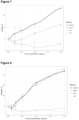
- DPPH radical scavenging activity of all five samples after 30 and 60 minutes of incubation is indicated in figure 4 and figure 5 , respectively.
- the plot shows the measured values as well as fitted curves obtained from LOESS.
- CM exhibited pro-oxidant behavior at all tested concentrations after 30 as well as 60 minutes of incubation.
- FM exhibited pro-oxidant behavior at four out of five tested concentrations after 30 min of incubation and at all tested concentrations after 60 min of incubation.
- the IC 50 of BSF-HP after 60 min of incubation is indicated in table 5. It was not possible to calculate IC 50 for other samples (after 30 or 60 min of incubation) because the samples either exhibited pro-oxidant activity or 50% inhibition was not achieved during the assay.
- the E max (maximum inhibition achieved during the assay) of all the samples are also indicated in table 6 and are in following order: BSF-HP> BSF-P> FM and BSF-HP> BSF-P after 30 and 60 minutes of incubation, respectively. Table 5.
- ABTS cation radical scavenging activity of samples after 30 minutes of incubation is shown in figure 6 (measured values as well as fitted curves obtained from LOESS). All the samples exhibited a similar inhibition pattern i.e., % inhibition increased as a function of increasing concentration.
- the IC 50 of samples are mentioned in table 5 and are in following order: FM> CM> BSF-HP > BSF-P. Lower the IC 50 , higher is the ABTS cation radical scavenging activity.
- the E max (maximum inhibition achieved during the assay) of all the samples are indicated in table 6 and are in following order: BSF-P> BSF-HP> FM> CM.
- MPO Myeloperoxidase
- MPO response modulation activity of samples obtained using SIEFED assay is shown in figure 7 (measured values as well as fitted curves obtained from LOESS).
- BSF-HP exhibited strong inhibition behavior, with >75 % inhibition at 0.20 mg/ml concentration.
- the IC 50 of samples are mentioned in table 5 and are in following order: BSF-HP.
- the E max of samples are shown in table 6, and are in following order: BSF-HP> BSF-P.
- FM and CM show pro-oxidant behavior at all tested concentrations.
- E maz for BSF-P was ⁇ 50 %.
- MPO Myeloperoxidase
- MPO response modulation activity of samples obtained using classical assay is indicated in figure 8 (measured values as well as fitted curves obtained from LOESS).
- CM and FM exhibited pro-oxidant behavior at all tested concentrations.
- the E max of all the samples tested are indicated in table 6.
- BSF-P and BSF-HP exhibited E max > 75 %.
- the IC 50 of samples are mentioned in table 5 and are in following order: BSF-P> BSF-HP.
- Neutrophil response modulation activity (measured values as well as fitted curves obtained from LOESS) and E max of samples are shown in figure 9 and table 6, respectively. All the tested samples exhibited E max > 0%. FM and CM exhibited E max ⁇ 40%. CM exhibited pro-oxidant behavior at 3 out of 5 tested concentration.
- the IC 50 of samples are mentioned in table 5. BSF-P and BSF-HP have the same numerical IC 50 values.
- the protein concentration of the four water soluble extracts estimated using Bichinchoninic acid assay are displayed in table 4. Considering the amino acid pattern similarities between black soldier fly proteins, FM and CM, the protein content of four water soluble extracts are in following order: BSF-P> CM> FM> 45.5 %> BSF-HP.
- DPPH and ABTS assays are commonly used to analyze antioxidant potential of food and feed products.
- DPPH radical scavenging activity represents the ability of a sample to donate hydrogen atom (referred as hydrogen atom transfer) or electrons (referred as single electron transfer) to stabilize free radicals.
- DPPH assay IC 50 and E max for all tested samples are mentioned in table 5 and table 6, respectively. Post 30 min of incubation, all the tested samples exhibit E max ⁇ 50 % (with BSF-HP exhibiting highest E max ). On the other hand, after 60 min of incubation only BSF-HP exhibit E max > 50 %.
- BSF-HP is manufactured by controlled hydrolysis of black soldier fly proteins and contains at least 24 % of proteins ⁇ 1000 Da (see table 3).
- BSF-P contains at least 6 % proteins ⁇ 1000 Da.
- the inventors were not able to find any representative literature for molecular weight distribution of FM and CM.
- FM and CM contain 2.2 % and 1.1 % free amino acid (of total proteins), respectively [Li, P.; Wu, G. Composition of amino acids and related nitrogenous nutrients in feedstuffs for animal diets. Amino Acids 2020, 1-20, doi:10.1007/s00726-020-02833-4 .].
- the capacity of proteinaceous materials to scavenge free radicals depends on the protein molecular weight distribution.
- Free radical scavenging activity of proteinaceous molecules is also influenced by: (1).
- Amino acid composition hydrophobic amino acids (for e.g . Tyr, Phe, Pro, Ala, His and Leu) have superior radical scavenging activity in comparison to hydrophilic amino acids;
- Amino acid sequence Peptides with amphiphilic nature could enhance radical scavenging activity of a sample. Chemical analyses have indicated that Tyr exhibit antioxidant behavior via hydrogen atom transfer mechanism. On the other hand, amino acids such as Cys, Trp and His exhibit antioxidant behavior via single electron transfer mechanism.
- FM and CM exhibit pro-oxidant behavior at most concentrations tested after 30 min as well as 60 min of incubation (see Figure 4 and Figure 5 ).
- This behavior mainly arises from the thermal processing.
- thermal processing commonly involves heating the raw product at high temperatures for 15 to 20 min. In Norway, during fishmeal production, wild caught fishes are subjected to heating at temperatures ⁇ 70°C for time ⁇ 20 min in order to achieve 100 log 10 reductions of Enterobacteriaceae and Salmonella counts. Such strict thermal processing conditions may result in oxidation of fats and proteins.
- Fish meal contains lipids rich in polyunsaturated fatty acids that are more susceptible to thermal oxidation.
- Antioxidant are commonly added in fish meal to prevent the oxidation of polyunsaturated fatty acids (also visible in table 1). Heat induced oxidation of amino acids lead to development of wide range oxidation products.
- the pro-oxidant behavior of amino acid oxidation by products is already known. They can result in a wide range of health conditions in animal body. All the black soldier fly protein derivatives (puree, hydrolysed puree) used and analyzed by the inventors were thermally processed at temperatures ⁇ 100°C for time ⁇ .1.5 min ( e.g . at 90°C for 80 seconds). These thermal processing time-temperature combinations of the current invention were adopted to ensure minimum damage to nutrients (proteins and fat) and adequate inactivation of pathogenic microbiota. This implies that pro-oxidant behavior of FM and CM arises mainly due to stringent production method.
- Bromelain derived protein hydrolysate was also tested for DPPH radical scavenging activity, which resulted into the IC 50 of 8.4 mg/ml.
- the DPPH radical scavenging activity of this bromelain derived protein hydrolysate was much lower when compared to the activity of products such as BSF-HP (IC 50 0.18 mg/ml after 60 min of incubation).
- the higher activity of BSF-HP as found by the inventors could arise from compositional attributes (as previously discussed in this section) and quality of raw material itself.
- Protix is reportedly producing insect proteins in GMP+ and SecureFeed certified facilities, under HACCP conditions.
- ABTS cation radical scavenging denotes the ability of sample to donate electron and stabilize free radicals.
- ABTS assay IC 50 of all samples are indicated in table 5. They are in following order: FM> CM> BSF-HP> BSF-P. The higher the IC 50 , the lower the antioxidant activity. In this assay even FM and CM exhibit antioxidant activity. It appears that FM and CM extracts may be efficient where free radical(s) could be stabilized using single electron transfer mechanism. However, they still exhibit lower scavenging activity in comparison to the surprisingly high scavenging activity of BSF derivatives BSF larvae puree and hydrolysed BSF larvae puree.
- the radical scavenging ability of resulting peptides via single electron transfer is also dependent on the amphiphilic nature of proteinaceous molecules. It is possible that peptides in BSF-HP are less amphiphilic in nature that results into lower ABTS cation radical scavenging activity of BSF-HP compared to BSF-P.
- BSF-P already exhibits ABTS cation radical scavenging E max of as high as 89, (at 0.2 mg/ml). This shows that fractioning BSF-P reveals fractions that have very strong antioxidant potential.
- Neutrophils are white blood cells present in animal body (including humans, pets, fishes, poultry and swine). They are involved in the primary defense against pathogens. When pathogenic microbes enter the animal body, neutrophils rush to the site of infestation and initiate defense. During granulation, neutrophil release a wide range of oxidative enzymes including NADPH oxidase, which is responsible for production of superoxide anion and by product ( e.g . hydrogen peroxide). Superoxide anion can further react with nitric oxide radical to produce peroxynitrite.
- This process also generates hydroxyl radical (by reaction of hydrogen peroxide with metal ion).
- This battery of oxidative reactions are crucial to the defense of the host animal.
- these ROS generated during host defense can react with enzymes, proteins, lipids, etc. of body cells and result in the development of different health conditions (for e.g . cellular ageing, cancer, etc .).
- the neutrophil assay conducted in this research determines the ability of proteinaceous molecules to scavenge ROS produced as a result of neutrophil activity.
- PMA was used to activate protein kinase C present in neutrophils, which results in production of NADPH oxidase responsible for catalyzing ROS production.
- ROS production in system is coupled with lucigenin amplified chemi-luminescence.
- Ability of proteinaceous sample to scavenge ROS (particularly superoxide anion) is marked by decreased chemi-luminescence.
- CM in vitro neutrophil response modulation activity of BSF derivatives BSF larvae puree and hydrolysed BSF larvae puree.
- CM exhibited pro-oxidant behavior at 3 out of 5 tested concentrations, and E max of only 5% at 0.2 mg/ml (see figure 9 and table 6).
- CM is commonly used in pet food preparations.
- the comparative test results in the examples and embodiments of the invention indicate that CM inclusion offers little or no benefits relating to scavenging the ROS produced by neutrophils.
- CM inclusion could even result in inflammatory damage to host cells. Repetitive inflammatory damage of canine or feline cells could translate into conditions such as accelerated aging, slow cognitive function, etc.
- FM exhibits mild anti-oxidant behavior in this assay, with E max of 22% (see table 6). At 0.2 mg/ml, FM exhibits inhibition of 5%.
- Aquaculture rearing media i.e . water
- the comparative examples of the current inventors highlight the inadequacy of FM to suppress the inflammatory damage from repetitive neutrophil activity. This often translates into incremental cost occurring as a result of antibiotics and nutritional supplement usage.
- BSF-P exhibits E max and IC 50 of 59.57% and 0.15 mg/ml, respectively (see table 6).
- BSF-HP also exhibits neutrophil response modulation activity comparable to BSF-P (see table 5).
- the neutrophil extracellular trap contains several molecules required to inactivate pathogenic microbes.
- MPO enzyme present in neutrophil extracellular trap can produce hypochlorous acid from hydrogen peroxide and chloride ion. Additionally, MPO is capable of oxidizing tyrosine into the tyrosyl free radical. Both products of MPO oxidation (hypochlorous acid and tyrosyl free radical) are crucial to inactivate pathogens. Again, repetitive interaction of these molecules with animal cells result in inflammatory damage.
- MPO-Fe(III) active form
- Cpl form oxoferryl ⁇ cation radical
- Cpl form converts back into MPO-Fe(III) coupled with chloride ion transforming into hypochlorous acid.
- back reduction of the Cp I form to MPO-Fe(III) was achieved in 2 stages.
- First reduction of Cpl to MPO-Fe(IV) O via electron transfer through nitrite ions.
- Proteinaceous molecules could prevent the oxidative damage resulting from MPO either by directly reacting with Cpl form and terminating the halogenation, or by donating hydrogen (hydrogen atom transfer) to ROS produced as a consequence of MPO activity.
- MPO response modulation activity was analyzed using the classical and SIEFED assay.
- the classical assay measures ability of sample to complex with Cpl form and stabilize ROS.
- SIEFED assay MPO is bound to rabbit polyclonal antibodies (and rest of the compounds are washed away), so it purely measures the ability of samples to complex with Cpl form.
- MPO response modulation activity of BSF derivatives BSF larvae puree and hydrolysed BSF larvae puree is also being established by the inventors for the first time, after provision of the puree according to the method of the invention.
- FM and CM exhibit pro-oxidant behavior in both the assays (see figure 7 and 8 ). Presence of oxidative reaction products in FM and CM (as a consequence of production process) that are capable of initiating pro-oxidative response has been already discussed in section 4.2. Detailed in vitro investigations realized by the inventors indicate that inclusion of FM and CM in animal diets may result in inflammatory damage.
- BSF derivatives exhibit surprisingly strong antioxidant potential, with IC 50 in following order: BSF-P> BSF-HP.
- BSF-P did not reach 50% inhibition (even at highest concentration tested).
- BSF-HP has higher efficacy in complexing with Cpl form of MPO.
- BSF protein derivatives offer anti-oxidative advantage over FM and CM.
- Pasteurization is crucial for production of processed insect protein.
- Optimal heating time and optimal heating temperature combinations is important for:
- pasteurization time x temperature combination is significant for:
- the heating time in the method of the invention should be longer than 40 seconds and shorter than 300 seconds, such as 50 - 100 seconds, or a heating time selected from 60 - 90 seconds, or 70 - 85 seconds, such as about 80 seconds.
- Preferred heating time is about 90°C or 90°C ⁇ 2°C.
- heating time in the method of the invention should be longer than 40 seconds and shorter than 300 seconds, such as 50 - 100 seconds, or a heating time selected from 60 - 90 seconds, or 70 - 85 seconds, such as about 80 seconds.
- Preferred heating time is about 90°C or 90°C ⁇ 2°C.
- Heating the minced insect larvae at 90°C for 80 s is sufficient for enzyme inactivation, prevents free fatty acid formation, and prevents peroxide formation.
- Antioxidant activity of Fish fillet samples was investigated using anti-radical (ABTS) technique.
- Water soluble black soldier fly larvae protein extracts referred to as HI-0, HI-25, HI-50 and HI-100, were prepared in distilled water and used at different concentrations.
- the percentage inhibition at maximum tested concentration was in following order: HI-25 > HI-100 > HI-50 > HI-0.
- the HI-25 filet sample reached the IC50 ⁇ 50%.
- the HI-25 sample had the maximum ABTS radical scavenging activity among all the tested Fish fillet samples.
- ProteinX high protein meal of Hermetia illucens
- Protix The Netherlands.
- Two iso-nitrogenous, iso-lipidic and iso-energetic diets where formulated with either fish meal (20.6%) or ProteinX (32%) as the main protein source. Both diets where produced by Research Diet Services (the Netherlands).
- Diamol was added to both diets as inert marker for digestibility measurements. Four treatments where formed by feeding either one of both feeds, or mixing both feeds to a determined ratio.
- proximate composition of ProteinX and of the four experimental dietary treatments was determined by DISAFA laboratories and is presented in Table 9.
- Feed samples were ground using a cutting mill (MLI 204; Bühler AG, Uzwil, Switzerland) and analysed for dry matter content (AOAC #934.01), crude protein content (AOAC #984.13), ash content (AOAC #942.05), and ether extract (AOAC #2003.05) were analysed according to AOAC International. Crude protein content was calculated as: nitrogen * 6.25
- the animal feeding trial was conducted at the Experimental Facility of the Department of Agricultural, Forest, and Food Sciences of the University of Torino (Italy).
- the experimental protocol was designed according to the guidelines of the current European and Italian laws on the care and use of experimental animals (European directive 86 609/EEC, put into law in Italy with D.L. 116/92).
- Tanks were supplied artesian well water (13 ⁇ 1°C) in a flow-through system at a flow rate of 8 L/min. Dissolved oxygen was measured every fortnight and ranged between 7.6 and 8.7 mg / L.
- Fish were acclimatized to the experimental set up for four weeks during which a commercial diet was fed at 1.6% of the total body weight per tank. After acclimatization, fish were restrictively fed a dietary treatment for 133 days of which 113 days at a fixed ratio of 1.4% followed by 20 days at a fixed ratio of 1.1%. Feed intake was monitored at each administration. Feed was distributed by hand twice a day, 6 days per week. The biomass of each tank was weighed in bulk every 14 days to correct the daily feeding rate. Mortality was checked daily.
- WSEP Water soluble extract powders
- the stock solutions of the WSEP were made by dissolving to a final concentration of 20 mg/mL in Milli-Q water, which stock solution will be then diluted by half to obtain 10, 5, 2.5 and 1.25 mg/mL, successively.
- ABTS stock solution was made by completely dissolving 7.0 mmol/L ABTS and 1.35 mmol/L potassium persulfate in Milli-Q water. The test solution was kept overnight in dark (at 18°C) for reaction to complete.
- ABTS working solution was made by diluting stock solution with methyl alcohol to obtain absorbance between 0.7 to 0.8 mm at 734 nm.
- ABTS working solution (1920 ⁇ L) was mixed with 20 ⁇ L of WSEP solutions (obtained by dissolving WSEP in Milli-Q water) to obtain a final concentration of 0.0125, 0.025, 0.05, 0.1 and 0.2 mg/ml.
- Decrease in absorbance post 30 min of incubation in dark was measured at 734 nm using an HP 8453 UV-vis spectrophotometer. Instead of WSEP dilution, only Milli-Q water was used in case of control.
- the repetitions with increasing concentrations of different samples was performed as described by Paul (2007) and transferred into a multi-well device (96-well plate) with a final volume of 200 ⁇ L (198 ⁇ L of solvent and 2 ⁇ L of WSEP).
- the absorbance was read at 740 nm using a Multiskan Ascent reader (Thermo Fisher Scientific).
- ABTS radical scavenging activity of WSEP samples is indicated in Figure 10 : displayed is the ABTS radical scavenging activity of WSEP performed in methanol. Results are mean ⁇ SD of three independent assays in triplicate. For all the samples increase in concentration resulted into an increase of mean inhibition values (indicating anti-oxidant behaviour). E max (maximum inhibition obtained during the test) were in the following order: HI-25 > HI-100 > HI-50 > HI-0 (all obtained at 0.2 mg/ml, final concentration). This result indicates that HI-25 samples exhibit highest ABTS radical scavenging activity. On the other hand, HI-0 samples exhibit least ABTS radical scavenging activity. Eventually, HI-25 samples exhibited mean inhibition values ⁇ 50% (IC 50 was achieved).
Landscapes
- Life Sciences & Earth Sciences (AREA)
- Chemical & Material Sciences (AREA)
- Polymers & Plastics (AREA)
- Engineering & Computer Science (AREA)
- Food Science & Technology (AREA)
- Zoology (AREA)
- Health & Medical Sciences (AREA)
- Animal Husbandry (AREA)
- Proteomics, Peptides & Aminoacids (AREA)
- Biochemistry (AREA)
- Oil, Petroleum & Natural Gas (AREA)
- Organic Chemistry (AREA)
- Nutrition Science (AREA)
- Chemical Kinetics & Catalysis (AREA)
- Molecular Biology (AREA)
- Biotechnology (AREA)
- Physiology (AREA)
- Biomedical Technology (AREA)
- Wood Science & Technology (AREA)
- Mycology (AREA)
- Marine Sciences & Fisheries (AREA)
- Microbiology (AREA)
- General Chemical & Material Sciences (AREA)
- Insects & Arthropods (AREA)
- General Health & Medical Sciences (AREA)
- Gastroenterology & Hepatology (AREA)
- Biophysics (AREA)
- Toxicology (AREA)
- Genetics & Genomics (AREA)
- Medicinal Chemistry (AREA)
- Tropical Medicine & Parasitology (AREA)
- Birds (AREA)
- Fodder In General (AREA)
- Meat, Egg Or Seafood Products (AREA)
- Coloring Foods And Improving Nutritive Qualities (AREA)
- General Preparation And Processing Of Foods (AREA)
- Seeds, Soups, And Other Foods (AREA)
- Medicines Containing Plant Substances (AREA)
Claims (15)
- Verfahren zum Umwandeln von Larven der Schwarzen Soldatenfliege in einen Nährstoffstrom, das die folgenden Schritte umfasst oder daraus besteht:a) Bereitstellen von Larven der Schwarzen Soldatenfliege und Herstellen einer Pulpe daraus,b) Erhitzen der Pulpe der Larven der Schwarzen Soldatenfliege für 50-100 Sekunden bei einer Temperatur von 80 °C-93 °C,c) Abkühlen der erhitzten Pulpe der Larven der Schwarzen Soldatenfliege aus Schritt b) auf eine Temperatur von 0 °C - 25 °C,wodurch der Nährstoffstrom bereitgestellt wird, der aus der gekühlten, erhitzten Pulpe der Larven der Schwarzen Soldatenfliege besteht.
- Verfahren nach Anspruch 1, wobei das Abkühlen auf eine Temperatur von 2 °C - 23 °C, vorzugsweise 4 °C - 21 °C erfolgt.
- Verfahren nach Anspruch 1 oder 2, wobei die Larven der Schwarzen Soldatenfliege zwischen 12 und 30 Tage alt sind, vorzugsweise zwischen 14 und 28 Tage, besonders bevorzugt 14-26 Tage, am bevorzugtesten 12 Stunden-3 Tage, bevor sich die Larven in Vorpuppen umwandeln, wie zum Beispiel 1-2 Tage vor der Umwandlung.
- Verfahren nach einem der Ansprüche 1-3, wobei die Pulpe der Larven der Schwarzen Soldatenfliege vor dem Erhitzen in Schritt b) nicht enzymatisch behandelt wird.
- Verfahren nach einem der Ansprüche 1-3, das ferner einen Schritt a1) des Behandelns der Pulpe der Larven der Schwarzen Soldatenfliege mit einem Enzym vor dem Schritt b) umfasst.
- Verfahren nach Anspruch 5, wobei die Pulpe 0,5 bis 3 Stunden, vorzugsweise 1 bis 2 Stunden, bei einer Temperatur von 40 °C bis 70 °C, vorzugsweise bei 45 °C bis 65 °C, besonders bevorzugt bei einer Temperatur von 50 °C ± 2 °C mit dem Enzym behandelt wird.
- Verfahren nach einem der Ansprüche 5 oder 6, wobei das Enzym eine Protease, wie zum Beispiel eine Peptidase, vorzugsweise eine Mischung aus mindestens einer Protease und mindestens einer Peptidase ist, wie zum Beispiel Flavourzyme.
- Verfahren nach einem der vorhergehenden Ansprüche, wobei in Schritt a) eine Pulpe durch Zerkleinern der in Schritt a) bereitgestellten Larven der Schwarzen Soldatenfliege hergestellt wird, vorzugsweise Larven der Schwarzen Soldatenfliege, die vor der Bereitstellung in Schritt a) in Wasser gewaschen werden.
- Verfahren nach Anspruch 8, wobei die durchschnittliche Partikelgröße (d32; Volumen/Durchschnitt) der Überreste der Larven der Schwarzen Soldatenfliege in der Pulpe aus Schritt a) zwischen 10 und 500 Mikron liegt.
- Verfahren nach einem der vorhergehenden Ansprüche, wobei in Schritt b) die Pulpe der Larven der Schwarzen Soldatenfliege für 75-85 Sekunden bei einer Temperatur von 90 °C ± 2 °C erhitzt wird.
- Verfahren nach einem der Ansprüche 1-9, wobei in Schritt b) die Pulpe der Larven der Schwarzen Soldatenfliege bei einer Temperatur von 85 °C-90 °C erhitzt wird, und/oder wobei in Schritt b) die Pulpe der Larven der Schwarzen Soldatenfliege für 60-95 Sekunden, insbesondere für 70-90 Sekunden, vorzugsweise 75-85 Sekunden, wie zum Beispiel 78-82 Sekunden, erhitzt wird.
- Pulpe der Larven der Schwarzen Soldatenfliege, erhältlich durch ein Verfahren nach einem der vorhergehenden Ansprüche, wobei die Pulpe der Larven der Schwarzen Soldatenfliege ein Wasserhaltevermögen (WHC) im Bereich von 9 Gew.-% - weniger als 18 Gew.-%, vorzugsweise im Bereich von 9 Gew.-% - weniger als 16 Gew.-%, bezogen auf das Gesamtgewicht der Pulpe der Larven der Schwarzen Soldatenfliege aufweist, wobei das WHC als Gewichtsprozent des Wassers ausgedrückt wird, das aus der Pulpe der Larven der Schwarzen Soldatenfliege während eines Erhitzungsschritts freigesetzt wird, dem die Pulpe der Larven der Schwarzen Soldatenfliege bei einer Temperatur von 121 °C für 80 Minuten unterworfen wird, bezogen auf das Gesamtgewicht der Pulpe der Larven der Schwarzen Soldatenfliege vor diesem Erhitzungsschritt, vorzugsweise 9 Gew.-% - weniger als 14 Gew.-%, besonders bevorzugt 10 Gew.-% - weniger als 13 Gew.-%, am bevorzugtesten 10 Gew.-% - weniger als 12 Gew.-%.
- Verwendung der Pulpe der Larven der Schwarzen Soldatenfliege nach Anspruch 12 als Futter, Lebensmittel, Lebensmittelzutat oder Futtermittelzutat.
- Zusammensetzung, die Pulpe der Larven der Schwarzen Soldatenfliege nach Anspruch 12 umfasst oder daraus besteht, zur Verwendung in einem Verfahren zur Prävention und/oder Unterdrückung von oxidative Schäden an Zellen.
- Lebensmittelprodukt oder Futtermittelprodukt, das die Pulpe der Larven der Schwarzen Soldatenfliege nach Anspruch 12 umfasst oder daraus besteht.
Priority Applications (1)
| Application Number | Priority Date | Filing Date | Title |
|---|---|---|---|
| EP24221447.6A EP4544917A1 (de) | 2019-12-17 | 2020-12-17 | Verfahren zur umwandlung von insekten in insektenpulpe und nährstoffströme, durch dieses verfahren erhaltene insektenpulpe |
Applications Claiming Priority (4)
| Application Number | Priority Date | Filing Date | Title |
|---|---|---|---|
| NL2024481 | 2019-12-17 | ||
| NL2025547A NL2025547B1 (en) | 2019-09-17 | 2020-05-11 | Method for the conversion of insects into nutrient streams |
| PCT/NL2020/050571 WO2021054823A1 (en) | 2019-09-17 | 2020-09-16 | Method for the conversion of insects into nutrient streams and products resulting therefrom |
| PCT/NL2020/050801 WO2021125956A1 (en) | 2019-12-17 | 2020-12-17 | Method for the conversion of insects into insect pulp and nutrient streams, insect pulp and nutrient streams obtainable by this method |
Related Child Applications (2)
| Application Number | Title | Priority Date | Filing Date |
|---|---|---|---|
| EP24221447.6A Division EP4544917A1 (de) | 2019-12-17 | 2020-12-17 | Verfahren zur umwandlung von insekten in insektenpulpe und nährstoffströme, durch dieses verfahren erhaltene insektenpulpe |
| EP24221447.6A Division-Into EP4544917A1 (de) | 2019-12-17 | 2020-12-17 | Verfahren zur umwandlung von insekten in insektenpulpe und nährstoffströme, durch dieses verfahren erhaltene insektenpulpe |
Publications (3)
| Publication Number | Publication Date |
|---|---|
| EP4075994A1 EP4075994A1 (de) | 2022-10-26 |
| EP4075994B1 true EP4075994B1 (de) | 2025-01-29 |
| EP4075994C0 EP4075994C0 (de) | 2025-01-29 |
Family
ID=69187870
Family Applications (1)
| Application Number | Title | Priority Date | Filing Date |
|---|---|---|---|
| EP20828568.4A Active EP4075994B1 (de) | 2019-12-17 | 2020-12-17 | Verfahren zur umwandlung von insekten in insektenpulpe und nährstoffströme, mit diesem verfahren erhältliche insektenpulpe |
Country Status (7)
| Country | Link |
|---|---|
| US (1) | US20230029536A1 (de) |
| EP (1) | EP4075994B1 (de) |
| JP (1) | JP2023507279A (de) |
| KR (1) | KR20220119089A (de) |
| CN (1) | CN115038335A (de) |
| CA (1) | CA3161731A1 (de) |
| WO (1) | WO2021125956A1 (de) |
Families Citing this family (3)
| Publication number | Priority date | Publication date | Assignee | Title |
|---|---|---|---|---|
| EP4218423B1 (de) * | 2022-01-26 | 2025-09-17 | Bühler AG | Zweistufiges kochen |
| NL2031036B1 (en) | 2022-02-22 | 2023-09-06 | Protix Bv | Insect-derived, enzyme-modified lipid composition |
| IT202200015216A1 (it) * | 2022-07-20 | 2024-01-20 | Ittinsect S R L | Mangime per pesci |
Family Cites Families (12)
| Publication number | Priority date | Publication date | Assignee | Title |
|---|---|---|---|---|
| CN101057873A (zh) * | 2007-05-15 | 2007-10-24 | 沈荣法 | 可抗乙肝病毒的蝇蛆蛋白粉及其蝇蛆油、脂肪酸的制备方法 |
| CN102578361B (zh) * | 2012-03-28 | 2013-09-11 | 常熟市汇康食品厂 | 一种蛆复合蛋白粉 |
| NL2009044C2 (en) | 2012-06-21 | 2013-12-24 | Protix Biosystems B V | Method to convert insects or worms into nutrient streams and compositions obtained thereby. |
| CN102827689A (zh) * | 2012-07-17 | 2012-12-19 | 浙江省长三角循环经济技术研究院 | 蛆油加工工艺 |
| NL2010268C2 (en) | 2013-02-07 | 2014-08-11 | Protix Biosystems B V | Method to convert insects or worms into nutrient streams and compositions obtained thereby. |
| PL3096633T3 (pl) * | 2013-11-11 | 2024-07-08 | Aaron T. DOSSEY | Produkty pochodzenia owadziego oraz sposoby ich wytwarzania i zastosowanie |
| JP2020506672A (ja) * | 2016-12-28 | 2020-03-05 | フェート・エンフェー (フラームス・インステリング・フーア・テクノロジシュ・オンダーゾエク・エンフェー) | 脂質及びタンパク質含有バイオマスからの脂質画分及びタンパク質画分の分画方法 |
| WO2019081287A1 (en) * | 2017-10-26 | 2019-05-02 | Gea Food Solutions Bakel B.V. | TREATMENT OF INSECTS |
| EP3578052A1 (de) * | 2018-06-05 | 2019-12-11 | Bühler Insect Technology Solutions AG | Verarbeitung von insektenlarven |
| NL2025547B1 (en) | 2019-09-17 | 2021-05-27 | Protix Bv | Method for the conversion of insects into nutrient streams |
| NL2027744B1 (en) | 2019-09-17 | 2022-09-16 | Protix Bv | Hydrolysate of water soluble insect proteins |
| NL2025546B1 (en) | 2019-09-17 | 2021-05-26 | Protix Bv | Hydrolysate of water soluble insect proteins |
-
2020
- 2020-12-17 WO PCT/NL2020/050801 patent/WO2021125956A1/en not_active Ceased
- 2020-12-17 US US17/785,099 patent/US20230029536A1/en active Pending
- 2020-12-17 JP JP2022534756A patent/JP2023507279A/ja not_active Withdrawn
- 2020-12-17 CA CA3161731A patent/CA3161731A1/en active Pending
- 2020-12-17 CN CN202080094824.3A patent/CN115038335A/zh active Pending
- 2020-12-17 KR KR1020227024665A patent/KR20220119089A/ko not_active Withdrawn
- 2020-12-17 EP EP20828568.4A patent/EP4075994B1/de active Active
Non-Patent Citations (1)
| Title |
|---|
| MOTARJEMI, YASMINE AND LELIEVELD, HUUB: "Food safety management", 2014, ELSEVIER, ISBN: 978-0-12-381504-0, article DEAK, TIBOR: "Chapter 17: Thermal treatment", pages: 423 - 442 * |
Also Published As
| Publication number | Publication date |
|---|---|
| JP2023507279A (ja) | 2023-02-22 |
| US20230029536A1 (en) | 2023-02-02 |
| WO2021125956A1 (en) | 2021-06-24 |
| CN115038335A (zh) | 2022-09-09 |
| EP4075994A1 (de) | 2022-10-26 |
| CA3161731A1 (en) | 2021-06-24 |
| KR20220119089A (ko) | 2022-08-26 |
| EP4075994C0 (de) | 2025-01-29 |
Similar Documents
| Publication | Publication Date | Title |
|---|---|---|
| EP4030926B1 (de) | Verfahren zur umwandlung von insekten in nährstoffströme | |
| EP4075994B1 (de) | Verfahren zur umwandlung von insekten in insektenpulpe und nährstoffströme, mit diesem verfahren erhältliche insektenpulpe | |
| KR20170105023A (ko) | 딱정벌레 분말 | |
| US20240261339A1 (en) | Insect protein composition for the prevention and treatment of conditions related to intestinal oxidative stress damage | |
| KR20170103842A (ko) | 키틴 및 소화가능 단백질을 함유하는 조성물 | |
| Cian et al. | Red seaweed Pyropia columbina as antioxidant supplement in feed for cultured juvenile Pacú (Piaractus mesopotamicus) | |
| Galeana-López et al. | Corn husk extracts as an antioxidant additive in diets for Nile tilapia (Oreochromis niloticus) fingerlings: Effect on growth performance, feed intake and toxicity | |
| JPH10175866A (ja) | 動物用ストレス反応緩和剤及びストレス反応の緩和方法 | |
| Nakamura et al. | Effects of supplementation with dried neem leaf extract on lipid peroxidation and antioxidant enzyme mRNA expression in the pectoralis major muscle of broiler chickens | |
| NL2025547B1 (en) | Method for the conversion of insects into nutrient streams | |
| EP4544917A1 (de) | Verfahren zur umwandlung von insekten in insektenpulpe und nährstoffströme, durch dieses verfahren erhaltene insektenpulpe | |
| Xue et al. | In vivo antioxidant activity of carotenoid powder from tomato byproduct and its use as a source of carotenoids for egg-laying hens | |
| KR20210068848A (ko) | 배스 추출물을 포함하는 동물용 사료 조성물 및 이의 제조방법 | |
| WO2023224465A1 (en) | Insect fat for improving intestinal immunity | |
| WO2023224464A1 (en) | Insect fat for use in the treatment or prophylaxis of intestinal inflammation | |
| KR20230092075A (ko) | 고양이 음수량 증대를 위한 기호성 천연작물 추출 조성물 제조방법 | |
| Ulloa et al. | Use of biological fish silage in broilers feed: Effect on growth performance and meat quality | |
| KR20200030872A (ko) | 조성물 배합비에 따른 갈색거저리의 사육기간 단축 습식 사료 |
Legal Events
| Date | Code | Title | Description |
|---|---|---|---|
| STAA | Information on the status of an ep patent application or granted ep patent |
Free format text: STATUS: UNKNOWN |
|
| STAA | Information on the status of an ep patent application or granted ep patent |
Free format text: STATUS: THE INTERNATIONAL PUBLICATION HAS BEEN MADE |
|
| TPAC | Observations filed by third parties |
Free format text: ORIGINAL CODE: EPIDOSNTIPA |
|
| PUAI | Public reference made under article 153(3) epc to a published international application that has entered the european phase |
Free format text: ORIGINAL CODE: 0009012 |
|
| STAA | Information on the status of an ep patent application or granted ep patent |
Free format text: STATUS: REQUEST FOR EXAMINATION WAS MADE |
|
| 17P | Request for examination filed |
Effective date: 20220624 |
|
| AK | Designated contracting states |
Kind code of ref document: A1 Designated state(s): AL AT BE BG CH CY CZ DE DK EE ES FI FR GB GR HR HU IE IS IT LI LT LU LV MC MK MT NL NO PL PT RO RS SE SI SK SM TR |
|
| DAV | Request for validation of the european patent (deleted) | ||
| DAX | Request for extension of the european patent (deleted) | ||
| TPAC | Observations filed by third parties |
Free format text: ORIGINAL CODE: EPIDOSNTIPA |
|
| STAA | Information on the status of an ep patent application or granted ep patent |
Free format text: STATUS: EXAMINATION IS IN PROGRESS |
|
| 17Q | First examination report despatched |
Effective date: 20240102 |
|
| GRAP | Despatch of communication of intention to grant a patent |
Free format text: ORIGINAL CODE: EPIDOSNIGR1 |
|
| STAA | Information on the status of an ep patent application or granted ep patent |
Free format text: STATUS: GRANT OF PATENT IS INTENDED |
|
| GRAS | Grant fee paid |
Free format text: ORIGINAL CODE: EPIDOSNIGR3 |
|
| GRAA | (expected) grant |
Free format text: ORIGINAL CODE: 0009210 |
|
| STAA | Information on the status of an ep patent application or granted ep patent |
Free format text: STATUS: THE PATENT HAS BEEN GRANTED |
|
| RIC1 | Information provided on ipc code assigned before grant |
Ipc: C11B 1/06 20060101ALI20241204BHEP Ipc: C11B 1/02 20060101ALI20241204BHEP Ipc: A23L 33/17 20160101ALI20241204BHEP Ipc: A23K 50/80 20160101ALI20241204BHEP Ipc: A23K 20/158 20160101ALI20241204BHEP Ipc: A23K 20/147 20160101ALI20241204BHEP Ipc: A23K 20/142 20160101ALI20241204BHEP Ipc: A23K 10/14 20160101ALI20241204BHEP Ipc: A23K 10/20 20160101ALI20241204BHEP Ipc: A23J 3/34 20060101ALI20241204BHEP Ipc: A23J 1/04 20060101ALI20241204BHEP Ipc: A23J 1/00 20060101ALI20241204BHEP Ipc: A23D 9/02 20060101AFI20241204BHEP |
|
| INTG | Intention to grant announced |
Effective date: 20241216 |
|
| AK | Designated contracting states |
Kind code of ref document: B1 Designated state(s): AL AT BE BG CH CY CZ DE DK EE ES FI FR GB GR HR HU IE IS IT LI LT LU LV MC MK MT NL NO PL PT RO RS SE SI SK SM TR |
|
| REG | Reference to a national code |
Ref country code: GB Ref legal event code: FG4D |
|
| REG | Reference to a national code |
Ref country code: CH Ref legal event code: EP |
|
| REG | Reference to a national code |
Ref country code: DE Ref legal event code: R096 Ref document number: 602020045581 Country of ref document: DE |
|
| REG | Reference to a national code |
Ref country code: IE Ref legal event code: FG4D |
|
| U01 | Request for unitary effect filed |
Effective date: 20250217 |
|
| U07 | Unitary effect registered |
Designated state(s): AT BE BG DE DK EE FI FR IT LT LU LV MT NL PT RO SE SI Effective date: 20250221 |
|
| REG | Reference to a national code |
Ref country code: ES Ref legal event code: FG2A Ref document number: 3013292 Country of ref document: ES Kind code of ref document: T3 Effective date: 20250411 |
|
| PG25 | Lapsed in a contracting state [announced via postgrant information from national office to epo] |
Ref country code: RS Free format text: LAPSE BECAUSE OF FAILURE TO SUBMIT A TRANSLATION OF THE DESCRIPTION OR TO PAY THE FEE WITHIN THE PRESCRIBED TIME-LIMIT Effective date: 20250429 |
|
| PG25 | Lapsed in a contracting state [announced via postgrant information from national office to epo] |
Ref country code: IS Free format text: LAPSE BECAUSE OF FAILURE TO SUBMIT A TRANSLATION OF THE DESCRIPTION OR TO PAY THE FEE WITHIN THE PRESCRIBED TIME-LIMIT Effective date: 20250529 Ref country code: NO Free format text: LAPSE BECAUSE OF FAILURE TO SUBMIT A TRANSLATION OF THE DESCRIPTION OR TO PAY THE FEE WITHIN THE PRESCRIBED TIME-LIMIT Effective date: 20250429 |
|
| PG25 | Lapsed in a contracting state [announced via postgrant information from national office to epo] |
Ref country code: HR Free format text: LAPSE BECAUSE OF FAILURE TO SUBMIT A TRANSLATION OF THE DESCRIPTION OR TO PAY THE FEE WITHIN THE PRESCRIBED TIME-LIMIT Effective date: 20250129 |
|
| PG25 | Lapsed in a contracting state [announced via postgrant information from national office to epo] |
Ref country code: GR Free format text: LAPSE BECAUSE OF FAILURE TO SUBMIT A TRANSLATION OF THE DESCRIPTION OR TO PAY THE FEE WITHIN THE PRESCRIBED TIME-LIMIT Effective date: 20250430 |
|
| REG | Reference to a national code |
Ref country code: HU Ref legal event code: AG4A Ref document number: E070919 Country of ref document: HU |
|
| PG25 | Lapsed in a contracting state [announced via postgrant information from national office to epo] |
Ref country code: SM Free format text: LAPSE BECAUSE OF FAILURE TO SUBMIT A TRANSLATION OF THE DESCRIPTION OR TO PAY THE FEE WITHIN THE PRESCRIBED TIME-LIMIT Effective date: 20250129 |
|
| PG25 | Lapsed in a contracting state [announced via postgrant information from national office to epo] |
Ref country code: CZ Free format text: LAPSE BECAUSE OF FAILURE TO SUBMIT A TRANSLATION OF THE DESCRIPTION OR TO PAY THE FEE WITHIN THE PRESCRIBED TIME-LIMIT Effective date: 20250129 |
|
| PG25 | Lapsed in a contracting state [announced via postgrant information from national office to epo] |
Ref country code: SK Free format text: LAPSE BECAUSE OF FAILURE TO SUBMIT A TRANSLATION OF THE DESCRIPTION OR TO PAY THE FEE WITHIN THE PRESCRIBED TIME-LIMIT Effective date: 20250129 |
|
| PLBE | No opposition filed within time limit |
Free format text: ORIGINAL CODE: 0009261 |
|
| STAA | Information on the status of an ep patent application or granted ep patent |
Free format text: STATUS: NO OPPOSITION FILED WITHIN TIME LIMIT |
|
| 26N | No opposition filed |
Effective date: 20251030 |
|
| PGFP | Annual fee paid to national office [announced via postgrant information from national office to epo] |
Ref country code: GB Payment date: 20251223 Year of fee payment: 6 |
|
| PGFP | Annual fee paid to national office [announced via postgrant information from national office to epo] |
Ref country code: HU Payment date: 20251217 Year of fee payment: 6 |
|
| U20 | Renewal fee for the european patent with unitary effect paid |
Year of fee payment: 6 Effective date: 20251217 |
|
| PGFP | Annual fee paid to national office [announced via postgrant information from national office to epo] |
Ref country code: PL Payment date: 20251209 Year of fee payment: 6 |