EP4064629B1 - Kommunikationsverfahren und kommunikationsvorrichtung - Google Patents
Kommunikationsverfahren und kommunikationsvorrichtung Download PDFInfo
- Publication number
- EP4064629B1 EP4064629B1 EP20912176.3A EP20912176A EP4064629B1 EP 4064629 B1 EP4064629 B1 EP 4064629B1 EP 20912176 A EP20912176 A EP 20912176A EP 4064629 B1 EP4064629 B1 EP 4064629B1
- Authority
- EP
- European Patent Office
- Prior art keywords
- network slice
- service data
- service
- service usage
- network
- Prior art date
- Legal status (The legal status is an assumption and is not a legal conclusion. Google has not performed a legal analysis and makes no representation as to the accuracy of the status listed.)
- Active
Links
Images






Classifications
-
- H—ELECTRICITY
- H04—ELECTRIC COMMUNICATION TECHNIQUE
- H04L—TRANSMISSION OF DIGITAL INFORMATION, e.g. TELEGRAPHIC COMMUNICATION
- H04L47/00—Traffic control in data switching networks
- H04L47/10—Flow control; Congestion control
- H04L47/24—Traffic characterised by specific attributes, e.g. priority or QoS
- H04L47/2425—Traffic characterised by specific attributes, e.g. priority or QoS for supporting services specification, e.g. SLA
- H04L47/2433—Allocation of priorities to traffic types
-
- H—ELECTRICITY
- H04—ELECTRIC COMMUNICATION TECHNIQUE
- H04L—TRANSMISSION OF DIGITAL INFORMATION, e.g. TELEGRAPHIC COMMUNICATION
- H04L47/00—Traffic control in data switching networks
- H04L47/10—Flow control; Congestion control
- H04L47/24—Traffic characterised by specific attributes, e.g. priority or QoS
- H04L47/245—Traffic characterised by specific attributes, e.g. priority or QoS using preemption
-
- H—ELECTRICITY
- H04—ELECTRIC COMMUNICATION TECHNIQUE
- H04L—TRANSMISSION OF DIGITAL INFORMATION, e.g. TELEGRAPHIC COMMUNICATION
- H04L47/00—Traffic control in data switching networks
- H04L47/10—Flow control; Congestion control
- H04L47/24—Traffic characterised by specific attributes, e.g. priority or QoS
- H04L47/2483—Traffic characterised by specific attributes, e.g. priority or QoS involving identification of individual flows
-
- H—ELECTRICITY
- H04—ELECTRIC COMMUNICATION TECHNIQUE
- H04L—TRANSMISSION OF DIGITAL INFORMATION, e.g. TELEGRAPHIC COMMUNICATION
- H04L47/00—Traffic control in data switching networks
- H04L47/10—Flow control; Congestion control
- H04L47/29—Flow control; Congestion control using a combination of thresholds
-
- H—ELECTRICITY
- H04—ELECTRIC COMMUNICATION TECHNIQUE
- H04L—TRANSMISSION OF DIGITAL INFORMATION, e.g. TELEGRAPHIC COMMUNICATION
- H04L47/00—Traffic control in data switching networks
- H04L47/70—Admission control; Resource allocation
-
- H—ELECTRICITY
- H04—ELECTRIC COMMUNICATION TECHNIQUE
- H04L—TRANSMISSION OF DIGITAL INFORMATION, e.g. TELEGRAPHIC COMMUNICATION
- H04L47/00—Traffic control in data switching networks
- H04L47/70—Admission control; Resource allocation
- H04L47/76—Admission control; Resource allocation using dynamic resource allocation, e.g. in-call renegotiation requested by the user or requested by the network in response to changing network conditions
- H04L47/762—Admission control; Resource allocation using dynamic resource allocation, e.g. in-call renegotiation requested by the user or requested by the network in response to changing network conditions triggered by the network
-
- H—ELECTRICITY
- H04—ELECTRIC COMMUNICATION TECHNIQUE
- H04L—TRANSMISSION OF DIGITAL INFORMATION, e.g. TELEGRAPHIC COMMUNICATION
- H04L47/00—Traffic control in data switching networks
- H04L47/70—Admission control; Resource allocation
- H04L47/80—Actions related to the user profile or the type of traffic
- H04L47/805—QOS or priority aware
-
- H—ELECTRICITY
- H04—ELECTRIC COMMUNICATION TECHNIQUE
- H04L—TRANSMISSION OF DIGITAL INFORMATION, e.g. TELEGRAPHIC COMMUNICATION
- H04L47/00—Traffic control in data switching networks
- H04L47/70—Admission control; Resource allocation
- H04L47/82—Miscellaneous aspects
- H04L47/821—Prioritising resource allocation or reservation requests
-
- H—ELECTRICITY
- H04—ELECTRIC COMMUNICATION TECHNIQUE
- H04L—TRANSMISSION OF DIGITAL INFORMATION, e.g. TELEGRAPHIC COMMUNICATION
- H04L47/00—Traffic control in data switching networks
- H04L47/70—Admission control; Resource allocation
- H04L47/83—Admission control; Resource allocation based on usage prediction
-
- H—ELECTRICITY
- H04—ELECTRIC COMMUNICATION TECHNIQUE
- H04W—WIRELESS COMMUNICATION NETWORKS
- H04W24/00—Supervisory, monitoring or testing arrangements
- H04W24/02—Arrangements for optimising operational condition
-
- H—ELECTRICITY
- H04—ELECTRIC COMMUNICATION TECHNIQUE
- H04W—WIRELESS COMMUNICATION NETWORKS
- H04W48/00—Access restriction; Network selection; Access point selection
- H04W48/02—Access restriction performed under specific conditions
- H04W48/06—Access restriction performed under specific conditions based on traffic conditions
-
- H—ELECTRICITY
- H04—ELECTRIC COMMUNICATION TECHNIQUE
- H04W—WIRELESS COMMUNICATION NETWORKS
- H04W48/00—Access restriction; Network selection; Access point selection
- H04W48/08—Access restriction or access information delivery, e.g. discovery data delivery
-
- H—ELECTRICITY
- H04—ELECTRIC COMMUNICATION TECHNIQUE
- H04W—WIRELESS COMMUNICATION NETWORKS
- H04W48/00—Access restriction; Network selection; Access point selection
- H04W48/16—Discovering, processing access restriction or access information
-
- H—ELECTRICITY
- H04—ELECTRIC COMMUNICATION TECHNIQUE
- H04W—WIRELESS COMMUNICATION NETWORKS
- H04W76/00—Connection management
- H04W76/30—Connection release
Definitions
- This application relates to the communication field, and more specifically, to communication methods and communication apparatuses in the communication field.
- a network slice (network slicing, NS) is used to provide different network resources for different service data.
- One network slice cannot provide unlimited network resources for one or more service types without limitation. Therefore, how to control usage of a service in the network slice is an urgent problem to be resolved.
- Document WO 2019/029704 A1 provides a network object management method and an apparatus therefor, the method comprising the following steps: a second device determining resource usage priority information concerning a first network object, the first network object being a network object to be managed; the second device sending, to a first device, a management instruction concerning the first network object, the management instruction carrying the resource usage priority information concerning the first network object; the first device receiving, from the second device, a management instruction concerning the first network object, and determining, according to the resource usage priority information concerning the first network object and resource information concerning a second network object, a resource required by the first network object, the second network object being an existing network object; and the first device managing the first network object according to the resource required by the first network object.
- the management of network objects and can flexibly and minutely manage network objects.
- This application provides communication methods and communication apparatuses, to control service data that is to access a network slice.
- the present invention is defined by the attached set of claims. Embodiments and aspects which are not covered by the invention should be considered as examples useful for understanding the invention.
- a communication method includes: A first network device obtains service usage of a first network slice and a service usage threshold of the first network slice. The first network device generates indication information based on the service usage of the first network slice and the service usage threshold of the first network slice. The first network device sends the indication information to a second network device, where the indication information is used for controlling resource pre-emption at the second network device.
- the first network device may generate, based on the service usage of the first network slice and the service usage threshold of the first network slice, the indication information used by the second network device to control the resource pre-emption.
- the second network device can control, based on the indication information, usage of a service that is to access a network slice.
- the first network device is a policy control function (policy control function, PCF) network element
- the second network device is a radio access network (radio access network, RAN) device.
- policy control function policy control function, PCF
- RAN radio access network
- the first network device obtains the service usage of the first network slice and the service usage threshold of the first network slice from another network device.
- the service usage threshold of the first network slice includes an upper service usage limit of the first network slice. If the service usage of the first network slice is greater than or equal to the upper service usage limit of the first network slice, the indication information indicates the second network device to release, for first service data that is to access the first network slice, a resource for service data that has accessed the first network slice, the indication information indicates to forbid first service data that is to access the first network slice from pre-empting a resource for a data service that has accessed another network slice, or the indication information indicates that allowed service usage of the first network slice is greater than or equal to the upper service usage limit of the first network slice.
- the upper service usage limit of the first network slice is at least one of a maximum quantity of sessions allowed to access the first network slice, a maximum bandwidth of traffic allowed to access the first network slice, or a maximum session density allowed for the first network slice.
- the upper service usage limit of the first network slice is the maximum quantity of sessions allowed to access the first network slice; when the service usage of the first network slice is a traffic bandwidth occupied by service data that has accessed the first network slice, the upper service usage limit of the first network slice is the maximum bandwidth of traffic allowed to access the first network slice; or when the service usage of the first network slice is a density of sessions that have accessed the first network slice, the upper service usage limit of the first network slice is the maximum session density allowed for the first network slice.
- the service usage threshold of the first network slice includes a lower service usage limit of the first network slice. If the service usage of the first network slice is less than or equal to the lower service usage limit of the first network slice, the indication information indicates that a resource for any piece of service data that has accessed the first network slice is not pre-empted by any piece of service data that is to access a second network slice, or the indication information indicates that the service usage of the first network slice is less than or equal to the lower service usage limit of the first network slice.
- the lower service usage limit of the first network slice is at least one of a minimum quantity of sessions guaranteed to access the first network slice, a minimum bandwidth of traffic guaranteed to access the first network slice, or a minimum session density guaranteed for the first network slice.
- the lower service usage limit of the first network slice is the minimum quantity of sessions guaranteed to access the first network slice; when the service usage of the first network slice is a traffic bandwidth occupied by service data that has accessed the first network slice, the lower service usage limit of the first network slice is the minimum bandwidth of traffic guaranteed to access the first network slice; or when the service usage of the first network slice is a density of sessions that have accessed the first network slice, the lower service usage limit of the first network slice is the minimum session density guaranteed for the first network slice.
- the method further includes: If the service usage of the first network slice is less than or equal to the lower service usage limit of the first network slice, the first network device sets a pre-emption vulnerability parameter in an allocation and retention priority, ARP, parameter of first service data to "pre-empted unallowed", or the first network device sets a pre-emption vulnerability parameter in an ARP parameter of each piece of service data that has accessed the first network slice to "pre-empted unallowed”.
- the service usage threshold of the first network slice includes a lower service usage limit of the first network slice and an upper service usage limit of the first network slice.
- the indication information indicates that a resource for service data that has accessed the first network slice is not pre-empted by service data that is to access a second network slice, or the indication information indicates that the service usage of the first network slice is less than or equal to the lower service usage limit of the first network slice.
- the indication information indicates the second network device to release, for first service data that is to access the first network slice, a resource for service data that has accessed the first network slice or a resource for service data that has accessed another network slice, or the indication information indicates that the service usage of the first network slice is greater than the lower service usage limit of the first network slice and less than the upper service usage limit of the first network slice.
- the indication information indicates a RAN to release, for first service data that is to access the first network slice, a resource for service data that has accessed the first network slice, the indication information indicates to forbid first service data that is to access the first network slice from pre-empting a resource for a data service that has accessed another network slice, or the indication information indicates that the service usage of the first network slice is greater than or equal to the upper service usage limit of the first network slice.
- service data that is to access the first network slice or the service data that has accessed the first network slice is a quality of service, QoS, flow or a packet data unit, PDU, session, or the service data that is to access the second network slice or service data that has accessed the second network slice is a quality of service QoS flow or a packet data unit PDU session.
- a communication method includes: A second network device receives indication information from a first network device.
- the second network device releases, based on the indication information for first service data that is to access a first network slice, a resource for second service data that has accessed the first network slice; or the second network device forbids, based on the indication information, a resource for service data that has accessed a first network slice from being pre-empted by any piece of service data that is to access a second network slice.
- the second network device may determine, based on the indication information, whether to release, for the first service data that is to access the first network slice, the resource for the second service data that has accessed the first network slice or whether to release, for the first service data that is to access the first network slice, a resource for second service data in any network slice, so that the second network device determines a to-be-released resource for the first service data that is to access the first network slice, to better control a resource in the first network slice.
- that the second network device releases, based on the indication information for first service data that is to access a first network slice, a resource for second service data that has accessed the first network slice includes: If the indication information indicates the second network device to release, for the first service data that is to access the first network slice, the resource for the service data that has accessed the first network slice, or the indication information indicates that service usage of the first network slice is greater than or equal to an upper service usage limit of the first network slice, the second network device releases, for the first service data that is to access the first network slice, the resource for the second service data that has accessed the first network slice.
- that the second network device releases, for the first service data that is to access the first network slice, the resource for the second service data that has accessed the first network slice includes: The second network device determines, based on the indication information, to forbid pre-empting, for the first service data that is to access the first network slice, a resource for service data that has accessed a network slice other than the first network slice.
- the second network device determines, based on an authorized quality of service QoS parameter of the first service data and an authorized QoS parameter of the second service data, the second service data in the service data that has accessed the first network slice, where a priority level of the first service data is higher than a priority level of the second service data, a pre-emption capability parameter in an allocation and retention priority ARP parameter in the authorized quality of service QoS parameter of the first service data is set to "pre-empt allowed", and a pre-emption vulnerability parameter in an ARP parameter in the authorized QoS parameter of the second service data is set to "pre-empted allowed".
- the second network device determines, based on an authorized quality of service QoS parameter of the first service data and an authorized QoS parameter of the second service data, the second service data in the service data that has accessed the first network slice. Being less than the preset value indicates that an idle resource is less than a preset threshold or that an idle resource is less than a resource required for establishing the first service data.
- the upper service usage limit of the first network slice is at least one of a maximum quantity of sessions allowed to access the first network slice, a maximum bandwidth of traffic allowed to access the first network slice, or a maximum session density allowed for the first network slice.
- that the second network device forbids, based on the indication information, a resource for any piece of service data that has accessed the first network slice from being pre-empted by any piece of service data that is to access a second network slice includes: If the indication information indicates, to the second network device, that the resource for the any piece of service data that has accessed the first network slice is not pre-empted by the any piece of service data that is to access the second network slice or that service usage of the first network slice is less than or equal to a lower service usage limit of the first network slice, the second network device forbids the resource for the any piece of service data that has accessed the first network slice from being pre-empted by second service data that is to access the second network slice.
- the lower service usage limit of the first network slice is at least one of a minimum quantity of sessions guaranteed to access the first network slice, a minimum bandwidth of traffic guaranteed to access the first network slice, or a minimum session density guaranteed for the first network slice.
- the method further includes: The second network device sets a pre-emption vulnerability parameter in an allocation and retention priority ARP parameter of each piece of service data that has accessed the first network slice to "pre-empted unallowed".
- the method further includes: The second network device releases, for the first service data that is to access the first network slice, the resource for the service data that has accessed the first network slice or the resource for the service data that has accessed the another network slice.
- the RAN may determine, based on the indication information, to allow the first service in the first network slice to pre-empt the resource for the service data that has accessed the another network slice and allow the resource for the service data that has accessed the first network slice to be pre-empted by service data that is to access the another network slice.
- service data that is to access the first network slice or the service data that has accessed the first network slice is a quality of service QoS flow or a packet data unit PDU session
- service data that is to access the second network slice or service data that has accessed the second network slice is a quality of service QoS flow or a packet data unit PDU session.
- a communication method includes: A first network device obtains service usage of a first network slice and a service usage threshold of the first network slice. The first network device determines, based on the service usage of the first network slice and the service usage threshold of the first network slice, whether to release a resource for second service data that has accessed the first network slice and accept a resource for first service data that is to access the first network slice.
- the service usage threshold of the first network slice includes an upper service usage limit of the first network slice.
- That the first network device determines, based on the service usage of the first network slice and the service usage threshold of the first network slice, whether to release a resource for second service data that has accessed the first network slice and accept a resource for first service data that is to access the first network slice includes:
- the upper service usage limit of the first network slice is at least one of a maximum quantity of sessions allowed to access the first network slice, a maximum bandwidth of traffic allowed to access the first network slice, or a maximum session density allowed for the first network slice.
- the method further includes: The first network device determines, based on a quality of service parameter of the first service data and a quality of service parameter of the second service data, to release the resource for the second service data that has accessed the first network slice and accept the first service data that is to access the first network slice.
- that the first network device determines, based on a quality of service parameter of the first service data and a quality of service parameter of the second service data, to release the resource for the second service data that has accessed the first network slice and accept the first service data that is to access the first network slice includes: When a priority level in the quality of service parameter of the second service data is lower than a priority level in the quality of service parameter of the first service data, and pre-emption vulnerability in the quality of service parameter of the second service data is "pre-empt allowed", the first network device determines to release the resource for the second service data that has accessed the first network slice and accept the first service data that is to access the first network slice.
- the method further includes: The first network device determines, based on at least one of data network names DNNs, internal group identifiers, service data types, access network types, and terminal device locations of the first service data and the second service data, to release the resource for the second service data that has accessed the first network slice and accept the first service data that is to access the first network slice.
- service data that is to access the first network slice or service data that has accessed the first network slice is a quality of service QoS flow or a packet data unit PDU session.
- a communication apparatus configured to perform the method in any possible implementation of the foregoing aspects.
- the apparatus includes units configured to perform the method in any possible implementation of the foregoing aspects.
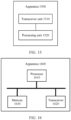
- a communication apparatus includes a processor.
- the processor is coupled to a memory, and may be configured to execute instructions in the memory, to implement the method in any one of the first aspect or the possible implementations of the first aspect, the method in any one of the second aspect or the possible implementations of the second aspect, or the method in any one of the third aspect or the possible implementations of the third aspect.
- the apparatus further includes the memory. In a possible implementation, the apparatus further includes a communication interface, and the processor is coupled to the communication interface.
- the apparatus is a first network device.
- the communication interface may be a transceiver or an input/output interface.
- the apparatus is a chip disposed in a first network device.
- the communication interface may be an input/output interface.
- the apparatus is a second network device.
- the communication interface may be a transceiver or an input/output interface.
- the apparatus is a chip disposed in a second network device.
- the communication interface may be an input/output interface.
- a processor includes an input circuit, an output circuit, and a processing circuit.
- the processing circuit is configured to receive a signal through the input circuit, and transmit a signal through the output circuit, so that the processor performs the method in any possible implementation of the foregoing aspects.
- the processor may be a chip
- the input circuit may be an input pin
- the output circuit may be an output pin
- the processing circuit may be a transistor, a gate circuit, a trigger, various logic circuits, or the like.
- An input signal received by the input circuit may be received and input by, for example, but not limited to, a receiver
- a signal output by the output circuit may be output to, for example, but not limited to, a transmitter and transmitted by the transmitter
- the input circuit and the output circuit may be a same circuit, where the circuit is used as the input circuit and the output circuit at different moments.
- a specific implementation of the processor and various circuits is not limited in this application.
- an apparatus includes a processor and a memory.
- the processor is configured to read instructions stored in the memory, and may receive a signal through a receiver, and transmit a signal through a transmitter, to perform the method in any possible implementation of the foregoing aspects.
- processors there are one or more processors, and there are one or more memories.
- the memory may be integrated with the processor, or the memory and the processor may be separately disposed.
- the memory may be a non-transitory (non-transitory) memory, for example, a read-only memory (read only memory, ROM).
- the memory and the processor may be integrated on a same chip, or may be disposed on different chips. A type of the memory and a manner of disposing the memory and the processor are not limited in this application.
- a related data exchange process such as sending of indication information may be a process of outputting the indication information from the processor, and receiving of capability information may be a process of receiving the capability information by the processor.
- data output by the processor may be output to a transmitter, and input data received by the processor may be from a receiver.
- the transmitter and the receiver may be collectively referred to as a transceiver.
- the apparatus may be a chip.
- the processor may be implemented by using hardware, or may be implemented by using software.
- the processor may be a logic circuit, an integrated circuit, or the like; or when the processor is implemented by using the software, the processor may be a general-purpose processor, and is implemented by reading software code stored in the memory.
- the memory may be integrated into the processor, or may be located outside the processor and exist independently.
- a computer program product includes a computer program (which may also be referred to as code or instructions).
- a computer program which may also be referred to as code or instructions.
- a computer-readable storage medium stores a computer program (which may also be referred to as code or instructions).
- code or instructions When the computer program is run on a computer, the computer is enabled to perform the method in any possible implementation of the foregoing aspects.
- a global system for mobile communications global system for mobile communications
- code division multiple access code division multiple access
- CDMA code division multiple access
- WCDMA wideband code division multiple access
- general packet radio service general packet radio service, GPRS
- LTE long term evolution
- LTE frequency division duplex frequency division duplex
- TDD time division duplex
- UMTS universal mobile telecommunication system
- WiMAX worldwide interoperability for microwave access
- WiMAX future 5th generation
- 5G future 5th generation
- 5G future 5th generation
- new radio new radio
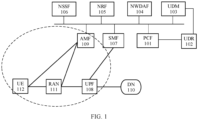
- FIG. 1 is a schematic diagram of a system architecture used in an embodiment of this application.
- a system 100 includes at least one of a PCF 101, a unified data repository (unified data repository, UDR) 102, a unified data management (unified data management, UDM) 103, a network data analytics function (network data analytics function, NWDAF) 104, a network repository function (network repository function, NRF) 105, a network slice selection function (network slice selection function, NSSF) network element 106, a session management function (session management function, SMF) network element 107, a user plane function (user plane function, UPF) network element 108, a core access and mobility management function (core access and mobility management function, AMF) 109, a data network (data network, DN) 110, a RAN 111, or user equipment (user equipment, UE) 112.
- a PCF 101 a unified data repository (unified data repository, UDR) 102, a unified data management (unified data
- the PCF 101 has a user subscription data management function, a policy control function, a charging policy control function, a quality of service (quality of service, QoS) control function, and the like.
- the UDR 102 is responsible for storing structured data information, where the data information includes subscription information, policy information, and network data or service data defined in a standard format.
- the UDM 103 is responsible for managing subscription information of the UE 112.
- the NWDAF 104 may collect data from various network functions (network function, NF) such as the PCF 101, the SMF 107, the UPF 108, and the AMF 109, and perform analysis and prediction.
- network function network function
- the NRF 105 is responsible for storing and selecting network functional entity information for another network element.
- the NSSF 106 selects an appropriate network slice for service data of the UE 112.
- the SMF 107 is responsible for UPF selection or reselection, IP address allocation, session establishment, modification, and release, and QoS control.
- the UPF 108 is mainly responsible for processing service data, for example, forwarding, charging, and lawful interception.
- the UPF 108 may also be referred to as a protocol data unit (protocol data unit, PDU) session anchor (PDU session anchor, PSA).
- PDU protocol data unit
- PSA protocol session anchor
- the AMF 109 is mainly used for attachment, mobility management, and a tracking area update procedure of the UE 112 in a mobile network.
- the access management network element terminates a non-access stratum (non access stratum, NAS) message, completes registration management, connection management, reachability management, tracking area list (track area list, TA list) allocation, mobility management, and the like, and transparently routes a session management (session management, SM) message to the session management network element.
- NAS non-access stratum
- the DN 110 provides a data transmission service for the UE 112, and may be a public data network (public data network, PDN), for example, the internet (internet).
- PDN public data network
- internet internet
- the RAN 111 may be a device that communicates with the UE 112.
- the RAN 111 may also be referred to as an access network device or a radio access network device.
- the RAN 111 may be a transmission reception point (transmission reception point, TRP), may be an evolved NodeB (evolved NodeB, eNB or eNodeB) in an LTE system, may be a home base station (for example, a home evolved NodeB or a home NodeB, HNB) or a base band unit (base band unit, BBU), or may be a radio controller in a cloud radio access network (cloud radio access network, CRAN) scenario.
- TRP transmission reception point
- eNB evolved NodeB
- eNodeB evolved NodeB
- eNodeB evolved NodeB
- eNB evolved NodeB
- eNodeB evolved NodeB
- BBU base band unit
- CRAN cloud radio access network
- the RAN 111 may be a relay station, an access point, a vehicle-mounted device, a wearable device, a network device in a 5G network, a network device in a future evolved PLMN, or the like, may be an access point (access point, AP) in a WLAN, or may be a gNB in an NR system.
- the RAN 111 may be a metro base station, a micro base station, a picocell base station, a femto base station, or the like. This is not limited in this application.
- the RAN 111 may include a centralized unit (centralized unit, CU) node, a distributed unit (distributed unit, DU) node, a radio access network (radio access network, RAN) device including the CU node and the DU node, or a device including a control plane CU node (CU-CP node), a user plane CU node (CU-UP node), and the DU node.
- CU-CP node control plane CU node
- CU-UP node user plane CU node
- the RAN 111 provides a service for a cell.
- the UE 112 communicates with the cell by using a transmission resource (for example, a frequency domain resource or a spectrum resource) allocated by the RAN 111.
- the cell may belong to a macro base station (for example, a macro eNB or a macro gNB), or may belong to a base station corresponding to a small cell (small cell).
- the small cell herein may include a metro cell (metro cell), a micro cell (micro cell), a pico cell (pico cell), a femto cell (femto cell), and the like. These small cells have characteristics of small coverage and low transmit power, and are applicable to providing a high-rate data transmission service.
- the UE 112 may also be referred to as a terminal device, a mobile station (mobile station, MS), a mobile terminal (mobile terminal, MT), an access terminal, a subscriber unit, a subscriber station, a remote station, a remote terminal, a mobile device, a user terminal, a terminal, a wireless communication device, a user agent, a user apparatus, or the like.
- a terminal device a mobile station (mobile station, MS), a mobile terminal (mobile terminal, MT), an access terminal, a subscriber unit, a subscriber station, a remote station, a remote terminal, a mobile device, a user terminal, a terminal, a wireless communication device, a user agent, a user apparatus, or the like.
- the UE 112 may be a device that provides a voice/data connectivity for a user, for example, a handheld device or a vehicle-mounted device that has a wireless connection function.
- some terminal devices include a mobile phone (mobile phone), a tablet computer, a laptop computer, a palmtop computer, a mobile internet device (mobile internet device, MID), a wearable device, a virtual reality (virtual reality, VR) device, an augmented reality (augmented reality, AR) device, a wireless terminal in industrial control (industrial control), a wireless terminal in self driving (self driving), a wireless terminal in remote medical surgery (remote medical surgery), a wireless terminal in a smart grid (smart grid), a wireless terminal in transportation safety (transportation safety), a wireless terminal in a smart city (smart city), a wireless terminal in a smart home (smart home), a cellular phone, a cordless telephone set, a session initiation protocol (session initiation protocol, SIP) phone, a wireless local loop (wireless local loop
- names of the network elements are merely names, and the names do not constitute any limitation on the functions of the network elements.
- the foregoing network elements may alternatively have other names. This is not specifically limited in embodiments of this application.
- some or all of the foregoing network elements may still use terms in 5G, or may have other names.
- a general description is provided herein. Details are not described again below.
- network elements in FIG. 1 do not necessarily exist simultaneously, and required network elements may be determined based on a requirement.
- a connection relationship between the network elements in FIG. 1 is not uniquely determined, and may be adjusted based on a requirement.
- the network slice is an end-to-end logical dedicated network that provides a specific network capability. Through flexible allocation of network resources and on-demand networking, a plurality of logical subnets having different features and isolated from each other may be virtualized on a same set of physical infrastructures to provide a service for a user in a targeted manner.
- the logical subnets are referred to as network slices.
- the network slice may be used by an operator, and provide mutually isolated network services having customizable functions for different vertical industries, different customers, and different services based on service level agreements (service level agreement, SLA) signed by the customers.
- service level agreement service level agreement
- Different network slices may be identified and differentiated by using single network slice selection assistance information (single network slice selection assistance information, S-NSSAI).
- network functions such as the NSSF 106, the NRF 105, the NWDAF 104, the UDM 103, the UDR 102, and the AMF 109 in FIG. 1 may be shared by a plurality of network slices, the SMF 107 and the UPF 108 may belong to a specific network slice, and the RAN 111 may also be shared by a plurality of network slices.
- the QoS parameter includes parameters such as a 5G quality of service identifier (5G QoS Identifier, 5QI), an allocation and retention priority (allocation and retention priority, ARP), a flow bit rate (flow bit rates, FBR), and an aggregate bit rate (aggregate bit rates, ABR).
- 5G QoS Identifier 5G QoS Identifier
- ARP allocation and retention priority
- FBR flow bit rates
- ABR aggregate bit rate
- the 5QI is used to identify a feature of service data.
- the FBR is valid for guaranteed bit rate service data, and includes a guaranteed flow bit rate (guaranteed flow bit rate, GFBR) and a maximum flow bit rate (maximum flow bit rate, MFBR).
- the ABR is valid for non-guaranteed bit rate service data, and includes a session aggregate maximum bit rate (session aggregate maximum bit rate, session-AMBR) and a UE aggregate maximum bit rate (UE aggregate maximum bit rate, UE-AMBR).
- the ARP parameter is priority information of service data specified when a service data request is established or the service data request is modified, and includes a priority level (priority level, ARP-PL) parameter, a pre-emption capability (pre-emption capability, ARP-PE_C) parameter, and a pre-emption vulnerability (pre-emption vulnerability, ARP-PE_V) parameter.
- ARP-PL represents a priority level of the service data in a case in which a resource is insufficient, and may be an integer. Different values represent different priority levels. For example, A smaller value indicates a higher priority level.
- ARP-PE_C is used to indicate whether a resource for other service data with a low priority level can be pre-empted when the resource is insufficient.
- the ARP-PE_V parameter is used to indicate whether a resource occupied by the service data is allowed, when the resource is insufficient, to be released and pre-empted by service data with a high priority level.
- a capacity of a network slice is limited. If a piece of current service data is to access the network slice, a resource in the network slice or a resource in a network slice other than the network slice may be pre-empted for the service data.
- a user may purchase a network slice with a fixed resource size from an operator. If a resource occupied by service data that has accessed the network slice has reached an upper limit of a resource in the purchased network slice, and if a resource in another network slice continues to be pre-empted for the service data, the pre-empted resource is more than the resource in the network slice actually purchased by the user. Consequently, resource planning of the network slice is not equivalent to a tariff, and feasibility of planning the resource in the network slice is affected.
- a first network device is the PCF 101 and a second network device is the RAN 111.
- a second network device is the RAN 111.
- a number of a network element is omitted below.
- a "PCF” represents the “PCF 101”
- a "RAN” represents the "RAN 111”.
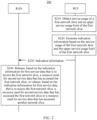
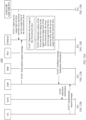
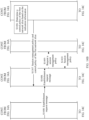
- a communication method 200 mentioned in an embodiment of this application is described below with reference to FIG. 2 .
- the PCF obtains service usage of a first network slice and an upper service usage limit of the first network slice.
- the PCF may determine the service usage of the first network slice and the upper service usage limit of the first network slice.
- the PCF may obtain the service usage of the first network slice and the upper service usage limit of the first network slice from another network element.
- the PCF obtains the upper service usage limit of the first network slice from a UDR/UDM; or the PCF obtains, by using a UDR/UDM, the upper service usage limit that is of the first network slice and that is sent by an OAM.
- the PCF may obtain the service usage of the first network slice from the UDR.
- the service usage of the first network slice may be a quantity of sessions that have accessed the first network slice, a traffic bandwidth occupied by service data that has accessed the first network slice, or a density of the sessions that have accessed the first network slice.
- a service usage threshold of the first network slice may include the upper service usage limit of the first network slice.
- the upper service usage limit of the first network slice is a maximum quantity of sessions allowed to access the first network slice; when the service usage of the first network slice is the traffic bandwidth occupied by the service data that has accessed the first network slice, the upper service usage limit of the first network slice is a maximum bandwidth of traffic allowed to access the first network slice; or when the service usage of the first network slice is the density of the sessions that have accessed the first network slice, the upper service usage limit of the first network slice is a maximum session density allowed for the first network slice.
- a service area of the first network slice may include one or more RANs. Each RAN has a coverage area that may be one or more cells (cell).
- the service area of the first network slice may alternatively include a service area of a UPF, especially some UPFs deployed at a mobile edge computing (mobile edge computing, MEC) location.
- a size of the service area of the UPF is one or more areas covered by a gNB.
- the service area of the first network slice may include at least one cell and/or at least one UPF service area.
- a ratio of sessions that have accessed the service area of the first network slice to an area of the service area of the first network slice may be understood as the density of the sessions that have accessed the first network slice.
- the service usage threshold of the first network slice is a maximum allowed value of the ratio of the sessions that have accessed the first network slice to the area of the service area of the first network slice.
- S220 The PCF generates indication information based on the service usage of the first network slice and the upper service usage limit of the first network slice.
- the indication information indicates the RAN to release, for first service data that is to access the first network slice, a resource for the service data that has accessed the first network slice.
- the indication information indicates to forbid first service data that is to access the first network slice from pre-empting a resource for a data service that has accessed another network slice.
- Case 2 If the service usage of the first network slice is greater than or equal to the upper service usage limit of the first network slice, the indication information indicates that the service usage of the first network slice is greater than or equal to the upper service usage limit of the first network slice.
- Case 3 If the service usage of the first network slice is less than the upper service usage limit of the first network slice, the indication information indicates that, when a resource is insufficient, the RAN may release, for first service data that is to access the first network slice, a resource for the service data that has accessed the first network slice or a resource for service data that has accessed another network slice, that is, not forbid the first service data that is to access the first network slice from pre-empting the resource for the data service that has accessed the another network slice.
- the first service data that is to access the first network slice may pre-empt the resource for the data service that has accessed the another network slice, or may pre-empt the resource for the service data that has accessed the first network slice.
- S220 may be implemented based on Case 1, or may be implemented based on Case 3.
- Case 4 If the service usage of the first network slice is less than the upper service usage limit of the first network slice, the indication information indicates that the service usage of the first network slice is less than the upper service usage limit of the first network slice.
- the PCF sends the indication information to the RAN, and the RAN receives the indication information sent by the PCF.
- S230 may include: The PCF directly sends the indication information to the RAN, and the RAN directly receives the indication information sent by the PCF.
- S230 may include: The PCF may send the indication information to the RAN by using another network element, and the RAN receives, by using the another network element, the indication information sent by the PCF.
- the PCF may send the indication information to the RAN by using an SMF and/or an AMF, and the RAN receives, by using the SMF and/or the AMF, the indication information sent by the PCF.
- the RAN releases, based on the indication information for the first service data that is to access the first network slice, a resource for second service data that has accessed the first network slice; or the RAN releases, based on the indication information for the first service data that is to access the first network slice, a resource for second service data that has accessed the first network slice or the resource for the service data that has accessed the another network slice.
- Case 1 In Case 1 in S220, S240 includes: The RAN may directly determine, based on the indication information, to release, for the first service data that is to access the first network slice, the resource for the second service data that has accessed the first network slice. In other words, the RAN may determine, based on the indication information, to forbid the first service data that is to access the first network slice from pre-empting the resource for the data service that has accessed the another network slice.
- Case 2 In Case 2 in S220, S240 includes: The RAN may determine, based on the indication information, that the service usage of the first network slice has reached the upper service usage limit of the first network slice. Therefore, the RAN may release, for the first service data that is to access the first network slice, the resource for the second service data that has accessed the first network slice.
- Case 3 In Case 3 in S220, S240 includes: The RAN may directly determine, based on the indication information, to release, for the first service data that is to access the first network slice, the resource for the service data that has accessed the first network slice or the resource for the service data that has accessed the another network slice. In other words, the RAN determines, based on the indication information, to not forbid the first service data that is to access the first network slice from pre-empting the resource for the data service that has accessed the another network slice.
- Case 4 In Case 4 in S220, S240 includes: The RAN may determine, based on the indication information, that the service usage of the first network slice does not reach the upper service usage limit of the first network slice, and the RAN may determine, based on the indication information, to release, for the first service data that is to access the first network slice, the resource for the service data that has accessed the first network slice or the resource for the service data that has accessed the another network slice. In this way, when the service usage of the first network slice does not reach the upper service usage limit of the first network slice, the RAN may release, for the first service data that is to access the first network slice currently, a resource for service data has accessed any network slice.
- S240 includes: The RAN determines, based on the indication information received in S230, to pre-empt, for the first service data that is to access the first network slice, the resource for the service data in the first network slice or pre-empt, for the first service data that is to access the first network slice, the resource for the service data that has accessed the any network slice.
- the RAN determines that a current available resource of the RAN is insufficient, for example, the current available resource is less than or equal to a preset value, the RAN needs to determine, based on a QoS parameter of the first service data that is to access the first network slice and the service data that has accessed the first network slice or the another network slice, to release, for the first service data that is to access the first network slice, a resource for which piece of service data that has accessed the first network slice or the another network slice.
- the resource for which piece of service data that has accessed the first network slice or the another network slice is released for the first service data that is to access the first network slice may be determined based on ARP-PE-C and ARP-PL in a subscribed default QoS parameter or a to-be-authorized default QoS parameter of a newly established PDU session and ARP-PE-V and ARP-PL in an authorized default QoS parameter of an established PDU session.
- the resource for which piece of service data that has accessed the first network slice or the another network slice is released for the first service data that is to access the first network slice may be determined based on ARP-PE-C and ARP-PL in an authorized QoS parameter of a QoS flow that is being established or modified and ARP-PE-V and ARP-PL in an authorized QoS parameter of an established QoS flow. Discussion is performed in different cases below.
- the PCF may determine the indication information based on the service usage of the first network slice and the upper service usage limit of the first network slice.
- the RAN may determine, based on the indication information, whether to release, for the first service data that is to access the first network slice, the resource for the second service data that has accessed the first network slice or whether to release, for the first service data that is to access the first network slice, a resource for second service data in the any network slice, so that the RAN determines a to-be-released resource for the first service data that is to access the first network slice, to better control a resource in the first network slice.
- high-priority-level or important data services access the first network slice as much as possible, it is guaranteed that the resource in the first network slice does not exceed an upper limit.
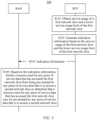
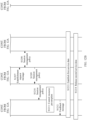
- a communication method 300 mentioned in an embodiment of this application is described below with reference to FIG. 3 .
- S310 The PCF obtains service usage of a first network slice and a lower service usage limit of the first network slice.
- the PCF may determine the service usage of the first network slice and the lower service usage limit of the first network slice.
- the PCF may obtain the service usage of the first network slice and the lower service usage limit of the first network slice from another network element.
- the PCF obtains the lower service usage limit of the first network slice from a UDR/UDM; or the PCF obtains, by using a UDR/UDM, the lower service usage limit that is of the first network slice and that is sent by an OAM.
- the PCF may obtain the service usage of the first network slice from the UDR.
- the service usage of the first network slice may be a quantity of sessions that have accessed the first network slice, a traffic bandwidth occupied by service data that has accessed the first network slice, or a density of the sessions that have accessed the first network slice.
- a service usage threshold of the first network slice may include the lower service usage limit of the first network slice.
- the lower service usage limit of the first network slice is a minimum quantity of sessions guaranteed to access the first network slice; when the service usage of the first network slice is the traffic bandwidth occupied by the service data that has accessed the first network slice, the lower service usage limit of the first network slice is a minimum bandwidth of traffic guaranteed to access the first network slice; or when the service usage of the first network slice is the density of the sessions that have accessed the first network slice, the lower service usage limit of the first network slice is a minimum session density guaranteed for the first network slice.
- S320 The PCF generates indication information based on the service usage of the first network slice and the lower service usage limit of the first network slice.
- Case 1 If the service usage of the first network slice is less than or equal to the lower service usage limit of the first network slice, the indication information indicates that the resource for the service data that has accessed the first network slice is not pre-empted by service data that is to access a second network slice.
- Case 2 If the service usage of the first network slice is less than or equal to the lower service usage limit of the first network slice, the indication information indicates that the service usage of the first network slice is less than or equal to the lower service usage limit of the first network slice.
- Case 3 If the service usage of the first network slice is greater than the lower service usage limit of the first network slice, the indication information indicates that the resource for the service data that has accessed the first network slice may be pre-empted by service data that is to access a second network slice.
- S320 may be implemented by using Case 1, or may be implemented by using Case 3.
- Case 4 If the service usage of the first network slice is greater than the lower service usage limit of the first network slice, the indication information indicates that the service usage of the first network slice is greater than the lower service usage limit of the first network slice.
- the PCF sends the indication information to the RAN, and the RAN receives the indication information sent by the PCF.
- S330 may include: The PCF directly sends the indication information to the RAN, and the RAN directly receives the indication information sent by the PCF.
- S330 may include: The PCF may send the indication information to the RAN by using another network element, and the RAN receives, by using the another network element, the indication information sent by the PCF.
- the PCF may send the indication information to the RAN by using an SMF and/or an AMF, and the RAN receives, by using the SMF and/or the AMF, the indication information sent by the PCF.
- the RAN forbids the resource for the service data that has accessed the first network slice from being pre-empted by the service data that is to access the second network slice or determines that the resource for the service data that has accessed the first network slice may be pre-empted by the service data that is to access the second network slice.
- Case 1 In Case 1 in S320, S340 includes: The RAN may directly determine, based on the indication information, to forbid the resource for the service data that has accessed the first network slice from being pre-empted by the service data that is to access the second network slice.
- Case 2 In Case 2 in S320, S340 includes: The RAN may determine, based on the indication information, that the service usage of the first network slice does not reach the lower service usage limit of the first network slice. To ensure a minimum guaranteed amount of the service usage of the first network slice, the RAN forbids a resource for any piece of service data that has accessed the first network slice from being pre-empted by the service data that is to access the second network slice.
- Case 3 In Case 3 in S320, S340 includes: The RAN may directly determine, based on the indication information, that a resource for any piece of service data that has accessed the first network slice may be pre-empted by the service data that is to access the second network slice.
- Case 4 In Case 4 in S320, S340 includes: The RAN may determine, based on the indication information, that the service usage of the first network slice has reached the lower service usage limit of the first network slice, and the RAN may determine, based on the indication information, that the resource for the service data that has accessed the first network slice may be pre-empted by the service data that is to access the second network slice.
- the RAN may determine, based on the indication information, to forbid the resource for the service data that has accessed the first network slice from being pre-empted by the service data that is to access the second network slice, the RAN sets a pre-emption vulnerability parameter in an ARP parameter of each piece of service data that has accessed the first network slice to "pre-empted unallowed", or the RAN marks the first network slice as "pre-empted unallowed”. That is, the resource for the any piece of service data that has accessed the first network slice is not allowed to be pre-empted or released.
- the PCF may determine the indication information based on the service usage of the first network slice and the lower service usage limit of the first network slice. In this way, the RAN may determine, based on the indication information, minimum service usage guaranteed for the first network slice, so that the RAN can control a resource in the first network slice.
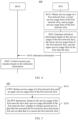
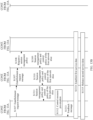
- a communication method 400 mentioned in an embodiment of this application is described below with reference to FIG. 4 .
- the PCF obtains service usage of a first network slice, a lower service usage limit of the first network slice, and an upper service usage limit of the first network slice.
- the PCF may determine the service usage of the first network slice, the lower service usage limit of the first network slice, and the upper service usage limit of the first network slice.
- the PCF may obtain the service usage of the first network slice, the lower service usage limit of the first network slice, and the upper service usage limit of the first network slice from another network element.
- the PCF obtains the upper service usage limit of the first network slice and the lower service usage limit of the first network slice from a UDR/UDM.
- the PCF may obtain the service usage of the first network slice from the UDR.
- the service usage of the first network slice may be a quantity of sessions that have accessed the first network slice, a traffic bandwidth occupied by service data that has accessed the first network slice, or a density of the sessions that have accessed the first network slice.
- a service usage threshold of the first network slice may include the lower service usage limit of the first network slice and the upper service usage limit of the first network slice.
- the upper service usage limit of the first network slice is a maximum quantity of sessions allowed to access the first network slice
- the lower service usage limit of the first network slice is a minimum quantity of sessions guaranteed to access the first network slice.
- the service usage of the first network slice is the traffic bandwidth occupied by the service data that has accessed the first network slice
- the lower service usage limit of the first network slice is a minimum bandwidth of traffic guaranteed to access the first network slice
- the upper service usage limit of the first network slice is a maximum bandwidth of traffic allowed to access the first network slice.
- the service usage of the first network slice is the density of the sessions that have accessed the first network slice
- the lower service usage limit of the first network slice is a minimum session density guaranteed for the first network slice
- the upper service usage limit of the first network slice is a maximum session density allowed for the first network slice.
- S420 The PCF generates indication information based on the service usage of the first network slice, the lower service usage limit of the first network slice, and the upper service usage limit of the first network slice.
- Case 1 If the service usage of the first network slice is less than or equal to the lower service usage limit of the first network slice, the indication information indicates that a resource for the service data that has accessed the first network slice is not pre-empted by service data that is to access a second network slice.
- Case 2 If the service usage of the first network slice is less than or equal to the lower service usage limit of the first network slice, the indication information indicates that the service usage of the first network slice is less than or equal to the lower service usage limit of the first network slice.
- Case 3 If the service usage of the first network slice is greater than the lower service usage limit of the first network slice and less than or equal to the upper service usage limit of the first network slice, the indication information indicates the RAN to release, for first service data that is to access the first network slice, a resource for the service data that has accessed the first network slice or a resource for service data that has accessed another network slice.
- Case 4 If the service usage of the first network slice is greater than the lower service usage limit of the first network slice and less than the upper service usage limit of the first network slice, the indication information indicates that the service usage of the first network slice is greater than the lower service usage limit of the first network slice and less than the upper service usage limit of the first network slice.
- Case 5 If the service usage of the first network slice is greater than or equal to the upper service usage limit of the first network slice, the indication information indicates the RAN to release, for first service data that is to access the first network slice, a resource for the service data that has accessed the first network slice, or the indication information indicates to forbid first service data that is to access the first network slice from pre-empting a resource for a data service that has accessed another network slice.
- S420 may correspond to Case 1, may correspond to Case 3, or may correspond to Case 5.
- Case 6 If the service usage of the first network slice is greater than or equal to the upper service usage limit of the first network slice, the indication information indicates that the service usage of the first network slice is greater than or equal to the upper service usage limit of the first network slice.
- the PCF sends the indication information to the RAN, and the RAN receives the indication information sent by the PCF.
- S430 may include: The PCF directly sends the indication information to the RAN, and the RAN directly receives the indication information sent by the PCF.
- S430 may include: The PCF may send the indication information to the RAN by using another network element, and the RAN receives, by using the another network element, the indication information sent by the PCF.
- the PCF may send the indication information to the RAN by using an SMF and/or an AMF, and the RAN receives, by using the SMF and/or the AMF, the indication information sent by the PCF.
- S440 The RAN controls resource pre-emption based on the indication information.
- Case 1 In Case 1 in S420, S440 includes: The RAN may directly determine, based on the indication information, to forbid a resource for any piece of service data that has accessed the first network slice from being pre-empted by any piece of service data that is to access the second network slice.
- Case 2 In Case 2 in S420, S440 includes: The RAN may determine, based on the indication information, that the service usage of the first network slice does not reach the lower service usage limit of the first network slice. To ensure a minimum guaranteed amount of the service usage of the first network slice, the RAN forbids a resource for any piece of service data that has accessed the first network slice from being pre-empted by any piece of service data that is to access the second network slice.
- S440 includes: The RAN may directly determine, based on the indication information, to release, for the first service data that is to access the first network slice, the resource for the service data that has accessed the first network slice or the resource for the service data that has accessed the another network slice. In other words, the RAN may determine, based on the indication information, to allow the first service in the first network slice to pre-empt the resource for the service data that has accessed the another network slice and allow the resource for the service data that has accessed the first network slice to be pre-empted by service data that is to access the another network slice.
- Case 4 In Case 4 in S420, S440 includes: The RAN may determine, based on the indication information, that the service usage of the first network slice does not reach the upper service usage limit of the first network slice but has reached the lower service usage limit of the first network slice, and the RAN may determine, based on the indication information, to release, for first service data that is to access the first network slice, a resource for service data that has accessed the first network slice or a resource for service data that has accessed another network slice.
- the RAN may determine, based on the indication information, to allow the first service in the first network slice to pre-empt the resource for the service data that has accessed the another network slice and allow the resource for the service data that has accessed the first network slice to be pre-empted by service data that is to access the another network slice.
- S440 includes: The RAN may directly determine, based on the indication information, to release, for the first service data that is to access the first network slice, a resource for second service data that has accessed the first network slice. In other words, the RAN may determine, based on the indication information, to forbid the first service data that is to access the first network slice from pre-empting the resource for the service data that has accessed the another network slice.
- S440 includes: The RAN may determine, based on the indication information, that the service usage of the first network slice has reached the upper service usage limit of the first network slice. Therefore, the RAN may need to release, for first service data that is to access the first network slice, a resource for second service data that has accessed the first network slice. In other words, the RAN may determine, based on the indication information, to forbid the first service data that is to access the first network slice from pre-empting a resource for service data that has accessed another network slice.
- the RAN may determine, based on the indication information, to forbid the resource for the service data that has accessed the first network slice from being pre-empted by the service data that is to access the second network slice, the RAN sets a pre-emption vulnerability parameter in an ARP parameter of each piece of service data that has accessed the first network slice to "pre-empted unallowed", or the RAN marks the first network slice as "pre-empted unallowed”. That is, the resource for the any piece of service data that has accessed the first network slice is not allowed to be released.
- the PCF may determine the indication information based on the service usage of the first network slice, the lower service usage limit of the first network slice, and the upper service usage limit of the first network slice. In this way, the RAN can determine the minimum guaranteed service usage of the first network slice and maximum allowed service usage of the first network slice based on the indication information.
- the RAN releases, for the first service data that is to access the first network slice, the resource for the service data that has accessed the first network slice, and cannot pre-empt, for the first service data that is to access the first network slice, a resource in the network slice other than the first network slice, so that it can be ensured that a pre-empted resource does not exceed an upper limit of a resource in the first network slice.
- the RAN may release, for the first service data that is to access the first network slice, a resource for service data that has accessed any network slice whose service usage exceeds the lower service usage limit.
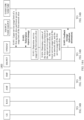
- the PCF In the method 200, the method 300, and the method 400, the PCF generates the indication information, and sends the indication information to the RAN, and the RAN controls the resource pre-emption based on the indication information. In a method 500 described below, the PCF controls whether to release a resource for second service data that has accessed a first network slice and accept a resource for first service data that is to access the first network slice.
- the PCF obtains service usage of the first network slice and an upper service usage limit of the first network slice.
- the PCF may determine the service usage of the first network slice and the upper service usage limit of the first network slice.
- the PCF may obtain the service usage of the first network slice and the upper service usage limit of the first network slice from another network element.
- the PCF obtains the upper service usage limit of the first network slice from a UDR/UDM; or the PCF obtains, by using a UDR/UDM, the upper service usage limit that is of the first network slice and that is sent by an OAM.
- the PCF may obtain the service usage of the first network slice from the UDR.
- the PCF determines, based on the service usage of the first network slice and a service usage threshold of the first network slice, whether to release the resource for the second service data that has accessed the first network slice and accept the resource for the first service data that is to access the first network slice.
- S520 may be discussed in two cases.
- S520 includes: If the service usage of the first network slice is greater than or equal to the upper service usage limit of the first network slice, the PCF determines to release service data that has accessed the first network slice and accept the resource for the first service data that is to access the first network slice.
- the PCF determines to release the service data that has accessed the first network slice and accept the resource for the first service data that is to access the first network slice, the PCF needs to determine a specific piece of to-be-released service data that has accessed the first network slice.
- the specific piece of to-be-released service data that has accessed the first network slice may be determined in at least one of the following manners.
- Case 2 S520 includes: If the service usage of the first network slice is less than the upper service usage limit of the first network slice, the PCF determines to accept the resource for the first service data that is to access the first network slice. Optionally, the PCF does not need to release a resource for any piece of service data in the first network slice.
- the PCF may determine, based on the service usage of the first network slice and the upper service usage limit of the first network slice, to release the resource for the second service data that has accessed the first network slice and accept the resource for the first service data that is to access the first network slice.
- the PCF may control service data that is to access the first network slice.
- high-priority-level or important data services access the first network slice as much as possible, it is ensured that service usage of the first network slice does not exceed the upper limit.
- service data that has accessed a network slice or that is to access the network slice may be a protocol data unit (protocol data unit, PDU) session or a QoS flow. If the service data that has accessed the network slice or that is to access the network slice is the PDU session, one PDU session may include one or more QoS flows.
- PDU protocol data unit
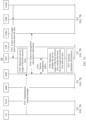
- a method 600 corresponds to the foregoing method 200.
- the method 600 includes the following steps.
- An operation administration and maintenance determines an upper service usage limit of a first network slice, and sends the upper service usage limit of the first network slice to the PCF by using a UDR/UDM, and the PCF stores the upper service usage limit of the first network slice.
- the UDR/UDM may also store the upper service usage limit of the first network slice.
- the PCF determines service usage of the first network slice.
- S602 includes: If the PCF establishes or releases service data in the first network slice, the PCF updates service usage that is of the first network slice and that is stored by the PCF.
- S602 includes: After establishing or releasing service data in the first network slice, each PCF sends a data volume of the service data established or released in the first network slice to the UDR/UDM.
- the UDR/UDM determines the service usage of the first network slice based on the data volume that is of the established or released service data and that is sent by the PCF corresponding to the first network slice.
- the UDR/UDM stores service usage of the first network slice, and the UDR/UDM dynamically adjusts the service usage of the first network slice based on the data volume of the established or released service data when the UDR/UDM receives the data volume that is of the established or released service data and that is sent by the PCF, and sends service usage obtained through adjustment to the PCF.
- S601 may be before or after S602.
- S603 UE sends, to an AMF by using the RAN, a message for requesting to establish first service data, where the first establishment request message includes first S-NSSAI, and the AMF stores a result (namely, a correspondence between S-NSSAI and a network slice) of network slice selection performed by the NSSF when the UE registers with a network.
- the AMF determines, based on the first S-NSSAI, the first network slice corresponding to the first service data, selects an SMF corresponding to the first network slice, and sends the establishment request message to the SMF, where the establishment request message includes the first S-NSSAI.
- step S603 is initiated when the UE needs to establish service data, and is not limited by that the PCF obtains the service usage of the first network slice and the upper service usage limit of the first network slice.
- the SMF After receiving the establishment request message, the SMF requests session management subscription information of the first network slice from the UDM based on the first S-NSSAI, and the UDM returns the session management subscription information to the SMF, where the session management subscription information includes a fifth generation quality of service identifier (5G QoS identifier, 5QI) and an ARP parameter of the first service data.
- 5G QoS identifier 5QI
- the establishment request message that is of the first service data and that is sent by the UE to the AMF by using the RAN and the establishment request message that is sent by the AMF to the SMF in S603 may include parameters such as the S-NSSAI, a DNN, and a session type of the first service data.
- the SMF when requesting the session management subscription information of the first network slice from the UDM, may also send at least one of the parameters such as the S-NSSAI, the DNN, and the session type of the first service data to the UDM, and the UDM may search, based on the at least one of the parameters such as the S-NSSAI, the DNN, and the session type, for a network slice corresponding to the UE and a subscribed default QoS parameter of a data network, where the default QoS parameter includes the 5QI and the ARP.
- the session management subscription information returned by the UDM to the SMF may include the default QoS parameter.
- the session management subscription information may further include at least one of parameters such as a subscribed session-AMBR, an allowed session type, and a default session type.
- the SMF requests a session management policy of the first network slice from the PCF by using a request message, where the request message carries at least one of the first S-NSSAI, the DNN, and the subscribed default QoS parameter (the 5QI and the ARP parameter).
- the PCF returns an authorized session management policy.
- the PCF may modify the subscribed default 5QI and ARP parameter based on a local configuration of an operator, and send a modification result as an authorized default QoS parameter to the SMF via the session management policy.
- the session management policy includes a 5QI and an ARP parameter obtained through modification.
- the PCF determines whether the service usage of the first network slice reaches the upper service usage limit of the first network slice.
- S606 includes: The PCF determines, based on the service usage that is of the first network slice and that is stored by the PCF and the upper service usage limit that is of the first network slice and that is obtained in S601, whether the service usage of the first network slice reaches the upper service usage limit of the first network slice. If the first network slice corresponds to the plurality of PCFs, S606 includes: The PCFs may determine, based on the service usage that is of the first network slice and that is obtained from the UDR/UDM and the upper service usage limit that is of the first network slice and that is obtained in S601, whether the service usage of the first network slice reaches the upper service usage limit of the first network slice.
- S606 includes: The UDR/UDM determines a difference, which may also be referred to as a quota, between the upper service usage limit of the first network slice and the service usage of the first network slice based on the service usage of the first network slice and the upper service usage limit of the first network slice, and sends the difference to the PCFs.
- the PCFs determines, based on the difference, whether the service usage of the first network slice reaches the upper service usage limit of the first network slice.
- the difference is greater than 0, it indicates that the service usage of the first network slice does not reach the upper service usage limit of the first network slice; or if the difference is less than 0, it indicates that the service usage of the first network slice reaches the upper service usage limit of the first network slice.
- S606 may be triggered by S605.
- the first network slice corresponds to the plurality of PCFs
- the UDR/UDM may allocate an available quota of the first network slice to each PCF.
- S606 may be triggered.
- S606 may alternatively be triggered by the PCF by periodically performing a check. For example, S606 is triggered because duration of a timer is exceeded.
- S607 Generate indication information based on a determining result in S606.
- the PCF sends the indication information to the SMF.
- the SMF may also pre-empt the resource of the UPF for the first service data based on the indication information.
- the SMF sends the indication information to the AMF, and the AMF sends the indication information to the RAN.
- S610 The RAN controls resource pre-emption based on the indication information. For details, refer to the descriptions of S240.
- the RAN may directly control the resource pre-emption based on the indication information.
- the RAN may control the resource pre-emption based on the indication information when a resource is insufficient.
- the RAN may control the resource pre-emption based on the indication information when a resource is sufficient.
- the RAN determines, in the service data that has accessed the first network slice, second service data whose priority level is lower than a priority level of the first service data (where ARP-PL of the second service data is greater than ARP-PL of the first service data) and whose ARP-PE_V is "pre-empt allowed" (where for example, ARP-PE_V is ENABLE), and releases, for the first service data, a resource for the second service data.
- the RAN rejects establishment of the first service data.
- S611 If in S610, the RAN releases, for the first service data that is to access the first network slice, the resource for the second service data that has accessed the first network slice, the RAN sends a feedback message of the establishment request message to the UE, where the feedback message of the establishment request message is used to indicate that the establishment of the first service data is accepted.
- the RAN rejects the establishment of the first service data
- the RAN sends a feedback message of the establishment request message to the UE, where the feedback message of the establishment request message is used to indicate that the establishment of the first service data is rejected.
- the feedback message of the establishment request message is an access network-specific resource setup (AN-specific resource setup) message, and carries PDU session establishment accept (PDU session establishment Accept) information.
- AN-specific resource setup access network-specific resource setup
- PDU session establishment accept PDU session establishment Accept
- S612 If in S610, the RAN releases, for the first service data that is to access the first network slice, the resource for the second service data that has accessed the first network slice, the UE, the RAN, the AMF, the SMF, the UPF, and the PCF complete a subsequent process of establishing the first service data.
- S613 If in S610, the RAN releases, for the first service data that is to access the first network slice, the resource for the second service data that has accessed the first network slice, the UE, the RAN, the AMF, the SMF, the UPF, and the PCF complete a process of releasing the resource for the second service data.
- a method 700 corresponds to the foregoing method 300.
- the method 700 includes the following steps.
- An operation administration and maintenance determines a lower service usage limit of a first network slice, and sends an upper service usage limit of the first network slice to the PCF by using a UDR, and the PCF stores the lower service usage limit of the first network slice.
- the UDR/a UDM may also store the lower service usage limit of the first network slice.
- the PCF determines service usage of the first network slice.
- S701 may be before or after S702.
- S703 to S705 are the same as S603 to S605.
- S706 The PCF determines whether service usage of the first network slice reaches the lower service usage limit of the first network slice.
- S706 includes: The PCF determines, based on service usage that is of the first network slice and that is stored by the PCF and the lower service usage limit that is of the first network slice and that is obtained in S701, whether the service usage of the first network slice reaches the lower service usage limit of the first network slice. If the first network slice corresponds to a plurality of PCFs, S706 includes: The PCFs may determine, based on the service usage that is of the first network slice and that is obtained from the UDR and the lower service usage limit that is of the first network slice and that is obtained in S701, whether the service usage of the first network slice reaches the lower service usage limit of the first network slice.
- S706 may be triggered by S705.
- S706 may alternatively be triggered by the PCF by periodically performing a check. For example, S706 is triggered because duration of a timer is exceeded.
- S707 Generate indication information 1 based on a determining result in S706.
- the PCF sets ARP-PE_V in the ARP parameter that is of the first service data and that is obtained in S705 to "pre-empted unallowed" (where for example, ARP-PE_V is set to DISABLED), or the first network device sets ARP-PE_V in an ARP parameter of each piece of service data that has accessed the first network slice to "pre-empted unallowed” (where for example, ARP-PE_V is set to DISABLED).
- the PCF sends the indication information 1 to the SMF.
- the SMF may pre-empt the resource of UPF for the first service data based on the indication information 1.
- the SMF sends the indication information 1 to the AMF, and the AMF sends the indication information to the RAN.
- S711 The RAN forbids, based on the indication information 1, the resource for the any piece of service data that has accessed the first network slice from being pre-empted by the any piece of service data that is to access the second network slice.
- the RAN sets ARP-PE_V in the ARP parameter of each piece of service data that has accessed the first network slice to "pre-empted unallowed" (where for example, ARP-PE_V is set to DISABLED).
- the feedback message of the establishment request message is an access network-specific resource setup (AN-specific resource setup) message, and carries PDU session establishment accept (PDU session establishment Accept) information.
- AN-specific resource setup access network-specific resource setup
- PDU session establishment accept PDU session establishment Accept
- S714 The PCF updates the service usage of the first network slice for the newly established first service data.
- S714 includes: After the PCF establishes the first service data in the first network slice, the PCF updates the service usage that is of the first network slice and that is stored by the PCF.
- S714 includes: After establishing the first service data in the first network slice, the PCFs each send a data volume of the first service data established in the first network slice to the UDR.
- the UDR determines service usage of the first network slice based on a data volume that is of established or released service data and that is sent by each PCF corresponding to the first network slice, and sends the updated service usage of the first network slice to the PCF.
- S715 The PCF determines whether the service usage of the first network slice reaches the lower service usage limit of the first network slice. If the service usage of the first network slice reaches the lower service usage limit of the first network slice, generated indication information 2 is shown in Case 3 or Case 4 in S320.
- the PCF modifies ARP-PE_V that is in the ARP parameter and that is modified in S712 to "pre-empted allowed" (where for example, ARP-PE_V is set to ENABLED), or the first network device sets ARP-PE_V in ARP parameters of all or some of service data that has accessed the first network slice to "pre-empted allowed" (where for example, ARP-PE_V is set to DISABLED).
- the PCF sends the indication information 2 to the SMF.
- the SMF sends the indication information 2 to the AMF, and the AMF sends the indication information to the RAN.
- the RAN determines, based on the indication information 2, that the resource for the any piece of service that has accessed the first network slice may be pre-empted by the any piece of service data that is to access the second network slice.
- a method 800 corresponds to the foregoing method 400.
- the method 800 includes the following steps.
- An OAM determines an upper service usage limit of a first network slice and a lower service usage limit of the first network slice, and sends the upper service usage limit of the first network slice and the lower service usage limit of the first network slice to the PCF by using a UDR/UDM, and the PCF stores the upper service usage limit of the first network slice and the lower service usage limit of the first network slice.
- the UDR/UDM may also store the upper service usage limit of the first network slice and the lower service usage limit of the first network slice.
- S802 The PCF determines service usage of the first network slice.
- S801 and S802 are not limited, and S801 may be before or after S802.
- S803 to S805 are the same as S603 to S605.
- the PCF determines indication information based on the upper service usage limit of the first network slice, the lower service usage limit of the first network slice, and the service usage of the first network slice.
- S806 includes: The PCF determines, based on the service usage that is of the first network slice and that is stored by the PCF and the upper service usage limit that is of the first network slice and that is obtained in S601, whether the service usage of the first network slice reaches the upper service usage limit of the first network slice. If the first network slice corresponds to a plurality of PCFs, S806 includes: The PCFs may determine the indication information based on the service usage that is of the first network slice and that is obtained from the UDR/UDM, and the upper service usage limit of the first network slice and the lower service usage limit of the first network slice that are obtained in S801.
- S806 may be triggered by S805.
- the first network slice corresponds to the plurality of PCFs
- the UDR may allocate an available quota of the first network slice to each PCF.
- S806 may be triggered.
- S806 may alternatively be triggered by the PCF by periodically performing a check. For example, S806 is triggered because duration of a timer is exceeded.
- the PCF sends the indication information to the SMF.
- the SMF sends the indication information to the AMF, and the AMF sends the indication information to the RAN.
- the RAN releases, for the first service data that is to access the first network slice, a resource for service data that has accessed the first network slice or a resource for service data that has accessed another network slice.
- the RAN sends a feedback message of the establishment request message to the UE, where the feedback message of the establishment request message is used to indicate that establishment of the first service data is accepted.
- the feedback message of the establishment request message is an AN-specific resource setup message, and carries PDU session establishment accept information.
- S811 The UE, the RAN, the AMF, the SMF, a UPF, and the PCF complete a subsequent process of establishing the first service data.
- S812 The UE, the RAN, the AMF, the SMF, the UPF, and the PCF complete a process of releasing the resource for the second service data.
- the indication information may indicate the "protected state”; if the service usage of the first network slice is greater than the lower service usage limit of the first network slice and less than or equal to the upper service usage limit of the first network slice, it may be considered that the first network slice is in a "normal state", and correspondingly, the indication information may indicate the "normal state”; or if the service usage of the first network slice is greater than or equal to the upper service usage limit of the first network slice, it may be considered that the first network slice is in a "restricted state”, and correspondingly, the indication information may indicate the "restricted state”. If the indication information indicates the "protected state", the "normal state”, or the "restricted state”, the RAN may pre-empt a resource based on the indication information,
- the lower service usage limit of the first network slice is replaced with a lower resource utilization limit of the first network slice
- the upper service usage limit of the first network slice is replaced with an upper resource utilization limit of the first network slice
- a method 900 corresponds to the foregoing method 500.
- the method 900 includes the following steps.
- An OAM determines an upper service usage limit of a first network slice, and sends the upper service usage limit of the first network slice to the PCF by using a UDR, and the PCF stores the upper service usage limit of the first network slice.
- the UDR may also store the upper service usage limit of the first network slice.
- S902 The PCF determines service usage of the first network slice.
- S901 may be before or after S902.
- S903 to S905 are the same as S603 to S605.
- S906 Determine a value relationship between the service usage of the first network slice and the upper service usage limit of the first network slice.
- S906 may be triggered by S905.
- S906 may alternatively be triggered by the PCF by periodically performing a check. For example, S906 is triggered because duration of a timer is exceeded.
- the PCF determines to restrict pre-empting, performed by the first service data, of a resource for service data that accesses a network slice identified by other S-NSSAI. Specifically, there are two cases: S907a and S907b.
- the PCF may reject establishment of the first service data based on parameters such as the 5QI or the ARP in the subscribed default QoS parameter or the authorized default QoS parameter of the first service data, the DNN of the first service data, a service type of the first service data, an access network type of the first service data, and a location of a terminal device to which the first service data belongs.
- ARP-PL in the ARP parameter of the first service data in S905 is lower than a specific priority level, or if no ARP-PE-C parameter is set in the ARP parameter of the first service data in S905, the PCF rejects the establishment of the first service data. The procedure ends.
- the PCF may determine, based on a 5QI or an ARP in a quality of service parameter of service data that has accessed the first network slice and a 5QI or an ARP in a quality of service parameter of the first service data that is to access the first network slice, to release a resource for second service data in the service data that has accessed the first network slice and accept the resource for the first service data that is to access the first network slice.
- ARP-PL in the ARP parameter of the first service data in S905 is higher than a specific priority level, and an ARP-PE-C parameter in the ARP parameter of the first service data in S905 is set to have a pre-emption capability (where for example, the ARP-PE-C parameter is set to ENABLE), the PCF determines that service data that has accessed the first network slice needs to be released and the first service data that is to access the first network slice needs to be accepted.
- the PCF determines, in at least one manner in (a) to (f) in the method 500, to a specific piece of to-be-released service data that has accessed the first network slice. Details are not described herein.
- the specific priority level in S907a and S907b may be a preset priority level, for example, may be a priority level preset by an operator.
- the ARP parameter in S907a and S907b is the parameter in S905.
- the ARP parameter in S907a and S907b may be an ARP parameter generated by the PCF based on the ARP parameter in S905 and a policy and charging control rule (PCC rule).
- the PCF may directly authorize a subscribed QoS parameter (namely, the ARP parameter in S905) as a default QoS parameter of a PDU session.
- the PCF authorizes an appropriate QoS parameter for a new QoS flow detected by the SMF based on a service data flow template (service data flow template, SDF Template) in the PCC rule, where the QoS parameter includes a 5QI, an ARP, and the like.
- service data flow template service data flow template, SDF Template
- S907c If the service usage of the first network slice is less than the upper service usage limit of the first network slice, the PCF determines to accept the resource for the first service data that is to access the first network slice, and does not need to release any piece of service data that has accessed the first network slice.
- S908 After S907b and S907c, the UE, the RAN, the AMF, the SMF, a UPF, and the PCF complete a subsequent process of establishing the first service data.
- S909 After S907b, the UE, the RAN, the AMF, the SMF, the UPF, and the PCF complete a process of releasing the resource for the second service data.
- a method 1000 includes the following steps.
- An OAM determines a lower resource utilization limit of a first network slice, and configures the lower resource utilization limit of the first network slice for the RAN.
- the OAM may determine lower resource utilization limits of a plurality of network slices, and send the lower resource utilization limits of the plurality of network slices to the RAN.
- the OAM determines an upper service usage limit of the first network slice, and sends the upper service usage limit of the first network slice to the PCF by using a UDR, and the PCF stores the upper service usage limit of the first network slice.
- the UDR may also store the upper service usage limit of the first network slice.
- S1003 The PCF determines service usage of the first network slice.
- S1004 to S1006 are the same as S603 to S605.
- S1007 The PCF determines whether the service usage of the first network slice reaches the upper service usage limit of the first network slice. For details, refer to the descriptions of S606.
- S1007 may be triggered by S1006.
- S1007 may alternatively be triggered by the PCF by periodically performing a check.
- S606 is triggered because duration of a timer is exceeded.
- the first network slice corresponds to a plurality of PCFs
- the UDR/a UDM may allocate an available quota of the first network slice to each PCF.
- S1007 may be triggered.
- S1008 Generate indication information based on a determining result in S1007.
- the PCF sends the indication information to the SMF.
- the SMF sends the indication information to the AMF, and the AMF sends the indication information to the RAN.
- S1011 The RAN controls resource pre-emption based on the indication information and the lower resource utilization limit of the first network slice in S1001.
- the RAN determines, in the service data that has accessed the first network slice, second service data whose priority level is lower than a priority level of the first service data (where ARP-PL of the second service data is greater than ARP-PL of the first service data) and whose ARP-PE_V is "pre-empt allowed" (where for example, ARP-PE_V is ENABLE), and releases, for the first service data, a resource for the second service data.
- the RAN rejects establishment of the first service data.
- the RAN determines that current resource utilization of the first network slice of the RAN is greater than the lower resource utilization limit in S1001
- the RAN releases, for the first service data that is to access the first network slice, a resource for service data that has accessed the first network slice or a resource for service data that has accessed another network slice.
- the RAN determines that current resource utilization of the first network slice of the RAN is less than or equal to the lower resource utilization limit in S1001, the RAN forbids a resource for any piece of service data that has accessed the first network slice from being pre-empted by any piece of service data that is to access the second network slice.
- the RAN sets ARP-PE_V in an ARP parameter of each piece of service data that has accessed the first network slice to "pre-empted unallowed" (where for example, ARP-PE_V is set to DISABLED).
- the resource utilization of the first network slice of the RAN may be a ratio of a resource that is of the RAN and that is occupied by service data that has accessed the first network slice by using the RAN to a total resource of the RAN.
- S1012 If the RAN determines to accept the resource for the first service data that is to access the first network slice in S1011, the RAN sends a feedback message of the establishment request message to the UE, where the feedback message of the establishment request message is used to indicate that the establishment of the first service data is accepted.
- S1014 If the RAN releases, for the first service data that is to access the first network slice, a resource for second service data that has accessed the first network slice or another network slice in S1011, the UE, the RAN, the AMF, the SMF, the UPF, and the PCF complete a process of releasing the resource for the second service data.
- an upper resource utilization limit of the first network slice may be further sent to the RAN in S1001.
- the RAN may control resource pre-emption based on the lower resource utilization limit of the first network slice in S1001 and the upper resource utilization limit of the first network slice.
- the indication information is not required in the method 1000, and steps related to the indication information may be omitted. Details are discussed in the following cases.
- the RAN determines, in the service data that has accessed the first network slice, the second service data whose priority level is lower than the priority level of the first service data (where ARP-PL of the second service data is greater than the ARP-PL of the first service data) and whose ARP-PE_V is "pre-empt allowed" (where for example, ARP-PE_V is ENABLE), and releases, for the first service data, the resource for the second service data.
- the RAN rejects the establishment of the first service data.
- the RAN releases, for the first service data that is to access the first network slice, the resource for the service data that has accessed the first network slice or the resource for the service data that has accessed the another network slice.
- the RAN releases, for the first service data that is to access the first network slice, the resource for the service data that has accessed the first network slice or the resource for the service data that has accessed the another network slice.
- the RAN determines that the current resource utilization of the first network slice of the RAN is less than or equal to the lower resource utilization limit of the first network slice, the RAN forbids the resource for the any piece of service data that has accessed the first network slice from being pre-empted by the any piece of service data that is to access the second network slice.
- the RAN sets ARP-PE_V in the ARP parameter of each piece of service data that has accessed the first network slice to "pre-empted unallowed" (where for example, ARP-PE_V is set to DISABLED).
- a method 1100 includes the following steps.
- An OAM determines an upper service usage limit of a first network slice and a lower service usage limit of the first network slice, and sends the upper service usage limit of the first network slice and the lower service usage limit of the first network slice to an NSSF, and the NSSF stores the upper service usage limit of the first network slice and the lower service usage limit of the first network slice.
- An AMF selected from an AMF set (AMF Set) or a default AMF (default AMF) of the RAN sends a subscription request message to the NSSF, and the NSSF receives the subscription request message, where the subscription request message is used to subscribe to a status of a network slice.
- AMF Set AMF Set
- default AMF default AMF
- the AMF after establishing a connection to the RAN or receiving the subscription request message from the RAN, the AMF sends the subscription request message to the NSSF.
- the NSSF obtains, from a plurality of AMFs of the first network slice, amounts of service data that has been established in the first network slice, and uses a summation result as service usage of the first network slice.
- the NSSF determines a status of the first network slice based on the upper service usage limit of the first network slice and the lower service usage limit of the first network slice that are in S1101 and the service usage of the first network slice in S1103.
- the NSSF determines that the status of the first network slice is a "protected state".
- the NSSF determines that the status of the first network slice is a "normal state".
- the NSSF determines that the status of the first network slice is a "restricted state".
- the NSSF sends a feedback message of the subscription request message to the AMF, where the feedback message includes indication information indicating the status of the first network slice.
- the indication information may indicate a status that is of the first network slice and that is obtained through change.
- the AMF sends the status of the first network slice to the RAN, for example, may alternatively send the status of the first network slice to the RAN by using the indication information.
- a terminal device sends a message for requesting to establish the first service data to the AMF by using the RAN, where the first establishment request message includes first S-NSSAI.
- the AMF determines, based on the first S-NSSAI, the first network slice corresponding to the first service data, selects an SMF corresponding to the first network slice, and sends the establishment request message to the SMF, where the establishment request message still includes the first S-NSSAI.
- the SMF sends the first S-NSSAI to the PCF, the PCF determines a session management policy of the first network slice based on the first S-NSSAI, and the PCF returns the session management policy of the first network slice.
- the session management policy includes a 5QI and an ARP parameter of the first service data.
- S1109 The SMF sends the session management policy to the AMF.
- the session management policy may be sent to the AMF by using N1N2 message transfer (Namf_Communication_N1N2MessageTransfer).
- S1110 The AMF sends the session management policy to the RAN.
- the AMF sends the session management policy to the RAN by using an N2 PDU session request (N2 PDU Session Request).
- N2 PDU Session Request an N2 PDU session request
- S1111 If an available resource of the RAN is insufficient, the RAN controls resource pre-emption based on the status of the first network slice in S1106.
- the RAN determines, in service data that has accessed the first network slice, second service data whose priority level is lower than a priority level of the first service data (where ARP-PL of the second service data is greater than ARP-PL of the first service data) and whose ARP-PE_V is "pre-empt allowed” (where for example, ARP-PE_V is ENABLE), and releases, for the first service data, a resource for the second service data.
- the RAN rejects establishment of the first service data.
- the RAN sets ARP-PE_V in an ARP parameter of each piece of service data that has accessed the first network slice to "pre-empted unallowed” (where for example, ARP-PE_V is set to DISABLED).
- the RAN releases, for the first service data that is to access the first network slice, a resource for service data that has accessed the first network slice or a resource for service data that has accessed another network slice.
- the RAN If the RAN releases, for the first service data that is to access the first network slice, the resource for the second service data that has accessed the first network slice or the resource for the service data that has accessed the another network slice in S1111, the RAN sends a feedback message of the establishment request message to the UE, where the feedback message of the establishment request message is used to indicate that the establishment of the first service data is accepted.
- S1114 If the RAN releases, for the first service data that is to access the first network slice, the resource for the second service data that has accessed the first network slice in S1111, the UE, the RAN, the AMF, the SMF, the UPF, and the PCF complete a process of releasing the resource for the second service data.
- a method 1200 includes the following steps.
- An OAM/a UDR/an NSSF/an NRF/a PCF determines an upper service usage limit of a first network slice and a lower service usage limit of the first network slice, and sends the upper service usage limit of the first network slice and the lower service usage limit of the first network slice to an NWDAF, and the NWDAF stores the upper service usage limit of the first network slice and the lower service usage limit of the first network slice.
- An AMF selected from an AMF set (AMF Set) or a default AMF (default AMF) of the RAN sends a subscription request message to the NWDAF, and the NWDAF receives the subscription request message, where the subscription request message is used to subscribe to a status of a network slice.
- the AMF after establishing a connection to the RAN or receiving a subscription request message from the RAN, the AMF sends the subscription request message to the NWDAF.
- S1201 and S1202 are not limited.
- the NWDAF obtains, from a plurality of AMFs and/or SMFs of the first network slice, amounts of service data that has been established in the first network slice, and uses a summation result as service usage of the first network slice.
- S1203 and S1202 are not limited.
- the NWDAF determines a status of the first network slice based on the upper service usage limit of the first network slice and the lower service usage limit of the first network slice that are in S1201 and the service usage of the first network slice in S1203.
- the NWDAF determines that the status of the first network slice is a "protected state".
- the NWDAF determines that the status of the first network slice is a "normal state".
- the NWDAF determines that the status of the first network slice is a "restricted state".
- the NWDAF sends a feedback message of the subscription request message to the AMF, where the feedback message includes indication information indicating the status of the first network slice.
- the indication information may indicate a status that is of the first network slice and that is obtained through change.
- S1206 to S1212 are the same as S1106 to S1112.
- a method 1300 includes the following steps.
- An OAM/a UDR/an NSSF/an NRF determines an upper service usage limit of a first network slice and a lower service usage limit of the first network slice, and sends the upper service usage limit of the first network slice and the lower service usage limit of the first network slice to an NWDAF, and the NWDAF stores the upper service usage limit of the first network slice and the lower service usage limit of the first network slice.
- a session management PCF (session management PCF, SM-PCF) sends a subscription request message to the NWDAF, and the NWDAF receives the subscription request message, where the subscription request message is used to subscribe to a status of a network slice.
- the SM-PCF is configured to perform policy control on session management, and the SM-PCF may be a part of the foregoing PCF.
- the SM-PCF may periodically send the subscription request message to the NWDAF.
- the SM-PCF may alternatively be triggered to send, to the NWDAF, a request message used to request the status of the network slice.
- the NWDAF obtains, from a plurality of AMFs and/or SMFs of the first network slice, amounts of service data that has been established in the first network slice, and uses a summation result as service usage of the first network slice.
- the NWDAF determines a status of the first network slice based on the upper service usage limit of the first network slice and the lower service usage limit of the first network slice that are in S1301 and the service usage of the first network slice in S1303.
- the NWDAF determines that the status of the first network slice is a "protected state".
- the NWDAF determines that the status of the first network slice is a "normal state".
- the NWDAF determines that the status of the first network slice is a "restricted state".
- the NWDAF sends a feedback message of the subscription request message to the SM-PCF, where the feedback message includes indication information indicating the status of the first network slice.
- the indication information may indicate a status that is of the first network slice and that is obtained through change.
- the SM-PCF determines a control policy of the first network slice based on the indication information.
- the SM-PCF determines the control policy of the first network slice as follows: First service data that is to access the first network slice is forbidden from pre-empting a resource for service data that has accessed another network slice, and a resource for service data that has accessed the first network slice is allowed to be pre-empted by service data that is to access the another network slice.
- the SM-PCF determines the control policy of the first network slice as follows: Service data that is to access the first network slice is allowed to pre-empt a resource for service data that has accessed another network slice, and a resource for service data that has accessed the first network slice is allowed to be pre-empted by service data that is to access the another network slice.
- the SM-PCF determines the control policy of the first network slice as follows: A resource for service data that has accessed the first network slice is not allowed to be pre-empted by service data that is to access any network slice, and service data that is to access the first network slice is allowed to pre-empt a resource for service data that has accessed another network slice.
- the SM-PCF adjusts a priority level of the first network slice based on the indication information, and the control policy of the first network slice may indicate the priority level of the first network slice. Specifically, if the indication information indicates that the status of the first network slice is the "protected state", the SM-PCF may determine that the priority level of the first network slice is a highest priority level, for example, 0. If the indication information indicates that the status of the first network slice is the "normal state", the SM-PCF may determine that the priority level of the first network slice is a medium priority level, for example, 3. If the indication information indicates that the status of the first network slice is the "restricted state", the SM-PCF may determine that the priority level of the first network slice is a lowest priority level, for example, 5.
- S1307 UE sends a message for requesting to establish the first service data to an AMF by using the RAN, where the first establishment request message includes first S-NSSAI.
- the AMF determines, based on the first S-NSSAI, the first network slice corresponding to the first service data, selects an SMF corresponding to the first network slice, and sends the establishment request message to the SMF, where the establishment request message still includes the first S-NSSAI.
- the first S-NSSAI is used to identify the first network slice.
- the SMF After receiving the establishment request message, the SMF requests a session management policy from the SM-PCF based on the first S-NSSAI.
- steps S1307 and S1308 and step S1306 are not limited.
- S1309 The SM-PCF sends the session management policy in S1308 and the control policy of the first network slice in S1306 to the SMF.
- the session management policy may include a QoS parameter of the first service data.
- the SMF sends the session management policy and the control policy of the first network slice to the AMF.
- the SMF may send the session management policy and the control policy of the first network slice to the AMF by using N1N2 message transfer (Namf_Communication_N1N2MessageTransfer).
- the AMF sends the session management policy and the control policy of the first network slice to the RAN.
- the AMF sends the session management policy and the control policy of the first network slice to the RAN by using an N2 PDU session request (N2 PDU Session Request).
- N2 PDU Session Request an N2 PDU session request
- S1312 The RAN controls resource pre-emption according to the control policy of the first network slice in S1310.
- the RAN pre-empts, for the first service data that is to access the first network slice, the resource for the service data that has accessed the first network slice, and the RAN determines, in the service data that has accessed the first network slice, second service data whose priority level is lower than a priority level of the first service data (where ARP-PL of the second service data is greater than ARP-PL of the first service data) and whose ARP-PE_V is "pre-empt allowed" (where for example, ARP-PE_V is ENABLE), and releases, for the first service data, a resource for the second service data.
- the RAN releases, for the first service data that is to access the first network slice, the resource for the service data that has accessed the first network slice or the resource for the service data that has accessed the another network slice.
- the RAN sets ARP-PE_V in an ARP parameter of each piece of service data that has accessed the first network slice to "pre-empted unallowed" (where for example, ARP-PE_V is set to DISABLED).
- the RAN may add the priority level of the first network slice to ARP-PI in the QoS parameter that is of the first service data and that is in the session management policy, to determine the priority level of the first service data. If there are a plurality of network slices, priority levels of the plurality of network slices may be added to ARP-PI in QoS parameters of service data that is to access the plurality of network slices, to obtain priority levels of the service data that is to access the plurality of network slices. In this way, the priority levels of the service data that is to access the plurality of network slices are compared to perform resource pre-emption.
- S1313 to S1315 are the same as S1112 to S1114.
- a method 1400 includes the following steps.
- An OAM/a UDR/an NSSF/an NRF determines an upper service usage limit of a first network slice and a lower service usage limit of the first network slice, and sends the upper service usage limit of the first network slice and the lower service usage limit of the first network slice to an NWDAF, and the NWDAF stores the upper service usage limit of the first network slice and the lower service usage limit of the first network slice.
- a network slice management PCF network slice management, NM-PCF
- the NSSF or an access management PCF (access management PCF, AM-PCF) may send a subscription request message to the NWDAF, and the NWDAF receives the subscription request message, where the subscription request message is used to subscribe to a status of a network slice.
- the AM-PCF is configured to perform policy control on UE registration management, and the AM-PCF may be a part of the foregoing PCF.
- the NM-PCF is configured to perform policy control on network slice management, and the NM-PCF may be a part of the PCF.
- the NM-PCF/AM-PCF/NSSF may periodically send the subscription request message to the NWDAF.
- the NWDAF obtains, from a plurality of AMFs and/or SMFs of the first network slice, amounts of service data that has been established in the first network slice, and uses a summation result as service usage of the first network slice.
- the NWDAF determines a status of the first network slice based on the upper service usage limit of the first network slice and the lower service usage limit of the first network slice that are in S1401 and the service usage of the first network slice in S1403.
- the NWDAF determines that the status of the first network slice is a "protected state".
- the NWDAF determines that the status of the first network slice is a "normal state".
- the NWDAF determines that the status of the first network slice is a "restricted state".
- the NWDAF sends a feedback message of the subscription request message to the NM-PCF, the NSSF, or the AM-PCF, where the feedback message includes indication information indicating the status of the first network slice.
- the indication information may indicate a status that is of the first network slice and that is obtained through change.
- S1406 The NM-PCF, the NSSF, or the AM-PCF determines a control policy of the first network slice based on the indication information.
- the NM-PCF, the NSSF, or the AM-PCF determines the control policy of the first network slice as follows: First service data that is to access the first network slice is forbidden from pre-empting a resource for service data that has accessed another network slice, and a resource for service data that has accessed the first network slice is allowed to be pre-empted by service data that is to access the another network slice.
- the NM-PCF, the NSSF, or the AM-PCF determines the control policy of the first network slice as follows: Service data that is to access the first network slice is allowed to pre-empt a resource for service data that has accessed another network slice, and a resource for service data that has accessed the first network slice is allowed to be pre-empted by service data that is to access the another network slice.
- the NM-PCF, the NSSF, or the AM-PCF determines the control policy of the first network slice as follows: A resource for service data that has accessed the first network slice is not allowed to be pre-empted by service data that is to access any network slice, and service data that is to access the first network slice is allowed to pre-empt a resource for service data that has accessed another network slice.
- the NM-PCF, the NSSF, or the AM-PCF adjusts a priority level of the first network slice based on the indication information. Specifically, if the indication information indicates that the status of the first network slice is the "protected state", the NM-PCF, the NSSF, or the AM-PCF may determine that the priority level of the first network slice is a highest priority level, for example, 0. If the indication information indicates that the status of the first network slice is the "normal state", the NM-PCF, the NSSF, or the AM-PCF may determine that the priority level of the first network slice is a medium priority level, for example, 3. If the indication information indicates that the status of the first network slice is the "restricted state", the NM-PCF, the NSSF, or the AM-PCF may determine that the priority level of the first network slice is a lowest priority level, for example, 5.
- the NM-PCF, the NSSF, or the AM-PCF sends the control policy of the first network slice to an AMF, where the AMF may be an AMF with which the terminal registers, or may be a default AMF to which the RAN is connected.
- the UE sends a message for requesting to establish the first service data to the AMF by using the RAN, where the first establishment request message includes first S-NSSAI.
- the AMF determines, based on the first S-NSSAI, the first network slice corresponding to the first service data, selects an SMF corresponding to the first network slice, and sends the establishment request message to the SMF, where the establishment request message still includes the first S-NSSAI.
- the first S-NSSAI is used to identify the first network slice.
- the SMF After receiving the establishment request message, the SMF requests a session management policy from the SM-PCF based on the first S-NSSAI.
- steps S1408 and S1409 and step S1407 is not limited.
- S1410 The SM-PCF sends the session management policy in S1308 to the SMF.
- the session management policy may include a QoS parameter of the first service data.
- S1411 The SMF sends the session management policy to the AMF.
- the SMF may send the session management policy and the control policy of the first network slice to the AMF by using N1N2 message transfer (Namf_Communication_N1N2MessageTransfer).
- S1412 The AMF sends the session management policy in S1411 and the control policy of the first network slice in S1407 to the RAN
- the AMF sends the session management policy and the control policy of the first network slice to the RAN by using an N2 PDU session request (N2 PDU Session Request).
- N2 PDU Session Request an N2 PDU session request
- the AMF may simultaneously send the session management policy and the control policy of the first network slice to the RAN, or may separately send the session management policy and the control policy of the first network slice to the RAN.
- S1413 to S1416 are the same as S1312 to S1315.
- sending, by the UE, the message for requesting to establish the first service data may be initiated as required without being affected.
- the PCF or the RAN releases, for the first service data that is to access the first network slice, the second service data that has accessed the first network slice or the second service data that has accessed the another network slice.
- the resource needs to satisfy a requirement for establishing the first data service.
- FIG. 15 is a schematic block diagram of a communication apparatus according to an embodiment of this application.
- the apparatus 1500 may include a transceiver unit 1510 and a processing unit 1520.
- the apparatus 1500 may correspond to the PCF or the first network device in the foregoing method embodiments, for example, may be a PCF or a chip disposed in the PCF.
- the apparatus 1500 is configured to perform the steps or the procedures corresponding to the PCF in the method 200 to the method 1400.
- the transceiver unit 1510 is configured to obtain service usage of a first network slice and a service usage threshold of the first network slice.
- the processing unit 1520 is configured to generate indication information based on the service usage of the first network slice and the service usage threshold of the first network slice.
- the transceiver unit 1510 is further configured to send the indication information to a second network device, where the indication information is used for controlling resource pre-emption at the second network device.
- the service usage threshold of the first network slice includes an upper service usage limit of the first network slice. If the service usage of the first network slice is greater than or equal to the upper service usage limit of the first network slice, the indication information indicates the second network device to release, for first service data that is to access the first network slice, a resource for service data that has accessed the first network slice, or the indication information indicates that allowed service usage of the first network slice is greater than or equal to the upper service usage limit of the first network slice.
- the upper service usage limit of the first network slice is at least one of a maximum quantity of sessions allowed to access the first network slice, a maximum bandwidth of traffic allowed to access the first network slice, or a maximum session density allowed for the first network slice.
- the service usage threshold of the first network slice includes a lower service usage limit of the first network slice.
- the indication information indicates that a resource for any piece of service data that has accessed the first network slice is not pre-empted by any piece of service data that is to access a second network slice, or the indication information indicates that the service usage of the first network slice is less than or equal to the lower service usage limit of the first network slice.
- the lower service usage limit of the first network slice is at least one of a minimum quantity of sessions guaranteed to access the first network slice, a minimum bandwidth of traffic guaranteed to access the first network slice, or a minimum session density guaranteed for the first network slice.
- the processing unit is further configured to set a pre-emption vulnerability parameter in an allocation and retention priority ARP parameter of first service data to "pre-empted unallowed", or set a pre-emption vulnerability parameter in an ARP parameter of each piece of service data that has accessed the first network slice to "pre-empted unallowed”.
- service data that is to access the first network slice or the service data that has accessed the first network slice is a quality of service QoS flow or a packet data unit PDU session
- service data that is to access the second network slice or service data that has accessed the second network slice is a quality of service QoS flow or a packet data unit PDU session.
- the apparatus 1500 may correspond to the RAN in the foregoing method embodiments, for example, may be a RAN or a chip disposed in the RAN.
- the apparatus 1500 is configured to perform the steps or the procedures corresponding to the RAN in the method 200 to the method 1400.
- the transceiver unit 1510 is configured to receive indication information from a first network device.
- the processing unit 1520 is configured to release, based on the indication information for first service data that is to access a first network slice, a resource for second service data that has accessed the first network slice; or the processing unit 1520 is configured to forbid, based on the indication information, a resource for service data that has accessed a first network slice from being pre-empted by any piece of service data that is to access a second network slice.
- the processing unit 1520 is specifically configured to: if the indication information indicates to release, for the first service data that is to access the first network slice, the resource for the service data that has accessed the first network slice, or the indication information indicates that service usage of the first network slice is greater than or equal to an upper service usage limit of the first network slice, release, for the first service data that is to access the first network slice, the resource for the second service data that has accessed the first network slice.
- processing unit 1520 is specifically configured to:
- the upper service usage limit of the first network slice is at least one of a maximum quantity of sessions allowed to access the first network slice, a maximum bandwidth of traffic allowed to access the first network slice, or a maximum session density allowed for the first network slice.
- the processing unit 1520 is specifically configured to: if the indication information indicates that the resource for any piece of service data that has accessed the first network slice is not pre-empted by the any piece of service data that is to access the second network slice or that service usage of the first network slice is less than or equal to a lower service usage limit of the first network slice, forbid the resource for the any piece of service data that has accessed the first network slice from being pre-empted by second service data that is to access the second network slice.
- the lower service usage limit of the first network slice is at least one of a minimum quantity of sessions guaranteed to access the first network slice, a minimum bandwidth of traffic guaranteed to access the first network slice, or a minimum session density guaranteed for the first network slice.
- the processing unit 1520 is configured to forbid, based on the indication information, the resource for the service data that has accessed the first network slice from being pre-empted by the any piece of service data that is to access the second network slice, the processing unit 1520 is further configured to set a pre-emption vulnerability parameter in an allocation and retention priority ARP parameter of each piece of service data that has accessed the first network slice to "pre-empted unallowed".
- service data that is to access the first network slice or the service data that has accessed the first network slice is a quality of service QoS flow or a packet data unit PDU session
- service data that is to access the second network slice or service data that has accessed the second network slice is a quality of service QoS flow or a packet data unit PDU session.
- the apparatus 1500 herein is embodied in the form of functional units.
- the term "unit" herein may refer to an application specific integrated circuit (application specific integrated circuit, ASIC), an electronic circuit, a processor (for example, a shared processor, a dedicated processor, or a group processor) configured to execute one or more software or firmware programs, a memory, a merged logic circuit, and/or another appropriate component that supports the described function.
- ASIC application specific integrated circuit
- ASIC application specific integrated circuit
- a processor for example, a shared processor, a dedicated processor, or a group processor
- the apparatus 1500 may be specifically the PCF in the foregoing embodiments, and may be configured to perform the procedures and/or the steps corresponding to the PCF in the foregoing method embodiments.
- the apparatus 1500 may be specifically the RAN in the foregoing embodiments, and may be configured to perform the procedures and/or the steps corresponding to the RAN in the foregoing method embodiments. To avoid repetition, details are not described herein again.
- the apparatus 1500 in each of the foregoing solutions has a function of implementing the corresponding steps performed by the PCF in the foregoing methods, or the apparatus 1500 in each of the foregoing solutions has a function of implementing the corresponding steps performed by the RAN in the foregoing methods.
- the function may be implemented by using hardware, or may be implemented by hardware executing corresponding software.
- the hardware or software includes one or more modules corresponding to the foregoing function.
- a communication unit may be replaced with a transceiver (where for example, a sending unit in the communication unit may be replaced with a transmitter, and a receiving unit in the communication unit may be replaced with a receiver), and another unit such as a processing unit may be replaced with a processor, to separately perform receiving and sending operations and a related processing operation in the method embodiments.
- a transceiver where for example, a sending unit in the communication unit may be replaced with a transmitter, and a receiving unit in the communication unit may be replaced with a receiver
- another unit such as a processing unit may be replaced with a processor, to separately perform receiving and sending operations and a related processing operation in the method embodiments.
- the communication unit may alternatively be a transceiver circuit (where for example, the transceiver circuit may include a receiver circuit and a transmitter circuit), and the processing unit may be a processing circuit.
- the apparatus in FIG. 12A and FIG. 12B may be the terminal device or the network device in the foregoing embodiment, or may be a chip or a chip system, for example, a system on chip (system on chip, SoC).
- the communication unit may be an input/output circuit or a communication interface.
- the processing unit is a processor, a microprocessor, or an integrated circuit integrated on the chip. This is not limited herein.
- FIG. 16 shows a communication apparatus 1600 according to an embodiment of this application.
- the apparatus 1600 includes a processor 1610 and a transceiver 1620.
- the processor 1610 and the transceiver 1620 communicate with each other through an internal connection path, and the processor 1610 is configured to execute instructions, to control the transceiver 1620 to send a signal and/or receive a signal.
- the apparatus 1600 may further include a memory 1630.
- the memory 1630 communicates with the processor 1610 and the transceiver 1620 through an internal connection path.
- the memory 1630 is configured to store instructions, and the processor 1610 may execute the instructions stored in the memory 1630.
- the apparatus 1600 is configured to implement the procedures and the steps corresponding to the PCF in the foregoing method embodiments.
- the apparatus 1600 is configured to implement the procedures and the steps corresponding to the RAN in the foregoing method embodiments.
- the apparatus 1600 may be specifically the PCF or the RAN in the foregoing embodiments, or may be a chip or a chip system.
- the transceiver 1620 may be a transceiver circuit of the chip. This is not limited herein.
- the apparatus 1600 may be configured to perform the steps and/or the procedures corresponding to the PCF or the RAN in the foregoing method embodiments.
- the memory 1630 may include a read-only memory and a random access memory, and provide instructions and data for the processor. A part of the memory may further include a non-volatile random access memory.
- the memory may further store information about a device type.
- the processor 1610 may be configured to execute the instructions stored in the memory. When the processor 1610 executes the instructions stored in the memory, the processor 1610 is configured to perform the steps and/or procedures of the method embodiments that correspond to the PCF or the RAN.
- steps in the foregoing methods can be completed by using a hardware integrated logical circuit in the processor or by using instructions in a form of software.
- the steps of the methods disclosed with reference to embodiments of this application may be directly performed and completed by a hardware processor, or may be performed and completed by a combination of hardware and software modules in the processor.
- the software module may be located in a mature storage medium in the art, for example, a random access memory, a flash memory, a read-only memory, a programmable read-only memory, an electrically erasable programmable memory, or a register.
- the storage medium is located in a memory.
- the processor reads information in the memory and completes the steps in the foregoing methods in combination with hardware of the processor. To avoid repetition, details are not described herein again.
- the processor in embodiments of this application may be an integrated circuit chip, and has a signal processing capability.
- steps in the foregoing method embodiments can be completed by using a hardware integrated logical circuit in the processor or by using instructions in a form of software.
- the processor may be a general purpose processor, a digital signal processor (DSP), an application specific integrated circuit (ASIC), a field programmable gate array (FPGA) or another programmable logic device, a discrete gate or a transistor logic device, or a discrete hardware component.
- the processor may implement or perform the methods, the steps, and logical block diagrams that are disclosed in embodiments of this application.
- the general-purpose processor may be a microprocessor, or the processor may be any conventional processor or the like.
- the steps of the methods disclosed with reference to embodiments of this application may be directly performed and completed by a hardware decoding processor, or may be performed and completed by a combination of hardware and software modules in the decoding processor.
- the software module may be located in a mature storage medium in the art, for example, a random access memory, a flash memory, a read-only memory, a programmable read-only memory, an electrically erasable programmable memory, or a register.
- the storage medium is located in a memory.
- the processor reads information in the memory and completes the steps in the foregoing methods in combination with hardware of the processor.
- the memory in embodiments of this application may be a volatile memory or a non-volatile memory, or may include both the volatile memory and the non-volatile memory.
- the non-volatile memory may be a read-only memory (read-only memory, ROM), a programmable read-only memory (programmable ROM, PROM), an erasable programmable read-only memory (erasable PROM, EPROM), an electrically erasable programmable read-only memory (electrically EPROM, EEPROM), or a flash memory.
- the volatile memory may be a random access memory (random access memory, RAM) used as an external buffer.
- RAMs are available, for example, a static random access memory (static RAM, SRAM), a dynamic random access memory (dynamic RAM, DRAM), a synchronous dynamic random access memory (synchronous DRAM, SDRAM), a double data rate synchronous dynamic random access memory (double data rate SDRAM, DDR SDRAM), an enhanced synchronous dynamic random access memory (enhanced SDRAM, ESDRAM), a synchlink dynamic random access memory (synchlink DRAM, SLDRAM), and a direct rambus random access memory (direct rambus RAM, DR RAM).
- static random access memory static random access memory
- DRAM dynamic random access memory
- DRAM dynamic random access memory
- SDRAM synchronous dynamic random access memory
- double data rate SDRAM double data rate SDRAM
- DDR SDRAM double data rate SDRAM
- ESDRAM enhanced synchronous dynamic random access memory
- synchlink dynamic random access memory synchlink dynamic random access memory
- direct rambus RAM direct rambus RAM
- this application further provides a computer program product.
- the computer program product includes computer program code.
- the computer program code When the computer program code is run on a computer, the computer is enabled to perform the steps or the procedures performed by the PCF or the RAN in the embodiments shown in FIG. 2 to FIG. 14C .
- this application further provides a computer-readable storage medium.
- the computer-readable storage medium stores program code.
- the program code When the program code is run on a computer, the computer is enabled to perform the steps or procedures performed by the PCF or the RAN in the embodiments shown in FIG. 2 to FIG. 14C .
- this application further provides a communication system.
- the communication system includes the foregoing one or more RANs and one or more PCFs, or includes at least two network elements in the embodiments shown in FIG. 2 to FIG. 14C .
- a corresponding module or unit performs a corresponding step.
- a communication unit (a transceiver) performs a receiving or sending step in the method embodiments
- a processing unit (a processor) performs a step other than the sending or receiving step.
- a function of a specific unit may be based on a corresponding method embodiment. There may be one or more processors.
- indication may include a direct indication and an indirect indication, or may include an explicit indication and an implicit indication.
- Information indicated by using a piece of information is referred to as to-be-indicated information.
- the to-be-indicated information may be indicated in a plurality of manners, for example, but not limited to, a manner of directly indicating the to-be-indicated information.
- the to-be-indicated information or an index of the to-be-indicated information is indicated.
- the to-be-indicated information may be indirectly indicated by indicating other information, and there is an association relationship between the other information and the to-be-indicated information.
- to-be-indicated information only a part of the to-be-indicated information may be indicated, and the other part of the to-be-indicated information is known or pre-agreed on.
- specific information may alternatively be indicated by using an arrangement sequence of a plurality of pieces of information that is pre-agreed on (for example, stipulated in a protocol), to reduce indication overheads to some extent.
- first”, “second”, and various numerical numbers are merely used for distinguishing for ease of description, and are not used to limit the scope of embodiments of this application.
- different network slices are distinguished from each other, and different network devices are distinguished from each other.
- a component may be, but is not limited to, a process that is run on a processor, a processor, an object, an executable file, a thread of execution, a program, and/or a computer.
- a computing device and an application that is run on the computing device may be components.
- One or more components may reside within a process and/or a thread of execution, and a component may be located on one computer and/or distributed between two or more computers.
- these components may be executed from various computer-readable storage media that store various data structures.
- the components may communicate by using a local and/or remote process and based on, for example, a signal having one or more data packets (for example, data from two components interacting with another component in a local system, in a distributed system, and/or across a network such as the Internet interacting with other systems by using the signal).
- a signal having one or more data packets (for example, data from two components interacting with another component in a local system, in a distributed system, and/or across a network such as the Internet interacting with other systems by using the signal).
- At least one means one or more, and "a plurality of" means two or more.
- the term “and/or” describes an association relationship between associated objects and represents that three relationships may exist.
- a and/or B may represent the following three cases: Only A exists, both A and B exist, and only B exists.
- a and B may be in a singular or plural form.
- a character “/” generally indicates an "or” relationship between the associated objects.
- At least one of the following” or a similar expression thereof means any combination of these items, and includes a singular item or any combination of plural items.
- At least one of a, b, and c may indicate a, b, c, a and b, a and c, b and c, or a, b, and c, where a, b, or c may be singular or plural.
- the units described as separate parts may or may not be physically separate, and parts displayed as units may or may not be physical units, that is, may be located in one location, or may be distributed on a plurality of network units. Some or all of the units may be selected based on actual requirements to achieve the objectives of the solutions of embodiments.
- all or some of the functions of the functional units may be implemented by software, hardware, firmware, or any combination thereof.
- embodiments may be implemented completely or partially in a form of a computer program product.
- the computer program product includes one or more computer instructions (programs).
- programs When the computer program instructions (programs) are loaded and executed on a computer, the procedures or functions according to embodiments of this application are all or partially generated.
- the computer may be a general-purpose computer, a special-purpose computer, a computer network, or another programmable apparatus.
- the computer instructions may be stored in a computer-readable storage medium or may be transmitted from one computer-readable storage medium to another computer-readable storage medium.
- the computer instructions may be transmitted from one website, computer, server, or data center to another website, computer, server, or data center in a wired (for example, a coaxial cable, an optical fiber, or a digital subscriber line (DSL)) or wireless (for example, infrared, radio, or microwave) manner.
- the computer-readable storage medium may be any usable medium accessible by a computer, or a data storage device, such as a server or a data center, integrating one or more usable media.
- the usable medium may be a magnetic medium (for example, a floppy disk, a hard disk, or a magnetic tape), an optical medium (for example, a DVD), a semiconductor medium (for example, a solid-state drive (solid state disk, SSD)), or the like.
- a magnetic medium for example, a floppy disk, a hard disk, or a magnetic tape
- an optical medium for example, a DVD
- a semiconductor medium for example, a solid-state drive (solid state disk, SSD)
- the functions When the functions are implemented in the form of a software functional unit and sold or used as an independent product, the functions may be stored in a computer-readable storage medium. Based on such an understanding, the technical solutions in this application essentially, the part contributing to the prior art, or some of the technical solutions may be implemented in a form of a software product.
- the computer software product is stored in a storage medium, and includes several instructions for instructing a computer device (which may be a personal computer, a server, a network device, or the like) to perform all or some of the steps of the methods in embodiments of this application.
- the foregoing storage medium includes: any medium that can store program code, such as a USB flash drive, a removable hard disk, a read-only memory (read-only memory, ROM), a random access memory (random access memory, RAM), a magnetic disk, or a compact disc.
- program code such as a USB flash drive, a removable hard disk, a read-only memory (read-only memory, ROM), a random access memory (random access memory, RAM), a magnetic disk, or a compact disc.
- the units described as separate parts may or may not be physically separate, and parts displayed as units may or may not be physical units, that is, may be located in one location, or may be distributed on a plurality of network units. Some or all of the units may be selected based on actual requirements to achieve the objectives of the solutions of embodiments.
- all or some of the functions of the functional units may be implemented by software, hardware, firmware, or any combination thereof.
- embodiments may be implemented completely or partially in a form of a computer program product.
- the computer program product includes one or more computer instructions (programs).
- programs When the computer program instructions (programs) are loaded and executed on a computer, the procedures or functions according to embodiments of this application are all or partially generated.
- the computer may be a general-purpose computer, a special-purpose computer, a computer network, or another programmable apparatus.
- the computer instructions may be stored in a computer-readable storage medium or may be transmitted from one computer-readable storage medium to another computer-readable storage medium.
- the computer instructions may be transmitted from one website, computer, server, or data center to another website, computer, server, or data center in a wired (for example, a coaxial cable, an optical fiber, or a digital subscriber line (DSL)) or wireless (for example, infrared, radio, or microwave) manner.
- the computer-readable storage medium may be any usable medium accessible by a computer, or a data storage device, such as a server or a data center, integrating one or more usable media.
- the usable medium may be a magnetic medium (for example, a floppy disk, a hard disk, or a magnetic tape), an optical medium (for example, a DVD), a semiconductor medium (for example, a solid-state drive (solid state disk, SSD)), or the like.
- a magnetic medium for example, a floppy disk, a hard disk, or a magnetic tape
- an optical medium for example, a DVD
- a semiconductor medium for example, a solid-state drive (solid state disk, SSD)
- the functions When the functions are implemented in the form of a software functional unit and sold or used as an independent product, the functions may be stored in a computer-readable storage medium. Based on such an understanding, the technical solutions in this application essentially, the part contributing to the prior art, or some of the technical solutions may be implemented in a form of a software product.
- the computer software product is stored in a storage medium, and includes several instructions for instructing a computer device (which may be a personal computer, a server, a network device, or the like) to perform all or some of the steps of the methods in embodiments of this application.
- the foregoing storage medium includes: any medium that can store program code, such as a USB flash drive, a removable hard disk, a read-only memory (read-only memory, ROM), a random access memory (random access memory, RAM), a magnetic disk, or a compact disc.
- program code such as a USB flash drive, a removable hard disk, a read-only memory (read-only memory, ROM), a random access memory (random access memory, RAM), a magnetic disk, or a compact disc.
Landscapes
- Engineering & Computer Science (AREA)
- Computer Networks & Wireless Communication (AREA)
- Signal Processing (AREA)
- Computer Security & Cryptography (AREA)
- Data Exchanges In Wide-Area Networks (AREA)
- Mobile Radio Communication Systems (AREA)
Claims (14)
- Kommunikationsverfahren, umfassend:Erlangen (S210, S310), durch eine erste Netzwerkvorrichtung (1500), einer Dienstnutzung eines ersten Netzwerk-Slices und einer Dienstnutzungsschwelle des ersten Netzwerk-Slices, von einer anderen Netzwerkvorrichtung als einer zweiten Netzwerkvorrichtung;Generieren (S220, S320), durch die erste Netzwerkvorrichtung (1500), von Angabeinformationen auf Grundlage der Dienstnutzung des ersten Netzwerk-Slices und der Dienstnutzungsschwelle des ersten Netzwerk-Slices; undSenden (S230, S330), durch die erste Netzwerkvorrichtung (1500), der Angabeinformationen an die zweite Netzwerkvorrichtung, wobei die Angabeinformationen zum Steuern von Ressourcenpräemption an der zweiten Netzwerkvorrichtung verwendet werden;wobei die Dienstnutzungsschwelle des ersten Netzwerk-Slices eine obere Dienstnutzungsgrenze des ersten Netzwerk-Slices und eine untere Dienstnutzungsgrenze des ersten Netzwerk-Slices umfasst; undwenn die Dienstnutzung des ersten Netzwerk-Slices größer als oder gleich der oberen Dienstnutzungsgrenze des ersten Netzwerk-Slices ist, die Angabeinformationen angeben, dass die zweite Netzwerkvorrichtung für erste Dienstdaten, die auf den ersten Netzwerk-Slice zugreifen sollen, eine Ressource für Dienstdaten freigibt, die auf den ersten Netzwerk-Slice zugegriffen haben, oder die Angabeinformationen angeben, dass die zulässige Dienstnutzung des ersten Netzwerk-Slices größer als oder gleich der oberen Dienstnutzungsgrenze des ersten Netzwerk-Slices ist, wenn die Dienstnutzung des ersten Netzwerk-Slices kleiner als oder gleich der unteren Dienstnutzungsgrenze des ersten Netzwerk-Slices ist, die Angabeinformationen angeben, dass eine Ressource für einen beliebigen Teil von Dienstdaten, der auf den ersten Netzwerk-Slice zugegriffen hat, nicht durch einen beliebigen Teil von Dienstdaten präemptiv ausgeschlossen ist, der auf eine zweite Netzwerkschicht zugreifen soll, oder die Angabeinformationen angeben, dass die Dienstnutzung des ersten Netzwerk-Slices kleiner als oder gleich der unteren Dienstnutzungsgrenze des ersten Netzwerk-Slices ist.
- Kommunikationsverfahren nach Anspruch 1, wobei die obere Dienstnutzungsgrenze des ersten Netzwerk-Slices mindestens eine von einer maximalen Anzahl von Sitzungen, für die es zugelassen ist, auf den ersten Netzwerk-Slice zuzugreifen, einer maximalen Bandbreite von Verkehr, für den es zugelassen ist, auf den ersten Netzwerk-Slice zuzugreifen, oder einer maximalen Sitzungsdichte, die für den ersten Netzwerk-Slice zugelassen ist, ist.
- Kommunikationsverfahren nach Anspruch 1 oder 2, wobei die erste Netzwerkvorrichtung (1500) eine Policy-Control-Funktion, PCF, ist und die zweite Netzwerkvorrichtung eine Funkzugangsnetzwerkvorrichtung, RAN-Vorrichtung, ist,
wobei die erste Netzwerkvorrichtung (1500) die Dienstnutzung des ersten Netzwerk-Slices und die obere Dienstnutzungsgrenze sowie die untere Dienstnutzungsgrenze aus einem einheitlichen Datenspeicher, UDR/einer einheitlichen Datenverwaltung, UDM, erlangt; oder die PCF unter Verwendung eines UDR/einer UDM die untere Dienstnutzungsgrenze und die obere Dienstnutzungsgrenze erlangt und diese von einer Betriebsverwaltung und -wartung, OAM, gesendet wird. - Kommunikationsverfahren nach einem der Ansprüche 1 bis 3, wobei die untere Dienstnutzungsgrenze des ersten Netzwerk-Slices mindestens eine von einer minimalen Anzahl von Sitzungen, für die es garantiert ist, auf den ersten Netzwerk-Slice zuzugreifen, einer minimalen Bandbreite von Verkehr, für den es garantiert ist, auf den ersten Netzwerk-Slice zuzugreifen, oder einer minimalen Sitzungsdichte, die für den ersten Netzwerk-Slice garantiert ist, ist.
- Kommunikationsverfahren nach einem der Ansprüche 1 bis 4, wobei das Verfahren ferner Folgendes umfasst:
wenn die Dienstnutzung des ersten Netzwerk-Slices kleiner als oder gleich der unteren Dienstnutzungsgrenze des ersten Netzwerk-Slices ist, Einstellen, durch die erste Netzwerkvorrichtung (1500), eines Präemptionsverwundbarkeitsparameters in einem Zuordnungs- und Aufbewahrungsprioritätsparameter, ARP-Parameter, erster Dienstdaten auf "präemptiv nicht zugelassen" oder Einstellen, durch die erste Netzwerkvorrichtung (1500), eines Präemptionsverwundbarkeitsparameters in einem ARP-Parameter jedes Teils von Dienstdaten, der auf den ersten Netzwerk-Slice zugegriffen hat, auf "präemptiv nicht zugelassen". - Kommunikationsverfahren nach einem der Ansprüche 1 bis 5, wobei die Dienstdaten, die auf den ersten Netzwerk-Slice zugreifen sollen, oder die Dienstdaten, die auf den ersten Netzwerk-Slice zugegriffen haben, ein Dienstgüte-Flow, QoS-Flow, oder eine Paketdateneinheitssitzung, PDU-Sitzung, sind oder die Dienstdaten, die auf den zweiten Netzwerk-Slice zugreifen sollen, oder die Dienstdaten, die auf den zweiten Netzwerk-Slice zugegriffen haben, ein QoS-Flow oder eine PDU-Sitzung sind.
- Kommunikationsverfahren, umfassend:Empfangen (S230, S330), durch eine zweite Netzwerkvorrichtung, von Angabeinformationen von einer ersten Netzwerkvorrichtung (1500), wobei die Angabeinformationen durch die erste Netzwerkvorrichtung (1500) generiert werden, auf Grundlage einer Dienstnutzung des ersten Netzwerk-Slices und einer Dienstnutzungsschwelle des ersten Netzwerk-Slices, wobei die Dienstnutzungsschwelle des ersten Netzwerk-Slices eine obere Dienstnutzungsgrenze des ersten Netzwerk-Slices und eine untere Dienstnutzungsgrenze des ersten Netzwerk-Slices umfasst;wenn die Dienstnutzung des ersten Netzwerk-Slices größer als oder gleich der oberen Dienstnutzungsgrenze des ersten Netzwerk-Slices ist, die Angabeinformationen angeben, dass die zweite Netzwerkvorrichtung für erste Dienstdaten, die auf den ersten Netzwerk-Slice zugreifen sollen, eine Ressource für Dienstdaten freigibt, die auf den ersten Netzwerk-Slice zugegriffen haben, oder die Angabeinformationen angeben, dass die zulässige Dienstnutzung des ersten Netzwerk-Slices größer als oder gleich der oberen Dienstnutzungsgrenze des ersten Netzwerk-Slices ist, wenn die Dienstnutzung des ersten Netzwerk-Slices kleiner als oder gleich der unteren Dienstnutzungsgrenze des ersten Netzwerk-Slices ist, die Angabeinformationen angeben, dass eine Ressource für einen beliebigen Teil von Dienstdaten, der auf den ersten Netzwerk-Slice zugegriffen hat, nicht durch einen beliebigen Teil von Dienstdaten präemptiv ausgeschlossen ist, der auf eine zweite Netzwerkschicht zugreifen soll, oder die Angabeinformationen angeben, dass die Dienstnutzung des ersten Netzwerk-Slices kleiner als oder gleich der unteren Dienstnutzungsgrenze des ersten Netzwerk-Slices ist.
- Kommunikationsverfahren nach Anspruch 7, wobei die erste Netzwerkvorrichtung (1500) eine Policy-Control-Funktion, PCF, ist und die zweite Netzwerkvorrichtung eine Funkzugangsnetzwerkvorrichtung, RAN-Vorrichtung, ist.
- Kommunikationsverfahren nach Anspruch 7 oder 8, wobei die obere Dienstnutzungsgrenze des ersten Netzwerk-Slices mindestens eine von einer maximalen Anzahl von Sitzungen, für die es zugelassen ist, auf den ersten Netzwerk-Slice zuzugreifen, einer maximalen Bandbreite von Verkehr, für den es zugelassen ist, auf den ersten Netzwerk-Slice zuzugreifen, oder einer maximalen Sitzungsdichte, die für den ersten Netzwerk-Slice zugelassen ist, ist.
- Kommunikationsverfahren nach einem der Ansprüche 7 bis 9, wobei die untere Dienstnutzungsgrenze des ersten Netzwerk-Slices mindestens eine von einer minimalen Anzahl von Sitzungen, für die es garantiert ist, auf den ersten Netzwerk-Slice zuzugreifen, einer minimalen Bandbreite von Verkehr, für den es garantiert ist, auf den ersten Netzwerk-Slice zuzugreifen, oder einer minimalen Sitzungsdichte, die für den ersten Netzwerk-Slice garantiert ist, ist.
- Kommunikationsverfahren nach einem der Ansprüche 7 bis 10, wobei, wenn die zweite Netzwerkvorrichtung auf Grundlage der Angabeinformationen verhindert, dass die Ressource für den einen beliebigen Teil von Dienstdaten, der auf den ersten Netzwerk-Slice zugegriffen hat, durch den einen beliebigen Teil von Dienstdaten, der auf den zweiten Netzwerk-Slice zugreifen soll, präemptiv ausgeschlossen wird, das Verfahren ferner Folgendes umfasst:
Einstellen, durch die zweite Netzwerkvorrichtung, eines Präemptionsverwundbarkeitsparameters in einem Zuordnungs- und Aufbewahrungsprioritätsparameter, ARP-Parameter, jedes Teils von Dienstdaten, der auf den ersten Netzwerk-Slice zugegriffen hat, auf "präemptiv nicht zugelassen". - Kommunikationsverfahren nach einem der Ansprüche 7 bis 11, wobei die Dienstdaten, die auf den ersten Netzwerk-Slice zugreifen sollen, oder die Dienstdaten, die auf den ersten Netzwerk-Slice zugegriffen haben, ein Dienstgüte-Flow, QoS-Flow, oder eine Paketdateneinheitssitzung, PDU-Sitzung, sind oder die Dienstdaten, die auf den zweiten Netzwerk-Slice zugreifen sollen, oder die Dienstdaten, die auf den zweiten Netzwerk-Slice zugegriffen haben, ein Dienstgüte-Flow, QoS-Flow, oder eine Paketdateneinheitssitzung, PDU-Sitzung, sind.
- Kommunikationseinrichtung (1500), umfassend: einen Prozessor (1520), wobei der Prozessor (1520) mit einem Speicher gekoppelt ist und der Speicher dazu konfiguriert ist, ein Programm oder Anweisungen zu speichern; und wenn das Programm oder die Anweisungen durch den Prozessor (1520) ausgeführt werden, die Kommunikationseinrichtung dazu veranlasst wird, das Verfahren nach einem der Ansprüche 1 bis 6 durchzuführen.
- Kommunikationseinrichtung, umfassend: einen Prozessor, wobei der Prozessor mit einem Speicher gekoppelt ist und der Speicher dazu konfiguriert ist, ein Programm oder Anweisungen zu speichern; und wenn das Programm oder die Anweisungen durch den Prozessor ausgeführt werden, die Kommunikationseinrichtung dazu veranlasst wird, das Verfahren nach einem der Ansprüche 7 bis 12 durchzuführen.
Applications Claiming Priority (2)
| Application Number | Priority Date | Filing Date | Title |
|---|---|---|---|
| CN202010014074.6A CN113162870B (zh) | 2020-01-07 | 2020-01-07 | 通信方法和通信装置 |
| PCT/CN2020/126787 WO2021139378A1 (zh) | 2020-01-07 | 2020-11-05 | 通信方法和通信装置 |
Publications (3)
| Publication Number | Publication Date |
|---|---|
| EP4064629A1 EP4064629A1 (de) | 2022-09-28 |
| EP4064629A4 EP4064629A4 (de) | 2023-01-04 |
| EP4064629B1 true EP4064629B1 (de) | 2025-02-19 |
Family
ID=76787453
Family Applications (1)
| Application Number | Title | Priority Date | Filing Date |
|---|---|---|---|
| EP20912176.3A Active EP4064629B1 (de) | 2020-01-07 | 2020-11-05 | Kommunikationsverfahren und kommunikationsvorrichtung |
Country Status (4)
| Country | Link |
|---|---|
| US (1) | US20220338100A1 (de) |
| EP (1) | EP4064629B1 (de) |
| CN (1) | CN113162870B (de) |
| WO (1) | WO2021139378A1 (de) |
Families Citing this family (6)
| Publication number | Priority date | Publication date | Assignee | Title |
|---|---|---|---|---|
| CN111200845B (zh) | 2018-11-19 | 2022-09-23 | 华为技术有限公司 | 一种资源信息发送方法、装置及系统 |
| KR102850089B1 (ko) * | 2020-02-18 | 2025-08-25 | 엘지전자 주식회사 | 네트워크 슬라이스와 관련된 통신 |
| US12543172B2 (en) * | 2022-12-13 | 2026-02-03 | Verizon Patent And Licensing Inc. | Systems and methods for access network control channels based on network slice requirements |
| US12507274B2 (en) * | 2023-01-30 | 2025-12-23 | Verizon Patent And Licensing Inc. | Systems and methods for management of maximum simultaneous slices |
| CN120075949A (zh) * | 2023-11-30 | 2025-05-30 | 华为技术有限公司 | 通信方法和通信装置 |
| CN120729726A (zh) * | 2024-03-27 | 2025-09-30 | 华为技术有限公司 | 一种报文转发方法及装置 |
Family Cites Families (14)
| Publication number | Priority date | Publication date | Assignee | Title |
|---|---|---|---|---|
| US8732043B2 (en) * | 2011-08-25 | 2014-05-20 | Verizon Patent And Licensing Inc. | Charging diversification using a modified online charging indicator |
| US20160150396A1 (en) * | 2014-11-26 | 2016-05-26 | Tsc Acquisition Corporation | System and method for tracking communications network resources and utilizing non-reusable, obligated network resources to support the communications network resources |
| US10497044B2 (en) * | 2015-10-19 | 2019-12-03 | Demandware Inc. | Scalable systems and methods for generating and serving recommendations |
| CN108811168B (zh) * | 2016-08-12 | 2020-01-17 | 华为技术有限公司 | 无线网络的接入控制方法及装置 |
| US10772148B2 (en) * | 2017-04-28 | 2020-09-08 | Kt Corporation | Method and apparatus for managing PDU session between base station and core network in next-generation wireless network |
| CN109257769B (zh) * | 2017-07-12 | 2020-09-01 | 维沃移动通信有限公司 | 一种处理网络切片拥塞的方法、相关设备和系统 |
| CN109379208B (zh) * | 2017-08-11 | 2022-04-05 | 华为技术有限公司 | 网络对象管理方法及其装置 |
| US10764789B2 (en) * | 2017-08-11 | 2020-09-01 | Comcast Cable Communications, Llc | Application-initiated network slices in a wireless network |
| US10716096B2 (en) * | 2017-11-07 | 2020-07-14 | Apple Inc. | Enabling network slicing in a 5G network with CP/UP separation |
| CN109842910A (zh) * | 2017-11-28 | 2019-06-04 | 中国移动通信有限公司研究院 | 一种网络切片的处理方法及接入网网元 |
| WO2019159567A1 (en) * | 2018-02-16 | 2019-08-22 | Nec Corporation | Distinguishing between general nas level congestion and s-nssai related congestion control |
| CN109600798B (zh) * | 2018-11-15 | 2020-08-28 | 北京邮电大学 | 一种网络切片中多域资源分配方法及装置 |
| EP3903539B1 (de) * | 2018-12-28 | 2024-12-18 | Ofinno, LLC | Eingeschränkte dienste und richtlinienkontrolle von immer eingeschalteten pdu-sitzungen |
| WO2020239231A1 (en) * | 2019-05-30 | 2020-12-03 | Nokia Solutions And Networks Gmbh & Co. Kg | Activation of pdu session and qos flows in 3gpp-based ethernet bridges |
-
2020
- 2020-01-07 CN CN202010014074.6A patent/CN113162870B/zh active Active
- 2020-11-05 WO PCT/CN2020/126787 patent/WO2021139378A1/zh not_active Ceased
- 2020-11-05 EP EP20912176.3A patent/EP4064629B1/de active Active
-
2022
- 2022-07-05 US US17/857,249 patent/US20220338100A1/en active Pending
Also Published As
| Publication number | Publication date |
|---|---|
| CN113162870B (zh) | 2024-11-26 |
| CN113162870A (zh) | 2021-07-23 |
| EP4064629A4 (de) | 2023-01-04 |
| US20220338100A1 (en) | 2022-10-20 |
| EP4064629A1 (de) | 2022-09-28 |
| WO2021139378A1 (zh) | 2021-07-15 |
Similar Documents
| Publication | Publication Date | Title |
|---|---|---|
| EP4064629B1 (de) | Kommunikationsverfahren und kommunikationsvorrichtung | |
| US12075332B2 (en) | System and method for enabling subscriber-based policy decisions | |
| EP3764672B1 (de) | Kommunikationsverfahren und -vorrichtung | |
| EP3435729B1 (de) | Verfahren zur änderung des verbindungsmodus in einer basisstation und basisstation davon sowie verfahren zum ändern des verbindungsmodus in einem benutzergerät und benutzergerät dafür | |
| US8811317B2 (en) | Method for implementing local access and system thereof | |
| EP4072071A1 (de) | Slice-steuerungsverfahren und -vorrichtung | |
| EP4171102A1 (de) | Kommunikationsverfahren, -vorrichtung und -system | |
| EP4124088A1 (de) | Autorisierungsverfahren, richtliniensteuerungsfunktionsvorrichtung sowie zugangs- und mobilitätsverwaltungsfunktionsvorrichtung | |
| CN110972218A (zh) | 一种通信方法及装置 | |
| JP6982100B2 (ja) | Ipバージョンの選択 | |
| EP4181542A1 (de) | Näherungsdienstkommunikationsverfahren, verwaltungsnetzwerkelement, endgerät und kommunikationssystem | |
| CN109417729B (zh) | 一种业务数据传输方法及设备 | |
| EP4044614B1 (de) | Verfahren zur herstellung einer multicast-sitzung und netzwerkvorrichtung | |
| EP4325901A1 (de) | Dienstzugriffsverfahren und -vorrichtung sowie system | |
| EP4333477A1 (de) | Kommunikationsverfahren und kommunikationsvorrichtung | |
| EP4510639A1 (de) | Kommunikationsverfahren und kommunikationsvorrichtung | |
| WO2023236764A1 (zh) | 一种分配互联网协议地址的方法及通信装置 | |
| CN118678490A (zh) | 一种通信方法及装置 | |
| KR102442897B1 (ko) | 연결 모드에서 사용자 장비를 위한 접속 제어 | |
| EP4422237A1 (de) | Kommunikationsverfahren und -vorrichtung sowie vorrichtung | |
| CN106717043A (zh) | 通信方法和通信装置 | |
| WO2022213799A1 (zh) | 一种多播业务的通信方法及装置 | |
| US12532255B2 (en) | System and method for dynamic network function management | |
| EP4486038A1 (de) | Kommunikationsverfahren und -vorrichtung | |
| EP4210381A1 (de) | Kommunikationsverfahren und -vorrichtung |
Legal Events
| Date | Code | Title | Description |
|---|---|---|---|
| STAA | Information on the status of an ep patent application or granted ep patent |
Free format text: STATUS: THE INTERNATIONAL PUBLICATION HAS BEEN MADE |
|
| PUAI | Public reference made under article 153(3) epc to a published international application that has entered the european phase |
Free format text: ORIGINAL CODE: 0009012 |
|
| STAA | Information on the status of an ep patent application or granted ep patent |
Free format text: STATUS: REQUEST FOR EXAMINATION WAS MADE |
|
| 17P | Request for examination filed |
Effective date: 20220624 |
|
| AK | Designated contracting states |
Kind code of ref document: A1 Designated state(s): AL AT BE BG CH CY CZ DE DK EE ES FI FR GB GR HR HU IE IS IT LI LT LU LV MC MK MT NL NO PL PT RO RS SE SI SK SM TR |
|
| REG | Reference to a national code |
Ref country code: DE Free format text: PREVIOUS MAIN CLASS: H04L0012851000 Ref country code: DE Ref legal event code: R079 Ref document number: 602020046577 Country of ref document: DE Free format text: PREVIOUS MAIN CLASS: H04L0012851000 Ipc: H04L0047242500 |
|
| A4 | Supplementary search report drawn up and despatched |
Effective date: 20221202 |
|
| RIC1 | Information provided on ipc code assigned before grant |
Ipc: H04W 48/16 20090101ALI20221128BHEP Ipc: H04W 48/08 20090101ALI20221128BHEP Ipc: H04W 48/06 20090101ALI20221128BHEP Ipc: H04L 47/83 20220101ALI20221128BHEP Ipc: H04L 47/70 20220101ALI20221128BHEP Ipc: H04L 47/80 20220101ALI20221128BHEP Ipc: H04L 47/762 20220101ALI20221128BHEP Ipc: H04L 47/10 20220101ALI20221128BHEP Ipc: H04L 47/2483 20220101ALI20221128BHEP Ipc: H04L 47/24 20220101ALI20221128BHEP Ipc: H04L 47/2425 20220101AFI20221128BHEP |
|
| DAV | Request for validation of the european patent (deleted) | ||
| DAX | Request for extension of the european patent (deleted) | ||
| REG | Reference to a national code |
Ref country code: DE Free format text: PREVIOUS MAIN CLASS: H04L0047242500 Ipc: H04W0024020000 Ref legal event code: R079 Ref document number: 602020046577 Country of ref document: DE |
|
| GRAP | Despatch of communication of intention to grant a patent |
Free format text: ORIGINAL CODE: EPIDOSNIGR1 |
|
| STAA | Information on the status of an ep patent application or granted ep patent |
Free format text: STATUS: GRANT OF PATENT IS INTENDED |
|
| RIC1 | Information provided on ipc code assigned before grant |
Ipc: H04L 47/70 20220101ALI20240926BHEP Ipc: H04L 47/83 20220101ALI20240926BHEP Ipc: H04L 47/80 20220101ALI20240926BHEP Ipc: H04L 47/762 20220101ALI20240926BHEP Ipc: H04L 47/10 20220101ALI20240926BHEP Ipc: H04L 47/2483 20220101ALI20240926BHEP Ipc: H04L 47/24 20220101ALI20240926BHEP Ipc: H04L 47/2425 20220101ALI20240926BHEP Ipc: H04W 24/02 20090101AFI20240926BHEP |
|
| INTG | Intention to grant announced |
Effective date: 20241011 |
|
| GRAS | Grant fee paid |
Free format text: ORIGINAL CODE: EPIDOSNIGR3 |
|
| GRAA | (expected) grant |
Free format text: ORIGINAL CODE: 0009210 |
|
| STAA | Information on the status of an ep patent application or granted ep patent |
Free format text: STATUS: THE PATENT HAS BEEN GRANTED |
|
| AK | Designated contracting states |
Kind code of ref document: B1 Designated state(s): AL AT BE BG CH CY CZ DE DK EE ES FI FR GB GR HR HU IE IS IT LI LT LU LV MC MK MT NL NO PL PT RO RS SE SI SK SM TR |
|
| REG | Reference to a national code |
Ref country code: GB Ref legal event code: FG4D |
|
| REG | Reference to a national code |
Ref country code: CH Ref legal event code: EP |
|
| REG | Reference to a national code |
Ref country code: DE Ref legal event code: R096 Ref document number: 602020046577 Country of ref document: DE |
|
| REG | Reference to a national code |
Ref country code: IE Ref legal event code: FG4D |
|
| REG | Reference to a national code |
Ref country code: NL Ref legal event code: MP Effective date: 20250219 |
|
| PG25 | Lapsed in a contracting state [announced via postgrant information from national office to epo] |
Ref country code: RS Free format text: LAPSE BECAUSE OF FAILURE TO SUBMIT A TRANSLATION OF THE DESCRIPTION OR TO PAY THE FEE WITHIN THE PRESCRIBED TIME-LIMIT Effective date: 20250519 |
|
| PG25 | Lapsed in a contracting state [announced via postgrant information from national office to epo] |
Ref country code: FI Free format text: LAPSE BECAUSE OF FAILURE TO SUBMIT A TRANSLATION OF THE DESCRIPTION OR TO PAY THE FEE WITHIN THE PRESCRIBED TIME-LIMIT Effective date: 20250219 |
|
| PG25 | Lapsed in a contracting state [announced via postgrant information from national office to epo] |
Ref country code: PL Free format text: LAPSE BECAUSE OF FAILURE TO SUBMIT A TRANSLATION OF THE DESCRIPTION OR TO PAY THE FEE WITHIN THE PRESCRIBED TIME-LIMIT Effective date: 20250219 |
|
| PG25 | Lapsed in a contracting state [announced via postgrant information from national office to epo] |
Ref country code: ES Free format text: LAPSE BECAUSE OF FAILURE TO SUBMIT A TRANSLATION OF THE DESCRIPTION OR TO PAY THE FEE WITHIN THE PRESCRIBED TIME-LIMIT Effective date: 20250219 |
|
| REG | Reference to a national code |
Ref country code: LT Ref legal event code: MG9D |
|
| PG25 | Lapsed in a contracting state [announced via postgrant information from national office to epo] |
Ref country code: NO Free format text: LAPSE BECAUSE OF FAILURE TO SUBMIT A TRANSLATION OF THE DESCRIPTION OR TO PAY THE FEE WITHIN THE PRESCRIBED TIME-LIMIT Effective date: 20250519 Ref country code: IS Free format text: LAPSE BECAUSE OF FAILURE TO SUBMIT A TRANSLATION OF THE DESCRIPTION OR TO PAY THE FEE WITHIN THE PRESCRIBED TIME-LIMIT Effective date: 20250619 |
|
| PG25 | Lapsed in a contracting state [announced via postgrant information from national office to epo] |
Ref country code: NL Free format text: LAPSE BECAUSE OF FAILURE TO SUBMIT A TRANSLATION OF THE DESCRIPTION OR TO PAY THE FEE WITHIN THE PRESCRIBED TIME-LIMIT Effective date: 20250219 |
|
| PG25 | Lapsed in a contracting state [announced via postgrant information from national office to epo] |
Ref country code: HR Free format text: LAPSE BECAUSE OF FAILURE TO SUBMIT A TRANSLATION OF THE DESCRIPTION OR TO PAY THE FEE WITHIN THE PRESCRIBED TIME-LIMIT Effective date: 20250219 |
|
| PG25 | Lapsed in a contracting state [announced via postgrant information from national office to epo] |
Ref country code: PT Free format text: LAPSE BECAUSE OF FAILURE TO SUBMIT A TRANSLATION OF THE DESCRIPTION OR TO PAY THE FEE WITHIN THE PRESCRIBED TIME-LIMIT Effective date: 20250620 Ref country code: LV Free format text: LAPSE BECAUSE OF FAILURE TO SUBMIT A TRANSLATION OF THE DESCRIPTION OR TO PAY THE FEE WITHIN THE PRESCRIBED TIME-LIMIT Effective date: 20250219 |
|
| PG25 | Lapsed in a contracting state [announced via postgrant information from national office to epo] |
Ref country code: GR Free format text: LAPSE BECAUSE OF FAILURE TO SUBMIT A TRANSLATION OF THE DESCRIPTION OR TO PAY THE FEE WITHIN THE PRESCRIBED TIME-LIMIT Effective date: 20250520 Ref country code: BG Free format text: LAPSE BECAUSE OF FAILURE TO SUBMIT A TRANSLATION OF THE DESCRIPTION OR TO PAY THE FEE WITHIN THE PRESCRIBED TIME-LIMIT Effective date: 20250219 |
|
| REG | Reference to a national code |
Ref country code: AT Ref legal event code: MK05 Ref document number: 1769557 Country of ref document: AT Kind code of ref document: T Effective date: 20250219 |
|
| PG25 | Lapsed in a contracting state [announced via postgrant information from national office to epo] |
Ref country code: SE Free format text: LAPSE BECAUSE OF FAILURE TO SUBMIT A TRANSLATION OF THE DESCRIPTION OR TO PAY THE FEE WITHIN THE PRESCRIBED TIME-LIMIT Effective date: 20250219 |
|
| PG25 | Lapsed in a contracting state [announced via postgrant information from national office to epo] |
Ref country code: SM Free format text: LAPSE BECAUSE OF FAILURE TO SUBMIT A TRANSLATION OF THE DESCRIPTION OR TO PAY THE FEE WITHIN THE PRESCRIBED TIME-LIMIT Effective date: 20250219 |
|
| PG25 | Lapsed in a contracting state [announced via postgrant information from national office to epo] |
Ref country code: DK Free format text: LAPSE BECAUSE OF FAILURE TO SUBMIT A TRANSLATION OF THE DESCRIPTION OR TO PAY THE FEE WITHIN THE PRESCRIBED TIME-LIMIT Effective date: 20250219 |
|
| PG25 | Lapsed in a contracting state [announced via postgrant information from national office to epo] |
Ref country code: IT Free format text: LAPSE BECAUSE OF FAILURE TO SUBMIT A TRANSLATION OF THE DESCRIPTION OR TO PAY THE FEE WITHIN THE PRESCRIBED TIME-LIMIT Effective date: 20250219 |
|
| PG25 | Lapsed in a contracting state [announced via postgrant information from national office to epo] |
Ref country code: AT Free format text: LAPSE BECAUSE OF FAILURE TO SUBMIT A TRANSLATION OF THE DESCRIPTION OR TO PAY THE FEE WITHIN THE PRESCRIBED TIME-LIMIT Effective date: 20250219 |
|
| PG25 | Lapsed in a contracting state [announced via postgrant information from national office to epo] |
Ref country code: CZ Free format text: LAPSE BECAUSE OF FAILURE TO SUBMIT A TRANSLATION OF THE DESCRIPTION OR TO PAY THE FEE WITHIN THE PRESCRIBED TIME-LIMIT Effective date: 20250219 Ref country code: EE Free format text: LAPSE BECAUSE OF FAILURE TO SUBMIT A TRANSLATION OF THE DESCRIPTION OR TO PAY THE FEE WITHIN THE PRESCRIBED TIME-LIMIT Effective date: 20250219 |
|
| PG25 | Lapsed in a contracting state [announced via postgrant information from national office to epo] |
Ref country code: RO Free format text: LAPSE BECAUSE OF FAILURE TO SUBMIT A TRANSLATION OF THE DESCRIPTION OR TO PAY THE FEE WITHIN THE PRESCRIBED TIME-LIMIT Effective date: 20250219 |
|
| PG25 | Lapsed in a contracting state [announced via postgrant information from national office to epo] |
Ref country code: SK Free format text: LAPSE BECAUSE OF FAILURE TO SUBMIT A TRANSLATION OF THE DESCRIPTION OR TO PAY THE FEE WITHIN THE PRESCRIBED TIME-LIMIT Effective date: 20250219 |
|
| REG | Reference to a national code |
Ref country code: DE Ref legal event code: R097 Ref document number: 602020046577 Country of ref document: DE |
|
| PLBE | No opposition filed within time limit |
Free format text: ORIGINAL CODE: 0009261 |
|
| STAA | Information on the status of an ep patent application or granted ep patent |
Free format text: STATUS: NO OPPOSITION FILED WITHIN TIME LIMIT |
|
| PGFP | Annual fee paid to national office [announced via postgrant information from national office to epo] |
Ref country code: DE Payment date: 20250930 Year of fee payment: 6 |
|
| 26N | No opposition filed |
Effective date: 20251120 |