EP4057437B1 - Battery module having improved electrode lead connection structure, and battery pack and vehicle including same - Google Patents
Battery module having improved electrode lead connection structure, and battery pack and vehicle including same Download PDFInfo
- Publication number
- EP4057437B1 EP4057437B1 EP21846317.2A EP21846317A EP4057437B1 EP 4057437 B1 EP4057437 B1 EP 4057437B1 EP 21846317 A EP21846317 A EP 21846317A EP 4057437 B1 EP4057437 B1 EP 4057437B1
- Authority
- EP
- European Patent Office
- Prior art keywords
- pair
- battery module
- fastening bar
- fastening
- fixed portions
- Prior art date
- Legal status (The legal status is an assumption and is not a legal conclusion. Google has not performed a legal analysis and makes no representation as to the accuracy of the status listed.)
- Active
Links
Images




Classifications
-
- H—ELECTRICITY
- H01—ELECTRIC ELEMENTS
- H01M—PROCESSES OR MEANS, e.g. BATTERIES, FOR THE DIRECT CONVERSION OF CHEMICAL ENERGY INTO ELECTRICAL ENERGY
- H01M50/00—Constructional details or processes of manufacture of the non-active parts of electrochemical cells other than fuel cells, e.g. hybrid cells
- H01M50/50—Current conducting connections for cells or batteries
- H01M50/502—Interconnectors for connecting terminals of adjacent batteries; Interconnectors for connecting cells outside a battery casing
-
- H—ELECTRICITY
- H01—ELECTRIC ELEMENTS
- H01M—PROCESSES OR MEANS, e.g. BATTERIES, FOR THE DIRECT CONVERSION OF CHEMICAL ENERGY INTO ELECTRICAL ENERGY
- H01M50/00—Constructional details or processes of manufacture of the non-active parts of electrochemical cells other than fuel cells, e.g. hybrid cells
- H01M50/50—Current conducting connections for cells or batteries
- H01M50/502—Interconnectors for connecting terminals of adjacent batteries; Interconnectors for connecting cells outside a battery casing
- H01M50/514—Methods for interconnecting adjacent batteries or cells
- H01M50/517—Methods for interconnecting adjacent batteries or cells by fixing means, e.g. screws, rivets or bolts
-
- H—ELECTRICITY
- H01—ELECTRIC ELEMENTS
- H01M—PROCESSES OR MEANS, e.g. BATTERIES, FOR THE DIRECT CONVERSION OF CHEMICAL ENERGY INTO ELECTRICAL ENERGY
- H01M50/00—Constructional details or processes of manufacture of the non-active parts of electrochemical cells other than fuel cells, e.g. hybrid cells
- H01M50/20—Mountings; Secondary casings or frames; Racks, modules or packs; Suspension devices; Shock absorbers; Transport or carrying devices; Holders
-
- H—ELECTRICITY
- H01—ELECTRIC ELEMENTS
- H01M—PROCESSES OR MEANS, e.g. BATTERIES, FOR THE DIRECT CONVERSION OF CHEMICAL ENERGY INTO ELECTRICAL ENERGY
- H01M50/00—Constructional details or processes of manufacture of the non-active parts of electrochemical cells other than fuel cells, e.g. hybrid cells
- H01M50/20—Mountings; Secondary casings or frames; Racks, modules or packs; Suspension devices; Shock absorbers; Transport or carrying devices; Holders
- H01M50/204—Racks, modules or packs for multiple batteries or multiple cells
- H01M50/207—Racks, modules or packs for multiple batteries or multiple cells characterised by their shape
- H01M50/211—Racks, modules or packs for multiple batteries or multiple cells characterised by their shape adapted for pouch cells
-
- H—ELECTRICITY
- H01—ELECTRIC ELEMENTS
- H01M—PROCESSES OR MEANS, e.g. BATTERIES, FOR THE DIRECT CONVERSION OF CHEMICAL ENERGY INTO ELECTRICAL ENERGY
- H01M50/00—Constructional details or processes of manufacture of the non-active parts of electrochemical cells other than fuel cells, e.g. hybrid cells
- H01M50/50—Current conducting connections for cells or batteries
-
- H—ELECTRICITY
- H01—ELECTRIC ELEMENTS
- H01M—PROCESSES OR MEANS, e.g. BATTERIES, FOR THE DIRECT CONVERSION OF CHEMICAL ENERGY INTO ELECTRICAL ENERGY
- H01M50/00—Constructional details or processes of manufacture of the non-active parts of electrochemical cells other than fuel cells, e.g. hybrid cells
- H01M50/50—Current conducting connections for cells or batteries
- H01M50/502—Interconnectors for connecting terminals of adjacent batteries; Interconnectors for connecting cells outside a battery casing
- H01M50/503—Interconnectors for connecting terminals of adjacent batteries; Interconnectors for connecting cells outside a battery casing characterised by the shape of the interconnectors
-
- H—ELECTRICITY
- H01—ELECTRIC ELEMENTS
- H01M—PROCESSES OR MEANS, e.g. BATTERIES, FOR THE DIRECT CONVERSION OF CHEMICAL ENERGY INTO ELECTRICAL ENERGY
- H01M50/00—Constructional details or processes of manufacture of the non-active parts of electrochemical cells other than fuel cells, e.g. hybrid cells
- H01M50/50—Current conducting connections for cells or batteries
- H01M50/531—Electrode connections inside a battery casing
-
- H—ELECTRICITY
- H01—ELECTRIC ELEMENTS
- H01M—PROCESSES OR MEANS, e.g. BATTERIES, FOR THE DIRECT CONVERSION OF CHEMICAL ENERGY INTO ELECTRICAL ENERGY
- H01M50/00—Constructional details or processes of manufacture of the non-active parts of electrochemical cells other than fuel cells, e.g. hybrid cells
- H01M50/50—Current conducting connections for cells or batteries
- H01M50/543—Terminals
- H01M50/552—Terminals characterised by their shape
- H01M50/553—Terminals adapted for prismatic, pouch or rectangular cells
- H01M50/557—Plate-shaped terminals
-
- H—ELECTRICITY
- H01—ELECTRIC ELEMENTS
- H01R—ELECTRICALLY-CONDUCTIVE CONNECTIONS; STRUCTURAL ASSOCIATIONS OF A PLURALITY OF MUTUALLY-INSULATED ELECTRICAL CONNECTING ELEMENTS; COUPLING DEVICES; CURRENT COLLECTORS
- H01R25/00—Coupling parts adapted for simultaneous co-operation with two or more identical counterparts, e.g. for distributing energy to two or more circuits
- H01R25/16—Rails or bus-bars provided with a plurality of discrete connecting locations for counterparts
- H01R25/161—Details
-
- H—ELECTRICITY
- H01—ELECTRIC ELEMENTS
- H01M—PROCESSES OR MEANS, e.g. BATTERIES, FOR THE DIRECT CONVERSION OF CHEMICAL ENERGY INTO ELECTRICAL ENERGY
- H01M2220/00—Batteries for particular applications
- H01M2220/20—Batteries in motive systems, e.g. vehicle, ship, plane
-
- Y—GENERAL TAGGING OF NEW TECHNOLOGICAL DEVELOPMENTS; GENERAL TAGGING OF CROSS-SECTIONAL TECHNOLOGIES SPANNING OVER SEVERAL SECTIONS OF THE IPC; TECHNICAL SUBJECTS COVERED BY FORMER USPC CROSS-REFERENCE ART COLLECTIONS [XRACs] AND DIGESTS
- Y02—TECHNOLOGIES OR APPLICATIONS FOR MITIGATION OR ADAPTATION AGAINST CLIMATE CHANGE
- Y02E—REDUCTION OF GREENHOUSE GAS [GHG] EMISSIONS, RELATED TO ENERGY GENERATION, TRANSMISSION OR DISTRIBUTION
- Y02E60/00—Enabling technologies; Technologies with a potential or indirect contribution to GHG emissions mitigation
- Y02E60/10—Energy storage using batteries
Definitions
- the present disclosure relates to a battery module including an improved electrode lead connection structure, and a battery pack and a vehicle including the battery module, and more particularly, to a battery module including a structure capable of stably and easily making electrical connection between electrode leads without welding between a bus bar and an electrode lead and/or without welding between electrode leads, and a battery pack and a vehicle including the battery module.
- a bus bar frame 2 including a bus 3 is generally used to electrically connect a plurality of pouch-type battery cells constituting a cell stack.
- an electrode lead 1 of each of adjacent pouch-type battery cells passes through a lead slit 2a formed in the bus bar frame 2, and a pair of electrode leads 1 passing through the lead slits 2a are welded to the bus bar 3 formed of a conductive material and fixed to the bus bar frame 2. Accordingly, the adjacent battery cells are electrically connected to each other.
- a plurality of bus bars 3 may be provided on the bus bar frame 2, and a pair of electrode leads 1 may be coupled to each of the bus bars 3. According to an electrical connection type, three or more electrode leads 1 may be coupled to one bus bar 3.
- a structure capable of fixing the bus 3 should be provided on the bus bar frame 2. Also, according to the conventional battery module structure, an additional process of welding the electrode lead 1 to the bus bar 3 is required.
- EP 3062365 A1 relates to a battery pack, including a battery cell including an electrode tab, a cell holder through which the electrode tab is inserted, and a connection tab including a first connection tab portion and a second connection tab portion facing each other and coupled to the electrode tab with the electrode tab being therebetween.
- the present disclosure is designed to solve the problems of the related art, and therefore the present disclosure is directed to reducing costs by omitting a bus bar formed of a metal material and directly connecting electrode leads to each other, in electrical connection between battery cells.
- the present disclosure is also directed to achieving equipment investment reduction through omission of welding equipment by applying a battery module structure capable of making stable electrical connection even without applying welding, in direct connection between electrode leads.
- a battery module includes: a cell stack including a plurality of battery cells each including a pair of electrode leads; a fastening bar frame including a pair of lead slits through which electrode leads of adjacent battery cells are drawn out; and a fastening bar including an insertion slit through which a pair of electrode leads passing through the pair of adjacent lead slits pass, the fastening bar being coupled to the fastening bar frame.
- the fastening bar may be coupled to the fastening bar frame in a state where the pair of electrode leads passing through the insertion slit are wound.
- a lead assembly including the pair of electrode leads may be in close contact with the fastening bar frame by winding using the fastening bar.
- the fastening bar frame may include a pair of first fixed portions provided on both sides in a width direction, and the fastening bar may include second fixed portions provided on both end portions in a longitudinal direction and respectively coupled to the pair of first fixed portions.
- the pair of first fixed portions may be respectively located on both sides in an extending direction of the pair of lead slits.
- the pair of second fixed portions may be respectively located on both sides in an extending direction of the insertion slit.
- Each of the pair of first fixed portions may include a first fastening hole
- each of the pair of second fixed portions may include a second fastening hole formed to have a shape and a position corresponding to the first fastening hole.
- the fastening bar may be fixed to the fastening bar frame by a fixing member passing through both the first fastening hole and the second fastening hole.
- the fixing member may be a bolt.
- Each of the pair of first fixed portions may include a first fastening hole
- each of the pair of second fixed portions may include a snap-fit protrusion formed to have a position and a shape corresponding to the first fastening hole.
- a battery pack according to an embodiment of the present disclosure includes the battery module according to an embodiment of the present disclosure.
- a vehicle according to an embodiment of the present disclosure includes the battery module according to an embodiment of the present disclosure.
- a bus bar formed of a metal material may be omitted and electrode leads may be directly connected to each other, in electrical connection between battery cells, thereby reducing manufacturing costs of a battery module.
- equipment investment reduction may be achieved through omission of welding equipment by applying a battery module structure capable of making stable electrical connection even without applying welding, in direct connection between electrode leads.
- the battery cells may be simply replaced by separating a fastening bar from a fastening bar frame.
- a battery module according to an embodiment of the present disclosure includes a cell stack 10, a fastening bar frame 20, and a fastening bar 30.
- the cell stack 10 includes a plurality of battery cells 11 each including a pair of electrode leads 11a.
- the battery cell 11 may be, for example, a pouch-type battery cell, and in this case, a pair of electrode leads 11a having different polarities are drawn out in opposite directions.
- the plurality of battery cells 11 constituting the cell stack 10 are stacked so that a first electrode lead 11a provided in a first battery cell 11 and a second electrode lead 11a provided in a second battery cell 11 adjacent to the first battery cell 11 and drawn out in the same direction as the first electrode lead 11a of the first battery cell 11 have different polarities.
- Such a stacked arrangement of the cell stack 10 is to connect the plurality of battery cells 11 in series. That is, the first electrode lead 11a and the second electrode lead 11a having different polarities are electrically connected to each other, so that adjacent battery cells 11 are connected in series.
- the fastening bar frame 20 has a substantially rectangular plate shape, and is located on one side and the other side in a longitudinal direction (direction parallel to a Y-axis) of the cell stack 10. It is preferable that the fastening bar frame 20 is formed of a non-conductive material. A pair of fastening bar frames 20 are provided to connect the plurality of battery cells 11 constituting the cell stack 10 in series.
- the fastening bar frame 20 includes at least one lead connection area S, and when a plurality of lead connection areas S are provided, the plurality of lead connection areas S are spaced apart from one another in a longitudinal direction (direction parallel to an X-axis) of the fastening bar frame 20.
- Each of the lead connection areas S includes a pair of lead slits 21 and a pair of first fixed portions 22.
- the pair of lead slits 21 extend in a width direction (direction parallel to a Z-axis) of the fastening bar frame 20, and are spaced apart from each other in the longitudinal direction (direction parallel to the X-axis) of the fastening bar frame 20.
- the electrode lead 11a passes through the lead slit 21.
- the first electrode lead 11a of the first battery cell 11 is drawn out through any one of the pair of lead slits 21, and the second electrode lead 11a of the second battery cell 11 is drawn out through the remaining one lead slit 21.
- the first electrode lead 11a and the second electrode lead 11a have different polarities, and are in close contact with each other by the fastening bar 30 described below, to connect adjacent first battery cell 11 and second battery cell 11 in series.
- the pair of first fixed portions 22 may be provided on both sides in the width direction (direction parallel to the Z-axis) of the fastening bar frame 20, and may protrude from a surface of the fastening bar frame 20.
- the pair of first fixed portions 22 are respectively located on both sides in an extending direction of the lead slits 21.
- the first fixed portion 22 may have a first fastening hole 22a.
- the fastening bar 30 includes an insertion slit 31 extending in a longitudinal direction (direction parallel to the Z-axis) and a pair of second fixed portions 32 respectively located on both sides in an extending direction of the insertion slit 31.
- the fastening bar 30 is fastened to the fastening bar frame 20 in a state where the pair of electrode leads 11a passing through the insertion slit 31 are wound.
- the fastening bar 30 rotates in a direction marked by an arrow in FIG. 8 or in the opposite direction about a central axis parallel to the longitudinal direction (direction parallel to the Z-axis) to wind the pair of electrode leads 11a. This winding process is performed until a lead assembly including the pair of electrode leads 11a is in close contact with the fastening bar frame 20.
- the fastening bar 30 is fastened to the fastening bar frame 20 in a state where the lead assembly is pressed onto the fastening bar frame 20, the pair of electrode leads 11a may be in close contact with each other, thereby maintaining a stable electrical connection state. That is, because the fastening bar 30 enables the pair of electrode leads 11a to be in close contact with each other by using a winding method, stable electrical connection between the pair of electrode leads 11a may be made even without welding.
- the pair of second fixed portions 32 are respectively provided on both end portions in the longitudinal direction of the fastening bar 30 (direction parallel to the Z-axis), and each second fixed portion 32 is coupled to the first fixed portion 22.
- the second fixed portion 32 may have a second fastening hole 32a formed to have a position and a shape corresponding to the first fastening hole 22a.
- the fastening bar 30 may be fixed to the fastening bar frame 20 by a fixing member B passing through both the first fastening hole 22a and the second fastening hole 32a.
- the fixing member B may be a bolt.
- the fastening bar 30 may be a tool for performing winding to make the pair of electrode leads 11a constituting the lead assembly in close contact with each other, and does not function as an electrical medium for electrically connecting the electrode leads 11a. Accordingly, the fastening bar 30 may be formed of a non-conductive material.
- a method of fastening the fastening bar 30 to the fastening bar frame 20 of the present disclosure may be different from a method of inserting the fixing member B into the first and second fastening holes 22a and 32a described above.
- the first fastening hole 22a may be formed in the first fixed portion 22 of the fastening bar frame 20 as in the above embodiment, and a snap-fit protrusion 32b may be provided on the second fixed portion 32 of the fastening bar 30 unlike in the above embodiment.
- the snap-fit protrusion 32b is formed to have a position and a size corresponding to the first fastening hole 22a.
- a cross-sectional area of an end portion in an extending direction is greater than a cross-sectional area of the remaining portion. Accordingly, the snap-fit protrusion 32b is inserted into the first fastening hole 22a by using an interference-fitting method, and then is fixed to the fastening bar frame 20 due to the shape of the end portion having a large cross-sectional area.
- electrical connection between the plurality of battery cells 11 may be made without welding, and a component such as a bus bar formed of a conductive material may be omitted. That is, electrical connection between the battery cells 11 may be made simply by using a process of winding the pair of electrode leads 11 by using the fastening bar 30 and fixing the fastening bar 30 to the fastening bar frame 20 in a state where the winding is tightly maintained.
- a battery pack according to an embodiment of the present disclosure includes at least one battery module according to the present disclosure. Also, a vehicle according to an embodiment of the present disclosure includes at least one battery module according to the present disclosure or at least one battery pack according to an embodiment of the present disclosure.
Landscapes
- Chemical & Material Sciences (AREA)
- Chemical Kinetics & Catalysis (AREA)
- Electrochemistry (AREA)
- General Chemical & Material Sciences (AREA)
- Connection Of Batteries Or Terminals (AREA)
- Battery Mounting, Suspending (AREA)
Description
- The present disclosure relates to a battery module including an improved electrode lead connection structure, and a battery pack and a vehicle including the battery module, and more particularly, to a battery module including a structure capable of stably and easily making electrical connection between electrode leads without welding between a bus bar and an electrode lead and/or without welding between electrode leads, and a battery pack and a vehicle including the battery module.
- A
bus bar frame 2 including abus 3 is generally used to electrically connect a plurality of pouch-type battery cells constituting a cell stack. In this case, anelectrode lead 1 of each of adjacent pouch-type battery cells passes through alead slit 2a formed in thebus bar frame 2, and a pair of electrode leads 1 passing through thelead slits 2a are welded to thebus bar 3 formed of a conductive material and fixed to thebus bar frame 2. Accordingly, the adjacent battery cells are electrically connected to each other. - A plurality of
bus bars 3 may be provided on thebus bar frame 2, and a pair of electrode leads 1 may be coupled to each of thebus bars 3. According to an electrical connection type, three or more electrode leads 1 may be coupled to onebus bar 3. - As such, according to a conventional battery module structure for electrically connecting battery cells by using the
bus bar 3 formed of a conductive material, a structure capable of fixing thebus 3 should be provided on thebus bar frame 2. Also, according to the conventional battery module structure, an additional process of welding theelectrode lead 1 to thebus bar 3 is required. - Accordingly, it is necessary to reduce costs by omitting the
bus bar 3 formed of an expensive metal material and directly connecting the electrode leads 1 to each other. Also, it is necessary to pursue equipment investment reduction through omission of welding equipment by making stable electrical connection even when welding is not used in direct connection between the electrode leads 1. -
EP 3062365 A1 relates to a battery pack, including a battery cell including an electrode tab, a cell holder through which the electrode tab is inserted, and a connection tab including a first connection tab portion and a second connection tab portion facing each other and coupled to the electrode tab with the electrode tab being therebetween. - The present disclosure is designed to solve the problems of the related art, and therefore the present disclosure is directed to reducing costs by omitting a bus bar formed of a metal material and directly connecting electrode leads to each other, in electrical connection between battery cells.
- The present disclosure is also directed to achieving equipment investment reduction through omission of welding equipment by applying a battery module structure capable of making stable electrical connection even without applying welding, in direct connection between electrode leads.
- However, technical problems to be solved by the present disclosure are not limited to the above-described technical problems and one of ordinary skill in the art will understand other technical problems from the following description.
- A battery module according to an embodiment of the present disclosure includes: a cell stack including a plurality of battery cells each including a pair of electrode leads; a fastening bar frame including a pair of lead slits through which electrode leads of adjacent battery cells are drawn out; and a fastening bar including an insertion slit through which a pair of electrode leads passing through the pair of adjacent lead slits pass, the fastening bar being coupled to the fastening bar frame.
- The fastening bar may be coupled to the fastening bar frame in a state where the pair of electrode leads passing through the insertion slit are wound.
- A lead assembly including the pair of electrode leads may be in close contact with the fastening bar frame by winding using the fastening bar.
- The fastening bar frame may include a pair of first fixed portions provided on both sides in a width direction, and the fastening bar may include second fixed portions provided on both end portions in a longitudinal direction and respectively coupled to the pair of first fixed portions.
- The pair of first fixed portions may be respectively located on both sides in an extending direction of the pair of lead slits.
- The pair of second fixed portions may be respectively located on both sides in an extending direction of the insertion slit.
- Each of the pair of first fixed portions may include a first fastening hole, and each of the pair of second fixed portions may include a second fastening hole formed to have a shape and a position corresponding to the first fastening hole.
- The fastening bar may be fixed to the fastening bar frame by a fixing member passing through both the first fastening hole and the second fastening hole.
- The fixing member may be a bolt.
- Each of the pair of first fixed portions may include a first fastening hole, and each of the pair of second fixed portions may include a snap-fit protrusion formed to have a position and a shape corresponding to the first fastening hole.
- A battery pack according to an embodiment of the present disclosure includes the battery module according to an embodiment of the present disclosure.
- A vehicle according to an embodiment of the present disclosure includes the battery module according to an embodiment of the present disclosure.
- According to an aspect of the present disclosure, a bus bar formed of a metal material may be omitted and electrode leads may be directly connected to each other, in electrical connection between battery cells, thereby reducing manufacturing costs of a battery module.
- Also, according to another aspect of the present disclosure, equipment investment reduction may be achieved through omission of welding equipment by applying a battery module structure capable of making stable electrical connection even without applying welding, in direct connection between electrode leads.
- According to another aspect of the present disclosure, because welding is not used to electrically connect electrode leads, when abnormality occurs in some battery cells, the battery cells may be simply replaced by separating a fastening bar from a fastening bar frame.
- The accompanying drawings illustrate a preferred embodiment of the present disclosure and together with the foregoing disclosure, serve to provide further understanding of the technical features of the present disclosure, and thus, the present disclosure is not construed as being limited to the drawing.
-
FIGS. 1 and2 are views illustrating a conventional battery module structure. -
FIG. 3 is a view illustrating a battery module according to an embodiment of the present disclosure. -
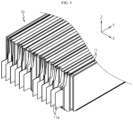
FIG. 4 is a view illustrating a cell stack of the present disclosure. -
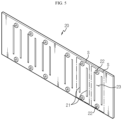
FIG. 5 is a view illustrating a fastening bar frame of the present disclosure. -
FIG. 6 is a view illustrating a state where the cell stack and the fastening bar frame of the present disclosure are coupled. -
FIG. 7 is a view illustrating a fastening bar according to an embodiment of the present disclosure. -
FIG. 8 is a view illustrating a state before a pair of electrode leads passing through a lead insertion slit are wound by using a fastening bar of the present disclosure. -
FIG. 9 is a view illustrating a state after the pair of electrode leads passing through the lead insertion slit are wound by using the fastening bar of the present disclosure. -
FIG. 10 is a view illustrating a coupling structure between the fastening bar and the fastening frame, particularly illustrating a fastening structure according to another embodiment of the present disclosure. - Referring to
FIGS. 3 through 9 , a battery module according to an embodiment of the present disclosure includes acell stack 10, afastening bar frame 20, and afastening bar 30. - The
cell stack 10 includes a plurality ofbattery cells 11 each including a pair of electrode leads 11a. Thebattery cell 11 may be, for example, a pouch-type battery cell, and in this case, a pair of electrode leads 11a having different polarities are drawn out in opposite directions. The plurality ofbattery cells 11 constituting thecell stack 10 are stacked so that afirst electrode lead 11a provided in afirst battery cell 11 and asecond electrode lead 11a provided in asecond battery cell 11 adjacent to thefirst battery cell 11 and drawn out in the same direction as thefirst electrode lead 11a of thefirst battery cell 11 have different polarities. - Such a stacked arrangement of the
cell stack 10 is to connect the plurality ofbattery cells 11 in series. That is, the first electrode lead 11a and thesecond electrode lead 11a having different polarities are electrically connected to each other, so thatadjacent battery cells 11 are connected in series. - The
fastening bar frame 20 has a substantially rectangular plate shape, and is located on one side and the other side in a longitudinal direction (direction parallel to a Y-axis) of thecell stack 10. It is preferable that thefastening bar frame 20 is formed of a non-conductive material. A pair offastening bar frames 20 are provided to connect the plurality ofbattery cells 11 constituting thecell stack 10 in series. - The
fastening bar frame 20 includes at least one lead connection area S, and when a plurality of lead connection areas S are provided, the plurality of lead connection areas S are spaced apart from one another in a longitudinal direction (direction parallel to an X-axis) of thefastening bar frame 20. - Each of the lead connection areas S includes a pair of
lead slits 21 and a pair of first fixedportions 22. The pair oflead slits 21 extend in a width direction (direction parallel to a Z-axis) of thefastening bar frame 20, and are spaced apart from each other in the longitudinal direction (direction parallel to the X-axis) of thefastening bar frame 20. - The
electrode lead 11a passes through thelead slit 21. Thefirst electrode lead 11a of thefirst battery cell 11 is drawn out through any one of the pair oflead slits 21, and thesecond electrode lead 11a of thesecond battery cell 11 is drawn out through the remaining onelead slit 21. The first electrode lead 11a and thesecond electrode lead 11a have different polarities, and are in close contact with each other by thefastening bar 30 described below, to connect adjacentfirst battery cell 11 andsecond battery cell 11 in series. - The pair of first
fixed portions 22 may be provided on both sides in the width direction (direction parallel to the Z-axis) of thefastening bar frame 20, and may protrude from a surface of thefastening bar frame 20. The pair of first fixedportions 22 are respectively located on both sides in an extending direction of thelead slits 21. The first fixedportion 22 may have afirst fastening hole 22a. - The
fastening bar 30 includes aninsertion slit 31 extending in a longitudinal direction (direction parallel to the Z-axis) and a pair of secondfixed portions 32 respectively located on both sides in an extending direction of theinsertion slit 31. Thefastening bar 30 is fastened to thefastening bar frame 20 in a state where the pair of electrode leads 11a passing through the insertion slit 31 are wound. - In detail, in a state where the pair of electrode leads 11a respectively passing through the pair of adjacent lead slits 21 pass through the insertion slit 31 at once, the
fastening bar 30 rotates in a direction marked by an arrow inFIG. 8 or in the opposite direction about a central axis parallel to the longitudinal direction (direction parallel to the Z-axis) to wind the pair of electrode leads 11a. This winding process is performed until a lead assembly including the pair of electrode leads 11a is in close contact with thefastening bar frame 20. Because thefastening bar 30 is fastened to thefastening bar frame 20 in a state where the lead assembly is pressed onto thefastening bar frame 20, the pair of electrode leads 11a may be in close contact with each other, thereby maintaining a stable electrical connection state. That is, because thefastening bar 30 enables the pair of electrode leads 11a to be in close contact with each other by using a winding method, stable electrical connection between the pair of electrode leads 11a may be made even without welding. - The pair of second fixed
portions 32 are respectively provided on both end portions in the longitudinal direction of the fastening bar 30 (direction parallel to the Z-axis), and each second fixedportion 32 is coupled to the first fixedportion 22. The second fixedportion 32 may have asecond fastening hole 32a formed to have a position and a shape corresponding to thefirst fastening hole 22a. In this case, thefastening bar 30 may be fixed to thefastening bar frame 20 by a fixing member B passing through both thefirst fastening hole 22a and thesecond fastening hole 32a. The fixing member B may be a bolt. - As described above, the
fastening bar 30 may be a tool for performing winding to make the pair of electrode leads 11a constituting the lead assembly in close contact with each other, and does not function as an electrical medium for electrically connecting the electrode leads 11a. Accordingly, thefastening bar 30 may be formed of a non-conductive material. - A method of fastening the
fastening bar 30 to thefastening bar frame 20 of the present disclosure may be different from a method of inserting the fixing member B into the first andsecond fastening holes - Referring to
FIG. 10 , thefirst fastening hole 22a may be formed in the first fixedportion 22 of thefastening bar frame 20 as in the above embodiment, and a snap-fit protrusion 32b may be provided on the second fixedportion 32 of thefastening bar 30 unlike in the above embodiment. - The snap-
fit protrusion 32b is formed to have a position and a size corresponding to thefirst fastening hole 22a. In order for the snapfirst protrusion 32 to be inserted into thefirst fastening hole 22a and naturally fixed, a cross-sectional area of an end portion in an extending direction is greater than a cross-sectional area of the remaining portion. Accordingly, the snap-fit protrusion 32b is inserted into thefirst fastening hole 22a by using an interference-fitting method, and then is fixed to thefastening bar frame 20 due to the shape of the end portion having a large cross-sectional area. - According to the battery module according to an embodiment of the present disclosure as described above, electrical connection between the plurality of
battery cells 11 may be made without welding, and a component such as a bus bar formed of a conductive material may be omitted. That is, electrical connection between thebattery cells 11 may be made simply by using a process of winding the pair of electrode leads 11 by using thefastening bar 30 and fixing thefastening bar 30 to thefastening bar frame 20 in a state where the winding is tightly maintained. - A battery pack according to an embodiment of the present disclosure includes at least one battery module according to the present disclosure. Also, a vehicle according to an embodiment of the present disclosure includes at least one battery module according to the present disclosure or at least one battery pack according to an embodiment of the present disclosure.
- The present disclosure has been described in detail. However, it should be understood that the detailed description and specific examples, while indicating preferred embodiments of the present disclosure, are given by way of illustration only, since various changes and modifications within the scope of the present disclosure defined by the appended claims will become apparent to one of ordinary skill in the art from this detailed description.
Claims (12)
- A battery module comprising: a cell stack (10) comprising a plurality of battery cells (11) each comprising a pair of electrode leads; (11a) 5 a fastening bar frame (20) comprising a pair of lead slits through which electrode leads of adjacent battery cells are drawn out; and characterised in that,
a fastening bar (30) comprising an insertion slit through which a pair of electrode leads passing through the pair of adjacent lead slits pass, the fastening bar being coupled to the fastening bar frame. - The battery module of claim 1, wherein
the fastening bar is coupled to the fastening bar frame in a state where the pair of electrode leads passing through the insertion slit are wound. - The battery module of claim 2, wherein
a lead assembly comprising the pair of electrode leads is in close contact with the fastening bar frame by winding using the fastening bar. - The battery module of claim 1, whereinthe fastening bar frame comprises a pair of first fixed portions provided on both sides in a width direction of the fastening bar frame, andthe fastening bar comprises second fixed portions provided on both end portions in a longitudinal direction of the fastening bar and respectively coupled to the pair of first fixed portions.
- The battery module of claim 4, wherein
the pair of first fixed portions are respectively located on both sides in an extending direction of the pair of lead slits. - The battery module of claim 4, wherein
the pair of second fixed portions are respectively located on both sides in an extending direction of the insertion slit. - The battery module of claim 4, wherein
each of the pair of first fixed portions comprises a first fastening hole, and each of the pair of second fixed portions comprises a second fastening hole formed to have a shape and a position corresponding to the first fastening hole. - The battery module of claim 7, wherein
the fastening bar is fixed to the fastening bar frame by a fixing member passing through both the first fastening hole and the second fastening hole. - The battery module of claim 8, wherein
the fixing member is a bolt. - The battery module of claim 4, wherein
each of the pair of first fixed portions comprises a first fastening hole, and each of the pair of second fixed portions comprises a snap-fit protrusion formed to have a position and a shape corresponding to the first fastening hole. - A battery pack comprising the battery module according to any one of claims 1 through 10.
- A vehicle comprising the battery module according to any one of claims 1 through 10.
Applications Claiming Priority (2)
| Application Number | Priority Date | Filing Date | Title |
|---|---|---|---|
| KR1020200090580A KR102861724B1 (en) | 2020-07-21 | 2020-07-21 | Battery module with improved electrode lead connection structure, and battery pack and vehicle comprising the same |
| PCT/KR2021/009286 WO2022019596A1 (en) | 2020-07-21 | 2021-07-19 | Battery module having improved electrode lead connection structure, and battery pack and vehicle including same |
Publications (3)
| Publication Number | Publication Date |
|---|---|
| EP4057437A1 EP4057437A1 (en) | 2022-09-14 |
| EP4057437A4 EP4057437A4 (en) | 2024-07-10 |
| EP4057437B1 true EP4057437B1 (en) | 2025-06-18 |
Family
ID=79729288
Family Applications (1)
| Application Number | Title | Priority Date | Filing Date |
|---|---|---|---|
| EP21846317.2A Active EP4057437B1 (en) | 2020-07-21 | 2021-07-19 | Battery module having improved electrode lead connection structure, and battery pack and vehicle including same |
Country Status (8)
| Country | Link |
|---|---|
| US (1) | US20220393313A1 (en) |
| EP (1) | EP4057437B1 (en) |
| JP (1) | JP7372466B2 (en) |
| KR (1) | KR102861724B1 (en) |
| CN (1) | CN114730969B (en) |
| ES (1) | ES3035458T3 (en) |
| HU (1) | HUE071911T2 (en) |
| WO (1) | WO2022019596A1 (en) |
Families Citing this family (3)
| Publication number | Priority date | Publication date | Assignee | Title |
|---|---|---|---|---|
| JP7594919B2 (en) * | 2021-01-15 | 2024-12-05 | 株式会社Aescジャパン | Battery module and manufacturing method thereof |
| KR20240009718A (en) * | 2022-07-14 | 2024-01-23 | 주식회사 엘지에너지솔루션 | Battery module, battery pack and vehicle including the battery module |
| KR20250172187A (en) * | 2024-05-31 | 2025-12-09 | 주식회사 엘지에너지솔루션 | Battery module and battery pack and vehicle including the same |
Family Cites Families (15)
| Publication number | Priority date | Publication date | Assignee | Title |
|---|---|---|---|---|
| JP2011054338A (en) * | 2009-08-31 | 2011-03-17 | Nissan Motor Co Ltd | Electrode connection structure, and electrode connecting method |
| JP6156727B2 (en) * | 2013-03-27 | 2017-07-05 | 株式会社Gsユアサ | Power storage element and power storage device |
| JP6011876B2 (en) * | 2013-09-13 | 2016-10-19 | 株式会社オートネットワーク技術研究所 | Power storage module |
| KR102381777B1 (en) * | 2015-02-25 | 2022-04-01 | 삼성에스디아이 주식회사 | Battery pack |
| KR102082903B1 (en) * | 2016-02-22 | 2020-02-28 | 주식회사 엘지화학 | Battery module, battery pack comprising the battery module and vehicle comprising the battery pack |
| KR102034208B1 (en) * | 2016-03-03 | 2019-10-18 | 주식회사 엘지화학 | Battery module, battery pack the battery module and vehicle comprising the battery pack |
| KR102617138B1 (en) * | 2016-12-07 | 2023-12-26 | 삼성에스디아이 주식회사 | Battery pack |
| KR102082498B1 (en) * | 2017-04-26 | 2020-02-27 | 주식회사 엘지화학 | Battery module with improved coupling structure between electrode lead and bus bar and Method for manufacturing the same |
| KR102209773B1 (en) * | 2017-05-29 | 2021-01-28 | 주식회사 엘지화학 | Battery Module |
| GB2563427B (en) * | 2017-06-15 | 2020-04-22 | Ge Aviat Systems Ltd | High voltage battery pack and methods of manufacture |
| KR102270266B1 (en) * | 2017-11-30 | 2021-06-28 | 주식회사 엘지에너지솔루션 | Battery Module Having Busbar Assembly |
| KR102259416B1 (en) * | 2017-12-14 | 2021-06-01 | 주식회사 엘지에너지솔루션 | Battery Module Having Bus bar Assembly |
| KR102598811B1 (en) * | 2018-03-06 | 2023-11-03 | 에스케이온 주식회사 | Battery module and its manufacturing method |
| KR102514123B1 (en) * | 2018-04-19 | 2023-03-23 | 주식회사 엘지에너지솔루션 | A battery module having a bus bar assembly structure that can facilitate welding |
| KR102170684B1 (en) | 2019-01-21 | 2020-10-27 | (주)한컴인터프리 | System for interpreting and translating using smart clothes |
-
2020
- 2020-07-21 KR KR1020200090580A patent/KR102861724B1/en active Active
-
2021
- 2021-07-19 HU HUE21846317A patent/HUE071911T2/en unknown
- 2021-07-19 EP EP21846317.2A patent/EP4057437B1/en active Active
- 2021-07-19 CN CN202180006418.1A patent/CN114730969B/en active Active
- 2021-07-19 JP JP2022524681A patent/JP7372466B2/en active Active
- 2021-07-19 WO PCT/KR2021/009286 patent/WO2022019596A1/en not_active Ceased
- 2021-07-19 US US17/775,110 patent/US20220393313A1/en active Pending
- 2021-07-19 ES ES21846317T patent/ES3035458T3/en active Active
Also Published As
| Publication number | Publication date |
|---|---|
| EP4057437A4 (en) | 2024-07-10 |
| CN114730969B (en) | 2024-09-20 |
| KR20220011529A (en) | 2022-01-28 |
| JP2022553999A (en) | 2022-12-27 |
| HUE071911T2 (en) | 2025-10-28 |
| US20220393313A1 (en) | 2022-12-08 |
| JP7372466B2 (en) | 2023-10-31 |
| EP4057437A1 (en) | 2022-09-14 |
| WO2022019596A1 (en) | 2022-01-27 |
| ES3035458T3 (en) | 2025-09-03 |
| KR102861724B1 (en) | 2025-09-17 |
| CN114730969A (en) | 2022-07-08 |
Similar Documents
| Publication | Publication Date | Title |
|---|---|---|
| EP4057437B1 (en) | Battery module having improved electrode lead connection structure, and battery pack and vehicle including same | |
| EP3686956B1 (en) | Battery module having bus bar, and battery pack | |
| US8597378B2 (en) | Reversible battery assembly and tooling for automated high volume production | |
| US11923564B2 (en) | Method for producing battery module | |
| US10608227B2 (en) | Electricity storage module | |
| KR20210103340A (en) | Secondary battery improved collecting structure | |
| US20180114960A1 (en) | Battery pack | |
| EP2887427A1 (en) | Battery module with bus-bar holder | |
| JPH09213299A (en) | Storage structure of storage battery | |
| CN110100329A (en) | Busbar, power storage module and interconnection module | |
| JP2013536979A (en) | Battery having cell tab connection structure by resistance welding | |
| CN109155385A (en) | Busbar assembly structure and battery module | |
| KR102880591B1 (en) | Battery module | |
| JP2011253779A (en) | Battery pack | |
| US20230134549A1 (en) | Battery module having improved electrode lead connection structure, and battery pack and vehicle including same | |
| KR100983011B1 (en) | Electrical Connecting Member for Battery Cell Based on Physical Contact Manner | |
| US20220094003A1 (en) | Battery module assembly | |
| EP3631877B1 (en) | Energy storage module and method for the assembly thereof | |
| KR101822879B1 (en) | Secondary battery module | |
| EP4576404A1 (en) | Battery pack | |
| EP4315493B1 (en) | Battery module having a laminated busbar assembly | |
| EP4096006A1 (en) | Battery module having venting hole terminal, and battery pack and vehicle including same | |
| JPWO2019004296A1 (en) | Battery module and method for manufacturing battery module | |
| EP4109663A1 (en) | Battery module comprising busbar having threaded portion | |
| CN220830008U (en) | Sampling member and battery |
Legal Events
| Date | Code | Title | Description |
|---|---|---|---|
| STAA | Information on the status of an ep patent application or granted ep patent |
Free format text: STATUS: THE INTERNATIONAL PUBLICATION HAS BEEN MADE |
|
| PUAI | Public reference made under article 153(3) epc to a published international application that has entered the european phase |
Free format text: ORIGINAL CODE: 0009012 |
|
| STAA | Information on the status of an ep patent application or granted ep patent |
Free format text: STATUS: REQUEST FOR EXAMINATION WAS MADE |
|
| 17P | Request for examination filed |
Effective date: 20220609 |
|
| AK | Designated contracting states |
Kind code of ref document: A1 Designated state(s): AL AT BE BG CH CY CZ DE DK EE ES FI FR GB GR HR HU IE IS IT LI LT LU LV MC MK MT NL NO PL PT RO RS SE SI SK SM TR |
|
| DAV | Request for validation of the european patent (deleted) | ||
| DAX | Request for extension of the european patent (deleted) | ||
| A4 | Supplementary search report drawn up and despatched |
Effective date: 20240611 |
|
| RIC1 | Information provided on ipc code assigned before grant |
Ipc: H01R 25/16 20060101ALI20240605BHEP Ipc: H01M 50/20 20210101ALI20240605BHEP Ipc: H01M 50/502 20210101AFI20240605BHEP |
|
| GRAP | Despatch of communication of intention to grant a patent |
Free format text: ORIGINAL CODE: EPIDOSNIGR1 |
|
| STAA | Information on the status of an ep patent application or granted ep patent |
Free format text: STATUS: GRANT OF PATENT IS INTENDED |
|
| INTG | Intention to grant announced |
Effective date: 20241112 |
|
| GRAJ | Information related to disapproval of communication of intention to grant by the applicant or resumption of examination proceedings by the epo deleted |
Free format text: ORIGINAL CODE: EPIDOSDIGR1 |
|
| STAA | Information on the status of an ep patent application or granted ep patent |
Free format text: STATUS: REQUEST FOR EXAMINATION WAS MADE |
|
| GRAP | Despatch of communication of intention to grant a patent |
Free format text: ORIGINAL CODE: EPIDOSNIGR1 |
|
| STAA | Information on the status of an ep patent application or granted ep patent |
Free format text: STATUS: GRANT OF PATENT IS INTENDED |
|
| INTC | Intention to grant announced (deleted) | ||
| P01 | Opt-out of the competence of the unified patent court (upc) registered |
Free format text: CASE NUMBER: APP_482/2025 Effective date: 20250107 |
|
| INTG | Intention to grant announced |
Effective date: 20250203 |
|
| GRAS | Grant fee paid |
Free format text: ORIGINAL CODE: EPIDOSNIGR3 |
|
| GRAA | (expected) grant |
Free format text: ORIGINAL CODE: 0009210 |
|
| STAA | Information on the status of an ep patent application or granted ep patent |
Free format text: STATUS: THE PATENT HAS BEEN GRANTED |
|
| AK | Designated contracting states |
Kind code of ref document: B1 Designated state(s): AL AT BE BG CH CY CZ DE DK EE ES FI FR GB GR HR HU IE IS IT LI LT LU LV MC MK MT NL NO PL PT RO RS SE SI SK SM TR |
|
| REG | Reference to a national code |
Ref country code: GB Ref legal event code: FG4D |
|
| REG | Reference to a national code |
Ref country code: CH Ref legal event code: EP |
|
| PGFP | Annual fee paid to national office [announced via postgrant information from national office to epo] |
Ref country code: GB Payment date: 20250624 Year of fee payment: 5 |
|
| REG | Reference to a national code |
Ref country code: DE Ref legal event code: R096 Ref document number: 602021032583 Country of ref document: DE |
|
| PGFP | Annual fee paid to national office [announced via postgrant information from national office to epo] |
Ref country code: BE Payment date: 20250623 Year of fee payment: 5 |
|
| REG | Reference to a national code |
Ref country code: CH Ref legal event code: EP |
|
| REG | Reference to a national code |
Ref country code: IE Ref legal event code: FG4D |
|
| PGFP | Annual fee paid to national office [announced via postgrant information from national office to epo] |
Ref country code: FR Payment date: 20250624 Year of fee payment: 5 |
|
| REG | Reference to a national code |
Ref country code: ES Ref legal event code: FG2A Ref document number: 3035458 Country of ref document: ES Kind code of ref document: T3 Effective date: 20250903 |
|
| PG25 | Lapsed in a contracting state [announced via postgrant information from national office to epo] |
Ref country code: FI Free format text: LAPSE BECAUSE OF FAILURE TO SUBMIT A TRANSLATION OF THE DESCRIPTION OR TO PAY THE FEE WITHIN THE PRESCRIBED TIME-LIMIT Effective date: 20250618 |
|
| PGFP | Annual fee paid to national office [announced via postgrant information from national office to epo] |
Ref country code: ES Payment date: 20250822 Year of fee payment: 5 |
|
| PGFP | Annual fee paid to national office [announced via postgrant information from national office to epo] |
Ref country code: DE Payment date: 20250624 Year of fee payment: 5 |
|
| REG | Reference to a national code |
Ref country code: LT Ref legal event code: MG9D |
|
| PG25 | Lapsed in a contracting state [announced via postgrant information from national office to epo] |
Ref country code: NO Free format text: LAPSE BECAUSE OF FAILURE TO SUBMIT A TRANSLATION OF THE DESCRIPTION OR TO PAY THE FEE WITHIN THE PRESCRIBED TIME-LIMIT Effective date: 20250918 Ref country code: GR Free format text: LAPSE BECAUSE OF FAILURE TO SUBMIT A TRANSLATION OF THE DESCRIPTION OR TO PAY THE FEE WITHIN THE PRESCRIBED TIME-LIMIT Effective date: 20250919 |
|
| PG25 | Lapsed in a contracting state [announced via postgrant information from national office to epo] |
Ref country code: BG Free format text: LAPSE BECAUSE OF FAILURE TO SUBMIT A TRANSLATION OF THE DESCRIPTION OR TO PAY THE FEE WITHIN THE PRESCRIBED TIME-LIMIT Effective date: 20250618 |
|
| PGFP | Annual fee paid to national office [announced via postgrant information from national office to epo] |
Ref country code: HU Payment date: 20250929 Year of fee payment: 5 |
|
| PG25 | Lapsed in a contracting state [announced via postgrant information from national office to epo] |
Ref country code: HR Free format text: LAPSE BECAUSE OF FAILURE TO SUBMIT A TRANSLATION OF THE DESCRIPTION OR TO PAY THE FEE WITHIN THE PRESCRIBED TIME-LIMIT Effective date: 20250618 |
|
| PGFP | Annual fee paid to national office [announced via postgrant information from national office to epo] |
Ref country code: AT Payment date: 20251020 Year of fee payment: 5 |
|
| PG25 | Lapsed in a contracting state [announced via postgrant information from national office to epo] |
Ref country code: RS Free format text: LAPSE BECAUSE OF FAILURE TO SUBMIT A TRANSLATION OF THE DESCRIPTION OR TO PAY THE FEE WITHIN THE PRESCRIBED TIME-LIMIT Effective date: 20250918 |
|
| REG | Reference to a national code |
Ref country code: NL Ref legal event code: MP Effective date: 20250618 |
|
| REG | Reference to a national code |
Ref country code: HU Ref legal event code: AG4A Ref document number: E071911 Country of ref document: HU |
|
| PG25 | Lapsed in a contracting state [announced via postgrant information from national office to epo] |
Ref country code: LV Free format text: LAPSE BECAUSE OF FAILURE TO SUBMIT A TRANSLATION OF THE DESCRIPTION OR TO PAY THE FEE WITHIN THE PRESCRIBED TIME-LIMIT Effective date: 20250618 |
|
| PG25 | Lapsed in a contracting state [announced via postgrant information from national office to epo] |
Ref country code: NL Free format text: LAPSE BECAUSE OF FAILURE TO SUBMIT A TRANSLATION OF THE DESCRIPTION OR TO PAY THE FEE WITHIN THE PRESCRIBED TIME-LIMIT Effective date: 20250618 |
|
| PG25 | Lapsed in a contracting state [announced via postgrant information from national office to epo] |
Ref country code: PT Free format text: LAPSE BECAUSE OF FAILURE TO SUBMIT A TRANSLATION OF THE DESCRIPTION OR TO PAY THE FEE WITHIN THE PRESCRIBED TIME-LIMIT Effective date: 20251020 |
|
| REG | Reference to a national code |
Ref country code: AT Ref legal event code: MK05 Ref document number: 1805099 Country of ref document: AT Kind code of ref document: T Effective date: 20250618 |
|
| PG25 | Lapsed in a contracting state [announced via postgrant information from national office to epo] |
Ref country code: IS Free format text: LAPSE BECAUSE OF FAILURE TO SUBMIT A TRANSLATION OF THE DESCRIPTION OR TO PAY THE FEE WITHIN THE PRESCRIBED TIME-LIMIT Effective date: 20251018 |
|
| PG25 | Lapsed in a contracting state [announced via postgrant information from national office to epo] |
Ref country code: SM Free format text: LAPSE BECAUSE OF FAILURE TO SUBMIT A TRANSLATION OF THE DESCRIPTION OR TO PAY THE FEE WITHIN THE PRESCRIBED TIME-LIMIT Effective date: 20250618 Ref country code: AT Free format text: LAPSE BECAUSE OF FAILURE TO SUBMIT A TRANSLATION OF THE DESCRIPTION OR TO PAY THE FEE WITHIN THE PRESCRIBED TIME-LIMIT Effective date: 20250618 |
|
| PG25 | Lapsed in a contracting state [announced via postgrant information from national office to epo] |
Ref country code: CZ Free format text: LAPSE BECAUSE OF FAILURE TO SUBMIT A TRANSLATION OF THE DESCRIPTION OR TO PAY THE FEE WITHIN THE PRESCRIBED TIME-LIMIT Effective date: 20250618 |
|
| PG25 | Lapsed in a contracting state [announced via postgrant information from national office to epo] |
Ref country code: PL Free format text: LAPSE BECAUSE OF FAILURE TO SUBMIT A TRANSLATION OF THE DESCRIPTION OR TO PAY THE FEE WITHIN THE PRESCRIBED TIME-LIMIT Effective date: 20250618 |
|
| PG25 | Lapsed in a contracting state [announced via postgrant information from national office to epo] |
Ref country code: EE Free format text: LAPSE BECAUSE OF FAILURE TO SUBMIT A TRANSLATION OF THE DESCRIPTION OR TO PAY THE FEE WITHIN THE PRESCRIBED TIME-LIMIT Effective date: 20250618 |
|
| PG25 | Lapsed in a contracting state [announced via postgrant information from national office to epo] |
Ref country code: SK Free format text: LAPSE BECAUSE OF FAILURE TO SUBMIT A TRANSLATION OF THE DESCRIPTION OR TO PAY THE FEE WITHIN THE PRESCRIBED TIME-LIMIT Effective date: 20250618 |
|
| REG | Reference to a national code |
Ref country code: CH Ref legal event code: H13 Free format text: ST27 STATUS EVENT CODE: U-0-0-H10-H13 (AS PROVIDED BY THE NATIONAL OFFICE) Effective date: 20260224 |
|
| PG25 | Lapsed in a contracting state [announced via postgrant information from national office to epo] |
Ref country code: LU Free format text: LAPSE BECAUSE OF NON-PAYMENT OF DUE FEES Effective date: 20250719 Ref country code: RO Free format text: LAPSE BECAUSE OF FAILURE TO SUBMIT A TRANSLATION OF THE DESCRIPTION OR TO PAY THE FEE WITHIN THE PRESCRIBED TIME-LIMIT Effective date: 20250618 |
|
| PG25 | Lapsed in a contracting state [announced via postgrant information from national office to epo] |
Ref country code: MC Free format text: LAPSE BECAUSE OF FAILURE TO SUBMIT A TRANSLATION OF THE DESCRIPTION OR TO PAY THE FEE WITHIN THE PRESCRIBED TIME-LIMIT Effective date: 20250618 |
|
| PG25 | Lapsed in a contracting state [announced via postgrant information from national office to epo] |
Ref country code: DK Free format text: LAPSE BECAUSE OF FAILURE TO SUBMIT A TRANSLATION OF THE DESCRIPTION OR TO PAY THE FEE WITHIN THE PRESCRIBED TIME-LIMIT Effective date: 20250618 |
|
| PG25 | Lapsed in a contracting state [announced via postgrant information from national office to epo] |
Ref country code: IT Free format text: LAPSE BECAUSE OF FAILURE TO SUBMIT A TRANSLATION OF THE DESCRIPTION OR TO PAY THE FEE WITHIN THE PRESCRIBED TIME-LIMIT Effective date: 20250618 |
|
| PG25 | Lapsed in a contracting state [announced via postgrant information from national office to epo] |
Ref country code: CH Free format text: LAPSE BECAUSE OF NON-PAYMENT OF DUE FEES Effective date: 20250731 |
|
| PLBE | No opposition filed within time limit |
Free format text: ORIGINAL CODE: 0009261 |
|
| STAA | Information on the status of an ep patent application or granted ep patent |
Free format text: STATUS: NO OPPOSITION FILED WITHIN TIME LIMIT |
|
| REG | Reference to a national code |
Ref country code: CH Ref legal event code: L10 Free format text: ST27 STATUS EVENT CODE: U-0-0-L10-L00 (AS PROVIDED BY THE NATIONAL OFFICE) Effective date: 20260430 |