EP4053961B1 - Intelligente batterievorrichtung und verfahren zu deren betrieb - Google Patents
Intelligente batterievorrichtung und verfahren zu deren betrieb Download PDFInfo
- Publication number
- EP4053961B1 EP4053961B1 EP21172193.1A EP21172193A EP4053961B1 EP 4053961 B1 EP4053961 B1 EP 4053961B1 EP 21172193 A EP21172193 A EP 21172193A EP 4053961 B1 EP4053961 B1 EP 4053961B1
- Authority
- EP
- European Patent Office
- Prior art keywords
- temperature
- predetermined
- rate
- processing unit
- temperature signal
- Prior art date
- Legal status (The legal status is an assumption and is not a legal conclusion. Google has not performed a legal analysis and makes no representation as to the accuracy of the status listed.)
- Active
Links
Images




Classifications
-
- H—ELECTRICITY
- H02—GENERATION; CONVERSION OR DISTRIBUTION OF ELECTRIC POWER
- H02J—ELECTRIC POWER NETWORKS; CIRCUIT ARRANGEMENTS OR SYSTEMS FOR SUPPLYING OR DISTRIBUTING ELECTRIC POWER; SYSTEMS FOR STORING ELECTRIC ENERGY
- H02J7/00—Circuit arrangements for charging or discharging batteries or for supplying loads from batteries
- H02J7/80—Circuit arrangements for charging or discharging batteries or for supplying loads from batteries including monitoring or indicating arrangements
-
- H—ELECTRICITY
- H02—GENERATION; CONVERSION OR DISTRIBUTION OF ELECTRIC POWER
- H02J—ELECTRIC POWER NETWORKS; CIRCUIT ARRANGEMENTS OR SYSTEMS FOR SUPPLYING OR DISTRIBUTING ELECTRIC POWER; SYSTEMS FOR STORING ELECTRIC ENERGY
- H02J7/00—Circuit arrangements for charging or discharging batteries or for supplying loads from batteries
- H02J7/90—Regulation of charging or discharging current or voltage
- H02J7/971—Regulation of charging or discharging current or voltage the charge cycle being controlled or terminated in response to non-electric parameters
- H02J7/975—Regulation of charging or discharging current or voltage the charge cycle being controlled or terminated in response to non-electric parameters in response to temperature
- H02J7/977—Regulation of charging or discharging current or voltage the charge cycle being controlled or terminated in response to non-electric parameters in response to temperature of the battery
-
- H—ELECTRICITY
- H01—ELECTRIC ELEMENTS
- H01M—PROCESSES OR MEANS, e.g. BATTERIES, FOR THE DIRECT CONVERSION OF CHEMICAL ENERGY INTO ELECTRICAL ENERGY
- H01M10/00—Secondary cells; Manufacture thereof
- H01M10/42—Methods or arrangements for servicing or maintenance of secondary cells or secondary half-cells
- H01M10/425—Structural combination with electronic components, e.g. electronic circuits integrated to the outside of the casing
-
- H—ELECTRICITY
- H01—ELECTRIC ELEMENTS
- H01M—PROCESSES OR MEANS, e.g. BATTERIES, FOR THE DIRECT CONVERSION OF CHEMICAL ENERGY INTO ELECTRICAL ENERGY
- H01M10/00—Secondary cells; Manufacture thereof
- H01M10/42—Methods or arrangements for servicing or maintenance of secondary cells or secondary half-cells
- H01M10/425—Structural combination with electronic components, e.g. electronic circuits integrated to the outside of the casing
- H01M10/4257—Smart batteries, e.g. electronic circuits inside the housing of the cells or batteries
-
- H—ELECTRICITY
- H01—ELECTRIC ELEMENTS
- H01M—PROCESSES OR MEANS, e.g. BATTERIES, FOR THE DIRECT CONVERSION OF CHEMICAL ENERGY INTO ELECTRICAL ENERGY
- H01M10/00—Secondary cells; Manufacture thereof
- H01M10/42—Methods or arrangements for servicing or maintenance of secondary cells or secondary half-cells
- H01M10/44—Methods for charging or discharging
-
- H—ELECTRICITY
- H01—ELECTRIC ELEMENTS
- H01M—PROCESSES OR MEANS, e.g. BATTERIES, FOR THE DIRECT CONVERSION OF CHEMICAL ENERGY INTO ELECTRICAL ENERGY
- H01M10/00—Secondary cells; Manufacture thereof
- H01M10/42—Methods or arrangements for servicing or maintenance of secondary cells or secondary half-cells
- H01M10/44—Methods for charging or discharging
- H01M10/443—Methods for charging or discharging in response to temperature
-
- H—ELECTRICITY
- H01—ELECTRIC ELEMENTS
- H01M—PROCESSES OR MEANS, e.g. BATTERIES, FOR THE DIRECT CONVERSION OF CHEMICAL ENERGY INTO ELECTRICAL ENERGY
- H01M10/00—Secondary cells; Manufacture thereof
- H01M10/42—Methods or arrangements for servicing or maintenance of secondary cells or secondary half-cells
- H01M10/46—Accumulators structurally combined with charging apparatus
-
- H—ELECTRICITY
- H01—ELECTRIC ELEMENTS
- H01M—PROCESSES OR MEANS, e.g. BATTERIES, FOR THE DIRECT CONVERSION OF CHEMICAL ENERGY INTO ELECTRICAL ENERGY
- H01M10/00—Secondary cells; Manufacture thereof
- H01M10/42—Methods or arrangements for servicing or maintenance of secondary cells or secondary half-cells
- H01M10/48—Accumulators combined with arrangements for measuring, testing or indicating the condition of cells, e.g. the level or density of the electrolyte
- H01M10/486—Accumulators combined with arrangements for measuring, testing or indicating the condition of cells, e.g. the level or density of the electrolyte for measuring temperature
-
- H—ELECTRICITY
- H02—GENERATION; CONVERSION OR DISTRIBUTION OF ELECTRIC POWER
- H02J—ELECTRIC POWER NETWORKS; CIRCUIT ARRANGEMENTS OR SYSTEMS FOR SUPPLYING OR DISTRIBUTING ELECTRIC POWER; SYSTEMS FOR STORING ELECTRIC ENERGY
- H02J7/00—Circuit arrangements for charging or discharging batteries or for supplying loads from batteries
- H02J7/60—Circuit arrangements for charging or discharging batteries or for supplying loads from batteries including safety or protection arrangements
- H02J7/65—Circuit arrangements for charging or discharging batteries or for supplying loads from batteries including safety or protection arrangements against overtemperature
-
- H—ELECTRICITY
- H02—GENERATION; CONVERSION OR DISTRIBUTION OF ELECTRIC POWER
- H02J—ELECTRIC POWER NETWORKS; CIRCUIT ARRANGEMENTS OR SYSTEMS FOR SUPPLYING OR DISTRIBUTING ELECTRIC POWER; SYSTEMS FOR STORING ELECTRIC ENERGY
- H02J7/00—Circuit arrangements for charging or discharging batteries or for supplying loads from batteries
- H02J7/80—Circuit arrangements for charging or discharging batteries or for supplying loads from batteries including monitoring or indicating arrangements
- H02J7/82—Control of state of charge [SOC]
- H02J7/825—Detection of fully charged condition
-
- H—ELECTRICITY
- H02—GENERATION; CONVERSION OR DISTRIBUTION OF ELECTRIC POWER
- H02J—ELECTRIC POWER NETWORKS; CIRCUIT ARRANGEMENTS OR SYSTEMS FOR SUPPLYING OR DISTRIBUTING ELECTRIC POWER; SYSTEMS FOR STORING ELECTRIC ENERGY
- H02J7/00—Circuit arrangements for charging or discharging batteries or for supplying loads from batteries
- H02J7/90—Regulation of charging or discharging current or voltage
- H02J7/94—Regulation of charging or discharging current or voltage in response to battery current
-
- H—ELECTRICITY
- H01—ELECTRIC ELEMENTS
- H01M—PROCESSES OR MEANS, e.g. BATTERIES, FOR THE DIRECT CONVERSION OF CHEMICAL ENERGY INTO ELECTRICAL ENERGY
- H01M10/00—Secondary cells; Manufacture thereof
- H01M10/42—Methods or arrangements for servicing or maintenance of secondary cells or secondary half-cells
- H01M10/425—Structural combination with electronic components, e.g. electronic circuits integrated to the outside of the casing
- H01M2010/4271—Battery management systems including electronic circuits, e.g. control of current or voltage to keep battery in healthy state, cell balancing
-
- Y—GENERAL TAGGING OF NEW TECHNOLOGICAL DEVELOPMENTS; GENERAL TAGGING OF CROSS-SECTIONAL TECHNOLOGIES SPANNING OVER SEVERAL SECTIONS OF THE IPC; TECHNICAL SUBJECTS COVERED BY FORMER USPC CROSS-REFERENCE ART COLLECTIONS [XRACs] AND DIGESTS
- Y02—TECHNOLOGIES OR APPLICATIONS FOR MITIGATION OR ADAPTATION AGAINST CLIMATE CHANGE
- Y02E—REDUCTION OF GREENHOUSE GAS [GHG] EMISSIONS, RELATED TO ENERGY GENERATION, TRANSMISSION OR DISTRIBUTION
- Y02E60/00—Enabling technologies; Technologies with a potential or indirect contribution to GHG emissions mitigation
- Y02E60/10—Energy storage using batteries
-
- Y—GENERAL TAGGING OF NEW TECHNOLOGICAL DEVELOPMENTS; GENERAL TAGGING OF CROSS-SECTIONAL TECHNOLOGIES SPANNING OVER SEVERAL SECTIONS OF THE IPC; TECHNICAL SUBJECTS COVERED BY FORMER USPC CROSS-REFERENCE ART COLLECTIONS [XRACs] AND DIGESTS
- Y10—TECHNICAL SUBJECTS COVERED BY FORMER USPC
- Y10S—TECHNICAL SUBJECTS COVERED BY FORMER USPC CROSS-REFERENCE ART COLLECTIONS [XRACs] AND DIGESTS
- Y10S320/00—Electricity: battery or capacitor charging or discharging
- Y10S320/18—Indicator or display
- Y10S320/21—State of charge of battery
Definitions
- the present invention relates to a battery device, and in particular it relates to a smart battery device and an operation method thereof.
- Battery devices can provide electrical energy. Therefore, battery devices are commonly found in various electronic devices. In recent years, lifespan, performance, and safety of battery devices are a concern, and manufacturers hope to be able to provide products that perform extremely well. However, the operating temperature and charging/discharging current of the battery devices may affect the lifespan, performance and safety of the battery devices. Therefore, how to increase and manage the lifespan, performance and safety of the battery devices has become a focus for technical improvements by various manufacturers.
- EP 1 328 055 B1 forming the basis for the preambles of claims 1 and 6, describes a system for controlling the charging of a secondary battery, which is capable of keeping an initial charging/discharging characteristic of the battery in consideration of a change in environmental temperature and deterioration of the battery with elapsed time.
- An embodiment of the present invention provides a smart battery device and an operation method thereof, thereby increasing lifespan, performance and safety of a battery unit.
- An embodiment of the present invention provides a smart battery device, which includes a battery unit, a temperature-sensing unit and a processing unit.
- the temperature-sensing unit is configured to sense the ambient temperature to generate a temperature signal.
- the processing unit is coupled to the battery unit and the temperature-sensing unit. In a charging mode, the processing unit is configured to receive the temperature signal and obtain the power capacity of the battery unit, set a full capacity according to the temperature signal, and generate an indication flag when the power capacity of the battery unit reaches the full capacity, wherein the indication flag is used to indicate that the battery unit is in a fully charged state.
- An embodiment of the present invention provides an operation method of a smart battery device, which includes the following steps.
- An ambient temperature is sensed to generate a temperature signal.
- the temperature signal is received and the power capacity of a battery unit is obtained.
- a full capacity is set according to the temperature signal, and an indication flag is generated when the power capacity of the battery unit reaches the full capacity, wherein the indication flag is used to indicate that the battery unit is in a fully charged state.
- the temperature-sensing unit senses the ambient temperature to generate the temperature signal.
- the processing unit In the charging mode, the processing unit generates an indication flag according to the temperature signal and the power capacity of the battery unit, wherein the indication flag is used to indicate that the battery unit is in the fully charged state. Therefore, the smart battery device may be effectively managed, so as to increase lifespan, performance and safety of the battery unit.
- FIG. 1 is a schematic view of a smart battery device according an embodiment of the present invention. Please refer to FIG. 1 .
- the smart battery device 100 may be configured to store an electrical power, and provide the stored electrical power to a power receiving device (not shown) connected thereto.
- the power receiving device may be various electronic devices or electronic vehicles that need to be actuated with the electrical power, but the embodiment of the present invention is not limited thereto.
- the smart battery device 100 includes a battery unit 110, a temperature-sensing unit 120, a processing unit 130, a discharging switch 140 and a charging unit 150.
- the temperature-sensing unit 120 senses the ambient temperature to generate a temperature signal.
- the temperature-sensing unit 120 may be implemented by a positive temperature coefficient (PTC) thermistor, a negative temperature coefficient (NTC) thermistor, a temperature-sensing chip or nay other suitable temperature-sensing element.
- PTC positive temperature coefficient
- NTC negative temperature coefficient
- the processing unit 130 is coupled to the battery unit 110 and the temperature-sensing unit 120.
- the processing unit 130 may be implemented by a system on a chip (SoC), a central processing unit (CPU), a micro controller unit (MCU), an application specific integrated circuit (ASIC), an application processor (AP) or a digital signal processor (DSP), but the embodiment of the present invention is not limited thereto.
- SoC system on a chip
- CPU central processing unit
- MCU micro controller unit
- ASIC application specific integrated circuit
- AP application processor
- DSP digital signal processor
- the discharging switch 140 is coupled to the battery unit 110 and the processing unit 130.
- the processing unit 130 controls the discharging switch 140, such that the smart battery device 100 may enter to a discharging mode to provide the electrical power of the battery unit 100 to the power receiving device, for example.
- the charging switch 150 is coupled to the processing unit 130 and a battery positive terminal BATT+ of the smart battery device 100.
- the processing unit 130 controls the charging switch 150, such that the smart battery device 100 may enter to a charging mode, so as to charge the battery unit 110 through a charging current provided by an external power (not shown), for example.
- the discharging switch 140 and the charging switch 150 may be implemented by a field-effect transistor (FET), but the embodiment of the present invention is not limited thereto.
- FET field-effect transistor
- the processing unit 130 may detect whether an external power exists. When the processing unit 130 detects that the external power exists, indicates that the smart battery device 100 may enter a charging mode, such that the processing unit 130 may control the charging switch 150 to charge the battery unit 110. Then, in the charging mode, the processing unit 130 receives the temperature signal and obtains the power capacity of the battery unit 110, sets a full capacity according to the temperature signal, and generates an indication flag when the power capacity of the battery unit 110 reaches full capacity, wherein the indication flag is used to indicate that the battery unit is in a fully charged state. That is, the processing unit 130 may set different full capacities of the battery unit 110 according to different temperatures. Therefore, the lifespan and safety of the battery may be effectively increased.
- the processing unit 130 may determine whether the temperature of the temperature signal is lower than a first predetermined temperature.
- the first predetermined temperature is, for example, 0 degree, but the embodiment of the present invention is not limited thereto.
- the processing unit 130 may control the smart battery device 100 to enter a protection mode. For example, the processing unit 130 may control the charging switch 150 to be turned off, so as to turn off a function of charging the battery unit 110.
- the processing unit 130 may determine whether the temperature of the temperature signal is lower than a second determined temperature.
- the second predetermined temperature is, for example, higher than the first predetermined temperature.
- the second predetermined temperature is, for example, 25 degrees, but the embodiment of the present invention is not limited thereto.
- the processing unit 130 may set the full capacity to a first predetermined value and generate the indication flag when the power capacity of the battery unit 110 reaches the first predetermined value.
- the first predetermined value is, for example, 100%, but the embodiment of the present invention is not limited thereto. That is, when the temperature is between 0 degree and 25 degrees and the power capacity of the battery unit 110 reaches the first predetermined value, the processing unit 130 generates, for example, an indication flag with a high logic level "1" to indicate that the battery unit 110 is in the fully charged state (such as 100%). Then, the indication flag with the high logic level "1" may be provided to the power receiving device, such that the power receiving device may display that the battery unit 110 is in the fully charged state (i.e. 100%).
- the processing unit 130 may determine whether the temperature of the temperature signal is lower than a third predetermined temperature.
- the third predetermined temperature is, for example, higher than the second predetermined temperature.
- the third predetermined temperature is, for example, 45 degrees, but the embodiment of the present invention is not limited thereto.
- the processing unit 130 may set the full capacity to a second predetermined value and generate the indication flag when the power capacity of the battery unit 110 reaches the second predetermined value.
- the second predetermined value is, for example, lower than the first predetermined value.
- the second predetermined value is, for example, 95%, but the embodiment of the present invention is not limited thereto.
- the processing unit 130 when the temperature is between 25 degrees and 45 degrees and the power capacity of the battery unit 110 reaches the second predetermined value (such as 95%), the processing unit 130 generates, for example, the indication flag with the high logic level "1" to indicate that the battery unit 110 is in the fully charged state (such as 100%). Then, the indication flag with the high logic level "1" may be provided to the power receiving device, such that the power receiving device may display that the battery unit 110 is in the fully charged state (i.e. 100%).
- the processing unit 130 may determine whether the temperature of the temperature signal is lower than a fourth predetermined temperature.
- the fourth predetermined temperature is, for example, higher than the third predetermined temperature.
- the fourth predetermined temperature is, for example, 60 degrees, but the embodiment of the present invention is not limited thereto.
- the processing unit 130 may set the full capacity to a third predetermined value and generate the indication flag when the power capacity of the battery unit 110 reaches the third predetermined value.
- the third predetermined value is, for example, lower than the second predetermined value.
- the third predetermined value is, for example, 90%, but the embodiment of the present invention is not limited thereto.
- the processing unit 130 when the temperature is between 45 degrees and 60 degrees and the power capacity of the battery unit 110 reaches the third predetermined value (such as 90%), the processing unit 130 generates, for example, the indication flag with the high logic level 1 to indicate that the battery unit 110 is in the fully charged state (such as 100%). Then, the indication flag with the high logic level "1" may be provided to the power receiving device, such that the power receiving device may display that the battery unit 110 is in the fully charged state (i.e. 100%).
- the processing unit 130 may control the smart battery device 100 to enter the protection mode. For example, the processing unit 130 may control the charging switch 150 to be turned off, so as to turn off the function of charging the battery unit 110.
- the processing unit 130 may clear the indication flag, and provide the current power capacity of the battery unit 110 to the power receiving device, such that the power receiving device displays the current power capacity of the battery unit 110.
- the processing unit 130 When the processing unit 130 detects that the external power does not exist, it indicates that the smart battery device 100 may enter a discharging mode, such that the processing unit 130 may control the discharging switch 140 to discharge the battery unit 110. Then, in the discharging mode, the processing unit 130 may receive the temperature signal and the discharging current, and generate an adjustment indication according to the temperature signal or the C-rate of the discharging current, wherein the adjustment indication is used to indicate the power receiving device to adjust an operation. Afterward, the processing unit 130 may transmit the adjustment indication to the power receiving device through a transmission interface 131.
- transmission interface 131 is, for example, a system management bus (SMbus).
- SMbus system management bus
- the processing unit 130 may provide different adjustment indications to the power receiving device according to the different temperatures or the different C-rates of the discharging current, such that the power receiving device adjusts the power consumption of the internal components thereof (for example, adjusting the frequency of a processing device (such as CPU) of the power receiving device). Therefore, lifespan and safety of the battery may be effectively increased.
- the processing unit 130 may determine whether the temperature of the temperature signal is lower than the first predetermined temperature.
- the first predetermined temperature is for example, -20 degrees, but the embodiment of the present invention is not limited thereto.
- the processing unit 130 may control the smart battery device 100 to enter a protection mode. For example, the processing unit 130 may control the discharging switch 140 to be turned off, so as to turn off a function of discharging the battery unit 110.
- the processing unit 130 may determine whether the temperature of the temperature signal is lower than a second determined temperature.
- the second predetermined temperature is, for example, higher than the first predetermined temperature.
- the second predetermined temperature is, for example, 45 degrees, but the embodiment of the present invention is not limited thereto.
- the processing unit 130 When the temperature of the temperature signal is lower than the second predetermined value, for example, the temperature is between -20 degrees and 45 degrees, it indicates that the smart battery device 100 is at relatively normal temperature, and the processing unit 130 does not generate the adjustment indication. That is, the processing unit 130 does not generate the adjustment indication to the power receiving device, and the power receiving device does also not adjust the operation and performs the normal operation. Then, the processing unit 130 may continuously monitor the temperature signal to perform the subsequent operation, such as the operation of controlling the smart battery device 100 to enter the protection mode or not generating an adjustment indication.
- the processing unit 130 may determine whether the temperature of the temperature signal is lower than a third predetermined temperature.
- the third predetermined temperature is, for example, higher than the second predetermined temperature.
- the third predetermined temperature is, for example, 50 degrees, but the embodiment of the present invention is not limited thereto.
- the processing unit 130 may determine whether the temperature of the temperature signal is lower than a fourth predetermined temperature.
- the fourth predetermined temperature is, for example, higher than the third predetermined temperature.
- the fourth predetermined temperature is, for example, 55 degrees, but the embodiment of the present invention is not limited thereto.
- the processing unit 130 When the temperature of the temperature signal is lower than the fourth predetermined value, for example, the temperature is between 50 degrees and 55 degrees, it indicates that the smart battery device 100 is at a relatively high temperature. Then, the processing unit 130 generates an adjustment indication with a second adjustment value.
- the second adjustment value is, for example, a throttling of 50%, but the embodiment of the present invention is not limited thereto. That is, when the temperature is between 50 degrees and 55 degrees, the processing unit 130 generates, for example, the adjustment indication with the throttling of 50% to the power receiving device, such that the power receiving device may perform the throttling of 50% for the frequency of the processing device of the power receiving device according to the adjustment indication with the throttling of 50%. Then, the processing unit 130 may continuously monitor the temperature signal to perform the operation of generating an adjustment indication with the first adjustment value or generating an adjustment indication with the second adjustment value.
- the processing unit 130 may determine whether the temperature of the temperature signal is lower than a fifth predetermined temperature.
- the fifth predetermined temperature is, for example, higher than the fourth predetermined temperature.
- the fifth predetermined temperature is, for example, 60 degrees, but the embodiment of the present invention is not limited thereto.
- the processing unit 130 When the temperature of the temperature signal is lower than the fifth predetermined value, for example, the temperature is between 55 degrees and 60 degrees, it indicates that the smart battery device 100 is at a higher temperature. Then, the processing unit 130 generates an adjustment indication with a third adjustment value.
- the third adjustment value for example, a throttling of 75%, but the embodiment of the present invention is not limited thereto. That is, when the temperature is between 55 degrees and 60 degrees, the processing unit 130 generates, for example, the adjustment indication with the throttling of 75% to the power receiving device, such that the power receiving device may perform the throttling of 75% for the frequency of the processing device of the power receiving device according to the adjustment indication with the throttling of 75%. Then, the processing unit 130 may continuously monitor the temperature signal to perform the operation of generating an adjustment indication with the second adjustment value or generating an adjustment indication with the third adjustment value.
- the processing unit 130 When the temperature of the temperature signal is not lower than the fifth predetermined temperature, for example, the temperature is higher than 60 degrees, it indicates that the smart battery device 100 is at an excessively high temperature. Then, the processing unit 130 generates an adjustment indication with a shutdown indication. That is, when the temperature is higher than 60, the processing unit 130 generates an adjustment indication with the shutdown indication to the power receiving device, such that the power receiving device performs the shutdown operation, so as to prevent the battery unit 110 from being discharged at this temperature and affecting lifespan or performance of the battery unit 110.
- the processing unit 130 generates an adjustment indication, such that the processing device of the power receiving device performs the throttling operation or the power receiving device perform the shutdown operation to avoid the over-discharge of the battery unit 110, thereby effectively increasing lifespan, performance and safety of the battery unit 110.
- the processing unit 130 may determine whether the C-rate of the discharging current is lower than a first predetermined C-rate.
- the first predetermined C-rate is, for example, 1C, but the embodiment of the present invention is not limited thereto.
- the processing unit 130 When the C-rate of the discharging current is lower than the first predetermined C-rate, it indicates that the C-rate of the discharging current is normal, and the processing unit 130 does not generate the adjustment indication. That is, the processing unit 130 does not generate the adjustment indication to the power receiving device, and the power receiving device does also not adjust the operation and performs the normal operation. Then, the processing unit 130 may continuously monitor the discharging current to perform the subsequent operation, for example, the processing unit 130 does not generate the adjustment indication.
- the processing unit 130 may determine whether the C-rate of the discharging current is lower than a second predetermined C-rate.
- the second predetermined C-rate is, for example, higher than the first predetermined C-rate.
- the second predetermined C-rate is, for example, 1.2C, but the embodiment is not limited thereto.
- the processing unit 130 When the C-rate of the discharging current is lower than the second predetermined C-rate, for example, the C-rate of the discharging current is between 1C and 1.2C, it indicates that the C-rate of the discharging current is slightly higher. Then, the processing unit 130 generates an adjustment indication with a first adjustment value.
- the first adjustment value is for example, a throttling of 50%, but the embodiment of the present invention is not limited thereto.
- the processing unit 130 when the C-rate of the discharging current is between 1C and 1.2C, the processing unit 130 generates, for example, the adjustment indication with the throttling of 50% to the power receiving device, such that the power receiving device may perform the throttling of 50% for the frequency of the processing device of the power receiving device according to the adjustment indication with the throttling of 50%. Then, the processing unit 130 may continuously monitor the discharging current to perform the subsequent operation, such as the operation of not generating an adjustment indication or generating an adjustment indication with the first adjustment value.
- the processing unit 130 may determine whether the C-rate of the discharging current is lower than a third predetermined C-rate.
- the third predetermined C-rate is, for example, higher than the second predetermined C-rate.
- the third predetermined C-rate is, for example, 1.4C, but the embodiment of the present invention is not limited thereto.
- the processing unit 130 When the C-rate of the discharging current is lower than the third predetermined C-rate, for example, the C-rate of the discharging current is between 1.2C and 1.4C, it indicates that the C-rate of the discharging current is high. Then, the processing unit 130 generates an adjustment indication with a second adjustment value.
- the second adjustment value is, for example, higher than the first adjustment value.
- the second adjustment value is, for example, a throttling of 75%, but the embodiment of the present invention is not limited thereto.
- the processing unit 130 when the C-rate of the discharging current is between 1.2C and 1.4C, the processing unit 130 generates, for example, the adjustment indication with the throttling of 75% to the power receiving device, such that the power receiving device may perform the throttling of 75% for the frequency of the processing device of the power receiving device according to the adjustment indication with the throttling of 75%. Then, the processing unit 130 may continuously monitor the discharging current to perform the subsequent operation, such as the operation of generating an adjustment indication with the first adjustment value or generating an adjustment indication with the second adjustment value.
- the processing unit 130 may determine whether the C-rate of the discharging current is lower than a fourth predetermined C-rate.
- the fourth predetermined C-rate is, for example, higher than the third predetermined C-rate.
- the fourth predetermined C-rate is, for example, 1.5C, but the embodiment of the present invention is not limited thereto.
- the processing unit 130 When the C-rate of the discharging current is lower than the fourth predetermined C-rate, for example, the C-rate of the discharging current is between 1.4C and 1.5C, it indicates that the C-rate of the discharging current is higher. Then, the processing unit 130 generates an adjustment indication with a limit indication. That is, when the C-rate of the discharging current is between 1.4C and 1.5C, the processing unit 130 generates an adjustment indication with the limit indication to the power receiving device, such that the power receiving device performs a limit operation for the frequency of the processing device of the power receiving device according to the adjustment indication with the limit indication. For example, the frequency of the processing device of the power receiving device may be limited to, for example, the throttling of 75%. Then, the processing unit 130 may continuously monitor the discharging current to perform the subsequent operation, such as the operation of generating an adjustment indication with the second adjustment value or generating an adjustment indication with the limit indication.
- the processing unit 130 When the C-rate of the discharging current is not lower than the fourth predetermined C-rate, for example, the C-rate of the discharging current is higher than 1.5C, it indicates that the C-rate of the discharging current is too high. Then, the processing unit 130 generates an adjustment indication with a shutdown indication. That is, when the C-rate of the discharging current is higher than 1.5C, the processing unit 130 generates an adjustment indication with the shutdown indication to the power receiving device, such that the power receiving device may perform a shutdown operation according to the adjustment indication with the shutdown indication.
- the processing unit 130 generates an adjustment indication, such that the processing device of the power receiving device performs the throttling operation or the power receiving device perform the shutdown operation to avoid the over-discharge of the battery unit 110, thereby effectively increasing lifespan, performance and safety of the battery unit 110.
- FIG. 2 is a flowchart of an operation method of a smart battery device according an embodiment of the present invention.
- the method involves sensing the ambient temperature to generate a temperature signal.
- the method involves in a charging mode, receiving the temperature signal and obtaining the power capacity of the battery unit.
- the method involves setting the full capacity according to the temperature signal, and generating an indication flag when the power capacity of the battery unit reaches full capacity, wherein the indication flag is used to indicate that the battery unit is in the fully charged state.
- the method involves sensing the discharging current of the battery unit.
- step S210 the method involves in a discharging mode, receiving the temperature signal and the discharging current.
- step S212 the method involves generating an adjustment indication according to the temperature signal or the C-rate of the discharging current, wherein the adjustment indication is used to indicate a power receiving device to adjust an operation.
- FIG. 3 is a detailed flowchart of step S206 in FIG. 2 .
- the method involves determining whether the temperature of the temperature signal is lower than the first predetermined temperature. When the temperature of the temperature signal is lower than the first predetermined temperature, the method performs step S304. In step S304, the method involves controlling the smart battery device to enter a protection mode.
- step S306 the method involves determining whether the temperature of the temperature signal is lower than a second predetermined temperature. When the temperature of the temperature signal is lower than the second predetermined temperature, the method performs step S308. In step S308, the method involves setting the full capacity to a first predetermined value and generating an indication flag when the power capacity of the battery unit reaches the first predetermined value.
- step S310 the method involves determining whether the temperature of the temperature signal is lower than a third predetermined temperature.
- step S312 the method involves setting the full capacity to a second predetermined value and generating an indication flag when the power capacity of the battery unit reaches the second predetermined value.
- step S314 the method involves determining whether the temperature of the temperature signal is lower than a fourth predetermined temperature.
- step S316 the method involves setting the full capacity to a third predetermined value and generating an indication flag when the power capacity of the battery unit reaches the third predetermined value.
- step S318 the method involves controlling the smart battery device to enter the protection mode.
- the second determined temperature is higher than the first predetermined temperature
- the third determined temperature is higher than the second determined temperature
- the fourth determined temperature is higher than the third determined temperature
- the second predetermined value is lower than the first predetermined value
- the third predetermined value is lower than the second predetermined value.
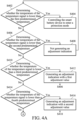
- FIGs. 4A and 4B are a detailed flowchart of step S212 in FIG. 2 .
- the method involves determining whether the temperature of the temperature signal is lower than the first predetermined temperature. When the temperature of the temperature signal is lower than the first predetermined temperature, the method performs step S404. In step S404, the method involves controlling the smart battery device to enter a protection mode. When the temperature of the temperature signal is not lower than the first predetermined temperature, the method performs step S406. In step S406, the method involves determining whether the temperature of the temperature signal is lower than the second predetermined temperature.
- step S408 the method involves not generating an adjustment indication. After performing step S408, the method may return to step S402 to perform the subsequent operation.
- step S410 the method involves determining whether the temperature of the temperature signal is lower than a third predetermined temperature. When the temperature of the temperature signal is lower than the third predetermined temperature, the method performs step S412. In step S412, the method involves generating an adjustment indication with a first adjustment value. After performing step S412, the method may return to step S406 to perform the subsequent operation.
- step S414 the method involves determining whether the temperature of the temperature signal is lower than a fourth predetermined temperature. When the temperature of the temperature signal is lower than the fourth predetermined temperature, the method performs step S416. In step S416, the method involves generating an adjustment indication with a second adjustment value. After performing step S416, the method may return to step S410 to perform the subsequent operation.
- step S418 When the temperature of the temperature signal is not lower than the fourth predetermined temperature, the method performs step S418.
- step S4108 the method involves determining whether the temperature of the temperature signal is lower than a fifth predetermined temperature. When the temperature of the temperature signal is lower than the fifth predetermined temperature, the method performs step S420.
- step S420 the method involves generating an adjustment indication with a third adjustment value. After performing S420, the method may return to step S414 to perform the subsequent operation.
- step S422 the method involves generating an adjustment indication with a shutdown indication.
- the second predetermined temperature is higher than the first predetermined temperature
- the third predetermined temperature is higher than the second predetermined temperature
- the fourth predetermined temperature is higher than the third predetermined temperature
- the fifth predetermined temperature is higher than the fourth predetermined temperature
- the second adjustment value is higher than the first adjustment value
- the third adjustment value is higher than the second adjustment value.
- FIG. 5 is another detailed flowchart of step S212 in FIG. 2 .
- the method involves determining whether the C-rate of the discharging current is lower than a first predetermined C-rate. When the C-rate of the discharging current is lower than the first predetermined C-rate, the method performs step S504. In step S504, the method involves not generating an adjustment indication.
- step S506 the method involves determining whether the C-rate of the discharging current is lower than a second predetermined C-rate. When the C-rate of the discharging current is lower than the second predetermined C-rate, the method performs step S508.
- step S508 the method involves generating an adjustment indication with a first adjustment value. After performing step S508, the method may return to step S502 to perform the subsequent operation.
- step S510 the method involves determining whether the C-rate of the discharging current is lower than a third predetermined C-rate.
- step S512 the method involves generating an adjustment indication with a second adjustment value. After performing step S512, the method may return to step S506 to perform the subsequent operation.
- step S514 the method involves determining whether the C-rate of the discharging current is lower than a fourth predetermined C-rate. When the C-rate of the discharging current is lower than the fourth predetermined C-rate, the method performs step S516. In step S516, the method involves generating an adjustment indication with a limit indication. After performing step S516, the method may return to step S510 to perform the subsequent operation.
- step S518 the method involves generating an adjustment indication with a shutdown indication.
- the second predetermined C-rate is higher than the first predetermined C-rate
- the third predetermined C-rate is higher than the second predetermined C-rate
- the fourth predetermined C-rate is higher than the third predetermined C-rate
- the second adjustment value is higher than the first adjustment value.
- FIG. 2 , FIG. 3 , FIG. 4A , FIG. 4B and FIG. 5 is only for illustrative purposes, and is not intended to limit the order of the steps of the present invention.
- the user may change the order of the steps above according the requirement thereof.
- the flowcharts described above may add additional steps or use fewer steps without departing from the scope of the present invention.
- the temperature-sensing unit senses the ambient temperature to generate the temperature signal.
- the charging mode generates an indication flag according to the temperature signal and the power capacity of the battery unit, wherein the indication flag is used to indicate that the battery unit is in the fully charged state.
- the embodiment of the present invention may further include the current-sensing unit to sense the discharging current of the battery unit.
- the processing unit generates an adjustment indication according to the temperature signal of the C-rate of the discharging current, wherein the adjustment indication is used to indicate the power receiving device to adjust the operation. Therefore, the smart battery device may be effectively managed, so as to increase lifespan, performance and safety of the battery unit.
Landscapes
- Engineering & Computer Science (AREA)
- Manufacturing & Machinery (AREA)
- Chemical & Material Sciences (AREA)
- Chemical Kinetics & Catalysis (AREA)
- Electrochemistry (AREA)
- General Chemical & Material Sciences (AREA)
- Power Engineering (AREA)
- Microelectronics & Electronic Packaging (AREA)
- Charge And Discharge Circuits For Batteries Or The Like (AREA)
- Secondary Cells (AREA)
- Lock And Its Accessories (AREA)
- Brushes (AREA)
Claims (10)
- Intelligente Batterievorrichtung (100), mit:einer Batterieeinheit (110);einer Temperaturerfassungseinheit (120), die dafür konfiguriert ist, eine Umgebungstemperatur zu erfassen, um ein Temperatursignal zu erzeugen; undeiner mit der Batterieeinheit (110) und der Temperaturerfassungseinheit (120) verbundenen Verarbeitungseinheit (130), wobeidie Verarbeitungseinheit (130) in einem Lademodus dafür konfiguriert ist, das Temperatursignal zu empfangen und eine Energiekapazität der Batterieeinheit (110) zu erhalten,dadurch gekennzeichnet, dassdie Verarbeitungseinheit (130) im Lademodus dafür konfiguriert ist, eine volle Kapazität gemäß dem Temperatursignal zu setzen und ein Anzeigeflag zu erzeugen, wenn die Energiekapazität der Batterieeinheit (110) die volle Kapazität erreicht, wobei das Anzeigeflag verwendet wird, um anzuzeigen, dass sich die Batterieeinheit (110) in einem vollständig geladenen Zustand befindet.
- Intelligente Batterievorrichtung (100) nach Anspruch 1, wobeidie Verarbeitungseinheit (130) ferner dafür konfiguriert ist, zu bestimmen, ob eine Temperatur des Temperatursignals niedriger ist als eine erste vorgegebene Temperatur,wenn die Temperatur des Temperatursignals niedriger ist als die erste vorgegebene Temperatur, die Verarbeitungseinheit (130) dafür konfiguriert ist, die intelligente Batterievorrichtung (100) derart zu steuern, dass sie in einen Schutzmodus eintritt,wenn die Temperatur des Temperatursignals nicht niedriger ist als die erste vorgegebene Temperatur, die Verarbeitungseinheit (130) dafür konfiguriert ist, zu bestimmen, ob die Temperatur des Temperatursignals niedriger ist als eine zweite vorgegebene Temperatur,wenn die Temperatur des Temperatursignals niedriger ist als die zweite vorgegebene Temperatur, die Verarbeitungseinheit (130) dafür konfiguriert ist, die volle Kapazität auf einen ersten vorgegebenen Wert zu setzen und das Anzeigeflag zu erzeugen, wenn die Energiekapazität der Batterieeinheit (110) den ersten vorgegebenen Wert erreicht,wenn die Temperatur des Temperatursignals nicht niedriger ist als die zweite vorgegebene Temperatur, die Verarbeitungseinheit (130) dafür konfiguriert ist, zu bestimmen, ob die Temperatur des Temperatursignals niedriger ist als eine dritte vorgegebene Temperatur,wenn die Temperatur des Temperatursignals niedriger ist als die dritte vorgegebene Temperatur, die Verarbeitungseinheit (130) dafür konfiguriert ist, die volle Kapazität auf einen zweiten vorgegebenen Wert zu setzen und das Anzeigeflag zu erzeugen, wenn die Energiekapazität der Batterieeinheit (110) den zweiten vorgegebenen Wert erreicht,wenn die Temperatur des Temperatursignals nicht niedriger ist als die dritte vorgegebene Temperatur, die Verarbeitungseinheit (130) dafür konfiguriert ist, zu bestimmen, ob die Temperatur des Temperatursignals niedriger ist als eine vierte vorgegebene Temperatur,wenn die Temperatur des Temperatursignals niedriger ist als die vierte vorgegebene Temperatur, die Verarbeitungseinheit (130) dafür konfiguriert ist, die volle Kapazität auf einen dritten vorgegebenen Wert zu setzen und das Anzeigeflag zu erzeugen, wenn die Energiekapazität der Batterieeinheit (110) den dritten vorgegebenen Wert erreicht, undwenn die Temperatur des Temperatursignals nicht niedriger ist als die vierte vorgegebene Temperatur, die Verarbeitungseinheit (130) dafür konfiguriert ist, die intelligente Batterievorrichtung (100) so zu steuern, dass sie in den Schutzmodus eintritt,wobei die zweite vorgegebene Temperatur höher ist als die erste vorgegebene Temperatur, die dritte vorgegebene Temperatur höher ist als die zweite vorgegebene Temperatur, die vierte vorgegebene Temperatur höher ist als die dritte vorgegebene Temperatur, der zweite vorgegebene Wert niedriger ist als der erste vorgegebene Wert und der dritte vorgegebene Wert niedriger ist als der zweite vorgegebene Wert.
- Intelligente Batterievorrichtung (100) nach Anspruch 1 oder 2, ferner mit:einer Stromerfassungseinheit (160), die mit der Batterieeinheit (110) und der Verarbeitungseinheit (130) verbunden und dafür konfiguriert ist, einen Entladestrom der Batterieeinheit (110) zu erfassen,wobei die Verarbeitungseinheit (130) in einem Entlademodus dafür konfiguriert ist, das Temperatursignal und den Entladestrom zu empfangen und gemäß dem Temperatursignal oder einer C-Rate des Entladestroms eine Einstellanzeige zu erzeugen, wobei die Einstellanzeige verwendet wird, um einer Energieempfangsvorrichtung anzuzeigen, dass sie einen Betrieb anpassen soll.
- Intelligente Batterievorrichtung (100) nach einem der vorangehenden Ansprüche, wobeidie Verarbeitungseinheit (130) ferner dafür konfiguriert ist, zu bestimmen, ob eine Temperatur des Temperatursignals niedriger ist als eine erste vorgegebene Temperatur,wenn die Temperatur des Temperatursignals niedriger ist als die erste vorgegebene Temperatur, die Verarbeitungseinheit (130) dafür konfiguriert ist, die intelligente Batterievorrichtung (100) so zu steuern, dass sie in einen Schutzmodus eintritt,wenn die Temperatur des Temperatursignals nicht niedriger ist als die erste vorgegebene Temperatur, die Verarbeitungseinheit (130) dafür konfiguriert ist, zu bestimmen, ob die Temperatur des Temperatursignals niedriger ist als die zweite vorgegebene Temperatur,wenn die Temperatur des Temperatursignals niedriger ist als die zweite vorgegebene Temperatur, die Verarbeitungseinheit (130) dafür konfiguriert ist, die Einstellanzeige nicht zu erzeugen,wenn die Temperatur des Temperatursignals nicht niedriger ist als die zweite vorgegebene Temperatur, die Verarbeitungseinheit (130) dafür konfiguriert ist, zu bestimmen, ob die Temperatur des Temperatursignals niedriger ist als eine dritte vorgegebene Temperatur,wenn die Temperatur des Temperatursignals niedriger ist als die dritte vorgegebene Temperatur, die Verarbeitungseinheit (130) dafür konfiguriert ist, die Einstellanzeige mit einem ersten Einstellwert zu erzeugen,wenn die Temperatur des Temperatursignals nicht niedriger ist als die dritte vorgegebene Temperatur, die Verarbeitungseinheit (130) dafür konfiguriert ist, zu bestimmen, ob die Temperatur des Temperatursignals niedriger ist als eine vierte vorgegebene Temperatur,wenn die Temperatur des Temperatursignals niedriger ist als die vierte vorgegebene Temperatur, die Verarbeitungseinheit (130) dafür konfiguriert ist, die Einstellanzeige mit einem zweiten Einstellwert zu erzeugen,wenn die Temperatur des Temperatursignals nicht niedriger ist als die vierte vorgegebene Temperatur, die Verarbeitungseinheit (130) dafür konfiguriert ist, zu bestimmen, ob die Temperatur des Temperatursignals niedriger ist als eine fünfte vorgegebene Temperatur,wenn die Temperatur des Temperatursignals niedriger ist als die fünfte vorgegebene Temperatur, die Verarbeitungseinheit (130) dafür konfiguriert ist, die Einstellanzeige mit einem dritten Einstellwert zu erzeugen, undwenn die Temperatur des Temperatursignals nicht niedriger ist als die fünfte vorgegebene Temperatur, die Verarbeitungseinheit (130) dafür konfiguriert ist, die Einstellanzeige mit einer Abschaltanzeige zu erzeugen,wobei die erste vorgegebene Temperatur niedriger ist als die zweite vorgegebene Temperatur, die zweite vorgegebene Temperatur niedriger ist als die dritte vorgegebene Temperatur, die dritte vorgegebene Temperatur niedriger ist als die vierte vorgegebene Temperatur, die vierte vorgegebene Temperatur niedriger ist als die fünfte vorgegebene Temperatur, der erste Einstellwert niedriger ist als der zweite Einstellwert und der zweite Einstellwert niedriger ist als der dritte Einstellwert.
- Intelligente Batterievorrichtung (100) nach einem der vorangehenden Ansprüche, wobeidie Verarbeitungseinheit (130) ferner dafür konfiguriert ist, zu bestimmen, ob die C-Rate des Entladestroms niedriger ist als eine erste vorgegebene C-Rate,wenn die C-Rate des Entladestroms niedriger ist als die erste vorgegebene C-Rate, die Verarbeitungseinheit (130) dafür konfiguriert ist, die Einstellanzeige nicht zu erzeugen,wenn die C-Rate des Entladestroms nicht niedriger ist als die erste vorgegebene C-Rate, die Verarbeitungseinheit (130) dafür konfiguriert ist, zu bestimmen, ob die C-Rate des Entladestroms niedriger ist als eine zweite vorgegebene C-Rate,wenn die C-Rate des Entladestroms niedriger ist als die zweite vorgegebene C-Rate, die Verarbeitungseinheit (130) dafür konfiguriert ist, die Einstellanzeige mit einem ersten Einstellwert zu erzeugen,wenn die C-Rate des Entladestroms nicht niedriger ist als die zweite vorgegebene C-Rate, die Verarbeitungseinheit (130) dafür konfiguriert ist, zu bestimmen, ob die C-Rate des Entladestroms niedriger ist als eine dritte vorgegebene C-Rate,wenn die C-Rate des Entladestroms niedriger ist als die dritte vorgegebene C-Rate, die Verarbeitungseinheit (130) dafür konfiguriert ist, die Einstellanzeige mit einem zweiten Einstellwert zu erzeugen,wenn die C-Rate des Entladestroms nicht niedriger ist als die dritte vorgegebene C-Rate, die Verarbeitungseinheit (130) dafür konfiguriert ist, zu bestimmen, ob die C-Rate des Entladestroms niedriger ist als eine vierte vorgegebene C-Rate,wenn die C-Rate des Entladestroms niedriger ist als die vierte vorgegebene C-Rate, die Verarbeitungseinheit (130) dafür konfiguriert ist, die Einstellanzeige mit einer Grenzwertanzeige zu erzeugen, undwenn die C-Rate des Entladestroms nicht niedriger ist als die vierte vorgegebene C-Rate, die Verarbeitungseinheit (130) dafür konfiguriert ist, die Einstellanzeige mit einer Abschaltanzeige zu erzeugen,wobei die erste vorgegebene C-Rate niedriger ist als die zweite vorgegebene C-Rate, die zweite vorgegebene C-Rate niedriger ist als die dritte vorgegebene C-Rate, die dritte vorgegebene C-Rate niedriger ist als die vierte vorgegebene C-Rate, und der erste Einstellwert niedriger ist als der zweite Einstellwert.
- Betriebsverfahren einer intelligenten Batterievorrichtung (100), mit den Schritten:Erfassen einer Umgebungstemperatur zum Erzeugen eines Temperatursignals;in einem Lademodus, Empfangen des Temperatursignals und Erhalten einer Energiekapazität einer Batterieeinheit (110),gekennzeichnet durchSetzen einer vollen Kapazität gemäß dem Temperatursignal und Erzeugen eines Anzeigeflags, wenn die Energiekapazität der Batterieeinheit (110) die volle Kapazität erreicht, wobei das Anzeigeflag verwendet wird, um anzuzeigen, dass die Batterieeinheit (110) sich in einem vollständig geladenen Zustand befindet.
- Betriebsverfahren einer intelligenten Batterievorrichtung (100) nach Anspruch 6, wobei
der Schritt zum Setzen der vollen Kapazität gemäß dem Temperatursignal und zum Erzeugen des Anzeigeflags, wenn die Energiekapazität der Batterieeinheit (110) die volle Kapazität erreicht, aufweist:Bestimmen, ob eine Temperatur des Temperatursignals niedriger ist als eine erste vorgegebene Temperatur;wenn die Temperatur des Temperatursignals niedriger ist als die erste vorgegebene Temperatur, Steuern der intelligenten Batterievorrichtung (100) so, dass sie in einen Schutzmodus eintritt;wenn die Temperatur des Temperatursignals nicht niedriger ist als die erste vorgegebene Temperatur, Bestimmen, ob die Temperatur des Temperatursignals niedriger ist als eine zweite vorgegebene Temperatur;wenn die Temperatur des Temperatursignals niedriger ist als die zweite vorgegebene Temperatur, Setzen der vollen Kapazität auf einen ersten vorgegebenen Wert und Erzeugen des Anzeigeflags, wenn die Energiekapazität der Batterieeinheit (110) den ersten vorgegebenen Wert erreicht;wenn die Temperatur des Temperatursignals nicht niedriger ist als die zweite vorgegebene Temperatur, Bestimmen, ob die Temperatur des Temperatursignals niedriger ist als eine dritte vorgegebene Temperatur;wenn die Temperatur des Temperatursignals niedriger ist als die dritte vorgegebene Temperatur, Setzen der vollen Kapazität auf einen zweiten vorgegebenen Wert und Erzeugen des Anzeigeflags, wenn die Energiekapazität der Batterieeinheit (110) den zweiten vorgegebenen Wert erreicht;wenn die Temperatur des Temperatursignals nicht niedriger ist als die dritte vorgegebene Temperatur, Bestimmen, ob die Temperatur des Temperatursignals niedriger ist als eine vierte vorgegebene Temperatur;wenn die Temperatur des Temperatursignals niedriger ist als die vierte vorgegebene Temperatur, Setzen der vollen Kapazität auf einen dritten vorgegebenen Wert und Erzeugen des Anzeigeflags, wenn die Energiekapazität der Batterieeinheit (110) den dritten vorgegebenen Wert erreicht; undwenn die Temperatur des Temperatursignals nicht niedriger ist als die vierte vorgegebene Temperatur, Steuern der intelligenten Batterievorrichtung (100) so, dass sie in den Schutzmodus eintritt,wobei die zweite vorgegebene Temperatur höher ist als die erste vorgegebene Temperatur, die dritte vorgegebene Temperatur höher ist als die zweite vorgegebene Temperatur, die vierte vorgegebene Temperatur höher ist als die dritte vorgegebene Temperatur, der zweite vorgegebene Wert niedriger ist als der erste vorgegebene Wert und der dritte vorgegebene Wert niedriger ist als der zweite vorgegebene Wert. - Betriebsverfahren einer intelligenten Batterievorrichtung (100) nach Anspruch 6 oder 7, ferner mit den Schritten:Erfassen eines Entladestroms der Batterieeinheit (110);Empfangen des Temperatursignals und des Entladestroms in einem Entlademodus; undErzeugen einer Einstellanzeige gemäß dem Temperatursignal oder einem C-Wert des Entladestroms, wobei die Einstellanzeige verwendet wird, um einer Energieempfangsvorrichtung anzuzeigen, dass ein Betrieb eingestellt werden soll.
- Betriebsverfahren einer intelligenten Batterievorrichtung (100) nach Anspruch 8, wobei der Schritt zum Erzeugen der Einstellanzeige gemäß dem Temperatursignal aufweist:Bestimmen, ob eine Temperatur des Temperatursignals niedriger ist als eine erste vorgegebene Temperatur;wenn die Temperatur des Temperatursignals niedriger ist als die erste vorgegebene Temperatur, Steuern der intelligenten Batterievorrichtung (100) so, dass sie in einen Schutzmodus eintritt;wenn die Temperatur des Temperatursignals nicht niedriger ist als die erste vorgegebene Temperatur, Bestimmen, ob die Temperatur des Temperatursignals niedriger ist als eine zweite vorgegebene Temperatur;wenn die Temperatur des Temperatursignals niedriger ist als die zweite vorgegebene Temperatur, kein Erzeugen der Einstellanzeige;wenn die Temperatur des Temperatursignals nicht niedriger ist als die zweite vorgegebene Temperatur, Bestimmen, ob die Temperatur des Temperatursignals niedriger ist als eine dritte vorgegebene Temperatur;wenn die Temperatur des Temperatursignals niedriger ist als die dritte vorgegebene Temperatur, Erzeugen der Einstellanzeige mit einem ersten Einstellwert;wenn die Temperatur des Temperatursignals nicht niedriger ist als die dritte vorgegebene Temperatur, Bestimmen, ob die Temperatur des Temperatursignals niedriger ist als eine vierte vorgegebene Temperatur;wenn die Temperatur des Temperatursignals niedriger ist als die vierte vorgegebene Temperatur, Erzeugen der Einstellanzeige mit einem zweiten Einstellwert;wenn die Temperatur des Temperatursignals nicht niedriger ist als die vierte vorgegebene Temperatur, Bestimmen, ob die Temperatur des Temperatursignals niedriger ist als eine fünfte vorgegebene Temperatur;wenn die Temperatur des Temperatursignals niedriger ist als die fünfte vorgegebene Temperatur, Erzeugen der Einstellanzeige mit einem dritten Einstellwert; undwenn die Temperatur des Temperatursignals nicht niedriger ist als die fünfte vorgegebene Temperatur, Erzeugen der Einstellanzeige mit einer Abschaltanzeige,wobei die zweite vorgegebene Temperatur höher ist als die erste vorgegebene Temperatur, die dritte vorgegebene Temperatur höher ist als die zweite vorgegebene Temperatur, die vierte vorgegebene Temperatur höher ist als die dritte vorgegebene Temperatur, die fünfte vorgegebene Temperatur höher ist als die vierte vorgegebene Temperatur, der zweite Einstellwert höher ist als der erste Einstellwert und der dritte Einstellwert höher ist als der zweite Einstellwert.
- Betriebsverfahren einer intelligenten Batterievorrichtung (100) nach Anspruch 8 oder 9, wobei
der Schritt zum Erzeugen der Einstellanzeige gemäß der C-Rate des Entladestroms aufweist:Bestimmen, ob die C-Rate des Entladestroms niedriger ist als eine erste vorgegebene C-Rate;wenn die C-Rate des Entladestroms niedriger ist als die erste vorgegebene C-Rate, kein Erzeugen der Einstellanzeige;wenn die C-Rate des Entladestroms nicht niedriger ist als die erste vorgegebene C-Rate, Bestimmen, ob die C-Rate des Entladestroms niedriger ist als eine zweite vorgegebene C-Rate;wenn die C-Rate des Entladestroms niedriger ist als die zweite vorgegebene C-Rate, Erzeugen der Einstellanzeige mit einem ersten Einstellwert;wenn die C-Rate des Entladestroms nicht niedriger ist als die zweite vorgegebene C-Rate, Bestimmen, ob die C-Rate des Entladestroms niedriger ist als eine dritte vorgegebene C-Rate;wenn die C-Rate des Entladestroms niedriger ist als die dritte vorgegebene C-Rate, Erzeugen der Einstellanzeige mit einem zweiten Einstellwert;wenn die C-Rate des Entladestroms nicht niedriger ist als die dritte vorgegebene C-Rate, Bestimmen, ob die C-Rate des Entladestroms niedriger ist als eine vierte vorgegebene C-Rate;wenn die C-Rate des Entladestroms niedriger ist als die vierte vorgegebene C-Rate, Erzeugen der Einstellanzeige mit einer Grenzwertanzeige; undwenn die C-Rate des Entladestroms nicht niedriger ist als die vierte vorgegebene C-Rate, Erzeugen der Einstellanzeige mit einer Abschaltanzeige,wobei die zweite vorgegebene C-Rate höher ist als die erste vorgegebene C-Rate, die dritte vorgegebene C-Rate höher ist als die zweite vorgegebene C-Rate, die vierte vorgegebene C-Rate höher ist als die dritte vorgegebene C-Rate und der zweite Einstellwert höher ist als der erste Einstellwert.
Applications Claiming Priority (1)
| Application Number | Priority Date | Filing Date | Title |
|---|---|---|---|
| TW110107423A TWI796641B (zh) | 2021-03-03 | 2021-03-03 | 智慧電池裝置及其操作方法 |
Publications (2)
| Publication Number | Publication Date |
|---|---|
| EP4053961A1 EP4053961A1 (de) | 2022-09-07 |
| EP4053961B1 true EP4053961B1 (de) | 2024-12-25 |
Family
ID=75825481
Family Applications (1)
| Application Number | Title | Priority Date | Filing Date |
|---|---|---|---|
| EP21172193.1A Active EP4053961B1 (de) | 2021-03-03 | 2021-05-05 | Intelligente batterievorrichtung und verfahren zu deren betrieb |
Country Status (6)
| Country | Link |
|---|---|
| US (1) | US11942814B2 (de) |
| EP (1) | EP4053961B1 (de) |
| JP (1) | JP7286736B2 (de) |
| KR (1) | KR102600369B1 (de) |
| CN (1) | CN115036998B (de) |
| TW (1) | TWI796641B (de) |
Families Citing this family (3)
| Publication number | Priority date | Publication date | Assignee | Title |
|---|---|---|---|---|
| KR20240097772A (ko) * | 2022-12-20 | 2024-06-27 | 스탠다드에너지(주) | 배터리의 온도를 제어하는 시스템 및 배터리의 온도를 제어하는 방법 |
| TWI858514B (zh) * | 2023-01-17 | 2024-10-11 | 廣達電腦股份有限公司 | 智能電池溫度補償方法 |
| TWI867725B (zh) * | 2023-08-31 | 2024-12-21 | 華碩電腦股份有限公司 | 電子裝置及其電池管理方法 |
Family Cites Families (14)
| Publication number | Priority date | Publication date | Assignee | Title |
|---|---|---|---|---|
| JPH10174297A (ja) * | 1996-12-17 | 1998-06-26 | Yamaha Motor Co Ltd | 蓄電池の放電制御方法及びその装置 |
| ES2388730T3 (es) | 2002-01-10 | 2012-10-18 | Honda Giken Kogyo Kabushiki Kaisha | Sistema para controlar la carga de una batería secundaria |
| JP3900409B2 (ja) * | 2002-01-10 | 2007-04-04 | 本田技研工業株式会社 | 二次電池の充電制御方法および二次電池の充電制御装置 |
| KR20090126098A (ko) * | 2008-06-03 | 2009-12-08 | 삼성에스디아이 주식회사 | 배터리 팩 및 그 충전 방법 |
| TW201110443A (en) * | 2009-09-10 | 2011-03-16 | Cheng Uei Prec Ind Co Ltd | Method of managing rechargeable battery for an electric device |
| US9197096B2 (en) * | 2012-01-19 | 2015-11-24 | Apple Inc. | Charging techniques for solid-state batteries in portable electronic devices |
| JP6095502B2 (ja) * | 2013-06-25 | 2017-03-15 | 株式会社マキタ | バッテリパック |
| TWI505531B (zh) | 2014-08-05 | 2015-10-21 | 廣達電腦股份有限公司 | 備用電池 |
| CN105429249B (zh) * | 2016-01-19 | 2018-08-24 | 宁德新能源科技有限公司 | 电池控制装置以及控制电池的方法 |
| US11128158B2 (en) | 2016-03-09 | 2021-09-21 | Servato Corp. | Battery management system and related techniques for adaptive, dynamic control of battery charging |
| CN109177811A (zh) * | 2018-09-28 | 2019-01-11 | 上汽通用五菱汽车股份有限公司 | 电动汽车电池的放电功率控制方法、装置和存储介质 |
| US11001155B2 (en) * | 2019-01-14 | 2021-05-11 | Sf Motors, Inc. | Electric vehicle lithium ion battery charging system and method |
| TWI691142B (zh) | 2019-06-20 | 2020-04-11 | 廣達電腦股份有限公司 | 智慧電池裝置及充電方法 |
| CN111240458B (zh) * | 2020-01-02 | 2022-09-13 | 上海闻泰信息技术有限公司 | Cpu降频方法、系统及便携式计算机 |
-
2021
- 2021-03-03 TW TW110107423A patent/TWI796641B/zh active
- 2021-03-24 CN CN202110311962.9A patent/CN115036998B/zh active Active
- 2021-04-19 US US17/234,267 patent/US11942814B2/en active Active
- 2021-05-05 EP EP21172193.1A patent/EP4053961B1/de active Active
- 2021-06-02 KR KR1020210071389A patent/KR102600369B1/ko active Active
- 2021-11-09 JP JP2021182618A patent/JP7286736B2/ja active Active
Also Published As
| Publication number | Publication date |
|---|---|
| JP7286736B2 (ja) | 2023-06-05 |
| US11942814B2 (en) | 2024-03-26 |
| CN115036998A (zh) | 2022-09-09 |
| KR20220124598A (ko) | 2022-09-14 |
| JP2022135907A (ja) | 2022-09-15 |
| EP4053961A1 (de) | 2022-09-07 |
| CN115036998B (zh) | 2026-01-27 |
| KR102600369B1 (ko) | 2023-11-08 |
| TWI796641B (zh) | 2023-03-21 |
| TW202236730A (zh) | 2022-09-16 |
| US20220285966A1 (en) | 2022-09-08 |
Similar Documents
| Publication | Publication Date | Title |
|---|---|---|
| US9627920B2 (en) | Battery pack and charging method thereof | |
| US8148950B2 (en) | Charging method | |
| US9172261B2 (en) | Battery pack, method of charging secondary battery and battery charger | |
| KR100686794B1 (ko) | 배터리팩의 모니터링 장치 및 그 방법 | |
| EP4053961B1 (de) | Intelligente batterievorrichtung und verfahren zu deren betrieb | |
| KR101668971B1 (ko) | 배터리 팩의 사이클 수명 용량을 개선하기 위한 방법 및 장치 | |
| US8704488B2 (en) | Battery pack and method of controlling the same | |
| US10873201B2 (en) | Battery management apparatus and method for protecting a lithium iron phosphate cell from over-voltage using the same | |
| CN101465557B (zh) | 便携式设备、用于便携式设备的电池盒 | |
| US20090184685A1 (en) | Battery pack and method of charging the same | |
| US20090295335A1 (en) | Battery pack and charging method for the same | |
| US9941732B2 (en) | Controlling charging and/or discharging of batteries within a user device | |
| US20100196747A1 (en) | Battery pack | |
| CN103579705A (zh) | 电池充电方法和电池充电系统 | |
| JP2010186619A (ja) | 電池パックおよび電池容量計算方法 | |
| JP2009133676A (ja) | 電池パックおよび充放電方法 | |
| TWI740404B (zh) | 電池保護充電方法及其系統 | |
| JP2008021417A (ja) | 電池パックおよび検出方法 | |
| KR20140025652A (ko) | 배터리 팩 및 이의 제어 방법 | |
| US8786258B2 (en) | Battery pack and method of controlling the battery pack | |
| US12199463B2 (en) | System and method for recharging a battery | |
| US8378637B2 (en) | Self-discharge circuit for secondary battery, and secondary battery including the same | |
| TWI870893B (zh) | 智能電池循環充電方法及其裝置 | |
| JP2004279145A (ja) | 2次電池容量計測のための半導体装置 |
Legal Events
| Date | Code | Title | Description |
|---|---|---|---|
| PUAI | Public reference made under article 153(3) epc to a published international application that has entered the european phase |
Free format text: ORIGINAL CODE: 0009012 |
|
| STAA | Information on the status of an ep patent application or granted ep patent |
Free format text: STATUS: REQUEST FOR EXAMINATION WAS MADE |
|
| 17P | Request for examination filed |
Effective date: 20220328 |
|
| AK | Designated contracting states |
Kind code of ref document: A1 Designated state(s): AL AT BE BG CH CY CZ DE DK EE ES FI FR GB GR HR HU IE IS IT LI LT LU LV MC MK MT NL NO PL PT RO RS SE SI SK SM TR |
|
| GRAP | Despatch of communication of intention to grant a patent |
Free format text: ORIGINAL CODE: EPIDOSNIGR1 |
|
| STAA | Information on the status of an ep patent application or granted ep patent |
Free format text: STATUS: GRANT OF PATENT IS INTENDED |
|
| INTG | Intention to grant announced |
Effective date: 20240819 |
|
| P01 | Opt-out of the competence of the unified patent court (upc) registered |
Free format text: CASE NUMBER: APP_52481/2024 Effective date: 20240919 |
|
| GRAS | Grant fee paid |
Free format text: ORIGINAL CODE: EPIDOSNIGR3 |
|
| GRAA | (expected) grant |
Free format text: ORIGINAL CODE: 0009210 |
|
| STAA | Information on the status of an ep patent application or granted ep patent |
Free format text: STATUS: THE PATENT HAS BEEN GRANTED |
|
| AK | Designated contracting states |
Kind code of ref document: B1 Designated state(s): AL AT BE BG CH CY CZ DE DK EE ES FI FR GB GR HR HU IE IS IT LI LT LU LV MC MK MT NL NO PL PT RO RS SE SI SK SM TR |
|
| REG | Reference to a national code |
Ref country code: GB Ref legal event code: FG4D |
|
| REG | Reference to a national code |
Ref country code: CH Ref legal event code: EP |
|
| REG | Reference to a national code |
Ref country code: DE Ref legal event code: R096 Ref document number: 602021023773 Country of ref document: DE |
|
| REG | Reference to a national code |
Ref country code: IE Ref legal event code: FG4D |
|
| REG | Reference to a national code |
Ref country code: LT Ref legal event code: MG9D |
|
| PG25 | Lapsed in a contracting state [announced via postgrant information from national office to epo] |
Ref country code: HR Free format text: LAPSE BECAUSE OF FAILURE TO SUBMIT A TRANSLATION OF THE DESCRIPTION OR TO PAY THE FEE WITHIN THE PRESCRIBED TIME-LIMIT Effective date: 20241225 |
|
| PG25 | Lapsed in a contracting state [announced via postgrant information from national office to epo] |
Ref country code: FI Free format text: LAPSE BECAUSE OF FAILURE TO SUBMIT A TRANSLATION OF THE DESCRIPTION OR TO PAY THE FEE WITHIN THE PRESCRIBED TIME-LIMIT Effective date: 20241225 |
|
| PG25 | Lapsed in a contracting state [announced via postgrant information from national office to epo] |
Ref country code: BG Free format text: LAPSE BECAUSE OF FAILURE TO SUBMIT A TRANSLATION OF THE DESCRIPTION OR TO PAY THE FEE WITHIN THE PRESCRIBED TIME-LIMIT Effective date: 20241225 |
|
| PG25 | Lapsed in a contracting state [announced via postgrant information from national office to epo] |
Ref country code: NO Free format text: LAPSE BECAUSE OF FAILURE TO SUBMIT A TRANSLATION OF THE DESCRIPTION OR TO PAY THE FEE WITHIN THE PRESCRIBED TIME-LIMIT Effective date: 20250325 |
|
| PG25 | Lapsed in a contracting state [announced via postgrant information from national office to epo] |
Ref country code: GR Free format text: LAPSE BECAUSE OF FAILURE TO SUBMIT A TRANSLATION OF THE DESCRIPTION OR TO PAY THE FEE WITHIN THE PRESCRIBED TIME-LIMIT Effective date: 20250326 Ref country code: LV Free format text: LAPSE BECAUSE OF FAILURE TO SUBMIT A TRANSLATION OF THE DESCRIPTION OR TO PAY THE FEE WITHIN THE PRESCRIBED TIME-LIMIT Effective date: 20241225 |
|
| PG25 | Lapsed in a contracting state [announced via postgrant information from national office to epo] |
Ref country code: RS Free format text: LAPSE BECAUSE OF FAILURE TO SUBMIT A TRANSLATION OF THE DESCRIPTION OR TO PAY THE FEE WITHIN THE PRESCRIBED TIME-LIMIT Effective date: 20250325 |
|
| REG | Reference to a national code |
Ref country code: NL Ref legal event code: MP Effective date: 20241225 |
|
| PG25 | Lapsed in a contracting state [announced via postgrant information from national office to epo] |
Ref country code: NL Free format text: LAPSE BECAUSE OF FAILURE TO SUBMIT A TRANSLATION OF THE DESCRIPTION OR TO PAY THE FEE WITHIN THE PRESCRIBED TIME-LIMIT Effective date: 20241225 |
|
| REG | Reference to a national code |
Ref country code: AT Ref legal event code: MK05 Ref document number: 1754978 Country of ref document: AT Kind code of ref document: T Effective date: 20241225 |
|
| PG25 | Lapsed in a contracting state [announced via postgrant information from national office to epo] |
Ref country code: SM Free format text: LAPSE BECAUSE OF FAILURE TO SUBMIT A TRANSLATION OF THE DESCRIPTION OR TO PAY THE FEE WITHIN THE PRESCRIBED TIME-LIMIT Effective date: 20241225 |
|
| PG25 | Lapsed in a contracting state [announced via postgrant information from national office to epo] |
Ref country code: PL Free format text: LAPSE BECAUSE OF FAILURE TO SUBMIT A TRANSLATION OF THE DESCRIPTION OR TO PAY THE FEE WITHIN THE PRESCRIBED TIME-LIMIT Effective date: 20241225 |
|
| PG25 | Lapsed in a contracting state [announced via postgrant information from national office to epo] |
Ref country code: ES Free format text: LAPSE BECAUSE OF FAILURE TO SUBMIT A TRANSLATION OF THE DESCRIPTION OR TO PAY THE FEE WITHIN THE PRESCRIBED TIME-LIMIT Effective date: 20241225 |
|
| PG25 | Lapsed in a contracting state [announced via postgrant information from national office to epo] |
Ref country code: IS Free format text: LAPSE BECAUSE OF FAILURE TO SUBMIT A TRANSLATION OF THE DESCRIPTION OR TO PAY THE FEE WITHIN THE PRESCRIBED TIME-LIMIT Effective date: 20250425 |
|
| PG25 | Lapsed in a contracting state [announced via postgrant information from national office to epo] |
Ref country code: PT Free format text: LAPSE BECAUSE OF FAILURE TO SUBMIT A TRANSLATION OF THE DESCRIPTION OR TO PAY THE FEE WITHIN THE PRESCRIBED TIME-LIMIT Effective date: 20250428 |
|
| PG25 | Lapsed in a contracting state [announced via postgrant information from national office to epo] |
Ref country code: EE Free format text: LAPSE BECAUSE OF FAILURE TO SUBMIT A TRANSLATION OF THE DESCRIPTION OR TO PAY THE FEE WITHIN THE PRESCRIBED TIME-LIMIT Effective date: 20241225 |
|
| PG25 | Lapsed in a contracting state [announced via postgrant information from national office to epo] |
Ref country code: AT Free format text: LAPSE BECAUSE OF FAILURE TO SUBMIT A TRANSLATION OF THE DESCRIPTION OR TO PAY THE FEE WITHIN THE PRESCRIBED TIME-LIMIT Effective date: 20241225 Ref country code: RO Free format text: LAPSE BECAUSE OF FAILURE TO SUBMIT A TRANSLATION OF THE DESCRIPTION OR TO PAY THE FEE WITHIN THE PRESCRIBED TIME-LIMIT Effective date: 20241225 |
|
| PG25 | Lapsed in a contracting state [announced via postgrant information from national office to epo] |
Ref country code: SK Free format text: LAPSE BECAUSE OF FAILURE TO SUBMIT A TRANSLATION OF THE DESCRIPTION OR TO PAY THE FEE WITHIN THE PRESCRIBED TIME-LIMIT Effective date: 20241225 |
|
| PG25 | Lapsed in a contracting state [announced via postgrant information from national office to epo] |
Ref country code: CZ Free format text: LAPSE BECAUSE OF FAILURE TO SUBMIT A TRANSLATION OF THE DESCRIPTION OR TO PAY THE FEE WITHIN THE PRESCRIBED TIME-LIMIT Effective date: 20241225 |
|
| PG25 | Lapsed in a contracting state [announced via postgrant information from national office to epo] |
Ref country code: IT Free format text: LAPSE BECAUSE OF FAILURE TO SUBMIT A TRANSLATION OF THE DESCRIPTION OR TO PAY THE FEE WITHIN THE PRESCRIBED TIME-LIMIT Effective date: 20241225 |
|
| PG25 | Lapsed in a contracting state [announced via postgrant information from national office to epo] |
Ref country code: SE Free format text: LAPSE BECAUSE OF FAILURE TO SUBMIT A TRANSLATION OF THE DESCRIPTION OR TO PAY THE FEE WITHIN THE PRESCRIBED TIME-LIMIT Effective date: 20241225 |
|
| REG | Reference to a national code |
Ref country code: DE Ref legal event code: R097 Ref document number: 602021023773 Country of ref document: DE |
|
| PG25 | Lapsed in a contracting state [announced via postgrant information from national office to epo] |
Ref country code: DK Free format text: LAPSE BECAUSE OF FAILURE TO SUBMIT A TRANSLATION OF THE DESCRIPTION OR TO PAY THE FEE WITHIN THE PRESCRIBED TIME-LIMIT Effective date: 20241225 |
|
| PGFP | Annual fee paid to national office [announced via postgrant information from national office to epo] |
Ref country code: DE Payment date: 20250708 Year of fee payment: 5 |
|
| PLBE | No opposition filed within time limit |
Free format text: ORIGINAL CODE: 0009261 |
|
| STAA | Information on the status of an ep patent application or granted ep patent |
Free format text: STATUS: NO OPPOSITION FILED WITHIN TIME LIMIT |
|
| REG | Reference to a national code |
Ref country code: CH Ref legal event code: L10 Free format text: ST27 STATUS EVENT CODE: U-0-0-L10-L00 (AS PROVIDED BY THE NATIONAL OFFICE) Effective date: 20251105 |
|
| 26N | No opposition filed |
Effective date: 20250926 |
|
| REG | Reference to a national code |
Ref country code: CH Ref legal event code: H13 Free format text: ST27 STATUS EVENT CODE: U-0-0-H10-H13 (AS PROVIDED BY THE NATIONAL OFFICE) Effective date: 20251223 |
|
| PG25 | Lapsed in a contracting state [announced via postgrant information from national office to epo] |
Ref country code: LU Free format text: LAPSE BECAUSE OF NON-PAYMENT OF DUE FEES Effective date: 20250505 |
|
| PG25 | Lapsed in a contracting state [announced via postgrant information from national office to epo] |
Ref country code: CH Free format text: LAPSE BECAUSE OF NON-PAYMENT OF DUE FEES Effective date: 20250531 |
|
| REG | Reference to a national code |
Ref country code: BE Ref legal event code: MM Effective date: 20250531 |
|
| PG25 | Lapsed in a contracting state [announced via postgrant information from national office to epo] |
Ref country code: MC Free format text: LAPSE BECAUSE OF FAILURE TO SUBMIT A TRANSLATION OF THE DESCRIPTION OR TO PAY THE FEE WITHIN THE PRESCRIBED TIME-LIMIT Effective date: 20241225 |
|
| PGFP | Annual fee paid to national office [announced via postgrant information from national office to epo] |
Ref country code: GB Payment date: 20260325 Year of fee payment: 6 |
|
| PG25 | Lapsed in a contracting state [announced via postgrant information from national office to epo] |
Ref country code: IE Free format text: LAPSE BECAUSE OF NON-PAYMENT OF DUE FEES Effective date: 20250505 |
|
| PG25 | Lapsed in a contracting state [announced via postgrant information from national office to epo] |
Ref country code: BE Free format text: LAPSE BECAUSE OF NON-PAYMENT OF DUE FEES Effective date: 20250531 |
|
| PGFP | Annual fee paid to national office [announced via postgrant information from national office to epo] |
Ref country code: FR Payment date: 20260323 Year of fee payment: 6 |