EP4052704A1 - Composition for sleep improvement comprising ergothioneine or salt thereof - Google Patents
Composition for sleep improvement comprising ergothioneine or salt thereof Download PDFInfo
- Publication number
- EP4052704A1 EP4052704A1 EP20883124.8A EP20883124A EP4052704A1 EP 4052704 A1 EP4052704 A1 EP 4052704A1 EP 20883124 A EP20883124 A EP 20883124A EP 4052704 A1 EP4052704 A1 EP 4052704A1
- Authority
- EP
- European Patent Office
- Prior art keywords
- sleep
- ergothioneine
- composition
- group
- salt
- Prior art date
- Legal status (The legal status is an assumption and is not a legal conclusion. Google has not performed a legal analysis and makes no representation as to the accuracy of the status listed.)
- Pending
Links
- 230000007958 sleep Effects 0.000 title claims abstract description 210
- SSISHJJTAXXQAX-ZETCQYMHSA-N L-ergothioneine Chemical compound C[N+](C)(C)[C@H](C([O-])=O)CC1=CNC(=S)N1 SSISHJJTAXXQAX-ZETCQYMHSA-N 0.000 title claims abstract description 140
- 239000000203 mixture Substances 0.000 title claims abstract description 89
- 230000006872 improvement Effects 0.000 title claims abstract description 73
- 150000003839 salts Chemical class 0.000 title claims abstract description 67
- 229940093497 ergothioneine Drugs 0.000 title description 17
- 238000000034 method Methods 0.000 claims abstract description 28
- 239000004480 active ingredient Substances 0.000 claims abstract description 11
- 235000013305 food Nutrition 0.000 claims description 97
- 230000004617 sleep duration Effects 0.000 claims description 41
- 230000004622 sleep time Effects 0.000 claims description 37
- 230000004620 sleep latency Effects 0.000 claims description 30
- 235000013361 beverage Nutrition 0.000 claims description 21
- 230000009467 reduction Effects 0.000 claims description 14
- 239000000126 substance Substances 0.000 abstract description 9
- 230000035882 stress Effects 0.000 description 39
- 238000012360 testing method Methods 0.000 description 38
- 230000001965 increasing effect Effects 0.000 description 33
- 239000000825 pharmaceutical preparation Substances 0.000 description 31
- 229940127557 pharmaceutical product Drugs 0.000 description 31
- 230000008667 sleep stage Effects 0.000 description 28
- 230000003860 sleep quality Effects 0.000 description 27
- 241000700159 Rattus Species 0.000 description 19
- 230000008859 change Effects 0.000 description 18
- 230000000694 effects Effects 0.000 description 17
- 230000037406 food intake Effects 0.000 description 17
- 208000013738 Sleep Initiation and Maintenance disease Diseases 0.000 description 15
- 206010022437 insomnia Diseases 0.000 description 15
- 230000006698 induction Effects 0.000 description 14
- 210000004556 brain Anatomy 0.000 description 13
- 201000010099 disease Diseases 0.000 description 11
- 208000037265 diseases, disorders, signs and symptoms Diseases 0.000 description 11
- 238000011156 evaluation Methods 0.000 description 11
- 208000019116 sleep disease Diseases 0.000 description 10
- 208000020685 sleep-wake disease Diseases 0.000 description 10
- 230000002618 waking effect Effects 0.000 description 10
- 235000001674 Agaricus brunnescens Nutrition 0.000 description 9
- 206010068932 Terminal insomnia Diseases 0.000 description 9
- 230000037396 body weight Effects 0.000 description 9
- 230000036385 rapid eye movement (rem) sleep Effects 0.000 description 9
- 241001465754 Metazoa Species 0.000 description 7
- 208000010340 Sleep Deprivation Diseases 0.000 description 7
- 230000000977 initiatory effect Effects 0.000 description 7
- 239000002775 capsule Substances 0.000 description 6
- 206010062519 Poor quality sleep Diseases 0.000 description 5
- 239000003795 chemical substances by application Substances 0.000 description 5
- 238000012453 sprague-dawley rat model Methods 0.000 description 5
- 230000001225 therapeutic effect Effects 0.000 description 5
- 241000282412 Homo Species 0.000 description 4
- 240000001462 Pleurotus ostreatus Species 0.000 description 4
- 235000001603 Pleurotus ostreatus Nutrition 0.000 description 4
- 239000000654 additive Substances 0.000 description 4
- 239000008187 granular material Substances 0.000 description 4
- -1 inorganic acid salts Chemical class 0.000 description 4
- 238000005259 measurement Methods 0.000 description 4
- 229930014626 natural product Natural products 0.000 description 4
- 230000002265 prevention Effects 0.000 description 4
- 239000000047 product Substances 0.000 description 4
- 208000024891 symptom Diseases 0.000 description 4
- 239000002552 dosage form Substances 0.000 description 3
- 238000013467 fragmentation Methods 0.000 description 3
- 238000006062 fragmentation reaction Methods 0.000 description 3
- 230000036541 health Effects 0.000 description 3
- 239000006187 pill Substances 0.000 description 3
- XLYOFNOQVPJJNP-UHFFFAOYSA-N water Substances O XLYOFNOQVPJJNP-UHFFFAOYSA-N 0.000 description 3
- 244000251953 Agaricus brunnescens Species 0.000 description 2
- 244000191482 Cantharellus cibarius Species 0.000 description 2
- 235000015722 Cantharellus cibarius Nutrition 0.000 description 2
- 240000008397 Ganoderma lucidum Species 0.000 description 2
- 235000001637 Ganoderma lucidum Nutrition 0.000 description 2
- 240000000588 Hericium erinaceus Species 0.000 description 2
- 240000000599 Lentinula edodes Species 0.000 description 2
- 235000001715 Lentinula edodes Nutrition 0.000 description 2
- 240000002769 Morchella esculenta Species 0.000 description 2
- 235000002779 Morchella esculenta Nutrition 0.000 description 2
- WCUXLLCKKVVCTQ-UHFFFAOYSA-M Potassium chloride Chemical compound [Cl-].[K+] WCUXLLCKKVVCTQ-UHFFFAOYSA-M 0.000 description 2
- 238000000692 Student's t-test Methods 0.000 description 2
- 239000002253 acid Substances 0.000 description 2
- 230000000996 additive effect Effects 0.000 description 2
- 150000001447 alkali salts Chemical class 0.000 description 2
- 239000008280 blood Substances 0.000 description 2
- 210000004369 blood Anatomy 0.000 description 2
- 239000007910 chewable tablet Substances 0.000 description 2
- 235000015872 dietary supplement Nutrition 0.000 description 2
- 238000002474 experimental method Methods 0.000 description 2
- 238000000855 fermentation Methods 0.000 description 2
- 230000004151 fermentation Effects 0.000 description 2
- 235000013402 health food Nutrition 0.000 description 2
- 239000007788 liquid Substances 0.000 description 2
- 238000004519 manufacturing process Methods 0.000 description 2
- 239000000463 material Substances 0.000 description 2
- 230000000813 microbial effect Effects 0.000 description 2
- 239000000843 powder Substances 0.000 description 2
- 238000002360 preparation method Methods 0.000 description 2
- 239000002994 raw material Substances 0.000 description 2
- 239000000243 solution Substances 0.000 description 2
- 238000012353 t test Methods 0.000 description 2
- 239000003826 tablet Substances 0.000 description 2
- VZCYOOQTPOCHFL-UHFFFAOYSA-N trans-butenedioic acid Natural products OC(=O)C=CC(O)=O VZCYOOQTPOCHFL-UHFFFAOYSA-N 0.000 description 2
- NOOLISFMXDJSKH-UTLUCORTSA-N (+)-Neomenthol Chemical compound CC(C)[C@@H]1CC[C@@H](C)C[C@@H]1O NOOLISFMXDJSKH-UTLUCORTSA-N 0.000 description 1
- QTBSBXVTEAMEQO-UHFFFAOYSA-M Acetate Chemical compound CC([O-])=O QTBSBXVTEAMEQO-UHFFFAOYSA-M 0.000 description 1
- 244000045069 Agrocybe aegerita Species 0.000 description 1
- 235000008121 Agrocybe aegerita Nutrition 0.000 description 1
- 208000019901 Anxiety disease Diseases 0.000 description 1
- 241000271566 Aves Species 0.000 description 1
- 241001489124 Boletus edulis Species 0.000 description 1
- 241000283690 Bos taurus Species 0.000 description 1
- 241000282472 Canis lupus familiaris Species 0.000 description 1
- KRKNYBCHXYNGOX-UHFFFAOYSA-K Citrate Chemical compound [O-]C(=O)CC(O)(CC([O-])=O)C([O-])=O KRKNYBCHXYNGOX-UHFFFAOYSA-K 0.000 description 1
- NOOLISFMXDJSKH-UHFFFAOYSA-N DL-menthol Natural products CC(C)C1CCC(C)CC1O NOOLISFMXDJSKH-UHFFFAOYSA-N 0.000 description 1
- 239000004375 Dextrin Substances 0.000 description 1
- 229920001353 Dextrin Polymers 0.000 description 1
- 206010013980 Dyssomnias Diseases 0.000 description 1
- 241000283086 Equidae Species 0.000 description 1
- 241000282326 Felis catus Species 0.000 description 1
- VZCYOOQTPOCHFL-OWOJBTEDSA-N Fumaric acid Chemical compound OC(=O)\C=C\C(O)=O VZCYOOQTPOCHFL-OWOJBTEDSA-N 0.000 description 1
- 241000287828 Gallus gallus Species 0.000 description 1
- 240000001080 Grifola frondosa Species 0.000 description 1
- 235000007710 Grifola frondosa Nutrition 0.000 description 1
- 235000007328 Hericium erinaceus Nutrition 0.000 description 1
- VEXZGXHMUGYJMC-UHFFFAOYSA-N Hydrochloric acid Chemical compound Cl VEXZGXHMUGYJMC-UHFFFAOYSA-N 0.000 description 1
- 229920002153 Hydroxypropyl cellulose Polymers 0.000 description 1
- JVTAAEKCZFNVCJ-UHFFFAOYSA-M Lactate Chemical compound CC(O)C([O-])=O JVTAAEKCZFNVCJ-UHFFFAOYSA-M 0.000 description 1
- 206010027590 Middle insomnia Diseases 0.000 description 1
- 241000699666 Mus <mouse, genus> Species 0.000 description 1
- 241000699670 Mus sp. Species 0.000 description 1
- 229910002651 NO3 Inorganic materials 0.000 description 1
- NHNBFGGVMKEFGY-UHFFFAOYSA-N Nitrate Chemical compound [O-][N+]([O-])=O NHNBFGGVMKEFGY-UHFFFAOYSA-N 0.000 description 1
- 241000283973 Oryctolagus cuniculus Species 0.000 description 1
- MUBZPKHOEPUJKR-UHFFFAOYSA-N Oxalic acid Chemical compound OC(=O)C(O)=O MUBZPKHOEPUJKR-UHFFFAOYSA-N 0.000 description 1
- 229910019142 PO4 Inorganic materials 0.000 description 1
- 241001494479 Pecora Species 0.000 description 1
- 241001492261 Pleurotaceae Species 0.000 description 1
- 241000222350 Pleurotus Species 0.000 description 1
- 241000392443 Pleurotus citrinopileatus Species 0.000 description 1
- 235000007685 Pleurotus columbinus Nutrition 0.000 description 1
- XBDQKXXYIPTUBI-UHFFFAOYSA-M Propionate Chemical compound CCC([O-])=O XBDQKXXYIPTUBI-UHFFFAOYSA-M 0.000 description 1
- 206010041349 Somnolence Diseases 0.000 description 1
- 241000282887 Suidae Species 0.000 description 1
- QAOWNCQODCNURD-UHFFFAOYSA-L Sulfate Chemical compound [O-]S([O-])(=O)=O QAOWNCQODCNURD-UHFFFAOYSA-L 0.000 description 1
- GWEVSGVZZGPLCZ-UHFFFAOYSA-N Titan oxide Chemical compound O=[Ti]=O GWEVSGVZZGPLCZ-UHFFFAOYSA-N 0.000 description 1
- 230000009471 action Effects 0.000 description 1
- 230000032683 aging Effects 0.000 description 1
- 229910052783 alkali metal Inorganic materials 0.000 description 1
- 229910052784 alkaline earth metal Inorganic materials 0.000 description 1
- 150000001413 amino acids Chemical class 0.000 description 1
- 239000003674 animal food additive Substances 0.000 description 1
- 230000000845 anti-microbial effect Effects 0.000 description 1
- 239000004599 antimicrobial Substances 0.000 description 1
- 239000003963 antioxidant agent Substances 0.000 description 1
- 230000036506 anxiety Effects 0.000 description 1
- 239000007864 aqueous solution Substances 0.000 description 1
- 239000011230 binding agent Substances 0.000 description 1
- 230000033228 biological regulation Effects 0.000 description 1
- 238000009395 breeding Methods 0.000 description 1
- 230000001488 breeding effect Effects 0.000 description 1
- 159000000007 calcium salts Chemical class 0.000 description 1
- 239000000679 carrageenan Substances 0.000 description 1
- 235000010418 carrageenan Nutrition 0.000 description 1
- 229920001525 carrageenan Polymers 0.000 description 1
- 229940113118 carrageenan Drugs 0.000 description 1
- 235000013330 chicken meat Nutrition 0.000 description 1
- 239000003086 colorant Substances 0.000 description 1
- 230000000052 comparative effect Effects 0.000 description 1
- 150000001875 compounds Chemical class 0.000 description 1
- 235000019425 dextrin Nutrition 0.000 description 1
- 238000003745 diagnosis Methods 0.000 description 1
- 235000005911 diet Nutrition 0.000 description 1
- 230000000378 dietary effect Effects 0.000 description 1
- 239000007884 disintegrant Substances 0.000 description 1
- 239000008298 dragée Substances 0.000 description 1
- 238000000537 electroencephalography Methods 0.000 description 1
- 239000000839 emulsion Substances 0.000 description 1
- 239000000796 flavoring agent Substances 0.000 description 1
- 235000019634 flavors Nutrition 0.000 description 1
- 239000002778 food additive Substances 0.000 description 1
- 235000013373 food additive Nutrition 0.000 description 1
- 235000012041 food component Nutrition 0.000 description 1
- 239000005417 food ingredient Substances 0.000 description 1
- 229930182470 glycoside Natural products 0.000 description 1
- 150000002338 glycosides Chemical class 0.000 description 1
- 239000001863 hydroxypropyl cellulose Substances 0.000 description 1
- 235000010977 hydroxypropyl cellulose Nutrition 0.000 description 1
- 230000001771 impaired effect Effects 0.000 description 1
- 230000001939 inductive effect Effects 0.000 description 1
- 238000001802 infusion Methods 0.000 description 1
- 238000002347 injection Methods 0.000 description 1
- 239000007924 injection Substances 0.000 description 1
- 235000021056 liquid food Nutrition 0.000 description 1
- 244000144972 livestock Species 0.000 description 1
- 239000000314 lubricant Substances 0.000 description 1
- 159000000003 magnesium salts Chemical class 0.000 description 1
- 229940049920 malate Drugs 0.000 description 1
- VZCYOOQTPOCHFL-UPHRSURJSA-N maleic acid Chemical compound OC(=O)\C=C/C(O)=O VZCYOOQTPOCHFL-UPHRSURJSA-N 0.000 description 1
- BJEPYKJPYRNKOW-UHFFFAOYSA-N malic acid Chemical compound OC(=O)C(O)CC(O)=O BJEPYKJPYRNKOW-UHFFFAOYSA-N 0.000 description 1
- 238000000691 measurement method Methods 0.000 description 1
- 230000007721 medicinal effect Effects 0.000 description 1
- 229940041616 menthol Drugs 0.000 description 1
- 238000011201 multiple comparisons test Methods 0.000 description 1
- 230000008452 non REM sleep Effects 0.000 description 1
- 210000003134 paneth cell Anatomy 0.000 description 1
- 238000007911 parenteral administration Methods 0.000 description 1
- 238000005192 partition Methods 0.000 description 1
- 239000000546 pharmaceutical excipient Substances 0.000 description 1
- NBIIXXVUZAFLBC-UHFFFAOYSA-K phosphate Chemical compound [O-]P([O-])([O-])=O NBIIXXVUZAFLBC-UHFFFAOYSA-K 0.000 description 1
- 239000010452 phosphate Substances 0.000 description 1
- 230000001766 physiological effect Effects 0.000 description 1
- 239000000902 placebo Substances 0.000 description 1
- 229940068196 placebo Drugs 0.000 description 1
- XAEFZNCEHLXOMS-UHFFFAOYSA-M potassium benzoate Chemical compound [K+].[O-]C(=O)C1=CC=CC=C1 XAEFZNCEHLXOMS-UHFFFAOYSA-M 0.000 description 1
- 239000001103 potassium chloride Substances 0.000 description 1
- 235000011164 potassium chloride Nutrition 0.000 description 1
- 230000008569 process Effects 0.000 description 1
- 239000012264 purified product Substances 0.000 description 1
- 238000013441 quality evaluation Methods 0.000 description 1
- 238000011084 recovery Methods 0.000 description 1
- 230000033764 rhythmic process Effects 0.000 description 1
- 230000028327 secretion Effects 0.000 description 1
- 159000000000 sodium salts Chemical class 0.000 description 1
- KDYFGRWQOYBRFD-UHFFFAOYSA-L succinate(2-) Chemical compound [O-]C(=O)CCC([O-])=O KDYFGRWQOYBRFD-UHFFFAOYSA-L 0.000 description 1
- 239000007940 sugar coated tablet Substances 0.000 description 1
- 239000013589 supplement Substances 0.000 description 1
- 238000001356 surgical procedure Methods 0.000 description 1
- 239000000725 suspension Substances 0.000 description 1
- 239000006188 syrup Substances 0.000 description 1
- 235000020357 syrup Nutrition 0.000 description 1
- 238000002560 therapeutic procedure Methods 0.000 description 1
- OGIDPMRJRNCKJF-UHFFFAOYSA-N titanium oxide Inorganic materials [Ti]=O OGIDPMRJRNCKJF-UHFFFAOYSA-N 0.000 description 1
- 239000002023 wood Substances 0.000 description 1
- UHVMMEOXYDMDKI-JKYCWFKZSA-L zinc;1-(5-cyanopyridin-2-yl)-3-[(1s,2s)-2-(6-fluoro-2-hydroxy-3-propanoylphenyl)cyclopropyl]urea;diacetate Chemical compound [Zn+2].CC([O-])=O.CC([O-])=O.CCC(=O)C1=CC=C(F)C([C@H]2[C@H](C2)NC(=O)NC=2N=CC(=CC=2)C#N)=C1O UHVMMEOXYDMDKI-JKYCWFKZSA-L 0.000 description 1
Images




Classifications
-
- A—HUMAN NECESSITIES
- A61—MEDICAL OR VETERINARY SCIENCE; HYGIENE
- A61K—PREPARATIONS FOR MEDICAL, DENTAL OR TOILETRY PURPOSES
- A61K31/00—Medicinal preparations containing organic active ingredients
- A61K31/33—Heterocyclic compounds
- A61K31/395—Heterocyclic compounds having nitrogen as a ring hetero atom, e.g. guanethidine or rifamycins
- A61K31/41—Heterocyclic compounds having nitrogen as a ring hetero atom, e.g. guanethidine or rifamycins having five-membered rings with two or more ring hetero atoms, at least one of which being nitrogen, e.g. tetrazole
- A61K31/4164—1,3-Diazoles
-
- A—HUMAN NECESSITIES
- A61—MEDICAL OR VETERINARY SCIENCE; HYGIENE
- A61K—PREPARATIONS FOR MEDICAL, DENTAL OR TOILETRY PURPOSES
- A61K31/00—Medicinal preparations containing organic active ingredients
- A61K31/33—Heterocyclic compounds
- A61K31/395—Heterocyclic compounds having nitrogen as a ring hetero atom, e.g. guanethidine or rifamycins
- A61K31/41—Heterocyclic compounds having nitrogen as a ring hetero atom, e.g. guanethidine or rifamycins having five-membered rings with two or more ring hetero atoms, at least one of which being nitrogen, e.g. tetrazole
- A61K31/4164—1,3-Diazoles
- A61K31/4172—Imidazole-alkanecarboxylic acids, e.g. histidine
-
- A—HUMAN NECESSITIES
- A23—FOODS OR FOODSTUFFS; TREATMENT THEREOF, NOT COVERED BY OTHER CLASSES
- A23L—FOODS, FOODSTUFFS OR NON-ALCOHOLIC BEVERAGES, NOT OTHERWISE PROVIDED FOR; PREPARATION OR TREATMENT THEREOF
- A23L33/00—Modifying nutritive qualities of foods; Dietetic products; Preparation or treatment thereof
- A23L33/10—Modifying nutritive qualities of foods; Dietetic products; Preparation or treatment thereof using additives
- A23L33/17—Amino acids, peptides or proteins
- A23L33/175—Amino acids
-
- A—HUMAN NECESSITIES
- A61—MEDICAL OR VETERINARY SCIENCE; HYGIENE
- A61P—SPECIFIC THERAPEUTIC ACTIVITY OF CHEMICAL COMPOUNDS OR MEDICINAL PREPARATIONS
- A61P25/00—Drugs for disorders of the nervous system
- A61P25/20—Hypnotics; Sedatives
-
- C—CHEMISTRY; METALLURGY
- C07—ORGANIC CHEMISTRY
- C07D—HETEROCYCLIC COMPOUNDS
- C07D233/00—Heterocyclic compounds containing 1,3-diazole or hydrogenated 1,3-diazole rings, not condensed with other rings
- C07D233/54—Heterocyclic compounds containing 1,3-diazole or hydrogenated 1,3-diazole rings, not condensed with other rings having two double bonds between ring members or between ring members and non-ring members
- C07D233/66—Heterocyclic compounds containing 1,3-diazole or hydrogenated 1,3-diazole rings, not condensed with other rings having two double bonds between ring members or between ring members and non-ring members with hetero atoms or with carbon atoms having three bonds to hetero atoms with at the most one bond to halogen, e.g. ester or nitrile radicals, directly attached to ring carbon atoms
- C07D233/84—Sulfur atoms
Definitions
- the present invention relates to a composition for sleep improvement.
- the present invention also relates to a method of improving sleep and the like.
- Sleep is an important physiological activity that occupies about one third of the lifespan. Recent years witness an increasing number of people dissatisfied with sleep quality due to life rhythm disturbance, stress, or aging, for example. A reduction in sleep quality involves symptoms such as a longer sleep latency (having trouble with falling asleep), early morning awakening (waking up early in the morning), wake after sleep onset (frequent nocturnal awakenings), and deep sleep failure (not feeling well asleep or feeling shallow sleep).
- Patent Literature 1 discloses an oral sleeping improver containing at least one selected from the group consisting of menthol and a glycoside thereof as an active ingredient.
- Ergothioneine is an amino acid found in mushrooms and the like. L-ergothioneine is present in nature.
- Patent Literature 2 discloses an agent that promotes production and/or secretion of an antimicrobial substance in paneth cells, the agent containing ergothioneine extracted from mushrooms as an active ingredient.
- Patent Literatures 1 and 2 nowhere state that L-ergothioneine or a salt thereof is effective in improving sleep.
- the present invention aims to provide a composition for sleep improvement, the composition containing a highly safe substance as an active ingredient.
- the present invention also aims to provide a method of improving sleep.
- L-ergothioneine has a sleep improving effect.
- the present invention relates to the following composition for sleep improvement, for example.
- the present invention provides a composition for sleep improvement, the composition containing a highly safe substance as an active ingredient.
- the present invention can also provide a method of improving sleep.
- composition for sleep improvement of the present invention contains L-ergothioneine or a salt thereof as an active ingredient.
- the term "sleep improvement” refers to improving sleep quality and/or increasing sleep duration.
- the composition for sleep improvement of the present invention which contains L-ergothioneine or a salt thereof as an active ingredient, can improve sleep quality.
- L-ergothioneine or a salt thereof is effective in increasing sleep duration.
- the composition for sleep improvement of the present invention can be used for improving sleep quality and/or increasing sleep duration.
- the composition for sleep improvement of the present invention is preferably used for improving sleep quality.
- L-ergothioneine or a salt thereof is present in natural products and food and beverages, and it is a compound that has been used as a food ingredient. Thus, continuous ingestion of L-ergothioneine or a salt thereof, for example, is less likely to cause problems in terms of safety.
- the salt of L-ergothioneine is not limited as long as it is a pharmacologically acceptable salt or a dietary acceptable salt, and it may be either an acid salt or a basic salt.
- the acid salt include inorganic acid salts such as hydrochloride, sulfate, nitrate, and phosphate, and organic acid salts such as acetate, citrate, maleate, malate, oxalate, lactate, succinate, fumarate, and propionate.
- the basic salt include alkali metal salts such as sodium salt and potassium salt, and alkaline earth metal salts such as calcium salt and magnesium salt.
- L-ergothioneine or a salt thereof that can be used may be a chemically synthesized product or a purified extract of a natural product.
- L-ergothioneine is abundantly present in golden/yellow oyster mushrooms (binomial name: Pleurotus cornucopiae var. citrinopileatus ) belonging to the genus Pleurotus of the family Pleurotaceae.
- L-ergothioneine is also present in mushrooms such as common mushrooms (binomial name: Agaricus bisporus ) including white mushroom, cremini mushroom, and portabella mushroom; grey oyster mushroom (binomial name: Pleurotus ostreatus ), shiitake (binomial name: Lentinula edodes), hen-of-the-wood (binomial name: Grifola Frondosa ), reishi mushuroom (binomial name: Ganoderma lucidum ), lion's mane mushroom (binomial name: Hericium erinaceus ), Yanagi-matsutake (binomial name: Agrocybe aegerita ), girolle (binomial name: Cantharellus cibarius ), porcini (binomial name: Boletus edulis ), and common morel (binomial name: Morchella esculenta ).
- common mushrooms binomial name: Agaricus bispor
- L-ergothioneine When L-ergothioneine is obtained from a natural product, preferably, it is extracted from a golden/yellow oyster mushroom, for example. L-ergothioneine or a salt thereof can also be produced by microbial fermentation. An extract containing L-ergothioneine or a salt thereof produced by microbial fermentation or a purified product thereof may be used. L-ergothioneine can be extracted and purified from natural products by known methods. L-ergothioneine or a salt thereof may be in an isolated form. In the present invention, a mushroom extract containing L-ergothioneine or a salt thereof, for example, may be added to the composition of the present invention, as long as the effect of the present invention is obtained.
- examples of the sleep quality improvement include reducing sleep latency (time from wakefulness to falling asleep), reducing the number and duration of wake after sleep onset, and increasing the ratio of non-rapid eye movement sleep (NREM sleep) duration to total sleep time.
- the sleep latency, the number and duration of wake after sleep onset, or the ratio of NREM sleep duration to total sleep time can be used as an index for evaluation of sleep quality.
- NREM sleep latency (latency until the first episode of NREM sleep) can also be used as an index for evaluation of sleep quality.
- the NREM sleep duration or sleep latency may be evaluated, for example, by a non-invasive measurement method using an electroencephalograph or the like.
- the sleep improving effect of the present invention can be evaluated, for example, by orally feeding or orally administering a human or animal subject (e.g., a mouse or rat) with the composition for sleep improvement of the present invention and examining sleep quality or sleep duration after the oral feeding or oral administration by the above-described method or the like.
- a human or animal subject e.g., a mouse or rat
- sleep quality or sleep duration after the oral feeding or oral administration by the above-described method or the like.
- stress-induced rats showed a lower sleep quality, a longer sleep latency, increased number and duration of wake after sleep onset, and a reduced NREM sleep duration relative to total sleep time (longer rapid eye movement sleep (REM sleep) time).
- Rats orally fed with L-ergothioneine showed a reduction in sleep latency which had been increased by stress induction. Ingestion of L-ergothioneine also reduced the number and duration of wake after sleep onset. L-ergothioneine increased the ratio of NREM sleep duration to total sleep time.
- L-ergothioneine or a salt thereof acts to improve sleep, and can be used as an active ingredient of a composition for sleep improvement.
- the composition for sleep improvement of the present invention can be used for at least one sleep improvement selected from the group consisting of reduction in sleep latency, reduction in duration and number of wake after sleep onset, increase in ratio of NREM sleep duration to total sleep time, and increase in sleep duration.
- the composition for sleep improvement of the present invention is preferably used for at least one sleep improvement selected from the group consisting of reduction in sleep latency, reduction in duration and number of wake after sleep onset, and increase in ratio of NREM sleep duration to total sleep time.
- L-ergothioneine or a salt thereof can be used for improvement of poor sleep quality caused by stress, for example, for at least one sleep improvement selected from the group consisting of reduction in sleep latency increased by stress, reduction in number and duration of wake after sleep onset which are increased by stress, and increase in ratio of NREM sleep duration to total sleep time which is reduced by stress.
- NREM sleep can be divided, for example, into three stages 1 to 3 according to sleep depth. Stage 3 is deep sleep.
- the increase in ratio of NREM sleep duration to total sleep time may be an increase in ratio of total NREM sleep duration to total sleep time and/or an increase in ratio of NREM sleep stage 3 to total sleep time.
- the increase in ratio of NREM sleep duration to total sleep time is preferably an increase in ratio of NREM sleep stage 3 to total sleep time.
- the NREM sleep stages 1 to 3 can be determined by brain waves during sleep.
- the NREM sleep stages 1, 2, and 3 refer to NREM sleep stages 1, 2, and 3 classified according to sleep depth by measuring brain waves using an electroencephalograph "SLEEPSCOPE" (product name) available from SleepWell Co., Ltd. or by electroencephalography comparable to a method that uses the electroencephalograph.
- the composition for sleep improvement of the present invention shows an excellent effect of resolving dissatisfaction in sleep, such as having trouble with falling asleep or shallow sleep (e.g., improving falling asleep or alleviating deep sleep failure (nonrestorative sleep)).
- the composition for sleep improvement of the present invention can be used for, for example, preventing or alleviating a condition or disease such as a sleep disorder.
- the sleep disorder may be a stress-induced sleep disorder.
- the sleep disorder includes dyssomnia such as insomnia.
- Insomnia refers to a condition with one of the following symptoms: difficulty of initiating sleep (difficulty falling asleep), wake after sleep onset, early morning awakening, and deep sleep failure.
- Insomnia may be stress-induced insomnia.
- the composition for sleep improvement of the present invention can be used for alleviating at least one insomnia condition selected from the group consisting of difficulty of initiating sleep, wake after sleep onset, early morning awakening, and deep sleep failure.
- the composition for sleep improvement of the present invention can be suitably used for reducing wake after sleep onset, especially reducing the duration and number of wake after sleep onset.
- Preventing a condition or disease encompasses preventing the onset of a condition or disease, delaying the onset of a condition or disease, reducing the incidence of a condition or disease, reducing the onset risk of a condition or disease, and the like. Alleviating a condition or disease encompasses helping a subject recover from a condition or disease, alleviating a symptom of a condition or disease, favorably changing a symptom of a condition or disease, delaying or preventing the progress of a condition or disease, and the like.
- composition for sleep improvement of the present invention is applicable for therapeutic use (medical use) or non-therapeutic use (non-medical use).
- non-therapeutic is a concept that does not include medical activities, i.e., a concept that does not include methods of surgery, therapy, or diagnosis of humans.
- composition for sleep improvement of the present invention can be provided in the form of a food or beverage, a pharmaceutical product, a quasi-pharmaceutical product, feed, or the like, for example.
- the composition for sleep improvement of the present invention may be a food or beverage, a pharmaceutical product, a quasi-pharmaceutical product, feed, or the like for sleep improvement by itself, or may be a material, a preparation, or the like that is added thereto.
- composition for sleep improvement of the present invention may be provided as an agent or the like, for example, but it is not limited thereto.
- the agent can be directly provided as a composition, or can be provided as a composition containing the agent.
- the composition for sleep improvement of the present invention can also be referred to as a "sleep improver".
- the composition for sleep improvement of the present invention is an oral composition.
- the oral composition may be a food or beverage, an oral pharmaceutical product, an oral quasi-pharmaceutical product, or feed, preferably a food or beverage or an oral pharmaceutical product, still more preferably a food or beverage.
- the composition for sleep improvement of the present invention may contain optional additives and optional components in addition to L-ergothioneine or a salt thereof, as long as the effect of the present invention is not impaired.
- additives and components can be selected according to the composition form or the like. Those that can be generally used in foods, beverages, pharmaceutical products, quasi-pharmaceutical products, feed, and the like can be used.
- any production method may be used, and such a product can be produced by a common method.
- composition for sleep improvement of the present invention when the composition for sleep improvement of the present invention is provided as a food or beverage, various types of food or beverages can be provided by adding a component usable in food or beverages (e.g., a food material or an optional food additive) to L-ergothioneine or a salt thereof.
- a component usable in food or beverages e.g., a food material or an optional food additive
- Non-limiting examples of the food or beverages include general foods and beverages, health foods, health beverages, foods with function claims, foods for specified health uses, dietary supplements, and foods and beverages for the sick.
- the health foods, foods with function claims, foods for specified health uses, dietary supplements, and the like can be used, for example, in various forms of preparations such as fine granules, tablets, granules, powders, capsules, chewable tablets, syrups, liquids, and liquid foods.
- composition for sleep improvement of the present invention is provided as a pharmaceutical product or a quasi-pharmaceutical product
- a pharmacologically acceptable carrier, an optional additive, or the like can be added to L-ergothioneine or a salt thereof to provide pharmaceutical products or quasi-pharmaceutical products in various dosage forms.
- a carrier, an additive, or the like may be any pharmacologically acceptable one that can be used in pharmaceutical products or quasi-pharmaceutical products. Examples thereof include excipients, binders, disintegrants, lubricants, antioxidants, and colorants. One or more of these can be used.
- the form of administration of the pharmaceutical product or the quasi-pharmaceutical product may be an oral or parenteral.
- composition for sleep improvement of the present invention is provided as a pharmaceutical product or a quasi-pharmaceutical product, preferably, it is an oral pharmaceutical product or an oral quasi-pharmaceutical product.
- dosage forms for oral administration include liquids, tablets, powders, fine granules, granules, sugar-coated tablets, capsules, suspensions, emulsions, and chewable tablets.
- dosage forms for parenteral administration include injection and infusion.
- the pharmaceutical product and the quasi-pharmaceutical product may be for non-human animals.
- the feed includes feed additives.
- livestock feed for animals such as cows, pigs, chickens, sheep, and horses; feed for small animals such as rabbits, rats, and mice; and pet food for animals such as dogs, cats, and birds.
- the amount of L-ergothioneine or a salt thereof in the composition for sleep improvement of the present invention is not limited, and can be set according to the composition form and the like.
- the amount of L-ergothioneine or a salt thereof, for example, in terms of L-ergothioneine, in the composition for sleep improvement of the present invention is preferably 0.0001 wt% or more, more preferably 0.001 wt% or more, and is preferably 90 wt% or less, more preferably 50 wt% or less.
- the amount of L-ergothioneine or a salt thereof, in terms of L-ergothioneine in the composition for sleep improvement is preferably 0.0001 to 90 wt%, more preferably 0.001 to 50 wt%.
- composition for sleep improvement of the present invention when provided as a food or beverage, a pharmaceutical product, a quasi-pharmaceutical product, feed, or the like, preferably, the amount of L-ergothioneine or a salt thereof is in the above ranges.
- composition for sleep improvement of the present invention can be ingested or administered by a method appropriate to the composition form.
- the composition for sleep improvement of the present invention is orally ingested (orally administered) .
- the intake (dosage) of the composition for sleep improvement of the present invention is not limited, as long as it is an amount that achieves the sleep improving effect (in one embodiment, preferably, a sleep quality improving effect).
- the intake may be appropriately set according to the administration form, administration method, body weight of a subject, and the like.
- the intake of L-ergothioneine or a salt thereof per 60 kg of body weight per day in terms of L-ergothioneine is preferably 1 mg or more, more preferably 5 mg or more, still more preferably 10 mg or more, and is preferably 500 mg or less, more preferably 200 mg or less, still more preferably 100 mg or less, particularly preferably 50 mg or less.
- the intake of L-ergothioneine or a salt thereof per 60 kg of body weight per day in terms of L-ergothioneine can be less than 50 mg or can be 45 mg or less.
- the intake of L-ergothioneine or a salt thereof per 60 kg of body weight per day in terms of L-ergothioneine is preferably 1 to 500 mg, more preferably 5 to 200 mg, still more preferably 10 to 100 mg, particularly preferably 10 to 50 mg.
- the intake of L-ergothioneine or a salt thereof per 60 kg of body weight per day in terms of L-ergothioneine may be 10 mg or more and less than 50 mg and may be 10 to 45 mg.
- the above amount of the composition is ingested or administered in one or more portions per day, for example, in one portion or several portions (for example, two or three portions) per day.
- the composition for sleep improvement may be an oral composition for feeding or administering a human with the above amount of L-ergothioneine or a salt thereof per 60 kg of body weight per day.
- the dosage of L-ergothioneine or a salt thereof per 60 kg body weight per day in terms of L-ergothioneine is, for example, preferably 1 to 500 mg, more preferably 5 to 200 mg, still more preferably 10 to 100 mg, particularly preferably 10 to 50 mg.
- the dosage of L-ergothioneine or a salt thereof per 60 kg body weight per day in terms of L-ergothioneine may be 10 mg or more and less than 50 mg or may be 10 to 45 mg.
- the composition for sleep improvement of the present invention is continuously ingested or administered.
- the composition for sleep improvement is continuously ingested or administered preferably for at least one week, more preferably for at least two weeks.
- a subject (administration subject) to be fed or administered with the composition for sleep improvement of the present invention is not limited.
- the subject is preferably a human or non-human mammal, more preferably a human.
- the subject to be fed or administered with the composition for sleep improvement of the present invention may be a subject who needs or wants to improve sleep, for example, a subject who needs or wants to improve sleep quality or a subject who needs or wants to increase sleep duration.
- the administration subject may be, for example, a human with poor sleep quality (preferably, a human with poor sleep quality caused by stress) or a healthy person who needs or wants to have higher quality sleep.
- the administration subject may be a subject with a sleep disorder (preferably, a human with a sleep disorder) or a subject with insomnia (preferably, a human with insomnia) .
- the administration subject may also be, for example, a human with at least one insomnia condition selected from the group consisting of difficulty of initiating sleep, wake after sleep onset, early morning awakening, and deep sleep failure, or a human who needs or wants to improve such a condition.
- composition for sleep improvement of the present invention may be labeled with function claims based on sleep improvement.
- the composition for sleep improvement of the present invention may be labeled with one or more function claims such as "reducing drowsiness upon awakening”, “improving sleep quality”, “improving falling asleep”, “improving deep sleep”, “sense of satisfaction upon awakening”, and/or "recovery from fatigue”.
- the composition for sleep improvement of the present invention is a food or beverage labeled with one or more of the above function claims.
- the labels may be labels indicating use for obtaining these functions.
- the present invention also encompasses the following method and use:
- the method and use may be therapeutic or non-therapeutic. Feeding or administering a subject with L-ergothioneine or a salt thereof can improve sleep quality of the subject. In one embodiment, ingestion or administration of L-ergothioneine or a salt thereof can increase sleep duration. Oral ingestion or administration of L-ergothioneine or a salt thereof is preferred.
- the above method may be a method of reducing sleep latency, reducing the duration and number of wake after sleep onset, and/or increasing the ratio of NREM sleep duration to total sleep time.
- the use may be use for at least one selected from the group consisting of reduction in sleep latency, reduction in duration and number of wake after sleep onset, and increase in ratio of NREM sleep duration to total sleep time.
- L-ergothioneine or a salt thereof, preferred embodiments thereof, and the like are as described above for the composition for sleep improvement of the present invention.
- the method and the use include feeding or administering a subject with L-ergothioneine or a salt thereof one or more times per day, for example, one to several times (e.g., two to three times) per day.
- the uses are preferably for a human or non-human mammal, more preferably for a human.
- L-ergothioneine or a salt thereof can be used, for example, for preventing or alleviating sleep disorder.
- L-ergothioneine or a salt thereof can be used for preventing or alleviating insomnia.
- L-ergothioneine or a salt thereof can be used for, for example, alleviating at least one insomnia condition selected from the group consisting of difficulty of initiating sleep, wake after sleep onset, early morning awakening, and deep sleep failure.
- the present invention also encompasses a method of alleviating at least one insomnia condition selected from the group consisting of difficulty of initiating sleep, wake after sleep onset, early morning awakening, and deep sleep failure, the method including feeding or administrating L-ergothioneine or a salt thereof.
- L-ergothioneine or a salt thereof is simply used in an amount (effective amount) that provides a sleep improving effect.
- a preferred dosage of L-ergothioneine or a salt thereof, a preferred administration subject, and the like are as described above for the composition for sleep improvement of the present invention.
- L-ergothioneine or a salt thereof may be directly ingested or administered, or may be ingested or administered as a composition containing L-ergothioneine or a salt thereof.
- the composition for sleep improvement of the present invention may be ingested or administered.
- L-ergothioneine or a salt thereof can also be used for producing a food or beverage, a pharmaceutical product, a quasi-pharmaceutical product, feed, or the like used for improving sleep.
- the present invention also encompasses use of L-ergothioneine or a salt thereof for producing a composition for sleep improvement.
- a Sprague-Dawley (SD) rat (8 weeks of age) was introduced into a cage where a larger and highly aggressive Brown-Norway (BN) rat was kept. These two rats were housed together for 10 minutes to make sure contact (direct contact) between the rats as the BN rat chasing after or hovering over the SD rat. Then, the SD rat and the BN rat were kept together for 24 hours in a breeding cage having compartments separated by a transparent perforated partition (indirect contact). Stress was induced in the SD rat in the same manner on the following day. A BM rat different from the one on the preceding day was used as a stressor. Stress was induced once a day for five consecutive days (from Monday to Friday), and then only indirect contact was allowed for two days on the weekend. This process was repeated for two cycles.
- SD Brown-Norway
- the ergothioneine administration group was orally administered with L-ergothioneine from seven days before stress induction to the end of stress induction.
- L-ergothioneine was used in the form of an aqueous solution of L-ergothioneine dissolved in water (L-ergothioneine concentration: 0.25 mg/mL) .
- the dosage of L-ergothioneine was about 20 mg per 1 kg body weight per day.
- the non-administration group was orally administered with water instead of the aqueous L-ergothioneine solution.
- Electrodes were implanted in the rats to record brain waves, and brain waves during sleep and wakefulness were recorded for 24 hours after the end of stress induction.
- NREM sleep, REM sleep, and awake state were determined from the brain waves using biological signal analysis software Spike2 (available from CED), and the duration of episode of each of these states was calculated.
- Tukey's multiple comparisons test (*: p ⁇ 0.05, **: p ⁇ 0.005, ****: p ⁇ 0.0001) was performed for significance testing.
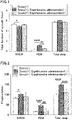
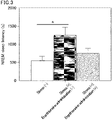
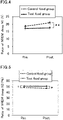
- Fig. 1, Fig. 2 , and Fig. 3 show the results.
- Stress (-) represents a control group (a group without stress induction)
- Stress (+), ergothioneine administration (-)” represents a non-administration group (a group with stress induction and without administration of L-ergothioneine)
- Stress (+), ergothioneine administration (+) represents an ergothioneine administration group (a group with stress induction and administration of L-ergothioneine).
- the results in Fig. 1 to Fig. 3 are presented in means ⁇ standard error for each group.
- the white bars represent the control group.
- the black bars represent the non-administration group.
- the hatched bars represent the ergothioneine administration group.
- Fig. 1 shows the duration of episode of each sleep stage (NREM sleep or REM sleep) and sleep duration in each group during the light phase.
- NREM sleep NREM
- REM REM
- Administration of L-ergothioneine improved these phenomena to the level of the control group without stress induction ( Fig. 1 ).
- the ratio of NREM sleep duration to total sleep time was reduced by stress, administration of L-ergothioneine increased the ratio of NREM sleep duration to total sleep time.
- “Sleep duration” refers to the actual sleep time, excluding wake time during sleep.
- Total sleep time refers to the time including sleep duration and wake time during sleep. Sleep duration in rats can be regarded as equivalent to total sleep time in humans .
- Fig. 2 shows the number of sleep fragmentation episodes in each sleep stage (the number of fragmentation episodes in NREM sleep or REM sleep) and the total number of sleep fragmentation episodes during the light phase.
- Total sleep in Fig. 2 represents the total number of sleep fragmentation episodes.
- Fragmentation in REM sleep was increased in the non-administration group with stress induction, compared to the control group.
- the ergothioneine administration group showed reduced fragmentation to a level comparable to that of the control group ( Fig. 2 ).
- Fig. 3 shows the latency (sec) from the start of the light phase to the first episode of NREM sleep in each group. NREM sleep latency in rats can be regarded as equivalent to sleep latency.
- the non-administration group showed an increased sleep latency, compared to the control group.
- Administration of L-ergothioneine exhibited an action to reduce an increase in sleep latency ( Fig. 3 ).
- test food group 46 subjects; control food group: 46 subjects; 92 subjects in total
- test food group 46 subjects; 92 subjects in total
- placebo-controlled, randomized, double-blind, parallel-group comparative study in which one capsule containing 20 mg of L-ergothioneine (test food) or one capsule not containing L-ergothioneine (control food) was ingested daily for four weeks.
- the sleep quality and sleep duration were evaluated by measuring brain waves during sleep using an electroencephalograph "SLEEPSCOPE" (product name) available from SleepWell Co., Ltd.
- a 2-sample t-test **: p ⁇ 0.01, *: p ⁇ 0.05, ⁇ : p ⁇ 0.1, vs. control food group) was performed for significance testing between the groups.
- Test food capsule containing a test substance (L-ergothioneine 20 mg)
- Each type of food for evaluation contained raw materials such as dextrin, hydroxypropyl cellulose, carrageenan, potassium chloride, and titanium oxide, in addition to the test substance.
- the control food was produced using the same raw materials used in the test food, except that the test substance (L-ergothioneine) was not added.
- Brain waves during sleep were measured before the start of ingestion of the food for evaluation (pre-test) and after four weeks of ingestion of the food.
- the pre-test measurement of brain waves was regarded as "pre-examination”, and the measurement of brain waves after four weeks of ingestion of the food for evaluation was regarded as "week 4 examination”.
- the L-ergothioneine concentration ( ⁇ M) in blood of each subject was also measured at the pre-examination and at the week 4 examination.
- NREM sleep is divided into three stages 1 to 3 according to sleep depth by measuring brain waves using an electroencephalograph "SLEEPSCOPE” available from SleepWell Co., Ltd.
- Figs. 4 to 19 show results of main evaluation items for sleep quality (ratio of total time of each sleep stage to total sleep time; number of wake after sleep onset; number of wake after sleep onset in two hours before waking up; NREM sleep latency; ⁇ (delta) power in the first sleep cycle, and sleep efficiency) and sleep duration, as determined by measuring brain waves.
- Figs. 4 to 19 show the measured values and the amount of change between measurements at the pre-examination and at the week 4 examination (**: p ⁇ 0.01, *: p ⁇ 0.05, ⁇ : p ⁇ 0.1, vs. control food group).
- the amount of change is a value obtained by subtracting the measured value at the pre-examination from the measured value at the week 4 examination ("measured value at week 4 examination” - "measured value at pre-examination”) .
- the results shown in Fig. 4 to Fig 20 are presented in means ⁇ standard error for each group.
- a 2-sample t-test **: p ⁇ 0.01, *: p ⁇ 0.05, ⁇ : p ⁇ 0.1, vs. control food group) was performed for significance testing between the groups.
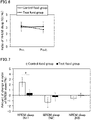
- Fig. 4, Fig. 5 , and Fig. 6 each show the measured ratio of NREM sleep stage to total sleep time in each group.
- Fig. 7 shows the amount of change in the ratio of each NREM sleep stage to total sleep time in each group.
- Fig. 4 is a graph showing the ratio of NREM sleep stage 1 (N1) to total sleep time.
- Fig. 5 is a graph showing the ratio of NREM sleep stage 2 (N2) to total sleep time.
- Fig. 6 is a graph showing the ratio of NREM sleep stage 3 (N3) to total sleep time.
- Fig. 7 is a graph showing the amount of change in the ratio of NREM sleep stage to total sleep time.
- the control food group showed an increased ratio of NREM sleep stage 1 serving as an index of shallow sleep, and reduced ratios of NREM sleep stages 2 and 3 serving as indices of deep sleep.
- the ratio of NREM sleep stage 1 which was increased in the control food group was significantly suppressed by the intervention of L-ergothioneine.
- the ratios of NREM sleep stages 2 and 3 which were reduced in the control food group were increased by the intervention of L-ergothioneine.
- the intervention of L-ergothioneine increased the ratio of deep sleep.
- the test food group showed an increased total time of NREM sleep stages 1 to 3 relative to total sleep time, compared to the control food group.
- L-ergothioneine increased the ratio of NREM sleep duration to total sleep time.
- Fig. 8 shows the measured number of wake after sleep onset in each group.
- Fig. 9 shows the amount of change in the number of wake after sleep onset in each group.
- Fig. 10 shows the measured number of wake after sleep onset in two hours before waking up in each group.
- Fig. 11 shows the amount of change in the number of wake after sleep onset in two hours before waking up in each group. The number of wake after sleep onset in two hours before waking up is used as an index of early morning awakening, and is known that a smaller number leads to easier waking up.
- Fig. 12 shows the measured NREM sleep latency in each group .
- Fig. 13 shows the amount of change in NREM sleep latency in each group. While the control food group showed an increased time to reach deep sleep, the intervention of L-ergothioneine reduced an increase in time to reach deep sleep. The test food group fed with L-ergothioneine showed a reduced sleep latency, compared to the control food group. L-ergothioneine reduced NREM sleep latency, which reduced sleep latency.
- Fig. 14 shows the measured ⁇ power in the first sleep cycle in each group.
- Fig. 15 shows the amount of change in ⁇ power in the first sleep cycle in each group.
- the ⁇ power in the first sleep cycle is known as an index of sleep depth. While the control food group showed hardly any change in ⁇ power in the first sleep cycle, the intervention of L-ergothioneine increased ⁇ power in the first sleep cycle. Based on the above and the results shown in Fig. 4, Fig. 5 , Fig. 6, and Fig. 7 , L-ergothioneine is expected to have a deep sleep inducing effect.
- Fig. 16 shows the measured sleep efficiency in each group.
- Fig. 17 shows the amount of change in sleep efficiency in each group.
- Sleep efficiency indicates the ratio of actual sleep time during sleep, and is known as an index of sleep quality as a whole. While the control food group showed a reduced sleep efficiency, the intervention of L-ergothioneine increased sleep efficiency.
- Fig. 18 shows the measured sleep duration in each group.
- Fig. 19 shows the amount of change in sleep duration in each group. While the control food group showed a reduced sleep duration, the intervention of L-ergothioneine increased sleep duration.
- Fig. 20 shows the L-ergothioneine concentration in plasma in the control food group and the test food group.
- the results confirmed that the intervention of L-ergothioneine increased the L-ergothioneine concentration in plasma.
- the results show that an increase in L-ergothioneine concentration in blood results in a better sleep quality and a longer sleep duration.
Landscapes
- Health & Medical Sciences (AREA)
- Chemical & Material Sciences (AREA)
- Life Sciences & Earth Sciences (AREA)
- Organic Chemistry (AREA)
- Medicinal Chemistry (AREA)
- Pharmacology & Pharmacy (AREA)
- Animal Behavior & Ethology (AREA)
- General Health & Medical Sciences (AREA)
- Public Health (AREA)
- Veterinary Medicine (AREA)
- Engineering & Computer Science (AREA)
- Biomedical Technology (AREA)
- Neurosurgery (AREA)
- Epidemiology (AREA)
- Nuclear Medicine, Radiotherapy & Molecular Imaging (AREA)
- General Chemical & Material Sciences (AREA)
- Anesthesiology (AREA)
- Bioinformatics & Cheminformatics (AREA)
- Chemical Kinetics & Catalysis (AREA)
- Neurology (AREA)
- Polymers & Plastics (AREA)
- Proteomics, Peptides & Aminoacids (AREA)
- Nutrition Science (AREA)
- Food Science & Technology (AREA)
- Mycology (AREA)
- Pharmaceuticals Containing Other Organic And Inorganic Compounds (AREA)
- Coloring Foods And Improving Nutritive Qualities (AREA)
Abstract
Description
- The present invention relates to a composition for sleep improvement. The present invention also relates to a method of improving sleep and the like.
- Sleep is an important physiological activity that occupies about one third of the lifespan. Recent years witness an increasing number of people dissatisfied with sleep quality due to life rhythm disturbance, stress, or aging, for example. A reduction in sleep quality involves symptoms such as a longer sleep latency (having trouble with falling asleep), early morning awakening (waking up early in the morning), wake after sleep onset (frequent nocturnal awakenings), and deep sleep failure (not feeling well asleep or feeling shallow sleep).
- Sleeping pills are used for treatment to improve sleep quality. However, sleeping pills have side effects and some people have anxiety about taking sleeping pills, for example, so that food-derived substances that can improve sleep quality have been developed. For example,
Patent Literature 1 discloses an oral sleeping improver containing at least one selected from the group consisting of menthol and a glycoside thereof as an active ingredient. - Ergothioneine is an amino acid found in mushrooms and the like. L-ergothioneine is present in nature.
Patent Literature 2 discloses an agent that promotes production and/or secretion of an antimicrobial substance in paneth cells, the agent containing ergothioneine extracted from mushrooms as an active ingredient. -
- Patent Literature 1:
JP 2019-6717 A - Patent Literature 2:
JP 2012-180329 A -
Patent Literatures - The present invention aims to provide a composition for sleep improvement, the composition containing a highly safe substance as an active ingredient. The present invention also aims to provide a method of improving sleep.
- As a result of extensive studies to solve the above issue, the present inventors found that L-ergothioneine has a sleep improving effect.
- Specifically, the present invention relates to the following composition for sleep improvement, for example.
- (1) A composition for sleep improvement, the composition containing L-ergothioneine or a salt thereof as an active ingredient.
- (2) The composition for sleep improvement according to (1) above, wherein the sleep improvement is at least one selected from the group consisting of reduction in sleep latency, reduction in duration and number of wake after sleep onset, and increase in ratio of NREM sleep duration to total sleep time.
- (3) The composition for sleep improvement according to (1) or (2) above, wherein the composition is an oral composition.
- (4) The composition for sleep improvement according to any one of (1) to (3) above, wherein the composition is a food or beverage.
- (5) A method of improving sleep, the method including administering L-ergothioneine or a salt thereof.
- (6) Use of L-ergothioneine or a salt thereof for improving sleep.
- The present invention provides a composition for sleep improvement, the composition containing a highly safe substance as an active ingredient. The present invention can also provide a method of improving sleep.
-
-
Fig. 1 is a graph showing the duration of episode of each sleep stage (NREM sleep or REM sleep) and sleep duration in a control group (stress (-)), a non-administration group (stress (+), ergothioneine administration (-)), and an ergothioneine administration group (stress (+), ergothioneine administration (+)) during the light phase. -
Fig. 2 is a graph showing results of evaluation of the effect of L-ergothioneine on the number of sleep fragmentation episodes in each sleep stage and the total number of sleep fragmentation episodes during the light phase. -
Fig. 3 is a graph showing results of evaluation of the latency from the start of the light phase to the first episode of NREM sleep in the control group (stress (-)), the non-administration group (stress (+), ergothioneine administration (-)), and the ergothioneine administration group (stress (+), ergothioneine administration (+)). -
Fig. 4 is a graph showing the ratio of NREM sleep stage 1 (N1) to total sleep time in the control food group and the test food group. -
Fig. 5 is a graph showing the ratio of NREM sleep stage 2 (N2) to total sleep time in the control food group and the test food group. -
Fig. 6 is a graph showing the ratio of NREM sleep stage 3 (N3) to total sleep time in the control food group and the test food group. -
Fig. 7 is a graph showing the amount of change in the ratio of NREM sleep stage to total sleep time in the control food group and the test food group. -
Fig. 8 is a graph showing the number of wake after sleep onset in the control food group and the test food group. -
Fig. 9 is a graph showing the amount of change in the number of wake after sleep onset in the control food group and the test food group. -
Fig. 10 is a graph showing the number of wake after sleep onset in two hours before waking up in the control food group and the test food group. -
Fig. 11 is a graph showing the amount of change in the number of wake after sleep onset in two hours before waking up in the control food group and the test food group. -
Fig. 12 is a graph showing NREM sleep latency in the control food group and the test food group. -
Fig. 13 is a graph showing the amount of change in NREM sleep latency in the control food group and the test food group. -
Fig. 14 is a graph showing δ power in the first sleep cycle in the control food group and the test food group. -
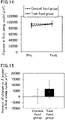
Fig. 15 is a graph showing the amount of change in δ power in the first sleep cycle in the control food group and the test food group. -
Fig. 16 is a graph showing sleep efficiency in the control food group and the test food group. -
Fig. 17 is a graph showing the amount of change in sleep efficiency in the control food group and the test food group. -
Fig. 18 is a graph showing sleep duration in the control food group and the test food group. -
Fig. 19 is a graph showing the amount of change in sleep duration in the control food group and the test food group. -
Fig. 20 is a graph showing the L-ergothioneine concentration in plasma in the control food group and the test food group. - The composition for sleep improvement of the present invention contains L-ergothioneine or a salt thereof as an active ingredient.
- In the present invention, the term "sleep improvement" refers to improving sleep quality and/or increasing sleep duration. The composition for sleep improvement of the present invention, which contains L-ergothioneine or a salt thereof as an active ingredient, can improve sleep quality. In one embodiment, L-ergothioneine or a salt thereof is effective in increasing sleep duration. The composition for sleep improvement of the present invention can be used for improving sleep quality and/or increasing sleep duration. In one embodiment, the composition for sleep improvement of the present invention is preferably used for improving sleep quality. L-ergothioneine or a salt thereof is present in natural products and food and beverages, and it is a compound that has been used as a food ingredient. Thus, continuous ingestion of L-ergothioneine or a salt thereof, for example, is less likely to cause problems in terms of safety.
- The salt of L-ergothioneine is not limited as long as it is a pharmacologically acceptable salt or a dietary acceptable salt, and it may be either an acid salt or a basic salt. Examples of the acid salt include inorganic acid salts such as hydrochloride, sulfate, nitrate, and phosphate, and organic acid salts such as acetate, citrate, maleate, malate, oxalate, lactate, succinate, fumarate, and propionate. Examples of the basic salt include alkali metal salts such as sodium salt and potassium salt, and alkaline earth metal salts such as calcium salt and magnesium salt.
- L-ergothioneine or a salt thereof that can be used may be a chemically synthesized product or a purified extract of a natural product. L-ergothioneine is abundantly present in golden/yellow oyster mushrooms (binomial name: Pleurotus cornucopiae var. citrinopileatus) belonging to the genus Pleurotus of the family Pleurotaceae. L-ergothioneine is also present in mushrooms such as common mushrooms (binomial name: Agaricus bisporus) including white mushroom, cremini mushroom, and portabella mushroom; grey oyster mushroom (binomial name: Pleurotus ostreatus), shiitake (binomial name: Lentinula edodes), hen-of-the-wood (binomial name: Grifola Frondosa), reishi mushuroom (binomial name: Ganoderma lucidum), lion's mane mushroom (binomial name: Hericium erinaceus), Yanagi-matsutake (binomial name: Agrocybe aegerita), girolle (binomial name: Cantharellus cibarius), porcini (binomial name: Boletus edulis), and common morel (binomial name: Morchella esculenta). When L-ergothioneine is obtained from a natural product, preferably, it is extracted from a golden/yellow oyster mushroom, for example. L-ergothioneine or a salt thereof can also be produced by microbial fermentation. An extract containing L-ergothioneine or a salt thereof produced by microbial fermentation or a purified product thereof may be used. L-ergothioneine can be extracted and purified from natural products by known methods. L-ergothioneine or a salt thereof may be in an isolated form. In the present invention, a mushroom extract containing L-ergothioneine or a salt thereof, for example, may be added to the composition of the present invention, as long as the effect of the present invention is obtained.
- In the present invention, examples of the sleep quality improvement include reducing sleep latency (time from wakefulness to falling asleep), reducing the number and duration of wake after sleep onset, and increasing the ratio of non-rapid eye movement sleep (NREM sleep) duration to total sleep time. In the present invention, for example, the sleep latency, the number and duration of wake after sleep onset, or the ratio of NREM sleep duration to total sleep time can be used as an index for evaluation of sleep quality. NREM sleep latency (latency until the first episode of NREM sleep) can also be used as an index for evaluation of sleep quality. In the case of humans, the NREM sleep duration or sleep latency may be evaluated, for example, by a non-invasive measurement method using an electroencephalograph or the like. The sleep improving effect of the present invention can be evaluated, for example, by orally feeding or orally administering a human or animal subject (e.g., a mouse or rat) with the composition for sleep improvement of the present invention and examining sleep quality or sleep duration after the oral feeding or oral administration by the above-described method or the like.
- As shown in Examples described later, stress-induced rats showed a lower sleep quality, a longer sleep latency, increased number and duration of wake after sleep onset, and a reduced NREM sleep duration relative to total sleep time (longer rapid eye movement sleep (REM sleep) time). Rats orally fed with L-ergothioneine showed a reduction in sleep latency which had been increased by stress induction. Ingestion of L-ergothioneine also reduced the number and duration of wake after sleep onset. L-ergothioneine increased the ratio of NREM sleep duration to total sleep time.
- In Examples described later, subjects were fed with a food containing L-ergothioneine, and their brain waves during sleep were measured to evaluate sleep quality and sleep duration. According to the results, the ratio of NREM sleep duration to total sleep time was increased by ingestion of L-ergothioneine, compared to non-ingestion. Ingestion of L-ergothioneine also reduced the number and duration of wake after sleep onset. L-ergothioneine acted to reduce NREM sleep latency so as to reduce sleep latency. Further, ingestion of L-ergothioneine resulted in an increased ratio of deep sleep with a tendency of an increase in ratio of
NREM sleep stage 3 and a tendency of an increase in δ power in the first sleep cycle. Ingestion of L-ergothioneine also improved sleep efficiency, for example. Ingestion of L-ergothioneine also increased sleep duration. - Thus, L-ergothioneine or a salt thereof acts to improve sleep, and can be used as an active ingredient of a composition for sleep improvement.
- In one embodiment, the composition for sleep improvement of the present invention can be used for at least one sleep improvement selected from the group consisting of reduction in sleep latency, reduction in duration and number of wake after sleep onset, increase in ratio of NREM sleep duration to total sleep time, and increase in sleep duration. In one embodiment, the composition for sleep improvement of the present invention is preferably used for at least one sleep improvement selected from the group consisting of reduction in sleep latency, reduction in duration and number of wake after sleep onset, and increase in ratio of NREM sleep duration to total sleep time. L-ergothioneine or a salt thereof can be used for improvement of poor sleep quality caused by stress, for example, for at least one sleep improvement selected from the group consisting of reduction in sleep latency increased by stress, reduction in number and duration of wake after sleep onset which are increased by stress, and increase in ratio of NREM sleep duration to total sleep time which is reduced by stress. NREM sleep can be divided, for example, into three
stages 1 to 3 according to sleep depth.Stage 3 is deep sleep. In the present invention, the increase in ratio of NREM sleep duration to total sleep time may be an increase in ratio of total NREM sleep duration to total sleep time and/or an increase in ratio ofNREM sleep stage 3 to total sleep time. In one embodiment, the increase in ratio of NREM sleep duration to total sleep time is preferably an increase in ratio ofNREM sleep stage 3 to total sleep time. The NREM sleep stages 1 to 3 can be determined by brain waves during sleep. In the present invention, the NREM sleep stages 1, 2, and 3 refer to NREM sleep stages 1, 2, and 3 classified according to sleep depth by measuring brain waves using an electroencephalograph "SLEEPSCOPE" (product name) available from SleepWell Co., Ltd. or by electroencephalography comparable to a method that uses the electroencephalograph. The composition for sleep improvement of the present invention shows an excellent effect of resolving dissatisfaction in sleep, such as having trouble with falling asleep or shallow sleep (e.g., improving falling asleep or alleviating deep sleep failure (nonrestorative sleep)). - The composition for sleep improvement of the present invention can be used for, for example, preventing or alleviating a condition or disease such as a sleep disorder. The sleep disorder may be a stress-induced sleep disorder. The sleep disorder includes dyssomnia such as insomnia. Insomnia refers to a condition with one of the following symptoms: difficulty of initiating sleep (difficulty falling asleep), wake after sleep onset, early morning awakening, and deep sleep failure. Insomnia may be stress-induced insomnia. In one embodiment, the composition for sleep improvement of the present invention can be used for alleviating at least one insomnia condition selected from the group consisting of difficulty of initiating sleep, wake after sleep onset, early morning awakening, and deep sleep failure. In one embodiment, the composition for sleep improvement of the present invention can be suitably used for reducing wake after sleep onset, especially reducing the duration and number of wake after sleep onset.
- Preventing a condition or disease encompasses preventing the onset of a condition or disease, delaying the onset of a condition or disease, reducing the incidence of a condition or disease, reducing the onset risk of a condition or disease, and the like. Alleviating a condition or disease encompasses helping a subject recover from a condition or disease, alleviating a symptom of a condition or disease, favorably changing a symptom of a condition or disease, delaying or preventing the progress of a condition or disease, and the like.
- The composition for sleep improvement of the present invention is applicable for therapeutic use (medical use) or non-therapeutic use (non-medical use). The "non-therapeutic" is a concept that does not include medical activities, i.e., a concept that does not include methods of surgery, therapy, or diagnosis of humans.
- The composition for sleep improvement of the present invention can be provided in the form of a food or beverage, a pharmaceutical product, a quasi-pharmaceutical product, feed, or the like, for example. The composition for sleep improvement of the present invention may be a food or beverage, a pharmaceutical product, a quasi-pharmaceutical product, feed, or the like for sleep improvement by itself, or may be a material, a preparation, or the like that is added thereto.
- The composition for sleep improvement of the present invention may be provided as an agent or the like, for example, but it is not limited thereto. The agent can be directly provided as a composition, or can be provided as a composition containing the agent. In one embodiment, the composition for sleep improvement of the present invention can also be referred to as a "sleep improver".
- In order to sufficiently obtain the effect of the present invention, preferably, the composition for sleep improvement of the present invention is an oral composition. The oral composition may be a food or beverage, an oral pharmaceutical product, an oral quasi-pharmaceutical product, or feed, preferably a food or beverage or an oral pharmaceutical product, still more preferably a food or beverage.
- The composition for sleep improvement of the present invention may contain optional additives and optional components in addition to L-ergothioneine or a salt thereof, as long as the effect of the present invention is not impaired. Such additives and components can be selected according to the composition form or the like. Those that can be generally used in foods, beverages, pharmaceutical products, quasi-pharmaceutical products, feed, and the like can be used. When the composition for sleep improvement is provided as a food or beverage, a pharmaceutical product, a quasi-pharmaceutical product, feed, or the like, any production method may be used, and such a product can be produced by a common method.
- For example, when the composition for sleep improvement of the present invention is provided as a food or beverage, various types of food or beverages can be provided by adding a component usable in food or beverages (e.g., a food material or an optional food additive) to L-ergothioneine or a salt thereof. Non-limiting examples of the food or beverages include general foods and beverages, health foods, health beverages, foods with function claims, foods for specified health uses, dietary supplements, and foods and beverages for the sick. The health foods, foods with function claims, foods for specified health uses, dietary supplements, and the like can be used, for example, in various forms of preparations such as fine granules, tablets, granules, powders, capsules, chewable tablets, syrups, liquids, and liquid foods.
- When the composition for sleep improvement of the present invention is provided as a pharmaceutical product or a quasi-pharmaceutical product, for example, a pharmacologically acceptable carrier, an optional additive, or the like can be added to L-ergothioneine or a salt thereof to provide pharmaceutical products or quasi-pharmaceutical products in various dosage forms. Such a carrier, an additive, or the like may be any pharmacologically acceptable one that can be used in pharmaceutical products or quasi-pharmaceutical products. Examples thereof include excipients, binders, disintegrants, lubricants, antioxidants, and colorants. One or more of these can be used. The form of administration of the pharmaceutical product or the quasi-pharmaceutical product may be an oral or parenteral. Oral administration is preferred in order to obtain the effect of the present invention more sufficiently. When the composition for sleep improvement of the present invention is provided as a pharmaceutical product or a quasi-pharmaceutical product, preferably, it is an oral pharmaceutical product or an oral quasi-pharmaceutical product. Examples of dosage forms for oral administration include liquids, tablets, powders, fine granules, granules, sugar-coated tablets, capsules, suspensions, emulsions, and chewable tablets. Examples of dosage forms for parenteral administration include injection and infusion. The pharmaceutical product and the quasi-pharmaceutical product may be for non-human animals.
- When the composition for sleep improvement of the present invention is provided as feed, L-ergothioneine or a salt thereof is simply added to feed. The feed includes feed additives. Examples of the feed include livestock feed for animals such as cows, pigs, chickens, sheep, and horses; feed for small animals such as rabbits, rats, and mice; and pet food for animals such as dogs, cats, and birds.
- The amount of L-ergothioneine or a salt thereof in the composition for sleep improvement of the present invention is not limited, and can be set according to the composition form and the like.
- The amount of L-ergothioneine or a salt thereof, for example, in terms of L-ergothioneine, in the composition for sleep improvement of the present invention is preferably 0.0001 wt% or more, more preferably 0.001 wt% or more, and is preferably 90 wt% or less, more preferably 50 wt% or less. In one embodiment, the amount of L-ergothioneine or a salt thereof, in terms of L-ergothioneine in the composition for sleep improvement is preferably 0.0001 to 90 wt%, more preferably 0.001 to 50 wt%. In one embodiment, when the composition for sleep improvement of the present invention is provided as a food or beverage, a pharmaceutical product, a quasi-pharmaceutical product, feed, or the like, preferably, the amount of L-ergothioneine or a salt thereof is in the above ranges.
- The composition for sleep improvement of the present invention can be ingested or administered by a method appropriate to the composition form. In order to sufficiently obtain the effect of the present invention, preferably, the composition for sleep improvement of the present invention is orally ingested (orally administered) . The intake (dosage) of the composition for sleep improvement of the present invention is not limited, as long as it is an amount that achieves the sleep improving effect (in one embodiment, preferably, a sleep quality improving effect). The intake may be appropriately set according to the administration form, administration method, body weight of a subject, and the like.
- In one embodiment, when a human (adult) is subjected to oral ingestion or administration of the composition for sleep improvement of the present invention, the intake of L-ergothioneine or a salt thereof per 60 kg of body weight per day in terms of L-ergothioneine is preferably 1 mg or more, more preferably 5 mg or more, still more preferably 10 mg or more, and is preferably 500 mg or less, more preferably 200 mg or less, still more preferably 100 mg or less, particularly preferably 50 mg or less. In one embodiment, when a human (adult) is subjected to oral ingestion or administration of the composition, the intake of L-ergothioneine or a salt thereof per 60 kg of body weight per day in terms of L-ergothioneine can be less than 50 mg or can be 45 mg or less. In one embodiment, when a human (adult) is subjected to oral ingestion or administration, the intake of L-ergothioneine or a salt thereof per 60 kg of body weight per day in terms of L-ergothioneine is preferably 1 to 500 mg, more preferably 5 to 200 mg, still more preferably 10 to 100 mg, particularly preferably 10 to 50 mg. The intake of L-ergothioneine or a salt thereof per 60 kg of body weight per day in terms of L-ergothioneine may be 10 mg or more and less than 50 mg and may be 10 to 45 mg. Preferably, the above amount of the composition is ingested or administered in one or more portions per day, for example, in one portion or several portions (for example, two or three portions) per day. In one embodiment of the present invention, the composition for sleep improvement may be an oral composition for feeding or administering a human with the above amount of L-ergothioneine or a salt thereof per 60 kg of body weight per day.
- In one embodiment, when the composition for sleep improvement of the present invention is parenterally administered to a human (adult), the dosage of L-ergothioneine or a salt thereof per 60 kg body weight per day in terms of L-ergothioneine is, for example, preferably 1 to 500 mg, more preferably 5 to 200 mg, still more preferably 10 to 100 mg, particularly preferably 10 to 50 mg. When the composition is parenterally administered to a human (adult), the dosage of L-ergothioneine or a salt thereof per 60 kg body weight per day in terms of L-ergothioneine may be 10 mg or more and less than 50 mg or may be 10 to 45 mg.
- L-ergothioneine or a salt thereof is likely to result in a better sleep improving effect. Thus, in a preferred embodiment, the composition for sleep improvement of the present invention is continuously ingested or administered. In one embodiment of the present invention, the composition for sleep improvement is continuously ingested or administered preferably for at least one week, more preferably for at least two weeks.
- A subject (administration subject) to be fed or administered with the composition for sleep improvement of the present invention is not limited. The subject is preferably a human or non-human mammal, more preferably a human.
- The subject to be fed or administered with the composition for sleep improvement of the present invention may be a subject who needs or wants to improve sleep, for example, a subject who needs or wants to improve sleep quality or a subject who needs or wants to increase sleep duration. The administration subject may be, for example, a human with poor sleep quality (preferably, a human with poor sleep quality caused by stress) or a healthy person who needs or wants to have higher quality sleep. In one embodiment, the administration subject may be a subject with a sleep disorder (preferably, a human with a sleep disorder) or a subject with insomnia (preferably, a human with insomnia) . The administration subject may also be, for example, a human with at least one insomnia condition selected from the group consisting of difficulty of initiating sleep, wake after sleep onset, early morning awakening, and deep sleep failure, or a human who needs or wants to improve such a condition.
- The composition for sleep improvement of the present invention may be labeled with function claims based on sleep improvement. The composition for sleep improvement of the present invention may be labeled with one or more function claims such as "reducing drowsiness upon awakening", "improving sleep quality", "improving falling asleep", "improving deep sleep", "sense of satisfaction upon awakening", and/or "recovery from fatigue".
- In one embodiment of the present invention, preferably, the composition for sleep improvement of the present invention is a food or beverage labeled with one or more of the above function claims. The labels may be labels indicating use for obtaining these functions.
- The present invention also encompasses the following method and use:
- a method of improving sleep, the method including feeding or administering L-ergothioneine or a salt thereof; and
- use of L-ergothioneine or a salt thereof for improving sleep.
- The method and use may be therapeutic or non-therapeutic. Feeding or administering a subject with L-ergothioneine or a salt thereof can improve sleep quality of the subject. In one embodiment, ingestion or administration of L-ergothioneine or a salt thereof can increase sleep duration. Oral ingestion or administration of L-ergothioneine or a salt thereof is preferred. The above method may be a method of reducing sleep latency, reducing the duration and number of wake after sleep onset, and/or increasing the ratio of NREM sleep duration to total sleep time. The use may be use for at least one selected from the group consisting of reduction in sleep latency, reduction in duration and number of wake after sleep onset, and increase in ratio of NREM sleep duration to total sleep time.
- In the use and the method, L-ergothioneine or a salt thereof, preferred embodiments thereof, and the like are as described above for the composition for sleep improvement of the present invention. Preferably, the method and the use include feeding or administering a subject with L-ergothioneine or a salt thereof one or more times per day, for example, one to several times (e.g., two to three times) per day. The uses are preferably for a human or non-human mammal, more preferably for a human. In one embodiment, L-ergothioneine or a salt thereof can be used, for example, for preventing or alleviating sleep disorder. L-ergothioneine or a salt thereof can be used for preventing or alleviating insomnia. L-ergothioneine or a salt thereof can be used for, for example, alleviating at least one insomnia condition selected from the group consisting of difficulty of initiating sleep, wake after sleep onset, early morning awakening, and deep sleep failure. The present invention also encompasses a method of alleviating at least one insomnia condition selected from the group consisting of difficulty of initiating sleep, wake after sleep onset, early morning awakening, and deep sleep failure, the method including feeding or administrating L-ergothioneine or a salt thereof.
- In the method and the use, L-ergothioneine or a salt thereof is simply used in an amount (effective amount) that provides a sleep improving effect. A preferred dosage of L-ergothioneine or a salt thereof, a preferred administration subject, and the like are as described above for the composition for sleep improvement of the present invention. L-ergothioneine or a salt thereof may be directly ingested or administered, or may be ingested or administered as a composition containing L-ergothioneine or a salt thereof. For example, the composition for sleep improvement of the present invention may be ingested or administered.
- L-ergothioneine or a salt thereof can also be used for producing a food or beverage, a pharmaceutical product, a quasi-pharmaceutical product, feed, or the like used for improving sleep. In one embodiment, the present invention also encompasses use of L-ergothioneine or a salt thereof for producing a composition for sleep improvement.
- The present invention also encompasses L-ergothioneine or a salt thereof for use in improvement of sleep;
- L-ergothioneine or a salt thereof for use in prevention or alleviation of a sleep disorder; L-ergothioneine or a salt thereof for use in prevention or alleviation of insomnia;
- L-ergothioneine or a salt thereof for use in alleviation of at least one insomnia condition selected from the group consisting of difficulty of initiating sleep, wake after sleep onset, early morning awakening, or deep sleep failure; a composition containing L-ergothioneine or a salt thereof for use in improvement of sleep; a composition containing L-ergothioneine or a salt thereof for use in prevention or alleviation of a sleep disorder; a composition containing L-ergothioneine or a salt thereof for use in prevention or alleviation of insomnia; and a composition containing L-ergothioneine or a salt thereof for use in alleviation of at least one insomnia condition selected from the group consisting of difficulty of initiating sleep, wake after sleep onset, early morning awakening, or deep sleep failure. The composition may be the above-described composition for sleep improvement, and may be a food or beverage, a pharmaceutical product, a quasi-pharmaceutical product, feed, or the like.
- The present invention is described in further detail below with reference to examples, but the scope of the present invention is not limited thereto.
- A series of animal experiments was performed based on a plan approved by the relevant chief through evaluation of the in-house animal experiment committee, in compliance with the animal welfare management laws and other related laws and regulations.
- The following method was used to induce stress in rats in an ergothioneine administration group (N = 5) and a non-administration group (N = 7). During the test period, the rats were kept under a 12-hour light-dark cycle.
- A Sprague-Dawley (SD) rat (8 weeks of age) was introduced into a cage where a larger and highly aggressive Brown-Norway (BN) rat was kept. These two rats were housed together for 10 minutes to make sure contact (direct contact) between the rats as the BN rat chasing after or hovering over the SD rat. Then, the SD rat and the BN rat were kept together for 24 hours in a breeding cage having compartments separated by a transparent perforated partition (indirect contact). Stress was induced in the SD rat in the same manner on the following day. A BM rat different from the one on the preceding day was used as a stressor. Stress was induced once a day for five consecutive days (from Monday to Friday), and then only indirect contact was allowed for two days on the weekend. This process was repeated for two cycles.
- Thus, stress induction under conditions combining direct contact and indirect contact was performed 10 times in total, and stress was induced for 12 days in total.
- The ergothioneine administration group was orally administered with L-ergothioneine from seven days before stress induction to the end of stress induction. L-ergothioneine was used in the form of an aqueous solution of L-ergothioneine dissolved in water (L-ergothioneine concentration: 0.25 mg/mL) . The dosage of L-ergothioneine was about 20 mg per 1 kg body weight per day. The non-administration group was orally administered with water instead of the aqueous L-ergothioneine solution.
- The control (stress (-)) group (N = 4) was orally administered with water without the stress induction.
- Electrodes were implanted in the rats to record brain waves, and brain waves during sleep and wakefulness were recorded for 24 hours after the end of stress induction. NREM sleep, REM sleep, and awake state were determined from the brain waves using biological signal analysis software Spike2 (available from CED), and the duration of episode of each of these states was calculated. Tukey's multiple comparisons test (*: p < 0.05, **: p < 0.005, ****: p < 0.0001) was performed for significance testing.
-
Fig. 1, Fig. 2 , andFig. 3 show the results. InFig. 1 to Fig. 3 , "Stress (-)" represents a control group (a group without stress induction), "Stress (+), ergothioneine administration (-)" represents a non-administration group (a group with stress induction and without administration of L-ergothioneine), and "Stress (+), ergothioneine administration (+)" represents an ergothioneine administration group (a group with stress induction and administration of L-ergothioneine). The results inFig. 1 to Fig. 3 are presented in means ± standard error for each group. The white bars represent the control group. The black bars represent the non-administration group. The hatched bars represent the ergothioneine administration group. -
Fig. 1 shows the duration of episode of each sleep stage (NREM sleep or REM sleep) and sleep duration in each group during the light phase. In the light phase, the stress induction reduced the duration of episode of NREM sleep (NREM), but increased the duration of episode of REM sleep (REM), as compared to the control group. Administration of L-ergothioneine improved these phenomena to the level of the control group without stress induction (Fig. 1 ). Although the ratio of NREM sleep duration to total sleep time was reduced by stress, administration of L-ergothioneine increased the ratio of NREM sleep duration to total sleep time. "Sleep duration" refers to the actual sleep time, excluding wake time during sleep. "Total sleep time" refers to the time including sleep duration and wake time during sleep. Sleep duration in rats can be regarded as equivalent to total sleep time in humans . -
Fig. 2 shows the number of sleep fragmentation episodes in each sleep stage (the number of fragmentation episodes in NREM sleep or REM sleep) and the total number of sleep fragmentation episodes during the light phase. "Total sleep" inFig. 2 represents the total number of sleep fragmentation episodes. Fragmentation in REM sleep was increased in the non-administration group with stress induction, compared to the control group. The ergothioneine administration group showed reduced fragmentation to a level comparable to that of the control group (Fig. 2 ).Fig. 3 shows the latency (sec) from the start of the light phase to the first episode of NREM sleep in each group. NREM sleep latency in rats can be regarded as equivalent to sleep latency. The non-administration group showed an increased sleep latency, compared to the control group. Administration of L-ergothioneine exhibited an action to reduce an increase in sleep latency (Fig. 3 ). - Administration of L-ergothioneine reduced sleep latency, which had been increased by stress induction, to a level comparable to that of control group without stress induction.
- In order to examine a sleep improving effect such as a sleep quality-improving effect of a supplement containing ergothioneine, male and female adults feeling stressed on a daily basis and dissatisfied with their sleep (test food group: 46 subjects; control food group: 46 subjects; 92 subjects in total) were subjected to a placebo-controlled, randomized, double-blind, parallel-group comparative study in which one capsule containing 20 mg of L-ergothioneine (test food) or one capsule not containing L-ergothioneine (control food) was ingested daily for four weeks. The sleep quality and sleep duration were evaluated by measuring brain waves during sleep using an electroencephalograph "SLEEPSCOPE" (product name) available from SleepWell Co., Ltd. A 2-sample t-test (**: p < 0.01, *: p < 0.05, †: p < 0.1, vs. control food group) was performed for significance testing between the groups.
- Two types of food indistinguishable in terms of appearance, flavor, and the like were used for evaluation.
- Each type of food for evaluation contained raw materials such as dextrin, hydroxypropyl cellulose, carrageenan, potassium chloride, and titanium oxide, in addition to the test substance. The control food was produced using the same raw materials used in the test food, except that the test substance (L-ergothioneine) was not added.
- Brain waves during sleep were measured before the start of ingestion of the food for evaluation (pre-test) and after four weeks of ingestion of the food. The pre-test measurement of brain waves was regarded as "pre-examination", and the measurement of brain waves after four weeks of ingestion of the food for evaluation was regarded as "
week 4 examination". The L-ergothioneine concentration (µM) in blood of each subject was also measured at the pre-examination and at theweek 4 examination. - NREM sleep is divided into three
stages 1 to 3 according to sleep depth by measuring brain waves using an electroencephalograph "SLEEPSCOPE" available from SleepWell Co., Ltd. - The following items were measured and evaluated as indices of sleep quality.
- Ratio (%) of each sleep stage (
NREM sleep stage -
Figs. 4 to 19 show results of main evaluation items for sleep quality (ratio of total time of each sleep stage to total sleep time; number of wake after sleep onset; number of wake after sleep onset in two hours before waking up; NREM sleep latency; δ (delta) power in the first sleep cycle, and sleep efficiency) and sleep duration, as determined by measuring brain waves.Figs. 4 to 19 show the measured values and the amount of change between measurements at the pre-examination and at theweek 4 examination (**: p < 0.01, *: p < 0.05, †: p < 0.1, vs. control food group). The amount of change is a value obtained by subtracting the measured value at the pre-examination from the measured value at theweek 4 examination ("measured value atweek 4 examination" - "measured value at pre-examination") . The results shown inFig. 4 to Fig 20 are presented in means ± standard error for each group. A 2-sample t-test (**: p < 0.01, *: p < 0.05, †: p < 0.1, vs. control food group) was performed for significance testing between the groups. InFig. 4, Fig. 5 ,Fig. 6 ,Fig. 8 ,Fig. 10 ,Fig. 12 ,Fig. 14 ,Fig. 16 ,Fig. 18 , andFig. 20 , "Pre." refers to the pre-examination, and "Post." refers to theweek 4 examination. The solid lines represent the test food group, and the dashed lines represent the control food group. InFig. 7 ,Fig. 9 ,Fig. 11 ,Fig. 13 ,Fig. 15 ,Fig. 17 , andFig. 19 , the black bars represent the test food group, and the white bars represent the control food group. -
Fig. 4, Fig. 5 , andFig. 6 each show the measured ratio of NREM sleep stage to total sleep time in each group.Fig. 7 shows the amount of change in the ratio of each NREM sleep stage to total sleep time in each group. -
Fig. 4 is a graph showing the ratio of NREM sleep stage 1 (N1) to total sleep time.Fig. 5 is a graph showing the ratio of NREM sleep stage 2 (N2) to total sleep time.Fig. 6 is a graph showing the ratio of NREM sleep stage 3 (N3) to total sleep time.Fig. 7 is a graph showing the amount of change in the ratio of NREM sleep stage to total sleep time. - The control food group showed an increased ratio of
NREM sleep stage 1 serving as an index of shallow sleep, and reduced ratios of NREM sleep stages 2 and 3 serving as indices of deep sleep. The ratio ofNREM sleep stage 1 which was increased in the control food group was significantly suppressed by the intervention of L-ergothioneine. The ratios of NREM sleep stages 2 and 3 which were reduced in the control food group were increased by the intervention of L-ergothioneine. Generally, the intervention of L-ergothioneine increased the ratio of deep sleep. The test food group showed an increased total time of NREM sleep stages 1 to 3 relative to total sleep time, compared to the control food group. L-ergothioneine increased the ratio of NREM sleep duration to total sleep time. -
Fig. 8 shows the measured number of wake after sleep onset in each group.Fig. 9 shows the amount of change in the number of wake after sleep onset in each group.Fig. 10 shows the measured number of wake after sleep onset in two hours before waking up in each group.Fig. 11 shows the amount of change in the number of wake after sleep onset in two hours before waking up in each group. The number of wake after sleep onset in two hours before waking up is used as an index of early morning awakening, and is known that a smaller number leads to easier waking up. While the control food group showed an increased number of wake after sleep onset, and an increased number of wake after sleep onset in two hours before waking up, which resulted in an increased sleep fragmentation, the intervention of L-ergothioneine significantly suppressed sleep fragmentation. L-ergothioneine reduced the number and duration of wake after sleep onset. -
Fig. 12 shows the measured NREM sleep latency in each group .Fig. 13 shows the amount of change in NREM sleep latency in each group. While the control food group showed an increased time to reach deep sleep, the intervention of L-ergothioneine reduced an increase in time to reach deep sleep. The test food group fed with L-ergothioneine showed a reduced sleep latency, compared to the control food group. L-ergothioneine reduced NREM sleep latency, which reduced sleep latency. -
Fig. 14 shows the measured δ power in the first sleep cycle in each group.Fig. 15 shows the amount of change in δ power in the first sleep cycle in each group. The δ power in the first sleep cycle is known as an index of sleep depth. While the control food group showed hardly any change in δ power in the first sleep cycle, the intervention of L-ergothioneine increased δ power in the first sleep cycle. Based on the above and the results shown inFig. 4, Fig. 5 ,Fig. 6, and Fig. 7 , L-ergothioneine is expected to have a deep sleep inducing effect. -
Fig. 16 shows the measured sleep efficiency in each group.Fig. 17 shows the amount of change in sleep efficiency in each group. Sleep efficiency indicates the ratio of actual sleep time during sleep, and is known as an index of sleep quality as a whole. While the control food group showed a reduced sleep efficiency, the intervention of L-ergothioneine increased sleep efficiency. -
Fig. 18 shows the measured sleep duration in each group.Fig. 19 shows the amount of change in sleep duration in each group. While the control food group showed a reduced sleep duration, the intervention of L-ergothioneine increased sleep duration. -
Fig. 20 shows the L-ergothioneine concentration in plasma in the control food group and the test food group. The results confirmed that the intervention of L-ergothioneine increased the L-ergothioneine concentration in plasma. The results show that an increase in L-ergothioneine concentration in blood results in a better sleep quality and a longer sleep duration.
Claims (6)
- A composition for sleep improvement, the composition comprising:
L-ergothioneine or a salt thereof as an active ingredient. - The composition for sleep improvement according to claim 1,
wherein the sleep improvement is at least one selected from the group consisting of reduction in sleep latency, reduction in duration and number of wake after sleep onset, and increase in ratio of NREM sleep duration to total sleep time. - The composition for sleep improvement according to claim 1 or 2,
wherein the composition is an oral composition. - The composition for sleep improvement according to any one of claims 1 to 3,
wherein the composition is a food or beverage. - A method of improving sleep, the method comprising:
administering L-ergothioneine or a salt thereof. - Use of L-ergothioneine or a salt thereof for improving sleep.
Applications Claiming Priority (2)
| Application Number | Priority Date | Filing Date | Title |
|---|---|---|---|
| JP2019195440 | 2019-10-28 | ||
| PCT/JP2020/037973 WO2021085062A1 (en) | 2019-10-28 | 2020-10-07 | Composition for sleep improvement comprising ergothioneine or salt thereof |
Publications (2)
| Publication Number | Publication Date |
|---|---|
| EP4052704A1 true EP4052704A1 (en) | 2022-09-07 |
| EP4052704A4 EP4052704A4 (en) | 2023-12-13 |
Family
ID=75715132
Family Applications (1)
| Application Number | Title | Priority Date | Filing Date |
|---|---|---|---|
| EP20883124.8A Pending EP4052704A4 (en) | 2019-10-28 | 2020-10-07 | SLEEP IMPROVEMENT COMPOSITION COMPRISING ERGOTHIONEIN OR SALT THEREOF |
Country Status (7)
| Country | Link |
|---|---|
| US (1) | US20230000829A1 (en) |
| EP (1) | EP4052704A4 (en) |
| JP (3) | JP7458410B2 (en) |
| CN (1) | CN114599358A (en) |
| AU (1) | AU2020376265B2 (en) |
| TW (2) | TWI868235B (en) |
| WO (1) | WO2021085062A1 (en) |
Families Citing this family (3)
| Publication number | Priority date | Publication date | Assignee | Title |
|---|---|---|---|---|
| JP7748115B2 (en) * | 2021-04-22 | 2025-10-02 | 国立大学法人鳥取大学 | Mushroom-derived circadian rhythm regulators |
| AU2022392070A1 (en) * | 2021-11-17 | 2024-05-02 | Suntory Holdings Limited | Composition for inhibiting histamine-n-methyltransferase |
| JPWO2025063190A1 (en) * | 2023-09-19 | 2025-03-27 |
Family Cites Families (24)
| Publication number | Priority date | Publication date | Assignee | Title |
|---|---|---|---|---|
| JP2006036695A (en) * | 2004-07-27 | 2006-02-09 | Hirose Yukihiro | Composition exhibiting action of promoting good sleep and drink containing the same |
| JP4874532B2 (en) * | 2004-08-25 | 2012-02-15 | 株式会社琉球バイオリソース開発 | Sleep improver |
| JP2006151816A (en) * | 2004-11-04 | 2006-06-15 | Metal Color:Kk | Sleep-improving agent |
| JP2009126863A (en) * | 2007-11-27 | 2009-06-11 | Koei Kogyo Kk | Composition with high content of ergothioneine extracted from mushrooms |
| JP5088911B2 (en) | 2011-03-02 | 2012-12-05 | 国立大学法人北海道大学 | Antimicrobial substance production / secretion promoter |
| CN103181933B (en) * | 2011-12-31 | 2014-08-20 | 中国科学院天津工业生物技术研究所 | Preparation method of functional oral preparation rich in erythrothioneine |
| JP5904378B2 (en) * | 2013-02-28 | 2016-04-13 | 株式会社エル・エスコーポレーション | Antidepressant |
| TW201440765A (en) * | 2013-04-17 | 2014-11-01 | Univ Chung Chou Sci & Tech | Composition for reducing D-galactose induced cranial neuron damage |
| CN104774182B (en) * | 2014-01-09 | 2018-06-01 | 中国科学院天津工业生物技术研究所 | The extraction of erythrothioneine and purification process |
| JP2015140305A (en) * | 2014-01-28 | 2015-08-03 | 国立研究開発法人産業技術総合研究所 | Biological clock regulator |
| CN107007606B (en) * | 2016-02-04 | 2021-10-26 | 南京舒鹏生物科技有限公司 | Medicine for preventing and treating sjogren syndrome and combination thereof |
| JP6864964B2 (en) | 2017-06-27 | 2021-04-28 | 花王株式会社 | Oral sleep improver |
| JP6614557B2 (en) * | 2018-01-25 | 2019-12-04 | 株式会社ユニアル | Method for producing Kumazasa fermentation product |
| CN108925967A (en) * | 2018-06-26 | 2018-12-04 | 赤水市亿成生物科技有限公司 | A kind of gastrodia tuber health food and preparation method thereof improving sleep |
| CN109198439A (en) * | 2018-10-26 | 2019-01-15 | 大连悠铭屋生物科技有限公司 | Instant ginger and distillers' grains fermented rice flour and preparation method thereof |
| EP4331680A4 (en) * | 2021-04-26 | 2025-03-12 | Suntory Holdings Limited | Composition for increasing leukocytes and/or basophils |
| EP4331665A4 (en) * | 2021-04-26 | 2025-03-12 | Suntory Holdings Limited | Composition for promoting lipolysis |
| US20240122899A1 (en) * | 2021-04-26 | 2024-04-18 | Suntory Holdings Limited | Composition for stimulating immune cell metabolism |
| AU2022267110A1 (en) * | 2021-04-26 | 2023-10-05 | Suntory Holdings Limited | Composition for ameliorating or suppressing decline of kidney functions |
| JPWO2022230487A1 (en) * | 2021-04-26 | 2022-11-03 | ||
| EP4331671A4 (en) * | 2021-04-26 | 2025-03-12 | Suntory Holdings Limited | ANTI-ANXIETY COMPOSITION |
| EP4331666A4 (en) * | 2021-04-26 | 2025-04-09 | Suntory Holdings Limited | BLOOD CHOLESTEROL IMPROVING COMPOSITION |
| CA3234681A1 (en) * | 2021-10-13 | 2023-04-20 | Suntory Holdings Limited | Composition containing sesamin and ergothioneine or salt thereof |
| AU2022392070A1 (en) * | 2021-11-17 | 2024-05-02 | Suntory Holdings Limited | Composition for inhibiting histamine-n-methyltransferase |
-
2020
- 2020-10-07 EP EP20883124.8A patent/EP4052704A4/en active Pending
- 2020-10-07 WO PCT/JP2020/037973 patent/WO2021085062A1/en not_active Ceased
- 2020-10-07 JP JP2021554250A patent/JP7458410B2/en active Active
- 2020-10-07 US US17/772,374 patent/US20230000829A1/en not_active Abandoned
- 2020-10-07 AU AU2020376265A patent/AU2020376265B2/en active Active
- 2020-10-07 CN CN202080075275.5A patent/CN114599358A/en active Pending
- 2020-10-14 TW TW109135446A patent/TWI868235B/en active
- 2020-10-14 TW TW113146081A patent/TWI895190B/en active
-
2024
- 2024-03-15 JP JP2024040922A patent/JP7757450B2/en active Active
-
2025
- 2025-10-08 JP JP2025170107A patent/JP2026004552A/en active Pending
Also Published As
| Publication number | Publication date |
|---|---|
| JP2024069498A (en) | 2024-05-21 |
| US20230000829A1 (en) | 2023-01-05 |
| JP2026004552A (en) | 2026-01-14 |
| EP4052704A4 (en) | 2023-12-13 |
| AU2020376265A1 (en) | 2022-06-16 |
| CN114599358A (en) | 2022-06-07 |
| JP7757450B2 (en) | 2025-10-21 |
| TW202128152A (en) | 2021-08-01 |
| TWI868235B (en) | 2025-01-01 |
| TWI895190B (en) | 2025-08-21 |
| JP7458410B2 (en) | 2024-03-29 |
| JPWO2021085062A1 (en) | 2021-05-06 |
| AU2020376265B2 (en) | 2026-02-19 |
| TW202510864A (en) | 2025-03-16 |
| WO2021085062A1 (en) | 2021-05-06 |
Similar Documents
| Publication | Publication Date | Title |
|---|---|---|
| JP7757450B2 (en) | Sleep-improving composition containing ergothioneine or its salt | |
| EP4331581A1 (en) | Composition for ameliorating or suppressing decline of kidney functions | |
| US8808763B2 (en) | Methods for improving sleep efficiency in healthy human beings | |
| EP4331580A1 (en) | Composition for increasing red blood cells and/or hemoglobin | |
| CN115867289B (en) | Composition containing NR and/or NMN and sesamin | |
| US20240180877A1 (en) | Anti-anxiety composition | |
| JP7633238B2 (en) | Nicotinamide adenine dinucleotide (NAD) concentration increaser | |
| EP4331665A1 (en) | Composition for promoting lipolysis | |
| CN119604289A (en) | Composition for preventing or improving frailty, and composition for inhibiting or improving the decline of physical activity associated with aging | |
| HK40075030A (en) | Composition for sleep improvement comprising ergothioneine or salt thereof | |
| AU2019211717B2 (en) | Anti-I-type allergy agent, degranulation inhibitor for basophils and mast cells, anti-dementia agent, agent for improving/inhibiting short-term memory impairment | |
| WO2024172002A1 (en) | Vasodilation composition containing ergothioneine | |
| HK40124129A (en) | Composition for ameliorating or preventing frailty, and composition for ameliorating or suppressing decline in physical activity capacity accompanying aging | |
| WO2024203675A1 (en) | Composition for preventing, alleviating, or improving heat stroke or dehydration containing ergothioneine or salt thereof, and composition for regulating intracellular and extracellular water content | |
| JP2015218119A (en) | Sleep improving agent and food and drink using the same | |
| HK40089161A (en) | Nicotinamide adenine dinucleotide (nad) concentration increasing agent | |
| WO2015165947A1 (en) | Composition against sleep apnea |
Legal Events
| Date | Code | Title | Description |
|---|---|---|---|
| STAA | Information on the status of an ep patent application or granted ep patent |
Free format text: STATUS: THE INTERNATIONAL PUBLICATION HAS BEEN MADE |
|
| PUAI | Public reference made under article 153(3) epc to a published international application that has entered the european phase |
Free format text: ORIGINAL CODE: 0009012 |
|
| STAA | Information on the status of an ep patent application or granted ep patent |
Free format text: STATUS: REQUEST FOR EXAMINATION WAS MADE |
|
| 17P | Request for examination filed |
Effective date: 20220331 |
|
| AK | Designated contracting states |
Kind code of ref document: A1 Designated state(s): AL AT BE BG CH CY CZ DE DK EE ES FI FR GB GR HR HU IE IS IT LI LT LU LV MC MK MT NL NO PL PT RO RS SE SI SK SM TR |
|
| DAV | Request for validation of the european patent (deleted) | ||
| DAX | Request for extension of the european patent (deleted) | ||
| A4 | Supplementary search report drawn up and despatched |
Effective date: 20231109 |
|
| RIC1 | Information provided on ipc code assigned before grant |
Ipc: C07D 233/84 20060101ALI20231103BHEP Ipc: A61P 25/20 20060101ALI20231103BHEP Ipc: A23L 33/175 20160101ALI20231103BHEP Ipc: A61K 31/4164 20060101AFI20231103BHEP |