EP4052591A1 - Method for producing tempe-containing sauce and sauce produced therefrom - Google Patents
Method for producing tempe-containing sauce and sauce produced therefrom Download PDFInfo
- Publication number
- EP4052591A1 EP4052591A1 EP20881416.0A EP20881416A EP4052591A1 EP 4052591 A1 EP4052591 A1 EP 4052591A1 EP 20881416 A EP20881416 A EP 20881416A EP 4052591 A1 EP4052591 A1 EP 4052591A1
- Authority
- EP
- European Patent Office
- Prior art keywords
- tempeh
- mixture
- fermented
- sauce
- aged composition
- Prior art date
- Legal status (The legal status is an assumption and is not a legal conclusion. Google has not performed a legal analysis and makes no representation as to the accuracy of the status listed.)
- Pending
Links
Images

Classifications
-
- A—HUMAN NECESSITIES
- A23—FOODS OR FOODSTUFFS; TREATMENT THEREOF, NOT COVERED BY OTHER CLASSES
- A23L—FOODS, FOODSTUFFS OR NON-ALCOHOLIC BEVERAGES, NOT OTHERWISE PROVIDED FOR; PREPARATION OR TREATMENT THEREOF
- A23L11/00—Pulses, i.e. fruits of leguminous plants, for production of food; Products from legumes; Preparation or treatment thereof
- A23L11/50—Fermented pulses or legumes; Fermentation of pulses or legumes based on the addition of microorganisms
-
- A—HUMAN NECESSITIES
- A23—FOODS OR FOODSTUFFS; TREATMENT THEREOF, NOT COVERED BY OTHER CLASSES
- A23L—FOODS, FOODSTUFFS OR NON-ALCOHOLIC BEVERAGES, NOT OTHERWISE PROVIDED FOR; PREPARATION OR TREATMENT THEREOF
- A23L23/00—Soups; Sauces; Preparation or treatment thereof
-
- A—HUMAN NECESSITIES
- A23—FOODS OR FOODSTUFFS; TREATMENT THEREOF, NOT COVERED BY OTHER CLASSES
- A23L—FOODS, FOODSTUFFS OR NON-ALCOHOLIC BEVERAGES, NOT OTHERWISE PROVIDED FOR; PREPARATION OR TREATMENT THEREOF
- A23L27/00—Spices; Flavouring agents or condiments; Artificial sweetening agents; Table salts; Dietetic salt substitutes; Preparation or treatment thereof
-
- A—HUMAN NECESSITIES
- A23—FOODS OR FOODSTUFFS; TREATMENT THEREOF, NOT COVERED BY OTHER CLASSES
- A23L—FOODS, FOODSTUFFS OR NON-ALCOHOLIC BEVERAGES, NOT OTHERWISE PROVIDED FOR; PREPARATION OR TREATMENT THEREOF
- A23L27/00—Spices; Flavouring agents or condiments; Artificial sweetening agents; Table salts; Dietetic salt substitutes; Preparation or treatment thereof
- A23L27/40—Table salts; Dietetic salt substitutes
-
- A—HUMAN NECESSITIES
- A23—FOODS OR FOODSTUFFS; TREATMENT THEREOF, NOT COVERED BY OTHER CLASSES
- A23L—FOODS, FOODSTUFFS OR NON-ALCOHOLIC BEVERAGES, NOT OTHERWISE PROVIDED FOR; PREPARATION OR TREATMENT THEREOF
- A23L27/00—Spices; Flavouring agents or condiments; Artificial sweetening agents; Table salts; Dietetic salt substitutes; Preparation or treatment thereof
- A23L27/60—Salad dressings; Mayonnaise; Ketchup
-
- A—HUMAN NECESSITIES
- A23—FOODS OR FOODSTUFFS; TREATMENT THEREOF, NOT COVERED BY OTHER CLASSES
- A23V—INDEXING SCHEME RELATING TO FOODS, FOODSTUFFS OR NON-ALCOHOLIC BEVERAGES AND LACTIC OR PROPIONIC ACID BACTERIA USED IN FOODSTUFFS OR FOOD PREPARATION
- A23V2002/00—Food compositions, function of food ingredients or processes for food or foodstuffs
-
- A—HUMAN NECESSITIES
- A23—FOODS OR FOODSTUFFS; TREATMENT THEREOF, NOT COVERED BY OTHER CLASSES
- A23V—INDEXING SCHEME RELATING TO FOODS, FOODSTUFFS OR NON-ALCOHOLIC BEVERAGES AND LACTIC OR PROPIONIC ACID BACTERIA USED IN FOODSTUFFS OR FOOD PREPARATION
- A23V2400/00—Lactic or propionic acid bacteria
- A23V2400/11—Lactobacillus
Definitions
- the present disclosure relates to a novel concept of sauce, and specifically to a novel sauce using tempeh and a preparation method thereof.
- Tempeh or tempe is a traditional Indonesian fermented bean products, and is generally made by steaming and peeling beans, followed by mainly inoculating and fermenting with a Rhizopus strain. Tempeh is made of beans like tofu, but has a different nutritional properties and texture. For example, tempeh looks like tofu, but tastes like mushroom. In the fermentation process for preparation, as the Rhizopus strain grows, this mycelium surrounds beans and sticks to the beans, forming firm texture, so that tempeh is also used as a meat substitute.
- tempeh is a common food ingredient which is sliced and then deep-fried or stir-fried to eat.
- tempeh is rich in amino acids and vitamins, and in particular, usually contains two-thirds of the calcium in a cup of milk.
- the present application is intended to provide a method for preparing a novel tempeh-containing sauce and a sauce prepared thereby.
- the present application is intended to provide a method for further enhancing nutritional values, for example, the content of amino acids of tempeh, and a new sauce having excellent flavor by a secondary fermentation of tempeh.
- an aspect of the present application provides a method for preparing a aged composition of fermented tempeh mixture comprising an aging step of aging a mixture obtained by adding at least one or more of edible salt or brine to tempeh.
- the tempeh used in the preparation of the aged composition of fermented tempeh mixture may be a commercially available tempeh, or may be directly prepared tempeh, but is not limited thereto.
- the tempeh for preparing the aged composition of fermented tempeh mixture may be prepared by inoculating and incubating Rhizopus strain into steamed beans.
- the Rhizopus strain may be inoculated in an amount of 0.1 to 5 wt%, for example, 0.1 to 2 wt%, based on the total weight of the steamed beans.
- the incubation may be performed at, for example, 10°C to 50°C, such as 15°C to 45°C, 20°C to 40°C, or 25°C to 35°C.
- the incubation may include fermenting 1 day to 15 days, 1 to 10 days, or 1 to 4 days.
- the incubation for preparing the tempeh may include fermenting at 10°C to 50°C for 1 day to 15 days.
- the incubation for preparing the tempeh may include fermenting at 25°C to 35°C for 1 day to 4 days.
- the method for preparing a aged composition of fermented tempeh mixture prepares a aged composition of fermented tempeh mixture by adding at least one or more of edible salt or brine to tempeh to prepare a mixture and aging the mixture.
- a method for preparing a aged composition of fermented tempeh mixture may be aging a mixture in which at least one or more of edible salt and brine, and at least one or more of steamed rice, steamed soybean, steamed brown rice, or steamed black rice are further added to tempeh.
- a content of tempeh may be 10 to 80 wt% based on the total weight of the mixture, but is not limited thereto.
- a water content of the mixture in which at least one or more of the edible salt, brine, steamed rice, steamed soybean, steamed brown rice, or steamed black rice is added may be 45 to 70 wt%, 50 to 70 wt%, 55 to 70 wt%, or 56 to 69 wt%.
- at least one or more of the edible salt or brine may be added so that a salt concentration is 5 to 15 wt%, for example, 5 to 10 wt%, 5 to 7 wt%, or 7 to 9 wt%, based on the total weight of mixture to which they are added.
- a nutrient component specifically a content of amino acids of the aged composition of fermented tempeh mixture prepared may be excellently improved, and storage stability of food may be excellently improved by inhibiting the growth of microorganisms in the aged composition of fermented tempeh mixture prepared, but the present application is not limited thereto.
- the aging is to ferment tempeh to which at least one or more of edible salt, brine, steamed rice, steamed soybean, steamed brown rice, or steamed black rice is added depending on a desired fermentation flavor to prepare a aged composition of fermented tempeh mixture.
- the aging may be performed at, for example, 10°C to 50°C, such as 15°C to 45°C, 20°C to 40°C, 25°C to 45°C, 25°C to 35°C, 35°C to 45°C, or 25°C to 35°C.
- the aging may be performed at, for example, 20°C, 30°C, or 40°C.
- the aging may include fermenting 1 day to 30 days, for example, 1 day to 25 days, 1 day to 20 days, 1 day to 15 days, 1 day to 14 days, 3 days to 14 days, or 3 days to 15 days.
- a nutrient component specifically a content of amino acids of the aged composition of fermented tempeh mixture prepared may be excellently improved, and storage stability of food may be excellently improved by inhibiting the growth of microorganisms in the aged composition of fermented tempeh mixture prepared, but the present application is not limited thereto.
- Another aspect of the present application provides a aged composition of fermented tempeh mixture prepared by the above preparation method.
- a aged composition of fermented tempeh mixture prepared according to the present application is prepared by including a secondary fermentation by adding at least one or more of edible salt or brine to tempeh, for example, by adding at least one or more of edible salt or brine, and at least one or more of steamed rice, steamed soybean, steamed brown rice, or steamed black rice to tempeh, and thus has effect that exhibits a much higher content of amino acids, vitamins, etc., as well as unique flavor of tempeh compared to tempeh itself.
- the effect of the aged composition of fermented tempeh mixture is not limited thereto, but for example, it is to further increase the content of useful components, such as amino acids, free saccharide, organic acids of bean, thereby further increasing nutritional values by a secondary fermentation of tempeh, which is prepared by a primary fermentation by a Rhizopus strain, such as a Rhizopus oliogosporus strain.
- useful components such as amino acids, free saccharide, organic acids of bean
- the present application prepares a tempeh-containing sauce including the aged composition of fermented tempeh mixture, and thereby, further expending the field of application of tempeh by using tempeh as a raw material for preparing a novel sauce, beyond the conventional use of tempeh as a food ingredient, so that exhibits the effect of increasing the utility of tempeh.
- Another aspect of the present application provides a tempeh-containing sauce including a aged composition of fermented tempeh mixture as prepared above.
- a tempeh-containing sauce according to the present application includes the aged composition of fermented tempeh mixture.
- One specific embodiment may include a secondary culture aged following adjusting a salinity of the primary fermented bean by Rhizopus oliogosporus.
- the tempeh-containing sauce may include the aged composition of fermented tempeh mixture content of 1 to 99 wt%, for example, 1 to 90 wt%, 1 to 80 wt%, 1 to 70 wt%, 1 to 60 wt%, 1 to 50 wt%, 1 to 40 wt%, 1 to 35 wt%, 1 to 30 wt%, 1 to 10 wt%, or 3 to 27 wt%.
- the tempeh-containing sauce may be the aged composition of fermented tempeh mixture simply diluted in water, or may further include one or more additives selected from the group consisting of spice plants, processed spices, fermented pastes, saccharides, flavor enhancers, edible salt, vinegar, nuts, complex seasoning foods, and fermented bean products in the aged composition of fermented tempeh mixture by mixing one or more additives selected from the group consisting of spice plants, processed spices, fermented pastes, saccharides, flavor enhancers, salt, vinegar, nuts, complex seasoning foods, and fermented bean products with the aged composition of fermented tempeh mixture to enhance the flavor of the tempeh-containing sauce.
- the 'spice plants' are plants added to add taste and flavor to the sauce, and may include but not limited to, for example, red pepper, garlic, ginger, black pepper, onion, green onion, shallot, and so on.
- the 'processed spices' refers to a simply processed leaf, stem, fruit, root, etc. of spice plants, or a processed by mixing with food additives used to enhance flavor of other food.
- the processed spices may include but not limited to, for example, natural spices such as red pepper powder, black pepper powder, cinnamon powder, oregano whole, rosemary, and spice preparations such as mustard, curry, tomato ketchup.
- the 'complex seasoning food' is a food mixed with saccharides, edible salt, spices, protein hydrolysate, yeast, or extract thereof, and food additive, and processed into powder, granule, or solid state.
- red pepper seasoning may be used, and the red pepper seasoning is a paste made by mixing red pepper powder, onion, garlic, water, salt and so on.
- the 'fermented bean product' is a product obtained by fermentation by mixing soybean or soybean meal with sugar, and is a food with liquid properties having sugar content of 30% or more.
- the 'fermented pastes' is a food obtained by culturing koji mold, etc. in animal-vegetable raw material or using meju as the main raw material, mixing with edible salt, etc., fermenting-aging, and followed by preparing-processing, and may include, but is not limited to, for example, Korean-style meju, modernized meju, Korean-style soy sauce, brewed soy sauce, acid-hydrolyzed soy sauce, enzyme-hydrolyzed soy sauce, blended soy sauce, Korean-style soybean paste, soybean paste, red pepper paste, chunjang(sweet wheat paste), cheonggukjang(fermented soybean paste), blended paste, or the like.
- the 'saccharides' refer to sugars, sugar syrups, oligosaccharides, glucose, fructose, maltose obtained by processing a starch material or sugar solution, or saccharide products processed therefrom.
- the 'flavor enhancer' is to enhance taste or flavor of food, and may include, for example, sodium glutamate, or the like.
- the 'nuts' are not particularly limited as long as edible nuts, and may include, for example, peanuts, almonds, walnuts, macadamia, hazelnuts, pine nuts, acorns, torreya nuts, brazil nuts, cashew nuts, coffee beans, cocoa beans, pistachios, pecans, sunflower seeds, or the like.
- the tempeh-containing sauce may further include at least one or more of red pepper powder, red pepper, salt, soy sauce, tomato ketchup, and other spice plants, processed spices, saccharides, flavor enhancer, complex seasoning foods, or nuts.
- the tempeh-containing sauce may not include other additives other than the above-described components, or may further include other additives.
- such other additives may include a preservative and/or an excipient acceptable for a food.
- the preservative acceptable for a food may include, but not limited to, for example, sorbic acids, benzoic acids, dehydroacetic acids, paraoxy-benzoic acids, propionic acids, or the like.
- the preservative may be in the form of a salt, such as potassium sorbate, calcium sorbate, sodium benzoate, sodium propionate, calcium propionate, sodium paraoxy-benzoate, or the like.
- the excipient acceptable for a food is not limited thereto, and for example, at least one selected from the group consisting of crosslinked carboxymethylcellulose sodium, gum ghatti, persimmon color, licorice extract, formic acid, geranyl formate, citronellyl formate, isoamyl formate, gum resin, geraniol, crystalline cellulose, cinnamic acid, methyl cinnamate, ethyl cinnamate, cinnamaldehyde, cinnamyl alcohol, kaoliang color, benzoyl peroxide, hydrogen peroxide, peracetic acid, ammonium persulfate, guar gum, disodium 5'-guanylate, citric acid, manganese citrate, trisodium citrate, sodium ferrous citrate, ferric citrate, ammonium ferric citrate, potassium citrate, calcium citrate, magnesium silicate, calcium silicate, silicon resin, diatomaceous earth, gluc
- Another aspect of the present application provides a method for preparing a tempeh-containing sauce including mixing one or more additives selected from the group consisting of spice plants, processed spices, paste, saccharides, flavor enhancers, salt, vinegar, nuts, complex seasoning foods and fermented bean products with the aged composition of fermented tempeh mixture prepared as above.
- the aged composition of fermented tempeh mixture, spice plants, processed spices, pastes, saccharides, flavor enhancer, edible salt, vinegar, nuts, complex seasoning food, and fermented bean products are as described above.
- the present application may include one or more additives selected from the group consisting of aged composition of fermented tempeh mixture and spice plants, processed spices, paste, saccharides, flavor enhancers, salt, vinegar, nuts, complex seasoning foods and fermented bean products, and prepare a tempeh-containing sauce having an amino-type nitrogen content of 5 mg% or more.
- the method for preparing a tempeh-containing sauce may further include sterilizing after mixing the one or more additives with the aged composition of fermented tempeh mixture.
- the sterilization may be performed at a temperature of 60°C or more, for example, 60°C to 120°C, 65°C to 110°C, or 70°C to 110°C.
- the sterilization may be performed for 10 minutes or more, for example, 10 minutes to 5 hours, 10 minutes to 3 hours, or 10 minutes to 1 hour.
- the sterilization may be performed using known means such as wet sterilization, dry sterilization, high-pressure sterilization, ultrahigh-pressure sterilization, and the like.
- the amino-type nitrogen content may be 5 mg% or more and 1000 mg% or less, more specifically, 40 mg% or more, 80 mg% or more, 100 mg% or more, 150 mg% or more, 200 mg% or more, 400 mg% or more, and/or 1000 mg% or less, 700 mg% or less.
- a method for preparing a tempeh-containing sauce according to the present application may exhibit effect of providing a new sauce with enhanced flavor and rich in nutrients such as amino acids, free sugars, organic acids compared to a prepared tempeh as well as beans which are raw materials used for preparation.
- a method for preparing a aged composition of fermented tempeh mixture and/or a method for preparing a tempeh sauce according to the present application may provide a novel concept of sauce with excellent flavor.
- a method for preparing a aged composition of fermented tempeh mixture and/or a method for preparing a tempeh sauce according to the present application may provide a tempeh-containing sauce having further increased nutritional values of tempeh, for example, excellent amino acid content.
- a method for preparing a aged composition of fermented tempeh mixture according to the present application may provide a tempeh-containing sauce with improved storage stability by improving microbial stability.
- Tempeh was prepared by inoculating 0.1 to 2 wt% of R. oligosporus into steamed soybean and then fermenting at 20°C to 40°C for 1 day to 15 days.
- a fermented tempeh mixture was prepared by adding the tempeh prepared above to 10 wt% to 40 wt% in 5 wt% to 15 wt% concentration of brine. At this time, the water content in the fermented tempeh mixture was adjusted to be 45 wt% to 70 wt%. Then, according to a desired fermentation flavor, the mixture was aged at 10°C to 40°C for 3 days to 30 days to prepare a aged composition of fermented tempeh mixture.
- a fermented tempeh mixture was prepared by adding the tempeh prepared above to 40 wt% to 80 wt% in 5 wt% to 15 wt% concentration of brine. At this time, the water content in the fermented tempeh mixture was adjusted to be 45 wt% to 70 wt%. Then, according to a desired fermentation flavor, the mixture was aged at 10°C to 40°C for 3 days to 30 days to prepare a aged composition of fermented tempeh mixture.
- a fermented tempeh mixture was prepared by adding the tempeh prepared above to 10 wt% to 80 wt% in 5 wt% to 15 wt% concentration of brine. At this time, the water content in the fermented tempeh mixture was adjusted to be 45 wt% to 70 wt%. Then, according to a desired sauce flavor, at least one or more of steamed rice, steamed soybean, steamed brown rice, or steamed black rice were added to the prepared fermented tempeh mixture and according to a desired fermentation flavor, the mixture was aged at 10°C to 40°C for 3 days to 30 days to prepare a aged composition of fermented tempeh mixture. At this time, the total content of the added steamed grain was adjusted to 5 wt% to 50 wt% based on the aged composition of fermented tempeh mixture prepared.
- A.N (number of 0.1N NaOH (ml) x 700)/ amount of sample
- FIG. 4 shows the analysis results of mineral components of NH 4 + , Ca 2+ , Mg 2- , PO 4 2-
- FIG. 5 shows the analysis results of amino type nitrogen content.
- red pepper powder, red pepper, salt, soy sauce, tomato ketchup, and other complex seasoning foods for example, red pepper seasoning
- saccharides(sugar, high fructose, sugar syrup, oligosaccharide, starch syrup), flavor enhancers, etc. were mixed, sterilized at 70°C to 110°C for 10 minutes to 1 hour, cooled, and then packaged to prepare four types of tempeh-containing sauces having different contents of aged composition of fermented tempeh mixture.
- the amino type nitrogen contents were measured to evaluate amino acid content for each of the four tempeh-containing sauces prepared above, and the results are shown in table 2 below.
Landscapes
- Life Sciences & Earth Sciences (AREA)
- Engineering & Computer Science (AREA)
- Polymers & Plastics (AREA)
- Chemical & Material Sciences (AREA)
- Nutrition Science (AREA)
- Food Science & Technology (AREA)
- Health & Medical Sciences (AREA)
- Biotechnology (AREA)
- Microbiology (AREA)
- Agronomy & Crop Science (AREA)
- Botany (AREA)
- Seasonings (AREA)
- Seeds, Soups, And Other Foods (AREA)
Abstract
Description
- This application claims the benefit of
Korean Patent Application No. 10-2019-0136662, filed on 30 October, 2019 Korean Patent Application No. 10-2020-0142341, filed on 29 October, 2020 - The present disclosure relates to a novel concept of sauce, and specifically to a novel sauce using tempeh and a preparation method thereof.
- Tempeh or tempe is a traditional Indonesian fermented bean products, and is generally made by steaming and peeling beans, followed by mainly inoculating and fermenting with a Rhizopus strain. Tempeh is made of beans like tofu, but has a different nutritional properties and texture. For example, tempeh looks like tofu, but tastes like mushroom. In the fermentation process for preparation, as the Rhizopus strain grows, this mycelium surrounds beans and sticks to the beans, forming firm texture, so that tempeh is also used as a meat substitute.
- In Indonesia, tempeh is a common food ingredient which is sliced and then deep-fried or stir-fried to eat. In addition, tempeh is rich in amino acids and vitamins, and in particular, usually contains two-thirds of the calcium in a cup of milk.
- This application was completed after intensive research to develop a new sauce with excellent flavor by subjecting tempeh which has excellent nutritional values as described above to a secondary fermentation without deep-frying or stir-frying, so that enhanced nutritional values may be obtained.
- The present application is intended to provide a method for preparing a novel tempeh-containing sauce and a sauce prepared thereby.
- In one aspect, the present application is intended to provide a method for further enhancing nutritional values, for example, the content of amino acids of tempeh, and a new sauce having excellent flavor by a secondary fermentation of tempeh.
- To achieve the purposes described above,
an aspect of the present application provides a method for preparing a aged composition of fermented tempeh mixture comprising an aging step of aging a mixture obtained by adding at least one or more of edible salt or brine to tempeh. - The tempeh used in the preparation of the aged composition of fermented tempeh mixture may be a commercially available tempeh, or may be directly prepared tempeh, but is not limited thereto.
- In one specific embodiment, the tempeh for preparing the aged composition of fermented tempeh mixture may be prepared by inoculating and incubating Rhizopus strain into steamed beans. As an example, the Rhizopus strain may be inoculated in an amount of 0.1 to 5 wt%, for example, 0.1 to 2 wt%, based on the total weight of the steamed beans. The incubation may be performed at, for example, 10°C to 50°C, such as 15°C to 45°C, 20°C to 40°C, or 25°C to 35°C. In addition, the incubation may include fermenting 1 day to 15 days, 1 to 10 days, or 1 to 4 days.
- In one specific embodiment, the incubation for preparing the tempeh may include fermenting at 10°C to 50°C for 1 day to 15 days.
- In another specific embodiment, the incubation for preparing the tempeh may include fermenting at 25°C to 35°C for 1 day to 4 days.
- The method for preparing a aged composition of fermented tempeh mixture prepares a aged composition of fermented tempeh mixture by adding at least one or more of edible salt or brine to tempeh to prepare a mixture and aging the mixture.
- A method for preparing a aged composition of fermented tempeh mixture according to one specific embodiment may be aging a mixture in which at least one or more of edible salt and brine, and at least one or more of steamed rice, steamed soybean, steamed brown rice, or steamed black rice are further added to tempeh.
- In one specific embodiment, a content of tempeh may be 10 to 80 wt% based on the total weight of the mixture, but is not limited thereto.
- In one specific embodiment, a water content of the mixture in which at least one or more of the edible salt, brine, steamed rice, steamed soybean, steamed brown rice, or steamed black rice is added may be 45 to 70 wt%, 50 to 70 wt%, 55 to 70 wt%, or 56 to 69 wt%. In addition, in the aging step, at least one or more of the edible salt or brine may be added so that a salt concentration is 5 to 15 wt%, for example, 5 to 10 wt%, 5 to 7 wt%, or 7 to 9 wt%, based on the total weight of mixture to which they are added. When the water content and/or salt concentration in the mixture are within the above range, a nutrient component, specifically a content of amino acids of the aged composition of fermented tempeh mixture prepared may be excellently improved, and storage stability of food may be excellently improved by inhibiting the growth of microorganisms in the aged composition of fermented tempeh mixture prepared, but the present application is not limited thereto.
- The aging is to ferment tempeh to which at least one or more of edible salt, brine, steamed rice, steamed soybean, steamed brown rice, or steamed black rice is added depending on a desired fermentation flavor to prepare a aged composition of fermented tempeh mixture. The aging may be performed at, for example, 10°C to 50°C, such as 15°C to 45°C, 20°C to 40°C, 25°C to 45°C, 25°C to 35°C, 35°C to 45°C, or 25°C to 35°C. The aging may be performed at, for example, 20°C, 30°C, or 40°C. In addition, the aging may include fermenting 1 day to 30 days, for example, 1 day to 25 days, 1 day to 20 days, 1 day to 15 days, 1 day to 14 days, 3 days to 14 days, or 3 days to 15 days. When the aging temperature and/or aging days are within the above range, a nutrient component, specifically a content of amino acids of the aged composition of fermented tempeh mixture prepared may be excellently improved, and storage stability of food may be excellently improved by inhibiting the growth of microorganisms in the aged composition of fermented tempeh mixture prepared, but the present application is not limited thereto.
- Another aspect of the present application provides a aged composition of fermented tempeh mixture prepared by the above preparation method.
- A aged composition of fermented tempeh mixture prepared according to the present application is prepared by including a secondary fermentation by adding at least one or more of edible salt or brine to tempeh, for example, by adding at least one or more of edible salt or brine, and at least one or more of steamed rice, steamed soybean, steamed brown rice, or steamed black rice to tempeh, and thus has effect that exhibits a much higher content of amino acids, vitamins, etc., as well as unique flavor of tempeh compared to tempeh itself.
- The effect of the aged composition of fermented tempeh mixture is not limited thereto, but for example, it is to further increase the content of useful components, such as amino acids, free saccharide, organic acids of bean, thereby further increasing nutritional values by a secondary fermentation of tempeh, which is prepared by a primary fermentation by a Rhizopus strain, such as a Rhizopus oliogosporus strain.
- The present application prepares a tempeh-containing sauce including the aged composition of fermented tempeh mixture, and thereby, further expending the field of application of tempeh by using tempeh as a raw material for preparing a novel sauce, beyond the conventional use of tempeh as a food ingredient, so that exhibits the effect of increasing the utility of tempeh.
- Another aspect of the present application provides a tempeh-containing sauce including a aged composition of fermented tempeh mixture as prepared above.
- A tempeh-containing sauce according to the present application includes the aged composition of fermented tempeh mixture. One specific embodiment may include a secondary culture aged following adjusting a salinity of the primary fermented bean by Rhizopus oliogosporus.
- The tempeh-containing sauce may include the aged composition of fermented tempeh mixture content of 1 to 99 wt%, for example, 1 to 90 wt%, 1 to 80 wt%, 1 to 70 wt%, 1 to 60 wt%, 1 to 50 wt%, 1 to 40 wt%, 1 to 35 wt%, 1 to 30 wt%, 1 to 10 wt%, or 3 to 27 wt%.
- The tempeh-containing sauce may be the aged composition of fermented tempeh mixture simply diluted in water, or may further include one or more additives selected from the group consisting of spice plants, processed spices, fermented pastes, saccharides, flavor enhancers, edible salt, vinegar, nuts, complex seasoning foods, and fermented bean products in the aged composition of fermented tempeh mixture by mixing one or more additives selected from the group consisting of spice plants, processed spices, fermented pastes, saccharides, flavor enhancers, salt, vinegar, nuts, complex seasoning foods, and fermented bean products with the aged composition of fermented tempeh mixture to enhance the flavor of the tempeh-containing sauce.
- The 'spice plants' are plants added to add taste and flavor to the sauce, and may include but not limited to, for example, red pepper, garlic, ginger, black pepper, onion, green onion, shallot, and so on.
- The 'processed spices' refers to a simply processed leaf, stem, fruit, root, etc. of spice plants, or a processed by mixing with food additives used to enhance flavor of other food. The processed spices may include but not limited to, for example, natural spices such as red pepper powder, black pepper powder, cinnamon powder, oregano whole, rosemary, and spice preparations such as mustard, curry, tomato ketchup.
- The 'complex seasoning food' is a food mixed with saccharides, edible salt, spices, protein hydrolysate, yeast, or extract thereof, and food additive, and processed into powder, granule, or solid state. For example, red pepper seasoning may be used, and the red pepper seasoning is a paste made by mixing red pepper powder, onion, garlic, water, salt and so on.
- The 'fermented bean product' is a product obtained by fermentation by mixing soybean or soybean meal with sugar, and is a food with liquid properties having sugar content of 30% or more.
- The 'fermented pastes' is a food obtained by culturing koji mold, etc. in animal-vegetable raw material or using meju as the main raw material, mixing with edible salt, etc., fermenting-aging, and followed by preparing-processing, and may include, but is not limited to, for example, Korean-style meju, modernized meju, Korean-style soy sauce, brewed soy sauce, acid-hydrolyzed soy sauce, enzyme-hydrolyzed soy sauce, blended soy sauce, Korean-style soybean paste, soybean paste, red pepper paste, chunjang(sweet wheat paste), cheonggukjang(fermented soybean paste), blended paste, or the like.
- The 'saccharides' refer to sugars, sugar syrups, oligosaccharides, glucose, fructose, maltose obtained by processing a starch material or sugar solution, or saccharide products processed therefrom.
- The 'flavor enhancer' is to enhance taste or flavor of food, and may include, for example, sodium glutamate, or the like.
- The 'nuts' are not particularly limited as long as edible nuts, and may include, for example, peanuts, almonds, walnuts, macadamia, hazelnuts, pine nuts, acorns, torreya nuts, brazil nuts, cashew nuts, coffee beans, cocoa beans, pistachios, pecans, sunflower seeds, or the like.
- In one specific embodiment, the tempeh-containing sauce may further include at least one or more of red pepper powder, red pepper, salt, soy sauce, tomato ketchup, and other spice plants, processed spices, saccharides, flavor enhancer, complex seasoning foods, or nuts.
- The tempeh-containing sauce may not include other additives other than the above-described components, or may further include other additives. When the other additives are further included, such other additives may include a preservative and/or an excipient acceptable for a food.
- The preservative acceptable for a food may include, but not limited to, for example, sorbic acids, benzoic acids, dehydroacetic acids, paraoxy-benzoic acids, propionic acids, or the like. The preservative may be in the form of a salt, such as potassium sorbate, calcium sorbate, sodium benzoate, sodium propionate, calcium propionate, sodium paraoxy-benzoate, or the like.
- The excipient acceptable for a food is not limited thereto, and for example, at least one selected from the group consisting of crosslinked carboxymethylcellulose sodium, gum ghatti, persimmon color, licorice extract, formic acid, geranyl formate, citronellyl formate, isoamyl formate, gum resin, geraniol, crystalline cellulose, cinnamic acid, methyl cinnamate, ethyl cinnamate, cinnamaldehyde, cinnamyl alcohol, kaoliang color, benzoyl peroxide, hydrogen peroxide, peracetic acid, ammonium persulfate, guar gum, disodium 5'-guanylate, citric acid, manganese citrate, trisodium citrate, sodium ferrous citrate, ferric citrate, ammonium ferric citrate, potassium citrate, calcium citrate, magnesium silicate, calcium silicate, silicon resin, diatomaceous earth, gluconic acid, sodium gluconate, copper gluconate, magnesium gluconate, manganese gluconate, zinc gluconate, iron gluconate, potassium gluconate, calcium gluconate, glutaminase, butyrate, butyl butyrate, ethyl butyrate, isoamyl butyrate, neotam, nisi, nicotinic acid, nickel, nicotinic acid amide, dextranase, dextran, sodium lauryl sulfate, lactase, lactoferrin concentrate, lactitol, lecithin, rosin, locust bean gum, rutin, linalool, mannitol, maltol, D-maltitol, sodium metasilicate, sodium metaphosphate, potassium metaphosphate, sodium metabisulfite, potassium metabisulfite, sodium methoxide, sulfurous acid anhydride, myristic acid, microfibrillated cellulose, vanillin, kaolin, betaine, bentonite, powdered cellulose, sodium fluoride, biotin, vitamins, glacial acetic acid, DL-malic acid, sodium saccharin, saffron color, acid clay, sodium bisulfite, acidic sodium aluminum phosphate, disodium dihydrogen pyrophosphate, acidic sodium pyrophosphate, magnesium oxide, zinc oxide, calcium oxide, methyl salicylate, iron sesquioxide, fiber wax, sodium hydroxide, potassium hydroxide, calcium hydroxide, magnesium hydroxide, sucralose, shellac, steviol glycosides, stearic acid, stearate, food coloring, benzoic acid, benzoate, alginic acid and algylate, inositol, silicon dioxide, chlorine dioxide, carbon dioxide, titanium dioxide, xanthan gum, starch, modified starch, lactic acid and lactate, gelatin, gellan gum, mold starter, carnauba wax, carrageenan, gum karaya, carotene, sodium carboxymethylcellulose, calcium carboxymethylcellulose, sodium carboxymethyl starch, casein and caseinate, chitosan, chitin, tara gum, tamarind gum, taurine, tannic acid, palmitic acid, ethyl phenylacetate, isobutyl phenylacetate, pectin, pepsin, hydroxypropylmethylcellulose, hydroxypropylcellulose, hyaluronic acid, and yeast extract.
- Another aspect of the present application provides a method for preparing a tempeh-containing sauce including mixing one or more additives selected from the group consisting of spice plants, processed spices, paste, saccharides, flavor enhancers, salt, vinegar, nuts, complex seasoning foods and fermented bean products with the aged composition of fermented tempeh mixture prepared as above.
- The aged composition of fermented tempeh mixture, spice plants, processed spices, pastes, saccharides, flavor enhancer, edible salt, vinegar, nuts, complex seasoning food, and fermented bean products are as described above.
- According to one specific embodiment, the present application may include one or more additives selected from the group consisting of aged composition of fermented tempeh mixture and spice plants, processed spices, paste, saccharides, flavor enhancers, salt, vinegar, nuts, complex seasoning foods and fermented bean products, and prepare a tempeh-containing sauce having an amino-type nitrogen content of 5 mg% or more.
- The method for preparing a tempeh-containing sauce may further include sterilizing after mixing the one or more additives with the aged composition of fermented tempeh mixture.
- In one specific embodiment, the sterilization may be performed at a temperature of 60°C or more, for example, 60°C to 120°C, 65°C to 110°C, or 70°C to 110°C.
- In one specific embodiment, the sterilization may be performed for 10 minutes or more, for example, 10 minutes to 5 hours, 10 minutes to 3 hours, or 10 minutes to 1 hour.
- In one specific embodiment, the sterilization may be performed using known means such as wet sterilization, dry sterilization, high-pressure sterilization, ultrahigh-pressure sterilization, and the like.
- The amino-type nitrogen content may be 5 mg% or more and 1000 mg% or less, more specifically, 40 mg% or more, 80 mg% or more, 100 mg% or more, 150 mg% or more, 200 mg% or more, 400 mg% or more, and/or 1000 mg% or less, 700 mg% or less.
- A method for preparing a tempeh-containing sauce according to the present application may exhibit effect of providing a new sauce with enhanced flavor and rich in nutrients such as amino acids, free sugars, organic acids compared to a prepared tempeh as well as beans which are raw materials used for preparation.
- A method for preparing a aged composition of fermented tempeh mixture and/or a method for preparing a tempeh sauce according to the present application may provide a novel concept of sauce with excellent flavor.
- In addition, a method for preparing a aged composition of fermented tempeh mixture and/or a method for preparing a tempeh sauce according to the present application may provide a tempeh-containing sauce having further increased nutritional values of tempeh, for example, excellent amino acid content.
- Further, a method for preparing a aged composition of fermented tempeh mixture according to the present application may provide a tempeh-containing sauce with improved storage stability by improving microbial stability.
-
-
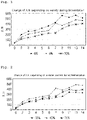
FIG. 1 is a graph showing analysis results of the amino acid content of aged composition of fermented tempeh mixture prepared depending on a salt concentration in a fermented tempeh mixture for preparing aged composition of fermented tempeh mixture according to an embodiment of the present application; -
FIG. 2 is a graph showing analysis results of the amino acid content of aged composition of fermented tempeh mixture prepared depending on a water content in a fermented tempeh mixture for preparing aged composition of fermented tempeh mixture according to an embodiment of the present application; -
FIG. 3 is a graph showing analysis results of the amino acid content of aged composition of fermented tempeh mixture prepared depending on an aging temperature of a fermented tempeh mixture according to an embodiment of the present application; -
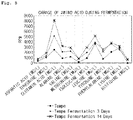
FIG. 4 is a graph showing analysis results of nutrient components (minerals) content of aged composition of fermented tempeh mixture prepared and tempeh before aging, depending on a fermentation day of a fermented tempeh mixture according to an embodiment of the present application; and -
FIG. 5 is a graph showing analysis results of nutrient components (amino acids) content of aged composition of fermented tempeh mixture prepared and tempeh before aging, depending on a fermentation day of a fermented tempeh mixture according to an embodiment of the present application. - Hereinafter, the present disclosure will be described in more detail to allow for a clearer understanding of the present disclosure.
- Tempeh was prepared by inoculating 0.1 to 2 wt% of R. oligosporus into steamed soybean and then fermenting at 20°C to 40°C for 1 day to 15 days.
- A fermented tempeh mixture was prepared by adding the tempeh prepared above to 10 wt% to 40 wt% in 5 wt% to 15 wt% concentration of brine. At this time, the water content in the fermented tempeh mixture was adjusted to be 45 wt% to 70 wt%. Then, according to a desired fermentation flavor, the mixture was aged at 10°C to 40°C for 3 days to 30 days to prepare a aged composition of fermented tempeh mixture.
- A fermented tempeh mixture was prepared by adding the tempeh prepared above to 40 wt% to 80 wt% in 5 wt% to 15 wt% concentration of brine. At this time, the water content in the fermented tempeh mixture was adjusted to be 45 wt% to 70 wt%. Then, according to a desired fermentation flavor, the mixture was aged at 10°C to 40°C for 3 days to 30 days to prepare a aged composition of fermented tempeh mixture.
- A fermented tempeh mixture was prepared by adding the tempeh prepared above to 10 wt% to 80 wt% in 5 wt% to 15 wt% concentration of brine. At this time, the water content in the fermented tempeh mixture was adjusted to be 45 wt% to 70 wt%. Then, according to a desired sauce flavor, at least one or more of steamed rice, steamed soybean, steamed brown rice, or steamed black rice were added to the prepared fermented tempeh mixture and according to a desired fermentation flavor, the mixture was aged at 10°C to 40°C for 3 days to 30 days to prepare a aged composition of fermented tempeh mixture. At this time, the total content of the added steamed grain was adjusted to 5 wt% to 50 wt% based on the aged composition of fermented tempeh mixture prepared.
- To evaluate an amino acid content of aged composition of fermented tempeh mixture prepared according to salinity of a fermented tempeh mixture in the preparation of aged composition of fermented tempeh mixture of example 2, the amino type nitrogen contents were measured according to the salinity, and the results are shown in
FIG. 1 . -
- 1. Preparation of a reagent
- 1) 1% phenolpthalein: 5 g of 1% phenolpthalein was dissolved in ethylalcohol to 500 ml.
- 2) 50% formalin: formalin and DW were mixed and prepared in a content ratio of 1:1.
- 2. Experimental method
- 1)About 5 g of reagent was taken and filled a 250 ml mess flask with distilled water to the mark.
- 2) After filtration, 50 ml of filtrate was taken.
- 3) As an indicator, 2 to 3 drops of phenolpthalein were added and titrated with 0.1 N NaOH until the pale red color appeared.
- 4) 30 ml of formalin was put into a conical beaker, and 2 to 3 drops of phenolpthalein were added as an indicator, followed by titrating with 0.10.1 N NaOH until the pale red color appeared.
- 5) the 3) and 4) above were mixed and titrated with 0.1 N NaOH until the pale red color appeared.
- 6) At this time, there is no need to add phenolpthalein solution.)
- At this time, titrated mL was applied to the equation below to calculate amino type nitrogen content.
- A.N = (number of 0.1N NaOH (ml) x 700)/ amount of sample
- To evaluate the amino acid content of aged composition of fermented tempeh mixture prepared according to a water content of the fermented tempeh mixture in the preparation of aged composition of fermented tempeh mixture of example 2, the amino type nitrogen contents were measured according to the water content, and the results are shown in
FIG. 2 . - To evaluate the amino acid content of aged composition of fermented tempeh mixture prepared according to the aging temperature of the fermented tempeh mixture in the preparation of aged composition of fermented tempeh mixture of example 2, the amino type nitrogen content was measured according to the aging temperature, and the results are shown in
FIG. 3 . - In the preparation of aged composition of fermented tempeh mixture of example 2, changes of nutrient components according to the aging date were evaluated and the results are shown in
FIG. 4 andFIG. 5 .FIG. 4 shows the analysis results of mineral components of NH4 +, Ca2+, Mg2-, PO4 2-, andFIG. 5 shows the analysis results of amino type nitrogen content. - It was confirmed that the content of minerals and amino type nitrogen of aged composition of fermented tempeh mixture are superior compared to tempeh, and in particular, it was confirmed that the content of minerals and amino type nitrogen of aged composition of fermented tempeh mixture increased from aging 3 days, and that nutrient components similar to that of tempeh were detected after 14 days.
- In the preparation of aged composition of fermented tempeh mixture of example 2, changes in number of microorganisms according to aging conditions of salinity, water content and aging temperature were evaluated, and the results are shows in table 1 below.
[Table 1] Microorganism for analysis Aging conditions Aging 1 Day Aging 14 Days Note Bacillus cereus, B.C. salinity 7 to 9 wt%, water content 56 to 69%, aging temperature 25 to 35°C ND ND salinity 6 wt% 2.00.E+04 1.00.E+03 Fixed water and temperature conditions salinity 10 wt% ND 1.00.E+05 water 55 wt%1.00.E+04 1.20.E+05 Fixed salinity and temperature conditions water 70 wt% ND ND Aging temperature 20°C ND ND Fixed salinity and water conditions Aging temperature 40°C ND 1.00.E+03 - A series of experiments as described above confirmed that when a fermented tempeh mixture having 7 to 9 wt% of salinity and 56 to 69 wt% of water content was fermented at the temperature of 25 to 35°C for 3 days to 14 days, aged composition of fermented tempeh mixture exhibited excellent nutrient components and storage stability, and a tempeh-containing sauce prepared by using the aged composition of fermented tempeh mixture exhibited excellent sterilizing effect, but the present application is not limited thereto.
- Depending on the taste direction of a desired sauce, 3 wt% to 50 wt% of the aged composition of fermented tempeh mixture of example 2 was added, and red pepper powder, red pepper, salt, soy sauce, tomato ketchup, and other complex seasoning foods (for example, red pepper seasoning), saccharides(sugar, high fructose, sugar syrup, oligosaccharide, starch syrup), flavor enhancers, etc. were mixed, sterilized at 70°C to 110°C for 10 minutes to 1 hour, cooled, and then packaged to prepare four types of tempeh-containing sauces having different contents of aged composition of fermented tempeh mixture.
- The amino type nitrogen contents were measured to evaluate amino acid content for each of the four tempeh-containing sauces prepared above, and the results are shown in table 2 below.
- To compare utility of the tempeh-containing sauces according to the present application, evaluation results for amino type nitrogen content in the sauces of comparative example 1 (chili sauce, ABC sambal) and comparative example 2 (black bean fermented sauce, kecap manis), which are commercially available are shown in table 3 below.
[Table 2] Example AN (mg %) tempeh-containing sauce 2-1 295.93 2-2 413.55 2-3 422.58 2-4 423.51 [Table 3] AN (mg %) comparative example 1) ABC sambal 33.32 comparative example 2) kecap manis 21.56 - The results of table 2 and table 3 confirmed that the tempeh-containing sauce according to the present application contains an amino type nitrogen content of 10 to 20 times or more compared to the existing commercial sauces. Accordingly, it was confirmed that high nutritional values and rich body taste obtained according to the present application.
Claims (13)
- A method for preparing aged composition of fermented tempeh mixture comprising an aging step for aging a mixture obtained by adding at least one or more of edible salt or brine to tempeh.
- The method of claim 1, wherein the tempeh is obtained by inoculating and culturing a Rhizopus strain into steamed beans.
- The method of claim 2, wherein the Rhizopus strain is inoculated in a content of 0.1 to 5 wt% based on the total weight of steamed beans.
- The method of claim 2, wherein the incubation for preparing the tempeh comprises fermenting at 10°C to 50°C for 1 day to 15 days.
- The method of claim 1, wherein in the aging step, a water content of the mixture is 45 to 70 wt%.
- The method of claim 1, wherein
in the aging step, the at least one or more of edible salt or brine is added so that a salt concentration is 5 to 15 wt% based on the total weight of the mixture to which they are added. - The method of claim 1, wherein in the aging step, the aging comprises fermenting at 10°C to 50°C.
- The method of claim 1, wherein in the aging step, the aging comprises fermenting for 1 day to 30 days.
- Aged composition of fermented tempeh mixture prepared according to any one of claims 1 to 8.
- A tempeh-containing sauce comprising aged composition of fermented tempeh mixture prepared according to any one of claims 1 to 8.
- The tempeh-containing sauce of claim 10, wherein the tempeh-containing sauce comprises one or more selected from the group consisting of spice plants, processed spices, paste, saccharides, flavor enhancers, edible salt, vinegar, nuts, complex seasoning foods and fermented bean products.
- The tempeh-containing sauce of claim 10, wherein the aged composition of fermented tempeh mixture is contained in a content of 1 to 99 wt% based on the total weight of the tempeh-containing sauce.
- A method for preparing a tempeh-containing sauce comprising a step of mixing one or more additives selected from the group consisting of spice plants, processed spices, paste, saccharides, flavor enhancers, salt, vinegar, nuts, complex seasoning foods and fermented bean products with aged composition of fermented tempeh mixture prepared according to any one of claims 1 to 8.
Applications Claiming Priority (3)
| Application Number | Priority Date | Filing Date | Title |
|---|---|---|---|
| KR20190136662 | 2019-10-30 | ||
| KR1020200142341A KR102364859B1 (en) | 2019-10-30 | 2020-10-29 | Preparation method for tempeh-containing sauce and sauce prepared thereby |
| PCT/KR2020/015008 WO2021086100A1 (en) | 2019-10-30 | 2020-10-30 | Method for producing tempe-containing sauce and sauce produced therefrom |
Publications (2)
| Publication Number | Publication Date |
|---|---|
| EP4052591A1 true EP4052591A1 (en) | 2022-09-07 |
| EP4052591A4 EP4052591A4 (en) | 2023-12-06 |
Family
ID=75918566
Family Applications (1)
| Application Number | Title | Priority Date | Filing Date |
|---|---|---|---|
| EP20881416.0A Pending EP4052591A4 (en) | 2019-10-30 | 2020-10-30 | METHOD FOR PRODUCING TEMPE-CONTAINING SAUCE AND SAUCE PRODUCED THEREFROM |
Country Status (6)
| Country | Link |
|---|---|
| US (1) | US12089616B2 (en) |
| EP (1) | EP4052591A4 (en) |
| KR (1) | KR102364859B1 (en) |
| CN (1) | CN113163823B (en) |
| MY (1) | MY207596A (en) |
| SG (1) | SG11202105637PA (en) |
Families Citing this family (6)
| Publication number | Priority date | Publication date | Assignee | Title |
|---|---|---|---|---|
| KR102364859B1 (en) * | 2019-10-30 | 2022-02-21 | 씨제이제일제당 (주) | Preparation method for tempeh-containing sauce and sauce prepared thereby |
| KR20230156659A (en) * | 2022-05-06 | 2023-11-14 | 씨제이제일제당 (주) | Preparation Method for Grains Tempeh, Tempeh Prepared Thereby, Preparation method for Tempeh-Containing Sauce and Sauce Prepared Thereby |
| CA3251459A1 (en) * | 2022-05-06 | 2025-07-09 | Cj Cheiljedang Corporation | Method for preparing grain tempeh, grain tempeh prepared by said method, sauce comprising prepared grain tempeh, and method for preparing same |
| AU2023264432A1 (en) * | 2022-05-06 | 2024-11-14 | Cj Cheiljedang Corporation | Method for preparation of tempeh, tempeh prepared thereby, sauce containing prepared tempeh, and preparation method therefor |
| KR102840560B1 (en) * | 2022-12-20 | 2025-07-31 | 밀양두부학교 농업회사법인 유한회사 | Method for manufacturing of tempeh-bean curd |
| KR102742226B1 (en) * | 2023-07-20 | 2024-12-12 | (주)소유에프앤비 | Vegan cheese using tempeh and a method of manufacturing the same |
Family Cites Families (16)
| Publication number | Priority date | Publication date | Assignee | Title |
|---|---|---|---|---|
| SE440442B (en) * | 1977-11-08 | 1985-08-05 | Bioenterprises Pty Ltd | SET TO MAKE A PROTEIN-CONTAINING STRUCTURED PRODUCT CONTAINING DENATURED FUNGI MYCELIUM AND THE PRODUCT THEREOF PRODUCED |
| KR890005275B1 (en) * | 1987-03-13 | 1989-12-20 | 주식회사 정식품 | How to remove Tempe's Soybean Deodorant |
| KR900008211B1 (en) * | 1987-12-11 | 1990-11-06 | 주식회사 정식품 | Manufacturing method of tempe by mixed culture of mold and yeast |
| JP4828228B2 (en) * | 2005-12-28 | 2011-11-30 | 株式会社登喜和食品 | Method for producing tempeh-like fermented food |
| KR101518267B1 (en) * | 2012-06-29 | 2015-05-12 | (주)다손 | Preparing Method for Low Salinity Soy Sauces and Low Salinity Soy Sauces Prepared Therefrom |
| CN103053992A (en) * | 2012-12-31 | 2013-04-24 | 莆田市优久食品有限公司 | New process for fermenting natto with multi-strain in container |
| KR101300019B1 (en) * | 2013-03-26 | 2013-08-27 | 군산대학교산학협력단 | Method for producing low-salted tomato donejang source and low-salted tomato donejang source produced by the same |
| CN104543799A (en) | 2013-10-18 | 2015-04-29 | 刘俊 | Fermentation technology for fermented soya beans |
| CN104939039A (en) * | 2015-05-27 | 2015-09-30 | 天津市春升清真食品有限公司 | Spicy Wutai mushroom sauce and preparation method thereof |
| KR101834230B1 (en) * | 2015-12-22 | 2018-03-05 | 대상 주식회사 | Preparation Method of Low Salted Doenjang |
| CN107348469A (en) | 2017-06-23 | 2017-11-17 | 深圳嘉美食品科技有限公司 | A kind of day shellfish thick chilli sauce and preparation method thereof |
| CN107455668B (en) | 2017-07-28 | 2020-08-18 | 湖北土老憨调味食品股份有限公司 | Preparation method of bitter-taste-free tangerine peel and fermented soya bean sauce |
| CN109938276A (en) * | 2017-12-21 | 2019-06-28 | 北京神飞航天应用技术研究院 | A kind of day shellfish compound formulation improving spacefarer's constitution |
| CN108740792A (en) | 2018-05-04 | 2018-11-06 | 贵州省铜仁市永进食品有限公司 | A kind of less salt fermented soya bean and preparation method thereof |
| CN108936319A (en) * | 2018-08-08 | 2018-12-07 | 江苏恒顺醋业股份有限公司 | A kind of preparation method for the soya sauce improving beans integrality and flavor |
| KR102364859B1 (en) * | 2019-10-30 | 2022-02-21 | 씨제이제일제당 (주) | Preparation method for tempeh-containing sauce and sauce prepared thereby |
-
2020
- 2020-10-29 KR KR1020200142341A patent/KR102364859B1/en active Active
- 2020-10-30 US US17/298,146 patent/US12089616B2/en active Active
- 2020-10-30 MY MYPI2021002976A patent/MY207596A/en unknown
- 2020-10-30 SG SG11202105637PA patent/SG11202105637PA/en unknown
- 2020-10-30 EP EP20881416.0A patent/EP4052591A4/en active Pending
- 2020-10-30 CN CN202080006780.4A patent/CN113163823B/en active Active
Also Published As
| Publication number | Publication date |
|---|---|
| CN113163823A (en) | 2021-07-23 |
| SG11202105637PA (en) | 2021-06-29 |
| US20220022500A1 (en) | 2022-01-27 |
| CN113163823B (en) | 2024-04-02 |
| EP4052591A4 (en) | 2023-12-06 |
| KR102364859B1 (en) | 2022-02-21 |
| KR20210052334A (en) | 2021-05-10 |
| US12089616B2 (en) | 2024-09-17 |
| MY207596A (en) | 2025-03-06 |
Similar Documents
| Publication | Publication Date | Title |
|---|---|---|
| US12089616B2 (en) | Method for producing tempe-containing sauce and sauce produced therefrom | |
| EP3147350B1 (en) | Method for producing koji starter for fermentation, koji for fermentation, and soy sauce-like seasoning | |
| JP2022531891A (en) | Method for producing hyphalized weight-increasing composition | |
| US6759068B2 (en) | Onion and garlic biohydrolysates and their use as natural flavorings | |
| US6383532B1 (en) | Production of a hydrolysate | |
| EP0823999B1 (en) | Process for producing a seasoning sauce, using smoked pork rind | |
| KR101865842B1 (en) | Lactic acid bacteria fermented rice comprising bay salt, preparation method thereof and kimchi sauce composition prepared thereby | |
| TW202100029A (en) | Food material using mushroom mycelium | |
| KR102913861B1 (en) | Preparation Method for Tempeh, Tempeh Prepared Thereby, Preparation method for Tempeh-Containing Sauce and Sauce Prepared Thereby | |
| EP2538805B1 (en) | Marinades for meat and seafood containing natural metabolites | |
| AU2020281938B2 (en) | Food colourant | |
| EP4520189A1 (en) | Method for preparing grain tempeh, grain tempeh prepared by said method, sauce comprising prepared grain tempeh, and method for preparing same | |
| EP3649875A1 (en) | Emulsified liquid seasoning containing ingredient material | |
| JPH07203942A (en) | Processed vinegar for food | |
| US20250325008A1 (en) | Method for preparation of tempeh, tempeh prepared thereby, sauce containing prepared tempeh, and preparation method therefor | |
| HK40118688A (en) | Method for preparing grain tempeh, grain tempeh prepared by said method, sauce comprising prepared grain tempeh, and method for preparing same | |
| WO2021086100A1 (en) | Method for producing tempe-containing sauce and sauce produced therefrom | |
| JP4641961B2 (en) | New mirins and process for producing the same | |
| HK40118687A (en) | Method for preparation of tempeh, tempeh prepared thereby, sauce containing prepared tempeh, and preparation method therefor | |
| EP0408332A2 (en) | Natural fermentation agent | |
| CN121569949A (en) | A silkworm pupa flavored sauce and its preparation method | |
| KR101756286B1 (en) | Fermented Gruel Containing Kimchi and Manufacturing Method Thereof | |
| JP2023173817A (en) | Aspergillus aspergillus composition for suppressing off-flavors | |
| HK40017895B (en) | Emulsified liquid seasoning containing ingredient material | |
| HK40017895A (en) | Emulsified liquid seasoning containing ingredient material |
Legal Events
| Date | Code | Title | Description |
|---|---|---|---|
| STAA | Information on the status of an ep patent application or granted ep patent |
Free format text: STATUS: THE INTERNATIONAL PUBLICATION HAS BEEN MADE |
|
| PUAI | Public reference made under article 153(3) epc to a published international application that has entered the european phase |
Free format text: ORIGINAL CODE: 0009012 |
|
| STAA | Information on the status of an ep patent application or granted ep patent |
Free format text: STATUS: REQUEST FOR EXAMINATION WAS MADE |
|
| 17P | Request for examination filed |
Effective date: 20210531 |
|
| AK | Designated contracting states |
Kind code of ref document: A1 Designated state(s): AL AT BE BG CH CY CZ DE DK EE ES FI FR GB GR HR HU IE IS IT LI LT LU LV MC MK MT NL NO PL PT RO RS SE SI SK SM TR |
|
| DAV | Request for validation of the european patent (deleted) | ||
| DAX | Request for extension of the european patent (deleted) | ||
| P01 | Opt-out of the competence of the unified patent court (upc) registered |
Effective date: 20230606 |
|
| REG | Reference to a national code |
Ref country code: DE Ref legal event code: R079 Free format text: PREVIOUS MAIN CLASS: A23L0011000000 Ipc: A23L0011500000 |
|
| A4 | Supplementary search report drawn up and despatched |
Effective date: 20231107 |
|
| RIC1 | Information provided on ipc code assigned before grant |
Ipc: A23L 27/60 20160101ALI20231031BHEP Ipc: A23L 27/40 20160101ALI20231031BHEP Ipc: A23L 11/50 20210101AFI20231031BHEP |