EP4044509B1 - Auf pbft-algorithmus basierendes verbessertes verfahren zur aktiven wiederherstellung eines einzigen knotens von einer anomalie - Google Patents
Auf pbft-algorithmus basierendes verbessertes verfahren zur aktiven wiederherstellung eines einzigen knotens von einer anomalie Download PDFInfo
- Publication number
- EP4044509B1 EP4044509B1 EP20875118.0A EP20875118A EP4044509B1 EP 4044509 B1 EP4044509 B1 EP 4044509B1 EP 20875118 A EP20875118 A EP 20875118A EP 4044509 B1 EP4044509 B1 EP 4044509B1
- Authority
- EP
- European Patent Office
- Prior art keywords
- node
- recovery
- nodes
- recovered
- stable
- Prior art date
- Legal status (The legal status is an assumption and is not a legal conclusion. Google has not performed a legal analysis and makes no representation as to the accuracy of the status listed.)
- Active
Links
Images

Classifications
-
- H—ELECTRICITY
- H04—ELECTRIC COMMUNICATION TECHNIQUE
- H04L—TRANSMISSION OF DIGITAL INFORMATION, e.g. TELEGRAPHIC COMMUNICATION
- H04L9/00—Cryptographic mechanisms or cryptographic arrangements for secret or secure communications; Network security protocols
- H04L9/32—Cryptographic mechanisms or cryptographic arrangements for secret or secure communications; Network security protocols including means for verifying the identity or authority of a user of the system or for message authentication, e.g. authorization, entity authentication, data integrity or data verification, non-repudiation, key authentication or verification of credentials
- H04L9/3247—Cryptographic mechanisms or cryptographic arrangements for secret or secure communications; Network security protocols including means for verifying the identity or authority of a user of the system or for message authentication, e.g. authorization, entity authentication, data integrity or data verification, non-repudiation, key authentication or verification of credentials involving digital signatures
-
- G—PHYSICS
- G06—COMPUTING OR CALCULATING; COUNTING
- G06F—ELECTRIC DIGITAL DATA PROCESSING
- G06F11/00—Error detection; Error correction; Monitoring
- G06F11/07—Responding to the occurrence of a fault, e.g. fault tolerance
- G06F11/16—Error detection or correction of the data by redundancy in hardware
- G06F11/1629—Error detection by comparing the output of redundant processing systems
-
- G—PHYSICS
- G06—COMPUTING OR CALCULATING; COUNTING
- G06F—ELECTRIC DIGITAL DATA PROCESSING
- G06F11/00—Error detection; Error correction; Monitoring
- G06F11/07—Responding to the occurrence of a fault, e.g. fault tolerance
- G06F11/16—Error detection or correction of the data by redundancy in hardware
- G06F11/1658—Data re-synchronization of a redundant component, or initial sync of replacement, additional or spare unit
-
- G—PHYSICS
- G06—COMPUTING OR CALCULATING; COUNTING
- G06F—ELECTRIC DIGITAL DATA PROCESSING
- G06F11/00—Error detection; Error correction; Monitoring
- G06F11/07—Responding to the occurrence of a fault, e.g. fault tolerance
- G06F11/16—Error detection or correction of the data by redundancy in hardware
- G06F11/20—Error detection or correction of the data by redundancy in hardware using active fault-masking, e.g. by switching out faulty elements or by switching in spare elements
- G06F11/202—Error detection or correction of the data by redundancy in hardware using active fault-masking, e.g. by switching out faulty elements or by switching in spare elements where processing functionality is redundant
- G06F11/2023—Failover techniques
-
- H—ELECTRICITY
- H04—ELECTRIC COMMUNICATION TECHNIQUE
- H04L—TRANSMISSION OF DIGITAL INFORMATION, e.g. TELEGRAPHIC COMMUNICATION
- H04L41/00—Arrangements for maintenance, administration or management of data switching networks, e.g. of packet switching networks
- H04L41/06—Management of faults, events, alarms or notifications
- H04L41/0654—Management of faults, events, alarms or notifications using network fault recovery
-
- H—ELECTRICITY
- H04—ELECTRIC COMMUNICATION TECHNIQUE
- H04L—TRANSMISSION OF DIGITAL INFORMATION, e.g. TELEGRAPHIC COMMUNICATION
- H04L41/00—Arrangements for maintenance, administration or management of data switching networks, e.g. of packet switching networks
- H04L41/06—Management of faults, events, alarms or notifications
- H04L41/0654—Management of faults, events, alarms or notifications using network fault recovery
- H04L41/0668—Management of faults, events, alarms or notifications using network fault recovery by dynamic selection of recovery network elements, e.g. replacement by the most appropriate element after failure
-
- G—PHYSICS
- G06—COMPUTING OR CALCULATING; COUNTING
- G06F—ELECTRIC DIGITAL DATA PROCESSING
- G06F2201/00—Indexing scheme relating to error detection, to error correction, and to monitoring
- G06F2201/85—Active fault masking without idle spares
Definitions
- the present application relates to the technical field of Practical Byzantine Fault Tolerance algorithm, and particularly relates to a method for active failure recovery of single node improved based on PBFT algorithm, a system for active failure recovery of single node improved based on PBFT algorithm, a computer device and a computer readable storage medium.
- PBFT is the abbreviation of Practical Byzantine Fault Tolerance, that is, Practical Byzantine Fault Tolerance Algorithm.
- This PBFT algorithm is proposed by Miguel Castro and Barbara Liskov, and seeks to solve a problem of low efficiency of the original Byzantine Fault Tolerance algorithm, a complexity of time of the PBFT algorithm is O(N ⁇ 2), thus, the Byzantine fault tolerance problem can be solved in the actual application of system.
- the PBFT requires that there are at least (3f+1) nodes in the whole network.
- the normal consensus process of the PBFT algorithm is divided into three stages including Pre-Prepare phase, Prepare phase, and Commit phase.
- a harbor node detects that a master node is abnormal, the death node triggers a view change to change the master node to ensure the normal service of the system provided for the outside.
- MIGUEL GASTRO ET AL discloses a proactive recovery mechanism for BFT that recovers replicas periodically even if there is no reason to suspect that they are faulty.
- BFT is the first Byzantine-fault-tolerant, state machine replication algorithm that is safe in asynchronous systems such as the Internet: it never returns on any synchrony assumption to provide safety. In particular, it never returns bad replies even in the presence of denial-of-service attacks.
- a prior art document D2 (MIGUEL GASTRO AND BARBARA LISKOV LABORATORY FOR COMPUTER SCIENCE ET AL) discloses a proactive recovery in a PBFT system, this PBFT system is an asynchronous state-machine replication system that tolerates Byzantine faults and is used to recover Byzantine-faulty replicas proactively.
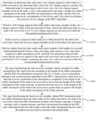
- a method for active failure recovery of single node improved based on PBFT algorithm is further provided, where the method is applied to a point-to-point network containing (3f+1) nodes, Byzantine errors of f nodes are tolerable for this point-to-point network, the method includes following steps:
- the method further include a step of: completing a recovery of the node to be recovered through the view change recovery method in the PBFT algorithm if (2f+1) view change requests containing the same view value are received in the first predetermined period of time.
- the method further comprises a step of: returning to the step of sending the recovery request to all other nodes in the whole network by the node to be recovered, if the node to be recovered fails to receive (2f+1) replies containing the same view value.
- the view change request further includes signature information of the node.
- each node is counted one time in a counting process.
- the recovery request further includes signature information of the node to be recovered.
- the PQC reply information after the other nodes return their own stable checkpoints includes signature information of the node.
- said redoing according to the PQC reply information after the other nodes return their own stable checkpoints includes a following step of: redoing PQC information at a height above the height of the stable checkpoint of the node to be recovered.
- a system for active failure recovery of single node improved based on PBFT algorithm includes:
- a computer device includes a memory and a processor, the memory stores a computer program, that, when being executed by the processor, causes the processor to implement the steps in the method for active failure recovery of single node improved based on PBFT algorithm.
- a computer readable storage medium stores a computer program, that, when being executed by a processor, causes the processor to implement the steps in the method for active failure recovery of single node improved based on PBFT algorithm.
- the first and “the second” are only used for description purposes, and should not be considered as indicating or implying any relative importance, or implicitly indicating the number of indicated technical features.
- technical feature(s) restricted by “the first” or “the second” can explicitly or implicitly comprise one or more such technical feature(s).
- a plurality of means two or more, unless otherwise there is additional explicit and detailed limitation.
- the plurality of means at least one, such as one, two, etc., unless otherwise there is additional explicit and detailed limitation.
- a method for active failure recovery of single node improved based on PBFT algorithm is provided, a point-to-point network containing (3f+1) nodes is required in the PBFT algorithm, Byzantine errors of F nodes at most are tolerable for this point-to-point network, the method includes following steps:
- the abnormal node can be completely restored to a height of the normal node according to the PQC information.
- the abnormal node can autonomously trigger an failure recovery process, thereby greatly reducing the time spent on failure recovery.
- the view change request in the step S2 further includes signature information of the node.
- a counting rule is that one node can only be counted one time, the node can only be counted one time when reply information is received multiple times from the same node at the same time within the predetermined period of time.
- the recovery request in the step S4 further includes signature information of the node to be recovered.
- the signature information of the node to be recovered is used to authenticate the ID of the node and prevent a malicious node from falsifying the recovery request and thus consuming the network bandwidth of the normal node accordingly.
- the reply information from the other normal node in the step S5 further includes signature information of the node.
- the signature information is used to authenticate the normal node ID of the node to be recovered to prevent the malicious node from falsifying the reply information and thus causing the node to be recovered to be unable to recover.
- the node to be recovered only redoes the PQC information at a height above the height thereof so as to be avoided from a repeated execution of the same PQC after receiving the PQC reply information, thus being caused to execute an error process to enter an abnormal state again.
- a method for active failure recovery of single node improved based on PBFT algorithm disclosed in the present application can be applied to a point-to-point network including (3f+1) nodes, Byzantine errors of F nodes at most are tolerable for this point-to-point network, the method for active failure recovery of single node improved based on PBFT algorithm can be realized by the following steps:
- the method further includes a following step of: completing the recovery through the view change recovery method in the PBFT algorithm if (2f+1) view change requests containing the same view value are received in the first predetermined period of time.
- the method further includes a following step of: returning to the step of sending the recovery request to all other nodes in the whole network by the node to be recovered, if the node to be recovered fails to receive (2f+1) replies containing the same view value.
- the view change request further includes signature information of the node.
- each node is counted one time in a counting process.
- the recovery request further includes signature information of the node to be recovered.
- the PQC reply information after the other nodes return their own stable checkpoints includes signature information of the node.
- said redoing according to the PQC reply information after the other nodes return their own stable checkpoints includes: redoing PQC information at a height above the height of the stable checkpoint of the node to be recovered.
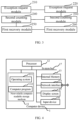
- a system for active failure recovery of single node improved based on PBFT algorithm includes:
- the first recovery module 250 is further configured to complete recovery according to a view change recovery method in the PBFT algorithm if (2f+1) view change requests containing the same view value are received within the first predetermined period of time.
- the recovery requesting module 250 is configured to continuously send recovery request to all other nodes in the whole network if (2f+1) view change requests containing the same view value are not received within the second predetermined period of time.
- the view change request further includes signature information of the node.
- each node is counted one time in a counting process.
- the recovery request further includes signature information of the node to be recovered.
- the PQC reply information after the other nodes return their own stable checkpoints includes signature information of the node.
- the second recovery module 260 is configured to redo the PQC reply information at a height above the height of the stable checkpoint of the node to be recovered according to the PQC reply information after the other nodes return their own stable checkpoints.
- Some or all of the various modules in the improved system for active failure recovery of single node based on PBFT algorithm may be implemented according to software, hardware or the combination of software and hardware.
- the aforesaid various modules can be embedded in or be independent of the processor of the computer device in the form of hardware, and can also be stored in the memory of the computer device in the form of software to facilitate the processor to call and perform operations corresponding to these modules.
- a computer device 1 for performing a method for active failure recovery of single node improved based on PBFT algorithm is provided, where the computer device 1 can be a terminal device, and an internal structure diagram of the computer device 1 may be shown in FIG. 4 .
- the computer device 1 includes a processor 12, a memory, a network interface 14, a display screen 15, and an input device 16 which are connected through a system bus 17.
- the processor 12 of the computer device 1 is configured to provide computing and control capabilities.
- the memory of the computer device 1 includes a non-volatile computer readable storage medium 11 and an internal memory 13.
- the non-volatile computer readable storage medium 11 stores an operating system 111 and a computer program 112.
- the internal memory 13 provides an environment for operating the operating system 111 and the computer program 112 in the non-volatile computer readable storage medium 11.
- the network interface 14 of the computer device 1 is configured to communicate with an external terminal through network connection.
- the computer program 112 is configured to, when being executed by a processor 12, implements an improved method for active failure recovery of single node based on a PBFT algorithm.
- the display screen 15 of the computer device 1 may be a LCD (Liquid Crystal Display) screen or an electronic ink display screen
- the input device 16 of the computer device 1 can be a touch layer covered on the display screen 15, the input device 16 can also be a button, a trackball, or a touch pad provided on the housing of the computer device 1, the input device 16 can also be an external keyboard, a touchpad or a mouse.
- FIG. 4 is merely a block diagram of a partial structure related to the solution of the present application, and does not constitute a definition of a generation device of a smart contract client program applied thereto, and a specific smart contract client program generation device may include more or fewer components than shown in the figures, or combine certain components, or have different component arrangements.
- FIG. 4 is merely a block diagram of a part of structure associated with the technical solutions of the present application, and does not constitute a limitation to a generation device of a smart contract client program which the technical solutions of the present application are applied in, and the specific generation device of smart contract client program can include more or less components than that shown in the figures, or combine some components, or have arrangements of components.
- a computer device 1 in one embodiment, includes a memory and a processor 12, the memory stores a computer program 112, when the computer program 112 is executed by the processor 12, the steps in the method for active failure recovery of single node improved based on PBFT algorithm are implemented.
- a non-volatile computer readable storage medium 11 stores a computer program 112, that, when being executed by a processor 12, causes the processor 12 to realize the steps in the method for active failure recovery of single node improved based on PBFT algorithm.
- the person of ordinary skilled in the art may be aware of that, a whole or a part of flow process of implementing the method in the aforesaid embodiments of the present application may be accomplished by using computer program 112 to instruct relevant hardware.
- the computer program 112 may be stored in the non-volatile computer readable storage medium 11, when the computer program 112 is executed, the steps in the various method embodiments described above may be included. Any references to memory, storage, databases, or other media used in the embodiments provided herein may include non-volatile and/or volatile memory.
- the non-volatile memory may include ROM (Read Only Memory), programmable ROM, EPROM (Electrically Programmable Read Only Memory), EEPROM (Electrically Erasable Programmable Read Only Memory), or flash memory.
- the volatile memory may include RAM (Random Access Memory) or external cache memory.
- RAM Random Access Memory
- RAM is available in a variety of forms such as SRAM (Static RAM), DRAM (Dynamic RAM), SDRAM (Synchronous DRAM), DDR (Double Data Rate) SDRAM, ESDRAM (Enhanced SDRAM), Synchlink DRAM, RDRAM (Rambus Direct RAM), DRDRAM (Direct RamBus Dynamic RAM), and RDRAM (Rambus Dynamic RAM), etc.
Landscapes
- Engineering & Computer Science (AREA)
- Theoretical Computer Science (AREA)
- Computer Networks & Wireless Communication (AREA)
- Signal Processing (AREA)
- Quality & Reliability (AREA)
- Physics & Mathematics (AREA)
- General Engineering & Computer Science (AREA)
- General Physics & Mathematics (AREA)
- Computer Security & Cryptography (AREA)
- Retry When Errors Occur (AREA)
- Hardware Redundancy (AREA)
- Debugging And Monitoring (AREA)
Claims (9)
- Verfahren zur aktiven Ausfall-Wiederherstellung eines einzelnen Knotens, verbessert basierend auf einem PBFT-, Practical Byzantine Fault Tolerance, -Algorithmus, dadurch gekennzeichnet, dass das Verfahren auf ein Punkt-zu-Punkt-Netzwerk angewendet wird, das (3f+1) Knoten enthält, wobei für dieses Punkt-zu-Punkt-Netzwerk byzantinische Fehler von f Knoten tolerierbar sind, wobei das Verfahren die folgenden Schritte aufweist:Ermitteln eines anormalen Knotens und Senden einer Ansichtsänderungsanfrage an andere Knoten in dem Punkt-zu-Punkt-Netzwerk durch den anormalen Knoten; wobei die Ansichtsänderungsanfrage durch den anormalen Knoten verwendet wird, um das Eintreten in eine nächste Ansicht anzufordern, wobei die Ansichtsänderungsanfrage eine ID des Knotens, einen durch den Knoten vorgeschlagenen Ansichtswert, eine Höhe eines stabilen Prüfpunkts des Knotens und PQC-, Post-Quantum-Crypto-, -Informationen des Knotens aufweist;Warten auf Ansichtsänderungsanfragen von anderen Knoten und Zählen einer Anzahl der Ansichtsänderungsanfragen innerhalb eines ersten vorbestimmten Zeitraums, und Festlegen des anormalen Knotens als einen wiederherzustellenden Knoten, wenn (2f+1) Ansichtsänderungsanfragen nicht innerhalb des ersten vorbestimmten Zeitraums empfangen werden;Senden einer Wiederherstellungsanfrage an andere Knoten in dem Punkt-zu-Punkt-Netzwerk durch den wiederherzustellenden Knoten, wobei die Wiederherstellungsanfrage eine ID und Signaturinformationen des wiederherzustellenden Knotens aufweist; Warten auf Antworten von den anderen Knoten und Zählen einer Anzahl der Antworten in einem zweiten vorbestimmten Zeitraum, wobei jeder andere Knoten einen Ansichtswert und eine Höhe eines stabilen Prüfpunkts, eine ID und die PQC-Informationen davon nach dem Empfangen der Wiederherstellungsanfrage des wiederherzustellenden Knotens zurückgibt; und Durchführen einer Zustandswiederherstellung, wenn (2f+1) Antworten, die den gleichen Ansichtswert enthalten, innerhalb des zweiten vorbestimmten Zeitraums empfangen werden;wobei der Schritt des Durchführens der Zustandswiederherstellung aufweist:Erhalten einer Höhe eines stabilen Prüfpunkts des Punkt-zu-Punkt-Netzwerks gemäß der Höhe des stabilen Prüfpunkts und der PQC-Informationen, die von den (2f+1) Knoten zurückgegeben werden, Durchführen einer Wiederherstellung an dem stabilen Prüfpunkt durch einen schnellen Synchronisationsalgorithmus in dem PBFT-Algorithmus undDurchführen einer abschließenden Wiederherstellung, nachdem die Wiederherstellung, die an dem stabilen Prüfpunkt durchgeführt wird, abgeschlossen ist, wenn die Höhe des stabilen Prüfpunkts des wiederherzustellenden Knotens geringer als die Höhe des stabilen Prüfpunkts des Punkt-zu-Punkt-Netzwerks ist; oder direktes Durchführen der abschließenden Wiederherstellung, wenn die Höhe des stabilen Prüfpunkts des wiederherzustellenden Knotens größer oder gleich der Höhe des stabilen Prüfpunkts des Punkt-zu-Punkt-Netzwerks ist;wobei der Schritt des Durchführens der abschließenden Wiederherstellung aufweist:
Erhalten der PQC-Informationen nach den stabilen Prüfpunkten von den anderen Knoten in dem Punkt-zu-Punkt-Netzwerk durch den wiederherzustellenden Knoten, wobei die PQC-Informationen eine Vor-Vorbereitungsnachricht, eine Vorbereitungsnachricht und eine Festlegungsnachricht aufweisen; und Neuerstellen der PQC-Informationen gemäß den PQC-Antwortinformationen, nachdem die anderen Knoten ihre eigenen stabilen Prüfpunkte zurückgegeben haben, bis der wiederherzustellende Knoten zu dem normalen Knoten wiederhergestellt ist. - Verfahren gemäß Anspruch 1, dadurch gekennzeichnet, dass nach dem Schritt des Wartens auf Ansichtsänderungsanfragen von anderen Knoten und des Zählens der Anzahl der Ansichtsänderungsanfragen innerhalb des ersten vorbestimmten Zeitraums das Verfahren ferner einen folgenden Schritt aufweist:
Abschließen einer Wiederherstellung für den wiederherzustellenden Knoten durch das Ansichtsänderungs-Wiederherstellungsverfahren im PBFT-Algorithmus, wenn (2f+1) Ansichtsänderungsanfragen, die den gleichen Ansichtswert enthalten, in dem ersten vorbestimmten Zeitraum empfangen werden. - Verfahren gemäß Anspruch 1, dadurch gekennzeichnet, dass das Verfahren nach dem Schritt des Wartens auf Ansichtsänderungsanfragen von anderen Knoten und des Zählens der Anzahl der Ansichtsänderungsanfragen innerhalb des zweiten vorbestimmten Zeitraums ferner einen folgenden Schritt aufweist:
Zurückkehren zu dem Schritt des Sendens der Wiederherstellungsanfrage an alle anderen Knoten in dem Punkt-zu-Punkt-Netzwerk durch den wiederherzustellenden Knoten, wenn der wiederherzustellende Knoten (2f+1) Antworten, die den gleichen Ansichtswert enthalten, nicht empfängt. - Verfahren gemäß Anspruch 1, dadurch gekennzeichnet, dass die Ansichtsänderungsanfrage ferner Signaturinformationen des anormalen Knotens aufweist.
- Verfahren gemäß Anspruch 1, dadurch gekennzeichnet, dass jeder Knoten in einem Zählvorgang einmal gezählt wird.
- Verfahren gemäß Anspruch 1, dadurch gekennzeichnet, dass die PQC-Antwortinformationen, nachdem die anderen Knoten ihre eigenen stabilen Prüfpunkte zurückgegeben haben, Signaturinformationen der Knoten aufweisen, die ihre eigenen stabilen Prüfpunkte zurückgeben.
- Verfahren gemäß Anspruch 1, dadurch gekennzeichnet, dass der Schritt des Neuerstellens gemäß den PQC-Antwortinformationen, nachdem die anderen Knoten ihre eigenen stabilen Prüfpunkte zurückgegeben haben, einen folgenden Schritt aufweist:
Neuerstellen von PQC-Informationen auf einer Höhe über der Höhe des stabilen Prüfpunkts des wiederherzustellenden Knotens. - Computervorrichtung (1), aufweisend: einen Speicher und einen Prozessor (12), dadurch gekennzeichnet, dass der Speicher ein Computerprogramm (111) speichert, das, wenn es durch den Prozessor (12) ausgeführt wird, den Prozessor (12) veranlasst, die Schritte des Verfahrens gemäß irgendeinem der Ansprüche 1 bis 7 zu implementieren.
- Nichtflüchtiges computerlesbares Speichermedium (11), das ein Computerprogramm (111) speichert, das, wenn es durch einen Prozessor (12) ausgeführt wird, den Prozessor (12) veranlasst, die Schritte des Verfahrens gemäß irgendeinem der Ansprüche 1-7 zu implementieren.
Applications Claiming Priority (2)
| Application Number | Priority Date | Filing Date | Title |
|---|---|---|---|
| CN201910956576.8A CN110460484B (zh) | 2019-10-10 | 2019-10-10 | 一种基于pbft算法改进的单节点异常主动恢复方法 |
| PCT/CN2020/120111 WO2021068919A1 (zh) | 2019-10-10 | 2020-10-10 | 基于pbft算法改进的单节点异常主动恢复方法、系统、设备和介质 |
Publications (3)
| Publication Number | Publication Date |
|---|---|
| EP4044509A1 EP4044509A1 (de) | 2022-08-17 |
| EP4044509A4 EP4044509A4 (de) | 2023-10-25 |
| EP4044509B1 true EP4044509B1 (de) | 2025-05-21 |
Family
ID=68492781
Family Applications (1)
| Application Number | Title | Priority Date | Filing Date |
|---|---|---|---|
| EP20875118.0A Active EP4044509B1 (de) | 2019-10-10 | 2020-10-10 | Auf pbft-algorithmus basierendes verbessertes verfahren zur aktiven wiederherstellung eines einzigen knotens von einer anomalie |
Country Status (5)
| Country | Link |
|---|---|
| US (1) | US11841778B2 (de) |
| EP (1) | EP4044509B1 (de) |
| JP (1) | JP7367191B2 (de) |
| CN (1) | CN110460484B (de) |
| WO (1) | WO2021068919A1 (de) |
Families Citing this family (5)
| Publication number | Priority date | Publication date | Assignee | Title |
|---|---|---|---|---|
| CN115632933B (zh) * | 2019-12-24 | 2026-04-21 | 杭州趣链科技股份有限公司 | 一种基于pbft算法的集群异常恢复方法 |
| CN111432280B (zh) * | 2020-03-19 | 2021-10-01 | 福建捷联电子有限公司 | 基于区块链的电视受保护数据自动修复方法 |
| CN111988321B (zh) * | 2020-08-24 | 2022-02-11 | 桂林电子科技大学 | 一种基于机器学习的联盟链异常检测系统及其检测方法 |
| CN116991623B (zh) * | 2023-08-30 | 2024-01-02 | 杭州趣链科技有限公司 | 区块链节点异常恢复方法、装置、电子设备及存储介质 |
| CN119402500B (zh) * | 2024-10-28 | 2025-11-21 | 西北工业大学 | 一种面向实时感知数据的去中心化预言机服务系统及方法 |
Family Cites Families (18)
| Publication number | Priority date | Publication date | Assignee | Title |
|---|---|---|---|---|
| US6671821B1 (en) * | 1999-11-22 | 2003-12-30 | Massachusetts Institute Of Technology | Byzantine fault tolerance |
| JP2006160051A (ja) * | 2004-12-07 | 2006-06-22 | Toyota Motor Corp | 車輌の制動力制御装置 |
| US20170061421A1 (en) * | 2015-08-27 | 2017-03-02 | Tipflip, Llc | System and method for permitting proximity based funds transfer from one person to another |
| CN106447311B (zh) * | 2016-09-26 | 2019-11-08 | 北京天德科技有限公司 | 一种四次通信的拜占庭容错算法的区块链建块方法 |
| US10049017B2 (en) | 2016-10-04 | 2018-08-14 | Nec Corporation | Method and system for byzantine fault-tolerance replicating of data on a plurality of servers |
| US20180308091A1 (en) * | 2017-04-21 | 2018-10-25 | Vmware, Inc. | Fairness preserving byzantine agreements |
| CN107423152B (zh) * | 2017-04-24 | 2019-05-21 | 杭州趣链科技有限公司 | 一种区块链共识节点自动恢复方法 |
| JP2019012415A (ja) | 2017-06-30 | 2019-01-24 | 株式会社bitFlyer | ネットワークにおける合意形成方法及び当該ネットワークを構成するノード |
| WO2020033216A2 (en) * | 2018-07-31 | 2020-02-13 | Oded Wertheim | Scaling and accelerating decentralized execution of transactions |
| CN109039748B (zh) * | 2018-08-10 | 2021-09-03 | 上交所技术有限责任公司 | 一种pbft协议动态增删节点的方法 |
| CN109347804B (zh) * | 2018-09-19 | 2020-02-07 | 电子科技大学 | 一种用于区块链的拜占庭容错共识优化方法 |
| JP6727630B2 (ja) * | 2018-11-07 | 2020-07-22 | アリババ・グループ・ホールディング・リミテッドAlibaba Group Holding Limited | 実用的ビザンチンフォールトトレランスブロックチェーンのコンセンサスおよびノード同期の促進 |
| CN109784916A (zh) * | 2018-12-12 | 2019-05-21 | 广东工业大学 | 一种改进pbft的以太坊共识机制应用于联盟链的方法 |
| AU2019203865B2 (en) * | 2019-03-18 | 2021-01-21 | Advanced New Technologies Co., Ltd. | Consensus system downtime recovery |
| PL3593249T3 (pl) * | 2019-03-18 | 2021-12-13 | Advanced New Technologies Co., Ltd. | System i sposób kończenia protokołu zmiany widoku |
| CN110166295B (zh) * | 2019-05-23 | 2021-07-30 | 杭州趣链科技有限公司 | 一种用于判断网络拓扑支持拜占庭容错与否的方法 |
| CN115632933B (zh) * | 2019-12-24 | 2026-04-21 | 杭州趣链科技股份有限公司 | 一种基于pbft算法的集群异常恢复方法 |
| US11609824B2 (en) * | 2021-07-22 | 2023-03-21 | Vmware, Inc. | Byzantine fault tolerant view change processing |
-
2019
- 2019-10-10 CN CN201910956576.8A patent/CN110460484B/zh active Active
-
2020
- 2020-10-10 JP JP2022513959A patent/JP7367191B2/ja active Active
- 2020-10-10 EP EP20875118.0A patent/EP4044509B1/de active Active
- 2020-10-10 WO PCT/CN2020/120111 patent/WO2021068919A1/zh not_active Ceased
-
2022
- 2022-04-04 US US17/713,097 patent/US11841778B2/en active Active
Also Published As
| Publication number | Publication date |
|---|---|
| JP7367191B2 (ja) | 2023-10-23 |
| CN110460484A (zh) | 2019-11-15 |
| CN110460484B (zh) | 2020-02-18 |
| EP4044509A1 (de) | 2022-08-17 |
| JP2022547013A (ja) | 2022-11-10 |
| US20220222156A1 (en) | 2022-07-14 |
| US11841778B2 (en) | 2023-12-12 |
| EP4044509A4 (de) | 2023-10-25 |
| WO2021068919A1 (zh) | 2021-04-15 |
Similar Documents
| Publication | Publication Date | Title |
|---|---|---|
| US11841778B2 (en) | Method and system for active failure recovery of single node improved based on PBFT algorithm, computer device and storage medium | |
| US8301600B1 (en) | Failover recovery in a distributed data store | |
| US20050149609A1 (en) | Conflict fast consensus | |
| Chan et al. | Making services fault tolerant | |
| CN110287151B (zh) | 分布式存储系统、数据写入方法、装置和存储介质 | |
| US9952579B2 (en) | Control device | |
| CN114554593B (zh) | 数据处理方法及装置 | |
| US20240195893A1 (en) | User data disaster tolerance method, device, network element device and storage medium | |
| CN112866408A (zh) | 一种集群中业务切换方法、装置、设备及存储介质 | |
| WO2025246814A1 (zh) | 高可用数据管理 | |
| Proenza et al. | The design of the CANbids architecture | |
| CN117097741A (zh) | 一种故障信息同步方法 | |
| HK40073165B (en) | Pbft algorithm-based improved method for active recovery of single node from anomaly | |
| HK40073165A (en) | Pbft algorithm-based improved method for active recovery of single node from anomaly | |
| CN116991623B (zh) | 区块链节点异常恢复方法、装置、电子设备及存储介质 | |
| Dolev | A simple model for agreement in distributed systems | |
| CN111291063A (zh) | 主备副本选举方法、系统、计算机设备和存储介质 | |
| Sousa et al. | Resilient state machine replication | |
| US10542127B2 (en) | Fault tolerant communication in a distributed system | |
| Proenza et al. | Using FTT and stars to simplify node replication in CAN-based systems | |
| CN117453146B (zh) | 数据读取方法、系统、eFlash控制器及存储介质 | |
| CN119728626B (zh) | 一种消息通知方法、装置、计算机设备及存储介质 | |
| Arun et al. | Spectrum: A framework for adapting consensus protocols | |
| Wang et al. | Research and Application of Multi-processor Fault-Tolerant Algorithms for China Space Station Full Digital Simulation Platform | |
| Neogy | WTMR--A New Fault Tolerance Technique for Wireless and Mobile Computing Systems |
Legal Events
| Date | Code | Title | Description |
|---|---|---|---|
| STAA | Information on the status of an ep patent application or granted ep patent |
Free format text: STATUS: THE INTERNATIONAL PUBLICATION HAS BEEN MADE |
|
| PUAI | Public reference made under article 153(3) epc to a published international application that has entered the european phase |
Free format text: ORIGINAL CODE: 0009012 |
|
| STAA | Information on the status of an ep patent application or granted ep patent |
Free format text: STATUS: REQUEST FOR EXAMINATION WAS MADE |
|
| 17P | Request for examination filed |
Effective date: 20220316 |
|
| AK | Designated contracting states |
Kind code of ref document: A1 Designated state(s): AL AT BE BG CH CY CZ DE DK EE ES FI FR GB GR HR HU IE IS IT LI LT LU LV MC MK MT NL NO PL PT RO RS SE SI SK SM TR |
|
| REG | Reference to a national code |
Ref country code: HK Ref legal event code: DE Ref document number: 40073165 Country of ref document: HK |
|
| DAV | Request for validation of the european patent (deleted) | ||
| DAX | Request for extension of the european patent (deleted) | ||
| REG | Reference to a national code |
Ref country code: DE Free format text: PREVIOUS MAIN CLASS: H04L0012240000 Ref country code: DE Ref legal event code: R079 Ref document number: 602020051821 Country of ref document: DE Free format text: PREVIOUS MAIN CLASS: H04L0012240000 Ipc: H04L0041065400 |
|
| A4 | Supplementary search report drawn up and despatched |
Effective date: 20230922 |
|
| RIC1 | Information provided on ipc code assigned before grant |
Ipc: G06F 11/20 20060101ALI20230918BHEP Ipc: G06F 11/16 20060101ALI20230918BHEP Ipc: H04L 41/0668 20220101ALI20230918BHEP Ipc: H04L 41/0654 20220101AFI20230918BHEP |
|
| STAA | Information on the status of an ep patent application or granted ep patent |
Free format text: STATUS: EXAMINATION IS IN PROGRESS |
|
| 17Q | First examination report despatched |
Effective date: 20240611 |
|
| GRAP | Despatch of communication of intention to grant a patent |
Free format text: ORIGINAL CODE: EPIDOSNIGR1 |
|
| STAA | Information on the status of an ep patent application or granted ep patent |
Free format text: STATUS: GRANT OF PATENT IS INTENDED |
|
| INTG | Intention to grant announced |
Effective date: 20241216 |
|
| GRAS | Grant fee paid |
Free format text: ORIGINAL CODE: EPIDOSNIGR3 |
|
| GRAA | (expected) grant |
Free format text: ORIGINAL CODE: 0009210 |
|
| STAA | Information on the status of an ep patent application or granted ep patent |
Free format text: STATUS: THE PATENT HAS BEEN GRANTED |
|
| AK | Designated contracting states |
Kind code of ref document: B1 Designated state(s): AL AT BE BG CH CY CZ DE DK EE ES FI FR GB GR HR HU IE IS IT LI LT LU LV MC MK MT NL NO PL PT RO RS SE SI SK SM TR |
|
| RAP3 | Party data changed (applicant data changed or rights of an application transferred) |
Owner name: HANGZHOU HYPERCHAIN TECHNOLOGY CO., LTD. |
|
| REG | Reference to a national code |
Ref country code: GB Ref legal event code: FG4D |
|
| REG | Reference to a national code |
Ref country code: CH Ref legal event code: EP |
|
| REG | Reference to a national code |
Ref country code: DE Ref legal event code: R096 Ref document number: 602020051821 Country of ref document: DE |
|
| REG | Reference to a national code |
Ref country code: IE Ref legal event code: FG4D |
|
| REG | Reference to a national code |
Ref country code: NL Ref legal event code: MP Effective date: 20250521 |
|
| PG25 | Lapsed in a contracting state [announced via postgrant information from national office to epo] |
Ref country code: PT Free format text: LAPSE BECAUSE OF FAILURE TO SUBMIT A TRANSLATION OF THE DESCRIPTION OR TO PAY THE FEE WITHIN THE PRESCRIBED TIME-LIMIT Effective date: 20250922 Ref country code: FI Free format text: LAPSE BECAUSE OF FAILURE TO SUBMIT A TRANSLATION OF THE DESCRIPTION OR TO PAY THE FEE WITHIN THE PRESCRIBED TIME-LIMIT Effective date: 20250521 Ref country code: ES Free format text: LAPSE BECAUSE OF FAILURE TO SUBMIT A TRANSLATION OF THE DESCRIPTION OR TO PAY THE FEE WITHIN THE PRESCRIBED TIME-LIMIT Effective date: 20250521 |
|
| REG | Reference to a national code |
Ref country code: LT Ref legal event code: MG9D |
|
| PG25 | Lapsed in a contracting state [announced via postgrant information from national office to epo] |
Ref country code: NO Free format text: LAPSE BECAUSE OF FAILURE TO SUBMIT A TRANSLATION OF THE DESCRIPTION OR TO PAY THE FEE WITHIN THE PRESCRIBED TIME-LIMIT Effective date: 20250821 Ref country code: GR Free format text: LAPSE BECAUSE OF FAILURE TO SUBMIT A TRANSLATION OF THE DESCRIPTION OR TO PAY THE FEE WITHIN THE PRESCRIBED TIME-LIMIT Effective date: 20250822 |
|
| PG25 | Lapsed in a contracting state [announced via postgrant information from national office to epo] |
Ref country code: PL Free format text: LAPSE BECAUSE OF FAILURE TO SUBMIT A TRANSLATION OF THE DESCRIPTION OR TO PAY THE FEE WITHIN THE PRESCRIBED TIME-LIMIT Effective date: 20250521 Ref country code: NL Free format text: LAPSE BECAUSE OF FAILURE TO SUBMIT A TRANSLATION OF THE DESCRIPTION OR TO PAY THE FEE WITHIN THE PRESCRIBED TIME-LIMIT Effective date: 20250521 |
|
| PG25 | Lapsed in a contracting state [announced via postgrant information from national office to epo] |
Ref country code: BG Free format text: LAPSE BECAUSE OF FAILURE TO SUBMIT A TRANSLATION OF THE DESCRIPTION OR TO PAY THE FEE WITHIN THE PRESCRIBED TIME-LIMIT Effective date: 20250521 |
|
| PG25 | Lapsed in a contracting state [announced via postgrant information from national office to epo] |
Ref country code: HR Free format text: LAPSE BECAUSE OF FAILURE TO SUBMIT A TRANSLATION OF THE DESCRIPTION OR TO PAY THE FEE WITHIN THE PRESCRIBED TIME-LIMIT Effective date: 20250521 |
|
| PG25 | Lapsed in a contracting state [announced via postgrant information from national office to epo] |
Ref country code: RS Free format text: LAPSE BECAUSE OF FAILURE TO SUBMIT A TRANSLATION OF THE DESCRIPTION OR TO PAY THE FEE WITHIN THE PRESCRIBED TIME-LIMIT Effective date: 20250821 |
|
| PG25 | Lapsed in a contracting state [announced via postgrant information from national office to epo] |
Ref country code: IS Free format text: LAPSE BECAUSE OF FAILURE TO SUBMIT A TRANSLATION OF THE DESCRIPTION OR TO PAY THE FEE WITHIN THE PRESCRIBED TIME-LIMIT Effective date: 20250921 |
|
| PG25 | Lapsed in a contracting state [announced via postgrant information from national office to epo] |
Ref country code: LV Free format text: LAPSE BECAUSE OF FAILURE TO SUBMIT A TRANSLATION OF THE DESCRIPTION OR TO PAY THE FEE WITHIN THE PRESCRIBED TIME-LIMIT Effective date: 20250521 |
|
| REG | Reference to a national code |
Ref country code: AT Ref legal event code: MK05 Ref document number: 1797806 Country of ref document: AT Kind code of ref document: T Effective date: 20250521 |
|
| PGFP | Annual fee paid to national office [announced via postgrant information from national office to epo] |
Ref country code: GB Payment date: 20251023 Year of fee payment: 6 |
|
| PG25 | Lapsed in a contracting state [announced via postgrant information from national office to epo] |
Ref country code: DK Free format text: LAPSE BECAUSE OF FAILURE TO SUBMIT A TRANSLATION OF THE DESCRIPTION OR TO PAY THE FEE WITHIN THE PRESCRIBED TIME-LIMIT Effective date: 20250521 Ref country code: AT Free format text: LAPSE BECAUSE OF FAILURE TO SUBMIT A TRANSLATION OF THE DESCRIPTION OR TO PAY THE FEE WITHIN THE PRESCRIBED TIME-LIMIT Effective date: 20250521 Ref country code: SM Free format text: LAPSE BECAUSE OF FAILURE TO SUBMIT A TRANSLATION OF THE DESCRIPTION OR TO PAY THE FEE WITHIN THE PRESCRIBED TIME-LIMIT Effective date: 20250521 |
|
| PG25 | Lapsed in a contracting state [announced via postgrant information from national office to epo] |
Ref country code: CZ Free format text: LAPSE BECAUSE OF FAILURE TO SUBMIT A TRANSLATION OF THE DESCRIPTION OR TO PAY THE FEE WITHIN THE PRESCRIBED TIME-LIMIT Effective date: 20250521 |
|
| PG25 | Lapsed in a contracting state [announced via postgrant information from national office to epo] |
Ref country code: EE Free format text: LAPSE BECAUSE OF FAILURE TO SUBMIT A TRANSLATION OF THE DESCRIPTION OR TO PAY THE FEE WITHIN THE PRESCRIBED TIME-LIMIT Effective date: 20250521 |
|
| PG25 | Lapsed in a contracting state [announced via postgrant information from national office to epo] |
Ref country code: SK Free format text: LAPSE BECAUSE OF FAILURE TO SUBMIT A TRANSLATION OF THE DESCRIPTION OR TO PAY THE FEE WITHIN THE PRESCRIBED TIME-LIMIT Effective date: 20250521 |
|
| PG25 | Lapsed in a contracting state [announced via postgrant information from national office to epo] |
Ref country code: IT Free format text: LAPSE BECAUSE OF FAILURE TO SUBMIT A TRANSLATION OF THE DESCRIPTION OR TO PAY THE FEE WITHIN THE PRESCRIBED TIME-LIMIT Effective date: 20250521 |
|
| PG25 | Lapsed in a contracting state [announced via postgrant information from national office to epo] |
Ref country code: RO Free format text: LAPSE BECAUSE OF FAILURE TO SUBMIT A TRANSLATION OF THE DESCRIPTION OR TO PAY THE FEE WITHIN THE PRESCRIBED TIME-LIMIT Effective date: 20250521 |
|
| REG | Reference to a national code |
Ref country code: DE Ref legal event code: R097 Ref document number: 602020051821 Country of ref document: DE |
|
| PLBE | No opposition filed within time limit |
Free format text: ORIGINAL CODE: 0009261 |
|
| STAA | Information on the status of an ep patent application or granted ep patent |
Free format text: STATUS: NO OPPOSITION FILED WITHIN TIME LIMIT |
|
| REG | Reference to a national code |
Ref country code: CH Ref legal event code: L10 Free format text: ST27 STATUS EVENT CODE: U-0-0-L10-L00 (AS PROVIDED BY THE NATIONAL OFFICE) Effective date: 20260402 |
|
| 26N | No opposition filed |
Effective date: 20260224 |