EP4040747B1 - Verfahren und vorrichtung zum senden von feedbackinformationen - Google Patents
Verfahren und vorrichtung zum senden von feedbackinformationen Download PDFInfo
- Publication number
- EP4040747B1 EP4040747B1 EP20885881.1A EP20885881A EP4040747B1 EP 4040747 B1 EP4040747 B1 EP 4040747B1 EP 20885881 A EP20885881 A EP 20885881A EP 4040747 B1 EP4040747 B1 EP 4040747B1
- Authority
- EP
- European Patent Office
- Prior art keywords
- communications apparatus
- ppdu
- mpdu
- correctly received
- capability information
- Prior art date
- Legal status (The legal status is an assumption and is not a legal conclusion. Google has not performed a legal analysis and makes no representation as to the accuracy of the status listed.)
- Active
Links
Images



Classifications
-
- H—ELECTRICITY
- H04—ELECTRIC COMMUNICATION TECHNIQUE
- H04L—TRANSMISSION OF DIGITAL INFORMATION, e.g. TELEGRAPHIC COMMUNICATION
- H04L1/00—Arrangements for detecting or preventing errors in the information received
- H04L1/12—Arrangements for detecting or preventing errors in the information received by using return channel
- H04L1/16—Arrangements for detecting or preventing errors in the information received by using return channel in which the return channel carries supervisory signals, e.g. repetition request signals
- H04L1/18—Automatic repetition systems, e.g. Van Duuren systems
- H04L1/1806—Go-back-N protocols
-
- H—ELECTRICITY
- H04—ELECTRIC COMMUNICATION TECHNIQUE
- H04L—TRANSMISSION OF DIGITAL INFORMATION, e.g. TELEGRAPHIC COMMUNICATION
- H04L1/00—Arrangements for detecting or preventing errors in the information received
- H04L1/12—Arrangements for detecting or preventing errors in the information received by using return channel
- H04L1/16—Arrangements for detecting or preventing errors in the information received by using return channel in which the return channel carries supervisory signals, e.g. repetition request signals
- H04L1/1607—Details of the supervisory signal
- H04L1/1685—Details of the supervisory signal the supervisory signal being transmitted in response to a specific request, e.g. to a polling signal
-
- H—ELECTRICITY
- H04—ELECTRIC COMMUNICATION TECHNIQUE
- H04L—TRANSMISSION OF DIGITAL INFORMATION, e.g. TELEGRAPHIC COMMUNICATION
- H04L1/00—Arrangements for detecting or preventing errors in the information received
- H04L1/12—Arrangements for detecting or preventing errors in the information received by using return channel
- H04L1/16—Arrangements for detecting or preventing errors in the information received by using return channel in which the return channel carries supervisory signals, e.g. repetition request signals
- H04L1/1607—Details of the supervisory signal
-
- H—ELECTRICITY
- H04—ELECTRIC COMMUNICATION TECHNIQUE
- H04L—TRANSMISSION OF DIGITAL INFORMATION, e.g. TELEGRAPHIC COMMUNICATION
- H04L1/00—Arrangements for detecting or preventing errors in the information received
- H04L1/12—Arrangements for detecting or preventing errors in the information received by using return channel
- H04L1/16—Arrangements for detecting or preventing errors in the information received by using return channel in which the return channel carries supervisory signals, e.g. repetition request signals
- H04L1/18—Automatic repetition systems, e.g. Van Duuren systems
- H04L1/1812—Hybrid protocols; Hybrid automatic repeat request [HARQ]
-
- H—ELECTRICITY
- H04—ELECTRIC COMMUNICATION TECHNIQUE
- H04L—TRANSMISSION OF DIGITAL INFORMATION, e.g. TELEGRAPHIC COMMUNICATION
- H04L1/00—Arrangements for detecting or preventing errors in the information received
- H04L1/12—Arrangements for detecting or preventing errors in the information received by using return channel
- H04L1/16—Arrangements for detecting or preventing errors in the information received by using return channel in which the return channel carries supervisory signals, e.g. repetition request signals
- H04L1/18—Automatic repetition systems, e.g. Van Duuren systems
- H04L1/1829—Arrangements specially adapted for the receiver end
- H04L1/1854—Scheduling and prioritising arrangements
-
- H—ELECTRICITY
- H04—ELECTRIC COMMUNICATION TECHNIQUE
- H04L—TRANSMISSION OF DIGITAL INFORMATION, e.g. TELEGRAPHIC COMMUNICATION
- H04L1/00—Arrangements for detecting or preventing errors in the information received
- H04L1/12—Arrangements for detecting or preventing errors in the information received by using return channel
- H04L1/16—Arrangements for detecting or preventing errors in the information received by using return channel in which the return channel carries supervisory signals, e.g. repetition request signals
- H04L1/18—Automatic repetition systems, e.g. Van Duuren systems
- H04L1/1867—Arrangements specially adapted for the transmitter end
- H04L1/188—Time-out mechanisms
-
- H—ELECTRICITY
- H04—ELECTRIC COMMUNICATION TECHNIQUE
- H04L—TRANSMISSION OF DIGITAL INFORMATION, e.g. TELEGRAPHIC COMMUNICATION
- H04L5/00—Arrangements affording multiple use of the transmission path
- H04L5/003—Arrangements for allocating sub-channels of the transmission path
- H04L5/0048—Allocation of pilot signals, i.e. of signals known to the receiver
-
- H—ELECTRICITY
- H04—ELECTRIC COMMUNICATION TECHNIQUE
- H04L—TRANSMISSION OF DIGITAL INFORMATION, e.g. TELEGRAPHIC COMMUNICATION
- H04L5/00—Arrangements affording multiple use of the transmission path
- H04L5/003—Arrangements for allocating sub-channels of the transmission path
- H04L5/0053—Allocation of signalling, i.e. of overhead other than pilot signals
- H04L5/0055—Physical resource allocation for ACK/NACK
-
- H—ELECTRICITY
- H04—ELECTRIC COMMUNICATION TECHNIQUE
- H04W—WIRELESS COMMUNICATION NETWORKS
- H04W74/00—Wireless channel access
- H04W74/08—Non-scheduled access, e.g. ALOHA
- H04W74/0808—Non-scheduled access, e.g. ALOHA using carrier sensing, e.g. carrier sense multiple access [CSMA]
- H04W74/0816—Non-scheduled access, e.g. ALOHA using carrier sensing, e.g. carrier sense multiple access [CSMA] with collision avoidance
-
- H—ELECTRICITY
- H04—ELECTRIC COMMUNICATION TECHNIQUE
- H04L—TRANSMISSION OF DIGITAL INFORMATION, e.g. TELEGRAPHIC COMMUNICATION
- H04L1/00—Arrangements for detecting or preventing errors in the information received
- H04L1/12—Arrangements for detecting or preventing errors in the information received by using return channel
- H04L1/16—Arrangements for detecting or preventing errors in the information received by using return channel in which the return channel carries supervisory signals, e.g. repetition request signals
- H04L1/18—Automatic repetition systems, e.g. Van Duuren systems
- H04L1/1867—Arrangements specially adapted for the transmitter end
- H04L1/1896—ARQ related signaling
-
- H—ELECTRICITY
- H04—ELECTRIC COMMUNICATION TECHNIQUE
- H04L—TRANSMISSION OF DIGITAL INFORMATION, e.g. TELEGRAPHIC COMMUNICATION
- H04L47/00—Traffic control in data switching networks
- H04L47/10—Flow control; Congestion control
- H04L47/26—Flow control; Congestion control using explicit feedback to the source, e.g. choke packets
Definitions
- This application relates to the field of wireless communications technologies, and more specifically, to a feedback information sending method and an apparatus.
- a transmit end sends a data packet to a receive end, and the receive end provides a feedback to the transmit end based on a receiving status after receiving the data packet. For example, if the receive end correctly receives the data packet, the receive end sends an acknowledgment (acknowledgment , ACK) to the transmit end.
- HARQ Hybrid Automatic Repeat request
- the receive end If the receive end does not correctly receive the data packet, the receive end stores a maximum likelihood rate (likelihood rate, LLR) of an error part in a current transmission, sends a negative acknowledgment (negative acknowledgment, NACK) to the transmit end with reference to all LLRs of a same error part in previous transmissions, and notifies the transmit end of parts that are not correctly received.
- LLR maximum likelihood rate
- NACK negative acknowledgment
- the transmit end combines the LLRs of the error data part and retransmits the error data part.
- the receive end acknowledges whether a media access control (media access control, MAC) protocol data unit (protocol data unit, PDU) to which the retransmitted data belongs is correctly received, and replies a block acknowledgment (block acknowledgment, BA) to the transmit end based on an acknowledgment result.
- media access control media access control
- PDU protocol data unit
- BA block acknowledgment
- the receive end needs to perform an acknowledgment operation on a receiving status of an MPDU to which the error data belongs.
- the acknowledgment operation is relatively time consuming, and therefore the receive end may not be able to reply a BA in a short inter-frame space (short inter-frame space, SIFS).
- SIFS short inter-frame space
- the transmit end determines that the retransmission fails and continues to perform a retransmission.
- the receive end cannot reply the BA in the SIFS, retransmission performance is adversely affected. For example, the transmit end incorrectly determines a receiving status of the retransmitted data, and continuous retransmissions cause a waste of retransmission resources.
- US 2016/380727 A1 concerns a method and an apparatus for retransmission in a wireless LAN.
- the method for retransmission in a wireless LAN may comprise the steps in which: an STA receives an RTS frame from an AP; the STA transmits a CTS frame to the AP in response to the RTS frame; the STA receives an initial data frame from the AP after transmitting the CTS frame; if decoding on the initial data frame is impossible, the STA transmits a retransmission request frame to the AP; and the STA receives a retransmission data frame from the AP in response to the retransmission request frame.
- EP 3266158 A1 describes a method of a communication device in a wireless system that comprises generating a High Efficiency Physical Layer Convergence Procedure (PLCP) Protocol Data Unit (HE PPDU) frame including (i) an Orthogonal Frequency Division Multiplexing (OFDM) symbol including padding bits and (ii) an extension having a non-zero signal strength. The method further comprises transmitting the HE PPDU frame.
- PLCP Physical Layer Convergence Procedure
- HE PPDU Protocol Data Unit
- OFDM Orthogonal Frequency Division Multiplexing
- the present invention provides a feedback information sending method and an apparatus according to the independent claims, to improve retransmission performance.
- Particular embodiments of the present invention are defined by the dependent claims.
- this application provides a feedback information sending method.
- the method includes: A first communications apparatus receives a negative acknowledgment from a second communications apparatus, where the negative acknowledgment is used to indicate that a first MPDU included in a first PPDU sent by the first communications apparatus to the second communications apparatus is not correctly received; and the first communications apparatus sends a second PPDU to the second communications apparatus based on capability information of the second communications apparatus, where the second PPDU includes a second MPDU and an additional part, and a sum of duration of the additional part and a short inter-frame space SIFS is greater than duration required by the second communications apparatus to feed back to the first communications apparatus whether an MPDU to which retransmitted data belongs is correctly received.
- a block acknowledgement, BA is fed back by the second communications apparatus is within the SIFS.
- the first communications apparatus may learn about, based on the capability information of the second communications apparatus, the duration required by the second communications apparatus to feed back to the first communications apparatus whether the MPDU to which the retransmitted data belongs is correctly received. Therefore, when the feedback duration of the second communications apparatus is longer than the SIFS, the first communications apparatus adds the additional part after the MPDU to which the retransmitted data belongs, so that the sum of the duration of the additional part and the duration of the SIFS is greater than the feedback duration of the second communications apparatus.
- the first communications apparatus can avoid a misjudgment made by the first communications apparatus when the first communications apparatus fails to receive a feedback of the second communications apparatus on the receiving status of the MPDU to which the retransmitted data belongs within the SIFS. Further, it can avoid a waste of retransmission resources caused by continuous retransmissions.
- the method further includes: The first communications apparatus receives the capability information from the second communications apparatus.
- the first communications apparatus may obtain the capability information from the second communications apparatus. For example, after the first communications apparatus establishes a connection to the second communications apparatus, the second communications apparatus autonomously reports capability information of the second communications apparatus. Alternatively, after the first communications apparatus establishes a connection to the second communications apparatus, the second communications apparatus may feed back capability information of the second communications apparatus to the first communications apparatus based on a request of the first communications apparatus.
- the additional part is padding of the second MPDU, or the additional part is newly transmitted data.
- the capability information is used to indicate a delay for the second communications apparatus to feed back to the first communications apparatus whether the MPDU to which the retransmitted data belongs is correctly received.
- the capability information is used to indicate maximum duration that is of a PPDU in which the retransmitted data is located and that is acceptable to the second communications apparatus, and/or a maximum quantity of MPDUs to which the retransmitted data belongs.
- the foregoing implementations provide a plurality of indicators for the second communications apparatus to estimate the delay for the second communications apparatus to feed back the retransmitted data, thereby improving feedback flexibility.
- the method before that the first communications apparatus sends the second PPDU to the second communications apparatus based on the capability information, the method further includes: When the duration indicated by the capability information is greater than the SIFS, the first communications apparatus adds the additional part after the second MPDU based on the capability information to generate the second PPDU.
- that the capability information is used to indicate the duration required by the second communications apparatus to feed back to the first communications apparatus whether the MPDU to which the retransmitted data belongs is correctly received includes: The capability information carries a level identifier corresponding to the duration required by the second communications apparatus to feed back to the first communications apparatus whether the MPDU to which the retransmitted data belongs is correctly received, where different duration required by the second communications apparatus to feed back to the first communications apparatus whether the MPDU to which the retransmitted data belongs is correctly received corresponds to different level identifiers.
- a level identifier is set for a feedback delay of the second communications apparatus.
- the second communications apparatus may directly send the level identifier to the first communications apparatus without indicating a specific feedback delay, which helps reduce indication bit overheads.
- this application provides a feedback information sending method.
- the method includes: A second communications apparatus sends a negative acknowledgment to a first communications apparatus, where the negative acknowledgment is used to indicate that a first MPDU included in a first PPDU sent by the first communications apparatus to the second communications apparatus is not correctly received; and the second communications apparatus receives a second PPDU from the first communications apparatus, where the second PPDU includes a second MPDU and an additional part, the second PPDU retransmits, by using HARQ, data that is in the first MPDU and that is not correctly received, and a sum of duration of the additional part and a short inter-frame space SIFS is greater than duration required by the second communications apparatus to feed back to the first communications apparatus whether an MPDU to which retransmitted data belongs is correctly received.
- a block acknowledgement, BA is fed back by the second communications apparatus is within the SIFS.
- the second communications apparatus sends capability information of the second communications apparatus to the first communications apparatus.
- the capability information is used to indicate the duration required by the second communications apparatus to feed back to the first communications apparatus whether the MPDU to which the retransmitted data belongs is correctly received.
- the additional part is padding of the second MPDU, or the additional part is newly transmitted data.
- the capability information is used to indicate a delay for the second communications apparatus to feed back to the first communications apparatus whether the MPDU to which the retransmitted data belongs is correctly received.
- the capability information is used to indicate maximum duration that is of a PPDU in which the retransmitted data is located and that is acceptable to the second communications apparatus, and/or a maximum quantity of MPDUs to which the retransmitted data belongs.
- that the second communications apparatus receives the second PPDU from the first communications apparatus includes: When the duration required by the second communications apparatus to feed back to the first communications apparatus whether the MPDU to which the retransmitted data belongs is correctly received is greater than the SIFS, the second PPDU received by the second communications apparatus from the first communications apparatus includes the second MPDU and the additional part.
- that the capability information is used to indicate the delay for the second communications apparatus to feed back to the first communications apparatus whether the MPDU to which the retransmitted data belongs is correctly received includes:
- the capability information carries a level identifier corresponding to the duration required by the second communications apparatus to feed back to the first communications apparatus whether the MPDU to which the retransmitted data belongs is correctly received, where different duration required by the second communications apparatus to feed back to the first communications apparatus whether the MPDU to which the retransmitted data belongs is correctly received corresponds to different level identifiers.
- this application provides a communications apparatus.
- the communications apparatus has a function of implementing the method in the first aspect or any possible implementation thereof.
- the function may be implemented by hardware, or may be implemented by hardware executing corresponding software.
- the hardware or the software includes one or more units corresponding to the foregoing functions.
- this application provides a communications apparatus.
- the communications apparatus has a function of implementing the method in the second aspect or any possible implementation thereof.
- the function may be implemented by hardware, or may be implemented by hardware executing corresponding software.
- the hardware or the software includes one or more units corresponding to the foregoing functions.
- the technical solutions in this application are applicable to a scenario in which data transmission is performed between two communications devices. For example, uplink data transmission or downlink data transmission between a network device and a terminal device. For another example, data transmission between two terminal devices in a device to device (device to device, D2D) scenario.
- D2D device to device
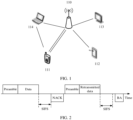
- FIG. 1 is a schematic diagram of a system architecture applicable to the technical solutions in this application.
- the wireless communications system may include at least one network device and at least one terminal device.
- the network device is 110 shown in FIG. 1
- the terminal devices are 111, 112, 113, and 114 shown in FIG. 1 .
- the terminal devices and the network device are not limited to using a single-link connection, and may alternatively use a multi-link connection.
- a multi-link connection is not limited herein.
- 110 is separately connected to 112, 113, and 114 by using a single link.
- a multi-link connection is used between 110 and 111. Specifically, two links are shown in FIG. 1 .
- the technical solutions in this application may be applied to data transmission between the network device and the terminal devices, and may also be applied to data transmission between the terminal devices, such as data transmission between 110 and 111, data transmission between 110 and 112, data transmission between 110 and 113, data transmission between 110 and 114, and data transmission between 111 and 114.
- the first communications apparatus and the second communications apparatus in the technical solutions in this application may be a network device or a terminal device.
- one of the first communications apparatus and the second communications apparatus may be a network device, and the other is a terminal device.
- both the first communications apparatus and the second communications apparatus are terminal devices. This is not limited herein.
- FIG. 1 The scenario shown in FIG. 1 is merely used as an example, and is not limited to the foregoing scenario. Actually, the technical solutions in this application may be used for data transmission between any two communications devices.
- the wireless communications system mentioned in this embodiment of this application includes but is not limited to a wireless local access network (wireless local access network, WLAN) system, a narrowband internet of things (narrow band-internet of things, NB-IoT) system, a long term evolution (long term evolution, LTE) system, and a fifth generation (the 5 th generation, 5G) communications system or a communications system after 5G, a D2D communications system, and the like.
- WLAN wireless local access network
- NB-IoT narrowband internet of things
- LTE long term evolution
- 5G fifth generation
- the network device mentioned in this application may be any device having a wireless transceiver function.
- the network device includes but is not limited to a node B (node B, NB), an evolved node B (evolved node B, eNB) in a long term evolution (long term evolution, LTE) system, a radio network controller (radio network controller, RNC), an evolved LTE (evolved LTE, eLTE) base station, or a gNB in a 5G system, or may be a base station controller (base station controller, BSC), a base transceiver station (base transceiver station, BTS), an access point (access point, AP), a wireless backhaul node, a transmission point (transmission point, TP), a transmission and reception point (transmission and reception point, TRP), a home node B (home node B, HNB), and the like.
- base station controller base station controller
- BTS base transceiver station
- access point access point
- the network device may be a network node that constitutes a gNB or a transmission point, for example, a baseband unit (baseband unit, BBU), a distributed unit (distributed unit, DU), or the like. This is not limited in this application.
- a baseband unit baseband unit, BBU
- a distributed unit distributed unit, DU
- the terminal device mentioned in this application may also be referred to as user equipment (user equipment, UE), a mobile console, an access terminal, a user unit, a user station, a mobile station, a remote station, a remote terminal, a mobile device, a terminal, a wireless communications device, a user agent, a station (station, STA) in a WLAN, a cellular telephone, a cordless telephone, a session initiation protocol (session initiation protocol, SIP) telephone, a wireless local loop (wireless local loop, WLL) station, a personal digital assistant (personal digital assistant, PDA), a handheld device having a wireless communication function, a computing device, another processing device connected to a wireless modem, a vehicle-mounted device, a wearable device, a mobile station in a 5G network, and a terminal device in a future evolved public land mobile network (public land mobile network, PLMN).
- PLMN public land mobile network
- a transmit end sends a data packet to a receive end on a link. After receiving the data packet, the receive end sends a feedback to the transmit end based on a receiving status. For example, if the receive end correctly receives the data packet, the receive end sends an acknowledgment (acknowledgment, ACK) to the transmit end. If the receive end does not correctly receive the data packet, the receive end stores an LLR of data that is incorrectly received this time, and sends a negative acknowledgment (negative acknowledgment, NACK) to the transmit end with reference to all LLRs of a same error part in previous transmissions to notify the transmit end of parts that are incorrectly received. When receiving the NACK, the transmit end retransmits the error part whose LLRs are combined.
- HARQ Hybrid Automatic Repeat request
- FIG. 2 is a schematic diagram showing a feedback of a data receiving status by using a HARQ mechanism.
- a transmit end sends a physical protocol data unit (physical protocol data unit, PPDU) to a receive end, where the PPDU includes two parts: a preamble and a data part.
- the receive end feeds back a receiving status of the data to the transmit end. For example, if the receive end correctly receives the data, the receive end sends an ACK to the transmit end, which is not shown in FIG. 2 . If the receive end does not correctly receive the data, the receive end sends a NACK to the transmit end to indicate data that is not correctly received.
- PPDU physical protocol data unit
- the transmit end When the transmit end receives the NACK from the receive end, the transmit end retransmits the data that is not correctly received by the receive end.
- the receive end stores an LLR of data that is incorrectly received in a current transmission process. If some data is not correctly received, the receive end sends all LLRs of a same error part in a plurality of previous transmissions to the transmit end, and notifies the transmit end of parts of the data that is incorrectly received. The transmit end retransmits the error part whose LLR is combined.
- the receive end acknowledges whether a media access control (media access control, MAC) protocol data unit (protocol data unit, PDU) to which the retransmitted data belongs is correctly decoded, and replies a block acknowledgment (block acknowledge character, BA) to the transmit end.
- media access control media access control
- PDU protocol data unit
- BA block acknowledge character
- the receive end needs to perform an acknowledgment operation on whether the MPDU to which the retransmitted data belongs is correctly decoded.
- the acknowledgment operation is relatively time consuming, and therefore the receive end may not be able to reply a BA in a short inter-frame space (short inter-frame space, SIFS), or the receive end may reply a BA beyond an SIFS.
- SIFS short inter-frame space
- the BA is located after the SIFS.
- an SIFS indicates time required for a node to switch from a sending state to a receiving state and to perform correct decoding, or indicates time required for a node to switch from a receiving state to a sending state.
- duration of a block acknowledgment operation performed by the receive end exceeds a value set by the SIFS, the transmit end does not receive, in the SIFS, a BA returned by the receive end, and further determines that the retransmission fails and continues to perform a retransmission.
- a delay for the receive end to reply a BA is relatively long, which has an adverse impact on retransmission performance.
- the transmit end mistakenly determines a receiving status of the retransmitted data, and the transmit end continues to perform a retransmission due to a misjudgment, which further leads to a waste of retransmission resources.
- this application provides a feedback information sending method, which helps improve the retransmission performance. For example, it is ensured that the receive end replies the receiving status of the retransmitted data to the transmit end in the SIFS, and a waste of retransmission resources is reduced.
- This application separately provides solutions for the single-link scenario and the multi-link scenario shown in FIG. 1 .
- a first communications apparatus and a second communications apparatus are connected by using a single link.
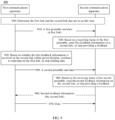
- FIG. 3 is an interaction diagram of a feedback information sending method according to this application.
- the first communications apparatus receives a negative acknowledgment from the second communications apparatus.
- the negative acknowledgment is used to indicate that a first MPDU included in a first PPDU sent by the first communications apparatus to the second communications apparatus is not correctly received.
- the first communications apparatus sends the first PPDU to the second communications apparatus, which is not shown in FIG. 3 .
- the first PPDU includes a preamble and one or more MPDUs.
- the first MPDU may be any one or more MPDUs in the first PPDU.
- the first communications apparatus sends a second PPDU to the second communications apparatus, where a preamble in the second PPDU carries first indication information.
- the first indication information is used to indicate the second PPDU to retransmit, by using HARQ, data that is in the first MPDU and that is not correctly received, and the first indication information is further used to indicate the second communications apparatus to send feedback information of the second PPDU to the first communications apparatus after receiving a feedback request from the first communications apparatus.
- the first indication information indicates that HARQ is used for retransmission.
- the second PPDU retransmits, by using the HARQ mechanism, data that is not correctly received.
- the first indication information is further used to indicate the second communications apparatus to feed back, in a BAR-BA feedback manner, a receiving status of a PPDU (namely, the second PPDU) in which the retransmitted data is located.
- the BAR-BA manner means that after the second communications apparatus receives a BAR from the first communications apparatus, the second communications apparatus sends a BA of the second PPDU to the first communications apparatus.
- a receiving status of a PPDU, an MPDU, or retransmitted data described in this specification refers to whether the PPDU, the MPDU, or the retransmitted data is correctly received.
- the receiving status includes two possibilities: correctly received and not correctly received.
- the first communications apparatus When the first communications apparatus receives the negative acknowledgment from the second communications apparatus, the first communications apparatus retransmits the data that is not correctly received by the second communications apparatus. As described above, the first MPDU in the first PPDU is not correctly received. Therefore, the first communications apparatus needs to retransmit data that is in the first MPDU and that is not correctly received.
- the first communications apparatus may retransmit only error data in the first MPDU, or the first communications apparatus may retransmit the first MPDU.
- step 320 the first communications apparatus sends the second PPDU to the second communications apparatus.
- the first communications apparatus retransmits the data that is not correctly received.
- the second communications apparatus receives the second PPDU from the first communications apparatus.
- the first communications apparatus sends a feedback request to the second communications apparatus, where the feedback request is used to request the second communications apparatus to send feedback information of the second PPDU.
- the feedback information of the second PPDU is used to indicate whether the second PPDU is correctly received by the second communications apparatus.
- the second communications apparatus receives the feedback request from the first communications apparatus.
- the second communications apparatus sends feedback information of the second PPDU to the first communications apparatus based on a receiving status of the second PPDU.
- the second communications apparatus after receiving the second PPDU that is retransmitted by the first communications apparatus by using the HARQ, the second communications apparatus does not immediately provide a feedback to the first communications apparatus, but sends the feedback information of the second PPDU to the first communications apparatus after receiving the feedback request from the first communications apparatus.
- the first communications apparatus determines to use the HARQ to retransmit data that is not correctly received
- the first communications apparatus and the second communications apparatus feed back the receiving status of the second PPDU in the BAR-BA manner.
- the first communications apparatus After retransmitting, by using the HARQ, the data that is not correctly received by the second communications apparatus, the first communications apparatus needs to send a BAR to the second communications apparatus. Then, the second communications apparatus sends, to the first communications apparatus, a feedback indicating whether the second PPDU in which the retransmitted data is located is correctly received.
- the second communications apparatus autonomously sends a feedback to the first communications apparatus after receiving the retransmitted data from the first communications apparatus and performing a block acknowledgment operation.
- time for determining whether the second PPDU in which the retransmitted data is located is correctly received is prolonged. In this way, more time is left for the second communications apparatus to perform an acknowledgment operation, so that the feedback information from the second communications apparatus is within the SIFS.
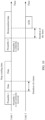
- FIG. 4 is an example of sending feedback information according to this application.
- a first communications apparatus sends a first PPDU to a second communications apparatus, where the first PPDU includes a first preamble and one or more MPDUs. If the second communications apparatus does not correctly receive a first MPDU in the first PPDU, the second communications apparatus sends a NACK to the first communications apparatus, to indicate that the first MPDU is not correctly received. The first communications apparatus receives the NACK from the second communications apparatus, and learns that the first MPDU is not correctly received, so that data that is in the first MPDU and that is not correctly received needs to be retransmitted.
- the first communications apparatus sends a second PPDU to the second communications apparatus, where the second PPDU is used to retransmit the data that is in the first MPDU and that is not correctly received. Specifically, if the first communications apparatus determines to use HARQ for retransmission, the second PPDU carries first indication information, the first indication information is used to indicate that the second PPDU uses the HARQ, and whether the second PPDU is correctly received is fed back in a BAR-BA feedback manner.
- a preamble in the second PPDU carries the first indication information.
- the second communications apparatus receives the second PPDU from the first communications apparatus, and obtains the first indication information from the preamble in the second PPDU.
- the first communications apparatus sends a BAR to the second communications apparatus, where the BAR is used to request the second communications apparatus to send feedback information of the second PPDU to the first communications apparatus.
- the second communications apparatus After receiving the BAR from the first communications apparatus, the second communications apparatus sends the feedback information (namely, a BA) of the second PPDU to the first communications apparatus.
- the feedback information is used to indicate whether the second PPDU is correctly received.
- first PPDU and the second PPDU in FIG. 4 are merely used to distinguish PPDUs in two transmission processes, and no other limitation is imposed on the PPDU.
- a first preamble and a second preamble are respectively used to represent preambles included in the two PPDUs, and no other limitation is imposed on the preamble.
- the first preamble and the second preamble may be the same or different, which is not limited herein.
- the first communications apparatus determines whether to use the HARQ to feed back a receiving status of the retransmitted data.
- the first communications apparatus notifies a receive end to perform the feedback in the BAR-BA manner.
- the HARQ and the BAR-BA feedback manner are bound for retransmission.
- the second communications apparatus may also determine whether the HARQ mechanism is used for retransmission. When determining to use the HARQ, the second communications apparatus notifies the first communications apparatus. In addition, the BAR-BA feedback manner is used to feed back a receiving status of the second PPDU in which the retransmitted data is located. The following describes the feedback with reference to FIG. 5 .
- FIG. 5 is another example of sending feedback information according to this application.
- a first communications apparatus sends a first PPDU to a second communications apparatus, where the first PPDU includes one or more MPDUs.
- the second communications apparatus receives the first PPDU from the first communications apparatus, and feeds back an ACK or a NACK to the first communications apparatus based on a receiving status of the first PPDU.
- This specification mainly describes a case in which the second communications apparatus feeds back a NACK.
- the second communications apparatus sends a negative acknowledgment, namely, a NACK, to the first communications apparatus.
- the negative acknowledgment carries second indication information, and the second indication information is used to indicate to use HARQ to retransmit data that is in the first MPDU and that is not correctly received.
- the second indication information is further used to indicate the second communications apparatus to send, to the first communications apparatus after receiving a BAR sent by the first communications apparatus, a BA of a second PPDU in which the retransmitted data is located.
- the first communications apparatus may learn, based on the second indication information carried in the NACK, that the HARQ is used to retransmit the data that is not correctly received, and whether the second PPDU in which the retransmitted data is located is correctly received needs to be fed back in a BAR-BA manner.
- the first communications apparatus sends the second PPDU to the second communications apparatus, where the second PPDU uses the HARQ.
- the first communications apparatus sends the BAR to the second communications apparatus, where the BAR is used to request the second communications apparatus to send feedback information about a receiving status of the second PPDU to the first communications apparatus.
- the second communications apparatus After receiving the BAR from the first communications apparatus, the second communications apparatus sends the feedback information of the second PPDU to the first communications apparatus.
- the PPDU mentioned in this specification may be a high efficiency single user PPDU (high efficiency single user PPDU, HE SU PPDU), or may be a high efficiency multiple user PPDU (high efficiency multiple user PPDU, HE MU PPDU).
- the second PPDU sent by the first communications apparatus to the second communications apparatus is an HE SU PPDU.
- first indication information may be carried in an HE-SIG-A2 field in a preamble in the HE SU PPDU.
- B14 in the HE-SIG-A2 field is a reserved bit and may be used to carry the first indication information.
- the HARQ is used for retransmission
- the BAR-BA is used for a feedback on the receiving status of the MPDU to which the retransmitted data belongs.
- B14 in the HE-SIG-A2 field is "0"
- a conventional transmission mechanism is used.
- ARQ policy an ARQ policy
- the first communications apparatus sends a second HE MU PPDU to the second communications apparatus.
- the first indication information may be carried in an HE-SIG-A2 field in a preamble in the HE MU PPDU.
- B7 in the HE-SIG-A2 field is a reserved bit and may be used to carry the first indication information.
- the HARQ is used for retransmission
- the BAR-BA is used for a feedback on the receiving status of the MPDU to which the retransmitted data belongs.
- B7 in the HE-SIG-A2 field is "0"
- the conventional transmission mechanism is used.
- the first indication information may be represented as a HARQ indication. If the HARQ indication carried in the second PPDU is set to "1" by the first communications apparatus, the HARQ mechanism is used for data retransmission, and the BAR-BA manner is used by default. Otherwise, the conventional transmission mechanism is used.
- the first communications apparatus retransmits, by using the HARQ, the data that is not correctly received, and feeds back, by using the BAR-BA manner, the receiving status of the first MPDU to which the retransmitted data belongs.
- the BA sent by the second communications apparatus for the receiving status of the retransmitted data is within the SIFS.
- the following provides another feedback information sending method 600, which may also ensure that a BA sent by a second communications apparatus is within an SIFS.
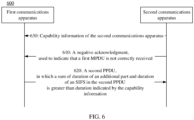
- FIG. 6 is a schematic diagram of another feedback information sending method according to this application.
- a first communications apparatus receives a negative acknowledgment from the second communications apparatus.
- the negative acknowledgment is used to indicate that a first MPDU included in a first PPDU sent by the first communications apparatus to the second communications apparatus is not correctly received.
- step 610 For description of step 610, refer to the description of step 310. Details are not described herein again.
- the first communications apparatus sends a second PPDU to the second communications apparatus based on capability information of the second communications apparatus, where the second PPDU includes a second MPDU and an additional part.
- the capability information is used to indicate duration required by the second communications apparatus to feed back to the first communications apparatus whether an MPDU to which retransmitted data belongs is correctly received.
- a sum of duration of the additional part and the SIFS is greater than the duration indicated by the capability information.
- the capability information is used to indicate duration required by the second communications apparatus to feed back to the first communications apparatus whether a PPDU in which the retransmitted data is located is correctly received.
- the PPDU in which the retransmitted data is located is referred to as the second PPDU in this specification.
- the second PPDU is used to retransmit data that is in the first MPDU and that is not correctly received.
- the first communications apparatus is learns about, based on the capability information of the second communications apparatus, the duration required by the second communications apparatus to feed back to the first communications apparatus whether the MPDU to which the retransmitted data belongs is correctly received. Therefore, based on the duration indicated by the capability information of the second communications apparatus, the first communications apparatus adds the additional part after the second MPDU included in the second PPDU, so that a sum of the duration of the additional part and the duration of the SIFS is greater than a delay indicated by the capability information.
- a sum of the duration of the additional part and the duration of the SIFS is greater than the duration required by the second communications apparatus to feed back whether the MPDU to which the retransmitted data belongs is correctly received . Therefore, it can be ensured that a BA fed back by the second communications apparatus is within the SIFS.
- the first communications apparatus may obtain the capability information of the second communications apparatus, as shown in step 630.
- the first communications apparatus obtains the capability information of the second communications apparatus.
- the first communications apparatus may obtain the capability information of the second communications apparatus in a plurality of implementations.
- the second communications apparatus estimates the duration required by the second communications apparatus to feed back whether the MPDU to which the retransmitted data belongs is correctly received, and sends an estimation result to the first communications apparatus.
- the second communications apparatus may alternatively add the capability information of the second communications apparatus to a negative acknowledgment and send the negative acknowledgment to the first communications apparatus. Further, the first communications apparatus determines, based on the capability information of the second communications apparatus, duration of the retransmitted second PPDU. A manner in which the first communications apparatus obtains the capability information of the second communications apparatus is not limited herein.
- step 630 is shown by dashed lines in FIG. 6 , indicating that step 630 is not mandatory for one data transmission.
- the first communications apparatus may obtain the capability information of the second communications apparatus in advance and store the capability information. During a subsequent data retransmission, the stored capability information of the second communications apparatus may be directly referred, and reporting by the second communications apparatus is not required.
- the capability information of the second communications apparatus may include a plurality of specific implementations.
- the capability information may be used to indicate a delay for the second communications apparatus to feed back to the first communications apparatus whether the MPDU to which the retransmitted data belongs is correctly received.
- the capability information may be used to indicate maximum duration that is of the PPDU in which the retransmitted data is located and that is acceptable to the second communications apparatus, and/or a maximum quantity of MPDUs that are in the PPDU in which the retransmitted data is located and that are associated with data that is not correctly received.
- the capability information of the second communications apparatus may reflect a delay for the second communications apparatus to perform the block acknowledgment operation.
- the duration required by the second communications apparatus to feed back to the first communications apparatus whether the MPDU to which the retransmitted data belongs is correctly received is also referred to as a BA delay, namely, a block acknowledgment delay.
- the BA delay may be carried in a MAC capabilities information field.
- the MAC capabilities information field may directly carry a value of the BA delay.
- the second communications apparatus may add a subfield shown in Table 1 to the MAC capabilities information field.
- Table 1 Subfield Definition Code BA delay Duration that is estimated by a receive end and that is required for feeding back whether an MPDU to which retransmitted data belongs is correctly received Be set to estimated maximum duration required for generating feedback information of a retransmitted data packet
- BA delays may be classified into different levels based on duration in advance, and each level corresponds to one identifier, which is referred to as a level identifier hereinafter.
- the MAC capabilities information field may carry a level identifier.
- the first communications apparatus may learn about, based on a level identifier in the MAC capabilities information field of the second communications apparatus, a BA delay corresponding to the level identifier.
- the BA delays are classified into level 1, level 2, and level 3. Level 1 is higher than level 2, and level 2 is higher than level 3. The higher the level, the longer the BA delay.
- the second communications apparatus After obtaining the BA delay of the second communications apparatus through estimation, the second communications apparatus determines, based on level classification, a level to which the BA delay of the second communications apparatus belongs, and adds an identifier of the level to which the BA delay of the second communications apparatus belongs to the MAC capabilities information field, as shown in Table 2.
- Table 2 Subfield Definition Code Level to which a BA delay belongs Level to which duration that is estimated by a receive end and that is required for replying whether an MPDU to which retransmitted data belongs is correctly received belongs Be set to a level to which estimated maximum duration required for generating feedback information of a retransmitted data packet belongs
- a level to which a BA delay belongs is level 1 and a code is 1, a range of the BA delay is [a, b).
- a level to which a BA delay belongs is level 2 and a code is 2, a range of the BA delay is [b, c).
- a level to which a BA delay belongs is level 3 and a code is 3, a range of the BA delay is [c, d], and so on.
- a quantity of specified levels and a length of a range of a BA delay corresponding to each level are not limited in this application. a, b, and c all indicate lengths of the BA delays.
- the additional part may include a plurality of specific implementations.
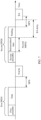
- an additional part sent by the first communications apparatus to the second communications apparatus may be padding of the second MPDU, as shown in FIG. 7 .
- FIG. 7 is an example of sending feedback information according to this application.
- a first communications apparatus needs to retransmit data after receiving a NACK from a second communications apparatus
- the first communications apparatus determines, based on capability information of the second communications apparatus, that an SIFS and a BA delay of the second communications apparatus that is indicated by the capability information meet a condition, that is, BA delay > SIFS
- the first communications apparatus pads a retransmitted data packet (namely, a second PPDU), so that a sum of a length of the padding part and duration of the SIFS is greater than the BA delay.
- the additional part sent by the first communications apparatus to the second communications apparatus may alternatively be newly transmitted data.
- a length of the newly transmitted data also meets the foregoing limitation on the duration of the padding part.
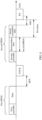
- a sum of duration of the newly transmitted data and the duration of the SIFS is greater than the BA delay, as shown in FIG. 8 .
- FIG. 8 is another example of sending feedback information according to this application.
- a first communications apparatus needs to retransmit data after receiving a NACK from a second communications apparatus
- the first communications apparatus determines that a BA delay of the second communications apparatus is greater than an SIFS
- the first communications apparatus aggregates the newly transmitted data after the retransmitted data, so that a sum of the length of the newly transmitted data and the duration of the SIFS is greater than the BA delay.
- the capability information obtained by the first communications apparatus from the second communications apparatus may alternatively be used to indicate maximum duration that is of a PPDU in which the retransmitted data is located and that is acceptable to the second communications apparatus and/or a maximum quantity of MPDUs to which the retransmitted data belongs.
- the PPDU in which the retransmitted data is located is referred to as the second PPDU in this specification
- the MPDU to which the retransmitted data belongs is referred to as an MPDU that is in the second PPDU and that is associated with the data that is not correctly received.
- the second communications apparatus estimates the maximum duration of the second PPDU and/or the maximum quantity of MPDUs to which the retransmitted data belongs, and sends an estimation result to the first communications apparatus, so that the first communications apparatus can indirectly learn about the BA delay of the second communications apparatus.
- the second communications apparatus may add a subfield shown in Table 3 to the MAC capabilities information field.
- Table 3 Subfield Definition Code Duration of a PPDU in which retransmitted data is located Duration that is of a PPDU in which retransmitted data is located and that is acceptable to a receive end Be set to estimated maximum duration of a PPDU in which retransmitted data is located Quantity of MPDUs to which retransmitted data belongs Quantity that is of MPDUs to which retransmitted data belongs and that is acceptable to a receive end Be set to an estimated maximum quantity of MPDUs to which retransmitted data belongs Quantity of MPDUs to which newly transmitted data in a PPDU in which retransmitted data is located belongs Quantity that is of MPDUs to which newly transmitted data in a PPDU in which retransmitted data is located belongs and that is acceptable to a receive end Be set to an estimated maximum quantity of MPDUs to which newly transmitted data in a PPDU in which retransmitted data is located belongs
- a first communications apparatus and a second communications apparatus are connected by using a plurality of links.
- FIG. 9 is a schematic diagram of yet another feedback information sending method according to this application.
- a first communications apparatus sends a first preamble to a second communications apparatus on a first link, and sends data to the second communications apparatus starting from a moment when the first preamble ends.
- the second communications apparatus receives the first preamble on the first link, and receives data on the first link starting from the moment when the first preamble ends.
- the second communications apparatus After receiving the first preamble, the second communications apparatus performs one of the following actions based on whether the first preamble is correctly received (or whether the first preamble is correctly decoded):
- the first communications apparatus performs one of the following actions within preset duration based on whether the first feedback information is received on the second link:
- the first communications apparatus determines that the retransmission fails and continues to perform a retransmission.
- the "preset duration" described in step 930 may be implemented in a plurality of manners.
- the preset duration may be set by using a timer.
- the first communications apparatus may start the timer after sending the first preamble.
- the timer is configured to set duration for the first communications apparatus to receive the first feedback information from the second communications apparatus.
- the first feedback information is used to indicate that the second communications apparatus correctly receives the first preamble.
- the duration set by the timer may also be expressed as timeout time of the timer.
- a start moment of the timer may be set by the first communications apparatus.
- the start moment of the timer may coincide with a moment when the first preamble starts, or the start moment of the timer may coincide with the moment when the first preamble ends.
- the start moment of the timer may be within duration corresponding to the first preamble. This is not limited herein.
- this application proposes that a receiving status of a preamble may be fed back in advance.
- the second communications apparatus does not need to wait for completion of receiving all the data, and may feed back whether the preamble is correctly received, which can save time.
- first link and the second link may be any two of available links in an idle state between the first communications apparatus and the second communications apparatus.
- the first communications apparatus may determine two links in an idle state as the first link and the second link. Therefore, before step 910, step 940 may be further included.
- the first communications apparatus determines the first link and the second link that are in an idle state.
- the first communications apparatus determines that the first link and the second link are in an idle state, or it may be said that the first communications apparatus obtains a transmit opportunity (transmit opportunity, TXOP) of the first link and the second link.
- TXOP transmit opportunity
- the first communications apparatus may send a detection signal to the first communications apparatus on the first link. If the first communications apparatus receives a response signal of the second communications apparatus on the second link, the TXOP of the second link is obtained.
- a transmit opportunity of a link can be characterized by duration. For example, if the first communications apparatus obtains a transmit opportunity of a link in a period of time, the first communications apparatus may use the link in the period of time.
- This specification mainly relates to a case in which the second communications apparatus does not correctly receive the first preamble.
- the timer expires, if the first communications apparatus does not receive a feedback from the second communications apparatus on the second link, a retransmission is performed.
- steps 950-980 may be included.
- the first communications apparatus sends a second preamble to the second communications apparatus on the first link, and retransmits the data starting from a moment when the second preamble ends.
- the second communications apparatus performs one of the following actions based on whether the second preamble is correctly received:
- Step 960 shown by dashed lines in FIG. 9 indicates the former case of step 960.
- the second communications apparatus correctly receives the second preamble and therefore the second communications apparatus sends the second feedback information to the first communications apparatus on the second link, to indicate that the second preamble is correctly received.
- the first communications apparatus For the first communications apparatus, if the second feedback information is received on the second link within the timeout time of the timer, the first communications apparatus continues to send data to the second communications apparatus, as shown in step 970.
- the first communications apparatus continues to send data to the second communications apparatus.
- the data in step 970 may be the retransmitted data. If the TXOP of the first link has not ended after sending of the retransmitted data is complete, the first communications apparatus may further continue to send the newly transmitted data.
- the first communications apparatus enters a next retransmission.
- the second communications apparatus separately feeds back a receiving status of the preamble and a receiving status of the data.
- the first communications apparatus stops sending subsequent data in time, to avoid a waste of time resources and enter a retransmission.
- the second communications apparatus correctly receives the preamble, the second communications apparatus provides a feedback to the first communications apparatus within the duration set by the timer, so that the first communications apparatus continues to send data.
- the first communications apparatus may include an indication field in the sent first preamble, where the indication field is used to indicate the second communications apparatus to feed back a receiving status of the first preamble after receiving the first preamble.
- the indication field is used to enable an advance feedback of the first preamble, so that the second communications apparatus does not need to feed back the receiving status of the first preamble and the PPDU to which the data belongs only after receiving the first preamble and the data.
- the indication field of the first preamble may be preambleack, and when the preambleack is set to " 1", the second communications apparatus needs to feed back the receiving status of the preamble in advance.
- the preambleack is set to "0" the second communications apparatus uses the conventional HARQ mechanism.
- the second communications apparatus after receiving the preamble and the data, the second communications apparatus feeds back the receiving status of the preamble and the PPDU to which the data belongs.
- the duration of the timer is set to preambleacktimeout in the following.
- the preambleacktimeout needs to meet a condition: preambleacktimeout ⁇ EIFS.
- EIFS represents extended inter-frame space (extended inter-frame space).
- DIFS represents distributed inter-frame spacing (distributed inter-frame spacing).
- FIG. 10 is an example of sending feedback information according to this application.
- a first communications apparatus obtains TXOPs of link 1 and link 2
- the first communications apparatus sends preamble 1 and data on link 1, where preamble 1 carries the indication field.
- the second communications apparatus does not correctly receive preamble 1
- the second communications apparatus does not provide a feedback to the first communications apparatus.
- the first communications apparatus cannot receive the feedback on the second link within the timeout time of the timer, so that the first communications apparatus determines that data transmission fails, stops data transmission, and performs a retransmission.
- the first communications apparatus sends preamble 2 and retransmits data on link 1. If the second communications apparatus correctly receives preamble 2 on link 1, the second communications apparatus sends an ACK to the first communications apparatus on link 2, to indicate to the first communications apparatus that preamble 2 is correctly received. At the same time, the second communications apparatus continues to receive, on link 1, data sent by the first communications apparatus. After receiving the ACK, the first communications apparatus continues to send the retransmitted data on link 1. If sending of the retransmitted data is complete, the first communications apparatus may continue to send newly transmitted data.
- the second communications apparatus correctly receives preamble 2 on link 1, the second communications apparatus sends an ACK to the first communications apparatus on link 2, and the first communications apparatus receives the ACK, the first communications apparatus continues to send data to the second communications apparatus on link 1, and no retransmission is required.
- the feedback information sending method provided in this application is described in detail above.
- the following describes a communications apparatus provided in this application.
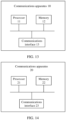
- FIG. 11 is a schematic block diagram of a communications apparatus 1000 according to this application. As shown in FIG. 11 , the communications apparatus 1000 includes a receiving unit 1100 and a sending unit 1200.
- the communications apparatus 1000 may correspond to the first communications apparatus in the method 300 and the process shown in FIG. 4 .
- functions of each unit of the communications apparatus 1000 are described as follows.
- the receiving unit 1100 is configured to receive a negative acknowledgment from a second communications apparatus.
- the negative acknowledgment is used to indicate that a first MPDU included in a first PPDU sent by the communications apparatus to the second communications apparatus is not correctly received.
- the sending unit 1200 is configured to send a second PPDU to the second communications apparatus.
- a preamble in the second PPDU carries first indication information.
- the first indication information is used to indicate the second PPDU to retransmit, by using hybrid automatic repeat request HARQ, data that is in the first MPDU and that is not correctly received, and is further used to indicate the second communications apparatus to send feedback information of the second PPDU to the first communications apparatus after receiving a feedback request from the first communications apparatus.
- the feedback information of the second PPDU is used to indicate whether the second PPDU is correctly received.
- the sending unit 1200 is further configured to send the feedback request to the second communications apparatus.
- the receiving unit 1100 is further configured to receive the feedback information of the second PPDU from the second communications apparatus.
- the receiving unit 1100 and the sending unit 1200 may alternatively be physically integrated into one transceiver unit.
- the second PPDU is a high efficiency single user HE SU PPDU, and a signaling field A in the HE SU PPDU carries the first indication information; or the second PPDU is a high efficiency multiple user HE MU PPDU, and a signaling field A in the HE MU PPDU carries the first indication information.
- the communications apparatus 1000 may correspond to the first communications apparatus in the process shown in FIG. 5 .
- functions of each unit of the communications apparatus 1000 are described as follows.
- the receiving unit 1100 receives a negative acknowledgment from the second communications apparatus.
- the negative acknowledgment is used to indicate that a first MPDU included in a first PPDU sent by the first communications apparatus to the second communications apparatus is not correctly received.
- the negative acknowledgment carries second indication information.
- the second indication information is used to indicate to retransmit, by using HARQ, data that is in the first MPDU and that is not correctly received, and is further used to indicate the second communications apparatus to send, to the first communications apparatus after receiving a feedback request from the first communications apparatus, feedback information of a PPDU in which the retransmitted data is located.
- the sending unit 1200 sends a second PPDU to the second communications apparatus.
- the second PPDU retransmits, by using the HARQ, the data that is in the first MPDU and that is not correctly received.
- the sending unit 1200 is further configured to send the feedback request to the second communications apparatus.
- the receiving unit 1100 is further configured to receive the feedback information of the second PPDU from the second communications apparatus.
- the PPDU in which the retransmitted data is located is referred to as the second PPDU in this specification.
- the communications apparatus 1000 may correspond to the first communications apparatus in the method 600.
- the communications apparatus 1000 may further include a processing unit 1300, and functions of each unit are described as follows.
- the receiving unit 1100 is configured to receive a negative acknowledgment from the second communications apparatus.
- the negative acknowledgment is used to indicate that a first MPDU included in a first PPDU sent by the communications apparatus to the second communications apparatus is not correctly received.
- the processing unit 1300 is configured to control, based on capability information of the second communications apparatus, the sending unit 1200 to send a second PPDU to the second communications apparatus.
- the capability information is used to indicate duration required by the second communications apparatus to feed back to the first communications apparatus whether an MPDU to which retransmitted data belongs is correctly received.
- the second PPDU includes a second MPDU and an additional part, and the second PPDU retransmits, by using HARQ, data that is in the first MPDU and that is not correctly received.
- a sum of duration of the additional part and a short inter-frame space SIFS is greater than the duration indicated by the capability information.
- the receiving unit 1100 is further configured to receive the capability information from the second communications apparatus.
- the additional part is padding of the second MPDU, or the additional part is newly transmitted data.
- the capability information is used to indicate a delay for the second communications apparatus to feed back to the first communications apparatus whether the MPDU to which the retransmitted data belongs is correctly received.
- the capability information is used to indicate maximum duration that is of a PPDU in which the retransmitted data is located and that is acceptable to the second communications apparatus, and/or a maximum quantity of MPDUs to which the retransmitted data belongs.
- the processing unit 1300 is configured to: based on the capability information, and when the duration indicated by the capability information is longer than the SIFS, the processing unit 1300 adds the additional part after the second MPDU to generate the second PPDU.
- that the capability information is used to indicate the duration required by the second communications apparatus to feed back to the first communications apparatus whether the MPDU to which the retransmitted data belongs is correctly received includes: The capability information carries a level identifier corresponding to the duration required by the second communications apparatus to feed back to the first communications apparatus whether the MPDU to which the retransmitted data belongs is correctly received, where different duration required by the second communications apparatus to feed back to the first communications apparatus whether the MPDU to which the retransmitted data belongs is correctly received corresponds to different level identifiers.
- the communications apparatus 1000 may correspond to the first communications apparatus in the method 900. In this case, functions of each unit of the communications apparatus 1000 are described as follows.
- the sending unit 1200 is configured to send a first preamble to the second communications apparatus by using a first link, and send data to the second communications apparatus starting from a moment when the first preamble ends.
- the processing unit 1300 is further configured to: when the receiving unit 1100 does not receive first feedback information on a second link within preset duration, control the sending unit 1200 to stop sending data to the second communications apparatus.
- the first preamble includes an indication field
- the indication field is used to indicate the second communications apparatus to feed back whether the first preamble is correctly received after receiving the first preamble.
- the sending unit 1200 is further configured to send a second preamble to the second communications apparatus, and retransmit the data starting from a moment when the second preamble ends.
- the processing unit 1300 is further configured to: when the receiving unit 1100 receives second feedback information on the second link within the preset duration, control the sending unit 1200 to continue to send data to the second communications apparatus, where the second feedback information is used to indicate that the second communications apparatus correctly receives the second preamble.
- the sending unit 1200 is further configured to send a detection signal to the second communications apparatus on the first link, and attempt to receive a response signal of the second communications apparatus on the second link.
- the processing unit 1300 is further configured to: when the receiving unit 1100 receives the response signal from the second communications apparatus on the second link, determine that the first link and the second link are in an idle state.
- the detection signal includes request to send RTS and/or clear to send CTS.
- the communications apparatus 1000 may be the transmit end device in the method embodiments of this application, or may be a combined device, a component, or the like that may have a function of the first communications apparatus in the transmit end device.
- the receiving unit 1100 may be a receiver
- the sending unit 1200 may be a transmitter.
- the receiver and the transmitter may be integrated into a transceiver.
- the processing unit 1300 may be a processing apparatus.
- the communications apparatus 1000 may be a chip or an integrated circuit installed in the transmit end device.
- the receiving unit 1100 and the sending unit 1200 may be communications interfaces.
- the receiving unit 1100 may be an input interface or an input circuit.
- the sending unit 1200 may be an output interface or an output circuit.
- the processing unit 1300 may be a processing apparatus.
- a function of the processing apparatus may be implemented by hardware, or may be implemented by hardware executing corresponding software.
- the processing apparatus may include one or more memories and one or more processors, where the one or more memories are configured to store a computer program, and the one or more processors read and execute the computer program stored in the one or more memories, so that the communications apparatus 1000 performs an operation and/or processing performed by the first communications apparatus in the method embodiments of this application.
- the processing apparatus may include only the processor, and the memory configured to store the computer program is located outside the processing apparatus.
- the processor is connected to the memory by using a circuit/wire to read and execute the computer program stored in the memory.
- the processing apparatus may alternatively be hardware such as a logic circuit or an integrated circuit.
- the receiving unit 1100 and the sending unit 1200 may be integrated into a radio frequency apparatus, and the processing unit 1300 may be a baseband apparatus, a system on chip (system on chip, SoC), or the like.
- SoC system on chip
- FIG. 12 is a schematic block diagram of a communications apparatus 2000 according to this application. As shown in FIG. 12 , the communications apparatus 2000 includes a sending unit 2100 and a receiving unit 2200.
- the communications apparatus 2000 may correspond to the second communications apparatus in the method 300 and the process shown in FIG. 4 .
- functions of each unit of the communications apparatus 2000 are described as follows.
- the sending unit 2100 is configured to send a negative acknowledgment to a first communications apparatus.
- the negative acknowledgment is used to indicate that a first MPDU included in a first PPDU sent by the first communications apparatus to the communications apparatus is not correctly received.
- the receiving unit 2200 is configured to receive a second PPDU from the first communications apparatus.
- a preamble in the second PPDU carries first indication information.
- the first indication information is used to indicate the second PPDU to retransmit, by using HARQ, data that is in the first MPDU and that is not correctly received, and is further used to indicate the second communications apparatus to send feedback information of the second PPDU to the first communications apparatus after receiving a feedback request from the first communications apparatus.
- the feedback information of the second PPDU is used to indicate whether the second PPDU is correctly received.
- the receiving unit 2200 is further configured to receive the feedback request from the first communications apparatus.
- the sending unit 2100 is further configured to send the feedback information of the second PPDU to the first communications apparatus.
- the sending unit 2100 and the receiving unit 2200 may alternatively be physically integrated into one transceiver unit.
- the second PPDU is a high efficiency single user HE SU PPDU, and a signaling field A in the HE SU PPDU carries the first indication information; or the second PPDU is a high efficiency multiple user HE MU PPDU, and a signaling field A in the HE MU PPDU carries the first indication information.
- the communications apparatus 2000 may correspond to the second communications apparatus in FIG. 5 .
- functions of each unit of the communications apparatus 2000 are described as follows.
- the sending unit 2100 sends a negative acknowledgment to the first communications apparatus.
- the negative acknowledgment is used to indicate that a first MPDU included in a first PPDU sent by the first communications apparatus to the second communications apparatus is not correctly received.
- the negative acknowledgment carries second indication information.
- the second indication information is used to indicate to retransmit, by using HARQ, data that is in the first MPDU and that is not correctly received, and is further used to indicate the second communications apparatus to send, to the first communications apparatus after receiving a feedback request from the first communications apparatus, feedback information of a PPDU in which the retransmitted data is located.
- the receiving unit 2200 is configured to receive a second PPDU from the first communications apparatus.
- the second PPDU retransmits, by using the HARQ, the data that is in the first MPDU and that is not correctly received.
- the receiving unit 2200 is further configured to receive the feedback request from the first communications apparatus.
- the sending unit 2100 is further configured to send the feedback information of the second PPDU to the first communications apparatus.
- the communications apparatus 2000 may correspond to the second communications apparatus in the method 600. In this case, functions of each unit of the communications apparatus 2000 are described as follows.
- the sending unit 2100 is configured to send a negative acknowledgment to the first communications apparatus.
- the negative acknowledgment is used to indicate that a first MPDU included in a first PPDU sent by the first communications apparatus to the second communications apparatus is not correctly received.
- the receiving unit 2200 is configured to receive a second PPDU from the first communications apparatus.
- the second PPDU includes a second MPDU and an additional part, and the second PPDU retransmits, by using HARQ, data that is in the first MPDU and that is not correctly received.
- a sum of duration of the additional part and a short inter-frame space SIFS is greater than duration required by the second communications apparatus to feed back to the first communications apparatus whether an MPDU to which retransmitted data belongs is correctly received.
- the sending unit 2100 is further configured to send capability information of the communications apparatus to the first communications apparatus, where the capability information is used to indicate the duration required by the second communications apparatus to feed back to the first communications apparatus whether the MPDU to which the retransmitted data belongs is correctly received.
- the additional part is padding of the second MPDU, or the additional part is newly transmitted data.
- the capability information is used to indicate a delay for the communications apparatus to feed back to the first communications apparatus whether the MPDU to which the retransmitted data belongs is correctly received.
- the capability information is used to indicate maximum duration that is of a PPDU in which the retransmitted data is located and that is acceptable to the communications apparatus, and/or a maximum quantity of MPDUs to which the retransmitted data belongs.
- the receiving unit 2200 is specifically configured to receive the second PPDU from the first communications apparatus.
- the second PPDU includes the second MPDU and the additional part, and the duration required by the communications apparatus to feed back to the first communications apparatus whether the MPDU to which the retransmitted data belongs is correctly received is longer than the SIFS.
- that the capability information is used to indicate the duration required by the second communications apparatus to feed back to the first communications apparatus whether the MPDU to which the retransmitted data belongs is correctly received includes: The capability information carries a level identifier corresponding to the duration required by the second communications apparatus to feed back to the first communications apparatus whether the MPDU to which the retransmitted data belongs is correctly received, where different duration required by the second communications apparatus to feed back to the first communications apparatus whether the MPDU to which the retransmitted data belongs is correctly received corresponds to different level identifiers.
- the communications apparatus 2000 may correspond to the second communications apparatus in the method 900.
- the communications apparatus 2000 may further include a processing unit 2300. Functions of each unit of the communications apparatus 2000 are described as follows.
- the receiving unit 2200 is configured to receive, on a first link, a first preamble sent by the first communications apparatus, and receive data starting from a moment when the first preamble ends.
- the processing unit 2300 is configured to: when the first preamble is not correctly received, control the sending unit 2100 not to provide a feedback to the first communications apparatus.
- the first preamble includes an indication field
- the indication field is used to indicate the second communications apparatus to feed back whether the first preamble is correctly received after receiving the first preamble.
- the receiving unit 2200 is further configured to receive a second preamble from the first communications apparatus, and receive the retransmitted data starting from a moment when the second preamble ends.
- the processing unit 2300 is further configured to: in a case in which it is determined that the receiving unit 2200 correctly receives the second preamble on the first link, control the sending unit 2100 to send second feedback information to the first communications apparatus on a second link, where the second feedback information is used to indicate that the communications apparatus correctly receives the second preamble.
- the receiving unit 2200 is further configured to receive, on the first link, a detection signal from the first communications apparatus.
- the sending unit 2100 is further configured to send a response signal to the first communications apparatus by using the second link, where the second link is one of available links of the communications apparatus.
- the detection signal includes RTS and/or CTS.
- the communications apparatus 2000 may be the receive end device in the method embodiments of this application, or may be a combined device, a component, or the like that may have a function of the second communications apparatus in the receive end device.
- the sending unit 2100 may be a transmitter
- the receiving unit 2200 may be a receiver.
- the transmitter and the receiver may be physically integrated into a transceiver.
- the processing unit 2200 may be a processing apparatus.
- the communications apparatus 2000 may be a chip or an integrated circuit installed in the receive end device.
- the sending unit 2100 and the receiving unit 2200 may be communications interfaces.
- the sending unit 2100 may be an output interface or an output circuit.
- the receiving unit 2200 may be an input interface or an input circuit.
- the processing unit 2200 may be a processing apparatus.
- a function of the processing apparatus may be implemented by hardware, or may be implemented by hardware executing corresponding software.
- the processing apparatus may include one or more memories and one or more processors, where the one or more memories are configured to store a computer program, and the one or more processors read and execute the computer program stored in the one or more memories, so that the communications apparatus 2000 performs an operation and/or processing performed by the second communications apparatus in the method embodiments of this application.
- the processing apparatus may include only the processor, and the memory configured to store the computer program is located outside the processing apparatus.
- the processor is connected to the memory by using a circuit/wire to read and execute the computer program stored in the memory.
- the sending unit 2100 and the receiving unit 2200 may be integrated into a radio frequency apparatus, and the processing unit 2300 may be a baseband apparatus, an SoC, or the like.
- FIG. 13 is a schematic diagram of a structure of a communications apparatus 10 according to this application.
- the communications apparatus 10 includes one or more processors 11, one or more memories 12, and one or more communications interfaces 13.
- the processor 11 is configured to control the communications interface 13 to send and receive a signal
- the memory 12 is configured to store a computer program
- the processor 11 is configured to invoke the computer program from the memory 12 and run the computer program, to perform processing and/or an operation performed by the first communications apparatus in the method embodiments of this application.
- the processor 11 may have functions of the processing unit 1300 shown in FIG. 11
- the communications interface 13 may have functions of the receiving unit 1100 and the sending unit 1200 shown in FIG. 11 .
- the processor 11 may have functions of the processing unit 1300 shown in FIG. 11
- the communications interface 13 may have functions of the receiving unit 1100 and the sending unit 1200 shown in FIG. 11 .
- the description in FIG. 11 Details are not described herein again.
- FIG. 14 is a schematic diagram of a structure of a communications apparatus 20 according to this application.
- the communications apparatus 20 includes one or more processors 21, one or more memories 22, and one or more communications interfaces 23.
- the processor 21 is configured to control the communications interface 23 to send and receive a signal
- the memory 22 is configured to store a computer program
- the processor 21 is configured to invoke the computer program from the memory 22 and run the computer program, to perform processing and/or an operation performed by the second communications apparatus in the method embodiments of this application.
- the processor 21 may have functions of the processing unit 2300 shown in FIG. 12
- the communications interface 23 may have functions of the sending unit 2100 and the receiving unit 2200 shown in FIG. 12 .
- the processor 21 may have functions of the processing unit 2300 shown in FIG. 12
- the communications interface 23 may have functions of the sending unit 2100 and the receiving unit 2200 shown in FIG. 12 .
- the description in FIG. 12 Details are not described herein again.
- the memory and the processor in the foregoing apparatus embodiments may be physically independent units, or the memory and the processor may be integrated together.
- this application further provides a computer-readable storage medium.
- the computer-readable storage medium stores computer instructions; and when the computer instructions are run on a computer, the computer is enabled to perform an operation and/or processing performed by the first communications apparatus in the method embodiments of this application.
- This application further provides a computer-readable storage medium.
- the computer-readable storage medium stores computer instructions; and when the computer instructions are run on a computer, the computer is enabled to perform an operation and/or processing performed by the second communications apparatus in the method embodiments of this application.
- the computer program product includes computer program code.
- the computer program code When the computer program code is run on a computer, the computer is enabled to perform an operation and/or processing performed by the first communications apparatus in the method embodiments of this application.
- the computer program product includes computer program code.
- the computer program code When the computer program code is run on a computer, the computer is enabled to perform an operation and/or processing performed by the second communications apparatus in the method embodiments of this application.
- This application further provides a chip, where the chip includes one or more processors, and one or more memories configured to store a computer program are independently disposed outside of the chip.
- the one or more processors are configured to execute the computer program stored in the one or more memories, to perform an operation and/or processing performed by the first communications apparatus in the method embodiments.
- the chip may further include one or more communications interfaces.
- the one or more communications interfaces may be an input/output interface, an input/output circuit (namely, an interface circuit), or the like.
- the chip may further include the one or more memories.
- This application further provides a chip, where the chip includes one or more processors, and one or more memories configured to store a computer program are independently disposed outside of the chip.
- the one or more processors are configured to execute the computer program stored in the one or more memories, to perform an operation and/or processing performed by the second communications apparatus in the method embodiments.
- the chip may further include one or more communications interfaces.
- the one or more communications interfaces may be an input/output interface, an input/output circuit, or the like.
- the chip may further include the one or more memories.
- This application further provides a communications apparatus, including a processor and an interface circuit, where the interface circuit is configured to receive and transmit computer code or instructions to the processor, and the processor is configured to run the computer code or instructions, to perform an operation and/or processing performed by the first communications apparatus in the method embodiments.
- This application further provides a communications apparatus, including a processor and an interface circuit, where the interface circuit is configured to receive and transmit computer code or instructions to the processor, and the processor is configured to run the computer code or instructions, to perform an operation and/or processing performed by the second communications apparatus in the method embodiments.
- this application further provides a wireless communications system, including the first communications apparatus and the second communications apparatus in the embodiments of this application.
- the processor in this embodiment of this application may be an integrated circuit chip, and has a signal processing capability.
- the steps in the foregoing method embodiments may be completed by using a hardware integrated logic circuit in the processor or instructions in a form of software.
- the processor may be a general-purpose processor, a digital signal processor (digital signal processor, DSP), an application-specific integrated circuit (application-specific integrated circuit, ASIC), a field programmable gate array (field programmable gate array, FPGA), another programmable logic device, a discrete gate or a transistor logic device, or a discrete hardware component.
- the general-purpose processor may be a microprocessor, or the processor may be any conventional processor or the like.
- a software module may be located in a mature storage medium in the art, such as a random access memory, a flash memory, a read-only memory, a programmable read-only memory, an electrically erasable programmable memory, or a register.
- the storage medium is located in the memory, and the processor reads information in the memory and completes the steps in the foregoing methods in combination with hardware of the processor.
- the memory in embodiments of this application may be a volatile memory or a nonvolatile memory, or may include a volatile memory and a nonvolatile memory.
- the nonvolatile memory may be a read-only memory (read-only memory, ROM), a programmable read-only memory (programmable ROM, PROM), an erasable programmable read-only memory (erasable PROM, EPROM), an electrically erasable programmable read-only memory (electrically EPROM, EEPROM), or a flash memory.
- the volatile memory may be a random access memory (random access memory, RAM), and is used as an external cache.
- RAMs in many forms are available, for example, a static random access memory (static RAM, SRAM), a dynamic random access memory (dynamic RAM, DRAM), a synchronous dynamic random access memory (synchronous DRAM, SDRAM), a double data rate synchronous dynamic random access memory (double data rate SDRAM, DDR SDRAM), an enhanced synchronous dynamic random access memory (enhanced SDRAM, ESDRAM), a synchlink dynamic random access memory (synchlink DRAM, SLDRAM), and a direct rambus random access memory (direct rambus RAM, DRRAM).
- static random access memory static random access memory
- DRAM dynamic random access memory
- DRAM dynamic random access memory
- SDRAM synchronous dynamic random access memory
- double data rate SDRAM double data rate SDRAM
- DDR SDRAM double data rate SDRAM
- ESDRAM enhanced synchronous dynamic random access memory
- synchlink dynamic random access memory synchlink dynamic random access memory
- direct rambus RAM direct rambus RAM
- a component may be but is not limited to a process that runs on a processor, a processor, an object, an executable file, an execution thread, a program, and/or a computer.
- a computing device and an application that runs on the computing device may be components.
- One or more components may reside within the process and/or the execution thread.
- the components may be located on one computer and/or distributed between two or more computers.
- these components may be executed from various computer-readable media that store various data structures.
- the components may communicate by using a local and/or remote process based on a signal having one or more data packets (for example, data from two components interacting with another component in a local system, a distributed system, and/or a network such as the Internet interacting with another system by using the signal).
- a signal having one or more data packets (for example, data from two components interacting with another component in a local system, a distributed system, and/or a network such as the Internet interacting with another system by using the signal).
- the disclosed system, apparatus, and method may be implemented in other manners.
- the described apparatus embodiments are merely examples.
- the unit division is merely logical function division and may be other division during actual implementation.
- a plurality of units or components may be combined or integrated into another system, or some features may be ignored or not performed.
- the displayed or discussed mutual couplings or direct couplings or communication connections may be implemented through some interfaces.
- the indirect couplings or communication connections between the apparatuses or units may be implemented in an electronic form, a mechanical form, or another form.
- the units described as separate parts may or may not be physically separate, and parts displayed as units may or may not be physical units, may be located at one position, or may be distributed on a plurality of network units. Some or all of the units may be selected based on actual requirements to achieve the objectives of the solutions of the embodiments.
- function units in embodiments of this application may be integrated into one processing unit, or each of the units may exist alone physically, or two or more units are integrated into one unit.
- the functions When the functions are implemented in the form of a software function unit and sold or used as an independent product, the functions may be stored in a computer-readable storage medium.
- the computer software product is stored in a storage medium, and includes several instructions for indicating a computer device (which may be a personal computer, a server, a network device, or the like) to perform all or some of the steps of the methods described in embodiments of this application.
- the foregoing storage medium includes any medium that can store program code, such as a USB flash drive, a removable hard disk, a read-only memory, a random access memory, a magnetic disk, or an optical disc.
Landscapes
- Engineering & Computer Science (AREA)
- Signal Processing (AREA)
- Computer Networks & Wireless Communication (AREA)
- Detection And Prevention Of Errors In Transmission (AREA)
- Mobile Radio Communication Systems (AREA)
- Communication Control (AREA)
Claims (15)
- Verfahren zum Senden von Rückmeldungsinformationen, umfassend:Empfangen (310, 610), durch eine erste Kommunikationsvorrichtung, einer negativen Bestätigung von einer zweiten Kommunikationsvorrichtung, wobei die negative Bestätigung verwendet wird, um anzuzeigen, dass eine erste Medienzugriffssteuerungsprotokolldateneinheit, MPDU, die in einer ersten physischen Protokolldateneinheit, PPDU, umfasst ist, die von der ersten Kommunikationsvorrichtung an die zweite Kommunikationsvorrichtung gesendet wurde, nicht korrekt empfangen wird; undSenden (320, 620), durch die erste Kommunikationsvorrichtung, der zweiten PPDU an die zweite Kommunikationsvorrichtung basierend auf Kapazitätsinformationen der zweiten Kommunikationsvorrichtung, wobei die Kapazitätsinformationen verwendet werden, um eine Dauer, welche die zweite Kommunikationsvorrichtung benötigt, um der ersten Kommunikationsvorrichtung zurückzumelden, ob eine MPDU, zu der erneut übertragene Daten gehören, korrekt empfangen wird, anzuzeigen; und die zweite PPDU eine zweite MPDU und einen zusätzlichen Teil umfasst, die zweite PPDU unter Verwendung einer hybriden automatischen Wiederholungsanforderung, HARQ, Daten, die in der ersten MPDU enthalten sind und nicht korrekt empfangen werden, erneut überträgt und eine Summe der Dauer des zusätzlichen Teils und eines kurzen Inter - Frame - Space (SIFS) größer als die Dauer, die durch die Kapazitätsinformationen angezeigt wird, ist;dadurch gekennzeichnet, dasseine Blockbestätigung, BA, von der zweiten Kommunikationsvorrichtung innerhalb des SIFS zurückgemeldet wird.
- Verfahren nach Anspruch 1, wobei das Verfahren ferner Folgendes umfasst:
Empfangen (630), durch die erste Kommunikationsvorrichtung, der Kapazitätsinformationen von der zweiten Kommunikationsvorrichtung. - Verfahren nach Anspruch 1 oder 2, wobei der zusätzliche Teil eine Auffüllung der zweiten MPDU ist oder der zusätzliche Teil neu übertragene Daten sind.
- Verfahren nach einem der Ansprüche 1 bis 3, wobei die Kapazitätsinformationen verwendet werden, um eine Verzögerung für die zweite Kommunikationsvorrichtung anzuzeigen, um der ersten Kommunikationsvorrichtung zurückzumelden, ob die MPDU, zu der die erneut übertragenen Daten gehören, korrekt empfangen wird.
- Verfahren nach einem der Ansprüche 1 bis 3, wobei die Kapazitätsinformationen verwendet werden, um die maximale Dauer einer PPDU, in der sich die erneut übertragenen Daten befinden und die für die zweite Kommunikationsvorrichtung akzeptabel ist, und/oder eine maximale Anzahl von MPDUs, zu denen die erneut übertragenen Daten gehören, anzuzeigen.
- Verfahren nach einem der Ansprüche 1 bis 5, wobei das Verfahren vor dem Senden, durch die erste Kommunikationsvorrichtung, der zweiten PPDU an die zweite Kommunikationsvorrichtung basierend auf den Kapazitätsinformationen, ferner Folgendes umfasst:
wenn die Dauer, die durch die Kapazitätsinformationen angezeigt wird, länger als die SIFS ist, Hinzufügen, durch die erste Kommunikationsvorrichtung, des zusätzlichen Teils nach der zweiten MPDU basierend auf den Kapazitätsinformationen, um die zweite PPDU zu erzeugen. - Verfahren nach einem der Ansprüche 1 bis 6, wobei das Verwenden der Kapazitätsinformationen zum Anzeigen einer Dauer, welche die zweite Kommunikationsvorrichtung benötigt, um der ersten Kommunikationsvorrichtung zurückzumelden, ob eine MPDU, zu der die erneut übertragenen Daten gehören, korrekt empfangen wird, Folgendes umfasst:
Tragen, in den Kapazitätsinformationen, einer Ebenenkennung, die der Dauer entspricht, welche die zweite Kommunikationsvorrichtung benötigt, um der ersten Kommunikationsvorrichtung zurückzumelden, ob die MPDU, zu der die erneut übertragenen Daten gehören, korrekt empfangen wird, wobei eine unterschiedliche Dauer, welche die zweite Kommunikationsvorrichtung benötigt, um der ersten Kommunikationsvorrichtung zurückzumelden, ob die MPDU, zu der die erneut übertragenen Daten gehören, korrekt empfangen wird, unterschiedlichen Ebenenkennungen entspricht. - Verfahren zum Senden von Rückmeldungssinformationen, umfassend:Senden (310, 610), durch eine zweite Kommunikationsvorrichtung, einer negativen Bestätigung an eine erste Kommunikationsvorrichtung, wobei die negative Bestätigung verwendet wird, um anzuzeigen, dass eine erste Medienzugriffssteuerungsprotokolldateneinheit, MPDU, die in einer ersten physischen Protokolldateneinheit, PPDU, umfasst ist, die von der ersten Kommunikationsvorrichtung an die zweite Kommunikationsvorrichtung gesendet wurde, nicht korrekt empfangen wird; undEmpfangen (320, 620), durch die zweite Kommunikationsvorrichtung, einer zweiten PPDU von der ersten Kommunikationsvorrichtung, wobei die zweite PPDU eine zweite MPDU und einen zusätzlichen Teil umfasst, die zweite PPDU unter Verwendung einer hybriden automatischen Wiederholungsanforderung, HARQ, Daten, die in der ersten MPDU enthalten sind und nicht korrekt empfangen werden, erneut überträgt und eine Summe der Dauer des zusätzlichen Teils und eines kurzen Inter-Frame-Space, SIFS, größer als die Dauer ist, welche die zweite Kommunikationsvorrichtung benötigt, um der ersten Kommunikationsvorrichtung zurückzumelden, ob eine MPDU, zu der die erneut übertragenen Daten gehören, korrekt empfangen wird;dadurch gekennzeichnet, dasseine Blockbestätigung, BA, von der zweiten Kommunikationsvorrichtung innerhalb des SIFS zurückgemeldet wird.
- Verfahren nach Anspruch 8, wobei das Verfahren ferner Folgendes umfasst:
Senden (630), durch die zweite Kommunikationsvorrichtung, von Kapazitätsinformationen der zweiten Kommunikationsvorrichtung an die erste Kommunikationsvorrichtung, wobei die Kapazitätsinformationen verwendet werden, um die Dauer anzuzeigen, welche die zweite Kommunikationsvorrichtung benötigt, um der ersten Kommunikationsvorrichtung zurückzumelden, ob die MPDU, zu der die erneut übertragenen Daten gehören, korrekt empfangen wird. - Verfahren nach Anspruch 8 oder 9, wobei der zusätzliche Teil eine Auffüllung der zweiten MPDU ist oder der zusätzliche Teil neu übertragene Daten sind.
- Verfahren nach einem der Ansprüche 8 bis 10, wobei die Kapazitätsinformationen verwendet werden, um eine Verzögerung für die zweite Kommunikationsvorrichtung anzuzeigen, um der ersten Kommunikationsvorrichtung zurückzumelden, ob die MPDU, zu der die erneut übertragenen Daten gehören, korrekt empfangen wird.
- Verfahren nach einem der Ansprüche 8 bis 10, wobei die Kapazitätsinformationen verwendet werden, um die maximale Dauer einer PPDU, in der sich die erneut übertragenen Daten befinden und die für die zweite Kommunikationsvorrichtung akzeptabel ist, und/oder eine maximale Anzahl von MPDUs, zu denen die erneut übertragenen Daten gehören, anzuzeigen.
- Verfahren nach einem der Ansprüche 8 bis 12, wobei das Empfangen, durch die zweite Kommunikationsvorrichtung, einer zweiten PPDU von der ersten Kommunikationsvorrichtung Folgendes umfasst:
wenn die Dauer, welche die zweite Kommunikationsvorrichtung benötigt, um der ersten Kommunikationsvorrichtung zurückzumelden, ob die MPDU, zu der die erneut übertragenen Daten gehören, korrekt empfangen wird, größer als die SIFS ist, umfasst die von der zweiten Kommunikationsvorrichtung von der ersten Kommunikationsvorrichtung empfangene zweite PPDU die zweite MPDU und den zusätzlichen Teil. - Verfahren nach einem der Ansprüche 8 bis 13, wobei das Verwenden der Kapazitätsinformationen zum Anzeigen einer Dauer, welche die zweite Kommunikationsvorrichtung benötigt, um der ersten Kommunikationsvorrichtung zurückzumelden, ob eine MPDU, zu der die erneut übertragenen Daten gehören, korrekt empfangen wird, Folgendes umfasst:
Tragen, in den Kapazitätsinformationen, einer Ebenenkennung, die der Dauer entspricht, welche die zweite Kommunikationsvorrichtung benötigt, um der ersten Kommunikationsvorrichtung zurückzumelden, ob die MPDU, zu der die erneut übertragenen Daten gehören, korrekt empfangen wird, wobei eine unterschiedliche Dauer, welche die zweite Kommunikationsvorrichtung benötigt, um der ersten Kommunikationsvorrichtung zurückzumelden, ob die MPDU, zu der die erneut übertragenen Daten gehören, korrekt empfangen wird, unterschiedlichen Ebenenkennungen entspricht. - Kommunikationsvorrichtung, umfassend eine Einheit, die dazu konfiguriert ist, das Verfahren nach einem der Ansprüche 1 bis 14 umzusetzen.
Priority Applications (1)
| Application Number | Priority Date | Filing Date | Title |
|---|---|---|---|
| EP24204589.6A EP4529061A3 (de) | 2019-11-10 | 2020-11-09 | Verfahren und vorrichtung zum senden von rückkopplungsinformationen |
Applications Claiming Priority (2)
| Application Number | Priority Date | Filing Date | Title |
|---|---|---|---|
| CN201911091549.5A CN112787775B (zh) | 2019-11-10 | 2019-11-10 | 发送反馈信息的方法和装置 |
| PCT/CN2020/127427 WO2021089033A1 (zh) | 2019-11-10 | 2020-11-09 | 发送反馈信息的方法和装置 |
Related Child Applications (2)
| Application Number | Title | Priority Date | Filing Date |
|---|---|---|---|
| EP24204589.6A Division EP4529061A3 (de) | 2019-11-10 | 2020-11-09 | Verfahren und vorrichtung zum senden von rückkopplungsinformationen |
| EP24204589.6A Division-Into EP4529061A3 (de) | 2019-11-10 | 2020-11-09 | Verfahren und vorrichtung zum senden von rückkopplungsinformationen |
Publications (3)
| Publication Number | Publication Date |
|---|---|
| EP4040747A1 EP4040747A1 (de) | 2022-08-10 |
| EP4040747A4 EP4040747A4 (de) | 2022-11-23 |
| EP4040747B1 true EP4040747B1 (de) | 2025-01-08 |
Family
ID=75749428
Family Applications (2)
| Application Number | Title | Priority Date | Filing Date |
|---|---|---|---|
| EP20885881.1A Active EP4040747B1 (de) | 2019-11-10 | 2020-11-09 | Verfahren und vorrichtung zum senden von feedbackinformationen |
| EP24204589.6A Pending EP4529061A3 (de) | 2019-11-10 | 2020-11-09 | Verfahren und vorrichtung zum senden von rückkopplungsinformationen |
Family Applications After (1)
| Application Number | Title | Priority Date | Filing Date |
|---|---|---|---|
| EP24204589.6A Pending EP4529061A3 (de) | 2019-11-10 | 2020-11-09 | Verfahren und vorrichtung zum senden von rückkopplungsinformationen |
Country Status (4)
| Country | Link |
|---|---|
| US (2) | US12132574B2 (de) |
| EP (2) | EP4040747B1 (de) |
| CN (1) | CN112787775B (de) |
| WO (1) | WO2021089033A1 (de) |
Families Citing this family (3)
| Publication number | Priority date | Publication date | Assignee | Title |
|---|---|---|---|---|
| CN113835335B (zh) * | 2021-09-28 | 2023-04-21 | 中孚安全技术有限公司 | 一种基于光单向传输的时钟同步方法及系统 |
| US12627406B2 (en) | 2022-01-19 | 2026-05-12 | Samsung Electronics Co., Ltd. | Quick recovery indication and retransmission request |
| CN118827743A (zh) * | 2024-06-14 | 2024-10-22 | 中国移动通信有限公司研究院 | 传输方法、装置、节点、存储介质及计算机程序产品 |
Family Cites Families (15)
| Publication number | Priority date | Publication date | Assignee | Title |
|---|---|---|---|---|
| JP5278642B2 (ja) * | 2007-10-02 | 2013-09-04 | 日本電気株式会社 | 共通チャネルのリソース割当方法および装置 |
| KR101751051B1 (ko) * | 2009-07-06 | 2017-07-04 | 삼성전자주식회사 | 통신 네트워크에서 관리 메시지 송수신을 위한 방법 및 장치 |
| US9300602B2 (en) * | 2012-11-02 | 2016-03-29 | Qualcomm Incorporated | Method, device, and apparatus for error detection and correction in wireless communications |
| WO2015006640A1 (en) * | 2013-07-11 | 2015-01-15 | Interdigital Patent Holdings, Inc. | Systems and methods for smart harq for wifi |
| US9967061B2 (en) * | 2014-03-10 | 2018-05-08 | Lg Electronics Inc. | Method and apparatus for retransmission in wireless LAN |
| CN107409074B (zh) * | 2015-03-06 | 2021-07-09 | 阿特拉斯全球技术有限责任公司 | 支持无线局域网系统中的附加解码处理时间 |
| DE112017008322T5 (de) * | 2017-12-29 | 2020-09-10 | Intel Corporation | Verbesserte übertragungswiederholung für die drahtlose kommunikation |
| CN110351878B (zh) * | 2018-04-04 | 2023-07-14 | 华为技术有限公司 | 一种随机接入处理方法和相关设备 |
| US10999014B2 (en) * | 2018-08-10 | 2021-05-04 | Qualcomm Incorporated | Hybrid automatic repeat request (HARQ) in a wireless local area network (WLAN) |
| WO2020061583A1 (en) * | 2018-09-21 | 2020-03-26 | Kai Xu | Channel access for unlicensed carriers in a radio system |
| US12150098B2 (en) * | 2019-04-09 | 2024-11-19 | Lg Electronics Inc. | MPDU padding for HARQ operation |
| US12184426B2 (en) * | 2019-04-29 | 2024-12-31 | Lg Electronics Inc. | NACK frame for HARQ operation |
| CN111917523B (zh) * | 2019-05-08 | 2022-04-22 | 华为技术有限公司 | 通信方法及装置 |
| US20210014006A1 (en) * | 2019-07-12 | 2021-01-14 | Samsung Electronics Co., Ltd. | System and method for implementing a hybrid automatic repeat request process |
| US11677507B2 (en) * | 2020-02-24 | 2023-06-13 | Apple Inc. | Faster retransmission in multi-link communication |
-
2019
- 2019-11-10 CN CN201911091549.5A patent/CN112787775B/zh active Active
-
2020
- 2020-11-09 EP EP20885881.1A patent/EP4040747B1/de active Active
- 2020-11-09 WO PCT/CN2020/127427 patent/WO2021089033A1/zh not_active Ceased
- 2020-11-09 EP EP24204589.6A patent/EP4529061A3/de active Pending
-
2022
- 2022-05-09 US US17/739,972 patent/US12132574B2/en active Active
-
2024
- 2024-10-02 US US18/904,953 patent/US20250105948A1/en active Pending
Also Published As
| Publication number | Publication date |
|---|---|
| US20250105948A1 (en) | 2025-03-27 |
| US20220263604A1 (en) | 2022-08-18 |
| EP4529061A2 (de) | 2025-03-26 |
| CN112787775A (zh) | 2021-05-11 |
| WO2021089033A1 (zh) | 2021-05-14 |
| EP4040747A1 (de) | 2022-08-10 |
| US12132574B2 (en) | 2024-10-29 |
| CN112787775B (zh) | 2023-02-10 |
| EP4529061A3 (de) | 2025-05-28 |
| EP4040747A4 (de) | 2022-11-23 |
Similar Documents
| Publication | Publication Date | Title |
|---|---|---|
| CN108282897B (zh) | 一种随机接入反馈、处理方法、基站及终端 | |
| US9882700B2 (en) | Systems and methods for backoff procedures for licensed-assisted access | |
| US20140293868A1 (en) | Method and apparatus for providing feedback | |
| US20250105948A1 (en) | Feedback information sending method and apparatus | |
| JP5341917B2 (ja) | 無線通信システムにおける方法と構成 | |
| EP3751914B1 (de) | Kommunikationsverfahren, kommunikationsvorrichtung und lesbares speichermedium | |
| JP2010045790A (ja) | Ttiバンドルの再送を処理する方法及び通信装置 | |
| WO2020206616A1 (zh) | 直连通信的重传反馈方法、装置及存储介质 | |
| US12237922B2 (en) | Data retransmission method and communication apparatus | |
| CN103873211B (zh) | 一种harq重传和盲检测方法 | |
| US20100037105A1 (en) | Method and Apparatus for Using Physical Layer Error Control to Direct Media Access Layer Error Control | |
| WO2018152790A1 (zh) | 传输反馈信息的方法、终端设备和网络设备 | |
| CN108023689B (zh) | 重传方法及设备 | |
| WO2019096129A1 (zh) | 一种波束配置方法和装置 | |
| EP3657892B1 (de) | Verfahren und vorrichtung zur übertragung von daten | |
| US20240080130A1 (en) | Data processing method and apparatus | |
| WO2019109239A1 (zh) | 数据传输的方法、发射端设备和接收端设备 | |
| CN112771987B (zh) | 确定信道占用时间的方法和有关的无线节点 | |
| WO2020210940A1 (zh) | 无线局域网的通信方法、装置、终端及可读存储介质 | |
| CN109150417B (zh) | 发送和接收上行信息的方法和装置 | |
| CN111988117A (zh) | 一种时隙聚合处理方法及通信设备 | |
| CN110351029B (zh) | 基站及其自动重传调度方法 | |
| WO2018098675A1 (zh) | 用于数据重传的装置、方法以及通信系统 | |
| WO2025060084A1 (zh) | 重传方法、装置、设备、介质和程序产品 |
Legal Events
| Date | Code | Title | Description |
|---|---|---|---|
| STAA | Information on the status of an ep patent application or granted ep patent |
Free format text: STATUS: THE INTERNATIONAL PUBLICATION HAS BEEN MADE |
|
| PUAI | Public reference made under article 153(3) epc to a published international application that has entered the european phase |
Free format text: ORIGINAL CODE: 0009012 |
|
| STAA | Information on the status of an ep patent application or granted ep patent |
Free format text: STATUS: REQUEST FOR EXAMINATION WAS MADE |
|
| 17P | Request for examination filed |
Effective date: 20220506 |
|
| AK | Designated contracting states |
Kind code of ref document: A1 Designated state(s): AL AT BE BG CH CY CZ DE DK EE ES FI FR GB GR HR HU IE IS IT LI LT LU LV MC MK MT NL NO PL PT RO RS SE SI SK SM TR |
|
| REG | Reference to a national code |
Ref country code: DE Ref legal event code: R079 Free format text: PREVIOUS MAIN CLASS: H04L0012939000 Ipc: H04L0001180000 Ref country code: DE Ref legal event code: R079 Ref document number: 602020044647 Country of ref document: DE Free format text: PREVIOUS MAIN CLASS: H04L0012939000 Ipc: H04L0001180000 |
|
| A4 | Supplementary search report drawn up and despatched |
Effective date: 20221024 |
|
| RIC1 | Information provided on ipc code assigned before grant |
Ipc: H04L 47/26 20220101ALN20221018BHEP Ipc: H04L 5/00 20060101ALI20221018BHEP Ipc: H04L 1/00 20060101ALI20221018BHEP Ipc: H04L 1/16 20060101ALI20221018BHEP Ipc: H04L 1/18 20060101AFI20221018BHEP |
|
| DAV | Request for validation of the european patent (deleted) | ||
| DAX | Request for extension of the european patent (deleted) | ||
| REG | Reference to a national code |
Ref country code: DE Ref legal event code: R079 Free format text: PREVIOUS MAIN CLASS: H04L0001180000 Ref country code: DE Ref legal event code: R079 Ref document number: 602020044647 Country of ref document: DE Free format text: PREVIOUS MAIN CLASS: H04L0001180000 Ipc: H04L0001160700 |
|
| GRAP | Despatch of communication of intention to grant a patent |
Free format text: ORIGINAL CODE: EPIDOSNIGR1 |
|
| STAA | Information on the status of an ep patent application or granted ep patent |
Free format text: STATUS: GRANT OF PATENT IS INTENDED |
|
| RIC1 | Information provided on ipc code assigned before grant |
Ipc: H04L 47/26 20220101ALN20240531BHEP Ipc: H04L 1/1829 20230101ALI20240531BHEP Ipc: H04L 1/1867 20230101ALI20240531BHEP Ipc: H04L 5/00 20060101ALI20240531BHEP Ipc: H04L 1/00 20060101ALI20240531BHEP Ipc: H04L 1/16 20060101ALI20240531BHEP Ipc: H04L 1/18 20060101ALI20240531BHEP Ipc: H04L 1/1607 20230101AFI20240531BHEP |
|
| RIC1 | Information provided on ipc code assigned before grant |
Ipc: H04L 47/26 20220101ALN20240617BHEP Ipc: H04L 1/1829 20230101ALI20240617BHEP Ipc: H04L 1/1867 20230101ALI20240617BHEP Ipc: H04L 5/00 20060101ALI20240617BHEP Ipc: H04L 1/00 20060101ALI20240617BHEP Ipc: H04L 1/16 20060101ALI20240617BHEP Ipc: H04L 1/18 20060101ALI20240617BHEP Ipc: H04L 1/1607 20230101AFI20240617BHEP |
|
| INTG | Intention to grant announced |
Effective date: 20240702 |
|
| GRAS | Grant fee paid |
Free format text: ORIGINAL CODE: EPIDOSNIGR3 |
|
| GRAA | (expected) grant |
Free format text: ORIGINAL CODE: 0009210 |
|
| STAA | Information on the status of an ep patent application or granted ep patent |
Free format text: STATUS: THE PATENT HAS BEEN GRANTED |
|
| AK | Designated contracting states |
Kind code of ref document: B1 Designated state(s): AL AT BE BG CH CY CZ DE DK EE ES FI FR GB GR HR HU IE IS IT LI LT LU LV MC MK MT NL NO PL PT RO RS SE SI SK SM TR |
|
| REG | Reference to a national code |
Ref country code: GB Ref legal event code: FG4D |
|
| REG | Reference to a national code |
Ref country code: CH Ref legal event code: EP |
|
| REG | Reference to a national code |
Ref country code: DE Ref legal event code: R096 Ref document number: 602020044647 Country of ref document: DE |
|
| REG | Reference to a national code |
Ref country code: IE Ref legal event code: FG4D |
|
| REG | Reference to a national code |
Ref country code: LT Ref legal event code: MG9D |
|
| REG | Reference to a national code |
Ref country code: NL Ref legal event code: MP Effective date: 20250108 |
|
| REG | Reference to a national code |
Ref country code: AT Ref legal event code: MK05 Ref document number: 1759016 Country of ref document: AT Kind code of ref document: T Effective date: 20250108 |
|
| PG25 | Lapsed in a contracting state [announced via postgrant information from national office to epo] |
Ref country code: NL Free format text: LAPSE BECAUSE OF FAILURE TO SUBMIT A TRANSLATION OF THE DESCRIPTION OR TO PAY THE FEE WITHIN THE PRESCRIBED TIME-LIMIT Effective date: 20250108 |
|
| PG25 | Lapsed in a contracting state [announced via postgrant information from national office to epo] |
Ref country code: RS Free format text: LAPSE BECAUSE OF FAILURE TO SUBMIT A TRANSLATION OF THE DESCRIPTION OR TO PAY THE FEE WITHIN THE PRESCRIBED TIME-LIMIT Effective date: 20250408 |
|
| PG25 | Lapsed in a contracting state [announced via postgrant information from national office to epo] |
Ref country code: FI Free format text: LAPSE BECAUSE OF FAILURE TO SUBMIT A TRANSLATION OF THE DESCRIPTION OR TO PAY THE FEE WITHIN THE PRESCRIBED TIME-LIMIT Effective date: 20250108 |
|
| PG25 | Lapsed in a contracting state [announced via postgrant information from national office to epo] |
Ref country code: PL Free format text: LAPSE BECAUSE OF FAILURE TO SUBMIT A TRANSLATION OF THE DESCRIPTION OR TO PAY THE FEE WITHIN THE PRESCRIBED TIME-LIMIT Effective date: 20250108 |
|
| PG25 | Lapsed in a contracting state [announced via postgrant information from national office to epo] |
Ref country code: ES Free format text: LAPSE BECAUSE OF FAILURE TO SUBMIT A TRANSLATION OF THE DESCRIPTION OR TO PAY THE FEE WITHIN THE PRESCRIBED TIME-LIMIT Effective date: 20250108 |
|
| PG25 | Lapsed in a contracting state [announced via postgrant information from national office to epo] |
Ref country code: NO Free format text: LAPSE BECAUSE OF FAILURE TO SUBMIT A TRANSLATION OF THE DESCRIPTION OR TO PAY THE FEE WITHIN THE PRESCRIBED TIME-LIMIT Effective date: 20250408 Ref country code: IS Free format text: LAPSE BECAUSE OF FAILURE TO SUBMIT A TRANSLATION OF THE DESCRIPTION OR TO PAY THE FEE WITHIN THE PRESCRIBED TIME-LIMIT Effective date: 20250508 |
|
| PG25 | Lapsed in a contracting state [announced via postgrant information from national office to epo] |
Ref country code: HR Free format text: LAPSE BECAUSE OF FAILURE TO SUBMIT A TRANSLATION OF THE DESCRIPTION OR TO PAY THE FEE WITHIN THE PRESCRIBED TIME-LIMIT Effective date: 20250108 |
|
| PG25 | Lapsed in a contracting state [announced via postgrant information from national office to epo] |
Ref country code: PT Free format text: LAPSE BECAUSE OF FAILURE TO SUBMIT A TRANSLATION OF THE DESCRIPTION OR TO PAY THE FEE WITHIN THE PRESCRIBED TIME-LIMIT Effective date: 20250508 Ref country code: LV Free format text: LAPSE BECAUSE OF FAILURE TO SUBMIT A TRANSLATION OF THE DESCRIPTION OR TO PAY THE FEE WITHIN THE PRESCRIBED TIME-LIMIT Effective date: 20250108 |
|
| PG25 | Lapsed in a contracting state [announced via postgrant information from national office to epo] |
Ref country code: GR Free format text: LAPSE BECAUSE OF FAILURE TO SUBMIT A TRANSLATION OF THE DESCRIPTION OR TO PAY THE FEE WITHIN THE PRESCRIBED TIME-LIMIT Effective date: 20250409 Ref country code: BG Free format text: LAPSE BECAUSE OF FAILURE TO SUBMIT A TRANSLATION OF THE DESCRIPTION OR TO PAY THE FEE WITHIN THE PRESCRIBED TIME-LIMIT Effective date: 20250108 |
|
| PG25 | Lapsed in a contracting state [announced via postgrant information from national office to epo] |
Ref country code: AT Free format text: LAPSE BECAUSE OF FAILURE TO SUBMIT A TRANSLATION OF THE DESCRIPTION OR TO PAY THE FEE WITHIN THE PRESCRIBED TIME-LIMIT Effective date: 20250108 |
|
| PG25 | Lapsed in a contracting state [announced via postgrant information from national office to epo] |
Ref country code: SE Free format text: LAPSE BECAUSE OF FAILURE TO SUBMIT A TRANSLATION OF THE DESCRIPTION OR TO PAY THE FEE WITHIN THE PRESCRIBED TIME-LIMIT Effective date: 20250108 |
|
| PG25 | Lapsed in a contracting state [announced via postgrant information from national office to epo] |
Ref country code: SM Free format text: LAPSE BECAUSE OF FAILURE TO SUBMIT A TRANSLATION OF THE DESCRIPTION OR TO PAY THE FEE WITHIN THE PRESCRIBED TIME-LIMIT Effective date: 20250108 |
|
| REG | Reference to a national code |
Ref country code: DE Ref legal event code: R097 Ref document number: 602020044647 Country of ref document: DE |
|
| PG25 | Lapsed in a contracting state [announced via postgrant information from national office to epo] |
Ref country code: DK Free format text: LAPSE BECAUSE OF FAILURE TO SUBMIT A TRANSLATION OF THE DESCRIPTION OR TO PAY THE FEE WITHIN THE PRESCRIBED TIME-LIMIT Effective date: 20250108 |
|
| PG25 | Lapsed in a contracting state [announced via postgrant information from national office to epo] |
Ref country code: EE Free format text: LAPSE BECAUSE OF FAILURE TO SUBMIT A TRANSLATION OF THE DESCRIPTION OR TO PAY THE FEE WITHIN THE PRESCRIBED TIME-LIMIT Effective date: 20250108 Ref country code: CZ Free format text: LAPSE BECAUSE OF FAILURE TO SUBMIT A TRANSLATION OF THE DESCRIPTION OR TO PAY THE FEE WITHIN THE PRESCRIBED TIME-LIMIT Effective date: 20250108 |
|
| PG25 | Lapsed in a contracting state [announced via postgrant information from national office to epo] |
Ref country code: RO Free format text: LAPSE BECAUSE OF FAILURE TO SUBMIT A TRANSLATION OF THE DESCRIPTION OR TO PAY THE FEE WITHIN THE PRESCRIBED TIME-LIMIT Effective date: 20250108 |
|
| PG25 | Lapsed in a contracting state [announced via postgrant information from national office to epo] |
Ref country code: SK Free format text: LAPSE BECAUSE OF FAILURE TO SUBMIT A TRANSLATION OF THE DESCRIPTION OR TO PAY THE FEE WITHIN THE PRESCRIBED TIME-LIMIT Effective date: 20250108 |
|
| PLBE | No opposition filed within time limit |
Free format text: ORIGINAL CODE: 0009261 |
|
| STAA | Information on the status of an ep patent application or granted ep patent |
Free format text: STATUS: NO OPPOSITION FILED WITHIN TIME LIMIT |
|
| 26N | No opposition filed |
Effective date: 20251009 |
|
| PGFP | Annual fee paid to national office [announced via postgrant information from national office to epo] |
Ref country code: DE Payment date: 20250930 Year of fee payment: 6 |
|
| PG25 | Lapsed in a contracting state [announced via postgrant information from national office to epo] |
Ref country code: IT Free format text: LAPSE BECAUSE OF FAILURE TO SUBMIT A TRANSLATION OF THE DESCRIPTION OR TO PAY THE FEE WITHIN THE PRESCRIBED TIME-LIMIT Effective date: 20250108 |