EP4039518A1 - Electric kickboard including impact absorbing device to support weight of user standing up - Google Patents
Electric kickboard including impact absorbing device to support weight of user standing up Download PDFInfo
- Publication number
- EP4039518A1 EP4039518A1 EP21192960.9A EP21192960A EP4039518A1 EP 4039518 A1 EP4039518 A1 EP 4039518A1 EP 21192960 A EP21192960 A EP 21192960A EP 4039518 A1 EP4039518 A1 EP 4039518A1
- Authority
- EP
- European Patent Office
- Prior art keywords
- seat
- seat bar
- spring
- bar
- electric kickboard
- Prior art date
- Legal status (The legal status is an assumption and is not a legal conclusion. Google has not performed a legal analysis and makes no representation as to the accuracy of the status listed.)
- Granted
Links
Images






Classifications
-
- B—PERFORMING OPERATIONS; TRANSPORTING
- B62—LAND VEHICLES FOR TRAVELLING OTHERWISE THAN ON RAILS
- B62K—CYCLES; CYCLE FRAMES; CYCLE STEERING DEVICES; RIDER-OPERATED TERMINAL CONTROLS SPECIALLY ADAPTED FOR CYCLES; CYCLE AXLE SUSPENSIONS; CYCLE SIDECARS, FORECARS, OR THE LIKE
- B62K3/00—Bicycles
- B62K3/002—Bicycles without a seat, i.e. the rider operating the vehicle in a standing position, e.g. non-motorized scooters; non-motorized scooters with skis or runners
-
- B—PERFORMING OPERATIONS; TRANSPORTING
- B62—LAND VEHICLES FOR TRAVELLING OTHERWISE THAN ON RAILS
- B62J—CYCLE SADDLES OR SEATS; AUXILIARY DEVICES OR ACCESSORIES SPECIALLY ADAPTED TO CYCLES AND NOT OTHERWISE PROVIDED FOR, e.g. ARTICLE CARRIERS OR CYCLE PROTECTORS
- B62J1/00—Saddles or other seats for cycles; Arrangement thereof; Component parts
- B62J1/02—Saddles resiliently mounted on the frame; Equipment therefor, e.g. springs
-
- B—PERFORMING OPERATIONS; TRANSPORTING
- B60—VEHICLES IN GENERAL
- B60K—ARRANGEMENT OR MOUNTING OF PROPULSION UNITS OR OF TRANSMISSIONS IN VEHICLES; ARRANGEMENT OR MOUNTING OF PLURAL DIVERSE PRIME-MOVERS IN VEHICLES; AUXILIARY DRIVES FOR VEHICLES; INSTRUMENTATION OR DASHBOARDS FOR VEHICLES; ARRANGEMENTS IN CONNECTION WITH COOLING, AIR INTAKE, GAS EXHAUST OR FUEL SUPPLY OF PROPULSION UNITS IN VEHICLES
- B60K25/00—Auxiliary drives
- B60K25/10—Auxiliary drives directly from oscillating movements due to vehicle running motion, e.g. suspension movement
-
- B—PERFORMING OPERATIONS; TRANSPORTING
- B62—LAND VEHICLES FOR TRAVELLING OTHERWISE THAN ON RAILS
- B62J—CYCLE SADDLES OR SEATS; AUXILIARY DEVICES OR ACCESSORIES SPECIALLY ADAPTED TO CYCLES AND NOT OTHERWISE PROVIDED FOR, e.g. ARTICLE CARRIERS OR CYCLE PROTECTORS
- B62J1/00—Saddles or other seats for cycles; Arrangement thereof; Component parts
- B62J1/08—Frames for saddles; Connections between saddle frames and seat pillars; Seat pillars
-
- B—PERFORMING OPERATIONS; TRANSPORTING
- B62—LAND VEHICLES FOR TRAVELLING OTHERWISE THAN ON RAILS
- B62K—CYCLES; CYCLE FRAMES; CYCLE STEERING DEVICES; RIDER-OPERATED TERMINAL CONTROLS SPECIALLY ADAPTED FOR CYCLES; CYCLE AXLE SUSPENSIONS; CYCLE SIDECARS, FORECARS, OR THE LIKE
- B62K15/00—Collapsible or foldable cycles
- B62K15/006—Collapsible or foldable cycles the frame being foldable
-
- B—PERFORMING OPERATIONS; TRANSPORTING
- B62—LAND VEHICLES FOR TRAVELLING OTHERWISE THAN ON RAILS
- B62M—RIDER PROPULSION OF WHEELED VEHICLES OR SLEDGES; POWERED PROPULSION OF SLEDGES OR SINGLE-TRACK CYCLES; TRANSMISSIONS SPECIALLY ADAPTED FOR SUCH VEHICLES
- B62M1/00—Rider propulsion of wheeled vehicles
- B62M1/18—Rider propulsion of wheeled vehicles by movement of rider's saddle
-
- H—ELECTRICITY
- H02—GENERATION; CONVERSION OR DISTRIBUTION OF ELECTRIC POWER
- H02K—DYNAMO-ELECTRIC MACHINES
- H02K35/00—Generators with reciprocating, oscillating or vibrating coil system, magnet, armature or other part of the magnetic circuit
- H02K35/02—Generators with reciprocating, oscillating or vibrating coil system, magnet, armature or other part of the magnetic circuit with moving magnets and stationary coil systems
-
- B—PERFORMING OPERATIONS; TRANSPORTING
- B62—LAND VEHICLES FOR TRAVELLING OTHERWISE THAN ON RAILS
- B62K—CYCLES; CYCLE FRAMES; CYCLE STEERING DEVICES; RIDER-OPERATED TERMINAL CONTROLS SPECIALLY ADAPTED FOR CYCLES; CYCLE AXLE SUSPENSIONS; CYCLE SIDECARS, FORECARS, OR THE LIKE
- B62K2202/00—Motorised scooters
-
- B—PERFORMING OPERATIONS; TRANSPORTING
- B62—LAND VEHICLES FOR TRAVELLING OTHERWISE THAN ON RAILS
- B62K—CYCLES; CYCLE FRAMES; CYCLE STEERING DEVICES; RIDER-OPERATED TERMINAL CONTROLS SPECIALLY ADAPTED FOR CYCLES; CYCLE AXLE SUSPENSIONS; CYCLE SIDECARS, FORECARS, OR THE LIKE
- B62K2204/00—Adaptations for driving cycles by electric motor
Definitions
- the present invention relates to an electric kickboard driven by an electric motor, and more particularly, to an electric kickboard including an impact absorbing device capable of distributing a portion of a weight that is applied to a knee or a waist in a standing state.
- An electric kickboard is a device including an electric motor therein to move by driving the electric motor using a battery power.
- a wheel is mounted to a wheel frame, and a deck is prepared on the wheel frame so that a user stands up thereon.
- the electric kickboard When the electric kickboard is driven in a state in which the user stands up on the deck, the electric kickboard may move forward while the user manipulates to change a speed or a direction thereof.
- An impact applied to a human body standing on the deck is absorbed such that the wheel absorbs a portion of an impact generated while moving because the wheel is used as a cushioning material like a vehicle tire, and a separate suspension unit is installed at a portion connecting the wheel and the wheel frame to absorb an impact.
- the electric kickboard Since the electric kickboard is generally designed for one person to ride thereon, the electric kickboard has a simple structure, a light weight, and a small size. Thus, although the suspension unit is installed between the wheel and the wheel frame, a sufficient impact absorbing function may not be achieved.
- the impact applied to the knee or the waist may not be sufficiently absorbed due to user load variation generated during moving although the wheel or the suspension unit has an excellent absorbing capacity.
- the present invention provides an electric kickboard protecting a knee or a waist of a user by absorbing an impact force applied to the knee or the waist of the user while riding the electric kickboard through a separately provided impact absorbing device, supporting a weight of the standing user by using a seat so that the user rides easily for a long time, and supporting the weight of the standing user by installing the impact absorbing device capable of preventing excessive shakings and vibrations generated while absorbing the impact by using a coil spring and a fluid pressure at the same time.
- the present invention also provides an electric kickboard in which a power generating device is installed at one side thereof and electrically connected to a battery built therein to generate electricity by using vibrations generated while using the electric kickboard and then accumulate the generated electricity in the battery, thereby using the electricity as energy for driving the electric kickboard.
- the present invention provides an electric kickboard for supporting a weight of a standing user by installing an impact absorbing device capable of sufficiently absorbing an impact when a seat is vibrated during riding by using elasticity of springs having different spring constants, and producing electricity using vertical vibrations during riding by installing a self-power generating drive at one side thereof and accumulating the produced electricity to improve an energy efficiency.
- an electric kickboard includes a wheel frame WF in which an electrically driven wheel WH is mounted.
- the wheel frame WF includes a deck FH on which a user stands, and a frame bracket FB is formed on the deck.
- a moving bar 130 that is bent in a radial direction when an external force is applied and then restored is formed at an upper end of the frame bracket FB.
- the moving bar 130 is bent within a range from 0° to 10° in a radial direction when an external force is applied and then restored again.
- the moving bar 130 is made of a material such as a coil spring or an elastic bar.
- a seat frame 120 is coupled to an upper end of the moving bar 130, and a seat 110 is coupled to an upper end of the seat frame 120.
- an impact absorbing device 100 which is separated from the electric kickboard, is disassembled into the seat 110, the seat frame 120, the moving bar 130, and the frame bracket FB. As illustrated in FIG. 3 , the impact absorbing device 100 is formed by sequentially coupling the seat 110, the seat frame 120, the moving bar 130, and the frame bracket FB.
- the seat frame 120 as a main component of the impact absorbing device 100, includes a seat bar 121 and a seat frame housing 124.
- the seat frame 120 serves to absorb an impact force applied to the seat 110 by a spring built therein.
- the seat frame housing 124 having an empty inner space is provided.
- the empty inner space is a seat bar mounting chamber 125.
- the seat bar 121 and a spring guide SG are disposed in the seat bar mounting chamber 125.
- the seat bar 121 is assembled to the seat frame housing 124, and the spring guide SG is formed at the moving bar 130.
- a partition wall DW is formed at an inner wall of the seat frame housing 124.
- the seat bar 121 includes a seat bar body 121a and a seat bar support 121b.
- the seat bar body 121a has an opened hollow lower portion, and a spring mounting chamber 122 is formed in the hollow portion.
- a first spring FS is installed in the seat bar mounting chamber 125.
- the first spring FS is installed to surround the spring guide SG.
- the first spring is disposed between a bottom of the seat frame housing 124 and a lower end of the seat bar to elastically support the seat bar 121.
- the seat bar support 121b is integrated with the seat bar body 121a to move together with the seat bar body 121a when the seat bar body 121a ascends and descends. However, ascending of the seat bar body 121a is restricted as the seat bar body 121a is caught by the partition wall DW.
- the first spring FS has a compression amount that is determined when a load is applied to the seat bar 121 according to a spring constant thereof. Since the spring constant decreases as a deflection increases when the same load is applied, a coil spring having a small spring constant is selected in order to sensitively react to load variation, and a coil spring having a great spring constant is selected in order to insensitively react to the load variation.
- a second spring SS is installed in the spring mounting chamber 122.
- the second spring SS elastically supports the seat bar 121 such that an upper end thereof supports an upper end inner wall of the spring mounting chamber 122, and a lower end thereof is supported by an upper end of the spring guide SG.
- a compressive force (impact force) applied to the seat bar 121 compresses the second spring SS mounted to the spring mounting chamber 122 as described above and the first spring FS mounted to surround the spring guide SG, and this impact force is absorbed as the first and second springs FS and SS react thereto.
- the compressive force applied to the seat bar 121 is absorbed by the elastic reaction force generated as described above.
- the compressive force applied to the seat bar 121 is distributed by the first spring FS and the second spring SS, when the same impact force is applied, a compression length decreases, and a restoration distance also decreases more than a case of using one spring. That is, the compressive force (impact force) may be further smoothly absorb while a vertical vibration decreases than the case of using one spring.
- the spring constant of the second spring SS is designed to be less than that of the first spring FS, when the load applied to the seat bar 121 is initiated, the second spring SS having the small spring constant firstly sensitively reacts to absorb the load, and when the load increases, the first spring FS and the second spring SS are compressed together to distribute the load and then restored.
- the spring having a relatively slow reaction speed delays a reaction speed of the spring having a relatively fast reaction speed.
- the seat 110 is coupled to an upper end of the seat bar support 121b.
- the seat 110 has a shape suitable for supporting a weight of an electric kickboard user who sits on the seat while standing up.
- the seat 110 is used to be inserted between hips. The weight of the user is applied to the seat 110 through the hips, and then a compressive force is applied to the first spring FS and the second spring SS.
- the impact absorbing device 100 fixed at an upper end of the wheel frame WF is inserted between hips and both legs of the user, and the weight of the user is supported by the seat 110, a portion of the weight is loaded to the deck, and the rest of the weight is loaded to the seat 110 formed at the upper end of the impact absorbing device 100.
- the seat 110 supports the weight of the user, and although a degree of supporting is varied according to elasticity of the spring, the load applied to a waist or a knee of the user is reduced as much as the elasticity.
- the weight of the user is loaded only to the deck when the impact absorbing device 100 is not mounted to the wheel frame WF, the weight is concentrated to the knee or the waist. However, when the impact absorbing device 100 is formed, the weight of the user is loaded to the seat 110 formed at the upper end of the impact absorbing device 100, and the loaded weight is distributed by the seat 110.
- the load applied to the seat 110 that supports a portion of the weight is varied by change of a road surface on which the wheel runs, speed change and direction change of the wheel, and shaking of the user standing on the deck. That is, the load applied to the seat 110 is varied many times for a short time less than 1 second. Since the variation of the load applied to the seat may be generated several tens of times even during one second, the seat 110 is shaken left and right directions or vibrated in a vertical direction when the wheel runs.
- the impact force transmitted to the seat is directly transmitted to the hips of the user, and since the impact force transmitted to the hips is directly transmitted again to the knees, waist, neck, and head of the user, the user receive the physical impact as much.
- the seat 110 smoothly absorbs the impact force, the physical impact applied to the user may be relieved, and the stress may be prevented.
- the impact force applied to the wheel WH is transmitted to the seat 110 through the wheel frame WF, the frame bracket FB, the moving bar 130, and the seat bar 121.
- the moving bar 130 may be restored by moving by 0° to 10° in all radial directions due to flexibility thereof, when eccentricity is generated when the direction or speed of the electric kickboard is changed, the moving bar 130 is restored by elastically moving in the radial direction to allow smooth riding.
- the impact force arrives at the seat 110 as the wheel WH moves forward, the impact is absorbed as the seat bar 121 simultaneously compresses the first spring FS and the second spring SS.
- FIGS. 7 , 8 , and 9 are views illustrating a state in which a self-power generating device using a weight of a user is installed on a seat frame housing 124 according to another embodiment of the present invention.
- One pair of rack moving grooves 410 which face each other, are opened in a longitudinal direction at upper end both sides of the seat frame housing 124.
- Stator bodies 420 are coupled to an outer surface of the seat frame housing 124 so as to be disposed at central portions of the rack moving grooves 410
- Each of the stator bodies 420 has a rounded inner surface so as to closely attach the cylindrical seat frame housing 124, and a stator 430 around which a coil is wound is formed at each of inner both sides of each of the stator bodies 420.
- Rotators 440 are rotatably installed to the stators 430, respectively, and the rotators 440 are coupled with each other in an integrated manner by a rotation shaft 450.
- An one-way gear 460 transmitting a load only when rotates in a forward direction and rotating idly when rotates in a reverse direction is formed between the rotation shaft 450 and the rotator 440.
- a pinion gear 470 is formed at a central portion of the rotation shaft 450, and a rack gear 480 engaged with the pinion gear 470 is formed at each of both side surfaces of a seat bar support 121b.
- the self-power generating device is electrically connected with a built-in battery to supply and accumulate generated electricity to the battery.
- the seat bar support 121b is vertically vibrated when the user of the electric kickboard operates the electric kickboard to move in a state in which the user sits on the seat 110 while standing up, and a pressing force is repeatedly applied in proportion to the load of the user whenever vibrated because the weight is loaded to the seat 110.
- the generated electricity is supplied to the battery built in the electric kickboard to be used or accumulated.
- a driving distance of the electric kickboard remarkably increases further than a case of using only the battery built in the electric kickboard.
- the impact absorbing device capable of supporting the weight of the user who stands up is installed to appropriately absorb the impact applied to the knee or the waist of the user while riding the electric kickboard, and the seat elastically absorbs shakings or vibrations generated when the electric kickboard is driven to support the weight of the user, thereby remarkably reducing the impact applied to the user through the seat.
- the self-power generating device since the self-power generating device is mounted, electricity may be continuously produced during riding, and the produced electricity may be supplied to and accumulated in the battery built tin the electric kickboard.
Landscapes
- Engineering & Computer Science (AREA)
- Mechanical Engineering (AREA)
- Chemical & Material Sciences (AREA)
- Combustion & Propulsion (AREA)
- Transportation (AREA)
- Power Engineering (AREA)
- Motorcycle And Bicycle Frame (AREA)
- Seats For Vehicles (AREA)
- General Engineering & Computer Science (AREA)
- Vibration Dampers (AREA)
- Electric Propulsion And Braking For Vehicles (AREA)
Abstract
Description
- This U.S. non-provisional patent application claims priority under 35 U.S.C. § 119 of
Korean Patent Application No. 10-2021-0018502, filed on February 9, 2021 - The present invention relates to an electric kickboard driven by an electric motor, and more particularly, to an electric kickboard including an impact absorbing device capable of distributing a portion of a weight that is applied to a knee or a waist in a standing state.
- An electric kickboard is a device including an electric motor therein to move by driving the electric motor using a battery power. A wheel is mounted to a wheel frame, and a deck is prepared on the wheel frame so that a user stands up thereon.
- When the electric kickboard is driven in a state in which the user stands up on the deck, the electric kickboard may move forward while the user manipulates to change a speed or a direction thereof.
- An impact applied to a human body standing on the deck is absorbed such that the wheel absorbs a portion of an impact generated while moving because the wheel is used as a cushioning material like a vehicle tire, and a separate suspension unit is installed at a portion connecting the wheel and the wheel frame to absorb an impact.
- Since the electric kickboard is generally designed for one person to ride thereon, the electric kickboard has a simple structure, a light weight, and a small size. Thus, although the suspension unit is installed between the wheel and the wheel frame, a sufficient impact absorbing function may not be achieved.
- Although a high functional suspension unit is installed between the wheel and the wheel frame, an impact applied to a waist or a knee of the user may not be sufficiently absorbed because of the structure of the electric kickboard, i.e., because the user inevitably stands on the electric kickboard.
- Particularly, when the user stands up while riding, the impact applied to the knee or the waist may not be sufficiently absorbed due to user load variation generated during moving although the wheel or the suspension unit has an excellent absorbing capacity.
-
- (Patent document 1) 1.
Korean Patent Registration No. 10-1207997 (November 28, 2012 - (Patent document 2) 2.
Korean Utility Model Application No. 20-2015-0002771 (April 29, 2015 - (Patent document 3) 3.
Korean Utility Model Application No. 20-2015-0006562 (October 06, 2015 - The present invention provides an electric kickboard protecting a knee or a waist of a user by absorbing an impact force applied to the knee or the waist of the user while riding the electric kickboard through a separately provided impact absorbing device, supporting a weight of the standing user by using a seat so that the user rides easily for a long time, and supporting the weight of the standing user by installing the impact absorbing device capable of preventing excessive shakings and vibrations generated while absorbing the impact by using a coil spring and a fluid pressure at the same time.
- The present invention also provides an electric kickboard in which a power generating device is installed at one side thereof and electrically connected to a battery built therein to generate electricity by using vibrations generated while using the electric kickboard and then accumulate the generated electricity in the battery, thereby using the electricity as energy for driving the electric kickboard.
- The present invention provides an electric kickboard for supporting a weight of a standing user by installing an impact absorbing device capable of sufficiently absorbing an impact when a seat is vibrated during riding by using elasticity of springs having different spring constants, and producing electricity using vertical vibrations during riding by installing a self-power generating drive at one side thereof and accumulating the produced electricity to improve an energy efficiency.
- The accompanying drawings are included to provide a further understanding of the inventive concept, and are incorporated in and constitute a part of this specification. The drawings illustrate embodiments of the inventive concept and, together with the description, serve to explain principles of the inventive concept. In the drawings:
-
FIG. 1 is a view illustrating an electric kickboard in which an impact absorbing device is installed according to the present invention; -
FIG. 2 is a view illustrating a state in which a weight of a user who steps on a deck and stands on a seat of the electric kickboard in which the impact absorbing device is installed is supported according to the present invention; -
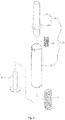
FIG. 3 is an exploded view illustrating animpact absorbing device 100 mounted to the electric kickboard in which the impact absorbing device is installed according to the present invention; -
FIG. 4 is an exploded view illustrating aseat frame 120 according to the present invention; -
FIG. 5 is a coupling cross-sectional view illustrating theseat frame 120 according to the present invention; -
FIG. 6 is a view illustrating the electric kickboard in which the impact absorbing device is folded with respect to a hinge according to the present invention; -
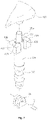
FIG. 7 is a view illustrating a state in which a self-power generating device is installed on aseat frame 120 of an electric kickboard according to another embodiment of the present invention; -
FIG. 8 is a view specifically illustrating a main portion of the self-power generating device; and -
FIG. 9 is a cross-sectional view illustrating a state in which the self-power generating device is installed according to the present invention. - As illustrated in
FIGS. 1 to 5 , an electric kickboard includes a wheel frame WF in which an electrically driven wheel WH is mounted. The wheel frame WF includes a deck FH on which a user stands, and a frame bracket FB is formed on the deck. - A moving
bar 130 that is bent in a radial direction when an external force is applied and then restored is formed at an upper end of the frame bracket FB. The movingbar 130 is bent within a range from 0° to 10° in a radial direction when an external force is applied and then restored again. The movingbar 130 is made of a material such as a coil spring or an elastic bar. Aseat frame 120 is coupled to an upper end of the movingbar 130, and aseat 110 is coupled to an upper end of theseat frame 120. - In
FIG. 3 , animpact absorbing device 100, which is separated from the electric kickboard, is disassembled into theseat 110, theseat frame 120, the movingbar 130, and the frame bracket FB. As illustrated inFIG. 3 , theimpact absorbing device 100 is formed by sequentially coupling theseat 110, theseat frame 120, the movingbar 130, and the frame bracket FB. - The
seat frame 120, as a main component of theimpact absorbing device 100, includes aseat bar 121 and aseat frame housing 124. - The
seat frame 120 serves to absorb an impact force applied to theseat 110 by a spring built therein. - As illustrated in
FIGS. 4 and5 , theseat frame housing 124 having an empty inner space is provided. The empty inner space is a seatbar mounting chamber 125. - The
seat bar 121 and a spring guide SG are disposed in the seatbar mounting chamber 125. Here, theseat bar 121 is assembled to theseat frame housing 124, and the spring guide SG is formed at the movingbar 130. A partition wall DW is formed at an inner wall of theseat frame housing 124. - The
seat bar 121 includes aseat bar body 121a and aseat bar support 121b. Theseat bar body 121a has an opened hollow lower portion, and aspring mounting chamber 122 is formed in the hollow portion. - A first spring FS is installed in the seat
bar mounting chamber 125. The first spring FS is installed to surround the spring guide SG. The first spring is disposed between a bottom of theseat frame housing 124 and a lower end of the seat bar to elastically support theseat bar 121. - The
seat bar support 121b is integrated with theseat bar body 121a to move together with theseat bar body 121a when theseat bar body 121a ascends and descends. However, ascending of theseat bar body 121a is restricted as theseat bar body 121a is caught by the partition wall DW. - The first spring FS has a compression amount that is determined when a load is applied to the
seat bar 121 according to a spring constant thereof. Since the spring constant decreases as a deflection increases when the same load is applied, a coil spring having a small spring constant is selected in order to sensitively react to load variation, and a coil spring having a great spring constant is selected in order to insensitively react to the load variation. - A second spring SS is installed in the
spring mounting chamber 122. The second spring SS elastically supports theseat bar 121 such that an upper end thereof supports an upper end inner wall of thespring mounting chamber 122, and a lower end thereof is supported by an upper end of the spring guide SG. - A compressive force (impact force) applied to the
seat bar 121 compresses the second spring SS mounted to thespring mounting chamber 122 as described above and the first spring FS mounted to surround the spring guide SG, and this impact force is absorbed as the first and second springs FS and SS react thereto. The compressive force applied to theseat bar 121 is absorbed by the elastic reaction force generated as described above. - Thus, since the compressive force applied to the
seat bar 121 is distributed by the first spring FS and the second spring SS, when the same impact force is applied, a compression length decreases, and a restoration distance also decreases more than a case of using one spring. That is, the compressive force (impact force) may be further smoothly absorb while a vertical vibration decreases than the case of using one spring. - As the spring constant of the second spring SS is designed to be less than that of the first spring FS, when the load applied to the
seat bar 121 is initiated, the second spring SS having the small spring constant firstly sensitively reacts to absorb the load, and when the load increases, the first spring FS and the second spring SS are compressed together to distribute the load and then restored. - Also, since the first spring FS and the second spring SS have different spring constants, the spring having a relatively slow reaction speed delays a reaction speed of the spring having a relatively fast reaction speed.
- The
seat 110 is coupled to an upper end of theseat bar support 121b. - The
seat 110 has a shape suitable for supporting a weight of an electric kickboard user who sits on the seat while standing up. Theseat 110 is used to be inserted between hips. The weight of the user is applied to theseat 110 through the hips, and then a compressive force is applied to the first spring FS and the second spring SS. - Hereinafter, an operation of the
impact absorbing device 100 according to the present invention will be described. - As illustrated in
FIGS. 1 to 5 , when the user steps on the deck FH installed at both sides of the wheel frame WF, theimpact absorbing device 100 fixed at an upper end of the wheel frame WF is inserted between hips and both legs of the user, and the weight of the user is supported by theseat 110, a portion of the weight is loaded to the deck, and the rest of the weight is loaded to theseat 110 formed at the upper end of theimpact absorbing device 100. - Here, the
seat 110 supports the weight of the user, and although a degree of supporting is varied according to elasticity of the spring, the load applied to a waist or a knee of the user is reduced as much as the elasticity. - Since the weight of the user is loaded only to the deck when the
impact absorbing device 100 is not mounted to the wheel frame WF, the weight is concentrated to the knee or the waist. However, when theimpact absorbing device 100 is formed, the weight of the user is loaded to theseat 110 formed at the upper end of theimpact absorbing device 100, and the loaded weight is distributed by theseat 110. - When the electric kickboard is driven in a state in which the weight is distributed to the deck and the
seat 110, the wheel WH rotates and moves forward - When the electric kickboard moves forward, the load applied to the
seat 110 that supports a portion of the weight is varied by change of a road surface on which the wheel runs, speed change and direction change of the wheel, and shaking of the user standing on the deck. That is, the load applied to theseat 110 is varied many times for a short time less than 1 second. Since the variation of the load applied to the seat may be generated several tens of times even during one second, theseat 110 is shaken left and right directions or vibrated in a vertical direction when the wheel runs. - Since the wheel WH moves forward, an impact force caused by a slight height difference on the road surface or foreign substances existing on the road surface is directly transmitted to the
seat 110. Thus, when the wheel runs, the seat momentarily moves in the vertical direction to be vibrated while the wheel runs. - When the impact force is not absorbed when the
seat 110 is vibrated in the vertical direction, the impact force transmitted to the seat is directly transmitted to the hips of the user, and since the impact force transmitted to the hips is directly transmitted again to the knees, waist, neck, and head of the user, the user receive the physical impact as much. - That is, when the strong impact force transmitted to the
seat 110 is not absorbed, the user may be hurt and receive a stress due to repeated strong impacts to feel a sense of fatigue. - However, since the
seat 110 smoothly absorbs the impact force, the physical impact applied to the user may be relieved, and the stress may be prevented. - Hereinafter, a process of absorbing the impact force applied to the
seat 110 while the wheel is driven will be described. The impact force applied to the wheel WH is transmitted to theseat 110 through the wheel frame WF, the frame bracket FB, the movingbar 130, and theseat bar 121. - When the wheel WH meets a descending stepped portion while passing a road surface, the entire electric kickboard moves down, but the human body on the
seat 110 momentarily floats and is dropped with an accelerating force due to the gravity to apply greater load to the seat than that before passing the stepped portion. - When the great load is applied to the seat, as the
seat bar 121 is pressed, the first spring FS is compressed, and the second spring SS is simultaneously compressed to momentarily absorb the load. - Since the moving
bar 130 may be restored by moving by 0° to 10° in all radial directions due to flexibility thereof, when eccentricity is generated when the direction or speed of the electric kickboard is changed, the movingbar 130 is restored by elastically moving in the radial direction to allow smooth riding. - As described above, when the impact force arrives at the
seat 110 as the wheel WH moves forward, the impact is absorbed as theseat bar 121 simultaneously compresses the first spring FS and the second spring SS. - Thus, since riding in a state in which the weight is loaded to the seat while standing up is possible, riding the electric kickboard is not difficult even for a long time riding, and the impact force applied to the knees, the waist, or the neck is remarkably reduced to allow comfortable riding.
-
FIGS. 7 ,8 , and9 are views illustrating a state in which a self-power generating device using a weight of a user is installed on aseat frame housing 124 according to another embodiment of the present invention. - One pair of
rack moving grooves 410, which face each other, are opened in a longitudinal direction at upper end both sides of theseat frame housing 124.Stator bodies 420 are coupled to an outer surface of theseat frame housing 124 so as to be disposed at central portions of therack moving grooves 410 Each of thestator bodies 420 has a rounded inner surface so as to closely attach the cylindricalseat frame housing 124, and astator 430 around which a coil is wound is formed at each of inner both sides of each of thestator bodies 420. -
Rotators 440 are rotatably installed to thestators 430, respectively, and therotators 440 are coupled with each other in an integrated manner by arotation shaft 450. - An one-
way gear 460 transmitting a load only when rotates in a forward direction and rotating idly when rotates in a reverse direction is formed between therotation shaft 450 and therotator 440. - A
pinion gear 470 is formed at a central portion of therotation shaft 450, and arack gear 480 engaged with thepinion gear 470 is formed at each of both side surfaces of aseat bar support 121b. - The self-power generating device is electrically connected with a built-in battery to supply and accumulate generated electricity to the battery.
- The
seat bar support 121b is vertically vibrated when the user of the electric kickboard operates the electric kickboard to move in a state in which the user sits on theseat 110 while standing up, and a pressing force is repeatedly applied in proportion to the load of the user whenever vibrated because the weight is loaded to theseat 110. - When the
seat bar support 121b descends, thepinion gear 470 engaged with therack gear 480 formed at theseat bar support 121b rotates. When thepinion gear 470 rotates, therotator 440 rotates through therotation shaft 450, and since therotator 440 rotates in thestator 430, electricity is generated by electromagnetic induction. - When the
seat bar support 121b ascends, thepinion gear 470 engaged with therack gear 480 reversely rotates. When thepinion gear 470 reversely rotates, a load is not loaded to therotator 450 because thepinion gear 470 rotates idly by the one-way gear 460 disposed between therotation shaft 450 and therotator 440. As described above, therotator 440 rotates to produce electricity only when theseat bar support 121b descends. - The generated electricity is supplied to the battery built in the electric kickboard to be used or accumulated. As described above, since the electricity is produced and accumulated by the self-power generating device, a driving distance of the electric kickboard remarkably increases further than a case of using only the battery built in the electric kickboard.
- According to the present invention, the impact absorbing device capable of supporting the weight of the user who stands up is installed to appropriately absorb the impact applied to the knee or the waist of the user while riding the electric kickboard, and the seat elastically absorbs shakings or vibrations generated when the electric kickboard is driven to support the weight of the user, thereby remarkably reducing the impact applied to the user through the seat.
- Also, since the self-power generating device is mounted, electricity may be continuously produced during riding, and the produced electricity may be supplied to and accumulated in the battery built tin the electric kickboard.
- Although the embodiments of the present invention have been described, it is understood that the present invention should not be limited to these embodiments but various changes and modifications can be made by one ordinary skilled in the art within the spirit and scope of the present invention as hereinafter claimed.
Claims (1)
- An electric kickboard comprising a self-power generating device to support a weight of a user standing up, comprising:a wheel frame (WF) to which an electrically driven wheel (WH) is mounted;a frame bracket (FB) coupled onto a deck (FH) that is coupled onto the wheel frame;a moving bar (130) that is coupled to an upper end of the frame bracket, bent in a radial direction when an external force is applied and then restored, and comprises a spring guide (SG) vertically formed at a central portion thereof;a seat frame housing (124) that is detachably coupled to the moving bar and hollow in a longitudinal direction thereof so that a seat bar mounting chamber (125) is formed therein;a seat bar (121) comprising a seat bar body (121a) and a seat bar support (121b), wherein the seat bar body (121a) is inserted to the seat bar mounting chamber (125) to vertically vibrate according to load variation caused by movement in the seat bar mounting chamber, and the seat bar support (121b) protrudes to the outside of the seat bar mounting chamber (125);a first spring (FS) inserted between the moving bar (130) and the seat bar (121) to elastically support the seat bar (121) while surrounding the spring guide (SG);a second spring (SS) inserted between the seat bar (121) and an upper end of the spring guide (SG) to elastically support the seat bar (121) and having a spring constant different from that of the first spring;a seat (110) coupled to an upper end of the seat bar support (121b);a rack moving groove (410) formed at each of both sides of the seat frame housing (124);a stator body (420) that is disposed at a central portion of the rack moving groove (410), coupled to each of the both sides of the seat frame housing (124), and comprises one pair of stators (430) therein;a rotator (440) rotatably installed to each of the stators (430);a rotation shaft (450) configured to connect the rotators with each other in an integrated manner;an one-way gear (460) disposed between the rotation shaft (450) and the rotator (440) to transmit a load only when the rotation shaft (450) rotates in a forward direction and rotate idly when the rotation shaft (450) rotates in a reverse direction;a pinion gear (470) disposed at a central portion of the rotation shaft (450); anda rack gear (480) disposed at each of both sides of the seat bar support (121b) so as to be engaged with the pinion gear (470).
Applications Claiming Priority (1)
| Application Number | Priority Date | Filing Date | Title |
|---|---|---|---|
| KR1020210018502A KR102383060B1 (en) | 2021-02-09 | 2021-02-09 | Electric kickboard |
Publications (3)
| Publication Number | Publication Date |
|---|---|
| EP4039518A1 true EP4039518A1 (en) | 2022-08-10 |
| EP4039518B1 EP4039518B1 (en) | 2024-12-04 |
| EP4039518C0 EP4039518C0 (en) | 2024-12-04 |
Family
ID=77998669
Family Applications (1)
| Application Number | Title | Priority Date | Filing Date |
|---|---|---|---|
| EP21192960.9A Active EP4039518B1 (en) | 2021-02-09 | 2021-08-25 | Electric kickboard including impact absorbing device to support weight of user standing up |
Country Status (4)
| Country | Link |
|---|---|
| EP (1) | EP4039518B1 (en) |
| JP (1) | JP7241365B2 (en) |
| KR (1) | KR102383060B1 (en) |
| CN (1) | CN114906258A (en) |
Families Citing this family (1)
| Publication number | Priority date | Publication date | Assignee | Title |
|---|---|---|---|---|
| KR102777496B1 (en) | 2022-07-27 | 2025-03-07 | 충남대학교산학협력단 | Electric kickboard with three-wheels |
Citations (6)
| Publication number | Priority date | Publication date | Assignee | Title |
|---|---|---|---|---|
| CN2510396Y (en) * | 2001-12-07 | 2002-09-11 | 施伟 | Novel electric vehicle |
| KR101207997B1 (en) | 2010-09-08 | 2012-12-04 | 한경희 | power walker |
| KR20150002771U (en) | 2014-01-06 | 2015-07-15 | 한전케이피에스 주식회사 | Plug device for borescope |
| WO2018034642A1 (en) * | 2016-08-15 | 2018-02-22 | Ford Global Technologies, Llc | Personal mobility kit |
| US10053173B1 (en) * | 2017-06-30 | 2018-08-21 | Back Forty Development, LLC | Height adjusting device |
| KR101984169B1 (en) * | 2017-06-12 | 2019-05-31 | 어메이징썬 주식회사 | Two foot electromotion wheel |
Family Cites Families (15)
| Publication number | Priority date | Publication date | Assignee | Title |
|---|---|---|---|---|
| US6561294B1 (en) * | 1995-02-03 | 2003-05-13 | Deka Products Limited Partnership | Balancing vehicle with passive pivotable support |
| JPH09109960A (en) * | 1995-10-17 | 1997-04-28 | Kunio Nomura | Oscillating saddle and pedal operation device |
| FI114766B (en) * | 1999-11-30 | 2004-12-15 | Nokia Corp | Method and arrangement for realizing co-sorting internally in frames |
| US7408266B2 (en) * | 2005-10-24 | 2008-08-05 | Ming-Hsiang Yeh | Shock-absorbable electricity-producing apparatus |
| TWM355880U (en) * | 2008-06-06 | 2009-05-01 | ming-xiang Ye | Electric generator for bicycle seat pad |
| DE202009011486U1 (en) * | 2009-08-26 | 2012-08-21 | Cristian Costoiu | Device for lighting a bicycle |
| CN201907598U (en) * | 2010-11-23 | 2011-07-27 | 昆明理工大学 | Bicycle seat rack type vibration attenuation generating set |
| CN203214258U (en) * | 2013-05-07 | 2013-09-25 | 田英钦 | Spontaneous power generation device of motor vehicle |
| CN104417699A (en) * | 2013-09-02 | 2015-03-18 | 西安泛光电子科技有限公司 | Electric damping unicycle |
| KR101599637B1 (en) * | 2014-10-24 | 2016-03-03 | 김인구 | Health type bicycle for riding |
| CN104883003B (en) * | 2015-06-19 | 2017-06-16 | 刘本斋 | A kind of generator |
| CN106945758A (en) * | 2017-05-05 | 2017-07-14 | 天津柏克森科技有限公司 | A kind of saddle |
| KR101984168B1 (en) * | 2017-06-12 | 2019-05-31 | 어메이징썬 주식회사 | One foot electromotion wheel |
| KR101966376B1 (en) * | 2019-03-08 | 2019-04-05 | 김하진 | Eletric Generator for Bicycle |
| CN210027689U (en) * | 2019-03-13 | 2020-02-07 | 天津圣美达体育运动器材有限公司 | Urban bicycle with damping device |
-
2021
- 2021-02-09 KR KR1020210018502A patent/KR102383060B1/en active Active
- 2021-08-25 CN CN202110983980.1A patent/CN114906258A/en active Pending
- 2021-08-25 EP EP21192960.9A patent/EP4039518B1/en active Active
- 2021-09-13 JP JP2021148358A patent/JP7241365B2/en active Active
Patent Citations (6)
| Publication number | Priority date | Publication date | Assignee | Title |
|---|---|---|---|---|
| CN2510396Y (en) * | 2001-12-07 | 2002-09-11 | 施伟 | Novel electric vehicle |
| KR101207997B1 (en) | 2010-09-08 | 2012-12-04 | 한경희 | power walker |
| KR20150002771U (en) | 2014-01-06 | 2015-07-15 | 한전케이피에스 주식회사 | Plug device for borescope |
| WO2018034642A1 (en) * | 2016-08-15 | 2018-02-22 | Ford Global Technologies, Llc | Personal mobility kit |
| KR101984169B1 (en) * | 2017-06-12 | 2019-05-31 | 어메이징썬 주식회사 | Two foot electromotion wheel |
| US10053173B1 (en) * | 2017-06-30 | 2018-08-21 | Back Forty Development, LLC | Height adjusting device |
Also Published As
| Publication number | Publication date |
|---|---|
| CN114906258A (en) | 2022-08-16 |
| JP2022122240A (en) | 2022-08-22 |
| EP4039518B1 (en) | 2024-12-04 |
| EP4039518C0 (en) | 2024-12-04 |
| KR102383060B1 (en) | 2022-04-08 |
| JP7241365B2 (en) | 2023-03-17 |
Similar Documents
| Publication | Publication Date | Title |
|---|---|---|
| EP4039518A1 (en) | Electric kickboard including impact absorbing device to support weight of user standing up | |
| CN101155570A (en) | vibrating fitness device | |
| US11858582B2 (en) | Electric kickboard including impact absorbing device to support weight of user standing up | |
| KR101984168B1 (en) | One foot electromotion wheel | |
| KR101992667B1 (en) | Reciprocal vibration type exercise device | |
| TWI576139B (en) | Reciprocating Bouncing Machine and Its Buffering Energy Saving Method | |
| CN104127296B (en) | Reciprocal bounce motion machine | |
| CN201729553U (en) | Elevator anti-resonance device | |
| KR101984169B1 (en) | Two foot electromotion wheel | |
| CN112268186A (en) | A shock-absorbing installation device for electromechanical products | |
| CN103963623A (en) | Pre-compression engine suspension assembly | |
| CN112124801A (en) | Unmanned aerial vehicle stores device | |
| CN212667257U (en) | Convenient on-vehicle stereo set of maintaining of formula of taking precautions against earthquakes | |
| MX2010008143A (en) | Suspension system for washing machines. | |
| CN204072661U (en) | Reciprocal bounce motion machine | |
| KR20180002530U (en) | Reciprocal vibration type exercise device | |
| CN213962571U (en) | Integrated intelligent resonance card seat sofa | |
| KR102397304B1 (en) | Self-powered motorcycles and bicycles | |
| CN208463701U (en) | A base device for a cooking machine and a cooking machine | |
| CN219809343U (en) | Physiotherapy equipment with shock attenuation wheel | |
| US20260021343A1 (en) | Driving device of treadmill, and treadmill | |
| CN215333112U (en) | Movable compact diesel generator set | |
| KR200418958Y1 (en) | Bicycle shock absorber and bicycle with same | |
| CN212980437U (en) | Novel electric scooter | |
| CN214578558U (en) | a diaphragm pump |
Legal Events
| Date | Code | Title | Description |
|---|---|---|---|
| PUAI | Public reference made under article 153(3) epc to a published international application that has entered the european phase |
Free format text: ORIGINAL CODE: 0009012 |
|
| STAA | Information on the status of an ep patent application or granted ep patent |
Free format text: STATUS: THE APPLICATION HAS BEEN PUBLISHED |
|
| AK | Designated contracting states |
Kind code of ref document: A1 Designated state(s): AL AT BE BG CH CY CZ DE DK EE ES FI FR GB GR HR HU IE IS IT LI LT LU LV MC MK MT NL NO PL PT RO RS SE SI SK SM TR |
|
| STAA | Information on the status of an ep patent application or granted ep patent |
Free format text: STATUS: REQUEST FOR EXAMINATION WAS MADE |
|
| 17P | Request for examination filed |
Effective date: 20230210 |
|
| RBV | Designated contracting states (corrected) |
Designated state(s): AL AT BE BG CH CY CZ DE DK EE ES FI FR GB GR HR HU IE IS IT LI LT LU LV MC MK MT NL NO PL PT RO RS SE SI SK SM TR |
|
| REG | Reference to a national code |
Ref country code: DE Ref legal event code: R079 Ref document number: 602021022738 Country of ref document: DE Free format text: PREVIOUS MAIN CLASS: B60K0025100000 Ipc: B62M0001180000 |
|
| GRAP | Despatch of communication of intention to grant a patent |
Free format text: ORIGINAL CODE: EPIDOSNIGR1 |
|
| STAA | Information on the status of an ep patent application or granted ep patent |
Free format text: STATUS: GRANT OF PATENT IS INTENDED |
|
| RIC1 | Information provided on ipc code assigned before grant |
Ipc: B62K 15/00 20060101ALI20240702BHEP Ipc: B62J 1/08 20060101ALI20240702BHEP Ipc: B62K 3/00 20060101ALI20240702BHEP Ipc: B60K 25/10 20060101ALI20240702BHEP Ipc: B62M 1/18 20060101AFI20240702BHEP |
|
| INTG | Intention to grant announced |
Effective date: 20240807 |
|
| GRAS | Grant fee paid |
Free format text: ORIGINAL CODE: EPIDOSNIGR3 |
|
| GRAA | (expected) grant |
Free format text: ORIGINAL CODE: 0009210 |
|
| STAA | Information on the status of an ep patent application or granted ep patent |
Free format text: STATUS: THE PATENT HAS BEEN GRANTED |
|
| AK | Designated contracting states |
Kind code of ref document: B1 Designated state(s): AL AT BE BG CH CY CZ DE DK EE ES FI FR GB GR HR HU IE IS IT LI LT LU LV MC MK MT NL NO PL PT RO RS SE SI SK SM TR |
|
| REG | Reference to a national code |
Ref country code: CH Ref legal event code: EP |
|
| REG | Reference to a national code |
Ref country code: DE Ref legal event code: R096 Ref document number: 602021022738 Country of ref document: DE |
|
| REG | Reference to a national code |
Ref country code: IE Ref legal event code: FG4D |
|
| U01 | Request for unitary effect filed |
Effective date: 20241210 |
|
| U07 | Unitary effect registered |
Designated state(s): AT BE BG DE DK EE FI FR IT LT LU LV MT NL PT RO SE SI Effective date: 20241220 |
|
| PG25 | Lapsed in a contracting state [announced via postgrant information from national office to epo] |
Ref country code: HR Free format text: LAPSE BECAUSE OF FAILURE TO SUBMIT A TRANSLATION OF THE DESCRIPTION OR TO PAY THE FEE WITHIN THE PRESCRIBED TIME-LIMIT Effective date: 20241204 |
|
| PG25 | Lapsed in a contracting state [announced via postgrant information from national office to epo] |
Ref country code: ES Free format text: LAPSE BECAUSE OF FAILURE TO SUBMIT A TRANSLATION OF THE DESCRIPTION OR TO PAY THE FEE WITHIN THE PRESCRIBED TIME-LIMIT Effective date: 20241204 |
|
| PG25 | Lapsed in a contracting state [announced via postgrant information from national office to epo] |
Ref country code: NO Free format text: LAPSE BECAUSE OF FAILURE TO SUBMIT A TRANSLATION OF THE DESCRIPTION OR TO PAY THE FEE WITHIN THE PRESCRIBED TIME-LIMIT Effective date: 20250304 |
|
| PG25 | Lapsed in a contracting state [announced via postgrant information from national office to epo] |
Ref country code: GR Free format text: LAPSE BECAUSE OF FAILURE TO SUBMIT A TRANSLATION OF THE DESCRIPTION OR TO PAY THE FEE WITHIN THE PRESCRIBED TIME-LIMIT Effective date: 20250305 |
|
| PG25 | Lapsed in a contracting state [announced via postgrant information from national office to epo] |
Ref country code: RS Free format text: LAPSE BECAUSE OF FAILURE TO SUBMIT A TRANSLATION OF THE DESCRIPTION OR TO PAY THE FEE WITHIN THE PRESCRIBED TIME-LIMIT Effective date: 20250304 |
|
| PG25 | Lapsed in a contracting state [announced via postgrant information from national office to epo] |
Ref country code: SM Free format text: LAPSE BECAUSE OF FAILURE TO SUBMIT A TRANSLATION OF THE DESCRIPTION OR TO PAY THE FEE WITHIN THE PRESCRIBED TIME-LIMIT Effective date: 20241204 |
|
| PG25 | Lapsed in a contracting state [announced via postgrant information from national office to epo] |
Ref country code: PL Free format text: LAPSE BECAUSE OF FAILURE TO SUBMIT A TRANSLATION OF THE DESCRIPTION OR TO PAY THE FEE WITHIN THE PRESCRIBED TIME-LIMIT Effective date: 20241204 |
|
| PG25 | Lapsed in a contracting state [announced via postgrant information from national office to epo] |
Ref country code: IS Free format text: LAPSE BECAUSE OF FAILURE TO SUBMIT A TRANSLATION OF THE DESCRIPTION OR TO PAY THE FEE WITHIN THE PRESCRIBED TIME-LIMIT Effective date: 20250404 |
|
| PG25 | Lapsed in a contracting state [announced via postgrant information from national office to epo] |
Ref country code: SK Free format text: LAPSE BECAUSE OF FAILURE TO SUBMIT A TRANSLATION OF THE DESCRIPTION OR TO PAY THE FEE WITHIN THE PRESCRIBED TIME-LIMIT Effective date: 20241204 |
|
| PG25 | Lapsed in a contracting state [announced via postgrant information from national office to epo] |
Ref country code: CZ Free format text: LAPSE BECAUSE OF FAILURE TO SUBMIT A TRANSLATION OF THE DESCRIPTION OR TO PAY THE FEE WITHIN THE PRESCRIBED TIME-LIMIT Effective date: 20241204 |
|
| U20 | Renewal fee for the european patent with unitary effect paid |
Year of fee payment: 5 Effective date: 20250826 |
|
| PLBE | No opposition filed within time limit |
Free format text: ORIGINAL CODE: 0009261 |
|
| STAA | Information on the status of an ep patent application or granted ep patent |
Free format text: STATUS: NO OPPOSITION FILED WITHIN TIME LIMIT |
|
| REG | Reference to a national code |
Ref country code: CH Ref legal event code: L10 Free format text: ST27 STATUS EVENT CODE: U-0-0-L10-L00 (AS PROVIDED BY THE NATIONAL OFFICE) Effective date: 20251015 |
|
| 26N | No opposition filed |
Effective date: 20250905 |
|
| REG | Reference to a national code |
Ref country code: CH Ref legal event code: H13 Free format text: ST27 STATUS EVENT CODE: U-0-0-H10-H13 (AS PROVIDED BY THE NATIONAL OFFICE) Effective date: 20260324 |
|
| PG25 | Lapsed in a contracting state [announced via postgrant information from national office to epo] |
Ref country code: MC Free format text: LAPSE BECAUSE OF FAILURE TO SUBMIT A TRANSLATION OF THE DESCRIPTION OR TO PAY THE FEE WITHIN THE PRESCRIBED TIME-LIMIT Effective date: 20241204 |
|
| PG25 | Lapsed in a contracting state [announced via postgrant information from national office to epo] |
Ref country code: CH Free format text: LAPSE BECAUSE OF NON-PAYMENT OF DUE FEES Effective date: 20250831 |