EP4036374B1 - Rotary machine with a rotor disk and blades - Google Patents
Rotary machine with a rotor disk and blades Download PDFInfo
- Publication number
- EP4036374B1 EP4036374B1 EP22152873.0A EP22152873A EP4036374B1 EP 4036374 B1 EP4036374 B1 EP 4036374B1 EP 22152873 A EP22152873 A EP 22152873A EP 4036374 B1 EP4036374 B1 EP 4036374B1
- Authority
- EP
- European Patent Office
- Prior art keywords
- fixing member
- groove
- rotary machine
- spacer
- machine according
- Prior art date
- Legal status (The legal status is an assumption and is not a legal conclusion. Google has not performed a legal analysis and makes no representation as to the accuracy of the status listed.)
- Active
Links
Images





Classifications
-
- F—MECHANICAL ENGINEERING; LIGHTING; HEATING; WEAPONS; BLASTING
- F01—MACHINES OR ENGINES IN GENERAL; ENGINE PLANTS IN GENERAL; STEAM ENGINES
- F01D—NON-POSITIVE DISPLACEMENT MACHINES OR ENGINES, e.g. STEAM TURBINES
- F01D5/00—Blades; Blade-carrying members; Heating, heat-insulating, cooling or antivibration means on the blades or the members
- F01D5/30—Fixing blades to rotors; Blade roots ; Blade spacers
- F01D5/3007—Fixing blades to rotors; Blade roots ; Blade spacers of axial insertion type
-
- F—MECHANICAL ENGINEERING; LIGHTING; HEATING; WEAPONS; BLASTING
- F01—MACHINES OR ENGINES IN GENERAL; ENGINE PLANTS IN GENERAL; STEAM ENGINES
- F01D—NON-POSITIVE DISPLACEMENT MACHINES OR ENGINES, e.g. STEAM TURBINES
- F01D25/00—Component parts, details, or accessories, not provided for in, or of interest apart from, other groups
- F01D25/28—Supporting or mounting arrangements, e.g. for turbine casing
- F01D25/285—Temporary support structures, e.g. for testing, assembling, installing, repairing; Assembly methods using such structures
-
- F—MECHANICAL ENGINEERING; LIGHTING; HEATING; WEAPONS; BLASTING
- F01—MACHINES OR ENGINES IN GENERAL; ENGINE PLANTS IN GENERAL; STEAM ENGINES
- F01D—NON-POSITIVE DISPLACEMENT MACHINES OR ENGINES, e.g. STEAM TURBINES
- F01D5/00—Blades; Blade-carrying members; Heating, heat-insulating, cooling or antivibration means on the blades or the members
- F01D5/30—Fixing blades to rotors; Blade roots ; Blade spacers
- F01D5/3023—Fixing blades to rotors; Blade roots ; Blade spacers of radial insertion type, e.g. in individual recesses
-
- F—MECHANICAL ENGINEERING; LIGHTING; HEATING; WEAPONS; BLASTING
- F01—MACHINES OR ENGINES IN GENERAL; ENGINE PLANTS IN GENERAL; STEAM ENGINES
- F01D—NON-POSITIVE DISPLACEMENT MACHINES OR ENGINES, e.g. STEAM TURBINES
- F01D5/00—Blades; Blade-carrying members; Heating, heat-insulating, cooling or antivibration means on the blades or the members
- F01D5/30—Fixing blades to rotors; Blade roots ; Blade spacers
- F01D5/3053—Fixing blades to rotors; Blade roots ; Blade spacers by means of pins
-
- F—MECHANICAL ENGINEERING; LIGHTING; HEATING; WEAPONS; BLASTING
- F01—MACHINES OR ENGINES IN GENERAL; ENGINE PLANTS IN GENERAL; STEAM ENGINES
- F01D—NON-POSITIVE DISPLACEMENT MACHINES OR ENGINES, e.g. STEAM TURBINES
- F01D5/00—Blades; Blade-carrying members; Heating, heat-insulating, cooling or antivibration means on the blades or the members
- F01D5/30—Fixing blades to rotors; Blade roots ; Blade spacers
- F01D5/32—Locking, e.g. by final locking blades or keys
- F01D5/326—Locking of axial insertion type blades by other means
-
- F—MECHANICAL ENGINEERING; LIGHTING; HEATING; WEAPONS; BLASTING
- F02—COMBUSTION ENGINES; HOT-GAS OR COMBUSTION-PRODUCT ENGINE PLANTS
- F02C—GAS-TURBINE PLANTS; AIR INTAKES FOR JET-PROPULSION PLANTS; CONTROLLING FUEL SUPPLY IN AIR-BREATHING JET-PROPULSION PLANTS
- F02C3/00—Gas-turbine plants characterised by the use of combustion products as the working fluid
- F02C3/04—Gas-turbine plants characterised by the use of combustion products as the working fluid having a turbine driving a compressor
-
- F—MECHANICAL ENGINEERING; LIGHTING; HEATING; WEAPONS; BLASTING
- F05—INDEXING SCHEMES RELATING TO ENGINES OR PUMPS IN VARIOUS SUBCLASSES OF CLASSES F01-F04
- F05D—INDEXING SCHEME FOR ASPECTS RELATING TO NON-POSITIVE-DISPLACEMENT MACHINES OR ENGINES, GAS-TURBINES OR JET-PROPULSION PLANTS
- F05D2220/00—Application
- F05D2220/30—Application in turbines
- F05D2220/32—Application in turbines in gas turbines
-
- F—MECHANICAL ENGINEERING; LIGHTING; HEATING; WEAPONS; BLASTING
- F05—INDEXING SCHEMES RELATING TO ENGINES OR PUMPS IN VARIOUS SUBCLASSES OF CLASSES F01-F04
- F05D—INDEXING SCHEME FOR ASPECTS RELATING TO NON-POSITIVE-DISPLACEMENT MACHINES OR ENGINES, GAS-TURBINES OR JET-PROPULSION PLANTS
- F05D2230/00—Manufacture
- F05D2230/60—Assembly methods
-
- F—MECHANICAL ENGINEERING; LIGHTING; HEATING; WEAPONS; BLASTING
- F05—INDEXING SCHEMES RELATING TO ENGINES OR PUMPS IN VARIOUS SUBCLASSES OF CLASSES F01-F04
- F05D—INDEXING SCHEME FOR ASPECTS RELATING TO NON-POSITIVE-DISPLACEMENT MACHINES OR ENGINES, GAS-TURBINES OR JET-PROPULSION PLANTS
- F05D2240/00—Components
- F05D2240/20—Rotors
- F05D2240/30—Characteristics of rotor blades, i.e. of any element transforming dynamic fluid energy to or from rotational energy and being attached to a rotor
-
- F—MECHANICAL ENGINEERING; LIGHTING; HEATING; WEAPONS; BLASTING
- F05—INDEXING SCHEMES RELATING TO ENGINES OR PUMPS IN VARIOUS SUBCLASSES OF CLASSES F01-F04
- F05D—INDEXING SCHEME FOR ASPECTS RELATING TO NON-POSITIVE-DISPLACEMENT MACHINES OR ENGINES, GAS-TURBINES OR JET-PROPULSION PLANTS
- F05D2240/00—Components
- F05D2240/35—Combustors or associated equipment
Definitions
- the gas turbine includes a compressor, a combustor, and a turbine.
- the compressor serves to intake external air, compress the air, and transfer the compressed air to the combustor.
- the compressed air compressed by the compressor has a high temperature and a high pressure.
- the combustor serves to mix compressed air supplied from the compressor and fuel and combust a mixture of compressed air and fuel to produce combustion gas which is discharged to the turbine. Turbine blades in the turbine are rotated by the combustion gas to generate power.
- the generated power is used in various fields such as generation of electricity and driving of mechanical device.
- a rotary machine such as a compressor, or the like, which performs a rotational motion, includes a rotor disk and blades coupled to the rotor disk.
- the blades need to be stably fixed to the rotor disk, but there is a problem with the blades moving in an axial direction during rotation.
- EP 0 110 744 A1 relates to axial and radial retaining device for fan blades, the blade comprising a dovetail root capable of being engaged by axial sliding in corresponding cells of the rim of the disc.
- the gas turbine 1000 employing the Brayton cycle includes a compressor 1100, a combustor 1200, and a turbine 1300. Although the following description will be described with reference to FIG. 1 , the present disclosure may be widely applied to other turbine engines having similar configurations to the gas turbine 1000 illustrated in FIG. 1 .
- the compressor 1100 may be designed in a form of a centrifugal compressor or an axial compressor, wherein the centrifugal compressor is applied to a small-scale gas turbine, whereas a multi-stage axial compressor 1100 is applied to a large-scale gas turbine 1000 illustrated in FIG. 1 to compress a large amount of air.
- the compressor blades 1130 rotate along with the rotation of a central tie rod 1120 and rotor disks to compress the introduced air while moving the compressed air to rear-stage compressor vanes 1140. As the air passes through the compressor blades 1130 formed in multiple stages, the air is compressed increasingly to a higher pressure.
- the combustor 1200 may mix compressed air supplied from the compressor 1100 with fuel and combust the air-fuel mixture at a constant pressure to produce a high-energy combustion gas. That is, the combustor 1200 mixes the inflowing compressed air with fuel and combusts the mixture to produce a high-temperature and high-pressure combustion gas with high energy.
- the combustor 1200 increases the temperature of the combustion gas to a temperature at which components of the combustor and components of the turbine can withstand without being thermally damaged through the isobaric combustion process.
- the rotary machine is a rotary device including a rotor disk and blades, and includes the compressor 1100 and the turbine 1300.
- the turbine 1300 is described as an example of the rotary machine, the disclosure is not limited thereto, and the rotary machine may include the compressor 1100.
- the turbine blade 1320 includes a plate-shaped airfoil part 1321, a platform part 1322 coupled to a lower portion of the airfoil part 1321, and a root part 1325 protruding downward from the platform part 1322.
- the airfoil part 1321 may be formed of an airfoil-shaped curved plate and may have an airfoil shape optimized according to the specifications of a gas turbine 1000.
- the airfoil part 1321 may have a leading edge disposed on an upstream side and a trailing edge disposed on a downstream side based on a flow direction of combustion gas.
- a plurality of film cooling holes are formed on a surface of the airfoil part 1321 so that the film cooling holes communicate with a cooling path formed in the airfoil part 1321 to supply cooling air to the surface of the airfoil part 1321.
- the platform part 1322 may have a substantially rectangular plate or rectangular pillar shape disposed between the airfoil part 1321 and the root part 1325.
- the side of the platform part 1322 contacts the side of a platform part 1322 of an adjacent turbine blade 1320, thereby maintaining a gap between the turbine blades 1320.
- a cooling path may be formed in the airfoil part 1321, the platform part 1322, and the root part 1325 so that cooling air supplied from the rotor disk 1310 flows in the cooling path.
- the root part 1325 has a substantially fir-tree-shaped curved portion corresponding to the curved portion formed in the slot 1312 of the rotor disk 1310.
- the root part 1325 is according to the present invention inserted into the slot 1312 in an axial direction (i.e., a direction parallel to the central axis of the rotor disk).
- a lower surface of the root part 1325 is provided with a first groove 1326 into which the inner fixing member 1410 is inserted, a second groove 1327 into which the outer fixing member 1420 is inserted and formed deeper than the first groove 1326, and a third groove 1328 extending from the second groove 1327 to the side surface of the root part 1325.
- the first groove 1326 has a circular cross-section such that the inner fixing member 1410 can be inserted, and the second groove 1327 is formed to have a greater width than the first groove 1326 and the third groove 1328 so that the second groove 1327 protrudes beyond side surfaces of the first groove 1326 and the third groove 1328.
- the third groove 1328 defines a passage through which parts can be inserted.
- the spacer 1430 is inserted into the outer fixing member 1420 through the mounting groove 1315 to prevent the outer fixing member 1420 from being separated from the second groove 1327.
- the spacer 1430 is disposed between the outer fixing member 1420 and the rotor disk 1310 to prevent the outer fixing member 1420 from being separated into the mounting groove 1315.
- FIG. 12 is a sectional view illustrating a retainer coupled to a rotor disk and a blade according to a second exemplary embodiment
- FIG. 13 is a perspective view illustrating an outer fixing member according to the second exemplary embodiment
- FIG. 14 is a perspective view illustrating a spacer according to the second exemplary embodiment.
- the rotary machine according to the third exemplary embodiment has the same structure as the rotary machine according to the first exemplary embodiment except for a retainer 1600, so a redundant description thereof will be omitted.
- the support plate 1623 is bent in a state in which the spacer 1630 is mounted inside the outer fixing member 1620 so that the spacer 1630 abuts against the outer end of the spacer 1630, thereby preventing the spacer 1630 from being separated between the turbine blade 1320 and the rotor disk 1310.
Landscapes
- Engineering & Computer Science (AREA)
- Mechanical Engineering (AREA)
- General Engineering & Computer Science (AREA)
- Chemical & Material Sciences (AREA)
- Combustion & Propulsion (AREA)
- Turbine Rotor Nozzle Sealing (AREA)
- Structures Of Non-Positive Displacement Pumps (AREA)
Description
- The present invention concerns a rotary machine like a gas turbine and the retainer for the rotor blades inserted in axial grooves of the rotor disk.
- A gas turbine is a combustion engine in which a mixture of air compressed by a compressor and fuel is combusted to produce a high temperature gas that drives a turbine. The gas turbine is used to drive electric generators, aircrafts, ships, trains, or the like.
- The gas turbine includes a compressor, a combustor, and a turbine. The compressor serves to intake external air, compress the air, and transfer the compressed air to the combustor. The compressed air compressed by the compressor has a high temperature and a high pressure. The combustor serves to mix compressed air supplied from the compressor and fuel and combust a mixture of compressed air and fuel to produce combustion gas which is discharged to the turbine. Turbine blades in the turbine are rotated by the combustion gas to generate power. The generated power is used in various fields such as generation of electricity and driving of mechanical device.
- A rotary machine, such as a compressor, or the like, which performs a rotational motion, includes a rotor disk and blades coupled to the rotor disk. The blades need to be stably fixed to the rotor disk, but there is a problem with the blades moving in an axial direction during rotation.
-
KR 2020 0013475 A -
EP 1 382 800 A2 relates to a fan blade assembly for a turbofan gas turbine engine, and relates in particular to the manner in which the fan blades are mounted in the fan rotor to prevent movement of the fan blades during windmilling of the fan blade assembly. -
EP 0 110 744 A1 -
GB 2 038 959 A - One or more objects of the present technique are achieved by the invention set out by the features of the appended independent claim 1.
- Aspects of one or more exemplary embodiments are defined in the appended dependent claims 2-12.
- Additional aspects will be set forth in part in the description which follows and, in part, will become apparent from the description, or may be learned by practice of the exemplary embodiments.
- The above and other aspects will become more apparent from the following description of the exemplary embodiments with reference to the accompanying drawings, in which:
-
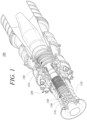
FIG. 1 is a view illustrating an interior of a gas turbine according to a first exemplary embodiment; -
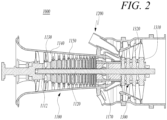
FIG. 2 is a longitudinal-sectional view illustrating a part of the gas turbine ofFIG. 1 ; -
FIG. 3 is a perspective view illustrating a blade and a rotor disk according to the first exemplary embodiment; -
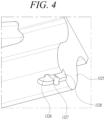
FIG. 4 is a partial perspective view illustrating a root part according to the first exemplary embodiment; -
FIG. 5 is a partial perspective view illustrating a rotor disk according to the first exemplary embodiment; -
FIG. 6 is a sectional view illustrating a retainer coupled to the rotor disk and the blade according to the first exemplary embodiment; -
FIG. 7 is a perspective view illustrating an inner fixing member according to the first exemplary embodiment; -
FIG. 8 is a perspective view illustrating an outer fixing member according to the first exemplary embodiment; -
FIG. 9 is a perspective view illustrating a spacer according to the first exemplary embodiment; -
FIG. 10A is a view illustrating a process of inserting the inner fixing member according to an exemplary embodiment; -
FIG. 10B is a view illustrating a process of coupling the blade to the rotor disk according to an exemplary embodiment; -
FIG. 10C is a view illustrating a process of mounting the outer fixing member according to an exemplary embodiment; -
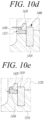
FIG. 10D is a view illustrating a process of mounting the spacer according to an exemplary embodiment; -
FIG. 10E is a view illustrating a process of fixing the spacer by bending a support plate according to an exemplary embodiment; -
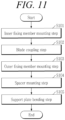
FIG. 11 is a flowchart illustrating a method of assembling a rotary machine according to an exemplary embodiment; -
FIG. 12 is a sectional view illustrating a retainer coupled to a rotor disk and a blade according to a second exemplary embodiment; -
FIG. 13 is a perspective view illustrating an outer fixing member according to the second exemplary embodiment; -
FIG. 14 is a perspective view illustrating a spacer according to the second exemplary embodiment; and -
FIG. 15 is a sectional view illustrating a retainer coupled to a rotor disk and a blade according to a third exemplary embodiment. - Various embodiments will be described below in detail with reference to the accompanying drawings so that those skilled in the art can easily carry out the invention.
- It will be understood that the term "comprising" or "including" specifies the presence of stated features, numbers, steps, operations, elements, parts, or combinations thereof, but does not preclude the presence or addition of one or more other features, numbers, steps, operations, elements, parts, or combinations thereof.
- Hereinafter, exemplary embodiments will be described in detail with reference to the accompanying drawings. It is noted that like reference numerals refer to like elements throughout the different drawings and exemplary embodiments.
- For the same reason, some of the elements in the drawings are exaggerated, omitted, or schematically illustrated.
-
FIG. 1 is a view illustrating an interior of a gas turbine according to an exemplary embodiment, andFIG. 2 is a longitudinal-sectional view of the gas turbine ofFIG. 1 . - An ideal thermodynamic cycle of a gas turbine may comply with the Brayton cycle. The Brayton cycle consists of four thermodynamic processes: an isentropic compression (i.e., an adiabatic compression), an isobaric combustion, an isentropic expansion (i.e., an adiabatic expansion) and isobaric heat ejection. That is, in the Brayton cycle, thermal energy may be released by combustion of fuel in an isobaric environment after atmospheric air is sucked and compressed into high pressure air, hot combustion gas may be expanded to be converted into kinetic energy, and exhaust gas with residual energy may be discharged to the outside. As such, the Brayton cycle consists of four thermodynamic processes including compression, heating, expansion, and heat ejection.
- The
gas turbine 1000 employing the Brayton cycle includes acompressor 1100, acombustor 1200, and aturbine 1300. Although the following description will be described with reference toFIG. 1 , the present disclosure may be widely applied to other turbine engines having similar configurations to thegas turbine 1000 illustrated inFIG. 1 . - Referring to
FIGS. 1 and2 , thecompressor 1100 of thegas turbine 1000 may suck and compress air. Thecompressor 1100 may supply the compressed air to thecombustor 1200 and also supply the cooling air to a high temperature region of thegas turbine 1000 that is required to be cooled. Because the sucked air is compressed in thecompressor 1100 through an adiabatic compression process, the pressure and temperature of the air passing through thecompressor 1100 increases. - The
compressor 1100 may be designed in a form of a centrifugal compressor or an axial compressor, wherein the centrifugal compressor is applied to a small-scale gas turbine, whereas a multi-stageaxial compressor 1100 is applied to a large-scale gas turbine 1000 illustrated inFIG. 1 to compress a large amount of air. In the multi-stageaxial compressor 1100, thecompressor blades 1130 rotate along with the rotation of acentral tie rod 1120 and rotor disks to compress the introduced air while moving the compressed air to rear-stage compressor vanes 1140. As the air passes through thecompressor blades 1130 formed in multiple stages, the air is compressed increasingly to a higher pressure. - A plurality of
compressor vanes 1140 are mounted in ahousing 1150 in multiple stages. Thecompressor vanes 1140 guide the compressed air moved from front-stage compressor blades 1130 to rear-stage compressor blades 1130. At least some of thecompressor vanes 1140 may be mounted so as to be rotatable within a predetermined range for adjustment of an air inflow or the like. - The
compressor 1100 may be driven using a portion of the power output from theturbine 1300. To this end, the rotary shaft of thecompressor 1100 and the rotary shaft of theturbine 1300 may be directly connected by atorque tube 1170. In the large-scale gas turbine 1000, almost half of the output produced by theturbine 1300 may be consumed to drive thecompressor 1100. - The
combustor 1200 may mix compressed air supplied from thecompressor 1100 with fuel and combust the air-fuel mixture at a constant pressure to produce a high-energy combustion gas. That is, thecombustor 1200 mixes the inflowing compressed air with fuel and combusts the mixture to produce a high-temperature and high-pressure combustion gas with high energy. Thecombustor 1200 increases the temperature of the combustion gas to a temperature at which components of the combustor and components of the turbine can withstand without being thermally damaged through the isobaric combustion process. - The
combustor 1200 may include a plurality of burners arranged in a housing in a form of a cell and having a fuel injection nozzle, a combustor liner defining a combustion chamber, and a transition piece that is a connection between the combustor and the turbine. - The high-temperature and high-pressure combustion gas discharged from the
combustor 1200 is supplied to theturbine 1300. The high-temperature and high-pressure combustion gas supplied to theturbine 1300 applies impulse or impact force to theturbine blades 1320 of theturbine 1300 while expanding, thereby generating a rotational torque. The obtained rotational torque is transferred to thecompressor 1100 through thetorque tube 1170, and power exceeding the power required to drive thecompressor 1100 is used to drive a generator or the like. - The
turbine 1300 includes a plurality ofrotor disks 1310, a plurality ofturbine blades 1320 radially disposed on each of therotor disks 1310, and aretainer 1400 for fixing each of theturbine blades 1320. Theturbine blade 1320 may be coupled to therotor disk 1310 in a dovetail manner or the like. In addition, therotor disk 1310 is provided with turbine vanes fixed to a housing to guide a flow direction of combustion gas passing through theturbine blades 1320. -
FIG. 3 is a perspective view illustrating a blade and a rotor disk according to the first exemplary embodiment,FIG. 4 is a partial perspective view illustrating a root part according to the first exemplary embodiment,FIG. 5 is a partial perspective view illustrating a rotor disk according to the first exemplary embodiment, andFIG. 6 is a sectional view illustrating a retainer coupled to the rotor disk and the blade according to the first exemplary embodiment. - The rotary machine is a rotary device including a rotor disk and blades, and includes the
compressor 1100 and theturbine 1300. Although theturbine 1300 is described as an example of the rotary machine, the disclosure is not limited thereto, and the rotary machine may include thecompressor 1100. - Referring to
Figs. 3 to 6 , eachrotor disk 1310 has a substantially disk shape, and includes a plurality ofslots 1312 formed in an outer circumferential portion thereof. Each of the slots 1312 a fir-tree-shaped curved surface, and each of theturbine blades 1320 is inserted into the associatedslot 1312. - The
turbine blade 1320 includes a plate-shapedairfoil part 1321, aplatform part 1322 coupled to a lower portion of theairfoil part 1321, and aroot part 1325 protruding downward from theplatform part 1322. Theairfoil part 1321 may be formed of an airfoil-shaped curved plate and may have an airfoil shape optimized according to the specifications of agas turbine 1000. Theairfoil part 1321 may have a leading edge disposed on an upstream side and a trailing edge disposed on a downstream side based on a flow direction of combustion gas. - A plurality of film cooling holes are formed on a surface of the
airfoil part 1321 so that the film cooling holes communicate with a cooling path formed in theairfoil part 1321 to supply cooling air to the surface of theairfoil part 1321. - The
platform part 1322 may have a substantially rectangular plate or rectangular pillar shape disposed between theairfoil part 1321 and theroot part 1325. The side of theplatform part 1322 contacts the side of aplatform part 1322 of anadjacent turbine blade 1320, thereby maintaining a gap between theturbine blades 1320. A cooling path may be formed in theairfoil part 1321, theplatform part 1322, and theroot part 1325 so that cooling air supplied from therotor disk 1310 flows in the cooling path. - The
root part 1325 has a substantially fir-tree-shaped curved portion corresponding to the curved portion formed in theslot 1312 of therotor disk 1310. Theroot part 1325 is according to the present invention inserted into theslot 1312 in an axial direction (i.e., a direction parallel to the central axis of the rotor disk). - The
retainer 1400 includes aninner fixing member 1410 inserted into a bottom of theslot 1312, anouter fixing member 1420 inserted into a lower side of theroot part 1325 to abut against theinner fixing member 1410, and aspacer 1430 inserted between theouter fixing member 1420 and the bottom of theslot 1312 to prevent theouter fixing member 1420 from being separated. -
FIG. 7 is a perspective view illustrating an inner fixing member according to the first exemplary embodiment,FIG. 8 is a perspective view illustrating an outer fixing member according to the first exemplary embodiment, andFIG. 9 is a perspective view illustrating a spacer according to the first exemplary embodiment. - Referring to
FIGS. 5 to 9 , the bottom of theslot 1312 is provided with aninner groove 1314 into which theinner fixing member 1410 is inserted and a mountinggroove 1315 connected to an upper side of theinner groove 1314 and extending form theinner groove 1314 to a side surface of therotor disk 1310. Theinner groove 1314 has a circular cross section and is formed deeper than the mountinggroove 1315. - On the other hand, a lower surface of the
root part 1325 is provided with afirst groove 1326 into which theinner fixing member 1410 is inserted, asecond groove 1327 into which theouter fixing member 1420 is inserted and formed deeper than thefirst groove 1326, and athird groove 1328 extending from thesecond groove 1327 to the side surface of theroot part 1325. - The
first groove 1326 has a circular cross-section such that theinner fixing member 1410 can be inserted, and thesecond groove 1327 is formed to have a greater width than thefirst groove 1326 and thethird groove 1328 so that thesecond groove 1327 protrudes beyond side surfaces of thefirst groove 1326 and thethird groove 1328. Thethird groove 1328 defines a passage through which parts can be inserted. - The
inner fixing member 1410 may be formed in a shape of a column, such as a cylindrical or rectangular column. Theinner fixing member 1410 may be inserted into theinner groove 1314 and thefirst groove 1326, and have a taperedportion 1412 at a longitudinal end that contacts the bottom of theinner groove 1314 in theinner fixing member 1410. - The
outer fixing member 1420 is inserted into thesecond groove 1327 so that theouter fixing member 1420 is supported in contact with theinner fixing member 1410 and thesecond groove 1327. Theouter fixing member 1420 includes abody portion 1421 inserted into thesecond groove 1327 and asupport plate 1423 protruding in the axial direction from thebody portion 1421. Thesupport plate 1423 protrudes from a side surface of thebody portion 1421 and is bent to contact an end of thespacer 1430 to support thespacer 1430. - The
spacer 1430 may include asupport block 1431 supporting theouter fixing member 1420 andprotrusions 1432 protruding from thesupport block 1431 toward theturbine blade 1320. Thesupport block 1431 may be inserted into the mountinggroove 1315, and theprotrusions 1432 may be inserted into thethird groove 1328. - The
support block 1431 contacts an inner end of theouter fixing member 1420 to prevent theouter fixing member 1420 from being separated from thesecond groove 1327. The twoprotrusions 1432 are spaced apart from each other, and amiddle groove 1435 extending downward is formed between theprotrusions 1432. In addition, thesupport block 1431 has a protrudingsupport step portion 1433 to allow a tool to be inserted into themiddle groove 1435 and hung on thesupport step portion 1433 while thespacer 1430 is being separated so that thespacer 1430 can be easily separated. - The
support plate 1423 is bent in a state in which thespacer 1430 is mounted and comes into contact with an outer end of thespacer 1430, thereby preventing thespacer 1430 from being separated between theturbine blade 1320 and therotor disk 1310 by thesupport plate 1423. - The
support plate 1423 has afirst portion 1423a protruding from thebody portion 1421 in a lateral direction to contact the bottom of thethird groove 1328, and a second portion 1423b bent from thefirst portion 1423a to contact thespacer 1430. Thefirst portion 1423a may contact theprotrusion 1432, and the second portion 1423b may contact theprotrusion 1432 and thesupport block 1431. - According to the exemplary embodiment, the
inner fixing member 1410 and theouter fixing member 1420 are inserted into the groove and contact each other to prevent theturbine blade 1320 from moving in the axial direction of therotor disk 1310. In addition, thespacer 1430 is mounted on the inner side of theinner fixing member 1410 so that theinner fixing member 1410 can be stably fixed to theturbine blade 1320. Further, thespacer 1430 may be stably fixed without being separated by thesupport plate 1423. - Hereinafter, a method of assembling the rotary machine according to an exemplary embodiment will be described.
-
FIG. 10A is a view illustrating a process of inserting the inner fixing member according to an exemplary embodiment,FIG. 10B is a view illustrating a process of coupling the blade to the rotor disk according to an exemplary embodiment,FIG. 10C is a view illustrating a process of mounting the outer fixing member according to an exemplary embodiment,FIG. 10D is a view illustrating a process of mounting the spacer according to an exemplary embodiment,FIG. 10E is a view illustrating a process of fixing the spacer by bending a support plate according to an exemplary embodiment, andFIG. 11 is a flowchart illustrating a method of assembling a rotary machine according to an exemplary embodiment. - Referring to
FIGS. 10A to 11 , the method of assembling rotary machine includes an inner fixing member mounting step (operation S101), a blade coupling step (operation S102), an outer fixing member mounting step (operation S103), a spacer mounting step (operation S104), and a support plate bending step (operation S105). - In the inner fixing member mounting step (operation S101), the
inner fixing member 1410 is inserted into theinner groove 1314 formed in the bottom of theslot 1312 of therotor disk 1310. Here, theinner fixing member 1410 is formed in a column shape so that a portion of theinner fixing member 1410 is inserted into theinner groove 1314 and an outer side of theinner fixing member 1410 is inserted into thefirst groove 1326. In the blade coupling step (operation S102), theroot part 1325 of theturbine blade 1320 is inserted into theslot 1312 formed in therotor disk 1310. - In the outer fixing member mounting step (operation S103), the
outer fixing member 1320 is inserted into thesecond groove 1327 formed on the lower surface of theroot part 1325 of theturbine blade 1320. Here, theouter fixing member 1420 is moved between theturbine blade 1320 and therotor disk 1310 through the mountinggroove 1315 and thethird groove 1328, and then is pushed into thesecond groove 1327. Here, the side surface of theouter fixing member 1420 abuts against theinner fixing member 1410, and thesupport plate 1423 remains inserted into thethird groove 1328. - In the spacer mounting step (operation S104), the
spacer 1430 is inserted into theouter fixing member 1420 through the mountinggroove 1315 to prevent theouter fixing member 1420 from being separated from thesecond groove 1327. Here, thespacer 1430 is disposed between theouter fixing member 1420 and therotor disk 1310 to prevent theouter fixing member 1420 from being separated into the mountinggroove 1315. - In the support plate bending step (operation S105), the
support plate 1423 formed on theouter fixing member 1420 is bent so that thesupport plate 1423 comes into contact with the end of thespacer 1430. Accordingly, thespacer 1430 may be stably positioned without being separated by thesupport plate 1423. - On the other hand, in order to repair the
turbine blade 1320 by separating theturbine blade 1320 from therotor disk 1310, after straightening the support plate, a tool may be inserted between theprotrusions 1432 and hung on thesupport step portion 1433 to remove the space, and then theouter fixing member 1420 may be removed and theturbine blade 1320 may be removed from therotor disk 1310. - Hereinafter, a rotary machine according to a second exemplary embodiment will be described.
-
FIG. 12 is a sectional view illustrating a retainer coupled to a rotor disk and a blade according to a second exemplary embodiment,FIG. 13 is a perspective view illustrating an outer fixing member according to the second exemplary embodiment, andFIG. 14 is a perspective view illustrating a spacer according to the second exemplary embodiment. - Referring to
FIGS. 12 to 14 , the rotary machine according to the second exemplary embodiment has the same structure as the rotary machine according to first exemplary embodiment except for aretainer 1500, so a redundant description thereof will be omitted. - The
retainer 1500 includes aninner fixing member 1510 inserted into the bottom of theslot 1312, anouter fixing member 1520 inserted into the lower side of theroot part 1325 to abut against theinner fixing member 1510, and aspacer 1530 inserted between theouter fixing member 1520 and the bottom of theslot 1312 to prevent theouter fixing member 1520 from being separated. - The
inner fixing member 1510 may have a cylindrical shape and may be inserted into theinner groove 1314 and thefirst groove 1326. Theouter fixing member 1520 is inserted into thesecond groove 1327 to contact and support theinner fixing member 1510. Theouter fixing member 1520 has abody portion 1521 inserted into thesecond groove 1327 and asupport plate 1523 protruding in the axial direction from thebody portion 1521. Thesupport plate 1523 protrudes from a side surface of thebody portion 1521 and is bent to contact the end of thespacer 1530. - The
spacer 1530 may have asupport block 1531 supporting theouter fixing member 1520 andprotrusions 1532 protruding from thesupport block 1531 toward theturbine blade 1320. Thesupport block 1531 may be inserted into the mountinggroove 1315, and theprotrusion 1532 may be inserted into thethird groove 1328. - The
support block 1531 contacts an inner end of theouter fixing member 1520 to prevent theouter fixing member 1520 from being separated from thesecond groove 1327. The twoprotrusions 1532 are spaced apart from each other, and amiddle groove 1535 extending downward is formed between theprotrusions 1532. In addition, a protrudingsupport step portion 1533 is formed on thesupport block 1531. - Further, a
coupling protrusion 1536 protruding outward is formed on an outer surface of thesupport block 1531. Thecoupling protrusion 1536 may have a circular or polygonal cross-section. - The
support plate 1523 is bent in a state in which thespacer 1530 is mounted so that thesupport plate 1523 abuts against the outer end of thespacer 1530, thereby preventing thespacer 1530 from being separated between theturbine blade 1320 and therotor disk 1310 by thesupport plate 1523. - The
support plate 1523 has afirst portion 1523a protruding from a side of thebody portion 1521 in a lateral direction to abut against the bottom of thethird groove 1328 and asecond portion 1523b bent at thefirst portion 1523a to abut against thespacer 1530. Thefirst portion 1523a may contact theprotrusion 1532, and thesecond portion 1523b may contact theprotrusion 1532 and thesupport block 1531. - The
support plate 1523 may include acoupling hole 1523c fitted with thecoupling protrusion 1536. For example, thecoupling hole 1523c may be formed in thesecond portion 1523b of thesupport plate 1523. When thecoupling protrusion 1536 and thecoupling hole 1523c are engaged, thesupport plate 1523 may support thespacer 1530 more stably. - Hereinafter, a rotary machine according to a third exemplary embodiment will be described.
-
FIG. 15 is a sectional view illustrating a retainer coupled to a rotor disk and a blade according to a third exemplary embodiment. - Referring to
FIG. 15 , the rotary machine according to the third exemplary embodiment has the same structure as the rotary machine according to the first exemplary embodiment except for aretainer 1600, so a redundant description thereof will be omitted. - The
retainer 1600 includes aninner fixing member 1610 inserted into the bottom of theslot 1312, anouter fixing member 1620 inserted into the lower side of theroot part 1325 to abut against theinner fixing member 1610, and aspacer 1630 inserted between theouter fixing member 1620 and the bottom of theslot 1312 to prevent theouter fixing member 1620 from being separated. - The
inner fixing member 1610 may have a cylindrical shape. Theouter fixing member 1620 is inserted into the lower side of theroot part 1325 of theturbine blade 1320 and is supported in contact with theinner fixing member 1610. Theouter fixing member 1620 has abody portion 1621 inserted into theroot part 1325 and asupport plate 1623 protruding in the axial direction from thebody portion 1621. Thesupport plate 1623 protrudes from the side surface of thebody portion 1621 in the lateral direction and is bent to contact the end of thespacer 1630. - The
spacer 1630 may have asupport block 1631 supporting theouter fixing member 1620 and aprotrusion 1632 protruding from thesupport block 1631 toward theturbine blade 1320. Anaccommodation groove 1635 into which thesupport plate 1623 is inserted may be formed at an end side of thesupport block 1631. - The
support plate 1623 is bent in a state in which thespacer 1630 is mounted inside theouter fixing member 1620 so that thespacer 1630 abuts against the outer end of thespacer 1630, thereby preventing thespacer 1630 from being separated between theturbine blade 1320 and therotor disk 1310. - The
support plate 1623 may have afirst portion 1623a protruding from thebody portion 1621 in the lateral direction, asecond portion 1623b bent from thefirst portion 1623a to abut against thespacer 1630, and athird portion 1623c bent from thesecond portion 1623b and inserted into theaccommodation groove 1635. Thefirst portion 1623a may contact theprotrusion 1632, and thesecond portion 1623b may contact theprotrusion 1632 and thesupport block 1631. Thethird portion 1623c is inserted into theaccommodation groove 1635 formed on the outer surface of thesupport block 1631 to support thespacer 1630. - While exemplary embodiments have been described with reference to the accompanying drawings, it will be apparent to those skilled in the art that various modifications in form and details can be made therein without departing from the invention as set forth in the appended claims. Therefore, the description of the exemplary embodiments should be construed in a descriptive sense and not to limit the scope of the claims, and many alternatives, modifications, and variations will be apparent to those skilled in the art.
Claims (12)
- A rotary machine comprising:a rotor disk (1310) including a plurality of slots (1312);a plurality of blades (1320) mounted on an outer circumferential surface of the rotor disk (1310), each of the blades having a root part (1325) inserted into an associated one of the slots (1312) in an axial direction; characterised bya retainer (1400, 1500, 1600) restraining axial movement of the plurality of blades (1320),wherein the retainer (1400, 1500, 1600) comprises:- an inner fixing member (1410, 1510, 1610) inserted into a bottom of the slot (1312), wherein the bottom of the slot (1312) is provided with an inner groove (1314) into which the inner fixing member (1410, 1510, 1610) is inserted, and the lower surface of the root part (1325) is provided with a first groove (1326) into which the inner fixing member (1410, 1510, 1610) is inserted,- an outer fixing member (1420, 1520, 1620) inserted into a lower surface of the root part (1325) to abut against the inner fixing member (1410, 1510, 1610), and- a spacer (1430, 1530, 1630) inserted between the outer fixing member (1420, 1520, 1620) and the bottom of the slot (1312) to prevent the outer fixing member (1420, 1520, 1620) from being separated,wherein the outer fixing member (1420, 1520, 1620) includes a body portion (1421, 1521, 1621) inserted into the root part (1325) and a support plate protruding from a side of the body portion (1421, 1521, 1621) in a lateral direction and bent to abut against an end of the spacer (1430, 1530, 1630).
- The rotary machine according to claim 1, wherein the bottom of the slot (1312) is provided with a mounting groove (1315) connected to an upper portion of the inner groove (1314) and extending from the inner groove (1314) to a side surface of the rotor disk (1310).
- The rotary machine according to any one of the preceding claims, wherein the lower surface of the root part (1325) is provided with a second groove (1327) into which the outer fixing member (1420, 1520, 1620) is inserted and formed deeper than the first groove (1326).
- The rotary machine according to claim 3, wherein the lower surface of the root part (1325) is provided with a third groove (1328) extending from the second groove (1327) to the side surface of the root part (1325).
- The rotary machine according to any one of the preceding claims when depending on claim 2, wherein the inner fixing member (1410, 1510, 1610) has a column shape and is inserted into the inner groove (1314) and the first groove (1326).
- The rotary machine according to any one of the preceding claims when depending on claim 4, wherein the spacer (1430, 1530, 1630) includes a support block (1431, 1531, 1631) supporting the outer fixing member (1420, 1520, 1620) and protrusions (1432, 1532, 1632) protruding from the support block (1431, 1531, 1631) toward the blade (1320) to be inserted into the third groove (1328).
- The rotary machine according to claim 6, wherein two protrusions (1432, 1532, 1632) are spaced apart from each other, and a middle groove (1435) is formed between the two protrusions (1432, 1532, 1632).
- The rotary machine according to claim 6 or 7, wherein a protruding support step portion (1433) is formed on the support block (1431, 1531, 1631).
- The rotary machine according to any one of the preceding claims when depending on claim 4, wherein the support plate (1423, 1523, 1623) includes a first portion (1423a, 1523a, 1623a) protruding from the body portion (1421) in the lateral direction to abut against the bottom of the third groove (1328) and a second portion (1423b, 1523b, 1623b) bent from the first portion (1423a, 1523a, 1623a) to abut against the spacer (1430, 1530, 1630).
- The rotary machine according to claim 9, wherein the spacer (1430, 1530, 1630) includes an accommodation groove (1635), and the support plate (1423, 1523, 1623) further includes a third portion (1623c) bent from the second portion (1623b) and inserted into the accommodation groove (1635).
- The rotary machine according to any one of the preceding claims, wherein the spacer (1430, 1530, 1630) includes a coupling protrusion (1536),
- The rotary machine according to claim 11, wherein the support plate (1423, 1523, 1623) includes a coupling hole (1523c) into which the coupling protrusion (1536) is fitted.
Applications Claiming Priority (1)
| Application Number | Priority Date | Filing Date | Title |
|---|---|---|---|
| KR1020210015040A KR102478172B1 (en) | 2021-02-02 | 2021-02-02 | Rotary machine, gas turbine including the same, assembling method of the same |
Publications (2)
| Publication Number | Publication Date |
|---|---|
| EP4036374A1 EP4036374A1 (en) | 2022-08-03 |
| EP4036374B1 true EP4036374B1 (en) | 2024-07-10 |
Family
ID=80001583
Family Applications (1)
| Application Number | Title | Priority Date | Filing Date |
|---|---|---|---|
| EP22152873.0A Active EP4036374B1 (en) | 2021-02-02 | 2022-01-24 | Rotary machine with a rotor disk and blades |
Country Status (4)
| Country | Link |
|---|---|
| US (1) | US11702942B2 (en) |
| EP (1) | EP4036374B1 (en) |
| JP (1) | JP7275445B2 (en) |
| KR (1) | KR102478172B1 (en) |
Families Citing this family (3)
| Publication number | Priority date | Publication date | Assignee | Title |
|---|---|---|---|---|
| KR102400013B1 (en) * | 2020-08-21 | 2022-05-18 | 두산에너빌리티 주식회사 | Assembling structure of compressor blade seal and Gas turbine comprising the same and Assembling method of compressor blade seal |
| JP7414941B1 (en) * | 2022-11-29 | 2024-01-16 | 株式会社東芝 | Fixed structure of turbine rotor blades |
| KR102851277B1 (en) * | 2023-01-02 | 2025-08-26 | 두산에너빌리티 주식회사 | Turbine blade sealing assembly and gas turbine comprising it |
Family Cites Families (24)
| Publication number | Priority date | Publication date | Assignee | Title |
|---|---|---|---|---|
| US4265595A (en) | 1979-01-02 | 1981-05-05 | General Electric Company | Turbomachinery blade retaining assembly |
| FR2535794A1 (en) | 1982-11-08 | 1984-05-11 | Snecma | AXIAL AND RADIAL BLADE SUPPORT DEVICE |
| US5236309A (en) * | 1991-04-29 | 1993-08-17 | Westinghouse Electric Corp. | Turbine blade assembly |
| GB0216951D0 (en) * | 2002-07-20 | 2002-08-28 | Rolls Royce Plc | A fan blade assembly |
| ATE391835T1 (en) * | 2004-07-22 | 2008-04-15 | Siemens Ag | SAFETY DEVICE FOR A ROTATING BLADE OF A FLOW MACHINE ARRANGED ON A ROTATING ROTOR DISC, FLOW MACHINE AND METHOD FOR MOUNTING AND DISASSEMBLING A ROTOR BLADE ON A ROTOR DISC OF A FLOW MACHINE |
| EP1892380A1 (en) * | 2006-08-25 | 2008-02-27 | Siemens Aktiengesellschaft | Turbine blade retention system |
| US8439635B2 (en) * | 2009-05-11 | 2013-05-14 | Rolls-Royce Corporation | Apparatus and method for locking a composite component |
| EP2299060A1 (en) * | 2009-09-17 | 2011-03-23 | Siemens Aktiengesellschaft | Blade fixation with locking device for turbine blades |
| US9103221B2 (en) * | 2012-02-16 | 2015-08-11 | Alstom Technology Ltd | System and method for blade retention |
| US9909431B2 (en) * | 2013-10-18 | 2018-03-06 | Siemens Energy, Inc. | Variable dual spring blade root support for gas turbines |
| JP6165021B2 (en) | 2013-10-29 | 2017-07-19 | 三菱重工業株式会社 | Fixed blade |
| EP3048256A1 (en) | 2015-01-20 | 2016-07-27 | Siemens Aktiengesellschaft | Rotor comprising a turbine blade with a locking device |
| GB201504186D0 (en) * | 2015-03-12 | 2015-04-29 | Rolls Royce Plc | Chocking and retaining device |
| IT201600130088A1 (en) * | 2016-12-22 | 2018-06-22 | Nuovo Pignone Tecnologie Srl | Turbine blade and fastening set |
| KR101919228B1 (en) | 2017-03-16 | 2018-11-15 | 두산중공업 주식회사 | Apparatus for axial locking of bucket and bucket assembly and gas turbine having the same |
| KR101878360B1 (en) * | 2017-04-12 | 2018-07-13 | 두산중공업 주식회사 | Gas Turbine Blade Assembly Having Retainer Assembling Structure, And Gas Turbine Having The Same |
| US10738626B2 (en) * | 2017-10-24 | 2020-08-11 | General Electric Company | Connection assemblies between turbine rotor blades and rotor wheels |
| KR102193940B1 (en) | 2018-01-22 | 2020-12-22 | 두산중공업 주식회사 | Vane ring assembly, assembly method thereof and gas turbine including the same |
| KR102042505B1 (en) | 2018-07-30 | 2019-11-08 | 두산중공업 주식회사 | Turbine rotor and steam turbine comprising the same |
| KR102086392B1 (en) | 2018-07-30 | 2020-03-09 | 두산중공업 주식회사 | Turbine rotor and steam turbine comprising the same |
| KR102142141B1 (en) * | 2018-08-17 | 2020-08-06 | 두산중공업 주식회사 | Turbine, gas turbine, and disassembling method of turbine blade |
| US10815799B2 (en) * | 2018-11-15 | 2020-10-27 | General Electric Company | Turbine blade with radial support, shim and related turbine rotor |
| US10982557B2 (en) * | 2018-11-15 | 2021-04-20 | General Electric Company | Turbine blade with radial support, shim and related turbine rotor |
| US10731471B2 (en) | 2018-12-28 | 2020-08-04 | General Electric Company | Hybrid rotor blades for turbine engines |
-
2021
- 2021-02-02 KR KR1020210015040A patent/KR102478172B1/en active Active
-
2022
- 2022-01-04 US US17/568,025 patent/US11702942B2/en active Active
- 2022-01-05 JP JP2022000446A patent/JP7275445B2/en active Active
- 2022-01-24 EP EP22152873.0A patent/EP4036374B1/en active Active
Also Published As
| Publication number | Publication date |
|---|---|
| KR102478172B1 (en) | 2022-12-14 |
| EP4036374A1 (en) | 2022-08-03 |
| US20220243599A1 (en) | 2022-08-04 |
| US11702942B2 (en) | 2023-07-18 |
| JP2022118700A (en) | 2022-08-15 |
| KR20220111598A (en) | 2022-08-09 |
| KR102478172B9 (en) | 2023-04-12 |
| JP7275445B2 (en) | 2023-05-18 |
Similar Documents
| Publication | Publication Date | Title |
|---|---|---|
| EP4036374B1 (en) | Rotary machine with a rotor disk and blades | |
| US11008877B2 (en) | Turbine, gas turbine including the same, and method of assembling and disassembling the same | |
| US11448074B2 (en) | Turbine airfoil and turbine including same | |
| US11542830B2 (en) | Vibration damper, exhaust diffuser system, and gas turbine including same | |
| US11415017B2 (en) | Rotor and turbo machine including same | |
| US11401945B2 (en) | Compressor blade assembly structure, gas turbine having same, and compressor blade assembly method | |
| US20220065115A1 (en) | Rotor and turbo machine including same | |
| US20230128974A1 (en) | Turbine vane, and turbine and gas turbine including same | |
| KR102316621B1 (en) | Clearance control device, and gas turbine including the same | |
| US11396816B2 (en) | Airfoil for turbines, and turbine and gas turbine including the same | |
| EP4339421A1 (en) | Blade, rotary machine and gas turbine including same, and blade installation method | |
| US11542821B2 (en) | Rotor and turbo machine including same | |
| KR102405750B1 (en) | rotor and turbo-machine comprising the same | |
| KR102870515B1 (en) | Casings fixing device and gas turbine including the same | |
| KR102440256B1 (en) | Sealing assembly and turbo-machine comprising the same | |
| KR102566946B1 (en) | Sealing assembly and turbo-machine comprising the same | |
| KR102316622B1 (en) | Clearance control device, and gas turbine including the same | |
| KR20240026652A (en) | Rotor and Turbo-machine comprising the same | |
| KR20240160960A (en) | Deflection measuring jig for gas turbine and deflection measuring method using the same | |
| KR20250119892A (en) | Seal assembly structure of turbine blade and gas turbine including same | |
| KR20240141507A (en) | turbo machine and gas turbine having the same | |
| KR20260002507A (en) | turbo machine and gas turbine having the same | |
| KR20190096641A (en) | Combuster and gas turbine having the same |
Legal Events
| Date | Code | Title | Description |
|---|---|---|---|
| PUAI | Public reference made under article 153(3) epc to a published international application that has entered the european phase |
Free format text: ORIGINAL CODE: 0009012 |
|
| STAA | Information on the status of an ep patent application or granted ep patent |
Free format text: STATUS: REQUEST FOR EXAMINATION WAS MADE |
|
| 17P | Request for examination filed |
Effective date: 20220124 |
|
| AK | Designated contracting states |
Kind code of ref document: A1 Designated state(s): AL AT BE BG CH CY CZ DE DK EE ES FI FR GB GR HR HU IE IS IT LI LT LU LV MC MK MT NL NO PL PT RO RS SE SI SK SM TR |
|
| RAP3 | Party data changed (applicant data changed or rights of an application transferred) |
Owner name: DOOSAN ENERBILITY CO., LTD. |
|
| RBV | Designated contracting states (corrected) |
Designated state(s): AL AT BE BG CH CY CZ DE DK EE ES FI FR GB GR HR HU IE IS IT LI LT LU LV MC MK MT NL NO PL PT RO RS SE SI SK SM TR |
|
| GRAP | Despatch of communication of intention to grant a patent |
Free format text: ORIGINAL CODE: EPIDOSNIGR1 |
|
| STAA | Information on the status of an ep patent application or granted ep patent |
Free format text: STATUS: GRANT OF PATENT IS INTENDED |
|
| INTG | Intention to grant announced |
Effective date: 20240220 |
|
| GRAS | Grant fee paid |
Free format text: ORIGINAL CODE: EPIDOSNIGR3 |
|
| GRAA | (expected) grant |
Free format text: ORIGINAL CODE: 0009210 |
|
| STAA | Information on the status of an ep patent application or granted ep patent |
Free format text: STATUS: THE PATENT HAS BEEN GRANTED |
|
| AK | Designated contracting states |
Kind code of ref document: B1 Designated state(s): AL AT BE BG CH CY CZ DE DK EE ES FI FR GB GR HR HU IE IS IT LI LT LU LV MC MK MT NL NO PL PT RO RS SE SI SK SM TR |
|
| REG | Reference to a national code |
Ref country code: CH Ref legal event code: EP |
|
| REG | Reference to a national code |
Ref country code: DE Ref legal event code: R096 Ref document number: 602022004372 Country of ref document: DE |
|
| REG | Reference to a national code |
Ref country code: LT Ref legal event code: MG9D |
|
| REG | Reference to a national code |
Ref country code: NL Ref legal event code: MP Effective date: 20240710 |
|
| PG25 | Lapsed in a contracting state [announced via postgrant information from national office to epo] |
Ref country code: PT Free format text: LAPSE BECAUSE OF FAILURE TO SUBMIT A TRANSLATION OF THE DESCRIPTION OR TO PAY THE FEE WITHIN THE PRESCRIBED TIME-LIMIT Effective date: 20241111 |
|
| REG | Reference to a national code |
Ref country code: AT Ref legal event code: MK05 Ref document number: 1702191 Country of ref document: AT Kind code of ref document: T Effective date: 20240710 |
|
| PG25 | Lapsed in a contracting state [announced via postgrant information from national office to epo] |
Ref country code: NL Free format text: LAPSE BECAUSE OF FAILURE TO SUBMIT A TRANSLATION OF THE DESCRIPTION OR TO PAY THE FEE WITHIN THE PRESCRIBED TIME-LIMIT Effective date: 20240710 |
|
| PG25 | Lapsed in a contracting state [announced via postgrant information from national office to epo] |
Ref country code: PT Free format text: LAPSE BECAUSE OF FAILURE TO SUBMIT A TRANSLATION OF THE DESCRIPTION OR TO PAY THE FEE WITHIN THE PRESCRIBED TIME-LIMIT Effective date: 20241111 Ref country code: NL Free format text: LAPSE BECAUSE OF FAILURE TO SUBMIT A TRANSLATION OF THE DESCRIPTION OR TO PAY THE FEE WITHIN THE PRESCRIBED TIME-LIMIT Effective date: 20240710 |
|
| PG25 | Lapsed in a contracting state [announced via postgrant information from national office to epo] |
Ref country code: NO Free format text: LAPSE BECAUSE OF FAILURE TO SUBMIT A TRANSLATION OF THE DESCRIPTION OR TO PAY THE FEE WITHIN THE PRESCRIBED TIME-LIMIT Effective date: 20241010 |
|
| PG25 | Lapsed in a contracting state [announced via postgrant information from national office to epo] |
Ref country code: GR Free format text: LAPSE BECAUSE OF FAILURE TO SUBMIT A TRANSLATION OF THE DESCRIPTION OR TO PAY THE FEE WITHIN THE PRESCRIBED TIME-LIMIT Effective date: 20241011 Ref country code: FI Free format text: LAPSE BECAUSE OF FAILURE TO SUBMIT A TRANSLATION OF THE DESCRIPTION OR TO PAY THE FEE WITHIN THE PRESCRIBED TIME-LIMIT Effective date: 20240710 Ref country code: PL Free format text: LAPSE BECAUSE OF FAILURE TO SUBMIT A TRANSLATION OF THE DESCRIPTION OR TO PAY THE FEE WITHIN THE PRESCRIBED TIME-LIMIT Effective date: 20240710 |
|
| PG25 | Lapsed in a contracting state [announced via postgrant information from national office to epo] |
Ref country code: BG Free format text: LAPSE BECAUSE OF FAILURE TO SUBMIT A TRANSLATION OF THE DESCRIPTION OR TO PAY THE FEE WITHIN THE PRESCRIBED TIME-LIMIT Effective date: 20240710 |
|
| PG25 | Lapsed in a contracting state [announced via postgrant information from national office to epo] |
Ref country code: LV Free format text: LAPSE BECAUSE OF FAILURE TO SUBMIT A TRANSLATION OF THE DESCRIPTION OR TO PAY THE FEE WITHIN THE PRESCRIBED TIME-LIMIT Effective date: 20240710 |
|
| PG25 | Lapsed in a contracting state [announced via postgrant information from national office to epo] |
Ref country code: AT Free format text: LAPSE BECAUSE OF FAILURE TO SUBMIT A TRANSLATION OF THE DESCRIPTION OR TO PAY THE FEE WITHIN THE PRESCRIBED TIME-LIMIT Effective date: 20240710 Ref country code: IS Free format text: LAPSE BECAUSE OF FAILURE TO SUBMIT A TRANSLATION OF THE DESCRIPTION OR TO PAY THE FEE WITHIN THE PRESCRIBED TIME-LIMIT Effective date: 20241110 |
|
| PG25 | Lapsed in a contracting state [announced via postgrant information from national office to epo] |
Ref country code: HR Free format text: LAPSE BECAUSE OF FAILURE TO SUBMIT A TRANSLATION OF THE DESCRIPTION OR TO PAY THE FEE WITHIN THE PRESCRIBED TIME-LIMIT Effective date: 20240710 |
|
| PG25 | Lapsed in a contracting state [announced via postgrant information from national office to epo] |
Ref country code: ES Free format text: LAPSE BECAUSE OF FAILURE TO SUBMIT A TRANSLATION OF THE DESCRIPTION OR TO PAY THE FEE WITHIN THE PRESCRIBED TIME-LIMIT Effective date: 20240710 Ref country code: RS Free format text: LAPSE BECAUSE OF FAILURE TO SUBMIT A TRANSLATION OF THE DESCRIPTION OR TO PAY THE FEE WITHIN THE PRESCRIBED TIME-LIMIT Effective date: 20241010 |
|
| PG25 | Lapsed in a contracting state [announced via postgrant information from national office to epo] |
Ref country code: RS Free format text: LAPSE BECAUSE OF FAILURE TO SUBMIT A TRANSLATION OF THE DESCRIPTION OR TO PAY THE FEE WITHIN THE PRESCRIBED TIME-LIMIT Effective date: 20241010 Ref country code: PL Free format text: LAPSE BECAUSE OF FAILURE TO SUBMIT A TRANSLATION OF THE DESCRIPTION OR TO PAY THE FEE WITHIN THE PRESCRIBED TIME-LIMIT Effective date: 20240710 Ref country code: NO Free format text: LAPSE BECAUSE OF FAILURE TO SUBMIT A TRANSLATION OF THE DESCRIPTION OR TO PAY THE FEE WITHIN THE PRESCRIBED TIME-LIMIT Effective date: 20241010 Ref country code: LV Free format text: LAPSE BECAUSE OF FAILURE TO SUBMIT A TRANSLATION OF THE DESCRIPTION OR TO PAY THE FEE WITHIN THE PRESCRIBED TIME-LIMIT Effective date: 20240710 Ref country code: IS Free format text: LAPSE BECAUSE OF FAILURE TO SUBMIT A TRANSLATION OF THE DESCRIPTION OR TO PAY THE FEE WITHIN THE PRESCRIBED TIME-LIMIT Effective date: 20241110 Ref country code: HR Free format text: LAPSE BECAUSE OF FAILURE TO SUBMIT A TRANSLATION OF THE DESCRIPTION OR TO PAY THE FEE WITHIN THE PRESCRIBED TIME-LIMIT Effective date: 20240710 Ref country code: GR Free format text: LAPSE BECAUSE OF FAILURE TO SUBMIT A TRANSLATION OF THE DESCRIPTION OR TO PAY THE FEE WITHIN THE PRESCRIBED TIME-LIMIT Effective date: 20241011 Ref country code: FI Free format text: LAPSE BECAUSE OF FAILURE TO SUBMIT A TRANSLATION OF THE DESCRIPTION OR TO PAY THE FEE WITHIN THE PRESCRIBED TIME-LIMIT Effective date: 20240710 Ref country code: ES Free format text: LAPSE BECAUSE OF FAILURE TO SUBMIT A TRANSLATION OF THE DESCRIPTION OR TO PAY THE FEE WITHIN THE PRESCRIBED TIME-LIMIT Effective date: 20240710 Ref country code: BG Free format text: LAPSE BECAUSE OF FAILURE TO SUBMIT A TRANSLATION OF THE DESCRIPTION OR TO PAY THE FEE WITHIN THE PRESCRIBED TIME-LIMIT Effective date: 20240710 Ref country code: AT Free format text: LAPSE BECAUSE OF FAILURE TO SUBMIT A TRANSLATION OF THE DESCRIPTION OR TO PAY THE FEE WITHIN THE PRESCRIBED TIME-LIMIT Effective date: 20240710 |
|
| REG | Reference to a national code |
Ref country code: DE Ref legal event code: R097 Ref document number: 602022004372 Country of ref document: DE |
|
| PG25 | Lapsed in a contracting state [announced via postgrant information from national office to epo] |
Ref country code: SM Free format text: LAPSE BECAUSE OF FAILURE TO SUBMIT A TRANSLATION OF THE DESCRIPTION OR TO PAY THE FEE WITHIN THE PRESCRIBED TIME-LIMIT Effective date: 20240710 Ref country code: DK Free format text: LAPSE BECAUSE OF FAILURE TO SUBMIT A TRANSLATION OF THE DESCRIPTION OR TO PAY THE FEE WITHIN THE PRESCRIBED TIME-LIMIT Effective date: 20240710 Ref country code: RO Free format text: LAPSE BECAUSE OF FAILURE TO SUBMIT A TRANSLATION OF THE DESCRIPTION OR TO PAY THE FEE WITHIN THE PRESCRIBED TIME-LIMIT Effective date: 20240710 |
|
| PG25 | Lapsed in a contracting state [announced via postgrant information from national office to epo] |
Ref country code: EE Free format text: LAPSE BECAUSE OF FAILURE TO SUBMIT A TRANSLATION OF THE DESCRIPTION OR TO PAY THE FEE WITHIN THE PRESCRIBED TIME-LIMIT Effective date: 20240710 |
|
| PG25 | Lapsed in a contracting state [announced via postgrant information from national office to epo] |
Ref country code: CZ Free format text: LAPSE BECAUSE OF FAILURE TO SUBMIT A TRANSLATION OF THE DESCRIPTION OR TO PAY THE FEE WITHIN THE PRESCRIBED TIME-LIMIT Effective date: 20240710 |
|
| PG25 | Lapsed in a contracting state [announced via postgrant information from national office to epo] |
Ref country code: SK Free format text: LAPSE BECAUSE OF FAILURE TO SUBMIT A TRANSLATION OF THE DESCRIPTION OR TO PAY THE FEE WITHIN THE PRESCRIBED TIME-LIMIT Effective date: 20240710 |
|
| PLBE | No opposition filed within time limit |
Free format text: ORIGINAL CODE: 0009261 |
|
| STAA | Information on the status of an ep patent application or granted ep patent |
Free format text: STATUS: NO OPPOSITION FILED WITHIN TIME LIMIT |
|
| 26N | No opposition filed |
Effective date: 20250411 |
|
| REG | Reference to a national code |
Ref country code: CH Ref legal event code: PL |
|
| PG25 | Lapsed in a contracting state [announced via postgrant information from national office to epo] |
Ref country code: SE Free format text: LAPSE BECAUSE OF FAILURE TO SUBMIT A TRANSLATION OF THE DESCRIPTION OR TO PAY THE FEE WITHIN THE PRESCRIBED TIME-LIMIT Effective date: 20240710 |
|
| PG25 | Lapsed in a contracting state [announced via postgrant information from national office to epo] |
Ref country code: MC Free format text: LAPSE BECAUSE OF FAILURE TO SUBMIT A TRANSLATION OF THE DESCRIPTION OR TO PAY THE FEE WITHIN THE PRESCRIBED TIME-LIMIT Effective date: 20240710 Ref country code: LU Free format text: LAPSE BECAUSE OF NON-PAYMENT OF DUE FEES Effective date: 20250124 |
|
| PG25 | Lapsed in a contracting state [announced via postgrant information from national office to epo] |
Ref country code: BE Free format text: LAPSE BECAUSE OF NON-PAYMENT OF DUE FEES Effective date: 20250131 |
|
| PG25 | Lapsed in a contracting state [announced via postgrant information from national office to epo] |
Ref country code: FR Free format text: LAPSE BECAUSE OF NON-PAYMENT OF DUE FEES Effective date: 20250131 |
|
| PG25 | Lapsed in a contracting state [announced via postgrant information from national office to epo] |
Ref country code: CH Free format text: LAPSE BECAUSE OF NON-PAYMENT OF DUE FEES Effective date: 20250131 |
|
| REG | Reference to a national code |
Ref country code: BE Ref legal event code: MM Effective date: 20250131 |
|
| PG25 | Lapsed in a contracting state [announced via postgrant information from national office to epo] |
Ref country code: IE Free format text: LAPSE BECAUSE OF NON-PAYMENT OF DUE FEES Effective date: 20250124 |
|
| PGFP | Annual fee paid to national office [announced via postgrant information from national office to epo] |
Ref country code: DE Payment date: 20251203 Year of fee payment: 5 |
|
| PGFP | Annual fee paid to national office [announced via postgrant information from national office to epo] |
Ref country code: IT Payment date: 20251219 Year of fee payment: 5 |