EP4035760A1 - Co2 absorbent comprising polyhydroxyamine derivative composition in combination with n-alkylamino-alkane and ethylenediamine or ethylenetriamine - Google Patents
Co2 absorbent comprising polyhydroxyamine derivative composition in combination with n-alkylamino-alkane and ethylenediamine or ethylenetriamine Download PDFInfo
- Publication number
- EP4035760A1 EP4035760A1 EP21156778.9A EP21156778A EP4035760A1 EP 4035760 A1 EP4035760 A1 EP 4035760A1 EP 21156778 A EP21156778 A EP 21156778A EP 4035760 A1 EP4035760 A1 EP 4035760A1
- Authority
- EP
- European Patent Office
- Prior art keywords
- carbon dioxide
- polyhydroxyamine
- absorbent composition
- absorbent
- chemical formula
- Prior art date
- Legal status (The legal status is an assumption and is not a legal conclusion. Google has not performed a legal analysis and makes no representation as to the accuracy of the status listed.)
- Pending
Links
Images


Classifications
-
- B—PERFORMING OPERATIONS; TRANSPORTING
- B01—PHYSICAL OR CHEMICAL PROCESSES OR APPARATUS IN GENERAL
- B01D—SEPARATION
- B01D53/00—Separation of gases or vapours; Recovering vapours of volatile solvents from gases; Chemical or biological purification of waste gases, e.g. engine exhaust gases, smoke, fumes, flue gases, aerosols
- B01D53/14—Separation of gases or vapours; Recovering vapours of volatile solvents from gases; Chemical or biological purification of waste gases, e.g. engine exhaust gases, smoke, fumes, flue gases, aerosols by absorption
- B01D53/1493—Selection of liquid materials for use as absorbents
-
- B—PERFORMING OPERATIONS; TRANSPORTING
- B01—PHYSICAL OR CHEMICAL PROCESSES OR APPARATUS IN GENERAL
- B01D—SEPARATION
- B01D53/00—Separation of gases or vapours; Recovering vapours of volatile solvents from gases; Chemical or biological purification of waste gases, e.g. engine exhaust gases, smoke, fumes, flue gases, aerosols
- B01D53/14—Separation of gases or vapours; Recovering vapours of volatile solvents from gases; Chemical or biological purification of waste gases, e.g. engine exhaust gases, smoke, fumes, flue gases, aerosols by absorption
- B01D53/1425—Regeneration of liquid absorbents
-
- B—PERFORMING OPERATIONS; TRANSPORTING
- B01—PHYSICAL OR CHEMICAL PROCESSES OR APPARATUS IN GENERAL
- B01D—SEPARATION
- B01D53/00—Separation of gases or vapours; Recovering vapours of volatile solvents from gases; Chemical or biological purification of waste gases, e.g. engine exhaust gases, smoke, fumes, flue gases, aerosols
- B01D53/14—Separation of gases or vapours; Recovering vapours of volatile solvents from gases; Chemical or biological purification of waste gases, e.g. engine exhaust gases, smoke, fumes, flue gases, aerosols by absorption
- B01D53/1456—Removing acid components
- B01D53/1475—Removing carbon dioxide
-
- B—PERFORMING OPERATIONS; TRANSPORTING
- B01—PHYSICAL OR CHEMICAL PROCESSES OR APPARATUS IN GENERAL
- B01D—SEPARATION
- B01D53/00—Separation of gases or vapours; Recovering vapours of volatile solvents from gases; Chemical or biological purification of waste gases, e.g. engine exhaust gases, smoke, fumes, flue gases, aerosols
- B01D53/34—Chemical or biological purification of waste gases
- B01D53/46—Removing components of defined structure
- B01D53/62—Carbon oxides
-
- B—PERFORMING OPERATIONS; TRANSPORTING
- B01—PHYSICAL OR CHEMICAL PROCESSES OR APPARATUS IN GENERAL
- B01D—SEPARATION
- B01D2252/00—Absorbents, i.e. solvents and liquid materials for gas absorption
- B01D2252/20—Organic absorbents
- B01D2252/202—Alcohols or their derivatives
- B01D2252/2023—Glycols, diols or their derivatives
-
- B—PERFORMING OPERATIONS; TRANSPORTING
- B01—PHYSICAL OR CHEMICAL PROCESSES OR APPARATUS IN GENERAL
- B01D—SEPARATION
- B01D2252/00—Absorbents, i.e. solvents and liquid materials for gas absorption
- B01D2252/20—Organic absorbents
- B01D2252/204—Amines
-
- B—PERFORMING OPERATIONS; TRANSPORTING
- B01—PHYSICAL OR CHEMICAL PROCESSES OR APPARATUS IN GENERAL
- B01D—SEPARATION
- B01D2252/00—Absorbents, i.e. solvents and liquid materials for gas absorption
- B01D2252/20—Organic absorbents
- B01D2252/204—Amines
- B01D2252/2041—Diamines
-
- B—PERFORMING OPERATIONS; TRANSPORTING
- B01—PHYSICAL OR CHEMICAL PROCESSES OR APPARATUS IN GENERAL
- B01D—SEPARATION
- B01D2252/00—Absorbents, i.e. solvents and liquid materials for gas absorption
- B01D2252/20—Organic absorbents
- B01D2252/204—Amines
- B01D2252/20415—Tri- or polyamines
-
- B—PERFORMING OPERATIONS; TRANSPORTING
- B01—PHYSICAL OR CHEMICAL PROCESSES OR APPARATUS IN GENERAL
- B01D—SEPARATION
- B01D2252/00—Absorbents, i.e. solvents and liquid materials for gas absorption
- B01D2252/20—Organic absorbents
- B01D2252/204—Amines
- B01D2252/20421—Primary amines
-
- B—PERFORMING OPERATIONS; TRANSPORTING
- B01—PHYSICAL OR CHEMICAL PROCESSES OR APPARATUS IN GENERAL
- B01D—SEPARATION
- B01D2252/00—Absorbents, i.e. solvents and liquid materials for gas absorption
- B01D2252/20—Organic absorbents
- B01D2252/204—Amines
- B01D2252/20478—Alkanolamines
- B01D2252/20484—Alkanolamines with one hydroxyl group
-
- B—PERFORMING OPERATIONS; TRANSPORTING
- B01—PHYSICAL OR CHEMICAL PROCESSES OR APPARATUS IN GENERAL
- B01D—SEPARATION
- B01D2252/00—Absorbents, i.e. solvents and liquid materials for gas absorption
- B01D2252/20—Organic absorbents
- B01D2252/204—Amines
- B01D2252/20478—Alkanolamines
- B01D2252/20489—Alkanolamines with two or more hydroxyl groups
-
- B—PERFORMING OPERATIONS; TRANSPORTING
- B01—PHYSICAL OR CHEMICAL PROCESSES OR APPARATUS IN GENERAL
- B01D—SEPARATION
- B01D2252/00—Absorbents, i.e. solvents and liquid materials for gas absorption
- B01D2252/50—Combinations of absorbents
- B01D2252/504—Mixtures of two or more absorbents
-
- B—PERFORMING OPERATIONS; TRANSPORTING
- B01—PHYSICAL OR CHEMICAL PROCESSES OR APPARATUS IN GENERAL
- B01D—SEPARATION
- B01D2257/00—Components to be removed
- B01D2257/50—Carbon oxides
- B01D2257/504—Carbon dioxide
-
- B—PERFORMING OPERATIONS; TRANSPORTING
- B01—PHYSICAL OR CHEMICAL PROCESSES OR APPARATUS IN GENERAL
- B01D—SEPARATION
- B01D2258/00—Sources of waste gases
- B01D2258/01—Engine exhaust gases
-
- B—PERFORMING OPERATIONS; TRANSPORTING
- B01—PHYSICAL OR CHEMICAL PROCESSES OR APPARATUS IN GENERAL
- B01D—SEPARATION
- B01D2258/00—Sources of waste gases
- B01D2258/02—Other waste gases
- B01D2258/0283—Flue gases
-
- B—PERFORMING OPERATIONS; TRANSPORTING
- B01—PHYSICAL OR CHEMICAL PROCESSES OR APPARATUS IN GENERAL
- B01D—SEPARATION
- B01D2258/00—Sources of waste gases
- B01D2258/05—Biogas
-
- Y—GENERAL TAGGING OF NEW TECHNOLOGICAL DEVELOPMENTS; GENERAL TAGGING OF CROSS-SECTIONAL TECHNOLOGIES SPANNING OVER SEVERAL SECTIONS OF THE IPC; TECHNICAL SUBJECTS COVERED BY FORMER USPC CROSS-REFERENCE ART COLLECTIONS [XRACs] AND DIGESTS
- Y02—TECHNOLOGIES OR APPLICATIONS FOR MITIGATION OR ADAPTATION AGAINST CLIMATE CHANGE
- Y02C—CAPTURE, STORAGE, SEQUESTRATION OR DISPOSAL OF GREENHOUSE GASES [GHG]
- Y02C20/00—Capture or disposal of greenhouse gases
- Y02C20/40—Capture or disposal of greenhouse gases of CO2
Definitions
- the present disclosure relates to a carbon dioxide capture technology, more particularly to a high-performance absorbent composition for carbon dioxide capture, with superior carbon dioxide absorption capacity, absorption rate and recyclability, and a method and an apparatus for carbon dioxide capture using the same.
- Chemical absorption using amine-based aqueous solutions is the most effective method for removing carbon dioxide from gas mixtures generated in hydrogen, steel and cement production processes, flue gases exhausted from power plants using fossil fuels, natural gas, etc.
- amines such as monoethanolamine (MEA), diethanolamine (DEA), etc.
- MEA monoethanolamine
- DEA diethanolamine
- the amine-based absorbents easily form stable carbamate compounds by reacting with carbon dioxide and the carbamate compounds are thermally decomposed to carbon dioxide and amines, thus allowing recycling of the alkanolamine absorbents.
- the present disclosure is directed to providing a water-soluble organic absorbent with high durability, which allows carbon dioxide capture with high carbon dioxide absorption capacity under low recycling temperature conditions, a method for preparing the same, and a method and an apparatus for carbon dioxide capture using the same.
- Exemplary embodiments of the present disclosure provide a carbon dioxide absorbent composition including: an N-alkylaminoalkanol represented by [Chemical Formula 1]; one or more polyhydroxyamine-based compound selected from a group consisting of polyhydroxyamine-based compounds represented by [Chemical Formula 2] to [Chemical Formula 4]; and one or more selected from a group consisting of ethylenediamine and diethylenetriamine.
- n and m are integers from 1 to 10, and R is hydrogen (H), methyl (-CH 3 ), ethyl (-CH 2 CH 3 ), propyl (-CH 2 CH 2 CH 3 ), hydroxymethyl (HO-CH 2 -), hydroxyethyl (HO-CH 2 CH 2 -), hydroxypropyl (HO-CH 2 CH 2 CH 2 -), C4-C10 alkyl, C4-C10 cycloalkyl, C4-C10 hydroxyalkyl or C4-C10 hydroxycycloalkyl.
- X is one of Cl, Br, I and OH, and the repeating unit n is from 1 to 10.
- the absorbent composition comprises one or more selected from a group consisting of water, ethylene glycol, glycerol and n-butyl alcohol.
- the N-alkylaminoalkanol compound is comprised in an amount of 1-70 wt% based on 100 wt% of the absorbent composition.
- the polyhydroxyamine-based compound is comprised in an amount of 0.1-10 wt% based on 100 wt% of the absorbent composition, and the one or more selected from the group consisting of ethylenediamine and diethylenetriamine is comprised in an amount of 2-10 wt% based on 100 wt% of the absorbent composition.
- Exemplary embodiments of the present disclosure also provide a method for preparing the carbon dioxide absorbent composition, which includes a step of dissolving and mixing the N-alkylaminoalkanol of [Chemical Formula 1]; the one or more polyhydroxyamine-based compound selected from a group consisting of the polyhydroxyamine-based compounds represented by [Chemical Formula 2] to [Chemical Formula 4]; and the one or more selected from the group consisting of ethylenediamine and diethylenetriamine in a solvent.
- the solvent is one or more selected from a group consisting of water, ethylene glycol, glycerol and n-butyl alcohol.
- the method further comprises a step of producing the polyhydroxyamine-based absorbent from an amine precursor; an aldehyde precursor; and an acid or alkali through condensation.
- Exemplary embodiments of the present disclosure also provide a method for capturing carbon dioxide using the carbon dioxide absorbent.
- the method for carbon dioxide capture comprises: a first step of absorbing carbon dioxide from a carbon dioxide-comprising gas mixture using the carbon dioxide absorbent composition wherein the N-alkylaminoalkanol, the polyhydroxyamine-based compound, and the one or more selected from the group consisting of ethylenediamine and diethylenetriamine are mixed; and a second step of deaerating the absorbed carbon dioxide from the carbon dioxide absorbent.
- carbamate is not formed after the absorption of carbon dioxide.
- the carbon dioxide-containing gas mixture is one or more selected from a group consisting of exhaust gas, natural gas and sewage disposal plant biogas.
- the absorption temperature in the first step is 10-60 °C.
- he absorption pressure in the first step is from normal pressure to 30 atm.
- the deaeration temperature in the second step is 70-100 °C.
- the deaeration pressure in the second step is normal pressure.
- Exemplary embodiments of the present disclosure also provide an apparatus for capturing carbon dioxide using the carbon dioxide absorbent.
- a carbon dioxide absorbent in which an N-alkylaminoalkanol, a polyhydroxyamine-based compound and one or more of ethylenediamine and diethylenetriamine is mixed exhibits high carbon dioxide absorption capacity and fast absorption rate.
- absorbent recycling temperature due to remarkably lower absorbent recycling temperature as compared to the existing absorbent, total energy consumption of the absorption process can be reduced greatly and initial absorption capacity can be maintained almost even after repeated absorption and deaeration.
- normal pressure used in the present disclosure refers to 1 atm as “atmospheric pressure”.
- a carbon dioxide absorbent composition may be simply referred to as a carbon dioxide absorbent.
- Exemplary embodiments of the present disclosure provide a carbon dioxide absorbent composition including: an N-alkylaminoalkanol represented by [Chemical Formula 1]; one or more polyhydroxyamine-based compound selected from a group consisting of polyhydroxyamine-based compounds represented by [Chemical Formula 2] to [Chemical Formula 4]; and one or more selected from a group consisting of ethylenediamine and diethylenetriamine.
- n and m are integers from 1 to 10, and R is hydrogen (H), methyl (-CH 3 ), ethyl (-CH 2 CH 3 ), propyl (-CH 2 CH 2 CH 3 ), hydroxymethyl (HO-CH 2 -), hydroxyethyl (HO-CH 2 CH 2 -), hydroxypropyl (HO-CH 2 CH 2 CH 2 -), C4-C10 alkyl, C4-C10 cycloalkyl, C4-C10 hydroxyalkyl or C4-C10 hydroxycycloalkyl.
- X is one of CI, Br, I and OH, and the repeating unit n is from 1 to 10.
- the absorbent composition may be a mixture of a solvent, specifically one or more selected from a group consisting of water, ethylene glycol, glycerol and n-butyl alcohol.
- the N-alkylaminoalkanol compound may be used in an amount of 1-70 wt%, specifically 5-50 wt%, based on 100 wt% of the absorbent composition, and the polyhydroxyamine-based compound may be used in an amount of 0.1-10 wt%, specifically 0.1-5 wt%, based on 100 wt% of the absorbent composition.
- the N-alkylaminoalkanol absorbent may be used in an amount of 1-70 wt%, specifically 5-50 wt%, based on 100 wt% of the absorbent composition. If it is used in an amount less than 5 wt%, absorption performance may decrease. And, if it is used in an amount exceeding 50 wt%, absorption may not be efficient due to increased viscosity.
- the polyhydroxyamine-based compound may be used in an amount of 0.1-10 wt%, specifically 0.1-5 wt%, based on 100 wt% of the absorbent composition. If it is used in an amount less than 0.1 wt%, absorption performance may decrease. If it is used in an amount exceeding 5 wt%, viscosity may increase or operation may be difficult due to precipitate formation.
- the one or more selected from a group consisting of ethylenediamine and diethylenetriamine may be used in an amount of 2-10 wt% based on 100 wt% of the absorbent composition.
- the amount of the one or more selected from a group consisting of ethylenediamine and diethylenetriamine is less than 0.3-fold of the polyhydroxyamine-based compound based on weight, the reaction between the ethylenediamine and/or diethylenetriamine and the polyhydroxyamine-based compound may be incomplete. And, if the amount is more than 4-fold, unreacted ethylenediamine and/or unreacted diethylenetriamine may exist in excess.
- Exemplary embodiments of the present disclosure also provide a method for preparing a carbon dioxide absorbent composition, which includes a step of dissolving and mixing the N-alkylaminoalkanol of [Chemical Formula 1]; the one or more polyhydroxyamine-based compound selected from a group consisting of the polyhydroxyamine-based compounds represented by [Chemical Formula 2] to [Chemical Formula 4]; and the one or more selected from a group consisting of ethylenediamine and diethylenetriamine in a solvent.
- the solvent may be specifically one or more selected from a group consisting of water, ethylene glycol, glycerol and n-butyl alcohol.
- the method may include a step of producing a polyhydroxyamine-based absorbent from an amine precursor, an aldehyde precursor, an acid or alkali, etc. through condensation.
- the amine precursor may be, for example, one or more of urea, melamine, dicyandiamide, cyanamide, guanidine, biguanidine, guanylurea, polycyclic guanidine, etc.
- the aldehyde precursor may be, for example, one or more of formaldehyde, acetaldehyde, propionaldehyde, butyraldehyde, glutaraldehyde, glyoxal, malondialdehyde, succindialdehyde, phthalaldehyde, etc.
- an acid or alkali catalyst one or more selected from HCl, HNO 3 , NH 4 OH, NH 4 I, NH 4 Br, NH 4 Cl, etc. may be used.
- Exemplary embodiments of the present disclosure also provide a method and an apparatus for capturing carbon dioxide using the carbon dioxide absorbent.
- the method for carbon dioxide capture may include a step of absorbing carbon dioxide using a carbon dioxide absorbent in which the N-alkylaminoalkanol, the polyhydroxyamine-based compound and one or more selected from a group consisting of ethylenediamine and diethylenetriamine are mixed.
- the method may include: a first step of absorbing carbon dioxide from a carbon dioxide-containing gas mixture using the carbon dioxide absorbent composition wherein the N-alkylaminoalkanol, the polyhydroxyamine-based compound and the one or more selected from a group consisting of ethylenediamine and diethylenetriamine are mixed; and a second step deaerating the absorbed carbon dioxide from the carbon dioxide absorbent.
- the carbon dioxide absorbent in which the N-alkylaminoalkanol, the polyhydroxyamine-based compound and one or more selected from a group consisting of ethylenediamine and diethylenetriamine are mixed is advantageous over the existing absorbent such as monoethanolamine, etc. because recycling energy can be reduced greatly since a bicarbonate (HCO 3 ) compound that can be recycled easily is produced according to [Reaction Scheme 1] using water as a solvent and then an alkanolamine with steric hindrance is produced according to [Reaction Scheme 2].
- HCO 3 bicarbonate
- alkanolamine carbon dioxide absorbent with steric hindrance according to exemplary embodiments of the present disclosure, absorbent recycling is possible after carbon dioxide absorption even at low temperature.
- energy consumption in the overall absorption process can be reduced and corrosion, side reactions, absorbent loss, etc. resulting from high recycling temperature can be reduced greatly.
- the carbon dioxide-containing gas mixture may include exhaust gas generated in chemical plants, power plants, steel companies, cement plants, etc., natural gas, biogas from sewage disposal plants, or the like.
- the absorption temperature in the first step may be 10-60 °C.
- the absorption pressure in the first step may be from normal pressure to 30 atm.
- the deaeration temperature in the second step may be 70-100 °C.
- the deaeration pressure in the second step may be normal pressure.
- the absorption temperature is 10-80 °C, specifically 20-60 °C.
- the absorption pressure is specifically from normal pressure to 50 atm, more specifically from normal pressure to 30 atm.
- the absorption temperature is above 80 °C, carbon dioxide absorption amount may decrease because deaeration may occur at the same time. And, the absorption temperature below 10 °C is undesirable in terms of economic efficiency because an additional equipment is necessary to lower the temperature. In this aspect, an absorption temperature of 20-60 °C is preferred.
- the pressure of an exhaust gas is normal pressure, it is the most economical that the absorption is performed at normal pressure. If the absorption pressure is higher than 50 atm, the absorption amount may increase rapidly but it is economically inefficient because an additional equipment such as a compressor is necessary to maintain the high pressure. In this aspect, a pressure range from normal pressure to 30 atm is preferred.
- the deaeration of the absorbed carbon dioxide in the second step may be performed at a temperature range of specifically 60-140 °C, more specifically 70-100 °C.
- the deaeration pressure may be normal pressure.
- the deaeration temperature is below 60 °C, deaeration may not occur. And, if the deaeration temperature is above 140 °C, the advantage of the absorbent according to the present disclosure may disappear because there is no significant difference in temperature from the existing absorbent. In this aspect, a temperature range of 70-100 °C is preferred.
- a commercially available monoethanolamine carbon dioxide absorbent (purchased form Daejung Chemicals) was used as Comparative Example.
- FIG. 1A shows the 1 H NMR spectrum of a polyhydroxyamine-based compound obtained in an example of the present disclosure
- FIG. 1B shows the 13 C NMR spectrum of the polyhydroxyamine-based compound.
- 1 H NMR 600 MHz, deuterium oxide
- ⁇ 4.87-4.75 m, 1H
- 4.40 s, 1H
- 4.12 s, 14H
- 3.55 s, 1H
- 13 C NMR (151 MHz, deuterium oxide,) ⁇ 163.18, 157.32, 119.85, 119.57, 119.54, 72.09, 58.96, 57.88, 55.19.
- Examples 1-8 were prepared as follows. 5 g of the prepared polyhydroxyamine-based compound and 2 g of ethylenediamine (purchased from Sigma-Aldrich) [Examples 1-7] or diethylenetriamine (purchased from Daejung Chemicals) [Example 8] were mixed with 63 g of water and completely dissolved while maintaining temperature at 80 °C for 1 hour. Then, an absorbent was prepared by mixing with 30 g of an N-alkylaminoalkanol (purchased from Sigma-Aldrich) described in Table 1.
- FIG. 2A shows the 1 H NMR spectrum of a carbon dioxide absorbent obtained in Example 6 of the present disclosure
- FIG. 2B shows the 13 C NMR spectrum of the carbon dioxide absorbent obtained in Example 6 of the present disclosure.
- carbon dioxide absorption amount was measured after injecting a synthesis gas mimicking a power plant exhaust gas (carbon dioxide/nitrogen 10%) to 500 mL of the absorbent at room temperature, at a rate of 500 mL/min for 1 hour. After stirring at 90 °C for 30 minutes, the amount of deaerated carbon dioxide was measured. Then, carbon dioxide absorption/recycling test was performed at absorption/recycling temperatures of 25/90 °C.
- Table 1 shows the result of carbon dioxide absorption/recycling at 25/90 °C for the carbon dioxide absorbents according to the examples of the present disclosure.
- the carbon dioxide absorbent according to the exemplary embodiments of the present disclosure in which the N-alkylamino-alkanol and the polyhydroxyamine-based compound are mixed with ethylenediamine, has high carbon dioxide absorption capacity and fast absorption rate.
- total energy consumption in the absorption process can be reduced greatly because the absorbent recycling temperature is remarkably lower than that of the existing absorbent. Accordingly, it is expected that it is applicable in various industries where a large amount of carbon dioxide is emitted and the captured carbon dioxide may be used in the synthesis of high value-added organic substances.
Landscapes
- Chemical & Material Sciences (AREA)
- Engineering & Computer Science (AREA)
- Analytical Chemistry (AREA)
- General Chemical & Material Sciences (AREA)
- Oil, Petroleum & Natural Gas (AREA)
- Chemical Kinetics & Catalysis (AREA)
- Health & Medical Sciences (AREA)
- Biomedical Technology (AREA)
- Environmental & Geological Engineering (AREA)
- Gas Separation By Absorption (AREA)
- Treating Waste Gases (AREA)
Abstract
Disclosed are a carbon dioxide absorbent composition in which an N-alkylaminoalkanol; a polyhydroxyamine-based compound; and ethylenediamine and/or diethylenetriamine are mixed, a method for preparing the same, and a method and an apparatus for carbon dioxide absorption/separation using the same. Since the carbon dioxide absorbent according to the present disclosure has superior carbon dioxide absorption capacity and remarkably lower absorbent recycling temperature as compared to the existing absorbents such as monoethanolamine, etc., total energy consumption in the capturing process can be reduced greatly. In addition, since carbon dioxide is recovered at low recycling temperature, contamination by water or absorbent vapor may be prevented.
Description
- The present disclosure relates to a carbon dioxide capture technology, more particularly to a high-performance absorbent composition for carbon dioxide capture, with superior carbon dioxide absorption capacity, absorption rate and recyclability, and a method and an apparatus for carbon dioxide capture using the same.
- Chemical absorption using amine-based aqueous solutions is the most effective method for removing carbon dioxide from gas mixtures generated in hydrogen, steel and cement production processes, flue gases exhausted from power plants using fossil fuels, natural gas, etc.
- As chemical absorbents, aqueous solutions of amines such as monoethanolamine (MEA), diethanolamine (DEA), etc. are being studied the most, because the amine-based absorbents easily form stable carbamate compounds by reacting with carbon dioxide and the carbamate compounds are thermally decomposed to carbon dioxide and amines, thus allowing recycling of the alkanolamine absorbents.
- However, this process has some serious problems, including the performance degradation of the absorbents due to the generation and decomposition of byproducts owing to impurities included in flue gas, such as NOx, SOx and oxygen, and corrosion of equipment resulting therefrom, excessive recycling energy consumption due to high recycling temperature of 120 °C or above owing to the high thermal and chemical stability of the carbamate produced from the reaction with carbon dioxide, excessive volatilization loss of alkanolamine due to the high recycling temperature and replenishment of the absorbent to compensate for the loss, contamination of the separated carbon dioxide during recycling due to the low vapor pressure of the absorbent, and so forth.
- In order to make up for the disadvantages of the amine-based aqueous solution absorbents, methods of physically absorbing carbon dioxide using organic solvents such as Selexol, Ifpexol, NFM, etc. have been reported. The most important advantage of the organic solvent absorbents is that, because carbon dioxide absorption is achieved only by the physical interaction between the absorption solvent and carbon dioxide rather than by chemical bonding as in the amine-based aqueous solutions, much lower energy is required for carbon dioxide recovery and solvent recycling. Indeed, whereas an energy-intensive, high-temperature deaeration process is necessary for carbon dioxide recovery and absorbent recycling when the amine-based aqueous solution absorbent is used, the physical absorption allows the recovery of carbon dioxide dissolved in the solvent only with the change in pressure without increasing temperature.
- However, since the physical absorbents exhibit much lower carbon dioxide absorption capacity than the amine-based absorbents when carbon dioxide is separated from low-pressure flue gas, large-sized equipment is necessary to increase the recycling rate of the absorbent. Recently, the development of new chemical absorbents with high thermal and chemical stability and low vapor pressure, which are capable of overcoming the disadvantages of the existing amine-based absorbents and organic solvent absorbents, is being studied. In this regard, use of an alkanolamine with steric hindrance around the amine group of the alkanolamine as an absorbent is studied in an attempt to reduce the recycling energy of the chemical absorbent. A representative example is the primary amine 2-amino-2-methyl-1-propanol (AMP). Because AMP forms a bicarbonate compound, recycling of which is easier than carbamate, by reacting with carbon dioxide, the recycling energy is advantageously lower by 30% as compared to MEA. However, the carbon dioxide absorption rate is lower than 50% of that of MEA.
- As a method of increasing the absorption rate of AMP, Mitsubishi Heavy Industries and Kansai Electric Power Co. made a joint effort to develop a new absorbent prepared by adding piperazine, which is a secondary cycloamine, to AMP (Japanese Patent No.
3197173 - Further, although a method of using an alkali carbonate such as sodium carbonate, potassium carbonate, etc. as a carbon dioxide absorbent instead of a primary alkanolamine absorbent such as MEA is also known, the method has the problem of slow carbon dioxide absorption rate. As a method of increasing the carbon dioxide absorption rate, International Patent Publication No.
WO2004-089512 A1 reports that the carbon dioxide absorption rate of potassium carbonate is increased greatly when piperazine or its derivative is added to potassium carbonate. However, precipitation occurring when carbonate is used still remains as problems to be solved. - In an aspect, the present disclosure is directed to providing a water-soluble organic absorbent with high durability, which allows carbon dioxide capture with high carbon dioxide absorption capacity under low recycling temperature conditions, a method for preparing the same, and a method and an apparatus for carbon dioxide capture using the same.
- Exemplary embodiments of the present disclosure provide a carbon dioxide absorbent composition including: an N-alkylaminoalkanol represented by [Chemical Formula 1]; one or more polyhydroxyamine-based compound selected from a group consisting of polyhydroxyamine-based compounds represented by [Chemical Formula 2] to [Chemical Formula 4]; and one or more selected from a group consisting of ethylenediamine and diethylenetriamine.

- In [Chemical Formula 1], n and m are integers from 1 to 10, and R is hydrogen (H), methyl (-CH3), ethyl (-CH2CH3), propyl (-CH2CH2CH3), hydroxymethyl (HO-CH2-), hydroxyethyl (HO-CH2CH2-), hydroxypropyl (HO-CH2CH2CH2-), C4-C10 alkyl, C4-C10 cycloalkyl, C4-C10 hydroxyalkyl or C4-C10 hydroxycycloalkyl.


- In [Chemical Formula 2] to [Chemical Formula 4], X is one of Cl, Br, I and OH, and the repeating unit n is from 1 to 10.
- In an exemplary embodiment, the absorbent composition comprises one or more selected from a group consisting of water, ethylene glycol, glycerol and n-butyl alcohol.
- In an exemplary embodiment, the N-alkylaminoalkanol compound is comprised in an amount of 1-70 wt% based on 100 wt% of the absorbent composition.
- In an exemplary embodiment, wherein the polyhydroxyamine-based compound is comprised in an amount of 0.1-10 wt% based on 100 wt% of the absorbent composition, and the one or more selected from the group consisting of ethylenediamine and diethylenetriamine is comprised in an amount of 2-10 wt% based on 100 wt% of the absorbent composition.
- Exemplary embodiments of the present disclosure also provide a method for preparing the carbon dioxide absorbent composition, which includes a step of dissolving and mixing the N-alkylaminoalkanol of [Chemical Formula 1]; the one or more polyhydroxyamine-based compound selected from a group consisting of the polyhydroxyamine-based compounds represented by [Chemical Formula 2] to [Chemical Formula 4]; and the one or more selected from the group consisting of ethylenediamine and diethylenetriamine in a solvent.
- In an exemplary embodiment, the solvent is one or more selected from a group consisting of water, ethylene glycol, glycerol and n-butyl alcohol.
- In an exemplary embodiment, the method further comprises a step of producing the polyhydroxyamine-based absorbent from an amine precursor; an aldehyde precursor; and an acid or alkali through condensation.
- Exemplary embodiments of the present disclosure also provide a method for capturing carbon dioxide using the carbon dioxide absorbent.
- In an exemplary embodiment, the method for carbon dioxide capture comprises: a first step of absorbing carbon dioxide from a carbon dioxide-comprising gas mixture using the carbon dioxide absorbent composition wherein the N-alkylaminoalkanol, the polyhydroxyamine-based compound, and the one or more selected from the group consisting of ethylenediamine and diethylenetriamine are mixed; and a second step of deaerating the absorbed carbon dioxide from the carbon dioxide absorbent.
- In an exemplary embodiment, carbamate is not formed after the absorption of carbon dioxide.
- In an exemplary embodiment, the carbon dioxide-containing gas mixture is one or more selected from a group consisting of exhaust gas, natural gas and sewage disposal plant biogas.
- In an exemplary embodiment, the absorption temperature in the first step is 10-60 °C.
- In an exemplary embodiment, he absorption pressure in the first step is from normal pressure to 30 atm.
- In an exemplary embodiment, the deaeration temperature in the second step is 70-100 °C.
- In an exemplary embodiment, the deaeration pressure in the second step is normal pressure.
- Exemplary embodiments of the present disclosure also provide an apparatus for capturing carbon dioxide using the carbon dioxide absorbent.
- According to exemplary embodiments of the present disclosure, a carbon dioxide absorbent in which an N-alkylaminoalkanol, a polyhydroxyamine-based compound and one or more of ethylenediamine and diethylenetriamine is mixed exhibits high carbon dioxide absorption capacity and fast absorption rate. In addition, due to remarkably lower absorbent recycling temperature as compared to the existing absorbent, total energy consumption of the absorption process can be reduced greatly and initial absorption capacity can be maintained almost even after repeated absorption and deaeration.
- The above and other aspects, features and advantages of the disclosed example embodiments will be more apparent from the following detailed description taken in conjunction with the accompanying drawings in which:
-
FIG. 1A shows the 1H NMR spectrum of a polyhydroxyamine-based compound obtained in an example of the present disclosure, andFIG. 1B shows the 13C NMR spectrum of the polyhydroxyamine-based compound. -
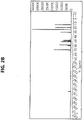
FIG. 2A shows the 1H NMR spectrum of a carbon dioxide absorbent obtained in an example of the present disclosure, andFIG. 2B shows the 13C NMR spectrum of the carbon dioxide absorbent. - Exemplary embodiments are described more fully hereinafter. The invention may, however, be embodied in many different forms and should not be construed as limited to the exemplary embodiments set forth herein. Rather, these exemplary embodiments are provided so that this disclosure will be thorough and complete, and will fully convey the scope of the invention to those skilled in the art. In the description, details of features and techniques may be omitted to more clearly disclose example embodiments.
- The terminology used herein is for the purpose of describing particular embodiments only and is not intended to be limiting of the invention. As used herein, the singular forms "a," "an" and "the" are intended to include the plural forms as well, unless the context clearly indicates otherwise. Furthermore, the use of the terms a, an, etc. do not denote a limitation of quantity, but rather denote the presence of at least one of the referenced item. The terms "first," "second," and the like do not imply any particular order, but are included to identify individual elements. Moreover, the use of the terms first, second, etc. do not denote any order or importance, but rather the terms first, second, etc. are used to distinguished one element from another.
- Unless otherwise defined, all terms (including technical and scientific terms) used herein have the same meaning as commonly understood by one of ordinary skill in the art. It will be further understood that terms, such as those defined in commonly used dictionaries, should be interpreted as having a meaning that is consistent with their meaning in the context of the relevant art and the present disclosure, and will not be interpreted in an idealized or overly formal sense unless expressly so defined herein. All methods described herein can be performed in a suitable order unless otherwise indicated herein or otherwise clearly contradicted by context. The use of any and all examples, or exemplary language (e.g., "such as"), is intended merely to better illustrate the invention and does not pose a limitation on the scope of the invention unless otherwise claimed. No language in the specification should be construed as indicating any non-claimed element as essential to the practice of the invention as used herein.
- The term "normal pressure" used in the present disclosure refers to 1 atm as "atmospheric pressure".
- In the present disclosure, a carbon dioxide absorbent composition may be simply referred to as a carbon dioxide absorbent.
- Hereinafter, the exemplary embodiments of the present disclosure are described in detail.
- Exemplary embodiments of the present disclosure provide a carbon dioxide absorbent composition including: an N-alkylaminoalkanol represented by [Chemical Formula 1]; one or more polyhydroxyamine-based compound selected from a group consisting of polyhydroxyamine-based compounds represented by [Chemical Formula 2] to [Chemical Formula 4]; and one or more selected from a group consisting of ethylenediamine and diethylenetriamine.

- In [Chemical Formula 1], n and m are integers from 1 to 10, and R is hydrogen (H), methyl (-CH3), ethyl (-CH2CH3), propyl (-CH2CH2CH3), hydroxymethyl (HO-CH2-), hydroxyethyl (HO-CH2CH2-), hydroxypropyl (HO-CH2CH2CH2-), C4-C10 alkyl, C4-C10 cycloalkyl, C4-C10 hydroxyalkyl or C4-C10 hydroxycycloalkyl.


- In [Chemical Formula 2] to [Chemical Formula 4], X is one of CI, Br, I and OH, and the repeating unit n is from 1 to 10.
- In an exemplary embodiment, the absorbent composition may be a mixture of a solvent, specifically one or more selected from a group consisting of water, ethylene glycol, glycerol and n-butyl alcohol.
- In an exemplary embodiment, the N-alkylaminoalkanol compound may be used in an amount of 1-70 wt%, specifically 5-50 wt%, based on 100 wt% of the absorbent composition, and the polyhydroxyamine-based compound may be used in an amount of 0.1-10 wt%, specifically 0.1-5 wt%, based on 100 wt% of the absorbent composition.
- In an exemplary embodiment, the N-alkylaminoalkanol absorbent may be used in an amount of 1-70 wt%, specifically 5-50 wt%, based on 100 wt% of the absorbent composition. If it is used in an amount less than 5 wt%, absorption performance may decrease. And, if it is used in an amount exceeding 50 wt%, absorption may not be efficient due to increased viscosity.
- In an exemplary embodiment, the polyhydroxyamine-based compound may be used in an amount of 0.1-10 wt%, specifically 0.1-5 wt%, based on 100 wt% of the absorbent composition. If it is used in an amount less than 0.1 wt%, absorption performance may decrease. If it is used in an amount exceeding 5 wt%, viscosity may increase or operation may be difficult due to precipitate formation.
- In an exemplary embodiment, the one or more selected from a group consisting of ethylenediamine and diethylenetriamine may be used in an amount of 2-10 wt% based on 100 wt% of the absorbent composition.
- In an exemplary embodiment, if the amount of the one or more selected from a group consisting of ethylenediamine and diethylenetriamine is less than 0.3-fold of the polyhydroxyamine-based compound based on weight, the reaction between the ethylenediamine and/or diethylenetriamine and the polyhydroxyamine-based compound may be incomplete. And, if the amount is more than 4-fold, unreacted ethylenediamine and/or unreacted diethylenetriamine may exist in excess.
- Exemplary embodiments of the present disclosure also provide a method for preparing a carbon dioxide absorbent composition, which includes a step of dissolving and mixing the N-alkylaminoalkanol of [Chemical Formula 1]; the one or more polyhydroxyamine-based compound selected from a group consisting of the polyhydroxyamine-based compounds represented by [Chemical Formula 2] to [Chemical Formula 4]; and the one or more selected from a group consisting of ethylenediamine and diethylenetriamine in a solvent.
- In an exemplary embodiment, the solvent may be specifically one or more selected from a group consisting of water, ethylene glycol, glycerol and n-butyl alcohol.
- In an exemplary embodiment, the method may include a step of producing a polyhydroxyamine-based absorbent from an amine precursor, an aldehyde precursor, an acid or alkali, etc. through condensation.
- In an exemplary embodiment, the amine precursor may be, for example, one or more of urea, melamine, dicyandiamide, cyanamide, guanidine, biguanidine, guanylurea, polycyclic guanidine, etc.
- In an exemplary embodiment, the aldehyde precursor may be, for example, one or more of formaldehyde, acetaldehyde, propionaldehyde, butyraldehyde, glutaraldehyde, glyoxal, malondialdehyde, succindialdehyde, phthalaldehyde, etc.
- In an exemplary embodiment, as an acid or alkali catalyst, one or more selected from HCl, HNO3, NH4OH, NH4I, NH4Br, NH4Cl, etc. may be used.
- Exemplary embodiments of the present disclosure also provide a method and an apparatus for capturing carbon dioxide using the carbon dioxide absorbent.
- The method for carbon dioxide capture may include a step of absorbing carbon dioxide using a carbon dioxide absorbent in which the N-alkylaminoalkanol, the polyhydroxyamine-based compound and one or more selected from a group consisting of ethylenediamine and diethylenetriamine are mixed.
- Specifically, in an exemplary embodiment, the method may include: a first step of absorbing carbon dioxide from a carbon dioxide-containing gas mixture using the carbon dioxide absorbent composition wherein the N-alkylaminoalkanol, the polyhydroxyamine-based compound and the one or more selected from a group consisting of ethylenediamine and diethylenetriamine are mixed; and a second step deaerating the absorbed carbon dioxide from the carbon dioxide absorbent.
- The carbon dioxide absorbent in which the N-alkylaminoalkanol, the polyhydroxyamine-based compound and one or more selected from a group consisting of ethylenediamine and diethylenetriamine are mixed is advantageous over the existing absorbent such as monoethanolamine, etc. because recycling energy can be reduced greatly since a bicarbonate (HCO3) compound that can be recycled easily is produced according to [Reaction Scheme 1] using water as a solvent and then an alkanolamine with steric hindrance is produced according to [Reaction Scheme 2].


- Accordingly, by using the alkanolamine carbon dioxide absorbent with steric hindrance according to exemplary embodiments of the present disclosure, absorbent recycling is possible after carbon dioxide absorption even at low temperature. In addition, energy consumption in the overall absorption process can be reduced and corrosion, side reactions, absorbent loss, etc. resulting from high recycling temperature can be reduced greatly.
- The carbon dioxide-containing gas mixture may include exhaust gas generated in chemical plants, power plants, steel companies, cement plants, etc., natural gas, biogas from sewage disposal plants, or the like.
- In an exemplary embodiment, specifically, the absorption temperature in the first step may be 10-60 °C.
- In an exemplary embodiment, specifically, the absorption pressure in the first step may be from normal pressure to 30 atm.
- In an exemplary embodiment, specifically, the deaeration temperature in the second step may be 70-100 °C.
- In an exemplary embodiment, specifically, the deaeration pressure in the second step may be normal pressure.
- In an exemplary embodiment, when carbon dioxide is absorbed in the first step, the absorption temperature is 10-80 °C, specifically 20-60 °C. And, the absorption pressure is specifically from normal pressure to 50 atm, more specifically from normal pressure to 30 atm.
- If the absorption temperature is above 80 °C, carbon dioxide absorption amount may decrease because deaeration may occur at the same time. And, the absorption temperature below 10 °C is undesirable in terms of economic efficiency because an additional equipment is necessary to lower the temperature. In this aspect, an absorption temperature of 20-60 °C is preferred.
- Since the pressure of an exhaust gas is normal pressure, it is the most economical that the absorption is performed at normal pressure. If the absorption pressure is higher than 50 atm, the absorption amount may increase rapidly but it is economically inefficient because an additional equipment such as a compressor is necessary to maintain the high pressure. In this aspect, a pressure range from normal pressure to 30 atm is preferred.
- In an exemplary embodiment, the deaeration of the absorbed carbon dioxide in the second step may be performed at a temperature range of specifically 60-140 °C, more specifically 70-100 °C. And, the deaeration pressure may be normal pressure.
- If the deaeration temperature is below 60 °C, deaeration may not occur. And, if the deaeration temperature is above 140 °C, the advantage of the absorbent according to the present disclosure may disappear because there is no significant difference in temperature from the existing absorbent. In this aspect, a temperature range of 70-100 °C is preferred.
- It is difficult to perform the deaeration at high pressure. To maintain the high pressure, the vapor pressure of water has to be increased, which is economically unfavorable because high temperature is required. Accordingly, it is desired that the deaeration is performed at normal pressure.
- Hereinafter, specific examples of the present disclosure are described in detail. However, the present disclosure is not limited by the following examples but may be embodied in various other forms within the scope of the appended claims. The following examples are provided such that the disclosure of the present disclosure is complete and those having ordinary knowledge in the art can easily carry out the present disclosure.
- A commercially available monoethanolamine carbon dioxide absorbent (purchased form Daejung Chemicals) was used as Comparative Example.
- After adding 3.6 g of urea, 2.2 g of ammonium iodide and 5.2 g of glyoxal to a 3-necked flask equipped with a thermometer, a reflux condenser and a dropping funnel, the mixture was stirred at a reaction temperature of 75 °C, at pH 3 for 2 hours. Then, condensation reaction was performed over 1 hour while adding 0.5 g of hydroxylamine as an amine compound, 1 g of isopropyl alcohol as a stabilizer and molecular weight modifier, and 5.2 g of glyoxal dropwise through a dropping funnel.
-
FIG. 1A shows the 1H NMR spectrum of a polyhydroxyamine-based compound obtained in an example of the present disclosure, andFIG. 1B shows the 13C NMR spectrum of the polyhydroxyamine-based compound.
1H NMR (600 MHz, deuterium oxide) δ 4.87-4.75 (m, 1H), 4.40 (s, 1H), 4.24 (d, J = 11.1 Hz, 9H), 4.12 (s, 14H), 3.55 (s, 1H), 3.23 (dd, J = 41.1, 14.3 Hz, 2H).
13C NMR (151 MHz, deuterium oxide,) δ 163.18, 157.32, 119.85, 119.57, 119.54, 72.09, 58.96, 57.88, 55.19. - Examples 1-8 were prepared as follows. 5 g of the prepared polyhydroxyamine-based compound and 2 g of ethylenediamine (purchased from Sigma-Aldrich) [Examples 1-7] or diethylenetriamine (purchased from Daejung Chemicals) [Example 8] were mixed with 63 g of water and completely dissolved while maintaining temperature at 80 °C for 1 hour. Then, an absorbent was prepared by mixing with 30 g of an N-alkylaminoalkanol (purchased from Sigma-Aldrich) described in Table 1.
-
FIG. 2A shows the 1H NMR spectrum of a carbon dioxide absorbent obtained in Example 6 of the present disclosure, andFIG. 2B shows the 13C NMR spectrum of the carbon dioxide absorbent obtained in Example 6 of the present disclosure.
1H NMR (600 MHz, deuterium oxide) δ 3.55 (t, J = 5.6 Hz, 3H), 3.48 (t, J = 6.1 Hz, 1H), 3.21 (s, 3H), 3.16 (t, J = 6.2 Hz, 1H), 3.05 (t, J = 7.6 Hz, 1H), 2.66 (t, J = 5.6 Hz, 3H), 2.54 (t, J = 7.6 Hz, 3H), 1.37 (p, J = 7.5 Hz, 3H), 1.31 (t, J = 7.7 Hz, 1H), 1.19 (h, J = 7.5 Hz, 3H), 1.13 (q, J = 7.5 Hz, 1H), 1.06 (d, J = 11.2 Hz, 0H), 0.97 (s, 9H), 0.76 (q, J = 6.7, 6.1 Hz, 6H).
13C NMR (151 MHz, deuterium oxide) δ 163.91, 69.95, 61.09, 59.19, 51.52, 50.13, 48.19, 47.81, 30.73, 30.16, 24.57, 19.90, 19.80, 13.69, 13.47. - In order to compare the carbon dioxide absorption capacity of the carbon dioxide absorbent prepared by mixing the N-alkylamino-alkanol and the polyhydroxyamine-based compound with ethylenediamine, carbon dioxide absorption amount was measured after injecting a synthesis gas mimicking a power plant exhaust gas (carbon dioxide/
nitrogen 10%) to 500 mL of the absorbent at room temperature, at a rate of 500 mL/min for 1 hour. After stirring at 90 °C for 30 minutes, the amount of deaerated carbon dioxide was measured. Then, carbon dioxide absorption/recycling test was performed at absorption/recycling temperatures of 25/90 °C. - Table 1 shows the result of carbon dioxide absorption/recycling at 25/90 °C for the carbon dioxide absorbents according to the examples of the present disclosure.
- As can be seen from Table 1, carbon dioxide could be deaerated from the carbon dioxide absorbent by controlling temperature only, without control of other external process conditions. In addition, it was confirmed that the carbon dioxide absorbent according to the present disclosure allows carbon dioxide absorption/recycling at relatively lower temperature as compared to the commercially available monoethanolamine carbon dioxide absorbent of Comparative Example with less energy consumption.
[Table 1] Ex. Absorbent composition Carbon dioxide absorption capacity (gCO2/100 mL) Carbon dioxide reabsorption capacity (gCO2/100 mL) Carbon dioxide recycling rate (%) N-alkylaminoalkanol (wt%) Polyhydroxyamine-based compound (wt%)/ethylenediamine or diethylenetriamine (wt%) Water (wt%) 1 N-(n-methyl)aminoethanol (30) 5/2 [Polyhydroxyamine-based compound/ethylenediamine]* 63 12 6.6 55 2 N-(n-ethyl)aminoethanol (30) 5/2 [Polyhydroxyamine-based compound/ethylenediamine]* 63 10 5.8 58 3 N-(n-butyl)aminoethanol (30) 5/2 [Polyhydroxyamine-based compound/ethylenediamine]* 63 10 6.2 62 4 N-(n-butyl)aminopropanol (30) 5/2 [Polyhydroxyamine-based compound/ethylenediamine]* 63 11 7.2 65 5 N-(n-butyl)-N-hydroxymethylaminoethanol (30) 5/2 [Polyhydroxyamine-based compound/ethylenediamine]* 63 10 6.6 66 6 N-(n-butyl)-N-hydroxyethylaminoethanol (30) 5/2 [Polyhydroxyamine-based compound/ethylenediamine]* 63 9 6.5 72 7 N-(n-butyl)-N-(2-hydroxycyclopropyl)aminoethanol (30) 5/2 [Polyhydroxyamine-based compound/ethylenediamine]* 63 8 4.6 58 8 N-(n-butyl)-N-(2-hydroxycyclopropyl)aminoethanol (30) 5/5 [Polyhydroxyamine-based compound/diethylenetriamine]** 60 7 6.5 60 Comp. Ex. Monoethanolamine (30) 70 12 2.9 24 *Polyhydroxyamine-based compound + ethylenediamine = 7 wt%.
*Polyhydroxyamine-based compound + diethylenetriamine = 10 wt%. - As can be seen from the above table, the carbon dioxide absorbent according to the exemplary embodiments of the present disclosure, in which the N-alkylamino-alkanol and the polyhydroxyamine-based compound are mixed with ethylenediamine, has high carbon dioxide absorption capacity and fast absorption rate. In addition, total energy consumption in the absorption process can be reduced greatly because the absorbent recycling temperature is remarkably lower than that of the existing absorbent. Accordingly, it is expected that it is applicable in various industries where a large amount of carbon dioxide is emitted and the captured carbon dioxide may be used in the synthesis of high value-added organic substances.
Claims (15)
- A carbon dioxide absorbent composition comprising:an N-alkylaminoalkanol represented by [Chemical Formula 1];one or more polyhydroxyamine-based compound selected from a group consisting of polyhydroxyamine-based compounds represented by [Chemical Formula 2] to [Chemical Formula 4]; andone or more selected from a group consisting of ethylenediamine and diethylenetriamine:


- The carbon dioxide absorbent composition according to claim 1, wherein the absorbent composition comprises one or more selected from a group consisting of water, ethylene glycol, glycerol and n-butyl alcohol.
- The carbon dioxide absorbent composition according to claims 1 or 2, wherein the N-alkylaminoalkanol compound is comprised in an amount of 1-70 wt% based on 100 wt% of the absorbent composition.
- The carbon dioxide absorbent composition according to any one of claims 1 to 3, wherein the polyhydroxyamine-based compound is comprised in an amount of 0.1-10 wt% based on 100 wt% of the absorbent composition, and the one or more selected from the group consisting of ethylenediamine and diethylenetriamine is comprised in an amount of 2-10 wt% based on 100 wt% of the absorbent composition.
- A method for preparing the carbon dioxide absorbent composition according to any one of claims 1 to 4, comprising a step of dissolving and mixing the N-alkylaminoalkanol of [Chemical Formula 1]; the one or more polyhydroxyamine-based compound selected from the group consisting of the polyhydroxyamine-based compounds represented by [Chemical Formula 2] to [Chemical Formula 4]; and the one or more selected from the group consisting of ethylenediamine and diethylenetriamine in a solvent.
- The method for preparing the carbon dioxide absorbent composition according to claim 5, wherein the solvent is one or more selected from a group consisting of water, ethylene glycol, glycerol and n-butyl alcohol.
- The method for preparing the carbon dioxide absorbent composition according to claims 5 or 6, wherein the method further comprises a step of producing the polyhydroxyamine-based absorbent from an amine precursor; an aldehyde precursor; and an acid or alkali through condensation.
- A method for carbon dioxide capture, comprising capturing carbon dioxide using the carbon dioxide absorbent composition according to any one of claims 1 to 4.
- The method for carbon dioxide capture according to claim 8, wherein the method for carbon dioxide capture comprises:a first step of absorbing carbon dioxide from a carbon dioxide-comprising gas mixture using the carbon dioxide absorbent composition wherein the N-alkylaminoalkanol, the polyhydroxyamine-based compound, and the one or more selected from the group consisting of ethylenediamine and diethylenetriamine are mixed; anda second step of deaerating the absorbed carbon dioxide from the carbon dioxide absorbent.
- The method for carbon dioxide capture according to claims 8 or 9, wherein carbamate is not formed after the absorption of carbon dioxide.
- The method for carbon dioxide capture according to any one of claims 8 to 10, wherein the carbon dioxide-containing gas mixture is one or more selected from a group consisting of exhaust gas, natural gas and sewage disposal plant biogas.
- The method for carbon dioxide capture according to any one of claims 8 to 11, wherein the absorption temperature in the first step is 10-60 °C.
- The method for carbon dioxide capture according to any one of claims 8 to 12, wherein the absorption pressure in the first step is from normal pressure to 30 atm.
- The method for carbon dioxide capture according to any one of claims 8 to 13, wherein the deaeration temperature in the second step is 70-100 °C.
- The method for carbon dioxide capture according to any one of claims 8 to 14, wherein the deaeration pressure in the second step is normal pressure.
Applications Claiming Priority (1)
| Application Number | Priority Date | Filing Date | Title |
|---|---|---|---|
| KR1020210011734A KR102638462B1 (en) | 2021-01-27 | 2021-01-27 | Highly efficient CO2 absorbent composition and method for preparing the same |
Publications (1)
| Publication Number | Publication Date |
|---|---|
| EP4035760A1 true EP4035760A1 (en) | 2022-08-03 |
Family
ID=74595117
Family Applications (1)
| Application Number | Title | Priority Date | Filing Date |
|---|---|---|---|
| EP21156778.9A Pending EP4035760A1 (en) | 2021-01-27 | 2021-02-12 | Co2 absorbent comprising polyhydroxyamine derivative composition in combination with n-alkylamino-alkane and ethylenediamine or ethylenetriamine |
Country Status (3)
| Country | Link |
|---|---|
| US (1) | US11666853B2 (en) |
| EP (1) | EP4035760A1 (en) |
| KR (1) | KR102638462B1 (en) |
Cited By (1)
| Publication number | Priority date | Publication date | Assignee | Title |
|---|---|---|---|---|
| EP4703026A1 (en) | 2024-08-26 | 2026-03-04 | Københavns Universitet | Method for carbon dioxide capture |
Families Citing this family (1)
| Publication number | Priority date | Publication date | Assignee | Title |
|---|---|---|---|---|
| CN116535726B (en) * | 2023-05-18 | 2025-01-24 | 四川大学 | A liquid mixture that absorbs carbon dioxide is used in polyurethane foam |
Citations (3)
| Publication number | Priority date | Publication date | Assignee | Title |
|---|---|---|---|---|
| JP3197173B2 (en) | 1994-10-06 | 2001-08-13 | 関西電力株式会社 | Method of removing carbon dioxide from flue gas |
| WO2004089512A1 (en) | 2003-04-04 | 2004-10-21 | Board Of Regents, The University Of Texas System | Polyamine/alkali salt blends for carbon dioxide removal from gas streams |
| WO2019212208A1 (en) * | 2018-04-30 | 2019-11-07 | 한국과학기술연구원 | Carbon dioxide absorbent comprising polyhydroxy amine-based polymer, catalyst for regenerating carbon dioxide absorbent, method for absorbing/isolating carbon dioxide by using same, and method for regenerating carbon dioxide absorbent |
Family Cites Families (9)
| Publication number | Priority date | Publication date | Assignee | Title |
|---|---|---|---|---|
| JPH06343858A (en) | 1993-06-08 | 1994-12-20 | Mitsubishi Heavy Ind Ltd | Carbon dioxide absorbent |
| KR100259461B1 (en) * | 1997-12-17 | 2000-07-01 | 최수현 | Absorbents for improving carbon dioxide absorption of tertiary alkanolamines by addition of reaction activators |
| KR101094328B1 (en) * | 2009-06-30 | 2011-12-19 | 한국전력공사 | Absorbent for acidic gas separation |
| WO2013118819A1 (en) | 2012-02-08 | 2013-08-15 | 公益財団法人地球環境産業技術研究機構 | Aqueous solution which efficiently absorbs and recovers carbon dioxide in exhaust gas, and method for recovering carbon dioxide using same |
| KR101446311B1 (en) * | 2012-12-31 | 2014-10-06 | 경희대학교 산학협력단 | Nitrile-Functionalized Amines as CO2 Absorbent And Method for Absorbing And Exhausting CO2 Using the Same |
| KR101506332B1 (en) * | 2012-12-31 | 2015-03-26 | 경희대학교 산학협력단 | Alkanolamine-Based CO2-Absorbents Solution Comprising Polyalkylene Glycol Monomethylether And Method for Absorbing And Exhausting CO2 Using the Same |
| US10005028B2 (en) | 2015-02-17 | 2018-06-26 | Sogang University Research Foundation | Capturing method of carbon dioxide using hydrazine derivative |
| KR101804762B1 (en) * | 2017-02-16 | 2017-12-05 | 한국과학기술연구원 | Catalyst for preparing alkylene carbonate, method for preparing the catalyst, method and apparatus for preparing alkylene carbonate using the catalyst |
| KR102109420B1 (en) * | 2018-08-20 | 2020-05-12 | 한국과학기술연구원 | Catalyst including carbonyl group for preparing alkylene carbonate, method for preparing the catalyst, method and apparatus for preparing alkylene carbonate using the catalyst |
-
2021
- 2021-01-27 KR KR1020210011734A patent/KR102638462B1/en active Active
- 2021-02-12 EP EP21156778.9A patent/EP4035760A1/en active Pending
- 2021-02-15 US US17/175,705 patent/US11666853B2/en active Active
Patent Citations (3)
| Publication number | Priority date | Publication date | Assignee | Title |
|---|---|---|---|---|
| JP3197173B2 (en) | 1994-10-06 | 2001-08-13 | 関西電力株式会社 | Method of removing carbon dioxide from flue gas |
| WO2004089512A1 (en) | 2003-04-04 | 2004-10-21 | Board Of Regents, The University Of Texas System | Polyamine/alkali salt blends for carbon dioxide removal from gas streams |
| WO2019212208A1 (en) * | 2018-04-30 | 2019-11-07 | 한국과학기술연구원 | Carbon dioxide absorbent comprising polyhydroxy amine-based polymer, catalyst for regenerating carbon dioxide absorbent, method for absorbing/isolating carbon dioxide by using same, and method for regenerating carbon dioxide absorbent |
Non-Patent Citations (2)
| Title |
|---|
| MUCHAN PAILIN ET AL: "Effect of Number of Hydroxyl Group in Sterically Hindered Alkanolamine on CO2 Capture Activity", ENERGY PROCEDIA, vol. 114, 1 July 2017 (2017-07-01), NL, pages 1966 - 1972, XP055827958, ISSN: 1876-6102, DOI: 10.1016/j.egypro.2017.03.1328 * |
| PARK JUNG-YEON ET AL: "Effect of Steric Hindrance on Carbon Dioxide Absorption into New Amine Solutions: Thermodynamic and Spectroscopic Verification through Solubility and NMR Analysis", ENVIRONMENTAL SCIENCE & TECHNOLOGY, vol. 37, no. 8, 1 April 2003 (2003-04-01), US, pages 1670 - 1675, XP055827954, ISSN: 0013-936X, DOI: 10.1021/es0260519 * |
Cited By (2)
| Publication number | Priority date | Publication date | Assignee | Title |
|---|---|---|---|---|
| EP4703026A1 (en) | 2024-08-26 | 2026-03-04 | Københavns Universitet | Method for carbon dioxide capture |
| WO2026046989A1 (en) | 2024-08-26 | 2026-03-05 | Københavns Universitet | Method for carbon dioxide capture |
Also Published As
| Publication number | Publication date |
|---|---|
| KR20220108582A (en) | 2022-08-03 |
| KR102638462B1 (en) | 2024-02-21 |
| US11666853B2 (en) | 2023-06-06 |
| US20220233997A1 (en) | 2022-07-28 |
Similar Documents
| Publication | Publication Date | Title |
|---|---|---|
| Roshan et al. | The unprecedented catalytic activity of alkanolamine CO 2 scrubbers in the cycloaddition of CO 2 and oxiranes: a DFT endorsed study | |
| EP3414223B1 (en) | Process to convert cyclic alkylene ureas into their corresponding alkylene amines | |
| Yang et al. | Efficient non-aqueous solvent formed by 2-piperidineethanol and ethylene glycol for CO 2 absorption | |
| US11666853B2 (en) | Highly efficient CO2 absorbent composition and method for preparing the same | |
| KR101210929B1 (en) | Carbon dioxide absorbent and method of removal of carbon dioxide from landfill gas by the simultaneous generation of barium carbonate using the same | |
| KR102863779B1 (en) | Carbon dioxide sorbent containing ionic liquid and alcohol solvent, and carbon dioxide separation method using same | |
| KR101540636B1 (en) | Process for preparing N,N'-substituted urea derivatives using cerium dioxide catalyst | |
| US9486737B2 (en) | Absorbent tertiary monoalkanolamine solution belonging to the 3-alcoxypropylamine family, and method for removing acidic compounds contained in a gas effluent | |
| CN112745267B (en) | Imidazolyl ionic liquid and application thereof | |
| KR102077119B1 (en) | Polyhydroxyamine-based carbon dioxide absorbent and method for absorbing/separating carbon dioxide using the same | |
| KR101368349B1 (en) | Method of preparation of glycerol carbonate by using the metal organic frameworks as catalysts | |
| WO2019030191A1 (en) | Process for manufacturing a cyclic urea adduct of an ethyleneamine compound | |
| KR101798976B1 (en) | Carbon Dioxide Absorbent | |
| US10005028B2 (en) | Capturing method of carbon dioxide using hydrazine derivative | |
| KR102487384B1 (en) | Mixed absorbent for capturing carbon dioxide | |
| CN101759600A (en) | Method for synthesizing alkyl carbamate by NH3, CO2 and micromolecular fatty alcohol | |
| CN106008274A (en) | Preparation method of N,N'-dicyclohexylurea | |
| KR101559563B1 (en) | Carbon dioxide absorbent solution comprising guanidine derivatives and method for regenerating the same | |
| CN101182304A (en) | The preparation method of N-alkylpyrrolidine | |
| CN117180926A (en) | Preparation method of inorganic carbon protection of hydroxyalkylpiperazine-based carbon collector | |
| KR101474506B1 (en) | Carbon dioxide absorbent comprising formamidine groups and method for manufacturing the same and carbon dioxide absorbent solution comprising the same and method for treating carbon dioxide using the solution and method for regenerating the carbon dioxide absorbent | |
| KR20140031692A (en) | Method for absorbing carbon dioxide and synthesis of alkali metal ethyl carbonate via the same and method for generation of ethanol | |
| KR20130106680A (en) | Carbon dioxide capture sorbent and method for carbon dioxide capture | |
| KR20260006801A (en) | Method for producing and separating alkylene carbonate using atmospheric CO2 | |
| US20260108843A1 (en) | Carbon dioxide absorbent containing ionic material containing cyclic ammonium cation and hydroxide anion, and carbon dioxide separation method using the same |
Legal Events
| Date | Code | Title | Description |
|---|---|---|---|
| PUAI | Public reference made under article 153(3) epc to a published international application that has entered the european phase |
Free format text: ORIGINAL CODE: 0009012 |
|
| STAA | Information on the status of an ep patent application or granted ep patent |
Free format text: STATUS: REQUEST FOR EXAMINATION WAS MADE |
|
| 17P | Request for examination filed |
Effective date: 20210302 |
|
| AK | Designated contracting states |
Kind code of ref document: A1 Designated state(s): AL AT BE BG CH CY CZ DE DK EE ES FI FR GB GR HR HU IE IS IT LI LT LU LV MC MK MT NL NO PL PT RO RS SE SI SK SM TR |