EP4024764B1 - Netzüberlastungsverarbeitungsverfahren und zugehörige vorrichtung - Google Patents
Netzüberlastungsverarbeitungsverfahren und zugehörige vorrichtung Download PDFInfo
- Publication number
- EP4024764B1 EP4024764B1 EP20865749.4A EP20865749A EP4024764B1 EP 4024764 B1 EP4024764 B1 EP 4024764B1 EP 20865749 A EP20865749 A EP 20865749A EP 4024764 B1 EP4024764 B1 EP 4024764B1
- Authority
- EP
- European Patent Office
- Prior art keywords
- ecn
- configuration information
- threshold
- ecn configuration
- maximum
- Prior art date
- Legal status (The legal status is an assumption and is not a legal conclusion. Google has not performed a legal analysis and makes no representation as to the accuracy of the status listed.)
- Active
Links
Images



Classifications
-
- H—ELECTRICITY
- H04—ELECTRIC COMMUNICATION TECHNIQUE
- H04L—TRANSMISSION OF DIGITAL INFORMATION, e.g. TELEGRAPHIC COMMUNICATION
- H04L41/00—Arrangements for maintenance, administration or management of data switching networks, e.g. of packet switching networks
- H04L41/04—Network management architectures or arrangements
- H04L41/044—Network management architectures or arrangements comprising hierarchical management structures
-
- H—ELECTRICITY
- H04—ELECTRIC COMMUNICATION TECHNIQUE
- H04L—TRANSMISSION OF DIGITAL INFORMATION, e.g. TELEGRAPHIC COMMUNICATION
- H04L41/00—Arrangements for maintenance, administration or management of data switching networks, e.g. of packet switching networks
- H04L41/08—Configuration management of networks or network elements
- H04L41/0803—Configuration setting
- H04L41/0823—Configuration setting characterised by the purposes of a change of settings, e.g. optimising configuration for enhancing reliability
-
- H—ELECTRICITY
- H04—ELECTRIC COMMUNICATION TECHNIQUE
- H04L—TRANSMISSION OF DIGITAL INFORMATION, e.g. TELEGRAPHIC COMMUNICATION
- H04L43/00—Arrangements for monitoring or testing data switching networks
- H04L43/16—Threshold monitoring
-
- H—ELECTRICITY
- H04—ELECTRIC COMMUNICATION TECHNIQUE
- H04L—TRANSMISSION OF DIGITAL INFORMATION, e.g. TELEGRAPHIC COMMUNICATION
- H04L47/00—Traffic control in data switching networks
- H04L47/10—Flow control; Congestion control
- H04L47/11—Identifying congestion
- H04L47/115—Identifying congestion using a dedicated packet
-
- H—ELECTRICITY
- H04—ELECTRIC COMMUNICATION TECHNIQUE
- H04L—TRANSMISSION OF DIGITAL INFORMATION, e.g. TELEGRAPHIC COMMUNICATION
- H04L47/00—Traffic control in data switching networks
- H04L47/10—Flow control; Congestion control
- H04L47/12—Avoiding congestion; Recovering from congestion
-
- H—ELECTRICITY
- H04—ELECTRIC COMMUNICATION TECHNIQUE
- H04L—TRANSMISSION OF DIGITAL INFORMATION, e.g. TELEGRAPHIC COMMUNICATION
- H04L47/00—Traffic control in data switching networks
- H04L47/10—Flow control; Congestion control
- H04L47/26—Flow control; Congestion control using explicit feedback to the source, e.g. choke packets
-
- H—ELECTRICITY
- H04—ELECTRIC COMMUNICATION TECHNIQUE
- H04L—TRANSMISSION OF DIGITAL INFORMATION, e.g. TELEGRAPHIC COMMUNICATION
- H04L47/00—Traffic control in data switching networks
- H04L47/10—Flow control; Congestion control
- H04L47/33—Flow control; Congestion control using forward notification
-
- H—ELECTRICITY
- H04—ELECTRIC COMMUNICATION TECHNIQUE
- H04L—TRANSMISSION OF DIGITAL INFORMATION, e.g. TELEGRAPHIC COMMUNICATION
- H04L43/00—Arrangements for monitoring or testing data switching networks
- H04L43/08—Monitoring or testing based on specific metrics, e.g. QoS, energy consumption or environmental parameters
- H04L43/0876—Network utilisation, e.g. volume of load or congestion level
-
- H—ELECTRICITY
- H04—ELECTRIC COMMUNICATION TECHNIQUE
- H04L—TRANSMISSION OF DIGITAL INFORMATION, e.g. TELEGRAPHIC COMMUNICATION
- H04L47/00—Traffic control in data switching networks
- H04L47/10—Flow control; Congestion control
- H04L47/31—Flow control; Congestion control by tagging of packets, e.g. using discard eligibility [DE] bits
Definitions
- This disclosure relates to the field of communications technologies, and more the invention specifically relates to a network congestion processing method and a related apparatus.
- Network congestion is a common problem in the data center. Network congestion is usually caused by insufficient network device capabilities or transient traffic bursts.
- EP 1 123 604 A2 relates to an approach for appropriately billing mechanism in the case of Internet providing. In particular, in the situation where changes of load in the network such as using a congestion parameter should trigger the variation in tariff carried on by the Internet provider.
- US 2014/064079 A1 relates to an adaptative congestion management policy, which includes, determining a minimum congestion state for a first queue, based on a minimum guarantee use count of the first queue, determining a shared congestion state for the first queue, based on a shared buffer use count and a shared buffer congestion threshold, wherein the shared buffer congestion threshold is further based on an amount of remaining buffer memory and determining a global congestion state based on a global shared buffer use count.
- This object of the present invention is a network congestion processing method and a related apparatus, so that network congestion control can adapt to a change in a network operating environment.
- the invention is defined by the independent claims.
- the dependent claims define particular embodiment of the invention.
- this application provides a network congestion processing method, including: performing explicit congestion notification (ECN) marking on a packet by using first ECN configuration information, and obtaining first network status information, where the first network status information is used to indicate a network status when the first ECN configuration information is used and wherein the first network information comprises an upper ECN threshold, a lower ECN threshold and a maximum ECN marking probability; determining second ECN configuration information based on the first ECN configuration information and the first network status information, and wherein the second network information comprises an upper ECN threshold, a lower ECN threshold and a maximum ECN marking probability, and wherein the upper ECN threshold of the second ECN configuration information is greater than the upper ECN threshold of the first ECN configuration information; and performing ECN marking on the packet by using the second ECN configuration information.
- ECN explicit congestion notification
- ECN configuration information to be subsequently used can be determined based on a network status of currently used ECN configuration information. In this way, ECN configuration information can be dynamically adjusted to adapt to a change in a network operating environment, thereby improving network performance.
- the determining second ECN configuration information based on the first ECN configuration information and the first network status information includes: determining whether a quantity of ECN marked packets in the first network status information is less than a preset threshold; and if the quantity of marked packets in the first network status information is greater than or equal to the preset threshold, determining that a lower ECN threshold in the second ECN configuration information is equal to a lower ECN threshold in the first ECN configuration information, and determining that a maximum ECN marking probability in the second ECN configuration information is equal to a maximum ECN marking probability in the first ECN configuration information; or if the quantity of marked packets in the first network status information is less than the preset threshold, determining that the second ECN configuration information is the same as the first ECN configuration information.
- ECN configuration information can be adjusted when currently used ECN configuration information cannot meet a current network status.
- the determining second ECN configuration information based on the first ECN configuration information and the first network status information includes: determining a change trend of a congestion degree based on the first network status information; and determining the second ECN configuration information based on a determining result, the first ECN configuration information, and third ECN configuration information, where the first ECN configuration information is determined based on the third ECN configuration information.
- ECN configuration information can be adjusted when currently used ECN configuration information cannot meet a current network status.
- a previous adjustment result is further referenced, so that adjusted ECN configuration information can be better applied to a current network operating environment.
- the determining the second ECN configuration information based on a determining result, the first ECN configuration information, and third ECN configuration information includes: determining the second ECN configuration information when an upper ECN threshold in the first ECN configuration information is greater than an upper ECN threshold in the third ECN configuration information, a lower ECN threshold in the first ECN configuration information is equal to a lower ECN threshold in the third ECN configuration information, a maximum ECN marking probability in the first ECN configuration information is equal to a maximum ECN marking probability in the third ECN configuration information, and the congestion degree decreases, where an upper ECN threshold in the second ECN configuration information is greater than the upper ECN threshold in the first ECN configuration information, a lower ECN threshold in the second ECN configuration information is greater than the lower ECN threshold in the first ECN configuration information, and a maximum ECN marking probability in the second ECN configuration information is equal to the maximum ECN marking probability in the first ECN configuration information; or determining the second ECN configuration information when an upper ECN threshold in the first ECN
- the method before the performing ECN marking on a packet by using first ECN configuration information, the method further includes: obtaining reference network status information; determining congestion indication information based on the reference network status information, where the congestion indication information is used to indicate the congestion degree; sending the congestion indication information to a network device; and receiving the third ECN configuration information from the network device.
- a network congestion status may be notified to another network device, and ECN configuration information from the another network device may be received.
- the ECN configuration information from the another network device is determined by the network device based on a global network state. In this way, adjustment of the ECN configuration information can adapt to a network status of an entire data center network.
- the determining the second ECN configuration information based on a determining result, the first ECN configuration information, and third ECN configuration information includes: determining the second ECN configuration information when an upper ECN threshold in the first ECN configuration information is greater than an upper ECN threshold in the third ECN configuration information, a lower ECN threshold in the first ECN configuration information is greater than a lower ECN threshold in the third ECN configuration information, a maximum ECN marking probability in the first ECN configuration information is equal to a maximum ECN marking probability in the third ECN configuration information, and the congestion degree decreases, where an upper ECN threshold in the second ECN configuration information is greater than the upper ECN threshold in the first ECN configuration information, a lower ECN threshold in the second ECN configuration information is greater than the lower ECN threshold in the first ECN configuration information, and a maximum ECN marking probability in the second ECN configuration information is equal to the maximum ECN marking probability in the first ECN configuration information; or determining the second ECN configuration information when an upper ECN threshold in the first ECN
- the determining the second ECN configuration information based on a determining result, the first ECN configuration information, and third ECN configuration information includes: determining the second ECN configuration information when an upper ECN threshold in the first ECN configuration information is equal to an upper ECN threshold in the third ECN configuration information, a lower ECN threshold in the first ECN configuration information is greater than a lower ECN threshold in the third ECN configuration information, a maximum ECN marking probability in the first ECN configuration information is equal to a maximum ECN marking probability in the third ECN configuration information, and the congestion degree decreases, where an upper ECN threshold in the second ECN configuration information is equal to the upper ECN threshold in the first ECN configuration information, a lower ECN threshold in the second ECN configuration information is greater than the lower ECN threshold in the first ECN configuration information, and a maximum ECN marking probability in the second ECN configuration information is less than the maximum ECN marking probability in the first ECN configuration information; or determining the second ECN configuration information when an upper ECN threshold in the first ECN
- the determining the second ECN configuration information based on a determining result, the first ECN configuration information, and third ECN configuration information includes: determining the second ECN configuration information when an upper ECN threshold in the first ECN configuration information is equal to an upper ECN threshold in the third ECN configuration information, a lower ECN threshold in the first ECN configuration information is greater than a lower ECN threshold in the third ECN configuration information, a maximum ECN marking probability in the first ECN configuration information is less than a maximum ECN marking probability in the third ECN configuration information, and the congestion degree decreases, where an upper ECN threshold in the second ECN configuration information is equal to the upper ECN threshold in the first ECN configuration information, a lower ECN threshold in the second ECN configuration information is greater than the lower ECN threshold in the first ECN configuration information, and a maximum ECN marking probability in the second ECN configuration information is less than the maximum ECN marking probability in the first ECN configuration information; or determining the second ECN configuration information when an upper ECN threshold in the first ECN
- the determining the second ECN configuration information based on a determining result, the first ECN configuration information, and third ECN configuration information includes: determining the second ECN configuration information when an upper ECN threshold in the first ECN configuration information is equal to an upper ECN threshold in the third ECN configuration information, a lower ECN threshold in the first ECN configuration information is equal to a lower ECN threshold in the third ECN configuration information, a maximum ECN marking probability in the first ECN configuration information is less than a maximum ECN marking probability in the third ECN configuration information, and the congestion degree decreases, where an upper ECN threshold in the second ECN configuration information is equal to the upper ECN threshold in the first ECN configuration information, a lower ECN threshold in the second ECN configuration information is equal to the lower ECN threshold in the first ECN configuration information, and a maximum ECN marking probability in the second ECN configuration information is less than the maximum ECN marking probability in the first ECN configuration information; or determining the second ECN configuration information when an upper ECN threshold in the first ECN
- the determining the second ECN configuration information based on a determining result, the first ECN configuration information, and third ECN configuration information includes: determining the second ECN configuration information when an upper ECN threshold in the first ECN configuration information is less than an upper ECN threshold in the third ECN configuration information, a lower ECN threshold in the first ECN configuration information is equal to a lower ECN threshold in the third ECN configuration information, a maximum ECN marking probability in the first ECN configuration information is equal to a maximum ECN marking probability in the third ECN configuration information, and the congestion degree increases, where an upper ECN threshold in the second ECN configuration information is equal to the upper ECN threshold in the first ECN configuration information, a lower ECN threshold in the second ECN configuration information is less than the lower ECN threshold in the first ECN configuration information, and a maximum ECN marking probability in the second ECN configuration information is equal to the maximum ECN marking probability in the first ECN configuration information; or determining the second ECN configuration information when an upper ECN threshold in the first ECN configuration information is less than an
- the determining the second ECN configuration information based on a determining result, the first ECN configuration information, and third ECN configuration information includes: determining the second ECN configuration information when an upper ECN threshold in the first ECN configuration information is equal to an upper ECN threshold in the third ECN configuration information, a lower ECN threshold in the first ECN configuration information is less than a lower ECN threshold in the third ECN configuration information, a maximum ECN marking probability in the first ECN configuration information is equal to a maximum ECN marking probability in the third ECN configuration information, and the congestion degree increases, where an upper ECN threshold in the second ECN configuration information is equal to the upper ECN threshold in the first ECN configuration information, a lower ECN threshold in the second ECN configuration information is equal to the lower ECN threshold in the first ECN configuration information, and a maximum ECN marking probability in the second ECN configuration information is greater than the maximum ECN marking probability in the first ECN configuration information; or determining the second ECN configuration information when an upper ECN threshold in the first ECN configuration information is equal to an
- the determining the second ECN configuration information based on a determining result, the first ECN configuration information, and third ECN configuration information includes: determining the second ECN configuration information when an upper ECN threshold in the first ECN configuration information is equal to an upper ECN threshold in the third ECN configuration information, a lower ECN threshold in the first ECN configuration information is equal to a lower ECN threshold in the third ECN configuration information, a maximum ECN marking probability in the first ECN configuration information is greater than a maximum ECN marking probability in the third ECN configuration information, and the congestion degree increases, where an upper ECN threshold in the second ECN configuration information is equal to the upper ECN threshold in the first ECN configuration information, a lower ECN threshold in the second ECN configuration information is equal to the lower ECN threshold in the first ECN configuration information, and a maximum ECN marking probability in the second ECN configuration information is equal to the maximum ECN marking probability in the first ECN configuration information; or determining the second ECN configuration information when an upper ECN threshold in the first ECN configuration information is equal to an
- the method further includes: obtaining second network status information, where the second network status information is used to indicate a network status when the second ECN configuration information is used; determining whether a quantity of marked packets in the second network status information is less than a preset threshold; and if the quantity of marked packets in the second network status information is greater than or equal to the preset threshold, determining fourth ECN configuration information based on the second ECN configuration information, where an upper ECN threshold in the fourth ECN configuration information is greater than the upper ECN threshold in the second ECN configuration information, a lower ECN threshold in the fourth ECN configuration information is equal to the lower ECN threshold in the second ECN configuration information
- the invention provides another network congestion processing method.
- the method includes: separately receiving N pieces of congestion indication information from N first switches; and determining initial ECN configuration information based on the N pieces of congestion indication information; and sending the initial ECN configuration information to the N first switches.
- the initial ECN configuration information includes N pieces of ECN configuration information
- the determining initial ECN configuration information based on the N pieces of congestion indication information includes: determining the N pieces of ECN configuration information based on a congestion degree indicated by the N pieces of congestion indication information.
- the invention provides an electronic apparatus.
- the electronic apparatus includes units configured to implement any possible implementation of the method design in the first aspect.
- the electronic apparatus may be a network device or a component (for example, a chip or a circuit) used for the network device.
- the invention provides an electronic apparatus.
- the electronic apparatus includes units configured to implement any possible implementation of the method design in the second aspect.
- the communications apparatus may be a network device or a component (for example, a chip or a circuit) used for the network device
- an embodiment of this application provides a network device, including a transceiver and a processor.
- the network device further includes a memory.
- the processor is configured to control the transceiver to send and receive a signal.
- the memory is configured to store a computer program
- the processor is configured to invoke the computer program from the memory and run the computer program, to enable the network device to perform the method in any possible implementation of the method design in the first aspect.
- an embodiment of this application provides a network device, including a transceiver and a processor.
- the network device further includes a memory.
- the processor is configured to control the transceiver to send and receive a signal.
- the memory is configured to store a computer program
- the processor is configured to invoke the computer program from the memory and run the computer program, to enable the network device to perform the method in any possible implementation of the method design in the second aspect.
- an embodiment of this application provides a communications system.
- the system includes the network device in the fifth aspect and the network device in the sixth aspect.
- an embodiment of this application provides an electronic apparatus.
- the electronic apparatus may be a network device configured to implement the method design in the first aspect, or may be a chip disposed in the network device.
- the electronic apparatus includes a processor.
- the processor is coupled to a memory and may be configured to execute instructions and/or program code in the memory, to implement the method in any possible implementation of the method design in the first aspect.
- the electronic apparatus further includes the memory
- the electronic apparatus further includes a communications interface, and the processor is coupled to the communications interface.
- the communications interface may be a transceiver or an input/output interface.
- the communications interface may be an input/output interface.
- the transceiver may be a transceiver circuit.
- the input/output interface may be an input/output circuit.
- an embodiment of this application provides an electronic apparatus.
- the electronic apparatus may be a network device configured to implement the method design in the second aspect, or may be a chip disposed in the network device.
- the electronic apparatus includes a processor.
- the processor is coupled to a memory and may be configured to execute instructions and/or program code in the memory, to implement the method in any possible implementation of the method design in the second aspect.
- the electronic apparatus further includes the memory
- the electronic apparatus further includes a communications interface, and the processor is coupled to the communications interface.
- the communications interface may be a transceiver or an input/output interface.
- the communications interface may be an input/output interface.
- the transceiver may be a transceiver circuit.
- the input/output interface may be an input/output circuit.
- an embodiment of this application provides a computer program product.
- the computer program product includes computer program code.
- the computer program code When the computer program code is run on a computer, the computer is enabled to perform the method in any possible implementation of the method design in the first aspect.
- an embodiment of this application provides a computer program product.
- the computer program product includes computer program code.
- the computer program code is run on a computer, the computer is enabled to perform the method in any possible implementation of the method design in the second aspect.
- the invention provides a computer-readable medium.
- the computer-readable medium stores program code.
- the computer program code is run on a computer, the computer is enabled to perform the method in any possible implementation of the method design in the first aspect.
- the invention provides a computer-readable medium.
- the computer-readable medium stores program code.
- the computer program code is run on a computer, the computer is enabled to perform the method in any possible implementation of the method design in the second aspect.
- example or “for example” in the embodiments of this application is used to represent giving an example, an illustration, or a description. Any embodiment or design scheme described as an “example” in this application should not be explained as being more preferred or having more advantages than another embodiment or design scheme. Exactly, the term “example” is used to present a concept in a specific manner.
- a network architecture and a service scenario described in the embodiments of this application are intended to describe the technical solutions in the embodiments of this application more clearly, and do not constitute any limitation on the technical solutions provided in the embodiments of this application.
- a person of ordinary skill in the art may know that with evolution of the network architecture and emergence of a new service scenario, the technical solutions provided in the embodiments of this application are also applicable to a similar technical problem.
- At least one refers to one or more, and "a plurality of” refers to two or more.
- the term “and/or” describes an association relationship between associated objects and indicates that three relationships may exist. For example, A and/or B may indicate the following cases: Only A exists, both A and B exist, and only B exists, where A and B may be singular or plural.
- the character “/” usually indicates an "or” relationship between the associated objects.
- At least one of the following” or a similar expression thereof indicates “any combination of the following", including "one or any combination of the following".
- At least one of a, b, or c may represent: a, b, c, a and b, a and c, b and c, or a, b, and c, where a, b, or c may be in a singular or plural form.
- the ECN is an extension of the Transmission Control Protocol (Transmission Control Protocol, TCP)/Internet Protocol (Internet Protocol, IP).
- TCP Transmission Control Protocol
- IP Internet Protocol
- a switch or another device having a switch function adds an ECN flag to an IP header of a to-be-forwarded packet, to notify a receive end device that network congestion occurs.
- the receive end device may determine that network congestion occurs on the switch, and the receive end device may send a response packet to a transmit end device.
- the transmit end device may reduce a packet sending rate. In this way, the congestion on the switch can be relieved, and network congestion can be controlled without discarding the packet.
- a switch may perform ECN marking on a packet based on the ECN configuration information.
- the ECN configuration information generally includes one or more of the following: an upper ECN threshold, a lower ECN threshold, and a maximum ECN marking probability.
- the ECN configuration information includes the upper ECN threshold, the lower ECN threshold, and the maximum ECN marking probability.
- the upper ECN threshold may be denoted as Kmax.
- Kmax When a quantity of to-be-transmitted packets in a queue is greater than or equal to Kmax, the switch may mark the packets in the queue with a probability of 100%. In other words, if a queue length is greater than or equal to Kmax, the switch marks each packet in the queue.
- the lower ECN threshold may be denoted as Kmin.
- Kmin The lower ECN threshold
- the switch may mark the packets in the queue with a probability of 0%. In other words, if a queue length is less than or equal to Kmin, the switch does not mark any packet in the queue.
- the maximum ECN marking probability may be denoted as Pmax.
- Pmax When a quantity of to-be-transmitted packets in a queue is greater than Kmin and less than Kmax, the switch may mark the packets in the queue with a probability greater than P%, where P is a number greater than 0 and less than or equal to Pmax, and Pmax is less than 100%. As the queue length increases, the probability of marking the packets in the queue by the switch increases.
- the maximum ECN marking probability is a specified maximum value of a marking probability in the queue. In other words, if the queue length is greater than Kmin and less than Kmax, the switch marks P% of the packets in the queue, and a value of P may be positively correlated with the queue length.
- FIG. 1 A relationship between an upper ECN threshold, a lower ECN threshold, an ECN marking probability, and a maximum ECN marking probability may be shown in FIG. 1 .
- FIG. 1 shows a relationship between all pieces of information in ECN configuration information.
- an ECN marking probability when a queue length is less than Kmin, an ECN marking probability is 0. When the queue length is greater than or equal to Kmax, the ECN marking probability is 100%. When the queue length is greater than Kmin and less than Kmax, the ECN marking probability is a value greater than 0 and less than Pmax.
- Performing ECN marking on a packet by a switch based on the ECN configuration information may include: If the queue length is less than or equal to Kmin, the switch does not mark any packet in a queue. If the queue length is greater than or equal to Kmax, the switch marks each packet in the queue. If the queue length is greater than Kmin and less than Kmax, the switch marks P% of the packets in the queue, where P is a number greater than 0 and less than or equal to Pmax, and Pmax is less than 100%. The switch may perform packet marking randomly.
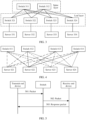
- FIG. 2 is a schematic diagram of a structure of a data center network to which technical solutions in this application may be applied.
- the data center network shown in FIG. 2 is a data center network with a three-layer structure.
- the three-layer network includes a core layer, an aggregation layer, and an access layer.
- the core layer includes a switch 211 and a switch 212
- the aggregation layer includes a switch 221 and a switch 222
- the access layer includes a switch 231, a switch 232, a switch 233, and a switch 234.
- the switch 231 is connected to a server 241
- the switch 232 is connected to a server 242
- the switch 233 is connected to a server 243
- the switch 234 is connected to a server 244.
- FIG. 2 is merely an example of a data center network with a three-layer structure, but is not a limitation on a data center network with a three-layer structure.
- the data center network with the three-layer structure may further include more switches and/or servers, or may include fewer switches and/or servers.
- a connection relationship between switches and/or a connection relationship between a server and a switch in the data center network with the three-layer structure may be another connection manner other than that shown in FIG. 2 .
- FIG. 3 is a schematic diagram of a structure of another data center network to which technical solutions in this application may be applied.
- the data center network shown in FIG. 3 is a data center network with a two-layer structure.
- the two-layer network includes a spine (spine) layer and a leaf (leaf) layer.
- the spine layer includes a switch 311 and a switch 312, and the leaf layer includes a switch 321, a switch 322, a switch 323, and a switch 324.
- the switch 321 is connected to a server 331
- the switch 322 is connected to a server 332
- the switch 323 is connected to a server 333
- the switch 324 is connected to a server 334.
- FIG. 3 is merely an example of a data center network with a two-layer structure, but is not a limitation on a data center network with a two-layer structure.
- the data center network with the two-layer structure may further include more switches and/or servers, or may include fewer switches and/or servers.
- a connection relationship between switches and/or a connection relationship between a server and a switch in the data center network with the two-layer structure may be another connection manner other than that shown in FIG. 3 .
- FIG. 4 is a schematic diagram of a structure of another data center network to which technical solutions in this application may be applied.
- the data center network shown in FIG. 4 is a data center network with a single-layer structure.
- the data center network shown in FIG. 4 includes a switch 411, a switch 412, a switch 413, and a switch 414. As shown in FIG. 4 , each switch in the data center network is connected to all servers.
- the switch 411 is connected to a server 421, a server 422, a server 423, and a server 424.
- the switch 412 is connected to the server 421 to the server 424
- the switch 413 is connected to the server 421 to the server 424
- the switch 414 is connected to the server 421 to the server 424.
- FIG. 5 is a schematic diagram of performing congestion control by using an ECN.
- a "switch” mentioned in FIG. 5 may be a specific switch in FIG. 2 to FIG. 4
- a "transmit end device” mentioned in FIG. 5 may be a specific server in FIG. 2 to FIG. 4
- a “receive end device” mentioned in FIG. 5 may be a specific server in FIG. 2 to FIG. 4 .
- the transmit end device and the receive end device may alternatively be other devices that communicate with each other by using one or more switches in FIG. 2 to FIG. 4 .
- the transmit end device sends a packet to the switch.
- the switch receives the packet from the transmit end device.
- An IP header of the packet may include an ECN indication field.
- a value of the ECN indication field is a value used to indicate "no", that is, to indicate that no network congestion occurs. For example, if the value of the ECN indication field is 10 or 01, it indicates that no network congestion occurs.
- the switch forwards the packet to the receive end device.
- the receive end device receives the packet from the switch.
- the switch may directly send the packet to the receive end device.
- the switch performs ECN marking on a packet in a queue based on an ECN marking probability.
- the switch performs ECN marking on the packet.
- a value of an ECN indication field in an IP header of the packet is value used to indicate "yes", that is, to indicate that network congestion occurs. For example, if the value of the ECN indication field is 11, it indicates that network congestion occurs.
- the switch updates the value of the ECN indication field in the IP header of the packet from 10 or 01 to 11.
- the packet is a packet on which ECN marking is performed below.
- the receive end device sends a response packet to the transmit end device.
- the transmit end device receives the response packet from the receive end device.
- the response packet may be forwarded by the switch.
- the receive end device sends the response packet to the switch, and the switch directly forwards the response packet to the transmit end device.
- the response packet may be a congestion notification packet (Congestion Notification Packet, CNP), and a value of an ECN indication field in an IP header of the CNP may be 01.
- CNP Congestion Notification Packet
- the transmit end device may reduce a rate of sending a packet to the switch.
- TR represents a packet sending rate used before the response packet is received
- CR represents an adjusted sending rate
- a is a preset parameter
- a value of a may be greater than or equal to 1.
- the transmit end device may continue to reduce the packet sending rate.
- the transmit end device may increase the packet sending rate if the transmit end device does not continue to receive a response packet from the receive end device (for example, does not receive a response packet from the receive end device within a preset time length).
- An operating environment of a data center network may change at any time, and ECN configuration information may not be applied to all operating environments. Therefore, if the ECN configuration information is fixed, the data center network may not adapt to all the operating environments.
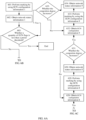
- FIG. 6A to FIG. 6C show a network congestion processing method according to an embodiment of this application.
- the method shown in FIG. 6A to FIG. 6C may be applied to any data center network in FIG. 2 to FIG. 4 .
- the method shown in FIG. 6A to FIG. 6C may be performed by a switch, or may be performed by a component (for example, a chip or a circuit) in the switch.
- a switch may be a switch connected to a server in the network shown in FIG. 2 to FIG. 4 , for example, an access layer switch in the data center network shown in FIG. 2 , or a leaf layer switch in the data center network shown in FIG. 3 .
- the switch performs ECN marking on a packet by using ECN configuration information 1.
- an upper ECN threshold may be denoted as Kmax_1
- a lower ECN threshold is Kmin_1
- a maximum ECN marking probability is Pmax_1.
- the switch obtains network status information 1.
- the switch performs ECN marking on the packet based on the ECN configuration information 1. Therefore, the network status information 1 is obtained through statistics collection when the switch performs ECN marking on the packet by using the ECN configuration information 1.
- the ECN configuration information may include information used to indicate network traffic (which may be referred to as network traffic information) and information used to indicate congestion (which may be referred to as network congestion information).
- the network traffic information may include any one or more of a bandwidth utilization, a quantity of transmitted bytes, a total quantity of transmitted packets, and an average quantity of packets.
- the network congestion information may include any one or more of a quantity of ECN marked packets, a quantity of priority-based flow control received frames, a quantity of priority-based flow control transmitted frames, an ECN marking rate (that is, a quantity of packets marked per unit of time (for example, per second)), and a queue depth (that is, a quantity of to-be-forwarded packets).
- the bandwidth utilization, the quantity of transmitted bytes, and/or the total quantity of transmitted packets in the network traffic information may be a concept of "total" obtained by the switch through statistics collection within a period of time.
- the bandwidth utilization may be a total bandwidth utilization within a period of time
- the quantity of transmitted bytes may be a total quantity of transmitted bytes within a period of time
- the total quantity of transmitted packets may be a total quantity of transmitted packets within a period of time.
- the quantity of ECN marked packets, the quantity of priority-based flow control received frames, the quantity of priority-based flow control transmitted frames, and/or the queue depth in the network congestion information may be a concept of "total" obtained by the switch through statistics collection within a period of time.
- the quantity of ECN marked packets may be a total quantity of ECN marked packets within a period of time
- the quantity of priority-based flow control received frames may be a quantity of priority-based flow control received frames within a period of time
- the quantity of priority-based flow control transmitted frames may be a total quantity of priority-based flow control transmitted frames within a period of time
- the queue depth may be a total queue depth within a period of time.
- the bandwidth utilization, the quantity of transmitted bytes, and/or the total quantity of transmitted packets in the network traffic information may be a concept of "per unit of time" determined by the switch based on a notification time and a total quantity obtained through statistics collection.
- the bandwidth utilization may be a bandwidth utilization per unit of time
- the quantity of transmitted bytes may be a quantity of transmitted bytes per unit of time
- the total quantity of transmitted packets may be a total quantity of transmitted packets per unit of time.
- the quantity of ECN marked packets, the quantity of priority-based flow control received frames, the quantity of priority-based flow control transmitted frames, and/or the queue depth in the network congestion information may be a concept of "per unit of time" determined by the switch based on a notification time and a total quantity obtained through statistics collection.
- the quantity of ECN marked packets may be a quantity of ECN marked packets per unit of time
- the quantity of priority-based flow control received frames may be a quantity of priority-based flow control received frames per unit of time
- the quantity of priority-based flow control transmitted frames may be a quantity of priority-based flow control transmitted frames per unit of time
- the queue depth may be a total queue depth per unit of time.
- the network status information 1 may be obtained by the switch through statistics collection after a specific period of time after the switch starts to perform ECN marking on the packet by using the ECN configuration information 1. For example, assuming that the switch starts to perform ECN marking on the packet by using the ECN configuration information 1 at a moment t1, the switch may collect statistics about network status information (that is, the network status information 1) at a moment t1 + T1. From the moment t1 to the moment t1+T1, the switch always performs ECN marking on the packet by using the ECN configuration information 1. T1 may be a preset value.
- the switch may determine whether a quantity of ECN marked packets in the network status information 1 is less than a preset threshold.
- the switch may continue to perform ECN marking on the packet by using the ECN configuration information 1, and an adjustment procedure of the ECN configuration information ends.
- step 604 may be performed.
- the switch determines ECN configuration information 2 based on the ECN configuration information 1.
- an upper ECN threshold may be denoted as Kmax_2
- a lower ECN threshold is Kmin_2
- a maximum ECN marking probability is Pmax_2.
- the switch may increase the upper ECN threshold in the ECN configuration information 1, and keep the lower ECN threshold and the maximum ECN marking probability in the ECN configuration information 1 unchanged.
- the switch performs ECN marking on the packet by using the ECN configuration information 2.
- the switch obtains network status information 2.
- the switch performs ECN marking on the packet based on the ECN configuration information 2. Therefore, the network status information 2 is obtained through statistics collection when the switch performs ECN marking on the packet by using the ECN configuration information 2.
- the network status information 2 may be obtained by the switch through statistics collection after a specific period of time after the switch starts to perform ECN marking on the packet by using the ECN configuration information 2. For example, assuming that the switch starts to perform ECN marking on the packet by using the ECN configuration information 2 at a moment t2, the switch may collect statistics about network status information (that is, the network status information 2) at a moment t2+T2. From the moment t2 to the moment t2+T2, the switch always performs ECN marking on the packet by using the ECN configuration information 2.
- T2 may be a preset value. In some embodiments, a value of T1 may be equal to that of T2. In some other embodiments, a value of T1 may not be equal to that of T2.
- the switch determines whether a congestion degree of the switch decreases.
- the switch may determine, based on the network status information 2 and the network status information 1, whether the congestion degree of the switch decreases.
- the switch determines, based on a change in a queue depth, whether the congestion degree of the switch decreases.
- the switch may determine, based on a queue depth in the network status information 1 and a queue depth in the network status information 2, whether the congestion degree of the switch decreases. If the queue depth decreases (that is, the queue depth in the network status information 2 is less than the queue depth in the network status information 1), it indicates that a quantity of to-be-forwarded packets decreases. In this case, the switch may determine that the congestion degree of the switch decreases. If the queue depth remains unchanged or increases (the queue depth in the network status information 2 is greater than or equal to the queue depth in the network status information 1), the switch may determine that the congestion degree of the switch does not decrease.
- the switch may determine, by using values of T1 and T2, and the queue depths in the network status information 1 and the network status information 2, whether the congestion degree of the switch decreases. Assuming that the queue depth in the network status information 1 is L1, and the queue depth in the network status information 2 is L2, the switch may determine whether L1/T1 is greater than L2/T2. If L1/T1 is less than or equal to L2/T2, it indicates that the congestion degree of the switch does not decrease. If L1/T1 is greater than L2/T2, it indicates that the congestion degree of the switch decreases.
- the switch may determine, based on a quantity of ECN marked packets, whether the congestion degree of the switch decreases.
- the switch may determine, based on a quantity of ECN marked packets in the network status information 1 and a quantity of ECN marked packets in the network status information 2, whether the congestion degree of the switch decreases.
- An ECN marking probability may be directly proportional to the queue depth. To be specific, if the queue depth increases, the ECN marking probability increases, and correspondingly, the quantity of ECN marked packets increases in a same period of time. If the queue depth decreases, the ECN marking probability decreases, and correspondingly, the quantity of ECN marked packets decreases in a same period of time.
- the switch may determine that the congestion degree of the switch decreases. If the quantity of ECN marked packets remains unchanged or increases (the quantity of ECN marked packets in the network status information 2 is greater than or equal to the quantity of ECN marked packets in the network status information 1), the switch may determine that the congestion degree of the switch does not decrease.
- the switch may determine a quantity of ECN marked packets per unit of time (which may be referred to as an ECN marking rate 1 for short) based on T1 and the quantity of ECN marked packets in the network status information 1, and determine a quantity of ECN marked packets per unit of time (which may be referred to as an ECN marking rate 2 for short) based on T2 and the quantity of ECN marked packets in the network status information 2. If the ECN marking rate 1 is greater than the ECN marking rate 2, it indicates that the congestion degree of the switch decreases. If the ECN marking rate 1 is less than or equal to the ECN marking rate 2, it indicates that the congestion degree of the switch does not decrease.
- the switch may determine, based on a quantity of transmitted bytes, whether the congestion degree of the switch decreases.
- the switch may determine, based on a quantity of transmitted bytes in the network status information 1 and a quantity of transmitted bytes in the network status information 2, whether the congestion degree of the switch decreases. If a network congestion degree decreases, a quantity of bytes transmitted in a same period of time should increase. Therefore, if the quantity of transmitted bytes increases (that is, the quantity of transmitted bytes in the network status information 2 is greater than the quantity of transmitted bytes in the network status information 1), the switch may determine that the congestion degree of the switch decreases. If the quantity of transmitted bytes remains unchanged or decreases (the quantity of transmitted bytes in the network status information 2 is equal to or less than the quantity of transmitted bytes in the network status information 1), the switch may determine that the congestion degree of the switch does not decrease.
- the switch may determine a quantity of transmitted bytes per unit of time (which may be referred to as a transmission rate 1 for short) based on T1 and the quantity of transmitted bytes in the network status information 1, and determine a quantity of transmitted bytes per unit of time (which may be referred to as a transmission rate 2 for short) based on T2 and the quantity of transmitted bytes in the network status information 2. If the transmission rate 1 is less than the transmission rate 2, it indicates that the congestion degree of the switch decreases. If the transmission rate 1 is greater than or equal to the transmission rate 2, it indicates that the congestion degree of the switch does not decrease.
- the switch may further determine, based on one or more pieces of other information in the network status information 1 and the network status information 2, whether the congestion degree of the switch decreases. No enumeration is provided herein.
- step 608 is performed.
- step 612 is performed.
- the decrease of the congestion degree of the switch may be referred to as positive feedback of network status information.
- the increase of the congestion degree of the switch may be referred to as negative feedback of network status information.
- the switch determines ECN configuration information 3 based on the ECN configuration information 2.
- an upper ECN threshold may be denoted as Kmax_3, a lower ECN threshold is Kmin_3, and a maximum ECN marking probability is Pmax_3.
- the switch may increase the upper ECN threshold and the lower ECN threshold in the ECN configuration information 2, and keep the maximum ECN marking probability in the ECN configuration information 2 unchanged.
- the switch performs ECN marking on the packet by using the ECN configuration information 3.
- the switch obtains network status information 3.
- the switch performs ECN marking on the packet based on the ECN configuration information 3. Therefore, the network status information 3 is obtained through statistics collection when the switch performs ECN marking on the packet by using the ECN configuration information 3.
- the network status information 3 may be obtained by the switch through statistics collection after a specific period of time after the switch starts to perform ECN marking on the packet by using the ECN configuration information 3. For example, assuming that the switch starts to perform ECN marking on the packet by using the ECN configuration information 3 at a moment t3, the switch may collect statistics about network status information (that is, the network status information 3) at a moment t3+T3. From the moment t3 to the moment t3+T3, the switch always performs ECN marking on the packet by using the ECN configuration information 3.
- T3 may be a preset value. In some embodiments, a value of T3 may be equal to that of T2. In some other embodiments, a value of T3 may not be equal to that of T2.
- the switch determines whether the congestion degree of the switch decreases.
- the switch may determine, based on the network status information 2 and the network status information 3, whether the congestion degree of the switch decreases.
- a specific implementation in which the switch may determine, based on the network status information 2 and the network status information 3, whether the congestion degree of the switch decreases is similar to a specific implementation in which the switch determines, based on the network status information 1 and the network status information 2, whether the congestion degree of the switch decreases. For brevity, details are not described herein again.
- step 611 If a determining result of step 611 is yes (that is, the congestion degree of the switch decreases), the switch may increase the upper ECN threshold and the lower ECN threshold in the ECN configuration information 3, and keep the maximum ECN marking probability in the ECN configuration information 3 unchanged. Then, the switch may perform ECN marking on the packet by using adjusted ECN configuration information, continue to obtain corresponding network status information, and determine, based on the network status information and the network status information 3, whether the congestion degree of the switch decreases. In other words, if the determining result of step 611 is yes, steps performed by the switch are similar to step 608 to step 611.
- the switch determines ECN configuration information 3-1 based on the ECN configuration information 3, marks the packet by using the ECN configuration 3-1, obtains network status information 3-1, and determines whether the congestion degree of the switch decreases.
- a determining manner in which the switch determines the ECN configuration information 3-1 based on the ECN configuration information 3 is the same as a determining manner in which the switch determines the ECN configuration information 3 based on the ECN configuration information 2.
- a specific determining manner in which the switch determines, based on the network status information 3 and the network status information 3-1, whether the congestion degree of the switch decreases is the same as a specific determining manner in which the switch determines, based on the network status information 2 and the network status information 3, whether the congestion degree of the switch decreases.
- the switch may increase the upper ECN threshold in the ECN configuration information 3, and keep the lower ECN threshold and the maximum ECN marking probability in the ECN configuration information 3 unchanged. Then, the switch may perform ECN marking on the packet by using adjusted ECN configuration information, continue to obtain corresponding network status information, and determine, based on the network status information and the network status information 3, whether the congestion degree of the switch decreases. In other words, if the determining result of step 611 is no, steps performed by the switch are similar to step 604 to step 607.
- the switch determines ECN configuration information 3-2 based on the ECN configuration information 3, marks the packet by using the ECN configuration 3-2, obtains network status information 3-2, and determines whether the congestion degree of the switch decreases.
- a determining manner in which the switch determines the ECN configuration information 3-2 based on the ECN configuration information 3 is the same as a determining manner in which the switch determines the ECN configuration information 2 based on the ECN configuration information 1.
- a specific determining manner in which the switch determines, based on the network status information 3 and the network status information 3-2, whether the congestion degree of the switch decreases is the same as a specific determining manner in which the switch determines, based on the network status information 1 and the network status information 2, whether the congestion degree of the switch decreases.
- the switch determines ECN configuration information 4 based on the ECN configuration information 2.
- an upper ECN threshold may be denoted as Kmax_4, a lower ECN threshold is Kmin_4, and a maximum ECN marking probability is Pmax_4.
- the switch may increase the lower ECN threshold in the ECN configuration information 2, and keep the upper ECN threshold and the maximum ECN marking probability in the ECN configuration information 2 unchanged.
- the switch performs ECN marking on the packet by using the ECN configuration information 4.
- the switch obtains network status information 4.
- the switch performs ECN marking on the packet based on the ECN configuration information 4. Therefore, the network status information 4 is obtained through statistics collection when the switch performs ECN marking on the packet by using the ECN configuration information 4.
- the network status information 4 may be obtained by the switch through statistics collection after a specific period of time after the switch starts to perform ECN marking on the packet by using the ECN configuration information 4. For example, assuming that the switch starts to perform ECN marking on the packet by using the ECN configuration information 4 at a moment t4, the switch may collect statistics about network status information (that is, the network status information 3) at a moment t4+T4. From the moment t4 to the moment t4+T4, the switch always performs ECN marking on the packet by using the ECN configuration information 4.
- T4 may be a preset value. In some embodiments, a value of T4 may be equal to that of T2. In some other embodiments, a value of T4 may not be equal to that of T2.
- the switch determines whether the congestion degree of the switch decreases.
- the switch may determine, based on the network status information 2 and the network status information 4, whether the congestion degree of the switch decreases.
- a specific implementation in which the switch may determine, based on the network status information 2 and the network status information 4, whether the congestion degree of the switch decreases is similar to a specific implementation in which the switch determines, based on the network status information 1 and the network status information 2, whether the congestion degree of the switch decreases. For brevity, details are not described herein again.
- step 616 is performed.
- step 620 is performed.
- the switch determines ECN configuration information 5 based on the ECN configuration information 4.
- an upper ECN threshold may be denoted as Kmax_5
- a lower ECN threshold is Kmin_5
- a maximum ECN marking probability is Pmax_5.
- the switch may increase the lower ECN threshold in the ECN configuration information 4, decrease the maximum ECN marking probability in the ECN configuration information 4, and keep the upper ECN threshold in the ECN configuration information 4 unchanged.
- the switch performs ECN marking on the packet by using the ECN configuration information 5.
- the switch obtains network status information 5.
- the switch performs ECN marking on the packet based on the ECN configuration information 5. Therefore, the network status information 5 is obtained through statistics collection when the switch performs ECN marking on the packet by using the ECN configuration information 5.
- the network status information 5 may be obtained by the switch through statistics collection after a specific period of time after the switch starts to perform ECN marking on the packet by using the ECN configuration information 5. For example, assuming that the switch starts to perform ECN marking on the packet by using the ECN configuration information 5 at a moment t5, the switch may collect statistics about network status information (that is, the network status information 5) at a moment t5+T5. From the moment t5 to the moment t5+T5, the switch always performs ECN marking on the packet by using the ECN configuration information 5.
- T5 may be a preset value. In some embodiments, a value of T5 may be equal to that of T4. In some other embodiments, a value of T5 may not be equal to that of T4.
- the switch determines whether the congestion degree of the switch decreases.
- the switch may determine, based on the network status information 4 and the network status information 5, whether the congestion degree of the switch decreases.
- a specific implementation in which the switch may determine, based on the network status information 4 and the network status information 5, whether the congestion degree of the switch decreases is similar to a specific implementation in which the switch determines, based on the network status information 1 and the network status information 2, whether the congestion degree of the switch decreases. For brevity, details are not described herein again.
- a determining result of step 619 is yes (that is, the congestion degree of the switch decreases)
- the switch may increase the lower ECN threshold in the ECN configuration information 5, decrease the maximum ECN marking probability in the ECN configuration information 5, and keep the upper ECN threshold in the ECN configuration information 5 unchanged. Then, the switch may perform ECN marking on the packet by using adjusted ECN configuration information, continue to obtain corresponding network status information, and determine, based on the network status information and the network status information 5, whether the congestion degree of the switch decreases. In other words, if the determining result of step 619 is yes, steps performed by the switch are similar to step 616 to step 619.
- the switch determines ECN configuration information 5-1 based on the ECN configuration information 5, marks the packet by using the ECN configuration 5-1, obtains network status information 5-1, and determines whether the congestion degree of the switch decreases.
- a determining manner in which the switch determines the ECN configuration information 5-1 based on the ECN configuration information 5 is the same as a determining manner in which the switch determines the ECN configuration information 5 based on the ECN configuration information 4.
- a specific determining manner in which the switch determines, based on the network status information 5 and the network status information 5-1, whether the congestion degree of the switch decreases is the same as a specific determining manner in which the switch determines, based on the network status information 4 and the network status information 5, whether the congestion degree of the switch decreases.
- the switch may increase the lower ECN threshold in the ECN configuration information 5, and keep the upper ECN threshold and the maximum ECN marking probability in the ECN configuration information 5 unchanged. Then, the switch may perform ECN marking on the packet by using adjusted ECN configuration information, continue to obtain corresponding network status information, and determine, based on the network status information and the network status information 5, whether the congestion degree of the switch decreases. In other words, if the determining result of step 619 is no, steps performed by the switch are similar to step 612 to step 615.
- the switch determines ECN configuration information 5-2 based on the ECN configuration information 5, marks the packet by using the ECN configuration 5-2, obtains network status information 5-2, and determines whether the congestion degree of the switch decreases.
- a determining manner in which the switch determines the ECN configuration information 5-2 based on the ECN configuration information 5 is the same as a determining manner in which the switch determines the ECN configuration information 4 based on the ECN configuration information 2.
- a specific determining manner in which the switch determines, based on the network status information 5 and the network status information 5-2, whether the congestion degree of the switch decreases is the same as a specific determining manner in which the switch determines, based on the network status information 2 and the network status information 4, whether the congestion degree of the switch decreases.
- the switch determines ECN configuration information 6 based on the ECN configuration information 4.
- an upper ECN threshold may be denoted as Kmax_6, a lower ECN threshold is Kmin_6, and a maximum ECN marking probability is Pmax_6.
- the switch may decrease the maximum ECN marking probability in the ECN configuration information 4, and keep the lower ECN threshold and the upper ECN threshold in the ECN configuration information 4 unchanged.
- the switch performs ECN marking on the packet by using the ECN configuration information 6.
- the switch obtains network status information 6.
- the switch performs ECN marking on the packet based on the ECN configuration information 6. Therefore, the network status information 6 is obtained through statistics collection when the switch performs ECN marking on the packet by using the ECN configuration information 6.
- the network status information 6 may be obtained by the switch through statistics collection after a specific period of time after the switch starts to perform ECN marking on the packet by using the ECN configuration information 6. For example, assuming that the switch starts to perform ECN marking on the packet by using the ECN configuration information 6 at a moment t6, the switch may collect statistics about network status information (that is, the network status information 6) at a moment t6+T6. From the moment t6 to the moment t6+T6, the switch always performs ECN marking on the packet by using the ECN configuration information 6.
- T6 may be a preset value. In some embodiments, a value of T6 may be equal to that of T4. In some other embodiments, a value of T6 may not be equal to that of T4.
- the switch determines whether the congestion degree of the switch decreases.
- the switch may determine, based on the network status information 4 and the network status information 6, whether the congestion degree of the switch decreases.
- a specific implementation in which the switch may determine, based on the network status information 4 and the network status information 6, whether the congestion degree of the switch decreases is similar to a specific implementation in which the switch determines, based on the network status information 1 and the network status information 2, whether the congestion degree of the switch decreases. For brevity, details are not described herein again.
- step 623 If a determining result of step 623 is yes (that is, the congestion degree of the switch decreases), the switch may decrease the maximum ECN marking probability in the ECN configuration information 6, and keep the lower ECN threshold and the upper ECN threshold in the ECN configuration information 6 unchanged. Then, the switch may perform ECN marking on the packet by using adjusted ECN configuration information, continue to obtain corresponding network status information, and determine, based on the network status information and the network status information 6, whether the congestion degree of the switch decreases. In other words, if the determining result of step 623 is yes, steps performed by the switch are similar to step 620 to step 623.
- the switch determines ECN configuration information 6-1 based on the ECN configuration information 6, marks the packet by using the ECN configuration 6-1, obtains network status information 6-1, and determines whether the congestion degree of the switch decreases.
- a determining manner in which the switch determines the ECN configuration information 6-1 based on the ECN configuration information 6 is the same as a determining manner in which the switch determines the ECN configuration information 6 based on the ECN configuration information 4.
- a specific determining manner in which the switch determines, based on the network status information 6 and the network status information 6-1, whether the congestion degree of the switch decreases is the same as a specific determining manner in which the switch determines, based on the network status information 4 and the network status information 6, whether the congestion degree of the switch decreases.
- step 624 is performed.
- the switch determines ECN configuration information 7 based on the ECN configuration information 6.
- an upper ECN threshold may be denoted as Kmax_7
- a lower ECN threshold is Kmin_7
- a maximum ECN marking probability is Pmax_7.
- the switch may decrease the upper ECN threshold in the ECN configuration information 6, and keep the lower ECN threshold and the maximum ECN marking probability in the ECN configuration information 6 unchanged.
- the switch performs ECN marking on the packet by using the ECN configuration information 7.
- the switch obtains network status information 7.
- the switch performs ECN marking on the packet based on the ECN configuration information 7. Therefore, the network status information 7 is obtained through statistics collection when the switch performs ECN marking on the packet by using the ECN configuration information 7.
- the network status information 7 may be obtained by the switch through statistics collection after a specific period of time after the switch starts to perform ECN marking on the packet by using the ECN configuration information 7. For example, assuming that the switch starts to perform ECN marking on the packet by using the ECN configuration information 7 at a moment t7, the switch may collect statistics about network status information (that is, the network status information 7) at a moment t7+T7. From the moment t7 to the moment t7+T7, the switch always performs ECN marking on the packet by using the ECN configuration information 7.
- T7 may be a preset value. In some embodiments, a value of T6 may be equal to that of T7. In some other embodiments, a value of T6 may not be equal to that of T7.
- the switch determines whether the congestion degree of the switch increases.
- the switch may determine, based on the network status information 6 and the network status information 7, whether the congestion degree of the switch increases.
- a specific implementation in which the switch may determine, based on the network status information 6 and the network status information 7, whether the congestion degree of the switch increases is similar to a specific implementation in which the switch determines, based on the network status information 1 and the network status information 2, whether the congestion degree of the switch decreases. For brevity, details are not described herein again.
- step 627 If a determining result of step 627 is no (that is, the congestion degree of the switch does not increase), the switch may decrease the upper ECN threshold in the ECN configuration information 7, and keep the lower ECN threshold and the maximum ECN marking probability in the ECN configuration information 7 unchanged. Then, the switch may perform ECN marking on the packet by using adjusted ECN configuration information, continue to obtain corresponding network status information, and determine, based on the network status information and the network status information 7, whether the congestion degree of the switch decreases. In other words, if the determining result of step 627 is no, steps performed by the switch are similar to step 624 to step 627.
- the switch determines ECN configuration information 7-1 based on the ECN configuration information 7, marks the packet by using the ECN configuration 7-1, obtains network status information 7-1, and determines whether the congestion degree of the switch decreases.
- a determining manner in which the switch determines the ECN configuration information 7-1 based on the ECN configuration information 7 is the same as a determining manner in which the switch determines the ECN configuration information 7 based on the ECN configuration information 6.
- a specific determining manner in which the switch determines, based on the network status information 7 and the network status information 7-1, whether the congestion degree of the switch decreases is the same as a specific determining manner in which the switch determines, based on the network status information 6 and the network status information 7, whether the congestion degree of the switch decreases.
- step 628 is performed.
- the switch determines ECN configuration information 8 based on the ECN configuration information 7.
- an upper ECN threshold may be denoted as Kmax_8, a lower ECN threshold is Kmin_8, and a maximum ECN marking probability is Pmax_8.
- the switch may decrease the lower ECN threshold in the ECN configuration information 7, and keep the upper ECN threshold and the maximum ECN marking probability in the ECN configuration information 7 unchanged.
- the switch performs ECN marking on the packet by using the ECN configuration information 8.
- the switch obtains network status information 8.
- the switch performs ECN marking on the packet based on the ECN configuration information 8. Therefore, the network status information 8 is obtained through statistics collection when the switch performs ECN marking on the packet by using the ECN configuration information 8.
- the network status information 8 may be obtained by the switch through statistics collection after a specific period of time after the switch starts to perform ECN marking on the packet by using the ECN configuration information 8. For example, assuming that the switch starts to perform ECN marking on the packet by using the ECN configuration information 8 at a moment t8, the switch may collect statistics about network status information (that is, the network status information 8) at a moment t8+T8. From the moment t8 to the moment t8+T8, the switch always performs ECN marking on the packet by using the ECN configuration information 8.
- T8 may be a preset value. In some embodiments, a value of T8 may be equal to that of T7. In some other embodiments, a value of T8 may not be equal to that of T7.
- the switch determines whether the congestion degree of the switch increases.
- the switch may determine, based on the network status information 7 and the network status information 8, whether the congestion degree of the switch increases.
- a specific implementation in which the switch may determine, based on the network status information 7 and the network status information 8, whether the congestion degree of the switch increases is similar to a specific implementation in which the switch determines, based on the network status information 1 and the network status information 2, whether the congestion degree of the switch decreases. For brevity, details are not described herein again.
- the switch may decrease the lower ECN threshold in the ECN configuration information 8, and keep the upper ECN threshold and the maximum ECN marking probability in the ECN configuration information 8 unchanged. Then, the switch may perform ECN marking on the packet by using adjusted ECN configuration information, continue to obtain corresponding network status information, and determine, based on the network status information and the network status information 8, whether the congestion degree of the switch decreases. In other words, if the determining result of step 631 is no, steps performed by the switch are similar to step 628 to step 631.
- the switch determines ECN configuration information 8-1 based on the ECN configuration information 8, marks the packet by using the ECN configuration 8-1, obtains network status information 8-1, and determines whether the congestion degree of the switch decreases.
- a determining manner in which the switch determines the ECN configuration information 8-1 based on the ECN configuration information 8 is the same as a determining manner in which the switch determines the ECN configuration information 8 based on the ECN configuration information 7.
- a specific determining manner in which the switch determines, based on the network status information 8 and the network status information 8-1, whether the congestion degree of the switch decreases is the same as a specific determining manner in which the switch determines, based on the network status information 7 and the network status information 8, whether the congestion degree of the switch decreases.
- step 632 is performed.
- the switch determines ECN configuration information 9 based on the ECN configuration information 8.
- an upper ECN threshold may be denoted as Kmax_9
- a lower ECN threshold is Kmin_9
- a maximum ECN marking probability is Pmax_9.
- the switch may increase the maximum ECN marking probability in the ECN configuration information 8, and keep the upper ECN threshold and the lower ECN threshold in the ECN configuration information 8 unchanged.
- the switch performs ECN marking on the packet by using the ECN configuration information 9.
- the switch obtains network status information 9.
- the switch performs ECN marking on the packet based on the ECN configuration information 9. Therefore, the network status information 9 is obtained through statistics collection when the switch performs ECN marking on the packet by using the ECN configuration information 9.
- the network status information 9 may be obtained by the switch through statistics collection after a specific period of time after the switch starts to perform ECN marking on the packet by using the ECN configuration information 9. For example, assuming that the switch starts to perform ECN marking on the packet by using the ECN configuration information 9 at a moment t9, the switch may collect statistics about network status information (that is, the network status information 9) at a moment t9+T9. From the moment t9 to the moment t9+T9, the switch always performs ECN marking on the packet by using the ECN configuration information 9.
- T9 may be a preset value. In some embodiments, a value of T8 may be equal to that of T9. In some other embodiments, a value of T8 may not be equal to that of T9.
- the switch determines whether the congestion degree of the switch increases.
- the switch may determine, based on the network status information 8 and the network status information 9, whether the congestion degree of the switch increases.
- a specific implementation in which the switch may determine, based on the network status information 8 and the network status information 9, whether the congestion degree of the switch increases is similar to a specific implementation in which the switch determines, based on the network status information 1 and the network status information 2, whether the congestion degree of the switch decreases. For brevity, details are not described herein again.
- the switch may increase the maximum ECN marking probability in the ECN configuration information 9, and keep the upper ECN threshold and the lower ECN threshold in the ECN configuration information 9 unchanged. Then, the switch may perform ECN marking on the packet by using adjusted ECN configuration information, continue to obtain corresponding network status information, and determine, based on the network status information and the network status information 9, whether the congestion degree of the switch decreases. In other words, if the determining result of step 635 is no, steps performed by the switch are similar to step 632 to step 635.
- the switch determines ECN configuration information 9-1 based on the ECN configuration information 9, marks the packet by using the ECN configuration 9-1, obtains network status information 9-1, and determines whether the congestion degree of the switch decreases.
- a determining manner in which the switch determines the ECN configuration information 9-1 based on the ECN configuration information 9 is the same as a determining manner in which the switch determines the ECN configuration information 9 based on the ECN configuration information 8.
- a specific determining manner in which the switch determines, based on the network status information 9 and the network status information 9-1, whether the congestion degree of the switch decreases is the same as a specific determining manner in which the switch determines, based on the network status information 8 and the network status information 9, whether the congestion degree of the switch decreases.
- step 635 it may be determined whether a quantity of ECN marked packets in the network status information 9 is less than a preset threshold. If the quantity of ECN marked packets in the network status information 9 is less than the preset threshold, the switch may continue to perform ECN marking on the packet by using the ECN configuration information 9. If the quantity of ECN marked packets in the network status information 9 is greater than or equal to the preset threshold, the switch may increase the upper ECN threshold in the ECN configuration information 9, and keep the lower ECN threshold and the maximum ECN marking probability in the ECN configuration information 9 unchanged.
- the switch may perform ECN marking on the packet by using adjusted ECN configuration information, continue to obtain corresponding network status information, and determine, based on the network status information and the network status information 9, whether the congestion degree of the switch decreases. In other words, if the determining result of step 635 is yes, a step performed by the switch is similar to step 603. The switch may continue to determine the ECN configuration information by referring to step 603.
- the ECN configuration information determined by the switch may be finally converged to the ECN configuration information 9, and the adjustment procedure of the ECN configuration information ends. If the ECN configuration information is not converged to the ECN configuration information 9, the switch may repeat the method shown in FIG. 6A to FIG. 6C until the ECN configuration information is finally converged, and the adjustment procedure of the ECN configuration information ends.
- the ECN configuration information in step 601 is the ECN configuration information 9 obtained in the previous adjustment process.
- step 601 is performed for the first time, that is, the ECN configuration information in step 601 is not the ECN configuration information 9 obtained in the previous adjustment process, the ECN configuration information 1 may be referred to as initial ECN configuration information.
- the initial ECN configuration information may be a preset value.
- the upper ECN threshold in the ECN configuration information is increased for a plurality of times.
- the switch obtains the ECN configuration information 2 by increasing the upper ECN threshold in the ECN configuration information 1.
- the switch also obtains the ECN configuration information 3 by increasing the upper ECN threshold in the ECN configuration information 2.
- the upper ECN threshold in the ECN configuration information 2 is obtained after the upper ECN threshold in the ECN configuration information 1 is increased by ⁇ 12
- the upper ECN threshold in the ECN configuration information 3 is obtained after the upper ECN threshold in the ECN configuration information 2 is increased by ⁇ 23 .
- ⁇ 12 and ⁇ 23 are numbers greater than 0.
- the upper ECN threshold is increased according to a preset value with a same amplitude.
- ⁇ 12 is equal to ⁇ 23 .
- the upper ECN threshold is increased according to a preset value with different amplitudes.
- ⁇ 12 is not equal to ⁇ 23 .
- the upper ECN threshold is increased according to a preset proportion with a same proportion.
- ⁇ 12 Kmax_1 ⁇ k%
- ⁇ 23 Kmax_2 ⁇ k% , where k is a number greater than 0.
- the upper ECN threshold is increased according to a preset proportion with different proportions.
- ⁇ 12 Kmax_1 ⁇ k 1 %
- ⁇ 23 Kmax_2 ⁇ k 2 %
- k 1 and k 2 are numbers greater than 0, and k 1 is not equal to k 2 .
- the upper ECN threshold in the ECN configuration information is also decreased for a plurality of times, and a manner of decreasing the upper ECN threshold each time may be similar to a manner of increasing the upper ECN threshold.
- the upper ECN threshold is increased with a same amplitude or different amplitudes, or with a same proportion or different proportions.
- a manner of adjusting the lower ECN threshold in the ECN configuration information is similar to a manner of adjusting the maximum ECN marking probability and a manner of adjusting the upper ECN threshold. For brevity, details are not described herein.
- the network congestion processing method shown in FIG. 6A to FIG. 6C may also be referred to as a heuristic learning method.
- FIG. 7 shows another network congestion processing method according to an embodiment of this application.
- the method shown in FIG. 7 may be applied to the data center network shown in FIG. 2 or FIG. 3 .
- the method shown in FIG. 7 is described by using a switch as an example. It may be understood that the method shown in FIG. 7 may be performed by a switch or a component (for example, a chip or a circuit) in the switch.
- a first switch in the method shown in FIG. 7 is a switch connected to a server.
- the first switch may be an access layer switch in the data center network shown in FIG. 2 .
- the first switch may be a leaf layer switch in the data center network shown in FIG. 3 .
- the second switch 7 is a switch located on an upper layer of the first switch.
- the second switch may be an aggregation layer switch in the data center network shown in FIG. 2 .
- the second switch may be a spine layer switch in the data center network shown in FIG. 3 .
- N first switches mark a packet based on preset ECN configuration information, where N is a positive integer greater than or equal to 2.
- preset ECN configuration information of any two of the plurality of first switches may be the same.
- preset ECN configuration information of any two of the plurality of first switches may be different.
- the N first switches each obtain network status information.
- Each of the N switches performs ECN marking on the packet based on the preset ECN configuration information. Therefore, the network status information obtained by each switch in step 702 is collected when each switch performs ECN marking on the packet by using the preset ECN configuration information.
- the two first switches are respectively referred to as a first switch 1 and a first switch 2.
- Preset ECN configuration information of the first switch 1 may be referred to as ECN configuration information 0_1
- preset ECN configuration information of the first switch 2 may be referred to as ECN configuration information 0_2.
- the ECN configuration information 0_1 may be equal to the ECN configuration information 0_2, or the ECN configuration information 0_1 may not be equal to the ECN configuration information 0_2.
- the first switch 1 may perform ECN marking on the packet based on the ECN configuration information 0_1. Therefore, the network status information determined by the first switch 1 in step 702 is collected when the first switch 1 performs ECN marking on the packet by using the ECN configuration information 0_1.
- the network status information may be referred to as network status information 0_1 below.
- the first switch 2 may perform ECN marking on the packet based on the ECN configuration information 0_2. Therefore, the network status information determined by the first switch 2 in step 702 is collected when the first switch 2 performs ECN marking on the packet by using the ECN configuration information 0_2.
- the network status information may be referred to as network status information 0_2 below.
- Each of the N first switches determines congestion indication information based on the obtained network status information, where the congestion indication information is used to indicate a congestion degree of each first switch.
- the first switch 1 and the first switch 2 are further used as examples.
- the first switch 1 may determine congestion indication information 1 based on the network status information 0_1, where the congestion indication information 1 is used to indicate a congestion degree of the first switch 1.
- the first switch 2 may determine congestion indication information 2 based on the network status information 0_2, where the congestion indication information 2 is used to indicate a congestion degree of the first switch 2.
- the first switch may obtain the congestion indication information of the first switch by quantizing the collected network status information.
- CI represents the congestion indication information
- ⁇ is a preset parameter
- N bit represents a quantity of transmitted bytes (bits) within a period of time
- N ECN represents a quantity of ECN marked packets within a period of time.
- CI represents the congestion indication information
- ⁇ is a preset parameter
- N pkt represents a quantity of transmitted packets within a period of time
- N ECN represents a quantity of ECN marked packets within a period of time.
- CI represents the congestion indication information
- ⁇ is a preset parameter
- N ECN represents a quantity of ECN marked packets within a period of time.
- CI represents the congestion indication information
- ⁇ is a preset parameter
- N bit represents a quantity of transmitted bytes (bits) within a period of time.
- CI represents the congestion indication information
- ⁇ is a preset parameter
- N pkt represents a quantity of transmitted packets within a period of time.
- the congestion indication information is positively correlated with a quantity of transmitted bytes (bits) within a period of time and a quantity of transmitted packets within a period of time, and/or is negatively correlated with a quantity of ECN marked packets within a period of time.
- the congestion indication information may be negatively correlated with a quantity of transmitted bytes (bits) within a period of time and a quantity of transmitted packets within a period of time, and is positively correlated with a quantity of ECN marked packets within a period of time.
- the congestion indication information is positively or negatively correlated with the quantity of transmitted bytes (bits) within a period of time, the quantity of transmitted packets within a period of time, and the quantity of ECN marked packets within a period of time is related to a method for processing, by the second switch, the congestion indication information sent by the first switch.
- Each of the N first switches sends the determined congestion indication information to the second switch.
- the second switch separately receives the N pieces of congestion indication information from the N first switches.
- the first switch 1 and the first switch 2 are further used as examples.
- the second switch may receive the congestion indication information 1 from the first switch 1 and the congestion indication information 2 from the first switch 2.
- the second switch may determine initial ECN configuration information based on the N pieces of congestion indication information.
- the second switch sends the determined initial ECN configuration information to the N first switches.
- the N first switches receive the initial ECN configuration information from the second switch.
- the second switch may determine one piece of corresponding initial ECN configuration information for each of the N first switches based on the N pieces of congestion indication information, and send the determined initial ECN configuration information to the corresponding first switch.
- the first switch 1 and the first switch 2 are further used as examples.
- the second switch may determine initial ECN configuration information 1 based on the congestion indication information 1 and the congestion indication information 2, and send the initial ECN configuration information 1 to the first switch 1.
- the second switch may determine initial ECN configuration information 2 based on the congestion indication information 1 and the congestion indication information 2, and send the initial ECN configuration information 2 to the first switch 2.
- the second switch After receiving the congestion indication information from the first switch, the second switch sorts the received congestion indication information.
- the congestion indication information may be sorted in descending order, or may be sorted in ascending order.
- the second switch may preset one piece of typical ECN configuration information.
- the typical ECN configuration information may be an empirical value and may be adjusted.
- Different pieces of initial ECN configuration information may be calculated for different first switches in the following manners in an order of congestion indication information of the first switches and the typical ECN configuration information.
- Manner 1 The typical ECN configuration is assigned to a first switch with a lowest congestion degree, and the other switches sequentially adjust the ECN configuration information.
- the second switch sorts the received congestion indication information in ascending order.
- a congestion degree indicated by the congestion indication information is directly proportional to a size of the congestion indication information.
- a congestion degree of a first switch corresponding to congestion indication information ranked first is the lowest, and a congestion degree of a switch corresponding to congestion indication information ranked last is the highest.
- the typical ECN configuration information may be assigned to the first switch corresponding to the congestion indication information ranked first.
- the ECN configuration information of the other first switches may be sequentially increased based on the typical ECN configuration information.
- the second switch receives congestion indication information sent by five first switches in total.
- the five first switches are respectively a first switch 1, a first switch 2, a first switch 3, a first switch 4, and a first switch 5, and congestion degrees of the five first switches are sorted in ascending order: the first switch 1, the first switch 2, the first switch 3, the first switch 4, and the first switch 5.
- the congestion degree of the first switch 1 is the lowest
- the congestion degree of the first switch 5 is the highest.
- the typical ECN configuration information is assigned to the first switch 1, and the ECN configuration information of the first switch 2 is increased based on the typical ECN configuration information.
- the ECN configuration information of the first switch 3 is increased based on the ECN configuration information of the first switch 2.
- the ECN configuration information of the first switch 4 is increased based on the ECN configuration information of the first switch 3.
- the ECN configuration information of the first switch 5 is increased based on the ECN configuration information of the first switch 4.
- Increasing the ECN configuration information is increasing an upper ECN threshold, increasing a lower ECN threshold, and decreasing a maximum ECN marking probability.
- the upper ECN threshold may be adjusted in the following manners:
- Kmin and Pmax are adjusted in a same manner, and the decrease is the same.
- Manner 2 The typical ECN configuration is assigned to a first switch with a highest congestion degree, and the other switches sequentially adjust the ECN configuration information.
- the second switch sorts the received congestion indication information in descending order.
- a congestion degree indicated by the congestion indication information is directly proportional to a size of the congestion indication information.
- a congestion degree of a first switch corresponding to congestion indication information ranked first is the highest, and a congestion degree of a switch corresponding to congestion indication information ranked last is the lowest.
- the typical ECN configuration information may be assigned to the first switch corresponding to the congestion indication information ranked first.
- the ECN configuration information of the other first switches may be sequentially decreased based on the typical ECN configuration information.
- the second switch receives congestion indication information sent by five first switches in total.
- the five first switches are respectively a first switch 1, a first switch 2, a first switch 3, a first switch 4, and a first switch 5, and congestion degrees of the five first switches are sorted in descending order: the first switch 1, the first switch 2, the first switch 3, the first switch 4, and the first switch 5.
- the congestion degree of the first switch 1 is the highest
- the congestion degree of the first switch 5 is the lowest.
- the typical ECN configuration information is assigned to the first switch 1, and the ECN configuration information of the first switch 2 is decreased based on the typical ECN configuration information.
- the ECN configuration information of the first switch 3 is decreased based on the ECN configuration information of the first switch 2.
- the ECN configuration information of the first switch 4 is decreased based on the ECN configuration information of the first switch 3.
- the ECN configuration information of the first switch 5 is decreased based on the ECN configuration information of the first switch 4.
- Decreasing the ECN configuration information is decreasing an upper ECN threshold, decreasing a lower ECN threshold, and increasing a maximum ECN marking probability.
- Manner 3 The typical ECN configuration information is assigned to a first switch in any order, and the other switches in this order change corresponding ECN configuration information.
- That the other first switches in this order change corresponding ECN configuration information means that, if congestion degrees of the plurality of first switches are lower than that of the first switch to which the typical ECN configuration information is assigned, the ECN configuration information is sequentially decreased, or if congestion degrees of the plurality of first switches are higher than that of the first switch to which the typical ECN configuration information is assigned, the ECN configuration information is sequentially increased.
- the second switch receives congestion indication information sent by five first switches in total.
- the five first switches are respectively a first switch 1, a first switch 2, a first switch 3, a first switch 4, and a first switch 5, and congestion degrees of the five first switches are sorted in ascending order: the first switch 1, the first switch 2, the first switch 3, the first switch 4, and the first switch 5.
- the congestion degree of the first switch 1 is the lowest
- the congestion degree of the first switch 5 is the highest.
- the typical ECN configuration information is assigned to the first switch 3, and the ECN configuration information of the first switch 2 is decreased based on the typical ECN configuration information.
- the ECN configuration information of the first switch 1 is decreased based on the ECN configuration information of the first switch 2.
- the ECN configuration information of the first switch 4 is increased based on the typical ECN configuration information.
- the ECN configuration information of the first switch 5 is increased based on the ECN configuration information of the first switch 4.
- the second switch may determine one piece of initial ECN configuration information based on the N pieces of congestion indication information, and send the determined initial ECN configuration information to the N first switches.
- the second switch may determine the same initial ECN configuration information for the N first switches, and send the determined initial ECN configuration information to the N first switches.
- Each of the N first switches performs heuristic learning based on the received initial ECN configuration information, to determine the ECN configuration information used by each first switch.
- each of the N first switches may determine, according to the method shown in FIG. 6A to FIG. 6C , the ECN configuration information that needs to be used.
- a difference from the method shown in FIG. 6A to FIG. 6C lies in that step 601 in the method shown in FIG. 6A to FIG. 6C is performed for the first time, that is, the ECN configuration information in step 601 is not the ECN configuration information 9 obtained in the previous adjustment process.
- the ECN configuration information 1 is a preset value.
- each of the N first switches determines the ECN configuration information according to the method shown in FIG. 6A to FIG.
- step 601 is performed for the first time, that is, the ECN configuration information in step 601 is not the ECN configuration information 9 obtained in the previous adjustment process.
- the ECN configuration information 1 is the initial ECN configuration information sent by the second switch.
- the second switch may determine the initial ECN configuration information for the first switch based on a congestion status of each first switch in the data center network. In other words, the second switch may allocate the initial ECN configuration information based on global information. In this way, the first ECN configuration information (that is, the ECN configuration information 1) used by each first switch during heuristic learning can more conform to an overall network status of the data center, thereby accelerating convergence of the ECN configuration information.
- FIG. 8 shows another network congestion processing method according to an embodiment of this application.
- the method shown in FIG. 8 may be applied to any data center network in FIG. 2 to FIG. 4 .
- the method shown in FIG. 8 may be performed by a switch, or may be performed by a component (for example, a chip or a circuit) in the switch.
- a switch may be a switch connected to a server in the network shown in FIG. 2 to FIG. 4 , for example, an access layer switch in the data center network shown in FIG. 2 , or a leaf layer switch in the data center network shown in FIG. 3 .
- a first switch performs ECN marking on a packet by using first ECN configuration information, and obtains first network status information, where the first network status information is used to indicate a network status of the first switch when the first ECN configuration information is used.
- the first switch determines second ECN configuration information based on the first ECN configuration information and the first network status information.
- the first switch performs ECN marking on the packet by using the second ECN configuration information.
- the determining second ECN configuration information based on the first ECN configuration information and the first network status information includes: determining whether a quantity of ECN marked packets in the first network status information is less than a preset threshold; and if the quantity of ECN marked packets in the first network status information is greater than or equal to the preset threshold, determining that an upper ECN threshold in the second ECN configuration information is greater than an upper ECN threshold in the first ECN configuration information, determining that a lower ECN threshold in the second ECN configuration information is equal to a lower ECN threshold in the first ECN configuration information, and determining that a maximum ECN marking probability in the second ECN configuration information is equal to a maximum ECN marking probability in the first ECN configuration information; or if the quantity of ECN marked packets in the first network status information is less than the preset threshold, determining that the second ECN configuration information is the same as the first ECN configuration information.
- the determining second ECN configuration information based on the first ECN configuration information and the first network status information includes: determining a change trend of a congestion degree based on the first network status information; and determining the second ECN configuration information based on a determining result, the first ECN configuration information, and third ECN configuration information, where the first ECN configuration information is determined based on the third ECN configuration information.
- the determining the second ECN configuration information based on a determining result, the first ECN configuration information, and third ECN configuration information includes: determining the second ECN configuration information when an upper ECN threshold in the first ECN configuration information is greater than an upper ECN threshold in the third ECN configuration information, a lower ECN threshold in the first ECN configuration information is equal to a lower ECN threshold in the third ECN configuration information, a maximum ECN marking probability in the first ECN configuration information is equal to a maximum ECN marking probability in the third ECN configuration information, and the congestion degree decreases, where an upper ECN threshold in the second ECN configuration information is greater than the upper ECN threshold in the first ECN configuration information, a lower ECN threshold in the second ECN configuration information is greater than the lower ECN threshold in the first ECN configuration information, and a maximum ECN marking probability in the second ECN configuration information is equal to the maximum ECN marking probability in the first ECN configuration information; or determining the second ECN configuration information when an upper ECN threshold in the first ECN configuration information is
- the method before the performing ECN marking on a packet by using first ECN configuration information, the method further includes: obtaining reference network status information; determining congestion indication information based on the reference network status information, where the congestion indication information is used to indicate the congestion degree; sending the congestion indication information to a second switch; and receiving the third ECN configuration information from the second switch.
- the determining the second ECN configuration information based on a determining result, the first ECN configuration information, and third ECN configuration information includes: determining the second ECN configuration information when an upper ECN threshold in the first ECN configuration information is greater than an upper ECN threshold in the third ECN configuration information, a lower ECN threshold in the first ECN configuration information is greater than a lower ECN threshold in the third ECN configuration information, a maximum ECN marking probability in the first ECN configuration information is equal to a maximum ECN marking probability in the third ECN configuration information, and the congestion degree decreases, where an upper ECN threshold in the second ECN configuration information is greater than the upper ECN threshold in the first ECN configuration information, a lower ECN threshold in the second ECN configuration information is greater than the lower ECN threshold in the first ECN configuration information, and a maximum ECN marking probability in the second ECN configuration information is equal to the maximum ECN marking probability in the first ECN configuration information; or determining the second ECN configuration information when an upper ECN threshold in the first ECN configuration information is
- the determining the second ECN configuration information based on a determining result, the first ECN configuration information, and third ECN configuration information includes: determining the second ECN configuration information when an upper ECN threshold in the first ECN configuration information is equal to an upper ECN threshold in the third ECN configuration information, a lower ECN threshold in the first ECN configuration information is greater than a lower ECN threshold in the third ECN configuration information, a maximum ECN marking probability in the first ECN configuration information is equal to a maximum ECN marking probability in the third ECN configuration information, and the congestion degree decreases, where an upper ECN threshold in the second ECN configuration information is equal to the upper ECN threshold in the first ECN configuration information, a lower ECN threshold in the second ECN configuration information is greater than the lower ECN threshold in the first ECN configuration information, and a maximum ECN marking probability in the second ECN configuration information is less than the maximum ECN marking probability in the first ECN configuration information; or determining the second ECN configuration information when an upper ECN threshold in the first ECN configuration information is
- the determining the second ECN configuration information based on a determining result, the first ECN configuration information, and third ECN configuration information includes: determining the second ECN configuration information when an upper ECN threshold in the first ECN configuration information is equal to an upper ECN threshold in the third ECN configuration information, a lower ECN threshold in the first ECN configuration information is greater than a lower ECN threshold in the third ECN configuration information, a maximum ECN marking probability in the first ECN configuration information is less than a maximum ECN marking probability in the third ECN configuration information, and the congestion degree decreases, where an upper ECN threshold in the second ECN configuration information is equal to the upper ECN threshold in the first ECN configuration information, a lower ECN threshold in the second ECN configuration information is greater than the lower ECN threshold in the first ECN configuration information, and a maximum ECN marking probability in the second ECN configuration information is less than the maximum ECN marking probability in the first ECN configuration information; or determining the second ECN configuration information when an upper ECN threshold in the first ECN configuration information is
- the determining the second ECN configuration information based on a determining result, the first ECN configuration information, and third ECN configuration information includes: determining the second ECN configuration information when an upper ECN threshold in the first ECN configuration information is equal to an upper ECN threshold in the third ECN configuration information, a lower ECN threshold in the first ECN configuration information is equal to a lower ECN threshold in the third ECN configuration information, a maximum ECN marking probability in the first ECN configuration information is less than a maximum ECN marking probability in the third ECN configuration information, and the congestion degree decreases, where an upper ECN threshold in the second ECN configuration information is equal to the upper ECN threshold in the first ECN configuration information, a lower ECN threshold in the second ECN configuration information is equal to the lower ECN threshold in the first ECN configuration information, and a maximum ECN marking probability in the second ECN configuration information is less than the maximum ECN marking probability in the first ECN configuration information; or determining the second ECN configuration information when an upper ECN threshold in the first ECN configuration information is
- the determining the second ECN configuration information based on a determining result, the first ECN configuration information, and third ECN configuration information includes: determining the second ECN configuration information when an upper ECN threshold in the first ECN configuration information is less than an upper ECN threshold in the third ECN configuration information, a lower ECN threshold in the first ECN configuration information is equal to a lower ECN threshold in the third ECN configuration information, a maximum ECN marking probability in the first ECN configuration information is equal to a maximum ECN marking probability in the third ECN configuration information, and the congestion degree increases, where an upper ECN threshold in the second ECN configuration information is equal to the upper ECN threshold in the first ECN configuration information, a lower ECN threshold in the second ECN configuration information is less than the lower ECN threshold in the first ECN configuration information, and a maximum ECN marking probability in the second ECN configuration information is equal to the maximum ECN marking probability in the first ECN configuration information; or determining the second ECN configuration information when an upper ECN threshold in the first ECN configuration information is less
- the determining the second ECN configuration information based on a determining result, the first ECN configuration information, and third ECN configuration information includes: determining the second ECN configuration information when an upper ECN threshold in the first ECN configuration information is equal to an upper ECN threshold in the third ECN configuration information, a lower ECN threshold in the first ECN configuration information is less than a lower ECN threshold in the third ECN configuration information, a maximum ECN marking probability in the first ECN configuration information is equal to a maximum ECN marking probability in the third ECN configuration information, and the congestion degree increases, where an upper ECN threshold in the second ECN configuration information is equal to the upper ECN threshold in the first ECN configuration information, a lower ECN threshold in the second ECN configuration information is equal to the lower ECN threshold in the first ECN configuration information, and a maximum ECN marking probability in the second ECN configuration information is greater than the maximum ECN marking probability in the first ECN configuration information; or determining the second ECN configuration information when an upper ECN threshold in the first ECN configuration information is equal
- the determining the second ECN configuration information based on a determining result, the first ECN configuration information, and third ECN configuration information includes: determining the second ECN configuration information when an upper ECN threshold in the first ECN configuration information is equal to an upper ECN threshold in the third ECN configuration information, a lower ECN threshold in the first ECN configuration information is equal to a lower ECN threshold in the third ECN configuration information, a maximum ECN marking probability in the first ECN configuration information is greater than a maximum ECN marking probability in the third ECN configuration information, and the congestion degree increases, where an upper ECN threshold in the second ECN configuration information is equal to the upper ECN threshold in the first ECN configuration information, a lower ECN threshold in the second ECN configuration information is equal to the lower ECN threshold in the first ECN configuration information, and a maximum ECN marking probability in the second ECN configuration information is equal to the maximum ECN marking probability in the first ECN configuration information; or determining the second ECN configuration information when an upper ECN threshold in the first ECN configuration information is equal
- the method further includes: obtaining second network status information, where the second network status information is used to indicate a network status when the second ECN configuration information is used; determining whether a quantity of ECN marked packets in the second network status information is less than a preset threshold; and if the quantity of ECN marked packets in the second network status information is greater than or equal to the preset threshold, determining fourth ECN configuration information based on the second ECN configuration information, where an upper ECN threshold in the fourth ECN configuration information is greater than the upper ECN threshold in the second ECN configuration information, a lower ECN threshold in the fourth ECN configuration information is equal to the lower ECN threshold in the second ECN configuration
- FIG. 5 to FIG. 8 describe the technical solutions of this application by using a switch that supports an ECN technology as an example. It may be understood that the technical solutions in the embodiments of this application may be applied to another type of network device that can perform flow control by using the ECN technology, for example, a server.
- FIG. 9 is a schematic block diagram of a structure of an electronic apparatus according to an embodiment of this application.
- the electronic apparatus 900 includes a processing unit 901 and a transceiver unit 902.
- the electronic apparatus 900 may perform the method shown in FIG. 6A to FIG. 6C or FIG. 8 and the steps performed by the first switch in the method shown in FIG. 7 .
- the electronic apparatus 900 may be a network device (for example, a switch), or may be a chip.
- the processing unit 901 is configured to perform ECN marking on a packet by using first ECN configuration information.
- the processing unit 901 is further configured to obtain first network status information, where the first network status information is used to indicate a network status when the first ECN configuration information is used.
- the processing unit 901 is further configured to determine second ECN configuration information based on the first ECN configuration information and the first network status information.
- the processing unit 901 is further configured to perform ECN marking on the packet by using the second ECN configuration information.
- the transceiver unit 902 is configured to send the packet.
- the processing unit 901 is specifically configured to: determine whether a quantity of ECN marked packets in the first network status information is less than a preset threshold; and if the quantity of ECN marked packets in the first network status information is greater than or equal to the preset threshold, determine that an upper ECN threshold in the second ECN configuration information is greater than an upper ECN threshold in the first ECN configuration information, determine that a lower ECN threshold in the second ECN configuration information is equal to a lower ECN threshold in the first ECN configuration information, and determine that a maximum ECN marking probability in the second ECN configuration information is equal to a maximum ECN marking probability in the first ECN configuration information; or if the quantity of ECN marked packets in the first network status information is less than the preset threshold, determine that the second ECN configuration information is the same as the first ECN configuration information.
- the processing unit 901 is specifically configured to: determine a change trend of a congestion degree based on the first network status information; and determine the second ECN configuration information based on a determining result, the first ECN configuration information, and third ECN configuration information, where the first ECN configuration information is determined based on the third ECN configuration information.
- the processing unit 901 is specifically configured to: determine the second ECN configuration information when an upper ECN threshold in the first ECN configuration information is greater than an upper ECN threshold in the third ECN configuration information, a lower ECN threshold in the first ECN configuration information is equal to a lower ECN threshold in the third ECN configuration information, a maximum ECN marking probability in the first ECN configuration information is equal to a maximum ECN marking probability in the third ECN configuration information, and the congestion degree decreases, where an upper ECN threshold in the second ECN configuration information is greater than the upper ECN threshold in the first ECN configuration information, a lower ECN threshold in the second ECN configuration information is greater than the lower ECN threshold in the first ECN configuration information, and a maximum ECN marking probability in the second ECN configuration information is equal to the maximum ECN marking probability in the first ECN configuration information; or determine the second ECN configuration information when an upper ECN threshold in the first ECN configuration information is greater than an upper ECN threshold in the third ECN configuration information, a lower ECN threshold in the first E
- the processing unit 901 is further configured to obtain reference network status information.
- the processing unit 901 is further configured to determine congestion indication information based on the reference network status information, where the congestion indication information is used to indicate the congestion degree.
- the transceiver unit 902 is further configured to send the congestion indication information to a network device.
- the transceiver unit 902 is further configured to receive the third ECN configuration information from the network device.
- the processing unit 901 is specifically configured to: determine the second ECN configuration information when an upper ECN threshold in the first ECN configuration information is greater than an upper ECN threshold in the third ECN configuration information, a lower ECN threshold in the first ECN configuration information is greater than a lower ECN threshold in the third ECN configuration information, a maximum ECN marking probability in the first ECN configuration information is equal to a maximum ECN marking probability in the third ECN configuration information, and the congestion degree decreases, where an upper ECN threshold in the second ECN configuration information is greater than the upper ECN threshold in the first ECN configuration information, a lower ECN threshold in the second ECN configuration information is greater than the lower ECN threshold in the first ECN configuration information, and a maximum ECN marking probability in the second ECN configuration information is equal to the maximum ECN marking probability in the first ECN configuration information; or determine the second ECN configuration information when an upper ECN threshold in the first ECN configuration information is greater than an upper ECN threshold in the third ECN configuration information, a lower ECN threshold in the first E
- the processing unit 901 is specifically configured to: determine the second ECN configuration information when an upper ECN threshold in the first ECN configuration information is equal to an upper ECN threshold in the third ECN configuration information, a lower ECN threshold in the first ECN configuration information is greater than a lower ECN threshold in the third ECN configuration information, a maximum ECN marking probability in the first ECN configuration information is equal to a maximum ECN marking probability in the third ECN configuration information, and the congestion degree decreases, where an upper ECN threshold in the second ECN configuration information is equal to the upper ECN threshold in the first ECN configuration information, a lower ECN threshold in the second ECN configuration information is greater than the lower ECN threshold in the first ECN configuration information, and a maximum ECN marking probability in the second ECN configuration information is less than the maximum ECN marking probability in the first ECN configuration information; or determine the second ECN configuration information when an upper ECN threshold in the first ECN configuration information is equal to an upper ECN threshold in the third ECN configuration information, a lower ECN threshold in the first E
- the processing unit 901 is specifically configured to: determine the second ECN configuration information when an upper ECN threshold in the first ECN configuration information is equal to an upper ECN threshold in the third ECN configuration information, a lower ECN threshold in the first ECN configuration information is greater than a lower ECN threshold in the third ECN configuration information, a maximum ECN marking probability in the first ECN configuration information is less than a maximum ECN marking probability in the third ECN configuration information, and the congestion degree decreases, where an upper ECN threshold in the second ECN configuration information is equal to the upper ECN threshold in the first ECN configuration information, a lower ECN threshold in the second ECN configuration information is greater than the lower ECN threshold in the first ECN configuration information, and a maximum ECN marking probability in the second ECN configuration information is less than the maximum ECN marking probability in the first ECN configuration information; or determine the second ECN configuration information when an upper ECN threshold in the first ECN configuration information is equal to an upper ECN threshold in the third ECN configuration information, a lower ECN threshold in the first E
- the processing unit 901 is specifically configured to: determine the second ECN configuration information when an upper ECN threshold in the first ECN configuration information is equal to an upper ECN threshold in the third ECN configuration information, a lower ECN threshold in the first ECN configuration information is equal to a lower ECN threshold in the third ECN configuration information, a maximum ECN marking probability in the first ECN configuration information is less than a maximum ECN marking probability in the third ECN configuration information, and the congestion degree decreases, where an upper ECN threshold in the second ECN configuration information is equal to the upper ECN threshold in the first ECN configuration information, a lower ECN threshold in the second ECN configuration information is equal to the lower ECN threshold in the first ECN configuration information, and a maximum ECN marking probability in the second ECN configuration information is less than the maximum ECN marking probability in the first ECN configuration information; or determine the second ECN configuration information when an upper ECN threshold in the first ECN configuration information is equal to an upper ECN threshold in the third ECN configuration information, a lower ECN threshold in the first E
- the processing unit 901 is specifically configured to: determine the second ECN configuration information when an upper ECN threshold in the first ECN configuration information is less than an upper ECN threshold in the third ECN configuration information, a lower ECN threshold in the first ECN configuration information is equal to a lower ECN threshold in the third ECN configuration information, a maximum ECN marking probability in the first ECN configuration information is equal to a maximum ECN marking probability in the third ECN configuration information, and the congestion degree increases, where an upper ECN threshold in the second ECN configuration information is equal to the upper ECN threshold in the first ECN configuration information, a lower ECN threshold in the second ECN configuration information is less than the lower ECN threshold in the first ECN configuration information, and a maximum ECN marking probability in the second ECN configuration information is equal to the maximum ECN marking probability in the first ECN configuration information; or determine the second ECN configuration information when an upper ECN threshold in the first ECN configuration information is less than an upper ECN threshold in the third ECN configuration information, a lower ECN threshold in the first ECN
- the processing unit 901 is specifically configured to: determine the second ECN configuration information when an upper ECN threshold in the first ECN configuration information is equal to an upper ECN threshold in the third ECN configuration information, a lower ECN threshold in the first ECN configuration information is less than a lower ECN threshold in the third ECN configuration information, a maximum ECN marking probability in the first ECN configuration information is equal to a maximum ECN marking probability in the third ECN configuration information, and the congestion degree increases, where an upper ECN threshold in the second ECN configuration information is equal to the upper ECN threshold in the first ECN configuration information, a lower ECN threshold in the second ECN configuration information is equal to the lower ECN threshold in the first ECN configuration information, and a maximum ECN marking probability in the second ECN configuration information is greater than the maximum ECN marking probability in the first ECN configuration information; or determine the second ECN configuration information when an upper ECN threshold in the first ECN configuration information is equal to an upper ECN threshold in the third ECN configuration information, a lower ECN threshold in the first ECN
- the processing unit 901 is specifically configured to: determine the second ECN configuration information when an upper ECN threshold in the first ECN configuration information is equal to an upper ECN threshold in the third ECN configuration information, a lower ECN threshold in the first ECN configuration information is equal to a lower ECN threshold in the third ECN configuration information, a maximum ECN marking probability in the first ECN configuration information is greater than a maximum ECN marking probability in the third ECN configuration information, and the congestion degree increases, where an upper ECN threshold in the second ECN configuration information is equal to the upper ECN threshold in the first ECN configuration information, a lower ECN threshold in the second ECN configuration information is equal to the lower ECN threshold in the first ECN configuration information, and a maximum ECN marking probability in the second ECN configuration information is equal to the maximum ECN marking probability in the first ECN configuration information; or determine the second ECN configuration information when an upper ECN threshold in the first ECN configuration information is equal to an upper ECN threshold in the third ECN configuration information, a lower ECN threshold in the first ECN
- the processing unit 901 is further configured to: obtain second network status information, wherein the second network status information is used to indicate a network status when the second ECN configuration information is used; determine whether a quantity of ECN marked packets in the second network status information is less than a preset threshold; and if the quantity of ECN marked packets in the second network status information is greater than or equal to the preset threshold, determine fourth ECN configuration information based on the second ECN configuration information, wherein an upper ECN threshold in the fourth ECN configuration information is greater than the upper ECN threshold in the second ECN configuration information, a lower ECN threshold in the fourth ECN configuration information is equal to the lower ECN threshold in the
- the transceiver unit 902 may be a transceiver unit of the network device, and the processing unit 901 may be a processing unit of the network device.
- the transceiver unit 902 may also be referred to as a transceiver, a transceiver apparatus, or the like.
- the processing unit 901 may also be referred to as a processor, a processing board, a processing module, a processing apparatus, or the like.
- a component that is in the transceiver unit 902 and that is configured to implement a receiving function may be considered as a receiving unit
- a component that is in the transceiver unit 902 and that is configured to implement a sending function may be considered as a sending unit.
- the transceiver unit 902 includes the receiving unit and the sending unit.
- the transceiver unit sometimes may also be referred to as a transceiver, a transceiver circuit, or the like.
- the receiving unit sometimes may also be referred to as a receiver, a receiver, a receiver circuit, or the like.
- the sending unit sometimes may also be referred to as a transmitter, a transmitter, a transmitter circuit, or the like.
- the transceiver unit 902 may be an input/output circuit or a communications interface
- the processing unit 901 may be a processor or an integrated circuit integrated on the chip.
- FIG. 9 is merely an example instead of a limitation.
- the network device including the transceiver unit 901 and the processing unit 902 may not depend on the structure shown in FIG. 9 .
- transceiver unit 902 For specific functions of the transceiver unit 902 and the processing unit 901, refer to the methods shown in FIG. 6A to FIG. 6C to FIG. 8 .
- FIG. 10 is a schematic block diagram of a structure of another electronic apparatus according to an embodiment of this application.
- the electronic apparatus 1000 includes a processing unit 1001 and a transceiver unit 1002.
- the electronic apparatus 1000 may perform the steps performed by the second switch in the method shown in FIG. 7 .
- the electronic apparatus 1000 may be a network device (for example, a switch), or may be a chip.
- the transceiver unit 1002 is configured to separately receive N pieces of congestion indication information from N first switches.
- the processing unit 1001 is configured to determine initial ECN configuration information based on the N pieces of congestion indication information.
- the transceiver unit 1002 is further configured to send the initial ECN configuration information to the N first switches.
- the initial ECN configuration information includes N pieces of ECN configuration information
- the processing unit 1001 is specifically configured to determine the N pieces of ECN configuration information based on a congestion degree indicated by the N pieces of congestion indication information.
- the transceiver unit 1002 may be a transceiver unit of the network device, and the processing unit 1001 may be a processing unit of the network device.
- the transceiver unit 1002 may also be referred to as a transceiver, a transceiver apparatus, or the like.
- the processing unit 1001 may also be referred to as a processor, a processing board, a processing module, a processing apparatus, or the like.
- a component that is in the transceiver unit 1002 and that is configured to implement a receiving function may be considered as a receiving unit
- a component that is in the transceiver unit 1002 and that is configured to implement a sending function may be considered as a sending unit.
- the transceiver unit 1002 includes the receiving unit and the sending unit.
- the transceiver unit sometimes may also be referred to as a transceiver, a transceiver circuit, or the like.
- the receiving unit sometimes may also be referred to as a receiver, a receiver, a receiver circuit, or the like.
- the sending unit sometimes may also be referred to as a transmitter, a transmitter, a transmitter circuit, or the like.
- the transceiver unit 1002 may be an input/output circuit or a communications interface
- the processing unit 1001 may be a processor or an integrated circuit integrated on the chip.
- FIG. 10 is merely an example instead of a limitation.
- the network device including the transceiver unit 1001 and the processing unit 1002 may not depend on the structure shown in FIG. 10 .
- transceiver unit 1002 For specific functions of the transceiver unit 1002 and the processing unit 1001, refer to the method shown in FIG. 7 .
- An embodiment of this application further provides a processing apparatus, including a processor and an interface.
- the processor may be configured to perform the method in the foregoing method embodiments.
- the processing apparatus may be a chip.
- the processing apparatus may be a field programmable gate array (field programmable gate array, FPGA), an application-specific integrated circuit (application specific integrated circuit, ASIC), a system on chip (system on chip, SoC), a central processing unit (central processing unit, CPU), a network processor (network processor, NP), a digital signal processor (digital signal processor, DSP), a micro controller unit (micro controller unit, MCU), a programmable logic device (programmable logic device, PLD), another programmable logic device, a discrete gate or a transistor logic device, a discrete hardware component, or another integrated chip.
- FPGA field programmable gate array
- ASIC application specific integrated circuit
- SoC system on chip
- CPU central processing unit
- CPU central processing unit
- network processor network processor
- NP digital signal processor
- DSP digital signal processor
- micro controller unit micro controller unit
- PLD programmable logic device
- another programmable logic device a discrete gate or a transistor logic device
- the steps in the foregoing methods can be implemented by using an integrated logic circuit of hardware in the processor, or by using instructions and/or program code in a form of software.
- the steps of the methods disclosed with reference to the embodiments of this application may be directly performed by a hardware processor, or may be performed by using a combination of hardware and software modules in the processor.
- the software module may be located in a mature storage medium in the art, such as a random access memory, a flash memory, a read-only memory, a programmable read-only memory, an electrically erasable programmable memory, or a register.
- the storage medium is located in the memory, and the processor reads information in the memory and completes the steps of the foregoing methods in combination with hardware of the processor. To avoid repetition, details are not described herein again.
- the processor in the embodiments of this application may be an integrated circuit chip, and has a signal processing capability.
- the steps in the foregoing method embodiments can be implemented by using an integrated logic circuit of hardware in the processor, or by using instructions and/or program code in a form of software.
- the general-purpose processor may be a microprocessor, or the processor may be any conventional processor or the like.
- the steps of the methods disclosed with reference to the embodiments of this application may be directly performed by a hardware decoding processor, or may be performed by using a combination of hardware and software modules in the decoding processor.
- the software module may be located in a mature storage medium in the art, such as a random access memory, a flash memory, a read-only memory, a programmable read-only memory, an electrically erasable programmable memory, or a register.
- the storage medium is located in the memory, and the processor reads information in the memory and completes the steps of the foregoing methods in combination with hardware of the processor.
- the memory in this embodiment of this application may be a volatile memory or a nonvolatile memory, or may include a volatile memory and a nonvolatile memory.
- the nonvolatile memory may be a read-only memory (read-only memory, ROM), a programmable read-only memory (programmable ROM, PROM), an erasable programmable read-only memory (erasable PROM, EPROM), an electrically erasable programmable read-only memory (electrically EPROM, EEPROM), or a flash memory.
- the volatile memory may be a random access memory (random access memory, RAM) and is used as an external cache.
- RAMs may be used, for example, a static random access memory (static RAM, SRAM), a dynamic random access memory (dynamic RAM, DRAM), a synchronous dynamic random access memory (synchronous DRAM, SDRAM), a double data rate synchronous dynamic random access memory (double data rate SDRAM, DDR SDRAM), an enhanced synchronous dynamic random access memory (enhanced SDRAM, ESDRAM), a synchlink dynamic random access memory (synchlink DRAM, SLDRAM), and a direct rambus dynamic random access memory (direct rambus RAM, DR RAM).
- static random access memory static random access memory
- DRAM dynamic random access memory
- DRAM dynamic random access memory
- SDRAM synchronous dynamic random access memory
- double data rate SDRAM double data rate SDRAM
- DDR SDRAM double data rate SDRAM
- ESDRAM enhanced synchronous dynamic random access memory
- synchlink dynamic random access memory synchlink dynamic random access memory
- direct rambus RAM direct rambus RAM
- this application further provides a computer program product.
- the computer program product includes computer program code.
- the computer program code When the computer program code is run on a computer, the computer is enabled to perform the method in any one of the embodiments shown in FIG. 5 to FIG. 8 .
- this application further provides a computer-readable medium.
- the computer-readable medium stores program code.
- the program code When the program code is run on a computer, the computer is enabled to perform the method in any one of the embodiments shown in FIG. 5 to FIG. 8 .
- this application further provides a system.
- the system includes the foregoing plurality of network devices.
- the disclosed system, apparatus, and method may be implemented in other manners.
- the described apparatus embodiments are merely examples.
- division into units is merely logical function division and may be other division during actual implementation.
- a plurality of units or components may be combined or integrated into another system, or some features may be ignored or not performed.
- the displayed or discussed mutual couplings or direct couplings or communication connections may be implemented through some interfaces.
- the indirect couplings or communication connections between the apparatuses or units may be implemented in electronic, mechanical, or other forms.
- the units described as separate parts may or may not be physically separate, and parts displayed as units may or may not be physical units, may be located in one position, or may be distributed on a plurality of network units. Some or all of the units may be selected depending on actual requirements to achieve the objectives of the solutions in the embodiments.
- the functions When the functions are implemented in a form of a software functional unit and sold or used as an independent product, the functions may be stored in a computer-readable storage medium. Based on such an understanding, the technical solutions of this application essentially, or a part contributing to an existing technology, or some of the technical solutions may be implemented in a form of a software product.
- the computer software product is stored in a storage medium, and includes several instructions and/or program code for instructing a computer device (which may be a personal computer, a server, or a network device) to perform all or some of the steps of the methods described in the embodiments of this application.
- the foregoing storage medium includes any medium that can store program code, such as a USB flash drive, a removable hard disk, a read-only memory (Read-Only Memory, ROM), a random access memory (Random Access Memory, RAM), a magnetic disk, or an optical disc.
- program code such as a USB flash drive, a removable hard disk, a read-only memory (Read-Only Memory, ROM), a random access memory (Random Access Memory, RAM), a magnetic disk, or an optical disc.
Landscapes
- Engineering & Computer Science (AREA)
- Computer Networks & Wireless Communication (AREA)
- Signal Processing (AREA)
- Data Exchanges In Wide-Area Networks (AREA)
Claims (15)
- Netzüberlastungsverarbeitungsverfahren, umfassend:Durchführen (601) einer Markierung der expliziten Überlastungsbenachrichtigung, ECN, auf einem Paket unter Verwendung erster ECN-Konfigurationsinformationen und Erlangen (602) erster Netzwerkstatusinformationen, wobei die ersten Netzwerkstatusinformationen verwendet werden, um einen Netzwerkstatus anzugeben, wenn die ersten ECN-Konfigurationsinformationen verwendet werden, und wobei die ersten ECN-Konfigurationsinformationen einen oberen ECN-Schwellenwert (Kmax_1), einen unteren ECN-Schwellenwert (Kmin_1) und eine maximale ECN-Markierungswahrscheinlichkeit (Pmax_1) umfassen;Bestimmen (604) zweiter ECN-Konfigurationsinformationen basierend auf den ersten ECN-Konfigurationsinformationen und den ersten Netzwerkstatusinformationen, und wobei die zweiten ECN-Konfigurationsinformationen einen oberen ECN-Schwellenwert (Kmax_2), einen unteren ECN-Schwellenwert (Kmin_2) und eine maximale ECN-Markierungswahrscheinlichkeit (Pmax_2) umfassen, wobei Kmax_2 > Kmax_l; undDurchführen (605) einer ECN-Markierung auf dem Paket unter Verwendung der zweiten ECN-Konfigurationsinformationen.
- Verfahren nach Anspruch 1, wobei das Bestimmen (604) zweiter ECN-Konfigurationsinformationen basierend auf den ersten ECN-Konfigurationsinformationen und den ersten Netzwerkstatusinformationen Folgendes umfasst:Bestimmen (603), ob eine Menge von ECN-markierten Paketen in den ersten Netzwerkstatusinformationen kleiner als ein voreingestellter Schwellenwert ist; undwenn die Menge von ECN-markierten Paketen in den ersten Netzwerkstatusinformationen größer oder gleich dem voreingestellten Schwellenwert ist, Bestimmen, dass ein unterer ECN-Schwellenwert in den zweiten ECN-Konfigurationsinformationen gleich einem unteren ECN-Schwellenwert in den ersten ECN-Konfigurationsinformationen ist, und Bestimmen, dass eine maximale ECN-Markierungswahrscheinlichkeit in den zweiten ECN-Konfigurationsinformationen gleich einer maximalen ECN-Markierungswahrscheinlichkeit in den ersten ECN-Konfigurationsinformationen ist; oderwenn die Menge von ECN-markierten Paketen in den ersten Netzwerkstatusinformationen kleiner als der voreingestellte Schwellenwert ist, Bestimmen, dass die zweiten ECN-Konfigurationsinformationen dieselben wie die ersten ECN-Konfigurationsinformationen sind.
- Verfahren nach Anspruch 1, wobei das Bestimmen (604) zweiter ECN-Konfigurationsinformationen basierend auf den ersten ECN-Konfigurationsinformationen und den ersten Netzwerkstatusinformationen Folgendes umfasst:
Bestimmen (611) eines Änderungstrends eines Überlastungsgrades basierend auf den ersten Netzwerkstatusinformationen; und Bestimmen der zweiten ECN-Konfigurationsinformationen basierend auf einem Bestimmungsergebnis, den ersten ECN-Konfigurationsinformationen und dritten ECN-Konfigurationsinformationen, wobei die ersten ECN-Konfigurationsinformationen basierend auf den dritten ECN-Konfigurationsinformationen bestimmt werden. - Verfahren nach Anspruch 3, wobei das Bestimmen der zweiten ECN-Konfigurationsinformationen basierend auf einem Bestimmungsergebnis, den ersten ECN-Konfigurationsinformationen und den dritten ECN-Konfigurationsinformationen Folgendes umfasst:Bestimmen der zweiten ECN-Konfigurationsinformationen, wenn ein oberer ECN-Schwellenwert in den ersten ECN-Konfigurationsinformationen größer als ein oberer ECN-Schwellenwert in den dritten ECN-Konfigurationsinformationen ist, ein unterer ECN-Schwellenwert in den ersten ECN-Konfigurationsinformationen gleich einem unteren ECN-Schwellenwert in den dritten ECN-Konfigurationsinformationen ist, eine maximale ECN-Markierungswahrscheinlichkeit in den ersten ECN-Konfigurationsinformationen gleich einer maximalen ECN-Markierungswahrscheinlichkeit in den dritten ECN-Konfigurationsinformationen ist und der Überlastungsgrad abnimmt, wobei ein oberer ECN-Schwellenwert in den zweiten ECN-Konfigurationsinformationen größer als der obere ECN-Schwellenwert in den ersten ECN-Konfigurationsinformationen ist, ein unterer ECN-Schwellenwert in den zweiten ECN-Konfigurationsinformationen größer als der untere ECN-Schwellenwert in den ersten ECN-Konfigurationsinformationen ist und eine maximale ECN-Markierungswahrscheinlichkeit in den zweiten ECN-Konfigurationsinformationen gleich der maximalen ECN-Markierungswahrscheinlichkeit in den ersten ECN-Konfigurationsinformationen ist; oderBestimmen der zweiten ECN-Konfigurationsinformationen, wenn ein oberer ECN-Schwellenwert in den ersten ECN-Konfigurationsinformationen größer als ein oberer ECN-Schwellenwert in den dritten ECN-Konfigurationsinformationen ist, ein unterer ECN-Schwellenwert in den ersten ECN-Konfigurationsinformationen gleich einem unteren ECN-Schwellenwert in den dritten ECN-Konfigurationsinformationen ist, eine maximale ECN-Markierungswahrscheinlichkeit in den ersten ECN-Konfigurationsinformationen gleich einer maximalen ECN-Markierungswahrscheinlichkeit in den dritten ECN-Konfigurationsinformationen ist und der Überlastungsgrad nicht abnimmt, wobei ein oberer ECN-Schwellenwert in den zweiten ECN-Konfigurationsinformationen gleich dem oberen ECN-Schwellenwert in den ersten ECN-Konfigurationsinformationen ist, ein unterer ECN-Schwellenwert in den zweiten ECN-Konfigurationsinformationen größer als der untere ECN-Schwellenwert in den ersten ECN-Konfigurationsinformationen ist und eine maximale ECN-Markierungswahrscheinlichkeit in den zweiten ECN-Konfigurationsinformationen gleich der maximalen ECN-Markierungswahrscheinlichkeit in den ersten ECN-Konfigurationsinformationen ist.
- Verfahren nach Anspruch 3 oder 4, wobei das Verfahren vor dem Durchführen einer ECN-Markierung auf einem Paket unter Verwendung erster ECN-Konfigurationsinformationen ferner Folgendes umfasst:Erlangen von Informationen zum Referenznetzwerkstatus;Bestimmen von Überlastungsangabeinformationen basierend auf den Informationen zum Referenznetzwerkstatus, wobei die Überlastungsangabeinformationen verwendet werden, um den Überlastungsgrad anzugeben;Senden der Überlastungsangabeinformationen an eine Netzwerkvorrichtung; undEmpfangen der dritten ECN-Konfigurationsinformationen von der Netzwerkvorrichtung.
- Verfahren nach Anspruch 3, wobei das Bestimmen der zweiten ECN-Konfigurationsinformationen basierend auf einem Bestimmungsergebnis, den ersten ECN-Konfigurationsinformationen und den dritten ECN-Konfigurationsinformationen Folgendes umfasst:Bestimmen der zweiten ECN-Konfigurationsinformationen, wenn ein oberer ECN-Schwellenwert in den ersten ECN-Konfigurationsinformationen größer als ein oberer ECN-Schwellenwert in den dritten ECN-Konfigurationsinformationen ist, ein unterer ECN-Schwellenwert in den ersten ECN-Konfigurationsinformationen größer als ein unterer ECN-Schwellenwert in den dritten ECN-Konfigurationsinformationen ist, eine maximale ECN-Markierungswahrscheinlichkeit in den ersten ECN-Konfigurationsinformationen gleich einer maximalen ECN-Markierungswahrscheinlichkeit in den dritten ECN-Konfigurationsinformationen ist und der Überlastungsgrad abnimmt, wobei ein oberer ECN-Schwellenwert in den zweiten ECN-Konfigurationsinformationen größer als der obere ECN-Schwellenwert in den ersten ECN-Konfigurationsinformationen ist, ein unterer ECN-Schwellenwert in den zweiten ECN-Konfigurationsinformationen größer als der untere ECN-Schwellenwert in den ersten ECN-Konfigurationsinformationen ist und eine maximale ECN-Markierungswahrscheinlichkeit in den zweiten ECN-Konfigurationsinformationen gleich der maximalen ECN-Markierungswahrscheinlichkeit in den ersten ECN-Konfigurationsinformationen ist; oderBestimmen der zweiten ECN-Konfigurationsinformationen, wenn ein oberer ECN-Schwellenwert in den ersten ECN-Konfigurationsinformationen größer als ein oberer ECN-Schwellenwert in den dritten ECN-Konfigurationsinformationen ist, ein unterer ECN-Schwellenwert in den ersten ECN-Konfigurationsinformationen größer als ein unterer ECN-Schwellenwert in den dritten ECN-Konfigurationsinformationen ist, eine maximale ECN-Markierungswahrscheinlichkeit in den ersten ECN-Konfigurationsinformationen gleich einer maximalen ECN-Markierungswahrscheinlichkeit in den dritten ECN-Konfigurationsinformationen ist und der Überlastungsgrad nicht abnimmt, wobei ein oberer ECN-Schwellenwert in den zweiten ECN-Konfigurationsinformationen größer als der obere ECN-Schwellenwert in den ersten ECN-Konfigurationsinformationen ist, ein unterer ECN-Schwellenwert in den zweiten ECN-Konfigurationsinformationen gleich dem unteren ECN-Schwellenwert in den ersten ECN-Konfigurationsinformationen ist und eine maximale ECN-Markierungswahrscheinlichkeit in den zweiten ECN-Konfigurationsinformationen gleich der maximalen ECN-Markierungswahrscheinlichkeit in den ersten ECN-Konfigurationsinformationen ist.
- Verfahren nach Anspruch 3, wobei das Bestimmen der zweiten ECN-Konfigurationsinformationen basierend auf einem Bestimmungsergebnis, den ersten ECN-Konfigurationsinformationen und den dritten ECN-Konfigurationsinformationen Folgendes umfasst:Bestimmen der zweiten ECN-Konfigurationsinformationen, wenn ein oberer ECN-Schwellenwert in den ersten ECN-Konfigurationsinformationen gleich einem oberen ECN-Schwellenwert in den dritten ECN-Konfigurationsinformationen ist, ein unterer ECN-Schwellenwert in den ersten ECN-Konfigurationsinformationen größer als ein unterer ECN-Schwellenwert in den dritten ECN-Konfigurationsinformationen ist, eine maximale ECN-Markierungswahrscheinlichkeit in den ersten ECN-Konfigurationsinformationen gleich einer maximalen ECN-Markierungswahrscheinlichkeit in den dritten ECN-Konfigurationsinformationen ist und der Überlastungsgrad abnimmt, wobei ein oberer ECN-Schwellenwert in den zweiten ECN-Konfigurationsinformationen gleich dem oberen ECN-Schwellenwert in den ersten ECN-Konfigurationsinformationen ist, ein unterer ECN-Schwellenwert in den zweiten ECN-Konfigurationsinformationen größer als der untere ECN-Schwellenwert in den ersten ECN-Konfigurationsinformationen ist und eine maximale ECN-Markierungswahrscheinlichkeit in den zweiten ECN-Konfigurationsinformationen kleiner als die maximale ECN-Markierungswahrscheinlichkeit in den ersten ECN-Konfigurationsinformationen ist; oderBestimmen der zweiten ECN-Konfigurationsinformationen, wenn ein oberer ECN-Schwellenwert in den ersten ECN-Konfigurationsinformationen gleich einem oberen ECN-Schwellenwert in den dritten ECN-Konfigurationsinformationen ist, ein unterer ECN-Schwellenwert in den ersten ECN-Konfigurationsinformationen größer als ein unterer ECN-Schwellenwert in den dritten ECN-Konfigurationsinformationen ist, eine maximale ECN-Markierungswahrscheinlichkeit in den ersten ECN-Konfigurationsinformationen gleich einer maximalen ECN-Markierungswahrscheinlichkeit in den dritten ECN-Konfigurationsinformationen ist und der Überlastungsgrad nicht abnimmt, wobei ein oberer ECN-Schwellenwert in den zweiten ECN-Konfigurationsinformationen gleich dem oberen ECN-Schwellenwert in den ersten ECN-Konfigurationsinformationen ist, ein unterer ECN-Schwellenwert in den zweiten ECN-Konfigurationsinformationen gleich dem unteren ECN-Schwellenwert in den ersten ECN-Konfigurationsinformationen ist und eine maximale ECN-Markierungswahrscheinlichkeit in den zweiten ECN-Konfigurationsinformationen kleiner als die maximale ECN-Markierungswahrscheinlichkeit in den ersten ECN-Konfigurationsinformationen ist.
- Verfahren nach Anspruch 3, wobei das Bestimmen der zweiten ECN-Konfigurationsinformationen basierend auf einem Bestimmungsergebnis, den ersten ECN-Konfigurationsinformationen und den dritten ECN-Konfigurationsinformationen Folgendes umfasst:Bestimmen der zweiten ECN-Konfigurationsinformationen, wenn ein oberer ECN-Schwellenwert in den ersten ECN-Konfigurationsinformationen gleich einem oberen ECN-Schwellenwert in den dritten ECN-Konfigurationsinformationen ist, ein unterer ECN-Schwellenwert in den ersten ECN-Konfigurationsinformationen größer als ein unterer ECN-Schwellenwert in den dritten ECN-Konfigurationsinformationen ist, eine maximale ECN-Markierungswahrscheinlichkeit in den ersten ECN-Konfigurationsinformationen kleiner als eine maximale ECN-Markierungswahrscheinlichkeit in den dritten ECN-Konfigurationsinformationen ist und der Überlastungsgrad abnimmt, wobei ein oberer ECN-Schwellenwert in den zweiten ECN-Konfigurationsinformationen gleich dem oberen ECN-Schwellenwert in den ersten ECN-Konfigurationsinformationen ist, ein unterer ECN-Schwellenwert in den zweiten ECN-Konfigurationsinformationen größer als der untere ECN-Schwellenwert in den ersten ECN-Konfigurationsinformationen ist und eine maximale ECN-Markierungswahrscheinlichkeit in den zweiten ECN-Konfigurationsinformationen kleiner als die maximale ECN-Markierungswahrscheinlichkeit in den ersten ECN-Konfigurationsinformationen ist; oderBestimmen der zweiten ECN-Konfigurationsinformationen, wenn ein oberer ECN-Schwellenwert in den ersten ECN-Konfigurationsinformationen gleich einem oberen ECN-Schwellenwert in den dritten ECN-Konfigurationsinformationen ist, ein unterer ECN-Schwellenwert in den ersten ECN-Konfigurationsinformationen größer als ein unterer ECN-Schwellenwert in den dritten ECN-Konfigurationsinformationen ist, eine maximale ECN-Markierungswahrscheinlichkeit in den ersten ECN-Konfigurationsinformationen kleiner als eine maximale ECN-Markierungswahrscheinlichkeit in den dritten ECN-Konfigurationsinformationen ist und der Überlastungsgrad nicht abnimmt, wobei ein oberer ECN-Schwellenwert in den zweiten ECN-Konfigurationsinformationen gleich dem oberen ECN-Schwellenwert in den ersten ECN-Konfigurationsinformationen ist, ein unterer ECN-Schwellenwert in den zweiten ECN-Konfigurationsinformationen größer als der untere ECN-Schwellenwert in den ersten ECN-Konfigurationsinformationen ist und eine maximale ECN-Markierungswahrscheinlichkeit in den zweiten ECN-Konfigurationsinformationen gleich der maximalen ECN-Markierungswahrscheinlichkeit in den ersten ECN-Konfigurationsinformationen ist.
- Verfahren nach Anspruch 3, wobei das Bestimmen der zweiten ECN-Konfigurationsinformationen basierend auf einem Bestimmungsergebnis, den ersten ECN-Konfigurationsinformationen und den dritten ECN-Konfigurationsinformationen Folgendes umfasst:Bestimmen der zweiten ECN-Konfigurationsinformationen, wenn ein oberer ECN-Schwellenwert in den ersten ECN-Konfigurationsinformationen gleich einem oberen ECN-Schwellenwert in den dritten ECN-Konfigurationsinformationen ist, ein unterer ECN-Schwellenwert in den ersten ECN-Konfigurationsinformationen gleich einem unteren ECN-Schwellenwert in den dritten ECN-Konfigurationsinformationen ist, eine maximale ECN-Markierungswahrscheinlichkeit in den ersten ECN-Konfigurationsinformationen kleiner als eine maximale ECN-Markierungswahrscheinlichkeit in den dritten ECN-Konfigurationsinformationen ist und der Überlastungsgrad abnimmt, wobei ein oberer ECN-Schwellenwert in den zweiten ECN-Konfigurationsinformationen gleich dem oberen ECN-Schwellenwert in den ersten ECN-Konfigurationsinformationen ist, ein unterer ECN-Schwellenwert in den zweiten ECN-Konfigurationsinformationen gleich dem unteren ECN-Schwellenwert in den ersten ECN-Konfigurationsinformationen ist und eine maximale ECN-Markierungswahrscheinlichkeit in den zweiten ECN-Konfigurationsinformationen kleiner als die maximale ECN-Markierungswahrscheinlichkeit in den ersten ECN-Konfigurationsinformationen ist; oderBestimmen der zweiten ECN-Konfigurationsinformationen, wenn ein oberer ECN-Schwellenwert in den ersten ECN-Konfigurationsinformationen gleich einem oberen ECN-Schwellenwert in den dritten ECN-Konfigurationsinformationen ist, ein unterer ECN-Schwellenwert in den ersten ECN-Konfigurationsinformationen gleich einem unteren ECN-Schwellenwert in den dritten ECN-Konfigurationsinformationen ist, eine maximale ECN-Markierungswahrscheinlichkeit in den ersten ECN-Konfigurationsinformationen kleiner als eine maximale ECN-Markierungswahrscheinlichkeit in den dritten ECN-Konfigurationsinformationen ist und der Überlastungsgrad nicht abnimmt, wobei ein oberer ECN-Schwellenwert in den zweiten ECN-Konfigurationsinformationen kleiner als der obere ECN-Schwellenwert in den ersten ECN-Konfigurationsinformationen ist, ein unterer ECN-Schwellenwert in den zweiten ECN-Konfigurationsinformationen gleich dem unteren ECN-Schwellenwert in den ersten ECN-Konfigurationsinformationen ist und eine maximale ECN-Markierungswahrscheinlichkeit in den zweiten ECN-Konfigurationsinformationen gleich der maximalen ECN-Markierungswahrscheinlichkeit in den ersten ECN-Konfigurationsinformationen ist.
- Verfahren nach Anspruch 3, wobei das Bestimmen der zweiten ECN-Konfigurationsinformationen basierend auf einem Bestimmungsergebnis, den ersten ECN-Konfigurationsinformationen und den dritten ECN-Konfigurationsinformationen Folgendes umfasst:Bestimmen der zweiten ECN-Konfigurationsinformationen, wenn ein oberer ECN-Schwellenwert in den ersten ECN-Konfigurationsinformationen kleiner als ein oberer ECN-Schwellenwert in den dritten ECN-Konfigurationsinformationen ist, ein unterer ECN-Schwellenwert in den ersten ECN-Konfigurationsinformationen gleich einem unteren ECN-Schwellenwert in den dritten ECN-Konfigurationsinformationen ist, eine maximale ECN-Markierungswahrscheinlichkeit in den ersten ECN-Konfigurationsinformationen gleich einer maximalen ECN-Markierungswahrscheinlichkeit in den dritten ECN-Konfigurationsinformationen ist und der Überlastungsgrad zunimmt, wobei ein oberer ECN-Schwellenwert in den zweiten ECN-Konfigurationsinformationen gleich dem oberen ECN-Schwellenwert in den ersten ECN-Konfigurationsinformationen ist, ein unterer ECN-Schwellenwert in den zweiten ECN-Konfigurationsinformationen kleiner als der untere ECN-Schwellenwert in den ersten ECN-Konfigurationsinformationen ist und eine maximale ECN-Markierungswahrscheinlichkeit in den zweiten ECN-Konfigurationsinformationen gleich der maximalen ECN-Markierungswahrscheinlichkeit in den ersten ECN-Konfigurationsinformationen ist; oderBestimmen der zweiten ECN-Konfigurationsinformationen, wenn ein oberer ECN-Schwellenwert in den ersten ECN-Konfigurationsinformationen kleiner als ein oberer ECN-Schwellenwert in den dritten ECN-Konfigurationsinformationen ist, ein unterer ECN-Schwellenwert in den ersten ECN-Konfigurationsinformationen gleich einem unteren ECN-Schwellenwert in den dritten ECN-Konfigurationsinformationen ist, eine maximale ECN-Markierungswahrscheinlichkeit in den ersten ECN-Konfigurationsinformationen gleich einer maximalen ECN-Markierungswahrscheinlichkeit in den dritten ECN-Konfigurationsinformationen ist und der Überlastungsgrad nicht zunimmt, wobei ein oberer ECN-Schwellenwert in den zweiten ECN-Konfigurationsinformationen kleiner als der obere ECN-Schwellenwert in den ersten ECN-Konfigurationsinformationen ist, ein unterer ECN-Schwellenwert in den zweiten ECN-Konfigurationsinformationen gleich dem unteren ECN-Schwellenwert in den ersten ECN-Konfigurationsinformationen ist und eine maximale ECN-Markierungswahrscheinlichkeit in den zweiten ECN-Konfigurationsinformationen gleich der maximalen ECN-Markierungswahrscheinlichkeit in den ersten ECN-Konfigurationsinformationen ist.
- Verfahren nach Anspruch 3, wobei das Bestimmen der zweiten ECN-Konfigurationsinformationen basierend auf einem Bestimmungsergebnis, den ersten ECN-Konfigurationsinformationen und den dritten ECN-Konfigurationsinformationen Folgendes umfasst:Bestimmen der zweiten ECN-Konfigurationsinformationen, wenn ein oberer ECN-Schwellenwert in den ersten ECN-Konfigurationsinformationen gleich einem oberen ECN-Schwellenwert in den dritten ECN-Konfigurationsinformationen ist, ein unterer ECN-Schwellenwert in den ersten ECN-Konfigurationsinformationen kleiner als ein unterer ECN-Schwellenwert in den dritten ECN-Konfigurationsinformationen ist, eine maximale ECN-Markierungswahrscheinlichkeit in den ersten ECN-Konfigurationsinformationen gleich einer maximalen ECN-Markierungswahrscheinlichkeit in den dritten ECN-Konfigurationsinformationen ist und der Überlastungsgrad zunimmt, wobei ein oberer ECN-Schwellenwert in den zweiten ECN-Konfigurationsinformationen gleich dem oberen ECN-Schwellenwert in den ersten ECN-Konfigurationsinformationen ist, ein unterer ECN-Schwellenwert in den zweiten ECN-Konfigurationsinformationen gleich dem unteren ECN-Schwellenwert in den ersten ECN-Konfigurationsinformationen ist und eine maximale ECN-Markierungswahrscheinlichkeit in den zweiten ECN-Konfigurationsinformationen größer als die maximale ECN-Markierungswahrscheinlichkeit in den ersten ECN-Konfigurationsinformationen ist; oderBestimmen der zweiten ECN-Konfigurationsinformationen, wenn ein oberer ECN-Schwellenwert in den ersten ECN-Konfigurationsinformationen gleich einem oberen ECN-Schwellenwert in den dritten ECN-Konfigurationsinformationen ist, ein unterer ECN-Schwellenwert in den ersten ECN-Konfigurationsinformationen kleiner als ein unterer ECN-Schwellenwert in den dritten ECN-Konfigurationsinformationen ist, eine maximale ECN-Markierungswahrscheinlichkeit in den ersten ECN-Konfigurationsinformationen gleich einer maximalen ECN-Markierungswahrscheinlichkeit in den dritten ECN-Konfigurationsinformationen ist und der Überlastungsgrad nicht abnimmt, wobei ein oberer ECN-Schwellenwert in den zweiten ECN-Konfigurationsinformationen gleich dem oberen ECN-Schwellenwert in den ersten ECN-Konfigurationsinformationen ist, ein unterer ECN-Schwellenwert in den zweiten ECN-Konfigurationsinformationen kleiner als der untere ECN-Schwellenwert in den ersten ECN-Konfigurationsinformationen ist und eine maximale ECN-Markierungswahrscheinlichkeit in den zweiten ECN-Konfigurationsinformationen gleich der maximalen ECN-Markierungswahrscheinlichkeit in den ersten ECN-Konfigurationsinformationen ist.
- Verfahren nach Anspruch 3, wobei das Bestimmen der zweiten ECN-Konfigurationsinformationen basierend auf einem Bestimmungsergebnis, den ersten ECN-Konfigurationsinformationen und den dritten ECN-Konfigurationsinformationen Folgendes umfasst:Bestimmen der zweiten ECN-Konfigurationsinformationen, wenn ein oberer ECN-Schwellenwert in den ersten ECN-Konfigurationsinformationen gleich einem oberen ECN-Schwellenwert in den dritten ECN-Konfigurationsinformationen ist, ein unterer ECN-Schwellenwert in den ersten ECN-Konfigurationsinformationen gleich einem unteren ECN-Schwellenwert in den dritten ECN-Konfigurationsinformationen ist, eine maximale ECN-Markierungswahrscheinlichkeit in den ersten ECN-Konfigurationsinformationen größer als eine maximale ECN-Markierungswahrscheinlichkeit in den dritten ECN-Konfigurationsinformationen ist und der Überlastungsgrad zunimmt, wobei ein oberer ECN-Schwellenwert in den zweiten ECN-Konfigurationsinformationen gleich dem oberen ECN-Schwellenwert in den ersten ECN-Konfigurationsinformationen ist, ein unterer ECN-Schwellenwert in den zweiten ECN-Konfigurationsinformationen gleich dem unteren ECN-Schwellenwert in den ersten ECN-Konfigurationsinformationen ist und eine maximale ECN-Markierungswahrscheinlichkeit in den zweiten ECN-Konfigurationsinformationen gleich der maximalen ECN-Markierungswahrscheinlichkeit in den ersten ECN-Konfigurationsinformationen ist; oderBestimmen der zweiten ECN-Konfigurationsinformationen, wenn ein oberer ECN-Schwellenwert in den ersten ECN-Konfigurationsinformationen gleich einem oberen ECN-Schwellenwert in den dritten ECN-Konfigurationsinformationen ist, ein unterer ECN-Schwellenwert in den ersten ECN-Konfigurationsinformationen gleich einem unteren ECN-Schwellenwert in den dritten ECN-Konfigurationsinformationen ist, eine maximale ECN-Markierungswahrscheinlichkeit in den ersten ECN-Konfigurationsinformationen größer als eine maximale ECN-Markierungswahrscheinlichkeit in den dritten ECN-Konfigurationsinformationen ist und der Überlastungsgrad nicht zunimmt, wobei ein oberer ECN-Schwellenwert in den zweiten ECN-Konfigurationsinformationen gleich dem oberen ECN-Schwellenwert in den ersten ECN-Konfigurationsinformationen ist, ein unterer ECN-Schwellenwert in den zweiten ECN-Konfigurationsinformationen gleich dem unteren ECN-Schwellenwert in den ersten ECN-Konfigurationsinformationen ist und eine maximale ECN-Markierungswahrscheinlichkeit in den zweiten ECN-Konfigurationsinformationen größer als die maximale ECN-Markierungswahrscheinlichkeit in den ersten ECN-Konfigurationsinformationen ist.
- Verfahren nach Anspruch 12, wobei, wenn der obere ECN-Schwellenwert in den zweiten ECN-Konfigurationsinformationen gleich dem oberen ECN-Schwellenwert in den ersten ECN-Konfigurationsinformationen ist, der untere ECN-Schwellenwert in den zweiten ECN-Konfigurationsinformationen gleich dem unteren ECN-Schwellenwert in den ersten ECN-Konfigurationsinformationen ist und die maximale ECN-Markierungswahrscheinlichkeit in den zweiten ECN-Konfigurationsinformationen gleich der maximalen ECN-Markierungswahrscheinlichkeit in den ersten ECN-Konfigurationsinformationen ist, das Verfahren ferner Folgendes umfasst:Erlangen zweiter Netzwerkstatusinformationen, wobei die zweiten Netzwerkstatusinformationen verwendet werden, um einen Netzwerkstatus anzugeben, wenn die zweiten ECN-Konfigurationsinformationen verwendet werden;Bestimmen, ob eine Menge von ECN-markierten Paketen in den zweiten Netzwerkstatusinformationen kleiner als ein voreingestellter Schwellenwert ist; undwenn die Menge von ECN-markierten Paketen in den zweiten Netzwerkstatusinformationen größer oder gleich dem voreingestellten Schwellenwert ist, Bestimmen von vierten ECN-Konfigurationsinformationen basierend auf den zweiten ECN-Konfigurationsinformationen, wobei ein oberer ECN-Schwellenwert in den vierten ECN-Konfigurationsinformationen größer als der obere ECN-Schwellenwert in den zweiten ECN-Konfigurationsinformationen ist, ein unterer ECN-Schwellenwert in den vierten ECN-Konfigurationsinformationen gleich dem unteren ECN-Schwellenwert in den zweiten ECN-Konfigurationsinformationen ist und eine maximale ECN-Markierungswahrscheinlichkeit in den vierten ECN-Konfigurationsinformationen gleich der maximalen ECN-Markierungswahrscheinlichkeit in den zweiten ECN-Konfigurationsinformationen ist; oderwenn die Menge von ECN-markierten Paketen in den zweiten Netzwerkstatusinformationen kleiner als der voreingestellte Schwellenwert ist, Fortsetzen des Durchführens der ECN-Markierung auf dem Paket unter Verwendung der zweiten ECN-Konfigurationsinformationen.
- Elektronische Apparatur (900, 1000), wobei die Apparatur dazu konfiguriert ist, das Netzwerküberlastungsverarbeitungsverfahren nach einem der Ansprüche 1 bis 13 zu implementieren.
- Computerlesbares Speichermedium, wobei das computerlesbare Speichermedium einen Programmcode speichert, und bei Ausführung des Programmcodes auf einem Computer, der Computer in die Lage versetzt wird, das Verfahren nach einem der Ansprüche 1 bis 13 auszuführen.
Applications Claiming Priority (2)
| Application Number | Priority Date | Filing Date | Title |
|---|---|---|---|
| CN201910872367.5A CN112511323B (zh) | 2019-09-16 | 2019-09-16 | 处理网络拥塞的方法和相关装置 |
| PCT/CN2020/115158 WO2021052295A1 (zh) | 2019-09-16 | 2020-09-14 | 处理网络拥塞的方法和相关装置 |
Publications (3)
| Publication Number | Publication Date |
|---|---|
| EP4024764A1 EP4024764A1 (de) | 2022-07-06 |
| EP4024764A4 EP4024764A4 (de) | 2022-10-19 |
| EP4024764B1 true EP4024764B1 (de) | 2024-11-06 |
Family
ID=74884511
Family Applications (1)
| Application Number | Title | Priority Date | Filing Date |
|---|---|---|---|
| EP20865749.4A Active EP4024764B1 (de) | 2019-09-16 | 2020-09-14 | Netzüberlastungsverarbeitungsverfahren und zugehörige vorrichtung |
Country Status (4)
| Country | Link |
|---|---|
| US (1) | US11991082B2 (de) |
| EP (1) | EP4024764B1 (de) |
| CN (1) | CN112511323B (de) |
| WO (1) | WO2021052295A1 (de) |
Families Citing this family (1)
| Publication number | Priority date | Publication date | Assignee | Title |
|---|---|---|---|---|
| CN113411263B (zh) * | 2021-06-18 | 2023-03-14 | 中国工商银行股份有限公司 | 一种数据传输方法、装置、设备及存储介质 |
Family Cites Families (21)
| Publication number | Priority date | Publication date | Assignee | Title |
|---|---|---|---|---|
| DE69934898T2 (de) * | 1998-06-05 | 2007-11-15 | British Telecommunications P.L.C. | Abrechnung in einem kommunikationsnetz |
| EP1240753A1 (de) * | 1999-12-13 | 2002-09-18 | Nokia Corporation | Überlastregeleungsverfahren in paketvermittelten netzen |
| US7961605B2 (en) * | 2006-07-31 | 2011-06-14 | International Business Machines Corporation | System and method for enabling management of a plurality of messages in a communication network |
| CN101056260B (zh) * | 2007-05-21 | 2010-07-21 | 中南大学 | 混合网络中基于ecn机制的拥塞控制方法 |
| US9007914B2 (en) * | 2009-09-30 | 2015-04-14 | Qualcomm Incorporated | Methods and apparatus for enabling rate adaptation across network configurations |
| EP2604067A1 (de) * | 2010-08-09 | 2013-06-19 | Nokia Siemens Networks Oy | Zulassungssteuerung in einem netzwerk mit erhöhte effizienz |
| CN103181130B (zh) * | 2010-11-08 | 2017-04-05 | 瑞典爱立信有限公司 | 监测网络中的拥塞状态的方法和网络节点 |
| CN102638395B (zh) * | 2012-03-19 | 2015-01-21 | 华为技术有限公司 | 一种报文转发的方法和设备 |
| US20140064079A1 (en) * | 2012-08-30 | 2014-03-06 | Broadcom Corporation | Adaptive congestion management |
| US8923123B2 (en) * | 2012-11-02 | 2014-12-30 | Lockheed Martin Corporation | ECN-enabled multicast protocol for wireless communication systems under blockage |
| US9674104B1 (en) * | 2013-05-01 | 2017-06-06 | Cisco Technology, Inc | Adapting proportional integral controller enhanced algorithm for varying network conditions in a network environment |
| EP3120512B1 (de) * | 2014-03-20 | 2019-02-27 | Telefonaktiebolaget LM Ericsson (publ) | Richtlinien für eine tunnelüberlastungsüberwachung |
| US10516620B2 (en) * | 2016-05-18 | 2019-12-24 | Marvell Israel (M.I.S.L) Ltd. | Congestion avoidance in a network device |
| CN106506275B (zh) * | 2016-11-09 | 2019-08-20 | 中国科学院计算技术研究所 | 一种预测交换节点目的端口传输时延的方法及装置 |
| CN106789701B (zh) * | 2016-12-30 | 2019-04-26 | 北京邮电大学 | 一种数据中心中自适应ecn标记方法及装置 |
| US11252088B2 (en) * | 2017-08-31 | 2022-02-15 | Pensando Systems Inc. | Methods and systems for network congestion management |
| CN109861925B (zh) | 2017-11-30 | 2021-12-21 | 华为技术有限公司 | 数据传输方法、相关装置及网络 |
| CN108965151B (zh) * | 2018-08-27 | 2020-08-28 | 华中科技大学 | 一种基于排队时延的显式拥塞控制方法 |
| WO2020185707A1 (en) * | 2019-03-08 | 2020-09-17 | goTenna Inc. | Method for utilization-based traffic throttling in a wireless mesh network |
| CN110061927B (zh) * | 2019-04-26 | 2021-07-23 | 东南大学 | 一种多队列数据中心环境中面向微突发流的拥塞感知与标记方法 |
| CN114073054A (zh) * | 2019-05-23 | 2022-02-18 | 慧与发展有限责任合伙企业 | 促进采用基于逐流信用的流控制的数据驱动智能网络的系统和方法 |
-
2019
- 2019-09-16 CN CN201910872367.5A patent/CN112511323B/zh active Active
-
2020
- 2020-09-14 WO PCT/CN2020/115158 patent/WO2021052295A1/zh not_active Ceased
- 2020-09-14 EP EP20865749.4A patent/EP4024764B1/de active Active
-
2022
- 2022-03-16 US US17/696,140 patent/US11991082B2/en active Active
Also Published As
| Publication number | Publication date |
|---|---|
| CN112511323B (zh) | 2022-06-14 |
| EP4024764A1 (de) | 2022-07-06 |
| US11991082B2 (en) | 2024-05-21 |
| US20220210069A1 (en) | 2022-06-30 |
| WO2021052295A1 (zh) | 2021-03-25 |
| EP4024764A4 (de) | 2022-10-19 |
| CN112511323A (zh) | 2021-03-16 |
Similar Documents
| Publication | Publication Date | Title |
|---|---|---|
| EP4080829B1 (de) | Dienstklasseneinstellungsverfahren, gerät, vorrichtung und speichermedium | |
| US10772081B2 (en) | Airtime-based packet scheduling for wireless networks | |
| Vamanan et al. | Deadline-aware datacenter tcp (d2tcp) | |
| US9762491B2 (en) | Dynamic thresholds for congestion control | |
| Alizadeh et al. | Less is more: Trading a little bandwidth for {Ultra-Low} latency in the data center | |
| US11310159B2 (en) | Packet sending method and apparatus, and storage device | |
| EP2438716B1 (de) | Auf stau basierende verkehrszählung | |
| CN109120544B (zh) | 一种数据中心网络中基于主机端流量调度的传输控制方法 | |
| US8509074B1 (en) | System, method, and computer program product for controlling the rate of a network flow and groups of network flows | |
| US20170187641A1 (en) | Scheduler, sender, receiver, network node and methods thereof | |
| CN110417650A (zh) | 多链路数据分配方法、装置及电子设备 | |
| EP2409514B1 (de) | Auf aimd basierende qos-profilierung der relativen bitrate bei hspa | |
| WO2021052296A1 (zh) | 处理网络拥塞的方法、更新模型的方法和相关装置 | |
| KR20210028722A (ko) | 혼잡 제어 방법 및 네트워크 디바이스 | |
| US20230216809A1 (en) | Congestion control method and apparatus | |
| EP3582455B1 (de) | Verfahren und vorrichtung zur mehrfachen subflüssen-netzübertragung | |
| EP3823228A1 (de) | Nachrichtenverarbeitungsverfahren und -einrichtung, kommunikationsvorrichtung und schaltkreis | |
| CN101707789B (zh) | 流量控制方法及系统 | |
| EP2730051B1 (de) | Netzwerküberlastungssteuerung mit adaptiver qos-bitraten-differenzierung | |
| JP2010528506A (ja) | ネットワーク装置のバッファ制御のための方法 | |
| US11991082B2 (en) | Network congestion processing method and related apparatus | |
| CN114286447A (zh) | 调度优先级的调整方法、设备及存储介质 | |
| CN118827546B (zh) | 显示拥塞通知门限配置方法、装置、设备、介质和产品 | |
| CN101753407B (zh) | 一种obs组帧方法和装置 | |
| CN100486249C (zh) | 一种调整传输控制协议接收窗口的方法 |
Legal Events
| Date | Code | Title | Description |
|---|---|---|---|
| STAA | Information on the status of an ep patent application or granted ep patent |
Free format text: STATUS: THE INTERNATIONAL PUBLICATION HAS BEEN MADE |
|
| PUAI | Public reference made under article 153(3) epc to a published international application that has entered the european phase |
Free format text: ORIGINAL CODE: 0009012 |
|
| STAA | Information on the status of an ep patent application or granted ep patent |
Free format text: STATUS: REQUEST FOR EXAMINATION WAS MADE |
|
| 17P | Request for examination filed |
Effective date: 20220330 |
|
| AK | Designated contracting states |
Kind code of ref document: A1 Designated state(s): AL AT BE BG CH CY CZ DE DK EE ES FI FR GB GR HR HU IE IS IT LI LT LU LV MC MK MT NL NO PL PT RO RS SE SI SK SM TR |
|
| REG | Reference to a national code |
Ref country code: DE Free format text: PREVIOUS MAIN CLASS: H04L0012240000 Ref country code: DE Ref legal event code: R079 Ref document number: 602020041029 Country of ref document: DE Free format text: PREVIOUS MAIN CLASS: H04L0012240000 Ipc: H04L0047330000 |
|
| A4 | Supplementary search report drawn up and despatched |
Effective date: 20220916 |
|
| RIC1 | Information provided on ipc code assigned before grant |
Ipc: H04L 43/0876 20220101ALN20220912BHEP Ipc: H04L 47/11 20220101ALN20220912BHEP Ipc: H04L 47/31 20220101ALN20220912BHEP Ipc: H04L 47/26 20220101ALI20220912BHEP Ipc: H04L 41/0823 20220101ALI20220912BHEP Ipc: H04L 47/33 20220101AFI20220912BHEP |
|
| DAV | Request for validation of the european patent (deleted) | ||
| DAX | Request for extension of the european patent (deleted) | ||
| RAP3 | Party data changed (applicant data changed or rights of an application transferred) |
Owner name: HUAWEI TECHNOLOGIES CO., LTD. |
|
| GRAP | Despatch of communication of intention to grant a patent |
Free format text: ORIGINAL CODE: EPIDOSNIGR1 |
|
| STAA | Information on the status of an ep patent application or granted ep patent |
Free format text: STATUS: GRANT OF PATENT IS INTENDED |
|
| RIC1 | Information provided on ipc code assigned before grant |
Ipc: H04L 43/0876 20220101ALN20240530BHEP Ipc: H04L 47/11 20220101ALN20240530BHEP Ipc: H04L 47/31 20220101ALN20240530BHEP Ipc: H04L 47/12 20220101ALI20240530BHEP Ipc: H04L 47/26 20220101ALI20240530BHEP Ipc: H04L 41/0823 20220101ALI20240530BHEP Ipc: H04L 47/33 20220101AFI20240530BHEP |
|
| INTG | Intention to grant announced |
Effective date: 20240626 |
|
| GRAS | Grant fee paid |
Free format text: ORIGINAL CODE: EPIDOSNIGR3 |
|
| GRAA | (expected) grant |
Free format text: ORIGINAL CODE: 0009210 |
|
| STAA | Information on the status of an ep patent application or granted ep patent |
Free format text: STATUS: THE PATENT HAS BEEN GRANTED |
|
| AK | Designated contracting states |
Kind code of ref document: B1 Designated state(s): AL AT BE BG CH CY CZ DE DK EE ES FI FR GB GR HR HU IE IS IT LI LT LU LV MC MK MT NL NO PL PT RO RS SE SI SK SM TR |
|
| REG | Reference to a national code |
Ref country code: GB Ref legal event code: FG4D |
|
| REG | Reference to a national code |
Ref country code: CH Ref legal event code: EP |
|
| REG | Reference to a national code |
Ref country code: DE Ref legal event code: R096 Ref document number: 602020041029 Country of ref document: DE |
|
| REG | Reference to a national code |
Ref country code: IE Ref legal event code: FG4D |
|
| REG | Reference to a national code |
Ref country code: LT Ref legal event code: MG9D |
|
| REG | Reference to a national code |
Ref country code: NL Ref legal event code: MP Effective date: 20241106 |
|
| PG25 | Lapsed in a contracting state [announced via postgrant information from national office to epo] |
Ref country code: PT Free format text: LAPSE BECAUSE OF FAILURE TO SUBMIT A TRANSLATION OF THE DESCRIPTION OR TO PAY THE FEE WITHIN THE PRESCRIBED TIME-LIMIT Effective date: 20250306 Ref country code: IS Free format text: LAPSE BECAUSE OF FAILURE TO SUBMIT A TRANSLATION OF THE DESCRIPTION OR TO PAY THE FEE WITHIN THE PRESCRIBED TIME-LIMIT Effective date: 20250306 Ref country code: HR Free format text: LAPSE BECAUSE OF FAILURE TO SUBMIT A TRANSLATION OF THE DESCRIPTION OR TO PAY THE FEE WITHIN THE PRESCRIBED TIME-LIMIT Effective date: 20241106 |
|
| PG25 | Lapsed in a contracting state [announced via postgrant information from national office to epo] |
Ref country code: NL Free format text: LAPSE BECAUSE OF FAILURE TO SUBMIT A TRANSLATION OF THE DESCRIPTION OR TO PAY THE FEE WITHIN THE PRESCRIBED TIME-LIMIT Effective date: 20241106 Ref country code: FI Free format text: LAPSE BECAUSE OF FAILURE TO SUBMIT A TRANSLATION OF THE DESCRIPTION OR TO PAY THE FEE WITHIN THE PRESCRIBED TIME-LIMIT Effective date: 20241106 |
|
| REG | Reference to a national code |
Ref country code: AT Ref legal event code: MK05 Ref document number: 1740631 Country of ref document: AT Kind code of ref document: T Effective date: 20241106 |
|
| PG25 | Lapsed in a contracting state [announced via postgrant information from national office to epo] |
Ref country code: BG Free format text: LAPSE BECAUSE OF FAILURE TO SUBMIT A TRANSLATION OF THE DESCRIPTION OR TO PAY THE FEE WITHIN THE PRESCRIBED TIME-LIMIT Effective date: 20241106 |
|
| PG25 | Lapsed in a contracting state [announced via postgrant information from national office to epo] |
Ref country code: ES Free format text: LAPSE BECAUSE OF FAILURE TO SUBMIT A TRANSLATION OF THE DESCRIPTION OR TO PAY THE FEE WITHIN THE PRESCRIBED TIME-LIMIT Effective date: 20241106 |
|
| PG25 | Lapsed in a contracting state [announced via postgrant information from national office to epo] |
Ref country code: NO Free format text: LAPSE BECAUSE OF FAILURE TO SUBMIT A TRANSLATION OF THE DESCRIPTION OR TO PAY THE FEE WITHIN THE PRESCRIBED TIME-LIMIT Effective date: 20250206 |
|
| PG25 | Lapsed in a contracting state [announced via postgrant information from national office to epo] |
Ref country code: LV Free format text: LAPSE BECAUSE OF FAILURE TO SUBMIT A TRANSLATION OF THE DESCRIPTION OR TO PAY THE FEE WITHIN THE PRESCRIBED TIME-LIMIT Effective date: 20241106 Ref country code: AT Free format text: LAPSE BECAUSE OF FAILURE TO SUBMIT A TRANSLATION OF THE DESCRIPTION OR TO PAY THE FEE WITHIN THE PRESCRIBED TIME-LIMIT Effective date: 20241106 Ref country code: GR Free format text: LAPSE BECAUSE OF FAILURE TO SUBMIT A TRANSLATION OF THE DESCRIPTION OR TO PAY THE FEE WITHIN THE PRESCRIBED TIME-LIMIT Effective date: 20250207 |
|
| PG25 | Lapsed in a contracting state [announced via postgrant information from national office to epo] |
Ref country code: PL Free format text: LAPSE BECAUSE OF FAILURE TO SUBMIT A TRANSLATION OF THE DESCRIPTION OR TO PAY THE FEE WITHIN THE PRESCRIBED TIME-LIMIT Effective date: 20241106 |
|
| PG25 | Lapsed in a contracting state [announced via postgrant information from national office to epo] |
Ref country code: RS Free format text: LAPSE BECAUSE OF FAILURE TO SUBMIT A TRANSLATION OF THE DESCRIPTION OR TO PAY THE FEE WITHIN THE PRESCRIBED TIME-LIMIT Effective date: 20250206 |
|
| PG25 | Lapsed in a contracting state [announced via postgrant information from national office to epo] |
Ref country code: SM Free format text: LAPSE BECAUSE OF FAILURE TO SUBMIT A TRANSLATION OF THE DESCRIPTION OR TO PAY THE FEE WITHIN THE PRESCRIBED TIME-LIMIT Effective date: 20241106 |
|
| PG25 | Lapsed in a contracting state [announced via postgrant information from national office to epo] |
Ref country code: DK Free format text: LAPSE BECAUSE OF FAILURE TO SUBMIT A TRANSLATION OF THE DESCRIPTION OR TO PAY THE FEE WITHIN THE PRESCRIBED TIME-LIMIT Effective date: 20241106 |
|
| PG25 | Lapsed in a contracting state [announced via postgrant information from national office to epo] |
Ref country code: EE Free format text: LAPSE BECAUSE OF FAILURE TO SUBMIT A TRANSLATION OF THE DESCRIPTION OR TO PAY THE FEE WITHIN THE PRESCRIBED TIME-LIMIT Effective date: 20241106 |
|
| PG25 | Lapsed in a contracting state [announced via postgrant information from national office to epo] |
Ref country code: RO Free format text: LAPSE BECAUSE OF FAILURE TO SUBMIT A TRANSLATION OF THE DESCRIPTION OR TO PAY THE FEE WITHIN THE PRESCRIBED TIME-LIMIT Effective date: 20241106 |
|
| PG25 | Lapsed in a contracting state [announced via postgrant information from national office to epo] |
Ref country code: SK Free format text: LAPSE BECAUSE OF FAILURE TO SUBMIT A TRANSLATION OF THE DESCRIPTION OR TO PAY THE FEE WITHIN THE PRESCRIBED TIME-LIMIT Effective date: 20241106 |
|
| PG25 | Lapsed in a contracting state [announced via postgrant information from national office to epo] |
Ref country code: CZ Free format text: LAPSE BECAUSE OF FAILURE TO SUBMIT A TRANSLATION OF THE DESCRIPTION OR TO PAY THE FEE WITHIN THE PRESCRIBED TIME-LIMIT Effective date: 20241106 |
|
| PG25 | Lapsed in a contracting state [announced via postgrant information from national office to epo] |
Ref country code: IT Free format text: LAPSE BECAUSE OF FAILURE TO SUBMIT A TRANSLATION OF THE DESCRIPTION OR TO PAY THE FEE WITHIN THE PRESCRIBED TIME-LIMIT Effective date: 20241106 |
|
| REG | Reference to a national code |
Ref country code: DE Ref legal event code: R097 Ref document number: 602020041029 Country of ref document: DE |
|
| PG25 | Lapsed in a contracting state [announced via postgrant information from national office to epo] |
Ref country code: SE Free format text: LAPSE BECAUSE OF FAILURE TO SUBMIT A TRANSLATION OF THE DESCRIPTION OR TO PAY THE FEE WITHIN THE PRESCRIBED TIME-LIMIT Effective date: 20241106 |
|
| PLBE | No opposition filed within time limit |
Free format text: ORIGINAL CODE: 0009261 |
|
| STAA | Information on the status of an ep patent application or granted ep patent |
Free format text: STATUS: NO OPPOSITION FILED WITHIN TIME LIMIT |
|
| PGFP | Annual fee paid to national office [announced via postgrant information from national office to epo] |
Ref country code: DE Payment date: 20250730 Year of fee payment: 6 |
|
| 26N | No opposition filed |
Effective date: 20250807 |
|
| REG | Reference to a national code |
Ref country code: CH Ref legal event code: H13 Free format text: ST27 STATUS EVENT CODE: U-0-0-H10-H13 (AS PROVIDED BY THE NATIONAL OFFICE) Effective date: 20260504 |