EP4014048B1 - Neuartiger diagnostischer marker für die creutzfeldt-jakob-krankheit und morbus alzheimer - Google Patents
Neuartiger diagnostischer marker für die creutzfeldt-jakob-krankheit und morbus alzheimer Download PDFInfo
- Publication number
- EP4014048B1 EP4014048B1 EP20751577.6A EP20751577A EP4014048B1 EP 4014048 B1 EP4014048 B1 EP 4014048B1 EP 20751577 A EP20751577 A EP 20751577A EP 4014048 B1 EP4014048 B1 EP 4014048B1
- Authority
- EP
- European Patent Office
- Prior art keywords
- disease
- synuclein
- serum
- βsyn
- diseases associated
- Prior art date
- Legal status (The legal status is an assumption and is not a legal conclusion. Google has not performed a legal analysis and makes no representation as to the accuracy of the status listed.)
- Active
Links
Images




Classifications
-
- G—PHYSICS
- G01—MEASURING; TESTING
- G01N—INVESTIGATING OR ANALYSING MATERIALS BY DETERMINING THEIR CHEMICAL OR PHYSICAL PROPERTIES
- G01N33/00—Investigating or analysing materials by specific methods not covered by groups G01N1/00 - G01N31/00
- G01N33/48—Biological material, e.g. blood, urine; Haemocytometers
- G01N33/50—Chemical analysis of biological material, e.g. blood, urine; Testing involving biospecific ligand binding methods; Immunological testing
- G01N33/68—Chemical analysis of biological material, e.g. blood, urine; Testing involving biospecific ligand binding methods; Immunological testing involving proteins, peptides or amino acids
- G01N33/6893—Chemical analysis of biological material, e.g. blood, urine; Testing involving biospecific ligand binding methods; Immunological testing involving proteins, peptides or amino acids related to diseases not provided for elsewhere
- G01N33/6896—Neurological disorders, e.g. Alzheimer's disease
-
- G—PHYSICS
- G01—MEASURING; TESTING
- G01N—INVESTIGATING OR ANALYSING MATERIALS BY DETERMINING THEIR CHEMICAL OR PHYSICAL PROPERTIES
- G01N33/00—Investigating or analysing materials by specific methods not covered by groups G01N1/00 - G01N31/00
- G01N33/48—Biological material, e.g. blood, urine; Haemocytometers
- G01N33/50—Chemical analysis of biological material, e.g. blood, urine; Testing involving biospecific ligand binding methods; Immunological testing
- G01N33/68—Chemical analysis of biological material, e.g. blood, urine; Testing involving biospecific ligand binding methods; Immunological testing involving proteins, peptides or amino acids
- G01N33/6803—General methods of protein analysis not limited to specific proteins or families of proteins
- G01N33/6848—Methods of protein analysis involving mass spectrometry
-
- G—PHYSICS
- G01—MEASURING; TESTING
- G01N—INVESTIGATING OR ANALYSING MATERIALS BY DETERMINING THEIR CHEMICAL OR PHYSICAL PROPERTIES
- G01N2800/00—Detection or diagnosis of diseases
- G01N2800/28—Neurological disorders
- G01N2800/2814—Dementia; Cognitive disorders
-
- G—PHYSICS
- G01—MEASURING; TESTING
- G01N—INVESTIGATING OR ANALYSING MATERIALS BY DETERMINING THEIR CHEMICAL OR PHYSICAL PROPERTIES
- G01N2800/00—Detection or diagnosis of diseases
- G01N2800/28—Neurological disorders
- G01N2800/2814—Dementia; Cognitive disorders
- G01N2800/2821—Alzheimer
-
- G—PHYSICS
- G01—MEASURING; TESTING
- G01N—INVESTIGATING OR ANALYSING MATERIALS BY DETERMINING THEIR CHEMICAL OR PHYSICAL PROPERTIES
- G01N2800/00—Detection or diagnosis of diseases
- G01N2800/28—Neurological disorders
- G01N2800/2814—Dementia; Cognitive disorders
- G01N2800/2828—Prion diseases
Definitions
- Fluid biomarkers are a desired tool to evaluate and monitor synaptic degeneration for diagnosis, in clinical trials and patient follow-up and they are more cost effective than PET imaging.
- the sample of the patient is blood, serum, or plasma, preferably blood, more preferably blood serum, even more preferably the sample of the patient is a blood sample, even more preferably a blood serum sample.
- the method is carried out ex vivo.
- the disease or diseases associated with synaptic degeneration are one or more of Alzheimer's disease, Creutzfeldt-Jakob disease, traumatic brain injury, stroke, or glioma, preferably the disease or diseases associated with synaptic degeneration are Alzheimer's disease and/or Creutzfeldt-Jakob disease, more preferably the disease associated with synaptic degeneration is Alzheimer's disease.
- the method is for assessing the status of the disease or diseases associated with synaptic degeneration, or alternatively a method of classifying a stage, preferably a prognostic stage, of a patient diagnosed with or suspected of having the disease or diseases associated with synaptic degeneration, or alternatively a method of monitoring disease progression in patients diagnosed with or suspected of having the disease or diseases associated with synaptic degeneration.
- the cut-off value for diagnosing Alzheimer's disease is at 10 pg/ml of ⁇ -synuclein in serum, preferably at 10.6 pg/ml.
- the cut-off value for diagnosing Creutzfeldt-Jakob disease is at 39,8 pg/ml, preferably as determined by Ser MRM (Youden Index).
- the method is used for discriminating Creutzfeldt-Jakob disease, Alzheimer's disease, behavioral variant frontotemporal dementia, and amyotrophic lateral sclerosis from each other, wherein the method combines determination of neurofilament (NfL) and ⁇ -synuclein levels in blood, preferably wherein neurofilament (NfL) levels in blood are increased over a reference value for healthy subjects.
- ⁇ -synuclein as a biomarker for diagnosing or assessing the status of a disease or diseases associated with synaptic degeneration, preferably for evaluating response to therapy of a patient diagnosed with or suspected of having a disease or diseases associated with synaptic degeneration, and/or for classifying a stage of a patient diagnosed with or suspected of having a disease or diseases associated with synaptic degeneration, and/or for monitoring disease control of a patient diagnosed with or suspected of having a disease or diseases associated with synaptic degeneration, and/or for monitoring disease progression of a patient diagnosed with or suspected of having a disease or diseases associated with synaptic degeneration, as further defined in the claims.
- ⁇ -synuclein is used as biomarker in serum of a patient.
- the present inventors have dedicated themselves to solving the problem of the present invention and were successful to find novel methods for a reliable diagnosis of neurodegenerative diseases providing advantageous determination of the state of a disease with increased convenience, lower prices and reduced risks and which make patient sample collection possible at standard points-of-care.
- ⁇ Syn is an ideal diagnostic biomarker for CJD in blood.
- NfL neurofilament light chain
- ⁇ Syn is not changed in ALS and therefore, it is a more suitable blood marker for CJD diagnosis than NfL.
- the unchanged CSF and serum ⁇ Syn levels in ALS also indicate that ⁇ Syn is not just a general marker of neurodegeneration.
- Combining NfL and ⁇ Syn measurements in blood could lead to an even higher potential for diagnosis of neurodegenerative diseases. Since synaptic dysfunction and degeneration is associated with many other neurological diseases or insults of the CNS such as traumatic brain injury, stroke or alcoholism, a synaptic marker in blood will be useful for diagnosis, prognosis, personalized treatment or drug development in more neurodegenerative diseases.
- the disease or diseases associated with synaptic degeneration are Alzheimer's disease and/or Creutzfeldt-Jakob disease.
- the disease associated with synaptic degeneration is Alzheimer's disease
- ⁇ -synuclein as a biomarker is applicable in all types and steps of determination of disease parameters and indications which may contribute to or be considered as a "diagnosing” or "assessing the status of a disease or diseases". Also, the preferred embodiments of the method of the present invention as described hereinabove should be understood to also relate to the use of the invention, if deemed technically sensible to a skilled person
- ⁇ Syn concentrations were also observed in serum of AD patients and showed a similar diagnostic power compared with CSF ⁇ Syn. This is of high clinical relevance since no synaptic marker in blood is available so far.
- the advantage of ⁇ Syn might be its more specific expression in the CNS.
- presynaptic markers are more affected than postsynaptic markers in AD brains which is why concentration differences of the presynaptic ⁇ Syn might be more pronounced in blood.
- Other synaptic proteins have not been measured in blood so far.
- ⁇ Syn is an ideal diagnostic biomarker for CJD in blood.
- Another candidate is the neurofilament light chain (NfL) but it is also increased in ALS.
- ⁇ Syn in not changed in ALS and therefore, it is a more suitable blood marker for CJD diagnosis than NfL.
- the unchanged serum ⁇ Syn levels in ALS also indicate that ⁇ Syn is not just a general marker of neurodegeneration.
- the EP1537Y anti- ⁇ Syn antibody was covalently coupled to epoxy-coated magnetic beads (Dynabeads Antibody Coupling Kit, #14311D, Thermo, Waltham, MA, USA) for 20-24h at 37°C according to the manufacturer's instructions using 2 ⁇ g antibody per mg bead.
- the EP1537Y-coated beads were washed with 100mM glycine-HCl (pH 2.5)/0.05% Tween and finally resuspended in PBS/0.05% Tween until use.
- the beads were washed three times with 500 ⁇ L 100mM TEAB and eluted with 25 ⁇ L 50mM glycine-HCl (pH 2.5). Protein digestion was performed for 2.5h at 37°C by adding 10 ⁇ L of 50ng/mL trypsin/LysC (Promega, Madison, WI, USA) (dissolved in 500mM TEAB) and stopped using 5 ⁇ L 2% TFA/72%acetonitrile. Samples were stored in a cooled autosampler until analysis.
- ⁇ Syn MRM analysis was performed with an QTRAP6500 mass spectrometer coupled to an Eksigent MicroLC200 (both AB Sciex, Darmstadt, Germany), 1260 HPLC pump (Agilent, Santa Clara, CA, USA) and cooled HTC PAL-xt autosampler (CTC Analytics AG, Zwingen, Switzerland).
- Eksigent MicroLC200 both AB Sciex, Darmstadt, Germany
- 1260 HPLC pump Alent, Santa Clara, CA, USA
- HTC PAL-xt autosampler CTC Analytics AG, Zwingen, Switzerland.
- CTC Analytics AG Zwingen, Switzerland
- the inventors used the peptide ⁇ Syn46-58 as the quantifier and ⁇ Syn61-85 as qualifier, since ⁇ Syn61-85 was often near the limit of detection and showed higher variability.
- CSF and serum quality control (QC) samples were included in all runs to monitor intra- and inter-assay precision and accuracy.
- the core AD biomarkers Tau and A ⁇ 42 were determined in CSF by ELISAs from Fujirebio (Gent, Belgium) according to the manufacturer's instructions.
- a linear regression model was used for age-adjustment of CSF and serum ⁇ Syn values for group comparisons.
- the diagnostic potential of ⁇ Syn was calculated using receiver operating characteristic (ROC) curve analysis and diagnostic cut-offs were selected using the Youden index.
- ROC receiver operating characteristic
- Serum ⁇ Syn concentration in controls was about 75x lower than in CSF (median 8.9pg/mL vs. 659pg/mL). This difference is in the expected range known from other CNS-derived proteins.
- AD Alzheimer's Disease
- ALS Amyotrophic lateral sclerosis
- bvFTD behavioral variant frontotemporal dementia
- Synucleinopathies Parkinson's disease (PD), Dementia with Lewy bodies (DLB), Parkinson's disease dementia (PDD)), Creutzfeldt-Jakob disease (CJD) and non-demented controls (NDC).
- non-demented control cohort 65 subjects were included from Ulm without clinical and radiological signs for neurodegeneration (e.g. subjective complaints, tension headache, facial nerve paralysis (non-inflammatory)). Furthermore, all non-demented control patients presented without being positive for all three AD typical markers (total Tau >450 pg/ml, phospho-Tau (p-Tau) >61 pg/ml and A ⁇ 42 ⁇ 550 pg/ml in the CSF).
- Serum samples were received from peripheral blood by centrifugation (800 g, 5 min), aliquoted and stored within 2 hours at -80°C until analysis. Serum examinations included serum neurofilament light chain (NfL) and beta-synuclein both measured with a Simoa platform (Quanterix, Lexington, MA, USA). For NfL analysis the commercially available NfL kit from Quanterix was applied. For the measurement of beta-synuclein an in-house homebrew assay was established. Serum beta-synuclein assay variability was tested by control samples as triplicates in two different runs. For serum beta-synuclein analysis, the intra-assay variability was determined to be 4.3% and the inter-assay 12.8%. All values are to be understood as mean values. Samples were stable after up to five freeze and thaw cycles as well as for 2h storage at room temperature (variability ⁇ 6%).
- the inventors developed a sensitive Simoa assay for the analysis of blood beta-synuclein with an intra- and interassay cv of 4.3% and 12.8%, respectively.
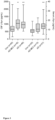
- CJD patients showed the highest beta-synuclein levels which were statistically significantly increased (p ⁇ 0.0001) compared to the other three cohorts. Between AD and NDC, elevated beta-synuclein levels could be detected in AD subjects (see Fig. 6B ). There was no difference in serum beta-synuclein values between AD and bvFTD patients.
- IP immunoprecipitation
- ALS NfL levels were significantly higher (p ⁇ 0.0001) than AD, bvFTD and NDC levels (AD: 21.3, bvFTD: 20.5, NDC: 15.2 pg/ml).
- AD 21.3, bvFTD: 20.5, NDC: 15.2 pg/ml.
- a significant difference between ALS and CJD (139 pg/ml) patients could not be detected.
- beta-synuclein For the evaluation of beta-synuclein in blood, the inventors developed an ultrasensitive Simoa, hoping to assess the synaptic protein also in the serum of patients which would be of great value in longitudinal neurological studies and clinical trials. Serum beta-synuclein results show that also in blood CJD patients have the by far highest values and the AD levels seem also to be increased compared to the NDC cohort albeit to a much smaller degree than in CSF. Reasons for the large overlap with control patients can be manifold and allocated into two groups; (i) physiological reasons, (ii) assay issues.
- beta-synuclein seems to be almost exclusively expressed in the brain.
- cross reactivity of beta-synuclein with alpha- and gamma-synuclein was excluded. Matrix effects could interfere with the analysis, however, experiments with spiked beta-synuclein showed good recovery.
- CJD patients displayed clearly elevated beta-synuclein levels also in blood. This was, due to the nature of the rapid neurodegenerative disease, expected but also a proof of principle for the beta-synuclein serum Simoa. Furthermore, the findings demonstrated that CJD patients also have high NfL levels comparable to those of ALS patients, thus the NfL analysis alone cannot distinguish between ALS and CJD. To date, NfL levels in CSF and serum of ALS patients are a widely accepted biomarker in the diagnosis of ALS.
- ALS subjects had in contrast to CJD patients low serum beta-synuclein values rendering the beta-synuclein serum assay an excellent blood-based biomarker test for the differential diagnosis of ALS vs. CJD.
- Performing ROC analysis for serum beta-synuclein ALS vs. CJD the two neurological disorders could be distinguished with nearly 100%.
Landscapes
- Life Sciences & Earth Sciences (AREA)
- Health & Medical Sciences (AREA)
- Engineering & Computer Science (AREA)
- Molecular Biology (AREA)
- Biomedical Technology (AREA)
- Immunology (AREA)
- Chemical & Material Sciences (AREA)
- Urology & Nephrology (AREA)
- Hematology (AREA)
- Physics & Mathematics (AREA)
- Biotechnology (AREA)
- Biochemistry (AREA)
- Cell Biology (AREA)
- Proteomics, Peptides & Aminoacids (AREA)
- Pathology (AREA)
- Food Science & Technology (AREA)
- Medicinal Chemistry (AREA)
- General Physics & Mathematics (AREA)
- Analytical Chemistry (AREA)
- Microbiology (AREA)
- General Health & Medical Sciences (AREA)
- Bioinformatics & Cheminformatics (AREA)
- Bioinformatics & Computational Biology (AREA)
- Neurology (AREA)
- Neurosurgery (AREA)
- Spectroscopy & Molecular Physics (AREA)
- Biophysics (AREA)
- Investigating Or Analysing Biological Materials (AREA)
Claims (12)
- Verfahren zur Diagnose oder Bewertung des Status einer Krankheit oder von Krankheiten, die mit synaptischer Degeneration assoziiert sind, wobei die Krankheit oder die Krankheiten, die mit synaptischer Degeneration assoziiert sind, eine oder mehrere von Alzheimer-Krankheit, Creutzfeldt-Jakob-Krankheit, traumatischer Hirnverletzung, Schlaganfall und/oder Gliom sind, wobei das Verfahren die Bestimmung der Konzentration von ß-Synuclein in einer Probe eines Patienten umfasst, wobei die Probe des Patienten Blut, Serum oder Plasma ist, und wobei das Verfahren ex vivo durchgeführt wird.
- Verfahren nach Anspruch 1, wobei die Probe des Patienten eine Blutprobe, vorzugsweise eine Blutserumprobe, ist.
- Verfahren nach einem der Ansprüche 1 oder 2, wobei die mit synaptischer Degeneration assoziierten Krankheiten die Alzheimer-Krankheit und/oder die Creutzfeldt-Jakob-Krankheit sind, vorzugsweise wobei die mit synaptischer Degeneration assoziierte Krankheit die Alzheimer-Krankheit ist.
- Verfahren nach einem der vorhergehenden Ansprüche, wobei das Verfahren ein Verfahren zur Bewertung des Status der Krankheit oder der Krankheiten, die mit synaptischer Degeneration assoziiert sind, ist oder alternativ ein Verfahren zur Klassifizierung eines Stadiums, vorzugsweise eines prognostischen Stadiums, eines Patienten, bei dem die Krankheit oder die Krankheiten, die mit synaptischer Degeneration assoziiert sind, diagnostiziert sind oder vermutet werden, oder alternativ ein Verfahren zur Überwachung des Fortschreitens der Krankheit bei Patienten, bei denen die Krankheit oder die Krankheiten, die mit synaptischer Degeneration assoziiert sind, diagnostiziert sind oder vermutet werden.
- Verfahren nach einem der vorhergehenden Ansprüche, wobei die Bestimmung der Konzentration von ß-Synuclein mittels quantitativer Massenspektrometrie, vorzugsweise mittels "multiple/selected reaction monitoring" (MRM/SRM) oder "parallel reaction monitoring" (PRM) erfolgt, weiter bevorzugt, wobei die Bestimmung der Konzentration von ß-Synuclein mittels "multiple/selected reaction monitoring" oder "parallel reaction monitoring" durchgeführt wird, noch weiter bevorzugt durch Messung der Peptide von AS 46 bis 58 (EGVVQGVASVAEK) und/oder 61 bis 85 (EQASHLGGAVFSGAGNIAAATGLVK) von ß-Synuclein.
- Verfahren nach einem der vorhergehenden Ansprüche, wobei der Grenzwert für die Diagnose der Alzheimer-Krankheit bei 10 pg/ml ß-Synuclein im Serum liegt, vorzugsweise bei 10,6 pg/ml.
- Verfahren nach einem der vorhergehenden Ansprüche, wobei der Grenzwert für die Diagnose der Creutzfeldt-Jakob-Krankheit bei 39,8 pg/ml liegt, vorzugsweise bestimmt durch Ser MRM (Youden Index).
- Verfahren nach einem der Ansprüche 1 bis 4, wobei die Bestimmung der ß-Synuclein-Konzentration Einzelmolekül-Arrays (Simoa) einbezieht, vorzugsweise wird die Bestimmung der ß-Synuclein-Konzentration mittels Einzelmolekül-Arrays durchgeführt, noch bevorzugter wird vor der Bestimmung der ß-Synuclein-Konzentration mittels Einzelmolekül-Arrays (Simoa) ein Schritt der Immunpräzipitation von ß-Synuclein durchgeführt.
- Verfahren nach Anspruch 8, wobei die Einrichtung der Einzelmolekül-Arrays einen monoklonalen Anti-ß-Synuclein-Antikörper verwendet, der an carboxylierte paramagnetische Beads gekoppelt ist, und/oder einen biotinylierten monoklonalen Anti-α- und ß-Synuclein-Antikörper als Nachweisantikörper und/oder Streptavidin-ß-Galactosidase (SBG) als Enzymreagenz und/oder Resorufin-ß-D-Galactopyranosid als Enzymsubstrat.
- Verfahren nach einem der vorhergehenden Ansprüche, wobei das Verfahren verwendet wird, um die Creutzfeldt-Jakob-Krankheit, die Alzheimer-Krankheit, die verhaltensbedingte Variante der frontotemporalen Demenz und die amyotrophe Lateralsklerose voneinander zu unterscheiden, wobei das Verfahren die Bestimmung des Neurofilament- (NfL) und des ß-Synuclein-Spiegels im Blut kombiniert, wobei vorzugsweise der Neurofilament- (NfL) Spiegel im Blut gegenüber einem Referenzwert für gesunde Personen erhöht ist.
- Verwendung von ß-Synuclein als Biomarker zur Diagnose oder Bewertung des Status einer Krankheit oder von Krankheiten, die mit synaptischer Degeneration assoziiert sind, vorzugsweise zur Bewertung des Ansprechens auf eine Therapie bei einem Patienten, bei dem eine Krankheit oder Krankheiten, die mit synaptischer Degeneration assoziiert sind, diagnostiziert sind oder vermutet werden, und/oder zur Klassifizierung eines Stadiums eines Patienten, bei dem eine Krankheit oder Krankheiten, die mit synaptischer Degeneration assoziiert sind, diagnostiziert sind oder vermutet werden, und/oder zur Überwachung des Fortschreitens der Krankheit eines Patienten, die mit synaptischer Degeneration assoziiert sind, diagnostiziert sind oder vermutet werden,wobei die mit synaptischer Degeneration assoziierte(n) Krankheit(en) eine oder mehrere von Alzheimer-Krankheit, Creutzfeldt-Jakob-Krankheit, traumatischer Hirnverletzung, Schlaganfall und/oder Gliom sind,wobei die Verwendung die Bestimmung der Konzentration von ß-Synuclein in einer Probe des Patienten umfasst, wobei die Probe des Patienten Blut, Serum oder Plasma ist, und wobei die Verwendung ex vivo erfolgt.
- Verwendung nach Anspruch 11, wobei ß-Synuclein als Biomarker im Serum eines Patienten verwendet wird.
Applications Claiming Priority (2)
| Application Number | Priority Date | Filing Date | Title |
|---|---|---|---|
| EP19191213.8A EP3779448A1 (de) | 2019-08-12 | 2019-08-12 | Neuartiger diagnostischer marker für die creutzfeldt-jakob-krankheit und morbus-alzheimer |
| PCT/EP2020/072559 WO2021028452A1 (en) | 2019-08-12 | 2020-08-12 | Novel diagnostic marker for creutzfeldt-jakob disease and alzheimer's disease |
Publications (3)
| Publication Number | Publication Date |
|---|---|
| EP4014048A1 EP4014048A1 (de) | 2022-06-22 |
| EP4014048C0 EP4014048C0 (de) | 2025-01-08 |
| EP4014048B1 true EP4014048B1 (de) | 2025-01-08 |
Family
ID=67614460
Family Applications (2)
| Application Number | Title | Priority Date | Filing Date |
|---|---|---|---|
| EP19191213.8A Ceased EP3779448A1 (de) | 2019-08-12 | 2019-08-12 | Neuartiger diagnostischer marker für die creutzfeldt-jakob-krankheit und morbus-alzheimer |
| EP20751577.6A Active EP4014048B1 (de) | 2019-08-12 | 2020-08-12 | Neuartiger diagnostischer marker für die creutzfeldt-jakob-krankheit und morbus alzheimer |
Family Applications Before (1)
| Application Number | Title | Priority Date | Filing Date |
|---|---|---|---|
| EP19191213.8A Ceased EP3779448A1 (de) | 2019-08-12 | 2019-08-12 | Neuartiger diagnostischer marker für die creutzfeldt-jakob-krankheit und morbus-alzheimer |
Country Status (4)
| Country | Link |
|---|---|
| US (1) | US20220283184A1 (de) |
| EP (2) | EP3779448A1 (de) |
| ES (1) | ES3012130T3 (de) |
| WO (1) | WO2021028452A1 (de) |
Families Citing this family (3)
| Publication number | Priority date | Publication date | Assignee | Title |
|---|---|---|---|---|
| WO2018151821A1 (en) | 2017-02-17 | 2018-08-23 | Bristol-Myers Squibb Company | Antibodies to alpha-synuclein and uses thereof |
| CN116930510A (zh) * | 2023-08-10 | 2023-10-24 | 浙江格物致知生物科技有限公司 | 一种辅助诊断阿尔茨海默病的联检试剂盒及应用 |
| ES2976116A1 (es) | 2023-12-15 | 2024-07-23 | Chrmtx Sl | Biomarcadores nucleares de la enfermedad de Alzheimer (EA), sus usos y métodos |
Family Cites Families (4)
| Publication number | Priority date | Publication date | Assignee | Title |
|---|---|---|---|---|
| US100451A (en) | 1870-03-01 | Improved stay-brace for trunks | ||
| GB0203446D0 (en) * | 2002-02-14 | 2002-04-03 | Univ Lancaster | Detection and/or monitoring of synuclein-related diseases |
| US11143662B2 (en) * | 2016-06-30 | 2021-10-12 | Brainbox Solutions, Inc. | Circulating biomarker levels for diagnosis and risk-stratification of traumatic brain injury |
| WO2019099732A1 (en) * | 2017-11-16 | 2019-05-23 | Brainbox Solutions, Inc. | Protein biomarker indicators of neurological injury and/or disease and methods of use thereof |
-
2019
- 2019-08-12 EP EP19191213.8A patent/EP3779448A1/de not_active Ceased
-
2020
- 2020-08-12 EP EP20751577.6A patent/EP4014048B1/de active Active
- 2020-08-12 US US17/635,368 patent/US20220283184A1/en active Pending
- 2020-08-12 WO PCT/EP2020/072559 patent/WO2021028452A1/en not_active Ceased
- 2020-08-12 ES ES20751577T patent/ES3012130T3/es active Active
Non-Patent Citations (5)
| Title |
|---|
| GELON PAULINE A. ET AL: "Synaptic dysfunction in ALS and FTD: anatomical and molecular changes provide insights into mechanisms of disease", FRONTIERS IN MOLECULAR NEUROSCIENCE, vol. 15, 3 October 2022 (2022-10-03), XP093102428, Retrieved from the Internet <URL:https://www.ncbi.nlm.nih.gov/pmc/articles/PMC9575515/pdf/fnmol-15-1000183.pdf> DOI: 10.3389/fnmol.2022.1000183 * |
| LORENZO BARBA: "Serum [beta]-synuclein, neurofilament light chain and glial fibrillary acidic protein as prognostic biomarkers in moderate-to-severe acute ischemic stroke", SCIENTIFIC REPORTS, vol. 13, no. 1, 28 November 2023 (2023-11-28), US, pages 20941, XP093159461, ISSN: 2045-2322, Retrieved from the Internet <URL:https://www.ncbi.nlm.nih.gov/pmc/articles/PMC10684607/pdf/41598_2023_Article_47765.pdf> DOI: 10.1038/s41598-023-47765-7 * |
| OECKL PATRICK ET AL: "Targeted Mass Spectrometry Suggests Beta-Synuclein as Synaptic Blood Marker in Alzheimer's Disease", JOURNAL OF PROTEOME RESEARCH, vol. 19, no. 3, 26 February 2020 (2020-02-26), pages 1310 - 1318, XP093102540, ISSN: 1535-3893, DOI: 10.1021/acs.jproteome.9b00824 * |
| REBECCA HALBGEBAUER: "Neurochemical Monitoring of Traumatic Brain Injury by the Combined Analysis of Plasma Beta-Synuclein, NfL, and GFAP in Polytraumatized Patients", INTERNATIONAL JOURNAL OF MOLECULAR SCIENCES, vol. 23, no. 17, 25 August 2022 (2022-08-25), Basel, CH, pages 9639, XP093159463, ISSN: 1422-0067, Retrieved from the Internet <URL:https://www.ncbi.nlm.nih.gov/pmc/articles/PMC9456193/pdf/ijms-23-09639.pdf> DOI: 10.3390/ijms23179639 * |
| SAMIR ABU-RUMEILEH: "Plasma beta-synuclein, GFAP, and neurofilaments in patients with malignant gliomas undergoing surgical and adjuvant therapy", ANNALS OF CLINICAL AND TRANSLATIONAL NEUROLOGY, vol. 10, no. 10, 23 August 2023 (2023-08-23), GB, pages 1924 - 1930, XP093159458, ISSN: 2328-9503, Retrieved from the Internet <URL:https://onlinelibrary.wiley.com/doi/pdfdirect/10.1002/acn3.51878> DOI: 10.1002/acn3.51878 * |
Also Published As
| Publication number | Publication date |
|---|---|
| WO2021028452A1 (en) | 2021-02-18 |
| US20220283184A1 (en) | 2022-09-08 |
| EP4014048A1 (de) | 2022-06-22 |
| EP4014048C0 (de) | 2025-01-08 |
| EP3779448A1 (de) | 2021-02-17 |
| ES3012130T3 (en) | 2025-04-08 |
Similar Documents
| Publication | Publication Date | Title |
|---|---|---|
| Ashton et al. | An update on blood-based biomarkers for non-Alzheimer neurodegenerative disorders | |
| US12399183B2 (en) | Biomarkers for cognitive dysfunction diseases and method for detecting cognitive dysfunction disease using biomarkers | |
| JP6716458B2 (ja) | アルツハイマー病の早期診断のためのバイオマーカーおよび方法 | |
| Buerger et al. | Dissociation between CSF total tau and tau protein phosphorylated at threonine 231 in Creutzfeldt–Jakob disease | |
| US20040072261A1 (en) | Method for the diagnosis and differential diagnosis of neurological diseases | |
| Öhrfelt et al. | A novel ELISA for the measurement of cerebrospinal fluid SNAP-25 in patients with Alzheimer’s disease | |
| EP4014048B1 (de) | Neuartiger diagnostischer marker für die creutzfeldt-jakob-krankheit und morbus alzheimer | |
| EP3452830B1 (de) | Assay zur diagnose einer neurologischen krankheit | |
| WO2009026432A1 (en) | Improved alzheimer's diagnosis | |
| KR102164490B1 (ko) | 알츠하이머성 치매 진단용 바이오마커 조성물 및 이의 용도 | |
| Marques et al. | Identification of cerebrospinal fluid biomarkers for parkinsonism using a proteomics approach | |
| Piccirella et al. | A conformational variant of p53 (u-p53AZ) as blood-based biomarker for the prediction of the onset of symptomatic Alzheimer's disease | |
| Nojima et al. | Clinical utility of cerebrospinal fluid biomarkers measured by LUMIPULSE® system | |
| WO2013079981A2 (en) | Biomarker-based methods and biochips for aiding the diagnosis of stroke | |
| WO2012175674A1 (en) | Diagnosis and/or prognosis of a neurodegenerative disease | |
| KR102254053B1 (ko) | 인지기능 정상군 또는 경도 인지장애에서 아밀로이드 베타의 뇌 침착 검출용 혈액 바이오 마커 | |
| US9835621B2 (en) | Process for detection of alzheimer's disease from a serum sample | |
| US20190376984A1 (en) | Methods for quantifying soluble amyloid beta and amyloid beta oligomers | |
| WO2019012671A1 (ja) | 認知機能障害疾患のバイオマーカーおよび該バイオマーカーを用いる認知機能障害疾患の検出方法 | |
| US20250035650A1 (en) | Biomarker testing for chronic persistent injury following brain trauma | |
| Verwey et al. | Variability in longitudinal cerebrospinal fluid tau and phosphorylated tau measurements. | |
| Morgado | Amyloid-β and phospho-Tau biomarkers immunoassay development and optimization to support the blood-based early and differential diagnosis of Alzheimer’s disease | |
| RU2822604C1 (ru) | Физиологически активное вещество srfm как биомаркер крови для диагностики нейродегенеративных нарушений и заболеваний человека | |
| WO2017010931A1 (en) | Biomarkers for atypical parkinsonism | |
| van Steenoven | VU Research Portal |
Legal Events
| Date | Code | Title | Description |
|---|---|---|---|
| STAA | Information on the status of an ep patent application or granted ep patent |
Free format text: STATUS: UNKNOWN |
|
| STAA | Information on the status of an ep patent application or granted ep patent |
Free format text: STATUS: THE INTERNATIONAL PUBLICATION HAS BEEN MADE |
|
| PUAI | Public reference made under article 153(3) epc to a published international application that has entered the european phase |
Free format text: ORIGINAL CODE: 0009012 |
|
| STAA | Information on the status of an ep patent application or granted ep patent |
Free format text: STATUS: REQUEST FOR EXAMINATION WAS MADE |
|
| 17P | Request for examination filed |
Effective date: 20220308 |
|
| AK | Designated contracting states |
Kind code of ref document: A1 Designated state(s): AL AT BE BG CH CY CZ DE DK EE ES FI FR GB GR HR HU IE IS IT LI LT LU LV MC MK MT NL NO PL PT RO RS SE SI SK SM TR |
|
| DAV | Request for validation of the european patent (deleted) | ||
| DAX | Request for extension of the european patent (deleted) | ||
| STAA | Information on the status of an ep patent application or granted ep patent |
Free format text: STATUS: EXAMINATION IS IN PROGRESS |
|
| 17Q | First examination report despatched |
Effective date: 20231123 |
|
| GRAP | Despatch of communication of intention to grant a patent |
Free format text: ORIGINAL CODE: EPIDOSNIGR1 |
|
| STAA | Information on the status of an ep patent application or granted ep patent |
Free format text: STATUS: GRANT OF PATENT IS INTENDED |
|
| INTG | Intention to grant announced |
Effective date: 20240808 |
|
| GRAS | Grant fee paid |
Free format text: ORIGINAL CODE: EPIDOSNIGR3 |
|
| GRAA | (expected) grant |
Free format text: ORIGINAL CODE: 0009210 |
|
| STAA | Information on the status of an ep patent application or granted ep patent |
Free format text: STATUS: THE PATENT HAS BEEN GRANTED |
|
| AK | Designated contracting states |
Kind code of ref document: B1 Designated state(s): AL AT BE BG CH CY CZ DE DK EE ES FI FR GB GR HR HU IE IS IT LI LT LU LV MC MK MT NL NO PL PT RO RS SE SI SK SM TR |
|
| REG | Reference to a national code |
Ref country code: GB Ref legal event code: FG4D |
|
| REG | Reference to a national code |
Ref country code: CH Ref legal event code: EP |
|
| REG | Reference to a national code |
Ref country code: DE Ref legal event code: R096 Ref document number: 602020044519 Country of ref document: DE |
|
| REG | Reference to a national code |
Ref country code: IE Ref legal event code: FG4D |
|
| U01 | Request for unitary effect filed |
Effective date: 20250207 |
|
| U07 | Unitary effect registered |
Designated state(s): AT BE BG DE DK EE FI FR IT LT LU LV MT NL PT RO SE SI Effective date: 20250213 |
|
| REG | Reference to a national code |
Ref country code: ES Ref legal event code: FG2A Ref document number: 3012130 Country of ref document: ES Kind code of ref document: T3 Effective date: 20250408 |
|
| PG25 | Lapsed in a contracting state [announced via postgrant information from national office to epo] |
Ref country code: RS Free format text: LAPSE BECAUSE OF FAILURE TO SUBMIT A TRANSLATION OF THE DESCRIPTION OR TO PAY THE FEE WITHIN THE PRESCRIBED TIME-LIMIT Effective date: 20250408 |
|
| PG25 | Lapsed in a contracting state [announced via postgrant information from national office to epo] |
Ref country code: PL Free format text: LAPSE BECAUSE OF FAILURE TO SUBMIT A TRANSLATION OF THE DESCRIPTION OR TO PAY THE FEE WITHIN THE PRESCRIBED TIME-LIMIT Effective date: 20250108 |
|
| PG25 | Lapsed in a contracting state [announced via postgrant information from national office to epo] |
Ref country code: NO Free format text: LAPSE BECAUSE OF FAILURE TO SUBMIT A TRANSLATION OF THE DESCRIPTION OR TO PAY THE FEE WITHIN THE PRESCRIBED TIME-LIMIT Effective date: 20250408 Ref country code: IS Free format text: LAPSE BECAUSE OF FAILURE TO SUBMIT A TRANSLATION OF THE DESCRIPTION OR TO PAY THE FEE WITHIN THE PRESCRIBED TIME-LIMIT Effective date: 20250508 |
|
| PG25 | Lapsed in a contracting state [announced via postgrant information from national office to epo] |
Ref country code: HR Free format text: LAPSE BECAUSE OF FAILURE TO SUBMIT A TRANSLATION OF THE DESCRIPTION OR TO PAY THE FEE WITHIN THE PRESCRIBED TIME-LIMIT Effective date: 20250108 |
|
| PG25 | Lapsed in a contracting state [announced via postgrant information from national office to epo] |
Ref country code: GR Free format text: LAPSE BECAUSE OF FAILURE TO SUBMIT A TRANSLATION OF THE DESCRIPTION OR TO PAY THE FEE WITHIN THE PRESCRIBED TIME-LIMIT Effective date: 20250409 |
|
| U20 | Renewal fee for the european patent with unitary effect paid |
Year of fee payment: 6 Effective date: 20250826 |
|
| PG25 | Lapsed in a contracting state [announced via postgrant information from national office to epo] |
Ref country code: SM Free format text: LAPSE BECAUSE OF FAILURE TO SUBMIT A TRANSLATION OF THE DESCRIPTION OR TO PAY THE FEE WITHIN THE PRESCRIBED TIME-LIMIT Effective date: 20250108 |
|
| PGFP | Annual fee paid to national office [announced via postgrant information from national office to epo] |
Ref country code: ES Payment date: 20250917 Year of fee payment: 6 |
|
| PGFP | Annual fee paid to national office [announced via postgrant information from national office to epo] |
Ref country code: GB Payment date: 20250818 Year of fee payment: 6 |
|
| PGFP | Annual fee paid to national office [announced via postgrant information from national office to epo] |
Ref country code: CH Payment date: 20250901 Year of fee payment: 6 |
|
| PG25 | Lapsed in a contracting state [announced via postgrant information from national office to epo] |
Ref country code: CZ Free format text: LAPSE BECAUSE OF FAILURE TO SUBMIT A TRANSLATION OF THE DESCRIPTION OR TO PAY THE FEE WITHIN THE PRESCRIBED TIME-LIMIT Effective date: 20250108 |
|
| PGFP | Annual fee paid to national office [announced via postgrant information from national office to epo] |
Ref country code: IE Payment date: 20250821 Year of fee payment: 6 |
|
| PG25 | Lapsed in a contracting state [announced via postgrant information from national office to epo] |
Ref country code: SK Free format text: LAPSE BECAUSE OF FAILURE TO SUBMIT A TRANSLATION OF THE DESCRIPTION OR TO PAY THE FEE WITHIN THE PRESCRIBED TIME-LIMIT Effective date: 20250108 |
|
| PLBE | No opposition filed within time limit |
Free format text: ORIGINAL CODE: 0009261 |
|
| STAA | Information on the status of an ep patent application or granted ep patent |
Free format text: STATUS: NO OPPOSITION FILED WITHIN TIME LIMIT |
|
| 26N | No opposition filed |
Effective date: 20251009 |