EP3991800A1 - Ginseng powder, cosmetic composition comprising same and preparation method thereof - Google Patents
Ginseng powder, cosmetic composition comprising same and preparation method thereof Download PDFInfo
- Publication number
- EP3991800A1 EP3991800A1 EP21204891.2A EP21204891A EP3991800A1 EP 3991800 A1 EP3991800 A1 EP 3991800A1 EP 21204891 A EP21204891 A EP 21204891A EP 3991800 A1 EP3991800 A1 EP 3991800A1
- Authority
- EP
- European Patent Office
- Prior art keywords
- ginseng
- ginseng powder
- present disclosure
- powder
- cosmetic composition
- Prior art date
- Legal status (The legal status is an assumption and is not a legal conclusion. Google has not performed a legal analysis and makes no representation as to the accuracy of the status listed.)
- Pending
Links
- 241000208340 Araliaceae Species 0.000 title claims abstract description 169
- 235000005035 Panax pseudoginseng ssp. pseudoginseng Nutrition 0.000 title claims abstract description 169
- 235000003140 Panax quinquefolius Nutrition 0.000 title claims abstract description 169
- 235000008434 ginseng Nutrition 0.000 title claims abstract description 169
- 239000000843 powder Substances 0.000 title claims abstract description 109
- 239000000203 mixture Substances 0.000 title claims abstract description 58
- 239000002537 cosmetic Substances 0.000 title claims abstract description 30
- 238000002360 preparation method Methods 0.000 title description 6
- 238000000034 method Methods 0.000 claims abstract description 21
- 239000002245 particle Substances 0.000 claims description 46
- 238000009826 distribution Methods 0.000 claims description 25
- 238000009472 formulation Methods 0.000 claims description 23
- 238000000227 grinding Methods 0.000 claims description 13
- 238000002050 diffraction method Methods 0.000 claims description 12
- 238000004438 BET method Methods 0.000 claims description 5
- 238000004090 dissolution Methods 0.000 abstract description 19
- 239000004480 active ingredient Substances 0.000 abstract description 12
- 230000000694 effects Effects 0.000 abstract description 4
- 230000000052 comparative effect Effects 0.000 description 20
- XLYOFNOQVPJJNP-UHFFFAOYSA-N water Substances O XLYOFNOQVPJJNP-UHFFFAOYSA-N 0.000 description 13
- 229930182494 ginsenoside Natural products 0.000 description 12
- 239000004615 ingredient Substances 0.000 description 9
- 239000011230 binding agent Substances 0.000 description 7
- PEDCQBHIVMGVHV-UHFFFAOYSA-N Glycerine Chemical compound OCC(O)CO PEDCQBHIVMGVHV-UHFFFAOYSA-N 0.000 description 6
- 238000004458 analytical method Methods 0.000 description 6
- 230000002421 anti-septic effect Effects 0.000 description 6
- 239000003921 oil Substances 0.000 description 6
- 235000019198 oils Nutrition 0.000 description 6
- 239000003086 colorant Substances 0.000 description 5
- 239000000796 flavoring agent Substances 0.000 description 5
- 235000019634 flavors Nutrition 0.000 description 5
- YURJSTAIMNSZAE-HHNZYBFYSA-N ginsenoside Rg1 Chemical compound O([C@@](C)(CCC=C(C)C)[C@@H]1[C@@H]2[C@@]([C@@]3(C[C@@H]([C@H]4C(C)(C)[C@@H](O)CC[C@]4(C)[C@H]3C[C@H]2O)O[C@H]2[C@@H]([C@@H](O)[C@H](O)[C@@H](CO)O2)O)C)(C)CC1)[C@@H]1O[C@H](CO)[C@@H](O)[C@H](O)[C@H]1O YURJSTAIMNSZAE-HHNZYBFYSA-N 0.000 description 5
- 238000003801 milling Methods 0.000 description 5
- 238000012360 testing method Methods 0.000 description 5
- LFQSCWFLJHTTHZ-UHFFFAOYSA-N Ethanol Chemical compound CCO LFQSCWFLJHTTHZ-UHFFFAOYSA-N 0.000 description 4
- PRAKJMSDJKAYCZ-UHFFFAOYSA-N squalane Chemical compound CC(C)CCCC(C)CCCC(C)CCCCC(C)CCCC(C)CCCC(C)C PRAKJMSDJKAYCZ-UHFFFAOYSA-N 0.000 description 4
- IJGRMHOSHXDMSA-UHFFFAOYSA-N Atomic nitrogen Chemical compound N#N IJGRMHOSHXDMSA-UHFFFAOYSA-N 0.000 description 3
- 235000002789 Panax ginseng Nutrition 0.000 description 3
- DNIAPMSPPWPWGF-UHFFFAOYSA-N Propylene glycol Chemical compound CC(O)CO DNIAPMSPPWPWGF-UHFFFAOYSA-N 0.000 description 3
- 239000006071 cream Substances 0.000 description 3
- 230000001186 cumulative effect Effects 0.000 description 3
- 238000005516 engineering process Methods 0.000 description 3
- 150000004676 glycans Chemical class 0.000 description 3
- 235000011187 glycerol Nutrition 0.000 description 3
- 230000000144 pharmacologic effect Effects 0.000 description 3
- 229920001282 polysaccharide Polymers 0.000 description 3
- 239000005017 polysaccharide Substances 0.000 description 3
- 239000008213 purified water Substances 0.000 description 3
- 230000000475 sunscreen effect Effects 0.000 description 3
- 239000000516 sunscreening agent Substances 0.000 description 3
- 230000037317 transdermal delivery Effects 0.000 description 3
- SRBFZHDQGSBBOR-IOVATXLUSA-N D-xylopyranose Chemical compound O[C@@H]1COC(O)[C@H](O)[C@H]1O SRBFZHDQGSBBOR-IOVATXLUSA-N 0.000 description 2
- PVLHOJXLNBFHDX-XHJPDDKBSA-N Panaxadiol Chemical compound C[C@]1([C@H]2CC[C@@]3([C@@H]2[C@H](O)C[C@H]2[C@]3(CC[C@H]3C(C)(C)[C@@H](O)CC[C@@]32C)C)C)CCCC(C)(C)O1 PVLHOJXLNBFHDX-XHJPDDKBSA-N 0.000 description 2
- SYFJYASKXNAXKC-UHFFFAOYSA-N Panaxadiol Natural products CC1(C)CCCC(O1)C2CCC3(C)C2C(O)CC4C5(C)CCC(O)C(C)(C)C5CCC34C SYFJYASKXNAXKC-UHFFFAOYSA-N 0.000 description 2
- QFJUYMMIBFBOJY-UXZRXANASA-N Panaxatriol Chemical compound C[C@]1([C@H]2CC[C@@]3([C@@H]2[C@H](O)C[C@H]2[C@]3(C[C@@H](O)[C@H]3C(C)(C)[C@@H](O)CC[C@@]32C)C)C)CCCC(C)(C)O1 QFJUYMMIBFBOJY-UXZRXANASA-N 0.000 description 2
- VIXIMKLMEZTTTC-UHFFFAOYSA-N Panaxatriol Natural products CC1(C)CCCC(O1)C2CCC3(C)C2C(O)CC4C5(C)CCC(O)C(C)(C)C5C(O)CC34C VIXIMKLMEZTTTC-UHFFFAOYSA-N 0.000 description 2
- 229920001214 Polysorbate 60 Polymers 0.000 description 2
- GWEVSGVZZGPLCZ-UHFFFAOYSA-N Titan oxide Chemical compound O=[Ti]=O GWEVSGVZZGPLCZ-UHFFFAOYSA-N 0.000 description 2
- GSEJCLTVZPLZKY-UHFFFAOYSA-N Triethanolamine Chemical compound OCCN(CCO)CCO GSEJCLTVZPLZKY-UHFFFAOYSA-N 0.000 description 2
- YURJSTAIMNSZAE-UHFFFAOYSA-N UNPD89172 Natural products C1CC(C2(CC(C3C(C)(C)C(O)CCC3(C)C2CC2O)OC3C(C(O)C(O)C(CO)O3)O)C)(C)C2C1C(C)(CCC=C(C)C)OC1OC(CO)C(O)C(O)C1O YURJSTAIMNSZAE-UHFFFAOYSA-N 0.000 description 2
- 239000000654 additive Substances 0.000 description 2
- 230000000996 additive effect Effects 0.000 description 2
- POJWUDADGALRAB-UHFFFAOYSA-N allantoin Chemical compound NC(=O)NC1NC(=O)NC1=O POJWUDADGALRAB-UHFFFAOYSA-N 0.000 description 2
- PYMYPHUHKUWMLA-UHFFFAOYSA-N arabinose Natural products OCC(O)C(O)C(O)C=O PYMYPHUHKUWMLA-UHFFFAOYSA-N 0.000 description 2
- SRBFZHDQGSBBOR-UHFFFAOYSA-N beta-D-Pyranose-Lyxose Natural products OC1COC(O)C(O)C1O SRBFZHDQGSBBOR-UHFFFAOYSA-N 0.000 description 2
- 239000008280 blood Substances 0.000 description 2
- 210000004369 blood Anatomy 0.000 description 2
- 239000004359 castor oil Substances 0.000 description 2
- 235000019438 castor oil Nutrition 0.000 description 2
- 238000005520 cutting process Methods 0.000 description 2
- 238000001035 drying Methods 0.000 description 2
- 238000000605 extraction Methods 0.000 description 2
- ZEMPKEQAKRGZGQ-XOQCFJPHSA-N glycerol triricinoleate Natural products CCCCCC[C@@H](O)CC=CCCCCCCCC(=O)OC[C@@H](COC(=O)CCCCCCCC=CC[C@@H](O)CCCCCC)OC(=O)CCCCCCCC=CC[C@H](O)CCCCCC ZEMPKEQAKRGZGQ-XOQCFJPHSA-N 0.000 description 2
- 238000003384 imaging method Methods 0.000 description 2
- 239000007788 liquid Substances 0.000 description 2
- 239000000463 material Substances 0.000 description 2
- 238000005259 measurement Methods 0.000 description 2
- 238000000691 measurement method Methods 0.000 description 2
- 238000012986 modification Methods 0.000 description 2
- 230000004048 modification Effects 0.000 description 2
- JXTPJDDICSTXJX-UHFFFAOYSA-N n-Triacontane Natural products CCCCCCCCCCCCCCCCCCCCCCCCCCCCCC JXTPJDDICSTXJX-UHFFFAOYSA-N 0.000 description 2
- 230000001766 physiological effect Effects 0.000 description 2
- 239000001818 polyoxyethylene sorbitan monostearate Substances 0.000 description 2
- 235000010989 polyoxyethylene sorbitan monostearate Nutrition 0.000 description 2
- 229920001296 polysiloxane Polymers 0.000 description 2
- 229940113124 polysorbate 60 Drugs 0.000 description 2
- 239000007787 solid Substances 0.000 description 2
- 229940032094 squalane Drugs 0.000 description 2
- 239000004094 surface-active agent Substances 0.000 description 2
- PUPZLCDOIYMWBV-UHFFFAOYSA-N (+/-)-1,3-Butanediol Chemical compound CC(O)CCO PUPZLCDOIYMWBV-UHFFFAOYSA-N 0.000 description 1
- CUNWUEBNSZSNRX-RKGWDQTMSA-N (2r,3r,4r,5s)-hexane-1,2,3,4,5,6-hexol;(z)-octadec-9-enoic acid Chemical compound OC[C@H](O)[C@@H](O)[C@H](O)[C@H](O)CO.OC[C@H](O)[C@@H](O)[C@H](O)[C@H](O)CO.CCCCCCCC\C=C/CCCCCCCC(O)=O.CCCCCCCC\C=C/CCCCCCCC(O)=O.CCCCCCCC\C=C/CCCCCCCC(O)=O CUNWUEBNSZSNRX-RKGWDQTMSA-N 0.000 description 1
- VCNKUCWWHVTTBY-UHFFFAOYSA-N 18alpha-Oleanane Natural products C1CCC(C)(C)C2CCC3(C)C4(C)CCC5(C)CCC(C)(C)CC5C4CCC3C21C VCNKUCWWHVTTBY-UHFFFAOYSA-N 0.000 description 1
- MIJYXULNPSFWEK-GTOFXWBISA-N 3beta-hydroxyolean-12-en-28-oic acid Chemical compound C1C[C@H](O)C(C)(C)[C@@H]2CC[C@@]3(C)[C@]4(C)CC[C@@]5(C(O)=O)CCC(C)(C)C[C@H]5C4=CC[C@@H]3[C@]21C MIJYXULNPSFWEK-GTOFXWBISA-N 0.000 description 1
- POJWUDADGALRAB-PVQJCKRUSA-N Allantoin Natural products NC(=O)N[C@@H]1NC(=O)NC1=O POJWUDADGALRAB-PVQJCKRUSA-N 0.000 description 1
- 239000004215 Carbon black (E152) Substances 0.000 description 1
- SHZGCJCMOBCMKK-UHFFFAOYSA-N D-mannomethylose Natural products CC1OC(O)C(O)C(O)C1O SHZGCJCMOBCMKK-UHFFFAOYSA-N 0.000 description 1
- WQZGKKKJIJFFOK-GASJEMHNSA-N Glucose Natural products OC[C@H]1OC(O)[C@H](O)[C@@H](O)[C@@H]1O WQZGKKKJIJFFOK-GASJEMHNSA-N 0.000 description 1
- SHZGCJCMOBCMKK-JFNONXLTSA-N L-rhamnopyranose Chemical compound C[C@@H]1OC(O)[C@H](O)[C@H](O)[C@H]1O SHZGCJCMOBCMKK-JFNONXLTSA-N 0.000 description 1
- PNNNRSAQSRJVSB-UHFFFAOYSA-N L-rhamnose Natural products CC(O)C(O)C(O)C(O)C=O PNNNRSAQSRJVSB-UHFFFAOYSA-N 0.000 description 1
- 244000062730 Melissa officinalis Species 0.000 description 1
- 235000010654 Melissa officinalis Nutrition 0.000 description 1
- 239000004368 Modified starch Substances 0.000 description 1
- 229920000881 Modified starch Polymers 0.000 description 1
- 239000004677 Nylon Substances 0.000 description 1
- 239000004372 Polyvinyl alcohol Substances 0.000 description 1
- RGDJCYRXKJVXKD-UHFFFAOYSA-N Saponin 3 Natural products COC(=O)C1(C)CCC2(CCC3(C)C(=CCC4C5(C)CCC(OC6OC(CO)C(O)C(O)C6OC7OC(CO)C(O)C(O)C7O)C(C)(C)C5CCC34C)C2C1)C(=O)O RGDJCYRXKJVXKD-UHFFFAOYSA-N 0.000 description 1
- 229920002125 Sokalan® Polymers 0.000 description 1
- 238000010521 absorption reaction Methods 0.000 description 1
- DPXJVFZANSGRMM-UHFFFAOYSA-N acetic acid;2,3,4,5,6-pentahydroxyhexanal;sodium Chemical compound [Na].CC(O)=O.OCC(O)C(O)C(O)C(O)C=O DPXJVFZANSGRMM-UHFFFAOYSA-N 0.000 description 1
- 239000013543 active substance Substances 0.000 description 1
- 229960000458 allantoin Drugs 0.000 description 1
- 239000003674 animal food additive Substances 0.000 description 1
- 230000003178 anti-diabetic effect Effects 0.000 description 1
- 230000002929 anti-fatigue Effects 0.000 description 1
- 230000002180 anti-stress Effects 0.000 description 1
- 230000002785 anti-thrombosis Effects 0.000 description 1
- 239000003146 anticoagulant agent Substances 0.000 description 1
- 239000003472 antidiabetic agent Substances 0.000 description 1
- 239000003963 antioxidant agent Substances 0.000 description 1
- 230000003078 antioxidant effect Effects 0.000 description 1
- 239000007900 aqueous suspension Substances 0.000 description 1
- PYMYPHUHKUWMLA-WDCZJNDASA-N arabinose Chemical compound OC[C@@H](O)[C@@H](O)[C@H](O)C=O PYMYPHUHKUWMLA-WDCZJNDASA-N 0.000 description 1
- 125000003118 aryl group Chemical group 0.000 description 1
- 238000000498 ball milling Methods 0.000 description 1
- WQZGKKKJIJFFOK-VFUOTHLCSA-N beta-D-glucose Chemical compound OC[C@H]1O[C@@H](O)[C@H](O)[C@@H](O)[C@@H]1O WQZGKKKJIJFFOK-VFUOTHLCSA-N 0.000 description 1
- 210000004556 brain Anatomy 0.000 description 1
- 230000009702 cancer cell proliferation Effects 0.000 description 1
- 239000001768 carboxy methyl cellulose Substances 0.000 description 1
- 239000008406 cosmetic ingredient Substances 0.000 description 1
- OORMXZNMRWBSTK-LGFJJATJSA-N dammarane Chemical group C1CCC(C)(C)[C@@H]2CC[C@@]3(C)[C@]4(C)CC[C@H]([C@H](C)CCCC(C)C)[C@H]4CC[C@@H]3[C@]21C OORMXZNMRWBSTK-LGFJJATJSA-N 0.000 description 1
- 101150047356 dec-1 gene Proteins 0.000 description 1
- 238000003795 desorption Methods 0.000 description 1
- 238000000688 desorption electrospray ionisation Methods 0.000 description 1
- 229940008099 dimethicone Drugs 0.000 description 1
- 239000004205 dimethyl polysiloxane Substances 0.000 description 1
- 235000013870 dimethyl polysiloxane Nutrition 0.000 description 1
- 229910001873 dinitrogen Inorganic materials 0.000 description 1
- 238000009837 dry grinding Methods 0.000 description 1
- 238000002330 electrospray ionisation mass spectrometry Methods 0.000 description 1
- 239000000839 emulsion Substances 0.000 description 1
- 238000001704 evaporation Methods 0.000 description 1
- 230000008020 evaporation Effects 0.000 description 1
- 230000001747 exhibiting effect Effects 0.000 description 1
- 238000002474 experimental method Methods 0.000 description 1
- 230000006870 function Effects 0.000 description 1
- -1 ginsenosides Chemical class 0.000 description 1
- 239000008103 glucose Substances 0.000 description 1
- 229930182470 glycoside Natural products 0.000 description 1
- 150000002338 glycosides Chemical class 0.000 description 1
- 238000003621 hammer milling Methods 0.000 description 1
- 238000004128 high performance liquid chromatography Methods 0.000 description 1
- 239000003906 humectant Substances 0.000 description 1
- 229930195733 hydrocarbon Natural products 0.000 description 1
- 150000002430 hydrocarbons Chemical class 0.000 description 1
- SIOMFBXUIJKTMF-UHFFFAOYSA-N hypoglauterpenic acid Natural products C1CC(O)C(C)(C)C2=CCC3(C)C4(C)CCC5(C(O)=O)CCC(C)(C)CC5C4=CCC3C21C SIOMFBXUIJKTMF-UHFFFAOYSA-N 0.000 description 1
- 230000001939 inductive effect Effects 0.000 description 1
- 230000002401 inhibitory effect Effects 0.000 description 1
- 238000011835 investigation Methods 0.000 description 1
- 238000010902 jet-milling Methods 0.000 description 1
- 239000000865 liniment Substances 0.000 description 1
- 150000002632 lipids Chemical class 0.000 description 1
- 229940057995 liquid paraffin Drugs 0.000 description 1
- 239000006210 lotion Substances 0.000 description 1
- 238000004519 manufacturing process Methods 0.000 description 1
- 238000004949 mass spectrometry Methods 0.000 description 1
- 229910021645 metal ion Inorganic materials 0.000 description 1
- 239000010445 mica Substances 0.000 description 1
- 229910052618 mica group Inorganic materials 0.000 description 1
- 235000019426 modified starch Nutrition 0.000 description 1
- 230000007935 neutral effect Effects 0.000 description 1
- 229910052757 nitrogen Inorganic materials 0.000 description 1
- GSGDTSDELPUTKU-UHFFFAOYSA-N nonoxybenzene Chemical compound CCCCCCCCCOC1=CC=CC=C1 GSGDTSDELPUTKU-UHFFFAOYSA-N 0.000 description 1
- 239000000346 nonvolatile oil Substances 0.000 description 1
- 229920001778 nylon Polymers 0.000 description 1
- WWZKQHOCKIZLMA-UHFFFAOYSA-N octanoic acid Chemical compound CCCCCCCC(O)=O WWZKQHOCKIZLMA-UHFFFAOYSA-N 0.000 description 1
- 239000012053 oil suspension Substances 0.000 description 1
- BPAWXSVOAOLSRP-UHFFFAOYSA-N oleanane Natural products CCCCCCCCCCCCCCCC(=O)OC1CCC2(C)C(CCC3(C)C2CC=C4C5CC(C)(C)CCC5(C)C(O)CC34C)C1(C)C BPAWXSVOAOLSRP-UHFFFAOYSA-N 0.000 description 1
- 238000007415 particle size distribution analysis Methods 0.000 description 1
- 239000000546 pharmaceutical excipient Substances 0.000 description 1
- 239000004014 plasticizer Substances 0.000 description 1
- 229920000435 poly(dimethylsiloxane) Polymers 0.000 description 1
- 229920002451 polyvinyl alcohol Polymers 0.000 description 1
- 238000011160 research Methods 0.000 description 1
- 239000004576 sand Substances 0.000 description 1
- 229930182490 saponin Natural products 0.000 description 1
- 150000007949 saponins Chemical class 0.000 description 1
- 235000017709 saponins Nutrition 0.000 description 1
- 230000035807 sensation Effects 0.000 description 1
- 235000019615 sensations Nutrition 0.000 description 1
- 239000003352 sequestering agent Substances 0.000 description 1
- 239000000344 soap Substances 0.000 description 1
- 235000019812 sodium carboxymethyl cellulose Nutrition 0.000 description 1
- 229920001027 sodium carboxymethylcellulose Polymers 0.000 description 1
- 239000002904 solvent Substances 0.000 description 1
- 229960005078 sorbitan sesquioleate Drugs 0.000 description 1
- 238000001179 sorption measurement Methods 0.000 description 1
- 239000007921 spray Substances 0.000 description 1
- 238000010025 steaming Methods 0.000 description 1
- 239000000126 substance Substances 0.000 description 1
- 239000000454 talc Substances 0.000 description 1
- 229910052623 talc Inorganic materials 0.000 description 1
- UEUXEKPTXMALOB-UHFFFAOYSA-J tetrasodium;2-[2-[bis(carboxylatomethyl)amino]ethyl-(carboxylatomethyl)amino]acetate Chemical compound [Na+].[Na+].[Na+].[Na+].[O-]C(=O)CN(CC([O-])=O)CCN(CC([O-])=O)CC([O-])=O UEUXEKPTXMALOB-UHFFFAOYSA-J 0.000 description 1
- 239000004408 titanium dioxide Substances 0.000 description 1
- LADGBHLMCUINGV-UHFFFAOYSA-N tricaprin Chemical compound CCCCCCCCCC(=O)OCC(OC(=O)CCCCCCCCC)COC(=O)CCCCCCCCC LADGBHLMCUINGV-UHFFFAOYSA-N 0.000 description 1
- 125000003523 triterpene group Chemical group 0.000 description 1
- 235000015112 vegetable and seed oil Nutrition 0.000 description 1
- 239000001993 wax Substances 0.000 description 1
- 238000001238 wet grinding Methods 0.000 description 1
Images

Classifications
-
- A—HUMAN NECESSITIES
- A61—MEDICAL OR VETERINARY SCIENCE; HYGIENE
- A61K—PREPARATIONS FOR MEDICAL, DENTAL OR TOILETRY PURPOSES
- A61K8/00—Cosmetics or similar toiletry preparations
- A61K8/02—Cosmetics or similar toiletry preparations characterised by special physical form
- A61K8/0241—Containing particulates characterized by their shape and/or structure
-
- A—HUMAN NECESSITIES
- A61—MEDICAL OR VETERINARY SCIENCE; HYGIENE
- A61K—PREPARATIONS FOR MEDICAL, DENTAL OR TOILETRY PURPOSES
- A61K8/00—Cosmetics or similar toiletry preparations
- A61K8/18—Cosmetics or similar toiletry preparations characterised by the composition
- A61K8/96—Cosmetics or similar toiletry preparations characterised by the composition containing materials, or derivatives thereof of undetermined constitution
- A61K8/97—Cosmetics or similar toiletry preparations characterised by the composition containing materials, or derivatives thereof of undetermined constitution from algae, fungi, lichens or plants; from derivatives thereof
- A61K8/9783—Angiosperms [Magnoliophyta]
- A61K8/9789—Magnoliopsida [dicotyledons]
-
- A—HUMAN NECESSITIES
- A61—MEDICAL OR VETERINARY SCIENCE; HYGIENE
- A61K—PREPARATIONS FOR MEDICAL, DENTAL OR TOILETRY PURPOSES
- A61K8/00—Cosmetics or similar toiletry preparations
- A61K8/02—Cosmetics or similar toiletry preparations characterised by special physical form
- A61K8/0216—Solid or semisolid forms
- A61K8/022—Powders; Compacted Powders
-
- A—HUMAN NECESSITIES
- A61—MEDICAL OR VETERINARY SCIENCE; HYGIENE
- A61Q—SPECIFIC USE OF COSMETICS OR SIMILAR TOILETRY PREPARATIONS
- A61Q19/00—Preparations for care of the skin
-
- A—HUMAN NECESSITIES
- A61—MEDICAL OR VETERINARY SCIENCE; HYGIENE
- A61K—PREPARATIONS FOR MEDICAL, DENTAL OR TOILETRY PURPOSES
- A61K2800/00—Properties of cosmetic compositions or active ingredients thereof or formulation aids used therein and process related aspects
- A61K2800/40—Chemical, physico-chemical or functional or structural properties of particular ingredients
- A61K2800/41—Particular ingredients further characterized by their size
- A61K2800/412—Microsized, i.e. having sizes between 0.1 and 100 microns
Definitions
- the present disclosure discloses a ginseng powder, a cosmetic composition comprising the same and a method for preparing the same.
- Ginseng is generally classified into fresh ginseng, white ginseng and red ginseng depending on its state.
- Fresh ginseng refers to a ginseng which has not been dried after being harvested and contains about 75 wt% of water
- white ginseng refers to a ginseng which has been obtained by peeling and drying fresh ginseng
- red ginseng refers to a ginseng which has been obtained by steaming and drying fresh ginseng without peeling.
- a residue remaining after extracting active ingredients contained in white ginseng or red ginseng is called a ginseng residue.
- the ginseng residue is discarded even though it is expected to have various physiological activities since it contains polysaccharides.
- 10-0385626 presents a method of utilizing the ginseng residue, it merely describes use as a feed additive and industrial application is very difficult. Accordingly, it is necessary to develop a technology which allows effective utilization of the active ingredients contained in ginseng either by preventing the production of a ginseng residue or by utilizing the ginseng residue.
- the present disclosure is directed to providing a ginseng powder, a cosmetic composition comprising the same and a method for preparing the same, which allow effective utilization of extracted ingredients of ginseng and active ingredients comprised in ginseng.
- the present disclosure provides a ginseng powder comprising particles, wherein the particles have a D90 less than 16 ⁇ m, and wherein the D90 is according to a volume-based particle diameter distribution measured by laser diffractometry.
- the present disclosure provides a cosmetic composition comprising the ginseng powder.
- the present disclosure provides a method for preparing a ginseng powder, comprising: a) obtaining a first ginseng powder by coarsely grinding a tissue-softened ginseng; and b) obtaining a second ginseng powder by grinding the first ginseng powder.
- the present disclosure provides a ginseng powder with superior dissolution rate of active ingredients even at relatively low temperature. Therefore, the active ingredients comprised in ginseng can be utilized effectively.
- Laser diffractometry is a method of determining the size distribution or diameter distribution of particles.
- the "Dx according to a volume-based particle diameter distribution" determined by the measurement method refers to a diameter corresponding to a cumulative volume percentage x% in a volume-based particle size distribution chart.
- the Dx may be also expressed by [D x ], D [x] , [Dx], D(0.x), D[0.x], etc.
- D50 according to a volume-based particle diameter distribution refers to a diameter corresponding to a cumulative volume percentage 50% in a volume-based particle size distribution chart.
- D90 according to a volume-based particle diameter distribution refers to a diameter corresponding to a cumulative volume percentage 90% in a volume-based particle size distribution chart.
- the present disclosure provides a ginseng powder comprising particles, wherein the particles have a D90 less than 16 ⁇ m, and wherein the D90 is according to a volume-based particle diameter distribution measured by laser diffractometry.
- the D90 may be more than 5 ⁇ m, 5.5 ⁇ m or more, 5.7 ⁇ m or more, 6 ⁇ m or more, 6.5 ⁇ m or more, 7 ⁇ m or more, 7.5 ⁇ m or more, 8 ⁇ m or more, 8.5 ⁇ m or more, 9 ⁇ m or more, 9.5 ⁇ m or more, 10 ⁇ m or more, 10.1 ⁇ m or more, 10.5 ⁇ m or more, 11 ⁇ m or more, 11.5 ⁇ m or more, 12 ⁇ m or more or 12.4 ⁇ m or more; and less than 16 ⁇ m, 15.6 ⁇ m or less, 15 ⁇ m or less, 14.6 ⁇ m or less, 14 ⁇ m or less, 13.5 ⁇ m or less, 13 ⁇ m or less
- the ginseng powder may comprise particles, wherein the particles have a D50 of 3-8 ⁇ m, and wherein the D50 is according to a volume-based particle diameter distribution, measured by laser diffractometry.
- the D50 may be more than 2 ⁇ m, 2.5 ⁇ m or more, 3 ⁇ m or more, 3.5 ⁇ m or more, 4 ⁇ m or more, 4.5 ⁇ m or more, 4.6 ⁇ m or more, 5 ⁇ m or more, 5.5 ⁇ m or more or 5.7 ⁇ m or more; and less than 8 ⁇ m, 7.7 ⁇ m or less, 7.5 ⁇ m or less, 7 ⁇ m or less, 6.5 ⁇ m or less, 6 ⁇ m or less or 5.7 ⁇ m or less.
- the D50 is more than the upper limit, the dissolution rate of active ingredients may decrease.
- the D50 is less than the lower limit, the applicability of the ginseng powder becomes unsatisfactory due to excessively increased sebac
- the ginseng powder may comprise particles, wherein the particles have a specific surface area of 1.86-2.74 m 2 /g determined by the BET method.
- the specific surface area may be measured by the BET method using nitrogen adsorption according to ISO 9277.
- the BET method measures specific surface area by adsorbing nitrogen gas onto sample surface and calculating specific surface area using the BET multi-point method.
- the specific surface area may also be measured by known specific surface area measurement methods.
- the specific surface area may be 1.86 m 2 /g or more, 1.90 m 2 /g or more, 1.94 m 2 /g or more, 1.98 m 2 /g or more, 2.02 m 2 /g or more, 2.06 m 2 /g or more, 2.10 m 2 /g or more, 2.14 m 2 /g or more, 2.18 m 2 /g or more, 2.22 m 2 /g or more, 2.26 m 2 /g or more or 2.30 m 2 /g or more; and 2.74 m 2 /g or less, 2.70 m 2 /g or less, 2.66 m 2 /g or less, 2.62 m 2 /g or less, 2.58 m 2 /g or less, 2.54 m 2 /g or less, 2.50 m 2 /g or less, 2.46 m 2 /g or less, 2.42 m 2 /g or less, 2.38 m 2 /g or less, 2.34
- the ginseng powder may be obtained from a tissue-softened ginseng whose surface tissue has been softened and dried, particularly from a tissue-softened fresh ginseng.
- the tissue softening refers to removing water from ginseng, fresh ginseng, etc. through reduced pressure vacuum and softening the surface tissue.
- the inventors of the present disclosure have identified that effective ginseng polysaccharides are contained in ginseng residue which is discarded after extraction of ginseng, and have completed the present disclosure in order to provide a ginseng powder containing the effective ginseng polysaccharide ingredients without an extraction process using a solvent. More specifically, the inventors of the present disclosure have completed the present disclosure in order to utilize ginseng saponins, i.e., ginsenosides, which are major pharmacologically active substances contained in the ginseng residue.
- Ginsenosides are neutral bisdesmoside glycosides wherein sugar molecules such as glucose, arabinose, xylose, rhamnose, etc. are bound to a triterpenoid-based dammarane backbone. They are classified into panaxadiol-, panaxatriol- and oleanane-based ginsenosides depending on the positions where the sugar molecules are attached and the shape of the backbone structure, and they show different pharmacological activities in the body.
- the panaxatriol-based ginsenosides have blood pressure-raising, body temperature-elevating and central nervous system-exciting effects
- the panaxadiol-based ginsenosides have blood pressure-lowering, body temperature-lowering and nervous system-relaxing effects
- the representative examples of the panaxatriol-based ginsenosides are ginsenosides Rg1 and Re
- the representative examples of the panaxadiol-based ginsenosides are ginsenosides Rb1 and Rd.
- ginsenosides exhibiting pharmacological activity and physiological activity are contained in ginseng and that, when a tissue-softened ginseng powder containing such ginsenosides is applied to skin, they are dissolved well at the skin temperature without foreign body sensation, and have completed the present disclosure.
- the tissue-softened ginseng may be a water-removed dried ginseng.
- the dried ginseng refers to a ginseng obtained by removing water from fresh ginseng, white ginseng, etc. through reduced pressure vacuum and softening the surface tissue.
- the tissue of fresh ginseng or white ginseng is softened by removing water.
- the inventors of the present disclosure have identified that a ginseng powder derived from dried ginseng has D90 according to a volume-based particle diameter distribution measured by laser diffractometry, of less than 16 ⁇ m, and have completed the present disclosure.
- the present disclosure provides a cosmetic composition comprising the ginseng powder.
- the ginseng powder is contained in an amount of 0.001-100 wt% based on the total weight of the cosmetic composition. Specifically, it may be contained in an amount of 0.001 wt% or more, 0.002 wt% or more, 0.005 wt% or more, 0.007 wt% or more, 0.01 wt% or more, 0.02 wt% or more, 0.05 wt% or more, 0.07 wt% or more, 0.1 wt% or more, 0.2 wt% or more, 0.5 wt% or more, 0.7 wt% or more, 1 wt% or more or 2 wt% or more; and 100 wt% or less, 90 wt% or less, 80 wt% or less, 70 wt% or less, 60 wt% or less, 50 wt% or less, 40 wt% or less, 30 wt% or less, 20 wt% or less, 10
- the cosmetic composition of the present disclosure may be a formulation in the form of a water-in-oil suspension, an oil-in-water suspension, an emulsion, a paste, a gel, a cream, a lotion, a powder, an oil, a stick, a balm or a spray, although not being limited thereto.
- Each formulation of the composition may contain various ingredients mixed in general compositions depending on the particular formulation or the purpose of use, the type and amount of which may be easily selected by those skilled in the art.
- the cosmetic composition may be in the form of a powder formulation since the ginseng powder of the present disclosure has superior dissolution rate.
- the ginseng powder of the present disclosure may further comprise a binder phase, and the binder phase may be a liquid binder phase and/or a solid binder phase.
- the liquid binder phase may comprise at least one nonvolatile oil that may be selected from a group consisting of a nonvolatile hydrocarbon-based oil and a nonvolatile silicone-based oil.
- the oil may be a natural oil.
- the natural oil may be a ginseng seed oil.
- the solid binder phase may comprise one or more selected from a group consisting of a wax and a metallic soap.
- composition of the present disclosure may further comprise, in addition to the ingredients described above, one or more cosmetically acceptable additive, e.g., one or more additive selected from a group consisting of a binder, an excipient, a surfactant, a plasticizer, an antiseptic, a sterilizer, an antioxidant, a metal ion sequestrant, a colorant and a flavorant.
- one or more cosmetically acceptable additive e.g., one or more additive selected from a group consisting of a binder, an excipient, a surfactant, a plasticizer, an antiseptic, a sterilizer, an antioxidant, a metal ion sequestrant, a colorant and a flavorant.
- a cosmetically acceptable additive e.g., one or more additive selected from a group consisting of a binder, an excipient, a surfactant, a plasticizer, an antiseptic, a sterilizer, an antioxidant, a metal ion sequestrant, a colorant and
- the present disclosure provides a method for preparing the ginseng powder described above, which comprises: a) obtaining a first ginseng powder by coarsely grinding a tissue-softened ginseng; and b) obtaining a second ginseng powder by grinding the first ginseng powder.
- the coarse grinding of the a) is grinding the tissue-softened ginseng to a size of about 0.03-0.80 mm and may be performed using a roller-type grinder or a cutter.
- the grinding of the b) is for obtaining a ginseng powder comprising particles with D90 and D50 according to a volume-based particle diameter distribution, measured by laser diffractometry, in the range of the present disclosure, and may be performed by dry grinding or wet grinding such as sand milling, pearl milling, rod milling, pin milling, hammer milling, cutter milling, ball milling, jet milling, etc.
- the tissue-softened ginseng of the a) may be a water-removed dried ginseng.
- the dried ginseng refers to a ginseng obtained by removing water from fresh ginseng, white ginseng, etc. through reduced pressure vacuum and softening the surface tissue.
- the process of removing water may comprise decompressing a ginseng material with a decompressor; and removing water from the ginseng material which has been washed under reduced pressure vacuum condition.
- the inventors of the present disclosure have identified that a ginseng powder derived from dried ginseng has D90 according to a volume-based particle diameter distribution, measured by laser diffractometry, of less than 16 ⁇ m, and have completed the present disclosure.
- the method may further comprise c) of classifying the second ginseng powder.
- the classifying is not specially limited.
- the second ginseng powder may be filtered with a filter of 2-8 meshes. Through this, the D50 according to a volume-based particle diameter distribution, measured by laser diffractometry, may be controlled.
- Washed fresh ginseng was dried through reduced pressure vacuum.
- a first ginseng powder was obtained by coarsely grinding the dried ginseng using a cutting mill (SM100, Retsch) (cutting speed: 1,500 min -1 ). Then, a ginseng powder according to Example 1 was obtained by supplying the coarsely ground first ginseng powder to an air jet mill (SD Micronizer, Sturevant) at a speed of 3 g/min and inducing collision of the first ginseng powder using an ultrasonic air flow of 3 g/min.
- SD Micronizer Sturevant
- Ginseng powders according to Examples 2-5 were obtained by classifying the ginseng powder of Example 1 using a filter.
- a ginseng powder according to Comparative Example 1 was obtained using ginseng which did not pass through water removal and tissue softening processes, by using a ball mill (PM100, Retsch) instead of an air jet mill.
- a ginseng powder according to Comparative Example 2 was obtained by using ginseng which did not go through water removal and tissue softening processes and only by coarsely grinding.
- the particle shape of the ginseng powders of Example 1 and Comparative Example 1 was measured using a scanning electron microscope. The measurement result is shown in FIG. 1 . From FIG. 1 , it can be seen that the ginseng powder of Comparative Example 1, which has not passed through a surface softening process by water removal (evaporation), has a more particle size and a harder surface as compared to Example 1.
- the ginseng powders of Examples 1-5 had D50 and D90 according to a volume-based particle diameter distribution within the range of the present disclosure unlike Comparative Examples 1-2.
- the ginseng powders of Comparative Examples 1-2 which did not pass through the tissue softening process, exhibited D90 exceeding 49 ⁇ m.
- the characteristic peak did not disappear when the tissue softening process was absent.
- Example 1 exhibited superior initial dissolution rate even at lower low temperature.
- Comparative Example 2 the initial dissolution rate was very low as 645.32 ppm at 70 °C.
- the dissolution at 18 hours was 1425.8 ppm, which was also very low as compared to the initial dissolution of Example 1.
- a gel-type cosmetic composition containing the ginseng powder of Example 1 (Formulation Example 1) and a powder-type cosmetic composition containing the ginseng powder of Example 1 (Formulation Example 2) were prepared.
- the active ingredient-delivering ability depending on the formulation of the cosmetic composition was assessed by desorption electrospray ionization-mass spectrometry (DESI-MS).
- DESI-MS desorption electrospray ionization-mass spectrometry
- the gel-type cosmetic composition of Formulation Example 1 had superior transdermal delivery ability and the powder-type cosmetic composition of Formulation Example 2 also showed superior transdermal delivery ability. Since the ginseng powder according to an exemplary embodiment of the present disclosure exhibits superior dissolution rate as demonstrated in Test Example 2, it exhibits superior availability of active ingredients even when formulated as a powder form.
- Example 1 A gel containing the ginseng powder of Example 1 was prepared as described in Table 3. [Table 3] Ingredients Contents (wt%) Example 1 2.0 Sodium ethylenediaminetetraacetate 0.05 Glycerin 5.0 Carboxyvinyl polymer 0.3 Ethanol 5.0 PEG 60 hydrogenated castor oil 0.5 Triethanolamine 0.3 Antiseptic, colorant and flavorant Adequate Purified water To 100
- Example 1 A powder containing the ginseng powder of Example 1 was prepared as described in Table 4. [Table 4] Ingredients Contents (wt%) Example 1 2.0 Nylon powder 5.0 Modified starch 3.0 Titanium dioxide 3.0 Mica 25.0 Squalane 0.5 Dimethicone 0.8 Antiseptic, colorant and flavorant Adequate Silicone-treated talc To 100
- Example 1 A nourishing cream containing the ginseng powder of Example 1 was prepared as described in Table 5.
- Ingredients Contents (wt%) Example 1 2.0 Polysorbate 60 1.5 Sorbitan sesquioleate 0.5 PEG 60 hydrogenated castor oil 2.0 Liquid paraffin 10 Squalane 5.0 Caprylic/capric triglyceride 5.0 Glycerin 5.0 Butylene glycol 3.0 Propylene glycol 3.0 Triethanolamine 0.2 Antiseptic, colorant and flavorant Adequate Purified water To 100
- Example 1 A pack containing the ginseng powder of Example 1 was prepared as described in Table 6. [Table 6] Ingredients Contents (wt%) Example 1 1.0 Polyvinyl alcohol 13.0 Sodium carboxymethyl cellulose 0.2 Glycerin 5.0 Allantoin 0.1 Ethanol 6.0 PEG 12 nonyl phenyl ether 0.3 Polysorbate 60 0.3 Antiseptic, colorant and flavorant Adequate Purified water To 100
- the present disclosure relates to and includes at least the following aspect s.
Landscapes
- Health & Medical Sciences (AREA)
- Life Sciences & Earth Sciences (AREA)
- Public Health (AREA)
- Veterinary Medicine (AREA)
- Animal Behavior & Ethology (AREA)
- General Health & Medical Sciences (AREA)
- Epidemiology (AREA)
- Birds (AREA)
- Dermatology (AREA)
- Engineering & Computer Science (AREA)
- Biotechnology (AREA)
- Botany (AREA)
- Microbiology (AREA)
- Mycology (AREA)
- Cosmetics (AREA)
Abstract
Description
- The present disclosure discloses a ginseng powder, a cosmetic composition comprising the same and a method for preparing the same.
- Ginseng is generally classified into fresh ginseng, white ginseng and red ginseng depending on its state. Fresh ginseng refers to a ginseng which has not been dried after being harvested and contains about 75 wt% of water, white ginseng refers to a ginseng which has been obtained by peeling and drying fresh ginseng, and red ginseng refers to a ginseng which has been obtained by steaming and drying fresh ginseng without peeling. Meanwhile, a residue remaining after extracting active ingredients contained in white ginseng or red ginseng is called a ginseng residue. The ginseng residue is discarded even though it is expected to have various physiological activities since it contains polysaccharides. Although
Korean Patent Registration Publication No. 10-0385626 - The present disclosure is directed to providing a ginseng powder, a cosmetic composition comprising the same and a method for preparing the same, which allow effective utilization of extracted ingredients of ginseng and active ingredients comprised in ginseng.
- In an aspect, the present disclosure provides a ginseng powder comprising particles, wherein the particles have a D90 less than 16 µm, and wherein the D90 is according to a volume-based particle diameter distribution measured by laser diffractometry.
- In another aspect, the present disclosure provides a cosmetic composition comprising the ginseng powder.
- In another aspect, the present disclosure provides a method for preparing a ginseng powder, comprising: a) obtaining a first ginseng powder by coarsely grinding a tissue-softened ginseng; and b) obtaining a second ginseng powder by grinding the first ginseng powder.
- The present disclosure provides a ginseng powder with superior dissolution rate of active ingredients even at relatively low temperature. Therefore, the active ingredients comprised in ginseng can be utilized effectively.
-
-
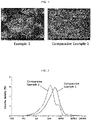
FIG. 1 shows the particle shape of ginseng powders according to an example and a comparative example of the present disclosure. -
FIG. 2 shows the particle size distribution of ginseng powders according to comparative example. -
FIG. 3 shows the particle size distribution of ginseng powders according to the present disclosure. -
FIG. 4 shows the dissolution rate of ginseng powders according to an example and comparative examples of the present disclosure. -
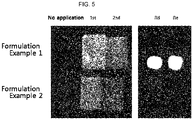
FIG. 5 shows the desorption electrospray ionization mass spectrometry (DESI-MS) analysis result of a ginseng powder. - The terms used in the present specification are selected from among general terms that are currently widely used in consideration of their functions in the present disclosure. However, the terms may be different according to the intent of one of ordinary skill in the art, precedents, the advent of new technology, etc. In addition, in particular cases, the terms are discretionally selected by the applicant, and the meaning of those terms will be described in detail in the corresponding part of the detailed description. Therefore, the terms used in the present disclosure should be defined based on not the simple designations of the terms but the meaning of the terms and the context of the present disclosure.
- Unless defined otherwise, all the terms including technical or scientific terms used herein have the same meanings as commonly understood by those skilled in the art. The generally understood terms should be interpreted as having meanings consistent with the meanings in the context of related technologies, and should not be construed in an ideal or excessively formal sense, unless explicitly defined in the present disclosure.
- All numerical ranges are inclusive of narrower ranges; delineated upper and lower range limits are interchangeable to create further ranges not explicitly.
- Hereinafter, the present disclosure will be described in detail referring to examples and drawings. However, it is obvious that the present disclosure is not limited by the examples and drawings.
- Laser diffractometry is a method of determining the size distribution or diameter distribution of particles. The "Dx according to a volume-based particle diameter distribution" determined by the measurement method refers to a diameter corresponding to a cumulative volume percentage x% in a volume-based particle size distribution chart. The Dx may be also expressed by [Dx], D[x], [Dx], D(0.x), D[0.x], etc.
- Accordingly, D50 according to a volume-based particle diameter distribution refers to a diameter corresponding to a cumulative volume percentage 50% in a volume-based particle size distribution chart. Likewise, D90 according to a volume-based particle diameter distribution refers to a diameter corresponding to a cumulative volume percentage 90% in a volume-based particle size distribution chart.
- In an aspect, the present disclosure provides a ginseng powder comprising particles, wherein the particles have a D90 less than 16 µm, and wherein the D90 is according to a volume-based particle diameter distribution measured by laser diffractometry. Specifically, the D90 may be more than 5 µm, 5.5 µm or more, 5.7 µm or more, 6 µm or more, 6.5 µm or more, 7 µm or more, 7.5 µm or more, 8 µm or more, 8.5 µm or more, 9 µm or more, 9.5 µm or more, 10 µm or more, 10.1 µm or more, 10.5 µm or more, 11 µm or more, 11.5 µm or more, 12 µm or more or 12.4 µm or more; and less than 16 µm, 15.6 µm or less, 15 µm or less, 14.6 µm or less, 14 µm or less, 13.5 µm or less, 13 µm or less, 12.5 µm or less or 12.4 µm or less. Especially, the dissolution rate of active ingredients may be superior when the D90 is within the above-described range.
- In an exemplary embodiment of the present disclosure, the ginseng powder may comprise particles, wherein the particles have a D50 of 3-8 µm, and wherein the D50 is according to a volume-based particle diameter distribution, measured by laser diffractometry. Specifically, the D50 may be more than 2 µm, 2.5 µm or more, 3 µm or more, 3.5 µm or more, 4 µm or more, 4.5 µm or more, 4.6 µm or more, 5 µm or more, 5.5 µm or more or 5.7 µm or more; and less than 8 µm, 7.7 µm or less, 7.5 µm or less, 7 µm or less, 6.5 µm or less, 6 µm or less or 5.7 µm or less. When the D50 is more than the upper limit, the dissolution rate of active ingredients may decrease. And, when the D50 is less than the lower limit, the applicability of the ginseng powder becomes unsatisfactory due to excessively increased sebaceous absorption.
- In an exemplary embodiment of the present disclosure, the ginseng powder may comprise particles, wherein the particles have a specific surface area of 1.86-2.74 m2/g determined by the BET method. The specific surface area may be measured by the BET method using nitrogen adsorption according to ISO 9277. The BET method measures specific surface area by adsorbing nitrogen gas onto sample surface and calculating specific surface area using the BET multi-point method. The specific surface area may also be measured by known specific surface area measurement methods. Specifically, the specific surface area may be 1.86 m2/g or more, 1.90 m2/g or more, 1.94 m2/g or more, 1.98 m2/g or more, 2.02 m2/g or more, 2.06 m2/g or more, 2.10 m2/g or more, 2.14 m2/g or more, 2.18 m2/g or more, 2.22 m2/g or more, 2.26 m2/g or more or 2.30 m2/g or more; and 2.74 m2/g or less, 2.70 m2/g or less, 2.66 m2/g or less, 2.62 m2/g or less, 2.58 m2/g or less, 2.54 m2/g or less, 2.50 m2/g or less, 2.46 m2/g or less, 2.42 m2/g or less, 2.38 m2/g or less, 2.34 m2/g or less or 2.30 m2/g or less.
- In an exemplary embodiment of the present disclosure, the ginseng powder may be obtained from a tissue-softened ginseng whose surface tissue has been softened and dried, particularly from a tissue-softened fresh ginseng. The tissue softening refers to removing water from ginseng, fresh ginseng, etc. through reduced pressure vacuum and softening the surface tissue.
- The inventors of the present disclosure have identified that effective ginseng polysaccharides are contained in ginseng residue which is discarded after extraction of ginseng, and have completed the present disclosure in order to provide a ginseng powder containing the effective ginseng polysaccharide ingredients without an extraction process using a solvent. More specifically, the inventors of the present disclosure have completed the present disclosure in order to utilize ginseng saponins, i.e., ginsenosides, which are major pharmacologically active substances contained in the ginseng residue.
- The chemical structures of about 37 ginsenosides have been identified and they have been identified through basic researches to have various pharmacological activities of anti-stress, brain cell-protecting, anti-thrombotic, lipid metabolism-improving, cancer cell proliferation-inhibiting, antidiabetic and anti-fatigue effects [Arch. Pharm. Res. 2000, Oct, 23(5) 518-524, Biochem Pharmacol. 2003 Dec 1; 66(11): 2213-21. Chin J Physiol. 2003 Mar 31; 46(1):1-7., Shibata et al. J. Korean Med Sci. 16 (suppl.) S28-37 (2001)].
- Ginsenosides are neutral bisdesmoside glycosides wherein sugar molecules such as glucose, arabinose, xylose, rhamnose, etc. are bound to a triterpenoid-based dammarane backbone. They are classified into panaxadiol-, panaxatriol- and oleanane-based ginsenosides depending on the positions where the sugar molecules are attached and the shape of the backbone structure, and they show different pharmacological activities in the body. In particular, it is reported that the panaxatriol-based ginsenosides have blood pressure-raising, body temperature-elevating and central nervous system-exciting effects, whereas the panaxadiol-based ginsenosides have blood pressure-lowering, body temperature-lowering and nervous system-relaxing effects [Saito et al. Jap. Pham. 22:245-259 (1972)]. The representative examples of the panaxatriol-based ginsenosides are ginsenosides Rg1 and Re, and the representative examples of the panaxadiol-based ginsenosides are ginsenosides Rb1 and Rd.
- The inventors of the present disclosure have identified that ginsenosides exhibiting pharmacological activity and physiological activity are contained in ginseng and that, when a tissue-softened ginseng powder containing such ginsenosides is applied to skin, they are dissolved well at the skin temperature without foreign body sensation, and have completed the present disclosure.
- In an exemplary embodiment of the present disclosure, the tissue-softened ginseng may be a water-removed dried ginseng. The dried ginseng refers to a ginseng obtained by removing water from fresh ginseng, white ginseng, etc. through reduced pressure vacuum and softening the surface tissue. The tissue of fresh ginseng or white ginseng is softened by removing water. In particular, the inventors of the present disclosure have identified that a ginseng powder derived from dried ginseng has D90 according to a volume-based particle diameter distribution measured by laser diffractometry, of less than 16 µm, and have completed the present disclosure.
- In another aspect, the present disclosure provides a cosmetic composition comprising the ginseng powder.
- In an exemplary embodiment of the present disclosure, the ginseng powder is contained in an amount of 0.001-100 wt% based on the total weight of the cosmetic composition. Specifically, it may be contained in an amount of 0.001 wt% or more, 0.002 wt% or more, 0.005 wt% or more, 0.007 wt% or more, 0.01 wt% or more, 0.02 wt% or more, 0.05 wt% or more, 0.07 wt% or more, 0.1 wt% or more, 0.2 wt% or more, 0.5 wt% or more, 0.7 wt% or more, 1 wt% or more or 2 wt% or more; and 100 wt% or less, 90 wt% or less, 80 wt% or less, 70 wt% or less, 60 wt% or less, 50 wt% or less, 40 wt% or less, 30 wt% or less, 20 wt% or less, 10 wt% or less, 7 wt% or less, 5 wt% or less or 2 wt% or less.
- In an aspect, the cosmetic composition of the present disclosure may be a formulation in the form of a water-in-oil suspension, an oil-in-water suspension, an emulsion, a paste, a gel, a cream, a lotion, a powder, an oil, a stick, a balm or a spray, although not being limited thereto. Each formulation of the composition may contain various ingredients mixed in general compositions depending on the particular formulation or the purpose of use, the type and amount of which may be easily selected by those skilled in the art.
- In an exemplary embodiment of the present disclosure, the cosmetic composition may be in the form of a powder formulation since the ginseng powder of the present disclosure has superior dissolution rate. When the ginseng powder of the present disclosure is comprised in a cosmetic composition in the form of a powder formulation, it may further comprise a binder phase, and the binder phase may be a liquid binder phase and/or a solid binder phase. The liquid binder phase may comprise at least one nonvolatile oil that may be selected from a group consisting of a nonvolatile hydrocarbon-based oil and a nonvolatile silicone-based oil. Specifically, the oil may be a natural oil. In an exemplary embodiment of the present disclosure, the natural oil may be a ginseng seed oil. The solid binder phase may comprise one or more selected from a group consisting of a wax and a metallic soap.
- In an aspect, the composition of the present disclosure may further comprise, in addition to the ingredients described above, one or more cosmetically acceptable additive, e.g., one or more additive selected from a group consisting of a binder, an excipient, a surfactant, a plasticizer, an antiseptic, a sterilizer, an antioxidant, a metal ion sequestrant, a colorant and a flavorant. In addition, when the ginseng powder of the present disclosure is comprised in a cosmetic composition in powder form, at least one additional ingredient selected from a sunscreen that may be selected from an inorganic sunscreen and an organic sunscreen, an antiseptic, an active cosmetic ingredient, a humectant, a surfactant and/or and an aromatic may be further comprised.
- In another aspect, the present disclosure provides a method for preparing the ginseng powder described above, which comprises: a) obtaining a first ginseng powder by coarsely grinding a tissue-softened ginseng; and b) obtaining a second ginseng powder by grinding the first ginseng powder.
- In an exemplary embodiment of the present disclosure, the coarse grinding of the a) is grinding the tissue-softened ginseng to a size of about 0.03-0.80 mm and may be performed using a roller-type grinder or a cutter.
- In an exemplary embodiment of the present disclosure, the grinding of the b) is for obtaining a ginseng powder comprising particles with D90 and D50 according to a volume-based particle diameter distribution, measured by laser diffractometry, in the range of the present disclosure, and may be performed by dry grinding or wet grinding such as sand milling, pearl milling, rod milling, pin milling, hammer milling, cutter milling, ball milling, jet milling, etc.
- In an exemplary embodiment of the present disclosure, the tissue-softened ginseng of the a) may be a water-removed dried ginseng. The dried ginseng refers to a ginseng obtained by removing water from fresh ginseng, white ginseng, etc. through reduced pressure vacuum and softening the surface tissue. The process of removing water may comprise decompressing a ginseng material with a decompressor; and removing water from the ginseng material which has been washed under reduced pressure vacuum condition. In particular, the inventors of the present disclosure have identified that a ginseng powder derived from dried ginseng has D90 according to a volume-based particle diameter distribution, measured by laser diffractometry, of less than 16 µm, and have completed the present disclosure.
- In an exemplary embodiment of the present disclosure, the method may further comprise c) of classifying the second ginseng powder. The classifying is not specially limited. For example, the second ginseng powder may be filtered with a filter of 2-8 meshes. Through this, the D50 according to a volume-based particle diameter distribution, measured by laser diffractometry, may be controlled.
- Hereinafter, the present disclosure is described in detail through examples. However, the following examples are provided only as examples for helping understanding of the present disclosure, and the content of the present disclosure is not limited by the examples.
- Washed fresh ginseng was dried through reduced pressure vacuum. A first ginseng powder was obtained by coarsely grinding the dried ginseng using a cutting mill (SM100, Retsch) (cutting speed: 1,500 min-1). Then, a ginseng powder according to Example 1 was obtained by supplying the coarsely ground first ginseng powder to an air jet mill (SD Micronizer, Sturevant) at a speed of 3 g/min and inducing collision of the first ginseng powder using an ultrasonic air flow of 3 g/min.
- Ginseng powders according to Examples 2-5 were obtained by classifying the ginseng powder of Example 1 using a filter.
- A ginseng powder according to Comparative Example 1 was obtained using ginseng which did not pass through water removal and tissue softening processes, by using a ball mill (PM100, Retsch) instead of an air jet mill. In addition, a ginseng powder according to Comparative Example 2 was obtained by using ginseng which did not go through water removal and tissue softening processes and only by coarsely grinding.
- The particle shape of the ginseng powders of Example 1 and Comparative Example 1 was measured using a scanning electron microscope. The measurement result is shown in
FIG. 1 . FromFIG. 1 , it can be seen that the ginseng powder of Comparative Example 1, which has not passed through a surface softening process by water removal (evaporation), has a more particle size and a harder surface as compared to Example 1. - The particle size distribution of the ginseng powders of Examples 1-5 and Comparative Examples 1-2 was measured using a particle size analyzer (
Mastersizet 2000, Malvern Panalytical). The result is shown in Table 1,FIG. 2 andFIG. 3 .[Table 1] Ex. 1 Ex. 2 Ex. 3 Ex. 4 Ex. 5 Comp. Ex. 1 Comp. Ex. 2 D50 (µm) 7.7 6.5 5.7 4.6 3.0 11.4 30 D90 (µm) 15.6 14.6 12.4 10.1 5.7 49.2 92.4 - As can be seen from Table 1, the ginseng powders of Examples 1-5 had D50 and D90 according to a volume-based particle diameter distribution within the range of the present disclosure unlike Comparative Examples 1-2. In particular, as can be seen from
FIG. 2 , the ginseng powders of Comparative Examples 1-2, which did not pass through the tissue softening process, exhibited D90 exceeding 49 µm. In addition, as can be seen from the result for Comparative Example 2 inFIG. 2 , the characteristic peak did not disappear when the tissue softening process was absent. - For investigation of the dissolution rate of the ginseng powders of Example 1 and Comparative Examples 1-2, 20 g of each ginseng powder was added to a 200-mL Erlenmeyer flask and the dissolution rate of ginsenosides Rg1, Re, Rb1 and Rd was measured by HPLC for 18 hours. The experiment was performed at temperatures of 31 °C and 70 °C. The result is shown in Table 2 and
FIG. 4 .[Table 2] Dissolution (ppm) Saponin 3 hours 6 hours 9 hours 18 hours Example 1 (31 °C) Re 386.50 391.71 391.87 376.21 Rg1 194.21 193.24 200.64 186.29 Rb1 1559.75 1524.17 1670.27 1520.01 Rd 65.35 65.28 81.54 63.18 Total 2205.81 2174.40 2344.32 2145.68 Comparative Example 1 (70 °C) Re 385.31 395.86 395.86 328.79 Rg1 192.35 200.65 212.25 180.71 Rb1 1567.95 1764.15 1928.37 1913.95 Rd 65.07 76.64 101.92 79.70 Total 2210.69 2437.30 2638.40 2503.14 Comparative Example 2 (70 °C) Re 127.43 168.49 189.40 259.82 Rg1 86.94 119.37 136.39 202.88 Rb1 426.54 638.47 730.39 942.32 Rd 4.41 13.81 16.28 20.77 Total 645.32 940.14 1072.46 1425.79 - As can be seen from Table 2 and
FIG. 4 , whereas the initial dissolution (at 3 hours) of the ginseng powder of Comparative Example 1 was 2210.69 ppm at 70 °C, the initial dissolution (at 3 hours) of the ginseng powder of Example 1 was 2205.81 ppm even at the skin temperature of 31 °C. Accordingly, it was confirmed that Example 1 exhibited superior initial dissolution rate even at lower low temperature. Meanwhile, for Comparative Example 2, the initial dissolution rate was very low as 645.32 ppm at 70 °C. The dissolution at 18 hours was 1425.8 ppm, which was also very low as compared to the initial dissolution of Example 1. - A gel-type cosmetic composition containing the ginseng powder of Example 1 (Formulation Example 1) and a powder-type cosmetic composition containing the ginseng powder of Example 1 (Formulation Example 2) were prepared.
- The active ingredient-delivering ability depending on the formulation of the cosmetic composition was assessed by desorption electrospray ionization-mass spectrometry (DESI-MS). First, after applying each composition on skin and waiting for 3 hours, the composition remaining on the skin was wiped out and samples were prepared by taping with 10 sheets of stripping tapes (D-Squame Stripping Discs D101, CuDerm). The transdermal delivery ability was investigated by imaging the active ingredients, ginsenosides Re and Rd, attached to the tapes by DESI-MS (Q-time-of-flight mass spectrometer, QTOF-MS) imaging. The result is shown in
FIG. 5 . InFIG. 5 , the active ingredients are shown with light yellow color. - As can be seen from
FIG. 5 , the gel-type cosmetic composition of Formulation Example 1 had superior transdermal delivery ability and the powder-type cosmetic composition of Formulation Example 2 also showed superior transdermal delivery ability. Since the ginseng powder according to an exemplary embodiment of the present disclosure exhibits superior dissolution rate as demonstrated in Test Example 2, it exhibits superior availability of active ingredients even when formulated as a powder form. - Hereinafter, the formulation examples of a cosmetic composition comprising the ginseng powder according to the present disclosure are described in more detail. However, other formulation examples are also possible and the scope of the present disclosure is not limited by them.
- A gel containing the ginseng powder of Example 1 was prepared as described in Table 3.
[Table 3] Ingredients Contents (wt%) Example 1 2.0 Sodium ethylenediaminetetraacetate 0.05 Glycerin 5.0 Carboxyvinyl polymer 0.3 Ethanol 5.0 PEG 60 hydrogenated castor oil 0.5 Triethanolamine 0.3 Antiseptic, colorant and flavorant Adequate Purified water To 100 - A powder containing the ginseng powder of Example 1 was prepared as described in Table 4.
[Table 4] Ingredients Contents (wt%) Example 1 2.0 Nylon powder 5.0 Modified starch 3.0 Titanium dioxide 3.0 Mica 25.0 Squalane 0.5 Dimethicone 0.8 Antiseptic, colorant and flavorant Adequate Silicone-treated talc To 100 - A nourishing cream containing the ginseng powder of Example 1 was prepared as described in Table 5.
[Table 5] Ingredients Contents (wt%) Example 1 2.0 Polysorbate 60 1.5 Sorbitan sesquioleate 0.5 PEG 60 hydrogenated castor oil 2.0 Liquid paraffin 10 Squalane 5.0 Caprylic/capric triglyceride 5.0 Glycerin 5.0 Butylene glycol 3.0 Propylene glycol 3.0 Triethanolamine 0.2 Antiseptic, colorant and flavorant Adequate Purified water To 100 - A pack containing the ginseng powder of Example 1 was prepared as described in Table 6.
[Table 6] Ingredients Contents (wt%) Example 1 1.0 Polyvinyl alcohol 13.0 Sodium carboxymethyl cellulose 0.2 Glycerin 5.0 Allantoin 0.1 Ethanol 6.0 PEG 12 nonyl phenyl ether0.3 Polysorbate 60 0.3 Antiseptic, colorant and flavorant Adequate Purified water To 100 - The present disclosure relates to and includes at least the following aspect s.
- [Aspect 1] A ginseng powder comprising particles, wherein the particles have a D90 less than 16 µm, and wherein the D90 is according to a volume-based particle diameter distribution, measured by laser diffractometry.
- [Aspect 2] The ginseng powder according to the
aspect 1, wherein the particles have a D50 of 3-8 µm, and wherein the D50 is according to a volume-based particle diameter distribution, measured by laser diffractometry. - [Aspect 3] The ginseng powder according to any of the
aspects - [Aspect 4] The ginseng powder according to any of the
aspects 1 to 3, wherein the ginseng powder is obtained from a tissue-softened ginseng. - [Aspect 5] The ginseng powder according to any of the
aspects 1 to 4, wherein the tissue-softened ginseng is a water-removed ginseng. - [Aspect 6] A cosmetic composition containing the ginseng powder according to any of the
aspects 1 to 5. - [Aspect 7] The cosmetic composition according to the
aspect 6, wherein the ginseng powder is contained in an amount of 0.001 -100 wt% based on the total weight of the cosmetic composition. - [Aspect 8] The cosmetic composition according to any of the
aspects 6 and 7, wherein the formulation of the cosmetic composition is in powder form. - [Aspect 9] A method for preparing the ginseng powder according to any of the aspects, comprisings: a) obtaining a first ginseng powder by coarsely grinding a tissue-softened ginseng; and b) obtaining a second ginseng powder by grinding the first ginseng powder.
- [Aspect 10] The method for preparing a ginseng powder according to the
aspect 9, wherein the tissue-softened ginseng of the a) is a water-removed ginseng. - [Aspect 11] The method for preparing a ginseng powder according to any of the
aspects - While the present disclosure has been described with reference to the specific exemplary embodiments, various changes or modifications can be made without departing from the subject matter and scope of the present disclosure. Accordingly, such changes or modifications encompassed in the subject matter of the present disclosure will be included within the appended claims.
Claims (11)
- A ginseng powder comprising particles, wherein the particles have a D90 less than 16 µm, and wherein the D90 is according to a volume-based particle diameter distribution measured by laser diffractometry.
- The ginseng powder according to claim 1, wherein the particles have a D50 of 3-8 µm, and wherein the D50 is according to a volume-based particle diameter distribution measured by laser diffractometry.
- The ginseng powder according to any of claims 1 and 2, wherein the particles have a specific surface area of 1.86-2.74 m2/g determined by the BET method.
- The ginseng powder according to any of claims 1 to 3, wherein the ginseng powder is obtained from a tissue-softened ginseng.
- The ginseng powder according to claim 4, wherein the tissue-softened ginseng is a water-removed ginseng.
- A cosmetic composition comprising the ginseng powder according to any of claims 1 to 5.
- The cosmetic composition according to claim 6, wherein the ginseng powder is comprised in an amount of 0.001-100 wt% based on the total weight of the cosmetic composition.
- The cosmetic composition according to any of claims 6 and 7, wherein the formulation of the cosmetic composition is in powder form.
- A method for preparing the ginseng powder according to any of claims 1 to 5, comprising:a) obtaining a first ginseng powder by coarsely grinding a tissue-softened ginseng; andb) obtaining a second ginseng powder by grinding the first ginseng powder.
- The method for preparing a ginseng powder according to claim 9, wherein the tissue-softened ginseng of the a) is a water-removed ginseng.
- The method for preparing a ginseng powder according to any of claims 9 and 10, which further comprises: c) classifying the second ginseng powder.
Applications Claiming Priority (1)
| Application Number | Priority Date | Filing Date | Title |
|---|---|---|---|
| KR1020200141309 | 2020-10-28 |
Publications (1)
| Publication Number | Publication Date |
|---|---|
| EP3991800A1 true EP3991800A1 (en) | 2022-05-04 |
Family
ID=78413738
Family Applications (1)
| Application Number | Title | Priority Date | Filing Date |
|---|---|---|---|
| EP21204891.2A Pending EP3991800A1 (en) | 2020-10-28 | 2021-10-27 | Ginseng powder, cosmetic composition comprising same and preparation method thereof |
Country Status (4)
| Country | Link |
|---|---|
| US (1) | US20220125709A1 (en) |
| EP (1) | EP3991800A1 (en) |
| KR (1) | KR102575781B1 (en) |
| CN (1) | CN114469797A (en) |
Citations (10)
| Publication number | Priority date | Publication date | Assignee | Title |
|---|---|---|---|---|
| CN1139556A (en) * | 1995-07-03 | 1997-01-08 | 张剑秋 | Ultramicro active ginseng powder and preparation technology thereof |
| KR100385626B1 (en) | 2000-06-14 | 2003-05-27 | 주식회사 넬바이오텍 | Method for preparing the functional solid-fermented Feed Additives |
| CN1969904A (en) * | 2005-11-24 | 2007-05-30 | 黄梅 | Ultramicro active ginseng powder |
| KR100833996B1 (en) * | 2008-01-16 | 2008-05-30 | 주식회사 한국인삼공사 | Preparation method of red ginseng nanopowder of submicron size and red ginseng nanopowder prepared by the above method |
| KR20090074104A (en) * | 2008-01-01 | 2009-07-06 | 성인환 | Method of preparing ginseng fruit and ginseng vase powder |
| US20120288549A1 (en) * | 2009-04-21 | 2012-11-15 | Sunsang Kwon | Cosmetic composition containing white ginseng powder |
| CN104546478A (en) * | 2014-12-25 | 2015-04-29 | 康美(北京)药物研究院有限公司 | Preparation method for traditional Chinese medicinal superfine powder |
| KR20170082289A (en) * | 2016-01-06 | 2017-07-14 | 헬스밸런스 주식회사 | Methods for preparing red ginseng nano powder for taking whole red ginseng, and aqueous dispersion not containing emulsifier thereof |
| US20180263266A1 (en) * | 2016-01-06 | 2018-09-20 | Health Balance Co., Ltd. | An apparatus for ultra-fine grinding of red ginseng, and a method for producing whole red ginseng extract and liquid with maximized nutrition absorptivity by enzyme fermentation |
| KR20200076771A (en) * | 2018-12-19 | 2020-06-30 | 주식회사 한국인삼공사 | Liquid Composition Containing Red Ginseng Fine Powder |
Family Cites Families (3)
| Publication number | Priority date | Publication date | Assignee | Title |
|---|---|---|---|---|
| KR940000234B1 (en) * | 1989-09-04 | 1994-01-12 | 김송배 | Pharmaceutical preparations and methods for producing new anticancer activity |
| KR100762965B1 (en) * | 2006-03-21 | 2007-10-04 | 바이오스펙트럼 주식회사 | Method for preparing ginseng extract with increased content of bioactive components Rb1, Rb2, Rc and Rd |
| KR100855897B1 (en) * | 2007-01-15 | 2008-09-03 | 주식회사 케이티앤지 | Ultra Fine Ginseng or Red Ginseng Powder |
-
2021
- 2021-10-27 CN CN202111256103.0A patent/CN114469797A/en active Pending
- 2021-10-27 EP EP21204891.2A patent/EP3991800A1/en active Pending
- 2021-10-27 US US17/512,381 patent/US20220125709A1/en active Pending
- 2021-12-09 KR KR1020210175773A patent/KR102575781B1/en active Active
Patent Citations (10)
| Publication number | Priority date | Publication date | Assignee | Title |
|---|---|---|---|---|
| CN1139556A (en) * | 1995-07-03 | 1997-01-08 | 张剑秋 | Ultramicro active ginseng powder and preparation technology thereof |
| KR100385626B1 (en) | 2000-06-14 | 2003-05-27 | 주식회사 넬바이오텍 | Method for preparing the functional solid-fermented Feed Additives |
| CN1969904A (en) * | 2005-11-24 | 2007-05-30 | 黄梅 | Ultramicro active ginseng powder |
| KR20090074104A (en) * | 2008-01-01 | 2009-07-06 | 성인환 | Method of preparing ginseng fruit and ginseng vase powder |
| KR100833996B1 (en) * | 2008-01-16 | 2008-05-30 | 주식회사 한국인삼공사 | Preparation method of red ginseng nanopowder of submicron size and red ginseng nanopowder prepared by the above method |
| US20120288549A1 (en) * | 2009-04-21 | 2012-11-15 | Sunsang Kwon | Cosmetic composition containing white ginseng powder |
| CN104546478A (en) * | 2014-12-25 | 2015-04-29 | 康美(北京)药物研究院有限公司 | Preparation method for traditional Chinese medicinal superfine powder |
| KR20170082289A (en) * | 2016-01-06 | 2017-07-14 | 헬스밸런스 주식회사 | Methods for preparing red ginseng nano powder for taking whole red ginseng, and aqueous dispersion not containing emulsifier thereof |
| US20180263266A1 (en) * | 2016-01-06 | 2018-09-20 | Health Balance Co., Ltd. | An apparatus for ultra-fine grinding of red ginseng, and a method for producing whole red ginseng extract and liquid with maximized nutrition absorptivity by enzyme fermentation |
| KR20200076771A (en) * | 2018-12-19 | 2020-06-30 | 주식회사 한국인삼공사 | Liquid Composition Containing Red Ginseng Fine Powder |
Non-Patent Citations (5)
| Title |
|---|
| ARCH. PHARM. RES., no. 5, 23 October 2000 (2000-10-23), pages 518 - 524 |
| BIOCHEM PHARMACOL, vol. 66, no. 11, 1 December 2003 (2003-12-01), pages 2213 - 21 |
| CHIN J PHYSIOL., vol. 46, no. 1, 31 March 2003 (2003-03-31), pages 1 - 7 |
| SAITO ET AL., JAP. PHAM, vol. 22, 1972, pages 245 - 259 |
| SHIBATA ET AL., J. KOREAN MED SCI, vol. 16, 2001, pages 28 - 37 |
Also Published As
| Publication number | Publication date |
|---|---|
| US20220125709A1 (en) | 2022-04-28 |
| KR102575781B1 (en) | 2023-09-11 |
| CN114469797A (en) | 2022-05-13 |
| KR20220056830A (en) | 2022-05-06 |
Similar Documents
| Publication | Publication Date | Title |
|---|---|---|
| JP5868572B2 (en) | Cosmetic composition, method for producing the same, and use | |
| EP4193986A1 (en) | Anti-aging and antioxidant cosmetic composition containing broccoli exosomes as active ingredient and functional cosmetics comprising same | |
| KR102459649B1 (en) | Novel white thistle aqueous extract and its use in dermatology and skin cosmetics | |
| EP3723723B1 (en) | Extract of the aerial parts of lawsonia inermis and its preparation method | |
| EP1430073B1 (en) | Solvent extraction process | |
| AU2002342778A1 (en) | Solvent extraction process | |
| JP2011088845A (en) | Involucrin expression inhibitor | |
| JP4201399B2 (en) | Skin aging prevention / improving agent | |
| DE102010038235A1 (en) | New use of an extract from the orchid Vanda coerulea | |
| EP3991800A1 (en) | Ginseng powder, cosmetic composition comprising same and preparation method thereof | |
| JP2003160461A (en) | Skin care preparation | |
| DE102009010047A1 (en) | Use of an extract of the orchid Vanda coerulea as a moisturizing agent for the skin | |
| JP4866501B2 (en) | Topical skin preparation | |
| EP3991714B1 (en) | Nanoemulsion cosmetic composition and process for preparing same | |
| JPH0613449B2 (en) | Cosmetics | |
| FR3067604A1 (en) | EXTRACT OF HELICHRYSUM ITALICUM OBTAINED BY DETECTIVE EUTECTIC SOLVENTS | |
| KR100825628B1 (en) | Nanoliposome particles containing taxoxyline and courageous extract and cosmetic composition containing the same | |
| KR100701222B1 (en) | Cosmetic composition | |
| JP6300436B2 (en) | Testosterone-5α-reductase inhibitor | |
| JPS61260006A (en) | Cosmetic | |
| KR101763736B1 (en) | Composition for moisturizing skin containing extracts prepared by enzyme process | |
| JP4063443B2 (en) | Whitening cosmetics | |
| JP2023038358A (en) | Make-up compositions, cosmetic compositions, compositions for joint protection, compositions | |
| JP7599683B2 (en) | Skin preparations and skin preparation kits | |
| KR20160036118A (en) | Cosmetic composition containing plant extracts consisting of Diospyros kaki Thunb., Castanea crenata Siebold and Zucc., Terminalia chebula Retz, Ocimum basilicum L. and Hamamelis virginiana with nano emulsion process |
Legal Events
| Date | Code | Title | Description |
|---|---|---|---|
| PUAI | Public reference made under article 153(3) epc to a published international application that has entered the european phase |
Free format text: ORIGINAL CODE: 0009012 |
|
| STAA | Information on the status of an ep patent application or granted ep patent |
Free format text: STATUS: THE APPLICATION HAS BEEN PUBLISHED |
|
| AK | Designated contracting states |
Kind code of ref document: A1 Designated state(s): AL AT BE BG CH CY CZ DE DK EE ES FI FR GB GR HR HU IE IS IT LI LT LU LV MC MK MT NL NO PL PT RO RS SE SI SK SM TR |
|
| STAA | Information on the status of an ep patent application or granted ep patent |
Free format text: STATUS: REQUEST FOR EXAMINATION WAS MADE |
|
| 17P | Request for examination filed |
Effective date: 20221027 |
|
| RBV | Designated contracting states (corrected) |
Designated state(s): AL AT BE BG CH CY CZ DE DK EE ES FI FR GB GR HR HU IE IS IT LI LT LU LV MC MK MT NL NO PL PT RO RS SE SI SK SM TR |
|
| STAA | Information on the status of an ep patent application or granted ep patent |
Free format text: STATUS: EXAMINATION IS IN PROGRESS |
|
| 17Q | First examination report despatched |
Effective date: 20241120 |