EP3980100B1 - Disposable vaporizer - Google Patents
Disposable vaporizer Download PDFInfo
- Publication number
- EP3980100B1 EP3980100B1 EP20823452.6A EP20823452A EP3980100B1 EP 3980100 B1 EP3980100 B1 EP 3980100B1 EP 20823452 A EP20823452 A EP 20823452A EP 3980100 B1 EP3980100 B1 EP 3980100B1
- Authority
- EP
- European Patent Office
- Prior art keywords
- reservoir
- tube
- pcb
- housing
- vapor
- Prior art date
- Legal status (The legal status is an assumption and is not a legal conclusion. Google has not performed a legal analysis and makes no representation as to the accuracy of the status listed.)
- Active
Links
Images








Classifications
-
- A—HUMAN NECESSITIES
- A24—TOBACCO; CIGARS; CIGARETTES; SIMULATED SMOKING DEVICES; SMOKERS' REQUISITES
- A24F—SMOKERS' REQUISITES; MATCH BOXES; SIMULATED SMOKING DEVICES
- A24F40/00—Electrically operated smoking devices; Component parts thereof; Manufacture thereof; Maintenance or testing thereof; Charging means specially adapted therefor
- A24F40/40—Constructional details, e.g. connection of cartridges and battery parts
- A24F40/42—Cartridges or containers for inhalable precursors
-
- A—HUMAN NECESSITIES
- A61—MEDICAL OR VETERINARY SCIENCE; HYGIENE
- A61M—DEVICES FOR INTRODUCING MEDIA INTO, OR ONTO, THE BODY; DEVICES FOR TRANSDUCING BODY MEDIA OR FOR TAKING MEDIA FROM THE BODY; DEVICES FOR PRODUCING OR ENDING SLEEP OR STUPOR
- A61M11/00—Sprayers or atomisers specially adapted for therapeutic purposes
- A61M11/04—Sprayers or atomisers specially adapted for therapeutic purposes operated by the vapour pressure of the liquid to be sprayed or atomised
- A61M11/041—Sprayers or atomisers specially adapted for therapeutic purposes operated by the vapour pressure of the liquid to be sprayed or atomised using heaters
- A61M11/042—Sprayers or atomisers specially adapted for therapeutic purposes operated by the vapour pressure of the liquid to be sprayed or atomised using heaters electrical
-
- A—HUMAN NECESSITIES
- A24—TOBACCO; CIGARS; CIGARETTES; SIMULATED SMOKING DEVICES; SMOKERS' REQUISITES
- A24F—SMOKERS' REQUISITES; MATCH BOXES; SIMULATED SMOKING DEVICES
- A24F40/00—Electrically operated smoking devices; Component parts thereof; Manufacture thereof; Maintenance or testing thereof; Charging means specially adapted therefor
- A24F40/10—Devices using liquid inhalable precursors
-
- A—HUMAN NECESSITIES
- A24—TOBACCO; CIGARS; CIGARETTES; SIMULATED SMOKING DEVICES; SMOKERS' REQUISITES
- A24F—SMOKERS' REQUISITES; MATCH BOXES; SIMULATED SMOKING DEVICES
- A24F40/00—Electrically operated smoking devices; Component parts thereof; Manufacture thereof; Maintenance or testing thereof; Charging means specially adapted therefor
- A24F40/40—Constructional details, e.g. connection of cartridges and battery parts
- A24F40/46—Shape or structure of electric heating means
-
- A—HUMAN NECESSITIES
- A24—TOBACCO; CIGARS; CIGARETTES; SIMULATED SMOKING DEVICES; SMOKERS' REQUISITES
- A24F—SMOKERS' REQUISITES; MATCH BOXES; SIMULATED SMOKING DEVICES
- A24F40/00—Electrically operated smoking devices; Component parts thereof; Manufacture thereof; Maintenance or testing thereof; Charging means specially adapted therefor
- A24F40/40—Constructional details, e.g. connection of cartridges and battery parts
- A24F40/48—Fluid transfer means, e.g. pumps
- A24F40/485—Valves; Apertures
-
- A—HUMAN NECESSITIES
- A24—TOBACCO; CIGARS; CIGARETTES; SIMULATED SMOKING DEVICES; SMOKERS' REQUISITES
- A24F—SMOKERS' REQUISITES; MATCH BOXES; SIMULATED SMOKING DEVICES
- A24F40/00—Electrically operated smoking devices; Component parts thereof; Manufacture thereof; Maintenance or testing thereof; Charging means specially adapted therefor
- A24F40/50—Control or monitoring
- A24F40/51—Arrangement of sensors
-
- A—HUMAN NECESSITIES
- A24—TOBACCO; CIGARS; CIGARETTES; SIMULATED SMOKING DEVICES; SMOKERS' REQUISITES
- A24F—SMOKERS' REQUISITES; MATCH BOXES; SIMULATED SMOKING DEVICES
- A24F40/00—Electrically operated smoking devices; Component parts thereof; Manufacture thereof; Maintenance or testing thereof; Charging means specially adapted therefor
- A24F40/60—Devices with integrated user interfaces
-
- A—HUMAN NECESSITIES
- A24—TOBACCO; CIGARS; CIGARETTES; SIMULATED SMOKING DEVICES; SMOKERS' REQUISITES
- A24F—SMOKERS' REQUISITES; MATCH BOXES; SIMULATED SMOKING DEVICES
- A24F40/00—Electrically operated smoking devices; Component parts thereof; Manufacture thereof; Maintenance or testing thereof; Charging means specially adapted therefor
- A24F40/70—Manufacture
-
- A—HUMAN NECESSITIES
- A61—MEDICAL OR VETERINARY SCIENCE; HYGIENE
- A61M—DEVICES FOR INTRODUCING MEDIA INTO, OR ONTO, THE BODY; DEVICES FOR TRANSDUCING BODY MEDIA OR FOR TAKING MEDIA FROM THE BODY; DEVICES FOR PRODUCING OR ENDING SLEEP OR STUPOR
- A61M15/00—Inhalators
- A61M15/0001—Details of inhalators; Constructional features thereof
- A61M15/0021—Mouthpieces therefor
-
- A—HUMAN NECESSITIES
- A61—MEDICAL OR VETERINARY SCIENCE; HYGIENE
- A61M—DEVICES FOR INTRODUCING MEDIA INTO, OR ONTO, THE BODY; DEVICES FOR TRANSDUCING BODY MEDIA OR FOR TAKING MEDIA FROM THE BODY; DEVICES FOR PRODUCING OR ENDING SLEEP OR STUPOR
- A61M15/00—Inhalators
- A61M15/06—Inhaling appliances shaped like cigars, cigarettes or pipes
-
- F—MECHANICAL ENGINEERING; LIGHTING; HEATING; WEAPONS; BLASTING
- F22—STEAM GENERATION
- F22B—METHODS OF STEAM GENERATION; STEAM BOILERS
- F22B1/00—Methods of steam generation characterised by form of heating method
- F22B1/28—Methods of steam generation characterised by form of heating method in boilers heated electrically
-
- A—HUMAN NECESSITIES
- A61—MEDICAL OR VETERINARY SCIENCE; HYGIENE
- A61M—DEVICES FOR INTRODUCING MEDIA INTO, OR ONTO, THE BODY; DEVICES FOR TRANSDUCING BODY MEDIA OR FOR TAKING MEDIA FROM THE BODY; DEVICES FOR PRODUCING OR ENDING SLEEP OR STUPOR
- A61M16/00—Devices for influencing the respiratory system of patients by gas treatment, e.g. ventilators; Tracheal tubes
- A61M16/0003—Accessories therefor, e.g. sensors, vibrators, negative pressure
- A61M2016/0015—Accessories therefor, e.g. sensors, vibrators, negative pressure inhalation detectors
- A61M2016/0018—Accessories therefor, e.g. sensors, vibrators, negative pressure inhalation detectors electrical
- A61M2016/0024—Accessories therefor, e.g. sensors, vibrators, negative pressure inhalation detectors electrical with an on-off output signal, e.g. from a switch
-
- A—HUMAN NECESSITIES
- A61—MEDICAL OR VETERINARY SCIENCE; HYGIENE
- A61M—DEVICES FOR INTRODUCING MEDIA INTO, OR ONTO, THE BODY; DEVICES FOR TRANSDUCING BODY MEDIA OR FOR TAKING MEDIA FROM THE BODY; DEVICES FOR PRODUCING OR ENDING SLEEP OR STUPOR
- A61M16/00—Devices for influencing the respiratory system of patients by gas treatment, e.g. ventilators; Tracheal tubes
- A61M16/0003—Accessories therefor, e.g. sensors, vibrators, negative pressure
- A61M2016/0027—Accessories therefor, e.g. sensors, vibrators, negative pressure pressure meter
-
- A—HUMAN NECESSITIES
- A61—MEDICAL OR VETERINARY SCIENCE; HYGIENE
- A61M—DEVICES FOR INTRODUCING MEDIA INTO, OR ONTO, THE BODY; DEVICES FOR TRANSDUCING BODY MEDIA OR FOR TAKING MEDIA FROM THE BODY; DEVICES FOR PRODUCING OR ENDING SLEEP OR STUPOR
- A61M2202/00—Special media to be introduced, removed or treated
- A61M2202/04—Liquids
- A61M2202/0468—Liquids non-physiological
-
- A—HUMAN NECESSITIES
- A61—MEDICAL OR VETERINARY SCIENCE; HYGIENE
- A61M—DEVICES FOR INTRODUCING MEDIA INTO, OR ONTO, THE BODY; DEVICES FOR TRANSDUCING BODY MEDIA OR FOR TAKING MEDIA FROM THE BODY; DEVICES FOR PRODUCING OR ENDING SLEEP OR STUPOR
- A61M2205/00—General characteristics of the apparatus
- A61M2205/02—General characteristics of the apparatus characterised by a particular materials
- A61M2205/0211—Ceramics
-
- A—HUMAN NECESSITIES
- A61—MEDICAL OR VETERINARY SCIENCE; HYGIENE
- A61M—DEVICES FOR INTRODUCING MEDIA INTO, OR ONTO, THE BODY; DEVICES FOR TRANSDUCING BODY MEDIA OR FOR TAKING MEDIA FROM THE BODY; DEVICES FOR PRODUCING OR ENDING SLEEP OR STUPOR
- A61M2205/00—General characteristics of the apparatus
- A61M2205/33—Controlling, regulating or measuring
- A61M2205/3331—Pressure; Flow
- A61M2205/3334—Measuring or controlling the flow rate
-
- A—HUMAN NECESSITIES
- A61—MEDICAL OR VETERINARY SCIENCE; HYGIENE
- A61M—DEVICES FOR INTRODUCING MEDIA INTO, OR ONTO, THE BODY; DEVICES FOR TRANSDUCING BODY MEDIA OR FOR TAKING MEDIA FROM THE BODY; DEVICES FOR PRODUCING OR ENDING SLEEP OR STUPOR
- A61M2205/00—General characteristics of the apparatus
- A61M2205/36—General characteristics of the apparatus related to heating or cooling
- A61M2205/3653—General characteristics of the apparatus related to heating or cooling by Joule effect, i.e. electric resistance
-
- A—HUMAN NECESSITIES
- A61—MEDICAL OR VETERINARY SCIENCE; HYGIENE
- A61M—DEVICES FOR INTRODUCING MEDIA INTO, OR ONTO, THE BODY; DEVICES FOR TRANSDUCING BODY MEDIA OR FOR TAKING MEDIA FROM THE BODY; DEVICES FOR PRODUCING OR ENDING SLEEP OR STUPOR
- A61M2205/00—General characteristics of the apparatus
- A61M2205/50—General characteristics of the apparatus with microprocessors or computers
-
- A—HUMAN NECESSITIES
- A61—MEDICAL OR VETERINARY SCIENCE; HYGIENE
- A61M—DEVICES FOR INTRODUCING MEDIA INTO, OR ONTO, THE BODY; DEVICES FOR TRANSDUCING BODY MEDIA OR FOR TAKING MEDIA FROM THE BODY; DEVICES FOR PRODUCING OR ENDING SLEEP OR STUPOR
- A61M2205/00—General characteristics of the apparatus
- A61M2205/58—Means for facilitating use, e.g. by people with impaired vision
- A61M2205/581—Means for facilitating use, e.g. by people with impaired vision by audible feedback
-
- A—HUMAN NECESSITIES
- A61—MEDICAL OR VETERINARY SCIENCE; HYGIENE
- A61M—DEVICES FOR INTRODUCING MEDIA INTO, OR ONTO, THE BODY; DEVICES FOR TRANSDUCING BODY MEDIA OR FOR TAKING MEDIA FROM THE BODY; DEVICES FOR PRODUCING OR ENDING SLEEP OR STUPOR
- A61M2205/00—General characteristics of the apparatus
- A61M2205/58—Means for facilitating use, e.g. by people with impaired vision
- A61M2205/582—Means for facilitating use, e.g. by people with impaired vision by tactile feedback
-
- A—HUMAN NECESSITIES
- A61—MEDICAL OR VETERINARY SCIENCE; HYGIENE
- A61M—DEVICES FOR INTRODUCING MEDIA INTO, OR ONTO, THE BODY; DEVICES FOR TRANSDUCING BODY MEDIA OR FOR TAKING MEDIA FROM THE BODY; DEVICES FOR PRODUCING OR ENDING SLEEP OR STUPOR
- A61M2205/00—General characteristics of the apparatus
- A61M2205/58—Means for facilitating use, e.g. by people with impaired vision
- A61M2205/583—Means for facilitating use, e.g. by people with impaired vision by visual feedback
-
- A—HUMAN NECESSITIES
- A61—MEDICAL OR VETERINARY SCIENCE; HYGIENE
- A61M—DEVICES FOR INTRODUCING MEDIA INTO, OR ONTO, THE BODY; DEVICES FOR TRANSDUCING BODY MEDIA OR FOR TAKING MEDIA FROM THE BODY; DEVICES FOR PRODUCING OR ENDING SLEEP OR STUPOR
- A61M2205/00—General characteristics of the apparatus
- A61M2205/59—Aesthetic features, e.g. distraction means to prevent fears of child patients
-
- A—HUMAN NECESSITIES
- A61—MEDICAL OR VETERINARY SCIENCE; HYGIENE
- A61M—DEVICES FOR INTRODUCING MEDIA INTO, OR ONTO, THE BODY; DEVICES FOR TRANSDUCING BODY MEDIA OR FOR TAKING MEDIA FROM THE BODY; DEVICES FOR PRODUCING OR ENDING SLEEP OR STUPOR
- A61M2205/00—General characteristics of the apparatus
- A61M2205/82—Internal energy supply devices
- A61M2205/8206—Internal energy supply devices battery-operated
-
- A—HUMAN NECESSITIES
- A61—MEDICAL OR VETERINARY SCIENCE; HYGIENE
- A61M—DEVICES FOR INTRODUCING MEDIA INTO, OR ONTO, THE BODY; DEVICES FOR TRANSDUCING BODY MEDIA OR FOR TAKING MEDIA FROM THE BODY; DEVICES FOR PRODUCING OR ENDING SLEEP OR STUPOR
- A61M2207/00—Methods of manufacture, assembly or production
-
- A—HUMAN NECESSITIES
- A61—MEDICAL OR VETERINARY SCIENCE; HYGIENE
- A61M—DEVICES FOR INTRODUCING MEDIA INTO, OR ONTO, THE BODY; DEVICES FOR TRANSDUCING BODY MEDIA OR FOR TAKING MEDIA FROM THE BODY; DEVICES FOR PRODUCING OR ENDING SLEEP OR STUPOR
- A61M2209/00—Ancillary equipment
- A61M2209/04—Tools for specific apparatus
- A61M2209/045—Tools for specific apparatus for filling, e.g. for filling reservoirs
Definitions
- This disclosure relates generally to disposable vaporizers, and more particularly, to disposable vaporizers for e-liquids having leak-proof features.
- Disposable vaporizers for delivering a vaping experience based on e-liquids are presently in the marketplace. These devices present a number of challenges for their providers, for example including:
- EP3469925A1 discloses an electronic cigarette, the electronic cigarette comprises a heating member, a sensor assembly, and a cigarette holder having an air suction port in air communication with the air outside of the electronic cigarette, the sensor assembly comprises an inductive chamber, and a sensor arranged in the inductive chamber; the heating member is located outside of the inductive chamber, the inductive chamber has two ends, one end of the inductive chamber is an open end, the other end of the inductive chamber opposite to the open end is a sealed end, the open end of the inductive chamber is in air communication with the air suction port.
- WO2017/216516A1 discloses an aerosol delivery device comprising a mouthpiece end ; an aerosol generation chamber in fluid communication with the mouthpiece end via a primary air channel, wherein the aerosol generation chamber comprises an aerosol source for generating an aerosol from a source material for inhalation by a user through the mouthpiece end during use; and a sensor for detecting when a user inhales on the mouthpiece end, wherein the sensor is in fluid communication with the mouthpiece end via a secondary air channel, and wherein the sensor is located further from the mouthpiece end than the aerosol source, and the secondary air channel bypasses the aerosol generation chamber.
- Figs 34A-34D and the passages in the description referring thereto, illustrate an embodiment of the invention, as per independent claim 1.
- the remaining figures and the relevant passages in the description belong to the present disclosure but do not form part of the invention. They represent background art that is useful for understanding the invention.
- aspects of the present disclosure are directed to a novel vaporizer-based inhalation device.
- FIG. 2A An exemplary device is illustrated in FIG. 2A . From the outside, the device has one continuous shell.
- the raised surface on the body of the device may be designed, for example, to have a matte finish with the rest of the plastic having a gloss finish.
- the user simply puts their lips around the mouthpiece and inhales in to activate the device through a pressure sensor.
- the reservoir and vapor/PCB tubes 202 may preferably be formed as a single molded component.
- PCB stands for a Printed Circuit Board, and in this construction, may include a pressure sensor that detects the change in pressure upon a user's inhalation which triggers the activation of the electric current to the heating element and begins the vaporization process.
- the PCB's function includes but is not limited to regulating the power supply delivery to the heating element, be coupled to a lighting mechanism indicating activation, and may be connected to a vibration motor for tactile feedback when a certain time of inhalation or corresponding dose of a material is generated in an aerosol and inhaled by the user.
- a"PCB tube as a tube that connects from the inhalation points to the PCB chamber and acts as an activator of the device.
- the vapor tube acts as the tube carrying the aerosol to a user. It is advantageous to keep the PCB tubes and vapor tubes separate, as these serve separate functions, but also, minor leakage may affect the PCB adversely. If minor leakage were to cover the PCB, the PCB's pressure sensor may not activate upon a user's inhalation, rendering the device inoperable. However, embodiments of this design may also simply include a single tube that functions as both the airflow activation and the vapor tube if sealing and molded parts are tightly controlled, though an element of risk remains.
- the reservoir is closed off fluidically with the PCB and Wick housing 210 with the entire assembly locked into the outer shell 208 with an end cap 204.
- the device has a battery 206.
- FIG. 2C illustrates a variety of battery technologies with different energy densities that may be usable in a device as described in this disclosure.
- Most batteries found in vaporizer devices are on the lower end of the energy density spectrum and often around 250 Wh/L, which means that for the space they occupy, they provide little power.
- Current batteries take up too much space, and smaller batteries with low energy density will likely be more expensive to produce and source. Thus, it is desired to use higher energy density batteries and also make the batteries smaller.
- the battery 206 to be used is 15mm wide, 4mm deep, and 36mm long Li-Mn battery. It has a capacity of 400 MaH leading to an energy density of approximately 500 Wh/L.
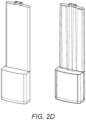
- FIG. 2D further illustrates a molded reservoir and vapor/PCB tube component of a device according to aspects of the present disclosure.
- the vapor tubes travel along the entire length of the back spine of this part from the mouthpiece to the bottom of the reservoir.
- the open space alongside of these tubes in addition to the main cavity towards the bottom acts as the volume for the oil.
- the current design may preferably approximately 1.63mL of oil. However, increasing the overall length by 5mm could allow a 2mL fill-volume. Conversely, decreasing the fill volume is possible by decreasing the height of the inserted reservoir, for instance, by needing space for additional hardware components such as a vibration motor, or to add more and/or stronger seals.
- a lower fill level may also be desired commercially if a commercially expensive oil (e.g. cannabis oils) are filled into the device.
- a commercially expensive oil e.g. cannabis oils
- Embodiments of this design may take into account a variety of battery shapes (e.g. two smaller round shapes fit on the side of the reservoir) or a variety of outer shell aesthetic shapes (e.g. rounder, or rectangular, smaller, larger, thicker, thinner).
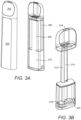
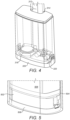
- FIGs. 3A, 3B and 4 illustrate a second type of molded reservoir and vapor/pcb tube component of a device according to aspects of the present disclosure, alone and as positioned in the outer shell.
- the device has a mouthpiece 302, a body 304, a battery 306, moulded air tubes 308, a moulded reservoir 310, a PCB tube 312, a vapor tube 314, a user air inlet 316, a pressure sensor 318 and a wick 320.
- the space beside the tubes is not used for liquid storage.
- This embodiment incorporates the molded air cavities into the molded reservoir 310. As in the first embodiment type described above, the air cavities are directly incorporated into the reservoir to help keep a solid seal between the fluid to vapor path.
- the pod is not molded in one, but the pod has a cap (as illustrated in FIG. 4 ). Any embodiments that have more or separate parts, but satisfy the general construction, would be substantially equivalent and contemplated by the disclosure herein.
- the device internals to be fully assembled, with the last step being to encase them in the outer shell. Airflow is from the bottom through a baseplate 320.
Landscapes
- Engineering & Computer Science (AREA)
- Health & Medical Sciences (AREA)
- Life Sciences & Earth Sciences (AREA)
- Animal Behavior & Ethology (AREA)
- Public Health (AREA)
- Anesthesiology (AREA)
- Biomedical Technology (AREA)
- Heart & Thoracic Surgery (AREA)
- Hematology (AREA)
- Veterinary Medicine (AREA)
- General Health & Medical Sciences (AREA)
- Pulmonology (AREA)
- Bioinformatics & Cheminformatics (AREA)
- Human Computer Interaction (AREA)
- Sustainable Development (AREA)
- Sustainable Energy (AREA)
- Physics & Mathematics (AREA)
- Thermal Sciences (AREA)
- Mechanical Engineering (AREA)
- General Engineering & Computer Science (AREA)
- Catching Or Destruction (AREA)
Description
- This disclosure relates generally to disposable vaporizers, and more particularly, to disposable vaporizers for e-liquids having leak-proof features.
- Disposable vaporizers for delivering a vaping experience based on e-liquids are presently in the marketplace. These devices present a number of challenges for their providers, for example including:
- 1. Leakage a. Liquid leaking out of the fluid container either through the vapor tube at the top, or at the bottom at the air holes of a device.
- 2. Reliability a. A tube that acts as both a vapor tube and an air flow activation tube may, due to minor leakage, delay activation of device, or change the intended airflow of the device during use.
- 3. Fill-volume/space optimization a. Due to the desirable small and ergonomic designs of disposable vaporizers, internal space is limited. It is desirable to keep the device ergonomic while fitting a stronger battery and increased the fill-volume for liquids.
- 4. Flavor and nicotine/other chemical delivery a. Vaporizers where liquid sits in a cotton medium, do not optimally generate aerosols with flavor or nicotine representative of the same liquid in other devices. This is likely because the cotton absorbs elements of the flavoring and/or nicotine, thus these chemicals stay behind and are not being passed through to the heating element and consequently to the aerosol.
- 5. Simple filling and sealing of device a. Current constructions rely on complicated mechanisms and assembly steps to fill the liquid into the liquid container and then sealing the filled liquid container. In particular, this filling is often done manually. These steps would be difficult to automate. Many reasons exist why filling should be done as simply as possible, to also provide the opportunity to fill in other countries or areas. None of these constructions are optimized for simple filling.
- 6. Inspect fill level of disposable device a. Users may want to inspect the fill level of the disposable device to see how much of the liquid they purchased or have left.
- 7. Safety and protection of minors a. Currently users may through minor force open the press-fit caps at the bottom of the device, and extract the battery and the fluid container. This may pose risks to adult and or minor users if they come into contact with either battery or the fluid held in the container.
- Two types of constructions currently on the market for disposable one-piece vaporizers with e-liquids are prevalent:
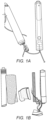
- 1. "Oil Cup" - Internal constructions with round containers containing liquid, and on the inside a tube centrally running through the container, such that the liquid sits in between the tube and the outer shell of the container. The liquid is wicked by a cotton/silica wick placed inside a cup, into the cup, whereas the cup is placed underneath the vapor tube. A heating element generally made from stainless steel, kanthal, nichrome, or the like, is wrapped around the wick, and the activation of the disposable device happening through either a button or a pressure sensor that detects a change in pressure as the user inhales. The heating wire is then heated and vaporizes the liquid, the aerosol generated travels through the vapor tube and exits the disposable device towards the mouthpiece. An example of this type of construction is illustrated in
FIG. 1 A . - 2. "Cotton Medium and Wick/Coil Through Vapor Tube" - These vaporizers have internal constructions with round containers containing e-liquid. Centrally inside of the container a tube is placed, the tube either being manufactured from metal or a fabric material. Along the tube, either a cut or an inlet is created to place a coil and a wick. The coil and the wick are placed such that the two ends of the cotton are ex-posed to the two openings and in contact with the liquid.
- It would be beneficial to develop a vaporizer cartridge that addresses the above-identified challenges. Published European patent application
EP3469925A1 discloses an electronic cigarette, the electronic cigarette comprises a heating member, a sensor assembly, and a cigarette holder having an air suction port in air communication with the air outside of the electronic cigarette, the sensor assembly comprises an inductive chamber, and a sensor arranged in the inductive chamber; the heating member is located outside of the inductive chamber, the inductive chamber has two ends, one end of the inductive chamber is an open end, the other end of the inductive chamber opposite to the open end is a sealed end, the open end of the inductive chamber is in air communication with the air suction port. Published International patent applicationWO2017/216516A1 discloses an aerosol delivery device comprising a mouthpiece end ; an aerosol generation chamber in fluid communication with the mouthpiece end via a primary air channel, wherein the aerosol generation chamber comprises an aerosol source for generating an aerosol from a source material for inhalation by a user through the mouthpiece end during use; and a sensor for detecting when a user inhales on the mouthpiece end, wherein the sensor is in fluid communication with the mouthpiece end via a secondary air channel, and wherein the sensor is located further from the mouthpiece end than the aerosol source, and the secondary air channel bypasses the aerosol generation chamber. - The invention is defined by the independent claims to which reference is now made. Advantageous features are set out in the dependent claims.
- A more complete understanding of the present disclosure may be realized by reference to the accompanying drawing in which:
-
FIG. 1 A illustrates components of a first type of prior art inhalable vaporizer device; - FIG. IB illustrates components of a second type of prior art inhalable vaporizer device;
-
FIG. 2A provides an external view of a vaporizer device according to aspects of the present disclosure; -
FIG. 2B illustrates internal elements of the device ofFIG. 2 A . -
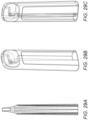
FIG. 2C depicts battery technologies that may be used in inhalable vaporizer devices; -
FIG. 2D illustrates a first type of molded reservoir and vapor/PCB tube component for use in a device according to aspects of the present disclosure; -
FIGs. 3 A, 3B and4 illustrate a second type of molded reservoir and vapor/PCB tube component of a device according to aspects of the present disclosure; -
FIG. 5 illustrates a sealing element for a device in accordance with aspects of the present disclosure; -
FIG. 6 illustrates a PCB and wick housing for a device in accordance with aspects of the present disclosure; -
FIGs. 7 and 8 illustrates a heating coil assembly for a device in accordance with aspects of the present disclosure; -
FIGs. 9 and 10 further illustrate the heating coil assembly ofFIGs. 7 and 8 ; -
FIG. 11 provides a cross-sectional view of the heating coil assembly ofFIGs. 7 and 8 ; -
FIG. 12 illustrates another sealing element for a device in accordance with aspects of the present disclosure; -
FIGs. 13 and 14 further a wick and PCB housing for a device in accordance with aspects of the present disclosure; -
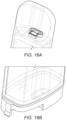
FIGs. 15A and15B illustrate a method for assembling a device in accordance with aspects of the present disclosure; -
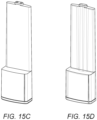
FIGs. 15C and 15D illustrate another type of molded reservoir and vapor/PCB tube component for use in a device according to aspects of the present disclosure -
FIGs. 16A andl6B illustrate sealing elements for a device according to aspects of the present disclosure; -
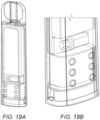
FIGs. 17A - 19B illustrate fill window designs for a device according to aspects of the present disclosure; -
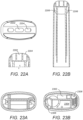
FIGs.20A, 20B and 21 illustrate a ceramic heating element application for a device according to aspects of the present disclosure; -
FIGs. 22A and 22B illustrate an alternate tube and cavity design for a device according to aspects of the present disclosure; -
FIGs. 23 A and 23B illustrate an alternate outer shell design with inner partitioning for a device according to aspects of the present disclosure; -
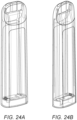
FIGs. 24A and 24B illustrate another alternate outer shell design for a device according to aspects of the present disclosure -
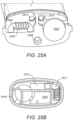
FIGs. 25A and 25B illustrate another housing design configurations for a device according to the present disclosure; -
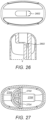
FIG. 26 illustrates a mouthpiece design for a device according to the present disclosure; -
FIG. 27 illustrates an outer shell design for the device ofFIG. 26 ; -
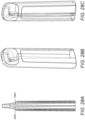
FIGs. 28A - 29C illustrate outer shell designs for a device according to the present disclosure; -
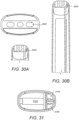
FIGs. 30A, 30B and 31 illustrate an additional outer shell design for a device according to the present disclosure; -
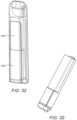
FIGs. 32 and 33 illustrate a battery cavity design for a device according to aspects of the present disclosure; -
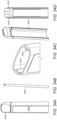
FIGs. 34A - 34D illustrate an additional outer shell design for a device according to the present disclosure; -
FIGs. 35A - 35C and36A - 36B illustrate another outer shell design for a device according to the present disclosure; -
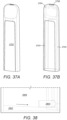
FIGs. 37A and 37B illustrate an additional outer shell design for a device according to the present disclosure; and -
FIG. 38 illustrates a baseplate design for a device according to aspects of the present disclosure. - The following merely illustrates the principles of the disclosure. It will thus be appreciated that those skilled in the art will be able to devise various arrangements which, although not explicitly described or shown herein, embody the principles of the disclosure and are included within its spirit and scope.
- Furthermore, all examples and conditional language recited herein are principally intended expressly to be only for pedagogical purposes to aid the reader in understanding the principles of the disclosure and the concepts contributed by the inventor(s) to furthering the art, and are to be construed as being without limitation to such specifically recited examples and conditions.
- Moreover, all statements herein reciting principles, aspects, and embodiments of the disclosure, as well as specific examples thereof, are intended to encompass both structural and functional equivalents thereof. Additionally, it is intended that such equivalents include both currently known equivalents as well as equivalents developed in the future, i.e., any elements later developed that perform the same function, regardless of structure.
-
Figs 34A-34D , and the passages in the description referring thereto, illustrate an embodiment of the invention, as perindependent claim 1. The remaining figures and the relevant passages in the description belong to the present disclosure but do not form part of the invention. They represent background art that is useful for understanding the invention. - Unless otherwise explicitly specified herein, the drawings are not drawn to scale.
- Aspects of the present disclosure are directed to a novel vaporizer-based inhalation device.
- An exemplary device is illustrated in
FIG. 2A . From the outside, the device has one continuous shell. The raised surface on the body of the device may be designed, for example, to have a matte finish with the rest of the plastic having a gloss finish. In operation, the user simply puts their lips around the mouthpiece and inhales in to activate the device through a pressure sensor. - Internal elements of the device are illustrated in
FIG. 2B . To help reduce cost and increase fluid volume, the reservoir and vapor/PCB tubes 202 may preferably be formed as a single molded component. "PCB" stands for a Printed Circuit Board, and in this construction, may include a pressure sensor that detects the change in pressure upon a user's inhalation which triggers the activation of the electric current to the heating element and begins the vaporization process. The PCB's function includes but is not limited to regulating the power supply delivery to the heating element, be coupled to a lighting mechanism indicating activation, and may be connected to a vibration motor for tactile feedback when a certain time of inhalation or corresponding dose of a material is generated in an aerosol and inhaled by the user. This disclosure refers to a"PCB tube" as a tube that connects from the inhalation points to the PCB chamber and acts as an activator of the device. In contrast, the vapor tube acts as the tube carrying the aerosol to a user. It is advantageous to keep the PCB tubes and vapor tubes separate, as these serve separate functions, but also, minor leakage may affect the PCB adversely. If minor leakage were to cover the PCB, the PCB's pressure sensor may not activate upon a user's inhalation, rendering the device inoperable. However, embodiments of this design may also simply include a single tube that functions as both the airflow activation and the vapor tube if sealing and molded parts are tightly controlled, though an element of risk remains. The reservoir is closed off fluidically with the PCB andWick housing 210 with the entire assembly locked into theouter shell 208 with anend cap 204. The device has abattery 206. -
FIG. 2C illustrates a variety of battery technologies with different energy densities that may be usable in a device as described in this disclosure. Most batteries found in vaporizer devices are on the lower end of the energy density spectrum and often around 250 Wh/L, which means that for the space they occupy, they provide little power. Current batteries take up too much space, and smaller batteries with low energy density will likely be more expensive to produce and source. Thus, it is desired to use higher energy density batteries and also make the batteries smaller. Preferably, for the device described by the present disclosure, thebattery 206 to be used is 15mm wide, 4mm deep, and 36mm long Li-Mn battery. It has a capacity of 400 MaH leading to an energy density of approximately 500 Wh/L. -
FIG. 2D further illustrates a molded reservoir and vapor/PCB tube component of a device according to aspects of the present disclosure. The vapor tubes travel along the entire length of the back spine of this part from the mouthpiece to the bottom of the reservoir. The open space alongside of these tubes in addition to the main cavity towards the bottom acts as the volume for the oil. The current design may preferably approximately 1.63mL of oil. However, increasing the overall length by 5mm could allow a 2mL fill-volume. Conversely, decreasing the fill volume is possible by decreasing the height of the inserted reservoir, for instance, by needing space for additional hardware components such as a vibration motor, or to add more and/or stronger seals. In certain circumstances, a lower fill level may also be desired commercially if a commercially expensive oil (e.g. cannabis oils) are filled into the device. Embodiments of this design may take into account a variety of battery shapes (e.g. two smaller round shapes fit on the side of the reservoir) or a variety of outer shell aesthetic shapes (e.g. rounder, or rectangular, smaller, larger, thicker, thinner). -
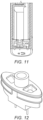
FIGs. 3A, 3B and4 illustrate a second type of molded reservoir and vapor/pcb tube component of a device according to aspects of the present disclosure, alone and as positioned in the outer shell. The device has amouthpiece 302, abody 304, abattery 306, mouldedair tubes 308, a mouldedreservoir 310, aPCB tube 312, avapor tube 314, auser air inlet 316, apressure sensor 318 and awick 320. In this component, the space beside the tubes is not used for liquid storage. This embodiment incorporates the molded air cavities into the moldedreservoir 310. As in the first embodiment type described above, the air cavities are directly incorporated into the reservoir to help keep a solid seal between the fluid to vapor path. However, unlike the construction above, the pod is not molded in one, but the pod has a cap (as illustrated inFIG. 4 ). Any embodiments that have more or separate parts, but satisfy the general construction, would be substantially equivalent and contemplated by the disclosure herein. The device internals to be fully assembled, with the last step being to encase them in the outer shell. Airflow is from the bottom through abaseplate 320. - For the examples described above, the bottom of this inserted pod is open.
FIG. 5 shows how the PCB andWick housing 502 compresses against an O-ring 504 to create a face seal and seal off the bottom of thereservoir 506. Additionally, as the O-ring 504 is compressed, it pushes against the inner walls of the shell to further seal the device. The PCB andWick housing 502 has 2 ports where oil can flow to get in contact with the wicks. In addition to sealing thereservoir 506 fluidically, there is also a face seal to ensure that the vapor and PCB tubes are sealed to their specific compartments. The device has anend cap 508. - Other anti-leaking mechanisms are in place in addition to the O-ring and the Tube Face Seal described above. In the embodiments shown in
FIG. 5 with a cotton wick and a metal heating coil andFIGs. 6 - 11 with ceramic, the sealing as well as the size, diameter and wicking capabilities of the wick can be optimized to reduce the risk of leaking into the chamber that is directly connected to the vapor tube. This chamber may sometimes be referred to as the heating chamber. InFigure 6 , the device includeswick ports 602, avapor tube 604, aPCB tube 606, atube face seal 608 and anair inlet 610. In addition, the heating element is placed on an area with a cavity or depressed area. This cavity, as seen for example inFIG. 6 to the left of theair inlet 610 slot, can act as a reservoir to hold excess liquid should it leak from the wick. In addition, the following leaking prevention mechanisms may also be employed with the current construction. Cotton may be added either directly under the heating coil, beside thevapor tube 604, or beside theair inlet 610. Cotton can absorb excess liquid in addition to or instead of the leaking cavity. Another possibility would be to add a taller wall in between theair inlet 610 and the wick/coil, which would prevent excess liquid from seeping through theair inlet 610 or through thevapor tube 604. - Furthermore, the sealing and fluid flow may also be adapted for ceramic coil materials as described in the following paragraphs, and an example illustrated in
FIGs. 6 - 11 . In the construction above, thewick ports 602 funnel liquid to the wick, and the wick and coil construction vaporize liquids into aerosols. With a ceramic heating element, the fluid flow would still include one or two liquid ports, but sealing would be adapted (including for example but not limited to a top seal, an o-ring between the top seal and the ceramic heating element, and a holding structure for the ceramic coil) and the sealing/connection to thevapor tube 604 would also be optimized for this configuration. - Oil from the reservoir falls into the cup of the ceramic coil. The coil is illustrated for example in
FIGs. 9 and 10 . Only the top face of the coil where the cup is located is open to the reservoir. The oil is absorbed by the ceramic, and the coil becomes saturated. When the device is activated, the coil heats up causing the saturated oil to vaporize. The lower half of the 4 outer walls of the cup and the bottom face of the ceramic coil are open to air. When the device is activated, air is pulled across the coil pulling the vaporized oil up and into the vapor tubes towards the mouthpiece of the device. -
FIGs. 7 and 8 show a side view illustrating how the ceramic coil can be fit into the base plate; one of the two air inlets is shown at the front of the figures. In the non-ceramic embodiments, one air inlet may preferably be used. In a ceramic embodiment, either one or two air inlets may preferably be used. Air inlets are the points where air can enter the heating chamber from outside the device, and mix with the generated aerosol, before it travels through the vapor tube to the user. It is described in more detail later. By way of example, a two air inlet ceramic embodiment is illustrated byFIGs. 9 and 10. FIG. 10 shows a bottom view of how the ceramic coil is fit into the device.FIG. 11 shows how the ceramic coil is fit from a cross sectional view, right above an area demarcated by raised walls, where excess fluid or condensation can be stored. -
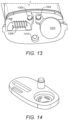
FIG. 12 shows a second embodiment of how liquid can be funneled into the ceramic heating element; in this embodiment, the ceramic coil would be placed underneath the vapor tube. Vapor generated at the top of the ceramic heating element, as well as vapor from the sides, can then travel through the vapor tube. These aspects are further illustrated by the elements of the wick and PCB housing shown inFIG. 13. Figure 13 shows a view of the device including thevapor tube 1302, thePCB tube 1304, thewick 1306, thecoil 1308, afill port 1310, and thePCB 1312. - For the
Wick 1306/Coil 1308 embodiments, once the fluid is in contact with thewick 1306, it is drawn along thewick 1306 to thecoil 1308. When the user inhales on the mouthpiece air flows through both thevapor 1302 and thePCB tubes 1304. A pressure sensor on thePCB 1312 detects the difference in pressure and triggers the device to allow power to thecoil 1308 causing it to heat up. This heat causes the oil in thewick 1306 to evaporate. This evaporated liquid is drawn up theVapor tube 1302 to the user.FIG. 13 also shows theFill Port 1310. This is where the reservoir is filled from. Once the fluid is injected into the reservoir from thisport 1310, part of the end cap comes in to plug it and seal it off completely. It is important to note that while avapor 1302 andPCB tube 1304 have advantages of separating the function for these tubes, and addressing problems such as leakage affecting the airflow, a further embodiment may use a joint (single) air tube for this purpose. Thefill port 1310 is used for filling liquid into the liquid reservoir. Upon completed filling, the bottom cap with the stopper is then inserted into thefill port 1310, and the device would be sealed. - An exemplary assembly process for the vaporizer as described in shown in
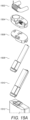
FIGs. 15A and15B . In this process, in afirst step 1502, the coil is assembled around the wick. In asecond step 1504, thee wick/coil and the PCB are assembled into the wick/PCB housing. In athird step 1506, the assembly is turned over and the face seal is assembled into the wick/PCB housing. In afourth step 1508, the o-ring is assembled around the base of the reservoir and the reservoir is placed on top of the wick/PCB housing. In afifth step 1510, the battery is wired to the coil and the PCB. The wires should be long enough to place the battery above the reservoir cavity. In asixth step 1512, the tube seal is placed on top of the vapor tubes. In aseventh step 1514, the entire assembly is slid into the outer shell until the wick/PCB housing snaps into the shell and secures the assembly in place. The wires are guised along the side of the reservoir and up the sides of the shell. In aneighth step 1516, the reservoir is filled with fluid using the fill port. In aninth step 1518, the end cap is pushed into the bottom of the device. The plug goes into the fill port to the seal the reservoir. The end cap is a press fit into the shell, so it will be a snug fit, but should be pressed until it is flush with the bottom of the shell. - A number of alternate design constructions are contemplated by the present disclosure. For the molded reservoir and vapor tubes embodiment as illustrated by
FIGs. 15C and 15D , a risk is the long thin tubes that need to be molded. This is a long draw for such a small cavity. Alternatively, the tubes may be formed for example by insert molding twin metal hypo-tubes. - To maintain the outer form factor and to maximize the available fluid volume, most fluidic seals are preferably face seals. If the seals do not have enough compression, then they will leak. The compression comes from the wick/pcb housing snapping into the outer shell. To get to the point where it snaps in, the seals must compress and in turn they make a fluidic seal. However, if parts are out of spec, it is possible that there won't be enough compression which in turn causes the device to leak. Sealing optimizations may be performed during the manufacturing process such as adding additional seals or modifying the existing ones. The seal at the top of the device near the mouthpiece and the two seals at the bottom of the vapor/air tubes (as respectively illustrated for example in
FIGs. 16A and 16B ) are examples of the face seals described in the paragraph above. They rely on compression to seal against the 2 bodies they sit between. - The following section further describes the ceramic heating coil embodiment as described earlier. As the ceramic coil is often used for higher viscosity liquids, and these liquids tend to be of higher commercial value and more expensive to the user, the user may want to track the fill level of the liquid as it is used. Further, a fill level will allow a user to track if the device was full at the point of purchase. These windows may be placed on either face of the device at any position (top, middle, bottom), or also only on one face of the device as illustrated for example in
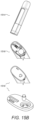
FIGs. 17A - 17C . Natural light is effectively present as backlighting in the two face embodiments for improved fill level visibility. Alternatively or additionally, windows may be placed on the sides of the devices where the snaps reside, or may be created such that the snaps are integrated into the window. In other words, the snap on the side could push past the beginning of a window on a side, and then snap would extend out at the beginning of the window, effectively securing the insertable part from the bottom. These windows can be referred to as fill-level indication windows as well. Fill-level windows may further be used with other heating elements than ceramic coils, such as a traditional cotton/silica and kanthal, nichrome, or stainless steel. A variety of embodiments are shown below inFIGs. 17A - 19B . - The fill level window embodiment illustrated in
FIGs. 19A and 19B also shows a vibration motor positioned on a PCB adjacent to a shelf surface of the reservoir. The vibration motor may be used for example to indicate to a user when a specific inhalation time has been reached or when a specific dose associated with the inhalation time, temperature, and material is reached. Other embodiments of this dosing indication may be achieved for example by sound or lighting features, in addition or instead of a vibration motor. - The images in
FIGs. 20A and 20B illustrate how a ceramic heating coil can be fit into the device while maintaining the general design and layout of the interior. - The image in
FIG. 21 shows a cross section of a ceramic coil embodiment of the device. In this embodiment, the ceramic coil is placed at the bottom of the reservoir and allows the vaporization of the liquid. This embodiment has two air inlets, one towards the left and one towards the right. The size of air inlets may be increased or decreased; it is also possible to only make one air inlet larger and omit the second. - Most prior art devices utilize extra parts to connect the airflow from the mouth piece to the fluid. In addition to the extra cost that these extra parts require, they also add multiple new interfaces that present challenges relating to assembly and leakage.
- An alternate design involves molding cavities into the outer shell that can serve as airflow tubes, fluid storage, or battery cavity. The internal construction such as the wick, coil materials, (or ceramic), PCB, battery, and other materials as earlier described, are easily adapted to fit the following constructions as well.
- In
FIGs. 22A - 24B , it can be seen that the 2air inlets 2204 at the mouth piece are connected to molded cavities inside the outer shell. These cavities are created by molding internal walls. One of theair inlets 2204 leads to a pressure sensor that activates the heating element. Thesecond air inlet 2204 leads to the wick so that when the heating element is activated, the vapor can travel directly up this tube. In addition to the airflow tubes, additional cavities may be created for fluid storage and the battery. Fluid in the fluid cavity is absorbed by the wick and then evaporated and passed up one of the air cavities. The 4 cavities are sealed off from the external environment and each other with the baseplate.FIGs. 22A - 24B represent a few of many ways to achieve this. Note the images below use multiple air holes at the tapered mouthpiece; this is for illustrative purposes. Either a single air hole, or two or more air holes may be used. - A quartered embodiment uses a molded vapor tube, a molded PCB tube (as earlier described), a molded cavity used for liquid storage, and a molded cavity used for the battery slot. A variety of constructions and placements may be used, depending on the battery size and liquid fill volume that is required.
-
FIGs. 22A and 22B depict the airflow through vapor andPCB tubes 2206. A similar construction could feasibly also be created by using a single tube for vapor and airflow activation, but these have risks as described above. Furthermore, the aesthetic choices of the airholes and thecentral aeshtetic pocket 2202 may also be varied. For example, aesthetic airholes may be provided that may not necessarily perform a function, but are created for aesthetic symmetry. -
FIGs. 23A and 23B depict afluid chamber 2302, abattery chamber 2304, thePCB tube 2306, and thevapor tube 2308 molded into the outer shell to reduce parts required for assembly. It is noteworthy that for some of these constructions to work well, the wick housing may be configured so that the wick may only be in contact with the fluid from one rather than two sides. -
FIGs. 24A and 24B shows how the fluid cavity and the battery cavity can be situated in the design. The left image, labeled as fluid cavity, shows the volume in the interior occupied by the fluid, whereas the right image, shows the volume in the interior occupied by a battery. -
FIG. 25B shows a bottom view and some of the components such as thePCB 2502,Wick 2504, and seals that are substantially equivalent to the constructions in the the Insertable Molded Reservoir shown again inFIG. 25 A , but may be optimized to fit the specific layout of the chosen construction; the arrangements of thefill port 2508 and the arrangements of the wick/coil/ceramic heating element may vary. - Further, in
FIG. 25A , aspects of the airflow path can be observed. The user inhales and through thePCB tube 2510 that leads to the theintegrated PCB 2502 and pressure sensor, a change in pressure is detected. This change in pressure recorded in the pressure sensor triggers the activation of thebattery 2516. Subsequently, voltage is delivered to thecoil 2504/wick 2506 or (ceramic heating element not shown in the embodiment), to start the vaporization process. At the same time, the inhalation of the user through thevapor tube 2512, labeled above, moves air towards the user, and upon the start of the vaporization process, this air is supplemented with an inhalable aerosol generated from heating the liquid with the heating element. Theair inlet 610, not shown above but shown inFIG. 6 , serves as an air inlet to the heating chamber. The aerosol generated in the heating chamber then travels throught thevapor tube 2512 to the user. - This construction is a further embodiment of molded tubes and a molded reservoir into the device. The device has a
fluid chamber 2514. In this embodiment, thePCB 2502 and vapor inlets are on the same side as show inFIG. 16B . As illustrated inFIG. 26 , a small barrier is created in this construction should excess liquid travel up the vapor tube, making it more difficult for the liquid to exit the vapor/inhalation hole.Figure 26 showsair inlets 2602 to both tube through one mouth piece inlet. Further, a pad of cotton may be fixed to the bottom of the central cavity shown inFIG. 26 , further catching excess liquid. Further, the vapor/inhalation hole may be moved further to the left, creating a greater barrier for liquid.FIG. 27 shows the internal construction; thePCB 2702 and vapor tubes 2704 are centrally anchored, with thefluid chamber 2706 on the left and adjacent to thebattery chamber 2708 on the right. -
FIGs. 28A - 28B provide a view how the fluid chamber and battery chamber are oriented on the interior of the shell. The fluid cavity and battery cavity may be optimized in size for different fluid capacity and battery capacity requirements. The vapor and PCB tubes are adjacentcentral tubes 2802.FIGs. 29A - 29C show illustrations of possible battery sizes and fill levels that can fit into the outer shell. The wick configuration, filling port, and sealing are further similar to the other constructions detailed in the invention disclosure above. - Similar to the Quartered embodiment and the Central Airflow Tubes embodiment, the Side Airflow Tubes embodiment takes advantage of molding components directly into the outer shell. A description of this layout is provided below.
FIGs. 30A and 30B show that the airflow and PCB tubes are situated on either the left or the right side, but are molded next to each other. Theair inlets 3002 for both air cavities are on the same mouthpiece inlet. In this embodiment, 2 aesthetic holes are created for symmetry but not for function. However, a central airhole can be used and a barrier for liquid can be created similar toFIG. 26 . A cross section view from the bottom is provided inFIG. 31 , which shows a battery/fluid chamber 3102, aPCB tube 3104 and avapor tube 3106. - For illustrative purposes, the finished design illustrated positions a
separate battery 3202 in an upper portion of the interior of the device and thefluid component 3204 below. There are a variety of embodiments that may work for this construction, but also, it may be the case that the inserted fluid reservoir and the battery may change place (the fluid reservoir situated above the battery placement). This embodiment would have to take into account how filling is done, and filling may need to get done before the fluid reservoir is inserted. For the illustration, we used thebattery 3202 on top.FIG. 32 illustrates another construction that places the fluid reservoir on the top to take advantage of the odd geometry; while batteries could not be produced to fit this space, an insertable fluid reservoir could. -
FIG. 33 illustrates one approach for doing this using an inserted pod with the battery situated on top/the side as done in the Insertable Molded Fluid Reservoir disclosure. Instead of the vapor and PCB tubes molded into the center of the fluid reservoir, the PCB tube and vapor tube are situated at the side of the shell. The PCB, wick, and filling port remain the same, though their layout may be optimized.FIG. 33 is similar toFIG. 2D , and serves as illustration of how the battery can fit at the top while the inserted reservoir or an inserted pod is fit on the bottom part of the shell. - One of the biggest challenges with molding the outer shell is dealing with the required draft to make the part moldable. Given that the mold tooling must reach very far up into the cavity to create these walls, the effects of draft become quite severe and greatly reduce the amount of space inside the cavity. This problem may be addressed by alternatively using insert molding. Note that this insert molding technique may be applied essentially to all direct-molded constructions detailed in this disclosure.
- As shown in
FIGs. 34A - 34D , instead of creating a cavity using additional walls, ametal hypotube 3402 is insert molded into theouter walls 3404 of the device.Metal hypotubes 3402 can be made from a variety of materials, such asstainless steel tubes 3402 are then connected to a moldedmouthpiece 3406 to allow for airflow through the device. While themouthpiece 3406 shown inFIGs. 34A - 34D appears to be a distinct component from thebody 3408; it may either be molded together with thebody 3408, or it may be molded separately and attached to thebody 3408 during assembly. - Another embodiment that avoids the difficulties associated with direct-molded tubes does this by creating a
slot 3502 in the outer wall of the shell, as illustrated for example inFIGs. 35 A - 35C . Since thisslot 3502 is not an additional wall, the draft that is required is the same draft being used for the outer shell to begin with. This allows theslot 3502 to be created while minimizing the amount of internal space that it takes up. To then seal off the slot and create an airflow path, heat shrink may be placed over the shell, and heated to shrink down tightly and conform to the shell profile. Since the heat shrink is very thin it adds very little thickness to the device. Examples of industrial shrink wrap materials may include but are not limited to Polyolefin, Polyvinylidene, or a Silicone elastomer. The newly created airflow paths are then connected to paths in the mouthpiece to direct airflow through theslots 3502 and to the user. -
FIGs. 36A and 36B provide and external and an internal view of how industrial shrink-wrapped devices may look, highlighting the airtight tubes created by this sealing process. Battery, reservoir, PCB, wick, can be used as detailed for the other embodiments. The mouthpiece would attach to themain body 3408 using either snaps or a press fit. A light seal may be required to maintain an airway, however since we are only sealing against vapor at this point, the contact between the 2 parts may be enough. If a seal is required, a face seal utilizing the compression between themouthpiece 3406 and thebody 3408 would likely be used.Sealed slots 3502 are connected to the mouldedmouthpiece 3406 for airflow. - Most components are rigid and are not flexible. When working in tight spaces like the inside of the outer shell, this becomes very difficult. Rigid walls and batteries make it hard to fit components around each other and utilize available space. Another approach consistent with aspects of the present disclosure and illustrated for example by
FIGs. 37A and 37B , utilizes flexible tubing in order to gain access to this space. The tubing can be routed around rigid objects such as reservoirs, batteries, and PCBs to make use of the available space. They are connected directly to the air inlet and provide a fluid path to either the pressure sensor or to the heating element, similar as the constructions detailed earlier in this disclosure. For the material of the flexible tubing, materials include but are not limited to silicone tubing. -
FIGs 37A and 37B respectively show an exterior and an interior view of an flexible tubing embodiment; anouter shell 3702;flexible tubing 3704; asingle air inlet 3706 connected directly to thetubing 3704; battery and fluid reservoir constructions may be assembled in any fashion as detailed by way of example above. The filling port, PCB, wick/coil/ceramic constructions detailed earlier in this disclosure can also be used for this construction. -
FIG. 38 illustrates a tiltedbaseplate 3802 feature at the base of thefluid reservoir 3806 that enables the device to use as much liquid as possible. Where other devices with a flat plate would have unused fluid leftover at the end, the tiltedbaseplate 3802 works to ensure that all the fluid works its way to thewick 3804. This works because when the user picks up the device to inhale, gravity forces the fluid down the ramp and towards the wick. - It will be understood that, while various aspects of the present disclosure have been illustrated and described by way of example, the invention claimed herein is not limited thereto, but may be otherwise variously embodied within the scope of the following claims.
Claims (7)
- A vaporizer device for generating an inhalable aerosol, the device comprising:a body (3408) including a mouthpiece (3406);a reservoir (310) for storing an aerosolizable material;a housing including a heating chamber including a heating element and a pressure sensor for controlling operation of the heating element;a power source for powering the heating element and pressure sensor (318);a vapor tube (314) extending from the mouthpiece to the heating chamber; anda PCB tube (312) extending from the mouthpiece to the pressure sensor, wherein the vapor tube and PCB tube are integrally formed with the body;characterized in that:the body includes an interior chamber into which the reservoir and the housing are inserted; andeach of the vapor tube and the PCB tube comprise a metal hypotube (3402).
- The vaporizer device of claim 1, wherein:the mouthpiece (3406) is positioned at a top end of the body (3408);the housing is positioned near a lower end of the body;the reservoir (310) is positioned between the mouthpiece and the housing; andthe vaporizer device further comprises:
a reservoir seal engaging an interior surface of the body, and an end cap (508) inserted into the interior chamber below the housing, the end cap interferingly and securely fitting into the housing to retain the housing and the reservoir within the body and comprising a seal for sealing a fill port (1310) provided in the housing. - The vaporizer device of claim 1, wherein the power source comprises a battery (306) that is positioned in the body (3408) above the reservoir (310).
- The vaporizer device of claim 1, wherein the power source comprises a battery (306) that is positioned in the body (3408) below the reservoir (310).
- The vaporizer device of claim 1, wherein the power source comprises a battery (306) that is positioned in the body (3408) longitudinally adjacent to the reservoir (310).
- The vaporizer device of claim 1, further comprising at least one of a light or a vibration motor for indicating one or more of an activation status, activation time or dosage.
- The vaporizer device of claim 1, wherein the heating element comprises one of a wick (2504) /coil (2506) heating element or a ceramic heating element.
Applications Claiming Priority (2)
| Application Number | Priority Date | Filing Date | Title |
|---|---|---|---|
| US201962859439P | 2019-06-10 | 2019-06-10 | |
| PCT/US2020/037074 WO2020252076A1 (en) | 2019-06-10 | 2020-06-10 | Disposable vaporizer |
Publications (3)
| Publication Number | Publication Date |
|---|---|
| EP3980100A1 EP3980100A1 (en) | 2022-04-13 |
| EP3980100A4 EP3980100A4 (en) | 2023-08-23 |
| EP3980100B1 true EP3980100B1 (en) | 2025-07-02 |
Family
ID=73781256
Family Applications (1)
| Application Number | Title | Priority Date | Filing Date |
|---|---|---|---|
| EP20823452.6A Active EP3980100B1 (en) | 2019-06-10 | 2020-06-10 | Disposable vaporizer |
Country Status (4)
| Country | Link |
|---|---|
| US (1) | US20220248753A1 (en) |
| EP (1) | EP3980100B1 (en) |
| CA (1) | CA3141232A1 (en) |
| WO (1) | WO2020252076A1 (en) |
Families Citing this family (5)
| Publication number | Priority date | Publication date | Assignee | Title |
|---|---|---|---|---|
| US12041966B2 (en) | 2020-08-07 | 2024-07-23 | Jupiter Research, Llc | Monolithic electronic vaporizer |
| CA3129800A1 (en) * | 2021-07-14 | 2023-01-14 | Jupiter Research, Llc | An electronic vaporizer |
| US20260000127A1 (en) * | 2022-09-20 | 2026-01-01 | Shanghai QV Technologies Co., Ltd. | Atomization Apparatus |
| CN115610858A (en) * | 2022-10-21 | 2023-01-17 | 北京吾星球科技有限公司 | A leak-proof electric spray structure and a leak-proof electric spray bottle |
| WO2025265082A1 (en) * | 2024-06-19 | 2025-12-26 | Skyx Ip Holdings I Llc | Apparatus and method for airflow management and liquid entrapment in aerosol delivery systems |
Family Cites Families (8)
| Publication number | Priority date | Publication date | Assignee | Title |
|---|---|---|---|---|
| US20050169814A1 (en) * | 2004-01-30 | 2005-08-04 | Joshua Rosenthal | Portable vaporizer |
| WO2013091252A1 (en) * | 2011-12-23 | 2013-06-27 | Liu Qiuming | Electronic cigarette suction nozzle |
| US10653180B2 (en) * | 2013-06-14 | 2020-05-19 | Juul Labs, Inc. | Multiple heating elements with separate vaporizable materials in an electric vaporization device |
| EP3932216A1 (en) * | 2013-11-21 | 2022-01-05 | Avanzato Technology Corp. | Improved vaporization and dosage control for electronic vaporizing inhaler |
| GB201413032D0 (en) * | 2014-02-28 | 2014-09-03 | Beyond Twenty Ltd | Beyond 7 |
| CN115299642A (en) * | 2015-07-10 | 2022-11-08 | 尤尔实验室有限公司 | Coreless vaporization device and method |
| CN105935155B (en) * | 2016-06-08 | 2021-02-12 | 卓尔悦欧洲控股有限公司 | Electronic cigarette |
| GB201610220D0 (en) * | 2016-06-13 | 2016-07-27 | Nicoventures Holdings Ltd | Aerosol delivery device |
-
2020
- 2020-06-10 EP EP20823452.6A patent/EP3980100B1/en active Active
- 2020-06-10 WO PCT/US2020/037074 patent/WO2020252076A1/en not_active Ceased
- 2020-06-10 US US17/617,680 patent/US20220248753A1/en active Pending
- 2020-06-10 CA CA3141232A patent/CA3141232A1/en active Pending
Also Published As
| Publication number | Publication date |
|---|---|
| CA3141232A1 (en) | 2020-12-17 |
| WO2020252076A1 (en) | 2020-12-17 |
| EP3980100A1 (en) | 2022-04-13 |
| EP3980100A4 (en) | 2023-08-23 |
| US20220248753A1 (en) | 2022-08-11 |
Similar Documents
| Publication | Publication Date | Title |
|---|---|---|
| EP3980100B1 (en) | Disposable vaporizer | |
| EP3884792B1 (en) | Electronic cigarette having dual air passages | |
| JP7016395B2 (en) | Cartridges, battery units and e-cigarettes | |
| US11707091B2 (en) | Atomizing nozzle and electronic atomizing inhaler | |
| US11357257B2 (en) | Electronic cigarette vaporizer | |
| EP3750430B1 (en) | Electronic cigarette having double-cavity double-air-channel atomizer | |
| JP6867517B2 (en) | Inhaler device and consumable cartridge | |
| EP3257387B1 (en) | Electronic cigarette atomizer | |
| JP6960917B2 (en) | Reservoir assembly for personal vaporizer devices | |
| US20240023609A1 (en) | Electronic atomization device | |
| US11937637B2 (en) | Aerosol source for a vapor provision system | |
| ES3016751T3 (en) | Aerosol delivering device and aerosol generating device with the same | |
| KR102040824B1 (en) | Cartridge and electronic cigarette having the same | |
| JP7487332B2 (en) | Electrically heated aerosol generator | |
| WO2019157875A1 (en) | Disposable aerosol generating article and aerosol generating system | |
| KR102401552B1 (en) | Cartridge for preventing leakage and an aerosol generating device including the same | |
| CN114732159A (en) | Atomizer and electronic atomization device | |
| CN112056623A (en) | Disposable atomizing cartridge and electronic cigarette device including the same | |
| EP4208054B1 (en) | Cartomizer for an aerosol generating device with leakage prevention | |
| KR20200133650A (en) | Cartridge and electronic cigarette having the same | |
| CN210169067U (en) | Electronic cigarette storage box | |
| CN217658174U (en) | Atomizer and electronic atomization device | |
| US20230087970A1 (en) | Method for manufacturing vaporizer, vaporizer, and electronic vaporization device | |
| CN114098154B (en) | Atomizers and e-cigarettes | |
| US20230263223A1 (en) | Cartomizer for an Aerosol Generating Device with Fins |
Legal Events
| Date | Code | Title | Description |
|---|---|---|---|
| STAA | Information on the status of an ep patent application or granted ep patent |
Free format text: STATUS: THE INTERNATIONAL PUBLICATION HAS BEEN MADE |
|
| PUAI | Public reference made under article 153(3) epc to a published international application that has entered the european phase |
Free format text: ORIGINAL CODE: 0009012 |
|
| STAA | Information on the status of an ep patent application or granted ep patent |
Free format text: STATUS: REQUEST FOR EXAMINATION WAS MADE |
|
| 17P | Request for examination filed |
Effective date: 20211221 |
|
| AK | Designated contracting states |
Kind code of ref document: A1 Designated state(s): AL AT BE BG CH CY CZ DE DK EE ES FI FR GB GR HR HU IE IS IT LI LT LU LV MC MK MT NL NO PL PT RO RS SE SI SK SM TR |
|
| DAV | Request for validation of the european patent (deleted) | ||
| DAX | Request for extension of the european patent (deleted) | ||
| A4 | Supplementary search report drawn up and despatched |
Effective date: 20230720 |
|
| RIC1 | Information provided on ipc code assigned before grant |
Ipc: A24F 40/51 20200101ALI20230714BHEP Ipc: F22B 1/28 20060101ALI20230714BHEP Ipc: A61M 15/00 20060101ALI20230714BHEP Ipc: A61M 11/04 20060101ALI20230714BHEP Ipc: A24F 47/00 20200101ALI20230714BHEP Ipc: A61M 15/06 20060101AFI20230714BHEP |
|
| RIC1 | Information provided on ipc code assigned before grant |
Ipc: A24F 40/51 20200101ALI20241206BHEP Ipc: F22B 1/28 20060101ALI20241206BHEP Ipc: A61M 15/00 20060101ALI20241206BHEP Ipc: A61M 11/04 20060101ALI20241206BHEP Ipc: A61M 15/06 20060101AFI20241206BHEP |
|
| GRAP | Despatch of communication of intention to grant a patent |
Free format text: ORIGINAL CODE: EPIDOSNIGR1 |
|
| RIC1 | Information provided on ipc code assigned before grant |
Ipc: A61M 16/00 20060101ALN20241219BHEP Ipc: A24F 40/10 20200101ALN20241219BHEP Ipc: A24F 40/70 20200101ALI20241219BHEP Ipc: A24F 40/485 20200101ALI20241219BHEP Ipc: A24F 40/51 20200101ALI20241219BHEP Ipc: F22B 1/28 20060101ALI20241219BHEP Ipc: A61M 15/00 20060101ALI20241219BHEP Ipc: A61M 11/04 20060101ALI20241219BHEP Ipc: A61M 15/06 20060101AFI20241219BHEP |
|
| STAA | Information on the status of an ep patent application or granted ep patent |
Free format text: STATUS: GRANT OF PATENT IS INTENDED |
|
| INTG | Intention to grant announced |
Effective date: 20250123 |
|
| RAP1 | Party data changed (applicant data changed or rights of an application transferred) |
Owner name: LOFT LABS LLC |
|
| RAP1 | Party data changed (applicant data changed or rights of an application transferred) |
Owner name: SKYX IP HOLDINGS I LLC |
|
| GRAS | Grant fee paid |
Free format text: ORIGINAL CODE: EPIDOSNIGR3 |
|
| GRAA | (expected) grant |
Free format text: ORIGINAL CODE: 0009210 |
|
| STAA | Information on the status of an ep patent application or granted ep patent |
Free format text: STATUS: THE PATENT HAS BEEN GRANTED |
|
| AK | Designated contracting states |
Kind code of ref document: B1 Designated state(s): AL AT BE BG CH CY CZ DE DK EE ES FI FR GB GR HR HU IE IS IT LI LT LU LV MC MK MT NL NO PL PT RO RS SE SI SK SM TR |
|
| REG | Reference to a national code |
Ref country code: GB Ref legal event code: FG4D |
|
| REG | Reference to a national code |
Ref country code: CH Ref legal event code: EP |
|
| REG | Reference to a national code |
Ref country code: DE Ref legal event code: R096 Ref document number: 602020053937 Country of ref document: DE |
|
| REG | Reference to a national code |
Ref country code: IE Ref legal event code: FG4D |
|
| REG | Reference to a national code |
Ref country code: NL Ref legal event code: MP Effective date: 20250702 |
|
| PG25 | Lapsed in a contracting state [announced via postgrant information from national office to epo] |
Ref country code: PT Free format text: LAPSE BECAUSE OF FAILURE TO SUBMIT A TRANSLATION OF THE DESCRIPTION OR TO PAY THE FEE WITHIN THE PRESCRIBED TIME-LIMIT Effective date: 20251103 |
|
| PG25 | Lapsed in a contracting state [announced via postgrant information from national office to epo] |
Ref country code: NL Free format text: LAPSE BECAUSE OF FAILURE TO SUBMIT A TRANSLATION OF THE DESCRIPTION OR TO PAY THE FEE WITHIN THE PRESCRIBED TIME-LIMIT Effective date: 20250702 |
|
| REG | Reference to a national code |
Ref country code: AT Ref legal event code: MK05 Ref document number: 1808563 Country of ref document: AT Kind code of ref document: T Effective date: 20250702 |
|
| PG25 | Lapsed in a contracting state [announced via postgrant information from national office to epo] |
Ref country code: IS Free format text: LAPSE BECAUSE OF FAILURE TO SUBMIT A TRANSLATION OF THE DESCRIPTION OR TO PAY THE FEE WITHIN THE PRESCRIBED TIME-LIMIT Effective date: 20251102 |
|
| PG25 | Lapsed in a contracting state [announced via postgrant information from national office to epo] |
Ref country code: NO Free format text: LAPSE BECAUSE OF FAILURE TO SUBMIT A TRANSLATION OF THE DESCRIPTION OR TO PAY THE FEE WITHIN THE PRESCRIBED TIME-LIMIT Effective date: 20251002 |
|
| REG | Reference to a national code |
Ref country code: LT Ref legal event code: MG9D |
|
| PG25 | Lapsed in a contracting state [announced via postgrant information from national office to epo] |
Ref country code: AT Free format text: LAPSE BECAUSE OF FAILURE TO SUBMIT A TRANSLATION OF THE DESCRIPTION OR TO PAY THE FEE WITHIN THE PRESCRIBED TIME-LIMIT Effective date: 20250702 |
|
| PG25 | Lapsed in a contracting state [announced via postgrant information from national office to epo] |
Ref country code: FI Free format text: LAPSE BECAUSE OF FAILURE TO SUBMIT A TRANSLATION OF THE DESCRIPTION OR TO PAY THE FEE WITHIN THE PRESCRIBED TIME-LIMIT Effective date: 20250702 |
|
| PG25 | Lapsed in a contracting state [announced via postgrant information from national office to epo] |
Ref country code: HR Free format text: LAPSE BECAUSE OF FAILURE TO SUBMIT A TRANSLATION OF THE DESCRIPTION OR TO PAY THE FEE WITHIN THE PRESCRIBED TIME-LIMIT Effective date: 20250702 |
|
| PG25 | Lapsed in a contracting state [announced via postgrant information from national office to epo] |
Ref country code: GR Free format text: LAPSE BECAUSE OF FAILURE TO SUBMIT A TRANSLATION OF THE DESCRIPTION OR TO PAY THE FEE WITHIN THE PRESCRIBED TIME-LIMIT Effective date: 20251003 |
|
| PG25 | Lapsed in a contracting state [announced via postgrant information from national office to epo] |
Ref country code: CZ Free format text: LAPSE BECAUSE OF FAILURE TO SUBMIT A TRANSLATION OF THE DESCRIPTION OR TO PAY THE FEE WITHIN THE PRESCRIBED TIME-LIMIT Effective date: 20250702 Ref country code: SE Free format text: LAPSE BECAUSE OF FAILURE TO SUBMIT A TRANSLATION OF THE DESCRIPTION OR TO PAY THE FEE WITHIN THE PRESCRIBED TIME-LIMIT Effective date: 20250702 |
|
| PG25 | Lapsed in a contracting state [announced via postgrant information from national office to epo] |
Ref country code: LV Free format text: LAPSE BECAUSE OF FAILURE TO SUBMIT A TRANSLATION OF THE DESCRIPTION OR TO PAY THE FEE WITHIN THE PRESCRIBED TIME-LIMIT Effective date: 20250702 |
|
| PG25 | Lapsed in a contracting state [announced via postgrant information from national office to epo] |
Ref country code: BG Free format text: LAPSE BECAUSE OF FAILURE TO SUBMIT A TRANSLATION OF THE DESCRIPTION OR TO PAY THE FEE WITHIN THE PRESCRIBED TIME-LIMIT Effective date: 20250702 Ref country code: PL Free format text: LAPSE BECAUSE OF FAILURE TO SUBMIT A TRANSLATION OF THE DESCRIPTION OR TO PAY THE FEE WITHIN THE PRESCRIBED TIME-LIMIT Effective date: 20250702 |
|
| PG25 | Lapsed in a contracting state [announced via postgrant information from national office to epo] |
Ref country code: RS Free format text: LAPSE BECAUSE OF FAILURE TO SUBMIT A TRANSLATION OF THE DESCRIPTION OR TO PAY THE FEE WITHIN THE PRESCRIBED TIME-LIMIT Effective date: 20251002 |
|
| PG25 | Lapsed in a contracting state [announced via postgrant information from national office to epo] |
Ref country code: ES Free format text: LAPSE BECAUSE OF FAILURE TO SUBMIT A TRANSLATION OF THE DESCRIPTION OR TO PAY THE FEE WITHIN THE PRESCRIBED TIME-LIMIT Effective date: 20250702 |