EP3967151B1 - Valorisierung der nebenprodukte von meerestieren - Google Patents
Valorisierung der nebenprodukte von meerestieren Download PDFInfo
- Publication number
- EP3967151B1 EP3967151B1 EP20305802.9A EP20305802A EP3967151B1 EP 3967151 B1 EP3967151 B1 EP 3967151B1 EP 20305802 A EP20305802 A EP 20305802A EP 3967151 B1 EP3967151 B1 EP 3967151B1
- Authority
- EP
- European Patent Office
- Prior art keywords
- protein
- hydrolysate
- fraction
- collagen
- cartilage
- Prior art date
- Legal status (The legal status is an assumption and is not a legal conclusion. Google has not performed a legal analysis and makes no representation as to the accuracy of the status listed.)
- Active
Links
Images


Classifications
-
- A—HUMAN NECESSITIES
- A23—FOODS OR FOODSTUFFS; TREATMENT THEREOF, NOT COVERED BY OTHER CLASSES
- A23J—PROTEIN COMPOSITIONS FOR FOODSTUFFS; WORKING-UP PROTEINS FOR FOODSTUFFS; PHOSPHATIDE COMPOSITIONS FOR FOODSTUFFS
- A23J3/00—Working-up of proteins for foodstuffs
- A23J3/30—Working-up of proteins for foodstuffs by hydrolysis
- A23J3/32—Working-up of proteins for foodstuffs by hydrolysis using chemical agents
- A23J3/34—Working-up of proteins for foodstuffs by hydrolysis using chemical agents using enzymes
- A23J3/341—Working-up of proteins for foodstuffs by hydrolysis using chemical agents using enzymes of animal proteins
- A23J3/342—Working-up of proteins for foodstuffs by hydrolysis using chemical agents using enzymes of animal proteins of collagen; of gelatin
-
- A—HUMAN NECESSITIES
- A23—FOODS OR FOODSTUFFS; TREATMENT THEREOF, NOT COVERED BY OTHER CLASSES
- A23J—PROTEIN COMPOSITIONS FOR FOODSTUFFS; WORKING-UP PROTEINS FOR FOODSTUFFS; PHOSPHATIDE COMPOSITIONS FOR FOODSTUFFS
- A23J1/00—Obtaining protein compositions for foodstuffs; Bulk opening of eggs and separation of yolks from whites
- A23J1/04—Obtaining protein compositions for foodstuffs; Bulk opening of eggs and separation of yolks from whites from fish or other sea animals
Definitions
- the present invention relates to methods and processes for extracting nutritional and cosmetic products from marine animal by-products.
- ABSP animal by-products
- animal carcasses parts of carcasses and other products of animal origin that are not intended for human consumption. This includes both cooked and uncooked fish, shellfish and other fishery products not for human consumption.
- Animal by-products can pose a threat to animal and human health if not properly handled or disposed of.
- Animal by-products are a significant fraction of the biological waste steam, and there are stringent regulations governing the disposal of these wastes.
- One technology of recycling ABP is in-vessel composting, that has the benefit of producing a safe and valuable compost for use as a soil conditioner and fertilizer whilst avoiding the need for landfill.
- Industrial scale production of fish protein meal as animal feed is a possibility to valorize marine ABP ( WO 2005/115176 ). However, all these methods leave valuable biological resources of the ABP unexploited. Furthermore, in particular for marine ABP the residual salt content and other unwanted impurities of these low level products that these methods produce remain a problem.
- Collagen is the main component of connective tissue, the most abundant fiber form protein in vertebrates, and constitutes about 30% of vertebrate total proteins. Collagen has a wide range of applications in leather, the film industry, pharmaceutical, cosmetic and biomedical materials, and food. Collagen has been widely used in tissue engineering biomaterials in the last two decades, due to its mimicking properties of human protein, which can be used in the treatment of hypertension, urinary incontinence and pain associated with osteoarthritis, use in tissue engineering for implants in humans, and inhibition of angiogenic diseases, such as diabetes complications, obesity, and arthritis.
- EP1016347 relates to a process for preparing fish gelatin from the skins of fresh of defrosted raw fish by acid extraction. This process however is not suitable to process more complex ABP that contain fish bones, meat, cartilage and other fractions of ABP and only yields gelatin.
- ES 2298071 A1 relates to enzymatic hydrolyzed collagen with a molecular weight between 1,000 and 50,000 Daltons and a procedure to obtain it.
- WO 2014/207497 A1 relates to a method to produce a marine protein hydrolysate with ultra-low heavy metal contamination and improved physical properties.
- WO 2014/068601 A1 to the use of natural antioxidants from marine algae extracts, such as seaweed extracts during enzymatic hydrolysis of aquatic protein from species such as fish, aquatic mammals, crustaceans and/or mollusks, to obtain high quality aquatic protein hydrolysates.
- WO 2013/054363 A1 relates to a process for preparing low molecular weight peptides from fish gelatin. : Schmidt, M.M., et al. (Int. Food, Res. J., Vol. 23(3), 2016, p. 913-22 ) reviews collagen extraction processes with a particular focus on the extraction conditions and the conditions of hydrolysis.
- WO 2017/119820 A2 relates to the use of turbine mixing during enzymatic hydrolysis of aquatic protein from species such as fish, aquatic mammals, crustaceans and/or mollusks, to obtain high quality aquatic protein hydrolysates.
- US 7070953 B1 relates to protein hydrolysates produced with the use of COD proteases.
- the present invention fulfils this need by providing methods that prevent the presence of unwanted, quality-degrading components in the resulting products that are derived from marine ABP. These methods are capable of handling complex starting material at large scale.
- Products produced from marine by-products have an increasingly important role in providing nutrient rich feed ingredients for pig, poultry and aquaculture production but also in the growing pet food market where good quality, high value ingredients are used to manufacture pellets, pouches and treats.
- the freshness of the raw material is important as it effects the quality of the protein in the end product. Spoilage of fish and its products occur mainly due to enzyme and bacterial action and begins as soon as the fish perishes.
- the hydrolysed collagen and protein products produced by the prior art methods often contain a high level of monovalent ions and biogenic amines which in increased concentrations are toxic and give a bad taste and odour to the end-product and therefore are a problem.
- the present invention is based on the finding that the use of specific filtration steps in the process of manufacturing collagen hydrolysate and/or protein hydrolysate yield end products of very good quality, even when starting from lower quality starting material.
- the present invention achieves these goals by providing large-scale methods to valorise the industrial amounts of marine raw material as specified in the appended set of claims.
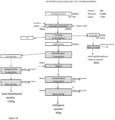
- the present invention relates to a method of extracting collagen from marine animal by-products, the method comprising the steps of (a) providing marine animal by-product pieces, preferably of a size of less than 5 cm, more preferably a size of between 1 and 2 cm, wherein the by-product pieces comprise at least two components selected from flesh, skin, fish bones, fins and cartilage of the marine animal, (b) separating the animal by-product pieces into at least two fractions comprising a protein-rich fraction and a fraction comprising skin and cartilage, wherein the skin and cartilage fraction is essentially free of flesh, (c) optionally, grinding the fraction comprising skin and cartilage, preferably to a resulting particle size of between 0,5 mm and 1 cm more preferably between 1 mm and 4 mm, (d) enzymatically hydrolyzing the fraction comprising skin and cartilage to produce a collagen raw hydrolysate, preferably the hydrolysis is carried out at a pH of between 5 and 9, more preferable a pH of between 6 and 8
- the invention further relates to a method as recited above, the method further comprising deodorizing the purified collagen solution of step (g), preferably the deodorizing is performed using activated carbon and/or dialysis.
- the invention further relates to a method as recited above, further comprising concentrating and sterilizing the purified collagen solution or the deodorized purified collagen solution, preferably the concentration and sterilization is performed by evaporation such as direct steam injection.
- the invention further relates to a method as recited above, further comprising drying the purified collagen solution or the purified deodorized collagen solution, or the concentrates thereof, to produce collagen powder, preferably the drying is performed by spray drying, freeze drying, lyophilizing, nozzle atomizer, most preferably the drying is performed by continuous horizontal spray drying.
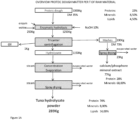
- the present invention relates to a method of producing protein hydrolysate from marine animal by-products, the method comprising the steps of: (a) providing marine animal by-product pieces, wherein the by-product pieces comprise at least two components selected from flesh, skin, fish bones, fins and cartilage of the marine animal, (b) separating the by-product pieces into at least two fractions comprising a protein-rich fraction and a fraction comprising skin and cartilage, (c) mixing the protein-rich fraction with water and separating a lipid fraction, an aqueous fraction and a protein-rich solid fraction, preferably the separation is done by three phase decanter centrifugation, (d) enzymatically hydrolyzing the protein-rich solid fraction to produce a protein hydrolysate solution, (e) separating the protein hydrolysate solution into a second lipid fraction, an aqueous protein hydrolysate fraction and a second solid fraction, preferably by three phase decanter centrifugation, and (f) collecting the aqueous protein hydro
- the invention further relates to a method as recited above, further comprising the step of (g) demineralizing the aqueous protein hydrolysate of step f) by filtration and/or dialysis using a membrane with a pore size of less than 1000 Da, preferably between 100 and 500 Da or 150 and 300Da.
- the invention further relates to a method as recited above, further comprising concentrating and sterilizing the aqueous protein hydrolysate or the demineralized aqueous protein hydrolysate, preferably the concentration and sterilization is performed by evaporation, such as direct steam injection.
- the invention further relates to a method as recited above, further comprising drying the aqueous protein hydrolysate, the demineralized aqueous protein hydrolysate or the respective concentrate thereof, to produce protein powder, preferably the drying is performed by spray drying, freeze drying, lyophilizing, nozzle atomizer, most preferably the drying is performed by continuous horizontal spray drying.
- the invention further relates to a method as recited above, further comprising the steps of (c') collecting the aqueous fraction of step (c) and subjecting it to filtration and/or dialysis using a membrane with a pore size of less than 1000 Da, preferably between 100 and 500 Da, (c") adding the retentate of step (c') to the protein-rich solid fraction prior to step (d).
- the present invention further relates to an integrated process of up-cycling or valorizing marine animal by-products that combine the above recited methods.
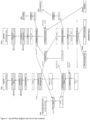
- the integrated process comprises the steps of (a) providing marine animal by-product pieces, wherein the by-product pieces comprise at least two components selected from flesh, skin, fish bones, fins and cartilage of the marine animal, (b) separate the by-product pieces into at least two fractions comprising a protein-rich fraction and a fraction comprising skin and cartilage, wherein the skin and cartilage fraction is essentially free of flesh, (c1) subjecting the protein-rich fraction to steps (c) and subsequent steps of the method of producing protein hydrolysate of above, and (c2) subjecting the fraction comprising skin and cartilage to steps (c) and subsequent steps of the for method of extracting collagen as recited above.
- the further variations and refinements of the method of producing protein hydrolysate and the method of extracting collagen can be fully applied in the context of the integrated process of this aspect of the invention.
- the marine animal by-product used as starting material may be a by-product of fish, such as heads, viscera, fish bones, scraps and/or skin.
- the marine by-product is a by-product of tuna.
- the above described methods produce collagen solutions and/or collagen powder. It has been found that the collagen produced by the above methods is of a very high quality. Accordingly, the present invention relates to a purified collagen solution or a collagen powder produced by the methods described in detail above as further specified in the appended claims. In an unclaimed aspect, the collagen solution and/or the collagen powder comprises at least one matrikine.
- the at least one matrikine of the collagen solution and/or powder may be any one or more of arresten, canstatin, tumstatin, tetrastatin, pentastatin 1, pentastatin 2, pentastatin 3, lamstatin, hexastatin 1, hexastatin 2, NC1 domain of collagen IV or XIX, endotropin, ectodomain of collagen XIII, XVII, XXIII or XXV, restin 1, restin 2, restin 3, restin 4, endostatin, neostatin 7, neostatin 14, palmitoyl pentapeptide-4, collagen hexapeptide GFOGER, and CLAC.
- the invention relates to a collagen solution or powder produced by the inventive methods, wherein at least 50% of the peptides of the collagen hydrolysate or powder are ⁇ 2kDa, preferably at least about 60% of the peptides are ⁇ 2 kDa, more preferably at least about 65%, 66%, 67%, 68%, 69%, 70%, ... , 79%, 80%, 81%, 82, 83%, 84% or 85% of the peptides are ⁇ 2 kDa and wherein the residual salt content is less than 4% by dry weight, preferably less than 2%, 1% or 0,5% by dry weight.
- the present invention also relates to a protein hydrolysate or protein powder produced by the methods of the invention as further specified in the appended claims.
- the protein hydrolysate or protein powder comprises at least 3% (wt) of omega 3 lipids and at least 1 % (wt) of phospholipids, preferably the hydrolysate or powder comprises at least 2% (wt) of monosaturated lipids, at least 3% (wt) of polysaturated lipids and at least 2,5% (wt) of omega 3 lipids.
- the purified protein hydrolysate or powder is characterized in that the residual salt content is less than 10%, or 5% by dry weight, the lipid content is less than 15%, 12% or 10% by dry weight and the protein content is more than 70%, 75% or 80% by dry weight.
- the inventive collagen solution and collagen powder may be used for medical, nutritional and cosmetic purposes.
- steps (a) ... (x) in the methods of the invention have to be performed in the order of occurrence.
- the methods comprise no other procedural steps other than those explicitly specified.
- the different steps may be interrupted by non-procedural steps of transportation, cooling/heating and/or storage. Additional processing steps are, however, not excluded from the recited methods.
- the herein described methods are industrial methods, i.e. large scale methods. These methods operate with at least several hundreds of kilograms of starting material and can be operated to treat several tons of starting material.
- the present invention relates to a method for method of extracting collagen from marine animal by-products at industrial scale.
- marine animal by-product relates to by-product in the form of heads, viscera, frames, skins and others such as tails, fins, scales, mince, blood, etc that arise from the processing of fish for human consumption.
- This material may constitute up to 70% of fish and shellfish after processing where fish fillet yield is species-dependent and is often in the range of 30 -50% of the fish.
- the waste generated after processing is actually valuable raw material from which fishmeal and fish oil may be produced from this raw material source and this material is still underutilised.
- the inventive method for extracting collagen comprises the steps of (a) providing marine animal by-product pieces, (b) separating the animal by-product pieces into at least two fractions comprising a protein-rich fraction and a fraction comprising skin and cartilage (c) optionally, grinding the fraction comprising skin and cartilage (d) enzymatically hydrolyzing the fraction comprising skin and cartilage to produce a collagen raw hydrolysate (e) separate the collagen raw hydrolysate into a lipid fraction, an aqueous collagen hydrolysate fraction without solids and a fraction with solids (f) subjecting the aqueous collagen hydrolysate fraction to at least one filtration step, using a membrane with a pore size of 2000 - 100.000 Da to produce a first permeate containing collagen hydrolysate and a retentate, and (g) demineralizing the first permeate by nanofiltration and/or dialysis using a membrane with a pore size of less than 1000 Da to produce purified collagen solution.
- the by-product pieces in step (a) may have a size of less than 5 cm, more preferably a size of between 1 and 2 cm.
- the production of pieces of this size from the supplied raw material can be performed by known techniques, e.g. using industrial macerators or other means for shredding this material.
- the size of the pieces need not be precisely as indicated and the hashed or macerated material may exhibit pieces of variable size distribution.
- a size of less than X cm refers to the macerated raw material exhibiting pieces of no larger than 5 cm with a majority of pieces smaller than X.
- a size of between X and Y cm signifies that the average particle size should be within that range, but still larger and smaller pieces may be present.
- separators can routinely be operated at parameters (pressure, grill/mesh size) to produce a skin and cartilage fraction is essentially free of flesh.
- Parameters like the porosity of the screen, the pressure applied on the screen and the flow rate of the raw material depend on the type of the separator used and are well described by the manufacturers.
- a product that is "essentially free” of another component or is essentially free of other components in the sense of the present invention describes a product that contains less than 20% of the other component(s), preferably less than 15% or 10% and in particular less than 5, 4, 3, 2, or 1% of the other component(s). That is, a fraction that is essentially free of flesh comprises less than 20% of flesh, preferably less than 15% or 10% and in particular less than 5, 4, 3, 2, or 1% flesh.
- a protein-rich fraction, essentially free of bones and cartilage refers to a composition comprising less than 20% of bones and cartilages, preferably less than 15% or 10% and in particular less than 5, 4, 3, 2, or 1% bones and cartilages.
- Consisting essentially of in the sense of the present invention describes a product that comprises more than 80%, preferably more than 85 or 90% and in particular over 95, 96, 97, 98 or 99% of the named component. It has to be understood that a protein-rich fraction, essentially free of bones and cartilages may be a fraction consisting essentially of flesh.
- step (b) the separator is operated at parameters according to the manufacturers specification two fractions are obtained, a protein rich fraction (that can be further used as described herein below) and a fraction essentially only comprises components such as skin, cartilage, fish bones, fins, etc. that contain collagen.
- This separation step is important to the present invention, since the quality of the collagen product produced is improved when the fraction containing skin and cartilage comprises essentially no flesh. Furthermore, an additional washing step of the skin and cartilage containing fraction (with associated loss of material) can be avoided.
- the particle size of the fraction of skin and cartilage may be further reduced to a resulting particle size of between 0,5 mm and 1 cm, preferably between about 1 mm and about 5 mm, or between about 1 mm and about 4 or 3 mm.
- a size of between X and Y mm signifies that the average particle size should be within that range, but still larger and smaller pieces may be present.
- the step (d) of enzymatically hydrolyzing the (optionally ground) fraction comprising skin and cartilage produces a collagen raw hydrolysate.
- the raw hydrolysate contains hydrolyzed collagen, lipids as well other organic material and ash (solids).
- the enzymes used in this step are proteases, that can be used alone or in mixtures.
- the protease used has a cleavage motif that occurs in the amino acid sequence of collagen (of type I, II, III, IV and/or V) such as to cleave the collagen into smaller peptides such as is the case for e.g. bacterial alkaline proteases.
- Preferred classes of enzymes are serine endo-peptidases, exopeptidases, di- and tri- peptidases and carboxypeptidase, as well as metalloproteases.
- the source of the protease is not important, vegetal proteases may be used as well as bacterial proteases or proteases from animal sources.
- Suitable enzymes include, but are not limited to Papaine vegetal protease, Bromelaine vegetal protease, Protease plus (Dupont/Dyadic), Sumizyme BNP L, Sumizyme LP, Sumizyme FLG (Shin Nihon), Alcalase 2.4 and 2.5 L, Neutrase, Protamex, Esperase, Savinase (Novozymes), Corolase 7089 (AB enzyme), papain, bromelain, Promod 950L (Biocatalysts).
- the hydrolysis is carried out at a pH of between 5 and 10, more preferably at a pH of between 6 and 9 or between 6 and 8.
- each enzyme has its own pH range in which it may be operated.
- the conditions of the enzymatic hydrolysis follow the recommendations of the supplier of the enzyme.
- Protease PLUS (Dyadic) is a bacterial alkaline protease produced by the controlled fermentation of Bacillus licheniformis. It is an endopeptidase capable of hydrolyzing the interior peptide bonds of protein molecules with a broad substrate specificity; this enzyme has an pH stability between 6.0 and 10.0, it is operable in an effective pH range of pH 7.0 to 10.0 and has an optimum pH range of pH 9.0 to 10.0.
- Papain has an optimal pH for activity of 6.0-7.0. That is, if in step (d) Protease Plus is used the process is operated at a pH of between 9 and 10, if Papain is used the step is operated at a pH of between 6 and 7.
- the temperature of the enzymatic hydrolysis depends on the enzyme or enzyme mixture that is used. Usually, the temperature will be from about 50°C to about 70°C, preferably up to about 65°C.
- Protease Plus has a temperature stability of up to 70°C, an effective temperature range up to 65°C and an optimum activity at 60°C.
- Papain has a temperature optimum for activity of 65 °C.
- the exact amount of enzyme added depends on the process and the protein substrate concentration, degree of desired protein hydrolysis, pH, temperature and time.
- the dosage is calculated as % per weight of protein to be hydrolyzed. Typical dosage levels are 0.2% to 2%, or 0.3% to 1% by kg of protein contained in the material to be treated.
- the dosage naturally depends on the type of the enzyme (mixture) used and can be adjusted accordingly to meet economic considerations (e.g. to increase the amount of enzyme to reduce processing time, or to reduce the amount of enzyme when processing time is not an issue).
- the amount of enzyme to be added to the skin and cartilage containing fraction is from about 0.3% to about 0.7%, preferably between about 0.4% and 0.6% or about 0.5% -+ 0.05%.
- the skilled person can easily control and adjust the parameters of the hydrolysis step depending on the protease (mixture) used and/or the nature of the starting material. If hydrolysis is proceeding too slow enzyme may be supplemented as required.
- the duration of the enzymatic hydrolysis depends on the activity and amount of enzyme used. As maintaining a given temperature for the hydrolysis requires a significant amount of energy, hydrolysis times are chosen to not exceed 10 hours. To achieve a good extraction, the hydrolysis times should also not be shorter than about 1 hour. Generally, as indicated above, the provision of smaller particles for the skin and cartilage fraction allows for shorter hydrolysis times. For example, if Protease PLUS is used for well macerated material the hydrolysis is performed within about 3 to 4 hours, if Promod 950 L (Biocatalyst) is used the hydrolysis time is about 5 hours.
- hydrolysis times range between 1 hour and 10 hours, preferably between 2 hours and 8 hours, more preferably between 3 hours and 6 hours or any value between these times.
- the solubility of the protein can be measured with a refractometer (brix). Additionally, the rate of hydrolysis can be determined with analytical methods (such as the Sorensen method and also the pH stat method ( Eric Rothenbuhler & John E. Kinsella; J. Agric. Food Chem. 1985, 33, 3, 433-438 ). Other methods of controlling, determining protein hydrolysis are known to the skilled person (see review of Silvestre, Food Chemistry, Volume 60, Issue 2, October 1997, Pages 263-271 ). These methods allow to control the cutting of the amino acids which influence the pH and allow the adjustment of the pH with NaOH or acid as needed to operate the hydrolysis at the optimum pH.
- the enzymatic hydrolysis yields a liquid phase enriched in peptides from the collagen hydrolysis, a lipid phase and a solid phase. These phases are separated in step (e) of the inventive methods. Any suitable technique or combination of techniques may be used for separating a lipid phase, an aqueous phase and a solid phase. In a preferred embodiment the separation is performed in a decanter such as a three phases decanter. There are many suitable (three phase) decanters available from different suppliers, exemplary machines include but are not limited to, Flottweg Z-series (e.g. Z3E, Z5E, Z6E, Z4 or Z35), three phase decanters from GEA (e.g. ACE 345 or Alfa Laval).
- GEA e.g. ACE 345 or Alfa Laval
- the main parameters such as temperature, rotation speed (acceleration > 3500g), flow, adjustment of the extraction pipe (no value), type of the screw (angle, D/L of the bowl) are operated depending on the instrument used and according to operating procedures as suggested by the manufacturer of the instrument.
- the separation step (e) yields three fractions, (i) one lipid fraction (fish oil) that is collected and can be used for various purposes, (ii) a solid fraction (mineral fraction, ash, can be ground and dried to a white powder) that can be used as a source of minerals for nutraceutical markets, and (iii) the aqueous phase containing hydrolysed collagen.
- the aqueous fraction is subjected to at least one filtration step (f), using a membrane with a pore size of 2000 - 100.000 Da, preferably 4000 to 50.000 Da to produce a first permeate containing collagen hydrolysate and a retentate.
- Particularly preferred pore size ranges are between 5000 Da and 25.000 Da, or between 6000 Da and 15.000 Da.
- the membrane may have a pore size of 7000 to 12.000 Da, such as 10.000 Da (10 kDa).
- the pore size of this ultrafiltration step allows to filter the collagen hydrolysate for large proteins that have not undergone hydrolysation as well as remaining fat and lipid vesicles.
- the fraction containing hydrolyzed collagen (collagen peptides) is the permeate.
- the filtration can be performed by tangential flow filtration of cross flow filtration.
- the nature of the membrane is not essential and can be cellulose based, from polymeric material or ceramic.
- Exemplary membranes may be of polyethersulfone (PES), cellulose acetate, polyacrylonitrile, polyvinylfluoride and other fluorinated polymeric membranes and ceramic filters made from zirconium oxide or titanium oxide.
- Exemplary membranes that can be used include but are not limited to membranes supplied by GE, KOCH, SYNDER, TIA, PALL, TAMI, MICRODYN NADIR (NADIR, SPIRA-CEL (spiral wound modules), SEPRODYN (modules for fine filtration) MICRODYN (tubular and capillary modules) ULTRADYN (hollow fiber modules for ultrafiltration).
- Suitable instrumentation include Alfa Laval Pilot Unit Multi, and a Ultrafiltration pilot with 1x 5 m 2 Organique UF and OI supplied by TIA with a capacity of 200 to 500 I/h of permeate.
- Exemplarily a 10 kDa ultrafiltration using a Kock HKF 131 UF can be used for the cartilage hydrolysate to produce collagen and remove large molecular weight impurities: the retentate fraction containing large proteins and fat residues is collected and can be recycled with other protein hydrolysates (scraps, protein dough, charged water). Collagen hydrolysate is found in the permeate, which is a clear slightly colored (yellowish to brownish) liquid.
- the flow rates and pressure of the ultrafiltration depend on the membrane chosen and instrumentation used and are not critical to the process as long as the ultrafiltration is effective; clogging can e.g. be prevented by adding water to the clarified collagen raw hydrolysate (fraction (iii) of step (e)) prior to or during the ultrafiltration.
- the collagen hydrolysate solution resulting from step (f) (first permeate) is then subjected to a nanofiltration step (g).
- a dialysis can be performed.
- the collagen hydrolysate solution may be used as is, or may be further concentrated as required (e.g. for dialysis a concentrated first permeate is preferred).
- the nanofiltration/dialysis step demineralizes the first permeate by nanofiltration and/or dialysis using a membrane with a pore size of less than 1000 Da to produce a purified collagen solution.
- the membrane used for the nanofiltration or dialysis has a pore size of less than about 500 Da, preferably between about 100-400 Da, and particularly preferred between 150-350 Da.
- membranes such as Lenntech organic nanofiltration membrane from 150 to 300 Da, Snyder NFX, and NFW series, NF 90 (Filmtec), NF 270 (Filmtec), NF 2 (Sepro), and NF PES 10 (Microdyn ⁇ Nadir), Filmtec membranes (Dupont), may be used.
- the pore size used in the nanofiltration step (g) should allow aqueous monovalent ions (e.g. sodium, chloride) and optionally also divalent ions (e.g. magnesium, nitrate) and other small molecules (such as biogenic amines, heavy metals, etc.) to pass through the membrane, while holding peptides and small proteins back.
- aqueous monovalent ions e.g. sodium, chloride
- divalent ions e.g. magnesium, nitrate
- other small molecules such as biogenic amines, heavy metals, etc.
- the resulting collagen solution may be subjected to a further, optional step of deodorization and/or dialysis.
- the invention further relates to a method as recited above, the method further comprising the step of (h) deodorizing the purified collagen solution of step using activated carbon and/or dialysis.
- activated carbon effectively removes residual small molecules that can be responsible for a slight smell of the collagen hydrolysate solution and thus further improves the quality of the end product.
- dialysis the effect of repeatedly adding water has also the effect of washing the collagen solution and to further reduce unwanted components. This measure also improves the removal of salt from the collagen solution.
- the dialysis may be performed with or without subsequent filtration of the retentate (collagen solution) over active carbon.
- the collagen solution may also first be filtered through active carbon and then be subjected to dialysis.
- the invention further relates to methods as recited above, further comprising concentrating and sterilizing the purified collagen solution or the deodorized purified collagen solution e.g. by evaporation such as direct steam injection using appropriate instrumentation (e.g. externally or internally modulated direct-contact steam heaters).
- the sterilization may be a UHT sterilization, i.e. a direct steam is injected in the product to reach 140°C and then the temperature is dropped down to 60°C by subjecting the product to a vacuum system in a very short time.
- the purified collagen hydrolysate is directly injected to high pressure (above 5 bar, e.g. 7 to 10 bar) steam for a few seconds and the particles are formed and collected by reducing the pressure to vacuum (e.g.
- the invention further relates to a method as recited above, further comprising drying the purified collagen solution or the purified deodorized collagen solution, or the concentrates thereof, to produce collagen powder.
- the step of drying is performed by spray drying, freeze drying, lyophilizing of with a nozzle atomizer, preferably the drying is performed by continuous horizontal spray drying.
- the concentration and sterilizing may be performed at the same time with the drying using appropriately integrated instruments.
- the present invention relates to a method of producing protein hydrolysate from marine animal by-products, the method comprising the steps of: (a) providing marine animal by-product pieces, as described for the method for producing collagen hydrolysate above, (b) separating the by-product pieces into at least two fractions comprising a protein-rich fraction and a fraction comprising skin and cartilage, as described above (c) mixing the protein-rich fraction with water and separating a lipid fraction, an aqueous fraction and a protein-rich solid fraction, (d) enzymatically hydrolyzing the protein-rich solid fraction to produce a protein hydrolysate solution, (e) separating the protein hydrolysate solution into a second lipid fraction, an aqueous protein hydrolysate fraction and a second solid fraction, and (f) collecting the aqueous protein hydrolysate.
- protein-rich in the sense of the present invention indicates in the present context, proteins from flesh. Further the expression indicates that the protein content of a fraction that is "protein rich” contains only minor amounts (less than about 15%), preferably minimal amounts (less than 5%) of bones and cartilage. Ideally, the protein-rich fraction contains virtually no bones and cartilage (less than 1.5%).
- Step (c) of separating the protein rich fraction into a lipid fraction, an aqueous fraction and a protein-rich solid fraction can be performed using routine methods and instrumentations.
- the separation is done by three phase decanter centrifugation as described above for the method of producing collagen hydrolysate.
- the parameters of operating the three phases decanter are adapted for the protein rich fraction as required and described in the manufacturers operating instructions for the respective instrument used.
- the protein-rich solid fraction is then subjected to the enzymatic hydrolysis step (d).
- the enzymatic hydrolysation (d) of the protein-rich solid fraction produces a protein hydrolysate solution.
- the conditions of the hydrolysis such as are time temperature and pH depend on the choice of enzyme, as described above for the method of producing collagen hydrolysate.
- the proteins of the protein-rich fraction are more accessible to hydrolysis.
- the incubation time for the hydrolysis is significantly shorter.
- Protease PLUS is used as enzyme, the hydrolysis is completed in about 1 to 2 hours at a pH of 8 (about 7.5 to about 9) and at a temperature of about 60°C (about 52°C to about 65°C).
- the protein raw hydrolysate is subjected to a separation step (e) which separates the protein raw hydrolysate solution into (i) a (second) lipid fraction, (ii) an aqueous protein hydrolysate fraction and (iii) a (second) solid fraction.
- a separation step e which separates the protein raw hydrolysate solution into (i) a (second) lipid fraction, (ii) an aqueous protein hydrolysate fraction and (iii) a (second) solid fraction.
- the separation is performed by a further three phase decanter centrifugation as described above, adapting the parameters of the decanter to the softer type of material fed into it.
- the (f) collecting the aqueous protein hydrolysate is then collected (step (f)) for storage or further processing as described below.
- One (optional) further step to improve the quality of the protein hydrolysate is to perform a demineralization (desalting) step (g).
- the demineralization can be performed by nanofiltration and/or dialysis using a membrane with a pore size of less than 1000 Da, preferably between 100 and 500 Da (or between 150 and 300 Da).
- the conditions applied for the nanofiltration of the collagen hydrolysate e.g. type of membrane
- the invention further relates to a method as recited above, further comprising concentrating and sterilizing the aqueous protein hydrolysate or the demineralized aqueous protein hydrolysate, preferably the concentration and sterilization is performed by evaporation, such as direct steam injection as described above.
- the method of producing protein hydrolysate may further comprise drying the aqueous protein hydrolysate, the demineralized aqueous protein hydrolysate or the respective concentrate thereof, to produce protein hydrolysate powder.
- the drying is performed by spray drying, freeze drying, lyophilizing or with a nozzle atomizer as described above. Most preferably the drying is performed by continuous horizontal spray drying as described in the method of producing collagen hydrolysate.
- the invention further relates to a method for producing protein hydrolysate as recited above, further comprising the steps of (c') collecting the aqueous fraction of step (c) and subjecting it to filtration and/or dialysis using a membrane with a pore size of less than 1000 Da, preferably between 100 and 500 Da (most preferably between 150 and 300 Da), and (c") adding the retentate of step (c') to the protein-rich solid fraction prior to step (d). These additional steps improve the yield of the protein hydrolysate.
- the present invention further relates to an integrated process of up-cycling or valorizing marine animal by-products that combines the above recited methods of producing collagen hydrolysate and protein hydrolysate.
- the details given above for the two methods fully apply for the integrated process.
- the integrated process comprises the steps of (a) providing marine animal by-product pieces, wherein the by-product pieces comprise at least two components selected from flesh, skin, fish bones, fins and cartilage of the marine animal, (b) separate the by-product pieces into at least two fractions comprising a protein-rich fraction and a fraction comprising skin and cartilage, wherein the skin and cartilage fraction is essentially free of flesh, (c1) subjecting the protein-rich fraction to steps (c) and subsequent steps of the method of producing protein hydrolysate of above, and (c2) subjecting the fraction comprising skin and cartilage to steps (c) and subsequent steps of the method of producing collagen hydrolysate as described in the first aspect of the invention above.
- the further variations and refinements of the method of producing protein hydrolysate and the method of extracting collagen can be fully applied in the context of the integrated process of this aspect of the invention.
- the marine animal by-product used as starting material may be a by-product of fish, such as heads, viscera, fish bones, scraps and/or skin.
- the marine by-product is a by-product of tuna.
- the above described methods produce collagen (hydrolysate) solutions and/or collagen (hydrolysate) powder. It has been found that the collagen hydrolysate produced by the above methods is of a very high quality. Accordingly, the present invention relates to a purified collagen (hydrolysate) solution or a collagen (hydrolysate) powder produced by the inventive method as further specified in the appended claims.
- the collagen (hydrolysate) solution and/or the collagen (hydrolysate) powder may comprise at least one matrikine.
- the at least one matrikine of the collagen (hydrolysate) solution and/or powder may be any one or more of arresten, canstatin, tumstatin, tetrastatin, pentastatin 1, pentastatin 2, pentastatin 3, lamstatin, hexastatin 1, hexastatin 2, NC1 domain of collagen IV or XIX, endotropin, ectodomain of collagen XIII, XVII, XXIII or XXV, restin 1, restin 2, restin 3, restin 4, endostatin, neostatin 7, neostatin 14, palmitoyl pentapeptide-4, collagen hexapeptide GFOGER, and CLAC.
- a collagen (hydrolysate) may contain further matrikines as well as more than one, more than two, or more than three matrikines.
- the invention relates to a collagen (hydrolysate) solution or powder produced by the inventive methods, wherein at least 50% of the peptides of the collagen hydrolysate or powder are ⁇ 2kDa, preferably at least about 60% of the peptides are ⁇ 2 kDa, more preferably at least about 65%, 66%, 67%, 68%, 69%, 70%, ... , 79%, 80%, 81%, 82, 83%, 84% or 85% of the peptides are ⁇ 2 kDa and wherein the purified collagen (hydrolysate) solution or powder of the invention is characterized in that the residual salt content is less than 4% by dry weight, preferably less than 2%, 1% or 0,5% by dry weight.
- the present invention also relates to a protein hydrolysate or protein powder produced by the methods of the invention as specified in the appended claims.
- This product may be referred to as FPH fish protein hydrolysate.
- the protein hydrolysate or protein powder comprises at least 3% (wt) of omega 3 lipids and at least 1 % (wt) of phospholipids, preferably the hydrolysate or powder comprises at least 2% (wt) of mono-saturated lipids, at least 3% (wt) of polyunsaturated lipids and at least 2,5% (wt) of omega 3 lipids.
- the purified protein hydrolysate or powder is characterized in that the residual salt content is less than 10%, 7%, 6%, 5% or 4% by dry weight, the lipid content is less than 15%, 12% or 10% by dry weight and the protein content is more than 70%, 75% or 80% by dry weight.
- the end products of the protein hydrolysate contain about 17 to 18% of lipids in the hydrolysate in powder with about 3.7% of phospholipids and about 2% of omega 3 lipids.
- a typical protein powder end product produced by the inventive methods has a protein content of between 70-80% of protein, a total lipid content of about 11-19% (about 2-5% phospholipids) and a total mineral (ashes) content of about 6-10% (about 2-4% chloride) at a residual moisture content of about 2-4%.
- the product may be referred to as fish protein hydrolysate powder or FPHP.
- the FPHP end product has about 73-76% total protein, 13-16% of total lipid (2.5% to 3.5% phospholipids) total mineral content of 7-9% (about 2.5% to 3.5% chloride). All % values in this paragraph are by weight of the end product.
- the peptide profile of the collagen hydrolysate exhibits the typical profile of amino acids as dictated by the collagen protein sequence, i.e. three particular amino acids are prominent; glycine (about 18-20%), hydroxyproline (about 7-8%) and proline (about 10-12%).
- the collagen hydrolysate and the protein hydrolysate produced by the inventive methods show a particular and unique peptide size distribution as described below.
- the collagen hydrolysate of the present invention contains about 12-18% of peptides of a size of 4 - 10 kDa, about 60-70% of peptides of a size of 1 - 4 kDa, about 12-18% of peptides with a size of 0.5 - 1 kDa and about 3-7% of peptides with a size of less than 0.5 kDa.
- the collagen hydrolysate of the present invention contains less than 1%, preferably essentially no peptides larger than 35 kDa and less than 5%, preferably less than 2% and more preferably essentially no peptides larger than 10 kDa.
- the high content of relatively small peptide size has the advantage of having reproducible and reinforced biological properties and a higher digestibility.
- the heavy metal and PCB/dioxin content is below the threshold values defined in the European union, thus the collagen hydrolysate is suitable for human and animal alimentation and/or cosmetics.
- the protein hydrolysate of the present invention contains about 25-35% of peptides of a size of 4 - 10 kDa, about 45-60% of peptides of a size of 1 - 4 kDa, about 8-14% of peptides with a size of 0.5 -1 kDa and about 3-7% of peptides with a size of less than 0.5 kDa.
- the protein hydrolysate of the present invention contains less than 4%, preferably less than 3 or 2% peptides larger than 35 kDa and less than 5%, preferably less than 4% and more preferably less than 3% peptides larger than 10 kDa.
- the high content of relatively small peptide size has the advantage of a high reproducibility, good homogeneity and higher digestibility. Due to the small peptide size the hydrolysate has an excellent bioavailability and thus improved biological properties.
- the profile of fatty acids of the protein hydrolysate of the invention is as follows: Fatty acid Relative % Saturated 45-55 (about 50) Unsaturated 45-55 (about 50) Mono-unsaturated 35-42 (about 39) Poly-unsaturated 8-15 (about 11,5) Omega-6 2,5-6 (about 4) Omega-3 4-9 (about 6,5) EPA 0,5-2 (about 1,2) DHA 2,5-6 (about 4) DPA 0,2-1 (about 0,4)
- the Histamine content of the protein hydrolysate is less than 300 ppm, preferably less than 250 ppm, and in particular less than 200 ppm.
- the total amount of biogenic amines is less than1800 ppm, preferably less than 1400 ppm and in particular less than 1000 ppm.
- the heavy metal and PCB/dioxin content is below the threshold values defined in the European union, thus the protein hydrolysate is suitable for human and animal alimentation.
- additional components such as stabilizers, foam regulators, or anti-oxidants may be supplied to the reaction in order to adjust, preserve or improve the respective reaction.
- Suitable anti-oxidants include but are not limited to Roseen, Paramega (Kemin) and Hybrilox (Kemin) company. A skilled person will understand that many other antioxidant products are available and suitable for use in the present invention.
- the inventive collagen solution and collagen powder may be used for medical, nutritional and cosmetic purposes.
- Collagen injections can improve the contours of the skin. Fillers that contain collagen can be used cosmetically to remove lines and wrinkles from the face. Collagen can also improve scars and can help heal wounds by attracting new skin cells to the wound site. It promotes healing and provides a scaffold for new tissue growth.
- Collagen dressings be used for chronic wounds that do not respond to other treatment, wounds in tissues that expel bodily fluids such as urine or sweat, granulating wounds, necrotic or rotting wounds, partial and full-thickness wounds, second-degree burns, as well as for areas of skin transplantation and skin grafts. Collagen-based membranes have also been used in periodontal and implant therapy.
- collagen barriers can prevent fast-growing cells from migrating to a wound in a tooth, thereby preserving space where tooth cells have the chance to regenerate.
- Collagen tissue grafts from donors have been used in peripheral nerve regeneration, in vascular prostheses, and in arterial reconstruction.
- Collagen supplements or formulations may be used in the treatment of osteoarthritis. Collagen can decrease painful symptoms and improving joint function in people with osteoarthritis.
- collagen can be used for skin revitalization.
- Collagen hydrolysate due to the fact that it mainly contains smaller peptides, can be ingested in the form of a dietary supplement or functional food or beverage to aid joint and bone health and enhance skin health.
- Hydrolyzed collagens such as those resulting from the methods of the present invention, have a much smaller molecular weight in comparison to native collagen or gelatine. More than 90% of hydrolyzed collagen is digested and available as small peptides in the blood stream within one hour. From the blood, the peptides are transported into the target tissues (e.g., skin, bones, and cartilage), where the peptides act as building blocks for local cells and help boost the production of new collagen fibres.
- target tissues e.g., skin, bones, and cartilage
- hydrolysis or “hydrolysing” in the context of the present invention relates to the treatment a of by-product fraction with a protease enzyme.
- Other types of hydrolysis such chemical hydrolysis (e.g. hot acidic hydrolysis) are explicitly not within the scope of the present invention.
- hydrolysate refers to the product of enzymatic hydrolysis.
- Solids are components that produce a sediment in the respective solution and/or can be removed from the solution by filtration with a sieve with a mesh size of 0.5 mm or can be removed from the solution by centrifugation with a g-force of up to 20xg.
- ultrafiltration is used to relate to filtration through semipermeable membranes in which suspended solids and solutes of high molecular weight are retained in the so-called retentate, while water and low molecular weight solutes pass through the membrane in the permeate (filtrate).
- An ultrafiltration will hold back molecules of a molecular weight of between 2 kDa and 100 kDa.
- nanofiltration is used analogously to microfiltration with the difference that the nanofiltration will hold back molecules with a molecular weight of between 100 Da and 1000 Da and need a higher pressure inside the membrane.
- pore size in relation to ultrafiltration and nanofiltration describes the molecular weight cut-off of the respective membrane or filter, e.g. a pore size of 300 Da will hold peptides and other solutes with a MW of >300 Da back and let peptides and amino acids and other solutes with a MW of ⁇ 300 Da pass the membrane.
- Frtration membrane refers to sheets of membranes as well as other configurations of material (filter/membrane stacks, ceramic cylinders, etc.) that fulfil the function of filtration.
- Periodate is the solution that exits or passes a given filter or membrane from a filtration step.
- retentate is the fraction that at the end of the filtration has not passed a given filtration membrane, a retentate may be a solution or a solid fraction, if the retentate is a solid fraction it may or may not be dissolved again in a further solution of the same or different hydrophobicity as the solution from which the retentate originated.
- dialysing and dialysis is referred to as a process to remove excess salts, toxins and other small molecule components by diffusion using a semipermeable membrane by adding water and push excess compounds through the membrane, thereby “washing” the remaining components.
- the effect of a dialysis is similar to a nanofiltration, except for the driving force that is used (diffusion vs. pressure).
- the solution processed by dialysis also becomes diluted, while the solution subjected to nanofiltration becomes more concentrated.
- purified and “purification” indicate in their broadest sense, to enrich or isolate from a mixture of different components A, B, C, ... one of the components A, B, or C.
- deodorizing in the context of the present invention indicates a process that removes components that cause a composition to smell.
- concentrate signifies in the present context the increase of dry matter of a solution by removal of water.
- dry describes a composition with a water content of less than 10%, preferably less than 5%, more preferably less than 4% or 3%.
- process of "drying” indicates the removal of water from a solution to an extent that the resulting composition has a water content of less than 10%, preferably less than 5%, more preferably less than 4% or 3%.
- Aqueous solutions are solutions that do not comprise organic solvents or comprise less than 10% or less than 5% organic solvents, i.e. solutions that are essentially water-based.
- Extracellular proteins and glycosaminoglycans may undergo limited enzymatic cleavage resulting in the release of fragments exerting biological activities, which are usually different from those of the full-length molecules ( Richard-Blum & Salza, Experimental Dermatology, (2014), Vol. 23, p. 457-463 ). These bioactive fragments are herein referred to as matrikines. These fragments regulate a number of physiopathological processes including angiogenesis, cancer, fibrosis, inflammation, neurodegenerative diseases and wound healing.
- Exemplary matrikines include arresten, canstatin, tumstatin, tetrastatin, pentastatin 1, pentastatin 2, pentastatin 3, lamstatin, hexastatin 1, hexastatin 2, NC1 domain of collagen IV or XIX, endotropin, ectodomain of collagen XIII, XVII, XXIII or XXV, restin 1, restin 2, restin 3, restin 4, endostatin, neostatin 7, neostatin 14, palmitoyl pentapeptide-4, collagen hexapeptide GFOGER, and CLAC.
- This example shows the valorisation of 4 different co-products available: cooked Scraps (from the cannery), protein dough, charged waters and cartilage and skin residues (from an oil recovery process from tuna heads).
- the tests were carried out using whole tuna heads from the Seychelles and from the Indian ocean.
- the heads were packaged in cardboard pallets and frozen in cold storage before being processed.
- the tuna heads from Seychelles come from tuna that has not been preserved and frozen in brine, which makes a significant difference to the composition and therefore to the salt content.
- the heads were then processed on an AM2C Barracuda Beluga 1830 separator to produce the protein dough and cartilage residue.
- Table 1 Sensory characteristics of raw material.
- Raw material Mash of long- finned tuna heads Mash of Yellowfin tuna heads Whole yellowfin tuna head not visually fresh TVB-N (mg/100g) 86.8 110.5 192.1 IP (meq O2/kg MG) 23.7 43.7 NA Heavy metals (mg/kg) Lead ⁇ 0,02 0.03 NA Cadmium 0.146 0.311 Arsenic 3.48 2.73
- Mercury 0.084 0.165 Biogenic amines (mg/kg) Putrescine 51 34 NA Cadaverine 26 96 Tyramide 70 26 Spermidine 18 12 Spemine 7 5 Histamine 94 59
- the heavy metal contents comply with the regulatory thresholds for animal feed.
- Shredder A Pallman shredder for shredding frozen fish plates to obtain 1 or 2 cm chips was used to process the raw material into marine by-product pieces.
- the dimensions of the cutting chamber of the PALLMANN grinder are 350 mm (thickness) by 750 mm (width).
- An AM2C supplied a Barracuda Beluga 1830 separator with a 3 mm sieve was used as a separator to product the protein rich fraction and the fraction containing skin and cartilage.
- BIRO crusher type AFM G 52 was used with a 12 -14mm grid for cartilage and skins from the separator so that the cartilage is finely ground to facilitate hydrolysis.
- a 5m 3 agitated reactor equipped with a variable speed drive and a half-shell heating system was used to effect enzymatic hydrolyses. It comprises a manual bottom valve coupled with a pneumatic drain valve. At the outlet of this reactor, a sieve screw is used to recover cartilage residues. A minimum volume of 700 litres is required to start the agitation. Promod 950L was used as enzyme.
- a GEA ACD 345 was used and operated according to the recommendations of the manufacturer to separate the lipid phase, hydrolysate and residual solid phase.
- UF/Nano skid can be equipped with membranes of various different porosities.
- Two different membranes were used in this example (a) an ultrafiltration membrane type HFK-131 Food & Dairy UF with surface elements of 4.2m 2 and porosity of 10000 Daltons and (b) a nanofiltration GE Waters and Process Technologies membrane of type DK3840C-50D with a surface area of 5.4m 2 and a porosity of 150 -300 Daltons.
- an ultrafiltration membrane type HFK-328 Food & Dairy UF elements with 4.3m 2 surface area and 5,000 Dalton porosity can be used.
- the filtration instrument was equipped with a 100-litre supply tank, which limits the volumes to be processed, but it can be equipped with an external tank to increase the volumes that can be processed.
- the filtration unit allows to produce and purify collagen hydrolysate (1kDa), demineralize collagen with a Nano membrane (150-300 Da) and perform the pre-concentration and demineralisation of hydrolysates (with Nano 150-300Da membrane).
- a filter press with active carbon was used in the present example.
- the filter press was used to remove certain colouring or odour particles.
- Coal and Smellrite (deodorant) at 3% of the dry matter each were mixed with the hydrolysates. Then the filtration was performed with filter plates comprising adjuvant type Pall K200 to retain the coal and Smellrite in a press cake.
- thermo-compression As evaporator a single-effect evaporator with thermo-compression was used. This plate evaporator has a capacity of about 1 T/h and increased the concentration of solutions to between 35 and 40% of dry weight content. A minimum volume of 300 litres is required.
- nozzle atomiser with a 200bar HP pump and equipped with a 800 ⁇ pre-filter was used, the nozzle atomizer was adapted to dry soluble protein and fish protein product.
- Other atomizers can be used that allow the injection of anti-caking agent in the pipes of the pneumatic transport, which facilitates the extraction of the moving powders.
- the nozzle choices take into account the viscosity and dry matter content of the products to obtain a sufficient spray pressure in the chamber.
- Packaging the final products were packaged using a vacuum packaging machine (Bernhardt) to make small vacuum bags to protect the products against oxidation.
- the tests were carried out on two similar batches of 3 to 4 tons of raw material (heads). Each test took a total of two days, the second batch allowed for an optimization compared to the first batch.
- tuna heads into a skin and cartilage containing fraction on one side and a fraction rich in protein and flesh on the other side was carried out on the basis of 7.2 tons of processed heads as described above (raw material) in two batches:
- the difference in yield of the skin/cartilage fraction comes from the fact that more yellowfin tuna was processed on the second day.
- the difference can also be explained by the improvement in the separation obtained by the difference in the settings (increase in pressure and temperature) that allowed for better separation.
- the skin/cartilage fraction of batch 2 was less "red” and contains less flesh as compared to batch 1.
- composition of protein-rich fraction is Composition of protein-rich fraction
- Table 2 Composition of the protein-rich fraction Sample Moisture % Dry matter % Ashes % Minerals/dry matter % Protein % proteins/dry matter % Fat content % Fat/dry matter % Long-finned tuna 67,30 32,70 3,30 10,10 16 49,10 14,90 45,57 Yellowfin 72.9 27.1 4.0 14.65 14.1 52.1 7.5 27.75
- the mineral and protein contents are quite similar for both species, while the fat content is higher in the protein fraction of long-finned tuna.
- composition of skin/cartilage fraction is a composition of skin/cartilage fraction
- Table 3 Composition of skin/cartilage fraction Sample Average dry matter % Average minerals % Minerals / dry matter % Average proteins % Protein / dry matter % Yellowfin tuna 20/11 57.89 23.13 39.95 21.33 36.85 Long-finned 20/11 61.78 32.80 53.09 21.20 34.31 Long-finned 21/11 60.88 31.10 51.08 24.34 39.97
- the mineral content is higher in cartilage obtained from long-finned tuna heads (over 50%) compared to 40% for yellowfin tuna.
- Fine grinding of the cartilage is important to optimise the hydrolysis of the collagen contained in the cartilage (performance is even better when the grinding is fine).
- the cartilage was ground on a BIRO grinder with a 20mm grid.
- composition of the extracted fat phase was: dry matter: 98.5%, minerals: 0%, proteins: 0.7%.
- the process yields an oil with a relatively high purity.
- the collagen hydrolysate obtained were quite clear. And it was possible to obtain fairly white fraction (tailings) of solid cartilage and bones which could be finely ground into a white powder, forming an interesting fraction as a source of minerals for nutraceutical markets.
- the protein hydrolysate Prior to the filtration the protein hydrolysate had a mineral content of about 15% in the dry matter.
- organic nanofiltration membrane 150 to 300Da
- the initial volume of hydrolysate was 73 liters; during the process water was added to maintain flow rate and improve the desalting.
- the total volume of hydrolysate processed was 110 litres.
- the membrane surface area used was 5.39m 2 .
- the permeate flow rate varied from 15 l/h/m 2 to 5 to 6 l/h/m 2 after 15 to 18 hours which is good and quite classic for this type of membrane.
- the protein hydrolysate fraction the retentate. After nanofiltration, its mineral content only represents 2.92% of the dry matter, which is very satisfactory and below the standards of prior art hydrolysates. About 90% of the nitrogenous material is found in the retentate. Losses of amino acids or small peptides are very weak. Only 10% of the ashes initially present in the hydrolysate are found in the retentate. The demineralisation has therefore been very effective.
- the collagen raw hydrolysate obtained after separation is purified by two successive filtration steps:
- the collagen hydrolysate was processed with continuous UF, without recycling or dialysis (no recirculation or addition of water). Ultrafiltration was started with a volume of 80 litres (tank capacity). This volume decreases by a volume corresponding to the permeate volume. The volume is then completed in order to continue ultrafiltration.
- the cartilage hydrolysate was processed in 2 batches:
- the resulting permeates contained about 10% minerals and 90% proteins.
- the flow rates were about 50 l/h/m 2 at start-up and 30 l/h/m 2 at the end of filtration.
- the permeate composition is an average of the different analyses weighted by the volume obtained at the time of the analysis.
- the composition of the retentate was reproducible. More than half of the proteins are in the permeate (collagen hydrolysate).
- the total of 646 litres of cartilage hydrolysate was processed with UF in 2h41.
- the flow rate has decreased over time: between 216L and 266L of permeate/hour at the beginning of UF, compared to 160L/h at the end of UF (after 1 hour); i.e. a flow rate of 49L/h/m 2 at the beginning and 30L/h/m 2 at the end of filtration.
- the 10KDa membrane allows direct ultrafiltration without dialysis, which means water savings and indicates that also a smaller surface area of the membranes installed can be effectively operated to reduce costs.
- the conditions and membranes were the same as for batch 1.
- the permeate contained about 10% minerals and 90% proteins, as for the first batch.
- the protein content of the retentate was stable over the processing time.
- the flow rates were lower than during ultrafiltration of the first cartilage hydrolysate batch: the flow rate was about 23 L/h/m 2 at the beginning and 7 L/h/m 2 at the end. This difference is due to the difference in hydrolysate concentration and viscosity since the second hydrolysate was previously concentrated.
- composition of the hydrolysate input was estimated to be identical to the first batch. On the other hand, its dry matter was higher because the hydrolysate was concentrated beforehand.
- the proportion of protein in the permeate is greater than 70%. This yield is better than for the first batch. This may be explained by the fact that the flesh/cartilage separation may have been more effective in batch 2.
- nanofiltration is carried out on the permeate obtained from the ultrafiltration in order to remove the minerals present.
- the retentate is recycled into the feed tank to allow several passages of the liquid through the membrane. Thereby, the retentate is concentrated while the permeate (salts) is successively eliminated. After concentration, water was added to perform dialysis and further improve the elimination of soluble minerals. The process was operated for 12 hours in a closed circuit to monitor the performance of the membranes over time.
- This test was carried out on a sample of the first batch of collagen hydrolysate after addition of salt to obtain a mineral content equivalent to that of collagen obtained from heads preserved in brine.
- the volume of initial collagen hydrolysate was 119 litres which could be reduced by concentration/desalting to a volume of 40 litres (before dialysis).
- a total volume of water of 100 litres was added in different volumes (40+20+20+20+20 L).
- the protein content in the permeate was low, the permeate contains mainly minerals (80%).
- the protein content increased a bit over time.
- the higher content at the end was due to the long duration of the filtration (12 hours), which was intended in order to check the fouling rate of the membranes.
- the mineral content in the retentate decreases rapidly: it is divided by 2 in a quarter of an hour. A dry mineral content of about 3% is reached after 3 hours.
- the initial flow rate was 78 l/h/m 2 . After a 3-fold concentration (FCV3), it increases to 42 l/h/m 2 . After water addition, the flow rate recovered to 74 l/h/m 2 . The flow rate after 12 hours in closed circuit was 38 l/h/m 2 .
- the following characteristics of permeate and retentate were observed: NF volume (L) Dry matter (DM) % % minerals / DM Quantity minerals % protein / DM Quantity Proteins Hydrolysate input 119 3.4 27.6 1.1 kg 67.9 2.7 kg Permeate 181 1.1 81.7 1.6 kg 14.7 0.3 kg Retentate 38 11.8 3.8% 0.2 kg 88.1 4.0 kg
- composition of the retentate corresponds to the final retentate analysed.
- the permeate composition is an average of the permeate compositions during filtration, weighted by the associated volumes.
- the mineral content in the permeate is probably overestimated.
- the protein content in the retentate is probably also overestimated.
- the sum of the quantities of proteins and ash in the retentate and permeate is greater than the initial quantity in the solution before nanofiltration.
- the various drying operations were carried out on a spray drying tower.
- the spray dryer is composed of a tower with a conical bottom and with nozzles for spraying and a high-pressure pump. This spray dryer was built by TGE and has a capacity of 250 I/h of evaporating capacity.
- the first batch of protein hydrolysate was dried directly (i.e. without further concentration on separation steps). Due to its low dry matter content (15%), it was not possible to obtain sufficient pressure from the HP pump (high pressure) due to nozzle configurations and low viscosity. The high fat content of the first batch of protein hydrolysate (lipid content of 24%) led to poor spraying in the drying chamber and to gluing in the tower. This problem can be solved by using an anti-caking agent.
- the second batch of protein hydrolysate was previously concentrated be evaporation and had a content of 33% of dry matter.
- Driving the decanter centrifugation at a higher temperature and a longer hydrolysis made it possible to extract part of the fat in the form of a fluid oil.
- the initial content of yellowfin tuna protein paste (used for this test batch) was lower than that of long-finned tuna. The drying process was therefore better than for the first batch, only a very slight sticking on the tower was observed.
- an anti-caking agent improves the fluidity in pneumatic conveyors and the various rotary valves and leads to an improved drying process of the protein hydrolysate.
- the concentrated collagen solutions were dried on a Tecoma Gatedryer.
- the quantities obtained are as follows: Batch 1: 19 kg, Batch 2: 14 kg.
- the powder obtained was a light, white to ivory coloured powder.
- Protein hydrolysate batch 1 Protein hydrolysate batch 2
- Protein hydrolysate batch 2 Protein hydrolysate batch 2* Protein hydrolysate batch 3 Available quantity 13.5 kg 41 kg 21 kg Humidity % 2.9 1.08 3.1 5.08 Proteins % 64.68 71.41 71.4 68.21 Proteins/dry matter % 66.61 72.19 73.7 71.86% Fats % 23.89 12.26 11.2 12.27 Lipids/dry matter % 24.60 12.39 11.6 12.93 Minerals % 4.89 12.70 12.5 12.08 Minerals/dry matter % 5.04 12.84 12.9 12.73 * Eurofins analysis (Eurofins NDSC Food Testing Germany GmbH)
- PCBs and dioxins comply with the thresholds of European regulations (2017/644).
- biogenic amines were determined to be as follows (mg/kg of dry matter): Tyramine 284,0 Putrescine 128.0 Cadaverine 714.0 Histamine 537.0 Phenylethylamine 10.6 Spermidine 31.8 Tryptamine 17.7spermine 7.1 TOTAL 1730.2
- the main amino acid in the protein hydrolysate is glutamic acid (13%), followed by glycine (9.6%) and aspartic acid (9%).
- fatty acids 11.2%) is omega 3. Per 100g of protein hydrolysate, 4,1 grams of polyunsaturated fatty acids are present. The detailed fatty acid profile is given in the appendix (batch 2).
- Collagen hydrolysate batch 1 Collagen hydrolysate batch 2 Available quantity 19 kg 14 kg Humidity 3,4% 3.0% Proteins 86.0% 85.4% Proteins/dry weight 89.0% 88,0% Minerals 14,0% 11,60% Minerals/dry weight 14,5% 12,0%
- the obtained collagen hydrolysate contains 88% protein on dry basis and 12% minerals.
- Collagen batch 1 Collagen batch 2 Amino acids g/100g hydrolysate Relative % of Quantified SAs % AA/100g proteins g/100g of hydrolysate Relative % of Quantified SAs % AA/100g proteins hydroxyproline 5.69 7.75% 6.62% 5.26 6.92% 6.16% cystine 0.26 0.35% 0.30% 0.30 0.39% 0.35% aspartic acid 4.98 6.78% 5.79% 5.25 6.91% 6.15% proline 6.3 8.58% 7.33% 6.39 8,41% 7.48% methionine 1.49 2.03% 1.73% 1.73 2.28% 2.03% threonine 2.63 3.58% 3.06% 2.79 3.67% 3.27% serine 2.85 3.88% 3.31% 3.02 3.98% 3.54% glutamic acid 8.66 11.80% 10.07% 8.99 11.83% 10.53% glycine 14.97 20.40% 17.41% 14.90 19.61% 17.45% alanine 7.11 9.69% 8.27% 7.43 9.78
- the hydroxyproline content obtained was slightly lower than the average of a marine collagen (8-8.5%).
- the glycine content is in line with the standard and the proline content is slightly low.
- the type of raw material and the parameters of the flesh/cartilage separation therefore are important points for the purity of collagen.
- Collagen batch 1 Collagen batch 2 Coliforms 30°C ⁇ 10 ⁇ 10 Enterococci ⁇ 10 ⁇ 10 Salmonellae Absent in 25g Yeasts and fungi 600 ⁇ 10 Biogenic amines (mg/kg) Collagen batch 1 Collagen batch 2 Tyramine 30.6 21.8 Putrescine 83.2 87.4 Cadaverine 332.2 259.4 Histamine 56.3 75.6 Phenylethylamine ⁇ 5.0 ⁇ 5.0 Spermidine ⁇ 5.0 ⁇ 5.0 Tryptamine ⁇ 5.0 ⁇ 5.0 Spermine ⁇ 5.0 ⁇ 5.0 Serotonin ⁇ 5.0 ⁇ 5.0 TOTAL 502.3 444.2
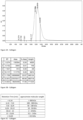
- the estimation of the protein size of the samples was done by HPLC analysis.
- the sample is diluted in a suitable buffer and analysed through a filtration gel column which allows the molecules to be sorted according to their size: during the analysis, the largest molecules come out first from the column, the smallest last.
- a detector set at 214 nm is used to detect protein compounds.
- the hydrolysed collagen contains about 67% peptides ⁇ 2kDa.
- the hydrolysed protein batches (CPSP1 to CPSP3) contain about 66 to 70% of peptides ⁇ 2kDa.
- the profiles are quite similar for the 2 batches, the batch 1 seems slightly more hydrolysed.
- the examples show that the demineralisation by nanofiltration has been effective with acceptable permeate flows. Furthermore, it was possible to obtain a collagen with a low odour and partially discoloured, despite of the low quality raw material.
- MMPs Matrix metalloproteinases
- ECM extra cellular matrix collagen components.
- Exemplary matrikines are arresten, canstatin, tumstatin, tetrastatin, pentastatin 1, pentastatin 2, pentastatin 3, lamstatin, hexastatin 1, hexastatin 2, NC1 domain of collagen IV or XIX, endotropin, ectodomain of collagen XIII, XVII, XXIII or XXV, restin 1, restin 2, restin 3, restin 4, endostatin, neostatin 7, neostatin 14, palmitoyl pentapeptide-4, collagen hexapeptide GFOGER, and CLAC.
- GLA ⁇ -linolenique
- eicosapentaenoique (EPA) ⁇ 3 5.27 ( ⁇ 0.98) % C21:0 Ac. heneicosanoique ⁇ 0.05 % C22:0 Ac. behenique 0.29 ( ⁇ 0.42) % C22:1 (n-11) Ac. cetoleique 0.26 ( ⁇ 0.41) % C22:1 (n-9c) Ac. erucique 0.21 ( ⁇ 0.39) % . C22:1 (n-9t) Ac. brassidique 0.50 ( ⁇ 0.47) % C22:2 (n-6c) Ac.
- docosadienoique ⁇ 0.05 % C22:3 (n-3c) + C22:4 (n-6c) 0.26 ( ⁇ 0.41) % C22:5 (n-3c) Ac.
- Docosapentaenoique (DPA) ⁇ 3 1.38 ( ⁇ 0.62) % C22:5 (n-6c) Ac. docosapentaenoique ⁇ 6 1.60 ( ⁇ 0.65) % C22:6 (n-3c) Ac. docosahexaenoique (DHA) ⁇ 3 23.48 ( ⁇ 1.78) % C24:0 Ac. lignocerique 0.20 ( ⁇ 0.39) % C24:1 Ac.
- nervonique 0.70 ( ⁇ 0.51) % C4:0 Ac. butyrique sur p.fini ⁇ 0.01 g/100 g C6:0 Ac. caproique sur p.fini ⁇ 0.01 g/100 g C7:0 Ac. enanthique sur p.fini ⁇ 0.01 g/100 g C8:0 Ac. caprylique sur p.fini 0.02 ( ⁇ 0.09) g/100 g C9:0 Ac. pelargonique sur p.fini ⁇ 0.01 g/100 g C10:0 Ac. caprique sur p.fini ⁇ 0.01 g/100 g C11:0 Ac.
- palmitoleique sur p.fini 0.39 ( ⁇ 0.25) g/100g C16:1 (n-7t) Ac. palmitelaidique sur p.fini ⁇ 0.01 g/100 g C17:0 Ac. margarique sur p.fini 0.11 ( ⁇ 0.15) g/100 g C17:1 (n-7c) Ac. heptadecenoique sur p.fini ⁇ 0.01 g/100 g C17:1 (n-7t) Ac heptadecenoique sur p.fini ⁇ 0.01 g/100 g C18:0 Ac.
- steacher sur p.fini 0.64 ( ⁇ 0.30) g/100 g C18:1 (n-6c) sur p.fini ⁇ 0.01 g/100 g C18:1 (n-7c) Ac. vaccenique sur p.fini 0.25 ( ⁇ 0.21) g/100 g C18:1 (n-7t) Ac. transvaccenique sur p.fini ⁇ 0.01 g/100 g C18:1 (n-9) Ac. oleique sur p.fini 2.12 ( ⁇ 0.51) g/100 g C18:1 (n-9t)+C18:1 (n-12t) sur p.fini 0.02 ( ⁇ 0.09) g/100 g C18:2 (9c,11t) Ac.
- GLA ⁇ -linolenique
- sur p.fini ⁇ 0.01 g/100 g C18:3 t3 (C18:3 t1+C18:3 t2) sur p.fini ⁇ 0.01 g/100 g C18:4 (n-3) Ac. moroctique ⁇ 3 sur g p.fini ⁇ 0.01 g/100 g C19:0 Ac. nonadecylique sur p.fini 0.02 ( ⁇ 0.09) g/100 g C19:1 (n-12t) sur p.fini ⁇ 0.01 g/100 g C19:1 (n-9t) sur p.fini 0.07 ( ⁇ 0.13) g/100 g C20:0 Ac.
- arachidique sur p.fini 0.04 ( ⁇ 0.11) g/100 g C20:1 (n-9c) Ac. gondoique sur p.fini 0.14 ( ⁇ 0.17) g/100 g C20:1(n-9t)+C18:2(10t,12c)+C20:1(n-15c) sur p.fini 0.05 ( ⁇ 0.12) g/100 g C20:2 (n-6c) Ac. eicosodienoique sur p.fini 0.03 ( ⁇ 0.10) g/100 g C20:3 (n-3c) Ac. eicosatrienoique sur p.fini 0.02 ( ⁇ 0.09) g/100 g C20:3 (n-6c) Ac.
- cetoleique sur p.fini 0.03 ( ⁇ 0.10) g/100 g C22:1 (n-9c) Ac. erucique sur p.fini 0.02 ( ⁇ 0.09) g/100 g C22:1 (n-9t) Ac. brassidique sur p.fini 0.05 ( ⁇ 0.12) g/100 g C22:2 (n-6c) Ac. docosadienoique sur p.fini ⁇ 0.01 g/100 g C22:3 (n-3c) + C22:4 (n-6c) sur p.fini 0.03 ( ⁇ 0.10) g/100 g C22:5 (n-3c) Ac.
- docosapentaenoique ⁇ 3 sur p.fini 0.15 ( ⁇ 0.17) g/100 g C22:5 (n-6c) Ac. docosapentaenoique ⁇ 6 sur p.fini 0.17 ( ⁇ 0.18) g/100 g C22:6 (n-3c) Ac. docosahexaenoique ⁇ 3 sur p.fini 2.51 ( ⁇ 0.55) g/100 g C24:0 Ac. lignocerique sur p.fini 0.02 ( ⁇ 0.09) g/100 g C24:1 Ac. nervonique sur p.fini 0.07 ( ⁇ 0.13) g/100 g
Landscapes
- Life Sciences & Earth Sciences (AREA)
- Chemical & Material Sciences (AREA)
- Food Science & Technology (AREA)
- Zoology (AREA)
- Biochemistry (AREA)
- Engineering & Computer Science (AREA)
- Polymers & Plastics (AREA)
- Marine Sciences & Fisheries (AREA)
- Chemical Kinetics & Catalysis (AREA)
- General Chemical & Material Sciences (AREA)
- Health & Medical Sciences (AREA)
- Nutrition Science (AREA)
- Peptides Or Proteins (AREA)
- Medicines Containing Material From Animals Or Micro-Organisms (AREA)
Claims (14)
- Ein Verfahren zur Extraktion von Kollagen aus Nebenprodukten von Meerestieren, wobei das Verfahren die folgenden Schritte umfasst:a) Bereitstellen von Stücken von Nebenprodukten von Meerestieren, wobei die Nebenproduktstücke mindestens zwei Komponenten umfassen, die aus Fleisch, Haut, Fischgräten, Flossen und Knorpel des Meerestiers ausgewählt sind,b) Auftrennen der tierischen Nebenproduktstücke in mindestens zwei Fraktionen, die eine proteinreiche Fraktion und eine Haut und Knorpel umfassende Fraktion umfassen, wobei die Haut- und Knorpelfraktion im Wesentlichen frei von Fleisch ist,c) gegebenenfalls Zerkleinern der Haut und Knorpel umfassenden Fraktion, vorzugsweise auf eine resultierende Teilchengröße zwischen 0,5 mm und 1 cm, bevorzugter zwischen 1 mm und 4 mm,d) enzymatische Hydrolyse der Haut und Knorpel umfassenden Fraktion zur Herstellung eines Kollagenrohhydrolysats, wobei die Hydrolyse vorzugsweise bei einem pH-Wert zwischen 5 und 9 durchgeführt wird,e) Auftrennung des Kollagenrohhydrolysats in eine Lipidfraktion, eine wässrige Kollagenhydrolysatfraktion ohne Feststoffe und eine Fraktion mit Feststoffen, wobei die Auftrennung vorzugsweise durch Dreiphasendekanterzentrifugation erfolgt,f) Unterziehen der wässrigen Kollagenhydrolysatfraktion mindestens einem Filtrationsschritt unter Verwendung einer Membran mit einer Porengröße von 2000-100.000 Da, vorzugsweise 4000-50.000 Da, stärker bevorzugt etwa 10.000 Da, um ein erstes Permeat, das Kollagenhydrolysat enthält, und ein Retentat herzustellen, undg) Demineralisieren des ersten Permeats durch Nanofiltration und/oder Dialyse unter Verwendung einer Membran mit einer Porengröße von weniger als 1000 Da, vorzugsweise zwischen etwa 150 und 300 Da, um eine gereinigte Kollagenlösung herzustellen.
- Das Verfahren nach Anspruch 1, das ferner das Desodorieren der gereinigten Kollagenlösung aus Schritt g) umfasst, wobei das Desodorieren vorzugsweise unter Verwendung von Aktivkohle und/oder Dialyse durchgeführt wird.
- Das Verfahren nach Anspruch 1 oder 2, das ferner das Konzentrieren und Sterilisieren der gereinigten Kollagenlösung oder der desodorierten gereinigten Kollagenlösung umfasst, wobei die Konzentration und Sterilisation vorzugsweise durch Verdampfung, wie z. B. direkte Dampfinjektion, durchgeführt wird.
- Das Verfahren nach einem der Ansprüche 1 bis 3, das ferner das Trocknen der gereinigten Kollagenlösung oder der gereinigten desodorierten Kollagenlösung oder der Konzentrate davon umfasst, um Kollagenpulver herzustellen, wobei das Trocknen vorzugsweise durch Sprühtrocknen, Gefriertrocknen, Lyophilisieren, Düsenzerstäuben durchgeführt wird, wobei das Trocknen am meisten bevorzugt durch kontinuierliches horizontales Sprühtrocknen durchgeführt wird.
- Ein Verfahren zur Herstellung von Proteinhydrolysat aus Nebenprodukten von Meerestieren, wobei das Verfahren die folgenden Schritte umfasst:a) Bereitstellen von Stücken von Nebenprodukten von Meerestieren, wobei die Nebenproduktstücke mindestens zwei Komponenten umfassen, die aus Fleisch, Haut, Fischgräten, Flossen und Knorpel des Meerestiers ausgewählt sind,b) Auftrennen der Nebenproduktstücke in mindestens zwei Fraktionen, die eine proteinreiche Fraktion und eine Haut und Knorpel umfassende Fraktion umfassen,c) Mischen der proteinreichen Fraktion mit Wasser und Abtrennen einer Lipidfraktion, einer wässrigen Fraktion und einer proteinreichen Feststofffraktion, wobei die Trennung vorzugsweise durch Dreiphasendekanterzentrifugation erfolgt,d) enzymatische Hydrolyse der proteinreichen Feststofffraktion zur Herstellung einer Proteinhydrolysatlösung,e) Auftrennung der Proteinhydrolysatlösung in eine zweite Lipidfraktion, eine wässrige Proteinhydrolysatfraktion und eine zweite Feststofffraktion, vorzugsweise durch Dreiphasendekanterzentrifugation, undf) Gewinnung des wässrigen Proteinhydrolysats.
- Das Verfahren nach Anspruch 5, das ferner Folgendes umfasst:
g) Demineralisieren des wässrigen Proteinhydrolysats aus Schritt f) durch Filtration und/oder Dialyse unter Verwendung einer Membran mit einer Porengröße von weniger als 1000 Da, vorzugsweise zwischen 100 und 500 Da. - Das Verfahren nach Anspruch 5 oder 6, das ferner das Konzentrieren und Sterilisieren des wässrigen Proteinhydrolysats oder des demineralisierten wässrigen Proteinhydrolysats umfasst, wobei die Konzentration und Sterilisation vorzugsweise durch Verdampfung, wie z. B. direkte Dampfinjektion, durchgeführt wird.
- Das Verfahren nach einem der Ansprüche 5 bis 7, das ferner das Trocknen des wässrigen Proteinhydrolysats, des demineralisierten wässrigen Proteinhydrolysats oder des jeweiligen Konzentrats davon umfasst, um Proteinpulver herzustellen, wobei das Trocknen vorzugsweise durch Sprühtrocknung, Gefriertrocknung, Lyophilisierung, Düsenzerstäubung erfolgt, wobei das Trocknen am meisten bevorzugt durch kontinuierliche horizontale Sprühtrocknung erfolgt.
- Das Verfahren nach einem der Ansprüche 5 bis 8, das ferner Folgendes umfasst:c') Sammeln der wässrigen Fraktion von Schritt c) und Unterziehen derselben einer Filtration und/oder Dialyse unter Verwendung einer Membran mit einer Porengröße von weniger als 1000 Da, vorzugsweise zwischen 100 und 500 Da,c") Zugeben des Retentats von Schritt c') zu der proteinreichen Feststofffraktion vor Schritt d).
- Integriertes Verfahren zur Aufwertung von Nebenprodukten von Meerestieren, umfassenda) Bereitstellen von Stücken von Nebenprodukten von Meerestieren, wobei die Nebenproduktstücke mindestens zwei Komponenten umfassen, die aus Fleisch, Haut, Gräten, Flossen und Knorpel des Meerestiers ausgewählt sind,b) Auftrennen der Nebenproduktstücke in mindestens zwei Fraktionen, die eine proteinreiche Fraktion und eine Haut und Knorpel umfassende Fraktion umfassen, wobei die Haut- und Knorpelfraktion im Wesentlichen frei von Fleisch ist,c1) Durchführen der Schritte c) und der nachfolgenden Schritte nach einem der Ansprüche 5 bis 9 mit der proteinreichen Fraktion undc2) Durchführen der Schritte c) und der nachfolgenden Schritte nach einem der Ansprüche 1 bis 4 mit der Haut und Knorpel umfassenden Fraktion.
- Das Verfahren nach einem der Ansprüche 1 bis 10, wobei das Nebenprodukt von Meerestieren ein Nebenprodukt von Fisch ist, wie z. B. Köpfe, Eingeweide, Gräten, Abfälle und/oder Haut, wobei das Nebenprodukt von Meerestieren vorzugsweise ein Nebenprodukt von Thunfisch ist.
- Eine Kollagenlösung oder ein Kollagenpulver, hergestellt durch das Verfahren nach einem der Ansprüche 1 bis 4, 10 oder 11, wobei mindestens 50 % der Peptide des Hydrolysats oder Pulvers < 2 kDa sind, vorzugsweise mindestens etwa 60 % der Peptide < 2 kDa sind, stärker bevorzugt mindestens etwa 65 % der Peptide < 2 kDa sind und wobei der Restsalzgehalt weniger als 4 %, vorzugsweise weniger als 2 % oder weniger als 1 % bezogen auf das Trockengewicht ist, und wobei die Kollagenlösung oder das Kollagenpulver weniger als 1 %, vorzugsweise im Wesentlichen keine Peptide größer als 35 kDa und weniger als 5 %, vorzugsweise weniger als 2 % und stärker bevorzugt im Wesentlichen keine Peptide größer als 10 kDa enthält.
- Ein Proteinhydrolysat oder Proteinpulver, hergestellt durch das Verfahren nach einem der Ansprüche 5 bis 11, wobei das Hydrolysat oder Pulver mindestens 3 Gew.-% Omega-3-Lipide und mindestens 1 Gew.-% Phospholipide umfasst, wobei das Hydrolysat oder Pulver vorzugsweise mindestens 2 Gew.-% einfach ungesättigte Lipide, mindestens 3 Gew.-% mehrfach ungesättigte Lipide und mindestens 2,5 Gew.-% Omega-3-Lipide umfasst und einen Proteingehalt zwischen 70 und 80 % Protein, einen Gesamtlipidgehalt von etwa 11 bis 19 % mit etwa 2 bis 5 % Phospholipiden und einen Gesamtmineralgehalt (Asche) von etwa 6 bis 10 % mit etwa 2 bis 4 % Chlorid bei einem Restfeuchtigkeitsgehalt von etwa 2 bis 4 % aufweist, und wobei das Proteinhydrolysat oder Proteinpulver einen Restsalzgehalt von weniger als 10 %, vorzugsweise weniger als 5 % bezogen auf das Trockengewicht, aufweist, der Lipidgehalt weniger als 15 %, vorzugsweise weniger als 12 % oder 10 % bezogen auf das Trockengewicht beträgt und der Proteingehalt mehr als 70 %, vorzugsweise mehr als 75 % oder 80 % bezogen auf das Trockengewicht beträgt.
- Das Proteinhydrolysat oder Proteinpulver nach Anspruch 13, das weniger als 4 %, vorzugsweise weniger als 3 oder 2 %, Peptide mit mehr als 35 kDa und weniger als 5 %, vorzugsweise weniger als 4 % und stärker bevorzugt weniger als 3 %, Peptide mit mehr als 10 kDa enthält.
Priority Applications (1)
| Application Number | Priority Date | Filing Date | Title |
|---|---|---|---|
| EP20305802.9A EP3967151B1 (de) | 2020-07-14 | 2020-07-14 | Valorisierung der nebenprodukte von meerestieren |
Applications Claiming Priority (1)
| Application Number | Priority Date | Filing Date | Title |
|---|---|---|---|
| EP20305802.9A EP3967151B1 (de) | 2020-07-14 | 2020-07-14 | Valorisierung der nebenprodukte von meerestieren |
Publications (3)
| Publication Number | Publication Date |
|---|---|
| EP3967151A1 EP3967151A1 (de) | 2022-03-16 |
| EP3967151C0 EP3967151C0 (de) | 2025-03-19 |
| EP3967151B1 true EP3967151B1 (de) | 2025-03-19 |
Family
ID=71948526
Family Applications (1)
| Application Number | Title | Priority Date | Filing Date |
|---|---|---|---|
| EP20305802.9A Active EP3967151B1 (de) | 2020-07-14 | 2020-07-14 | Valorisierung der nebenprodukte von meerestieren |
Country Status (1)
| Country | Link |
|---|---|
| EP (1) | EP3967151B1 (de) |
Families Citing this family (2)
| Publication number | Priority date | Publication date | Assignee | Title |
|---|---|---|---|---|
| JP7693119B2 (ja) * | 2021-12-15 | 2025-06-16 | ゴイア リミテッド | 海洋動物副産物の価値化 |
| CN116530685B (zh) * | 2023-05-17 | 2025-04-18 | 北京化工大学 | 胶原水解物在制备用于提高益生菌耐酸和/或耐胆盐和/或增殖活性制品中的应用和方法 |
Family Cites Families (8)
| Publication number | Priority date | Publication date | Assignee | Title |
|---|---|---|---|---|
| FR2787968B1 (fr) | 1998-12-31 | 2001-03-23 | Skw Biosystems | Procede de preparation de gelatine de poisson |
| US7070953B1 (en) * | 1999-10-20 | 2006-07-04 | Nordur Ehf | Protein hydrolysates produced with the use of cod proteases |
| NO320964B1 (no) | 2004-05-26 | 2006-02-20 | Norcape Biotechnology As | Hydrolysert marint proteinprodukt og et fôrprodukt omfattende dette, fremgangsmate for fremstilling og anvendelse |
| ES2298071B1 (es) * | 2006-10-25 | 2009-07-28 | Masterfarm,S.L. | Hidrolizado enzimatico de colageno y procedimiento de obtencion. |
| US20140296151A1 (en) * | 2011-10-14 | 2014-10-02 | Council Of Scientific And Industrial Research | Peptides from fish gelatine |
| US20150274791A1 (en) * | 2012-10-29 | 2015-10-01 | Matis Ohf. | Use of natural antioxidants during enzymatic hydrolysis of aquatic protein to obtain high quality aquatic protein hydrolysates |
| WO2014207497A1 (en) * | 2013-06-29 | 2014-12-31 | Hofseth Biocare Asa | A new method to produce marine protein hydrolysate with ultra-low heavy metal contamination and improved physical properties |
| NO342626B1 (en) * | 2016-01-06 | 2018-06-25 | Hofseth Biocare Asa | A new method to improve enzyme hydrolysis and resultant protein flavor and bio-activity of fish offcuts |
-
2020
- 2020-07-14 EP EP20305802.9A patent/EP3967151B1/de active Active
Also Published As
| Publication number | Publication date |
|---|---|
| EP3967151C0 (de) | 2025-03-19 |
| EP3967151A1 (de) | 2022-03-16 |
Similar Documents
| Publication | Publication Date | Title |
|---|---|---|
| US7954733B2 (en) | Eggshell membrane separation method | |
| Ferraro et al. | Extraction of high added value biological compounds from sardine, sardine-type fish and mackerel canning residues—A review | |
| CN107428849A (zh) | 壳多糖、水解产物和借助于酶促水解的方式用于从昆虫生产一种或多种期望的产物的方法 | |
| US20100248303A1 (en) | Method for recovering peptides/amino acids and oil/fat from one or more protein-containing raw materials, products produced by the method, and use of the products | |
| Senevirathne et al. | Utilization of seafood processing by-products: medicinal applications | |
| Drummond et al. | Proteins recovery from meat processing coproducts | |
| EP3967151B1 (de) | Valorisierung der nebenprodukte von meerestieren | |
| Benjakul et al. | Byproducts from fish harvesting and processing | |
| Wang | Natural bioactive compounds from fish | |
| JP2006151847A (ja) | コラーゲンペプチド組成物とその製造方法、化粧料組成物 | |
| Demaman Oro et al. | Enzymatic hydrolysis of proteins derived from co-and by-products of the meat industry: a review | |
| KR20070020094A (ko) | 단백질 가용화 방법 및 시스템 | |
| CN111493205A (zh) | 一种鱼类蛋白水解物及其制备方法 | |
| FR2548214A1 (fr) | Procede de traitement de la biomasse en vue de la separation des aminoacides et des lipides | |
| JP7693119B2 (ja) | 海洋動物副産物の価値化 | |
| KR102333548B1 (ko) | 배스 추출물을 포함하는 동물용 사료 조성물 및 이의 제조방법 | |
| WO2025144227A1 (en) | A green technological method for the production of collagen peptides | |
| JP2004073186A (ja) | 魚卵外皮の酵素分解によるアミノ酸成分の製法 | |
| Vázquez et al. | Tailor-made process to recover high added value compounds from fishery by-products | |
| CN100376170C (zh) | 食用蚕丝蛋白粉及丝精的制备方法 | |
| JP2010001262A (ja) | 機能性組成物および健康維持食品 | |
| Trung et al. | Recovery of Bioactive Components from Seafood By‐products toward Zero‐waste Processing | |
| CN117024551B (zh) | 一种黄鰤鱼鱼精蛋白肽及其制备方法 | |
| KR102920703B1 (ko) | 달팽이 유래 뮤신을 포함하는 피부탄력 개선용 기능성 식품 제조방법 | |
| KR20190136460A (ko) | 단백질 가용화 방법 및 시스템 장치 |
Legal Events
| Date | Code | Title | Description |
|---|---|---|---|
| PUAI | Public reference made under article 153(3) epc to a published international application that has entered the european phase |
Free format text: ORIGINAL CODE: 0009012 |
|
| STAA | Information on the status of an ep patent application or granted ep patent |
Free format text: STATUS: REQUEST FOR EXAMINATION WAS MADE |
|
| 17P | Request for examination filed |
Effective date: 20200714 |
|
| AK | Designated contracting states |
Kind code of ref document: A1 Designated state(s): AL AT BE BG CH CY CZ DE DK EE ES FI FR GB GR HR HU IE IS IT LI LT LU LV MC MK MT NL NO PL PT RO RS SE SI SK SM TR |
|
| STAA | Information on the status of an ep patent application or granted ep patent |
Free format text: STATUS: EXAMINATION IS IN PROGRESS |
|
| 17Q | First examination report despatched |
Effective date: 20231020 |
|
| GRAP | Despatch of communication of intention to grant a patent |
Free format text: ORIGINAL CODE: EPIDOSNIGR1 |
|
| STAA | Information on the status of an ep patent application or granted ep patent |
Free format text: STATUS: GRANT OF PATENT IS INTENDED |
|
| INTG | Intention to grant announced |
Effective date: 20241030 |
|
| GRAS | Grant fee paid |
Free format text: ORIGINAL CODE: EPIDOSNIGR3 |
|
| GRAA | (expected) grant |
Free format text: ORIGINAL CODE: 0009210 |
|
| STAA | Information on the status of an ep patent application or granted ep patent |
Free format text: STATUS: THE PATENT HAS BEEN GRANTED |
|
| AK | Designated contracting states |
Kind code of ref document: B1 Designated state(s): AL AT BE BG CH CY CZ DE DK EE ES FI FR GB GR HR HU IE IS IT LI LT LU LV MC MK MT NL NO PL PT RO RS SE SI SK SM TR |
|
| REG | Reference to a national code |
Ref country code: GB Ref legal event code: FG4D |
|
| REG | Reference to a national code |
Ref country code: CH Ref legal event code: EP |
|
| REG | Reference to a national code |
Ref country code: DE Ref legal event code: R096 Ref document number: 602020047878 Country of ref document: DE |
|
| REG | Reference to a national code |
Ref country code: IE Ref legal event code: FG4D |
|
| U01 | Request for unitary effect filed |
Effective date: 20250415 |
|
| U07 | Unitary effect registered |
Designated state(s): AT BE BG DE DK EE FI FR IT LT LU LV MT NL PT RO SE SI Effective date: 20250423 |
|
| PG25 | Lapsed in a contracting state [announced via postgrant information from national office to epo] |
Ref country code: RS Free format text: LAPSE BECAUSE OF FAILURE TO SUBMIT A TRANSLATION OF THE DESCRIPTION OR TO PAY THE FEE WITHIN THE PRESCRIBED TIME-LIMIT Effective date: 20250619 |
|
| PG25 | Lapsed in a contracting state [announced via postgrant information from national office to epo] |
Ref country code: NO Free format text: LAPSE BECAUSE OF FAILURE TO SUBMIT A TRANSLATION OF THE DESCRIPTION OR TO PAY THE FEE WITHIN THE PRESCRIBED TIME-LIMIT Effective date: 20250619 |
|
| PG25 | Lapsed in a contracting state [announced via postgrant information from national office to epo] |
Ref country code: HR Free format text: LAPSE BECAUSE OF FAILURE TO SUBMIT A TRANSLATION OF THE DESCRIPTION OR TO PAY THE FEE WITHIN THE PRESCRIBED TIME-LIMIT Effective date: 20250319 |
|
| PG25 | Lapsed in a contracting state [announced via postgrant information from national office to epo] |
Ref country code: GR Free format text: LAPSE BECAUSE OF FAILURE TO SUBMIT A TRANSLATION OF THE DESCRIPTION OR TO PAY THE FEE WITHIN THE PRESCRIBED TIME-LIMIT Effective date: 20250620 |
|
| U20 | Renewal fee for the european patent with unitary effect paid |
Year of fee payment: 6 Effective date: 20250725 |
|
| PG25 | Lapsed in a contracting state [announced via postgrant information from national office to epo] |
Ref country code: SM Free format text: LAPSE BECAUSE OF FAILURE TO SUBMIT A TRANSLATION OF THE DESCRIPTION OR TO PAY THE FEE WITHIN THE PRESCRIBED TIME-LIMIT Effective date: 20250319 |
|
| PG25 | Lapsed in a contracting state [announced via postgrant information from national office to epo] |
Ref country code: ES Free format text: LAPSE BECAUSE OF FAILURE TO SUBMIT A TRANSLATION OF THE DESCRIPTION OR TO PAY THE FEE WITHIN THE PRESCRIBED TIME-LIMIT Effective date: 20250319 |
|
| PG25 | Lapsed in a contracting state [announced via postgrant information from national office to epo] |
Ref country code: PL Free format text: LAPSE BECAUSE OF FAILURE TO SUBMIT A TRANSLATION OF THE DESCRIPTION OR TO PAY THE FEE WITHIN THE PRESCRIBED TIME-LIMIT Effective date: 20250319 |
|
| PG25 | Lapsed in a contracting state [announced via postgrant information from national office to epo] |
Ref country code: CZ Free format text: LAPSE BECAUSE OF FAILURE TO SUBMIT A TRANSLATION OF THE DESCRIPTION OR TO PAY THE FEE WITHIN THE PRESCRIBED TIME-LIMIT Effective date: 20250319 |
|
| PG25 | Lapsed in a contracting state [announced via postgrant information from national office to epo] |
Ref country code: SK Free format text: LAPSE BECAUSE OF FAILURE TO SUBMIT A TRANSLATION OF THE DESCRIPTION OR TO PAY THE FEE WITHIN THE PRESCRIBED TIME-LIMIT Effective date: 20250319 |
|
| PG25 | Lapsed in a contracting state [announced via postgrant information from national office to epo] |
Ref country code: IS Free format text: LAPSE BECAUSE OF FAILURE TO SUBMIT A TRANSLATION OF THE DESCRIPTION OR TO PAY THE FEE WITHIN THE PRESCRIBED TIME-LIMIT Effective date: 20250719 |
|
| PLBE | No opposition filed within time limit |
Free format text: ORIGINAL CODE: 0009261 |
|
| STAA | Information on the status of an ep patent application or granted ep patent |
Free format text: STATUS: NO OPPOSITION FILED WITHIN TIME LIMIT |
|
| REG | Reference to a national code |
Ref country code: CH Ref legal event code: L10 Free format text: ST27 STATUS EVENT CODE: U-0-0-L10-L00 (AS PROVIDED BY THE NATIONAL OFFICE) Effective date: 20260128 |
|
| REG | Reference to a national code |
Ref country code: CH Ref legal event code: H13 Free format text: ST27 STATUS EVENT CODE: U-0-0-H10-H13 (AS PROVIDED BY THE NATIONAL OFFICE) Effective date: 20260224 |
|
| 26N | No opposition filed |
Effective date: 20251222 |