EP3960202A1 - Glp-1 secretion-promoting composition - Google Patents
Glp-1 secretion-promoting composition Download PDFInfo
- Publication number
- EP3960202A1 EP3960202A1 EP20795411.6A EP20795411A EP3960202A1 EP 3960202 A1 EP3960202 A1 EP 3960202A1 EP 20795411 A EP20795411 A EP 20795411A EP 3960202 A1 EP3960202 A1 EP 3960202A1
- Authority
- EP
- European Patent Office
- Prior art keywords
- glp
- secretion
- sample
- reba
- composition
- Prior art date
- Legal status (The legal status is an assumption and is not a legal conclusion. Google has not performed a legal analysis and makes no representation as to the accuracy of the status listed.)
- Pending
Links
Images









Classifications
-
- A—HUMAN NECESSITIES
- A61—MEDICAL OR VETERINARY SCIENCE; HYGIENE
- A61K—PREPARATIONS FOR MEDICAL, DENTAL OR TOILETRY PURPOSES
- A61K31/00—Medicinal preparations containing organic active ingredients
- A61K31/70—Carbohydrates; Sugars; Derivatives thereof
- A61K31/7028—Compounds having saccharide radicals attached to non-saccharide compounds by glycosidic linkages
- A61K31/7034—Compounds having saccharide radicals attached to non-saccharide compounds by glycosidic linkages attached to a carbocyclic compound, e.g. phloridzin
- A61K31/704—Compounds having saccharide radicals attached to non-saccharide compounds by glycosidic linkages attached to a carbocyclic compound, e.g. phloridzin attached to a condensed carbocyclic ring system, e.g. sennosides, thiocolchicosides, escin, daunorubicin
-
- A—HUMAN NECESSITIES
- A23—FOODS OR FOODSTUFFS; TREATMENT THEREOF, NOT COVERED BY OTHER CLASSES
- A23L—FOODS, FOODSTUFFS OR NON-ALCOHOLIC BEVERAGES, NOT OTHERWISE PROVIDED FOR; PREPARATION OR TREATMENT THEREOF
- A23L2/00—Non-alcoholic beverages; Dry compositions or concentrates therefor; Preparation or treatment thereof
- A23L2/52—Adding ingredients
-
- A—HUMAN NECESSITIES
- A23—FOODS OR FOODSTUFFS; TREATMENT THEREOF, NOT COVERED BY OTHER CLASSES
- A23L—FOODS, FOODSTUFFS OR NON-ALCOHOLIC BEVERAGES, NOT OTHERWISE PROVIDED FOR; PREPARATION OR TREATMENT THEREOF
- A23L2/00—Non-alcoholic beverages; Dry compositions or concentrates therefor; Preparation or treatment thereof
- A23L2/52—Adding ingredients
- A23L2/60—Sweeteners
-
- A—HUMAN NECESSITIES
- A23—FOODS OR FOODSTUFFS; TREATMENT THEREOF, NOT COVERED BY OTHER CLASSES
- A23L—FOODS, FOODSTUFFS OR NON-ALCOHOLIC BEVERAGES, NOT OTHERWISE PROVIDED FOR; PREPARATION OR TREATMENT THEREOF
- A23L33/00—Modifying nutritive qualities of foods; Dietetic products; Preparation or treatment thereof
- A23L33/10—Modifying nutritive qualities of foods; Dietetic products; Preparation or treatment thereof using additives
-
- A—HUMAN NECESSITIES
- A61—MEDICAL OR VETERINARY SCIENCE; HYGIENE
- A61K—PREPARATIONS FOR MEDICAL, DENTAL OR TOILETRY PURPOSES
- A61K38/00—Medicinal preparations containing peptides
- A61K38/04—Peptides having up to 20 amino acids in a fully defined sequence; Derivatives thereof
-
- A—HUMAN NECESSITIES
- A61—MEDICAL OR VETERINARY SCIENCE; HYGIENE
- A61K—PREPARATIONS FOR MEDICAL, DENTAL OR TOILETRY PURPOSES
- A61K47/00—Medicinal preparations characterised by the non-active ingredients used, e.g. carriers or inert additives; Targeting or modifying agents chemically bound to the active ingredient
- A61K47/06—Organic compounds, e.g. natural or synthetic hydrocarbons, polyolefins, mineral oil, petrolatum or ozokerite
- A61K47/08—Organic compounds, e.g. natural or synthetic hydrocarbons, polyolefins, mineral oil, petrolatum or ozokerite containing oxygen, e.g. ethers, acetals, ketones, quinones, aldehydes, peroxides
- A61K47/10—Alcohols; Phenols; Salts thereof, e.g. glycerol; Polyethylene glycols [PEG]; Poloxamers; PEG/POE alkyl ethers
-
- A—HUMAN NECESSITIES
- A61—MEDICAL OR VETERINARY SCIENCE; HYGIENE
- A61K—PREPARATIONS FOR MEDICAL, DENTAL OR TOILETRY PURPOSES
- A61K47/00—Medicinal preparations characterised by the non-active ingredients used, e.g. carriers or inert additives; Targeting or modifying agents chemically bound to the active ingredient
- A61K47/06—Organic compounds, e.g. natural or synthetic hydrocarbons, polyolefins, mineral oil, petrolatum or ozokerite
- A61K47/08—Organic compounds, e.g. natural or synthetic hydrocarbons, polyolefins, mineral oil, petrolatum or ozokerite containing oxygen, e.g. ethers, acetals, ketones, quinones, aldehydes, peroxides
- A61K47/14—Esters of carboxylic acids, e.g. fatty acid monoglycerides, medium-chain triglycerides, parabens or PEG fatty acid esters
-
- A—HUMAN NECESSITIES
- A61—MEDICAL OR VETERINARY SCIENCE; HYGIENE
- A61K—PREPARATIONS FOR MEDICAL, DENTAL OR TOILETRY PURPOSES
- A61K47/00—Medicinal preparations characterised by the non-active ingredients used, e.g. carriers or inert additives; Targeting or modifying agents chemically bound to the active ingredient
- A61K47/06—Organic compounds, e.g. natural or synthetic hydrocarbons, polyolefins, mineral oil, petrolatum or ozokerite
- A61K47/26—Carbohydrates, e.g. sugar alcohols, amino sugars, nucleic acids, mono-, di- or oligo-saccharides; Derivatives thereof, e.g. polysorbates, sorbitan fatty acid esters or glycyrrhizin
-
- A—HUMAN NECESSITIES
- A61—MEDICAL OR VETERINARY SCIENCE; HYGIENE
- A61K—PREPARATIONS FOR MEDICAL, DENTAL OR TOILETRY PURPOSES
- A61K9/00—Medicinal preparations characterised by special physical form
- A61K9/0087—Galenical forms not covered by A61K9/02 - A61K9/7023
- A61K9/0095—Drinks; Beverages; Syrups; Compositions for reconstitution thereof, e.g. powders or tablets to be dispersed in a glass of water; Veterinary drenches
-
- A—HUMAN NECESSITIES
- A61—MEDICAL OR VETERINARY SCIENCE; HYGIENE
- A61K—PREPARATIONS FOR MEDICAL, DENTAL OR TOILETRY PURPOSES
- A61K9/00—Medicinal preparations characterised by special physical form
- A61K9/10—Dispersions; Emulsions
- A61K9/107—Emulsions ; Emulsion preconcentrates; Micelles
- A61K9/1075—Microemulsions or submicron emulsions; Preconcentrates or solids thereof; Micelles, e.g. made of phospholipids or block copolymers
-
- A—HUMAN NECESSITIES
- A61—MEDICAL OR VETERINARY SCIENCE; HYGIENE
- A61P—SPECIFIC THERAPEUTIC ACTIVITY OF CHEMICAL COMPOUNDS OR MEDICINAL PREPARATIONS
- A61P3/00—Drugs for disorders of the metabolism
- A61P3/04—Anorexiants; Antiobesity agents
-
- A—HUMAN NECESSITIES
- A61—MEDICAL OR VETERINARY SCIENCE; HYGIENE
- A61P—SPECIFIC THERAPEUTIC ACTIVITY OF CHEMICAL COMPOUNDS OR MEDICINAL PREPARATIONS
- A61P3/00—Drugs for disorders of the metabolism
- A61P3/08—Drugs for disorders of the metabolism for glucose homeostasis
- A61P3/10—Drugs for disorders of the metabolism for glucose homeostasis for hyperglycaemia, e.g. antidiabetics
-
- A—HUMAN NECESSITIES
- A61—MEDICAL OR VETERINARY SCIENCE; HYGIENE
- A61P—SPECIFIC THERAPEUTIC ACTIVITY OF CHEMICAL COMPOUNDS OR MEDICINAL PREPARATIONS
- A61P43/00—Drugs for specific purposes, not provided for in groups A61P1/00-A61P41/00
-
- A—HUMAN NECESSITIES
- A61—MEDICAL OR VETERINARY SCIENCE; HYGIENE
- A61K—PREPARATIONS FOR MEDICAL, DENTAL OR TOILETRY PURPOSES
- A61K38/00—Medicinal preparations containing peptides
Definitions
- the present invention relates to a composition for promoting GLP-1 secretion comprising a GLP-1 secretion-promoting component and an emulsified particle comprising an oil-in-water emulsifier.
- Glucagon-like peptide-1 is a hormone secreted from the gastrointestinal mucosal epithelium and the like. GLP-1 is known to have effects such as stimulation of insulin synthesis and secretion, inhibition of glucagon secretion, inhibition of food intake, and reduction of hyperglycemia. Activation of GLP-1 secretion can be expected to improve these effects.
- Patent Literature 1 describes eleven kinds of cucurbitane-type triterpenes contained in bitter melon as novel GLP-1 secretion-promoting components.
- Patent Literature 2 describes that stevioside, rebaudioside A, rebaudioside B, and rebaudioside D have properties that promote GLP-1 secretion.
- the present invention provides the followings.
- GLP-1 secretion-promoting effect of the GLP-1 secretion-promoting component can be increased.
- GLP-1 secretion-promoting ability can be achieved by comprising in a composition a GLP-1 secretion-promoting component such as RebA and an emulsified particle comprising an oil-in-water emulsifier.
- a GLP-1 secretion-promoting component such as RebA
- an emulsified particle comprising an oil-in-water emulsifier.
- a GLP-1 secretion-promoting component is a substance or composition having a property that the substance or composition itself acts on cells of human or non-human animals having GLP-1 secretion ability to increase the amount of GLP-1 secretion (hereinafter referred to as GLP-1 secretion-promoting ability).
- the amount of GLP-1 secretion is increased.
- the increase or decrease of the GLP-1 secretion amount is confirmed in the same manner as in the experimental examples. That is, a sample containing a test substance or test composition and a non-stimulant negative comparison sample of the same composition except that the sample does not contain the test substance or test composition are prepared, and both samples are added to human colon-derived cells having GLP-1 secretion ability (e.g., H716) under the same conditions, then the amount of GLP-1 secretion tested with the sample is compared to that with the non-stimulant negative comparison sample to confirm an increase or decrease of the amount.
- human colon-derived cells having GLP-1 secretion ability e.g., H716
- the GLP-1 secretion-promoting component used in the present invention is amphiphilic.
- amphiphilic means that "a molecule or a group of atoms has both a part of high affinity with water (a hydrophilic group) and a part of low affinity with water (a hydrophobic group)" (see, Digital Dai-ji-sen Japanese Dictionary).
- the amphiphilic GLP-1 secretion-promoting component tends to have a smaller surface tension than water.
- the amphiphilic GLP-1 secretion-promoting component preferably includes a glycoside sweetener.
- Preferred examples of the glycoside sweetener include a steviol glycoside or mogroside (hereinafter, mogroside is sometimes abbreviated as Mog) having GLP-1 secretion-promoting ability. More preferred examples include rebaudioside A, rebaudioside B, a stevia extract, a steviol glycoside having a structure to which rhamnose is attached, stevioside, and mogroside V, and even more preferred examples include rebaudioside A, rebaudioside B, rebaudioside C, stevioside, and mogroside V.
- Surface tension Q is measured by a plate method.
- a glycoside sweetener which is a test substance, is added in an amount to have Brix 10 on a sucrose basis to prepare an aqueous solution.
- the surface tension of the prepared aqueous solution is measured by a plate method using an automatic surface tension meter (CBVP-Z type, manufactured by Kyowa Interface Science Co., Ltd).
- a steviol glycoside is preferred as the glycoside sweetener having GLP-1 secretion-promoting ability, and rebaudioside A is most preferred.
- GLP-1 secretion-promoting component other than the glycoside sweetener examples include a monosaccharide such as glucose, a disaccharide such as sucrose, and a sucrose derivative such as sucralose (see Hyeung-Jin Jang et al., "Gut-expressed gustducin and taste receptors regulate secretion of glucagon-like peptide-1" PNAS, 2007, vol. 104, no. 38, 15069-15074 ).
- the monosaccharide and disaccharide include fructose, maltose, lactose, and a rare sugar.
- the monosaccharide and disaccharide may be used in a state comprised in a high fructose liquor; a fructose-glucose liquor; a glucose-fructose liquor; an oligosaccharide; honey; a sugar cane juice (brown sugar syrup); a sugar (white sugar, soft brown sugar, brown sugar, refined Japanese sugar, or the like); a maple syrup; a molasses; a starch syrup; or the like.
- Examples of the protein include a milk protein including a casein, a casein salt or a whey protein; an egg yolk protein, an egg white protein, a soy protein, a wheat protein, a pea protein, and a processed product thereof.
- Examples of the glycoprotein include a mucin, a proteoglycan, and a processed product thereof.
- the GLP-1 secretion-promoting component other than the glycoside sweetener comprises a milk protein; an egg yolk protein, an egg white protein, a soy protein, a wheat protein, a pea protein, a mucin, a proteoglycan, or a processed product thereof.
- the emulsifier used in the present invention is an oil-in-water emulsifier.
- oil-in-water emulsifier has an HLB value of 7 to 18, 9 to 18, 11 to 18, 13 to 18, 15 to 18, 7 to 17, 7 to 15, 7 to 13, 7 to 11, 7 to 9, 9 to 16, or 11 to 14.
- the HLB value is calculated by Griffin's method.
- the oil-in-water emulsifier may be, but is not limited to, a known oil-in-water emulsifier.
- the oil-in-water emulsifier under the requirement that the HLB value is any one of the above values include a glycerol fatty acid ester such as a monoglyceride, an organic acid monoglyceride, and a polyglycerol fatty acid ester; a sorbitan fatty acid ester; a sucrose fatty acid ester; a propylene glycol fatty acid ester; a stearoyl lactate; a polysorbate; a lecithin such as a plant lecithin, an egg yolk lecithin, a fractionated lecithin, or an enzyme-treated lecithin; a kiraya extract, a yucca foam extract; a plant sterol, a sphingolipid; a bile powder, and an animal sterol.
- Preferred examples of the oil-in-water emulsifier under the requirement that the HLB value is any one of the above values include at least one selected from the group consisting of a polyglycerol fatty acid ester, a propylene glycol fatty acid ester, an enzyme-treated lecithin, a sucrose fatty acid ester, and an organic acid monoglyceride.
- the emulsifier used includes an emulsifier in which the hydrophilic group is derived from a sweetness component under the requirement that the HLB value is any one of the above values, and it is particularly preferred that the emulsifier used includes at least one emulsifier selected from the group consisting of a polyglycerol fatty acid ester and a sucrose fatty acid ester.
- the emulsifier includes an emulsifier having a hydrophilic group comprising a phosphate group, and is particularly preferred that the emulsifier includes a lecithin.
- the GLP-1 secretion-promoting component and an emulsified particle comprising an oil-in-water emulsifier are present.
- the "emulsified particle” means a colloidal particle in which molecules or ions derived from an emulsifier gather to form a colloidal particle.
- colloidal particles are sometimes differently referred to as micelles, nanoemulsions, emulsions, or the like, depending on the size (see, Toshiyuki Suzuki, J. Soc. Cosmet. Jpn., Vol. 44, No. 2, 2010 ).
- the "emulsified particle” in the present invention includes all of these.
- the emulsified particle does not comprise the GLP-1 secretion-promoting component in a core.
- the phrase the "emulsified particle does not comprise a GLP-1 secretion-promoting component in a core” means that at least a portion of the emulsified particles does not comprise the GLP-1 secretion-promoting component in the core, and suitably, at least a portion of the GLP-1 secretion-promoting component is not comprised in the core or a shell of the emulsified particle and not emulsified, that is, is in a non-emulsified state.
- the "core” means the center (nucleus) of the emulsified particle.
- the core is formed surrounded by an emulsifier, in particular a hydrophobic group of the emulsifier.
- the shell is located outside of the core and is an area mainly formed by a portion from the hydrophilic group to the hydrophobic group of the emulsifier.
- the proportion (% by mass) of the emulsifier based on the GLP-1 secretion-promoting component is preferably 0.001 to 50, 0.005 to 50, 0.01 to 50, 0.05 to 50, 0.1 to 50, 0.4 to 50, 0.7 to 50, 1 to 50, 5 to 50, 10 to 50, 20 to 50, 30 to 50, 40 to 50, 0.001 to 40, 0.001 to 30, 0.001 to 20, 0.001 to 10, 0.001 to 5, 0.001 to 1, 0.001 to 0.5, 0.001 to 0.1, 0.005 to 40, 0.01 to 30, 0.05 to 20, 0.1 to 10, 0.4 to 5 or 0.7 to 1% by mass.
- the proportion (% by mass) of the emulsifier based on the GLP-1 secretion-promoting component is preferably 5 to 200, 7 to 200, 9 to 200, 10 to 200, 30 to 200, 50 to 200, 70 to 200, 90 to 200, 110 to 200, 130 to 200, 150 to 200, 170 to 200, 5 to 180, 5 to 160, 5 to 140, 5 to 120, 5 to 100, 5 to 80, 5 to 60, 5 to 40, 5 to 30, 5 to 20, 7 to 180, 9 to 160, 10 to 140, 30 to 120, 50 to 100, 10.0 to 180, 10.0 to 160, 10.0 to 140, 10.0 to 120, 10.0 to 100, 10.0 to 80 or10.0 to 60% by mass.
- the content (% by mass) of the emulsifier in the composition of the present invention is 0.1 to 5, 0.1 to 4, 0.1 to 3, 0.1 to 2, 0.1 to 1, 0.3 to 5, 0.5 to 5, 0.7 to 5, 0.9 to 5, 1.1 to 5, 2.1 to 5, 3.1 to 5, 4.1 to 5, 0.3 to 4, 0.5 to 3, 0.7 to 2, 0.9 to 1, 0.3 to 5, 0.5 to 5.0, 0.7 to 5.0, 0.9 to 5.0, 1 to 5.0, 1.5 to 5.0, 2 to 5.0, 2.5 to 5.0, 3 to 5.0, 3.5 to 5.0, 4 to 5.0, 4.5 to 5.0, 0.1 to 4, 0.1 to 3, 0.1 to 2, 0.1 to 1, 0.1 to 0.8, 0.1 to 0.6, 0.1 to 0.4, 0.1 to 0.2, 0.2 to 4.5, 0.3 to 4.0, 0.4 to 3.5, 0.5 to 3.0, 0.6 to 2.5, 0.7 to 2.0, 0.8 to 1.5, or 0.9 to 1.0% by mass.
- the content (% by mass) of the emulsifier in the composition of the present invention is preferably 0.001 to 1, 0.001 to 0.5, 0.001 to 0.25, 0.001 to 0.2, 0.01 to 1, 0.01 to 0.5, 0.01 to 0.25, 0.01 to 0.2, 0.1 to 1,0.1 to 10, 0.4 to 10, 0.7 to 10, 1 to 10, 3 to 10, 5 to 10, 7 to 10, 0.1 to 8, 0.1 to 6, 0.1 to 4, 0.1 to 2, 1 to 8, 1 to 7, 1 to 6, 3 to 10, 3 to 7, 3 to 6, or 5 to 7% by mass, on a mass basis.
- the content (% by mass) of the GLP-1 secretion-promoting component in the composition of the present invention is 1 to 99.9, 5 to 99.9, 9 to 99.9, 10 to 99.9, 20 to 99.9, 30 to 99.9, 40 to 99.9, 50 to 99.9, 60 to 99.9, 70 to 99.9, 80 to 99.9, 1 to 90, 1 to 80, 1 to 70, 1 to 60, 1 to 50, 1 to 40, 1 to 30, 1 to 20, 1 to 10, 5 to 90, 5 to 80, 5 to 70, 5 to 60, 5 to 50, 5 to 40, 5 to 30, 5 to 20 or 5 to 10% by mass.
- the content (% by mass) of the GLP-1 secretion-promoting component in the composition of the present invention is 0.001 to 1.4, 0.001 to 1.3, 0.001 to 1.2, 0.001 to 1.1, 0.001 to 1.0, 0.001 to 0.9, 0.001 to 0.8, 0.001 to 0.7, 0.001 to 0.6, 0.001 to 0.5, 0.001 to 0.4, 0.001 to 0.3, 0.001 to 0.2, 0.010 to 1.4, 0.01 to 1.3, 0.01 to 1.2, 0.01 to 1.1, 0.01 to 1.0, 0.01 to 0.9, 0.01 to 0.8, 0.01 to 0.7, 0.01 to 0.6, 0.01 to 0.5, 0.01 to 0.4, 0.01 to 0.3 or 0.01 to 0.2% by mass.
- it is preferably 1 to 500,000, 1 to 400,000, 1 to 300,000, 1 to 200,000, 1 to 100,000, 1 to 80,000, 1 to 60,000, 1 to 40,000, 1 to 20,000, 1 to 10,000, 1 to 8,000, 1 to 6,000, 1 to 4,000, 1 to 2,000, 1 to 1,000, 1 to 500, 50 to 500,000, 100 to 500,000, 500 to 500,000, 1,000 to 500,000, 1,500 to 500,000, 3,000 to 500,000, 4,500 to 500,000, 6,000 to 500,000, 7,500 to 500,000, 9,000 to 500,000, 10,000 to 500,000, 50,000 to 500,000, 100,000 to 500,000, 200,000 to 500,000, 300,000 to 500,000, 400,000 to 500,000, 50 to 400,000, 100 to 300,000, 500 to 200,000, 1,000 to 100,000, 1,500 to 80,000, 3,000 to 60,000, 4,500 to 40,000, 6,000 to 20,000, or 7,500 to 10,000 ppm, on a mass basis.
- it is preferably 25 to 550, 30 to 550, 35 to 550, 40 to 550, 45 to 550, 50 to 550, 55 to 550, 20 to 540, 25 to 540, 30 to 540, 35 to 540, 40 to 540, 45 to 540, 50 to 540, 55 to 540, 20 to 530, 25 to 530, 30 to 530, 35 to 530, 40 to 530, 45 to 530, 50 to 530, 55 to 530, 20 to 520, 25 to 520, 30 to 520, 35 to 520, 40 to 520, 45 to 520, 50 to 520, 55 to 520, 20 to 510, 25 to 510, 30 to 510, 35 to 510, 40 to 510, 45 to 510, 50 to 510, 55 to 510, 20 to 505, 25 to 505, 30 to 505, 35 to 505, 40 to 505, 45 to 505, 50 to 505, 55 to 505, 20 to 500, 25 to 500, 30 to 500, 35 to 500, 40 to 500, 45 to
- it is preferably 1 to 1500, 1 to 1200, 5 to 1200, 1 to 1000, 5 to 1000, 10 to 1000, 1 to 900, 5 to 900, 10 to 900, 15 to 900, 20 to 900, 25 to 900, 30 to 900, 35 to 900, 40 to 900, 45 to 900, 50 to 900, 55 to 900, 1 to 800, 5 to 800, 10 to 800, 15 to 800, 20 to 800, 25 to 800, 30 to 800, 35 to 800, 40 to 800, 45 to 800, 50 to 800, 55 to 800, 1 to 700, 5 to 700, 10 to 700, 15 to 700, 20 to 700, 25 to 700, 30 to 700, 35 to 700, 40 to 700, 45 to 700, 50 to 700, 55 to 700, 1 to 600, 5 to 600, 10 to 600, 15 to 600, 20 to 600, 25 to 600, 30 to 600, 35 to 700, 40 to 700, 45 to 700, 50 to 700, 55 to 700, 1 to 600, 5 to 600, 10 to 600, 15 to 600, 20 to 600,
- it is preferably 10 to 500,000, 10 to 450,000, 10 to 400,000, 10 to 350,000, 10 to 300,000, 10 to 250,000, 10 to 200,000, 10 to 150,000, 10 to 100,000, 10 to 50,000, 10 to 40,000, 10 to 30,000, 10 to 20,000, 100 to 500000, 100 to 450,000, 100 to 400,000, 100 to 350,000, 100 to 300,000, 100 to 250,000, 100 to 200,000, 100 to 150,000, 100 to 100,000, 100 to 50,000, 100 to 40,000, 100 to 30,000, 100 to 20,000, 1,000 to 500000, 1,000 to 450,000, 1,000 to 400,000, 1,000 to 350,000, 1,000 to 300,000, 1,000 to 250,000, 1,000 to 200,000, 1,000 to 150,000, 1,000 to 100,000, 1,000 to 50,000, 1,000 to 40,000, 1,000 to 30,000 or 1,000 to 20,000 ppm, on a mass basis.
- the GLP-1 secretion-promoting ability of the composition of the present invention is increased compared to that of the GLP-1 secretion-promoting component alone. Whether or not the GLP-1 secretion-promoting ability of the composition of the present invention is increased compared to that of the GLP-1 secretion-promoting component alone is confirmed by the following method. That is, the composition of the present invention and a composition to be compared that is the same except that only the GLP-1 secretion-promoting component is contained as the active ingredient are prepared. The composition of the present invention and the composition to be compared are administered to GPL-1-secreting cells, and the amount of GLP-1 secretion is measured.
- the GLP-1 secretion-promoting ability of the composition of the present invention is increased by 1.05 times or more, more preferably 1.1 times or more, particularly preferably 1.2 to 100 times, and most preferably 2 to 50 times compared to that of the GLP-1 secretion-promoting component alone.
- composition of the present invention may comprise a further component other than the GLP-1 secretion-promoting component and the emulsifier.
- the further component is appropriately determined depending on the use, etc., of the composition of the present invention.
- the further component include a sweetener, an excipient, a binder, a disintegrant, a coating agent, a lubricant, a colorant, a taste and flavor modifier, a stabilizer, an absorption enhancer, a pH adjusting agent, a preservative, an anti-oxidant, a fragrance, a vitamin, a trace metal ingredient, and the like.
- the sweetener of the further component may be a natural sweetener, a sugar alcohol, an artificial sweetener, or the like other than the GLP-1 secretion-promoting component.
- examples include a peptide-based sweetener such as aspartame, neotame, alitame; a synthetic sweetener such as acesulfame K, saccharin, advantame, sodium cyclohexylsulfamate, and dulcin; a plant protein-based sweetener such as monellin, curculin, brazzein, and thaumatin; taumarin; neohesperidin dihydrochalcone; a sugar alcohol such as erythritol, xylitol, sorbitol, maltitol, and mannitol.
- a fat and oil, or the like which does not have a GLP-1 secretion-promoting ability is suitably used.
- a fat and oil is a component that may be selectively present in the core of the emulsified particle.
- an MCT oil composed of a fatty acid of C6 to C12 is preferably used.
- the component that can be selectively present in the core of the emulsified particle is preferably comprised in an amount of 0.1 to 500% by mass based on the GLP-1 secretion-promoting component.
- an aqueous base such as glycerol is used as the further component.
- the aqueous base is preferably comprised in an amount of 0.4 to 600% by mass based on the GLP-1 secretion-promoting component.
- a food additive may be contained as the further component.
- the food additive include an excipient (such as a wheat starch, a corn starch, a cellulose, mannitol, sorbitol, xylitol, a pregelatinized starch, a magnesium aluminate silicate, and a calcium silicate); a binder (such as a pregelatinized starch, a hydroxypropyl methyl cellulose, and a polyvinylpyrrolidone; a disintegrant such as a cellulose, a hydroxypropyl methyl cellulose, and a corn starch); a fluidizer (such as a light anhydrous silicic acid); a fat and oil (for example, a vegetable oil such as a soybean oil, a sesame oil, an olive oil, a linseed oil, a perilla oil, a rapeseed
- compositions of the present invention include a composition comprising: RebA as the GLP-1 secretion-promoting component; at least one selected from the group consisting of a polyglycerol fatty acid ester, a propylene glycol fatty acid ester, an enzyme-treated lecithin, a sucrose fatty acid ester, and an organic acid monoglyceride as the oil-in-water emulsifier; an MCT oil composed of a fatty acid of C6 to C12 as the component that can be selectively present in the core of the emulsified particle; glycerol as the aqueous base; and an aqueous medium, particularly water, as a dispersion medium.
- compositions comprising: RebA as the GLP-1 secretion-promoting component; a polyglycerol fatty acid ester as the oil-in-water emulsifier, an MCT oil composed of a fatty acid of C6 to C12 as the component that can be selectively present in the core of the emulsified particle; glycerol as the aqueous base; and water as the dispersion medium.
- compositions of the present invention include a composition comprising: RebA as the GLP-1 secretion-promoting component; at least one selected from the group consisting of a polyglycerol fatty acid ester, a propylene glycol fatty acid ester, an enzyme-treated lecithin, a sucrose fatty acid ester, and an organic acid monoglyceride as the oil-in-water emulsifier; an MCT oil composed of a fatty acid of C6 to C12 as the component that can be selectively present in the core of the emulsified particle; glycerol as the aqueous base; and an aqueous medium, particularly water, as the dispersion medium, in which the content of the oil-in-water emulsifier is 0.001 to 50% by mass based on the GLP-1 secretion-promoting component; the content of the component that can be selectively present in the core of the emulsified particle is 0.1 to 500% by mass based on the GLP-1 secretion-promoting component
- compositions comprising: RebA as the GLP-1 secretion-promoting component; a polyglycerol fatty acid ester as the oil-in-water emulsifier, an MCT oil composed of a fatty acid of C6 to C12 as the component that can be selectively present in the core of the emulsified particle; glycerol as the aqueous base; and water as the dispersion medium, in which the content of the oil-in-water emulsifier is 0.001 to 50% by mass based on the GLP-1 secretion-promoting component; the content of the component that can be selectively present in the core of the emulsified particle is 0.1 to 500% by mass based on the GLP-1 secretion-promoting component; and the content of the aqueous base is 0.4 to 600% by mass based on the GLP-1 secretion-promoting component.
- the composition of the present invention may be a composition of any form, and may be, for example, a solid (e.g., powdery), gel-like, or liquid composition. Also, a composition comprising the GLP-1 secretion-promoting component and a composition comprising the emulsified particle may be provided separately, then the two compositions may be mixed, and ingested, taken, or administered, or the two compositions may be ingested, taken, or administered separately.
- composition of the present invention can be applied for use in GLP-1 secretion promotion.
- the composition of the present invention can be used for at least one use selected from suppressing elevated blood glucose levels, suppressing appetite, suppressing overeating, improving glycometabolism, preventing or treating diabetes, preventing or treating obesity, reducing body weight, and reducing body fat percentage.
- the composition of the present invention can be used for at least one use selected from improving glycometabolism, suppressing appetite, and preventing or ameliorating diabetes or obesity.
- composition of the present invention can also be used for promoting gastric emptying, suppressing gastric acid secretion, suppressing liver glucose release, myocardial protection, improving learning memory, preventing or treating postprandial hyperglycemia (hidden diabetes), preventing or treating ulcerative colitis, and the like.
- composition of the present invention can also be used for preventing or treating vascular diseases such as atherosclerosis, neurodegenerative diseases, non-alcoholic hepatitis, chloasma, and asthma (see, Young-Sun Lee et al., "Anti-Inflammatory Effects of GLP-1-Based Therapies beyond Glucose Control", Mediators of Inflammation Volume 2016, Article ID 3094642, 11 pages ).
- vascular diseases such as atherosclerosis, neurodegenerative diseases, non-alcoholic hepatitis, chloasma, and asthma
- composition of the present invention can itself be directly used for (taken by, received by, or administered to) a human or a non-human animal having GLP-1 secretion ability.
- Examples of an embodiment of the composition of the present invention used directly for human or non-human animals include a food, for example, a noodle (such as a soba noodle, an udon, a Chinese noodle, an instant noodle); tofu; a confectionery (such as a candy, a gum, a chocolate, a snack, a biscuit, a cookie, and a gummy); a bread; a marine or livestock processed food (such as a kamaboko, a ham, and a sausage); a dairy product (such as a fermented milk); a fat and oil, and an fat-and-oil processed food (such as a salad oil, a tempura oil, a margarine, and a mayonnaise, a shortening, a whipped cream, a dressing, and a fat spread); a condiment (such as a sauce and a baste); a cooked or semi-cooked product (such as a chanpuru); a retor
- a beverage such as a tea beverage, a soft drink, a carbonated beverage including a non-alcoholic beer, a nutritional beverage, a fruit beverage, a lactic acid beverage, a juice, an energy drink, an alcoholic beverage, a processed milk, and a prepared soy milk for use in suppressing elevated blood glucose levels, suppressing appetite, suppressing overeating, improving glycometabolism, preventing or treating diabetes, preventing or treating obesity, reducing body weight, reducing body fat percentage, promoting gastric emptying, suppressing gastric acid secretion, suppressing liver glucose release, protecting myocardium, improving learning memory, preventing or treating vascular diseases, preventing or treating neurodegenerative diseases, preventing or treating non-alcoholic hepatitis, preventing or treating chloasma, or preventing or treating asthma.
- a beverage such as a tea beverage, a soft drink, a carbonated beverage including a non-alcoholic beer, a nutritional beverage, a fruit beverage, a lactic acid beverage, a juice, an energy
- examples of the dosage form include a tablet, a powder, a fine granule, a granule, a dry syrup, a coated tablet, an intra-oral disintegrating tablet, a chewable tablet, a capsule, a soft capsule, a syrup, and an enteral nutritional supplement.
- composition of the present invention is produced by a known method depending on its use, composition, or the like.
- the composition of the present invention is produced by a method comprising the step of stirring an emulsifier, an aqueous medium, and a fat and oil to form an emulsified particle so as to prepare an emulsified particle-containing mixture, and the step of mixing the emulsified particle-containing mixture and a GLP-1 secretion-promoting component-containing mixture that comprises a GLP-1 secretion-promoting component and an aqueous medium.
- the stirring is preferably a high-speed stirring using a homo-mixer or the like.
- the mixing is preferably carried out under milder conditions than the stirring for forming the emulsified particle so that the GLP-1 secretion-promoting component does not enter the core of the emulsified particle.
- the method may further comprise a step of mixing a GLP-1 secretion-promoting component and an aqueous medium to prepare a GLP-1 secretion-promoting component-containing mixture.
- the stirring speed is preferably 5,000 to 10,000, 5,000 to 8,000, or 8,000 to 10,000 rpm.
- one aspect of the present invention relates to a method for producing a composition for use in promoting GLP-1 secretion, comprising the step of stirring an oil-in-water emulsifier, an aqueous medium, and a fat and oil to form an emulsified particle so as to prepare an emulsified particle-containing mixture, and the step of mixing the emulsified particle-containing mixture and a GLP-1 secretion-promoting component-containing mixture that comprises a GLP-1 secretion-promoting component and an aqueous medium, and relates to a composition for promoting GLP-1 secretion produced by the above method.
- the emulsified particle tends not to comprise the GLP-1 secretion-promoting component in the core.
- composition of the present invention can also be used in a state contained in a beverage, a food, a pharmaceutical composition, or the like, by a route such as an oral, nasal, or enteral route, or a route with a tube.
- the food includes, for example, a noodle (such as a soba noodle, an udon, a Chinese noodle, an instant noodle); tofu; a confectionery (such as a candy, a gum, a chocolate, a snack, a biscuit, a cookie, and a gummy); a bread; a marine or livestock processed food (such as a kamaboko, a ham, and a sausage); a dairy product (such as a fermented milk); a fat and oil, and an fat-and-oil processed food (such as a salad oil, a tempura oil, a margarine, and a mayonnaise, a shortening, a whipped cream, a dressing, and a fat spread); a condiment (such as a sauce and a baste); a cooked or semi-cooked product (such as a
- the beverage includes, for example, a tea beverage, a soft drink, a carbonated beverage including a non-alcoholic beer, a nutritional beverage, a fruit beverage, a lactic acid beverage, a juice, an energy drink, an alcoholic beverage, a processed milk, a prepared soy milk, and the like.
- the food and beverage may comprise a further component as long as the food and beverage comprises the composition of the present invention.
- the further component in this case include the same as those in the examples of the further component in the ⁇ Composition> section.
- the intake amount (dose or dosage) of the GLP-1 secretion-promoting component is not particularly limited, and can be appropriately selected according to the age, weight, and health condition, and the like.
- the present invention can be used or applied to any therapeutic application (medical application) or non-therapeutic application. Specifically, whether it is classified as a pharmaceutical product, a quasi-pharmaceutical product, a cosmetic, or the like, the present invention can be used or applied as any composition or food and beverage that explicitly or implicitly pursues the function of promoting GLP-1 secretion or the function resulting from the promotion of GLP-1 secretion. Furthermore, the product using the present invention may indicate a function that promotes GLP-1 secretion and a function resulting from GLP-1 secretion promotion.
- Examples of such an indication include, but are not particularly limited to, a function that promotes GLP-1 secretion and a function resulting from GLP-1 secretion promotion, such as a blood glucose-level elevation suppression function, an appetite suppression function, an overeating suppression function, a glycometabolism improvement function, a diabetes prevention or treatment function, an obesity prevention or treatment function, a weight reduction function, a body fat percentage reduction function, a gastric emptying promotion function, a gastric acid secretion suppression function, a liver glucose release suppression function, a myocardial protective function, a learning memory improvement function, a vascular disease prevention or treatment function, a neurodegenerative disease prevention or treatment function, a non-alcoholic hepatitis prevention or treatment function, a chloasma prevention or treatment function, an asthma prevention or treatment function, or an indication considered to be equivalent to these.
- a function that promotes GLP-1 secretion and a function resulting from GLP-1 secretion promotion such as a blood glucose-level elevation suppression function
- the timing of use of the compositions of the present invention is not particularly limited, and may be, for example, before, during, between, or after meals, or before bedtime.
- One aspect of the present invention relates to a composition for use in treating a disease that can be improved by promoting GLP-1 secretion, comprising a GLP-1 secretion-promoting component and an emulsified particle comprising an oil-in-water emulsifier.
- One aspect of the present invention relates to a method for promoting GLP-1 secretion in a subject or treating a disease that can be ameliorated by promoting GLP-1 secretion in a subject, comprising administering to the subject in need thereof a composition comprising a GLP-1 secretion-promoting component and an emulsified particle comprising an oil-in-water emulsifier.
- one aspect of the present invention relates to a use of a GLP-1 secretion-promoting component and an emulsified particle comprising an oil-in-water emulsifier for the manufacture of a medicament for treating a disease that can be ameliorated by promoting GLP-1 secretion. It should be noted that each of the aspects above may have various features described herein.
- Examples of the disease include hyperglycemia, bulimia, gastric acidosis, diabetes, obesity, vascular disease, neurodegenerative disease, non-alcoholic hepatitis, chloasma, and asthma.
- the term "subject” means any individual organism, preferably animal, more preferably mammalian, further preferably human individual.
- the subject may be healthy (e.g., have no particular or any disease) or may be affected by some disease.
- the subject typically means a subject affected by the disease or having a risk of being affected by the disease.
- the term "treatment” includes every type of medically acceptable prophylactic and/or therapeutic intervention aimed at cure, transient remission or prevention, etc. of a disease.
- the "treatment” includes medically acceptable intervention for various purposes including, for example, the delay or arrest of progression of a disease, the regression or disappearance of a lesion, the prevention of onset of the disease or the prevention of recurrence of the disease.
- the composition of the present invention can be used in the treatment and/or the prevention of a disease.
- One aspect of the present invention also relates to a method for increasing the GLP-1 secretion-promoting ability of a GLP-1 secretion-promoting component, comprising using a GLP-1 secretion-promoting component in combination with an emulsified particle comprising an oil-in-water emulsifier.
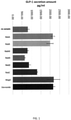
- RebA, RebB, RebM, RebN, RebD, RebC, MogV, and stevioside were examined for their GLP-1 secretion-promoting effects. Specifically, the amount of GLP-1 secretion was measured by the following procedures. The substance that had a larger amount of GLP-1 secretion than that in control, no sample, was determined to have a GLP-1 secretion-promoting effect.
- test substance B, C, D, E, F, G, I, or J was dissolved in PBS (Thermo Fisher Scientific Inc.) (Cat. No. 14190250) to obtain a stock solution.
- concentration of the stock solution is shown below: B (RebA); 5mM, C (RebB); 1M, D (RebM); 2.5mM, E (RebN); 1M, F (RebD); 2.5mM, G (RebC); 2.5mM, I (MogV); 1M, J(stevioside);1M
- H716 (ATCC) (Cat. No. ATCC ® CCL-251) was cultured in RPMI 1640 (10% FBS (Thermo Fisher Scientific Inc.) (Cat. No. 10439024), 1 mM Sodium Pyruvate) in an incubator at 37°C, 5%CO 2 .
- the preculture was performed for 2 weeks, and the cells were sufficiently recovered, and then cell stocks were prepared.
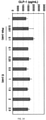
- Fig. 1 The results are shown in Fig. 1 .
- RebA, RebB, RebC, MogV, and stevioside had significantly larger amounts of GLP-1 secretion than no sample.
- the 10 mM solution was diluted as needed with 1% DMSO-containing PBS to obtain Sample G-1 mM to Sample G-10 mM.
- concentrations of RebC are described in Table 1.
- DMSO manufactured by FUJIFILM Wako Pure Chemical Corporation, model number: 037-24053
- DMSO manufactured by FUJIFILM Wako Pure Chemical Corporation, model number: 037-24053
- the 15 mM solution was diluted as needed with 1% DMSO-containing PBS to obtain Sample J-0.1 mM to Sample J-15 mM.
- concentrations of stevioside are described in Table 1.
- the 25 mM solution was diluted as needed with 1% DMSO-containing PBS to obtain Sample B-1 mM to Sample B-25 mM.
- concentrations of RebA are described in Table 1.
- An aqueous mixed solution was prepared by mixing 490 g of glycerol, 100 g of RebA, and 10 g of polyglycerol fatty acid ester, and heating and dissolving the mixture at 70°C.
- 300 g of MCT oil was added as a fat and oil, and the mixture was emulsified at a rotation rate of 8000 rpm with a homo-mixer (manufactured by Tokushu Kika Kogyo Co., Ltd.). After completion of the stirring, the mixture was cooled to 40°C, and 100 g of water was added to obtain a processed RebA solution.
- the stock solution was diluted as needed with 1% DMSO-containing PBS to obtain Sample B processed-0.25 mM to Sample B processed-25 mM.
- concentrations of RebA are described in Table 1.
- H716 human-colon-derived cell
- RPMI 1640 Thermo Fisher Scientific Inc., model number: 61870-036
- FBS Hydrophilic saline
- mM Sodium Pyruvate 1 mM Sodium Pyruvate
- the preculture was performed for 2 weeks, and the cells were sufficiently recovered, and then cell stocks were prepared.
- Cells were seeded in 96-well plates at 2 x 10 5 cells/90 ⁇ L per well. At this time, the content of FBS in the medium was lowered to 0.5% to suppress cell proliferation.
- the collected 96-well plates were centrifuged at 300 g x 5 min, and the supernatant was collected.
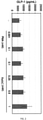
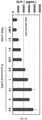
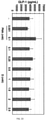
- GLP-1 in the collected supernatant was quantified with Human GLP-1 (7-36 amide) Immunoassay kit (manufactured by PerkinElmer, Inc., model number: AL359C). The results are shown in Figs. 2 to 5 .
- the amount of GLP-1 secretion in a 1% DMSO-containing solution as a non-stimulant control (negative comparison), and the amount of GLP-1 secretion in an aqueous solution of PMA (manufactured by FUJIFILM Wako Pure Chemical Corporation, model number: 162-23591) as a positive control are also shown in Figs. 2 to 5 .
- the aqueous solution of PMA was obtained by adding 16.21 ⁇ L of DMSO to 1 mg of PMA to prepare a stock solution; adding PBS to the stock solution to prepare a 1 mM solution; and diluting it with 1% DMSO-containing PBS.
- Table 1 is shown below. The positive comparison in Table 1 is also referred to as positive control. The negative comparison is also referred to as negative control. Table 1 # Sample Addition concentration (mM) ppm equivalent Addition amount ( ⁇ L) Medium ( ⁇ L) Total ( ⁇ L) Sample F.C.
- Aqueous solutions containing RebA, RebD, and RebM (commercially available products) each were prepared.
- the contents of RebA, RebD, and RebM were aligned to Brix 10 on a sucrose basis. That is, the contents of RebA, RebD, and RebM were 333 ppm, 351 ppm, and 351 ppm, respectively.
- the surface tension of the obtained aqueous solution was measured by a plate method using an automatic surface tension meter (CBVP-Z type, manufactured by Kyowa Interface Science Co., Ltd). Water was used as a control and tested in the same manner. The results are shown in Fig. 6 .
- the flavor characteristics of an emulsified composition of RebA were evaluated by the following procedure.
- RebA was dissolved in pure water to prepare 100 ppm and 300 ppm aqueous solutions, which were used as controls.
- the processed RebA solution prepared in Experimental Example 5 was added to pure water, and 100 ppm and 300 ppm aqueous solutions were prepared in the same manner.
- Flavor evaluation of the processed RebA solution-added aqueous solution was performed by seven well-trained sensory panelists by 0.5 points taking the control as 3 points. The average values are shown in the Figure. The flavor was evaluated by sweetness intensity, sweetness lingering, and bitterness intensity.
- the 50 mM solution was diluted as needed with 1% DMSO-containing PBS to obtain Sample B-1 mM to Sample B-25 mM.
- concentrations of RebA are described in Table 2.
- An aqueous mixed solution was prepared by mixing 490 g of glycerol, 100 g of RebA, and 10 g of polyglycerol fatty acid ester, and heating and dissolving the mixture at 70°C.
- 300 g of MCT oil was added as a fat and oil, and the mixture was emulsified at a rotation rate of 8000 rpm with a homo-mixer (manufactured by Tokushu Kika Kogyo Co., Ltd.). After completion of the stirring, the mixture was cooled to 40°C, and 100 g of water was added to obtain a processed RebA solution.
- the stock solution was diluted as needed with 1% DMSO-containing PBS to obtain Sample B processed-1 mM to Sample B processed-25 mM.
- concentrations of RebA are described in Table 2.
- the solution C was obtained in the same manner as the preparation of the processed RebA solution in Experimental Example 9 except that 100 g of RebA was not used and 490 g of glycerol, 10 g of polyglycerol fatty acid ester, 300 g of MCT oil, and 200 g of water were used.
- the obtained stock solution was diluted with 1% DMSO-containing PBS to obtain Sample C-1 mM to Sample C-25 mM.
- Table 2 describes RebA equivalent concentrations.
- the RebA equivalent concentration refers to a concentration of RebA in a given Sample B processed of Experimental Example 9 when concentrations of glycerol, polyglycerol fatty acid ester and MCT oil in a given Sample C and concentrations of glycerol, polyglycerol fatty acid ester and MCT oil in the given Sample B processed are the same.
- Sample B containing RebA at twice the concentration in Sample B + C was obtained. That is, Sample B-2 mM, Sample B-5 mM, Sample B-10 mM, Sample B-20 mM, Sample B-30 mM, Sample B-40 mM, and Sample B-50 mM were obtained. The concentration behind the hyphens indicates the concentration of RebA.
- Sample C containing polyglycerol fatty acid ester, etc., at twice the concentration in Sample B + C was obtained. That is, Sample C-2 mM, Sample C-5 mM, Sample C-10 mM, Sample C-20 mM, Sample C-30 mM, Sample C-40 mM, and Sample C-50 mM were obtained. The concentration behind the hyphens indicates the RebA equivalent concentration.
- Sample B and Sample C at the same concentration were mixed to obtain Sample B + C-1 mM to Sample B + C-25mM.
- concentrations of RebA are described in Table 2.
- the obtained stock solution was diluted as needed with 1% DMSO-containing PBS to obtain Sample D-1 mM to Sample D-25 mM.
- Table 2 describes the RebA equivalent concentrations.
- the RebA equivalent concentration refers to a concentration of RebA in a given Sample B processed of Experimental Example 9 when the concentration of glycerol in a given Sample D and the concentrations of glycerol in the given Sample B processed are the same.
- the obtained stock solution was diluted as needed with 1% DMSO-containing PBS to obtain Sample E-1 mM to Sample E-25 mM.
- Table 2 describes the RebA equivalent concentrations.
- the RebA equivalent concentration refers to a concentration of RebA in a given Sample B processed of Experimental Example 9 when the concentration of MCT oil in a given Sample E and the concentrations of MCT oil in the given Sample B processed are the same.
- H716 human-colon-derived cell
- RPMI 1640 Thermo Fisher Scientific Inc., model number: 61870-036
- FBS Hydrophilic saline
- mM Sodium Pyruvate 1 mM Sodium Pyruvate
- the preculture was performed for 2 weeks, and the cells were sufficiently recovered, and then cell stocks were prepared.
- the collected 96-well plates were centrifuged at 300 g x 5 min, and the supernatant was collected.
- GLP-1 in the collected supernatant was quantified with Human GLP-1 (7-36 amide) Immunoassay kit manufactured by PerkinElmer, Inc.
- the range of the standard in the calibration curve was 30 to 100,000 pg/mL.
- the value supposed to be 100,000 pg/mL or greater was calculated as 100,000 pg/mL.
- Fig. 8 The results are shown in Fig. 8 .
- the aqueous solution of PMA was obtained by adding 16.21 ⁇ L of DMSO to 1 mg of PMA to prepare a stock solution; adding PBS to the stock solution to prepare a 1 mM solution; and diluting it with 1% DMSO-containing PBS.
- the amount of GLP-1 secretion was also measured with other plates. Specifically, the same culture supernatant as in Fig. 8 was used, and the measurement of GLP-1 amount was performed in one assay plate for Sample B to Sample D and another assay plate for Sample E. The results obtained by measuring the culture supernatant after 2 hours in the same assay plate are shown in Figs. 9 to 14 . The concentrations of each sample used are shown in Figs. 9 to 14 . Note that the concentrations of C, D, and E shown in Figs. 11 , 13 , and 14 are RebA equivalent concentrations.
- the range of the calibration curve was 30 to 100,000 pg/mL, and this time there was no numerical value that would cause an error with a value greater than 100,000 pg/mL, thus values greater than 100,000 pg/mL were calculated as the theoretical value.
- Table 2 is shown below. The positive comparison in Table 2 is also referred to as positive control. The negative comparison is also referred to as negative control. Table 2 # Addition concentration ppm equivalent Addition amount ( ⁇ L) PBS Medium ( ⁇ L) Total ( ⁇ L) Sample F.C.
- An aqueous mixed solution was prepared by mixing 490 g of glycerol, 100 g of RebA, and 10 g of polyglycerol fatty acid ester, and heating and dissolving the mixture at 70°C.
- 300 g of MCT oil was added as a fat and oil, and the mixture was emulsified at a rotation rate of 8000 rpm with a homo-mixer (manufactured by Tokushu Kika Kogyo Co., Ltd.). After completion of the stirring, the mixture was cooled to 40°C, and 100 g of water was added to obtain a processed RebA solution.
- the stock solution was diluted as needed with 1% DMSO-containing PBS to obtain Sample B processed-0.31 mM to Sample B processed-20 mM.
- concentrations of RebA are described in Table 3.
- the solution C was obtained in the same manner as the preparation of the processed RebA solution in Experimental Example 16 except that 100 g of RebA was not used and 490 g of glycerol, 10 g of polyglycerol fatty acid ester, 300 g of MCT oil, and 200 g of water were used.
- the stock solution was diluted with 1% DMSO-containing PBS to obtain Sample C-0.31 mM to Sample C-20 mM.
- Table 3 describes RebA equivalent concentrations.
- the RebA equivalent concentration refers to a concentration of RebA in a given Sample B processed of Experimental Example 16 when concentrations of polyglycerol fatty acid ester in a given Sample C and concentrations of polyglycerol fatty acid ester in the given Sample B processed are the same.
- Sample B containing RebA at twice the concentration in Sample B + C was obtained. That is, Sample B-0.62 mM, Sample B-2.5 mM, Sample B-10 mM, and Sample B-40 mM were obtained. The concentration behind the hyphens indicates the concentration of RebA.
- Sample C containing polyglycerol fatty acid ester at twice the concentration in Sample B + C was obtained. That is, Sample C-0.62 mM, Sample C-2.5 mM, Sample C-10 mM, and Sample C-40 mM were obtained. The concentration behind the hyphens indicates the RebA equivalent concentration.
- Sample B and Sample C at the same concentration were mixed to obtain Sample B + C-0.31 mM to Sample B + C-20mM.
- concentrations of RebA are described in Table 3.
- the obtained stock solution was diluted as needed with 1% DMSO-containing PBS to obtain Sample D-0.31 mM to Sample D-20 mM.
- Table 3 describes the RebA equivalent concentrations.
- the RebA equivalent concentration refers to a concentration of RebA in a given Sample B processed of Experimental Example 16 when the concentration of glycerol in a given Sample D and the concentrations of glycerol in the given Sample B processed are the same.
- the obtained stock solution was diluted as needed with 1% DMSO-containing PBS to obtain Sample E-0.31 mM to Sample E-20 mM.
- Table 3 describes the RebA equivalent concentrations.
- the RebA equivalent concentration refers to a concentration of RebA in a given Sample B processed of Experimental Example 16 when the concentration of MCT oil in a given Sample E and the concentrations of MCT oil in the given Sample B processed are the same.
- H716 cells were cultured in RPMI 1640 (manufactured by Thermo Fisher Scientific Inc., model number 61870-036) (10% FBS (manufactured by Gibco, model number SH102770), 1 mM sodium pyruvate) in an incubator at 37°C, 5%CO 2 .
- H716 cells were seeded in 96-well plates at 2 x 10 5 cells/90 ⁇ L/well (for dead cell evaluation) and in 48-well plates at 4 x 10 5 cells/180 ⁇ L/well (for morphological observation). The content of FBS in the medium when the cells were seeded in the plate was 0.5%.
- sample F.C concentration
- the cells were centrifuged at 100 x g for 5 minutes, and the supernatant was removed.
- Propidium iodide solution (0.66 ⁇ g/mL, 1:1500 dilution in PBS) was added by 50 ⁇ L/well, and the cells were allowed to stand at room temperature for 15 minutes to stain dead cells.
- the cells were suspended by pipetting, and then phase-contrast images and fluorescence images were taken under a microscope. The total number of cells was counted based on the phase-contrast images with ImageJ, and the number of dead cells was counted based on the fluorescence images. The dead cell ratio was calculated with the counted number of cells.
- Dead cell ratio % number of dead cells / total number of cells ⁇ 100
- the dead cell ratio at the time of sample addition each was corrected by taking the dead cell ratio after 24 hours from the cell seeding without no sample addition as 0%, and the dead cell ratio when the cells were allowed to stand on ice for 30 minutes or more under 70% ethanol addition as 100%.
- the results are shown in Fig. 15.
- Fig. 15a shows the results after 2 hours
- Fig. 15b shows the results after 24 hours.
- the dead cell ratio was the highest when Sample B + C (RebA concentration 2 mM) was added, but it was the same level as the lowest concentration of PMA. Samples other than Sample B + C had the dead cell ratio equal to or lower than the negative comparison (-) (also referred to as a negative control). Thus, it was unlikely that cell death was induced by Sample B + C, and no cell death was induced by other samples.
- - negative comparison
- Table 3 is shown below.
- the positive comparison in Table 3 is also referred to as positive control.
- the negative comparison is also referred to as negative control.
- Table 3 # Test substance Addition concentration ppm equivalent Sample F.C. ppm equivalent Non-stimulant negative comparison 1 1% DMSO-containing solution - - - - Positive comparison 2 PMA 1%DMSO 0.004 mM - 0.0004 mM - 3 0.016 mM - 0.0016 mM - 4 0.063 mM - 0.0063 mM - 5 0.25 mM - 0.025 mM - 6 1 mM - 0.1 mM - 7 B 1%DMSO 0.31 mM 3.1 0.03 mM 0.3 8 1.25 mM 12.5 0.13 mM 1.3 9 5 mM 50.0 0.50 mM 5.0 10 20 mM 200.0 2.00 mM 20.0 11 B processed 1%DMSO 0.31 mM 3.1 0.03 m
- the obtained stock solution are diluted with 1% DMSO-containing PBS to obtain Sample B-1 mM to Sample B-20 mM.
- concentrations of RebA are described in Table 4.
- the C-1 solution was obtained in the same manner as the preparation of the processed RebA solution in Experimental Example 16 except that 100 g of RebA was replaced with 100 g of water, and 10 g of sucrose fatty acid ester was used instead of 10 g of polyglycerol fatty acid ester as the emulsifier.
- the obtained stock solution was diluted with 1% DMSO-containing PBS to obtain Sample C-1-1 mM to Sample C-1-20 mM.
- Table 4 describes RebA equivalent concentrations.
- the RebA equivalent concentration refers to a concentration of RebA in a given Sample B+C-1 of Experimental Example 25 when concentrations of glycerol and emulsifier in a given Sample C-1 and concentrations of glycerol and emulsifier in the given Sample B+C-1 are the same.
- Table 4 describes RebA equivalent concentrations.
- the RebA equivalent concentration refers to a concentration of RebA in a given Sample B+C-2 of Experimental Example 26 when concentrations of glycerol and emulsifier in a given Sample C-2 and concentrations of glycerol and emulsifier in the given Sample B+C-2 are the same.
- Table 4 describes RebA equivalent concentrations.
- the RebA equivalent concentration refers to a concentration of RebA in a given Sample B+C-3 of Experimental Example 27 when concentrations of glycerol and emulsifier in a given Sample C-3 and concentrations of glycerol and emulsifier in the given Sample B+C-3 are the same.
- Sample B containing RebA at twice the concentration in Sample B + C-1 was obtained. That is, Sample B-2 mM, Sample B-5 mM, Sample B-10 mM, Sample B-20 mM, Sample B-30 mM, and Sample B-40 mM were obtained. The concentration behind the hyphens indicates the concentration of RebA.
- Sample C-1 containing sucrose fatty acid ester at twice the concentration in Sample B + C-1 was obtained. That is, Sample C-1-2 mM, Sample C-1-5 mM, Sample C-1-10 mM, Sample C-1-20 mM, Sample C-1-30 mM, and Sample C-1-40 mM were obtained. The concentration behind the hyphens indicates the RebA equivalent concentration.
- Sample B and Sample C at the same concentration were mixed to obtain Sample B + C-1-1 mM to Sample B + C-1-20mM.
- concentrations of RebA are described in Table 4.
- the concentrations of RebA are described in Table 4.
- the concentrations of RebA are described in Table 4.
- sucrose fatty acid ester To 13.1 mg of sucrose fatty acid ester, 339 ⁇ L of DMSO (manufactured by FUJIFILM Wako Pure Chemical Corporation, model number: 037-24053) was added. The mixture was stirred by vortex and diluted 20 times with DMSO to obtain a stock solution having a RebA equivalent concentration of 2,000 mM. To the obtained stock solution, PBS was added to obtain a 20 mM solution.
- DMSO manufactured by FUJIFILM Wako Pure Chemical Corporation, model number: 037-24053
- the obtained 20 mM solution was diluted as needed with 1% DMSO-containing PBS to obtain Sample G-1-1 mM to Sample G-1-20 mM.
- Table 4 described the RebA equivalent concentrations.
- the RebA equivalent concentration refers to a concentration of RebA in a given Sample B + C-1 of Experimental Example 25 when the concentration of sucrose fatty acid ester in a given Sample G-1 and the concentration of sucrose fatty acid ester in the given Sample B + C-1 are the same.
- the obtained 20 mM solution was diluted as needed with 1% DMSO-containing PBS to obtain Sample G-2-1 mM to Sample G-2-20 mM.
- Table 4 described the RebA equivalent concentrations.
- the RebA equivalent concentration refers to a concentration of RebA in a given Sample B + C-2 of Experimental Example 26 when the concentration of enzymatically digested lecithin in a given Sample G-2 and the concentration of enzymatically digested lecithin in the given Sample B + C-2 are the same.
- Organic acid monoglyceride was dissolved at 60°C, and 905 ⁇ L of DMSO was added to 35.0 mg of the dissolved organic acid monoglyceride. The mixture was stirred by vortex and diluted 20 times with DMSO to obtain a stock solution having a RebA equivalent concentration of 2,000 mM. To the obtained stock solution, PBS was added to obtain a 20 mM solution.
- the obtained 20 mM solution was diluted as needed with 1% DMSO-containing PBS to obtain Sample G-3-1 mM to Sample G-3-20 mM.
- Table 4 described the RebA equivalent concentrations.
- the RebA equivalent concentration refers to a concentration of RebA in a given Sample B + C-3 of Experimental Example 27 when the concentration of organic acid monoglyceride in a given Sample G-3 and the concentration of organic acid monoglyceride in the given Sample B + C-3 are the same.
- Polyglycerol fatty acid ester was dissolved at 60°C, and 259 ⁇ L of DMSO (manufactured by FUJIFILM Wako Pure Chemical Corporation, model number: 037-24053) was added to 50 ⁇ L of the dissolved polyglycerol fatty acid ester followed by an addition of 984 ⁇ L of PBS. The mixture was stirred by vortex and diluted 20 times with DMSO to obtain a stock solution having a RebA equivalent concentration of 400 mM.
- DMSO manufactured by FUJIFILM Wako Pure Chemical Corporation, model number: 037-24053
- the obtained stock solution and PBS were used to prepare a 20 mM solution.
- the obtained 20 mM solution was diluted as needed with 1% DMSO-containing PBS to obtain Sample G-4-1 mM to Sample G-4-20 mM.
- Table 4 described the RebA equivalent concentrations.
- the RebA equivalent concentration refers to a concentration of RebA in a given Sample B + C of Experimental Examples 25-27 when the concentration of polyglycerol fatty acid ester in a given Sample G-4 and the concentration of emulsifier in the given Sample B + C are the same.
- H716 cells were cultured in RPMI 1640 (Thermo Fisher Scientific Inc., model number: 61870-036) (10% FBS (manufactured by Gibco, model number SH102770), 1 mM Sodium Pyruvate) in an incubator at 37°C, 5%CO 2 . H716 cells were seeded in 96-well plates at 2 x 10 5 cells/90 ⁇ L/well. The content of FBS in the medium when the cells were seeded in the plate was 0.5%.
- the 96-well plate was centrifuged at 300 x g for 5 minutes, and the culture supernatant was collected.
- GLP-1 in the collected culture supernatant was quantified with Human GLP-1 (7-36 amide) Immunoassay kit (manufactured by PerkinElmer, Inc., model number: AL359C). For quantitative values, a value that was beyond the range of the calibration curve and caused an error was excluded. Furthermore, a box plot was created with a statistical analysis software R, and when a value less than the first quartile or greater than the third quartile was at or beyond the 1.5 quartile range, the value was excluded as an outlier.
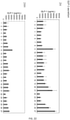
- Fig. 16 The results are shown in Fig. 16 .
- the aqueous solution of PMA was obtained by adding 16.21 ⁇ L of DMSO to 1 mg of PMA to prepare a stock solution; adding PBS to the stock solution to prepare a 1 mM solution; and diluting it with 1% DMSO-containing PBS.
- Table 4 is shown below. The positive comparison in Table 4 is also referred to as positive control. The negative comparison is also referred to as negative control. Table 4 # Addition concentration ppm equivalent Addition amount ( ⁇ L) Medium ( ⁇ L) Total ( ⁇ L) Sample F.C.
- Non-stimulant negative comparison 1 1%DMSO-containing PBS - - 10 90 100 - Positive comparison 2 PMA (1%DMSO) 0.01 mM - 10 90 100 0.001 mM 3 1 mM - 10 90 100 0.1 mM Test 4 1 mM 967.0 10 90 100 0.10 mM substance 5 B (1%DMSO) 2.5 mM 2417.5 10 90 100 0.25 mM 6 5 mM 4835.1 10 90 100 0.50 mM 7 10 mM 9670.1 10 90 100 1.00 mM 8 15 mM 14505.2 10 90 100 1.50 mM 9 20 mM 19340.2 10 90 100 2.00 mM 10 C-1 (1%DMSO) 1 mM 967.0 10 90 100 0.10 mM 11 2.5 mM 2417.5 10 90 100 0.25 mM 12 5 mM 4835.1 10 90 100 0.50 mM 13 10 mM 9670.1 10 90 100 1.00 mM 14 15 mM 14505.2 10 90 100 1.50
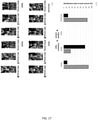
- the measurement results and photos during the test are shown in Fig. 17 .
- the photos of the RebA-containing solution after the test are shown in Fig. 18 .
- Samples SA-70A, SA-70B, SA-200A, SA-200B, SA-206A, SA-206B, SA-207A and SA-207B were prepared by the following procedures.
- the sample having a name ending with A is a sample prepared by dissolving RebA in an aqueous system.
- the sample having a name ending with B is a sample prepared by dispersing RebA into an oil system.
- 300 g of MCT was added as a fat and oil, and the mixture was emulsified at a rotation rate of 8000 rpm with a homo-mixer (manufactured by Tokushu Kika Kogyo Co., Ltd.). After completion of the stirring, the mixture was cooled to 40°C, and 100 g of water was added to obtain the emulsified composition SA-70A.
- An oily mixed solution was obtained by mixing 300 g of MCT and 103 g of RebA at room temperature. To the aqueous mixed solution, the oily mixed solution was added, and the mixture was emulsified at a rotation rate of 8000 rpm with a homo-mixer (manufactured by Tokushu Kika Kogyo Co., Ltd.). After completion of the stirring, the mixture was cooled to 40°C, and 100 g of water was added to obtain the emulsified composition SA-70B.
- 200 g of MCT was added as a fat and oil, and the mixture was emulsified at a rotation rate of 8000 rpm with a homo-mixer (manufactured by Tokushu Kika Kogyo Co., Ltd.). After completion of the stirring, the mixture was cooled to 40°C, and 100 g of water was added to obtain the emulsified composition SA-200A.
- An oily mixed solution was obtained by mixing 200 g of MCT and 103 g of RebA at room temperature. To the aqueous mixed solution, the oily mixed solution was added, and the mixture was emulsified at a rotation rate of 8000 rpm with a homo-mixer (manufactured by Tokushu Kika Kogyo Co., Ltd.). After completion of the stirring, the mixture was cooled to 40°C, and 100 g of water was added to obtain the emulsified composition SA-200B.
- 200 g of MCT was added as a fat and oil, and the mixture was emulsified at a rotation rate of 8000 rpm with a homo-mixer (manufactured by Tokushu Kika Kogyo Co., Ltd.). After completion of the stirring, the mixture was cooled to 40°C, and 100 g of water was added to obtain a pre-emulsified composition.
- the pre-emulsified composition was then subjected to fine emulsification at a pressure of 150 MPa with a wet-type atomizer to obtain the emulsified composition SA-206A.
- An oily mixed solution was obtained by mixing 182 g of MCT and 94 g of RebA at room temperature. To the aqueous mixed solution, the oily mixed solution was added, and the mixture was emulsified at a rotation rate of 8000 rpm with a homo-mixer (manufactured by Tokushu Kika Kogyo Co., Ltd.).
- the mixture was cooled to 40°C, and 91 g of water was added to obtain a pre-emulsified composition.
- the pre-emulsified composition was then subjected to fine emulsification at a pressure of 150 MPa with a wet-type atomizer to obtain the emulsified composition SA-206B.
- 100 g of MCT was added as a fat and oil, and the mixture was emulsified at a rotation rate of 8000 rpm with a homo-mixer (manufactured by Tokushu Kika Kogyo Co., Ltd.). After completion of the stirring, the mixture was cooled to 40°C, and 100 g of water was added to obtain a pre-emulsified composition.
- the pre-emulsified composition was then subjected to fine emulsification at a pressure of 150 MPa with a wet-type atomizer to obtain the emulsified composition SA-207A.
- An oily mixed solution was obtained by mixing 100 g of MCT and 34 g of RebA at room temperature. To the aqueous mixed solution, the oily mixed solution was added, and the mixture was emulsified at a rotation rate of 8000 rpm with a homo-mixer (manufactured by Tokushu Kika Kogyo Co., Ltd.).
- the mixture was cooled to 40°C, and 100 g of water was added to obtain a pre-emulsified composition.
- the pre-emulsified composition was then subjected to fine emulsification at a pressure of 150 MPa with a wet-type atomizer to obtain the emulsified composition SA-207B.
- each sample immediately after preparation was appropriately diluted with ion exchange water so that the laser scattering intensity was around 1%, and then the particle size was measured with a laser diffraction/scattering type particle size distribution meter (Spectris Co., Ltd., Malvern Panalytical).
- RebA was dissolved in pure water to prepare an aqueous solution having a RebA concentration of 467 ppm, which was used as a control.
- pure water was added to each sample prepared in 1. above to prepare an aqueous solution having a RebA concentration of 467 ppm.
- Flavor evaluation of each aqueous solution was performed by seven well-trained sensory panelists by 0.5 points taking the control as 3 points. The average values were calculated, and they were ranked. The flavor was evaluated by sweetness intensity, sweetness lingering, and bitterness intensity. Those having the same score were set in the same rank. The ranks are shown in each evaluation item column of the table below. The sum of ranks is shown in the column of total of the table below.
- Emulsion stability, flavor characteristics, and vibration stability after storage were evaluated using the sample prepared in 1. above. Specific procedures of the evaluation were as follows.
- evaluation solution 70A 3483 ml of pure water was added to obtain evaluation solution 70A.
- Evaluation solution 206A was also prepared in the same manner except that Sample SA-206A was used instead of Sample SA-70A.
- the composition of each evaluation solution was as follows. Table 7 70A 206A Sample amount (mg) 16,990.3 16,990.3 RebA ratio in sample (%) 10.3 10.3 RebA equivalent (mg) 1,750.0 1,750.0 Pure water addition amount (ml) 3,483.0 3,483.0 Total amount (ml) 3,500 3,500 RebA concentration (ppm) 500.0 500.0 500.0
- evaluation solution 70A and evaluation solution 206A were allowed to stand in a refrigerator having the inside temperature of 5°C for 4 weeks.
- Another evaluation solution 70A and another evaluation solution 206A were allowed to stand in a thermostatic cabinet at 55°C for 4 weeks.
- evaluation solution 70A and evaluation solution 206A after adjusted their pH to 2.5 using citric acid anhydride were allowed to stand in a refrigerator having the inside temperature of 5°C for 4 weeks.
- Another evaluation solution 70A and another evaluation solution 206A after adjusted their pH to 2.5 using citric acid anhydride were allowed to stand in a thermostatic cabinet at 55°C for 4 weeks.
- Evaluation solution 70A with a temperature of standing of 5°C and without pH adjustment was used as a control.
- the flavor of evaluation solution 70A with a temperature of standing of 55°C and without pH adjustment was evaluated by 0.5 points taking the evaluation of the control as 5 points.
- the panelists were four well-trained sensory panelists. The average value of the evaluations of the panelists was calculated.
- evaluation solution 206A with a temperature of standing of 5°C and without pH adjustment was used as a control, and the flavor of evaluation solution 206A with a temperature of standing of 5°C and without pH adjustment was evaluated by 0.5 points.
- evaluation solution 70A of pH 2.5 with a temperature of standing of 5°C was used as a control, and the flavor of evaluation solution 70A of pH 2.5 with a temperature of standing of 55°C was evaluated by 0.5 points.
- evaluation solution 260A of pH 2.5 with a temperature of standing of 5°C was used as a control, and the flavor of evaluation solution 260A of pH 2.5 with a temperature of standing of 55°C was evaluated by 0.5 points.
- UV1800 UV spectrophotometer manufactured by SHIMADZU CORPORATION
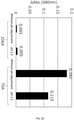
- the evaluation solutions were then centrifuged at 3000 rpm for 30 minutes, and absorbance at a wavelength of 680 nm was measured for the evaluation solutions after centrifugation. The difference in the absorbance between before and after centrifugation ⁇ abs was calculated. Those having ⁇ abs of 0.02 or less were evaluated as "good” as having excellent emulsion stability during vibration.
- RebA was dissolved in pure water to prepare a 467 ppm aqueous solution, which was used as a control. Next, each sample prepared in 1. was added to pure water to prepare an aqueous solution having a RebA concentration of 467 ppm. Then, four well-trained sensory panelists determined which sweetness intensity of Brix 2, 5, 8, 11, and 14 the sweetness intensity of each aqueous solution was close to. The average value of the evaluation results of the panelists was calculated. The results are shown in Fig. 21 .
- Evaluation solution 70A and Evaluation solution 206A were diluted with DMSO-containing PBS to prepare diluted solutions having RebA concentrations shown in the addition concentration column of the table below.
- Evaluation solution 70A and another Evaluation solution 206A were allowed to stand in a thermostatic cabinet at 55°C for 4 weeks.
- Evaluation solution 70A and Evaluation solution 206A after standing were diluted with DMSO-containing PBS to prepare diluted solutions having RebA concentrations shown in the addition concentration column of the table below.
- 1% DMSO-containing solution was prepared.
- a solution was prepared by diluting PMA (manufactured by FUJIFILM Wako Pure Chemical Corporation, model number: 162-23591) with 1% DMSO to have the concentration shown in the addition concentration column of the table below.
- Table 9 Addition amount and final concentration of each test substance # Addition concentration (mM) Addition amount [ ⁇ L] Medium [ ⁇ L] Total ( ⁇ L) Final conc.
- diluted solution Nos. 1 to 27 were added to a medium, and cells were cultured in the obtained medium. Specific procedures were as follows.
- H716 cells were cultured in RPMI 1640 (manufactured by Thermo Fisher Scientific Inc., model number 61870-036) (10% FBS (manufactured by Gibco, model number SH102770), 1 mM sodium pyruvate) in an incubator at 37°C, 5%CO 2 .
- H716 cells were seeded in 96-well plates at 2 x 10 5 cells/90 ⁇ L/well (for dead cell evaluation) and in 48-well plates at 4 x 10 5 cells/180 ⁇ L/well (for morphological observation). The content of FBS in the medium when the cells were seeded in the plate was 0.5%.
- diluted solution Nos. 1 to 27 were added to the wells at an amount of 10 ⁇ L/well.
- the final concentrations of RebA in the medium after the addition of the diluted solutions are shown in the "Final conc. (mM)" column of the above table.
- the cell viability was examined after 2 hours and 24 hours from the addition of the diluted solutions. There were no problems with any of the samples.
- the 96-well plate was centrifuged at 300 x g for 5 minutes, and the culture supernatant was collected.
- GLP-1 in the collected culture supernatant was quantified with Human GLP-1 (7-36 amide) Immunoassay kit (manufactured by PerkinElmer, Inc., model number: AL359C). For quantitative values, a value that was beyond the range of the calibration curve and caused an error was excluded. Furthermore, a box plot was created with a statistical analysis software R, and when a value less than the first quartile or greater than the third quartile was at or beyond the 1.5 quartile range, the value was excluded as an outlier.
Landscapes
- Health & Medical Sciences (AREA)
- Chemical & Material Sciences (AREA)
- Life Sciences & Earth Sciences (AREA)
- Veterinary Medicine (AREA)
- Pharmacology & Pharmacy (AREA)
- Animal Behavior & Ethology (AREA)
- General Health & Medical Sciences (AREA)
- Public Health (AREA)
- Medicinal Chemistry (AREA)
- Engineering & Computer Science (AREA)
- Epidemiology (AREA)
- Chemical Kinetics & Catalysis (AREA)
- General Chemical & Material Sciences (AREA)
- Molecular Biology (AREA)
- Oil, Petroleum & Natural Gas (AREA)
- Nutrition Science (AREA)
- Food Science & Technology (AREA)
- Polymers & Plastics (AREA)
- Bioinformatics & Cheminformatics (AREA)
- Diabetes (AREA)
- Organic Chemistry (AREA)
- Nuclear Medicine, Radiotherapy & Molecular Imaging (AREA)
- Dispersion Chemistry (AREA)
- Biophysics (AREA)
- Mycology (AREA)
- Biochemistry (AREA)
- Obesity (AREA)
- Hematology (AREA)
- Gastroenterology & Hepatology (AREA)
- Immunology (AREA)
- Proteomics, Peptides & Aminoacids (AREA)
- Endocrinology (AREA)
- Emergency Medicine (AREA)
- Child & Adolescent Psychology (AREA)
- Acyclic And Carbocyclic Compounds In Medicinal Compositions (AREA)
- Medicinal Preparation (AREA)
- Coloring Foods And Improving Nutritive Qualities (AREA)
- Pharmaceuticals Containing Other Organic And Inorganic Compounds (AREA)
- Seasonings (AREA)
- Medicines That Contain Protein Lipid Enzymes And Other Medicines (AREA)
Abstract
Description
- The present invention relates to a composition for promoting GLP-1 secretion comprising a GLP-1 secretion-promoting component and an emulsified particle comprising an oil-in-water emulsifier.
- Glucagon-like peptide-1 (GLP-1) is a hormone secreted from the gastrointestinal mucosal epithelium and the like. GLP-1 is known to have effects such as stimulation of insulin synthesis and secretion, inhibition of glucagon secretion, inhibition of food intake, and reduction of hyperglycemia. Activation of GLP-1 secretion can be expected to improve these effects.
-
Patent Literature 1 describes eleven kinds of cucurbitane-type triterpenes contained in bitter melon as novel GLP-1 secretion-promoting components.Patent Literature 2 describes that stevioside, rebaudioside A, rebaudioside B, and rebaudioside D have properties that promote GLP-1 secretion. -
- Patent Literature 1:
WO 2017/159725 - Patent Literature 2:
WO 2017/018404 - Developments of better GLP-1 secretion-promoting components are expected.
- In one embodiment, the present invention provides the followings.
- [1] A composition for promoting GLP-1 secretion, comprising a GLP-1 secretion-promoting component and an emulsified particle comprising an oil-in-water emulsifier.
- [2] The composition according to [1], wherein an HLB value of the oil-in-water emulsifier is 7 to 18.
- [3] The composition according to [1] or [2], wherein the oil-in-water emulsifier comprises at least one selected from the group consisting of a polyglycerol fatty acid ester, a propylene glycol fatty acid ester, an enzyme-treated lecithin, a sucrose fatty acid ester, and an organic acid monoglyceride.
- [4] The composition according to any one of [1] to [3], wherein a hydrophilic group of the oil-in-water emulsifier comprises a phosphate group.
- [5] The composition according to any one of [1] to [4], wherein the GLP-1 secretion-promoting component comprises a glycoside sweetener.
- [6] The composition according to [5], wherein the glycoside sweetener comprises at least one selected from the group consisting of rebaudioside A, rebaudioside B, rebaudioside C, mogroside V, and stevioside.
- [7] The composition according to any one of [1] to [4], wherein the GLP-1 secretion-promoting component comprises at least one selected from the group consisting of a monosaccharide, a disaccharide, a sucrose derivative, an amino acid, a peptide, a protein, a glycoprotein, a lipid, and a fatty acid.
- [8] The composition according to any one of [1] to [4], wherein the GLP-1 secretion-promoting component comprises a milk protein, an egg yolk protein, an egg white protein, a soy protein, a wheat protein, a pea protein, a mucin, a proteoglycan, or a processed product thereof.
- [9] The composition according to any one of [1] to [8], wherein the emulsified particle does not comprise the GLP-1 secretion-promoting component in a core.
- [10] The composition according to any one of [1] to [9], wherein a surface tension of the GLP-1 secretion-promoting component measured by a plate method is 40 to 70 mN/m.
- [11] The composition according to any one of [1] to [10], wherein a proportion of the oil-in-water emulsifier based on the GLP-1 secretion-promoting component is 0.001 to 50% by mass.
- [12] The composition according to any one of [1] to [11], wherein the composition comprises the oil-in-water emulsifier in a proportion of 0.1 to 5% by mass.
- [13] The composition according to any one of [1] to [12], wherein the composition comprises the GLP-1 secretion-promoting component in a proportion of 1 to 99.9% by mass.
- [14] The composition according to any one of [1] to [13], wherein the composition is for use in improving glycometabolism, in suppressing appetite, or in preventing or ameliorating diabetes or obesity.
- [15] A beverage comprising the composition according to any one of [1] to [14].
- [16] A food comprising the composition according to any one of [1] to [14].
- [17] A pharmaceutical composition comprising the composition according to any one of [1] to [14].
- [18] A method of producing a composition for promoting GLP-1 secretion, comprising the steps of:
- stirring an oil-in-water emulsifier, an aqueous medium, and a fat and oil to form an emulsified particle so as to prepare an emulsified particle-containing mixture; and
- mixing the emulsified particle-containing mixture and a GLP-1 secretion-promoting component-containing mixture that comprises a GLP-1 secretion-promoting component and an aqueous medium.
- In the present invention, by comprising a GLP-1 secretion-promoting component and an emulsified particle comprising an oil-in-water emulsifier in a composition, GLP-1 secretion-promoting effect of the GLP-1 secretion-promoting component can be increased.
-
-
Fig. 1 is a graph showing GLP-1 secretion amounts of various sweeteners in Experimental Example 1. -
Fig. 2 is a graph showing a relationship between the concentration of rebaudioside C (hereinafter, rebaudioside is sometimes abbreviated as Reb)-containing sample obtained in Experimental Example 2 and the GLP-1 secretion amount. -
Fig. 3 is a graph showing a relationship between the concentration of stevioside-containing sample obtained in Experimental Example 3 and the GLP-1 secretion amount. -
Fig. 4 is a graph showing a relationship between the concentration of rebaudioside A-containing sample obtained in Experimental Example 4 and the GLP-1 secretion amount. -
Fig. 5 is a graph showing a relationship between the concentration of emulsified rebaudioside A-containing sample obtained in Experimental Example 5 and the GLP-1 secretion amount. -
Fig. 6 is a graph showing the surface tension of various sweeteners in Experimental Example 6. -
Fig. 7 is a graph showing the flavor characteristics of RebA in Experimental Example 7. -
Fig. 8 is a graph showing a relationship between the concentration of various samples obtained in Experimental Examples 8 to 13 and the GLP-1 secretion amount. -
Fig. 9 is a graph showing a relationship between the concentration of rebaudioside A-containing sample obtained in Experimental Example 8 and the GLP-1 secretion amount. -
Fig. 10 is a graph showing a relationship between the concentration of emulsified rebaudioside A-containing sample obtained in Experimental Example 9 and the GLP-1 secretion amount. -
Fig. 11 is a graph showing a relationship between the concentration of emulsified particle-containing sample obtained in Experimental Example 10 and the GLP-1 secretion amount. -
Fig. 12 is a graph showing a relationship between the concentration of the mixed solution of RebA-containing sample and emulsified particle-containing sample obtained in Experimental Example 11 and the GLP-1 secretion amount. -
Fig. 13 is a graph showing a relationship between the concentration of glycerol-containing sample obtained in Experimental Example 12 and the GLP-1 secretion amount. -
Fig. 14 is a graph showing a relationship between the concentration of MCT oil-containing sample obtained in Experimental Example 13 and the GLP-1 secretion amount. -
Fig. 15 is a graph showing the cytotoxicity (using dead cells as an indicator) of various samples obtained in Experimental Examples 15 to 20. The result after 2 hours from the administration is shown in a, and the result after 24 hours from the administration is shown in b. -
Fig. 16 is a graph showing the GLP-1 secretion amount of various samples obtained in Experimental Examples 21 to 31. The result after 2 hours from the administration is shown in a, and the result after 24 hours from the administration is shown in b. -
Fig. 17 shows the results of distribution ratio and the photos showing status during the test of each steviol glycoside obtained in Experimental Example 32. -
Fig. 18 is a photo showing the status of the RebA-containing solution after the test in Experimental Example 32. -
Fig. 19 is a diagram showing the effect of storage temperature on flavor characteristics in Experimental Example 33. -
Fig. 20 is a diagram showing the stability under vibration environments in Experimental Example 33. -
Fig. 21 is a diagram showing the degree of reduction in sweetness intensity due to emulsification in Experimental Example 33. -
Fig. 22 is a graph showing the GLP-1 secretion amount in Experimental Example 34. - Through the study of the present inventors, it has been found that better GLP-1 secretion-promoting ability can be achieved by comprising in a composition a GLP-1 secretion-promoting component such as RebA and an emulsified particle comprising an oil-in-water emulsifier.
- A GLP-1 secretion-promoting component is a substance or composition having a property that the substance or composition itself acts on cells of human or non-human animals having GLP-1 secretion ability to increase the amount of GLP-1 secretion (hereinafter referred to as GLP-1 secretion-promoting ability).
- When a substance or composition having GLP-1 secretion-promoting ability is administered to GLP-1 secreting cells, the amount of GLP-1 secretion is increased. The increase or decrease of the GLP-1 secretion amount is confirmed in the same manner as in the experimental examples. That is, a sample containing a test substance or test composition and a non-stimulant negative comparison sample of the same composition except that the sample does not contain the test substance or test composition are prepared, and both samples are added to human colon-derived cells having GLP-1 secretion ability (e.g., H716) under the same conditions, then the amount of GLP-1 secretion tested with the sample is compared to that with the non-stimulant negative comparison sample to confirm an increase or decrease of the amount.
- In one embodiment, it is preferred that the GLP-1 secretion-promoting component used in the present invention is amphiphilic. The term "amphiphilic" means that "a molecule or a group of atoms has both a part of high affinity with water (a hydrophilic group) and a part of low affinity with water (a hydrophobic group)" (see, Digital Dai-ji-sen Japanese Dictionary).
- The amphiphilic GLP-1 secretion-promoting component tends to have a smaller surface tension than water.
- The amphiphilic GLP-1 secretion-promoting component preferably includes a glycoside sweetener. Preferred examples of the glycoside sweetener include a steviol glycoside or mogroside (hereinafter, mogroside is sometimes abbreviated as Mog) having GLP-1 secretion-promoting ability. More preferred examples include rebaudioside A, rebaudioside B, a stevia extract, a steviol glycoside having a structure to which rhamnose is attached, stevioside, and mogroside V, and even more preferred examples include rebaudioside A, rebaudioside B, rebaudioside C, stevioside, and mogroside V.
- The glycoside sweetener described above preferably has surface tension Q (mN/m) of any of the following:
Q = 40-70, 45-65, 40-60, 50-70, 58-63, 59-62, 60-61, 50-63, 51-63, 52-63, 53-63, 54-63, 55-63, 56-63, 57-63, 59-63, 60-63, 58-62, 58-61, 58-60. - Surface tension Q is measured by a plate method. For example, a glycoside sweetener, which is a test substance, is added in an amount to have
Brix 10 on a sucrose basis to prepare an aqueous solution. The surface tension of the prepared aqueous solution is measured by a plate method using an automatic surface tension meter (CBVP-Z type, manufactured by Kyowa Interface Science Co., Ltd). - In view of application to foods and beverages, a steviol glycoside is preferred as the glycoside sweetener having GLP-1 secretion-promoting ability, and rebaudioside A is most preferred.
- Examples of the GLP-1 secretion-promoting component other than the glycoside sweetener include a monosaccharide such as glucose, a disaccharide such as sucrose, and a sucrose derivative such as sucralose (see Hyeung-Jin Jang et al., "Gut-expressed gustducin and taste receptors regulate secretion of glucagon-like peptide-1" PNAS, 2007, vol. 104, no. 38, 15069-15074). Further examples of the monosaccharide and disaccharide include fructose, maltose, lactose, and a rare sugar. The monosaccharide and disaccharide may be used in a state comprised in a high fructose liquor; a fructose-glucose liquor; a glucose-fructose liquor; an oligosaccharide; honey; a sugar cane juice (brown sugar syrup); a sugar (white sugar, soft brown sugar, brown sugar, refined Japanese sugar, or the like); a maple syrup; a molasses; a starch syrup; or the like. Other examples include an amino acid such as glutamine, a peptide such as a dipeptide and a tripeptide, a protein, a glycoprotein, a lipid, and a fatty acid (see Gwen Tolhurst et al., "Nutritional regulation of glucagon-like peptide-1 secretion" J Physiol5 87.1 (2009) pp 27-32). Examples of the protein include a milk protein including a casein, a casein salt or a whey protein; an egg yolk protein, an egg white protein, a soy protein, a wheat protein, a pea protein, and a processed product thereof. Examples of the glycoprotein include a mucin, a proteoglycan, and a processed product thereof. It is preferred that the GLP-1 secretion-promoting component other than the glycoside sweetener comprises a milk protein; an egg yolk protein, an egg white protein, a soy protein, a wheat protein, a pea protein, a mucin, a proteoglycan, or a processed product thereof.
- The emulsifier used in the present invention is an oil-in-water emulsifier.
- It is preferred that the oil-in-water emulsifier has an HLB value of 7 to 18, 9 to 18, 11 to 18, 13 to 18, 15 to 18, 7 to 17, 7 to 15, 7 to 13, 7 to 11, 7 to 9, 9 to 16, or 11 to 14.
- In the present invention, the HLB value is calculated by Griffin's method.
- In the present invention, the oil-in-water emulsifier may be, but is not limited to, a known oil-in-water emulsifier. Examples of the oil-in-water emulsifier under the requirement that the HLB value is any one of the above values include a glycerol fatty acid ester such as a monoglyceride, an organic acid monoglyceride, and a polyglycerol fatty acid ester; a sorbitan fatty acid ester; a sucrose fatty acid ester; a propylene glycol fatty acid ester; a stearoyl lactate; a polysorbate; a lecithin such as a plant lecithin, an egg yolk lecithin, a fractionated lecithin, or an enzyme-treated lecithin; a kiraya extract, a yucca foam extract; a plant sterol, a sphingolipid; a bile powder, and an animal sterol.
- Preferred examples of the oil-in-water emulsifier under the requirement that the HLB value is any one of the above values include at least one selected from the group consisting of a polyglycerol fatty acid ester, a propylene glycol fatty acid ester, an enzyme-treated lecithin, a sucrose fatty acid ester, and an organic acid monoglyceride.
- Alternatively, it is preferred that the emulsifier used includes an emulsifier in which the hydrophilic group is derived from a sweetness component under the requirement that the HLB value is any one of the above values, and it is particularly preferred that the emulsifier used includes at least one emulsifier selected from the group consisting of a polyglycerol fatty acid ester and a sucrose fatty acid ester.
- Furthermore, under the requirement that the HLB value is any one of the above values, it is preferred that the emulsifier includes an emulsifier having a hydrophilic group comprising a phosphate group, and is particularly preferred that the emulsifier includes a lecithin.
- In the composition of the present invention, the GLP-1 secretion-promoting component and an emulsified particle comprising an oil-in-water emulsifier are present.
- In the present invention, the "emulsified particle" means a colloidal particle in which molecules or ions derived from an emulsifier gather to form a colloidal particle. In the field of emulsifiers, colloidal particles are sometimes differently referred to as micelles, nanoemulsions, emulsions, or the like, depending on the size (see, Toshiyuki Suzuki, J. Soc. Cosmet. Jpn., Vol. 44, No. 2, 2010). The "emulsified particle" in the present invention includes all of these.
- Preferably, in the composition of the present invention, the emulsified particle does not comprise the GLP-1 secretion-promoting component in a core. The phrase the "emulsified particle does not comprise a GLP-1 secretion-promoting component in a core" means that at least a portion of the emulsified particles does not comprise the GLP-1 secretion-promoting component in the core, and suitably, at least a portion of the GLP-1 secretion-promoting component is not comprised in the core or a shell of the emulsified particle and not emulsified, that is, is in a non-emulsified state. The "core" means the center (nucleus) of the emulsified particle. When an oil-in-water emulsifier is used, the core is formed surrounded by an emulsifier, in particular a hydrophobic group of the emulsifier. The shell is located outside of the core and is an area mainly formed by a portion from the hydrophilic group to the hydrophobic group of the emulsifier.
- The proportion (% by mass) of the emulsifier based on the GLP-1 secretion-promoting component is preferably 0.001 to 50, 0.005 to 50, 0.01 to 50, 0.05 to 50, 0.1 to 50, 0.4 to 50, 0.7 to 50, 1 to 50, 5 to 50, 10 to 50, 20 to 50, 30 to 50, 40 to 50, 0.001 to 40, 0.001 to 30, 0.001 to 20, 0.001 to 10, 0.001 to 5, 0.001 to 1, 0.001 to 0.5, 0.001 to 0.1, 0.005 to 40, 0.01 to 30, 0.05 to 20, 0.1 to 10, 0.4 to 5 or 0.7 to 1% by mass.
- Alternatively, the proportion (% by mass) of the emulsifier based on the GLP-1 secretion-promoting component is preferably 5 to 200, 7 to 200, 9 to 200, 10 to 200, 30 to 200, 50 to 200, 70 to 200, 90 to 200, 110 to 200, 130 to 200, 150 to 200, 170 to 200, 5 to 180, 5 to 160, 5 to 140, 5 to 120, 5 to 100, 5 to 80, 5 to 60, 5 to 40, 5 to 30, 5 to 20, 7 to 180, 9 to 160, 10 to 140, 30 to 120, 50 to 100, 10.0 to 180, 10.0 to 160, 10.0 to 140, 10.0 to 120, 10.0 to 100, 10.0 to 80 or10.0 to 60% by mass.
- Preferably, the content (% by mass) of the emulsifier in the composition of the present invention is 0.1 to 5, 0.1 to 4, 0.1 to 3, 0.1 to 2, 0.1 to 1, 0.3 to 5, 0.5 to 5, 0.7 to 5, 0.9 to 5, 1.1 to 5, 2.1 to 5, 3.1 to 5, 4.1 to 5, 0.3 to 4, 0.5 to 3, 0.7 to 2, 0.9 to 1, 0.3 to 5, 0.5 to 5.0, 0.7 to 5.0, 0.9 to 5.0, 1 to 5.0, 1.5 to 5.0, 2 to 5.0, 2.5 to 5.0, 3 to 5.0, 3.5 to 5.0, 4 to 5.0, 4.5 to 5.0, 0.1 to 4, 0.1 to 3, 0.1 to 2, 0.1 to 1, 0.1 to 0.8, 0.1 to 0.6, 0.1 to 0.4, 0.1 to 0.2, 0.2 to 4.5, 0.3 to 4.0, 0.4 to 3.5, 0.5 to 3.0, 0.6 to 2.5, 0.7 to 2.0, 0.8 to 1.5, or 0.9 to 1.0% by mass.
- Alternatively, the content (% by mass) of the emulsifier in the composition of the present invention is preferably 0.001 to 1, 0.001 to 0.5, 0.001 to 0.25, 0.001 to 0.2, 0.01 to 1, 0.01 to 0.5, 0.01 to 0.25, 0.01 to 0.2, 0.1 to 1,0.1 to 10, 0.4 to 10, 0.7 to 10, 1 to 10, 3 to 10, 5 to 10, 7 to 10, 0.1 to 8, 0.1 to 6, 0.1 to 4, 0.1 to 2, 1 to 8, 1 to 7, 1 to 6, 3 to 10, 3 to 7, 3 to 6, or 5 to 7% by mass, on a mass basis.
- Preferably, the content (% by mass) of the GLP-1 secretion-promoting component in the composition of the present invention is 1 to 99.9, 5 to 99.9, 9 to 99.9, 10 to 99.9, 20 to 99.9, 30 to 99.9, 40 to 99.9, 50 to 99.9, 60 to 99.9, 70 to 99.9, 80 to 99.9, 1 to 90, 1 to 80, 1 to 70, 1 to 60, 1 to 50, 1 to 40, 1 to 30, 1 to 20, 1 to 10, 5 to 90, 5 to 80, 5 to 70, 5 to 60, 5 to 50, 5 to 40, 5 to 30, 5 to 20 or 5 to 10% by mass.
- Preferably, the content (% by mass) of the GLP-1 secretion-promoting component in the composition of the present invention is 0.001 to 1.4, 0.001 to 1.3, 0.001 to 1.2, 0.001 to 1.1, 0.001 to 1.0, 0.001 to 0.9, 0.001 to 0.8, 0.001 to 0.7, 0.001 to 0.6, 0.001 to 0.5, 0.001 to 0.4, 0.001 to 0.3, 0.001 to 0.2, 0.010 to 1.4, 0.01 to 1.3, 0.01 to 1.2, 0.01 to 1.1, 0.01 to 1.0, 0.01 to 0.9, 0.01 to 0.8, 0.01 to 0.7, 0.01 to 0.6, 0.01 to 0.5, 0.01 to 0.4, 0.01 to 0.3 or 0.01 to 0.2% by mass.
- Alternatively, it is preferably 1 to 500,000, 1 to 400,000, 1 to 300,000, 1 to 200,000, 1 to 100,000, 1 to 80,000, 1 to 60,000, 1 to 40,000, 1 to 20,000, 1 to 10,000, 1 to 8,000, 1 to 6,000, 1 to 4,000, 1 to 2,000, 1 to 1,000, 1 to 500, 50 to 500,000, 100 to 500,000, 500 to 500,000, 1,000 to 500,000, 1,500 to 500,000, 3,000 to 500,000, 4,500 to 500,000, 6,000 to 500,000, 7,500 to 500,000, 9,000 to 500,000, 10,000 to 500,000, 50,000 to 500,000, 100,000 to 500,000, 200,000 to 500,000, 300,000 to 500,000, 400,000 to 500,000, 50 to 400,000, 100 to 300,000, 500 to 200,000, 1,000 to 100,000, 1,500 to 80,000, 3,000 to 60,000, 4,500 to 40,000, 6,000 to 20,000, or 7,500 to 10,000 ppm, on a mass basis. Also, it is preferably 25 to 550, 30 to 550, 35 to 550, 40 to 550, 45 to 550, 50 to 550, 55 to 550, 20 to 540, 25 to 540, 30 to 540, 35 to 540, 40 to 540, 45 to 540, 50 to 540, 55 to 540, 20 to 530, 25 to 530, 30 to 530, 35 to 530, 40 to 530, 45 to 530, 50 to 530, 55 to 530, 20 to 520, 25 to 520, 30 to 520, 35 to 520, 40 to 520, 45 to 520, 50 to 520, 55 to 520, 20 to 510, 25 to 510, 30 to 510, 35 to 510, 40 to 510, 45 to 510, 50 to 510, 55 to 510, 20 to 505, 25 to 505, 30 to 505, 35 to 505, 40 to 505, 45 to 505, 50 to 505, 55 to 505, 20 to 500, 25 to 500, 30 to 500, 35 to 500, 40 to 500, 45 to 500, 50 to 500, 55 to 500, 20 to 495, 25 to 495, 30 to 495, 35 to 495, 40 to 495, 45 to 495, 50 to 495, 55 to 495, 20 to 490, 25 to 490, 30 to 490, 35 to 490, 40 to 490, 45 to 490, 50 to 490, or 55 to 490 ppm. Further, it is preferably 1 to 1500, 1 to 1200, 5 to 1200, 1 to 1000, 5 to 1000, 10 to 1000, 1 to 900, 5 to 900, 10 to 900, 15 to 900, 20 to 900, 25 to 900, 30 to 900, 35 to 900, 40 to 900, 45 to 900, 50 to 900, 55 to 900, 1 to 800, 5 to 800, 10 to 800, 15 to 800, 20 to 800, 25 to 800, 30 to 800, 35 to 800, 40 to 800, 45 to 800, 50 to 800, 55 to 800, 1 to 700, 5 to 700, 10 to 700, 15 to 700, 20 to 700, 25 to 700, 30 to 700, 35 to 700, 40 to 700, 45 to 700, 50 to 700, 55 to 700, 1 to 600, 5 to 600, 10 to 600, 15 to 600, 20 to 600, 25 to 600, 30 to 600, 35 to 600, 40 to 600, 45 to 600, 50 to 600, 55 to 600, 1 to 550, 1 to 540, 1 to 530, 1 to 520, 1 to 510, 1 to 505, 1 to 500, 1 to 495, 1 to 490, 5 to 550, 5 to 540, 5 to 530, 5 to 520, 5 to 510, 5 to 505, 5 to 500, 5 to 495, 5 to 490, 10 to 550, 10 to 540, 10 to 530, 10 to 520, 10 to 510, 10 to 505, 10 to 500, 10 to 495, 10 to 490, 15 to 550, 15 to 540, 15 to 530, 15 to 520, 15 to 510, 15 to 505, 15 to 500, 15 to 495, or 15 to 490 ppm.
- Alternatively, it is preferably 10 to 500,000, 10 to 450,000, 10 to 400,000, 10 to 350,000, 10 to 300,000, 10 to 250,000, 10 to 200,000, 10 to 150,000, 10 to 100,000, 10 to 50,000, 10 to 40,000, 10 to 30,000, 10 to 20,000, 100 to 500000, 100 to 450,000, 100 to 400,000, 100 to 350,000, 100 to 300,000, 100 to 250,000, 100 to 200,000, 100 to 150,000, 100 to 100,000, 100 to 50,000, 100 to 40,000, 100 to 30,000, 100 to 20,000, 1,000 to 500000, 1,000 to 450,000, 1,000 to 400,000, 1,000 to 350,000, 1,000 to 300,000, 1,000 to 250,000, 1,000 to 200,000, 1,000 to 150,000, 1,000 to 100,000, 1,000 to 50,000, 1,000 to 40,000, 1,000 to 30,000 or 1,000 to 20,000 ppm, on a mass basis.
- The GLP-1 secretion-promoting ability of the composition of the present invention is increased compared to that of the GLP-1 secretion-promoting component alone. Whether or not the GLP-1 secretion-promoting ability of the composition of the present invention is increased compared to that of the GLP-1 secretion-promoting component alone is confirmed by the following method. That is, the composition of the present invention and a composition to be compared that is the same except that only the GLP-1 secretion-promoting component is contained as the active ingredient are prepared. The composition of the present invention and the composition to be compared are administered to GPL-1-secreting cells, and the amount of GLP-1 secretion is measured. When the amount of GLP-1 secretion with the administration of the composition of the present invention is greater than that with the administration of the composition to be compared, it is determined that the GLP-1 secretion-promoting ability is improved. Preferably, the GLP-1 secretion-promoting ability of the composition of the present invention is increased by 1.05 times or more, more preferably 1.1 times or more, particularly preferably 1.2 to 100 times, and most preferably 2 to 50 times compared to that of the GLP-1 secretion-promoting component alone.
- The composition of the present invention may comprise a further component other than the GLP-1 secretion-promoting component and the emulsifier.
- The further component is appropriately determined depending on the use, etc., of the composition of the present invention. Examples of the further component include a sweetener, an excipient, a binder, a disintegrant, a coating agent, a lubricant, a colorant, a taste and flavor modifier, a stabilizer, an absorption enhancer, a pH adjusting agent, a preservative, an anti-oxidant, a fragrance, a vitamin, a trace metal ingredient, and the like.
- The sweetener of the further component may be a natural sweetener, a sugar alcohol, an artificial sweetener, or the like other than the GLP-1 secretion-promoting component. Examples include a peptide-based sweetener such as aspartame, neotame, alitame; a synthetic sweetener such as acesulfame K, saccharin, advantame, sodium cyclohexylsulfamate, and dulcin; a plant protein-based sweetener such as monellin, curculin, brazzein, and thaumatin; taumarin; neohesperidin dihydrochalcone; a sugar alcohol such as erythritol, xylitol, sorbitol, maltitol, and mannitol.
- As the further component, a fat and oil, or the like which does not have a GLP-1 secretion-promoting ability is suitably used. Such a fat and oil is a component that may be selectively present in the core of the emulsified particle. As the fat and oil, an MCT oil composed of a fatty acid of C6 to C12 is preferably used.
- The component that can be selectively present in the core of the emulsified particle is preferably comprised in an amount of 0.1 to 500% by mass based on the GLP-1 secretion-promoting component.
- Furthermore, it is preferred that an aqueous base such as glycerol is used as the further component.
- The aqueous base is preferably comprised in an amount of 0.4 to 600% by mass based on the GLP-1 secretion-promoting component.
- As will be described in detail later, when the composition of the present invention is used as a food and beverage, a food additive may be contained as the further component. Examples of the food additive include an excipient (such as a wheat starch, a corn starch, a cellulose, mannitol, sorbitol, xylitol, a pregelatinized starch, a magnesium aluminate silicate, and a calcium silicate); a binder (such as a pregelatinized starch, a hydroxypropyl methyl cellulose, and a polyvinylpyrrolidone; a disintegrant such as a cellulose, a hydroxypropyl methyl cellulose, and a corn starch); a fluidizer (such as a light anhydrous silicic acid); a fat and oil (for example, a vegetable oil such as a soybean oil, a sesame oil, an olive oil, a linseed oil, a perilla oil, a rapeseed oil, a coconut oil, and a corn oil, or an oil derived from animals or fish); a nutrient (such as various minerals, and various kind of vitamins); a flavor; a sweetener; a taste modifier; a colorant; a solvent (such as ethanol); salts; a pH adjusting agent; a buffer; an anti-oxidant; a stabilizer, a gelling agent; a thickener; a lubricant; an encapsulant; a suspending agent; a coating agent; and a preservative. The food additive may be used singly or in combination of two or more.
- Examples of the composition of the present invention include a composition comprising: RebA as the GLP-1 secretion-promoting component; at least one selected from the group consisting of a polyglycerol fatty acid ester, a propylene glycol fatty acid ester, an enzyme-treated lecithin, a sucrose fatty acid ester, and an organic acid monoglyceride as the oil-in-water emulsifier; an MCT oil composed of a fatty acid of C6 to C12 as the component that can be selectively present in the core of the emulsified particle; glycerol as the aqueous base; and an aqueous medium, particularly water, as a dispersion medium. Specific examples include a composition comprising: RebA as the GLP-1 secretion-promoting component; a polyglycerol fatty acid ester as the oil-in-water emulsifier, an MCT oil composed of a fatty acid of C6 to C12 as the component that can be selectively present in the core of the emulsified particle; glycerol as the aqueous base; and water as the dispersion medium.
- Further examples of the composition of the present invention include a composition comprising: RebA as the GLP-1 secretion-promoting component; at least one selected from the group consisting of a polyglycerol fatty acid ester, a propylene glycol fatty acid ester, an enzyme-treated lecithin, a sucrose fatty acid ester, and an organic acid monoglyceride as the oil-in-water emulsifier; an MCT oil composed of a fatty acid of C6 to C12 as the component that can be selectively present in the core of the emulsified particle; glycerol as the aqueous base; and an aqueous medium, particularly water, as the dispersion medium, in which the content of the oil-in-water emulsifier is 0.001 to 50% by mass based on the GLP-1 secretion-promoting component; the content of the component that can be selectively present in the core of the emulsified particle is 0.1 to 500% by mass based on the GLP-1 secretion-promoting component; and the content of the aqueous base is 0.4 to 600% by mass based on the GLP-1 secretion-promoting component. Specific examples include a composition comprising: RebA as the GLP-1 secretion-promoting component; a polyglycerol fatty acid ester as the oil-in-water emulsifier, an MCT oil composed of a fatty acid of C6 to C12 as the component that can be selectively present in the core of the emulsified particle; glycerol as the aqueous base; and water as the dispersion medium, in which the content of the oil-in-water emulsifier is 0.001 to 50% by mass based on the GLP-1 secretion-promoting component; the content of the component that can be selectively present in the core of the emulsified particle is 0.1 to 500% by mass based on the GLP-1 secretion-promoting component; and the content of the aqueous base is 0.4 to 600% by mass based on the GLP-1 secretion-promoting component.
- The composition of the present invention may be a composition of any form, and may be, for example, a solid (e.g., powdery), gel-like, or liquid composition. Also, a composition comprising the GLP-1 secretion-promoting component and a composition comprising the emulsified particle may be provided separately, then the two compositions may be mixed, and ingested, taken, or administered, or the two compositions may be ingested, taken, or administered separately.
- The composition of the present invention can be applied for use in GLP-1 secretion promotion.
- For example, the composition of the present invention can be used for at least one use selected from suppressing elevated blood glucose levels, suppressing appetite, suppressing overeating, improving glycometabolism, preventing or treating diabetes, preventing or treating obesity, reducing body weight, and reducing body fat percentage. Preferably, the composition of the present invention can be used for at least one use selected from improving glycometabolism, suppressing appetite, and preventing or ameliorating diabetes or obesity.
- The composition of the present invention can also be used for promoting gastric emptying, suppressing gastric acid secretion, suppressing liver glucose release, myocardial protection, improving learning memory, preventing or treating postprandial hyperglycemia (hidden diabetes), preventing or treating ulcerative colitis, and the like.
- The composition of the present invention can also be used for preventing or treating vascular diseases such as atherosclerosis, neurodegenerative diseases, non-alcoholic hepatitis, chloasma, and asthma (see, Young-Sun Lee et al., "Anti-Inflammatory Effects of GLP-1-Based Therapies beyond Glucose Control", Mediators of Inflammation Volume 2016, ).
- The composition of the present invention can itself be directly used for (taken by, received by, or administered to) a human or a non-human animal having GLP-1 secretion ability.
- Examples of an embodiment of the composition of the present invention used directly for human or non-human animals include a food, for example, a noodle (such as a soba noodle, an udon, a Chinese noodle, an instant noodle); tofu; a confectionery (such as a candy, a gum, a chocolate, a snack, a biscuit, a cookie, and a gummy); a bread; a marine or livestock processed food (such as a kamaboko, a ham, and a sausage); a dairy product (such as a fermented milk); a fat and oil, and an fat-and-oil processed food (such as a salad oil, a tempura oil, a margarine, and a mayonnaise, a shortening, a whipped cream, a dressing, and a fat spread); a condiment (such as a sauce and a baste); a cooked or semi-cooked product (such as a chanpuru); a retorted food (such as a curry, a stew, a bowl, a porridge, and a rice porridge); a chilled sweet (such as an ice cream, a sorbet, and a shaved ice); a powdered food (such as a powdered beverage and a powdered soup); and an enteric fluid food for use in suppressing elevated blood glucose levels, suppressing appetite, suppressing overeating, improving glycometabolism, preventing or treating diabetes, preventing or treating obesity, reducing body weight, reducing body fat percentage, promoting gastric emptying, suppressing gastric acid secretion, suppressing liver glucose release, protecting myocardium, improving learning memory, preventing or treating vascular diseases, preventing or treating neurodegenerative diseases, preventing or treating non-alcoholic hepatitis, preventing or treating chloasma, or preventing or treating asthma. The foods for use in the above uses include, besides the so-called health foods, a food with health claims such as a food for specified health uses and a food with nutrient function claims, supplements (nutritional supplements), and feeds.
- Further examples include a beverage such as a tea beverage, a soft drink, a carbonated beverage including a non-alcoholic beer, a nutritional beverage, a fruit beverage, a lactic acid beverage, a juice, an energy drink, an alcoholic beverage, a processed milk, and a prepared soy milk for use in suppressing elevated blood glucose levels, suppressing appetite, suppressing overeating, improving glycometabolism, preventing or treating diabetes, preventing or treating obesity, reducing body weight, reducing body fat percentage, promoting gastric emptying, suppressing gastric acid secretion, suppressing liver glucose release, protecting myocardium, improving learning memory, preventing or treating vascular diseases, preventing or treating neurodegenerative diseases, preventing or treating non-alcoholic hepatitis, preventing or treating chloasma, or preventing or treating asthma.
- When the composition of the present invention is formulated to be used, examples of the dosage form include a tablet, a powder, a fine granule, a granule, a dry syrup, a coated tablet, an intra-oral disintegrating tablet, a chewable tablet, a capsule, a soft capsule, a syrup, and an enteral nutritional supplement.
- The composition of the present invention is produced by a known method depending on its use, composition, or the like.
- Preferably, the composition of the present invention is produced by a method comprising the step of stirring an emulsifier, an aqueous medium, and a fat and oil to form an emulsified particle so as to prepare an emulsified particle-containing mixture, and the step of mixing the emulsified particle-containing mixture and a GLP-1 secretion-promoting component-containing mixture that comprises a GLP-1 secretion-promoting component and an aqueous medium. In this case, the stirring is preferably a high-speed stirring using a homo-mixer or the like. The mixing is preferably carried out under milder conditions than the stirring for forming the emulsified particle so that the GLP-1 secretion-promoting component does not enter the core of the emulsified particle. The method may further comprise a step of mixing a GLP-1 secretion-promoting component and an aqueous medium to prepare a GLP-1 secretion-promoting component-containing mixture.
- For stirring at a higher speed in more intense conditions than mixing, the stirring speed is preferably 5,000 to 10,000, 5,000 to 8,000, or 8,000 to 10,000 rpm.
- Accordingly, one aspect of the present invention relates to a method for producing a composition for use in promoting GLP-1 secretion, comprising the step of stirring an oil-in-water emulsifier, an aqueous medium, and a fat and oil to form an emulsified particle so as to prepare an emulsified particle-containing mixture, and the step of mixing the emulsified particle-containing mixture and a GLP-1 secretion-promoting component-containing mixture that comprises a GLP-1 secretion-promoting component and an aqueous medium, and relates to a composition for promoting GLP-1 secretion produced by the above method. In the composition for promoting GLP-1 secretion produced by such a method, the emulsified particle tends not to comprise the GLP-1 secretion-promoting component in the core.
- The composition of the present invention can also be used in a state contained in a beverage, a food, a pharmaceutical composition, or the like, by a route such as an oral, nasal, or enteral route, or a route with a tube.
- When the composition of the present invention is added to (or contained in) a food and beverage, the type of the food and beverage is not particularly limited. The food includes, for example, a noodle (such as a soba noodle, an udon, a Chinese noodle, an instant noodle); tofu; a confectionery (such as a candy, a gum, a chocolate, a snack, a biscuit, a cookie, and a gummy); a bread; a marine or livestock processed food (such as a kamaboko, a ham, and a sausage); a dairy product (such as a fermented milk); a fat and oil, and an fat-and-oil processed food (such as a salad oil, a tempura oil, a margarine, and a mayonnaise, a shortening, a whipped cream, a dressing, and a fat spread); a condiment (such as a sauce and a baste); a cooked or semi-cooked product (such as a chanpuru); a retorted food (such as a curry, a stew, a bowl, a porridge, and a rice porridge); a chilled sweet (such as an ice cream, a sorbet, and a shaved ice); a powdered food (such as a powdered beverage and a powdered soup); and an enteric fluid food. The food also includes, besides the so-called health foods, a food with health claims such as a food for specified health uses and a food with nutrient function claims, supplements (nutritional supplements), feeds, and the like.
- The beverage includes, for example, a tea beverage, a soft drink, a carbonated beverage including a non-alcoholic beer, a nutritional beverage, a fruit beverage, a lactic acid beverage, a juice, an energy drink, an alcoholic beverage, a processed milk, a prepared soy milk, and the like.
- The food and beverage may comprise a further component as long as the food and beverage comprises the composition of the present invention. Examples of the further component in this case include the same as those in the examples of the further component in the <Composition> section.
- In the present invention, the intake amount (dose or dosage) of the GLP-1 secretion-promoting component is not particularly limited, and can be appropriately selected according to the age, weight, and health condition, and the like.
- The present invention can be used or applied to any therapeutic application (medical application) or non-therapeutic application. Specifically, whether it is classified as a pharmaceutical product, a quasi-pharmaceutical product, a cosmetic, or the like, the present invention can be used or applied as any composition or food and beverage that explicitly or implicitly pursues the function of promoting GLP-1 secretion or the function resulting from the promotion of GLP-1 secretion. Furthermore, the product using the present invention may indicate a function that promotes GLP-1 secretion and a function resulting from GLP-1 secretion promotion. Examples of such an indication include, but are not particularly limited to, a function that promotes GLP-1 secretion and a function resulting from GLP-1 secretion promotion, such as a blood glucose-level elevation suppression function, an appetite suppression function, an overeating suppression function, a glycometabolism improvement function, a diabetes prevention or treatment function, an obesity prevention or treatment function, a weight reduction function, a body fat percentage reduction function, a gastric emptying promotion function, a gastric acid secretion suppression function, a liver glucose release suppression function, a myocardial protective function, a learning memory improvement function, a vascular disease prevention or treatment function, a neurodegenerative disease prevention or treatment function, a non-alcoholic hepatitis prevention or treatment function, a chloasma prevention or treatment function, an asthma prevention or treatment function, or an indication considered to be equivalent to these.
- The timing of use of the compositions of the present invention is not particularly limited, and may be, for example, before, during, between, or after meals, or before bedtime.
- One aspect of the present invention relates to a composition for use in treating a disease that can be improved by promoting GLP-1 secretion, comprising a GLP-1 secretion-promoting component and an emulsified particle comprising an oil-in-water emulsifier. One aspect of the present invention relates to a method for promoting GLP-1 secretion in a subject or treating a disease that can be ameliorated by promoting GLP-1 secretion in a subject, comprising administering to the subject in need thereof a composition comprising a GLP-1 secretion-promoting component and an emulsified particle comprising an oil-in-water emulsifier. Furthermore, one aspect of the present invention relates to a use of a GLP-1 secretion-promoting component and an emulsified particle comprising an oil-in-water emulsifier for the manufacture of a medicament for treating a disease that can be ameliorated by promoting GLP-1 secretion. It should be noted that each of the aspects above may have various features described herein.
- Examples of the disease include hyperglycemia, bulimia, gastric acidosis, diabetes, obesity, vascular disease, neurodegenerative disease, non-alcoholic hepatitis, chloasma, and asthma.
- Herein, the term "subject" means any individual organism, preferably animal, more preferably mammalian, further preferably human individual. The subject may be healthy (e.g., have no particular or any disease) or may be affected by some disease. When the treatment of a disease that can be ameliorated by promoting GLP-1 secretion is intended, for example, the subject typically means a subject affected by the disease or having a risk of being affected by the disease.
- Herein, the term "treatment" includes every type of medically acceptable prophylactic and/or therapeutic intervention aimed at cure, transient remission or prevention, etc. of a disease. The "treatment" includes medically acceptable intervention for various purposes including, for example, the delay or arrest of progression of a disease, the regression or disappearance of a lesion, the prevention of onset of the disease or the prevention of recurrence of the disease. Thus, the composition of the present invention can be used in the treatment and/or the prevention of a disease.
- One aspect of the present invention also relates to a method for increasing the GLP-1 secretion-promoting ability of a GLP-1 secretion-promoting component, comprising using a GLP-1 secretion-promoting component in combination with an emulsified particle comprising an oil-in-water emulsifier.
- Hereinafter, the present invention is described in more detail by way of Examples. Note that the number of Experimental Example 14 is unused.
- RebA, RebB, RebM, RebN, RebD, RebC, MogV, and stevioside were examined for their GLP-1 secretion-promoting effects. Specifically, the amount of GLP-1 secretion was measured by the following procedures. The substance that had a larger amount of GLP-1 secretion than that in control, no sample, was determined to have a GLP-1 secretion-promoting effect.
- Each test substance B, C, D, E, F, G, I, or J was dissolved in PBS (Thermo Fisher Scientific Inc.) (Cat. No. 14190250) to obtain a stock solution. The concentration of the stock solution is shown below:
B (RebA); 5mM, C (RebB); 1M, D (RebM); 2.5mM, E (RebN); 1M, F (RebD); 2.5mM, G (RebC); 2.5mM, I (MogV); 1M, J(stevioside);1M - H716 (ATCC) (Cat. No. ATCC® CCL-251) was cultured in RPMI 1640 (10% FBS (Thermo Fisher Scientific Inc.) (Cat. No. 10439024), 1 mM Sodium Pyruvate) in an incubator at 37°C, 5%CO2.
- The preculture was performed for 2 weeks, and the cells were sufficiently recovered, and then cell stocks were prepared.
- Cells were seeded in 96-well plates at 2 x 10⁵ cells/90 µL (high) per well (N = 4). At this time, the content of FBS in the medium was lowered to 0.5% to suppress cell proliferation.
- After 24 hours, the sample at the highest concentration (i.e., stock solution) was added by 10 µL each.
- After further 24 hours, quantitation of GLP-1 was performed. Specific procedures were followed the user guide of Human GLP-1 (7-36 amide) Immunoassay kit (Cat. No. AL359) (Lot number 2361115) provided by PerkinElmer, Inc. PBS was used as a negative control (no sample).
- The results are shown in
Fig. 1 . As can be seen fromFig. 1 , RebA, RebB, RebC, MogV, and stevioside had significantly larger amounts of GLP-1 secretion than no sample. - To 20 mg of RebC, 21 µL of DMSO (manufactured by FUJIFILM Wako Pure Chemical Corporation, model number: 037-24053) was added. The mixture was then stirred by vortex and allowed to stand for several hours to obtain a stock solution having a RebC concentration of 1,000 mM. The obtained stock solution and PBS were used to prepare a 10 mM solution.
- The 10 mM solution was diluted as needed with 1% DMSO-containing PBS to obtain Sample G-1 mM to Sample G-10 mM. The concentrations of RebC are described in Table 1.
- To 15 mg of stevioside, 12.4 µL of DMSO (manufactured by FUJIFILM Wako Pure Chemical Corporation, model number: 037-24053) was added. The mixture was then stirred by vortex to obtain a stock solution having a stevioside concentration of 150 mM. The obtained stock solution and PBS were used to prepare a 15 mM solution.
- The 15 mM solution was diluted as needed with 1% DMSO-containing PBS to obtain Sample J-0.1 mM to Sample J-15 mM. The concentrations of stevioside are described in Table 1.
- To 20 mg of RebA, 8.27 µL of DMSO (manufactured by FUJIFILM Wako Pure Chemical Corporation, model number: 037-24053) was added followed by an addition of 74.5 µL of PBS. The mixture was then stirred by vortex to obtain a stock solution having a RebA concentration of 250 mM. The obtained stock solution and PBS were used to prepare a 25 mM solution.
- The 25 mM solution was diluted as needed with 1% DMSO-containing PBS to obtain Sample B-1 mM to Sample B-25 mM. The concentrations of RebA are described in Table 1.
- An aqueous mixed solution was prepared by mixing 490 g of glycerol, 100 g of RebA, and 10 g of polyglycerol fatty acid ester, and heating and dissolving the mixture at 70°C. To the aqueous mixed solution, 300 g of MCT oil was added as a fat and oil, and the mixture was emulsified at a rotation rate of 8000 rpm with a homo-mixer (manufactured by Tokushu Kika Kogyo Co., Ltd.). After completion of the stirring, the mixture was cooled to 40°C, and 100 g of water was added to obtain a processed RebA solution.
- To 241.8 µL of the obtained processed RebA solution, 10 µL of DMSO (manufactured by FUJIFILM Wako Pure Chemical Corporation, model number: 037-24053) and 748.2 µL of PBS were added. The mixture was stirred by vortex to obtain a stock solution having a RebA concentration of 25 mM.
- The stock solution was diluted as needed with 1% DMSO-containing PBS to obtain Sample B processed-0.25 mM to Sample B processed-25 mM. The concentrations of RebA are described in Table 1.
- Under the conditions shown in Table 1, each of the samples obtained in Experimental Examples 2 to 5 was added to a medium. In the obtained medium, cells were cultured, and the amount of GLP-1 secretion after 2 hours was measured. The specific procedures are as follows.
- H716 (human-colon-derived cell) was cultured in RPMI 1640 (Thermo Fisher Scientific Inc., model number: 61870-036) (10% FBS (Hyclone, model number: SH30396.03), 1 mM Sodium Pyruvate) in an incubator at 37°C, 5%CO2.
- The preculture was performed for 2 weeks, and the cells were sufficiently recovered, and then cell stocks were prepared.
- Cells were seeded in 96-well plates at 2 x 10⁵ cells/90 µL per well. At this time, the content of FBS in the medium was lowered to 0.5% to suppress cell proliferation.
- After 24 hours, 10 µL of each sample was added (n = 3 to 4 for Sample B, and n = 4 for Sample B processed, Sample G, and Sample J). The final concentrations in the medium are shown in the "Sample F.C. (mM)" column of Table 1.
- After a predetermined time (2 hours) from the addition, the 96-well plates were collected.
- The collected 96-well plates were centrifuged at 300
g x 5 min, and the supernatant was collected. - GLP-1 in the collected supernatant was quantified with Human GLP-1 (7-36 amide) Immunoassay kit (manufactured by PerkinElmer, Inc., model number: AL359C). The results are shown in
Figs. 2 to 5 . The amount of GLP-1 secretion in a 1% DMSO-containing solution as a non-stimulant control (negative comparison), and the amount of GLP-1 secretion in an aqueous solution of PMA (manufactured by FUJIFILM Wako Pure Chemical Corporation, model number: 162-23591) as a positive control are also shown inFigs. 2 to 5 . The aqueous solution of PMA was obtained by adding 16.21 µL of DMSO to 1 mg of PMA to prepare a stock solution; adding PBS to the stock solution to prepare a 1 mM solution; and diluting it with 1% DMSO-containing PBS. - Table 1 is shown below. The positive comparison in Table 1 is also referred to as positive control. The negative comparison is also referred to as negative control.
Table 1 # Sample Addition concentration (mM) ppm equivalent Addition amount (µL) Medium (µL) Total (µL) Sample F.C. (mM) ppm equivalent Non-stimulant negative comparison 1 1% DMSO-containing PBS - - 10 90 100 - - Positive comparison 2 PMA
1%DMSO0.01 6.2 10 90 100 0.001 0.6 3 1 616.8 10 90 100 0.1 61.7 4 B
1%DMSO 1 967.0 10 90 100 0.1 96.7 5 2.5 2417.5 10 90 100 0.25 241.8 6 5 4835.1 10 90 100 0.5 483.5 7 10 9670.1 10 90 100 1 967.0 8 15 14505.2 10 90 100 1.5 1450.5 9 20 19340.2 10 90 100 2 1934.0 10 25 24175.3 10 90 100 2.5 2417.5 11 B
processed 1%DMSO0.25 241.8 10 90 100 0.025 24.2 12 0.5 483.5 10 90 100 0.05 48.4 13 1 967.0 10 90 100 0.1 96.7 14 2.5 2417.5 10 90 100 0.25 241.8 15 5 4835.0 10 90 100 0.5 483.5 16 10 9670.0 10 90 100 1 967.0 Test substance 17 15 14505.0 10 90 100 1.5 1450.5 18 20 19340.0 10 90 100 2 1934.0 19 25 24175.0 10 90 100 2.5 2417.5 20 G
1%DMSO 1 951.01 10 90 100 0.1 95.1 21 2.5 2377.5 10 90 100 0.25 237.8 22 5 4755.1 10 90 100 0.5 475.5 23 10 9510.1 10 90 100 1 951.0 25 J
1%DMSO0.1 80.5 10 90 100 0.01 8.0 26 1 804.9 10 90 100 0.1 80.5 27 2.5 2012.2 10 90 100 0.25 201.2 28 5 4024.4 10 90 100 0.5 402.4 29 10 8048.7 10 90 100 1 804.9 30 15 12073.1 10 90 100 1.5 1207.3 - For Sample B processed, final concentrations of 0.025 mM (#11) and 0.05 mM (#12) were added to the concentrations to be tested (0.1 to 2.5 mM).
- For Sample G, evaluation was performed at equal to or lower than the final concentration of 1 mM since the sample was not able to be dissolved at the final concentration of 1.5 mM (#24).
- To investigate whether there was a correlation between the GLP-1 secretion-promoting effect and surface tension of the emulsifier, experiments were performed in accordance with the following procedures.
- Aqueous solutions containing RebA, RebD, and RebM (commercially available products) each were prepared. The contents of RebA, RebD, and RebM were aligned to
Brix 10 on a sucrose basis. That is, the contents of RebA, RebD, and RebM were 333 ppm, 351 ppm, and 351 ppm, respectively. The surface tension of the obtained aqueous solution was measured by a plate method using an automatic surface tension meter (CBVP-Z type, manufactured by Kyowa Interface Science Co., Ltd). Water was used as a control and tested in the same manner. The results are shown inFig. 6 . - The flavor characteristics of an emulsified composition of RebA were evaluated by the following procedure.
- RebA was dissolved in pure water to prepare 100 ppm and 300 ppm aqueous solutions, which were used as controls. Next, the processed RebA solution prepared in Experimental Example 5 was added to pure water, and 100 ppm and 300 ppm aqueous solutions were prepared in the same manner. Flavor evaluation of the processed RebA solution-added aqueous solution was performed by seven well-trained sensory panelists by 0.5 points taking the control as 3 points. The average values are shown in the Figure. The flavor was evaluated by sweetness intensity, sweetness lingering, and bitterness intensity.
- The results are shown in
Fig. 7 . - To 20 mg of RebA, 8.27 µL of DMSO (manufactured by FUJIFILM Wako Pure Chemical Corporation, model number: 037-24053) was added followed by an addition of 74.43 µL of PBS. The mixture was then stirred by vortex to obtain a stock solution having a RebA concentration of 250 mM. The obtained stock solution and PBS were used to prepare a 50 mM solution.
- The 50 mM solution was diluted as needed with 1% DMSO-containing PBS to obtain Sample B-1 mM to Sample B-25 mM. The concentrations of RebA are described in Table 2.
- An aqueous mixed solution was prepared by mixing 490 g of glycerol, 100 g of RebA, and 10 g of polyglycerol fatty acid ester, and heating and dissolving the mixture at 70°C. To the aqueous mixed solution, 300 g of MCT oil was added as a fat and oil, and the mixture was emulsified at a rotation rate of 8000 rpm with a homo-mixer (manufactured by Tokushu Kika Kogyo Co., Ltd.). After completion of the stirring, the mixture was cooled to 40°C, and 100 g of water was added to obtain a processed RebA solution.
- To 241.8 µL of the obtained processed RebA solution, 10 µL of DMSO (manufactured by FUJIFILM Wako Pure Chemical Corporation, model number: 037-24053) and 748.2 µL of PBS were added. The mixture was stirred by vortex to obtain a stock solution having a RebA concentration of 25 mM.
- The stock solution was diluted as needed with 1% DMSO-containing PBS to obtain Sample B processed-1 mM to Sample B processed-25 mM. The concentrations of RebA are described in Table 2.
- The solution C was obtained in the same manner as the preparation of the processed RebA solution in Experimental Example 9 except that 100 g of RebA was not used and 490 g of glycerol, 10 g of polyglycerol fatty acid ester, 300 g of MCT oil, and 200 g of water were used.
- To 483.5 µL of the obtained solution C, 10 µL of DMSO (manufactured by FUJIFILM Wako Pure Chemical Corporation, model number: 037-24053) and 506.5 µL of PBS were added. The mixture was stirred by vortex to obtain a stock solution having a RebA equivalent concentration of 50 mM.
- The obtained stock solution was diluted with 1% DMSO-containing PBS to obtain Sample C-1 mM to Sample C-25 mM. Table 2 describes RebA equivalent concentrations. The RebA equivalent concentration refers to a concentration of RebA in a given Sample B processed of Experimental Example 9 when concentrations of glycerol, polyglycerol fatty acid ester and MCT oil in a given Sample C and concentrations of glycerol, polyglycerol fatty acid ester and MCT oil in the given Sample B processed are the same.
- In the same manner as in Experimental Example 8, Sample B containing RebA at twice the concentration in Sample B + C was obtained. That is, Sample B-2 mM, Sample B-5 mM, Sample B-10 mM, Sample B-20 mM, Sample B-30 mM, Sample B-40 mM, and Sample B-50 mM were obtained. The concentration behind the hyphens indicates the concentration of RebA.
- In the same manner as in Experimental Example 10, Sample C containing polyglycerol fatty acid ester, etc., at twice the concentration in Sample B + C was obtained. That is, Sample C-2 mM, Sample C-5 mM, Sample C-10 mM, Sample C-20 mM, Sample C-30 mM, Sample C-40 mM, and Sample C-50 mM were obtained. The concentration behind the hyphens indicates the RebA equivalent concentration.
- Equal amounts of Sample B and Sample C at the same concentration (e.g., Sample B-2 mM and Sample C-2 mM) were mixed to obtain Sample B + C-1 mM to Sample B + C-25mM. The concentrations of RebA are described in Table 2.
- To 118.5 µL of glycerol, 10 µL of DMSO (manufactured by FUJIFILM Wako Pure Chemical Corporation, model number: 037-24053) and 871.5 µL of PBS were added. The mixture was stirred by vortex to obtain a stock solution having a RebA equivalent concentration of 25 mM.
- The obtained stock solution was diluted as needed with 1% DMSO-containing PBS to obtain Sample D-1 mM to Sample D-25 mM. Table 2 describes the RebA equivalent concentrations. The RebA equivalent concentration refers to a concentration of RebA in a given Sample B processed of Experimental Example 9 when the concentration of glycerol in a given Sample D and the concentrations of glycerol in the given Sample B processed are the same.
- To 72.5 µL of MCT oil, 10 µL of DMSO (manufactured by FUJIFILM Wako Pure Chemical Corporation, model number: 037-24053) and 917.5 µL of PBS were added. The mixture was stirred by vortex to obtain a stock solution having a RebA equivalent concentration of 25 mM.
- The obtained stock solution was diluted as needed with 1% DMSO-containing PBS to obtain Sample E-1 mM to Sample E-25 mM. Table 2 describes the RebA equivalent concentrations. The RebA equivalent concentration refers to a concentration of RebA in a given Sample B processed of Experimental Example 9 when the concentration of MCT oil in a given Sample E and the concentrations of MCT oil in the given Sample B processed are the same.
- Under the conditions shown in Table 2, each of the samples obtained in Experimental Examples 8 to 13 above was added to a medium. In the obtained medium, cells were cultured, and the amount of GLP-1 secretion after 2 hours was measured. The specific procedures are as follows.
- H716 (human-colon-derived cell) was cultured in RPMI 1640 (Thermo Fisher Scientific Inc., model number: 61870-036) (10% FBS (Hyclone, model number: SH30396.03), 1 mM Sodium Pyruvate) in an incubator at 37°C, 5%CO2.
- The preculture was performed for 2 weeks, and the cells were sufficiently recovered, and then cell stocks were prepared.
- Cells were seeded in 96-well plates at 2 x 10⁵ cells/90 µL per well. At this time, the content of FBS (Hyclone, model number: SH30396.03) in the medium was lowered to 0.5% to suppress cell proliferation.
- After 24 hours, 10 µL of each sample was added (n = 3 to 4). The final concentrations in the medium are shown in the "Sample F.C." column of Table 2.
- After a predetermined time (2 hours) from the addition, the 96-well plates were collected.
- The collected 96-well plates were centrifuged at 300
g x 5 min, and the supernatant was collected. - GLP-1 in the collected supernatant was quantified with Human GLP-1 (7-36 amide) Immunoassay kit manufactured by PerkinElmer, Inc. At this time, the range of the standard in the calibration curve was 30 to 100,000 pg/mL. There was a value that caused errors with a value greater than 100,000 pg/mL, thus the value supposed to be 100,000 pg/mL or greater was calculated as 100,000 pg/mL.
- Outliers (p < 0.01) were excluded by the Smirnov-Grubbs test.
- The results are shown in
Fig. 8 . The amount of GLP-1 secretion in a 1% DMSO-containing solution as a non-stimulant control, and the amount of GLP-1 secretion in an aqueous solution of PMA (manufactured by FUJIFILM Wako Pure Chemical Corporation, model number: 162-23591) as a positive control are also shown inFig. 8 . The aqueous solution of PMA was obtained by adding 16.21 µL of DMSO to 1 mg of PMA to prepare a stock solution; adding PBS to the stock solution to prepare a 1 mM solution; and diluting it with 1% DMSO-containing PBS. - Next, for confirmation, the amount of GLP-1 secretion was also measured with other plates. Specifically, the same culture supernatant as in
Fig. 8 was used, and the measurement of GLP-1 amount was performed in one assay plate for Sample B to Sample D and another assay plate for Sample E. The results obtained by measuring the culture supernatant after 2 hours in the same assay plate are shown inFigs. 9 to 14 . The concentrations of each sample used are shown inFigs. 9 to 14 . Note that the concentrations of C, D, and E shown inFigs. 11 ,13 , and14 are RebA equivalent concentrations. - The range of the calibration curve was 30 to 100,000 pg/mL, and this time there was no numerical value that would cause an error with a value greater than 100,000 pg/mL, thus values greater than 100,000 pg/mL were calculated as the theoretical value.
- Table 2 is shown below. The positive comparison in Table 2 is also referred to as positive control. The negative comparison is also referred to as negative control.
Table 2 # Addition concentration ppm equivalent Addition amount (µL) PBS Medium (µL) Total (µL) Sample F.C. ppm equivalent Non-stimulant negative comparison 1 1% DMSO-containing PBS - - 10 0 90 100 - - Positive comparison 2 PMA
1% DMSO0.01 mM - 10 0 90 100 0.001 mM - 3 1 mM - 10 0 90 100 0.1 mM - 4 B
1% DMSO 1 mM 10.0 10 0 90 100 0.10 mM 1.0 5 2.5 mM 25.0 10 0 90 100 0.25 mM 2.5 6 5 mM 50.0 10 0 90 100 0.50 mM 5.0 7 10 mM 100.0 10 0 90 100 1.00 mM 10.0 8 15 mM 150.0 10 0 90 100 1.50 mM 15.0 Test substance 9 20 mM 200.0 10 0 90 100 2.00 mM 20.0 10 25 mM 250.0 10 0 90 100 2.50 mM 25.0 11 B
processed 1% DMSO 1 mM 10.0 10 0 90 100 0.10 mM 1.0 12 2.5 mM 25.0 10 0 90 100 0.25 mM 2.5 13 5 mM 50.0 10 0 90 100 0.50 mM 5.0 14 10 mM 100.0 10 0 90 100 1.00 mM 10.0 15 15 mM 150.0 10 0 90 100 1.50 mM 15.0 16 20 mM 200.0 10 0 90 100 2.00 mM 20.0 17 25 mM 250.0 10 0 90 100 2.50 mM 25.0 18 C
1% DMSO 1 mM - 10 0 90 100 0.10 mM - 19 2.5 mM - 10 0 90 100 0.25 mM - 20 5 mM - 10 0 90 100 0.50 mM - 21 10 mM - 10 0 90 100 1.00 mM - 22 15 mM - 10 0 90 100 1.50 mM - 23 20 mM - 10 0 90 100 2.00 mM - 24 25 mM - 10 0 90 100 2.50 mM - 25 B+C
1% DMSO 1 mM 10.0 10 0 90 100 0.10 mM 1.0 26 2.5 mM 25.0 10 0 90 100 0.25 mM 2.5 27 5 mM 50.0 10 0 90 100 0.50 mM 5.0 28 10 mM 100.0 10 0 90 100 1.00 mM 10.0 29 15 mM 150.0 10 0 90 100 1.50 mM 15.0 30 20 mM 200.0 10 0 90 100 2.00 mM 20.0 31 25 mM 250.0 10 0 90 100 2.50 mM 25.0 32 D
1% DMSO 1 mM - 10 0 90 100 0.10 mM - 33 2.5 mM - 10 0 90 100 0.25 mM - 34 5 mM - 10 0 90 100 0.50 mM - 35 10 mM - 10 0 90 100 1.00 mM - 36 15 mM - 10 0 90 100 1.50 mM - 37 20 mM - 10 0 90 100 2.00 mM - 38 25 mM - 10 0 90 100 2.50 mM - 39 E
1% DMSO 1 mM - 10 0 90 100 0.10 mM - 40 2.5 mM - 10 0 90 100 0.25 mM - 41 5 mM - 10 0 90 100 0.50 mM - 42 10 mM - 10 0 90 100 1.00 mM - 43 15 mM - 10 0 90 100 1.50 mM - 44 20 mM - 10 0 90 100 2.00 mM - 45 25 mM - 10 0 90 100 2.50 mM - - To 36.3 mg of RebA, 9.4 µL of DMSO (manufactured by FUJIFILM Wako Pure Chemical Corporation, model number: 037-24053) was added followed by an addition of 929.0 µL of PBS. The mixture was then stirred by vortex to obtain a stock solution having a RebA concentration of 40 mM.
- The obtained stock solution and PBS were diluted with 1% DMSO-containing PBS to obtain Sample B-0.31 mM to Sample B-20 mM. The concentrations of RebA are described in Table 3.
- An aqueous mixed solution was prepared by mixing 490 g of glycerol, 100 g of RebA, and 10 g of polyglycerol fatty acid ester, and heating and dissolving the mixture at 70°C. To the aqueous mixed solution, 300 g of MCT oil was added as a fat and oil, and the mixture was emulsified at a rotation rate of 8000 rpm with a homo-mixer (manufactured by Tokushu Kika Kogyo Co., Ltd.). After completion of the stirring, the mixture was cooled to 40°C, and 100 g of water was added to obtain a processed RebA solution.
- To 1.4 µL of the obtained processed RebA solution, 10 µL of DMSO (manufactured by FUJIFILM Wako Pure Chemical Corporation, model number: 037-24053) and 796.6 µL of PBS were added. The mixture was stirred by vortex to obtain a stock solution having a RebA concentration of 20 mM.
- The stock solution was diluted as needed with 1% DMSO-containing PBS to obtain Sample B processed-0.31 mM to Sample B processed-20 mM. The concentrations of RebA are described in Table 3.
- The solution C was obtained in the same manner as the preparation of the processed RebA solution in Experimental Example 16 except that 100 g of RebA was not used and 490 g of glycerol, 10 g of polyglycerol fatty acid ester, 300 g of MCT oil, and 200 g of water were used.
- To 386.8 µL of solution C, 10 µL of DMSO (manufactured by FUJIFILM Wako Pure Chemical Corporation, model number: 037-24053) and 603.2 µL of PBS were added. The mixture was stirred by vortex to obtain a stock solution having a RebA equivalent concentration of 40 mM.
- The stock solution was diluted with 1% DMSO-containing PBS to obtain Sample C-0.31 mM to Sample C-20 mM. Table 3 describes RebA equivalent concentrations. The RebA equivalent concentration refers to a concentration of RebA in a given Sample B processed of Experimental Example 16 when concentrations of polyglycerol fatty acid ester in a given Sample C and concentrations of polyglycerol fatty acid ester in the given Sample B processed are the same.
- In the same manner as in Experimental Example 15, Sample B containing RebA at twice the concentration in Sample B + C was obtained. That is, Sample B-0.62 mM, Sample B-2.5 mM, Sample B-10 mM, and Sample B-40 mM were obtained. The concentration behind the hyphens indicates the concentration of RebA.
- In the same manner as in Experimental Example 17, Sample C containing polyglycerol fatty acid ester at twice the concentration in Sample B + C was obtained. That is, Sample C-0.62 mM, Sample C-2.5 mM, Sample C-10 mM, and Sample C-40 mM were obtained. The concentration behind the hyphens indicates the RebA equivalent concentration.
- Equal amounts of Sample B and Sample C at the same concentration (e.g., Sample B-0.62 mM and Sample C-0.62 mM) were mixed to obtain Sample B + C-0.31 mM to Sample B + C-20mM. The concentrations of RebA are described in Table 3.
- To 94.8 µL of glycerol, 10 µL of DMSO (manufactured by FUJIFILM Wako Pure Chemical Corporation, model number: 037-24053) and 895 µL of PBS were added. The mixture was stirred by vortex to obtain a stock solution having a RebA equivalent concentration of 20 mM.
- The obtained stock solution was diluted as needed with 1% DMSO-containing PBS to obtain Sample D-0.31 mM to Sample D-20 mM. Table 3 describes the RebA equivalent concentrations. The RebA equivalent concentration refers to a concentration of RebA in a given Sample B processed of Experimental Example 16 when the concentration of glycerol in a given Sample D and the concentrations of glycerol in the given Sample B processed are the same.
- To 58.0 µL of MCT oil, 10 µL of DMSO (manufactured by FUJIFILM Wako Pure Chemical Corporation, model number: 037-24053) and 932.0 µL of PBS were added. The mixture was stirred by vortex to obtain a stock solution having a RebA equivalent concentration of 20 mM.
- The obtained stock solution was diluted as needed with 1% DMSO-containing PBS to obtain Sample E-0.31 mM to Sample E-20 mM. Table 3 describes the RebA equivalent concentrations. The RebA equivalent concentration refers to a concentration of RebA in a given Sample B processed of Experimental Example 16 when the concentration of MCT oil in a given Sample E and the concentrations of MCT oil in the given Sample B processed are the same.
- Under the conditions shown in Table 3, the samples obtained in Experimental Examples 15 to 20 above were added to a medium. In the obtained medium, cells were cultured, and the cytotoxicity after 2 hours and 24 hours was measured. Specific procedures were as follows.
- H716 cells were cultured in RPMI 1640 (manufactured by Thermo Fisher Scientific Inc., model number 61870-036) (10% FBS (manufactured by Gibco, model number SH102770), 1 mM sodium pyruvate) in an incubator at 37°C, 5%CO2. H716 cells were seeded in 96-well plates at 2 x 10⁵ cells/90 µL/well (for dead cell evaluation) and in 48-well plates at 4 x 10⁵ cells/180 µL/well (for morphological observation). The content of FBS in the medium when the cells were seeded in the plate was 0.5%. After 24 hours from the cell seeding, the sample at each concentration was added at 10 µL/well (96 well plates) or 20 µL/well (48 well plates). The final concentrations in the medium are shown in the "Sample F.C." column of Table 3. After two hours from the sample addition, each sample at the highest concentration (#1, #6, #10, #14, #18, #22, #26, #30 in Table 3) was evaluated.
- After 2 hours and 24 hours from the sample addition, the cells were centrifuged at 100 x g for 5 minutes, and the supernatant was removed. Propidium iodide solution (0.66 µg/mL, 1:1500 dilution in PBS) was added by 50 µL/well, and the cells were allowed to stand at room temperature for 15 minutes to stain dead cells. The cells were suspended by pipetting, and then phase-contrast images and fluorescence images were taken under a microscope. The total number of cells was counted based on the phase-contrast images with ImageJ, and the number of dead cells was counted based on the fluorescence images. The dead cell ratio was calculated with the counted number of cells.

- The dead cell ratio at the time of sample addition each was corrected by taking the dead cell ratio after 24 hours from the cell seeding without no sample addition as 0%, and the dead cell ratio when the cells were allowed to stand on ice for 30 minutes or more under 70% ethanol addition as 100%. The results are shown in
Fig. 15. Fig. 15a shows the results after 2 hours, andFig. 15b shows the results after 24 hours. - It can be seen from
Fig. 15a showing the results after 2 hours that no cell death was induced by all samples. - Also, as can be seen from
Fig. 15b showing the results after 24 hours, the dead cell ratio was the highest when Sample B + C (RebA concentration 2 mM) was added, but it was the same level as the lowest concentration of PMA. Samples other than Sample B + C had the dead cell ratio equal to or lower than the negative comparison (-) (also referred to as a negative control). Thus, it was unlikely that cell death was induced by Sample B + C, and no cell death was induced by other samples. - After 2 hours and 24 hours from the sample addition, the cells were photographed under a microscope, and the presence or absence of morphological change was examined. Since Sample B processed, Sample C and Sample B + C were turbid, the determination under a microscope at their 0.5 mM and 2 mM additions was difficult. However, when other samples were added to H716 cells, no morphological changes such as cell contraction or rupture were seen.
- Table 3 is shown below. The positive comparison in Table 3 is also referred to as positive control. The negative comparison is also referred to as negative control.
Table 3 # Test substance Addition concentration ppm equivalent Sample F.C. ppm equivalent Non-stimulant negative comparison 1 1% DMSO-containing solution - - - - Positive comparison 2 PMA
1%DMSO0.004 mM - 0.0004 mM - 3 0.016 mM - 0.0016 mM - 4 0.063 mM - 0.0063 mM - 5 0.25 mM - 0.025 mM - 6 1 mM - 0.1 mM - 7 B
1%DMSO0.31 mM 3.1 0.03 mM 0.3 8 1.25 mM 12.5 0.13 mM 1.3 9 5 mM 50.0 0.50 mM 5.0 10 20 mM 200.0 2.00 mM 20.0 11 B
processed 1%DMSO0.31 mM 3.1 0.03 mM 0.3 12 1.25 mM 12.5 0.13 mM 1.3 13 5 mM 50.0 0.50 mM 5.0 14 20 mM 200.0 2.00 mM 20.0 15 C
1%DMSO0.31 mM - 0.03 mM - 16 1.25 mM - 0.13 mM - 17 5 mM - 0.50 mM - Test substance 18 20 mM - 2.00 mM - 19 B + C
1%DMSO0.31 mM 3.1 0.03 mM 0.3 20 1.25 mM 12.5 0.13 mM 1.3 21 5 mM 50.0 0.50 mM 5.0 22 20 mM 200.0 2.00 mM 20.0 23 D
1%DMSO0.31 mM - 0.03 mM - 24 1.25 mM - 0.13 mM - 25 5 mM - 0.50 mM - 26 20 mM - 2.00 mM - 27 E
1%DMSO0.31 mM - 0.03 mM - 28 1.25 mM - 0.13 mM - 29 5 mM - 0.50 mM - 30 20 mM - 2.00 mM - - To 134.3 mg of RebA, 34.7 µL of DMSO (manufactured by FUJIFILM Wako Pure Chemical Corporation, model number: 037-24053) was added followed by an addition of 3438 µL of PBS. The mixture was then stirred by vortex to obtain a stock solution having a RebA concentration of 40 mM.
- The obtained stock solution are diluted with 1% DMSO-containing PBS to obtain Sample B-1 mM to Sample B-20 mM. The concentrations of RebA are described in Table 4.
- The C-1 solution was obtained in the same manner as the preparation of the processed RebA solution in Experimental Example 16 except that 100 g of RebA was replaced with 100 g of water, and 10 g of sucrose fatty acid ester was used instead of 10 g of polyglycerol fatty acid ester as the emulsifier. Specifically, an aqueous mixed solution was prepared by mixing 490 g of glycerol, and 10 g of sucrose fatty acid ester (manufactured by Mitsubishi-Chemical Foods Corporation, HLB = 16), and heating and dissolving the mixture at 70°C. To the aqueous mixed solution, 300 g of MCT oil was added as a fat and oil, and the mixture was emulsified at a rotation rate of 8000 rpm with a homo-mixer (manufactured by Tokushu Kika Kogyo Co., Ltd.). After completion of the stirring, the mixture was cooled to 40°C, and 200 g of water was added to obtain the solution C-1.
- To 580.2 µL of the obtained solution C-1, 15 µL of DMSO (manufactured by FUJIFILM Wako Pure Chemical Corporation, model number: 037-24053) and 904.8 µL of PBS were added. The mixture was stirred by vortex to obtain a stock solution having a RebA equivalent concentration of 40 mM.
- The obtained stock solution was diluted with 1% DMSO-containing PBS to obtain Sample C-1-1 mM to Sample C-1-20 mM. Table 4 describes RebA equivalent concentrations. The RebA equivalent concentration refers to a concentration of RebA in a given Sample B+C-1 of Experimental Example 25 when concentrations of glycerol and emulsifier in a given Sample C-1 and concentrations of glycerol and emulsifier in the given Sample B+C-1 are the same.
- Sample C-2-1 mM to Sample C-2-20 mM were obtained in the same manner as in Experimental Example 22 except that 10 g of enzymatically digested lecithin (manufactured by Taiyo Kagaku Co., Ltd., HLB = 12.0) was used instead of 10 g of sucrose fatty acid ester (manufactured by Mitsubishi-Chemical Foods Corporation, HLB = 16). Table 4 describes RebA equivalent concentrations. The RebA equivalent concentration refers to a concentration of RebA in a given Sample B+C-2 of Experimental Example 26 when concentrations of glycerol and emulsifier in a given Sample C-2 and concentrations of glycerol and emulsifier in the given Sample B+C-2 are the same.
- Sample C-3-1 mM to Sample C-3-20 mM were obtained in the same manner as in Experimental Example 22 except that 10 g of organic acid monoglyceride (manufactured by Taiyo Kagaku Co., Ltd., HLB = 9.0) was used instead of 10 g of sucrose fatty acid ester (manufactured by Mitsubishi-Chemical Foods Corporation, HLB = 16). Table 4 describes RebA equivalent concentrations. The RebA equivalent concentration refers to a concentration of RebA in a given Sample B+C-3 of Experimental Example 27 when concentrations of glycerol and emulsifier in a given Sample C-3 and concentrations of glycerol and emulsifier in the given Sample B+C-3 are the same.
- In the same manner as in Experimental Example 21, Sample B containing RebA at twice the concentration in Sample B + C-1 was obtained. That is, Sample B-2 mM, Sample B-5 mM, Sample B-10 mM, Sample B-20 mM, Sample B-30 mM, and Sample B-40 mM were obtained. The concentration behind the hyphens indicates the concentration of RebA.
- In the same manner as in Experimental Example 22, Sample C-1 containing sucrose fatty acid ester at twice the concentration in Sample B + C-1 was obtained. That is, Sample C-1-2 mM, Sample C-1-5 mM, Sample C-1-10 mM, Sample C-1-20 mM, Sample C-1-30 mM, and Sample C-1-40 mM were obtained. The concentration behind the hyphens indicates the RebA equivalent concentration.
- Equal amounts of Sample B and Sample C at the same concentration (e.g., Sample B-1-2 mM and Sample C-1-2 mM) were mixed to obtain Sample B + C-1-1 mM to Sample B + C-1-20mM. The concentrations of RebA are described in Table 4.
- Sample B+C-2-1 mM to Sample B+C-2-20 mM were obtained in the same manner as in Experimental Example 25 except that 10 g of enzymatically digested lecithin (manufactured by Taiyo Kagaku Co., Ltd., HLB = 12.0) was used instead of 10 g of sucrose fatty acid ester (manufactured by Mitsubishi-Chemical Foods Corporation, HLB = 16). The concentrations of RebA are described in Table 4.
- Sample B+C-3-1 mM to Sample B+C-3-20 mM were obtained in the same manner as in Experimental Example 25 except that 10 g of organic acid monoglyceride (manufactured by Taiyo Kagaku Co., Ltd., HLB = 9.0) was used instead of 10 g of sucrose fatty acid ester (manufactured by Mitsubishi-Chemical Foods Corporation, HLB = 16). The concentrations of RebA are described in Table 4.
- To 13.1 mg of sucrose fatty acid ester, 339 µL of DMSO (manufactured by FUJIFILM Wako Pure Chemical Corporation, model number: 037-24053) was added. The mixture was stirred by vortex and diluted 20 times with DMSO to obtain a stock solution having a RebA equivalent concentration of 2,000 mM. To the obtained stock solution, PBS was added to obtain a 20 mM solution.
- The obtained 20 mM solution was diluted as needed with 1% DMSO-containing PBS to obtain Sample G-1-1 mM to Sample G-1-20 mM. Table 4 described the RebA equivalent concentrations. The RebA equivalent concentration refers to a concentration of RebA in a given Sample B + C-1 of Experimental Example 25 when the concentration of sucrose fatty acid ester in a given Sample G-1 and the concentration of sucrose fatty acid ester in the given Sample B + C-1 are the same.
- To 20.9 mg of enzymatically digested lecithin, 540 µL of PBS was added. The mixture was stirred by vortex and diluted 20 times with DMSO (manufactured by FUJIFILM Wako Pure Chemical Corporation, model number: 037-24053) to obtain a stock solution having a RebA equivalent concentration of 2,000 mM. To the obtained stock solution, PBS and DMSO were added, and a 20 mM solution (1% DMSO) was prepared.
- The obtained 20 mM solution was diluted as needed with 1% DMSO-containing PBS to obtain Sample G-2-1 mM to Sample G-2-20 mM. Table 4 described the RebA equivalent concentrations. The RebA equivalent concentration refers to a concentration of RebA in a given Sample B + C-2 of Experimental Example 26 when the concentration of enzymatically digested lecithin in a given Sample G-2 and the concentration of enzymatically digested lecithin in the given Sample B + C-2 are the same.
- Organic acid monoglyceride was dissolved at 60°C, and 905 µL of DMSO was added to 35.0 mg of the dissolved organic acid monoglyceride. The mixture was stirred by vortex and diluted 20 times with DMSO to obtain a stock solution having a RebA equivalent concentration of 2,000 mM. To the obtained stock solution, PBS was added to obtain a 20 mM solution.
- The obtained 20 mM solution was diluted as needed with 1% DMSO-containing PBS to obtain Sample G-3-1 mM to Sample G-3-20 mM. Table 4 described the RebA equivalent concentrations. The RebA equivalent concentration refers to a concentration of RebA in a given Sample B + C-3 of Experimental Example 27 when the concentration of organic acid monoglyceride in a given Sample G-3 and the concentration of organic acid monoglyceride in the given Sample B + C-3 are the same.
- Polyglycerol fatty acid ester was dissolved at 60°C, and 259 µL of DMSO (manufactured by FUJIFILM Wako Pure Chemical Corporation, model number: 037-24053) was added to 50 µL of the dissolved polyglycerol fatty acid ester followed by an addition of 984 µL of PBS. The mixture was stirred by vortex and diluted 20 times with DMSO to obtain a stock solution having a RebA equivalent concentration of 400 mM.
- The obtained stock solution and PBS were used to prepare a 20 mM solution. The obtained 20 mM solution was diluted as needed with 1% DMSO-containing PBS to obtain Sample G-4-1 mM to Sample G-4-20 mM. Table 4 described the RebA equivalent concentrations. The RebA equivalent concentration refers to a concentration of RebA in a given Sample B + C of Experimental Examples 25-27 when the concentration of polyglycerol fatty acid ester in a given Sample G-4 and the concentration of emulsifier in the given Sample B + C are the same.
- Each of the samples obtained in Experimental Examples 21 to 31 above was administered to a cell, and the amount of GLP-1 secretion after 2 hours and 24 hours was measured. The specific procedures are as follows.
- H716 cells were cultured in RPMI 1640 (Thermo Fisher Scientific Inc., model number: 61870-036) (10% FBS (manufactured by Gibco, model number SH102770), 1 mM Sodium Pyruvate) in an incubator at 37°C, 5%CO2. H716 cells were seeded in 96-well plates at 2 x 10⁵ cells/90 µL/well. The content of FBS in the medium when the cells were seeded in the plate was 0.5%.
- After 24 hours from the cell seeding, the samples obtained in Experimental Examples 21 to 31 as shown in Table 4 were added to the medium by 10 µL/well. The final concentrations in the medium are shown in the "Sample F.C." column of Table 4.
- After 2 hours and 24 hours from the sample addition, the 96-well plate was centrifuged at 300 x g for 5 minutes, and the culture supernatant was collected.
- GLP-1 in the collected culture supernatant was quantified with Human GLP-1 (7-36 amide) Immunoassay kit (manufactured by PerkinElmer, Inc., model number: AL359C). For quantitative values, a value that was beyond the range of the calibration curve and caused an error was excluded. Furthermore, a box plot was created with a statistical analysis software R, and when a value less than the first quartile or greater than the third quartile was at or beyond the 1.5 quartile range, the value was excluded as an outlier.
- The results are shown in
Fig. 16 . The amount of GLP-1 secretion in a 1% DMSO-containing solution as a non-stimulant control, and the amount of GLP-1 secretion in an aqueous solution of PMA (manufactured by FUJIFILM Wako Pure Chemical Corporation, 162-23591) as a positive control are also shown inFig.16 . The aqueous solution of PMA was obtained by adding 16.21 µL of DMSO to 1 mg of PMA to prepare a stock solution; adding PBS to the stock solution to prepare a 1 mM solution; and diluting it with 1% DMSO-containing PBS. - Table 4 is shown below. The positive comparison in Table 4 is also referred to as positive control. The negative comparison is also referred to as negative control.
Table 4 # Addition concentration ppm equivalent Addition amount (µL) Medium (µL) Total (µL) Sample F.C. Non-stimulant negative comparison 1 1%DMSO-containing PBS - - 10 90 100 - Positive comparison 2 PMA (1%DMSO) 0.01 mM - 10 90 100 0.001 mM 3 1 mM - 10 90 100 0.1 mM Test 4 1 mM 967.0 10 90 100 0.10 mM substance 5 B (1%DMSO) 2.5 mM 2417.5 10 90 100 0.25 mM 6 5 mM 4835.1 10 90 100 0.50 mM 7 10 mM 9670.1 10 90 100 1.00 mM 8 15 mM 14505.2 10 90 100 1.50 mM 9 20 mM 19340.2 10 90 100 2.00 mM 10 C-1 (1%DMSO) 1 mM 967.0 10 90 100 0.10 mM 11 2.5 mM 2417.5 10 90 100 0.25 mM 12 5 mM 4835.1 10 90 100 0.50 mM 13 10 mM 9670.1 10 90 100 1.00 mM 14 15 mM 14505.2 10 90 100 1.50 mM 15 20 mM 19340.2 10 90 100 2.00 mM 16 C-2 (1%DMSO) 1 mM 967.0 10 90 100 0.10 mM 17 2.5 mM 2417.5 10 90 100 0.25 mM 18 5 mM 4835.1 10 90 100 0.50 mM 19 10 mM 9670.1 10 90 100 1.00 mM 20 15 mM 14505.2 10 90 100 1.50 mM 21 20 mM 19340.2 10 90 100 2.00 mM 22 C-3 (1%DMSO) 1 mM 967.0 10 90 100 0.10 mM 23 2.5 mM 2417.5 10 90 100 0.25 mM 24 5 mM 4835.1 10 90 100 0.50 mM 25 10 mM 9670.1 10 90 100 1.00 mM 26 15 mM 14505.2 10 90 100 1.50 mM 27 20 mM 19340.2 10 90 100 2.00 mM 28 B + C-1 (1%DMSO) 1 mM 967.0 10 90 100 0.10 mM 29 2.5 mM 2417.5 10 90 100 0.25 mM 30 5 mM 4835.1 10 90 100 0.50 mM 31 10 mM 9670.1 10 90 100 1.00 mM 32 15 mM 14505.2 10 90 100 1.50 mM 33 20 mM 19340.2 10 90 100 2.00 mM 34 B + C-2 (1%DMSO) 1 mM 967.0 10 90 100 0.10 mM 35 2.5 mM 2417.5 10 90 100 0.25 mM 36 5 mM 4835.1 10 90 100 0.50 mM 37 10 mM 9670.1 10 90 100 1.00 mM 38 15 mM 14505.2 10 90 100 1.50 mM 39 20 mM 19340.2 10 90 100 2.00 mM 40 B + C-3 (1%DMSO) 1 mM 967.0 10 90 100 0.10 mM 41 2.5 mM 2417.5 10 90 100 0.25 mM 42 5 mM 4835.1 10 90 100 0.50 mM 43 10 mM 9670.1 10 90 100 1.00 mM 44 15 mM 14505.2 10 90 100 1.50 mM 45 20 mM 19340.2 10 90 100 2.00 mM 46 G-1 (1%DMSO) 1 mM 967.0 10 90 100 0.10 mM 47 2.5 mM 2417.5 10 90 100 0.25 mM 48 5 mM 4835.1 10 90 100 0.50 mM 49 10 mM 9670.1 10 90 100 1.00 mM 50 15 mM 14505.2 10 90 100 1.50 mM 51 20 mM 19340.2 10 90 100 2.00 mM 52 G-2 (1%DMSO) 1 mM 967.0 10 90 100 0.10 mM 53 2.5 mM 2417.5 10 90 100 0.25 mM 54 5 mM 4835.1 10 90 100 0.50 mM 55 10 mM 9670.1 10 90 100 1.00 mM 56 15 mM 14505.2 10 90 100 1.50 mM 57 20 mM 19340.2 10 90 100 2.00 mM 58 G-3 (1%DMSO) 1 mM 967.0 10 90 100 0.10 mM 59 2.5 mM 2417.5 10 90 100 0.25 mM 60 5 mM 4835.1 10 90 100 0.50 mM 61 10 mM 9670.1 10 90 100 1.00 mM 62 15 mM 14505.2 10 90 100 1.50 mM 63 20 mM 19340.2 10 90 100 2.00 mM 64 G-4 (1%DMSO) 1 mM 967.0 10 90 100 0.10 mM 65 2.5 mM 2417.5 10 90 100 0.25 mM 66 5 mM 4835.1 10 90 100 0.50 mM 67 10 mM 9670.1 10 90 100 1.00 mM 68 15 mM 14505.2 10 90 100 1.50 mM 69 20 mM 19340.2 10 90 100 2.00 mM * The concentration of #10 to #69 is indicated as the concentration of Sample B processed. - The distribution ratios of stevioside, RebA, RebD, and RebM were measured. For reference, structural formulae of stevioside, RebA, RebD, and RebM are shown below.
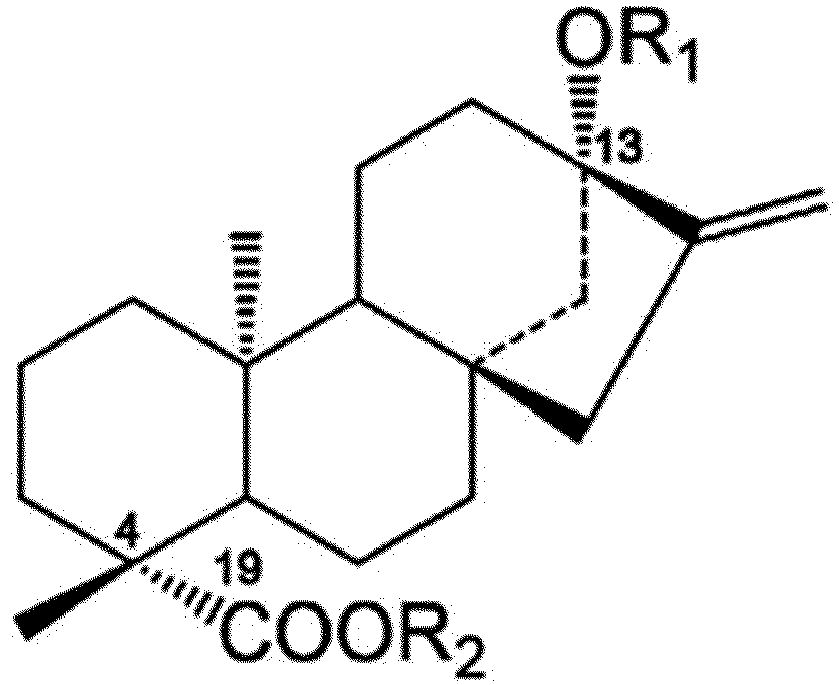
Compound Name R1 R2 Rebaudioside A (rebA) Glcβ1,2(Gluβ1,3)Gluβ1- Glcβ1- Stevioside (stv) Glcβ1,2Gluβ1- Glcβ1- Rebaudioside D (rebD) Glcβ1,2(Gluβ1,3)Gluβ1- Glcβ1,2Glcβ1- Rebaudioside M (rebM) Glcβ1,2(Gluβ1,3)Gluβ1- Glcβ1,2(Gluβ1,3)Gluβ1- - Specific procedures of the measurement were as follows.
- After each about 100 mL of pure water and toluene was charged into a separatory funnel, 30 mg of each steviol glycoside was added. The separatory funnel was sealed to avoid liquid leakage, and stirred with shaking using a shaker for about 30 minutes, and then allowed to stand. When the liquid layer was separated into two layers, the distribution ratio was measured by LCMS after sampling was performed from each layer.
- The measurement results and photos during the test are shown in
Fig. 17 . The photos of the RebA-containing solution after the test are shown inFig. 18 . - Samples SA-70A, SA-70B, SA-200A, SA-200B, SA-206A, SA-206B, SA-207A and SA-207B were prepared by the following procedures. Note that the sample having a name ending with A is a sample prepared by dissolving RebA in an aqueous system. The sample having a name ending with B is a sample prepared by dispersing RebA into an oil system.
- An aqueous mixed solution was obtained by mixing 487 g of glycerol, 103 g of RebA, and 10 g of polyglycerol fatty acid ester (manufactured by Taiyo Kagaku Co., Ltd., HLB = 16.7), and heating and dissolving the mixture at 70°C. To the aqueous mixed solution, 300 g of MCT was added as a fat and oil, and the mixture was emulsified at a rotation rate of 8000 rpm with a homo-mixer (manufactured by Tokushu Kika Kogyo Co., Ltd.). After completion of the stirring, the mixture was cooled to 40°C, and 100 g of water was added to obtain the emulsified composition SA-70A.
- An aqueous mixed solution was obtained by mixing 487 g of glycerol and 10 g of polyglycerol fatty acid ester (manufactured by Taiyo Kagaku Co., Ltd., HLB = 16.7), and heating and dissolving the mixture at 70°C. An oily mixed solution was obtained by mixing 300 g of MCT and 103 g of RebA at room temperature. To the aqueous mixed solution, the oily mixed solution was added, and the mixture was emulsified at a rotation rate of 8000 rpm with a homo-mixer (manufactured by Tokushu Kika Kogyo Co., Ltd.). After completion of the stirring, the mixture was cooled to 40°C, and 100 g of water was added to obtain the emulsified composition SA-70B.
- An aqueous mixed solution was prepared by mixing 567 g of glycerol, 103 g of RebA, and 30 g of polyglycerol fatty acid ester (manufactured by Taiyo Kagaku Co., Ltd., HLB = 16.7), and heating and dissolving the mixture at 70°C. To the aqueous mixed solution, 200 g of MCT was added as a fat and oil, and the mixture was emulsified at a rotation rate of 8000 rpm with a homo-mixer (manufactured by Tokushu Kika Kogyo Co., Ltd.). After completion of the stirring, the mixture was cooled to 40°C, and 100 g of water was added to obtain the emulsified composition SA-200A.
- An aqueous mixed solution was prepared by mixing 567 g of glycerol and 30 g of polyglycerol fatty acid ester (manufactured by Taiyo Kagaku Co., Ltd., HLB = 16.7), and heating and dissolving the mixture at 70°C. An oily mixed solution was obtained by mixing 200 g of MCT and 103 g of RebA at room temperature. To the aqueous mixed solution, the oily mixed solution was added, and the mixture was emulsified at a rotation rate of 8000 rpm with a homo-mixer (manufactured by Tokushu Kika Kogyo Co., Ltd.). After completion of the stirring, the mixture was cooled to 40°C, and 100 g of water was added to obtain the emulsified composition SA-200B.
- An aqueous mixed solution was prepared by mixing 537 g of glycerol, 103 g of RebA, and 60 g of polyglycerol fatty acid ester (manufactured by Taiyo Kagaku Co., Ltd., HLB = 16.7), and heating and dissolving the mixture at 70°C. To the aqueous mixed solution, 200 g of MCT was added as a fat and oil, and the mixture was emulsified at a rotation rate of 8000 rpm with a homo-mixer (manufactured by Tokushu Kika Kogyo Co., Ltd.). After completion of the stirring, the mixture was cooled to 40°C, and 100 g of water was added to obtain a pre-emulsified composition. The pre-emulsified composition was then subjected to fine emulsification at a pressure of 150 MPa with a wet-type atomizer to obtain the emulsified composition SA-206A.
- An aqueous mixed solution was prepared by mixing 578 g of glycerol and 55 g of polyglycerol fatty acid ester (manufactured by Taiyo Kagaku Co., Ltd., HLB = 16.7), and heating and dissolving the mixture at 70°C. An oily mixed solution was obtained by mixing 182 g of MCT and 94 g of RebA at room temperature. To the aqueous mixed solution, the oily mixed solution was added, and the mixture was emulsified at a rotation rate of 8000 rpm with a homo-mixer (manufactured by Tokushu Kika Kogyo Co., Ltd.). After completion of the stirring, the mixture was cooled to 40°C, and 91 g of water was added to obtain a pre-emulsified composition. The pre-emulsified composition was then subjected to fine emulsification at a pressure of 150 MPa with a wet-type atomizer to obtain the emulsified composition SA-206B.
- An aqueous mixed solution was prepared by mixing 706 g of glycerol, 34 g of RebA, and 60 g of polyglycerol fatty acid ester (manufactured by Taiyo Kagaku Co., Ltd., HLB = 16.7), and heating and dissolving the mixture at 70°C. To the aqueous mixed solution, 100 g of MCT was added as a fat and oil, and the mixture was emulsified at a rotation rate of 8000 rpm with a homo-mixer (manufactured by Tokushu Kika Kogyo Co., Ltd.). After completion of the stirring, the mixture was cooled to 40°C, and 100 g of water was added to obtain a pre-emulsified composition. The pre-emulsified composition was then subjected to fine emulsification at a pressure of 150 MPa with a wet-type atomizer to obtain the emulsified composition SA-207A.
- An aqueous mixed solution was prepared by mixing 706 g of glycerol and 60 g of polyglycerol fatty acid ester (manufactured by Taiyo Kagaku Co., Ltd., HLB = 16.7), and heating and dissolving the mixture at 70°C. An oily mixed solution was obtained by mixing 100 g of MCT and 34 g of RebA at room temperature. To the aqueous mixed solution, the oily mixed solution was added, and the mixture was emulsified at a rotation rate of 8000 rpm with a homo-mixer (manufactured by Tokushu Kika Kogyo Co., Ltd.). After completion of the stirring, the mixture was cooled to 40°C, and 100 g of water was added to obtain a pre-emulsified composition. The pre-emulsified composition was then subjected to fine emulsification at a pressure of 150 MPa with a wet-type atomizer to obtain the emulsified composition SA-207B.
- The stability was evaluated using the samples prepared in 1. above. Specific procedures of the evaluation were as follows.
- The average particle size of the emulsified particles in each sample immediately after preparation was measured. Specifically, each sample immediately after preparation was appropriately diluted with ion exchange water so that the laser scattering intensity was around 1%, and then the particle size was measured with a laser diffraction/scattering type particle size distribution meter (Spectris Co., Ltd., Malvern Panalytical).
- Each sample was allowed to stand in a refrigerator at 4°C for 2 months. Then, the particle size of the emulsified particles was measured in the same manner as in 2.1.
- The results are shown in the table below.

- The flavor characteristics were evaluated using the sample prepared in 1. above. Specific procedures of the evaluation were as follows.
- RebA was dissolved in pure water to prepare an aqueous solution having a RebA concentration of 467 ppm, which was used as a control. Next, pure water was added to each sample prepared in 1. above to prepare an aqueous solution having a RebA concentration of 467 ppm. Flavor evaluation of each aqueous solution was performed by seven well-trained sensory panelists by 0.5 points taking the control as 3 points. The average values were calculated, and they were ranked. The flavor was evaluated by sweetness intensity, sweetness lingering, and bitterness intensity. Those having the same score were set in the same rank. The ranks are shown in each evaluation item column of the table below. The sum of ranks is shown in the column of total of the table below.


- Emulsion stability, flavor characteristics, and vibration stability after storage were evaluated using the sample prepared in 1. above. Specific procedures of the evaluation were as follows.
- To 16990.3 mg of Sample SA-70A, 3,483 ml of pure water was added to obtain
evaluation solution 70A.Evaluation solution 206A was also prepared in the same manner except that Sample SA-206A was used instead of Sample SA-70A. The composition of each evaluation solution was as follows.Table 7 70A 206A Sample amount (mg) 16,990.3 16,990.3 RebA ratio in sample (%) 10.3 10.3 RebA equivalent (mg) 1,750.0 1,750.0 Pure water addition amount (ml) 3,483.0 3,483.0 Total amount (ml) 3,500 3,500 RebA concentration (ppm) 500.0 500.0 - The obtained
evaluation solution 70A andevaluation solution 206A were allowed to stand in a refrigerator having the inside temperature of 5°C for 4 weeks. Anotherevaluation solution 70A and anotherevaluation solution 206A were allowed to stand in a thermostatic cabinet at 55°C for 4 weeks. - In addition,
evaluation solution 70A andevaluation solution 206A after adjusted their pH to 2.5 using citric acid anhydride were allowed to stand in a refrigerator having the inside temperature of 5°C for 4 weeks. Anotherevaluation solution 70A and anotherevaluation solution 206A after adjusted their pH to 2.5 using citric acid anhydride were allowed to stand in a thermostatic cabinet at 55°C for 4 weeks. - The appearance of liquid surface of the evaluation solutions after 4 weeks of standing was observed. The results are shown in the table below.


- The effect of the temperature of standing on the flavor was examined. Specific procedures were as follows.
-
Evaluation solution 70A with a temperature of standing of 5°C and without pH adjustment was used as a control. The flavor ofevaluation solution 70A with a temperature of standing of 55°C and without pH adjustment was evaluated by 0.5 points taking the evaluation of the control as 5 points. The panelists were four well-trained sensory panelists. The average value of the evaluations of the panelists was calculated. - In the same way,
evaluation solution 206A with a temperature of standing of 5°C and without pH adjustment was used as a control, and the flavor ofevaluation solution 206A with a temperature of standing of 5°C and without pH adjustment was evaluated by 0.5 points. - In the same way,
evaluation solution 70A of pH 2.5 with a temperature of standing of 5°C was used as a control, and the flavor ofevaluation solution 70A of pH 2.5 with a temperature of standing of 55°C was evaluated by 0.5 points. - In the same way, evaluation solution 260A of pH 2.5 with a temperature of standing of 5°C was used as a control, and the flavor of evaluation solution 260A of pH 2.5 with a temperature of standing of 55°C was evaluated by 0.5 points.
- The results are shown in
Fig. 19 . In addition, comments of the panelists are described below. - 70A, without pH adjustment;
- Mild taste with no sting of bitterness, milky and slightly crisp. Milder and less bitter. Increased milkiness. Easier to drink. Slightly less freshness, but no critical deterioration.
- 260A, without pH adjustment;
- Mild taste with no sting of bitterness, milky and slightly crisp. Milder and less bitter. Increased milkiness. No change in sweetness. No change. Slightly less freshness, but no critical deterioration.
- 70A, pH 2.5
- Suppressed sourness. Increased sourness. Taste with some spikes. Milder sourness. Good. Slightly milder and less spikes of sourness.
- 206A, pH 2.5;
- Suppressed sourness. Increased sourness. But easier to drink. No change. Slightly less bitterness. Good. Slightly milder and less spikes of sourness.
- For evaluation solutions after 4 week-standing at 5°C, absorbance at a wavelength of 680 nm was measured with a spectrophotometer (UV1800 UV spectrophotometer, manufactured by SHIMADZU CORPORATION).
- The evaluation solutions were then centrifuged at 3000 rpm for 30 minutes, and absorbance at a wavelength of 680 nm was measured for the evaluation solutions after centrifugation. The difference in the absorbance between before and after centrifugation Δabs was calculated. Those having Δabs of 0.02 or less were evaluated as "good" as having excellent emulsion stability during vibration.
- The results are shown in
Fig. 20 . - The degree of reduction in sweetness intensity due to emulsification was evaluated using Sample SA-70A and Sample SA-206A prepared in 1. above. Specific procedures for evaluation were as follows.
- RebA was dissolved in pure water to prepare a 467 ppm aqueous solution, which was used as a control. Next, each sample prepared in 1. was added to pure water to prepare an aqueous solution having a RebA concentration of 467 ppm. Then, four well-trained sensory panelists determined which sweetness intensity of
Brix Fig. 21 . - In the same manner as in "4. Evaluation of various characteristics after storage" in Experimental Example 33,
Evaluation solution 70A andEvaluation solution 206A were obtained. -
Evaluation solution 70A andEvaluation solution 206A were diluted with DMSO-containing PBS to prepare diluted solutions having RebA concentrations shown in the addition concentration column of the table below. - Another
Evaluation solution 70A and anotherEvaluation solution 206A were allowed to stand in a thermostatic cabinet at 55°C for 4 weeks.Evaluation solution 70A andEvaluation solution 206A after standing were diluted with DMSO-containing PBS to prepare diluted solutions having RebA concentrations shown in the addition concentration column of the table below. - As a non-stimulant control (negative comparison), 1% DMSO-containing solution was prepared. In addition, as a positive control, a solution was prepared by diluting PMA (manufactured by FUJIFILM Wako Pure Chemical Corporation, model number: 162-23591) with 1% DMSO to have the concentration shown in the addition concentration column of the table below.
Table 9 Addition amount and final concentration of each test substance # Addition concentration (mM) Addition amount [µL] Medium [µL] Total (µL) Final conc. (mM) 1 1% DMSO-containing solution - 10 90 100 - 2 PMA (1%DMSO) 0.01 10 90 100 0.001 3 1 10 90 100 0.100 4 70A 0.25 10 90 100 0.025 5 0.5 10 90 100 0.050 6 1 10 90 100 0.100 7 2.5 10 90 100 0.250 8 5 10 90 100 0.500 9 10 10 90 100 1.000 10 70A4W 0.25 10 90 100 0.025 11 0.5 10 90 100 0.050 12 1 10 90 100 0.100 13 2.5 10 90 100 0.250 14 5 10 90 100 0.500 15 10 10 90 100 1.000 16 206A 0.25 10 90 100 0.025 17 0.5 10 90 100 0.050 18 1 10 90 100 0.100 19 2.5 10 90 100 0.250 20 5 10 90 100 0.500 21 10 10 90 100 1.000 22 206A4W 0.25 10 90 100 0.025 23 0.5 10 90 100 0.050 24 1 10 90 100 0.100 25 2.5 10 90 100 0.250 26 5 10 90 100 0.500 27 10 10 90 100 1.000 - Under the conditions shown in the table above, diluted solution Nos. 1 to 27 were added to a medium, and cells were cultured in the obtained medium. Specific procedures were as follows.
- H716 cells were cultured in RPMI 1640 (manufactured by Thermo Fisher Scientific Inc., model number 61870-036) (10% FBS (manufactured by Gibco, model number SH102770), 1 mM sodium pyruvate) in an incubator at 37°C, 5%CO2. H716 cells were seeded in 96-well plates at 2 x 10⁵ cells/90 µL/well (for dead cell evaluation) and in 48-well plates at 4 x 10⁵ cells/180 µL/well (for morphological observation). The content of FBS in the medium when the cells were seeded in the plate was 0.5%. After 24 hours have passed from the cell seeding, diluted solution Nos. 1 to 27 were added to the wells at an amount of 10 µL/well. The final concentrations of RebA in the medium after the addition of the diluted solutions are shown in the "Final conc. (mM)" column of the above table.
- The cell viability was examined after 2 hours and 24 hours from the addition of the diluted solutions. There were no problems with any of the samples.
- After 2 hours and 24 hours from the addition of diluted solutions, the 96-well plate was centrifuged at 300 x g for 5 minutes, and the culture supernatant was collected.
- GLP-1 in the collected culture supernatant was quantified with Human GLP-1 (7-36 amide) Immunoassay kit (manufactured by PerkinElmer, Inc., model number: AL359C). For quantitative values, a value that was beyond the range of the calibration curve and caused an error was excluded. Furthermore, a box plot was created with a statistical analysis software R, and when a value less than the first quartile or greater than the third quartile was at or beyond the 1.5 quartile range, the value was excluded as an outlier.
- The results are shown in
Fig. 22 .
Claims (18)
- A composition for promoting GLP-1 secretion, comprising a GLP-1 secretion-promoting component and an emulsified particle comprising an oil-in-water emulsifier.
- The composition according to claim 1, wherein an HLB value of the oil-in-water emulsifier is 7 to 18.
- The composition according to claim 1 or 2, wherein the oil-in-water emulsifier comprises at least one selected from the group consisting of a polyglycerol fatty acid ester, a propylene glycol fatty acid ester, an enzyme-treated lecithin, a sucrose fatty acid ester, and an organic acid monoglyceride.
- The composition according to any one of claims 1 to 3, wherein a hydrophilic group of the oil-in-water emulsifier comprises a phosphate group.
- The composition according to any one of claims 1 to 4, wherein the GLP-1 secretion-promoting component comprises a glycoside sweetener.
- The composition according to claim 5, wherein the glycoside sweetener comprises at least one selected from the group consisting of rebaudioside A, rebaudioside B, rebaudioside C, mogroside V, and stevioside.
- The composition according to any one of claims 1 to 4, wherein the GLP-1 secretion-promoting component comprises at least one selected from the group consisting of a monosaccharide, a disaccharide, a sucrose derivative, an amino acid, a peptide, a protein, a glycoprotein, a lipid, and a fatty acid.
- The composition according to any one of claims 1 to 4, wherein the GLP-1 secretion-promoting component comprises a milk protein, an egg yolk protein, an egg white protein, a soy protein, a wheat protein, a pea protein, a mucin, a proteoglycan, or a processed product thereof.
- The composition according to any one of claims 1 to 8, wherein the emulsified particle does not comprise the GLP-1 secretion-promoting component in a core.
- The composition according to any one of claims 1 to 9, wherein a surface tension of the GLP-1 secretion-promoting component measured by a plate method is 40 to 70 mN/m.
- The composition according to any one of claims 1 to 10, wherein a proportion of the oil-in-water emulsifier based on the GLP-1 secretion-promoting component is 0.001 to 50% by mass.
- The composition according to any one of claims 1 to 11, wherein the composition comprises the oil-in-water emulsifier in a proportion of 0.1 to 5% by mass.
- The composition according to any one of claims 1 to 12, wherein the composition comprises the GLP-1 secretion-promoting component in a proportion of 1 to 99.9% by mass.
- The composition according to any one of claims 1 to 13, wherein the composition is for use in improving glycometabolism, in suppressing appetite, or in preventing or ameliorating diabetes or obesity.
- A beverage comprising the composition according to any one of claims 1 to 14.
- A food comprising the composition according to any one of claims 1 to 14.
- A pharmaceutical composition comprising the composition according to any one of claims 1 to 14.
- A method of producing a composition for promoting GLP-1 secretion, comprising the steps of:stirring an oil-in-water emulsifier, an aqueous medium, and a fat and oil to form an emulsified particle so as to prepare an emulsified particle-containing mixture; andmixing the emulsified particle-containing mixture and a GLP-1 secretion-promoting component-containing mixture that comprises a GLP-1 secretion-promoting component and an aqueous medium.
Applications Claiming Priority (2)
| Application Number | Priority Date | Filing Date | Title |
|---|---|---|---|
| JP2019086870 | 2019-04-26 | ||
| PCT/JP2020/017400 WO2020218380A1 (en) | 2019-04-26 | 2020-04-22 | Glp-1 secretion-promoting composition |
Publications (2)
| Publication Number | Publication Date |
|---|---|
| EP3960202A1 true EP3960202A1 (en) | 2022-03-02 |
| EP3960202A4 EP3960202A4 (en) | 2023-01-18 |
Family
ID=72941890
Family Applications (1)
| Application Number | Title | Priority Date | Filing Date |
|---|---|---|---|
| EP20795411.6A Pending EP3960202A4 (en) | 2019-04-26 | 2020-04-22 | COMPOSITION PROMOTING THE SECRETION OF GLP-1 |
Country Status (8)
| Country | Link |
|---|---|
| US (1) | US20220226354A1 (en) |
| EP (1) | EP3960202A4 (en) |
| JP (1) | JP7450613B2 (en) |
| CN (1) | CN113747922A (en) |
| AU (1) | AU2020263748A1 (en) |
| SG (1) | SG11202111838SA (en) |
| TW (1) | TWI796560B (en) |
| WO (1) | WO2020218380A1 (en) |
Families Citing this family (1)
| Publication number | Priority date | Publication date | Assignee | Title |
|---|---|---|---|---|
| US20230346849A1 (en) * | 2022-04-29 | 2023-11-02 | Teresa Bono | Appetite Suppressant and Method of Use |
Family Cites Families (12)
| Publication number | Priority date | Publication date | Assignee | Title |
|---|---|---|---|---|
| JPH0710338B2 (en) * | 1987-12-28 | 1995-02-08 | 有限会社野々川商事 | Oil-in-water emulsion composition and polyhydric alcohol-in-oil emulsion composition |
| EP1517619B1 (en) * | 2002-07-01 | 2007-01-03 | Unilever N.V. | Satiety inducing composition |
| JP2009517464A (en) | 2005-11-30 | 2009-04-30 | カンピーナ ネーダーランド ホールディング ビー.ブイ. | Use of protein hydrolysates that enhance the activity of glucagon-like peptide 1 |
| JP2011046668A (en) * | 2009-08-28 | 2011-03-10 | Nof Corp | Regulator for sustained secretion of glp-1 and insulin |
| CN104349773A (en) * | 2012-01-06 | 2015-02-11 | 埃尔舍利克斯治疗公司 | Compositions and methods for treating metabolic disorders |
| JP2015047080A (en) * | 2013-08-30 | 2015-03-16 | 株式会社ファンケル | Emulsified composition |
| US10772346B2 (en) * | 2014-02-21 | 2020-09-15 | James and Carol May Family, LLLP | Compositions and methods for the solubilization of stevia glycosides |
| EP4194001B1 (en) * | 2015-04-22 | 2026-03-18 | Cedars-Sinai Medical Center | Enterically delivered bitter oligopeptides for the treatment of type 2 diabetes and obesity |
| JP6777632B2 (en) * | 2015-07-27 | 2020-10-28 | サントリーホールディングス株式会社 | Compositions containing cyclic dipeptides and sweeteners |
| JP6802256B2 (en) | 2016-03-16 | 2020-12-16 | サントリーホールディングス株式会社 | GLP-1 secretion promoting composition and method for producing the same |
| EP3590519A4 (en) | 2017-03-03 | 2020-12-16 | Morinaga Milk Industry Co., Ltd. | Glp-1 secretagogue and composition |
| JP7450612B2 (en) * | 2019-04-26 | 2024-03-15 | サントリーホールディングス株式会社 | Composition for promoting GLP-1 secretion |
-
2020
- 2020-04-22 WO PCT/JP2020/017400 patent/WO2020218380A1/en not_active Ceased
- 2020-04-22 SG SG11202111838SA patent/SG11202111838SA/en unknown
- 2020-04-22 AU AU2020263748A patent/AU2020263748A1/en not_active Abandoned
- 2020-04-22 EP EP20795411.6A patent/EP3960202A4/en active Pending
- 2020-04-22 JP JP2021516179A patent/JP7450613B2/en active Active
- 2020-04-22 CN CN202080031257.7A patent/CN113747922A/en active Pending
- 2020-04-22 US US17/606,186 patent/US20220226354A1/en not_active Abandoned
- 2020-04-24 TW TW109113758A patent/TWI796560B/en active
Also Published As
| Publication number | Publication date |
|---|---|
| TWI796560B (en) | 2023-03-21 |
| US20220226354A1 (en) | 2022-07-21 |
| TW202106307A (en) | 2021-02-16 |
| CN113747922A (en) | 2021-12-03 |
| JP7450613B2 (en) | 2024-03-15 |
| EP3960202A4 (en) | 2023-01-18 |
| SG11202111838SA (en) | 2021-11-29 |
| JPWO2020218380A1 (en) | 2020-10-29 |
| WO2020218380A1 (en) | 2020-10-29 |
| AU2020263748A1 (en) | 2021-12-02 |
Similar Documents
| Publication | Publication Date | Title |
|---|---|---|
| JP5876205B2 (en) | Method for improving deficiency of sweetness of D-sorbose in sweetener comprising D-sorbose and improving sweetness persistence | |
| US20110177175A1 (en) | Dietary fiber compositions | |
| CN108289485A (en) | Steviol glycoside blend, composition and method | |
| EP2923584A1 (en) | Naringenin and salts thereof for sweetness enhancement | |
| US12605360B2 (en) | Compositions and methods using xanthan gum to stabilize at least one urolithin in an aqueous matrix | |
| TWI303992B (en) | ||
| US20160183577A1 (en) | Transglucosylated Rubus suavissimus Extract and Methods of Preparation and Use | |
| JP4205870B2 (en) | Lifestyle-related disease prevention / amelioration agent | |
| EP3960201A1 (en) | Composition for promoting glp-1 secretion | |
| US20220226354A1 (en) | Glp-1 secretion-promoting composition | |
| JP2008247858A (en) | Composition for oral consumption for diet | |
| WO2020218381A1 (en) | Composition for promoting glp-1 secretion | |
| WO2020218383A1 (en) | Glp-1 secretagogue | |
| JP7090849B2 (en) | Liver function improving composition and liver function improving food composition | |
| JP2013150635A (en) | Orally ingestible composition for diet | |
| WO2015118699A1 (en) | Satiety maintaining agent and method for maintaining feeling of satisfaction | |
| JP2005124482A (en) | Nutritional composition containing CoQ · 10 | |
| JP5943516B2 (en) | Sweetener for improving biological function comprising D-sorbose as an active ingredient | |
| TW202106308A (en) | Glp-1 secretagogue | |
| WO2020162532A1 (en) | Composition for enhancing vascular endothelial function | |
| CN100448374C (en) | Blood sugar level rise inhibitor, body fat accumulation inhibitor, and edible material | |
| EP4082540A1 (en) | Novel use of steviol | |
| WO2005072750A1 (en) | Composition for inhibting dietary lipid absorption | |
| JP2006320223A (en) | Foods containing vitamin C-enhanced thiamines |
Legal Events
| Date | Code | Title | Description |
|---|---|---|---|
| STAA | Information on the status of an ep patent application or granted ep patent |
Free format text: STATUS: THE INTERNATIONAL PUBLICATION HAS BEEN MADE |
|
| PUAI | Public reference made under article 153(3) epc to a published international application that has entered the european phase |
Free format text: ORIGINAL CODE: 0009012 |
|
| STAA | Information on the status of an ep patent application or granted ep patent |
Free format text: STATUS: REQUEST FOR EXAMINATION WAS MADE |
|
| 17P | Request for examination filed |
Effective date: 20211116 |
|
| AK | Designated contracting states |
Kind code of ref document: A1 Designated state(s): AL AT BE BG CH CY CZ DE DK EE ES FI FR GB GR HR HU IE IS IT LI LT LU LV MC MK MT NL NO PL PT RO RS SE SI SK SM TR |
|
| DAV | Request for validation of the european patent (deleted) | ||
| DAX | Request for extension of the european patent (deleted) | ||
| REG | Reference to a national code |
Ref country code: DE Ref legal event code: R079 Free format text: PREVIOUS MAIN CLASS: A61K0045000000 Ipc: A61K0031704000 |
|
| A4 | Supplementary search report drawn up and despatched |
Effective date: 20221221 |
|
| RIC1 | Information provided on ipc code assigned before grant |
Ipc: A23L 2/52 20060101ALI20221215BHEP Ipc: A23L 33/10 20160101ALI20221215BHEP Ipc: A61P 43/00 20060101ALI20221215BHEP Ipc: A61P 3/10 20060101ALI20221215BHEP Ipc: A61P 3/04 20060101ALI20221215BHEP Ipc: A61K 47/34 20170101ALI20221215BHEP Ipc: A61K 47/26 20060101ALI20221215BHEP Ipc: A61K 47/24 20060101ALI20221215BHEP Ipc: A61K 47/14 20170101ALI20221215BHEP Ipc: A61K 47/10 20170101ALI20221215BHEP Ipc: A61K 9/107 20060101ALI20221215BHEP Ipc: A61K 9/00 20060101ALI20221215BHEP Ipc: A61K 45/00 20060101ALI20221215BHEP Ipc: A61K 38/04 20060101ALI20221215BHEP Ipc: A61K 38/00 20060101ALI20221215BHEP Ipc: A61K 31/7016 20060101ALI20221215BHEP Ipc: A61K 31/215 20060101ALI20221215BHEP Ipc: A61K 31/198 20060101ALI20221215BHEP Ipc: A61K 31/19 20060101ALI20221215BHEP Ipc: A61K 31/704 20060101AFI20221215BHEP |
|
| STAA | Information on the status of an ep patent application or granted ep patent |
Free format text: STATUS: EXAMINATION IS IN PROGRESS |
|
| 17Q | First examination report despatched |
Effective date: 20240213 |
|
| GRAP | Despatch of communication of intention to grant a patent |
Free format text: ORIGINAL CODE: EPIDOSNIGR1 |
|
| STAA | Information on the status of an ep patent application or granted ep patent |
Free format text: STATUS: GRANT OF PATENT IS INTENDED |
|
| RIC1 | Information provided on ipc code assigned before grant |
Ipc: A61K 31/704 20060101AFI20260602BHEP Ipc: A61K 31/19 20060101ALI20260602BHEP Ipc: A61K 31/198 20060101ALI20260602BHEP Ipc: A61K 31/215 20060101ALI20260602BHEP Ipc: A61K 31/7016 20060101ALI20260602BHEP Ipc: A61K 38/00 20060101ALI20260602BHEP Ipc: A61K 38/04 20060101ALI20260602BHEP Ipc: A61K 45/00 20060101ALI20260602BHEP Ipc: A61K 9/00 20060101ALI20260602BHEP Ipc: A61K 9/107 20060101ALI20260602BHEP Ipc: A61K 47/10 20170101ALI20260602BHEP Ipc: A61K 47/14 20170101ALI20260602BHEP Ipc: A61K 47/24 20060101ALI20260602BHEP Ipc: A61K 47/26 20060101ALI20260602BHEP Ipc: A61K 47/34 20170101ALI20260602BHEP Ipc: A61P 3/04 20060101ALI20260602BHEP Ipc: A61P 3/10 20060101ALI20260602BHEP Ipc: A61P 43/00 20060101ALI20260602BHEP Ipc: A23L 33/10 20160101ALI20260602BHEP Ipc: A23L 2/52 20060101ALI20260602BHEP Ipc: A23L 2/60 20060101ALI20260602BHEP |
|
| INTG | Intention to grant announced |
Effective date: 20260615 |