EP3957495B1 - Tire for racing wheelchair - Google Patents
Tire for racing wheelchair Download PDFInfo
- Publication number
- EP3957495B1 EP3957495B1 EP19925173.7A EP19925173A EP3957495B1 EP 3957495 B1 EP3957495 B1 EP 3957495B1 EP 19925173 A EP19925173 A EP 19925173A EP 3957495 B1 EP3957495 B1 EP 3957495B1
- Authority
- EP
- European Patent Office
- Prior art keywords
- tire
- tire equator
- sipes
- grip
- grip area
- Prior art date
- Legal status (The legal status is an assumption and is not a legal conclusion. Google has not performed a legal analysis and makes no representation as to the accuracy of the status listed.)
- Active
Links
Images




Classifications
-
- B—PERFORMING OPERATIONS; TRANSPORTING
- B60—VEHICLES IN GENERAL
- B60C—VEHICLE TYRES; TYRE INFLATION; TYRE CHANGING; CONNECTING VALVES TO INFLATABLE ELASTIC BODIES IN GENERAL; DEVICES OR ARRANGEMENTS RELATED TO TYRES
- B60C11/00—Tyre tread bands; Tread patterns; Anti-skid inserts
- B60C11/01—Shape of the shoulders between tread and sidewall, e.g. rounded, stepped or cantilevered
-
- B—PERFORMING OPERATIONS; TRANSPORTING
- B60—VEHICLES IN GENERAL
- B60C—VEHICLE TYRES; TYRE INFLATION; TYRE CHANGING; CONNECTING VALVES TO INFLATABLE ELASTIC BODIES IN GENERAL; DEVICES OR ARRANGEMENTS RELATED TO TYRES
- B60C11/00—Tyre tread bands; Tread patterns; Anti-skid inserts
- B60C11/03—Tread patterns
- B60C11/12—Tread patterns characterised by the use of narrow slits or incisions, e.g. sipes
-
- B—PERFORMING OPERATIONS; TRANSPORTING
- B60—VEHICLES IN GENERAL
- B60C—VEHICLE TYRES; TYRE INFLATION; TYRE CHANGING; CONNECTING VALVES TO INFLATABLE ELASTIC BODIES IN GENERAL; DEVICES OR ARRANGEMENTS RELATED TO TYRES
- B60C11/00—Tyre tread bands; Tread patterns; Anti-skid inserts
- B60C11/03—Tread patterns
- B60C11/0327—Tread patterns characterised by special properties of the tread pattern
- B60C11/033—Tread patterns characterised by special properties of the tread pattern by the void or net-to-gross ratios of the patterns
-
- B—PERFORMING OPERATIONS; TRANSPORTING
- B60—VEHICLES IN GENERAL
- B60C—VEHICLE TYRES; TYRE INFLATION; TYRE CHANGING; CONNECTING VALVES TO INFLATABLE ELASTIC BODIES IN GENERAL; DEVICES OR ARRANGEMENTS RELATED TO TYRES
- B60C11/00—Tyre tread bands; Tread patterns; Anti-skid inserts
- B60C11/03—Tread patterns
- B60C11/04—Tread patterns in which the raised area of the pattern consists only of continuous circumferential ribs, e.g. zig-zag
-
- B—PERFORMING OPERATIONS; TRANSPORTING
- B60—VEHICLES IN GENERAL
- B60C—VEHICLE TYRES; TYRE INFLATION; TYRE CHANGING; CONNECTING VALVES TO INFLATABLE ELASTIC BODIES IN GENERAL; DEVICES OR ARRANGEMENTS RELATED TO TYRES
- B60C11/00—Tyre tread bands; Tread patterns; Anti-skid inserts
- B60C11/03—Tread patterns
- B60C11/12—Tread patterns characterised by the use of narrow slits or incisions, e.g. sipes
- B60C11/1259—Depth of the sipe
-
- B—PERFORMING OPERATIONS; TRANSPORTING
- B60—VEHICLES IN GENERAL
- B60C—VEHICLE TYRES; TYRE INFLATION; TYRE CHANGING; CONNECTING VALVES TO INFLATABLE ELASTIC BODIES IN GENERAL; DEVICES OR ARRANGEMENTS RELATED TO TYRES
- B60C11/00—Tyre tread bands; Tread patterns; Anti-skid inserts
- B60C11/03—Tread patterns
- B60C11/12—Tread patterns characterised by the use of narrow slits or incisions, e.g. sipes
- B60C11/1272—Width of the sipe
-
- B—PERFORMING OPERATIONS; TRANSPORTING
- B60—VEHICLES IN GENERAL
- B60C—VEHICLE TYRES; TYRE INFLATION; TYRE CHANGING; CONNECTING VALVES TO INFLATABLE ELASTIC BODIES IN GENERAL; DEVICES OR ARRANGEMENTS RELATED TO TYRES
- B60C11/00—Tyre tread bands; Tread patterns; Anti-skid inserts
- B60C11/03—Tread patterns
- B60C11/13—Tread patterns characterised by the groove cross-section, e.g. for buttressing or preventing stone-trapping
-
- B—PERFORMING OPERATIONS; TRANSPORTING
- B60—VEHICLES IN GENERAL
- B60C—VEHICLE TYRES; TYRE INFLATION; TYRE CHANGING; CONNECTING VALVES TO INFLATABLE ELASTIC BODIES IN GENERAL; DEVICES OR ARRANGEMENTS RELATED TO TYRES
- B60C11/00—Tyre tread bands; Tread patterns; Anti-skid inserts
- B60C11/03—Tread patterns
- B60C2011/0337—Tread patterns characterised by particular design features of the pattern
- B60C2011/0339—Grooves
- B60C2011/0358—Lateral grooves, i.e. having an angle of 45 to 90 degees to the equatorial plane
- B60C2011/036—Narrow grooves, i.e. having a width of less than 3 mm
-
- B—PERFORMING OPERATIONS; TRANSPORTING
- B60—VEHICLES IN GENERAL
- B60C—VEHICLE TYRES; TYRE INFLATION; TYRE CHANGING; CONNECTING VALVES TO INFLATABLE ELASTIC BODIES IN GENERAL; DEVICES OR ARRANGEMENTS RELATED TO TYRES
- B60C11/00—Tyre tread bands; Tread patterns; Anti-skid inserts
- B60C11/03—Tread patterns
- B60C2011/0337—Tread patterns characterised by particular design features of the pattern
- B60C2011/0339—Grooves
- B60C2011/0358—Lateral grooves, i.e. having an angle of 45 to 90 degees to the equatorial plane
- B60C2011/0362—Shallow grooves, i.e. having a depth of less than 50% of other grooves
-
- B—PERFORMING OPERATIONS; TRANSPORTING
- B60—VEHICLES IN GENERAL
- B60C—VEHICLE TYRES; TYRE INFLATION; TYRE CHANGING; CONNECTING VALVES TO INFLATABLE ELASTIC BODIES IN GENERAL; DEVICES OR ARRANGEMENTS RELATED TO TYRES
- B60C11/00—Tyre tread bands; Tread patterns; Anti-skid inserts
- B60C11/03—Tread patterns
- B60C2011/0337—Tread patterns characterised by particular design features of the pattern
- B60C2011/0339—Grooves
- B60C2011/0358—Lateral grooves, i.e. having an angle of 45 to 90 degees to the equatorial plane
- B60C2011/0365—Lateral grooves, i.e. having an angle of 45 to 90 degees to the equatorial plane characterised by width
-
- B—PERFORMING OPERATIONS; TRANSPORTING
- B60—VEHICLES IN GENERAL
- B60C—VEHICLE TYRES; TYRE INFLATION; TYRE CHANGING; CONNECTING VALVES TO INFLATABLE ELASTIC BODIES IN GENERAL; DEVICES OR ARRANGEMENTS RELATED TO TYRES
- B60C11/00—Tyre tread bands; Tread patterns; Anti-skid inserts
- B60C11/03—Tread patterns
- B60C2011/0337—Tread patterns characterised by particular design features of the pattern
- B60C2011/0339—Grooves
- B60C2011/0358—Lateral grooves, i.e. having an angle of 45 to 90 degees to the equatorial plane
- B60C2011/0367—Lateral grooves, i.e. having an angle of 45 to 90 degees to the equatorial plane characterised by depth
-
- B—PERFORMING OPERATIONS; TRANSPORTING
- B60—VEHICLES IN GENERAL
- B60C—VEHICLE TYRES; TYRE INFLATION; TYRE CHANGING; CONNECTING VALVES TO INFLATABLE ELASTIC BODIES IN GENERAL; DEVICES OR ARRANGEMENTS RELATED TO TYRES
- B60C11/00—Tyre tread bands; Tread patterns; Anti-skid inserts
- B60C11/03—Tread patterns
- B60C2011/0337—Tread patterns characterised by particular design features of the pattern
- B60C2011/0339—Grooves
- B60C2011/0358—Lateral grooves, i.e. having an angle of 45 to 90 degees to the equatorial plane
- B60C2011/0372—Lateral grooves, i.e. having an angle of 45 to 90 degees to the equatorial plane with particular inclination angles
-
- B—PERFORMING OPERATIONS; TRANSPORTING
- B60—VEHICLES IN GENERAL
- B60C—VEHICLE TYRES; TYRE INFLATION; TYRE CHANGING; CONNECTING VALVES TO INFLATABLE ELASTIC BODIES IN GENERAL; DEVICES OR ARRANGEMENTS RELATED TO TYRES
- B60C11/00—Tyre tread bands; Tread patterns; Anti-skid inserts
- B60C11/03—Tread patterns
- B60C11/12—Tread patterns characterised by the use of narrow slits or incisions, e.g. sipes
- B60C11/1204—Tread patterns characterised by the use of narrow slits or incisions, e.g. sipes with special shape of the sipe
- B60C2011/1209—Tread patterns characterised by the use of narrow slits or incisions, e.g. sipes with special shape of the sipe straight at the tread surface
-
- B—PERFORMING OPERATIONS; TRANSPORTING
- B60—VEHICLES IN GENERAL
- B60C—VEHICLE TYRES; TYRE INFLATION; TYRE CHANGING; CONNECTING VALVES TO INFLATABLE ELASTIC BODIES IN GENERAL; DEVICES OR ARRANGEMENTS RELATED TO TYRES
- B60C11/00—Tyre tread bands; Tread patterns; Anti-skid inserts
- B60C11/03—Tread patterns
- B60C11/12—Tread patterns characterised by the use of narrow slits or incisions, e.g. sipes
- B60C11/1204—Tread patterns characterised by the use of narrow slits or incisions, e.g. sipes with special shape of the sipe
- B60C2011/1231—Tread patterns characterised by the use of narrow slits or incisions, e.g. sipes with special shape of the sipe being shallow, i.e. sipe depth of less than 3 mm
-
- B—PERFORMING OPERATIONS; TRANSPORTING
- B60—VEHICLES IN GENERAL
- B60C—VEHICLE TYRES; TYRE INFLATION; TYRE CHANGING; CONNECTING VALVES TO INFLATABLE ELASTIC BODIES IN GENERAL; DEVICES OR ARRANGEMENTS RELATED TO TYRES
- B60C2200/00—Tyres specially adapted for particular applications
-
- B—PERFORMING OPERATIONS; TRANSPORTING
- B60—VEHICLES IN GENERAL
- B60C—VEHICLE TYRES; TYRE INFLATION; TYRE CHANGING; CONNECTING VALVES TO INFLATABLE ELASTIC BODIES IN GENERAL; DEVICES OR ARRANGEMENTS RELATED TO TYRES
- B60C2200/00—Tyres specially adapted for particular applications
- B60C2200/12—Tyres specially adapted for particular applications for bicycles
Definitions
- the present invention relates to a tire for wheelchairs used in various competitions, and in particular proposes a competition wheelchair tire provided with grip for the hand of a user seated in the wheelchair and with drainage performance.
- a hand rim coaxial with the tire is provided on the axial outer side of the tire on both sides of the chair portion, and users rotate the hand rims by hand to propel the wheelchairs by themselves.
- JP2003-341307A discloses a wheelchair tire comprising: in regions, divided by a tire equator, on both sides of a tread surface of a tire, a grip area along an entire circumference of a tread, the grip area including a plurality of recessed lines, with a shape recessed toward an inner side of the tire from an outline of the tread surface, that extend from a tread edge side in a direction inclined relative to the tire equator and are arrayed in parallel.
- Patent Literature (PTL) 1 if the tire has a raised portion, an athlete's hand may be injured by the edge of the raised portion or the like when the hand directly touches the tire.
- PTL Patent Literature 1
- a competition wheelchair tire according to the present invention includes:
- terminating before the tire equator means that the sipes starting from the grip area extend without reaching the tire equator and terminate in the same region divided by the tire equator, at a position separated from the tire equator.
- the “tread edge” is the outer edge in the width direction of the formation region of the tread pattern, which is formed according to the requirements of each wheelchair tire.
- the “negative ratio in the grip area” refers to the ratio, in a developed view of the tread surface, of the area of recesses, such as recessed lines and sipes, to the total area of the grip area in a case in which recesses are not formed.
- the “negative ratio closer to the tire equator than the grip area” refers to the ratio, in a developed view of the tread surface, of the area of recesses to the total area of a region closer to the tire equator than the grip area in a case in which recesses are not formed.
- a competition wheelchair tire that achieves both grip for the hand and grip in the contact patch can be provided.
- FIG. 1A is a diagram illustrating a portion of a tread surface 2 of a tire 1 according to a first embodiment of the present invention, developed in the tread width direction
- FIG. 1B is a schematic cross-sectional view along line II-II of FIG. 1A
- FIG. 2A is a cross-sectional view along line III-III of FIG. 1A
- the tire 1 preferably includes a carcass, as a framework, extending between a pair of bead portions and a tread on the outer side of the carcass in the tire radial direction.
- the tire 1 includes grip areas 4a, 4b in regions A1, A2, divided by the tire equator CL, on both sides of the tread surface 2.
- a plurality of recessed lines 3a, 3b with a shape recessed toward the inner side of the tire from an outline of the tread surface 2, extend from the tread edge TE side in a direction inclined relative to the tire equator CL and are arrayed in parallel.
- the shapes of the recessed lines 3a, 3b are described in detail below, using the recessed line 3a as a typical example.
- the recessed line 3a has a shape that is recessed toward the inner side of the tire more than an outline O1 of the tread surface 2, that is, the line along the tread surface 2 when the recessed portion is omitted in a cross-sectional view in the tread width direction.
- the recessed shape is not particularly limited, but in the illustrated example, the recessed shape is a curved shape recessed from the outline O1, and a plurality of recessed lines 3a are arranged in parallel to yield a waveform.
- the cross-sectional shape of the recessed lines 3a is not limited to the example illustrated in FIG. 2A , but rather can be appropriately modified.
- a form with rectangular openings from the outline O1, as illustrated in FIG. 2B can be adopted.
- the plurality of recessed lines 3a arrayed in the grip area 4a come into contact with the hand.
- the plurality of recessed lines 3a come into contact with the surface of the hand, friction is generated between the recessed lines 3a and the hand to provide grip.
- the recessed lines 3a have a shape that is recessed from the outline O1 of the tread surface 2, the surface of the hand and fingers is not pushed or strongly contacted by a component protruding from the outline O1 of the tread surface 2. The grip can thus be enhanced without injuring the hands of the athlete.
- the depth d1 of the recessed lines 3a is not particularly limited but is preferably between 0.5 mm and 2.0 mm. By the depth d1 being set to 0.5 mm or more, the grip for the hand can be sufficiently enhanced, and by the depth d1 being set to 2.0 mm or less, the rigidity of the tread surface 2 can be maintained.
- an opening width w10 of the recessed lines 3a is not particularly limited but is preferably between 0.5 mm and 2.0 mm.
- the opening width w10 of the recessed lines 3a refers to the opening length orthogonal to the extending direction of the recessed lines 3a on the outline O1.
- the grip area 4a it is essential for the grip area 4a to have an array of recessed lines 3a extending in a direction inclined relative to the tire equator CL. That is, the competition wheelchair tire is mainly used for forward and backward movements in the front-back direction, particularly in ball games such as tennis, and the direction of input of force by the hand is also in the front-back direction. Therefore, the formation of recessed lines in a direction that crosses the front-back direction, i.e., a direction that is inclined relative to the tire circumferential direction, enhances the gripping force between the tire 1 and the hand.
- the grip area 4a particularly preferably has an array of recessed lines 3a extending in a direction orthogonal to the tire equator CL.
- the recessed lines 3a being oriented orthogonally to the tire equator CL, which is an orientation that resists the input of force along the front-back direction, the grip for the hand in particular can be improved, facilitating control when starting to push and when stopping suddenly.
- the grip area 4a has an array of recessed lines, inclined in a single direction relative to the tire equator CL, over the entire circumference of the tire, but a plurality of recessed lines inclined in different directions may be arranged simultaneously, such as in a grid, over a portion or the entire circumference of the tire.
- the recessed lines 3a start from the tread edge TE side, i.e., from the region adjacent to the tread edge TE.
- the hand mainly touches the region adjacent to the tread edge TE. That is, when the athlete is pushing or braking the competition wheelchair, the athlete touches the region adjacent to the tread edge TE on the side closer to the athlete's body to rotate the tire 1.
- the recessed lines 3a preferably have a starting point at a position between 7.0% and 33.0% of a length WD along the periphery of the tread surface 2 in the width direction from the tread edge TE, and the starting point is more preferably located at the tread edge TE. This is because the region where the input of force by the athlete's hand is particularly strong tends to be located here.
- a length W1 in the tread width direction, along the periphery of the tread surface 2, of the grip area 4a in which the recessed lines 3a are arrayed is preferably between 7.0% and 33.0% of the length WD of the tread surface 2 in the width direction.
- the tire 1 it is essential for the tire 1 to include the grip area 4a, in which the recessed lines 3a are arrayed, along the entire circumference of the tire, so that a good grip can be obtained regardless of which part, in the tire circumferential direction, of the rolling tire is contacted by the athlete's hand.
- the grip of the tire 1 for the hand can be enhanced regardless of the mounting direction of the tire. That is, as described above, when the athlete is pushing or braking the competition wheelchair, the athlete touches the region adjacent to the tread edge TE on the side closer to the athlete's body to rotate the tire 1. The side closer to the athlete's body is determined by the mounting direction of the tire, but grip for the hand can be provided regardless of the direction in which the tire is mounted.
- a competition wheelchair tire is mounted with a negative camber to facilitate the turning motion of the entire wheelchair.
- one of the regions A1, A2 is mainly in contact with the contact patch, and wear tends to occur in the region that is in contact with the contact patch. After wear has progressed in one of the regions A1, A2, the tire 1 is often remounted in the opposite mounting direction. Therefore, by the grip areas 4a or 4b being provided in both regions A1, A2, grip can be provided both before and after remounting.
- the recessed lines 3a, 3b preferably extend in a direction that is linearly symmetrical with respect to the tire equator CL, with the tire equator CL as the axis of symmetry, in order to provide the same grip for the hand in both mounting directions.
- the recessed lines 3a, 3b may, however, extend at different inclination angles with respect to the tire equator CL.
- the tire 1 includes a plurality of sipes 6a, 6b, and 6c, 6d, in the regions A1, A2, that extend from the grip areas 4a, 4b toward the tire equator CL.
- the region A1 is described below as a representative example, with reference to FIGS. 1 and 3 .
- the sipes 6a, 6b start at the grip area 4a, extend toward the tire equator CL in a direction inclined relative to the tire equator CL, and terminate before the tire equator CL.
- Starting in the grip area 4a is not limited to the case of extending from the edge of the grip area 4a on the tire equator CL side as illustrated in the figures.
- the sipes 6a, 6b may also include a portion extending in the grip area 4a.
- the sipes 6a, 6b also have a shape that is recessed from the outline O1 of the tread surface 2, like the recessed lines 3a, the surface of the hand and fingers is not pushed or strongly contacted by a component protruding from the outline O1 of the tread surface 2. The grip can thus be enhanced without injuring the hands of the athlete.
- the hand when an athlete sweats during a game or the like, the hand can be prevented from slipping against the tread surface 2. That is, when an athlete sweats during a game or the like, and a film of sweat is present between the fingers or palm and the tread surface, the grip between the hand and the tread surface is hindered, and the hand slips against the tread surface.
- the wet hand of the athlete comes into contact with the sipes 6a, 6b, however, the moisture of the sweat is taken into the sipes 6a, 6b and discharged, as the tire rotates, along the direction in which the sipes 6a, 6b extend at an inclination relative to the tire equator CL.
- the negative ratio in the grip area 4a it is essential for the negative ratio in the grip area 4a to be higher than the negative ratio closer to the tire equator CL than the grip area 4a. That is, during movement of the tire in the front-back direction, the ground contact pressure tends to increase on the tire equator CL side more than on the tread edge TE side of the tread surface 2.
- the negative ratio being lower closer to the tire equator CL than the grip area 4a and increasing the footprint area with the contact patch, a good grip in the contact patch can be achieved.
- the value of the negative ratio closer to the tire equator CL than the grip area 4a is not particularly limited but is preferably between 2% and 10%.
- the negative ratio closer to the tire equator CL than the grip area 4a being between 2% and 10%, the footprint area with the contact patch can be sufficiently secured, and a better grip in the contact patch can be achieved.
- the negative ratio in the grip area 4a is preferably larger than the negative ratio closer to the tire equator CL in order to achieve sufficient grip for the hand with the recessed lines 3a.
- the tire equator CL and the region adjacent to the tire equator CL can be provided with surface properties without unevenness, so that good grip in the contact patch can be achieved.
- the sipes 6a, 6b are preferably arranged in the region of the tread surface 2 with which both the hand and the contact patch come into contact. That is, as the tire 1 rotates, the process of the tread surface 2 of the tire 1 coming into contact with the hand of the athlete and then moving towards and coming into contact with the contact patch is repeated. Therefore, the tread surface 2 has both a contact region with the athlete's hand and a contact region with the contact patch.
- the contact region with the hand and the contact region with the contact patch vary depending on the camber angle at the time of mounting, the load, and the like.
- the region adjacent to the tread edge TE on the side closer to the athlete's body usually comes into contact with the hand, and in a tennis competition, in which movements are mainly straight forward or backward, the tire equator CL and the region adjacent to the tire equator CL usually come into contact with the contact patch.
- the contact region with the hand and the contact region with the contact patch may overlap between the portion of the contact region with the hand on the side of the tire equator CL and the portion of the contact region with the contact patch on the side of the tread edge TE.
- the sipes 6a, 6b preferably terminate at a position that is 17% to 35% of the length WD along the periphery of the tread surface 2 in the width direction from the tire equator CL. That is, by the distance from the tire equator CL to the sipes 6a, 6b being set to 17% or more of the length WD of the tread surface 2 in the width direction, the tire equator CL and the region adjacent to the tire equator CL can be provided with surface properties without unevenness, further improving the grip in the contact patch. By the distance being set to 35% or less, the grip for the hand can be sufficiently secured.
- the sipes 6a, 6b preferably have a length m1 in the tread width direction of 12% to 65% of the length WD along the periphery of the tread surface 2 in the width direction from the edge of the grip area 4a on the tire equator CL side.
- the length m1 of the sipes 6a, 6b in the tread width direction being set to 12% or more of the length WD of the tread surface 2 in the width direction, the grip for the hand can be sufficiently improved, and by the length m1 in the tread width direction being set to 65% or less, the footprint area with the contact patch on the tire equator CL side can be sufficiently improved.
- the inclination angles of the sipes 6a, 6b relative to the tire equator CL are not particularly limited, the angle ⁇ 1 of the sipes 6a relative to the tire equator CL and the angle ⁇ 2 of the sipes 6b relative to the tire equator CL are preferably each between 30° and 90°. By the angles ⁇ 1 and ⁇ 2 each being between 30° and 90°, a better grip can be achieved for a hand performing movements in the front-back direction.
- the plurality of sipes 6a, 6b preferably includes a plurality of pairs of linearly symmetrical sipes 60A such that each pair of adjacent sipes 6a, 6b is in a linearly symmetrical relationship with a line segment orthogonal to the tire equator CL, i.e. a line segment along the tread width direction, as an axis of symmetry s1.
- the pairs of linearly symmetrical sipes 60A are formed over the entire circumference of the tire.
- each sipe 6a, 6b is preferably inclined to separate from the axis of symmetry s1 from the tire equator CL towards the tread edge TE.
- the sipes 6a, 6b are inclined in different directions relative to the tire equator CL, a good grip between the hand and the tread surface 2 can be achieved in the case of input of force by the hand from various directions, i.e. not only for linear motion of the competition wheelchair but also for turning motion and the like. According to the above configuration, sweat can also be drained more efficiently from the tire equator CL side towards the tread edge TE side.
- An angle ⁇ 3, which opens to the tread edge TE side, between the sipes 6a, 6b is preferably between 10° and 135°. According to the above configuration, sweat can also be drained more efficiently from the tire equator CL side to the tread edge TE side.
- An opening width w3 orthogonal to the extending direction of the sipes 6a, 6b is preferably between 2.0 mm and 20.0 mm.
- the opening width w3 of the sipes 6a, 6b being set to 2.0 mm or more, the edge effect against input of force by the hand can be increased, and a sufficient drainage function can be provided.
- the opening width w3 being set to 20.0 mm or less, the grip in the contact patch can be increased.
- a maximum depth d4 of the sipes 6a, 6b is preferably between 0.5 mm and 2.0 mm.
- the maximum depth d4 of the sipes 6a, 6b being set to 0.5 mm or more, the sipes 6a, 6b can be provided with a sufficient drainage function, and by the maximum depth d4 being set to 2.0 mm or less, the rigidity of the tread surface 2 can be maintained.
- the pairs of linearly symmetrical sipes 60A formed in the grip area 40a and pairs of linearly symmetrical sipes 60B formed in the grip area 40b are preferably arranged to have a phase difference along the tire equator CL between the regions A1, A2.
- stating that a constituent element X and a constituent element Y "are arranged to have a phase difference along the tire equator CL" may mean that the constituent element X and the constituent element Y "have different positions from each other relative to the tire equator CL".
- the shapes of the recessed lines and the sipes are not limited to the examples illustrated in FIG. 1 , but can be appropriately modified, such as to the forms illustrated in FIGS. 4A , 4B , 4C , 4D , and 4E .
- the region A1 is described below as a representative example.
- the grip areas 40a, 40b have recessed lines extending in a plurality of directions and intersecting to form a grid-like pattern on the tread surface 2.
- the sipe 61a extends from the tread edge TE, crosses the grip area 40a with a curved shape, and extends in a straight line to a point before the tire equator CL.
- the sipe 61b extends from the edge of the grip area 40a on the tire equator CL side and extends in a straight line to a point before the tire equator CL.
- the sipes 61a, 61b and the sipes 61c, 61d are arranged to have a phase difference along the tire equator CL between the regions A1, A2.
- the grip areas 40a, 40b form a grid-like pattern on the tread surface 2.
- the sipe 62a extends from the tread edge TE, crosses the grip area 40a in a straight line, and extends with a curved shape to a point before the tire equator CL.
- the sipe 62b extends from the edge of the grip area 40a on the tire equator CL side with a curved shape to a point before the tire equator CL.
- the sipes 62a, 62b and the sipes 62c, 62d are arranged to have a phase difference along the tire equator CL between the regions A1, A2.
- the grip areas 40a, 40b form a grid-like pattern on the tread surface 2.
- the sipe 63a extends from the tread edge TE in a straight line to the edge of the grip area 40a on the tire equator CL side.
- the sipe 63b extends from the sipe 63a towards the tire equator CL in a straight line, in a different direction than the direction in which the sipe 63a extends, and terminates before the tire equator CL.
- the sipe 63c extends in a straight line starting within the grip area 40a, from near the edge of the grip area 40a on the tire equator CL side, and terminates before the tire equator CL.
- the sipes 63a, 63b, 63c and the sipes 63d, 63e, 63f are arranged to have a phase difference along the tire equator CL between the regions A1, A2.
- the grip areas 41a, 41b have an array of recessed lines extending in a direction orthogonal to the tire equator CL.
- the sipes 64a, 64c extend from the tread edge TE in a straight line to the edge of the grip area 41a on the tire equator CL side.
- the sipe 64b extends from the sipe 64a towards the tire equator CL in a straight line, in a different direction than the direction in which the sipe 64a extends, and terminates before the tire equator CL.
- the sipe 64d extends from the sipe 64c towards the tire equator CL in a straight line, in a different direction than the direction in which the sipe 64c extends, bends before the tire equator CL, extends in a direction along the tire equator CL, and bends again before extending to the grip area 41a.
- the sipe 64e extends in a straight line starting within the grip area 41a, from near the edge of the grip area 41a on the tire equator CL side, and terminates before the tire equator CL.
- the sipes 64a, 64b, 64c, 64d, 64e and the sipes 64f, 64g, 64h, 64i, 64j are respectively arranged to have a phase difference along the tire equator CL between the regions A1, A2.
- the grip areas 41a, 41b have an array of recessed lines extending in a direction orthogonal to the tire equator CL.
- the length along the periphery of the grip area 41a in the tread width direction is narrower than that of the grip area 41b.
- the sipe 65a extends from the tread edge TE across the grip area 41a, extends after bending at a point closer to the tire equator CL than the grip area 41a, bends again on the tire equator CL side, extends in a direction along the tire equator CL, and then bends before extending towards the grip area 41a.
- the sipe 65b extends from the tread edge TE across the grip area 41b, extends after bending at the edge of the grip area 41b on the tire equator CL side, bends again on the tire equator CL side, extends in a direction along the tire equator CL, and then bends before extending to the grip area 41b.
- the tires were mounted on a competition wheelchair.
- the degree of grip for the hand was evaluated subjectively by the athlete in comparison with the Comparative Tire.
Landscapes
- Engineering & Computer Science (AREA)
- Mechanical Engineering (AREA)
- Tires In General (AREA)
Description
- The present invention relates to a tire for wheelchairs used in various competitions, and in particular proposes a competition wheelchair tire provided with grip for the hand of a user seated in the wheelchair and with drainage performance.
- In self-propelled wheelchairs in which the wheelchair users control the movement of the tires by themselves, a hand rim coaxial with the tire is provided on the axial outer side of the tire on both sides of the chair portion, and users rotate the hand rims by hand to propel the wheelchairs by themselves.
- In particular, when playing in a sports competition, such as tennis, while seated in a competition wheelchair, athletes must quickly react and change their behavior as the game unfolds, both quickly changing their own position and making minute adjustments to their position. The athletes therefore need to touch the tires directly with their hands and control the movement of the wheelchair at the appropriate timing for pushing and braking of the wheelchair. Attention is drawn to the disclosures of
CN109334353A andJP2003-341307A JP2003-341307A - PTL 1:
US7156407B2 - Here, if the tire has a raised portion, an athlete's hand may be injured by the edge of the raised portion or the like when the hand directly touches the tire. To prevent the athlete's hand from being injured, the wheelchair tire described in Patent Literature (PTL) 1, for example, is provided with a smooth, even surface in the area where the hand touches.
- With a competition wheelchair, however, it is necessary to rotate the tires so that the wheelchair moves from a stopped state to a fast speed when pushing, and to stop the rotation of the tires abruptly when braking. Better grip is thus required between the athlete's hands and the tires. At such times, the wheelchair tire of
PTL 1, with no uneven surface properties whatsoever, has insufficient grip for the user's hand. - On the other hand, it is known that providing the contact region between the tread surface and the contact patch with surface properties having no unevenness is effective for improving the grip in the contact patch.
- It is therefore an aim of the present invention to provide a competition wheelchair tire that achieves both grip for the hand of an athlete and grip in the contact patch, without injuring the hand.
- We carefully studied how to solve the aforementioned problem. Upon studying the contact region with the contact patch of a competition wheelchair tire and the contact region with the hand in detail, we discovered that modifying the surface properties of the contact region with the contact patch together with those of the contact region with the hand can achieve both grip for the hand and grip in the contact patch, thereby completing the present invention.
- We provide the following.
- A competition wheelchair tire according to the present invention includes:
- in regions, divided by a tire equator, on both sides of a tread surface of a tire,
- a grip area along an entire circumference of a tread, the grip area including a plurality of recessed lines, with a shape recessed toward an inner side of the tire from an outline of the tread surface, that extend from a tread edge side in a direction inclined relative to the tire equator and are arrayed in parallel; and
- a plurality of sipes that extend toward the tire equator in a direction inclined relative to the tire equator, starting in the grip area and terminating before the tire equator, wherein
- a negative ratio in the grip area is higher than a negative ratio closer to the tire equator than the grip area.
- Here, "terminating before the tire equator" means that the sipes starting from the grip area extend without reaching the tire equator and terminate in the same region divided by the tire equator, at a position separated from the tire equator.
- The "tread edge" is the outer edge in the width direction of the formation region of the tread pattern, which is formed according to the requirements of each wheelchair tire. The "negative ratio in the grip area" refers to the ratio, in a developed view of the tread surface, of the area of recesses, such as recessed lines and sipes, to the total area of the grip area in a case in which recesses are not formed. The "negative ratio closer to the tire equator than the grip area" refers to the ratio, in a developed view of the tread surface, of the area of recesses to the total area of a region closer to the tire equator than the grip area in a case in which recesses are not formed.
- Furthermore, unless otherwise stated, the positions and dimensions refer to those in the state of the product tire.
- According to the present invention, a competition wheelchair tire that achieves both grip for the hand and grip in the contact patch can be provided.
- In the accompanying drawings:
-
FIG. 1A is a diagram illustrating a portion of a tire according to a first embodiment of the present invention, developed in the tread width direction, andFIG. 1B is a schematic cross-sectional view along line II-II ofFIG. 1A ; -
FIG. 2A is a cross-sectional view along line III-III ofFIG. 1A ; -
FIG. 2B is a cross-sectional view along line III-III ofFIG. 1A ; -
FIG. 3 is a partially enlarged view ofFIG. 1 ; -
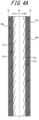
FIG. 4A is a diagram illustrating a variation of recessed lines and sipes of a tire according to the present invention; -
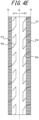
FIG. 4B is a diagram illustrating a variation of recessed lines and sipes of a tire according to the present invention; -
FIG. 4C is a diagram illustrating a variation of recessed lines and sipes of a tire according to the present invention; -
FIG. 4D is a diagram illustrating a variation of recessed lines and sipes of a tire according to the present invention; and -
FIG. 4E is a diagram illustrating a variation of recessed lines and sipes of a tire according to the present invention. - Exemplary embodiments of a competition wheelchair tire according to the present invention (also referred to below simply as a "tire") are described below in detail with reference to the drawings.
-
FIG. 1A is a diagram illustrating a portion of atread surface 2 of atire 1 according to a first embodiment of the present invention, developed in the tread width direction, andFIG. 1B is a schematic cross-sectional view along line II-II ofFIG. 1A .FIG. 2A is a cross-sectional view along line III-III ofFIG. 1A . Although the internal structure of thetire 1 is not limited and is omitted from the drawings, from the viewpoint of durability, thetire 1 preferably includes a carcass, as a framework, extending between a pair of bead portions and a tread on the outer side of the carcass in the tire radial direction. - The
tire 1 includesgrip areas tread surface 2. In thegrip areas lines 3a, 3b, with a shape recessed toward the inner side of the tire from an outline of thetread surface 2, extend from the tread edge TE side in a direction inclined relative to the tire equator CL and are arrayed in parallel. The shapes of the recessedlines 3a, 3b are described in detail below, using the recessedline 3a as a typical example. - As illustrated in
FIG. 2A , the recessedline 3a has a shape that is recessed toward the inner side of the tire more than an outline O1 of thetread surface 2, that is, the line along thetread surface 2 when the recessed portion is omitted in a cross-sectional view in the tread width direction. The recessed shape is not particularly limited, but in the illustrated example, the recessed shape is a curved shape recessed from the outline O1, and a plurality of recessedlines 3a are arranged in parallel to yield a waveform. - The cross-sectional shape of the recessed
lines 3a is not limited to the example illustrated inFIG. 2A , but rather can be appropriately modified. For example, a form with rectangular openings from the outline O1, as illustrated inFIG. 2B , can be adopted. - When an athlete directly touches the
grip area 4a of thetire 1 with the hand during pushing, braking, etc. of the competition wheelchair, the plurality of recessedlines 3a arrayed in thegrip area 4a come into contact with the hand. When the plurality of recessedlines 3a come into contact with the surface of the hand, friction is generated between the recessedlines 3a and the hand to provide grip. At this time, since the recessedlines 3a have a shape that is recessed from the outline O1 of thetread surface 2, the surface of the hand and fingers is not pushed or strongly contacted by a component protruding from the outline O1 of thetread surface 2. The grip can thus be enhanced without injuring the hands of the athlete. - The depth d1 of the recessed
lines 3a is not particularly limited but is preferably between 0.5 mm and 2.0 mm. By the depth d1 being set to 0.5 mm or more, the grip for the hand can be sufficiently enhanced, and by the depth d1 being set to 2.0 mm or less, the rigidity of thetread surface 2 can be maintained. - Furthermore, an opening width w10 of the recessed
lines 3a is not particularly limited but is preferably between 0.5 mm and 2.0 mm. Here, the opening width w10 of the recessedlines 3a refers to the opening length orthogonal to the extending direction of the recessedlines 3a on the outline O1. By the opening width w10 being set to 0.5 mm or more, the grip for the hand can be further improved, and by the opening width w10 being set to 2.0 mm or less, the rigidity of thetread surface 2 can be maintained, while also preventing foreign matter such as sand from entering the recessedlines 3a and damaging the inside of the recessedlines 3a or injuring the hands of the athlete. - Here, it is essential for the
grip area 4a to have an array of recessedlines 3a extending in a direction inclined relative to the tire equator CL. That is, the competition wheelchair tire is mainly used for forward and backward movements in the front-back direction, particularly in ball games such as tennis, and the direction of input of force by the hand is also in the front-back direction. Therefore, the formation of recessed lines in a direction that crosses the front-back direction, i.e., a direction that is inclined relative to the tire circumferential direction, enhances the gripping force between thetire 1 and the hand. - The
grip area 4a particularly preferably has an array of recessedlines 3a extending in a direction orthogonal to the tire equator CL. By the recessedlines 3a being oriented orthogonally to the tire equator CL, which is an orientation that resists the input of force along the front-back direction, the grip for the hand in particular can be improved, facilitating control when starting to push and when stopping suddenly. - In the illustrated example, the
grip area 4a has an array of recessed lines, inclined in a single direction relative to the tire equator CL, over the entire circumference of the tire, but a plurality of recessed lines inclined in different directions may be arranged simultaneously, such as in a grid, over a portion or the entire circumference of the tire. - Furthermore, the recessed
lines 3a start from the tread edge TE side, i.e., from the region adjacent to the tread edge TE. When the athlete directly touches thetire 1 with the hand, the hand mainly touches the region adjacent to the tread edge TE. That is, when the athlete is pushing or braking the competition wheelchair, the athlete touches the region adjacent to the tread edge TE on the side closer to the athlete's body to rotate thetire 1. - The recessed
lines 3a preferably have a starting point at a position between 7.0% and 33.0% of a length WD along the periphery of thetread surface 2 in the width direction from the tread edge TE, and the starting point is more preferably located at the tread edge TE. This is because the region where the input of force by the athlete's hand is particularly strong tends to be located here. - A length W1 in the tread width direction, along the periphery of the
tread surface 2, of thegrip area 4a in which the recessedlines 3a are arrayed is preferably between 7.0% and 33.0% of the length WD of thetread surface 2 in the width direction. By the ratio W1/WD being set to 7.0% or more, the grip for the athlete's hand can be sufficiently enhanced, and by the ratio W1/WD being set to 33.0% or less, the rigidity of thetread surface 2 can be maintained. - Furthermore, it is essential for the
tire 1 to include thegrip area 4a, in which the recessedlines 3a are arrayed, along the entire circumference of the tire, so that a good grip can be obtained regardless of which part, in the tire circumferential direction, of the rolling tire is contacted by the athlete's hand. - By the
grip areas tire 1 for the hand can be enhanced regardless of the mounting direction of the tire. That is, as described above, when the athlete is pushing or braking the competition wheelchair, the athlete touches the region adjacent to the tread edge TE on the side closer to the athlete's body to rotate thetire 1. The side closer to the athlete's body is determined by the mounting direction of the tire, but grip for the hand can be provided regardless of the direction in which the tire is mounted. In general, a competition wheelchair tire is mounted with a negative camber to facilitate the turning motion of the entire wheelchair. With this type of mounting, one of the regions A1, A2 is mainly in contact with the contact patch, and wear tends to occur in the region that is in contact with the contact patch. After wear has progressed in one of the regions A1, A2, thetire 1 is often remounted in the opposite mounting direction. Therefore, by thegrip areas - In the
grip areas lines 3a, 3b preferably extend in a direction that is linearly symmetrical with respect to the tire equator CL, with the tire equator CL as the axis of symmetry, in order to provide the same grip for the hand in both mounting directions. The recessedlines 3a, 3b may, however, extend at different inclination angles with respect to the tire equator CL. - Next, the
tire 1 includes a plurality ofsipes grip areas - The region A1 is described below as a representative example, with reference to
FIGS. 1 and3 . In the region A1, thesipes grip area 4a, extend toward the tire equator CL in a direction inclined relative to the tire equator CL, and terminate before the tire equator CL. Starting in thegrip area 4a is not limited to the case of extending from the edge of thegrip area 4a on the tire equator CL side as illustrated in the figures. Thesipes grip area 4a. - As described above, forward and backward movements in the front-back direction are mainly performed, particularly in ball games such as tennis, and the direction of input of force by the hand is also in the front-back direction. Therefore, by the
sipes tread surface 2 and the hand by the edge component of the sipes when the hand touches thesipes sipes tread surface 2, like the recessedlines 3a, the surface of the hand and fingers is not pushed or strongly contacted by a component protruding from the outline O1 of thetread surface 2. The grip can thus be enhanced without injuring the hands of the athlete. - Also, according to the above configuration, when an athlete sweats during a game or the like, the hand can be prevented from slipping against the
tread surface 2. That is, when an athlete sweats during a game or the like, and a film of sweat is present between the fingers or palm and the tread surface, the grip between the hand and the tread surface is hindered, and the hand slips against the tread surface. When the wet hand of the athlete comes into contact with thesipes sipes sipes - Here, it is essential for the negative ratio in the
grip area 4a to be higher than the negative ratio closer to the tire equator CL than thegrip area 4a. That is, during movement of the tire in the front-back direction, the ground contact pressure tends to increase on the tire equator CL side more than on the tread edge TE side of thetread surface 2. By the negative ratio being lower closer to the tire equator CL than thegrip area 4a and increasing the footprint area with the contact patch, a good grip in the contact patch can be achieved. - The value of the negative ratio closer to the tire equator CL than the
grip area 4a is not particularly limited but is preferably between 2% and 10%. By the negative ratio closer to the tire equator CL than thegrip area 4a being between 2% and 10%, the footprint area with the contact patch can be sufficiently secured, and a better grip in the contact patch can be achieved. The negative ratio in thegrip area 4a is preferably larger than the negative ratio closer to the tire equator CL in order to achieve sufficient grip for the hand with the recessedlines 3a. - Since the
sipes - The
sipes tread surface 2 with which both the hand and the contact patch come into contact. That is, as thetire 1 rotates, the process of thetread surface 2 of thetire 1 coming into contact with the hand of the athlete and then moving towards and coming into contact with the contact patch is repeated. Therefore, thetread surface 2 has both a contact region with the athlete's hand and a contact region with the contact patch. The contact region with the hand and the contact region with the contact patch vary depending on the camber angle at the time of mounting, the load, and the like. However, the region adjacent to the tread edge TE on the side closer to the athlete's body usually comes into contact with the hand, and in a tennis competition, in which movements are mainly straight forward or backward, the tire equator CL and the region adjacent to the tire equator CL usually come into contact with the contact patch. In addition, the contact region with the hand and the contact region with the contact patch may overlap between the portion of the contact region with the hand on the side of the tire equator CL and the portion of the contact region with the contact patch on the side of the tread edge TE. By the sipes being arranged in this overlapping area, the grip for the hand and the grip in the contact patch can be efficiently improved. - The
sipes tread surface 2 in the width direction from the tire equator CL. That is, by the distance from the tire equator CL to thesipes tread surface 2 in the width direction, the tire equator CL and the region adjacent to the tire equator CL can be provided with surface properties without unevenness, further improving the grip in the contact patch. By the distance being set to 35% or less, the grip for the hand can be sufficiently secured. - The
sipes tread surface 2 in the width direction from the edge of thegrip area 4a on the tire equator CL side. By the length m1 of thesipes tread surface 2 in the width direction, the grip for the hand can be sufficiently improved, and by the length m1 in the tread width direction being set to 65% or less, the footprint area with the contact patch on the tire equator CL side can be sufficiently improved. - Although the inclination angles of the
sipes sipes 6a relative to the tire equator CL and the angle θ2 of thesipes 6b relative to the tire equator CL are preferably each between 30° and 90°. By the angles θ1 and θ2 each being between 30° and 90°, a better grip can be achieved for a hand performing movements in the front-back direction. - Furthermore, the plurality of
sipes symmetrical sipes 60A such that each pair ofadjacent sipes symmetrical sipes 60A are formed over the entire circumference of the tire. In the pairs of linearlysymmetrical sipes 60A, eachsipe sipes tread surface 2 can be achieved in the case of input of force by the hand from various directions, i.e. not only for linear motion of the competition wheelchair but also for turning motion and the like. According to the above configuration, sweat can also be drained more efficiently from the tire equator CL side towards the tread edge TE side. - An angle θ3, which opens to the tread edge TE side, between the
sipes - An opening width w3 orthogonal to the extending direction of the
sipes sipes - A maximum depth d4 of the
sipes sipes sipes tread surface 2 can be maintained. - From the perspective of uniformity and of even wear in the tread width direction, the pairs of linearly
symmetrical sipes 60A formed in thegrip area 40a and pairs of linearlysymmetrical sipes 60B formed in thegrip area 40b are preferably arranged to have a phase difference along the tire equator CL between the regions A1, A2. For example, in the present specification, stating that a constituent element X and a constituent element Y "are arranged to have a phase difference along the tire equator CL" may mean that the constituent element X and the constituent element Y "have different positions from each other relative to the tire equator CL". - The shapes of the recessed lines and the sipes are not limited to the examples illustrated in
FIG. 1 , but can be appropriately modified, such as to the forms illustrated inFIGS. 4A ,4B ,4C ,4D , and4E . The region A1 is described below as a representative example. - In
FIG. 4A , thegrip areas tread surface 2. Thesipe 61a extends from the tread edge TE, crosses thegrip area 40a with a curved shape, and extends in a straight line to a point before the tire equator CL. Thesipe 61b extends from the edge of thegrip area 40a on the tire equator CL side and extends in a straight line to a point before the tire equator CL. Thesipes sipes - In
FIG. 4B , as inFIG. 4A , thegrip areas tread surface 2. Thesipe 62a extends from the tread edge TE, crosses thegrip area 40a in a straight line, and extends with a curved shape to a point before the tire equator CL. Thesipe 62b extends from the edge of thegrip area 40a on the tire equator CL side with a curved shape to a point before the tire equator CL. Thesipes sipes - In
FIG. 4C , as inFIG. 4A , thegrip areas tread surface 2. Thesipe 63a extends from the tread edge TE in a straight line to the edge of thegrip area 40a on the tire equator CL side. Thesipe 63b extends from thesipe 63a towards the tire equator CL in a straight line, in a different direction than the direction in which thesipe 63a extends, and terminates before the tire equator CL. Thesipe 63c extends in a straight line starting within thegrip area 40a, from near the edge of thegrip area 40a on the tire equator CL side, and terminates before the tire equator CL. Thesipes sipes - In
FIG. 4D , thegrip areas sipes grip area 41a on the tire equator CL side. Thesipe 64b extends from thesipe 64a towards the tire equator CL in a straight line, in a different direction than the direction in which thesipe 64a extends, and terminates before the tire equator CL. Thesipe 64d extends from thesipe 64c towards the tire equator CL in a straight line, in a different direction than the direction in which thesipe 64c extends, bends before the tire equator CL, extends in a direction along the tire equator CL, and bends again before extending to thegrip area 41a. Thesipe 64e extends in a straight line starting within thegrip area 41a, from near the edge of thegrip area 41a on the tire equator CL side, and terminates before the tire equator CL. Thesipes sipes - In
FIG. 4E , thegrip areas grip area 41a in the tread width direction is narrower than that of thegrip area 41b. Thesipe 65a extends from the tread edge TE across thegrip area 41a, extends after bending at a point closer to the tire equator CL than thegrip area 41a, bends again on the tire equator CL side, extends in a direction along the tire equator CL, and then bends before extending towards thegrip area 41a. Thesipe 65b extends from the tread edge TE across thegrip area 41b, extends after bending at the edge of thegrip area 41b on the tire equator CL side, bends again on the tire equator CL side, extends in a direction along the tire equator CL, and then bends before extending to thegrip area 41b. - Examples of the present invention are described below, but the present invention is not limited to the Examples, but only to the appended claims.
- An Example Tire and a Comparative Tire (each having a tire size of 23-590 (ETRTO: The European Tyre and Rim Technical Organisation)) according to the specifications listed in Table 1 were prepared, and the grip for the athlete's hand and the grip in the contact patch were evaluated.
- The tires were mounted on a competition wheelchair. The degree of grip for the hand was evaluated subjectively by the athlete in comparison with the Comparative Tire.
- The tires were mounted on a competition wheelchair. The degree of grip was evaluated subjectively by the athlete in comparison with the Comparative Tire.
[Table 1] Comparative Example 1 Example 1 Drawing indicating pattern - FIG. 1A Form of grip area (projections relative to outline O1: projecting lines; recesses relative to outline O1: recessed lines) projecting lines recessed lines Shape of projecting lines or recessed lines quadrangular pyramid FIG. 2A Orientation of projecting lines or recessed lines - inclined relative to equator Direction of projecting lines or recessed lines (unidirectional or grid) grid unidirectional Depth d1 (mm) of projecting lines or recessed lines 0.5 0.5 to 2.0 Sipes - yes Angle θ1(°) relative to tire equator - 30 to 90 Angle θ2(°) relative to tire equator - 30 to 90 Distance between tire equator CL and sipes/length WD along periphery of tread surface in width direction - 10.8 Length m1 of sipes - 1.0 to 5.2 Depth d1 (mm) of sipes - 0.5 to 2.0 Opening width w10 (mm) of sipes - 0.5 to 2.0 Grip (hand) Equivalent between Comparative Example 1 and Example 1 Grip (contact patch) Better for Example 1 than for Comparative Example 1 -
- 1 Tire
- 2, 20 Tread surface
- 3a, 3b Recessed line
- 4a, 4b, 40a, 40b, 41a, 41b Grip area
- 6a, 6b, 6c, 6d Sipe
- 60A, 60B Pair of linearly symmetrical sipes
- 61a, 61b, 61c, 61d Sipe
- 62a, 62b, 62c, 62d Sipe
- 63a, 63b, 63c, 63d, 63e, 63f Sipe
- 64a, 64b, 64c, 64d, 64e, 64f, 64g, 64h, 64i, 64j Sipe
- 65a, 65b Sipe
- CL Tire equator
- TE Tread edge
- A1, A2 Region
- O1 Outline
- s1 Axis of symmetry
Claims (4)
- A competition wheelchair tire comprising:in regions (A1, A2), divided by a tire equator (CL), on both sides of a tread surface (2) of the tire,a grip area (4a, 4b) along an entire circumference of a tread, the grip area (4a, 4b) including a plurality of recessed lines (3a), with a shape recessed toward an inner side of the tire from an outline of the tread surface (2), that extend from a tread edge side in a direction inclined relative to the tire equator (CL) and are arrayed in parallel; anda plurality of sipes (6a, 6b, 6c, 6d) that extend toward the tire equator (CL) in a direction inclined relative to the tire equator (CL), starting in the grip area (4a, 4b) and terminating before the tire equator (CL), whereina negative ratio in the grip area (4a, 4b) is higher than a negative ratio closer to the tire equator (CL) than the grip area (4a, 4b), the "negative ratio in the grip area (4a, 4b)" referring to the ratio, in a developed view of the tread surface (2), of the area of recesses, such as recessed lines (3a) and sipes, to the total area of the grip area (4a, 4b) in a case in which recesses are not formed.
- The competition wheelchair tire of claim 1, wherein the grip area (4a, 4b) includes an array of recessed lines (3a) extending orthogonally relative to the tire equator (CL).
- The competition wheelchair tire of claim 1 or 2, whereinthe plurality of sipes (6a, 6b, 6c, 6d) includes a plurality of pairs of linearly symmetrical sipes (60A, 60B) such that each pair of adjacent sipes (60A, 60B) is in a linearly symmetrical relationship with a line segment orthogonal to the tire equator (CL) as an axis of symmetry (s1), andeach sipe (6a, 6b, 6c, 6d) in the pairs of linearly symmetrical sipes (60A, 60B) is inclined to separate from the axis of symmetry (s1) from the tire equator (CL) towards the tread edge (TE).
- The competition wheelchair tire of claim 3, wherein the pairs of linearly symmetrical sipes (60A, 60B) are arranged to have a phase difference along the tire equator (CL) between the regions (A1, A2).
Applications Claiming Priority (2)
| Application Number | Priority Date | Filing Date | Title |
|---|---|---|---|
| JP2019078874A JP7123850B2 (en) | 2019-04-17 | 2019-04-17 | racing wheelchair tire |
| PCT/JP2019/048339 WO2020213207A1 (en) | 2019-04-17 | 2019-12-10 | Tire for racing wheelchair |
Publications (3)
| Publication Number | Publication Date |
|---|---|
| EP3957495A1 EP3957495A1 (en) | 2022-02-23 |
| EP3957495A4 EP3957495A4 (en) | 2022-12-21 |
| EP3957495B1 true EP3957495B1 (en) | 2023-10-04 |
Family
ID=72837684
Family Applications (1)
| Application Number | Title | Priority Date | Filing Date |
|---|---|---|---|
| EP19925173.7A Active EP3957495B1 (en) | 2019-04-17 | 2019-12-10 | Tire for racing wheelchair |
Country Status (5)
| Country | Link |
|---|---|
| US (1) | US11932056B2 (en) |
| EP (1) | EP3957495B1 (en) |
| JP (1) | JP7123850B2 (en) |
| CN (1) | CN113748029B (en) |
| WO (1) | WO2020213207A1 (en) |
Families Citing this family (1)
| Publication number | Priority date | Publication date | Assignee | Title |
|---|---|---|---|---|
| JP1646225S (en) * | 2019-04-15 | 2020-11-16 |
Family Cites Families (7)
| Publication number | Priority date | Publication date | Assignee | Title |
|---|---|---|---|---|
| DE20104394U1 (en) | 2001-03-06 | 2001-06-13 | Ralf Bohle GmbH & Co. KG, 51580 Reichshof | Wheelchair tires |
| JP2003341307A (en) | 2002-05-24 | 2003-12-03 | Mikuni Makino Kogyo Kk | Tire of wheel driven by frictional force working at tire peripheral side |
| JP6825309B2 (en) * | 2016-11-04 | 2021-02-03 | 住友ゴム工業株式会社 | Tires and tricycles equipped with them |
| US20190105951A1 (en) * | 2017-10-06 | 2019-04-11 | Wali Brown | Over-tire cover incorporating bolt-like studs and treads of different shapes and sizes, which cover easily fits over tires for wheelchairs, bicycles and the like to provide more traction, safety and security when rolling over various outdoor surfaces, which cover may after use be easily slipped off |
| CN208630276U (en) * | 2018-07-26 | 2019-03-22 | 厦门正新橡胶工业有限公司 | Two-wheeled vehicle tire tread pattern structure |
| CN209305249U (en) | 2018-11-08 | 2019-08-27 | 厦门正新橡胶工业有限公司 | Wheelchair tire structure |
| CN109334353B (en) | 2018-11-08 | 2024-04-26 | 厦门正新橡胶工业有限公司 | Tire structure for wheelchair |
-
2019
- 2019-04-17 JP JP2019078874A patent/JP7123850B2/en active Active
- 2019-12-10 CN CN201980095446.8A patent/CN113748029B/en active Active
- 2019-12-10 US US17/594,383 patent/US11932056B2/en active Active
- 2019-12-10 EP EP19925173.7A patent/EP3957495B1/en active Active
- 2019-12-10 WO PCT/JP2019/048339 patent/WO2020213207A1/en not_active Ceased
Also Published As
| Publication number | Publication date |
|---|---|
| US11932056B2 (en) | 2024-03-19 |
| WO2020213207A1 (en) | 2020-10-22 |
| EP3957495A1 (en) | 2022-02-23 |
| US20220176749A1 (en) | 2022-06-09 |
| EP3957495A4 (en) | 2022-12-21 |
| JP7123850B2 (en) | 2022-08-23 |
| CN113748029A (en) | 2021-12-03 |
| JP2020175755A (en) | 2020-10-29 |
| CN113748029B (en) | 2023-08-15 |
Similar Documents
| Publication | Publication Date | Title |
|---|---|---|
| US11285763B2 (en) | Pneumatic tire | |
| JPH02299908A (en) | Pneumatic tire provided with directional tread | |
| JP2001163018A (en) | Pneumatic tire | |
| EP3960499B1 (en) | Competition wheelchair tire | |
| EP3957495B1 (en) | Tire for racing wheelchair | |
| EP3960498B1 (en) | Tire for racing wheelchair | |
| JP4157210B2 (en) | Pneumatic radial tire | |
| JP3096351B2 (en) | Pneumatic tire | |
| JPH048606A (en) | Pneumatic tire | |
| JPH05246215A (en) | Pneumatic tire and manufacture therefor | |
| JP2021094972A (en) | Pneumatic tire | |
| JP4548119B2 (en) | Pneumatic tire | |
| JP6613114B2 (en) | Pneumatic tires for motorcycles | |
| JP4730016B2 (en) | Pneumatic tire | |
| JPH0780101A (en) | Ball collecting device | |
| JP7352440B2 (en) | pneumatic tires | |
| JP6564311B2 (en) | Pneumatic tires for motorcycles | |
| JPH02212204A (en) | Pneumatic tire | |
| JP2011042226A (en) | Pneumatic tire | |
| JP2017088146A (en) | Pneumatic tires for motorcycles | |
| JP6613113B2 (en) | Pneumatic tires for motorcycles | |
| JP3540423B2 (en) | Pneumatic tire | |
| JPH0781329A (en) | Pneumatic radial tire | |
| JPS6378804A (en) | Pneumatic type | |
| JP2017088148A (en) | Pneumatic tire for motor cycle |
Legal Events
| Date | Code | Title | Description |
|---|---|---|---|
| STAA | Information on the status of an ep patent application or granted ep patent |
Free format text: STATUS: THE INTERNATIONAL PUBLICATION HAS BEEN MADE |
|
| PUAI | Public reference made under article 153(3) epc to a published international application that has entered the european phase |
Free format text: ORIGINAL CODE: 0009012 |
|
| STAA | Information on the status of an ep patent application or granted ep patent |
Free format text: STATUS: REQUEST FOR EXAMINATION WAS MADE |
|
| 17P | Request for examination filed |
Effective date: 20211013 |
|
| AK | Designated contracting states |
Kind code of ref document: A1 Designated state(s): AL AT BE BG CH CY CZ DE DK EE ES FI FR GB GR HR HU IE IS IT LI LT LU LV MC MK MT NL NO PL PT RO RS SE SI SK SM TR |
|
| DAV | Request for validation of the european patent (deleted) | ||
| DAX | Request for extension of the european patent (deleted) | ||
| A4 | Supplementary search report drawn up and despatched |
Effective date: 20221121 |
|
| RIC1 | Information provided on ipc code assigned before grant |
Ipc: B60C 11/13 20060101ALI20221115BHEP Ipc: B60C 11/04 20060101ALI20221115BHEP Ipc: B60C 11/12 20060101ALI20221115BHEP Ipc: B60C 11/03 20060101ALI20221115BHEP Ipc: B60C 11/01 20060101ALI20221115BHEP Ipc: B60C 11/00 20060101AFI20221115BHEP |
|
| GRAP | Despatch of communication of intention to grant a patent |
Free format text: ORIGINAL CODE: EPIDOSNIGR1 |
|
| STAA | Information on the status of an ep patent application or granted ep patent |
Free format text: STATUS: GRANT OF PATENT IS INTENDED |
|
| RIC1 | Information provided on ipc code assigned before grant |
Ipc: B60C 11/13 20060101ALI20230328BHEP Ipc: B60C 11/04 20060101ALI20230328BHEP Ipc: B60C 11/12 20060101ALI20230328BHEP Ipc: B60C 11/03 20060101ALI20230328BHEP Ipc: B60C 11/01 20060101ALI20230328BHEP Ipc: B60C 11/00 20060101AFI20230328BHEP |
|
| INTG | Intention to grant announced |
Effective date: 20230424 |
|
| GRAS | Grant fee paid |
Free format text: ORIGINAL CODE: EPIDOSNIGR3 |
|
| GRAA | (expected) grant |
Free format text: ORIGINAL CODE: 0009210 |
|
| STAA | Information on the status of an ep patent application or granted ep patent |
Free format text: STATUS: THE PATENT HAS BEEN GRANTED |
|
| P01 | Opt-out of the competence of the unified patent court (upc) registered |
Effective date: 20230729 |
|
| AK | Designated contracting states |
Kind code of ref document: B1 Designated state(s): AL AT BE BG CH CY CZ DE DK EE ES FI FR GB GR HR HU IE IS IT LI LT LU LV MC MK MT NL NO PL PT RO RS SE SI SK SM TR |
|
| REG | Reference to a national code |
Ref country code: GB Ref legal event code: FG4D |
|
| REG | Reference to a national code |
Ref country code: CH Ref legal event code: EP |
|
| REG | Reference to a national code |
Ref country code: IE Ref legal event code: FG4D |
|
| REG | Reference to a national code |
Ref country code: DE Ref legal event code: R096 Ref document number: 602019038946 Country of ref document: DE |
|
| REG | Reference to a national code |
Ref country code: LT Ref legal event code: MG9D |
|
| REG | Reference to a national code |
Ref country code: NL Ref legal event code: MP Effective date: 20231004 |
|
| REG | Reference to a national code |
Ref country code: AT Ref legal event code: MK05 Ref document number: 1617393 Country of ref document: AT Kind code of ref document: T Effective date: 20231004 |
|
| PG25 | Lapsed in a contracting state [announced via postgrant information from national office to epo] |
Ref country code: NL Free format text: LAPSE BECAUSE OF FAILURE TO SUBMIT A TRANSLATION OF THE DESCRIPTION OR TO PAY THE FEE WITHIN THE PRESCRIBED TIME-LIMIT Effective date: 20231004 |
|
| PG25 | Lapsed in a contracting state [announced via postgrant information from national office to epo] |
Ref country code: GR Free format text: LAPSE BECAUSE OF FAILURE TO SUBMIT A TRANSLATION OF THE DESCRIPTION OR TO PAY THE FEE WITHIN THE PRESCRIBED TIME-LIMIT Effective date: 20240105 |
|
| PG25 | Lapsed in a contracting state [announced via postgrant information from national office to epo] |
Ref country code: IS Free format text: LAPSE BECAUSE OF FAILURE TO SUBMIT A TRANSLATION OF THE DESCRIPTION OR TO PAY THE FEE WITHIN THE PRESCRIBED TIME-LIMIT Effective date: 20240204 |
|
| PG25 | Lapsed in a contracting state [announced via postgrant information from national office to epo] |
Ref country code: LT Free format text: LAPSE BECAUSE OF FAILURE TO SUBMIT A TRANSLATION OF THE DESCRIPTION OR TO PAY THE FEE WITHIN THE PRESCRIBED TIME-LIMIT Effective date: 20231004 |
|
| PG25 | Lapsed in a contracting state [announced via postgrant information from national office to epo] |
Ref country code: AT Free format text: LAPSE BECAUSE OF FAILURE TO SUBMIT A TRANSLATION OF THE DESCRIPTION OR TO PAY THE FEE WITHIN THE PRESCRIBED TIME-LIMIT Effective date: 20231004 |
|
| PG25 | Lapsed in a contracting state [announced via postgrant information from national office to epo] |
Ref country code: ES Free format text: LAPSE BECAUSE OF FAILURE TO SUBMIT A TRANSLATION OF THE DESCRIPTION OR TO PAY THE FEE WITHIN THE PRESCRIBED TIME-LIMIT Effective date: 20231004 |
|
| PG25 | Lapsed in a contracting state [announced via postgrant information from national office to epo] |
Ref country code: LT Free format text: LAPSE BECAUSE OF FAILURE TO SUBMIT A TRANSLATION OF THE DESCRIPTION OR TO PAY THE FEE WITHIN THE PRESCRIBED TIME-LIMIT Effective date: 20231004 Ref country code: IS Free format text: LAPSE BECAUSE OF FAILURE TO SUBMIT A TRANSLATION OF THE DESCRIPTION OR TO PAY THE FEE WITHIN THE PRESCRIBED TIME-LIMIT Effective date: 20240204 Ref country code: GR Free format text: LAPSE BECAUSE OF FAILURE TO SUBMIT A TRANSLATION OF THE DESCRIPTION OR TO PAY THE FEE WITHIN THE PRESCRIBED TIME-LIMIT Effective date: 20240105 Ref country code: ES Free format text: LAPSE BECAUSE OF FAILURE TO SUBMIT A TRANSLATION OF THE DESCRIPTION OR TO PAY THE FEE WITHIN THE PRESCRIBED TIME-LIMIT Effective date: 20231004 Ref country code: BG Free format text: LAPSE BECAUSE OF FAILURE TO SUBMIT A TRANSLATION OF THE DESCRIPTION OR TO PAY THE FEE WITHIN THE PRESCRIBED TIME-LIMIT Effective date: 20240104 Ref country code: AT Free format text: LAPSE BECAUSE OF FAILURE TO SUBMIT A TRANSLATION OF THE DESCRIPTION OR TO PAY THE FEE WITHIN THE PRESCRIBED TIME-LIMIT Effective date: 20231004 Ref country code: PT Free format text: LAPSE BECAUSE OF FAILURE TO SUBMIT A TRANSLATION OF THE DESCRIPTION OR TO PAY THE FEE WITHIN THE PRESCRIBED TIME-LIMIT Effective date: 20240205 |
|
| PG25 | Lapsed in a contracting state [announced via postgrant information from national office to epo] |
Ref country code: SE Free format text: LAPSE BECAUSE OF FAILURE TO SUBMIT A TRANSLATION OF THE DESCRIPTION OR TO PAY THE FEE WITHIN THE PRESCRIBED TIME-LIMIT Effective date: 20231004 Ref country code: RS Free format text: LAPSE BECAUSE OF FAILURE TO SUBMIT A TRANSLATION OF THE DESCRIPTION OR TO PAY THE FEE WITHIN THE PRESCRIBED TIME-LIMIT Effective date: 20231004 Ref country code: PL Free format text: LAPSE BECAUSE OF FAILURE TO SUBMIT A TRANSLATION OF THE DESCRIPTION OR TO PAY THE FEE WITHIN THE PRESCRIBED TIME-LIMIT Effective date: 20231004 Ref country code: NO Free format text: LAPSE BECAUSE OF FAILURE TO SUBMIT A TRANSLATION OF THE DESCRIPTION OR TO PAY THE FEE WITHIN THE PRESCRIBED TIME-LIMIT Effective date: 20240104 Ref country code: LV Free format text: LAPSE BECAUSE OF FAILURE TO SUBMIT A TRANSLATION OF THE DESCRIPTION OR TO PAY THE FEE WITHIN THE PRESCRIBED TIME-LIMIT Effective date: 20231004 Ref country code: HR Free format text: LAPSE BECAUSE OF FAILURE TO SUBMIT A TRANSLATION OF THE DESCRIPTION OR TO PAY THE FEE WITHIN THE PRESCRIBED TIME-LIMIT Effective date: 20231004 |
|
| REG | Reference to a national code |
Ref country code: DE Ref legal event code: R097 Ref document number: 602019038946 Country of ref document: DE |
|
| PG25 | Lapsed in a contracting state [announced via postgrant information from national office to epo] |
Ref country code: DK Free format text: LAPSE BECAUSE OF FAILURE TO SUBMIT A TRANSLATION OF THE DESCRIPTION OR TO PAY THE FEE WITHIN THE PRESCRIBED TIME-LIMIT Effective date: 20231004 |
|
| PG25 | Lapsed in a contracting state [announced via postgrant information from national office to epo] |
Ref country code: CZ Free format text: LAPSE BECAUSE OF FAILURE TO SUBMIT A TRANSLATION OF THE DESCRIPTION OR TO PAY THE FEE WITHIN THE PRESCRIBED TIME-LIMIT Effective date: 20231004 |
|
| PG25 | Lapsed in a contracting state [announced via postgrant information from national office to epo] |
Ref country code: SK Free format text: LAPSE BECAUSE OF FAILURE TO SUBMIT A TRANSLATION OF THE DESCRIPTION OR TO PAY THE FEE WITHIN THE PRESCRIBED TIME-LIMIT Effective date: 20231004 |
|
| PG25 | Lapsed in a contracting state [announced via postgrant information from national office to epo] |
Ref country code: SM Free format text: LAPSE BECAUSE OF FAILURE TO SUBMIT A TRANSLATION OF THE DESCRIPTION OR TO PAY THE FEE WITHIN THE PRESCRIBED TIME-LIMIT Effective date: 20231004 Ref country code: SK Free format text: LAPSE BECAUSE OF FAILURE TO SUBMIT A TRANSLATION OF THE DESCRIPTION OR TO PAY THE FEE WITHIN THE PRESCRIBED TIME-LIMIT Effective date: 20231004 Ref country code: RO Free format text: LAPSE BECAUSE OF FAILURE TO SUBMIT A TRANSLATION OF THE DESCRIPTION OR TO PAY THE FEE WITHIN THE PRESCRIBED TIME-LIMIT Effective date: 20231004 Ref country code: IT Free format text: LAPSE BECAUSE OF FAILURE TO SUBMIT A TRANSLATION OF THE DESCRIPTION OR TO PAY THE FEE WITHIN THE PRESCRIBED TIME-LIMIT Effective date: 20231004 Ref country code: EE Free format text: LAPSE BECAUSE OF FAILURE TO SUBMIT A TRANSLATION OF THE DESCRIPTION OR TO PAY THE FEE WITHIN THE PRESCRIBED TIME-LIMIT Effective date: 20231004 Ref country code: DK Free format text: LAPSE BECAUSE OF FAILURE TO SUBMIT A TRANSLATION OF THE DESCRIPTION OR TO PAY THE FEE WITHIN THE PRESCRIBED TIME-LIMIT Effective date: 20231004 Ref country code: CZ Free format text: LAPSE BECAUSE OF FAILURE TO SUBMIT A TRANSLATION OF THE DESCRIPTION OR TO PAY THE FEE WITHIN THE PRESCRIBED TIME-LIMIT Effective date: 20231004 |
|
| REG | Reference to a national code |
Ref country code: CH Ref legal event code: PL |
|
| PLBE | No opposition filed within time limit |
Free format text: ORIGINAL CODE: 0009261 |
|
| STAA | Information on the status of an ep patent application or granted ep patent |
Free format text: STATUS: NO OPPOSITION FILED WITHIN TIME LIMIT |
|
| PG25 | Lapsed in a contracting state [announced via postgrant information from national office to epo] |
Ref country code: LU Free format text: LAPSE BECAUSE OF NON-PAYMENT OF DUE FEES Effective date: 20231210 |
|
| PG25 | Lapsed in a contracting state [announced via postgrant information from national office to epo] |
Ref country code: MC Free format text: LAPSE BECAUSE OF FAILURE TO SUBMIT A TRANSLATION OF THE DESCRIPTION OR TO PAY THE FEE WITHIN THE PRESCRIBED TIME-LIMIT Effective date: 20231004 |
|
| REG | Reference to a national code |
Ref country code: BE Ref legal event code: MM Effective date: 20231231 |
|
| PG25 | Lapsed in a contracting state [announced via postgrant information from national office to epo] |
Ref country code: MC Free format text: LAPSE BECAUSE OF FAILURE TO SUBMIT A TRANSLATION OF THE DESCRIPTION OR TO PAY THE FEE WITHIN THE PRESCRIBED TIME-LIMIT Effective date: 20231004 Ref country code: LU Free format text: LAPSE BECAUSE OF NON-PAYMENT OF DUE FEES Effective date: 20231210 |
|
| 26N | No opposition filed |
Effective date: 20240705 |
|
| GBPC | Gb: european patent ceased through non-payment of renewal fee |
Effective date: 20240104 |
|
| REG | Reference to a national code |
Ref country code: IE Ref legal event code: MM4A |
|
| PG25 | Lapsed in a contracting state [announced via postgrant information from national office to epo] |
Ref country code: IE Free format text: LAPSE BECAUSE OF NON-PAYMENT OF DUE FEES Effective date: 20231210 |
|
| PG25 | Lapsed in a contracting state [announced via postgrant information from national office to epo] |
Ref country code: GB Free format text: LAPSE BECAUSE OF NON-PAYMENT OF DUE FEES Effective date: 20240104 |
|
| PG25 | Lapsed in a contracting state [announced via postgrant information from national office to epo] |
Ref country code: BE Free format text: LAPSE BECAUSE OF NON-PAYMENT OF DUE FEES Effective date: 20231231 |
|
| PG25 | Lapsed in a contracting state [announced via postgrant information from national office to epo] |
Ref country code: CH Free format text: LAPSE BECAUSE OF NON-PAYMENT OF DUE FEES Effective date: 20231231 |
|
| PG25 | Lapsed in a contracting state [announced via postgrant information from national office to epo] |
Ref country code: SI Free format text: LAPSE BECAUSE OF FAILURE TO SUBMIT A TRANSLATION OF THE DESCRIPTION OR TO PAY THE FEE WITHIN THE PRESCRIBED TIME-LIMIT Effective date: 20231004 |
|
| PG25 | Lapsed in a contracting state [announced via postgrant information from national office to epo] |
Ref country code: SI Free format text: LAPSE BECAUSE OF FAILURE TO SUBMIT A TRANSLATION OF THE DESCRIPTION OR TO PAY THE FEE WITHIN THE PRESCRIBED TIME-LIMIT Effective date: 20231004 Ref country code: IE Free format text: LAPSE BECAUSE OF NON-PAYMENT OF DUE FEES Effective date: 20231210 Ref country code: GB Free format text: LAPSE BECAUSE OF NON-PAYMENT OF DUE FEES Effective date: 20240104 Ref country code: CH Free format text: LAPSE BECAUSE OF NON-PAYMENT OF DUE FEES Effective date: 20231231 Ref country code: BE Free format text: LAPSE BECAUSE OF NON-PAYMENT OF DUE FEES Effective date: 20231231 |
|
| PG25 | Lapsed in a contracting state [announced via postgrant information from national office to epo] |
Ref country code: FI Free format text: LAPSE BECAUSE OF FAILURE TO SUBMIT A TRANSLATION OF THE DESCRIPTION OR TO PAY THE FEE WITHIN THE PRESCRIBED TIME-LIMIT Effective date: 20231004 |
|
| PG25 | Lapsed in a contracting state [announced via postgrant information from national office to epo] |
Ref country code: CY Free format text: LAPSE BECAUSE OF FAILURE TO SUBMIT A TRANSLATION OF THE DESCRIPTION OR TO PAY THE FEE WITHIN THE PRESCRIBED TIME-LIMIT; INVALID AB INITIO Effective date: 20191210 |
|
| PG25 | Lapsed in a contracting state [announced via postgrant information from national office to epo] |
Ref country code: HU Free format text: LAPSE BECAUSE OF FAILURE TO SUBMIT A TRANSLATION OF THE DESCRIPTION OR TO PAY THE FEE WITHIN THE PRESCRIBED TIME-LIMIT; INVALID AB INITIO Effective date: 20191210 |
|
| PG25 | Lapsed in a contracting state [announced via postgrant information from national office to epo] |
Ref country code: TR Free format text: LAPSE BECAUSE OF FAILURE TO SUBMIT A TRANSLATION OF THE DESCRIPTION OR TO PAY THE FEE WITHIN THE PRESCRIBED TIME-LIMIT Effective date: 20231004 |
|
| PGFP | Annual fee paid to national office [announced via postgrant information from national office to epo] |
Ref country code: DE Payment date: 20251211 Year of fee payment: 7 |
|
| PGFP | Annual fee paid to national office [announced via postgrant information from national office to epo] |
Ref country code: FR Payment date: 20251229 Year of fee payment: 7 |