EP3955490B1 - Verfahren und vorrichtungen für uplink-übertragungsrückkopplung und neuübertragung, endgerät und speichermedium - Google Patents
Verfahren und vorrichtungen für uplink-übertragungsrückkopplung und neuübertragung, endgerät und speichermedium Download PDFInfo
- Publication number
- EP3955490B1 EP3955490B1 EP19925358.4A EP19925358A EP3955490B1 EP 3955490 B1 EP3955490 B1 EP 3955490B1 EP 19925358 A EP19925358 A EP 19925358A EP 3955490 B1 EP3955490 B1 EP 3955490B1
- Authority
- EP
- European Patent Office
- Prior art keywords
- pdcch
- terminal
- pdcch format
- feedback information
- resource
- Prior art date
- Legal status (The legal status is an assumption and is not a legal conclusion. Google has not performed a legal analysis and makes no representation as to the accuracy of the status listed.)
- Active
Links
Images





Classifications
-
- H—ELECTRICITY
- H04—ELECTRIC COMMUNICATION TECHNIQUE
- H04L—TRANSMISSION OF DIGITAL INFORMATION, e.g. TELEGRAPHIC COMMUNICATION
- H04L1/00—Arrangements for detecting or preventing errors in the information received
- H04L1/0001—Systems modifying transmission characteristics according to link quality, e.g. power backoff
- H04L1/0015—Systems modifying transmission characteristics according to link quality, e.g. power backoff characterised by the adaptation strategy
- H04L1/0017—Systems modifying transmission characteristics according to link quality, e.g. power backoff characterised by the adaptation strategy where the mode-switching is based on Quality of Service requirement
- H04L1/0018—Systems modifying transmission characteristics according to link quality, e.g. power backoff characterised by the adaptation strategy where the mode-switching is based on Quality of Service requirement based on latency requirement
-
- H—ELECTRICITY
- H04—ELECTRIC COMMUNICATION TECHNIQUE
- H04L—TRANSMISSION OF DIGITAL INFORMATION, e.g. TELEGRAPHIC COMMUNICATION
- H04L5/00—Arrangements affording multiple use of the transmission path
- H04L5/003—Arrangements for allocating sub-channels of the transmission path
- H04L5/0053—Allocation of signalling, i.e. of overhead other than pilot signals
- H04L5/0055—Physical resource allocation for ACK/NACK
-
- H—ELECTRICITY
- H04—ELECTRIC COMMUNICATION TECHNIQUE
- H04L—TRANSMISSION OF DIGITAL INFORMATION, e.g. TELEGRAPHIC COMMUNICATION
- H04L1/00—Arrangements for detecting or preventing errors in the information received
- H04L1/12—Arrangements for detecting or preventing errors in the information received by using return channel
- H04L1/16—Arrangements for detecting or preventing errors in the information received by using return channel in which the return channel carries supervisory signals, e.g. repetition request signals
- H04L1/1607—Details of the supervisory signal
-
- H—ELECTRICITY
- H04—ELECTRIC COMMUNICATION TECHNIQUE
- H04L—TRANSMISSION OF DIGITAL INFORMATION, e.g. TELEGRAPHIC COMMUNICATION
- H04L1/00—Arrangements for detecting or preventing errors in the information received
- H04L1/12—Arrangements for detecting or preventing errors in the information received by using return channel
- H04L1/16—Arrangements for detecting or preventing errors in the information received by using return channel in which the return channel carries supervisory signals, e.g. repetition request signals
- H04L1/18—Automatic repetition systems, e.g. Van Duuren systems
- H04L1/1829—Arrangements specially adapted for the receiver end
- H04L1/1861—Physical mapping arrangements
-
- H—ELECTRICITY
- H04—ELECTRIC COMMUNICATION TECHNIQUE
- H04L—TRANSMISSION OF DIGITAL INFORMATION, e.g. TELEGRAPHIC COMMUNICATION
- H04L1/00—Arrangements for detecting or preventing errors in the information received
- H04L1/12—Arrangements for detecting or preventing errors in the information received by using return channel
- H04L1/16—Arrangements for detecting or preventing errors in the information received by using return channel in which the return channel carries supervisory signals, e.g. repetition request signals
- H04L1/18—Automatic repetition systems, e.g. Van Duuren systems
- H04L1/1829—Arrangements specially adapted for the receiver end
- H04L1/1864—ARQ related signaling
-
- H—ELECTRICITY
- H04—ELECTRIC COMMUNICATION TECHNIQUE
- H04L—TRANSMISSION OF DIGITAL INFORMATION, e.g. TELEGRAPHIC COMMUNICATION
- H04L1/00—Arrangements for detecting or preventing errors in the information received
- H04L1/004—Arrangements for detecting or preventing errors in the information received by using forward error control
- H04L1/0041—Arrangements at the transmitter end
-
- H—ELECTRICITY
- H04—ELECTRIC COMMUNICATION TECHNIQUE
- H04L—TRANSMISSION OF DIGITAL INFORMATION, e.g. TELEGRAPHIC COMMUNICATION
- H04L1/00—Arrangements for detecting or preventing errors in the information received
- H04L1/004—Arrangements for detecting or preventing errors in the information received by using forward error control
- H04L1/0056—Systems characterized by the type of code used
- H04L1/0061—Error detection codes
-
- H—ELECTRICITY
- H04—ELECTRIC COMMUNICATION TECHNIQUE
- H04L—TRANSMISSION OF DIGITAL INFORMATION, e.g. TELEGRAPHIC COMMUNICATION
- H04L1/00—Arrangements for detecting or preventing errors in the information received
- H04L1/004—Arrangements for detecting or preventing errors in the information received by using forward error control
- H04L1/0072—Error control for data other than payload data, e.g. control data
Definitions
- the disclosure relates to the field of communications, and more particularly, to an uplink transmission feedback and retransmission methods and apparatuses, a terminal and a storage medium.
- Enhanced Ultra Reliable Low Latency Communication puts forward higher requirements for transmission reliability and transmission latency. An end-to-end latency is even required to reach 0.5ms.
- a base station directly retransmits uplink data by scheduling a terminal.
- PUSCH Physical Uplink Shared Channel
- An eURLLC service has a high requirement on a transmission latency, and the end-to-end latency is even required to reach 0.5ms.
- the above retransmission method that the base station schedules the terminal cannot meet the latency requirement.
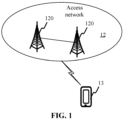
- FIG. 1 is a system structure diagram of a communication system according an exemplary embodiment of the disclosure. As illustrated in FIG. 1 , the communication system may include: an access network 12 and a terminal 13.
- the terminal 13 may include various handheld devices, vehicle-mounted devices, wearable devices, computing devices or other processing devices which may be connected/coupled to a wireless modem and may have the wireless communication function, as well as various forms of User Equipment (UE), Mobile Station (MS), terminal device and etc.
- UE User Equipment
- MS Mobile Station
- terminal device and etc.
- the access network device 120 and the terminal 13 communicate with each other through a certain interface technology, such as a Uu interface.
- the communication system has a high requirement on transmission latency.
- an uplink communication system supports an eURLLC service.
- the eURLLC service requires an end-to-end latency to reach 0.5ms.
- a PDCCH bears Downlink Control Information (DCI) sent by the base station to the UE.
- DCI Downlink Control Information
- the DCI has eight DCI formats: DCI format 0_0, DCI format 0_1, DCI format 1_0, DCI format 1_1, DCI format 2_0, DCI format 2_1, DCI format 2_2, and DCI format 2_3.
- the functions of the DCI born by the PDCCH include: scheduling a PUSCH, scheduling a PDSCH, indicating a Slot Format Indicator (SFI), indicating a Pre-emption Indicator (PI), and power control command.
- SFI Slot Format Indicator
- PI Pre-emption Indicator
- power control command The specific DCI format and the included information are as follows.
- the CCE is a basic unit that forms the PDCCH, occupying 6 REGs on frequency domain resources.
- a given PDCCH may include 1, 2, 4, 8, and 16 CCEs, and its specific value is determined by a DCI payload size and a required code rate.
- the number of CCEs that form the PDCCH is called an aggregation level.
- the base station may adjust the aggregation level of the PDCCH according to a wireless channel state actually transmitted so as to realize link adaptation transmission.
- the aggregation level of the PDCCH actually sent by the base station is variable over time, and since there is no relevant signaling to inform the UE, the UE needs to blind detect the PDCCH at different aggregation levels.
- the PDCCH to be blind detected is called a candidate PDCCH.
- the UE will decode all candidate PDCCHs in the search space. If CRC passes, the content of the decoded PDCCH is considered to be valid for the UE, and information (such as scheduling indication, time slot format indication/power control command and the like) obtained by decoding is used for subsequent operations.
- information such as scheduling indication, time slot format indication/power control command and the like
- the initial CCE sequence number of the candidate PDCCH needs to be able to be divisible by the number of CCEs of the candidate PDCCH.
- the UE detects the PDCCH at limited CCE positions, thereby avoiding the increased complexity of blind detection, but this is not enough.
- a control information format/aggregation level, the number of candidate control channels corresponding to the aggregation level, and a detection period of the search space in a time domain may be configured through high-level parameters. Based on the configuration information, the complexity of blind detection may be flexibly controlled. In short, not every DCI format needs to be blind detected in a candidate CCE set.
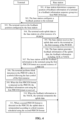
- FIG. 2 is a flow chart showing an uplink transmission retransmission method according to an exemplary embodiment of the disclosure. The method may be performed by the communication system illustrated in FIG. 1 . The method includes as follows.
- a terminal sends uplink data to a base station on a first resource of a PUSCH.
- the base station receives the uplink data sent by the terminal on the first resource of the PUSCH.
- the base station generates feedback information of the uplink data, the feedback information including ACK or NACK.
- the base station When the uplink data is received successfully, the base station generates the ACK. When it is failed to receive the uplink data, or the uplink data is received but CRC of the uplink data fails, the base station generates the NACK.
- the base station sends the feedback information to the terminal using a first PDCCH format on a second resource of the PDCCH.
- the first PDCCH format is a PDCCH format designed for feeding back the ACK/NACK.
- An interval between the second resource and the first resource in a time domain dimension is less than a threshold value.
- the threshold value is 3 symbols.
- the operation that "the feedback information is sent to the terminal using the first PDCCH format" may include: DCI including the feedback information is sent to the terminal, the DCI adopting the first PDCCH format.
- the terminal receives, on the second resource of the PDCCH, the feedback information sent by the base station using the first PDCCH format.
- the terminal retransmits the uplink data.
- the terminal by sending the feedback information (ACK or NACK) of the uplink data to the terminal using the first PDCCH format on the second resource of the PDCCH, the terminal can obtain the feedback information of the uplink data in the shortest possible time, and retransmit the uplink data when the feedback information is the NACK, thereby ensuring the timeliness of the retransmission process and thus meeting a latency requirement of an eURLLC service.
- ACK or NACK feedback information of the uplink data to the terminal using the first PDCCH format on the second resource of the PDCCH
- Step 201, Step 205 and Step 206 may be implemented separately as an uplink transmission retransmission method on the terminal side, and Step 202, Step 203 and Step 204 may be implemented separately as an uplink transmission feedback method on the base station side.
- the first PDCCH format is a PDCCH format designed for feeding back the ACK/NACK.
- the first PDCCH format occupies X symbols on the PDCCH, where X is any value or a specified value in 1, 2 and 3. Any value means that the base station adopts any symbol of 1, 2, and 3 when transmitting the first PDCCH format.
- the specified value means limiting X to a constant fixed value, thereby reducing the complexity of blind detection to save the processing time of the terminal during the blind detection.
- FIG. 4 is a flow chart showing an uplink transmission retransmission method according to an exemplary embodiment of the disclosure. The method may be performed by the communication system illustrated in FIG. 1 . The method includes as follows.
- a base station determines a sequence position of feedback information of a terminal in a feedback information sequence group in a first PDCCH format.
- the first PDCCH format is a PDCCH format provided by embodiments of the disclosure to feed back ACK or NACK.
- the PDCCH format may be PDCCH format 2_4.
- the base station configures the feedback position to the terminal in, but not limited to, the following two manners.
- the base station semi-statically configures the sequence position to the terminal using RRC signaling.
- the terminal receives the feedback position configured by the base station.
- the terminal receives the feedback position configured by the base station in, but not limited to, the following two manners.
- the terminal receives the sequence position configured by the base station using the second PDCCH format on the PDCCH.
- the terminal acquires scheduling information of the first resource from the second PDCCH format.
- the second PDCCH format may be understood as DCI using the second PDCCH format.
- the terminal receives the sequence position semi-statically configured by the base station using the RRC signaling.
- Steps 301 to Step 303 are optional when multiple pieces of UE share the same ACK-RNTI.
- the terminal sends uplink data to the base station on a first resource of a PUSCH.
- the base station receives the uplink data sent by the terminal on the first resource of the PUSCH.
- the base station generates feedback information of the uplink data, the feedback information including ACK or NACK.
- the base station sends the feedback information to the terminal using the first PDCCH format on a second resource of a PDCCH.
- the first PDCCH format is a PDCCH format designed for feeding back the ACK/NACK.
- the first PDCCH format occupies X symbols on the PDCCH, where X is any value or a specified value in 1, 2 and 3. Any value means that the base station adopts any symbol of 1, 2, and 3 when transmitting the first PDCCH format.
- the specified value means limiting X to a constant fixed value, thereby reducing the complexity of blind detection to save the processing time of the terminal during the blind detection.
- the number of symbols d between the first symbol of the second resource on the PDCCH and the last symbol of the first resource on the PUSCH is not greater than K, where K is any value or a specified value in 0, 1, 2 and 3.
- the first PDCCH format is PDCCH format 2_4.
- the base station may also send the DCI in the second PDCCH format on the second resource to directly schedule the terminal for retransmission.
- the terminal performs blink detection to the PDCCH within K symbols following the last symbol of the first resource.
- Step 309 when the first PDCCH format is detected on the PDCCH, the feedback information sent using the first PDCCH format is received.
- the terminal When a blind detection result is that the first PDCCH format is detected, the feedback information sent using the first PDCCH format is received. After receiving the feedback information, the terminal performs CRC to the first PDCCH format using its own ACK-RNTI, and after the CRC is successful, the terminal determines that it has received the feedback information from the base station.
- the terminal when the ACK-RNTI is the identifier shared by the terminal and other terminals, the terminal also determines the sequence position of its own feedback information in the feedback information sequence group, so as to extract its own feedback information from the feedback information sequence group.
- the terminal retransmits the uplink data.
- the terminal retransmits the uplink data on a specified resource.
- the terminal retransmits the uplink data on a resource used for unauthorized transmission.
- the base station receives the uplink data retransmitted by the terminal.
- Step 311 when a second PDCCH format is detected on the PDCCH, the uplink data is retransmitted according to a third resource scheduled using the second PDCCH format.
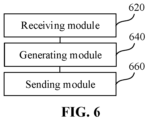
- FIG. 6 shows a block diagram of an uplink transmission feedback apparatus according to an exemplary embodiment of the disclosure.
- the apparatus may become part or all of the base station (or the access network device) through software, hardware, or a combination of the two.
- the apparatus includes: a receiving module 620, a generating module 640 and a sending module 660.
- the receiving module 620 and the sending module 660 may be hardware apparatus such as a radio frequency antenna and the like, and the generating module 640 may be hardware devices such as a central processor, a baseband processor or the like.
- the sending module 660 is configured to send the feedback information to the terminal using a first PDCCH format on a second resource of a PDCCH.
- the first PDCCH format occupies X symbols on the PDCCH, where X is any value or a specified value in 1, 2 and 3.
- the number of symbols between the first symbol of the second resource and the last symbol of the first resource is not greater than K, where K is any value or a specified value in 0, 1, 2 and 3.
- the first PDCCH format is PDCCH format 2_4.
- CRC of the first PDCCH format is scrambled using an ACK-RNTI corresponding to the terminal.
- the ACK-RNTI is an identifier shared by the terminal and other terminals.
- the sending module 660 is further configured to configure the ACK-RNTI to the terminal.
- the apparatus further includes a determining module 680.
- the determining module 680 is configured to determine a sequence position of the feedback information in a feedback information sequence group in the first PDCCH format.
- the sending module 660 is further configured to configure the sequence position to the terminal using a second PDCCH format on the PDCCH, the second PDCCH format being PDCCH format 0_0 or PDCCH format 0_1, or semi-statically configure the sequence position to the terminal using RRC signaling.
- FIG. 7 shows a block diagram of an uplink transmission retransmission apparatus according to an exemplary embodiment of the disclosure.
- the apparatus may become part or all of the terminals through software, hardware, or a combination of the two.
- the apparatus includes: a sending module 720, a receiving module 740 and a processing module 760.
- the receiving module 740 and the sending module 720 may be hardware apparatus such as a radio frequency antenna and the like, and the processing module 760 may be hardware devices such as a central processor, a baseband processor or the like.
- the sending module 720 is configured to send uplink data to a base station on a first resource of a PUSCH.
- the receiving module 740 is configured to receive feedback information sent by the base station using a first PDCCH format on a second resource of a PDCCH, the feedback information including Acknowledgement feedback (ACK) or Negative Acknowledgement feedback (NACK).
- ACK Acknowledgement feedback
- NACK Negative Acknowledgement feedback
- the processing module 760 is configured to retransmit the uplink data when the feedback information is the NACK.
- the first PDCCH format occupies X symbols on the PDCCH, where X is any value or a specified value in 1, 2 and 3.
- the processing module 760 is configured to perform blink detection to the PDCCH within K symbols following the last symbol of the first resource.
- the receiving module 740 is configured to receive the feedback information sent using the first PDCCH format when the first PDCCH format is detected on the PDCCH.
- the processing module 760 is configured to perform CRC to the first PDCCH format using an ACK-RNTI.
- the ACK-RNTI is an identifier shared by a present terminal and other terminals.
- the receiving module 740 is configured to receive the ACK-RNTI configured by the base station.
- the processing module 760 is configured to retransmit the uplink data according to a third resource scheduled using a second PDCCH format when the second PDCCH format is detected on the PDCCH.
- the processing module 760 is configured to determine a sequence position of the feedback information in a feedback information sequence group in the first PDCCH format.
- the receiving module 740 is configured to receive a second PDCCH format sent by the base station and the sequence position configured in the second PDCCH format, the second PDCCH format being PDCCH format 0_0 or PDCCH format 0_1.
- the receiving module 740 is configured to receive RRC signaling sent by the base station, the RRC signaling being used for semi-statically configuring the sequence position.
- FIG. 8 shows a structural schematic diagram of a terminal provided by an exemplary embodiment of the disclosure.
- the terminal includes: a processor 101, a receiver 102, a transmitter 103, a memory 104 and a bus 105.
- the processor 101 includes one or more processing cores.
- the processor 101 runs a software program and module to perform various function applications and information processing.
- the receiver 102 and the transmitter 103 may be implemented as a communication component, which may be a communication chip.
- the memory 104 is connected with the processor 101 through the bus 105.
- the memory 104 may be used for storing at least one instruction, and the processor 101 is used for executing the at least one instruction to implement the steps in the above method embodiments.
- a computer-readable storage medium stores at least one instruction, at least one program, a code set or an instruction set, which are loaded and executed by the processor to implement the uplink transmission retransmission method provided in the method embodiments.
- FIG. 9 is a block diagram of an access network device 1000 according to an exemplary embodiment.
- the access network device 1000 may include a processor 1001, a receiver1002, a transmitter 1003 and a memory 1004.
- the receiver 1002, the transmitter 1003 and the memory 1004 are connected with the processor 1001 through a bus respectively.
- the processor 1001 includes one or more than one processing core, and the processor 1001 runs a software program and a module to execute the method executed by the access network device in the transmission configuration methods provided in the embodiments of the disclosure.
- the memory 1004 may be configured to store the software program and the module. Specifically, the memory 1004 may store an operating system 10041 and an application program module 10042 required by at least one function.
- the receiver 1002 is configured to receive communication data sent by another device, and the transmitter 1003 is configured to send communication data to the other device.
- a computer-readable storage medium stores at least one instruction, at least one program, a code set or an instruction set, which are loaded and executed by the processor to implement the steps in the uplink transmission feedback method provided in the method embodiments.
- the program may be stored in a computer-readable storage medium.
- the storage medium mentioned above may be an ROM, a magnetic or optical disk, etc.
Landscapes
- Engineering & Computer Science (AREA)
- Signal Processing (AREA)
- Computer Networks & Wireless Communication (AREA)
- Quality & Reliability (AREA)
- Mobile Radio Communication Systems (AREA)
Claims (13)
- Ein Uplink-Sende-Rückmeldeverfahren, wobei das Verfahren umfasst:Empfangen (202), durch eine Basisstation, von einem Endgerät auf einer ersten Ressource eines Physical Uplink Shared Channel, PUSCH, gesendeter Uplink-Daten;Erzeugen (203), durch die Basisstation, von Rückmeldeinformationen für die Uplink-Daten, wobei die Rückmeldeinformationen Acknowledgement-Rückmeldung, ACK, oder Negative-Acknowledgement-Rückmeldung, NACK, umfassen; wobei die NACK dazu konfiguriert ist, das Endgerät anzuweisen, die Uplink-Daten erneut zu senden; undSenden (204), durch die Basisstation, der Rückmeldeinformationen an das Endgerät mithilfe eines ersten Physical Downlink Control Channel, PDCCH, Formats auf einer zweiten Ressource eines PDCCH;wobei das erste PDCCH-Format X Symbole auf dem PDCCH belegt, wobei X ein spezifizierter Wert oder ein beliebiger Wert von 1, 2 und 3 ist;wobei eine Anzahl von Symbolen zwischen einem ersten Symbol der zweiten Ressource und einem letzten Symbol der ersten Ressource nicht größer als K ist; wobei K ein spezifizierter Wert oder ein beliebiger Wert von 0, 1, 2 und 3 ist.
- Das Verfahren nach Anspruch 1, wobei die Zyklische Redundanzprüfung, CRC, des ersten PDCCH-Formats mithilfe eines ACK Radio-Network Temporary Identifier, ACK-RNTI, das dem Endgerät entspricht, verschlüsselt wird;
wobei der ACK-RNTI eine Kennung ist, die vom Endgerät und anderen Endgeräten gemeinsam genutzt wird. - Das Verfahren nach Anspruch 2, ferner umfassend:
Bestimmen einer Sequenzposition der Rückmeldeinformationen in einer Rückmeldeinformations-Sequenzgruppe im ersten PDCCH-Format. - Das Verfahren nach Anspruch 3, vor dem Senden der Rückmeldeinformationen an das Endgerät mithilfe des ersten PDCCH-Formats auf der zweiten Ressource des PDCCH, ferner umfassend:Konfigurieren der Sequenzposition an das Endgerät mithilfe eines zweiten PDCCH-Formats auf dem PDCCH, wobei das zweite PDCCH-Format PDCCH-Format 0_0 oder PDCCH-Format 0_1 ist;
oder,semistatische Konfigurieren der Sequenzposition an das Endgerät mithilfe von Radio Resource Control, RRC, Signalisierung. - Ein Uplink-Sende-Wiederübertragungsverfahren, wobei das Verfahren umfasst:Senden (201), durch ein Endgerät, von Uplink-Daten an eine Basisstation auf einer ersten Ressource eines Physical Uplink Shared Channel, PUSCH;Empfangen (205), durch das Endgerät, von Rückmeldeinformationen, die von der Basisstation mithilfe eines ersten Physical Downlink Control Channel, PDCCH, Formats auf einer zweiten Ressource eines PDCCH gesendet werden, wobei die Rückmeldeinformationen Acknowledgement-Rückmeldung, ACK, oder Negative-Acknowledgement-Rückmeldung, NACK, umfassen; wobei die NACK dazu konfiguriert ist, das Endgerät anzuweisen, die Uplink-Daten erneut zu senden; underneutes Senden (206), durch das Endgerät, der Uplink-Daten in Reaktion darauf, dass die Rückmeldeinformationen die NACK sind;wobei das erste PDCCH-Format X Symbole auf dem PDCCH belegt, wobei X ein spezifizierter Wert oder ein beliebiger Wert von 1, 2 und 3 ist;wobei eine Anzahl von Symbolen zwischen einem ersten Symbol der zweiten Ressource und einem letzten Symbol der ersten Ressource nicht größer als K ist; wobei K ein spezifizierter Wert oder ein beliebiger Wert von 0, 1, 2 und 3 ist.
- Das Verfahren nach Anspruch 5, wobei das Empfangen der von der Basisstation mithilfe des ersten PDCCH-Formats auf der zweiten Ressource des PDCCH gesendeten Rückmeldeinformationen Folgendes umfasst:Durchführen einer Blink-Erkennung am PDCCH innerhalb von K Symbolen, die auf ein letztes Symbol der ersten Ressource folgen; undEmpfangen der mithilfe des ersten PDCCH-Formats gesendeten Rückmeldeinformationen, falls das erste PDCCH-Format auf dem PDCCH erkannt wird.
- Das Verfahren nach Anspruch 6, wobei das Empfangen der mithilfe des ersten PDCCH-Formats gesendeten Rückmeldeinformationen Folgendes umfasst:Durchführen einer Zyklischen Redundanzprüfung, CRC, am ersten PDCCH-Format mithilfe eines ACK Radio-Network Temporary Identifier, ACK-RNTI;wobei der ACK-RNTI eine Kennung ist, die von einem vorliegenden Endgerät und anderen Endgeräten gemeinsam genutzt wird.
- Das Verfahren nach Anspruch 6, ferner umfassend:Erneutes Senden der Uplink-Daten entsprechend einer dritten Ressource, die mithilfe eines zweiten PDCCH-Formats geplant wird, sofern das zweite PDCCH-Format auf dem PDCCH erkannt wird;wobei das zweite PDCCH-Format PDCCH-Format 0_0 oder PDCCH-Format 0_1 ist.
- Das Verfahren nach einem der Ansprüche 6 bis 8, ferner umfassend:
Bestimmen einer Sequenzposition der Rückmeldeinformationen in einer Rückmeldeinformations-Sequenzgruppe im ersten PDCCH-Format. - Das Verfahren nach Anspruch 9, vor dem Senden der Rückmeldeinformationen an das Endgerät mithilfe des ersten PDCCH-Formats auf der zweiten Ressource des PDCCH, ferner umfassend:Empfangen eines zweiten PDCCH-Formats, das von der Basisstation gesendet wird, und Empfangen der in dem zweiten PDCCH-Format konfigurierten Sequenzposition, wobei das zweite PDCCH-Format PDCCH-Format 0_0 oder PDCCH-Format 0_1 ist;
oder,Empfangen einer von der Basisstation gesendeten Radio Resource Control, RRC, Signalisierung, wobei die RRC-Signalisierung zum semistatischen Konfigurieren der Sequenzposition verwendet wird. - Eine Uplink-Sende-Rückmeldevorrichtung, konfiguriert, um das Verfahren nach einem der Ansprüche 1 bis 4 durchzuführen.
- Eine Uplink-Sende-Wiederübertragungsvorrichtung, konfiguriert, um das Verfahren nach einem der Ansprüche 5 bis 10 durchzuführen.
- Ein computerlesbares Speichermedium, das mindestens eine Anweisung, mindestens ein Programm, einen Codesatz oder einen Anweisungssatz speichert, die geladen und von einem Prozessor ausgeführt werden, um das Uplink-Sende-Rückmeldeverfahren nach einem der Ansprüche 1 bis 4 oder das Uplink-Sende-Wiederübertragungsverfahren nach einem der Ansprüche 5 bis 10 zu implementieren.
Applications Claiming Priority (1)
| Application Number | Priority Date | Filing Date | Title |
|---|---|---|---|
| PCT/CN2019/082924 WO2020210992A1 (zh) | 2019-04-16 | 2019-04-16 | 上行传输的反馈方法、重传方法、装置、终端及存储介质 |
Publications (3)
| Publication Number | Publication Date |
|---|---|
| EP3955490A1 EP3955490A1 (de) | 2022-02-16 |
| EP3955490A4 EP3955490A4 (de) | 2022-04-13 |
| EP3955490B1 true EP3955490B1 (de) | 2025-06-11 |
Family
ID=67756164
Family Applications (1)
| Application Number | Title | Priority Date | Filing Date |
|---|---|---|---|
| EP19925358.4A Active EP3955490B1 (de) | 2019-04-16 | 2019-04-16 | Verfahren und vorrichtungen für uplink-übertragungsrückkopplung und neuübertragung, endgerät und speichermedium |
Country Status (5)
| Country | Link |
|---|---|
| US (1) | US12088530B2 (de) |
| EP (1) | EP3955490B1 (de) |
| CN (1) | CN110199495B (de) |
| ES (1) | ES3038021T3 (de) |
| WO (1) | WO2020210992A1 (de) |
Families Citing this family (3)
| Publication number | Priority date | Publication date | Assignee | Title |
|---|---|---|---|---|
| WO2021142739A1 (zh) | 2020-01-16 | 2021-07-22 | Oppo广东移动通信有限公司 | 数据传输方法及相关设备 |
| WO2022085831A1 (ko) * | 2020-10-23 | 2022-04-28 | 엘지전자 주식회사 | 무선 사운드 출력 장치 및 이를 구비하는 무선 사운드 출력 시스템 |
| CN114614950B (zh) * | 2020-12-04 | 2025-03-21 | 中国移动通信有限公司研究院 | 混合自动重传请求反馈信息的发送方法、接收方法及设备 |
Family Cites Families (21)
| Publication number | Priority date | Publication date | Assignee | Title |
|---|---|---|---|---|
| CN102164029B (zh) | 2011-04-29 | 2014-04-09 | 电信科学技术研究院 | Ack/nack反馈信息的传输方法和设备 |
| CN102546134B (zh) | 2011-12-29 | 2015-07-22 | 电信科学技术研究院 | 基于增强phich传输反馈信息的方法及装置 |
| JP5878406B2 (ja) | 2012-03-23 | 2016-03-08 | 株式会社Nttドコモ | 無線通信システム、ユーザ端末、無線基地局装置及び無線通信方法 |
| CN103973413B (zh) | 2013-02-01 | 2017-04-12 | 电信科学技术研究院 | 一种传输反馈信息的方法、设备及系统 |
| WO2016021957A1 (ko) | 2014-08-06 | 2016-02-11 | 엘지전자 주식회사 | Ack/nack 피드백 방법 및 사용자기기 |
| WO2016026137A1 (zh) * | 2014-08-22 | 2016-02-25 | 华为技术有限公司 | Mbms中群组业务数据的传输方法、基站和用户设备 |
| US10122501B2 (en) | 2014-11-05 | 2018-11-06 | Lg Electronics Inc. | Method for receiving ACK/NACK signal and MTC device |
| EP3297320B1 (de) * | 2015-06-10 | 2019-08-14 | Huawei Technologies Co., Ltd. | Verfahren zum senden oder empfangen von informationen, benutzergerät und basisstation |
| EP3346628B1 (de) * | 2015-09-25 | 2020-02-05 | Huawei Technologies Co., Ltd. | Rückkopplungsinformationsübertragungsverfahren sowie basisstation und benutzergerät |
| CN106998245A (zh) * | 2016-01-22 | 2017-08-01 | 中兴通讯股份有限公司 | 一种下行反馈方法及装置 |
| CN107295664A (zh) | 2016-04-01 | 2017-10-24 | 展讯通信(上海)有限公司 | 上行传输的反馈方法和系统、基站和用户设备 |
| US10944515B2 (en) * | 2016-04-01 | 2021-03-09 | Nokia Solutions And Networks Oy | Low latency hybrid automatic repeat request (HARQ) feedback for wireless networks |
| CN107528676B (zh) * | 2016-06-22 | 2020-02-11 | 电信科学技术研究院 | 一种上行传输的反馈信息的传输方法和设备 |
| EP3478023B1 (de) | 2016-06-22 | 2021-02-24 | China Academy of Telecommunications Technology | Übertragungsverfahren und -vorrichtung für rückkopplungsinformationen einer uplink-übertragung |
| US20200374086A1 (en) * | 2016-07-29 | 2020-11-26 | Guangdong Oppo Mobile Telecommunications Corp., Ltd. | ACK/NACK Information Feedback Method, Terminal Device and Network Side Device |
| CN108023706A (zh) | 2016-11-03 | 2018-05-11 | 夏普株式会社 | 无授权传输的应答信息反馈方法、基站和用户设备 |
| EP3579472B1 (de) * | 2017-02-05 | 2023-06-28 | LG Electronics Inc. | Verfahren und vorrichtung zum übertragen/empfangen eines drahtlossignals in einem drahtloskommunikationssystem |
| WO2018155820A1 (ko) * | 2017-02-24 | 2018-08-30 | 엘지전자 주식회사 | 데이터 블록을 처리하는 방법 및 harq ack/nack 피드백 방법 |
| EP3639590B1 (de) | 2017-06-15 | 2024-02-14 | Sharp Kabushiki Kaisha | Basisstation, benutzervorrichtung und entsprechende verfahren zur uplink-übertragung ohne berechtigung |
| CN110169185A (zh) * | 2017-08-11 | 2019-08-23 | 华为技术有限公司 | 传输数据的方法和装置 |
| CN111955023B (zh) * | 2018-02-15 | 2024-09-03 | 株式会社Ntt都科摩 | 终端、无线通信方法、基站以及系统 |
-
2019
- 2019-04-16 EP EP19925358.4A patent/EP3955490B1/de active Active
- 2019-04-16 US US17/594,304 patent/US12088530B2/en active Active
- 2019-04-16 ES ES19925358T patent/ES3038021T3/es active Active
- 2019-04-16 WO PCT/CN2019/082924 patent/WO2020210992A1/zh not_active Ceased
- 2019-04-16 CN CN201980000682.7A patent/CN110199495B/zh active Active
Also Published As
| Publication number | Publication date |
|---|---|
| WO2020210992A1 (zh) | 2020-10-22 |
| EP3955490A4 (de) | 2022-04-13 |
| CN110199495B (zh) | 2021-07-06 |
| US12088530B2 (en) | 2024-09-10 |
| EP3955490A1 (de) | 2022-02-16 |
| ES3038021T3 (en) | 2025-10-09 |
| US20220173873A1 (en) | 2022-06-02 |
| CN110199495A (zh) | 2019-09-03 |
Similar Documents
| Publication | Publication Date | Title |
|---|---|---|
| US11916678B2 (en) | Method and apparatus for HARQ-ACK feedback for carrier aggregation | |
| US11483096B2 (en) | Method and apparatus for HARQ-ack codebook determination | |
| US12284134B2 (en) | Method and apparatus for fallback operation for semi-static HARQ-ACK codebook determination | |
| CN106537979B (zh) | 用于多载波传输的系统和方法 | |
| CN111699645B (zh) | 通信方法及装置 | |
| CN114930752A (zh) | 连续数据分组反馈 | |
| US12261700B2 (en) | Method and apparatus for semi-static HARQ-ACK codebook determination | |
| US20190260546A1 (en) | Network Node and Method in a Wireless Communications Network | |
| EP4048002B1 (de) | Uplink-datenübertragungsverfahren und -vorrichtung, endgerät und speichermedium | |
| EP3386254B1 (de) | Verfahren zur trägerübergreifenden planung, und vorrichtungen | |
| US12088530B2 (en) | Uplink transmission feedback and retransmission methods and apparatuses, terminal, and storage medium | |
| KR20220050766A (ko) | 통신 시스템에서의 브로드캐스트 신호의 송수신 방법 및 장치 | |
| EP3598709A1 (de) | Bestätigungsinformationsübertragungsverfahren, endgerätvorrichtung und netzwerkvorrichtung | |
| CN110495130B (zh) | 控制信息的传输方法、重传方法、装置、终端及存储介质 | |
| US20250031224A1 (en) | Methods and apparatuses of resource allocation for sidelink communication | |
| US12009934B2 (en) | Method and apparatus for transmitting HARQ-ACK feedback on unlicensed spectrum | |
| KR20160134497A (ko) | 면허 및 비면허 대역을 지원하는 네트워크에서 통신 노드의 동작 방법 | |
| CN115915460A (zh) | 上行控制信息的触发方法、装置、设备及介质 | |
| CN115189812A (zh) | Harq反馈、波束指示方法、网络侧设备及终端 | |
| CA3158719A1 (en) | Aperiodic scheduling request |
Legal Events
| Date | Code | Title | Description |
|---|---|---|---|
| STAA | Information on the status of an ep patent application or granted ep patent |
Free format text: STATUS: THE INTERNATIONAL PUBLICATION HAS BEEN MADE |
|
| PUAI | Public reference made under article 153(3) epc to a published international application that has entered the european phase |
Free format text: ORIGINAL CODE: 0009012 |
|
| STAA | Information on the status of an ep patent application or granted ep patent |
Free format text: STATUS: REQUEST FOR EXAMINATION WAS MADE |
|
| 17P | Request for examination filed |
Effective date: 20211110 |
|
| AK | Designated contracting states |
Kind code of ref document: A1 Designated state(s): AL AT BE BG CH CY CZ DE DK EE ES FI FR GB GR HR HU IE IS IT LI LT LU LV MC MK MT NL NO PL PT RO RS SE SI SK SM TR |
|
| A4 | Supplementary search report drawn up and despatched |
Effective date: 20220314 |
|
| RIC1 | Information provided on ipc code assigned before grant |
Ipc: H04W 72/04 20090101ALI20220307BHEP Ipc: H04L 1/18 20060101ALI20220307BHEP Ipc: H04L 1/00 20060101ALI20220307BHEP Ipc: H04L 1/16 20060101AFI20220307BHEP |
|
| DAV | Request for validation of the european patent (deleted) | ||
| DAX | Request for extension of the european patent (deleted) | ||
| REG | Reference to a national code |
Ref country code: DE Ref legal event code: R079 Free format text: PREVIOUS MAIN CLASS: H04L0001160000 Ipc: H04L0001182900 Ref document number: 602019071150 Country of ref document: DE |
|
| GRAP | Despatch of communication of intention to grant a patent |
Free format text: ORIGINAL CODE: EPIDOSNIGR1 |
|
| STAA | Information on the status of an ep patent application or granted ep patent |
Free format text: STATUS: GRANT OF PATENT IS INTENDED |
|
| RIC1 | Information provided on ipc code assigned before grant |
Ipc: H04L 1/00 20060101ALI20250213BHEP Ipc: H04L 1/1829 20230101AFI20250213BHEP |
|
| INTG | Intention to grant announced |
Effective date: 20250220 |
|
| GRAS | Grant fee paid |
Free format text: ORIGINAL CODE: EPIDOSNIGR3 |
|
| GRAA | (expected) grant |
Free format text: ORIGINAL CODE: 0009210 |
|
| STAA | Information on the status of an ep patent application or granted ep patent |
Free format text: STATUS: THE PATENT HAS BEEN GRANTED |
|
| AK | Designated contracting states |
Kind code of ref document: B1 Designated state(s): AL AT BE BG CH CY CZ DE DK EE ES FI FR GB GR HR HU IE IS IT LI LT LU LV MC MK MT NL NO PL PT RO RS SE SI SK SM TR |
|
| P01 | Opt-out of the competence of the unified patent court (upc) registered |
Free format text: CASE NUMBER: APP_21375/2025 Effective date: 20250506 |
|
| REG | Reference to a national code |
Ref country code: GB Ref legal event code: FG4D |
|
| REG | Reference to a national code |
Ref country code: CH Ref legal event code: EP |
|
| REG | Reference to a national code |
Ref country code: IE Ref legal event code: FG4D |
|
| REG | Reference to a national code |
Ref country code: DE Ref legal event code: R096 Ref document number: 602019071150 Country of ref document: DE |
|
| PG25 | Lapsed in a contracting state [announced via postgrant information from national office to epo] |
Ref country code: FI Free format text: LAPSE BECAUSE OF FAILURE TO SUBMIT A TRANSLATION OF THE DESCRIPTION OR TO PAY THE FEE WITHIN THE PRESCRIBED TIME-LIMIT Effective date: 20250611 |
|
| REG | Reference to a national code |
Ref country code: ES Ref legal event code: FG2A Ref document number: 3038021 Country of ref document: ES Kind code of ref document: T3 Effective date: 20251009 |
|
| REG | Reference to a national code |
Ref country code: LT Ref legal event code: MG9D |
|
| PG25 | Lapsed in a contracting state [announced via postgrant information from national office to epo] |
Ref country code: GR Free format text: LAPSE BECAUSE OF FAILURE TO SUBMIT A TRANSLATION OF THE DESCRIPTION OR TO PAY THE FEE WITHIN THE PRESCRIBED TIME-LIMIT Effective date: 20250912 Ref country code: NO Free format text: LAPSE BECAUSE OF FAILURE TO SUBMIT A TRANSLATION OF THE DESCRIPTION OR TO PAY THE FEE WITHIN THE PRESCRIBED TIME-LIMIT Effective date: 20250911 |
|
| REG | Reference to a national code |
Ref country code: NL Ref legal event code: MP Effective date: 20250611 |
|
| PG25 | Lapsed in a contracting state [announced via postgrant information from national office to epo] |
Ref country code: BG Free format text: LAPSE BECAUSE OF FAILURE TO SUBMIT A TRANSLATION OF THE DESCRIPTION OR TO PAY THE FEE WITHIN THE PRESCRIBED TIME-LIMIT Effective date: 20250611 |
|
| PG25 | Lapsed in a contracting state [announced via postgrant information from national office to epo] |
Ref country code: HR Free format text: LAPSE BECAUSE OF FAILURE TO SUBMIT A TRANSLATION OF THE DESCRIPTION OR TO PAY THE FEE WITHIN THE PRESCRIBED TIME-LIMIT Effective date: 20250611 |
|
| PG25 | Lapsed in a contracting state [announced via postgrant information from national office to epo] |
Ref country code: RS Free format text: LAPSE BECAUSE OF FAILURE TO SUBMIT A TRANSLATION OF THE DESCRIPTION OR TO PAY THE FEE WITHIN THE PRESCRIBED TIME-LIMIT Effective date: 20250911 |
|
| PG25 | Lapsed in a contracting state [announced via postgrant information from national office to epo] |
Ref country code: LV Free format text: LAPSE BECAUSE OF FAILURE TO SUBMIT A TRANSLATION OF THE DESCRIPTION OR TO PAY THE FEE WITHIN THE PRESCRIBED TIME-LIMIT Effective date: 20250611 |
|
| PG25 | Lapsed in a contracting state [announced via postgrant information from national office to epo] |
Ref country code: NL Free format text: LAPSE BECAUSE OF FAILURE TO SUBMIT A TRANSLATION OF THE DESCRIPTION OR TO PAY THE FEE WITHIN THE PRESCRIBED TIME-LIMIT Effective date: 20250611 |
|
| PG25 | Lapsed in a contracting state [announced via postgrant information from national office to epo] |
Ref country code: PT Free format text: LAPSE BECAUSE OF FAILURE TO SUBMIT A TRANSLATION OF THE DESCRIPTION OR TO PAY THE FEE WITHIN THE PRESCRIBED TIME-LIMIT Effective date: 20251013 |
|
| REG | Reference to a national code |
Ref country code: AT Ref legal event code: MK05 Ref document number: 1803106 Country of ref document: AT Kind code of ref document: T Effective date: 20250611 |
|
| PG25 | Lapsed in a contracting state [announced via postgrant information from national office to epo] |
Ref country code: IS Free format text: LAPSE BECAUSE OF FAILURE TO SUBMIT A TRANSLATION OF THE DESCRIPTION OR TO PAY THE FEE WITHIN THE PRESCRIBED TIME-LIMIT Effective date: 20251011 |
|
| PG25 | Lapsed in a contracting state [announced via postgrant information from national office to epo] |
Ref country code: SM Free format text: LAPSE BECAUSE OF FAILURE TO SUBMIT A TRANSLATION OF THE DESCRIPTION OR TO PAY THE FEE WITHIN THE PRESCRIBED TIME-LIMIT Effective date: 20250611 Ref country code: AT Free format text: LAPSE BECAUSE OF FAILURE TO SUBMIT A TRANSLATION OF THE DESCRIPTION OR TO PAY THE FEE WITHIN THE PRESCRIBED TIME-LIMIT Effective date: 20250611 |
|
| PG25 | Lapsed in a contracting state [announced via postgrant information from national office to epo] |
Ref country code: CZ Free format text: LAPSE BECAUSE OF FAILURE TO SUBMIT A TRANSLATION OF THE DESCRIPTION OR TO PAY THE FEE WITHIN THE PRESCRIBED TIME-LIMIT Effective date: 20250611 |
|
| PG25 | Lapsed in a contracting state [announced via postgrant information from national office to epo] |
Ref country code: PL Free format text: LAPSE BECAUSE OF FAILURE TO SUBMIT A TRANSLATION OF THE DESCRIPTION OR TO PAY THE FEE WITHIN THE PRESCRIBED TIME-LIMIT Effective date: 20250611 |
|
| PG25 | Lapsed in a contracting state [announced via postgrant information from national office to epo] |
Ref country code: EE Free format text: LAPSE BECAUSE OF FAILURE TO SUBMIT A TRANSLATION OF THE DESCRIPTION OR TO PAY THE FEE WITHIN THE PRESCRIBED TIME-LIMIT Effective date: 20250611 |
|
| PG25 | Lapsed in a contracting state [announced via postgrant information from national office to epo] |
Ref country code: RO Free format text: LAPSE BECAUSE OF FAILURE TO SUBMIT A TRANSLATION OF THE DESCRIPTION OR TO PAY THE FEE WITHIN THE PRESCRIBED TIME-LIMIT Effective date: 20250611 Ref country code: SK Free format text: LAPSE BECAUSE OF FAILURE TO SUBMIT A TRANSLATION OF THE DESCRIPTION OR TO PAY THE FEE WITHIN THE PRESCRIBED TIME-LIMIT Effective date: 20250611 |
|
| REG | Reference to a national code |
Ref country code: DE Ref legal event code: R097 Ref document number: 602019071150 Country of ref document: DE |
|
| PGFP | Annual fee paid to national office [announced via postgrant information from national office to epo] |
Ref country code: GB Payment date: 20260327 Year of fee payment: 8 |
|
| PG25 | Lapsed in a contracting state [announced via postgrant information from national office to epo] |
Ref country code: DK Free format text: LAPSE BECAUSE OF FAILURE TO SUBMIT A TRANSLATION OF THE DESCRIPTION OR TO PAY THE FEE WITHIN THE PRESCRIBED TIME-LIMIT Effective date: 20250611 |
|
| PG25 | Lapsed in a contracting state [announced via postgrant information from national office to epo] |
Ref country code: IT Free format text: LAPSE BECAUSE OF FAILURE TO SUBMIT A TRANSLATION OF THE DESCRIPTION OR TO PAY THE FEE WITHIN THE PRESCRIBED TIME-LIMIT Effective date: 20250611 |
|
| PLBE | No opposition filed within time limit |
Free format text: ORIGINAL CODE: 0009261 |
|
| STAA | Information on the status of an ep patent application or granted ep patent |
Free format text: STATUS: NO OPPOSITION FILED WITHIN TIME LIMIT |
|
| REG | Reference to a national code |
Ref country code: CH Ref legal event code: L10 Free format text: ST27 STATUS EVENT CODE: U-0-0-L10-L00 (AS PROVIDED BY THE NATIONAL OFFICE) Effective date: 20260423 |
|
| 26N | No opposition filed |
Effective date: 20260312 |
|
| PG25 | Lapsed in a contracting state [announced via postgrant information from national office to epo] |
Ref country code: LT Free format text: LAPSE BECAUSE OF FAILURE TO SUBMIT A TRANSLATION OF THE DESCRIPTION OR TO PAY THE FEE WITHIN THE PRESCRIBED TIME-LIMIT Effective date: 20250611 |
|
| PGFP | Annual fee paid to national office [announced via postgrant information from national office to epo] |
Ref country code: ES Payment date: 20260518 Year of fee payment: 8 |
|
| PGFP | Annual fee paid to national office [announced via postgrant information from national office to epo] |
Ref country code: FR Payment date: 20260423 Year of fee payment: 8 |
|
| PG25 | Lapsed in a contracting state [announced via postgrant information from national office to epo] |
Ref country code: SE Free format text: LAPSE BECAUSE OF FAILURE TO SUBMIT A TRANSLATION OF THE DESCRIPTION OR TO PAY THE FEE WITHIN THE PRESCRIBED TIME-LIMIT Effective date: 20250611 |