EP3949760A1 - Novel bifidobacterium genus bacterium having high capacity to utilize polysaccharides of dietary origin - Google Patents
Novel bifidobacterium genus bacterium having high capacity to utilize polysaccharides of dietary origin Download PDFInfo
- Publication number
- EP3949760A1 EP3949760A1 EP20784433.3A EP20784433A EP3949760A1 EP 3949760 A1 EP3949760 A1 EP 3949760A1 EP 20784433 A EP20784433 A EP 20784433A EP 3949760 A1 EP3949760 A1 EP 3949760A1
- Authority
- EP
- European Patent Office
- Prior art keywords
- bifidobacterium
- bacteria belonging
- genus
- nite
- xylans
- Prior art date
- Legal status (The legal status is an assumption and is not a legal conclusion. Google has not performed a legal analysis and makes no representation as to the accuracy of the status listed.)
- Pending
Links
Images
Classifications
-
- A—HUMAN NECESSITIES
- A61—MEDICAL OR VETERINARY SCIENCE; HYGIENE
- A61K—PREPARATIONS FOR MEDICAL, DENTAL OR TOILETRY PURPOSES
- A61K35/00—Medicinal preparations containing materials or reaction products thereof with undetermined constitution
- A61K35/66—Microorganisms or materials therefrom
- A61K35/74—Bacteria
- A61K35/741—Probiotics
- A61K35/744—Lactic acid bacteria, e.g. enterococci, pediococci, lactococci, streptococci or leuconostocs
- A61K35/745—Bifidobacteria
-
- A—HUMAN NECESSITIES
- A23—FOODS OR FOODSTUFFS; TREATMENT THEREOF, NOT COVERED BY OTHER CLASSES
- A23L—FOODS, FOODSTUFFS OR NON-ALCOHOLIC BEVERAGES, NOT OTHERWISE PROVIDED FOR; PREPARATION OR TREATMENT THEREOF
- A23L33/00—Modifying nutritive qualities of foods; Dietetic products; Preparation or treatment thereof
- A23L33/10—Modifying nutritive qualities of foods; Dietetic products; Preparation or treatment thereof using additives
- A23L33/135—Bacteria or derivatives thereof, e.g. probiotics
-
- C—CHEMISTRY; METALLURGY
- C12—BIOCHEMISTRY; BEER; SPIRITS; WINE; VINEGAR; MICROBIOLOGY; ENZYMOLOGY; MUTATION OR GENETIC ENGINEERING
- C12N—MICROORGANISMS OR ENZYMES; COMPOSITIONS THEREOF; PROPAGATING, PRESERVING, OR MAINTAINING MICROORGANISMS; MUTATION OR GENETIC ENGINEERING; CULTURE MEDIA
- C12N1/00—Microorganisms; Compositions thereof; Processes of propagating, maintaining or preserving microorganisms or compositions thereof; Processes of preparing or isolating a composition containing a microorganism; Culture media therefor
- C12N1/20—Bacteria; Culture media therefor
-
- C—CHEMISTRY; METALLURGY
- C12—BIOCHEMISTRY; BEER; SPIRITS; WINE; VINEGAR; MICROBIOLOGY; ENZYMOLOGY; MUTATION OR GENETIC ENGINEERING
- C12N—MICROORGANISMS OR ENZYMES; COMPOSITIONS THEREOF; PROPAGATING, PRESERVING, OR MAINTAINING MICROORGANISMS; MUTATION OR GENETIC ENGINEERING; CULTURE MEDIA
- C12N1/00—Microorganisms; Compositions thereof; Processes of propagating, maintaining or preserving microorganisms or compositions thereof; Processes of preparing or isolating a composition containing a microorganism; Culture media therefor
- C12N1/20—Bacteria; Culture media therefor
- C12N1/205—Bacterial isolates
-
- C—CHEMISTRY; METALLURGY
- C12—BIOCHEMISTRY; BEER; SPIRITS; WINE; VINEGAR; MICROBIOLOGY; ENZYMOLOGY; MUTATION OR GENETIC ENGINEERING
- C12N—MICROORGANISMS OR ENZYMES; COMPOSITIONS THEREOF; PROPAGATING, PRESERVING, OR MAINTAINING MICROORGANISMS; MUTATION OR GENETIC ENGINEERING; CULTURE MEDIA
- C12N9/00—Enzymes; Proenzymes; Compositions thereof; Processes for preparing, activating, inhibiting, separating or purifying enzymes
- C12N9/14—Hydrolases (3)
- C12N9/24—Hydrolases (3) acting on glycosyl compounds (3.2)
- C12N9/2402—Hydrolases (3) acting on glycosyl compounds (3.2) hydrolysing O- and S- glycosyl compounds (3.2.1)
- C12N9/2477—Hemicellulases not provided in a preceding group
- C12N9/248—Xylanases
- C12N9/2482—Endo-1,4-beta-xylanase (3.2.1.8)
-
- C—CHEMISTRY; METALLURGY
- C12—BIOCHEMISTRY; BEER; SPIRITS; WINE; VINEGAR; MICROBIOLOGY; ENZYMOLOGY; MUTATION OR GENETIC ENGINEERING
- C12Y—ENZYMES
- C12Y302/00—Hydrolases acting on glycosyl compounds, i.e. glycosylases (3.2)
- C12Y302/01—Glycosidases, i.e. enzymes hydrolysing O- and S-glycosyl compounds (3.2.1)
- C12Y302/01008—Endo-1,4-beta-xylanase (3.2.1.8)
-
- A—HUMAN NECESSITIES
- A23—FOODS OR FOODSTUFFS; TREATMENT THEREOF, NOT COVERED BY OTHER CLASSES
- A23V—INDEXING SCHEME RELATING TO FOODS, FOODSTUFFS OR NON-ALCOHOLIC BEVERAGES AND LACTIC OR PROPIONIC ACID BACTERIA USED IN FOODSTUFFS OR FOOD PREPARATION
- A23V2002/00—Food compositions, function of food ingredients or processes for food or foodstuffs
-
- A—HUMAN NECESSITIES
- A23—FOODS OR FOODSTUFFS; TREATMENT THEREOF, NOT COVERED BY OTHER CLASSES
- A23V—INDEXING SCHEME RELATING TO FOODS, FOODSTUFFS OR NON-ALCOHOLIC BEVERAGES AND LACTIC OR PROPIONIC ACID BACTERIA USED IN FOODSTUFFS OR FOOD PREPARATION
- A23V2400/00—Lactic or propionic acid bacteria
- A23V2400/51—Bifidobacterium
- A23V2400/535—Pseudocatenulatum
-
- A—HUMAN NECESSITIES
- A61—MEDICAL OR VETERINARY SCIENCE; HYGIENE
- A61K—PREPARATIONS FOR MEDICAL, DENTAL OR TOILETRY PURPOSES
- A61K35/00—Medicinal preparations containing materials or reaction products thereof with undetermined constitution
- A61K2035/11—Medicinal preparations comprising living procariotic cells
- A61K2035/115—Probiotics
-
- C—CHEMISTRY; METALLURGY
- C12—BIOCHEMISTRY; BEER; SPIRITS; WINE; VINEGAR; MICROBIOLOGY; ENZYMOLOGY; MUTATION OR GENETIC ENGINEERING
- C12R—INDEXING SCHEME ASSOCIATED WITH SUBCLASSES C12C - C12Q, RELATING TO MICROORGANISMS
- C12R2001/00—Microorganisms ; Processes using microorganisms
- C12R2001/01—Bacteria or Actinomycetales ; using bacteria or Actinomycetales
Definitions
- the present invention relates to bacteria belonging to the genus Bifidobacterium classified as Bifidobacterium pseudocatenulatum.
- probiotics metabolize carbohydrates sources remaining in the digestive tract and produce short-chain fatty acids such as lactic acid and acetic acid.
- probiotics metabolize carbohydrates sources remaining in the digestive tract and produce short-chain fatty acids such as lactic acid and acetic acid.
- Previous studies reveal that the genomes of bifidobacterial species dominant in the intestinal tracts of adults have more genes involved in metabolism of plant-derived indigestible polysaccharides, particularly xylans contained in a large amount in diets for adults, in comparison to the genomes of infant-derived bifidobacterial species.
- Bifidobacterium strains having a high capacity to utilize indigestible polysaccharides are expected to grow in the intestines of adults and have a high organic acid producing ability, and therefore may become a promising candidate for probiotics for adults.
- Non Patent Literature 1 Bifidobacterium breve strains
- Non Patent Literature 2 Bifidobacterium bifidum strains
- Non Patent Literature 3 Bifidobacterium pseudocatenulatum strains
- the present invention relates to provision of a novel Bifidobacterium strain capable of utilizing xylans.
- the present inventors extensively conducted studies, and resultantly isolated and identified a novel microbial strain capable of efficiently utilizing xylans from the human intestine.
- the present invention relates to the following 1) to 9) .
- novel bacteria belonging to the genus Bifidobacterium according to the present invention have an ability to degrade and utilize xylans contained in a large amount in diets for adults, in particular, arabinoxylan.
- the Bifidobacterium pseudocatenulatum of the present invention is expected to grow in the intestines of adults and have a high organic acid producing ability, and can be used for medicinal products, food and the like as probiotics for adults.
- the type of the bacteria belonging to the genus Bifidobacterium of the present invention is not particularly limited as long as the bacteria have a xylanase gene on a genome.
- the type of the bacteria belonging to the genus Bifidobacterium may be any of, for example, Bifidobacterium pseudocatenulatum, Bifidobacterium breve, Bifidobacterium longum (B. longum ), Bifidobacterium bifidum ( B. bifidum ), Bifidobacterium animalis ( B. animalis ), Bifidobacterium suis ( B. suis ), Bifidobacterium infantis ( B.
- B. adolescentis B. adolescentis
- B. catenulatum Bifidobacterium catenulatum
- B. lactis Bifidobacterium lactis
- B. globosum Bifidobacterium globosum
- B. angulatum B. angulatum
- B. dentium Bifidobacterium dentium
- Bifidobacteria having a xylanase gene on the genome have not heretofore been known, and the bacteria belonging to the genus Bifidobacterium of the present invention are novel bacteria.
- xylanase gene refers to a gene encoding xylanase classified as GH10 (endo-1,4-beta-xylanase A; xynA), and the "xylanase gene” held by the bacteria belonging to the genus Bifidobacterium of the present invention on a genome thereof specifically includes a polynucleotide consisting of the nucleotide sequence set forth as SEQ ID NO: 1 or a polynucleotide having an identity of 70% or more, preferably 90% or more, more preferably 95% or more, still more preferably 98% or more, still more preferably 99% or more with the nucleotide sequence and encoding a protein having xylanase activity.
- polynucleotide consisting of the nucleotide sequence set forth as SEQ ID NO: 1 refers to a xylanase gene held by the later-described YIT11057 strain.
- the identity of the nucleotide sequence is a value obtained by aligning two nucleotide sequences to be compared in such a manner that the two nucleic acid sequences are in match with each other as much as possible, dividing the number of matched bases by the total number of bases, and expressing the quotient in percentage.
- Those skilled in the art can appropriately set parameters of software such as BLAST, ClustalX or Genetyx to determine the identity of the nucleotide sequences.
- xylanase activity means activity of hydrolyzing the xylose backbones of xylans using the xylans as a substrate to produce xylooligosaccharides and xylose (xylan hydrolyzing activity).
- examples of the xylans include xylan, arabinoxylan, glucuronoxylan, glucuronoarabinoxylan and acetylxylan, and xylan and arabinoxylan are preferable.
- the bacteria belonging to the genus Bifidobacterium having a xylanase gene on a genome in the present invention are bacteria belonging to the genus Bifidobacterium having an ability to cleave the xylose backbones of xylans.
- the phrase "having an ability to utilize xylans” means having an ability to grow with xylans as carbon sources. Specifically, the phrase means that, for example, it is possible to grow in a medium containing only xylans as carbon sources. For example, the phrase means that when culturing is performed for 72 hours in a medium containing xylans as the only carbohydrate source, the turbidity is, for example, 0.1 or more in terms of increase in OD 600 . The turbidity is preferably 0.3 or more, more preferably 0.4 or more in terms of increase in OD 600 .
- the phrase means that the amount of short-chain fatty acids produced in the culture supernatant after 72-hour culturing, for example, the total amount of lactic acid, acetic acid and formic acid produced, is 10 mM or more.
- the amount of short-chain fatty acids produced is preferably 20 mM or more, more preferably 40 mM or more in total.
- the medium to be used in a test on the xylans utilizing ability may be one obtained by adding xylans to a medium free of carbohydrate sources, and the composition of the medium free of carbohydrate sources can be the composition of M-ILS liquid medium, Peptone-Yeast (PY) medium or the like.
- the amount of xylans added to the medium is preferably 0.01 to 10 mass%, more preferably 0.05 to 5 mass%, still more preferably 0.1 to 1 mass% in the medium. It is desirable that as a control, bacteria belonging to the genus Bifidobacterium of interest be cultured in a medium free of carbohydrate sources, followed by checking OD values.
- the bacteria belonging to the genus Bifidobacterium having a xylanase gene on a genome in the present invention have an ability to degrade and utilize xylans, and therefore can contribute to supply of short-chain fatty acids such as acetic acid, lactic acid and formic acid produced by degradation of xylans.
- the bacteria belonging to the genus Bifidobacterium of the present invention can be obtained by screening from bacteria belonging to the genus Bifidobacterium present in, for example, the intestines of humans (e.g. adults or infants), preferably Bifidobacterium pseudocatenulatum, using the presence of a xylanase gene or the above ability to utilize xylans as an indicator.
- Bifidobacterium pseudocatenulatum 16 strains shown in Examples below, and further six strains of YIT11027, YIT11055, YIT11057, YIT11952, YIT11954 and YIT12989 can be selected.
- the bacteria belonging to the genus Bifidobacterium of the present invention are not limited thereto and include bacterial strains which are biologically and genetically closely related thereto, as long as the bacteria belonging to the genus Bifidobacterium have a xylanase gene on a genome.
- the bacteria belonging to the genus Bifidobacterium of the present invention may be a natural strain present in nature, a variant of a natural strain, or a genetically modified species as long as they have a xylanase gene on a genome.
- YIT11027 strain, YIT11055 strain, YIT11057 strain, YIT11952 strain, YIT11954 strain and YIT12989 strain were deposited at the National Institute of Technology and Evaluation, Patent Microorganisms Depositary (#122, Kazusakamatari 2-5-8, Kisarazu-shi, Chiba) on March 25, 2019.
- Bifidobacterium pseudocatenulatum YIT11027 (NITE BP-02928), Bifidobacterium pseudocatenulatum YIT11055 (NITE BP-02929), Bifidobacterium pseudocatenulatum YIT11057 (NITE BP-02930), Bifidobacterium pseudocatenulatum YIT11952 (NITE BP-02931), Bifidobacterium pseudocatenulatum YIT11954 (NITE BP-02932), and Bifidobacterium pseudocatenulatum YIT12989 (NITE BP-02933) .
- YIT11027 strain, YIT11057 strain, YIT11954 strain or bacterial strains closely related thereto are preferable from the viewpoint of an ability to utilize xylans and further from the viewpoint that they also have a starch-utilization ability in combination. Further, YIT11057 strain or bacterial strains closely related thereto are more preferable from the viewpoint that they have acid/bile acid resistance and also have the properties that no lysogenic phage is detected in the genome.
- starch-utilization ability means having an ability to grow with starch as carbon sources.
- acid/bile acid resistance means the viability after continuous exposure to artificial gastric acid and artificial bile acid.
- no lysogenic phage means that a region having high homology with an existing phage has not been detected in a genome sequence by use of PHASTER which is a phage search program server ( http://phaster.ca/ ).
- closely related bacterial strains indicates bacterial strains having identical sequences in Multilocus sequence analysis (MLSA) for evaluating a plurality of housekeeping gene sequences.
- MSA Multilocus sequence analysis
- nucleotide sequences of gyrB, rplB, purF, rpoB, clpC, fusA and ileS genes in YIT11057 strain are shown in the sequence listing (gyrB: SEQ ID NO: 2, rplB: SEQ ID NO: 3, purF: SEQ ID NO: 4, rpoB: SEQ ID NO: 5, clpC: SEQ ID NO: 6, fusA: SEQ ID NO: 7, and ileS: SEQ ID NO: 8).
- the application form of the bacteria belonging to the genus Bifidobacterium of the present invention is not particularly limited, and may be lyophilized bacteria, or a cultured product containing these bacteria can be utilized. In any of the forms, the bacteria are preferably in a viable state.
- the bacteria belonging to the genus Bifidobacterium of the present invention can also be mixed with a solid or liquid pharmaceutical nontoxic carrier and utilized in the form of a common pharmaceutical preparation.
- a solid or liquid pharmaceutical nontoxic carrier examples include solid preparations such as tablets, granules, powders and capsules, liquid preparations such as solutions, suspensions and emulsions, and lyophilized preparations. These preparations can be prepared by conventional means for production of preparations.
- the pharmaceutical nontoxic carrier examples include glucose, lactose, sucrose, starch, mannitol, dextrin, fatty acid glycerides, polyethylene glycol, hydroxyethyl starch, ethylene glycol, polyoxyethylene sorbitan fatty acid esters, amino acids, gelatin, albumin, water and physiological saline. If necessary, common additives such as stabilizers, wetting agents, emulsifiers, binders, tonicity agents and excipients can also be appropriately added.
- the bacteria belonging to the genus Bifidobacterium of the present invention can be not only prepared into the above-described preparations but also added to a food or beverage for use.
- the bacteria belonging to the genus Bifidobacterium may be incorporated directly or together with various nutrient ingredients.
- the bacterial belonging to the genus Bifidobacterium of the present invention may be made into a form suitable for eating, i.e. a granular form, a particulate form, a tablet, a capsule, a paste or the like using common means with appropriate use of additives usable for food or beverage, may be added to various foods, e.g.
- processed meat products such as ham and sausage, processed seafood products such as cooked minced fish ( kamaboko ) and fish sausage ( chikuwa ) , bread, confectionary, butter and dry milk, or may be added to beverages such as water, fruit juice, milk, soft drinks and tea drinks.
- the food or beverage includes animal feeds.
- fermented milk food or beverage and fermented food or beverage such as fermented soybean milk, fermented fruit juice and fermented vegetable juice which contain the bacteria belonging to the genus Bifidobacterium of the present invention in a viable state are suitably used, and in particular, the fermented milk food or beverage is preferably used.
- the fermented milk food or beverage may be produced in accordance with a conventional method, and for example, when fermented milk is produced, the bacteria belonging to the genus Bifidobacterium of the present invention is inoculated and cultured in a sterilized milk medium alone or together with other microorganisms, and the cultured product is subjected to homogenization treatment to obtain a fermented milk base.
- the fermented milk food or beverage thus obtained can also be a product in any form such as a plain type free of syrup (sweetener), a soft type, a fruit flavor type, a solid form or a liquid form.
- sweeteners such as syrup, emulsifiers, thickeners (stabilizers) and various vitamins can be added.
- the following may be added: as the syrup, saccharides such as glucose, sucrose, fructose, high-fructose corn syrup, glucose syrup, palatinose, trehalose, lactose, xylose, galactooligosaccharide (GOS), xylooligosaccharide (XOS), arabinoxylooligosaccharide (AXOS), xylan, arabinoxylan, arabinooligosaccharide (AOS), arabinan, maltose, honey and molasses; sugar alcohols such as sorbitol, xylitol, erythritol, lactitol, palatinit, reduced sugar syrup and reduced maltose syrup; and high intensity sweeteners such as aspartame, thaumatin, sucralose, aces
- vitamins such as vitamin A, vitamin B, vitamin C and vitamin E; minerals such as calcium, magnesium, zinc, iron and manganese; acidifiers such as citric acid, lactic acid, acetic acid, malic acid, tartaric acid and gluconic acid; milkfats such as cream, butter and sour cream; flavors based on yogurt, berry, orange, Chinese quince, perilla, citrus, apple, mint, grape, apricot, pear, custard cream, peach, melon, banana, tropical, herb, black tea, coffee and the like; herb extracts, brown sugar extracts and the like.
- vitamins such as vitamin A, vitamin B, vitamin C and vitamin E
- minerals such as calcium, magnesium, zinc, iron and manganese
- acidifiers such as citric acid, lactic acid, acetic acid, malic acid, tartaric acid and gluconic acid
- milkfats such as cream, butter and sour cream
- microorganisms other than the bacteria belonging to the genus Bifidobacterium of the present invention can also be used in combination.
- microorganisms include bacteria belonging to the genus Lactobacillus such as Lactobacillus casei, Lactobacillus acidophilus ( L. acidophilus ) , Lactobacillus plantarum (L. plantarum), Lactobacillus buchneri (L. buchneri ) , Lactobacillus gallinarum ( L. gallinarum ), Lactobacillus amylovorus ( L. amylovorus ), Lactobacillus brevis (L.
- Lactobacillus rhamnosus Lactobacillus kefir (L. kefir), Lactobacillus paracasei ( L. paracasei ) , Lactobacillus crispatus ( L. crispatus ) , Lactobacillus zeae ( L. zeae ) , Lactobacillus helveticus ( L. helveticus ), Lactobacillus salivalius ( L. salivalius ), Lactobacillus gasseri ( L. gasseri ), Lactobacillus fermentum (L. fermentum), Lactobacillus reuteri (L.
- Lactococcus lactis ) , Lactococcus lactis subspecies. cremoris ( Lactococcus lactis subsp. cremoris ), bacteria belonging to the genus Enterococcus such as Enterococcus faecalis and Enterococcus faecium ( E. faecium ), bacteria belonging to the genus Bacillus such as Bacillus subtilis, and yeasts belonging to Saccharomyses genus, Torulaspora genus and Candida genus such as Saccharomyses cerevisiae, Torulaspora delbrueckii and Candida kefyr.
- one or more selected from the group consisting of bacteria belonging to the genus Lactobacillus, Streptococcus and Lactococcus be used in combination with the bacteria belonging to the genus Bifidobacterium of the present invention to produce fermented milk food or beverage because a highly pleasant taste can be obtained, so that eating or drinking is facilitated.
- the dose thereof is not strictly limited, and the suitable dose thereof is preferably 10 5 cfu to 10 13 cfu, particularly preferably 10 8 cfu to 10 12 cfu a day in terms of the number of viable bacteria.
- Example 1 Screening of bacteria belonging to the genus Bifidobacterium having an ability to utilize xylans
- Xylan derived from oat
- arabinoxylan derived from wheat
- XOS xylooligo-saccharide industrially produced by enzymatically treating xylan
- results of examination by HPLC did not show the presence of monosaccharide (data is not shown).
- xylose and arabinose which are constituent monosaccharides of xylan and arabinoxylan, respectively, were analyzed, and as controls for confirmation of growth, starch which is a typical indigestible polysaccharide and glucose which is a constituent monosaccharide of starch, and lactose were also analyzed. After a 1% suspension of each substrate was prepared, xylan, arabinoxylan and starch were subjected to autoclave sterilization, and other substrates were subjected to sterilization by filtration using a 0.22 ⁇ m filter.
- an m-PY medium containing 100 mM PIPES was used for preventing suppression of growth of bacteria due to a growth-associated decrease in pH.
- the 1% substrate solution was mixed with an equal amount of two-fold concentrated m-PY medium stored under refrigeration in a nitrogen-filled atmosphere until use, and the mixture was used for a culture test (final concentration: 0.5%).
- the frozen bacterial liquid was inoculated in a modified GAM agar, and then cultured for 2 to 3 days, and the thus-obtained colonies were subcultured in a modified GAM liquid medium containing 1% glucose/lactose. In the subculture, care was taken so as to scrape a large number of colonies. Stationary culturing was performed overnight at 37°C, and next morning, the bacterial liquid in an amount of 5% was subcultured again in a fresh one of the same medium. The bacterial liquid was cultured for about 6 to 9 hours until reaching the logarithmic growth phase, and the turbidity was then measured.
- the turbidity was measured every 30 minutes, and the turbidity was monitored for 60 hours after the start of culturing.
- the above-described culturing operations were all carried out in an anaerobic glove box. After 60 hours, a portion of the culture solution was taken, deproteinized, and then subjected to HPLC to measure the amount of short-chain fatty acids produced.
- the utilization properties were determined based on existence or non-existence of production of short-chain fatty acids because it was impossible to confirm growth of bacterial cells only by the measurement of turbidity.
- a capacity to utilize xylooligosaccharides was shown in all bacterial strains of B. pseudocatenulatum, however, a capacity to utilize xylans having a longer chain varied among bacterial strains. 16 Strains which had utilized xylan and arabinoxylan were screened as bacteria belonging to the genus Bifidobacterium having an ability to utilize xylans.
- the bacterial strains belonging to the genus Bifidobacterium having an ability to utilize xylans were cultured in a liquid medium with xylan as the only carbohydrate source, and the oligosaccharides in the culture supernatant in the earlier logarithmic growth phase were analyzed by HPLC. The result showed that xylose and xylooligosaccharides had been produced. This revealed that the present bacteria had activity of cleaving the xylose backbone into xylose and xylooligosaccharides.
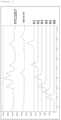
- Figure 1 shows, as a typical example, the results of analysis using YIT11057 strain which is one the 16 strains.
- Symbols X1 to X6 in Figure 1 denote xylose and xylooligosaccharides having corresponding numbers of xylose backbones, and it can be seen that xylose and xylooligosaccharides which had not been present in the medium were produced by culturing YIT11057 strain.
- Example 2 Properties of six strains of YIT11027, YIT11055, YIT11057, YIT11952, YIT11954 and YIT12989
- Genomic DNA was extracted from the bacterial cells, and a draft genome was determined using a next-generation sequencer Miseq (Illumina, Inc.). The gene region was predicted, and then the carbohydrate-active enzyme gene database dbCAN was consulted for all amino acid sequences to extract carbohydrate-active enzyme genes. The result of searching for genes identical in capacity to utilize xylans and distribution showed that all of the strains having endo-1,4-beta-xylanase A gene (xynA) belonging to GH10 were capable of utilizing xylans. Any of the strains which do not have this gene was not capable of utilizing xylans.
Landscapes
- Life Sciences & Earth Sciences (AREA)
- Health & Medical Sciences (AREA)
- Chemical & Material Sciences (AREA)
- Engineering & Computer Science (AREA)
- Organic Chemistry (AREA)
- Genetics & Genomics (AREA)
- Zoology (AREA)
- Bioinformatics & Cheminformatics (AREA)
- Wood Science & Technology (AREA)
- Biotechnology (AREA)
- General Health & Medical Sciences (AREA)
- Microbiology (AREA)
- Biochemistry (AREA)
- General Engineering & Computer Science (AREA)
- Medicinal Chemistry (AREA)
- Biomedical Technology (AREA)
- Mycology (AREA)
- Virology (AREA)
- Tropical Medicine & Parasitology (AREA)
- Polymers & Plastics (AREA)
- Food Science & Technology (AREA)
- Nutrition Science (AREA)
- Molecular Biology (AREA)
- Pharmacology & Pharmacy (AREA)
- Epidemiology (AREA)
- Animal Behavior & Ethology (AREA)
- Public Health (AREA)
- Veterinary Medicine (AREA)
- Micro-Organisms Or Cultivation Processes Thereof (AREA)
- Coloring Foods And Improving Nutritive Qualities (AREA)
- Preparation Of Compounds By Using Micro-Organisms (AREA)
- Jellies, Jams, And Syrups (AREA)
Abstract
Description
- The present invention relates to bacteria belonging to the genus Bifidobacterium classified as Bifidobacterium pseudocatenulatum.
- One of the causes of influence of probiotics on the physiological function of a host is presumed to be that probiotics metabolize carbohydrates sources remaining in the digestive tract and produce short-chain fatty acids such as lactic acid and acetic acid. Previous studies reveal that the genomes of bifidobacterial species dominant in the intestinal tracts of adults have more genes involved in metabolism of plant-derived indigestible polysaccharides, particularly xylans contained in a large amount in diets for adults, in comparison to the genomes of infant-derived bifidobacterial species.
- Thus, Bifidobacterium strains having a high capacity to utilize indigestible polysaccharides are expected to grow in the intestines of adults and have a high organic acid producing ability, and therefore may become a promising candidate for probiotics for adults.
- It has been heretofore known that as bifidobacteria capable of utilizing indigestible polysaccharides, for example, Bifidobacterium breve strains (Non Patent Literature 1) and Bifidobacterium bifidum strains (Non Patent Literature 2) capable of utilizing starch, and Bifidobacterium pseudocatenulatum strains (Non Patent Literature 3) capable of utilizing arabinogalactan are present.
- However, bifidobacteria capable of cleaving the xylose backbones of xylans which are typical indigestible polysaccharides contained in the diets have not heretofore been known.
-
- Non Patent Literature 1: BMC Genomics (2014) 15:170
- Non Patent Literature 2: Environmental Microbiology (2015) 17(7), 2515-2531
- Non Patent Literature 3: Japanese Journal of Food Microbiology, Vol.24 No.4 Page.163-170
- The present invention relates to provision of a novel Bifidobacterium strain capable of utilizing xylans.
- The present inventors extensively conducted studies, and resultantly isolated and identified a novel microbial strain capable of efficiently utilizing xylans from the human intestine.
- Specifically, the present invention relates to the following 1) to 9) .
- 1) Bacteria belonging to the genus Bifidobacterium having a xylanase gene on a genome.
- 2) The bacteria belonging to the genus Bifidobacterium according to 1), wherein the xylanase gene is a polynucleotide consisting of the nucleotide sequence set forth as SEQ ID NO: 1, or a polynucleotide having an identity of 70% or more with the nucleotide sequence and encoding a protein having xylanase activity.
- 3) The bacteria belonging to the genus Bifidobacterium according to 1) or 2), which have an ability to utilize xylans.
- 4) The bacteria belonging to the genus Bifidobacterium according to 3), wherein the xylans are xylan and arabinoxylan.
- 5) The bacteria belonging to the genus Bifidobacterium according to any of 1) to 4), which have an ability to utilize starch.
- 6) The bacteria belonging to the genus Bifidobacterium according to any of 1) to 5), wherein the bacteria belonging to the genus Bifidobacterium are classified as Bifidobacterium pseudocatenulatum.
- 7) Bifidobacterium pseudocatenulatum YIT11027 (NITE BP-02928), Bifidobacterium pseudocatenulatum YIT11055 (NITE BP-02929), Bifidobacterium pseudocatenulatum YIT11057 (NITE BP-02930), Bifidobacterium pseudocatenulatum YIT11952 (NITE BP-02931), Bifidobacterium pseudocatenulatum YIT11954 (NITE BP-02932), Bifidobacterium pseudocatenulatum YIT12989 (NITE BP-02933) or a bacterial strain closely related thereto.
- 8) A food or beverage comprising the bacteria belonging to the genus Bifidobacterium according to any of 1) to 7).
- 9) The food or beverage according to 8), which is a fermented milk food or beverage.
- The novel bacteria belonging to the genus Bifidobacterium according to the present invention have an ability to degrade and utilize xylans contained in a large amount in diets for adults, in particular, arabinoxylan. Thus, the Bifidobacterium pseudocatenulatum of the present invention is expected to grow in the intestines of adults and have a high organic acid producing ability, and can be used for medicinal products, food and the like as probiotics for adults.
-
- [
Figure 1] Figure 1 shows the xylose backbone cleaving activity of the YIT11057 strain. - [
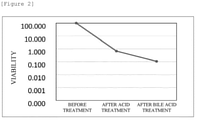
Figure 2] Figure 2 shows the acid/bile acid resistance of the YIT11057 strain. - The type of the bacteria belonging to the genus Bifidobacterium of the present invention is not particularly limited as long as the bacteria have a xylanase gene on a genome. The type of the bacteria belonging to the genus Bifidobacterium may be any of, for example, Bifidobacterium pseudocatenulatum, Bifidobacterium breve, Bifidobacterium longum (B. longum), Bifidobacterium bifidum (B. bifidum), Bifidobacterium animalis (B. animalis), Bifidobacterium suis (B. suis), Bifidobacterium infantis (B. infantis), Bifidobacterium adolescentis (B. adolescentis), Bifidobacterium catenulatum (B. catenulatum), Bifidobacterium lactis (B. lactis), Bifidobacterium globosum (B. globosum), Bifidobacterium angulatum (B. angulatum) and Bifidobacterium dentium (B. dentium), and is preferably Bifidobacterium pseudocatenulatum.
- Bifidobacteria having a xylanase gene on the genome have not heretofore been known, and the bacteria belonging to the genus Bifidobacterium of the present invention are novel bacteria.
- The term "xylanase gene" refers to a gene encoding xylanase classified as GH10 (endo-1,4-beta-xylanase A; xynA), and the "xylanase gene" held by the bacteria belonging to the genus Bifidobacterium of the present invention on a genome thereof specifically includes a polynucleotide consisting of the nucleotide sequence set forth as SEQ ID NO: 1 or a polynucleotide having an identity of 70% or more, preferably 90% or more, more preferably 95% or more, still more preferably 98% or more, still more preferably 99% or more with the nucleotide sequence and encoding a protein having xylanase activity.
- Here, the polynucleotide consisting of the nucleotide sequence set forth as SEQ ID NO: 1 refers to a xylanase gene held by the later-described YIT11057 strain.
- The identity of the nucleotide sequence is a value obtained by aligning two nucleotide sequences to be compared in such a manner that the two nucleic acid sequences are in match with each other as much as possible, dividing the number of matched bases by the total number of bases, and expressing the quotient in percentage. Those skilled in the art can appropriately set parameters of software such as BLAST, ClustalX or Genetyx to determine the identity of the nucleotide sequences.
- The term "xylanase activity" means activity of hydrolyzing the xylose backbones of xylans using the xylans as a substrate to produce xylooligosaccharides and xylose (xylan hydrolyzing activity).
- Here, examples of the xylans include xylan, arabinoxylan, glucuronoxylan, glucuronoarabinoxylan and acetylxylan, and xylan and arabinoxylan are preferable.
- Thus, in other words, the bacteria belonging to the genus Bifidobacterium having a xylanase gene on a genome in the present invention are bacteria belonging to the genus Bifidobacterium having an ability to cleave the xylose backbones of xylans.
- In the present invention, the phrase "having an ability to utilize xylans" means having an ability to grow with xylans as carbon sources. Specifically, the phrase means that, for example, it is possible to grow in a medium containing only xylans as carbon sources. For example, the phrase means that when culturing is performed for 72 hours in a medium containing xylans as the only carbohydrate source, the turbidity is, for example, 0.1 or more in terms of increase in OD600. The turbidity is preferably 0.3 or more, more preferably 0.4 or more in terms of increase in OD600. When the change of turbidity cannot be measured due to the medium containing xylans having a large amount of insoluble fractions or for other reasons, the phrase means that the amount of short-chain fatty acids produced in the culture supernatant after 72-hour culturing, for example, the total amount of lactic acid, acetic acid and formic acid produced, is 10 mM or more. The amount of short-chain fatty acids produced is preferably 20 mM or more, more preferably 40 mM or more in total.
- The medium to be used in a test on the xylans utilizing ability may be one obtained by adding xylans to a medium free of carbohydrate sources, and the composition of the medium free of carbohydrate sources can be the composition of M-ILS liquid medium, Peptone-Yeast (PY) medium or the like.
- The amount of xylans added to the medium is preferably 0.01 to 10 mass%, more preferably 0.05 to 5 mass%, still more preferably 0.1 to 1 mass% in the medium. It is desirable that as a control, bacteria belonging to the genus Bifidobacterium of interest be cultured in a medium free of carbohydrate sources, followed by checking OD values.
- As described above, the bacteria belonging to the genus Bifidobacterium having a xylanase gene on a genome in the present invention have an ability to degrade and utilize xylans, and therefore can contribute to supply of short-chain fatty acids such as acetic acid, lactic acid and formic acid produced by degradation of xylans.
- The bacteria belonging to the genus Bifidobacterium of the present invention can be obtained by screening from bacteria belonging to the genus Bifidobacterium present in, for example, the intestines of humans (e.g. adults or infants), preferably Bifidobacterium pseudocatenulatum, using the presence of a xylanase gene or the above ability to utilize xylans as an indicator. For example, from Bifidobacterium pseudocatenulatum, 16 strains shown in Examples below, and further six strains of YIT11027, YIT11055, YIT11057, YIT11952, YIT11954 and YIT12989 can be selected. The bacteria belonging to the genus Bifidobacterium of the present invention are not limited thereto and include bacterial strains which are biologically and genetically closely related thereto, as long as the bacteria belonging to the genus Bifidobacterium have a xylanase gene on a genome. The bacteria belonging to the genus Bifidobacterium of the present invention may be a natural strain present in nature, a variant of a natural strain, or a genetically modified species as long as they have a xylanase gene on a genome.
- As shown below, YIT11027 strain, YIT11055 strain, YIT11057 strain, YIT11952 strain, YIT11954 strain and YIT12989 strain were deposited at the National Institute of Technology and Evaluation, Patent Microorganisms Depositary (#122, Kazusakamatari 2-5-8, Kisarazu-shi, Chiba) on March 25, 2019. Bifidobacterium pseudocatenulatum YIT11027 (NITE BP-02928), Bifidobacterium pseudocatenulatum YIT11055 (NITE BP-02929), Bifidobacterium pseudocatenulatum YIT11057 (NITE BP-02930), Bifidobacterium pseudocatenulatum YIT11952 (NITE BP-02931), Bifidobacterium pseudocatenulatum YIT11954 (NITE BP-02932), and Bifidobacterium pseudocatenulatum YIT12989 (NITE BP-02933) .
- Of these, the YIT11027 strain, YIT11057 strain, YIT11954 strain or bacterial strains closely related thereto are preferable from the viewpoint of an ability to utilize xylans and further from the viewpoint that they also have a starch-utilization ability in combination. Further, YIT11057 strain or bacterial strains closely related thereto are more preferable from the viewpoint that they have acid/bile acid resistance and also have the properties that no lysogenic phage is detected in the genome.
- Here, the term "starch-utilization ability" means having an ability to grow with starch as carbon sources. The term "acid/bile acid resistance" means the viability after continuous exposure to artificial gastric acid and artificial bile acid. The term "no lysogenic phage" means that a region having high homology with an existing phage has not been detected in a genome sequence by use of PHASTER which is a phage search program server (http://phaster.ca/).
- The term "closely related bacterial strains" indicates bacterial strains having identical sequences in Multilocus sequence analysis (MLSA) for evaluating a plurality of housekeeping gene sequences.
- Specifically, the full-length sequences of DNA gyrase subunit B (gyrB), 50S ribosomal protein L2 (rplB), Amidophosphoribosyltransferase (purF), DNA-directed RNA polymerase subunit beta (rpoB), ATP-dependent Clp protease ATP-binding subunit ClpC1 (clpC), Elongation factor G (fusA) and Isoleucine-tRNA ligase (ileS) reported as genes suitable for MLSA analysis of bifidobacteria (International Journal of Systematic and Evolutionary Microbiology (2006), 56, 2783-2792) are acquired, all genes are linked for each bacterial strain, and the coincidence in sequence between strains for comparison is then examined using a program such as VSEARCH or BLAST. When the sequence identity is 90% or more, preferably 95% or more, more preferably 98% or more, still more preferably 99% or more, it can be determined that the bacterial strains are closely related species.
- The nucleotide sequences of gyrB, rplB, purF, rpoB, clpC, fusA and ileS genes in YIT11057 strain are shown in the sequence listing (gyrB: SEQ ID NO: 2, rplB: SEQ ID NO: 3, purF: SEQ ID NO: 4, rpoB: SEQ ID NO: 5, clpC: SEQ ID NO: 6, fusA: SEQ ID NO: 7, and ileS: SEQ ID NO: 8).
- The application form of the bacteria belonging to the genus Bifidobacterium of the present invention is not particularly limited, and may be lyophilized bacteria, or a cultured product containing these bacteria can be utilized. In any of the forms, the bacteria are preferably in a viable state.
- The bacteria belonging to the genus Bifidobacterium of the present invention can also be mixed with a solid or liquid pharmaceutical nontoxic carrier and utilized in the form of a common pharmaceutical preparation. Examples of the preparation include solid preparations such as tablets, granules, powders and capsules, liquid preparations such as solutions, suspensions and emulsions, and lyophilized preparations. These preparations can be prepared by conventional means for production of preparations. Examples of the pharmaceutical nontoxic carrier include glucose, lactose, sucrose, starch, mannitol, dextrin, fatty acid glycerides, polyethylene glycol, hydroxyethyl starch, ethylene glycol, polyoxyethylene sorbitan fatty acid esters, amino acids, gelatin, albumin, water and physiological saline. If necessary, common additives such as stabilizers, wetting agents, emulsifiers, binders, tonicity agents and excipients can also be appropriately added.
- The bacteria belonging to the genus Bifidobacterium of the present invention can be not only prepared into the above-described preparations but also added to a food or beverage for use. When added to a food or beverage, the bacteria belonging to the genus Bifidobacterium may be incorporated directly or together with various nutrient ingredients. Specifically, when added to a food or beverage, the bacterial belonging to the genus Bifidobacterium of the present invention may be made into a form suitable for eating, i.e. a granular form, a particulate form, a tablet, a capsule, a paste or the like using common means with appropriate use of additives usable for food or beverage, may be added to various foods, e.g. processed meat products such as ham and sausage, processed seafood products such as cooked minced fish (kamaboko) and fish sausage (chikuwa), bread, confectionary, butter and dry milk, or may be added to beverages such as water, fruit juice, milk, soft drinks and tea drinks. The food or beverage includes animal feeds.
- Further, as the food or beverage, fermented milk food or beverage and fermented food or beverage such as fermented soybean milk, fermented fruit juice and fermented vegetable juice which contain the bacteria belonging to the genus Bifidobacterium of the present invention in a viable state are suitably used, and in particular, the fermented milk food or beverage is preferably used. The fermented milk food or beverage may be produced in accordance with a conventional method, and for example, when fermented milk is produced, the bacteria belonging to the genus Bifidobacterium of the present invention is inoculated and cultured in a sterilized milk medium alone or together with other microorganisms, and the cultured product is subjected to homogenization treatment to obtain a fermented milk base. Next, a separately prepared syrup solution is added and mixed, the mixture is homogenized with a homogenizer or the like, and a flavor is further added to make a final product. The fermented milk food or beverage thus obtained can also be a product in any form such as a plain type free of syrup (sweetener), a soft type, a fruit flavor type, a solid form or a liquid form.
- To such fermented milk food or beverage, optional ingredients including sweeteners such as syrup, emulsifiers, thickeners (stabilizers) and various vitamins can be added. The following may be added: as the syrup, saccharides such as glucose, sucrose, fructose, high-fructose corn syrup, glucose syrup, palatinose, trehalose, lactose, xylose, galactooligosaccharide (GOS), xylooligosaccharide (XOS), arabinoxylooligosaccharide (AXOS), xylan, arabinoxylan, arabinooligosaccharide (AOS), arabinan, maltose, honey and molasses; sugar alcohols such as sorbitol, xylitol, erythritol, lactitol, palatinit, reduced sugar syrup and reduced maltose syrup; and high intensity sweeteners such as aspartame, thaumatin, sucralose, acesulfame K and stevia; emulsifiers such as glycerin fatty acid esters, polyglycerin fatty acid esters, sorbitan fatty acid esters and lecithin; and thickeners (stabilizers) such as agar, gelatin, carrageenan, guar gum, xanthane gum, pectin, locust bean gum, gellan gum, carboxymethyl cellulose, soybean polysaccharide and propylene glycol alginate. In addition, the following may be added: vitamins such as vitamin A, vitamin B, vitamin C and vitamin E; minerals such as calcium, magnesium, zinc, iron and manganese; acidifiers such as citric acid, lactic acid, acetic acid, malic acid, tartaric acid and gluconic acid; milkfats such as cream, butter and sour cream; flavors based on yogurt, berry, orange, Chinese quince, perilla, citrus, apple, mint, grape, apricot, pear, custard cream, peach, melon, banana, tropical, herb, black tea, coffee and the like; herb extracts, brown sugar extracts and the like.
- For production of the fermented milk food or beverage, microorganisms other than the bacteria belonging to the genus Bifidobacterium of the present invention can also be used in combination. Examples of such microorganisms include bacteria belonging to the genus Lactobacillus such as Lactobacillus casei, Lactobacillus acidophilus (L. acidophilus), Lactobacillus plantarum (L. plantarum), Lactobacillus buchneri (L. buchneri), Lactobacillus gallinarum (L. gallinarum), Lactobacillus amylovorus (L. amylovorus), Lactobacillus brevis (L. brevis), Lactobacillus rhamnosus (L. rhamnosus), Lactobacillus kefir (L. kefir), Lactobacillus paracasei (L. paracasei), Lactobacillus crispatus (L. crispatus), Lactobacillus zeae (L. zeae), Lactobacillus helveticus (L. helveticus), Lactobacillus salivalius (L. salivalius), Lactobacillus gasseri (L. gasseri), Lactobacillus fermentum (L. fermentum), Lactobacillus reuteri (L. reuteri), Lactobacillus delbrueckii subspecies. bulgaricus (L. delbrueckii subsp. bulgaricus), Lactobacillus delbrueckii subspecies. delbrueckii (L. delbrueckii subsp. delbrueckii) and Lactobacillus johnsonii (L. johnsonii), bacteria belonging to the genus Streptococcus such as Streptococcus thermophilus, bacteria belonging to the genus Lactococcus such as Lactococcus lactis subspecies. lactis (Lactococcus lactis subsp. lactis), Lactococcus lactis subspecies. cremoris (Lactococcus lactis subsp. cremoris), bacteria belonging to the genus Enterococcus such as Enterococcus faecalis and Enterococcus faecium (E. faecium), bacteria belonging to the genus Bacillus such as Bacillus subtilis, and yeasts belonging to Saccharomyses genus, Torulaspora genus and Candida genus such as Saccharomyses cerevisiae, Torulaspora delbrueckii and Candida kefyr. It is preferable that one or more selected from the group consisting of bacteria belonging to the genus Lactobacillus, Streptococcus and Lactococcus be used in combination with the bacteria belonging to the genus Bifidobacterium of the present invention to produce fermented milk food or beverage because a highly pleasant taste can be obtained, so that eating or drinking is facilitated.
- When the bacteria belonging to the genus Bifidobacterium of the present invention is used, the dose thereof is not strictly limited, and the suitable dose thereof is preferably 105 cfu to 1013 cfu, particularly preferably 108 cfu to 1012 cfu a day in terms of the number of viable bacteria.
- 53 Strains isolated from human feces and identified as Bifidobacterium pseudocatenulatum were screening targets.
- Xylan (derived from oat), arabinoxylan (derived from wheat) and xylooligo-saccharide (XOS) industrially produced by enzymatically treating xylan were used for analysis. For xylan and arabinoxylan, the results of examination by HPLC did not show the presence of monosaccharide (data is not shown). In addition, xylose and arabinose which are constituent monosaccharides of xylan and arabinoxylan, respectively, were analyzed, and as controls for confirmation of growth, starch which is a typical indigestible polysaccharide and glucose which is a constituent monosaccharide of starch, and lactose were also analyzed. After a 1% suspension of each substrate was prepared, xylan, arabinoxylan and starch were subjected to autoclave sterilization, and other substrates were subjected to sterilization by filtration using a 0.22 µm filter.
- For preventing suppression of growth of bacteria due to a growth-associated decrease in pH, an m-PY medium containing 100 mM PIPES was used. The 1% substrate solution was mixed with an equal amount of two-fold concentrated m-PY medium stored under refrigeration in a nitrogen-filled atmosphere until use, and the mixture was used for a culture test (final concentration: 0.5%).
- The frozen bacterial liquid was inoculated in a modified GAM agar, and then cultured for 2 to 3 days, and the thus-obtained colonies were subcultured in a modified GAM liquid medium containing 1% glucose/lactose. In the subculture, care was taken so as to scrape a large number of colonies. Stationary culturing was performed overnight at 37°C, and next morning, the bacterial liquid in an amount of 5% was subcultured again in a fresh one of the same medium. The bacterial liquid was cultured for about 6 to 9 hours until reaching the logarithmic growth phase, and the turbidity was then measured. 100 µl of the culture solution was centrifuged, the supernatant was removed, and a carbohydrate source-free m-PY medium was then added to provide an OD600 of 0.2 to suspend pellets. 198 µl of each medium was dispensed to a 96-well plate, 2 µl of the bacterial liquid was added, then 50 µl of mineral oil was overlaid, and the bacteria were cultured at 37°C in a microplate reader PowerWave 340 (BIOTEC Co., Ltd.).
- The turbidity was measured every 30 minutes, and the turbidity was monitored for 60 hours after the start of culturing. The above-described culturing operations were all carried out in an anaerobic glove box. After 60 hours, a portion of the culture solution was taken, deproteinized, and then subjected to HPLC to measure the amount of short-chain fatty acids produced. When a large amount of insoluble particles were present in an m-PY medium containing xylan, the utilization properties were determined based on existence or non-existence of production of short-chain fatty acids because it was impossible to confirm growth of bacterial cells only by the measurement of turbidity. The short-chain fatty acids in the culture supernatant after culturing for 60 hours were measured by HPLC to confirm that the total amount of lactic acid, acetic acid and formic acid produced was 10 mM or more. Table 1 shows the number of strains which were capable of utilizing each of various substrates.
[Table 1] Xylan Arabinoxylan XOS Xylose Arabinose Starch Glucose Lactose Number of utilizing strains 16 16 53 39 36 28 51 53 Number of non-utilizing strains 37 37 0 14 17 25 2 0 - A capacity to utilize xylooligosaccharides was shown in all bacterial strains of B. pseudocatenulatum, however, a capacity to utilize xylans having a longer chain varied among bacterial strains. 16 Strains which had utilized xylan and arabinoxylan were screened as bacteria belonging to the genus Bifidobacterium having an ability to utilize xylans.
- The bacterial strains belonging to the genus Bifidobacterium having an ability to utilize xylans were cultured in a liquid medium with xylan as the only carbohydrate source, and the oligosaccharides in the culture supernatant in the earlier logarithmic growth phase were analyzed by HPLC. The result showed that xylose and xylooligosaccharides had been produced. This revealed that the present bacteria had activity of cleaving the xylose backbone into xylose and xylooligosaccharides.
Figure 1 shows, as a typical example, the results of analysis using YIT11057 strain which is one the 16 strains. Symbols X1 to X6 inFigure 1 denote xylose and xylooligosaccharides having corresponding numbers of xylose backbones, and it can be seen that xylose and xylooligosaccharides which had not been present in the medium were produced by culturing YIT11057 strain. - The utilization properties of the six strains of YIT11027, YIT11055, YIT11057, YIT11952, YIT11954 and YIT12989 selected from the above 16 strains having an ability to utilize xylans are shown below. For the three bacterial strains of YIT11027, YIT11057 and YIT11954, it was possible to confirm the starch-utilization properties as well as the xylan-utilization properties (Table 2).
[Table 2] Xylan Arabinoxylan XOS Xylose Arabinose Starch Glucose Lactose ]YIT 11027 + + + + + + + + YIT 11055 + + + + + - + + YIT 11057 + + + - - + + + YIT 11952 + + + + + - + + YIT 11954 + + + + + + + + YIT 12989 + + + + + - + + YIT 4037T (type strain) - - + + + + + + +: utilization -: non-properties utilization found properties - Genomic DNA was extracted from the bacterial cells, and a draft genome was determined using a next-generation sequencer Miseq (Illumina, Inc.). The gene region was predicted, and then the carbohydrate-active enzyme gene database dbCAN was consulted for all amino acid sequences to extract carbohydrate-active enzyme genes. The result of searching for genes identical in capacity to utilize xylans and distribution showed that all of the strains having endo-1,4-beta-xylanase A gene (xynA) belonging to GH10 were capable of utilizing xylans. Any of the strains which do not have this gene was not capable of utilizing xylans.
- For YIT11057, acid/bile acid resistance, exhaustive searching for pathogenic factors and detection of a lysogenic phage in the genome were evaluated.
- 1) Acid/bile acid resistance
- i) Artificial juice composition
- <Artificial gastric juice composition (pH 3.6)>
- Pepsin 40 mg/L
- Proteose peptone 5 g/L
- Gastric mucin 1.5 g/L
- NaCl 5 g/L
- NaHCO3 3 g/L
- KH2PO4 1 g/L 3.6 N HCl adjusting pH to 3.6
- <Artificial intestinal juice>
- NaCl 5 g/L
- KCl 1 g/L
- NaHCO3 3 g/L
- 3 M Na2CO3 adjusting pH to 8.0
- <Artificial gastric juice composition (pH 3.6)>
- ii) 0.1 ml of a bacterial liquid cultured overnight in an mGAM liquid medium containing 1% glucose/lactose was added to 2 ml of artificial gastric juice, and the mixture was incubated at 37°C for 1 hour. Thereafter, 5.5 ml of artificial intestinal juice and 0.5 ml of 16% bile acid were added, and the mixture was left to stand at 37°C for 1 hour. Before and after acid treatment and after bile acid treatment, the bacterial liquid was collected, and diluted with physiological saline, 50 µl of the diluted liquid was then applied to an mGAM agar, and CFU was measured. The result showed that the viability rate was about 0.1% even after bile acid treatment (
Figure 2 ). Since CFU of bacteria without resistance after each of the treatments was equal to or less than the detection lower limit, YIT11057 was shown to have relatively high acid/bile acid resistance.
- i) Artificial juice composition
- 2) Exhaustive searching for pathogenic factors
Draft genome information was input in the PATRIC server (https://www.patricbrc.org/) (Wattam et al., 2017), and existence or non-existence of genes having high homology with sequences in the Virulence Factor database was examined. As a result, a pathogenic factor gene was not detected. - 3) Detection of lysogenic phages in genome
For genome information of bacterial strains, an attempt was made to detect lysogenic phages registered in the phage database using the PHASTER server (http://phaster.ca/) (Arndt et al., 2016). As a result, a lysogenic phage was not detected.




Claims (9)
- Bacteria belonging to the genus Bifidobacterium having a xylanase gene on a genome.
- The bacteria belonging to the genus Bifidobacterium according to claim 1, wherein the xylanase gene is a polynucleotide consisting of a nucleotide sequence set forth as SEQ ID NO: 1, or a polynucleotide having an identity of 70% or more with the nucleotide sequence and encoding a protein having xylanase activity.
- The bacteria belonging to the genus Bifidobacterium according to claim 1 or 2, which has an ability to utilize xylans.
- The bacteria belonging to the genus Bifidobacterium according to claim 3, wherein the xylans are xylan and arabinoxylan.
- The bacteria belonging to the genus Bifidobacterium according to any one of claims 1 to 4, which has an ability to utilize starch.
- The bacteria belonging to the genus Bifidobacterium according to any one of claims 1 to 5, wherein the bacteria belonging to the genus Bifidobacterium is classified as Bifidobacterium pseudocatenulatum.
- Bifidobacterium pseudocatenulatum YIT11027 (NITE BP-02928), Bifidobacterium pseudocatenulatum YIT11055 (NITE BP-02929), Bifidobacterium pseudocatenulatum YIT11057 (NITE BP-02930), Bifidobacterium pseudocatenulatum YIT11952 (NITE BP-02931), Bifidobacterium pseudocatenulatum YIT11954 (NITE BP-02932), Bifidobacterium pseudocatenulatum YIT12989 (NITE BP-02933) or a bacterial strain closely related thereto.
- A food or beverage comprising the Bifidobacterium genus bacterium according to any one of claims 1 to 7.
- The food or beverage according to claim 8, which is a fermented milk food or beverage.
Applications Claiming Priority (2)
| Application Number | Priority Date | Filing Date | Title |
|---|---|---|---|
| JP2019065395 | 2019-03-29 | ||
| PCT/JP2020/014045 WO2020203782A1 (en) | 2019-03-29 | 2020-03-27 | Novel bifidobacterium genus bacterium having high capacity to utilize polysaccharides of dietary origin |
Publications (2)
| Publication Number | Publication Date |
|---|---|
| EP3949760A1 true EP3949760A1 (en) | 2022-02-09 |
| EP3949760A4 EP3949760A4 (en) | 2023-06-07 |
Family
ID=72668403
Family Applications (1)
| Application Number | Title | Priority Date | Filing Date |
|---|---|---|---|
| EP20784433.3A Pending EP3949760A4 (en) | 2019-03-29 | 2020-03-27 | NEW BACTERIA OF THE GENUS BIFIDOBACTERIUM WITH A HIGH CAPACITY TO USE FOOD-BORNE POLYSACCHARIDES |
Country Status (13)
| Country | Link |
|---|---|
| US (1) | US12318416B2 (en) |
| EP (1) | EP3949760A4 (en) |
| JP (1) | JP7528057B2 (en) |
| KR (1) | KR20210146295A (en) |
| CN (1) | CN113613511A (en) |
| AU (1) | AU2020251432B2 (en) |
| BR (1) | BR112021019330A2 (en) |
| CA (1) | CA3133958A1 (en) |
| MX (1) | MX2021011930A (en) |
| PH (1) | PH12021552388A1 (en) |
| SG (1) | SG11202109817VA (en) |
| TW (1) | TWI895263B (en) |
| WO (1) | WO2020203782A1 (en) |
Families Citing this family (3)
| Publication number | Priority date | Publication date | Assignee | Title |
|---|---|---|---|---|
| WO2023157860A1 (en) * | 2022-02-17 | 2023-08-24 | 株式会社ヤクルト本社 | Intestinal bacterial flora replication model |
| WO2024204682A1 (en) | 2023-03-31 | 2024-10-03 | 株式会社ヤクルト本社 | Novel bacterium belonging to genus bifidobacterium |
| CN119464112A (en) * | 2024-09-30 | 2025-02-18 | 深圳未知君生物科技有限公司 | A strain of Bifidobacterium adolescentis capable of relieving constipation and its application |
Family Cites Families (12)
| Publication number | Priority date | Publication date | Assignee | Title |
|---|---|---|---|---|
| JP3347163B2 (en) * | 1992-06-18 | 2002-11-20 | 日清製粉株式会社 | Useful intestinal bacteria growth promoter |
| US5405769A (en) * | 1993-04-08 | 1995-04-11 | National Research Council Of Canada | Construction of thermostable mutants of a low molecular mass xylanase |
| JP3364491B2 (en) | 2002-07-25 | 2003-01-08 | 株式会社アトリエ・ド・フロマージュ | Yogurt and method for producing the same |
| MXPA05010349A (en) | 2003-06-30 | 2006-03-08 | Clasado Inc | Novel galactooligosaccharide composition and the preparation thereof. |
| EP2138186A1 (en) * | 2008-06-24 | 2009-12-30 | Nestec S.A. | Probiotics, secretory IgA and inflammation |
| CN101649303B (en) | 2009-05-08 | 2011-09-28 | 内蒙古蒙牛乳业(集团)股份有限公司 | Bifidobacterium, application thereof and food composition containing same |
| CN102753023A (en) | 2009-12-09 | 2012-10-24 | 诺维信公司 | Methods of producing GH8 xylanase variants |
| CN102703369B (en) | 2012-05-30 | 2013-11-06 | 邓启文 | Recombinant bifidobacterium for preparing EV (Enterovirus) 71 vaccine as well as preparation method and application of recombinant bifidobacterium |
| JP6470967B2 (en) | 2014-12-25 | 2019-02-13 | 花王株式会社 | Mutant xylanase |
| CN104651337B (en) | 2015-01-28 | 2017-11-03 | 浙江大学 | A kind of zytase, its encoding gene xyn lxy and its application |
| WO2019112054A1 (en) * | 2017-12-08 | 2019-06-13 | 森永乳業株式会社 | Novel bifidobacterium bacteria and composition including novel bifidobacterium bacteria |
| WO2019112053A1 (en) * | 2017-12-08 | 2019-06-13 | 森永乳業株式会社 | Novel bifidobacterium bacteria and composition including novel bifidobacterium bacteria |
-
2020
- 2020-03-27 MX MX2021011930A patent/MX2021011930A/en unknown
- 2020-03-27 AU AU2020251432A patent/AU2020251432B2/en active Active
- 2020-03-27 PH PH1/2021/552388A patent/PH12021552388A1/en unknown
- 2020-03-27 CN CN202080022985.1A patent/CN113613511A/en active Pending
- 2020-03-27 JP JP2021512007A patent/JP7528057B2/en active Active
- 2020-03-27 KR KR1020217029902A patent/KR20210146295A/en not_active Ceased
- 2020-03-27 BR BR112021019330A patent/BR112021019330A2/en unknown
- 2020-03-27 EP EP20784433.3A patent/EP3949760A4/en active Pending
- 2020-03-27 WO PCT/JP2020/014045 patent/WO2020203782A1/en not_active Ceased
- 2020-03-27 TW TW109110646A patent/TWI895263B/en active
- 2020-03-27 SG SG11202109817V patent/SG11202109817VA/en unknown
- 2020-03-27 CA CA3133958A patent/CA3133958A1/en active Pending
- 2020-03-27 US US17/442,459 patent/US12318416B2/en active Active
Also Published As
| Publication number | Publication date |
|---|---|
| AU2020251432A1 (en) | 2021-11-11 |
| CN113613511A (en) | 2021-11-05 |
| TWI895263B (en) | 2025-09-01 |
| CA3133958A1 (en) | 2020-10-08 |
| TW202103583A (en) | 2021-02-01 |
| WO2020203782A1 (en) | 2020-10-08 |
| US12318416B2 (en) | 2025-06-03 |
| JP7528057B2 (en) | 2024-08-05 |
| PH12021552388A1 (en) | 2022-06-13 |
| EP3949760A4 (en) | 2023-06-07 |
| MX2021011930A (en) | 2021-11-03 |
| JPWO2020203782A1 (en) | 2020-10-08 |
| BR112021019330A2 (en) | 2021-12-07 |
| AU2020251432B2 (en) | 2025-07-10 |
| US20220160795A1 (en) | 2022-05-26 |
| KR20210146295A (en) | 2021-12-03 |
| SG11202109817VA (en) | 2021-10-28 |
Similar Documents
| Publication | Publication Date | Title |
|---|---|---|
| KR101108428B1 (en) | Lactic acid bacteria isolated from mother's milk with probiotic activity and inhibitory activity against body weight augmentation | |
| CN102770528B (en) | Method for constructing novel bacterium belonging to the genus bifidobacterium | |
| US10293004B2 (en) | Butyrate-producing bacterium and use thereof | |
| TWI844535B (en) | Use of Bifidobacterium breve MCC1274, method for screening Bifidobacterium bacteria with anti-obesity effect, and method for screening responders to Bifidobacterium bacteria with anti-obesity effect | |
| EP2270133B1 (en) | Method for obtaining a novel strain of bifidobacterium bifidum with activity against infection by helicobacter pylori | |
| JP7788998B2 (en) | Method for improving gastric juice and bile resistance of lactic acid bacteria | |
| KR101228035B1 (en) | New lactobacillus strains and compositions for preventing or treating diabetes comprising the same | |
| EP3135755B1 (en) | Bifidobacterium breve cbt br3 strain for promoting growth and functional food composition containing same for promoting growth | |
| US12318416B2 (en) | Bifidobacterium genus bacterium having high capacity to utilize polysaccharides of dietary origin | |
| EP1972208A1 (en) | Composition for improving intestinal microflora | |
| EP4148119A1 (en) | Novel lactic acid bacteria having excellent immune function enhancement effect, and food composition, health functionl food composition and probiotics comprising same | |
| JPWO2020203792A1 (en) | Composition for slowing skeletal muscle | |
| RU2829219C2 (en) | New genus of bacteria bifidobacterium, having high ability to utilize food polysaccharides | |
| JP5980785B2 (en) | New bifidobacteria and their use | |
| EP4692309A1 (en) | Novel bacterium belonging to genus bifidobacterium | |
| WO2026053964A1 (en) | Novel bifidobacterium and utilization of same | |
| JP2020132560A (en) | Sugar absorption promoting composition | |
| TW202444891A (en) | Transformation method of Bifidobacterium bacteria | |
| TW202615076A (en) | Novel Bifidobacteria and Their Utilization | |
| CN118742636A (en) | Lactic acid bacteria, lactic acid bacteria composition, method for producing lactic acid bacteria, method for improving acid resistance of lactic acid bacteria, method for screening lactic acid bacteria, and method for producing fermented milk | |
| Ribbera | Caratterizzazione Genotipica e Fenotipica di Ceppi di L. rhamnosus di Origine Umana e Alimentare | |
| ITMI20091034A1 (en) | PROBIOTIC SPECIES OF BIFIDOBACTERIUM BREVE |
Legal Events
| Date | Code | Title | Description |
|---|---|---|---|
| STAA | Information on the status of an ep patent application or granted ep patent |
Free format text: STATUS: THE INTERNATIONAL PUBLICATION HAS BEEN MADE |
|
| PUAI | Public reference made under article 153(3) epc to a published international application that has entered the european phase |
Free format text: ORIGINAL CODE: 0009012 |
|
| STAA | Information on the status of an ep patent application or granted ep patent |
Free format text: STATUS: REQUEST FOR EXAMINATION WAS MADE |
|
| 17P | Request for examination filed |
Effective date: 20211022 |
|
| AK | Designated contracting states |
Kind code of ref document: A1 Designated state(s): AL AT BE BG CH CY CZ DE DK EE ES FI FR GB GR HR HU IE IS IT LI LT LU LV MC MK MT NL NO PL PT RO RS SE SI SK SM TR |
|
| DAV | Request for validation of the european patent (deleted) | ||
| DAX | Request for extension of the european patent (deleted) | ||
| A4 | Supplementary search report drawn up and despatched |
Effective date: 20230509 |
|
| RIC1 | Information provided on ipc code assigned before grant |
Ipc: C12N 15/56 20060101ALI20230502BHEP Ipc: C12N 1/20 20060101ALI20230502BHEP Ipc: A23L 33/135 20160101AFI20230502BHEP |