EP3936713B1 - Diesel engine - Google Patents
Diesel engine Download PDFInfo
- Publication number
- EP3936713B1 EP3936713B1 EP19918579.4A EP19918579A EP3936713B1 EP 3936713 B1 EP3936713 B1 EP 3936713B1 EP 19918579 A EP19918579 A EP 19918579A EP 3936713 B1 EP3936713 B1 EP 3936713B1
- Authority
- EP
- European Patent Office
- Prior art keywords
- ammonia
- combustion chamber
- diesel engine
- combustion
- fuel oil
- Prior art date
- Legal status (The legal status is an assumption and is not a legal conclusion. Google has not performed a legal analysis and makes no representation as to the accuracy of the status listed.)
- Active
Links
Images






Classifications
-
- F—MECHANICAL ENGINEERING; LIGHTING; HEATING; WEAPONS; BLASTING
- F02—COMBUSTION ENGINES; HOT-GAS OR COMBUSTION-PRODUCT ENGINE PLANTS
- F02B—INTERNAL-COMBUSTION PISTON ENGINES; COMBUSTION ENGINES IN GENERAL
- F02B17/00—Engines characterised by means for effecting stratification of charge in cylinders
- F02B17/005—Engines characterised by means for effecting stratification of charge in cylinders having direct injection in the combustion chamber
-
- F—MECHANICAL ENGINEERING; LIGHTING; HEATING; WEAPONS; BLASTING
- F02—COMBUSTION ENGINES; HOT-GAS OR COMBUSTION-PRODUCT ENGINE PLANTS
- F02B—INTERNAL-COMBUSTION PISTON ENGINES; COMBUSTION ENGINES IN GENERAL
- F02B43/00—Engines characterised by operating on gaseous fuels; Plants including such engines
- F02B43/10—Engines or plants characterised by use of other specific gases, e.g. acetylene, oxyhydrogen
-
- F—MECHANICAL ENGINEERING; LIGHTING; HEATING; WEAPONS; BLASTING
- F02—COMBUSTION ENGINES; HOT-GAS OR COMBUSTION-PRODUCT ENGINE PLANTS
- F02D—CONTROLLING COMBUSTION ENGINES
- F02D19/00—Controlling engines characterised by their use of non-liquid fuels, pluralities of fuels, or non-fuel substances added to the combustible mixtures
- F02D19/06—Controlling engines characterised by their use of non-liquid fuels, pluralities of fuels, or non-fuel substances added to the combustible mixtures peculiar to engines working with pluralities of fuels, e.g. alternatively with light and heavy fuel oil, other than engines indifferent to the fuel consumed
- F02D19/0639—Controlling engines characterised by their use of non-liquid fuels, pluralities of fuels, or non-fuel substances added to the combustible mixtures peculiar to engines working with pluralities of fuels, e.g. alternatively with light and heavy fuel oil, other than engines indifferent to the fuel consumed characterised by the type of fuels
- F02D19/0642—Controlling engines characterised by their use of non-liquid fuels, pluralities of fuels, or non-fuel substances added to the combustible mixtures peculiar to engines working with pluralities of fuels, e.g. alternatively with light and heavy fuel oil, other than engines indifferent to the fuel consumed characterised by the type of fuels at least one fuel being gaseous, the other fuels being gaseous or liquid at standard conditions
- F02D19/0644—Controlling engines characterised by their use of non-liquid fuels, pluralities of fuels, or non-fuel substances added to the combustible mixtures peculiar to engines working with pluralities of fuels, e.g. alternatively with light and heavy fuel oil, other than engines indifferent to the fuel consumed characterised by the type of fuels at least one fuel being gaseous, the other fuels being gaseous or liquid at standard conditions the gaseous fuel being hydrogen, ammonia or carbon monoxide
-
- F—MECHANICAL ENGINEERING; LIGHTING; HEATING; WEAPONS; BLASTING
- F02—COMBUSTION ENGINES; HOT-GAS OR COMBUSTION-PRODUCT ENGINE PLANTS
- F02D—CONTROLLING COMBUSTION ENGINES
- F02D19/00—Controlling engines characterised by their use of non-liquid fuels, pluralities of fuels, or non-fuel substances added to the combustible mixtures
- F02D19/06—Controlling engines characterised by their use of non-liquid fuels, pluralities of fuels, or non-fuel substances added to the combustible mixtures peculiar to engines working with pluralities of fuels, e.g. alternatively with light and heavy fuel oil, other than engines indifferent to the fuel consumed
- F02D19/0663—Details on the fuel supply system, e.g. tanks, valves, pipes, pumps, rails, injectors or mixers
- F02D19/0673—Valves; Pressure or flow regulators; Mixers
-
- F—MECHANICAL ENGINEERING; LIGHTING; HEATING; WEAPONS; BLASTING
- F02—COMBUSTION ENGINES; HOT-GAS OR COMBUSTION-PRODUCT ENGINE PLANTS
- F02D—CONTROLLING COMBUSTION ENGINES
- F02D19/00—Controlling engines characterised by their use of non-liquid fuels, pluralities of fuels, or non-fuel substances added to the combustible mixtures
- F02D19/06—Controlling engines characterised by their use of non-liquid fuels, pluralities of fuels, or non-fuel substances added to the combustible mixtures peculiar to engines working with pluralities of fuels, e.g. alternatively with light and heavy fuel oil, other than engines indifferent to the fuel consumed
- F02D19/0663—Details on the fuel supply system, e.g. tanks, valves, pipes, pumps, rails, injectors or mixers
- F02D19/0686—Injectors
-
- F—MECHANICAL ENGINEERING; LIGHTING; HEATING; WEAPONS; BLASTING
- F02—COMBUSTION ENGINES; HOT-GAS OR COMBUSTION-PRODUCT ENGINE PLANTS
- F02D—CONTROLLING COMBUSTION ENGINES
- F02D19/00—Controlling engines characterised by their use of non-liquid fuels, pluralities of fuels, or non-fuel substances added to the combustible mixtures
- F02D19/06—Controlling engines characterised by their use of non-liquid fuels, pluralities of fuels, or non-fuel substances added to the combustible mixtures peculiar to engines working with pluralities of fuels, e.g. alternatively with light and heavy fuel oil, other than engines indifferent to the fuel consumed
- F02D19/0663—Details on the fuel supply system, e.g. tanks, valves, pipes, pumps, rails, injectors or mixers
- F02D19/0686—Injectors
- F02D19/0689—Injectors for in-cylinder direct injection
-
- F—MECHANICAL ENGINEERING; LIGHTING; HEATING; WEAPONS; BLASTING
- F02—COMBUSTION ENGINES; HOT-GAS OR COMBUSTION-PRODUCT ENGINE PLANTS
- F02D—CONTROLLING COMBUSTION ENGINES
- F02D19/00—Controlling engines characterised by their use of non-liquid fuels, pluralities of fuels, or non-fuel substances added to the combustible mixtures
- F02D19/06—Controlling engines characterised by their use of non-liquid fuels, pluralities of fuels, or non-fuel substances added to the combustible mixtures peculiar to engines working with pluralities of fuels, e.g. alternatively with light and heavy fuel oil, other than engines indifferent to the fuel consumed
- F02D19/0663—Details on the fuel supply system, e.g. tanks, valves, pipes, pumps, rails, injectors or mixers
- F02D19/0686—Injectors
- F02D19/0692—Arrangement of multiple injectors per combustion chamber
-
- F—MECHANICAL ENGINEERING; LIGHTING; HEATING; WEAPONS; BLASTING
- F02—COMBUSTION ENGINES; HOT-GAS OR COMBUSTION-PRODUCT ENGINE PLANTS
- F02D—CONTROLLING COMBUSTION ENGINES
- F02D19/00—Controlling engines characterised by their use of non-liquid fuels, pluralities of fuels, or non-fuel substances added to the combustible mixtures
- F02D19/06—Controlling engines characterised by their use of non-liquid fuels, pluralities of fuels, or non-fuel substances added to the combustible mixtures peculiar to engines working with pluralities of fuels, e.g. alternatively with light and heavy fuel oil, other than engines indifferent to the fuel consumed
- F02D19/08—Controlling engines characterised by their use of non-liquid fuels, pluralities of fuels, or non-fuel substances added to the combustible mixtures peculiar to engines working with pluralities of fuels, e.g. alternatively with light and heavy fuel oil, other than engines indifferent to the fuel consumed simultaneously using pluralities of fuels
- F02D19/10—Controlling engines characterised by their use of non-liquid fuels, pluralities of fuels, or non-fuel substances added to the combustible mixtures peculiar to engines working with pluralities of fuels, e.g. alternatively with light and heavy fuel oil, other than engines indifferent to the fuel consumed simultaneously using pluralities of fuels peculiar to compression-ignition engines in which the main fuel is gaseous
-
- F—MECHANICAL ENGINEERING; LIGHTING; HEATING; WEAPONS; BLASTING
- F02—COMBUSTION ENGINES; HOT-GAS OR COMBUSTION-PRODUCT ENGINE PLANTS
- F02D—CONTROLLING COMBUSTION ENGINES
- F02D41/00—Electrical control of supply of combustible mixture or its constituents
- F02D41/0025—Controlling engines characterised by use of non-liquid fuels, pluralities of fuels, or non-fuel substances added to the combustible mixtures
- F02D41/0027—Controlling engines characterised by use of non-liquid fuels, pluralities of fuels, or non-fuel substances added to the combustible mixtures the fuel being gaseous
-
- F—MECHANICAL ENGINEERING; LIGHTING; HEATING; WEAPONS; BLASTING
- F02—COMBUSTION ENGINES; HOT-GAS OR COMBUSTION-PRODUCT ENGINE PLANTS
- F02M—SUPPLYING COMBUSTION ENGINES IN GENERAL WITH COMBUSTIBLE MIXTURES OR CONSTITUENTS THEREOF
- F02M21/00—Apparatus for supplying engines with non-liquid fuels, e.g. gaseous fuels stored in liquid form
- F02M21/02—Apparatus for supplying engines with non-liquid fuels, e.g. gaseous fuels stored in liquid form for gaseous fuels
- F02M21/0203—Apparatus for supplying engines with non-liquid fuels, e.g. gaseous fuels stored in liquid form for gaseous fuels characterised by the type of gaseous fuel
- F02M21/0206—Non-hydrocarbon fuels, e.g. hydrogen, ammonia or carbon monoxide
-
- F—MECHANICAL ENGINEERING; LIGHTING; HEATING; WEAPONS; BLASTING
- F02—COMBUSTION ENGINES; HOT-GAS OR COMBUSTION-PRODUCT ENGINE PLANTS
- F02M—SUPPLYING COMBUSTION ENGINES IN GENERAL WITH COMBUSTIBLE MIXTURES OR CONSTITUENTS THEREOF
- F02M25/00—Engine-pertinent apparatus for adding non-fuel substances or small quantities of secondary fuel to combustion-air, main fuel or fuel-air mixture
-
- F—MECHANICAL ENGINEERING; LIGHTING; HEATING; WEAPONS; BLASTING
- F02—COMBUSTION ENGINES; HOT-GAS OR COMBUSTION-PRODUCT ENGINE PLANTS
- F02D—CONTROLLING COMBUSTION ENGINES
- F02D41/00—Electrical control of supply of combustible mixture or its constituents
- F02D41/30—Controlling fuel injection
- F02D41/32—Controlling fuel injection of the low pressure type
- F02D41/34—Controlling fuel injection of the low pressure type with means for controlling injection timing or duration
- F02D41/345—Controlling injection timing
-
- Y—GENERAL TAGGING OF NEW TECHNOLOGICAL DEVELOPMENTS; GENERAL TAGGING OF CROSS-SECTIONAL TECHNOLOGIES SPANNING OVER SEVERAL SECTIONS OF THE IPC; TECHNICAL SUBJECTS COVERED BY FORMER USPC CROSS-REFERENCE ART COLLECTIONS [XRACs] AND DIGESTS
- Y02—TECHNOLOGIES OR APPLICATIONS FOR MITIGATION OR ADAPTATION AGAINST CLIMATE CHANGE
- Y02T—CLIMATE CHANGE MITIGATION TECHNOLOGIES RELATED TO TRANSPORTATION
- Y02T10/00—Road transport of goods or passengers
- Y02T10/10—Internal combustion engine [ICE] based vehicles
- Y02T10/12—Improving ICE efficiencies
-
- Y—GENERAL TAGGING OF NEW TECHNOLOGICAL DEVELOPMENTS; GENERAL TAGGING OF CROSS-SECTIONAL TECHNOLOGIES SPANNING OVER SEVERAL SECTIONS OF THE IPC; TECHNICAL SUBJECTS COVERED BY FORMER USPC CROSS-REFERENCE ART COLLECTIONS [XRACs] AND DIGESTS
- Y02—TECHNOLOGIES OR APPLICATIONS FOR MITIGATION OR ADAPTATION AGAINST CLIMATE CHANGE
- Y02T—CLIMATE CHANGE MITIGATION TECHNOLOGIES RELATED TO TRANSPORTATION
- Y02T10/00—Road transport of goods or passengers
- Y02T10/10—Internal combustion engine [ICE] based vehicles
- Y02T10/30—Use of alternative fuels, e.g. biofuels
Definitions
- the present invention relates to a diesel engine, and more specifically to a diesel engine suitable for use as a diesel engine for ships that uses, as a main fuel, a fuel oil such as a heavy oil or a light oil, and especially effective for reducing carbon dioxide CO 2 (greenhouse effect gas) through the combustion of ammonia NH 3 which does not include carbon (C) (i.e., carbon-free), which has not been used as a fuel in conventional techniques.
- a diesel engine according to the preamble of claim 1 is disclosed in EP 3 670 878 A1 , US 2010/288211 A1 , JP 2013 113153 A , and JP H01 318716 A .
- Patent Literature 1 in order to enable combustion of high-temperature hydrogen-rich ammonia and combustion air, a carbon-free power unit is configured to produce a high-temperature hydrogen-rich gas by: feeding urea water as a raw material for hydrogen-rich ammonia; producing high-temperature ammonia from the urea water; and adding part of the ammonia to hydrogen andnitrogen. That is, Patent Literature 1 relates to a hydrogen-rich ammonia production reactor for producing a high-temperature hydrogen-rich gas by producing high-temperature ammonia from urea water and adding part of the obtained ammonia to hydrogen and nitrogen .
- An object of the present invention is to provide a diesel engine that reduces CO 2 emission by increasing the combustion rate of ammonia with a relatively simple configuration.
- control unit may preferably adjust an air excess ratio to be lower than an air excess ratio at a time of operation only with a fuel oil.
- the charged amount of ammonia may preferably be adjusted so as to be 15% or more and 25% or less of the feed amount of the fuel oil in terms of a heat quantity ratio.
- the air excess ratio may preferably be adjusted to be higher by 0.5 to 1.0 than the air excess ratio at the time of operation only with the fuel oil.
- the adjustment of the air excess ratio may preferably be performed by adjusting an amount of air with an adjustment unit provided in an exhaust bypass of a supercharger.
- a premixed gas of ammonia and air (also referred to simply as a premixed gas) is produced by spraying ammonia into an intakepipe 20 from an ammonia injection valve 26 (a gas valve) so that the ammonia is mixed with the intake for the engine, and in which engine the premixed gas of ammonia and air is subjected to mixed combustion with a fuel oil, which is a main fuel injected from a fuel injection valve 24, such as a heavy oil or a light oil, being used as an ignition source.
- a fuel oil which is a main fuel injected from a fuel injection valve 24, such as a heavy oil or a light oil, being used as an ignition source.
- the reference numeral 10 denotes a cylinder, the such as a heavy oil or a light oil, being used as an ignition source.
- the reference numeral 10 denotes a cylinder
- the reference numeral 12 denotes a piston
- the reference numeral 14 denotes a cylinder head
- the reference numeral 16 denotes an intake valve
- the reference numeral 18 denotes an exhaust valve
- the reference numeral 22 denotes an exhaust pipe.
- Ammonia in a gaseous state was fed into the intake pipe 20 at 20% in terms of a heat quantity ratio, and the ammonia premixed gas was combusted through the injection of the main fuel oil (a heavy oil or a light oil) from the fuel injection valve 24.
- the main fuel oil a heavy oil or a light oil
- Such improvement can be considered as the result of an increase in the combustible range of ammonia premixed gas due to an increase in combustion temperature as shown in FIG. 2 .
- the premixed gas had a uniform concentration, and the main fuel oil injection timing was fixed at 9.5 deg. BTDC.
- High combustion temperature refers to a temperature sufficiently higher than the ignition temperature of ammonia and that is capable of raising the combustion rate, although such a temperature varies depending on the specification and ambient temperature of the diesel engine.
- the high temperature refers to a combustion temperature of about 1500 K, for example.
- FIG. 2 shows changes in combustion temperature distribution caused by changes in air excess ratio ⁇ .
- FIG. 4 shows comparison among in-cylinder pressures caused by changes in air excess ratio ⁇ .
- the amount of unburned ammonia also decreased to 11.5%, i.e., decreased by half. Based on this, it was found that adjusting fuel injection timing in accordance with respective combustion conditions and keeping the maximum combustion pressure at a level equivalent to that of a diesel engine with the standard specification are desirable.
- holes 50C are provided on the side surface of each of the poppets 50A and 50B.
- the poppets 50A and 50B move in a horizontal direction in the figure as in when NH 3 is charged (shown in FIG. 12(B) ) and when the back flow is prevented (shown in FIG. 12(C) ) to prevent the back flow of NH 3 . That is, at the time of charging NH 3 (shown in FIG. 12 (B) ), the poppets 50A and 50B move in the right direction in the figure by being pushed by the pressure of NH 3 until the poppets 50A and 50B abut against a stopper 50D.
- check valve Since the double-poppet check valve is employed in the present embodiment, leakage can be reliably prevented from occurring. Note that a type of check valve is not limited thereto.
- the diesel main fuel is subjected to flow control by the device 38 for controlling fuel oil injection so as to have a predetermined heat quantity ratio (around 80%) and injected via the fuel injection valve 24 at predetermined timing.
- the air excess ratio ⁇ is adjusted to a predetermined value by controlling an amount of exhaust to be passed via the exhaust bypass valve 68 provided on the exhaust turbine 64A side of the supercharger 64. That is, in order to make the air excess ratio ⁇ rich by reducing an amount of air, the exhaust bypass value 68 is closed a little to lower the number of revolutions of the intake turbine 64B, and thereby reduce the amount of air.
- the degree of stratification of the premixed gas is set to around -70% in the central portion and to around +70% in the wall surface portion relative to the concentration average value of the premixed gas of ammonia and air.
- the combustion temperature becomes high in the wall surface portion.
- the combustion rate of ammonia increases by concentrating ammonia near the wall surface portion.
- the present invention is applied to a diesel engine for ships in the above-described embodiment, the application target of the present invention is not limited thereto.
- the present invention can be similarly applied also to a diesel engine that uses a light oil as a fuel, or an engine that combines compression ignition as in a diesel engine with spark ignition as in a gasoline engine.
- the present invention is especially effective when used as an engine for an ammonia tanker for transporting ammonia, but the application target thereof is not limited thereto.
Landscapes
- Engineering & Computer Science (AREA)
- Chemical & Material Sciences (AREA)
- Combustion & Propulsion (AREA)
- Mechanical Engineering (AREA)
- General Engineering & Computer Science (AREA)
- Oil, Petroleum & Natural Gas (AREA)
- Chemical Kinetics & Catalysis (AREA)
- General Chemical & Material Sciences (AREA)
- Output Control And Ontrol Of Special Type Engine (AREA)
- Exhaust Gas After Treatment (AREA)
- Combustion Methods Of Internal-Combustion Engines (AREA)
- Electrical Control Of Air Or Fuel Supplied To Internal-Combustion Engine (AREA)
Description
- The present invention relates to a diesel engine, and more specifically to a diesel engine suitable for use as a diesel engine for ships that uses, as a main fuel, a fuel oil such as a heavy oil or a light oil, and especially effective for reducing carbon dioxide CO2 (greenhouse effect gas) through the combustion of ammonia NH3 which does not include carbon (C) (i.e., carbon-free), which has not been used as a fuel in conventional techniques. A diesel engine according to the preamble of
claim 1 is disclosed inEP 3 670 878 A1US 2010/288211 A1 ,JP 2013 113153 A JP H01 318716 A - When ammonia is combusted, ammonia generates no CO2 because it is carbon-free. Thus, the combustion of ammonia in an internal combustion engine (a diesel engine, in particular) has been attempted. Ammonia, however, is flame-retardant because its ignition temperature is 651°C, which is higher compared, for example, to a heavy oil which have an ignition temperature of 250 to 380°C. Thus, the combustion rate of ammonia is low, and currently, 20% or more of the charged ammonia is emitted as unburned combustibles.
- In order to solve such a problem, attempts to increase ammonia combustion efficiency have been made by reforming part of ammonia, for example, using a catalyst so as to produce hydrogen, charging the obtained hydrogen into a combustion chamber together with ammonia, and using the highly combustible hydrogen as an ignition source.
- In
Patent Literature 1, for example, in order to enable combustion of high-temperature hydrogen-rich ammonia and combustion air, a carbon-free power unit is configured to produce a high-temperature hydrogen-rich gas by: feeding urea water as a raw material for hydrogen-rich ammonia; producing high-temperature ammonia from the urea water; and adding part of the ammonia to hydrogen andnitrogen. That is,Patent Literature 1 relates to a hydrogen-rich ammonia production reactor for producing a high-temperature hydrogen-rich gas by producing high-temperature ammonia from urea water and adding part of the obtained ammonia to hydrogen and nitrogen . - In
Patent Literature 2, ammonia is reformed to produce a reformed gas containing hydrogen, and the reformed gas, in addition to ammonia, is fed into a combustion chamber of an ammonia combustion internal combustion engine. -
- Patent Literature 1:
Japanese Patent No. 5315493 - Patent Literature 2:
Japanese Patent No. 5310945 - An object of the present invention is to provide a diesel engine that reduces CO2 emission by increasing the combustion rate of ammonia with a relatively simple configuration.
- According to an aspect of the present invention, there is provided a diesel engine including: a combustion chamber; and a fuel charging unit that charges a fuel oil, used as an ignition source, and gaseous ammonia into the combustion chamber. In this diesel engine, an ammonia premixed gas is formed in the combustion chamber by the fuel charging unit, and the ammonia premixed gas is subjected to mixed combustion. The diesel engine includes a control unit configured to control the formation of the ammonia premixed gas so that a concentration of ammonia in the combustion chamber becomes higher in an area closer to an inner side wall surface of the combustion chamber, than in a central portion of the combustion chamber.
- This eliminates the need to subject ammonia to mixed combustion with, for example, hydrogen by providing, for example, a device for reforming ammonia into hydrogen with a special catalyst. Thus, a diesel engine that reduces CO2 emissions by increasing the combustion rate of ammonia with a simple configuration can be provided.
- As a second aspect, the control unit may preferably adjust an air excess ratio to be lower than an air excess ratio at a time of operation only with a fuel oil.
- According to the invention, the combustion chamber includes a cylinder head, the cylinder head is provided with an ammonia feeding path, ammonia injection holes are provided at multiple locations closer to the inner side wall surface of the combustion chamber than the central portion of the combustion chamber, and vaporized ammonia is controlled so as to be charged into the combustion chamber in an intake stroke.
- As a fourth aspect, in any one of the first to third aspects, a gas valve that adjusts a charged amount of ammonia and a fuel injection valve that adjusts a feed amount of the fuel oil may preferably be provided, and the control unit may preferably control at least one of the gas valve and the fuel injection valve.
- As a fifth aspect, in any one of the first to fourth aspects, the charged amount of ammonia may preferably be adjusted so as to be 15% or more and 25% or less of the feed amount of the fuel oil in terms of a heat quantity ratio.
- As a sixth aspect, in any one of the first to fifth aspects, a deviation of the ammonia concentration at the inner side wall surface of the combustion chamber may preferably be set to 70% or more relative to an average concentration in the combustion chamber.
- As a seventh aspect, in the second aspect, the air excess ratio may preferably be adjusted to be higher by 0.5 to 1.0 than the air excess ratio at the time of operation only with the fuel oil.
- As an eighth aspect, in the second or seventh aspect, the adjustment of the air excess ratio may preferably be performed by adjusting an amount of air with an adjustment unit provided in an exhaust bypass of a supercharger.
-
-
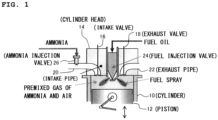
FIG. 1 is a cross-sectional view showing a schematic configuration of a portion around a cylinder head in a diesel engine used in experiments by the present inventors. -
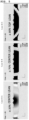
FIG. 2 is a diagram showing changes in combustion temperature distribution caused by changes in air excess ratio according to an experiment conducted by the present inventors. -
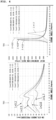
FIG. 3 is a diagram showing, in a comparative manner, temperature distributions and in-cylinder pressures when air excess ratios λ = 2.0 and 1.7 according to an experiment conducted by the present inventors. -
FIG. 4 is a diagram showing, in a comparative manner, in-cylinder pressures and heat generation rate caused by changes in air excess ratio according to an experiment conducted by the present inventors. -
FIG. 5 is a diagram showing, in a comparative manner, degrees of ammonia stratification according to an experiment conducted by the present inventors. -
FIG. 6 shows, in a comparative manner, in-cylinder pressures and heat generation rates according to the degrees of ammonia stratification according to an experiment conducted by the present inventors. -
FIG. 7 is a cross-sectional view showing an overall configuration according to an embodiment of the present invention. -
FIG. 8 is a perspective view showing an ammonia feeding system according to the embodiment of the present invention. -
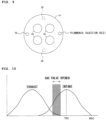
FIG. 9 is a plan view showing arrangements of ammonia injection holes according to the embodiment of the present invention. -
FIG. 10 is a diagram showing ammonia injection timing according to the embodiment of the present invention. -
FIG. 11 is a cross-sectional view showing a configuration of the check valve according to the embodiment of the present invention. -
FIG. 12 is a cross-sectional view showing arrangements and motion of a poppet of a check valve according to the embodiment of the present invention. -
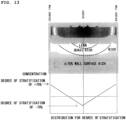
FIG. 13 is a diagram showing an example of a distribution for a degree of stratification in a combustion chamber according to the embodiment of the present invention. - An embodiment of the present invention will be described below in detail with reference to the drawings.
- The present inventors took an analytical approach to study a method for a diesel engine provided with a mechanical fuel injector as shown in
FIG. 1 . In the diesel engine such as this, a premixed gas of ammonia and air (also referred to simply as a premixed gas) is produced by spraying ammonia into anintakepipe 20 from an ammonia injection valve 26 (a gas valve) so that the ammonia is mixed with the intake for the engine, and in which engine the premixed gas of ammonia and air is subjected to mixed combustion with a fuel oil, which is a main fuel injected from afuel injection valve 24, such as a heavy oil or a light oil, being used as an ignition source. - In
FIG. 1 , thereference numeral 10 denotes a cylinder, the such as a heavy oil or a light oil, being used as an ignition source. - In
FIG. 1 , thereference numeral 10 denotes a cylinder, thereference numeral 12 denotes a piston, thereference numeral 14 denotes a cylinder head, thereference numeral 16 denotes an intake valve, thereference numeral 18 denotes an exhaust valve, and thereference numeral 22 denotes an exhaust pipe. - Specifically, a combustion chamber based on an actual engine (bore × stroke = 400 mm × 500 mm, four-stroke) was modeled, and combustion simulation was conducted. Ammonia in a gaseous state was fed into the
intake pipe 20 at 20% in terms of a heat quantity ratio, and the ammonia premixed gas was combusted through the injection of the main fuel oil (a heavy oil or a light oil) from thefuel injection valve 24. Using an ammonia concentration distribution in the premixed gas, an injection pressure of the main fuel oil, an injection pattern, and an air excess ratio as parameters, their effects on the characteristics of exhaust gas, efficiency, and unburned ammonia were investigated. The results of the investigation are shown in Table 1.[Table 1] case FUEL AIR EXCESS RATIO λ EFFICIENCY NO x UNBURNED NH3 CO2 REDUCTION DIAGRAMMATIC REPRESENTATION DEVIATION CONCENTRATION DEVIATION 1 100% HEAVY OIL 3.2 45.8% - 657ppm - 0 0 4 80% HEAVY OIL 3.2 44.5% -2.8% 468ppm -29% 37% -10.2% 5 2.5 45.7% -0.1% 415ppm -37% 27% -14.4% 5-1 20% NH3 2.0 45.3% -1.0% 460ppm -30% 21% -14.9% 5-2 1.7 38.6% -16% 863ppm +31% 22% +0.3% - In a case (case 4) where ammonia NH3 was charged at 20% in terms of a heat quantity ratio with an air excess ratio of λ = 3.2 (equivalent to that in a case (case 1) operated by 100% heavy oil without the supply of ammonia), the amount of unburned ammonia was 37%, thus, only achieving a combustion rate of about 60% . Calculation was then made for a case (case 5) where the air excess ratio λ was adjusted to 2.5 (toward a richer mixture), and the amount of unburned ammonia was 27%, thus confirming that the combustion rate was improved by about 10%. Such improvement can be considered as the result of an increase in the combustible range of ammonia premixed gas due to an increase in combustion temperature as shown in
FIG. 2 . In order to figure out reduction rates of the amount of unburned ammonia and changes in various performances when the air excess ratio λ was reduced, calculations when λ = 3.2 (case 4), λ = 2.5 (case 5), λ = 2.0 (case 5-1), and λ = 1.7 (case 5-2) were made. As calculation conditions, the premixed gas had a uniform concentration, and the main fuel oil injection timing was fixed at 9.5 deg. BTDC. - High combustion temperature refers to a temperature sufficiently higher than the ignition temperature of ammonia and that is capable of raising the combustion rate, although such a temperature varies depending on the specification and ambient temperature of the diesel engine. As a guideline, the high temperature refers to a combustion temperature of about 1500 K, for example.
- According to the results, it was found that the unburned ammonia can be reduced to 21% by adjusting the air excess ratio toward a richer (fuel richer) mixture so as to be λ = 2.0 in the case 5-1. In the range of λ = 2.0 to 3.2, no significant changes were observed with regard to efficiency and NOx.
- When the air excess ratio λ was adjusted to 1.7 toward a richer mixture in the case 5-2, however, combustion delay rapidly occurred due to lack of air and reduction in compression pressure. The maximum combustion pressure was reduced by 2.5 MPa, and the efficiency deteriorated by 7% accordingly. Note however that the combustion temperature was maintained high, and the amount of unburned ammonia was 22%, that is, substantially equivalent to that when λ = 2.0. The maximum combustion temperature was higher by 70°C than that when λ = 2.0 (in the case 5-1) and maintained for a long period of time, thus resulting in an increase of the NOx value by 400 ppm. Furthermore, although the efficiency reduction and the amount of unburned ammonia were equivalent to those when λ = 2.0 (in the case 5-1), the reduction rate of CO2 deteriorated by about 15%. Based on these findings, it was concluded that an air excess ratio λ around 2.0 is optimal for 20% ammonia-mixed combustion.
-
FIG. 2 shows changes in combustion temperature distribution caused by changes in air excess ratio λ.FIG. 3 shows the comparisons of temperature distributions and in-cylinder pressures (with the horizontal axis representing engine crank angles (deg.), and the vertical axis representing in-cylinder pressures) when λ = 2.0 (in the case 5-1) and λ = 1.7 (in the case 5-2) .FIG. 4 shows comparison among in-cylinder pressures caused by changes in air excess ratio λ. - The influence of fuel injection timing was investigated next.
- When the air excess ratio λ is varied with a constant fuel injection timing, the smaller the value of λ, the lower the compression pressure. Thus, with a constant main fuel injection timing, the maximum combustion pressure is also on a downward trend. In order to maintain the efficiency and keep the combustion temperature, fuel injection timing needs to be adjusted in accordance with λ (the amount of air, or boost pressure). Comparisons were made between a case with λ = 2.5 and injection timing of 17.5 deg. BTDC and a case with λ= 2.0 and injection timing of 19.5 deg. BTDC. The maximum combustion pressures had a difference of around 1 MP, but those had values equivalent to that of an ordinary diesel engine. For the case of the latter adjustment, it can be recognized, based on its heat generation rate, that satisfactory combustion was obtained. Accordingly, the amount of unburned ammonia also decreased to 11.5%, i.e., decreased by half. Based on this, it was found that adjusting fuel injection timing in accordance with respective combustion conditions and keeping the maximum combustion pressure at a level equivalent to that of a diesel engine with the standard specification are desirable.
- The influence of degrees of ammonia stratification was investigated next.
- Since combustion temperature rises in the vicinity of a cylinder inner wall surface (hereinafter, also referred to simply as a wall surface) in combustion by means of main fuel oil injection, we made a hypothesis that increasing the concentration of ammonia in the vicinity of the wall surface, within the premixed gas of ammonia and air, which is flame-retardant, would be effective to reduce the amount of unburned ammonia. In order to verify the validity of the hypothesis, combustion calculations were made for three cases where a concentration difference (referred to as a degree of stratification) between a central portion of the cylinder combustion chamber and the wall surface portion was set to ±20% (case 8-1), ±70% (linear concentration gradient: case 8-4) and ±80% (lean at the top of the combustion chamber: case 8-5), as shown in Table 2. Note that in these calculations, λ = 2.0 and fuel injection timing of 19.5 degree, BTDC were common to all the cases.
[Table 2] case FUEL DEGREE OF STRATIFICATION (WALL SURFACE RICH) INJECTION TIMING EFFICIENCY NOx UNBURNED NH3 CO2 REDUCTION DIAGRAMMATIC REPRESENTATION DEVIATION CONCENTRATION DEVIATION 1 100% HEAVY OIL 0 -9.5 45.8% - 657ppm - 0 0 8-1 ±20% -19.5 51.4% +12% 476ppm -28% 11.5% -26.7% 8-4 80% HEAVY OIL ±70% -19.5 52.0% +14% 599ppm -8.8% 6.2% -29.5% 20% NH3 8-5 ±80% -19.5 53.7% +17% 592ppm -9.9% 6.2% -31.8% - In the case 8-1 with a degree of stratification of ±20%, the amount of unburned ammonia was 11.5%, which shows little reduction as compared to the case of the uniform mixture. When the degree of stratification was raised to ±70% (in the case 8-4), the amount of unburned ammonia was 6.2%, thus achieving a significant improvement effect. In the case 8-5 with a degree of stratification of ±80%, the amount of unburned ammonia was substantially equivalent to that in the case 8-4 under the conditions of ±70%, but the combustion efficiency was slightly better, which indicates an efficiency improvement by 1.7%. For the other exhaust gas components, both of the cases 8-4 and 8-5 contained nitrous oxide N2O at 115 ppm and particulate matters PM at 0.005 g/KWh. A significant reduction was exhibited in PM, in particular.
-
FIG. 6 shows, in a comparative manner, in-cylinder pressures and heat generation rates according to the degrees of ammonia stratification when λ = 2.0 with the horizontal axis representing engine crank angles deg. - In the production of the premixed gas of ammonia and air, in order to obtain a uniform premixed gas, these methods were employed: providing the
ammonia injection valve 26, which is a gas valve, in theintake pipe 20 located in front of thecylinder head 14 shown inFIG. 1 and feeding ammonia into theintake pipe 20, so that mixing is performed in theintake pipe 20; and feeding the premixed gas in a more uniform state to thecylinder 10 through theintake valve 16. - In such a conventional method of producing a premixed gas, however, limitations are imposed around 20% for the creation of non-uniformity (the degree of stratification) in the premixed gas even when swirl is created by a gas valve equipped with a nozzle. In this case, the amount of ammonia to be combusted in a high-temperature part of the combustion chamber is insufficient, thus leaving about 10 to 20% ammonia unburned.
- According to the present invention, ammonia is fed simultaneously with air through a gas valve into a diesel engine that mainly uses a fuel oil while conducting flow control so that the concentration of ammonia is rich around a cylinder inner wall surface where the main combustion of the fuel oil combustion occurs and where the combustion temperature becomes high, in order to improve the combustion efficiency.
- For the degree of ammonia stratification (the degree of concentration difference, or imbalance), a significant deviation of 70% or more is provided in the high-temperature part of the diesel main combustion region. This cannot be achieved when a gas mixer is installed before a combustion chamber as in the typical production of premixed gases, or when ammonia is charged in the vicinity of the
intake pipe 20, in each cylinder as shown inFIG. 1 . - In view of this, according to the present embodiment, an ammonia feeding path (referred to as an ammonia line) 40 is provided in a
cylinder head 14 in an ammonia combustion diesel engine as shown inFIG. 7 . Vaporized ammonia is charged in an intake stroke through ammonia injection holes 52 provided at multiple locations (two locations illustrated by way of example inFIGS. 8 and9 in the present embodiment) closer to an inner side wall surface of a combustion chamber, rather than to a central portion of the combustion chamber. This enables the achievement of a degree of stratification of 70% or more, which has been impossible to achieve with the conventional method. - Note that the locations where the multiple ammonia injection holes are formed, as used herein, assuming that a distance from the center of the combustion chamber to the inner side wall surface of the combustion chamber corresponds to 100%, preferably fall within a distance range of 70% to 90%.
- In addition, in order to raise the combustion temperature higher, the air excess ratio is set to be richer than the conventional value by Δλ = 0.5 to 1.0.
- The
ammonia line 40 is configured to include anammonia tank 42, a gas shut-offvalve 44, a gaspressure regulating valve 46, agas valve 48, apipe 49, acheck valve 50, aconnector 51, and theammonia injection hole 52. - In the figure, the
reference numeral 30 denotes a fuel oil line including afuel oil tank 32, afuel feed pump 34, and asolenoid valve 36. Thereference numeral 60 denotes a intake and exhaust system including: anintake line 62; asupercharger 64 equipped with anintake turbine 64B to be rotated by anexhaust turbine 64A; an exhaust line 66; and an exhaust bypass valve 68 provided in abypass line 67 connecting between the front and rear sides of theexhaust turbine 64A along the exhaust line 66. - The
solenoid valve 36 is controlled by adevice 38 for controlling fuel oil injection. Thegas valve 48 is controlled by adevice 54 for controlling an ammonia gas valve. Thedevice 38 for controlling fuel oil injection, thedevice 54 for controlling an ammonia gas valve, and the exhaust bypass valve 68 are controlled by acentralized control device 70. - The
device 38 for controlling fuel oil injection, thedevice 54 for controlling an ammonia gas valve, the exhaust bypass valve 68, and thecentralized control device 70 together constitute a control unit. - Although ammonia is retained in liquid form in the
ammonia tank 42, the ammonia is vaporized and supplied in a gaseous state. The gas pressure thereof is regulated by the gaspressure regulating valve 46, and the flow rate thereof is controlled by thegas valve 48 so as to achieve a predetermined heat quantity ratio (around 20%). Such ammonia is fed to the engine at predetermined intake timing illustrated by way of example inFIG. 10 . Thegas valve 48 is provided in eachcylinder 10. Ammonia controlled by thegas valve 48 is distributed by thepipes 49 shown inFIG. 8 and sent to the plurality of ammonia injection holes 52 through theconnectors 51. The portion of theconnector 51 is provided with thecheck valve 50 so as to prevent the back flow of combustion gas at the time of combustion. - As shown in
FIG. 11 in detail, thecheck valve 50 is a double-poppet check valve having twopoppets - As illustrated in an example of the
poppet 50A inFIG. 12 (A) , holes 50C are provided on the side surface of each of thepoppets poppets FIG. 12(B) ) and when the back flow is prevented (shown inFIG. 12(C) ) to prevent the back flow of NH3. That is, at the time of charging NH3 (shown inFIG. 12 (B) ), thepoppets poppets stopper 50D. Thus, NH3 flows in the right direction through an opening of aseating part 50E. At the time of preventing back flow (shown inFIG. 12(C) ), on the other hand, thepoppets poppets seating part 50E, and sealing is thus achieved. - Since the double-poppet check valve is employed in the present embodiment, leakage can be reliably prevented from occurring. Note that a type of check valve is not limited thereto.
- Ammonia thus charged through the ammonia injection holes 52 in the intake stroke can have a degree of stratification of 70% or more on the wall surface. Note that the number of the ammonia injection holes 52 is not limited to two. The number of the ammonia injection holes 52 may be four as shown in
FIG. 9 with broken lines, or six, for example. - The diesel main fuel is subjected to flow control by the
device 38 for controlling fuel oil injection so as to have a predetermined heat quantity ratio (around 80%) and injected via thefuel injection valve 24 at predetermined timing. - The air excess ratio λ is adjusted to a predetermined value by controlling an amount of exhaust to be passed via the exhaust bypass valve 68 provided on the
exhaust turbine 64A side of thesupercharger 64. That is, in order to make the air excess ratio λ rich by reducing an amount of air, the exhaust bypass value 68 is closed a little to lower the number of revolutions of theintake turbine 64B, and thereby reduce the amount of air. - As illustrated by way of example in
FIG. 13 , the degree of stratification of the premixed gas is set to around -70% in the central portion and to around +70% in the wall surface portion relative to the concentration average value of the premixed gas of ammonia and air. - The combustion temperature becomes high in the wall surface portion. Thus, the combustion rate of ammonia increases by concentrating ammonia near the wall surface portion.
- Although the mechanical fuel injector is employed in the above-described embodiment, an electronic injection common-rail fuel injector can be employed instead. Moreover, the configurations of the ammonia line and the intake and exhaust system are not limited to those in the embodiment.
- Although the present invention is applied to a diesel engine for ships in the above-described embodiment, the application target of the present invention is not limited thereto. The present invention can be similarly applied also to a diesel engine that uses a light oil as a fuel, or an engine that combines compression ignition as in a diesel engine with spark ignition as in a gasoline engine.
- The present invention is especially effective when used as an engine for an ammonia tanker for transporting ammonia, but the application target thereof is not limited thereto.
-
- 10
- cylinder
- 12
- piston
- 14
- cylinder head
- 16
- intake valve
- 18
- exhaust valve
- 20
- intake pipe
- 22
- exhaust pipe
- 24
- fuel injection valve
- 30
- fuel oil line
- 32
- fuel oil tank
- 34
- fuel feed pump
- 36
- solenoid valve
- 38
- device for controlling fuel oil injection
- 40
- ammonia line
- 42
- ammonia tank
- 44
- gas shut-off valve
- 46
- gas pressure regulating valve
- 48
- gas valve
- 50
- check valve
- 52
- ammonia injection hole
- 54
- device for controlling ammonia gas valve
- 60
- intake and exhaust system
- 62
- intake line
- 64
- supercharger
- 66
- exhaust line
- 68
- exhaust bypass valve
- 70
- centralized control device
Claims (7)
- A diesel engine comprising:a combustion chamber in a cylinder head(14);a fuel charging unit that charges a fuel oil, used as an ignition source, and gaseous ammonia into the combustion chamber, so as to form an ammonia premixed gas in the combustion chamber, and the ammonia premixed gas is subjected to mixed combustion,characterized in that the diesel engine further comprises a control unit(38,54,70) configured to control the formation of the ammonia premixed gas so that a concentration of ammonia in the combustion chamber becomes higher in an area closer to an inner side wall surface of the combustion chamber, than in a central portion of the combustion chamber, and whereinthe cylinder head(14) is provided with an ammonia feeding path(40), ammonia injection holes(52) are provided at multiple locations closer to the inner side wall surface of the combustion chamber than the central portion of the combustion chamber, and vaporized ammonia is controlled so as to be charged into the combustion chamber in an air supply stroke.
- The diesel engine according to claim 1, wherein the control unit adjusts an air excess ratio to be lower than an air excess ratio at a time of operation only with a fuel oil.
- The diesel engine according to claim 1 or 2, comprising a gas valve (48) that adjusts a charged amount of ammonia and a fuel injection valve(24) that adjusts a feed amount of the fuel oil, and wherein the control unit (38, 54, 70) controls at least one of the gas valve (48) and the fuel injection valve(24).
- The diesel engine according to any one of claims 1 to 3, wherein a charged amount of ammonia is adjusted so as to be 15% or more and 25% or less of a feed amount of the fuel oil in terms of a heat quantity ratio.
- The diesel engine according to any one of claims 1 to 4, wherein a deviation of the ammonia concentration at the inner side wall surface of the combustion chamber is set to 70% or more relative to an average concentration in the combustion chamber.
- The diesel engine according to claim 2, wherein the air excess ratio is adjusted to be higher by 0.5 to 1.0 than the air excess ratio at the time of operation only with the fuel oil.
- The diesel engine according to claim 2 or 6, wherein adjustment of the air excess ratio is performed by adjusting an amount of air with an adjustment unit provided in an exhaust bypass(67) of a supercharger(64).
Applications Claiming Priority (1)
| Application Number | Priority Date | Filing Date | Title |
|---|---|---|---|
| PCT/JP2019/009315 WO2020183522A1 (en) | 2019-03-08 | 2019-03-08 | Diesel engine |
Publications (3)
| Publication Number | Publication Date |
|---|---|
| EP3936713A1 EP3936713A1 (en) | 2022-01-12 |
| EP3936713A4 EP3936713A4 (en) | 2022-10-26 |
| EP3936713B1 true EP3936713B1 (en) | 2024-12-18 |
Family
ID=72426959
Family Applications (1)
| Application Number | Title | Priority Date | Filing Date |
|---|---|---|---|
| EP19918579.4A Active EP3936713B1 (en) | 2019-03-08 | 2019-03-08 | Diesel engine |
Country Status (5)
| Country | Link |
|---|---|
| EP (1) | EP3936713B1 (en) |
| JP (1) | JPWO2020183522A1 (en) |
| KR (1) | KR102480585B1 (en) |
| CN (1) | CN113518857B (en) |
| WO (1) | WO2020183522A1 (en) |
Families Citing this family (14)
| Publication number | Priority date | Publication date | Assignee | Title |
|---|---|---|---|---|
| WO2020230979A1 (en) * | 2019-05-14 | 2020-11-19 | 대우조선해양 주식회사 | Fuel supply system for environment-friendly ship |
| WO2022254735A1 (en) * | 2021-06-03 | 2022-12-08 | 株式会社三井E&Sマシナリー | Apparatus and method for processing excess ammonia |
| JP6940727B1 (en) * | 2021-06-03 | 2021-09-29 | 株式会社三井E&Sマシナリー | Excess ammonia treatment equipment and treatment method |
| CA3229627A1 (en) | 2021-09-03 | 2023-03-09 | Nikolaus Spyra | Internal combustion engine and method for operating an internal combustion engine |
| CN114033549A (en) * | 2021-10-22 | 2022-02-11 | 清华大学 | Hydrogen energy engine and combustion organization method thereof |
| CN113982788A (en) * | 2021-11-02 | 2022-01-28 | 厦门大学 | Ammonia liquid supply system of ammonia-mixed diesel engine |
| CN114183242A (en) * | 2021-12-09 | 2022-03-15 | 哈尔滨工程大学 | Ammonia fuel engine supply system |
| JP7160226B1 (en) * | 2022-01-20 | 2022-10-25 | Jfeエンジニアリング株式会社 | diesel engine |
| CN114704364A (en) * | 2022-03-15 | 2022-07-05 | 武汉理工大学 | Emission control system and method |
| CN114704358A (en) * | 2022-03-15 | 2022-07-05 | 武汉理工大学 | Engine emission control system and method |
| DK181315B1 (en) * | 2022-04-22 | 2023-08-09 | Man Energy Solutions Filial Af Man Energy Solutions Se Tyskland | A large turbocharged two-stroke uniflow crosshead compression ignition internal combustion engine |
| CN115962053B (en) * | 2023-02-09 | 2024-09-10 | 哈尔滨工程大学 | Diesel and ammonia dual-fuel engine combustion system and combustion method adopting jet ignition of precombustion chamber |
| CN116122974B (en) * | 2023-02-09 | 2025-05-23 | 哈尔滨工程大学 | Combustion system and combustion method of in-cylinder direct-injection ammonia diesel dual-fuel engine |
| KR20250129339A (en) | 2024-02-22 | 2025-08-29 | 국립부경대학교 산학협력단 | diesel engine using urea as auxiliary fuel |
Family Cites Families (15)
| Publication number | Priority date | Publication date | Assignee | Title |
|---|---|---|---|---|
| JPS5310945B2 (en) | 1973-07-05 | 1978-04-18 | ||
| JPS5265216A (en) | 1975-11-26 | 1977-05-30 | Nippon Oil & Fats Co Ltd | Preparation of polyoxyalkylene glycol mono (meth)acrylates |
| JPH01318716A (en) * | 1988-06-17 | 1989-12-25 | Mitsubishi Heavy Ind Ltd | Denitration method for exhaust of internal combustion engine |
| JP4463248B2 (en) * | 2006-07-31 | 2010-05-19 | 本田技研工業株式会社 | Control method for NOx reduction system |
| JP2009097419A (en) * | 2007-10-16 | 2009-05-07 | Toyota Central R&D Labs Inc | Engine system |
| US8495974B2 (en) * | 2009-05-18 | 2013-07-30 | Vito Agosta | Fuel system and method for burning liquid ammonia in engines and boilers |
| US8534237B2 (en) * | 2010-04-22 | 2013-09-17 | Toyota Jidosha Kabushiki Kaisha | Control system of internal combustion engine |
| US8904994B2 (en) * | 2010-04-26 | 2014-12-09 | Toyota Jidosha Kabushiki Kaisha | Ammonia burning internal combustion engine |
| US20110265455A1 (en) * | 2010-04-28 | 2011-11-03 | Toyota Jidosha Kabushiki Kaisha | Ammonia burning internal combustion engine |
| JP2013113153A (en) * | 2011-11-25 | 2013-06-10 | Mitsubishi Heavy Ind Ltd | Marine internal combustion engine |
| JP5765819B2 (en) * | 2012-04-11 | 2015-08-19 | 三菱重工業株式会社 | 2-cycle gas engine |
| KR101629608B1 (en) * | 2015-06-10 | 2016-06-21 | 서울대학교산학협력단 | Pre-combustion Ammonia Engine and the Control Method thereof |
| JP6772925B2 (en) * | 2017-03-27 | 2020-10-21 | 株式会社Ihi | Combustion equipment and gas turbine engine system |
| JP6742060B2 (en) * | 2018-03-21 | 2020-08-19 | 株式会社豊田中央研究所 | Exhaust gas purification apparatus and method for internal combustion engine that obtains driving force by combustion of ammonia |
| EP3670878A1 (en) * | 2018-12-19 | 2020-06-24 | Winterthur Gas & Diesel Ltd. | Internal combustion engine |
-
2019
- 2019-03-08 JP JP2020508419A patent/JPWO2020183522A1/ja active Pending
- 2019-03-08 WO PCT/JP2019/009315 patent/WO2020183522A1/en not_active Ceased
- 2019-03-08 CN CN201980093495.8A patent/CN113518857B/en active Active
- 2019-03-08 KR KR1020217026841A patent/KR102480585B1/en active Active
- 2019-03-08 EP EP19918579.4A patent/EP3936713B1/en active Active
Also Published As
| Publication number | Publication date |
|---|---|
| KR20210118141A (en) | 2021-09-29 |
| CN113518857A (en) | 2021-10-19 |
| JPWO2020183522A1 (en) | 2020-09-17 |
| WO2020183522A1 (en) | 2020-09-17 |
| CN113518857B (en) | 2023-05-26 |
| EP3936713A4 (en) | 2022-10-26 |
| EP3936713A1 (en) | 2022-01-12 |
| KR102480585B1 (en) | 2022-12-23 |
Similar Documents
| Publication | Publication Date | Title |
|---|---|---|
| EP3936713B1 (en) | Diesel engine | |
| JP6702475B1 (en) | diesel engine | |
| JP7331784B2 (en) | diesel engine | |
| US6314940B1 (en) | Fuel feed system for a spark-ignition internal combustion engine and a method of operating such an internal combustion engine | |
| KR101745005B1 (en) | Diesel - Gasoline Complex Engine | |
| US10598079B2 (en) | Charge-fed pre-chamber assembly | |
| EP2948667B1 (en) | Method for operating piston engine and piston engine | |
| US20070034192A1 (en) | Internal combustion engine | |
| EP2245287B1 (en) | Method for controlling combustion in a multi-cylinder engine, and multi-cylinder engine | |
| CN116324141B (en) | Diesel engines | |
| US20130152900A1 (en) | Internal combustion engine | |
| EP3425185A1 (en) | Spark ignition internal combustion gas engine | |
| US6843208B2 (en) | Control method for premixed compression ignition internal combustion engine | |
| US9845747B2 (en) | Internal combustion engine having dedicated EGR cylinder(s) with split fuel injection timing | |
| WO2024076879A2 (en) | Enhanced fuel mixing systems for direct injected natural gas engines, and devices and methods thereof | |
| DE112023004829T5 (en) | GAS FUEL ENGINE SYSTEM AND OPERATING METHOD FOR THE SAME | |
| US10851738B2 (en) | Internal combustion engine having dedicated EGR cylinder(s) and improved fuel pump system | |
| US20170022937A1 (en) | Internal Combustion Engine Having a Splitted Fuel Admission and a Respective Combustion Process | |
| US12078129B2 (en) | Gaseous fuel engine having non-axisymmetric fuel admission valve and method | |
| US12540593B2 (en) | Fuel injector assembly having sleeve with flow-directing cap and engine system using same | |
| EP4617478A1 (en) | Internal combustion engine | |
| DE112023004713T5 (en) | Fuel injector in an engine with a spray orifice set configured for offset positioning, and engine operating method | |
| WO2025187857A8 (en) | Ammonia combustion system for internal combustion engine | |
| JPS62255529A (en) | Intake device of engine |
Legal Events
| Date | Code | Title | Description |
|---|---|---|---|
| STAA | Information on the status of an ep patent application or granted ep patent |
Free format text: STATUS: THE INTERNATIONAL PUBLICATION HAS BEEN MADE |
|
| PUAI | Public reference made under article 153(3) epc to a published international application that has entered the european phase |
Free format text: ORIGINAL CODE: 0009012 |
|
| STAA | Information on the status of an ep patent application or granted ep patent |
Free format text: STATUS: REQUEST FOR EXAMINATION WAS MADE |
|
| 17P | Request for examination filed |
Effective date: 20210629 |
|
| AK | Designated contracting states |
Kind code of ref document: A1 Designated state(s): AL AT BE BG CH CY CZ DE DK EE ES FI FR GB GR HR HU IE IS IT LI LT LU LV MC MK MT NL NO PL PT RO RS SE SI SK SM TR |
|
| DAV | Request for validation of the european patent (deleted) | ||
| DAX | Request for extension of the european patent (deleted) | ||
| A4 | Supplementary search report drawn up and despatched |
Effective date: 20220922 |
|
| RIC1 | Information provided on ipc code assigned before grant |
Ipc: F02M 21/02 20060101ALI20220916BHEP Ipc: F02B 17/00 20060101ALI20220916BHEP Ipc: F02D 41/34 20060101ALI20220916BHEP Ipc: F02D 19/10 20060101ALI20220916BHEP Ipc: F02D 41/00 20060101ALI20220916BHEP Ipc: F02D 19/06 20060101ALI20220916BHEP Ipc: F02M 25/00 20060101AFI20220916BHEP |
|
| GRAP | Despatch of communication of intention to grant a patent |
Free format text: ORIGINAL CODE: EPIDOSNIGR1 |
|
| STAA | Information on the status of an ep patent application or granted ep patent |
Free format text: STATUS: GRANT OF PATENT IS INTENDED |
|
| RIC1 | Information provided on ipc code assigned before grant |
Ipc: F02M 21/02 20060101ALI20240909BHEP Ipc: F02B 17/00 20060101ALI20240909BHEP Ipc: F02D 41/34 20060101ALI20240909BHEP Ipc: F02D 19/10 20060101ALI20240909BHEP Ipc: F02D 41/00 20060101ALI20240909BHEP Ipc: F02D 19/06 20060101ALI20240909BHEP Ipc: F02M 25/00 20060101AFI20240909BHEP |
|
| INTG | Intention to grant announced |
Effective date: 20240918 |
|
| GRAS | Grant fee paid |
Free format text: ORIGINAL CODE: EPIDOSNIGR3 |
|
| GRAA | (expected) grant |
Free format text: ORIGINAL CODE: 0009210 |
|
| STAA | Information on the status of an ep patent application or granted ep patent |
Free format text: STATUS: THE PATENT HAS BEEN GRANTED |
|
| AK | Designated contracting states |
Kind code of ref document: B1 Designated state(s): AL AT BE BG CH CY CZ DE DK EE ES FI FR GB GR HR HU IE IS IT LI LT LU LV MC MK MT NL NO PL PT RO RS SE SI SK SM TR |
|
| REG | Reference to a national code |
Ref country code: CH Ref legal event code: EP |
|
| REG | Reference to a national code |
Ref country code: DE Ref legal event code: R096 Ref document number: 602019063820 Country of ref document: DE |
|
| REG | Reference to a national code |
Ref country code: IE Ref legal event code: FG4D |
|
| REG | Reference to a national code |
Ref country code: LT Ref legal event code: MG9D |
|
| PG25 | Lapsed in a contracting state [announced via postgrant information from national office to epo] |
Ref country code: HR Free format text: LAPSE BECAUSE OF FAILURE TO SUBMIT A TRANSLATION OF THE DESCRIPTION OR TO PAY THE FEE WITHIN THE PRESCRIBED TIME-LIMIT Effective date: 20241218 |
|
| PG25 | Lapsed in a contracting state [announced via postgrant information from national office to epo] |
Ref country code: FI Free format text: LAPSE BECAUSE OF FAILURE TO SUBMIT A TRANSLATION OF THE DESCRIPTION OR TO PAY THE FEE WITHIN THE PRESCRIBED TIME-LIMIT Effective date: 20241218 |
|
| PG25 | Lapsed in a contracting state [announced via postgrant information from national office to epo] |
Ref country code: BG Free format text: LAPSE BECAUSE OF FAILURE TO SUBMIT A TRANSLATION OF THE DESCRIPTION OR TO PAY THE FEE WITHIN THE PRESCRIBED TIME-LIMIT Effective date: 20241218 |
|
| PG25 | Lapsed in a contracting state [announced via postgrant information from national office to epo] |
Ref country code: NO Free format text: LAPSE BECAUSE OF FAILURE TO SUBMIT A TRANSLATION OF THE DESCRIPTION OR TO PAY THE FEE WITHIN THE PRESCRIBED TIME-LIMIT Effective date: 20250318 |
|
| REG | Reference to a national code |
Ref country code: NL Ref legal event code: MP Effective date: 20241218 |
|
| PG25 | Lapsed in a contracting state [announced via postgrant information from national office to epo] |
Ref country code: LV Free format text: LAPSE BECAUSE OF FAILURE TO SUBMIT A TRANSLATION OF THE DESCRIPTION OR TO PAY THE FEE WITHIN THE PRESCRIBED TIME-LIMIT Effective date: 20241218 Ref country code: GR Free format text: LAPSE BECAUSE OF FAILURE TO SUBMIT A TRANSLATION OF THE DESCRIPTION OR TO PAY THE FEE WITHIN THE PRESCRIBED TIME-LIMIT Effective date: 20250319 |
|
| PG25 | Lapsed in a contracting state [announced via postgrant information from national office to epo] |
Ref country code: RS Free format text: LAPSE BECAUSE OF FAILURE TO SUBMIT A TRANSLATION OF THE DESCRIPTION OR TO PAY THE FEE WITHIN THE PRESCRIBED TIME-LIMIT Effective date: 20250318 |
|
| PG25 | Lapsed in a contracting state [announced via postgrant information from national office to epo] |
Ref country code: NL Free format text: LAPSE BECAUSE OF FAILURE TO SUBMIT A TRANSLATION OF THE DESCRIPTION OR TO PAY THE FEE WITHIN THE PRESCRIBED TIME-LIMIT Effective date: 20241218 |
|
| REG | Reference to a national code |
Ref country code: AT Ref legal event code: MK05 Ref document number: 1752393 Country of ref document: AT Kind code of ref document: T Effective date: 20241218 |
|
| PG25 | Lapsed in a contracting state [announced via postgrant information from national office to epo] |
Ref country code: SM Free format text: LAPSE BECAUSE OF FAILURE TO SUBMIT A TRANSLATION OF THE DESCRIPTION OR TO PAY THE FEE WITHIN THE PRESCRIBED TIME-LIMIT Effective date: 20241218 |
|
| PG25 | Lapsed in a contracting state [announced via postgrant information from national office to epo] |
Ref country code: PL Free format text: LAPSE BECAUSE OF FAILURE TO SUBMIT A TRANSLATION OF THE DESCRIPTION OR TO PAY THE FEE WITHIN THE PRESCRIBED TIME-LIMIT Effective date: 20241218 |
|
| PG25 | Lapsed in a contracting state [announced via postgrant information from national office to epo] |
Ref country code: ES Free format text: LAPSE BECAUSE OF FAILURE TO SUBMIT A TRANSLATION OF THE DESCRIPTION OR TO PAY THE FEE WITHIN THE PRESCRIBED TIME-LIMIT Effective date: 20241218 |
|
| PG25 | Lapsed in a contracting state [announced via postgrant information from national office to epo] |
Ref country code: IS Free format text: LAPSE BECAUSE OF FAILURE TO SUBMIT A TRANSLATION OF THE DESCRIPTION OR TO PAY THE FEE WITHIN THE PRESCRIBED TIME-LIMIT Effective date: 20250418 |
|
| PG25 | Lapsed in a contracting state [announced via postgrant information from national office to epo] |
Ref country code: PT Free format text: LAPSE BECAUSE OF FAILURE TO SUBMIT A TRANSLATION OF THE DESCRIPTION OR TO PAY THE FEE WITHIN THE PRESCRIBED TIME-LIMIT Effective date: 20250421 |
|
| PG25 | Lapsed in a contracting state [announced via postgrant information from national office to epo] |
Ref country code: EE Free format text: LAPSE BECAUSE OF FAILURE TO SUBMIT A TRANSLATION OF THE DESCRIPTION OR TO PAY THE FEE WITHIN THE PRESCRIBED TIME-LIMIT Effective date: 20241218 |
|
| PG25 | Lapsed in a contracting state [announced via postgrant information from national office to epo] |
Ref country code: AT Free format text: LAPSE BECAUSE OF FAILURE TO SUBMIT A TRANSLATION OF THE DESCRIPTION OR TO PAY THE FEE WITHIN THE PRESCRIBED TIME-LIMIT Effective date: 20241218 Ref country code: RO Free format text: LAPSE BECAUSE OF FAILURE TO SUBMIT A TRANSLATION OF THE DESCRIPTION OR TO PAY THE FEE WITHIN THE PRESCRIBED TIME-LIMIT Effective date: 20241218 |
|
| PG25 | Lapsed in a contracting state [announced via postgrant information from national office to epo] |
Ref country code: SK Free format text: LAPSE BECAUSE OF FAILURE TO SUBMIT A TRANSLATION OF THE DESCRIPTION OR TO PAY THE FEE WITHIN THE PRESCRIBED TIME-LIMIT Effective date: 20241218 |
|
| PG25 | Lapsed in a contracting state [announced via postgrant information from national office to epo] |
Ref country code: CZ Free format text: LAPSE BECAUSE OF FAILURE TO SUBMIT A TRANSLATION OF THE DESCRIPTION OR TO PAY THE FEE WITHIN THE PRESCRIBED TIME-LIMIT Effective date: 20241218 |
|
| PG25 | Lapsed in a contracting state [announced via postgrant information from national office to epo] |
Ref country code: SE Free format text: LAPSE BECAUSE OF FAILURE TO SUBMIT A TRANSLATION OF THE DESCRIPTION OR TO PAY THE FEE WITHIN THE PRESCRIBED TIME-LIMIT Effective date: 20241218 |
|
| REG | Reference to a national code |
Ref country code: DE Ref legal event code: R097 Ref document number: 602019063820 Country of ref document: DE |
|
| PG25 | Lapsed in a contracting state [announced via postgrant information from national office to epo] |
Ref country code: DK Free format text: LAPSE BECAUSE OF FAILURE TO SUBMIT A TRANSLATION OF THE DESCRIPTION OR TO PAY THE FEE WITHIN THE PRESCRIBED TIME-LIMIT Effective date: 20241218 |
|
| PG25 | Lapsed in a contracting state [announced via postgrant information from national office to epo] |
Ref country code: MC Free format text: LAPSE BECAUSE OF FAILURE TO SUBMIT A TRANSLATION OF THE DESCRIPTION OR TO PAY THE FEE WITHIN THE PRESCRIBED TIME-LIMIT Effective date: 20241218 |
|
| PLBE | No opposition filed within time limit |
Free format text: ORIGINAL CODE: 0009261 |
|
| REG | Reference to a national code |
Ref country code: CH Ref legal event code: H13 Free format text: ST27 STATUS EVENT CODE: U-0-0-H10-H13 (AS PROVIDED BY THE NATIONAL OFFICE) Effective date: 20251024 |
|
| STAA | Information on the status of an ep patent application or granted ep patent |
Free format text: STATUS: NO OPPOSITION FILED WITHIN TIME LIMIT |
|
| PG25 | Lapsed in a contracting state [announced via postgrant information from national office to epo] |
Ref country code: LU Free format text: LAPSE BECAUSE OF NON-PAYMENT OF DUE FEES Effective date: 20250308 |
|
| 26N | No opposition filed |
Effective date: 20250919 |
|
| REG | Reference to a national code |
Ref country code: BE Ref legal event code: MM Effective date: 20250331 |
|
| PG25 | Lapsed in a contracting state [announced via postgrant information from national office to epo] |
Ref country code: BE Free format text: LAPSE BECAUSE OF NON-PAYMENT OF DUE FEES Effective date: 20250331 |
|
| PG25 | Lapsed in a contracting state [announced via postgrant information from national office to epo] |
Ref country code: CH Free format text: LAPSE BECAUSE OF NON-PAYMENT OF DUE FEES Effective date: 20250331 |
|
| PG25 | Lapsed in a contracting state [announced via postgrant information from national office to epo] |
Ref country code: IE Free format text: LAPSE BECAUSE OF NON-PAYMENT OF DUE FEES Effective date: 20250308 |
|
| PGFP | Annual fee paid to national office [announced via postgrant information from national office to epo] |
Ref country code: GB Payment date: 20260202 Year of fee payment: 8 |
|
| PGFP | Annual fee paid to national office [announced via postgrant information from national office to epo] |
Ref country code: DE Payment date: 20260128 Year of fee payment: 8 |
|
| PGFP | Annual fee paid to national office [announced via postgrant information from national office to epo] |
Ref country code: IT Payment date: 20260220 Year of fee payment: 8 |
|
| PGFP | Annual fee paid to national office [announced via postgrant information from national office to epo] |
Ref country code: FR Payment date: 20260209 Year of fee payment: 8 |