EP3932964B1 - Composite phase change material, application method of composite phase change material, and battery - Google Patents
Composite phase change material, application method of composite phase change material, and battery Download PDFInfo
- Publication number
- EP3932964B1 EP3932964B1 EP21165234.2A EP21165234A EP3932964B1 EP 3932964 B1 EP3932964 B1 EP 3932964B1 EP 21165234 A EP21165234 A EP 21165234A EP 3932964 B1 EP3932964 B1 EP 3932964B1
- Authority
- EP
- European Patent Office
- Prior art keywords
- phase change
- change material
- composite phase
- acrylate
- weight
- Prior art date
- Legal status (The legal status is an assumption and is not a legal conclusion. Google has not performed a legal analysis and makes no representation as to the accuracy of the status listed.)
- Active
Links
Images


Classifications
-
- C—CHEMISTRY; METALLURGY
- C09—DYES; PAINTS; POLISHES; NATURAL RESINS; ADHESIVES; COMPOSITIONS NOT OTHERWISE PROVIDED FOR; APPLICATIONS OF MATERIALS NOT OTHERWISE PROVIDED FOR
- C09K—MATERIALS FOR MISCELLANEOUS APPLICATIONS, NOT PROVIDED FOR ELSEWHERE
- C09K5/00—Heat-transfer, heat-exchange or heat-storage materials, e.g. refrigerants; Materials for the production of heat or cold by chemical reactions other than by combustion
- C09K5/02—Materials undergoing a change of physical state when used
- C09K5/06—Materials undergoing a change of physical state when used the change of state being from liquid to solid or vice versa
-
- C—CHEMISTRY; METALLURGY
- C09—DYES; PAINTS; POLISHES; NATURAL RESINS; ADHESIVES; COMPOSITIONS NOT OTHERWISE PROVIDED FOR; APPLICATIONS OF MATERIALS NOT OTHERWISE PROVIDED FOR
- C09K—MATERIALS FOR MISCELLANEOUS APPLICATIONS, NOT PROVIDED FOR ELSEWHERE
- C09K5/00—Heat-transfer, heat-exchange or heat-storage materials, e.g. refrigerants; Materials for the production of heat or cold by chemical reactions other than by combustion
- C09K5/02—Materials undergoing a change of physical state when used
- C09K5/06—Materials undergoing a change of physical state when used the change of state being from liquid to solid or vice versa
- C09K5/063—Materials absorbing or liberating heat during crystallisation; Heat storage materials
-
- C—CHEMISTRY; METALLURGY
- C08—ORGANIC MACROMOLECULAR COMPOUNDS; THEIR PREPARATION OR CHEMICAL WORKING-UP; COMPOSITIONS BASED THEREON
- C08F—MACROMOLECULAR COMPOUNDS OBTAINED BY REACTIONS ONLY INVOLVING CARBON-TO-CARBON UNSATURATED BONDS
- C08F290/00—Macromolecular compounds obtained by polymerising monomers on to polymers modified by introduction of aliphatic unsaturated end or side groups
- C08F290/08—Macromolecular compounds obtained by polymerising monomers on to polymers modified by introduction of aliphatic unsaturated end or side groups on to polymers modified by introduction of unsaturated side groups
- C08F290/14—Polymers provided for in subclass C08G
- C08F290/147—Polyurethanes; Polyureas
-
- C—CHEMISTRY; METALLURGY
- C08—ORGANIC MACROMOLECULAR COMPOUNDS; THEIR PREPARATION OR CHEMICAL WORKING-UP; COMPOSITIONS BASED THEREON
- C08F—MACROMOLECULAR COMPOUNDS OBTAINED BY REACTIONS ONLY INVOLVING CARBON-TO-CARBON UNSATURATED BONDS
- C08F20/00—Homopolymers and copolymers of compounds having one or more unsaturated aliphatic radicals, each having only one carbon-to-carbon double bond, and only one being terminated by only one carboxyl radical or a salt, anhydride, ester, amide, imide or nitrile thereof
- C08F20/02—Monocarboxylic acids having less than ten carbon atoms, Derivatives thereof
- C08F20/04—Acids, Metal salts or ammonium salts thereof
- C08F20/06—Acrylic acid; Methacrylic acid; Metal salts or ammonium salts thereof
-
- C—CHEMISTRY; METALLURGY
- C08—ORGANIC MACROMOLECULAR COMPOUNDS; THEIR PREPARATION OR CHEMICAL WORKING-UP; COMPOSITIONS BASED THEREON
- C08K—Use of inorganic or non-macromolecular organic substances as compounding ingredients
- C08K5/00—Use of organic ingredients
- C08K5/04—Oxygen-containing compounds
- C08K5/05—Alcohols; Metal alcoholates
- C08K5/053—Polyhydroxylic alcohols
-
- C—CHEMISTRY; METALLURGY
- C08—ORGANIC MACROMOLECULAR COMPOUNDS; THEIR PREPARATION OR CHEMICAL WORKING-UP; COMPOSITIONS BASED THEREON
- C08K—Use of inorganic or non-macromolecular organic substances as compounding ingredients
- C08K5/00—Use of organic ingredients
- C08K5/04—Oxygen-containing compounds
- C08K5/06—Ethers; Acetals; Ketals; Ortho-esters
-
- C—CHEMISTRY; METALLURGY
- C08—ORGANIC MACROMOLECULAR COMPOUNDS; THEIR PREPARATION OR CHEMICAL WORKING-UP; COMPOSITIONS BASED THEREON
- C08K—Use of inorganic or non-macromolecular organic substances as compounding ingredients
- C08K5/00—Use of organic ingredients
- C08K5/16—Nitrogen-containing compounds
- C08K5/34—Heterocyclic compounds having nitrogen in the ring
- C08K5/35—Heterocyclic compounds having nitrogen in the ring having also oxygen in the ring
- C08K5/357—Six-membered rings
-
- C—CHEMISTRY; METALLURGY
- C08—ORGANIC MACROMOLECULAR COMPOUNDS; THEIR PREPARATION OR CHEMICAL WORKING-UP; COMPOSITIONS BASED THEREON
- C08K—Use of inorganic or non-macromolecular organic substances as compounding ingredients
- C08K5/00—Use of organic ingredients
- C08K5/49—Phosphorus-containing compounds
- C08K5/51—Phosphorus bound to oxygen
- C08K5/53—Phosphorus bound to oxygen bound to oxygen and to carbon only
- C08K5/5397—Phosphine oxides
-
- C—CHEMISTRY; METALLURGY
- C08—ORGANIC MACROMOLECULAR COMPOUNDS; THEIR PREPARATION OR CHEMICAL WORKING-UP; COMPOSITIONS BASED THEREON
- C08L—COMPOSITIONS OF MACROMOLECULAR COMPOUNDS
- C08L91/00—Compositions of oils, fats or waxes; Compositions of derivatives thereof
- C08L91/06—Waxes
-
- H—ELECTRICITY
- H01—ELECTRIC ELEMENTS
- H01M—PROCESSES OR MEANS, e.g. BATTERIES, FOR THE DIRECT CONVERSION OF CHEMICAL ENERGY INTO ELECTRICAL ENERGY
- H01M10/00—Secondary cells; Manufacture thereof
- H01M10/60—Heating or cooling; Temperature control
- H01M10/61—Types of temperature control
- H01M10/613—Cooling or keeping cold
-
- H—ELECTRICITY
- H01—ELECTRIC ELEMENTS
- H01M—PROCESSES OR MEANS, e.g. BATTERIES, FOR THE DIRECT CONVERSION OF CHEMICAL ENERGY INTO ELECTRICAL ENERGY
- H01M10/00—Secondary cells; Manufacture thereof
- H01M10/60—Heating or cooling; Temperature control
- H01M10/62—Heating or cooling; Temperature control specially adapted for specific applications
- H01M10/623—Portable devices, e.g. mobile telephones, cameras or pacemakers
-
- H—ELECTRICITY
- H01—ELECTRIC ELEMENTS
- H01M—PROCESSES OR MEANS, e.g. BATTERIES, FOR THE DIRECT CONVERSION OF CHEMICAL ENERGY INTO ELECTRICAL ENERGY
- H01M10/00—Secondary cells; Manufacture thereof
- H01M10/60—Heating or cooling; Temperature control
- H01M10/64—Heating or cooling; Temperature control characterised by the shape of the cells
- H01M10/647—Prismatic or flat cells, e.g. pouch cells
-
- H—ELECTRICITY
- H01—ELECTRIC ELEMENTS
- H01M—PROCESSES OR MEANS, e.g. BATTERIES, FOR THE DIRECT CONVERSION OF CHEMICAL ENERGY INTO ELECTRICAL ENERGY
- H01M10/00—Secondary cells; Manufacture thereof
- H01M10/60—Heating or cooling; Temperature control
- H01M10/65—Means for temperature control structurally associated with the cells
- H01M10/659—Means for temperature control structurally associated with the cells by heat storage or buffering, e.g. heat capacity or liquid-solid phase changes or transition
-
- H—ELECTRICITY
- H05—ELECTRIC TECHNIQUES NOT OTHERWISE PROVIDED FOR
- H05K—PRINTED CIRCUITS; CASINGS OR CONSTRUCTIONAL DETAILS OF ELECTRIC APPARATUS; MANUFACTURE OF ASSEMBLAGES OF ELECTRICAL COMPONENTS
- H05K1/00—Printed circuits
- H05K1/02—Details
- H05K1/0201—Thermal arrangements, e.g. for cooling, heating or preventing overheating
- H05K1/0203—Cooling of mounted components
- H05K1/0209—External configuration of printed circuit board adapted for heat dissipation, e.g. lay-out of conductors, coatings
-
- C—CHEMISTRY; METALLURGY
- C08—ORGANIC MACROMOLECULAR COMPOUNDS; THEIR PREPARATION OR CHEMICAL WORKING-UP; COMPOSITIONS BASED THEREON
- C08L—COMPOSITIONS OF MACROMOLECULAR COMPOUNDS
- C08L2201/00—Properties
- C08L2201/08—Stabilised against heat, light or radiation or oxydation
-
- C—CHEMISTRY; METALLURGY
- C08—ORGANIC MACROMOLECULAR COMPOUNDS; THEIR PREPARATION OR CHEMICAL WORKING-UP; COMPOSITIONS BASED THEREON
- C08L—COMPOSITIONS OF MACROMOLECULAR COMPOUNDS
- C08L2203/00—Applications
- C08L2203/20—Applications use in electrical or conductive gadgets
- C08L2203/206—Applications use in electrical or conductive gadgets use in coating or encapsulating of electronic parts
-
- H—ELECTRICITY
- H05—ELECTRIC TECHNIQUES NOT OTHERWISE PROVIDED FOR
- H05K—PRINTED CIRCUITS; CASINGS OR CONSTRUCTIONAL DETAILS OF ELECTRIC APPARATUS; MANUFACTURE OF ASSEMBLAGES OF ELECTRICAL COMPONENTS
- H05K2201/00—Indexing scheme relating to printed circuits covered by H05K1/00
- H05K2201/06—Thermal details
-
- Y—GENERAL TAGGING OF NEW TECHNOLOGICAL DEVELOPMENTS; GENERAL TAGGING OF CROSS-SECTIONAL TECHNOLOGIES SPANNING OVER SEVERAL SECTIONS OF THE IPC; TECHNICAL SUBJECTS COVERED BY FORMER USPC CROSS-REFERENCE ART COLLECTIONS [XRACs] AND DIGESTS
- Y02—TECHNOLOGIES OR APPLICATIONS FOR MITIGATION OR ADAPTATION AGAINST CLIMATE CHANGE
- Y02E—REDUCTION OF GREENHOUSE GAS [GHG] EMISSIONS, RELATED TO ENERGY GENERATION, TRANSMISSION OR DISTRIBUTION
- Y02E60/00—Enabling technologies; Technologies with a potential or indirect contribution to GHG emissions mitigation
- Y02E60/10—Energy storage using batteries
Definitions
- This application relates to the heat dissipation field, and in particular, to a composite phase change material, an application method of the composite phase change material, and a battery to which the composite phase change material is applied.
- the adhesive composition comprises a (meth)acrylate ester monomer, a chlorinated elastomeric polymer, a core-shell impact modifier, and a urethane (meth)acrylate oligomer.
- CN 111 073 525 A relates to the field of polymer chemical engineering, in particular to a low-modulus flexible acrylate adhesive and a preparation method thereof.
- the low-modulus flexible acrylate adhesive comprises a component A and a component B, wherein the component A comprises one or a combination of more of an acrylate monomer, a urethane acrylate oligomer, core-shell particles, an oxidant, a polymerization inhibitor and a metal ion complex.
- the component B comprises one or a combination of more of an acrylate monomer, a urethane acrylate oligomer, core-shell particles, a reducing agent, a polymerization inhibitor and a metal ion complex; the volume ratio of the component A to the component B is 1:(1-20).
- the acrylate adhesive which is good in flexibility, long in operation time and high in shear strength after curing forming is obtained by regulating and controlling the types and parameters of the acrylate monomers and other additives.
- CN 107 245 887 A discloses a shell fabric, a preparation method thereof and clothing.
- the method comprises the following steps: carrying out cospinning on silver fibers and ordinary fibers so as to obtain composite fibers; carrying out weaving by adopting the composite fibers so as to form a shell fabric body; finishing the shell fabric body in a pre-prepared phase-change constant-temperature microcapsule finishing solution.
- the shell fabric, the preparation method thereof and the clothing the shell fabric body has good antibacterial and anti-odor performances, so that a good microenvironment between a human body and the shell fabric is improved, and the health and comfort of the human body are guaranteed.
- US 2009/274906 A1 teaches a population of low permeability microcapsule particles comprising an oil soluble or dispersible core material and a wall material at least partially surrounding the core material.
- the microcapsule wall material comprises the reaction product of a first composition in the presence of a second composition comprising an anionic emulsifier.
- the first composition comprises a reaction product of i) an oil soluble or dispersible amine with ii) a multifunctional acrylate or methacrylate monomer or oligomer, an oil soluble acid and an initiator.
- the anionic emulsifier comprises a water soluble or water dispersible acrylic acid alkyl acid copolymer, an optional initiator and an alkali or alkali salt.
- composite phase change material where the composite phase change material is defined in the appended claims and includes:
- the acrylate monomer is 32 to 49parts by weight
- the acrylate polymer is 48 to 62 parts by weight
- of the initiator is 3 to 10 parts by weight in the binder.
- the acrylate monomer includes one or more of ethyl acrylate, butyl acrylate, tetrahydrofuran acrylate, hydroxyethyl acrylate or isooctyl acrylate, dipentaerythritol hexaacrylate, isobornyl methacrylate, triethylene glycol dimethacrylate, 1,9-nonanediol diacrylate, 6-[(4'-cyano-4-biphenyl)oxy]hexyl methacrylate, and methacrylate phosphate; and the acrylate polymer includes one or more of methoxy polyethylene glycol acrylate, polyethylene glycol diacrylate, aliphatic urethane acrylate, urethane acrylate, and modified polyester acrylate.
- the initiator includes one or more of 2-hydroxy-2-methyl-1-phenylacetone, 2,4,6-trimethylbenzoyl-diphenylphosphine oxide, 1-hydroxycyclohexyl phenyl ketone, 2-methyl-2-(4-morpholinyl)-1-[4-(methylthio)phenyl]-1-acetone, ethyl(2,4,6-trimethylbenzoyl) phenylphosphinate, 2-dimethylamino-2-benzyl-1-[4-(4-morpholinyl)phenyl]-1-butanone, -2-hydroxy-2-methyl-1 -[4-(2-hydroxyethoxy)phenyl]-1 -acetone, 2,4-dihydroxybenzophenone, diaryliodonium salt, triphenyl sulfonium hexafluoroantimonate, and cumene ferrocene hexafluorophosphate.
- the binder further includes 0.5 to 1 part by weight of a stabilizer.
- the stabilizer includes one or more of hydroquinone, p-methoxyphenol, p-benzoquinone, 2,6-di-tert-butylcresol, phenothiazine, and anthraquinone.
- the composite phase change material is sheet-shaped, rod-shaped, or granular.
- This application further provides a method of applying the composite phase change material, the composite phase change material being applied to a battery, where the battery includes a battery core and a circuit board electrically connected to the battery core, and the method includes the following steps:
- the composite phase change material is hot-melted at a temperature of 70°C to 110°C for a time of 5 seconds to 90 seconds.
- power of the ultraviolet light is 5 W to 100 W
- a wavelength of the ultraviolet light is 254 nm to 420 nm
- an irradiation time is 5 seconds to 30 seconds.
- This application further provides a battery that includes the composite phase change material.
- the battery includes a battery core and a circuit board electrically connected to the battery core, where the composite phase change material is arranged on the circuit board.
- the binder combines with the phase change material, and the thus prepared composite phase change material can be directly connected to a circuit board without any additional auxiliary tools (for example, a glue), effectively reducing preparation costs of a battery.
- the composite phase change material has an advantage of good thermal fluidity. Therefore, when the composite phase change material is applied to a circuit board, the composite phase change material is in full contact with the circuit board, increasing a distribution area of the composite phase change material, which in turn improves the heat dissipation efficiency of the battery.
- the initiator in the composite phase change material can generate free radicals under the condition of ultraviolet light irradiation to initiate polymerization reactions between components of the composite phase change material, so that the composite phase change material is cured, thereby greatly accelerating a cure speed of the composite phase change material.
- the composite phase change material does not flow when heated, providing good reliability.
- An embodiment of this application discloses a composite phase change material, which includes 65 to 80 parts of phase change material and 20 to 35 parts of binder by weight.
- the binder combines with the phase change material, and the thus prepared composite phase change material can be directly connected to a circuit board 30 without any additional auxiliary tools (for example, a glue), effectively reducing preparation costs of a battery 100.
- the composite phase change material may be sheet-shaped, rod-shaped, or granular.
- Each phase change material has a core-shell structure, including a shell and a core wrapped in the shell.
- a mass ratio of the shell to the core is 4:1 to 6:1.
- the shell is a mixture of polyphenolic resin and polyethylene glycol
- the core is modified paraffin wax.
- a molecular weight of the polyphenolic resin is 30000 to 60000
- a molecular weight of the polyethylene glycol is 4000 to 12000
- the polyphenoloxy resin and polyethylene glycol are mixed in a mass ratio of 1:7 to 1:3.
- the modified paraffin wax is prepared by modifying unmodified paraffin wax with a silane coupling agent, surfactant, and long-chain alkylamine or long-chain alkyl carboxylic acid.
- the unmodified paraffin wax may be but is not limited to at least one of n-tetradecane, n-pentadecane, n-hexadecane, and n-octadecane.
- a weight of the long-chain alkylamine or the long-chain alkyl carboxylic acid is 8% to 27% of a weight of the unmodified paraffin wax.
- a weight of the silane coupling agent is 0.5% to 1.3% of the weight of the unmodified paraffin wax. In some embodiments, a weight of the silane coupling agent is 0.7% to 1.3% of the weight of the unmodified paraffin wax.
- the unmodified paraffin wax is modified by using the silane coupling agent, the surfactant, and the long-chain alkylamine or the long-chain alkyl carboxylic acid, to improve compatibility between the unmodified paraffin wax and another component in the composite phase change material, thereby preventing the paraffin wax from being separated from the composite phase change material.
- the silane coupling agent is at least one of allyltrimethoxysilane, vinyltrimethoxysilane, allyltriethoxysilane, and vinyltriethoxysilane.
- the surfactant is at least one of palmitic acid, oleic acid, linoleic acid, stearic acid, palmitic acid, octadecanone, 3-hexadecanone, 3-methylcyclotridecanone, coconut aldehyde, cyclotetradecanone, palmitaldehyde, eicosanal, alkyl (C12-C14) glycidyl ether, hexaethylene glycol monohexadecyl ether, tetraethylene glycol monotetradecyl ether, polyoxyethylene octyl phenol ether, and hexaethylene glycol monotetradecyl ether.
- the long-chain alkylamine is at least one of n-dodecylamine, n-tetradecylamine, n-hexadecylamine and n-octadecylamine.
- the long-chain alkyl carboxylic acid is at least one of palmitic acid, oleic acid, stearic acid, palmitic acid, and linoleic acid.
- the binder includes acrylate monomer with a molecular weight of 50 to 300, an acrylate polymer with a molecular weight of 500 to 2000, and an initiator. By weight, there are 32 to 49 parts of acrylate monomer, 48 to 62 parts of acrylate polymer, and 3 to 10 parts of initiator in the binder.
- the acrylate monomer includes one or more of ethyl acrylate, butyl acrylate, tetrahydrofuran acrylate, hydroxyethyl acrylate, isooctyl acrylate, dipentaerythritol hexaacrylate, isobornyl methacrylate, triethylene glycol dimethacrylate, 1,9-nonanediol diacrylate, 6-[(4'-cyano-4-biphenyl)oxy]hexyl methacrylate, and methacrylate phosphate.
- the acrylate polymer includes one or more of methoxy polyethylene glycol acrylate, polyethylene glycol diacrylate, aliphatic urethane acrylate, urethane acrylate, and modified polyester acrylate.
- the initiator includes one or more of 2-hydroxy-2-methyl-1-phenylacetone, 2,4,6-trimethylbenzoyl-diphenylphosphine oxide, 1-hydroxycyclohexyl phenyl ketone, 2-methyl-2-(4-morpholinyl)-1-[4-(methylthio)phenyl]-1-acetone, ethyl(2,4,6-trimethylbenzoyl) phenylphosphinate, 2-dimethylamino-2-benzyl-1-[4-(4-morpholinyl)phenyl]-1-butanone, -2-hydroxy-2-methyl-1-[4-(2-hydroxyethoxy)phenyl]-1-acetone, 2,4-dihydroxybenzophenone, diaryliodonium salt, triphenyl sulfonium hexafluoroantimonate, and cumene ferrocene hexafluorophosphate.
- the binder also includes a stabilizer.
- the binder further includes 0.5 to 1 part by weight of stabilizer.
- the stabilizer includes one or more of hydroquinone, p-methoxyphenol, p-benzoquinone, 2,6-di-tert-butylcresol, phenothiazine, and anthraquinone.
- the stabilizer can prevent polymerization between components in the binder during storage of the binder, increasing stability of the binder and stability of the composite phase change material.
- This application also provides a method for preparing the foregoing composite phase change material, and the method includes the following steps:
- phase change material and the binder are mixed evenly in specified parts by weight under a condition of 80°C to 120°C.
- the phase change material and the binder may be mixed in specified parts by weight under the condition of 80°C to 120°C for 30 minutes to 50 minutes by using an open mill until the phase change material and the binder are evenly mixed.
- the evenly mixed phase change material and binder are extruded from an extruder under the condition of 80°C to 120°C to form the composite phase change material.
- the extruder is a twin screw extruder.
- the composite phase change material may be sheet-shaped.
- the method for preparing the composite phase change material further includes a step of compressing the composite phase change material extruded by the extruder to form a sheet-shaped composite phase change material.
- a thickness of the sheet-shaped composite phase change material is 0.2 mm to 2.0 mm.
- the composite phase change material may be rod-shaped.
- the evenly mixed phase change material and binder need to be extruded from a circular extrusion hole at an extrusion nozzle of the extruder under the condition of 80°C to 120°C, and then cooled down to obtain a rod-shaped composite phase change material.
- a diameter of the rod-shaped composite phase change material is 5 mm to 12 mm.
- the method for preparing the composite phase change material also includes a step of cutting the rod-shaped composite phase change material into granules by using a pelletizer, to prepare a granular composite phase change material.
- the composite phase change material 10 may be applied to a battery 100.
- the battery 100 includes a battery core 20 and a circuit board 30 electrically connected to the battery core 20.
- the battery cell 20 is a soft-package battery core, and includes a packaging bag 21.
- the packaging bag 21 includes a body portion 211 and a top sealing portion 212.
- the body portion 211 includes a top face 2111.
- the top sealing portion 212 extends from the top face 2111.
- the circuit board 30 is vertically placed on the top face 2111 and is opposite the top sealing portion 212.
- the battery core 20 further includes an electrode assembly, an electrolyte, and the like.
- the battery core 20 may be a soft-package battery core in the prior art, and is not further described herein. Certainly, the battery core 20 is not limited to a soft-package battery core, but may alternatively be a battery core with a metal shell or the like.
- the application method of the composite phase change material 10 includes the following steps:
- the composite phase change material 10 is arranged on the circuit board 30.
- the sheet-shaped, rod-shaped, or granular composite phase change material 10 may be selected based on an actual need.
- the sheet-shaped composite phase change material 10 is selected and arranged on a surface of the circuit board 30 that faces away from the top sealing portion 212.
- the composite phase change material 10 is hot-melted, so that the composite phase change material 10 is in a fluid state. In this way, the fluid composite phase change material 10 can be in full contact with the surface of the circuit board 30. In some embodiments, the fluid composite phase change material 10 can further fill a gap between the circuit board 30 and the top sealing portion 212. In this way, a distribution area of the composite phase change material 10 on the circuit board 30 is increased, heat dissipation performance is improved, and connection between the circuit board 30 and the top sealing portion 212 is enhanced.
- the composite phase change material 10 is hot-melted at a temperature of 70°C to 110°C for a time of 5 seconds to 90 seconds. In some embodiments, the composite phase change material 10 is hot-melted at a temperature of 80°C.
- a hot sealing process may be used to hot-melt the sheet-shaped composite phase change material 10.
- a hot-melt glue gun may be used to hot-melt the rod-shaped composite phase change material 10.
- a dispenser may be used to hot-melt the granular composite phase change material 10.
- the fluid composite phase change material 10 may further be filled into the gap between the circuit board 30 and the top sealing portion 212, to encompass the surface of the circuit board 30 (refer to FIG. 2 ).
- the hot-melted composite phase change material 10 is irradiated with ultraviolet light, so that the composite phase change material 10 is cured and directly connected to the circuit board 30.
- power of the ultraviolet light is 5 W to 100 W
- a wavelength of the ultraviolet light is 254 nm to 420 nm
- an irradiation time is 5 seconds to 30 seconds.
- power of the ultraviolet light is 60 W
- a wavelength of the ultraviolet light is 365 nm
- an irradiation time is 20 seconds.
- an irradiation time is 10 seconds to 30 seconds.
- the initiator in the composite phase change material in this application can generate free radicals under the condition of ultraviolet light irradiation to initiate polymerization reactions between components of the composite phase change material, so that the composite phase change material 10 is cured, thereby greatly accelerating a cure speed of the composite phase change material.
- the composite phase change material does not flow when heated, providing good reliability.
- This application further provides a battery 100, including the battery core 20, the circuit board 30 electrically connected to the battery core 20, and the composite phase change material 10.
- the composite phase change material 10 is arranged on the circuit board 30.
- the battery cell 20 is a soft-package battery core, and includes a packaging bag 21.
- the packaging bag 21 includes a body portion 211 and a top sealing portion 212.
- the body portion 211 includes a top face 2111.
- the top sealing portion 212 extends from the top face 2111.
- the circuit board 30 is vertically placed on the top face 2111 and is opposite the top sealing portion 212.
- the battery core 20 further includes an electrode assembly, an electrolyte, and the like.
- the battery core 20 is a soft-package battery core in the prior art, and is not further described herein. Certainly, the battery core 20 is not limited to a soft-package battery core, but may alternatively be a battery core with a metal shell or the like.
- the composite phase change material 10 is arranged on a surface of the circuit board 30 that faces away from the top sealing portion.
- the composite phase change material 10 is located on the top face 2111 and is arranged around the circuit board 30. That is, the composite phase change material 10 is arranged on the surface of the circuit board 30 that faces away from the top sealing portion, and between the circuit board 30 and the top sealing portion 212.
- a composite phase change material includes 70 parts of phase change material and 30 parts of binder by weight.
- the composite phase change material may be prepared in the following method.
- Unmodified paraffin wax was hot-melted, then long-chain alkylamine, a silane coupling agent, and surfactant were added into the hot-melted unmodified paraffin wax, and were incubated in a water bath or an oil bath for two hours after being mixed.
- a weight of the added long-chain alkylamine was 8% of a weight of the unmodified paraffin wax
- a weight of the added silane coupling agent was 0.5% of the weight of the unmodified paraffin wax
- a weight of the added surfactant was 0.3% of the weight of the unmodified paraffin wax.
- the long-chain alkylamine was n-dodecylamine, the silane coupling agent was vinyltrimethoxysilane, and the surfactant was palmitic acid.
- polyphenolic resin of phenoxy resin PKHB (with a molecular weight of 32000) from Gabriel in U.S.A.
- polyethylene glycol that is, PEG-6000 (with a molecular weight of 6000) from Clariant, were added separately in turn in a mass ratio of 1:3, and were stirred at a speed of 1000 revolutions per minute for 10 minutes, where a total weight of the polyphenolic resin and the polyethylene glycol was 30% of a total weight of the unmodified paraffin wax and the long-chain alkylamine.
- the resulting mixture was cooled to 50°C and then vibrated with a vibrating screen for more than 4 hours, to prepare the phase change material.
- phase change material 70 parts by weight of phase change material were added into 30 parts by weight of binder, and they were mixed for 30 minutes at 95°C by using an open mill until evenly mixed; and then the evenly mixed phase change material and binder were put into a twin screw extruder, extruded at 105°C, and then compressed into a sheet-shaped composite phase change material of a thickness of 0.5 mm.
- a composite phase change material includes 75 parts of phase change material and 25 parts of binder by weight.
- the composite phase change material may be prepared in the following method.
- Unmodified paraffin wax was hot-melted, then long-chain alkylamine, a silane coupling agent, and surfactant were added into the hot-melted unmodified paraffin wax, and were incubated in a water bath or an oil bath for two hours after being mixed.
- a weight of the added long-chain alkylamine was 27% of a weight of the unmodified paraffin wax
- a weight of the added silane coupling agent was 0.5% of the weight of the unmodified paraffin wax
- a weight of the added surfactant was 0.3% of the weight of the unmodified paraffin wax.
- the long-chain alkylamine was n-hexadecylamine
- the silane coupling agent was Vinyl propyl trimethoxysilane
- the surfactant was hexaethylene glycol monohexadecyl ether.
- polyphenolic resin of phenoxy resin PKHB (with a molecular weight of 59000) from Gabriel in U.S.A.
- polyethylene glycol that is, PEG-12000 (with a molecular weight of 12000) from Clariant, were added separately in turn in a mass ratio of 1:6, and were stirred at a speed of 1200 revolutions per minute for 15 minutes, where a total weight of the polyphenolic resin and the polyethylene glycol was 25% of a total weight of the unmodified paraffin wax and the long-chain alkylamine. Then, the resulting mixture was cooled to 50°C and then vibrated with a vibrating screen for more than 4 hours, to prepare the phase change material.
- PEG-12000 with a molecular weight of 12000
- RJ4236 aliphatic urethane acrylate (provided by RYOJI) and RJ427 aliphatic urethane acrylate (provided by RYOJI) were added under nitrogen protection, and stirred continuous where temperature was controlled to be within 75°C; then triethylene glycol dimethacrylate and isobornyl methacrylate were added sequentially, and then 2-methyl-2-(4-morpholinyl)-1-[4-(methylthio)phenyl]-1-acetone was added; then heating was stopped, hydroquinone was added during stirring, and when cooled down to room temperature, the resulting mixture was stored in a sealed container and protected from light. The binder was thus obtained.
- RJ4236 aliphatic urethane acrylate By weight, there were 27.5 parts of RJ4236 aliphatic urethane acrylate, 27.5 parts of RJ427 aliphatic urethane acrylate, 20 parts of triethylene glycol dimethacrylate, 20 parts of isobornyl methacrylate, 4 parts of 2-methyl-2-(4-morpholinyl)-1-[4-(methylthio)phenyl]-1-acetone, and 1 part of hydroquinone.
- phase change material 75 parts by weight of phase change material were added into 25 parts by weight of binder, and they were mixed for 30 minutes at 95°C by using an open mill until evenly mixed; and then the evenly mixed phase change material and binder were put into a twin screw extruder, extruded at 105°C, and then compressed into a sheet-shaped composite phase change material of a thickness of 1.0 mm.
- a composite phase change material includes 65 parts of phase change material and 35 parts of binder by weight.
- the composite phase change material may be prepared in the following method.
- Unmodified paraffin wax was hot-melted, then long-chain alkylamine, a silane coupling agent, and surfactant were added into the hot-melted unmodified paraffin wax, and were incubated in a water bath or an oil bath for two hours after being mixed.
- a weight of the added long-chain alkylamine was 8% of a weight of the unmodified paraffin wax
- a weight of the added silane coupling agent was 0.5% of the weight of the unmodified paraffin wax
- a weight of the added surfactant was 0.3% of the weight of the unmodified paraffin wax.
- the long-chain alkylamine was n-dodecylamine, the silane coupling agent was propyl trimethoxysilane, and the surfactant was palmitic acid.
- polyphenolic resin of phenoxy resin PKHB (with a molecular weight of 32000) from Gabriel in U.S.A.
- polyethylene glycol that is, PEG-6000 (with a molecular weight of 6000) from Clariant, were added separately in turn in a mass ratio of 1:3, and were stirred at a speed of 1000 revolutions per minute for 10 minutes, where a total weight of the polyphenolic resin and the polyethylene glycol was 35% of a total weight of the unmodified paraffin wax and the long-chain alkylamine.
- the resulting mixture was cooled to 50°C and then vibrated with a vibrating screen for more than 4 hours, to prepare the phase change material.
- PEG600DA polyethylene glycol diacrylate (provided by RYOJI) and RJ426 aliphatic urethane acrylate (provided by RYOJI) were added under nitrogen protection, and stirred continuously where temperature was controlled to be within 75°C; then tetrahydrofuran acrylate, dipentaerythritol hexaacrylate, and isooctyl acrylate were added sequentially, and then 2,4,6-trimethylbenzoyl-diphenylphosphine oxide was added; then heating was stopped, p-methoxyphenol was added during stirring, and when cooled down to room temperature, the resulting mixture was stored in a sealed container and protected from light.
- the binder was thus obtained.
- PEG600DA polyethylene glycol diacrylate 15 parts of RJ426 aliphatic urethane acrylate, 15 parts of tetrahydrofuran acrylate, 10 parts of dipentaerythritol hexaacrylate, 10 parts of isooctyl acrylate, 4 parts of 2,4,6-trimethylbenzoyl-diphenylphosphine oxide, and 1 part of p-methoxyphenol.
- phase change material 65 parts by weight of phase change material were added into 35 parts by weight of binder, and they were mixed for 30 minutes at 95°C by using an open mill until evenly mixed; and then the evenly mixed phase change material and binder were put into a twin screw extruder, extruded from a circular extrusion hole at the head of an extruder at 105°C, and cooled down, to obtain a rod-shaped composite phase change material of a diameter of 5 mm to 12 mm.
- a composite phase change material includes 65 parts of phase change material and 35 parts of binder by weight.
- the composite phase change material may be prepared in the following method.
- Unmodified paraffin wax was hot-melted, then long-chain alkylamine, a silane coupling agent, and surfactant were added into the hot-melted unmodified paraffin wax, and were incubated in a water bath or an oil bath for two hours after being mixed.
- a weight of the added long-chain alkylamine was 8% of a weight of the unmodified paraffin wax
- a weight of the added silane coupling agent was 0.5% of the weight of the unmodified paraffin wax
- a weight of the added surfactant was 0.3% of the weight of the unmodified paraffin wax.
- the long-chain alkylamine was n-dodecylamine
- the silane coupling agent was propyl trimethoxysilane
- the surfactant was hexaethylene glycol monohexadecyl ether.
- polyphenolic resin of phenoxy resin PKHB (with a molecular weight of 32000) from Gabriel in U.S.A.
- polyethylene glycol that is, PEG-6000 (with a molecular weight of 6000) from Clariant, were added separately in turn in a mass ratio of 1:3, and were stirred at a speed of 1000 revolutions per minute for 10 minutes, where a total weight of the polyphenolic resin and the polyethylene glycol was 35% of a total weight of the unmodified paraffin wax and the long-chain alkylamine. Then, the resulting mixture was cooled to 50°C and then vibrated with a vibrating screen for more than 4 hours, to prepare the phase change material.
- PEG-6000 with a molecular weight of 6000 from Clariant
- PEG600DA polyethylene glycol diacrylate (provided by RYOJI) and modified polyester acrylate (provided by Wraio Chemicals) were added under nitrogen protection, and stirred continuously where temperature was controlled to be within 75°C; then tetrahydrofuran acrylate and hydroxyethyl acrylate were added sequentially, and then 2,4,6-trimethylbenzoyl-diphenylphosphine oxide was added; then heating was stopped, p-methoxyphenol was added during stirring, and when cooled down to room temperature, the resulting mixture was stored in a sealed container and protected from light. The binder was thus obtained.
- phase change material 65 parts by weight of phase change material were added into 35 parts by weight of binder, and they were mixed for 30 minutes at 100°C by using an open mill until evenly mixed; and then the evenly mixed phase change material and binder were put into a twin screw extruder, extruded from a circular extrusion hole at the head of an extruder at 105°C, and cooled down, to obtain a rod-shaped composite phase change material. Finally, the rod-shaped composite phase change material was cut into granules by using a pelletizer, to prepare a granular composite phase change material.
- the composite phase change materials prepared in Examples 1 to 4 were placed on the circuit board 30 of the battery 100 separately, and hot-melted, to make the composite phase change materials come into full contact with the circuit board 30; and the composite phase change materials were then cured by irradiating with ultraviolet light for 30 seconds, so that the composite phase change materials 10 were directly connected to the circuit board 30 (refer to FIG. 1 ).
- Four batteries provided with the composite phase change materials in Examples 1 to 4 were used as samples 1 to 4 respectively, and a battery without any heat dissipation material was used as a blank sample.
- Bergquist Hi-flow 625 was further provided as a comparative phase change material and was attached to the circuit board on the battery (through a glue, for example, a double-sided tape), to serve as comparative samples 1 to 4.
- the foregoing samples 1 to 4 blank sample, and comparative samples 1 to 4 were placed into boxes of a same size respectively, to reduce impact of external environment on room temperature around the battery.
- the samples 1 to 4, the blank sample, and the comparative samples 1 to 4 were charged and discharged.
- Temperature drop ⁇ T 2 of a component is obtained by subtracting ⁇ T 1 (any one of the samples 1 to 4 and the comparative samples 1 to 4) from ⁇ T 1 (the blank sample).
- the binder combines with the phase change material, and the thus prepared composite phase change material has an advantage of good thermal fluidity. Therefore, when the composite phase change material is applied to, for example, the circuit board 30 in this application, the composite phase change material is in full contact with the circuit board 30, increasing the distribution area of the composite phase change material, which in turn improves heat dissipation efficiency of the battery 100.
- the composite phase change material absorbs, through a phase change characteristic, heat generated by components (for example, PTC thermistors and MOSs) on the circuit board 30 in the charge and discharge process of the battery 100.
- the temperature rise ⁇ T 1 of the circuit board 30 is 1°C to 4°C lower, and the temperature drop ⁇ T 2 of the circuit board 30 is 3°C to 4°C higher.
Landscapes
- Chemical & Material Sciences (AREA)
- Chemical Kinetics & Catalysis (AREA)
- Organic Chemistry (AREA)
- Engineering & Computer Science (AREA)
- Health & Medical Sciences (AREA)
- Medicinal Chemistry (AREA)
- Polymers & Plastics (AREA)
- Manufacturing & Machinery (AREA)
- Electrochemistry (AREA)
- General Chemical & Material Sciences (AREA)
- Materials Engineering (AREA)
- Physics & Mathematics (AREA)
- Combustion & Propulsion (AREA)
- Thermal Sciences (AREA)
- Microelectronics & Electronic Packaging (AREA)
- Biophysics (AREA)
- Life Sciences & Earth Sciences (AREA)
- Oil, Petroleum & Natural Gas (AREA)
- Compositions Of Macromolecular Compounds (AREA)
- Polymerisation Methods In General (AREA)
- Adhesives Or Adhesive Processes (AREA)
Description
- This application relates to the heat dissipation field, and in particular, to a composite phase change material, an application method of the composite phase change material, and a battery to which the composite phase change material is applied.
- As the charge and discharge power of batteries is increasing with the improvement of functions and power of mobile terminals, especially after fast charge technologies are widely applied to the mobile terminals, increasing heat is generated in the batteries, especially in system control components in the batteries. As a result, overall temperature of the batteries sharply rises. This not only affects performance and safety of the batteries but even causes heat to be conducted to the mobile terminals, bringing adverse effects such as degradation of overall performance of the mobile terminals and overheating of their housings. Therefore, how to effectively dissipate heat for the batteries becomes a problem that urgently needs to be resolved.
US 2012/302695 A1 relates to an adhesive composition, especially suitable for a two-part adhesive system curable via free radical polymerization. The adhesive composition comprises a (meth)acrylate ester monomer, a chlorinated elastomeric polymer, a core-shell impact modifier, and a urethane (meth)acrylate oligomer.
CN 111 073 525 A relates to the field of polymer chemical engineering, in particular to a low-modulus flexible acrylate adhesive and a preparation method thereof. The low-modulus flexible acrylate adhesive comprises a component A and a component B, wherein the component A comprises one or a combination of more of an acrylate monomer, a urethane acrylate oligomer, core-shell particles, an oxidant, a polymerization inhibitor and a metal ion complex. The component B comprises one or a combination of more of an acrylate monomer, a urethane acrylate oligomer, core-shell particles, a reducing agent, a polymerization inhibitor and a metal ion complex; the volume ratio of the component A to the component B is 1:(1-20). The acrylate adhesive which is good in flexibility, long in operation time and high in shear strength after curing forming is obtained by regulating and controlling the types and parameters of the acrylate monomers and other additives.
CN 107 245 887 A discloses a shell fabric, a preparation method thereof and clothing. The method comprises the following steps: carrying out cospinning on silver fibers and ordinary fibers so as to obtain composite fibers; carrying out weaving by adopting the composite fibers so as to form a shell fabric body; finishing the shell fabric body in a pre-prepared phase-change constant-temperature microcapsule finishing solution. According to the shell fabric, the preparation method thereof and the clothing, the shell fabric body has good antibacterial and anti-odor performances, so that a good microenvironment between a human body and the shell fabric is improved, and the health and comfort of the human body are guaranteed.
US 2009/274906 A1 teaches a population of low permeability microcapsule particles comprising an oil soluble or dispersible core material and a wall material at least partially surrounding the core material. The microcapsule wall material comprises the reaction product of a first composition in the presence of a second composition comprising an anionic emulsifier. The first composition comprises a reaction product of i) an oil soluble or dispersible amine with ii) a multifunctional acrylate or methacrylate monomer or oligomer, an oil soluble acid and an initiator. The anionic emulsifier comprises a water soluble or water dispersible acrylic acid alkyl acid copolymer, an optional initiator and an alkali or alkali salt. The reaction product of the first composition and second composition results in the formation of a low permeability microcapsule wall. - In view of this, it is essential to provide a composite phase change material to improve heat dissipation performance.
- This application provides a composite phase change material, where the composite phase change material is defined in the appended claims and includes:
- 65 to 80 parts of a phase change material by weight; and
- 20 to 35 parts of a binder by weight, where the binder includes acrylate monomer having a molecular weight of 50 to 300, an acrylate polymer having a molecular weight of 500 to 2000, and an initiator. Each phase change material has a core-shell structure, including a shell and a core wrapped in the shell, the shell being a mixture of polyphenolic resin and polyethylene glycol and the core being modified paraffin wax, where a molecular weight of the polyphenolic resin is 30000 to 60000, a molecular weight of the polyethylene glycol is 4000 to 12000, and the polyphenoloxy resin and polyethylene glycol are mixed in a mass ratio of 1:7 to 1:3
- Optionally, by weight, the acrylate monomer is 32 to 49parts by weight, the acrylate polymer is 48 to 62 parts by weight, and of the initiator is 3 to 10 parts by weight in the binder.
- Optionally, the acrylate monomer includes one or more of ethyl acrylate, butyl acrylate, tetrahydrofuran acrylate, hydroxyethyl acrylate or isooctyl acrylate, dipentaerythritol hexaacrylate, isobornyl methacrylate, triethylene glycol dimethacrylate, 1,9-nonanediol diacrylate, 6-[(4'-cyano-4-biphenyl)oxy]hexyl methacrylate, and methacrylate phosphate; and the acrylate polymer includes one or more of methoxy polyethylene glycol acrylate, polyethylene glycol diacrylate, aliphatic urethane acrylate, urethane acrylate, and modified polyester acrylate.
- Optionally, the initiator includes one or more of 2-hydroxy-2-methyl-1-phenylacetone, 2,4,6-trimethylbenzoyl-diphenylphosphine oxide, 1-hydroxycyclohexyl phenyl ketone, 2-methyl-2-(4-morpholinyl)-1-[4-(methylthio)phenyl]-1-acetone, ethyl(2,4,6-trimethylbenzoyl) phenylphosphinate, 2-dimethylamino-2-benzyl-1-[4-(4-morpholinyl)phenyl]-1-butanone, -2-hydroxy-2-methyl-1 -[4-(2-hydroxyethoxy)phenyl]-1 -acetone, 2,4-dihydroxybenzophenone, diaryliodonium salt, triphenyl sulfonium hexafluoroantimonate, and cumene ferrocene hexafluorophosphate.
- Optionally, the binder further includes 0.5 to 1 part by weight of a stabilizer.
- Optionally, the stabilizer includes one or more of hydroquinone, p-methoxyphenol, p-benzoquinone, 2,6-di-tert-butylcresol, phenothiazine, and anthraquinone.
- Optionally, the composite phase change material is sheet-shaped, rod-shaped, or granular.
- This application further provides a method of applying the composite phase change material, the composite phase change material being applied to a battery, where the battery includes a battery core and a circuit board electrically connected to the battery core, and the method includes the following steps:
- arranging the composite phase change material on the circuit board;
- hot-melting the composite phase change material, so that the composite phase change material is in a fluid state; and
- irradiating the hot-melted composite phase change material with ultraviolet light, so that the composite phase change material is cured on the circuit board.
- Optionally, the composite phase change material is hot-melted at a temperature of 70°C to 110°C for a time of 5 seconds to 90 seconds.
- Optionally, in the process of irradiating the hot-melted composite phase change material with ultraviolet light, power of the ultraviolet light is 5 W to 100 W, a wavelength of the ultraviolet light is 254 nm to 420 nm, and an irradiation time is 5 seconds to 30 seconds.
- This application further provides a battery that includes the composite phase change material.
- Optionally, the battery includes a battery core and a circuit board electrically connected to the battery core, where the composite phase change material is arranged on the circuit board.
- In this application, the binder combines with the phase change material, and the thus prepared composite phase change material can be directly connected to a circuit board without any additional auxiliary tools (for example, a glue), effectively reducing preparation costs of a battery. In addition, the composite phase change material has an advantage of good thermal fluidity. Therefore, when the composite phase change material is applied to a circuit board, the composite phase change material is in full contact with the circuit board, increasing a distribution area of the composite phase change material, which in turn improves the heat dissipation efficiency of the battery. In addition, the initiator in the composite phase change material can generate free radicals under the condition of ultraviolet light irradiation to initiate polymerization reactions between components of the composite phase change material, so that the composite phase change material is cured, thereby greatly accelerating a cure speed of the composite phase change material. In addition, after being cured, the composite phase change material does not flow when heated, providing good reliability.
-
-
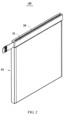
FIG. 1 is a schematic structural diagram of a battery according to an embodiment of this application. -
FIG. 2 is a schematic structural diagram of a battery according to another embodiment of this application. -
FIG. 3 is a schematic structural diagram of a battery core shown inFIG. 1 . - This application will be further described with reference to the accompanying drawings in the following specific embodiments.
- The following clearly and completely describes the technical solutions in the embodiments of this application with reference to the accompanying drawings in the embodiments of this application. Apparently, the described embodiments are merely some but not all of the embodiments of this application.
- Unless otherwise defined, all technical and scientific terms used herein shall have the same meanings as commonly understood by those skilled in the art to which this application belongs. The terms used herein in the specification of this application are only used to describe specific embodiments, and are not intended to limit this application.
- The following describes in detail some embodiments of this application with reference to the accompanying drawings. In absence of conflicts, the following embodiments and features in the embodiments may be combined.
- An embodiment of this application discloses a composite phase change material, which includes 65 to 80 parts of phase change material and 20 to 35 parts of binder by weight.
- In this application, the binder combines with the phase change material, and the thus prepared composite phase change material can be directly connected to a
circuit board 30 without any additional auxiliary tools (for example, a glue), effectively reducing preparation costs of abattery 100. - In an embodiment, the composite phase change material may be sheet-shaped, rod-shaped, or granular.
- Each phase change material has a core-shell structure, including a shell and a core wrapped in the shell. In this embodiment, a mass ratio of the shell to the core is 4:1 to 6:1. According to the present invention, the shell is a mixture of polyphenolic resin and polyethylene glycol, and the core is modified paraffin wax. A molecular weight of the polyphenolic resin is 30000 to 60000, a molecular weight of the polyethylene glycol is 4000 to 12000, and the polyphenoloxy resin and polyethylene glycol are mixed in a mass ratio of 1:7 to 1:3.
- The modified paraffin wax is prepared by modifying unmodified paraffin wax with a silane coupling agent, surfactant, and long-chain alkylamine or long-chain alkyl carboxylic acid. The unmodified paraffin wax may be but is not limited to at least one of n-tetradecane, n-pentadecane, n-hexadecane, and n-octadecane. A weight of the long-chain alkylamine or the long-chain alkyl carboxylic acid is 8% to 27% of a weight of the unmodified paraffin wax. A weight of the silane coupling agent is 0.5% to 1.3% of the weight of the unmodified paraffin wax. In some embodiments, a weight of the silane coupling agent is 0.7% to 1.3% of the weight of the unmodified paraffin wax.
- The unmodified paraffin wax is modified by using the silane coupling agent, the surfactant, and the long-chain alkylamine or the long-chain alkyl carboxylic acid, to improve compatibility between the unmodified paraffin wax and another component in the composite phase change material, thereby preventing the paraffin wax from being separated from the composite phase change material.
- The silane coupling agent is at least one of allyltrimethoxysilane, vinyltrimethoxysilane, allyltriethoxysilane, and vinyltriethoxysilane.
- The surfactant is at least one of palmitic acid, oleic acid, linoleic acid, stearic acid, palmitic acid, octadecanone, 3-hexadecanone, 3-methylcyclotridecanone, coconut aldehyde, cyclotetradecanone, palmitaldehyde, eicosanal, alkyl (C12-C14) glycidyl ether, hexaethylene glycol monohexadecyl ether, tetraethylene glycol monotetradecyl ether, polyoxyethylene octyl phenol ether, and hexaethylene glycol monotetradecyl ether.
- The long-chain alkylamine is at least one of n-dodecylamine, n-tetradecylamine, n-hexadecylamine and n-octadecylamine.
- The long-chain alkyl carboxylic acid is at least one of palmitic acid, oleic acid, stearic acid, palmitic acid, and linoleic acid.
- The binder includes acrylate monomer with a molecular weight of 50 to 300, an acrylate polymer with a molecular weight of 500 to 2000, and an initiator. By weight, there are 32 to 49 parts of acrylate monomer, 48 to 62 parts of acrylate polymer, and 3 to 10 parts of initiator in the binder.
- The acrylate monomer includes one or more of ethyl acrylate, butyl acrylate, tetrahydrofuran acrylate, hydroxyethyl acrylate, isooctyl acrylate, dipentaerythritol hexaacrylate, isobornyl methacrylate, triethylene glycol dimethacrylate, 1,9-nonanediol diacrylate, 6-[(4'-cyano-4-biphenyl)oxy]hexyl methacrylate, and methacrylate phosphate.
- The acrylate polymer includes one or more of methoxy polyethylene glycol acrylate, polyethylene glycol diacrylate, aliphatic urethane acrylate, urethane acrylate, and modified polyester acrylate.
- The initiator includes one or more of 2-hydroxy-2-methyl-1-phenylacetone, 2,4,6-trimethylbenzoyl-diphenylphosphine oxide, 1-hydroxycyclohexyl phenyl ketone, 2-methyl-2-(4-morpholinyl)-1-[4-(methylthio)phenyl]-1-acetone, ethyl(2,4,6-trimethylbenzoyl) phenylphosphinate, 2-dimethylamino-2-benzyl-1-[4-(4-morpholinyl)phenyl]-1-butanone, -2-hydroxy-2-methyl-1-[4-(2-hydroxyethoxy)phenyl]-1-acetone, 2,4-dihydroxybenzophenone, diaryliodonium salt, triphenyl sulfonium hexafluoroantimonate, and cumene ferrocene hexafluorophosphate.
- Further, the binder also includes a stabilizer. The binder further includes 0.5 to 1 part by weight of stabilizer.
- The stabilizer includes one or more of hydroquinone, p-methoxyphenol, p-benzoquinone, 2,6-di-tert-butylcresol, phenothiazine, and anthraquinone.
- The stabilizer can prevent polymerization between components in the binder during storage of the binder, increasing stability of the binder and stability of the composite phase change material.
- This application also provides a method for preparing the foregoing composite phase change material, and the method includes the following steps:
- The phase change material and the binder are mixed evenly in specified parts by weight under a condition of 80°C to 120°C.
- Specifically, in this embodiment, the phase change material and the binder may be mixed in specified parts by weight under the condition of 80°C to 120°C for 30 minutes to 50 minutes by using an open mill until the phase change material and the binder are evenly mixed.
- The evenly mixed phase change material and binder are extruded from an extruder under the condition of 80°C to 120°C to form the composite phase change material. The extruder is a twin screw extruder.
- In some embodiments, the composite phase change material may be sheet-shaped. In this case, the method for preparing the composite phase change material further includes a step of compressing the composite phase change material extruded by the extruder to form a sheet-shaped composite phase change material. A thickness of the sheet-shaped composite phase change material is 0.2 mm to 2.0 mm.
- In some embodiments, the composite phase change material may be rod-shaped. In this case, the evenly mixed phase change material and binder need to be extruded from a circular extrusion hole at an extrusion nozzle of the extruder under the condition of 80°C to 120°C, and then cooled down to obtain a rod-shaped composite phase change material. A diameter of the rod-shaped composite phase change material is 5 mm to 12 mm.
- Further, the method for preparing the composite phase change material also includes a step of cutting the rod-shaped composite phase change material into granules by using a pelletizer, to prepare a granular composite phase change material.
- This application further provides an application method of the foregoing composite
phase change material 10. Referring toFIG. 1 andFIG. 2 , the compositephase change material 10 may be applied to abattery 100. Referring toFIG. 3 . thebattery 100 includes abattery core 20 and acircuit board 30 electrically connected to thebattery core 20. In some embodiments, thebattery cell 20 is a soft-package battery core, and includes apackaging bag 21. Thepackaging bag 21 includes abody portion 211 and atop sealing portion 212. Thebody portion 211 includes atop face 2111. Thetop sealing portion 212 extends from thetop face 2111. Thecircuit board 30 is vertically placed on thetop face 2111 and is opposite thetop sealing portion 212. Thebattery core 20 further includes an electrode assembly, an electrolyte, and the like. Thebattery core 20 may be a soft-package battery core in the prior art, and is not further described herein. Certainly, thebattery core 20 is not limited to a soft-package battery core, but may alternatively be a battery core with a metal shell or the like. - The application method of the composite
phase change material 10 includes the following steps: - Referring to
FIG. 1 , the compositephase change material 10 is arranged on thecircuit board 30. The sheet-shaped, rod-shaped, or granular compositephase change material 10 may be selected based on an actual need. In this embodiment, the sheet-shaped compositephase change material 10 is selected and arranged on a surface of thecircuit board 30 that faces away from thetop sealing portion 212. - The composite
phase change material 10 is hot-melted, so that the compositephase change material 10 is in a fluid state. In this way, the fluid compositephase change material 10 can be in full contact with the surface of thecircuit board 30. In some embodiments, the fluid compositephase change material 10 can further fill a gap between thecircuit board 30 and thetop sealing portion 212. In this way, a distribution area of the compositephase change material 10 on thecircuit board 30 is increased, heat dissipation performance is improved, and connection between thecircuit board 30 and thetop sealing portion 212 is enhanced. The compositephase change material 10 is hot-melted at a temperature of 70°C to 110°C for a time of 5 seconds to 90 seconds. In some embodiments, the compositephase change material 10 is hot-melted at a temperature of 80°C. - A hot sealing process may be used to hot-melt the sheet-shaped composite
phase change material 10. A hot-melt glue gun may be used to hot-melt the rod-shaped compositephase change material 10. A dispenser may be used to hot-melt the granular compositephase change material 10. - In some embodiments, the fluid composite
phase change material 10 may further be filled into the gap between thecircuit board 30 and thetop sealing portion 212, to encompass the surface of the circuit board 30 (refer toFIG. 2 ). - The hot-melted composite
phase change material 10 is irradiated with ultraviolet light, so that the compositephase change material 10 is cured and directly connected to thecircuit board 30. In the process of irradiating the hot-melted compositephase change material 10 with ultraviolet light, power of the ultraviolet light is 5 W to 100 W, a wavelength of the ultraviolet light is 254 nm to 420 nm, and an irradiation time is 5 seconds to 30 seconds. In some embodiments, in the process of irradiating the hot-melted compositephase change material 10 with ultraviolet light, power of the ultraviolet light is 60 W, a wavelength of the ultraviolet light is 365 nm, and an irradiation time is 20 seconds. In some other embodiments, an irradiation time is 10 seconds to 30 seconds. - The initiator in the composite phase change material in this application can generate free radicals under the condition of ultraviolet light irradiation to initiate polymerization reactions between components of the composite phase change material, so that the composite
phase change material 10 is cured, thereby greatly accelerating a cure speed of the composite phase change material. In addition, after being cured, the composite phase change material does not flow when heated, providing good reliability. - This application further provides a
battery 100, including thebattery core 20, thecircuit board 30 electrically connected to thebattery core 20, and the compositephase change material 10. The compositephase change material 10 is arranged on thecircuit board 30. - In some embodiments, the
battery cell 20 is a soft-package battery core, and includes apackaging bag 21. Thepackaging bag 21 includes abody portion 211 and atop sealing portion 212. Thebody portion 211 includes atop face 2111. Thetop sealing portion 212 extends from thetop face 2111. Thecircuit board 30 is vertically placed on thetop face 2111 and is opposite thetop sealing portion 212. Thebattery core 20 further includes an electrode assembly, an electrolyte, and the like. Thebattery core 20 is a soft-package battery core in the prior art, and is not further described herein. Certainly, thebattery core 20 is not limited to a soft-package battery core, but may alternatively be a battery core with a metal shell or the like. - In some embodiments, the composite
phase change material 10 is arranged on a surface of thecircuit board 30 that faces away from the top sealing portion. - In some other embodiments, the composite
phase change material 10 is located on thetop face 2111 and is arranged around thecircuit board 30. That is, the compositephase change material 10 is arranged on the surface of thecircuit board 30 that faces away from the top sealing portion, and between thecircuit board 30 and thetop sealing portion 212. - The following provides further descriptions by using examples and comparative examples.
- A composite phase change material includes 70 parts of phase change material and 30 parts of binder by weight.
- In Example 1, the composite phase change material may be prepared in the following method.
- Preparation of the phase change material: Unmodified paraffin wax was hot-melted, then long-chain alkylamine, a silane coupling agent, and surfactant were added into the hot-melted unmodified paraffin wax, and were incubated in a water bath or an oil bath for two hours after being mixed. A weight of the added long-chain alkylamine was 8% of a weight of the unmodified paraffin wax, a weight of the added silane coupling agent was 0.5% of the weight of the unmodified paraffin wax, and a weight of the added surfactant was 0.3% of the weight of the unmodified paraffin wax. The long-chain alkylamine was n-dodecylamine, the silane coupling agent was vinyltrimethoxysilane, and the surfactant was palmitic acid. Then polyphenolic resin of phenoxy resin PKHB (with a molecular weight of 32000) from Gabriel in U.S.A. and polyethylene glycol, that is, PEG-6000 (with a molecular weight of 6000) from Clariant, were added separately in turn in a mass ratio of 1:3, and were stirred at a speed of 1000 revolutions per minute for 10 minutes, where a total weight of the polyphenolic resin and the polyethylene glycol was 30% of a total weight of the unmodified paraffin wax and the long-chain alkylamine. Then, the resulting mixture was cooled to 50°C and then vibrated with a vibrating screen for more than 4 hours, to prepare the phase change material.
- Preparation of the binder: Aliphatic urethane acrylate (provided by Wraio Chemicals) was added under nitrogen protection, and stirred continuously where temperature was controlled to be below 75°C; then hydroxyethyl acrylate and isooctyl acrylate were added sequentially, and then 2-dimethylamino-2-benzyl-1-[4-(4-morpholinyl)phenyl]-1-butanone was added; then heating was stopped, hydroquinone was added during stirring, and when cooled down to room temperature, the resulting mixture was stored in a sealed container and protected from light. The binder was thus obtained. By weight, there were 60 parts of aliphatic urethane acrylate, 17 parts of hydroxyethyl acrylate, 18 parts of isooctyl acrylate, 4 parts of 2-dimethylamino-2-benzyl-1-[4-(4-morpholinyl)phenyl]-1-butanone, and 1 part of hydroquinone in the binder.
- Preparation of the composite phase change material: 70 parts by weight of phase change material were added into 30 parts by weight of binder, and they were mixed for 30 minutes at 95°C by using an open mill until evenly mixed; and then the evenly mixed phase change material and binder were put into a twin screw extruder, extruded at 105°C, and then compressed into a sheet-shaped composite phase change material of a thickness of 0.5 mm.
- A composite phase change material includes 75 parts of phase change material and 25 parts of binder by weight.
- In Example 2, the composite phase change material may be prepared in the following method.
- Preparation of the phase change material: Unmodified paraffin wax was hot-melted, then long-chain alkylamine, a silane coupling agent, and surfactant were added into the hot-melted unmodified paraffin wax, and were incubated in a water bath or an oil bath for two hours after being mixed. A weight of the added long-chain alkylamine was 27% of a weight of the unmodified paraffin wax, a weight of the added silane coupling agent was 0.5% of the weight of the unmodified paraffin wax, and a weight of the added surfactant was 0.3% of the weight of the unmodified paraffin wax. The long-chain alkylamine was n-hexadecylamine, the silane coupling agent was Vinyl propyl trimethoxysilane, and the surfactant was hexaethylene glycol monohexadecyl ether. Then polyphenolic resin of phenoxy resin PKHB (with a molecular weight of 59000) from Gabriel in U.S.A. and polyethylene glycol, that is, PEG-12000 (with a molecular weight of 12000) from Clariant, were added separately in turn in a mass ratio of 1:6, and were stirred at a speed of 1200 revolutions per minute for 15 minutes, where a total weight of the polyphenolic resin and the polyethylene glycol was 25% of a total weight of the unmodified paraffin wax and the long-chain alkylamine. Then, the resulting mixture was cooled to 50°C and then vibrated with a vibrating screen for more than 4 hours, to prepare the phase change material.
- Preparation of the binder: RJ4236 aliphatic urethane acrylate (provided by RYOJI) and RJ427 aliphatic urethane acrylate (provided by RYOJI) were added under nitrogen protection, and stirred continuous where temperature was controlled to be within 75°C; then triethylene glycol dimethacrylate and isobornyl methacrylate were added sequentially, and then 2-methyl-2-(4-morpholinyl)-1-[4-(methylthio)phenyl]-1-acetone was added; then heating was stopped, hydroquinone was added during stirring, and when cooled down to room temperature, the resulting mixture was stored in a sealed container and protected from light. The binder was thus obtained. By weight, there were 27.5 parts of RJ4236 aliphatic urethane acrylate, 27.5 parts of RJ427 aliphatic urethane acrylate, 20 parts of triethylene glycol dimethacrylate, 20 parts of isobornyl methacrylate, 4 parts of 2-methyl-2-(4-morpholinyl)-1-[4-(methylthio)phenyl]-1-acetone, and 1 part of hydroquinone.
- Preparation of the composite phase change material: 75 parts by weight of phase change material were added into 25 parts by weight of binder, and they were mixed for 30 minutes at 95°C by using an open mill until evenly mixed; and then the evenly mixed phase change material and binder were put into a twin screw extruder, extruded at 105°C, and then compressed into a sheet-shaped composite phase change material of a thickness of 1.0 mm.
- A composite phase change material includes 65 parts of phase change material and 35 parts of binder by weight.
- In Example 3, the composite phase change material may be prepared in the following method.
- Preparation of the phase change material: Unmodified paraffin wax was hot-melted, then long-chain alkylamine, a silane coupling agent, and surfactant were added into the hot-melted unmodified paraffin wax, and were incubated in a water bath or an oil bath for two hours after being mixed. A weight of the added long-chain alkylamine was 8% of a weight of the unmodified paraffin wax, a weight of the added silane coupling agent was 0.5% of the weight of the unmodified paraffin wax, and a weight of the added surfactant was 0.3% of the weight of the unmodified paraffin wax. The long-chain alkylamine was n-dodecylamine, the silane coupling agent was propyl trimethoxysilane, and the surfactant was palmitic acid. Then polyphenolic resin of phenoxy resin PKHB (with a molecular weight of 32000) from Gabriel in U.S.A. and polyethylene glycol, that is, PEG-6000 (with a molecular weight of 6000) from Clariant, were added separately in turn in a mass ratio of 1:3, and were stirred at a speed of 1000 revolutions per minute for 10 minutes, where a total weight of the polyphenolic resin and the polyethylene glycol was 35% of a total weight of the unmodified paraffin wax and the long-chain alkylamine. Then, the resulting mixture was cooled to 50°C and then vibrated with a vibrating screen for more than 4 hours, to prepare the phase change material.
- Preparation of the binder: PEG600DA polyethylene glycol diacrylate (provided by RYOJI) and RJ426 aliphatic urethane acrylate (provided by RYOJI) were added under nitrogen protection, and stirred continuously where temperature was controlled to be within 75°C; then tetrahydrofuran acrylate, dipentaerythritol hexaacrylate, and isooctyl acrylate were added sequentially, and then 2,4,6-trimethylbenzoyl-diphenylphosphine oxide was added; then heating was stopped, p-methoxyphenol was added during stirring, and when cooled down to room temperature, the resulting mixture was stored in a sealed container and protected from light. The binder was thus obtained. By weight, there were 45 parts of PEG600DA polyethylene glycol diacrylate, 15 parts of RJ426 aliphatic urethane acrylate, 15 parts of tetrahydrofuran acrylate, 10 parts of dipentaerythritol hexaacrylate, 10 parts of isooctyl acrylate, 4 parts of 2,4,6-trimethylbenzoyl-diphenylphosphine oxide, and 1 part of p-methoxyphenol.
- Preparation of the composite phase change material: 65 parts by weight of phase change material were added into 35 parts by weight of binder, and they were mixed for 30 minutes at 95°C by using an open mill until evenly mixed; and then the evenly mixed phase change material and binder were put into a twin screw extruder, extruded from a circular extrusion hole at the head of an extruder at 105°C, and cooled down, to obtain a rod-shaped composite phase change material of a diameter of 5 mm to 12 mm.
- A composite phase change material includes 65 parts of phase change material and 35 parts of binder by weight.
- In Example 4, the composite phase change material may be prepared in the following method.
- Preparation of the phase change material: Unmodified paraffin wax was hot-melted, then long-chain alkylamine, a silane coupling agent, and surfactant were added into the hot-melted unmodified paraffin wax, and were incubated in a water bath or an oil bath for two hours after being mixed. A weight of the added long-chain alkylamine was 8% of a weight of the unmodified paraffin wax, a weight of the added silane coupling agent was 0.5% of the weight of the unmodified paraffin wax, and a weight of the added surfactant was 0.3% of the weight of the unmodified paraffin wax. The long-chain alkylamine was n-dodecylamine, the silane coupling agent was propyl trimethoxysilane, and the surfactant was hexaethylene glycol monohexadecyl ether. Then, polyphenolic resin of phenoxy resin PKHB (with a molecular weight of 32000) from Gabriel in U.S.A. and polyethylene glycol, that is, PEG-6000 (with a molecular weight of 6000) from Clariant, were added separately in turn in a mass ratio of 1:3, and were stirred at a speed of 1000 revolutions per minute for 10 minutes, where a total weight of the polyphenolic resin and the polyethylene glycol was 35% of a total weight of the unmodified paraffin wax and the long-chain alkylamine. Then, the resulting mixture was cooled to 50°C and then vibrated with a vibrating screen for more than 4 hours, to prepare the phase change material.
- Preparation of the binder: PEG600DA polyethylene glycol diacrylate (provided by RYOJI) and modified polyester acrylate (provided by Wraio Chemicals) were added under nitrogen protection, and stirred continuously where temperature was controlled to be within 75°C; then tetrahydrofuran acrylate and hydroxyethyl acrylate were added sequentially, and then 2,4,6-trimethylbenzoyl-diphenylphosphine oxide was added; then heating was stopped, p-methoxyphenol was added during stirring, and when cooled down to room temperature, the resulting mixture was stored in a sealed container and protected from light. The binder was thus obtained. By weight, there were 20 parts of PEG600DA polyethylene glycol diacrylate, 40 parts of modified polyester acrylate, 25 parts of tetrahydrofuran acrylate, 10 parts of hydroxyethyl acrylate, 4 parts of 2,4,6-trimethylbenzoyl-diphenylphosphine oxide, and 1 part of p-methoxyphenol.
- Preparation of the composite phase change material: 65 parts by weight of phase change material were added into 35 parts by weight of binder, and they were mixed for 30 minutes at 100°C by using an open mill until evenly mixed; and then the evenly mixed phase change material and binder were put into a twin screw extruder, extruded from a circular extrusion hole at the head of an extruder at 105°C, and cooled down, to obtain a rod-shaped composite phase change material. Finally, the rod-shaped composite phase change material was cut into granules by using a pelletizer, to prepare a granular composite phase change material.
- Next, the composite phase change materials prepared in Examples 1 to 4 were placed on the
circuit board 30 of thebattery 100 separately, and hot-melted, to make the composite phase change materials come into full contact with thecircuit board 30; and the composite phase change materials were then cured by irradiating with ultraviolet light for 30 seconds, so that the compositephase change materials 10 were directly connected to the circuit board 30 (refer toFIG. 1 ). Four batteries provided with the composite phase change materials in Examples 1 to 4 were used as samples 1 to 4 respectively, and a battery without any heat dissipation material was used as a blank sample. In addition, Bergquist Hi-flow 625 was further provided as a comparative phase change material and was attached to the circuit board on the battery (through a glue, for example, a double-sided tape), to serve as comparative samples 1 to 4. - Specifically, in a laboratory room at room temperature of 23 ± 2°C, the foregoing samples 1 to 4, blank sample, and comparative samples 1 to 4 were placed into boxes of a same size respectively, to reduce impact of external environment on room temperature around the battery. The samples 1 to 4, the blank sample, and the comparative samples 1 to 4 were charged and discharged. In the test process, highest temperature T1 of a thermistor (PTC) on a circuit board of each battery and temperature at a distance of 20 cm from the battery outside the box at that time that was used as the room temperature were recorded in Table 1 below; and in the test process, highest temperature T2 of a MOS on the circuit board of each battery and temperature at a distance of 20 cm from the battery outside the box at that time that was used as the room temperature were recorded in Table 2 below. Temperature rise △T1 of a component is obtained by subtracting the room temperature from the highest temperature (that is, T1 or T2) of the component. Temperature drop △T2 of a component is obtained by subtracting △T1 (any one of the samples 1 to 4 and the comparative samples 1 to 4) from △T1 (the blank sample).
Table 1 Material thickness (mm) T1 (°C) Room temperature (°C) ΔT1 (°C) ΔT2 (°C) Blank sample / 57.35 24.23 33.12 0.00 Comparative sample 1 0.50 53.98 24.32 29.66 3.46 Sample 1 0.50 52.58 24.02 28.56 4.56 Comparative sample 2 1.00 53.97 24.33 29.64 3.48 Sample 2 1.00 50.47 24.28 26.19 6.93 Comparative sample 3 1.50 51.91 24.35 27.56 5.56 Sample 3 1.50 49.69 24.02 25.67 7.45 Comparative sample 4 2.00 51.81 24.68 27.13 5.99 Sample 4 2.00 48.87 23.98 24.89 8.23 Table 2 Material thickness (mm) T2 (°C) Room temperature (°C) ΔT1 (°C) ΔT2 (°C) Blank sample / 59.08 24.64 34.44 0.00 Comparative sample 1 0.50 54.52 24.78 29.74 4.70 Sample 1 0.50 52.11 24.76 27.35 7.09 Comparative sample 2 1.00 53.44 24.55 28.89 5.55 Sample 2 1.00 50.03 24.36 25.67 8.77 Comparative sample 3 1.50 51.68 23.83 27.85 6.59 Sample 3 1.50 50.48 24.45 26.03 8.41 Comparative sample 4 2.00 51.63 24.53 27.10 7.34 Sample 4 2.00 50.4 25.34 25.06 9.38 - In this application, the binder combines with the phase change material, and the thus prepared composite phase change material has an advantage of good thermal fluidity. Therefore, when the composite phase change material is applied to, for example, the
circuit board 30 in this application, the composite phase change material is in full contact with thecircuit board 30, increasing the distribution area of the composite phase change material, which in turn improves heat dissipation efficiency of thebattery 100. In addition, with reference to Table 1 and Table 2, it can be learned that the composite phase change material absorbs, through a phase change characteristic, heat generated by components (for example, PTC thermistors and MOSs) on thecircuit board 30 in the charge and discharge process of thebattery 100. In addition, in comparison with conventional materials, the temperature rise ΔT1 of thecircuit board 30 is 1°C to 4°C lower, and the temperature drop ΔT2 of thecircuit board 30 is 3°C to 4°C higher.
| |
100 |
| composite |
10 |
| |
20 |
| |
21 |
| |
211 |
| |
2111 |
| |
212 |
| |
30 |
Claims (12)
- A composite phase change material, characterized in that the composite phase change material comprises:65 to 80 parts of a phase change material by weight; and20 to 35 parts of a binder by weight, wherein the binder comprises an acrylate monomer having a molecular weight of 50 to 300, an acrylate polymer having a molecular weight of 500 to 2000, and an initiator,wherein each phase change material has a core-shell structure, comprising a shell and a core wrapped in the shell, the shell being a mixture of polyphenolic resin and polyethylene glycol and the core being modified paraffin wax, wherein a molecular weight of the polyphenolic resin is 30000 to 60000, a molecular weight of the polyethylene glycol is 4000 to 12000, and the polyphenoloxy resin and polyethylene glycol are mixed in a mass ratio of 1:7 to 1:3.
- The composite phase change material according to claim 1, characterized in that, the acrylate monomer is 32 to 49 parts by weight, the acrylate polymer is 48 to 62 parts by weight, and the initiator is 3 to 10 parts by weight in the binder.
- The composite phase change material according to claim 1, characterized in that the acrylate monomer comprises one or more selected from the group consisting of ethyl acrylate, butyl acrylate, tetrahydrofuran acrylate, hydroxyethyl acrylate or isooctyl acrylate, dipentaerythritol hexaacrylate, isobornyl methacrylate, triethylene glycol dimethacrylate, 1,9-nonanediol diacrylate, 6-[(4'-cyano-4-biphenyl)oxy]hexyl methacrylate, and methacrylate phosphate; and the acrylate polymer comprises one or more of methoxy polyethylene glycol acrylate, polyethylene glycol diacrylate, aliphatic urethane acrylate, urethane acrylate, and modified polyester acrylate.
- The composite phase change material according to any one of claims 1 to 3, characterized in that the initiator comprises one or more selected from the group consisting of 2-hydroxy-2-methyl-1-phenylacetone, 2,4,6-trimethylbenzoyl-diphenylphosphine oxide, 1-hydroxycyclohexyl phenyl ketone, 2-methyl-2-(4-morpholinyl)-1-[4-(methylthio)phenyl]-1-acetone, ethyl(2,4,6-trimethylbenzoyl) phenylphosphinate, 2-dimethylamino-2-benzyl-1-[4-(4-morpholinyl)phenyl]-1-butanone, 2-hydroxy-2-methyl-1-[4-(2-hydroxyethoxy)phenyl]-1-acetone, 2,4-dihydroxybenzophenone, diaryliodonium salt, triphenyl sulfonium hexafluoroantimonate, and cumene ferrocene hexafluorophosphate.
- The composite phase change material according to any one of claims 1 to 3, characterized in that the binder further comprises 0.5 to 1 part by weight of a stabilizer.
- The composite phase change material according to claim 5, characterized in that the stabilizer comprises one or more selected from the group consisting of hydroquinone, p-methoxyphenol, p-benzoquinone, 2,6-di-tert-butylcresol, phenothiazine, and anthraquinone.
- The composite phase change material according to any one of claims 1 to 3, characterized in that the composite phase change material is sheet-shaped, rod-shaped, or granular.
- A method of applying the composite phase change material according to any one of claims 1 to 7 to a battery, wherein the battery comprises a battery core and a circuit board electrically connected to the battery core, and the method comprises the following steps:arranging the composite phase change material on the circuit board;hot-melting the composite phase change material, so that the composite phase change material is in a fluid state; andirradiating the hot-melted composite phase change material with ultraviolet light, so that the composite phase change material is cured on the circuit board.
- The method of claim 8, characterized in that the composite phase change material is hot-melted at a temperature of 70°C to 110°C for a time of 5 seconds to 90 seconds.
- The method of claim 8, characterized in that in the process of irradiating the hot-melted composite phase change material with ultraviolet light, power of the ultraviolet light is 5 W to 100 W, a wavelength of the ultraviolet light is 254 nm to 420 nm, and an irradiation time is 5 seconds to 30 seconds.
- A battery, characterized in that the battery comprises the composite phase change material according to any one of claims 1 to 7.
- The battery according to claim 11, characterized in that the battery comprises a battery core and a circuit board electrically connected to the battery core, wherein the composite phase change material is arranged on the circuit board.
Applications Claiming Priority (1)
| Application Number | Priority Date | Filing Date | Title |
|---|---|---|---|
| CN202010623183.8A CN111793471B (en) | 2020-06-30 | 2020-06-30 | Composite phase change material, application method of composite phase change material and battery |
Publications (2)
| Publication Number | Publication Date |
|---|---|
| EP3932964A1 EP3932964A1 (en) | 2022-01-05 |
| EP3932964B1 true EP3932964B1 (en) | 2023-05-10 |
Family
ID=72810053
Family Applications (1)
| Application Number | Title | Priority Date | Filing Date |
|---|---|---|---|
| EP21165234.2A Active EP3932964B1 (en) | 2020-06-30 | 2021-03-26 | Composite phase change material, application method of composite phase change material, and battery |
Country Status (3)
| Country | Link |
|---|---|
| US (1) | US12134727B2 (en) |
| EP (1) | EP3932964B1 (en) |
| CN (1) | CN111793471B (en) |
Families Citing this family (6)
| Publication number | Priority date | Publication date | Assignee | Title |
|---|---|---|---|---|
| CN113736430A (en) * | 2021-09-17 | 2021-12-03 | 东莞新能德科技有限公司 | Phase-change heat-insulating material and preparation method and application thereof |
| CN114133888B (en) * | 2021-12-13 | 2023-04-07 | 九牧厨卫股份有限公司 | Heat-conducting composite material and plate |
| CN116333691B (en) * | 2023-03-30 | 2026-04-21 | 中国乐凯集团有限公司 | Interface filling materials, their preparation methods and applications |
| WO2025260316A1 (en) * | 2024-06-20 | 2025-12-26 | Henkel Ag & Co. Kgaa | Heat-curable adhesive composition |
| CN119261319A (en) * | 2024-09-20 | 2025-01-07 | 浙江锂威能源科技有限公司 | Aluminum-plastic film and application thereof |
| CN119144158B (en) * | 2024-11-20 | 2025-02-14 | 相变储能(北京)科技有限公司 | Phase-change composite material and preparation method and application thereof |
Family Cites Families (16)
| Publication number | Priority date | Publication date | Assignee | Title |
|---|---|---|---|---|
| CN1157460C (en) | 2001-12-28 | 2004-07-14 | 昆明理工大学 | Prepn process of composite heat accumualting material and composite filled heat accumulating chamber |
| JP4790305B2 (en) * | 2004-05-12 | 2011-10-12 | エスケー化研株式会社 | Microcapsule and manufacturing method thereof |
| CN101567472B (en) | 2008-04-25 | 2012-09-05 | 中国科学院物理研究所 | Electrolyte solution and preparation method and application thereof |
| US20090274906A1 (en) * | 2008-05-01 | 2009-11-05 | Appleton Papers Inc. | Particle with low permeance wall |
| JP5139203B2 (en) * | 2008-08-27 | 2013-02-06 | 旭化成イーマテリアルズ株式会社 | Endothermic sheet |
| GB201006427D0 (en) * | 2010-02-26 | 2010-06-02 | Scott Bader Co | Methacrylate-based adhesive compositions |
| CN103374333B (en) * | 2012-04-13 | 2016-04-27 | 南京德朔实业有限公司 | Composite phase change material |
| KR20150073173A (en) * | 2012-10-17 | 2015-06-30 | 다우 글로벌 테크놀로지스 엘엘씨 | Core shell rubber modified solid epoxy resins |
| CN103178314A (en) | 2013-02-28 | 2013-06-26 | 广东工业大学 | Battery heat management equipment with efficient balanced radiating function and electric heating function |
| CN104263000A (en) * | 2014-08-26 | 2015-01-07 | 浙江金三发非织造布有限公司 | Pigment microcapsule and manufacturing method thereof |
| CA3268319A1 (en) * | 2014-12-11 | 2025-05-12 | Henry Company, Llc | Phase-change materials from wax-based colloidal dispersions and their process of making |
| CN105916350B (en) * | 2016-04-29 | 2018-05-29 | 广东欧珀移动通信有限公司 | A kind of terminal device and associated method |
| CN107556963A (en) * | 2016-07-01 | 2018-01-09 | 吴明辉 | A kind of ultraviolet photo-curing pressure sensitive adhesive |
| CN107245887B (en) * | 2017-06-30 | 2021-01-12 | 厦门安踏体育用品有限公司 | Fabric preparation method, fabric and garment |
| CN108276854A (en) * | 2017-12-08 | 2018-07-13 | 西能化工科技(上海)有限公司 | Phase-change microcapsule and its preparation method and application |
| CN111073525B (en) * | 2019-12-31 | 2021-12-24 | 道生天合材料科技(上海)股份有限公司 | Low-modulus flexible acrylate adhesive and preparation method thereof |
-
2020
- 2020-06-30 CN CN202010623183.8A patent/CN111793471B/en active Active
-
2021
- 2021-03-26 EP EP21165234.2A patent/EP3932964B1/en active Active
- 2021-03-30 US US17/218,094 patent/US12134727B2/en active Active
Also Published As
| Publication number | Publication date |
|---|---|
| US12134727B2 (en) | 2024-11-05 |
| CN111793471A (en) | 2020-10-20 |
| CN111793471B (en) | 2022-04-08 |
| EP3932964A1 (en) | 2022-01-05 |
| US20210403781A1 (en) | 2021-12-30 |
Similar Documents
| Publication | Publication Date | Title |
|---|---|---|
| US12134727B2 (en) | Composite phase change material, application method of composite phase change material, and battery | |
| JP5843887B2 (en) | tape | |
| DE69812479T2 (en) | Anisotropically conductive film | |
| US8628845B2 (en) | Heat ray shielding glass and manufacturing method of the same | |
| CN113667410B (en) | Pressure Sensitive Adhesive Electrolyte | |
| EP2449616B1 (en) | Particles coated with an organically modified (hetero)silicic acid polycondensate and containing a metal core suited for storing hydrogen, batteries produced therewith, and method for the production thereof using the particles | |
| JP3933215B2 (en) | Heat-absorbing composite | |
| WO1996000753A1 (en) | Unsaturated polyester resin composition and process for molding said composition | |
| CN102426494B (en) | Bonding method of touch screen substrates, and binder for same | |
| CN101875832B (en) | Liquid crystal sealant and liquid crystal display unit using the same | |
| KR20150037524A (en) | Liquid crystal sealing agent and liquid crystal display cell using same, and manufacturing method for liquid crystal display cell | |
| KR20160010320A (en) | Liquid crystal sealing agent and liquid crystal display cell using the same, and manufacturing method for liquid crystal display cell | |
| CN113683995B (en) | UV adhesive and preparation method thereof | |
| JP2007002111A (en) | Antistatic acrylic pressure-sensitive adhesive | |
| WO2025130354A1 (en) | Rapidly-formed thermal-runaway-preventing material | |
| JP7484919B2 (en) | Composite electrode material, electrode layer, and solid-state battery | |
| EP0359524A2 (en) | Electrolyte composition | |
| DE60204942T2 (en) | Solid polymerizable mixtures | |
| KR20150044378A (en) | Liquid crystal sealing agent and producing method for same, and liquid crystal display cell and manufacturing method for same | |
| CN1222743A (en) | Posistor of laminar polymer | |
| KR20220030103A (en) | Curing composition | |
| CN113736430A (en) | Phase-change heat-insulating material and preparation method and application thereof | |
| JP4601375B2 (en) | Battery separator and battery manufacturing method using the same | |
| KR101918556B1 (en) | A method for manufacturing a pressure sensitive adhesive tape for controlling heat of UV curing reaction and a pressure sensitive adhesive tape | |
| JP4601414B2 (en) | Battery separator and battery manufacturing method using the same |
Legal Events
| Date | Code | Title | Description |
|---|---|---|---|
| PUAI | Public reference made under article 153(3) epc to a published international application that has entered the european phase |
Free format text: ORIGINAL CODE: 0009012 |
|
| STAA | Information on the status of an ep patent application or granted ep patent |
Free format text: STATUS: REQUEST FOR EXAMINATION WAS MADE |
|
| 17P | Request for examination filed |
Effective date: 20210326 |
|
| AK | Designated contracting states |
Kind code of ref document: A1 Designated state(s): AL AT BE BG CH CY CZ DE DK EE ES FI FR GB GR HR HU IE IS IT LI LT LU LV MC MK MT NL NO PL PT RO RS SE SI SK SM TR |
|
| B565 | Issuance of search results under rule 164(2) epc |
Effective date: 20210924 |
|
| GRAP | Despatch of communication of intention to grant a patent |
Free format text: ORIGINAL CODE: EPIDOSNIGR1 |
|
| STAA | Information on the status of an ep patent application or granted ep patent |
Free format text: STATUS: GRANT OF PATENT IS INTENDED |
|
| RIC1 | Information provided on ipc code assigned before grant |
Ipc: C09J 133/06 20060101ALI20230120BHEP Ipc: C08L 91/06 20060101ALI20230120BHEP Ipc: C08F 290/14 20060101ALI20230120BHEP Ipc: C08F 289/00 20060101ALI20230120BHEP Ipc: C08F 285/00 20060101AFI20230120BHEP |
|
| INTG | Intention to grant announced |
Effective date: 20230209 |
|
| GRAS | Grant fee paid |
Free format text: ORIGINAL CODE: EPIDOSNIGR3 |
|
| GRAA | (expected) grant |
Free format text: ORIGINAL CODE: 0009210 |
|
| STAA | Information on the status of an ep patent application or granted ep patent |
Free format text: STATUS: THE PATENT HAS BEEN GRANTED |
|
| AK | Designated contracting states |
Kind code of ref document: B1 Designated state(s): AL AT BE BG CH CY CZ DE DK EE ES FI FR GB GR HR HU IE IS IT LI LT LU LV MC MK MT NL NO PL PT RO RS SE SI SK SM TR |
|
| REG | Reference to a national code |
Ref country code: GB Ref legal event code: FG4D |
|
| REG | Reference to a national code |
Ref country code: AT Ref legal event code: REF Ref document number: 1566613 Country of ref document: AT Kind code of ref document: T Effective date: 20230515 Ref country code: CH Ref legal event code: EP |
|
| REG | Reference to a national code |
Ref country code: DE Ref legal event code: R096 Ref document number: 602021002243 Country of ref document: DE |
|
| REG | Reference to a national code |
Ref country code: IE Ref legal event code: FG4D |
|
| P01 | Opt-out of the competence of the unified patent court (upc) registered |
Effective date: 20230531 |
|
| REG | Reference to a national code |
Ref country code: NL Ref legal event code: FP |
|
| REG | Reference to a national code |
Ref country code: LT Ref legal event code: MG9D |
|
| REG | Reference to a national code |
Ref country code: AT Ref legal event code: MK05 Ref document number: 1566613 Country of ref document: AT Kind code of ref document: T Effective date: 20230510 |
|
| PG25 | Lapsed in a contracting state [announced via postgrant information from national office to epo] |
Ref country code: SE Free format text: LAPSE BECAUSE OF FAILURE TO SUBMIT A TRANSLATION OF THE DESCRIPTION OR TO PAY THE FEE WITHIN THE PRESCRIBED TIME-LIMIT Effective date: 20230510 Ref country code: PT Free format text: LAPSE BECAUSE OF FAILURE TO SUBMIT A TRANSLATION OF THE DESCRIPTION OR TO PAY THE FEE WITHIN THE PRESCRIBED TIME-LIMIT Effective date: 20230911 Ref country code: NO Free format text: LAPSE BECAUSE OF FAILURE TO SUBMIT A TRANSLATION OF THE DESCRIPTION OR TO PAY THE FEE WITHIN THE PRESCRIBED TIME-LIMIT Effective date: 20230810 Ref country code: ES Free format text: LAPSE BECAUSE OF FAILURE TO SUBMIT A TRANSLATION OF THE DESCRIPTION OR TO PAY THE FEE WITHIN THE PRESCRIBED TIME-LIMIT Effective date: 20230510 Ref country code: AT Free format text: LAPSE BECAUSE OF FAILURE TO SUBMIT A TRANSLATION OF THE DESCRIPTION OR TO PAY THE FEE WITHIN THE PRESCRIBED TIME-LIMIT Effective date: 20230510 |
|
| PG25 | Lapsed in a contracting state [announced via postgrant information from national office to epo] |
Ref country code: RS Free format text: LAPSE BECAUSE OF FAILURE TO SUBMIT A TRANSLATION OF THE DESCRIPTION OR TO PAY THE FEE WITHIN THE PRESCRIBED TIME-LIMIT Effective date: 20230510 Ref country code: PL Free format text: LAPSE BECAUSE OF FAILURE TO SUBMIT A TRANSLATION OF THE DESCRIPTION OR TO PAY THE FEE WITHIN THE PRESCRIBED TIME-LIMIT Effective date: 20230510 Ref country code: LV Free format text: LAPSE BECAUSE OF FAILURE TO SUBMIT A TRANSLATION OF THE DESCRIPTION OR TO PAY THE FEE WITHIN THE PRESCRIBED TIME-LIMIT Effective date: 20230510 Ref country code: LT Free format text: LAPSE BECAUSE OF FAILURE TO SUBMIT A TRANSLATION OF THE DESCRIPTION OR TO PAY THE FEE WITHIN THE PRESCRIBED TIME-LIMIT Effective date: 20230510 Ref country code: IS Free format text: LAPSE BECAUSE OF FAILURE TO SUBMIT A TRANSLATION OF THE DESCRIPTION OR TO PAY THE FEE WITHIN THE PRESCRIBED TIME-LIMIT Effective date: 20230910 Ref country code: HR Free format text: LAPSE BECAUSE OF FAILURE TO SUBMIT A TRANSLATION OF THE DESCRIPTION OR TO PAY THE FEE WITHIN THE PRESCRIBED TIME-LIMIT Effective date: 20230510 Ref country code: GR Free format text: LAPSE BECAUSE OF FAILURE TO SUBMIT A TRANSLATION OF THE DESCRIPTION OR TO PAY THE FEE WITHIN THE PRESCRIBED TIME-LIMIT Effective date: 20230811 |
|
| PG25 | Lapsed in a contracting state [announced via postgrant information from national office to epo] |
Ref country code: FI Free format text: LAPSE BECAUSE OF FAILURE TO SUBMIT A TRANSLATION OF THE DESCRIPTION OR TO PAY THE FEE WITHIN THE PRESCRIBED TIME-LIMIT Effective date: 20230510 |
|
| PG25 | Lapsed in a contracting state [announced via postgrant information from national office to epo] |
Ref country code: SK Free format text: LAPSE BECAUSE OF FAILURE TO SUBMIT A TRANSLATION OF THE DESCRIPTION OR TO PAY THE FEE WITHIN THE PRESCRIBED TIME-LIMIT Effective date: 20230510 |
|
| PG25 | Lapsed in a contracting state [announced via postgrant information from national office to epo] |
Ref country code: SM Free format text: LAPSE BECAUSE OF FAILURE TO SUBMIT A TRANSLATION OF THE DESCRIPTION OR TO PAY THE FEE WITHIN THE PRESCRIBED TIME-LIMIT Effective date: 20230510 Ref country code: SK Free format text: LAPSE BECAUSE OF FAILURE TO SUBMIT A TRANSLATION OF THE DESCRIPTION OR TO PAY THE FEE WITHIN THE PRESCRIBED TIME-LIMIT Effective date: 20230510 Ref country code: RO Free format text: LAPSE BECAUSE OF FAILURE TO SUBMIT A TRANSLATION OF THE DESCRIPTION OR TO PAY THE FEE WITHIN THE PRESCRIBED TIME-LIMIT Effective date: 20230510 Ref country code: EE Free format text: LAPSE BECAUSE OF FAILURE TO SUBMIT A TRANSLATION OF THE DESCRIPTION OR TO PAY THE FEE WITHIN THE PRESCRIBED TIME-LIMIT Effective date: 20230510 Ref country code: DK Free format text: LAPSE BECAUSE OF FAILURE TO SUBMIT A TRANSLATION OF THE DESCRIPTION OR TO PAY THE FEE WITHIN THE PRESCRIBED TIME-LIMIT Effective date: 20230510 Ref country code: CZ Free format text: LAPSE BECAUSE OF FAILURE TO SUBMIT A TRANSLATION OF THE DESCRIPTION OR TO PAY THE FEE WITHIN THE PRESCRIBED TIME-LIMIT Effective date: 20230510 |
|
| REG | Reference to a national code |
Ref country code: DE Ref legal event code: R097 Ref document number: 602021002243 Country of ref document: DE |
|
| PLBE | No opposition filed within time limit |
Free format text: ORIGINAL CODE: 0009261 |
|
| STAA | Information on the status of an ep patent application or granted ep patent |
Free format text: STATUS: NO OPPOSITION FILED WITHIN TIME LIMIT |
|
| 26N | No opposition filed |
Effective date: 20240213 |
|
| PG25 | Lapsed in a contracting state [announced via postgrant information from national office to epo] |
Ref country code: SI Free format text: LAPSE BECAUSE OF FAILURE TO SUBMIT A TRANSLATION OF THE DESCRIPTION OR TO PAY THE FEE WITHIN THE PRESCRIBED TIME-LIMIT Effective date: 20230510 |
|
| PG25 | Lapsed in a contracting state [announced via postgrant information from national office to epo] |
Ref country code: SI Free format text: LAPSE BECAUSE OF FAILURE TO SUBMIT A TRANSLATION OF THE DESCRIPTION OR TO PAY THE FEE WITHIN THE PRESCRIBED TIME-LIMIT Effective date: 20230510 Ref country code: IT Free format text: LAPSE BECAUSE OF FAILURE TO SUBMIT A TRANSLATION OF THE DESCRIPTION OR TO PAY THE FEE WITHIN THE PRESCRIBED TIME-LIMIT Effective date: 20230510 |
|
| REG | Reference to a national code |
Ref country code: CH Ref legal event code: PL |
|
| PG25 | Lapsed in a contracting state [announced via postgrant information from national office to epo] |
Ref country code: BG Free format text: LAPSE BECAUSE OF FAILURE TO SUBMIT A TRANSLATION OF THE DESCRIPTION OR TO PAY THE FEE WITHIN THE PRESCRIBED TIME-LIMIT Effective date: 20230510 |
|
| PG25 | Lapsed in a contracting state [announced via postgrant information from national office to epo] |
Ref country code: LU Free format text: LAPSE BECAUSE OF NON-PAYMENT OF DUE FEES Effective date: 20240326 |
|
| PG25 | Lapsed in a contracting state [announced via postgrant information from national office to epo] |
Ref country code: MC Free format text: LAPSE BECAUSE OF FAILURE TO SUBMIT A TRANSLATION OF THE DESCRIPTION OR TO PAY THE FEE WITHIN THE PRESCRIBED TIME-LIMIT Effective date: 20230510 |
|
| PG25 | Lapsed in a contracting state [announced via postgrant information from national office to epo] |
Ref country code: MC Free format text: LAPSE BECAUSE OF FAILURE TO SUBMIT A TRANSLATION OF THE DESCRIPTION OR TO PAY THE FEE WITHIN THE PRESCRIBED TIME-LIMIT Effective date: 20230510 Ref country code: LU Free format text: LAPSE BECAUSE OF NON-PAYMENT OF DUE FEES Effective date: 20240326 Ref country code: BG Free format text: LAPSE BECAUSE OF FAILURE TO SUBMIT A TRANSLATION OF THE DESCRIPTION OR TO PAY THE FEE WITHIN THE PRESCRIBED TIME-LIMIT Effective date: 20230510 |
|
| REG | Reference to a national code |
Ref country code: BE Ref legal event code: MM Effective date: 20240331 |
|
| PG25 | Lapsed in a contracting state [announced via postgrant information from national office to epo] |
Ref country code: BE Free format text: LAPSE BECAUSE OF NON-PAYMENT OF DUE FEES Effective date: 20240331 |
|
| PG25 | Lapsed in a contracting state [announced via postgrant information from national office to epo] |
Ref country code: IE Free format text: LAPSE BECAUSE OF NON-PAYMENT OF DUE FEES Effective date: 20240326 |
|
| PG25 | Lapsed in a contracting state [announced via postgrant information from national office to epo] |
Ref country code: IE Free format text: LAPSE BECAUSE OF NON-PAYMENT OF DUE FEES Effective date: 20240326 Ref country code: BE Free format text: LAPSE BECAUSE OF NON-PAYMENT OF DUE FEES Effective date: 20240331 Ref country code: CH Free format text: LAPSE BECAUSE OF NON-PAYMENT OF DUE FEES Effective date: 20240331 |
|
| PG25 | Lapsed in a contracting state [announced via postgrant information from national office to epo] |
Ref country code: CY Free format text: LAPSE BECAUSE OF FAILURE TO SUBMIT A TRANSLATION OF THE DESCRIPTION OR TO PAY THE FEE WITHIN THE PRESCRIBED TIME-LIMIT; INVALID AB INITIO Effective date: 20210326 |
|
| PG25 | Lapsed in a contracting state [announced via postgrant information from national office to epo] |
Ref country code: HU Free format text: LAPSE BECAUSE OF FAILURE TO SUBMIT A TRANSLATION OF THE DESCRIPTION OR TO PAY THE FEE WITHIN THE PRESCRIBED TIME-LIMIT; INVALID AB INITIO Effective date: 20210326 |
|
| PG25 | Lapsed in a contracting state [announced via postgrant information from national office to epo] |
Ref country code: TR Free format text: LAPSE BECAUSE OF FAILURE TO SUBMIT A TRANSLATION OF THE DESCRIPTION OR TO PAY THE FEE WITHIN THE PRESCRIBED TIME-LIMIT Effective date: 20230510 |
|
| PGFP | Annual fee paid to national office [announced via postgrant information from national office to epo] |
Ref country code: NL Payment date: 20260213 Year of fee payment: 6 |
|
| PGFP | Annual fee paid to national office [announced via postgrant information from national office to epo] |
Ref country code: GB Payment date: 20260209 Year of fee payment: 6 |
|
| PGFP | Annual fee paid to national office [announced via postgrant information from national office to epo] |
Ref country code: DE Payment date: 20260204 Year of fee payment: 6 |
|
| PGFP | Annual fee paid to national office [announced via postgrant information from national office to epo] |
Ref country code: FR Payment date: 20260209 Year of fee payment: 6 |