EP3925836B1 - Safety protection method based on new energy automobile vehicle-mounted air conditioner, and system thereof - Google Patents
Safety protection method based on new energy automobile vehicle-mounted air conditioner, and system thereof Download PDFInfo
- Publication number
- EP3925836B1 EP3925836B1 EP20774619.9A EP20774619A EP3925836B1 EP 3925836 B1 EP3925836 B1 EP 3925836B1 EP 20774619 A EP20774619 A EP 20774619A EP 3925836 B1 EP3925836 B1 EP 3925836B1
- Authority
- EP
- European Patent Office
- Prior art keywords
- vehicle
- air conditioner
- temperature
- module
- alarm
- Prior art date
- Legal status (The legal status is an assumption and is not a legal conclusion. Google has not performed a legal analysis and makes no representation as to the accuracy of the status listed.)
- Active
Links
Images



Classifications
-
- B—PERFORMING OPERATIONS; TRANSPORTING
- B60—VEHICLES IN GENERAL
- B60H—ARRANGEMENTS OF HEATING, COOLING, VENTILATING OR OTHER AIR-TREATING DEVICES SPECIALLY ADAPTED FOR PASSENGER OR GOODS SPACES OF VEHICLES
- B60H1/00—Heating, cooling or ventilating devices
- B60H1/00642—Control systems or circuits; Control members or indication devices for heating, cooling or ventilating devices
- B60H1/00964—Control systems or circuits characterised by including features for automatic and non-automatic control, e.g. for changing from automatic to manual control
-
- B—PERFORMING OPERATIONS; TRANSPORTING
- B60—VEHICLES IN GENERAL
- B60H—ARRANGEMENTS OF HEATING, COOLING, VENTILATING OR OTHER AIR-TREATING DEVICES SPECIALLY ADAPTED FOR PASSENGER OR GOODS SPACES OF VEHICLES
- B60H1/00—Heating, cooling or ventilating devices
- B60H1/00642—Control systems or circuits; Control members or indication devices for heating, cooling or ventilating devices
- B60H1/00735—Control systems or circuits characterised by their input, i.e. by the detection, measurement or calculation of particular conditions, e.g. signal treatment, dynamic models
- B60H1/00742—Control systems or circuits characterised by their input, i.e. by the detection, measurement or calculation of particular conditions, e.g. signal treatment, dynamic models by detection of the vehicle occupants' presence; by detection of conditions relating to the body of occupants, e.g. using radiant heat detectors
-
- B—PERFORMING OPERATIONS; TRANSPORTING
- B60—VEHICLES IN GENERAL
- B60H—ARRANGEMENTS OF HEATING, COOLING, VENTILATING OR OTHER AIR-TREATING DEVICES SPECIALLY ADAPTED FOR PASSENGER OR GOODS SPACES OF VEHICLES
- B60H1/00—Heating, cooling or ventilating devices
- B60H1/00642—Control systems or circuits; Control members or indication devices for heating, cooling or ventilating devices
- B60H1/00735—Control systems or circuits characterised by their input, i.e. by the detection, measurement or calculation of particular conditions, e.g. signal treatment, dynamic models
- B60H1/00764—Control systems or circuits characterised by their input, i.e. by the detection, measurement or calculation of particular conditions, e.g. signal treatment, dynamic models the input being a vehicle driving condition, e.g. speed
- B60H1/00778—Control systems or circuits characterised by their input, i.e. by the detection, measurement or calculation of particular conditions, e.g. signal treatment, dynamic models the input being a vehicle driving condition, e.g. speed the input being a stationary vehicle position, e.g. parking or stopping
-
- B—PERFORMING OPERATIONS; TRANSPORTING
- B60—VEHICLES IN GENERAL
- B60H—ARRANGEMENTS OF HEATING, COOLING, VENTILATING OR OTHER AIR-TREATING DEVICES SPECIALLY ADAPTED FOR PASSENGER OR GOODS SPACES OF VEHICLES
- B60H1/00—Heating, cooling or ventilating devices
- B60H1/00642—Control systems or circuits; Control members or indication devices for heating, cooling or ventilating devices
- B60H1/00978—Control systems or circuits characterised by failure of detection or safety means; Diagnostic methods
-
- G—PHYSICS
- G08—SIGNALLING
- G08B—SIGNALLING SYSTEMS, e.g. PERSONAL CALLING SYSTEMS; ORDER TELEGRAPHS; ALARM SYSTEMS
- G08B21/00—Alarms responsive to a single specified undesired or abnormal condition and not otherwise provided for
- G08B21/18—Status alarms
- G08B21/22—Status alarms responsive to presence or absence of persons
-
- G—PHYSICS
- G08—SIGNALLING
- G08B—SIGNALLING SYSTEMS, e.g. PERSONAL CALLING SYSTEMS; ORDER TELEGRAPHS; ALARM SYSTEMS
- G08B21/00—Alarms responsive to a single specified undesired or abnormal condition and not otherwise provided for
- G08B21/18—Status alarms
- G08B21/24—Reminder alarms, e.g. anti-loss alarms
Definitions
- the present application relates to the technical field of vehicle safety protection, and more particularly, to a safety protection method based on a vehicle-mounted air conditioner for a new energy vehicle and a system thereof.
- the existing vehicle safety protection method mostly adopts the way that the system automatically opens a vehicle window, and avoids the high temperature in the car from endangering the life safety of children through ventilation, and at the same time, it is convenient for passersby to provide assistance.
- US 10 074 263 B1 discloses a method to notify a third party if a child is left behind in a vehicle includes securing a motion detector system within a vehicle, the motion detector being secured to a roof of an inner cabin of the vehicle and directed to a rear seat; detecting via the motion detector if a child is left behind in the rear seat after the vehicle is locked and after a driver exits; if the child is left behind, activating an air conditioner via a computer system operably associated with the motion detector; after activating the air conditioner, detecting if the driver has returned to the vehicle; if the driver has not returned, activating a car alarm via the computer system; after activating the car alarm for a predetermined time, determining if the driver has returned; and if the driver has not returned, notifying a third party via a transceiver operably associated with computer system.
- US 8 232 874 B1 discloses a method of informing of a child left unattended in a locked vehicle comprises providing a sensor in a child seat, starting the sensor when the ignition is turned off, generating a warning signal and transmitting same from a transmitter in the child seat after a predetermined time elapsed since starting the sensor, receiving the signal in the vehicle to direct a CPU of the vehicle to start an alarm sound signal and turn alarm lights on, and, if the sensor is not disabled, to further unlock door locks and start air conditioner.
- CN 106 494 342 B discloses a safe protection method for the kid in the car including the steps of detecting sounds inside the car when the car is in a parking state, and judging whether there is any kid in the car, controlling the engine to ignite and start up and controlling a gear of a transmission to be locked in a P gear or a neutral gear through the engine ECU when the kid is judged to be in the car, controlling the air conditioner to be subjected to refrigeration or heating through the air conditioner controller, controlling a car window to descend to a preset descending height through a car window lifting mechanism if a car door unlocking signal is not received within a preset time. None of the above disclosure checks whether the air conditioner in the car is normally operated, which makes the whole sate protection system ineffective.
- an object of the present application is to provide a safety protection method based on a vehicle-mounted air conditioner for a new energy vehicle and a system thereof, which can ensure the life safety of a child left behind and also can avoid the property loss in the vehicle.
- a safety protection method based on a vehicle-mounted air conditioner for a new energy vehicle includes the following steps:
- the stopped state of the vehicle it is detected whether a person is stayed in the vehicle, and it is determined whether the person is trapped according to the staying time of the person; if a child is trapped in the vehicle, an associated contact person is notified with a staying prompt for rescue; the temperature in the vehicle is controlled by the temperature monitoring, so that damage to the trapped child caused by the temperature discomfort in the vehicle can be avoided, in the meantime of ensuring life safety of the detained child, the property loss in the vehicle is also avoided. Moreover, it is ensured that the air conditioner can work normally, and under the condition that the air conditioner breaks down, a reminder is sent to the associated contact person.
- the temperature monitoring includes the following steps:
- the level of the current temperature is determined, and at the alerting level, the associated contact person is alerted to turn on the vehicle-mounted air conditioner; at the warning level, the vehicle-mounted air conditioner is automatically started for adjusting the in-vehicle temperature; at the alarm level, an alarm is issued to ask for providing assistance and meanwhile the vehicle issues an alarm and calls the police.
- time monitoring includes the following steps:
- the staying time of the detained person is also classified according to the levels, within the preset warning period of time, only prompting the associated contact person that the person is detained in the vehicle for a long time; if the staying time is longer, warn the associated contact person that the vehicle body is about to issue an alarm; when the staying time reaches the preset alarm period of time, the vehicle issues an alarm and calls the police.
- the power monitoring includes the following steps:
- a safety protection system based on a vehicle-mounted air conditioner for a new energy vehicle includes:
- the stopped state of the vehicle it is detected whether a person is stayed in the vehicle, and it is determined whether the person is trapped according to the staying time of the person; if a child is trapped in the vehicle, an associated contact person is notified with a staying prompt for rescue; the temperature in the vehicle is controlled by the temperature monitoring, so that damage to the trapped child caused by the temperature discomfort in the vehicle can be avoided, in the meantime of ensuring life safety of the detained child, the property loss in the vehicle is also avoided.
- vehicle-mounted networking module data is in data connection with the cloud server, and the cloud server is in data connection with a user mobile phone module.
- the cloud server is used to connect a user mobile phone module, so that relevant in-vehicle information can be conveniently sent to the associated contact person.
- system further includes: a power monitoring module, provided in the control module and configured to acquire remaining power information of the power supply module via the vehicle-mounted networking module, and send a remaining power signal to the control module.
- a power monitoring module provided in the control module and configured to acquire remaining power information of the power supply module via the vehicle-mounted networking module, and send a remaining power signal to the control module.
- the monitoring module detects the power of the vehicle body, and when the power is low, the monitoring module reminds the associated contact person that the power is insufficient and closes the air conditioner, so as to save the power and enable the system to run normally.
- the human body detection module is achieved with one or more of following manners: infrared rays, ultrasonic waves, microwaves, image recognition, and gravity detection.
- a safety protection method based on a vehicle-mounted air conditioner for a new energy vehicle includes the following steps:
- the informing of a person staying is used to inform the associated contact person that there is a person stayed in the vehicle for a long time when the vehicle is in a stopping state.
- the temperature monitoring is used to adjust the temperature in the vehicle, thereby preventing children trapped in the car from being injured due to the temperature in the car being too high or too low.
- the time monitoring is used to monitor the staying time for the person stayed in the vehicle, and raise an alarm after the child has been trapped in the vehicle for a long time.
- the power monitoring is used to monitor the power of the vehicle, and if the remaining power is lower than a limit power, prohibiting turning on the air conditioner to ensure that the remaining power in the car is sufficient for the normal operation of the system except for the air conditioner.
- the temperature monitoring includes the following steps:
- the time monitoring includes the following steps:
- the power monitoring includes the following steps:
- the method further simultaneously performs a signal monitoring, which includes the following steps:
- a safety protection system based on a vehicle-mounted air conditioner for a new energy vehicle includes an operating detection module, a human body detection module, a timing module, a temperature detection module, an air conditioner control module, a power monitoring module, a control module, vehicle-mounted networking module, a power supply module, a vehicle-mounted air conditioner, a vehicle body component and so on.
- the human body detection module is configured to detect whether there is a person stayed in the vehicle when the vehicle stops operating, and send a person staying signal.
- the human body detection module monitors the in-vehicle situation on a full-day by using a camera with an infrared night vision function that is mounted in a suitable position in the vehicle for performing a human body image recognition.
- an existing human body image recognition algorithm By applying an existing human body image recognition algorithm, to the human body detection module determines whether there is a person in the vehicle based on an analysis of a series of human body-related attributes, and sends the determination result to the control module.
- the camera will take a photograph of the vehicle at the moment, and send the photograph to the user's mobile phone when the user has a demand for viewing the in-vehicle situation at the mobile phone end.
- the human body detection module transfers information to the control module via Bluetooth.
- the temperature detection module is configured to detect an in-vehicle temperature and send an in-vehicle temperature signal upon determining that a person is stayed in the vehicle.
- the temperature detection module uses non-contact temperature sensors that are arranged in many positions in the vehicle, and sends the measured temperature signal to the control module via a port for performing AD conversion processing.
- the control module is electrically connected with the temperature detection module and the human body detection module, and is configured to perform information processing according to a preset system control logic and control operations of the modules.
- the control module adopts a single chip microcomputer in the prior art.
- the information transmission between the control module and the vehicle-mounted networking module is implemented via CAN communication (transmission of control information) and Bluetooth (transmission of pictures).
- the timing module is provided in the control module.
- the timing module adopts a timer in the prior art, and is configured to start timing when the person staying signal indicates that a person is stayed in the vehicle and send a staying time signal.
- the operating detection module is provided in the control module, and configured to detect an operating state of the vehicle and send a state signal.
- the operating state information of the vehicle can be directly obtained from the vehicle-mounted networking module.
- the vehicle-mounted networking module is electrically connected between the vehicle-mounted air conditioner and the control module, and configured to control operations of the vehicle-mounted air conditioner in response to a signal from the control module.
- the vehicle-mounted networking module may be a core module of a popular vehicle networking technology, for example, an intelligent vehicle-mounted terminal, i.e., Telematics BOX, abbreviated as a vehicle-mounted T-BOX, which implements communication with a background cloud service system/mobile phone APP and a vehicle information display and control function of the mobile phone APP.
- the vehicle-mounted T-BOX terminal is provided with a SIM card, a 4G antenna, a GPS antenna, and the like; and supports Bluetooth and WIFI communication; has an OBD module with dual-core processing, and a CPU architecture with dual-core processing; respectively collects bus data and private protocols related to vehicle buses Dcan, Bean and Pcan for reverse control, so as to implement the transfer of instructions and information, including vehicle state information, control instructions and the like; data is transmitted to a cloud server (bidirectional communication) via a GPRS network, and vehicle body information is actively fed back to a user's mobile phone, such that a dynamic intervention is performed to avoid accidents.
- a cloud server bidirectional communication
- the functions of actively/remotely controlling of the vehicle-mounted air conditioner, making a call, communicating with a mobile phone and the like can be realized.
- the terminal is in a state of no signal network, the current information (including temperature, human body detection information, vehicle positioning, remaining power, etc.) needs to be recorded periodically, and the latest real-time information is sent to the cloud in a complementary reporting mode when the network is recovered.
- the alarm module is provided in the control module, and configured to issue an alarm to a public safety department via a vehicle-mounted SIM card in the vehicle-mounted networking module, wherein the content of the alarm is preset voice alarm information (including vehicle location, vehicle model and color, license plate number and so on); and control the vehicle body component via the vehicle-mounted networking module for realizing vehicle whistling and flashing; and send alarm information to an APP on the user mobile phone via a cloud server of the vehicle-mounted networking module.
- voice alarm information including vehicle location, vehicle model and color, license plate number and so on
- the vehicle-mounted air conditioner is configured to drive the air conditioner of the vehicle to perform a refrigeration or heating, and is in data connection with the vehicle-mounted networking module via a CAN communication network.
- the vehicle-mounted air conditioner receives a control instruction vie a CAN network for performing an operation of refrigeration, heating or turning off, and feeds back an operation state of the air conditioner to the control module in real time.
- An air conditioner control module is provided in the control module, and configured to control on-off and a temperature adjustment of the air conditioner, and monitor an operating state of the air conditioner.
- the operation effect of the vehicle-mounted air conditioner may be determined by analyzing the relationship between the temperature change in the vehicle and the time after the air conditioner is turned on, and the result is fed back to the user when the effect is poor.
- the power supply module is configured to supply power to each circuit of the system, use a vehicle-mounted power supply as a power supply module of the system, and feedback the remaining power information of the power supply to the control module in real time.
- the power supply module is connected to the vehicle-mounted networking module through a CAN communication network.
- the power monitoring module is provided in the control module, and configured to detect the power remaining in the power supply module, and determine the remaining power, so as to ensure that the power of the power supply module is sufficient to maintain the operation of the main function of the system and alarm.
- the vehicle-mounted networking module data is in data connection with the cloud server.
- the cloud server is a terminal based on the vehicle-mounted T-BOX, and an information service background established by applying a cloud technology; connects the vehicle body with a mobile phone through a GPRS network for information interaction, and integrates and centrally manages user data in the background, so that the user can achieve functions, such as real-time information query and remote vehicle control.
- the cloud server is disconnected with the vehicle-mounted terminal, the information received from the vehicle body for the last time is sent to the mobile phone, and the mobile phone is informed that the communication with the vehicle fails at the moment.
- the cloud server When the cloud server is disconnected with the user's mobile phone, the information received from the vehicle body at the latest time is sent to the user's mobile phone module after the communication of the mobile phone is recovered.
- the APP on the user's mobile phone transmits the user's request and control command to the vehicle-mounted networking module via the cloud server and the 4G network, and the vehicle-mounted networking module transmits the request and control information to each of modules in the vehicle via the CAN network.
- the vehicle-mounted networking module obtains information in real time via the CAN network and other communication interfaces (Bluetooth) and uploads the information to the cloud server.
- the cloud server sends the information to APP on the user's mobile phone through the 4G network.
- the in-vehicle temperature is adjusted by means of the temperature monitoring and the person staying informing, for providing a comfortable survival environment and gaining time for rescue of the child. In this way, the associated contact person can timely rescue the trapped child, and avoiding property loss in the vehicle while ensuring the life safety of the detained child.
- the in-vehicle temperature is classified into different levels, so as to correspondingly perform prompting of starting the vehicle-mounted air conditioner, automatically starting the vehicle-mounted air conditioner and issuing an alarm, which has a high practicability.
- the normal operation of the vehicle-mounted air conditioner is ensured by detecting the operation of the vehicle-mounted air conditioner. When the air conditioner fails or the cooling/heating effect is poor, a message is sent to the associated contact person to notify the associated contact person of the fault of the vehicle-mounted air conditioner.
Landscapes
- Physics & Mathematics (AREA)
- Thermal Sciences (AREA)
- Engineering & Computer Science (AREA)
- Mechanical Engineering (AREA)
- Business, Economics & Management (AREA)
- Emergency Management (AREA)
- General Physics & Mathematics (AREA)
- Air-Conditioning For Vehicles (AREA)
- Air Conditioning Control Device (AREA)
- Emergency Alarm Devices (AREA)
- Alarm Systems (AREA)
Description
- The present application relates to the technical field of vehicle safety protection, and more particularly, to a safety protection method based on a vehicle-mounted air conditioner for a new energy vehicle and a system thereof.
- With the development of society, vehicles gradually enter thousands of households and become an indispensable means of transportation for people to travel. However, a car parked in the burning sun often tends to become an "oven" and if a child is inadvertently left in the car, the consequences are unimaginable.
- The existing vehicle safety protection method mostly adopts the way that the system automatically opens a vehicle window, and avoids the high temperature in the car from endangering the life safety of children through ventilation, and at the same time, it is convenient for passersby to provide assistance.
- In the prior art, when in use, the system automatically opens the window, the passersby can conveniently rescue children, but the property loss in the vehicle is easily caused, and the use is inconvenient.
-
US 10 074 263 B1 -
US 8 232 874 B1 discloses a method of informing of a child left unattended in a locked vehicle comprises providing a sensor in a child seat, starting the sensor when the ignition is turned off, generating a warning signal and transmitting same from a transmitter in the child seat after a predetermined time elapsed since starting the sensor, receiving the signal in the vehicle to direct a CPU of the vehicle to start an alarm sound signal and turn alarm lights on, and, if the sensor is not disabled, to further unlock door locks and start air conditioner. -
CN 106 494 342 B discloses a safe protection method for the kid in the car including the steps of detecting sounds inside the car when the car is in a parking state, and judging whether there is any kid in the car, controlling the engine to ignite and start up and controlling a gear of a transmission to be locked in a P gear or a neutral gear through the engine ECU when the kid is judged to be in the car, controlling the air conditioner to be subjected to refrigeration or heating through the air conditioner controller, controlling a car window to descend to a preset descending height through a car window lifting mechanism if a car door unlocking signal is not received within a preset time. None of the above disclosure checks whether the air conditioner in the car is normally operated, which makes the whole sate protection system ineffective. - In view of the above problems existing in the prior art, an object of the present application is to provide a safety protection method based on a vehicle-mounted air conditioner for a new energy vehicle and a system thereof, which can ensure the life safety of a child left behind and also can avoid the property loss in the vehicle.
- In order to achieve the above objects, the present application provides the following technical solutions.
- According to the invention, a safety protection method based on a vehicle-mounted air conditioner for a new energy vehicle includes the following steps:
- detecting an operating state of the vehicle; and
- determining whether the vehicle stops operating by an operating detection module;
- if the vehicle stops operating, performing a human body detection and sending a person staying signal by a human body detection module;
- when a person stays in the vehicle, detecting a staying time for the person staying in the vehicle;
- when the staying time exceeds a predetermined period of time, informing an associated contact person that there is a person stayed in the vehicle, and simultaneously performing temperature monitoring by a temperature detection module, time monitoring by the timing module and power monitoring by a power monitoring module;
- determining whether the air conditioner is normally operated by an air conditioner control module, and if the air conditioner is normally operated, notifying the associated contact person that the air conditioner is started normally; if the air conditioner is not normally operated, notifying the associated contact person that the air conditioner is started abnormally; and
- determining whether the in-vehicle temperature is significantly improved, and if the in-vehicle temperature is not significantly improved, alerting the associated contact person that the air conditioner has a poor effect.
- With the above technical solutions, in the stopped state of the vehicle, it is detected whether a person is stayed in the vehicle, and it is determined whether the person is trapped according to the staying time of the person; if a child is trapped in the vehicle, an associated contact person is notified with a staying prompt for rescue; the temperature in the vehicle is controlled by the temperature monitoring, so that damage to the trapped child caused by the temperature discomfort in the vehicle can be avoided, in the meantime of ensuring life safety of the detained child, the property loss in the vehicle is also avoided. Moreover, it is ensured that the air conditioner can work normally, and under the condition that the air conditioner breaks down, a reminder is sent to the associated contact person.
- Further, in the method according to the invention, the temperature monitoring includes the following steps:
- presetting an alerting temperature range, a warning temperature range and an alarm temperature range;
- detecting and acquiring an in-vehicle temperature;
- determining whether the in-vehicle temperature is within the alerting temperature range, and if the in-vehicle temperature is within the alerting temperature range, alerting the associated contact person to start the in-vehicle air conditioner;
- determining whether the in-vehicle temperature is within the warning temperature range, and if the in-vehicle temperature is within the warning temperature range, automatically starting the vehicle-mounted air conditioner, and informing the associated contact person that the air conditioner has been started;
- determining whether the in-vehicle temperature is within the alarm temperature range, and if the in-vehicle temperature is within the alarm temperature range, issuing, by the vehicle, an alarm and calls the police and simultaneously notifying the associated contact person.
- With the above technical solutions, according to the detected in-vehicle temperature, the level of the current temperature is determined, and at the alerting level, the associated contact person is alerted to turn on the vehicle-mounted air conditioner; at the warning level, the vehicle-mounted air conditioner is automatically started for adjusting the in-vehicle temperature; at the alarm level, an alarm is issued to ask for providing assistance and meanwhile the vehicle issues an alarm and calls the police.
- Further, the time monitoring includes the following steps:
- presetting a prompt period of time, a warning period of time and an alarm period of time;
- determining whether the staying time reaches the preset prompt period of time, and if the staying time reaches the preset prompt period of time, notifying the associated contact person that a person is stayed in the vehicle for a too long time;
- determining whether the staying time reaches the preset warning period of time, and if the staying time reaches the preset warning period of time, notifying the associated contact person that an alarm is about to be issued; and
- determining whether the staying time reaches the preset alarm period of time, and if the staying time reaches the preset alarm period of time, issuing, by the vehicle, an alarm and calling the police, and notifying an associated contact person.
- With the above technical solutions, the staying time of the detained person is also classified according to the levels, within the preset warning period of time, only prompting the associated contact person that the person is detained in the vehicle for a long time; if the staying time is longer, warn the associated contact person that the vehicle body is about to issue an alarm; when the staying time reaches the preset alarm period of time, the vehicle issues an alarm and calls the police.
- Further, the power monitoring includes the following steps:
- detecting and reading a remaining power of the vehicle;
- presetting a limit power, and determining whether the remaining power is lower than the limit power; and
- if the remaining power is lower than the limit power, prohibiting turning on the air conditioner and notifying the associated contact person of insufficient power.
- With the above technical solutions, when vehicle power is insufficient, turning on the air conditioner is prohibited so as to save power for the system, so that the system can still operate normally and continue to send a message and issue an alarm.
- According to the invention, a safety protection system based on a vehicle-mounted air conditioner for a new energy vehicle includes:
- a human body detection module, configured to detect whether there is a person stayed in the vehicle when the vehicle stops operating, and send a person staying signal;
- a temperature detection module, configured to detect an in-vehicle temperature and send an in-vehicle temperature signal;
- a control module, electrically connected with the temperature detection module and the human body detection module, and configured to perform information processing according to a preset system control logic and control operations of the modules;
- an operating detection module, provided in the control module and configured to detect an operating state of the vehicle and send a state signal;
- a timing module, provided in the control module and configured to start timing when the person staying signal indicates that a person is stayed in the vehicle and send a staying time signal;
- a vehicle-mounted air conditioner, configured to adjust the in-vehicle temperature;
- a vehicle-mounted networking module, electrically connected among the vehicle-mounted air conditioner, a vehicle body component, a power supply module and the control module, and configured to control operations of the vehicle-mounted air conditioner and the vehicle body component in response to a signal from the control module;
- an air conditioner control module, provided in the control module and configured to control on-off and a temperature adjustment of the air conditioner, and monitor an operating state of the air conditioner, wherein the air conditioner control module determines whether the air conditioner is normally operated, and if the air conditioner is normally operated, notifying an associated contact person that the air conditioner is started normally; if the air conditioner is not normally operated, notifying the associated contact person that the air conditioner is started abnormally; and determines whether the in-vehicle temperature is significantly improved, and if the in-vehicle temperature is not significantly improved, alerting the associated contact person that the air conditioner has a poor effect;
- wherein the temperature detection module is configured to carry out the following steps:
- presetting an alerting temperature range, a warning temperature range and an alarm temperature range;
- determining whether the detected and acquired in-vehicle temperature is within the alerting temperature range, and if the in-vehicle temperature is within the alerting temperature range, alerting the associated contact person to start the in-vehicle air conditioner;
- determining whether the in-vehicle temperature is within the warning temperature range, and if the in-vehicle temperature is within the warning temperature range, automatically starting the vehicle-mounted air conditioner, and informing the associated contact person that the air conditioner has been started; and
- determining whether the in-vehicle temperature is within the alarm temperature range, and if the in-vehicle temperature is within the alarm temperature range, issuing, by the vehicle, an alarm and calling police and simultaneously notifying the associated contact person,
- wherein the safety protection system further includes
- an alarm module, provided in the control module and configured to issue an alarm to a public safety department via a vehicle-mounted SIM card in the vehicle-mounted networking module; control the vehicle body component via the vehicle-mounted networking module for realizing vehicle whistling and flashing; and send alarm information to an APP on the user mobile phone via a cloud server of the vehicle-mounted networking module; and
- a power supply module, configured to supply power to circuits in the system.
- With the above technical solutions, in the stopped state of the vehicle, it is detected whether a person is stayed in the vehicle, and it is determined whether the person is trapped according to the staying time of the person; if a child is trapped in the vehicle, an associated contact person is notified with a staying prompt for rescue; the temperature in the vehicle is controlled by the temperature monitoring, so that damage to the trapped child caused by the temperature discomfort in the vehicle can be avoided, in the meantime of ensuring life safety of the detained child, the property loss in the vehicle is also avoided.
- Further, the vehicle-mounted networking module data is in data connection with the cloud server, and the cloud server is in data connection with a user mobile phone module.
- With the above technical solutions, the cloud server is used to connect a user mobile phone module, so that relevant in-vehicle information can be conveniently sent to the associated contact person.
- Further, the system further includes: a power monitoring module, provided in the control module and configured to acquire remaining power information of the power supply module via the vehicle-mounted networking module, and send a remaining power signal to the control module.
- With the above technical solutions, the monitoring module detects the power of the vehicle body, and when the power is low, the monitoring module reminds the associated contact person that the power is insufficient and closes the air conditioner, so as to save the power and enable the system to run normally.
- Further, the human body detection module is achieved with one or more of following manners: infrared rays, ultrasonic waves, microwaves, image recognition, and gravity detection.
- By the above technical solutions, the accuracy of human body detection is effectively improved.
- Compared with the prior art, the present application can bring beneficial effects as following.
- (1) If a child is trapped in a stopped vehicle, the in-vehicle temperature is adjusted by means of the temperature monitoring and the person staying informing, for providing a comfortable survival environment and gaining time for rescue of the child. In this way, the associated contact person can timely rescue the trapped child, and avoiding property loss in the vehicle while ensuring the life safety of the detained child.
- (2) The in-vehicle temperature is classified into different levels, so as to correspondingly perform prompting of starting the vehicle-mounted air conditioner, automatically starting the vehicle-mounted air conditioner and issuing an alarm, which has a high practicability.
- (3) Further, the normal operation of the vehicle-mounted air conditioner is ensured by detecting the operation of the vehicle-mounted air conditioner. When the air conditioner fails or the cooling/heating effect is poor, a message is sent to the associated contact person to notify the associated contact person of the fault of the vehicle-mounted air conditioner.
-
-
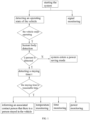
FIG. 1 is an overall flow chart of a method according to the present application; -
FIG. 2 is a flow chart of temperature monitoring according to the present application; -
FIG. 3 is a flow chart of time monitoring according to the present application; -
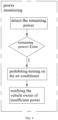
FIG. 4 is a flow chart of power monitoring according to the present application; -
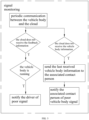
FIG. 5 is a flow chart of signal monitoring according to the present application; and -
FIG. 6 is a schematic diagram of an overall structure of a system according to the present application. - In order to make the objects, technical solutions and beneficial effects of the present application clearer, the present application will be further described in detail below with reference to the embodiments and accompanying drawings, but the embodiments of the present application are not limited thereto.
- As shown in
FIG. 1 , a safety protection method based on a vehicle-mounted air conditioner for a new energy vehicle includes the following steps: - detecting an operating state of a vehicle and sending a state signal;
- determining whether the vehicle stops operating in response to the state signal;
- if the vehicle stops operating, performing a human body detection to detect whether a person stays in the vehicle when the vehicle is in a stopped operating state, and sending a person staying signal to output a detection result;
- acquiring the detection result in response to the person staying signal, if a person stays in the vehicle, detecting a staying time for the person in the vehicle and sending a staying time signal;
- reading the staying time signal, and acquiring a staying time t for the person in the vehicle, when the staying time t exceeds a predetermined period of time, informing an associated contact person that there is a person stayed in the vehicle, and simultaneously performing temperature monitoring, time monitoring and power monitoring, wherein the predetermined period of time is used for a user to pick up belongings in the vehicle and prepare for getting off the vehicle, which belongs to a reasonable staying time.
- In particular, the informing of a person staying is used to inform the associated contact person that there is a person stayed in the vehicle for a long time when the vehicle is in a stopping state. The temperature monitoring is used to adjust the temperature in the vehicle, thereby preventing children trapped in the car from being injured due to the temperature in the car being too high or too low. The time monitoring is used to monitor the staying time for the person stayed in the vehicle, and raise an alarm after the child has been trapped in the vehicle for a long time. The power monitoring is used to monitor the power of the vehicle, and if the remaining power is lower than a limit power, prohibiting turning on the air conditioner to ensure that the remaining power in the car is sufficient for the normal operation of the system except for the air conditioner.
- As shown in
FIG. 2 , the temperature monitoring includes the following steps: - presetting an alerting temperature range (Tem2-Tem3 and Tem4-Tem5), a warning temperature range (Tem1-Tem2 and Tem5-Tem6) and an alarm temperature range (>Tem6 and <Tem1), wherein Tem1 < Tem2 < Tem3 < Tem4 < Tern 5 < Tem6, and for example, Tem1 is 0°C, Tem2 is 5°C, Tem3 is 10°C, Tem4 is 25°C, Tem5 is 30°C, Tem6 is 35°C;
- detecting and acquiring an in-vehicle temperature;
- determining whether the in-vehicle temperature is within the alerting temperature range, which is an uncomfortable temperature range for in-vehicle, and if the in-vehicle temperature is within the alerting temperature range, alerting the associated contact person to manually start the in-vehicle air conditioner to adjust the in-vehicle temperature;
- determining whether the in-vehicle temperature is within the warning temperature range, which is a temperature range where it is difficult for the stayed person to survive in the vehicle for a long time, and if the in-vehicle temperature is within the warning temperature range, the system automatically starts the vehicle-mounted air conditioner to adjust the in-vehicle temperature, thereby effectively avoiding the child from being trapped in the vehicle with an excessively high temperature or an excessively low temperature;
- determining whether the in-vehicle temperature is within the alarm temperature range, which is an excessively high temperature range for in-vehicle, and if the in-vehicle temperature is within the alarm temperature range, issuing an alarm to ask for help from the police, and simultaneously notifying the associated contact person that an alarm has been issued;
- determining whether the air conditioner is normally started, and if the air conditioner is normally started, notifying the associated contact person that the air conditioner is started; if the air conditioner is not normally started, notifying the associated contact person that the function of the vehicle-mounted air conditioner for adjusting the temperature in the vehicle fails;
- detecting whether the in-vehicle temperature is improved, and if the in-vehicle temperature is not improved, notifying the associated contact person in time that the temperature adjustment capability of the vehicle-mounted air conditioner is insufficient, such that the associated contact person returns in time for rescue.
- As shown in
FIG. 3 , the time monitoring includes the following steps: - presetting a prompt period of time, a warning period of time and an alarm period of time, wherein the prompt period of time < the warning period of time < the alarm period of time;
- determining whether the staying time t reaches the preset prompt period of time, and if the staying time t reaches the preset prompt period of time, notifying the associated contact person that a person is stayed in the vehicle for a too long time;
- determining whether the staying time t reaches the preset warning period of time, and if the staying time t reaches the preset warning period of time, notifying the associated contact person that an alarm is about to be issued, to provide a warning to the associated contact person, so that the associated contact person can return in time to cancel the warning;
- determining whether the staying time t reaches the preset alarm period of time, and if the staying time t reaches the preset alarm period of time, it is indicated that the person is stayed in the vehicle for a long time, issuing an alarm to ask for help from the police, and notifying an associated contact person that an alarm has been issued.
- As shown in
FIG. 4 , the power monitoring includes the following steps: - detecting and reading a remaining power of the vehicle;
- presetting a limit power, and determining whether the remaining power is lower than the limit power;
- if the remaining power is lower than the limit power, prohibiting turning on the air conditioner so as to save power for the system, so that the system can still operate normally and continue to send a message and issue an alarm.
- As shown in
FIGS. 1 and5 , the method further simultaneously performs a signal monitoring, which includes the following steps: - determining whether a communication between the vehicle body and a cloud is normal by determining a response status of a periodic communication therebetween;
- if the communication between the vehicle body and the cloud is abnormal, continue to determining whether the vehicle stops operating, and if the vehicle stops operating, the cloud sending a message to the associated contact person to notify that a networking signal of the vehicle body is interfered; if the vehicle does not stop operating, prompting the driver through vehicle body signal lamp flashing, voice and the like.
- As shown in
FIG. 6 , a safety protection system based on a vehicle-mounted air conditioner for a new energy vehicle includes an operating detection module, a human body detection module, a timing module, a temperature detection module, an air conditioner control module, a power monitoring module, a control module, vehicle-mounted networking module, a power supply module, a vehicle-mounted air conditioner, a vehicle body component and so on. - The human body detection module is configured to detect whether there is a person stayed in the vehicle when the vehicle stops operating, and send a person staying signal. The human body detection module monitors the in-vehicle situation on a full-day by using a camera with an infrared night vision function that is mounted in a suitable position in the vehicle for performing a human body image recognition. By applying an existing human body image recognition algorithm, to the human body detection module determines whether there is a person in the vehicle based on an analysis of a series of human body-related attributes, and sends the determination result to the control module. If there is a person in the vehicle, the camera will take a photograph of the vehicle at the moment, and send the photograph to the user's mobile phone when the user has a demand for viewing the in-vehicle situation at the mobile phone end. The human body detection module transfers information to the control module via Bluetooth.
- The temperature detection module is configured to detect an in-vehicle temperature and send an in-vehicle temperature signal upon determining that a person is stayed in the vehicle. The temperature detection module uses non-contact temperature sensors that are arranged in many positions in the vehicle, and sends the measured temperature signal to the control module via a port for performing AD conversion processing.
- The control module is electrically connected with the temperature detection module and the human body detection module, and is configured to perform information processing according to a preset system control logic and control operations of the modules. The control module adopts a single chip microcomputer in the prior art. The information transmission between the control module and the vehicle-mounted networking module is implemented via CAN communication (transmission of control information) and Bluetooth (transmission of pictures).
- The timing module is provided in the control module. The timing module adopts a timer in the prior art, and is configured to start timing when the person staying signal indicates that a person is stayed in the vehicle and send a staying time signal.
- The operating detection module is provided in the control module, and configured to detect an operating state of the vehicle and send a state signal. Here, in the prior art, the operating state information of the vehicle can be directly obtained from the vehicle-mounted networking module.
- The vehicle-mounted networking module is electrically connected between the vehicle-mounted air conditioner and the control module, and configured to control operations of the vehicle-mounted air conditioner in response to a signal from the control module. In particular, the vehicle-mounted networking module may be a core module of a popular vehicle networking technology, for example, an intelligent vehicle-mounted terminal, i.e., Telematics BOX, abbreviated as a vehicle-mounted T-BOX, which implements communication with a background cloud service system/mobile phone APP and a vehicle information display and control function of the mobile phone APP. The vehicle-mounted T-BOX terminal is provided with a SIM card, a 4G antenna, a GPS antenna, and the like; and supports Bluetooth and WIFI communication; has an OBD module with dual-core processing, and a CPU architecture with dual-core processing; respectively collects bus data and private protocols related to vehicle buses Dcan, Bean and Pcan for reverse control, so as to implement the transfer of instructions and information, including vehicle state information, control instructions and the like; data is transmitted to a cloud server (bidirectional communication) via a GPRS network, and vehicle body information is actively fed back to a user's mobile phone, such that a dynamic intervention is performed to avoid accidents. Based on the vehicle-mounted T-BOX terminal, the functions of actively/remotely controlling of the vehicle-mounted air conditioner, making a call, communicating with a mobile phone and the like can be realized. When the terminal is in a state of no signal network, the current information (including temperature, human body detection information, vehicle positioning, remaining power, etc.) needs to be recorded periodically, and the latest real-time information is sent to the cloud in a complementary reporting mode when the network is recovered.
- The alarm module is provided in the control module, and configured to issue an alarm to a public safety department via a vehicle-mounted SIM card in the vehicle-mounted networking module, wherein the content of the alarm is preset voice alarm information (including vehicle location, vehicle model and color, license plate number and so on); and control the vehicle body component via the vehicle-mounted networking module for realizing vehicle whistling and flashing; and send alarm information to an APP on the user mobile phone via a cloud server of the vehicle-mounted networking module.
- The vehicle-mounted air conditioner is configured to drive the air conditioner of the vehicle to perform a refrigeration or heating, and is in data connection with the vehicle-mounted networking module via a CAN communication network. The vehicle-mounted air conditioner receives a control instruction vie a CAN network for performing an operation of refrigeration, heating or turning off, and feeds back an operation state of the air conditioner to the control module in real time. An air conditioner control module is provided in the control module, and configured to control on-off and a temperature adjustment of the air conditioner, and monitor an operating state of the air conditioner. The operation effect of the vehicle-mounted air conditioner may be determined by analyzing the relationship between the temperature change in the vehicle and the time after the air conditioner is turned on, and the result is fed back to the user when the effect is poor.
- The power supply module is configured to supply power to each circuit of the system, use a vehicle-mounted power supply as a power supply module of the system, and feedback the remaining power information of the power supply to the control module in real time. The power supply module is connected to the vehicle-mounted networking module through a CAN communication network.
- The power monitoring module is provided in the control module, and configured to detect the power remaining in the power supply module, and determine the remaining power, so as to ensure that the power of the power supply module is sufficient to maintain the operation of the main function of the system and alarm.
- The vehicle-mounted networking module data is in data connection with the cloud server. The cloud server is a terminal based on the vehicle-mounted T-BOX, and an information service background established by applying a cloud technology; connects the vehicle body with a mobile phone through a GPRS network for information interaction, and integrates and centrally manages user data in the background, so that the user can achieve functions, such as real-time information query and remote vehicle control. When the cloud server is disconnected with the vehicle-mounted terminal, the information received from the vehicle body for the last time is sent to the mobile phone, and the mobile phone is informed that the communication with the vehicle fails at the moment. When the cloud server is disconnected with the user's mobile phone, the information received from the vehicle body at the latest time is sent to the user's mobile phone module after the communication of the mobile phone is recovered. The APP on the user's mobile phone transmits the user's request and control command to the vehicle-mounted networking module via the cloud server and the 4G network, and the vehicle-mounted networking module transmits the request and control information to each of modules in the vehicle via the CAN network. The vehicle-mounted networking module obtains information in real time via the CAN network and other communication interfaces (Bluetooth) and uploads the information to the cloud server. The cloud server sends the information to APP on the user's mobile phone through the 4G network.
- In summary, according to the present application, if a child is trapped in a stopped vehicle, the in-vehicle temperature is adjusted by means of the temperature monitoring and the person staying informing, for providing a comfortable survival environment and gaining time for rescue of the child. In this way, the associated contact person can timely rescue the trapped child, and avoiding property loss in the vehicle while ensuring the life safety of the detained child. The in-vehicle temperature is classified into different levels, so as to correspondingly perform prompting of starting the vehicle-mounted air conditioner, automatically starting the vehicle-mounted air conditioner and issuing an alarm, which has a high practicability. The normal operation of the vehicle-mounted air conditioner is ensured by detecting the operation of the vehicle-mounted air conditioner. When the air conditioner fails or the cooling/heating effect is poor, a message is sent to the associated contact person to notify the associated contact person of the fault of the vehicle-mounted air conditioner.
Claims (7)
- A safety protection method based on a vehicle-mounted air conditioner for a new energy vehicle, comprising the following steps:detecting an operating state of the vehicle; anddetermining whether the vehicle stops operating by an operating detection module;if the vehicle stops operating, performing a human body detection and sending a person staying signal by a human body detection module;when a person stays in the vehicle, detecting a staying time for the person staying in the vehicle by a timing module;when the staying time exceeds a predetermined period of time, informing an associated contact person that there is a person stayed in the vehicle, and simultaneously performing temperature monitoring by a temperature detection module, time monitoring by the timing module and power monitoring by a power monitoring module;determining whether the air conditioner is normally operated by an air conditioner control module, and if the air conditioner is normally operated, notifying the associated contact person that the air conditioner is started normally; if the air conditioner is not normally operated, notifying the associated contact person that the air conditioner is started abnormally; anddetermining whether the in-vehicle temperature is significantly improved, and if the in-vehicle temperature is not significantly improved, alerting the associated contact person that the air conditioner has a poor effect;wherein the temperature monitoring comprises the following steps:presetting an alerting temperature range, a warning temperature range and an alarm temperature range;detecting and acquiring an in-vehicle temperature;determining whether the in-vehicle temperature is within the alerting temperature range, and if the in-vehicle temperature is within the alerting temperature range, alerting the associated contact person to start the in-vehicle air conditioner;determining whether the in-vehicle temperature is within the warning temperature range, and if the in-vehicle temperature is within the warning temperature range, automatically starting the vehicle-mounted air conditioner, and informing the associated contact person that the air conditioner has been started; anddetermining whether the in-vehicle temperature is within the alarm temperature range, and if the in-vehicle temperature is within the alarm temperature range, issuing, by the vehicle, an alarm and calling police and simultaneously notifying the associated contact person.
- The safety protection method based on a vehicle-mounted air conditioner for a new energy vehicle according to claim 1, characterized in that the time monitoring comprises the following steps:presetting a prompt period of time, a warning period of time and an alarm period of time;determining whether the staying time reaches the preset prompt period of time, and if the staying time reaches the preset prompt period of time, notifying the associated contact person that a person is stayed in the vehicle for a too long time;determining whether the staying time reaches the preset warning period of time, and if the staying time reaches the preset warning period of time, notifying the associated contact person that an alarm is about to be issued; anddetermining whether the staying time reaches the preset alarm period of time, and if the staying time reaches the preset alarm period of time, issuing by the vehicle, an alarm and calling police, and notifying an associated contact person.
- The safety protection method based on a vehicle-mounted air conditioner for a new energy vehicle according to claim 1, characterized in that the power monitoring comprises the following steps:detecting and reading a remaining power of the vehicle;presetting a limit power, and determining whether the remaining power is lower than the limit power; andif the remaining power is lower than the limit power, prohibiting turning on the air conditioner and notifying the associated contact person of insufficient power.
- A safety protection system based on a vehicle-mounted air conditioner for a new energy vehicle, comprising:a human body detection module, configured to detect whether there is a person stayed in the vehicle when the vehicle stops operating, and send a person staying signal;a temperature detection module, configured to detect an in-vehicle temperature and send an in-vehicle temperature signal;a control module, electrically connected with the temperature detection module and the human body detection module, and configured to perform information processing according to a preset system control logic and control operations of the modules;an operating detection module, provided in the control module and configured to detect an operating state of the vehicle and send a state signal;a timing module, provided in the control module and configured to start timing when the person staying signal indicates that a person is stayed in the vehicle and send a staying time signal;a vehicle-mounted air conditioner, configured to adjust the in-vehicle temperature;a vehicle-mounted networking module, electrically connected among the vehicle-mounted air conditioner, a vehicle body component, a power supply module and the control module, and configured to control operations of the vehicle-mounted air conditioner and the vehicle body component in response to a signal from the control module;an air conditioner control module, provided in the control module and configured to control on-off and a temperature adjustment of the air conditioner, and monitor an operating state of the air conditioner, wherein the air conditioner control module determines whether the air conditioner is normally operated, and if the air conditioner is normally operated, notifying an associated contact person that the air conditioner is started normally; if the air conditioner is not normally operated, notifying the associated contact person that the air conditioner is started abnormally; and determines whether the in-vehicle temperature is significantly improved, and if the in-vehicle temperature is not significantly improved, alerting the associated contact person that the air conditioner has a poor effect;wherein the temperature detection module is configured to carry out the following steps:presetting an alerting temperature range, a warning temperature range and an alarm temperature range;determining whether the detected and acquired in-vehicle temperature is within the alerting temperature range, and if the in-vehicle temperature is within the alerting temperature range, alerting the associated contact person to start the in-vehicle air conditioner;determining whether the in-vehicle temperature is within the warning temperature range, and if the in-vehicle temperature is within the warning temperature range, automatically starting the vehicle-mounted air conditioner, and informing the associated contact person that the air conditioner has been started; anddetermining whether the in-vehicle temperature is within the alarm temperature range, and if the in-vehicle temperature is within the alarm temperature range, issuing, by the vehicle, an alarm and calling police and simultaneously notifying the associated contact person,wherein the safety protection system further includesan alarm module, provided in the control module and configured to issue an alarm to a public safety department via a vehicle-mounted SIM card in the vehicle-mounted networking module; control the vehicle body component via the vehicle-mounted networking module for realizing vehicle whistling and flashing; and send alarm information to an APP on the user mobile phone via a cloud server of the vehicle-mounted networking module; anda power supply module, configured to supply power to circuits in the system.
- The safety protection system based on a vehicle-mounted air conditioner for a new energy vehicle according to claim 4, characterized in that, the vehicle-mounted networking module data is in data connection with the cloud server, and the cloud server is in data connection with a user mobile phone module.
- The safety protection system based on a vehicle-mounted air conditioner for a new energy vehicle according to claim 4, characterized by further comprising
a power monitoring module, provided in the control module and configured to acquire remaining power information of the power supply module via the vehicle-mounted networking module, and send a remaining power signal to the control module. - The safety protection system based on a vehicle-mounted air conditioner for a new energy vehicle according to claim 4, characterized in that, the human body detection module is achieved with one or more of following manners: infrared rays, ultrasonic waves, microwaves, image recognition, and gravity detection.
Applications Claiming Priority (2)
| Application Number | Priority Date | Filing Date | Title |
|---|---|---|---|
| CN201910199601.2A CN109895597A (en) | 2019-03-15 | 2019-03-15 | A kind of security protection method and system based on new-energy automobile on-board air conditioner |
| PCT/CN2020/078333 WO2020187067A1 (en) | 2019-03-15 | 2020-03-07 | Safety protection method based on new energy automobile vehicle-mounted air conditioner, and system thereof |
Publications (4)
| Publication Number | Publication Date |
|---|---|
| EP3925836A1 EP3925836A1 (en) | 2021-12-22 |
| EP3925836A4 EP3925836A4 (en) | 2022-04-20 |
| EP3925836C0 EP3925836C0 (en) | 2024-09-25 |
| EP3925836B1 true EP3925836B1 (en) | 2024-09-25 |
Family
ID=66953720
Family Applications (1)
| Application Number | Title | Priority Date | Filing Date |
|---|---|---|---|
| EP20774619.9A Active EP3925836B1 (en) | 2019-03-15 | 2020-03-07 | Safety protection method based on new energy automobile vehicle-mounted air conditioner, and system thereof |
Country Status (5)
| Country | Link |
|---|---|
| US (1) | US11827078B2 (en) |
| EP (1) | EP3925836B1 (en) |
| JP (1) | JP7336121B2 (en) |
| CN (1) | CN109895597A (en) |
| WO (1) | WO2020187067A1 (en) |
Families Citing this family (15)
| Publication number | Priority date | Publication date | Assignee | Title |
|---|---|---|---|---|
| CN109895597A (en) * | 2019-03-15 | 2019-06-18 | 上海弘遥电子研究开发有限公司 | A kind of security protection method and system based on new-energy automobile on-board air conditioner |
| CN112078522A (en) * | 2020-09-15 | 2020-12-15 | 珠海格力电器股份有限公司 | An automatic alarm device and method for detecting that a person is locked in a car |
| JP7405057B2 (en) * | 2020-10-08 | 2023-12-26 | トヨタ自動車株式会社 | Control device, program and control method |
| CN112319367A (en) * | 2020-10-30 | 2021-02-05 | 轩辕智驾科技(深圳)有限公司 | Monitoring and protection systems and equipment for stranded persons in vehicles |
| CN114684151A (en) * | 2020-12-14 | 2022-07-01 | 宝能汽车集团有限公司 | Vehicle control method, device and vehicle based on wearable device |
| CN115195378A (en) * | 2021-04-09 | 2022-10-18 | 博泰车联网科技(上海)股份有限公司 | In-vehicle safety detection method, device, in-vehicle equipment and computer storage medium |
| CN113263887A (en) * | 2021-06-11 | 2021-08-17 | 青岛海尔空调器有限总公司 | Safety protection system of automobile air conditioner and control method thereof |
| CN114056046B (en) * | 2021-11-22 | 2024-11-15 | 青岛海尔空调器有限总公司 | Automobile air conditioning control method, control device and automobile air conditioning system |
| GB2614544A (en) * | 2022-01-06 | 2023-07-12 | Continental Automotive Tech Gmbh | Vehicle comprising a security device |
| CN115214516A (en) * | 2022-07-14 | 2022-10-21 | 润光智能(深圳)有限公司 | Personnel anti-lock monitoring method, device, equipment and storage medium |
| CN115390502A (en) * | 2022-10-09 | 2022-11-25 | 重庆科湛纵弛新能源汽车空调有限责任公司 | Remote management system for automobile air conditioner |
| JP2024068008A (en) * | 2022-11-07 | 2024-05-17 | 株式会社ユピテル | Systems etc. |
| CN116245314A (en) * | 2023-02-02 | 2023-06-09 | 宁夏隆基宁光仪表股份有限公司 | Resident electricity limiting method and resident electricity limiting system based on intelligent ammeter |
| CN116279261A (en) * | 2023-03-31 | 2023-06-23 | 重庆长安汽车股份有限公司 | Auxiliary temperature control method, equipment and storage medium |
| CN117818526A (en) * | 2023-12-25 | 2024-04-05 | 阿尔特汽车技术股份有限公司 | Remote control method, system and electronic equipment based on vehicle safety |
Family Cites Families (28)
| Publication number | Priority date | Publication date | Assignee | Title |
|---|---|---|---|---|
| JP2001160192A (en) * | 1999-12-03 | 2001-06-12 | Hitachi Ltd | Car emergency reporting system |
| JP2002063668A (en) | 2000-06-07 | 2002-02-28 | Toshiba Corp | In-car person detection notification device and danger state avoidance device |
| US8232874B1 (en) * | 2009-09-26 | 2012-07-31 | Dennis Aneiros | Vehicle child seat safety system |
| US9123244B2 (en) | 2013-03-15 | 2015-09-01 | Denso International America, Inc. | Vehicle tracking of personal devices with response system |
| US9227484B1 (en) * | 2014-03-20 | 2016-01-05 | Wayne P. Justice | Unattended vehicle passenger detection system |
| US20160103111A1 (en) * | 2014-10-14 | 2016-04-14 | Delphi Technolgies, Inc. | Occupant safety system with c02 detection |
| JP6447153B2 (en) * | 2015-01-15 | 2019-01-09 | 三菱重工サーマルシステムズ株式会社 | Air conditioner, vehicle, air conditioner failure detection method and program |
| US10074263B1 (en) * | 2015-09-30 | 2018-09-11 | Miguel Angel Garcia | Vehicle safety system and method of use |
| CN105389944A (en) * | 2015-12-03 | 2016-03-09 | 长春工业大学 | Early warning and automatic rescue system for kid detained in car |
| US20180354443A1 (en) * | 2015-12-18 | 2018-12-13 | Nona Ebrahimi | System and Method for Child Car Seat Safety Detection and Notification |
| CN106934989A (en) * | 2015-12-31 | 2017-07-07 | 博世汽车部件(苏州)有限公司 | It is applied to detection and prior-warning device and the method for vehicle |
| US10946716B2 (en) * | 2016-02-21 | 2021-03-16 | Eric Ireri | Vehicle temperature sensor systems |
| US9758016B1 (en) * | 2016-04-13 | 2017-09-12 | International Businessmachines Corporation | Intelligent vehicular occupant safety system |
| JP2017218032A (en) | 2016-06-08 | 2017-12-14 | 三菱電機株式会社 | In-vehicle device |
| CN106494342B (en) * | 2016-10-26 | 2019-03-01 | 浙江吉利控股集团有限公司 | A safety protection system and method for leaving a car for children |
| US10183546B2 (en) * | 2017-02-27 | 2019-01-22 | Ford Global Technologies, Llc | Infrared sensor arrays for monitoring vehicle occupants and windows |
| CN108725264A (en) * | 2017-04-24 | 2018-11-02 | 中兴通讯股份有限公司 | A kind of seat-regulating method, device and system |
| US20180370431A1 (en) * | 2017-06-23 | 2018-12-27 | Aamp Of Florida, Inc. | Unattented occupant protection system (uops) safety system |
| CN109446435B (en) * | 2017-08-31 | 2022-06-28 | 京东方科技集团股份有限公司 | Information display device, method, system, and computer-readable storage medium |
| CN107650853A (en) * | 2017-09-13 | 2018-02-02 | 上海蓥石汽车技术有限公司 | A kind of in-car omission personnel detection and protection device for new energy electric motor vehicle |
| CN207481818U (en) * | 2017-10-20 | 2018-06-12 | 宝沃汽车(中国)有限公司 | Body control system and automobile |
| CN108099784A (en) * | 2017-12-25 | 2018-06-01 | 南京工程学院 | Interior delay personnel alarm cooling system and its cool-down method |
| US20190232818A1 (en) * | 2018-01-30 | 2019-08-01 | Shantaveer Gangu | Vehicular child safety system |
| CN108749713A (en) * | 2018-04-02 | 2018-11-06 | 北京新能源汽车股份有限公司 | Safety control method, device and equipment for people staying in vehicle |
| CN108549282A (en) * | 2018-04-17 | 2018-09-18 | 安徽理工大学 | A kind of automobile anti-suffocation intelligence control system |
| CN108394374A (en) * | 2018-04-26 | 2018-08-14 | 奇瑞汽车股份有限公司 | Guard method, device and computer readable storage medium by bus |
| KR101948249B1 (en) * | 2018-09-13 | 2019-02-14 | 김동환 | Vehicle alarm system and method to protect children and elderly |
| CN109895597A (en) * | 2019-03-15 | 2019-06-18 | 上海弘遥电子研究开发有限公司 | A kind of security protection method and system based on new-energy automobile on-board air conditioner |
-
2019
- 2019-03-15 CN CN201910199601.2A patent/CN109895597A/en active Pending
-
2020
- 2020-03-07 WO PCT/CN2020/078333 patent/WO2020187067A1/en not_active Ceased
- 2020-03-07 EP EP20774619.9A patent/EP3925836B1/en active Active
- 2020-03-07 JP JP2022502319A patent/JP7336121B2/en active Active
-
2021
- 2021-09-14 US US17/475,332 patent/US11827078B2/en active Active
Also Published As
| Publication number | Publication date |
|---|---|
| US20220001722A1 (en) | 2022-01-06 |
| WO2020187067A1 (en) | 2020-09-24 |
| JP2022525263A (en) | 2022-05-11 |
| EP3925836A4 (en) | 2022-04-20 |
| EP3925836C0 (en) | 2024-09-25 |
| US11827078B2 (en) | 2023-11-28 |
| JP7336121B2 (en) | 2023-08-31 |
| CN109895597A (en) | 2019-06-18 |
| EP3925836A1 (en) | 2021-12-22 |
Similar Documents
| Publication | Publication Date | Title |
|---|---|---|
| EP3925836B1 (en) | Safety protection method based on new energy automobile vehicle-mounted air conditioner, and system thereof | |
| US20180111506A1 (en) | Vehicle safety system and method | |
| CN205273301U (en) | Antilock braking system in car and car thereof | |
| CN114604055A (en) | Vehicle temporary parking control method, device, vehicle and storage medium | |
| CN113428103B (en) | An automatic alarm system and method for in-vehicle life detection | |
| CN110040093B (en) | Early-warning alarm cooling method and system for in-vehicle detained personnel | |
| CN205862530U (en) | People's system for prompting is had in a kind of car locking rear car | |
| CN109017677A (en) | A kind of electric motor intelligent is antitheft to recover system | |
| CN214084149U (en) | Occupant Monitoring Systems and Vehicles | |
| CN110315915A (en) | Tire burglary-resisting system, method and machine readable storage medium | |
| CN117400847A (en) | Method, device and storage medium for transmitting information in vehicle | |
| CN205365524U (en) | Vehicle intelligence anti -theft system based on unusual vibration monitoring | |
| CN208515554U (en) | A remote control car locking alarm device based on PEPS model | |
| CN209126689U (en) | A large passenger car seat belt intelligent monitoring device | |
| CN114475506A (en) | Multifunctional safety system and method for real-time life detection of passenger vehicle | |
| CN110021154A (en) | A kind of car stayer's intelligent alarm system | |
| CN108407710A (en) | Brake detection device, intelligent braking monitoring system and its method | |
| CN213323460U (en) | Intelligent lamp device of electric vehicle | |
| CN115891894A (en) | Method for judging and alarming people staying in vehicle | |
| CN222372771U (en) | Electronic rearview mirror integrated with atmosphere lamp | |
| CN209232109U (en) | A fatigue driving warning system | |
| CN220242990U (en) | Vehicle-mounted intelligent life safety monitoring system | |
| CN222381839U (en) | But device that remote control warning lamp was private | |
| CN223791447U (en) | Environmental monitoring devices, environmental monitoring systems and automobiles | |
| CN214647942U (en) | Safety alarm device in intelligent infant trapped car |
Legal Events
| Date | Code | Title | Description |
|---|---|---|---|
| STAA | Information on the status of an ep patent application or granted ep patent |
Free format text: STATUS: THE INTERNATIONAL PUBLICATION HAS BEEN MADE |
|
| PUAI | Public reference made under article 153(3) epc to a published international application that has entered the european phase |
Free format text: ORIGINAL CODE: 0009012 |
|
| STAA | Information on the status of an ep patent application or granted ep patent |
Free format text: STATUS: REQUEST FOR EXAMINATION WAS MADE |
|
| 17P | Request for examination filed |
Effective date: 20210916 |
|
| AK | Designated contracting states |
Kind code of ref document: A1 Designated state(s): AL AT BE BG CH CY CZ DE DK EE ES FI FR GB GR HR HU IE IS IT LI LT LU LV MC MK MT NL NO PL PT RO RS SE SI SK SM TR |
|
| REG | Reference to a national code |
Ref country code: DE Ref legal event code: R079 Free format text: PREVIOUS MAIN CLASS: B60R0021015000 Ipc: G08B0021220000 Ref document number: 602020038364 Country of ref document: DE |
|
| STAA | Information on the status of an ep patent application or granted ep patent |
Free format text: STATUS: EXAMINATION IS IN PROGRESS |
|
| A4 | Supplementary search report drawn up and despatched |
Effective date: 20220318 |
|
| RIC1 | Information provided on ipc code assigned before grant |
Ipc: B60H 1/00 20060101ALI20220314BHEP Ipc: G08B 21/24 20060101ALI20220314BHEP Ipc: G08B 21/22 20060101AFI20220314BHEP |
|
| 17Q | First examination report despatched |
Effective date: 20220330 |
|
| DAV | Request for validation of the european patent (deleted) | ||
| DAX | Request for extension of the european patent (deleted) | ||
| GRAP | Despatch of communication of intention to grant a patent |
Free format text: ORIGINAL CODE: EPIDOSNIGR1 |
|
| STAA | Information on the status of an ep patent application or granted ep patent |
Free format text: STATUS: GRANT OF PATENT IS INTENDED |
|
| INTG | Intention to grant announced |
Effective date: 20240521 |
|
| GRAS | Grant fee paid |
Free format text: ORIGINAL CODE: EPIDOSNIGR3 |
|
| GRAA | (expected) grant |
Free format text: ORIGINAL CODE: 0009210 |
|
| STAA | Information on the status of an ep patent application or granted ep patent |
Free format text: STATUS: THE PATENT HAS BEEN GRANTED |
|
| AK | Designated contracting states |
Kind code of ref document: B1 Designated state(s): AL AT BE BG CH CY CZ DE DK EE ES FI FR GB GR HR HU IE IS IT LI LT LU LV MC MK MT NL NO PL PT RO RS SE SI SK SM TR |
|
| REG | Reference to a national code |
Ref country code: GB Ref legal event code: FG4D |
|
| REG | Reference to a national code |
Ref country code: CH Ref legal event code: EP |
|
| REG | Reference to a national code |
Ref country code: DE Ref legal event code: R096 Ref document number: 602020038364 Country of ref document: DE |
|
| REG | Reference to a national code |
Ref country code: IE Ref legal event code: FG4D |
|
| U01 | Request for unitary effect filed |
Effective date: 20241021 |
|
| U07 | Unitary effect registered |
Designated state(s): AT BE BG DE DK EE FI FR IT LT LU LV MT NL PT RO SE SI Effective date: 20241104 |
|
| PG25 | Lapsed in a contracting state [announced via postgrant information from national office to epo] |
Ref country code: NO Free format text: LAPSE BECAUSE OF FAILURE TO SUBMIT A TRANSLATION OF THE DESCRIPTION OR TO PAY THE FEE WITHIN THE PRESCRIBED TIME-LIMIT Effective date: 20241225 |
|
| PG25 | Lapsed in a contracting state [announced via postgrant information from national office to epo] |
Ref country code: GR Free format text: LAPSE BECAUSE OF FAILURE TO SUBMIT A TRANSLATION OF THE DESCRIPTION OR TO PAY THE FEE WITHIN THE PRESCRIBED TIME-LIMIT Effective date: 20241226 |
|
| PG25 | Lapsed in a contracting state [announced via postgrant information from national office to epo] |
Ref country code: RS Free format text: LAPSE BECAUSE OF FAILURE TO SUBMIT A TRANSLATION OF THE DESCRIPTION OR TO PAY THE FEE WITHIN THE PRESCRIBED TIME-LIMIT Effective date: 20241225 |
|
| PG25 | Lapsed in a contracting state [announced via postgrant information from national office to epo] |
Ref country code: RS Free format text: LAPSE BECAUSE OF FAILURE TO SUBMIT A TRANSLATION OF THE DESCRIPTION OR TO PAY THE FEE WITHIN THE PRESCRIBED TIME-LIMIT Effective date: 20241225 Ref country code: NO Free format text: LAPSE BECAUSE OF FAILURE TO SUBMIT A TRANSLATION OF THE DESCRIPTION OR TO PAY THE FEE WITHIN THE PRESCRIBED TIME-LIMIT Effective date: 20241225 Ref country code: GR Free format text: LAPSE BECAUSE OF FAILURE TO SUBMIT A TRANSLATION OF THE DESCRIPTION OR TO PAY THE FEE WITHIN THE PRESCRIBED TIME-LIMIT Effective date: 20241226 |
|
| PG25 | Lapsed in a contracting state [announced via postgrant information from national office to epo] |
Ref country code: IS Free format text: LAPSE BECAUSE OF FAILURE TO SUBMIT A TRANSLATION OF THE DESCRIPTION OR TO PAY THE FEE WITHIN THE PRESCRIBED TIME-LIMIT Effective date: 20250125 |
|
| PG25 | Lapsed in a contracting state [announced via postgrant information from national office to epo] |
Ref country code: SM Free format text: LAPSE BECAUSE OF FAILURE TO SUBMIT A TRANSLATION OF THE DESCRIPTION OR TO PAY THE FEE WITHIN THE PRESCRIBED TIME-LIMIT Effective date: 20240925 |
|
| PG25 | Lapsed in a contracting state [announced via postgrant information from national office to epo] |
Ref country code: ES Free format text: LAPSE BECAUSE OF FAILURE TO SUBMIT A TRANSLATION OF THE DESCRIPTION OR TO PAY THE FEE WITHIN THE PRESCRIBED TIME-LIMIT Effective date: 20240925 |
|
| PG25 | Lapsed in a contracting state [announced via postgrant information from national office to epo] |
Ref country code: CZ Free format text: LAPSE BECAUSE OF FAILURE TO SUBMIT A TRANSLATION OF THE DESCRIPTION OR TO PAY THE FEE WITHIN THE PRESCRIBED TIME-LIMIT Effective date: 20240925 Ref country code: PL Free format text: LAPSE BECAUSE OF FAILURE TO SUBMIT A TRANSLATION OF THE DESCRIPTION OR TO PAY THE FEE WITHIN THE PRESCRIBED TIME-LIMIT Effective date: 20240925 |
|
| PG25 | Lapsed in a contracting state [announced via postgrant information from national office to epo] |
Ref country code: SK Free format text: LAPSE BECAUSE OF FAILURE TO SUBMIT A TRANSLATION OF THE DESCRIPTION OR TO PAY THE FEE WITHIN THE PRESCRIBED TIME-LIMIT Effective date: 20240925 |
|
| U20 | Renewal fee for the european patent with unitary effect paid |
Year of fee payment: 6 Effective date: 20250325 |
|
| PLBE | No opposition filed within time limit |
Free format text: ORIGINAL CODE: 0009261 |
|
| STAA | Information on the status of an ep patent application or granted ep patent |
Free format text: STATUS: NO OPPOSITION FILED WITHIN TIME LIMIT |
|
| RAP2 | Party data changed (patent owner data changed or rights of a patent transferred) |
Owner name: SHANGHAI HONGYAO ELECTRONIC LABORATORY CO., LTD. Owner name: TOYO DENSO CO., LTD. |
|
| U1H | Name or address of the proprietor changed after the registration of the unitary effect |
Owner name: SHANGHAI HONGYAO ELECTRONIC LABORATORY CO., LTD.; CN Owner name: TOYO DENSO CO., LTD.; JP |
|
| 26N | No opposition filed |
Effective date: 20250626 |
|
| PLAA | Information modified related to event that no opposition was filed |
Free format text: ORIGINAL CODE: 0009299DELT |
|
| PLBE | No opposition filed within time limit |
Free format text: ORIGINAL CODE: 0009261 |
|
| REG | Reference to a national code |
Ref country code: CH Ref legal event code: L10 Free format text: ST27 STATUS EVENT CODE: U-0-0-L10-L00 (AS PROVIDED BY THE NATIONAL OFFICE) Effective date: 20251006 Ref country code: CH Ref legal event code: W10 Free format text: ST27 STATUS EVENT CODE: U-0-0-W10-W00 (AS PROVIDED BY THE NATIONAL OFFICE) Effective date: 20251006 |
|
| PG25 | Lapsed in a contracting state [announced via postgrant information from national office to epo] |
Ref country code: MC Free format text: LAPSE BECAUSE OF FAILURE TO SUBMIT A TRANSLATION OF THE DESCRIPTION OR TO PAY THE FEE WITHIN THE PRESCRIBED TIME-LIMIT Effective date: 20240925 |
|
| REG | Reference to a national code |
Ref country code: CH Ref legal event code: H13 Free format text: ST27 STATUS EVENT CODE: U-0-0-H10-H13 (AS PROVIDED BY THE NATIONAL OFFICE) Effective date: 20251023 |
|
| 26N | No opposition filed |
Effective date: 20250626 |
|
| RAP2 | Party data changed (patent owner data changed or rights of a patent transferred) |
Owner name: TOYO DENSO CO., LTD. |
|
| U1K | Transfer of rights of the unitary patent after the registration of the unitary effect |
Owner name: TOYO DENSO CO., LTD.; JP |
|
| GBPC | Gb: european patent ceased through non-payment of renewal fee |
Effective date: 20250307 |
|
| PG25 | Lapsed in a contracting state [announced via postgrant information from national office to epo] |
Ref country code: GB Free format text: LAPSE BECAUSE OF NON-PAYMENT OF DUE FEES Effective date: 20250307 |
|
| PG25 | Lapsed in a contracting state [announced via postgrant information from national office to epo] |
Ref country code: HR Free format text: LAPSE BECAUSE OF FAILURE TO SUBMIT A TRANSLATION OF THE DESCRIPTION OR TO PAY THE FEE WITHIN THE PRESCRIBED TIME-LIMIT Effective date: 20240925 |
|
| PG25 | Lapsed in a contracting state [announced via postgrant information from national office to epo] |
Ref country code: CH Free format text: LAPSE BECAUSE OF NON-PAYMENT OF DUE FEES Effective date: 20250331 |
|
| PG25 | Lapsed in a contracting state [announced via postgrant information from national office to epo] |
Ref country code: IE Free format text: LAPSE BECAUSE OF NON-PAYMENT OF DUE FEES Effective date: 20250307 |
|
| U20 | Renewal fee for the european patent with unitary effect paid |
Year of fee payment: 7 Effective date: 20260209 |