EP3900529A1 - Nichtmenschliches tier mit menschlichem il-34 und dessen verwendung - Google Patents
Nichtmenschliches tier mit menschlichem il-34 und dessen verwendung Download PDFInfo
- Publication number
- EP3900529A1 EP3900529A1 EP19914084.9A EP19914084A EP3900529A1 EP 3900529 A1 EP3900529 A1 EP 3900529A1 EP 19914084 A EP19914084 A EP 19914084A EP 3900529 A1 EP3900529 A1 EP 3900529A1
- Authority
- EP
- European Patent Office
- Prior art keywords
- human
- microglia
- human animal
- animal
- hiv
- Prior art date
- Legal status (The legal status is an assumption and is not a legal conclusion. Google has not performed a legal analysis and makes no representation as to the accuracy of the status listed.)
- Granted
Links
Images








Classifications
-
- A—HUMAN NECESSITIES
- A01—AGRICULTURE; FORESTRY; ANIMAL HUSBANDRY; HUNTING; TRAPPING; FISHING
- A01K—ANIMAL HUSBANDRY; AVICULTURE; APICULTURE; PISCICULTURE; FISHING; REARING OR BREEDING ANIMALS, NOT OTHERWISE PROVIDED FOR; NEW BREEDS OF ANIMALS
- A01K67/00—Rearing or breeding animals, not otherwise provided for; New or modified breeds of animals
- A01K67/027—New or modified breeds of vertebrates
-
- A—HUMAN NECESSITIES
- A01—AGRICULTURE; FORESTRY; ANIMAL HUSBANDRY; HUNTING; TRAPPING; FISHING
- A01K—ANIMAL HUSBANDRY; AVICULTURE; APICULTURE; PISCICULTURE; FISHING; REARING OR BREEDING ANIMALS, NOT OTHERWISE PROVIDED FOR; NEW BREEDS OF ANIMALS
- A01K67/00—Rearing or breeding animals, not otherwise provided for; New or modified breeds of animals
- A01K67/027—New or modified breeds of vertebrates
- A01K67/0271—Chimeric vertebrates, e.g. comprising exogenous cells
-
- A—HUMAN NECESSITIES
- A01—AGRICULTURE; FORESTRY; ANIMAL HUSBANDRY; HUNTING; TRAPPING; FISHING
- A01K—ANIMAL HUSBANDRY; AVICULTURE; APICULTURE; PISCICULTURE; FISHING; REARING OR BREEDING ANIMALS, NOT OTHERWISE PROVIDED FOR; NEW BREEDS OF ANIMALS
- A01K67/00—Rearing or breeding animals, not otherwise provided for; New or modified breeds of animals
- A01K67/027—New or modified breeds of vertebrates
- A01K67/0275—Genetically modified vertebrates, e.g. transgenic
-
- C—CHEMISTRY; METALLURGY
- C07—ORGANIC CHEMISTRY
- C07K—PEPTIDES
- C07K14/00—Peptides having more than 20 amino acids; Gastrins; Somatostatins; Melanotropins; Derivatives thereof
- C07K14/435—Peptides having more than 20 amino acids; Gastrins; Somatostatins; Melanotropins; Derivatives thereof from animals; from humans
- C07K14/52—Cytokines; Lymphokines; Interferons
- C07K14/54—Interleukins [IL]
-
- C—CHEMISTRY; METALLURGY
- C12—BIOCHEMISTRY; BEER; SPIRITS; WINE; VINEGAR; MICROBIOLOGY; ENZYMOLOGY; MUTATION OR GENETIC ENGINEERING
- C12N—MICROORGANISMS OR ENZYMES; COMPOSITIONS THEREOF; PROPAGATING, PRESERVING, OR MAINTAINING MICROORGANISMS; MUTATION OR GENETIC ENGINEERING; CULTURE MEDIA
- C12N5/00—Undifferentiated human, animal or plant cells, e.g. cell lines; Tissues; Cultivation or maintenance thereof; Culture media therefor
- C12N5/06—Animal cells or tissues; Human cells or tissues
- C12N5/0602—Vertebrate cells
- C12N5/0618—Cells of the nervous system
- C12N5/0622—Glial cells, e.g. astrocytes, oligodendrocytes; Schwann cells
-
- A—HUMAN NECESSITIES
- A01—AGRICULTURE; FORESTRY; ANIMAL HUSBANDRY; HUNTING; TRAPPING; FISHING
- A01K—ANIMAL HUSBANDRY; AVICULTURE; APICULTURE; PISCICULTURE; FISHING; REARING OR BREEDING ANIMALS, NOT OTHERWISE PROVIDED FOR; NEW BREEDS OF ANIMALS
- A01K2207/00—Modified animals
- A01K2207/12—Animals modified by administration of exogenous cells
-
- A—HUMAN NECESSITIES
- A01—AGRICULTURE; FORESTRY; ANIMAL HUSBANDRY; HUNTING; TRAPPING; FISHING
- A01K—ANIMAL HUSBANDRY; AVICULTURE; APICULTURE; PISCICULTURE; FISHING; REARING OR BREEDING ANIMALS, NOT OTHERWISE PROVIDED FOR; NEW BREEDS OF ANIMALS
- A01K2207/00—Modified animals
- A01K2207/15—Humanized animals
-
- A—HUMAN NECESSITIES
- A01—AGRICULTURE; FORESTRY; ANIMAL HUSBANDRY; HUNTING; TRAPPING; FISHING
- A01K—ANIMAL HUSBANDRY; AVICULTURE; APICULTURE; PISCICULTURE; FISHING; REARING OR BREEDING ANIMALS, NOT OTHERWISE PROVIDED FOR; NEW BREEDS OF ANIMALS
- A01K2217/00—Genetically modified animals
- A01K2217/05—Animals comprising random inserted nucleic acids (transgenic)
- A01K2217/052—Animals comprising random inserted nucleic acids (transgenic) inducing gain of function
-
- A—HUMAN NECESSITIES
- A01—AGRICULTURE; FORESTRY; ANIMAL HUSBANDRY; HUNTING; TRAPPING; FISHING
- A01K—ANIMAL HUSBANDRY; AVICULTURE; APICULTURE; PISCICULTURE; FISHING; REARING OR BREEDING ANIMALS, NOT OTHERWISE PROVIDED FOR; NEW BREEDS OF ANIMALS
- A01K2217/00—Genetically modified animals
- A01K2217/15—Animals comprising multiple alterations of the genome, by transgenesis or homologous recombination, e.g. obtained by cross-breeding
-
- A—HUMAN NECESSITIES
- A01—AGRICULTURE; FORESTRY; ANIMAL HUSBANDRY; HUNTING; TRAPPING; FISHING
- A01K—ANIMAL HUSBANDRY; AVICULTURE; APICULTURE; PISCICULTURE; FISHING; REARING OR BREEDING ANIMALS, NOT OTHERWISE PROVIDED FOR; NEW BREEDS OF ANIMALS
- A01K2227/00—Animals characterised by species
- A01K2227/10—Mammal
- A01K2227/105—Murine
-
- A—HUMAN NECESSITIES
- A01—AGRICULTURE; FORESTRY; ANIMAL HUSBANDRY; HUNTING; TRAPPING; FISHING
- A01K—ANIMAL HUSBANDRY; AVICULTURE; APICULTURE; PISCICULTURE; FISHING; REARING OR BREEDING ANIMALS, NOT OTHERWISE PROVIDED FOR; NEW BREEDS OF ANIMALS
- A01K2267/00—Animals characterised by purpose
- A01K2267/03—Animal model, e.g. for test or diseases
-
- A—HUMAN NECESSITIES
- A01—AGRICULTURE; FORESTRY; ANIMAL HUSBANDRY; HUNTING; TRAPPING; FISHING
- A01K—ANIMAL HUSBANDRY; AVICULTURE; APICULTURE; PISCICULTURE; FISHING; REARING OR BREEDING ANIMALS, NOT OTHERWISE PROVIDED FOR; NEW BREEDS OF ANIMALS
- A01K2267/00—Animals characterised by purpose
- A01K2267/03—Animal model, e.g. for test or diseases
- A01K2267/0337—Animal models for infectious diseases
Definitions
- the present invention relates to a non-human animal having human IL-34 and the use thereof.
- the present invention particularly relates to a non-human animal having human IL-34, a method for producing human microglia using the non-human animal, and human microglia obtained from the non-human animal.
- the present invention relates to a method for producing a non-human animal having human microglia, and a method for producing an HIV-infected non-human animal.
- Microglia are central nervous system (CNS)-resident macrophages, and contribute to brain development and immune defense.
- CNS central nervous system
- HSCs hematopoietic stem cells
- monocytes monocytes
- HSCs derived from a donor were shown to produce microglia-like cells in mice depleted of endogenous microglia by the expression of microglia-specific suicide genes, radiation, or chemical substances (for example, Non-Patent Literature 1).
- Non-Patent Literature 2 In an experiment in which human CD34 + cells were transplanted into immunodeficient mice, only a few human microglia were confirmed (for example, Non-Patent Literature 2).
- Non-Patent Literature 3 and Non-Patent Literature 4 mice in which human immune cells have been stably reconstructed by transfer of HSC (for example, Non-Patent Literature 3 and Non-Patent Literature 4) or human fetal liver and thymus (for example, Non-Patent Literature 5) into NOD/ScidIL2Rg-/-(NSG) mice and the like.
- HSC for example, Non-Patent Literature 3 and Non-Patent Literature 4
- human fetal liver and thymus for example, Non-Patent Literature 5
- mice of the related art cannot retain human microglia, or can retain only a small number thereof, and thus have not been suitable for simulating HIV infection and the like in humans.
- the present invention includes the following aspects.
- the present invention also includes the following aspects.
- a non-human animal having large retention numbers of human microglia and a method for producing the same are provided.
- a method for using the non-human animal is also provided.
- IL-34" means an IL-34 protein
- IL-34 gene means a gene encoding the amino acid sequence of IL-34.
- gene means a polynucleotide including at least one open reading frame encoding a specific protein, and may include both exons and introns.
- human IL-34 activity means an activity that induces differentiation of human monocytes and macrophages in the body of a mouse in a case of introduction into an immunodeficient mouse.
- Human IL-34 activity includes an activity of inducing human microglia from human HSC in the body of an immunodeficient mouse.
- sequence identity (or homology) between amino acid sequences or base sequences is obtained as a ratio of matched amino acids or bases to the entire amino acid sequence or the entire base sequence excluding gaps in the obtained alignment by juxtaposing two amino acid sequences or base sequences while inputting gaps in portions corresponding to insertions and deletions so that the corresponding amino acids or bases are most matched.
- Sequence identity between amino acid sequences or between base sequences can be obtained using various homology search software known in the technical field. For example, a value of sequence identity of amino acid sequences can be obtained by calculation based on alignment obtained by known homology search software BLASTP, and a value of sequence identity of base sequences can be obtained by calculation based on alignment obtained by known homology search software BLASTN.
- stringent conditions include methods described in Molecular Cloning-A LABORATORY MANUAL THIRD EDITION (Sambrook et al., Cold Spring Harbor Laboratory Press ).
- Examples of stringent conditions include conditions for hybridization by performing incubation at 42 to 70°C for several hours to overnight in a hybridization buffer consisting of 6 ⁇ SSC (composition of 20 ⁇ SSC: 3 M sodium chloride, 0.3 M citric acid solution, pH 7.0), 5 ⁇ Denhardt's solution (composition of 100 ⁇ Denhardt's solution: 2% by mass bovine serum albumin, 2% by mass Ficoll, 2% by mass polyvinylpyrrolidone), 0.5% by mass SDS, 0.1 mg/mL salmon sperm DNA, and 50% formamide.
- a washing buffer to be used for washing after incubation a 0.1% by mass SDS-containing 1 ⁇ SSC solution is preferable, and a 0.1 % by mass SDS-containing 0.1 ⁇ SSC
- immunodeficient non-human animal means a non-human animal having one or more of a lack of functional immune cells such as T cells and B cells; DNA repair defects; defects in reconstitution of genes encoding an antigen specific receptor on lymphocytes; and lack of immune functional molecules such as IgM, IgG1, IgG2a, IgG2b, IgG3, and IgA.
- An immunodeficient non-human animal may have any of the above or other defects that result in abnormal immune function in the non-human animal.
- operably linked which is used with regard to polynucleotides means that a first base sequence is located sufficiently close to a second base sequence, and the first base sequence may affect the second base sequence or a region under control of the second base sequence.
- operably linked to a promoter means that a polynucleotide is linked to be expressed under the control of the promoter.
- the phase a "promoter can function" means that a polynucleotide operably linked to the promoter can be expressed in cells of a target non-human animal.
- an "expressible state” means that a polynucleotide can be transcribed in a cell into which the polynucleotide has been introduced.
- an "expression vector” means a vector including a target polynucleotide, which is the vector including a system that enables expression of a target polynucleotide in a cell into which the vector has been introduced.
- the term “marker” means a protein that is specifically expressed in a specific type of cell.
- the “marker” is preferably a protein present on a cell surface.
- a first aspect of the present invention is a non-human animal having human interleukin-34 (IL-34) in the body thereof.
- Human IL-34 includes, for example, the following.
- the human IL-34 gene includes, for example, the following.
- the number of amino acids to be deleted, substituted, added, or inserted is not particularly limited as long as the resulting polypeptide has human IL-34 activity.
- the number of bases to be deleted, substituted, added, or inserted is not particularly limited as long as the resulting polynucleotide encodes a polypeptide having human IL-34 activity.
- the number of amino acids or bases to be deleted, substituted, added, or inserted may be, for example, 1 to 80, is preferably 1 to 60, and is more preferably 1 to 50. Examples thereof include 1 to 30, 1 to 20, 1 to 10, 1 to 5, 1 to 3, 1 or 2, and the like.
- sequence identity is not particularly limited as long as it is 80% or more.
- sequence identity is preferably 85% or more, is more preferably 90% or more, is still more preferably 95% or more, and is particularly preferably 97% or more.
- the amino acid sequence of positions 1 to 20 is a signal peptide. Since a signal peptide is cleaved upon extracellular secretion, mature human IL-34 is composed of the amino acid sequence of positions 21 to 242 in the amino acid sequence set forth in SEQ ID NO: 2.
- human IL-34 also includes the following.
- the number of amino acids to be deleted, substituted, added, or inserted in the above (12) may be the same as in the case of the above (2).
- the numerical value of sequence identity in the above (13) may be the same as in the case of the above (3).
- Examples of the human IL-34 gene also includes a polynucleotide encoding a polypeptide in which a signal peptide for extracellular secretion is linked to the N-terminal side of the polypeptide of any of the above (11) to (13).
- the signal peptide is not limited to the signal peptide of human IL-34, and may be a signal peptide of another protein. Examples of such signal peptides include, for example, signal peptides of cytokines other than IL-34.
- the non-human animal is not particularly limited as long as it is a non-human animal, but is preferably a mammal.
- non-human animals include non-human primates (monkeys, chimpanzees, gorillas, and the like), rodents (mice, rats, guinea pigs, and the like), dogs, cats, rabbits, cows, pigs, horses, goats, sheep, and the like, but examples are not limited thereto.
- rodents are preferable and mice are more preferable because they are easily available, and testing thereon is easy.
- the non-human animal is preferably an immunodeficient non-human animal since human cells can be engrafted thereto.
- immunodeficient mice can be characterized by one or more defects in genes involved in an immune function such as Rag1 and Rag2 (for example, Oettinger, M. A et al., Science, 248: 1517-1523, 1990 ; Schatz, D. G. et al., Cell, 59: 1035-1048, 1989 ).
- Immunodeficient mice can have any of the above or other defects that result in abnormal immune function in the mouse.
- immunodeficient mice examples include, but are not limited to, NOG mice (NOD. Cg-Prkdc scid Il2rg tm1Sug /ShiJic), NSG mice (NOD. Cg-Prkdc scid Il2rg tm1Wjl /SzJ), NOD/ShiJcl mice, and the like. Immunodeficient mice are commercially available, and such commercially available immunodeficient mice can be used without particular limitation.
- the non-human animal of the present embodiment is characterized by having human IL-34 in the body.
- methods for producing a non-human animal having human IL-34 in the body include a method of administering human IL-34 to a non-human animal, a method of introducing the human IL-34 gene into a non-human animal, a method of transferring cells that secrete human IL-34 into a non-human animal, and the like.
- an administration method is not particularly limited as long as human IL-34 is retained in the non-human animal, but parenteral administration is preferable.
- routes of parenteral administration include intramuscular injection, subcutaneous injection, intravascular injection, and the like.
- Administration of human IL-34 may be a single dose or multiple doses, as long as human IL-34 is retained in the non-human animal.
- Whether or not a non-human animal has human IL-34 in the body can be confirmed by collecting plasma from the non-human animal and measuring a human IL-34 concentration in the plasma.
- a method for measuring a human IL-34 concentration in plasma is not particularly limited, but examples thereof include immunochemical methods using anti-human IL-34 antibodies. Examples of such methods include an ELISA method, an EIA method, a RIA method, a Western blotting method, and the like.
- a commercially available ELISA kit for measuring human IL-34 or the like may be used.
- a concentration of human IL-34 in plasma is, for example, 20 pg/mL or more, is preferably 30 pg/mL or more, is more preferably 50 pg/mL or more, is still more preferably 80 pg/mL or more, and is particularly preferably 100 pg/mL or more.
- An upper limit of the concentration of human IL-34 in plasma is not particularly limited, and examples thereof include 1000 pg/mL or less, 800 pg/mL or less, or 700 pg/mL or less.
- the human IL-34 gene When the human IL-34 gene is introduced into a non-human animal, it is preferable that the human IL-34 be operably linked downstream of a promoter that can function in the non-human animal as an introduction target.
- promoters that can function in mammals include a cytomegalovirus (CMV) promoter, an SR ⁇ promoter, an SV40 early promoter, an LTR of retrovirus, a Rous sarcoma virus (RSV) promoter, a herpes simplex virus thymidine kinase (HSV-TK) promoter, an EF1 ⁇ promoter, a metallothionein promoter, a heat-shock promoter, and the like, but examples are not limited thereto.
- CMV cytomegalovirus
- SR ⁇ promoter an SV40 early promoter
- LTR of retrovirus a Rous sarcoma virus (RSV) promoter
- RSV-TK Rous sarcoma virus
- the human IL-34 gene is introduced into the non-human animal in an expressible state, for example, in the form of an expression vector.
- the expression vector may contain, in addition to the human IL-34 gene and promoter, control sequences such as enhancers, poly A addition signals, and terminators; and marker genes such as drug resistance genes.
- the type of the vector is not particularly limited, and a commonly used expression vector can be used without particular limitation.
- the vector may be linear or circular, and may be a non-viral vector such as a plasmid, a viral vector (for example, a retrovirus vector such as a lentiviral vector), or may be a transposon vector.
- a method for introducing the human IL-34 gene into non-human animals is not particularly limited, and methods generally used for producing transgenic animals can be applied.
- methods for introducing a human IL-34 gene into a non-human animal include a method of introducing an expression vector containing the human IL-34 gene into a fertilized egg of the non-human animal as an introduction target by microinjection and the like.
- the non-human animal is a mouse, for example, a fertilized egg obtained by mating the NOG mouse (NOD. Cg-Prkdc scid Il2rg tm1Sug /ShiJic) and NOD/ShiJcl mouse may be exemplified, but examples are not limited thereto.
- a fertilized egg into which a human IL-34 gene has been introduced is cultured at 37°C for about 18 to 24 hours, and then transplanted and implanted in the uterus of a foster mother to allow giving birth to offspring, and thereby a non-human animal having a human IL-34 gene can be obtained.
- non-human animal obtained as described above has a human IL-34 gene or not can be confirmed by extracting genomic DNA from a sample collected from the non-human animal and performing PCR or the like.
- whether the non-human animal expresses a human IL-34 gene or not can be determined by extracting RNA from a sample collected from the non-human animal and performing RT-PCR or the like, or it can be confirmed by performing in situ hybridization and the like using tissue samples collected from non-human animals.
- it can be confirmed by detecting human IL-34 in a sample collected from the non-human animal using an anti-human IL-34 antibody (for example, an ELISA method, an EIA method, a RIA method, a Western blot method, an EIA method, a RIA method, immunohistological staining, and the like).
- a non-human animal into which a human IL-34 gene has been introduced preferably secretes human IL-34.
- Secretion of human IL-34 by the non-human animal mainly refers to release of human IL-34 from the cells of the non-human animal into the body fluid (blood, tissue fluid, lymph, and the like). Whether or not the non-human animal secretes human IL-34 can be confirmed by measuring a human IL-34 concentration in the plasma collected from the non-human animal. The same examples as described above may be exemplified for a method for measuring the human IL-34 concentration in plasma.
- human IL-34-secreting cells include cells derived from human organs and blood, cancer cells, and the like.
- Examples of cells derived from human organs include cells derived from the spleen, thymus, liver, small intestine, large intestine, prostate gland, lungs, heart, brain, kidneys, testes, uterus, and the like.
- Examples of cells derived from human blood include blood cells and the like contained in the peripheral blood mononuclear cell fraction.
- cells secreting human IL-34 can be selected from cell lines established from these human cells, and can be used as human IL-34-secreting cells for transfer to non-human animals.
- cells of non-human animals into which the human IL-34 gene has been introduced may be used as human IL-34-secreting cells.
- the cells of the non-human animal are preferably cells of a non-human animal belonging to the same species as the non-human animal to which cells are to be transferred.
- the non-human animal to which cells are to be transferred is a mouse, it is preferable that the cells into which the human IL-34 gene is transferred be mouse cells.
- Non-human animal cells into which the human IL-34 gene is introduced are not particularly limited, but examples thereof include cells derived from organs or blood or cell lines thereof, hematopoietic stem cells (such as CD34-positive hematopoietic stem cells), cancer cells, and the like. Examples of cells derived from the organs and blood of the non-human animals include cells of non-human animals derived from organs and blood fractions similar to those exemplified for the human IL-34-secreting cells. As described above, the human IL-34 gene is introduced into the non-human animal cells in an expressible state, for example, in the form of an expression vector.
- the method for introducing the human IL-34 gene into non-human animal cells is not particularly limited, and a method generally used as a gene transfer method can be applied. Examples of such methods include viral infection, lipofection, microinjection, calcium phosphate, DEAE-dextran, electroporation, transposon, and particle gun methods, and the like, but examples are not limited thereto.
- human cell line or the human IL-34 transgenic cell secretes human IL-34 can be confirmed by measuring a IL-34 concentration in a culture solution of the cells or cell lines or the human IL-34 transgenic cells.
- Examples of methods for measuring a human IL-34 concentration in the culture solution include the same as those described above.
- the method for transferring human IL-34-secreting cells to non-human animals is not particularly limited, and methods generally used for transferring cells to non-human animals can be applied.
- methods for transferring human IL-34-secreting cells to non-human animals include a method of administering human 1L-34-secreting cells in the spleen, in the liver, subcutaneously, or intravenously according to the type of cells used, and the like.
- a non-human animal transfected with human IL-34-secreting cells preferably secretes human IL-34.
- Secretion of human IL-34 by the non-human animal mainly refers to release of human IL-34 from the human IL-34-secreting cells transferred to the non-human animal into the body fluid (blood, tissue fluid, lymph, and the like). Whether or not the non-human animal secretes human IL-34 can be confirmed by measuring a human IL-34 concentration in the plasma collected from the non-human animal. The same examples as described above may be exemplified for a method for measuring the human IL-34 concentration in plasma.
- examples of methods for producing a non-human animal of the present embodiment include a method in which a non-human animal is directly inoculated and infected with a virus such as a lentivirus or adenovirus incorporating a human IL-34 gene for secretion of human IL-34. Such method may be included in the methods of introducing the human IL-34 gene into a non-human animal described above.
- the non-human animal of the present embodiment is preferably a non-human animal having a human IL-34 gene, and is more preferably a non-human animal secreting human IL-34.
- a non-human animal has a human IL-34 gene and secretes human IL-34
- examples of a concentration of human IL-34 in plasma include the same concentrations as described above.
- human CD34-positive hematopoietic stem cells By transplanting human CD34-positive hematopoietic stem cells into a non-human animal having human IL-34, human microglia are induced from the CD34-positive hematopoietic stem cells in the body of the non-human animal.
- a non-human animal having human microglia By transplanting human CD34-positive hematopoietic stem cells into a non-human animal having human IL-34, a non-human animal having human microglia can be produced.
- the non-human animal of the present embodiment may be a non-human animal in which human CD34-positive hematopoietic stem cells have been transplanted to a non-human animal having human IL-34.
- the non-human animal of the present embodiment may be a non-human animal having human IL-34 and human microglia.
- the present invention provides a method for producing a non-human animal having human microglia, including transplanting a human CD34-positive hematopoietic stem cell into a non-human animal having human IL-34 in the body thereof.
- Human CD34-positive hematopoietic stem cells can be obtained from human cord blood, bone marrow, blood, and the like.
- a method for obtaining human CD34-positive hematopoietic stem cells from these samples is not particularly limited, and examples thereof include a method in which, after density gradient centrifugation of these samples, CD34-positive cells are isolated by a magnetic bead method using an anti-human CD34 antibody. The purity of the obtained human CD34-positive hematopoietic stem cells may be confirmed by flow cytometry or the like.
- a method for transplanting human CD34-positive hematopoietic stem cells into a non-human animal is not particularly limited, and methods generally used for transplantation of hematopoietic stem cells can be applied.
- methods for transplanting human CD34-positive hematopoietic stem cells into a non-human animal include a method of administering human CD34-positive hematopoietic stem cells into the liver or a vein after whole-body treatment of postnatal non-human animals (for example, postnatal day 0 to 1) with radiation.
- the number of human CD34-positive hematopoietic stem cells to be transplanted is not particularly limited, but, for example, 10 3 or more is preferable, and 10 4 or more is more preferable.
- An upper limit of the number of human CD34-positive hematopoietic stem cells to be transplanted is not particularly limited, and is, for example, 10 10 or less, 10 9 or less, 10 8 or less, and the like.
- Whether non-human animals have had human CD34-positive hematopoietic stem cells transplanted thereinto can be determined by analyzing a blood sample or a spleen tissue sample of the non-human animal by flow cytometry and the like using an antibody against a human immune cell marker (CD45, CD3, CD19, CD8, CD14, and the like).
- a human immune cell marker CD45, CD3, CD19, CD8, CD14, and the like.
- human CD34-positive hematopoietic stem cells When human CD34-positive hematopoietic stem cells are transplanted into a non-human animal having human IL-34, human microglia are differentiated and induced from CD34-positive hematopoietic stem cells in the non-human animal body, and a non-human animal having human microglia can be obtained. Whether or not a non-human animal has human microglia can be confirmed by immunohistological staining using an antibody against a marker specific for human microglia (for example, double-positive for HLA-DR and Iba1).
- a site where human microglia are present is not particularly limited, but because microglia are usually present in the central nervous system, also in the non-human animal, the human microglia is preferably present in the central nervous system, and more preferably in the brain.
- the human microglia possessed by the non-human animal of the present embodiment preferably express at least one gene selected from the group consisting of CD74, b2m, AIF1, CD14, CD68, CSF1R, ITGAM (CD11b), P2RY12, CX3CR1, TREM2, TMEM119, CCL2, TNF, HGH (IL-6), CXCL8, IL-10, IL- 1a, CXCL10, PU.1 (SPI1), ETV5, and APOE. These genes are known as markers of classical macrophages/microglia.
- human microglia possessed by the non-human animal of the present embodiment express a part or all of the genes described in Tables 2A to 2H to be shown later.
- human microglia possessed by the non-human animal of the present embodiment preferably secrete at least one cytokine selected from the group consisting of CCL2, TNF, HGH (IL-6), CXCL8, IL-10, IL-la, and CXCL10.
- non-human animals having human IL-34 can have larger numbers of human microglia compared to non-human animals not having human IL-34. For this reason, human immunodeficiency virus (HIV) infection in the human brain can be appropriately simulated by infecting a non-human animal having human IL-34 and human microglia with HIV.
- HIV human immunodeficiency virus
- the non-human animal of the present embodiment may be a non-human animal having human IL-34 infected with HIV.
- Such non-human animal is preferably a non-human animal having human IL-34 and human microglia.
- the present invention also provides a method for producing an HIV-infected non-human animal, the method including producing a non-human animal having human microglia (the non-human animal has human IL-34 and human microglia) according to the method described above, and then infecting the non-human animal having human microglia with HIV.
- the HIV used for infection may be either HIV-1 or HIV-2.
- a method of infection of non-human animals with HIV is not particularly limited, and commonly used infection methods can be applied. Examples of methods of infecting non-human animals with HIV include a method of intraperitoneally administering HIV and the like.
- a viral load used for infection is not particularly limited as long as HIV infection can be established, but examples thereof include 500 to 5000 TCID 50 , 700 to 3000 TCID 50 is preferable, and a specific example thereof includes 1000 TCID 50 .
- Whether or not HIV infection is established in a non-human animal can be confirmed by measuring an amount of HIV in peripheral blood collected from the non-human animal. For example, when an amount of HIV is detected at about 10 6 RNA copies/mL in peripheral blood, it can be determined that HIV infection has been established.
- HIV infection of the brain can be confirmed by performing immunostaining targeting HIV-specific proteins or RNA, in situ RNA hybridization, or the like in brain tissue sections of the non-human animal. It is preferable that the non-human animal of the present embodiment have HIV infecting the brain.
- the non-human animal of the present embodiment can appropriately reconstitute the human hemolymph system by having human IL-34 in the body.
- reconstitution of human microglia in the brain which was difficult in non-human animals such as immunodeficient mice of the related art, becomes possible.
- the non-human animal of the present embodiment can be used to produce a model for infection of a virus such as HIV having microglia as the main reservoir.
- the non-human animal of the present embodiment can be used for elucidating the viral infection mechanism targeting microglia, and for screening and evaluating a therapeutic drug for viral infection.
- the non-human animal of the present embodiment can be used for elucidating the mechanism of central nervous system diseases mediated by microglia and for screening and evaluating a therapeutic drug.
- a second aspect of the present invention is a method for producing human microglia, which includes obtaining human microglia from the non-human animal of the first aspect.
- the present invention provides a method of producing human microglia using the non-human animal of the first aspect, and human microglia obtained by such production method.
- the step (c) can be carried out by isolating human microglia from a blood sample or brain tissue of the non-human animal obtained in the step (b).
- microglia can be isolated from the sample by performing density gradient centrifugation, a magnetic bead method using an antibody against a human microglia specific marker, or the like.
- density gradient centrifugation may be performed after suspending and homogenizing brain tissue in an appropriate buffer solution (for example, phosphate-buffered saline, and the like).
- human microglia-specific markers include HLA-DR, Ibal, CD74, b2m, AIF1, CD14, CD68, CSF1R, ITGAM (CD11b), P2RY12, CX3CR1, TREM2, TMEM119, CCL2, TNF, HGH (IL -6), CXCL8, IL-10, IL-la, CXCL10, PU.1 (SPI1), ETV5, and APOE, but examples are not limited thereto.
- the human microglia obtained by the production method of the present embodiment can be used for elucidating the function of human microglia, elucidating the mechanism of virus infection targeting human microglia, evaluating drugs targeting human microglia, and the like.
- mice are used as non-human animals, but the embodiments of the present invention are not limited to mice.
- Other materials and methods are not limited to those described in the following examples.
- NOG NOD Cg-Pfkdc scid Il2g tm1Sug /Jic
- NOD/ShiJcl NOD mice were used. NOG mice were bred under specific pathogen-free conditions at the Central Institute for Experimental Animals (CIEA). NOD/ShiJcl mice were purchased from CLEA Japan, Inc. (Tokyo, Japan).
- a linear DNA vector containing human IL-34 (hIL-34) cDNA (Origene Technologies, Inc., Rockville, MD, USA) under the control of a CMV-promoter was microinjected into fertilized eggs obtained by crossing NOG mice with NOD mice.
- Three mice (# 11, # 13, and # 24) among the obtained 26 mice weanlings were positive by polymerase chain reaction (PCR) amplifying hIL-34 cDNA.
- PCR polymerase chain reaction
- Transgenic expression of human IL-34 was evaluated by quantifying human IL-34 in mouse plasma (1:10 dilution) using human IL-34 ELISA quantification set (R & D systems, MN, USA) according to the manufacturer's instructions. Absorbance at 450 nm was measured with SpectraMax M3 (Molecular Devices, USA).
- RNA isolation from spleen, lung, liver, kidney, intestine, skin, and brain tissue each tissue was homogenized in a Trizol solution using Qiagen Tissue Lyzer II (Valencia, CA), and RNA was extracted by a phenol-chloroform method.
- Synthesis of cDNA from RNA was performed using Verso cDNA Synthesis Kit (Thermo Scientific, Vilnius, Lithuania) according to the manufacturer's instructions, and amplification of cDNA was performed with ABI Step One Plus real-time PCR device (Applied Biosystems, MA, USA) using TaqMan detection chemistry.
- Human IL-34 (Hs01050926_m1) was used as a housekeeping gene. Real-time PCR settings were as follows: 40 cycles of 2 minutes at 50°C, 10 minutes at 95°C, and 15 seconds at 95°C; and 1 minute at 60°C. A fold change in a relative amount of each target gene mRNA to GAPDH was obtained between the humanized NOG-hIL-34 Tg mouse group (transgenic group) and the humanized mouse group (control group).
- human CD34 + hematopoietic stem cells were obtained from cord blood of healthy full-term neonates.
- Cord blood in a leukapheresis medium MP Biomedicals, Santa, ANA, CA, USA
- buffy coats were harvested to enrich for CD34 + cells using immunomagnetic beads according to the manufacturer's instructions (CD34 + selection kit; Miltenyi Biotec Inc., Auburn, CA).
- a level of purity of the isolated CD34 + cells was evaluated by flow cytometry.
- CD34 + HSCs were used as they were, or were stored in liquid nitrogen using a freezing medium containing 50% bovine serum albumin (Sigma-Aldrich, St Louis, MO, USA), 40% Iscove's modified Dulbecco's medium (GIBCO, Life technologies, Carlsbad, CA, USA), and 10% dimethyl sulfoxide (DMSO; Sigma-Aldrich St Louis, MO, USA).
- a freezing medium containing 50% bovine serum albumin (Sigma-Aldrich, St Louis, MO, USA), 40% Iscove's modified Dulbecco's medium (GIBCO, Life technologies, Carlsbad, CA, USA), and 10% dimethyl sulfoxide (DMSO; Sigma-Aldrich St Louis, MO, USA).
- NOG-hIL-34 Tg mice were bred in a facility under specific pathogen-free conditions (SPF) of the University of Kansas Medical Center (UNMC).
- SPF pathogen-free conditions
- UNMC University of Kansas Medical Center
- 1 Gy RS 2000 X-ray irradiator, Rad Source Technologies, Inc., Suwanee, Ga., USA
- a total of 19 human cell-reconstituted animals were used in the following experiments. Engraftment of human leukocytes was examined by analyzing blood samples from facial veins 12 weeks after engraftment using flow cytometry.
- EDTA ethylenediaminetetraacetic acid
- Hemocytes and splenocytes were resuspended in a FACS buffer solution (phosphate-buffered saline containing 2% FBS), and incubated for 30 minutes at 4°C with a cocktail (CD45 + fluorescein isothiocyanate (FITC, BD Biosciences, USA); CD3 + Alexa Fluor 700 (BD, BD Biosciences, USA), CD19 + Brilliant Violet 650 (BD Biosciences, USA); CD4 + allophycocyanin (APC, BD Biosciences, USA); CD8 + Brilliant Violet TM 421 (BV 421, BD Biosciences, USA); and CD14 + PE (BD Biosciences, USA) of antibodies against human immune cell markers.
- FITC fluorescein isothiocyanate
- CD3 + Alexa Fluor 700 BD, BD Biosciences, USA
- CD19 + Brilliant Violet 650 BD Biosciences, USA
- CD4 + allophycocyanin APC, BD Biosciences, USA
- RBCs were lysed by a FACS lysis solution (BD biosciences, USA). Stained cells were washed with a FACS buffer solution and immobilized with 2% paraformaldehyde. Data collection was performed using the acquisition software, FACS Diva v6 (BD Biosciences, USA), implemented on the BD LSR 2 flow cytometer, and data were analyzed using FLOW JO analysis software v 10.2 (Tree Star, USA; www.flowjo.com). Gates were assigned according to the appropriate control population.
- RNA copies in mouse plasma was obtained using the COBAS Amplicor System v 1.5 kit (Roche Molecular Diagnostics, Pleasanton, CA, USA).
- Expression of HIV-1 group-specific antigen (gag) RNA in the brain was analyzed as described above with the ABI Step One Plus real-time PCR device (Applied Biosystems, MA, USA) using TaqMan detection chemistry.
- Primers and probes used for the second round of PCR were as follows: antisense: 5'-ATCTGGGCCTGGTGCAATAGG-3' (SEQ ID NO: 3); sense: 5'-ACATCAAGCAGCCATGCAAAAT-3' (SEQ ID NO: 4) (Invitrogen, Life technologies, Pittsburgh, PA, USA); and TaqMan probe: FAM-CATCAATGAGGAAGCTGCAGAATGGGATAGA-TAMRA (SEQ ID NO: 5) (Applied Biosystems, Foster City, CA, USA).
- endogenous mouse GAPDH Mm9999991515_g1
- RNAScope Advanced Cell Diagnostics, Hayward, CA
- a channel 1 antisense HIV-1 Clade B target probe that contains 78 probe pairs targeting HIV-1 base pairs 854 to 8291 was used. Positive expression was indicated by the presence of brown spots in infected cells.
- a tissue immunohistochemistry test was performed on HIV-1 p24 (1:20; Dako, Carpenteria, CA, USA), CD4 (1:100; Abcam, Cambridge, MA, USA), CD8 (1:100; Abcam, Cambridge, MA, USA), and HLA-DR (1:100; Novus Biologicals, Littleton, CO, USA) using EXPOSE Mouse and Rabbit Specific HRP/DAB Detection IHC Kit (Abcam, Cambridge, MA, USA) according to the manufacturer's instructions.
- Tissue (spleen, lung, liver, kidney, heart, skin, and left hemisphere of brain) was immobilized with 4% paraformaldehyde for 24 hours at room temperature, and then embedded in paraffin.
- Antigen retrieval of paraffin-embedded tissue sections with a 5 ⁇ m thickness was performed using Declere/trilogy Solution (Sigma-Aldrich, St Louis, Mo, USA) according to the manufacturer's instructions.
- An immunohistochemistry test was performed using the EXPOSE Mouse and Rabbit Specific HRP/DAB Detection 1HC Kit (Abcam, Cambridge, Mass, USA) according to the manufacturer's instructions.
- HLA-DR (1:100; Novus Biologicals, Littleton, CO, USA
- CD14 (1:500; Abcam, Cambridge, Mass, USA
- CD68 (1:100; specific to humans, Dako, Carpenteria, CA, USA)
- CD163 (1:100; Thermoscientific, Rockford, IL, USA
- CD68 (1:100; specific to mice, LifeSpan BioSciences, Inc., Seattle, WA, USA
- Iba-1 (1:500; Wako life sciences, Richmond, VA, USA.
- Nuclei were counterstained with Mayer's hematoxylin, and bright field images were taken using 20 ⁇ and 40 ⁇ objective lenses by Nuance Multispectral Tissue Imaging system (CRi, Woburn, MA).
- HLA-DR stained sections were scanned using a high-resolution scanner (Ventana Medical Systems, Inc., Oro Valley, AZ, USA). HLA-DR stained brain sections were analyzed using DEFINIENS Tissue Studio (registered mark) software (Definiens AG, Kunststoff, Germany; www.definiens.com/).
- mice mouse anti-human HLA-DR (1:100; Novus Biologicals, Littleton, CO, USA); HIV-1 p24 (1:20; Dako, Carpenteria, CA, USA); anti-synaptophysin (1:800; H.
- the frontal cortex of brain tissue (four uninfected humanized transgenic mice, four HIV-1-infected transgenic mice, and four NOG non-humanized control mice) was rapidly frozen in liquid nitrogen and stored at -80°C.
- Tissue RNA was subjected to RNA cleanup using RNeasy mini columns, and DNase was removed using RNase-free DNase set (Qiagen, CA, USA).
- RNase-free DNase set Qiagen, CA, USA.
- the sample was deep-sequenced at 100 bp/read, ⁇ 40 million read/sample using Illumina HiSeq 2500 Sequence Analyzer (Illumina, Inc., San Diego, Calif., USA).
- Reads were trimmed using the fqtrim (ccb.jhu.edu/software/fqtrim/) software to remove ambiguous bases from the reads. Before and after trimming, quality was evaluated for each sample using FASTQC. Reads were aligned to mouse reference genome, GRCm38. p3 (https://uswest.ensembl.org/index.html) by STAR-2.5.3a (https://github.com/alexdobin/STAR) using default parameters, and then quantified by RSEM 1.2.21 (deweylab.github.io/RSEM/) using Ensemble annotations. The abundance of genes and transcripts was measured as Transcripts Per Kilobase Million (TPM) values.
- TPM Transcripts Per Kilobase Million
- the TPM was calculated in consideration of the sequence depth in order to more easily compare a percentage of reads mapped to the gene for each sample after normalizing the length of the gene.
- the same pipeline was used to further align reads unmapped for the humanized NOG-hIL-34 sample with respect to the human reference genome GrCh37 (uswest.ensembl.org/index.html), and comparative analysis was performed between uninfected samples and HV-infected samples. Reads that did not match human were further aligned to the HIV genome using STAR and quantified by RSEM. Count and expression data were filtered to exclude genes that do not encode proteins.
- a subset of these filtered genes was used for (1) analysis of differential expression of various genes between sample groups in R statistical software environment using the package of Bioconductor, (2) identification of pathways using Ingenuity pathway analysis (www.qiagenbioinformatics.com), and (3) analysis of biological processes and molecular functions using Gene Analytics (ga.genecards.org/).
- NOD. Cg-PrkdC scid Il2rg tm1Sug human IL-34 transgenic mice
- NOD. Cg-Prkdc scid Il2rg tm1Sug Tg CMV-IL34
- NOG-hIL-34 mice were identified by amplifying hIL-34 (358 bp) transcripts by PCR analysis of ear DNA.
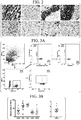
- IL-34 in mouse tissues including brain was confirmed by analysis by RT-PCR, ELISA, and RNAscope ( Figs. 1A to ID and Fig. 2 ). Humanization of NOG-hIL-34 mice followed a standard method of intrahepatic transplantation of human CD34 + HSCs at the time of birth (CD34 - NSG).
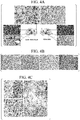
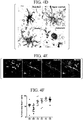
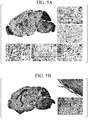
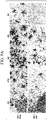
- Human microglia were widely distributed throughout the mouse brain area ( Fig. 4C and Fig. 5 ). Although different types of human microglia were found, most of them were branched microglia, and some were microglia having immature compact amoeba-like forms ( Fig. 4D ). A percentage of human microglia in the total microglia population was calculated by counting HLA-DR + /Iba1 + double-positive human microglia and Iba1 + mouse microglia, and a percentage of human microglia was a maximum of 80% of total microglia in certain brain areas ( Fig. 4E, Fig. 4F , and Fig. 6 ).
- HLA-DR + /Iba1 + positive cells A percentage of HLA-DR + /Iba1 + positive cells was high in the olfactory bulb (OB, 59.3 ⁇ 15.4%), cortical area (CTX), striatum (STR), and hippocampus (HC, 48.3 ⁇ 34.2%); and was low in the brain stem ((BS, 28.4 ⁇ 12.5%)) and in the midbrain (MB, 29.5 ⁇ 15.7%). Interaction of the mouse CNS with human microglia showed normal astrocyte behavior and neuronal integrity ( Fig. 7 ).
- mice were infected with HIV-1 by intraperitoneal injection of 1000 TCID 50 virus, a viral load reached 10 6 RNA copies/mL in peripheral blood ( FIGs. 8A to 8D ).
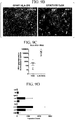
- Strong infection to human microglia was easily detected in the brain ( Fig. 9A , Figs. 10A to 10C , and Fig. 11 ).
- Infected cells were found in several mouse brain areas, and the largest number of infected cells was found in OB, HC, and CTX.
- RNAscope technology it was possible to clearly see infected human cells and extracellular virus particles released from the infected cells. Reactive astrocytic cells were easily detected in the HIV-infected microglia or at the vicinity thereof ( Fig. 9 ).
- the brains of CD34-NOG-hIL-34 mice had a HIV virus load of 3 to 4 log 10 -fold (10 6 vs. 10 2 ) higher than that of the CD34-NSG model which was reconstructed with a human immune system having a comparable viral load in the periphery ( Fig. 9C and Table 1).
- Table 1 Mouse numbers HIV-1 RNA 6 weeks 3475 810600 3476 333900 3478 190680 3479 310800 3473 703500 3485 378000 3 weeks 3463 ⁇ 20 3464 2184 3474 1646 3471 8841 3469 220500 3467 ⁇ 20
- HIV-1-related genes such as gag, nef, and env which were not detected in the brain of CD34-NSG mice significantly increased ( Colby, D., et al. HIV RNA REBOUND POSTINTERRUPTION IN PERSONS SUPPRESSED IN FIEBIG I ACUTE HIV. in Conference on Retroviruses and Opportunistic Infections (IAS-USA, Seattle, Washington, 2017 )) ( Fig. 9D ).
- cytokines secreted by microglia such as CCL2, TNF, HGF (IL6), CXC18 (IL8), IL-10, IL1A, and CXC110 were present.
- PU. 1 (SPI 1), ETV5, and APOE which are important transcription factors for microglia maintenance and functions, were also recognized (Table 2).
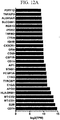
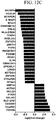
- human-specific genes (687 genes) that showed different differential expression from the comparison between the HIV-infected CD34-NOG-hIL-34 mice and the uninfected mice, most of the genes (426 genes) showed a significant downregulation in the HIV-infected mice ( Figs. 13A and 13B ).
- Most of the downregulated genes were genes involving EIF2 signaling and oxidative phosphorylation.
- upregulated genes were genes involving interferon signaling, pattern recognition receptors, toll-like receptor signaling, and death receptor signaling ( Figs. 12B to 12E ).
- Tables 2A to 2H List of genes expressed by microglia
- a non-human animal that can retain a large number of human microglia, and a method for producing the same are provided.
- a method for using the non-human animal is also provided.
Landscapes
- Life Sciences & Earth Sciences (AREA)
- Health & Medical Sciences (AREA)
- Environmental Sciences (AREA)
- Engineering & Computer Science (AREA)
- Zoology (AREA)
- Chemical & Material Sciences (AREA)
- Biomedical Technology (AREA)
- Biotechnology (AREA)
- Animal Husbandry (AREA)
- Animal Behavior & Ethology (AREA)
- Biodiversity & Conservation Biology (AREA)
- Organic Chemistry (AREA)
- General Health & Medical Sciences (AREA)
- Genetics & Genomics (AREA)
- Wood Science & Technology (AREA)
- Bioinformatics & Cheminformatics (AREA)
- Cell Biology (AREA)
- Biochemistry (AREA)
- Veterinary Medicine (AREA)
- Microbiology (AREA)
- Neurology (AREA)
- Neurosurgery (AREA)
- General Engineering & Computer Science (AREA)
- Toxicology (AREA)
- Proteomics, Peptides & Aminoacids (AREA)
- Molecular Biology (AREA)
- Medicinal Chemistry (AREA)
- Biophysics (AREA)
- Gastroenterology & Hepatology (AREA)
- Micro-Organisms Or Cultivation Processes Thereof (AREA)
- Medicines Containing Material From Animals Or Micro-Organisms (AREA)
Applications Claiming Priority (2)
| Application Number | Priority Date | Filing Date | Title |
|---|---|---|---|
| US201962797369P | 2019-01-28 | 2019-01-28 | |
| PCT/JP2019/011261 WO2020157997A1 (ja) | 2019-01-28 | 2019-03-18 | ヒトil-34を有する非ヒト動物及びその使用 |
Publications (3)
| Publication Number | Publication Date |
|---|---|
| EP3900529A1 true EP3900529A1 (de) | 2021-10-27 |
| EP3900529A4 EP3900529A4 (de) | 2022-04-13 |
| EP3900529B1 EP3900529B1 (de) | 2024-01-10 |
Family
ID=71840993
Family Applications (1)
| Application Number | Title | Priority Date | Filing Date |
|---|---|---|---|
| EP19914084.9A Active EP3900529B1 (de) | 2019-01-28 | 2019-03-18 | Nagetier mit einem menschlichen il-34-gen und menschlichen cd34-positiven hämatopoietischen stammzellen und dessen verwendung |
Country Status (5)
| Country | Link |
|---|---|
| US (1) | US11419317B2 (de) |
| EP (1) | EP3900529B1 (de) |
| JP (1) | JP6886524B2 (de) |
| CN (1) | CN113473849A (de) |
| WO (1) | WO2020157997A1 (de) |
Families Citing this family (1)
| Publication number | Priority date | Publication date | Assignee | Title |
|---|---|---|---|---|
| AU2024328044A1 (en) * | 2023-08-18 | 2026-03-26 | The Jackson Laboratory | Murine models of human development and disease |
Family Cites Families (4)
| Publication number | Priority date | Publication date | Assignee | Title |
|---|---|---|---|---|
| CN101179931B (zh) * | 2005-05-17 | 2013-06-05 | 莱比锡大学 | 人类免疫系统的动物模型的产生方法及用途 |
| CN102725400A (zh) * | 2009-06-29 | 2012-10-10 | 麻省理工学院 | 制造人源化的非人类哺乳动物的方法 |
| JP6851322B2 (ja) * | 2015-05-27 | 2021-03-31 | ユーシービー バイオファルマ エスアールエル | 神経疾患を治療する方法 |
| WO2018200669A1 (en) * | 2017-04-25 | 2018-11-01 | Children's Medical Center Corporation | Inducing microglia from hematopoietic and pluripotent stem cells |
-
2019
- 2019-03-18 WO PCT/JP2019/011261 patent/WO2020157997A1/ja not_active Ceased
- 2019-03-18 CN CN201980090496.7A patent/CN113473849A/zh active Pending
- 2019-03-18 EP EP19914084.9A patent/EP3900529B1/de active Active
- 2019-03-18 JP JP2019544759A patent/JP6886524B2/ja active Active
- 2019-03-18 US US16/615,578 patent/US11419317B2/en active Active
Also Published As
| Publication number | Publication date |
|---|---|
| JPWO2020157997A1 (ja) | 2021-02-18 |
| EP3900529A4 (de) | 2022-04-13 |
| CN113473849A (zh) | 2021-10-01 |
| WO2020157997A1 (ja) | 2020-08-06 |
| JP6886524B2 (ja) | 2021-06-16 |
| US20210352877A1 (en) | 2021-11-18 |
| US11419317B2 (en) | 2022-08-23 |
| EP3900529B1 (de) | 2024-01-10 |
Similar Documents
| Publication | Publication Date | Title |
|---|---|---|
| Mathews et al. | Human Interleukin-34 facilitates microglia-like cell differentiation and persistent HIV-1 infection in humanized mice | |
| Luksch et al. | STING-associated lung disease in mice relies on T cells but not type I interferon | |
| Garofalo et al. | Blocking immune cell infiltration of the central nervous system to tame Neuroinflammation in Amyotrophic lateral sclerosis | |
| EP0322240A2 (de) | Schimäre immunkompromittierende Säugetiere und ihre Verwendung | |
| Jing et al. | Dedicator of cytokinesis protein 2 couples with lymphoid enhancer–binding factor 1 to regulate expression of CD21 and B-cell differentiation | |
| Hua et al. | Human amniotic mesenchymal stromal cells alleviate acute liver injury by inhibiting the pro-inflammatory response of liver resident macrophage through autophagy | |
| Mei et al. | CD30L is involved in the regulation of the inflammatory response through inducing homing and differentiation of monocytes via CCL2/CCR2 axis and NF-κB pathway in mice with colitis | |
| Claeys et al. | Experimental hepatic encephalopathy causes early but sustained glial transcriptional changes | |
| Nmezi et al. | An oligodendrocyte silencer element underlies the pathogenic impact of lamin B1 structural variants | |
| CN116157529A (zh) | 鉴定和/或调节衰老的方法 | |
| Zanoletti et al. | Cytological, molecular, cytogenetic, and physiological characterization of a novel immortalized human enteric glial cell line | |
| HK1211042A1 (en) | Inflammation-enabling polypeptides and uses thereof | |
| US11419317B2 (en) | Non-human animal having human IL-34 and use Thereof | |
| US20240148832A1 (en) | Astrocyte Interleukin-3 Reprograms Microglia and Limits Alzheimer`s Disease | |
| Wang et al. | Global human myeloid replacement with peripheral progenitors induces interferonopathy and neurodegeneration | |
| US20100310530A1 (en) | Cell Therapy for Brain Tissue Damage | |
| Recinto et al. | Myeloid PINK1 represses mtDNA release and immune signaling that impacts neuronal pathology in patient-derived idiopathic PD models | |
| EP4208538A1 (de) | Wiederherstellung des immunsystems durch zelltherapie | |
| Xiong et al. | The experimental research of pregnancy immune tolerance induced by FTY720 via blocking S1P signal transduction pathway | |
| JP2009502159A (ja) | ガン成長ならびにdna損傷に基づく疾患のマーカーとしてのスネイルの段階的発現 | |
| Alcalde | Deciphering the melanoma pre-metastatic niche at the single cell level | |
| Baum | The Schizophrenia-Associated Gene, CSMD1, Encodes a Brain-Specific Complement Inhibitor | |
| Mumford | Preclinical modelling of altered neuroinflammation and interferon hyper-sensitivity in Alzheimer’s disease-Down syndrome | |
| Gätjens-Sanchez | Dissecting Molecular Mechanisms Underlying CNS Trophism of Aggressive B-Cell Lymphomas | |
| Jain | Innate Immunity Protein IFITM3 Regulates Alzheimer’s Disease-Associated Microglial Response |
Legal Events
| Date | Code | Title | Description |
|---|---|---|---|
| STAA | Information on the status of an ep patent application or granted ep patent |
Free format text: STATUS: THE INTERNATIONAL PUBLICATION HAS BEEN MADE |
|
| PUAI | Public reference made under article 153(3) epc to a published international application that has entered the european phase |
Free format text: ORIGINAL CODE: 0009012 |
|
| STAA | Information on the status of an ep patent application or granted ep patent |
Free format text: STATUS: REQUEST FOR EXAMINATION WAS MADE |
|
| 17P | Request for examination filed |
Effective date: 20210630 |
|
| AK | Designated contracting states |
Kind code of ref document: A1 Designated state(s): AL AT BE BG CH CY CZ DE DK EE ES FI FR GB GR HR HU IE IS IT LI LT LU LV MC MK MT NL NO PL PT RO RS SE SI SK SM TR |
|
| STAA | Information on the status of an ep patent application or granted ep patent |
Free format text: STATUS: EXAMINATION IS IN PROGRESS |
|
| A4 | Supplementary search report drawn up and despatched |
Effective date: 20220316 |
|
| RIC1 | Information provided on ipc code assigned before grant |
Ipc: C07K 14/54 20060101ALI20220310BHEP Ipc: C12N 15/09 20060101ALI20220310BHEP Ipc: C12N 5/0786 20100101ALI20220310BHEP Ipc: A01K 67/027 20060101AFI20220310BHEP |
|
| 17Q | First examination report despatched |
Effective date: 20220328 |
|
| DAV | Request for validation of the european patent (deleted) | ||
| DAX | Request for extension of the european patent (deleted) | ||
| GRAP | Despatch of communication of intention to grant a patent |
Free format text: ORIGINAL CODE: EPIDOSNIGR1 |
|
| STAA | Information on the status of an ep patent application or granted ep patent |
Free format text: STATUS: GRANT OF PATENT IS INTENDED |
|
| INTG | Intention to grant announced |
Effective date: 20231004 |
|
| GRAS | Grant fee paid |
Free format text: ORIGINAL CODE: EPIDOSNIGR3 |
|
| GRAA | (expected) grant |
Free format text: ORIGINAL CODE: 0009210 |
|
| STAA | Information on the status of an ep patent application or granted ep patent |
Free format text: STATUS: THE PATENT HAS BEEN GRANTED |
|
| P01 | Opt-out of the competence of the unified patent court (upc) registered |
Effective date: 20231114 |
|
| AK | Designated contracting states |
Kind code of ref document: B1 Designated state(s): AL AT BE BG CH CY CZ DE DK EE ES FI FR GB GR HR HU IE IS IT LI LT LU LV MC MK MT NL NO PL PT RO RS SE SI SK SM TR |
|
| REG | Reference to a national code |
Ref country code: GB Ref legal event code: FG4D |
|
| REG | Reference to a national code |
Ref country code: CH Ref legal event code: EP |
|
| REG | Reference to a national code |
Ref country code: DE Ref legal event code: R096 Ref document number: 602019045072 Country of ref document: DE |
|
| REG | Reference to a national code |
Ref country code: IE Ref legal event code: FG4D |
|
| REG | Reference to a national code |
Ref country code: LT Ref legal event code: MG9D |
|
| REG | Reference to a national code |
Ref country code: NL Ref legal event code: MP Effective date: 20240110 |
|
| REG | Reference to a national code |
Ref country code: DE Ref legal event code: R081 Ref document number: 602019045072 Country of ref document: DE Owner name: THE BOARD OF REGENTS OF THE UNIVERSITY OF NEBR, US Free format text: FORMER OWNERS: CENTRAL INSTITUTE FOR EXPERIMENTAL ANIMALS, KAWASAKI-SHI, KANAGAWA, JP; THE BOARD OF REGENTS OF THE UNIVERSITY OF NEBRASKA, LINCOLN, NE, US Ref country code: DE Ref legal event code: R081 Ref document number: 602019045072 Country of ref document: DE Owner name: CENTRAL INSTITUTE FOR EXPERIMENTAL MEDICINE AN, JP Free format text: FORMER OWNERS: CENTRAL INSTITUTE FOR EXPERIMENTAL ANIMALS, KAWASAKI-SHI, KANAGAWA, JP; THE BOARD OF REGENTS OF THE UNIVERSITY OF NEBRASKA, LINCOLN, NE, US |
|
| REG | Reference to a national code |
Ref country code: AT Ref legal event code: MK05 Ref document number: 1648119 Country of ref document: AT Kind code of ref document: T Effective date: 20240110 |
|
| RAP4 | Party data changed (patent owner data changed or rights of a patent transferred) |
Owner name: THE BOARD OF REGENTS OF THE UNIVERSITY OF NEBRASKA Owner name: CENTRAL INSTITUTE FOR EXPERIMENTAL MEDICINE AND LIFE SCIENCE |
|
| PG25 | Lapsed in a contracting state [announced via postgrant information from national office to epo] |
Ref country code: NL Free format text: LAPSE BECAUSE OF FAILURE TO SUBMIT A TRANSLATION OF THE DESCRIPTION OR TO PAY THE FEE WITHIN THE PRESCRIBED TIME-LIMIT Effective date: 20240110 |
|
| PG25 | Lapsed in a contracting state [announced via postgrant information from national office to epo] |
Ref country code: NL Free format text: LAPSE BECAUSE OF FAILURE TO SUBMIT A TRANSLATION OF THE DESCRIPTION OR TO PAY THE FEE WITHIN THE PRESCRIBED TIME-LIMIT Effective date: 20240110 |
|
| PG25 | Lapsed in a contracting state [announced via postgrant information from national office to epo] |
Ref country code: IS Free format text: LAPSE BECAUSE OF FAILURE TO SUBMIT A TRANSLATION OF THE DESCRIPTION OR TO PAY THE FEE WITHIN THE PRESCRIBED TIME-LIMIT Effective date: 20240510 |
|
| PG25 | Lapsed in a contracting state [announced via postgrant information from national office to epo] |
Ref country code: LT Free format text: LAPSE BECAUSE OF FAILURE TO SUBMIT A TRANSLATION OF THE DESCRIPTION OR TO PAY THE FEE WITHIN THE PRESCRIBED TIME-LIMIT Effective date: 20240110 |
|
| PG25 | Lapsed in a contracting state [announced via postgrant information from national office to epo] |
Ref country code: GR Free format text: LAPSE BECAUSE OF FAILURE TO SUBMIT A TRANSLATION OF THE DESCRIPTION OR TO PAY THE FEE WITHIN THE PRESCRIBED TIME-LIMIT Effective date: 20240411 |
|
| PG25 | Lapsed in a contracting state [announced via postgrant information from national office to epo] |
Ref country code: HR Free format text: LAPSE BECAUSE OF FAILURE TO SUBMIT A TRANSLATION OF THE DESCRIPTION OR TO PAY THE FEE WITHIN THE PRESCRIBED TIME-LIMIT Effective date: 20240110 Ref country code: RS Free format text: LAPSE BECAUSE OF FAILURE TO SUBMIT A TRANSLATION OF THE DESCRIPTION OR TO PAY THE FEE WITHIN THE PRESCRIBED TIME-LIMIT Effective date: 20240410 |
|
| PG25 | Lapsed in a contracting state [announced via postgrant information from national office to epo] |
Ref country code: ES Free format text: LAPSE BECAUSE OF FAILURE TO SUBMIT A TRANSLATION OF THE DESCRIPTION OR TO PAY THE FEE WITHIN THE PRESCRIBED TIME-LIMIT Effective date: 20240110 |
|
| PG25 | Lapsed in a contracting state [announced via postgrant information from national office to epo] |
Ref country code: AT Free format text: LAPSE BECAUSE OF FAILURE TO SUBMIT A TRANSLATION OF THE DESCRIPTION OR TO PAY THE FEE WITHIN THE PRESCRIBED TIME-LIMIT Effective date: 20240110 |
|
| PG25 | Lapsed in a contracting state [announced via postgrant information from national office to epo] |
Ref country code: RS Free format text: LAPSE BECAUSE OF FAILURE TO SUBMIT A TRANSLATION OF THE DESCRIPTION OR TO PAY THE FEE WITHIN THE PRESCRIBED TIME-LIMIT Effective date: 20240410 Ref country code: NO Free format text: LAPSE BECAUSE OF FAILURE TO SUBMIT A TRANSLATION OF THE DESCRIPTION OR TO PAY THE FEE WITHIN THE PRESCRIBED TIME-LIMIT Effective date: 20240410 Ref country code: LT Free format text: LAPSE BECAUSE OF FAILURE TO SUBMIT A TRANSLATION OF THE DESCRIPTION OR TO PAY THE FEE WITHIN THE PRESCRIBED TIME-LIMIT Effective date: 20240110 Ref country code: IS Free format text: LAPSE BECAUSE OF FAILURE TO SUBMIT A TRANSLATION OF THE DESCRIPTION OR TO PAY THE FEE WITHIN THE PRESCRIBED TIME-LIMIT Effective date: 20240510 Ref country code: HR Free format text: LAPSE BECAUSE OF FAILURE TO SUBMIT A TRANSLATION OF THE DESCRIPTION OR TO PAY THE FEE WITHIN THE PRESCRIBED TIME-LIMIT Effective date: 20240110 Ref country code: GR Free format text: LAPSE BECAUSE OF FAILURE TO SUBMIT A TRANSLATION OF THE DESCRIPTION OR TO PAY THE FEE WITHIN THE PRESCRIBED TIME-LIMIT Effective date: 20240411 Ref country code: ES Free format text: LAPSE BECAUSE OF FAILURE TO SUBMIT A TRANSLATION OF THE DESCRIPTION OR TO PAY THE FEE WITHIN THE PRESCRIBED TIME-LIMIT Effective date: 20240110 Ref country code: BG Free format text: LAPSE BECAUSE OF FAILURE TO SUBMIT A TRANSLATION OF THE DESCRIPTION OR TO PAY THE FEE WITHIN THE PRESCRIBED TIME-LIMIT Effective date: 20240110 Ref country code: AT Free format text: LAPSE BECAUSE OF FAILURE TO SUBMIT A TRANSLATION OF THE DESCRIPTION OR TO PAY THE FEE WITHIN THE PRESCRIBED TIME-LIMIT Effective date: 20240110 |
|
| PG25 | Lapsed in a contracting state [announced via postgrant information from national office to epo] |
Ref country code: PT Free format text: LAPSE BECAUSE OF FAILURE TO SUBMIT A TRANSLATION OF THE DESCRIPTION OR TO PAY THE FEE WITHIN THE PRESCRIBED TIME-LIMIT Effective date: 20240510 Ref country code: PL Free format text: LAPSE BECAUSE OF FAILURE TO SUBMIT A TRANSLATION OF THE DESCRIPTION OR TO PAY THE FEE WITHIN THE PRESCRIBED TIME-LIMIT Effective date: 20240110 |
|
| PG25 | Lapsed in a contracting state [announced via postgrant information from national office to epo] |
Ref country code: SE Free format text: LAPSE BECAUSE OF FAILURE TO SUBMIT A TRANSLATION OF THE DESCRIPTION OR TO PAY THE FEE WITHIN THE PRESCRIBED TIME-LIMIT Effective date: 20240110 Ref country code: PT Free format text: LAPSE BECAUSE OF FAILURE TO SUBMIT A TRANSLATION OF THE DESCRIPTION OR TO PAY THE FEE WITHIN THE PRESCRIBED TIME-LIMIT Effective date: 20240510 Ref country code: PL Free format text: LAPSE BECAUSE OF FAILURE TO SUBMIT A TRANSLATION OF THE DESCRIPTION OR TO PAY THE FEE WITHIN THE PRESCRIBED TIME-LIMIT Effective date: 20240110 Ref country code: LV Free format text: LAPSE BECAUSE OF FAILURE TO SUBMIT A TRANSLATION OF THE DESCRIPTION OR TO PAY THE FEE WITHIN THE PRESCRIBED TIME-LIMIT Effective date: 20240110 |
|
| PG25 | Lapsed in a contracting state [announced via postgrant information from national office to epo] |
Ref country code: DK Free format text: LAPSE BECAUSE OF FAILURE TO SUBMIT A TRANSLATION OF THE DESCRIPTION OR TO PAY THE FEE WITHIN THE PRESCRIBED TIME-LIMIT Effective date: 20240110 |
|
| REG | Reference to a national code |
Ref country code: DE Ref legal event code: R097 Ref document number: 602019045072 Country of ref document: DE |
|
| PG25 | Lapsed in a contracting state [announced via postgrant information from national office to epo] |
Ref country code: SM Free format text: LAPSE BECAUSE OF FAILURE TO SUBMIT A TRANSLATION OF THE DESCRIPTION OR TO PAY THE FEE WITHIN THE PRESCRIBED TIME-LIMIT Effective date: 20240110 |
|
| PG25 | Lapsed in a contracting state [announced via postgrant information from national office to epo] |
Ref country code: CZ Free format text: LAPSE BECAUSE OF FAILURE TO SUBMIT A TRANSLATION OF THE DESCRIPTION OR TO PAY THE FEE WITHIN THE PRESCRIBED TIME-LIMIT Effective date: 20240110 Ref country code: EE Free format text: LAPSE BECAUSE OF FAILURE TO SUBMIT A TRANSLATION OF THE DESCRIPTION OR TO PAY THE FEE WITHIN THE PRESCRIBED TIME-LIMIT Effective date: 20240110 |
|
| PG25 | Lapsed in a contracting state [announced via postgrant information from national office to epo] |
Ref country code: SK Free format text: LAPSE BECAUSE OF FAILURE TO SUBMIT A TRANSLATION OF THE DESCRIPTION OR TO PAY THE FEE WITHIN THE PRESCRIBED TIME-LIMIT Effective date: 20240110 |
|
| PG25 | Lapsed in a contracting state [announced via postgrant information from national office to epo] |
Ref country code: SM Free format text: LAPSE BECAUSE OF FAILURE TO SUBMIT A TRANSLATION OF THE DESCRIPTION OR TO PAY THE FEE WITHIN THE PRESCRIBED TIME-LIMIT Effective date: 20240110 Ref country code: SK Free format text: LAPSE BECAUSE OF FAILURE TO SUBMIT A TRANSLATION OF THE DESCRIPTION OR TO PAY THE FEE WITHIN THE PRESCRIBED TIME-LIMIT Effective date: 20240110 Ref country code: RO Free format text: LAPSE BECAUSE OF FAILURE TO SUBMIT A TRANSLATION OF THE DESCRIPTION OR TO PAY THE FEE WITHIN THE PRESCRIBED TIME-LIMIT Effective date: 20240110 Ref country code: EE Free format text: LAPSE BECAUSE OF FAILURE TO SUBMIT A TRANSLATION OF THE DESCRIPTION OR TO PAY THE FEE WITHIN THE PRESCRIBED TIME-LIMIT Effective date: 20240110 Ref country code: DK Free format text: LAPSE BECAUSE OF FAILURE TO SUBMIT A TRANSLATION OF THE DESCRIPTION OR TO PAY THE FEE WITHIN THE PRESCRIBED TIME-LIMIT Effective date: 20240110 Ref country code: CZ Free format text: LAPSE BECAUSE OF FAILURE TO SUBMIT A TRANSLATION OF THE DESCRIPTION OR TO PAY THE FEE WITHIN THE PRESCRIBED TIME-LIMIT Effective date: 20240110 |
|
| PLBE | No opposition filed within time limit |
Free format text: ORIGINAL CODE: 0009261 |
|
| STAA | Information on the status of an ep patent application or granted ep patent |
Free format text: STATUS: NO OPPOSITION FILED WITHIN TIME LIMIT |
|
| PG25 | Lapsed in a contracting state [announced via postgrant information from national office to epo] |
Ref country code: LU Free format text: LAPSE BECAUSE OF NON-PAYMENT OF DUE FEES Effective date: 20240318 |
|
| PG25 | Lapsed in a contracting state [announced via postgrant information from national office to epo] |
Ref country code: MC Free format text: LAPSE BECAUSE OF FAILURE TO SUBMIT A TRANSLATION OF THE DESCRIPTION OR TO PAY THE FEE WITHIN THE PRESCRIBED TIME-LIMIT Effective date: 20240110 |
|
| PG25 | Lapsed in a contracting state [announced via postgrant information from national office to epo] |
Ref country code: MC Free format text: LAPSE BECAUSE OF FAILURE TO SUBMIT A TRANSLATION OF THE DESCRIPTION OR TO PAY THE FEE WITHIN THE PRESCRIBED TIME-LIMIT Effective date: 20240110 Ref country code: LU Free format text: LAPSE BECAUSE OF NON-PAYMENT OF DUE FEES Effective date: 20240318 |
|
| PG25 | Lapsed in a contracting state [announced via postgrant information from national office to epo] |
Ref country code: IT Free format text: LAPSE BECAUSE OF FAILURE TO SUBMIT A TRANSLATION OF THE DESCRIPTION OR TO PAY THE FEE WITHIN THE PRESCRIBED TIME-LIMIT Effective date: 20240110 |
|
| REG | Reference to a national code |
Ref country code: BE Ref legal event code: MM Effective date: 20240331 |
|
| 26N | No opposition filed |
Effective date: 20241011 |
|
| PG25 | Lapsed in a contracting state [announced via postgrant information from national office to epo] |
Ref country code: IT Free format text: LAPSE BECAUSE OF FAILURE TO SUBMIT A TRANSLATION OF THE DESCRIPTION OR TO PAY THE FEE WITHIN THE PRESCRIBED TIME-LIMIT Effective date: 20240110 |
|
| PG25 | Lapsed in a contracting state [announced via postgrant information from national office to epo] |
Ref country code: BE Free format text: LAPSE BECAUSE OF NON-PAYMENT OF DUE FEES Effective date: 20240331 |
|
| PG25 | Lapsed in a contracting state [announced via postgrant information from national office to epo] |
Ref country code: IE Free format text: LAPSE BECAUSE OF NON-PAYMENT OF DUE FEES Effective date: 20240318 |
|
| PG25 | Lapsed in a contracting state [announced via postgrant information from national office to epo] |
Ref country code: IE Free format text: LAPSE BECAUSE OF NON-PAYMENT OF DUE FEES Effective date: 20240318 Ref country code: BE Free format text: LAPSE BECAUSE OF NON-PAYMENT OF DUE FEES Effective date: 20240331 |
|
| PG25 | Lapsed in a contracting state [announced via postgrant information from national office to epo] |
Ref country code: SI Free format text: LAPSE BECAUSE OF FAILURE TO SUBMIT A TRANSLATION OF THE DESCRIPTION OR TO PAY THE FEE WITHIN THE PRESCRIBED TIME-LIMIT Effective date: 20240110 |
|
| PGFP | Annual fee paid to national office [announced via postgrant information from national office to epo] |
Ref country code: CH Payment date: 20250401 Year of fee payment: 7 |
|
| PG25 | Lapsed in a contracting state [announced via postgrant information from national office to epo] |
Ref country code: CY Free format text: LAPSE BECAUSE OF FAILURE TO SUBMIT A TRANSLATION OF THE DESCRIPTION OR TO PAY THE FEE WITHIN THE PRESCRIBED TIME-LIMIT; INVALID AB INITIO Effective date: 20190318 |
|
| PG25 | Lapsed in a contracting state [announced via postgrant information from national office to epo] |
Ref country code: HU Free format text: LAPSE BECAUSE OF FAILURE TO SUBMIT A TRANSLATION OF THE DESCRIPTION OR TO PAY THE FEE WITHIN THE PRESCRIBED TIME-LIMIT; INVALID AB INITIO Effective date: 20190318 |
|
| PG25 | Lapsed in a contracting state [announced via postgrant information from national office to epo] |
Ref country code: FI Free format text: LAPSE BECAUSE OF FAILURE TO SUBMIT A TRANSLATION OF THE DESCRIPTION OR TO PAY THE FEE WITHIN THE PRESCRIBED TIME-LIMIT Effective date: 20240110 |
|
| PG25 | Lapsed in a contracting state [announced via postgrant information from national office to epo] |
Ref country code: TR Free format text: LAPSE BECAUSE OF FAILURE TO SUBMIT A TRANSLATION OF THE DESCRIPTION OR TO PAY THE FEE WITHIN THE PRESCRIBED TIME-LIMIT Effective date: 20240110 |
|
| REG | Reference to a national code |
Ref country code: CH Ref legal event code: U11 Free format text: ST27 STATUS EVENT CODE: U-0-0-U10-U11 (AS PROVIDED BY THE NATIONAL OFFICE) Effective date: 20260401 |
|
| PGFP | Annual fee paid to national office [announced via postgrant information from national office to epo] |
Ref country code: GB Payment date: 20260304 Year of fee payment: 8 |
|
| PGFP | Annual fee paid to national office [announced via postgrant information from national office to epo] |
Ref country code: DE Payment date: 20260320 Year of fee payment: 8 |
|
| PGFP | Annual fee paid to national office [announced via postgrant information from national office to epo] |
Ref country code: FR Payment date: 20260323 Year of fee payment: 8 |