EP3885663A1 - Air conditioning system - Google Patents
Air conditioning system Download PDFInfo
- Publication number
- EP3885663A1 EP3885663A1 EP19886516.4A EP19886516A EP3885663A1 EP 3885663 A1 EP3885663 A1 EP 3885663A1 EP 19886516 A EP19886516 A EP 19886516A EP 3885663 A1 EP3885663 A1 EP 3885663A1
- Authority
- EP
- European Patent Office
- Prior art keywords
- air conditioning
- information
- option
- indoor temperature
- output
- Prior art date
- Legal status (The legal status is an assumption and is not a legal conclusion. Google has not performed a legal analysis and makes no representation as to the accuracy of the status listed.)
- Granted
Links
Images



Classifications
-
- F—MECHANICAL ENGINEERING; LIGHTING; HEATING; WEAPONS; BLASTING
- F24—HEATING; RANGES; VENTILATING
- F24F—AIR-CONDITIONING; AIR-HUMIDIFICATION; VENTILATION; USE OF AIR CURRENTS FOR SCREENING
- F24F11/00—Control or safety arrangements
- F24F11/50—Control or safety arrangements characterised by user interfaces or communication
-
- F—MECHANICAL ENGINEERING; LIGHTING; HEATING; WEAPONS; BLASTING
- F24—HEATING; RANGES; VENTILATING
- F24F—AIR-CONDITIONING; AIR-HUMIDIFICATION; VENTILATION; USE OF AIR CURRENTS FOR SCREENING
- F24F11/00—Control or safety arrangements
- F24F11/89—Arrangement or mounting of control or safety devices
-
- G—PHYSICS
- G06—COMPUTING OR CALCULATING; COUNTING
- G06F—ELECTRIC DIGITAL DATA PROCESSING
- G06F3/00—Input arrangements for transferring data to be processed into a form capable of being handled by the computer; Output arrangements for transferring data from processing unit to output unit, e.g. interface arrangements
- G06F3/16—Sound input; Sound output
- G06F3/167—Audio in a user interface, e.g. using voice commands for navigating, audio feedback
-
- F—MECHANICAL ENGINEERING; LIGHTING; HEATING; WEAPONS; BLASTING
- F24—HEATING; RANGES; VENTILATING
- F24F—AIR-CONDITIONING; AIR-HUMIDIFICATION; VENTILATION; USE OF AIR CURRENTS FOR SCREENING
- F24F2110/00—Control inputs relating to air properties
- F24F2110/10—Temperature
-
- F—MECHANICAL ENGINEERING; LIGHTING; HEATING; WEAPONS; BLASTING
- F24—HEATING; RANGES; VENTILATING
- F24F—AIR-CONDITIONING; AIR-HUMIDIFICATION; VENTILATION; USE OF AIR CURRENTS FOR SCREENING
- F24F2120/00—Control inputs relating to users or occupants
- F24F2120/20—Feedback from users
Definitions
- the present disclosure relates to an air conditioning system including a plurality of air conditioning devices.
- An air conditioning system may conventionally include a plurality of air conditioning devices such as an indoor unit and a humidifying unit for conditioning of space states exemplified by temperature and humidity, as described in Patent Literature 1 ( JP 2002-89942 A ) and the like.
- Such an air conditioning system has a function of detecting and changing the space states through control of the plurality of air conditioning devices.
- An air conditioning system including a plurality of air conditioning devices and configured to receive voice-input thus needs to be improved in user convenience.
- An air conditioning system includes a first air conditioning device, a second air conditioning device, a selector, and a transmitter.
- the first air conditioning device is provided for a predetermined space, includes a first detector detecting a state of the predetermined space, and is capable of outputting first detection information detected by the first detector and relevant to a voice direction inputted to voice operable input-output device.
- the second air conditioning device is provided for the predetermined space, includes a second detector detecting a state of the predetermined space, and is capable of outputting second detection information detected by the second detector and relevant to the voice direction inputted to the input-output device.
- the selector is configured to acquire direction information indicating the direction, and select, in order to cope with the direction, from among an option (a) of selecting the first detection information, an option (b) of selecting the second detection information, and an option (c) of selecting both the first detection information and the second detection information, one of the option (a) and the option (b) or any one of the option (a), the option (b) and the option (c).
- the transmitter transmits, to the input-output device, output information for output of the input-output device in accordance with the option selected by the selector.
- the air conditioning system is configured to select an option in order to cope with a direction even without any voice direction of a user for selecting.
- the air conditioning system achieves reduction in the number of words included in a voice message inputted to the input-output device for improvement in user convenience.
- An air conditioning system is the air conditioning system according to the first aspect, in which the selector selects one of the option (a) and the option (b) in accordance with a predetermined condition set preliminarily, or selects any one of the option (a), the option (b), and the option (c) in accordance with the predetermined condition set preliminarily.
- the selector in the air conditioning system according to the second aspect selects the option in accordance with the predetermined condition, so as to provide the user with useful information even with reduction in the number of words requested to be inputted by the user.
- An air conditioning system is the air conditioning system according to the second aspect, in which the air conditioning system further includes a setting unit that sets the predetermined condition.
- the air conditioning system enables, by means of the setting unit, setting of the predetermined condition desired by the user.
- An air conditioning system is the air conditioning system according to the second or third aspect, in which the predetermined condition includes at least one of a condition of selecting the first detection information when only the first air conditioning device is in operation, and selecting the second detection information when only the second air conditioning device is in operation, a condition of following a priority order inputted preliminarily, and a condition of selecting in accordance with the state of the predetermined space.
- An air conditioning system is the air conditioning system according to any one of the second to fourth aspects, in which when the direction information includes device specifying information specifying at least one of the first air conditioning device and the second air conditioning device as a device to be relevant to a response to the direction information, the selector selects in accordance with the device specifying information regardless of the predetermined condition.
- the air conditioning system selects in accordance with the device specifying information regardless of the predetermined condition, to achieve selection intended by the user for higher user satisfaction.
- An air conditioning system is the air conditioning system according to any one of the first to fifth aspects, in which the direction information corresponds to request information for requesting notification of a space environment, the selector selects to cope with the request information when the first detector and the second detector are capable of detecting the space environment, and the transmitter outputs the output information in accordance with selection by the selector.
- An air conditioning system is the air conditioning system according to any one of the first to sixth aspects, in which the selector selects only one of the first detection information and the second detection information as information to be relevant to a response to the direction information.
- An air conditioning system includes a first air conditioning device, a second air conditioning device, a selector, and a transmitter.
- An air conditioning device herein has a function of changing an air state in a target space. Examples of the air state in the space include temperature, humidity, a flow rate, and cleanliness of air. Examples of the air conditioning device include an air conditioner, a dehumidifier, a humidifier, a dehumidifier-humidifier, a floor heater, a radiator, and a circulator.
- the first air conditioning device and the second air conditioning device are provided for an identical predetermined space.
- This embodiment exemplifies a first room RM1 to be described later as the predetermined space.
- the first air conditioning device includes a first detector configured to detect a state of the predetermined space
- the second air conditioning device includes a second detector configured to detect a state of the predetermined space.
- a state of the space herein conceptually includes a state of air in the space, as well as a state of a substance other than the air in the predetermined space. Examples of the state of the predetermined space also include presence of a person in the space and movement of a person in the space.
- Voice operable input-output device herein is configured to operate a different device in accordance with a signal obtained by extracting a certain characteristic from voice.
- the input-output device extracts characteristics "living room", "temperature”, “tell” from a voice message "Please tell temperature in the living room”.
- the input-output device provides the air conditioning system with information indicating a direction to cause a device constituting the air conditioning system to return an air state "temperature” detected by a detector (the first detector or the second detector) disposed in the "living room” as an installation site.
- An exemplary direction to return a detection result of the detector in the living room corresponds to a voice-inputted direction "Please tell temperature in the living room".
- the input-output device will be described later in terms of an exemplary specific configuration thereof.
- the first detector is configured to output first detection information relevant to a voice direction inputted to the voice operable input-output device.
- the first detector optionally has the following two configurations so as to output the first detection information relevant to the voice-inputted direction.
- the air conditioning system has only to have one of the following two configurations.
- the first configuration is, in order to cope with the voice direction inputted to the input-output device, to cause the first detector to preliminarily detect and cause a storage device or the like to store the first detection information.
- the first detection information is read out of the storage device in accordance with the voice direction inputted to the input-output device and the air conditioning system outputs the first detection information preliminarily detected.
- the second configuration is, in order to cope with the voice direction inputted to the input-output device, to cause the first detector to detect in accordance with the direction thus inputted and output the first detection information.
- the above description of the first detector is also applicable to a case where the second detector is configured to output second detection information relevant to a voice direction inputted to the voice operable input-output device.
- the second detector will thus not be described herein.
- the following description of the embodiment refers to the first configuration, and modification examples will refer to the second configuration.
- the selector acquires direction information indicating a direction to the input-output device.
- An exemplary direction "Please tell temperature in the living room" that is voice-inputted has voice-indicated direction contents.
- the direction information is a signal obtained by digitizing the voice-indicated direction contents so as to be processed by a device.
- This embodiment refers to the selector configured to select one of an option (a) of selecting the first detection information and an option (b) of selecting the second detection information in order to cope with a direction.
- the transmitter transmits, to the input-output device, output information for output of the input-output device in accordance with the option selected by the selector. Specifically, when the selector selects the option (a), the transmitter outputs, to an input-output device, output information including the first detection information. When the selector selects the option (b), the transmitter outputs, to the input-output device, output information including the second detection information.
- FIG. 1 depicts input-output device 200 including voice input-output devices 211 and 212, a router 61, and a second server 250.
- the router 61 is shared by the input-output device 200 and an air conditioning system 10.
- the input-output device 200 and the air conditioning system 10 can alternatively be connected to separate routers.
- the first room RM1 and a second room RM2 to be described later can be provided with different routers.
- the voice input-output device 211 is disposed in the first room RM1.
- the voice input-output device 212 is disposed in the second room RM2 partitioned from the first room RM1 so as to be voice-isolated.
- the voice input-output devices 211 and 212 each include a voice input unit 220 and a sound output unit 240.
- the voice input-output devices 211 and 212 can be configured identically, and the following description is thus made to the configuration of the voice input-output device 211, without referring to the configuration of the voice input-output device 212.
- the voice input unit 220 converts human voice to digital data and generates voice data to be transmitted and received via a network.
- the voice input unit 220 exemplarily includes a microphone 221, an amplifier 222, and an A-D converter 223.
- the microphone 221 converts human voice to an analog electric signal.
- the amplifier 222 amplifies the voice analog electric signal outputted from the microphone 221.
- the A-D converter 223 converts the analog electric signal outputted from the amplifier 222 to a digital signal.
- the digital signal outputted from the A-D converter 223 is voice data.
- This voice data is transmitted from a communicator 230 connected to the voice input unit 220.
- the voice data may be optionally processed for noise reduction, data compression, or the like.
- the sound output unit 240 converts digital sound data received via a network to human catchable sound and outputs the converted sound. Such sound outputted from the sound output unit 240 includes voice. The sound outputted from the sound output unit 240 also includes alarm sound or the like in addition to the voice.
- the sound output unit 240 exemplarily includes a D-A converter 241, an amplifier 242, and a speaker 243.
- the D-A converter 241 receives, from the communicator 230, sound data received by the communicator 230, and converts the received sound data to an analog electric signal.
- the amplifier 242 amplifies the sound analog electric signal outputted from the D-A converter 241.
- the speaker 243 converts the analog electric signal amplified by the amplifier 242 to sound and outputs the sound.
- the voice input-output devices 211 and 212 are connected to the router 61.
- the communicator 230 in each of the voice input-output devices 211 and 212 can be connected to a public line 60 via the router 61.
- the communicator 230 in each of the voice input-output devices 211 and 212 is configured to communicate with the second server 250 via the router 61 and the public line 60.
- the communicator 230 outputs, to the sound output unit 240, sound data transmitted from a communicator 251 or the like.
- the communicator 230 commands the sound output unit 240 to output from the speaker 243 in accordance with sound data "Temperature in the living room is 24°C" or the like.
- each of the voice input-output devices 211 and 212 and the second server 250 transmits and receives via the public line 60.
- the voice input-output devices 211 and 212 and the second server 250 can alternatively be configured to communicate without through the public line 60.
- each of the voice input-output devices 211 and 212 and the second server 250 can be configured to communicate via a local area network.
- the voice input-output devices 211 and 212 and the second server 250 (computer) can be connected via signal lines and be configured to communicate directly.
- the voice input-output devices 211 and 212 each have at least one account for establishment of communication with the second server 250 or the like.
- the second server 250 includes the communicator 251, a voice recognizer 252, an interpreter 253, a responsor 254, and a storage unit 255.
- the second server 250 exemplarily includes a CPU (not depicted) and a memory (not depicted).
- the communicator 251, the voice recognizer 252, the interpreter 253, the responsor 254, and the storage unit 255 are embodied by exemplarily causing the CPU to execute a program stored in the memory.
- the communicator 251 is connected to the public line 60 and is configured to communicate with the voice input-output devices 211 and 212, a first server 150, and a smartphone 50.
- the second server 250 stores, in the storage unit 255, an account for communication with the voice input-output devices 211 and 212, the first server 150, and the smartphone 50.
- Exemplified herein is a case where a user makes, with use of a single account, communication between each of the voice input-output devices 211 and 212 and the second server 250, communication between the first server 150 and the second server 250, and communication between the smartphone 50 and the second server 250.
- the communicator 251 in the second server 250 receives voice data from each of the voice input-output devices 211 and 212.
- the voice recognizer 252 receives the voice data from the communicator 251.
- the voice recognizer 252 has a voice recognizing function of converting voice data to text data. Text data is associated with a character code and can be converted to a character.
- the voice recognizer 252 can optionally be configured, by means of the voice recognizing function, to recognize a speaker of voice data.
- the interpreter 253 receives the text data from the voice recognizer 252.
- the interpreter 253 interprets, through syntax analysis or the like, contents described in the text data. In other words, the interpreter 253 comprehends a voice-inputted user direction.
- the interpreter 253 outputs direction information indicating direction contents.
- interpreter 253 is provided in the second server 250.
- the interpreter can alternatively be provided in the first server 150 in place of the second server 250.
- the communicator 251 receives direction information from the interpreter 253.
- the communicator 251 acquires the account stored in the storage unit 255 and an ID associated with the account.
- an ID is a code for recognition of the user of the air conditioning system 10.
- the communicator 251 in the second server 250 and a receiver 151 and a transmitter 152 included in the first server 150 recognize each other by means of the account and the ID of the air conditioning system 10, and transmit and receive data each other via the public line 60.
- the communicator 251 transmits direction information to the receiver 151.
- the communicator 251 in the second server 250 receives output information from the transmitter 152 in the first server 150. Output information indicates output contents of the input-output device 200.
- the communicator 251 outputs the output information to the responsor 254.
- the responsor 254 determines response contents in accordance with the output information.
- the responsor 254 determines the response contents with use of artificial intelligence or the like. For example, the responsor 254 causes the speaker 243 of the voice input-output device 211 to output a voice message "Temperature in the living room is 24°C".
- the responsor 254 has a voice synthesis function or the like, and generates sound data for the voice message "Temperature in the living room is 24°C".
- the responsor 254 outputs, to the communicator 251, a command to cause the sound output unit 240 to output sound according to the sound data.
- the communicator 251 transmits, to the voice input-output device 211 via the public line 60 and the router 61, the command and the sound data received from the responsor 254.
- the air conditioning system 10 depicted in FIG. 1 includes air conditioners 21 and 23, air cleaners 22 and 24, the first server 150, the router 61, and the smartphone 50.
- the present embodiment relates to a case where the air conditioning system 10 includes the smartphone 50.
- the air conditioning system 10 may be constructed without including the smartphone 50.
- the air conditioner 21 corresponds to the first air conditioning device
- the air cleaner 22 corresponds to the second air conditioning device
- the air conditioner 23 corresponds to a third air conditioning device
- the air cleaner 24 corresponds to a fourth air conditioning device.
- the air conditioner 21 and the air cleaner 22 are provided for the first room RM1.
- the air conditioner 23 and the air cleaner 24 are provided for the second room RM2.
- the first room RM1 is exemplified by a living room
- the second room RM2 is exemplified by a bedroom.
- the first room RM1 exemplifies the predetermined space
- the second room RM2 exemplifies a space other than the predetermined space.
- Provision for the first room RM1 may include a case of setting at an appropriate site and influencing the first room RM1.
- the air conditioner 21 provided for the first room RM1 may not be disposed in the first room RM1 and may be partially or entirely disposed outside the first room RM1.
- each of the air conditioners 21 and 23 and the air cleaners 22 and 24 may not have all the above functions but has only to have any of the functions for change of the air state in a corresponding one of the first room RM1 and the second room RM2.
- the air conditioner 21 includes, as the first detector, an indoor temperature sensor 31 configured to detect indoor temperature.
- the indoor temperature sensor 31 is disposed in a casing 21a of the air conditioner 21 adjacent to an inlet port (not depicted) of the air conditioner 21.
- the air cleaner 22 includes, as the second detector, an indoor temperature sensor 32 configured to detect indoor temperature.
- the indoor temperature sensor 32 is disposed in a casing 22a of the air cleaner 22 adjacent to an inlet port (not depicted) of the air cleaner 22.
- the air conditioner 23 includes, as a third detector, an indoor temperature sensor 33 configured to detect indoor temperature.
- the indoor temperature sensor 33 is disposed in a casing 23a of the air conditioner 23 adjacent to an inlet port (not depicted) of the air conditioner 23.
- the air cleaner 24 includes, as a fourth detector, an indoor temperature sensor 34 configured to detect indoor temperature.
- the indoor temperature sensor 34 is disposed in a casing 24a of the air cleaner 24 adjacent to an inlet port (not depicted) of the air cleaner 24.
- the air conditioners 21 and 23 and the air cleaners 22 and 24 include controllers 71, 73, 72, and 74 and wireless LAN adapters 41 and 43, and wireless LAN adapters 42 and 44, respectively.
- Each of the controllers 71, 73, 72, and 74 in the air conditioners 21 and 23 and the air cleaners 22 and 24 exemplarily includes a CPU and a memory.
- the air conditioners 21 and 23 and the air cleaners 22 and 24 communicate with the router 61 with use of the wireless LAN adapters 41 to 44.
- the controllers 71, 73, 72, and 74 in the air conditioners 21 and 23 and the air cleaners 22 and 24 store an identical ID.
- the controllers 71, 73, 72, and 74 in the air conditioners 21 and 23 and the air cleaners 22 and 24 are configured to transmit, to the first server 150, indoor temperature values (first detection information, second detection information, third detection information, and fourth detection information) detected by the indoor temperature sensors 31, 32, 33, and 34 with use of the wireless LAN adapters 41 to 44 and the router 61.
- the indoor temperature sensors 31 and 33 constantly detect indoor temperature (air temperature in the first room RM1 and air temperature in the second room RM2).
- Each of the air conditioners 21 and 23 periodically transmits, to the first server 150, the indoor temperature value detected by the indoor temperature sensor 31 or 33.
- Each of the air conditioners 21 and 23 transmits the indoor temperature value to the first server 150 every five minutes or the like.
- the indoor temperature sensors 32 and 34 do not detect indoor temperature in these air cleaners 22 and 24 not in operation even when being each connected to a commercial power source.
- Each of the air cleaners 22 and 24 also periodically (e.g. every five minutes) transmits, to the first server 150, the indoor temperature value detected by the indoor temperature sensor 31 or 33.
- the air cleaners 22 and 24 being stopped to be not in operation transmit information indicating no detection of indoor temperature. In other words, the air cleaners 22 and 24 transmit, to the first server 150, indoor temperature values detected by the indoor temperature sensors 32 and 34 while being in operation, but do not transmit the indoor temperature values to the first server 150 while being stopped.
- the router 61 is a communication device connecting a local area network including the air conditioners 21 and 23, the air cleaners 22 and 24, and the voice input-output devices 211 and 212 and a network including the public line 60.
- the router 61 relays data between the local area network and the network including the public line 60.
- the first server 150 includes the receiver 151, the transmitter 152, a selector 153, and a storage unit 154.
- the first server 150 exemplarily includes a CPU (not depicted) and a memory (not depicted).
- the receiver 151, the transmitter 152, the selector 153, and the storage unit 154 are embodied by exemplarily causing the CPU to execute a program stored in the memory.
- the receiver 151 periodically communicates with the router 61 and receives detection results of the indoor temperature sensors 31 to 34 transmitted from the router 61.
- the receiver 151 receives, via the public line 60, direction information transmitted from the communicator 251 in the second server 250.
- the receiver 151 and the transmitter 152 in the first server 150 and the communicator 251 in the second server 250 establish a communicable state with use of the account and the ID.
- Direction information exemplarily includes contents "output, to the voice input-output device 211, detection information on a value of "temperature” with use of a detector of an air conditioning device disposed in the place called the "living room”".
- the receiver 151 thus received such direction information outputs the direction information to the selector 153.
- the selector 153 acquires the direction information from the receiver 151.
- the selector 153 selects, in order to cope with a direction described in the direction information, the indoor temperature value detected by the indoor temperature sensor 31 or the indoor temperature value detected by the indoor temperature sensor 32.
- the selector 153 is configured to select one of the option (a) of selecting the indoor temperature value detected by the indoor temperature sensor 31 and the option (b) of selecting the indoor temperature value detected by the indoor temperature sensor 32.
- the selector 153 outputs the selected option to the transmitter 152.
- the selector 153 having selected the option (a) outputs, to the transmitter 152, information indicating selection of the indoor temperature value detected by the indoor temperature sensor 31.
- the transmitter 152 transmits, to the input-output device 200, output information for output of the input-output device 200 in accordance with the option selected by the selector 153.
- the transmitter 152 reads, out of the storage unit 154, the indoor temperature value selected by the selector 153. Exemplarily described is a case where direction information is inputted to the selector 153 at 5:54 PM on October 29.
- the storage unit 154 is assumed to store, as an exemplary latest indoor temperature value of the first room RM1, an indoor temperature value (24°C) detected by the indoor temperature sensor 31 at 5:50 PM on October 29 and an indoor temperature value (23°C) detected by the indoor temperature sensor 32 at the same time.
- the transmitter 152 in the first server 150 transmits, to the communicator 251 in the second server 250, in response to the direction information received by the receiver 151, the value 24°C as the latest indoor temperature value of the first room RM1.
- the second server 250 transmits, to the voice input-output device 211 disposed in the living room, a command to cause the voice input-output device 211 to output the indoor temperature 24°C along with sound data including synthesized voice.
- the command from the second server 250 includes notification of the indoor temperature 24°C received from the first server 150.
- the voice input-output device 211 having received the command from the second server 250 causes the sound output unit 240 to output the voice message "Temperature in the living room is 24°C" or the like.
- the user can thus find the "temperature” in the "living room” by means of the voice message outputted from the voice input-output device 211, without a voice direction to a device configured to detect temperature upon provision of a voice direction to the voice input-output device 211 to tell “temperature” in the "living room”.
- the selector 153 selects an option in accordance with a preset predetermined condition.
- the predetermined condition is set appropriately in accordance with the configuration of the air conditioning system 10.
- the air conditioning system 10 depicted in FIG. 1 has a set condition of selecting the indoor temperature value detected by the indoor temperature sensor 31 in the air conditioner 21, which constantly detects indoor temperature.
- this predetermined condition is to follow a preliminarily inputted priority order.
- the preliminarily inputted priority order to prioritize the indoor temperature sensor 31 in the air conditioner 21 rather than the indoor temperature sensor 32 in the air cleaner 22 is stored in the storage unit 154 in the first server 150.
- the priority order is inputted by a service person responsible for construction upon, for example, construction of the air conditioning system 10.
- the selector 153 reads the predetermined condition out of the storage unit 154 upon selection.
- direction information includes device specifying information
- the air conditioning system can be configured to operate in accordance with the device specifying information.
- the device specifying information specifies at least one of the first air conditioning device and the second air conditioning device as a device to be relevant to a response to direction information.
- the input-output device 200 depicted in FIG. 1 is configured to include device specifying information in direction information. Exemplarily described is a case where the user inputs, to the voice input-output device 211, a voice message "(Please) tell indoor temperature measured by the air cleaner in the living room". This voice message includes the words "air cleaner" as device specifying information.
- the voice input unit 220 converts the voice inputted to the voice input-output device 211 to voice data.
- the voice input-output device 211 transmits this voice data to the second server 250 via the router 61 and the public line 60.
- the second server 250 extracts device specifying information indicating that the user has specified the "air cleaner” as a device configured to detect an indoor temperature value through voice recognition by the voice recognizer 252 and interpretation by the interpreter 253, and transmits direction information including the device specifying information to the receiver 151 in the first server 150.
- the receiver 151 outputs the direction information including the device specifying information to the selector 153.
- the priority order is set to prioritize the indoor temperature sensor 31 in the air conditioner 21 rather than the indoor temperature sensor 32 in the air cleaner 22.
- the selector 153 is configured to select in accordance with device specifying information regardless of the predetermined condition when the device specifying information is included in direction information, and thus selects the "air cleaner" regardless of the priority order.
- the selector 153 having selected the air cleaner 22 in the living room in accordance with the device specifying information outputs, to the transmitter 152, information indicating selection of the indoor temperature value detected by the indoor temperature sensor 32 in the air cleaner 22.
- the transmitter 152 reads, out of the storage unit 154, the indoor temperature value detected by the indoor temperature sensor 32 in the air cleaner 22.
- the transmitter 152 may be configured variously depending on difference in responses to a case where the air cleaner 22 is not in operation.
- the transmitter 152 has the following two exemplary configurations.
- the first configuration is to operate the air cleaner 22 and cause the indoor temperature sensor 32 to detect indoor temperature in order to respond.
- the second configuration is to return a latest value out of indoor temperature values stored in the storage unit 154, without operating the air cleaner 22.
- the transmitter 152 determines that the air cleaner 22 is not in operation in accordance with latest data indicating "indoor temperature is not detected by the indoor temperature sensor 32 in the air cleaner 22" stored in the storage unit 154.
- the transmitter 152 thus determined transmits an operation command to the air cleaner 22 via the public line 60, the router 61, and the wireless LAN adapter 42.
- the air cleaner 22 having received the operation command from the transmitter 152 starts operation.
- the air cleaner 22 transmits, to the first server 150 via the public line 60, the router 61, and the wireless LAN adapter 42, indoor temperature detected by the indoor temperature sensor 32 after elapse of predetermined time (e.g. one minute).
- the first server 150 newly acquired the indoor temperature detected by the indoor temperature sensor 32 transmits, to the second server 250, the value of the indoor temperature thus acquired as an indoor temperature value to be provided to the user.
- the air cleaner 22 When the air cleaner 22 is not connected to any power source, the air cleaner 22 does not transmit, to the first server 150, even information indicating that indoor temperature is not detected.
- the first server 150 can thus recognize that the air cleaner 22 is not connected to any power source.
- the air cleaner 22 cannot operate when the air cleaner 22 is not connected to any power source.
- the air conditioning system 10 can be configured to tell the user temperature detected by the indoor temperature sensor 31 in the air conditioner 21, or can be configured to provide the user with information indicating that indoor temperature detected at the air cleaner 22 cannot be notified because the air cleaner 22 is not connected to any power source.
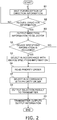
- the first server 150 in the air conditioning system 10 waits for reception of direction information (step S1).
- the receiver 151 outputs the direction information to the selector 153.
- the selector 153 determines whether or not the direction information includes device specifying information (step S4).
- the selector 153 selects one of the indoor temperature values detected by the indoor temperature sensors 31 and 32 in accordance with the device specifying information (step S5).
- the selector 153 reads a priority order as predetermined information out of the storage unit 154 (step S6).
- the selector 153 selects one of the indoor temperature sensors 31 and 32 in accordance with the priority order (step S7).
- the selector 153 outputs information indicating a selection result to the transmitter 152 (step S8).
- the transmitter 152 transmits, to the input-output device 200, output information for output of the input-output device 200 in accordance with an option selected by the selector 153 (step S9).
- the above embodiment relates to the case where the selector 153 is configured, in order to cope with a direction, to select one of the option (a) of selecting the indoor temperature value detected by the indoor temperature sensor 31 as the first detection information and the option (b) of selecting the indoor temperature value detected by the indoor temperature sensor 32 as the second detection information.
- the selector 153 can alternatively be configured to select any one of the option (a), the option (b), and an option (c) of selecting both the first detection information and the second detection information.
- the option (c) is exemplified by coping with the direction with use of an average value of the indoor temperature values detected by the indoor temperature sensors 31 and 32.
- the option (c) is alternatively exemplified by coping with the direction with use of a weighted average of the indoor temperature values detected by the indoor temperature sensors 31 and 32.
- the weighted average is appropriately set, and is exemplarily obtained by doubling the value of the device in operation.
- the weighted average is 23°C through calculation of (22 x 2 + 25) ⁇ 3.
- the option (c) is still alternatively exemplified by coping with the direction with use of a function f(x1, x2) including, as variables x1 and x2, the indoor temperature values detected by the indoor temperature sensors 31 and 32.
- the transmitter 152 When the selector 153 transmits selection of the option (c) to the transmitter 152, the transmitter 152 reads the indoor temperature values detected by the indoor temperature sensors 31 and 32 out of the storage unit 154. The transmitter 152 calculates, from the indoor temperature values detected by the indoor temperature sensors 31 and 32, an indoor temperature value to be included in output information to be transmitted to the input-output device 200.
- the above embodiment relates to the case where a set condition is preliminarily stored in the storage unit 154 and is not changed halfway.
- the air conditioning system 10 can alternatively include a setting unit 155 depicted in FIG. 3 .
- the setting unit 155 receives data describing a predetermined condition
- the setting unit 155 sets the predetermined condition.
- the user transmits, from the smartphone 50 to the first server 150 via the public line 60, the data describing the predetermined condition.
- the smartphone 50 stores an ID and is configured to transmit to and receive from the first server 150 with use of the ID.
- a receiver 51 having received the data describing the predetermined condition outputs the data describing the predetermined condition to the setting unit 155.
- the setting unit 155 sets the predetermined condition in accordance with the data describing the predetermined condition. For example, the setting unit 155 changes a predetermined condition stored in the storage unit 154 in accordance with the data describing the predetermined condition and transmitted from the smartphone 50.
- the above embodiment relates to the case where the storage unit 154 stores the priority order as a predetermined condition.
- the storage unit 154 is assumed to store an exemplary condition of preferentially selecting the indoor temperature value detected by the indoor temperature sensor 31 in the air conditioner 21 rather than the indoor temperature value detected by the indoor temperature sensor 32 in the air cleaner 22.
- the user can cause the setting unit 155 to change this priority order and set prioritization of the indoor temperature value detected by the indoor temperature sensor 32 in the air cleaner 22 rather than the indoor temperature value detected by the indoor temperature sensor 31 in the air conditioner 21.
- the user can cause the setting unit 155 to change setting so as to operate under a condition of following the preliminarily inputted priority order when both the air conditioner 21 and the air cleaner 22 are in operation, and operate under a condition of selecting the indoor temperature value detected by the indoor temperature sensor 31 when only the air conditioner 21 is in operation or selecting the indoor temperature value detected by the indoor temperature sensor 32 when only the air cleaner 22 is in operation.
- the air conditioner 21 may include a human detection sensor configured to detect whether or not there is any human in the first room RM1.
- the air conditioner 21 periodically (e.g. every five minutes) transmits, to the first server 150, a detection result of the human detection sensor.
- the storage unit 154 stores the detection result of the human detection sensor received by the first server 150.
- the predetermined condition can be exemplarily set to have a condition of selecting the indoor temperature value detected by the indoor temperature sensor 32 in the air cleaner 22 when there is any human in the first room RM1 serving as the predetermined space, and selecting the indoor temperature value detected by the indoor temperature sensor 31 in the air conditioner 21 when there is no human in the first room RM1.
- Such a predetermined condition exemplifies the condition of selecting in accordance with the state of the predetermined space.
- the selector 153 is configured to read, out of the storage unit 154, the detection result of the human detection sensor and the predetermined condition of selecting in accordance with the detection result of the human detection sensor (the state of the predetermined space) stored in the storage unit 154, to select in accordance with the predetermined condition.
- the condition of selecting in accordance with the state of the predetermined space is alternatively exemplified as follows.
- at least one of the air conditioner 21 and the air cleaner 22 may include a humidity sensor.
- the air conditioner 21 and/or the air cleaner 22 periodically (e.g. every five minutes) transmits, to the first server 150, a detection result of the humidity sensor.
- the storage unit 154 stores the detection result of the humidity sensor received by the first server 150.
- the predetermined condition can be exemplarily set to have a condition of selecting the indoor temperature value detected by the indoor temperature sensor 32 in the air cleaner 22 when the first room RM1 serving as the predetermined space has humidity equal to or more than 50%, and selecting the indoor temperature value detected by the indoor temperature sensor 31 in the air conditioner 21 when the first room RM1 has humidity less than 50%.
- the selector 153 is configured to read, out of the storage unit 154, the detection result of the humidity sensor and the predetermined condition of selecting in accordance with the detection result of the humidity sensor (the state of the predetermined space) stored in the storage unit 154, to select in accordance with the predetermined condition.
- the above embodiment relates to the case where the first detector corresponds to the indoor temperature sensor 31 in the air conditioner 21 and the second detector corresponds to the indoor temperature sensor 32 in the air cleaner 22.
- the first detector and the second detector are not limited to such temperature sensors.
- the air conditioning system 10 can exemplarily include the first detector functioning as a humidity sensor in the air conditioner 21 and the second detector functioning as a humidity sensor in the air cleaner 22.
- the air conditioning system 10 can exemplarily include the first detector functioning as the human detection sensor in the air conditioner 21 and the second detector functioning as the human detection sensor in the air cleaner 22.
- the air conditioning system 10 can exemplarily include the first detector functioning as a dust detection sensor included in the air conditioner 21 and configured to detect dust, and the second detector functioning as a dust detection sensor included in the air cleaner 22.
- the above embodiment relates to the case where the voice input-output device 211 is provided separately from the air conditioner 21 and the air cleaner 22.
- the voice input-output device 211 may alternatively be incorporated in the air conditioner 21 or the air cleaner 22. Still alternatively, part of constituent elements of the voice input-output device 211 may be incorporated in at least one of the air conditioner 21 and the air cleaner 22.
- the sound output unit 240 may be incorporated in the air conditioner 21 or the air cleaner 22.
- the voice input unit 220 may be incorporated in the air conditioner 21 or the air cleaner 22.
- the controller 71 or 72 and the wireless LAN adapter 41 or 42 in the air conditioner 21 or the air cleaner 22 function as the communicator 230.
- the voice input-output device 211 may alternatively be integrated with any other home appliance disposed in the first room RM1.
- the voice input-output device 211 may still alternatively be incorporated in the smartphone 50.
- temperature notification according to a voice direction by the user may be made with use of a speaker of the smartphone 50 or with use of a touch screen of the smartphone 50.
- the smartphone 50 may be exemplarily configured to display "temperature in the living room is 24°C" on the touch screen.
- Such a case of displaying "temperature in the living room is 24°C" on the touch screen also corresponds to the case where the transmitter 152 transmits, to the input-output device 200, output information for output of the input-output device 200 in accordance with an option selected by the selector 153.
- the second server 250 having received the output information from the transmitter 152 transmits, to the smartphone 50, text data indicating "temperature in the living room is 24°C".
- the air conditioning system 10 may alternatively be configured to transmit, to the smartphone 50, sound data "temperature in the living room is 24°C" along with this text data.
- the above embodiment relates to the case where functional blocks of the first server 150 and functional blocks of the second server are each embodied by causing the CPU to interpret and execute the executable program and data stored in the memory.
- the above embodiment also relates to the case where the controllers 71, 73, 72 and 74 in the air conditioners 21 and 23 and the air cleaners 22 and 24 execute control through causing the CPU to interpret and execute the executable program and data stored in the memory.
- the program and the data may be introduced into the memory via a recording medium, or may be directly executed on the recording medium. Still alternatively, the program and data may be introduced from the recording medium into the memory via a telephone line, a conveyance path, or the like.
- the functional blocks may be each constituted by an integrated circuit (IC) configured to achieve a function similar to that achieved with use of the CPU and the memory.
- the controllers 71, 73, 72, and 74 in the air conditioners 21 and 23 and the air cleaners 22 and 24 may be each constituted by an integrated circuit (IC) configured to execute control similar to that executed with use of the CPU and the memory. Examples of the IC mentioned herein include a large-scale integrated circuit (LSI), an application-specific integrated circuit (ASIC), a gate array, a field programmable gate array (FPGA), and the like.
- LSI large-scale integrated circuit
- ASIC application-specific integrated circuit
- FPGA field programmable gate array
- the above embodiment relates to the case where the air conditioner 21 as the first air conditioning device and the air cleaner 22 as the second air conditioning device are provided for the first room RM1 as the single predetermined space.
- Air conditioning devices provided in the single predetermined space are not limited to these two devices of the first air conditioning device and the second air conditioning device.
- the first room RM1 may be provided therein with a dehumidifier configured to detect indoor temperature as an additional air conditioning device.
- the dehumidifier provided in the first room RM1 includes an indoor temperature sensor, a controller, and a wireless LAN adapter. The dehumidifier periodically transmits an indoor temperature value to the first server 150 via the wireless LAN adapter, the router 61, and the public line 60.
- the first server 150 stores in the storage unit 154 the indoor temperature value transmitted from the dehumidifier.
- the selector 153 automatically selects any one of the indoor temperature value detected by the indoor temperature sensor 31 in the air conditioner 21, the indoor temperature value detected by the indoor temperature sensor 32 in the air cleaner 22, and the indoor temperature value detected by the indoor temperature sensor in the dehumidifier, in accordance with the predetermined condition without any voice direction of words for device selection.
- the selector 153 can be configured to automatically select one of similar detection information pieces even in a case where four or more air conditioning devices are provided in an identical predetermined space or even in a similar case with no voice direction of words for device selection.
- Operation similar to operation, as described in the above embodiment, of a system including the air conditioner 21 as the first air conditioning device, the air cleaner 22 as the second air conditioning device, and the selector 153 and the transmitter 152 in the first server 150 can be executed by a system including the air conditioner 23 as the third air conditioning device, the air cleaner 24 as the fourth air conditioning device, and the selector 153 and the transmitter 152 in the first server 150.
- the voice input-output device 212 transmits voice data "tell temperature in the bedroom" to the second server 250.
- the first server 150 receives direction information indicating "notify temperature in the bedroom" (Yes in step S2), and the receiver 151 outputs the direction information to the selector 153.
- the selector 153 determines whether or not the direction information includes device specifying information (step S4).
- the selector 153 reads a priority order as predetermined information out of the storage unit 154 (step S6). According to the priority order read out of the storage unit 154, the indoor temperature value detected by the indoor temperature sensor 33 in the air conditioner 23 is prioritized rather than the indoor temperature value detected by the indoor temperature sensor 34 in the air cleaner 24. The selector 153 selects the indoor temperature value detected by the indoor temperature sensor 33 in accordance with the priority order (step S7). The selector 153 outputs information indicating a selection result to the transmitter 152 (step S8).
- the transmitter 152 transmits, to the input-output device 200, output information for output of the input-output device 200 in accordance with an option selected by the selector 153 (step S9).
- the input-output device 200 transmits, to the voice input-output device 212 provided in the second room RM2 or the voice input-output device 212 incorporated in the smartphone 50, sound data "temperature in the bedroom is 22°C" or the like.
- the above embodiment assumes the first room RM1 as the predetermined space.
- the predetermined space may alternatively be assumed as a house including the first room RM1 and the second room RM2.
- the air conditioner 21 can correspond to the first air conditioning device and the air conditioner 23 can correspond to the second air conditioning device.
- the user asks the voice input-output device 211 provided in the first room RM1, the voice input-output device 212 provided in the first room RM1, or the smartphone 50 incorporating a voice input-output device "What is the temperature in the house?" or the like.
- the first server 150 receives direction information indicating "notify temperature in the house" (Yes in step S2), and the receiver 151 outputs the direction information to the selector 153.
- the selector 153 determines whether or not the direction information includes device specifying information (step S4).
- the selector 153 reads a priority order as predetermined information out of the storage unit 154 (step S6). According to the priority order read out of the storage unit 154, the indoor temperature value detected by the indoor temperature sensor 31 in the air conditioner 21 in the living room is assumed to be prioritized rather than the indoor temperature value detected by the indoor temperature sensor 33 in the air conditioner 23 in the bedroom. The selector 153 selects the indoor temperature value detected by the indoor temperature sensor 31 in accordance with the priority order (step S7). The selector 153 outputs information indicating a selection result to the transmitter 152 (step S8).
- the transmitter 152 transmits, to the input-output device 200, output information for output of the input-output device 200 in accordance with an option selected by the selector 153 (step S9).
- the input-output device 200 returns, to one having received the direction among the voice input-output devices 211 and 212 and the smartphone 50, sound data "temperature in the house is 26°C" or the like.
- the predetermined condition can be exemplarily set to include a condition of prioritizing the indoor temperature value detected by the indoor temperature sensor 31 in the air conditioner 21 when the user asks from 8:00 AM to 8:00 PM and prioritizing the indoor temperature value detected by the indoor temperature sensor 33 in the air conditioner 23 when the user asks from 8:01 PM to 7:59 AM.
- the predetermined condition thus set enables notification of temperature in the living room more frequently used relatively during daytime at appropriate timing without designation of any place in the house, and notification of temperature in the bedroom more frequently used relatively during nighttime at appropriate timing without designation of any place in the house.
- the embodiment and the modification examples described above refer to an exemplary case of simply providing "temperature in the living room is 24°C" in response to the direction "tell temperature in the living room", without including information for specification of a device having executed detection.
- the air conditioning system 10 may alternatively be configured to include information on the device having executed detection in a response such as "temperature in the living room detected by the air conditioner is 24°C".
- the first server 150 may be exemplarily configured to transmit, to the second server 250, the information on the device having executed detection.
- the second server 250 is configured to add, to a response, the device information transmitted from the first server 150.
- the first server 150 may alternatively include an interpreter 156 as depicted in FIG. 4 .
- the interpreter 156 in the first server 150 functions similarly to the interpreter 253 in the second server 250 already described.
- the second server 250 may include the interpreter 253 when the first server 150 includes the interpreter 156.
- each of the voice input-output devices 211 and 212 exemplarily includes a liquid crystal display device (not depicted).
- the voice input-output device 211 may be exemplarily configured to display "temperature in the living room is 24°C" on the liquid crystal display device.
- Such a case of displaying "temperature in the living room is 24°C" on the liquid crystal display device also corresponds to the case where the transmitter 152 transmits, to the input-output device 200, output information for output of the input-output device 200 in accordance with an option selected by the selector 153.
- the second server 250 having received the output information from the transmitter 152 transmits, to the voice input-output device 211, text data indicating "temperature in the living room is 24°C".
- the air conditioning system 10 may alternatively be configured to transmit, to the voice input-output device 211, sound data indicating "temperature in the living room is 24°C" along with this text data.
- the communicator 230 in the voice input-output device 211 receives the sound data and the text data indicating "temperature in the living room is 24°C".
- the communicator 230 causes the sound output unit 240 to output voice, as well as causes the liquid crystal display device to display the response.
- the air conditioning system 10 is configured to cause the selector 153 to select an option in order to cope with a direction even without any voice direction of the user for selecting.
- the air conditioning system 10 achieves reduction in the number of words included in a voice message inputted to input-output device 100 for improvement in user convenience. For example, inputting "tell temperature in the living room” to the voice input-output device 211 in the input-output device 100 is shorter than inputting "tell temperature in the living room detected by the air conditioner" with deletion of the phrase "detected by the air conditioner". In this manner, the air conditioning system 10 achieves reduction in the number of words included in a voice message inputted by the user.
- the selector 153 selects in accordance with the predetermined condition, so as to facilitate provision to the user of useful information even with reduction in the number of words requested to be inputted by the user.
- temperature of circulating air can be detected when the predetermined condition includes a condition of prioritizing information on indoor temperature of an air conditioning device in operation. Temperature of circulating air is often more useful than temperature of dead air as information on indoor temperature. Such appropriate setting of the predetermined condition leads to provision of useful information for the user.
- the air conditioning system 10 enables, by means of the setting unit 155, setting of the predetermined condition desired by the user.
- the user can set an own preferred predetermined condition with use of the setting unit 155, for higher user satisfaction.
- the selector 153 in the air conditioning system 10 is configured to select in accordance with device specifying information regardless of the predetermined condition, selection is made as intended by the user for higher user satisfaction.
- the predetermined condition is set to preferentially notify of indoor temperature detected by the indoor temperature sensor 31 in the air conditioner 21 as described in the above embodiment. If the user desires notification of indoor temperature detected by the indoor temperature sensor 32 in the air cleaner 22, this user will be constantly unsatisfied. The user, who is more satisfied with providing a direction "tell temperature in the living room detected by the air cleaner" rather than being notified under the preliminarily set predetermined condition, has higher satisfaction with input of device specifying information rather than the predetermined condition, even though the number of words increases due to the input of the device specifying information.
- Direction information such as "notify temperature in the living room” mentioned in the above embodiment corresponds to request information for requesting notification of a space environment of space temperature.
- the selector 153 selects in accordance with the request information because the indoor temperature sensor 31 as the first detector and the indoor temperature sensor 32 as the second detector are each configured to detect the space environment.
- the transmitter 152 outputs output information in accordance with selection by the selector 153.
- Patent Literature 1 JP 2002-89942 A
Landscapes
- Engineering & Computer Science (AREA)
- General Engineering & Computer Science (AREA)
- Human Computer Interaction (AREA)
- Theoretical Computer Science (AREA)
- Mechanical Engineering (AREA)
- Combustion & Propulsion (AREA)
- Chemical & Material Sciences (AREA)
- Multimedia (AREA)
- Health & Medical Sciences (AREA)
- Audiology, Speech & Language Pathology (AREA)
- General Health & Medical Sciences (AREA)
- Physics & Mathematics (AREA)
- General Physics & Mathematics (AREA)
- Air Conditioning Control Device (AREA)
- Central Air Conditioning (AREA)
- Sorption Type Refrigeration Machines (AREA)
Abstract
Description
- The present disclosure relates to an air conditioning system including a plurality of air conditioning devices.
- An air conditioning system may conventionally include a plurality of air conditioning devices such as an indoor unit and a humidifying unit for conditioning of space states exemplified by temperature and humidity, as described in Patent Literature 1 (
JP 2002-89942 A - In the air conditioning system described in Patent Literature 1, however, a user needs more time and effort to input for voice-control of the air conditioning devices, in comparison to control through input with use of buttons of a remote controller. If such an air conditioning system includes more air conditioning devices to be voice-controlled, voice tends to include more words because the air conditioning devices need to be voicespecified.
- An air conditioning system including a plurality of air conditioning devices and configured to receive voice-input thus needs to be improved in user convenience.
- An air conditioning system according to a first aspect includes a first air conditioning device, a second air conditioning device, a selector, and a transmitter. The first air conditioning device is provided for a predetermined space, includes a first detector detecting a state of the predetermined space, and is capable of outputting first detection information detected by the first detector and relevant to a voice direction inputted to voice operable input-output device. The second air conditioning device is provided for the predetermined space, includes a second detector detecting a state of the predetermined space, and is capable of outputting second detection information detected by the second detector and relevant to the voice direction inputted to the input-output device. The selector is configured to acquire direction information indicating the direction, and select, in order to cope with the direction, from among an option (a) of selecting the first detection information, an option (b) of selecting the second detection information, and an option (c) of selecting both the first detection information and the second detection information, one of the option (a) and the option (b) or any one of the option (a), the option (b) and the option (c). The transmitter transmits, to the input-output device, output information for output of the input-output device in accordance with the option selected by the selector.
- The air conditioning system according to the first aspect is configured to select an option in order to cope with a direction even without any voice direction of a user for selecting. The air conditioning system achieves reduction in the number of words included in a voice message inputted to the input-output device for improvement in user convenience.
- An air conditioning system according to a second aspect is the air conditioning system according to the first aspect, in which the selector selects one of the option (a) and the option (b) in accordance with a predetermined condition set preliminarily, or selects any one of the option (a), the option (b), and the option (c) in accordance with the predetermined condition set preliminarily.
- The selector in the air conditioning system according to the second aspect selects the option in accordance with the predetermined condition, so as to provide the user with useful information even with reduction in the number of words requested to be inputted by the user.
- An air conditioning system according to a third aspect is the air conditioning system according to the second aspect, in which the air conditioning system further includes a setting unit that sets the predetermined condition.
- The air conditioning system according to the third aspect enables, by means of the setting unit, setting of the predetermined condition desired by the user.
- An air conditioning system according to a fourth aspect is the air conditioning system according to the second or third aspect, in which the predetermined condition includes at least one of a condition of selecting the first detection information when only the first air conditioning device is in operation, and selecting the second detection information when only the second air conditioning device is in operation, a condition of following a priority order inputted preliminarily, and a condition of selecting in accordance with the state of the predetermined space.
- An air conditioning system according to a fifth aspect is the air conditioning system according to any one of the second to fourth aspects, in which when the direction information includes device specifying information specifying at least one of the first air conditioning device and the second air conditioning device as a device to be relevant to a response to the direction information, the selector selects in accordance with the device specifying information regardless of the predetermined condition.
- The air conditioning system according to the fifth aspect selects in accordance with the device specifying information regardless of the predetermined condition, to achieve selection intended by the user for higher user satisfaction.
- An air conditioning system according to a sixth aspect is the air conditioning system according to any one of the first to fifth aspects, in which the direction information corresponds to request information for requesting notification of a space environment, the selector selects to cope with the request information when the first detector and the second detector are capable of detecting the space environment, and the transmitter outputs the output information in accordance with selection by the selector.
- An air conditioning system according to a seventh aspect is the air conditioning system according to any one of the first to sixth aspects, in which the selector selects only one of the first detection information and the second detection information as information to be relevant to a response to the direction information.
-
-
FIG. 1 is a schematic diagram for explaining a configuration of an air conditioning system according to an embodiment. -
FIG. 2 is a flowchart of exemplary operation of the air conditioning system. -
FIG. 3 is a schematic diagram for explaining a configuration of an air conditioning system according to a modification example B. -
FIG. 4 is a schematic diagram for explaining a configuration of an air conditioning system according to a modification example J. - An air conditioning system according to the present disclosure includes a first air conditioning device, a second air conditioning device, a selector, and a transmitter. An air conditioning device herein has a function of changing an air state in a target space. Examples of the air state in the space include temperature, humidity, a flow rate, and cleanliness of air. Examples of the air conditioning device include an air conditioner, a dehumidifier, a humidifier, a dehumidifier-humidifier, a floor heater, a radiator, and a circulator.
- The first air conditioning device and the second air conditioning device are provided for an identical predetermined space. This embodiment exemplifies a first room RM1 to be described later as the predetermined space. The first air conditioning device includes a first detector configured to detect a state of the predetermined space, and the second air conditioning device includes a second detector configured to detect a state of the predetermined space. A state of the space herein conceptually includes a state of air in the space, as well as a state of a substance other than the air in the predetermined space. Examples of the state of the predetermined space also include presence of a person in the space and movement of a person in the space.
- Voice operable input-output device herein is configured to operate a different device in accordance with a signal obtained by extracting a certain characteristic from voice. For example, the input-output device extracts characteristics "living room", "temperature", "tell" from a voice message "Please tell temperature in the living room". In this case, the input-output device provides the air conditioning system with information indicating a direction to cause a device constituting the air conditioning system to return an air state "temperature" detected by a detector (the first detector or the second detector) disposed in the "living room" as an installation site. An exemplary direction to return a detection result of the detector in the living room corresponds to a voice-inputted direction "Please tell temperature in the living room". The input-output device will be described later in terms of an exemplary specific configuration thereof.
- The first detector is configured to output first detection information relevant to a voice direction inputted to the voice operable input-output device. The first detector optionally has the following two configurations so as to output the first detection information relevant to the voice-inputted direction. The air conditioning system has only to have one of the following two configurations. The first configuration is, in order to cope with the voice direction inputted to the input-output device, to cause the first detector to preliminarily detect and cause a storage device or the like to store the first detection information. When this configuration is adopted, the first detection information is read out of the storage device in accordance with the voice direction inputted to the input-output device and the air conditioning system outputs the first detection information preliminarily detected. The second configuration is, in order to cope with the voice direction inputted to the input-output device, to cause the first detector to detect in accordance with the direction thus inputted and output the first detection information. The above description of the first detector is also applicable to a case where the second detector is configured to output second detection information relevant to a voice direction inputted to the voice operable input-output device. The second detector will thus not be described herein. The following description of the embodiment refers to the first configuration, and modification examples will refer to the second configuration.
- The selector acquires direction information indicating a direction to the input-output device. An exemplary direction "Please tell temperature in the living room" that is voice-inputted has voice-indicated direction contents. The direction information is a signal obtained by digitizing the voice-indicated direction contents so as to be processed by a device. This embodiment refers to the selector configured to select one of an option (a) of selecting the first detection information and an option (b) of selecting the second detection information in order to cope with a direction.
- The transmitter transmits, to the input-output device, output information for output of the input-output device in accordance with the option selected by the selector. Specifically, when the selector selects the option (a), the transmitter outputs, to an input-output device, output information including the first detection information. When the selector selects the option (b), the transmitter outputs, to the input-output device, output information including the second detection information.
-
FIG. 1 depicts input-output device 200 including voice input-output devices router 61, and asecond server 250. Therouter 61 is shared by the input-output device 200 and anair conditioning system 10. The input-output device 200 and theair conditioning system 10 can alternatively be connected to separate routers. The first room RM1 and a second room RM2 to be described later can be provided with different routers. The voice input-output device 211 is disposed in the first room RM1. The voice input-output device 212 is disposed in the second room RM2 partitioned from the first room RM1 so as to be voice-isolated. - The voice input-
output devices voice input unit 220 and asound output unit 240. The voice input-output devices output device 211, without referring to the configuration of the voice input-output device 212. - The
voice input unit 220 converts human voice to digital data and generates voice data to be transmitted and received via a network. Thevoice input unit 220 exemplarily includes amicrophone 221, anamplifier 222, and anA-D converter 223. Themicrophone 221 converts human voice to an analog electric signal. Theamplifier 222 amplifies the voice analog electric signal outputted from themicrophone 221. TheA-D converter 223 converts the analog electric signal outputted from theamplifier 222 to a digital signal. The digital signal outputted from theA-D converter 223 is voice data. This voice data is transmitted from acommunicator 230 connected to thevoice input unit 220. The voice data may be optionally processed for noise reduction, data compression, or the like. - The
sound output unit 240 converts digital sound data received via a network to human catchable sound and outputs the converted sound. Such sound outputted from thesound output unit 240 includes voice. The sound outputted from thesound output unit 240 also includes alarm sound or the like in addition to the voice. Thesound output unit 240 exemplarily includes aD-A converter 241, anamplifier 242, and aspeaker 243. TheD-A converter 241 receives, from thecommunicator 230, sound data received by thecommunicator 230, and converts the received sound data to an analog electric signal. Theamplifier 242 amplifies the sound analog electric signal outputted from theD-A converter 241. Thespeaker 243 converts the analog electric signal amplified by theamplifier 242 to sound and outputs the sound. - The voice input-
output devices router 61. Thecommunicator 230 in each of the voice input-output devices public line 60 via therouter 61. Thecommunicator 230 in each of the voice input-output devices second server 250 via therouter 61 and thepublic line 60. Thecommunicator 230 outputs, to thesound output unit 240, sound data transmitted from acommunicator 251 or the like. Thecommunicator 230 commands thesound output unit 240 to output from thespeaker 243 in accordance with sound data "Temperature in the living room is 24°C" or the like. - Exemplified herein is the case where each of the voice input-
output devices second server 250 transmits and receives via thepublic line 60. The voice input-output devices second server 250 can alternatively be configured to communicate without through thepublic line 60. For example, each of the voice input-output devices second server 250 can be configured to communicate via a local area network. For example, the voice input-output devices - The voice input-
output devices second server 250 or the like. - The
second server 250 includes thecommunicator 251, avoice recognizer 252, aninterpreter 253, aresponsor 254, and astorage unit 255. Thesecond server 250 exemplarily includes a CPU (not depicted) and a memory (not depicted). Thecommunicator 251, thevoice recognizer 252, theinterpreter 253, theresponsor 254, and thestorage unit 255 are embodied by exemplarily causing the CPU to execute a program stored in the memory. - The
communicator 251 is connected to thepublic line 60 and is configured to communicate with the voice input-output devices first server 150, and asmartphone 50. Thesecond server 250 stores, in thestorage unit 255, an account for communication with the voice input-output devices first server 150, and thesmartphone 50. Exemplified herein is a case where a user makes, with use of a single account, communication between each of the voice input-output devices second server 250, communication between thefirst server 150 and thesecond server 250, and communication between thesmartphone 50 and thesecond server 250. - The
communicator 251 in thesecond server 250 receives voice data from each of the voice input-output devices voice recognizer 252 receives the voice data from thecommunicator 251. Thevoice recognizer 252 has a voice recognizing function of converting voice data to text data. Text data is associated with a character code and can be converted to a character. Thevoice recognizer 252 can optionally be configured, by means of the voice recognizing function, to recognize a speaker of voice data. Theinterpreter 253 receives the text data from thevoice recognizer 252. Theinterpreter 253 interprets, through syntax analysis or the like, contents described in the text data. In other words, theinterpreter 253 comprehends a voice-inputted user direction. Theinterpreter 253 outputs direction information indicating direction contents. - Described herein is a case where the
interpreter 253 is provided in thesecond server 250. The interpreter can alternatively be provided in thefirst server 150 in place of thesecond server 250. - The
communicator 251 receives direction information from theinterpreter 253. In this case, thecommunicator 251 acquires the account stored in thestorage unit 255 and an ID associated with the account. Such an ID is a code for recognition of the user of theair conditioning system 10. Thecommunicator 251 in thesecond server 250 and areceiver 151 and atransmitter 152 included in thefirst server 150 recognize each other by means of the account and the ID of theair conditioning system 10, and transmit and receive data each other via thepublic line 60. Thecommunicator 251 transmits direction information to thereceiver 151. - The
communicator 251 in thesecond server 250 receives output information from thetransmitter 152 in thefirst server 150. Output information indicates output contents of the input-output device 200. Thecommunicator 251 outputs the output information to theresponsor 254. Theresponsor 254 determines response contents in accordance with the output information. Theresponsor 254 determines the response contents with use of artificial intelligence or the like. For example, theresponsor 254 causes thespeaker 243 of the voice input-output device 211 to output a voice message "Temperature in the living room is 24°C". Theresponsor 254 has a voice synthesis function or the like, and generates sound data for the voice message "Temperature in the living room is 24°C". Theresponsor 254 outputs, to thecommunicator 251, a command to cause thesound output unit 240 to output sound according to the sound data. Thecommunicator 251 transmits, to the voice input-output device 211 via thepublic line 60 and therouter 61, the command and the sound data received from theresponsor 254. - The
air conditioning system 10 depicted inFIG. 1 includesair conditioners air cleaners first server 150, therouter 61, and thesmartphone 50. The present embodiment relates to a case where theair conditioning system 10 includes thesmartphone 50. However, theair conditioning system 10 may be constructed without including thesmartphone 50. - Herein, the
air conditioner 21 corresponds to the first air conditioning device, theair cleaner 22 corresponds to the second air conditioning device, theair conditioner 23 corresponds to a third air conditioning device, and theair cleaner 24 corresponds to a fourth air conditioning device. Theair conditioner 21 and theair cleaner 22 are provided for the first room RM1. Theair conditioner 23 and theair cleaner 24 are provided for the second room RM2. The first room RM1 is exemplified by a living room, whereas the second room RM2 is exemplified by a bedroom. The first room RM1 exemplifies the predetermined space, and the second room RM2 exemplifies a space other than the predetermined space. Provision for the first room RM1 may include a case of setting at an appropriate site and influencing the first room RM1. For example, theair conditioner 21 provided for the first room RM1 may not be disposed in the first room RM1 and may be partially or entirely disposed outside the first room RM1. - Described herein is a case where the
air conditioners air cleaners air conditioners air cleaners air conditioner 21 includes, as the first detector, anindoor temperature sensor 31 configured to detect indoor temperature. Theindoor temperature sensor 31 is disposed in acasing 21a of theair conditioner 21 adjacent to an inlet port (not depicted) of theair conditioner 21. Theair cleaner 22 includes, as the second detector, anindoor temperature sensor 32 configured to detect indoor temperature. Theindoor temperature sensor 32 is disposed in acasing 22a of theair cleaner 22 adjacent to an inlet port (not depicted) of theair cleaner 22. Theair conditioner 23 includes, as a third detector, anindoor temperature sensor 33 configured to detect indoor temperature. Theindoor temperature sensor 33 is disposed in acasing 23a of theair conditioner 23 adjacent to an inlet port (not depicted) of theair conditioner 23. Theair cleaner 24 includes, as a fourth detector, anindoor temperature sensor 34 configured to detect indoor temperature. Theindoor temperature sensor 34 is disposed in acasing 24a of theair cleaner 24 adjacent to an inlet port (not depicted) of theair cleaner 24. - The
air conditioners air cleaners controllers wireless LAN adapters wireless LAN adapters controllers air conditioners air cleaners air conditioners air cleaners router 61 with use of thewireless LAN adapters 41 to 44. Thecontrollers air conditioners air cleaners controllers air conditioners air cleaners first server 150, indoor temperature values (first detection information, second detection information, third detection information, and fourth detection information) detected by theindoor temperature sensors wireless LAN adapters 41 to 44 and therouter 61. - For example, in the
air conditioners indoor temperature sensors air conditioners first server 150, the indoor temperature value detected by theindoor temperature sensor air conditioners first server 150 every five minutes or the like. - The
indoor temperature sensors air cleaners air cleaners first server 150, the indoor temperature value detected by theindoor temperature sensor air cleaners air cleaners first server 150, indoor temperature values detected by theindoor temperature sensors first server 150 while being stopped. - The
router 61 is a communication device connecting a local area network including theair conditioners air cleaners output devices public line 60. Therouter 61 relays data between the local area network and the network including thepublic line 60. - The
first server 150 includes thereceiver 151, thetransmitter 152, aselector 153, and astorage unit 154. Thefirst server 150 exemplarily includes a CPU (not depicted) and a memory (not depicted). Thereceiver 151, thetransmitter 152, theselector 153, and thestorage unit 154 are embodied by exemplarily causing the CPU to execute a program stored in the memory. - The
receiver 151 periodically communicates with therouter 61 and receives detection results of theindoor temperature sensors 31 to 34 transmitted from therouter 61. Thereceiver 151 receives, via thepublic line 60, direction information transmitted from thecommunicator 251 in thesecond server 250. Thereceiver 151 and thetransmitter 152 in thefirst server 150 and thecommunicator 251 in thesecond server 250 establish a communicable state with use of the account and the ID. - Direction information exemplarily includes contents "output, to the voice input-
output device 211, detection information on a value of "temperature" with use of a detector of an air conditioning device disposed in the place called the "living room"". Thereceiver 151 thus received such direction information outputs the direction information to theselector 153. - The
selector 153 acquires the direction information from thereceiver 151. Theselector 153 selects, in order to cope with a direction described in the direction information, the indoor temperature value detected by theindoor temperature sensor 31 or the indoor temperature value detected by theindoor temperature sensor 32. In other words, theselector 153 is configured to select one of the option (a) of selecting the indoor temperature value detected by theindoor temperature sensor 31 and the option (b) of selecting the indoor temperature value detected by theindoor temperature sensor 32. Theselector 153 outputs the selected option to thetransmitter 152. Theselector 153 having selected the option (a) outputs, to thetransmitter 152, information indicating selection of the indoor temperature value detected by theindoor temperature sensor 31. - The
transmitter 152 transmits, to the input-output device 200, output information for output of the input-output device 200 in accordance with the option selected by theselector 153. In detail, thetransmitter 152 reads, out of thestorage unit 154, the indoor temperature value selected by theselector 153. Exemplarily described is a case where direction information is inputted to theselector 153 at 5:54 PM on October 29. Thestorage unit 154 is assumed to store, as an exemplary latest indoor temperature value of the first room RM1, an indoor temperature value (24°C) detected by theindoor temperature sensor 31 at 5:50 PM on October 29 and an indoor temperature value (23°C) detected by theindoor temperature sensor 32 at the same time. When theselector 153 selects the indoor temperature value detected by theindoor temperature sensor 31, thetransmitter 152 in thefirst server 150 transmits, to thecommunicator 251 in thesecond server 250, in response to the direction information received by thereceiver 151, thevalue 24°C as the latest indoor temperature value of the first room RM1. Thesecond server 250 transmits, to the voice input-output device 211 disposed in the living room, a command to cause the voice input-output device 211 to output theindoor temperature 24°C along with sound data including synthesized voice. The command from thesecond server 250 includes notification of theindoor temperature 24°C received from thefirst server 150. The voice input-output device 211 having received the command from thesecond server 250 causes thesound output unit 240 to output the voice message "Temperature in the living room is 24°C" or the like. - The user can thus find the "temperature" in the "living room" by means of the voice message outputted from the voice input-
output device 211, without a voice direction to a device configured to detect temperature upon provision of a voice direction to the voice input-output device 211 to tell "temperature" in the "living room". - The
selector 153 selects an option in accordance with a preset predetermined condition. The predetermined condition is set appropriately in accordance with the configuration of theair conditioning system 10. For example, theair conditioning system 10 depicted inFIG. 1 has a set condition of selecting the indoor temperature value detected by theindoor temperature sensor 31 in theair conditioner 21, which constantly detects indoor temperature. In other words, this predetermined condition is to follow a preliminarily inputted priority order. The preliminarily inputted priority order to prioritize theindoor temperature sensor 31 in theair conditioner 21 rather than theindoor temperature sensor 32 in theair cleaner 22 is stored in thestorage unit 154 in thefirst server 150. The priority order is inputted by a service person responsible for construction upon, for example, construction of theair conditioning system 10. For selection, theselector 153 reads the predetermined condition out of thestorage unit 154 upon selection. - In a case where direction information includes device specifying information, the air conditioning system can be configured to operate in accordance with the device specifying information. The device specifying information specifies at least one of the first air conditioning device and the second air conditioning device as a device to be relevant to a response to direction information.
- The input-
output device 200 depicted inFIG. 1 is configured to include device specifying information in direction information. Exemplarily described is a case where the user inputs, to the voice input-output device 211, a voice message "(Please) tell indoor temperature measured by the air cleaner in the living room". This voice message includes the words "air cleaner" as device specifying information. Thevoice input unit 220 converts the voice inputted to the voice input-output device 211 to voice data. The voice input-output device 211 transmits this voice data to thesecond server 250 via therouter 61 and thepublic line 60. Thesecond server 250 extracts device specifying information indicating that the user has specified the "air cleaner" as a device configured to detect an indoor temperature value through voice recognition by thevoice recognizer 252 and interpretation by theinterpreter 253, and transmits direction information including the device specifying information to thereceiver 151 in thefirst server 150. Thereceiver 151 outputs the direction information including the device specifying information to theselector 153. As described in the section (3-3-1), described herein is a case where the priority order is set to prioritize theindoor temperature sensor 31 in theair conditioner 21 rather than theindoor temperature sensor 32 in theair cleaner 22. Theselector 153 is configured to select in accordance with device specifying information regardless of the predetermined condition when the device specifying information is included in direction information, and thus selects the "air cleaner" regardless of the priority order. - The
selector 153 having selected theair cleaner 22 in the living room in accordance with the device specifying information outputs, to thetransmitter 152, information indicating selection of the indoor temperature value detected by theindoor temperature sensor 32 in theair cleaner 22. When theair cleaner 22 is in operation, thetransmitter 152 reads, out of thestorage unit 154, the indoor temperature value detected by theindoor temperature sensor 32 in theair cleaner 22. - The
transmitter 152 may be configured variously depending on difference in responses to a case where theair cleaner 22 is not in operation. Thetransmitter 152 has the following two exemplary configurations. The first configuration is to operate theair cleaner 22 and cause theindoor temperature sensor 32 to detect indoor temperature in order to respond. The second configuration is to return a latest value out of indoor temperature values stored in thestorage unit 154, without operating theair cleaner 22. - Description is made herein to the case where the
air conditioning system 10 depicted inFIG. 1 has the first configuration. Thetransmitter 152 determines that theair cleaner 22 is not in operation in accordance with latest data indicating "indoor temperature is not detected by theindoor temperature sensor 32 in theair cleaner 22" stored in thestorage unit 154. Thetransmitter 152 thus determined transmits an operation command to theair cleaner 22 via thepublic line 60, therouter 61, and thewireless LAN adapter 42. Theair cleaner 22 having received the operation command from thetransmitter 152 starts operation. Theair cleaner 22 transmits, to thefirst server 150 via thepublic line 60, therouter 61, and thewireless LAN adapter 42, indoor temperature detected by theindoor temperature sensor 32 after elapse of predetermined time (e.g. one minute). Thefirst server 150 newly acquired the indoor temperature detected by theindoor temperature sensor 32 transmits, to thesecond server 250, the value of the indoor temperature thus acquired as an indoor temperature value to be provided to the user. - When the
air cleaner 22 is not connected to any power source, theair cleaner 22 does not transmit, to thefirst server 150, even information indicating that indoor temperature is not detected. Thefirst server 150 can thus recognize that theair cleaner 22 is not connected to any power source. Theair cleaner 22 cannot operate when theair cleaner 22 is not connected to any power source. Theair conditioning system 10 can be configured to tell the user temperature detected by theindoor temperature sensor 31 in theair conditioner 21, or can be configured to provide the user with information indicating that indoor temperature detected at theair cleaner 22 cannot be notified because theair cleaner 22 is not connected to any power source. - Operation of the
air conditioning system 10 relevant to indoor temperature notification already mentioned will be briefly described with reference to a flowchart. - The
first server 150 in theair conditioning system 10 waits for reception of direction information (step S1). When thefirst server 150 receives direction information (Yes in step S2), thereceiver 151 outputs the direction information to theselector 153. Theselector 153 determines whether or not the direction information includes device specifying information (step S4). - When the direction information includes device specifying information (Yes in step S4), the
selector 153 selects one of the indoor temperature values detected by theindoor temperature sensors selector 153 reads a priority order as predetermined information out of the storage unit 154 (step S6). Theselector 153 selects one of theindoor temperature sensors selector 153 outputs information indicating a selection result to the transmitter 152 (step S8). - The
transmitter 152 transmits, to the input-output device 200, output information for output of the input-output device 200 in accordance with an option selected by the selector 153 (step S9). - The above embodiment relates to the case where the
selector 153 is configured, in order to cope with a direction, to select one of the option (a) of selecting the indoor temperature value detected by theindoor temperature sensor 31 as the first detection information and the option (b) of selecting the indoor temperature value detected by theindoor temperature sensor 32 as the second detection information. - The
selector 153 can alternatively be configured to select any one of the option (a), the option (b), and an option (c) of selecting both the first detection information and the second detection information. The option (c) is exemplified by coping with the direction with use of an average value of the indoor temperature values detected by theindoor temperature sensors indoor temperature sensors air cleaner 22 in operation has adetection value 22°C and theair conditioner 21 not in operation has a detection value 25°C, the weighted average is 23°C through calculation of (22 x 2 + 25) ÷ 3. The option (c) is still alternatively exemplified by coping with the direction with use of a function f(x1, x2) including, as variables x1 and x2, the indoor temperature values detected by theindoor temperature sensors - When the
selector 153 transmits selection of the option (c) to thetransmitter 152, thetransmitter 152 reads the indoor temperature values detected by theindoor temperature sensors storage unit 154. Thetransmitter 152 calculates, from the indoor temperature values detected by theindoor temperature sensors output device 200. - The above embodiment relates to the case where a set condition is preliminarily stored in the
storage unit 154 and is not changed halfway. Theair conditioning system 10 can alternatively include asetting unit 155 depicted inFIG. 3 . When thesetting unit 155 receives data describing a predetermined condition, thesetting unit 155 sets the predetermined condition. For example, the user transmits, from thesmartphone 50 to thefirst server 150 via thepublic line 60, the data describing the predetermined condition. Thesmartphone 50 stores an ID and is configured to transmit to and receive from thefirst server 150 with use of the ID. - A receiver 51 having received the data describing the predetermined condition outputs the data describing the predetermined condition to the
setting unit 155. Thesetting unit 155 sets the predetermined condition in accordance with the data describing the predetermined condition. For example, thesetting unit 155 changes a predetermined condition stored in thestorage unit 154 in accordance with the data describing the predetermined condition and transmitted from thesmartphone 50. - The above embodiment relates to the case where the
storage unit 154 stores the priority order as a predetermined condition. In such a case, thestorage unit 154 is assumed to store an exemplary condition of preferentially selecting the indoor temperature value detected by theindoor temperature sensor 31 in theair conditioner 21 rather than the indoor temperature value detected by theindoor temperature sensor 32 in theair cleaner 22. The user can cause thesetting unit 155 to change this priority order and set prioritization of the indoor temperature value detected by theindoor temperature sensor 32 in theair cleaner 22 rather than the indoor temperature value detected by theindoor temperature sensor 31 in theair conditioner 21. - The user can cause the
setting unit 155 to change setting so as to operate under a condition of following the preliminarily inputted priority order when both theair conditioner 21 and theair cleaner 22 are in operation, and operate under a condition of selecting the indoor temperature value detected by theindoor temperature sensor 31 when only theair conditioner 21 is in operation or selecting the indoor temperature value detected by theindoor temperature sensor 32 when only theair cleaner 22 is in operation. - The user can cause the
setting unit 155 to change the condition of following the preliminarily inputted priority order to a condition of selecting in accordance with the state of the predetermined space. For example, theair conditioner 21 may include a human detection sensor configured to detect whether or not there is any human in the first room RM1. Theair conditioner 21 periodically (e.g. every five minutes) transmits, to thefirst server 150, a detection result of the human detection sensor. Thestorage unit 154 stores the detection result of the human detection sensor received by thefirst server 150. The predetermined condition can be exemplarily set to have a condition of selecting the indoor temperature value detected by theindoor temperature sensor 32 in theair cleaner 22 when there is any human in the first room RM1 serving as the predetermined space, and selecting the indoor temperature value detected by theindoor temperature sensor 31 in theair conditioner 21 when there is no human in the first room RM1. Such a predetermined condition exemplifies the condition of selecting in accordance with the state of the predetermined space. Theselector 153 is configured to read, out of thestorage unit 154, the detection result of the human detection sensor and the predetermined condition of selecting in accordance with the detection result of the human detection sensor (the state of the predetermined space) stored in thestorage unit 154, to select in accordance with the predetermined condition. - The condition of selecting in accordance with the state of the predetermined space is alternatively exemplified as follows. For example, at least one of the
air conditioner 21 and theair cleaner 22 may include a humidity sensor. Theair conditioner 21 and/or theair cleaner 22 periodically (e.g. every five minutes) transmits, to thefirst server 150, a detection result of the humidity sensor. Thestorage unit 154 stores the detection result of the humidity sensor received by thefirst server 150. The predetermined condition can be exemplarily set to have a condition of selecting the indoor temperature value detected by theindoor temperature sensor 32 in theair cleaner 22 when the first room RM1 serving as the predetermined space has humidity equal to or more than 50%, and selecting the indoor temperature value detected by theindoor temperature sensor 31 in theair conditioner 21 when the first room RM1 has humidity less than 50%. Theselector 153 is configured to read, out of thestorage unit 154, the detection result of the humidity sensor and the predetermined condition of selecting in accordance with the detection result of the humidity sensor (the state of the predetermined space) stored in thestorage unit 154, to select in accordance with the predetermined condition. - The above embodiment relates to the case where the first detector corresponds to the
indoor temperature sensor 31 in theair conditioner 21 and the second detector corresponds to theindoor temperature sensor 32 in theair cleaner 22. However, the first detector and the second detector are not limited to such temperature sensors. Theair conditioning system 10 can exemplarily include the first detector functioning as a humidity sensor in theair conditioner 21 and the second detector functioning as a humidity sensor in theair cleaner 22. Alternatively, theair conditioning system 10 can exemplarily include the first detector functioning as the human detection sensor in theair conditioner 21 and the second detector functioning as the human detection sensor in theair cleaner 22. Still alternatively, theair conditioning system 10 can exemplarily include the first detector functioning as a dust detection sensor included in theair conditioner 21 and configured to detect dust, and the second detector functioning as a dust detection sensor included in theair cleaner 22. - The above embodiment relates to the case where the voice input-
output device 211 is provided separately from theair conditioner 21 and theair cleaner 22. The voice input-output device 211 may alternatively be incorporated in theair conditioner 21 or theair cleaner 22. Still alternatively, part of constituent elements of the voice input-output device 211 may be incorporated in at least one of theair conditioner 21 and theair cleaner 22. For example, thesound output unit 240 may be incorporated in theair conditioner 21 or theair cleaner 22. For example, thevoice input unit 220 may be incorporated in theair conditioner 21 or theair cleaner 22. When thevoice input unit 220 is incorporated in theair conditioner 21 or theair cleaner 22, thecontroller wireless LAN adapter air conditioner 21 or theair cleaner 22 function as thecommunicator 230. The voice input-output device 211 may alternatively be integrated with any other home appliance disposed in the first room RM1. - The voice input-
output device 211 may still alternatively be incorporated in thesmartphone 50. When the voice input-output device 211 is incorporated in thesmartphone 50, temperature notification according to a voice direction by the user may be made with use of a speaker of thesmartphone 50 or with use of a touch screen of thesmartphone 50. In response to the temperature notification according to the voice direction by the user, thesmartphone 50 may be exemplarily configured to display "temperature in the living room is 24°C" on the touch screen. Such a case of displaying "temperature in the living room is 24°C" on the touch screen also corresponds to the case where thetransmitter 152 transmits, to the input-output device 200, output information for output of the input-output device 200 in accordance with an option selected by theselector 153. In this case, thesecond server 250 having received the output information from thetransmitter 152 transmits, to thesmartphone 50, text data indicating "temperature in the living room is 24°C". Theair conditioning system 10 may alternatively be configured to transmit, to thesmartphone 50, sound data "temperature in the living room is 24°C" along with this text data. - The above embodiment relates to the case where functional blocks of the
first server 150 and functional blocks of the second server are each embodied by causing the CPU to interpret and execute the executable program and data stored in the memory. The above embodiment also relates to the case where thecontrollers air conditioners air cleaners controllers air conditioners air cleaners - The above embodiment relates to the case where the
air conditioner 21 as the first air conditioning device and theair cleaner 22 as the second air conditioning device are provided for the first room RM1 as the single predetermined space. Air conditioning devices provided in the single predetermined space are not limited to these two devices of the first air conditioning device and the second air conditioning device. For example, the first room RM1 may be provided therein with a dehumidifier configured to detect indoor temperature as an additional air conditioning device. The dehumidifier provided in the first room RM1 includes an indoor temperature sensor, a controller, and a wireless LAN adapter. The dehumidifier periodically transmits an indoor temperature value to thefirst server 150 via the wireless LAN adapter, therouter 61, and thepublic line 60. Thefirst server 150 stores in thestorage unit 154 the indoor temperature value transmitted from the dehumidifier. In such a configuration, upon provision of a user direction "tell temperature in the living room", theselector 153 automatically selects any one of the indoor temperature value detected by theindoor temperature sensor 31 in theair conditioner 21, the indoor temperature value detected by theindoor temperature sensor 32 in theair cleaner 22, and the indoor temperature value detected by the indoor temperature sensor in the dehumidifier, in accordance with the predetermined condition without any voice direction of words for device selection. Theselector 153 can be configured to automatically select one of similar detection information pieces even in a case where four or more air conditioning devices are provided in an identical predetermined space or even in a similar case with no voice direction of words for device selection. - Operation similar to operation, as described in the above embodiment, of a system including the
air conditioner 21 as the first air conditioning device, theair cleaner 22 as the second air conditioning device, and theselector 153 and thetransmitter 152 in thefirst server 150 can be executed by a system including theair conditioner 23 as the third air conditioning device, theair cleaner 24 as the fourth air conditioning device, and theselector 153 and thetransmitter 152 in thefirst server 150. - Assume an exemplarily case where the user directs the voice input-
output device 212 provided in the second room RM2 or incorporated in thesmartphone 50 to "tell temperature in the bedroom". In this case, the voice input-output device 212 transmits voice data "tell temperature in the bedroom" to thesecond server 250. - Operation of the
air conditioning system 10 having received direction information from thesecond server 250 will be described as follows with reference toFIG. 2 . For example, thefirst server 150 receives direction information indicating "notify temperature in the bedroom" (Yes in step S2), and thereceiver 151 outputs the direction information to theselector 153. Theselector 153 determines whether or not the direction information includes device specifying information (step S4). - Because this direction information does not include device specifying information (No in step S4), the
selector 153 reads a priority order as predetermined information out of the storage unit 154 (step S6). According to the priority order read out of thestorage unit 154, the indoor temperature value detected by theindoor temperature sensor 33 in theair conditioner 23 is prioritized rather than the indoor temperature value detected by theindoor temperature sensor 34 in theair cleaner 24. Theselector 153 selects the indoor temperature value detected by theindoor temperature sensor 33 in accordance with the priority order (step S7). Theselector 153 outputs information indicating a selection result to the transmitter 152 (step S8). Thetransmitter 152 transmits, to the input-output device 200, output information for output of the input-output device 200 in accordance with an option selected by the selector 153 (step S9). The input-output device 200 transmits, to the voice input-output device 212 provided in the second room RM2 or the voice input-output device 212 incorporated in thesmartphone 50, sound data "temperature in the bedroom is 22°C" or the like. - The above embodiment assumes the first room RM1 as the predetermined space. The predetermined space may alternatively be assumed as a house including the first room RM1 and the second room RM2. When such a house corresponds to the predetermined space, for example, the
air conditioner 21 can correspond to the first air conditioning device and theair conditioner 23 can correspond to the second air conditioning device. Assume an exemplarily case where the user asks the voice input-output device 211 provided in the first room RM1, the voice input-output device 212 provided in the first room RM1, or thesmartphone 50 incorporating a voice input-output device "What is the temperature in the house?" or the like. - Operation of the
air conditioning system 10 having received direction information from thesecond server 250 will be described as follows with reference toFIG. 2 . For example, thefirst server 150 receives direction information indicating "notify temperature in the house" (Yes in step S2), and thereceiver 151 outputs the direction information to theselector 153. Theselector 153 determines whether or not the direction information includes device specifying information (step S4). - Because this direction information does not include device specifying information (No in step S4), the
selector 153 reads a priority order as predetermined information out of the storage unit 154 (step S6). According to the priority order read out of thestorage unit 154, the indoor temperature value detected by theindoor temperature sensor 31 in theair conditioner 21 in the living room is assumed to be prioritized rather than the indoor temperature value detected by theindoor temperature sensor 33 in theair conditioner 23 in the bedroom. Theselector 153 selects the indoor temperature value detected by theindoor temperature sensor 31 in accordance with the priority order (step S7). Theselector 153 outputs information indicating a selection result to the transmitter 152 (step S8). Thetransmitter 152 transmits, to the input-output device 200, output information for output of the input-output device 200 in accordance with an option selected by the selector 153 (step S9). The input-output device 200 returns, to one having received the direction among the voice input-output devices smartphone 50, sound data "temperature in the house is 26°C" or the like. - The predetermined condition can be exemplarily set to include a condition of prioritizing the indoor temperature value detected by the
indoor temperature sensor 31 in theair conditioner 21 when the user asks from 8:00 AM to 8:00 PM and prioritizing the indoor temperature value detected by theindoor temperature sensor 33 in theair conditioner 23 when the user asks from 8:01 PM to 7:59 AM. The predetermined condition thus set enables notification of temperature in the living room more frequently used relatively during daytime at appropriate timing without designation of any place in the house, and notification of temperature in the bedroom more frequently used relatively during nighttime at appropriate timing without designation of any place in the house. - The embodiment and the modification examples described above refer to an exemplary case of simply providing "temperature in the living room is 24°C" in response to the direction "tell temperature in the living room", without including information for specification of a device having executed detection. The
air conditioning system 10 may alternatively be configured to include information on the device having executed detection in a response such as "temperature in the living room detected by the air conditioner is 24°C". In such a case, thefirst server 150 may be exemplarily configured to transmit, to thesecond server 250, the information on the device having executed detection. Thesecond server 250 is configured to add, to a response, the device information transmitted from thefirst server 150. - As mentioned in the description of the above embodiment, the
first server 150 may alternatively include aninterpreter 156 as depicted inFIG. 4 . Theinterpreter 156 in thefirst server 150 functions similarly to theinterpreter 253 in thesecond server 250 already described. Thesecond server 250 may include theinterpreter 253 when thefirst server 150 includes theinterpreter 156. - The above embodiment relates to the case where the input-
output device 200 is configured to input and output voice and sound. The input-output device 200 may alternatively be configured to respond by means of display along with input and output of voice and sound. In order to achieve such a configuration, each of the voice input-output devices output device 211 may be exemplarily configured to display "temperature in the living room is 24°C" on the liquid crystal display device. Such a case of displaying "temperature in the living room is 24°C" on the liquid crystal display device also corresponds to the case where thetransmitter 152 transmits, to the input-output device 200, output information for output of the input-output device 200 in accordance with an option selected by theselector 153. In this case, thesecond server 250 having received the output information from thetransmitter 152 transmits, to the voice input-output device 211, text data indicating "temperature in the living room is 24°C". - The
air conditioning system 10 may alternatively be configured to transmit, to the voice input-output device 211, sound data indicating "temperature in the living room is 24°C" along with this text data. In this case, thecommunicator 230 in the voice input-output device 211 receives the sound data and the text data indicating "temperature in the living room is 24°C". Thecommunicator 230 causes thesound output unit 240 to output voice, as well as causes the liquid crystal display device to display the response. - The
air conditioning system 10 according to each of the embodiment and the modification examples described above is configured to cause theselector 153 to select an option in order to cope with a direction even without any voice direction of the user for selecting. Theair conditioning system 10 achieves reduction in the number of words included in a voice message inputted to input-output device 100 for improvement in user convenience. For example, inputting "tell temperature in the living room" to the voice input-output device 211 in the input-output device 100 is shorter than inputting "tell temperature in the living room detected by the air conditioner" with deletion of the phrase "detected by the air conditioner". In this manner, theair conditioning system 10 achieves reduction in the number of words included in a voice message inputted by the user. - The
selector 153 selects in accordance with the predetermined condition, so as to facilitate provision to the user of useful information even with reduction in the number of words requested to be inputted by the user. For example, temperature of circulating air can be detected when the predetermined condition includes a condition of prioritizing information on indoor temperature of an air conditioning device in operation. Temperature of circulating air is often more useful than temperature of dead air as information on indoor temperature. Such appropriate setting of the predetermined condition leads to provision of useful information for the user. - When the
first server 150 includes thesetting unit 155 as depicted inFIG. 3 , theair conditioning system 10 enables, by means of thesetting unit 155, setting of the predetermined condition desired by the user. When the user is not satisfied with the preliminarily set predetermined condition, the user can set an own preferred predetermined condition with use of thesetting unit 155, for higher user satisfaction. - When the
selector 153 in theair conditioning system 10 is configured to select in accordance with device specifying information regardless of the predetermined condition, selection is made as intended by the user for higher user satisfaction. Assume exemplarily that the predetermined condition is set to preferentially notify of indoor temperature detected by theindoor temperature sensor 31 in theair conditioner 21 as described in the above embodiment. If the user desires notification of indoor temperature detected by theindoor temperature sensor 32 in theair cleaner 22, this user will be constantly unsatisfied. The user, who is more satisfied with providing a direction "tell temperature in the living room detected by the air cleaner" rather than being notified under the preliminarily set predetermined condition, has higher satisfaction with input of device specifying information rather than the predetermined condition, even though the number of words increases due to the input of the device specifying information. - Direction information such as "notify temperature in the living room" mentioned in the above embodiment corresponds to request information for requesting notification of a space environment of space temperature. The
selector 153 selects in accordance with the request information because theindoor temperature sensor 31 as the first detector and theindoor temperature sensor 32 as the second detector are each configured to detect the space environment. Thetransmitter 152 outputs output information in accordance with selection by theselector 153. - The embodiment of the present disclosure has been described above. Various modifications to modes and details should be available without departing from the object and the scope of the present disclosure recited in the claims.
-
- 10:
- Air conditioning system
- 21:
- Air conditioner (exemplifying first air conditioning device)
- 22:
- Air cleaner (exemplifying second air conditioning device)
- 31:
- Indoor temperature sensor (exemplifying first detector)
- 32:
- Indoor temperature sensor (exemplifying second detector)
- 152:
- Transmitter
- 153:
- Selector
- 155:
- Setting unit
- 200:
- Input-output device
- Patent Literature 1:
JP 2002-89942 A
Claims (7)
- An air conditioning system (10) comprising:a first air conditioning device (21) provided for a predetermined space and including a first detector (31) detecting a state of the predetermined space, the first air conditioning device being capable of outputting first detection information detected by the first detector, the first detection information being relevant to a voice direction inputted to voice operable input-output device (200);a second air conditioning device (22) provided for the predetermined space and including a second detector (32) detecting a state of the predetermined space, the second air conditioning device being capable of outputting second detection information detected by the second detector, the second detection information being relevant to the voice direction inputted to the input-output device;a selector (153) configured to acquire direction information indicating the direction, and select, in order to cope with the direction, from among an option (a) of selecting the first detection information, an option (b) of selecting the second detection information, and an option (c) of selecting both the first detection information and the second detection information, one of the option (a) and the option (b), or any one of the option (a), the option (b) and the option (c); anda transmitter (152) transmitting, to the input-output device, output information for output of the input-output device in accordance with the option selected by the selector.
- The air conditioning system (10) according to claim 1, wherein
the selector selects one of the option (a) and the option (b) in accordance with a predetermined condition set preliminarily, or selects any one of the option (a), the option (b), and the option (c) in accordance with the predetermined condition set preliminarily. - The air conditioning system (10) according to claim 2, further comprising a setting unit (155) setting the predetermined condition.
- The air conditioning system (10) according to claim 2 or 3, whereinthe predetermined condition includes at least one ofa condition of selecting the first detection information when only the first air conditioning device is in operation, and selecting the second detection information when only the second air conditioning device is in operation,a condition of following a priority order inputted preliminarily, anda condition of selecting in accordance with the state of the predetermined space.
- The air conditioning system (10) according to any one of claims 2 to 4, wherein
when the direction information includes device specifying information specifying at least one of the first air conditioning device and the second air conditioning device as a device to be relevant to a response to the direction information, the selector selects in accordance with the device specifying information regardless of the predetermined condition. - The air conditioning system (10) according to any one of claims 1 to 5, whereinthe direction information corresponds to request information for requesting notification of a space environment,the selector selects to cope with the request information when the first detector and the second detector are capable of detecting the space environment, andthe transmitter outputs the output information in accordance with selection by the selector.
- The air conditioning system (10) according to any one of claims 1 to 6, wherein
the selector selects only one of the first detection information and the second detection information as information to be relevant to a response to the direction information.
Applications Claiming Priority (2)
| Application Number | Priority Date | Filing Date | Title |
|---|---|---|---|
| JP2018219069A JP7034892B2 (en) | 2018-11-22 | 2018-11-22 | Air conditioning system |
| PCT/JP2019/045451 WO2020105680A1 (en) | 2018-11-22 | 2019-11-20 | Air conditioning system |
Publications (3)
| Publication Number | Publication Date |
|---|---|
| EP3885663A1 true EP3885663A1 (en) | 2021-09-29 |
| EP3885663A4 EP3885663A4 (en) | 2022-01-19 |
| EP3885663B1 EP3885663B1 (en) | 2023-02-22 |
Family
ID=70773128
Family Applications (1)
| Application Number | Title | Priority Date | Filing Date |
|---|---|---|---|
| EP19886516.4A Active EP3885663B1 (en) | 2018-11-22 | 2019-11-20 | Air conditioning system |
Country Status (6)
| Country | Link |
|---|---|
| US (1) | US20220010999A1 (en) |
| EP (1) | EP3885663B1 (en) |
| JP (1) | JP7034892B2 (en) |
| CN (1) | CN113167496B (en) |
| ES (1) | ES2941291T3 (en) |
| WO (1) | WO2020105680A1 (en) |
Families Citing this family (1)
| Publication number | Priority date | Publication date | Assignee | Title |
|---|---|---|---|---|
| JP7525194B1 (en) | 2023-07-14 | 2024-07-30 | 国立大学法人神戸大学 | TEMPERATURE OUTPUT DEVICE, AIR CONDITIONING SYSTEM, TEMPERATURE OUTPUT METHOD, AND AIR CONDITIONING SYSTEM CONTROL METHOD |
Family Cites Families (21)
| Publication number | Priority date | Publication date | Assignee | Title |
|---|---|---|---|---|
| JP2002089942A (en) | 2000-09-13 | 2002-03-27 | Toshiba Kyaria Kk | Air conditioner |
| JP3622699B2 (en) * | 2001-07-30 | 2005-02-23 | ダイキン工業株式会社 | Air conditioner |
| JP2009042298A (en) * | 2007-08-06 | 2009-02-26 | Panasonic Electric Works Co Ltd | Device control device by voice |
| US20130138250A1 (en) * | 2011-11-30 | 2013-05-30 | Lennox Industries Inc. | Intelligent comfort management using natural language processing to interface with a comfort system controller |
| CN103941653B (en) * | 2013-01-21 | 2017-10-31 | 广东美的制冷设备有限公司 | The master and slave control method of intelligent appliance and system |
| JP5666637B2 (en) * | 2013-02-25 | 2015-02-12 | シャープ株式会社 | Message notification device, control method, and control program |
| WO2015026933A2 (en) * | 2013-08-21 | 2015-02-26 | Honeywell International Inc. | Devices and methods for interacting with an hvac controller |
| MY175230A (en) * | 2013-08-29 | 2020-06-16 | Panasonic Ip Corp America | Device control method, display control method, and purchase payment method |
| US9520042B2 (en) * | 2013-09-17 | 2016-12-13 | Microchip Technology Incorporated | Smoke detector with enhanced audio and communications capabilities |
| WO2016052015A1 (en) * | 2014-09-30 | 2016-04-07 | コニカミノルタ株式会社 | Liquid crystal display apparatus |
| JP2016076799A (en) * | 2014-10-03 | 2016-05-12 | シャープ株式会社 | Home appliance management system, home appliance, remote control device, robot |
| JP6739907B2 (en) * | 2015-06-18 | 2020-08-12 | パナソニック インテレクチュアル プロパティ コーポレーション オブ アメリカPanasonic Intellectual Property Corporation of America | Device specifying method, device specifying device and program |
| CN105278338B (en) * | 2015-10-21 | 2018-11-27 | 广东美的制冷设备有限公司 | Health management system arranged and health control method based on Internet of Things household |
| CN105241021B (en) * | 2015-10-28 | 2018-07-31 | 华为技术有限公司 | A kind of room-level air-conditioning adjusting method, device and controller |
| JP2017123047A (en) * | 2016-01-07 | 2017-07-13 | ソニー株式会社 | Information processor, electronic apparatus, method and program |
| WO2017158668A1 (en) * | 2016-03-14 | 2017-09-21 | 三菱電機株式会社 | Air-conditioning system |
| JP6537719B2 (en) * | 2016-05-24 | 2019-07-03 | 三菱電機株式会社 | Air conditioning control device, air conditioner, and air conditioning system |
| KR101951328B1 (en) * | 2017-03-30 | 2019-04-29 | 엘지전자 주식회사 | Air conditioner, and home appliance |
| WO2018191699A1 (en) * | 2017-04-14 | 2018-10-18 | Johnson Controls Technology Company | Multi-function thermostat with intelligent supply fan control for maximizing air quality and optimizing energy usage |
| US10580407B1 (en) * | 2017-12-08 | 2020-03-03 | Amazon Technologies, Inc. | State detection and responses for electronic devices |
| US11552803B1 (en) * | 2018-09-19 | 2023-01-10 | Amazon Technologies, Inc. | Systems for provisioning devices |
-
2018
- 2018-11-22 JP JP2018219069A patent/JP7034892B2/en active Active
-
2019
- 2019-11-20 WO PCT/JP2019/045451 patent/WO2020105680A1/en not_active Ceased
- 2019-11-20 CN CN201980076614.9A patent/CN113167496B/en active Active
- 2019-11-20 EP EP19886516.4A patent/EP3885663B1/en active Active
- 2019-11-20 ES ES19886516T patent/ES2941291T3/en active Active
- 2019-11-20 US US17/295,011 patent/US20220010999A1/en not_active Abandoned
Also Published As
| Publication number | Publication date |
|---|---|
| WO2020105680A1 (en) | 2020-05-28 |
| ES2941291T3 (en) | 2023-05-19 |
| JP7034892B2 (en) | 2022-03-14 |
| US20220010999A1 (en) | 2022-01-13 |
| JP2020085313A (en) | 2020-06-04 |
| EP3885663B1 (en) | 2023-02-22 |
| EP3885663A4 (en) | 2022-01-19 |
| CN113167496A (en) | 2021-07-23 |
| CN113167496B (en) | 2023-02-21 |
Similar Documents
| Publication | Publication Date | Title |
|---|---|---|
| US10437206B2 (en) | Control apparatus, control method, program and system | |
| US20180351762A1 (en) | Displaying information for a smart-device-enabled environment | |
| EP2405611A2 (en) | Device communication, monitoring and control architecture and method | |
| US20150039100A1 (en) | Control method | |
| WO2016205213A1 (en) | Systems and methods for smart home automation using a multifunction status and entry point icon | |
| KR20080060869A (en) | Ubiquitous Home Network System | |
| US10979962B2 (en) | Wireless system configuration of master zone devices based on signal strength analysis | |
| US20200124303A1 (en) | Air conditioning apparatus, control method for same, and control program | |
| CN108981072B (en) | Environmental comfort push method | |
| EP3885663B1 (en) | Air conditioning system | |
| EP3919831B1 (en) | Air conditioning system | |
| US20170085598A1 (en) | Communication apparatus and wireless communication system including same | |
| JP2004180260A (en) | Signal converting apparatus | |
| JP2003283524A (en) | Signal repeater | |
| JP7364923B2 (en) | Air conditioning system, server, air conditioning system control method, program, and recording medium | |
| JP7397341B2 (en) | air conditioning system | |
| KR20180112325A (en) | Voice transmission method, voice transmission apparatus implementing the same, and system including the same | |
| AU2021101660A4 (en) | A real-time smart home automation system based on labview platform | |
| US20250151004A1 (en) | Electronic device and controlling method thereof | |
| US20250039710A1 (en) | Prediction of supervision failures | |
| KR101875092B1 (en) | Remote control system of network facilities of church | |
| KR20240103795A (en) | Alarm device to configure home network system and operating method thereof | |
| JP2024538867A (en) | Launching hierarchical mobile applications |
Legal Events
| Date | Code | Title | Description |
|---|---|---|---|
| STAA | Information on the status of an ep patent application or granted ep patent |
Free format text: STATUS: THE INTERNATIONAL PUBLICATION HAS BEEN MADE |
|
| PUAI | Public reference made under article 153(3) epc to a published international application that has entered the european phase |
Free format text: ORIGINAL CODE: 0009012 |
|
| STAA | Information on the status of an ep patent application or granted ep patent |
Free format text: STATUS: REQUEST FOR EXAMINATION WAS MADE |
|
| 17P | Request for examination filed |
Effective date: 20210608 |
|
| AK | Designated contracting states |
Kind code of ref document: A1 Designated state(s): AL AT BE BG CH CY CZ DE DK EE ES FI FR GB GR HR HU IE IS IT LI LT LU LV MC MK MT NL NO PL PT RO RS SE SI SK SM TR |
|
| A4 | Supplementary search report drawn up and despatched |
Effective date: 20211216 |
|
| RIC1 | Information provided on ipc code assigned before grant |
Ipc: G10L 15/00 20130101ALI20211210BHEP Ipc: F24F 110/00 20180101ALI20211210BHEP Ipc: F24F 11/50 20180101AFI20211210BHEP |
|
| DAV | Request for validation of the european patent (deleted) | ||
| DAX | Request for extension of the european patent (deleted) | ||
| GRAP | Despatch of communication of intention to grant a patent |
Free format text: ORIGINAL CODE: EPIDOSNIGR1 |
|
| STAA | Information on the status of an ep patent application or granted ep patent |
Free format text: STATUS: GRANT OF PATENT IS INTENDED |
|
| INTG | Intention to grant announced |
Effective date: 20221027 |
|
| GRAS | Grant fee paid |
Free format text: ORIGINAL CODE: EPIDOSNIGR3 |
|
| RAP3 | Party data changed (applicant data changed or rights of an application transferred) |
Owner name: DAIKIN INDUSTRIES, LTD. |
|
| GRAA | (expected) grant |
Free format text: ORIGINAL CODE: 0009210 |
|
| STAA | Information on the status of an ep patent application or granted ep patent |
Free format text: STATUS: THE PATENT HAS BEEN GRANTED |
|
| AK | Designated contracting states |
Kind code of ref document: B1 Designated state(s): AL AT BE BG CH CY CZ DE DK EE ES FI FR GB GR HR HU IE IS IT LI LT LU LV MC MK MT NL NO PL PT RO RS SE SI SK SM TR |
|
| REG | Reference to a national code |
Ref country code: GB Ref legal event code: FG4D |
|
| REG | Reference to a national code |
Ref country code: CH Ref legal event code: EP |
|
| REG | Reference to a national code |
Ref country code: AT Ref legal event code: REF Ref document number: 1549739 Country of ref document: AT Kind code of ref document: T Effective date: 20230315 Ref country code: IE Ref legal event code: FG4D |
|
| REG | Reference to a national code |
Ref country code: DE Ref legal event code: R096 Ref document number: 602019025678 Country of ref document: DE |
|
| REG | Reference to a national code |
Ref country code: ES Ref legal event code: FG2A Ref document number: 2941291 Country of ref document: ES Kind code of ref document: T3 Effective date: 20230519 |
|
| REG | Reference to a national code |
Ref country code: LT Ref legal event code: MG9D |
|
| REG | Reference to a national code |
Ref country code: NL Ref legal event code: MP Effective date: 20230222 |
|
| P01 | Opt-out of the competence of the unified patent court (upc) registered |
Effective date: 20230525 |
|
| REG | Reference to a national code |
Ref country code: AT Ref legal event code: MK05 Ref document number: 1549739 Country of ref document: AT Kind code of ref document: T Effective date: 20230222 |
|
| PG25 | Lapsed in a contracting state [announced via postgrant information from national office to epo] |
Ref country code: RS Free format text: LAPSE BECAUSE OF FAILURE TO SUBMIT A TRANSLATION OF THE DESCRIPTION OR TO PAY THE FEE WITHIN THE PRESCRIBED TIME-LIMIT Effective date: 20230222 Ref country code: PT Free format text: LAPSE BECAUSE OF FAILURE TO SUBMIT A TRANSLATION OF THE DESCRIPTION OR TO PAY THE FEE WITHIN THE PRESCRIBED TIME-LIMIT Effective date: 20230622 Ref country code: NO Free format text: LAPSE BECAUSE OF FAILURE TO SUBMIT A TRANSLATION OF THE DESCRIPTION OR TO PAY THE FEE WITHIN THE PRESCRIBED TIME-LIMIT Effective date: 20230522 Ref country code: NL Free format text: LAPSE BECAUSE OF FAILURE TO SUBMIT A TRANSLATION OF THE DESCRIPTION OR TO PAY THE FEE WITHIN THE PRESCRIBED TIME-LIMIT Effective date: 20230222 Ref country code: LV Free format text: LAPSE BECAUSE OF FAILURE TO SUBMIT A TRANSLATION OF THE DESCRIPTION OR TO PAY THE FEE WITHIN THE PRESCRIBED TIME-LIMIT Effective date: 20230222 Ref country code: LT Free format text: LAPSE BECAUSE OF FAILURE TO SUBMIT A TRANSLATION OF THE DESCRIPTION OR TO PAY THE FEE WITHIN THE PRESCRIBED TIME-LIMIT Effective date: 20230222 Ref country code: HR Free format text: LAPSE BECAUSE OF FAILURE TO SUBMIT A TRANSLATION OF THE DESCRIPTION OR TO PAY THE FEE WITHIN THE PRESCRIBED TIME-LIMIT Effective date: 20230222 Ref country code: AT Free format text: LAPSE BECAUSE OF FAILURE TO SUBMIT A TRANSLATION OF THE DESCRIPTION OR TO PAY THE FEE WITHIN THE PRESCRIBED TIME-LIMIT Effective date: 20230222 |
|
| PG25 | Lapsed in a contracting state [announced via postgrant information from national office to epo] |
Ref country code: SE Free format text: LAPSE BECAUSE OF FAILURE TO SUBMIT A TRANSLATION OF THE DESCRIPTION OR TO PAY THE FEE WITHIN THE PRESCRIBED TIME-LIMIT Effective date: 20230222 Ref country code: PL Free format text: LAPSE BECAUSE OF FAILURE TO SUBMIT A TRANSLATION OF THE DESCRIPTION OR TO PAY THE FEE WITHIN THE PRESCRIBED TIME-LIMIT Effective date: 20230222 Ref country code: IS Free format text: LAPSE BECAUSE OF FAILURE TO SUBMIT A TRANSLATION OF THE DESCRIPTION OR TO PAY THE FEE WITHIN THE PRESCRIBED TIME-LIMIT Effective date: 20230622 Ref country code: GR Free format text: LAPSE BECAUSE OF FAILURE TO SUBMIT A TRANSLATION OF THE DESCRIPTION OR TO PAY THE FEE WITHIN THE PRESCRIBED TIME-LIMIT Effective date: 20230523 Ref country code: FI Free format text: LAPSE BECAUSE OF FAILURE TO SUBMIT A TRANSLATION OF THE DESCRIPTION OR TO PAY THE FEE WITHIN THE PRESCRIBED TIME-LIMIT Effective date: 20230222 |
|
| PG25 | Lapsed in a contracting state [announced via postgrant information from national office to epo] |
Ref country code: SM Free format text: LAPSE BECAUSE OF FAILURE TO SUBMIT A TRANSLATION OF THE DESCRIPTION OR TO PAY THE FEE WITHIN THE PRESCRIBED TIME-LIMIT Effective date: 20230222 Ref country code: RO Free format text: LAPSE BECAUSE OF FAILURE TO SUBMIT A TRANSLATION OF THE DESCRIPTION OR TO PAY THE FEE WITHIN THE PRESCRIBED TIME-LIMIT Effective date: 20230222 Ref country code: EE Free format text: LAPSE BECAUSE OF FAILURE TO SUBMIT A TRANSLATION OF THE DESCRIPTION OR TO PAY THE FEE WITHIN THE PRESCRIBED TIME-LIMIT Effective date: 20230222 Ref country code: DK Free format text: LAPSE BECAUSE OF FAILURE TO SUBMIT A TRANSLATION OF THE DESCRIPTION OR TO PAY THE FEE WITHIN THE PRESCRIBED TIME-LIMIT Effective date: 20230222 Ref country code: CZ Free format text: LAPSE BECAUSE OF FAILURE TO SUBMIT A TRANSLATION OF THE DESCRIPTION OR TO PAY THE FEE WITHIN THE PRESCRIBED TIME-LIMIT Effective date: 20230222 |
|
| REG | Reference to a national code |
Ref country code: DE Ref legal event code: R097 Ref document number: 602019025678 Country of ref document: DE |
|
| PG25 | Lapsed in a contracting state [announced via postgrant information from national office to epo] |
Ref country code: SK Free format text: LAPSE BECAUSE OF FAILURE TO SUBMIT A TRANSLATION OF THE DESCRIPTION OR TO PAY THE FEE WITHIN THE PRESCRIBED TIME-LIMIT Effective date: 20230222 |
|
| PLBE | No opposition filed within time limit |
Free format text: ORIGINAL CODE: 0009261 |
|
| STAA | Information on the status of an ep patent application or granted ep patent |
Free format text: STATUS: NO OPPOSITION FILED WITHIN TIME LIMIT |
|
| 26N | No opposition filed |
Effective date: 20231123 |
|
| PG25 | Lapsed in a contracting state [announced via postgrant information from national office to epo] |
Ref country code: SI Free format text: LAPSE BECAUSE OF FAILURE TO SUBMIT A TRANSLATION OF THE DESCRIPTION OR TO PAY THE FEE WITHIN THE PRESCRIBED TIME-LIMIT Effective date: 20230222 |
|
| REG | Reference to a national code |
Ref country code: CH Ref legal event code: PL |
|
| PG25 | Lapsed in a contracting state [announced via postgrant information from national office to epo] |
Ref country code: MC Free format text: LAPSE BECAUSE OF FAILURE TO SUBMIT A TRANSLATION OF THE DESCRIPTION OR TO PAY THE FEE WITHIN THE PRESCRIBED TIME-LIMIT Effective date: 20230222 |
|
| PG25 | Lapsed in a contracting state [announced via postgrant information from national office to epo] |
Ref country code: LU Free format text: LAPSE BECAUSE OF NON-PAYMENT OF DUE FEES Effective date: 20231120 |
|
| PG25 | Lapsed in a contracting state [announced via postgrant information from national office to epo] |
Ref country code: CH Free format text: LAPSE BECAUSE OF NON-PAYMENT OF DUE FEES Effective date: 20231130 |
|
| PG25 | Lapsed in a contracting state [announced via postgrant information from national office to epo] |
Ref country code: MC Free format text: LAPSE BECAUSE OF FAILURE TO SUBMIT A TRANSLATION OF THE DESCRIPTION OR TO PAY THE FEE WITHIN THE PRESCRIBED TIME-LIMIT Effective date: 20230222 Ref country code: LU Free format text: LAPSE BECAUSE OF NON-PAYMENT OF DUE FEES Effective date: 20231120 Ref country code: CH Free format text: LAPSE BECAUSE OF NON-PAYMENT OF DUE FEES Effective date: 20231130 |
|
| REG | Reference to a national code |
Ref country code: BE Ref legal event code: MM Effective date: 20231130 |
|
| REG | Reference to a national code |
Ref country code: IE Ref legal event code: MM4A |
|
| PG25 | Lapsed in a contracting state [announced via postgrant information from national office to epo] |
Ref country code: IE Free format text: LAPSE BECAUSE OF NON-PAYMENT OF DUE FEES Effective date: 20231120 |
|
| PG25 | Lapsed in a contracting state [announced via postgrant information from national office to epo] |
Ref country code: BE Free format text: LAPSE BECAUSE OF NON-PAYMENT OF DUE FEES Effective date: 20231130 |
|
| PG25 | Lapsed in a contracting state [announced via postgrant information from national office to epo] |
Ref country code: IE Free format text: LAPSE BECAUSE OF NON-PAYMENT OF DUE FEES Effective date: 20231120 Ref country code: BE Free format text: LAPSE BECAUSE OF NON-PAYMENT OF DUE FEES Effective date: 20231130 |
|
| PG25 | Lapsed in a contracting state [announced via postgrant information from national office to epo] |
Ref country code: BG Free format text: LAPSE BECAUSE OF FAILURE TO SUBMIT A TRANSLATION OF THE DESCRIPTION OR TO PAY THE FEE WITHIN THE PRESCRIBED TIME-LIMIT Effective date: 20230222 |
|
| PG25 | Lapsed in a contracting state [announced via postgrant information from national office to epo] |
Ref country code: BG Free format text: LAPSE BECAUSE OF FAILURE TO SUBMIT A TRANSLATION OF THE DESCRIPTION OR TO PAY THE FEE WITHIN THE PRESCRIBED TIME-LIMIT Effective date: 20230222 |
|
| PGFP | Annual fee paid to national office [announced via postgrant information from national office to epo] |
Ref country code: DE Payment date: 20241001 Year of fee payment: 6 |
|
| PGFP | Annual fee paid to national office [announced via postgrant information from national office to epo] |
Ref country code: GB Payment date: 20241002 Year of fee payment: 6 |
|
| PGFP | Annual fee paid to national office [announced via postgrant information from national office to epo] |
Ref country code: FR Payment date: 20241001 Year of fee payment: 6 |
|
| PGFP | Annual fee paid to national office [announced via postgrant information from national office to epo] |
Ref country code: IT Payment date: 20241010 Year of fee payment: 6 Ref country code: ES Payment date: 20241204 Year of fee payment: 6 |
|
| PG25 | Lapsed in a contracting state [announced via postgrant information from national office to epo] |
Ref country code: CY Free format text: LAPSE BECAUSE OF FAILURE TO SUBMIT A TRANSLATION OF THE DESCRIPTION OR TO PAY THE FEE WITHIN THE PRESCRIBED TIME-LIMIT; INVALID AB INITIO Effective date: 20191120 |
|
| PG25 | Lapsed in a contracting state [announced via postgrant information from national office to epo] |
Ref country code: HU Free format text: LAPSE BECAUSE OF FAILURE TO SUBMIT A TRANSLATION OF THE DESCRIPTION OR TO PAY THE FEE WITHIN THE PRESCRIBED TIME-LIMIT; INVALID AB INITIO Effective date: 20191120 |
|
| PG25 | Lapsed in a contracting state [announced via postgrant information from national office to epo] |
Ref country code: TR Free format text: LAPSE BECAUSE OF FAILURE TO SUBMIT A TRANSLATION OF THE DESCRIPTION OR TO PAY THE FEE WITHIN THE PRESCRIBED TIME-LIMIT Effective date: 20230222 |