EP3881850B1 - Composition for inhibiting replication of hepatitis b virus - Google Patents
Composition for inhibiting replication of hepatitis b virus Download PDFInfo
- Publication number
- EP3881850B1 EP3881850B1 EP19883848.4A EP19883848A EP3881850B1 EP 3881850 B1 EP3881850 B1 EP 3881850B1 EP 19883848 A EP19883848 A EP 19883848A EP 3881850 B1 EP3881850 B1 EP 3881850B1
- Authority
- EP
- European Patent Office
- Prior art keywords
- hbv
- mir
- nucleic acid
- inhibitory substance
- hepatitis
- Prior art date
- Legal status (The legal status is an assumption and is not a legal conclusion. Google has not performed a legal analysis and makes no representation as to the accuracy of the status listed.)
- Active
Links
Images




Classifications
-
- A—HUMAN NECESSITIES
- A61—MEDICAL OR VETERINARY SCIENCE; HYGIENE
- A61K—PREPARATIONS FOR MEDICAL, DENTAL OR TOILETRY PURPOSES
- A61K31/00—Medicinal preparations containing organic active ingredients
- A61K31/70—Carbohydrates; Sugars; Derivatives thereof
- A61K31/7088—Compounds having three or more nucleosides or nucleotides
- A61K31/713—Double-stranded nucleic acids or oligonucleotides
-
- A—HUMAN NECESSITIES
- A61—MEDICAL OR VETERINARY SCIENCE; HYGIENE
- A61P—SPECIFIC THERAPEUTIC ACTIVITY OF CHEMICAL COMPOUNDS OR MEDICINAL PREPARATIONS
- A61P31/00—Antiinfectives, i.e. antibiotics, antiseptics, chemotherapeutics
- A61P31/12—Antivirals
- A61P31/20—Antivirals for DNA viruses
-
- C—CHEMISTRY; METALLURGY
- C12—BIOCHEMISTRY; BEER; SPIRITS; WINE; VINEGAR; MICROBIOLOGY; ENZYMOLOGY; MUTATION OR GENETIC ENGINEERING
- C12N—MICROORGANISMS OR ENZYMES; COMPOSITIONS THEREOF; PROPAGATING, PRESERVING, OR MAINTAINING MICROORGANISMS; MUTATION OR GENETIC ENGINEERING; CULTURE MEDIA
- C12N15/00—Mutation or genetic engineering; DNA or RNA concerning genetic engineering, vectors, e.g. plasmids, or their isolation, preparation or purification; Use of hosts therefor
- C12N15/09—Recombinant DNA-technology
- C12N15/11—DNA or RNA fragments; Modified forms thereof; Non-coding nucleic acids having a biological activity
- C12N15/113—Non-coding nucleic acids modulating the expression of genes, e.g. antisense oligonucleotides; Antisense DNA or RNA; Triplex- forming oligonucleotides; Catalytic nucleic acids, e.g. ribozymes; Nucleic acids used in co-suppression or gene silencing
-
- A—HUMAN NECESSITIES
- A01—AGRICULTURE; FORESTRY; ANIMAL HUSBANDRY; HUNTING; TRAPPING; FISHING
- A01K—ANIMAL HUSBANDRY; AVICULTURE; APICULTURE; PISCICULTURE; FISHING; REARING OR BREEDING ANIMALS, NOT OTHERWISE PROVIDED FOR; NEW BREEDS OF ANIMALS
- A01K2227/00—Animals characterised by species
- A01K2227/10—Mammal
- A01K2227/105—Murine
-
- A—HUMAN NECESSITIES
- A01—AGRICULTURE; FORESTRY; ANIMAL HUSBANDRY; HUNTING; TRAPPING; FISHING
- A01K—ANIMAL HUSBANDRY; AVICULTURE; APICULTURE; PISCICULTURE; FISHING; REARING OR BREEDING ANIMALS, NOT OTHERWISE PROVIDED FOR; NEW BREEDS OF ANIMALS
- A01K2267/00—Animals characterised by purpose
- A01K2267/03—Animal model, e.g. for test or diseases
- A01K2267/0337—Animal models for infectious diseases
Definitions
- the present invention relates to a composition for inhibiting the replication of hepatitis B virus.
- MicroRNA is non-coding short RNA of about 22 nucleotides and forms a complex with AGO protein to serve as a regulatory factor for gene expression primarily through degradation or translational repression of mRNA having a target sequence ( Figure 1 ).
- a primary transcript containing hairpin structures i.e., primary miRNA (pri-miRNA) is synthesized by transcription, as shown in Figure 1 .
- pri-miRNA primary miRNA
- the thus produced pre-miRNAs are exported from the nucleus to the cytoplasm mainly by the action of Exportin-5, and are cleaved with another RNase III, Dicer, to produce double-stranded RNAs (miRNA duplexes) of 20 to 24 nucleotides.
- miRNA duplexes double-stranded RNAs
- Each double-stranded RNA is incorporated into Ago protein, and only one of its RNA strands forms a stable complex with the Ago protein to form an RNA-induced silencing complex (RISC).
- RISC RNA-induced silencing complex
- Non-patent Document 1 Jopling CL et al., Science 309, 1577-1581, 2005 ;
- Non-patent Document 2 Pedersen IM et al., Nature 449, 919-922, 2007 ).
- Hepatitis B virus HBV is classified as a DNA virus with an envelope structure, but synthesizes genomic DNA from pregenomic RNA (pgRNA) by its own reverse transcriptase during replication.
- Genomic DNA within HBV particles is a circular imperfect duplex and, after infection into hepatic cells, is converted into covalently closed circular DNA (cccDNA) in the nucleus to establish persistent infection.
- HBV mRNAs and pgRNA are expressed from cccDNA.
- Proteins such as viral antigens are expressed from HBV mRNAs, while HBV pgRNA not only functions as mRNA, but also serves as a source for virus capsid formation and HBV DNA synthesis. It has already been reported that HBV-derived mRNAs are targeted by host miRNAs and their expression are suppressed ( Figure 2 , Non-patent Document 3: Zhang GL et al., Antiviral Res. 2010 Nov; 88(2): 169-175 ). However, there has been no knowledge of miRNAs which directly promote HBV replication.
- WO 2017/190197 relates to artificial miRNA (shmiRNA) used alone or in combination with additional shmiRNA or shRNA for treatment of HBV infection.
- WO 2012/024170 relates to double-stranded nucleic acid molecules including small nucleic acid molecules, such as short interfering nucleic acid, short interfering RNA, double-stranded RNA, miRNA, and short hairpin RNA molecules that are capable of mediating or that mediate RNA interference against HBV gene expression.
- small nucleic acid molecules such as short interfering nucleic acid, short interfering RNA, double-stranded RNA, miRNA, and short hairpin RNA molecules that are capable of mediating or that mediate RNA interference against HBV gene expression.
- WO 2017/205078 describes methods for treating HBV infections by administering an NS5A inhibitor, NS5B inhibitor, NS3 inhibition, or combinations thereof.
- the object of the present invention is to provide a composition for inhibiting the replication of hepatitis B virus and a pharmaceutical composition for treating hepatitis B virus infection, each comprising a substance inhibiting the function of microRNA miR-4453.
- the present invention is as follows.
- the present invention also includes the following inventions.
- the present invention provides the use of a composition comprising a substance inhibiting the function of microRNA miR-4453.
- the composition is also useful in the treatment of hepatitis B.
- the present invention provides the use of a composition for inhibiting the replication of hepatitis B virus (HBV) in vitro, as well as a pharmaceutical composition for use in a method of treating HBV infection.
- the present invention is based on the use of an inhibitory substance against microRNA (miRNA) annealing to the 5' epsilon signal sequence in the pregenomic RNA (pgRNA) of HBV, i.e., an inhibitory substance against miRNA activating protein production essential for HBV replication or miRNA increasing the stability of pgRNA.
- the miRNA is miR-4453.
- the inhibitory substance can be used to inhibit the replication of HBV to thereby treat or alleviate diseases caused by HBV infection.
- MicroRNAs have been widely known to control the replication and pathogenicity of DNA and RNA viruses.
- Hepatitis B virus HBV
- pgRNA pregenomic RNA
- pgRNA pregenomic RNA
- the inventors of the present invention have now identified miRNAs whose expression varies predominantly upon HBV infection, among which miRNA directly acting on HBV RNA to activate HBV replication has been found.
- this miRNA interacts with an epsilon sequence essential for capsid formation and DNA synthesis from pgRNA.
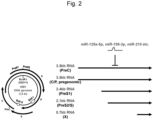
- FIG. 2 shows the DNA genome of HBV along with RNA structures.
- the DNA genome of HBV is 3.2 kb, and five mRNAs are expressed therefrom, as shown in Figure 2 .
- 3.5 kb pregenomic RNA (pgRNA) functions as a template for HBV genomic DNA production.
- pgRNA pregenomic RNA
- pgRNA has two epsilon signal sequences at the 5' and 3' sides ( Figure 8 ).
- virus replication is inhibited upon inhibition of miRNA binding to the 5' epsilon signal sequence, particularly miRNA binding to a sequence of at least 7 nucleotides in the conserved sequence in the 5' epsilon signal sequence.
- the present invention provides the use of a composition comprising an inhibitory substance against microRNA binding to the 5' epsilon signal sequence in the pregenomic RNA of HBV, wherein the microRNA is miR-4453.
- the expression "inhibitory substance against microRNA” is intended to mean a nucleic acid which forms base pairs with microRNA and thereby inhibit the function of the microRNA.
- an antisense oligonucleotide, siRNA, shRNA, or a single-stranded oligonucleotide containing nucleotide analogs such as locked nucleic acid (LNA) units causes inhibition of the miRNA function.
- an antisense oligonucleotide, siRNA, shRNA or an oligonucleotide containing LNA units may be used against miRNA binding to a seed region sequence, particularly the conserved region in the 5' epsilon signal sequence.
- miR-4453 binds to a sequence of at least 7 nucleotides in the conserved sequence in the 5' epsilon signal sequence.
- An inhibitory substance against miR-4453 may be exemplified by a nucleic acid (an antisense oligonucleotide, siRNA, shRNA or LNA) having a nucleotide sequence complementary to the whole or a part of the nucleotide sequence of miR-4453.
- a nucleic acid an antisense oligonucleotide, siRNA, shRNA or LNA
- Such an antisense oligonucleotide, siRNA, shRNA or LNA is also herein referred to as an "inhibitor.”
- the conserved sequence of 7 nucleotides in the 5' epsilon signal sequence in the above pregenomic RNA is represented by "CCAAGCU” and an inhibitory substance against miR-4453, which comprises such a conserved sequence, is, according to the invention, an inhibitor against miR-4453 (e.g., represented by GAGCUUGGUCUGUAGCGGUU (SEQ ID NO: 1)).
- the nucleotide sequence of an inhibitor is a complementary sequence to the mature sequence of miR-4453, and its length is not limited in any way but is, for example, 16 to 27 nucleotides, preferably 20 nucleotides.
- at least one nucleotide may be an LNA monomer, or two or more nucleotides may be LNA monomers, and it is preferred in the present invention that 20 nucleotides are LNA monomers.
- the mature sequence of miR-4453 and the nucleotide sequence of an inhibitor containing LNA against the miR-4453 mature sequence are shown below.
- the present invention relates to the use of a composition for inhibiting HBV replication in vitro and a pharmaceutical composition for use in a method of treating HBV infection, each comprising an inhibitory substance against microRNA binding to the 5' epsilon signal sequence in the pregenomic RNA of HBV, wherein the microRNA is miR-4453.
- Diseases based on HBV infection include not only hepatitis B, but also HBV-associated diseases such as hepatic fibrosis, chronic hepatitis, cirrhosis, liver cancer, etc.
- the mode of administration for the composition may be injection, as exemplified by standard systemic administration via the intravenous or intraarterial route, as well as topical administration via the intramuscular, intraarticular, subcutaneous or intracutaneous route. Further, the mode of administration using a catheter may also be used.
- the composition is generally provided in the form of a unit dose ampule or a multi-dose container, and may be in powder form which is reconstituted with an appropriate carrier, e.g., sterilized water at the time of use.
- the mode of administration for the composition includes suppositories, administration through the nasal cavity or oral mucosa, oral administration, etc.
- the above dosage forms may contain additives commonly used in formulations.
- additives include excipients, fillers, extenders, binders, wetting agents, disintegrants, lubricants, surfactants, dispersants, buffering agents, preservatives, solubilizers, antiseptics, correctives, soothing agents, stabilizing agents and isotonizing agents, which are commonly used during drug preparation.
- additives may be selected as appropriate for use in the preparation of the dosage forms in a standard manner.
- the dose will vary depending on the purpose of treatment, the age of a subject to be administered, the route of administration and/or the frequency of administration, and may be changed within a wide range.
- the amount of the nucleic acid contained in the pharmaceutical composition for use according to the present invention may be determined as appropriate by those skilled in the art.
- Other methods for treatment include gene therapy using a gene therapy vector designed to express shRNA inhibiting the function of target miRNA.
- a gene therapy vector may be obtained by inserting an inhibitory substance (DNA) such as the above shRNA sequence into an appropriate vector.
- Vectors used for insertion of an inhibitory substance are broadly divided into non-viral vectors and viral vectors.
- non-viral vectors include vectors having pCAGGS, etc.
- viral vectors include, for example, adenovirus, lentivirus and so on.
- Kits for the use of viral vectors are commercially available (e.g., Adeno-X Adenoviral System 3 (Takara Bio Inc., Japan) and adeno-associated virus (AAV) vectors (Applied Viromics)), and a viral vector may be readily constructed.
- Adeno-X Adenoviral System 3 (Takara Bio Inc., Japan) and adeno-associated virus (AAV) vectors (Applied Viromics)
- AAV adeno-associated virus
- a gene therapy vector may be introduced into a patient with a HBV-associated disease by direct introduction into the patient's tissue, or alternatively, target cells may be taken from such a patient and a gene therapy vector may be introduced in vitro into these cells, which may then be returned into the patient's body.
- the effective dose of the pharmaceutical composition administered either alone or as a combination with an appropriate diluent and a pharmacologically acceptable carrier is in the range of 10 mg to 200 mg per kg body weight per administration, which is given at intervals of 1 week to 1 month.
- the dose of a gene therapy virus may be adjusted as appropriate depending on, e.g., the stage, age and body weight of a patient.
- the effective dose is 1 ⁇ 10 12 to 2 ⁇ 10 13 genome copies/kg.
- the gene therapy virus may be administered at this dose once to several times.
- the inventors of the present invention used chimeric mice with humanized livers as an animal model of HBV infection.
- the HBV strains used as sources of infection were the Ae_JPN strain of genotype A (AB246338.1) and the C_JPNAT strain of genotype C (AB246345.1).
- RNAs were prepared from the mouse livers and subjected to RNA-seq analysis.
- PXB cells PhoenixBio
- the miRNAs used were miRIDIAN microRNA mimics (Dharmacon), and the miRNA inhibitors used were miRCURY LNA microRNA Power Inhibitors (YI04104482) (Exiqon).
- a multifunctional envelope-type nanodevice (MEND) was used ( Yamamoto N, Sato Y, Munakata T, Kakuni M, Tateno C, Sanada T, Hirata Y, Murakami S, Tanaka Y, Chayama K, Hatakeyama H, Hyodo M, Harashima H, Kohara M. J Hepatol. 2016 Mar;64(3):547-55 . Novel pH-sensitive multifunctional envelope-type nanodevice for siRNA-based treatments for chronic HBV infection).
- HBV replication analysis in cultured cells HepG2.2.15-derived cells constitutively expressing HBV were used.
- HepG2-hNTCP-C4 and HepG2-hNTCP-30 cells overexpressing hNTCP which seems to be an HBV receptor, were used in infection experiments.
- the core protein of HBV was replaced with secretory luciferase, whereby a reporter not causing co-expression of HBpol was used.
- MIR663A As miRNAs whose expression significantly varied upon HBV infection into the chimeric mice, three miRNAs (MIR663A (up), MIR210HG (up), MIR4453 (down)) were identified in genotype A, while three miRNAs (MIR3648 (up), MIR663A (up), MIR4453 (down)) were identified in genotype C ( Figure 3 ).
- MIR210HG has already been reported as miRNA whose expression is increased in a manner dependent on HBV replication and which targets HBV mRNA to suppress protein expression.
- Figure 3 shows changes in miRNA expression levels after in vivo HBV infection.
- Panels A to F are as follows.
- A Experimental schedule of HBV infection in chimeric mice with humanized livers.
- B Quantification of HBV RNA in chimeric mice infected with HBV
- C and D Volcano plots each showing miRNA expression quantified by RNA-seq analysis. The X-axis represents the log value of change in expression, while the Y-axis represents the negative log value of q value.
- Significant miRNAs (q ⁇ 0.05) are plotted in red. The value of fold change was scored as HBV genotype A/non-infected (C) or as HBV genotype C/non-infected (D).
- E and F Log2 (fold change) plots of miRNAs showing significant (q ⁇ 0.05) change.
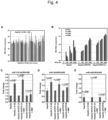
- FIG. 4 shows miRNA expression profiles in HBV replication and infection in vitro.
- panels A to F are as follows.
- HepG2-hNTCP-C4 and HepG2-hNTCP-30 were infected with HBV at the GEq/cell ratios indicated, and HBV DNA titers in the media collected every 7 days were quantified.
- Normal HepG2 cells were used as a negative control.
- C, D and E The expression levels of miR-210-5p, miR-3648 and miR-4453 were compared between HepG2 and HepG2.2.15-58 cells, between naive and HBV-infected HepG2-hNTCP-C4 cells, or between naive and HBV-infected HepG2-hNTCP-30 cells.
- the cells were inoculated with HBV at the genome equivalent (GEq)/cell ratio indicated.
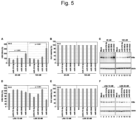
- miR-4453 was found to have the function of increasing the amounts of HBV DNA and HBs protein ( Figure 5 ).
- FIG. 5 shows the effects of selected miRNAs on HBV in the in vitro model of HBV replication.
- panels A to F are as follows.
- a to C Gain-of-function analysis of miRNAs upon transfection of exogenous miRNAs into HepG2.2.15-58 cells. After miRNA transfection, the amount of HBV DNA in the medium was quantified (A), and cell viability was measured in each transfection (B). HBs and actin (loading control) were also immunoblotted (C).
- D to F Loss-of-function analysis of miRNAs upon transfection of LNA inhibitors of miRNAs into HepG2.2.15-58 cells. After LNA inhibitor transfection, the amount of HBV DNA (D), cell viability (E) and the amount of HBs (F) were observed.
- miR-4453 In analysis using an inhibitor of miR-4453, the amounts of HBV DNA and HBs protein were reduced conversely. Also, in the experiment of HBV infection into PXB cells, miR-4453 was found to increase virus replication and the miR-4453 inhibitor was found to suppress virus replication. Thus, the target of miR-4453 is deemed to be a factor which plays an important role in HBV replication.
- FIG. 6 shows the effects of selected miRNAs on HBV in primary human hepatocytes infected with HBV
- panels A to I are as follows.
- A Schematic diagram showing HBV infection into human primary hepatocytes (PHH).
- B The amount of HBV DNA in the medium after infection.
- C to E Gain-of-function analysis of miRNAs upon transfection of exogenous miRNAs into PHH. At 10 days after transfection, the amount of HBV DNA in the medium (C) or in the cells (E) was quantified, and cell viability was measured in each transfection (D).
- F to I Loss-of-function analysis of miRNAs upon transfection of LNA inhibitors of miRNAs into primary human hepatocytes (PHH).
- HBV DNA in the culture medium was quantified (F), and cell viability was measured in each transfection (G).
- IFN- ⁇ 1 was added at 100 ng/mL.
- the amount of HBV DNA was also measured in non-infected and HBV-infected PHH (H), and HBs and actin (loading control) were immunoblotted under the same conditions (I).
- Figure 7 shows candidate targets of miR-4453 in HBV RNA.
- Panels A to F are as follows.
- An HBV pgRNA reporter, pHBV/Gluc was transfected into HepG2 cells in the presence and absence of miR-4453, and the activity of secreted luciferase was measured.
- pCMV/Gluc Gluc expression is driven by a cytomegalovirus (CMV) promoter
- CMV cytomegalovirus
- the miR-4453 binding site in 5' ⁇ is required for enhancement of the pgRNA reporter.
- F Effects of miR-4453 binding site mutations in epsilon regions on HBV capsid formation. The infectious titer of the HBV reporter is measured by the activity of secreted luciferase. There was no difference between 5' ⁇ and 3' ⁇ mutations.
- the inventors of the present invention performed pgRNA reporter analysis, and miR-4453 was found to increase luciferase activity independently of HBpol ( Figure 7D ). Since this reporter contains two epsilon signals, mutations were introduced into miR-4453 target candidate sequences in these two epsilon signals and pgRNA reporter analysis was also repeated, thus indicating that the miR-4453-dependent increase in luciferase activity disappeared in a mutant of the 5' epsilon sequence ( Figure 7E ).
- miR-4453 would bind to the 5' epsilon signal in HBV pgRNA to thereby activate HBV translation or increase pgRNA stability.
- the miR-4453 binding sequence mutants in the epsilon signals were found not to affect the formation of virus particles ( Figure 7F ). Namely, the higher order structure of each epsilon would not be greatly changed even when a mutation is introduced.
- Figure 8 shows a model for miR-4453-mediated regulation of HBV replication.
- HBV pgRNA has two epsilon signals, and the epsilon located in the 5'UTR is targeted by miR-4453, which in turn enhances HBV replication by activated translation from pgRNA or stabilization of pgRNA.
- HBV replication causes the down-regulation of miR-4453 expression and shows a negative feedback loop. However, HBV replication is still maintained by a low level of miR-4453.
- miR-4453 suppresses virus replication and is therefore expected to lead to the development of a new therapy for HBV infection, as in the case of miravirsen (miR-122 inhibitor, serving as a therapeutic agent for HCV infection)
- miravirsen molecular antigen
- miR-122 inhibitor serving as a therapeutic agent for HCV infection
- Therapeutic silencing of microRNA-122 in primates with chronic hepatitis C virus infection In the case of miR-122, there have been proposed a mechanism acting on HCV RNA stability and a mechanism contributing to translation from HCV RNA. According to functional analysis, miR-4453 may also have these two mechanisms.
- the inventors of the present invention analyzed the behavior of 3.5 kb pgRNA by Northern blotting. As a result, it was found that in HepG2.2.15 cells where HBV constitutively replicates, the amount of pgRNA was increased upon addition of miR-4453 while the amount of pgRNA was reduced upon addition of an inhibitor of miR-4453.
- the inventors of the present invention analyzed pgRNA stability by Northern blotting in a condition where new RNA synthesis was arrested by addition of actinomycin D to the culture system. As a result, it was found that pgRNA stability was increased in a manner dependent on miR-4453 ( Figure 9 ).
- Another miRNA inhibitor S-TuD commercially available from SIGMA was used to repeat the same experiment, and the concentration-dependent suppression of HBV replication was observed in HepG2.2.15 cells ( Figure 11 ).
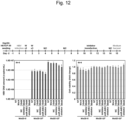
- the miR-4453 inhibitor S-TuD was also found to suppress HBV replication in an infection experiment using HepG2-hNTCP-30 cells. Moreover, this inhibitor was found not to affect cell viability ( Figure 12 ). These results indicated that three distinct types of miR-4453 inhibitors suppressed HBV replication.
Landscapes
- Health & Medical Sciences (AREA)
- Life Sciences & Earth Sciences (AREA)
- Chemical & Material Sciences (AREA)
- Engineering & Computer Science (AREA)
- Molecular Biology (AREA)
- General Health & Medical Sciences (AREA)
- Genetics & Genomics (AREA)
- Organic Chemistry (AREA)
- Biotechnology (AREA)
- Medicinal Chemistry (AREA)
- Veterinary Medicine (AREA)
- Public Health (AREA)
- Animal Behavior & Ethology (AREA)
- Virology (AREA)
- Pharmacology & Pharmacy (AREA)
- Biomedical Technology (AREA)
- Biochemistry (AREA)
- Bioinformatics & Cheminformatics (AREA)
- Wood Science & Technology (AREA)
- Zoology (AREA)
- General Engineering & Computer Science (AREA)
- Communicable Diseases (AREA)
- Chemical Kinetics & Catalysis (AREA)
- General Chemical & Material Sciences (AREA)
- Oncology (AREA)
- Nuclear Medicine, Radiotherapy & Molecular Imaging (AREA)
- Epidemiology (AREA)
- Plant Pathology (AREA)
- Physics & Mathematics (AREA)
- Biophysics (AREA)
- Microbiology (AREA)
- Pharmaceuticals Containing Other Organic And Inorganic Compounds (AREA)
- Medicines That Contain Protein Lipid Enzymes And Other Medicines (AREA)
Description
- The present invention relates to a composition for inhibiting the replication of hepatitis B virus.
- MicroRNA (miRNA) is non-coding short RNA of about 22 nucleotides and forms a complex with AGO protein to serve as a regulatory factor for gene expression primarily through degradation or translational repression of mRNA having a target sequence (
Figure 1 ). During the process of standard miRNA production, a primary transcript containing hairpin structures, i.e., primary miRNA (pri-miRNA) is synthesized by transcription, as shown inFigure 1 . In the nucleus, Drosha, a kind of RNase III, cleaves pri-miRNA at the basal part of each hairpin to thereby produce precursor miRNAs (pre-miRNAs). The thus produced pre-miRNAs are exported from the nucleus to the cytoplasm mainly by the action of Exportin-5, and are cleaved with another RNase III, Dicer, to produce double-stranded RNAs (miRNA duplexes) of 20 to 24 nucleotides. Each double-stranded RNA is incorporated into Ago protein, and only one of its RNA strands forms a stable complex with the Ago protein to form an RNA-induced silencing complex (RISC). This single-stranded mature miRNA finally serves as a guide for gene expression control, resulting in RNA degradation or translational repression. - miRNAs were initially isolated as factors required for the growth of nematodes, but turned out to be a ubiquitous mechanism in animals and plants including humans as a result of further analyses. Moreover, many reports have indicated that miRNAs also control the replication and pathogenicity of DNA and RNA viruses (Non-patent Document 1: Jopling CL et al., Science 309, 1577-1581, 2005; Non-patent Document 2: Pedersen IM et al., Nature 449, 919-922, 2007). Hepatitis B virus (HBV) is classified as a DNA virus with an envelope structure, but synthesizes genomic DNA from pregenomic RNA (pgRNA) by its own reverse transcriptase during replication. Genomic DNA within HBV particles is a circular imperfect duplex and, after infection into hepatic cells, is converted into covalently closed circular DNA (cccDNA) in the nucleus to establish persistent infection. HBV mRNAs and pgRNA are expressed from cccDNA. Proteins such as viral antigens are expressed from HBV mRNAs, while HBV pgRNA not only functions as mRNA, but also serves as a source for virus capsid formation and HBV DNA synthesis. It has already been reported that HBV-derived mRNAs are targeted by host miRNAs and their expression are suppressed (
Figure 2 , Non-patent Document 3: Zhang GL et al., Antiviral Res. 2010 Nov; 88(2): 169-175). However, there has been no knowledge of miRNAs which directly promote HBV replication. -
- Non-patent Document 1: Jopling CL et al., Science 309, 1577-1581, 2005
- Non-patent Document 2: Pedersen IM et al., Nature 449, 919-922, 2007
- Non-patent Document 3: Zhang GL et al., Antiviral Res. 2010 Nov; 88(2): 169-175
-
WO 2017/190197 relates to artificial miRNA (shmiRNA) used alone or in combination with additional shmiRNA or shRNA for treatment of HBV infection. -
WO 2012/024170 relates to double-stranded nucleic acid molecules including small nucleic acid molecules, such as short interfering nucleic acid, short interfering RNA, double-stranded RNA, miRNA, and short hairpin RNA molecules that are capable of mediating or that mediate RNA interference against HBV gene expression. -
WO 2017/205078 describes methods for treating HBV infections by administering an NS5A inhibitor, NS5B inhibitor, NS3 inhibition, or combinations thereof. - The object of the present invention is to provide a composition for inhibiting the replication of hepatitis B virus and a pharmaceutical composition for treating hepatitis B virus infection, each comprising a substance inhibiting the function of microRNA miR-4453.
- As a result of extensive and intensive efforts made to solve the problem stated above, the inventors of the present invention have succeeded in inhibiting virus replication by inhibiting the function of microRNA miR-4453, and have completed the present invention.
- Namely, the present invention is as follows.
- (1) Use of a composition comprising an inhibitory substance against miR-4453 to inhibit the replication of hepatitis B virus in vitro.
- (2) The use according to (1) above, wherein miR-4453 consists of the nucleotide sequence represented by GAGCUUGGUCUGUAGCGGUU (SEQ ID NO: 1).
- (3) The use according to (1) above, wherein the inhibitory substance is a nucleic acid including an antisense oligonucleotide, siRNA, shRNA or a locked nucleic acid, which inhibits the function of miR-4453.
- (4) The use according to (1) above, wherein the inhibitory substance is a nucleic acid including an antisense oligonucleotide, siRNA, shRNA or a locked nucleic acid, which targets the whole or a part of the nucleotide sequence represented by GAGCUUGGUCUGUAGCGGUU (SEQ ID NO: 1).
- (5) The use according to (1) above, wherein the inhibitory substance is a nucleic acid including an antisense oligonucleotide, siRNA, shRNA or a locked nucleic acid, which consists of the nucleotide sequence represented by AACCGCTACAGACCAAGCTC (SEQ ID NO: 2).
- The present invention also includes the following inventions.
- (6) A pharmaceutical composition comprising an inhibitory substance against miR-4453 for use in a method of:
- (i) treating hepatitis B virus infection; or
- (ii) treating or alleviating a disease caused by hepatitis B virus infection, wherein the disease is hepatitis B, hepatic fibrosis, chronic hepatitis, cirrhosis or liver cancer. The patient is not limited to a patient infected with hepatitis B virus and also includes a patient suspected to be infected with hepatitis B virus.
- (7) The pharmaceutical composition for use according to (6), wherein the inhibitory substance is a gene therapy agent.
- (8) The pharmaceutical composition for use according to (6) or (7), wherein miR-4453 consists of the nucleotide sequence represented by GAGCUUGGUCUGUAGCGGUU (SEQ ID NO: 1).
- (9) The pharmaceutical composition for use according to (6) or (7), wherein the inhibitory substance is a nucleic acid including an antisense oligonucleotide, siRNA, shRNA or a locked nucleic acid, which inhibits the function of miR-4453.
- (10) The pharmaceutical composition for use according to (6) or (7), wherein the inhibitory substance is a nucleic acid including an antisense oligonucleotide, siRNA, shRNA or a locked nucleic acid, which targets the whole or a part of the nucleotide sequence represented by GAGCUUGGUCUGUAGCGGUU (SEQ ID NO: 1).
- (11) The pharmaceutical composition for use according to (6) or (7), wherein the inhibitory substance is a nucleic acid including an antisense oligonucleotide, siRNA, shRNA or a locked nucleic acid, which consists of the nucleotide sequence represented by AACCGCTACAGACCAAGCTC (SEQ ID NO: 2).
- The present invention provides the use of a composition comprising a substance inhibiting the function of microRNA miR-4453. The composition is also useful in the treatment of hepatitis B.
-
-
Figure 1 shows the expression and function of microRNA (miRNA). -
Figure 2 shows the DNA genome of HBV along with RNA structures. -
Figure 3 shows changes in miRNA expression levels after HBV infection in vivo. -
Figure 4 shows miRNA expression profiles in HBV replication and infection in vitro. -
Figure 5 shows the effects of selected miRNAs on HBV in an in vitro model of HBV replication. -
Figure 6 shows the effects of selected miRNAs on HBV in primary human hepatocytes infected with HBV -
Figure 7 shows candidate targets of miR-4453 in HBV RNA. -
Figure 8 shows a model for miR-4453-mediated regulation of HBV replication. -
Figure 9 shows the results obtained when pgRNA stability was analyzed by Northern blotting techniques in a condition where new RNA synthesis was arrested with actinomycin D. -
Figure 10 shows the test results of HBV replication suppression with a mir-4453 inhibitor, miRIDIAN. -
Figure 11 shows the test results of HBV replication suppression with a mir-4453 inhibitor, S-TuD. -
Figure 12 shows the test results of HBV replication suppression with a mir-4453 inhibitor, S-TuD. -
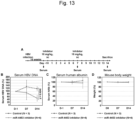
Figure 13 shows the results obtained when a mir-4453 inhibitor was analyzed for its anti-HBV effect in chimeric mice with humanized livers. - The present invention provides the use of a composition for inhibiting the replication of hepatitis B virus (HBV) in vitro, as well as a pharmaceutical composition for use in a method of treating HBV infection. The present invention is based on the use of an inhibitory substance against microRNA (miRNA) annealing to the 5' epsilon signal sequence in the pregenomic RNA (pgRNA) of HBV, i.e., an inhibitory substance against miRNA activating protein production essential for HBV replication or miRNA increasing the stability of pgRNA. The miRNA is miR-4453. The inhibitory substance can be used to inhibit the replication of HBV to thereby treat or alleviate diseases caused by HBV infection.
- MicroRNAs (miRNAs) have been widely known to control the replication and pathogenicity of DNA and RNA viruses. Hepatitis B virus (HBV) is classified as a DNA virus with an envelope structure, but synthesizes genomic DNA from pregenomic RNA (pgRNA) by its own reverse transcriptase during replication. Although several miRNAs have already been reported to suppress the replication of HBV, the inventors of the present invention have now identified miRNAs whose expression varies predominantly upon HBV infection, among which miRNA directly acting on HBV RNA to activate HBV replication has been found. Moreover, the inventors of the present invention have also found that this miRNA interacts with an epsilon sequence essential for capsid formation and DNA synthesis from pgRNA.
- As to the finding that miRNAs positively act on viral RNAs, the case of miR-122 in hepatitis C virus (HCV) has been known (Jopling CL, Yi M, Lancaster AM, Lemon SM, Sarnow P. Science. 2005 . Modulation of hepatitis C virus RNA abundance by a liver-specific MicroRNA), but this finding is a first for HBV An inhibitor of this miRNA suppresses virus replication and is therefore available for use as a novel therapeutic agent for HBV infection.
-
Figure 2 shows the DNA genome of HBV along with RNA structures. The DNA genome of HBV is 3.2 kb, and five mRNAs are expressed therefrom, as shown inFigure 2 . Among them, 3.5 kb pregenomic RNA (pgRNA) functions as a template for HBV genomic DNA production. Several miRNAs have been reported to suppress HBV replication, but there has been found no miRNA which targets HBV RNA to thereby enhance HBV replication. - pgRNA has two epsilon signal sequences at the 5' and 3' sides (
Figure 8 ). In the present invention, it has been found that virus replication is inhibited upon inhibition of miRNA binding to the 5' epsilon signal sequence, particularly miRNA binding to a sequence of at least 7 nucleotides in the conserved sequence in the 5' epsilon signal sequence. - Thus, the present invention provides the use of a composition comprising an inhibitory substance against microRNA binding to the 5' epsilon signal sequence in the pregenomic RNA of HBV, wherein the microRNA is miR-4453. The expression "inhibitory substance against microRNA" is intended to mean a nucleic acid which forms base pairs with microRNA and thereby inhibit the function of the microRNA.
- The inventors of the present invention have found that as an inhibitory substance against microRNA (an inhibitory substance inhibiting the function of miR-4453), for example, an antisense oligonucleotide, siRNA, shRNA, or a single-stranded oligonucleotide containing nucleotide analogs such as locked nucleic acid (LNA) units causes inhibition of the miRNA function. To cause inhibition of the miRNA function, an antisense oligonucleotide, siRNA, shRNA or an oligonucleotide containing LNA units may be used against miRNA binding to a seed region sequence, particularly the conserved region in the 5' epsilon signal sequence.
- miR-4453 binds to a sequence of at least 7 nucleotides in the conserved sequence in the 5' epsilon signal sequence. An inhibitory substance against miR-4453 may be exemplified by a nucleic acid (an antisense oligonucleotide, siRNA, shRNA or LNA) having a nucleotide sequence complementary to the whole or a part of the nucleotide sequence of miR-4453. Such an antisense oligonucleotide, siRNA, shRNA or LNA is also herein referred to as an "inhibitor."
- The conserved sequence of 7 nucleotides in the 5' epsilon signal sequence in the above pregenomic RNA is represented by "CCAAGCU" and an inhibitory substance against miR-4453, which comprises such a conserved sequence, is, according to the invention, an inhibitor against miR-4453 (e.g., represented by GAGCUUGGUCUGUAGCGGUU (SEQ ID NO: 1)).
- In the present invention, the nucleotide sequence of an inhibitor (e.g., LNA) is a complementary sequence to the mature sequence of miR-4453, and its length is not limited in any way but is, for example, 16 to 27 nucleotides, preferably 20 nucleotides. For example, in the nucleotide sequence of LNA, at least one nucleotide may be an LNA monomer, or two or more nucleotides may be LNA monomers, and it is preferred in the present invention that 20 nucleotides are LNA monomers.
- For example, the mature sequence of miR-4453, and the nucleotide sequence of an inhibitor containing LNA against the miR-4453 mature sequence are shown below.
- 1. The mature sequence of miR-4453: GAGCUUGGUCUGUAGCGGUU (SEQ ID NO: 1)
- 2. The sequence of LNA against the mature sequence of miR-4453: AACCGCTACAGACCAAGCTC (SEQ ID NO: 2)
- The present invention relates to the use of a composition for inhibiting HBV replication in vitro and a pharmaceutical composition for use in a method of treating HBV infection, each comprising an inhibitory substance against microRNA binding to the 5' epsilon signal sequence in the pregenomic RNA of HBV, wherein the microRNA is miR-4453. Diseases based on HBV infection include not only hepatitis B, but also HBV-associated diseases such as hepatic fibrosis, chronic hepatitis, cirrhosis, liver cancer, etc.
- The mode of administration for the composition may be injection, as exemplified by standard systemic administration via the intravenous or intraarterial route, as well as topical administration via the intramuscular, intraarticular, subcutaneous or intracutaneous route. Further, the mode of administration using a catheter may also be used. In this case, the composition is generally provided in the form of a unit dose ampule or a multi-dose container, and may be in powder form which is reconstituted with an appropriate carrier, e.g., sterilized water at the time of use.
- In addition to the injection mentioned above, the mode of administration for the composition includes suppositories, administration through the nasal cavity or oral mucosa, oral administration, etc.
- Moreover, the above dosage forms may contain additives commonly used in formulations. Such additives include excipients, fillers, extenders, binders, wetting agents, disintegrants, lubricants, surfactants, dispersants, buffering agents, preservatives, solubilizers, antiseptics, correctives, soothing agents, stabilizing agents and isotonizing agents, which are commonly used during drug preparation. These additives may be selected as appropriate for use in the preparation of the dosage forms in a standard manner.
- The dose will vary depending on the purpose of treatment, the age of a subject to be administered, the route of administration and/or the frequency of administration, and may be changed within a wide range. The amount of the nucleic acid contained in the pharmaceutical composition for use according to the present invention may be determined as appropriate by those skilled in the art.
- Other methods for treatment include gene therapy using a gene therapy vector designed to express shRNA inhibiting the function of target miRNA.
- A gene therapy vector may be obtained by inserting an inhibitory substance (DNA) such as the above shRNA sequence into an appropriate vector. Vectors used for insertion of an inhibitory substance are broadly divided into non-viral vectors and viral vectors. For example, non-viral vectors include vectors having pCAGGS, etc.
- On the other hand, viral vectors include, for example, adenovirus, lentivirus and so on.
- Kits for the use of viral vectors are commercially available (e.g., Adeno-X Adenoviral System 3 (Takara Bio Inc., Japan) and adeno-associated virus (AAV) vectors (Applied Viromics)), and a viral vector may be readily constructed.
- A gene therapy vector may be introduced into a patient with a HBV-associated disease by direct introduction into the patient's tissue, or alternatively, target cells may be taken from such a patient and a gene therapy vector may be introduced in vitro into these cells, which may then be returned into the patient's body.
- For example, the effective dose of the pharmaceutical composition administered either alone or as a combination with an appropriate diluent and a pharmacologically acceptable carrier is in the range of 10 mg to 200 mg per kg body weight per administration, which is given at intervals of 1 week to 1 month.
- The dose of a gene therapy virus may be adjusted as appropriate depending on, e.g., the stage, age and body weight of a patient. For example, the effective dose is 1 × 10¹² to 2 × 10¹³ genome copies/kg. The gene therapy virus may be administered at this dose once to several times.
- The present invention will be further described in more detail by way of the following illustrative examples. However, the scope of the present invention is not limited by these examples.
- The inventors of the present invention used chimeric mice with humanized livers as an animal model of HBV infection. The HBV strains used as sources of infection were the Ae_JPN strain of genotype A (AB246338.1) and the C_JPNAT strain of genotype C (AB246345.1). After 10 weeks of infection, RNAs were prepared from the mouse livers and subjected to RNA-seq analysis. As primary human hepatocytes, PXB cells (PhoenixBio) were used. The miRNAs used were miRIDIAN microRNA mimics (Dharmacon), and the miRNA inhibitors used were miRCURY LNA microRNA Power Inhibitors (YI04104482) (Exiqon). For miRNA delivery to the primary human hepatocytes, a multifunctional envelope-type nanodevice (MEND) was used (Yamamoto N, Sato Y, Munakata T, Kakuni M, Tateno C, Sanada T, Hirata Y, Murakami S, Tanaka Y, Chayama K, Hatakeyama H, Hyodo M, Harashima H, Kohara M. J Hepatol. 2016 Mar;64(3):547-55. Novel pH-sensitive multifunctional envelope-type nanodevice for siRNA-based treatments for chronic HBV infection). For HBV replication analysis in cultured cells, HepG2.2.15-derived cells constitutively expressing HBV were used. Moreover, HepG2-hNTCP-C4 and HepG2-hNTCP-30 cells overexpressing hNTCP, which seems to be an HBV receptor, were used in infection experiments. In pgRNA analysis, the core protein of HBV was replaced with secretory luciferase, whereby a reporter not causing co-expression of HBpol was used.
- As miRNAs whose expression significantly varied upon HBV infection into the chimeric mice, three miRNAs (MIR663A (up), MIR210HG (up), MIR4453 (down)) were identified in genotype A, while three miRNAs (MIR3648 (up), MIR663A (up), MIR4453 (down)) were identified in genotype C (
Figure 3 ). Among these miRNAs, MIR210HG has already been reported as miRNA whose expression is increased in a manner dependent on HBV replication and which targets HBV mRNA to suppress protein expression. -
Figure 3 shows changes in miRNA expression levels after in vivo HBV infection. Panels A to F are as follows.
(A) Experimental schedule of HBV infection in chimeric mice with humanized livers. (B) Quantification of HBV RNA in chimeric mice infected with HBV (C and D) Volcano plots each showing miRNA expression quantified by RNA-seq analysis. The X-axis represents the log value of change in expression, while the Y-axis represents the negative log value of q value. Significant miRNAs (q < 0.05) are plotted in red. The value of fold change was scored as HBV genotype A/non-infected (C) or as HBV genotype C/non-infected (D). (E and F) Log2 (fold change) plots of miRNAs showing significant (q < 0.05) change. - Secondly, from the cultured cell system for HBV replication and infection, the inventors of the present invention found that HBV-induced changes in the expression of miR-210-5p, miR-3648 and miR-4453 were the same as those in the animal model (
Figure 4 ). -
Figure 4 shows miRNA expression profiles in HBV replication and infection in vitro. InFigure 4 , panels A to F are as follows.
(A) Cloning of HepG2.2.15-58 by limiting dilution. HBV DNA titers were shown for the respective cell lines cloned from HepG2.2.15. The position of HepG2.2.15-58 was indicated with a circle. (B) HBV infection in HepG2-derived cells ectopically expressing human NTCP. HepG2-hNTCP-C4 and HepG2-hNTCP-30 were infected with HBV at the GEq/cell ratios indicated, and HBV DNA titers in the media collected every 7 days were quantified. Normal HepG2 cells were used as a negative control. (C, D and E) The expression levels of miR-210-5p, miR-3648 and miR-4453 were compared between HepG2 and HepG2.2.15-58 cells, between naive and HBV-infected HepG2-hNTCP-C4 cells, or between naive and HBV-infected HepG2-hNTCP-30 cells. The cells were inoculated with HBV at the genome equivalent (GEq)/cell ratio indicated. - Further, as a result of examining the effects of the above miRNAs on HBV replication in HepG2.2.15-derived cells, miR-4453 was found to have the function of increasing the amounts of HBV DNA and HBs protein (
Figure 5 ). -
Figure 5 shows the effects of selected miRNAs on HBV in the in vitro model of HBV replication. InFigure 5 , panels A to F are as follows.
(A to C) Gain-of-function analysis of miRNAs upon transfection of exogenous miRNAs into HepG2.2.15-58 cells. After miRNA transfection, the amount of HBV DNA in the medium was quantified (A), and cell viability was measured in each transfection (B). HBs and actin (loading control) were also immunoblotted (C). (D to F) Loss-of-function analysis of miRNAs upon transfection of LNA inhibitors of miRNAs into HepG2.2.15-58 cells. After LNA inhibitor transfection, the amount of HBV DNA (D), cell viability (E) and the amount of HBs (F) were observed. - In analysis using an inhibitor of miR-4453, the amounts of HBV DNA and HBs protein were reduced conversely. Also, in the experiment of HBV infection into PXB cells, miR-4453 was found to increase virus replication and the miR-4453 inhibitor was found to suppress virus replication. Thus, the target of miR-4453 is deemed to be a factor which plays an important role in HBV replication.
-
Figure 6 shows the effects of selected miRNAs on HBV in primary human hepatocytes infected with HBV InFigure 6 , panels A to I are as follows.
(A) Schematic diagram showing HBV infection into human primary hepatocytes (PHH). (B) The amount of HBV DNA in the medium after infection. (C to E) Gain-of-function analysis of miRNAs upon transfection of exogenous miRNAs into PHH. At 10 days after transfection, the amount of HBV DNA in the medium (C) or in the cells (E) was quantified, and cell viability was measured in each transfection (D). (F to I) Loss-of-function analysis of miRNAs upon transfection of LNA inhibitors of miRNAs into primary human hepatocytes (PHH). After 100 nM inhibitor transfection, the amount of HBV DNA in the culture medium was quantified (F), and cell viability was measured in each transfection (G). As a positive control of HBV replication inhibitor, IFN-λ1 was added at 100 ng/mL. The amount of HBV DNA was also measured in non-infected and HBV-infected PHH (H), and HBs and actin (loading control) were immunoblotted under the same conditions (I). - To study the target of miR-4453 (
Figure 6 ), the same mechanism as for the effect of miR-122 on HCV was first examined in terms of improved virus replication to search for target sequence candidates in HBV-derived RNA. - The results obtained are shown in
Figure 7. Figure 7 shows candidate targets of miR-4453 in HBV RNA. Panels A to F are as follows. - (A) Predicted miR-4453 binding sites in HBV RNA. To identify miR-4453 binding sites, a RNA22v2 microRNA target detection program was used. miR-210-5p has been reported to interact with HBV RNA. miR-122 and HCV RNA were used for validation of the program. It should be noted that the nucleotide sequences of target RNAs and miRNAs shown in panel A are set forth in SEQ ID NOs: 3 to 12. (B) Alignment of HBV epsilon (ε) regions from five different genotypes. The miR-4453 seed match sequence was shown in red. The EcoR1 restriction site of X02763 (HBV genotype A) was used as +1 for numbering the HBV genome. It should be noted that the nucleotide sequences of the epsilon regions shown in panel B are set forth in SEQ ID NOs: 13 to 22. (C) Interaction between miR-4453 and HBV RNA. RNA immunoprecipitation assay was performed with anti-Ago2 mAb on extracts from the miRNA-transfected cells indicated, and co-precipitated HBV RNAs were quantified by qRT-PCR.
- (D) miR-4453-induced enhancement of HBV pgRNA reporter activity. An HBV pgRNA reporter, pHBV/Gluc, was transfected into HepG2 cells in the presence and absence of miR-4453, and the activity of secreted luciferase was measured. As a negative control, pCMV/Gluc (Gluc expression is driven by a cytomegalovirus (CMV) promoter) was used. (E) Effects of miR-4453 binding site mutations in ε regions on the pgRNA reporter. 5'ε MT and 3'ε MT represent point mutations in the 5'UTR and 3'UTR ε regions, respectively. The miR-4453 binding site in 5'ε is required for enhancement of the pgRNA reporter. (F) Effects of miR-4453 binding site mutations in epsilon regions on HBV capsid formation. The infectious titer of the HBV reporter is measured by the activity of secreted luciferase. There was no difference between 5'ε and 3'ε mutations.
- The results of
Figure 7 indicated that a miR-4453 target candidate sequence allowing theoretically most stable binding was present in the epsilon signals conserved in all genotypes and essential for HBV capsid formation and DNA synthesis (Figure 7A, 7B ). Then, RNA immunoprecipitation analysis with an antibody against Ago2 was performed, thus indicating that HBV RNAs and miR-4453 interacted with each other (Figure 7C ). - Moreover, for study of how miR-4453 would activate virus replication, the inventors of the present invention performed pgRNA reporter analysis, and miR-4453 was found to increase luciferase activity independently of HBpol (
Figure 7D ). Since this reporter contains two epsilon signals, mutations were introduced into miR-4453 target candidate sequences in these two epsilon signals and pgRNA reporter analysis was also repeated, thus indicating that the miR-4453-dependent increase in luciferase activity disappeared in a mutant of the 5' epsilon sequence (Figure 7E ). It was therefore suggested that miR-4453 would bind to the 5' epsilon signal in HBV pgRNA to thereby activate HBV translation or increase pgRNA stability. The miR-4453 binding sequence mutants in the epsilon signals were found not to affect the formation of virus particles (Figure 7F ). Namely, the higher order structure of each epsilon would not be greatly changed even when a mutation is introduced. - As to the finding that miRNAs positively act on viral RNAs, the case of HCV and miR-122 has been known, but this finding is a first for HBV (
Figure 8 ). -
Figure 8 shows a model for miR-4453-mediated regulation of HBV replication. - HBV pgRNA has two epsilon signals, and the epsilon located in the 5'UTR is targeted by miR-4453, which in turn enhances HBV replication by activated translation from pgRNA or stabilization of pgRNA. HBV replication causes the down-regulation of miR-4453 expression and shows a negative feedback loop. However, HBV replication is still maintained by a low level of miR-4453.
- An inhibitor of miR-4453 suppresses virus replication and is therefore expected to lead to the development of a new therapy for HBV infection, as in the case of miravirsen (miR-122 inhibitor, serving as a therapeutic agent for HCV infection) (Lanford RE, Hildebrandt-Eriksen ES, Petri A, Persson R, Lindow M, Munk ME, Kauppinen S, Ørum H. Science. 2010 . Therapeutic silencing of microRNA-122 in primates with chronic hepatitis C virus infection). In the case of miR-122, there have been proposed a mechanism acting on HCV RNA stability and a mechanism contributing to translation from HCV RNA. According to functional analysis, miR-4453 may also have these two mechanisms.
- Since miR-4453 was found to target the 5' epsilon in pgRNA, the inventors of the present invention analyzed the behavior of 3.5 kb pgRNA by Northern blotting. As a result, it was found that in HepG2.2.15 cells where HBV constitutively replicates, the amount of pgRNA was increased upon addition of miR-4453 while the amount of pgRNA was reduced upon addition of an inhibitor of miR-4453. In addition, the inventors of the present invention analyzed pgRNA stability by Northern blotting in a condition where new RNA synthesis was arrested by addition of actinomycin D to the culture system. As a result, it was found that pgRNA stability was increased in a manner dependent on miR-4453 (
Figure 9 ). - In the previous analyses with a miR-4453 inhibitor, the inhibitor available from Exiqon was used to study the effect on HBV With the aim of eliminating the possibility that the inhibitory effect on miR-4453 is specific for the Exiqon's product, the inventors of the present invention performed the same inhibition experiment using distinct types of miR-4453 inhibitors. First, a miRIDIAN microRNA Hairpin Inhibitor available from Dharmacon was used for analysis in HepG2.2.15 cells, and this miR-4453 inhibitor was found to suppress HBV replication in a concentration-dependent manner, as in the case of the previous analyses (
Figure 10 ). Further, another miRNA inhibitor S-TuD commercially available from SIGMA was used to repeat the same experiment, and the concentration-dependent suppression of HBV replication was observed in HepG2.2.15 cells (Figure 11 ). The miR-4453 inhibitor S-TuD was also found to suppress HBV replication in an infection experiment using HepG2-hNTCP-30 cells. Moreover, this inhibitor was found not to affect cell viability (Figure 12 ). These results indicated that three distinct types of miR-4453 inhibitors suppressed HBV replication. - Using chimeric mice with humanized livers, an experiment was performed to examine whether a miR-4453 inhibitor had an anti-HBV effect during persistent infection of HBV Chimeric mice in which persistent infection was established after 10 weeks had passed since HBV infection were administered with the inhibitor (Exiqon) and measured over time for the amount of HBV DNA in their sera. As a result, comparison between the control group and the miR-4453 inhibitor-receiving group at 14 days after administration indicated that the amount of HBV DNA was significantly reduced by the action of the miR-4453 inhibitor. On the other hand, both groups showed no change in human serum albumin level or body weight (
Figure 13 ). Thus, the miR-4453 inhibitor was shown to have an anti-HBV effect not only in the cultured cell system but also in the animal model of HBV infection. -
- SEQ ID NOs: 1 and 3 to 12: synthetic RNAs
- SEQ ID NOs: 2 and 13 to 22: synthetic DNAs
Claims (11)
- Use of a composition comprising an inhibitory substance against miR-4453 to inhibit the replication of hepatitis B virus in vitro.
- The use according to claim 1, wherein miR-4453 consists of the nucleotide sequence represented by GAGCUUGGUCUGUAGCGGUU (SEQ ID NO: 1).
- The use according to claim 1, wherein the inhibitory substance is a nucleic acid including an antisense oligonucleotide, siRNA, shRNA or a locked nucleic acid, which inhibits the function of miR-4453.
- The use according to claim 1, wherein the inhibitory substance is a nucleic acid including an antisense oligonucleotide, siRNA, shRNA or a locked nucleic acid, which targets the whole or a part of the nucleotide sequence represented by GAGCUUGGUCUGUAGCGGUU (SEQ ID NO: 1).
- The use according to claim 1, wherein the inhibitory substance is a nucleic acid including an antisense oligonucleotide, siRNA, shRNA or a locked nucleic acid, which consists of the nucleotide sequence represented by AACCGCTACAGACCAAGCTC (SEQ ID NO: 2).
- A pharmaceutical composition comprising an inhibitory substance against miR-4453 for use in a method of:(i) treating hepatitis B virus infection; or(ii) treating or alleviating a disease caused by hepatitis B virus infection, wherein the disease is hepatitis B, hepatic fibrosis, chronic hepatitis, cirrhosis or liver cancer.
- The pharmaceutical composition for use according to claim 6, wherein the inhibitory substance is a gene therapy agent.
- The pharmaceutical composition for use according to claim 6 or 7, wherein miR-4453 consists of the nucleotide sequence represented by GAGCUUGGUCUGUAGCGGUU (SEQ ID NO: 1).
- The pharmaceutical composition for use according to claim 6 or 7, wherein the inhibitory substance is a nucleic acid including an antisense oligonucleotide, siRNA, shRNA or a locked nucleic acid, which inhibits the function of miR-4453.
- The pharmaceutical composition for use according to claim 6 or 7, wherein the inhibitory substance is a nucleic acid including an antisense oligonucleotide, siRNA, shRNA or a locked nucleic acid, which targets the whole or a part of the nucleotide sequence represented by GAGCUUGGUCUGUAGCGGUU (SEQ ID NO: 1).
- The pharmaceutical composition for use according to claim 6 or 7, wherein the inhibitory substance is a nucleic acid including an antisense oligonucleotide, siRNA, shRNA or a locked nucleic acid, which consists of the nucleotide sequence represented by AACCGCTACAGACCAAGCTC (SEQ ID NO: 2).
Applications Claiming Priority (2)
| Application Number | Priority Date | Filing Date | Title |
|---|---|---|---|
| JP2018215898 | 2018-11-16 | ||
| PCT/JP2019/044748 WO2020100994A1 (en) | 2018-11-16 | 2019-11-14 | Composition for inhibiting replication of hepatitis b virus |
Publications (3)
| Publication Number | Publication Date |
|---|---|
| EP3881850A1 EP3881850A1 (en) | 2021-09-22 |
| EP3881850A4 EP3881850A4 (en) | 2022-08-24 |
| EP3881850B1 true EP3881850B1 (en) | 2024-07-17 |
Family
ID=70731875
Family Applications (1)
| Application Number | Title | Priority Date | Filing Date |
|---|---|---|---|
| EP19883848.4A Active EP3881850B1 (en) | 2018-11-16 | 2019-11-14 | Composition for inhibiting replication of hepatitis b virus |
Country Status (5)
| Country | Link |
|---|---|
| US (1) | US12458658B2 (en) |
| EP (1) | EP3881850B1 (en) |
| JP (1) | JP7441174B2 (en) |
| CN (1) | CN113038955B (en) |
| WO (1) | WO2020100994A1 (en) |
Family Cites Families (7)
| Publication number | Priority date | Publication date | Assignee | Title |
|---|---|---|---|---|
| CA2805263A1 (en) | 2010-07-29 | 2012-02-02 | Dow Agrosciences Llc | Strains of agrobacterium modified to increase plant transformation frequency |
| RU2745848C2 (en) * | 2010-08-17 | 2021-04-01 | Сирна Терапьютикс, Инк. | RNA INTERFERENCE-MEDIATED INHIBITION OF HEPATITIS B VIRUS (HBV) GENE EXPRESSION WITH THE USE OF A SMALL INTERFERING NUCLEIC ACID (siNA) |
| US20140363469A1 (en) * | 2012-01-19 | 2014-12-11 | Alnylam Pharmaceuticals, Inc. | Viral attenuation and vaccine production |
| WO2015037656A1 (en) * | 2013-09-11 | 2015-03-19 | 国立大学法人北海道大学 | Micro rna for regulating autophagy |
| AU2017260580B2 (en) * | 2016-05-05 | 2022-07-28 | Benitec IP Holdings Inc. | Reagents for treatment of hepatitis B virus (HBV) infection and use thereof |
| ES2969239T3 (en) * | 2016-05-27 | 2024-05-17 | Gilead Sciences Inc | Combination of ledipasvir and sofosbuvir for use in the treatment of hepatitis B virus infections in humans |
| CN108676883A (en) * | 2018-05-31 | 2018-10-19 | 高波 | A kind of lymthoma miRNA chips, preparation method, detection method and purposes |
-
2019
- 2019-11-14 CN CN201980075215.0A patent/CN113038955B/en active Active
- 2019-11-14 WO PCT/JP2019/044748 patent/WO2020100994A1/en not_active Ceased
- 2019-11-14 JP JP2020556176A patent/JP7441174B2/en active Active
- 2019-11-14 EP EP19883848.4A patent/EP3881850B1/en active Active
- 2019-11-16 US US17/294,171 patent/US12458658B2/en active Active
Also Published As
| Publication number | Publication date |
|---|---|
| EP3881850A1 (en) | 2021-09-22 |
| JPWO2020100994A1 (en) | 2021-09-30 |
| JP7441174B2 (en) | 2024-02-29 |
| EP3881850A4 (en) | 2022-08-24 |
| US20220016155A1 (en) | 2022-01-20 |
| US12458658B2 (en) | 2025-11-04 |
| CN113038955A (en) | 2021-06-25 |
| WO2020100994A1 (en) | 2020-05-22 |
| CN113038955B (en) | 2025-03-18 |
Similar Documents
| Publication | Publication Date | Title |
|---|---|---|
| Snyder et al. | Vector design for liver-specific expression of multiple interfering RNAs that target hepatitis B virus transcripts | |
| Chen et al. | Long-term inhibition of hepatitis B virus in transgenic mice by double-stranded adeno-associated virus 8-delivered short hairpin RNA | |
| KR101012595B1 (en) | Small Interference RNA and Pharmaceutical Composition for Treating Hepatitis B Virus comprising the Same | |
| CN108929870B (en) | siRNA molecule for inhibiting HBV and application thereof | |
| US20110105593A1 (en) | MicroRNA-Formatted Multitarget Interfering RNA Vector Constructs and Methods of Using The Same | |
| Huang et al. | MicroRNA miR-204 and miR-1236 inhibit hepatitis B virus replication via two different mechanisms | |
| JP7863836B2 (en) | Pharmaceutical composition and screening method for inhibiting the production of hepatitis B virus protein | |
| CN101954094A (en) | Application of miR-199a-3p in preparation of medicine for resisting hepatitis B virus | |
| CN103088061A (en) | Application of RNA and carrier in preparation of product for preventing and/or treating liver cancer | |
| US20230093951A1 (en) | Reagents for treatment of hepatitis b virus (hbv) infection and use thereof | |
| Mao et al. | Long-term and efficient inhibition of hepatitis B virus replication by AAV8-delivered artificial microRNAs | |
| CN100494214C (en) | Small interference RNA sequence of hepatitis B virus gene and preparation method thereof | |
| US9771590B2 (en) | Targeting hepatitis B virus (HBV) host factors | |
| US12458658B2 (en) | Composition for inhibiting replication of hepatitis B virus | |
| EP3949992A1 (en) | Pharmaceutical composition inhibiting production of hepatitis b virus protein, pharmaceutical composition for treatment of hepatitis b, and screening method | |
| Pfeffer et al. | Impact of microRNAs for pathogenesis and treatment of hepatitis C virus infection | |
| Zhou et al. | Establishment of a screening system for selection of siRNA target sites directed against hepatitis B virus surface gene | |
| CN110652522B (en) | Application of miR-2052in preparation of anti-liver cancer drugs | |
| JP6483019B2 (en) | Novel adenovirus and method for promoting its growth | |
| Ren et al. | The short hairpin RNA driven by polymerase II suppresses both wild-type and lamivudine-resistant hepatitis B virus strains | |
| CN113186224B (en) | MicroRNA-27a with hepatitis B virus replication inhibition activity and application thereof | |
| JP2008541754A (en) | HCV-specific small interfering RNA and therapeutic agent for hepatitis C containing the same | |
| HK40059007A (en) | Pharmaceutical composition for inhibiting production of hepatitis b virus protein, and method for screening same | |
| WO2025061204A1 (en) | Compound for hbv-related diseases and use thereof | |
| CN120661694A (en) | NF- κB sensing and effector gene expression vector and application of recombinant adeno-associated virus delivered in vivo in cancer treatment |
Legal Events
| Date | Code | Title | Description |
|---|---|---|---|
| STAA | Information on the status of an ep patent application or granted ep patent |
Free format text: STATUS: THE INTERNATIONAL PUBLICATION HAS BEEN MADE |
|
| PUAI | Public reference made under article 153(3) epc to a published international application that has entered the european phase |
Free format text: ORIGINAL CODE: 0009012 |
|
| STAA | Information on the status of an ep patent application or granted ep patent |
Free format text: STATUS: REQUEST FOR EXAMINATION WAS MADE |
|
| 17P | Request for examination filed |
Effective date: 20210608 |
|
| AK | Designated contracting states |
Kind code of ref document: A1 Designated state(s): AL AT BE BG CH CY CZ DE DK EE ES FI FR GB GR HR HU IE IS IT LI LT LU LV MC MK MT NL NO PL PT RO RS SE SI SK SM TR |
|
| DAV | Request for validation of the european patent (deleted) | ||
| DAX | Request for extension of the european patent (deleted) | ||
| A4 | Supplementary search report drawn up and despatched |
Effective date: 20220721 |
|
| RIC1 | Information provided on ipc code assigned before grant |
Ipc: A61P 31/20 20060101ALI20220715BHEP Ipc: A61K 48/00 20060101ALI20220715BHEP Ipc: A61K 45/00 20060101ALI20220715BHEP Ipc: A61K 31/713 20060101ALI20220715BHEP Ipc: A61K 31/7115 20060101ALI20220715BHEP Ipc: A61K 31/7105 20060101AFI20220715BHEP |
|
| STAA | Information on the status of an ep patent application or granted ep patent |
Free format text: STATUS: EXAMINATION IS IN PROGRESS |
|
| 17Q | First examination report despatched |
Effective date: 20230530 |
|
| GRAP | Despatch of communication of intention to grant a patent |
Free format text: ORIGINAL CODE: EPIDOSNIGR1 |
|
| STAA | Information on the status of an ep patent application or granted ep patent |
Free format text: STATUS: GRANT OF PATENT IS INTENDED |
|
| INTG | Intention to grant announced |
Effective date: 20240318 |
|
| GRAS | Grant fee paid |
Free format text: ORIGINAL CODE: EPIDOSNIGR3 |
|
| GRAA | (expected) grant |
Free format text: ORIGINAL CODE: 0009210 |
|
| STAA | Information on the status of an ep patent application or granted ep patent |
Free format text: STATUS: THE PATENT HAS BEEN GRANTED |
|
| AK | Designated contracting states |
Kind code of ref document: B1 Designated state(s): AL AT BE BG CH CY CZ DE DK EE ES FI FR GB GR HR HU IE IS IT LI LT LU LV MC MK MT NL NO PL PT RO RS SE SI SK SM TR |
|
| REG | Reference to a national code |
Ref country code: CH Ref legal event code: EP |
|
| REG | Reference to a national code |
Ref country code: DE Ref legal event code: R096 Ref document number: 602019055516 Country of ref document: DE |
|
| REG | Reference to a national code |
Ref country code: IE Ref legal event code: FG4D |
|
| REG | Reference to a national code |
Ref country code: LT Ref legal event code: MG9D |
|
| REG | Reference to a national code |
Ref country code: NL Ref legal event code: MP Effective date: 20240717 |
|
| PG25 | Lapsed in a contracting state [announced via postgrant information from national office to epo] |
Ref country code: PT Free format text: LAPSE BECAUSE OF FAILURE TO SUBMIT A TRANSLATION OF THE DESCRIPTION OR TO PAY THE FEE WITHIN THE PRESCRIBED TIME-LIMIT Effective date: 20241118 |
|
| REG | Reference to a national code |
Ref country code: AT Ref legal event code: MK05 Ref document number: 1703510 Country of ref document: AT Kind code of ref document: T Effective date: 20240717 |
|
| PG25 | Lapsed in a contracting state [announced via postgrant information from national office to epo] |
Ref country code: NL Free format text: LAPSE BECAUSE OF FAILURE TO SUBMIT A TRANSLATION OF THE DESCRIPTION OR TO PAY THE FEE WITHIN THE PRESCRIBED TIME-LIMIT Effective date: 20240717 |
|
| PG25 | Lapsed in a contracting state [announced via postgrant information from national office to epo] |
Ref country code: PT Free format text: LAPSE BECAUSE OF FAILURE TO SUBMIT A TRANSLATION OF THE DESCRIPTION OR TO PAY THE FEE WITHIN THE PRESCRIBED TIME-LIMIT Effective date: 20241118 Ref country code: NL Free format text: LAPSE BECAUSE OF FAILURE TO SUBMIT A TRANSLATION OF THE DESCRIPTION OR TO PAY THE FEE WITHIN THE PRESCRIBED TIME-LIMIT Effective date: 20240717 |
|
| PG25 | Lapsed in a contracting state [announced via postgrant information from national office to epo] |
Ref country code: NO Free format text: LAPSE BECAUSE OF FAILURE TO SUBMIT A TRANSLATION OF THE DESCRIPTION OR TO PAY THE FEE WITHIN THE PRESCRIBED TIME-LIMIT Effective date: 20241017 |
|
| PG25 | Lapsed in a contracting state [announced via postgrant information from national office to epo] |
Ref country code: FI Free format text: LAPSE BECAUSE OF FAILURE TO SUBMIT A TRANSLATION OF THE DESCRIPTION OR TO PAY THE FEE WITHIN THE PRESCRIBED TIME-LIMIT Effective date: 20240717 Ref country code: GR Free format text: LAPSE BECAUSE OF FAILURE TO SUBMIT A TRANSLATION OF THE DESCRIPTION OR TO PAY THE FEE WITHIN THE PRESCRIBED TIME-LIMIT Effective date: 20241018 Ref country code: PL Free format text: LAPSE BECAUSE OF FAILURE TO SUBMIT A TRANSLATION OF THE DESCRIPTION OR TO PAY THE FEE WITHIN THE PRESCRIBED TIME-LIMIT Effective date: 20240717 |
|
| PG25 | Lapsed in a contracting state [announced via postgrant information from national office to epo] |
Ref country code: BG Free format text: LAPSE BECAUSE OF FAILURE TO SUBMIT A TRANSLATION OF THE DESCRIPTION OR TO PAY THE FEE WITHIN THE PRESCRIBED TIME-LIMIT Effective date: 20240717 |
|
| PG25 | Lapsed in a contracting state [announced via postgrant information from national office to epo] |
Ref country code: LV Free format text: LAPSE BECAUSE OF FAILURE TO SUBMIT A TRANSLATION OF THE DESCRIPTION OR TO PAY THE FEE WITHIN THE PRESCRIBED TIME-LIMIT Effective date: 20240717 |
|
| PG25 | Lapsed in a contracting state [announced via postgrant information from national office to epo] |
Ref country code: IS Free format text: LAPSE BECAUSE OF FAILURE TO SUBMIT A TRANSLATION OF THE DESCRIPTION OR TO PAY THE FEE WITHIN THE PRESCRIBED TIME-LIMIT Effective date: 20241117 Ref country code: AT Free format text: LAPSE BECAUSE OF FAILURE TO SUBMIT A TRANSLATION OF THE DESCRIPTION OR TO PAY THE FEE WITHIN THE PRESCRIBED TIME-LIMIT Effective date: 20240717 |
|
| PG25 | Lapsed in a contracting state [announced via postgrant information from national office to epo] |
Ref country code: HR Free format text: LAPSE BECAUSE OF FAILURE TO SUBMIT A TRANSLATION OF THE DESCRIPTION OR TO PAY THE FEE WITHIN THE PRESCRIBED TIME-LIMIT Effective date: 20240717 |
|
| PG25 | Lapsed in a contracting state [announced via postgrant information from national office to epo] |
Ref country code: RS Free format text: LAPSE BECAUSE OF FAILURE TO SUBMIT A TRANSLATION OF THE DESCRIPTION OR TO PAY THE FEE WITHIN THE PRESCRIBED TIME-LIMIT Effective date: 20241017 Ref country code: ES Free format text: LAPSE BECAUSE OF FAILURE TO SUBMIT A TRANSLATION OF THE DESCRIPTION OR TO PAY THE FEE WITHIN THE PRESCRIBED TIME-LIMIT Effective date: 20240717 |
|
| PG25 | Lapsed in a contracting state [announced via postgrant information from national office to epo] |
Ref country code: RS Free format text: LAPSE BECAUSE OF FAILURE TO SUBMIT A TRANSLATION OF THE DESCRIPTION OR TO PAY THE FEE WITHIN THE PRESCRIBED TIME-LIMIT Effective date: 20241017 Ref country code: PL Free format text: LAPSE BECAUSE OF FAILURE TO SUBMIT A TRANSLATION OF THE DESCRIPTION OR TO PAY THE FEE WITHIN THE PRESCRIBED TIME-LIMIT Effective date: 20240717 Ref country code: NO Free format text: LAPSE BECAUSE OF FAILURE TO SUBMIT A TRANSLATION OF THE DESCRIPTION OR TO PAY THE FEE WITHIN THE PRESCRIBED TIME-LIMIT Effective date: 20241017 Ref country code: LV Free format text: LAPSE BECAUSE OF FAILURE TO SUBMIT A TRANSLATION OF THE DESCRIPTION OR TO PAY THE FEE WITHIN THE PRESCRIBED TIME-LIMIT Effective date: 20240717 Ref country code: IS Free format text: LAPSE BECAUSE OF FAILURE TO SUBMIT A TRANSLATION OF THE DESCRIPTION OR TO PAY THE FEE WITHIN THE PRESCRIBED TIME-LIMIT Effective date: 20241117 Ref country code: HR Free format text: LAPSE BECAUSE OF FAILURE TO SUBMIT A TRANSLATION OF THE DESCRIPTION OR TO PAY THE FEE WITHIN THE PRESCRIBED TIME-LIMIT Effective date: 20240717 Ref country code: GR Free format text: LAPSE BECAUSE OF FAILURE TO SUBMIT A TRANSLATION OF THE DESCRIPTION OR TO PAY THE FEE WITHIN THE PRESCRIBED TIME-LIMIT Effective date: 20241018 Ref country code: FI Free format text: LAPSE BECAUSE OF FAILURE TO SUBMIT A TRANSLATION OF THE DESCRIPTION OR TO PAY THE FEE WITHIN THE PRESCRIBED TIME-LIMIT Effective date: 20240717 Ref country code: ES Free format text: LAPSE BECAUSE OF FAILURE TO SUBMIT A TRANSLATION OF THE DESCRIPTION OR TO PAY THE FEE WITHIN THE PRESCRIBED TIME-LIMIT Effective date: 20240717 Ref country code: BG Free format text: LAPSE BECAUSE OF FAILURE TO SUBMIT A TRANSLATION OF THE DESCRIPTION OR TO PAY THE FEE WITHIN THE PRESCRIBED TIME-LIMIT Effective date: 20240717 Ref country code: AT Free format text: LAPSE BECAUSE OF FAILURE TO SUBMIT A TRANSLATION OF THE DESCRIPTION OR TO PAY THE FEE WITHIN THE PRESCRIBED TIME-LIMIT Effective date: 20240717 |
|
| PG25 | Lapsed in a contracting state [announced via postgrant information from national office to epo] |
Ref country code: RO Free format text: LAPSE BECAUSE OF FAILURE TO SUBMIT A TRANSLATION OF THE DESCRIPTION OR TO PAY THE FEE WITHIN THE PRESCRIBED TIME-LIMIT Effective date: 20240717 Ref country code: SM Free format text: LAPSE BECAUSE OF FAILURE TO SUBMIT A TRANSLATION OF THE DESCRIPTION OR TO PAY THE FEE WITHIN THE PRESCRIBED TIME-LIMIT Effective date: 20240717 Ref country code: DK Free format text: LAPSE BECAUSE OF FAILURE TO SUBMIT A TRANSLATION OF THE DESCRIPTION OR TO PAY THE FEE WITHIN THE PRESCRIBED TIME-LIMIT Effective date: 20240717 |
|
| REG | Reference to a national code |
Ref country code: DE Ref legal event code: R097 Ref document number: 602019055516 Country of ref document: DE |
|
| PG25 | Lapsed in a contracting state [announced via postgrant information from national office to epo] |
Ref country code: EE Free format text: LAPSE BECAUSE OF FAILURE TO SUBMIT A TRANSLATION OF THE DESCRIPTION OR TO PAY THE FEE WITHIN THE PRESCRIBED TIME-LIMIT Effective date: 20240717 |
|
| PG25 | Lapsed in a contracting state [announced via postgrant information from national office to epo] |
Ref country code: CZ Free format text: LAPSE BECAUSE OF FAILURE TO SUBMIT A TRANSLATION OF THE DESCRIPTION OR TO PAY THE FEE WITHIN THE PRESCRIBED TIME-LIMIT Effective date: 20240717 |
|
| PG25 | Lapsed in a contracting state [announced via postgrant information from national office to epo] |
Ref country code: SK Free format text: LAPSE BECAUSE OF FAILURE TO SUBMIT A TRANSLATION OF THE DESCRIPTION OR TO PAY THE FEE WITHIN THE PRESCRIBED TIME-LIMIT Effective date: 20240717 |
|
| PLBE | No opposition filed within time limit |
Free format text: ORIGINAL CODE: 0009261 |
|
| STAA | Information on the status of an ep patent application or granted ep patent |
Free format text: STATUS: NO OPPOSITION FILED WITHIN TIME LIMIT |
|
| 26N | No opposition filed |
Effective date: 20250422 |
|
| PG25 | Lapsed in a contracting state [announced via postgrant information from national office to epo] |
Ref country code: MC Free format text: LAPSE BECAUSE OF FAILURE TO SUBMIT A TRANSLATION OF THE DESCRIPTION OR TO PAY THE FEE WITHIN THE PRESCRIBED TIME-LIMIT Effective date: 20240717 |
|
| PG25 | Lapsed in a contracting state [announced via postgrant information from national office to epo] |
Ref country code: LU Free format text: LAPSE BECAUSE OF NON-PAYMENT OF DUE FEES Effective date: 20241114 |
|
| REG | Reference to a national code |
Ref country code: BE Ref legal event code: MM Effective date: 20241130 |
|
| PG25 | Lapsed in a contracting state [announced via postgrant information from national office to epo] |
Ref country code: SE Free format text: LAPSE BECAUSE OF FAILURE TO SUBMIT A TRANSLATION OF THE DESCRIPTION OR TO PAY THE FEE WITHIN THE PRESCRIBED TIME-LIMIT Effective date: 20240717 |
|
| PG25 | Lapsed in a contracting state [announced via postgrant information from national office to epo] |
Ref country code: BE Free format text: LAPSE BECAUSE OF NON-PAYMENT OF DUE FEES Effective date: 20241130 |
|
| PG25 | Lapsed in a contracting state [announced via postgrant information from national office to epo] |
Ref country code: FR Free format text: LAPSE BECAUSE OF NON-PAYMENT OF DUE FEES Effective date: 20241130 |
|
| PG25 | Lapsed in a contracting state [announced via postgrant information from national office to epo] |
Ref country code: IE Free format text: LAPSE BECAUSE OF NON-PAYMENT OF DUE FEES Effective date: 20241114 |
|
| REG | Reference to a national code |
Ref country code: CH Ref legal event code: U11 Free format text: ST27 STATUS EVENT CODE: U-0-0-U10-U11 (AS PROVIDED BY THE NATIONAL OFFICE) Effective date: 20251201 |
|
| PGFP | Annual fee paid to national office [announced via postgrant information from national office to epo] |
Ref country code: DE Payment date: 20250930 Year of fee payment: 7 |
|
| PGFP | Annual fee paid to national office [announced via postgrant information from national office to epo] |
Ref country code: GB Payment date: 20251001 Year of fee payment: 7 |
|
| PGFP | Annual fee paid to national office [announced via postgrant information from national office to epo] |
Ref country code: CH Payment date: 20251201 Year of fee payment: 7 |
|
| PG25 | Lapsed in a contracting state [announced via postgrant information from national office to epo] |
Ref country code: IT Free format text: LAPSE BECAUSE OF FAILURE TO SUBMIT A TRANSLATION OF THE DESCRIPTION OR TO PAY THE FEE WITHIN THE PRESCRIBED TIME-LIMIT Effective date: 20240717 |
|
| PG25 | Lapsed in a contracting state [announced via postgrant information from national office to epo] |
Ref country code: HU Free format text: LAPSE BECAUSE OF FAILURE TO SUBMIT A TRANSLATION OF THE DESCRIPTION OR TO PAY THE FEE WITHIN THE PRESCRIBED TIME-LIMIT; INVALID AB INITIO Effective date: 20191114 |
|
| PG25 | Lapsed in a contracting state [announced via postgrant information from national office to epo] |
Ref country code: CY Free format text: LAPSE BECAUSE OF FAILURE TO SUBMIT A TRANSLATION OF THE DESCRIPTION OR TO PAY THE FEE WITHIN THE PRESCRIBED TIME-LIMIT; INVALID AB INITIO Effective date: 20191114 |
|
| PG25 | Lapsed in a contracting state [announced via postgrant information from national office to epo] |
Ref country code: TR Free format text: LAPSE BECAUSE OF FAILURE TO SUBMIT A TRANSLATION OF THE DESCRIPTION OR TO PAY THE FEE WITHIN THE PRESCRIBED TIME-LIMIT Effective date: 20240717 |
|
| PG25 | Lapsed in a contracting state [announced via postgrant information from national office to epo] |
Ref country code: SI Free format text: LAPSE BECAUSE OF FAILURE TO SUBMIT A TRANSLATION OF THE DESCRIPTION OR TO PAY THE FEE WITHIN THE PRESCRIBED TIME-LIMIT Effective date: 20240717 |
|
| PG25 | Lapsed in a contracting state [announced via postgrant information from national office to epo] |
Ref country code: LT Free format text: LAPSE BECAUSE OF FAILURE TO SUBMIT A TRANSLATION OF THE DESCRIPTION OR TO PAY THE FEE WITHIN THE PRESCRIBED TIME-LIMIT Effective date: 20240717 |