EP3879874B1 - Data transmission method and network device - Google Patents
Data transmission method and network device Download PDFInfo
- Publication number
- EP3879874B1 EP3879874B1 EP19933993.8A EP19933993A EP3879874B1 EP 3879874 B1 EP3879874 B1 EP 3879874B1 EP 19933993 A EP19933993 A EP 19933993A EP 3879874 B1 EP3879874 B1 EP 3879874B1
- Authority
- EP
- European Patent Office
- Prior art keywords
- network device
- information
- terminal
- early transmission
- downlink data
- Prior art date
- Legal status (The legal status is an assumption and is not a legal conclusion. Google has not performed a legal analysis and makes no representation as to the accuracy of the status listed.)
- Active
Links
Images



Classifications
-
- H—ELECTRICITY
- H04—ELECTRIC COMMUNICATION TECHNIQUE
- H04W—WIRELESS COMMUNICATION NETWORKS
- H04W68/00—User notification, e.g. alerting and paging, for incoming communication, change of service or the like
- H04W68/005—Transmission of information for alerting of incoming communication
-
- H—ELECTRICITY
- H04—ELECTRIC COMMUNICATION TECHNIQUE
- H04W—WIRELESS COMMUNICATION NETWORKS
- H04W24/00—Supervisory, monitoring or testing arrangements
- H04W24/02—Arrangements for optimising operational condition
-
- H—ELECTRICITY
- H04—ELECTRIC COMMUNICATION TECHNIQUE
- H04W—WIRELESS COMMUNICATION NETWORKS
- H04W48/00—Access restriction; Network selection; Access point selection
- H04W48/08—Access restriction or access information delivery, e.g. discovery data delivery
-
- H—ELECTRICITY
- H04—ELECTRIC COMMUNICATION TECHNIQUE
- H04W—WIRELESS COMMUNICATION NETWORKS
- H04W68/00—User notification, e.g. alerting and paging, for incoming communication, change of service or the like
-
- H—ELECTRICITY
- H04—ELECTRIC COMMUNICATION TECHNIQUE
- H04W—WIRELESS COMMUNICATION NETWORKS
- H04W68/00—User notification, e.g. alerting and paging, for incoming communication, change of service or the like
- H04W68/02—Arrangements for increasing efficiency of notification or paging channel
-
- H—ELECTRICITY
- H04—ELECTRIC COMMUNICATION TECHNIQUE
- H04W—WIRELESS COMMUNICATION NETWORKS
- H04W74/00—Wireless channel access
- H04W74/08—Non-scheduled access, e.g. ALOHA
-
- H—ELECTRICITY
- H04—ELECTRIC COMMUNICATION TECHNIQUE
- H04W—WIRELESS COMMUNICATION NETWORKS
- H04W76/00—Connection management
- H04W76/10—Connection setup
-
- H—ELECTRICITY
- H04—ELECTRIC COMMUNICATION TECHNIQUE
- H04W—WIRELESS COMMUNICATION NETWORKS
- H04W76/00—Connection management
- H04W76/30—Connection release
-
- H—ELECTRICITY
- H04—ELECTRIC COMMUNICATION TECHNIQUE
- H04W—WIRELESS COMMUNICATION NETWORKS
- H04W8/00—Network data management
- H04W8/22—Processing or transfer of terminal data, e.g. status or physical capabilities
- H04W8/24—Transfer of terminal data
-
- Y—GENERAL TAGGING OF NEW TECHNOLOGICAL DEVELOPMENTS; GENERAL TAGGING OF CROSS-SECTIONAL TECHNOLOGIES SPANNING OVER SEVERAL SECTIONS OF THE IPC; TECHNICAL SUBJECTS COVERED BY FORMER USPC CROSS-REFERENCE ART COLLECTIONS [XRACs] AND DIGESTS
- Y02—TECHNOLOGIES OR APPLICATIONS FOR MITIGATION OR ADAPTATION AGAINST CLIMATE CHANGE
- Y02D—CLIMATE CHANGE MITIGATION TECHNOLOGIES IN INFORMATION AND COMMUNICATION TECHNOLOGIES [ICT], I.E. INFORMATION AND COMMUNICATION TECHNOLOGIES AIMING AT THE REDUCTION OF THEIR OWN ENERGY USE
- Y02D30/00—Reducing energy consumption in communication networks
- Y02D30/70—Reducing energy consumption in communication networks in wireless communication networks
Definitions
- the present disclosure relates to the technical field of information processing, and more particularly, to data transmission methods, and a network device.
- a network side transmits downlink data to a terminal, such as when the network side transmits called data
- one of the scenarios is that when the terminal is in an idle state and the called data is required to be transmitted, the data arrives at a core network, and the core network transfers the terminal to a connection state by paging the terminal, and then transmits the called data to the terminal.
- embodiments of the present disclosure provide data transmission methods and a network device.
- whether to perform early transmission of called data for a respective terminal can be determined based on first information.
- a mechanism for the network device to perform the early transmission of called data is provided, thereby improving data transmission efficiency, reducing signaling overhead of the system, and further improving the system efficiency.
- GSM Global System of Mobile communication
- CDMA Code Division Multiple Access
- WCDMA Wideband Code Division Multiple Access
- GPRS General Packet Radio Service
- LTE Long Term Evolution
- FDD Frequency Division Duplex
- TDD Time Division Duplex
- UMTS Universal Mobile Telecommunication System
- WiMAX Worldwide Interoperability for Microwave Access
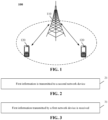
- the communication system 100 may include a network device 110, which may be a device communicating with a UE120 (also referred to as a communication terminal, terminal).
- the network device 110 may provide communication coverage for a specific geographic area and may communicate with UEs located within the coverage area.
- the network device 110 may be a Base Transceiver Station (BTS) in a GSM system or a CDMA system, a NodeB (NB) in a WCDMA system, an evolved Evolutional Node B (eNB or eNodeB) in an LTE system, or a radio controller in a Cloud Radio Access Network (CRAN), or the network device may be a mobile switching center, a relay station, an access point, a vehicle-mounted device, a wearable device, a hub, a switch, a bridge, a router, a network-side device in a 5G network, a network device in a future evolved Public Land Mobile Network (PLMN), and the like.
- BTS Base Transceiver Station
- NB NodeB
- eNB or eNodeB evolved Evolutional Node B
- CRAN Cloud Radio Access Network
- the network device may be a mobile switching center, a relay station, an access point, a vehicle-mounted device, a wearable device, a hub, a
- the communication system 100 also includes at least one UE120 located within the coverage of the network device 110.
- the "UE” used herein includes but is not limited to connection via wired lines, such as Public Switched Telephone Networks (PSTN), Digital Subscriber Line (DSL), digital cables, direct cable connections; and/or another data connection/network; and/or via a wireless interface, such as for a cellular network, a Wireless Local Area Network (WLAN), a digital television network such as DVB-H network, a satellite network, a AM-FM broadcast transmitter; and/or means of another UE arranged to receive/transmit communication signals; and/or Internet of Things (IoT) devices.
- a UE configured to communicate via a wireless interface may be referred to as a "wireless communication terminal", “wireless terminal” or “mobile terminal”.
- D2D communication may be performed between the UE120.
- An embodiment of the present disclosure provides a data transmission method applied to a first network device, as shown in FIG. 2 , the method includes the following operations.
- the first information is used to assist the second network device in determining whether to perform early transmission of called data for a terminal.
- a data method on the second network device side includes the following operations.
- the first information is used to assist the second network device in determining whether to perform the early transmission of called data for a terminal.
- the first network device may be a core network device, and the second network device may be an access network device.
- the first network device may be an Access and Mobility Management Function (AMF) or a Mobility Management Entity (MME);
- the second network device may be a radio access network (RAN), such as a base station therein.
- AMF Access and Mobility Management Function
- MME Mobility Management Entity
- RAN radio access network
- Other physical devices may also exist as the first network device or the second network device, no further description will be given here.
- the early transmission of called data can be a way to transmit downlink data during an RCC connection establishment process initiated by the terminal.
- the access network device for example, the base station may transmit the downlink data (also referred to as called data) in operation 2 or operation 4 shown in FIG. 4 .
- the first information may include at least one of:
- the capability information of the terminal includes: support or nonsupport for the early transmission of called data; and wireless capability information of the terminal.
- the second network device can determine whether the early transmission of called data can be performed, based on the indication information of whether the early transmission is applicable in the first information.
- the second network device can determine that the early transmission of called data can be performed. Otherwise, the early transmission of called data cannot be performed.
- the second network device may determine whether the early transmission of called data can be performed in combination with the indication information of whether the early transmission is applicable. In addition, it is determined whether the terminal has a capability of supporting the early transmission of called data in combination with the capability information of the terminal, if the terminal has the capability, it can be confirmed that the early transmission of called data can be performed. Otherwise, it can be confirmed that the early transmission of called data cannot be performed. In other words, in this case, it can be confirmed that the early transmission of called data can be performed when two conditions are met.
- the first network device Before the first network device transmits the first information, the first network device further needs to acquire the capability of the terminal.
- the method for acquiring the capability of the terminal may include the following operations.
- a second message transmitted by the terminal is received, and the capability of the terminal about support or nonsupport for the early transmission of called data is determined based on the second message.
- the capability of the terminal about support or nonsupport for the early transmission of called data is acquired from the stored wireless capability set of the terminal.
- the second message transmitted by the terminal is received, and the capability of the terminal about support or nonsupport for the early transmission of called data is determined based on the second message
- the second message may be Non-Access Stratum (NAS) message.
- the terminal transmits the NAS message to the first network device, i.e., the core network, to indicate whether the terminal itself supports the early transmission of called data.
- NAS Non-Access Stratum
- the second message may be acquired through a registration request message or the second message may be acquired through an attachment request message. That is, the second message is carried in the registration request message or carried in the attachment request message.
- the capability of the terminal about support or nonsupport for the early transmission of called data is acquired from the stored wireless capability set of the terminal, the capability of the terminal may be added to the wireless capability set previously, and then the wireless capability set is stored in the first network device.
- the first network device may search for the capability information corresponding to the terminal in the wireless capability set corresponding to the terminal stored in the first network device itself, and then add it to the first information and send the first information to the second network device.
- the method may include the following operations.
- the first network device determines whether to transmit the first information to the second network device based on the capability of the terminal about support or nonsupport for the early transmission of called data.
- the first network device determines that the terminal has the capability of supporting the early transmission of called data, the first network device transmits the first information to the second network device; otherwise, the first network device does not transmit the first information.
- the method of determining the capability of the terminal is the same as described above, and details are not described again. That is, there may be a process in which the first network device determines whether to transmit the first indication to the second network device based on the capability of the terminal; the first indication is transmitted to the second network device only when the capability of the terminal supports the early transmission of called data.
- the first information when the first information is transmitted to the second network device, the first information may be carried in a paging request message transmitted to the second network device; that is, the first information is carried in the paging request message. Accordingly, the second network device acquires the first information through the paging request message.
- the first network device can also transmit called data to the second network device.
- the called data may be carried in the first information and transmitted to the second network device, or may not be carried in the first information.
- the called data may be carried by the paging message.
- a manner in which the first network device determines to generate the first information can be indicated by a third network device. Specifically, at least one of called data or first indication information of whether to perform the early transmission of called data is received from the third network device.
- the first indication information is used to assist the first network device in determining whether to transmit the first information to the second network device.
- the third network device may be a Session Management Function (SMF) or a Serving GateWay (S-GW).
- SMF Session Management Function
- S-GW Serving GateWay
- processing flowchart of a third network device may be as shown in FIG. 5 , which includes the following operations.
- the first indication information is used to assist the first network device in determining whether to transmit the first information to the second network device.
- a manner in which the third network device acquires at least one of the called data or the first indication information of whether to perform the early transmission of called data may be as follows: at least one of the called data or the first indication information of whether to perform early transmission of called data is received from a fourth network device.
- the method may further include whether to perform the early transmission of called data is determined based on a local policy or an acquired policy.
- the third network device may acquire the called data transmitted by the fourth network device.
- the called data can be directly transmitted to the first network device, or the third network device may determine whether to perform the early transmission of called data, and then transmit the called data and the first indication information indicating the early transmission of called data.
- the third network device directly transmits the called data to the first network device
- the first network device may determine whether the early transmission of called data is to be performed according to preset rule or configuration.
- the preset rule or configuration may be understood as that the determination is performed according to the capability of the terminal, and whether the terminal supports or not. For example, when the capability of the terminal supports, the first network device can determine to perform the early transmission of called data.
- the method may further include the following operations.
- the third network device determines whether to transmit the first indication information to the first network device according to the capability information of the terminal.
- a manner in which the third network device acquires the capability information of the terminal includes one of the following:
- the capability can be reported by the terminal to the third network device.
- the capability can be reported to the third network device through a NAS layer process.
- the capability is reported in a Session Management NAS (SM NAS) message.
- the third network device may acquire the capability information of the terminal from the first network device side.
- the third network device may transmit an identifier of the terminal and a request for acquiring the capability information of the terminal to the first network device, and then receive the capability information of the terminal transmitted from the first network device.
- the third network device may search directly in the information stored in the first network device and obtain the capability information of the terminal.
- the third network device may receive the first indication information of whether to perform the early transmission of called data transmitted from the fourth network device; and then the third network device can transmit the first indication information directly to the first network device.
- the third network device receives the called data and the first indication information of performing early transmission of called data, which are transmitted from the fourth network device.
- the third network device can transmit the called data and the first indication information directly to the first network device.
- the third network device may also configure the fourth network device.
- the third network device configures an indication of the early transmission of called data to the fourth network device.
- the indication may be used for the third network device to control whether the fourth network device has the capability or function of transmitting an indication of the early transmission of called data.
- the third network device may determine whether to configure the fourth network device to indicate the early transmission of called data according to a size of called data.
- the method further includes:
- the third network device may be the SMF
- the fourth network device i.e., the UPF
- the SMF transmits the called data and/or the first indication information of whether to perform the early transmission of called data to the AMF.
- UPF is configured by the SMF to perform or not to perform the early transmission of called data.
- the SMF can determine whether to perform the early transmission of called data for the session according to the local policy or the policy acquired from the PCF. If the early transmission is performed, the data is transmitted to the AMF.
- the third network device is the S-GW
- the fourth network device is a PDN-GW.
- the PDN-GW transmits the called data and/or the first indication information of whether to perform the early transmission of called data to the S-GW;
- the S-GW transmits the called data and/or the first indication information of whether to perform the early transmission of called data to the MME.
- the PDN-GW is configured to perform or not to perform the early transmission of called data.
- the PDN determines whether to perform the early transmission of data according to the PDN connection described in downlink data.
- the S-GW can determine whether to perform the early transmission of called data for the PDN connection according to the local policy or the policy acquired from the PCF. If the early transmission is to be performed, the data is transmitted to the MME.
- the first network device determines whether to perform the early transmission of called data based on the following manners.
- PDU Protocol Data Unit
- PDN Packet Data Network
- EPS Evolved Packet System
- the method further includes the following operations.
- Second indication information is transmitted to the third network device, and the second indication information is used to indicate whether the early transmission of called data is to be used for one of the PDU session or the PDN connection or the EPS bearer.
- the third network device receives the second indication information transmitted by the first network device, and the second indication information is used to indicate whether the early transmission of called data is to be used for the PDU session or the PDN connection.
- the third network device determines whether to transmit the called data to the first network device based on the PDU session or the PDN connection information in the called data.
- the first network device determines whether the early transmission of called data is to be used for the one of the PDU session, the PDN connection, or the EPS bearer according to at least one of the following information: capability information of the terminal about support for the early transmission of called data, local configuration information, policy information of network configuration or service data information provided by the external network, and indicates it to the third network device (SMF/S-GW entity).
- the third network device determines whether to transmit the data to the first network device (AMF or MME) according to information of one of the PDU session, the PDN connection, and the EPS bearer described in the data.
- the information of one of the PDU session, the PDN connection and the EPS bearer may be an identifier of the PDU session, an identifier of the PDN connection, and an identifier of the EPS bearer.
- it may also be other information as long as it can uniquely identify the PDU session, PDN connection or the EPS bearer corresponding to the downlink data.
- the third network device may determine whether to perform the early transmission of called data, and then the third network device indicates it to the first network device, which may include the following operations.
- the third network device may determine whether the early transmission of called data is to be used for the one of the PDU session, the PDN connection, and the EPS bearer according to at least one of the following information:
- the first network device may further receive third indication information transmitted by the third network device, and the third indication information is used to indicate whether to perform the early transmission of called data on called data of one of the PDU session, the PDN connection, or the EPS bearer.
- the third network device may determine whether to transmit the first indication information to the first network device according to the capability information of the terminal.
- the manner in which the third network device acquires the capability of the terminal is the same as the above-described embodiments, and details are not repeated.
- the third network device can determine whether the early transmission of called data is to be used for the PDU session or the PDN connection according to at least one of the following information: the capability of the terminal about support for the early transmission of called data, local configuration information, policy information of the network configuration or service data information provided by the external network.
- the third network device determines whether to transmit the data to the first network device (AMF or MME) according to the information of one of the PDU session, the PDN connection, or EPS bearer.
- the information transmitted from the third network device to the first network device also needs to carry the first indication information to indicate the first network device to perform the early transmission of called data.
- the first network device may further indicate whether the terminal responds to paging, and the specific processing manner may include the following manners.
- the first network device transmits fourth indication information; and the fourth indication information is used to indicate that the terminal needs to determine at least one of: whether to respond to paging, whether to release the terminal quickly, or whether called data is pure downlink data.
- the fourth indication information may be paging indication information. That is, the first network device adds indication information of whether the terminal is required to respond to paging to the paging indication information; or, the first network device may indicate whether to release the terminal quickly or whether current called data is pure downlink data in the paging indication information.
- the terminal determines whether to respond to the paging according to the fourth indication information, and if the terminal is not required to respond the paging, an uplink message of the terminal is received, and data transmission success information or terminal response information is fed back to the first network device; that is, after the second network device (i.e., the access network) receives a message of the terminal, for example, a preamble message transmitted by the terminal or an uplink RRC message transmitted by the terminal, the second network device feeds back to the first network device, i.e., the core network that the data has transmitted successfully or the terminal has responded. Accordingly, when the fourth indication information indicates that the terminal does not respond to the paging or the terminal is released quickly or the called data is pure downlink data, the first network device receives the data transmission success information or the terminal response information fed back by the second network device.
- the first network device receives a first service request message transmitted by the terminal; and a service type of the terminal is determined based on the first service request message.
- the terminal after receiving early downlink data, the terminal transmits a specific type of message, such as the service request message, and after the first network device receives the specific type of message, the first network device (i.e. the core network) considers that the service request is a service of the MT-EDT type.
- the service of the MT-EDT type is only an example of a specific type of service, and there may be other specific types of services, but this embodiment is not exhaustive.
- the first network device transmits fifth indication information to the second network device, and the fifth indication information is used to indicate at least one of: whether to respond to paging, whether to release the terminal quickly, or whether called data is pure downlink data.
- the second network device may receive the fifth indication information from the first network device, and determine whether to respond to paging, whether to release the terminal quickly or whether called data is pure downlink data based on the fifth indication information.
- the first network device i.e., the core network such as AMF or MEE
- the second network device i.e., access network
- the fifth indication information indicates at least one of the terminal does not need to respond to the paging, release the terminal quickly, or called data is pure downlink data
- the second network device receives the uplink message of the terminal and transmits sixth indication information to the terminal, the sixth indication information is used to indicate the terminal to return to an idle state.
- the sixth indication information may be carried in an MSG2 or an MSG4.
- the first network device is the AMF/MME in FIG. 6 or FIG. 7
- the second network device is the RAN in FIG. 6 or FIG. 7
- the third network device is the SMF/S-GW in FIG. 6 or FIG. 7
- the fourth network device is the UPF/P-GW in FIG. 6 or FIG. 7 .
- FIG. 6 is a way of early transmission of called data for controlling plane transmission data.
- called data is shown as downlink data.
- 1 the UPF/P-GW acquires the downlink data
- 2 the downlink data is transmitted to the SMF/S-GW
- 3 the SMF/S-GW transmits the downlink data to the AMF/MME, and an identifier of PDU session may be carried in the downlink data, other contents may also be carried in the downlink data, such as an EBI, which is not exhaustive
- 4 the AMF/MME packages an PDU session in the downlink data or adds the EBI to a NAS PDU
- 5 the AMF/MME carries the NAS PDU in a paging request message, which can be understood as that the AMF/MME carries the first information in the paging request message
- 6 the AMF/MME transmits the paging request message to the RAN
- 7 the RAN transmits the downlink data to the terminal, and the downlink data may
- FIG. 7 is a way of early transmission of downlink data for user plane transmission data.
- the DL data in the figure can be understood as called data in the present embodiment.
- operations 1 and 2 are the same as described above, and details are not described again; 3: the SMF/S-GW determines that the downlink data can be transmitted early.
- the manner of determining that the downlink data can be transmitted early may include determining, based on the capability of the terminal, whether the capability of the terminal supports a specific type of service, such as ME-EDT service.
- the manner of determining the capability of the terminal also can be determined according to the local configuration.
- the SMF/S-GW transmits the downlink data, and PDU session identifier/EBI/MT-EDT indication, etc. may be carried in the downlink data; 5: the AMF/MME carries the downlink data in the paging request message; 6: the AMF/MME transmits the paging request message to the RAN, the paging request message may include an NAS PDU, a PDU session identifier/EBI, etc.
- the SMF/S-GW transmits N2 information, which includes the MT-EDT, indication, the PDU session identifier/EBI; 8: the AMF/MME adds the N2 information to the paging request message; 9: the AMF/MME transmits the paging request message to the RAN; 10: the RAN transmits the downlink data to the terminal.
- An embodiment of the present disclosure provides a first network device. As shown in FIG. 8 , the device includes a first communication unit 51.
- the first communication unit 51 is configured to transmit first information to a second network device.
- the first information is used to assist the second network device in determining whether to perform early transmission of called data for a terminal.
- the second network device includes a second communication unit 61
- the second communication unit 61 is configured to receive the first information transmitted by the first network device.
- the first information is used to assist the second network device in determining whether to perform the early transmission of called data for the terminal.
- the first network device may be a core network device, and the second network device may be an access network device.
- the first network device may be an Access and Mobility Management Function (AMF) or a Mobility Management Entity (MME);
- the second network device may be a radio access network (RAN), such as a base station in the RAN.
- AMF Access and Mobility Management Function
- MME Mobility Management Entity
- RAN radio access network
- other physical devices may also exist as the first network device or the second network device, no further description will be given here.
- the first information may include at least one of:
- the capability information of the terminal includes: support or nonsupport for the early transmission of called data; and wireless capability information of the terminal.
- the first network device Before the first network device transmits the first information, the first network device further needs to acquire the capability of the terminal, and the first network device may include a first processing unit 52.
- the first processing unit 52 is configured to: receive a second message transmitted by the terminal, and determine the capability of the terminal about support or nonsupport for the early transmission of called data based on the second message; or acquire the capability of the terminal about support or nonsupport for the early transmission of called data from a stored wireless capability set of the terminal.
- the first communication unit 51 when the first information is transmitted to the second network device, the first communication unit 51 is configured to carry the first information in a paging request message transmitted to the second network device. That is, the first information is carried in the paging request message. Accordingly, the second network device acquires the first information through the paging request message.
- the first processing unit 52 of the first network device is configured to determine whether to transmit the first information to the second network device based on the capability of the terminal about support or nonsupport for the early transmission of called data.
- the first information is transmitted to the second network device by the first communication unit 51. Otherwise, the first information is not transmitted.
- the first communication unit 51 of the first network device may be further configured to transmit called data to the second network device.
- the called data may be carried in the first information transmitted to the second network device, or may not be carried in the first information.
- a manner in which the first network device determines to generate the first information can be indicated by a third network device.
- the first communication unit 51 is configured to receive at least one of called data or first indication information of whether to perform the early transmission of called data, transmitted by the third network device.
- the first indication information is used to assist the first network device in determining whether to transmit the first information to the second network device.
- the third network device may be a Session Management Function (SMF) or a Serving GateWay (S-GW).
- SMF Session Management Function
- S-GW Serving GateWay
- a third network device as shown in FIG. 10 , which includes a third communication unit 71.
- the third communication unit 71 is configured to transmit at least one of the called data or the first indication information of whether to perform the early transmission of called data is transmitted to the first network device.
- the first indication information is used to assist the first network device in determining whether to transmit the first information to the second network device.
- a manner in which the third network device acquires at least one of the called data or the first indication information of whether to perform the early transmission of called data may be as follows: the third communication unit 71 is configured to receive at least one of the called data or the first indication information of whether to perform early transmission of called data, transmitted by a fourth network device.
- the third network device may further include a third processing unit 72, which is configured to determine whether to perform the early transmission of called data based on a local policy or an acquired policy.
- the third processing unit 72 of the third network device is configured to determine whether to transmit the first indication information to the first network device according to the capability information of the terminal.
- a manner in which the third processing unit 72 acquires the capability information of the terminal includes one of the following:
- the third network device may also configure the fourth network device.
- the third network device configures an indication of the early transmission of called data to the fourth network device.
- the indication may be used for the third network device to control whether the fourth network device has the capability or function of transmitting an indication of the early transmission of called data.
- the third processing unit 72 of the third network device may be configured to determine whether to configure the fourth network device to indicate the early transmission of called data according to a size of called data.
- the third processing unit 72 is configured to determine not to configure the fourth network device to indicate the early transmission of called data when the size of called data exceeds a preset threshold, and determine to configure the fourth network device to indicate the early transmission of called data when the size of called data does not exceed a preset threshold.
- the first network device determines whether to perform the early transmission of called data based on the following manners..
- the first processing unit 52 is configured to: during establishing one of a Protocol Data Unit (PDU) session, a Packet Data Network (PDN) connection, or an Evolved Packet System (EPS) bearer, determine whether the early transmission of called data is to be used for the one of the PDU session, the PDN connection, and the EPS bearer according to at least one of the following information:
- PDU Protocol Data Unit
- PDN Packet Data Network
- EPS Evolved Packet System
- the first communication unit 51 is configured to transmit second indication information to the third network device.
- the second indication information is used to indicate whether the early transmission of called data is to be used for one of the PDU session or the PDN connection or the EPS bearer.
- the third communication unit 71 of the third network device is configured to receive the second indication information transmitted by the first network device, and the second indication information is used to indicate whether the early transmission of called data is to be used for the PDU session or the PDN connection information.
- the third processing unit 72 of the third network device is configured to: when called data has arrived, determine whether to transmit called data to the first network device based on the PDU session or the PDN connection information in the called data.
- the third network device may determine whether to perform the early transmission of called data, and then the third network device indicates it to the first network device, which may include the following operations.
- the third processing unit 72 of the third network device may be configured to: during establishing one of the PDU session, the PDN connection, or the EPS bearer, determine whether the early transmission of called data is to be used for the one of the PDU session, the PDN connection, and the EPS bearer according to at least one of the following information:
- the first communication unit 51 of the first network device is configured to receive third indication information transmitted by the third network device.
- the third indication information is used to indicate whether to perform the early transmission of called data on called data of one of the PDU session, the PDN connection, and the EPS bearer.
- the first network device may further indicate whether the terminal responds to paging, and the specific processing manner may include the following manners.
- the first communication unit 51 of the first network device is configured to transmit fourth indication information.
- the fourth indication information is used to indicate that the terminal needs to determine at least one of: whether to respond to the paging, whether to release the terminal quickly, or whether called data is pure downlink data.
- the fourth indication information may be paging indication information.
- the first communication unit 51 of the first network device is configured to receive a first service request message transmitted by the terminal and the first processing unit 52 is configured to determine a service type of the terminal based on the first service request message.
- the first communication unit 51 of the first network device is configured to transmit fifth indication information to the second network device.
- the fifth indication information is used to indicate at least one of: whether to respond to paging, whether to release the terminal quickly or whether called data is pure downlink data.
- the second communication unit 61 of the second network device is configured to receive the fifth indication information of the first network device, and determine whether to respond to paging, whether to release the terminal quickly or whether called data is pure based on the fifth indication information.
- the second communication unit 61 of the second network device is configured to receive the uplink message of the terminal and transmit sixth indication information to the terminal.
- the sixth indication information is used to indicate the terminal to return to an idle state.
- the sixth indication information may be carried in an MSG2 or an MSG4.
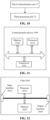
- FIG. 11 is a schematic structural diagram of a communication device 1900 provided in the embodiments of the present disclosure.
- the communication device in this embodiment may be specifically a network device in the foregoing embodiments.
- the communication device 1900 shown in FIG. 11 includes a processor 1910.
- the processor 1910 can invoke and run computer programs from a memory to implement the method in the embodiments of the present disclosure.
- the communication device 1900 may further include a memory 1920.
- the processor 1910 may invoke and run computer programs from the memory 1920 to implement the method in the embodiments of the present disclosure.
- the memory 1920 may be a separate device independent of the processor 1910, or may be integrated in the processor 1910.
- the communication device 1900 may also include a transceiver 1930, the processor 1910 may control the transceiver 1930 to communicate with other devices, specifically, to send information or data to other devices, or receive information or data sent by other devices.
- the transceiver 1930 may include a transmitter and a receiver.
- the transceiver 1930 may further include an antenna(s), the number of which may be one or more.
- the communication device 1900 may be specifically a network device of the embodiments of the present disclosure, and the communication device 1900 may implement the respective operations implemented by the network device in each method of the embodiments of the present disclosure. For the sake of brevity, it will not be elaborated here.
- the communication device 1900 may be specifically a terminal device or a network device according to the embodiments of the present disclosure, and the communication device 1900 may implement the respective operations implemented by the mobile terminal/terminal device in each method according to the embodiments of the present disclosure. For the sake of brevity, details are not described herein.
- FIG. 12 is a schematic structural diagram of a chip which is not part of the claimed invention.
- the chip 2000 illustrated in FIG. 12 includes processor 2010.
- the processor 2010 can invoke and run computer programs from a memory to implement the method in an embodiment of the present disclosure.
- the chip 2000 may also include a memory 2020.
- the processor 2010 may invoke and run computer programs from the memory 2020 to implement the method in the embodiments of the present disclosure.
- the memory 2020 may be a separate device independent of the processor 2010, or may be integrated in the processor 2010.
- the chip 2000 may also include an input interface 2030.
- the processor 2010 may control the input interface 2030 to communicate with other devices or chips, and specifically, may acquire information or data transmitted by other devices or chips.
- the chip 2000 may also include an output interface 2040.
- the processor 2010 may control the output interface 2040 to communicate with other devices or chips, and specifically may output information or data to other devices or chips.
- the chip may be applied to the network device in the embodiments of the present disclosure, and the chip can realize the respective operations implemented by the terminal device in each method of the embodiment of the present disclosure. For brevity, details are not described herein.
- chips mentioned in the embodiments of the present disclosure can also be referred to as system level chips, system chips, chip systems, on-chip system chip, or the like.
- the processor of the embodiment of the present disclosure may be an integrated circuit chip with signal processing capability.
- the steps of the above-described method embodiments may be accomplished by integrated logic circuits of hardware in the processor or instructions in the form of software.
- the processor may be a general purpose processor, a Digital Signal Processor (DSP), an Application Specific Integrated Circuit (ASIC), a Field Programmable Gate Array (FPGA) or other programmable logic device, discrete gate or transistor logic device, a discrete hardware component.
- DSP Digital Signal Processor
- ASIC Application Specific Integrated Circuit
- FPGA Field Programmable Gate Array
- the methods, steps, and logical block diagrams disclosed in the embodiments of the present disclosure may be implemented or performed.
- the general purpose processor may be a microprocessor or the processor may be any conventional processor or the like.
- the steps of the method disclosed in connection with the embodiment of the present disclosure can be directly implemented by a hardware decoding processor, or by a combination of hardware and software modules in the decoding processor.
- the software module may be located in a storage medium mature in the art such as a random access memory, a flash memory, a read-only memory, a programmable read-only memory, or an electrically erasable programmable memory, a register, or the like.
- the storage medium is located in a memory, and the processor reads information in the memory and performs the steps of the above method in conjunction with its hardware.
- the memory in the embodiments of the present disclosure may be volatile memory or non-volatile memory, or may include both volatile and non-volatile memory.
- the nonvolatile memory may be Read-Only Memory (ROM), Programmable ROM (PROM), Erasable PROM (EPROM), Electrically EPROM (EEPROM), or flash memory.
- the volatile memory may be a Random Access Memory (RAM), which serves as an external cache.
- RAM Random Access Memory
- SRAM Static RAM
- DRAM Dynamic RAM
- SDRAM Synchronous DRAM
- DDR SDRAM Double Data Rate SDRAM
- ESDRAM Enhanced SDRAM
- SLDRAM Synchlink DRAM
- DR RAM Direct Rambus RAM
- the above memory is exemplary, but not limiting, and that the memory in the embodiments of the present invention may also be static RAM (SRAM), dynamic RAM (DRAM), synchronous DRAM (SDRAM), double data rate SDRAM (DDR SDRAM), enhanced SDRAM (ESDRAM), synch link DRAM (SLDRAM), Direct Rambus RAM (DR RAM), and the like. That is, the memory in the embodiments of the present disclosure is intended to include, but not limited to, these and any other suitable types of memory.
- SRAM static RAM
- DRAM dynamic RAM
- SDRAM synchronous DRAM
- DDR SDRAM double data rate SDRAM
- ESDRAM enhanced SDRAM
- SLDRAM synch link DRAM
- DR RAM Direct Rambus RAM
- FIG. 13 is a schematic block diagram of a communication system 2100 which is not part of the claimed invention. As shown in FIG. 13 , the communication system 2100 includes User Equipment (UE) 2110 and a network device 2120.
- UE User Equipment
- the UE2110 may be used to implement the corresponding functions implemented by the terminal device in the above-mentioned method
- the network device 2120 may be used to implement the corresponding functions implemented by the network device in the above-mentioned method.
- details are not described herein.
- An embodiment of the present disclosure further provides a computer readable storage medium for storing computer programs which is not part of the claimed invention.
- the computer-readable storage medium may be applied to the network device in the embodiment of the present disclosure, and the computer program causes the computer to perform the corresponding flow implemented by the network device in the respective methods of the embodiments of the present invention, and details are not described herein for brevity.
- An embodiment of the present disclosure also provides a computer program product including computer program instructions which is not part of the claimed invention.
- the computer program product may be applied to the network device in the embodiments of the present disclosure, and the computer program instructions cause the computer to perform the corresponding flow implemented by the network device in the respective methods of the embodiments of the present invention, and details are not described herein for brevity.
- An embodiment of the present disclosure also provides a computer program which is not part of the claimed invention.
- the computer program may be applied to the network device in the embodiments of the present disclosure.
- the computer program when being run on a computer, causes the computer to execute the corresponding flow implemented by the network device in the respective methods in the embodiment of the present disclosure. For brevity, details are not described herein.
- the disclosed systems, devices, and methods can be realized in other ways.
- the device embodiments described above are merely illustrative, for example, the division of the unit is merely a logical functional division, and there may be additional division in practice, for example, multiple units or components can be combined or integrated into another system, or some features may be ignored or not performed.
- the coupling or direct coupling or communication connection between each other shown or discussed may be indirect coupling or communication connection through some interfaces, devices or units, and can be in electrical, mechanical or other form.
- the elements illustrated as separate elements may or may not be physically separate, and the elements shown as elements may or may not be physical elements, may be located at one location, or may be distributed across multiple network elements. Some or all of the elements may be selected according to actual needs to achieve the objectives of the embodiments.
- the functional units in the various embodiments of the present invention may be integrated in one processing unit, may be separate physical units, or may be integrated in two or more units.
- the functions, if implemented as software functional units and sold or used as separate products, may be stored in a computer-readable storage medium.
- the technical solution of the present invention essentially or the part that contributes to the prior art or the part of the technical solution can be embodied in the form of a software product, which is stored in a storage medium and includes instructions for causing a computer device (which may be a personal computer, a server, a network device, or the like) to perform all or part of the steps of the methods described in the various embodiments of the present disclosure.
- the aforementioned storage medium includes a USB flash drive, a removable hard disk, Read-Only Memory (ROM), Random Access Memory (RAM), a magnetic disk, an optical disk or other media that can store program codes.
Landscapes
- Engineering & Computer Science (AREA)
- Computer Networks & Wireless Communication (AREA)
- Signal Processing (AREA)
- Databases & Information Systems (AREA)
- Computer Security & Cryptography (AREA)
- Mobile Radio Communication Systems (AREA)
Applications Claiming Priority (2)
| Application Number | Priority Date | Filing Date | Title |
|---|---|---|---|
| PCT/CN2019/091720 WO2020252659A1 (zh) | 2019-06-18 | 2019-06-18 | 一种数据发送方法、网络设备、终端设备 |
| PCT/CN2019/109683 WO2020252981A1 (zh) | 2019-06-18 | 2019-09-30 | 一种数据发送方法、网络设备 |
Publications (3)
| Publication Number | Publication Date |
|---|---|
| EP3879874A1 EP3879874A1 (en) | 2021-09-15 |
| EP3879874A4 EP3879874A4 (en) | 2022-01-19 |
| EP3879874B1 true EP3879874B1 (en) | 2023-05-10 |
Family
ID=74040034
Family Applications (1)
| Application Number | Title | Priority Date | Filing Date |
|---|---|---|---|
| EP19933993.8A Active EP3879874B1 (en) | 2019-06-18 | 2019-09-30 | Data transmission method and network device |
Country Status (6)
| Country | Link |
|---|---|
| US (1) | US11540252B2 (https=) |
| EP (1) | EP3879874B1 (https=) |
| JP (1) | JP2022537302A (https=) |
| KR (1) | KR20220024065A (https=) |
| CN (2) | CN112740743A (https=) |
| WO (2) | WO2020252659A1 (https=) |
Families Citing this family (2)
| Publication number | Priority date | Publication date | Assignee | Title |
|---|---|---|---|---|
| WO2020252659A1 (zh) * | 2019-06-18 | 2020-12-24 | Oppo广东移动通信有限公司 | 一种数据发送方法、网络设备、终端设备 |
| WO2021074859A1 (en) * | 2019-10-16 | 2021-04-22 | Telefonaktiebolaget Lm Ericsson (Publ) | Configuration of downlink data measurement at mobile terminating early data transmission (mt-edt) |
Family Cites Families (21)
| Publication number | Priority date | Publication date | Assignee | Title |
|---|---|---|---|---|
| US9564920B2 (en) * | 2012-02-23 | 2017-02-07 | Qualcomm Incorporated | Method and apparatus for mitigation of false packet decodes due to early decoding |
| WO2018199673A1 (ko) * | 2017-04-28 | 2018-11-01 | 엘지전자 주식회사 | Edt에 따라 데이터를 전송하는 방안 |
| CN109863783B (zh) * | 2017-04-28 | 2022-05-31 | Lg 电子株式会社 | 根据edt发送数据的方法 |
| US20180324869A1 (en) * | 2017-05-04 | 2018-11-08 | Qualcomm Incorporated | Uplink early data transmission |
| EP3666025A1 (en) * | 2017-08-11 | 2020-06-17 | Qualcomm Incorporated | Methods and apparatuses for uplink early data transmission |
| US20190104553A1 (en) | 2017-09-29 | 2019-04-04 | Media Tek Inc. | High Reliability and Early Data Transmission |
| EP3701760A1 (en) * | 2017-10-26 | 2020-09-02 | Telefonaktiebolaget LM Ericsson (publ) | Method and system for enabling and disabling early data transmission |
| CN111357381B (zh) * | 2017-11-17 | 2024-12-17 | 日本电气株式会社 | 早期数据发送授权控制 |
| US11102764B2 (en) * | 2018-02-07 | 2021-08-24 | Apple Inc. | Minimization of padding and resource wastage in message 3 (MSG3) for early data transmission (EDT) |
| CN110366208B (zh) * | 2018-03-26 | 2022-02-25 | 华为技术有限公司 | 一种信息处理方法和设备 |
| CN110351833B (zh) * | 2018-04-02 | 2024-02-20 | 夏普株式会社 | 用户设备执行的方法、基站执行的方法、用户设备和基站 |
| US11190989B2 (en) * | 2018-05-22 | 2021-11-30 | Apple Inc. | Mobility management for inter-gNB (next generation node-b) handover in new radio (NR) systems |
| EP3806557A4 (en) * | 2018-06-06 | 2021-06-30 | Huawei Technologies Co., Ltd. | METHOD OF TRANSMISSION OF RADIO MESSAGES AND RELATED EQUIPMENT |
| US11917695B2 (en) * | 2018-09-24 | 2024-02-27 | Telefonaktiebolaget Lm Ericsson (Publ) | Early mobile-terminated data transmission |
| EP3661317B1 (en) * | 2018-11-27 | 2021-08-18 | ASUSTek Computer Inc. | Method and apparatus for releasing preconfigured uplink resources configuration in a wireless communication system |
| CN109526008A (zh) * | 2018-12-24 | 2019-03-26 | 广州微智科电子科技有限公司 | 一种用于无线通信系统传输模式的选择方法 |
| KR20200088161A (ko) * | 2019-01-14 | 2020-07-22 | 삼성전자주식회사 | 이동통신 시스템에서 2 단계 랜덤 엑세스 과정을 통해 사용자 데이터를 전송하는 방법 및 장치 |
| US20220201744A1 (en) * | 2019-05-01 | 2022-06-23 | Apple Inc. | Mobile-terminated (mt) early data transmission (edt) in control plane and user plane solutions |
| US20220201647A1 (en) * | 2019-05-02 | 2022-06-23 | Lg Electronics Inc. | Method and apparatus for combining mo edt procedure with mt edt procedure in a wireless communication system |
| WO2020252659A1 (zh) * | 2019-06-18 | 2020-12-24 | Oppo广东移动通信有限公司 | 一种数据发送方法、网络设备、终端设备 |
| WO2021074859A1 (en) * | 2019-10-16 | 2021-04-22 | Telefonaktiebolaget Lm Ericsson (Publ) | Configuration of downlink data measurement at mobile terminating early data transmission (mt-edt) |
-
2019
- 2019-06-18 WO PCT/CN2019/091720 patent/WO2020252659A1/zh not_active Ceased
- 2019-09-30 JP JP2021574937A patent/JP2022537302A/ja not_active Withdrawn
- 2019-09-30 CN CN201980062507.0A patent/CN112740743A/zh active Pending
- 2019-09-30 KR KR1020217041213A patent/KR20220024065A/ko not_active Withdrawn
- 2019-09-30 CN CN202110576458.1A patent/CN113329396B/zh active Active
- 2019-09-30 WO PCT/CN2019/109683 patent/WO2020252981A1/zh not_active Ceased
- 2019-09-30 EP EP19933993.8A patent/EP3879874B1/en active Active
-
2021
- 2021-06-02 US US17/337,222 patent/US11540252B2/en active Active
Also Published As
| Publication number | Publication date |
|---|---|
| KR20220024065A (ko) | 2022-03-03 |
| CN112740743A (zh) | 2021-04-30 |
| CN113329396A (zh) | 2021-08-31 |
| EP3879874A4 (en) | 2022-01-19 |
| WO2020252981A1 (zh) | 2020-12-24 |
| US11540252B2 (en) | 2022-12-27 |
| WO2020252659A1 (zh) | 2020-12-24 |
| JP2022537302A (ja) | 2022-08-25 |
| US20210289469A1 (en) | 2021-09-16 |
| CN113329396B (zh) | 2023-05-09 |
| EP3879874A1 (en) | 2021-09-15 |
Similar Documents
| Publication | Publication Date | Title |
|---|---|---|
| US10716161B2 (en) | Method for resuming connection in wireless communication system and device for same | |
| EP3399819B1 (en) | Method and device for establishing radio resource control connection | |
| CN113475160B (zh) | 一种数据传输方法及装置、通信设备 | |
| US12096219B2 (en) | Communication method, terminal device and network device | |
| US10834770B2 (en) | Method and apparatus for establishing secondary connection | |
| US12452949B2 (en) | Method and device for transmitting and receiving data in inactive state, and user equipment | |
| CN113273246B (zh) | 无线通信的方法、终端设备、接入网设备和核心网设备 | |
| JP6473458B2 (ja) | 無線通信システムにおけるmo−smsに対する適応的遮断制御方法及び装置 | |
| KR20190117653A (ko) | 통신 방법 및 기기 | |
| WO2019244793A1 (en) | Integrity protection handling at the gnb-cu-up | |
| EP3661278B1 (en) | Methods for paging, access network device, and core network device | |
| KR20180105249A (ko) | 시스템 정보 전송 방법 및 기지국과 시스템 정보 수신 방법 및 사용자기기 | |
| US12501429B2 (en) | Information transmission method and apparatus, and network device | |
| US9699698B2 (en) | Network controller within core network and method for connection with terminal by network controller | |
| CN113261340B (zh) | 传输信息的方法、终端设备、基站和核心网设备 | |
| US11540252B2 (en) | Data transmission method, network device | |
| KR20210068403A (ko) | 정보 전송 방법, 장치, 단말기 및 네트워크 디바이스 | |
| CN112703805A (zh) | 无线通信方法和基站 | |
| JP7794964B2 (ja) | Mt-sdtにおけるページング強化のための方法および装置 | |
| CN114258706B (zh) | 一种切换处理方法、终端设备、网络设备 | |
| CN112470518A (zh) | 一种数据传输方法、终端设备及网络设备 |
Legal Events
| Date | Code | Title | Description |
|---|---|---|---|
| STAA | Information on the status of an ep patent application or granted ep patent |
Free format text: STATUS: THE INTERNATIONAL PUBLICATION HAS BEEN MADE |
|
| PUAI | Public reference made under article 153(3) epc to a published international application that has entered the european phase |
Free format text: ORIGINAL CODE: 0009012 |
|
| STAA | Information on the status of an ep patent application or granted ep patent |
Free format text: STATUS: REQUEST FOR EXAMINATION WAS MADE |
|
| 17P | Request for examination filed |
Effective date: 20210607 |
|
| AK | Designated contracting states |
Kind code of ref document: A1 Designated state(s): AL AT BE BG CH CY CZ DE DK EE ES FI FR GB GR HR HU IE IS IT LI LT LU LV MC MK MT NL NO PL PT RO RS SE SI SK SM TR |
|
| A4 | Supplementary search report drawn up and despatched |
Effective date: 20211220 |
|
| RIC1 | Information provided on ipc code assigned before grant |
Ipc: H04W 24/02 20090101ALI20211214BHEP Ipc: H04W 8/24 20090101ALI20211214BHEP Ipc: H04W 76/10 20180101ALI20211214BHEP Ipc: H04W 74/08 20090101ALI20211214BHEP Ipc: H04W 68/00 20090101AFI20211214BHEP |
|
| STAA | Information on the status of an ep patent application or granted ep patent |
Free format text: STATUS: EXAMINATION IS IN PROGRESS |
|
| 17Q | First examination report despatched |
Effective date: 20220809 |
|
| DAV | Request for validation of the european patent (deleted) | ||
| DAX | Request for extension of the european patent (deleted) | ||
| REG | Reference to a national code |
Ref country code: DE Ref legal event code: R079 Free format text: PREVIOUS MAIN CLASS: H04W0024020000 Ipc: H04W0008240000 Ref document number: 602019028972 Country of ref document: DE |
|
| GRAP | Despatch of communication of intention to grant a patent |
Free format text: ORIGINAL CODE: EPIDOSNIGR1 |
|
| STAA | Information on the status of an ep patent application or granted ep patent |
Free format text: STATUS: GRANT OF PATENT IS INTENDED |
|
| RIC1 | Information provided on ipc code assigned before grant |
Ipc: H04W 76/10 20180101ALI20230119BHEP Ipc: H04W 74/08 20090101ALI20230119BHEP Ipc: H04W 68/00 20090101ALI20230119BHEP Ipc: H04W 24/02 20090101ALI20230119BHEP Ipc: H04W 8/24 20090101AFI20230119BHEP |
|
| INTG | Intention to grant announced |
Effective date: 20230214 |
|
| GRAS | Grant fee paid |
Free format text: ORIGINAL CODE: EPIDOSNIGR3 |
|
| GRAA | (expected) grant |
Free format text: ORIGINAL CODE: 0009210 |
|
| STAA | Information on the status of an ep patent application or granted ep patent |
Free format text: STATUS: THE PATENT HAS BEEN GRANTED |
|
| AK | Designated contracting states |
Kind code of ref document: B1 Designated state(s): AL AT BE BG CH CY CZ DE DK EE ES FI FR GB GR HR HU IE IS IT LI LT LU LV MC MK MT NL NO PL PT RO RS SE SI SK SM TR |
|
| REG | Reference to a national code |
Ref country code: GB Ref legal event code: FG4D |
|
| REG | Reference to a national code |
Ref country code: AT Ref legal event code: REF Ref document number: 1567950 Country of ref document: AT Kind code of ref document: T Effective date: 20230515 Ref country code: CH Ref legal event code: EP |
|
| REG | Reference to a national code |
Ref country code: DE Ref legal event code: R096 Ref document number: 602019028972 Country of ref document: DE |
|
| REG | Reference to a national code |
Ref country code: IE Ref legal event code: FG4D |
|
| P01 | Opt-out of the competence of the unified patent court (upc) registered |
Effective date: 20230525 |
|
| REG | Reference to a national code |
Ref country code: LT Ref legal event code: MG9D |
|
| REG | Reference to a national code |
Ref country code: NL Ref legal event code: MP Effective date: 20230510 |
|
| REG | Reference to a national code |
Ref country code: AT Ref legal event code: MK05 Ref document number: 1567950 Country of ref document: AT Kind code of ref document: T Effective date: 20230510 |
|
| PG25 | Lapsed in a contracting state [announced via postgrant information from national office to epo] |
Ref country code: SE Free format text: LAPSE BECAUSE OF FAILURE TO SUBMIT A TRANSLATION OF THE DESCRIPTION OR TO PAY THE FEE WITHIN THE PRESCRIBED TIME-LIMIT Effective date: 20230510 Ref country code: PT Free format text: LAPSE BECAUSE OF FAILURE TO SUBMIT A TRANSLATION OF THE DESCRIPTION OR TO PAY THE FEE WITHIN THE PRESCRIBED TIME-LIMIT Effective date: 20230911 Ref country code: NO Free format text: LAPSE BECAUSE OF FAILURE TO SUBMIT A TRANSLATION OF THE DESCRIPTION OR TO PAY THE FEE WITHIN THE PRESCRIBED TIME-LIMIT Effective date: 20230810 Ref country code: NL Free format text: LAPSE BECAUSE OF FAILURE TO SUBMIT A TRANSLATION OF THE DESCRIPTION OR TO PAY THE FEE WITHIN THE PRESCRIBED TIME-LIMIT Effective date: 20230510 Ref country code: ES Free format text: LAPSE BECAUSE OF FAILURE TO SUBMIT A TRANSLATION OF THE DESCRIPTION OR TO PAY THE FEE WITHIN THE PRESCRIBED TIME-LIMIT Effective date: 20230510 Ref country code: AT Free format text: LAPSE BECAUSE OF FAILURE TO SUBMIT A TRANSLATION OF THE DESCRIPTION OR TO PAY THE FEE WITHIN THE PRESCRIBED TIME-LIMIT Effective date: 20230510 |
|
| PG25 | Lapsed in a contracting state [announced via postgrant information from national office to epo] |
Ref country code: RS Free format text: LAPSE BECAUSE OF FAILURE TO SUBMIT A TRANSLATION OF THE DESCRIPTION OR TO PAY THE FEE WITHIN THE PRESCRIBED TIME-LIMIT Effective date: 20230510 Ref country code: PL Free format text: LAPSE BECAUSE OF FAILURE TO SUBMIT A TRANSLATION OF THE DESCRIPTION OR TO PAY THE FEE WITHIN THE PRESCRIBED TIME-LIMIT Effective date: 20230510 Ref country code: LV Free format text: LAPSE BECAUSE OF FAILURE TO SUBMIT A TRANSLATION OF THE DESCRIPTION OR TO PAY THE FEE WITHIN THE PRESCRIBED TIME-LIMIT Effective date: 20230510 Ref country code: LT Free format text: LAPSE BECAUSE OF FAILURE TO SUBMIT A TRANSLATION OF THE DESCRIPTION OR TO PAY THE FEE WITHIN THE PRESCRIBED TIME-LIMIT Effective date: 20230510 Ref country code: IS Free format text: LAPSE BECAUSE OF FAILURE TO SUBMIT A TRANSLATION OF THE DESCRIPTION OR TO PAY THE FEE WITHIN THE PRESCRIBED TIME-LIMIT Effective date: 20230910 Ref country code: HR Free format text: LAPSE BECAUSE OF FAILURE TO SUBMIT A TRANSLATION OF THE DESCRIPTION OR TO PAY THE FEE WITHIN THE PRESCRIBED TIME-LIMIT Effective date: 20230510 Ref country code: GR Free format text: LAPSE BECAUSE OF FAILURE TO SUBMIT A TRANSLATION OF THE DESCRIPTION OR TO PAY THE FEE WITHIN THE PRESCRIBED TIME-LIMIT Effective date: 20230811 |
|
| PG25 | Lapsed in a contracting state [announced via postgrant information from national office to epo] |
Ref country code: FI Free format text: LAPSE BECAUSE OF FAILURE TO SUBMIT A TRANSLATION OF THE DESCRIPTION OR TO PAY THE FEE WITHIN THE PRESCRIBED TIME-LIMIT Effective date: 20230510 |
|
| PG25 | Lapsed in a contracting state [announced via postgrant information from national office to epo] |
Ref country code: SK Free format text: LAPSE BECAUSE OF FAILURE TO SUBMIT A TRANSLATION OF THE DESCRIPTION OR TO PAY THE FEE WITHIN THE PRESCRIBED TIME-LIMIT Effective date: 20230510 |
|
| PG25 | Lapsed in a contracting state [announced via postgrant information from national office to epo] |
Ref country code: SM Free format text: LAPSE BECAUSE OF FAILURE TO SUBMIT A TRANSLATION OF THE DESCRIPTION OR TO PAY THE FEE WITHIN THE PRESCRIBED TIME-LIMIT Effective date: 20230510 Ref country code: SK Free format text: LAPSE BECAUSE OF FAILURE TO SUBMIT A TRANSLATION OF THE DESCRIPTION OR TO PAY THE FEE WITHIN THE PRESCRIBED TIME-LIMIT Effective date: 20230510 Ref country code: RO Free format text: LAPSE BECAUSE OF FAILURE TO SUBMIT A TRANSLATION OF THE DESCRIPTION OR TO PAY THE FEE WITHIN THE PRESCRIBED TIME-LIMIT Effective date: 20230510 Ref country code: EE Free format text: LAPSE BECAUSE OF FAILURE TO SUBMIT A TRANSLATION OF THE DESCRIPTION OR TO PAY THE FEE WITHIN THE PRESCRIBED TIME-LIMIT Effective date: 20230510 Ref country code: DK Free format text: LAPSE BECAUSE OF FAILURE TO SUBMIT A TRANSLATION OF THE DESCRIPTION OR TO PAY THE FEE WITHIN THE PRESCRIBED TIME-LIMIT Effective date: 20230510 Ref country code: CZ Free format text: LAPSE BECAUSE OF FAILURE TO SUBMIT A TRANSLATION OF THE DESCRIPTION OR TO PAY THE FEE WITHIN THE PRESCRIBED TIME-LIMIT Effective date: 20230510 |
|
| REG | Reference to a national code |
Ref country code: DE Ref legal event code: R097 Ref document number: 602019028972 Country of ref document: DE |
|
| PLBE | No opposition filed within time limit |
Free format text: ORIGINAL CODE: 0009261 |
|
| STAA | Information on the status of an ep patent application or granted ep patent |
Free format text: STATUS: NO OPPOSITION FILED WITHIN TIME LIMIT |
|
| 26N | No opposition filed |
Effective date: 20240213 |
|
| REG | Reference to a national code |
Ref country code: CH Ref legal event code: PL |
|
| PG25 | Lapsed in a contracting state [announced via postgrant information from national office to epo] |
Ref country code: SI Free format text: LAPSE BECAUSE OF FAILURE TO SUBMIT A TRANSLATION OF THE DESCRIPTION OR TO PAY THE FEE WITHIN THE PRESCRIBED TIME-LIMIT Effective date: 20230510 |
|
| PG25 | Lapsed in a contracting state [announced via postgrant information from national office to epo] |
Ref country code: LU Free format text: LAPSE BECAUSE OF NON-PAYMENT OF DUE FEES Effective date: 20230930 |
|
| REG | Reference to a national code |
Ref country code: BE Ref legal event code: MM Effective date: 20230930 |
|
| PG25 | Lapsed in a contracting state [announced via postgrant information from national office to epo] |
Ref country code: SI Free format text: LAPSE BECAUSE OF FAILURE TO SUBMIT A TRANSLATION OF THE DESCRIPTION OR TO PAY THE FEE WITHIN THE PRESCRIBED TIME-LIMIT Effective date: 20230510 Ref country code: LU Free format text: LAPSE BECAUSE OF NON-PAYMENT OF DUE FEES Effective date: 20230930 Ref country code: IT Free format text: LAPSE BECAUSE OF FAILURE TO SUBMIT A TRANSLATION OF THE DESCRIPTION OR TO PAY THE FEE WITHIN THE PRESCRIBED TIME-LIMIT Effective date: 20230510 Ref country code: MC Free format text: LAPSE BECAUSE OF FAILURE TO SUBMIT A TRANSLATION OF THE DESCRIPTION OR TO PAY THE FEE WITHIN THE PRESCRIBED TIME-LIMIT Effective date: 20230510 |
|
| REG | Reference to a national code |
Ref country code: IE Ref legal event code: MM4A |
|
| PG25 | Lapsed in a contracting state [announced via postgrant information from national office to epo] |
Ref country code: IE Free format text: LAPSE BECAUSE OF NON-PAYMENT OF DUE FEES Effective date: 20230930 |
|
| PG25 | Lapsed in a contracting state [announced via postgrant information from national office to epo] |
Ref country code: CH Free format text: LAPSE BECAUSE OF NON-PAYMENT OF DUE FEES Effective date: 20230930 |
|
| PG25 | Lapsed in a contracting state [announced via postgrant information from national office to epo] |
Ref country code: IE Free format text: LAPSE BECAUSE OF NON-PAYMENT OF DUE FEES Effective date: 20230930 Ref country code: CH Free format text: LAPSE BECAUSE OF NON-PAYMENT OF DUE FEES Effective date: 20230930 |
|
| PG25 | Lapsed in a contracting state [announced via postgrant information from national office to epo] |
Ref country code: BE Free format text: LAPSE BECAUSE OF NON-PAYMENT OF DUE FEES Effective date: 20230930 |
|
| PG25 | Lapsed in a contracting state [announced via postgrant information from national office to epo] |
Ref country code: BG Free format text: LAPSE BECAUSE OF FAILURE TO SUBMIT A TRANSLATION OF THE DESCRIPTION OR TO PAY THE FEE WITHIN THE PRESCRIBED TIME-LIMIT Effective date: 20230510 |
|
| PG25 | Lapsed in a contracting state [announced via postgrant information from national office to epo] |
Ref country code: BG Free format text: LAPSE BECAUSE OF FAILURE TO SUBMIT A TRANSLATION OF THE DESCRIPTION OR TO PAY THE FEE WITHIN THE PRESCRIBED TIME-LIMIT Effective date: 20230510 |
|
| PG25 | Lapsed in a contracting state [announced via postgrant information from national office to epo] |
Ref country code: CY Free format text: LAPSE BECAUSE OF FAILURE TO SUBMIT A TRANSLATION OF THE DESCRIPTION OR TO PAY THE FEE WITHIN THE PRESCRIBED TIME-LIMIT; INVALID AB INITIO Effective date: 20190930 |
|
| PG25 | Lapsed in a contracting state [announced via postgrant information from national office to epo] |
Ref country code: HU Free format text: LAPSE BECAUSE OF FAILURE TO SUBMIT A TRANSLATION OF THE DESCRIPTION OR TO PAY THE FEE WITHIN THE PRESCRIBED TIME-LIMIT; INVALID AB INITIO Effective date: 20190930 |
|
| PGFP | Annual fee paid to national office [announced via postgrant information from national office to epo] |
Ref country code: DE Payment date: 20250919 Year of fee payment: 7 |
|
| PGFP | Annual fee paid to national office [announced via postgrant information from national office to epo] |
Ref country code: GB Payment date: 20250923 Year of fee payment: 7 |
|
| PGFP | Annual fee paid to national office [announced via postgrant information from national office to epo] |
Ref country code: FR Payment date: 20250924 Year of fee payment: 7 |
|
| PG25 | Lapsed in a contracting state [announced via postgrant information from national office to epo] |
Ref country code: TR Free format text: LAPSE BECAUSE OF FAILURE TO SUBMIT A TRANSLATION OF THE DESCRIPTION OR TO PAY THE FEE WITHIN THE PRESCRIBED TIME-LIMIT Effective date: 20230510 |