EP3878984B1 - Controlled cooling and controlled rolling method for control over bearing steel wire carbide network - Google Patents
Controlled cooling and controlled rolling method for control over bearing steel wire carbide network Download PDFInfo
- Publication number
- EP3878984B1 EP3878984B1 EP19881651.4A EP19881651A EP3878984B1 EP 3878984 B1 EP3878984 B1 EP 3878984B1 EP 19881651 A EP19881651 A EP 19881651A EP 3878984 B1 EP3878984 B1 EP 3878984B1
- Authority
- EP
- European Patent Office
- Prior art keywords
- controlling
- cooling
- wire rod
- bearing steel
- steel wire
- Prior art date
- Legal status (The legal status is an assumption and is not a legal conclusion. Google has not performed a legal analysis and makes no representation as to the accuracy of the status listed.)
- Active
Links
Images
Classifications
-
- C—CHEMISTRY; METALLURGY
- C21—METALLURGY OF IRON
- C21D—MODIFYING THE PHYSICAL STRUCTURE OF FERROUS METALS; GENERAL DEVICES FOR HEAT TREATMENT OF FERROUS OR NON-FERROUS METALS OR ALLOYS; MAKING METAL MALLEABLE, e.g. BY DECARBURISATION OR TEMPERING
- C21D11/00—Process control or regulation for heat treatments
- C21D11/005—Process control or regulation for heat treatments for cooling
-
- C—CHEMISTRY; METALLURGY
- C21—METALLURGY OF IRON
- C21D—MODIFYING THE PHYSICAL STRUCTURE OF FERROUS METALS; GENERAL DEVICES FOR HEAT TREATMENT OF FERROUS OR NON-FERROUS METALS OR ALLOYS; MAKING METAL MALLEABLE, e.g. BY DECARBURISATION OR TEMPERING
- C21D1/00—General methods or devices for heat treatment, e.g. annealing, hardening, quenching or tempering
- C21D1/18—Hardening; Quenching with or without subsequent tempering
- C21D1/19—Hardening; Quenching with or without subsequent tempering by interrupted quenching
- C21D1/20—Isothermal quenching, e.g. bainitic hardening
-
- C—CHEMISTRY; METALLURGY
- C21—METALLURGY OF IRON
- C21D—MODIFYING THE PHYSICAL STRUCTURE OF FERROUS METALS; GENERAL DEVICES FOR HEAT TREATMENT OF FERROUS OR NON-FERROUS METALS OR ALLOYS; MAKING METAL MALLEABLE, e.g. BY DECARBURISATION OR TEMPERING
- C21D1/00—General methods or devices for heat treatment, e.g. annealing, hardening, quenching or tempering
- C21D1/56—General methods or devices for heat treatment, e.g. annealing, hardening, quenching or tempering characterised by the quenching agents
- C21D1/60—Aqueous agents
-
- C—CHEMISTRY; METALLURGY
- C21—METALLURGY OF IRON
- C21D—MODIFYING THE PHYSICAL STRUCTURE OF FERROUS METALS; GENERAL DEVICES FOR HEAT TREATMENT OF FERROUS OR NON-FERROUS METALS OR ALLOYS; MAKING METAL MALLEABLE, e.g. BY DECARBURISATION OR TEMPERING
- C21D1/00—General methods or devices for heat treatment, e.g. annealing, hardening, quenching or tempering
- C21D1/78—Combined heat-treatments not provided for above
-
- C—CHEMISTRY; METALLURGY
- C21—METALLURGY OF IRON
- C21D—MODIFYING THE PHYSICAL STRUCTURE OF FERROUS METALS; GENERAL DEVICES FOR HEAT TREATMENT OF FERROUS OR NON-FERROUS METALS OR ALLOYS; MAKING METAL MALLEABLE, e.g. BY DECARBURISATION OR TEMPERING
- C21D6/00—Heat treatment of ferrous alloys
- C21D6/004—Heat treatment of ferrous alloys containing Cr and Ni
-
- C—CHEMISTRY; METALLURGY
- C21—METALLURGY OF IRON
- C21D—MODIFYING THE PHYSICAL STRUCTURE OF FERROUS METALS; GENERAL DEVICES FOR HEAT TREATMENT OF FERROUS OR NON-FERROUS METALS OR ALLOYS; MAKING METAL MALLEABLE, e.g. BY DECARBURISATION OR TEMPERING
- C21D6/00—Heat treatment of ferrous alloys
- C21D6/005—Heat treatment of ferrous alloys containing Mn
-
- C—CHEMISTRY; METALLURGY
- C21—METALLURGY OF IRON
- C21D—MODIFYING THE PHYSICAL STRUCTURE OF FERROUS METALS; GENERAL DEVICES FOR HEAT TREATMENT OF FERROUS OR NON-FERROUS METALS OR ALLOYS; MAKING METAL MALLEABLE, e.g. BY DECARBURISATION OR TEMPERING
- C21D6/00—Heat treatment of ferrous alloys
- C21D6/008—Heat treatment of ferrous alloys containing Si
-
- C—CHEMISTRY; METALLURGY
- C21—METALLURGY OF IRON
- C21D—MODIFYING THE PHYSICAL STRUCTURE OF FERROUS METALS; GENERAL DEVICES FOR HEAT TREATMENT OF FERROUS OR NON-FERROUS METALS OR ALLOYS; MAKING METAL MALLEABLE, e.g. BY DECARBURISATION OR TEMPERING
- C21D8/00—Modifying the physical properties of ferrous metals or ferrous alloys by deformation combined with, or followed by, heat treatment
- C21D8/06—Modifying the physical properties of ferrous metals or ferrous alloys by deformation combined with, or followed by, heat treatment during manufacturing of rods or wires
-
- C—CHEMISTRY; METALLURGY
- C21—METALLURGY OF IRON
- C21D—MODIFYING THE PHYSICAL STRUCTURE OF FERROUS METALS; GENERAL DEVICES FOR HEAT TREATMENT OF FERROUS OR NON-FERROUS METALS OR ALLOYS; MAKING METAL MALLEABLE, e.g. BY DECARBURISATION OR TEMPERING
- C21D9/00—Heat treatment, e.g. annealing, hardening, quenching or tempering, adapted for particular articles; Furnaces therefor
- C21D9/38—Heat treatment, e.g. annealing, hardening, quenching or tempering, adapted for particular articles; Furnaces therefor for roll bodies
-
- C—CHEMISTRY; METALLURGY
- C21—METALLURGY OF IRON
- C21D—MODIFYING THE PHYSICAL STRUCTURE OF FERROUS METALS; GENERAL DEVICES FOR HEAT TREATMENT OF FERROUS OR NON-FERROUS METALS OR ALLOYS; MAKING METAL MALLEABLE, e.g. BY DECARBURISATION OR TEMPERING
- C21D9/00—Heat treatment, e.g. annealing, hardening, quenching or tempering, adapted for particular articles; Furnaces therefor
- C21D9/40—Heat treatment, e.g. annealing, hardening, quenching or tempering, adapted for particular articles; Furnaces therefor for rings; for bearing races
-
- C—CHEMISTRY; METALLURGY
- C21—METALLURGY OF IRON
- C21D—MODIFYING THE PHYSICAL STRUCTURE OF FERROUS METALS; GENERAL DEVICES FOR HEAT TREATMENT OF FERROUS OR NON-FERROUS METALS OR ALLOYS; MAKING METAL MALLEABLE, e.g. BY DECARBURISATION OR TEMPERING
- C21D9/00—Heat treatment, e.g. annealing, hardening, quenching or tempering, adapted for particular articles; Furnaces therefor
- C21D9/52—Heat treatment, e.g. annealing, hardening, quenching or tempering, adapted for particular articles; Furnaces therefor for wires; for strips ; for rods of unlimited length
-
- C—CHEMISTRY; METALLURGY
- C21—METALLURGY OF IRON
- C21D—MODIFYING THE PHYSICAL STRUCTURE OF FERROUS METALS; GENERAL DEVICES FOR HEAT TREATMENT OF FERROUS OR NON-FERROUS METALS OR ALLOYS; MAKING METAL MALLEABLE, e.g. BY DECARBURISATION OR TEMPERING
- C21D9/00—Heat treatment, e.g. annealing, hardening, quenching or tempering, adapted for particular articles; Furnaces therefor
- C21D9/52—Heat treatment, e.g. annealing, hardening, quenching or tempering, adapted for particular articles; Furnaces therefor for wires; for strips ; for rods of unlimited length
- C21D9/525—Heat treatment, e.g. annealing, hardening, quenching or tempering, adapted for particular articles; Furnaces therefor for wires; for strips ; for rods of unlimited length for wire, for rods
-
- C—CHEMISTRY; METALLURGY
- C22—METALLURGY; FERROUS OR NON-FERROUS ALLOYS; TREATMENT OF ALLOYS OR NON-FERROUS METALS
- C22C—ALLOYS
- C22C38/00—Ferrous alloys, e.g. steel alloys
- C22C38/002—Ferrous alloys, e.g. steel alloys containing In, Mg, or other elements not provided for in one single group C22C38/001 - C22C38/60
-
- C—CHEMISTRY; METALLURGY
- C22—METALLURGY; FERROUS OR NON-FERROUS ALLOYS; TREATMENT OF ALLOYS OR NON-FERROUS METALS
- C22C—ALLOYS
- C22C38/00—Ferrous alloys, e.g. steel alloys
- C22C38/008—Ferrous alloys, e.g. steel alloys containing tin
-
- C—CHEMISTRY; METALLURGY
- C22—METALLURGY; FERROUS OR NON-FERROUS ALLOYS; TREATMENT OF ALLOYS OR NON-FERROUS METALS
- C22C—ALLOYS
- C22C38/00—Ferrous alloys, e.g. steel alloys
- C22C38/02—Ferrous alloys, e.g. steel alloys containing silicon
-
- C—CHEMISTRY; METALLURGY
- C22—METALLURGY; FERROUS OR NON-FERROUS ALLOYS; TREATMENT OF ALLOYS OR NON-FERROUS METALS
- C22C—ALLOYS
- C22C38/00—Ferrous alloys, e.g. steel alloys
- C22C38/04—Ferrous alloys, e.g. steel alloys containing manganese
-
- C—CHEMISTRY; METALLURGY
- C22—METALLURGY; FERROUS OR NON-FERROUS ALLOYS; TREATMENT OF ALLOYS OR NON-FERROUS METALS
- C22C—ALLOYS
- C22C38/00—Ferrous alloys, e.g. steel alloys
- C22C38/06—Ferrous alloys, e.g. steel alloys containing aluminium
-
- C—CHEMISTRY; METALLURGY
- C22—METALLURGY; FERROUS OR NON-FERROUS ALLOYS; TREATMENT OF ALLOYS OR NON-FERROUS METALS
- C22C—ALLOYS
- C22C38/00—Ferrous alloys, e.g. steel alloys
- C22C38/18—Ferrous alloys, e.g. steel alloys containing chromium
-
- C—CHEMISTRY; METALLURGY
- C22—METALLURGY; FERROUS OR NON-FERROUS ALLOYS; TREATMENT OF ALLOYS OR NON-FERROUS METALS
- C22C—ALLOYS
- C22C38/00—Ferrous alloys, e.g. steel alloys
- C22C38/18—Ferrous alloys, e.g. steel alloys containing chromium
- C22C38/40—Ferrous alloys, e.g. steel alloys containing chromium with nickel
- C22C38/42—Ferrous alloys, e.g. steel alloys containing chromium with nickel with copper
-
- C—CHEMISTRY; METALLURGY
- C22—METALLURGY; FERROUS OR NON-FERROUS ALLOYS; TREATMENT OF ALLOYS OR NON-FERROUS METALS
- C22C—ALLOYS
- C22C38/00—Ferrous alloys, e.g. steel alloys
- C22C38/18—Ferrous alloys, e.g. steel alloys containing chromium
- C22C38/40—Ferrous alloys, e.g. steel alloys containing chromium with nickel
- C22C38/44—Ferrous alloys, e.g. steel alloys containing chromium with nickel with molybdenum or tungsten
-
- C—CHEMISTRY; METALLURGY
- C22—METALLURGY; FERROUS OR NON-FERROUS ALLOYS; TREATMENT OF ALLOYS OR NON-FERROUS METALS
- C22C—ALLOYS
- C22C38/00—Ferrous alloys, e.g. steel alloys
- C22C38/18—Ferrous alloys, e.g. steel alloys containing chromium
- C22C38/40—Ferrous alloys, e.g. steel alloys containing chromium with nickel
- C22C38/50—Ferrous alloys, e.g. steel alloys containing chromium with nickel with titanium or zirconium
-
- F—MECHANICAL ENGINEERING; LIGHTING; HEATING; WEAPONS; BLASTING
- F16—ENGINEERING ELEMENTS AND UNITS; GENERAL MEASURES FOR PRODUCING AND MAINTAINING EFFECTIVE FUNCTIONING OF MACHINES OR INSTALLATIONS; THERMAL INSULATION IN GENERAL
- F16C—SHAFTS; FLEXIBLE SHAFTS; ELEMENTS OR CRANKSHAFT MECHANISMS; ROTARY BODIES OTHER THAN GEARING ELEMENTS; BEARINGS
- F16C33/00—Parts of bearings; Special methods for making bearings or parts thereof
- F16C33/30—Parts of ball or roller bearings
- F16C33/58—Raceways; Race rings
- F16C33/588—Races of sheet metal
-
- F—MECHANICAL ENGINEERING; LIGHTING; HEATING; WEAPONS; BLASTING
- F16—ENGINEERING ELEMENTS AND UNITS; GENERAL MEASURES FOR PRODUCING AND MAINTAINING EFFECTIVE FUNCTIONING OF MACHINES OR INSTALLATIONS; THERMAL INSULATION IN GENERAL
- F16C—SHAFTS; FLEXIBLE SHAFTS; ELEMENTS OR CRANKSHAFT MECHANISMS; ROTARY BODIES OTHER THAN GEARING ELEMENTS; BEARINGS
- F16C33/00—Parts of bearings; Special methods for making bearings or parts thereof
- F16C33/30—Parts of ball or roller bearings
- F16C33/58—Raceways; Race rings
- F16C33/64—Special methods of manufacture
-
- C—CHEMISTRY; METALLURGY
- C21—METALLURGY OF IRON
- C21D—MODIFYING THE PHYSICAL STRUCTURE OF FERROUS METALS; GENERAL DEVICES FOR HEAT TREATMENT OF FERROUS OR NON-FERROUS METALS OR ALLOYS; MAKING METAL MALLEABLE, e.g. BY DECARBURISATION OR TEMPERING
- C21D2211/00—Microstructure comprising significant phases
- C21D2211/004—Dispersions; Precipitations
-
- F—MECHANICAL ENGINEERING; LIGHTING; HEATING; WEAPONS; BLASTING
- F16—ENGINEERING ELEMENTS AND UNITS; GENERAL MEASURES FOR PRODUCING AND MAINTAINING EFFECTIVE FUNCTIONING OF MACHINES OR INSTALLATIONS; THERMAL INSULATION IN GENERAL
- F16C—SHAFTS; FLEXIBLE SHAFTS; ELEMENTS OR CRANKSHAFT MECHANISMS; ROTARY BODIES OTHER THAN GEARING ELEMENTS; BEARINGS
- F16C19/00—Bearings with rolling contact, for exclusively rotary movement
-
- F—MECHANICAL ENGINEERING; LIGHTING; HEATING; WEAPONS; BLASTING
- F16—ENGINEERING ELEMENTS AND UNITS; GENERAL MEASURES FOR PRODUCING AND MAINTAINING EFFECTIVE FUNCTIONING OF MACHINES OR INSTALLATIONS; THERMAL INSULATION IN GENERAL
- F16C—SHAFTS; FLEXIBLE SHAFTS; ELEMENTS OR CRANKSHAFT MECHANISMS; ROTARY BODIES OTHER THAN GEARING ELEMENTS; BEARINGS
- F16C2204/00—Metallic materials; Alloys
- F16C2204/60—Ferrous alloys, e.g. steel alloys
- F16C2204/66—High carbon steel, i.e. carbon content above 0.8 wt%, e.g. through-hardenable steel
-
- F—MECHANICAL ENGINEERING; LIGHTING; HEATING; WEAPONS; BLASTING
- F16—ENGINEERING ELEMENTS AND UNITS; GENERAL MEASURES FOR PRODUCING AND MAINTAINING EFFECTIVE FUNCTIONING OF MACHINES OR INSTALLATIONS; THERMAL INSULATION IN GENERAL
- F16C—SHAFTS; FLEXIBLE SHAFTS; ELEMENTS OR CRANKSHAFT MECHANISMS; ROTARY BODIES OTHER THAN GEARING ELEMENTS; BEARINGS
- F16C2204/00—Metallic materials; Alloys
- F16C2204/60—Ferrous alloys, e.g. steel alloys
- F16C2204/70—Ferrous alloys, e.g. steel alloys with chromium as the next major constituent
-
- F—MECHANICAL ENGINEERING; LIGHTING; HEATING; WEAPONS; BLASTING
- F16—ENGINEERING ELEMENTS AND UNITS; GENERAL MEASURES FOR PRODUCING AND MAINTAINING EFFECTIVE FUNCTIONING OF MACHINES OR INSTALLATIONS; THERMAL INSULATION IN GENERAL
- F16C—SHAFTS; FLEXIBLE SHAFTS; ELEMENTS OR CRANKSHAFT MECHANISMS; ROTARY BODIES OTHER THAN GEARING ELEMENTS; BEARINGS
- F16C2204/00—Metallic materials; Alloys
- F16C2204/60—Ferrous alloys, e.g. steel alloys
- F16C2204/70—Ferrous alloys, e.g. steel alloys with chromium as the next major constituent
- F16C2204/72—Ferrous alloys, e.g. steel alloys with chromium as the next major constituent with nickel as further constituent, e.g. stainless steel
-
- F—MECHANICAL ENGINEERING; LIGHTING; HEATING; WEAPONS; BLASTING
- F16—ENGINEERING ELEMENTS AND UNITS; GENERAL MEASURES FOR PRODUCING AND MAINTAINING EFFECTIVE FUNCTIONING OF MACHINES OR INSTALLATIONS; THERMAL INSULATION IN GENERAL
- F16C—SHAFTS; FLEXIBLE SHAFTS; ELEMENTS OR CRANKSHAFT MECHANISMS; ROTARY BODIES OTHER THAN GEARING ELEMENTS; BEARINGS
- F16C2220/00—Shaping
- F16C2220/40—Shaping by deformation without removing material
- F16C2220/44—Shaping by deformation without removing material by rolling
-
- F—MECHANICAL ENGINEERING; LIGHTING; HEATING; WEAPONS; BLASTING
- F16—ENGINEERING ELEMENTS AND UNITS; GENERAL MEASURES FOR PRODUCING AND MAINTAINING EFFECTIVE FUNCTIONING OF MACHINES OR INSTALLATIONS; THERMAL INSULATION IN GENERAL
- F16C—SHAFTS; FLEXIBLE SHAFTS; ELEMENTS OR CRANKSHAFT MECHANISMS; ROTARY BODIES OTHER THAN GEARING ELEMENTS; BEARINGS
- F16C2223/00—Surface treatments; Hardening; Coating
- F16C2223/10—Hardening, e.g. carburizing, carbo-nitriding
-
- F—MECHANICAL ENGINEERING; LIGHTING; HEATING; WEAPONS; BLASTING
- F16—ENGINEERING ELEMENTS AND UNITS; GENERAL MEASURES FOR PRODUCING AND MAINTAINING EFFECTIVE FUNCTIONING OF MACHINES OR INSTALLATIONS; THERMAL INSULATION IN GENERAL
- F16C—SHAFTS; FLEXIBLE SHAFTS; ELEMENTS OR CRANKSHAFT MECHANISMS; ROTARY BODIES OTHER THAN GEARING ELEMENTS; BEARINGS
- F16C2240/00—Specified values or numerical ranges of parameters; Relations between them
- F16C2240/06—Temperature
-
- F—MECHANICAL ENGINEERING; LIGHTING; HEATING; WEAPONS; BLASTING
- F16—ENGINEERING ELEMENTS AND UNITS; GENERAL MEASURES FOR PRODUCING AND MAINTAINING EFFECTIVE FUNCTIONING OF MACHINES OR INSTALLATIONS; THERMAL INSULATION IN GENERAL
- F16C—SHAFTS; FLEXIBLE SHAFTS; ELEMENTS OR CRANKSHAFT MECHANISMS; ROTARY BODIES OTHER THAN GEARING ELEMENTS; BEARINGS
- F16C2240/00—Specified values or numerical ranges of parameters; Relations between them
- F16C2240/08—Time
-
- F—MECHANICAL ENGINEERING; LIGHTING; HEATING; WEAPONS; BLASTING
- F16—ENGINEERING ELEMENTS AND UNITS; GENERAL MEASURES FOR PRODUCING AND MAINTAINING EFFECTIVE FUNCTIONING OF MACHINES OR INSTALLATIONS; THERMAL INSULATION IN GENERAL
- F16C—SHAFTS; FLEXIBLE SHAFTS; ELEMENTS OR CRANKSHAFT MECHANISMS; ROTARY BODIES OTHER THAN GEARING ELEMENTS; BEARINGS
- F16C2240/00—Specified values or numerical ranges of parameters; Relations between them
- F16C2240/26—Speed, e.g. rotational speed
-
- F—MECHANICAL ENGINEERING; LIGHTING; HEATING; WEAPONS; BLASTING
- F16—ENGINEERING ELEMENTS AND UNITS; GENERAL MEASURES FOR PRODUCING AND MAINTAINING EFFECTIVE FUNCTIONING OF MACHINES OR INSTALLATIONS; THERMAL INSULATION IN GENERAL
- F16C—SHAFTS; FLEXIBLE SHAFTS; ELEMENTS OR CRANKSHAFT MECHANISMS; ROTARY BODIES OTHER THAN GEARING ELEMENTS; BEARINGS
- F16C2240/00—Specified values or numerical ranges of parameters; Relations between them
- F16C2240/40—Linear dimensions, e.g. length, radius, thickness, gap
- F16C2240/60—Thickness, e.g. thickness of coatings
Definitions
- the invention belongs to the technical field of steelmaking, in particular relates to a method for controlling carbide network in a bearing steel wire rod by controlling cooling and controlling rolling.
- a carbide network is formed by being precipitated from austenite grain boundaries in slow cooling after rolling process when the final temperature is high. Once the carbide network is formed, especially the carbide is wide and thick, and surrounds the carbide grain boundary, micro cracks may be formed along the grain boundary in the later processing and use process, which will greatly reduce a service life of a roller.
- Application No. 201410100665.X discloses a niobium microalloyed high-carbon chromium bearing steel and its hot rolling production method. Based on the grain refinement effect of a niobium and its impact on carbides, the carbide network may be very thin or even there is no carbide network.
- the invention increases the difficulty of steelmaking while increasing the steelmaking cost through constituent adjustment, and it cannot guarantee the subsequent controlling cooling process, so it is impossible to achieve control over precipitation of a carbide network.
- Application No. 200910062664.X discloses a method for reducing a carbide network level in a bearing steel wire rod, wherein the method is characterized in that it controls reduction of a wire rod temperature by cooling in air after spinning, and the air cooling speed is controlled to 2°C/s -10°C/s; the method could controlling cooling of a wire rod, but there may be a large temperature difference between that at the midpoint and that at the lap point in the wire rod after air cooling, so it may cause uneven quality of the overall carbide network on the wire rod.
- CN 105648170A and CN 105925909B also disclose some methods to produce bearing steel.
- the present invention aims to provide a method for suppressing the formation of carbide networks in a bearing steel wire rod using controlling cooling and controlling rolling, so as to control precipitation of a large amount of Fe 3 C from the wire rod.
- a method for controlling carbide network in a bearing steel wire rod by controlling cooling and controlling rolling comprising:
- the rolling speed is controlled to be 8.4m/s-34.0m/s.
- the water cooling rate of EDC water bath austempering cooling is 4.0°C/s - 9°C/s.
- the water bath temperature of EDC water bath austempering cooling is 90°C-100°C.
- the water bath cooling time is controlled to 20-80s as to match the cooling rate, wherein the cooling rate is relatively lower when the wire rod has a larger diameter, and the corresponding water bath cooling time is longer.
- the wire rods are treated with controlling cooling by using EDC water bath austempering; and after being removed out of the water, the temperature difference between that at the midpoint and that at the lap point in the wire rod is ⁇ 10°C, wherein the midpoint refers to the most front end of the coil; the lap point is a contact point at two ends of two coils, when a coil is bent over another coil.
- the cooling time is adjusted according to the specification, that is, adjusting the stay time of the wire rod of this specification in the water bath to meet the requirement.
- the temperature in the reducing & sizing mill is the final rolling temperature of the wire rod.
- the method of the present invention is applicable in producing ⁇ 12mm-25mm high-carbon-chromium bearing steel wire rod.
- the bearing steel wire rod contains the following chemical constituents (by mass percentage: C 0.95-1.05%, Si 0.15-0.35%, Mn 0.25-0.45%, Cr 1.30-1.65%, Mo ⁇ 0.10%, Ni ⁇ 0.25%, Al ⁇ 0.050%, P ⁇ 0.025% , S ⁇ 0.020%, Cu ⁇ 0.25%, Ca ⁇ 0.0010%, O ⁇ 0.0012%, Ti ⁇ 0.0050%, As ⁇ 0.040%, Pb ⁇ 0.002%, As+Sn+Sb ⁇ 0.075%, the balance is Fe and any unavoidable impurities.
- the method of the present invention is applicable in producing high-carbon-chromium bearing steel wire rod with a carbide network level ⁇ 2.5.
- the invention has the advantages that:
- the ⁇ 18mm high-carbon-chromium bearing steel wire rods are rolled to the specified size by high speed wire rolling, and fabricated into loose coils by spinning.
- the carbide network is controlled according to the following technological parameters: the temperature in the reducing & sizing mill (i.e. The final rolling temperature) is 830°C-870°C, the spinning temperature of wire rods is 810°C-850°C; when conducting on-line controlling cooling on wire rods by EDC water bath austempering cooling after spinning, the water bath temperature is 90°C-97°C, the water bath cooling time is 20s-80s; the polishing temperature of wire rods after EDC water bath cooling is 620°C-630°C. After the wire rod are polished, slow cooling under a cover is used, the holding time is 30min-60min, and the temperature after slow cooling is 430-470 °C. After being removed out of the cover, the coils are cooled in air to the room temperature.
- Chemical constituents of the product include: C 1.0%, Si 0.32%, Mn 0.30%, Cr 1.44%, Mo 0.01%, Ni 0.02%, Al 0.014%, P 0.014%, S 0.002%, Cu 0.08%, Ca 0.0002%, O 0.0008%, Ti 0.0010%, As 0.005%, Pb 0.001%, As+Sn+Sb ⁇ 0.011%, the balance is Fe and any unavoidable impurities.
- a product sample is taken to evaluate the level of a carbide network, and the carbide network level of the sample is as shown in Table 1.
- the temperature in the reducing & sizing mill is 800°C-850°C
- the spinning temperature of wire rods is 800°C-840°C
- the water bath temperature is 90°C-97°C
- the water bath cooling time is 20s-60s
- the polishing temperature of wire rods after EDC water bath cooling is 620°C-630°C.
- Chemical constituents of the product include: C 0.98%, Si 0.29%, Mn 0.31%, Cr 1.45%, Mo 0.01%, Ni 0.02%, Al 0.025%, P 0.012%, S 0.001%, Cu 0.09%, Ca 0.0001%, O 0.0006%, Ti 0.0006%, As 0.0013%, Pb 0.001%, As+Sn+Sb ⁇ 0.009%, the balance is Fe and any unavoidable impurities.
- a product sample is taken to evaluate the level of a carbide network, and the carbide network level of the sample is as shown in Table 1.
- Table 1 Test results of carbide networks sampled according to Embodiments 1 and 2 Carbide network level Test sample 1 Test sample 2 Test sample 3 Test sample 4 Test sample 5 Embodiment 1 1.5 1.5 1.5 1.5 1.5 1.5 Embodiment 2 1.5 1.5 1.5 1.5 1.5 1.5 1.5
- EDC water bath austempering + slow cooling under a cover is used for controlling cooling of the coils, which effectively inhibits precipitation of carbide in the cooling process, so that a non-equilibrium microstructure is obtained to form short-strip or hemispherical carbides, thereby finally controlling the carbide network.
Landscapes
- Chemical & Material Sciences (AREA)
- Engineering & Computer Science (AREA)
- Mechanical Engineering (AREA)
- Organic Chemistry (AREA)
- Materials Engineering (AREA)
- Metallurgy (AREA)
- Thermal Sciences (AREA)
- Crystallography & Structural Chemistry (AREA)
- Physics & Mathematics (AREA)
- Manufacturing & Machinery (AREA)
- General Engineering & Computer Science (AREA)
- Heat Treatment Of Steel (AREA)
- Heat Treatment Of Strip Materials And Filament Materials (AREA)
- Metal Rolling (AREA)
Description
- The invention belongs to the technical field of steelmaking, in particular relates to a method for controlling carbide network in a bearing steel wire rod by controlling cooling and controlling rolling.
- A carbide network is formed by being precipitated from austenite grain boundaries in slow cooling after rolling process when the final temperature is high. Once the carbide network is formed, especially the carbide is wide and thick, and surrounds the carbide grain boundary, micro cracks may be formed along the grain boundary in the later processing and use process, which will greatly reduce a service life of a roller.
- First, it may be impossible to completely eliminate the serious carbide network in the subsequent spheroidizing annealing, so grinding cracks could be produced in bearing processing, also called cracks, second, if the original carbide is seriously networked, it cannot be eliminated by spheroidizing annealing, but may even retain in a quenched structure later. In this case, quenching cracks may easily be produced, even if no cracks are generated during quenching, the carbide network will also cause fatigue cracks in the future use.
- When a carbide network structure exists in the bearing steel, it will increase the brittleness of the steel and reduce the fatigue life of the bearing parts. Hence, no serious carbide network structure is allowed in the bearing steel structure that is under use.
- Application No.
201410100665.X - Application No.
200910062664.X -
CN 105648170A andCN 105925909B also disclose some methods to produce bearing steel. - Considering the above-mentioned prior art, the present invention aims to provide a method for suppressing the formation of carbide networks in a bearing steel wire rod using controlling cooling and controlling rolling, so as to control precipitation of a large amount of Fe3C from the wire rod.
- The invention is set out in the appended set of claims.
- A method for controlling carbide network in a bearing steel wire rod by controlling cooling and controlling rolling, comprising:
- rapidly rolling a bar to a wire rod with a specified specification and spinning it into a loose coil, controlling the final rolling temperature at 780°C-880°C; and controlling the spinning temperature at 750°C-850°C;
- on-line controlling cooling of continuous loose coils using EDC water bath austempering cooling process, controlling the cooling rate at 2.0°C/s-10°C/s, and controlling the final cooling temperature at 630°C
- after EDC water bath austempering cooling, using slow cooling under a cover, and the temperature is controlled to be 400°C-500°C when being removed out of the cover;
- After slow cooling, collecting coils, and cooling in air to the room temperature.
- The rolling speed is controlled to be 8.4m/s-34.0m/s.
- The water cooling rate of EDC water bath austempering cooling is 4.0°C/s - 9°C/s.
- The water bath temperature of EDC water bath austempering cooling is 90°C-100°C.
- According to wire rods of different specifications, the water bath cooling time is controlled to 20-80s as to match the cooling rate, wherein the cooling rate is relatively lower when the wire rod has a larger diameter, and the corresponding water bath cooling time is longer.
- After spinning, the wire rods are treated with controlling cooling by using EDC water bath austempering; and after being removed out of the water, the temperature difference between that at the midpoint and that at the lap point in the wire rod is ≤10°C, wherein the midpoint refers to the most front end of the coil; the lap point is a contact point at two ends of two coils, when a coil is bent over another coil. The cooling time is adjusted according to the specification, that is, adjusting the stay time of the wire rod of this specification in the water bath to meet the requirement.
- After the wire rod is rolled into a reducing & sizing mill, the temperature in the reducing & sizing mill is the final rolling temperature of the wire rod.
- The method of the present invention is applicable in producing Φ12mm-25mm high-carbon-chromium bearing steel wire rod.
- The bearing steel wire rod contains the following chemical constituents (by mass percentage: C 0.95-1.05%, Si 0.15-0.35%, Mn 0.25-0.45%, Cr 1.30-1.65%, Mo ≤0.10%, Ni ≤0.25%, Al ≤0.050%, P ≤0.025% , S ≤0.020%, Cu ≤0.25%, Ca≤0.0010%, O≤0.0012%, Ti≤0.0050%, As≤0.040%, Pb≤0.002%, As+Sn+Sb≤0.075%, the balance is Fe and any unavoidable impurities.
- The method of the present invention is applicable in producing high-carbon-chromium bearing steel wire rod with a carbide network level ≤2.5.
- Compared with the prior art, the invention has the advantages that:
- 1. The present invention adopts EDC water bath austempering cooling, which has the advantages of fast cooling and short cooling time; and it can restrain the precipitation of a large amount of Fe3C from the wire rod. With this cooling process, the temperature of the whole wire rod is uniform after polishing and the temperature difference between that at the midpoint and that at the lap point in the wire rod is ≤10°C. The final cooling temperature of EDC water bath austempering cooling is controlled within 620-630°C, which is conductive to avoid energy release during phase transition, thereby making the temperature rising to the range of carbide network precipitation.
- 2. With the controlling cooling mode of EDC water bath austempering + slow cooling under a cover, a nonequilibrium sorbite microstructure of a wire rod is obtained to form short-strip or hemispherical carbides in the wire rod structure so that the carbide network is finally controlled. In this way, the carbide network level of Φ12mm-25mm high-carbon-chromium bearing steel wire rod is reduced from > 3.0 to ≤2.5on, reaching the level 1.5.
- 3. EDC water bath isothermal quenching cooling uses a mixed liquid of water and RX medium (halogenated hydrocarbon, bromoethane) as a cooling medium, and water vapors generated in the cooling process do not cause pollution to the environment or have any impact on human health, which is in compliance with the requirement of the green and environmental protection production method proposed.
- 4. After EDC water bath austempering cooling, slow cooling under a cover is adopted to control the gradual diffusion of the core temperature to the surface and restore the uniformity of core temperature, thereby eliminating a surface stress caused by water bath cooling.
- 5. The water bath temperature for EDC water bath austempering cooling is within 90°C-100°C, and the cooling speed of wire rod is strictly controlled to be 4.0°C/s ∼ 9°C/s, so as to prevent formation of brittle Bainite and Martensite structure, thus to avoid the rapid precipitation of carbide.
-
-
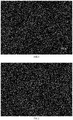
FIG.1 depicts a schematic diagram of a carbide network form in the wire rod according to Embodiment 1 of the present invention; -
FIG.2 depicts a schematic diagram of a carbide network form in the wire rod according to Embodiment 2 of the present invention. - In combination with optimal embodiments of the present invention, the method of controlling carbide network inΦ12mm-25mm high-carbon-chromium bearing steel wire rod using controlling cooling and controlling rolling is illustrated in detailed below. However, the embodiment is only a description of an optimal embodiment of the present invention, and does not constitute any limitation on the scope of the invention.
- Φ18mm high-carbon-chromium bearing steel wire rods are rolled to the specified size by high speed wire rolling, and fabricated into loose coils by spinning. The carbide network is controlled according to the following technological parameters: the temperature in the reducing & sizing mill (i.e. The final rolling temperature) is 830°C-870°C, the spinning temperature of wire rods is 810°C-850°C; when conducting on-line controlling cooling on wire rods by EDC water bath austempering cooling after spinning, the water bath temperature is 90°C-97°C, the water bath cooling time is 20s-80s; the polishing temperature of wire rods after EDC water bath cooling is 620°C-630°C. After the wire rod are polished, slow cooling under a cover is used, the holding time is 30min-60min, and the temperature after slow cooling is 430-470 °C. After being removed out of the cover, the coils are cooled in air to the room temperature.
- Chemical constituents of the product include: C 1.0%, Si 0.32%, Mn 0.30%, Cr 1.44%, Mo 0.01%, Ni 0.02%, Al 0.014%, P 0.014%, S 0.002%, Cu 0.08%, Ca 0.0002%, O 0.0008%, Ti 0.0010%, As 0.005%, Pb 0.001%, As+Sn+Sb≤0.011%, the balance is Fe and any unavoidable impurities.
- A product sample is taken to evaluate the level of a carbide network, and the carbide network level of the sample is as shown in Table 1.
- Φ13.5mm high-carbon-chromium bearing steel wire rods are rolled to the specified size by high speed wire rolling, and subjected to spinning. The carbide network is controlled according to the following technological parameters: the temperature in the reducing & sizing mill is 800°C-850°C, the spinning temperature of wire rods is 800°C-840°C; after spinning and on-line EDC water bath austempering cooling on wire rods, the water bath temperature is 90°C-97°C, the water bath cooling time is 20s-60s; the polishing temperature of wire rods after EDC water bath cooling is 620°C-630°C. After the wire rods are polished, slow cooling under a cover is used, the holding time is 40min-60min, and the temperature after slow cooling is 420-450 °C. After being removed out of the cover, the coils are cooled in air to the room temperature.
- Chemical constituents of the product include: C 0.98%, Si 0.29%, Mn 0.31%, Cr 1.45%, Mo 0.01%, Ni 0.02%, Al 0.025%, P 0.012%, S 0.001%, Cu 0.09%, Ca 0.0001%, O 0.0006%, Ti 0.0006%, As 0.0013%, Pb 0.001%, As+Sn+Sb≤0.009%, the balance is Fe and any unavoidable impurities.
- A product sample is taken to evaluate the level of a carbide network, and the carbide network level of the sample is as shown in Table 1.
Table 1 Test results of carbide networks sampled according to Embodiments 1 and 2 Carbide network level Test sample 1 Test sample 2 Test sample 3 Test sample 4 Test sample 5 Embodiment 1 1.5 1.5 1.5 1.5 1.5 Embodiment 2 1.5 1.5 1.5 1.5 1.5 - As shown in Table 1, EDC water bath austempering + slow cooling under a cover is used for controlling cooling of the coils, which effectively inhibits precipitation of carbide in the cooling process, so that a non-equilibrium microstructure is obtained to form short-strip or hemispherical carbides, thereby finally controlling the carbide network.
Claims (8)
- A method for controlling carbide network in a bearing steel wire rod by controlling cooling and controlling rolling, characterized in comprisingrapidly rolling a bar to a wire with a specified specification and spinning it into a loose coil, wherein the rolling speed is controlled to be 8.4m/s-34.0m/s, controlling the rolling temperature at 780°C-880°C; and controlling the spinning temperature at 750°C-850°C;on-line controlling cooling of continuous loose coils using EDC water bath austempering cooling process, controlling the cooling rate at 2.0°C/s-10°C/s, and controlling the final cooling temperature within 620-630°C;after EDC water bath austempering cooling, slow cooling under a cover, and the temperature is controlled to be 400°C-500°C when being removed out of the cover;after slow cooling, collecting coils, and cooling in air to a room temperature;wherein the bearing steel wire rod contains following chemical constituents by mass percentage: C 0.95-1.05%, Si 0.15-0.35%, Mn 0.25-0.45%, Cr 1.30-1.65%, Mo ≤0.10%, Ni ≤0.25%, Al ≤0.050%, P ≤0.025% , S ≤0.020%, Cu ≤0.25%, Ca≤0.0010%, O≤0.0012%, Ti≤0.0050%, As≤0.040%, Pb≤0.002%, As+Sn+Sb≤0.075%, the balance is Fe and unavoidable impurities.
- The method for controlling carbide network in a bearing steel wire rod by controlling cooling and controlling rolling according to Claim 1, which is characterized in that the water cooling rate of EDC water bath austempering cooling is 4.0°C/s-9°C/s.
- The method for controlling carbide network in a bearing steel wire rod by controlling cooling and controlling rolling according to Claim 2, which is characterized in that the temperature of EDC water bath austempering cooling is 90°C-100°C, so as to stabilize the water cooling rate.
- The method for controlling carbide network in a bearing steel wire rod by controlling cooling and controlling rolling according to Claim 1, which is characterized in that: according to wire rods of different specifications, the water bath cooling time is controlled to 20-80s as to match the cooling rate, wherein the cooling rate is relatively lower when the wire rod has a larger diameter, and the corresponding water bath cooling time is longer.
- The method for controlling carbide network in a bearing steel wire rod by controlling cooling and controlling rolling according to Claim 1, which is characterized in that after spinning, the wire rods are treated with controlling cooling by using EDC water bath austempering; and after being removed out of the water, the temperature difference between that at the midpoint and that at the lap point in the wire rod is ≤10°C;
the midpoint refers to the most front end of the coil; the lap point is a contact point at two ends of two coils, when a coil is bent over another coil. - The method for controlling carbide network in a bearing steel wire rod by controlling cooling and controlling rolling according to Claim 1, which is characterized in that: after the wire rod is rolled into a reducing & sizing mill, the temperature in the reducing & sizing mill is the final rolling temperature of the wire rod.
- The method for controlling carbide network in a bearing steel wire rod by controlling cooling and controlling rolling according to any one of Claims 1-6, which is characterized in that: the method is applicable in producing Φ12mm-25mm high-carbon-chromium bearing steel wire rod.
- An application of a method for controlling carbide network in a bearing steel wire rod by controlling cooling and controlling rolling according to any one of Claims 1-6, which is characterized in that: the method is applicable in producing high-carbon-chromium bearing steel wire rod with a carbide network level ≤2.5.
Applications Claiming Priority (2)
| Application Number | Priority Date | Filing Date | Title |
|---|---|---|---|
| CN201811329247.2A CN109402356B (en) | 2018-11-09 | 2018-11-09 | Controlled cooling and controlled rolling method for controlling net shape of bearing steel wire carbide |
| PCT/CN2019/116432 WO2020094106A1 (en) | 2018-11-09 | 2019-11-08 | Controlled cooling and controlled rolling method for control over bearing steel wire carbide network |
Publications (3)
| Publication Number | Publication Date |
|---|---|
| EP3878984A1 EP3878984A1 (en) | 2021-09-15 |
| EP3878984A4 EP3878984A4 (en) | 2021-12-15 |
| EP3878984B1 true EP3878984B1 (en) | 2022-10-12 |
Family
ID=65472484
Family Applications (1)
| Application Number | Title | Priority Date | Filing Date |
|---|---|---|---|
| EP19881651.4A Active EP3878984B1 (en) | 2018-11-09 | 2019-11-08 | Controlled cooling and controlled rolling method for control over bearing steel wire carbide network |
Country Status (6)
| Country | Link |
|---|---|
| US (1) | US12234522B2 (en) |
| EP (1) | EP3878984B1 (en) |
| JP (1) | JP7026291B2 (en) |
| KR (1) | KR102501131B1 (en) |
| CN (1) | CN109402356B (en) |
| WO (1) | WO2020094106A1 (en) |
Families Citing this family (12)
| Publication number | Priority date | Publication date | Assignee | Title |
|---|---|---|---|---|
| CN109402356B (en) * | 2018-11-09 | 2020-02-07 | 江阴兴澄合金材料有限公司 | Controlled cooling and controlled rolling method for controlling net shape of bearing steel wire carbide |
| CN110643798B (en) * | 2019-09-27 | 2021-03-12 | 南京钢铁股份有限公司 | Net control method for carbide of continuous casting GCr15 bearing steel wire rod |
| CN111020149B (en) * | 2019-11-26 | 2021-09-07 | 宝钢特钢韶关有限公司 | A kind of rolling process of bearing steel bar |
| CN111982900B (en) * | 2020-08-05 | 2024-02-13 | 鞍钢股份有限公司 | Experimental method for controlling cooling mode of wire thermal simulation sample |
| CN113083936B (en) * | 2021-02-25 | 2022-07-05 | 江阴兴澄合金材料有限公司 | High-carbon chromium bearing steel wire rod with diameter less than or equal to 10mm and capable of meeting large-area-reduction-rate hot rolling straight pulling and production method thereof |
| CN113186388A (en) * | 2021-04-15 | 2021-07-30 | 鞍钢股份有限公司 | Controlled cooling method for ultrahigh-strength heat-treatment-free prestressed steel strand wire rod |
| CN113909295B (en) * | 2021-08-25 | 2024-04-02 | 江阴兴澄合金材料有限公司 | Production method of cord steel |
| CN113981193A (en) * | 2021-10-15 | 2022-01-28 | 邯郸钢铁集团有限责任公司 | Method for controlling net carbide of GCr15 bearing steel wire rod |
| CN114160585B (en) * | 2021-11-10 | 2024-01-09 | 南京钢铁股份有限公司 | Bearing steel wire rod surface quality and size control method |
| CN116000109B (en) * | 2023-01-16 | 2026-02-24 | 武钢集团昆明钢铁股份有限公司 | Rolling and cooling control method for reducing SWRH82B hot rolled wire rod network cementite |
| CN118455279A (en) * | 2024-05-21 | 2024-08-09 | 南京钢铁股份有限公司 | Method for improving bending degree of mining chain steel bar |
| CN119194021A (en) * | 2024-08-19 | 2024-12-27 | 青岛特殊钢铁有限公司 | Isothermal salt bath heat treatment production method for improving the uniformity of bearing steel wire structure |
Family Cites Families (17)
| Publication number | Priority date | Publication date | Assignee | Title |
|---|---|---|---|---|
| JPS58213824A (en) * | 1982-06-03 | 1983-12-12 | Daido Steel Co Ltd | High carbon steel rolling method |
| JPH075991B2 (en) * | 1988-04-01 | 1995-01-25 | 住友電気工業株式会社 | Heat treatment method for steel wire |
| JPH0733552B2 (en) * | 1990-10-23 | 1995-04-12 | 新日本製鐵株式会社 | Hot rolling method for rods and wires |
| JP2768152B2 (en) * | 1992-06-26 | 1998-06-25 | 住友電気工業株式会社 | Method for producing hot-rolled carbon steel wire with high strength and high ductility |
| JP2572690Y2 (en) * | 1992-09-02 | 1998-05-25 | サンデン株式会社 | Piston rotation prevention mechanism for swash plate compressor |
| JP3112129B2 (en) * | 1993-01-07 | 2000-11-27 | 住友電気工業株式会社 | Controlled cooling method and apparatus for hot rolled steel wire rod |
| JPH10121206A (en) | 1996-10-09 | 1998-05-12 | Daido Steel Co Ltd | Martensitic stainless steel wire for bearings and method for producing the same |
| JP3550521B2 (en) | 1999-12-27 | 2004-08-04 | 株式会社神戸製鋼所 | Slow cooling method and manufacturing method of hot rolled wire rod |
| CN1240497C (en) * | 2001-05-09 | 2006-02-08 | 大连金牛股份有限公司 | High-carbon and chronmium bearing steel wire for direct drawing and its making process |
| CN101586182B (en) * | 2009-06-16 | 2010-12-29 | 武汉钢铁(集团)公司 | Method for reducing net level of bearing steel wire rod carbide |
| CN103468904B (en) * | 2013-09-06 | 2015-07-08 | 鞍钢股份有限公司 | GCr15 bearing steel wire rod net carbide control method |
| CN104001741B (en) * | 2014-04-29 | 2016-03-30 | 张家港联峰钢铁研究所有限公司 | The 82B wire rod of a kind of small dimension height Cr rolls rear controlled cooling model method |
| CN105648170B (en) * | 2014-11-14 | 2018-04-27 | 苏州苏信特钢有限公司 | The control method and bearing steel of bearing steel net carbide and Cold Roll |
| CN105925909B (en) * | 2016-06-24 | 2017-11-14 | 邢台钢铁有限责任公司 | A kind of bearing steel wire rod and its production method |
| CN108165716B (en) * | 2017-12-30 | 2019-07-19 | 江阴兴澄合金材料有限公司 | A kind of online EDC water-bath toughening processing method of high intensity bridge cable zinc-coated wire gren rod |
| CN108103282A (en) * | 2018-01-23 | 2018-06-01 | 北京建通鸿翔科技有限公司 | A kind of wire rod heat-treatment technology method |
| CN109402356B (en) | 2018-11-09 | 2020-02-07 | 江阴兴澄合金材料有限公司 | Controlled cooling and controlled rolling method for controlling net shape of bearing steel wire carbide |
-
2018
- 2018-11-09 CN CN201811329247.2A patent/CN109402356B/en active Active
-
2019
- 2019-11-08 EP EP19881651.4A patent/EP3878984B1/en active Active
- 2019-11-08 JP JP2021525134A patent/JP7026291B2/en active Active
- 2019-11-08 KR KR1020217017494A patent/KR102501131B1/en active Active
- 2019-11-08 WO PCT/CN2019/116432 patent/WO2020094106A1/en not_active Ceased
- 2019-11-08 US US17/607,869 patent/US12234522B2/en active Active
Also Published As
| Publication number | Publication date |
|---|---|
| CN109402356A (en) | 2019-03-01 |
| EP3878984A1 (en) | 2021-09-15 |
| EP3878984A4 (en) | 2021-12-15 |
| US20220364199A1 (en) | 2022-11-17 |
| JP2021534979A (en) | 2021-12-16 |
| JP7026291B2 (en) | 2022-02-25 |
| WO2020094106A1 (en) | 2020-05-14 |
| KR20210105346A (en) | 2021-08-26 |
| US12234522B2 (en) | 2025-02-25 |
| KR102501131B1 (en) | 2023-02-16 |
| CN109402356B (en) | 2020-02-07 |
Similar Documents
| Publication | Publication Date | Title |
|---|---|---|
| US12234522B2 (en) | Method for controlling carbide network in a bearing steel wire rod by controlling cooling and controlling rolling | |
| EP3354756B1 (en) | Online-controlled seamless steel tube cooling process and seamless steel tube manufacturing method with effective grain refinement | |
| EP1281782B1 (en) | Hot rolled wire or steel bar for machine structural use capable of dispensing with annealing, and method for producing the same | |
| CN105849289B (en) | Strip continuous annealing device and continuous annealing method | |
| JP4415009B2 (en) | Method for thermal processing control of steel | |
| CN104278201B (en) | There is the preparation method of good cold formability high-carbon steel | |
| EP2508629A1 (en) | Method for manufacturing non-oriented silicon steel with high-magnetic induction | |
| CN105925909B (en) | A kind of bearing steel wire rod and its production method | |
| CN103966411B (en) | A kind of manufacture method of medium carbon cold heading steel Bar Wire Product | |
| KR101594664B1 (en) | High carbon steel sheet and method for manufacturing the same | |
| JP2008069452A (en) | High carbon hot rolled steel sheet and manufacturing method thereof | |
| EP3901310A1 (en) | Wire rod of which softening heat treatment can be omitted, and manufacturing method therefor | |
| CN110016541A (en) | A method of the GCr15 bearing ball annealing time is shortened by cooling controlling and rolling controlling process | |
| JP2004100016A (en) | Rolled wire rod for bearing and drawn wire rod | |
| JPH06299240A (en) | Method of manufacturing steel for bearings with excellent spheroidizing annealing properties | |
| CN1606629A (en) | In-line process for the recrystallization of solidified coarse strips in carbon steel and in low-alloyed steel and so obtainable strips having a highly checked microstructure | |
| JP2005330511A (en) | Method for manufacturing high-carbon steel parts with small strain of heat treatment | |
| CN118957441A (en) | A kind of annealing-free medium carbon cold heading steel wire rod for 10.9 grade bolts and its production method | |
| KR100285258B1 (en) | Fabrication of High Alloy Steel Wire for Homogenization | |
| JPH10128402A (en) | Steel wire manufacturing method and manufacturing equipment | |
| KR101322972B1 (en) | Martensitic stainless steel and method for manufacturing the same | |
| JP2017214621A (en) | Manufacturing method of hyper-eutectoid steel wire | |
| KR20160066570A (en) | Method for manufacturing middle carbon alloy steels wire for cold forging capable of eliminating softening annealing treatment | |
| KR20190140974A (en) | Manufacturing method of steel strips for blades and Steel strips for blades | |
| CN121874597A (en) | A process for improving the strength and plasticity of EH51 steel plates |
Legal Events
| Date | Code | Title | Description |
|---|---|---|---|
| STAA | Information on the status of an ep patent application or granted ep patent |
Free format text: STATUS: THE INTERNATIONAL PUBLICATION HAS BEEN MADE |
|
| PUAI | Public reference made under article 153(3) epc to a published international application that has entered the european phase |
Free format text: ORIGINAL CODE: 0009012 |
|
| STAA | Information on the status of an ep patent application or granted ep patent |
Free format text: STATUS: REQUEST FOR EXAMINATION WAS MADE |
|
| 17P | Request for examination filed |
Effective date: 20210521 |
|
| AK | Designated contracting states |
Kind code of ref document: A1 Designated state(s): AL AT BE BG CH CY CZ DE DK EE ES FI FR GB GR HR HU IE IS IT LI LT LU LV MC MK MT NL NO PL PT RO RS SE SI SK SM TR |
|
| A4 | Supplementary search report drawn up and despatched |
Effective date: 20211111 |
|
| RIC1 | Information provided on ipc code assigned before grant |
Ipc: C22C 38/18 20060101ALI20211105BHEP Ipc: C22C 38/04 20060101ALI20211105BHEP Ipc: C22C 38/02 20060101ALI20211105BHEP Ipc: C21D 1/18 20060101ALI20211105BHEP Ipc: C21D 1/60 20060101ALI20211105BHEP Ipc: C21D 1/20 20060101ALI20211105BHEP Ipc: C21D 8/06 20060101AFI20211105BHEP |
|
| DAV | Request for validation of the european patent (deleted) | ||
| DAX | Request for extension of the european patent (deleted) | ||
| GRAP | Despatch of communication of intention to grant a patent |
Free format text: ORIGINAL CODE: EPIDOSNIGR1 |
|
| STAA | Information on the status of an ep patent application or granted ep patent |
Free format text: STATUS: GRANT OF PATENT IS INTENDED |
|
| RIC1 | Information provided on ipc code assigned before grant |
Ipc: C22C 38/18 20060101ALI20220707BHEP Ipc: C22C 38/04 20060101ALI20220707BHEP Ipc: C22C 38/02 20060101ALI20220707BHEP Ipc: C21D 1/18 20060101ALI20220707BHEP Ipc: C21D 1/60 20060101ALI20220707BHEP Ipc: C21D 1/20 20060101ALI20220707BHEP Ipc: C21D 8/06 20060101AFI20220707BHEP |
|
| INTG | Intention to grant announced |
Effective date: 20220722 |
|
| GRAS | Grant fee paid |
Free format text: ORIGINAL CODE: EPIDOSNIGR3 |
|
| RIN1 | Information on inventor provided before grant (corrected) |
Inventor name: YANG, JIA Inventor name: HUANG, ZHEN Inventor name: CHEN, DE Inventor name: HE, JIAFENG Inventor name: ZONG, HAO Inventor name: BAI, YUN Inventor name: XU, XIAOHONG Inventor name: LI, GUOZHONG Inventor name: GUAN, YUEHUI Inventor name: LU, CHANGHE Inventor name: ZHANG, JIANFENG Inventor name: ZHANG, LIN |
|
| GRAA | (expected) grant |
Free format text: ORIGINAL CODE: 0009210 |
|
| STAA | Information on the status of an ep patent application or granted ep patent |
Free format text: STATUS: THE PATENT HAS BEEN GRANTED |
|
| AK | Designated contracting states |
Kind code of ref document: B1 Designated state(s): AL AT BE BG CH CY CZ DE DK EE ES FI FR GB GR HR HU IE IS IT LI LT LU LV MC MK MT NL NO PL PT RO RS SE SI SK SM TR |
|
| REG | Reference to a national code |
Ref country code: GB Ref legal event code: FG4D |
|
| REG | Reference to a national code |
Ref country code: CH Ref legal event code: EP |
|
| REG | Reference to a national code |
Ref country code: DE Ref legal event code: R096 Ref document number: 602019020668 Country of ref document: DE |
|
| REG | Reference to a national code |
Ref country code: IE Ref legal event code: FG4D |
|
| REG | Reference to a national code |
Ref country code: AT Ref legal event code: REF Ref document number: 1524204 Country of ref document: AT Kind code of ref document: T Effective date: 20221115 |
|
| REG | Reference to a national code |
Ref country code: SE Ref legal event code: TRGR |
|
| REG | Reference to a national code |
Ref country code: LT Ref legal event code: MG9D |
|
| REG | Reference to a national code |
Ref country code: NL Ref legal event code: MP Effective date: 20221012 |
|
| REG | Reference to a national code |
Ref country code: AT Ref legal event code: MK05 Ref document number: 1524204 Country of ref document: AT Kind code of ref document: T Effective date: 20221012 |
|
| PG25 | Lapsed in a contracting state [announced via postgrant information from national office to epo] |
Ref country code: NL Free format text: LAPSE BECAUSE OF FAILURE TO SUBMIT A TRANSLATION OF THE DESCRIPTION OR TO PAY THE FEE WITHIN THE PRESCRIBED TIME-LIMIT Effective date: 20221012 |
|
| PG25 | Lapsed in a contracting state [announced via postgrant information from national office to epo] |
Ref country code: PT Free format text: LAPSE BECAUSE OF FAILURE TO SUBMIT A TRANSLATION OF THE DESCRIPTION OR TO PAY THE FEE WITHIN THE PRESCRIBED TIME-LIMIT Effective date: 20230213 Ref country code: NO Free format text: LAPSE BECAUSE OF FAILURE TO SUBMIT A TRANSLATION OF THE DESCRIPTION OR TO PAY THE FEE WITHIN THE PRESCRIBED TIME-LIMIT Effective date: 20230112 Ref country code: LT Free format text: LAPSE BECAUSE OF FAILURE TO SUBMIT A TRANSLATION OF THE DESCRIPTION OR TO PAY THE FEE WITHIN THE PRESCRIBED TIME-LIMIT Effective date: 20221012 Ref country code: FI Free format text: LAPSE BECAUSE OF FAILURE TO SUBMIT A TRANSLATION OF THE DESCRIPTION OR TO PAY THE FEE WITHIN THE PRESCRIBED TIME-LIMIT Effective date: 20221012 Ref country code: ES Free format text: LAPSE BECAUSE OF FAILURE TO SUBMIT A TRANSLATION OF THE DESCRIPTION OR TO PAY THE FEE WITHIN THE PRESCRIBED TIME-LIMIT Effective date: 20221012 Ref country code: AT Free format text: LAPSE BECAUSE OF FAILURE TO SUBMIT A TRANSLATION OF THE DESCRIPTION OR TO PAY THE FEE WITHIN THE PRESCRIBED TIME-LIMIT Effective date: 20221012 |
|
| PG25 | Lapsed in a contracting state [announced via postgrant information from national office to epo] |
Ref country code: RS Free format text: LAPSE BECAUSE OF FAILURE TO SUBMIT A TRANSLATION OF THE DESCRIPTION OR TO PAY THE FEE WITHIN THE PRESCRIBED TIME-LIMIT Effective date: 20221012 Ref country code: PL Free format text: LAPSE BECAUSE OF FAILURE TO SUBMIT A TRANSLATION OF THE DESCRIPTION OR TO PAY THE FEE WITHIN THE PRESCRIBED TIME-LIMIT Effective date: 20221012 Ref country code: LV Free format text: LAPSE BECAUSE OF FAILURE TO SUBMIT A TRANSLATION OF THE DESCRIPTION OR TO PAY THE FEE WITHIN THE PRESCRIBED TIME-LIMIT Effective date: 20221012 Ref country code: IS Free format text: LAPSE BECAUSE OF FAILURE TO SUBMIT A TRANSLATION OF THE DESCRIPTION OR TO PAY THE FEE WITHIN THE PRESCRIBED TIME-LIMIT Effective date: 20230212 Ref country code: HR Free format text: LAPSE BECAUSE OF FAILURE TO SUBMIT A TRANSLATION OF THE DESCRIPTION OR TO PAY THE FEE WITHIN THE PRESCRIBED TIME-LIMIT Effective date: 20221012 Ref country code: GR Free format text: LAPSE BECAUSE OF FAILURE TO SUBMIT A TRANSLATION OF THE DESCRIPTION OR TO PAY THE FEE WITHIN THE PRESCRIBED TIME-LIMIT Effective date: 20230113 |
|
| REG | Reference to a national code |
Ref country code: CH Ref legal event code: PL |
|
| REG | Reference to a national code |
Ref country code: DE Ref legal event code: R097 Ref document number: 602019020668 Country of ref document: DE |
|
| REG | Reference to a national code |
Ref country code: BE Ref legal event code: MM Effective date: 20221130 |
|
| PG25 | Lapsed in a contracting state [announced via postgrant information from national office to epo] |
Ref country code: SM Free format text: LAPSE BECAUSE OF FAILURE TO SUBMIT A TRANSLATION OF THE DESCRIPTION OR TO PAY THE FEE WITHIN THE PRESCRIBED TIME-LIMIT Effective date: 20221012 Ref country code: RO Free format text: LAPSE BECAUSE OF FAILURE TO SUBMIT A TRANSLATION OF THE DESCRIPTION OR TO PAY THE FEE WITHIN THE PRESCRIBED TIME-LIMIT Effective date: 20221012 Ref country code: MC Free format text: LAPSE BECAUSE OF FAILURE TO SUBMIT A TRANSLATION OF THE DESCRIPTION OR TO PAY THE FEE WITHIN THE PRESCRIBED TIME-LIMIT Effective date: 20221012 Ref country code: LI Free format text: LAPSE BECAUSE OF NON-PAYMENT OF DUE FEES Effective date: 20221130 Ref country code: IT Free format text: LAPSE BECAUSE OF NON-PAYMENT OF DUE FEES Effective date: 20221108 Ref country code: EE Free format text: LAPSE BECAUSE OF FAILURE TO SUBMIT A TRANSLATION OF THE DESCRIPTION OR TO PAY THE FEE WITHIN THE PRESCRIBED TIME-LIMIT Effective date: 20221012 Ref country code: DK Free format text: LAPSE BECAUSE OF FAILURE TO SUBMIT A TRANSLATION OF THE DESCRIPTION OR TO PAY THE FEE WITHIN THE PRESCRIBED TIME-LIMIT Effective date: 20221012 Ref country code: CZ Free format text: LAPSE BECAUSE OF FAILURE TO SUBMIT A TRANSLATION OF THE DESCRIPTION OR TO PAY THE FEE WITHIN THE PRESCRIBED TIME-LIMIT Effective date: 20221012 Ref country code: CH Free format text: LAPSE BECAUSE OF NON-PAYMENT OF DUE FEES Effective date: 20221130 |
|
| PLBE | No opposition filed within time limit |
Free format text: ORIGINAL CODE: 0009261 |
|
| STAA | Information on the status of an ep patent application or granted ep patent |
Free format text: STATUS: NO OPPOSITION FILED WITHIN TIME LIMIT |
|
| PG25 | Lapsed in a contracting state [announced via postgrant information from national office to epo] |
Ref country code: SK Free format text: LAPSE BECAUSE OF FAILURE TO SUBMIT A TRANSLATION OF THE DESCRIPTION OR TO PAY THE FEE WITHIN THE PRESCRIBED TIME-LIMIT Effective date: 20221012 Ref country code: LU Free format text: LAPSE BECAUSE OF NON-PAYMENT OF DUE FEES Effective date: 20221108 Ref country code: AL Free format text: LAPSE BECAUSE OF FAILURE TO SUBMIT A TRANSLATION OF THE DESCRIPTION OR TO PAY THE FEE WITHIN THE PRESCRIBED TIME-LIMIT Effective date: 20221012 |
|
| 26N | No opposition filed |
Effective date: 20230713 |
|
| PG25 | Lapsed in a contracting state [announced via postgrant information from national office to epo] |
Ref country code: IE Free format text: LAPSE BECAUSE OF NON-PAYMENT OF DUE FEES Effective date: 20221108 Ref country code: IT Free format text: LAPSE BECAUSE OF NON-PAYMENT OF DUE FEES Effective date: 20221108 |
|
| PGRI | Patent reinstated in contracting state [announced from national office to epo] |
Ref country code: IT Effective date: 20221130 |
|
| PG25 | Lapsed in a contracting state [announced via postgrant information from national office to epo] |
Ref country code: SI Free format text: LAPSE BECAUSE OF FAILURE TO SUBMIT A TRANSLATION OF THE DESCRIPTION OR TO PAY THE FEE WITHIN THE PRESCRIBED TIME-LIMIT Effective date: 20221012 Ref country code: BE Free format text: LAPSE BECAUSE OF NON-PAYMENT OF DUE FEES Effective date: 20221130 |
|
| PG25 | Lapsed in a contracting state [announced via postgrant information from national office to epo] |
Ref country code: CY Free format text: LAPSE BECAUSE OF FAILURE TO SUBMIT A TRANSLATION OF THE DESCRIPTION OR TO PAY THE FEE WITHIN THE PRESCRIBED TIME-LIMIT Effective date: 20221012 |
|
| PG25 | Lapsed in a contracting state [announced via postgrant information from national office to epo] |
Ref country code: MK Free format text: LAPSE BECAUSE OF FAILURE TO SUBMIT A TRANSLATION OF THE DESCRIPTION OR TO PAY THE FEE WITHIN THE PRESCRIBED TIME-LIMIT Effective date: 20221012 Ref country code: HU Free format text: LAPSE BECAUSE OF FAILURE TO SUBMIT A TRANSLATION OF THE DESCRIPTION OR TO PAY THE FEE WITHIN THE PRESCRIBED TIME-LIMIT; INVALID AB INITIO Effective date: 20191108 |
|
| PG25 | Lapsed in a contracting state [announced via postgrant information from national office to epo] |
Ref country code: TR Free format text: LAPSE BECAUSE OF FAILURE TO SUBMIT A TRANSLATION OF THE DESCRIPTION OR TO PAY THE FEE WITHIN THE PRESCRIBED TIME-LIMIT Effective date: 20221012 |
|
| GBPC | Gb: european patent ceased through non-payment of renewal fee |
Effective date: 20231108 |
|
| PG25 | Lapsed in a contracting state [announced via postgrant information from national office to epo] |
Ref country code: BG Free format text: LAPSE BECAUSE OF FAILURE TO SUBMIT A TRANSLATION OF THE DESCRIPTION OR TO PAY THE FEE WITHIN THE PRESCRIBED TIME-LIMIT Effective date: 20221012 |
|
| PG25 | Lapsed in a contracting state [announced via postgrant information from national office to epo] |
Ref country code: MT Free format text: LAPSE BECAUSE OF FAILURE TO SUBMIT A TRANSLATION OF THE DESCRIPTION OR TO PAY THE FEE WITHIN THE PRESCRIBED TIME-LIMIT Effective date: 20221012 |
|
| PG25 | Lapsed in a contracting state [announced via postgrant information from national office to epo] |
Ref country code: GB Free format text: LAPSE BECAUSE OF NON-PAYMENT OF DUE FEES Effective date: 20231108 |
|
| PG25 | Lapsed in a contracting state [announced via postgrant information from national office to epo] |
Ref country code: GB Free format text: LAPSE BECAUSE OF NON-PAYMENT OF DUE FEES Effective date: 20231108 |
|
| PGFP | Annual fee paid to national office [announced via postgrant information from national office to epo] |
Ref country code: DE Payment date: 20251117 Year of fee payment: 7 |
|
| PGFP | Annual fee paid to national office [announced via postgrant information from national office to epo] |
Ref country code: IT Payment date: 20251110 Year of fee payment: 7 |
|
| PGFP | Annual fee paid to national office [announced via postgrant information from national office to epo] |
Ref country code: FR Payment date: 20251127 Year of fee payment: 7 |
|
| PGFP | Annual fee paid to national office [announced via postgrant information from national office to epo] |
Ref country code: SE Payment date: 20251121 Year of fee payment: 7 |