EP3873017A1 - Datenverschlüsselungsverfahren und -vorrichtung und kommunikationseinrichtung - Google Patents
Datenverschlüsselungsverfahren und -vorrichtung und kommunikationseinrichtung Download PDFInfo
- Publication number
- EP3873017A1 EP3873017A1 EP18938527.1A EP18938527A EP3873017A1 EP 3873017 A1 EP3873017 A1 EP 3873017A1 EP 18938527 A EP18938527 A EP 18938527A EP 3873017 A1 EP3873017 A1 EP 3873017A1
- Authority
- EP
- European Patent Office
- Prior art keywords
- scrambling
- search space
- physical channel
- information
- association relationship
- Prior art date
- Legal status (The legal status is an assumption and is not a legal conclusion. Google has not performed a legal analysis and makes no representation as to the accuracy of the status listed.)
- Granted
Links
Images

Classifications
-
- H—ELECTRICITY
- H04—ELECTRIC COMMUNICATION TECHNIQUE
- H04L—TRANSMISSION OF DIGITAL INFORMATION, e.g. TELEGRAPHIC COMMUNICATION
- H04L25/00—Baseband systems
- H04L25/02—Details ; arrangements for supplying electrical power along data transmission lines
- H04L25/03—Shaping networks in transmitter or receiver, e.g. adaptive shaping networks
- H04L25/03828—Arrangements for spectral shaping; Arrangements for providing signals with specified spectral properties
- H04L25/03866—Arrangements for spectral shaping; Arrangements for providing signals with specified spectral properties using scrambling
-
- H—ELECTRICITY
- H04—ELECTRIC COMMUNICATION TECHNIQUE
- H04L—TRANSMISSION OF DIGITAL INFORMATION, e.g. TELEGRAPHIC COMMUNICATION
- H04L5/00—Arrangements affording multiple use of the transmission path
- H04L5/003—Arrangements for allocating sub-channels of the transmission path
- H04L5/0053—Allocation of signalling, i.e. of overhead other than pilot signals
-
- H—ELECTRICITY
- H04—ELECTRIC COMMUNICATION TECHNIQUE
- H04L—TRANSMISSION OF DIGITAL INFORMATION, e.g. TELEGRAPHIC COMMUNICATION
- H04L5/00—Arrangements affording multiple use of the transmission path
- H04L5/003—Arrangements for allocating sub-channels of the transmission path
- H04L5/0058—Allocation criteria
- H04L5/0064—Rate requirement of the data, e.g. scalable bandwidth, data priority
-
- H—ELECTRICITY
- H04—ELECTRIC COMMUNICATION TECHNIQUE
- H04W—WIRELESS COMMUNICATION NETWORKS
- H04W72/00—Local resource management
- H04W72/20—Control channels or signalling for resource management
- H04W72/23—Control channels or signalling for resource management in the downlink direction of a wireless link, i.e. towards a terminal
Definitions
- the embodiments of the disclosure relate to the field of mobile communication technology, and more particularly to a method and device for scrambling data, and a communication terminal.
- the embodiments of the disclosure provide a method and device for scrambling data and a terminal device.
- the embodiments of the disclosure provide a method for scrambling data, which includes operations as follows.
- a first device determines pieces of scrambling information corresponding to multiple physical channels. Different physical channels correspond to different pieces of scrambling information;
- the first device descrambles a received physical channel and/or scrambles a to-be-transmitted physical channel based on the scrambling information.
- the embodiments of the disclosure provide a device for scrambling data, applied to the first device.
- the device includes a determining unit and a processing unit.
- the determining unit is configured to determine pieces of scrambling information corresponding to multiple physical channels. Different physical channels correspond to different pieces of scrambling information.
- the processing unit is configured to descramble a received physical channel and/or scramble a to-be-transmitted physical channel based on the scrambling information.
- the embodiments of the disclosure provide a communication terminal, including: a memory and a processor.
- the memory is configured to store a computer program
- the processor is configured to call and run the computer program stored in the memory to perform operations of the method for scrambling data above.
- the embodiments of the disclosure provide a chip for implementing operations of the method for scrambling data above.
- the chip includes a processor, which is configured to call and run a computer program stored in a memory, to cause a device with the chip to perform operations of the method for scrambling data above.
- the embodiments of the disclosure provide a computer-readable storage medium configured to store a computer program that causes a computer to execute operations of the method for scrambling data above.
- the embodiments of the disclosure provide a computer program product including computer program instructions that cause a computer to execute operations of the method for scrambling data above.
- the embodiments of the disclosure provide a computer program which, when executed by a computer, causes the computer to execute operations of the method for scrambling data above.
- different physical channels correspond to different pieces of scrambling information, to randomize interference between data and thus improve the system performance.
- GSM Global System of Mobile Communication
- CDMA Code Division Multiple Access
- WCDMA Wideband Code Division Multiple Access
- GPRS General Packet Radio Service
- LTE Long Term Evolution
- FDD Frequency Division Duplex
- TDD Time Division Duplex
- UMTS Universal Mobile Telecommunication System
- WiMAX Worldwide Interoperability for Microwave Access
- FIG. 1 illustrates a communication system 100 to which the embodiments of the disclosure are applied.
- the communication system 100 may include a network device 110.
- the network device 110 may be a device communicating with a terminal device 120 (also called a communication terminal, or a terminal).
- the network device 110 may provide communication coverage for a specific geographical region and may communicate with a terminal device in the coverage.
- the network device 110 may be a Base Transceiver Station (BTS) in the GSM or the CDMA system, may also be a NodeB (NB) in the WCDMA system, and may further be an Evolutional Node B (eNB or eNodeB) in the LTE system or a wireless controller in a Cloud Radio Access Network (CRAN).
- BTS Base Transceiver Station
- NB NodeB
- eNB Evolutional Node B
- CRAN Cloud Radio Access Network
- the network device may be a mobile switching center, a relay station, an access point, a vehicle-mounted device, a wearable device, a hub, a switch, a bridge, a router, a network-side device in a 5G network, a network device in a future evolved Public Land Mobile Network (PLMN) or the like.
- PLMN Public Land Mobile Network
- the communication system 100 further includes at least one terminal device 120 within the coverage of the network device 110.
- a "terminal” as used herein includes, but is not limited to be connected via a wired line, such as via a Public Switched Telephone Network (PSTN), a Digital Subscriber Line (DSL), a digital cable, and a direct cable; and/or, another data connection/network; and/or, a device via a wireless interface, such as for a cellular network, a Wireless Local Area Network (WLAN), a digital television network such as a Digital Video Broadcasting handheld (DVB-H) network, a satellite network, an Amplitude Modulation/Frequency Modulation (AM-FM) broadcast transmitter; and/or, a device of another terminal configured to receive/transmit communication signals; and/or, an Internet of Things (IoT) device.
- PSTN Public Switched Telephone Network
- DSL Digital Subscriber Line
- A-FM Amplitude Modulation/Frequency Modulation
- a terminal configured to communicate via a wireless interface may be referred as a "wireless communication terminal", a “wireless terminal” or a “mobile terminal”.
- the mobile terminal include, but are not limited to, a satellite or cellular phone; a Personal Communications System (PCS) terminal that can combine a cellular radio phone with data processing, fax, and data communication capabilities; a Personal Digital Assistant (PDA) that includes a radio phone, a pager, an Internet/Intranet access, a Web browser, a memo pad, a calendar, and/or a Global Positioning System (GPS) receiver; and a conventional laptop and/or a palmtop receiver or other electronic devices including a radio telephone transceiver.
- PCS Personal Communications System
- GPS Global Positioning System
- the terminal may be an access terminal, a User Equipment (UE), a user unit, a user station, a mobile station, a mobile radio station, a remote station, a remote terminal, a mobile device, a user terminal, a terminal, a wireless communication device, a user agent or a user device.
- UE User Equipment
- the access terminal may be a cellular phone, a cordless phone, a Session Initiation Protocol (SIP) phone, a Wireless Local Loop (WLL) station, a Personal Digital Assistant (PDA), a handheld device with a wireless communication function, a computing device, another processing device connected to a wireless modem, a vehicle-mounted device, a wearable device, a terminal device in the 5G network, a terminal device in the future evolved PLMN or the like.
- SIP Session Initiation Protocol
- WLL Wireless Local Loop
- PDA Personal Digital Assistant
- D2D communication may be performed between the terminal devices 120.
- the 5G system or 5G network may also be called a New Radio (NR) system or network.
- NR New Radio
- the communication system 100 may include multiple network devices, and another number of terminal devices may be included in coverage of each network device, which is not limited in the embodiments of the disclosure.
- the wireless communication system 100 may further include another network entity such as a network controller and a mobility management entity, which is not limited in the embodiments of the disclosure.
- another network entity such as a network controller and a mobility management entity, which is not limited in the embodiments of the disclosure.
- the device having the communication function in the network/system in the embodiment of the present disclosure can be referred as a communication terminal.
- the communication terminal may include a network device 110 and a terminal device 120 both having a communication function.
- the network device 110 and the terminal device 120 may be devices described above, which is not described repeatedly here anymore.
- the communication terminal may further include other devices in the communication system 100 such as a network controller and a mobility management entity, which is not limited in the embodiments of the disclosure.
- system and “network” in the disclosure may usually be exchanged in the disclosure.
- term “and/or” only indicates an association relationship for describing associated objects and represents that there are three relationships.
- a and/or B may represent three conditions: i.e., independent existence of A, existence of both A and B and independent existence of B.
- character “/” in the disclosure usually represents that previous and next associated objects form an "or" relationship.
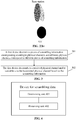
- FIG. 2(a) illustrates a schematic diagram of simultaneous transmission of multiple TRPs to the UE
- FIG. 2(b) illustrates a schematic diagram of simultaneous transmission of multiple beams to the UE.
- the solution for the simultaneous transmission of multiple TRPs/beams to the UE may include two alternative solutions.
- the UE In a first solution (Alt1), the UE only receives one Physical Downlink Control Channel (PDCCH), and the PDCCH indicates relevant indication information of data transmitted on multiple TRPs/beams.
- PDCCH Physical Downlink Control Channel
- the UE receives different PDCCHs from different TRPs/beams, and each PDCCH indicates corresponding indication information of data transmission.
- the UE For the second solution (Alt2), the UE needs to simultaneously detect multiple PDCCHs on a same carrier. Further, the possible application scenario of the second solution (Alt2) includes at least the following scenarios.
- TRPs belong to a same cell, and the connection (backhaul) between the TRPs is ideal (that is, information interaction i.e. dynamic information interaction, can be carried out quickly).
- TRPs In a S1-2 scenario, multiple TRPs belong to a same cell, and the connection (backhaul) between the TRPs is not ideal (i.e., TRPs are unable to interact information quickly, and can only interact data slowly).
- n ID ⁇ ⁇ 0,1, ... ,1023 ⁇ is equal to a high level parameter dataScramblingldentityPDSCH. Accordingly, during randomization, an initial value of the scrambling sequence depends on the parameter dataScramblingldentityPDSCH, and only one parameter value corresponds to one BWP. Therefore, if multiple PDSCHs are simultaneously transmitted from different beams or TRPs on one BWP, the same scrambling method and the same parameter are used. Thus, it is unable to randomize the mutual interference between the PDSCHs. As a result, the requirements of the above-mentioned second solution (Alt2) cannot be met.
- a method for scrambling data which can randomize the mutual interference between multiple physical channels which are transmitted simultaneously.
- FIG. 3 illustrates a flow diagram of a method for scrambling data provided by an embodiment of the present disclosure. As shown in FIG. 3 , the method for scrambling data includes the following operations.
- a first device determines pieces of scrambling information corresponding to multiple physical channels. Different physical channels correspond to different pieces of scrambling information.
- the first device may be a terminal or the first device may be a network device.
- the terminal may be any device capable of communicating with a network, such as a mobile phone, a tablet computer, a vehicle-mounted terminal or a notebook.
- the network device may be a base station, such as a NR base station (gNB), or a LTE base station (eNB).
- gNB NR base station
- eNB LTE base station
- the multiple physical channels may be multiple PDSCHs, or multiple Physical Uplink Shared Channels (PUSCHs), or multiple Physical Uplink Control Channels (PUCCHs).
- PUSCHs Physical Uplink Shared Channels
- PUCCHs Physical Uplink Control Channels
- a terminal transmits multiple PUSCHs, and different PUSCHs correspond to different pieces of scrambling information.
- the scrambling information is configured to determine an initial value of a scrambling sequence of the PUSCH.
- a terminal transmits multiple PUCCHs, and different PUCCHs correspond to different pieces of scrambling information.
- the scrambling information is configured to determine an initial value of a scrambling sequence of the PUCCH.
- a terminal receives multiple PDSCHs, and different PDSCHs correspond to different pieces of scrambling information.
- the scrambling information is configured to determine an initial value of a scrambling sequence of the PDSCH.
- the multiple physical channels correspond to multiple TRPs/beams.
- a terminal is a signal receiving side
- a TRP is a signal transmitting side
- PDSCH1 is transmitted between the terminal and TRP1
- PDSCH2 is between the terminal and TRP2
- PDSCH3 is transmitted between the terminal and TRP3.
- PDSCH1 corresponds to scrambling information 1
- PDSCH2 corresponds to scrambling information 2
- PDSCH3 corresponds to scrambling information 3.
- the terminal is the signal transmitting side
- a beam of a base station is the signal receiving side.
- PUSCH1 is transmitted between the terminal and beam1
- PUSCH2 is transmitted between the terminal and beam2
- PUSCH3 is transmitted between the terminal and beam3.
- PUSCH1 corresponds to scrambling information 1
- PUSCH2 corresponds to scrambling information 2
- PUSCH3 corresponds to scrambling information 3.
- the terminal is the signal transmitting side
- a beam of the base station is the signal receiving side.
- PUCCH1 is transmitted between the terminal and beam1
- PUCCH2 is transmitted between the terminal and beam2
- PUCCH3 is transmitted between the terminal and beam3.
- PUCCH1 corresponds to scrambling information 1
- PUCCH2 corresponds to scrambling information 2
- PUCCH3 corresponds to scrambling information 3.
- the technical solution of the embodiments of the present disclosure is applicable to the following scenarios: 1) the multiple physical channels belong to a same cell; or 2) the multiple physical channels belong to different cells, respectively; or 3) a part of the multiple physical channels belong different cells, respectively.
- the first device descrambles received physical channel, and/or scrambles a to-be-transmitted physical channel.
- the first device determines scrambling the physical channel based on the scrambling information. For example, an initial value of a scrambling sequence of the physical channel may be determined based on the scrambling information. Then, a scrambling sequence generator is configured to generate an actual scrambling sequence, and the physical channel may be scrambled or descrambled by the scrambling sequence.
- different physical channels correspond to different pieces of scrambling information.
- the first device can determine the scrambling information in any one or more of the following manners. In order to facilitate understanding for the technical solutions of the following embodiments, the relevant concepts involved in the following embodiments are explained.
- a network may configure a Control Resource Set (CORESETs).
- CORESETs Each CORESET has its own identifier (ID), i.e. ControlResourceSetId.
- the network may configure a search space (SS).
- SS has its own ID, i.e. SearchSpaceId. Further, each SS is associated with one CORESET.
- one Search Space can only be associated with one CORESET, and one CORESET can be associated with one or more search spaces.
- a search space may also be referred as a search space set, that is the search space and the search space set are a same concept.
- the terminal detects downlink (DL) grant and/or uplink (UL) grant in a specified search space.
- DL downlink
- UL uplink
- Each search space corresponds to one search space group, and one search space group may include one or more search spaces.
- search space group and the search space set are different concepts.
- the search space set is equivalent to the search space, in other words, the search space set may include one or more search space sets.
- Each search space set corresponds to one CORESET Group, and one CORESET Group may include one or more CORESETs.
- the scrambling information is implemented as following manner.
- the scrambling information of the physical channel may include an identifier of a first search space.
- the first search space is a search space where Downlink Control Information (DCI) for scheduling the physical channel is located.
- DCI Downlink Control Information
- the identifier of the first search space is configured to determine an initial value of a scrambling sequence of the physical channel.
- a network may configure SSs for a UE, and each SS has a corresponding identifier. If DCI for scheduling a PDSCH/PUSCH/PUCCH belongs to a search space SS X, the identifier corresponding to the SS X may be configured for data scrambling or data descrambling. Further, the identifier corresponding to the SS X may be configured to determine an initial value of a scrambling sequence.
- the scrambling information of the physical channel may include an identifier of a first control resource set associated with a first search space.
- the first search space is a search space where downlink control information (DCI) for scheduling the physical channel is located
- the identifier of the first control resource set is configured to determine an initial value of a scrambling sequence of the physical channel.
- a network may configure SSs for a UE.
- Each SS corresponds to one CORESET, and each of CORESETs corresponds to an identifier.
- DCI for scheduling a PDSCH/PUSCH/PUCCH belongs to a search space SS X, and the SS X is associated with a CORESET X
- the identifier corresponding to the CORESET X may be configured for data scrambling or data descrambling. Further, the identifier corresponding to the CORESET X may be configured to determine an initial value of a scrambling sequence.
- the scrambling information of the physical channel may include information related to a search space group corresponding to a first search space.
- the first search space is a search space where downlink control information (DCI) for scheduling the physical channel is located.
- DCI downlink control information
- the information related to the search space group corresponding to the first search space may be configured to determine an initial value of a scrambling sequence of the physical channel.
- the information related to the search space group corresponding to the first search space may be implemented in the following manners 1) or 2).
- the information related to the search space group corresponding to the first search space may be a group identifier of the search space group corresponding to the first search space.
- the information related to the search space group corresponding to the first search space is a scrambling parameter which corresponds to the search space group corresponding to the first search space.
- the scrambling parameter is configured by a network.
- a network may configure SSs for a UE, and different SSs correspond to different groups.
- DCI for scheduling a PDSCH/PUSCH/PUCCH belongs to a search space SS X, and the group corresponding to the SS X is a group A
- the information corresponding to the group A may be configured for data scrambling or data descrambling.
- the information corresponding to the group A may be a group identifier of the group A, or a scrambling parameter (the parameter is configured by the network) corresponding to the group A.
- the information corresponding to the group A may be configured to determine an initial value of a scrambling sequence.
- the scrambling information of the physical channel may include information related to a control resource set group corresponding to a first control resource set associated with a first search space.
- the first search space is a search space where downlink control information (DCI) for scheduling the physical channel is located.
- DCI downlink control information
- the information related to a control resource set group corresponding to a first control resource set may be configured to determine an initial value of a scrambling sequence of the physical channel.
- the information related to a control resource set group corresponding to a first control resource set may be implemented in the following manners 1) or 2).
- the information related to a control resource set group corresponding to a first control resource set may be a group identifier of the control resource set group corresponding to the first control resource set.
- the information related to a control resource set group corresponding to a first control resource set may be a scrambling parameter which corresponds to the control resource set group corresponding to the first control resource set.
- the scrambling parameter is configured by a network.
- a network may configure SSs for a UE.
- Each SS corresponds to one CORESET, and different CORESETs correspond to different groups.
- DCI for scheduling a PDSCH/PUSCH/PUCCH belongs to a search space SS X
- the SS X corresponds to a CORESE X
- the CORESE X belongs to a group A
- the information corresponding to the group A may be configured for data scrambling or data descrambling.
- the information corresponding to the group A may be a group identifier corresponding to the group A, or a scrambling parameter (the parameter is configured by the network) corresponding to the group A.
- the information corresponding to the group A may be configured to determine an initial value of a scrambling sequence.
- the scrambling information of the physical channel may include first configuration information carried in a configuration of a first search space.
- the first search space is a search space where downlink control information (DCI) for scheduling the physical channel is located.
- DCI downlink control information
- the first configuration information is configured to determine an initial value of a scrambling sequence of the physical channel.
- a network may configure SSs for a UE, and each SS configuration carries additional configuration information Z1. If DCI for scheduling a PDSCH/PUSCH/PUCCH belongs to a search space SS X, the configuration information Z1 corresponding to the SS X may be configured for data scrambling or data descrambling. Further, the configuration information Z1 may be configured to determine an initial value of a scrambling sequence.
- the scrambling information of the physical channel may include second configuration information carried in a configuration of a first control resource set associated with a first search space.
- the first search space is a search space where downlink control information (DCI) for scheduling the physical channel is located.
- DCI downlink control information
- the second configuration information may be configured to determine an initial value of a scrambling sequence of the physical channel.
- a network may configure SSs for a UE.
- Each SS corresponds to one CORESET, and the configuration of each CORESET carries additional configuration information Z2.
- DCI for scheduling a PDSCH/PUSCH/PUCCH belongs to a search space SS X, and the SS X is associated with a CORESET X
- the configuration information Z2 corresponding to the CORESET X may be configured for data scrambling or data descrambling. Further, the configuration information Z2 may be configured to determine an initial value of a scrambling sequence.
- the scrambling information of the physical channel may be determined based on at least one of third configuration information or a first association relationship.
- the network may configure multiple pieces of scrambling information for data transmission of one BWP.
- the network may configure the multiple pieces of scrambling information through Radio Resource Control (RRC), or, through Media Access Control Control Element (MAC CE).
- RRC Radio Resource Control
- MAC CE Media Access Control Element
- the third configuration information may be configured by a network through radio resource control (RRC), and the third configuration information may include multiple scrambling parameters.
- RRC radio resource control
- the network After the network configures the multiple scrambling parameters through RRC, the network associates a scrambling parameter with a physical channel, and/or a search space, and/or a control resource set, and/or a search space group, and/or a control resource set group through a first association relationship.
- the first association relationship may be configured by the network through RRC signaling, and the first association relationship may include at least one of: an association relationship between a scrambling parameter and a physical channel; an association relationship between a scrambling parameter and a search space; an association relationship between a scrambling parameter and a search space group; or an association relationship between a scrambling parameter and a control resource set group.
- the first association relationship may be configured by the network through media access control control element (MAC CE) signaling, and the first association relationship may include at least one of: an association relationship between a scrambling parameter and a physical channel; an association relationship between a scrambling parameter and a search space; an association relationship between a scrambling parameter and a control resource set; an association relationship between a scrambling parameter and a search space group; or an association relationship between a scrambling parameter and the control resource set group.
- MAC CE media access control control element
- the first association relationship may be indicated by the network through downlink control information (DCI), and the first association relationship may include an association relationship between a scrambling parameter and the physical channel.
- DCI downlink control information
- a first information domain carried in the DCI is used to indicate a scrambling parameter associated with the physical channel.
- scrambling information used in transmission of the DCI is used to determine (indicate or carry) the scrambling parameter associated with the physical channel.
- RNTI radio network temporary identity
- the network may configure three scrambling parameters which include a scrambling parameter 1, a scrambling parameter 2 and a scrambling parameter 3 through RRC.
- the network may indicate that a physical channel 1 corresponds to the scrambling parameter 1 through RRC signaling or MAC CE signaling or DCI signaling. It should be noted that it is not limited to indicate one association relationship by the network, and the network may indicate multiple association relationships.
- the physical channel 1 corresponds to the scrambling parameter 1
- the physical channel 2 corresponds to the scrambling parameter 2
- the physical channel 3 corresponds to the scrambling parameter 3.
- the third configuration information may be configured by the network through a MAC CE, and the third configuration information may include multiple scrambling parameters.
- the network may directly configure the scrambling parameters for a search space and/or a control resource set and/or a search space group and/or a control resource set group through MAC CE signaling. In this case, it is possible to determine which scrambling parameter corresponds to which search space and/or control resource set and/or search space group and/or control resource set group without using the first association relationship.
- the network associates a scrambling parameter with a physical channel, and/or a search space, and/or a control resource set, and/or a search space group, and/or a control resource set group through a first association relationship.
- the first association relationship may be configured by the network through MAC CE signaling, and the first association relationship may include at least one of: an association relationship between a scrambling parameter and a search space; an association relationship between a scrambling parameter and a control resource set; an association relationship between a scrambling parameter and a search space group; or an association relationship between a scrambling parameter and a control resource set group.
- the first association relationship may be indicated by the network through downlink control information (DCI), and the first association relationship may include an association relationship between a scrambling parameter and the physical channel.
- DCI downlink control information
- a first information domain carried in the DCI may be used to indicate a scrambling parameter associated with the physical channel.
- scrambling information used in transmission of the DCI may be used to determine (indicate or carry) the scrambling parameter associated with the physical channel.
- a radio network temporary identity (RNTI) used in transmission the DCI may be used to determine a scrambling parameter associated with the physical channel.
- RNTI radio network temporary identity
- the network may configure that a physical channel 1 corresponds to a scrambling parameter 1, a physical channel 2 corresponds to the scrambling parameter 2, and a physical channel 3 corresponds to a scrambling parameter 3.
- the network may configure three scrambling parameters including a scrambling parameter 1, a scrambling parameter 2 and a scrambling parameter 3 through an MAC CE.
- the network may indicate that a physical channel 1 corresponds to the scrambling parameter 1 through MAC CE signaling or DCI signaling.
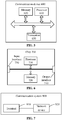
- FIG. 4 illustrates a schematic structural composition diagram of a device for scrambling data according to an embodiment of the present disclosure, which is applied to the first device.
- the device may include a determining unit 401 and a processing unit 402.
- the determining unit 401 is configured to determine pieces of scrambling information corresponding to multiple physical channels. Different physical channels correspond to different pieces of scrambling information.
- the processing unit 402 is configured to, based on the scrambling information, descramble a received physical channel and/or scramble a to-be-transmitted physical channel.
- the scrambling information of the physical channel may include an identifier of a first search space, and the first search space may be a search space where downlink control information (DCI) for scheduling the physical channel is located.
- DCI downlink control information
- the identifier of the first search space may be configured to determine an initial value of a scrambling sequence of the physical channel.
- the scrambling information of the physical channel may include an identifier of a first control resource set associated with a first search space, and the first search space may be a search space where downlink control information (DCI) for scheduling the physical channel is located.
- DCI downlink control information
- the identifier of the first control resource set may be configured to determine an initial value of a scrambling sequence of the physical channel.
- the scrambling information of the physical channel may include information related to a search space group corresponding to a first search space, and the first search space may be a search space where downlink control information (DCI) for scheduling the physical channel is located.
- DCI downlink control information
- the information related to the search space group corresponding to the first search space may be a group identifier of the search space group corresponding to the first search space.
- the information related to the search space group corresponding to the first search space may be a scrambling parameter which corresponds to the search space group corresponding to the first search space, and the scrambling parameter may be configured by a network.
- the information related to the search space group corresponding to the first search space is configured to determine an initial value of a scrambling sequence of the physical channel.
- the scrambling information of the physical channel may include information related to a control resource set group corresponding to a first control resource set associated with a first search space, and the first search space may be a search space where downlink control information (DCI) for scheduling the physical channel is located.
- DCI downlink control information
- the information related to the control resource set group corresponding to the first control resource set may be a group identifier of the control resource set group corresponding to the first control resource set.
- the information related to the control resource set group corresponding to the first control resource set may be a scrambling parameter which corresponds to the control resource set group corresponding to the first control resource set, and the scrambling parameter may be configured by a network.
- the information related to the control resource set group corresponding to the first control resource set may be configured to determine an initial value of a scrambling sequence of the physical channel.
- the scrambling information of the physical channel may include first configuration information carried in a configuration of a first search space, and the first search space may be a search space where downlink control information (DCI) for scheduling the physical channel is located.
- DCI downlink control information
- the first configuration information may be configured to determine an initial value of a scrambling sequence of the physical channel.
- the scrambling information of the physical channel may include second configuration information carried in a configuration of a first control resource set associated with a first search space, and the first search space may be a search space where downlink control information (DCI) for scheduling the physical channel is located.
- DCI downlink control information
- the second configuration information may be configured to determine an initial value of a scrambling sequence of the physical channel.
- the scrambling information of the physical channel may be determined based on at least one of third configuration information or a first association relationship.
- the third configuration information may be configured by a network through radio resource control (RRC), and the third configuration information may include multiple scrambling parameters.
- RRC radio resource control
- the first association relationship may be configured by the network through RRC signaling, and the first association relationship may include at least one of: an association relationship between a scrambling parameter and a physical channel; an association relationship between a scrambling parameter and a search space; an association relationship between a scrambling parameter and a search space group; or an association relationship between a scrambling parameters and a control resource set group.
- the first association relationship may be configured by the network through media access control control element (MAC CE) signaling, and the first association relationship may include at least one of: an association relationship between a scrambling parameter and a physical channel; an association relationship between a scrambling parameter and a search space; an association relationship between a scrambling parameter and a control resource set; an association relationship between a scrambling parameter and a search space group; or an association relationship between a scrambling parameter and the control resource set group.
- MAC CE media access control control element
- the first association relationship may be indicated by the network through downlink control information (DCI), and the first association relationship may include an association relationship between a scrambling parameter and the physical channel.
- DCI downlink control information
- a first information domain carried in the DCI is used to indicate a scrambling parameter associated with the physical channel.
- scrambling information used in transmission of the DCI is used to determine the scrambling parameter associated with the physical channel.
- RNTI radio network temporary identity
- the third configuration information may be configured by the network through an MAC CE, and the third configuration information may include multiple scrambling parameters.
- the first association relationship may be configured by the network through MAC CE signaling, and the first association relationship may include at least one of: an association relationship between a scrambling parameter and a search space; an association relationship between a scrambling parameter and a control resource set; an association relationship between a scrambling parameter and a search space group; or an association relationship between a scrambling parameter and a control resource set group.
- the first association relationship may be indicated by the network through downlink control information (DCI), and the first association relationship may include an association relationship between a scrambling parameter and a physical channel.
- DCI downlink control information
- a first information domain carried in the DCI is used to indicate a scrambling parameter associated with the physical channel.
- scrambling information used in transmission of the DCI is used to determine the scrambling parameter associated with the physical channel.
- RNTI radio network temporary identity
- the multiple physical channels may be multiple physical downlink shared channels.
- the multiple physical channels may be multiple physical uplink shared channels.
- the multiple physical channels may be multiple physical uplink control channels.
- the first device is a terminal, or the first device is a network device.
- the multiple physical channels may belong to a same cell, or the multiple physical channels may belong to different cells, respectively, or a part of the multiple physical channels may belong the different cells, respectively.
- FIG. 5 illustrates a schematic structural diagram of a communication terminal 600 according to an embodiment of the present disclosure.
- the communication terminal 600 may be a terminal, or a network device (such as a base station).
- the communication terminal 600 includes a processor 610, the processor 610 may call and run a computer program from a memory to implement the method in the embodiment of the present disclosure.
- the communication terminal 600 may further include a memory 620.
- the processor 610 may call and run a computer program from the memory 620 to implement the method in the embodiment of the present disclosure.
- the memory 620 may be a separate device independent of the processor 610 or may be integrated in the processor 610.
- the communication terminal 600 may further include a transceiver 630, and the processor 610 may control the transceiver 630 to communicate with other devices.
- the transceiver 630 may transmit information or data to other devices, or receive information or data from other devices.
- the transceiver 630 may include a transmitter and a receiver.
- the transceiver 630 may further include one or more antennas.
- the communication terminal 600 may be the network device of an embodiment of the present disclosure.
- the communication terminal 600 may implement the corresponding process implemented by the network device in each method of the embodiment of the present disclosure. For brevity, details will not be repeated herein again.
- the communication terminal 600 may be the mobile terminal/terminal of an embodiment of the present disclosure.
- the communication terminal 600 may implement the corresponding process implemented by the mobile terminal/terminal in each method of the embodiment of the present disclosure. For brevity, details will not be repeated herein again.
- FIG. 6 illustrates a schematic structural diagram of a chip provided by an embodiment of the present disclosure.
- the chip 700 illustrated in FIG. 6 includes a processor 710, and the processor 710 may call and run a computer program from a memory to implement the method in the embodiment of the present disclosure.
- the chip 700 may further include a memory 720.
- the processor 710 may call and run a computer program from the memory 720 to implement the method in the embodiment of the present disclosure.
- the memory 720 may be a separate device independent of the processor 710 or may be integrated in the processor 710.
- the chip 700 may further include an input interface 730.
- the processor 710 may control the input interface 730 to communicate with other devices or chips.
- the input interface 730 may acquire information or data from other devices and chips.
- the chip 700 may further include an output interface 740.
- the processor 710 may control the output interface 740 to communicate with other devices or chips.
- the output interface 740 may output information or data to other devices and chips.
- the chip may be applied to the network device in the embodiment of the disclosure, and the chip may implement the corresponding process implemented by the network device in each method of the embodiment of the present disclosure.
- the chip may be applied to the network device in the embodiment of the disclosure, and the chip may implement the corresponding process implemented by the network device in each method of the embodiment of the present disclosure.
- the chip may be applied to the mobile terminal/terminal in the embodiment of the disclosure, and the chip may implement the corresponding process implemented by the mobile terminal/terminal in each method of the embodiment of the present disclosure.
- the chip may implement the corresponding process implemented by the mobile terminal/terminal in each method of the embodiment of the present disclosure.
- the chip mentioned in the embodiment of the present disclosure may also be referred as a system-level chip, a system chip, a chip system, or a system-on chip, etc.
- FIG. 7 illustrates a schematic block diagram of a communication system 900 provided by an embodiment of the present disclosure.
- the communication system 900 includes a terminal 910 and a network device 920.
- the terminal 910 may be configured to implement the functions implemented by the terminal in the foregoing method
- the network device 920 may be configured to implement the functions implemented by the network device in the foregoing method.
- details are not described herein again.
- the processor in the embodiment of the application may be an integrated circuit chip and has a signal processing capability.
- each step of the method embodiment may be completed by an integrated logical circuit of hardware or an instruction in a software form in the processor.
- the processor may be a universal processor, a Digital Signal Processor (DSP), an Application Specific Integrated Circuit (ASIC), a Field Programmable Gate Array (FPGA) or another programmable logical device, discrete gate or transistor logical device and discrete hardware component.
- DSP Digital Signal Processor
- ASIC Application Specific Integrated Circuit
- FPGA Field Programmable Gate Array
- Each method, step and logical block diagram disclosed in the embodiments of the disclosure may be implemented or executed.
- the universal processor may be a microprocessor or the processor may also be any common processor and the like.
- the operations of the method disclosed in combination with the embodiments of the disclosure may be directly embodied to be executed and implemented by a hardware decoding processor or executed and implemented by a combination of hardware and software modules in the decoding processor.
- the software module may be located in a mature storage medium in this field such as a Random Access Memory (RAM), a flash memory, a Read-Only Memory (ROM), a Programmable ROM (PROM) or Electrically Erasable PROM (EEPROM) and a register.
- RAM Random Access Memory
- ROM Read-Only Memory
- PROM Electrically Erasable PROM
- the storage medium is located in a memory, and the processor reads information in the memory, and implements the steps of the methods in combination with hardware.
- the memory in the embodiment of the disclosure may be a volatile memory or a nonvolatile memory, or may include both the volatile and nonvolatile memories.
- the nonvolatile memory may be a ROM, a PROM, an Erasable PROM (EPROM), an EEPROM or a flash memory.
- the volatile memory may be a RAM, which is used as an external high-speed cache.
- RAMs in various forms may be adopted, such as a Static RAM (SRAM), a Dynamic RAM (DRAM), a Synchronous DRAM (SDRAM), a Double Data Rate SDRAM (DDR SDRAM), an Enhanced SDRAM (ESDRAM), a Synchlink DRAM (SLDRAM) and a Direct Rambus RAM (DR RAM).
- SRAM Static RAM
- DRAM Dynamic RAM
- SDRAM Synchronous DRAM
- DDR SDRAM Double Data Rate SDRAM
- ESDRAM Enhanced SDRAM
- SLDRAM Synchlink DRAM
- DR RAM Direct Rambus RAM
- the above memory is described only exemplarily rather than limitedly.
- the memory in the embodiment of the present disclosure may be a SRAM, a DRAM, a SDRAM, a DDR SDRAM, an ESDRAM, a SLDRAM, a DR RAM and the like. That is, the memory in the embodiment of the present disclosure is intended to include, but not limited to, memories of these and any other proper types.
- the embodiment of the present disclosure further provides a computer-readable storage medium for storing computer programs.
- the computer-readable storage medium may be applied to the network device in the embodiment of the disclosure, and the computer programs are executed to cause the computer to perform processes implemented by the network device in each method of the embodiment of the present disclosure.
- the computer programs are executed to cause the computer to perform processes implemented by the network device in each method of the embodiment of the present disclosure.
- the computer-readable storage medium may be applied to the mobile terminal/terminal in the embodiment of the disclosure, and the computer programs cause the computer to perform the processes implemented by the mobile terminal/terminal in each method of the embodiment of the present disclosure.
- the computer programs cause the computer to perform the processes implemented by the mobile terminal/terminal in each method of the embodiment of the present disclosure.
- the embodiment of the present disclosure further provides a computer program product, including computer program instructions.
- the computer program product may be applied to the network device in the embodiment of the disclosure, and the computer program instructions are executed to cause the computer to perform the processes implemented by the network device in each method of the embodiment of the present disclosure.
- the computer program instructions are executed to cause the computer to perform the processes implemented by the network device in each method of the embodiment of the present disclosure.
- the computer program product may be applied to the mobile terminal/terminal in the embodiment of the disclosure, and the computer program instructions are executed to cause the computer to perform the processes implemented by the mobile terminal/terminal in each method of the embodiment of the present disclosure.
- the computer program instructions are executed to cause the computer to perform the processes implemented by the mobile terminal/terminal in each method of the embodiment of the present disclosure.
- the embodiment of the present disclosure also provides a computer program.
- the computer program may be applied to the network device in the embodiment of the disclosure, and the computer program is run on a computer, to cause the computer to perform the processes implemented by the network device in each method of the embodiment of the present disclosure.
- the computer program may be applied to the network device in the embodiment of the disclosure, and the computer program is run on a computer, to cause the computer to perform the processes implemented by the network device in each method of the embodiment of the present disclosure.
- the computer program may be applied to the mobile terminal/terminal in the embodiment of the disclosure, and the computer program is run on a computer, to cause the computer to perform the processes implemented by the mobile terminal/terminal in each method of the embodiment of the present disclosure.
- the computer program may be applied to the mobile terminal/terminal in the embodiment of the disclosure, and the computer program is run on a computer, to cause the computer to perform the processes implemented by the mobile terminal/terminal in each method of the embodiment of the present disclosure.
- the disclosed system, device and method may be implemented in another manner.
- the device embodiment described above is only schematic, and for example, division of the units is only logic function division, and other division manners may be adopted during practical implementation.
- multiple units or components may be combined or integrated into another system, or some characteristics may be neglected or not executed.
- coupling or direct coupling or communication connection between each displayed or discussed component may be indirect coupling or communication connection, implemented through some interfaces, of the device or the units, and may be electrical and mechanical or adopt other forms.
- the units described as separate parts may or may not be physically separated, and parts displayed as units may or may not be physical units, that is, may be located in the same place, or may also be distributed to multiple network units. A part or all of the units may be selected to achieve the purpose of the solutions of the embodiments according to a practical requirement.
- each functional unit in each embodiment of the application may be integrated into a processing unit, each functional unit may also physically exist independently, and two or more than two functional units may also be integrated into a unit.
- the functions may also be stored in a computer-readable storage medium.
- the computer software product is stored in a storage medium and includes several instructions to enable the computer device (which may be a personal computer, a server or a network device, etc.) to execute all or a part of the methods described in the various embodiments of the present disclosure.
- the forgoing storage media includes various mediums that can store program codes, such as a USB disk, a mobile hard disk, an ROM, an RAM, a magnetic disk, or an optical disk, and the like.
Landscapes
- Engineering & Computer Science (AREA)
- Signal Processing (AREA)
- Computer Networks & Wireless Communication (AREA)
- Physics & Mathematics (AREA)
- Spectroscopy & Molecular Physics (AREA)
- Power Engineering (AREA)
- Mobile Radio Communication Systems (AREA)
Priority Applications (1)
| Application Number | Priority Date | Filing Date | Title |
|---|---|---|---|
| EP24218328.3A EP4518261B1 (de) | 2018-11-01 | 2018-11-01 | Datenverschlüsselungsverfahren und -vorrichtung und kommunikationsvorrichtung |
Applications Claiming Priority (1)
| Application Number | Priority Date | Filing Date | Title |
|---|---|---|---|
| PCT/CN2018/113538 WO2020087475A1 (zh) | 2018-11-01 | 2018-11-01 | 一种数据加扰方法及装置、通信设备 |
Related Child Applications (2)
| Application Number | Title | Priority Date | Filing Date |
|---|---|---|---|
| EP24218328.3A Division-Into EP4518261B1 (de) | 2018-11-01 | 2018-11-01 | Datenverschlüsselungsverfahren und -vorrichtung und kommunikationsvorrichtung |
| EP24218328.3A Division EP4518261B1 (de) | 2018-11-01 | 2018-11-01 | Datenverschlüsselungsverfahren und -vorrichtung und kommunikationsvorrichtung |
Publications (3)
| Publication Number | Publication Date |
|---|---|
| EP3873017A1 true EP3873017A1 (de) | 2021-09-01 |
| EP3873017A4 EP3873017A4 (de) | 2021-12-29 |
| EP3873017B1 EP3873017B1 (de) | 2025-01-15 |
Family
ID=70464313
Family Applications (2)
| Application Number | Title | Priority Date | Filing Date |
|---|---|---|---|
| EP24218328.3A Active EP4518261B1 (de) | 2018-11-01 | 2018-11-01 | Datenverschlüsselungsverfahren und -vorrichtung und kommunikationsvorrichtung |
| EP18938527.1A Active EP3873017B1 (de) | 2018-11-01 | 2018-11-01 | Datenverschlüsselungsverfahren und -vorrichtung und kommunikationseinrichtung |
Family Applications Before (1)
| Application Number | Title | Priority Date | Filing Date |
|---|---|---|---|
| EP24218328.3A Active EP4518261B1 (de) | 2018-11-01 | 2018-11-01 | Datenverschlüsselungsverfahren und -vorrichtung und kommunikationsvorrichtung |
Country Status (6)
| Country | Link |
|---|---|
| US (1) | US12009952B2 (de) |
| EP (2) | EP4518261B1 (de) |
| JP (1) | JP7201804B2 (de) |
| CN (3) | CN115549882B (de) |
| ES (1) | ES3010404T3 (de) |
| WO (1) | WO2020087475A1 (de) |
Families Citing this family (1)
| Publication number | Priority date | Publication date | Assignee | Title |
|---|---|---|---|---|
| CN114884711B (zh) * | 2022-04-26 | 2023-12-26 | 邦彦技术股份有限公司 | 数据处理方法、装置、系统、设备、控制装置及存储介质 |
Family Cites Families (13)
| Publication number | Priority date | Publication date | Assignee | Title |
|---|---|---|---|---|
| US8848913B2 (en) * | 2007-10-04 | 2014-09-30 | Qualcomm Incorporated | Scrambling sequence generation in a communication system |
| JP5271373B2 (ja) * | 2011-03-24 | 2013-08-21 | シャープ株式会社 | 基地局、端末、通信システム、通信方法、および集積回路 |
| US9674871B2 (en) * | 2012-02-23 | 2017-06-06 | Lg Electronics Inc. | Method for executing random access procedure in wireless communication system and apparatus therefor |
| US9973315B2 (en) * | 2012-09-28 | 2018-05-15 | Intel Corporation | Systems and methods for semi-persistent scheduling of wireless communications |
| WO2014058194A1 (ko) | 2012-10-08 | 2014-04-17 | 엘지전자 주식회사 | 제어 정보를 송수신하는 방법 및 이를 위한 장치 |
| CN103959874B (zh) | 2012-10-31 | 2019-05-24 | 华为技术有限公司 | 扰码序列的配置方法、装置、用户设备与基站 |
| US9923684B2 (en) * | 2013-01-09 | 2018-03-20 | Samsung Electronics Co., Ltd. | Methods to support inter-eNodeB CoMP |
| US10652876B2 (en) * | 2016-03-16 | 2020-05-12 | Lg Electronics Inc. | Method for transmitting and receiving control information in wireless communication system, and apparatus therefor |
| WO2018128439A1 (ko) * | 2017-01-06 | 2018-07-12 | 한국전자통신연구원 | 통신 시스템에서 제어 채널의 송수신 방법 및 장치 |
| CN109391293B (zh) * | 2017-08-11 | 2022-01-14 | 华为技术有限公司 | 一种信号加扰、解扰方法及装置 |
| CN110391881B (zh) * | 2018-04-16 | 2022-04-22 | 中兴通讯股份有限公司 | 配置信息的发送方法及装置 |
| CN110636617B (zh) * | 2018-06-22 | 2022-04-05 | 华为技术有限公司 | 一种参数配置方法及装置 |
| EP3879894B1 (de) | 2018-11-09 | 2023-12-27 | Guangdong Oppo Mobile Telecommunications Corp., Ltd. | Drahtloskommunikationsverfahren, netzwerkvorrichtung und endgerät |
-
2018
- 2018-11-01 WO PCT/CN2018/113538 patent/WO2020087475A1/zh not_active Ceased
- 2018-11-01 ES ES18938527T patent/ES3010404T3/es active Active
- 2018-11-01 CN CN202211139934.4A patent/CN115549882B/zh active Active
- 2018-11-01 CN CN202110601122.6A patent/CN113315618B/zh active Active
- 2018-11-01 CN CN201880097743.1A patent/CN112956149A/zh active Pending
- 2018-11-01 EP EP24218328.3A patent/EP4518261B1/de active Active
- 2018-11-01 JP JP2021523362A patent/JP7201804B2/ja active Active
- 2018-11-01 EP EP18938527.1A patent/EP3873017B1/de active Active
-
2021
- 2021-04-30 US US17/245,494 patent/US12009952B2/en active Active
Also Published As
| Publication number | Publication date |
|---|---|
| EP3873017B1 (de) | 2025-01-15 |
| EP3873017A4 (de) | 2021-12-29 |
| CN113315618A (zh) | 2021-08-27 |
| EP4518261B1 (de) | 2026-04-15 |
| JP7201804B2 (ja) | 2023-01-10 |
| US12009952B2 (en) | 2024-06-11 |
| CN115549882B (zh) | 2024-02-23 |
| CN113315618B (zh) | 2022-10-11 |
| CN115549882A (zh) | 2022-12-30 |
| EP4518261A3 (de) | 2025-06-04 |
| EP4518261A2 (de) | 2025-03-05 |
| WO2020087475A1 (zh) | 2020-05-07 |
| JP2022515704A (ja) | 2022-02-22 |
| ES3010404T3 (en) | 2025-04-02 |
| US20210250210A1 (en) | 2021-08-12 |
| CN112956149A (zh) | 2021-06-11 |
Similar Documents
| Publication | Publication Date | Title |
|---|---|---|
| US11419120B2 (en) | Information transmission method and communications device | |
| US11005558B2 (en) | Method for determining frame timing, network device, and terminal device | |
| US20230276502A1 (en) | Random access method, communication device and storage medium | |
| US20210211328A1 (en) | Wireless communication method, transmitting node and receiving node | |
| US20240430069A1 (en) | Bandwidth part processing method, terminal device and network device | |
| WO2019237241A1 (zh) | 一种下行信号的传输方法及终端设备 | |
| US20210258965A1 (en) | Method and apparatus for configuring physical uplink control channel resource set and determining starting symbol | |
| EP3771119A1 (de) | Verfahren und vorrichtung zur übertragung von rückkopplungsinformation sowie kommunikationsvorrichtung | |
| CN112119595B (zh) | 一种信号加扰方法及装置、通信设备 | |
| US12149460B2 (en) | Wireless communication method, network device, and terminal device | |
| EP3544345A1 (de) | Verfahren und vorrichtung zur drahtloskommunikation | |
| US12009952B2 (en) | Method and device for scrambling data | |
| US12256424B2 (en) | Method and device for information transmission | |
| US20230099072A1 (en) | Information processing method, terminal device and network device |
Legal Events
| Date | Code | Title | Description |
|---|---|---|---|
| STAA | Information on the status of an ep patent application or granted ep patent |
Free format text: STATUS: THE INTERNATIONAL PUBLICATION HAS BEEN MADE |
|
| PUAI | Public reference made under article 153(3) epc to a published international application that has entered the european phase |
Free format text: ORIGINAL CODE: 0009012 |
|
| STAA | Information on the status of an ep patent application or granted ep patent |
Free format text: STATUS: REQUEST FOR EXAMINATION WAS MADE |
|
| 17P | Request for examination filed |
Effective date: 20210528 |
|
| AK | Designated contracting states |
Kind code of ref document: A1 Designated state(s): AL AT BE BG CH CY CZ DE DK EE ES FI FR GB GR HR HU IE IS IT LI LT LU LV MC MK MT NL NO PL PT RO RS SE SI SK SM TR |
|
| A4 | Supplementary search report drawn up and despatched |
Effective date: 20211126 |
|
| RIC1 | Information provided on ipc code assigned before grant |
Ipc: H04L 25/03 20060101ALI20211122BHEP Ipc: H04W 16/28 20090101ALI20211122BHEP Ipc: H04W 16/14 20090101ALI20211122BHEP Ipc: H04L 5/00 20060101AFI20211122BHEP |
|
| DAV | Request for validation of the european patent (deleted) | ||
| DAX | Request for extension of the european patent (deleted) | ||
| STAA | Information on the status of an ep patent application or granted ep patent |
Free format text: STATUS: EXAMINATION IS IN PROGRESS |
|
| 17Q | First examination report despatched |
Effective date: 20220906 |
|
| GRAP | Despatch of communication of intention to grant a patent |
Free format text: ORIGINAL CODE: EPIDOSNIGR1 |
|
| STAA | Information on the status of an ep patent application or granted ep patent |
Free format text: STATUS: GRANT OF PATENT IS INTENDED |
|
| INTG | Intention to grant announced |
Effective date: 20240816 |
|
| GRAS | Grant fee paid |
Free format text: ORIGINAL CODE: EPIDOSNIGR3 |
|
| GRAA | (expected) grant |
Free format text: ORIGINAL CODE: 0009210 |
|
| STAA | Information on the status of an ep patent application or granted ep patent |
Free format text: STATUS: THE PATENT HAS BEEN GRANTED |
|
| AK | Designated contracting states |
Kind code of ref document: B1 Designated state(s): AL AT BE BG CH CY CZ DE DK EE ES FI FR GB GR HR HU IE IS IT LI LT LU LV MC MK MT NL NO PL PT RO RS SE SI SK SM TR |
|
| REG | Reference to a national code |
Ref country code: CH Ref legal event code: EP Ref country code: GB Ref legal event code: FG4D |
|
| REG | Reference to a national code |
Ref country code: DE Ref legal event code: R096 Ref document number: 602018078615 Country of ref document: DE |
|
| REG | Reference to a national code |
Ref country code: IE Ref legal event code: FG4D |
|
| REG | Reference to a national code |
Ref country code: NL Ref legal event code: FP |
|
| REG | Reference to a national code |
Ref country code: ES Ref legal event code: FG2A Ref document number: 3010404 Country of ref document: ES Kind code of ref document: T3 Effective date: 20250402 |
|
| P01 | Opt-out of the competence of the unified patent court (upc) registered |
Free format text: CASE NUMBER: APP_9795/2025 Effective date: 20250226 |
|
| PG25 | Lapsed in a contracting state [announced via postgrant information from national office to epo] |
Ref country code: RS Free format text: LAPSE BECAUSE OF FAILURE TO SUBMIT A TRANSLATION OF THE DESCRIPTION OR TO PAY THE FEE WITHIN THE PRESCRIBED TIME-LIMIT Effective date: 20250415 |
|
| PG25 | Lapsed in a contracting state [announced via postgrant information from national office to epo] |
Ref country code: FI Free format text: LAPSE BECAUSE OF FAILURE TO SUBMIT A TRANSLATION OF THE DESCRIPTION OR TO PAY THE FEE WITHIN THE PRESCRIBED TIME-LIMIT Effective date: 20250115 |
|
| PG25 | Lapsed in a contracting state [announced via postgrant information from national office to epo] |
Ref country code: PL Free format text: LAPSE BECAUSE OF FAILURE TO SUBMIT A TRANSLATION OF THE DESCRIPTION OR TO PAY THE FEE WITHIN THE PRESCRIBED TIME-LIMIT Effective date: 20250115 |
|
| REG | Reference to a national code |
Ref country code: LT Ref legal event code: MG9D |
|
| PG25 | Lapsed in a contracting state [announced via postgrant information from national office to epo] |
Ref country code: IS Free format text: LAPSE BECAUSE OF FAILURE TO SUBMIT A TRANSLATION OF THE DESCRIPTION OR TO PAY THE FEE WITHIN THE PRESCRIBED TIME-LIMIT Effective date: 20250515 Ref country code: NO Free format text: LAPSE BECAUSE OF FAILURE TO SUBMIT A TRANSLATION OF THE DESCRIPTION OR TO PAY THE FEE WITHIN THE PRESCRIBED TIME-LIMIT Effective date: 20250415 |
|
| REG | Reference to a national code |
Ref country code: AT Ref legal event code: MK05 Ref document number: 1760522 Country of ref document: AT Kind code of ref document: T Effective date: 20250115 |
|
| PG25 | Lapsed in a contracting state [announced via postgrant information from national office to epo] |
Ref country code: HR Free format text: LAPSE BECAUSE OF FAILURE TO SUBMIT A TRANSLATION OF THE DESCRIPTION OR TO PAY THE FEE WITHIN THE PRESCRIBED TIME-LIMIT Effective date: 20250115 |
|
| PG25 | Lapsed in a contracting state [announced via postgrant information from national office to epo] |
Ref country code: LV Free format text: LAPSE BECAUSE OF FAILURE TO SUBMIT A TRANSLATION OF THE DESCRIPTION OR TO PAY THE FEE WITHIN THE PRESCRIBED TIME-LIMIT Effective date: 20250115 Ref country code: PT Free format text: LAPSE BECAUSE OF FAILURE TO SUBMIT A TRANSLATION OF THE DESCRIPTION OR TO PAY THE FEE WITHIN THE PRESCRIBED TIME-LIMIT Effective date: 20250515 |
|
| PG25 | Lapsed in a contracting state [announced via postgrant information from national office to epo] |
Ref country code: GR Free format text: LAPSE BECAUSE OF FAILURE TO SUBMIT A TRANSLATION OF THE DESCRIPTION OR TO PAY THE FEE WITHIN THE PRESCRIBED TIME-LIMIT Effective date: 20250416 Ref country code: BG Free format text: LAPSE BECAUSE OF FAILURE TO SUBMIT A TRANSLATION OF THE DESCRIPTION OR TO PAY THE FEE WITHIN THE PRESCRIBED TIME-LIMIT Effective date: 20250115 |
|
| PG25 | Lapsed in a contracting state [announced via postgrant information from national office to epo] |
Ref country code: AT Free format text: LAPSE BECAUSE OF FAILURE TO SUBMIT A TRANSLATION OF THE DESCRIPTION OR TO PAY THE FEE WITHIN THE PRESCRIBED TIME-LIMIT Effective date: 20250115 |
|
| PG25 | Lapsed in a contracting state [announced via postgrant information from national office to epo] |
Ref country code: SE Free format text: LAPSE BECAUSE OF FAILURE TO SUBMIT A TRANSLATION OF THE DESCRIPTION OR TO PAY THE FEE WITHIN THE PRESCRIBED TIME-LIMIT Effective date: 20250115 |
|
| PG25 | Lapsed in a contracting state [announced via postgrant information from national office to epo] |
Ref country code: SM Free format text: LAPSE BECAUSE OF FAILURE TO SUBMIT A TRANSLATION OF THE DESCRIPTION OR TO PAY THE FEE WITHIN THE PRESCRIBED TIME-LIMIT Effective date: 20250115 |
|
| PG25 | Lapsed in a contracting state [announced via postgrant information from national office to epo] |
Ref country code: DK Free format text: LAPSE BECAUSE OF FAILURE TO SUBMIT A TRANSLATION OF THE DESCRIPTION OR TO PAY THE FEE WITHIN THE PRESCRIBED TIME-LIMIT Effective date: 20250115 |
|
| REG | Reference to a national code |
Ref country code: DE Ref legal event code: R097 Ref document number: 602018078615 Country of ref document: DE |
|
| PG25 | Lapsed in a contracting state [announced via postgrant information from national office to epo] |
Ref country code: CZ Free format text: LAPSE BECAUSE OF FAILURE TO SUBMIT A TRANSLATION OF THE DESCRIPTION OR TO PAY THE FEE WITHIN THE PRESCRIBED TIME-LIMIT Effective date: 20250115 Ref country code: EE Free format text: LAPSE BECAUSE OF FAILURE TO SUBMIT A TRANSLATION OF THE DESCRIPTION OR TO PAY THE FEE WITHIN THE PRESCRIBED TIME-LIMIT Effective date: 20250115 |
|
| PG25 | Lapsed in a contracting state [announced via postgrant information from national office to epo] |
Ref country code: RO Free format text: LAPSE BECAUSE OF FAILURE TO SUBMIT A TRANSLATION OF THE DESCRIPTION OR TO PAY THE FEE WITHIN THE PRESCRIBED TIME-LIMIT Effective date: 20250115 |
|
| PG25 | Lapsed in a contracting state [announced via postgrant information from national office to epo] |
Ref country code: SK Free format text: LAPSE BECAUSE OF FAILURE TO SUBMIT A TRANSLATION OF THE DESCRIPTION OR TO PAY THE FEE WITHIN THE PRESCRIBED TIME-LIMIT Effective date: 20250115 |
|
| PLBE | No opposition filed within time limit |
Free format text: ORIGINAL CODE: 0009261 |
|
| STAA | Information on the status of an ep patent application or granted ep patent |
Free format text: STATUS: NO OPPOSITION FILED WITHIN TIME LIMIT |
|
| PGFP | Annual fee paid to national office [announced via postgrant information from national office to epo] |
Ref country code: NL Payment date: 20251127 Year of fee payment: 8 |
|
| 26N | No opposition filed |
Effective date: 20251016 |
|
| PGFP | Annual fee paid to national office [announced via postgrant information from national office to epo] |
Ref country code: DE Payment date: 20251124 Year of fee payment: 8 |
|
| PGFP | Annual fee paid to national office [announced via postgrant information from national office to epo] |
Ref country code: GB Payment date: 20251126 Year of fee payment: 8 |
|
| PGFP | Annual fee paid to national office [announced via postgrant information from national office to epo] |
Ref country code: IT Payment date: 20251120 Year of fee payment: 8 |
|
| PGFP | Annual fee paid to national office [announced via postgrant information from national office to epo] |
Ref country code: FR Payment date: 20251126 Year of fee payment: 8 |
|
| PGFP | Annual fee paid to national office [announced via postgrant information from national office to epo] |
Ref country code: ES Payment date: 20251202 Year of fee payment: 8 |