EP3872169A1 - Homeobox transcription factor ventx regulates differentiation and maturation of human dendritic cells - Google Patents
Homeobox transcription factor ventx regulates differentiation and maturation of human dendritic cells Download PDFInfo
- Publication number
- EP3872169A1 EP3872169A1 EP20216402.6A EP20216402A EP3872169A1 EP 3872169 A1 EP3872169 A1 EP 3872169A1 EP 20216402 A EP20216402 A EP 20216402A EP 3872169 A1 EP3872169 A1 EP 3872169A1
- Authority
- EP
- European Patent Office
- Prior art keywords
- ventx
- cells
- differentiation
- dcs
- expression
- Prior art date
- Legal status (The legal status is an assumption and is not a legal conclusion. Google has not performed a legal analysis and makes no representation as to the accuracy of the status listed.)
- Withdrawn
Links
Images








Classifications
-
- C—CHEMISTRY; METALLURGY
- C12—BIOCHEMISTRY; BEER; SPIRITS; WINE; VINEGAR; MICROBIOLOGY; ENZYMOLOGY; MUTATION OR GENETIC ENGINEERING
- C12Q—MEASURING OR TESTING PROCESSES INVOLVING ENZYMES, NUCLEIC ACIDS OR MICROORGANISMS; COMPOSITIONS OR TEST PAPERS THEREFOR; PROCESSES OF PREPARING SUCH COMPOSITIONS; CONDITION-RESPONSIVE CONTROL IN MICROBIOLOGICAL OR ENZYMOLOGICAL PROCESSES
- C12Q1/00—Measuring or testing processes involving enzymes, nucleic acids or microorganisms; Compositions therefor; Processes of preparing such compositions
- C12Q1/68—Measuring or testing processes involving enzymes, nucleic acids or microorganisms; Compositions therefor; Processes of preparing such compositions involving nucleic acids
- C12Q1/6876—Nucleic acid products used in the analysis of nucleic acids, e.g. primers or probes
- C12Q1/6883—Nucleic acid products used in the analysis of nucleic acids, e.g. primers or probes for diseases caused by alterations of genetic material
-
- A—HUMAN NECESSITIES
- A61—MEDICAL OR VETERINARY SCIENCE; HYGIENE
- A61K—PREPARATIONS FOR MEDICAL, DENTAL OR TOILETRY PURPOSES
- A61K38/00—Medicinal preparations containing peptides
-
- A—HUMAN NECESSITIES
- A61—MEDICAL OR VETERINARY SCIENCE; HYGIENE
- A61K—PREPARATIONS FOR MEDICAL, DENTAL OR TOILETRY PURPOSES
- A61K31/00—Medicinal preparations containing organic active ingredients
- A61K31/70—Carbohydrates; Sugars; Derivatives thereof
- A61K31/7088—Compounds having three or more nucleosides or nucleotides
-
- A—HUMAN NECESSITIES
- A61—MEDICAL OR VETERINARY SCIENCE; HYGIENE
- A61K—PREPARATIONS FOR MEDICAL, DENTAL OR TOILETRY PURPOSES
- A61K31/00—Medicinal preparations containing organic active ingredients
- A61K31/70—Carbohydrates; Sugars; Derivatives thereof
- A61K31/7088—Compounds having three or more nucleosides or nucleotides
- A61K31/713—Double-stranded nucleic acids or oligonucleotides
-
- A—HUMAN NECESSITIES
- A61—MEDICAL OR VETERINARY SCIENCE; HYGIENE
- A61K—PREPARATIONS FOR MEDICAL, DENTAL OR TOILETRY PURPOSES
- A61K38/00—Medicinal preparations containing peptides
- A61K38/16—Peptides having more than 20 amino acids; Gastrins; Somatostatins; Melanotropins; Derivatives thereof
- A61K38/17—Peptides having more than 20 amino acids; Gastrins; Somatostatins; Melanotropins; Derivatives thereof from animals; from humans
- A61K38/1703—Peptides having more than 20 amino acids; Gastrins; Somatostatins; Melanotropins; Derivatives thereof from animals; from humans from vertebrates
- A61K38/1709—Peptides having more than 20 amino acids; Gastrins; Somatostatins; Melanotropins; Derivatives thereof from animals; from humans from vertebrates from mammals
-
- A—HUMAN NECESSITIES
- A61—MEDICAL OR VETERINARY SCIENCE; HYGIENE
- A61P—SPECIFIC THERAPEUTIC ACTIVITY OF CHEMICAL COMPOUNDS OR MEDICINAL PREPARATIONS
- A61P29/00—Non-central analgesic, antipyretic or antiinflammatory agents, e.g. antirheumatic agents; Non-steroidal antiinflammatory drugs [NSAID]
-
- A—HUMAN NECESSITIES
- A61—MEDICAL OR VETERINARY SCIENCE; HYGIENE
- A61P—SPECIFIC THERAPEUTIC ACTIVITY OF CHEMICAL COMPOUNDS OR MEDICINAL PREPARATIONS
- A61P35/00—Antineoplastic agents
-
- A—HUMAN NECESSITIES
- A61—MEDICAL OR VETERINARY SCIENCE; HYGIENE
- A61P—SPECIFIC THERAPEUTIC ACTIVITY OF CHEMICAL COMPOUNDS OR MEDICINAL PREPARATIONS
- A61P37/00—Drugs for immunological or allergic disorders
-
- A—HUMAN NECESSITIES
- A61—MEDICAL OR VETERINARY SCIENCE; HYGIENE
- A61P—SPECIFIC THERAPEUTIC ACTIVITY OF CHEMICAL COMPOUNDS OR MEDICINAL PREPARATIONS
- A61P37/00—Drugs for immunological or allergic disorders
- A61P37/02—Immunomodulators
- A61P37/06—Immunosuppressants, e.g. drugs for graft rejection
-
- A—HUMAN NECESSITIES
- A61—MEDICAL OR VETERINARY SCIENCE; HYGIENE
- A61P—SPECIFIC THERAPEUTIC ACTIVITY OF CHEMICAL COMPOUNDS OR MEDICINAL PREPARATIONS
- A61P43/00—Drugs for specific purposes, not provided for in groups A61P1/00-A61P41/00
-
- C—CHEMISTRY; METALLURGY
- C07—ORGANIC CHEMISTRY
- C07K—PEPTIDES
- C07K16/00—Immunoglobulins [IG], e.g. monoclonal or polyclonal antibodies
- C07K16/18—Immunoglobulins [IG], e.g. monoclonal or polyclonal antibodies against material from animals or humans
-
- C—CHEMISTRY; METALLURGY
- C12—BIOCHEMISTRY; BEER; SPIRITS; WINE; VINEGAR; MICROBIOLOGY; ENZYMOLOGY; MUTATION OR GENETIC ENGINEERING
- C12N—MICROORGANISMS OR ENZYMES; COMPOSITIONS THEREOF; PROPAGATING, PRESERVING, OR MAINTAINING MICROORGANISMS; MUTATION OR GENETIC ENGINEERING; CULTURE MEDIA
- C12N15/00—Mutation or genetic engineering; DNA or RNA concerning genetic engineering, vectors, e.g. plasmids, or their isolation, preparation or purification; Use of hosts therefor
- C12N15/09—Recombinant DNA-technology
- C12N15/11—DNA or RNA fragments; Modified forms thereof; Non-coding nucleic acids having a biological activity
- C12N15/113—Non-coding nucleic acids modulating the expression of genes, e.g. antisense oligonucleotides; Antisense DNA or RNA; Triplex- forming oligonucleotides; Catalytic nucleic acids, e.g. ribozymes; Nucleic acids used in co-suppression or gene silencing
-
- C—CHEMISTRY; METALLURGY
- C12—BIOCHEMISTRY; BEER; SPIRITS; WINE; VINEGAR; MICROBIOLOGY; ENZYMOLOGY; MUTATION OR GENETIC ENGINEERING
- C12N—MICROORGANISMS OR ENZYMES; COMPOSITIONS THEREOF; PROPAGATING, PRESERVING, OR MAINTAINING MICROORGANISMS; MUTATION OR GENETIC ENGINEERING; CULTURE MEDIA
- C12N5/00—Undifferentiated human, animal or plant cells, e.g. cell lines; Tissues; Cultivation or maintenance thereof; Culture media therefor
- C12N5/06—Animal cells or tissues; Human cells or tissues
- C12N5/0602—Vertebrate cells
- C12N5/0634—Cells from the blood or the immune system
- C12N5/0639—Dendritic cells, e.g. Langherhans cells in the epidermis
-
- G—PHYSICS
- G01—MEASURING; TESTING
- G01N—INVESTIGATING OR ANALYSING MATERIALS BY DETERMINING THEIR CHEMICAL OR PHYSICAL PROPERTIES
- G01N33/00—Investigating or analysing materials by specific methods not covered by groups G01N1/00 - G01N31/00
- G01N33/48—Biological material, e.g. blood, urine; Haemocytometers
- G01N33/50—Chemical analysis of biological material, e.g. blood, urine; Testing involving biospecific ligand binding methods; Immunological testing
- G01N33/5005—Chemical analysis of biological material, e.g. blood, urine; Testing involving biospecific ligand binding methods; Immunological testing involving human or animal cells
- G01N33/5008—Chemical analysis of biological material, e.g. blood, urine; Testing involving biospecific ligand binding methods; Immunological testing involving human or animal cells for testing or evaluating the effect of chemical or biological compounds, e.g. drugs, cosmetics
- G01N33/502—Chemical analysis of biological material, e.g. blood, urine; Testing involving biospecific ligand binding methods; Immunological testing involving human or animal cells for testing or evaluating the effect of chemical or biological compounds, e.g. drugs, cosmetics for testing non-proliferative effects
- G01N33/5023—Chemical analysis of biological material, e.g. blood, urine; Testing involving biospecific ligand binding methods; Immunological testing involving human or animal cells for testing or evaluating the effect of chemical or biological compounds, e.g. drugs, cosmetics for testing non-proliferative effects on expression patterns
-
- G—PHYSICS
- G01—MEASURING; TESTING
- G01N—INVESTIGATING OR ANALYSING MATERIALS BY DETERMINING THEIR CHEMICAL OR PHYSICAL PROPERTIES
- G01N33/00—Investigating or analysing materials by specific methods not covered by groups G01N1/00 - G01N31/00
- G01N33/48—Biological material, e.g. blood, urine; Haemocytometers
- G01N33/50—Chemical analysis of biological material, e.g. blood, urine; Testing involving biospecific ligand binding methods; Immunological testing
- G01N33/53—Immunoassay; Biospecific binding assay; Materials therefor
- G01N33/564—Immunoassay; Biospecific binding assay; Materials therefor for pre-existing immune complex or autoimmune disease, i.e. systemic lupus erythematosus, rheumatoid arthritis, multiple sclerosis, rheumatoid factors or complement components C1-C9
-
- G—PHYSICS
- G01—MEASURING; TESTING
- G01N—INVESTIGATING OR ANALYSING MATERIALS BY DETERMINING THEIR CHEMICAL OR PHYSICAL PROPERTIES
- G01N33/00—Investigating or analysing materials by specific methods not covered by groups G01N1/00 - G01N31/00
- G01N33/48—Biological material, e.g. blood, urine; Haemocytometers
- G01N33/50—Chemical analysis of biological material, e.g. blood, urine; Testing involving biospecific ligand binding methods; Immunological testing
- G01N33/68—Chemical analysis of biological material, e.g. blood, urine; Testing involving biospecific ligand binding methods; Immunological testing involving proteins, peptides or amino acids
- G01N33/6854—Immunoglobulins
- G01N33/686—Anti-idiotype
-
- C—CHEMISTRY; METALLURGY
- C07—ORGANIC CHEMISTRY
- C07K—PEPTIDES
- C07K2317/00—Immunoglobulins specific features
- C07K2317/70—Immunoglobulins specific features characterized by effect upon binding to a cell or to an antigen
- C07K2317/76—Antagonist effect on antigen, e.g. neutralization or inhibition of binding
-
- C—CHEMISTRY; METALLURGY
- C12—BIOCHEMISTRY; BEER; SPIRITS; WINE; VINEGAR; MICROBIOLOGY; ENZYMOLOGY; MUTATION OR GENETIC ENGINEERING
- C12N—MICROORGANISMS OR ENZYMES; COMPOSITIONS THEREOF; PROPAGATING, PRESERVING, OR MAINTAINING MICROORGANISMS; MUTATION OR GENETIC ENGINEERING; CULTURE MEDIA
- C12N2310/00—Structure or type of the nucleic acid
- C12N2310/10—Type of nucleic acid
- C12N2310/14—Type of nucleic acid interfering nucleic acids [NA]
-
- C—CHEMISTRY; METALLURGY
- C12—BIOCHEMISTRY; BEER; SPIRITS; WINE; VINEGAR; MICROBIOLOGY; ENZYMOLOGY; MUTATION OR GENETIC ENGINEERING
- C12N—MICROORGANISMS OR ENZYMES; COMPOSITIONS THEREOF; PROPAGATING, PRESERVING, OR MAINTAINING MICROORGANISMS; MUTATION OR GENETIC ENGINEERING; CULTURE MEDIA
- C12N2320/00—Applications; Uses
- C12N2320/30—Special therapeutic applications
-
- C—CHEMISTRY; METALLURGY
- C12—BIOCHEMISTRY; BEER; SPIRITS; WINE; VINEGAR; MICROBIOLOGY; ENZYMOLOGY; MUTATION OR GENETIC ENGINEERING
- C12N—MICROORGANISMS OR ENZYMES; COMPOSITIONS THEREOF; PROPAGATING, PRESERVING, OR MAINTAINING MICROORGANISMS; MUTATION OR GENETIC ENGINEERING; CULTURE MEDIA
- C12N2501/00—Active agents used in cell culture processes, e.g. differentation
- C12N2501/60—Transcription factors
-
- C—CHEMISTRY; METALLURGY
- C12—BIOCHEMISTRY; BEER; SPIRITS; WINE; VINEGAR; MICROBIOLOGY; ENZYMOLOGY; MUTATION OR GENETIC ENGINEERING
- C12Q—MEASURING OR TESTING PROCESSES INVOLVING ENZYMES, NUCLEIC ACIDS OR MICROORGANISMS; COMPOSITIONS OR TEST PAPERS THEREFOR; PROCESSES OF PREPARING SUCH COMPOSITIONS; CONDITION-RESPONSIVE CONTROL IN MICROBIOLOGICAL OR ENZYMOLOGICAL PROCESSES
- C12Q2600/00—Oligonucleotides characterized by their use
- C12Q2600/158—Expression markers
-
- C—CHEMISTRY; METALLURGY
- C12—BIOCHEMISTRY; BEER; SPIRITS; WINE; VINEGAR; MICROBIOLOGY; ENZYMOLOGY; MUTATION OR GENETIC ENGINEERING
- C12Q—MEASURING OR TESTING PROCESSES INVOLVING ENZYMES, NUCLEIC ACIDS OR MICROORGANISMS; COMPOSITIONS OR TEST PAPERS THEREFOR; PROCESSES OF PREPARING SUCH COMPOSITIONS; CONDITION-RESPONSIVE CONTROL IN MICROBIOLOGICAL OR ENZYMOLOGICAL PROCESSES
- C12Q2600/00—Oligonucleotides characterized by their use
- C12Q2600/16—Primer sets for multiplex assays
-
- G—PHYSICS
- G01—MEASURING; TESTING
- G01N—INVESTIGATING OR ANALYSING MATERIALS BY DETERMINING THEIR CHEMICAL OR PHYSICAL PROPERTIES
- G01N2333/00—Assays involving biological materials from specific organisms or of a specific nature
- G01N2333/435—Assays involving biological materials from specific organisms or of a specific nature from animals; from humans
- G01N2333/46—Assays involving biological materials from specific organisms or of a specific nature from animals; from humans from vertebrates
- G01N2333/47—Assays involving proteins of known structure or function as defined in the subgroups
Definitions
- the invention generally relates to human biology discoveries and therapeutic and diagnostic compositions and methods based thereon. More particularly, the invention relates to human homeobox transcription factor VentX and its regulation of differentiation and maturation of human dendritic cells, and related therapeutic and diagnostic compositions and methods of use.
- DCs Dendritic cells
- immature DCs Upon stimulation with inflammatory cytokines or microbial components, such as lipopolysaccharide (LPS) of bacteria, immature DCs undergo a maturation process and begin to migrate to local lymph nodes, where they interact with CD40 ligand on antigen specific T cells via CD40 and mature into potent immuno-stimulatory or immuno-toleragenic cells (remove).
- cytokines or microbial components such as lipopolysaccharide (LPS) of bacteria
- LPS lipopolysaccharide
- Maturation of DCs correlates with up-regulated expression of MHC class II and costimulatory molecules, production of immunostimulatory cytokines, and acquisition of capability to stimulate naive and antigen-specific T cells.
- Intestinal mucosa is enriched with DCs, which reside in the lamina intestinal and regulate immune response to pathogen invasion. Maturation and function of intestinal DCs is regulated by both host factors and microbial components. Intestinal DCs detect the presence of pathogens through pattern recognition receptors, such as members of the toll-like receptor (TLR) family. Aberrant maturation and activation of intestinal DCs has been postulated to play a pathogenic role in autoimmune/inflammatory conditions, such as inflammatory bowel disease (IBD). It has been found that expression of TLR2, TLR4, CD40 is enhanced in DCs isolated from inflamed mucosa of IBD patients. Moreover, aberrant TLR signaling have been found to predispose patients to Crohn's disease. Evidence is accumulating, suggesting a potential role of targeting DCs in management of autoimmune-inflammatory conditions. However, currently, little is know about the intrinsic DC factors that can be manipulated to modulate DC maturation and functions.
- Circulating monocytes derived DCs have been implicated in pathogenesis of inflammation, and the in vitro human monocytes derived dendritic cells have been widely used as a model system to explore the molecular mechanisms of DCs differentiation. Circulating monocytes derived DCs have been implicated in pathogenesis of inflammation. Previous studies showed that granulocyte-macrophage colony-stimulating factor (GM-CSF) and IL4 drive peripheral blood CD14 + monocytes differentiation to CD14 - CD1a + DCs. Several cytokines such as IL6, IL10 and ⁇ -IFN have been shown to negatively regulate the monocytes differentiation into DCs, whereas other cytokines are reported to promote DCs differentiation. ( Chomarat, et al.
- the invention is based, in part, on the discovery that that VentX is a key regulator of DC maturation and function and that VentX can serve as a target of intervention for inflammatory diseases and immune therapy.
- VentX is a human homologue of the Xenopus homeobox gene Vent/Xom of the BMP4 signaling pathway, and was recently defined as a novel hematopoietic transcriptional factor controlling proliferation and differentiation of hematopoietic and immune cells. Initially identified as a novel LEF/TCF associated antagonist of the canonical Wnt signaling through reverse genetic modeling in Xenopus embryogenesis, VentX was found to be a transcriptional activator of the p53/p21 and p16 ink4a /Rb tumor suppression pathways. The critical role of VentX in hematopoietic cell development was further indicated by its role in controlling the proliferation and differentiation of both HSC/MPPs and monocyte to macrophage terminal differentiation.
- VentX is expressed in human primary DCs isolated from both peripheral blood as well as intestinal mucosa. Utilizing both loss- and gain-of-function approaches, it is demonstrated that VentX regulated DCs differentiation and maturation through an IL6 mediated mechanism. VentX expression is elevated in DCs isolated from inflamed mucosa of IBD patients and knockdown of VentX diminished the maturation response of DCs. Further, VentX is a downstream target and effecter of corticosteroid. The data disclosed herein demonstrates that VentX is a key regulator of DC maturation and function and that VentX can serve as a target of intervention for inflammatory diseases and immune therapy.
- the invention generally relates to a method for regulating dendritic cells.
- the method includes administering to a subject in need thereof a therapeutically effective amount of a composition comprising an biological or chemical agent that exerts a modulating effect of human homeobox gene VentX.
- the invention generally relates to a method for screening a compound for a regulatory function on dendritic cells.
- the method includes: (a) providing a cell comprising a polynuceotide comprising VentX promoter; (b) contacting the cell with a candidate compound; and (c) measuring the activity of VentX expression.
- the invention generally relates to a pharmaceutical composition
- a pharmaceutical composition comprising a biological or chemical agent that exerts a regulatory effect on dendritic cells via a modulating effect of human homeobox gene VentX.
- the invention generally relates to a method for diagnosing a subject for an inflammatory condition associated with maturation of dendritic cells, comprising detecting the expression profile of human homeobox gene VentX.
- the inflammatory condition is an autoimmnune disease.
- the invention generally relates to a method for suppressing a tumor.
- the method includes administering to a subject in need thereof a therapeutically effective amount of a composition comprising an biological or chemical agent that exerts a modulating effect on dendritic cells function.
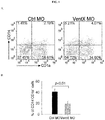
- FIG. 1 VentX regulates primary monocyte to dendritic cell differentiation.
- A Human primary monocytes were transfected with morpholino (MO) oligonucleotides targeting VentX or the control MO as described in Materials and Methods. Twenty-four hours after transfection, GM-CSF and IL4 were added to culture medium to induce dendritic cells differentiation. Cells were harvested at 5 days after cytokines addition and the surface expression of CD1a and CD14 was analyzed by flow cytometry.
- B Bar graphs showed the percentage of CD14 - CD1a + cells from VentX MO or control MO transfected monocytes. The results were mean + standard deviation (SD) of six different experiments in (A).
- C-D Monocytes were transfected with VentX MO or control MO oligonucleotides as described above. The surface expression of CD1b and CDlc was analyzed by flow cytometry at 5 days after addition of cytokines. Results shown are representative of at least five separated experiments.
- E Monocytes were transfected with pcDNA-GFP or pcDNA-GFP.VentX plasmids through electroporation. Cytokines were added to culture medium 2 hours after transfection, and cells were harvested three days after cytokine addition for flow cytometry analysis. GFP positive population was gated for analysis of CD1a expression.
- F The mean + SD of four separated experiments in (E) was shown.
- FIG. 2 VentX overexpression promotes THP1 cells differentiation towards dendritic cells.
- A THP1 cell lines expressing GFP or GFP.VentX under the control of tetracycline-inducible promoter were treated with 1.0 ⁇ g/mL doxycycline (DOX) for ten days. Cell numbers at indicated days were counted and plotted.
- B Cell cycle profiles of THP1 cells expressing GFP or GFP.VentX after ten days exposure to DOX. Cells were stained with propidium iodide and analyzed by flow cytometry.
- C-D THP1 cells were treated with DOX for 3 days and harvested.
- E-F THP1 cells were treated with DOX and cultured under conditions described in Materials and Methods to induce dendritic cells differentiation.
- E At two days after treatment, cells were harvested to analyze the surface expression of indicated antigens by flow cytometry.
- F Cells were photographed using phase contrast microscopy to show the morphological changes of VentX expressing cells. Results shown are representative of at least three separated experiments.
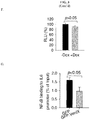
- FIG. 3 VentX suppresses IL6 expression.
- A Monocytes were transfected with VentX MO or control MO and GM-CSF and IL4 were added into culture medium for five days. Intracellular IL6 level was determined by flow cytometry.
- B Monocyte was transfected with pcDNA-GFP or pcDNA-GFP.VentX through electroporation. Cells were then cultured in the presence of GM-CSF and IL4 for three days. Intracellular staining of IL6 was performed in transfected cells and IL6 level in GFP positive cells was analyzed by flow cytometry. Results shown are one representative of at least three separated experiments.
- C Monocytes were transfected and harvested as described above.
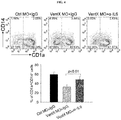
- FIG. 4 Enhanced auotcrine IL6 contributes to differentiation defects in dendritic cells with VentX knockdown.
- Human primary monocytes were transfected with VentX MO or control MO as indicated.
- cytokines GM-CSF plus IL4 were added into culture medium together with neutralizing IL6 antibody or control immunoglobulin (IgG).
- Cells were harvested five days after cytokines addition and analyzed by flow cytometry (Left panel). The mean + SD of four separated experiments was shown in the right panel.
- FIG. 5 PCR array analysis of dendritic cells that overexpress VentX.
- A-E Monocytes were transfected with pcDNA-GFP or pcDNA-GFP.VentX plasmids through electroporation. GM-CSF and IL4 were added to culture medium 2 hours later to induce DCs differentiation. At 3 days after transfection, LPS was added for overnight treatment and cells were harvested, sorted with GFP through flow cytometry. Total RNA was isolated and the mRNA levels of indicated genes were analyzed by PCR array.
- F The mRNA levels of selected genes were determined with different primer sets by real time PCR. Results shown are mean + SD of triplicates from one of two independent experiments and the differences were significantly different between two groups ( p ⁇ 0.05) for all genes.
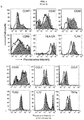
- FIG. 6 VentX is required for the maturation of lamina limba DCs.
- A LPDCs were isolated from inflamed and non-inflamed intestinal mucosa of five IBD patients. VentX level was determined with real time PCR.
- B LPDCs were transfected with siRNA targeting VentX or control GFP through electroporation followed by culturing in medium for two days. Then cells were stimulated with LPS for overnight to induce maturation and harvested for flow cytometry analysis of surface markers and intracellular cytokines/chemokines. Filled histograms indicate siGFP transfection.
- C Bar graph shows the mean fluorescence intensity (MFI) of four different experiments in (B). Results are expressed as the percentage of MFI normalized to control.
- MFI mean fluorescence intensity
- LPDCs transfected with siGFP or siVentX were analyzed for the mRNA expression levels of indicated genes. The differences were significantly different between two groups ( p ⁇ 0.05) except CCL19 and CXCL1.
- E Knockdown of VentX impaired DCs capability to stimulate allogenic T cells proliferation in a mix lymphocytes reaction.
- F DCs were treated with prednisolone (10 ⁇ g/ml) for 48 hours or mock treated, and VentX level was determined with real time PCR.
- G DCs were transfected with GFP or VentX and treated with prednisolone as indicated. LPS was added 24 hours later and cells were harvested at 48 hours after transfection to analyze the mRNA levels of CCL3, CCL5, IL12A and TNF ⁇ Results shown are mean + SD of triplicates from one of two independent experiments.
- FIG. S1 Expression of VentX in monocytes and dendritic cells.
- Human primary monocytes isolated from peripheral blood were cultured in the presence of GM-CSF plus IL4 for 5 days to induce dendritic cells differentiation.
- A Total RNA isolated from fresh monocytes and differentiated dendritic cells was subjected to reverse transcription and conventional PCR. The PCR products of VentX and GAPDH were separated by agarose gel electrophoresis and visualized by ethidium bromide staining.
- B Total cell lysates were harvested from fresh monocytes and differentiated dendritic cells and VentX protein level was determined by western blot analysis, using VentX specific antibody. Tubulin was used as a loading control.
- FIG. S2 Knockdown of VentX expression in DCs by VentX morpholino (MO) oligonucleotides.
- Primary human monocytes (10M each) were transfected with MO oligonucleotides targeting VentX (VentX MO and VentX MO-2) or control MO oligonucleotides through electroporation as described in Materials and Methods.
- Cytokines GM-CSF and IL4 were added at 24 hours later and cells were collected at five days after cytokines addition for Western blot analysis of VentX protein level. Tubulin was used as loading control. The quantification of VentX knockdown efficiency was determined by densitometry.
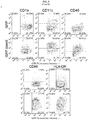
- FIG. S3 Effect of VentX knockdown on the surface expression of dendritic cell markers.
- Human primary monocytes were transfected with morpholino (MO) oligonucleotides targeting VentX or the control MO as described in Materials and Methods.
- MO morpholino
- GM-CSF and IL4 were added to culture medium to induce dendritic cells differentiation.
- Cells were harvested at 5 days after cytokines addition and the surface expression of CD11c, CD16, CD36, CD64 was analyzed by flow cytometry.
- Solid line control MO transfected cells
- Dotted line VentX MO transfected cells
- Tinted histogram isotype control.
- FIG. S4 The effect of VentX overexpression on the differentiation markers of THP1 cells.
- THP1 cells were treated with DOX and cultured under conditions described in Materials and Methods to induce dendritic cells differentiation. At two days after treatment, cells were harvested to analyze the surface expression of indicated antigens by flow cytometry.
- FIG. S5 Knockdown of VentX downregulates the expression of GM-CSF receptor (CD116) in monocytes.
- A Primary human monocytes were transfected with MO oligonucleotides targeting VentX or control MO oligonucleotides through electroporation as described in Materials and Methods. Cytokines GM-CSF and IL4 were added at 24 hours later and cells were collected at five days after cytokines addition. Surface expression of CD116 was analyzed by flow cytometry. Solid line: control MO transfected cells; Dotted line: VentX MO transfected cells. (B) The mean + SD of four separated experiments was shown.
- the term "antibody” refers to molecules that are capable of binding an epitope or antigenic determinant.
- the term is meant to include whole antibodies and antigen-binding fragments thereof, including single-chain antibodies.
- the antibodies can be from any animal origin.
- the antibodies are mammalian, e.g ., human, murine, rabbit, goat, guinea pig, camel, horse and the like, or other suitable animals.
- Antibodies may recognize polypeptide or polynucleotide antigens.
- the term includes active fragments, including for example, an antigen binding fragment of an immunoglobulin, a variable and/or constant region of a heavy chain, a variable and/or constant region of a light chain, a complementarity determining region (cdr), and a framework region.
- active fragments including for example, an antigen binding fragment of an immunoglobulin, a variable and/or constant region of a heavy chain, a variable and/or constant region of a light chain, a complementarity determining region (cdr), and a framework region.
- the terms include polyclonal and monoclonal antibody preparations, as well as preparations including hybrid antibodies, altered antibodies, chimeric antibodies, hybrid antibody molecules, F(ab) 2 and F(ab) fragments; Fv molecules (for example, noncovalent heterodimers), dimeric and trimeric antibody fragment constructs; minibodies, humanized antibody molecules, and any functional fragments obtained from such molecules, wherein such fragments retain specific binding.
- antibody may include a collection of antibodies that are not necessarily heterogenous in their structures or specificities.
- humanized antibodies refer to a molecule having an antigen binding site that is substantially derived from an immunoglobulin from a non-human species and the remaining immunoglobulin structure of the molecule based upon the structure and/or sequence of a human immunoglobulin.
- the antigen binding site may comprise either complete variable domains fused onto constant domains or only the complementarity determining regions (CDRs) grafted onto appropriate framework regions in the variable domains.
- Antigen binding sites may be wild type or modified by one or more amino acid substitutions, e.g., modified to resemble human immunoglobulin more closely.
- Some forms of humanized antibodies preserve all CDR sequences (e.g., a humanized mouse antibody which contains all six CDRs from the mouse antibodies).
- Other forms of humanized antibodies have one or more CDRs (one, two, three, four, five, six) that are altered with respect to the original antibody.
- an antibody that binds specifically to one epitope (a "first epitope") and not to another (a "second epitope") is a "specific antibody.”
- An antibody specific to a first epitope may cross react with and bind to a second epitope if the two epitopes share homology or other similarity.
- the term "antigen" refers to a molecule capable of being bound by an antibody.
- An antigen is additionally capable of being recognized by the immune system and/or being capable of inducing a humoral immune response and/or cellular immune response leading to the activation of B- and/or T-lymphocytes. This may, however, require that, at least in certain cases, the antigen contains or is linked to a Th cell epitope and is given in adjuvant.
- An antigen can have one or more epitopes (B- and/or T-cell epitopes).
- the specific reaction referred to above is meant to indicate that the antigen will preferably react, typically in a highly selective manner, with its corresponding antibody or TCR and not with the multitude of other antibodies or TCRs which may be evoked by other antigens.
- Antigens as used herein may also be mixtures of several individual antigens.
- epitope refers to basic element or smallest unit of recognition by an individual antibody or T-cell receptor, and thus the particular domain, region or molecular structure to which said antibody or T-cell receptor binds.
- An antigen may consist of numerous epitopes while a hapten, typically, may possess few epitopes.
- nucleic acid molecule As used herein, the term “nucleic acid molecule,” “nucleotide,” “oligonucleotide,” “polynucleotide,” and “nucleic acid” are used interchangeably herein to refer to polymeric forms of nucleotides of any length. They can include both double- and single-stranded sequences and include, but are not limited to, cDNA from viral, prokaryotic, and eukaryotic sources; mRNA; genomic DNA sequences from viral ( e.g ., DNA viruses and retroviruses) or prokaryotic sources; RNAi; cRNA; antisense molecules; ribozymes; and synthetic DNA sequences. The term also captures sequences that include any of the known base analogs of DNA and RNA.
- a "complementary" nucleotide sequence acid molecule is a one that is comprised of its base pair complements.
- Deoxyribonucleotides with the base adenine are complementary to those with the base thymidine, and deoxyribonucleotides with the base thymidine are complementary to those with the base adenine.
- Deoxyribonucleotides with the base cytosine are complementary to those with the base guanine, and deoxyribonucleotides with the base guanine are complementary to those with the base cytosine.
- Ribonucleotides with the base adenine are complementary to those with the base uracil, and deoxyribonucleotides with the base uracil are complementary to those with the base adenine.
- Ribonucleotides with the base cytosine are complementary to those with the base guanine, and deoxyribonucleotides with the base guanine are complementary to those with the base cytosine.
- promoter refers to a DNA regulatory region capable of binding RNA polymerase in a mammalian cell and initiating transcription of a downstream (3' direction) coding sequence operably linked thereto.
- a promoter sequence includes the minimum number of bases or elements necessary to initiate transcription of a gene of interest at levels detectable above background. Within the promoter sequence may be a transcription initiation site, as well as protein binding domains (consensus sequences) responsible for the binding of RNA polymerase. Eukaryotic promoters will often, but not always, contain "TATA" boxes and "CAT” boxes.
- Promoters include those that are naturally contiguous to a nucleic acid molecule and those that are not naturally contiguous to a nucleic acid molecule. Additionally, the term “promoter” includes inducible promoters, conditionally active promoters such as a cre-lox promoter, constitutive promoters, and tissue specific promoters.
- transfected means possessing introduced DNA or RNA, with or without the use of any accompanying facilitating agents such as lipofectamine.
- Methods for transfection that are known in the art include calcium phosphate transfection, DEAE dextran transfection, protoplast fusion, electroporation, and lipofection.
- the term "expression of a nucleic acid molecule” refers to the conversion of the information contained in the nucleic acid molecule into a gene product.
- the gene product can be the direct transcriptional product of a gene (e.g ., mRNA, tRNA, rRNA, antisense RNA, ribozyme, structural RNA, or any other type of RNA) or a peptide or polypeptide produced by translation of an mRNA.
- Gene products also include RNAs that are modified by processes such as capping, polyadenylation, methylation, and editing; and proteins modified by, for example, methylation, acetylation, phosphorylation, ubiquitination, ADP-ribosylation, myristilation, and glycosylation.
- host cell refers to an individual cell or a cell culture that can be or has been a recipient of any recombinant vector(s) or isolated polynucleotide(s).
- Host cells include progeny of a single host cell, and the progeny may not necessarily be completely identical (in morphology or in total DNA complement) to the original parent cell due to natural, accidental, or deliberate mutation and/or change.
- a host cell includes cells transfected or infected in vivo or in vitro with a recombinant vector or a polynucleotide of the invention.
- a host cell that comprises a recombinant vector of the invention may be called a "recombinant host cell.”
- an "isolated” or “substantially isolated” molecule is one that has been manipulated to exist in a higher concentration than in nature or has been removed from its native environment.
- a subject antibody is isolated, purified, substantially isolated, or substantially purified when at least 10%, or 20%, or 40%, or 50%, or 70%, or 90% of non-subject-antibody materials with which it is associated in nature have been removed.
- a polynucleotide or a polypeptide naturally present in a living animal is not “isolated,” but the same polynucleotide or polypeptide separated from the coexisting materials of its natural state is “isolated.”
- recombinant DNA molecules contained in a vector are considered isolated for the purposes of the present invention.
- Isolated RNA molecules include in vivo or in vitro RNA replication products of DNA and RNA molecules.
- Isolated nucleic acid molecules further include synthetically produced molecules.
- vector molecules contained in recombinant host cells are also isolated. Thus, not all "isolated” molecules need be “purified.”
- the term "purified" when used in reference to a molecule it means that the concentration of the molecule being purified has been increased relative to molecules associated with it in its natural environment, or environment in which it was produced, found or synthesized.
- Naturally associated molecules include proteins, nucleic acids, lipids and sugars but generally do not include water, buffers, and reagents added to maintain the integrity or facilitate the purification of the molecule being purified.
- a substance may be 5% or more, 10% or more, 20% or more, 30% or more, 40% or more, 50% or more, 60% or more, 70% or more, 80% or more, 90% or more, 95% or more, 98% or more, 99% or more, or 100% pure when considered relative to its contaminants.
- biologically active entity or an entity having “biological activity,” is one having structural, regulatory, or biochemical functions of a naturally occurring molecule or any function related to or associated with a metabolic or physiological process.
- Biologically active polynucleotide fragments are those exhibiting activity similar, but not necessarily identical, to an activity of a polynucleotide of the present invention.
- the biological activity can include an improved desired activity, or a decreased undesirable activity.
- an entity demonstrates biological activity when it participates in a molecular interaction with another molecule, such as hybridization, when it has therapeutic value in alleviating a disease condition, when it has prophylactic value in inducing an immune response, when it has diagnostic and/or prognostic value in determining the presence of a molecule, such as a biologically active fragment of a polynucleotide that can, for example, be detected as unique for the polynucleotide molecule, or that can be used as a primer in a polymerase chain reaction.
- a biologically active polypeptide or fragment thereof includes one that can participate in a biological reaction.
- the terms "subject,” “individual,” and “patient” are used interchangeably herein to refer to a living animal, including a human and a non-human animal.
- the subject may, for example, be an organism possessing immune cells capable of responding to antigenic stimulation, and stimulatory and inhibitory signal transduction through cell surface receptor binding.
- the subject may be a mammal, such as a human or non-human mammal, for example, dogs, cats, pigs, cows, sheep, goats, horses, rats, and mice.
- the term "subject” does not preclude individuals that are entirely normal with respect to a disease, or normal in all respects.
- a "patient sample” is any biological specimen derived from a patient.
- the term includes, but is not limited to, biological fluids such as blood, serum, plasma, urine, cerebrospinal fluid, tears, saliva, lymph, dialysis fluid, lavage fluid, semen, and other liquid samples, as well as cell and tissues of biological origin.
- biological fluids such as blood, serum, plasma, urine, cerebrospinal fluid, tears, saliva, lymph, dialysis fluid, lavage fluid, semen, and other liquid samples, as well as cell and tissues of biological origin.
- the term also includes cells or cells derived therefrom and the progeny thereof, including cells in culture, cell supernatants, and cell lysates. It further includes organ or tissue culture-derived fluids, tissue biopsy samples, tumor biopsy samples, stool samples, and fluids extracted from physiological tissues, as well as cells dissociated from solid tissues, tissue sections, and cell lysates.
- This definition encompasses samples that have been manipulated in any way after their procurement, such as by treatment with reagents, solubilization, or enrichment for certain components, such as polynucleotides or polypeptides. Also included in the term are derivatives and fractions of patient samples. A patient sample may be used in a diagnostic, prognostic, or other monitoring assay.
- the term “modulate” refers to the production, either directly or indirectly, of an increase or a decrease, a stimulation, inhibition, interference, or blockage in a measured activity when compared to a suitable control.
- a “modulator” of a polypeptide or polynucleotide or an “agent” are terms used interchangeably herein to refer to a substance that affects, for example, increases, decreases, stimulates, inhibits, interferes with, or blocks a measured activity of the polypeptide or polynucleotide, when compared to a suitable control.
- disease or “disorder” refer to a pathological condition, for example, one that can be identified by symptoms or other identifying factors as diverging from a healthy or a normal state.
- disease includes disorders, syndromes, conditions, and injuries. Diseases include, but are not limited to, proliferative, inflammatory, immune, metabolic, infectious, and ischemic diseases.
- the term "inflammatory condition(s)" refers to the group of conditions including, rheumatoid arthritis, osteoarthritis, juvenile idiopathic arthritis, psoriasis, allergic airway disease (e.g., asthma, rhinitis), inflammatory bowel diseases (e.g., Crohn's disease, colitis), endotoxin-driven disease states (e.g ., complications after bypass surgery or chronic endotoxin states contributing to e.g. chronic cardiac failure), and related diseases involving cartilage, such as that of the joints.
- the term refers to rheumatoid arthritis, osteoarthritis, allergic airway disease (e.g ., asthma) and inflammatory bowel diseases.
- autoimmune disease(s) refers to the group of diseases including obstructive airways disease, including conditions such as COPD, asthma (e.g ., intrinsic asthma, extrinsic asthma, dust asthma, infantily asthma) particularly chronic or inveterate asthma (for example late asthma and airway hyperreponsiveness), bronchitis, including bronchial asthma, systemic lupus erythematosus (SLE), multiple sclerosis, type I diabetes mellitus and complications associated therewith, atopic eczema (atopic dermatitis), contact dermatitis and further eczematous dermatitis, inflammatory bowel disease (e.g.
- COPD chronic or inveterate asthma
- bronchitis including bronchial asthma, systemic lupus erythematosus (SLE), multiple sclerosis, type I diabetes mellitus and complications associated therewith, atopic eczema (atopic dermatitis), contact dermatitis and
- the term refers to COPD, asthma, systemic lupus erythematosis, type I diabetes mellitus and inflammatory bowel disease.
- proliferative disease(s) refers to conditions such as cancer (e.g., uterine leiomyosarcoma or prostate cancer), myeloproliferative disorders (e.g ., polycythemia vera, essential thrombocytosis and myelofibrosis), leukemia (e.g., acute myeloid leukaemia and acute lymphoblastic leukemia), multiple myeloma, psoriasis, restenosis, sclerodermitis or fibrosis.
- cancer e.g., uterine leiomyosarcoma or prostate cancer
- myeloproliferative disorders e.g ., polycythemia vera, essential thrombocytosis and myelofibrosis
- leukemia e.g., acute myeloid leukaemia and acute lymphoblastic leukemia
- multiple myeloma psoriasis
- restenosis sclerodermitis
- cancer and “cancerous” refer to or describe the physiological condition in mammals that is typically characterized by unregulated cell growth.
- examples of cancer include but are not limited to, carcinoma, lymphoma, sarcoma, blastoma and leukemia. More particular examples of such cancers include squamous cell carcinoma, lung cancer, pancreatic cancer, cervical cancer, bladder cancer, hepatoma, breast cancer, colon carcinoma, and head and neck cancer.
- tumor refers to any malignant or neoplastic cell.
- treatment covers either prophylactic and/or therapeutic treatments including any administration or application of remedies for disease in a mammal, including a human, and includes inhibiting the disease. It includes arresting disease development and relieving the disease, such as by causing regression or restoring or repairing a lost, missing, or defective function, or stimulating an inefficient process.
- preventing includes providing prophylaxis with respect to the occurrence or recurrence of a disease in a subject that may be predisposed to the disease but has not yet been diagnosed with the disease. Treatment and prophylaxis can be administered to an organism, including a human, or to a cell in vivo, in vitro, or ex vivo, and the cell subsequently administered the subject.
- the term "effective amount" refers to an amount necessary or sufficient to realize a desired biologic effect.
- An effective amount of the composition would be the amount that achieves this selected result, and such an amount could be determined as a matter of routine by a person skilled in the art.
- an effective amount for treating an immune system deficiency could be that amount necessary to cause activation of the immune system, resulting in the development of an antigen specific immune response upon exposure to antigen.
- the term is also synonymous with "sufficient amount.”
- the effective amount for any particular application can vary depending on such factors as the disease or condition being treated, the particular composition being administered, the size of the subject, and/or the severity of the disease or condition.
- One of ordinary skill in the art can empirically determine the effective amount of a particular composition of the present invention without necessitating undue experimentation.
- carrier refers to a solid, semisolid or liquid filler, diluent, encapsulating material, formulation auxiliary, or excipient of any conventional type.
- a “pharmaceutically acceptable carrier” refers to a non-toxic “carrier.”
- a pharmaceutically acceptable carrier is non-toxic to recipients at the dosages and concentrations employed and is compatible with other ingredients of the formulation.
- Pharmaceutically acceptable carriers can be, for example, vehicles, adjuvants, or diluents.
- polypeptide and “protein” are used interchangeably to refer to a polymer of amino acid residues, and are not limited to a minimum length. Thus, peptides, oligopeptides, dimers, multimers, and the like, are included within the definition. Both full-length proteins and fragments thereof are encompassed by the definition.
- the terms also include post-expression modifications of the polypeptide, for example, glycosylation, acetylation, phosphorylation, and the like.
- a "polypeptide” may refer to a protein which includes modifications, such as deletions, additions, and substitutions (generally conservative in nature), to the native sequence, as long as the protein maintains the desired activity. These modifications may be deliberate or may be accidental.
- the term "receptor” refers to proteins or glycoproteins or fragments thereof capable of interacting with another molecule, called the ligand.
- the ligand may belong to any class of biochemical or chemical compounds.
- the ligand is usually an extracellular molecule which, upon binding to the receptor, usually initiates a cellular response, such as initiation of a signal transduction pathway.
- the receptor need not necessarily be a membrane-bound protein.
- the term "recombinant,” with respect to a nucleic acid molecule, means a polynucleotide of genomic, cDNA, viral, semisynthetic, and/or synthetic origin which, by virtue of its origin or manipulation, is not associated with all or a portion of the polynucleotide with which it is associated in nature.
- the term “recombinant”, as used with respect to a protein or polypeptide, means a polypeptide produced by expression of a recombinant polynucleotide.
- the term “recombinant” as used with respect to a host cell means a host cell into which a recombinant polynucleotide has been introduced.
- the phrase "recombinant virus” refers to a virus that is genetically modified by the hand of man. The phrase covers any virus known in the art.
- vector refers to an agent (e.g., a plasmid or virus) used to transmit genetic material to a host cell or organism.
- a vector may be composed of either DNA or RNA.
- interfering RNA or “RNAi” or “interfering RNA sequence” refers to double-stranded RNA (i.e., duplex RNA) that is capable of reducing or inhibiting expression of a target gene (i.e., by mediating the degradation of mRNAs which are complementary to the sequence of the interfering RNA) when the interfering RNA is in the same cell as the target gene.
- Interfering RNA thus refers to the double-stranded RNA formed by two complementary strands or by a single, self-complementary strand.
- Interfering RNA may have substantial or complete identity to the target gene or may comprise a region of mismatch (i.e., a mismatch motif).
- Interfering RNA can correspond to the full length target gene, or a subsequence thereof.
- Interfering RNA includes "small-interfering RNA” or “siRNA,” e.g., interfering RNA of about 15-60, 15-50, or 15-40 (duplex) nucleotides in length, more typically about 15-30, 15-25, or 19-25 (duplex) nucleotides in length).
- sample refers to a sample from a human, animal, or to a research sample, e.g ., a cell, tissue, organ, fluid, gas, aerosol, slurry, colloid, or coagulated material.
- the “sample” may be tested in vivo, e.g., without removal from the human or animal, or it may be tested in vitro. The sample may be tested after processing, e.g., by histological methods.
- Sample also refers, e.g., to a cell comprising a fluid or tissue sample or a cell separated from a fluid or tissue sample.
- sample may also refer to a cell, tissue, organ, or fluid that is freshly taken from a human or animal, or to a cell, tissue, organ, or fluid that is processed or stored.
- the invention is based, in part, on the discovery that VentX plays an essential role in regulation of DC maturation and function. VentX regulates DCs differentiation and maturation through an IL6 mediated mechanism. VentX expression is elevated in DCs isolated from inflamed mucosa of IBD patients and knockdown of VentX diminished the maturation response of DCs.
- the data disclosed herein demonstrates that VentX can serve as a target of intervention for inflammatory diseases and immune therapy.
- the disclosure herein establishes that ablation of VentX expression in monocytes significantly impairs their differentiation into DCs. Conversely, overexpression of VentX in monocytic cells THP1 accelerates their differentiation towards DCs. Increased IL6 expression partially accounted for the DCs differentiation defects in monocytes with VentX knockdown. Clinically important is the finding that VentX expression was elevated in intestinal lamina limba DCs (LPDCs) from inflamed mucosa of inflammatory bowel diseases patients. Knockdown experiments showed that VentX is essential for the maturation of LPDCs. In addition, steroids treatments markedly lowered VentX expression in LPDCs and enforced expression of VentX counteracted the effects of steroid. In conclusion, the data disclosed herein demonstrates that VentX is a critical transcriptional regulator of DC differentiation and maturation, and a potential interventional target of immune regulation and therapy.
- LPDCs intestinal lamina limba DCs
- VentX is a key regulator of DC differentiation and maturation. Evidence was provided showing that VentX expression is elevated in DCs isolated from inflamed mucosa of IBD patients. It was found that VentX is a downstream target of the corticosteroid commonly used for treating autoimmune-inflammatory conditions.
- VentX is a key hematopoietic transcriptional factor whose expression is restricted and highly regulated during ontogenesis of all lineages of hematopoietic cells. It was found that VentX governs proliferation and differentiation of hematopoietic cells during both early hematopoiesis and terminal differentiation and maturation. Mechanistically, VentX was found to antagonize the canonical Wnt signaling and activate p53/p21 and pRb/p16 senescence pathways to exert its effects on cell proliferation. Meanwhile, VentX activates a variety of cell differentiation signaling during lineage differentiation of hematopoietic cells.
- the invention generally relates to a method for regulating dendritic cells.
- the method includes administering to a subject in need thereof a therapeutically effective amount of a composition comprising an biological or chemical agent that exerts a modulating effect of human homeobox gene VentX.
- regulating dendritic cells comprises affecting a maturation response of dendritic cells.
- the biological or chemical agent that exerts an inhibitory effect of human homeobox gene VentX is the biological or chemical agent that exerts an inhibitory effect of human homeobox gene VentX.
- the biological or chemical agent is a polypeptide.
- the biological or chemical agent comprises a VentX mutant lacking the homeodomain as a blocking polypeptide.
- the biological or chemical agent is an antibody fragment.
- the biological or chemical agent is an oligonucleotide.
- the oligonucleotide is an RNAi.
- the invention generally relates to a method for screening a compound for a regulatory function on dendritic cells.
- the method includes: (a) providing a cell comprising a polynuceotide comprising VentX promoter; (b) contacting the cell with a candidate compound; and (c) measuring the activity of VentX expression.
- the candidate compound is a small molecule agent.
- the candidate compound is a polypeptide.
- the candidate compound is an oligonucleotide.
- the invention generally relates to a pharmaceutical composition
- a pharmaceutical composition comprising a biological or chemical agent that exerts a regulatory effect on dendritic cells via a modulating effect of human homeobox gene VentX.
- the modulating effect comprises an inhibiting effect relevant in treatment of an inflammatory condition.
- the inflammatory condition is an autoimmnune disease.
- the biological or chemical agent is a polypeptide.
- the biological or chemical agent is an antibody.
- the biological or chemical agent is an oligonucleotide.
- the invention generally relates to a method for diagnosing a subject for an inflammatory condition associated with maturation of dendritic cells, comprising detecting the expression profile of human homeobox gene VentX.
- the inflammatory condition is an autoimmnune disease.
- the invention generally relates to a method for suppressing a tumor.
- the method includes administering to a subject in need thereof a therapeutically effective amount of a composition comprising an biological or chemical agent that exerts a modulating effect on dendritic cells function.
- the modulating effect on dendritic cells function comprises a modulating effect via human homeobox gene VentX (e.g ., enhancing DC function by increasing VentX via either induced or direct transfect into the DC cells.
- the biological or chemical agent is a polypeptide.
- the biological or chemical agent is an antibody fragment.
- the biological or chemical agent is an oligonucleotide.
- the oligonucleotide is an RNAi.
- VentX regulates primary monocytes to dendritic cells differentiation
- VentX expression was examined during primary monocytes to dendritic cells differentiation induced by GM-CSF and IL-4 treatment. ( Grassl, et al. 1999 J Am Soc Nephrol 10(7): p. 1466-77 .) It was found that VentX expression underwent a marked increase at both mRNA and protein levels during the induced DC differentiation (FIG. S1). To explore potential role of VentX in DC differentiation, the effects of VentX knockdown on in vitro DCs differentiation were examined.
- VentX siRNA produced marginal VentX knockdown efficiency in monocytes after 5 days of transfection (unpublished data), whereas differentiation of DCs from monocytes in vitro requires 5 ⁇ 7 days of incubation with GM-CSF and IL4.
- GM-CSF GM-CSF
- IL4 GM-CSF
- both morpholino sequences inhibited VentX expression in DCs compared with control sequence at 5 days after transfection.
- Freshly isolated CD14 + CD1a - monocytes differentiate in vitro into immature CD14 - CD1a + DCs when cultured with GM-CSF and IL-4.
- Surface expression of CD1a antigen was examined in monocytes transfected with control MO or VentX MO respectively.
- transfection of VentX MO MO led to a substantial reduction in the percentage of CD14 - CD1a + cells ( FIG.1 A-B ) in comparison with the control MO.
- VentX MO transfection exerted specific effects on DC differentiation.
- VentX was ectopically expressed in primary monocytes and the CD14 - CD1a + cells were determined after 3 days of cytokines treatment. Overexpression of VentX in monocytes greatly accelerated the DCs differentiation ( FIG. 1E-F ). Taken together, these data demonstrated that VentX is a critical regulator of primary monocytes to DCs differentiation.
- VentX promotes dendritic cells differentiation
- Human monocytic cell line THP1 under appropriate differentiation conditions, can be induced to differentiate into immature and mature DCs with phenotypic and functional properties similar to those of primary DCs.
- stable THP1 cell lines were generated expressing GFP or GFP.VentX under the control of doxycycline-inducible promoter. VentX has been reported to function as an anti-proliferation and pro-differentiation transcriptional factor.
- FIG. 2B which was associated with the down-regulation of c-myc and up-regulation of p21 expression by VentX ( FIG. 2C-D ).
- FIG. 2E upper panel
- VentX transduced THP1 cells displayed a markedly increase of surface expression of CD1a, CD11c, CD40, CD86 and HLA-DR, indicating an enhanced DCs differentiation in these cells.
- VentX transduced THP1 cells The expression of CD36, CD64 and CD80 remained largely unchanged in VentX transduced THP1 cells (FIG. S4). Strikingly, VentX transduced THP1 cells became adherent and flattened with extensive dendrite formation ( FIG. 2F , right panel), resembling the morphology of DCs derived from primary monocytes. In contrast, no such morphological changes were observed in GFP transduced cells ( FIG. 2F , left panel). Altogether, these results suggest that VentX may play a general role in DCs differentiation.
- IL-6 mediates VentX regulation of DCs differentiation
- VentX significantly inhibited the -592 bp IL6 promoter activity in primary monocytes.
- Previous studies have delineated several functional cis-regulatory elements in the human IL-6 promoter, including binding sites of API (-283 to -277 bp), C/EBP (-158 to -145 bp and -87 to -76 bp) and NP ⁇ B (-75 to -63 bp) 33-36 .
- VentX does not affect the expression of NF ⁇ B (date not shown). However, using a chromatin immunoprecipitation assay, it was found that ectopic expression of VentX led to reduced binding of NF ⁇ B to the IL6 promoter ( FIG. 3G ), suggesting that VentX suppresses IL6 expression at transcriptional level through inhibiting NP ⁇ B interaction with IL6 promoter.
- impaired DCs differentiation in VentX MO transfected monocytes could be ascribed to the increased IL6 secretion in these cells.
- neutralizing antibody against IL6 was added to the culture medium of VentX MO transfected monocytes and differentiation of DCs was assessed through flow cytometry analysis of CD1a surface expression. As shown in FIG. 4 , neutralizing IL6 activity with specific antibody significantly improved DCs differentiation defects in VentX MO transfected monocytes, indicating that VentX regulates DCs differentiation, at least partially, through modulating IL6 autocrine production.
- PCR array includes genes involved in antigen uptake and presentation, cytokines/chemokines and their receptors important for DC maturation. Cell surface receptors and signal transduction factors implicated in inflammation are also included in this array. As shown in FIG.
- VentX induced up-regulation of a wide variety of genes such as CD1 antigens, co-stimulatory factors CD80 and CD86, HLA molecules, proinflammatory cytokines IL12 and TNF ⁇ , chemokines CCL2(MCP-1), CCL3(MIP-1 ⁇ ) and CCL5 (RANTES), chemokine receptors CCR5 and CXCR4, and Toll-like receptors (TLRs).
- CD1 antigens such as CD1 antigens, co-stimulatory factors CD80 and CD86, HLA molecules, proinflammatory cytokines IL12 and TNF ⁇ , chemokines CCL2(MCP-1), CCL3(MIP-1 ⁇ ) and CCL5 (RANTES), chemokine receptors CCR5 and CXCR4, and Toll-like receptors (TLRs).
- CSF1R M-SCF receptor
- CDKN1A CDKN1A
- LPDCs intestinal lamina limbal DCs
- VetnX expression levels in these DCs were determined by RT-PCR methods.
- VentX expression levels were significantly elevated in LPDCs from inflamed area in comparison with LPDCs from non-inflamed area ( FIG. 6A ).
- FIG. 6A the effects of VentX knockdown on maturation and activation of LPDCs were tested.
- VentX expression levels were examined in LPDCs treated with prednisolone in vitro.
- steroid treatment dramatically decreased VentX expression in LPDCs, as well as the expression of pro-inflammatory cytokines, such as the IL2, TNF, CCL5 ( FIG. 6G ).
- pro-inflammatory cytokines such as the IL2, TNF, CCL5
- PBMC Peripheral blood mononuclear cells
- CD14 + monocytes were purified from PBMCs using anti-CD14 antibody coated magnetic microbeads (Miltenyi Biotec, Auburn, CA). Monocytes were cultured in 12-well plates at 1 ⁇ 10 6 cells/ml with RPMI 1640 medium containing 10% fetal bovine serum (FBS), GM-CSF (100ng/ml) and IL4 (20ng/ml) (PeproTech, Rocky Hill, NJ). Cytokines were added to cultures every 2 or 3 days for a total of 5 days to induce dendritic cells differentiation.
- FBS fetal bovine serum
- GM-CSF 100ng/ml
- IL4 20ng/ml
- Neutralizing antibody against IL6 was purchased from R&D Systems (Minneapolis, MN) and used at daily dose of 2.5 ⁇ g/ml.
- Intestinal mucosa was obtained from surgically resected specimens from patients diagnosed with inflammatory bowel diseases including Crohn's disease and ulcerative colitis. Specimens were taken from both inflamed and non-inflamed mucosa and were confirmed macroscopically and microscopically.
- Lamina intestinal mononuclear cells were isolated using previously described techniques.
- LPDCs were purified as the fraction of CD19 - CD1c + cells with magnetic microbeads (Miltenyi Biotec). To promote maturation of DCs, 100ng/ml of E Coli LPS (Sigma-Aldrich) was added to the medium and further cultured for 24 hours. Experiments with human materials were performed in accordance with guidelines approved by the institutional review committee of Brigham and Women's Hospital.
- Human primary monocytes were transfected with Morpholino (MO) antisense oligonucleotides using the Human Monocyte Nucleofector Kit (Lonza, Walkersville, MD) according to the manufacturer's instructions. Briefly, 10 ⁇ 10 6 monocytes were re-suspended into 100 ( ⁇ l nucleofector solution with 2.5 nmol of either VentX MO oligonucleotides (VentX MO: 5'-TACTCAACCCTGACATAGAGGGTAA-3' or VentX MO-2: 5'-GAGCCCGGTTTGCATACACGGCTAA-3') or a standard control MO oligonucleotides and electroporated with the Nucleofector II Device (Lonza).
- VentX MO 5'-TACTCAACCCTGACATAGAGGGTAA-3'
- VentX MO-2 5'-GAGCCCGGTTTGCATACACGGCTAA-3'
- a standard control MO oligonucleotides electroporated with the Nucle
- THP1 Human monocytic leukemia cell line THP1 was obtained from American Type Culture Collection (ATCC; Manassas, VA). The doxycycline inducible retroviruses expressing GFP.VentX or GFP have been described in a previous study. ( Wu, et al. 2011 J Clin Invest 121(7): p.
- the THP1 cell line conditionally expressing GFP.VentX was generated through co-transduction of pRetroX-GFP.VentX and pRetroX-Tet-On Advanced retroviruses and GFP.VentX positive cells were sorted by FACSAria high-speed sorter (BD Bioscience, San Jose, CA) after incubation with 10 ⁇ g/ml doxycycline for 24 hours (Dana-Farber Cancer Institute Flow Cytometry Core Facility). Sorted cells were then maintained in RPMI 1640 medium in the absence of doxycycline. The THP1 cell line conditionally expressing GFP was generated similarly as a control.
- THP1 cells were treated with the cytokines cocktail as described previously with some modifications. ( Berges, et al. 2005 Biochem Biophys Res Commun 333(3): p. 896-907 .) Briefly, cell were grown in 12-well plate in RPMI1640 medium supplemented with 10% FBS, 100 ng/ml GM-CSF, 50 ng/ml IL4 and TNF- ⁇ , 100 ng/ml Ionomycin for 2 days. Under this sub-optimal condition, only mild DCs differentiation was observed in GFP-expressing THP1 cells, which allowed us to determine the effect of VentX expression on the DCs differentiation in this model cell line.
- Phenotypic analyses of DCs and THP1 cells were performed with flow cytometry after immunostaining of cells with fluorescence dye conjugated antibodies (eBioscience, San Diego, CA).
- the following FITC or PE conjugated antibodies were used: anti-CDla, CD1b, CD1c, CD11c, CD14, CD16, CD36, CD40, CD64, CD80, CD83, CD86, CD116, CCR7, HLA-DR, TLR2 and TLR4.
- Intracellular staining of CCL3, CCL5, IL6 and IL12 p70 and TNF ⁇ were performed with PE-conjugated antibodies following the protocol provided by manufacture. Isotope control staining was performed in parallel for all experiments.
- the -592 bp fragment of human IL6 promoter region was amplified with forward primer: 5'- GTAACGCGTTTCTACAACAGCCGCTCACAG-3' and reverse primer: 5'-GATAGAGCTTCTCTTTCGTTC-3'.
- the -225 bp and -80 bp promoters were amplified with the same reverse primer and the following forward primers respectively: 5'-GTAACGCGTCAATGACGACCTAAGCTGCAC-3' and 5'-GTAACGCGTGTGGGATTTTCCCATGAGTC-3'.
- the amplified products were digested with restriction enzymes Mlu I and Xho I, and digested fragments were subsequently cloned into pGL3 luciferase reporter.
- reporter plasmid was carried out through electroporation.
- Reporter plasmid was also transfected into U2OS cells which stably express tetracycline-inducible VentX[18] and reporter activity was evaluated in the absence or presence of tetracycline. 10ng Renilla luciferase plasmid was included for each transfection to normalize reporter activity. Cells were harvested at 48 hours after transfection or addition of tetracycline and analyzed with Dual-Luciferase Reporter Assay System (Promega, Madison, WI).
- THP1 cell lines conditionally expressing GFP or GFP.VentX were employed to detect if VentX expression impairs the NP ⁇ B binding to IL6 promoter region.
- Cells were treated with 1.0 ⁇ g/ml doxycycline for 2 days and harvested for chromatin immunoprecipitation (ChIP) assay.
- ChIP chromatin immunoprecipitation
- the ChIP procedure was performed with SimpleChIP® Enzymatic Chromatin IP Kit from Cell Signaling (Danvers, MA) following the manufacturer's instructions.
- the NF ⁇ B/p65 antibody Cell Signaling ) was used for the immunoprecipitation.
- Human IL6 promoter region containing the NP ⁇ B binding site was amplified by quantitative PCR with forward primer: 5'- GGACGTCACATTGCACAATC -3' and reverse primer: 5'-GCCTCAGACATCTCCAGTCC -3'.
- Dendritic & Antigen Presenting Cell PCR Array was purchased from SABiosciences (Valencia, CA). The GeneBank access numbers for all genes on this array are listed in Table S1 .
- Real time PCR was performed on a LightCycler® (480 Real-Time PCR System; Roche, Indianapolis, IN). The primers used for the detection of mRNA levels of VentX, IL6, IL12, p21, c-myc, CCL2, CCL3, CCL5, CCL19, CXCL1, CXCL12, CD1a, TNF ⁇ , TLR2 and TLR4 are shown in Table S2.
- Western blotting analysis was conducted as described in a prior study. ( Wu, et al. 2011 J Clin Invest 121(7): p.
- the student's t-test was used to calculate statistical significance and p ⁇ 0.05 was considered statistically significant.
Landscapes
- Health & Medical Sciences (AREA)
- Life Sciences & Earth Sciences (AREA)
- Chemical & Material Sciences (AREA)
- Engineering & Computer Science (AREA)
- Immunology (AREA)
- General Health & Medical Sciences (AREA)
- Biomedical Technology (AREA)
- Molecular Biology (AREA)
- Medicinal Chemistry (AREA)
- Organic Chemistry (AREA)
- Bioinformatics & Cheminformatics (AREA)
- Genetics & Genomics (AREA)
- Biotechnology (AREA)
- Hematology (AREA)
- Biochemistry (AREA)
- Public Health (AREA)
- Veterinary Medicine (AREA)
- Pharmacology & Pharmacy (AREA)
- Animal Behavior & Ethology (AREA)
- Zoology (AREA)
- Proteomics, Peptides & Aminoacids (AREA)
- Wood Science & Technology (AREA)
- Urology & Nephrology (AREA)
- Microbiology (AREA)
- Epidemiology (AREA)
- Analytical Chemistry (AREA)
- Physics & Mathematics (AREA)
- Cell Biology (AREA)
- Pathology (AREA)
- General Engineering & Computer Science (AREA)
- General Chemical & Material Sciences (AREA)
- Nuclear Medicine, Radiotherapy & Molecular Imaging (AREA)
- Chemical Kinetics & Catalysis (AREA)
- Food Science & Technology (AREA)
- General Physics & Mathematics (AREA)
- Biophysics (AREA)
- Rheumatology (AREA)
- Plant Pathology (AREA)
- Toxicology (AREA)
- Rehabilitation Therapy (AREA)
Applications Claiming Priority (3)
| Application Number | Priority Date | Filing Date | Title |
|---|---|---|---|
| US201361810610P | 2013-04-10 | 2013-04-10 | |
| EP14782895.8A EP2984165B1 (en) | 2013-04-10 | 2014-04-10 | Homeobox transcription factor ventx regulates differentiation and maturation of human dendritic cells |
| PCT/US2014/033577 WO2014169086A1 (en) | 2013-04-10 | 2014-04-10 | Homeobox transcription factor ventx regulates differentiation and maturation of human dendritic cells |
Related Parent Applications (1)
| Application Number | Title | Priority Date | Filing Date |
|---|---|---|---|
| EP14782895.8A Division EP2984165B1 (en) | 2013-04-10 | 2014-04-10 | Homeobox transcription factor ventx regulates differentiation and maturation of human dendritic cells |
Publications (1)
| Publication Number | Publication Date |
|---|---|
| EP3872169A1 true EP3872169A1 (en) | 2021-09-01 |
Family
ID=51689996
Family Applications (2)
| Application Number | Title | Priority Date | Filing Date |
|---|---|---|---|
| EP20216402.6A Withdrawn EP3872169A1 (en) | 2013-04-10 | 2014-04-10 | Homeobox transcription factor ventx regulates differentiation and maturation of human dendritic cells |
| EP14782895.8A Active EP2984165B1 (en) | 2013-04-10 | 2014-04-10 | Homeobox transcription factor ventx regulates differentiation and maturation of human dendritic cells |
Family Applications After (1)
| Application Number | Title | Priority Date | Filing Date |
|---|---|---|---|
| EP14782895.8A Active EP2984165B1 (en) | 2013-04-10 | 2014-04-10 | Homeobox transcription factor ventx regulates differentiation and maturation of human dendritic cells |
Country Status (5)
| Country | Link |
|---|---|
| US (3) | US10544460B2 (https=) |
| EP (2) | EP3872169A1 (https=) |
| JP (1) | JP6559117B2 (https=) |
| CN (1) | CN105473710B (https=) |
| WO (1) | WO2014169086A1 (https=) |
Families Citing this family (2)
| Publication number | Priority date | Publication date | Assignee | Title |
|---|---|---|---|---|
| US9428748B2 (en) * | 2013-06-17 | 2016-08-30 | Hong Gao | Method of expanding hematopoietic stem cells |
| MX2018009542A (es) * | 2016-02-04 | 2018-11-09 | Zhu Zhenglun | Tratamiento y diagnostico de trastornos inflamatorios. |
Citations (2)
| Publication number | Priority date | Publication date | Assignee | Title |
|---|---|---|---|---|
| WO2012071513A2 (en) * | 2010-11-24 | 2012-05-31 | Hong Gao | Expanding hematopoietic stem cells |
| WO2012170979A1 (en) * | 2011-06-10 | 2012-12-13 | Zhenglun Zhu | Human homeobox gene ventx and macrophage terminal differentiation and activation, compositions and methods thereof |
Family Cites Families (1)
| Publication number | Priority date | Publication date | Assignee | Title |
|---|---|---|---|---|
| EP2449377B1 (fr) * | 2009-06-30 | 2017-06-21 | Assistance Publique - Hôpitaux de Paris | Méthode de détection de cellules tumorales par signal de fluorescence |
-
2014
- 2014-04-10 WO PCT/US2014/033577 patent/WO2014169086A1/en not_active Ceased
- 2014-04-10 EP EP20216402.6A patent/EP3872169A1/en not_active Withdrawn
- 2014-04-10 JP JP2016507650A patent/JP6559117B2/ja active Active
- 2014-04-10 US US14/781,359 patent/US10544460B2/en active Active
- 2014-04-10 CN CN201480033293.1A patent/CN105473710B/zh active Active
- 2014-04-10 EP EP14782895.8A patent/EP2984165B1/en active Active
-
2019
- 2019-12-31 US US16/731,525 patent/US20200224272A1/en not_active Abandoned
-
2024
- 2024-05-10 US US18/660,226 patent/US20250019763A1/en active Pending
Patent Citations (2)
| Publication number | Priority date | Publication date | Assignee | Title |
|---|---|---|---|---|
| WO2012071513A2 (en) * | 2010-11-24 | 2012-05-31 | Hong Gao | Expanding hematopoietic stem cells |
| WO2012170979A1 (en) * | 2011-06-10 | 2012-12-13 | Zhenglun Zhu | Human homeobox gene ventx and macrophage terminal differentiation and activation, compositions and methods thereof |
Non-Patent Citations (40)
| Title |
|---|
| ALLAVENA ET AL., EUR J IMMUNOL, vol. 28, no. 1, 1998, pages 359 - 69 |
| APPEL ET AL., BLOOD, vol. 107, no. 8, 2006, pages 3265 - 70 |
| BAYRY JAGADEESH ET AL: "Inhibition of maturation and function of dendritic cells by intravenous immunoglobulin", BLOOD, AMERICAN SOCIETY OF HEMATOLOGY, US, vol. 101, no. 2, 15 January 2003 (2003-01-15), pages 758 - 765, XP002464548, ISSN: 0006-4971, DOI: 10.1182/BLOOD-2002-05-1447 * |
| BELL ET AL., J IMMUNOL, vol. 166, no. 8, 2001, pages 4958 - 67 |
| BERGES ET AL., BIOCHEM BIOPHYS RES COMMUN, vol. 333, no. 3, 2005, pages 896 - 907 |
| BHARADWAJ ET AL., CANCER RES, vol. 67, no. 11, 2007, pages 5479 - 88 |
| CHOMARAT ET AL., J IMMUNOL, vol. 171, no. 5, 2003, pages 2262 - 9 |
| CHOMARAT ET AL., NAT IMMUNOL, vol. 1, no. 6, 2000, pages 510 - 4 |
| DE JONG ET AL., J LEUKOC BIOL, vol. 66, no. 2, 1999, pages 201 - 4 |
| DE JONG ET AL., JLEUKOC BIOL, vol. 66, no. 2, 1999, pages 201 - 4 |
| DELNESTE ET AL., BLOOD, vol. 101, no. 1, 2003, pages 143 - 50 |
| DENDORFER ET AL., MOL CELL BIOL, vol. 14, no. 7, 1994, pages 4443 - 54 |
| DILLON ET AL., J IMMUNOL, vol. 184, no. 12, 2010, pages 6612 - 21 |
| GABRIELE ET AL., BLOOD, vol. 103, no. 3, 2004, pages 980 - 7 |
| GEISSMANN ET AL., SCIENCE, vol. 327, no. 5966, 2010, pages 656 - 61 |
| GRASSL ET AL., JAM SOC NEPHROL, vol. 10, no. 7, 1999, pages 1466 - 77 |
| H. GAO ET AL: "VentX, a Novel Lymphoid-Enhancing Factor/T-Cell Factor-Associated Transcription Repressor, Is a Putative Tumor Suppressor", CANCER RESEARCH, vol. 70, no. 1, 22 December 2009 (2009-12-22), pages 202 - 211, XP055108799, ISSN: 0008-5472, DOI: 10.1158/0008-5472.CAN-09-2668 * |
| HART ET AL., GASTROENTEROLOGY, vol. 129, no. 1, 2005, pages 50 - 65 |
| IWAMOTO ET AL., J IMMUNOL, vol. 179, no. 3, 2007, pages 1449 - 57 |
| KAMADA ET AL., J CLIN INVEST, vol. 118, no. 6, 2008, pages 2269 - 80 |
| KRISTIAN MICHAEL HARGADON ET AL: "MELANOMA-ASSOCIATED SUPPRESSION OF THE DENDRITIC CELL LINES DC2.4 AND JAWSII", AMERICAN JOURNAL OF IMMUNOLOGY, vol. 8, no. 4, 8 April 2012 (2012-04-08), New York, pages 179 - 190, XP055296825, ISSN: 1553-619X, DOI: 10.3844/ajisp.2012.179.190 * |
| LE NAOUR ET AL., J BIOL CHEM, vol. 276, no. 21, 2001, pages 17920 - 31 |
| LIANG ET AL., PROC NATL ACAD SCI USA, vol. 105, no. 24, 2008, pages 8357 - 62 |
| LIBERMANN ET AL., MOL CELL BIOL, vol. 10, no. 5, 1990, pages 2327 - 34 |
| LIU ET AL., IMMUNOL REV, vol. 234, no. 1, 2010, pages 45 - 54 |
| MELLMAN ET AL., ADV EXP MED BIOL, vol. 560, 2005, pages 63 - 7 |
| MENETRIER-CAUX ET AL., BLOOD, vol. 92, no. 12, 1998, pages 4778 - 91 |
| MITANI ET AL., BR JHAEMATOL, vol. 109, no. 2, 2000, pages 288 - 95 |
| OGASAWARA ET AL., BIOCHEM BIOPHYS RES COMMUN, vol. 389, no. 3, 2009, pages 543 - 9 |
| OSUGI ET AL., BLOOD, vol. 100, no. 8, 2002, pages 2858 - 66 |
| PARK ET AL., J IMMUNOL, vol. 173, no. 6, 2004, pages 3844 - 54 |
| PIEMONTI ET AL., J IMMUNOL, vol. 162, no. 11, 1999, pages 6473 - 81 |
| PIEMONTI L ET AL: "Glucocorticoids affect human dendritic cell differentiation and maturation", THE JOURNAL OF IMMUNOLOGY, WILLIAMS & WILKINS CO, US, vol. 162, no. 11, 1 June 1999 (1999-06-01), pages 6473 - 6481, XP002159692, ISSN: 0022-1767 * |
| RANDOLPH ET AL., NAT REV IMMUNOL, vol. 5, no. 8, 2005, pages 617 - 28 |
| VALENCIA ET AL., J IMMUNOL, vol. 187, no. 8, 2011, pages 4129 - 39 |
| WU ET AL., J BIOL CHEM, vol. 286, no. 14, 2011, pages 12693 - 701 |
| WU ET AL., J CLIN INVEST, vol. 121, no. 7, 2011, pages 2599 - 613 |
| X. WU ET AL: "Homeobox Transcription Factor VentX Regulates Differentiation and Maturation of Human Dendritic Cells", JOURNAL OF BIOLOGICAL CHEMISTRY, vol. 289, no. 21, 23 May 2014 (2014-05-23), pages 14633 - 14643, XP055139813, ISSN: 0021-9258, DOI: 10.1074/jbc.M113.509158 * |
| XIAOMING WU ET AL: "The homeobox transcription factor VentX controls human macrophage terminal differentiation and proinflammatory activation", THE JOURNAL OF CLINICAL INVESTIGATION, vol. 121, no. 7, 1 July 2011 (2011-07-01), GB, pages 2599 - 2613, XP055560677, ISSN: 0021-9738, DOI: 10.1172/JCI45556 * |
| XIAOMING WU: "The homeobox transcription factor ventx is a critical regulator of human dendritic cell development and function", GASTROENTEROLOGY, vol. 144, no. 5, 1 May 2013 (2013-05-01), US, pages S - 303, XP093080377, ISSN: 0016-5085, Retrieved from the Internet <URL:https://www.gastrojournal.org/article/S0016-5085(13)61087-2/pdf> DOI: 10.1016/S0016-5085(13)61084-7 * |
Also Published As
| Publication number | Publication date |
|---|---|
| CN105473710B (zh) | 2019-08-23 |
| EP2984165A4 (en) | 2016-11-09 |
| EP2984165A1 (en) | 2016-02-17 |
| US20250019763A1 (en) | 2025-01-16 |
| EP2984165B1 (en) | 2020-12-23 |
| JP6559117B2 (ja) | 2019-08-14 |
| JP2016520563A (ja) | 2016-07-14 |
| US10544460B2 (en) | 2020-01-28 |
| US20200224272A1 (en) | 2020-07-16 |
| CN105473710A (zh) | 2016-04-06 |
| US20160068908A1 (en) | 2016-03-10 |
| WO2014169086A1 (en) | 2014-10-16 |
Similar Documents
| Publication | Publication Date | Title |
|---|---|---|
| Nus et al. | Marginal zone B cells control the response of follicular helper T cells to a high-cholesterol diet | |
| Huang et al. | Lymphoma endothelium preferentially expresses Tim-3 and facilitates the progression of lymphoma by mediating immune evasion | |
| US20250019763A1 (en) | Homeobox transcription factor ventx regulates differentiation and maturation of human dendritic cells | |
| Fattori et al. | CD25high effector regulatory T cells hamper responses to PD-1 blockade in triple-negative breast cancer | |
| CN103415615B (zh) | 扩增造血干细胞 | |
| Flinn et al. | Thymopoiesis, alterations in dendritic cells and Tregs, and reduced T cell activation in successful extracorporeal photopheresis treatment of GVHD | |
| Huang et al. | B cell subsets contribute to myocardial protection by inducing neutrophil apoptosis after ischemia and reperfusion | |
| Wu et al. | Homeobox transcription factor VentX regulates differentiation and maturation of human dendritic cells | |
| Drohomyrecky et al. | Peroxisome proliferator–activated receptor-δ acts within peripheral myeloid cells to limit th cell priming during experimental autoimmune encephalomyelitis | |
| Bae et al. | Phc2 controls hematopoietic stem and progenitor cell mobilization from bone marrow by repressing Vcam1 expression | |
| US10066272B2 (en) | Human homeobox gene ventx and macrophage terminal differentiation and activation, compositions and methods thereof | |
| Patel et al. | STAT3 protects hematopoietic stem cells by preventing activation of a deleterious autocrine type-I interferon response | |
| US20240067970A1 (en) | Methods to Quantify Rate of Clonal Expansion and Methods for Treating Clonal Hematopoiesis and Hematologic Malignancies | |
| Breznik et al. | Effects of obesity-associated chronic inflammation on peripheral blood immunophenotype are not mediated by TNF in female C57BL/6J mice | |
| CN111454948A (zh) | LncRNA EPB41L4A-AS1作为诊断和治疗急性髓系白血病标志物的应用 | |
| Hu et al. | Activin A promoted the anti‐tumor effect of ActRIIA high CD8+ T cells in mouse hepatoma | |
| HK40055791A (en) | Homeobox transcription factor ventx regulates differentiation and maturation of human dendritic cells | |
| EP2262889B1 (en) | Method for the production of dendritic precursor cell line | |
| Zheng et al. | Tcf-1 gene silence suppresses downstream gene expression in CD4+ T cells from bone marrow of aplastic anemia patients | |
| Rao et al. | All-trans retinoic acid induces durable tumor immunity in IDH-mutant gliomas by rescuing transcriptional repression of the CRBP1-retinoic acid axis | |
| Marx | The role of B cells in primary colorectal carcinogenesis | |
| Jiang et al. | Proinflammatory CD20+ CD3+ T cells as a potential driver of macrophage reprogramming in rheumatoid arthritis | |
| Zollo | Neuritin Supports Robust Immune Suppression by Enforcing Treg Activation Through the Modulation of Dendritic Cells | |
| Liu | Eosinophilic asthma resolves inflammatory arthritis through IL-5 mediated accumulation and proliferation of joint regulatory eosinophils | |
| Pucino | Investigating the lactate/SLC5A12-induced metabolic signalling network in inflammation |
Legal Events
| Date | Code | Title | Description |
|---|---|---|---|
| PUAI | Public reference made under article 153(3) epc to a published international application that has entered the european phase |
Free format text: ORIGINAL CODE: 0009012 |
|
| STAA | Information on the status of an ep patent application or granted ep patent |
Free format text: STATUS: THE APPLICATION HAS BEEN PUBLISHED |
|
| AC | Divisional application: reference to earlier application |
Ref document number: 2984165 Country of ref document: EP Kind code of ref document: P |
|
| AK | Designated contracting states |
Kind code of ref document: A1 Designated state(s): AL AT BE BG CH CY CZ DE DK EE ES FI FR GB GR HR HU IE IS IT LI LT LU LV MC MK MT NL NO PL PT RO RS SE SI SK SM TR |
|
| REG | Reference to a national code |
Ref country code: HK Ref legal event code: DE Ref document number: 40055791 Country of ref document: HK |
|
| STAA | Information on the status of an ep patent application or granted ep patent |
Free format text: STATUS: REQUEST FOR EXAMINATION WAS MADE |
|
| 17P | Request for examination filed |
Effective date: 20220603 |
|
| RBV | Designated contracting states (corrected) |
Designated state(s): AL AT BE BG CH CY CZ DE DK EE ES FI FR GB GR HR HU IE IS IT LI LT LU LV MC MK MT NL NO PL PT RO RS SE SI SK SM TR |
|
| STAA | Information on the status of an ep patent application or granted ep patent |
Free format text: STATUS: EXAMINATION IS IN PROGRESS |
|
| 17Q | First examination report despatched |
Effective date: 20230915 |
|
| STAA | Information on the status of an ep patent application or granted ep patent |
Free format text: STATUS: THE APPLICATION IS DEEMED TO BE WITHDRAWN |
|
| 18D | Application deemed to be withdrawn |
Effective date: 20240326 |