EP3862307A1 - Elevator car acoustic integrity check - Google Patents
Elevator car acoustic integrity check Download PDFInfo
- Publication number
- EP3862307A1 EP3862307A1 EP20206811.0A EP20206811A EP3862307A1 EP 3862307 A1 EP3862307 A1 EP 3862307A1 EP 20206811 A EP20206811 A EP 20206811A EP 3862307 A1 EP3862307 A1 EP 3862307A1
- Authority
- EP
- European Patent Office
- Prior art keywords
- acoustic
- elevator car
- local
- remote system
- interior
- Prior art date
- Legal status (The legal status is an assumption and is not a legal conclusion. Google has not performed a legal analysis and makes no representation as to the accuracy of the status listed.)
- Granted
Links
Images


Classifications
-
- B—PERFORMING OPERATIONS; TRANSPORTING
- B66—HOISTING; LIFTING; HAULING
- B66B—ELEVATORS; ESCALATORS OR MOVING WALKWAYS
- B66B5/00—Applications of checking, fault-correcting, or safety devices in elevators
- B66B5/0006—Monitoring devices or performance analysers
- B66B5/0018—Devices monitoring the operating condition of the elevator system
-
- B—PERFORMING OPERATIONS; TRANSPORTING
- B66—HOISTING; LIFTING; HAULING
- B66B—ELEVATORS; ESCALATORS OR MOVING WALKWAYS
- B66B5/00—Applications of checking, fault-correcting, or safety devices in elevators
- B66B5/0006—Monitoring devices or performance analysers
- B66B5/0018—Devices monitoring the operating condition of the elevator system
- B66B5/0031—Devices monitoring the operating condition of the elevator system for safety reasons
-
- B—PERFORMING OPERATIONS; TRANSPORTING
- B66—HOISTING; LIFTING; HAULING
- B66B—ELEVATORS; ESCALATORS OR MOVING WALKWAYS
- B66B5/00—Applications of checking, fault-correcting, or safety devices in elevators
- B66B5/0006—Monitoring devices or performance analysers
- B66B5/0018—Devices monitoring the operating condition of the elevator system
- B66B5/0025—Devices monitoring the operating condition of the elevator system for maintenance or repair
-
- B—PERFORMING OPERATIONS; TRANSPORTING
- B66—HOISTING; LIFTING; HAULING
- B66B—ELEVATORS; ESCALATORS OR MOVING WALKWAYS
- B66B11/00—Main component parts of lifts in, or associated with, buildings or other structures
- B66B11/02—Cages, i.e. cars
- B66B11/0226—Constructional features, e.g. walls assembly, decorative panels, comfort equipment, thermal or sound insulation
- B66B11/0246—Maintenance features
-
- G—PHYSICS
- G01—MEASURING; TESTING
- G01H—MEASUREMENT OF MECHANICAL VIBRATIONS OR ULTRASONIC, SONIC OR INFRASONIC WAVES
- G01H7/00—Measuring reverberation time ; room acoustic measurements
Definitions
- the following description relates to elevator cars and, more specifically, to an elevator car with a capability of executing an acoustic integrity check.
- the acoustic response device includes a speaker to output an acoustic signal into an interior of the body and a microphone to receive and record the echo from the interior.
- the microphone scans for multiple acoustic frequencies including resonant frequencies of the body.
- the acoustic signal is at least one of an infrasound signal and an ultrasound signal.
- the local or remote system identifies an acoustic fingerprint of the body and determines the condition of the body from a deviation of the acoustic fingerprint from a stored acoustic fingerprint.
- At least one of the stored acoustic fingerprint is a base acoustic fingerprint
- the local or remote system accesses one or more locally or remotely stored algorithms for learning to calculate the deviation and the local or remote system accounts for differing elevator states in calculating the deviation.
- At least one of the acoustic response device and the local or remote system are at least one of battery powered and powered by harvested energy.
- the elevator car further includes one or more additional sensors and the local or remote system is configured to confirm the condition of the body based on readings of the one or more additional sensors.
- an elevator car includes a body defining an interior to accommodate at least one of passengers and cargo, an acoustic response device configured to output an acoustic signal into the interior and to receive an echo of the acoustic signal from the interior and a local or remote system coupled to the acoustic response device and configured to analyze the echo and to determine, from analysis results, a condition of the body.
- the acoustic response device is controllable by the local or remote system and includes a speaker to output the acoustic signal into the interior and a microphone to receive and record the echo from the interior.
- the speaker is provided as one or a plurality of speaker elements deployed at various locations throughout the body and the microphone is provided as one or a plurality of microphone elements deployed at various locations throughout the body.
- At least one of the acoustic response device and the local or remote system are at least one of battery powered and powered by harvested energy.
- a method of executing an acoustic integrity check of an interior of a body of an elevator car includes outputting an acoustic signal into the interior, receiving an echo of the acoustic signal from the interior, analyzing the echo to identify an acoustic fingerprint of the body, calculating a deviation of the acoustic fingerprint from a stored acoustic fingerprint and determining a condition of the body from the deviation.
- the calculating of the deviation includes accounting for differing elevator states.
- an elevator car is provided with the capability of executing an acoustic integrity check that distinguishes between a base acoustic fingerprint of the elevator car and an acoustic fingerprint of the elevator car in a damaged condition with or without people and/or cargo occupying the interior of the elevator car.
- an elevator system 101 is provided for use in a building, such as an office or an apartment building, for example.
- the elevator system 101 includes one or more hoistways 110 that traverse one or more floors of the building, elevator cars 120 that move from floor to floor within the hoistways 110 and a control system 130 that controls the movements of each of the elevator cars 120.
- each elevator car 120 includes a body 210 defining an interior 211 to accommodate at least one of passengers and cargo, one or more doors (not shown) that provide access to the interior 211, a panel (not shown), an acoustic response device 240 and a local or remote system 250.
- the body 210 can include a floor 212, a ceiling 213 and one or more sidewalls 214.
- the one or more doors can be provided in the one or more sidewalls 214 and can open or close to allow for ingress and egress with respect to the interior 211 and to prevent ingress and egress while the elevator car 120 is in motion.
- At least one of the acoustic response device 240 and the local or remote system 250 are at least one of battery powered (see battery 251 in FIG. 2 ), powered by harvested energy from light in the elevator car 130 (see the light fixture 215 in FIG. 2 ) and hard-wired.
- the elevator car 130 can further include one or more additional sensors 260.
- the one or more additional sensors 260 can include, but are not limited to, weight sensors, optical sensors to sense an amount of light in the interior 211, sound sensors, temperature sensors, cameras, etc.
- the acoustic response device 240 is configured to output an acoustic signal into the interior 211 and to receive an echo of the acoustic signal from the interior 211.
- the acoustic response device 240 is at least partially controllable by the local or remote system 250 whereby the local or remote system 250 can cause the acoustic response device 240 to output the acoustic signal and to receive the echo in accordance with at least one of a predefined schedule, certain instances occurring, varying elevator states being in effect, etc.
- the acoustic response device 240 can include a speaker 241 and a microphone 242. The speaker 241 outputs the acoustic signal into the interior 211 and the microphone 242 receives the echo from the interior 211.
- the speaker 241 can be provided as a single speaker or as a plurality of speakers 241 that are deployed throughout the body 210 and operable dependently or independently of one another.
- the speaker(s) 241 can output the acoustic signal at varying frequencies including, but not limited to, audible frequencies, infrasound frequencies, ultrasound frequencies, etc.
- the microphone 242 can also be provided as a single microphone or as a plurality of microphones 242 that are deployed throughout the body and operable dependently or independently of one another.
- the microphone(s) 242 can be configured to scan for multiple frequencies including, but not limited to, resonant frequencies of the body 210 for maximizing a response and for achieving a maximized sensitivity.
- the local or remote system 250 is coupled to the acoustic response device 240 and is configured to analyze the echo received by the microphone(s) 242 and to determine, from results of the analysis, a condition of the body 210.
- the condition of the body 210 can include, but is not limited to, an integrity of the body 210.
- the integrity of the body 210 is a measure of an amount of damage experienced or exhibited by the body 210. As shown in FIG.
- the local or remote system 250 includes a processing unit 310, a memory unit 320, a control unit 330, a networking unit 340 and a bus 350 by which the processing unit 310, the memory unit 320, the control unit 330 and the networking unit 340 are communicative.
- the local or remote system 250 can be a part or component of an elevator controller, a stand-alone unit, embodied in the cloud or embodied in an application of a mechanic's hand-held device, smartphone or any other type of portable computing device.
- the memory unit 320 has executable instructions stored thereon, which are readable and executable by the processing unit 310. When they are read and executed by the processing unit 310, the executable instructions cause the processing unit 310 to operate as described herein (operations of the local or remote system 250 described below are interchangeable with processing operations of the processing unit 310).
- the control unit 330 is instructed by the processing unit 310 to control various operations of the speaker(s) 241 and the microphone(s) 242 of the acoustic response device 240.
- the networking unit 340 is communicative with the control system 130 and with other external computing systems (e.g., an edge or cloud AI, cell networks: 4g, NB-IoT, cat M1, Lora, Sigfox, weightless, etc., using secure internet protocols such as UDP, TCP, etc., with payload and messaging encryption such as AES 256, for example).
- other external computing systems e.g., an edge or cloud AI, cell networks: 4g, NB-IoT, cat M1, Lora, Sigfox, weightless, etc., using secure internet protocols such as UDP, TCP, etc., with payload and messaging encryption such as AES 256, for example).
- the identification of the further or current acoustic fingerprints of the body 210 can be accomplished similarly as described above whereupon the local or remote system 250 determines the condition of the body 210 from a deviation of the further or current acoustic fingerprints from one or more stored acoustic fingerprints (i.e., the base acoustic fingerprint and/or the acoustic fingerprints of the elevator car 130 at the varying elevator states).
- the local or remote system 250 determines the condition of the body 210 from a deviation of the further or current acoustic fingerprints from one or more stored acoustic fingerprints (i.e., the base acoustic fingerprint and/or the acoustic fingerprints of the elevator car 130 at the varying elevator states).
- the method includes outputting an acoustic signal into the interior (401), receiving an echo of the acoustic signal from the interior (402), analyzing the echo to identify an acoustic fingerprint of the body (403), calculating a deviation of the acoustic fingerprint from a stored acoustic fingerprint while taking into account differing elevator states among other factors (404) and determining a condition of the body from the deviation (405).
Landscapes
- Physics & Mathematics (AREA)
- General Physics & Mathematics (AREA)
- Engineering & Computer Science (AREA)
- Civil Engineering (AREA)
- Mechanical Engineering (AREA)
- Structural Engineering (AREA)
- Indicating And Signalling Devices For Elevators (AREA)
- Elevator Control (AREA)
Abstract
Description
- The following description relates to elevator cars and, more specifically, to an elevator car with a capability of executing an acoustic integrity check.
- As is well known, elevator cars are used in elevator systems to help people move themselves and/or cargo from one floor of a building to another floor. Typically, an elevator car includes a body defining an interior, one or more doors that provide access to the interior and a panel. The body can include a floor, a ceiling and one or more sidewalls. The one or more doors can be provided in the one or more sidewalls and can open or close to allow for ingress and egress with respect to the interior and to prevent ingress and egress while the elevator car is in motion. The panel can be housed in a sidewall and includes buttons by which users can control operations of the elevator car as well as alarm and communication devices that allow users to report issues. An elevator car also includes systems by which the elevator car interfaces with rails and pulleys of an elevator system, brakes that prevent undesirable movement of the elevator car along the rails and, in some cases, computing devices that allow the elevator car to communicate with control systems of the elevator system and other external computing systems.
- Over time, many elevator cars exhibit damage resulting from various causes including, but not limited to, vandalism and wear. The amount of damage exhibited by an elevator car is a measure of an integrity of the elevator car.
- In an elevator system, the integrity of an elevator car needs to be frequently checked and verified. While this can be done periodically by an operator or inspector, it is not generally feasible for an operator or inspector to conduct inspections in real-time. Such real-time analysis can be executed by certain types of sensors, it is often necessary to determine whether the elevator car in question is occupied by people or cargo in order to obtain a reliable reading. Cameras can do this but are expensive and require substantial computing power.
- According to an aspect of the disclosure, an elevator car is provided and includes a body, an acoustic response device and a local or remote system configured to control an operation of the acoustic response device whereby an acoustic integrity check to determine a condition of the body is executable by the local or remote system.
- In accordance with additional embodiments, the acoustic response device includes a speaker to output an acoustic signal into an interior of the body and a microphone to receive and record the echo from the interior.
- In accordance with additional or alternative embodiments, the microphone scans for multiple acoustic frequencies including resonant frequencies of the body.
- In accordance with additional or alternative embodiments, the speaker is provided as one or a plurality speaker of elements and the microphone is provided as one or a plurality of microphone elements.
- In accordance with additional or alternative embodiments, the acoustic signal is at least one of an infrasound signal and an ultrasound signal.
- In accordance with additional or alternative embodiments, the local or remote system identifies an acoustic fingerprint of the body and determines the condition of the body from a deviation of the acoustic fingerprint from a stored acoustic fingerprint.
- In accordance with additional or alternative embodiments, at least one of the stored acoustic fingerprint is a base acoustic fingerprint, the local or remote system accesses one or more locally or remotely stored algorithms for learning to calculate the deviation and the local or remote system accounts for differing elevator states in calculating the deviation.
- In accordance with additional or alternative embodiments, at least one of the acoustic response device and the local or remote system are at least one of battery powered and powered by harvested energy.
- In accordance with additional or alternative embodiments, the elevator car further includes one or more additional sensors and the local or remote system is configured to confirm the condition of the body based on readings of the one or more additional sensors.
- According to an aspect of the disclosure, an elevator car is provided and includes a body defining an interior to accommodate at least one of passengers and cargo, an acoustic response device configured to output an acoustic signal into the interior and to receive an echo of the acoustic signal from the interior and a local or remote system coupled to the acoustic response device and configured to analyze the echo and to determine, from analysis results, a condition of the body.
- In accordance with additional embodiments, the acoustic response device is controllable by the local or remote system and includes a speaker to output the acoustic signal into the interior and a microphone to receive and record the echo from the interior.
- In accordance with additional or alternative embodiments, the microphone scans for multiple acoustic frequencies including resonant frequencies of the body.
- In accordance with additional or alternative embodiments, the speaker is provided as one or a plurality of speaker elements deployed at various locations throughout the body and the microphone is provided as one or a plurality of microphone elements deployed at various locations throughout the body.
- In accordance with additional or alternative embodiments, the acoustic signal is at least one of an infrasound signal and an ultrasound signal.
- In accordance with additional or alternative embodiments, the local or remote system analyzes the echo to identify an acoustic fingerprint of the body and determines the condition of the body from a deviation of the acoustic fingerprint from a stored acoustic fingerprint.
- In accordance with additional or alternative embodiments, at least one of the stored acoustic fingerprint is a base acoustic fingerprint, the local or remote system accesses one or more locally or remotely stored algorithms for learning to calculate the deviation and the local or remote system accounts for differing elevator states in calculating the deviation.
- In accordance with additional or alternative embodiments, at least one of the acoustic response device and the local or remote system are at least one of battery powered and powered by harvested energy.
- In accordance with additional or alternative embodiments, the elevator car further includes one or more additional sensors and the local or remote system is further configured to confirm the condition of the body based on readings of the one or more additional sensors.
- According to an aspect of the disclosure, a method of executing an acoustic integrity check of an interior of a body of an elevator car is provided. The method includes outputting an acoustic signal into the interior, receiving an echo of the acoustic signal from the interior, analyzing the echo to identify an acoustic fingerprint of the body, calculating a deviation of the acoustic fingerprint from a stored acoustic fingerprint and determining a condition of the body from the deviation.
- In accordance with additional or alternative embodiments, the calculating of the deviation includes accounting for differing elevator states.
- These and other advantages and features will become more apparent from the following description taken in conjunction with the drawings.
- The subject matter, which is regarded as the disclosure, is particularly pointed out and distinctly claimed in the claims at the conclusion of the specification. The foregoing and other features and advantages of the disclosure are apparent from the following detailed description taken in conjunction with the accompanying drawings in which:
-
FIG. 1 is a schematic illustration of an elevator system in accordance with embodiments; -
FIG. 2 is a schematic illustration of an elevator car of the elevator system ofFIG. 1 in accordance with embodiments; -
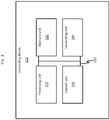
FIG. 3 is a schematic diagram of a local or remote system of the elevator car ofFIG. 2 in accordance with embodiments; and -
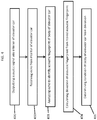
FIG. 4 is a flow diagram illustrating a method of executing an acoustic integrity check of an interior of a body of an elevator car in accordance with embodiments. - These and other advantages and features will become more apparent from the following description taken in conjunction with the drawings.
- As will be described below, an elevator car is provided with the capability of executing an acoustic integrity check that distinguishes between a base acoustic fingerprint of the elevator car and an acoustic fingerprint of the elevator car in a damaged condition with or without people and/or cargo occupying the interior of the elevator car.
- With reference to
FIG. 1 , anelevator system 101 is provided for use in a building, such as an office or an apartment building, for example. As shown inFIG. 1 , theelevator system 101 includes one ormore hoistways 110 that traverse one or more floors of the building,elevator cars 120 that move from floor to floor within thehoistways 110 and acontrol system 130 that controls the movements of each of theelevator cars 120. - With continued reference to
FIG. 1 and with additional reference toFIG. 2 , eachelevator car 120 includes abody 210 defining aninterior 211 to accommodate at least one of passengers and cargo, one or more doors (not shown) that provide access to theinterior 211, a panel (not shown), anacoustic response device 240 and a local orremote system 250. Thebody 210 can include afloor 212, aceiling 213 and one ormore sidewalls 214. The one or more doors can be provided in the one ormore sidewalls 214 and can open or close to allow for ingress and egress with respect to theinterior 211 and to prevent ingress and egress while theelevator car 120 is in motion. The panel can be housed in asidewall 214 and includes buttons by which users can control operations of theelevator car 120 as well as alarm and communication devices that allow users to report issues. Although not specifically shown, theelevator car 120 can also include systems by which the elevator car 120 interfaces with rails and pulleys of thecontrol system 130 and brakes that prevent undesirable movement of theelevator car 120 along the rails. - In accordance with embodiments, at least one of the
acoustic response device 240 and the local orremote system 250 are at least one of battery powered (seebattery 251 inFIG. 2 ), powered by harvested energy from light in the elevator car 130 (see thelight fixture 215 inFIG. 2 ) and hard-wired. - In accordance with embodiments, the
elevator car 130 can further include one or moreadditional sensors 260. The one or moreadditional sensors 260 can include, but are not limited to, weight sensors, optical sensors to sense an amount of light in theinterior 211, sound sensors, temperature sensors, cameras, etc. - The
acoustic response device 240 is configured to output an acoustic signal into theinterior 211 and to receive an echo of the acoustic signal from theinterior 211. Theacoustic response device 240 is at least partially controllable by the local orremote system 250 whereby the local orremote system 250 can cause theacoustic response device 240 to output the acoustic signal and to receive the echo in accordance with at least one of a predefined schedule, certain instances occurring, varying elevator states being in effect, etc. Theacoustic response device 240 can include aspeaker 241 and amicrophone 242. Thespeaker 241 outputs the acoustic signal into theinterior 211 and themicrophone 242 receives the echo from theinterior 211. Thespeaker 241 can be provided as a single speaker or as a plurality ofspeakers 241 that are deployed throughout thebody 210 and operable dependently or independently of one another. The speaker(s) 241 can output the acoustic signal at varying frequencies including, but not limited to, audible frequencies, infrasound frequencies, ultrasound frequencies, etc. The microphone 242 can also be provided as a single microphone or as a plurality ofmicrophones 242 that are deployed throughout the body and operable dependently or independently of one another. The microphone(s) 242 can be configured to scan for multiple frequencies including, but not limited to, resonant frequencies of thebody 210 for maximizing a response and for achieving a maximized sensitivity. - It is to be understood that, while the
speaker 241 and themicrophone 242 ofFIG. 2 are shown on theceiling 213 of thebody 210 of theelevator car 130, they may be placed at any desired location within or on thebody 210 of theelevator car 130. - With continued reference to
FIGS. 1 and2 and with additional reference toFIG. 3 , the local orremote system 250 is coupled to theacoustic response device 240 and is configured to analyze the echo received by the microphone(s) 242 and to determine, from results of the analysis, a condition of thebody 210. In accordance with embodiments, the condition of thebody 210 can include, but is not limited to, an integrity of thebody 210. As used herein, the integrity of thebody 210 is a measure of an amount of damage experienced or exhibited by thebody 210. As shown inFIG. 3 , the local orremote system 250 includes aprocessing unit 310, amemory unit 320, acontrol unit 330, anetworking unit 340 and abus 350 by which theprocessing unit 310, thememory unit 320, thecontrol unit 330 and thenetworking unit 340 are communicative. - It is to be understood that the local or
remote system 250 can be a part or component of an elevator controller, a stand-alone unit, embodied in the cloud or embodied in an application of a mechanic's hand-held device, smartphone or any other type of portable computing device. - The
memory unit 320 has executable instructions stored thereon, which are readable and executable by theprocessing unit 310. When they are read and executed by theprocessing unit 310, the executable instructions cause theprocessing unit 310 to operate as described herein (operations of the local orremote system 250 described below are interchangeable with processing operations of the processing unit 310). Thecontrol unit 330 is instructed by theprocessing unit 310 to control various operations of the speaker(s) 241 and the microphone(s) 242 of theacoustic response device 240. Thenetworking unit 340 is communicative with thecontrol system 130 and with other external computing systems (e.g., an edge or cloud AI, cell networks: 4g, NB-IoT, cat M1, Lora, Sigfox, weightless, etc., using secure internet protocols such as UDP, TCP, etc., with payload and messaging encryption such as AES 256, for example). - In accordance with embodiments, the local or
remote system 250 can control theacoustic response device 240 to operate at certain times. These certain times include, for example, an installation time before theelevator car 130 has been in use for a significant amount of time and thus has experienced or exhibits little to no damage and times when theelevator car 130 is known to be occupied by at least one or more of one or more passengers and one or more items of cargo (hereinafter referred to as varying elevator states). The operation of theacoustic response device 240 at the installation time allows the local orremote system 250 to establish a base acoustic fingerprint of theelevator car 130 and the operation of theacoustic response device 240 at the times when theelevator car 130 is known to be occupied allows the local orremote system 250 to establish acoustic fingerprints of theelevator car 130 at varying elevator states. - The establishment of the base acoustic fingerprint of the
elevator car 130 can be accomplished by varying processes that all generally include the operation of the speaker(s) 241 and the microphone(s) 242 by thecontrol unit 330. In an exemplary case, the varying processes further includes a recording of the echo received by the microphone(s) 242 in thememory unit 320 and an analysis of the recorded echo by theprocessing unit 310 to identify the base acoustic fingerprint of thebody 210. The analysis can involve an execution of a fast Fourier transform (FFT) by theprocessing unit 310. The establishment of the acoustic fingerprints of theelevator car 130 at the varying elevator states can be accomplished by similar processes. - During a lifetime of the
elevator car 130, the local orremote system 250 can control theacoustic response device 240 to operate at additional times in accordance with a predefined schedule and the occurrences of certain instances. In any case, the local orremote system 250 controls theacoustic response device 240 to operate at the additional times in order to identify further or current acoustic fingerprints of thebody 210 so as to ascertain the condition of thebody 210. To this end, the identification of the further or current acoustic fingerprints of thebody 210 can be accomplished similarly as described above whereupon the local orremote system 250 determines the condition of thebody 210 from a deviation of the further or current acoustic fingerprints from one or more stored acoustic fingerprints (i.e., the base acoustic fingerprint and/or the acoustic fingerprints of theelevator car 130 at the varying elevator states). - In accordance with embodiments, the local or
remote system 250 can access one or more locally or remotely stored algorithms (i.e., the Cloud AI) for learning to or for improving on its calculation of the deviation. In addition, the local orremote system 250 accounts for differing elevator states in calculating the deviation. That is, the local or remote system may only compare the current acoustic fingerprint of theelevator car 130 in a state in which theelevator car 130 is occupied by a single passenger to a previous acoustic fingerprint of theelevator car 130 which was known to have been in a state in which theelevator car 130 was similarly occupied by a single passenger. Thus, to an extent that the deviation exists between the current and previous acoustic states, the local orremote system 250 can assume it is not due to a different elevator state being in effect. - In accordance with further embodiments, the local or
remote system 250 can be further configured to identify and confirm a state of theelevator car 130 and to confirm the condition of thebody 210 based on readings of the one or moreadditional sensors 260. That is, sensor fusion information generated by the one or more additional sensors 260 (e.g., operational noise, light, acceleration, PIR, air pressure, etc.) can allow the local orremote system 250 to separate individual operational status instances of theelevator car 130 as well as to identify modes and positions of theelevator car 130 for more precise sensitivity and false positive elimination. - In an exemplary case, where the one or more
additional sensors 260 include weight sensors on thefloor 212 of thebody 210 of theelevator body 130, readings of these weight sensors can be used by the local orremote system 250 to confirm that theelevator car 130 is occupied by a certain number of individuals (e.g., one adult and 2 children). Since these individuals will affect the acoustic fingerprint of thebody 210, in an event the local orremote system 250 operates theacoustic response device 240 in this instance, the calculating of the deviation will involve the resulting acoustic fingerprint being compared against a stored acoustic fingerprint, which was taken at an earlier time when theelevator car 130 was also occupied by the certain number of individuals (ideally, one adult and two children). - With reference to
FIG. 4 , a method of executing an acoustic integrity check of theinterior 211 of thebody 210 of theelevator car 130 as described above is provided. As shown inFIG. 4 , the method includes outputting an acoustic signal into the interior (401), receiving an echo of the acoustic signal from the interior (402), analyzing the echo to identify an acoustic fingerprint of the body (403), calculating a deviation of the acoustic fingerprint from a stored acoustic fingerprint while taking into account differing elevator states among other factors (404) and determining a condition of the body from the deviation (405). - Technical effects and benefits of the present disclosure are the provision of an elevator car that can be serviced and maintained on a basis of a sensed condition and which allows for additional information about its integrity to be obtained. The systems described herein can be installed in an elevator car relatively easily, quickly and with reduced costs and allow for robust communications.
- While the disclosure is provided in detail in connection with only a limited number of embodiments, it should be readily understood that the disclosure is not limited to such disclosed embodiments. Rather, the disclosure can be modified to incorporate any number of variations, alterations, substitutions or equivalent arrangements not heretofore described, but which are commensurate with the scope of the claims. Additionally, while various embodiments of the disclosure have been described, it is to be understood that the exemplary embodiments) may include only some of the described exemplary aspects. Accordingly, the disclosure is not to be seen as limited by the foregoing description, but is only limited by the scope of the appended claims.
Claims (15)
- An elevator car, comprising:a body;an acoustic response device; anda local or remote system configured to control an operation of the acoustic response device whereby an acoustic integrity check to determine a condition of the body is executable by the local or remote system.
- The elevator car according to claim 1, wherein the acoustic response device comprises:a speaker to output an acoustic signal into an interior of the body; anda microphone to receive and record the echo from the interior.
- The elevator car according to claim 2, wherein the microphone scans for multiple acoustic frequencies comprising resonant frequencies of the body.
- The elevator car according to claim 2 or 3, wherein:the speaker is provided as one or a plurality of speaker elements, andthe microphone is provided as one or a plurality of microphone elements.
- The elevator car according to any preceding claim, wherein the local or remote system identifies an acoustic fingerprint of the body and determines the condition of the body from a deviation of the acoustic fingerprint from a stored acoustic fingerprint.
- An elevator car, comprising:a body defining an interior to accommodate at least one of passengers and cargo;an acoustic response device configured to output an acoustic signal into the interior and to receive an echo of the acoustic signal from the interior; anda local or remote system coupled to the acoustic response device and configured to analyze the echo and to determine, from analysis results, a condition of the body.
- The elevator car according to claim 6, wherein the acoustic response device is controllable by the local or remote system and comprises:a speaker to output the acoustic signal into the interior; anda microphone to receive and record the echo from the interior;optionally wherein the microphone scans for multiple acoustic frequencies comprising resonant frequencies of the body.
- The elevator car according to claim 7, wherein:the speaker is provided as one or a plurality of speaker elements deployed at various locations throughout the body, andthe microphone is provided as one or a plurality of microphone elements deployed at various locations throughout the body.
- The elevator car according to any of claims 2-8, wherein the acoustic signal is at least one of an infrasound signal and an ultrasound signal.
- The elevator car according to any of claims 6-9, wherein the local or remote system analyzes the echo to identify an acoustic fingerprint of the body and determines the condition of the body from a deviation of the acoustic fingerprint from a stored acoustic fingerprint.
- The elevator car according to claim 5 or 10, wherein at least one of:the stored acoustic fingerprint is a base acoustic fingerprint,the local or remote system accesses one or more locally or remotely stored algorithms for learning to calculate the deviation, andthe local or remote system accounts for differing elevator states in calculating the deviation.
- The elevator car according to any preceding claim, wherein at least one of the acoustic response device and the local or remote system are at least one of battery powered and powered by harvested energy.
- The elevator car according to any preceding claim, wherein the elevator car further comprises one or more additional sensors and the local or remote system is further configured to confirm the condition of the body based on readings of the one or more additional sensors.
- A method of executing an acoustic integrity check of an interior of a body of an elevator car, the method comprising:outputting an acoustic signal into the interior;receiving an echo of the acoustic signal from the interior;analyzing the echo to identify an acoustic fingerprint of the body;calculating a deviation of the acoustic fingerprint from a stored acoustic fingerprint; anddetermining a condition of the body from the deviation.
- The method according to claim 14, wherein the calculating of the deviation comprises accounting for differing elevator states.
Applications Claiming Priority (1)
| Application Number | Priority Date | Filing Date | Title |
|---|---|---|---|
| US16/681,308 US11724911B2 (en) | 2019-11-12 | 2019-11-12 | Elevator car acoustic integrity check |
Publications (2)
| Publication Number | Publication Date |
|---|---|
| EP3862307A1 true EP3862307A1 (en) | 2021-08-11 |
| EP3862307B1 EP3862307B1 (en) | 2025-01-08 |
Family
ID=73343834
Family Applications (1)
| Application Number | Title | Priority Date | Filing Date |
|---|---|---|---|
| EP20206811.0A Active EP3862307B1 (en) | 2019-11-12 | 2020-11-10 | Elevator car acoustic integrity check |
Country Status (3)
| Country | Link |
|---|---|
| US (1) | US11724911B2 (en) |
| EP (1) | EP3862307B1 (en) |
| CN (1) | CN112850401B (en) |
Families Citing this family (1)
| Publication number | Priority date | Publication date | Assignee | Title |
|---|---|---|---|---|
| US11724911B2 (en) * | 2019-11-12 | 2023-08-15 | Otis Elevator Company | Elevator car acoustic integrity check |
Citations (4)
| Publication number | Priority date | Publication date | Assignee | Title |
|---|---|---|---|---|
| WO2007020322A1 (en) * | 2005-08-19 | 2007-02-22 | Kone Corporation | Positioning method in an elevator system |
| JP2009215060A (en) * | 2008-03-13 | 2009-09-24 | Nec Infrontia Corp | Sensor information report system, sensor information report system for elevator, and sensor information report method |
| WO2018151403A2 (en) * | 2017-02-16 | 2018-08-23 | 한국승강기안전공단 | System for measuring noise, vibration, and running speed of elevator and escalator |
| CN110407051A (en) * | 2019-08-02 | 2019-11-05 | 杭州岁丰信息技术有限公司 | A kind of identification lift running safety monitoring of audio-video and pacify system |
Family Cites Families (16)
| Publication number | Priority date | Publication date | Assignee | Title |
|---|---|---|---|---|
| JP2007031086A (en) | 2005-07-27 | 2007-02-08 | Toshiba Elevator Co Ltd | Elevator and elevator system |
| JP2009274805A (en) | 2008-05-14 | 2009-11-26 | Hitachi Ltd | Elevator malfunction detecting device |
| JP4876136B2 (en) * | 2009-02-17 | 2012-02-15 | 株式会社日立製作所 | Abnormality diagnosis apparatus and abnormality diagnosis method |
| JP5833995B2 (en) * | 2012-10-05 | 2015-12-16 | 株式会社日立ビルシステム | Elevator abnormality monitoring device |
| CN108476368A (en) | 2015-12-29 | 2018-08-31 | 奥的斯电梯公司 | The method of adjustment of acoustics Communication System for Elevator and this system |
| WO2017160294A1 (en) * | 2016-03-17 | 2017-09-21 | Nuance Communications, Inc. | Spectral estimation of room acoustic parameters |
| CN108698786B (en) | 2016-03-31 | 2020-04-21 | 株式会社日立制作所 | Confirmation method and elevator control device of internal telephone call function |
| US10983210B2 (en) * | 2017-09-25 | 2021-04-20 | Otis Elevator Company | Elevator sensor array system |
| EP3575258A1 (en) * | 2018-05-30 | 2019-12-04 | Otis Elevator Company | Wireless sensor for conveyance system monitoring |
| US10440498B1 (en) * | 2018-11-05 | 2019-10-08 | Facebook Technologies, Llc | Estimating room acoustic properties using microphone arrays |
| US11795032B2 (en) * | 2018-11-13 | 2023-10-24 | Otis Elevator Company | Monitoring system |
| US11112389B1 (en) * | 2019-01-30 | 2021-09-07 | Facebook Technologies, Llc | Room acoustic characterization using sensors |
| US12006184B2 (en) * | 2019-05-13 | 2024-06-11 | Otis Elevator Company | Elevator health status ranking out of acceleration maximum values |
| KR102845979B1 (en) * | 2019-05-20 | 2025-08-12 | 삼성전자주식회사 | directional acoustic sensor and method of detecting distance from sound source using the directional acoustic sensor |
| US12202705B2 (en) * | 2019-09-20 | 2025-01-21 | Otis Elevator Company | Estimation and presentation of area of interest for condition based monitoring on doors: door health heat map |
| US11724911B2 (en) * | 2019-11-12 | 2023-08-15 | Otis Elevator Company | Elevator car acoustic integrity check |
-
2019
- 2019-11-12 US US16/681,308 patent/US11724911B2/en active Active
-
2020
- 2020-11-10 EP EP20206811.0A patent/EP3862307B1/en active Active
- 2020-11-12 CN CN202011259292.2A patent/CN112850401B/en active Active
Patent Citations (4)
| Publication number | Priority date | Publication date | Assignee | Title |
|---|---|---|---|---|
| WO2007020322A1 (en) * | 2005-08-19 | 2007-02-22 | Kone Corporation | Positioning method in an elevator system |
| JP2009215060A (en) * | 2008-03-13 | 2009-09-24 | Nec Infrontia Corp | Sensor information report system, sensor information report system for elevator, and sensor information report method |
| WO2018151403A2 (en) * | 2017-02-16 | 2018-08-23 | 한국승강기안전공단 | System for measuring noise, vibration, and running speed of elevator and escalator |
| CN110407051A (en) * | 2019-08-02 | 2019-11-05 | 杭州岁丰信息技术有限公司 | A kind of identification lift running safety monitoring of audio-video and pacify system |
Also Published As
| Publication number | Publication date |
|---|---|
| EP3862307B1 (en) | 2025-01-08 |
| CN112850401A (en) | 2021-05-28 |
| US20210139276A1 (en) | 2021-05-13 |
| US11724911B2 (en) | 2023-08-15 |
| CN112850401B (en) | 2023-03-24 |
Similar Documents
| Publication | Publication Date | Title |
|---|---|---|
| US11634301B2 (en) | System and method for detection of a malfunction in an elevator | |
| EP3628626B1 (en) | Elevator system | |
| JP5020222B2 (en) | Air conditioner | |
| JP5513456B2 (en) | Elevator abnormality diagnosis apparatus and method | |
| ES2403104T3 (en) | Remote observable analysis for an elevator system | |
| JP7235499B2 (en) | Platform door condition diagnosis system, platform door condition diagnosis method | |
| US11981539B2 (en) | System for detecting elevator movement | |
| CN109132757A (en) | Escalator monitoring device and system | |
| JP5191658B2 (en) | Elevator control device | |
| US20200223660A1 (en) | Remote monitoring system and a method for remotely monitoring an elevator system | |
| CN114955761B (en) | Elevator trapped-state detection method and system, storage medium and intelligent terminal | |
| US11724911B2 (en) | Elevator car acoustic integrity check | |
| CN114380159B (en) | Elevator monitoring system | |
| EP3640188B1 (en) | Continuous quality monitoring of a conveyance system | |
| CN116101864B (en) | An elevator door system fault diagnosis method and system based on sound recognition technology | |
| KR20160125763A (en) | Security and surveillance system and method for elevator | |
| JP5610853B2 (en) | System monitoring apparatus, system monitoring method, and program | |
| JP2019099356A (en) | Robot inspection system and robot inspection method | |
| JPH0570053A (en) | Elevator automatic inspection operation device | |
| WO2023112253A1 (en) | Elevator control device, elevator system, elevator control method, and elevator control program | |
| US20210163258A1 (en) | Elevator control cabinet with a voice communications apparatus and method for monitoring a cabinet door | |
| CN116438132B (en) | Methods for identifying changes in a monitored area | |
| JP2023078035A (en) | Abnormality detection system for parking facilities | |
| HK40067071A (en) | Monitoring of a door of an elevator | |
| HK40067071B (en) | Monitoring of a door of an elevator |
Legal Events
| Date | Code | Title | Description |
|---|---|---|---|
| PUAI | Public reference made under article 153(3) epc to a published international application that has entered the european phase |
Free format text: ORIGINAL CODE: 0009012 |
|
| STAA | Information on the status of an ep patent application or granted ep patent |
Free format text: STATUS: THE APPLICATION HAS BEEN PUBLISHED |
|
| AK | Designated contracting states |
Kind code of ref document: A1 Designated state(s): AL AT BE BG CH CY CZ DE DK EE ES FI FR GB GR HR HU IE IS IT LI LT LU LV MC MK MT NL NO PL PT RO RS SE SI SK SM TR |
|
| STAA | Information on the status of an ep patent application or granted ep patent |
Free format text: STATUS: REQUEST FOR EXAMINATION WAS MADE |
|
| 17P | Request for examination filed |
Effective date: 20220211 |
|
| RBV | Designated contracting states (corrected) |
Designated state(s): AL AT BE BG CH CY CZ DE DK EE ES FI FR GB GR HR HU IE IS IT LI LT LU LV MC MK MT NL NO PL PT RO RS SE SI SK SM TR |
|
| STAA | Information on the status of an ep patent application or granted ep patent |
Free format text: STATUS: EXAMINATION IS IN PROGRESS |
|
| 17Q | First examination report despatched |
Effective date: 20230310 |
|
| GRAP | Despatch of communication of intention to grant a patent |
Free format text: ORIGINAL CODE: EPIDOSNIGR1 |
|
| STAA | Information on the status of an ep patent application or granted ep patent |
Free format text: STATUS: GRANT OF PATENT IS INTENDED |
|
| INTG | Intention to grant announced |
Effective date: 20240731 |
|
| GRAS | Grant fee paid |
Free format text: ORIGINAL CODE: EPIDOSNIGR3 |
|
| GRAA | (expected) grant |
Free format text: ORIGINAL CODE: 0009210 |
|
| STAA | Information on the status of an ep patent application or granted ep patent |
Free format text: STATUS: THE PATENT HAS BEEN GRANTED |
|
| AK | Designated contracting states |
Kind code of ref document: B1 Designated state(s): AL AT BE BG CH CY CZ DE DK EE ES FI FR GB GR HR HU IE IS IT LI LT LU LV MC MK MT NL NO PL PT RO RS SE SI SK SM TR |
|
| REG | Reference to a national code |
Ref country code: GB Ref legal event code: FG4D |
|
| REG | Reference to a national code |
Ref country code: CH Ref legal event code: EP |
|
| REG | Reference to a national code |
Ref country code: DE Ref legal event code: R096 Ref document number: 602020044432 Country of ref document: DE |
|
| REG | Reference to a national code |
Ref country code: IE Ref legal event code: FG4D |
|
| REG | Reference to a national code |
Ref country code: LT Ref legal event code: MG9D |
|
| REG | Reference to a national code |
Ref country code: NL Ref legal event code: MP Effective date: 20250108 |
|
| REG | Reference to a national code |
Ref country code: AT Ref legal event code: MK05 Ref document number: 1758210 Country of ref document: AT Kind code of ref document: T Effective date: 20250108 |
|
| PG25 | Lapsed in a contracting state [announced via postgrant information from national office to epo] |
Ref country code: NL Free format text: LAPSE BECAUSE OF FAILURE TO SUBMIT A TRANSLATION OF THE DESCRIPTION OR TO PAY THE FEE WITHIN THE PRESCRIBED TIME-LIMIT Effective date: 20250108 |
|
| PG25 | Lapsed in a contracting state [announced via postgrant information from national office to epo] |
Ref country code: RS Free format text: LAPSE BECAUSE OF FAILURE TO SUBMIT A TRANSLATION OF THE DESCRIPTION OR TO PAY THE FEE WITHIN THE PRESCRIBED TIME-LIMIT Effective date: 20250408 |
|
| PG25 | Lapsed in a contracting state [announced via postgrant information from national office to epo] |
Ref country code: FI Free format text: LAPSE BECAUSE OF FAILURE TO SUBMIT A TRANSLATION OF THE DESCRIPTION OR TO PAY THE FEE WITHIN THE PRESCRIBED TIME-LIMIT Effective date: 20250108 |
|
| PG25 | Lapsed in a contracting state [announced via postgrant information from national office to epo] |
Ref country code: PL Free format text: LAPSE BECAUSE OF FAILURE TO SUBMIT A TRANSLATION OF THE DESCRIPTION OR TO PAY THE FEE WITHIN THE PRESCRIBED TIME-LIMIT Effective date: 20250108 |
|
| PG25 | Lapsed in a contracting state [announced via postgrant information from national office to epo] |
Ref country code: ES Free format text: LAPSE BECAUSE OF FAILURE TO SUBMIT A TRANSLATION OF THE DESCRIPTION OR TO PAY THE FEE WITHIN THE PRESCRIBED TIME-LIMIT Effective date: 20250108 |
|
| PG25 | Lapsed in a contracting state [announced via postgrant information from national office to epo] |
Ref country code: IS Free format text: LAPSE BECAUSE OF FAILURE TO SUBMIT A TRANSLATION OF THE DESCRIPTION OR TO PAY THE FEE WITHIN THE PRESCRIBED TIME-LIMIT Effective date: 20250508 Ref country code: NO Free format text: LAPSE BECAUSE OF FAILURE TO SUBMIT A TRANSLATION OF THE DESCRIPTION OR TO PAY THE FEE WITHIN THE PRESCRIBED TIME-LIMIT Effective date: 20250408 |
|
| PG25 | Lapsed in a contracting state [announced via postgrant information from national office to epo] |
Ref country code: HR Free format text: LAPSE BECAUSE OF FAILURE TO SUBMIT A TRANSLATION OF THE DESCRIPTION OR TO PAY THE FEE WITHIN THE PRESCRIBED TIME-LIMIT Effective date: 20250108 |
|
| PG25 | Lapsed in a contracting state [announced via postgrant information from national office to epo] |
Ref country code: LV Free format text: LAPSE BECAUSE OF FAILURE TO SUBMIT A TRANSLATION OF THE DESCRIPTION OR TO PAY THE FEE WITHIN THE PRESCRIBED TIME-LIMIT Effective date: 20250108 Ref country code: PT Free format text: LAPSE BECAUSE OF FAILURE TO SUBMIT A TRANSLATION OF THE DESCRIPTION OR TO PAY THE FEE WITHIN THE PRESCRIBED TIME-LIMIT Effective date: 20250508 |
|
| PG25 | Lapsed in a contracting state [announced via postgrant information from national office to epo] |
Ref country code: GR Free format text: LAPSE BECAUSE OF FAILURE TO SUBMIT A TRANSLATION OF THE DESCRIPTION OR TO PAY THE FEE WITHIN THE PRESCRIBED TIME-LIMIT Effective date: 20250409 Ref country code: BG Free format text: LAPSE BECAUSE OF FAILURE TO SUBMIT A TRANSLATION OF THE DESCRIPTION OR TO PAY THE FEE WITHIN THE PRESCRIBED TIME-LIMIT Effective date: 20250108 |
|
| PG25 | Lapsed in a contracting state [announced via postgrant information from national office to epo] |
Ref country code: AT Free format text: LAPSE BECAUSE OF FAILURE TO SUBMIT A TRANSLATION OF THE DESCRIPTION OR TO PAY THE FEE WITHIN THE PRESCRIBED TIME-LIMIT Effective date: 20250108 |
|
| PG25 | Lapsed in a contracting state [announced via postgrant information from national office to epo] |
Ref country code: SE Free format text: LAPSE BECAUSE OF FAILURE TO SUBMIT A TRANSLATION OF THE DESCRIPTION OR TO PAY THE FEE WITHIN THE PRESCRIBED TIME-LIMIT Effective date: 20250108 |
|
| PG25 | Lapsed in a contracting state [announced via postgrant information from national office to epo] |
Ref country code: SM Free format text: LAPSE BECAUSE OF FAILURE TO SUBMIT A TRANSLATION OF THE DESCRIPTION OR TO PAY THE FEE WITHIN THE PRESCRIBED TIME-LIMIT Effective date: 20250108 |
|
| REG | Reference to a national code |
Ref country code: DE Ref legal event code: R097 Ref document number: 602020044432 Country of ref document: DE |
|
| PG25 | Lapsed in a contracting state [announced via postgrant information from national office to epo] |
Ref country code: DK Free format text: LAPSE BECAUSE OF FAILURE TO SUBMIT A TRANSLATION OF THE DESCRIPTION OR TO PAY THE FEE WITHIN THE PRESCRIBED TIME-LIMIT Effective date: 20250108 |
|
| PG25 | Lapsed in a contracting state [announced via postgrant information from national office to epo] |
Ref country code: EE Free format text: LAPSE BECAUSE OF FAILURE TO SUBMIT A TRANSLATION OF THE DESCRIPTION OR TO PAY THE FEE WITHIN THE PRESCRIBED TIME-LIMIT Effective date: 20250108 Ref country code: CZ Free format text: LAPSE BECAUSE OF FAILURE TO SUBMIT A TRANSLATION OF THE DESCRIPTION OR TO PAY THE FEE WITHIN THE PRESCRIBED TIME-LIMIT Effective date: 20250108 |
|
| PG25 | Lapsed in a contracting state [announced via postgrant information from national office to epo] |
Ref country code: RO Free format text: LAPSE BECAUSE OF FAILURE TO SUBMIT A TRANSLATION OF THE DESCRIPTION OR TO PAY THE FEE WITHIN THE PRESCRIBED TIME-LIMIT Effective date: 20250108 |
|
| PG25 | Lapsed in a contracting state [announced via postgrant information from national office to epo] |
Ref country code: SK Free format text: LAPSE BECAUSE OF FAILURE TO SUBMIT A TRANSLATION OF THE DESCRIPTION OR TO PAY THE FEE WITHIN THE PRESCRIBED TIME-LIMIT Effective date: 20250108 |
|
| PLBE | No opposition filed within time limit |
Free format text: ORIGINAL CODE: 0009261 |
|
| STAA | Information on the status of an ep patent application or granted ep patent |
Free format text: STATUS: NO OPPOSITION FILED WITHIN TIME LIMIT |
|
| 26N | No opposition filed |
Effective date: 20251009 |
|
| PGFP | Annual fee paid to national office [announced via postgrant information from national office to epo] |
Ref country code: DE Payment date: 20251022 Year of fee payment: 6 |
|
| PGFP | Annual fee paid to national office [announced via postgrant information from national office to epo] |
Ref country code: FR Payment date: 20251022 Year of fee payment: 6 |
|
| PG25 | Lapsed in a contracting state [announced via postgrant information from national office to epo] |
Ref country code: IT Free format text: LAPSE BECAUSE OF FAILURE TO SUBMIT A TRANSLATION OF THE DESCRIPTION OR TO PAY THE FEE WITHIN THE PRESCRIBED TIME-LIMIT Effective date: 20250108 |