EP3859467A1 - Information processing device and information processing method - Google Patents
Information processing device and information processing method Download PDFInfo
- Publication number
- EP3859467A1 EP3859467A1 EP18945298.0A EP18945298A EP3859467A1 EP 3859467 A1 EP3859467 A1 EP 3859467A1 EP 18945298 A EP18945298 A EP 18945298A EP 3859467 A1 EP3859467 A1 EP 3859467A1
- Authority
- EP
- European Patent Office
- Prior art keywords
- work
- area
- information processing
- processing apparatus
- machines
- Prior art date
- Legal status (The legal status is an assumption and is not a legal conclusion. Google has not performed a legal analysis and makes no representation as to the accuracy of the status listed.)
- Granted
Links
Images


Classifications
-
- G—PHYSICS
- G06—COMPUTING OR CALCULATING; COUNTING
- G06Q—INFORMATION AND COMMUNICATION TECHNOLOGY [ICT] SPECIALLY ADAPTED FOR ADMINISTRATIVE, COMMERCIAL, FINANCIAL, MANAGERIAL OR SUPERVISORY PURPOSES; SYSTEMS OR METHODS SPECIALLY ADAPTED FOR ADMINISTRATIVE, COMMERCIAL, FINANCIAL, MANAGERIAL OR SUPERVISORY PURPOSES, NOT OTHERWISE PROVIDED FOR
- G06Q10/00—Administration; Management
- G06Q10/06—Resources, workflows, human or project management; Enterprise or organisation planning; Enterprise or organisation modelling
- G06Q10/063—Operations research, analysis or management
- G06Q10/0631—Resource planning, allocation, distributing or scheduling for enterprises or organisations
- G06Q10/06315—Needs-based resource requirements planning or analysis
-
- A—HUMAN NECESSITIES
- A01—AGRICULTURE; FORESTRY; ANIMAL HUSBANDRY; HUNTING; TRAPPING; FISHING
- A01D—HARVESTING; MOWING
- A01D34/00—Mowers; Mowing apparatus of harvesters
- A01D34/006—Control or measuring arrangements
-
- G—PHYSICS
- G06—COMPUTING OR CALCULATING; COUNTING
- G06Q—INFORMATION AND COMMUNICATION TECHNOLOGY [ICT] SPECIALLY ADAPTED FOR ADMINISTRATIVE, COMMERCIAL, FINANCIAL, MANAGERIAL OR SUPERVISORY PURPOSES; SYSTEMS OR METHODS SPECIALLY ADAPTED FOR ADMINISTRATIVE, COMMERCIAL, FINANCIAL, MANAGERIAL OR SUPERVISORY PURPOSES, NOT OTHERWISE PROVIDED FOR
- G06Q10/00—Administration; Management
- G06Q10/06—Resources, workflows, human or project management; Enterprise or organisation planning; Enterprise or organisation modelling
- G06Q10/063—Operations research, analysis or management
- G06Q10/0631—Resource planning, allocation, distributing or scheduling for enterprises or organisations
- G06Q10/06311—Scheduling, planning or task assignment for a person or group
- G06Q10/063112—Skill-based matching of a person or a group to a task
-
- G—PHYSICS
- G06—COMPUTING OR CALCULATING; COUNTING
- G06Q—INFORMATION AND COMMUNICATION TECHNOLOGY [ICT] SPECIALLY ADAPTED FOR ADMINISTRATIVE, COMMERCIAL, FINANCIAL, MANAGERIAL OR SUPERVISORY PURPOSES; SYSTEMS OR METHODS SPECIALLY ADAPTED FOR ADMINISTRATIVE, COMMERCIAL, FINANCIAL, MANAGERIAL OR SUPERVISORY PURPOSES, NOT OTHERWISE PROVIDED FOR
- G06Q10/00—Administration; Management
- G06Q10/06—Resources, workflows, human or project management; Enterprise or organisation planning; Enterprise or organisation modelling
- G06Q10/063—Operations research, analysis or management
- G06Q10/0631—Resource planning, allocation, distributing or scheduling for enterprises or organisations
- G06Q10/06311—Scheduling, planning or task assignment for a person or group
- G06Q10/063114—Status monitoring or status determination for a person or group
-
- G—PHYSICS
- G06—COMPUTING OR CALCULATING; COUNTING
- G06Q—INFORMATION AND COMMUNICATION TECHNOLOGY [ICT] SPECIALLY ADAPTED FOR ADMINISTRATIVE, COMMERCIAL, FINANCIAL, MANAGERIAL OR SUPERVISORY PURPOSES; SYSTEMS OR METHODS SPECIALLY ADAPTED FOR ADMINISTRATIVE, COMMERCIAL, FINANCIAL, MANAGERIAL OR SUPERVISORY PURPOSES, NOT OTHERWISE PROVIDED FOR
- G06Q10/00—Administration; Management
- G06Q10/06—Resources, workflows, human or project management; Enterprise or organisation planning; Enterprise or organisation modelling
- G06Q10/063—Operations research, analysis or management
- G06Q10/0631—Resource planning, allocation, distributing or scheduling for enterprises or organisations
- G06Q10/06313—Resource planning in a project environment
Definitions
- the present invention relates to an information processing apparatus and an information processing method.
- Patent Documents 1 and 2 propose a coordination control system for performing work by sharing the work among a plurality of work vehicles.
- Patent Documents it is aimed to efficiently perform work using work vehicles that have been allocated for the work.
- work vehicles that have been allocated for the work.
- the purpose of some aspects of the present invention is to provide a technique for appropriately determining the number and/or ratio of a plurality of types of work machines.
- an information processing apparatus characterized by including obtaining means for obtaining a work history of work performed by a plurality of types of work machines; and determination means for determining a number or ratio of work machines that perform work in an area to be subjected to work, based on the work history.
- Some embodiments of the present invention relate to an information processing apparatus that can be used by a vendor that performs work using a plurality of types of work machines.
- landscaping work that is performed in a work area using two or more types out of a ride-on lawn mower, a walk-behind lawn mower, and a blower is handled as an example of work.
- the ride-on lawn mower is a work machine for a worker to ride on and perform lawn mowing.
- the ride-on lawn mower is an example of a work vehicle.
- the walk-behind lawn mower is a work machine for a worker to perform lawn mowing while walking.
- the blower is a work machine for a worker to perform blowing of lawn grass while walking. Some types out of these work machines do not need to be used for landscaping work. Also, another type of work machine such as a robot lawn mower may also be used for landscaping work.
- landscaping work is handled as an example of work, but there is no limitation to landscaping work, and the present invention may also be applied to agricultural work, snow-plowing work, and the like, and, in this case, examples of a work machine include a cultivator and a snowplow, and there is no limitation to a lawn mower.
- the information processing apparatus 100 includes a processor 101, a memory 102, an input unit 103, an output unit 104, a communication unit 105, and a storage unit 106.
- the processor 101 performs overall processing of the information processing apparatus 100. The processing content will be described later in detail.
- the processor 101 may be a single processor, or may also be a plurality of separate processors.
- the processor 101 functions as a CPU or a GPU, for example.
- the memory 102 stores programs and data used for processing performed by the information processing apparatus 100.
- the memory 102 is constituted by a ROM, a RAM, and the like.
- the input unit 103 is an apparatus for receiving input from the user of the information processing apparatus 100 (for example, a worker of a landscaping team), and is constituted by push buttons, a touch pad, a keyboard, and the like.
- the output unit 104 is an apparatus for outputting information to the user of the information processing apparatus 100, and is constituted by a display, a speaker, and the like.
- the input unit 103 and the output unit 104 may also be constituted by a touch screen.
- the communication unit 105 is an apparatus for the information processing apparatus 100 to communicate with another apparatus. If the communication unit 105 performs wired communication, the communication unit 105 is constituted by a communication port, a network card, and the like. If the communication unit 105 performs wireless communication, the communication unit 105 is constituted by an antenna, a baseband processing circuit, and the like.
- the storage unit 106 stores information used for processing of the information processing apparatus 100.
- the storage unit 106 is constituted by an HDD, SDD, and the like.
- the storage unit 106 of the information processing apparatus 100 stores work machine information 210, work area information 220, and work history information 230.
- the information has a table format.
- the storage unit 106 may store such information in another format.
- the work machine information 210 is information regarding work machines owned by one landscaping vendor.
- a column 211 represents an identifier uniquely allocated for each work machine.
- a column 212 represents a type of work machine. In the column 212, "ride-on” indicates that the work machine is a ride-on lawn mower, "walk-behind” indicates the work machine is a walk-behind lawn mower, and "blower” indicates that the work machine is a blower.
- the work machine information 210 may include other information such as the use period and the model of each work machine.
- the user of the information processing apparatus 100 (for example, the landscaping vendor) registers information regarding work machines that can be used for work, in the work machine information 210.
- the work area information 220 is information regarding work areas in which one landscaping vendor performs work. Each of these work areas may be an area actually subjected to work in the past (existing work area), or may be an area that will be subjected to work the first time (new work area).
- a column 221 represents an identifier uniquely allocated for each work area.
- a column 222 represents information regarding a gradient in the work area. Information regarding a gradient refers to the ratio of a portion of the work area in which the gradient is steep and a ride-on lawn mower cannot perform work, for example. In the example in FIG.
- an area ID in the column 221 is expressed in three stages, namely "large” (i.e., the ratio of a portion in which a ride-on lawn mower cannot perform work is large), “intermediate” (the ratio of such a portion is intermediate), and “small” (the ratio of such a portion is small).
- the way of expressing information regarding a gradient is not limited thereto. For example, a configuration may be adopted in which an inclination angle at which it is difficult for a ride-on lawn mower to travel is determined in advance, the inclination angle is set as a threshold, and information regarding a gradient is calculated based on the ratio of a work area that has an inclination angle that is larger than or equal to the threshold.
- a column 223 represents information regarding an obstacle in each work area.
- the "information regarding an obstacle” refers to the ratio of a portion of the work area in which a ride-on lawn mower cannot perform work due to an obstacle such as a tree and a rock.
- a work ID in a column 231 is expressed in three stages, namely "large” (i.e., the ratio of a portion in which a ride-on lawn mower cannot perform work is large), “intermediate” (the ratio of such a portion is intermediate), and “small” (the ratio of such a portion is small).
- a configuration may be adopted in which the width of a work area that is formed due to an obstacle and in which it is difficult for a ride-on lawn mower to travel is determined in advance, the width is set as a threshold, and information regarding an obstacle is calculated based on the ratio of a work area having a width that is smaller than or equal to the threshold.
- the way of expressing information regarding an obstacle is not limited thereto.
- a column 224 represents the area dimension of each work area (any suitable unit).
- the columns 222 to 224 represent terrain information of each work area.
- the work area information 220 may include other information such as the address of the work area.
- the user of the information processing apparatus 100 (for example, a landscaping vendor) performs research on information regarding the work area, and registers the research result in the work area information 220.
- the user of the information processing apparatus 100 may also update the work area information 220 based on information obtained through work performed using a work machine.
- the work history information 230 is information regarding work performed by one landscaping vendor in the past.
- the column 231 represents an identifier uniquely allocated for each work performed in one work area in one day using one work machine. Work for which at least one of work day, work machine, and work area is different is handled as separate work.
- a column 232 represents an identifier of a work machine used for each work. The identifier in the column 232 has the same numbering system as an identifier in the column 211 of the work machine information 210.
- a column 233 represents an identifier of a work area in which each work has been performed. The identifier in the column 233 has the same numbering system as an identifier of the column 221 of the work area information 220.
- a column 234 represents a date when each work was performed.
- a column 235 represents a work time, for example, a period of time from when the worker reaches the work area until when the worker leaves the work area.
- a column 236 represents an idling time during the work, in other words, a time during which a work unit is stopped while the driving source of the work machine is being driven, for example, a waiting time during work, such as a time during which the work machine is waiting for work of another type of work machine.
- the work machine may include a detection unit that detects a drive time of the driving source and a drive time of the work unit.
- a column 237 represents the level of skill of a person in charge of each work that has carried out the work (a score calculated based on the length of service, the number of times the person performed work, and the like).
- a column 238 represents the weather when each work was performed. Every time work ends, the user of the information processing apparatus 100 (for example, a landscaping vendor) registers information regarding the work in the work history information 230.
- Steps of a method to be described below are performed as a result of the processor 101 of the information processing apparatus 100 executing a computer program stored the memory 102.
- a dedicated circuit such as an ASIC (application specific integrated circuit).
- step S301 the information processing apparatus 100 receives input of an area to be subjected to work, from the user.
- the information processing apparatus 100 may obtain input using the input unit 103, or may obtain input from another apparatus through the communication unit 105. If the area to be subjected to work is an existing work area registered in the work area information 220, the information processing apparatus 100 may obtain, as input, the identifier of the work area in the column 221.
- the information processing apparatus 100 may also obtain, as input, terrain information of the area to be subjected to work (i.e., information regarding a gradient, information regarding an obstacle, and the area dimension).
- step S302 the information processing apparatus 100 determines whether or not the area to be subjected to work is an existing work area registered in the work area information 220. If the area to be subjected to work is an existing work area (YES in step S302), the information processing apparatus 100 advances the procedure to step S303, otherwise (new work area) (NO in step S302) the information processing apparatus 100 advances the procedure to step S304.
- step S303 the information processing apparatus 100 selects the area to be subjected to work as a reference area.
- the "reference area” refers to a work area that is referenced in order to determine the number or ratio of work machines that are to perform work in the area to be subjected to work. The same applies to step S304 to be described later.
- step S304 the information processing apparatus 100 selects, as a reference area, a work area that has terrain information similar to the terrain information of the area to be subjected to work, from existing work areas registered in the work area information 220.
- the information processing apparatus 100 selects, as a reference area, a work area for which the information regarding a gradient and information regarding an obstacle match those of the area to be subjected to work, and the difference in area dimension from the area to be subjected to work is smallest. For example, assume that, regarding the terrain information of the area to be subjected to work, information regarding a gradient is "large”, information regarding an obstacle is "small”, and the area dimension is "110".
- a work area for which the identifier in the work area information 220 is "A001" is selected as a reference area.
- a work area with as close conditions as possible is selected.
- the information processing apparatus 100 may select any one work area, or may perform subsequent processing for each of such areas, and average the results.
- the selection may be made in consideration of information regarding the level of skill of the person in charge of work and the weather in the area to be subjected to work. The level of skill of the worker and the weather in the area to be subjected to work significantly relate to the work efficiency, and thus it is possible to perform more optimum team formation.
- step S305 the information processing apparatus 100 obtains the work history of work performed in the reference area by work machines. Specifically, the information processing apparatus 100 reads out, from the work history information 230, work machine IDs, work day, work times, and idling times regarding the work performed in the reference area by work machines.
- step S306 the information processing apparatus 100 obtains the upper limit of the number of work machines that can be allocated for the area to be subjected to work (for example, the total number of machines owned by a vendor).
- the information processing apparatus 100 may read out the upper limit of the number of machines set in advance and stored in the storage unit 106, or may also receive the upper limit of the number of machines from a worker via the input unit 103 when step S306 is executed.
- step S307 the information processing apparatus 100 determines the number or ratio of work machines that are to perform work in the area to be subjected to work, based on the work history. This processing will be described later in detail.
- step S308 the information processing apparatus 100 outputs the determined number or ratio of machines.
- the information processing apparatus 100 may output the result using the output unit 104, or may also transmit the result to another apparatus through the communication unit 105.
- Step S307 in FIG. 3 will be described in detail with reference to FIG. 4 .
- the information processing apparatus 100 extracts, from the work history information 230, information regarding a work operation performed on the most recent work day from among work operations performed in the reference area. The most recent work day is extracted, since it is conceivable that the team configuration for the work operation on the most recent work day reflects the latest information.
- step S402 the information processing apparatus 100 specifies, for each type of machine, the number of work machines used in the reference area on the most recent work day, based on the extracted work history.
- the information processing apparatus 100 specifies, for each type of machine, the number of work machines used in the reference area on the most recent work day, based on the extracted work history.
- two ride-on lawn mowers, two walk-behind lawn mowers, and one blower were used, for example.
- step S403 the information processing apparatus 100 specifies the type of work machine for which the idling time is shortest, from among the work machines used in the reference area on the most recent work day. Regarding the type of work machine for which the idling time is short, there is the possibility that the number of such work machines is not sufficient. Therefore, the information processing apparatus 100 considers increasing the number of such work machines.
- step S404 the information processing apparatus 100 determines whether or not it is possible to increase the number of work machines of the type specified in step S403. If it is possible to increase the number of such work machines (YES in step S404), the information processing apparatus 100 advances the procedure to step S405, otherwise (NO in step S404) advances the procedure to step S406. For example, if the number of work machines specified in step S402 (the number of work machines used in past work) is the upper limit of the number of work machines (for example, the total number of machines owned by a vendor) that can be allocated for the area to be subjected to work, the information processing apparatus 100 determines that it is not possible to increase the number of work machines of the type specified in step S403. In step S405, the information processing apparatus 100 decreases the number of work machines of the type specified in step S403 by one.
- step S406 the information processing apparatus 100 specifies the type of work machine for which the idling time is longest, from among work machines used in the reference area on the most recent work day. There is the possibility that, regarding the type of work machine for which the idling time is long, the number of such machines is more than sufficient. Therefore, the information processing apparatus 100 considers decreasing the number of such work machines.
- step S407 the information processing apparatus 100 determines whether or not it is possible to decrease the number of work machines of the type specified in step S406. If it is possible to decrease the number of such work machines (YES in step S407), the information processing apparatus 100 advances the procedure to step S408, otherwise (NO in step S407) ends the procedure. For example, if the number of work machines specified in step S402 (the number of machines used in past work) is the lower limit of the number of machines (for example, one) that can be allocated for the area to be subjected to work, the information processing apparatus 100 determines that it is not possible to decrease the number of work machines of the type specified in step S406. In step S408, the information processing apparatus 100 decreases the number of work machines of the type specified in step S406 by one.
- step S409 the information processing apparatus 100 determines the result of increasing or decreasing, in step S405 or S408, the number of work machines specified in step S402, as the number of work machines that are to perform work in the area to be subjected to work.
- the information processing apparatus 100 may also determine the ratio of work machines that are to perform work in the area to be subjected to work, in addition to or in place of determining the number of work machines. Using this ratio, the user of the information processing apparatus 100 can determine an appropriate number of work machines, regarding an area to be subjected to work, for which information regarding a gradient and information regarding an obstacle match but the area dimension is different.
- the area to be subjected to work that is input in step S301 in FIG. 3 may be a single area, or may be divided into a plurality of areas. If the area is divided into a plurality of areas, the information processing apparatus 100 performs the processing in FIG. 3 on each of the divided areas. In this case, the information processing apparatus 100 may determine the number or ratio of work machines, based on the work area dimensions of the plurality of areas. For example, the information processing apparatus 100 may determine the number of work machines such that the number of work machines that are used in each area is proportional to the area dimension ratio.
Landscapes
- Business, Economics & Management (AREA)
- Human Resources & Organizations (AREA)
- Engineering & Computer Science (AREA)
- Strategic Management (AREA)
- Entrepreneurship & Innovation (AREA)
- Economics (AREA)
- Educational Administration (AREA)
- Development Economics (AREA)
- Tourism & Hospitality (AREA)
- Game Theory and Decision Science (AREA)
- Theoretical Computer Science (AREA)
- Marketing (AREA)
- Operations Research (AREA)
- Quality & Reliability (AREA)
- General Physics & Mathematics (AREA)
- Physics & Mathematics (AREA)
- General Business, Economics & Management (AREA)
- Life Sciences & Earth Sciences (AREA)
- Biodiversity & Conservation Biology (AREA)
- Environmental Sciences (AREA)
- Management, Administration, Business Operations System, And Electronic Commerce (AREA)
- Harvester Elements (AREA)
Abstract
Description
- The present invention relates to an information processing apparatus and an information processing method.
- In the landscaping industry and the like, there are cases where a plurality of workers perform work such as lawn mowing on a team. When a plurality of workers perform work using a plurality of types of work machines, the workers need to corporate in terms of areas to which they are assigned for performing work, the order in which they perform work, and the like.
Patent Documents 1 and 2 propose a coordination control system for performing work by sharing the work among a plurality of work vehicles. -
- PTL1:
Japanese Patent Laid-Open No. 2016-31649 - PTL2:
Japanese Patent Laid-Open No. 2018-108034 - In the above-mentioned Patent Documents, it is aimed to efficiently perform work using work vehicles that have been allocated for the work. However, there are cases where it is difficult to efficiently perform work, depending on the number and/or ratio of allocated work machines. The purpose of some aspects of the present invention is to provide a technique for appropriately determining the number and/or ratio of a plurality of types of work machines.
- In view of the above issue, provided is an information processing apparatus characterized by including obtaining means for obtaining a work history of work performed by a plurality of types of work machines; and determination means for determining a number or ratio of work machines that perform work in an area to be subjected to work, based on the work history.
- It is possible to appropriately determine the number and/or ratio of a plurality of types of work machines using the above-described means.
- Other features and advantages of the present invention will be apparent from the following description taken in conjunction with the accompanying drawings. Note that the same reference numerals denote the same or like components throughout the accompanying drawings.
- The accompanying drawings, which are incorporated in and constitute a part of the specification, illustrate embodiments of the invention and, together with the description, serve to explain principles of the invention.
-
FIG. 1 is a block diagram illustrating a configuration example of an information processing apparatus according to some embodiments of the present invention. -
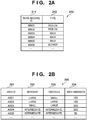
FIG. 2A is a diagram illustrating an example of work machine information stored in an information processing apparatus according to some embodiments of the present invention. -
FIG. 2B is a diagram illustrating an example of work area information stored in an information processing apparatus according to some embodiments of the present invention. -
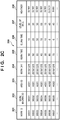
FIG. 2C is a diagram illustrating an example of work history information stored in an information processing apparatus according to some embodiments of the present invention. -
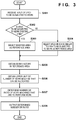
FIG. 3 is a flowchart illustrating an operation example of an information processing apparatus according to some embodiments of the present invention. -
FIG. 4 is a flowchart illustrating an operation example of an information processing apparatus according to some embodiments of the present invention. - Embodiments of the present invention will be described below with reference to the accompanying drawings. Some embodiments of the present invention relate to an information processing apparatus that can be used by a vendor that performs work using a plurality of types of work machines. In the following examples, landscaping work that is performed in a work area using two or more types out of a ride-on lawn mower, a walk-behind lawn mower, and a blower is handled as an example of work. The ride-on lawn mower is a work machine for a worker to ride on and perform lawn mowing. The ride-on lawn mower is an example of a work vehicle. The walk-behind lawn mower is a work machine for a worker to perform lawn mowing while walking. The blower is a work machine for a worker to perform blowing of lawn grass while walking. Some types out of these work machines do not need to be used for landscaping work. Also, another type of work machine such as a robot lawn mower may also be used for landscaping work. Here, landscaping work is handled as an example of work, but there is no limitation to landscaping work, and the present invention may also be applied to agricultural work, snow-plowing work, and the like, and, in this case, examples of a work machine include a cultivator and a snowplow, and there is no limitation to a lawn mower.
- A configuration example of an
information processing apparatus 100 according to some embodiments of the present invention will be described with reference toFIG. 1 . Theinformation processing apparatus 100 includes aprocessor 101, amemory 102, aninput unit 103, anoutput unit 104, acommunication unit 105, and astorage unit 106. Theprocessor 101 performs overall processing of theinformation processing apparatus 100. The processing content will be described later in detail. Theprocessor 101 may be a single processor, or may also be a plurality of separate processors. Theprocessor 101 functions as a CPU or a GPU, for example. Thememory 102 stores programs and data used for processing performed by theinformation processing apparatus 100. Thememory 102 is constituted by a ROM, a RAM, and the like. - The
input unit 103 is an apparatus for receiving input from the user of the information processing apparatus 100 (for example, a worker of a landscaping team), and is constituted by push buttons, a touch pad, a keyboard, and the like. Theoutput unit 104 is an apparatus for outputting information to the user of theinformation processing apparatus 100, and is constituted by a display, a speaker, and the like. Theinput unit 103 and theoutput unit 104 may also be constituted by a touch screen. - The
communication unit 105 is an apparatus for theinformation processing apparatus 100 to communicate with another apparatus. If thecommunication unit 105 performs wired communication, thecommunication unit 105 is constituted by a communication port, a network card, and the like. If thecommunication unit 105 performs wireless communication, thecommunication unit 105 is constituted by an antenna, a baseband processing circuit, and the like. Thestorage unit 106 stores information used for processing of theinformation processing apparatus 100. Thestorage unit 106 is constituted by an HDD, SDD, and the like. - Examples of information stored by the
information processing apparatus 100 will be described with reference toFIGS. 2A to 2C . Thestorage unit 106 of theinformation processing apparatus 100 storeswork machine information 210,work area information 220, andwork history information 230. InFIGS. 2A to 2C , the information has a table format. However, thestorage unit 106 may store such information in another format. - The
work machine information 210 is information regarding work machines owned by one landscaping vendor. Acolumn 211 represents an identifier uniquely allocated for each work machine. Acolumn 212 represents a type of work machine. In thecolumn 212, "ride-on" indicates that the work machine is a ride-on lawn mower, "walk-behind" indicates the work machine is a walk-behind lawn mower, and "blower" indicates that the work machine is a blower. Thework machine information 210 may include other information such as the use period and the model of each work machine. The user of the information processing apparatus 100 (for example, the landscaping vendor) registers information regarding work machines that can be used for work, in thework machine information 210. - The
work area information 220 is information regarding work areas in which one landscaping vendor performs work. Each of these work areas may be an area actually subjected to work in the past (existing work area), or may be an area that will be subjected to work the first time (new work area). Acolumn 221 represents an identifier uniquely allocated for each work area. Acolumn 222 represents information regarding a gradient in the work area. Information regarding a gradient refers to the ratio of a portion of the work area in which the gradient is steep and a ride-on lawn mower cannot perform work, for example. In the example inFIG. 2B , an area ID in thecolumn 221 is expressed in three stages, namely "large" (i.e., the ratio of a portion in which a ride-on lawn mower cannot perform work is large), "intermediate" (the ratio of such a portion is intermediate), and "small" (the ratio of such a portion is small). The way of expressing information regarding a gradient is not limited thereto. For example, a configuration may be adopted in which an inclination angle at which it is difficult for a ride-on lawn mower to travel is determined in advance, the inclination angle is set as a threshold, and information regarding a gradient is calculated based on the ratio of a work area that has an inclination angle that is larger than or equal to the threshold. - A
column 223 represents information regarding an obstacle in each work area. The "information regarding an obstacle" refers to the ratio of a portion of the work area in which a ride-on lawn mower cannot perform work due to an obstacle such as a tree and a rock. In the example inFIG. 2C , a work ID in acolumn 231 is expressed in three stages, namely "large" (i.e., the ratio of a portion in which a ride-on lawn mower cannot perform work is large), "intermediate" (the ratio of such a portion is intermediate), and "small" (the ratio of such a portion is small). For example, a configuration may be adopted in which the width of a work area that is formed due to an obstacle and in which it is difficult for a ride-on lawn mower to travel is determined in advance, the width is set as a threshold, and information regarding an obstacle is calculated based on the ratio of a work area having a width that is smaller than or equal to the threshold. The way of expressing information regarding an obstacle is not limited thereto. Acolumn 224 represents the area dimension of each work area (any suitable unit). - In this manner, the
columns 222 to 224 represent terrain information of each work area. Thework area information 220 may include other information such as the address of the work area. The user of the information processing apparatus 100 (for example, a landscaping vendor) performs research on information regarding the work area, and registers the research result in thework area information 220. The user of theinformation processing apparatus 100 may also update thework area information 220 based on information obtained through work performed using a work machine. - The
work history information 230 is information regarding work performed by one landscaping vendor in the past. Thecolumn 231 represents an identifier uniquely allocated for each work performed in one work area in one day using one work machine. Work for which at least one of work day, work machine, and work area is different is handled as separate work. Acolumn 232 represents an identifier of a work machine used for each work. The identifier in thecolumn 232 has the same numbering system as an identifier in thecolumn 211 of thework machine information 210. Acolumn 233 represents an identifier of a work area in which each work has been performed. The identifier in thecolumn 233 has the same numbering system as an identifier of thecolumn 221 of thework area information 220. - A
column 234 represents a date when each work was performed. Acolumn 235 represents a work time, for example, a period of time from when the worker reaches the work area until when the worker leaves the work area. Acolumn 236 represents an idling time during the work, in other words, a time during which a work unit is stopped while the driving source of the work machine is being driven, for example, a waiting time during work, such as a time during which the work machine is waiting for work of another type of work machine. In order to measure an idling time, the work machine may include a detection unit that detects a drive time of the driving source and a drive time of the work unit. Acolumn 237 represents the level of skill of a person in charge of each work that has carried out the work (a score calculated based on the length of service, the number of times the person performed work, and the like). Acolumn 238 represents the weather when each work was performed. Every time work ends, the user of the information processing apparatus 100 (for example, a landscaping vendor) registers information regarding the work in thework history information 230. - An operation example of the
information processing apparatus 100 will be described with reference toFIG. 3 . Steps of a method to be described below are performed as a result of theprocessor 101 of theinformation processing apparatus 100 executing a computer program stored thememory 102. Alternatively, some or all of the steps of the method to be described later may be executed by a dedicated circuit such as an ASIC (application specific integrated circuit). - In step S301, the
information processing apparatus 100 receives input of an area to be subjected to work, from the user. Theinformation processing apparatus 100 may obtain input using theinput unit 103, or may obtain input from another apparatus through thecommunication unit 105. If the area to be subjected to work is an existing work area registered in thework area information 220, theinformation processing apparatus 100 may obtain, as input, the identifier of the work area in thecolumn 221. If the area to be subjected to work is not an existing work area registered in the work area information 220 (if the area to be subjected to work is a new work area), theinformation processing apparatus 100 may also obtain, as input, terrain information of the area to be subjected to work (i.e., information regarding a gradient, information regarding an obstacle, and the area dimension). - In step S302, the
information processing apparatus 100 determines whether or not the area to be subjected to work is an existing work area registered in thework area information 220. If the area to be subjected to work is an existing work area (YES in step S302), theinformation processing apparatus 100 advances the procedure to step S303, otherwise (new work area) (NO in step S302) theinformation processing apparatus 100 advances the procedure to step S304. - In step S303, the
information processing apparatus 100 selects the area to be subjected to work as a reference area. The "reference area" refers to a work area that is referenced in order to determine the number or ratio of work machines that are to perform work in the area to be subjected to work. The same applies to step S304 to be described later. - In step S304, the
information processing apparatus 100 selects, as a reference area, a work area that has terrain information similar to the terrain information of the area to be subjected to work, from existing work areas registered in thework area information 220. For example, theinformation processing apparatus 100 selects, as a reference area, a work area for which the information regarding a gradient and information regarding an obstacle match those of the area to be subjected to work, and the difference in area dimension from the area to be subjected to work is smallest. For example, assume that, regarding the terrain information of the area to be subjected to work, information regarding a gradient is "large", information regarding an obstacle is "small", and the area dimension is "110". In this case, a work area for which the identifier in thework area information 220 is "A001" is selected as a reference area. When there is no existing work area for which both information regarding a gradient and information regarding an obstacle match, a work area with as close conditions as possible is selected. In addition, if there are a plurality of work areas that satisfy the conditions, theinformation processing apparatus 100 may select any one work area, or may perform subsequent processing for each of such areas, and average the results. When, in step S304, a work area whose terrain information similar to the terrain information of the area to be subjected to work is selected as a reference area, the selection may be made in consideration of information regarding the level of skill of the person in charge of work and the weather in the area to be subjected to work. The level of skill of the worker and the weather in the area to be subjected to work significantly relate to the work efficiency, and thus it is possible to perform more optimum team formation. - In step S305, the
information processing apparatus 100 obtains the work history of work performed in the reference area by work machines. Specifically, theinformation processing apparatus 100 reads out, from thework history information 230, work machine IDs, work day, work times, and idling times regarding the work performed in the reference area by work machines. - In step S306, the
information processing apparatus 100 obtains the upper limit of the number of work machines that can be allocated for the area to be subjected to work (for example, the total number of machines owned by a vendor). Theinformation processing apparatus 100 may read out the upper limit of the number of machines set in advance and stored in thestorage unit 106, or may also receive the upper limit of the number of machines from a worker via theinput unit 103 when step S306 is executed. - In step S307, the
information processing apparatus 100 determines the number or ratio of work machines that are to perform work in the area to be subjected to work, based on the work history. This processing will be described later in detail. - In step S308, the
information processing apparatus 100 outputs the determined number or ratio of machines. Theinformation processing apparatus 100 may output the result using theoutput unit 104, or may also transmit the result to another apparatus through thecommunication unit 105. - Step S307 in
FIG. 3 will be described in detail with reference toFIG. 4 . In step S401, theinformation processing apparatus 100 extracts, from thework history information 230, information regarding a work operation performed on the most recent work day from among work operations performed in the reference area. The most recent work day is extracted, since it is conceivable that the team configuration for the work operation on the most recent work day reflects the latest information. - In step S402, the
information processing apparatus 100 specifies, for each type of machine, the number of work machines used in the reference area on the most recent work day, based on the extracted work history. In work performed on December 5, 2018 in a work area whose area ID is "A001", two ride-on lawn mowers, two walk-behind lawn mowers, and one blower were used, for example. - In step S403, the
information processing apparatus 100 specifies the type of work machine for which the idling time is shortest, from among the work machines used in the reference area on the most recent work day. Regarding the type of work machine for which the idling time is short, there is the possibility that the number of such work machines is not sufficient. Therefore, theinformation processing apparatus 100 considers increasing the number of such work machines. - In step S404, the
information processing apparatus 100 determines whether or not it is possible to increase the number of work machines of the type specified in step S403. If it is possible to increase the number of such work machines (YES in step S404), theinformation processing apparatus 100 advances the procedure to step S405, otherwise (NO in step S404) advances the procedure to step S406. For example, if the number of work machines specified in step S402 (the number of work machines used in past work) is the upper limit of the number of work machines (for example, the total number of machines owned by a vendor) that can be allocated for the area to be subjected to work, theinformation processing apparatus 100 determines that it is not possible to increase the number of work machines of the type specified in step S403. In step S405, theinformation processing apparatus 100 decreases the number of work machines of the type specified in step S403 by one. - In step S406, the
information processing apparatus 100 specifies the type of work machine for which the idling time is longest, from among work machines used in the reference area on the most recent work day. There is the possibility that, regarding the type of work machine for which the idling time is long, the number of such machines is more than sufficient. Therefore, theinformation processing apparatus 100 considers decreasing the number of such work machines. - In step S407, the
information processing apparatus 100 determines whether or not it is possible to decrease the number of work machines of the type specified in step S406. If it is possible to decrease the number of such work machines (YES in step S407), theinformation processing apparatus 100 advances the procedure to step S408, otherwise (NO in step S407) ends the procedure. For example, if the number of work machines specified in step S402 (the number of machines used in past work) is the lower limit of the number of machines (for example, one) that can be allocated for the area to be subjected to work, theinformation processing apparatus 100 determines that it is not possible to decrease the number of work machines of the type specified in step S406. In step S408, theinformation processing apparatus 100 decreases the number of work machines of the type specified in step S406 by one. - In step S409, the
information processing apparatus 100 determines the result of increasing or decreasing, in step S405 or S408, the number of work machines specified in step S402, as the number of work machines that are to perform work in the area to be subjected to work. Theinformation processing apparatus 100 may also determine the ratio of work machines that are to perform work in the area to be subjected to work, in addition to or in place of determining the number of work machines. Using this ratio, the user of theinformation processing apparatus 100 can determine an appropriate number of work machines, regarding an area to be subjected to work, for which information regarding a gradient and information regarding an obstacle match but the area dimension is different. - The area to be subjected to work that is input in step S301 in
FIG. 3 may be a single area, or may be divided into a plurality of areas. If the area is divided into a plurality of areas, theinformation processing apparatus 100 performs the processing inFIG. 3 on each of the divided areas. In this case, theinformation processing apparatus 100 may determine the number or ratio of work machines, based on the work area dimensions of the plurality of areas. For example, theinformation processing apparatus 100 may determine the number of work machines such that the number of work machines that are used in each area is proportional to the area dimension ratio. - According to above-described embodiment, it is possible to shorten the idling times of a plurality of types of work machines, and perform team formation for realizing the optimum work efficiency.
-
- 1. An information processing apparatus (100) characterized by comprising:
- obtaining means for obtaining a work history (230) of work performed by a plurality of types of work machines (S305);
- determination means for determining a number or ratio of work machines that are to perform work in an area to be subjected to work, based on the work history (S307).
According to this configuration, it is possible to calculate the optimum number or ratio of work machines based on the work history, for example, and perform team formation for realizing the optimum work efficiency. - 2. The information processing apparatus according to 1, characterized in that
determining the number or ratio of work machines that are to perform work in the area to be subjected to work includes determining the number or ratio based on a work history of work performed by a work machine in a work area that has terrain information similar to terrain information (222 to 224) of the area to be subjected to work (S304).
According to this configuration, it is possible to efficiently perform optimum team formation even for a new area to be subjected to work, by performing a determination based on a work history of an area that has similar terrain information. - 3. The information processing apparatus according to 1 or 2, characterized in that
the work history includes an idling time (236) while work is performed by the plurality of types of work machines.
According to this configuration, it is possible to efficiently perform optimum team formation by performing a determination based on an idling time. - 4. The information processing apparatus according to any one of 1 to 3, characterized in that
the plurality of types of work machines include a ride-on lawn mower and a walk-behind lawn mower, and
terrain information of the area to be subjected to work includes information regarding a gradient (222) and information regarding an obstacle (223).
According to this configuration, it is possible to more accurately specify an area in which a ride-on lawn mower does not perform work, and perform team formation for realizing the optimum the work efficiency. - 5. The information processing apparatus according to any one of 1 to 4, characterized in that
the work history includes at least one of a level of skill of a person in charge of work (237) and a weather in a work location (238).
According to this configuration, the level of skill of the worker and the weather in the area to be subjected to work significantly relate to the work efficiency, and thus it is possible to perform more optimum team formation. - 6. The information processing apparatus according to any one of 1 to 5, characterized in that
determining the number or ratio of work machines that are to perform work in the area to be subjected to work includes determining the number or ratio such that an upper limit of the number of work machines that can be allocated for the area to be subjected to work is not exceeded (S404).
According to this configuration, it is possible to perform team formation for realizing the optimum work efficiency while satisfying the condition of the number of work machines that can be allocated. - 7. The information processing apparatus according to any one of 1 to 6, characterized in that
the area to be subjected to work is divided into a plurality of areas, and
determining the number or ratio includes determining the number or ratio of work machines that are to perform work in each of the plurality of areas, based on a work area dimension of the area.
According to this configuration, even if the area to be subjected to work is divided into a plurality of areas, it is possible to efficiently perform optimum team formation. - 8. An information processing method characterized by comprising:
- obtaining a work history (230) of work performed by a plurality of types of work machines (S305); and
- determining a number or ratio of work machines that are to perform work in an area to be subjected to work, based on the work history (S307).
According to this configuration, it is possible to calculate the optimum number or ratio of work machines based on the work history, for example, and perform team formation for realizing the optimum work efficiency. - 9. A computer program for causing a computer to function as each means of the information processing apparatus according to any one of 1 to 7.
- According to this configuration, it is possible to provide the assistance apparatus in the form of a program.
- The present invention is not limited to the above embodiments and various changes and modifications can be made within the spirit and scope of the present invention. Therefore, to apprise the public of the scope of the present invention, the following claims are made.
-
- 100
- Information processing apparatus
- 210
- Work machine information
- 220
- Work area information
- 230
- Work history information
Claims (9)
- An information processing apparatus characterized by comprising:obtaining means for obtaining a work history of work performed by a plurality of types of work machines; anddetermination means for determining a number or ratio of work machines that are to perform work in an area to be subjected to work, based on the work history.
- The information processing apparatus according to claim 1, characterized in that
determining the number or ratio of work machines that are to perform work in the area to be subjected to work includes determining the number or ratio based on a work history of work performed by a work machine in a work area that has terrain information similar to terrain information of the area to be subjected to work. - The information processing apparatus according to claim 1 or 2, characterized in that
the work history includes an idling time while work is performed by the plurality of types of work machines. - The information processing apparatus according to any one of claims 1 to 3, characterized in that
the plurality of types of work machines include a ride-on lawn mower and a walk-behind lawn mower, and
the terrain information of the area to be subjected to work includes information regarding a gradient and information regarding an obstacle. - The information processing apparatus according to any one of claims 1 to 4, characterized in that
the work history includes at least one of a level of skill of a person in charge of work and a weather in a work location. - The information processing apparatus according to any one of claims 1 to 5, characterized in that
determining the number or ratio of work machines that are to perform work in the area to be subjected to work includes determining the number or ratio such that an upper limit of the number of work machines that can be allocated for the area to be subjected to work is not exceeded. - The information processing apparatus according to any one of claims 1 to 6, characterized in that
the area to be subjected to work is divided into a plurality of areas, and
determining the number or ratio includes determining the number or ratio of work machines that are to perform work in each of the plurality of areas, based on a work area dimension of the area. - An information processing method characterized by comprising:obtaining a work history of work performed by a plurality of types of work machines; anddetermining a number or ratio of work machines that are to perform work in an area to be subjected to work, based on the work history.
- A computer program for causing a computer to function as each means of
the information processing apparatus according to any one of claims 1 to 7.
Applications Claiming Priority (1)
| Application Number | Priority Date | Filing Date | Title |
|---|---|---|---|
| PCT/JP2018/048167 WO2020136811A1 (en) | 2018-12-27 | 2018-12-27 | Information processing device and information processing method |
Publications (3)
| Publication Number | Publication Date |
|---|---|
| EP3859467A1 true EP3859467A1 (en) | 2021-08-04 |
| EP3859467A4 EP3859467A4 (en) | 2021-11-03 |
| EP3859467B1 EP3859467B1 (en) | 2024-05-15 |
Family
ID=71129258
Family Applications (1)
| Application Number | Title | Priority Date | Filing Date |
|---|---|---|---|
| EP18945298.0A Active EP3859467B1 (en) | 2018-12-27 | 2018-12-27 | Information processing device and information processing method |
Country Status (4)
| Country | Link |
|---|---|
| US (1) | US20210295229A1 (en) |
| EP (1) | EP3859467B1 (en) |
| JP (1) | JP7174071B2 (en) |
| WO (1) | WO2020136811A1 (en) |
Families Citing this family (2)
| Publication number | Priority date | Publication date | Assignee | Title |
|---|---|---|---|---|
| EP4357989A4 (en) * | 2021-06-15 | 2024-07-10 | Honda Motor Co., Ltd. | OPERATING HOURS PREDICTION DEVICE, SERVER DEVICE, TERMINAL DEVICE, OPERATING HOURS PREDICTION METHOD AND PROGRAM |
| JP7587696B2 (en) * | 2021-06-15 | 2024-11-20 | 本田技研工業株式会社 | Information processing device, terminal device, information processing method, and program |
Family Cites Families (15)
| Publication number | Priority date | Publication date | Assignee | Title |
|---|---|---|---|---|
| JP2009087138A (en) * | 2007-10-01 | 2009-04-23 | Elpida Memory Inc | Transport system, transport vehicle management apparatus, and transport control method |
| JP5381106B2 (en) * | 2009-01-07 | 2014-01-08 | コベルコクレーン株式会社 | Crane operation evaluation device |
| US8744626B2 (en) * | 2010-05-27 | 2014-06-03 | Deere & Company | Managing autonomous machines across multiple areas |
| DE102011088700A1 (en) * | 2011-12-15 | 2013-06-20 | Claas Selbstfahrende Erntemaschinen Gmbh | Method for planning a process chain for an agricultural labor input |
| DE102014104619A1 (en) * | 2014-04-02 | 2015-10-08 | Claas Agrosystems Kgaa Mbh & Co. Kg | Planning system and method for planning fieldwork |
| JP6219790B2 (en) | 2014-07-29 | 2017-10-25 | 株式会社クボタ | Work vehicle coordination system |
| JP2017010161A (en) * | 2015-06-18 | 2017-01-12 | 本田技研工業株式会社 | Control device for unmanned work machines |
| US20180218301A1 (en) * | 2015-10-05 | 2018-08-02 | Komatsu Ltd. | Construction management system and construction management method |
| JPWO2017130446A1 (en) * | 2016-01-29 | 2018-11-22 | 日揮株式会社 | Project management apparatus, project management system, project management method and program |
| US20170349058A1 (en) * | 2016-06-07 | 2017-12-07 | Briggs & Stratton Corporation | Fleet management system for outdoor power equipment |
| JP7034589B2 (en) | 2016-12-28 | 2022-03-14 | ヤンマーパワーテクノロジー株式会社 | Work vehicle route generation system |
| JP6687511B2 (en) * | 2016-12-28 | 2020-04-22 | 本田技研工業株式会社 | Control device, monitoring device, and control program |
| JP6884596B2 (en) * | 2017-03-01 | 2021-06-09 | パナソニック インテレクチュアル プロパティ コーポレーション オブ アメリカPanasonic Intellectual Property Corporation of America | Cleaning support method, cleaning support device and cleaning support program |
| WO2020136812A1 (en) * | 2018-12-27 | 2020-07-02 | 本田技研工業株式会社 | Assistance device and assistance method |
| JP2023000772A (en) * | 2021-06-18 | 2023-01-04 | 本田技研工業株式会社 | Information processor, information processing method, and program |
-
2018
- 2018-12-27 WO PCT/JP2018/048167 patent/WO2020136811A1/en not_active Ceased
- 2018-12-27 EP EP18945298.0A patent/EP3859467B1/en active Active
- 2018-12-27 JP JP2020562051A patent/JP7174071B2/en active Active
-
2021
- 2021-06-04 US US17/338,879 patent/US20210295229A1/en not_active Abandoned
Also Published As
| Publication number | Publication date |
|---|---|
| EP3859467B1 (en) | 2024-05-15 |
| JP7174071B2 (en) | 2022-11-17 |
| EP3859467A4 (en) | 2021-11-03 |
| US20210295229A1 (en) | 2021-09-23 |
| WO2020136811A1 (en) | 2020-07-02 |
| JPWO2020136811A1 (en) | 2021-11-11 |
Similar Documents
| Publication | Publication Date | Title |
|---|---|---|
| EP3315014B1 (en) | A system for forecasting the drying of an agricultural crop | |
| US11343957B2 (en) | Agricultural work system | |
| US12211119B2 (en) | Methods for generating soil maps and application prescriptions | |
| RU2701892C2 (en) | Field development planning system, field development planning method and agricultural working machine with such planning system | |
| US20150065255A1 (en) | Non-transitory computer-readable storage medium, and information processing device | |
| US20160104349A1 (en) | Non-transitory computer-readable storage medium and information processing device | |
| EP3872740B1 (en) | Assistance device and assistance method | |
| US20210295229A1 (en) | Information processing apparatus and information processing method | |
| JP7433105B2 (en) | Information provision device, mowing vehicle and mowing management system | |
| CN114815812A (en) | A lawn mowing robot operation control method, device, electronic device and storage medium | |
| US20220405825A1 (en) | Flowerbed sales order system, flowerbed sales order program, and flowerbed sales order method | |
| CN118633416A (en) | A mowing path generation method and related device | |
| EP3589107B1 (en) | System and method of bale collection | |
| KR20220086549A (en) | Job-related information management device and job-related information management system | |
| WO2023144636A1 (en) | Operational path planning | |
| JP2023182936A (en) | Maintenance management method, maintenance management system, and maintenance management program | |
| KR20130033505A (en) | System for providing user oriented recommendation service | |
| US20220405690A1 (en) | Information processing apparatus, information processing method, and storage medium | |
| KR20230045014A (en) | Work management systems, work management methods and work management programs | |
| JP6678100B2 (en) | Program, game control method, and information processing device | |
| JP2020194311A (en) | Vehicle guidance device, method thereof, and computer program therefor | |
| US20240112467A1 (en) | Information processing device, terminal device, information processing method, and storage medium | |
| KR102865461B1 (en) | Method for controlling multiple management devices and control devices | |
| US20240107936A1 (en) | Information output device and information output method | |
| JP7645153B2 (en) | Field management method, field management system, and field management program |
Legal Events
| Date | Code | Title | Description |
|---|---|---|---|
| STAA | Information on the status of an ep patent application or granted ep patent |
Free format text: STATUS: THE INTERNATIONAL PUBLICATION HAS BEEN MADE |
|
| PUAI | Public reference made under article 153(3) epc to a published international application that has entered the european phase |
Free format text: ORIGINAL CODE: 0009012 |
|
| STAA | Information on the status of an ep patent application or granted ep patent |
Free format text: STATUS: REQUEST FOR EXAMINATION WAS MADE |
|
| 17P | Request for examination filed |
Effective date: 20210428 |
|
| AK | Designated contracting states |
Kind code of ref document: A1 Designated state(s): AL AT BE BG CH CY CZ DE DK EE ES FI FR GB GR HR HU IE IS IT LI LT LU LV MC MK MT NL NO PL PT RO RS SE SI SK SM TR |
|
| A4 | Supplementary search report drawn up and despatched |
Effective date: 20211004 |
|
| RIC1 | Information provided on ipc code assigned before grant |
Ipc: A01D 34/00 20060101ALI20210928BHEP Ipc: G05B 19/418 20060101ALI20210928BHEP Ipc: G06Q 10/06 20120101AFI20210928BHEP |
|
| DAV | Request for validation of the european patent (deleted) | ||
| DAX | Request for extension of the european patent (deleted) | ||
| STAA | Information on the status of an ep patent application or granted ep patent |
Free format text: STATUS: EXAMINATION IS IN PROGRESS |
|
| 17Q | First examination report despatched |
Effective date: 20220615 |
|
| REG | Reference to a national code |
Ref country code: DE Ref legal event code: R079 Free format text: PREVIOUS MAIN CLASS: G05B0019418000 Ipc: G06Q0010063100 Ref country code: DE Ref legal event code: R079 Ref document number: 602018069682 Country of ref document: DE Free format text: PREVIOUS MAIN CLASS: G05B0019418000 Ipc: G06Q0010063100 |
|
| GRAP | Despatch of communication of intention to grant a patent |
Free format text: ORIGINAL CODE: EPIDOSNIGR1 |
|
| STAA | Information on the status of an ep patent application or granted ep patent |
Free format text: STATUS: GRANT OF PATENT IS INTENDED |
|
| RIC1 | Information provided on ipc code assigned before grant |
Ipc: A01D 34/00 20060101ALI20231030BHEP Ipc: G06Q 10/0631 20230101AFI20231030BHEP |
|
| INTG | Intention to grant announced |
Effective date: 20231205 |
|
| GRAS | Grant fee paid |
Free format text: ORIGINAL CODE: EPIDOSNIGR3 |
|
| GRAA | (expected) grant |
Free format text: ORIGINAL CODE: 0009210 |
|
| STAA | Information on the status of an ep patent application or granted ep patent |
Free format text: STATUS: THE PATENT HAS BEEN GRANTED |
|
| AK | Designated contracting states |
Kind code of ref document: B1 Designated state(s): AL AT BE BG CH CY CZ DE DK EE ES FI FR GB GR HR HU IE IS IT LI LT LU LV MC MK MT NL NO PL PT RO RS SE SI SK SM TR |
|
| REG | Reference to a national code |
Ref country code: CH Ref legal event code: EP |
|
| REG | Reference to a national code |
Ref country code: IE Ref legal event code: FG4D |
|
| REG | Reference to a national code |
Ref country code: DE Ref legal event code: R096 Ref document number: 602018069682 Country of ref document: DE |
|
| REG | Reference to a national code |
Ref country code: LT Ref legal event code: MG9D |
|
| REG | Reference to a national code |
Ref country code: NL Ref legal event code: MP Effective date: 20240515 |
|
| PG25 | Lapsed in a contracting state [announced via postgrant information from national office to epo] |
Ref country code: IS Free format text: LAPSE BECAUSE OF FAILURE TO SUBMIT A TRANSLATION OF THE DESCRIPTION OR TO PAY THE FEE WITHIN THE PRESCRIBED TIME-LIMIT Effective date: 20240915 |
|
| PG25 | Lapsed in a contracting state [announced via postgrant information from national office to epo] |
Ref country code: BG Free format text: LAPSE BECAUSE OF FAILURE TO SUBMIT A TRANSLATION OF THE DESCRIPTION OR TO PAY THE FEE WITHIN THE PRESCRIBED TIME-LIMIT Effective date: 20240515 |
|
| PG25 | Lapsed in a contracting state [announced via postgrant information from national office to epo] |
Ref country code: FI Free format text: LAPSE BECAUSE OF FAILURE TO SUBMIT A TRANSLATION OF THE DESCRIPTION OR TO PAY THE FEE WITHIN THE PRESCRIBED TIME-LIMIT Effective date: 20240515 Ref country code: HR Free format text: LAPSE BECAUSE OF FAILURE TO SUBMIT A TRANSLATION OF THE DESCRIPTION OR TO PAY THE FEE WITHIN THE PRESCRIBED TIME-LIMIT Effective date: 20240515 |
|
| PG25 | Lapsed in a contracting state [announced via postgrant information from national office to epo] |
Ref country code: GR Free format text: LAPSE BECAUSE OF FAILURE TO SUBMIT A TRANSLATION OF THE DESCRIPTION OR TO PAY THE FEE WITHIN THE PRESCRIBED TIME-LIMIT Effective date: 20240816 |
|
| PG25 | Lapsed in a contracting state [announced via postgrant information from national office to epo] |
Ref country code: PT Free format text: LAPSE BECAUSE OF FAILURE TO SUBMIT A TRANSLATION OF THE DESCRIPTION OR TO PAY THE FEE WITHIN THE PRESCRIBED TIME-LIMIT Effective date: 20240916 |
|
| REG | Reference to a national code |
Ref country code: AT Ref legal event code: MK05 Ref document number: 1687516 Country of ref document: AT Kind code of ref document: T Effective date: 20240515 |
|
| PG25 | Lapsed in a contracting state [announced via postgrant information from national office to epo] |
Ref country code: NL Free format text: LAPSE BECAUSE OF FAILURE TO SUBMIT A TRANSLATION OF THE DESCRIPTION OR TO PAY THE FEE WITHIN THE PRESCRIBED TIME-LIMIT Effective date: 20240515 |
|
| PG25 | Lapsed in a contracting state [announced via postgrant information from national office to epo] |
Ref country code: ES Free format text: LAPSE BECAUSE OF FAILURE TO SUBMIT A TRANSLATION OF THE DESCRIPTION OR TO PAY THE FEE WITHIN THE PRESCRIBED TIME-LIMIT Effective date: 20240515 |
|
| PG25 | Lapsed in a contracting state [announced via postgrant information from national office to epo] |
Ref country code: AT Free format text: LAPSE BECAUSE OF FAILURE TO SUBMIT A TRANSLATION OF THE DESCRIPTION OR TO PAY THE FEE WITHIN THE PRESCRIBED TIME-LIMIT Effective date: 20240515 |
|
| PG25 | Lapsed in a contracting state [announced via postgrant information from national office to epo] |
Ref country code: PL Free format text: LAPSE BECAUSE OF FAILURE TO SUBMIT A TRANSLATION OF THE DESCRIPTION OR TO PAY THE FEE WITHIN THE PRESCRIBED TIME-LIMIT Effective date: 20240515 |
|
| PG25 | Lapsed in a contracting state [announced via postgrant information from national office to epo] |
Ref country code: LV Free format text: LAPSE BECAUSE OF FAILURE TO SUBMIT A TRANSLATION OF THE DESCRIPTION OR TO PAY THE FEE WITHIN THE PRESCRIBED TIME-LIMIT Effective date: 20240515 |
|
| PG25 | Lapsed in a contracting state [announced via postgrant information from national office to epo] |
Ref country code: PT Free format text: LAPSE BECAUSE OF FAILURE TO SUBMIT A TRANSLATION OF THE DESCRIPTION OR TO PAY THE FEE WITHIN THE PRESCRIBED TIME-LIMIT Effective date: 20240916 Ref country code: PL Free format text: LAPSE BECAUSE OF FAILURE TO SUBMIT A TRANSLATION OF THE DESCRIPTION OR TO PAY THE FEE WITHIN THE PRESCRIBED TIME-LIMIT Effective date: 20240515 Ref country code: NO Free format text: LAPSE BECAUSE OF FAILURE TO SUBMIT A TRANSLATION OF THE DESCRIPTION OR TO PAY THE FEE WITHIN THE PRESCRIBED TIME-LIMIT Effective date: 20240815 Ref country code: NL Free format text: LAPSE BECAUSE OF FAILURE TO SUBMIT A TRANSLATION OF THE DESCRIPTION OR TO PAY THE FEE WITHIN THE PRESCRIBED TIME-LIMIT Effective date: 20240515 Ref country code: LV Free format text: LAPSE BECAUSE OF FAILURE TO SUBMIT A TRANSLATION OF THE DESCRIPTION OR TO PAY THE FEE WITHIN THE PRESCRIBED TIME-LIMIT Effective date: 20240515 Ref country code: IS Free format text: LAPSE BECAUSE OF FAILURE TO SUBMIT A TRANSLATION OF THE DESCRIPTION OR TO PAY THE FEE WITHIN THE PRESCRIBED TIME-LIMIT Effective date: 20240915 Ref country code: HR Free format text: LAPSE BECAUSE OF FAILURE TO SUBMIT A TRANSLATION OF THE DESCRIPTION OR TO PAY THE FEE WITHIN THE PRESCRIBED TIME-LIMIT Effective date: 20240515 Ref country code: GR Free format text: LAPSE BECAUSE OF FAILURE TO SUBMIT A TRANSLATION OF THE DESCRIPTION OR TO PAY THE FEE WITHIN THE PRESCRIBED TIME-LIMIT Effective date: 20240816 Ref country code: FI Free format text: LAPSE BECAUSE OF FAILURE TO SUBMIT A TRANSLATION OF THE DESCRIPTION OR TO PAY THE FEE WITHIN THE PRESCRIBED TIME-LIMIT Effective date: 20240515 Ref country code: ES Free format text: LAPSE BECAUSE OF FAILURE TO SUBMIT A TRANSLATION OF THE DESCRIPTION OR TO PAY THE FEE WITHIN THE PRESCRIBED TIME-LIMIT Effective date: 20240515 Ref country code: BG Free format text: LAPSE BECAUSE OF FAILURE TO SUBMIT A TRANSLATION OF THE DESCRIPTION OR TO PAY THE FEE WITHIN THE PRESCRIBED TIME-LIMIT Effective date: 20240515 Ref country code: AT Free format text: LAPSE BECAUSE OF FAILURE TO SUBMIT A TRANSLATION OF THE DESCRIPTION OR TO PAY THE FEE WITHIN THE PRESCRIBED TIME-LIMIT Effective date: 20240515 Ref country code: RS Free format text: LAPSE BECAUSE OF FAILURE TO SUBMIT A TRANSLATION OF THE DESCRIPTION OR TO PAY THE FEE WITHIN THE PRESCRIBED TIME-LIMIT Effective date: 20240815 |
|
| PG25 | Lapsed in a contracting state [announced via postgrant information from national office to epo] |
Ref country code: DK Free format text: LAPSE BECAUSE OF FAILURE TO SUBMIT A TRANSLATION OF THE DESCRIPTION OR TO PAY THE FEE WITHIN THE PRESCRIBED TIME-LIMIT Effective date: 20240515 |
|
| PG25 | Lapsed in a contracting state [announced via postgrant information from national office to epo] |
Ref country code: EE Free format text: LAPSE BECAUSE OF FAILURE TO SUBMIT A TRANSLATION OF THE DESCRIPTION OR TO PAY THE FEE WITHIN THE PRESCRIBED TIME-LIMIT Effective date: 20240515 |
|
| PG25 | Lapsed in a contracting state [announced via postgrant information from national office to epo] |
Ref country code: CZ Free format text: LAPSE BECAUSE OF FAILURE TO SUBMIT A TRANSLATION OF THE DESCRIPTION OR TO PAY THE FEE WITHIN THE PRESCRIBED TIME-LIMIT Effective date: 20240515 |
|
| PG25 | Lapsed in a contracting state [announced via postgrant information from national office to epo] |
Ref country code: SK Free format text: LAPSE BECAUSE OF FAILURE TO SUBMIT A TRANSLATION OF THE DESCRIPTION OR TO PAY THE FEE WITHIN THE PRESCRIBED TIME-LIMIT Effective date: 20240515 Ref country code: RO Free format text: LAPSE BECAUSE OF FAILURE TO SUBMIT A TRANSLATION OF THE DESCRIPTION OR TO PAY THE FEE WITHIN THE PRESCRIBED TIME-LIMIT Effective date: 20240515 |
|
| PG25 | Lapsed in a contracting state [announced via postgrant information from national office to epo] |
Ref country code: SM Free format text: LAPSE BECAUSE OF FAILURE TO SUBMIT A TRANSLATION OF THE DESCRIPTION OR TO PAY THE FEE WITHIN THE PRESCRIBED TIME-LIMIT Effective date: 20240515 |
|
| PG25 | Lapsed in a contracting state [announced via postgrant information from national office to epo] |
Ref country code: SM Free format text: LAPSE BECAUSE OF FAILURE TO SUBMIT A TRANSLATION OF THE DESCRIPTION OR TO PAY THE FEE WITHIN THE PRESCRIBED TIME-LIMIT Effective date: 20240515 Ref country code: SK Free format text: LAPSE BECAUSE OF FAILURE TO SUBMIT A TRANSLATION OF THE DESCRIPTION OR TO PAY THE FEE WITHIN THE PRESCRIBED TIME-LIMIT Effective date: 20240515 Ref country code: RO Free format text: LAPSE BECAUSE OF FAILURE TO SUBMIT A TRANSLATION OF THE DESCRIPTION OR TO PAY THE FEE WITHIN THE PRESCRIBED TIME-LIMIT Effective date: 20240515 Ref country code: EE Free format text: LAPSE BECAUSE OF FAILURE TO SUBMIT A TRANSLATION OF THE DESCRIPTION OR TO PAY THE FEE WITHIN THE PRESCRIBED TIME-LIMIT Effective date: 20240515 Ref country code: DK Free format text: LAPSE BECAUSE OF FAILURE TO SUBMIT A TRANSLATION OF THE DESCRIPTION OR TO PAY THE FEE WITHIN THE PRESCRIBED TIME-LIMIT Effective date: 20240515 Ref country code: CZ Free format text: LAPSE BECAUSE OF FAILURE TO SUBMIT A TRANSLATION OF THE DESCRIPTION OR TO PAY THE FEE WITHIN THE PRESCRIBED TIME-LIMIT Effective date: 20240515 |
|
| PG25 | Lapsed in a contracting state [announced via postgrant information from national office to epo] |
Ref country code: IT Free format text: LAPSE BECAUSE OF FAILURE TO SUBMIT A TRANSLATION OF THE DESCRIPTION OR TO PAY THE FEE WITHIN THE PRESCRIBED TIME-LIMIT Effective date: 20240515 |
|
| REG | Reference to a national code |
Ref country code: DE Ref legal event code: R097 Ref document number: 602018069682 Country of ref document: DE |
|
| PLBE | No opposition filed within time limit |
Free format text: ORIGINAL CODE: 0009261 |
|
| STAA | Information on the status of an ep patent application or granted ep patent |
Free format text: STATUS: NO OPPOSITION FILED WITHIN TIME LIMIT |
|
| 26N | No opposition filed |
Effective date: 20250218 |
|
| PG25 | Lapsed in a contracting state [announced via postgrant information from national office to epo] |
Ref country code: SI Free format text: LAPSE BECAUSE OF FAILURE TO SUBMIT A TRANSLATION OF THE DESCRIPTION OR TO PAY THE FEE WITHIN THE PRESCRIBED TIME-LIMIT Effective date: 20240515 |
|
| PG25 | Lapsed in a contracting state [announced via postgrant information from national office to epo] |
Ref country code: MC Free format text: LAPSE BECAUSE OF FAILURE TO SUBMIT A TRANSLATION OF THE DESCRIPTION OR TO PAY THE FEE WITHIN THE PRESCRIBED TIME-LIMIT Effective date: 20240515 |
|
| REG | Reference to a national code |
Ref country code: CH Ref legal event code: PL |
|
| PG25 | Lapsed in a contracting state [announced via postgrant information from national office to epo] |
Ref country code: LU Free format text: LAPSE BECAUSE OF NON-PAYMENT OF DUE FEES Effective date: 20241227 |
|
| GBPC | Gb: european patent ceased through non-payment of renewal fee |
Effective date: 20241227 |
|
| PG25 | Lapsed in a contracting state [announced via postgrant information from national office to epo] |
Ref country code: SE Free format text: LAPSE BECAUSE OF FAILURE TO SUBMIT A TRANSLATION OF THE DESCRIPTION OR TO PAY THE FEE WITHIN THE PRESCRIBED TIME-LIMIT Effective date: 20240515 |
|
| REG | Reference to a national code |
Ref country code: BE Ref legal event code: MM Effective date: 20241231 |
|
| PG25 | Lapsed in a contracting state [announced via postgrant information from national office to epo] |
Ref country code: BE Free format text: LAPSE BECAUSE OF NON-PAYMENT OF DUE FEES Effective date: 20241231 Ref country code: GB Free format text: LAPSE BECAUSE OF NON-PAYMENT OF DUE FEES Effective date: 20241227 |
|
| PG25 | Lapsed in a contracting state [announced via postgrant information from national office to epo] |
Ref country code: FR Free format text: LAPSE BECAUSE OF NON-PAYMENT OF DUE FEES Effective date: 20241231 |
|
| PG25 | Lapsed in a contracting state [announced via postgrant information from national office to epo] |
Ref country code: CH Free format text: LAPSE BECAUSE OF NON-PAYMENT OF DUE FEES Effective date: 20241231 |
|
| PG25 | Lapsed in a contracting state [announced via postgrant information from national office to epo] |
Ref country code: IE Free format text: LAPSE BECAUSE OF NON-PAYMENT OF DUE FEES Effective date: 20241227 |
|
| REG | Reference to a national code |
Ref country code: DE Ref legal event code: R084 Ref document number: 602018069682 Country of ref document: DE |
|
| PGFP | Annual fee paid to national office [announced via postgrant information from national office to epo] |
Ref country code: DE Payment date: 20251126 Year of fee payment: 8 |